



Filters
Out of stock
Price
Sort by

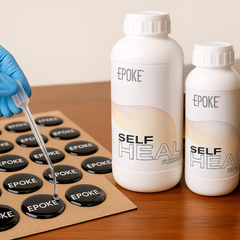
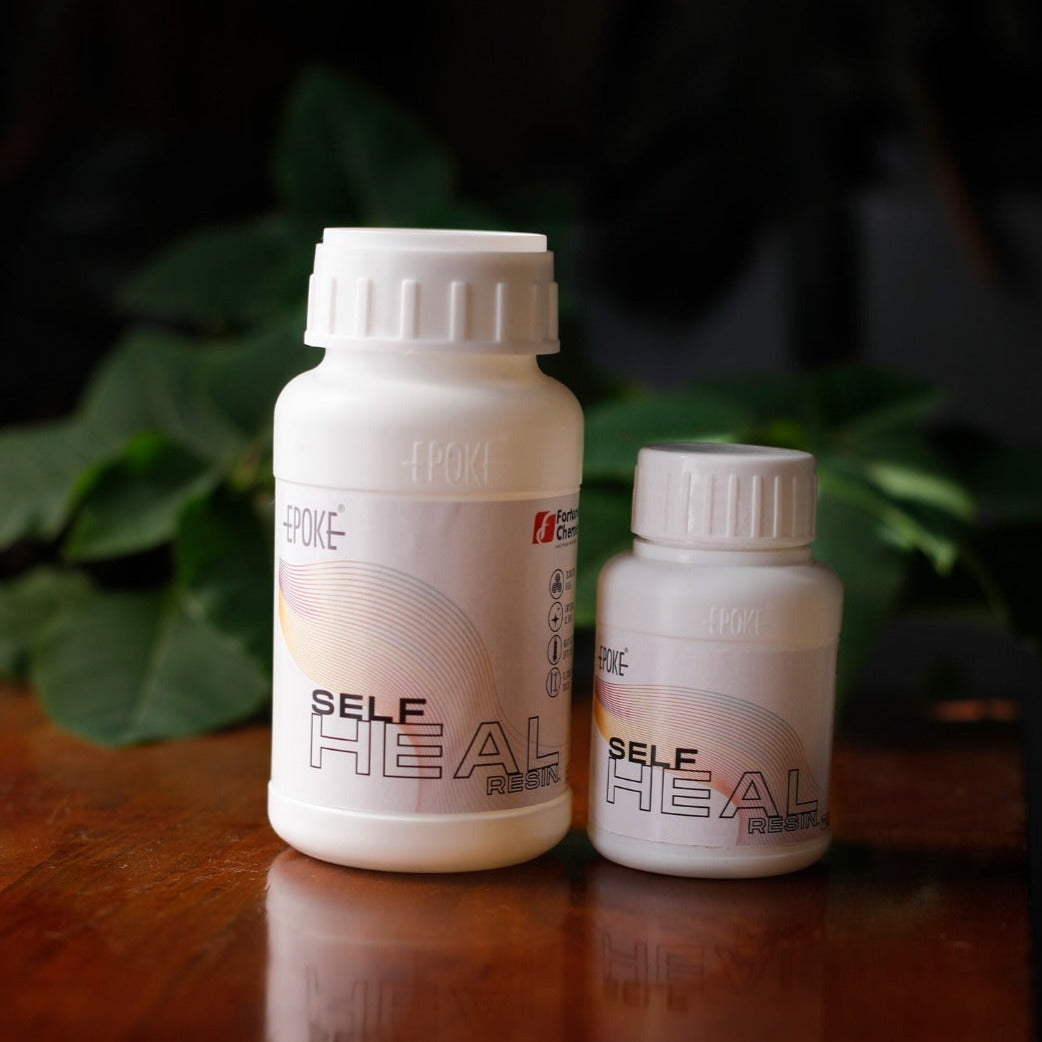
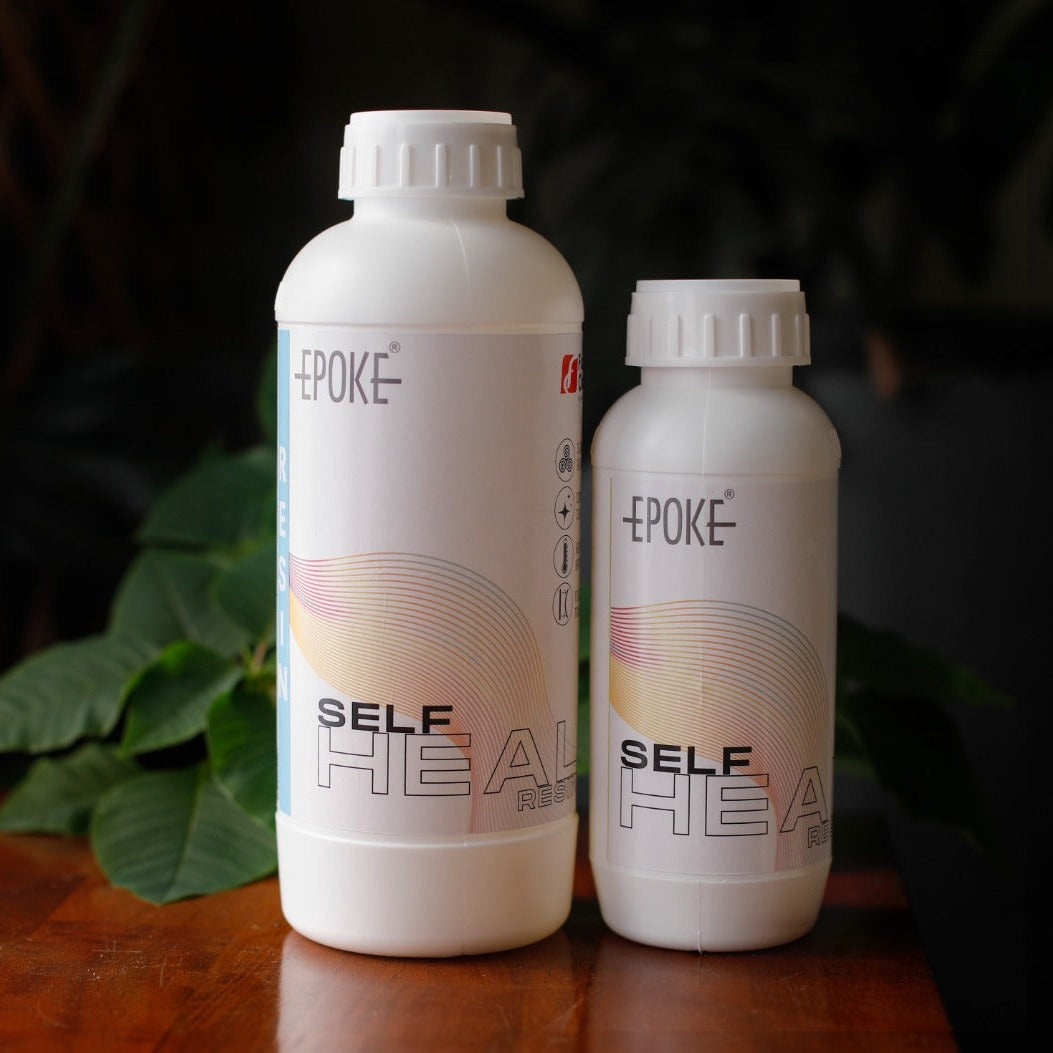
EPOKE Self Heal Resin: Flexible Doming Epoxy for Resin Art

What Is EPOKE Self-Heal Resin?

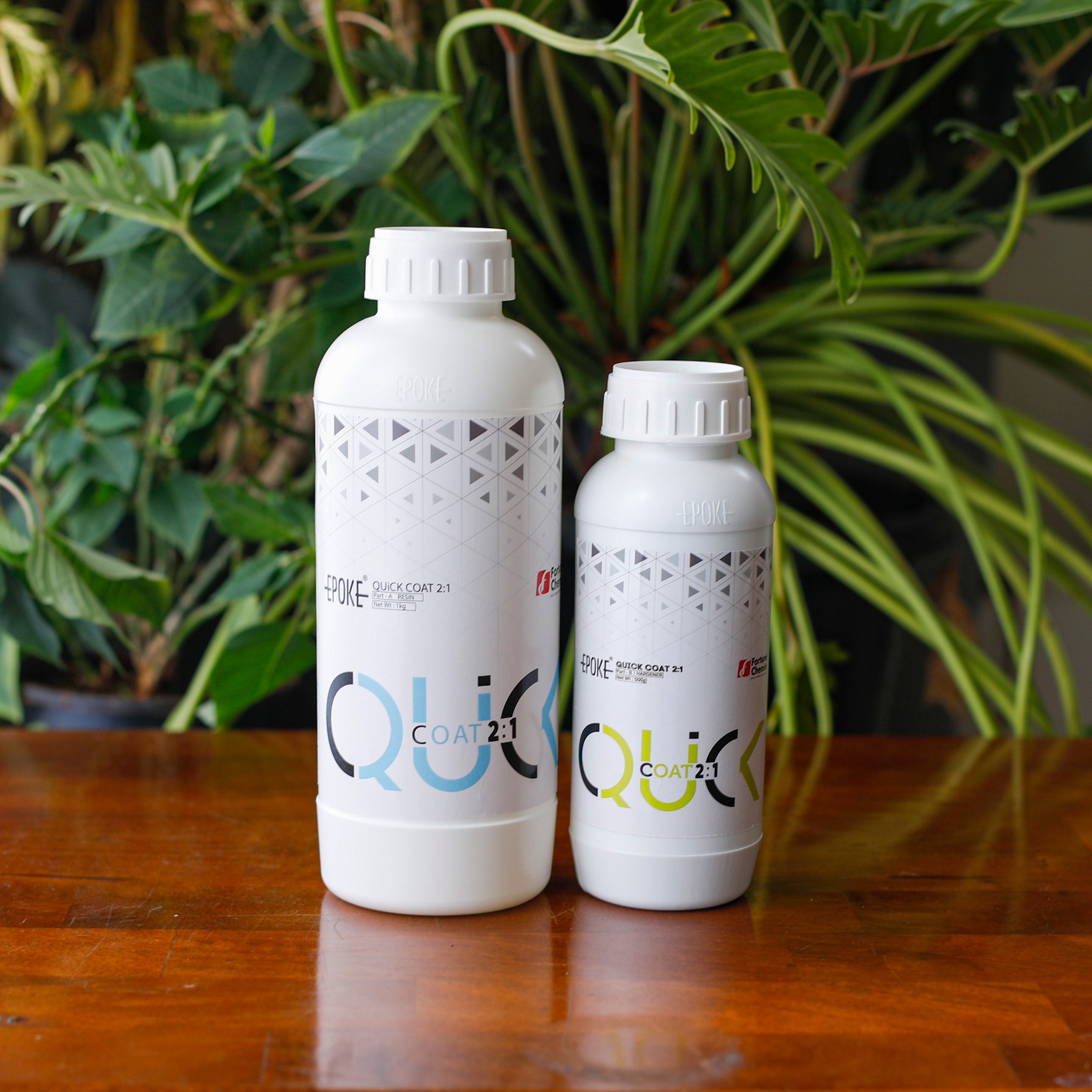
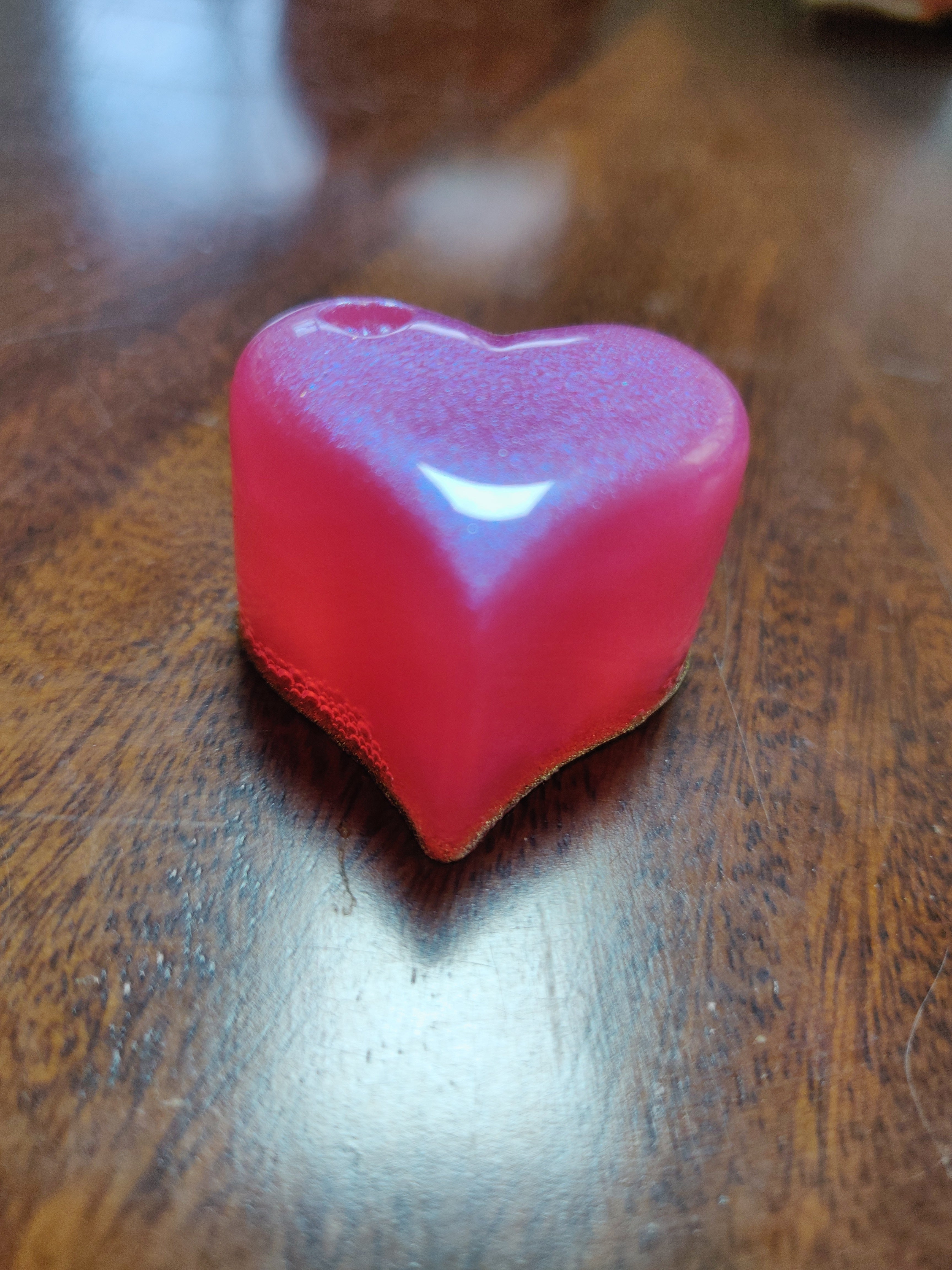
EPOKE Self Heal Resin is a flexible resin with a 2:1 mix ratio (resin to hardener by weight). It cures to a crystal-clear, high-gloss finish and reduces the appearance of minor surface scratches over time. That makes it one of the most practical resin art materials for surfaces that get regular use.

Unlike standard hard-set epoxy, this formula stays slightly flexible after curing. That flexibility means less risk of cracking on surfaces that flex, vibrate, or receive light impact. If you work with tabletops, trays, photo prints, or mixed-media canvases, this is the formula built for those conditions.

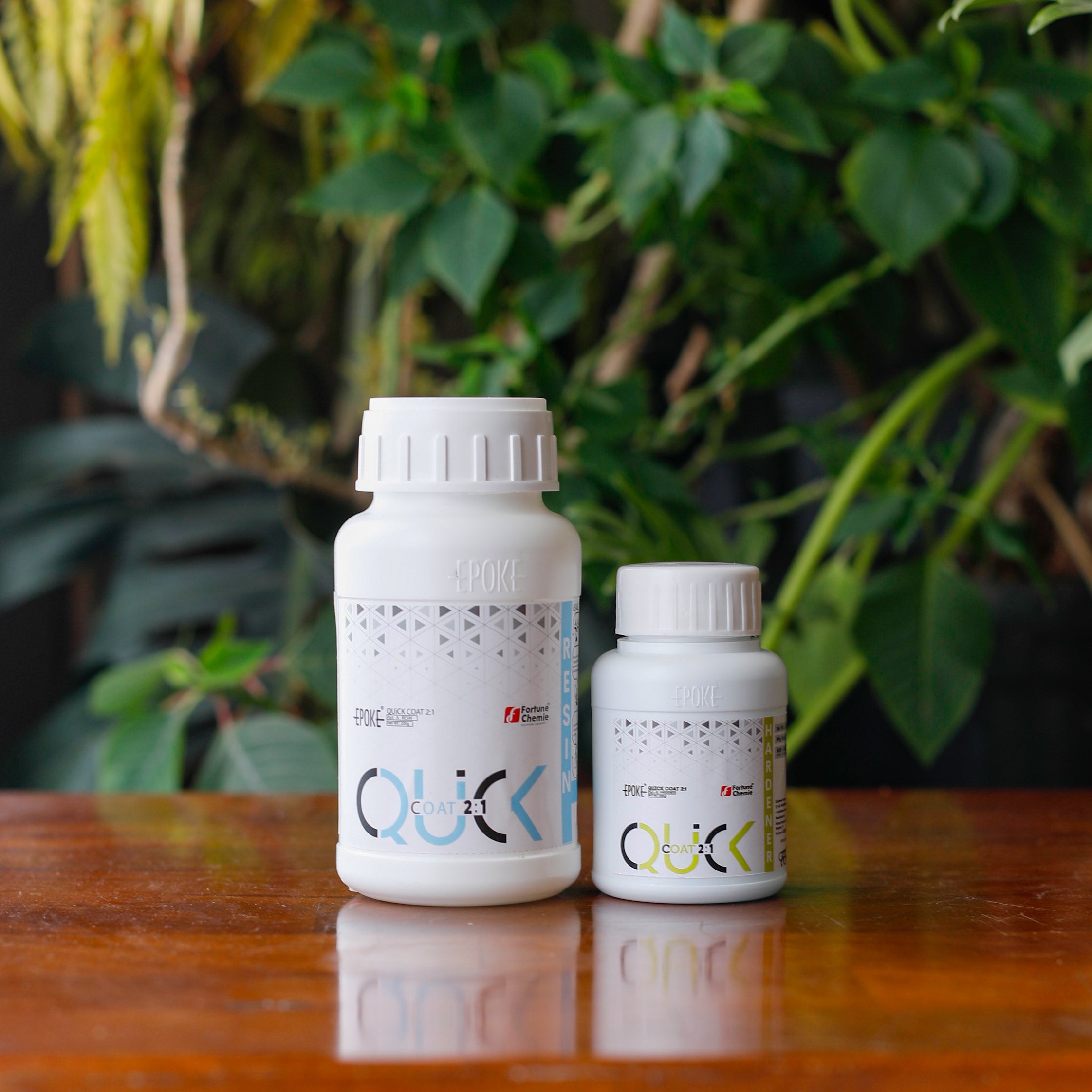
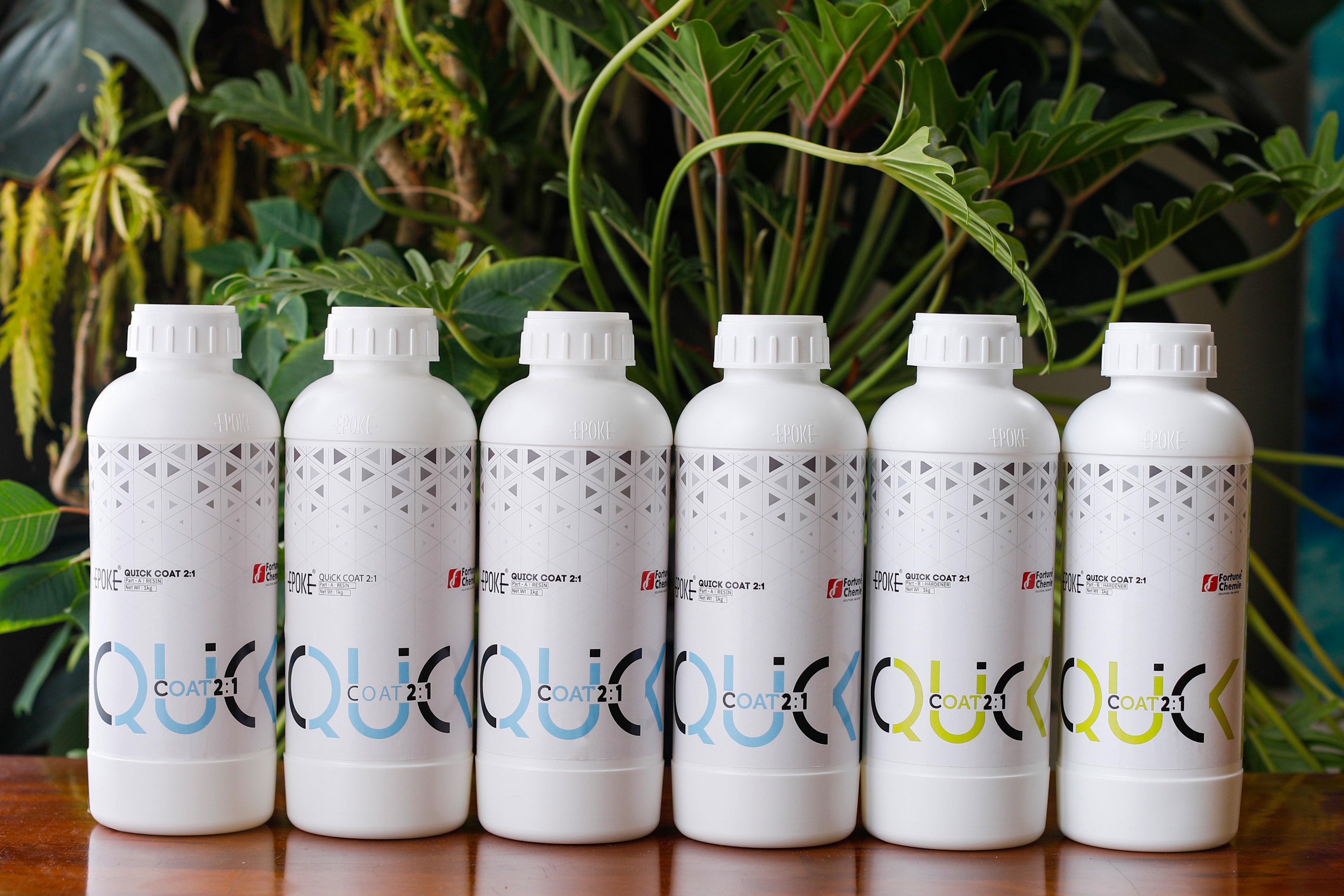
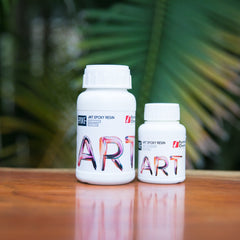
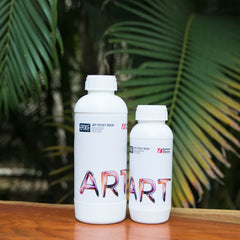
Available in two sizes:

  • 300g Kit (starter size, ideal for small doming projects)
  • 1.5kg Kit (for larger surfaces and regular use)

Why Choose a Self-Healing Resin?

Most resins cure hard and stay hard. Any scratch you put on the surface stays there. A self-healing resin works differently. The flexible polymer chemistry in the formula allows minor abrasions to close and diminish on their own, especially with mild warmth from sunlight or room temperature changes.

For resin artists, this matters a lot. You spend hours on a piece. You want it to hold up after it leaves your studio.

Here is what sets Epoke's formula apart:

  • Scratch-resistant surface that resists everyday wear
  • Self-healing properties that reduce minor marks over time
  • High-gloss, water-clear finish with no yellowing
  • Flexible cure that resists cracking on moving or flexible substrates
  • Easy 2:1 mix ratio by weight for consistent results
  • Self-levelling formula that creates a natural dome without extra work

Best Uses for EPOKE Self-Heal Resin

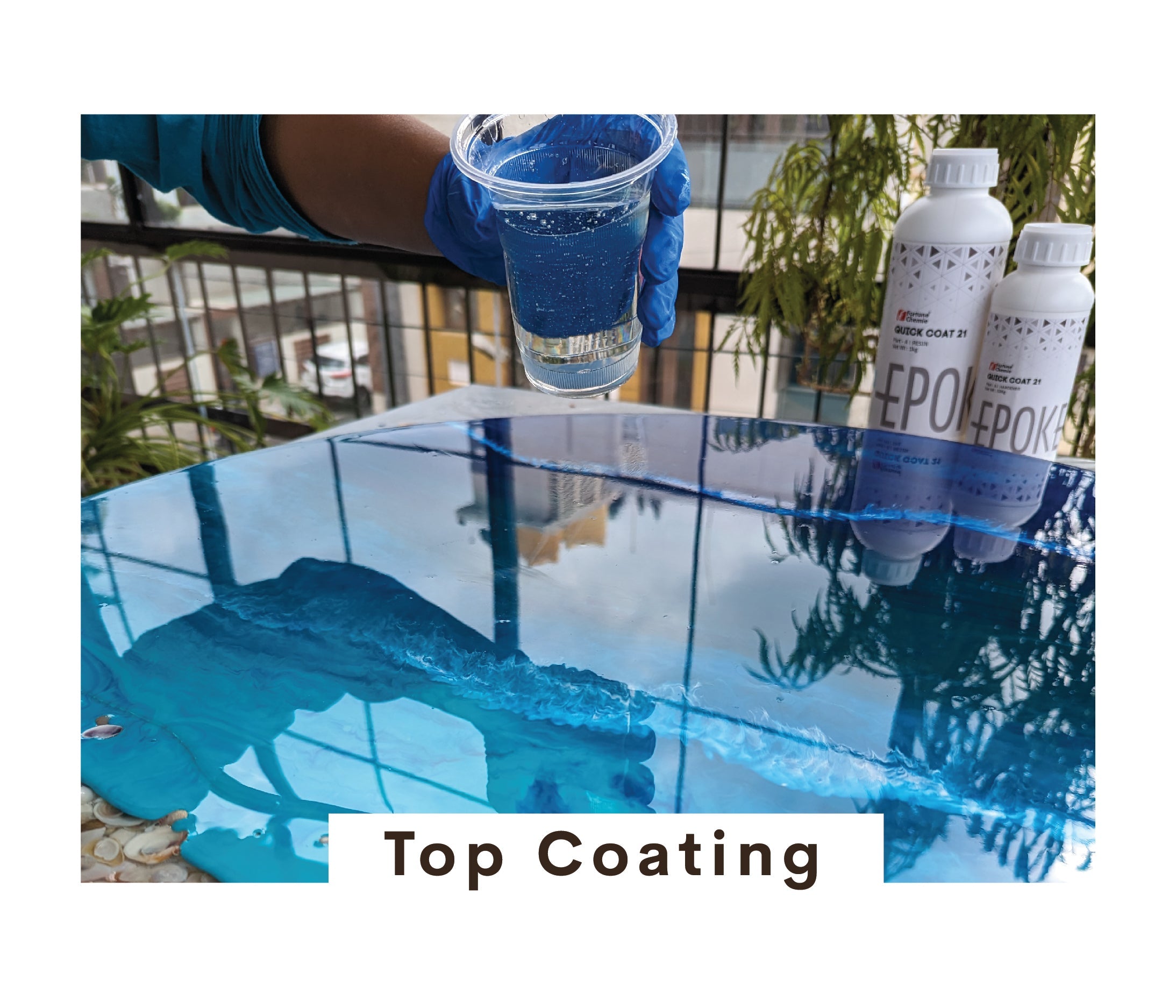
This is a doming resin and a resin top coat in one. You get the gloss of a dome coating and the durability of a protective top layer.

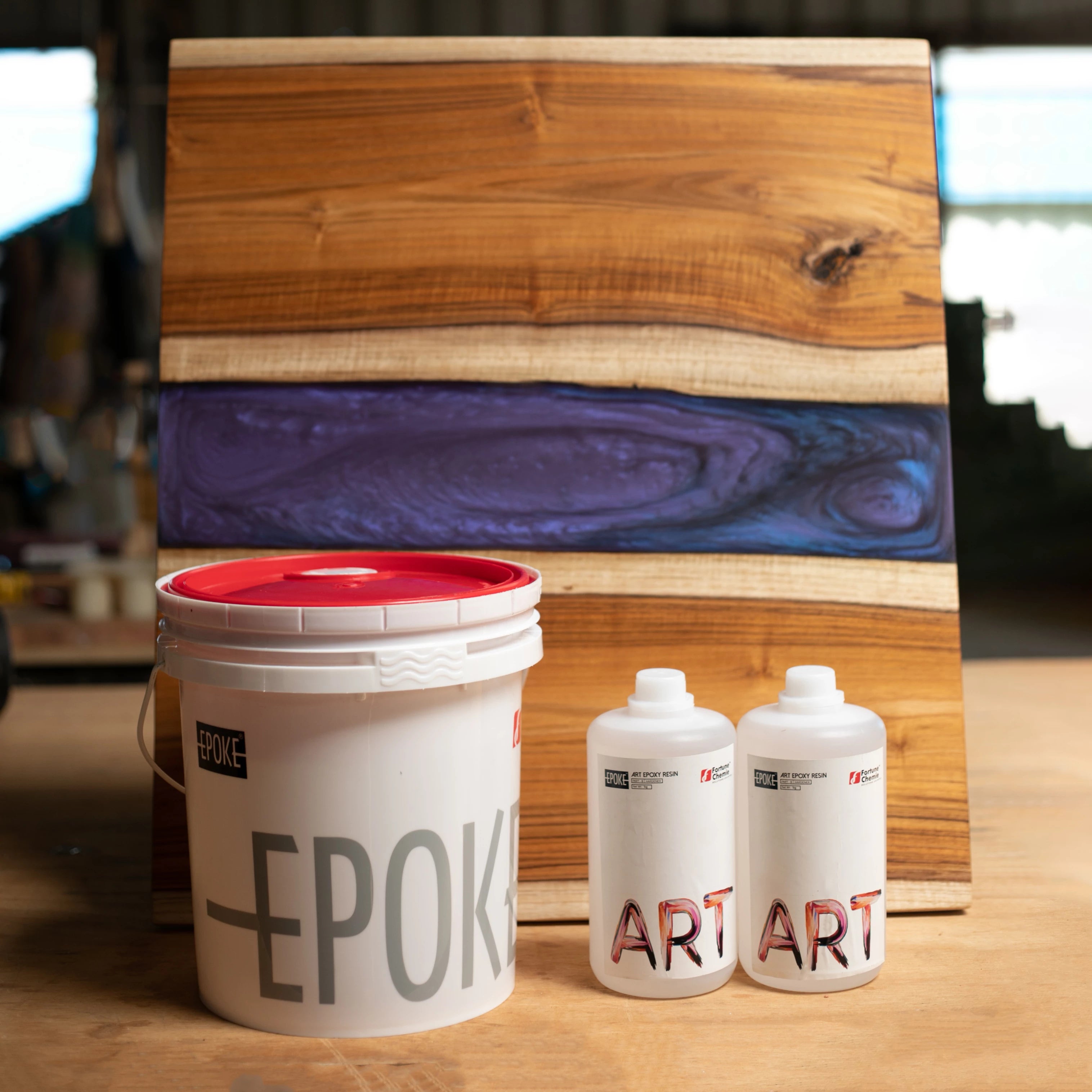
Tabletops and furniture: The self-healing, scratch-resistant resin surface handles daily use well. Coffee rings, light scratches, and minor scuffs are far less visible on a cured Self Heal surface than on standard hard epoxy.

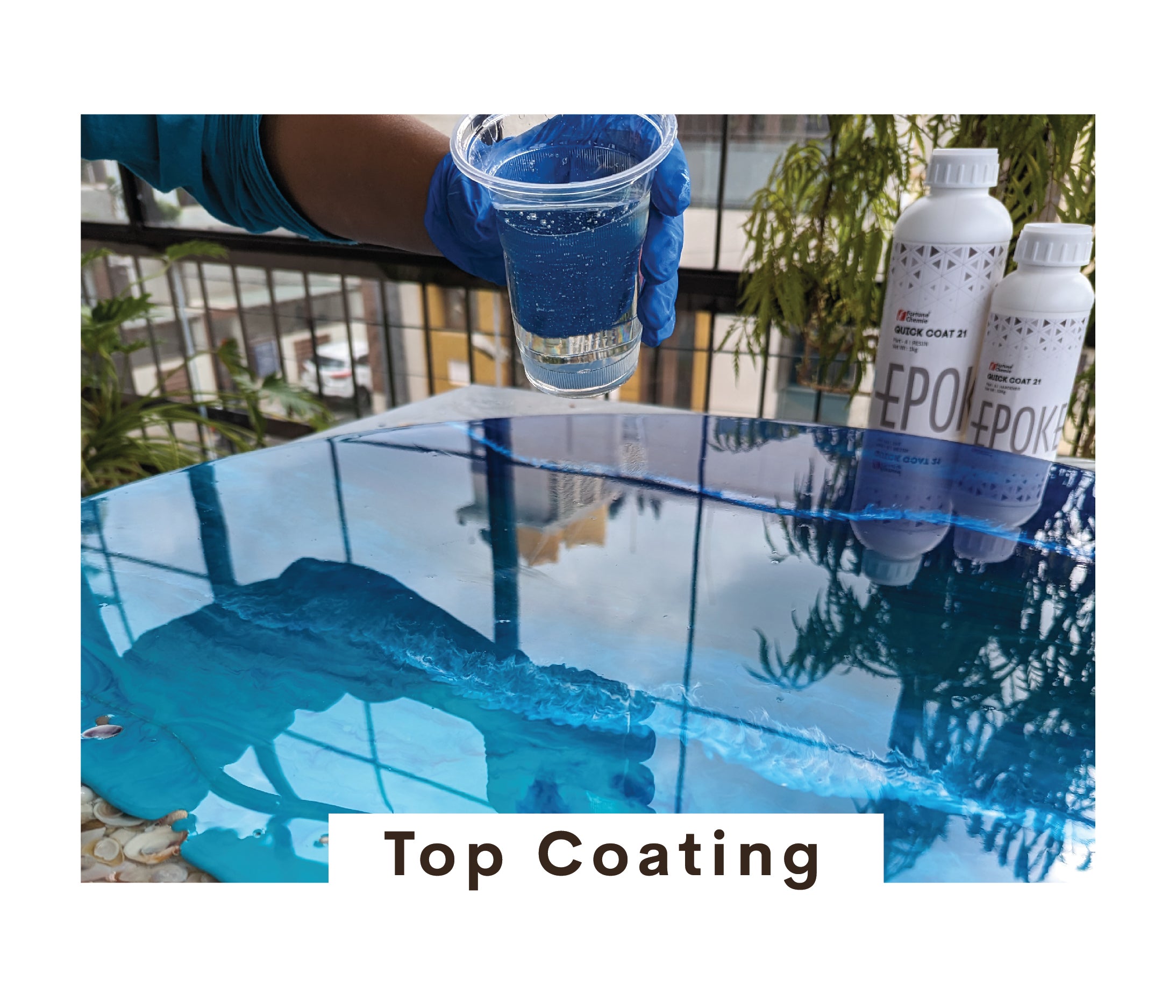
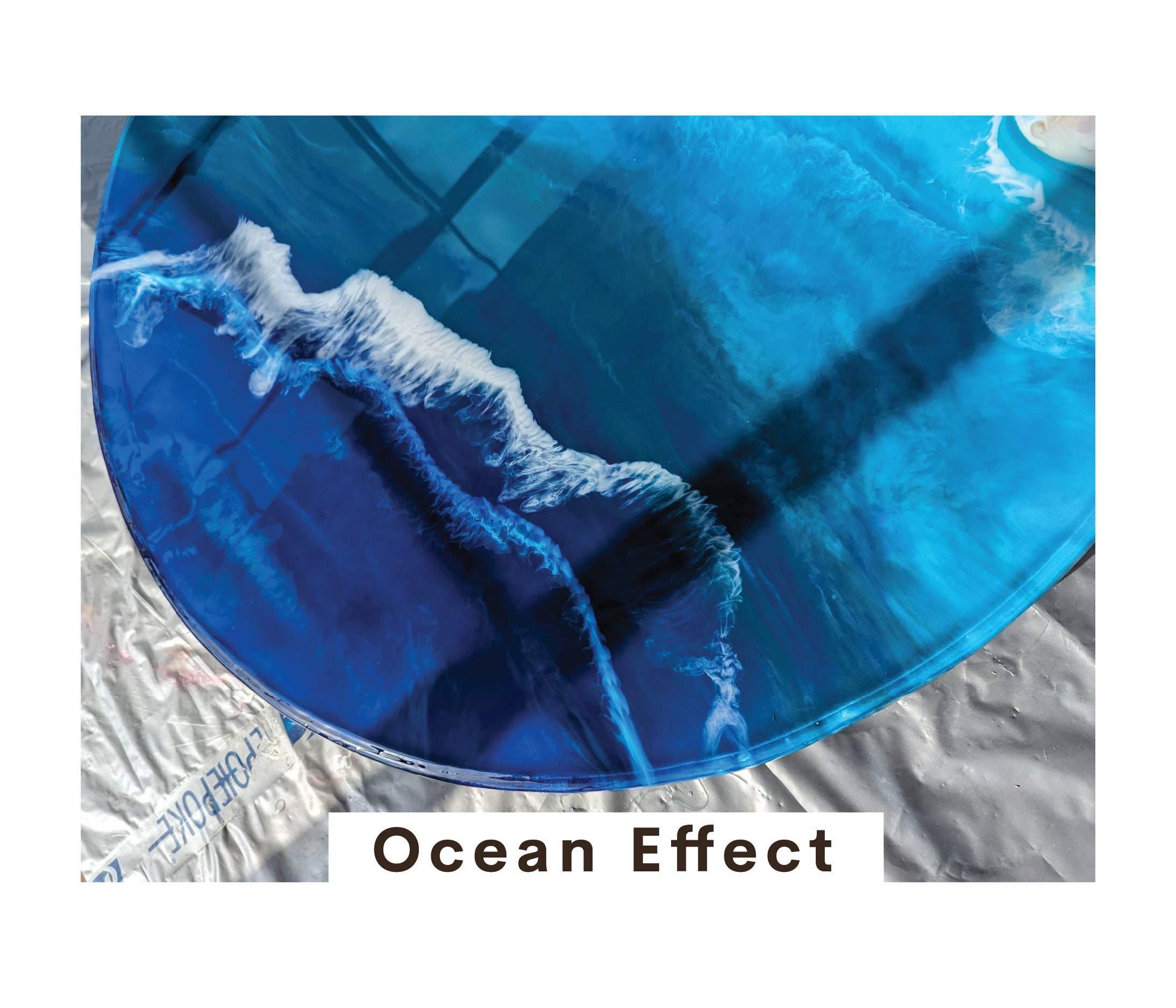
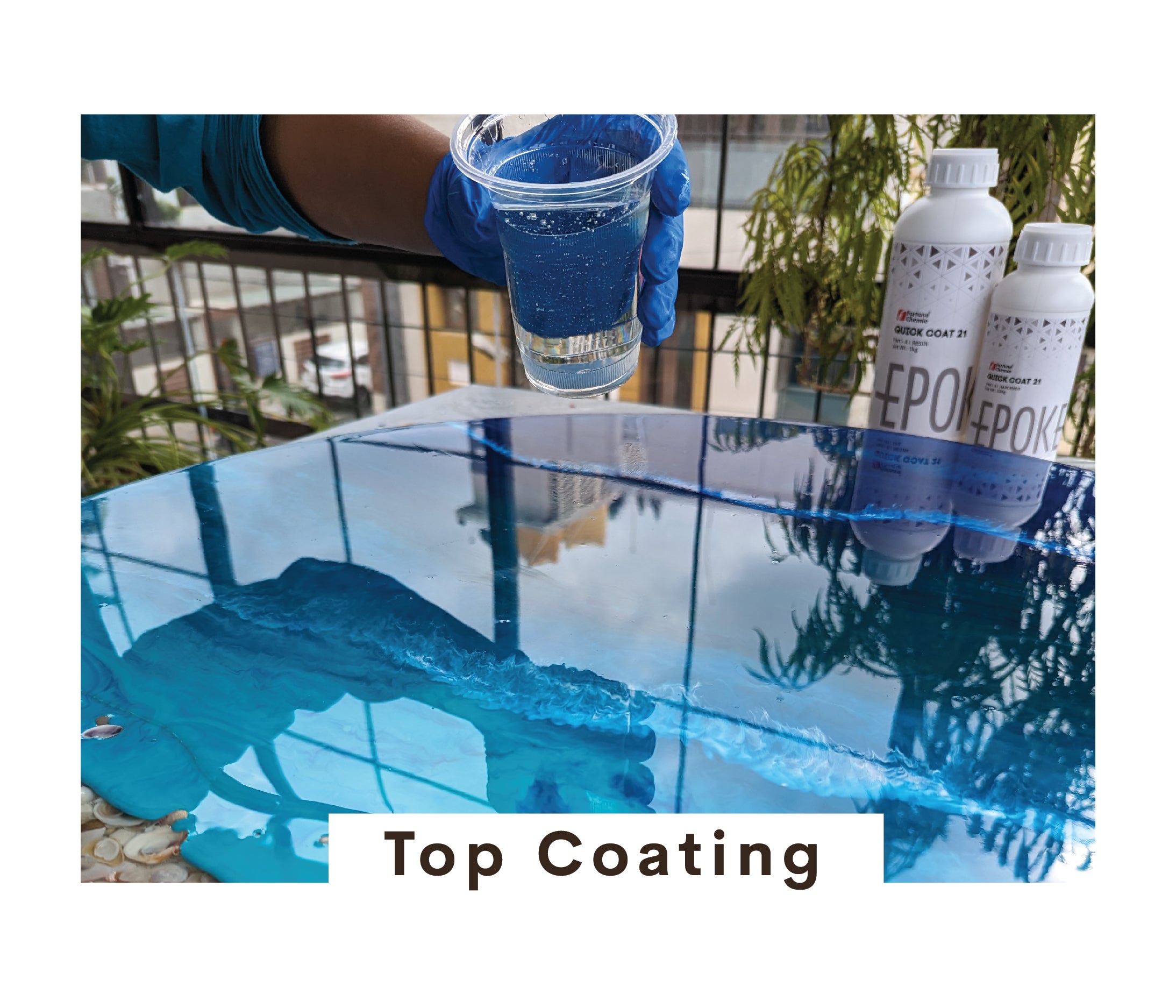
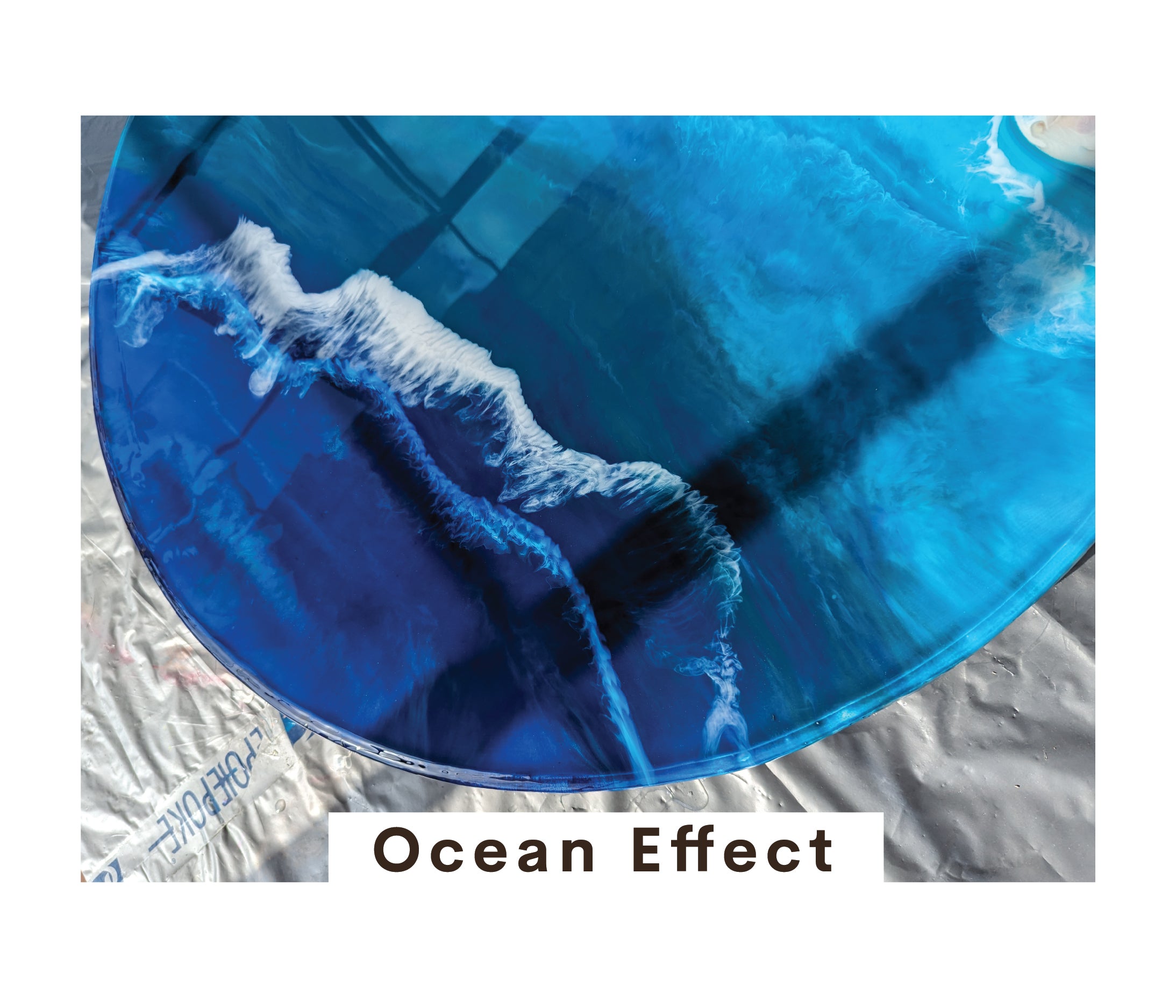
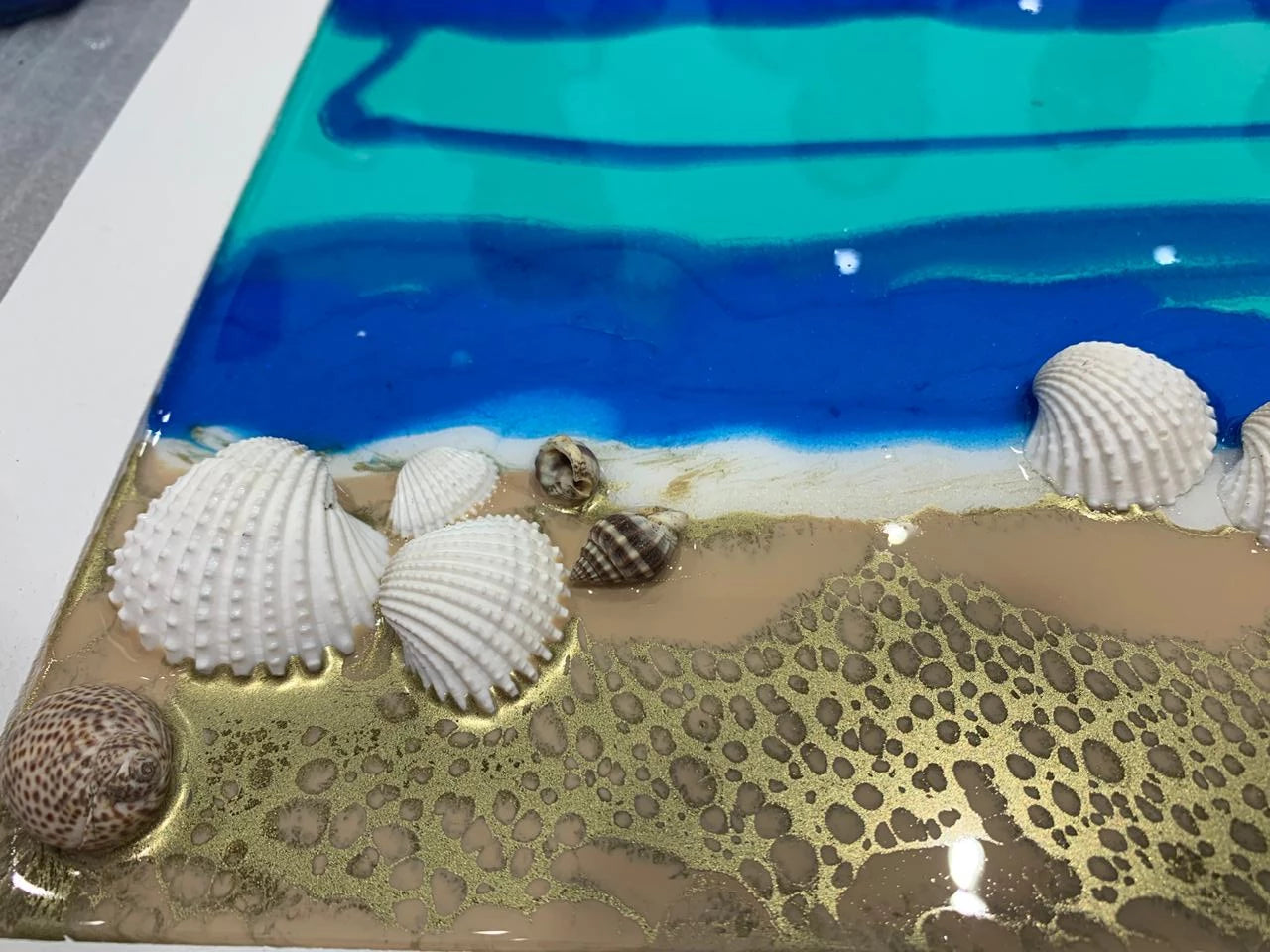
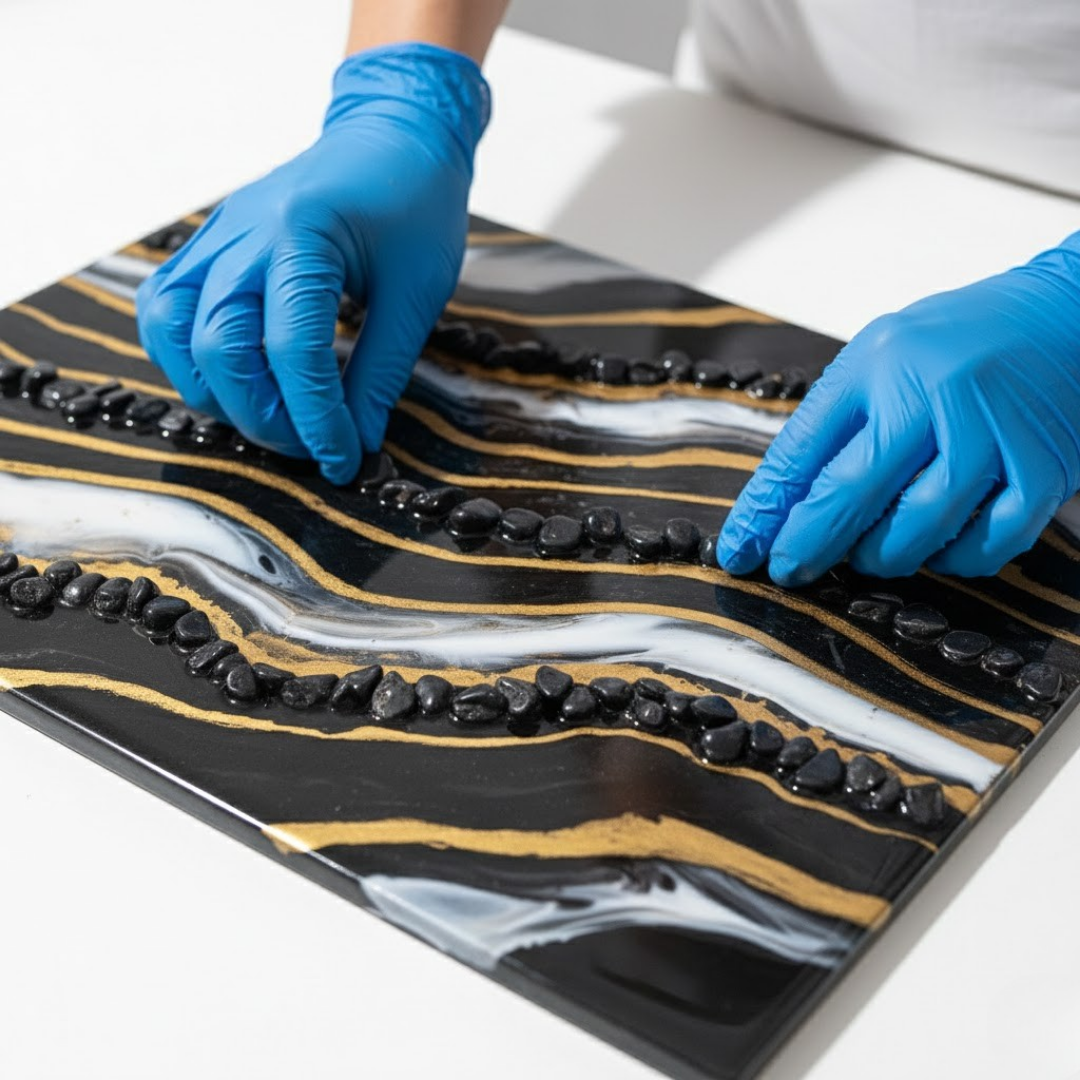
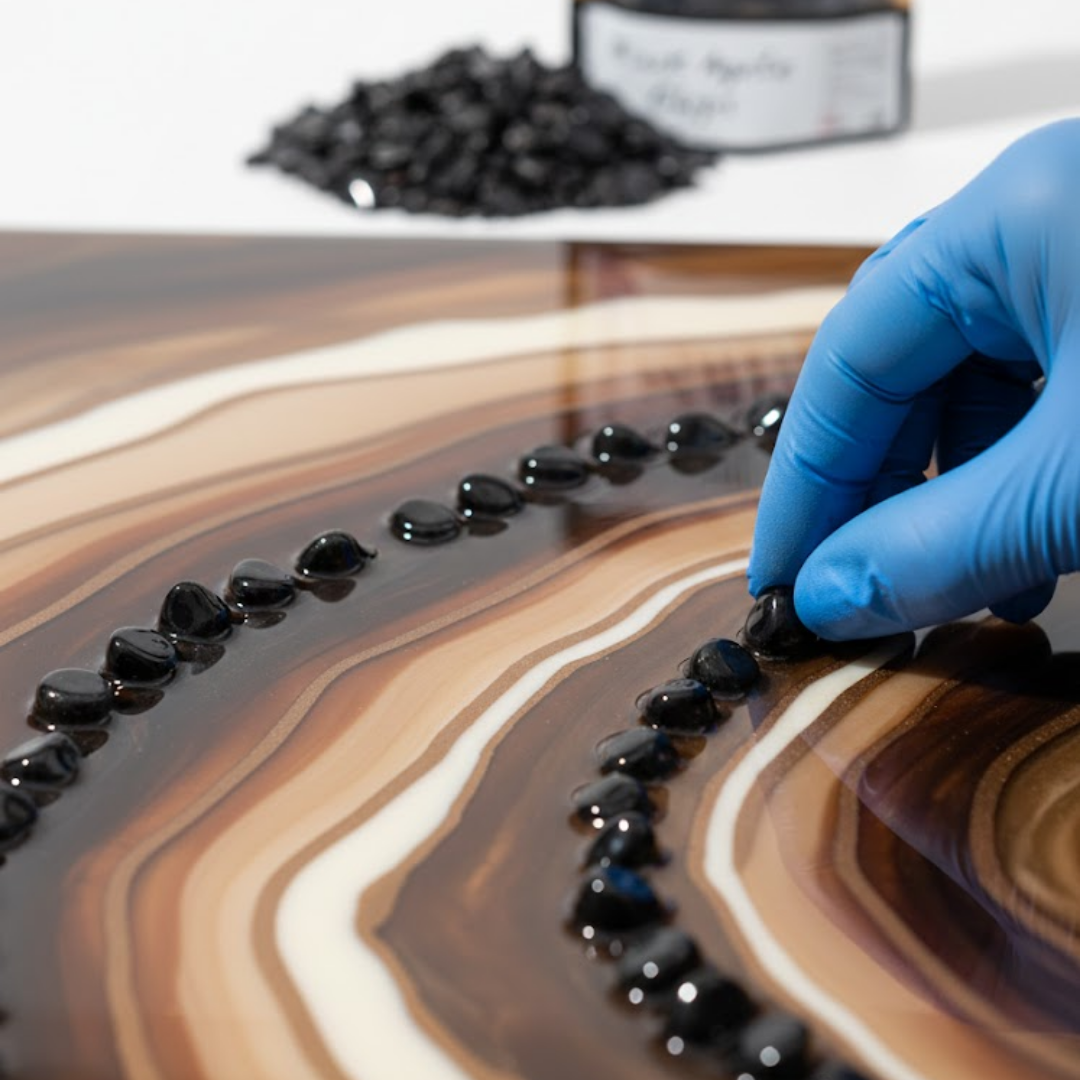
Resin art and canvas coatings: Apply it as a top coat resin over finished fluid art, acrylic pours, or mixed-media pieces. The dome effect magnifies colour depth and gives your work a professional gallery finish.

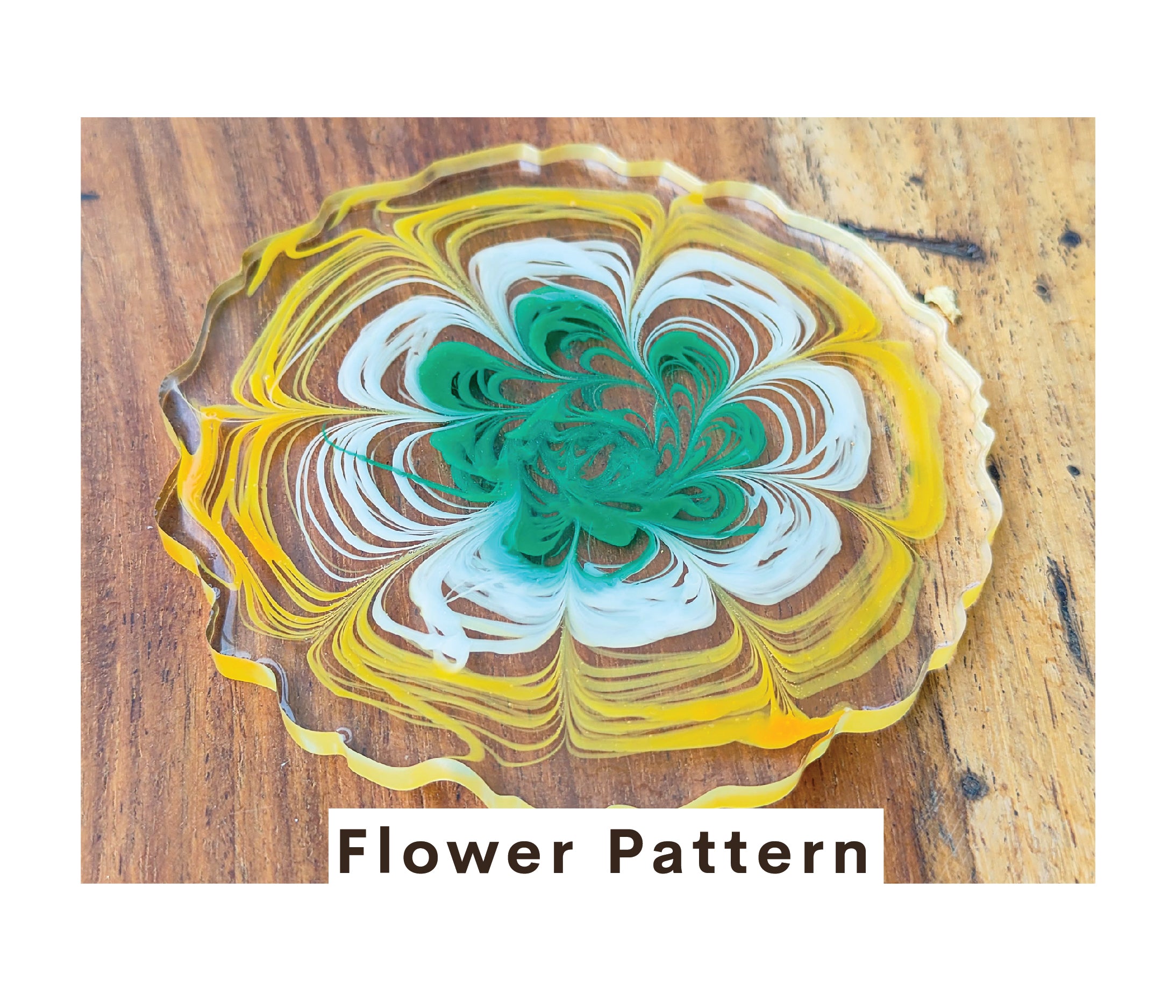
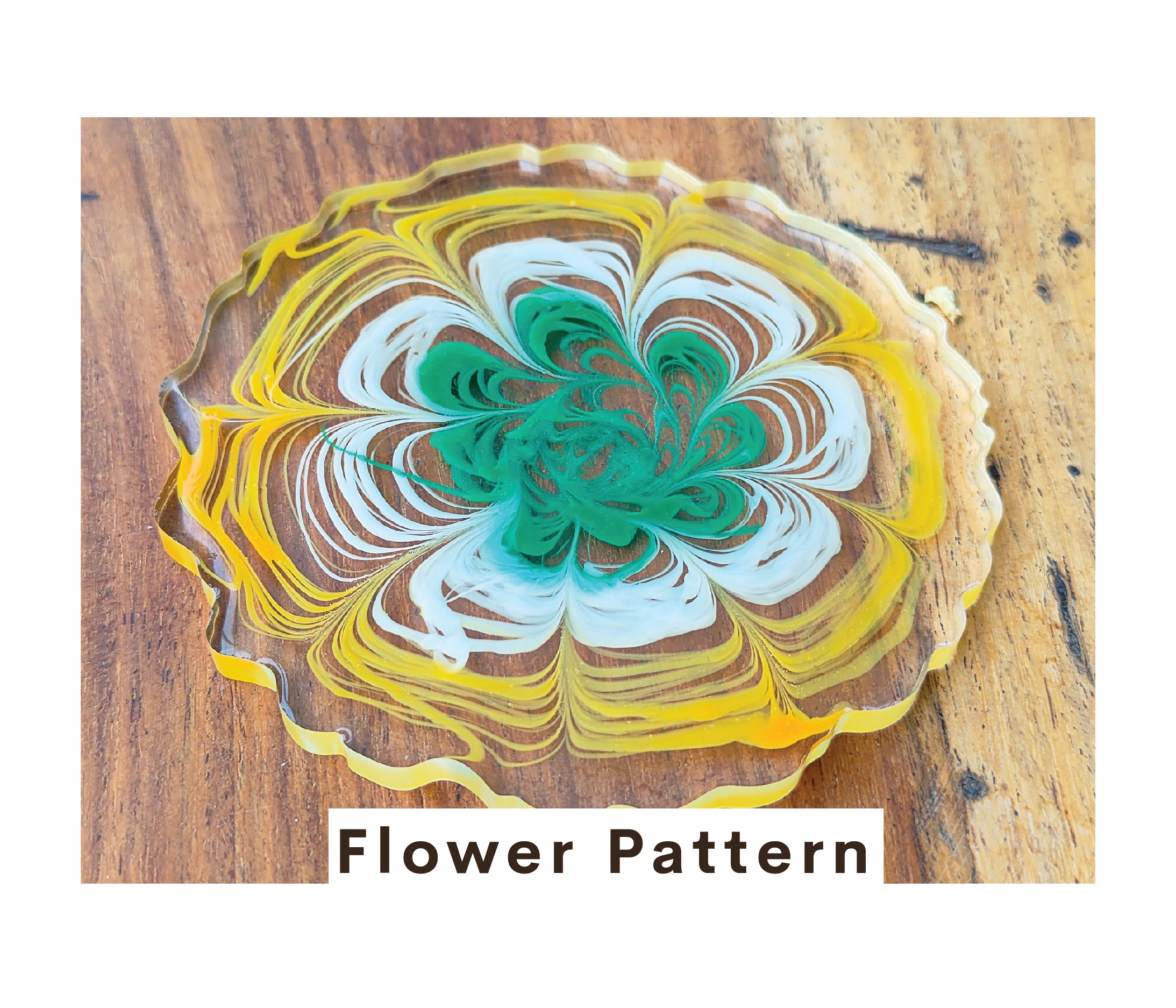
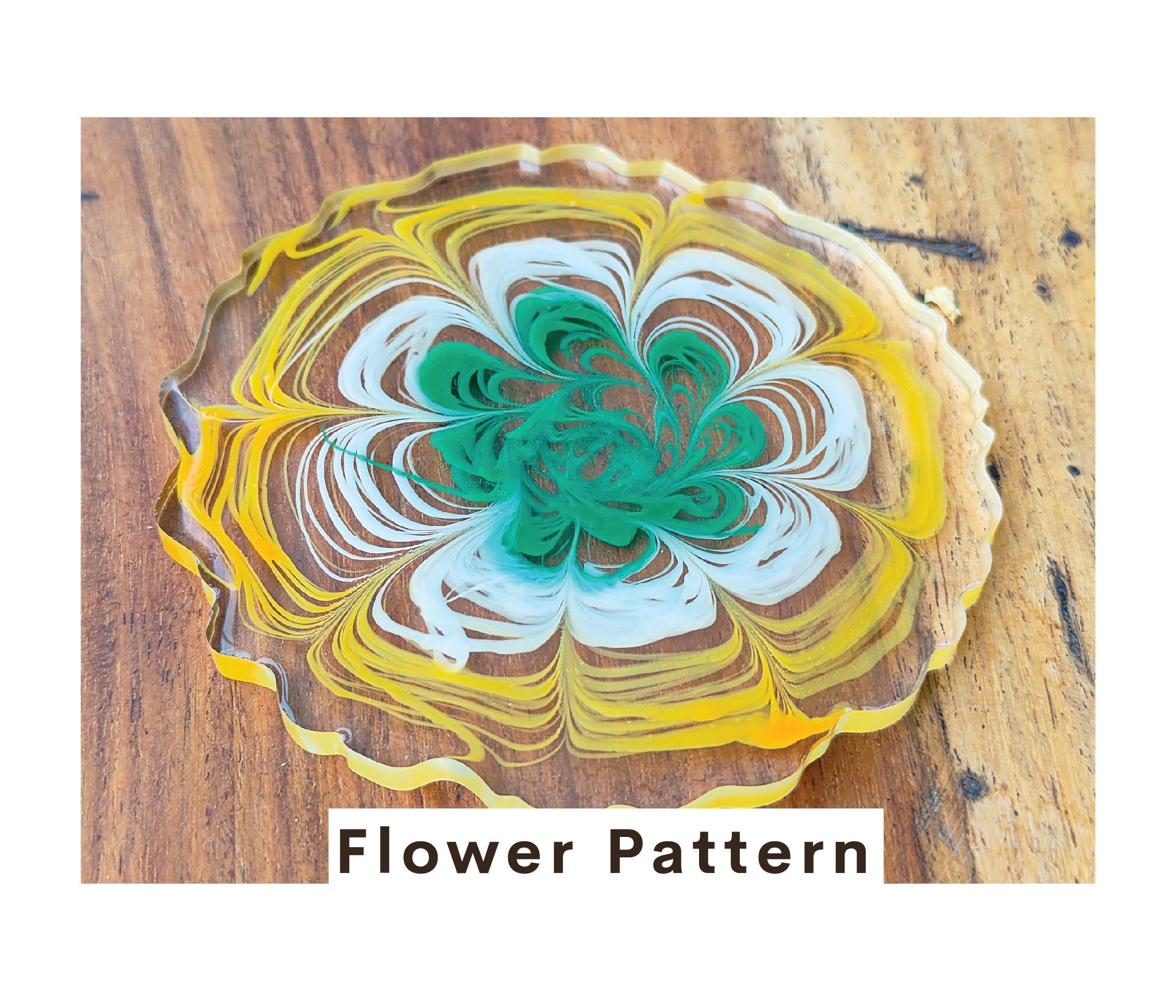
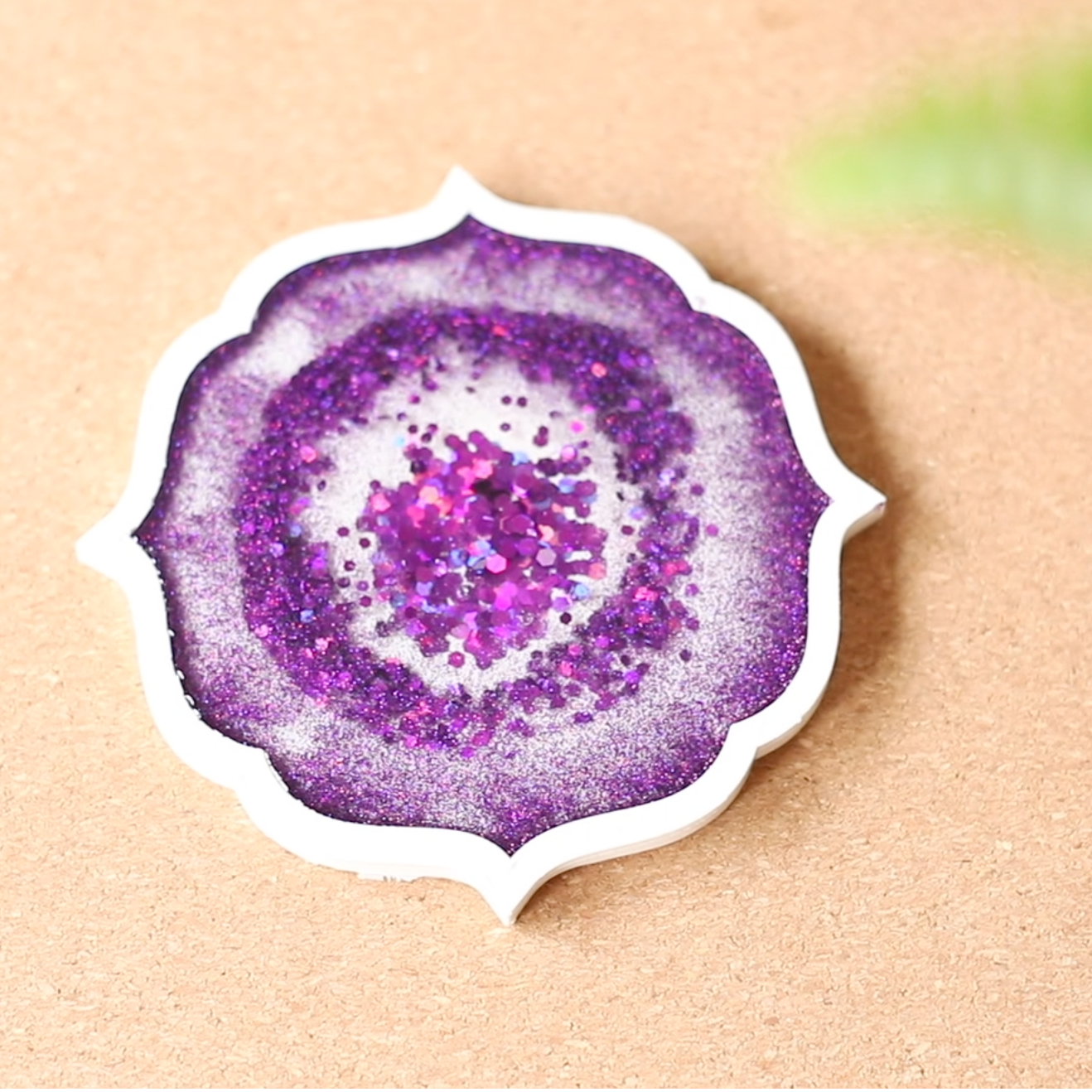
Coasters, trays, and serving boards: These get handled constantly. A flexible, scratch-resistant epoxy resin coating keeps them looking sharp far longer than brittle alternatives.

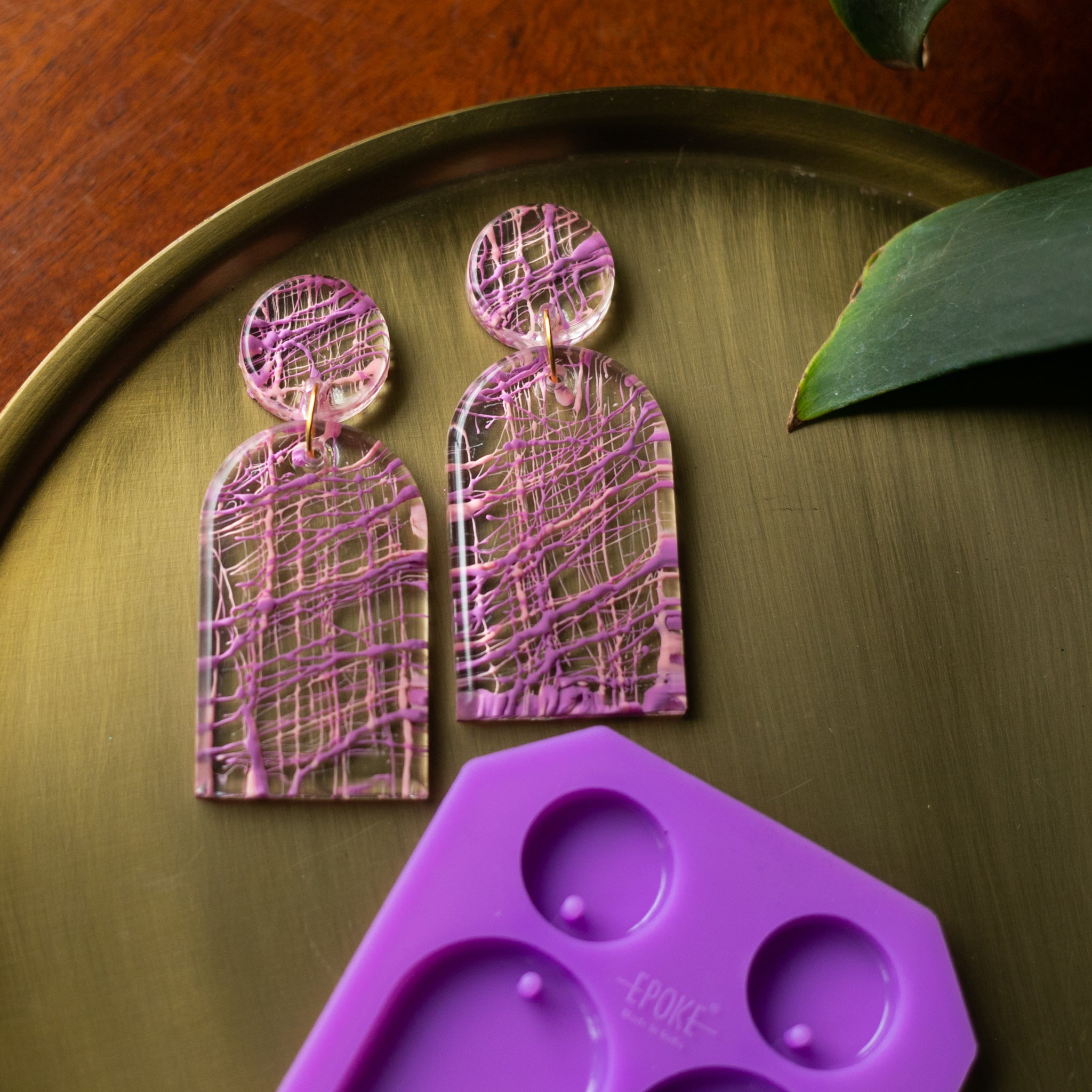
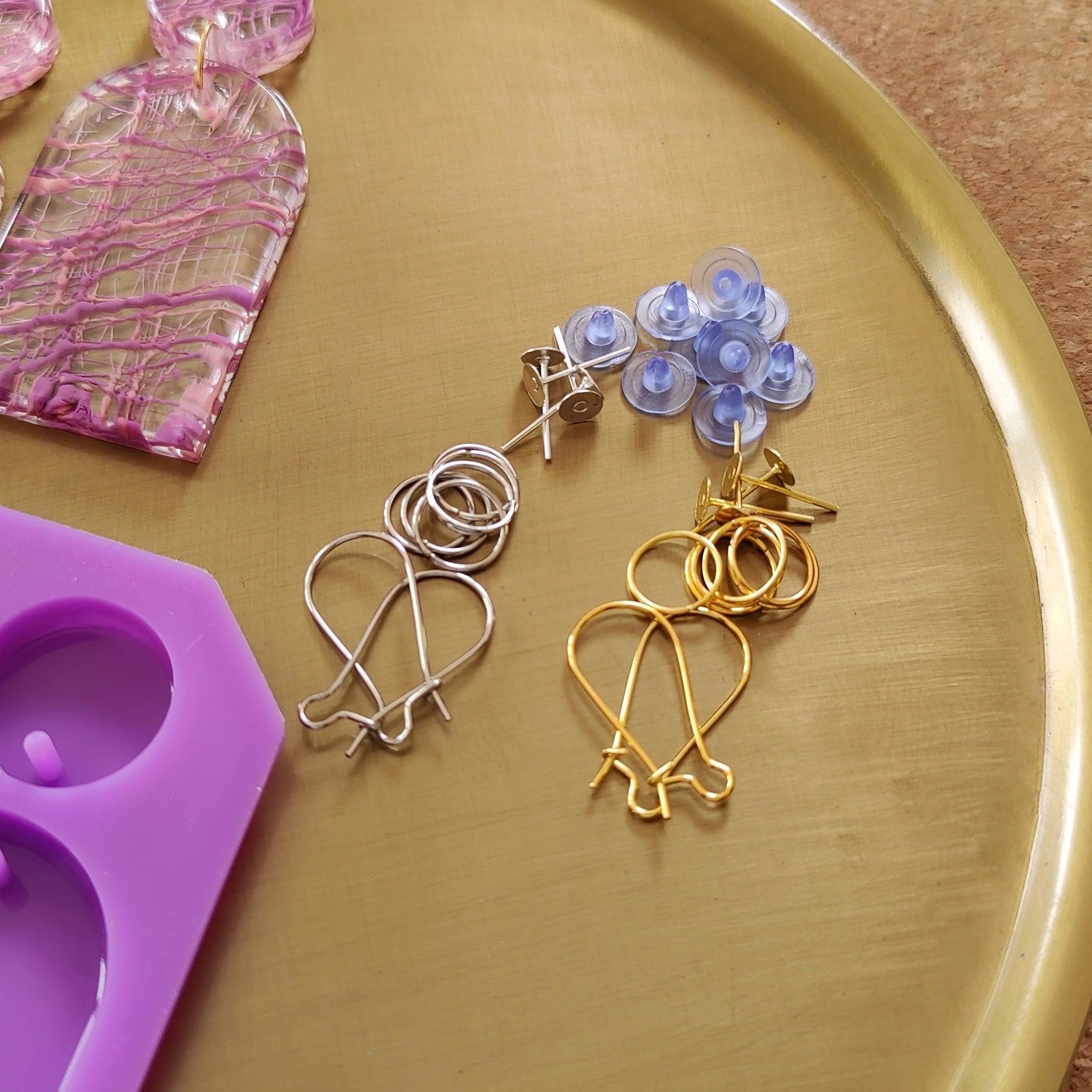
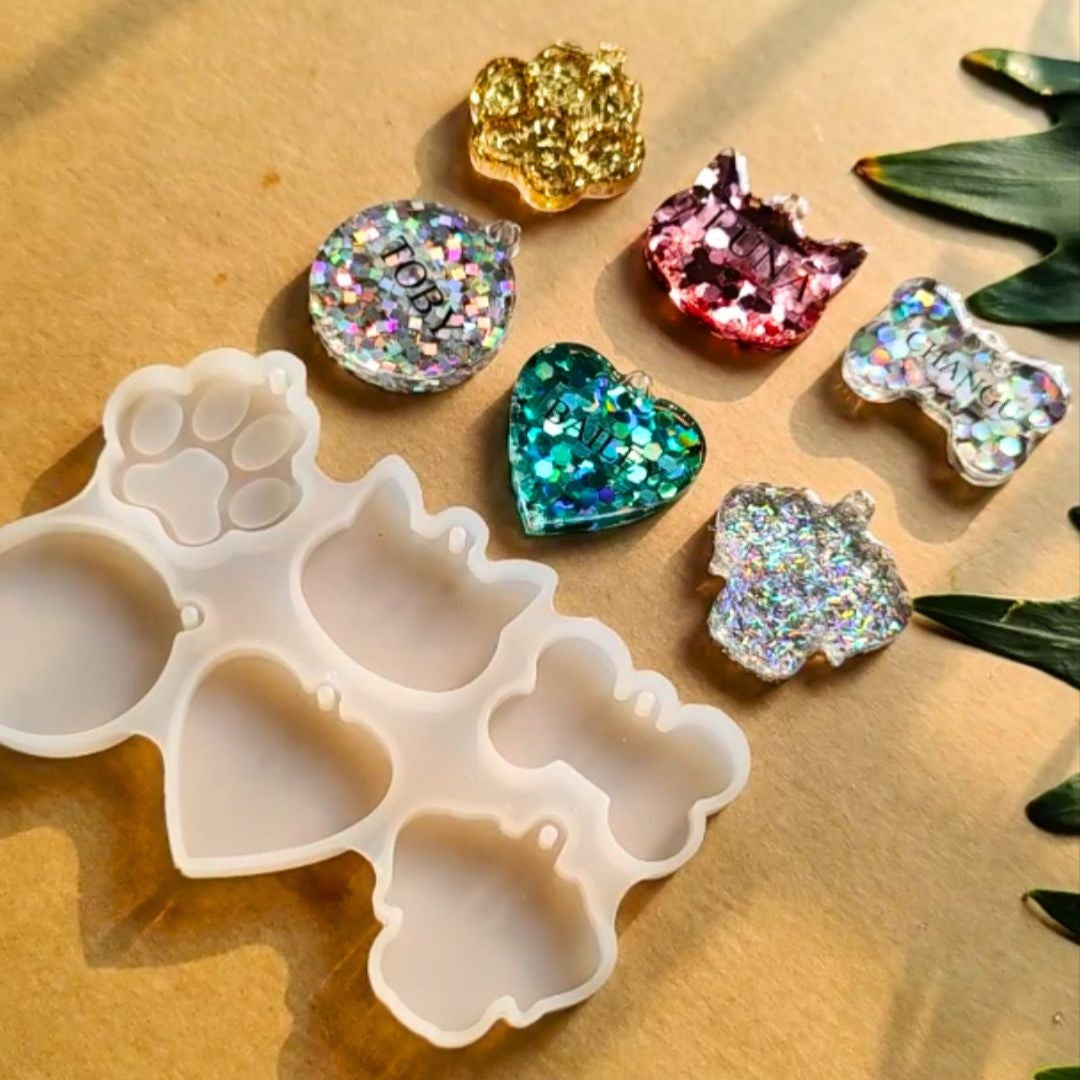
Jewellery and accessories: The slight flexibility in the cured resin makes it suitable for pieces that bend or flex slightly in use. It domes cleanly over pendants and earrings.

Photo and print encapsulation: Clear, non-yellowing protection for printed photos, pressed botanicals, and paper art.

How to Use EPOKE Self-Heal Resin

You do not need experience to get good results. The process is straightforward.

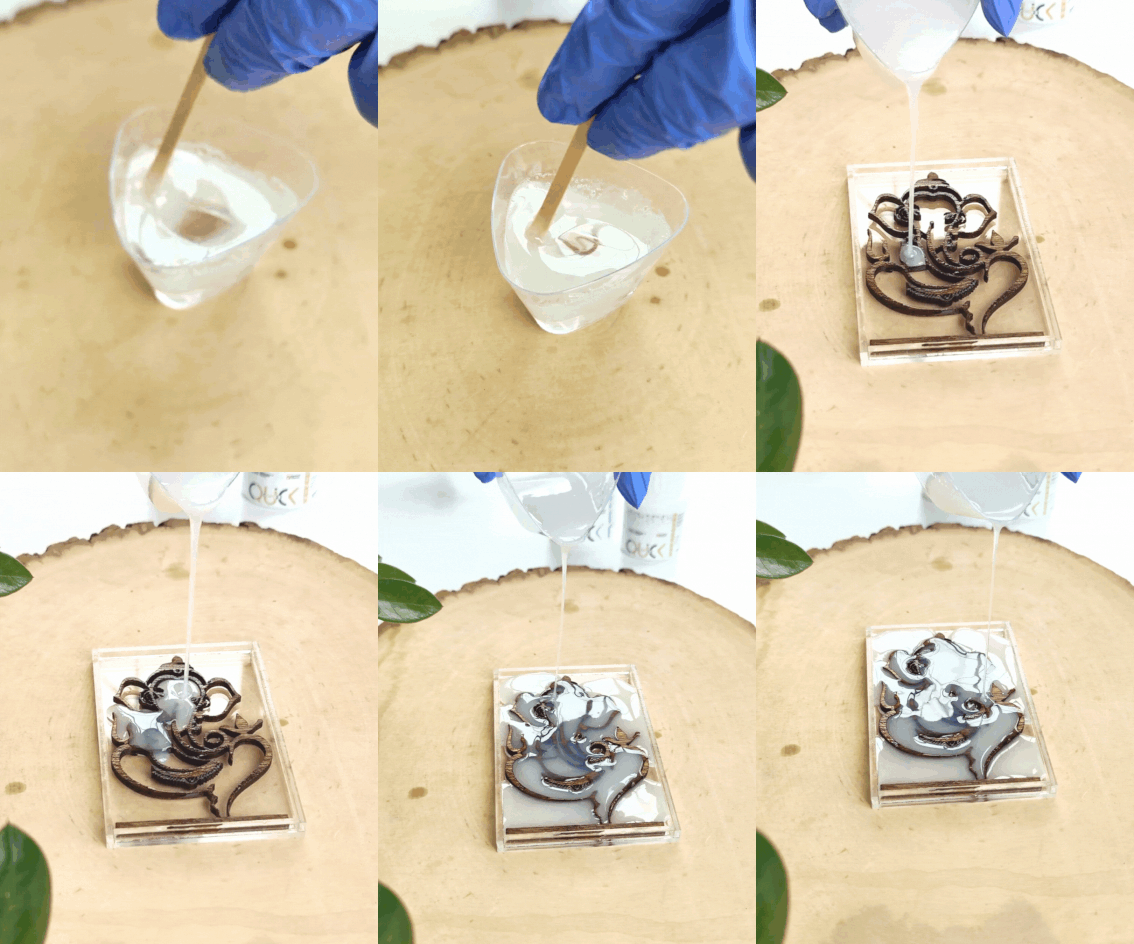
Step 1: Measure Weigh out your resin and hardener in a 2:1 ratio by weight. Use a digital scale for accuracy.

Step 2: Mix Stir slowly for 3 to 5 minutes. Scrape the sides and bottom of your cup. Thorough mixing prevents soft spots in the cured resin.

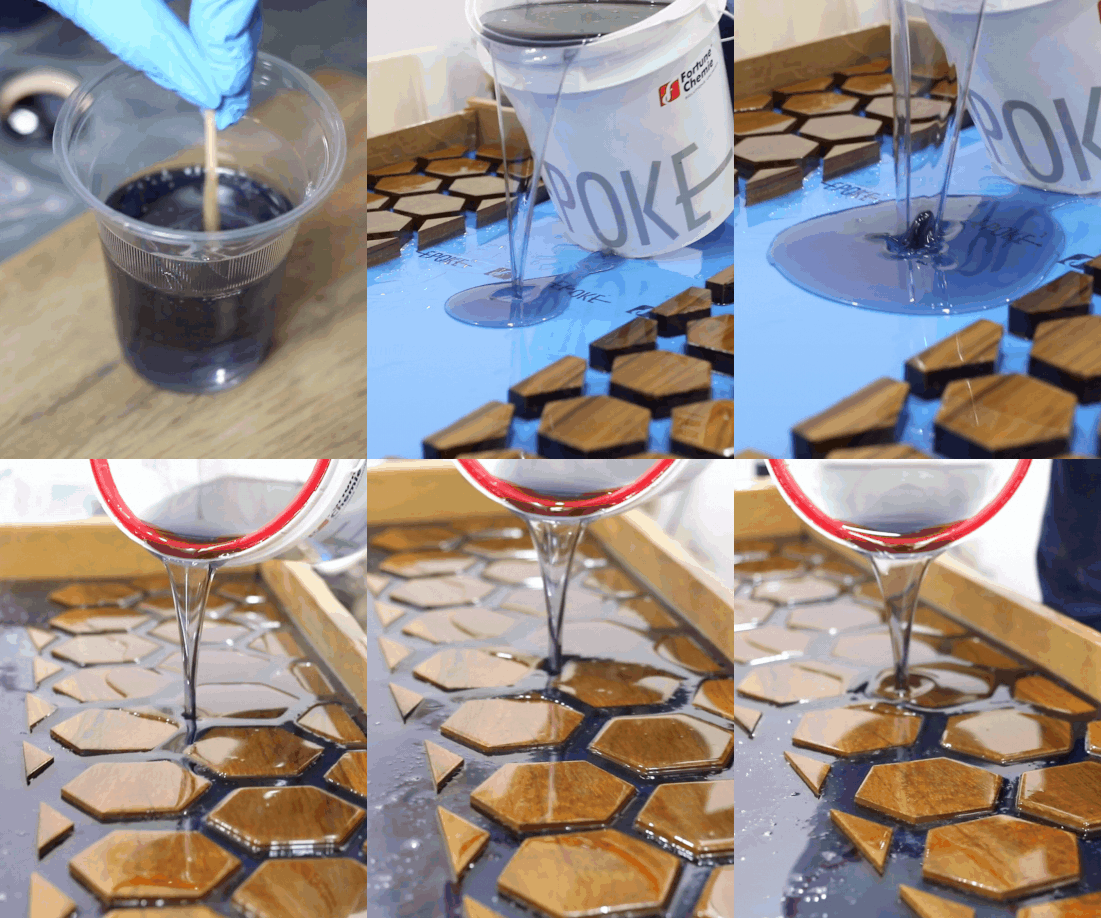
Step 3: Pour and dome Pour onto your surface. The self-levelling formula spreads and domes on its own. Use a silicone spreader to guide it to the edges if needed.

Step 4: Remove bubbles Pass a heat gun or torch lightly over the surface. Bubbles pop quickly.

Step 5: Cure Leave undisturbed in a warm, dust-free space. Full cure takes 24 to 48 hours, depending on room temperature.

Best working temperature: 24°C to 30°C.

EPOKE Self-Heal Resin vs. Standard Epoxy: Key Differences

Feature

Self Heal Resin

Standard Hard Epoxy

Flexibility after cure

Yes (slight flex)

No (rigid)

Self-healing properties

Yes (minor scratches)

No

Best for doming

Yes

Yes

Scratch resistance

High

Medium

Risk of cracking over time

Low

Medium to High

Mix ratio

2:1 by weight

Varies

Finish

High-gloss, clear

High-gloss, clear

If your project involves a surface that moves, flexes, or gets heavy daily use, a flexible resin like Self Heal outperforms a rigid formula in the long run.

Packaging and Pricing

Size

Price

Best For

300g Kit

Rs. 600

Small projects, first-time users

1.5kg Kit

Rs. 1,900

Regular use, larger surfaces

Free shipping across India on orders above Rs. 6,000.

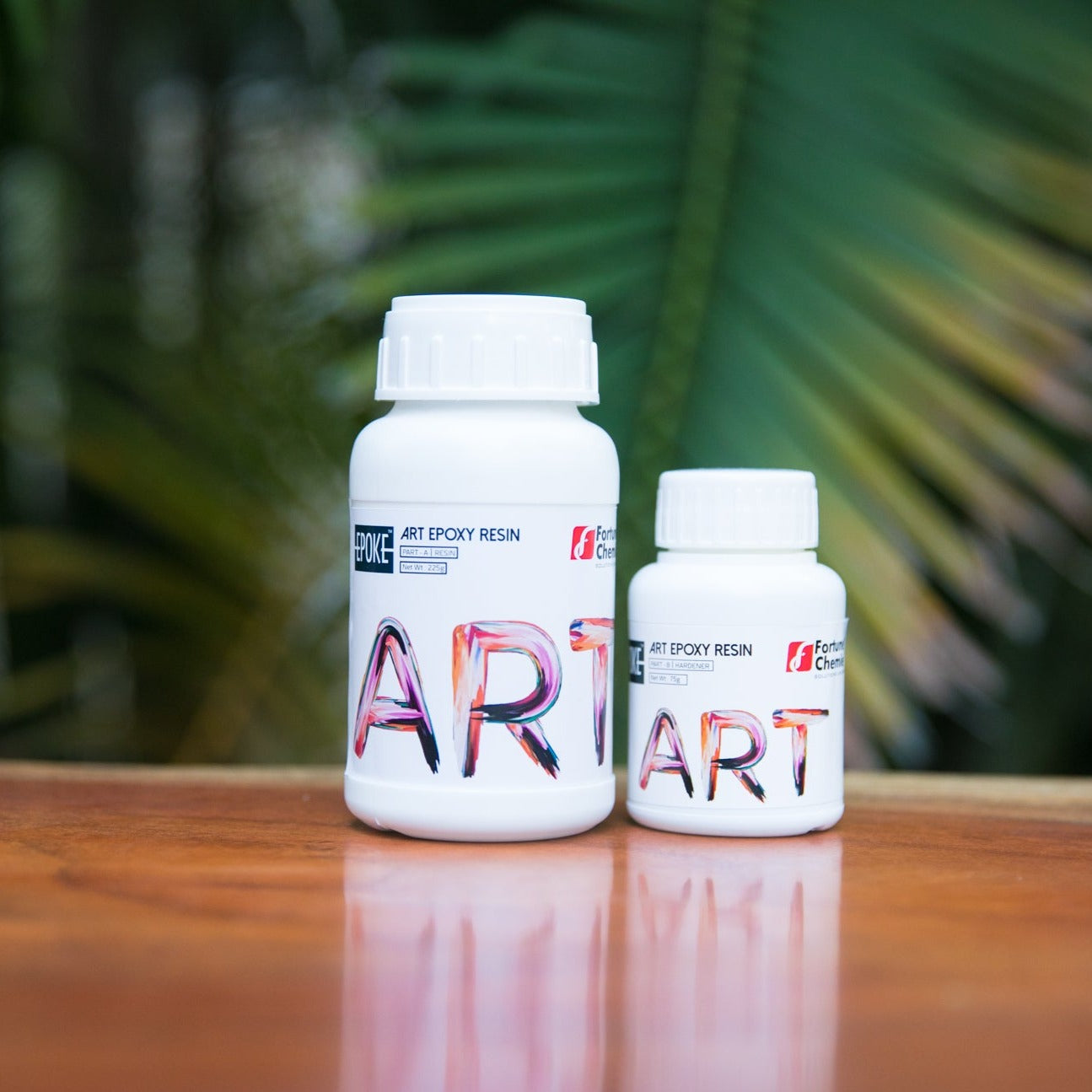
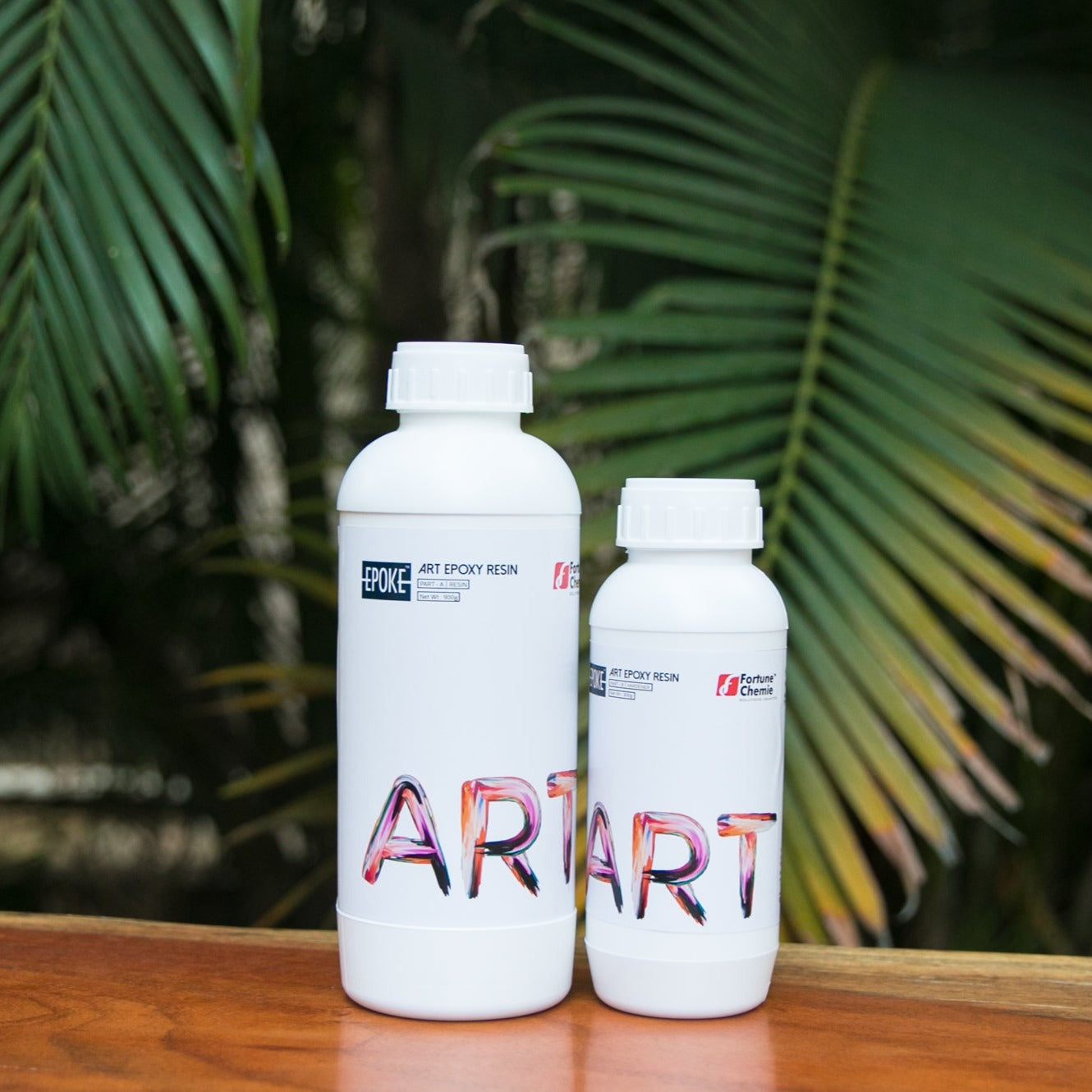
Both kits include the resin and hardener pre-measured in the correct 2:1 ratio, ready to mix.

Who Uses EPOKE Self Heal Resin?

This scratch-resistant resin is used by:

  • Resin artists who sell finished pieces and need durable coatings
  • Furniture makers and woodworkers who want a tough, glossy top coat
  • Hobbyists building their first resin art kit project at home
  • Small businesses creating branded coasters, trays, and home decor items
  • Photographers who laminate and dome-print photos for clients
  • Automobile Number Plates can be domed with EPOKE Self Heal Resin.
  • School Belt Manufacturers can use this to dome the belt buckles 

The 300g kit works well as an entry point. If you go through it on your first project, the 1.5kg kit gives you better value per gram for ongoing work.

FAQ: EPOKE Self Heal Resin

1. What is self-healing resin, and how does it work? 

Self-heal resin is a flexible epoxy that reduces the appearance of minor surface scratches over time. The flexible polymer structure in the cured resin allows small abrasions to close gradually, especially with mild warmth. It is not a complete scratch repair system; it works best on light, everyday surface marks.

2. Is self-healing resin suitable as a top coat resin for resin art? 

Yes. EPOKE Self Heal Resin is used as a clear top coat resin over finished resin art, paintings, and mixed-media surfaces. It curves to a high-gloss dome that protects the artwork underneath while adding visual depth. Its non-yellowing formula keeps artwork looking clear over time.

3. What is the mix ratio for EPOKE Self Heal Resin? 

The mix ratio is 2:1 by weight, meaning two parts resin to one part hardener. Measuring by weight (using a digital scale) gives you more accurate results than measuring by volume. Incorrect ratios lead to sticky or soft spots in the cured resin.

4. How does a flexible resin differ from a standard hard epoxy? 

A flexible resin retains a small amount of elasticity after curing, making it more resistant to cracking on surfaces that flex or move slightly. Standard hard epoxy cures rigid and is more likely to crack under the same conditions. For tabletops, jewellery, and coasters, the flexible option holds up better with daily use.

5. Can I use pigments and glitters with EPOKE Self Heal Resin? 

No , EPOKE Self Heal is to be used only as a clear coating.