You pour a piece. You wait out the full cure time. Then you go to release it, and the mould tears, or the detail comes out soft instead of sharp.
If this has happened more than once, the resin isn't the problem. The mould is.
Cheap moulds fail fast. They lose their edges after two or three pours, or grip so hard the piece cracks coming out. A well-made mould gives you dozens of clean releases if you treat it right.
This guide covers what silicone moulds actually do, how to spot a good one, and how to get more life out of every mould you own.
What "Silicone Moulds" Actually Means for Your Resin Work
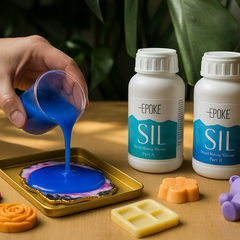
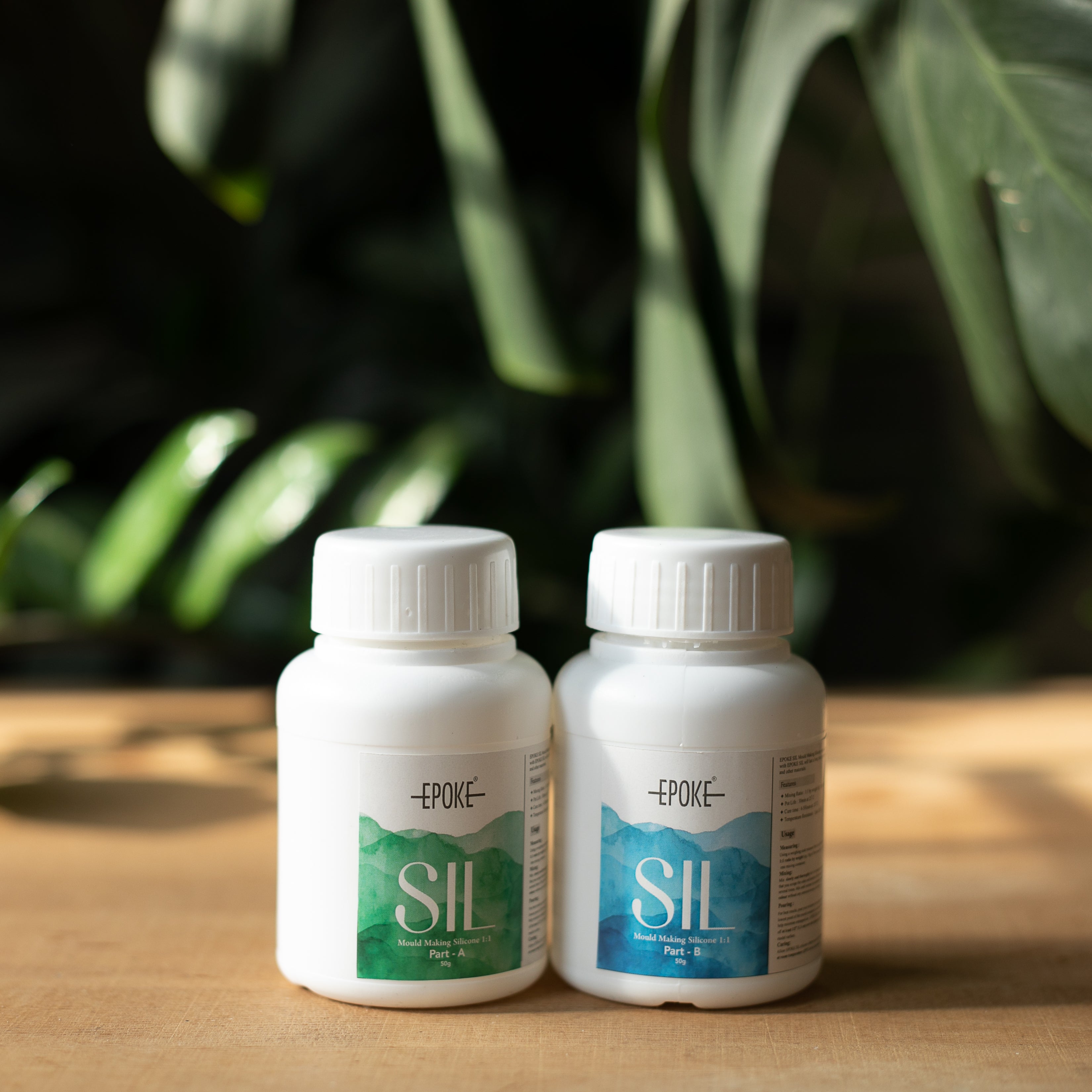
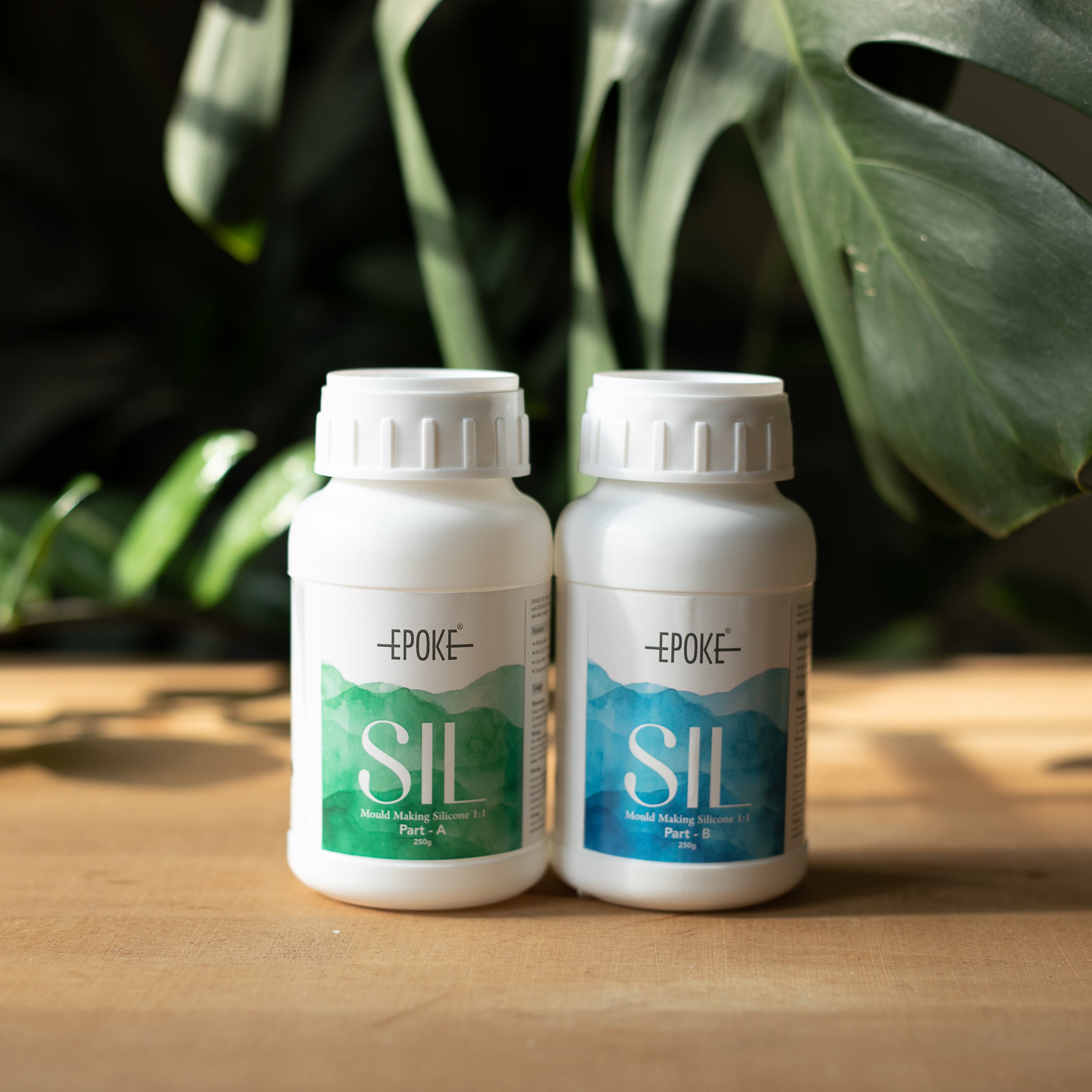
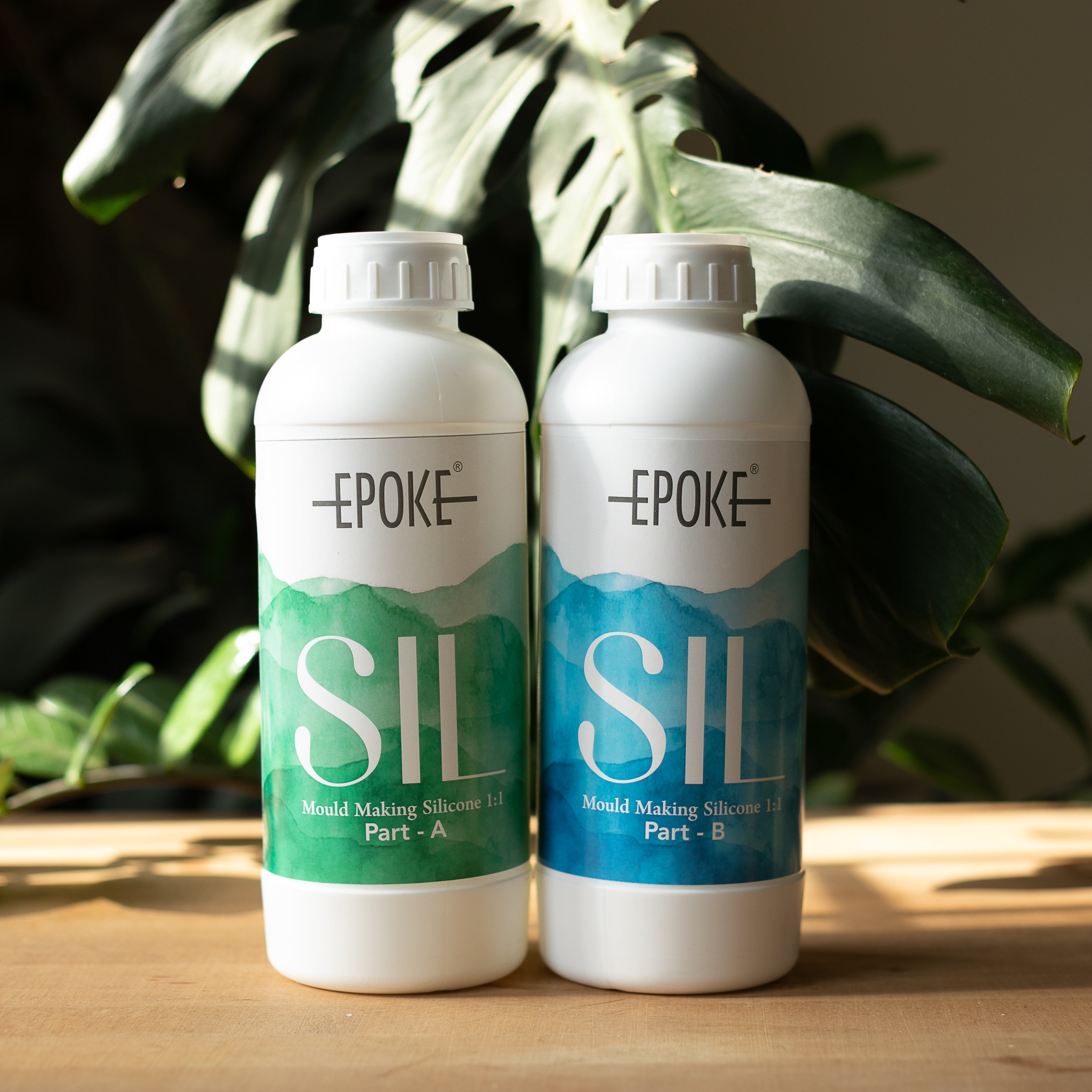
When people search for silicone moulds, they usually want one of two things: a mould ready to pour into today, or the material to build a custom one from an object of their own.
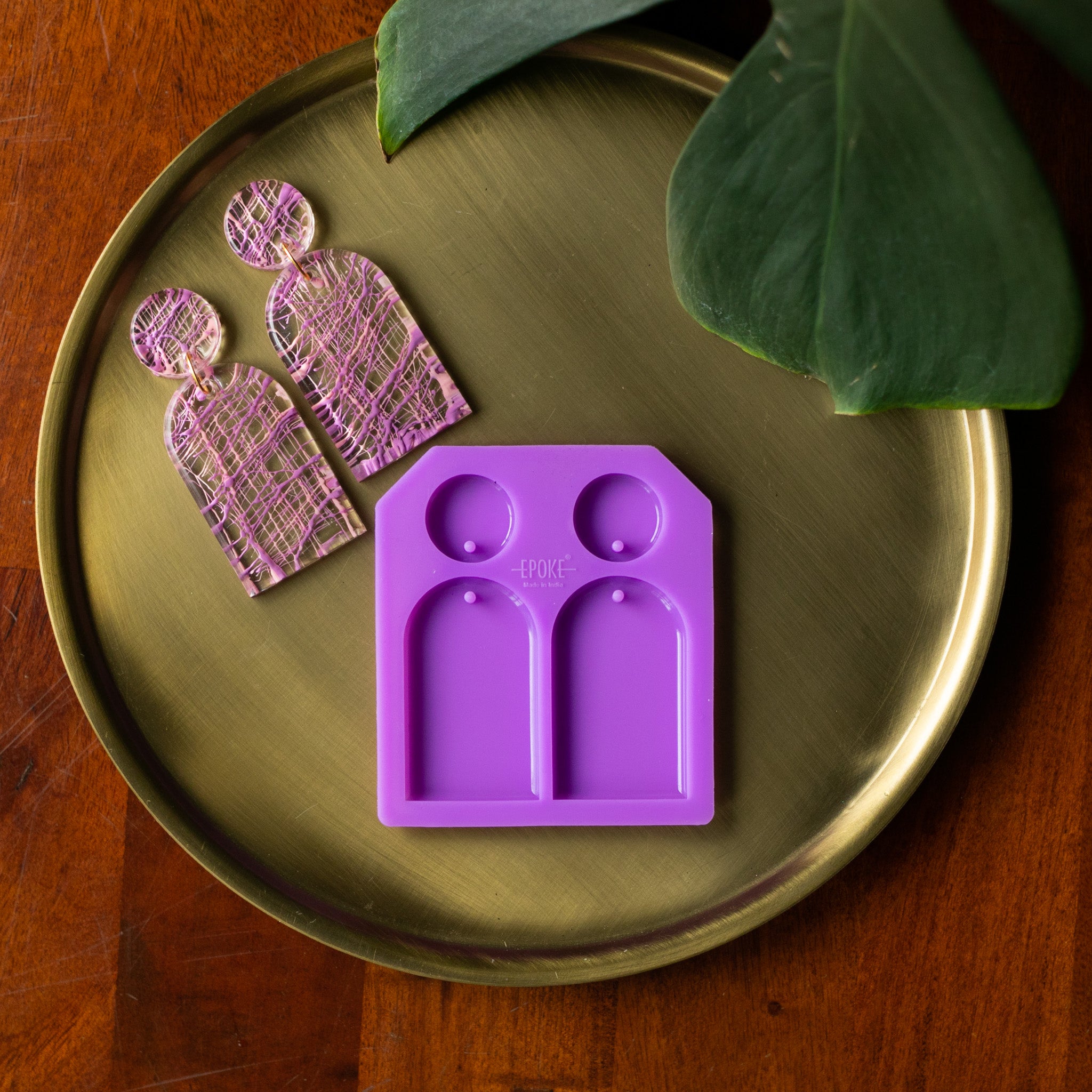
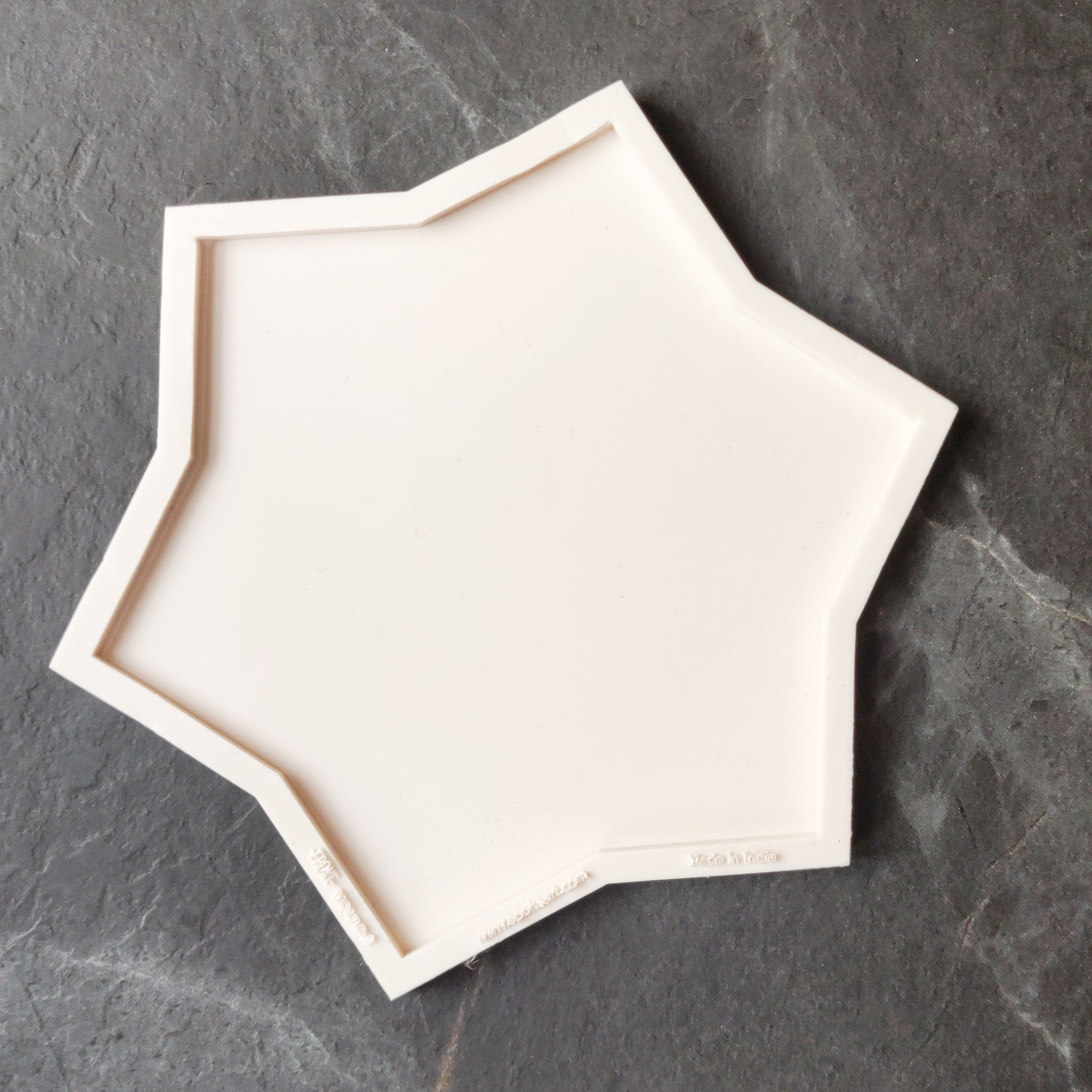
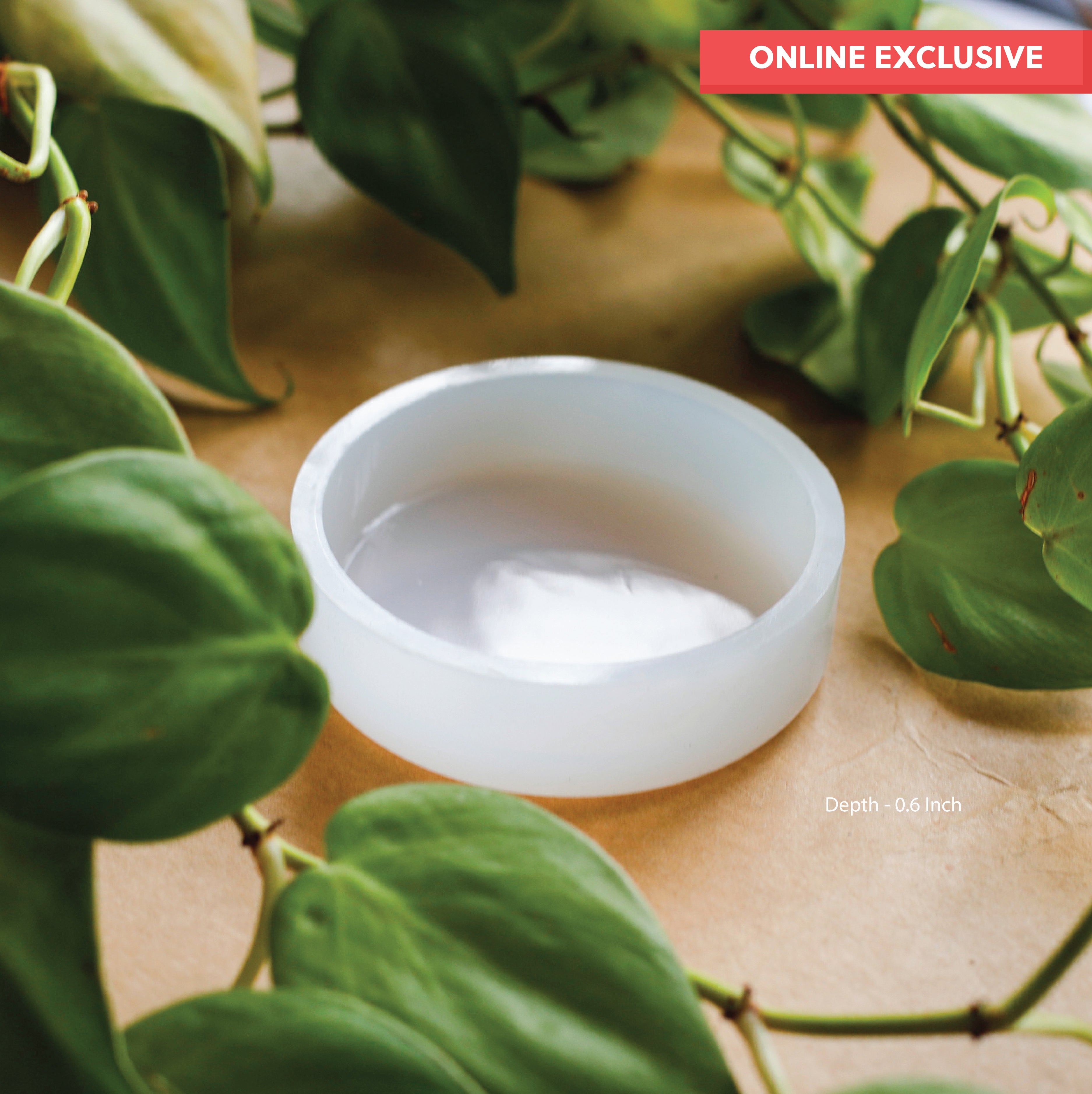
Silicone moulds are flexible, rubber-like forms shaped to hold liquid resin (or wax, or gypsum) until it cures solid. Once the resin sets, you flex the mould gently and the piece releases without breaking either one. A rigid mould traps the piece. A silicone one bends enough to let a fully cured, detailed cast pop free.
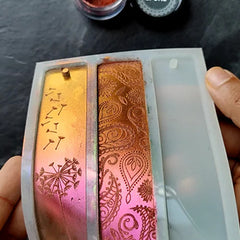
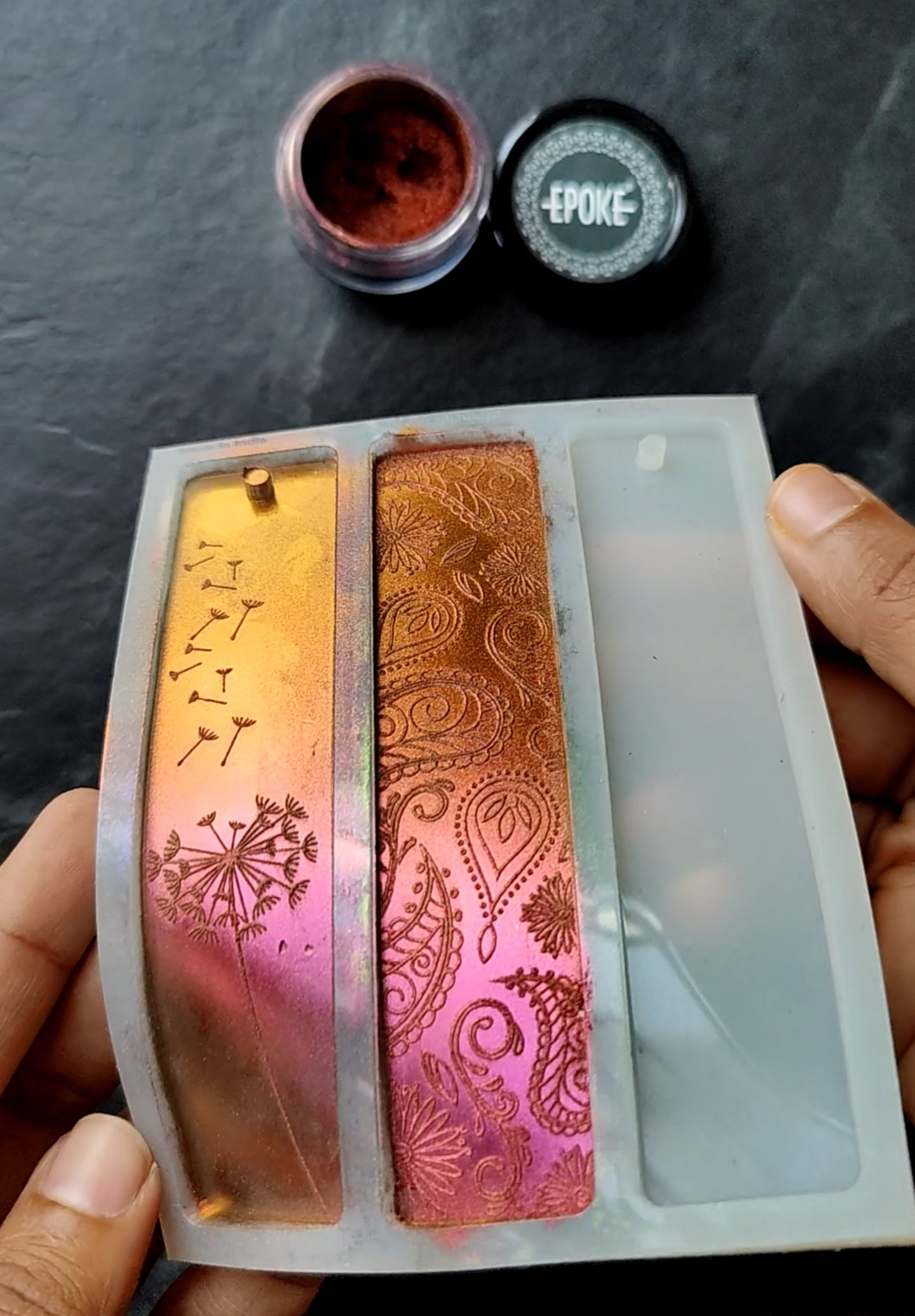
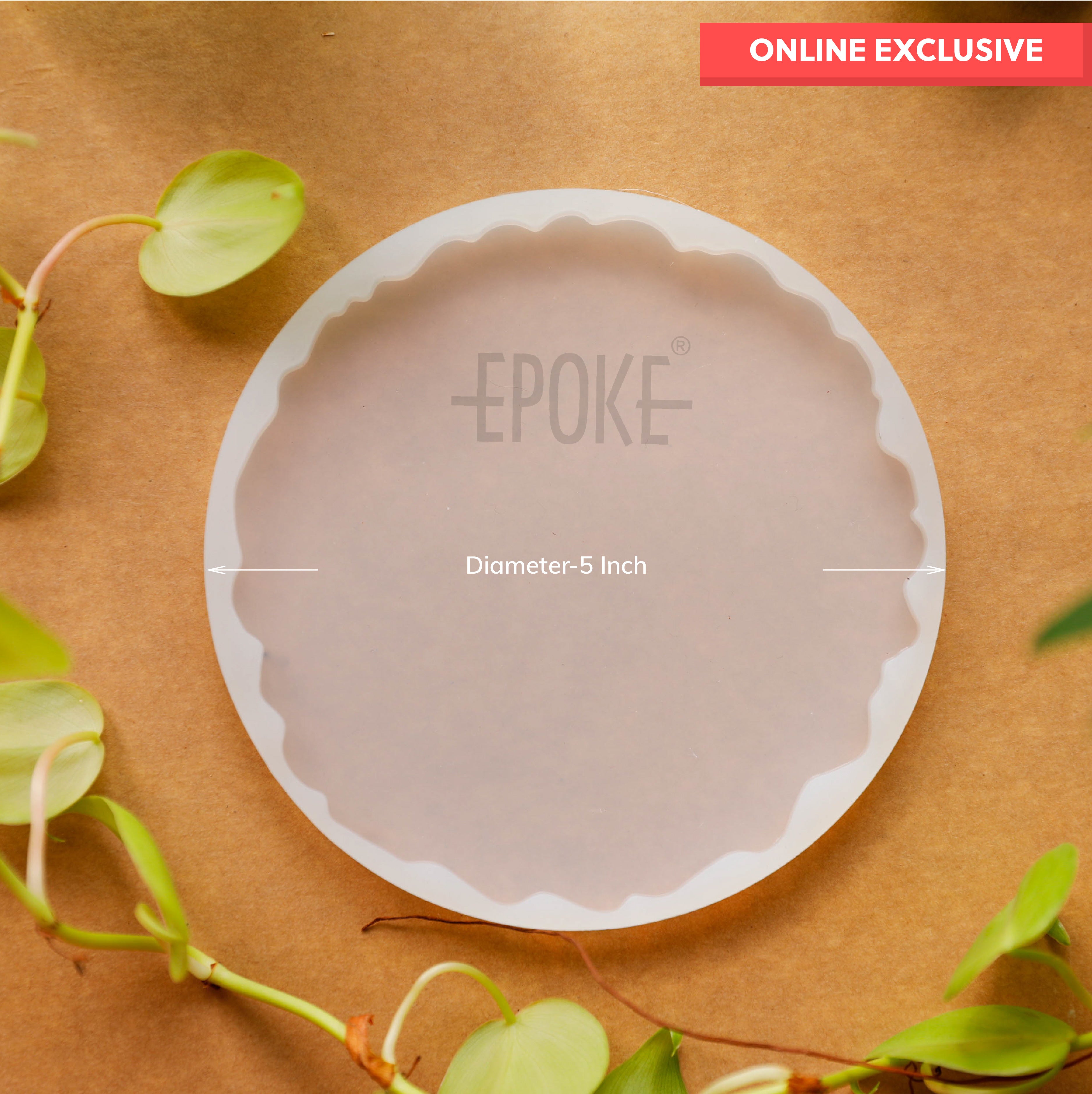
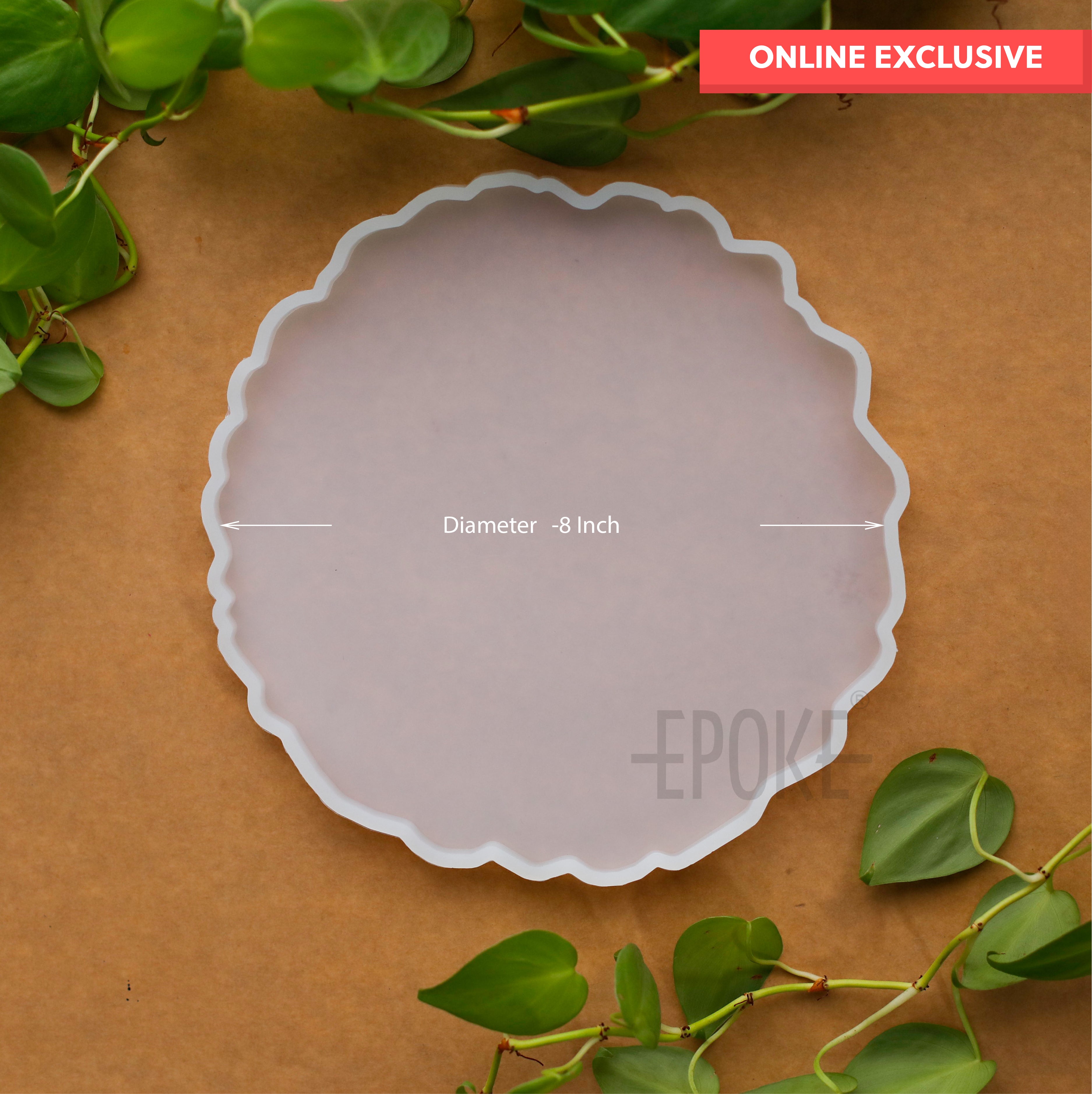
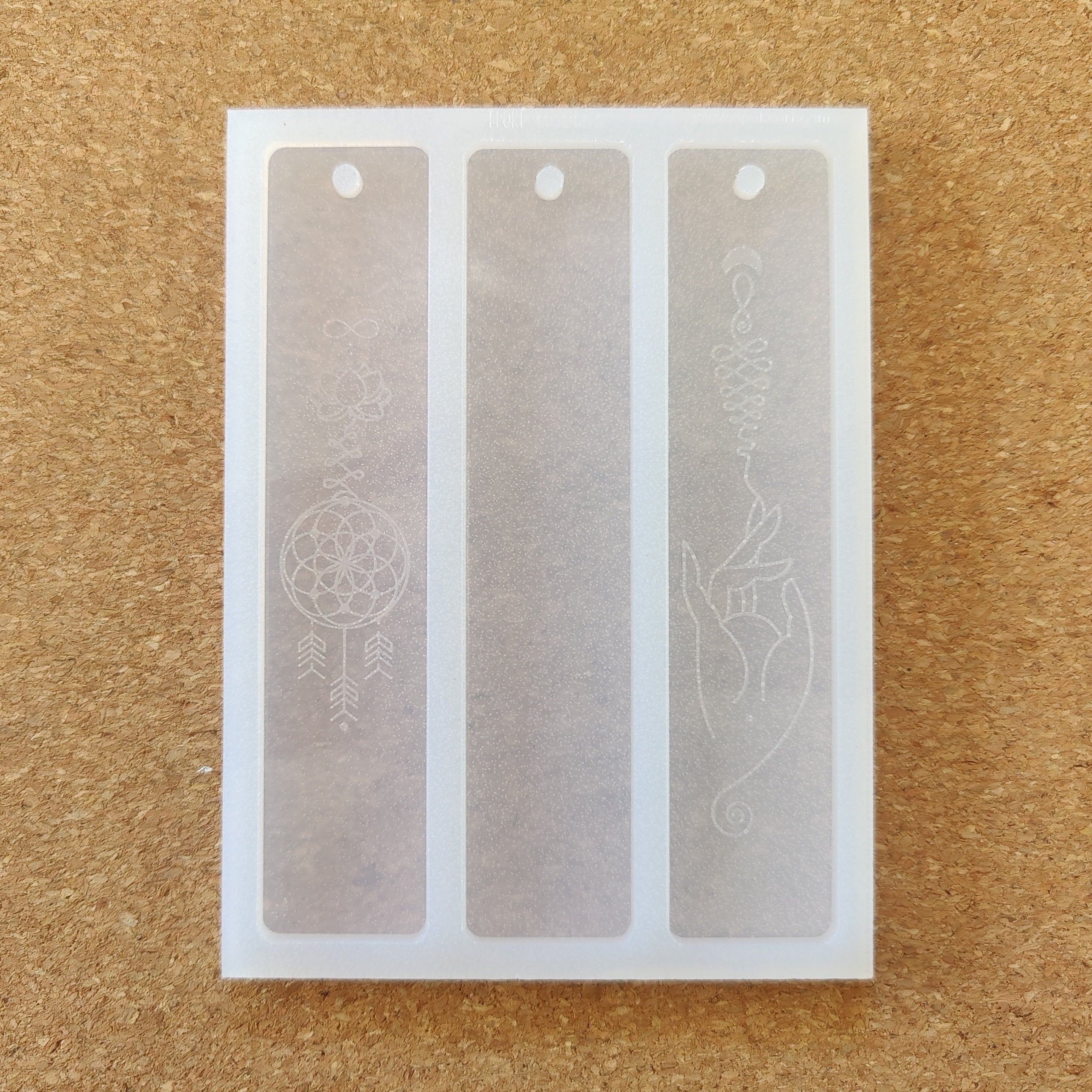
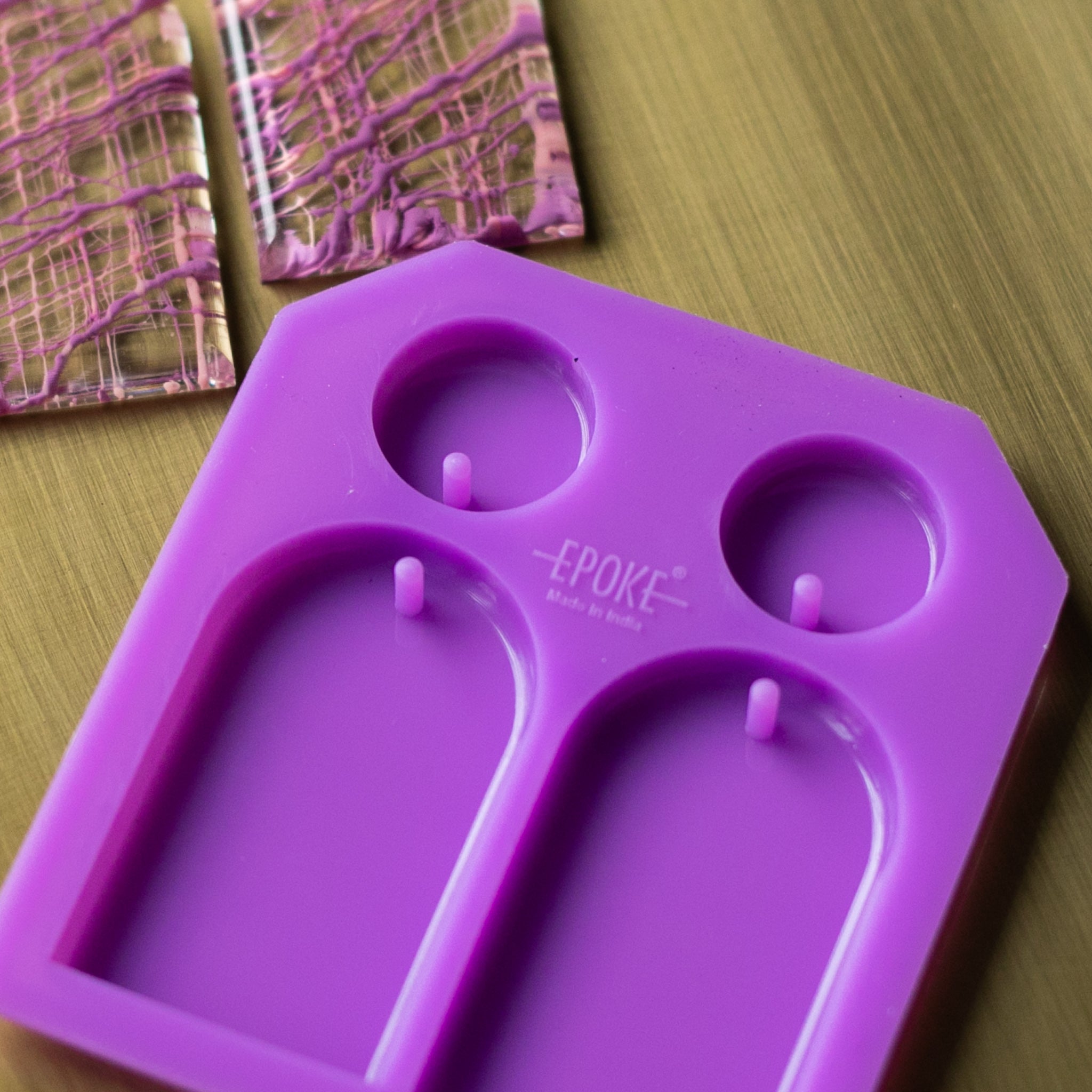
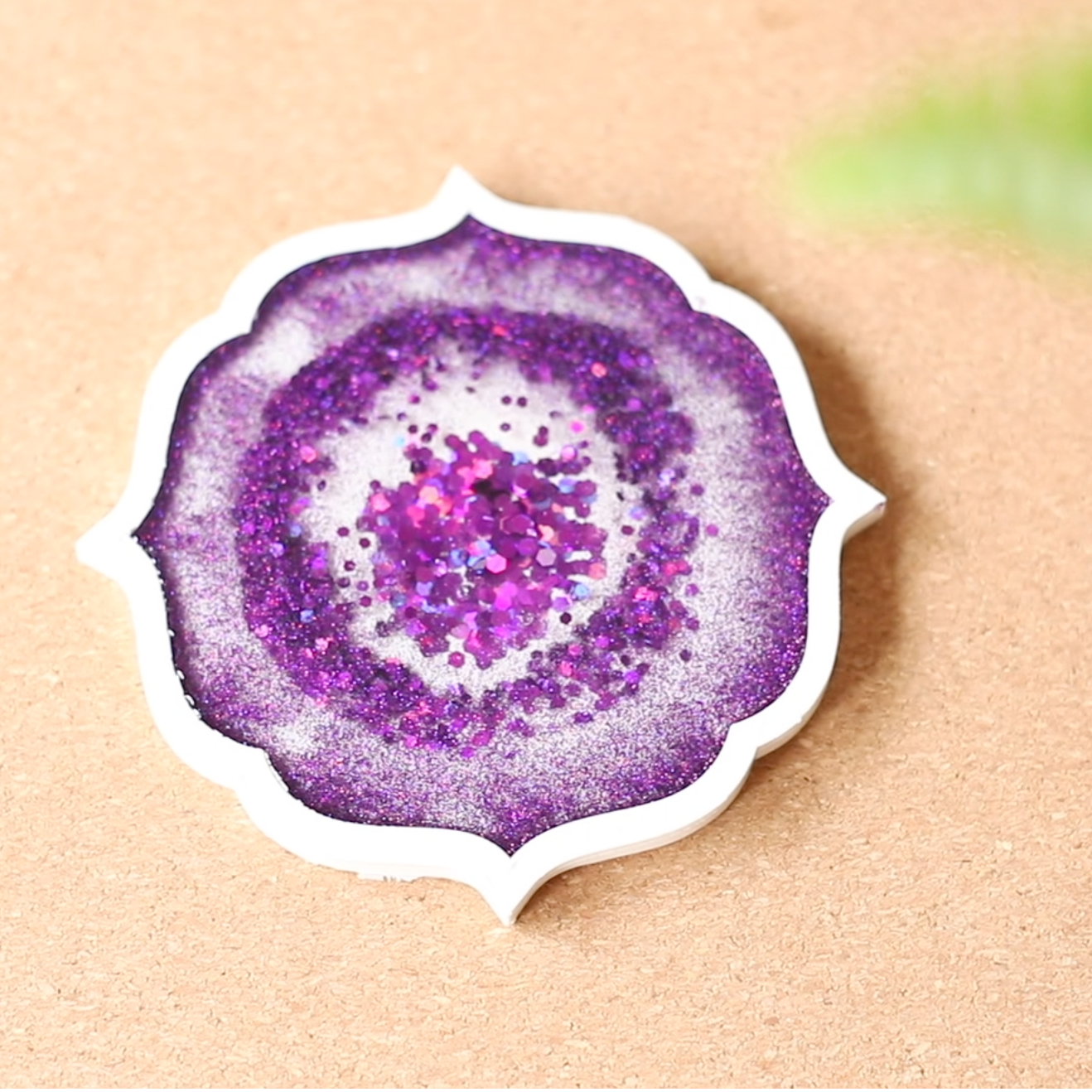
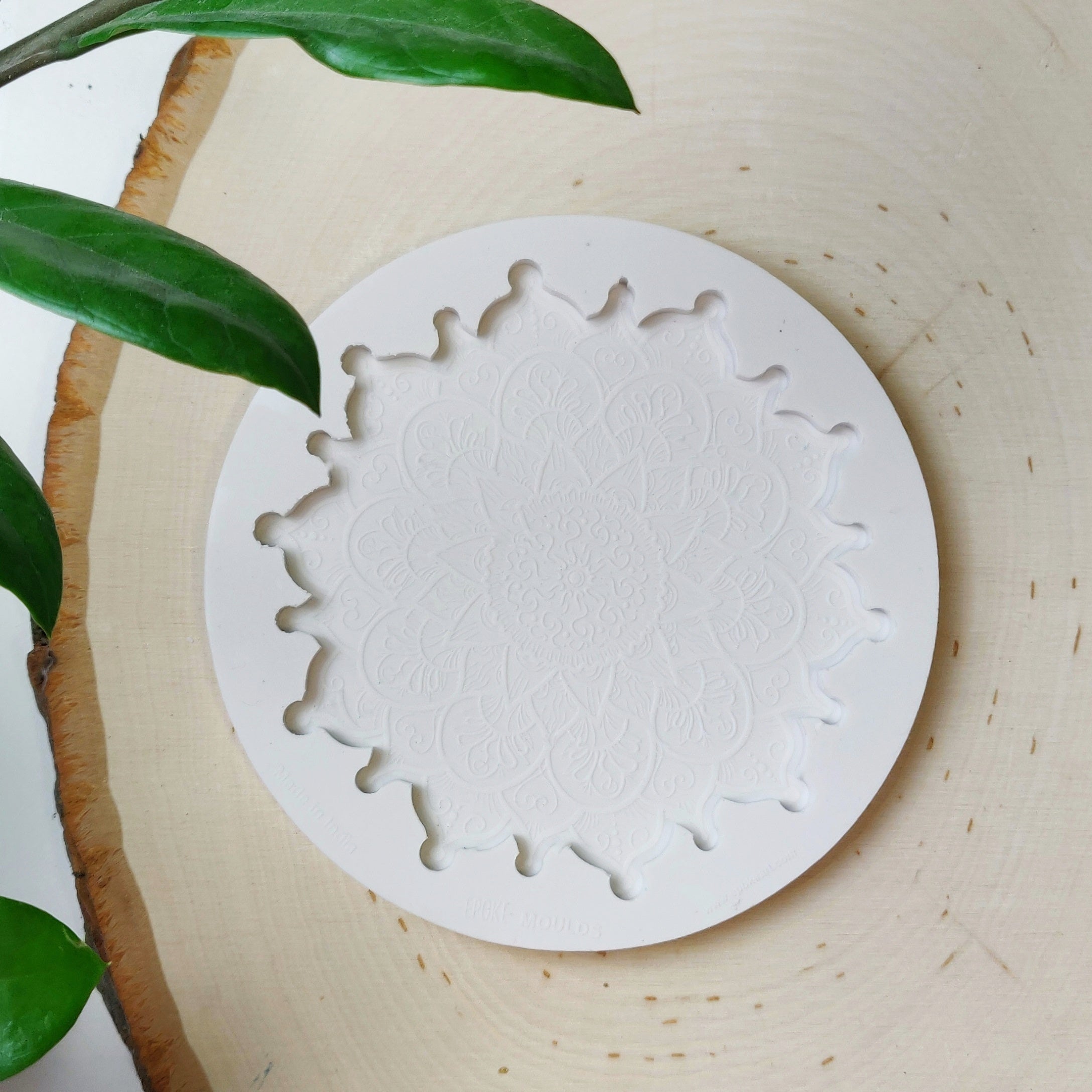
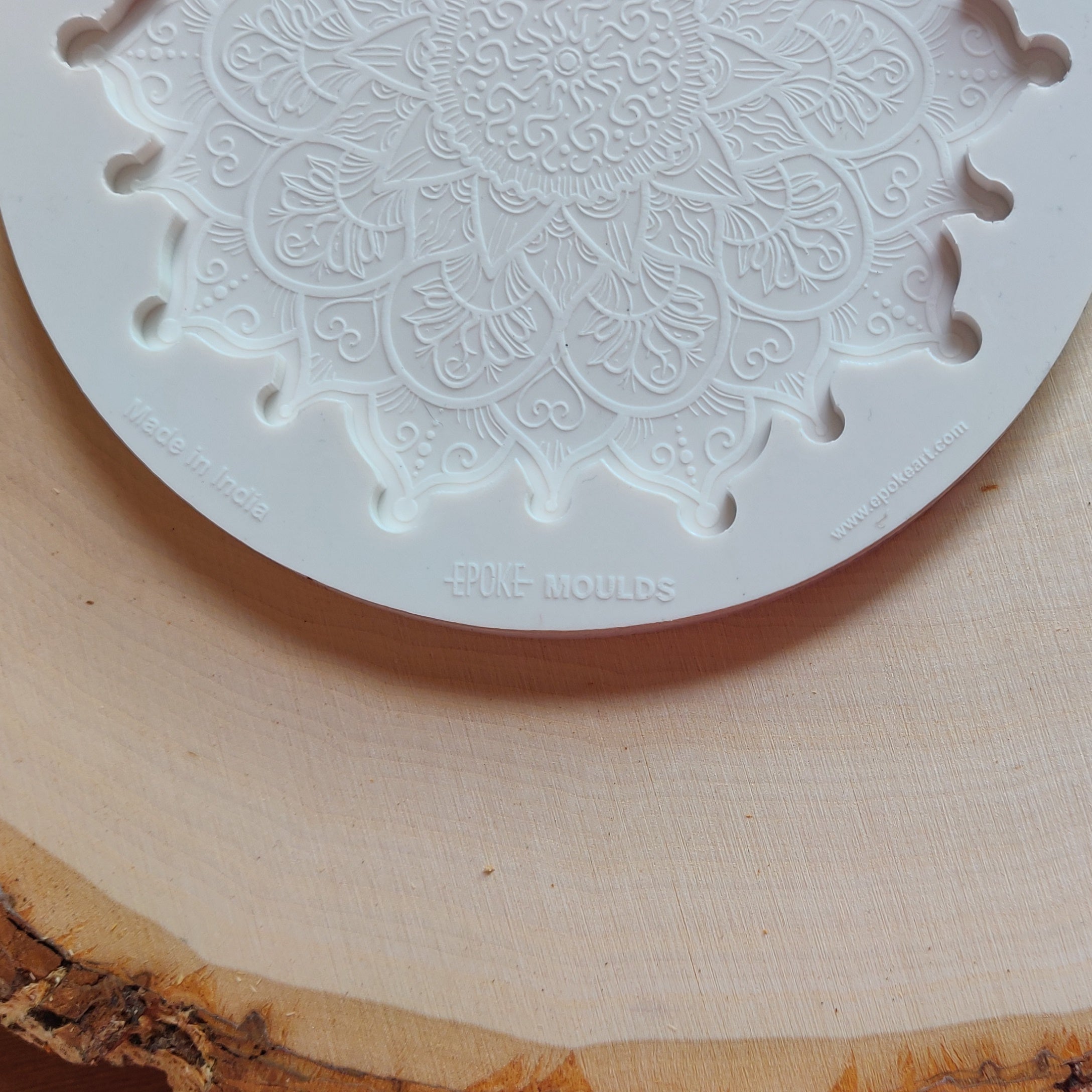
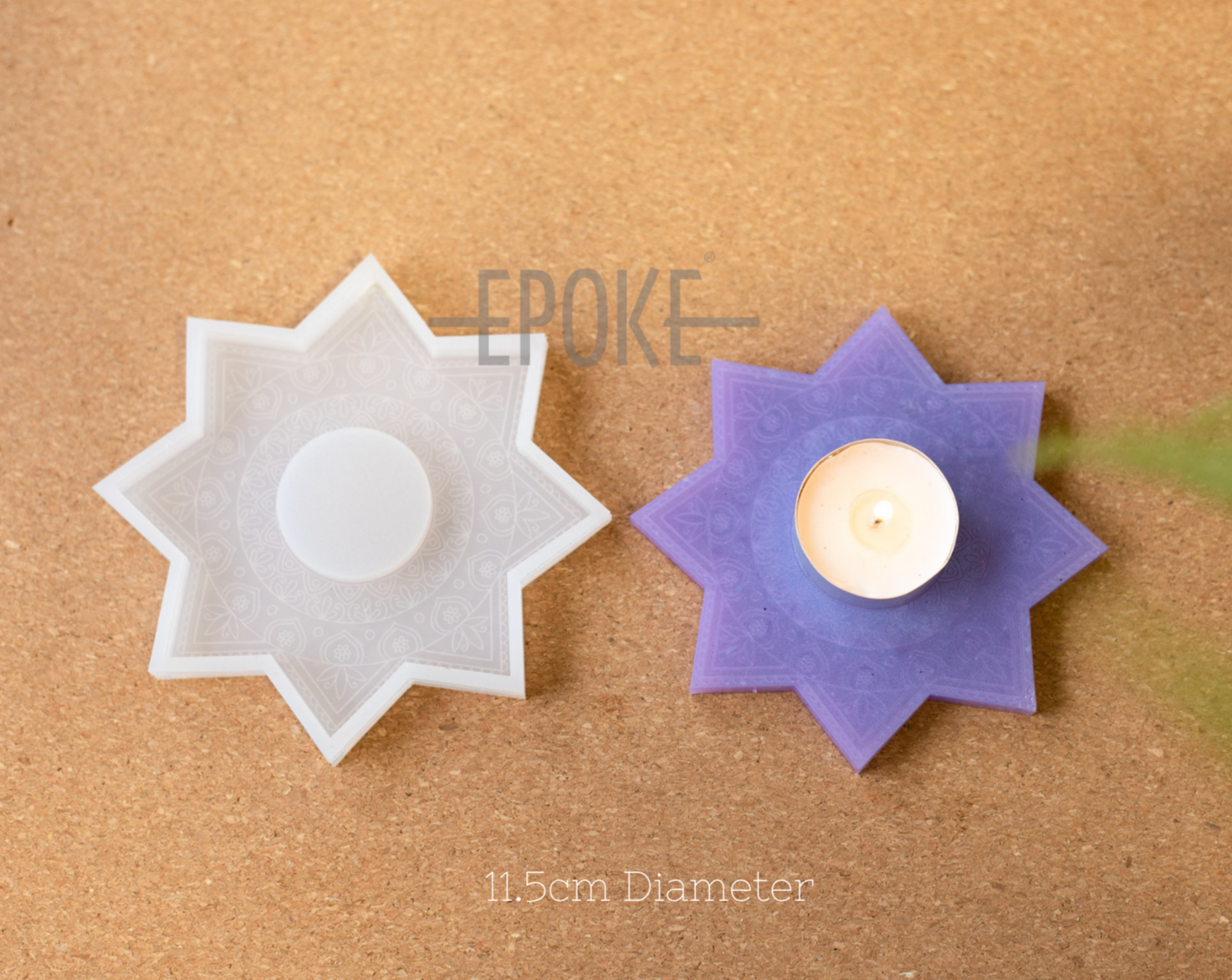
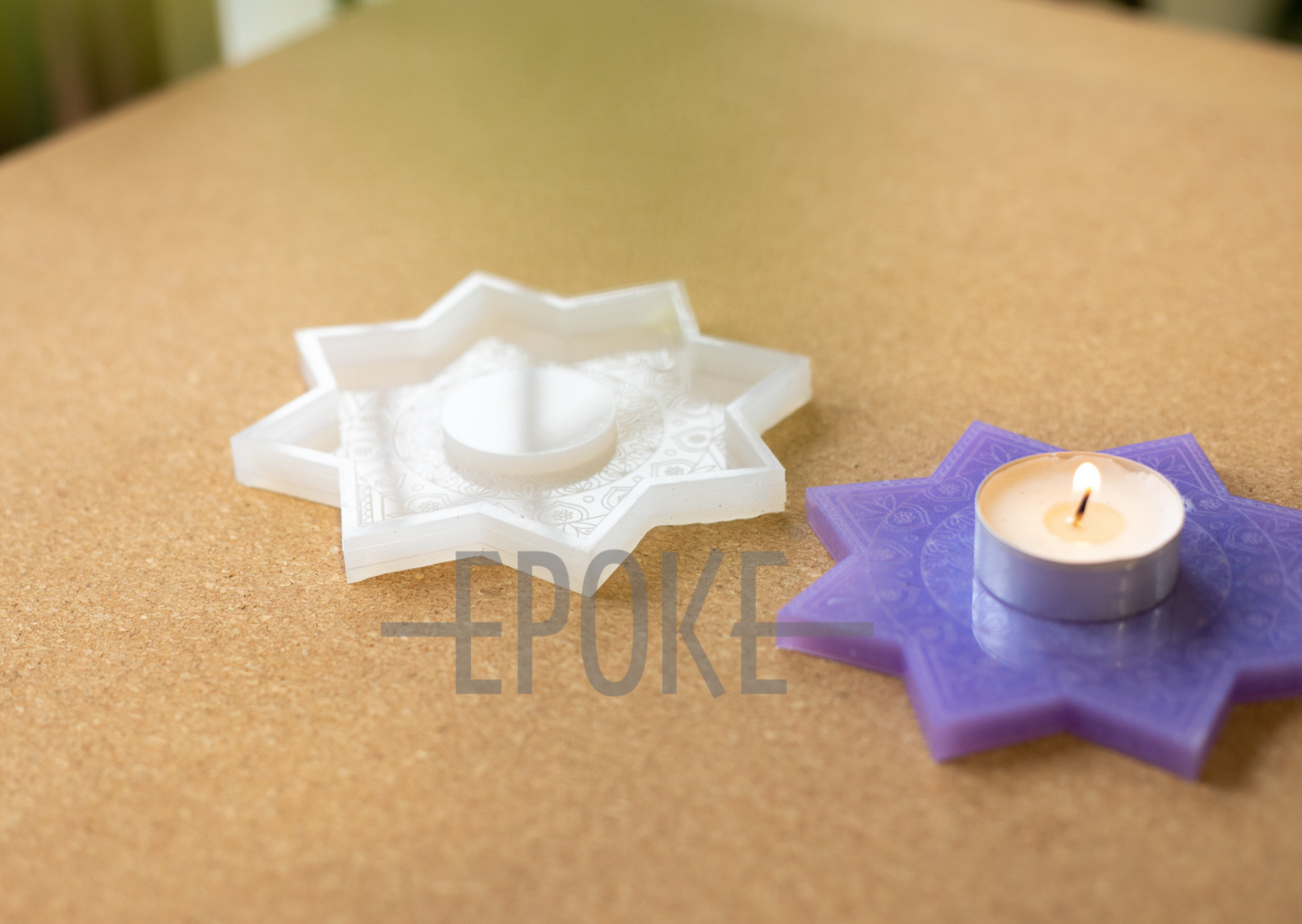
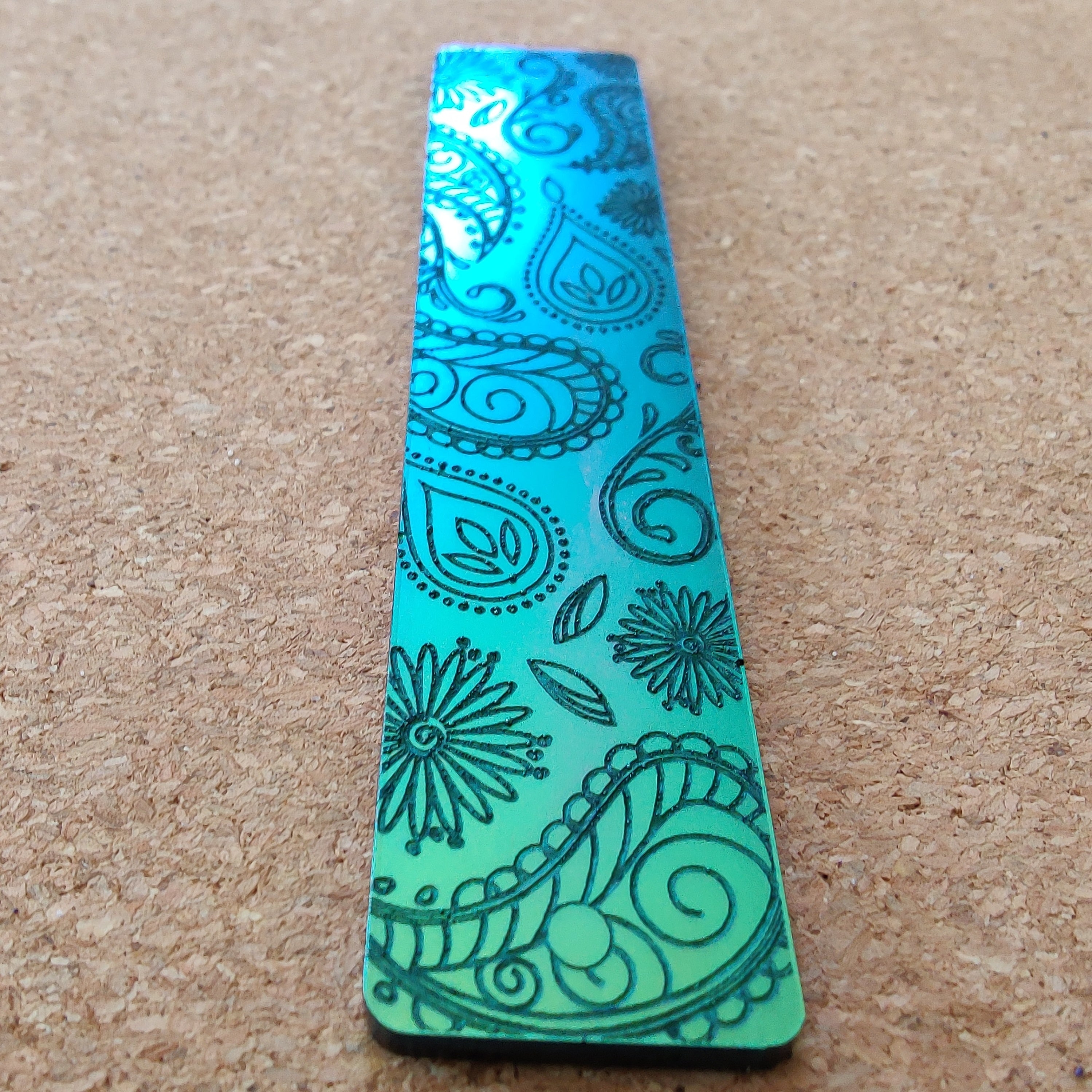
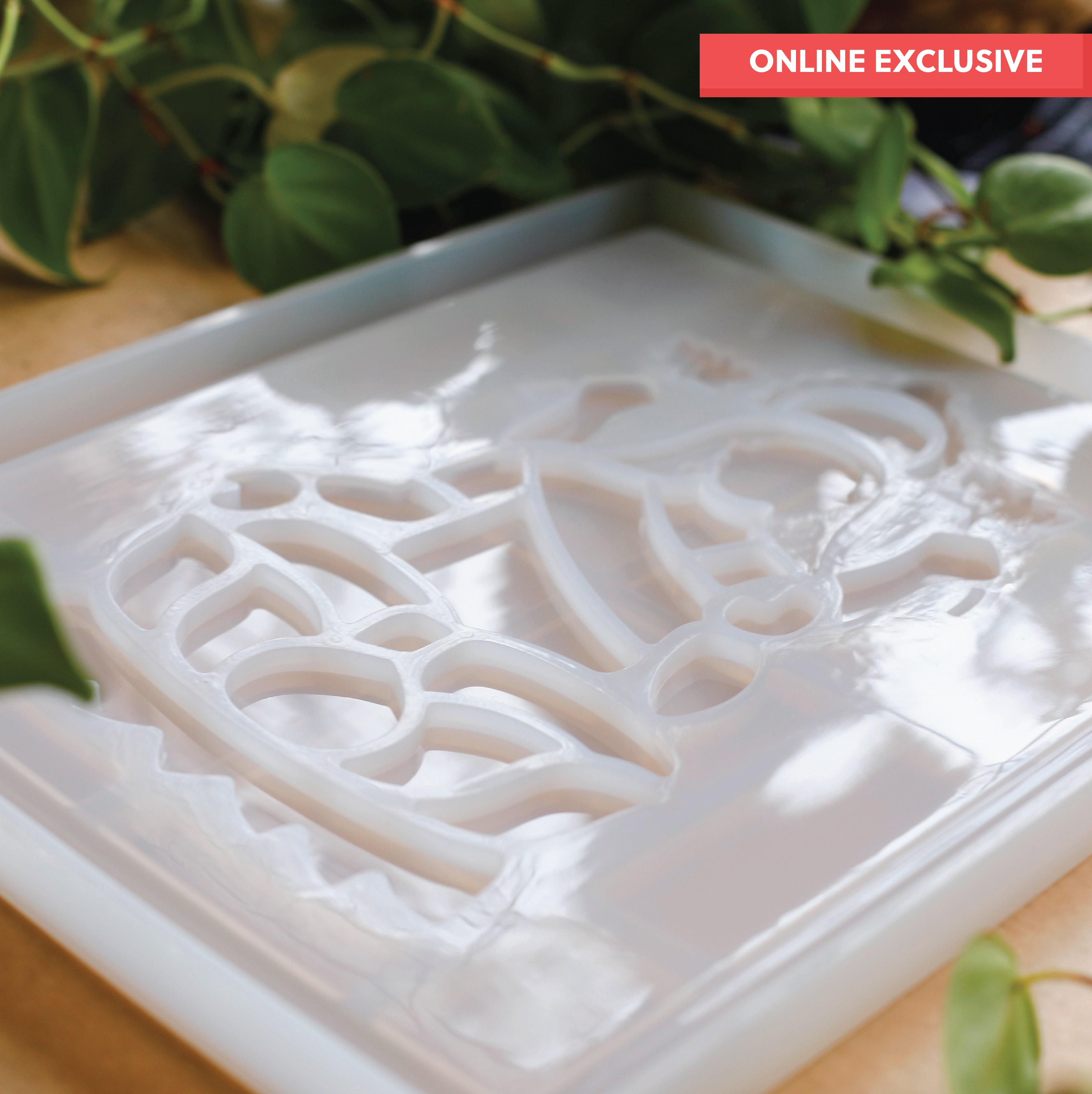
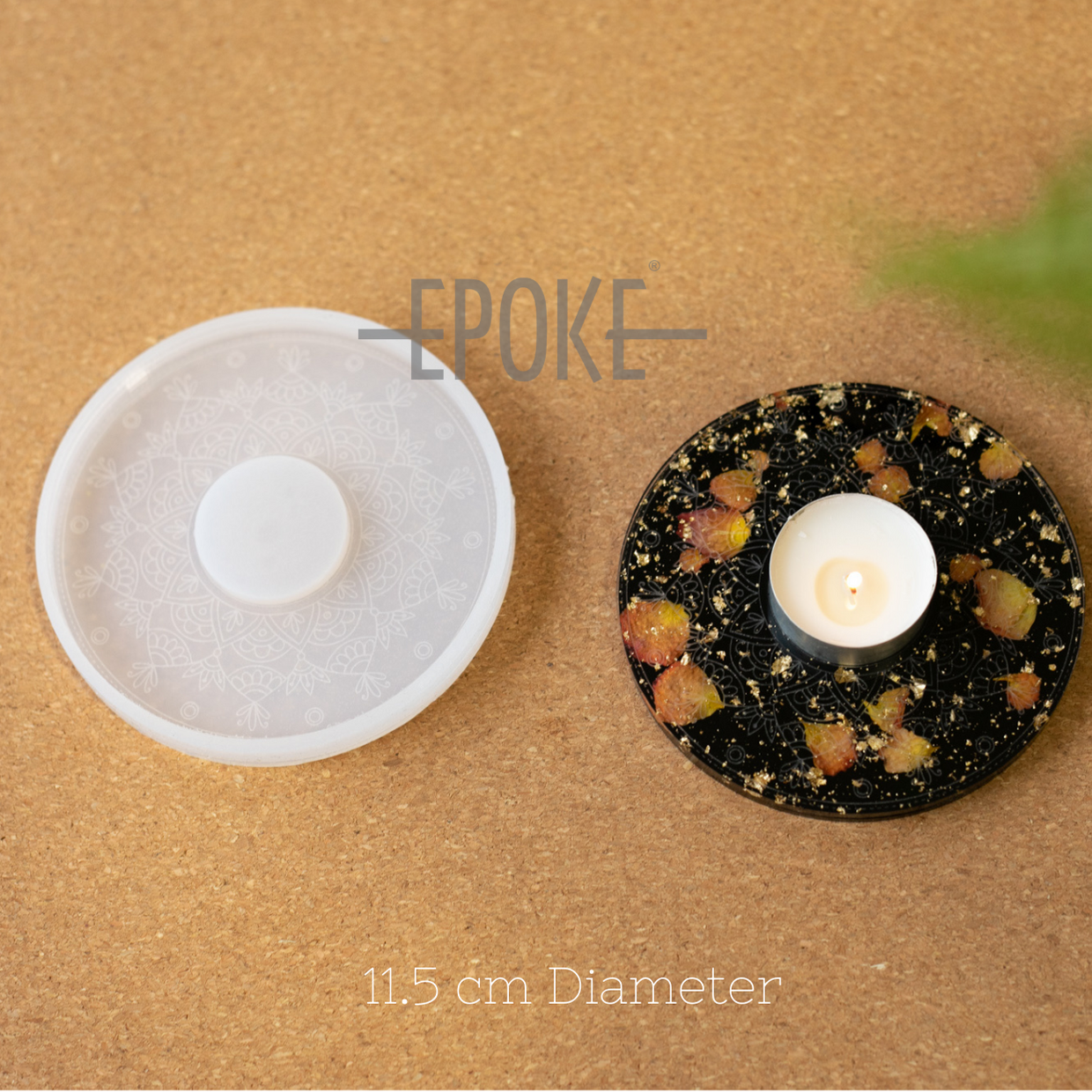
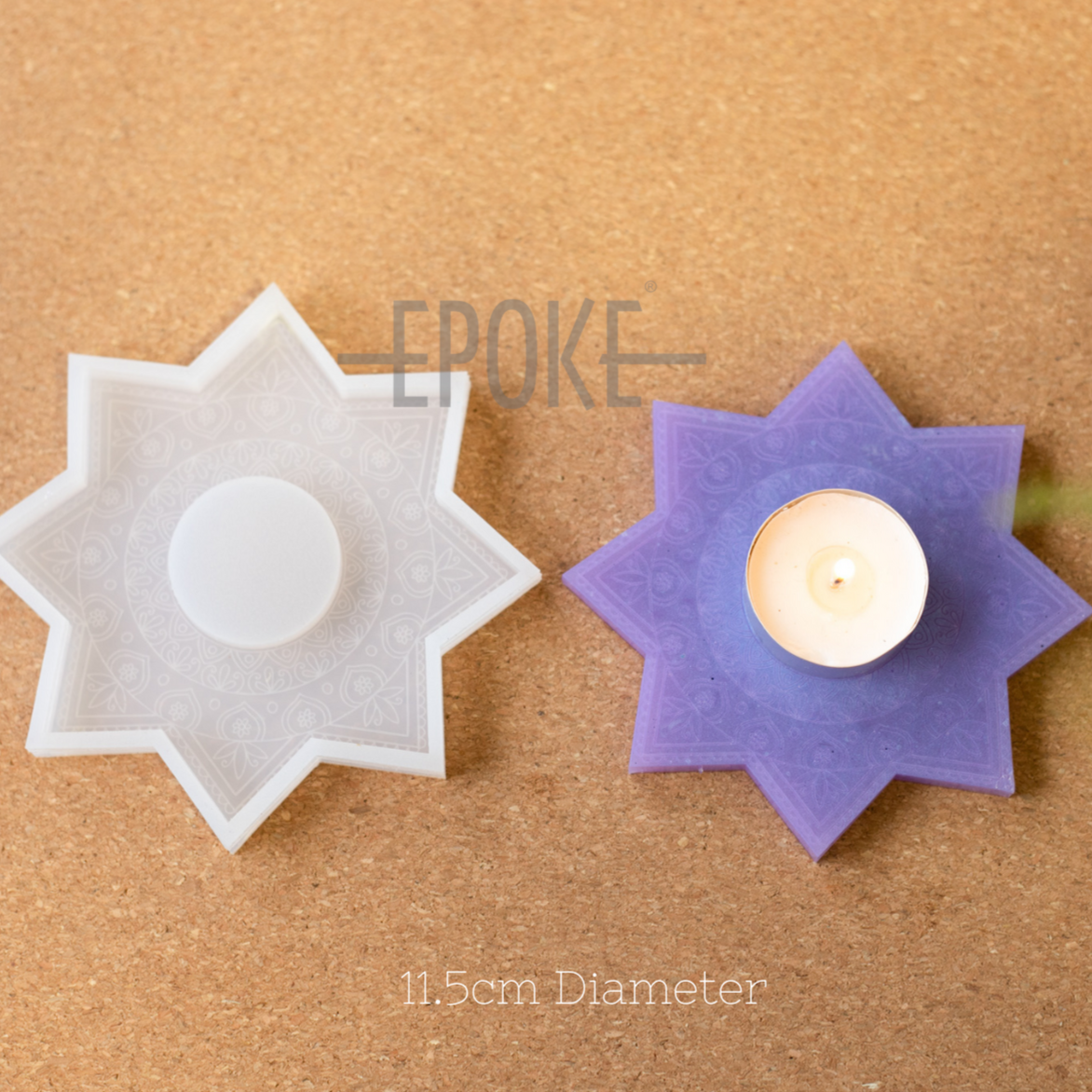
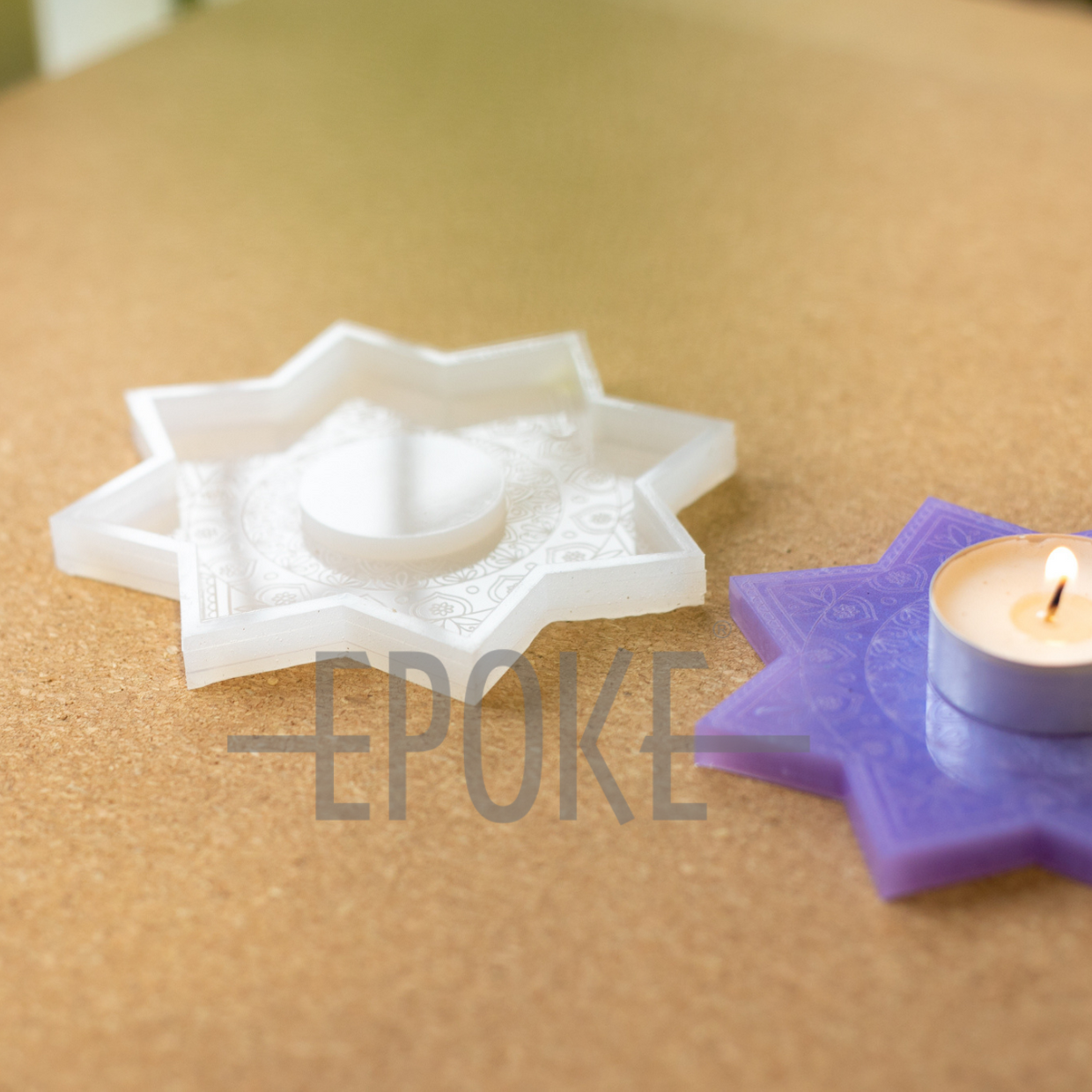
Good ones hold fine detail with precision too. An etched mandala pattern, a coaster ring, a stone-shaped edge, these show up sharp on the finished piece instead of smudged or shrunk.
Why Resin Moulds Tear After Just One Use
Not every mould on the market is made the same way. A few reasons resin moulds fail early:
Thin silicone that stretches out of shape after the first release
Poor curing during manufacturing, leaving the mould soft and prone to splitting
Sharp internal corners with no reinforcement, where tears usually start
A resin type the mould wasn't rated for
A well-built mould typically gives 6 to 10 high-gloss releases before detail fades, depending on the resin used and how it's stored between pours. If a mould failed on the second pour, it likely wasn't manufactured well.
Silicone Ready-Made Moulds: Choose the Right Shape for Your Resin Art
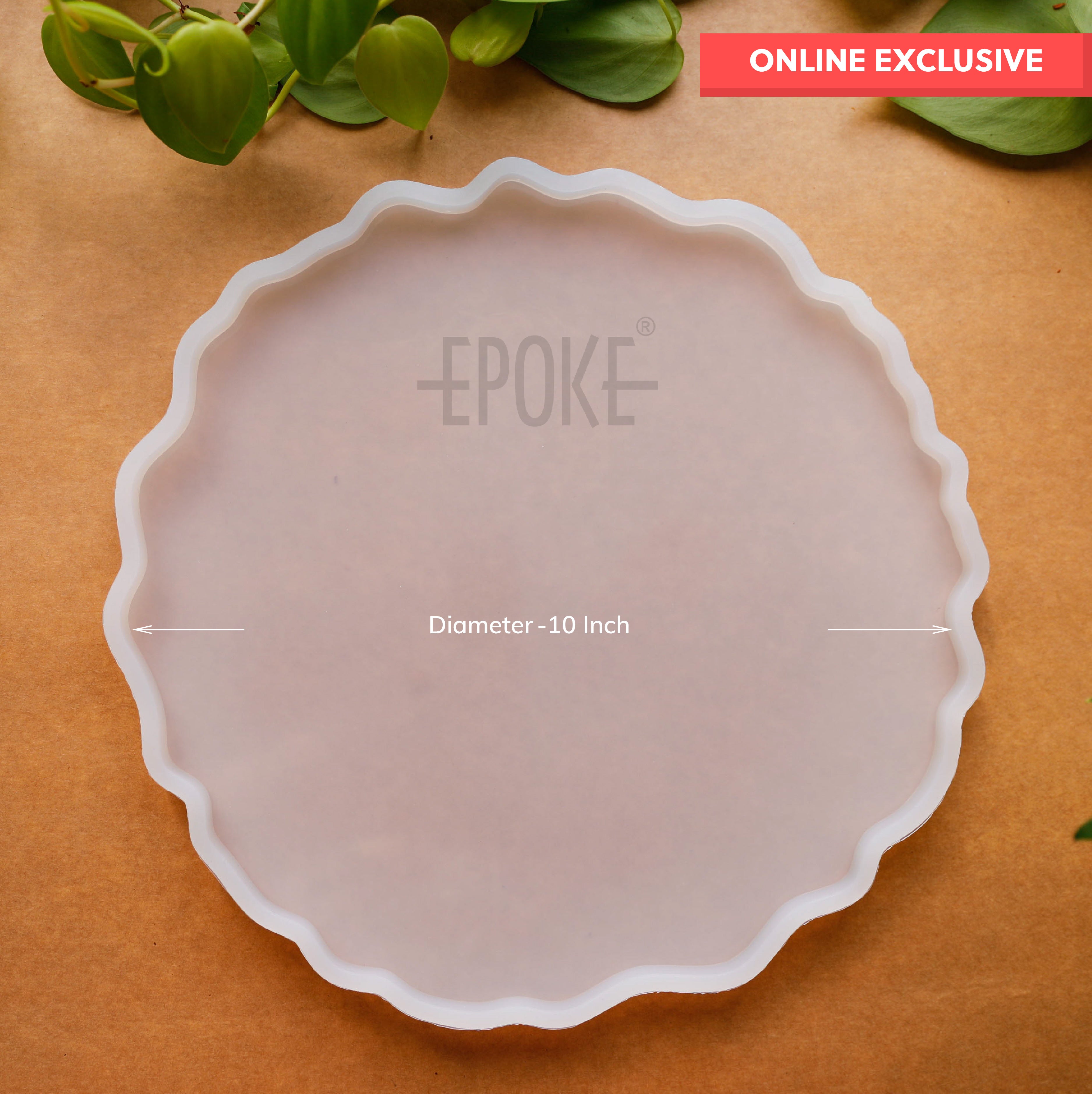
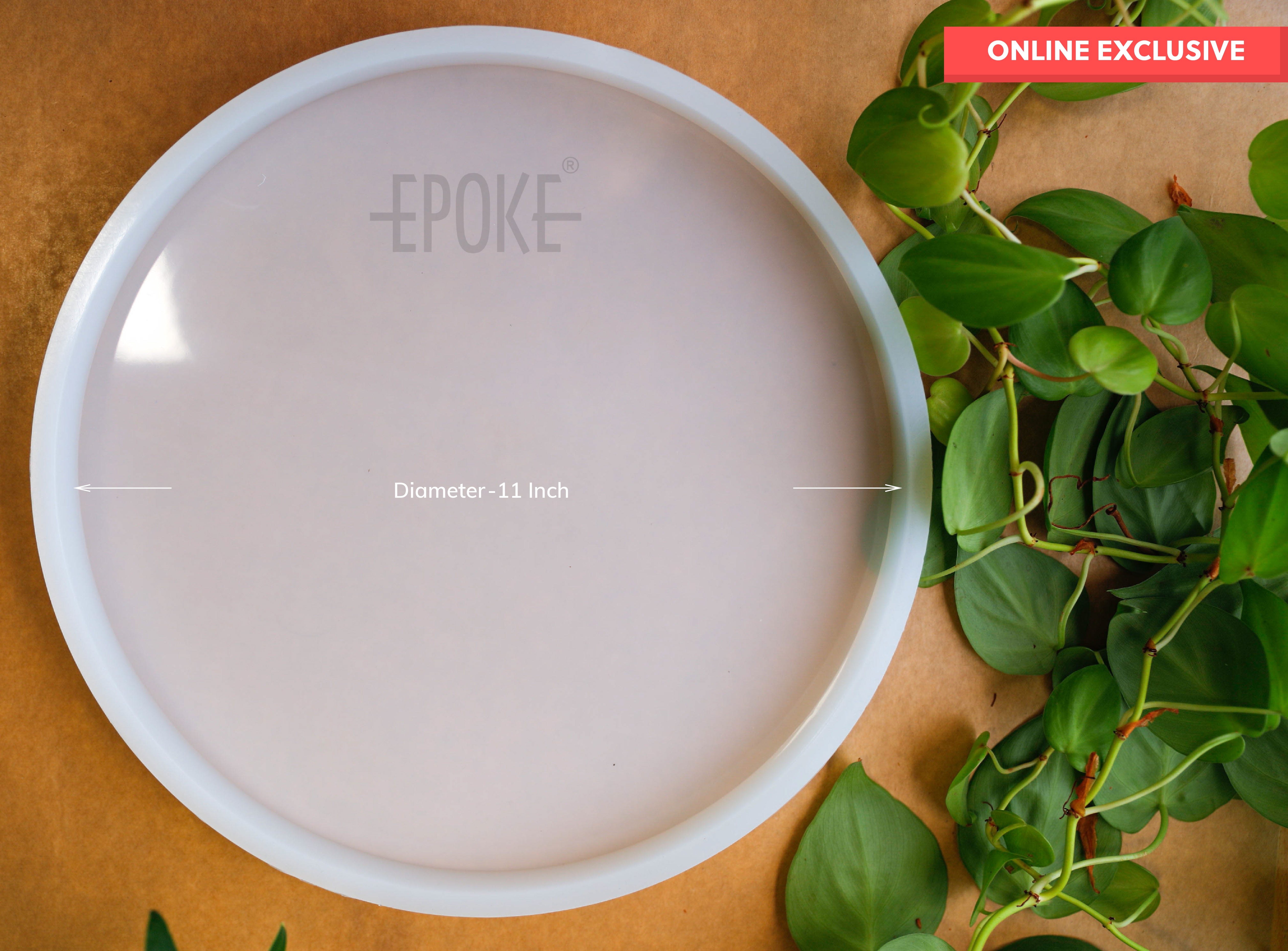
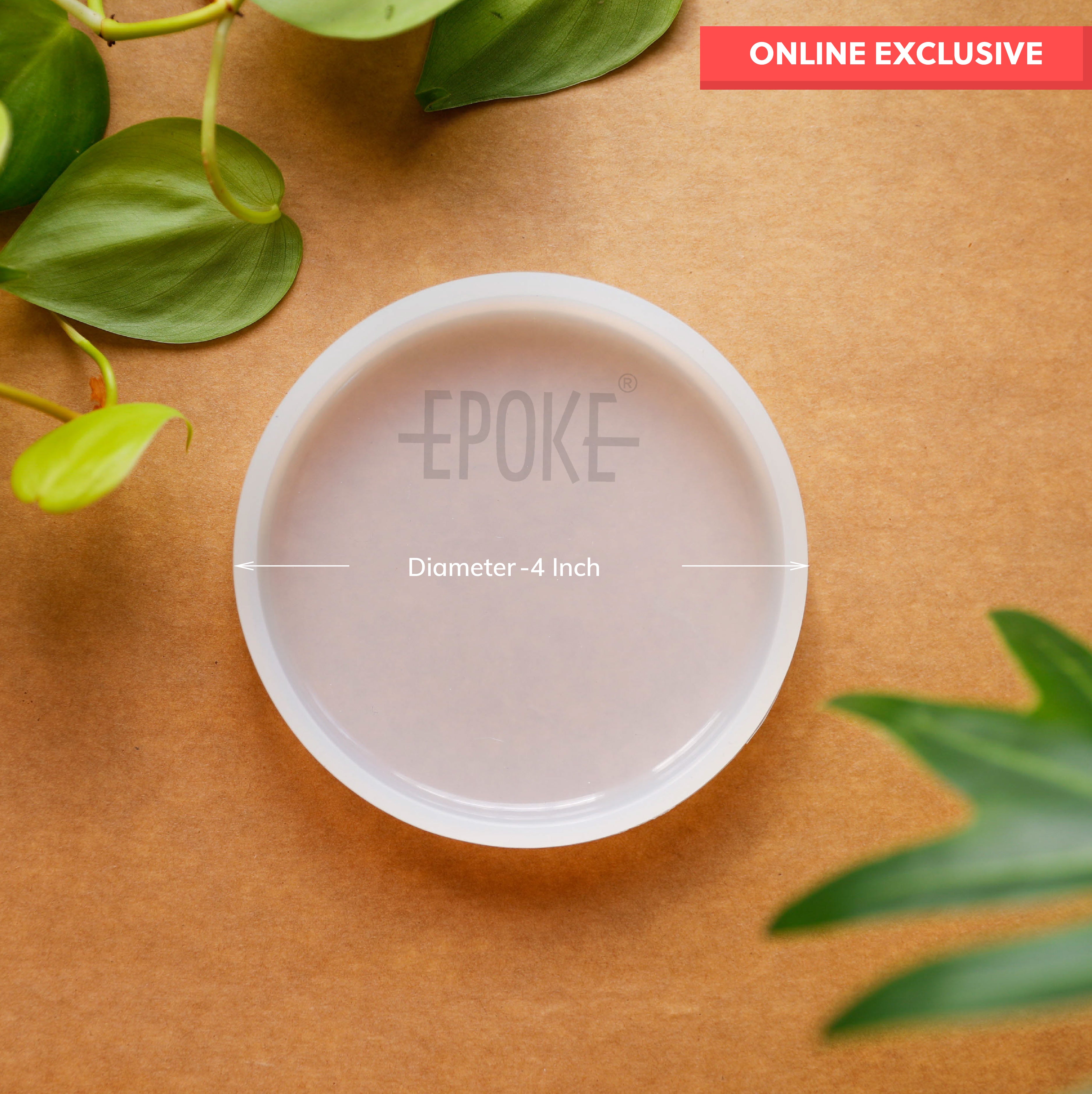
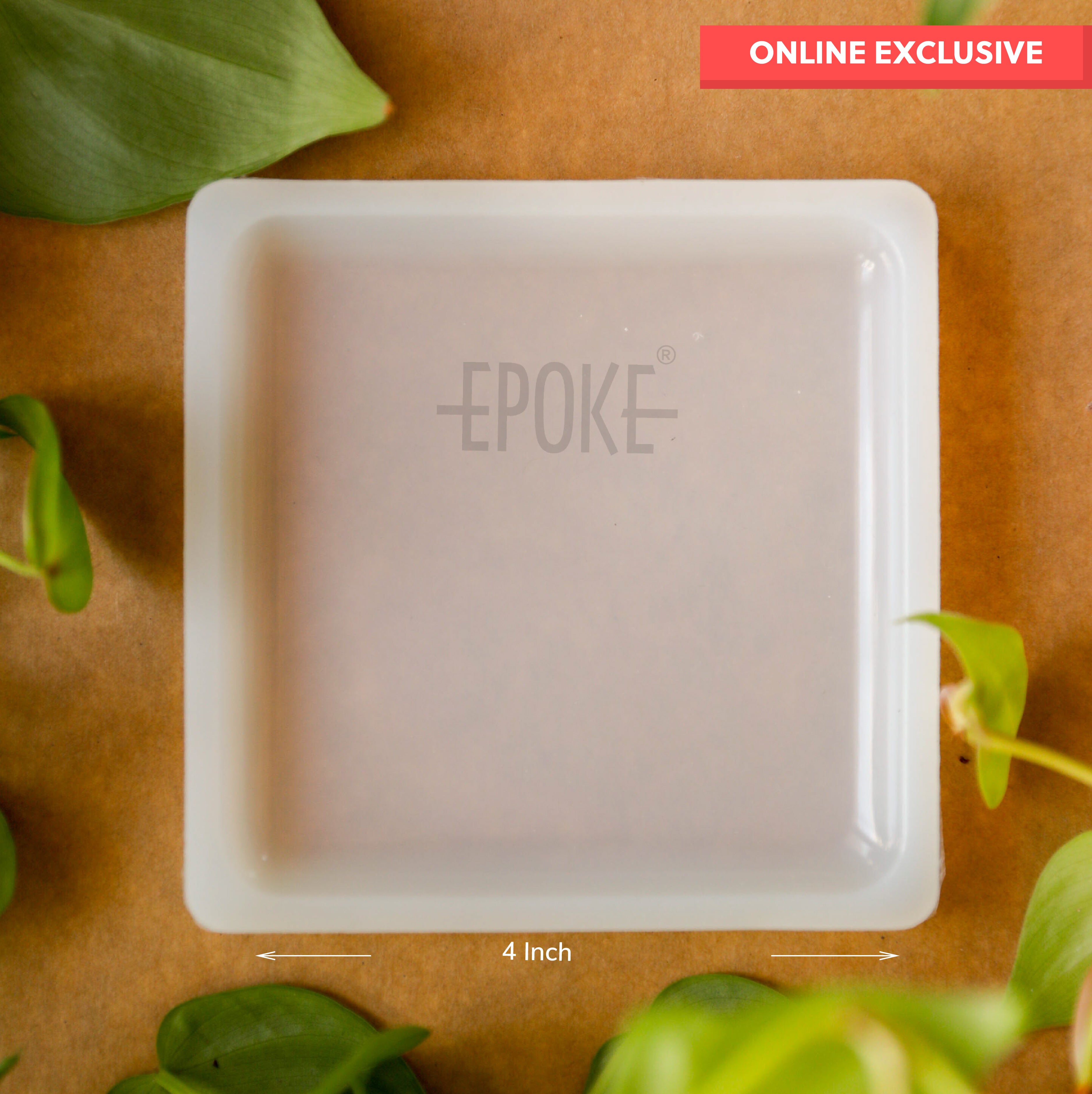
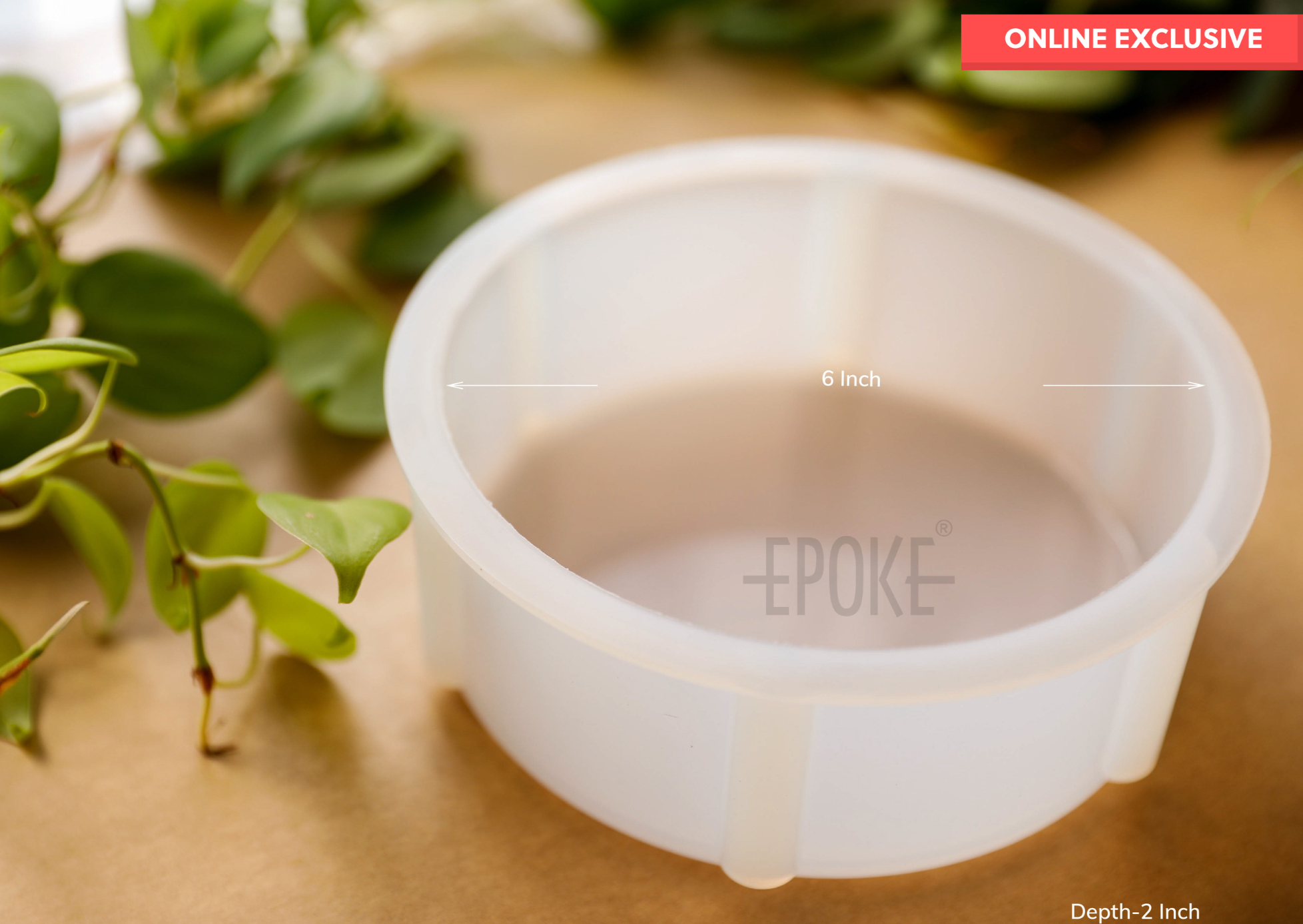
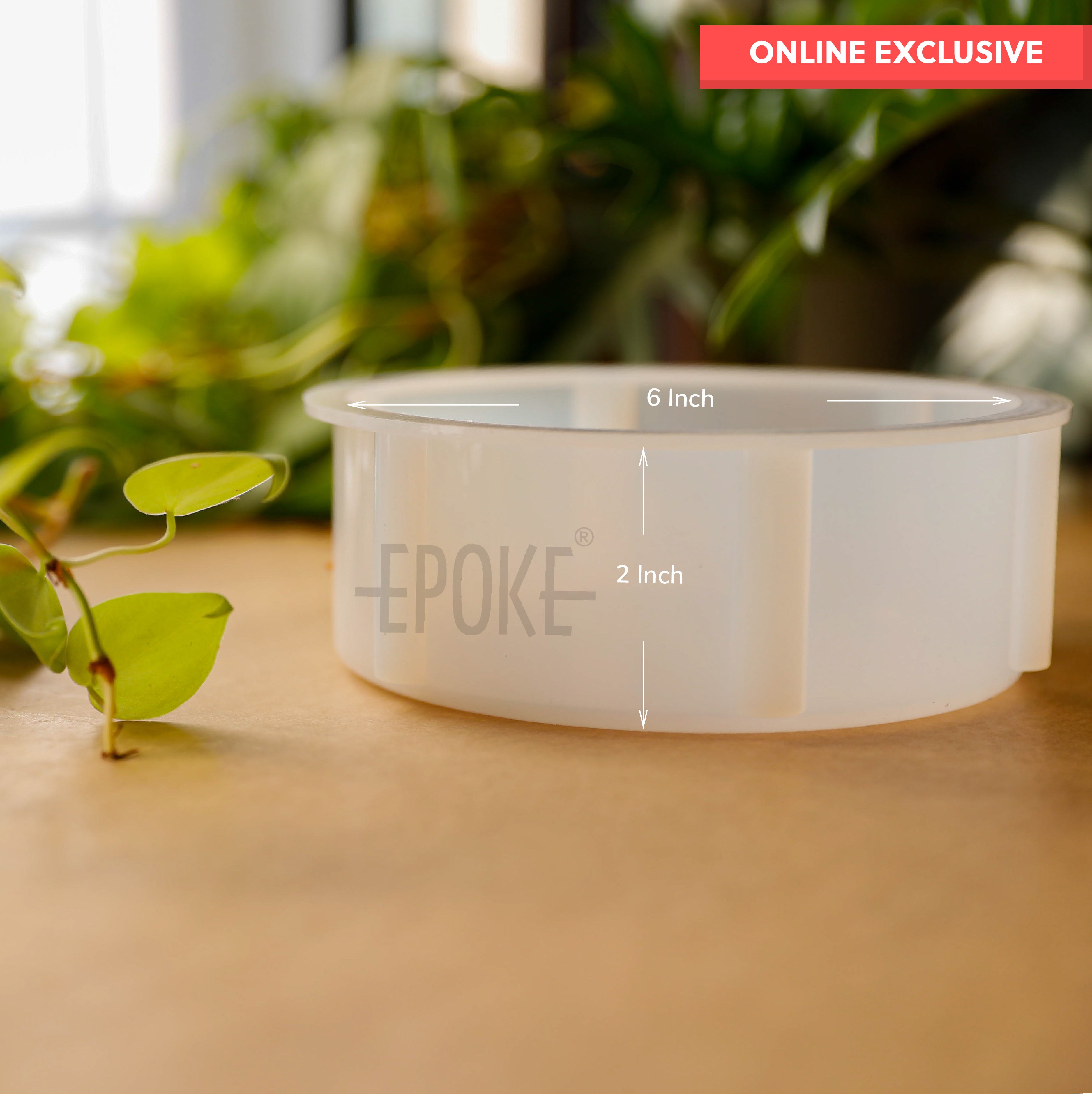
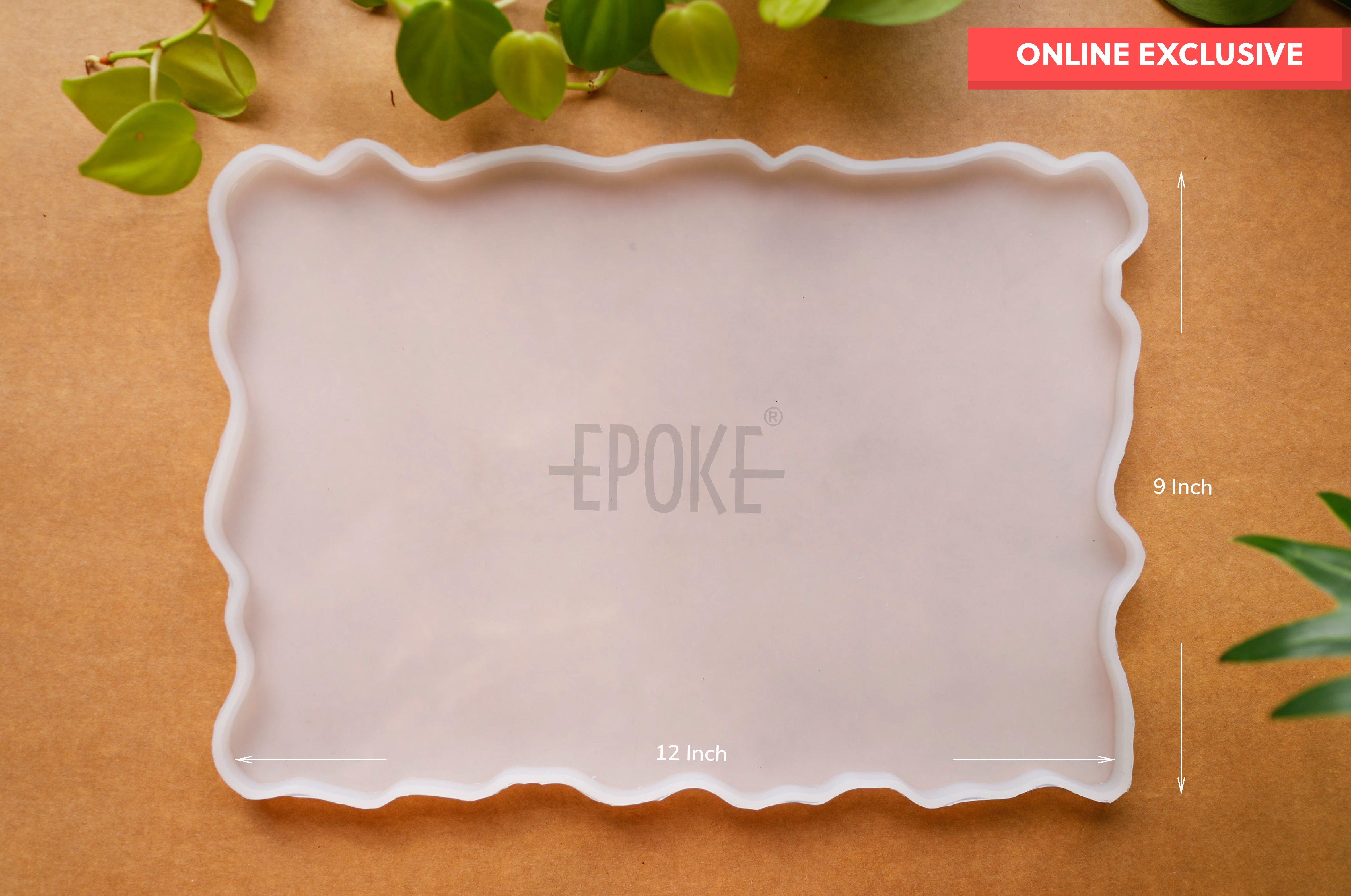
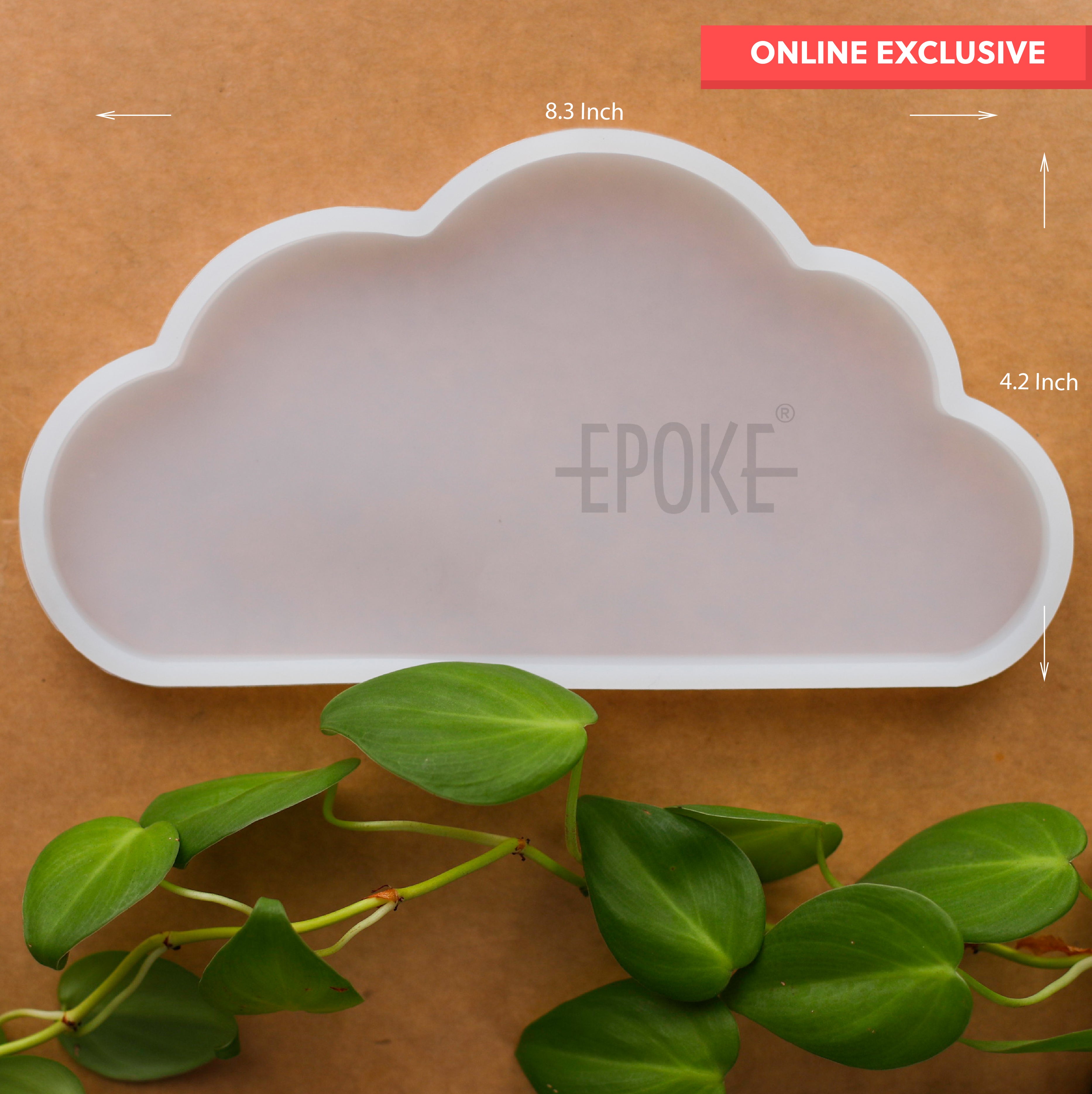
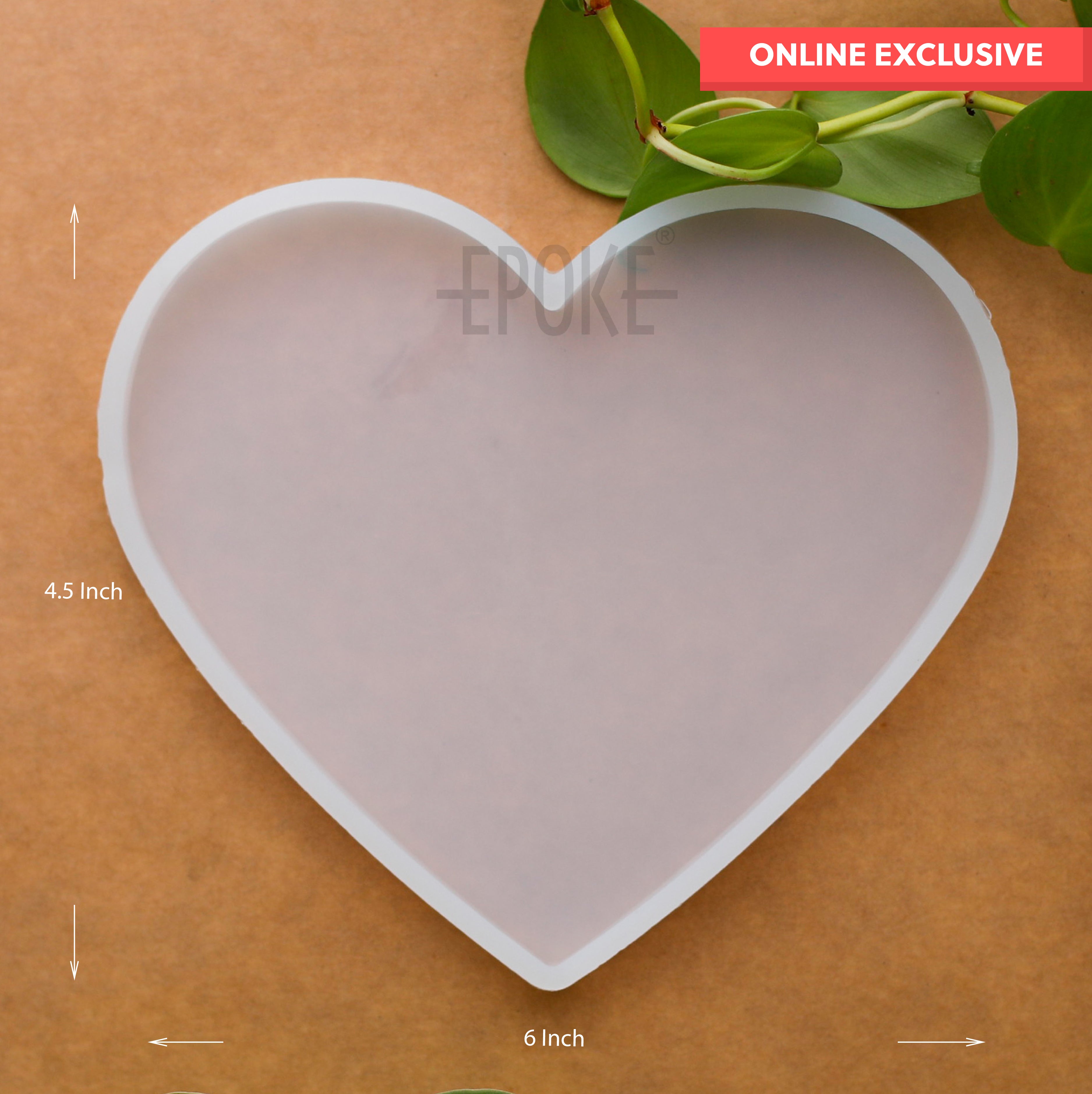
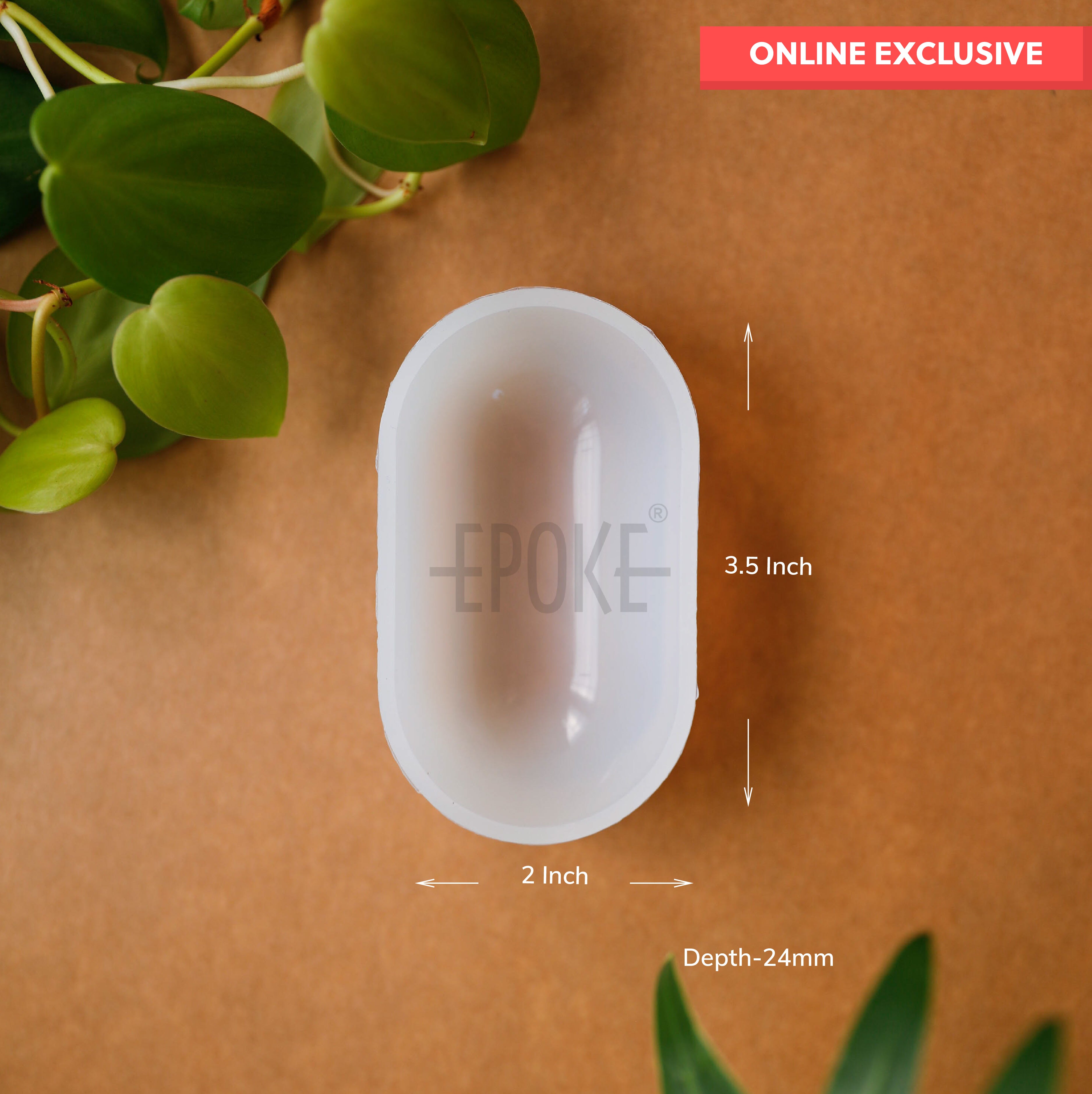
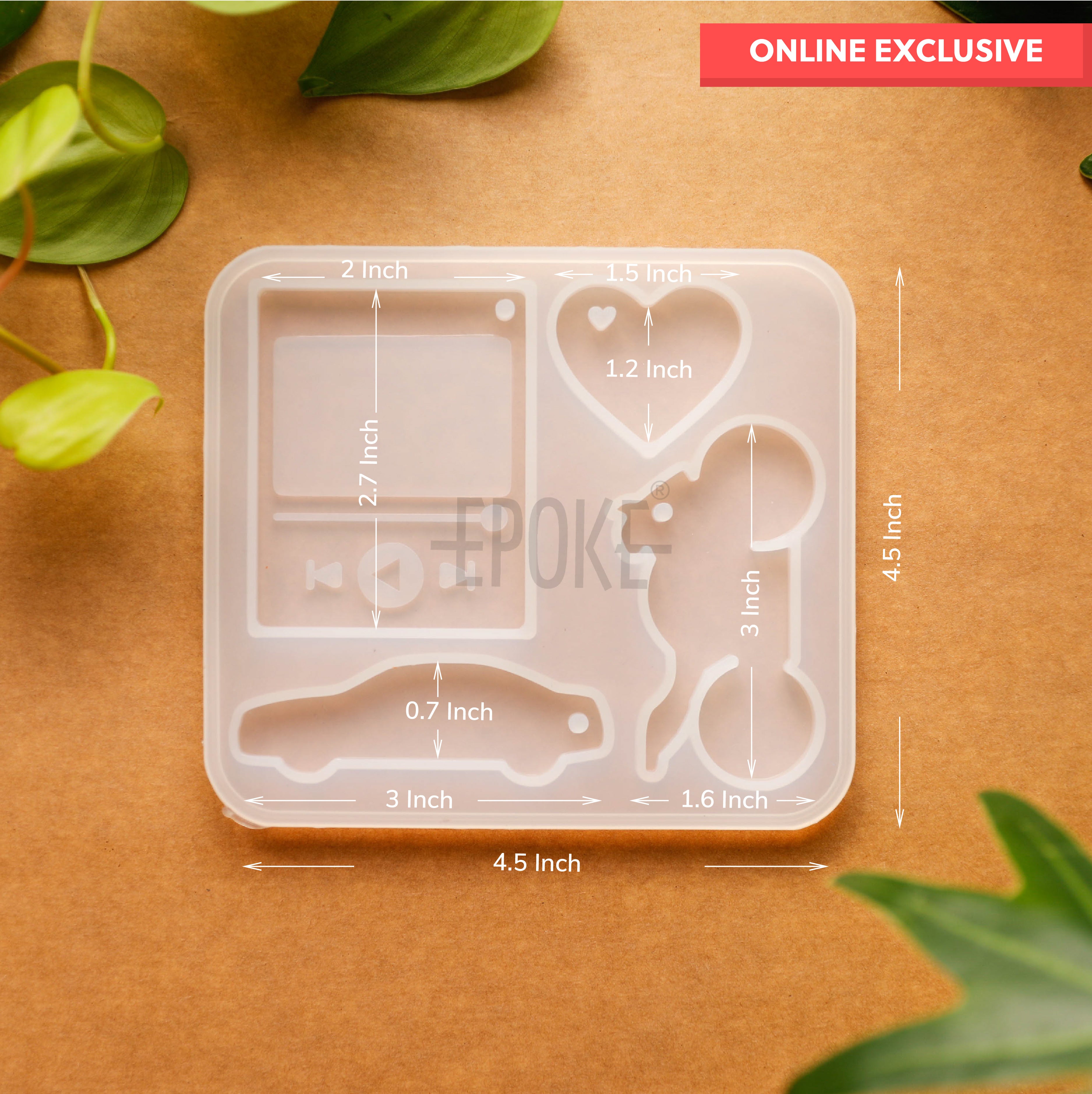
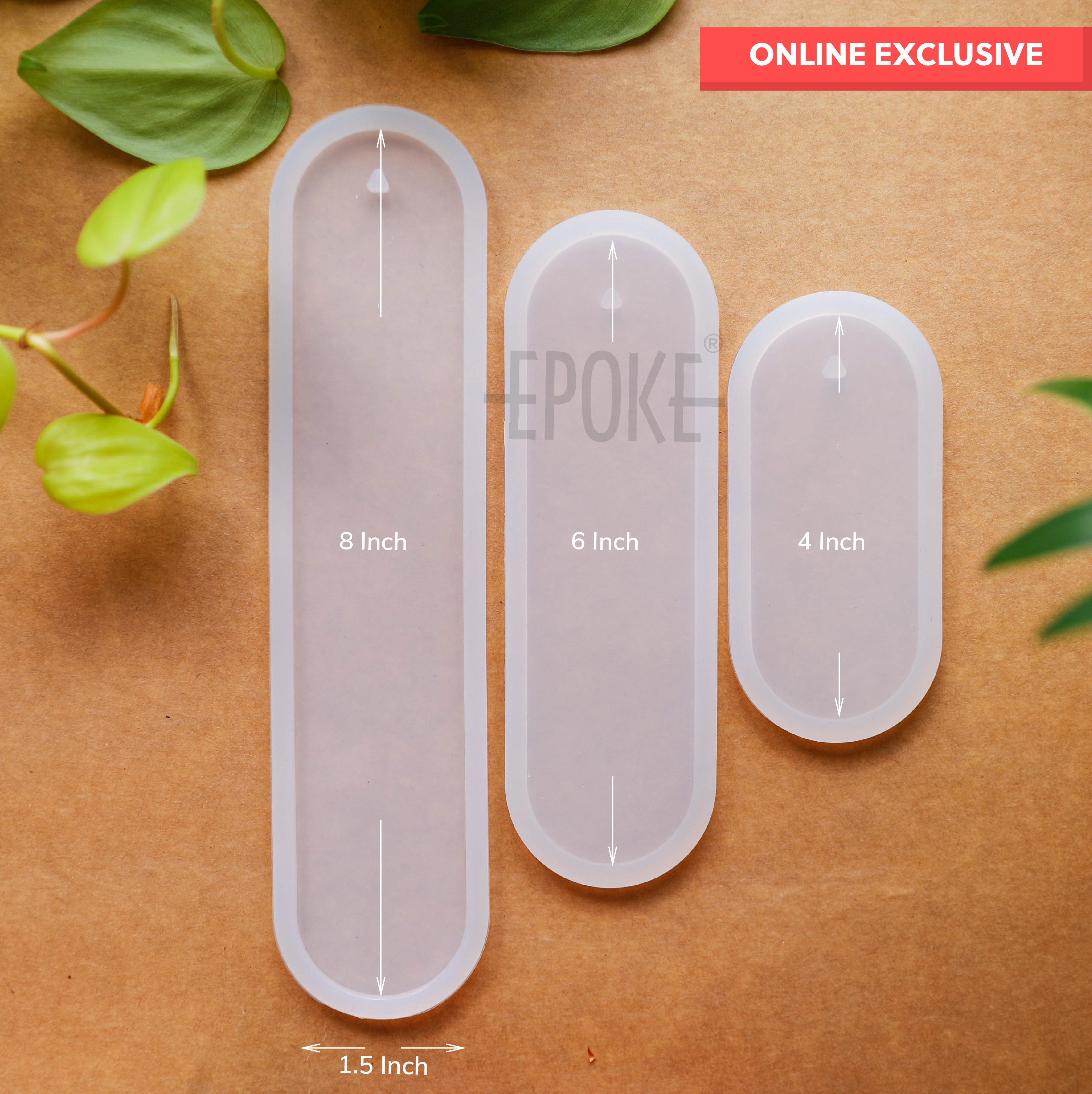
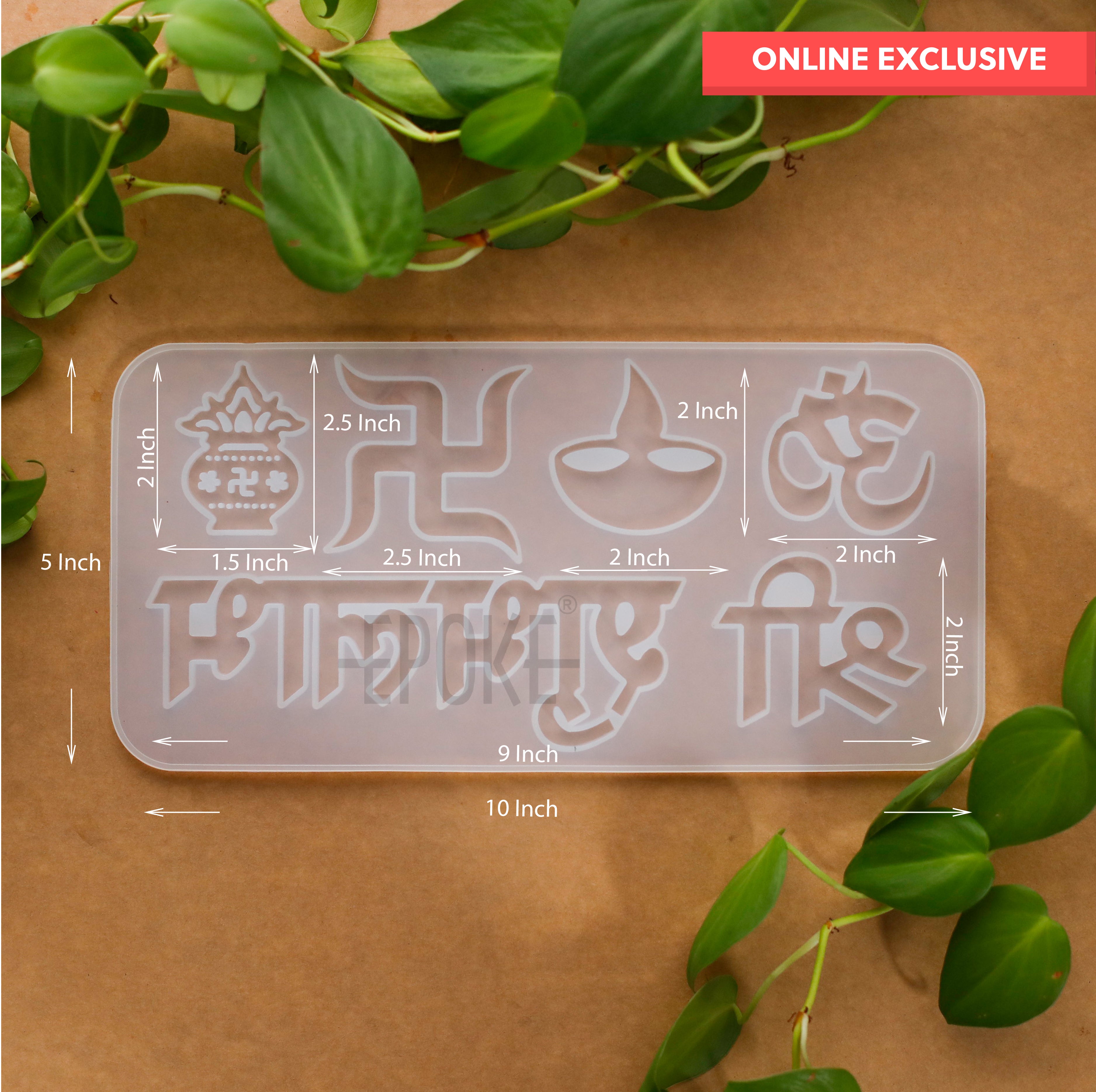
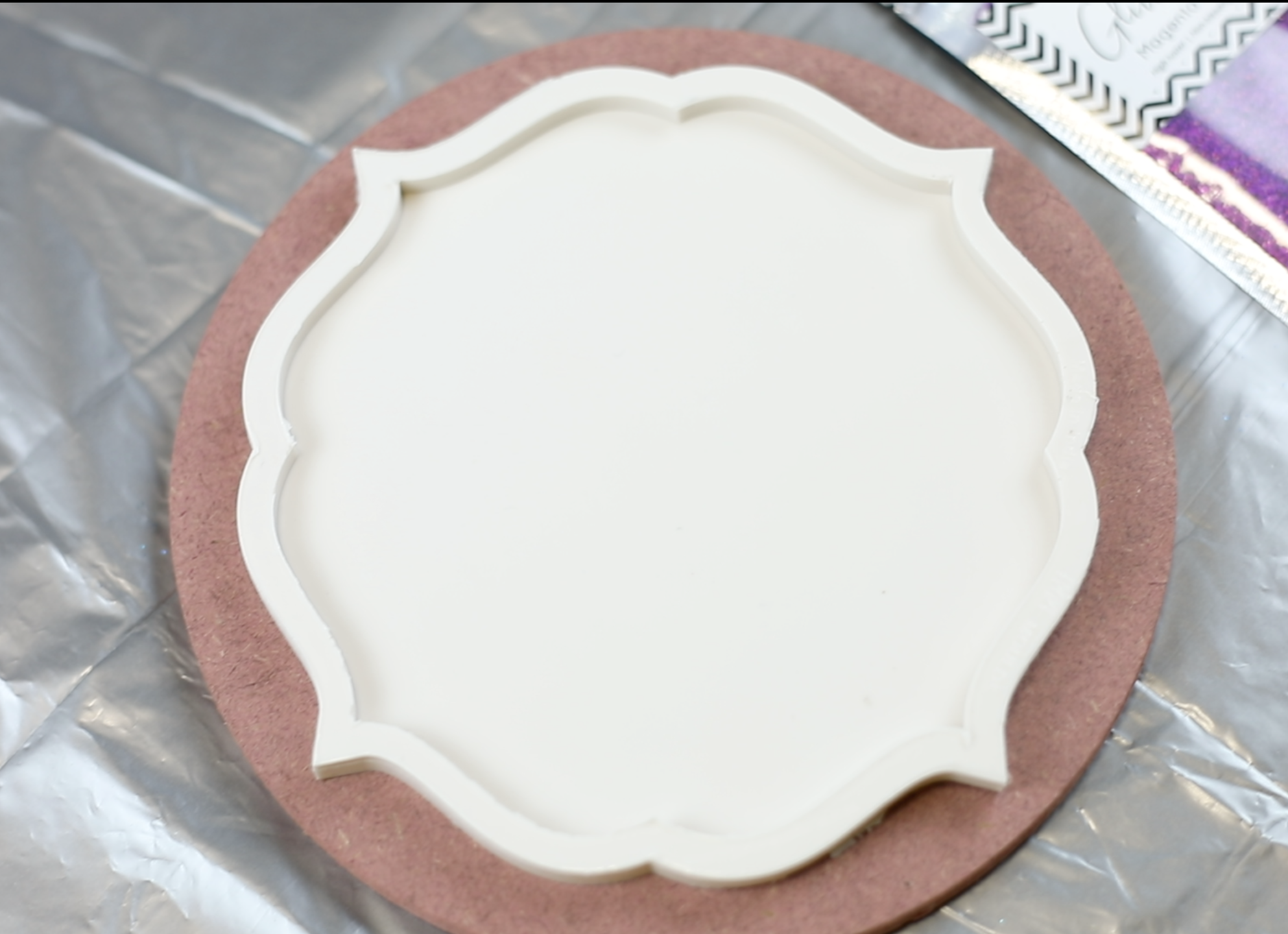
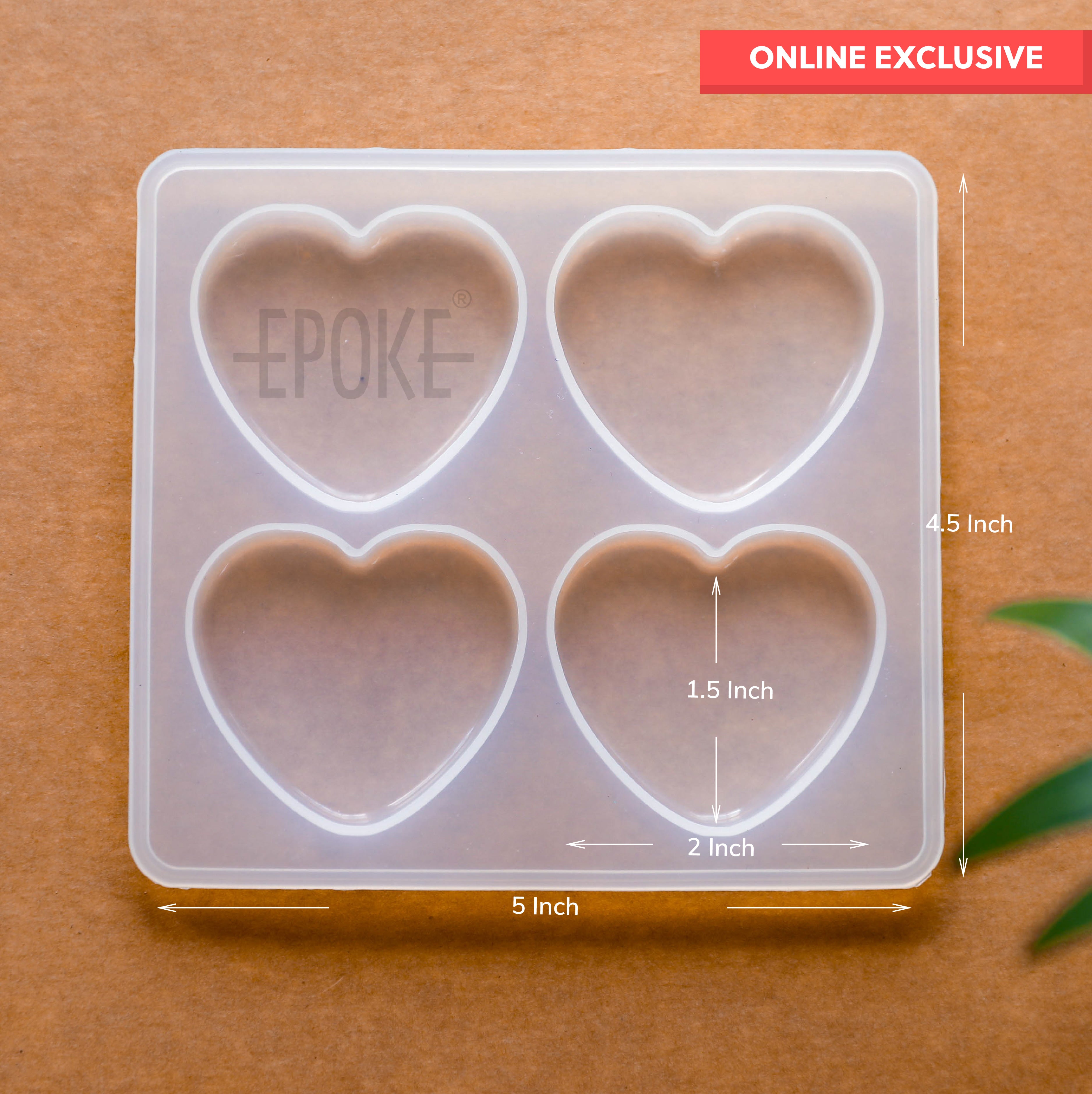
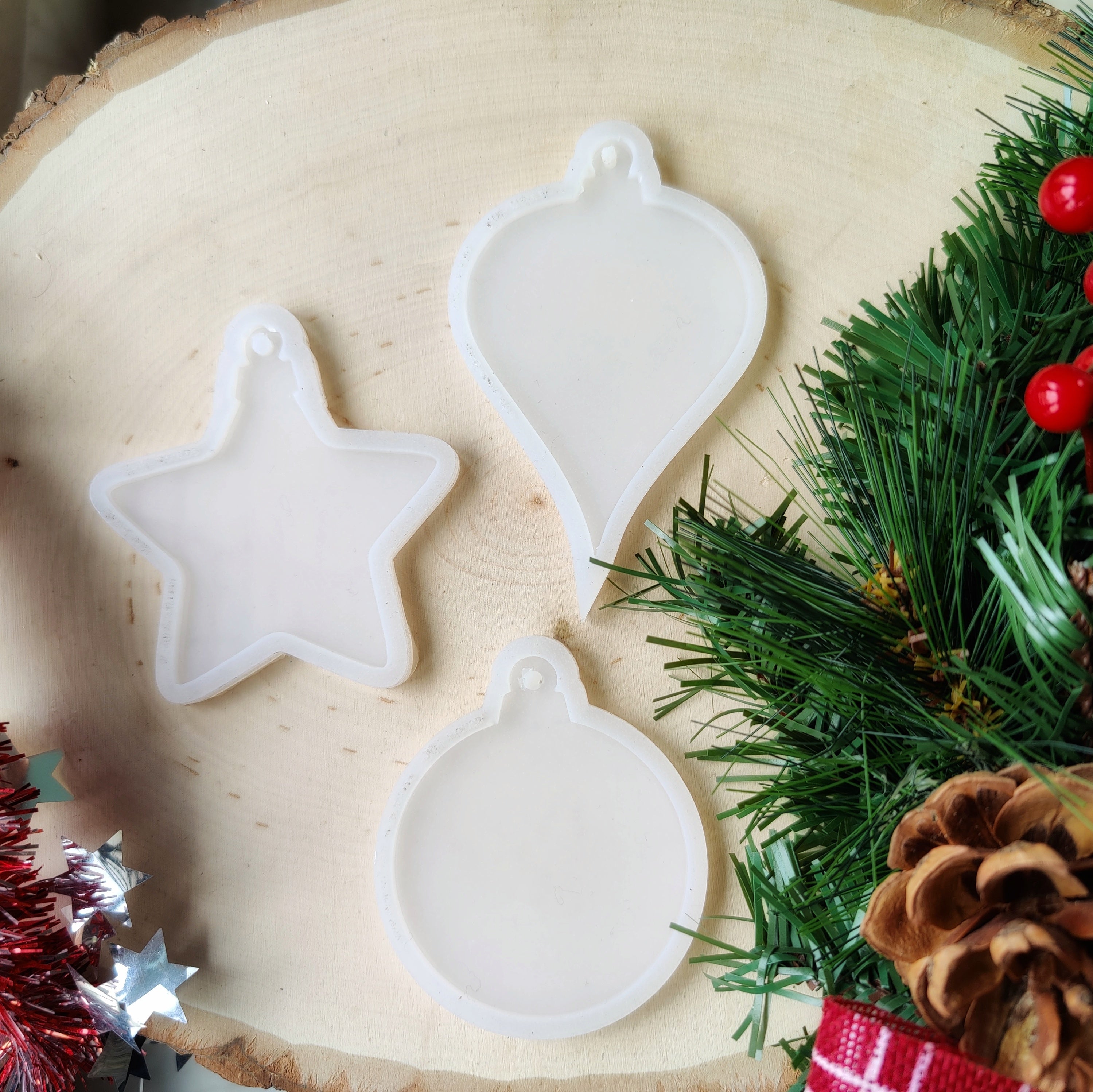
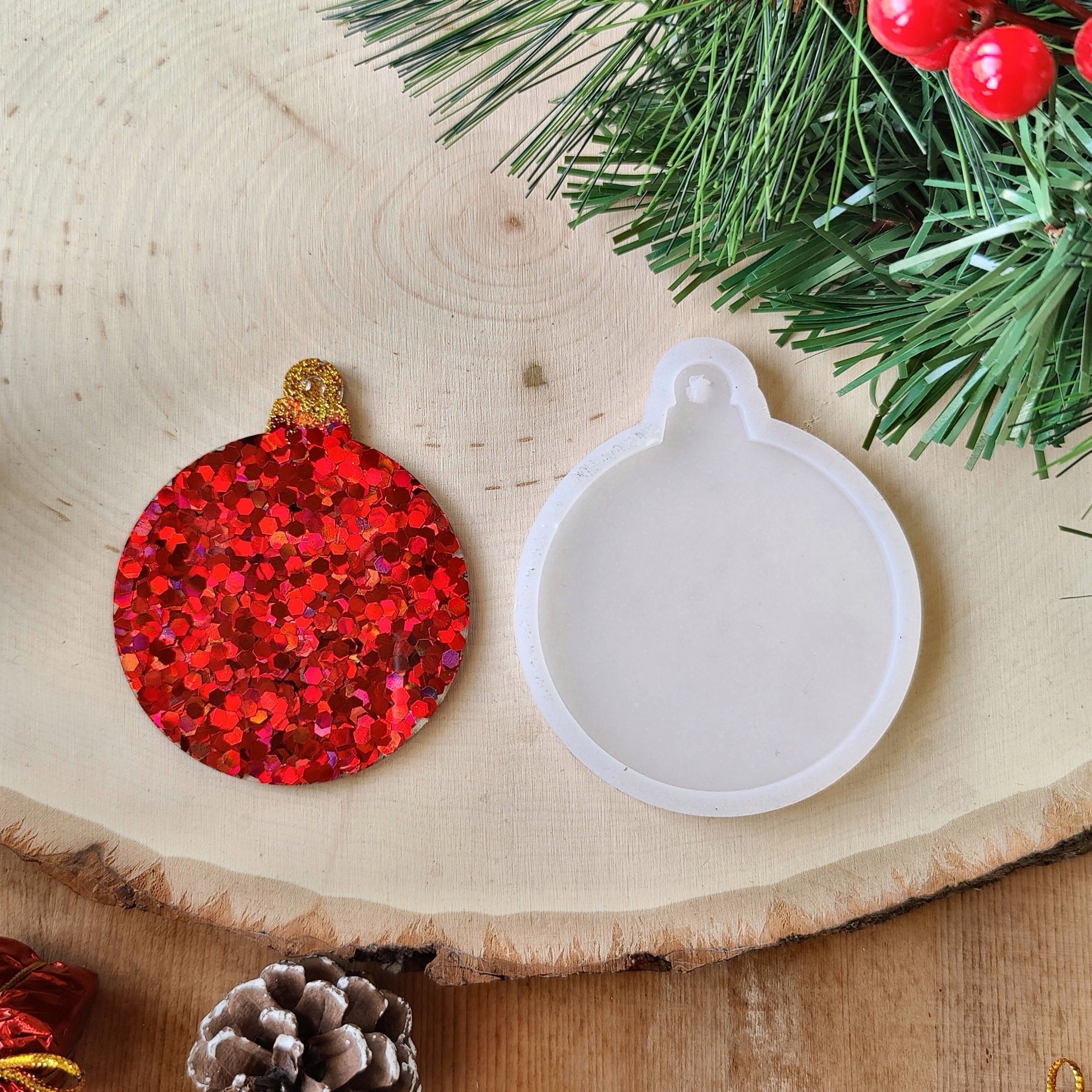
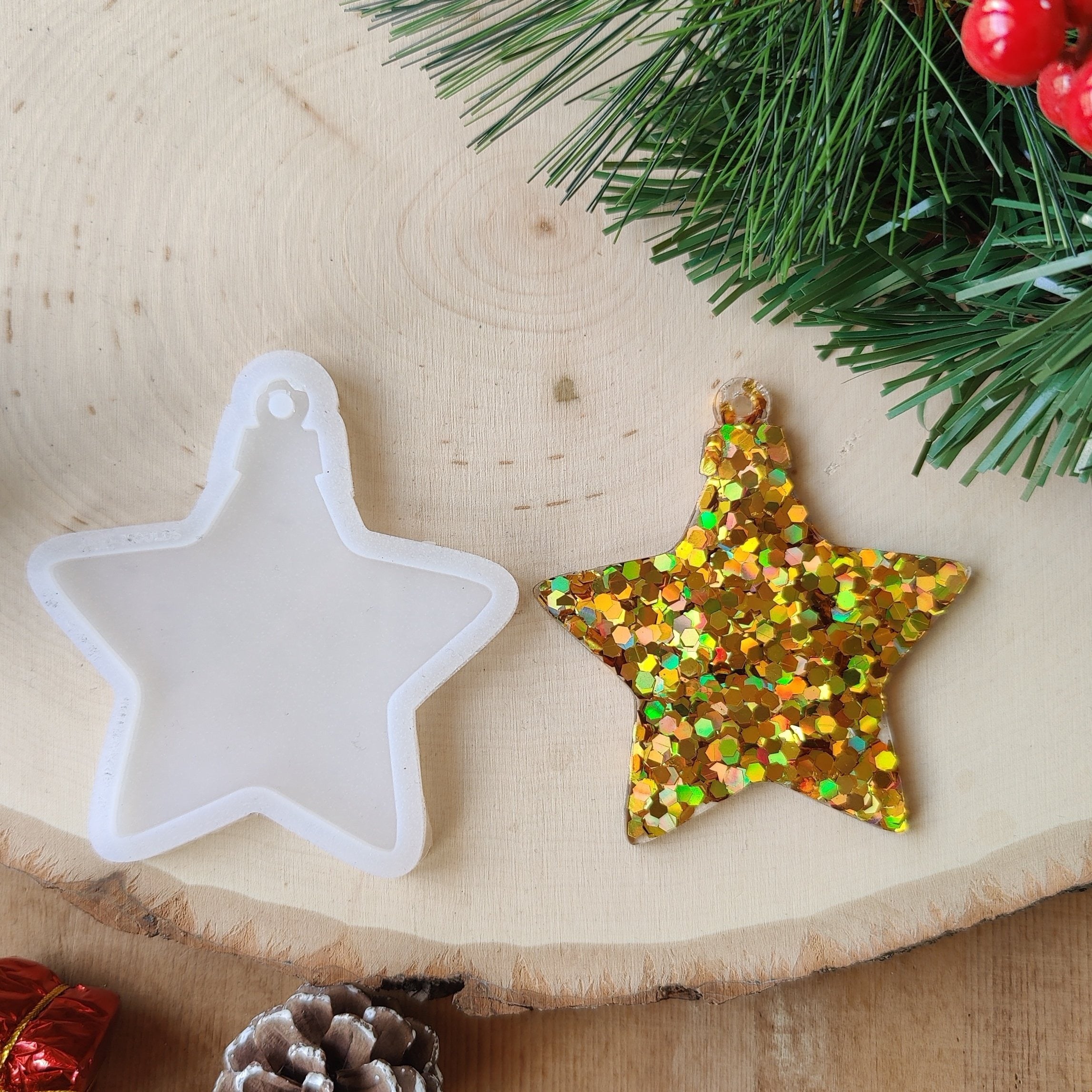
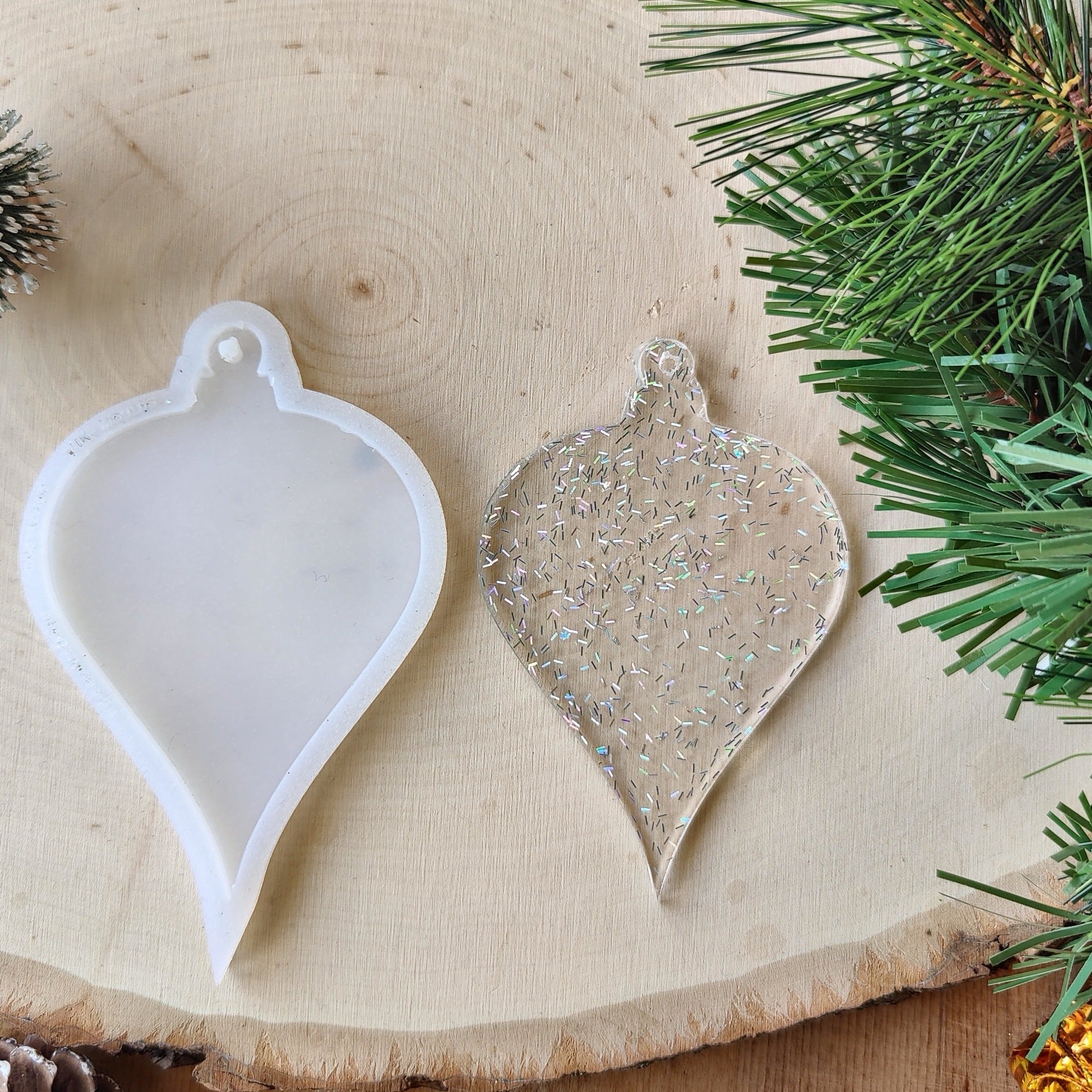
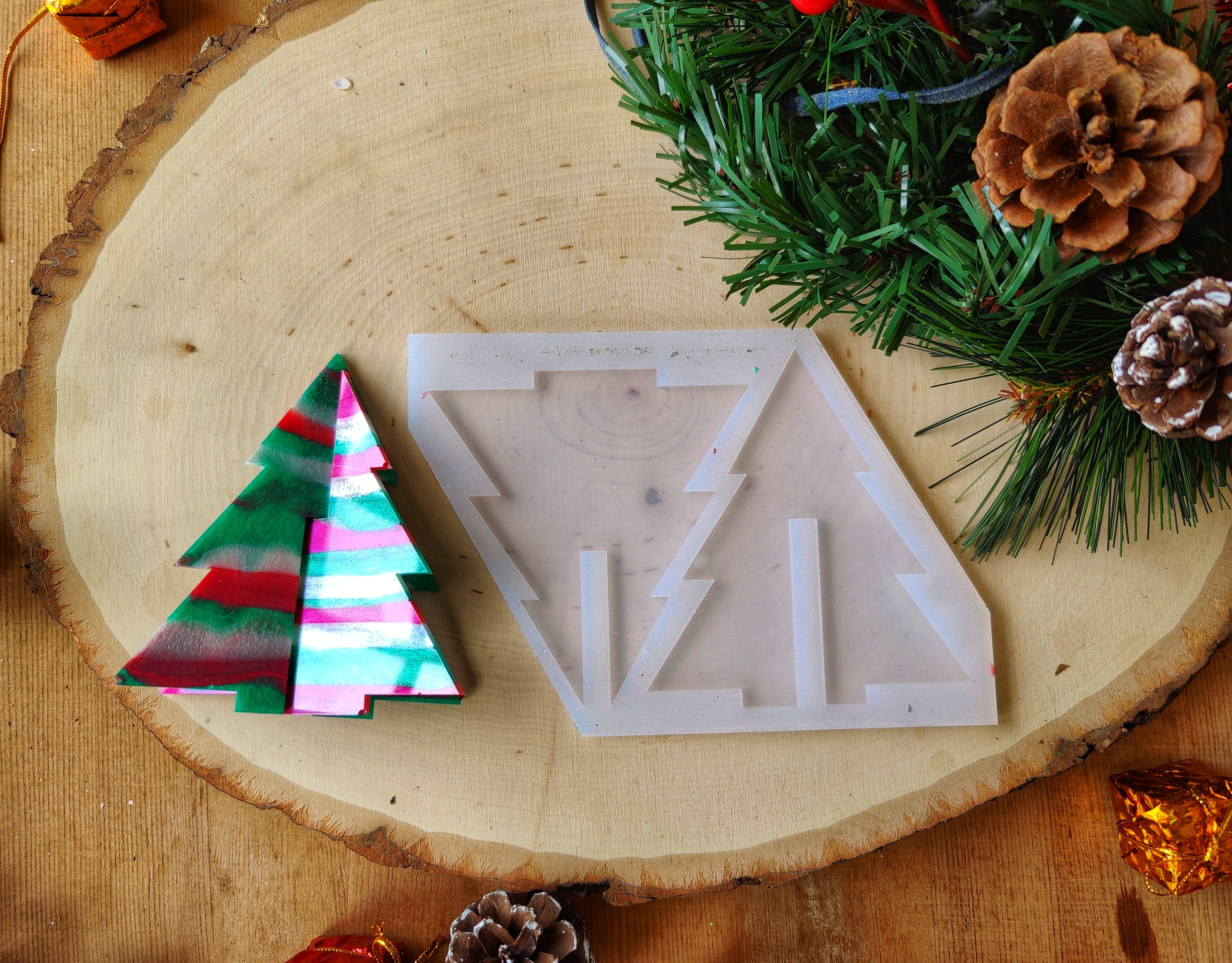
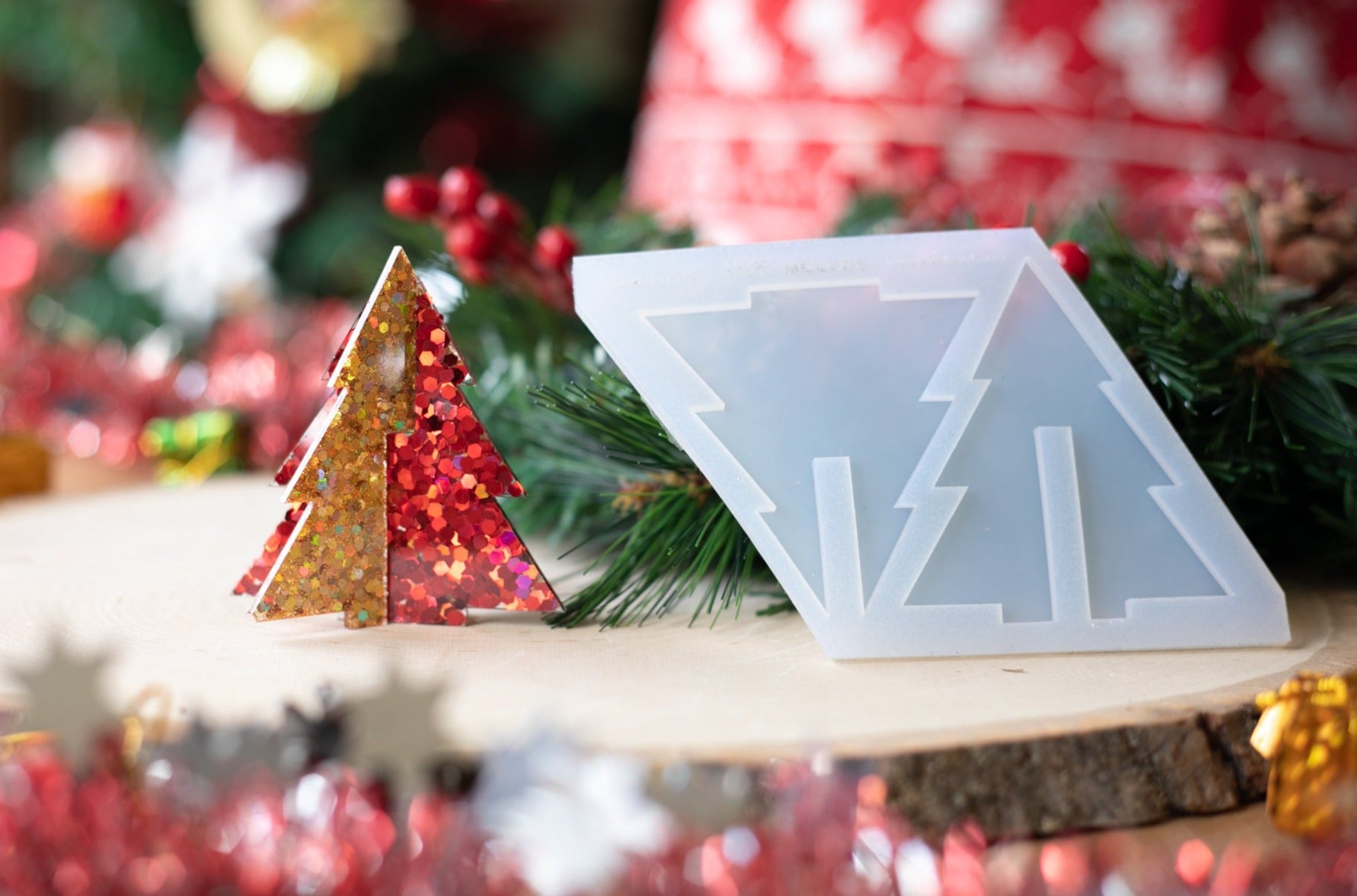
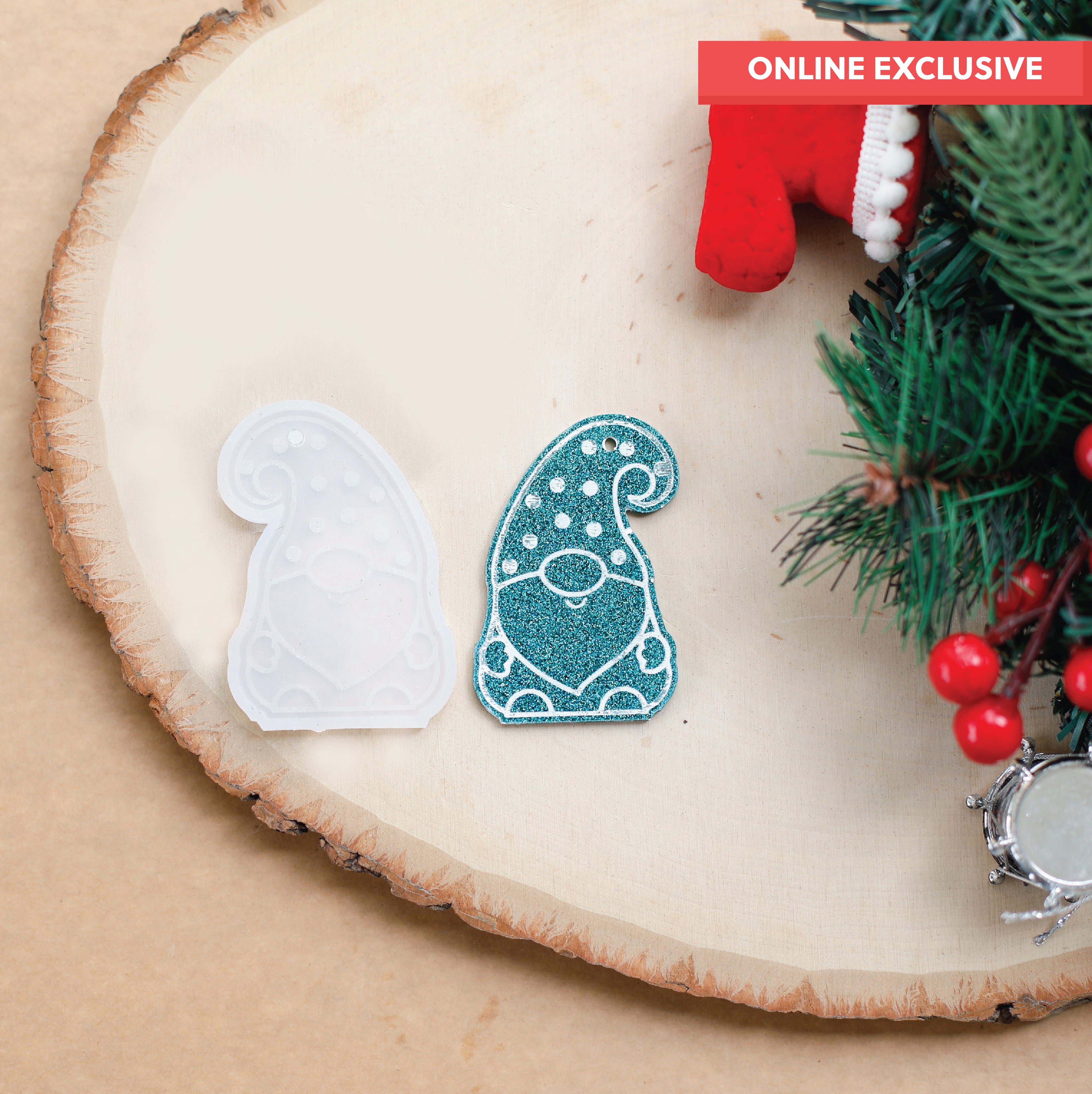
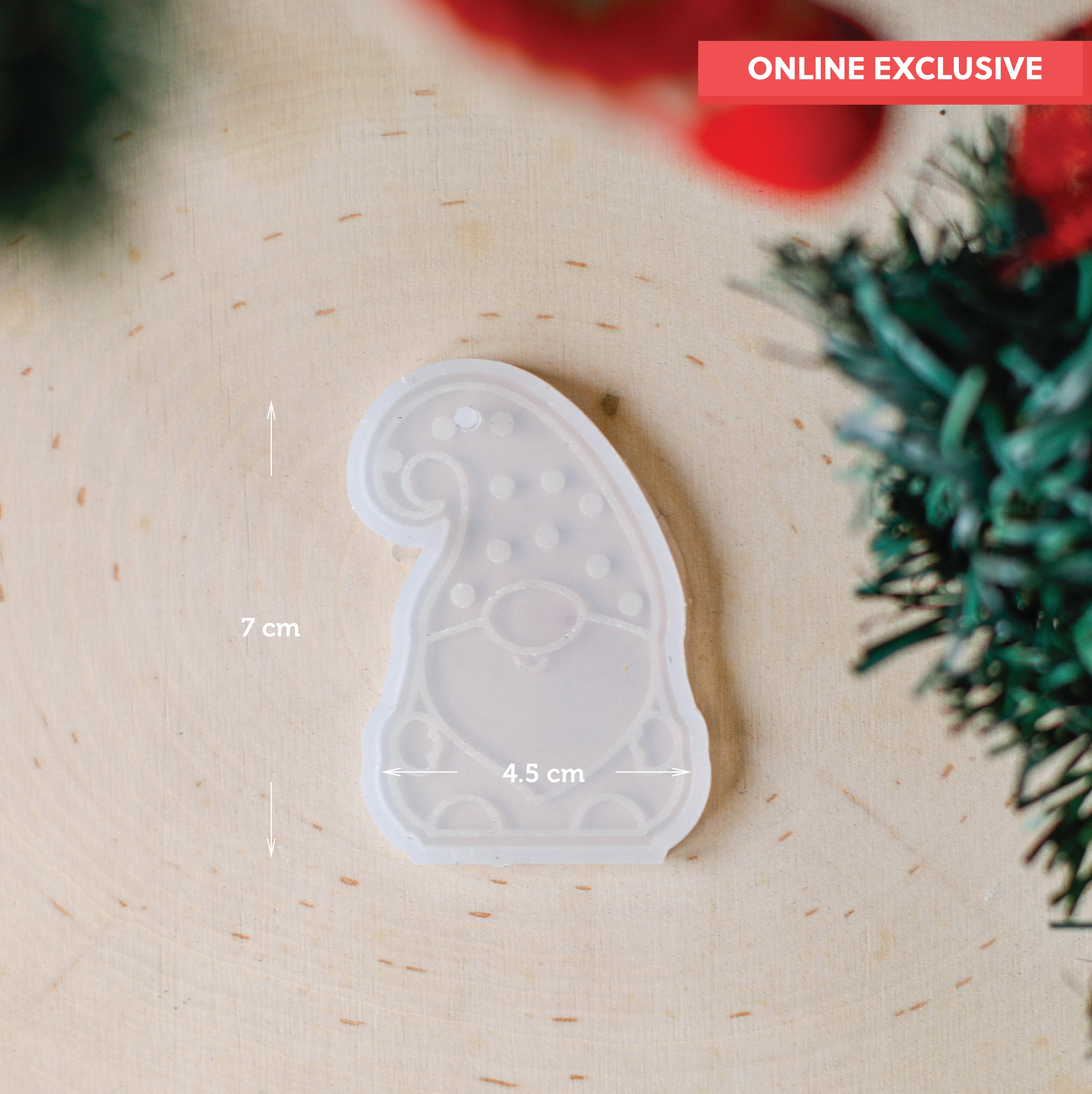
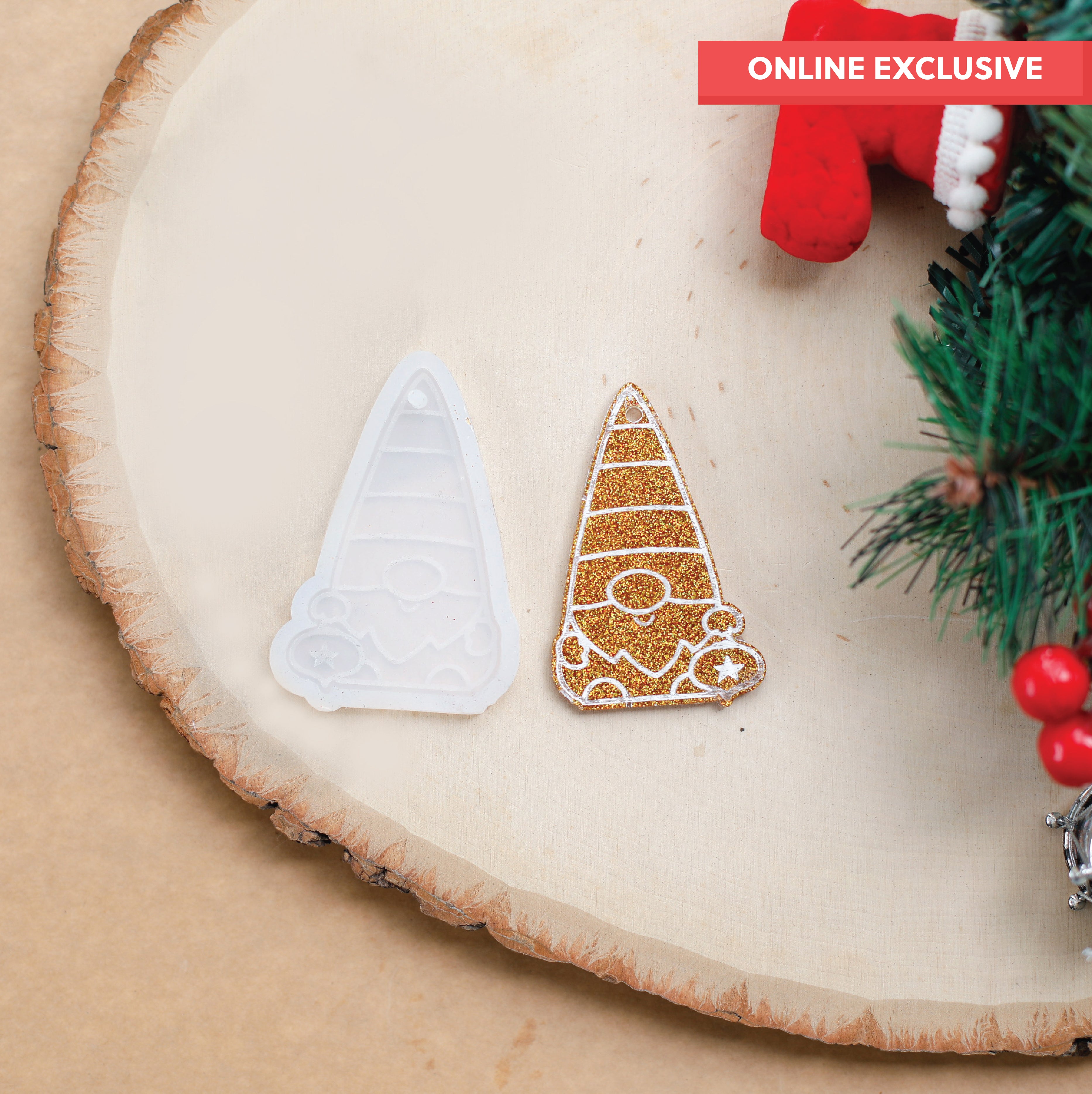
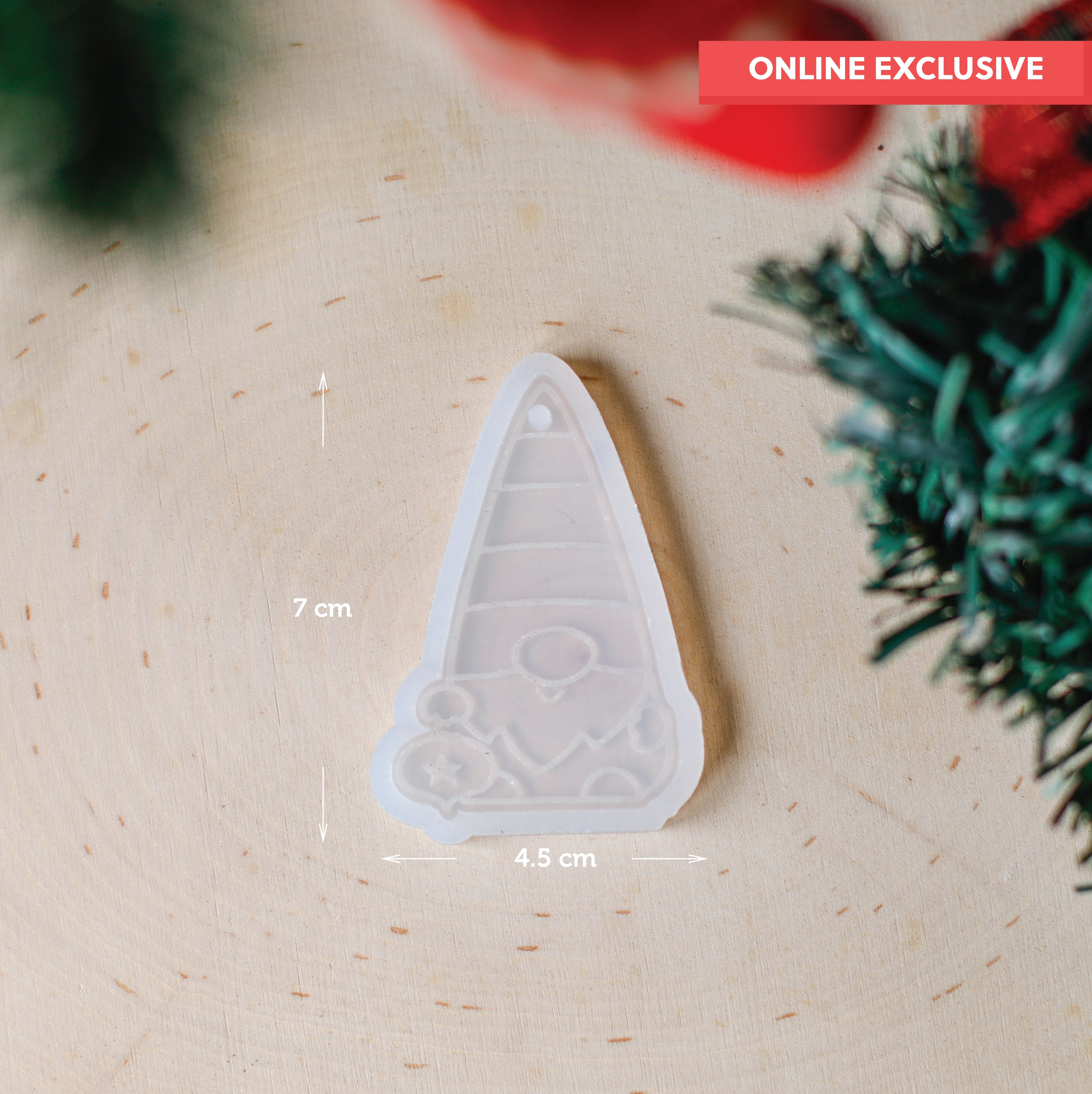
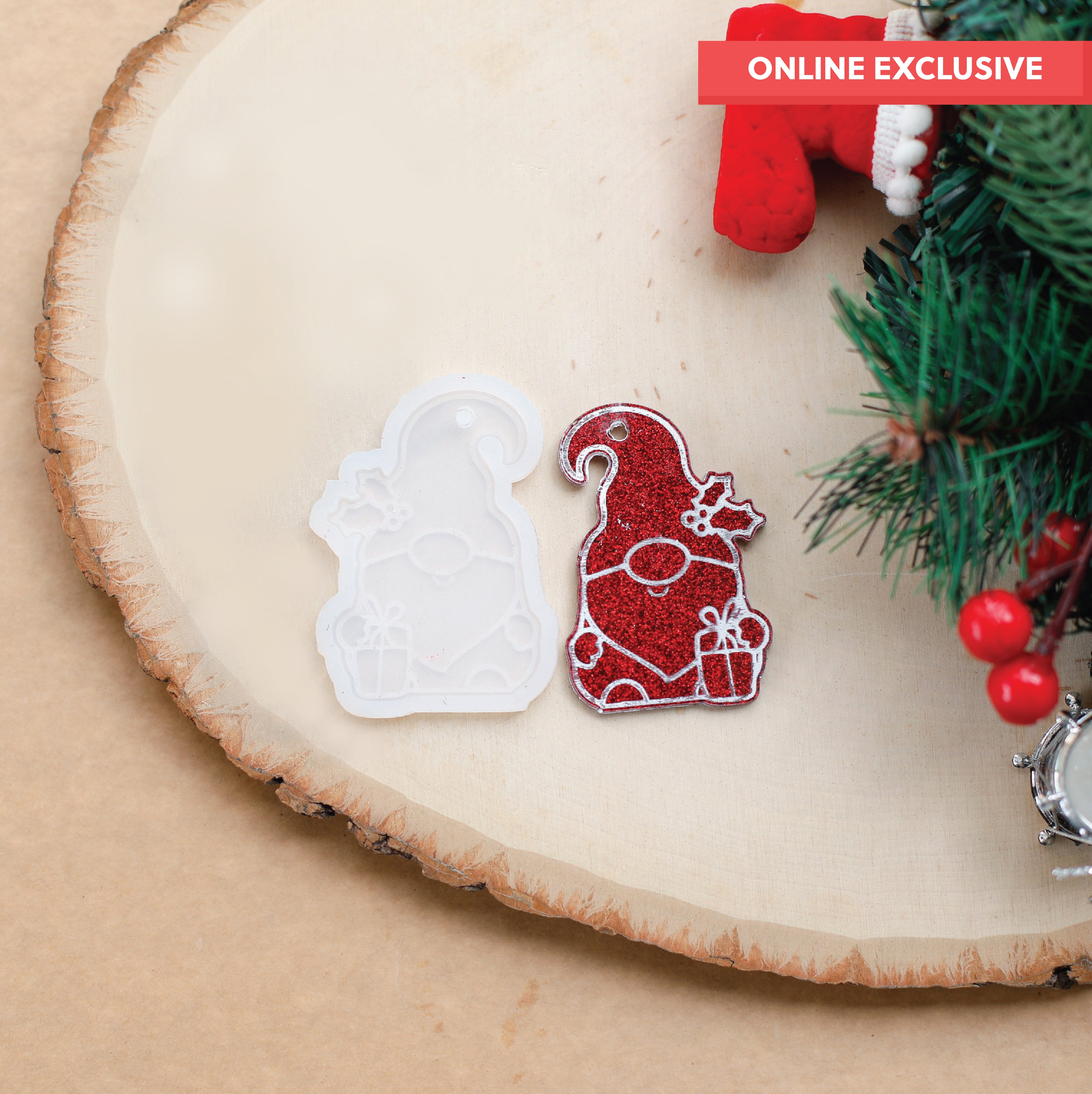
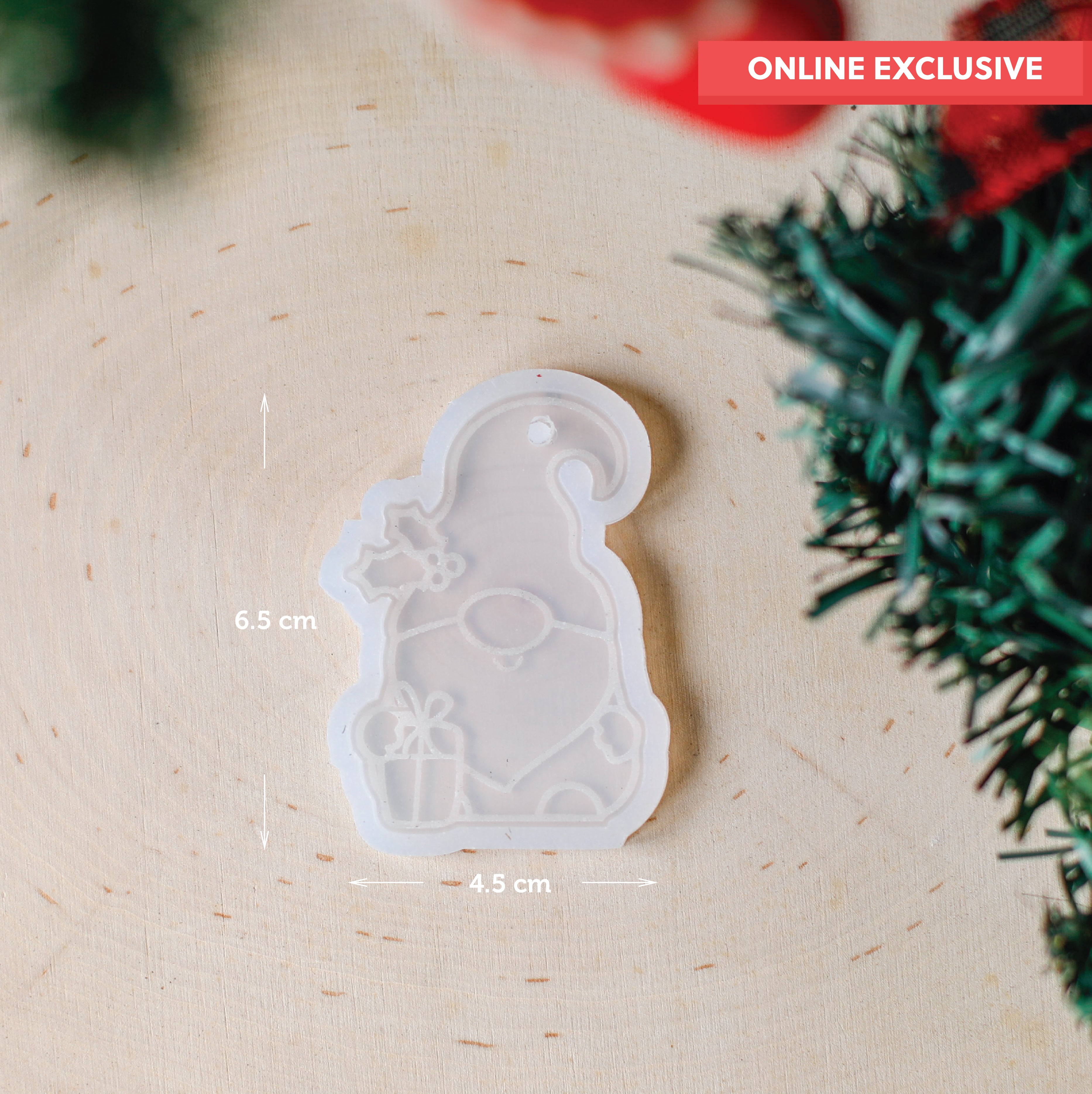
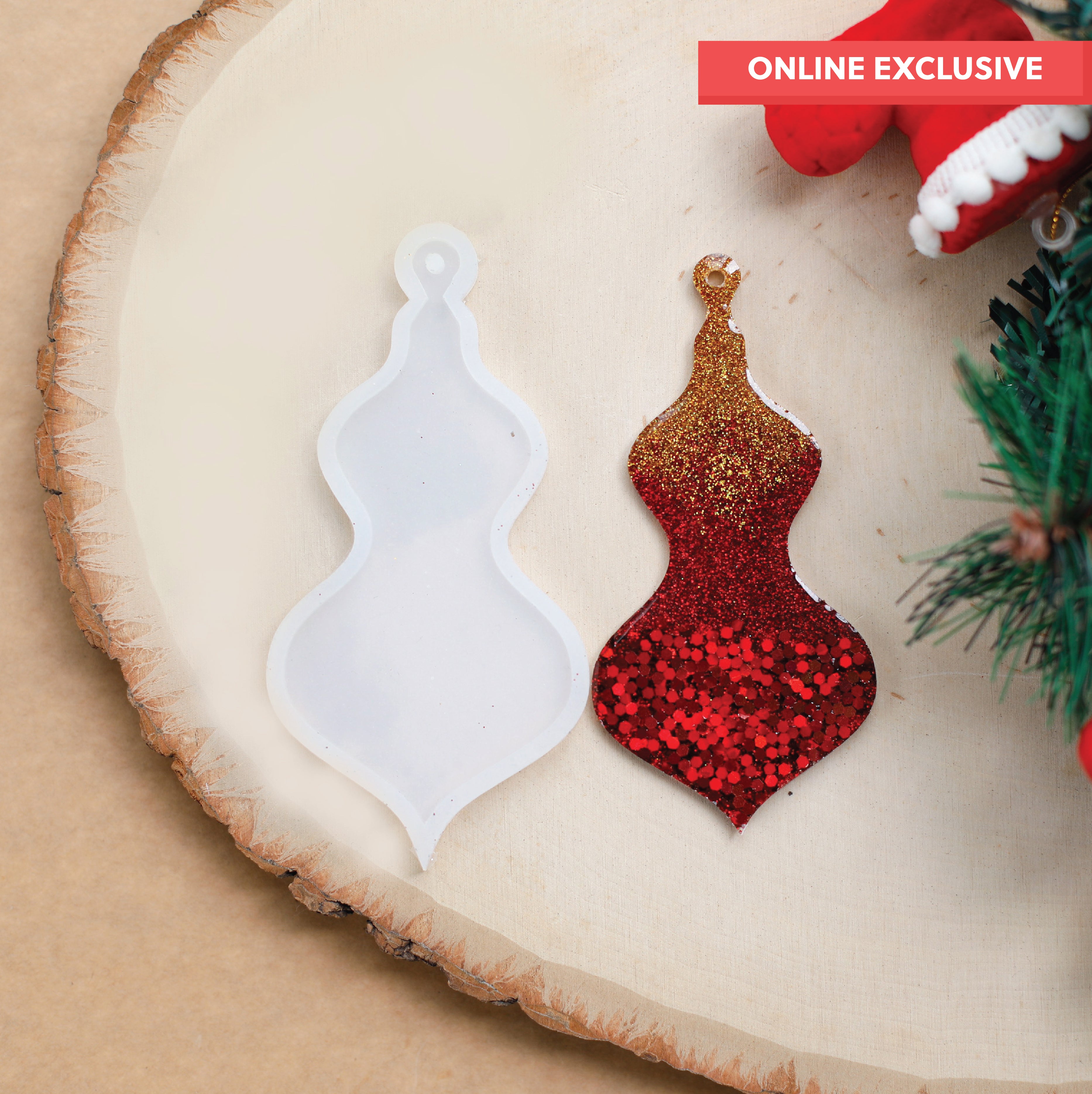
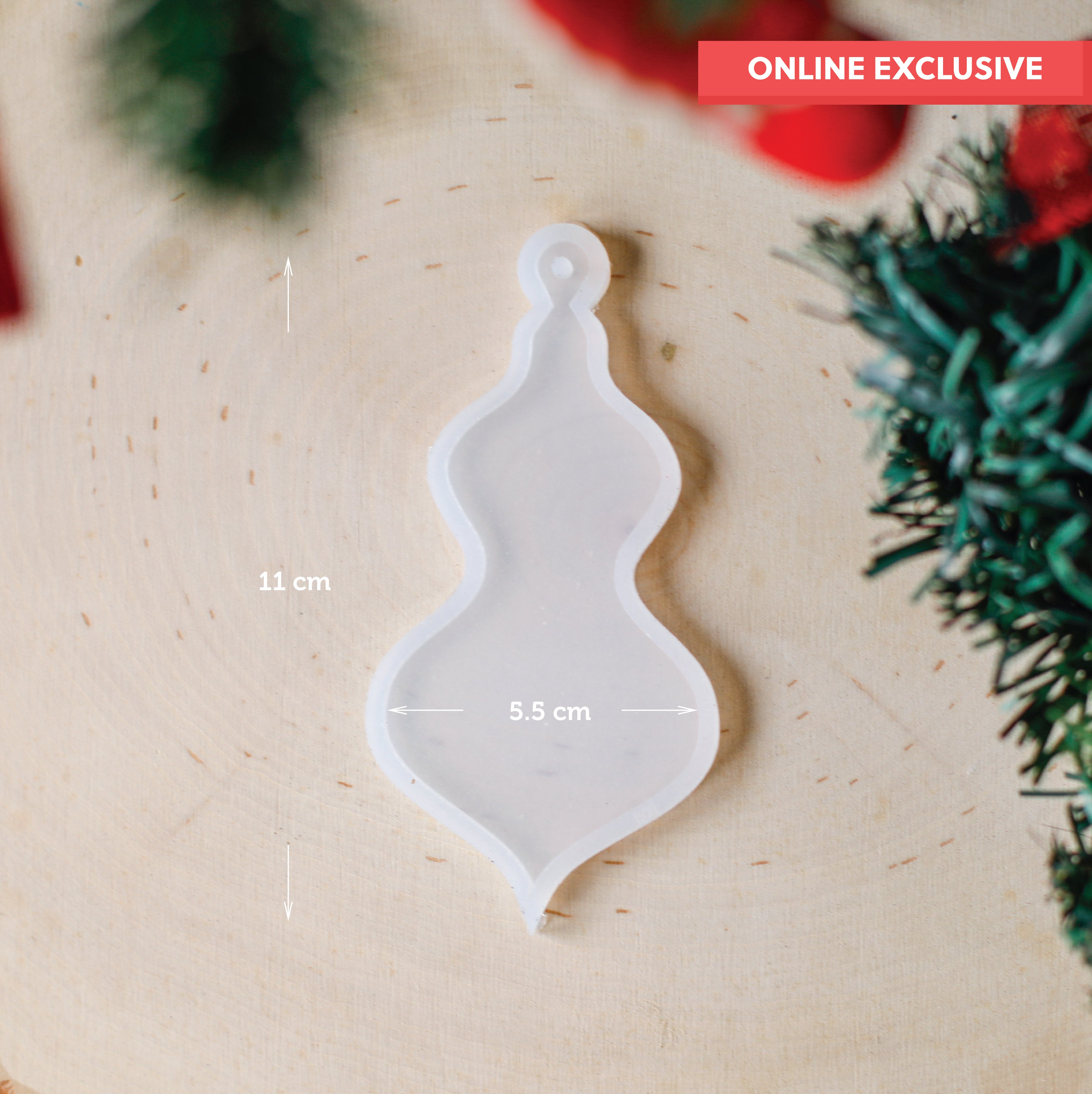
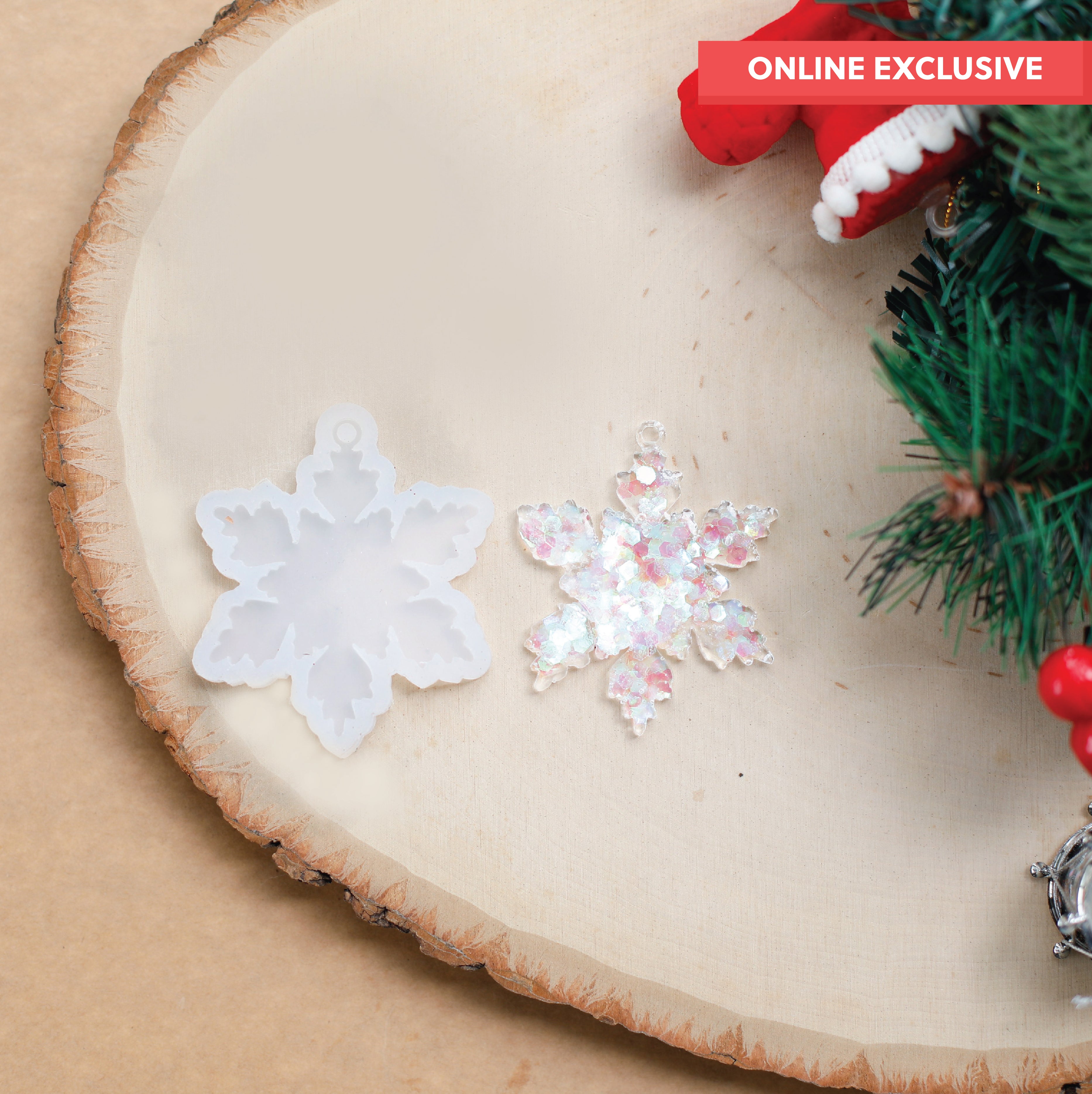
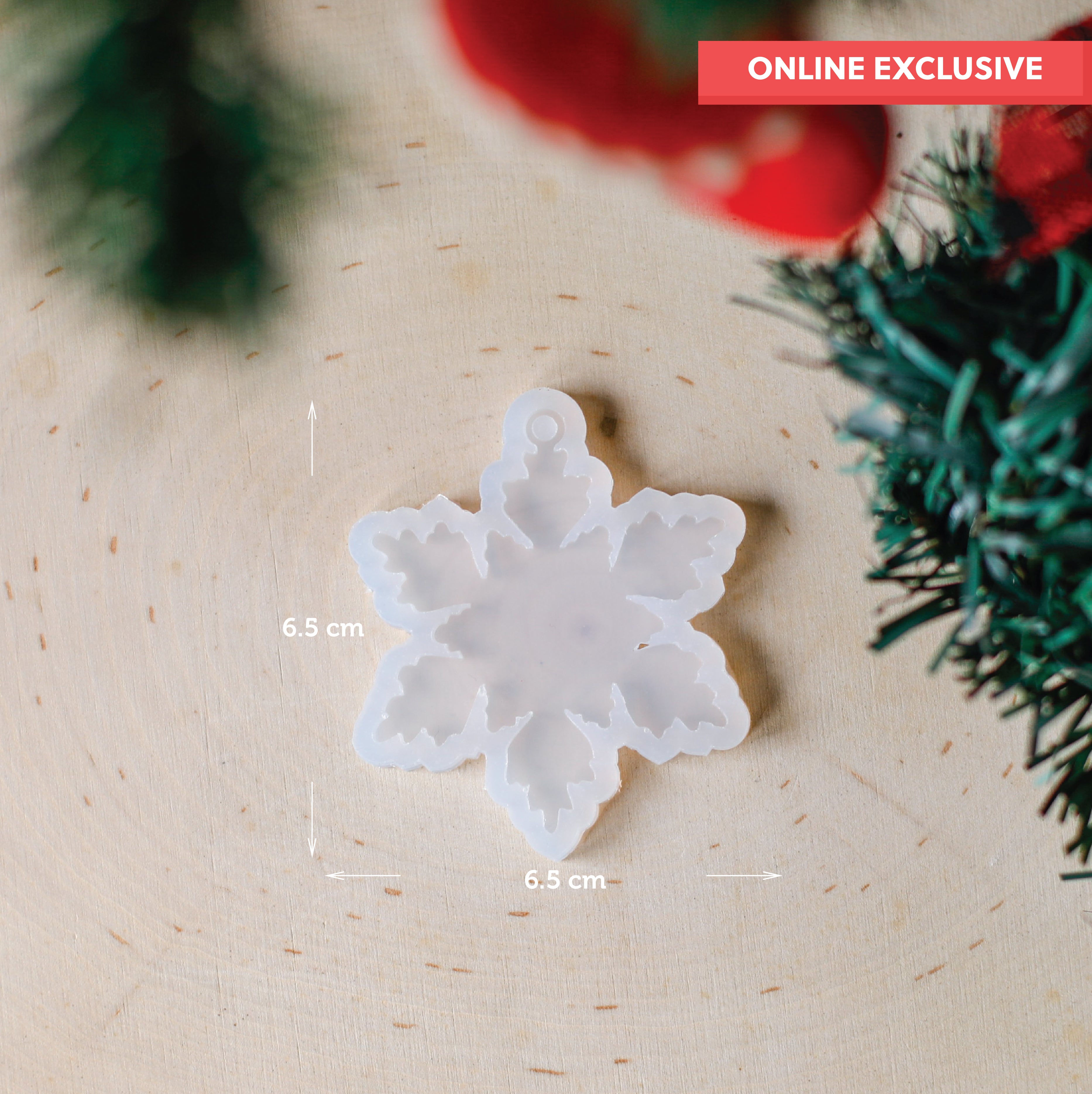
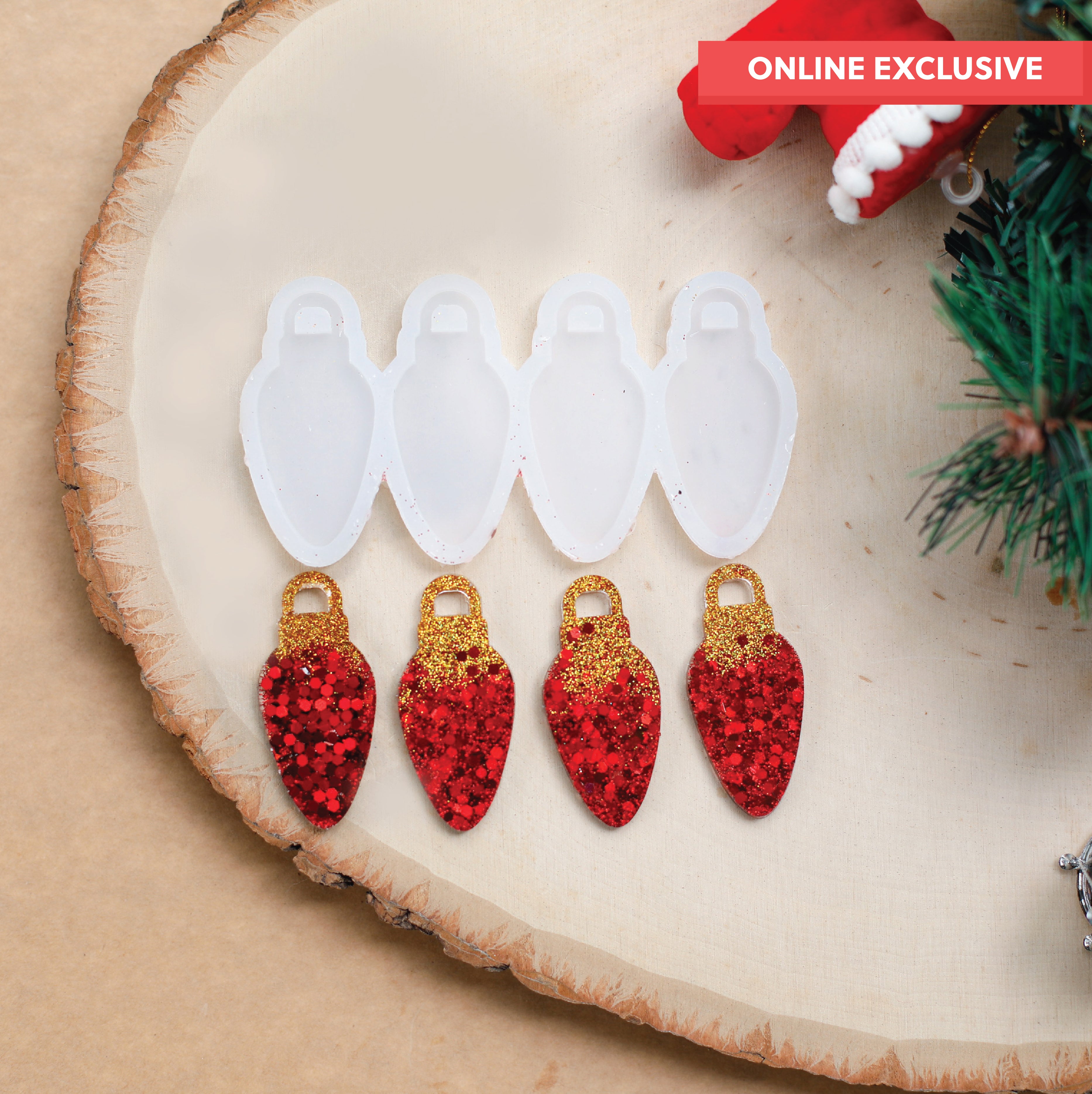
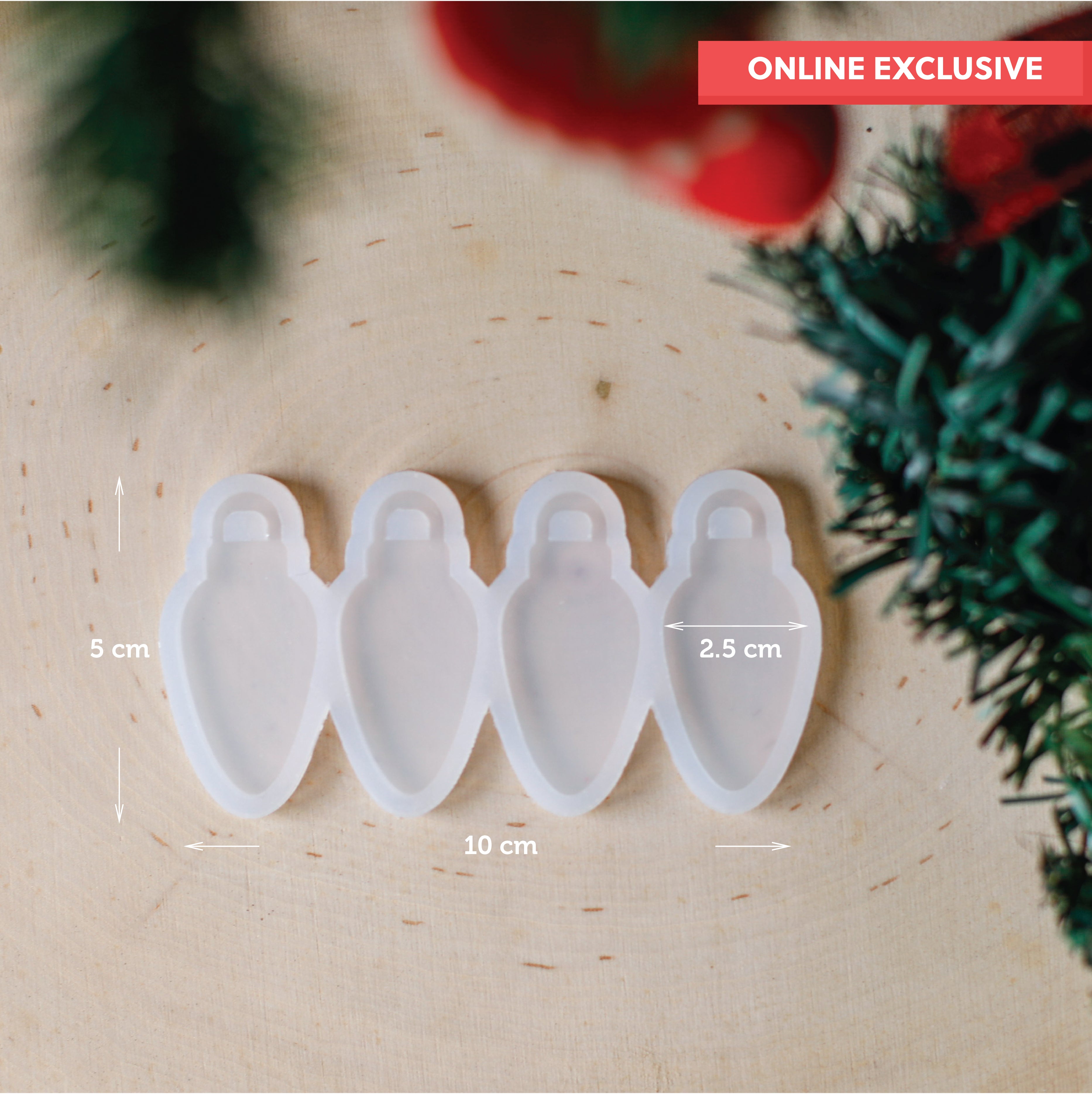
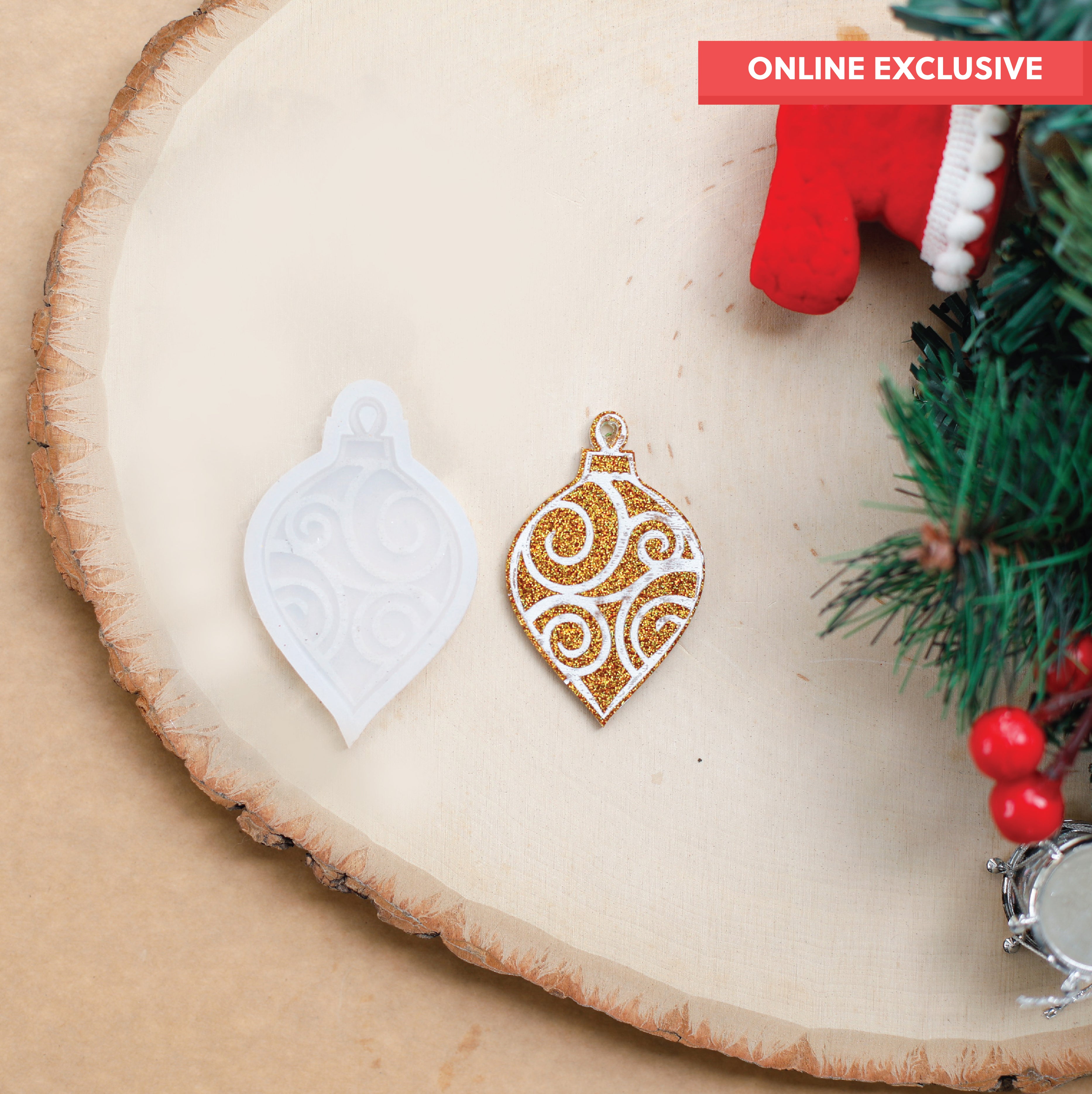
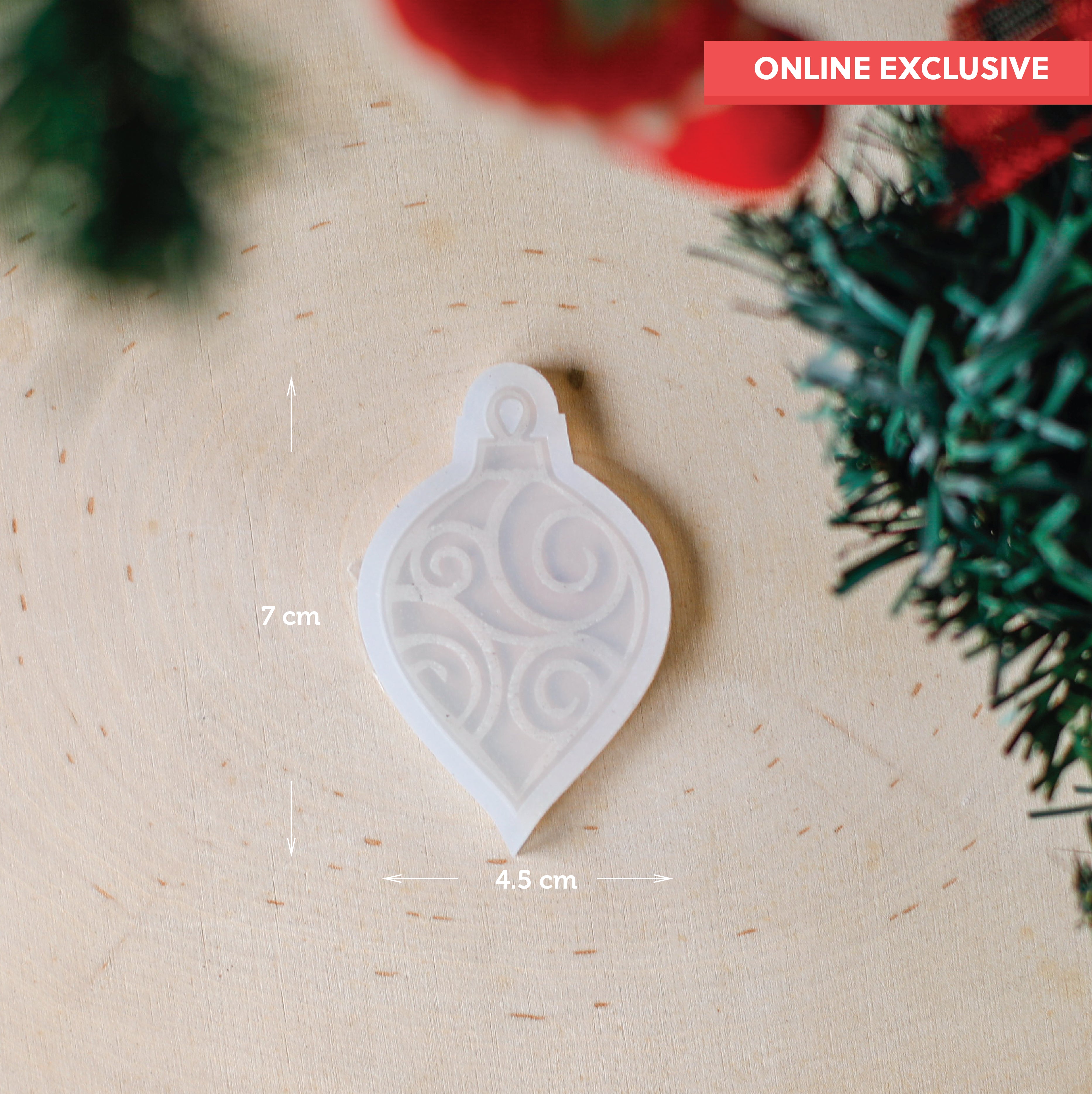
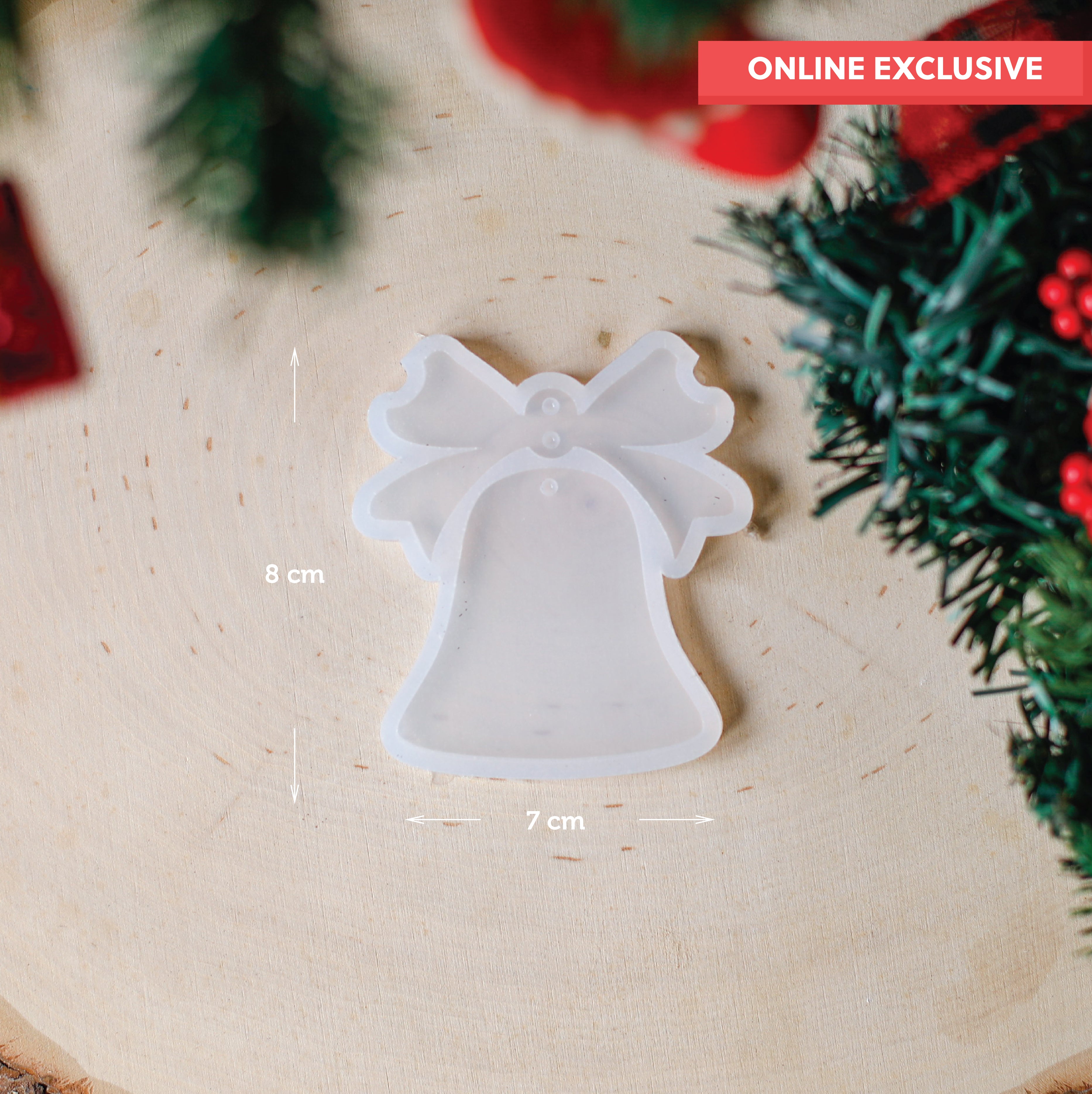
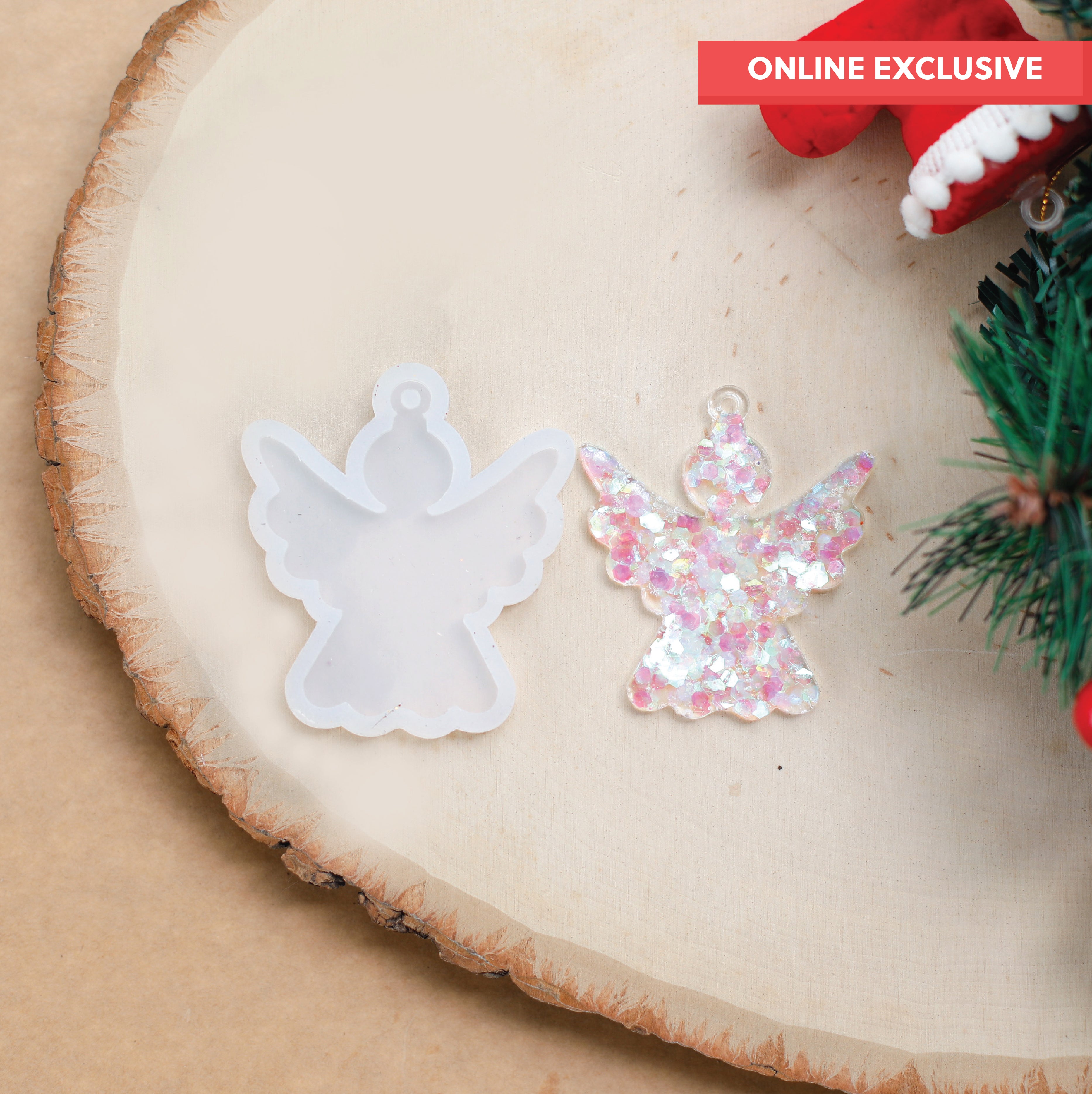
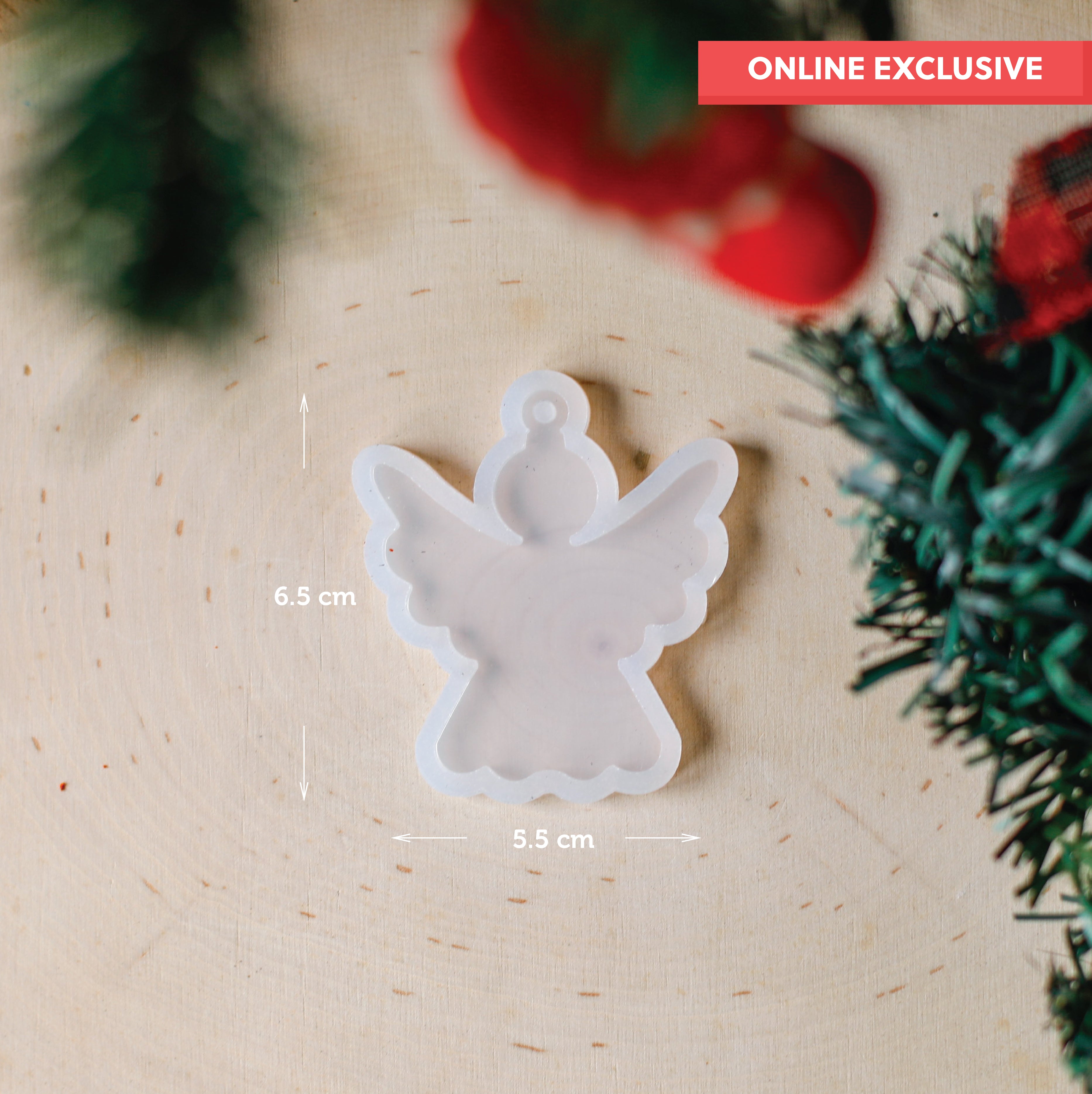
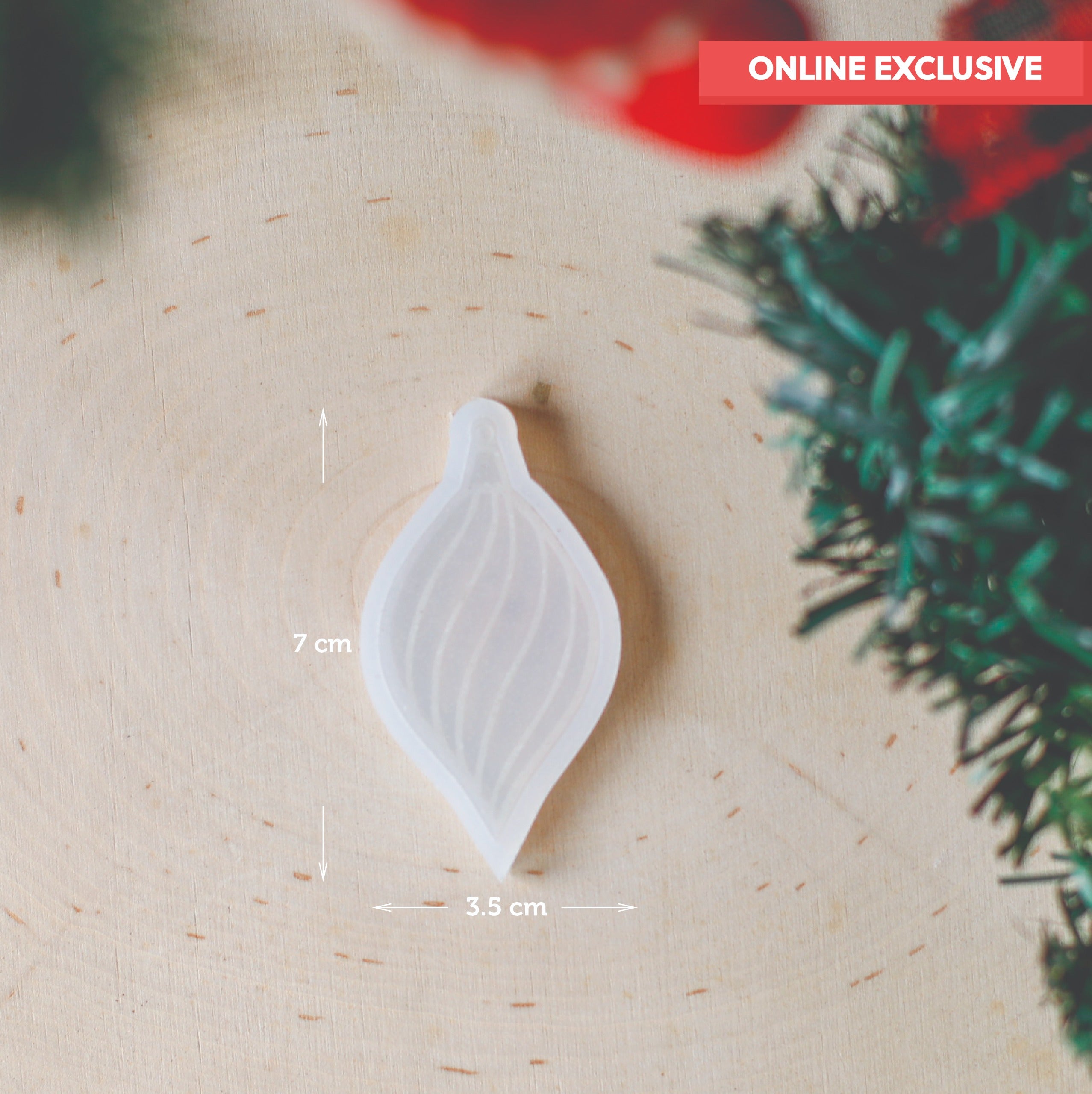
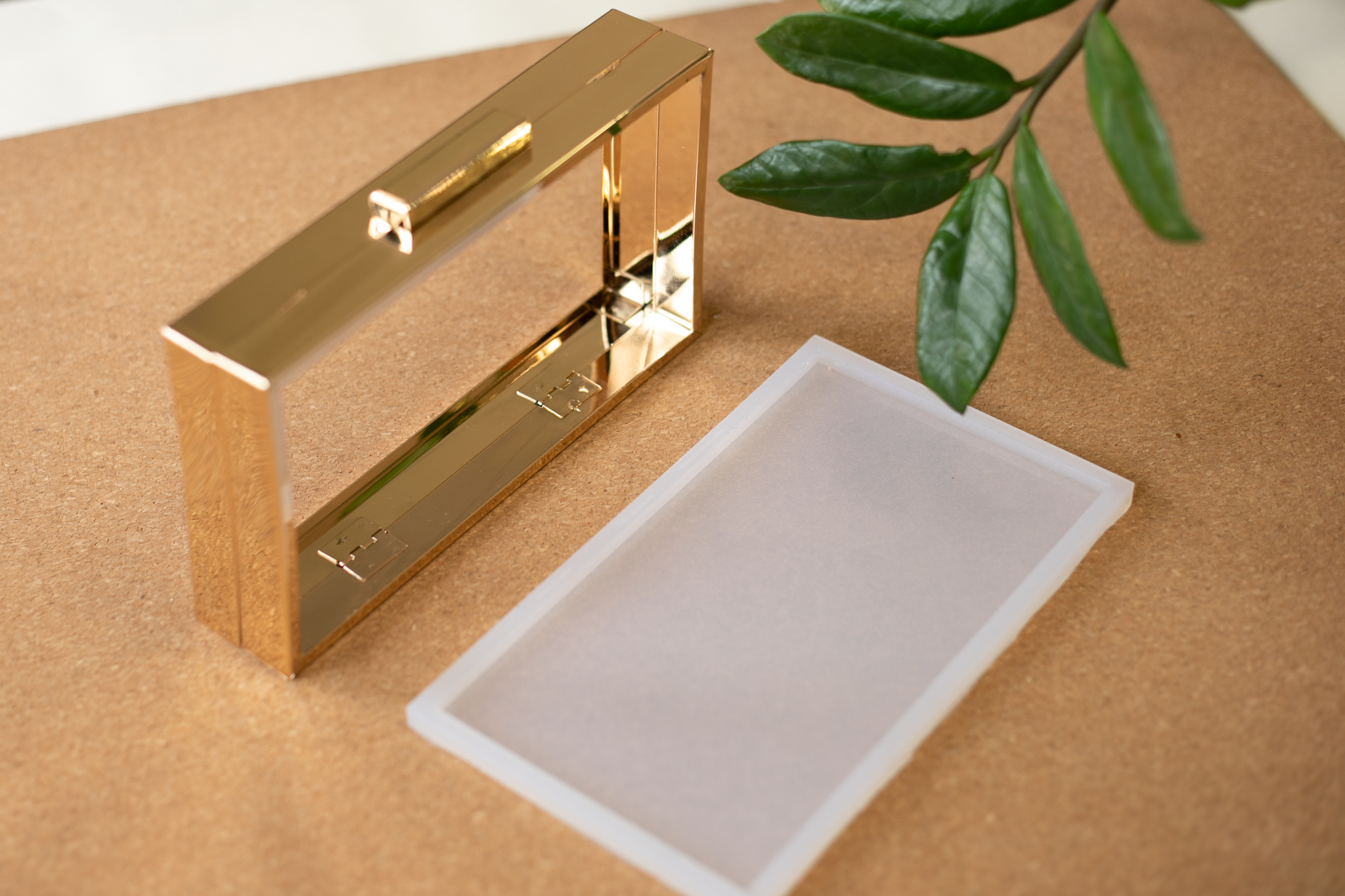
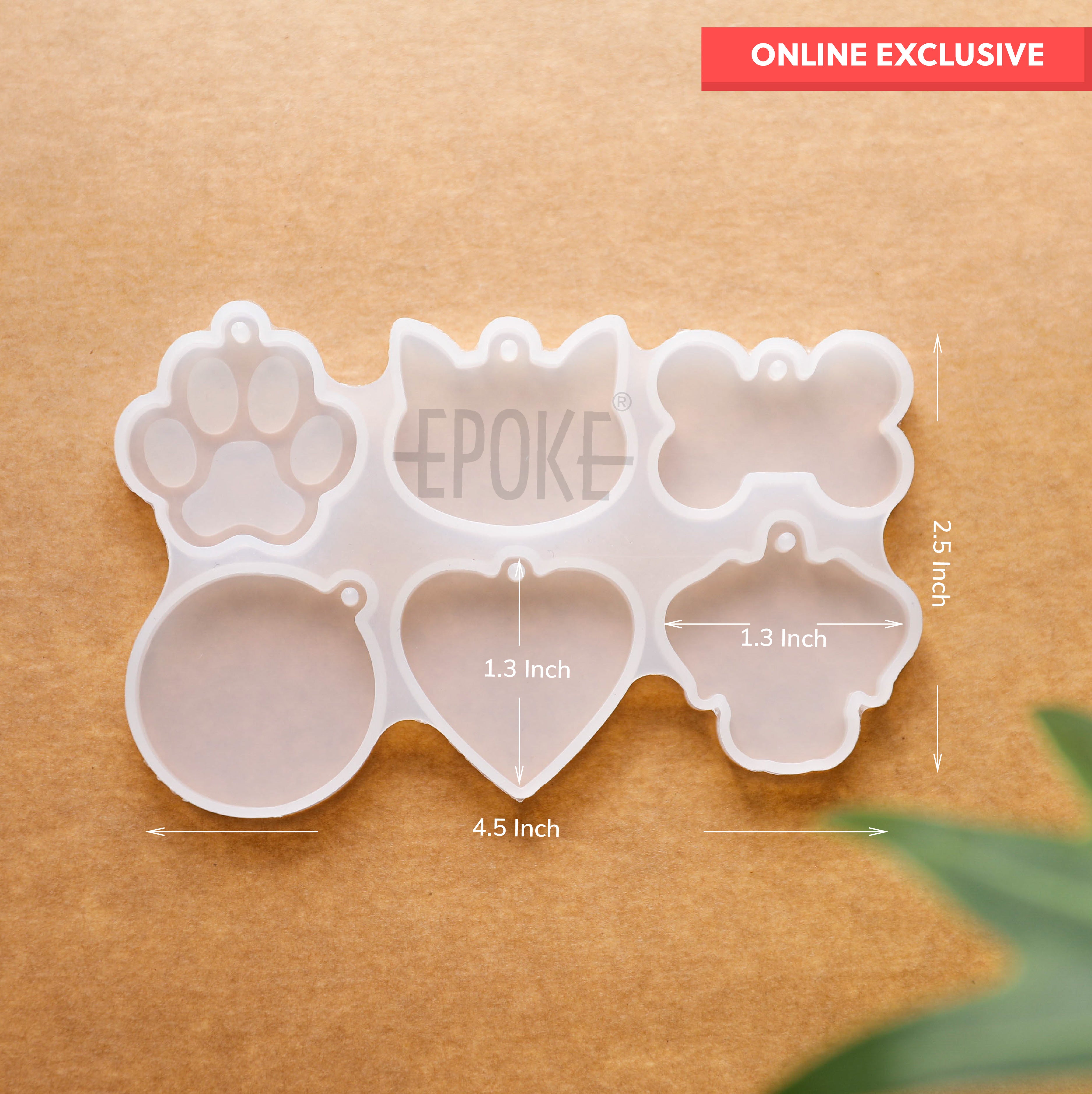
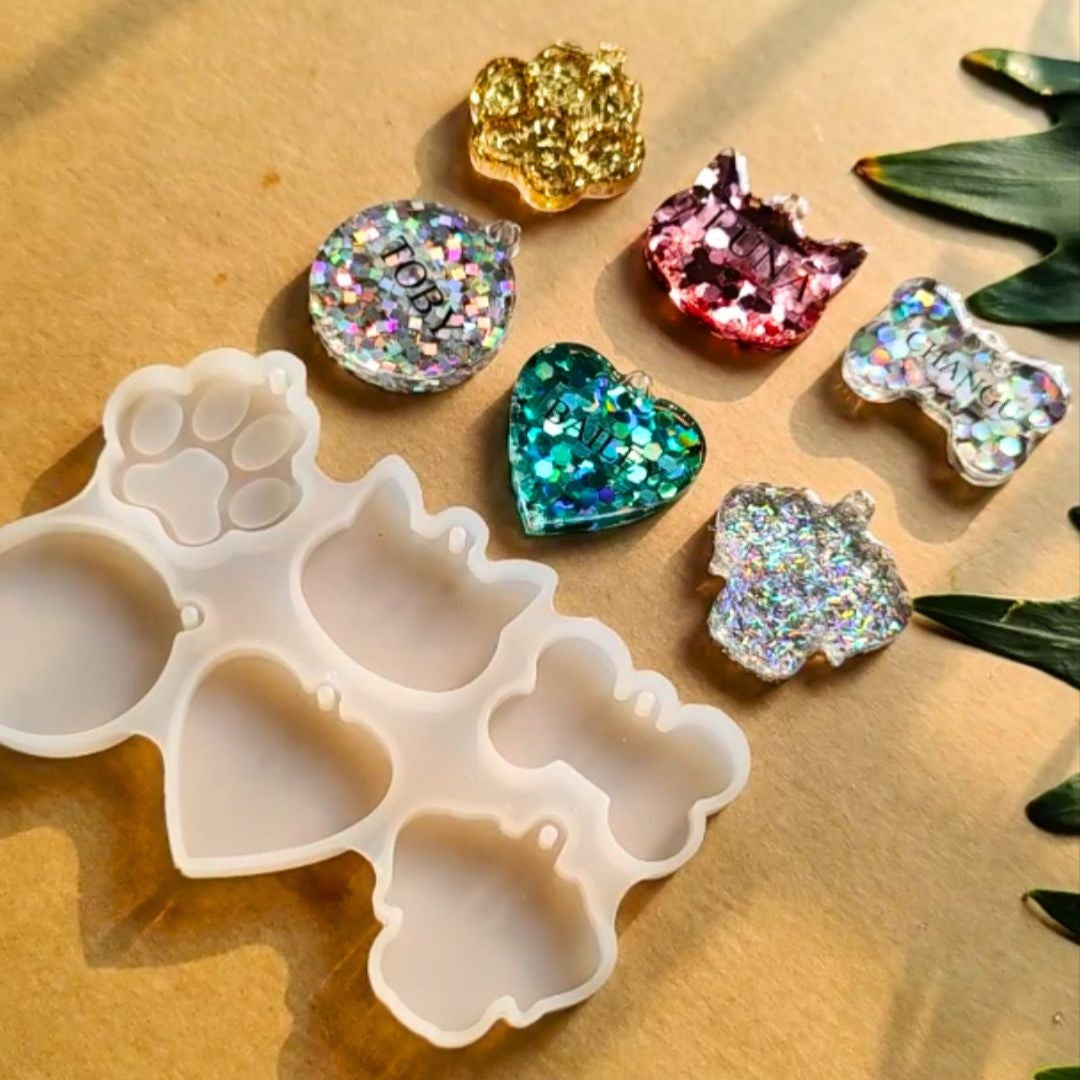
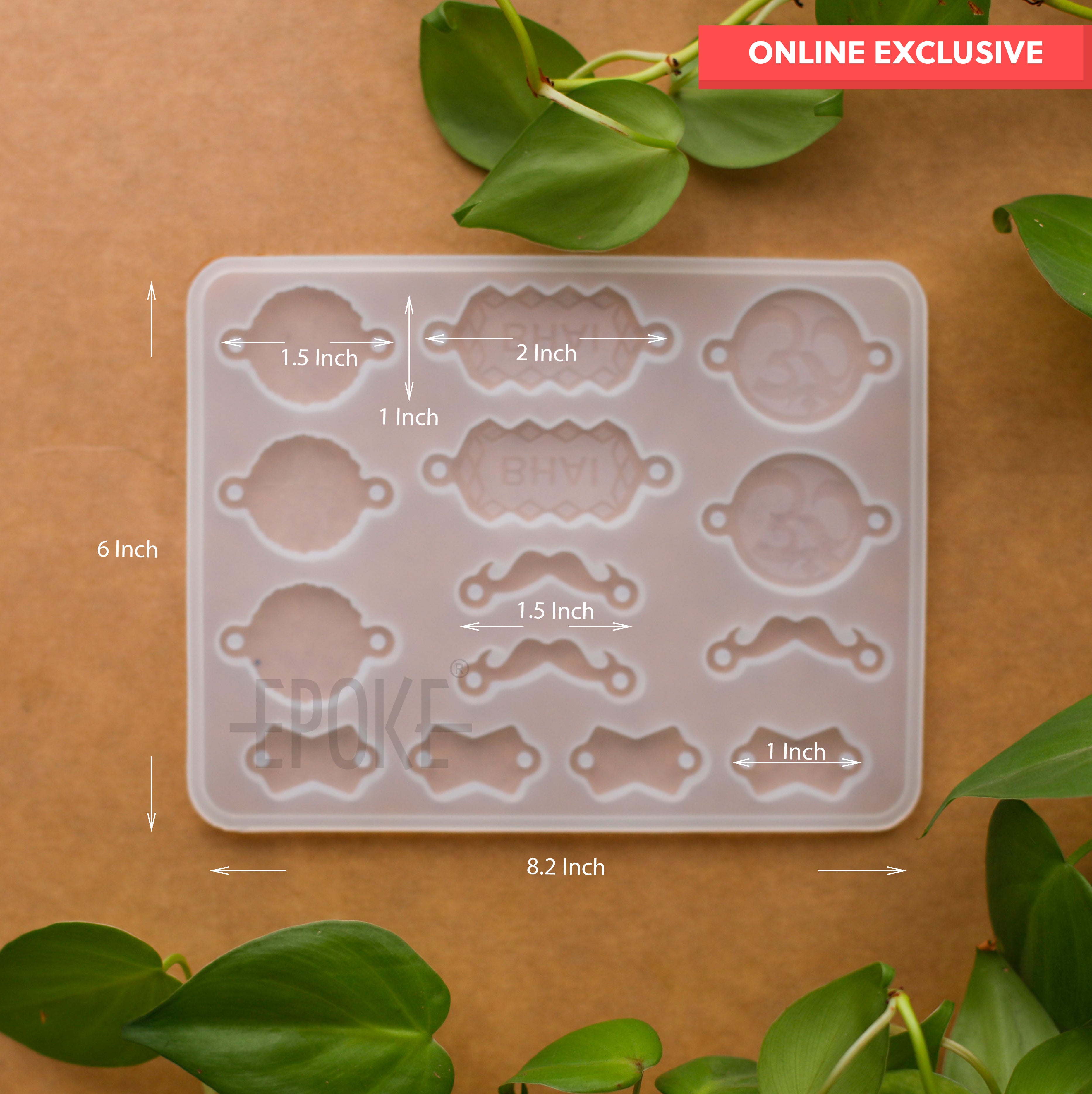
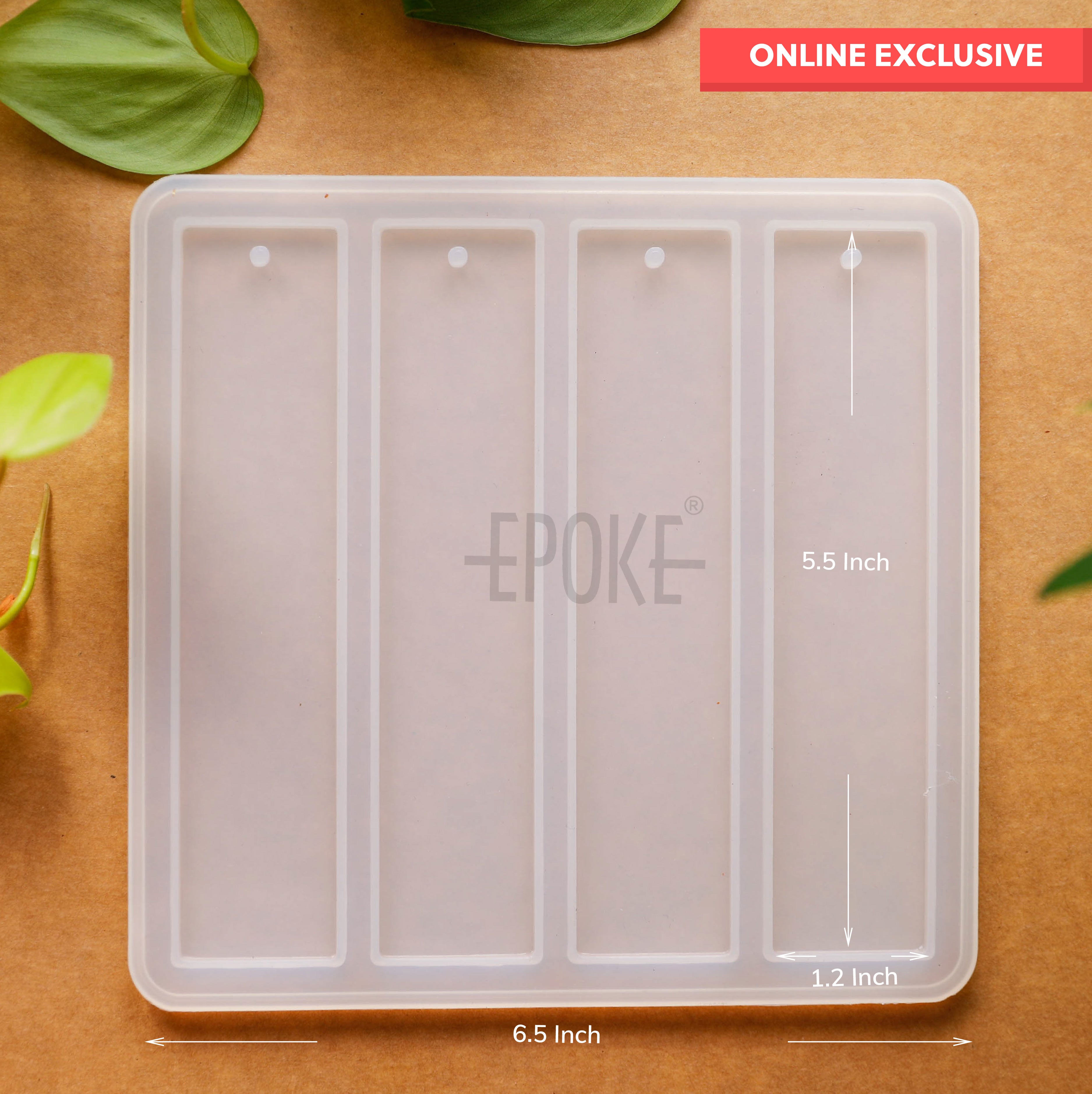
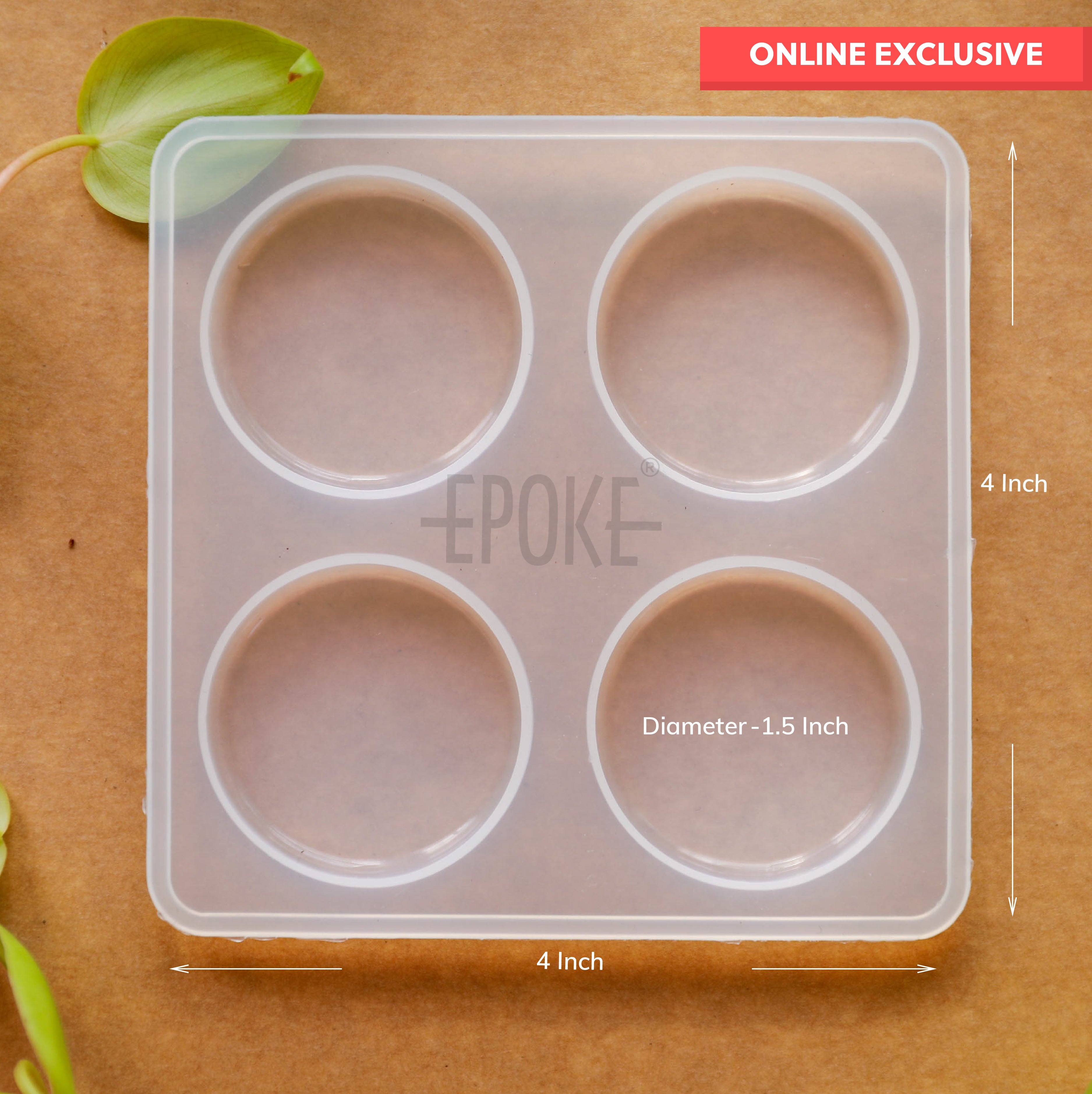
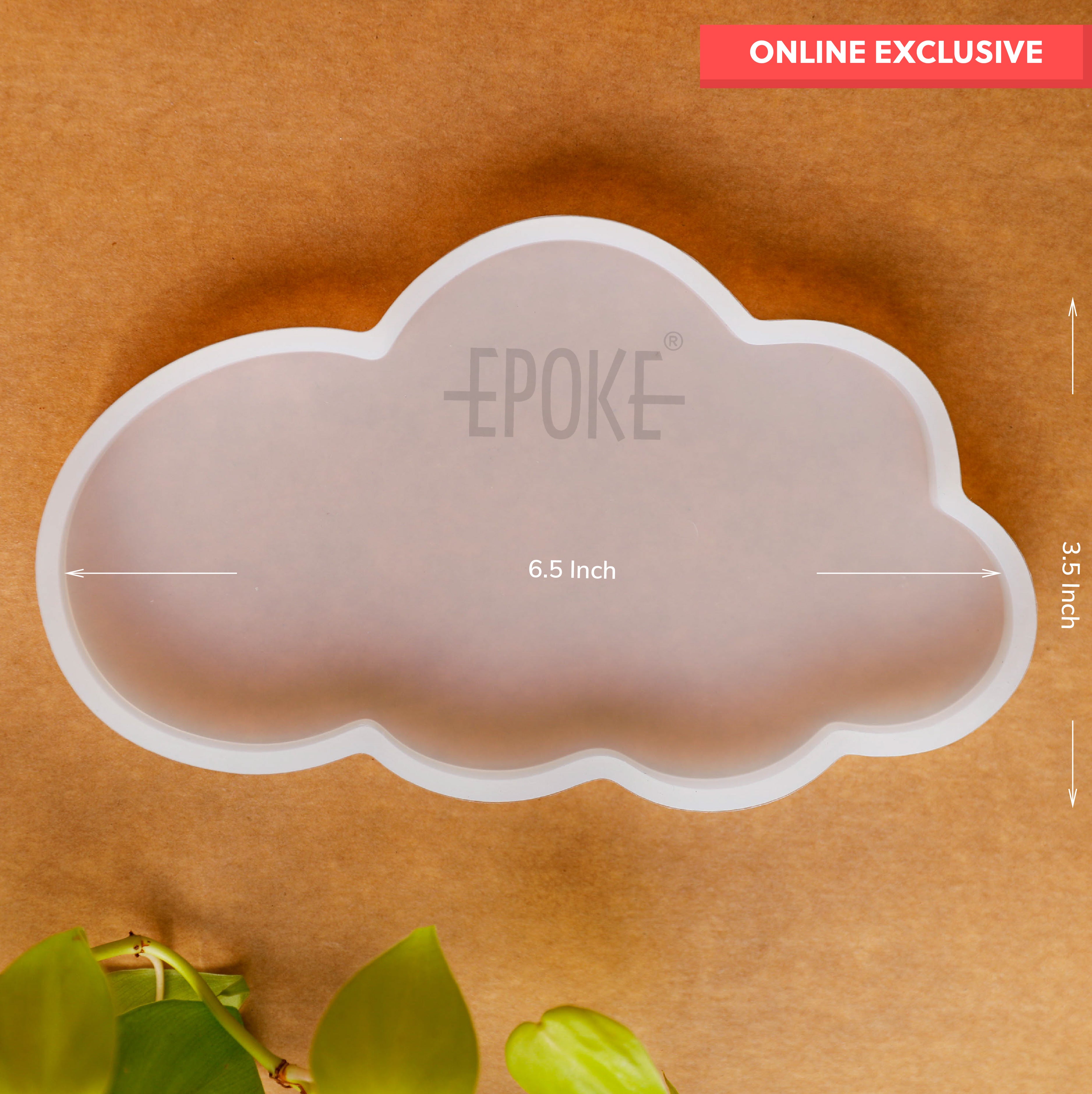
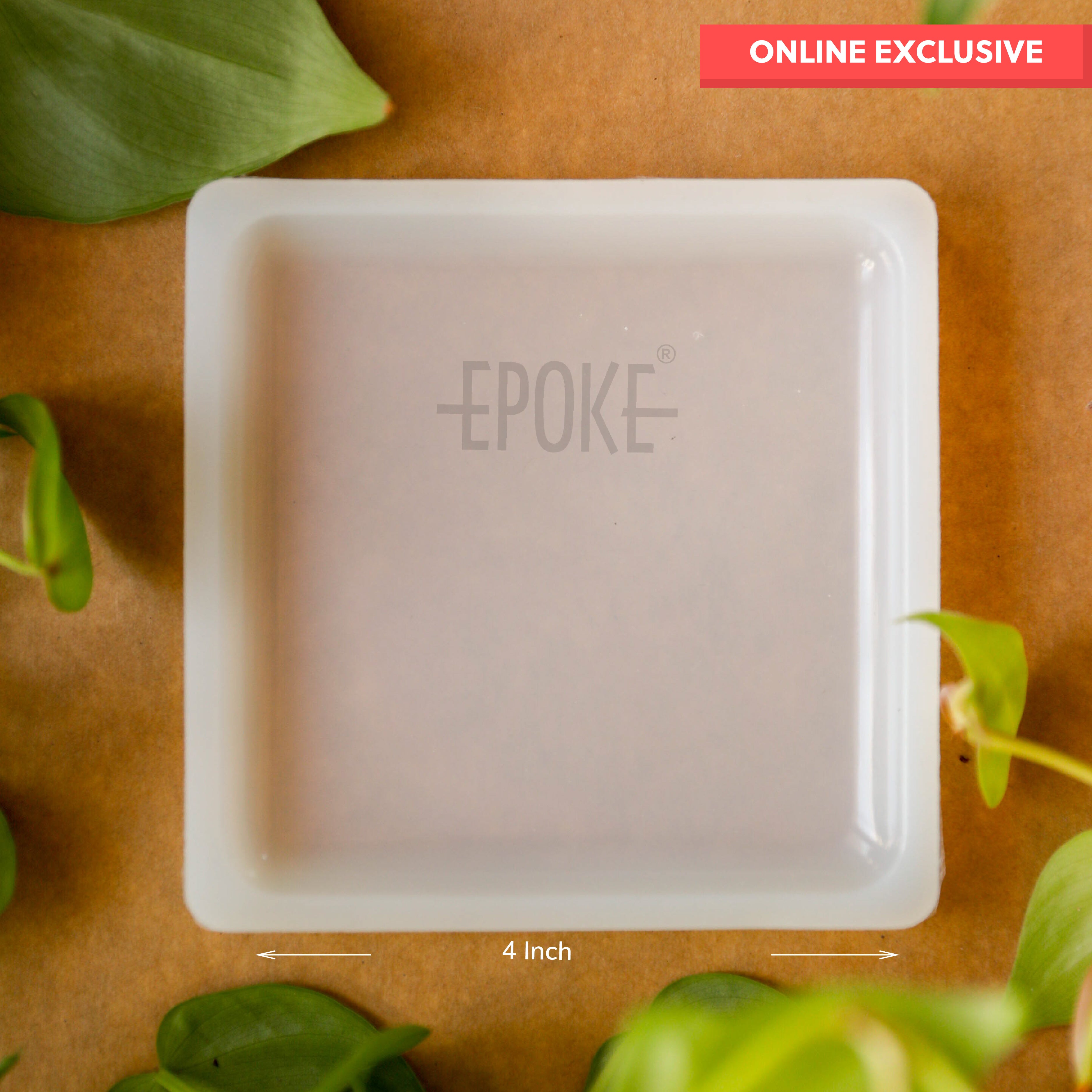
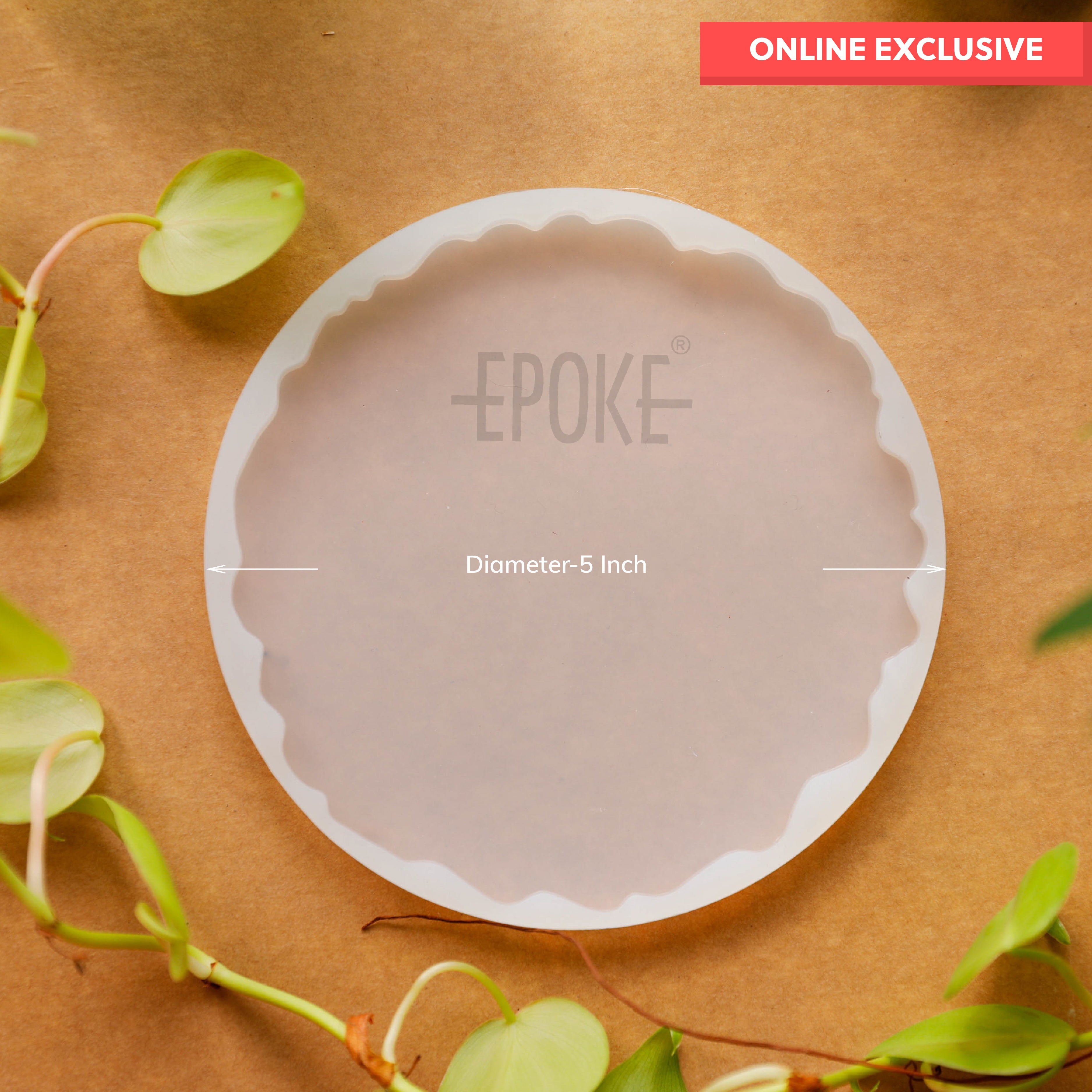
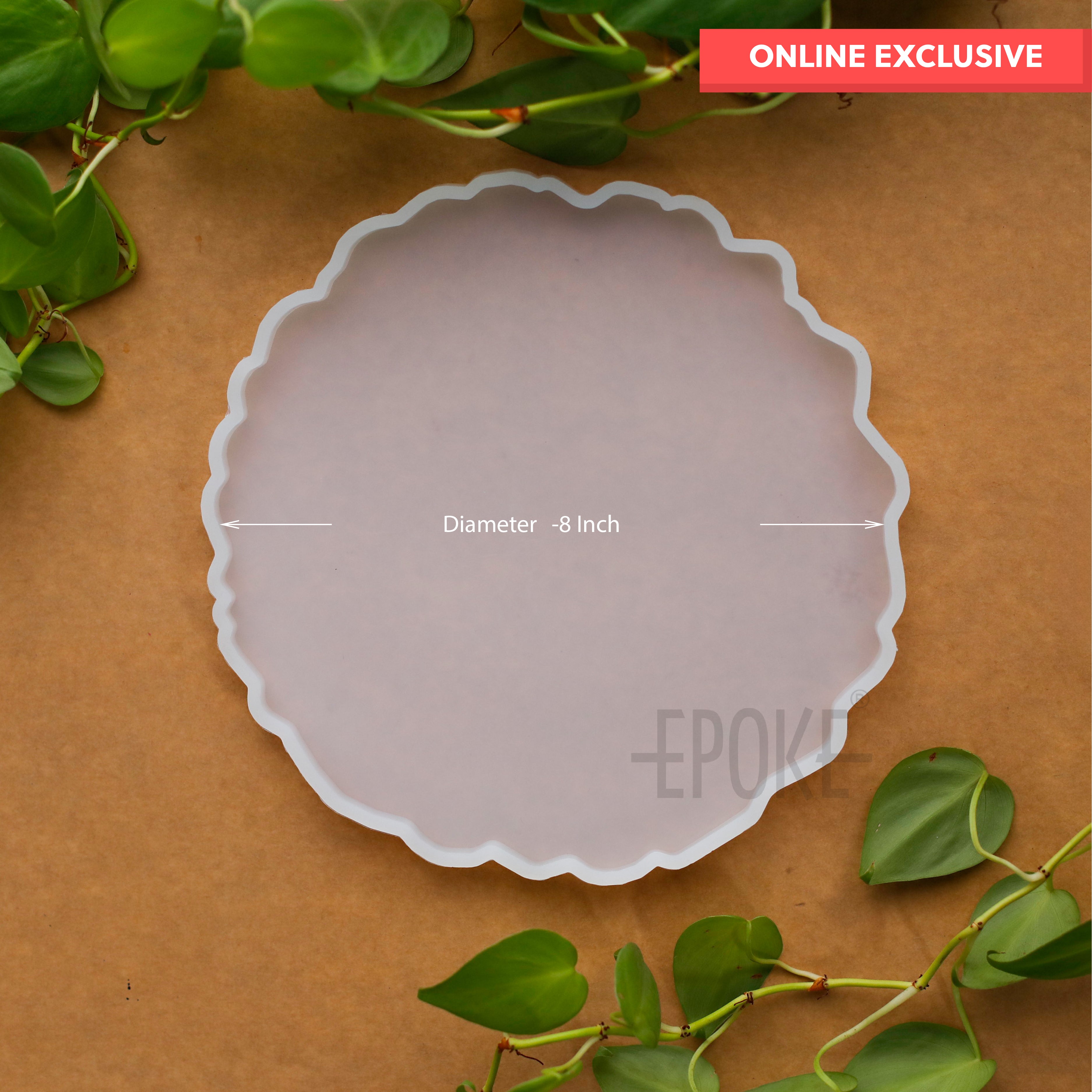
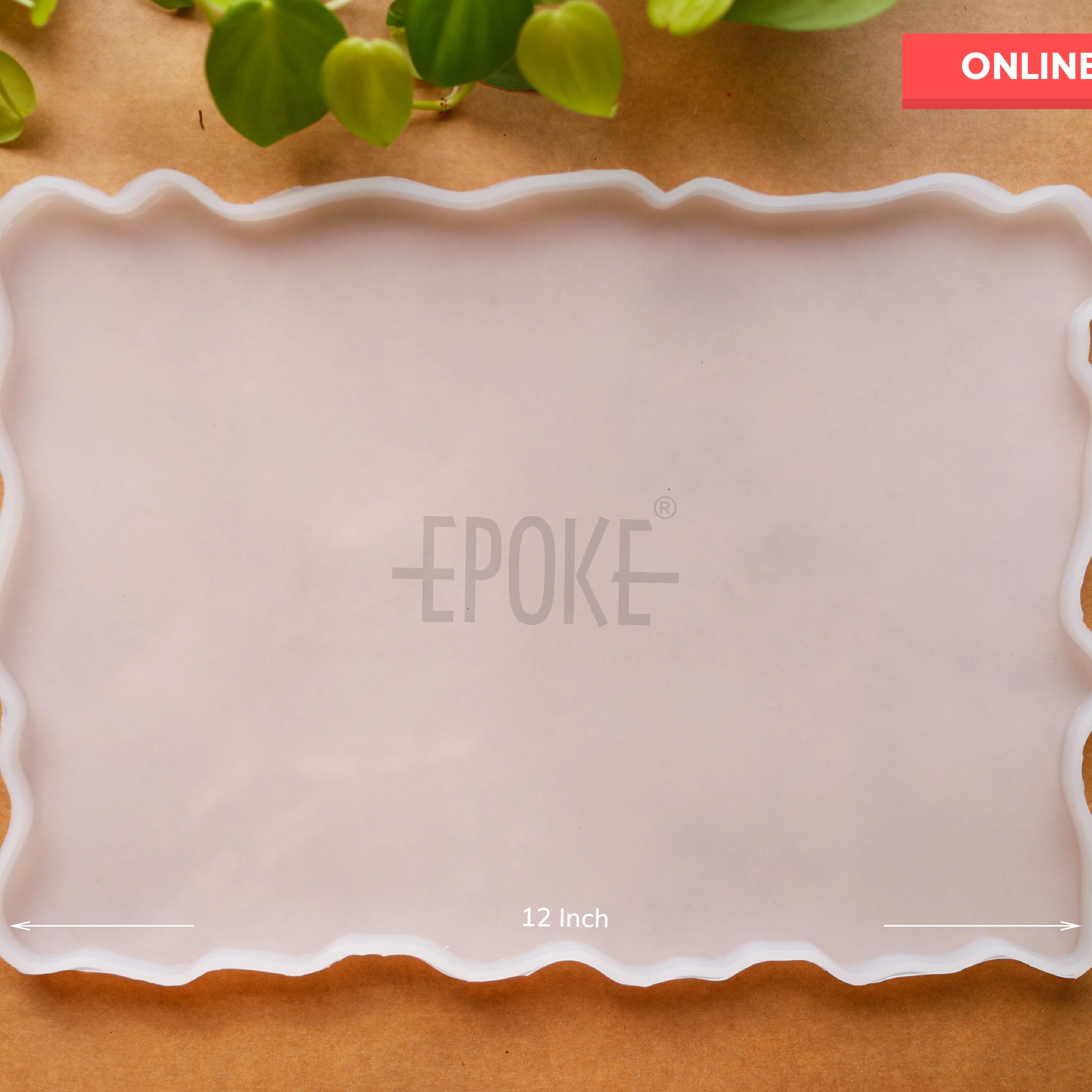
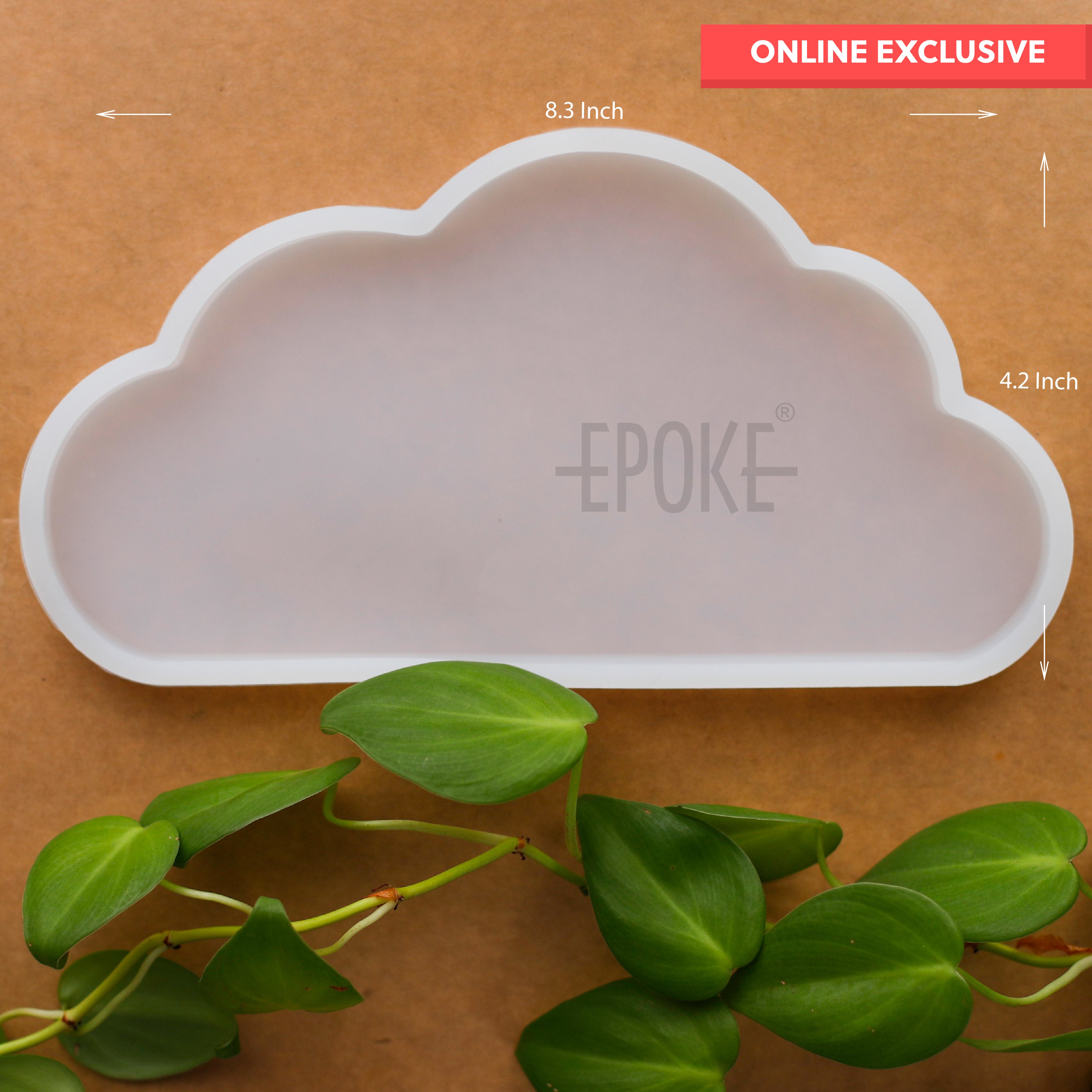
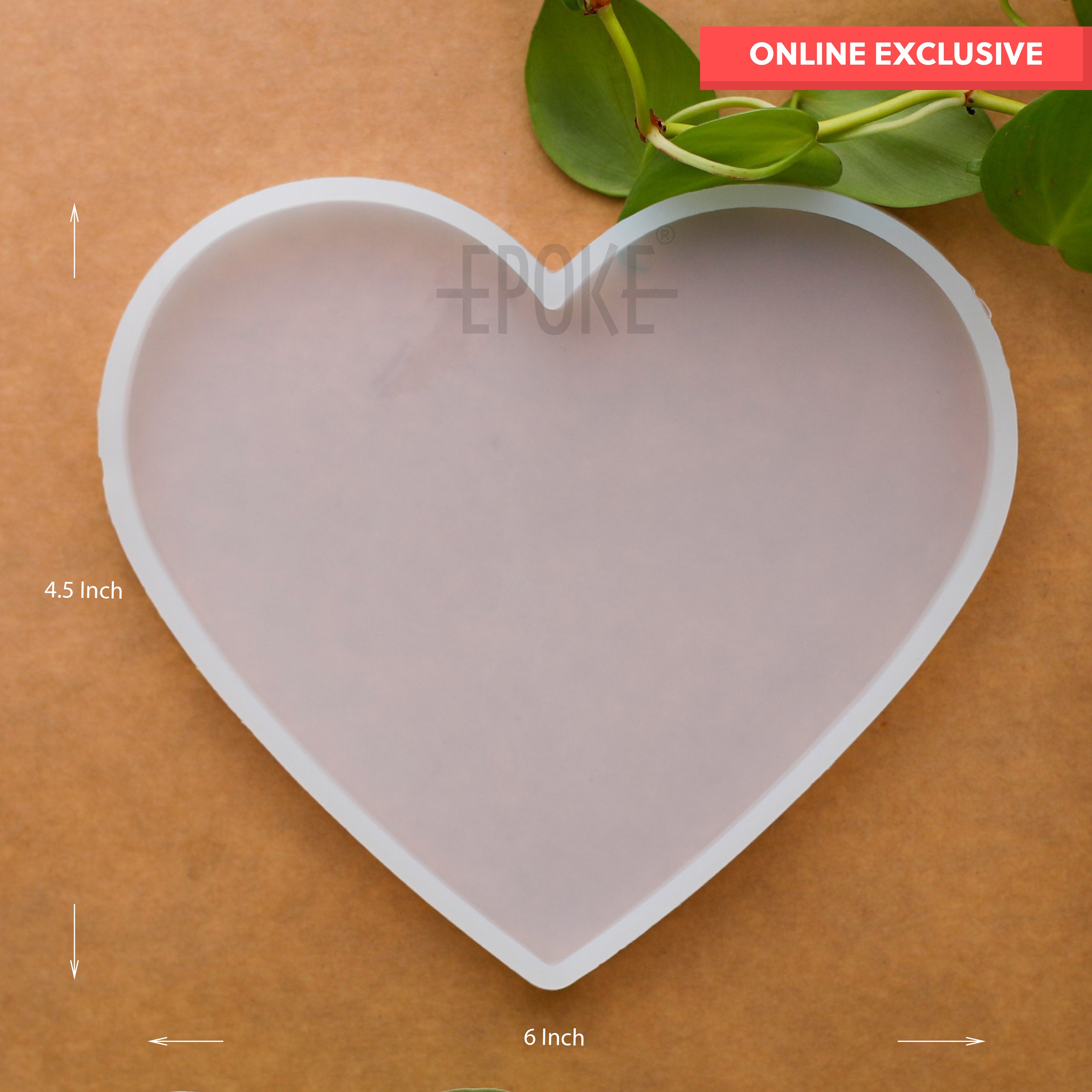
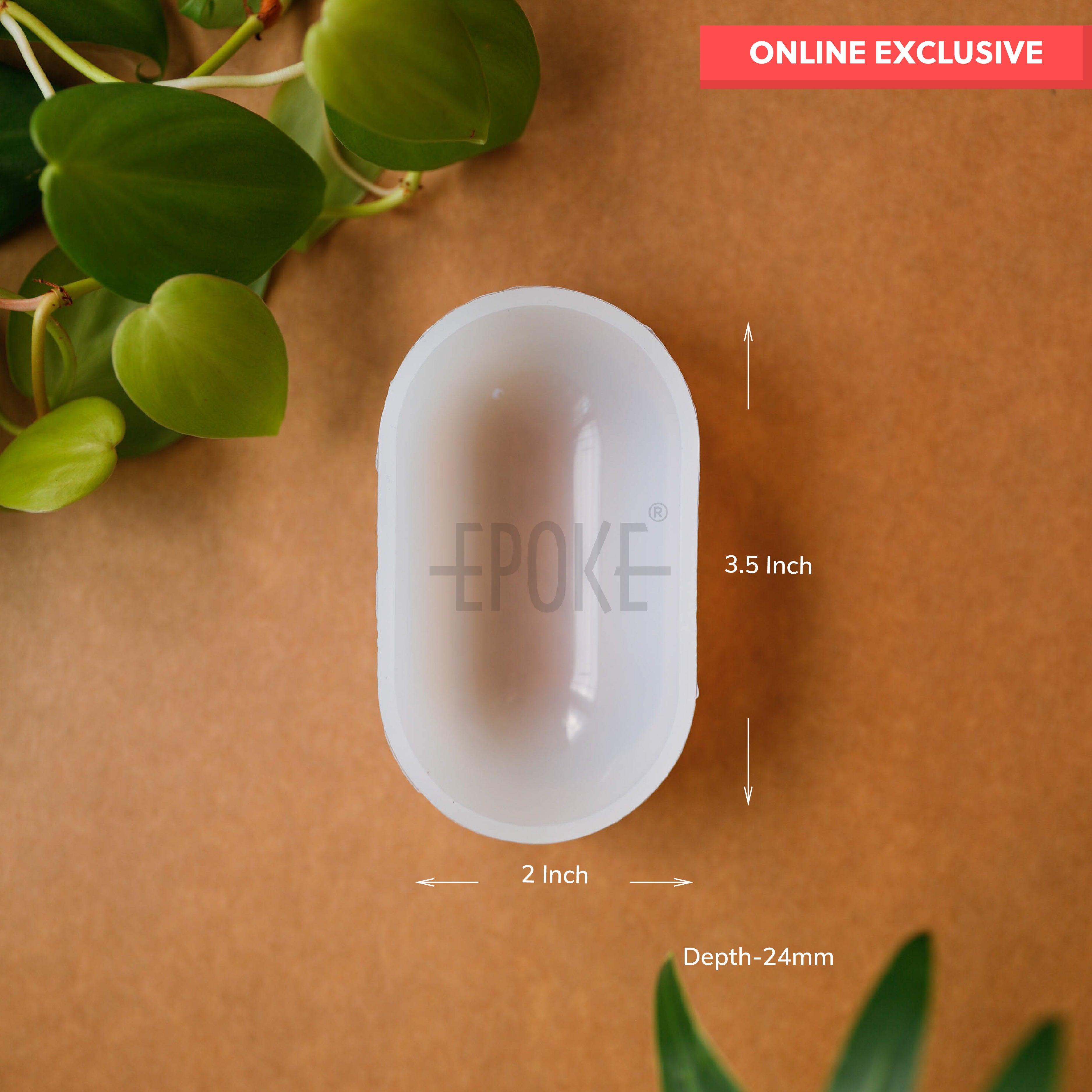
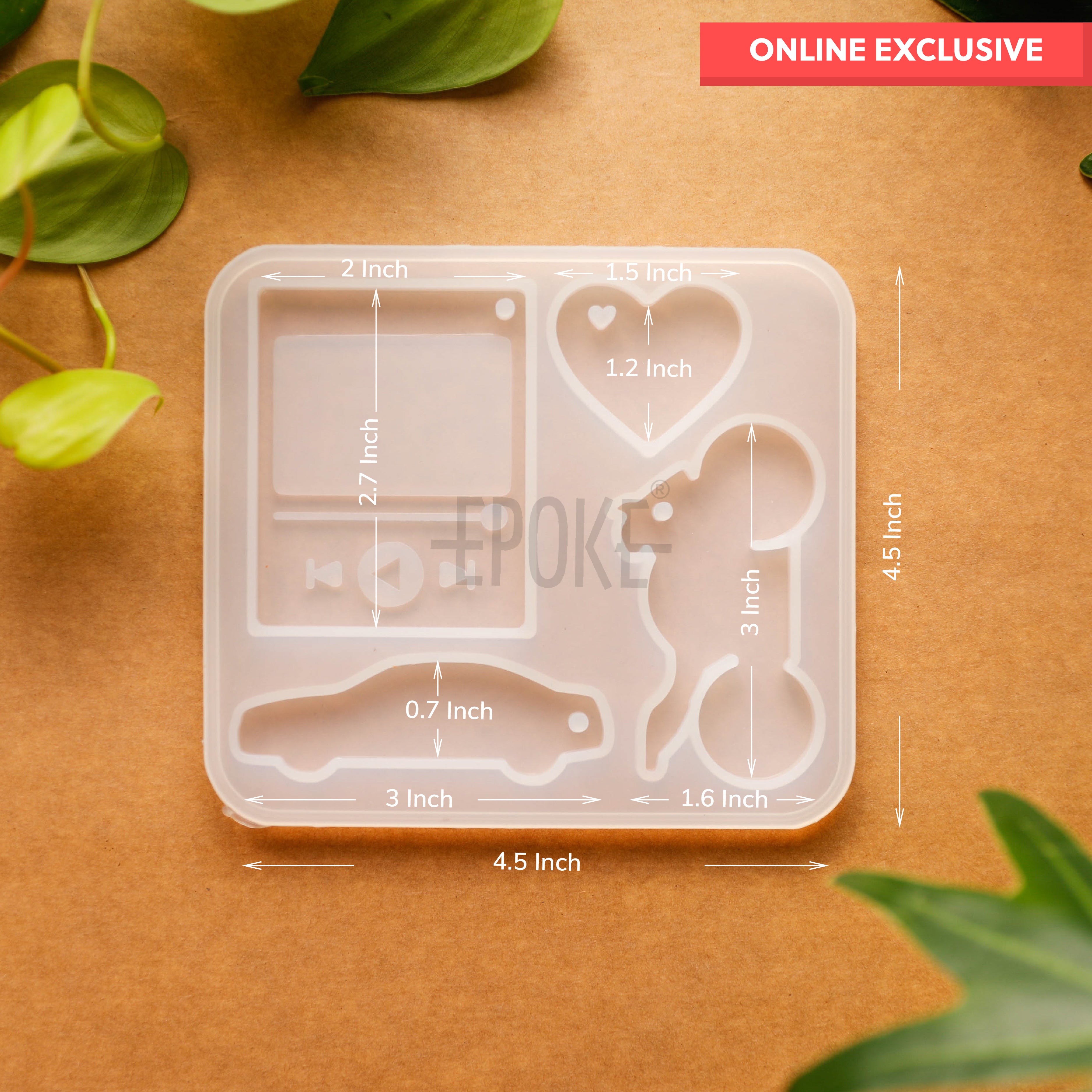
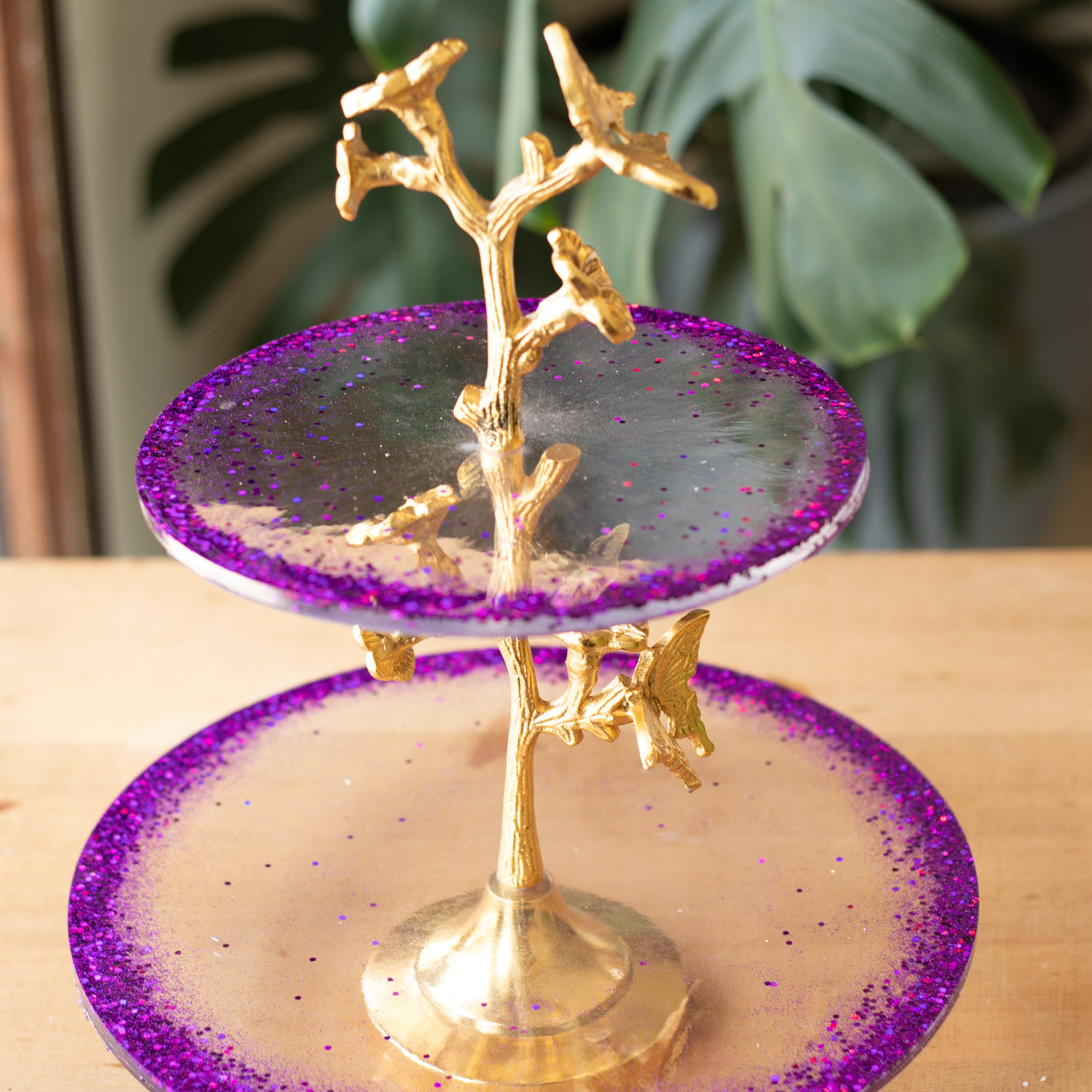
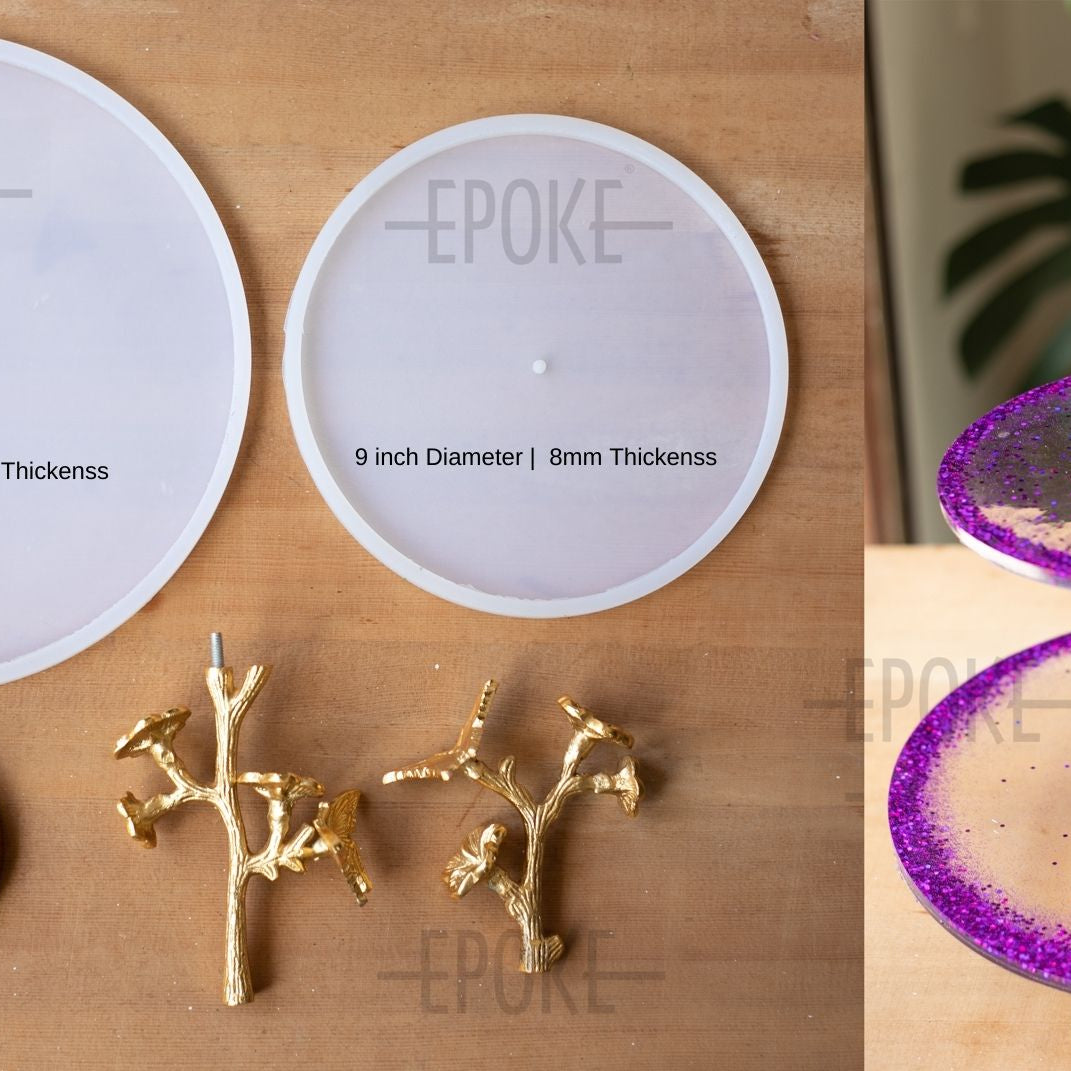
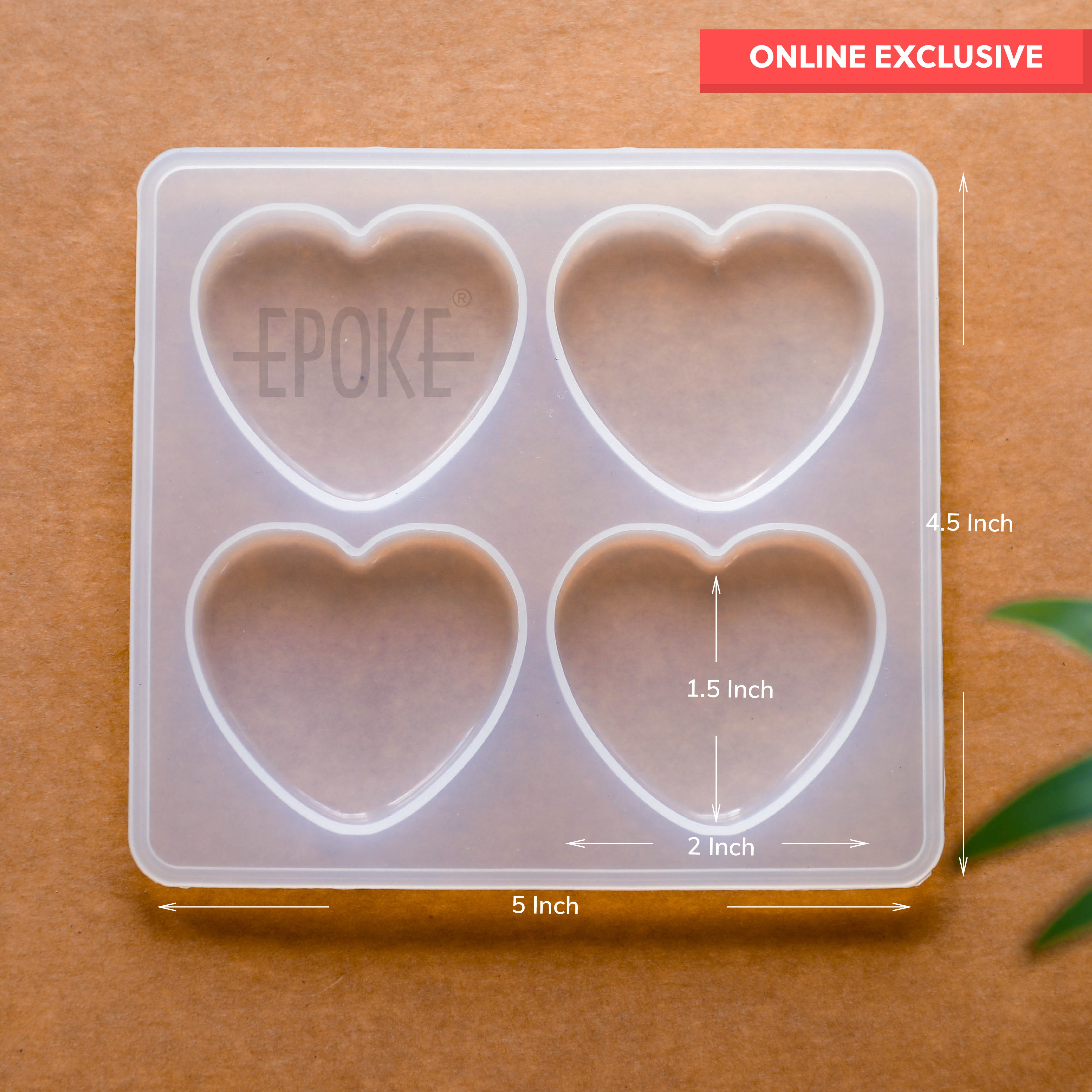
If you want to start creating resin projects without making your own moulds, silicone ready-made moulds are the easiest option. Designed in a variety of practical and creative shapes, they let you pour your resin, allow it to cure, and demould your finished piece with minimal effort.
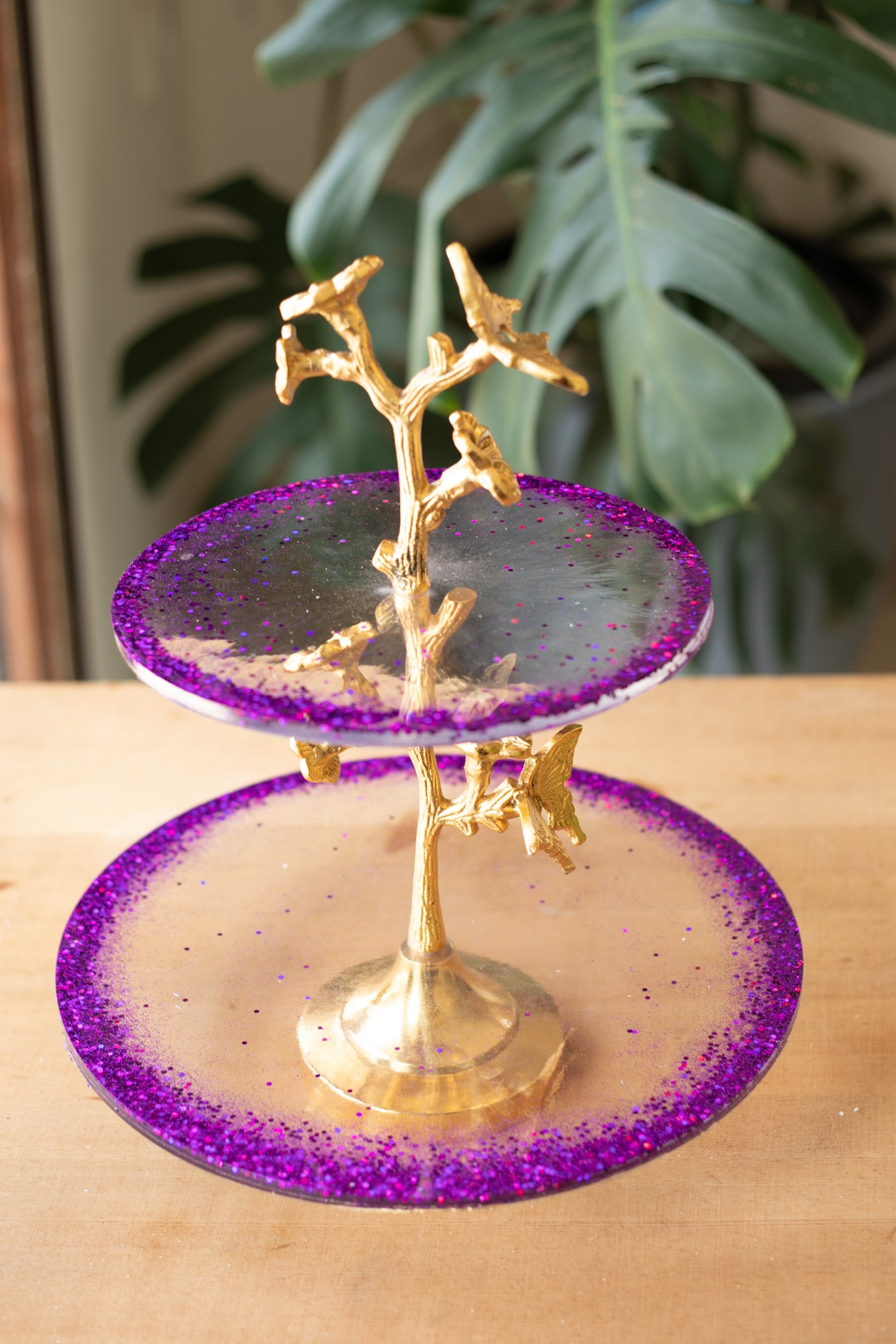
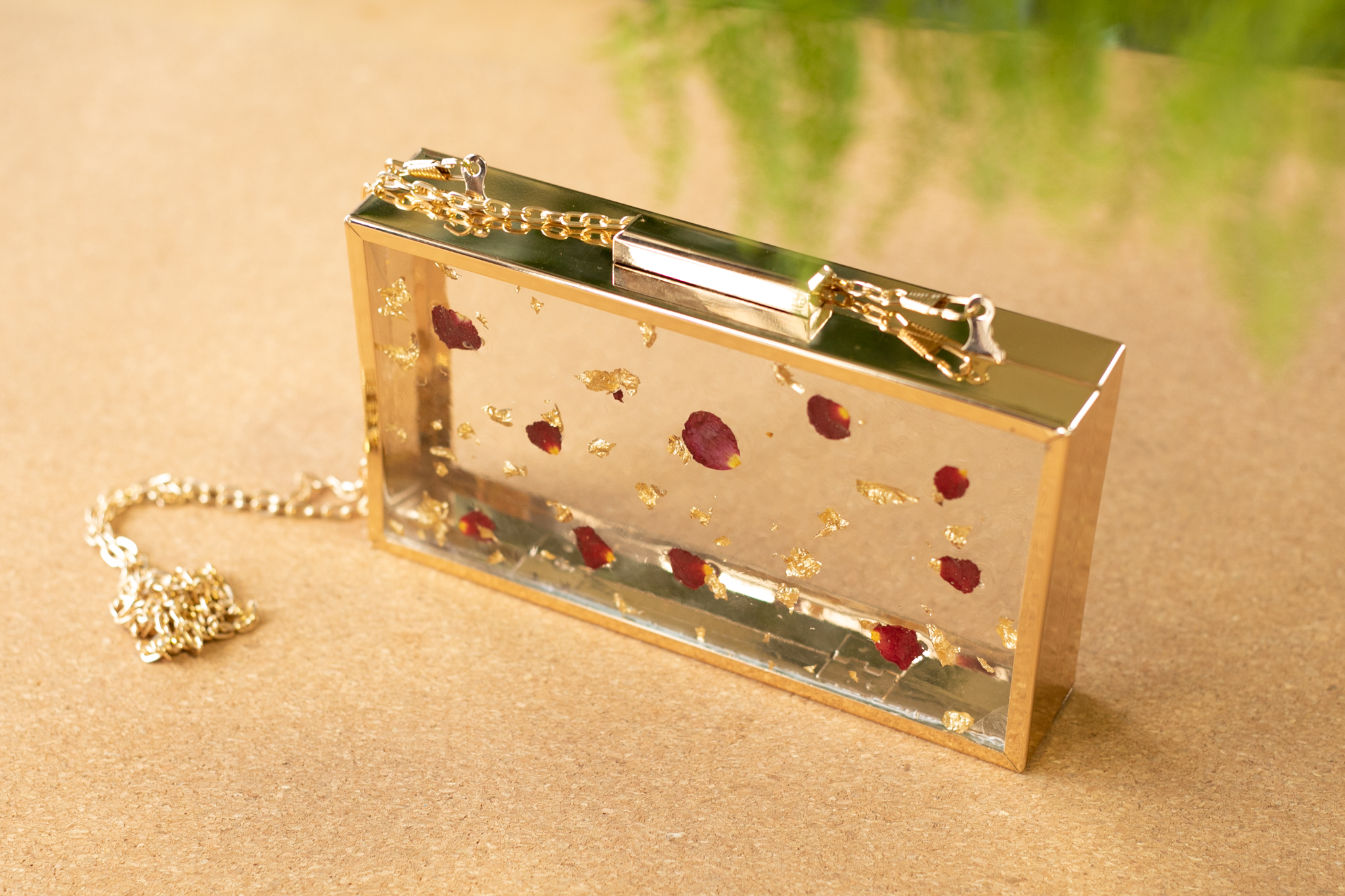
Ready-made silicone moulds are ideal for trays, coasters, jewellery, stones, decorative pieces, seasonal designs, and other resin projects. They provide consistent shapes and detailed finishes, making them a convenient choice for both beginners and experienced resin artists.
Instead of spending time creating a custom mould, simply choose a shape that suits your project and start pouring. With the right silicone mould for resin, you can create repeatable designs while saving time and effort.
For everyday resin crafting, silicone ready-made moulds are a practical choice when you want reliable shapes, easy demoulding, and a faster way to bring your creative ideas to life.
What to Check Before You Buy Moulds for Casting
Not all moulds for casting are built for resin specifically. Some are meant for soap, candles, or chocolate, and won't hold up under epoxy. Before buying, check for:
A tear-resistance rating or clear material description
Whether the listing mentions detail retention, sharp edges, and no shrinkage
Country of manufacture and quality control notes
A dispatch and return policy, in case the mould arrives damaged
At EPOKE, ours are made in India, tested for tear resistance, and built to hold detail through repeated pours. Orders dispatch within two days.
Types of Silicone Moulds You Can Shop Right Now
Our silicone moulds resin collection covers most of what resin artists ask for:
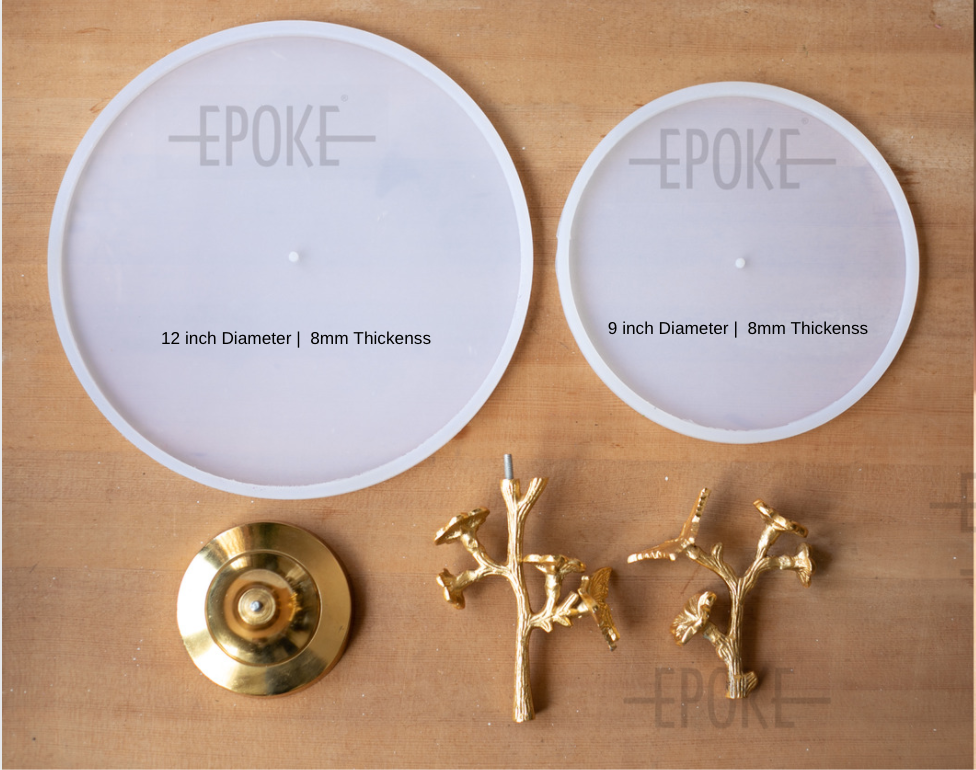
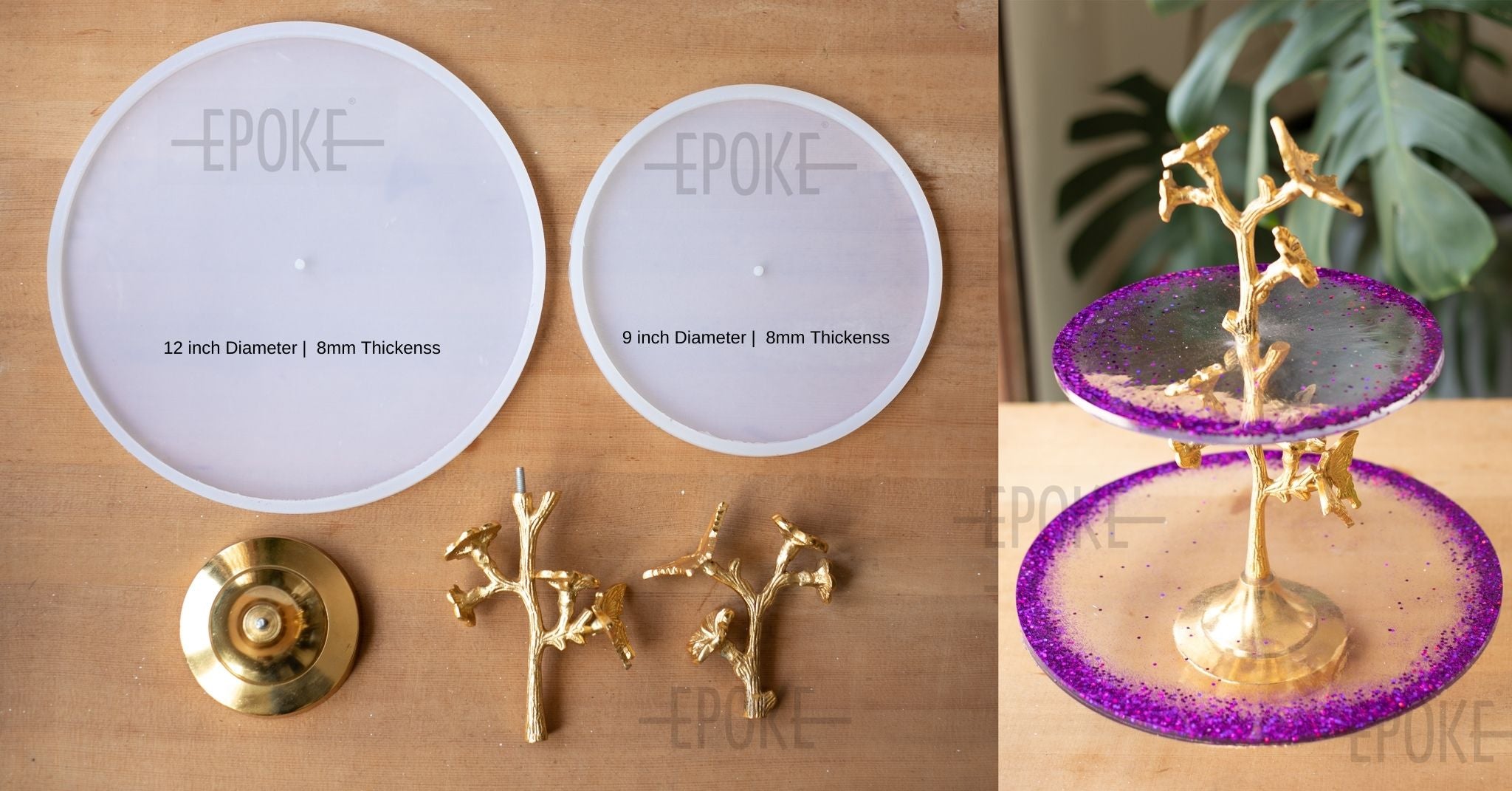
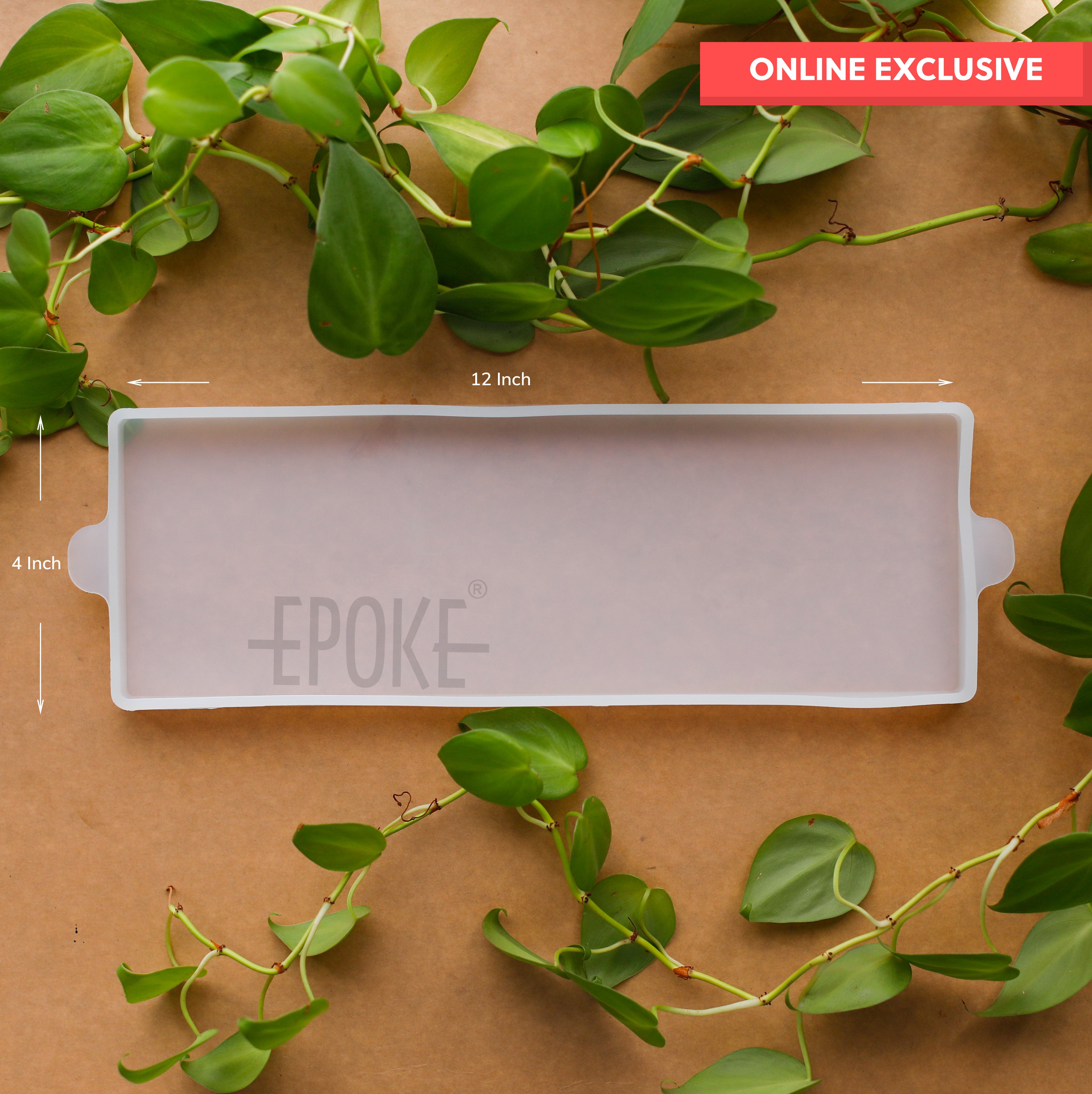
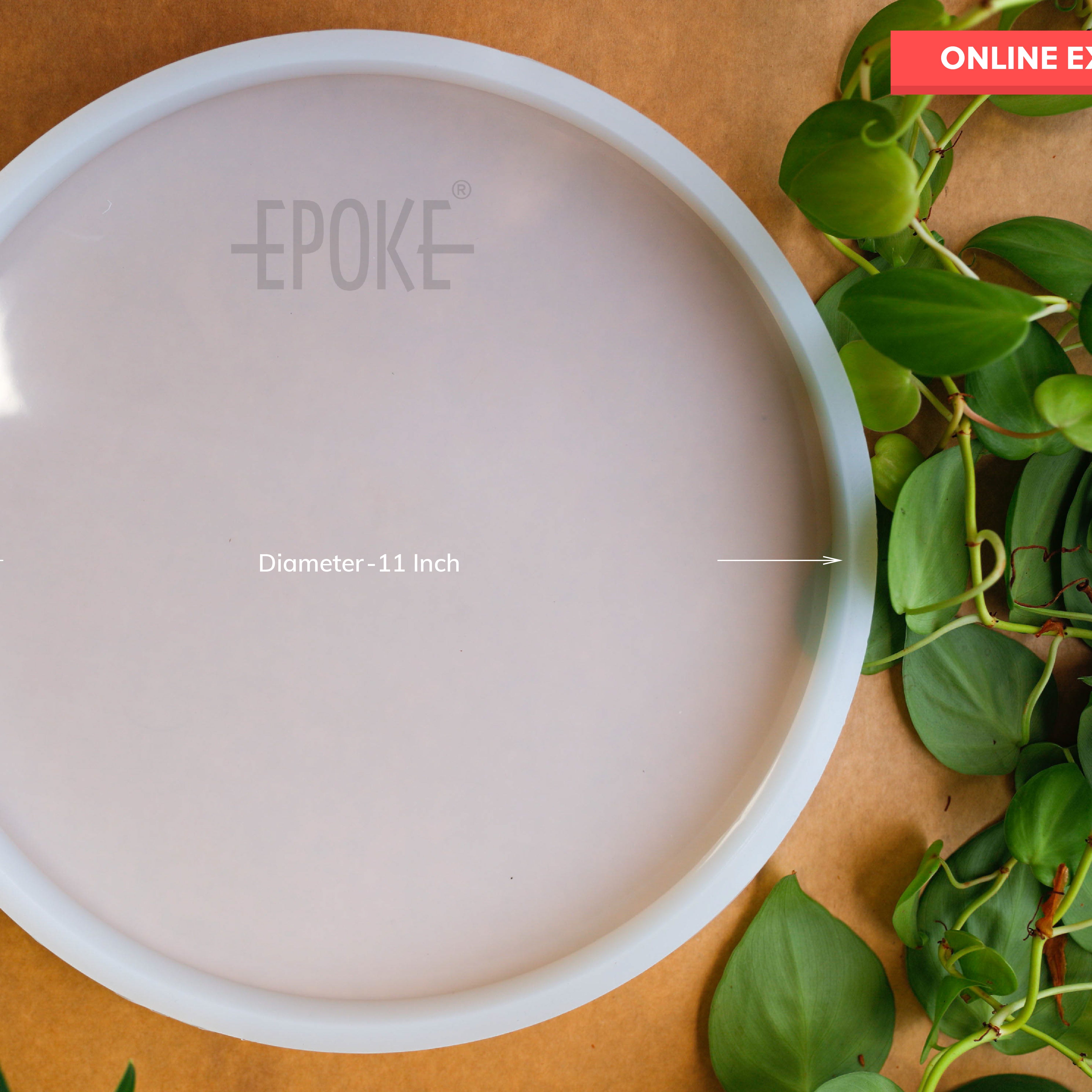
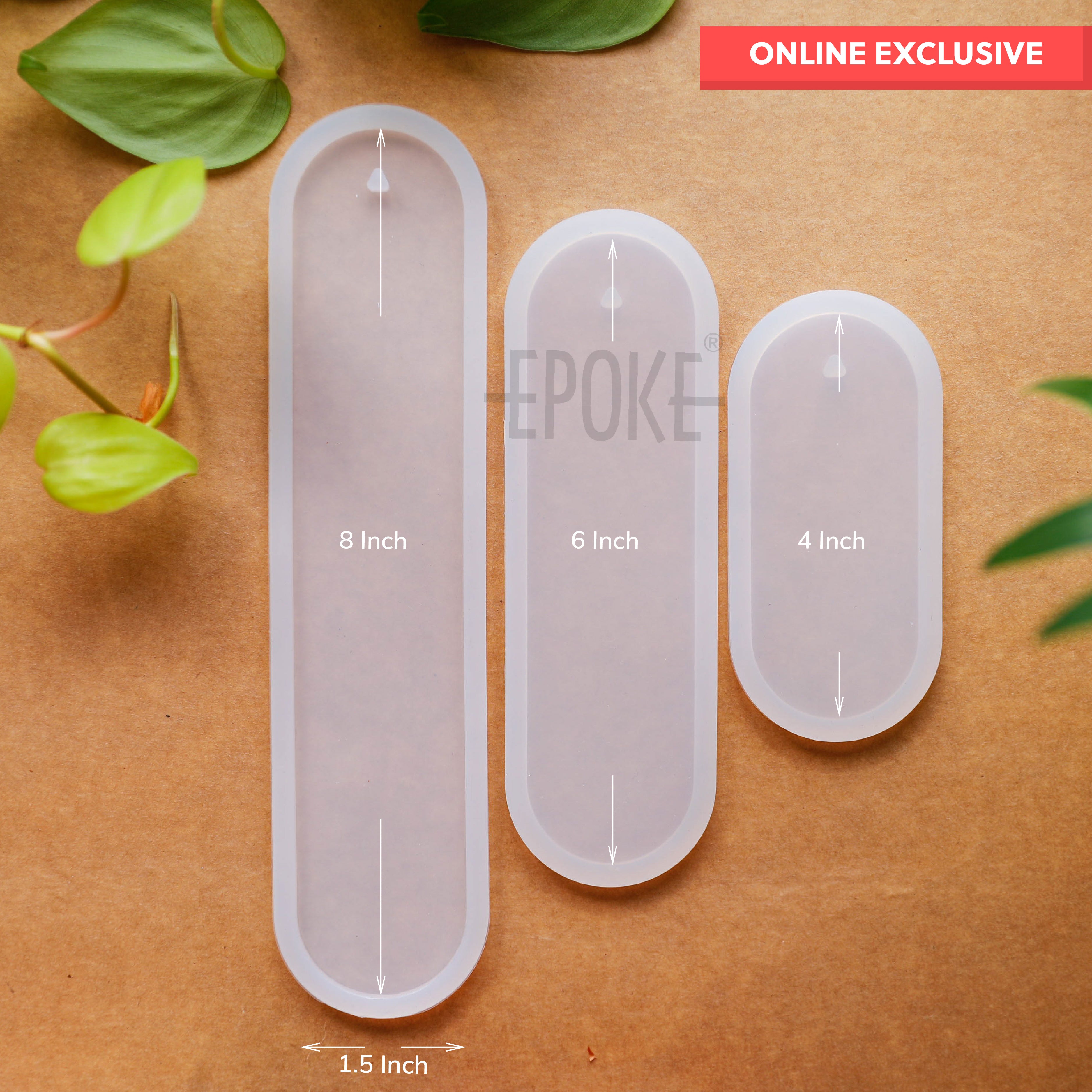
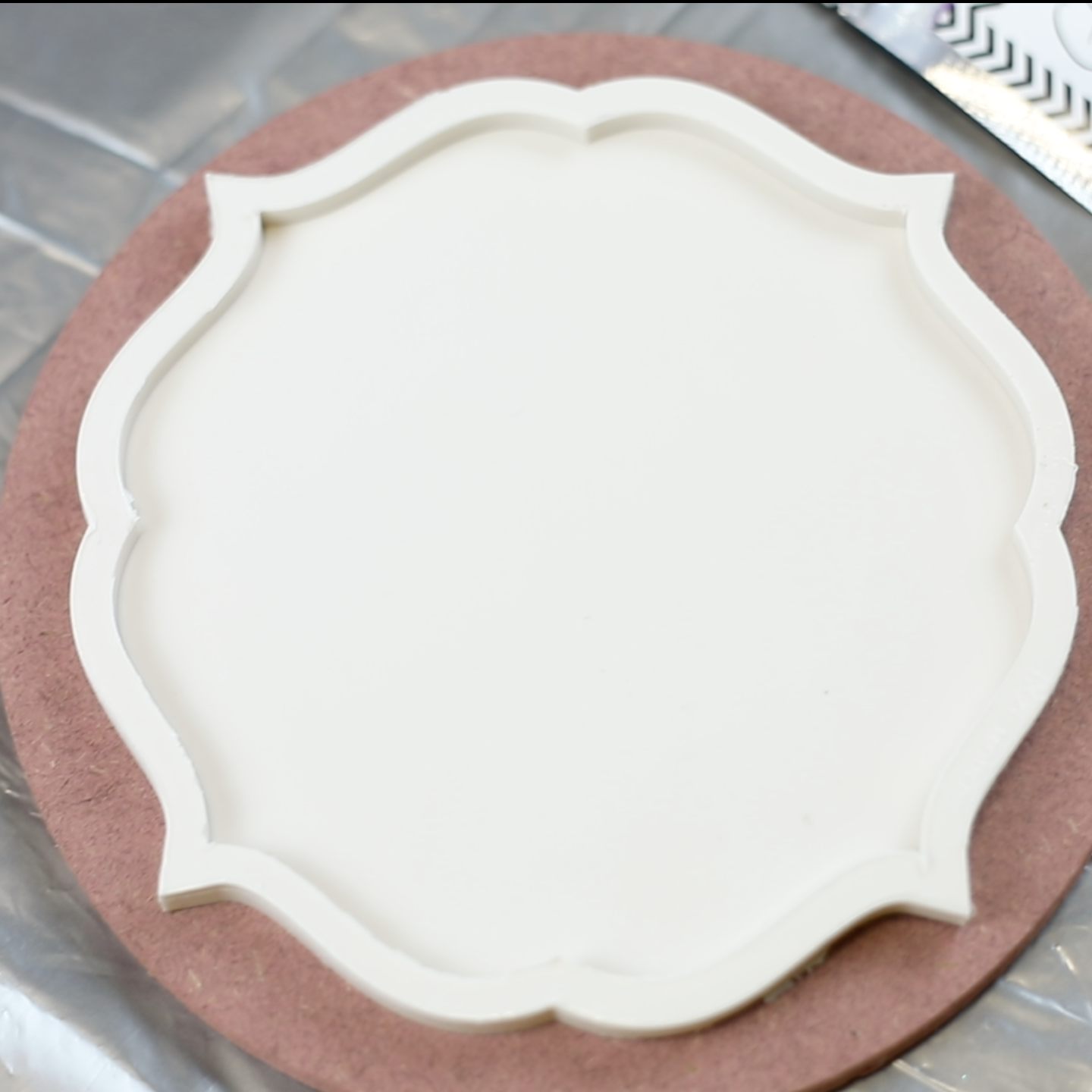
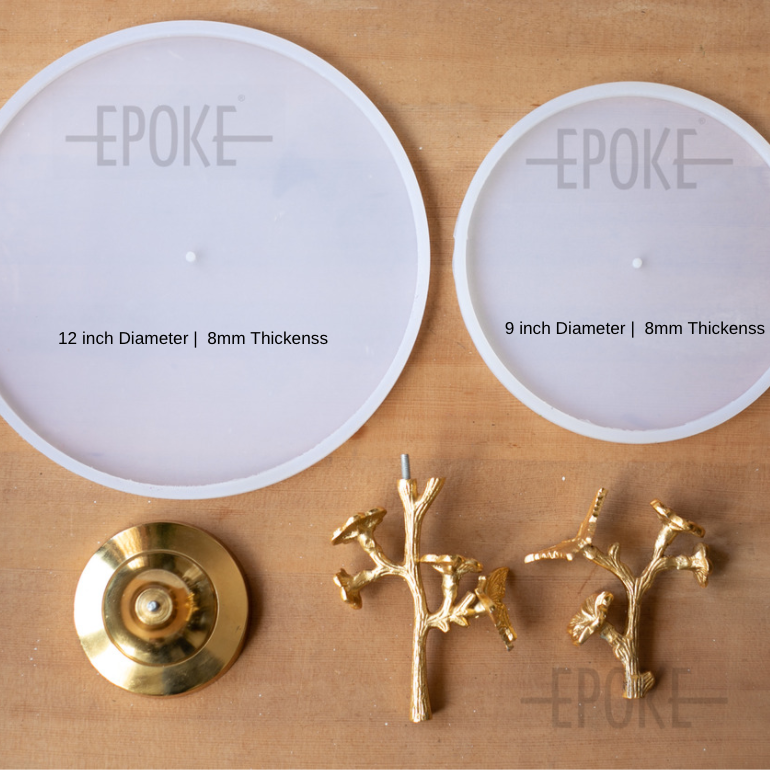
Agate and tray moulds, in sizes from small coasters up to 12-inch trays
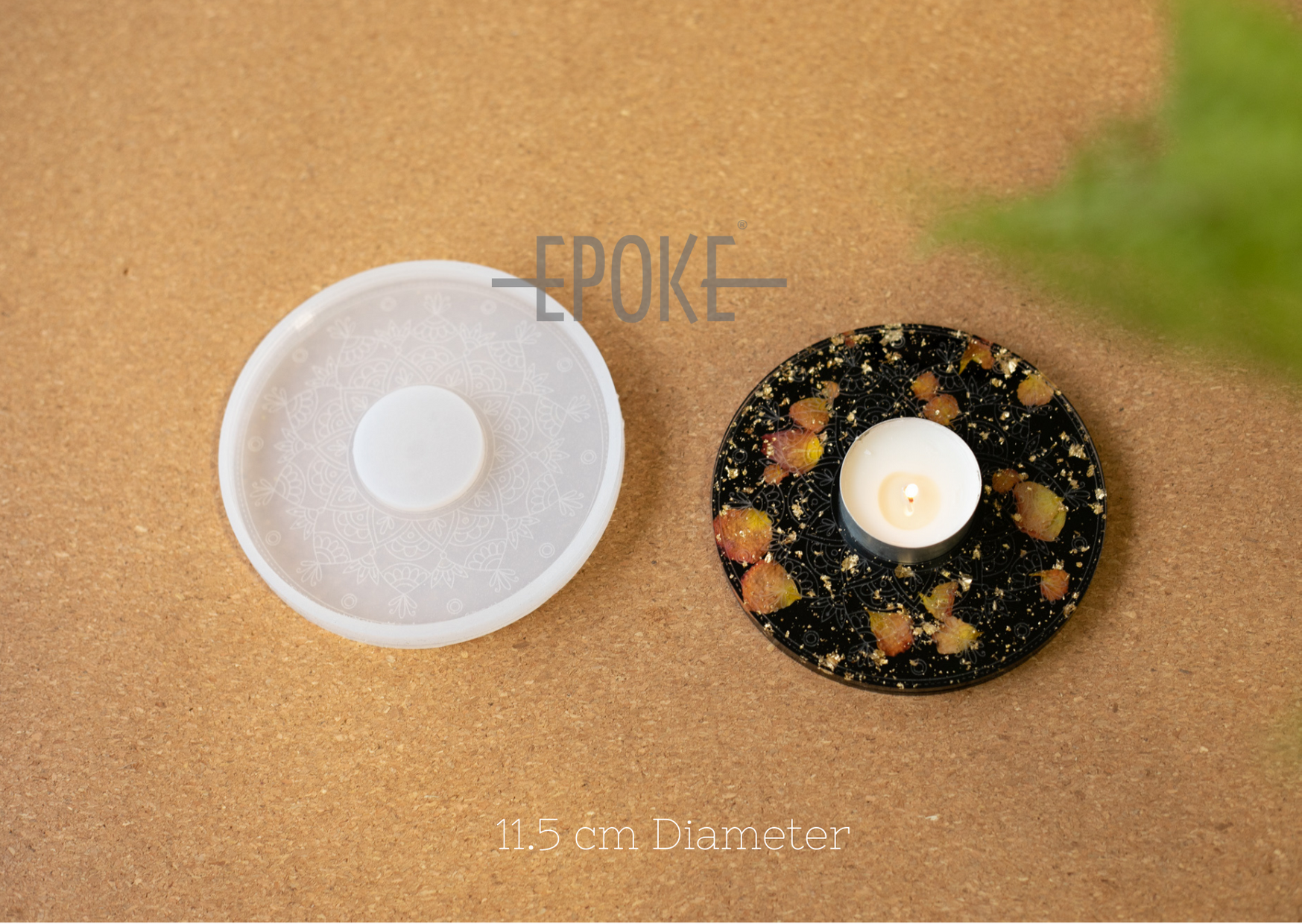
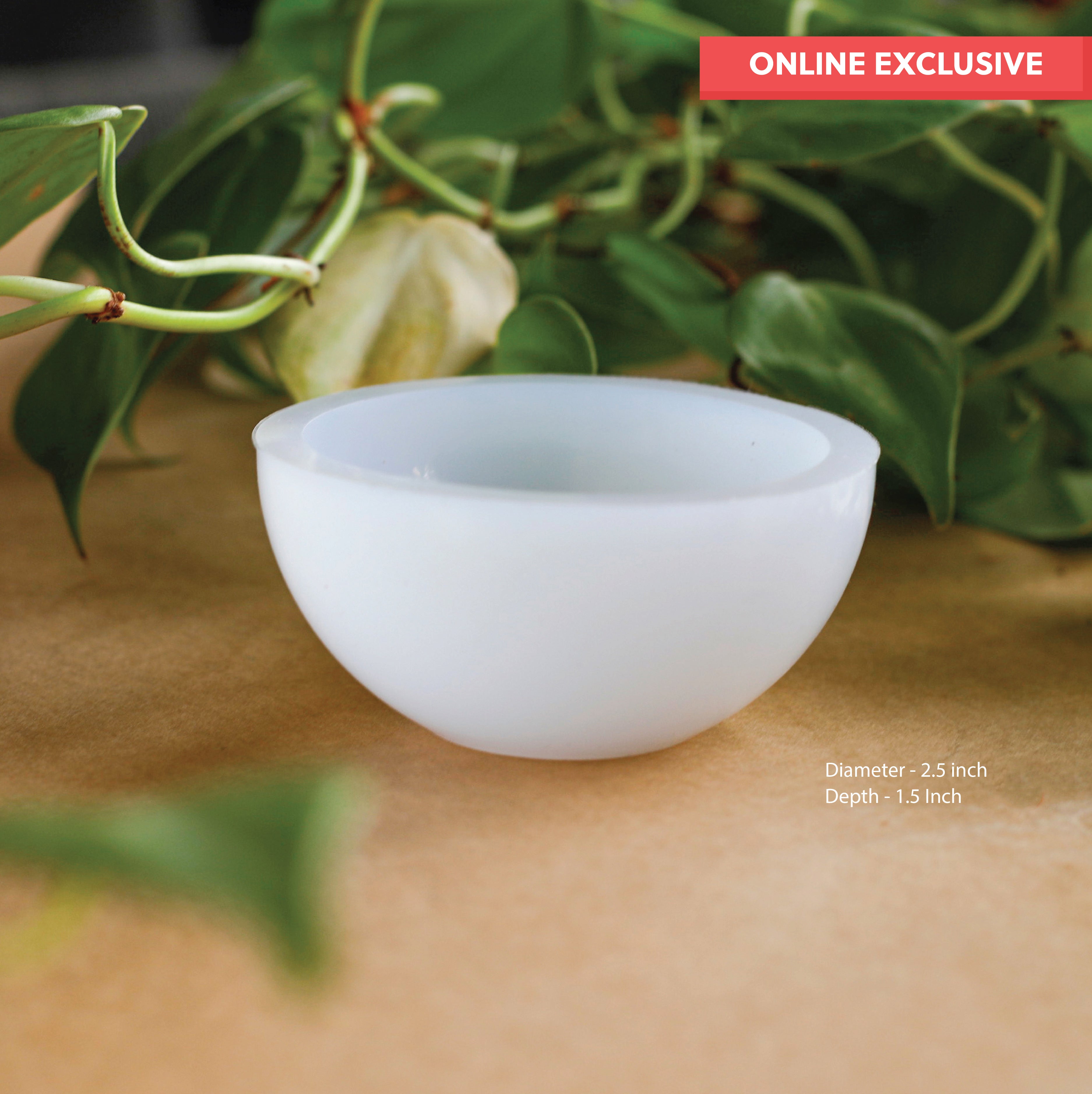
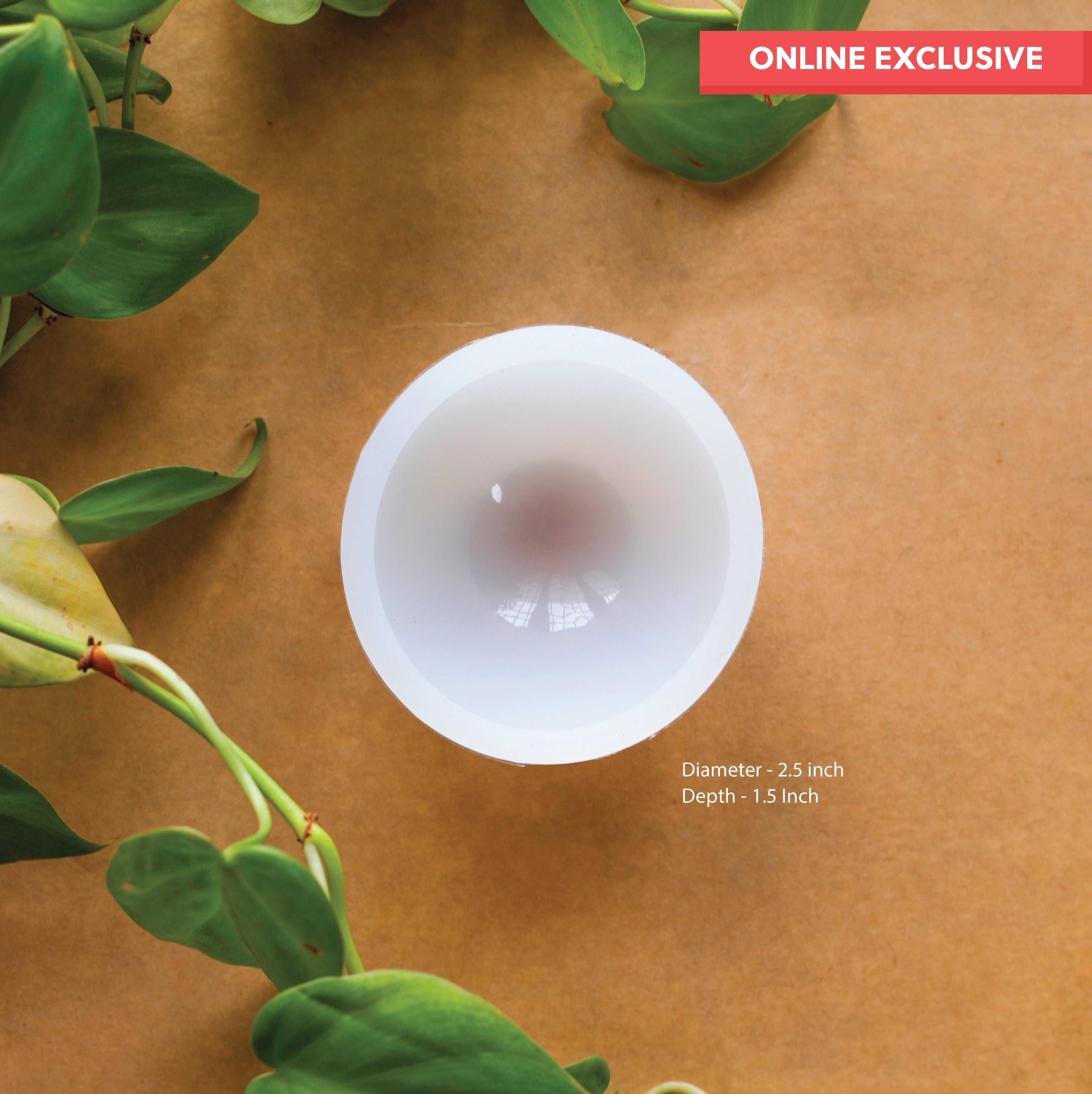
Coaster and tealight moulds, for everyday functional pieces
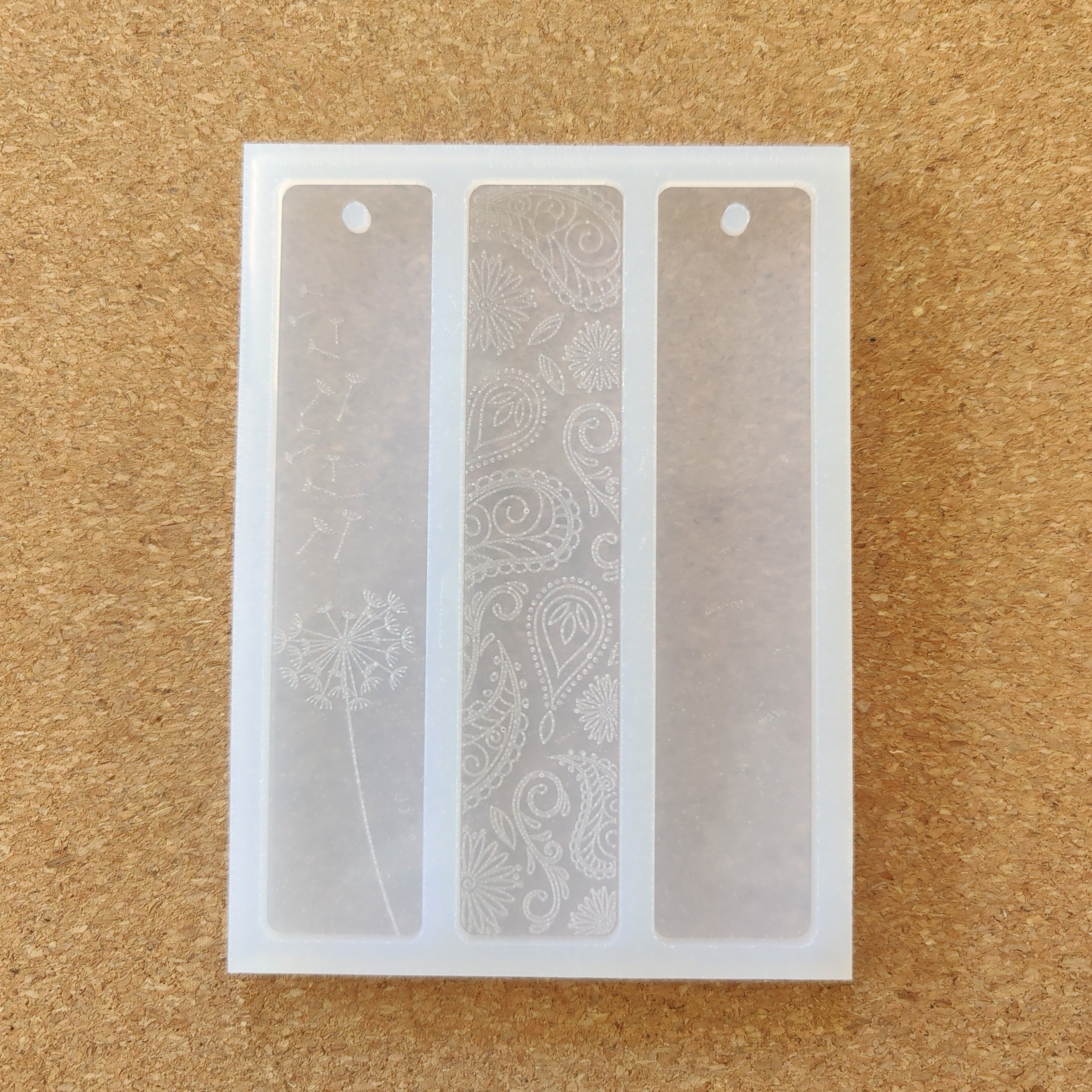
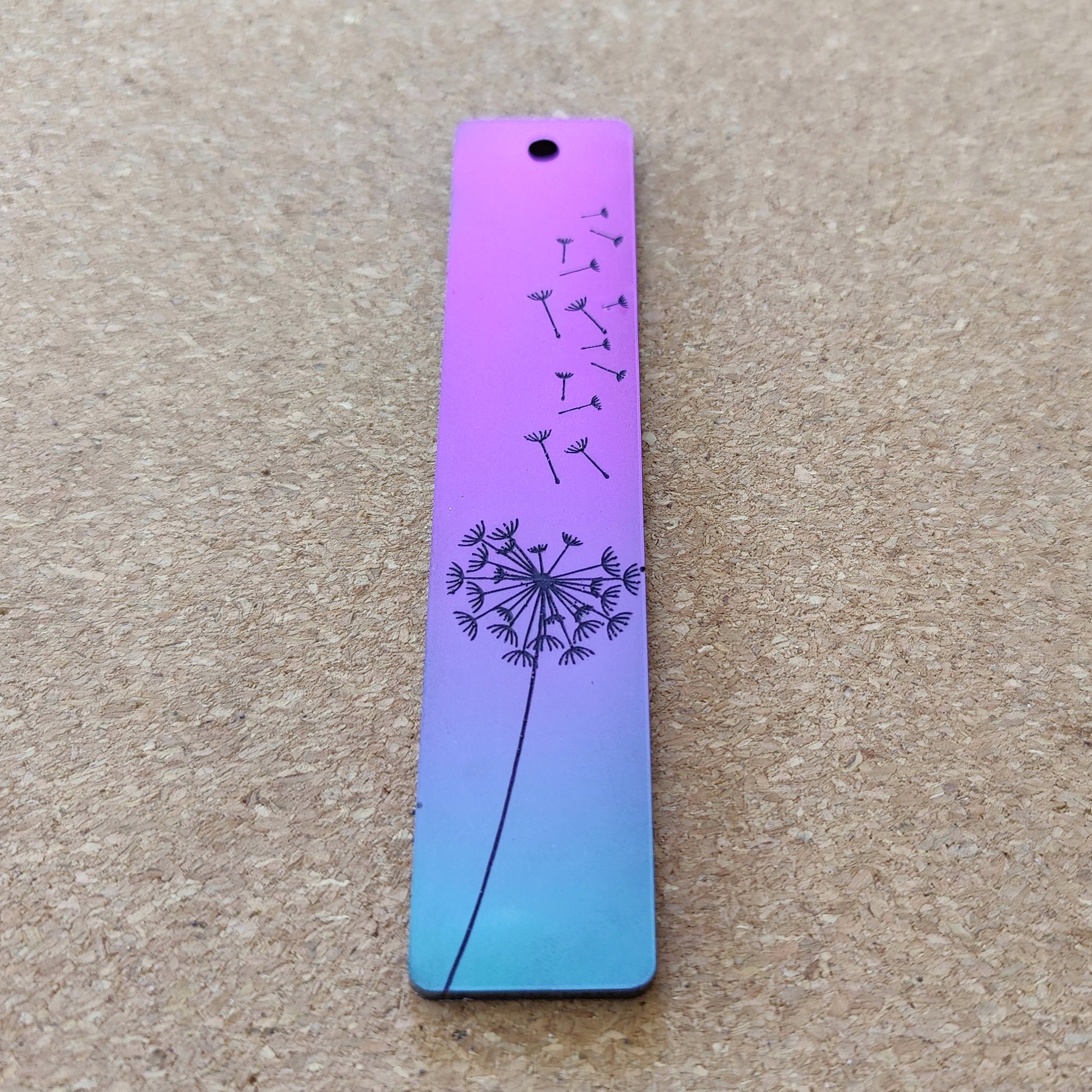
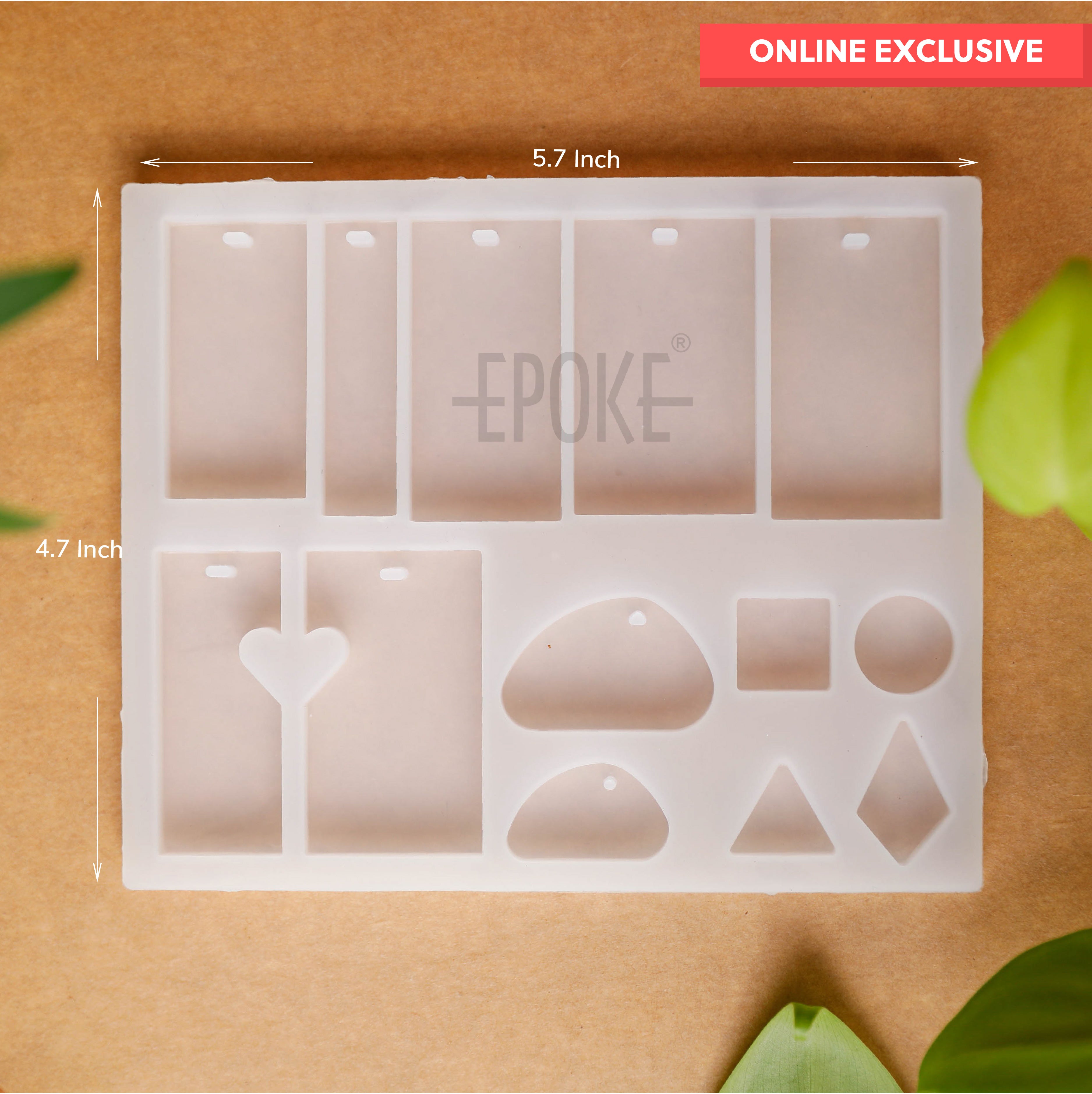
Bookmark, keychain, and popsocket moulds, for small gift-sized projects
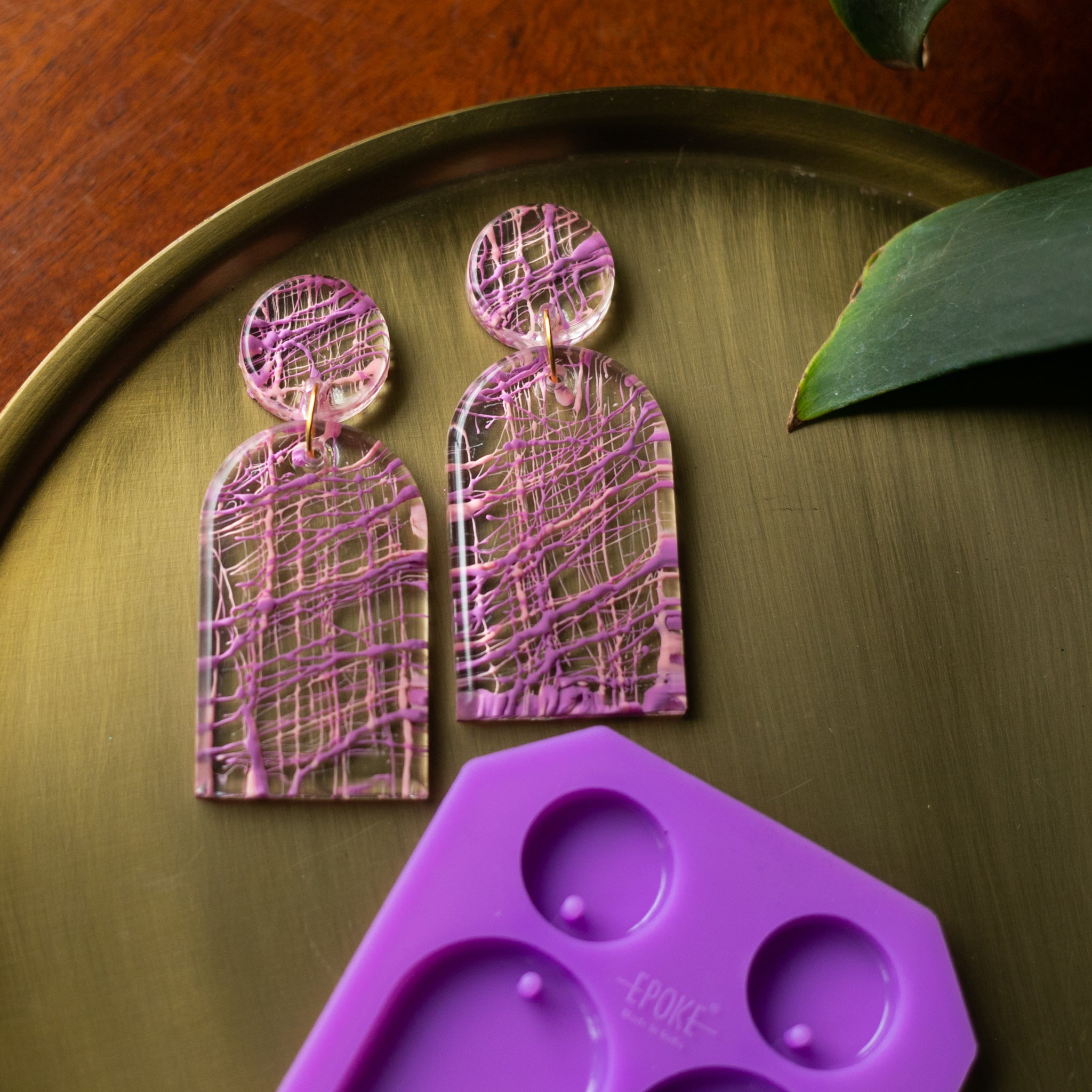
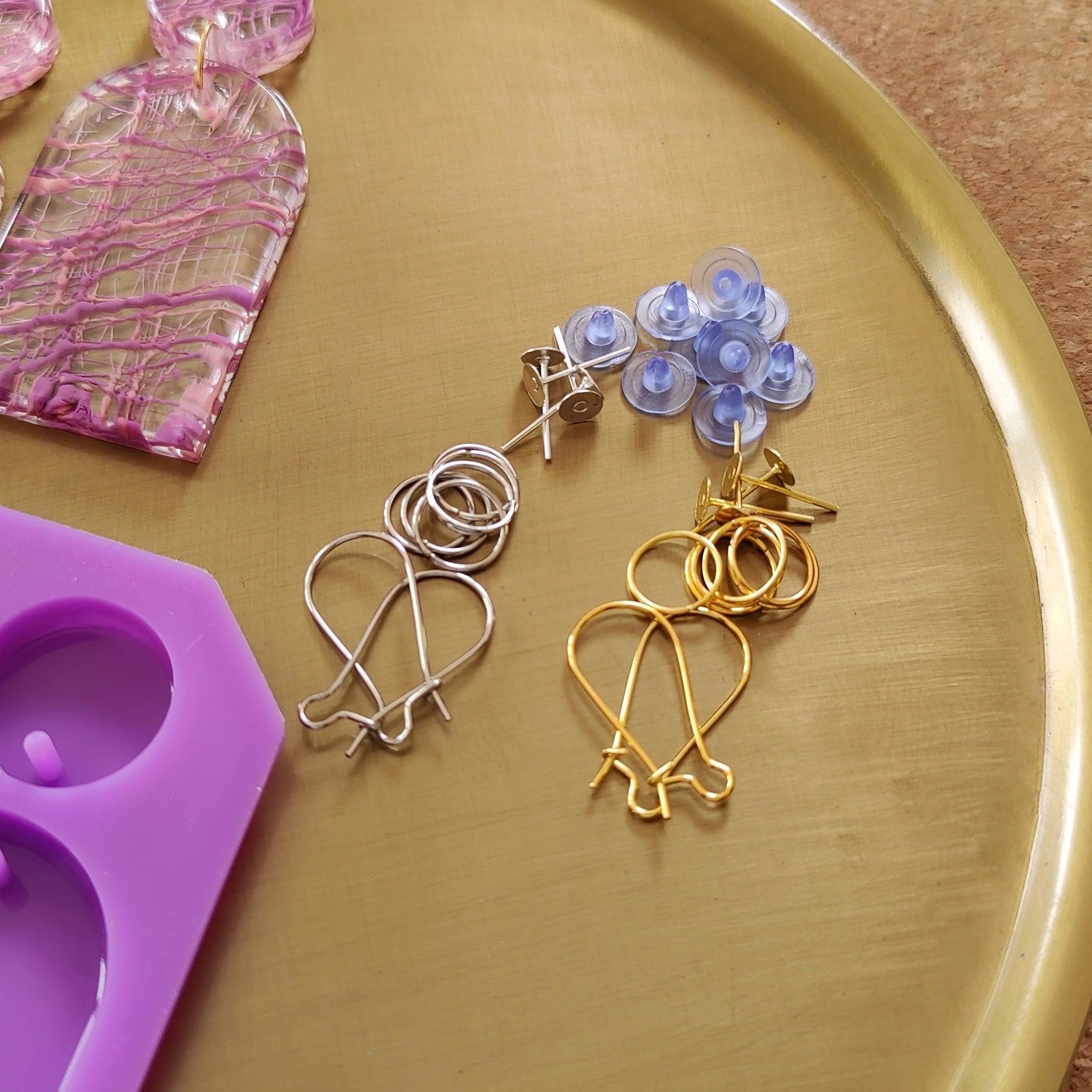
Jewellery moulds, for earrings and pendants
Paperweight and name plate moulds
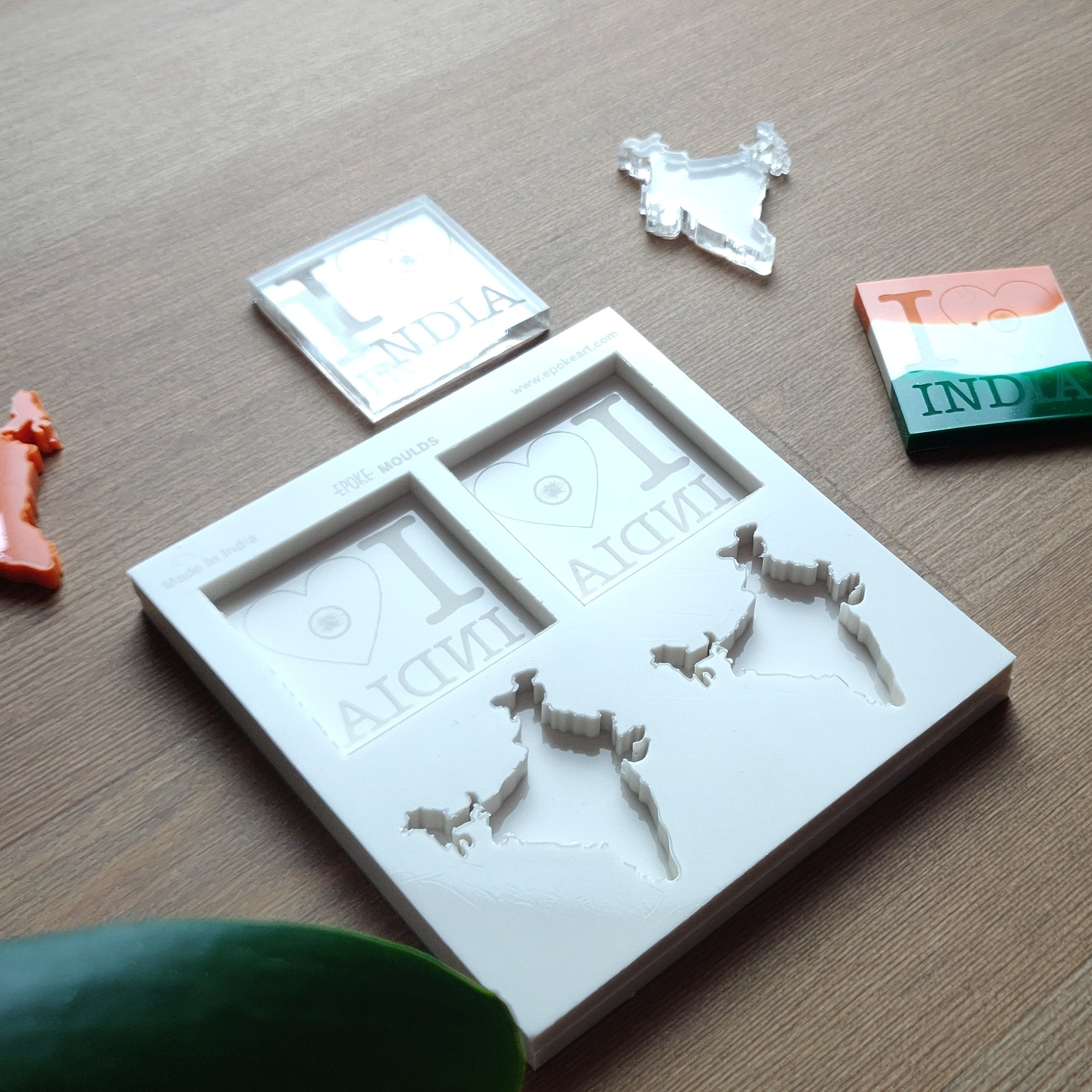
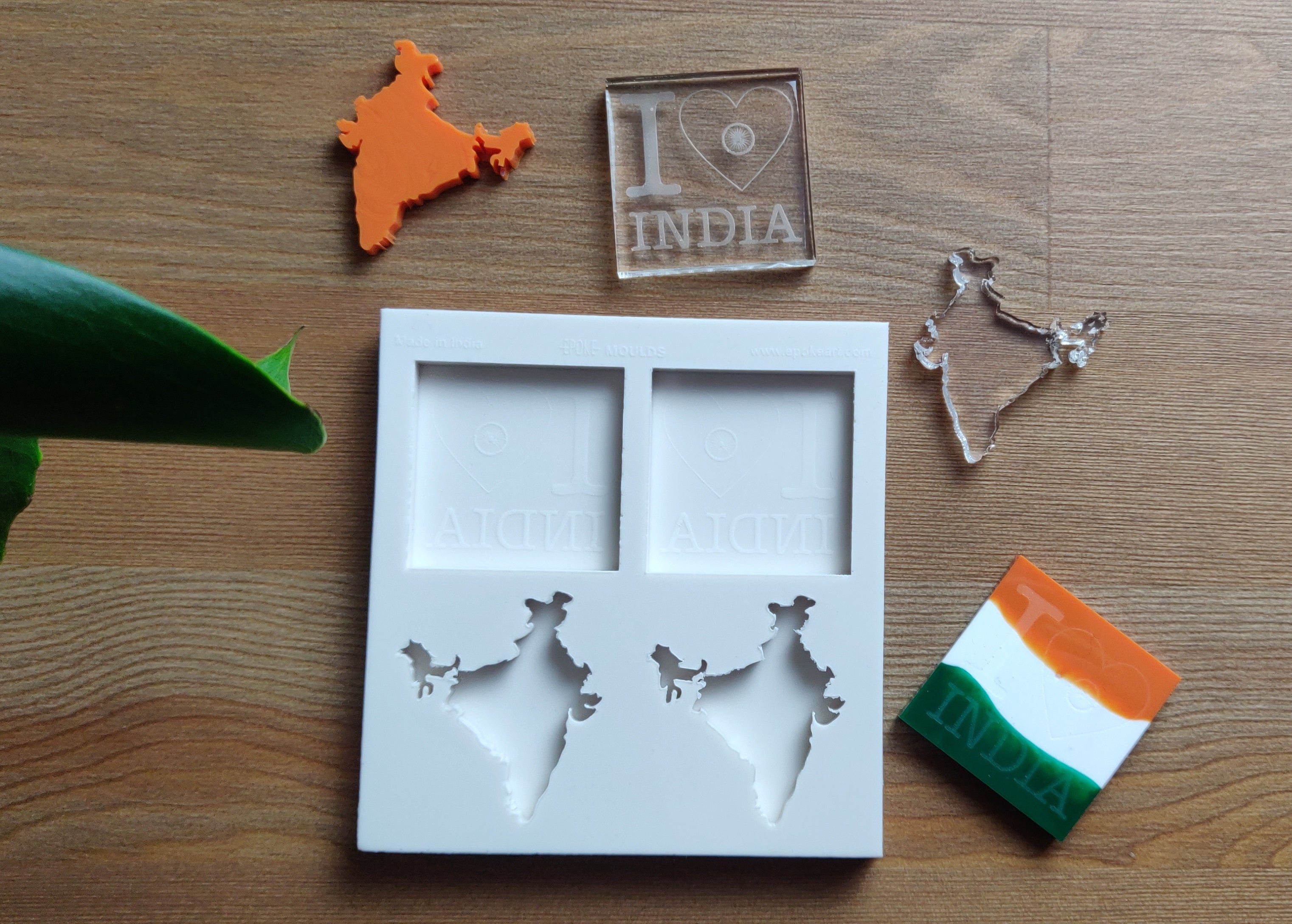
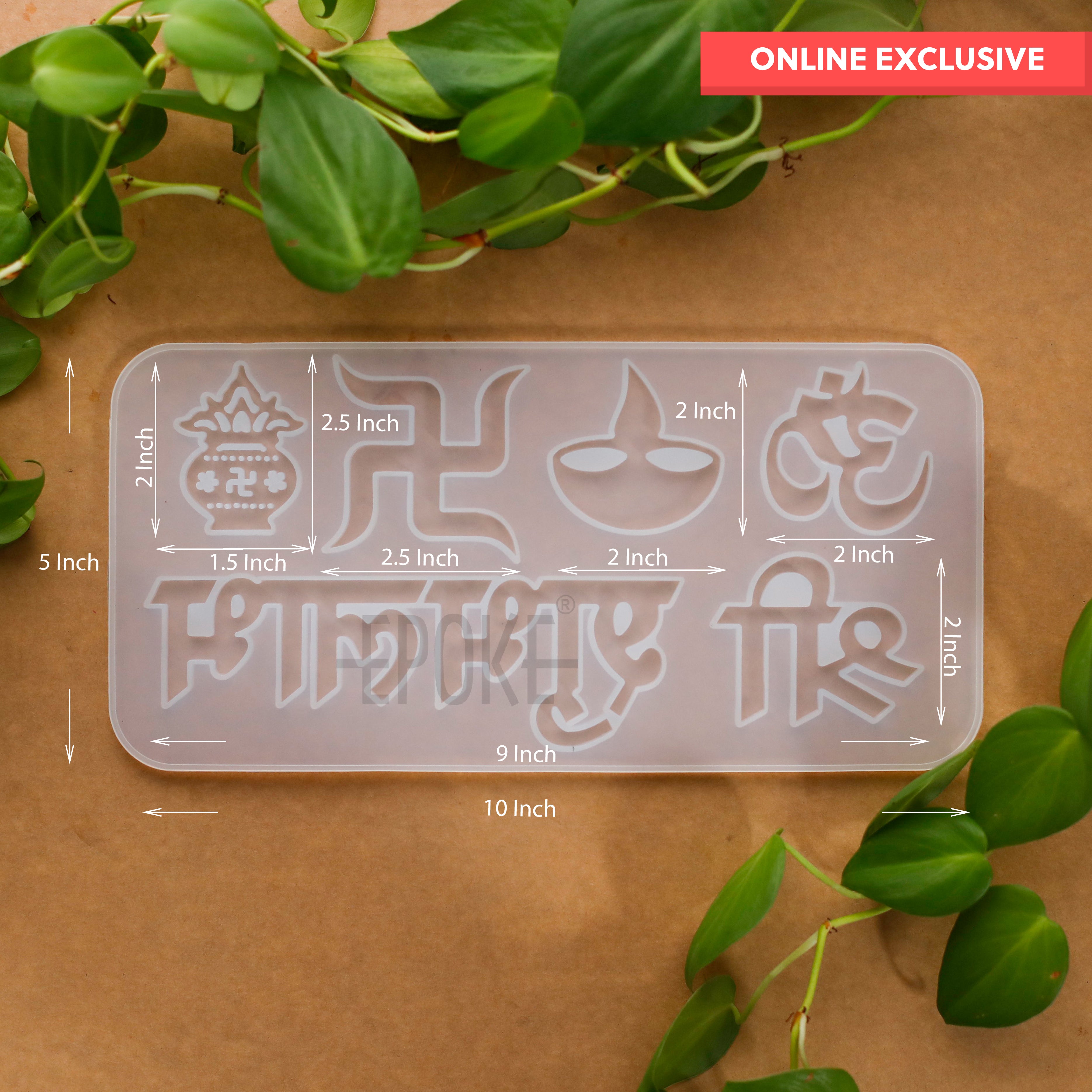
Festive and cultural moulds, including Diwali, Laxmi, Rakhi, and India-themed designs
Every mould uses the same flexible, tear-resistant silicone, so quality stays consistent whether you're pouring a coaster or a festival piece.
Getting More Releases Out of Every Mould
A mould's lifespan depends heavily on how it's treated, not just how it's made. A few habits that extend the life of your moulds:
Let resin cure fully before releasing it
Store moulds flat, away from direct heat or sunlight
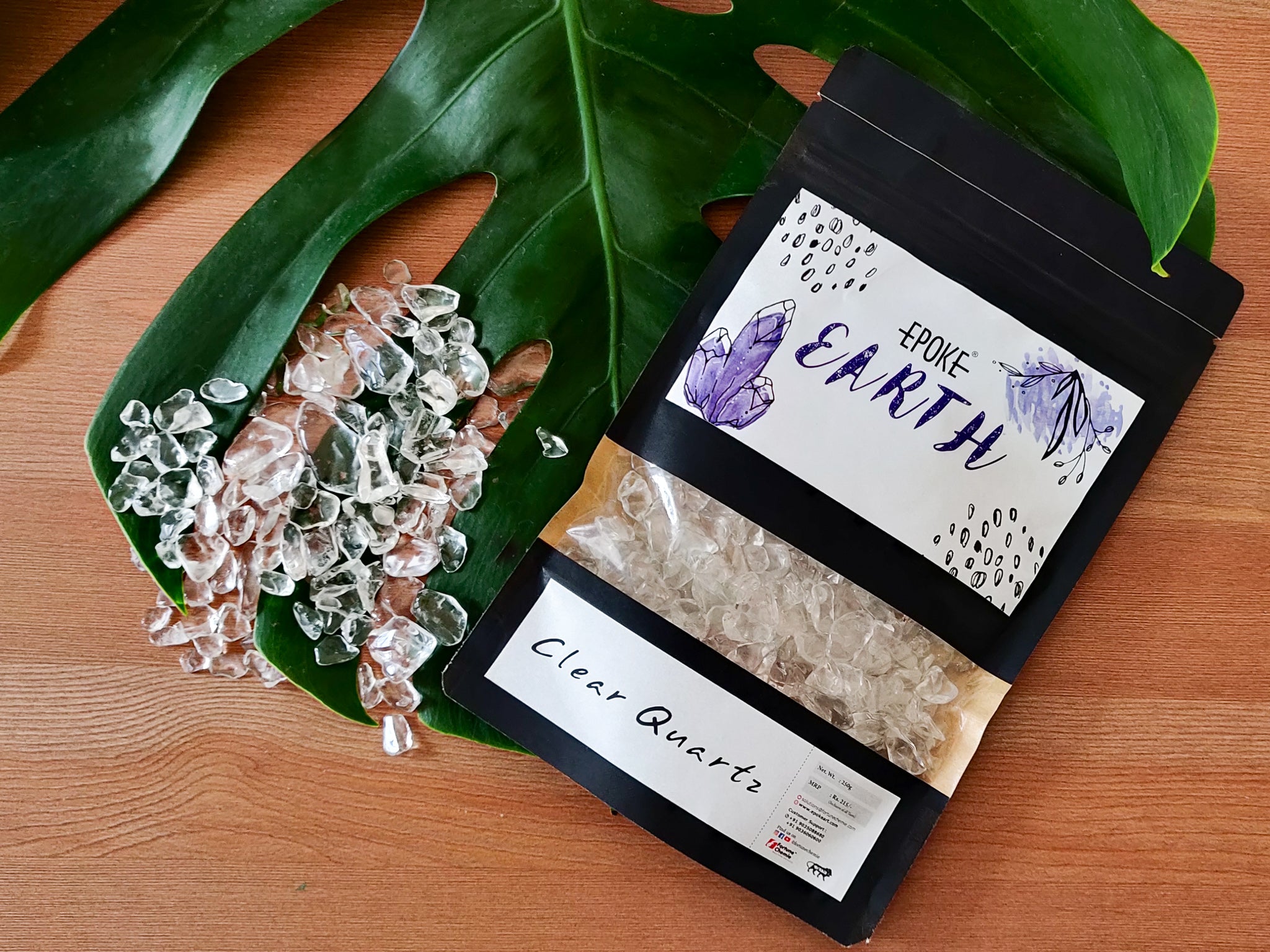
Avoid abrasive casting materials in moulds meant for resin
Clean gently instead of scraping
Follow these and a single mould will realistically get you through 6 to 10 clean releases before detail softens.
FAQs
1. How long do silicone moulds last?
With proper care, most last for 6 to 10 high-gloss releases before detail starts to fade. Lifespan depends on the resin type, curing conditions, and how gently each piece is released.
2. Can you use any resin in silicone moulds?
Most epoxy resins work fine, but abrasive or fast-curing formulas wear the mould down faster. Check the material description before pouring an unfamiliar resin type.
3. Are silicone moulds reusable?
Yes, they're built for repeated use, not single pours. Each release adds slight wear, so expect the sharpest detail in the first several uses.
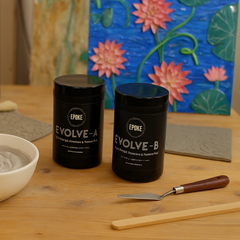
4. What is the difference between a silicone mould making kit and a ready-made mould?
A kit lets you build a custom mould from any object you choose. A ready-made mould gives you a tested, ready-to-pour shape without the wait. Many resin artists keep both on hand.
5. Why does resin stick to my silicone mould?
Usually because it hasn't fully cured, or the mould wasn't rated for that resin type. Letting the piece cure completely and using a mould built for epoxy resin solves this in most cases.