
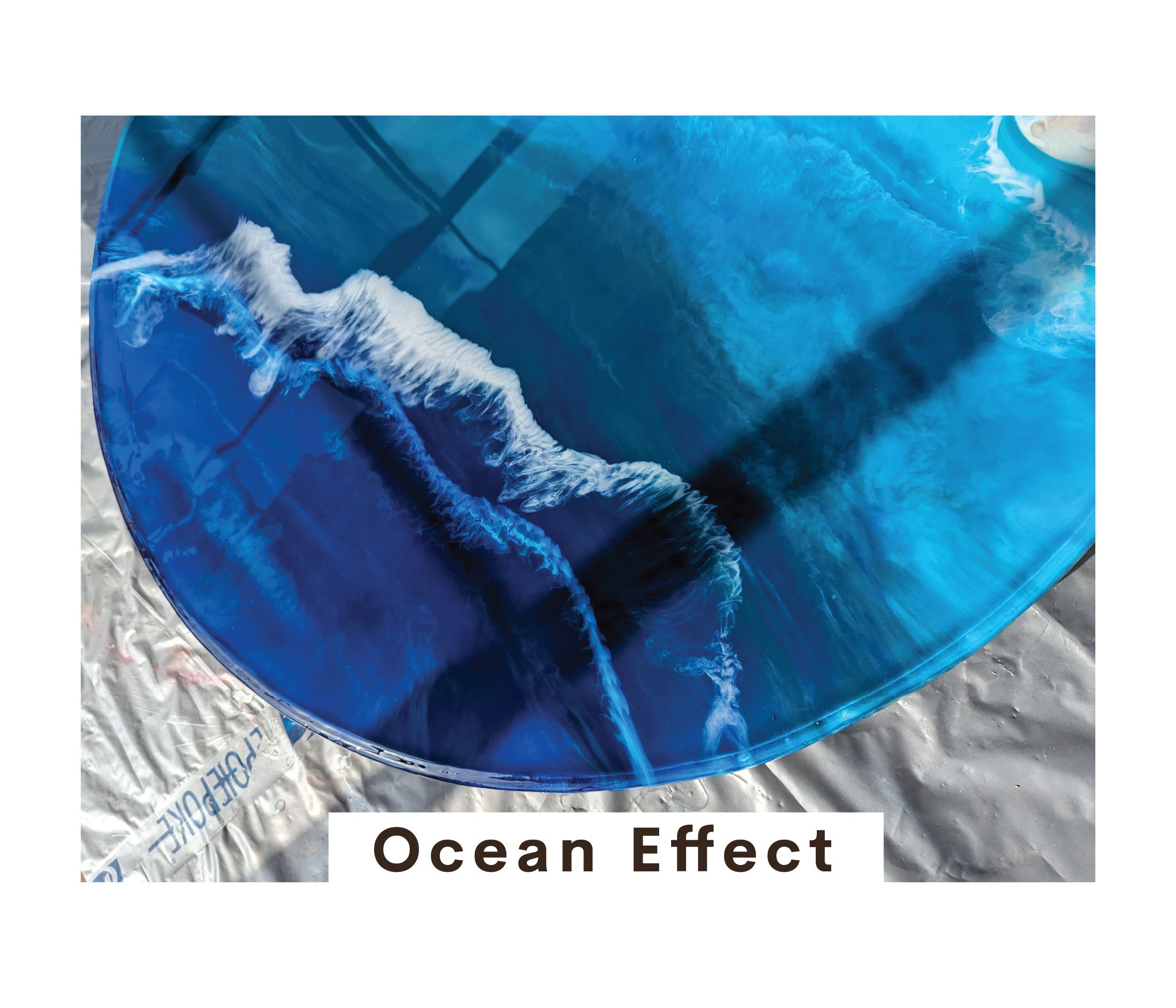
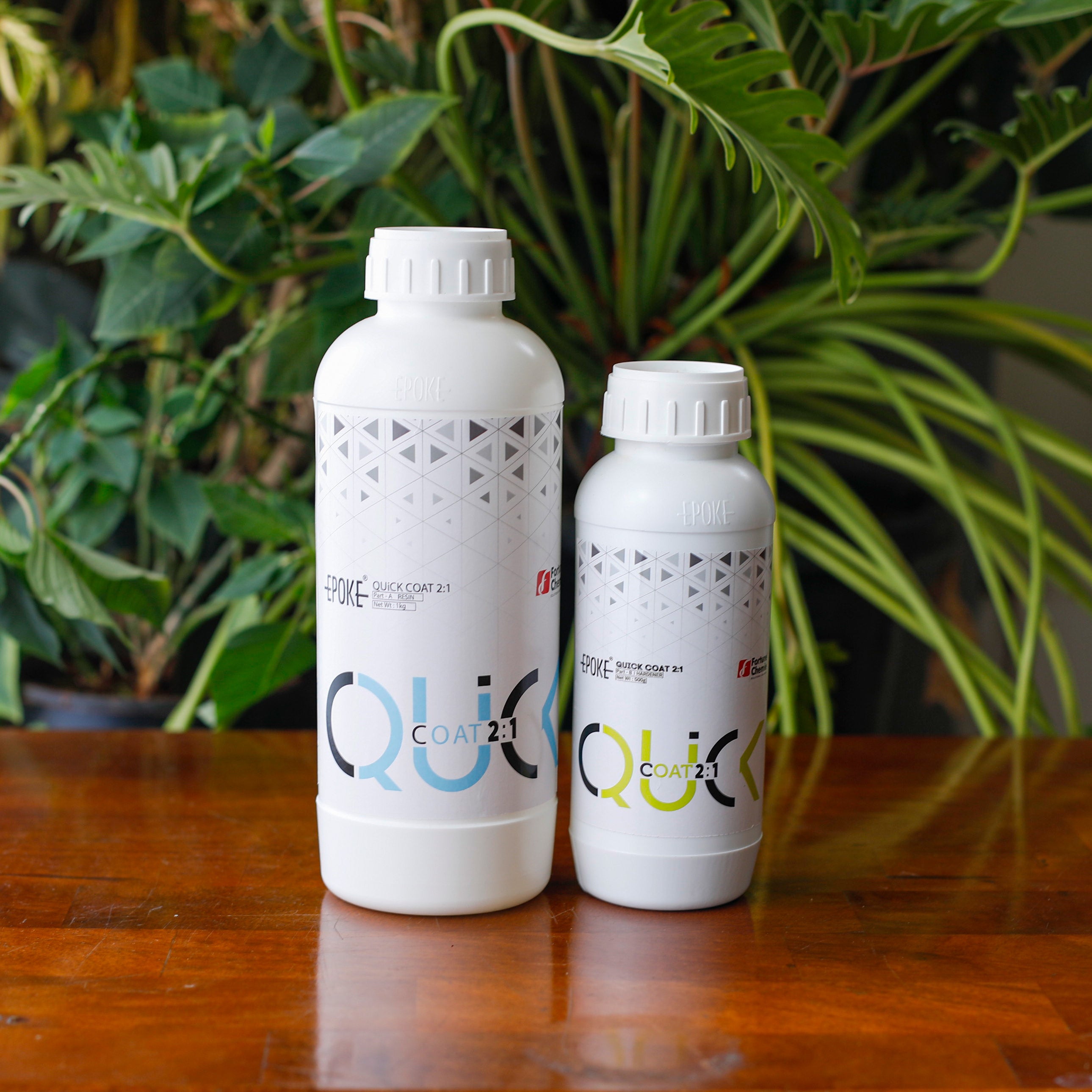
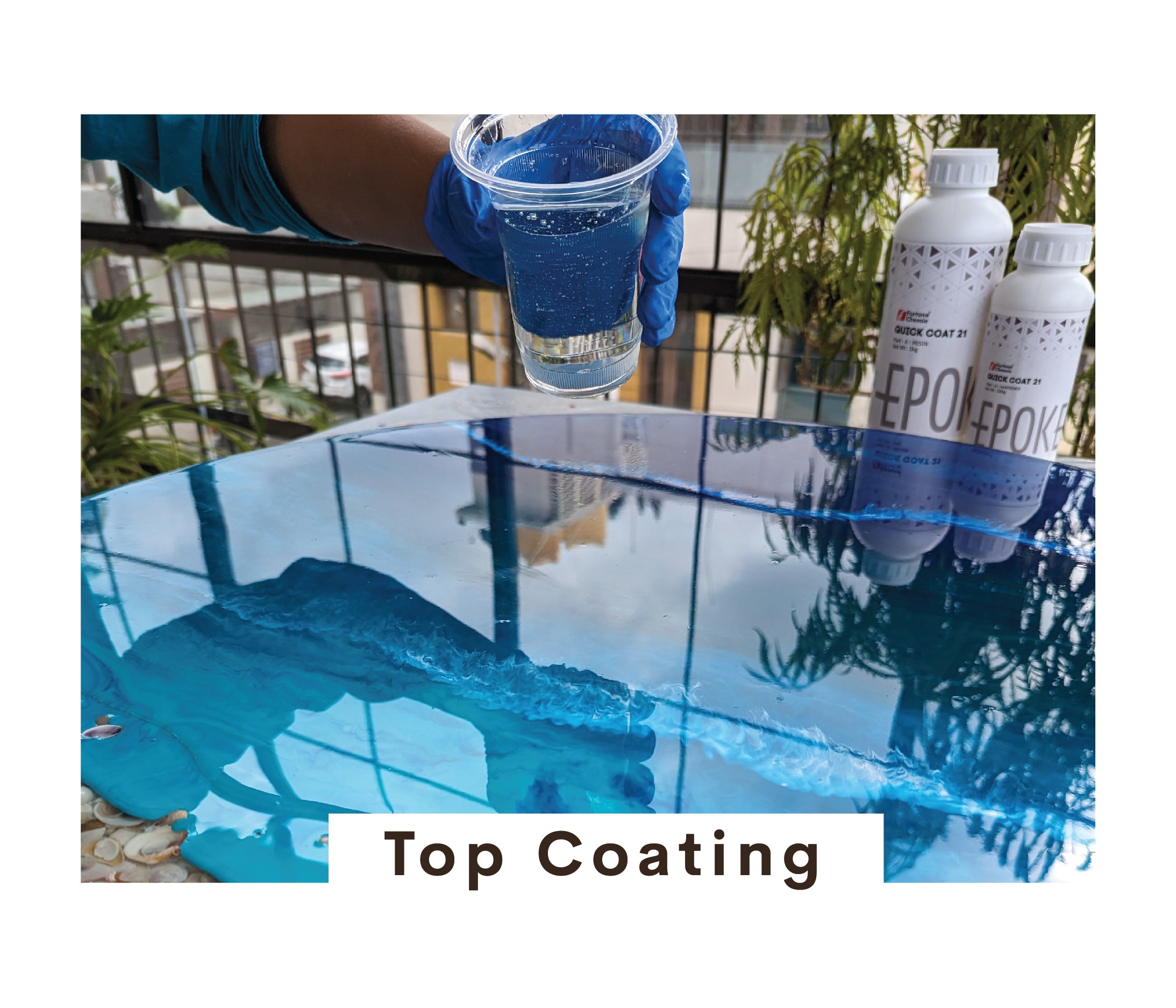
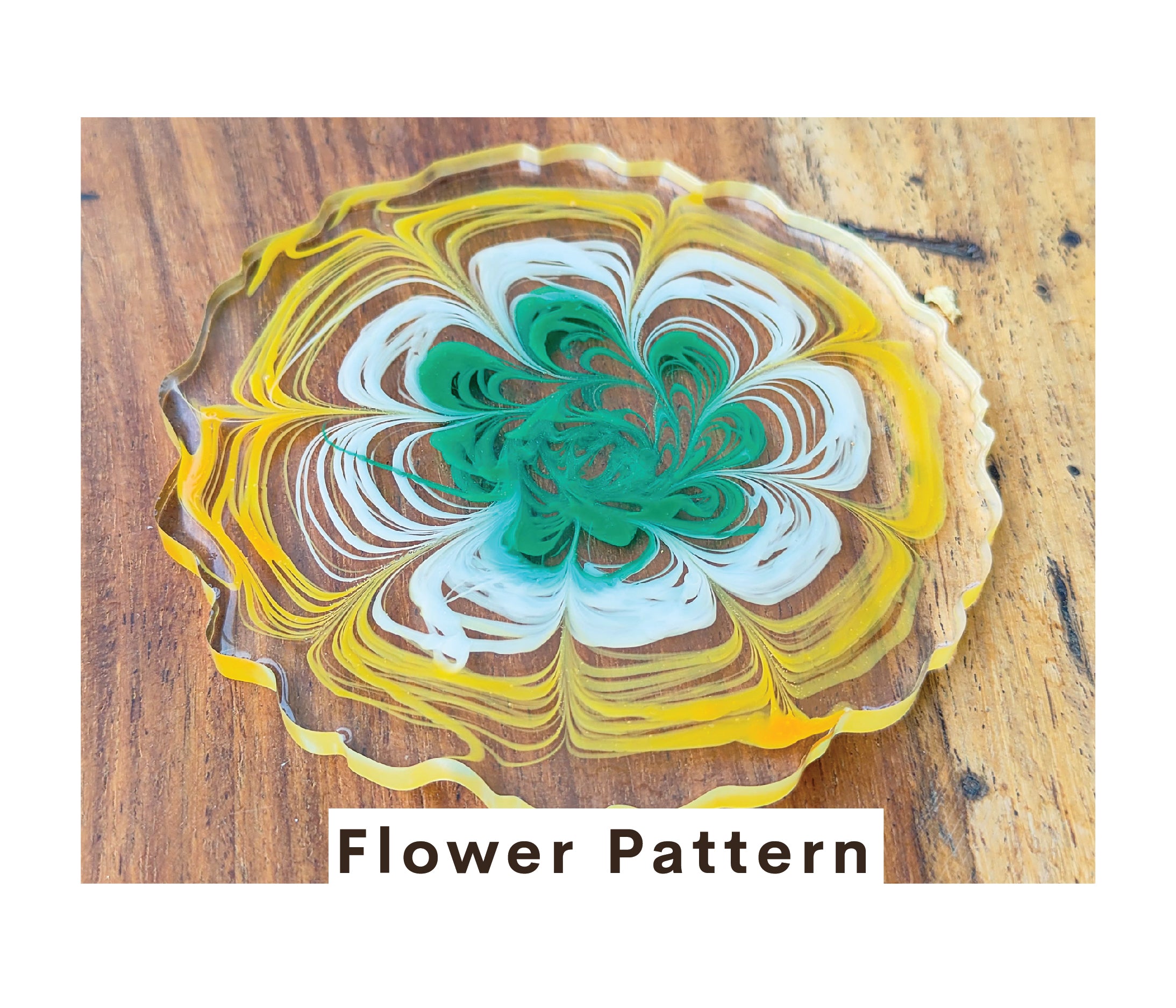
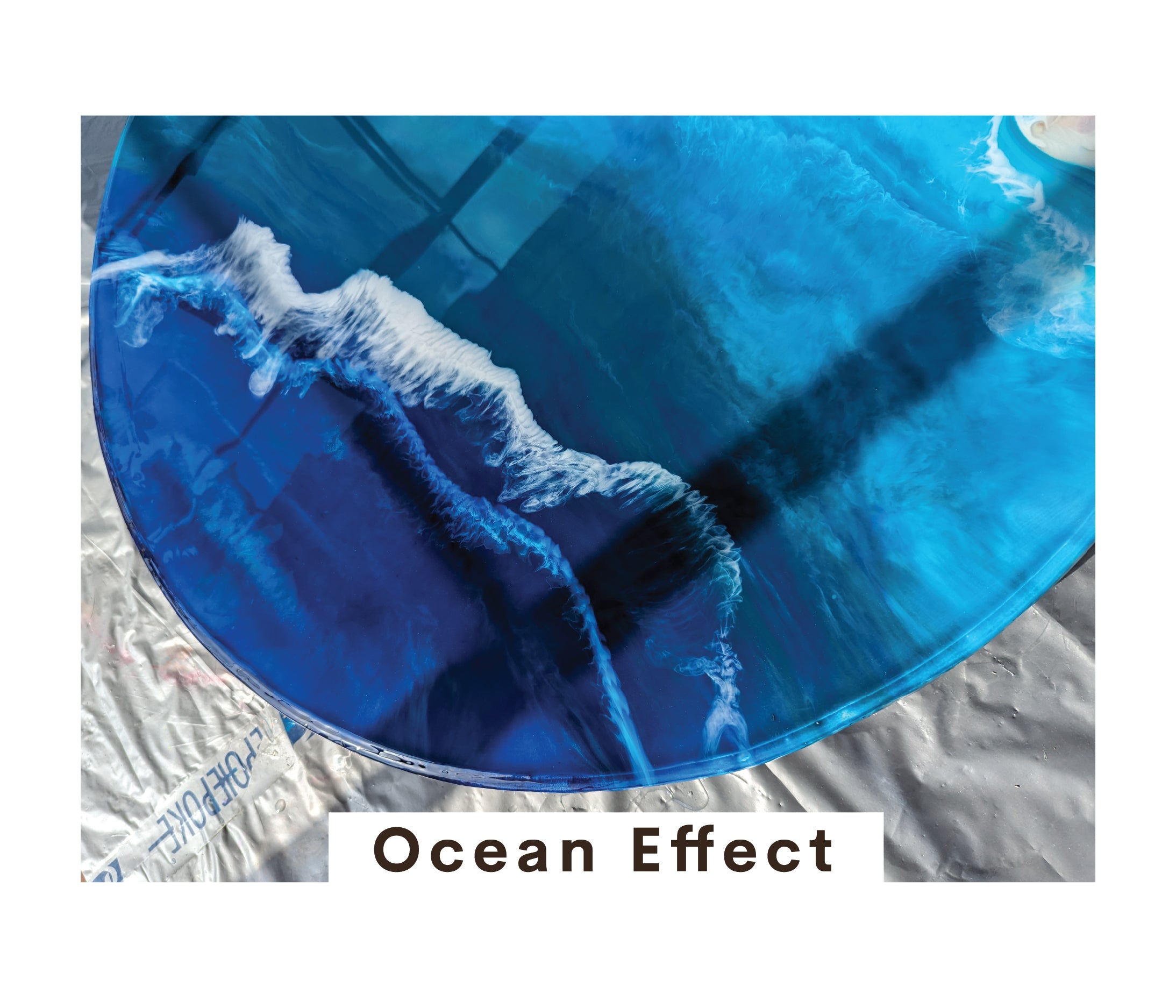
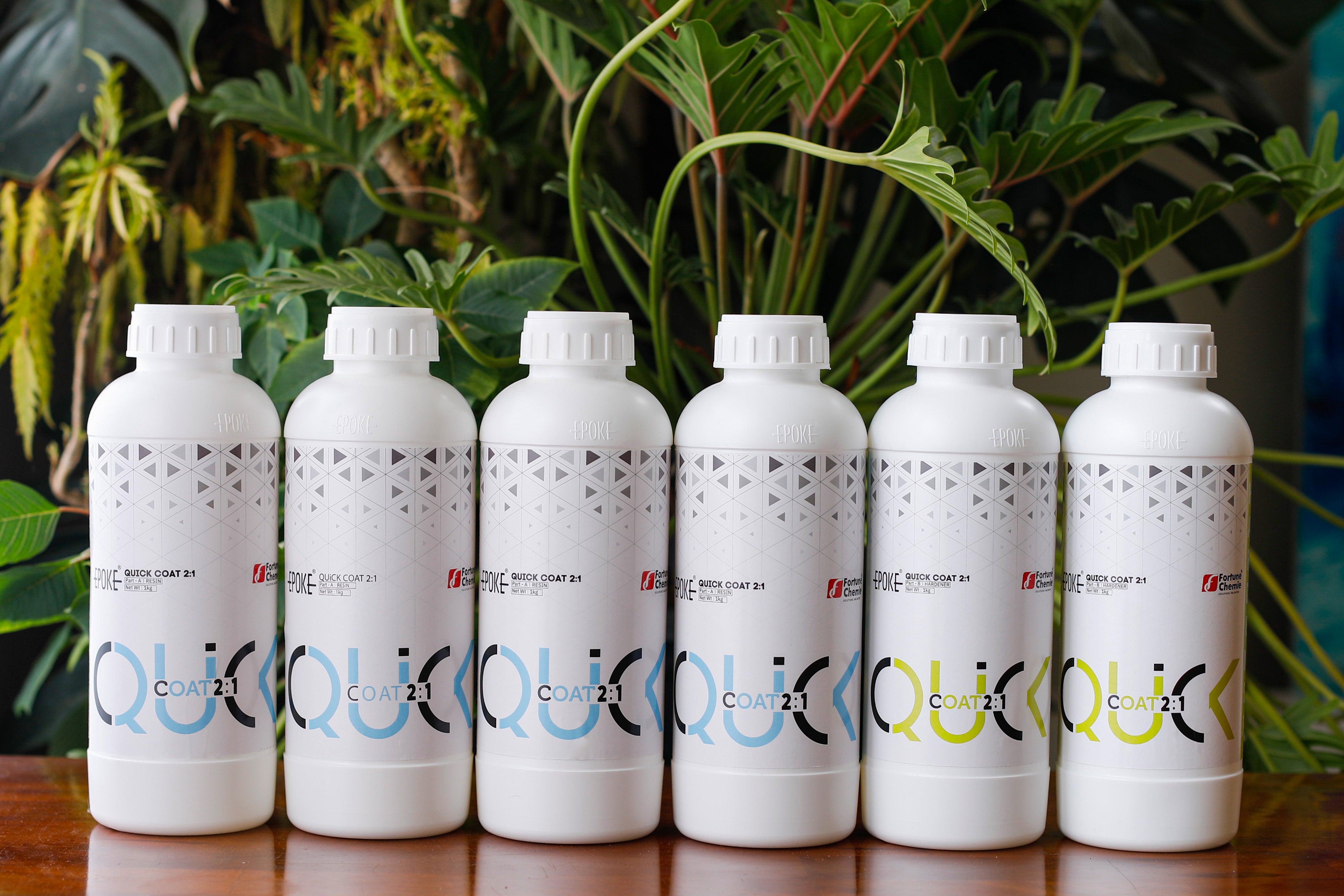
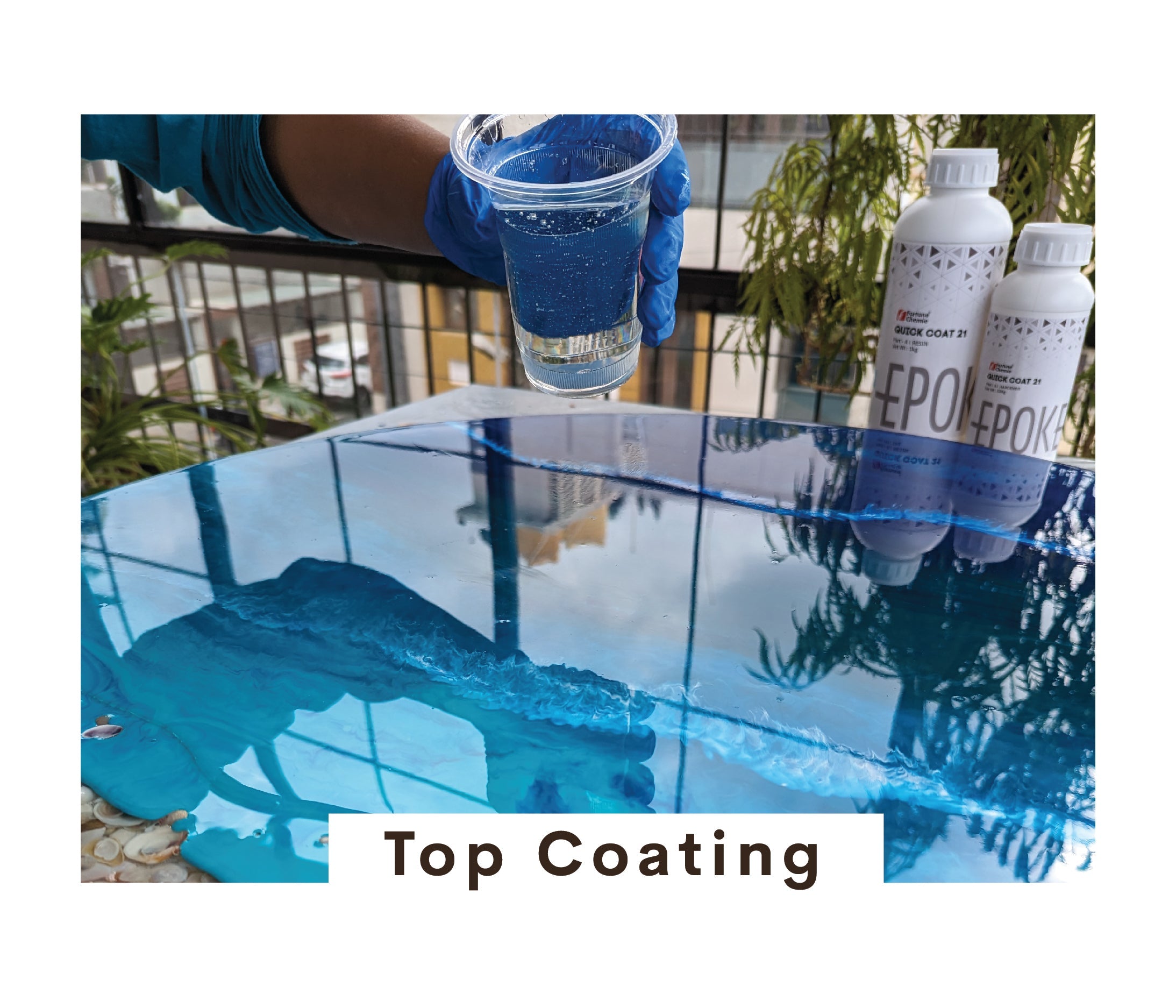
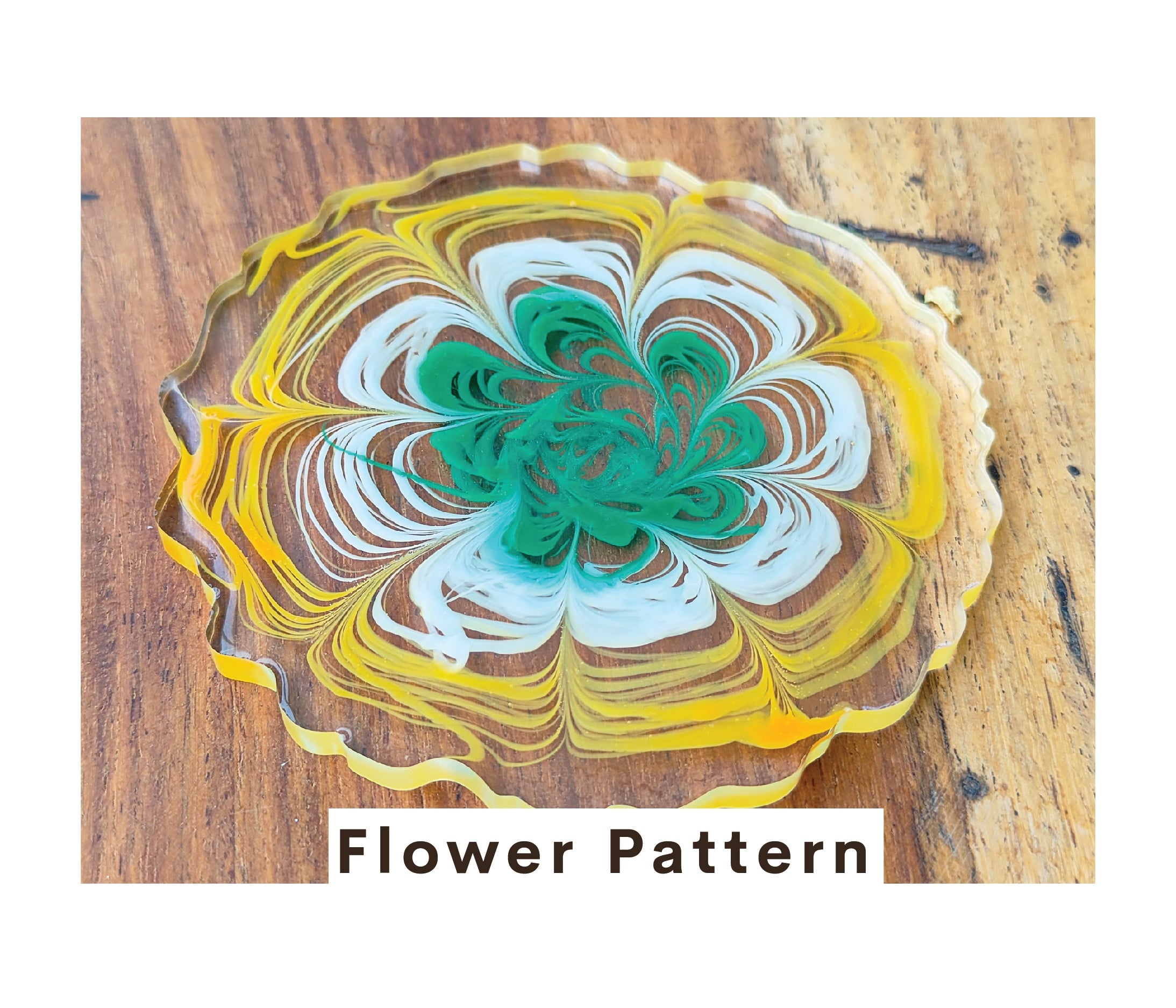
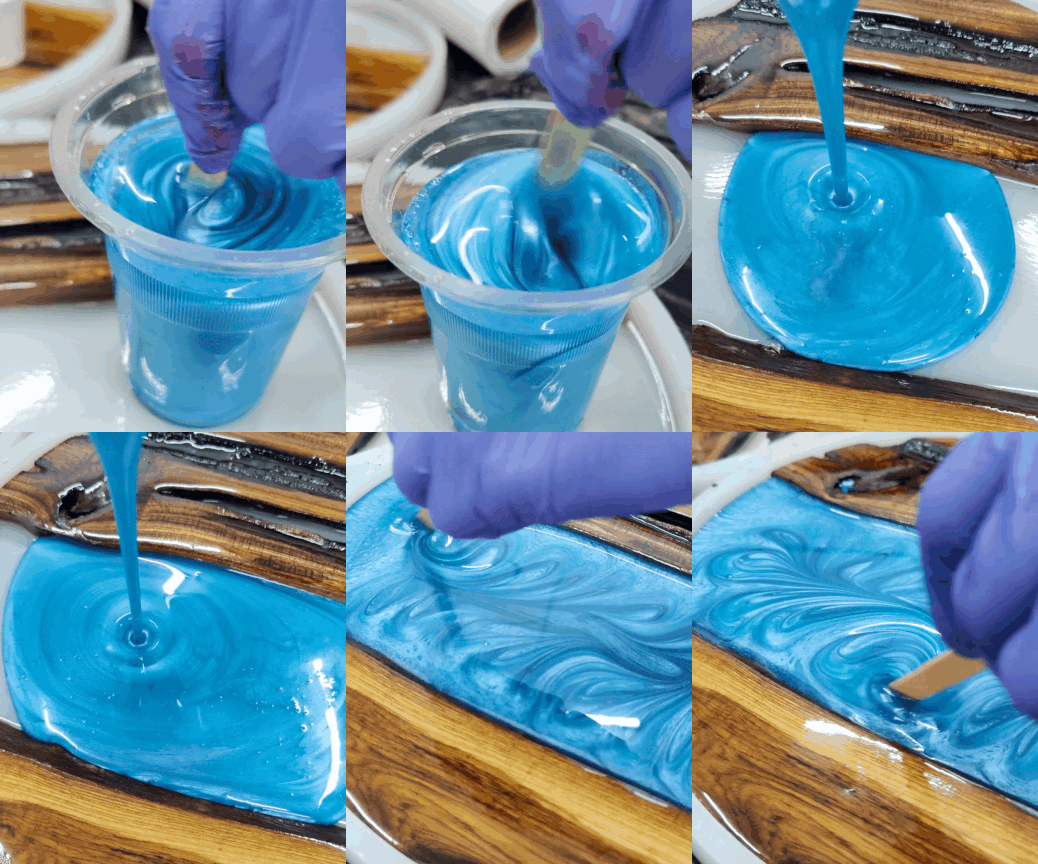
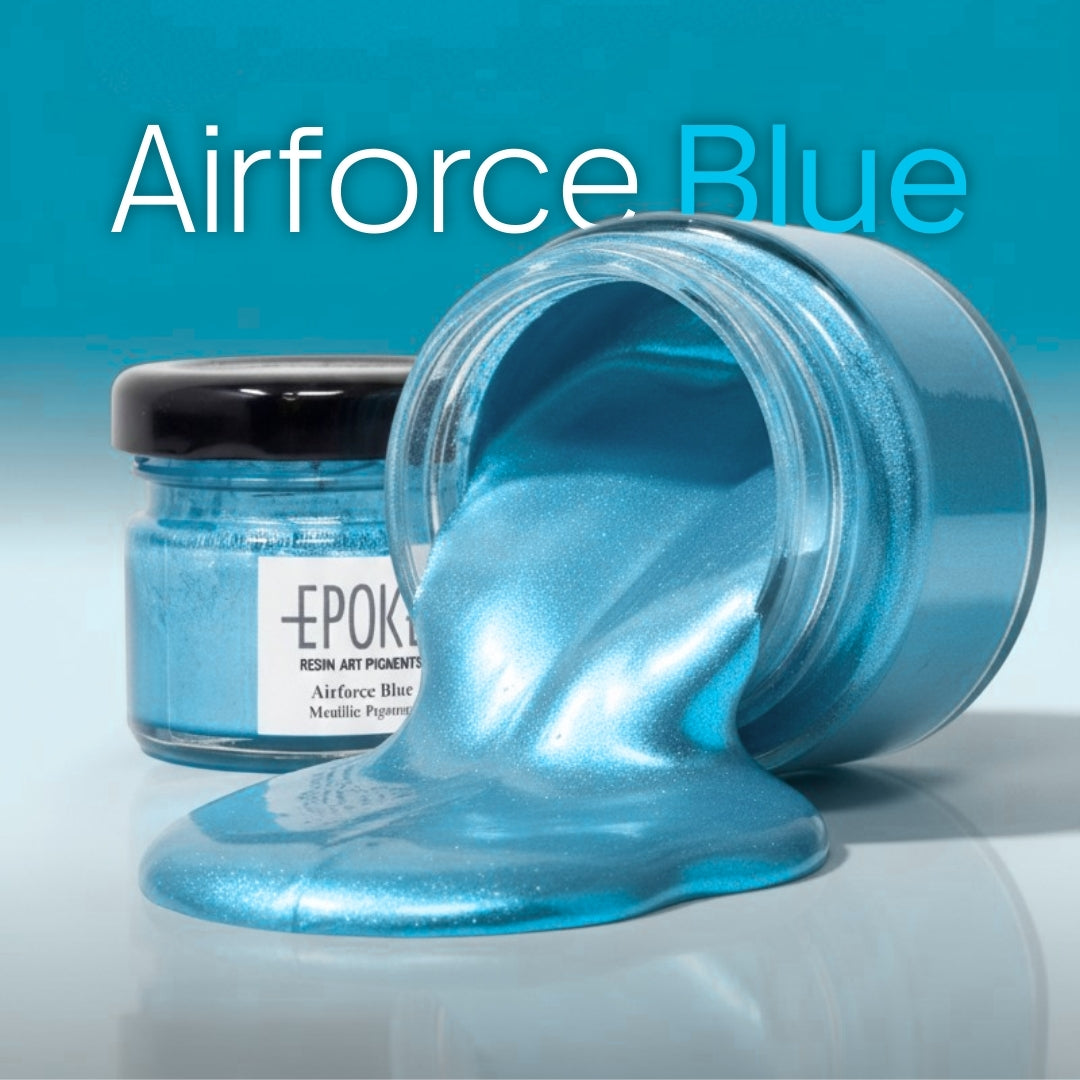
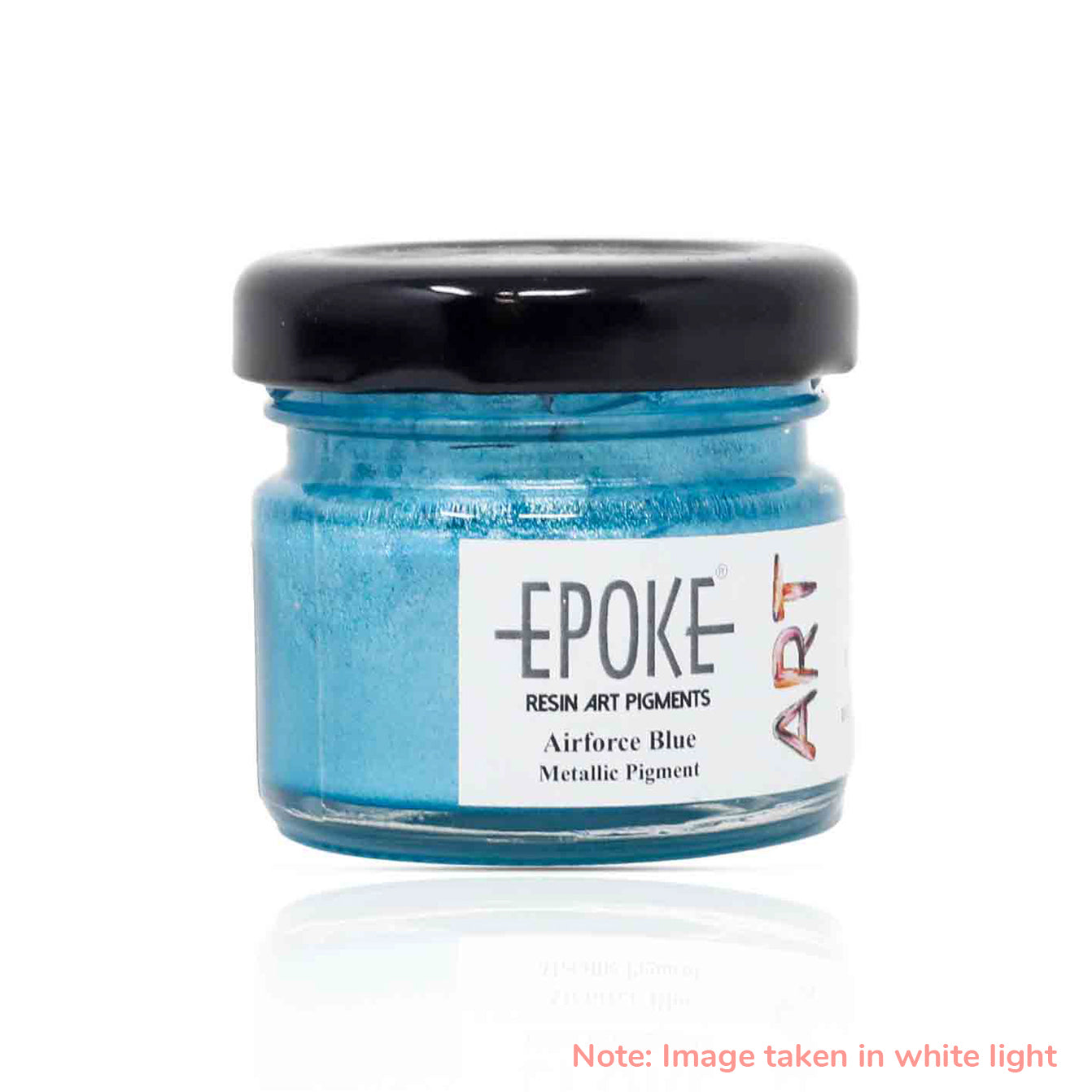
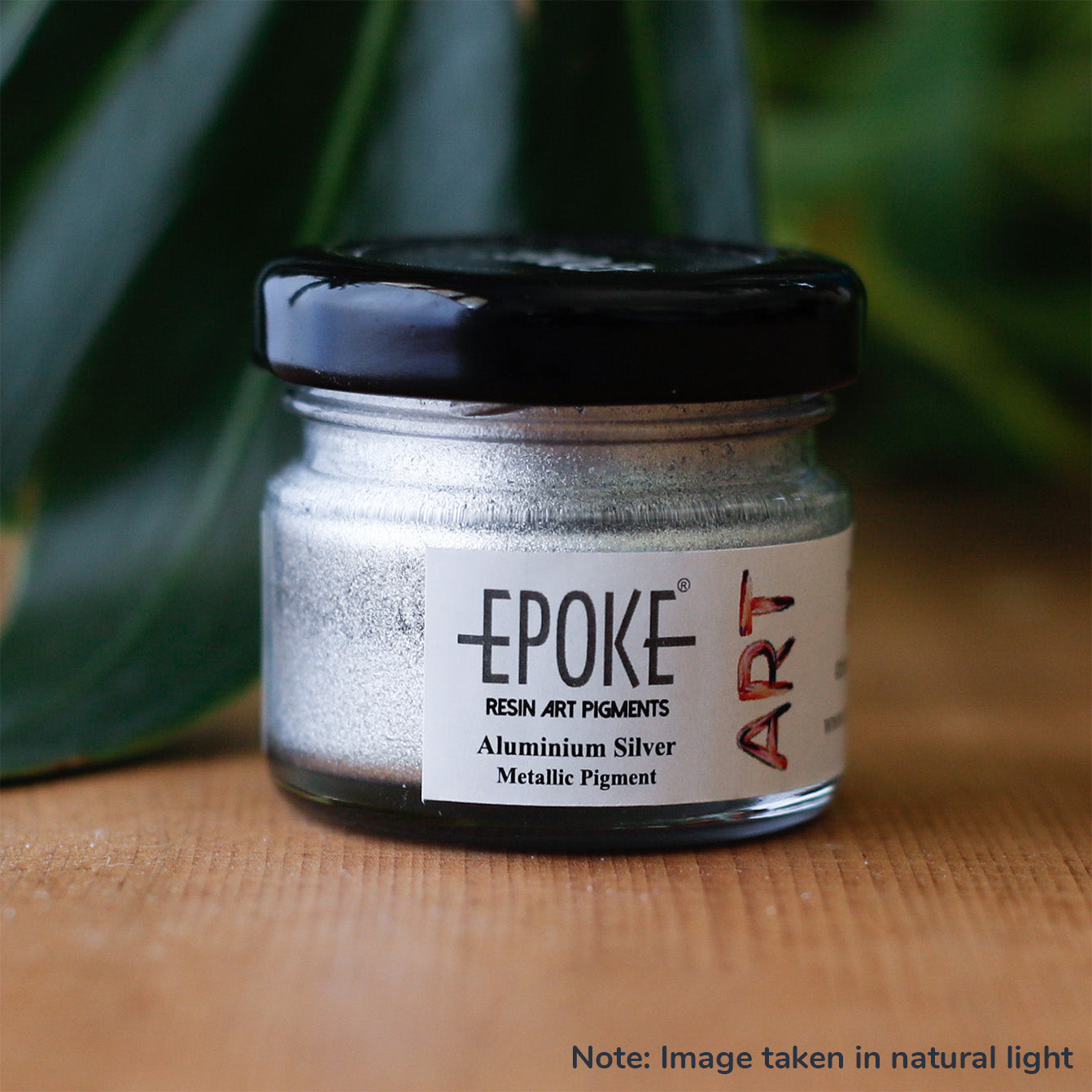
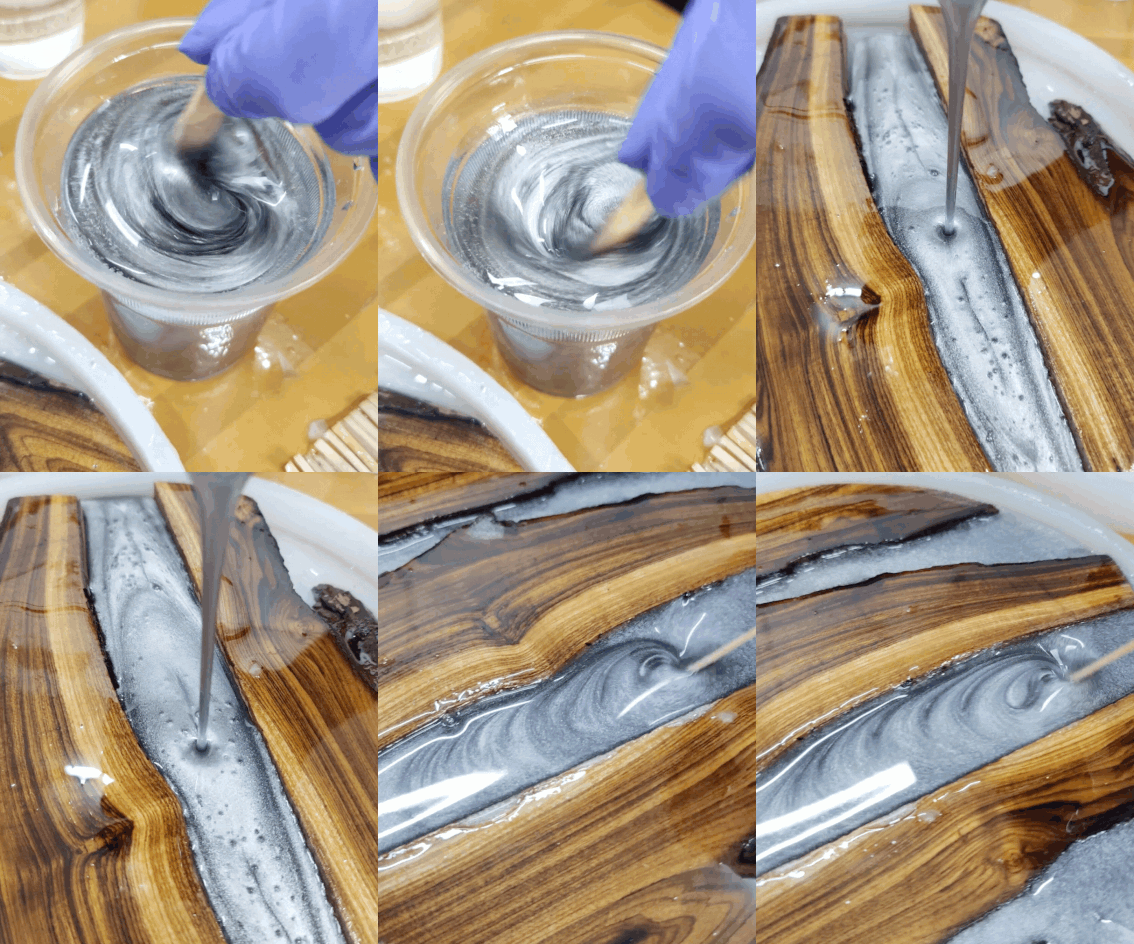
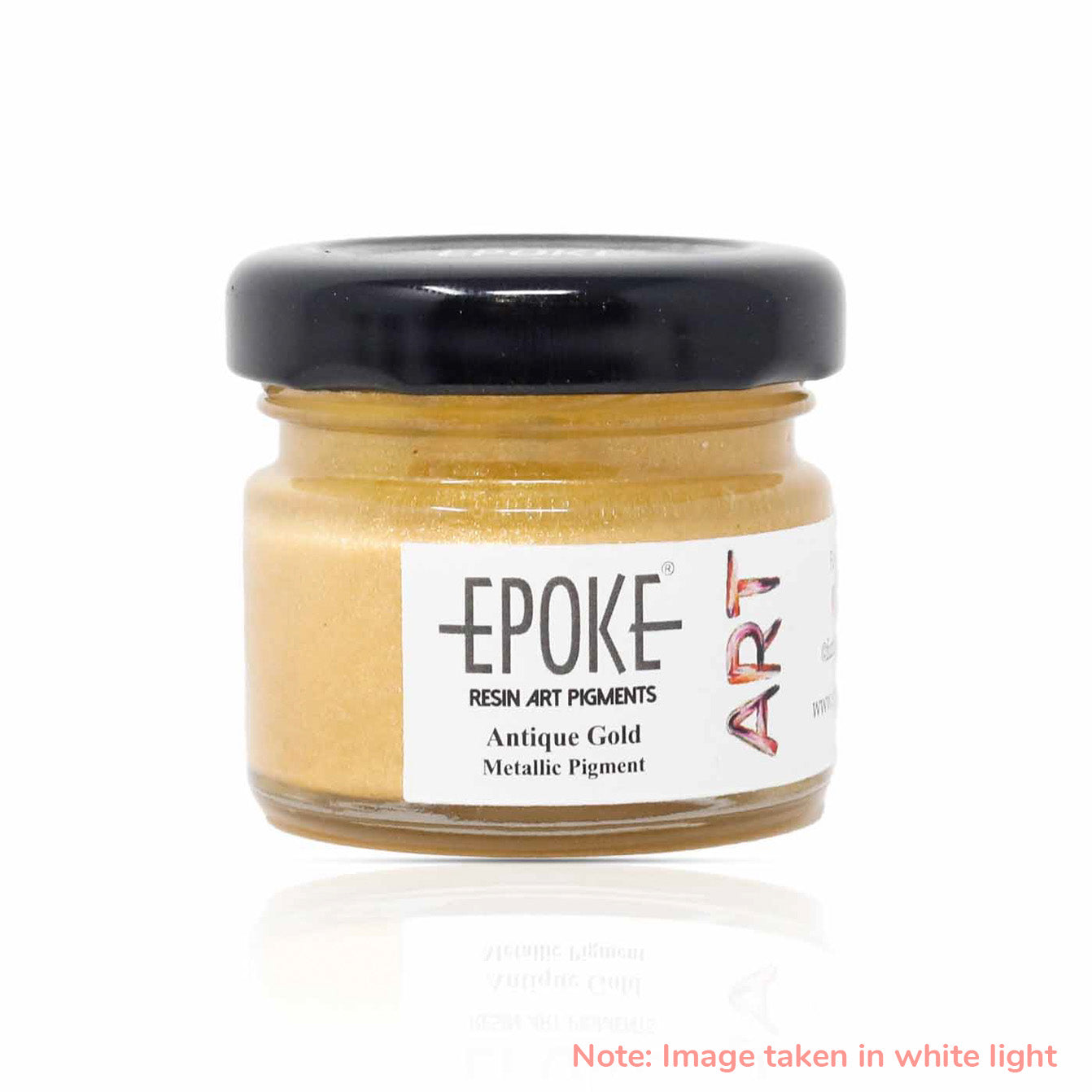
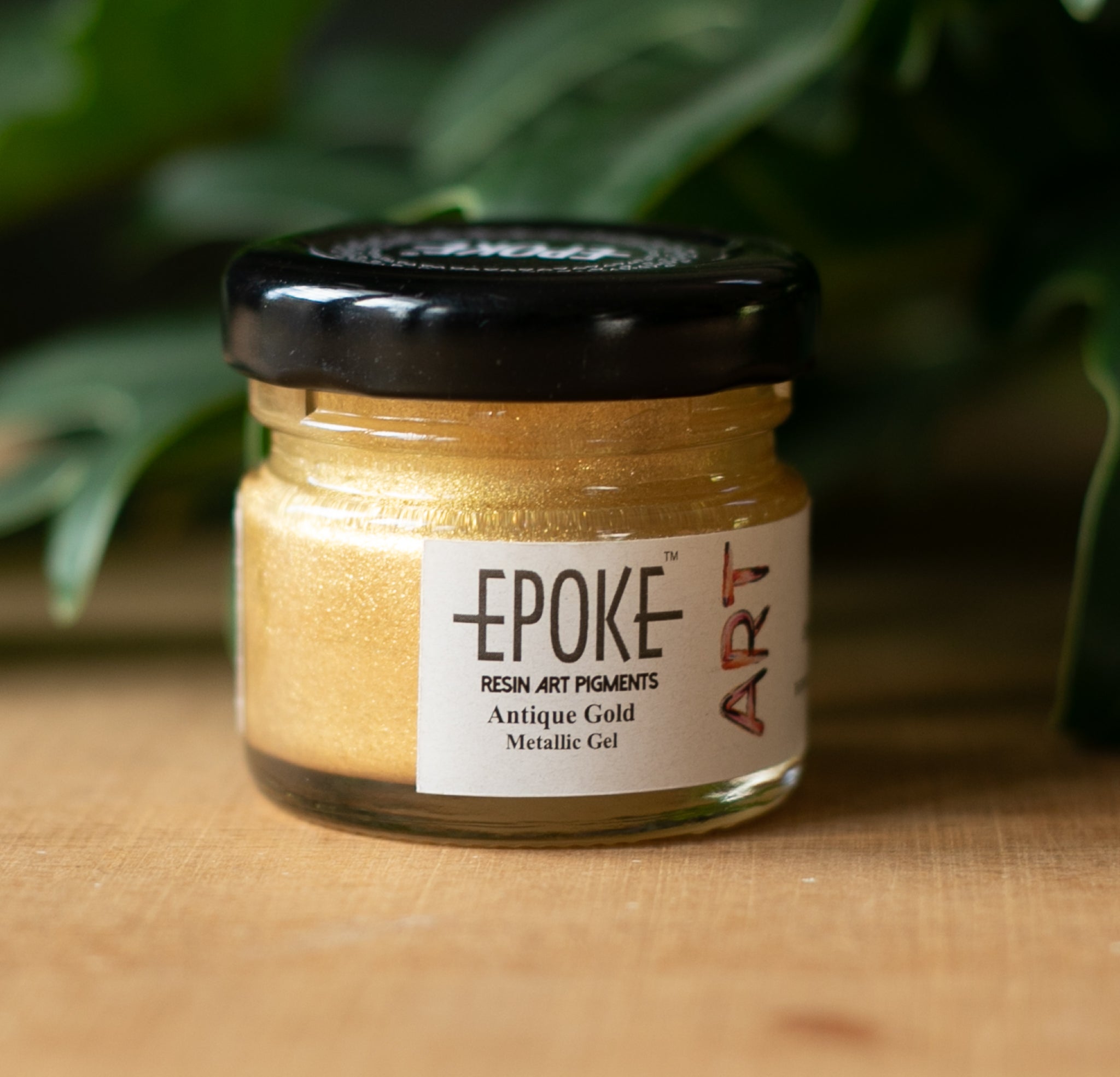
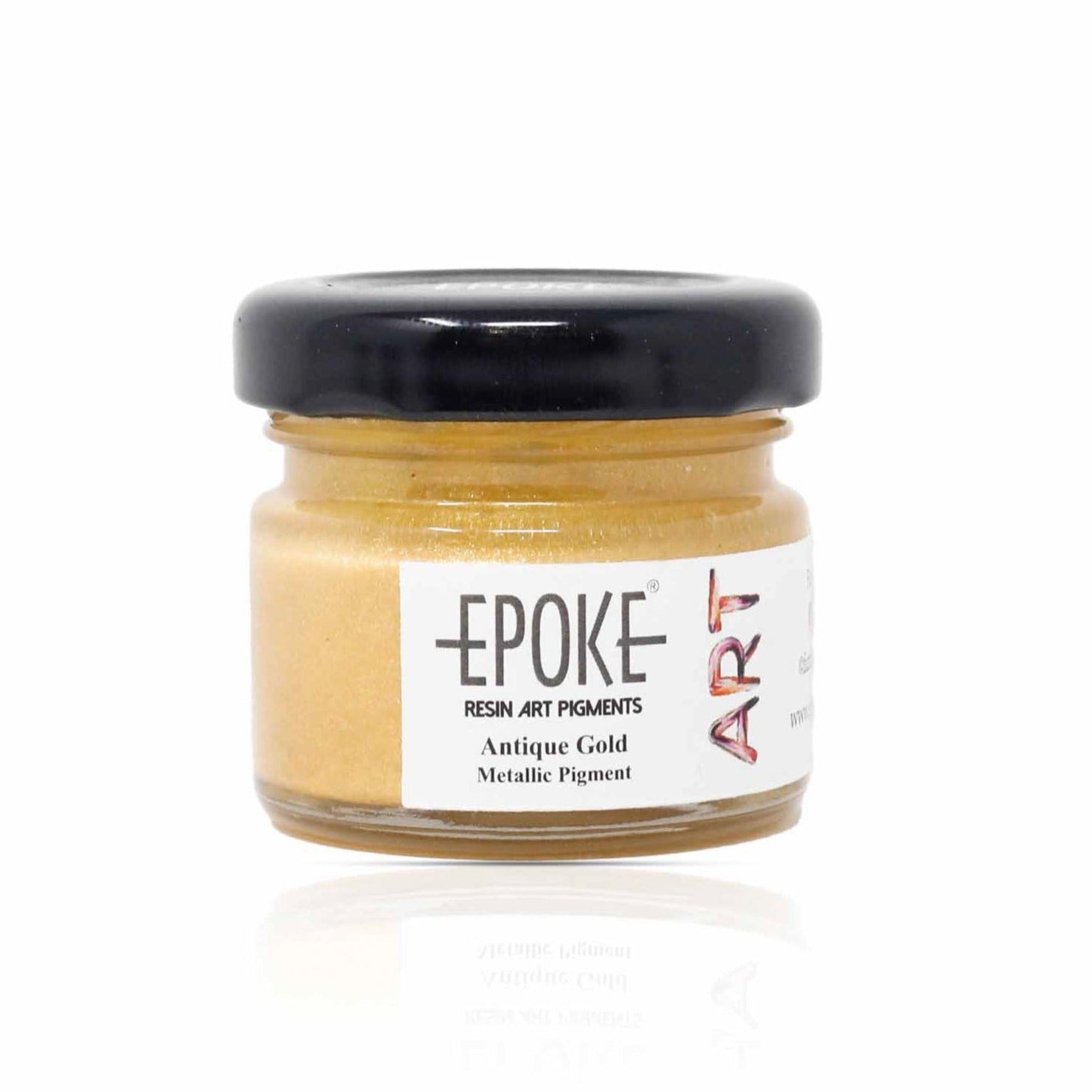

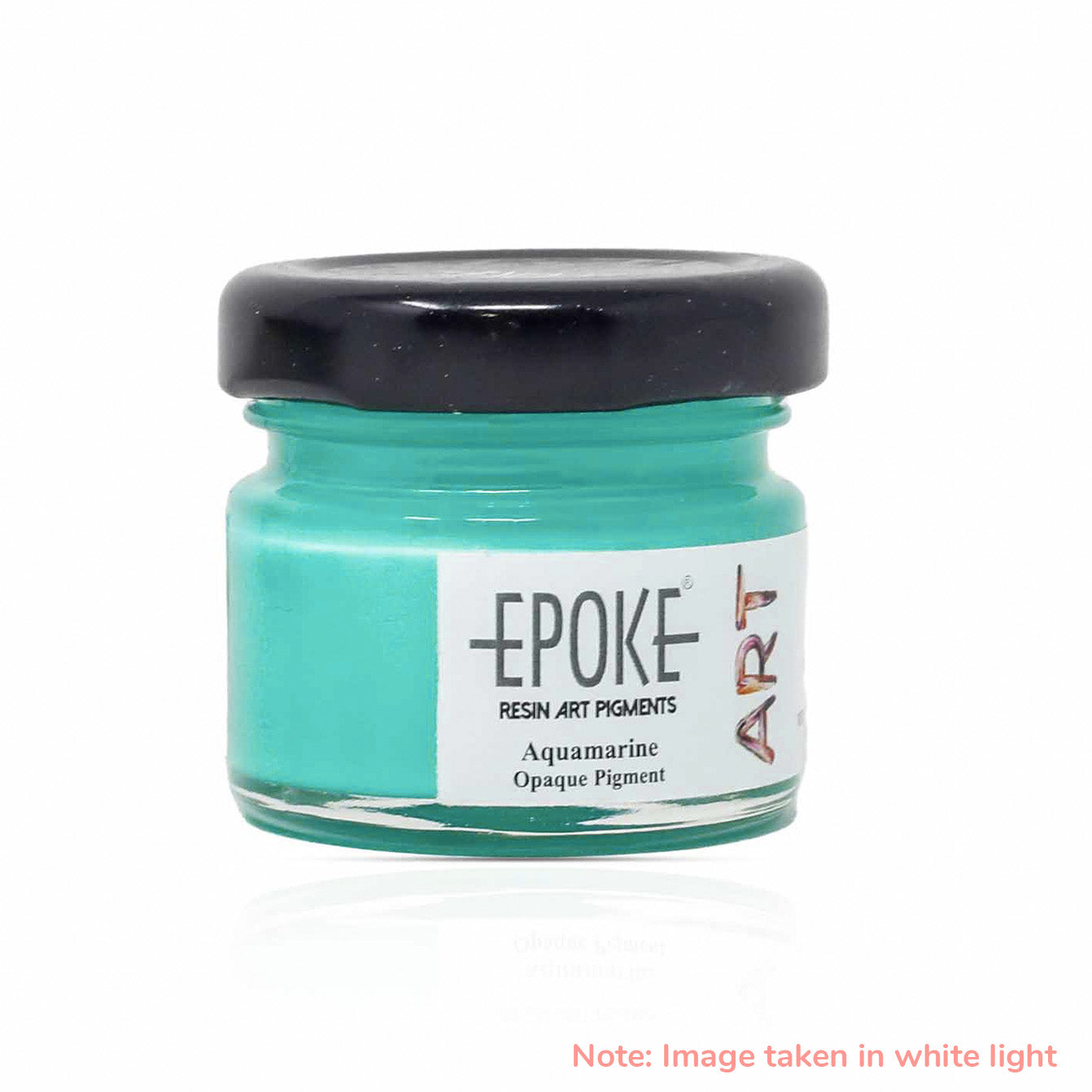



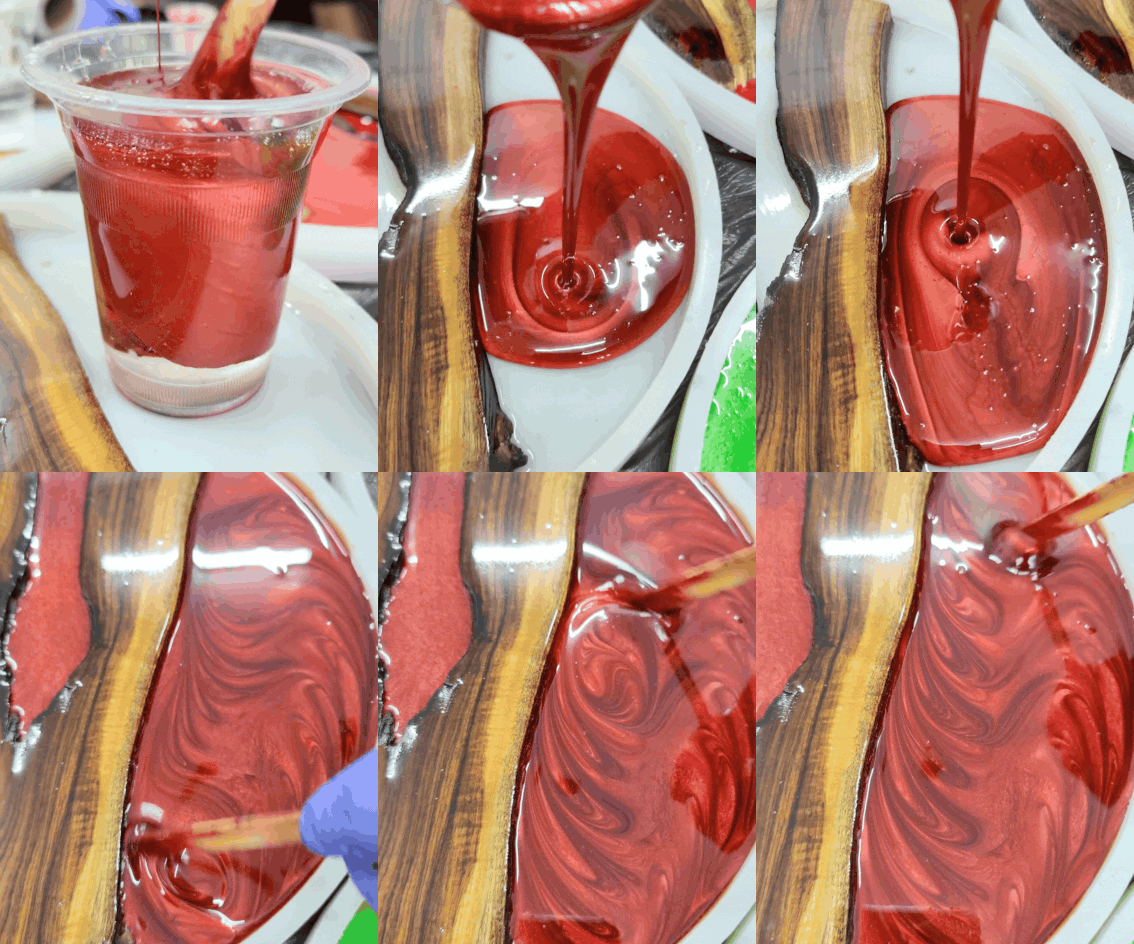










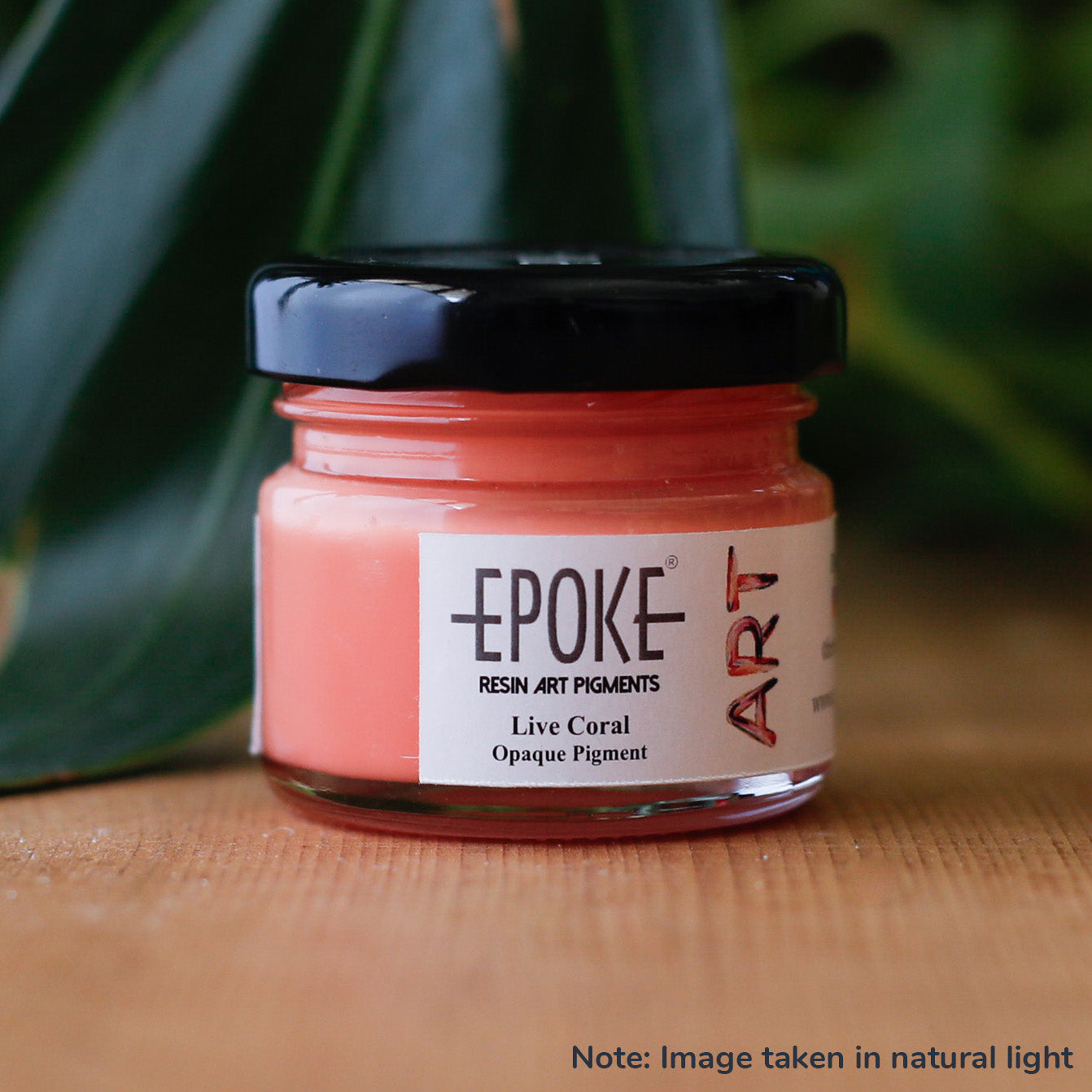

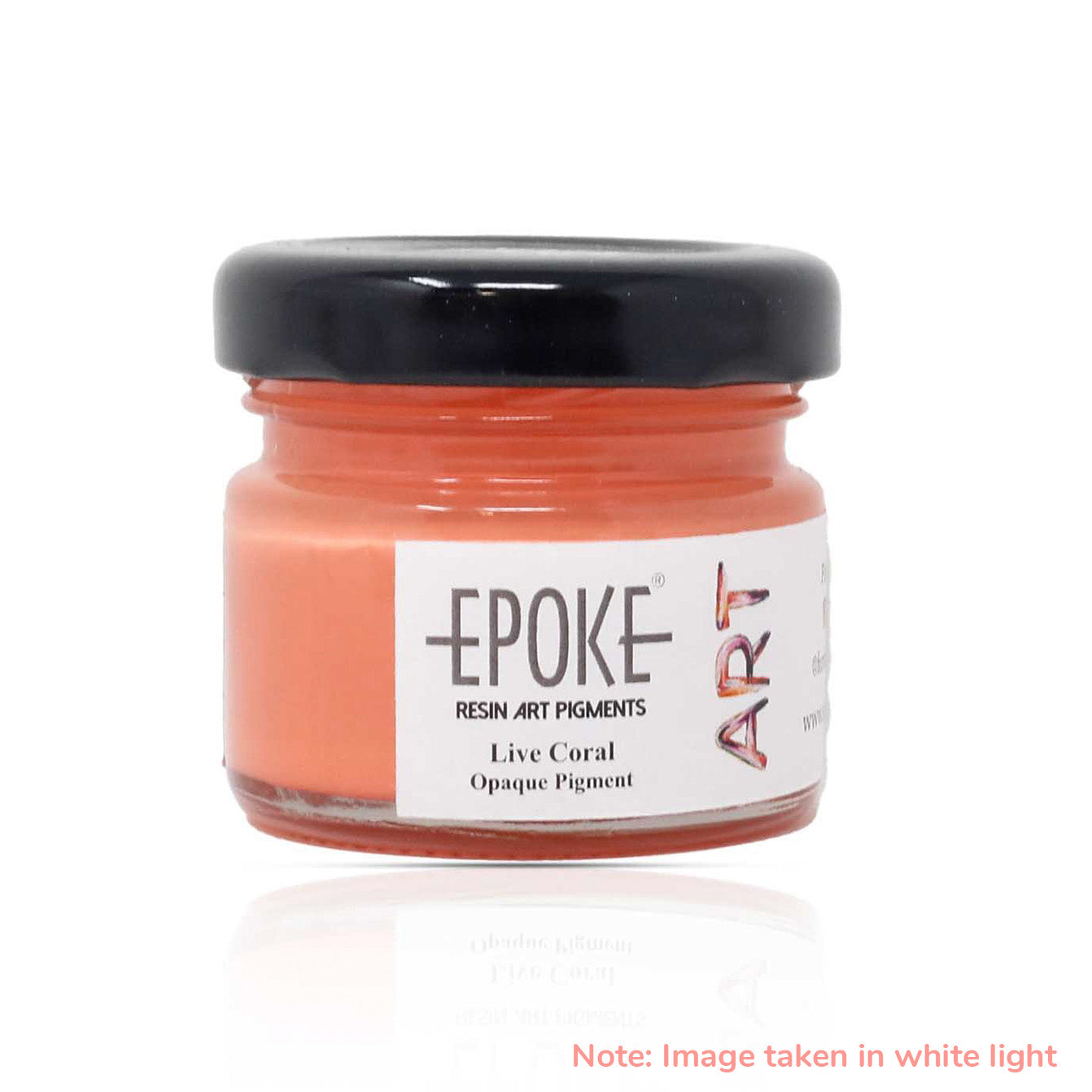
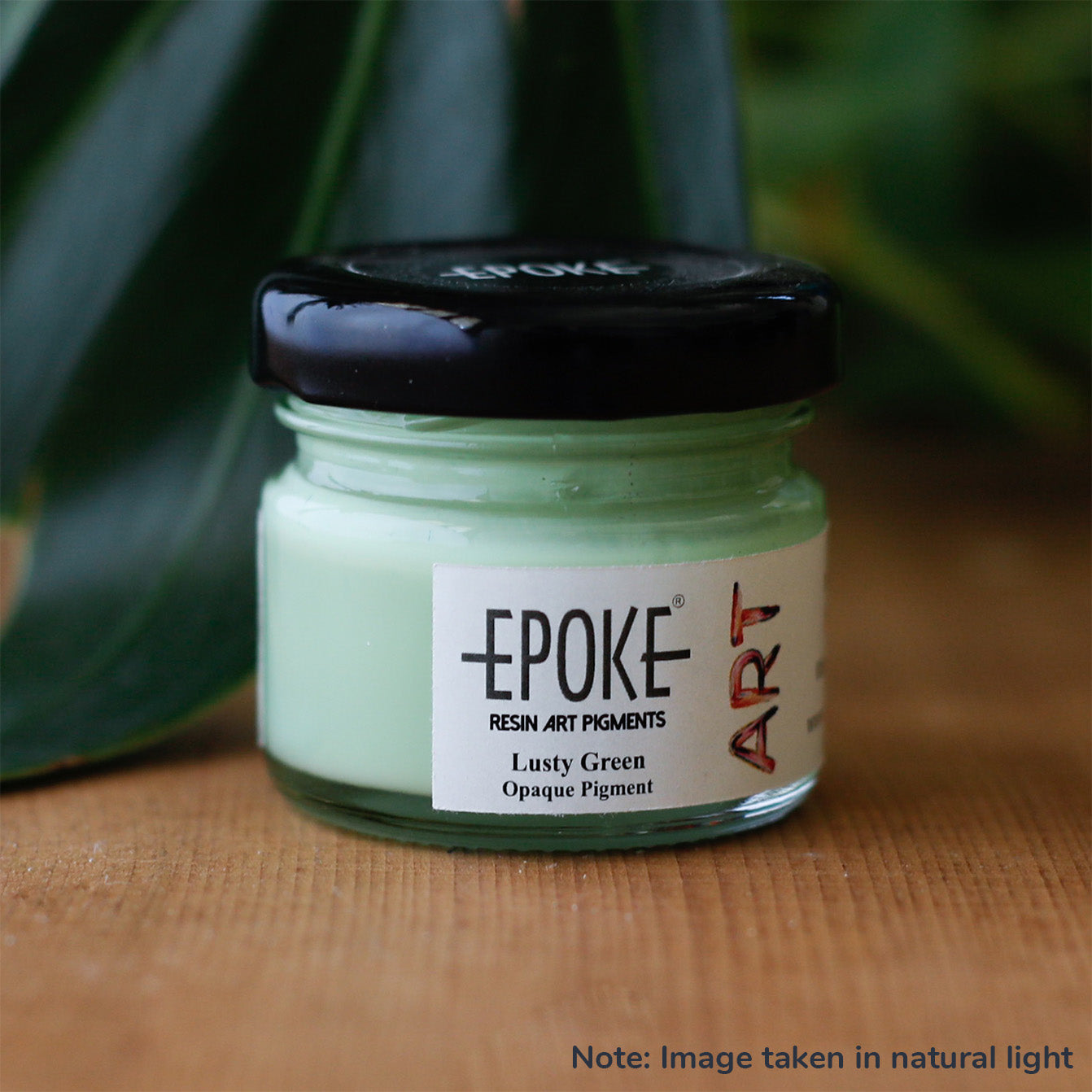
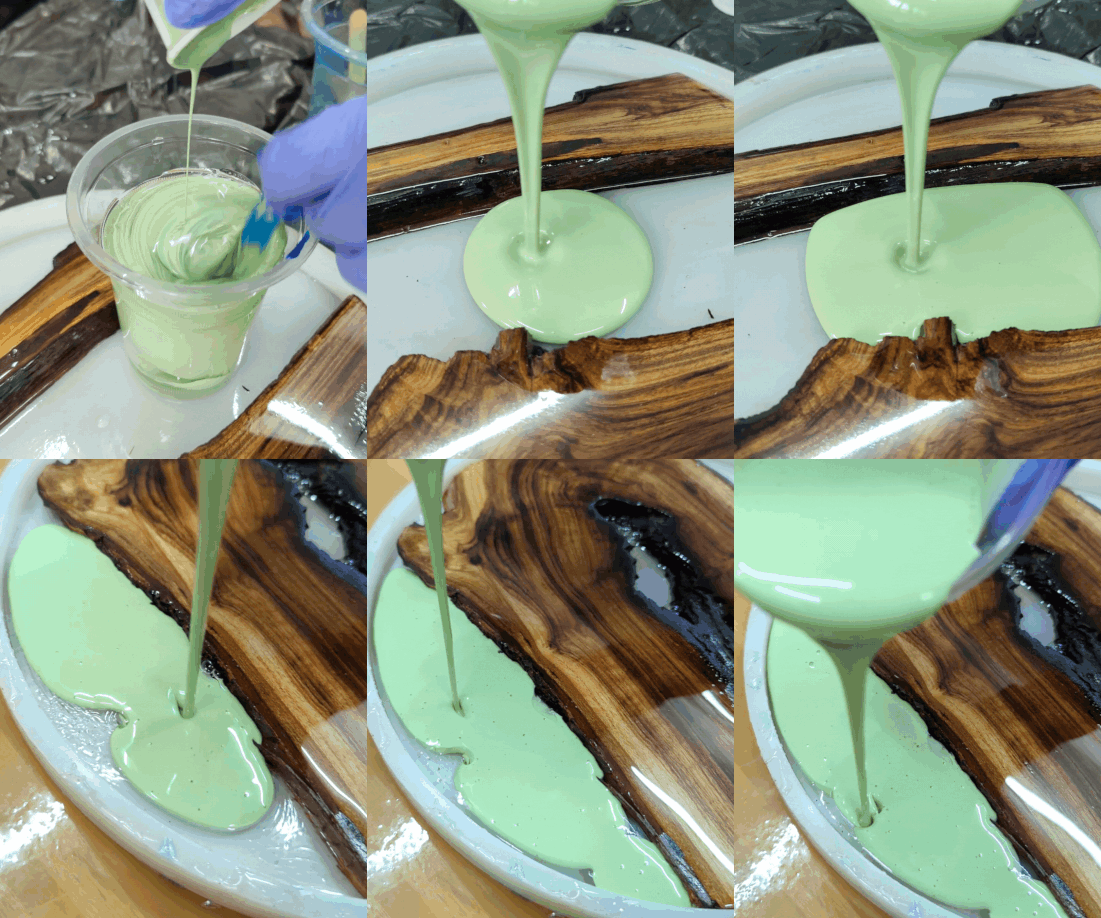






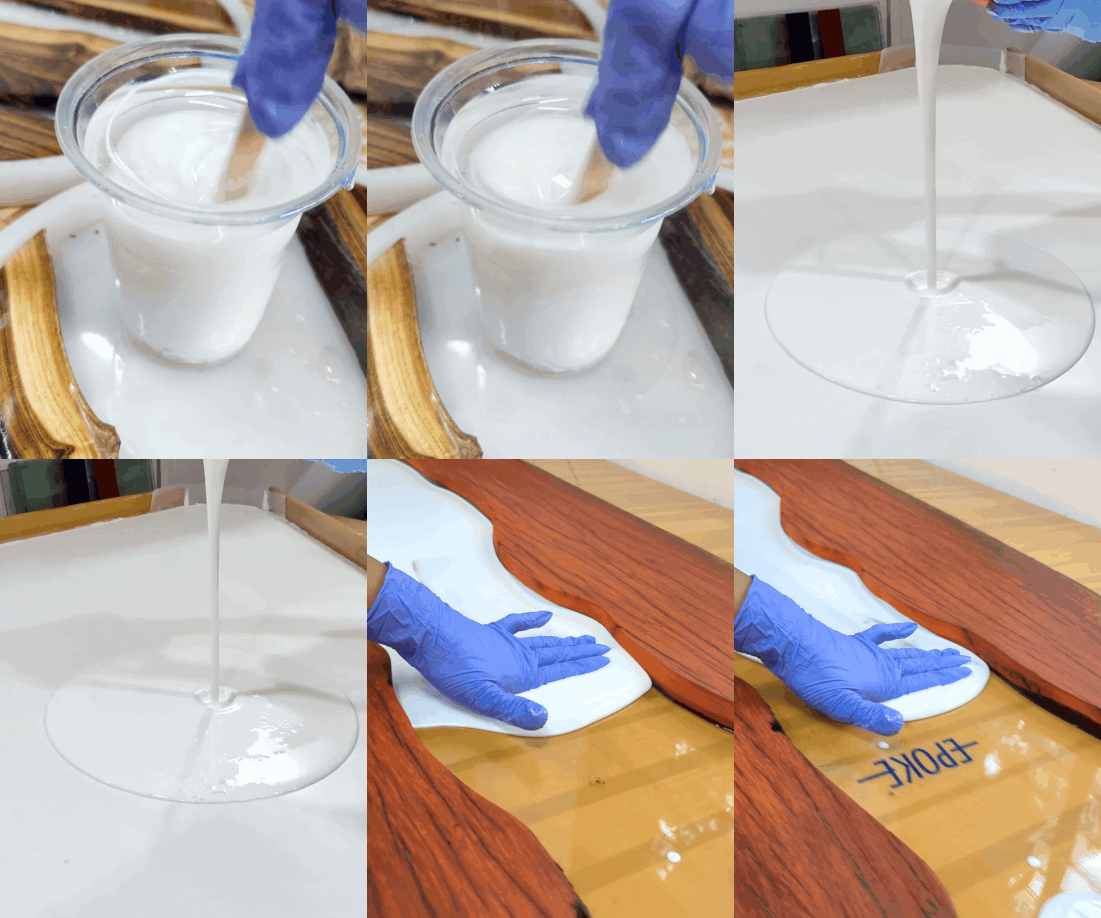
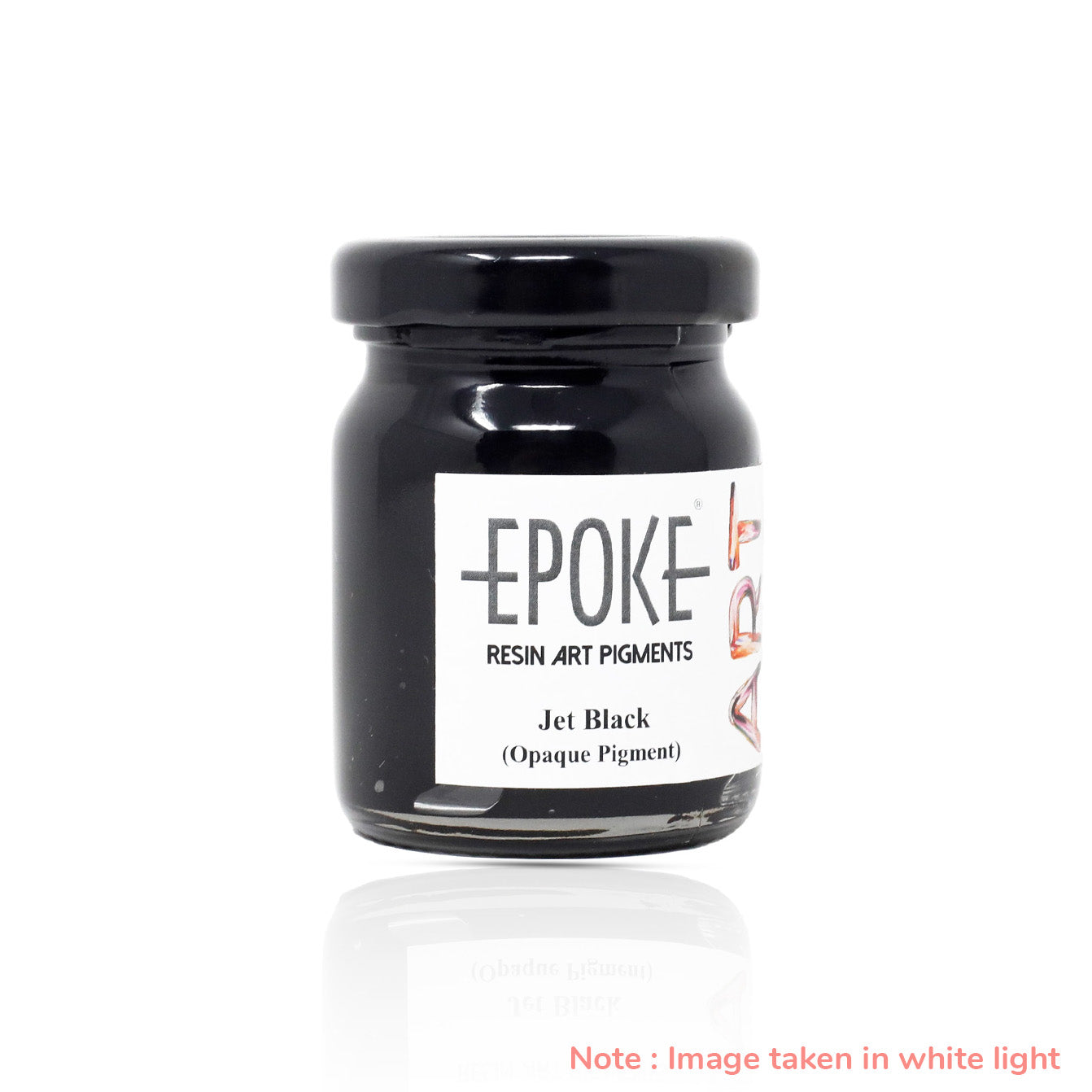
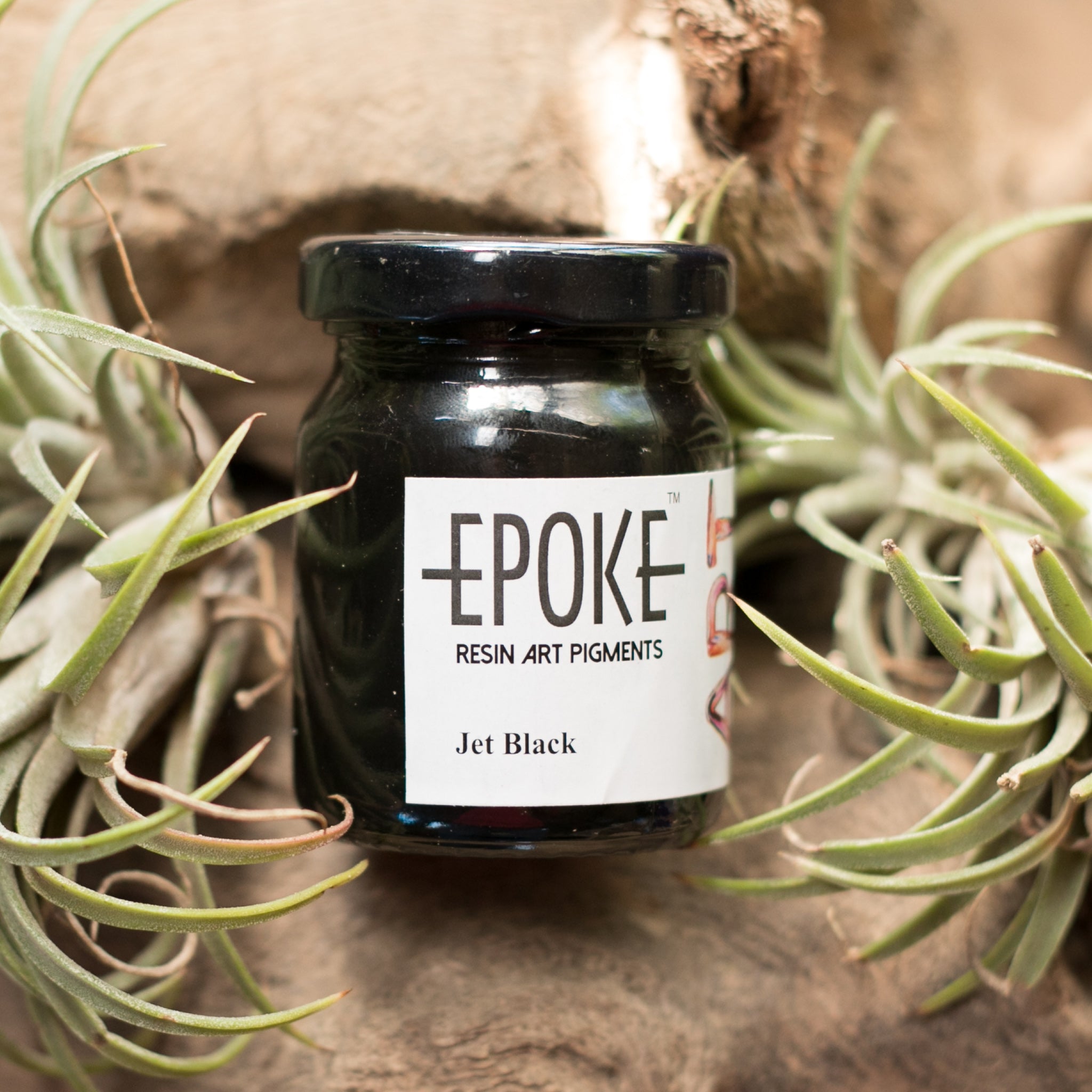
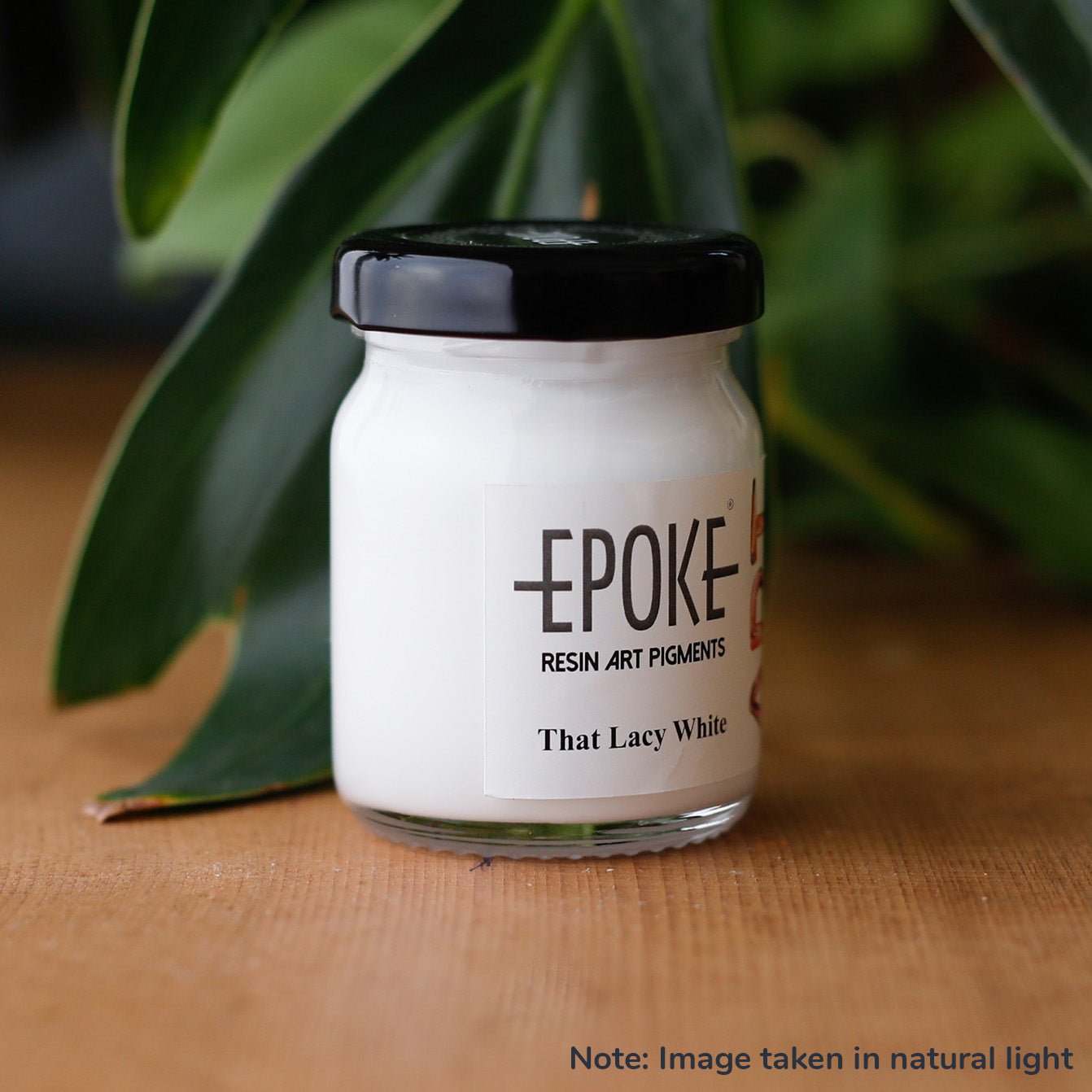

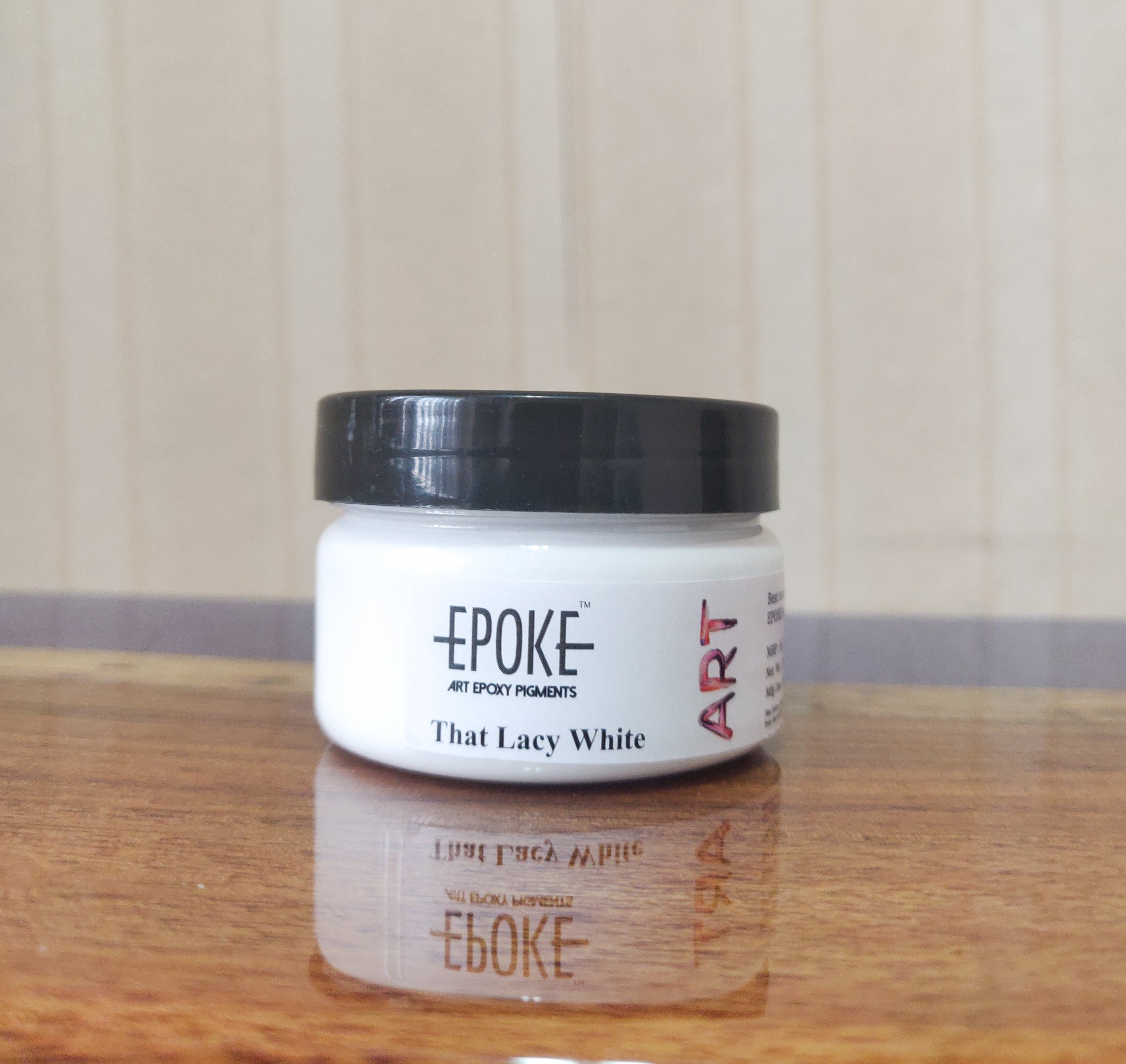


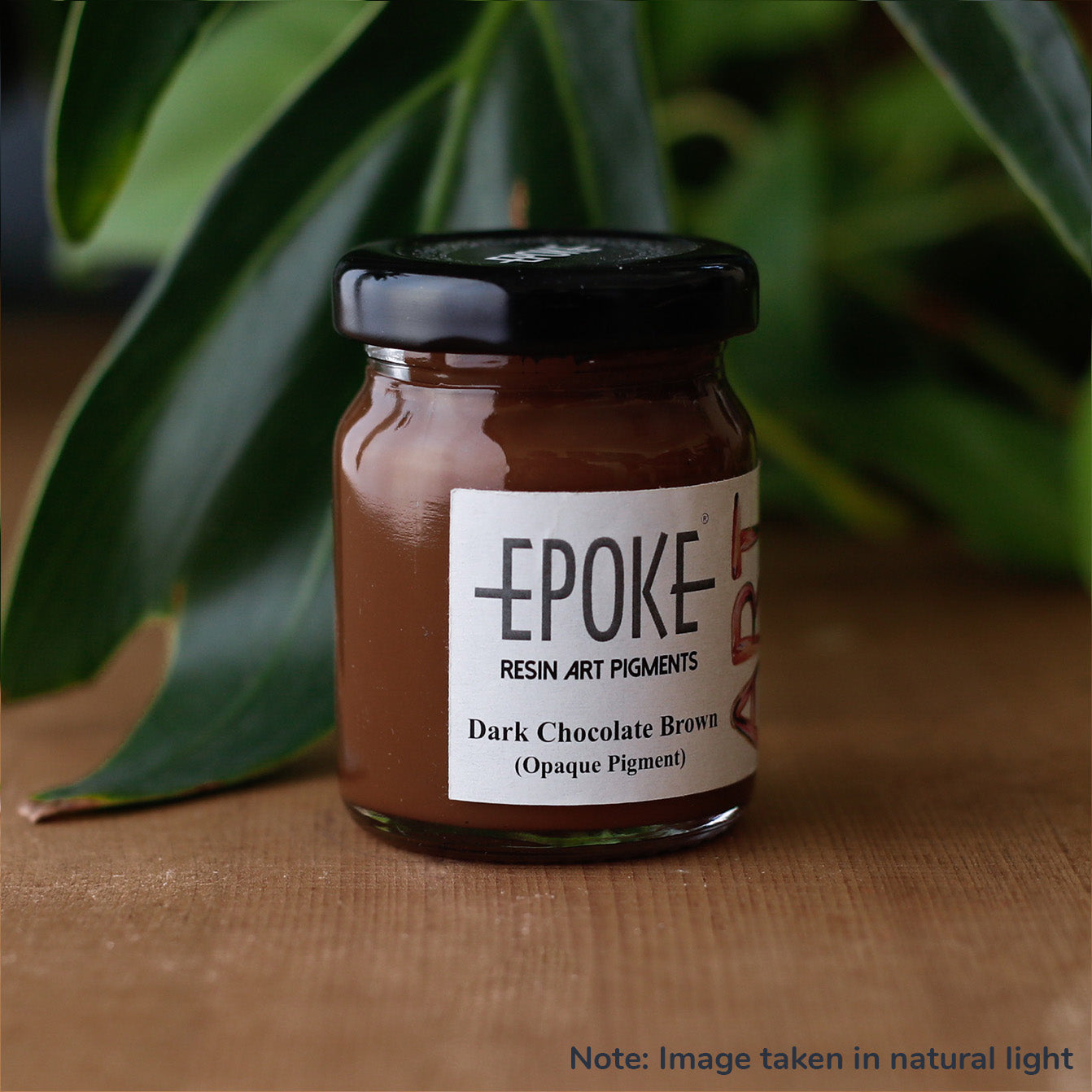
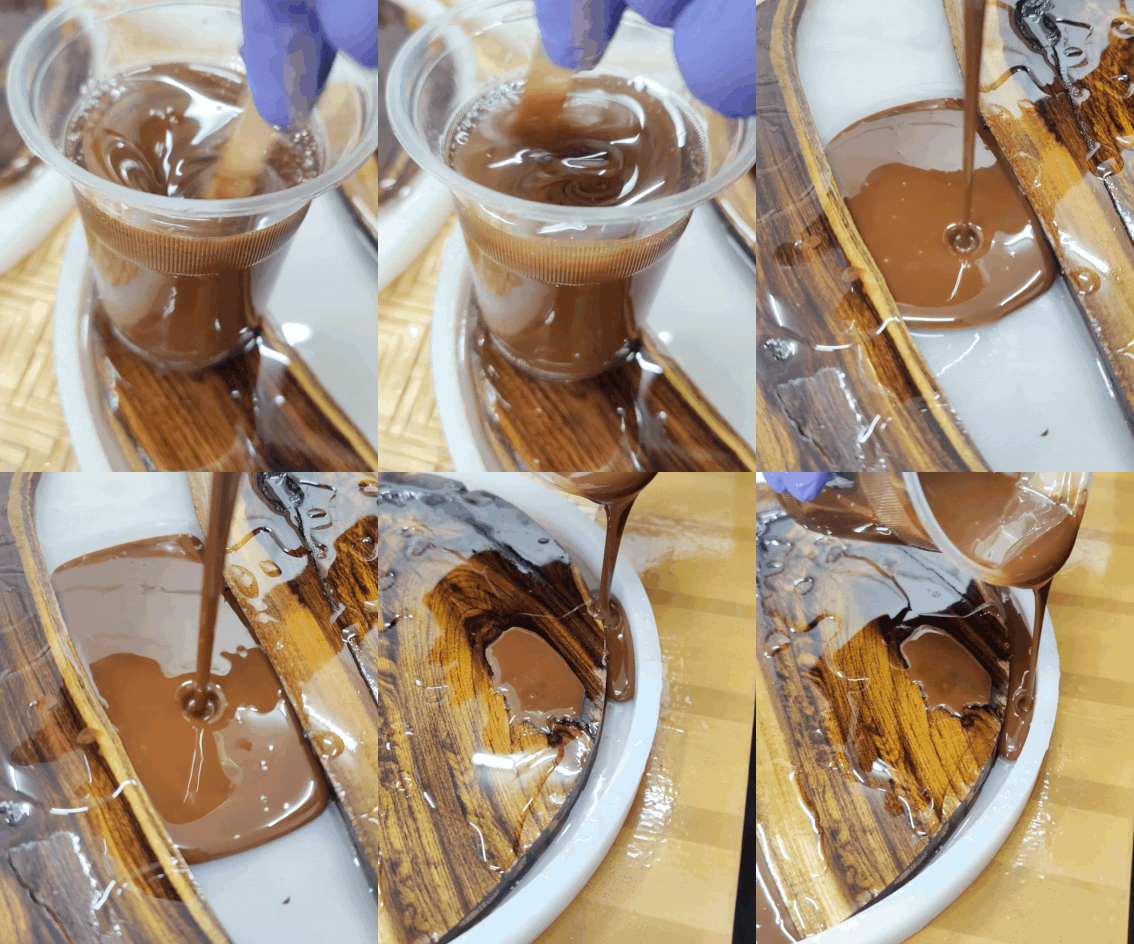
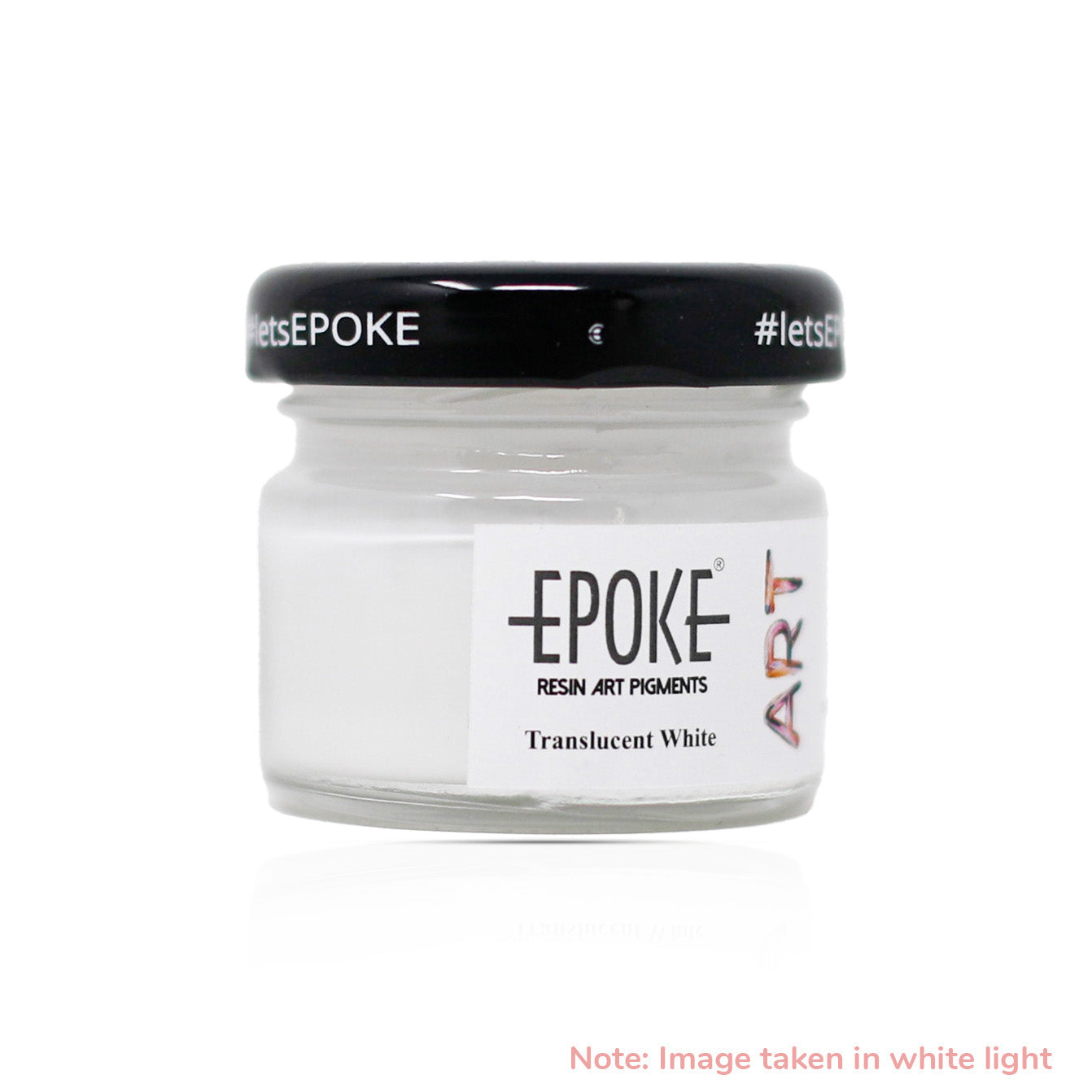
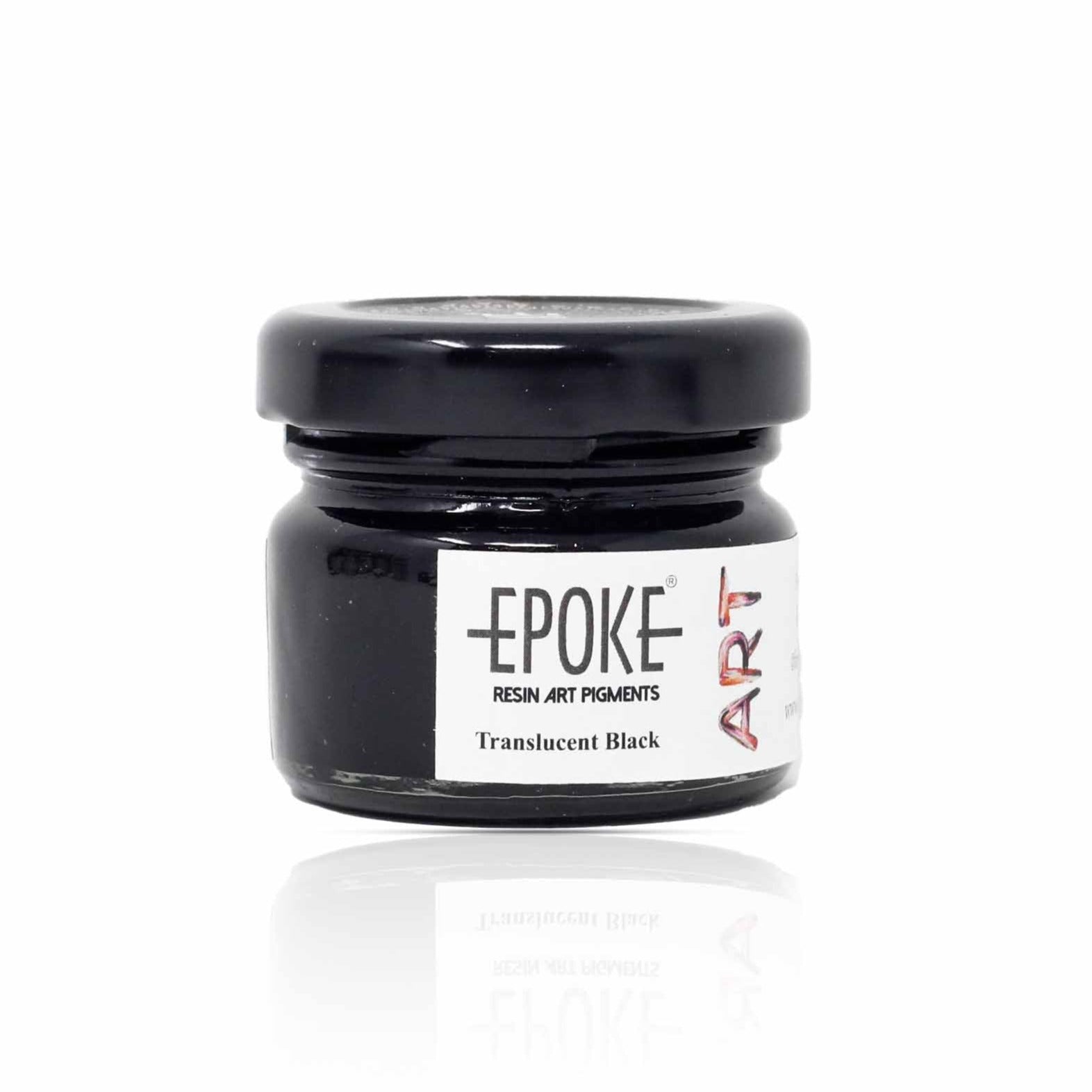
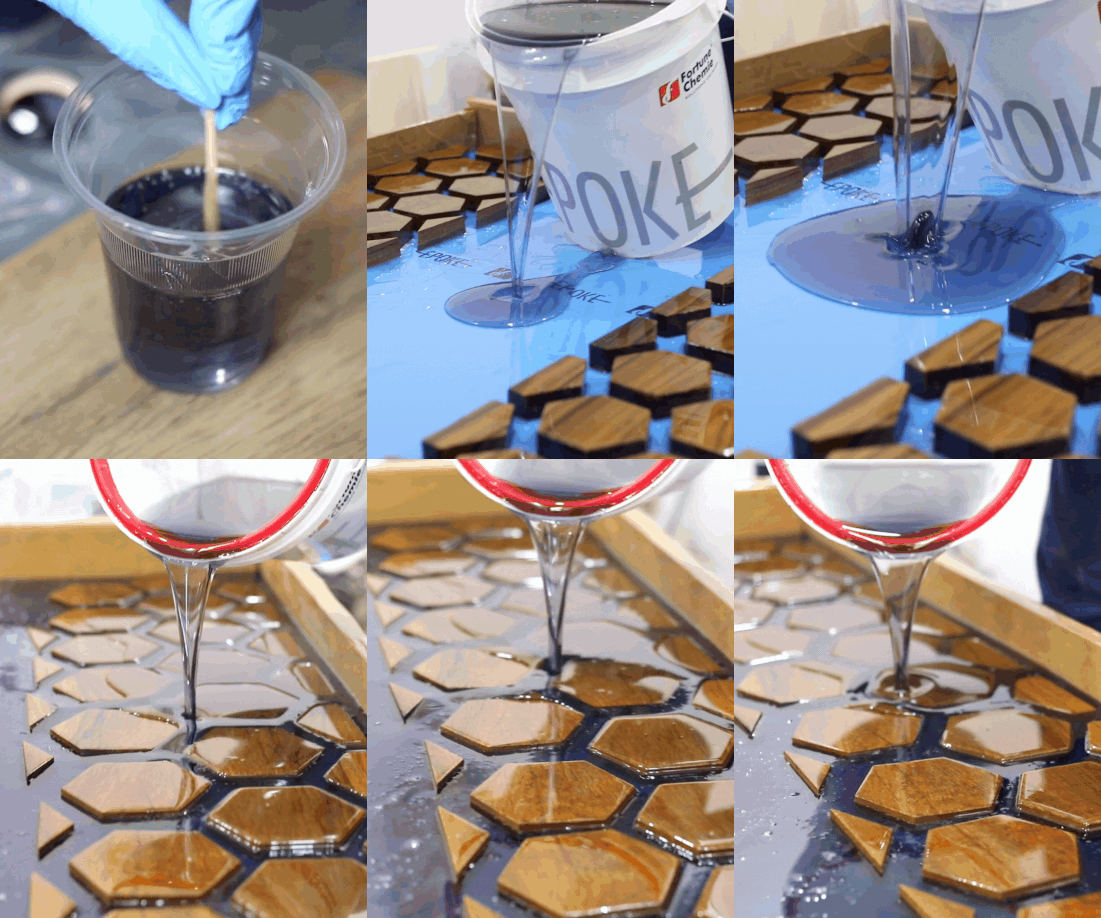
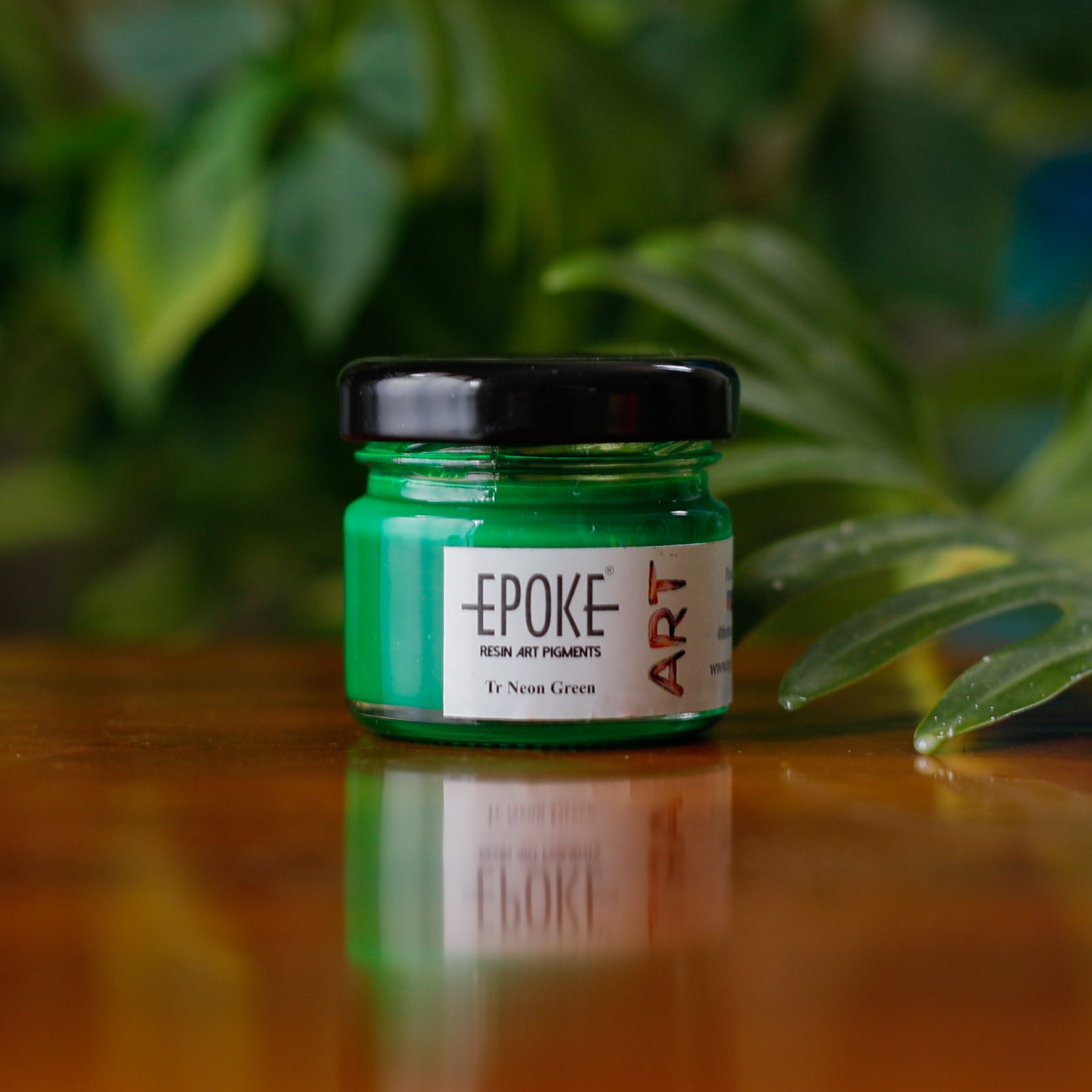
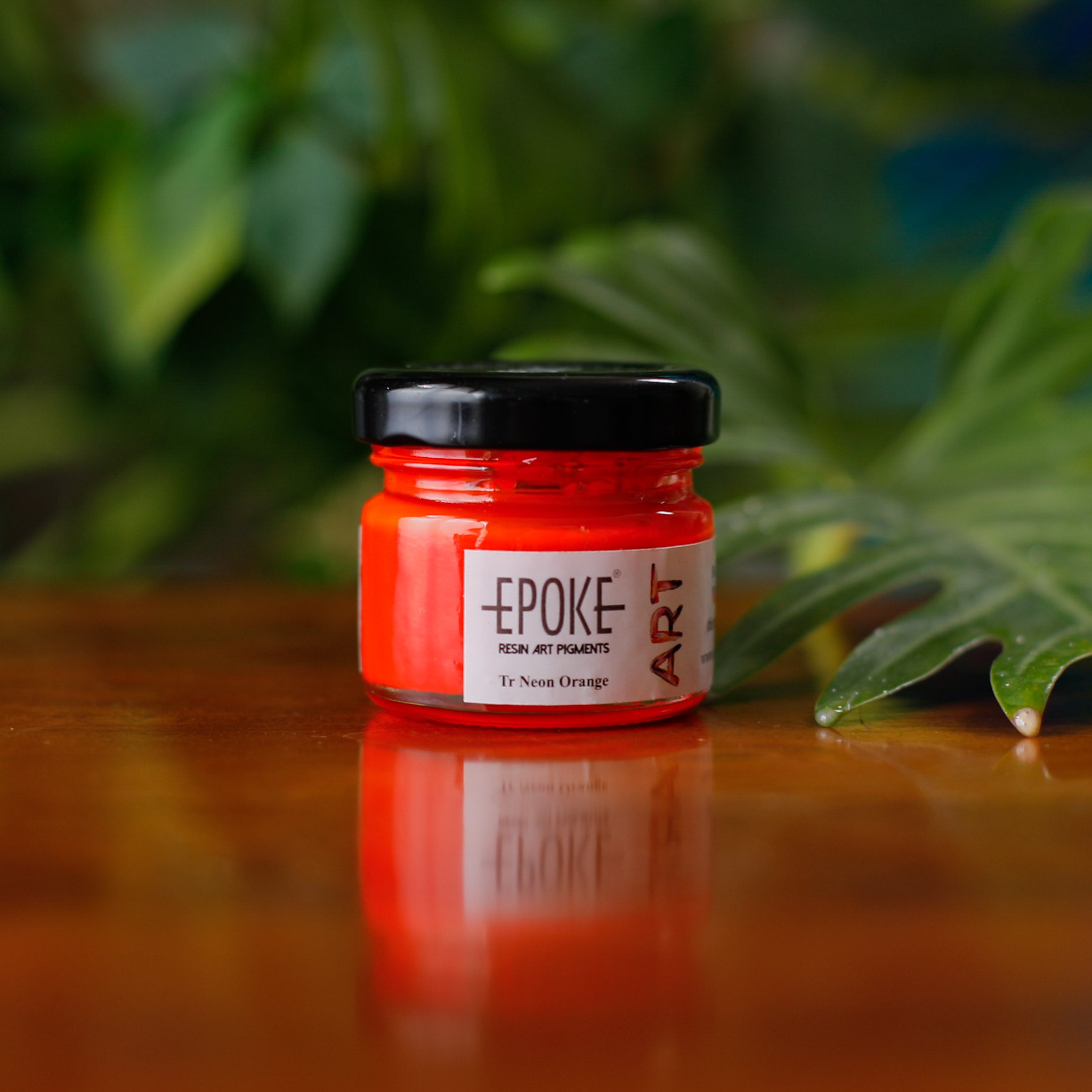
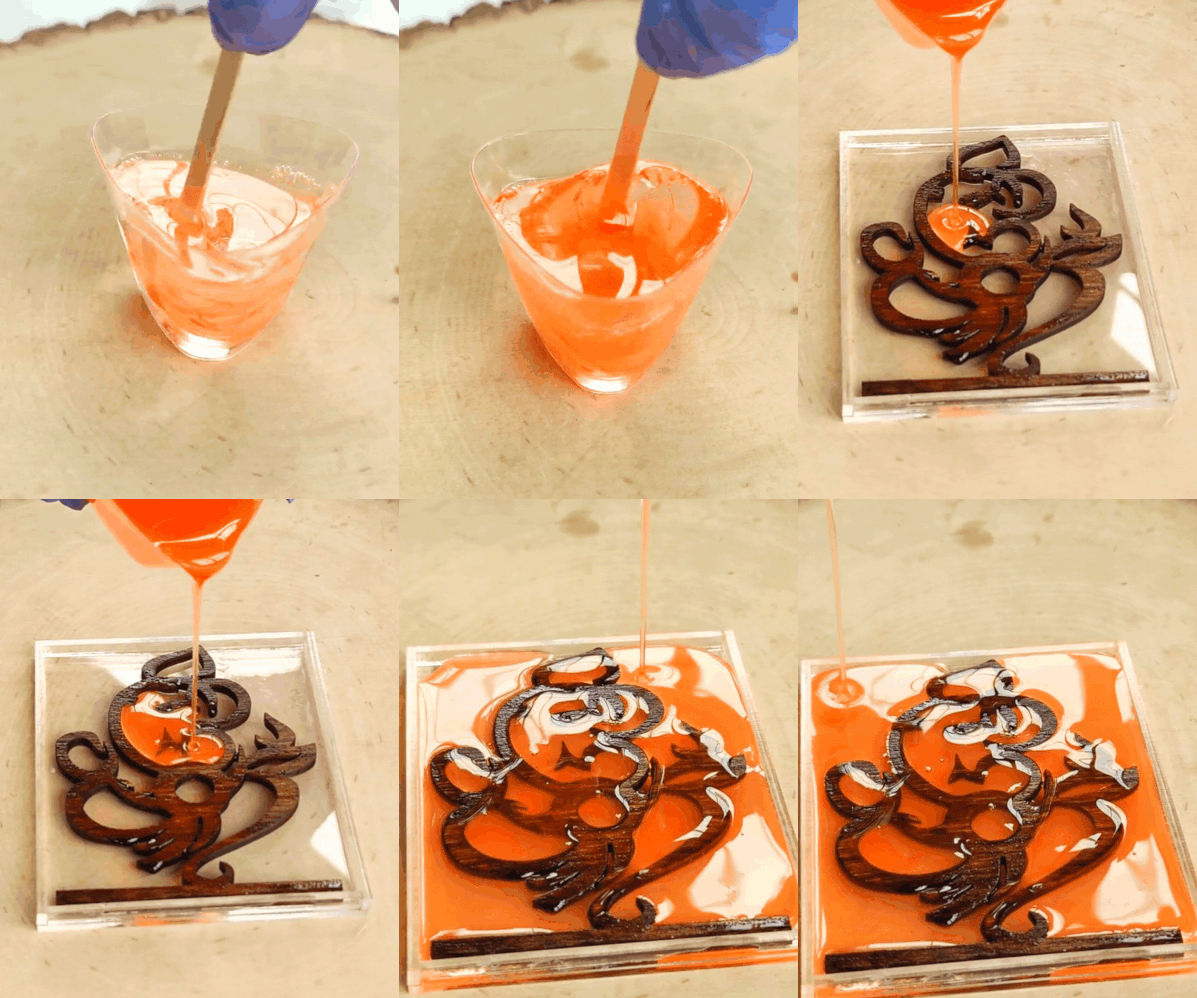
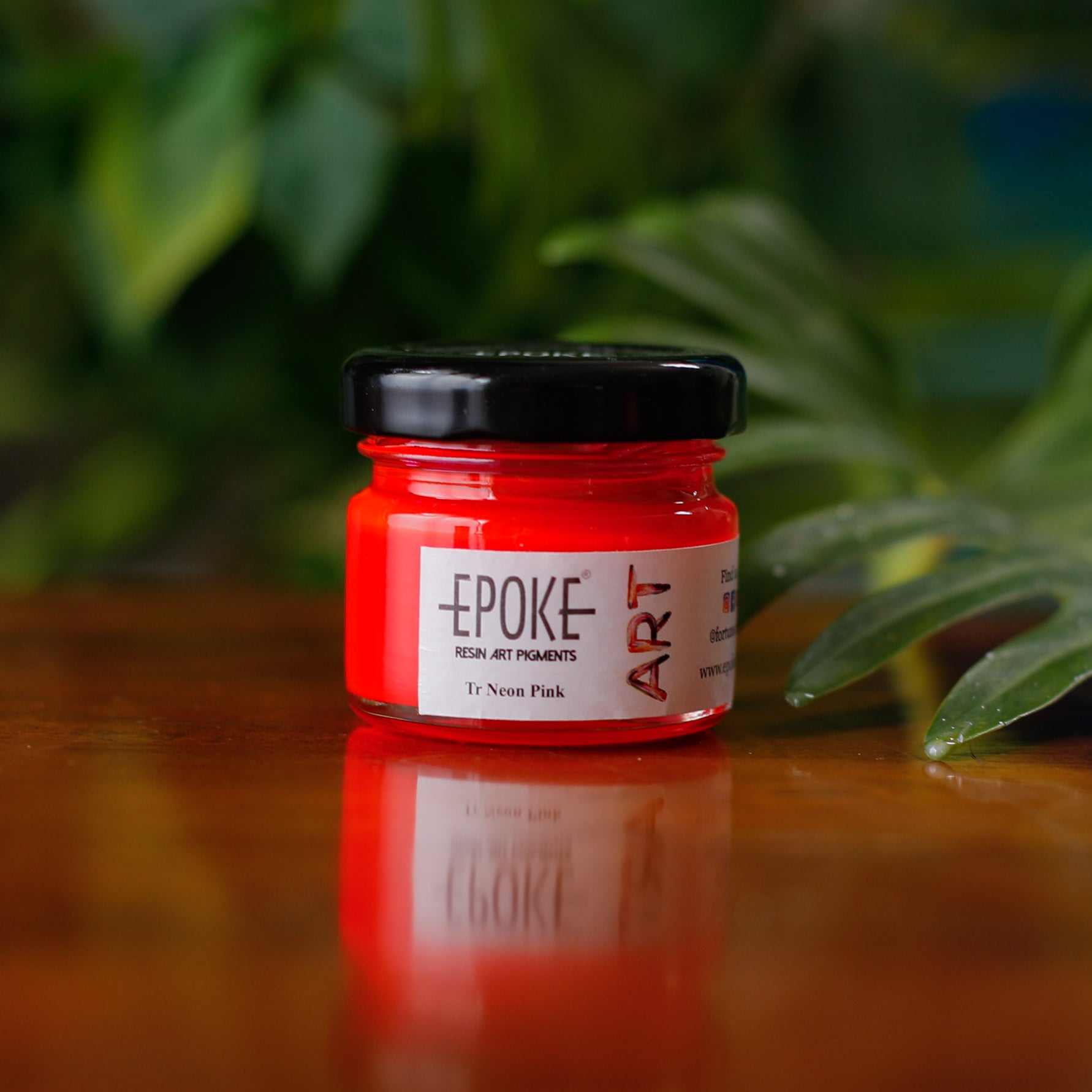

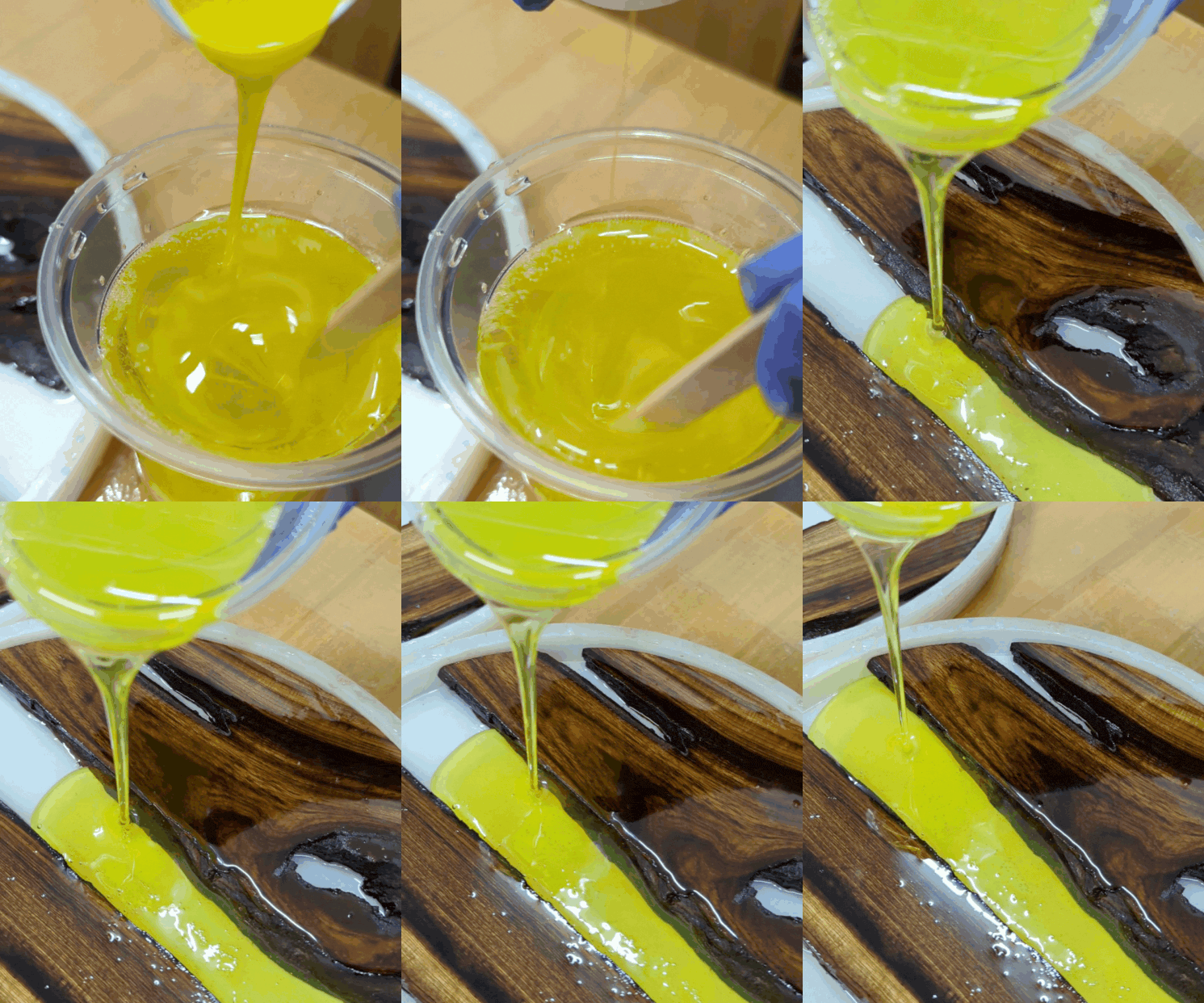
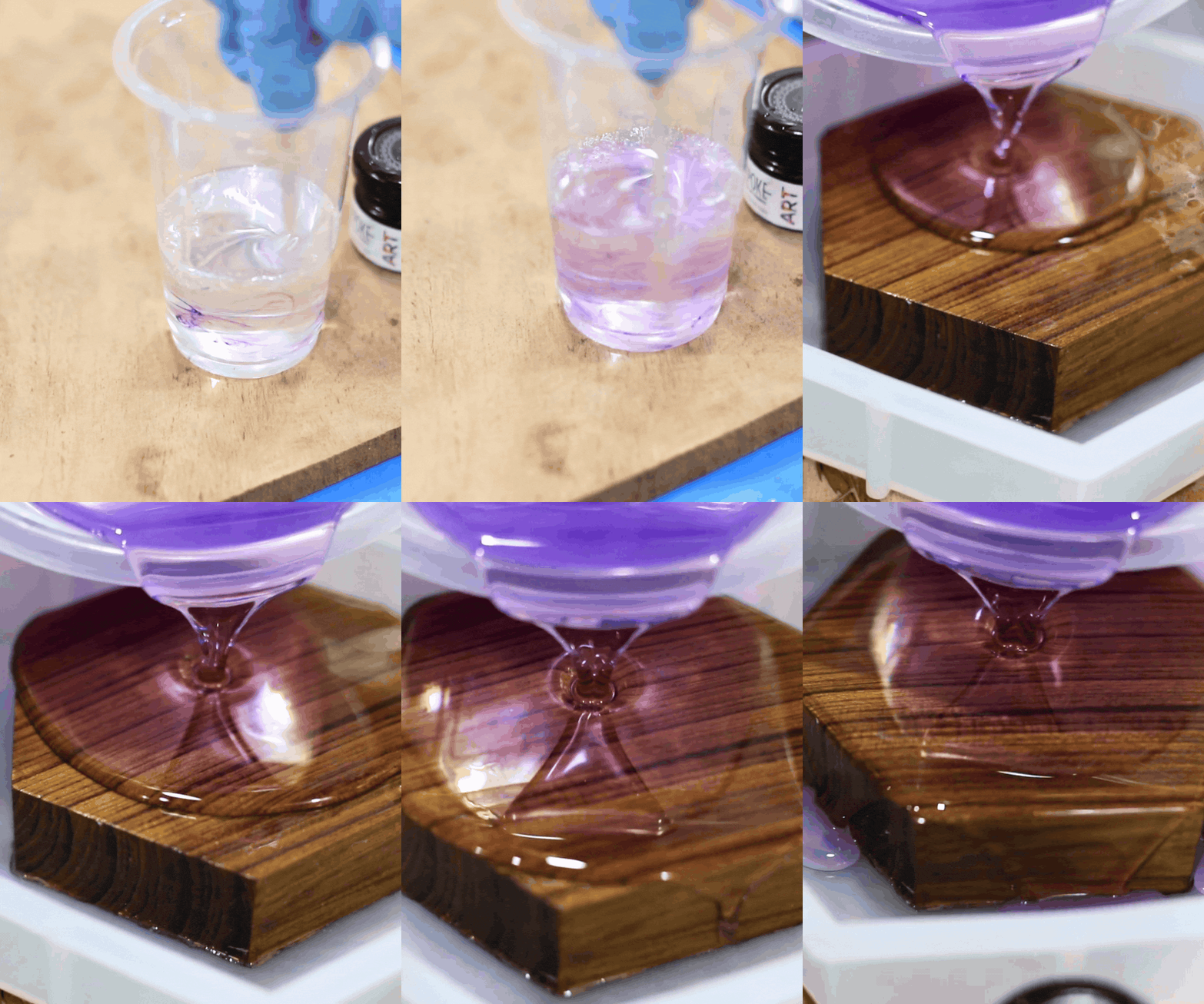

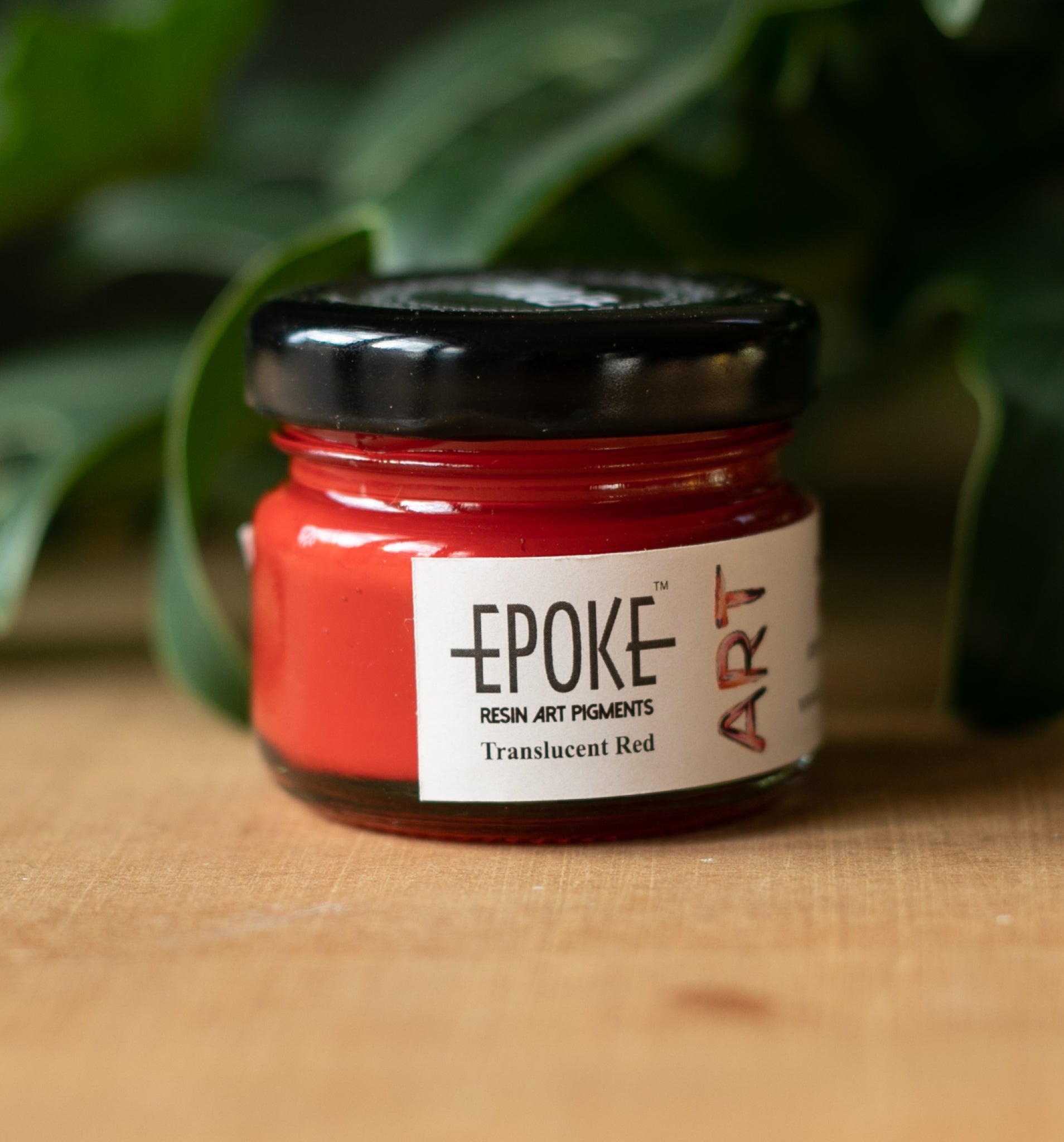
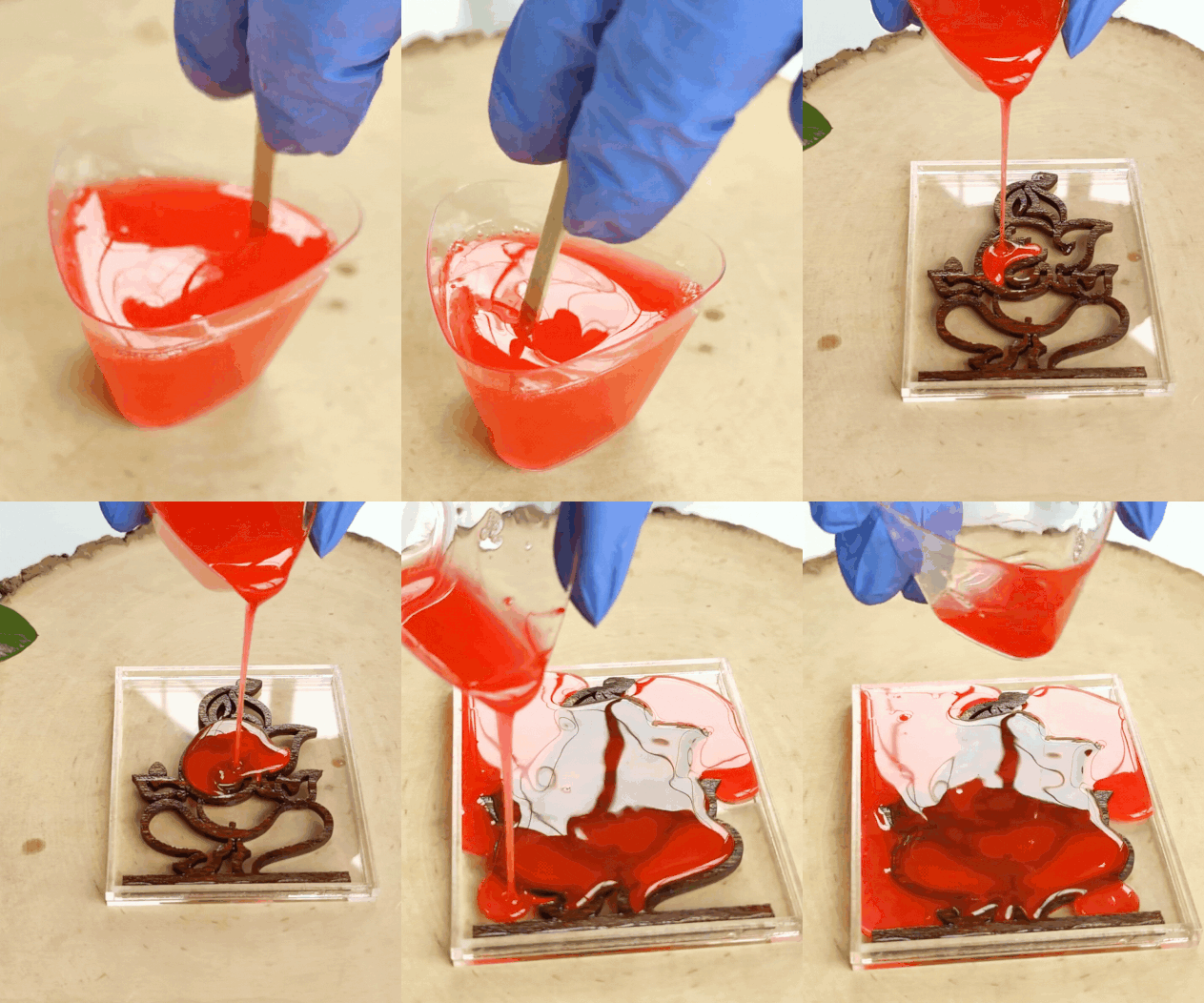
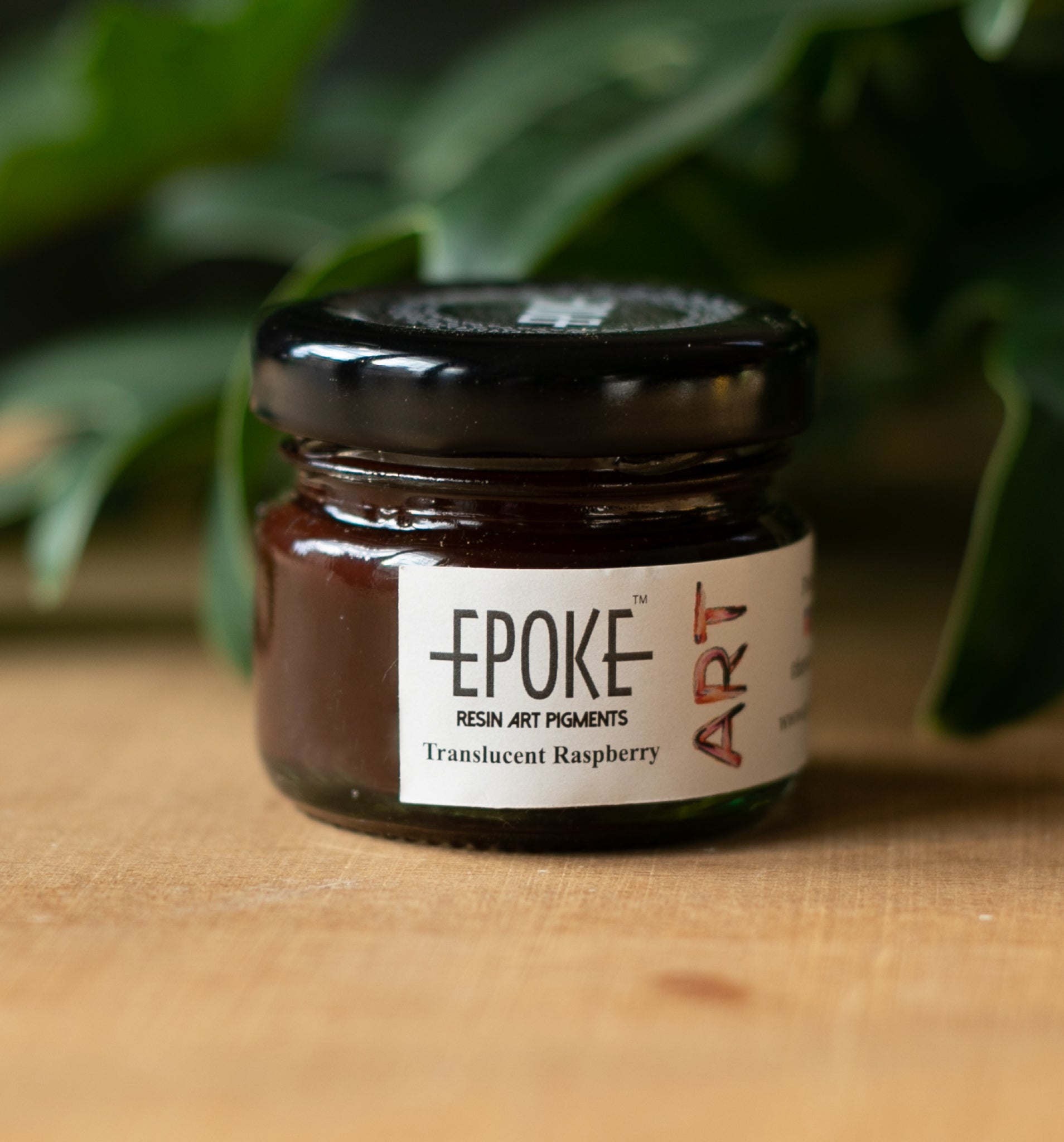
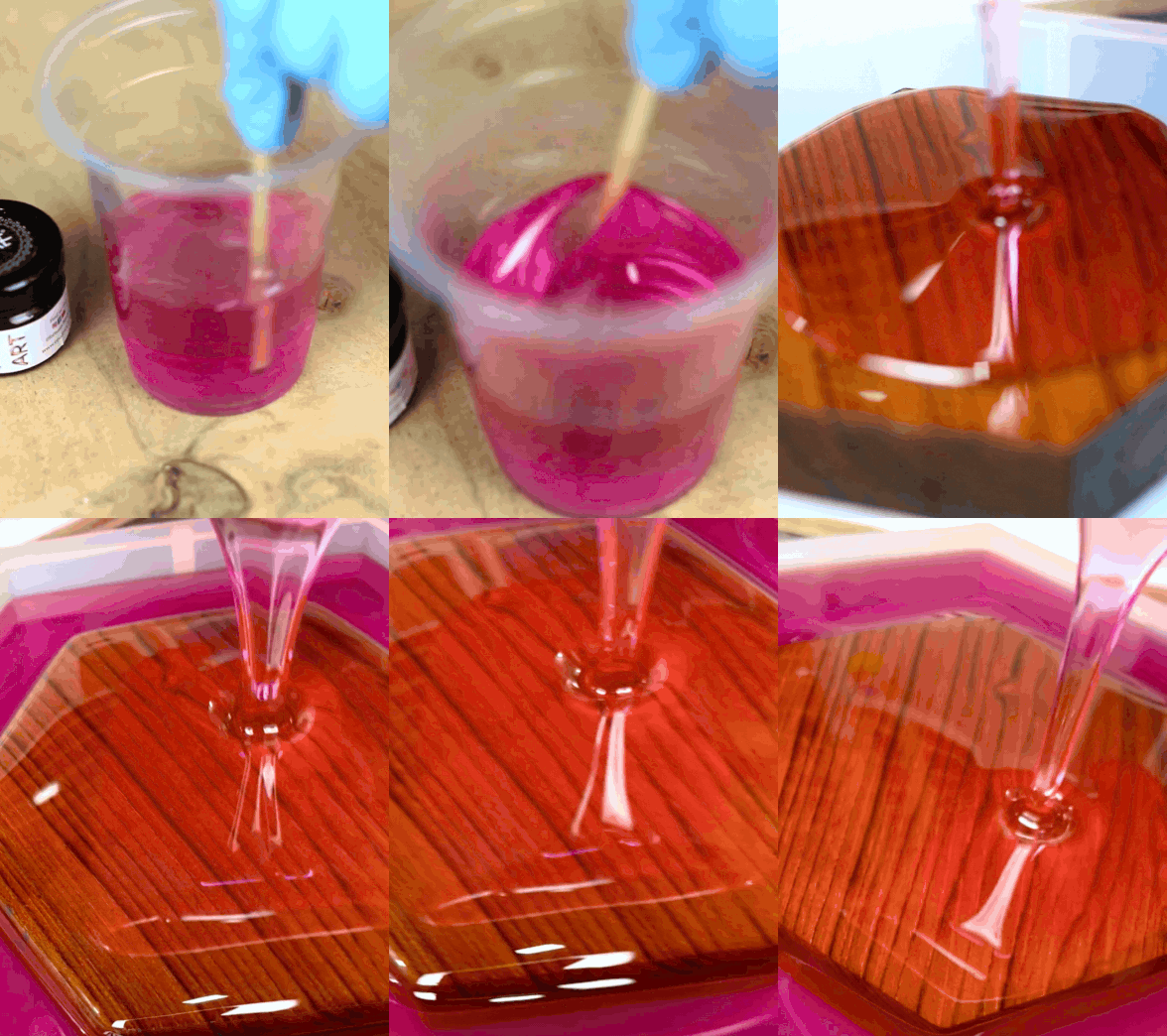
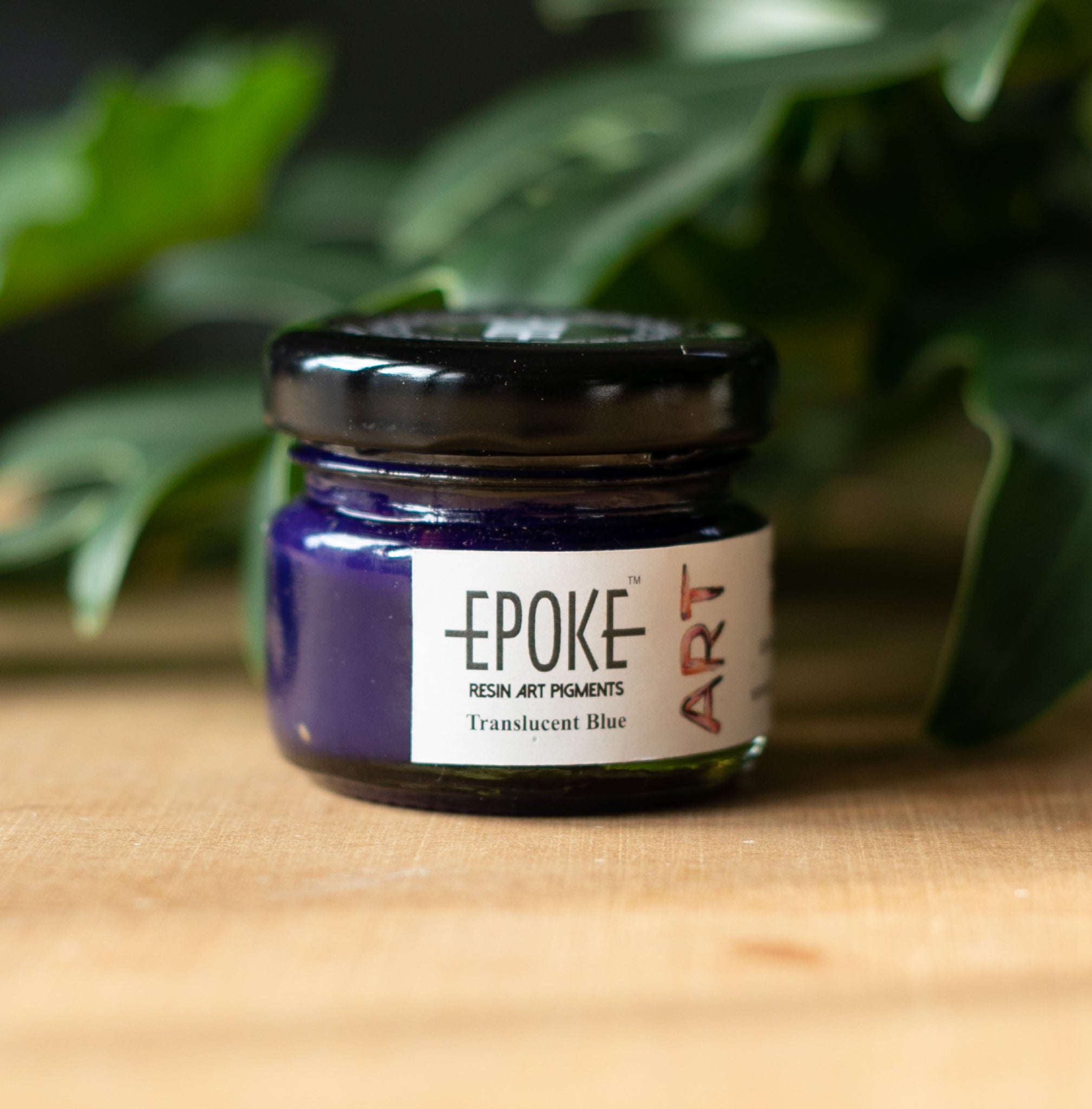

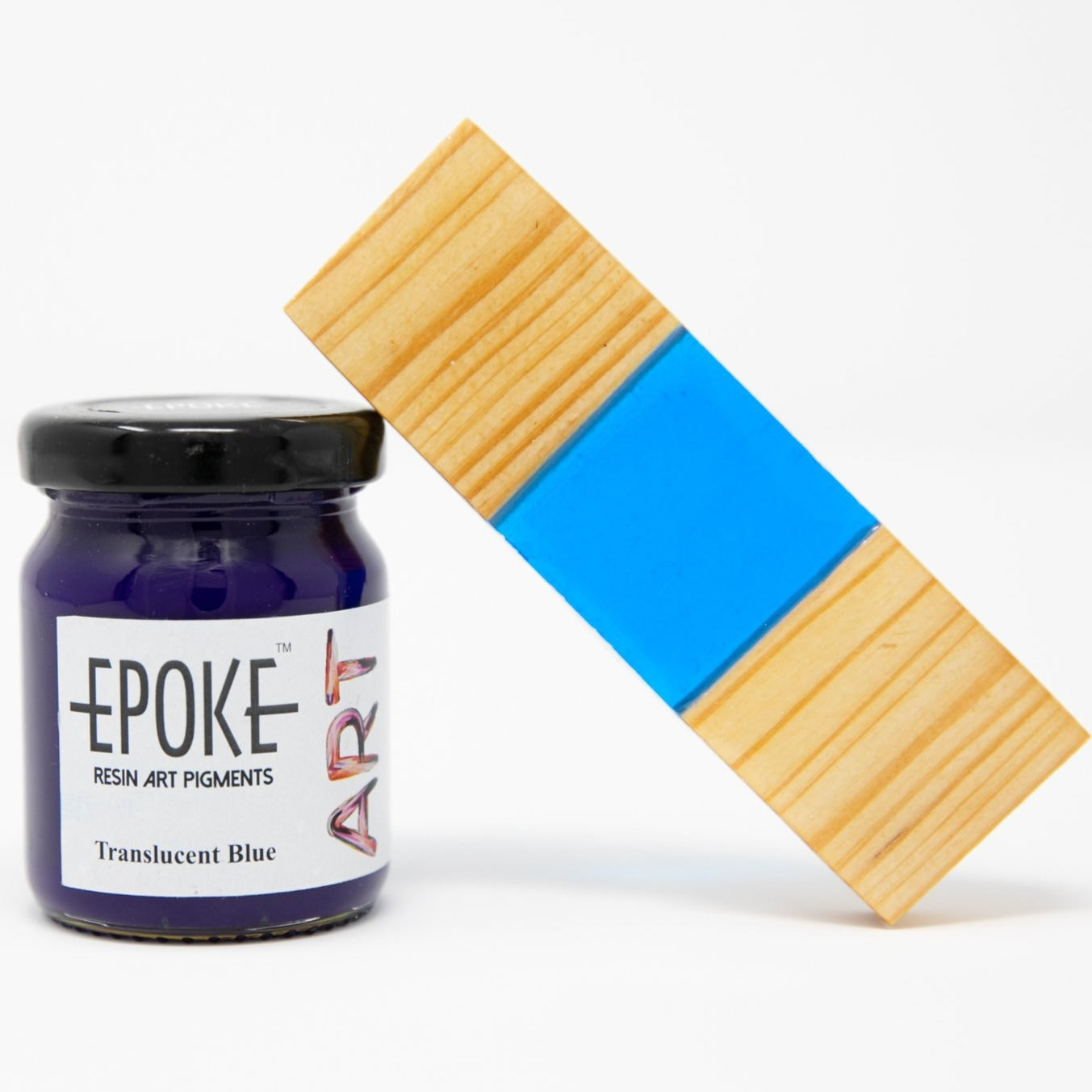
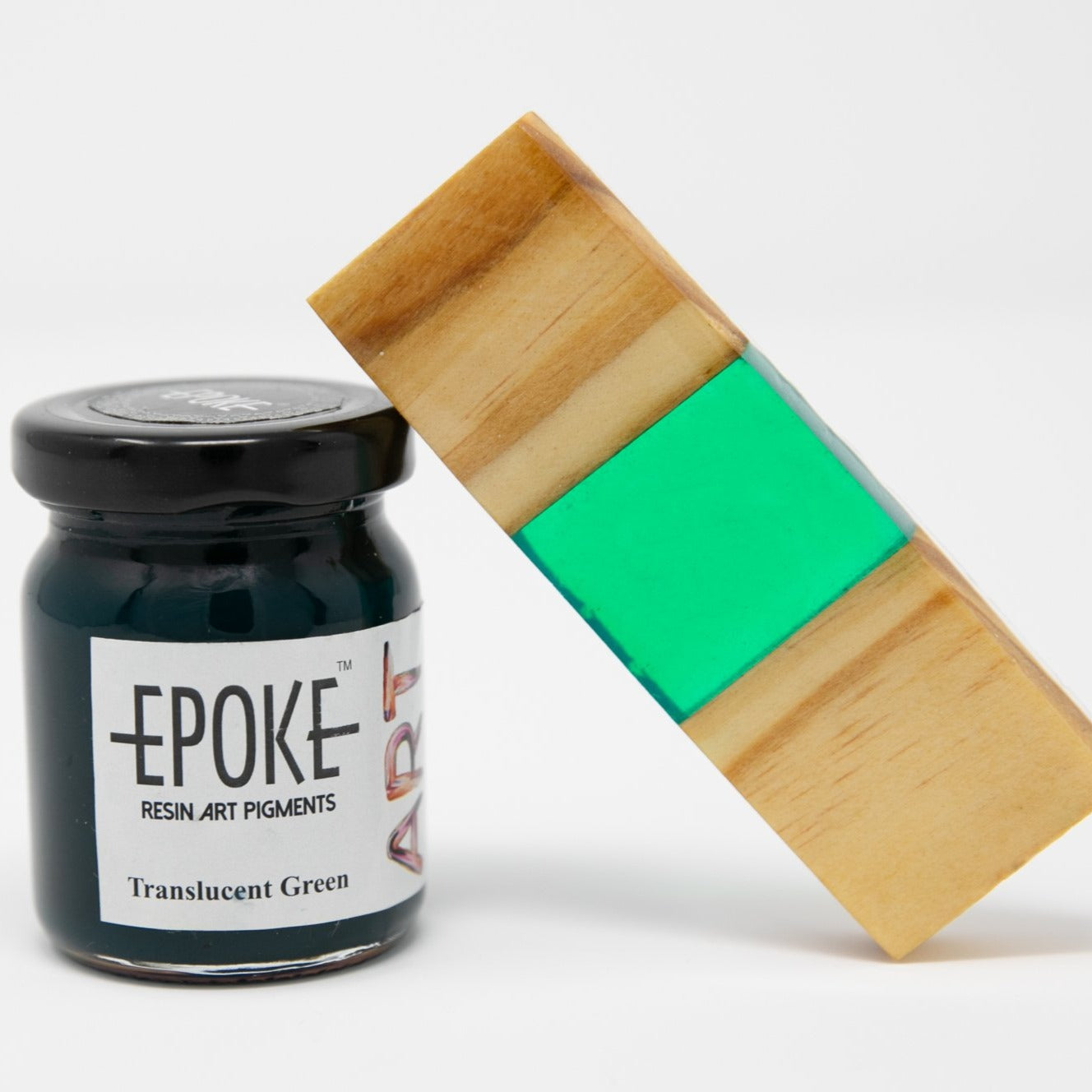
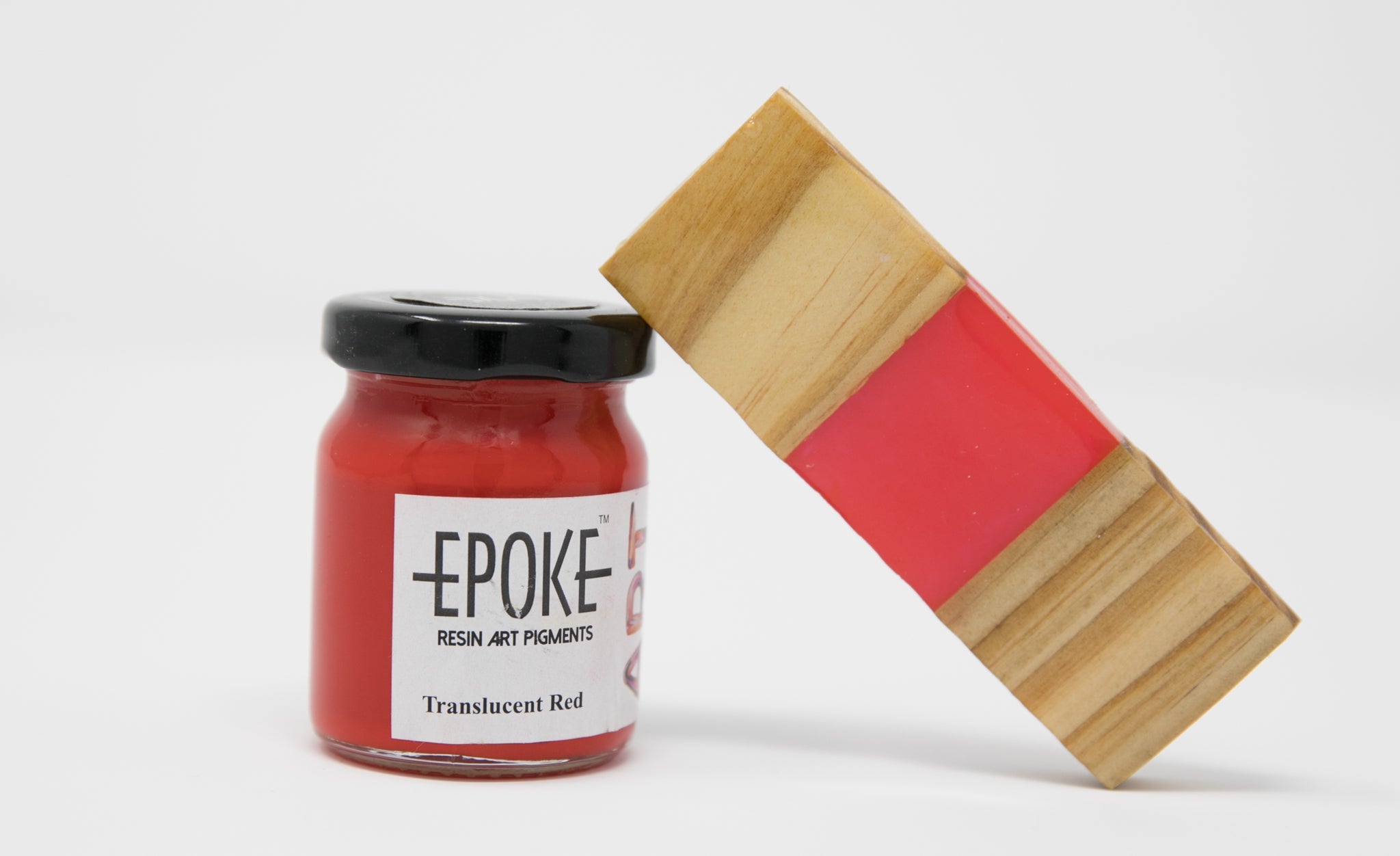





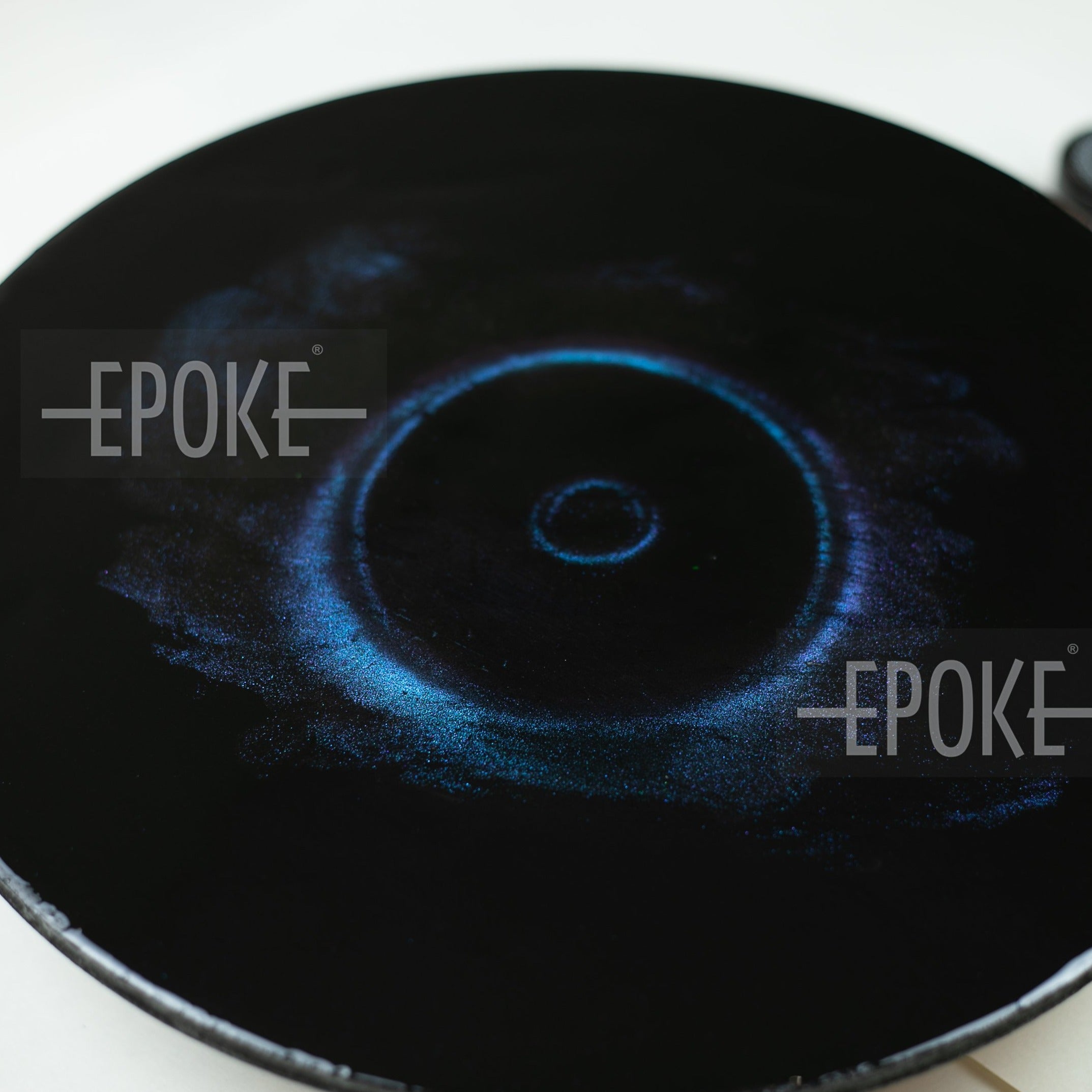
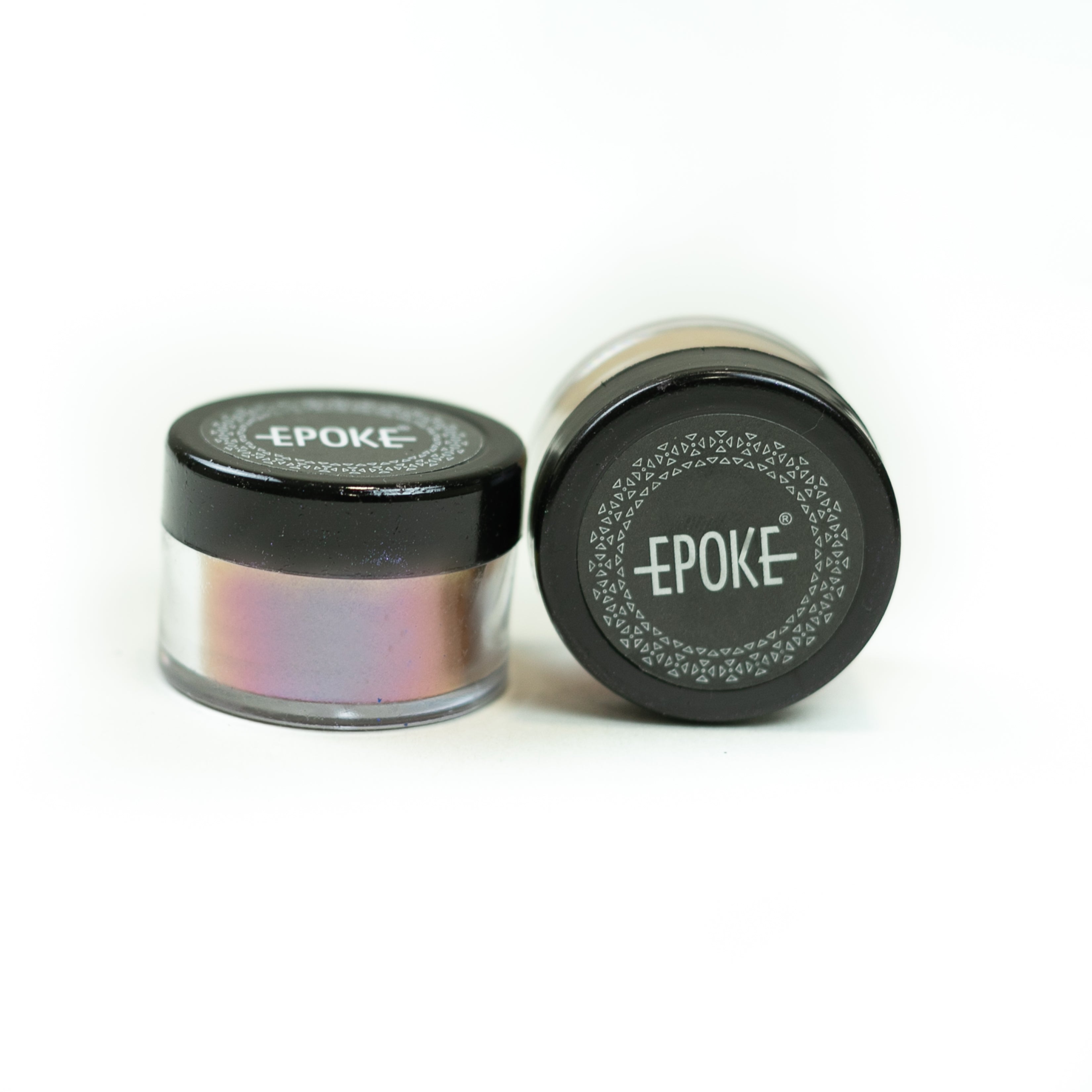
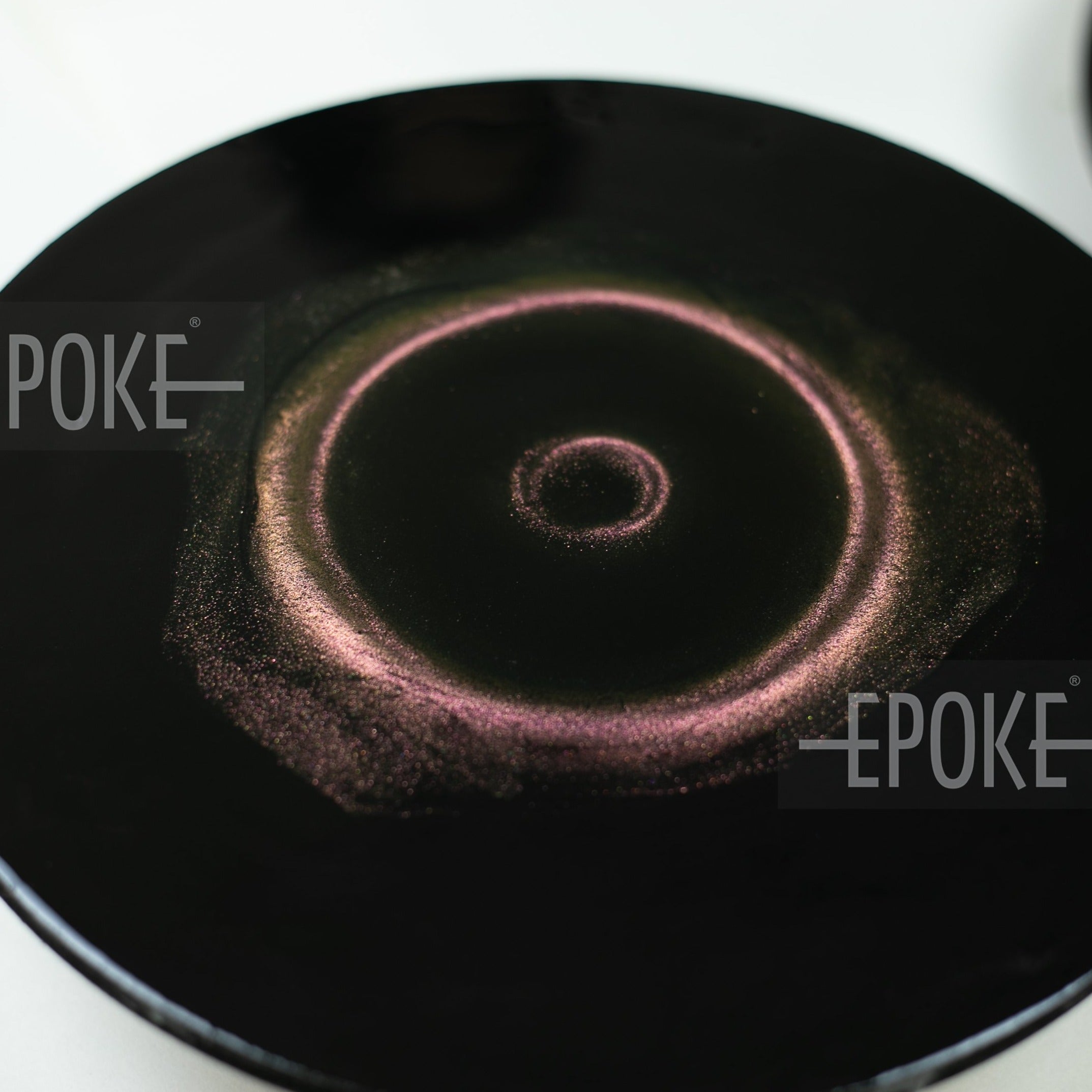
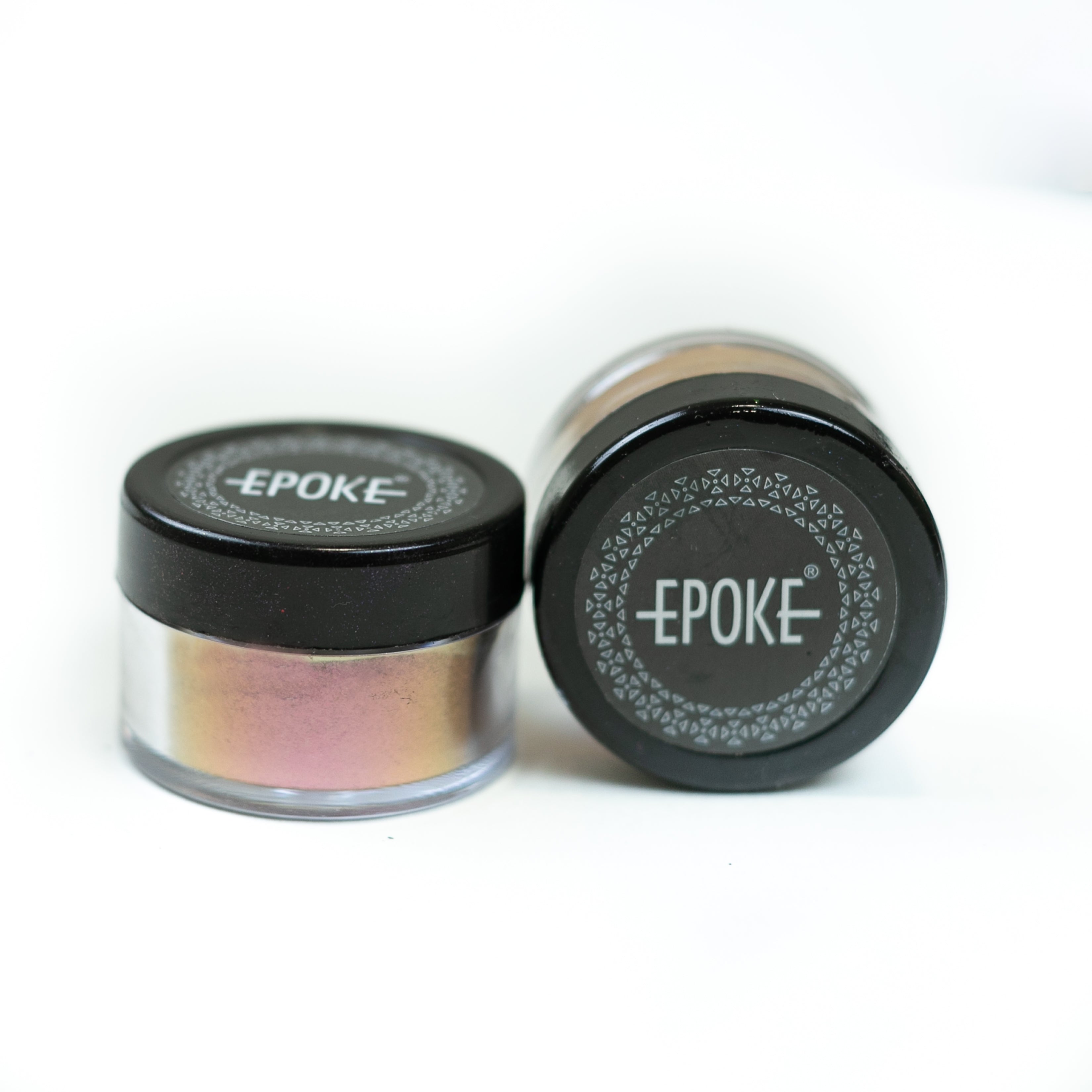
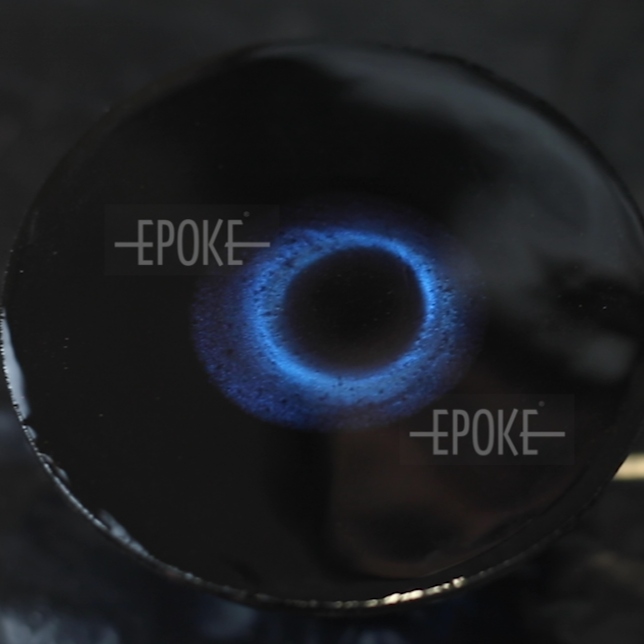
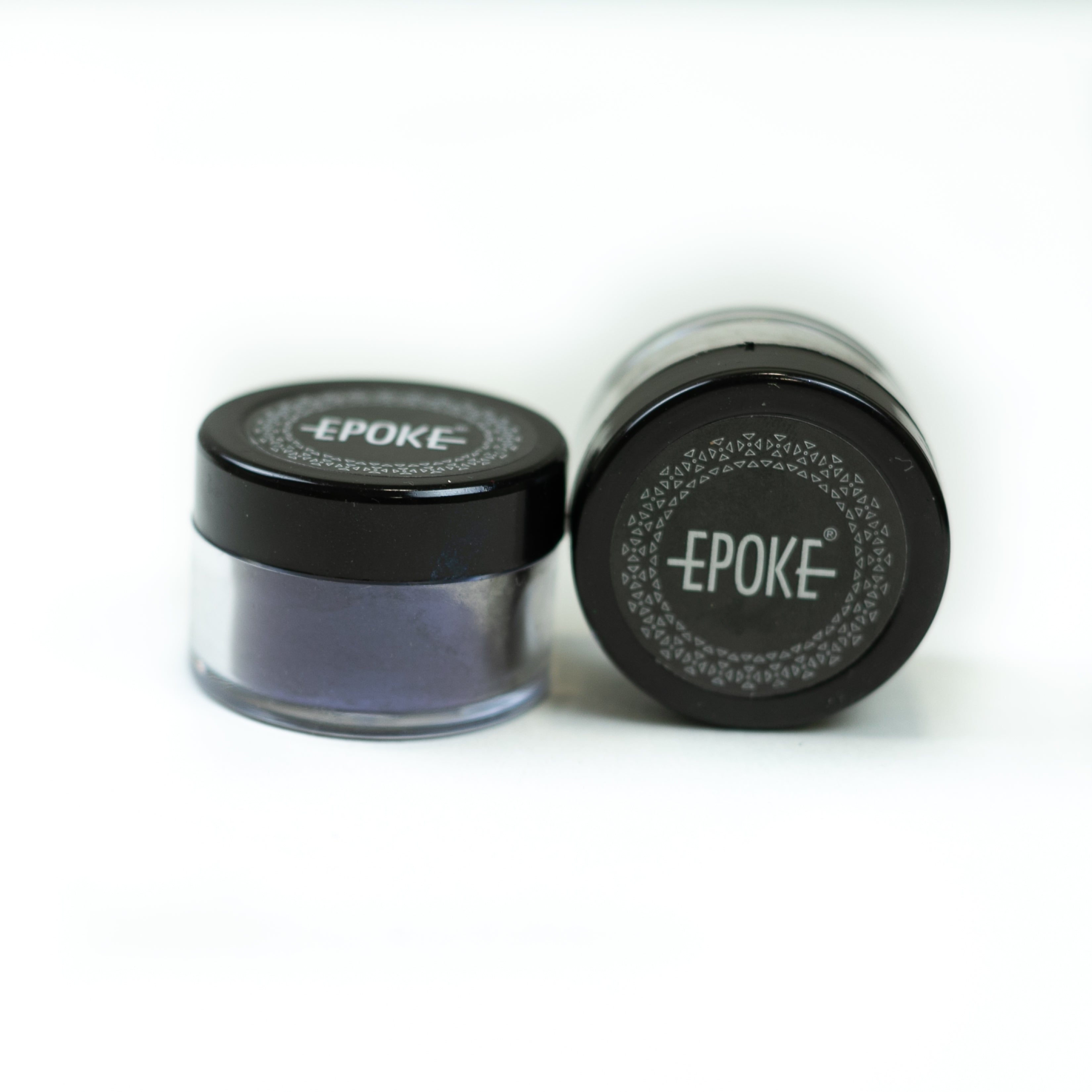
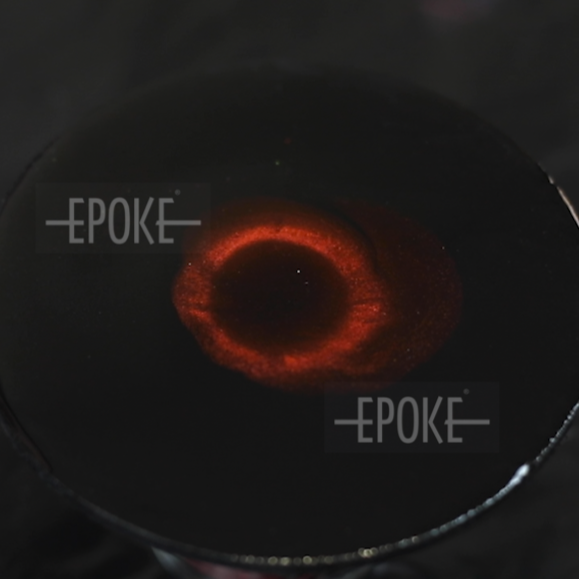
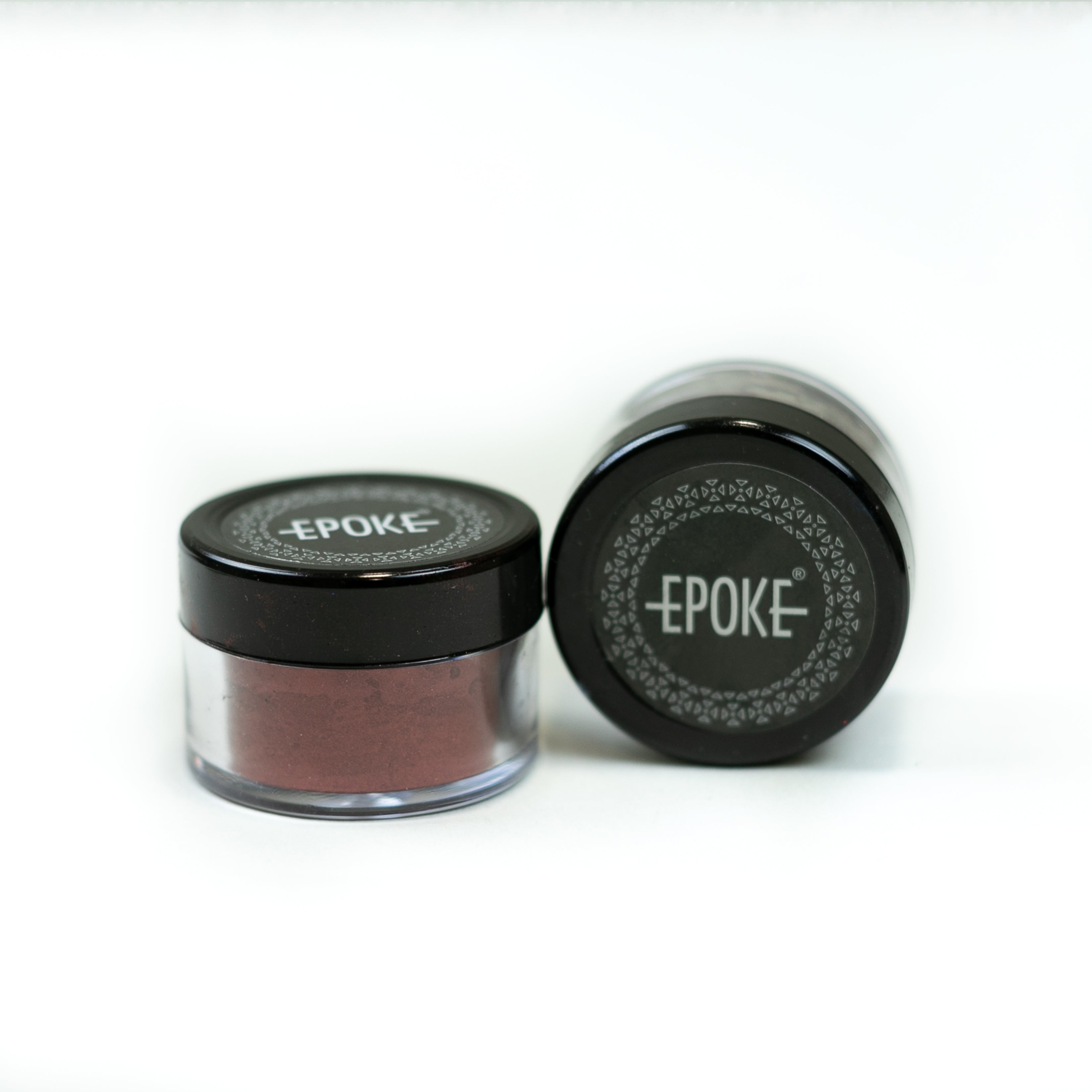


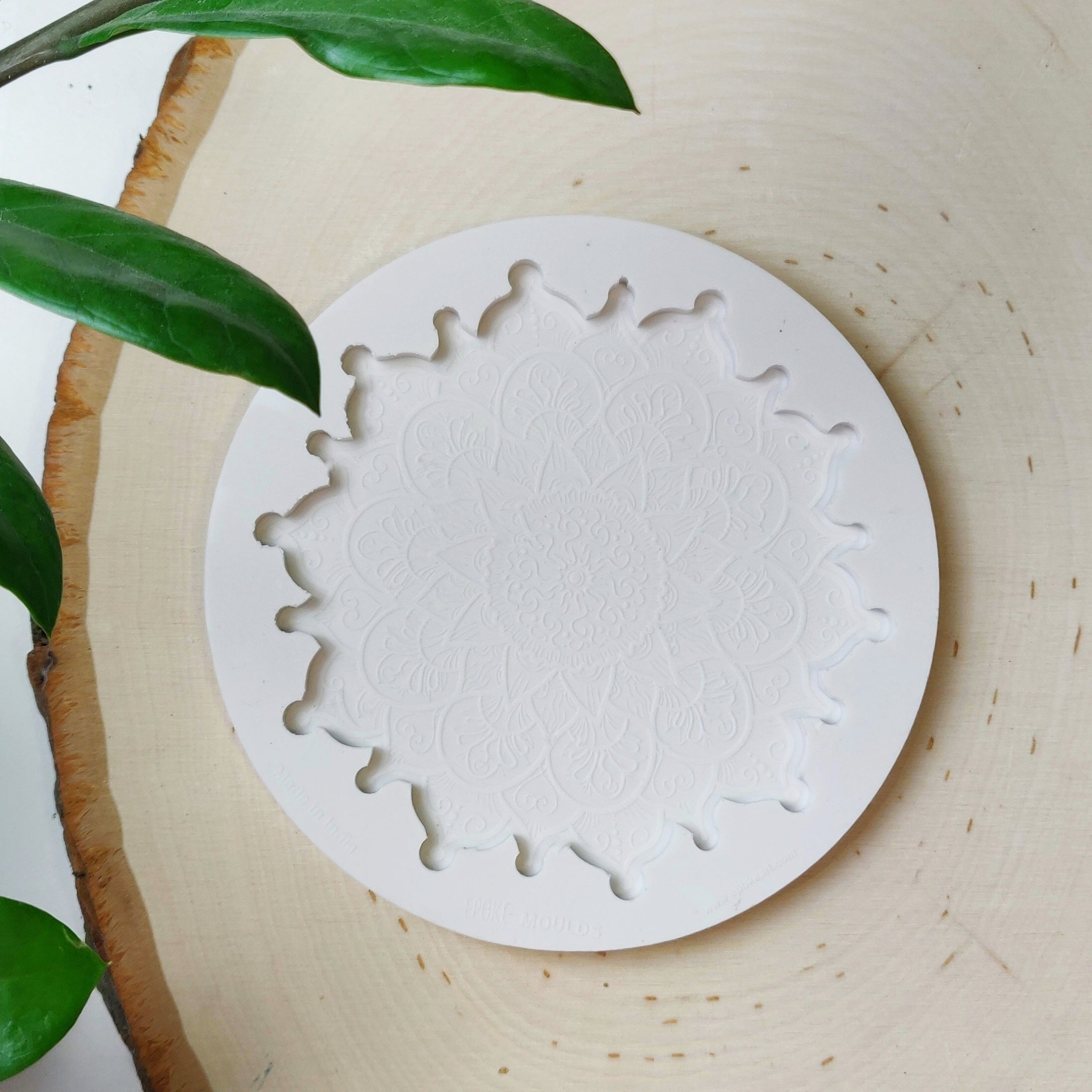
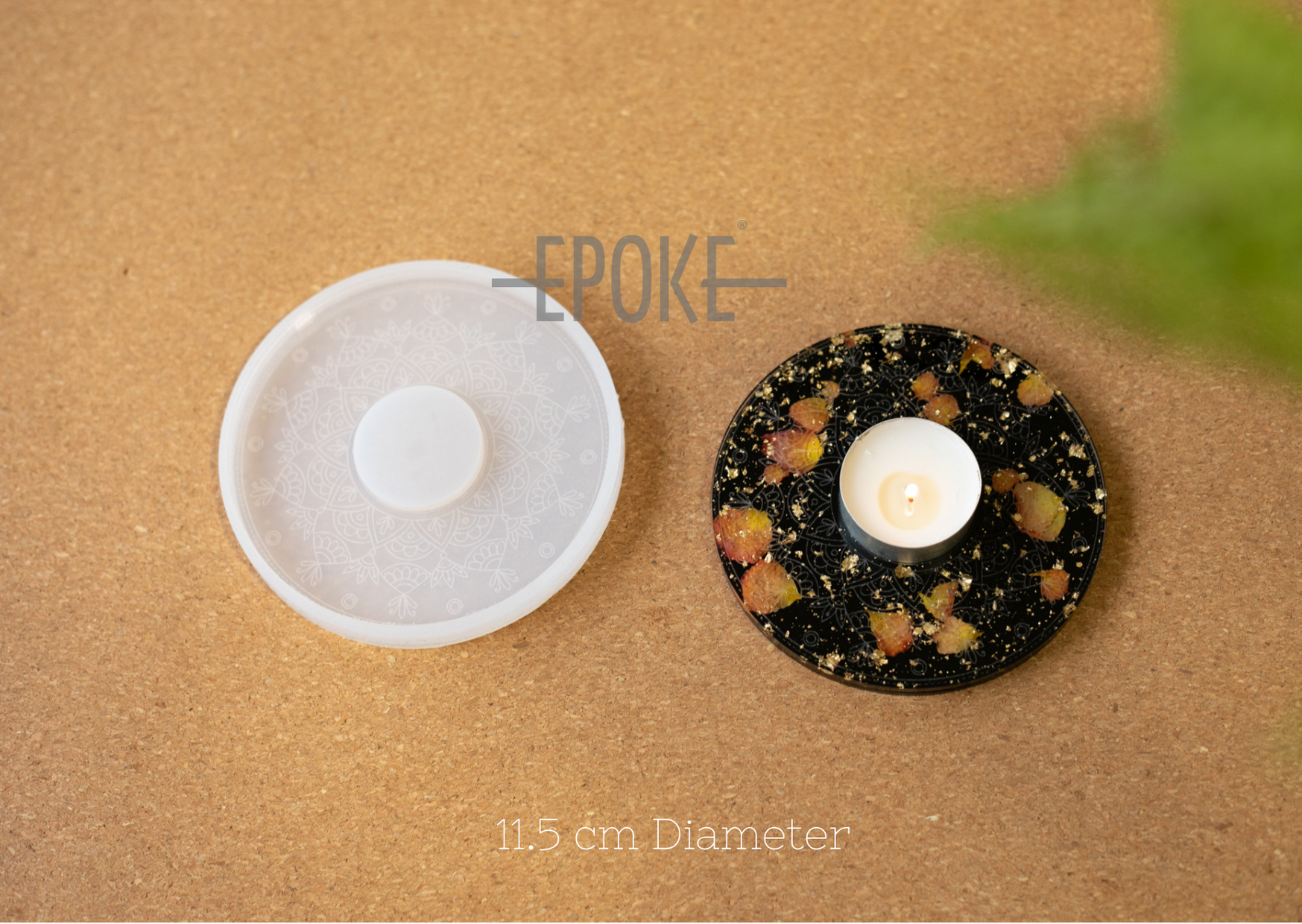









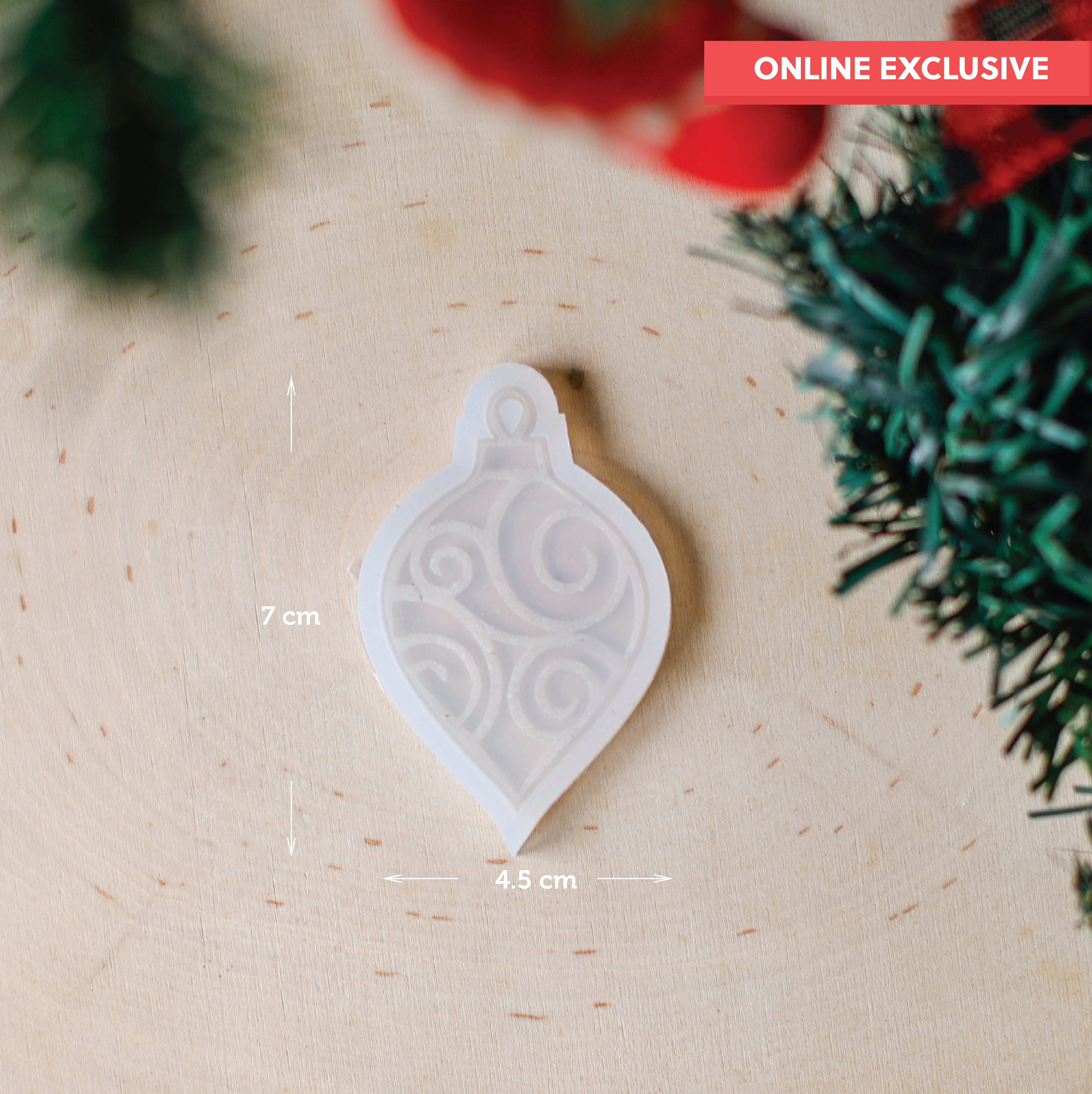

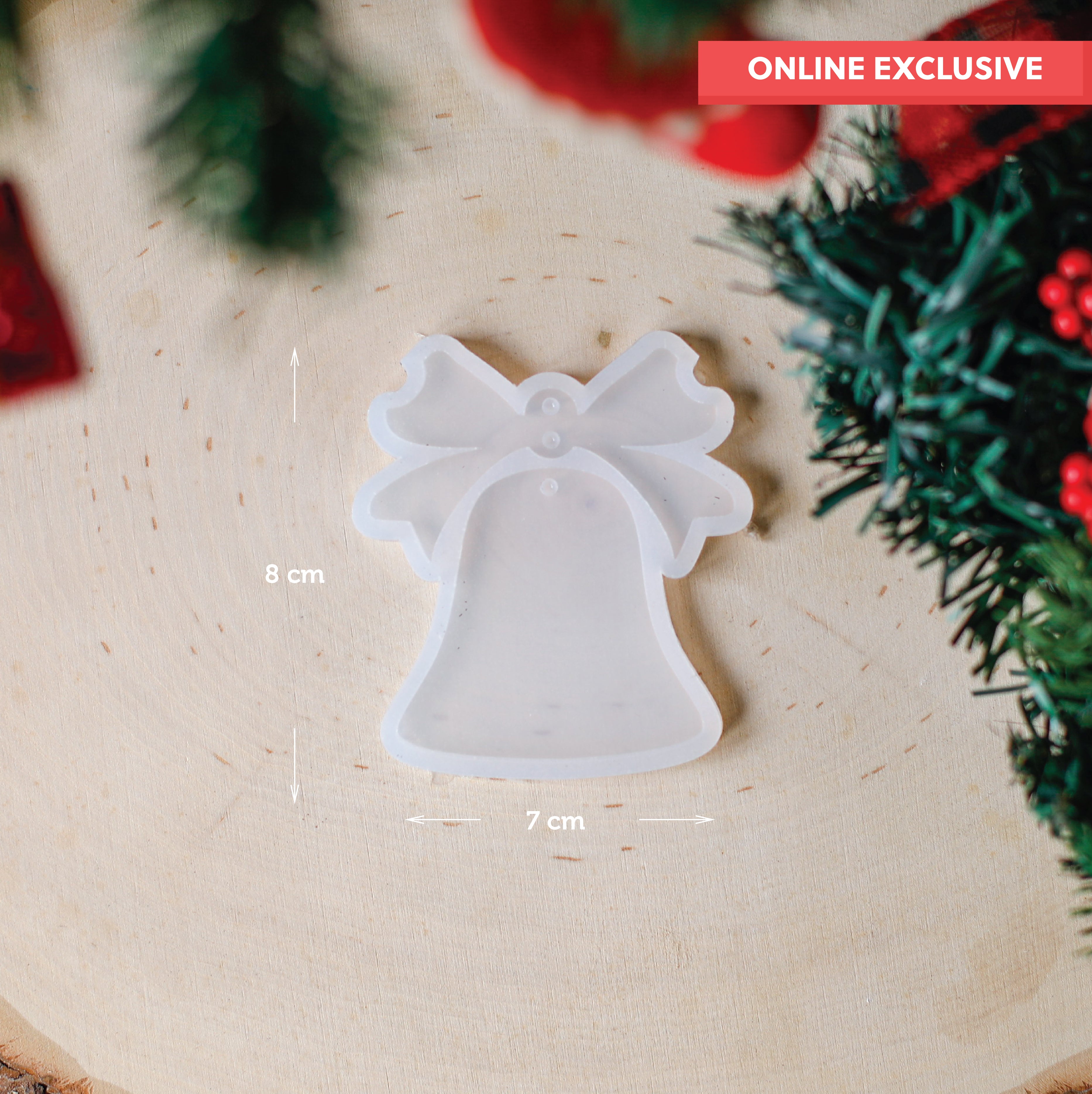

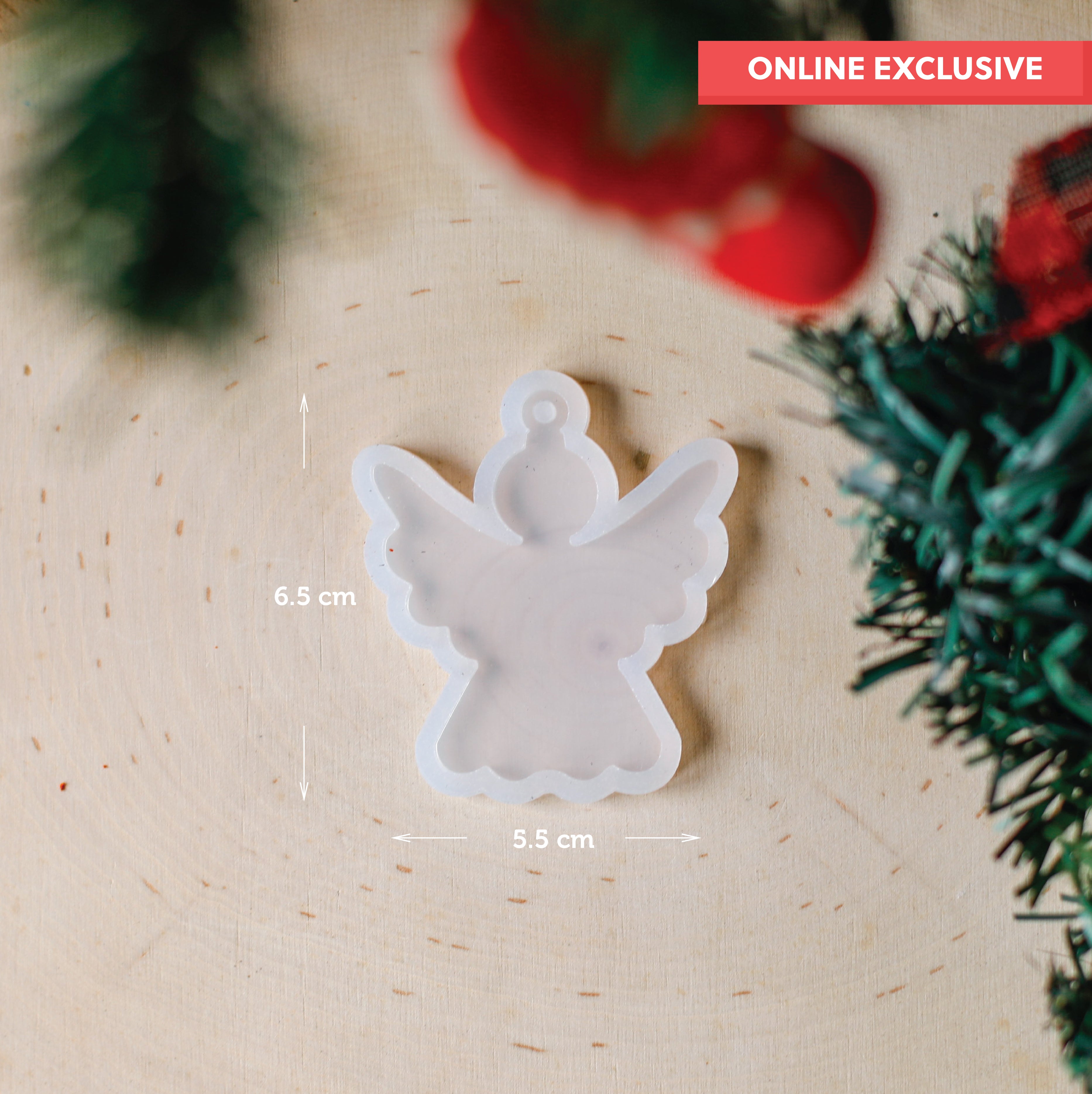

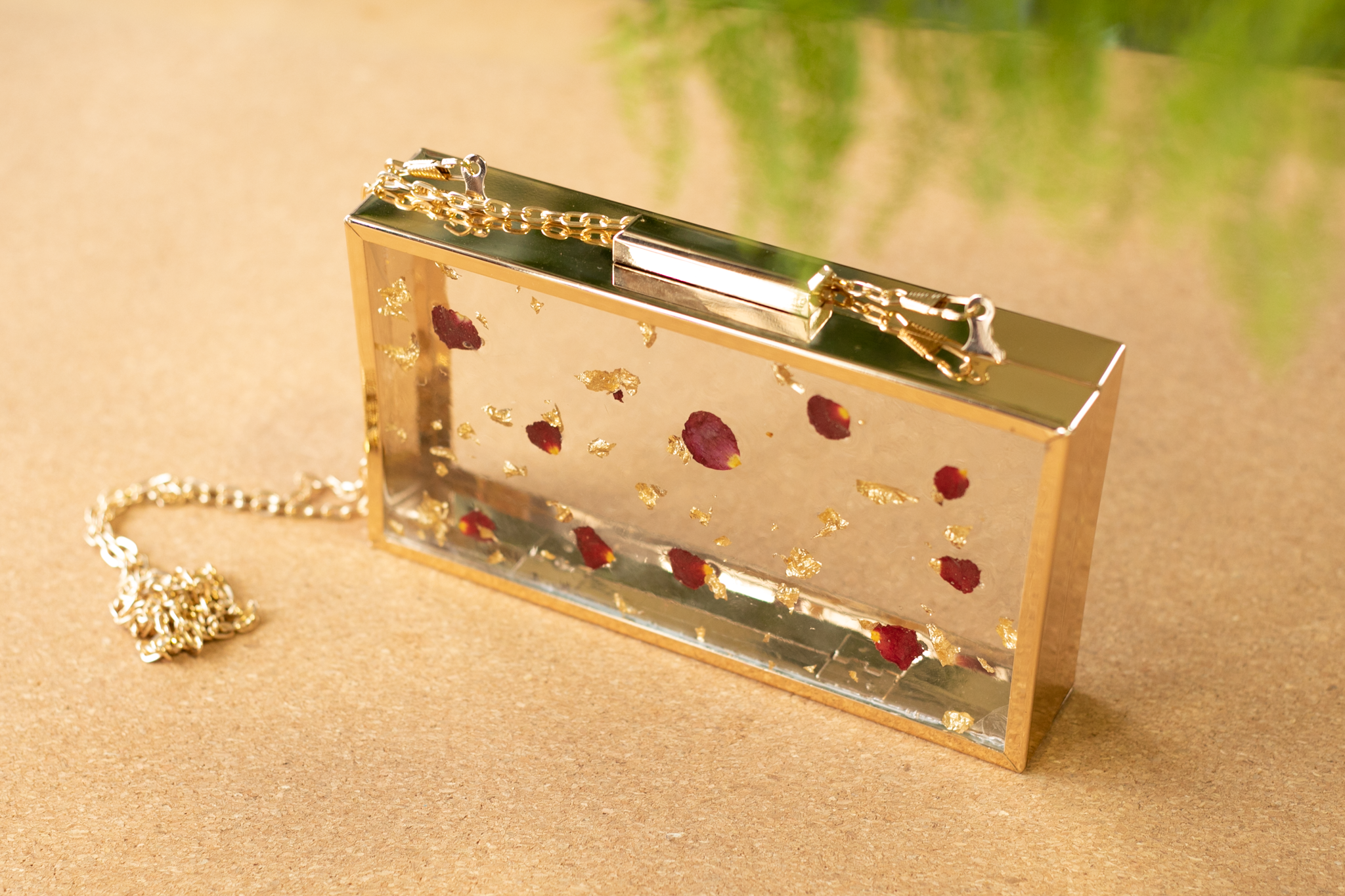




























Every epoxy resin kit prints a ratio on the label. Those two numbers set how you measure your resin , how long you work, and how your piece cures. The kind of Resin should be picked based on the Application and the qualities or features that are required to create the product. Pick the wrong product for your project and you waste time and material.
This guide explains the epoxy resin mixing ratio in plain terms. You will compare 2:1 epoxy resin and 3:1 epoxy resin, see where each fits according to the properties that you desire, and choose your next epoxy resin kit with confidence.
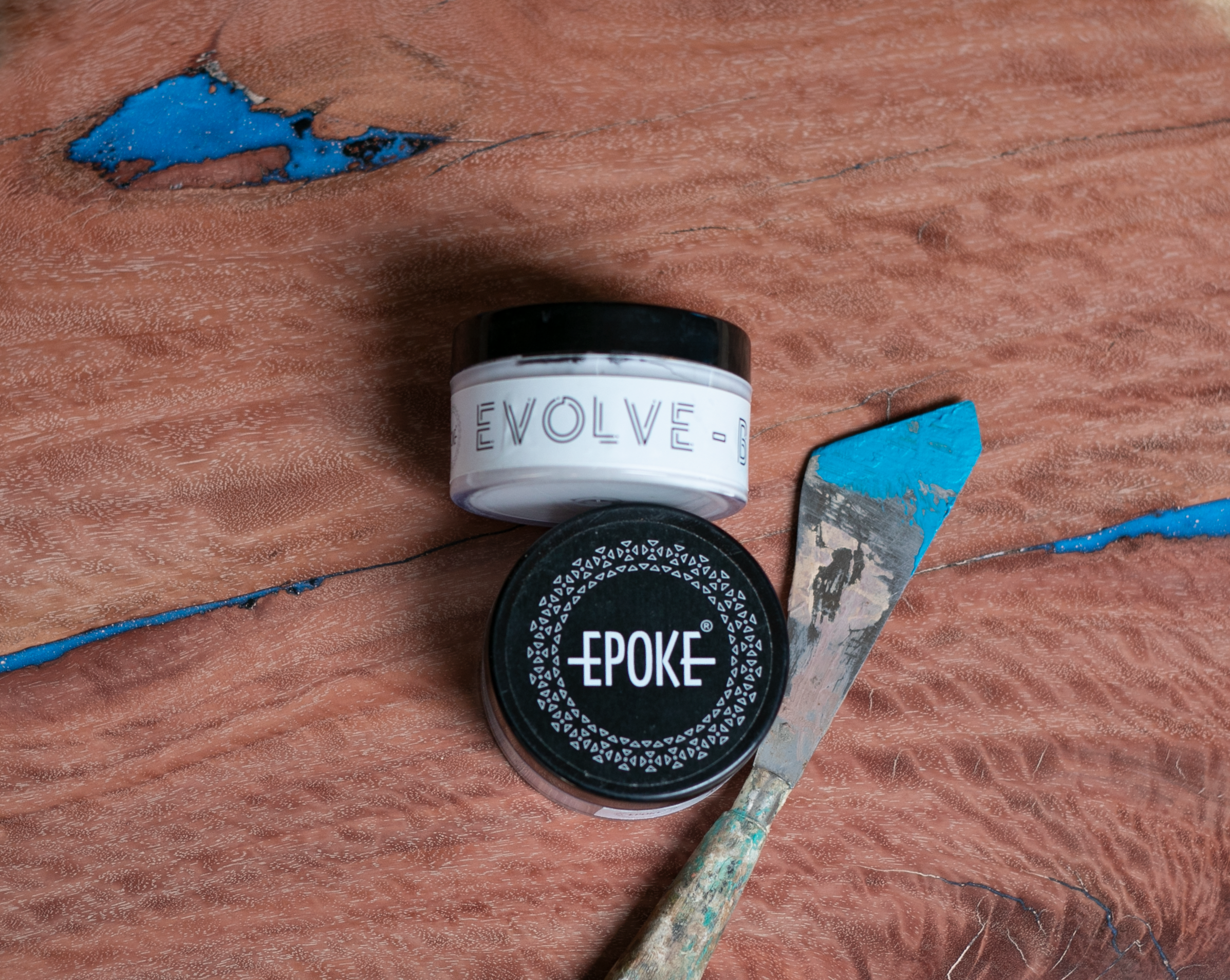
Quick answer: Choose 2:1 Epoke Quick Coat for a fast, high-gloss top coat. Choose 3:1 Epoke Art Resin for longer working time , deeper pours, and for both casting and coating purposes, you don't have to use two reasons you can just use one.
Key Takeaways
- The epoxy resin ratio tells you how many parts of resin go with one part of hardener by weight.
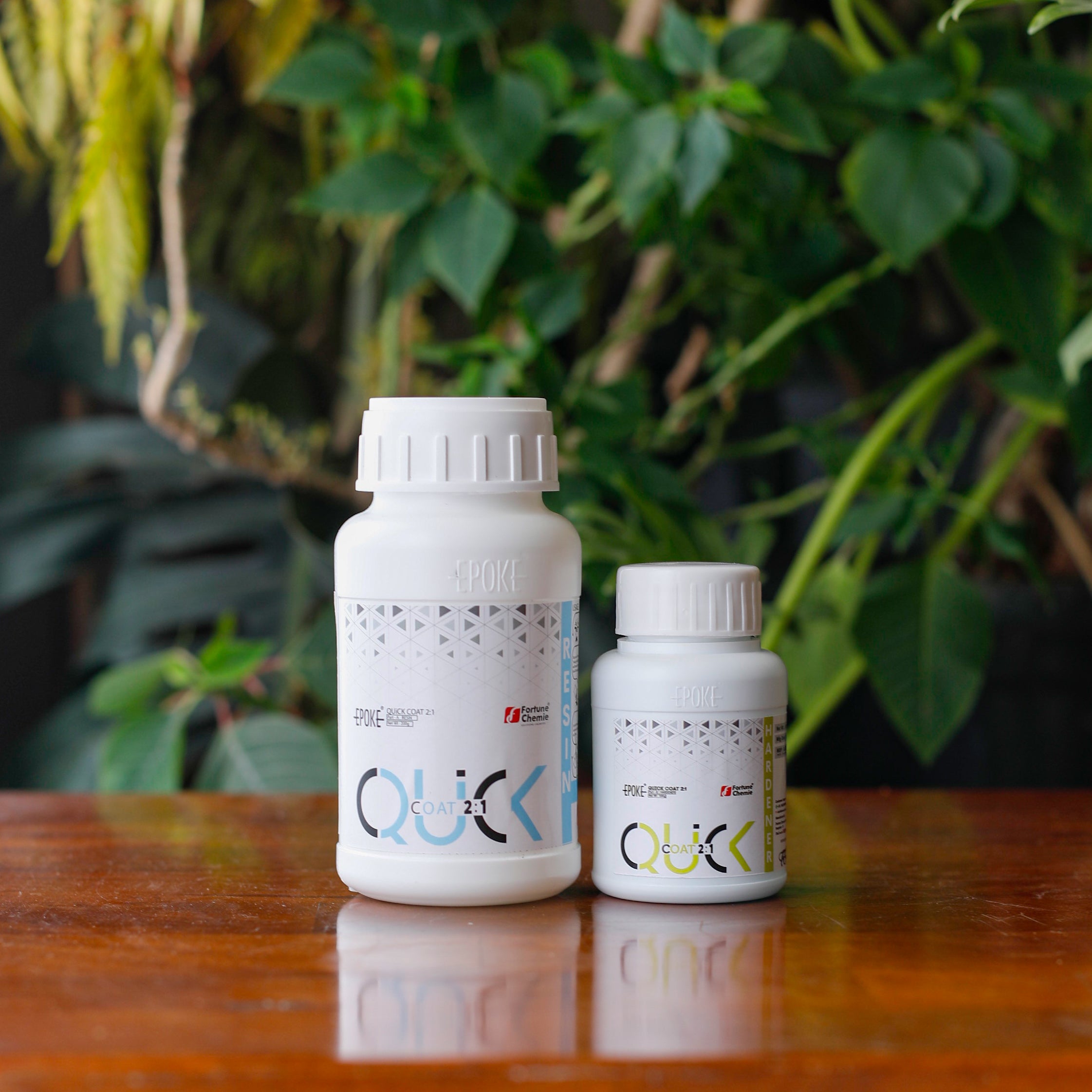
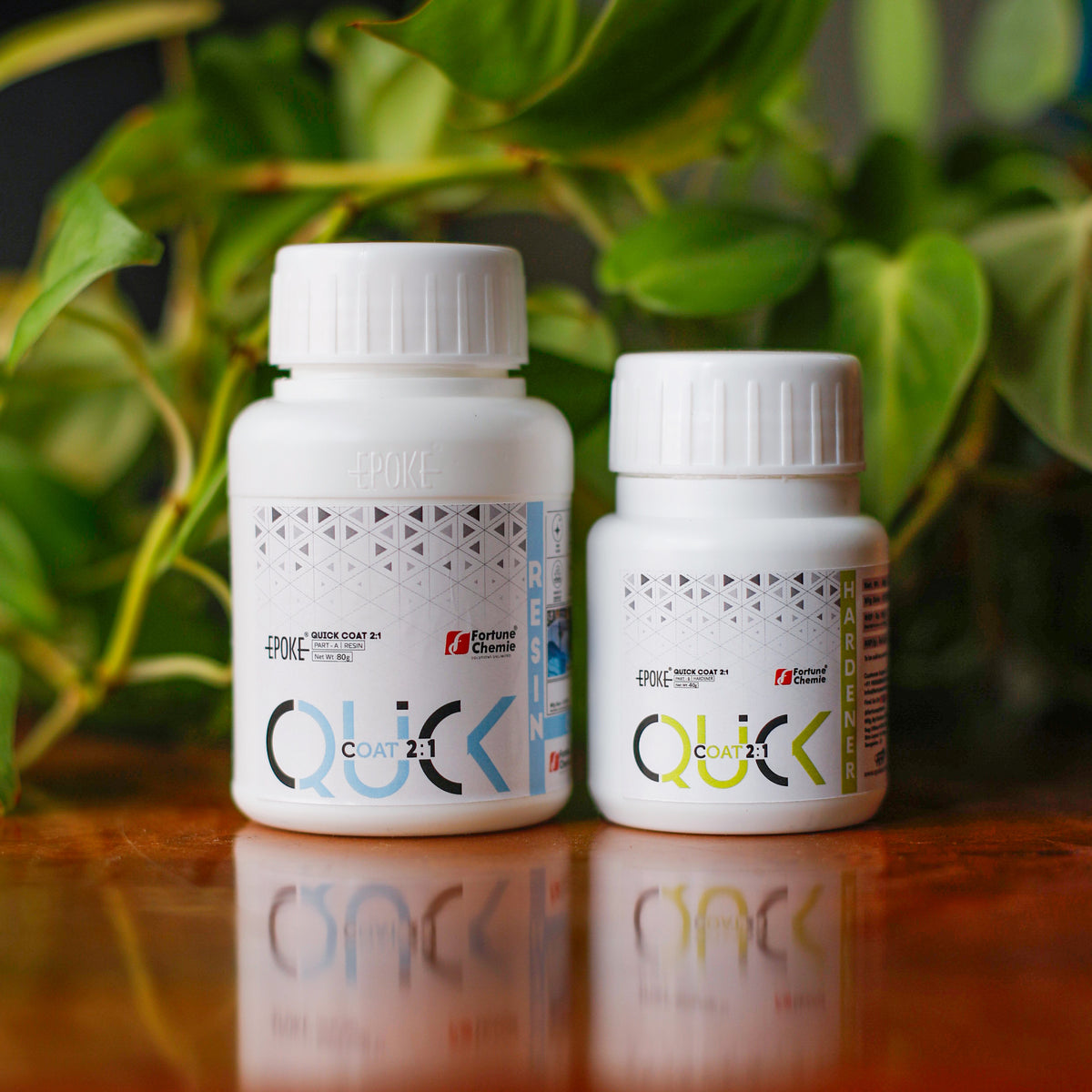
- 2:1 epoxy resin uses two parts resin and one part hardener by weight. Epoke Quick Coat follows this ratio.
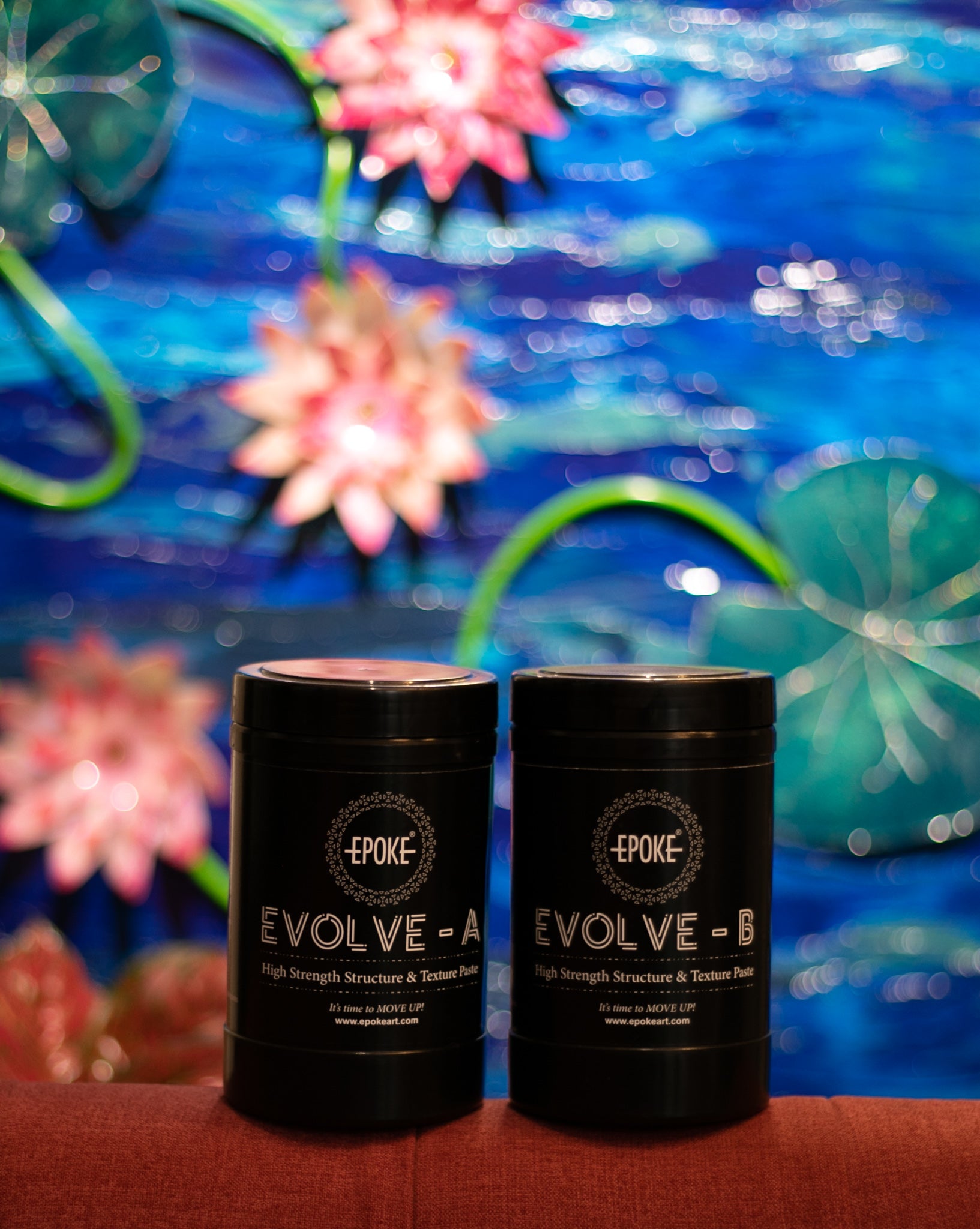
- 3:1 epoxy resin uses three parts resin and one part hardener by weight . Epoke Art Resin follows this ratio by weight.
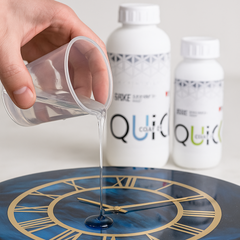
- EPOKE Quick Coat gives you a 30 minute pot life and touch dry in 5 to 6 hours.
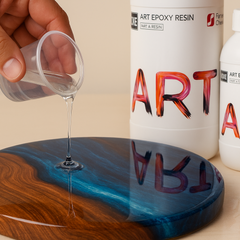
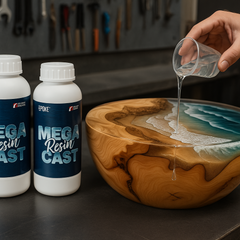
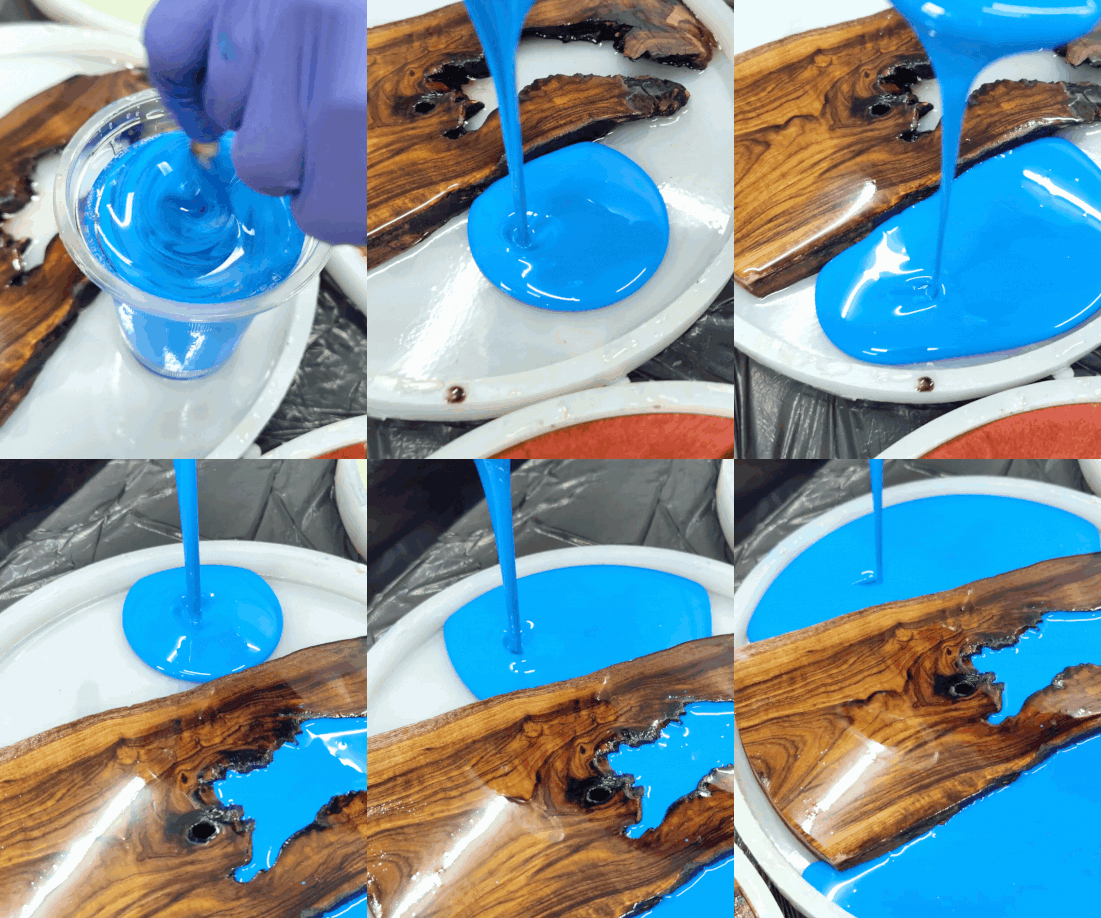
- EPOKE Art Resin gives you a 45 minute pot life and casts river tables up to 20 mm in one pour.
- Never change the ratio and measure correctly using a weighing scale. Each formula works only at its own numbers.
What Is an Epoxy Resin Mixing Ratio?
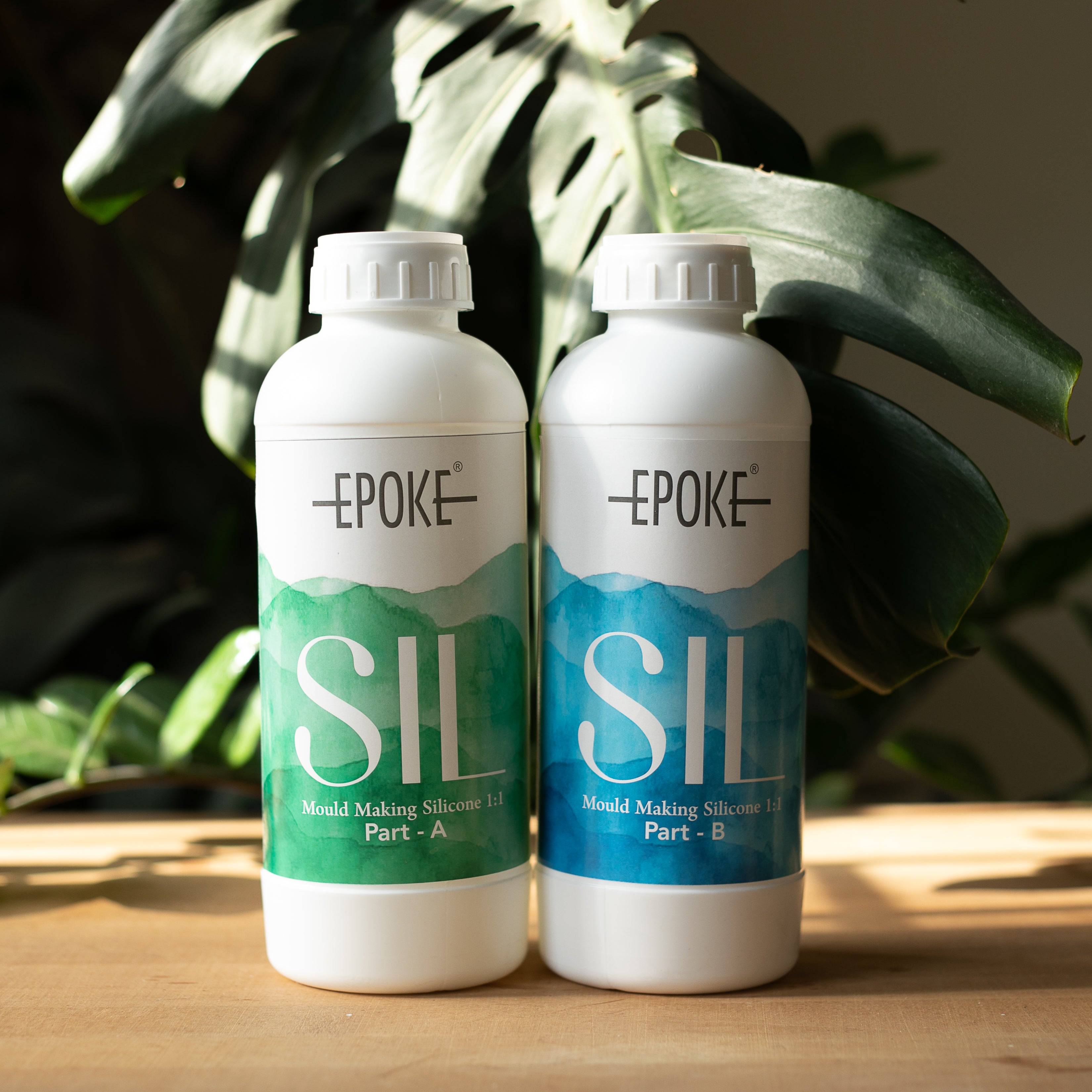
Every epoxy resin kit has two parts. Part A is the resin. Part B is the hardener. The epoxy resin mixing ratio states how much of each goes into your cup.
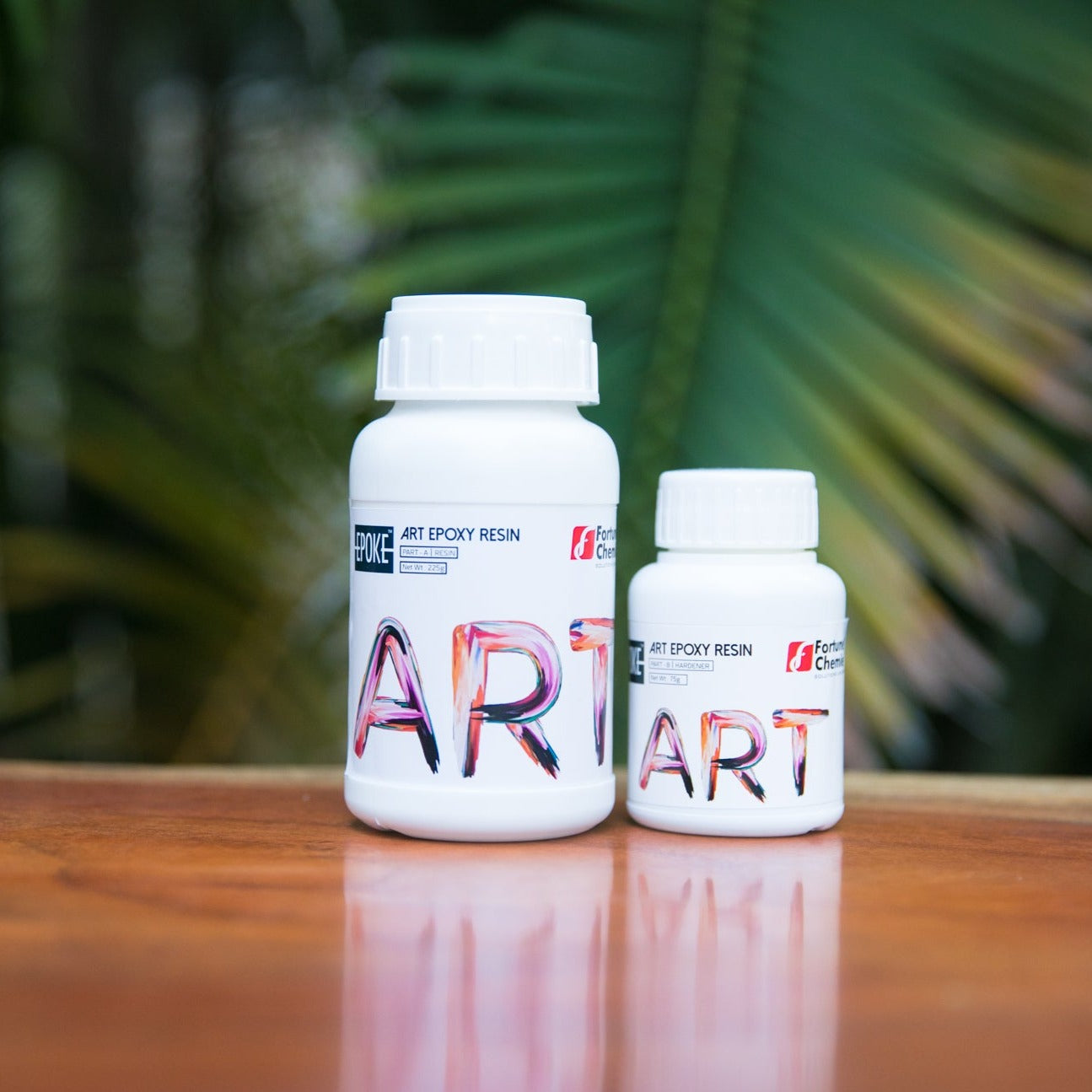
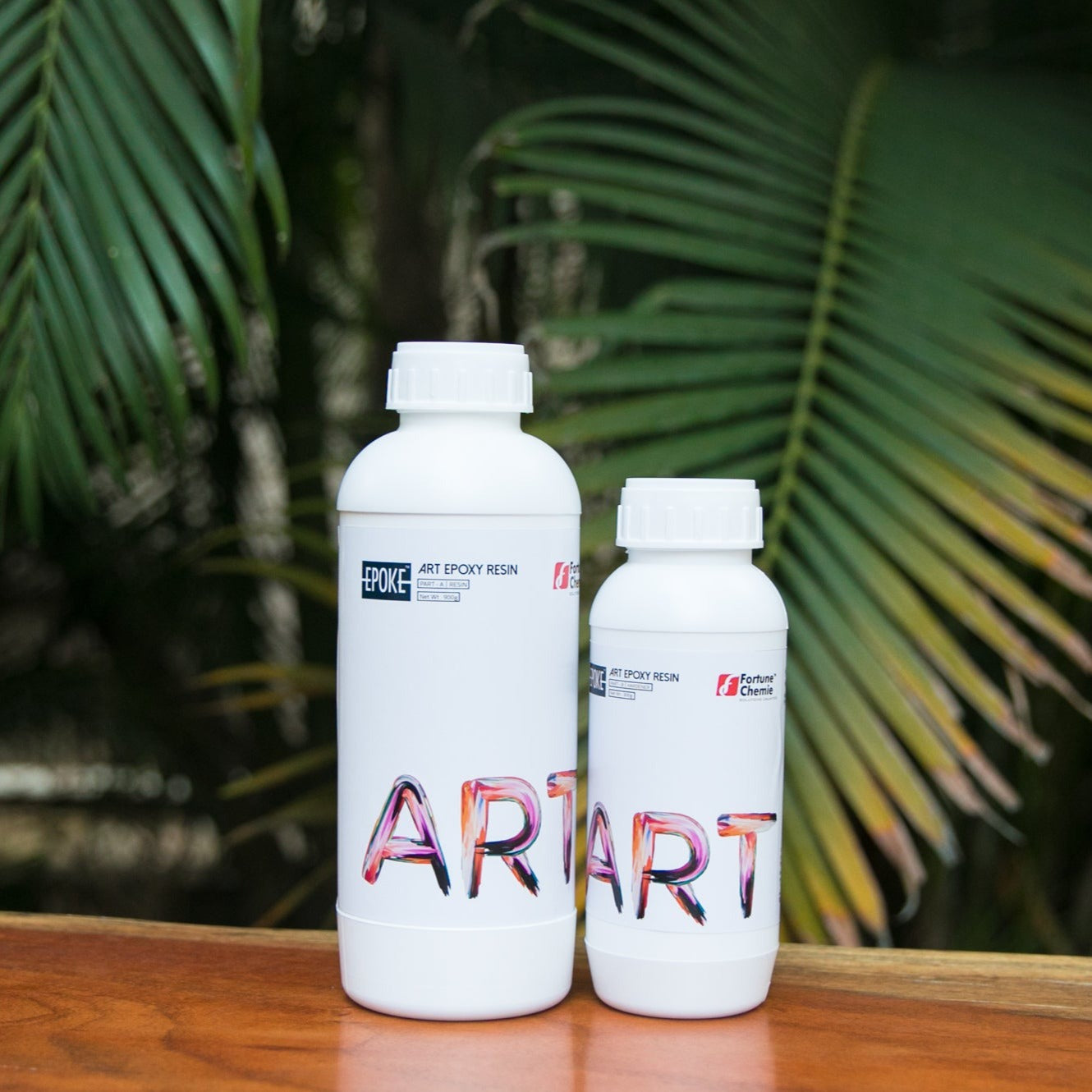
A 2:1 ratio by weight means two parts resin to one part hardener by weight. A 3:1 ratio means three parts resin to one part hardener by weight. Epoke Art Resin lists its ratio by weight. You mix 30 g of resin with 10 g of hardener measured using a weighing scale .
Resin and hardener react chemically , As we say here at epoke, each molecule of the present has to come in contact with a hard molecule to Harden. Too much or too less of either side leaves liquid unreacted. You see tacky spots, soft edges, or cloudy patches.
2:1 vs 3:1 Epoxy Resin: The Core Differences
The gap comes down to hardener share. A 300 g batch of 2:1 EPOKE Quick Coat resin uses 200 g resin and 100 g hardener. A 300 g batch of 3:1 EPOKE Art epoxy resin uses 225 g resin and 75 g hardener. Hardener makes up about 33% of a 2:1 mix and 25% of a 3:1 mix.
The ratio alone does not set cure time or strength. The formula does. Compare these two Epoke products side by side.
|
Detail |
EPOKE Quick Coat (2:1) |
EPOKE Art Resin (3:1) |
|
Pot life |
30 minutes |
45 minutes |
|
Touch dry |
5 to 6 hours |
6 to 8 hours |
|
Overcoat time |
5 hours |
8 to 10 hours |
|
Cure to handle |
12 hours |
24 hours |
|
Full internal cure |
72 hours |
72 hours |
|
Pour depth |
Up to 10 mm |
Up to 20 mm for river tables |
|
Coverage per kg |
12 to 13 sq ft at 1 mm |
10 to 12 sq ft at 1 mm |
Times apply at 28 to 32 °C. Quick Coat pour depth applies at 25 °C.
How the Ratio Affects Your Project
Measuring Accuracy
Hardener is a smaller share of a 3:1 mix, so small errors matter more. A 3 g slip in a 75 g hardener portion shifts the balance further than the same slip in a 100 g portion. Use a digital scale for EPOKE Art Resin, since you measure by weight.
Working Time and Speed
Quick Coat suits fast work. You get a 5 hour overcoat window and handle your piece after 12 hours. Art Resin gives you 15 more minutes of pot life. That extra time helps when you mix larger batches or pour a detailed piece.
Pour Depth
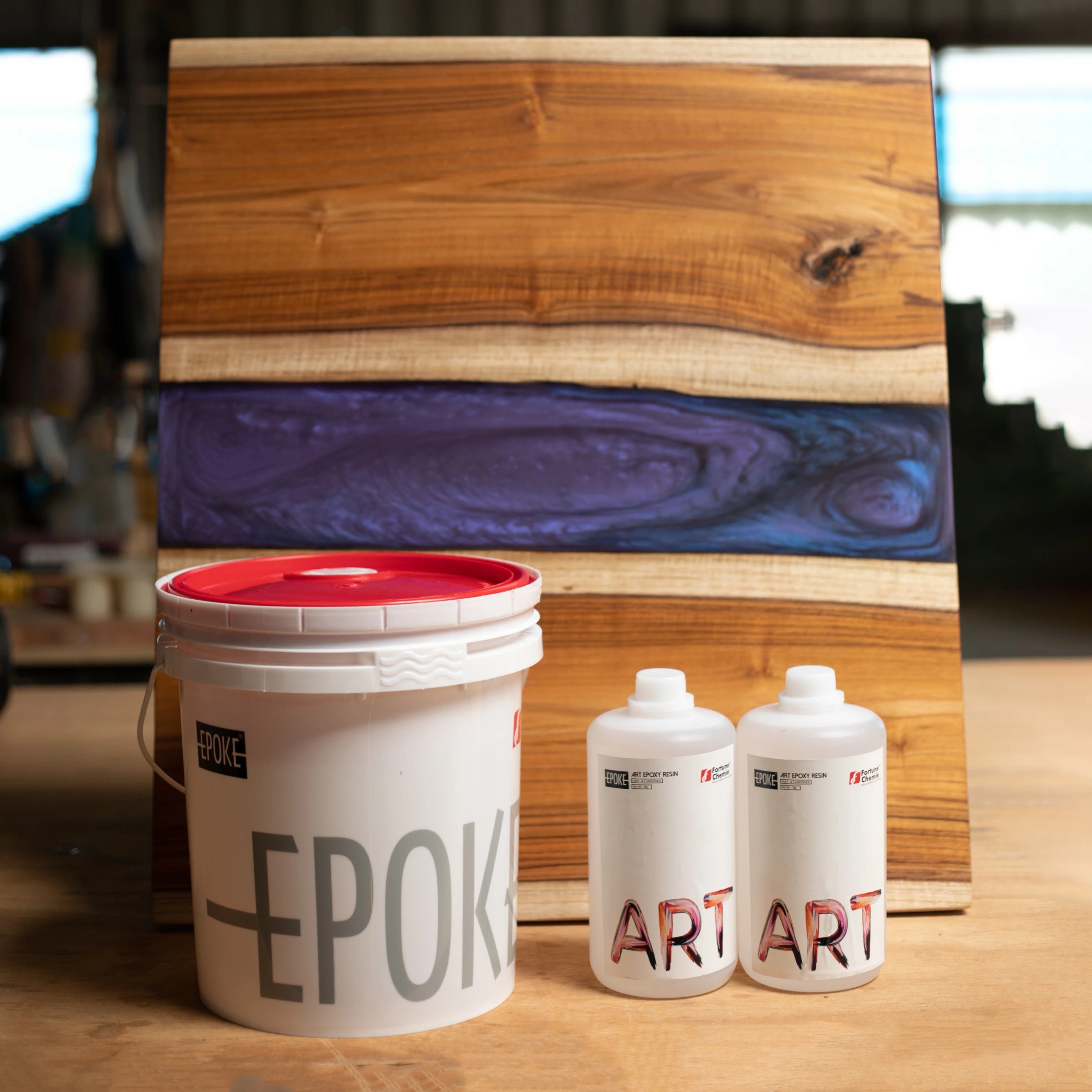
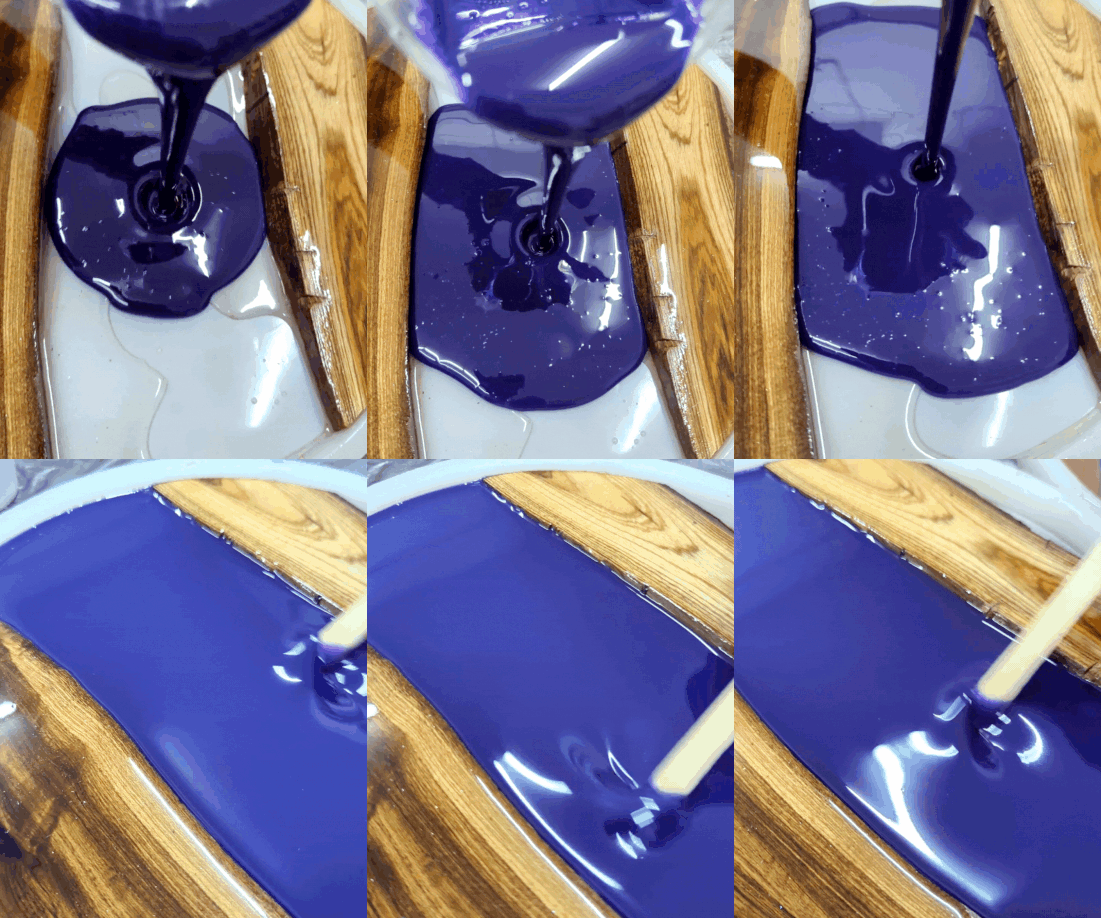
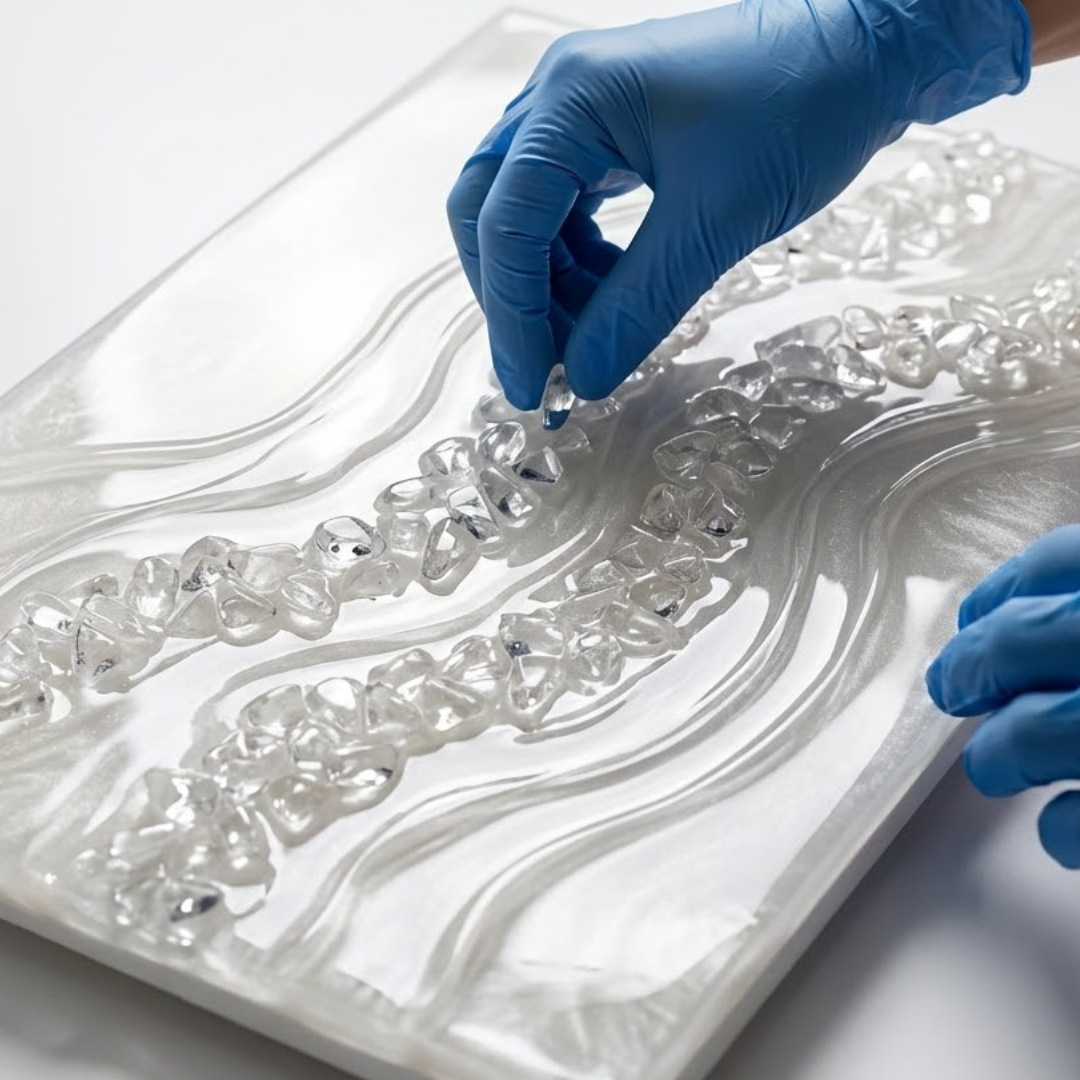
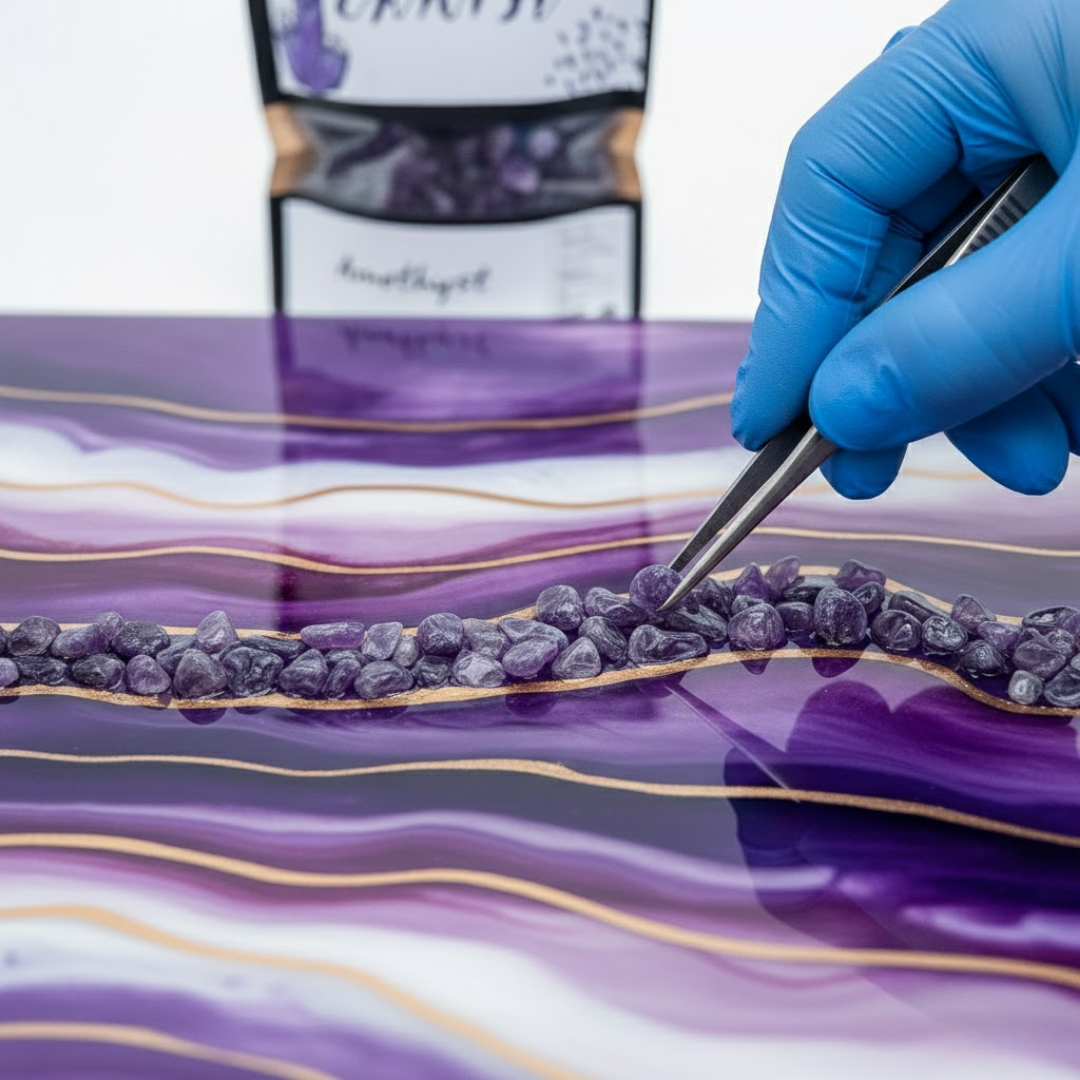
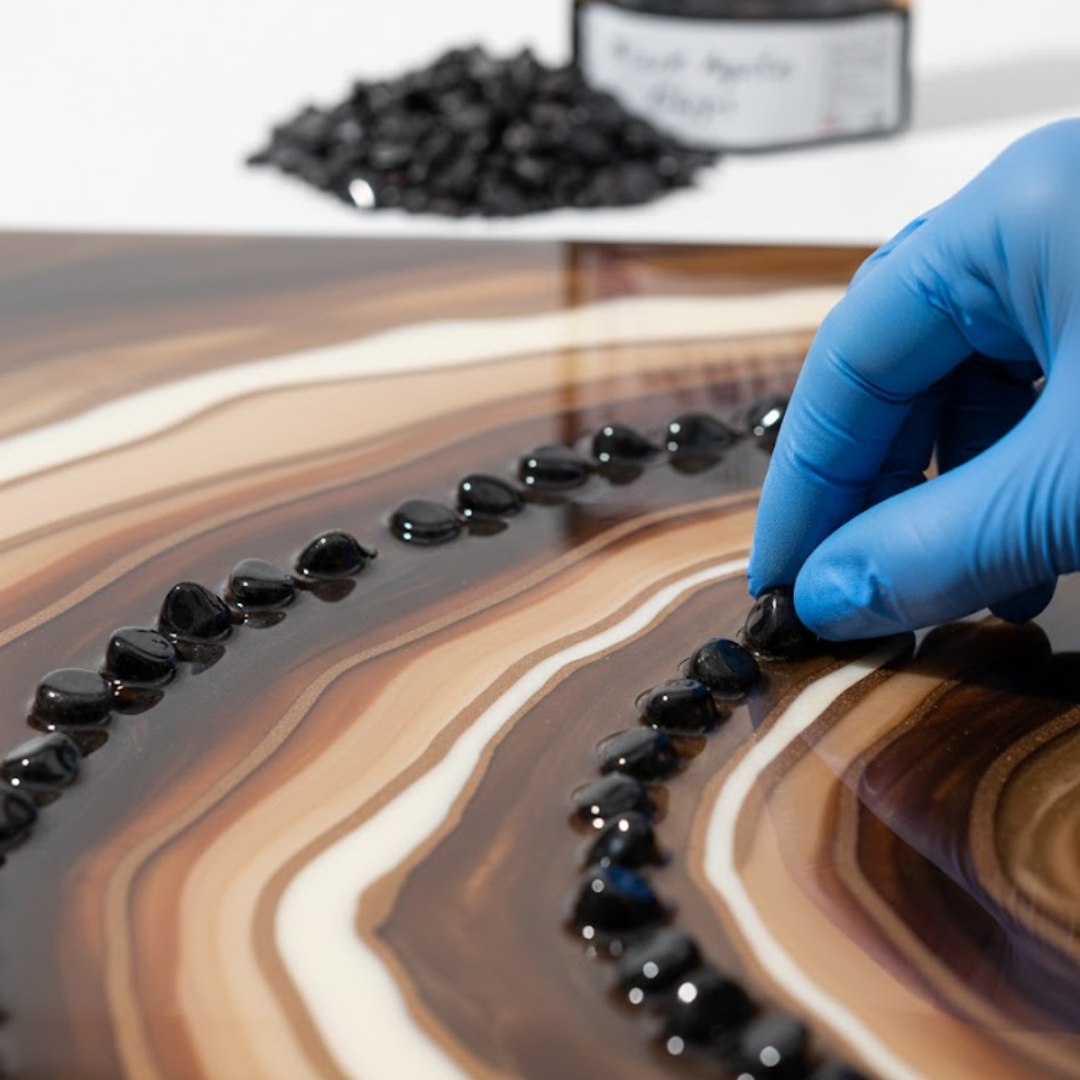
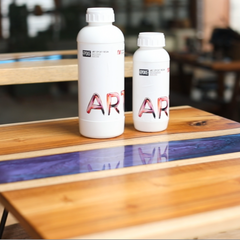
EPOKE Quick Coat 2:1 pours up to 10 mm. EPOKE Art Resin 3:1 casts up to 20 mm in a single go, which suits river tables.
What Else Sets Each Resin Apart
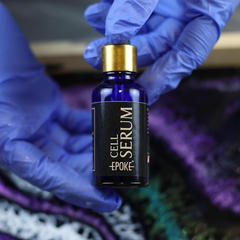
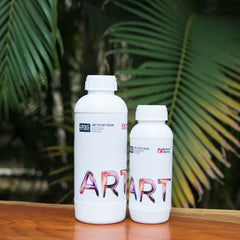
Epoke Art Resin v2.0 is a clear, self-levelling system with low odour. It carries zero VOC, zero solvents, and zero fumes. It resists yellowing and UV light, and it tolerates heat up to 70 °C. It is certified to US FDA 21CFR175.300 for food contact and conforms to ASTM D-4236 for indoor use. You also get it in a 28 kg Professional Kit, with 21 kg resin and 7 kg hardener.
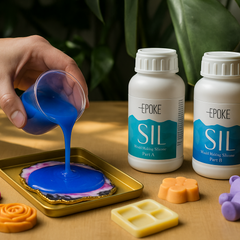
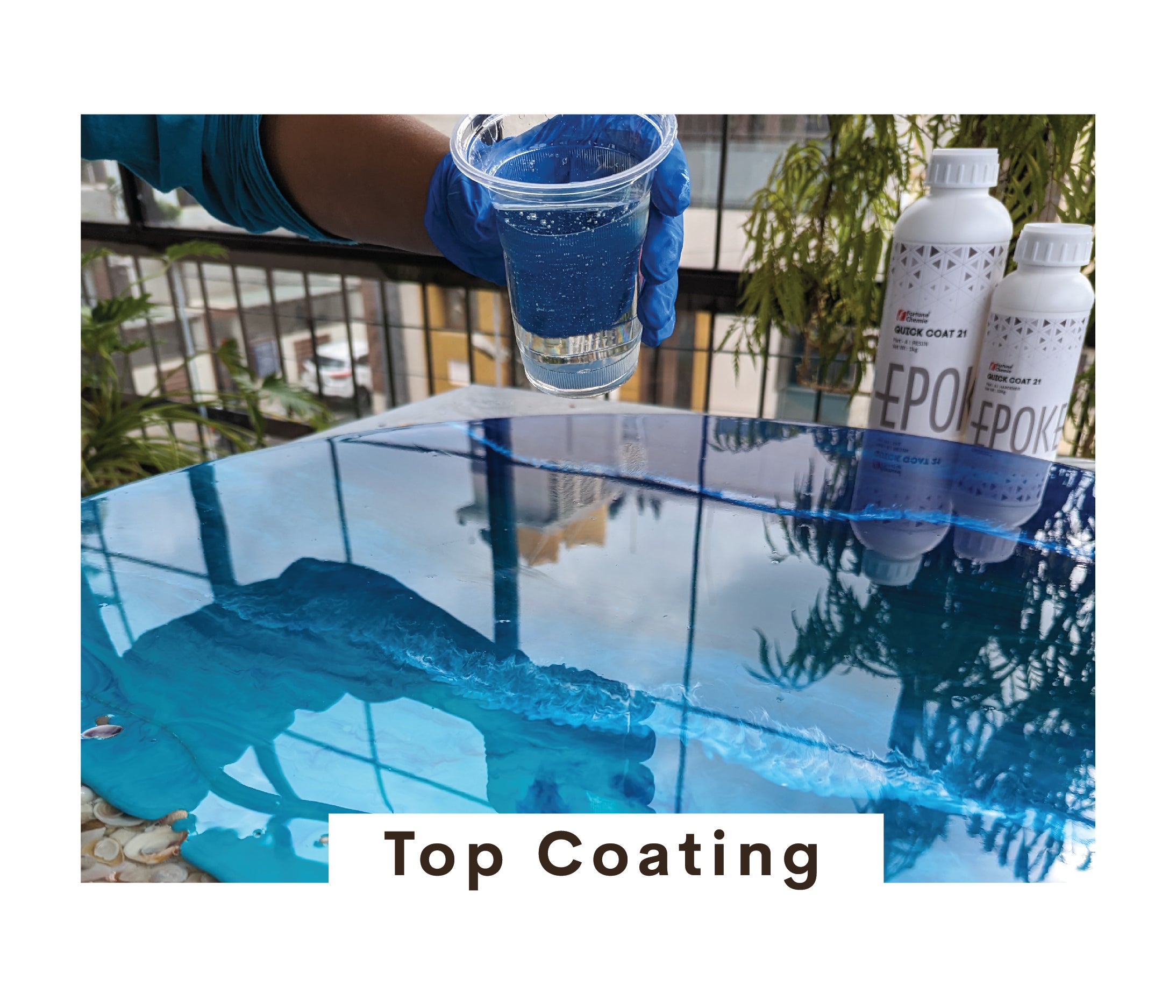
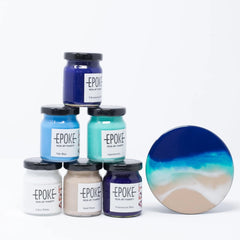
Epoke Quick Coat gives you a glossy, durable, crystal-clear finish. It resists stains and uses UV Blue Technology. Its application fits paintings, jewelry, and crafts.
Which Is Better for Beginners: 2:1 or 3:1?
Neither ratio wins on its own. Match the product to your project.
Start with the Epoke Quick Coat 2:1 collection if you want simple math and a fast turnaround on a top coat. Start with the Epoke Art Resin collection if you want extra working time and plan to cast. Either way, measure with care and follow the label.
Explore More Epoke Epoxy Resin Options
Once you master your first mix, you have more choices.
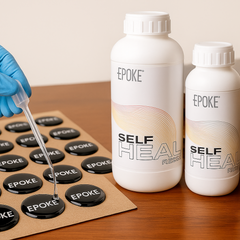
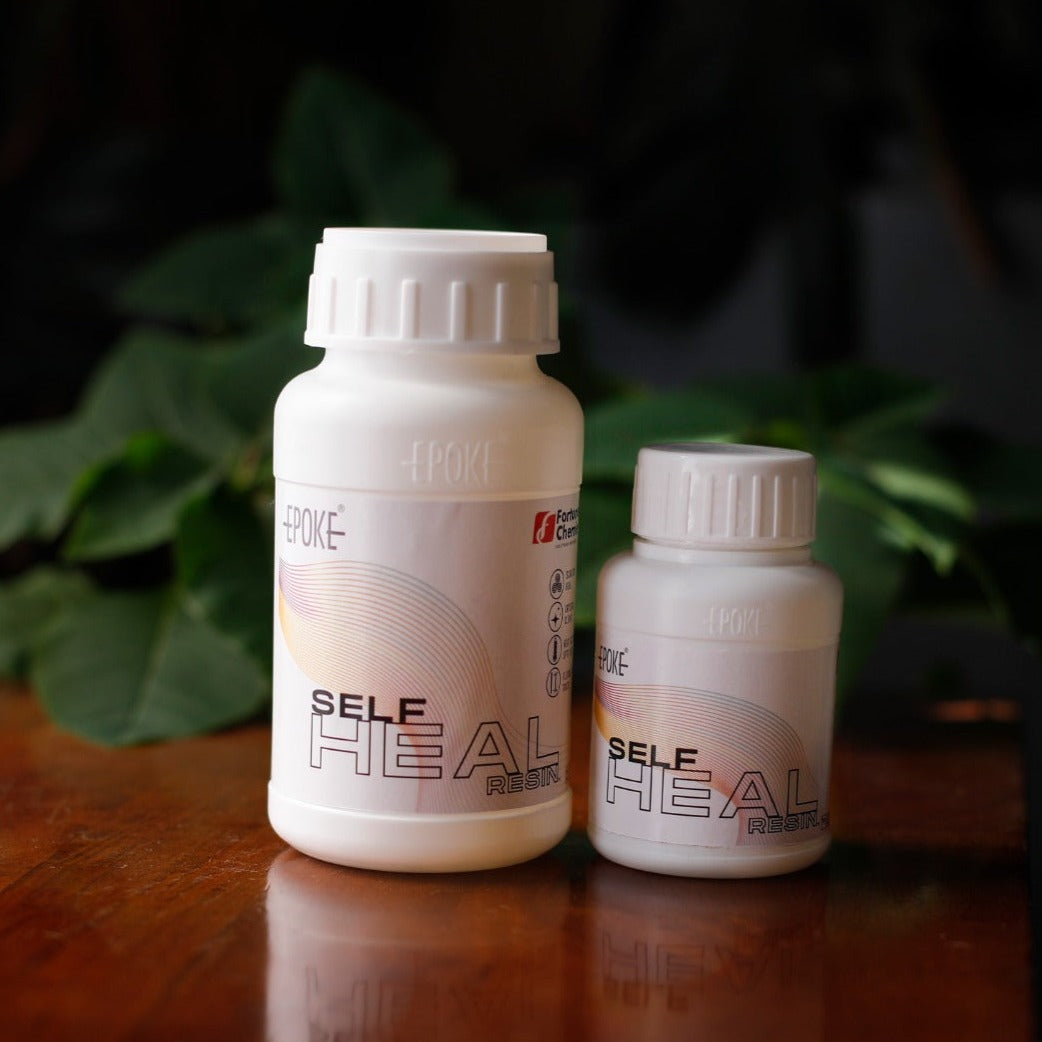
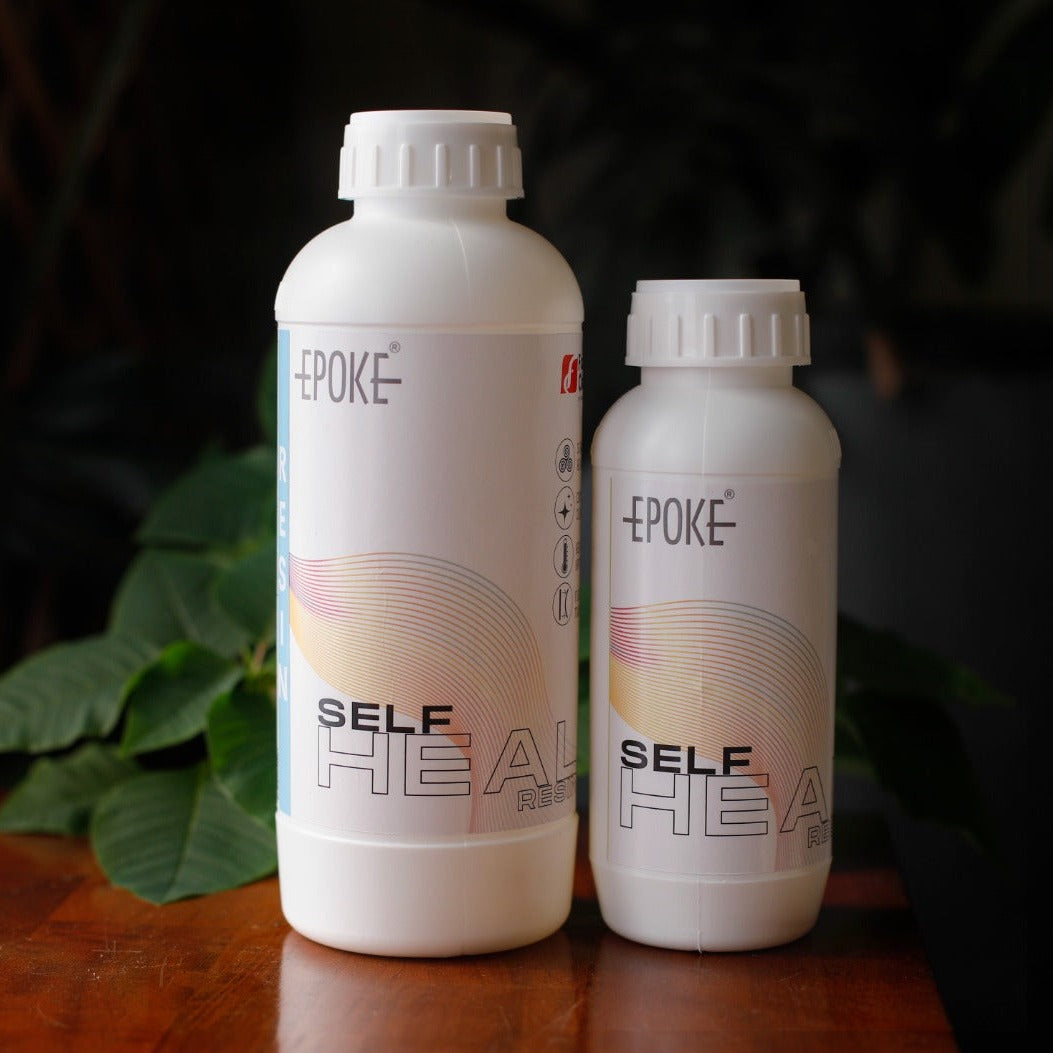
- EPOKE Self-heal resin suits finish if you want to resist fine surface marks.
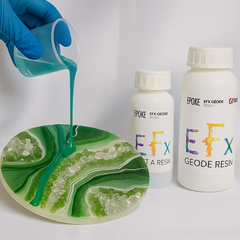
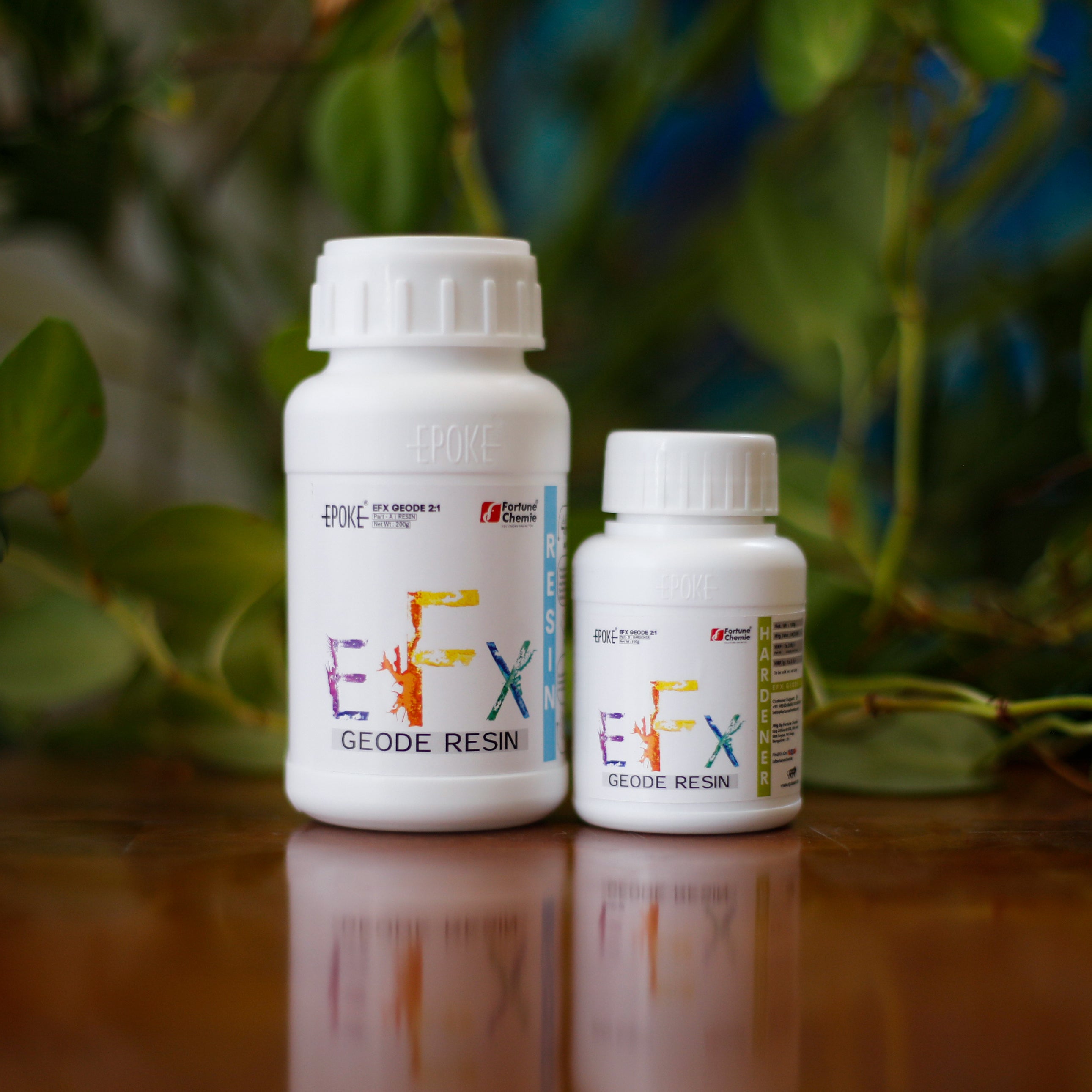
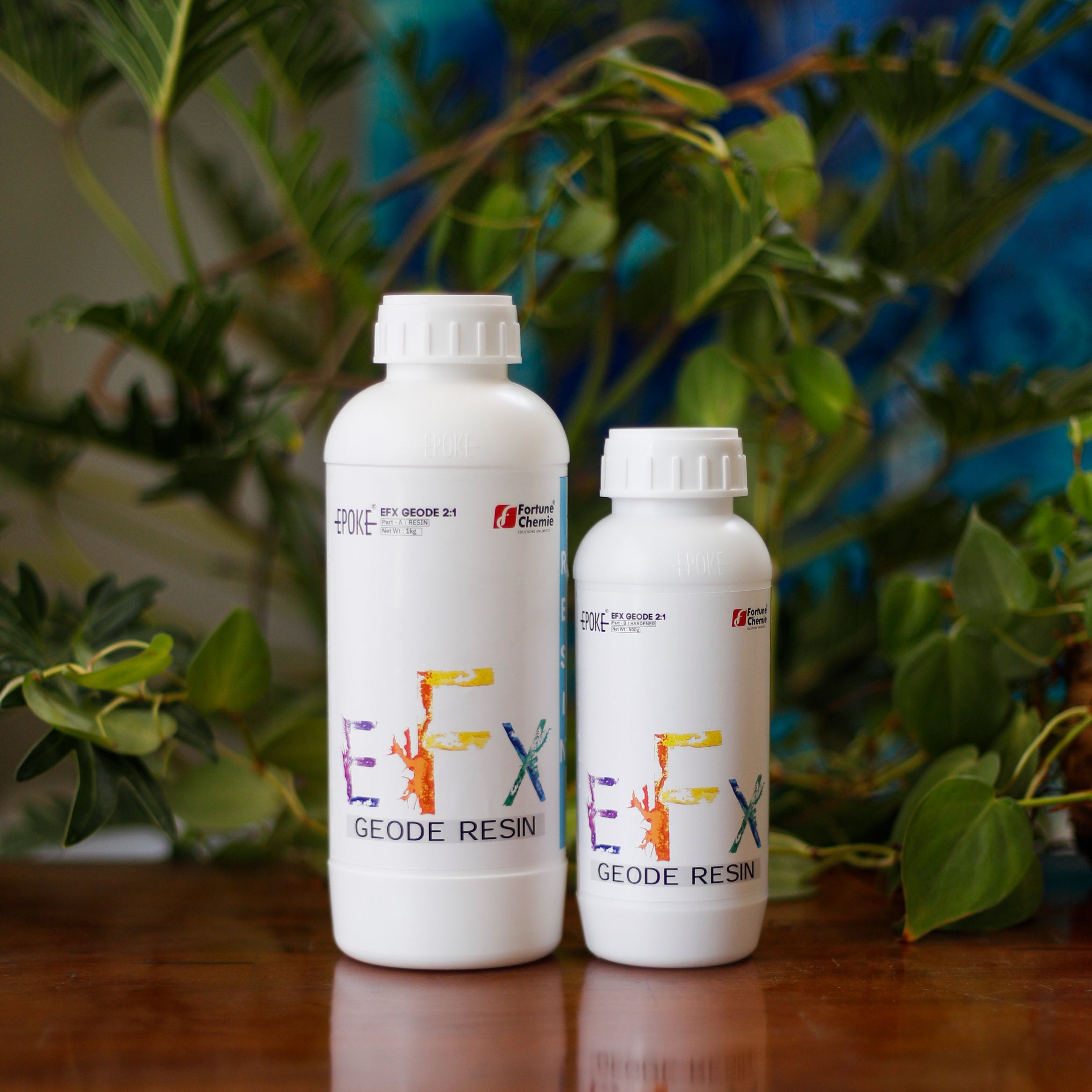
- EPOKE EFX effects resin adds decorative looks to your art.
Match the product to your goal first. Then confirm the ratio on the label.
Mixing Tips for Any Epoxy Resin Ratio
- Measure in the unit the label states.
- Use a digital scale for weight-based ratios.
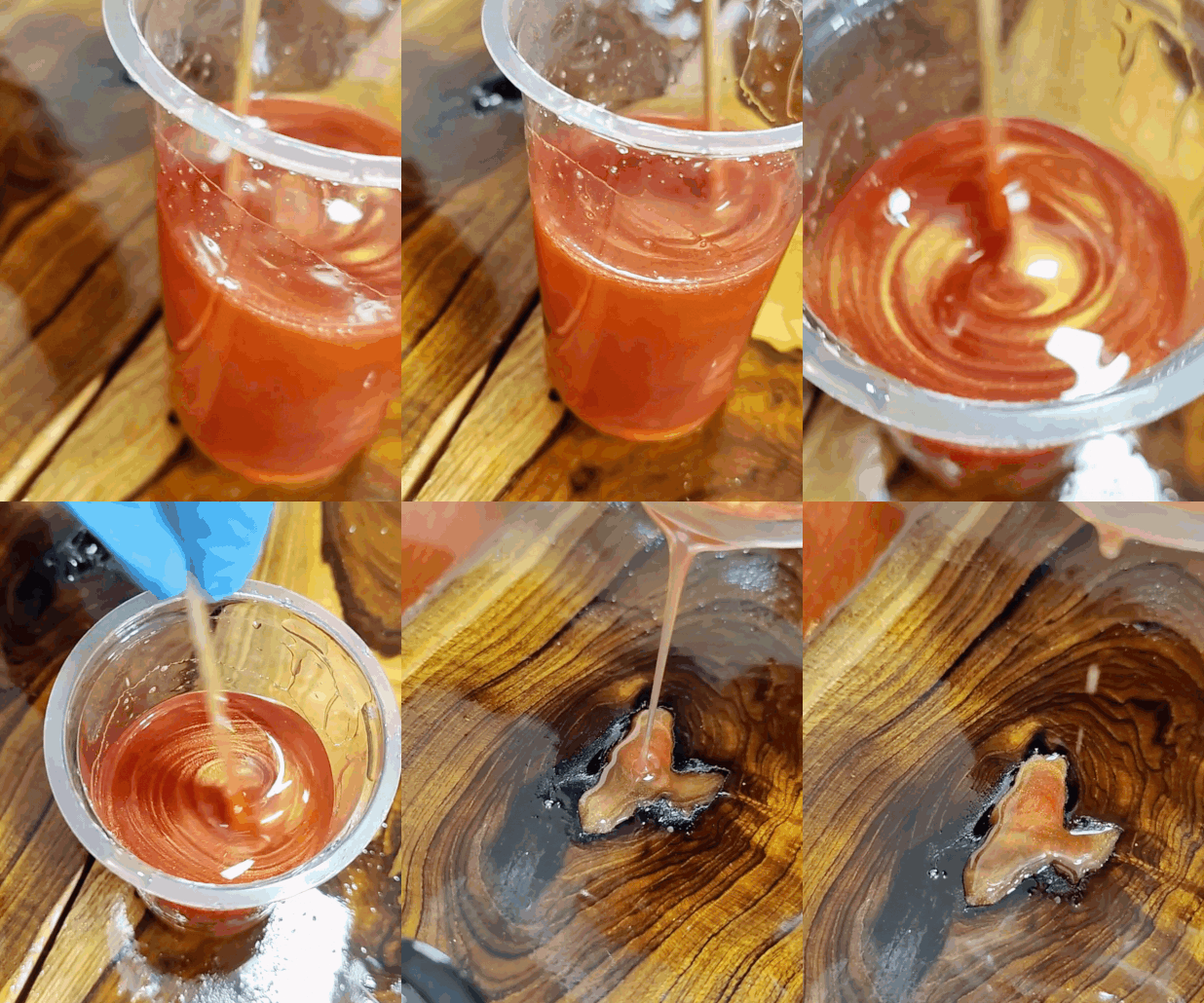
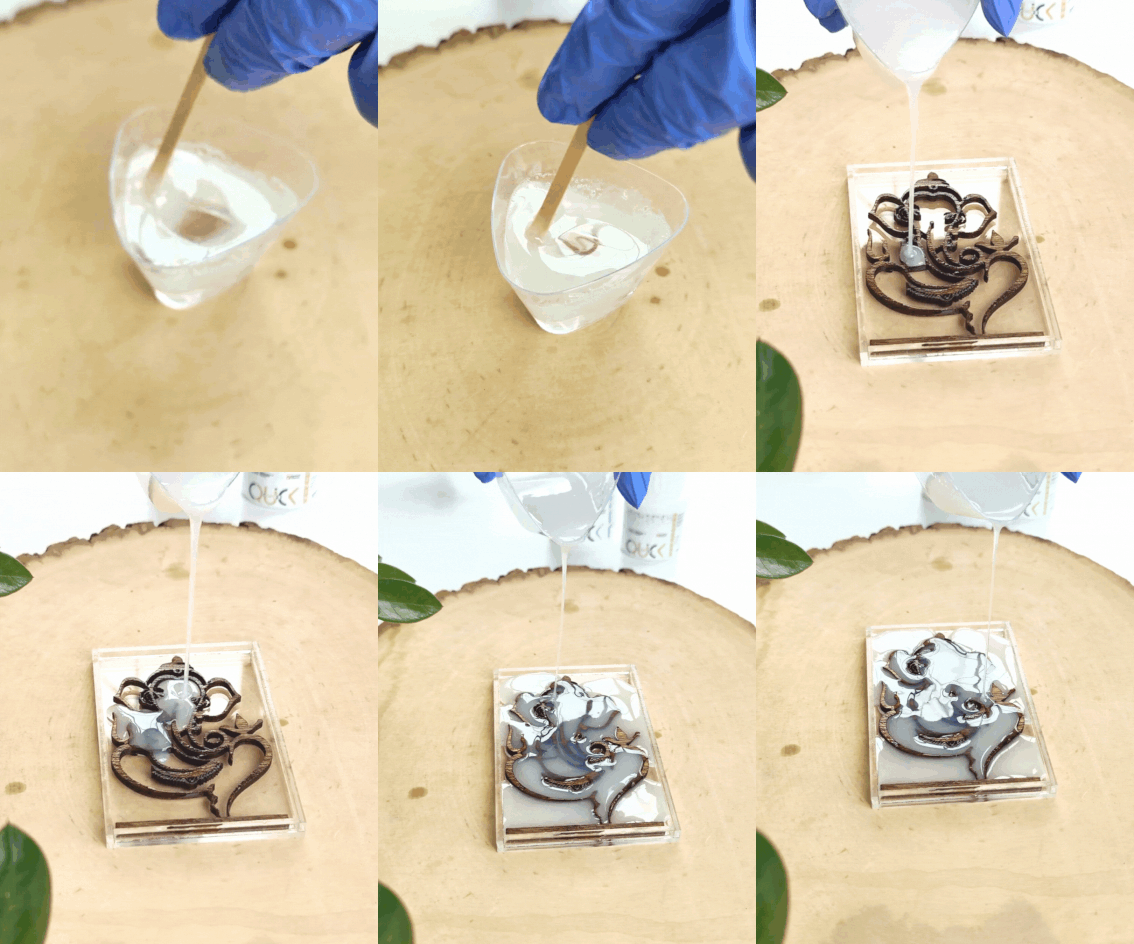
- Mix for two to three minutes. Scrape the sides and bottom of your cup.
- Keep your room, resin, and hardener at a steady temperature.
- Never add extra hardener to speed up the cure.
- Mix only the amount you will pour inside the pot.
Choose the Right Epoxy Resin Ratio
Pick 2:1 epoxy resin for quick, glossy top coats. Pick 3:1 epoxy resin for longer working time and deeper pours. Both give strong results when you measure well and follow the label.
Start with your project, then follow the epoxy resin ratio printed on your kit. Ready to begin? Shop the Epoke Art Resin collection and choose the epoxy resin kit for your next piece.
FAQs
1. What is the difference between 2:1 and 3:1 epoxy resin?
2:1 epoxy resin mixes two parts resin with one part hardener. 3:1 epoxy resin mixes three parts resin with one part hardener. The 3:1 mix uses less hardener per batch. The number alone does not set cure time. Quick Coat (2:1) has a 30 minute pot life. Art Resin (3:1) has 45 minutes.
2. Which is better for beginners: 2:1 or 3:1 epoxy resin?
Choose by project. EPOKE Quick Coat 2:1 gives you simple math and fast curing for top coats. EPOKE Art Resin 3:1 gives you more working time and deeper pours. Use a scale and follow the label with either one.
3. Can I mix 2:1 resin with a 3:1 hardener, or change the ratio?
No. Resin and hardener are balanced as a pair If you don't use it as a set and mix up the ratios, the chemistry becomes different, and the mixture does not cure. A different hardener or a changed ratio leaves the mix undercured, with sticky or soft spots. Use the resin and hardener from the same kit And in the ratio that is specified .
4. Is the epoxy resin mixing ratio measured by volume or by weight?
Epoke Art Resin uses 3:1 by weight. For example, mix 30 g of resin with 10 g of hardener. Follow the unit on each product label, because weight and volume give different amounts for the same ratio.
5. What happens if I use the wrong epoxy resin ratio?
An incorrect epoxy resin ratio leaves unreacted resin or hardener in your piece. You see tacky surfaces, soft cures, or cloudy areas. Scrape off the uncured layer, clean the surface, and pour a fresh coat at the correct ratio.