







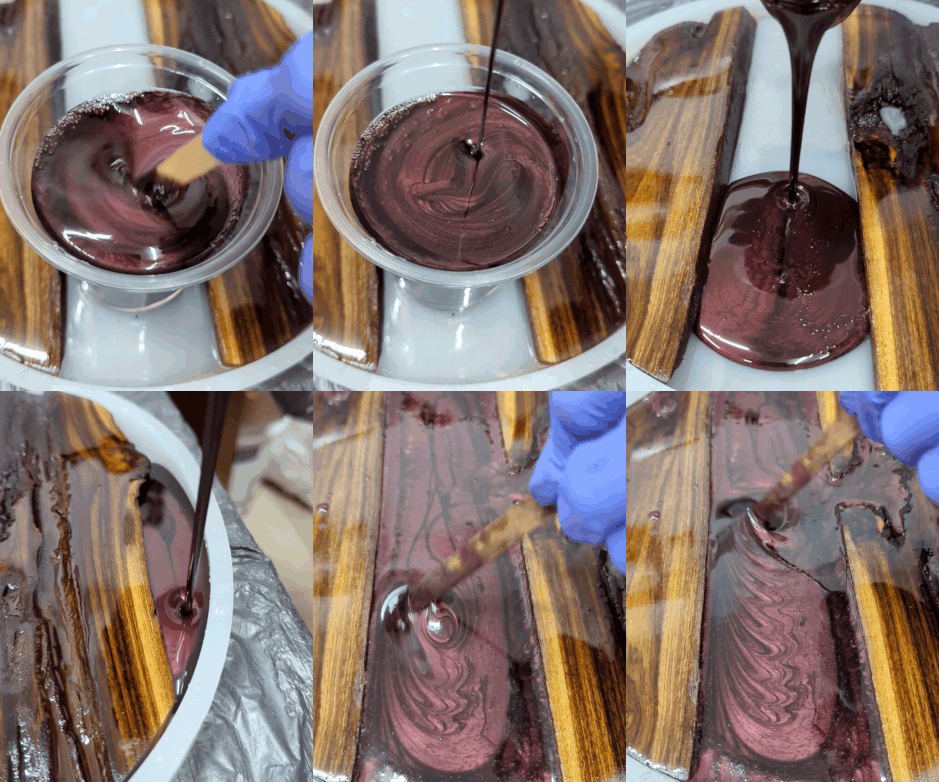
























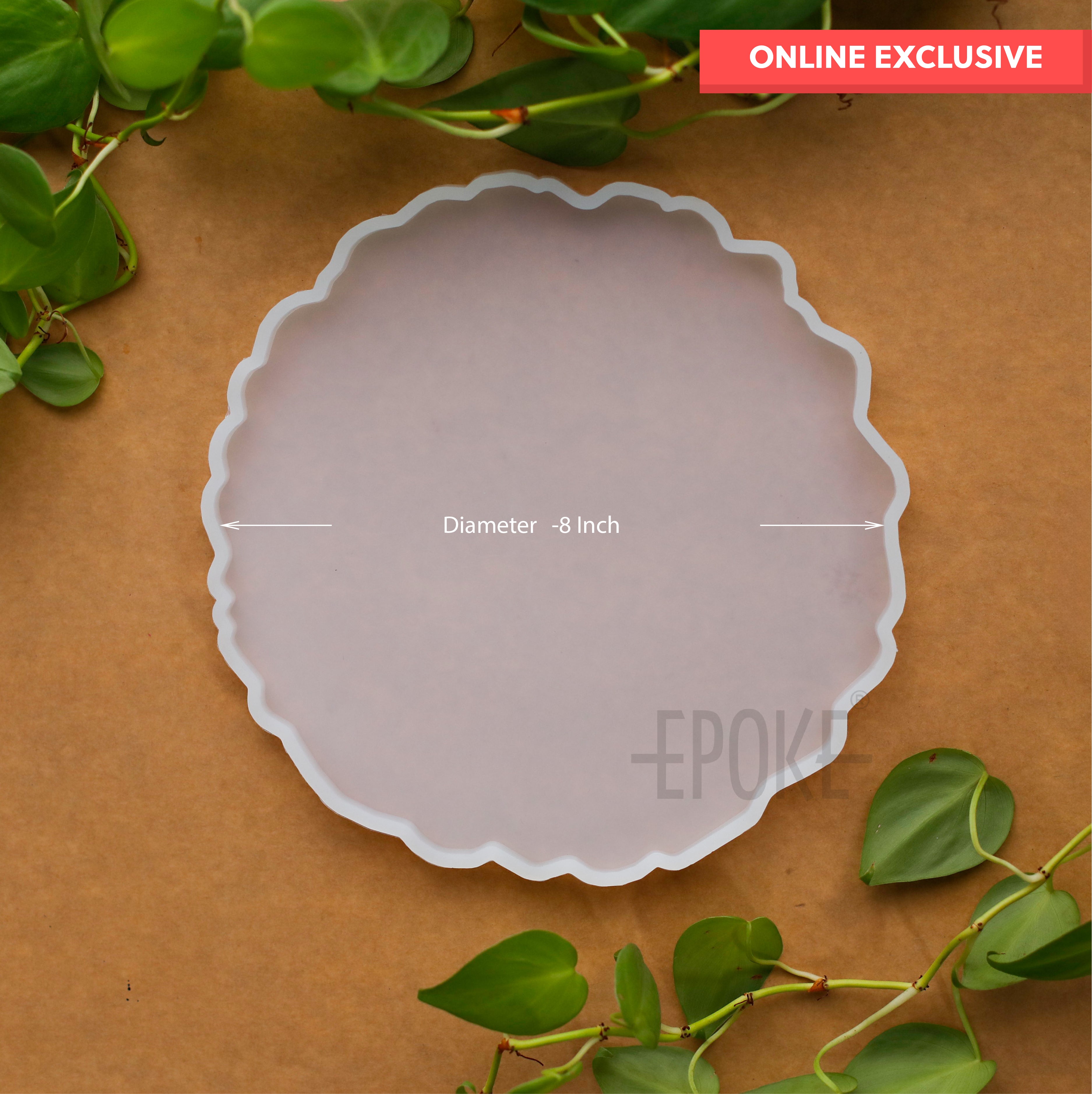
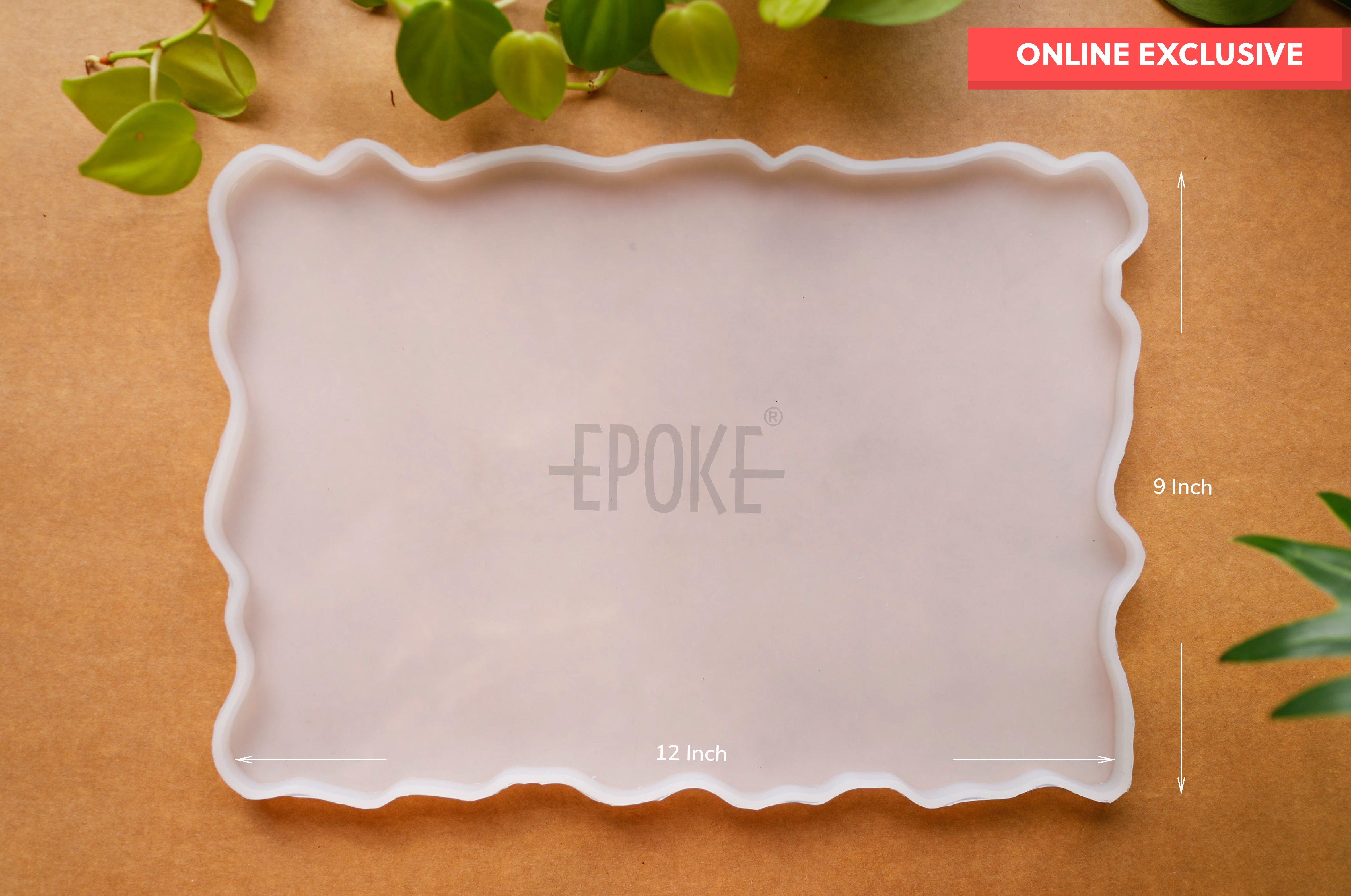
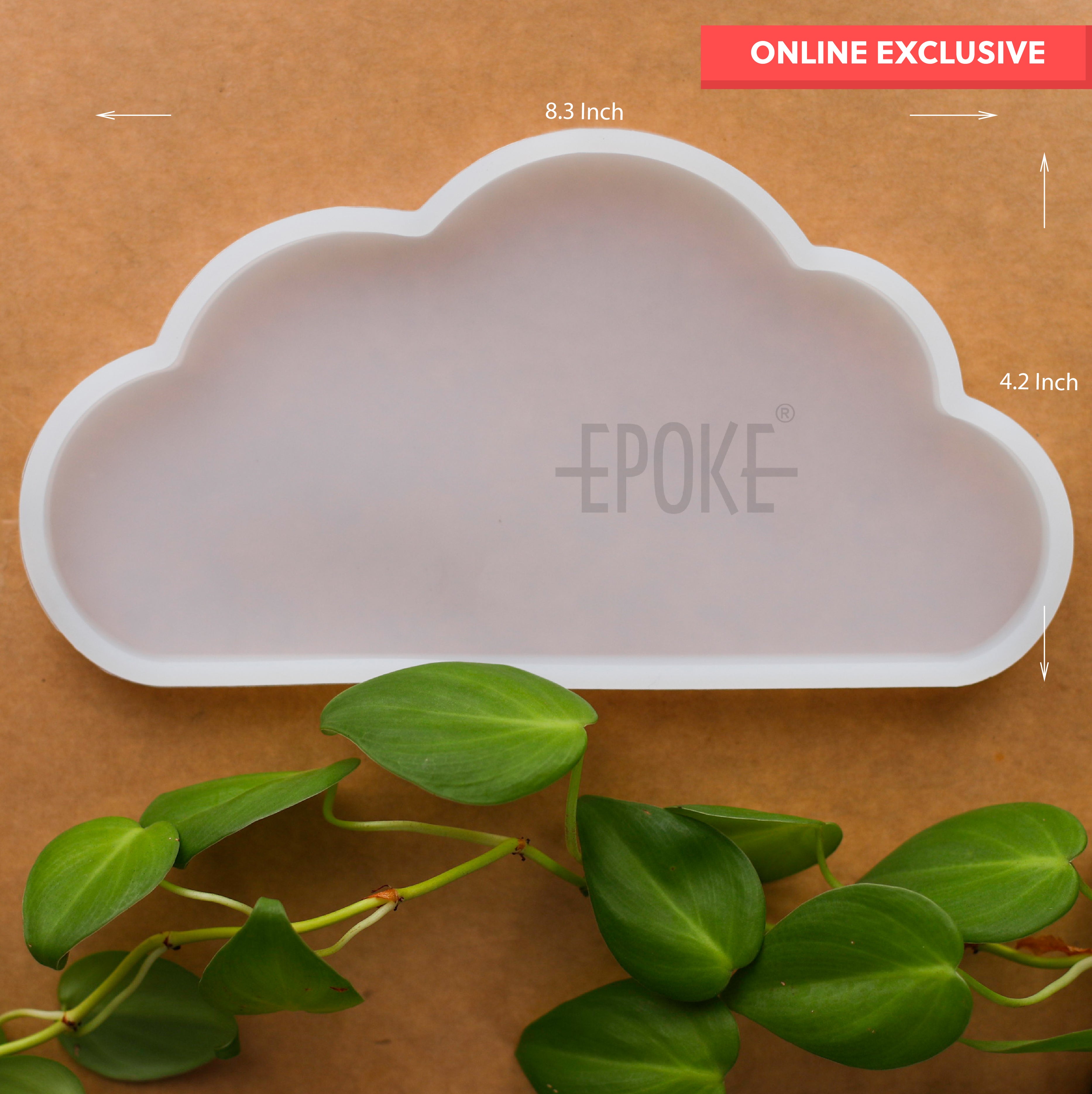
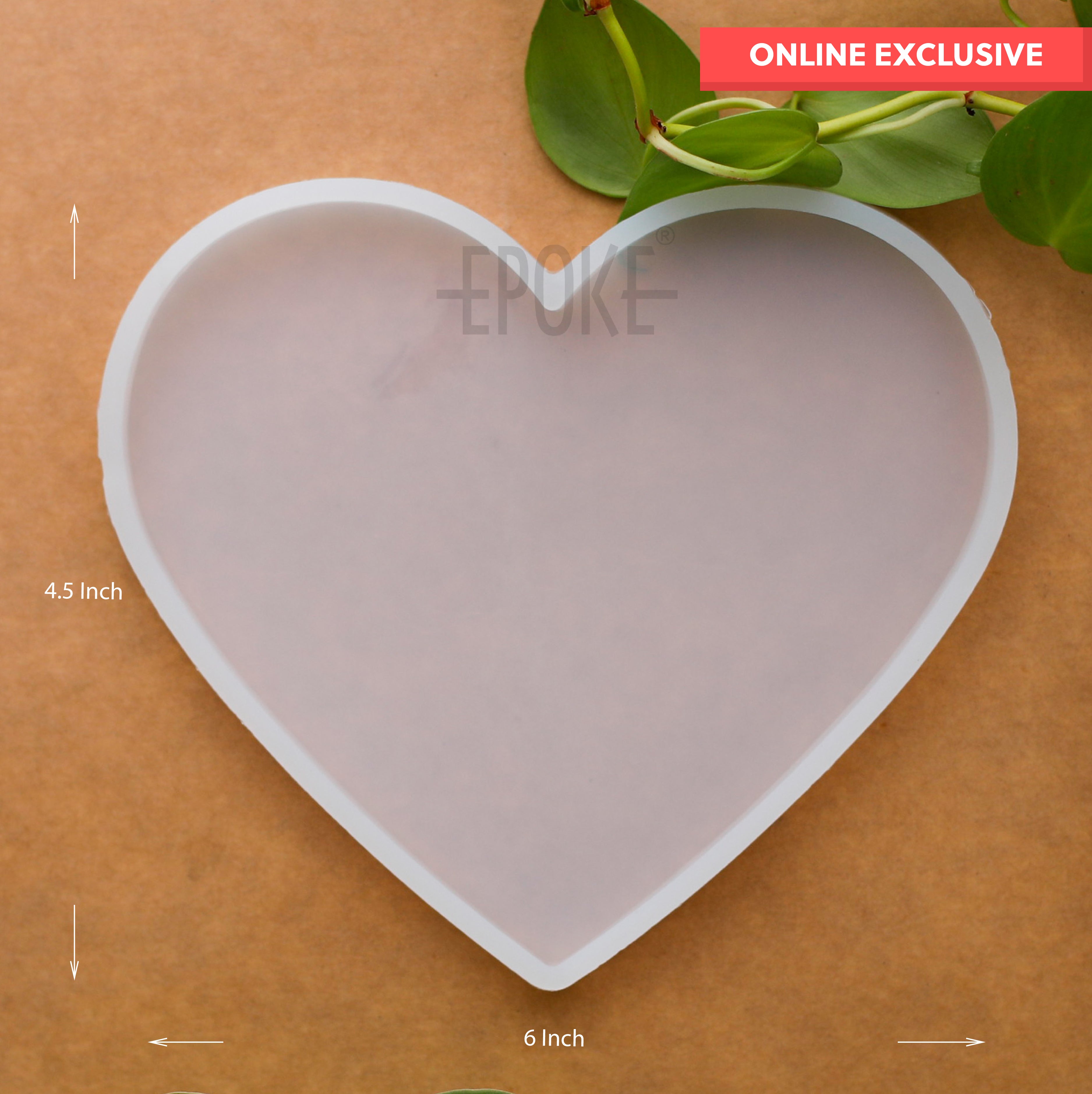





























Here's what nobody tells you when you're starting out with resin art: not every epoxy resin works the same way.
You pick one up at a craft store, mix it, pour it, and wait. Then something goes wrong. The surface stays tacky. Bubbles won't pop. The piece cracks right down the middle.
Most of the time, the problem isn't what you did. It's what you used.
Art resin, casting resin, and coating resin are all types of epoxy resin, but they're built for very different jobs. Use the wrong one and the project's done before it really started.
Here we break down each type so you know exactly what to reach for before your next pour.
Key Takeaways
-
Art resin, casting resin, and coating resin are all epoxy resin types, each built for a different job
-
Art resin is for fluid resin art with pour depths of 3mm to 6mm per layer
-
Casting resin handles moulds and deep pours from 25mm to 100mm or more
-
Coating resin protects and seals surfaces in thin 1mm to 3mm layers
-
Wrong resin type leads to sticky finishes, trapped bubbles, or cracked pours
-
Many projects need two types: casting resin for the depth, coating resin for the top
What Is Epoxy Resin and Why Does the Type Matter?
Epoxy resin works as a two-part system. You mix the resin with a hardener, and a chemical reaction turns the liquid into a hard, glass-like solid.
Sounds straightforward. But the mix ratio, the thickness of the liquid, how deep you pour it, how long it takes to cure, all of that changes depending on which type of epoxy resin you're working with. Using the wrong one leads to sticky surfaces, trapped bubbles, heat cracks, or a finish that never fully hardens.
Three types come up most in art and craft work:
-
Art resin (also called surface resin)
-
Casting resin
-
Coating resin
For a full overview of all epoxy resin types, read the guide here: Types of Epoxy Resin: A Complete Guide
Art Resin: The One Made for Resin Art

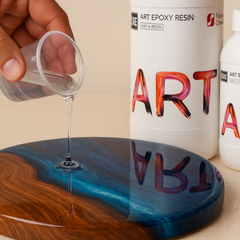
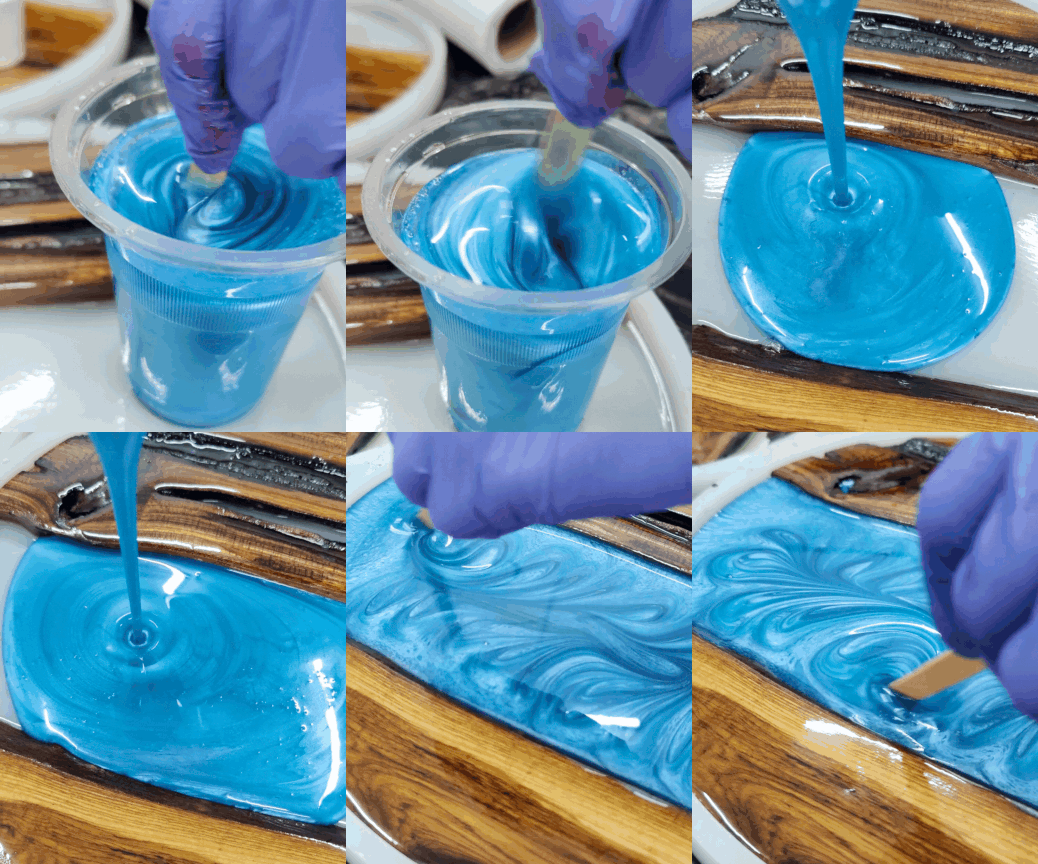
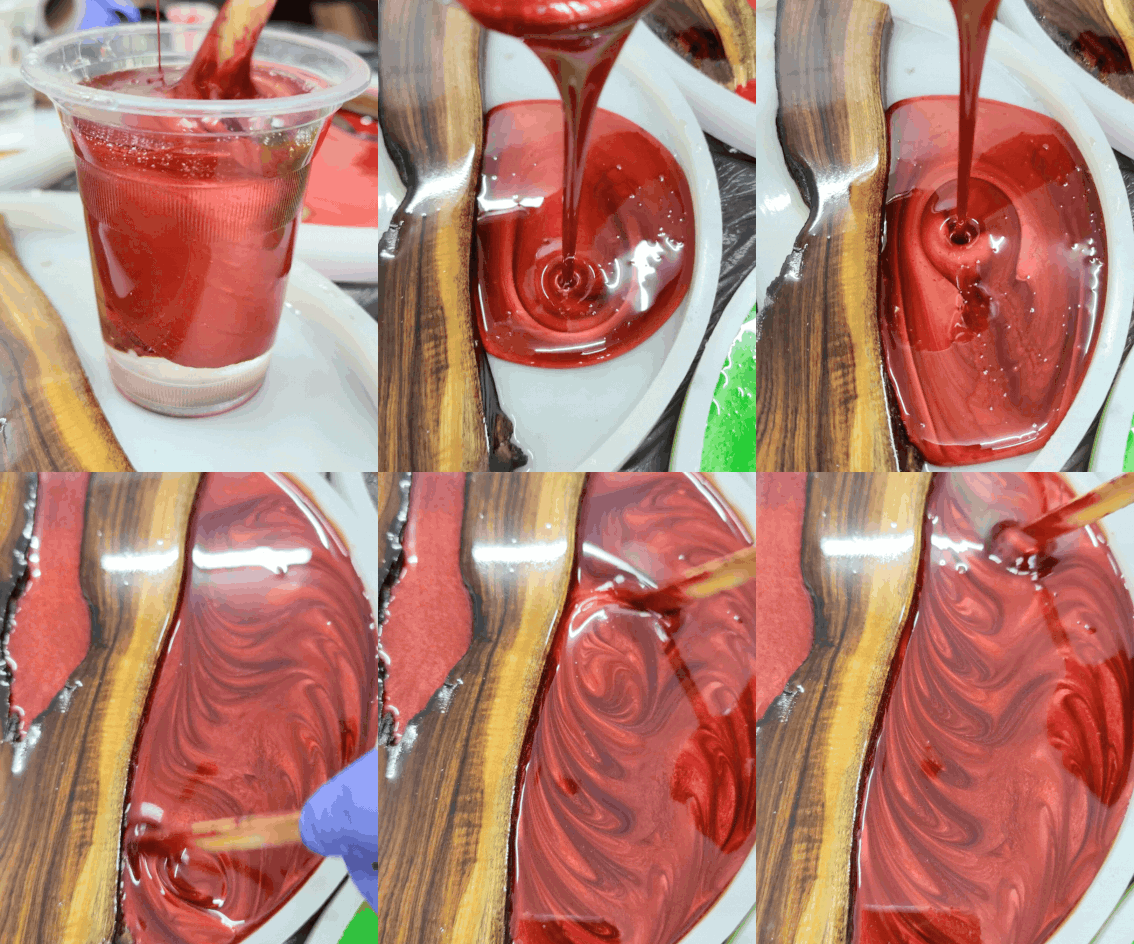
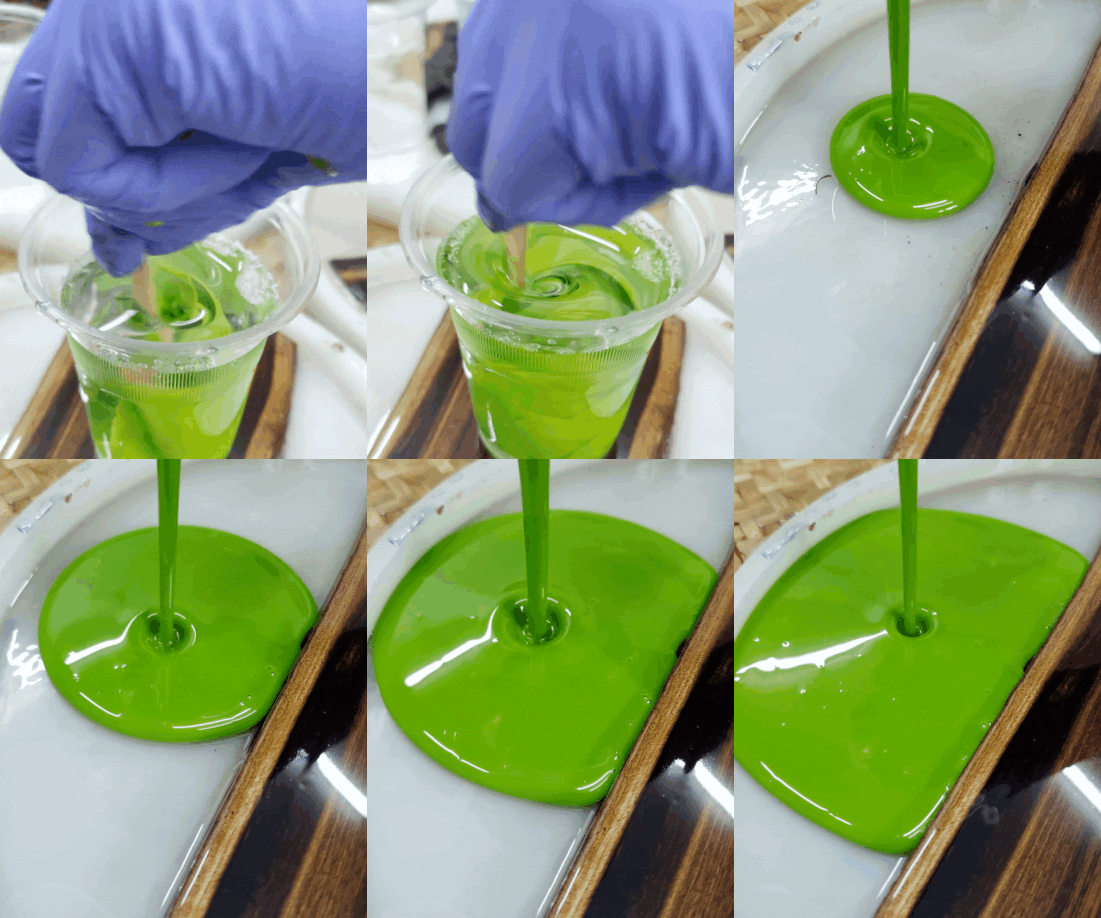
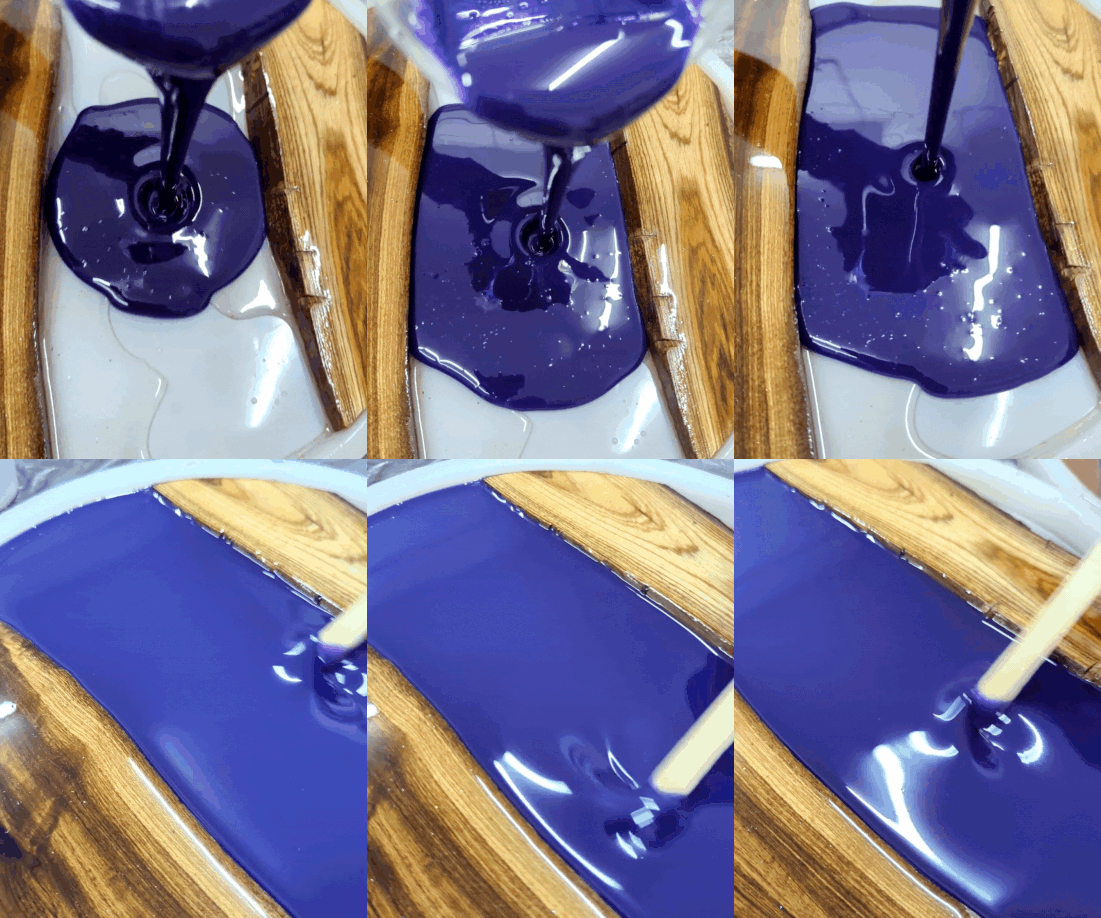
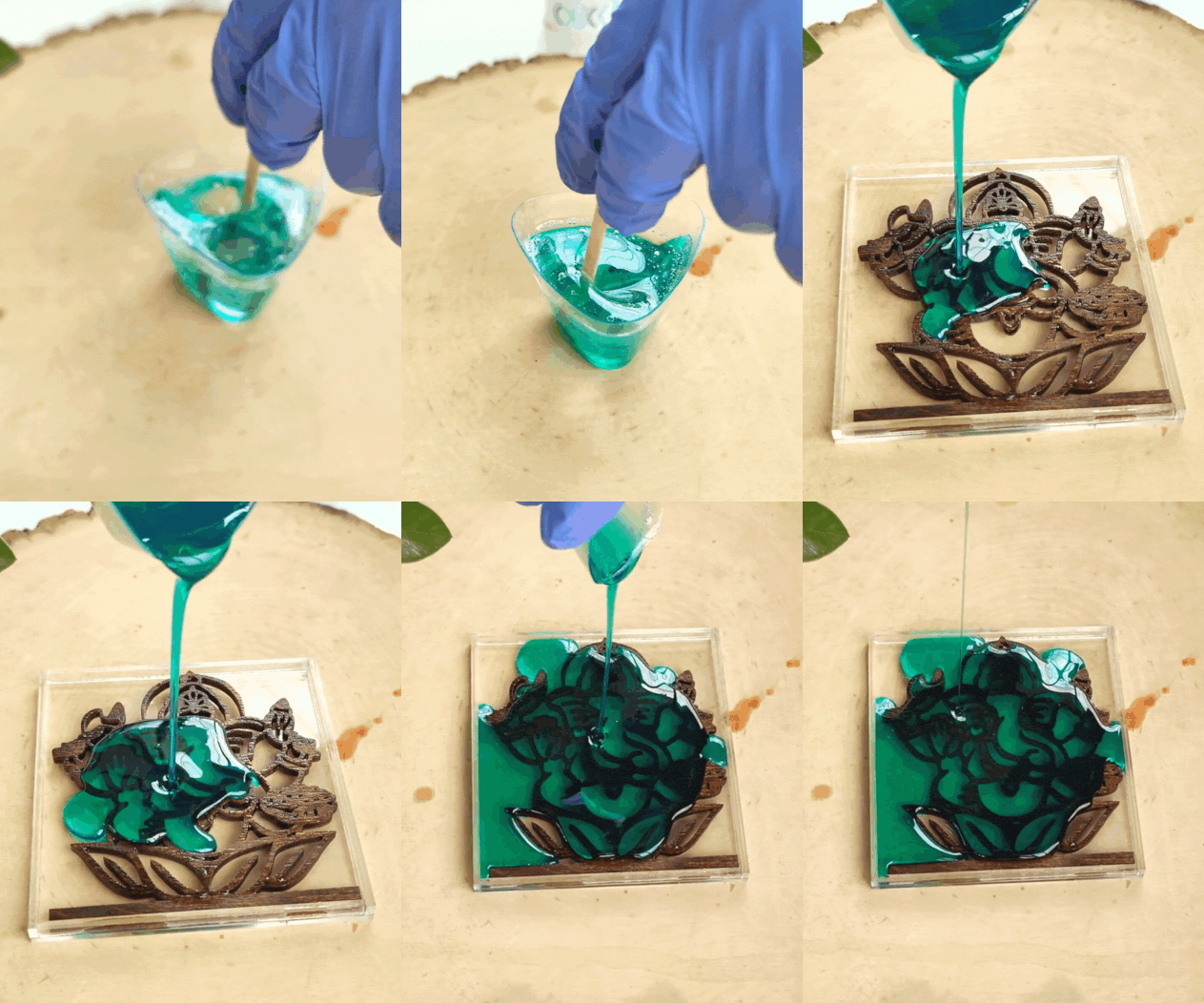
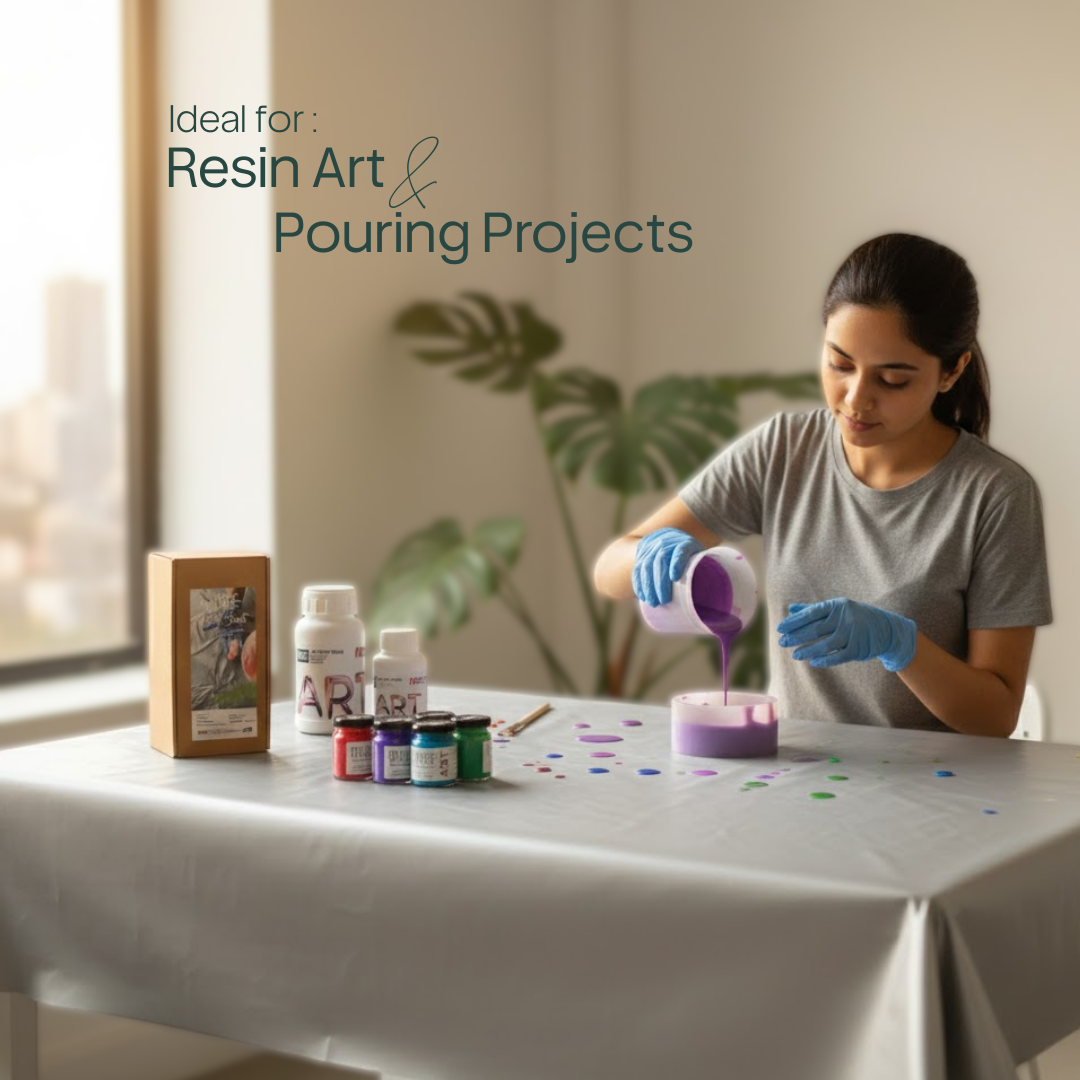
Art resin sits in the middle when it comes to thickness. Not too thin, not too heavy. It's designed specifically for fluid resin art, which is why it's often called surface resin.
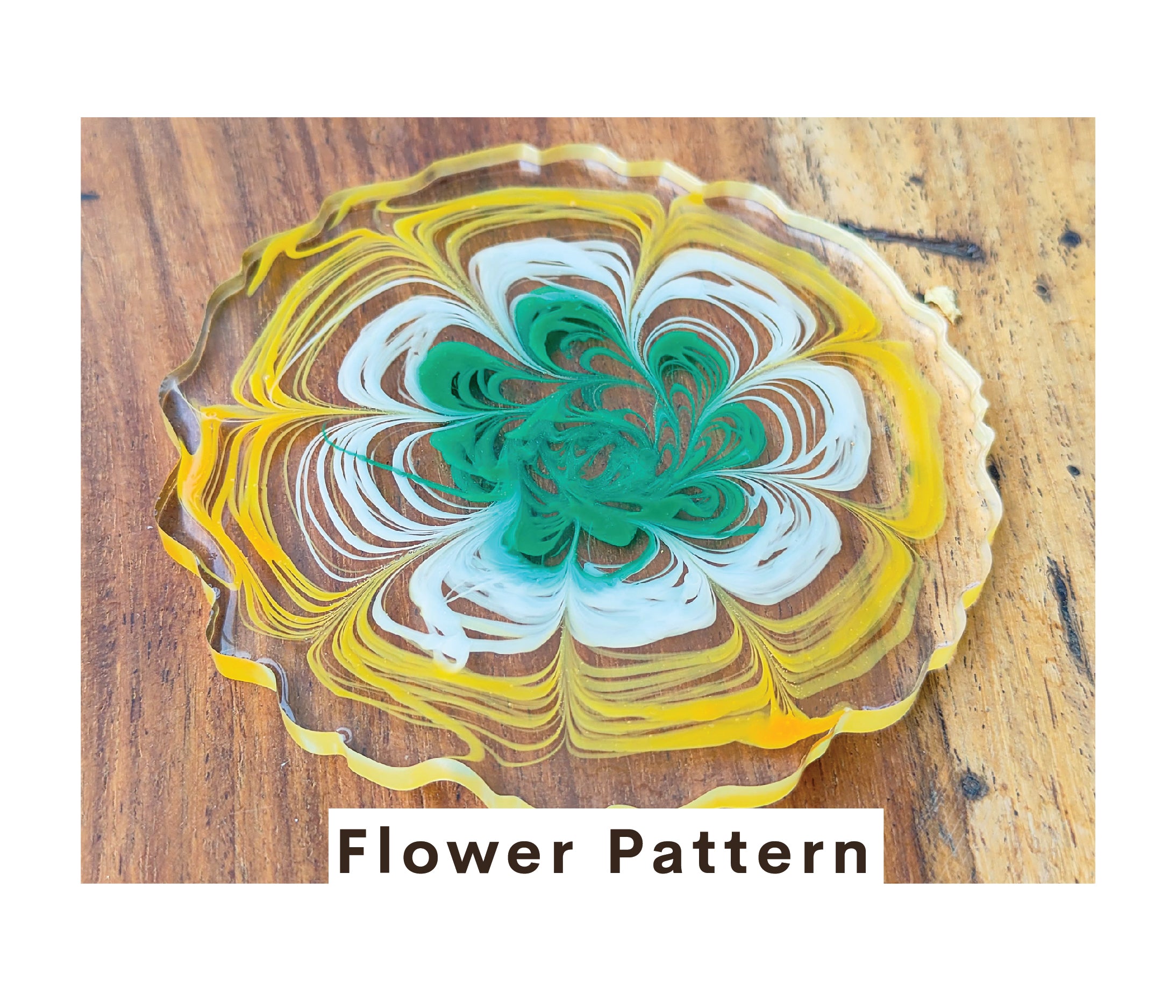
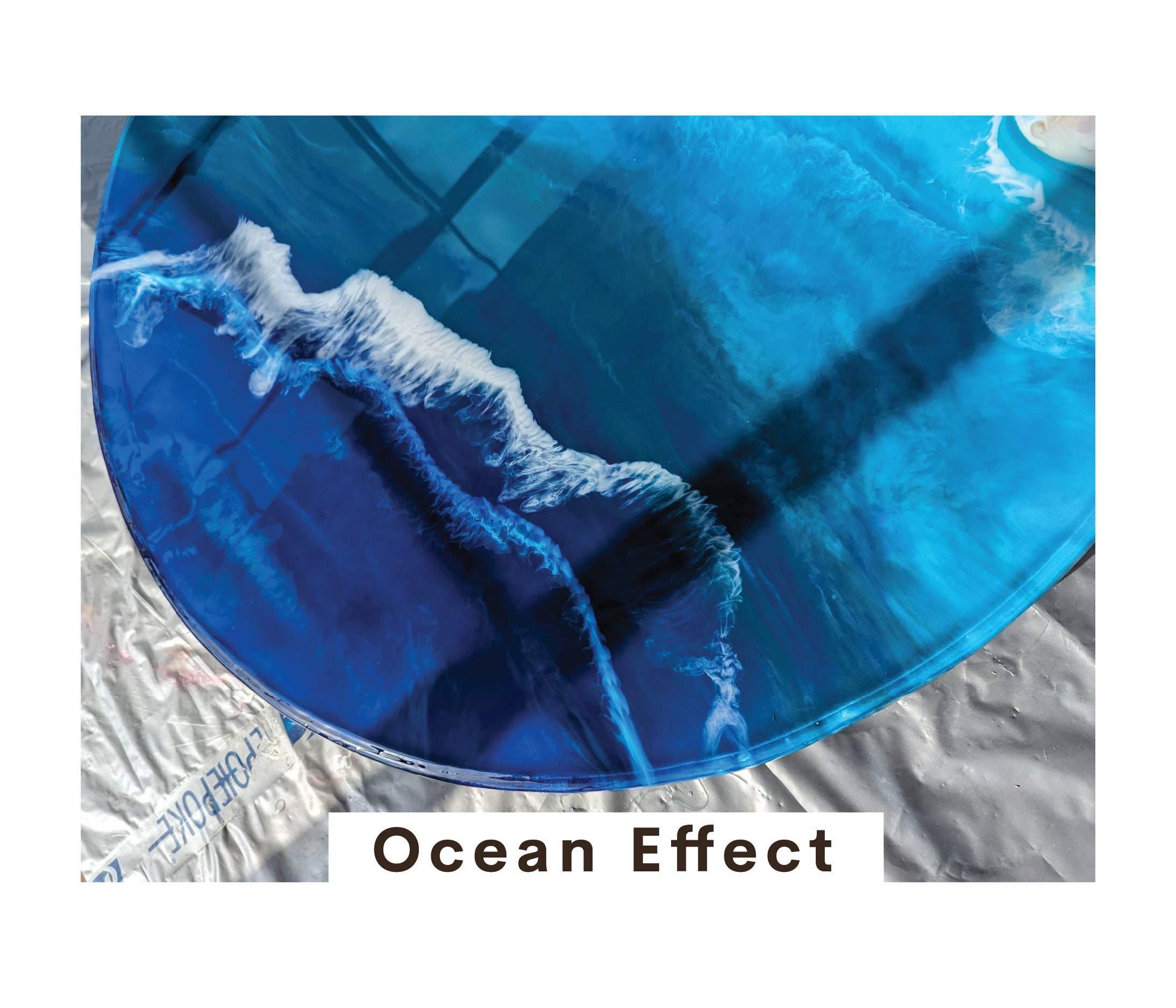
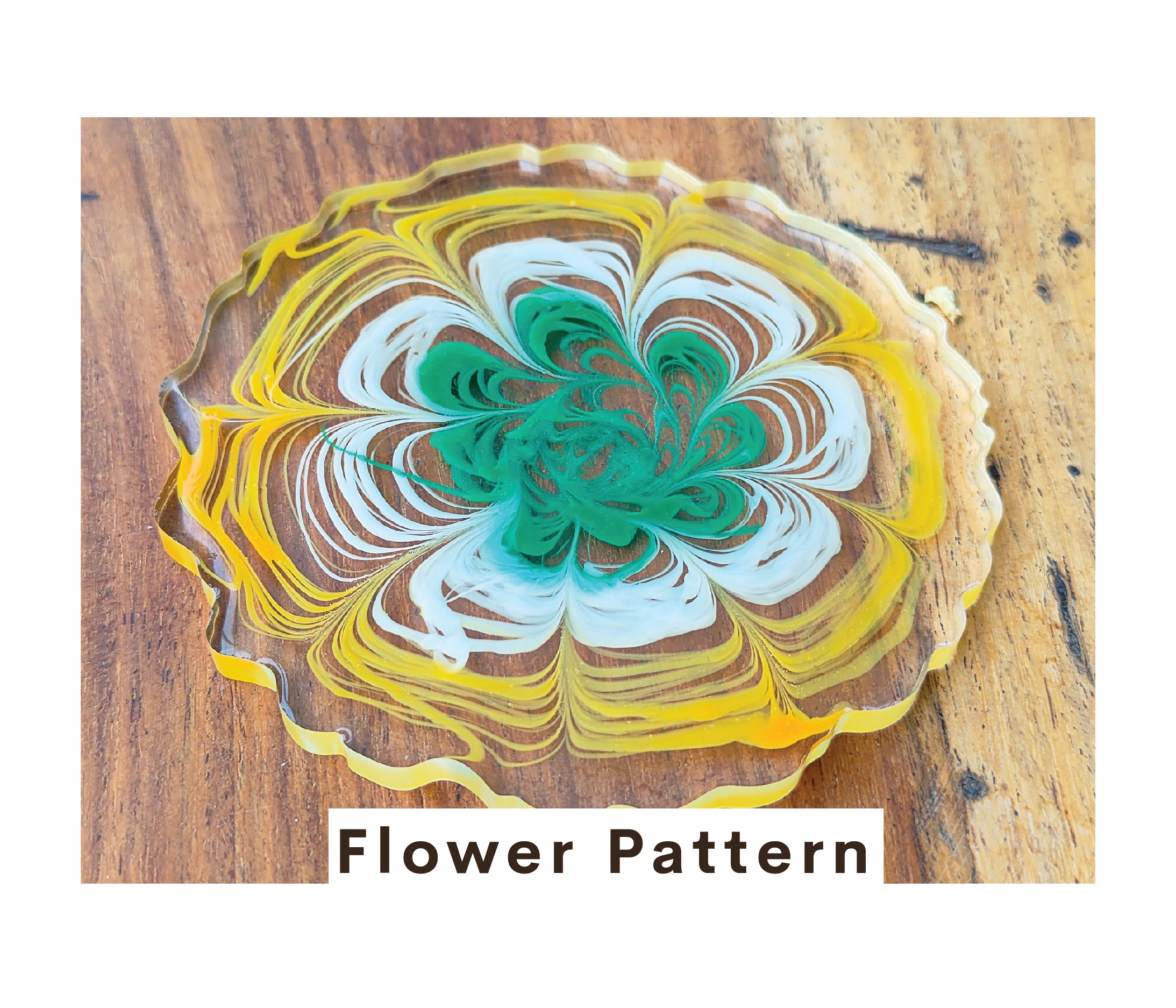
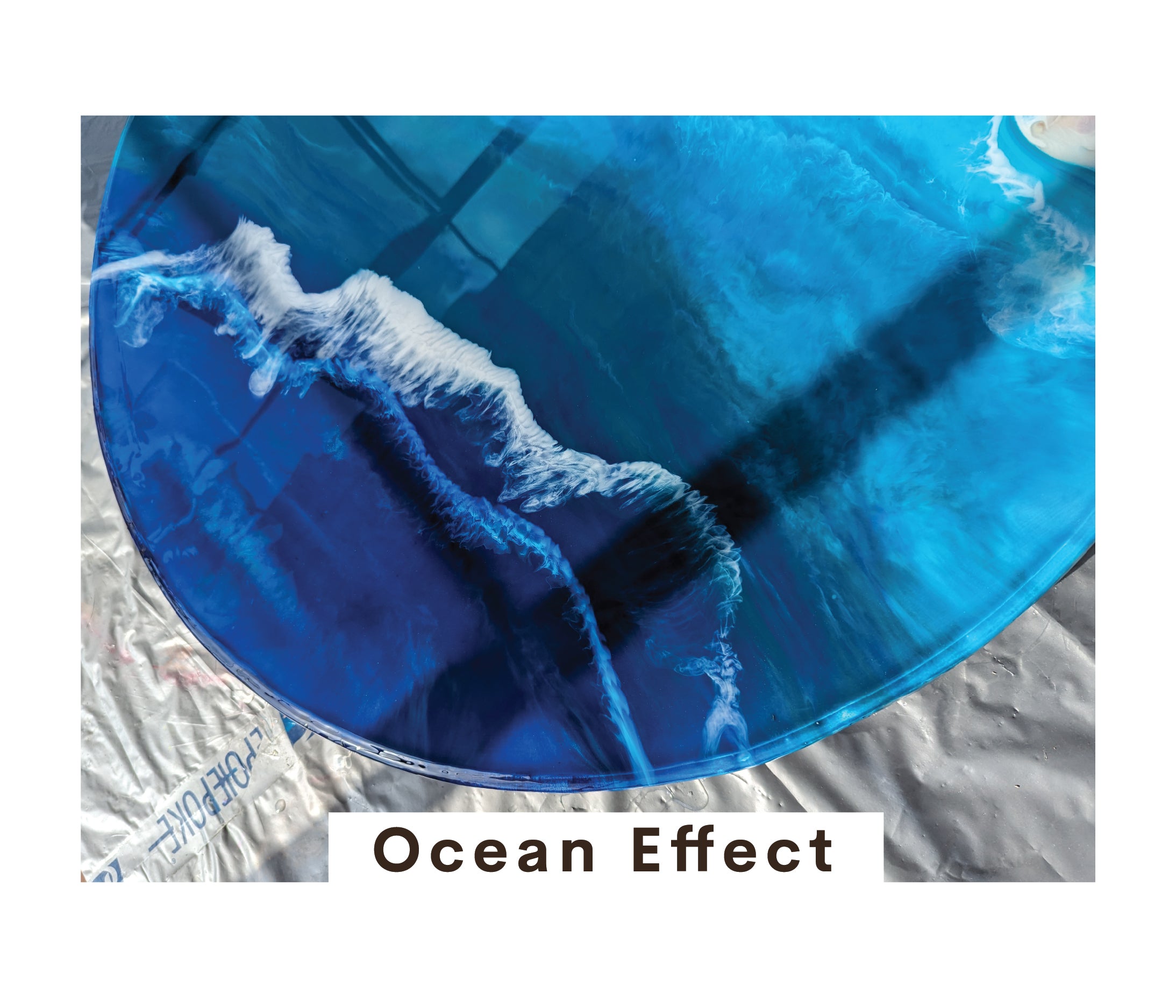
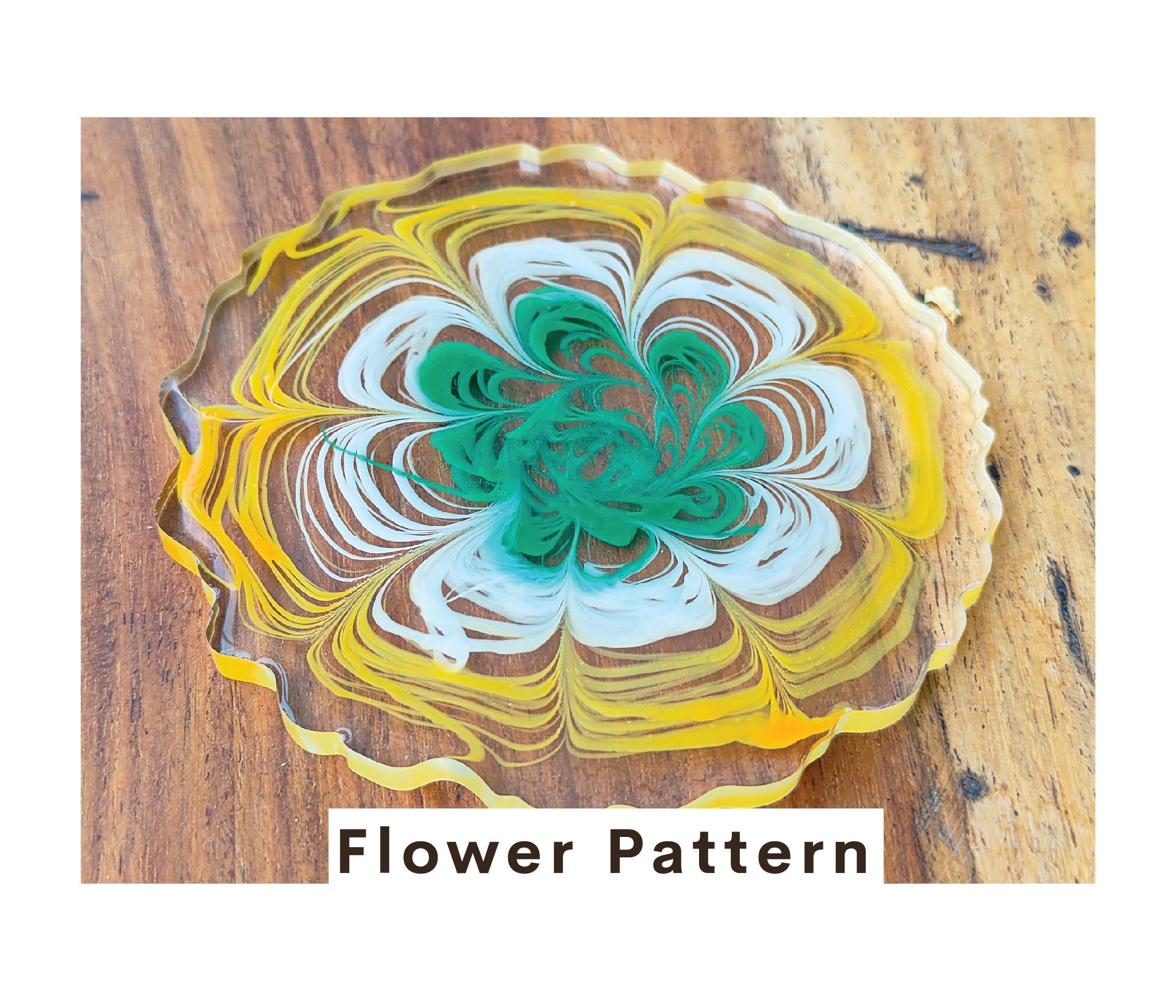
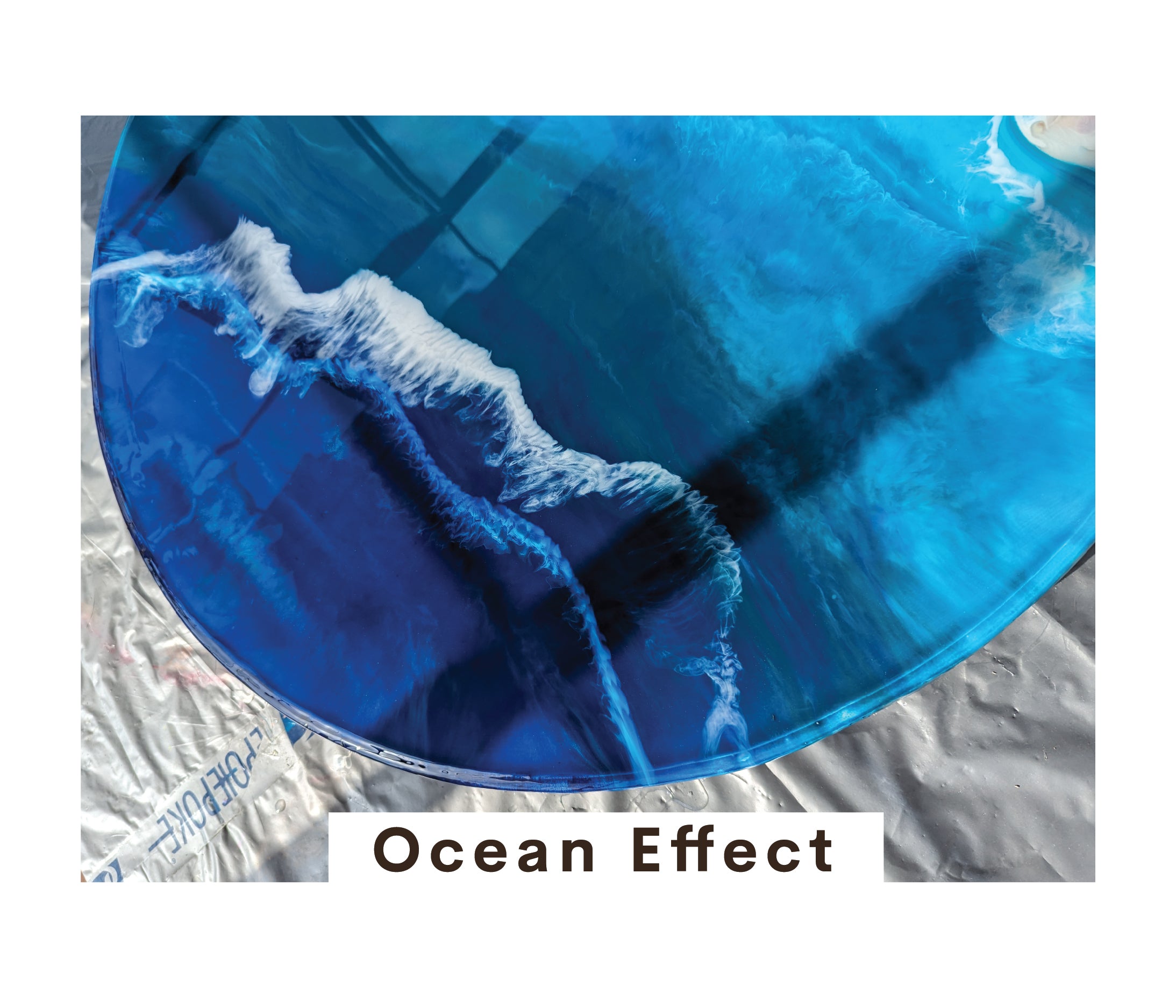
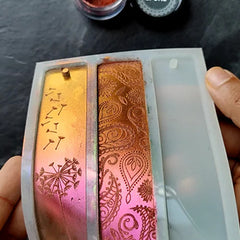
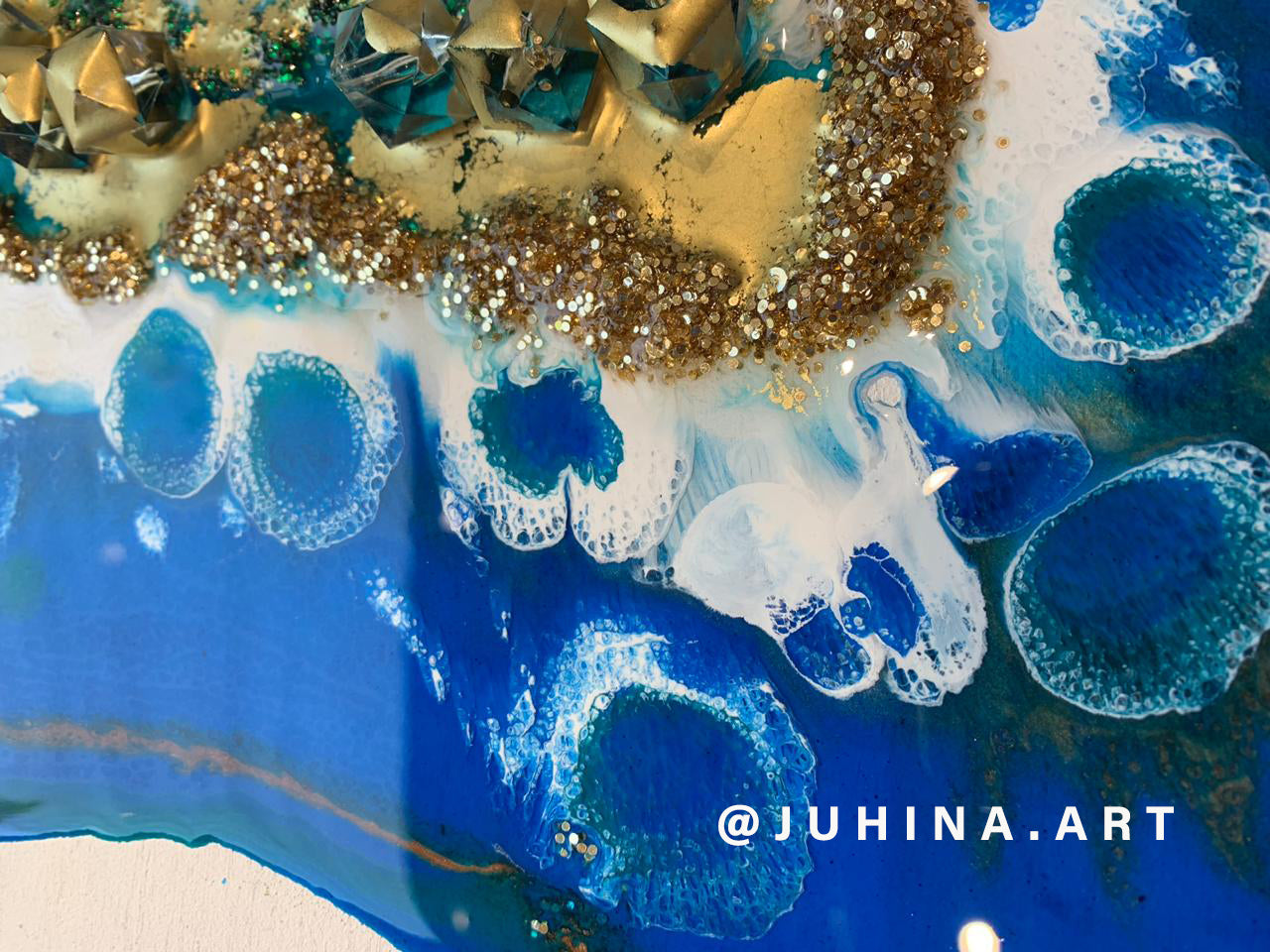
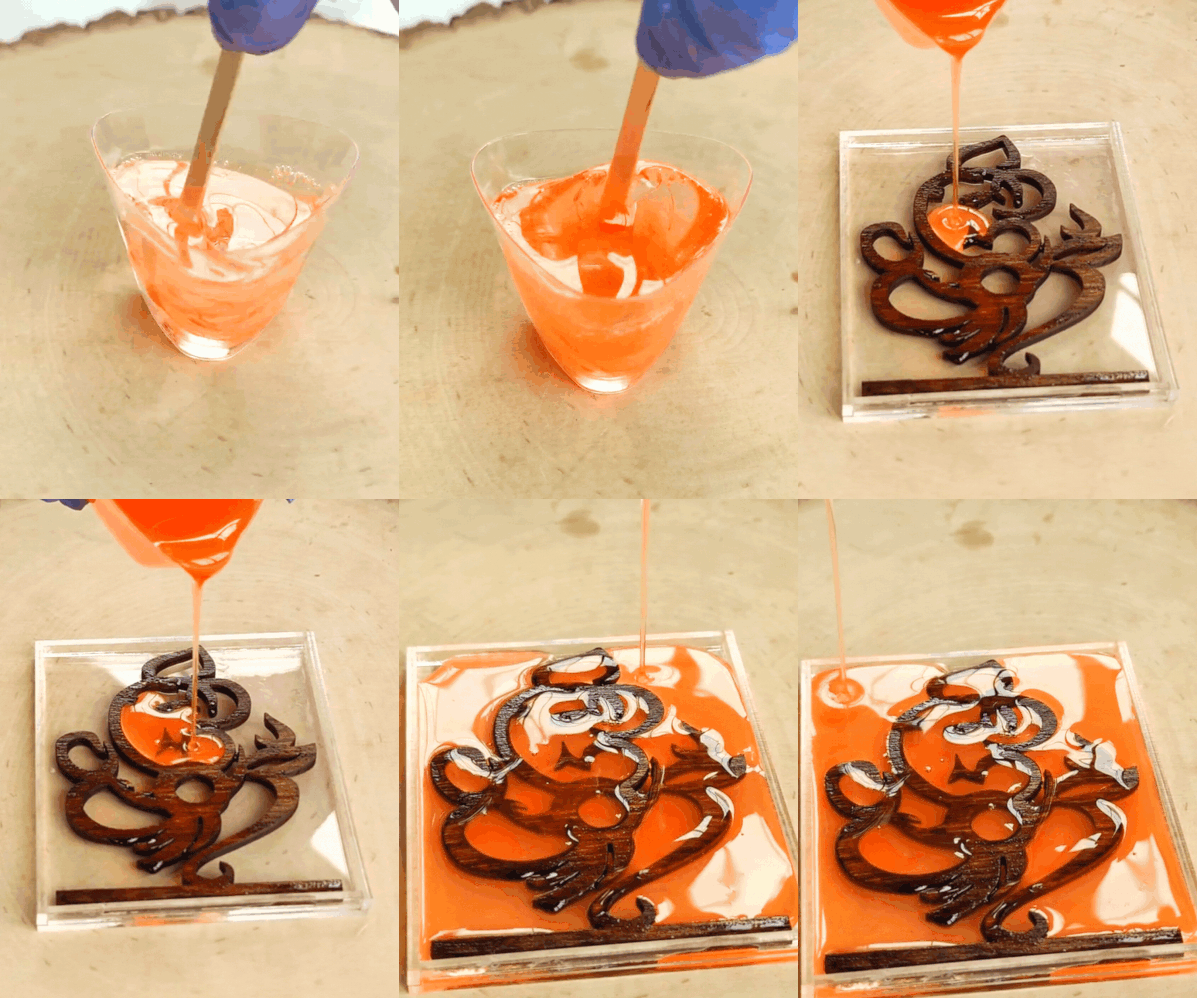
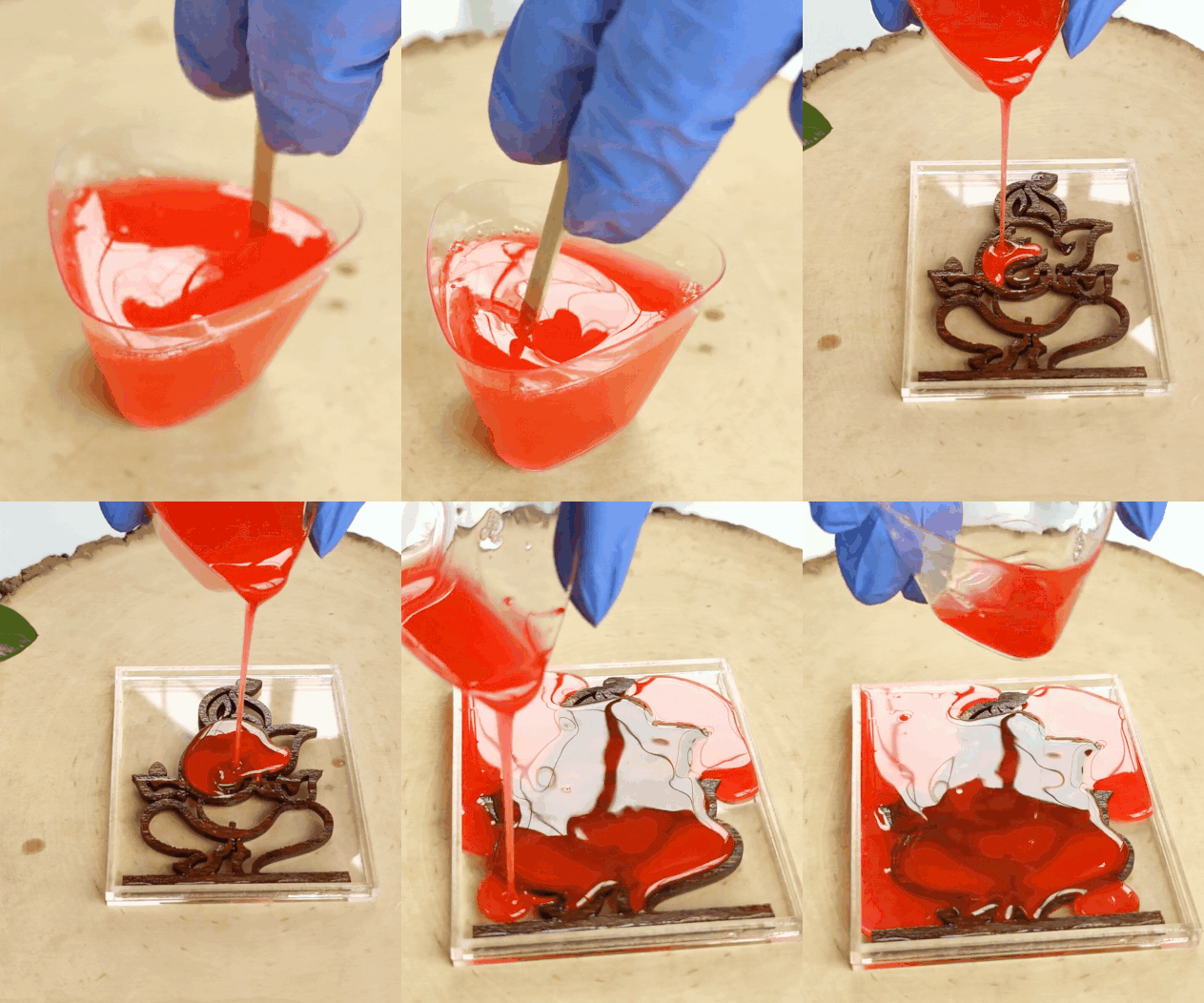
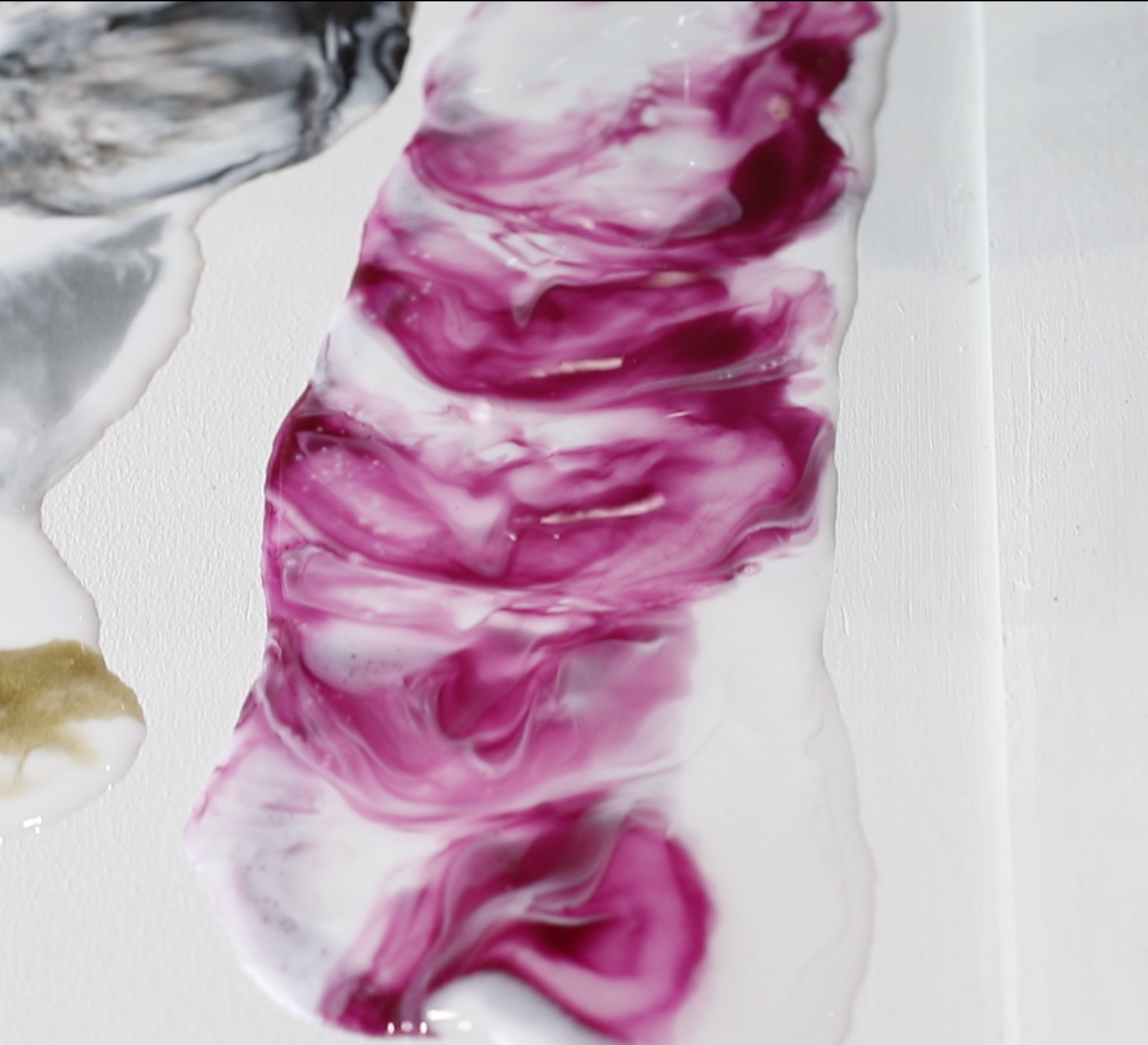
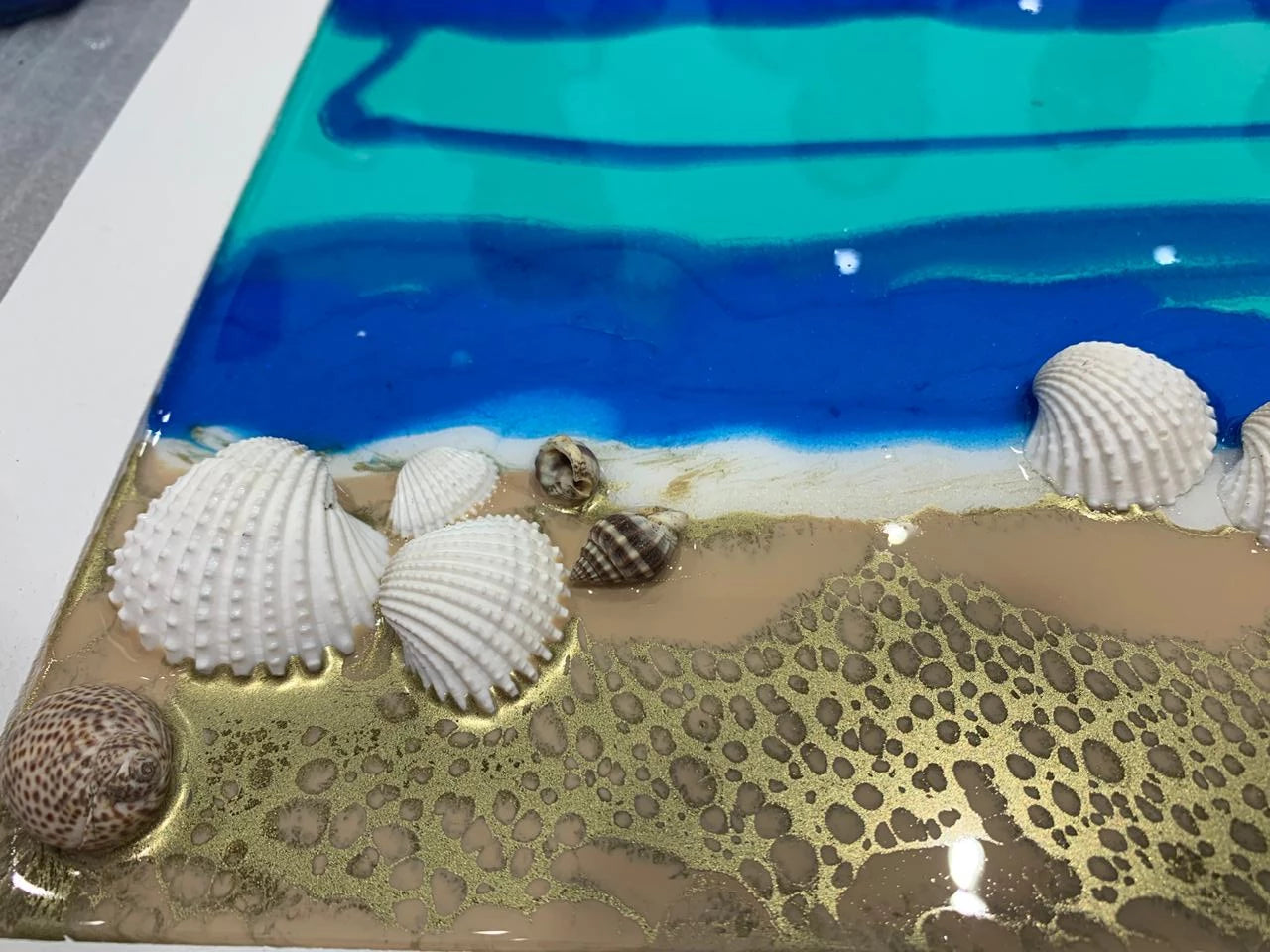
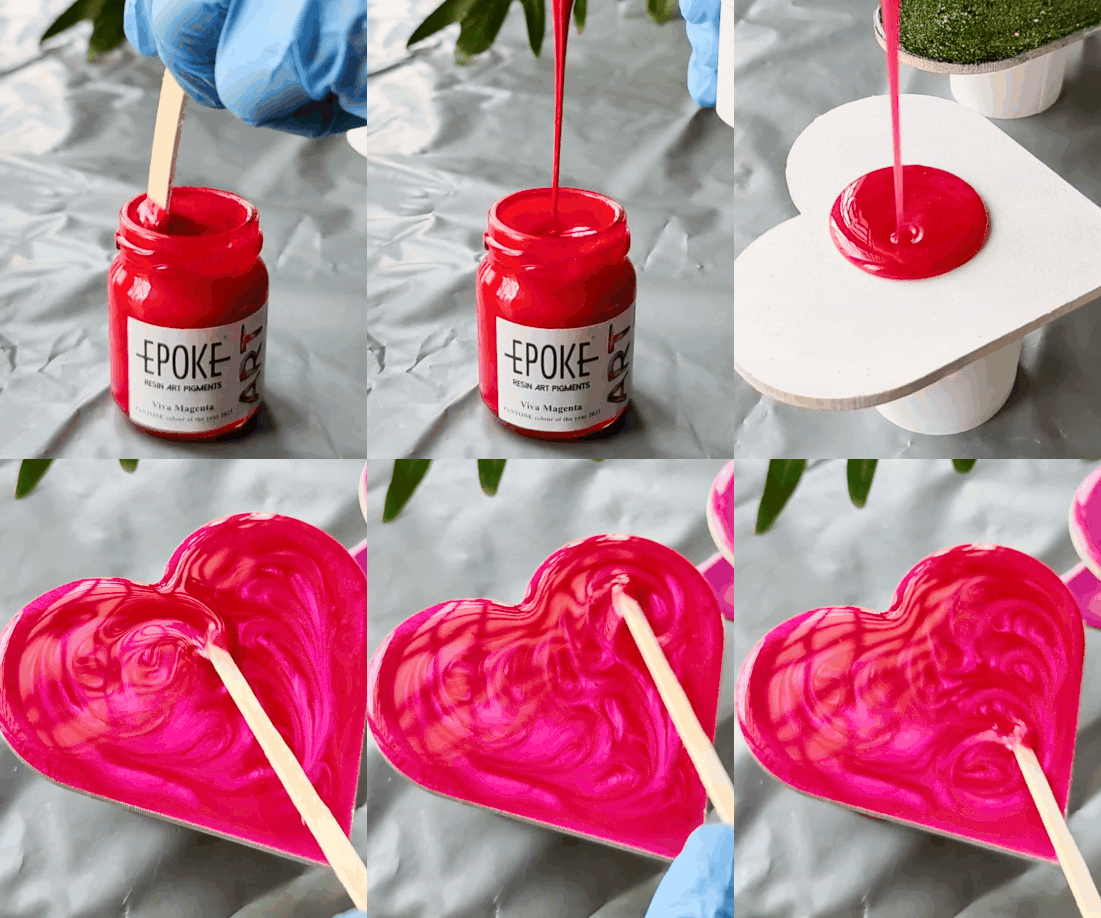
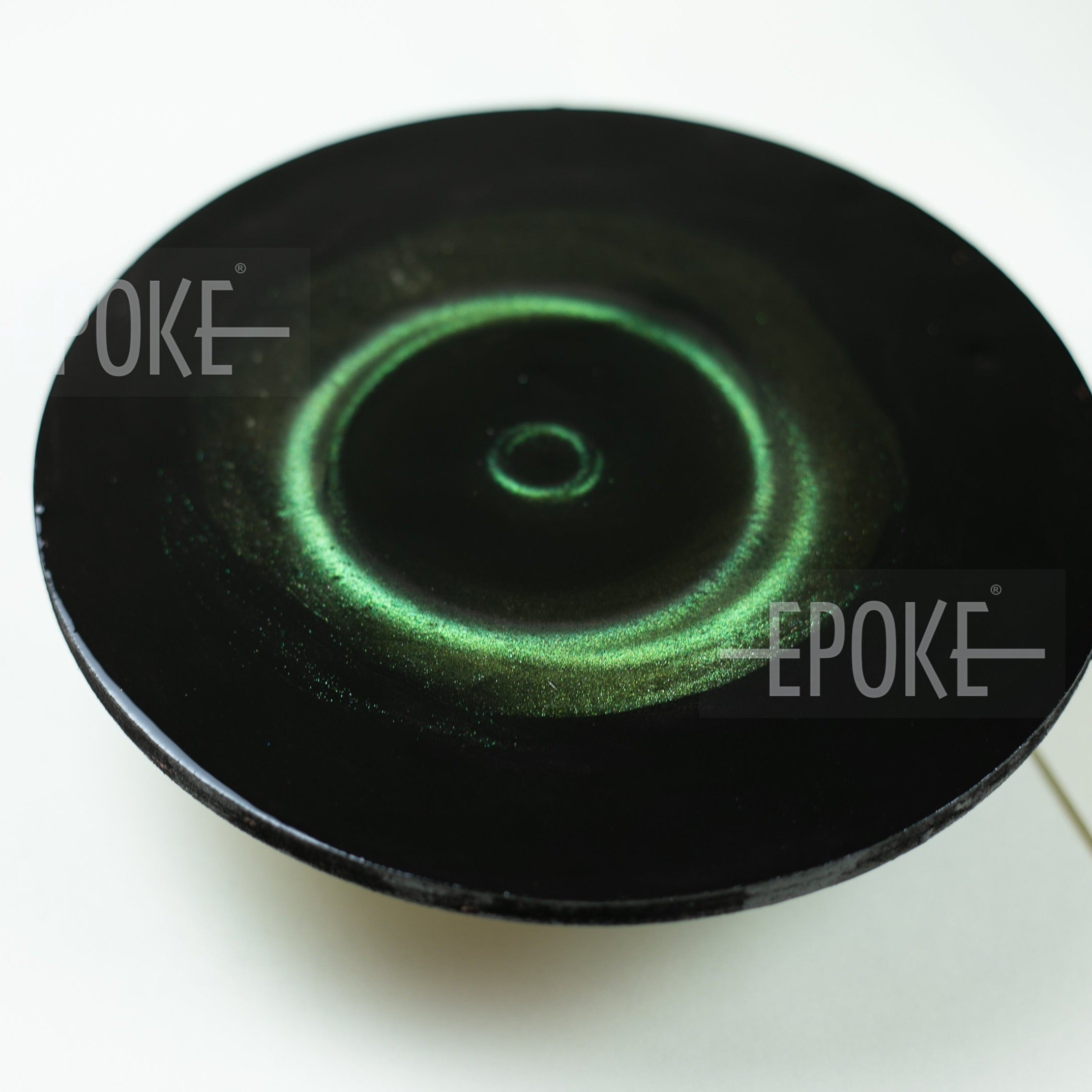
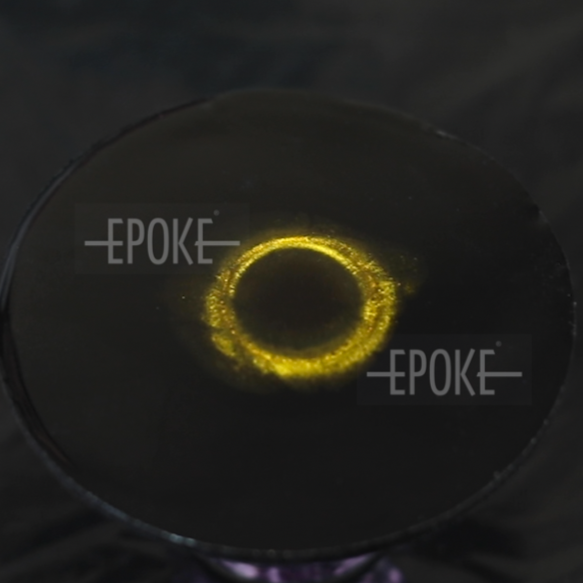
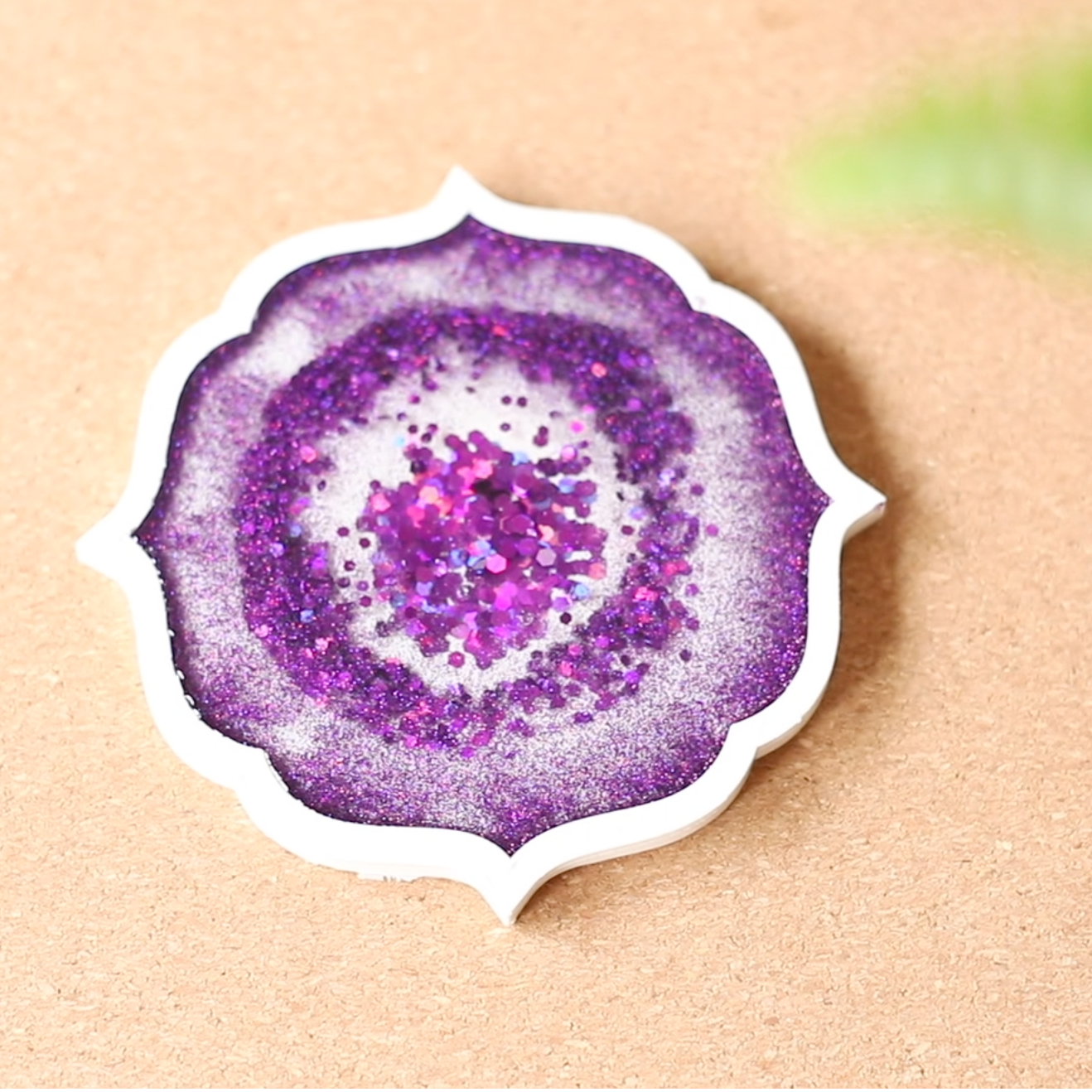
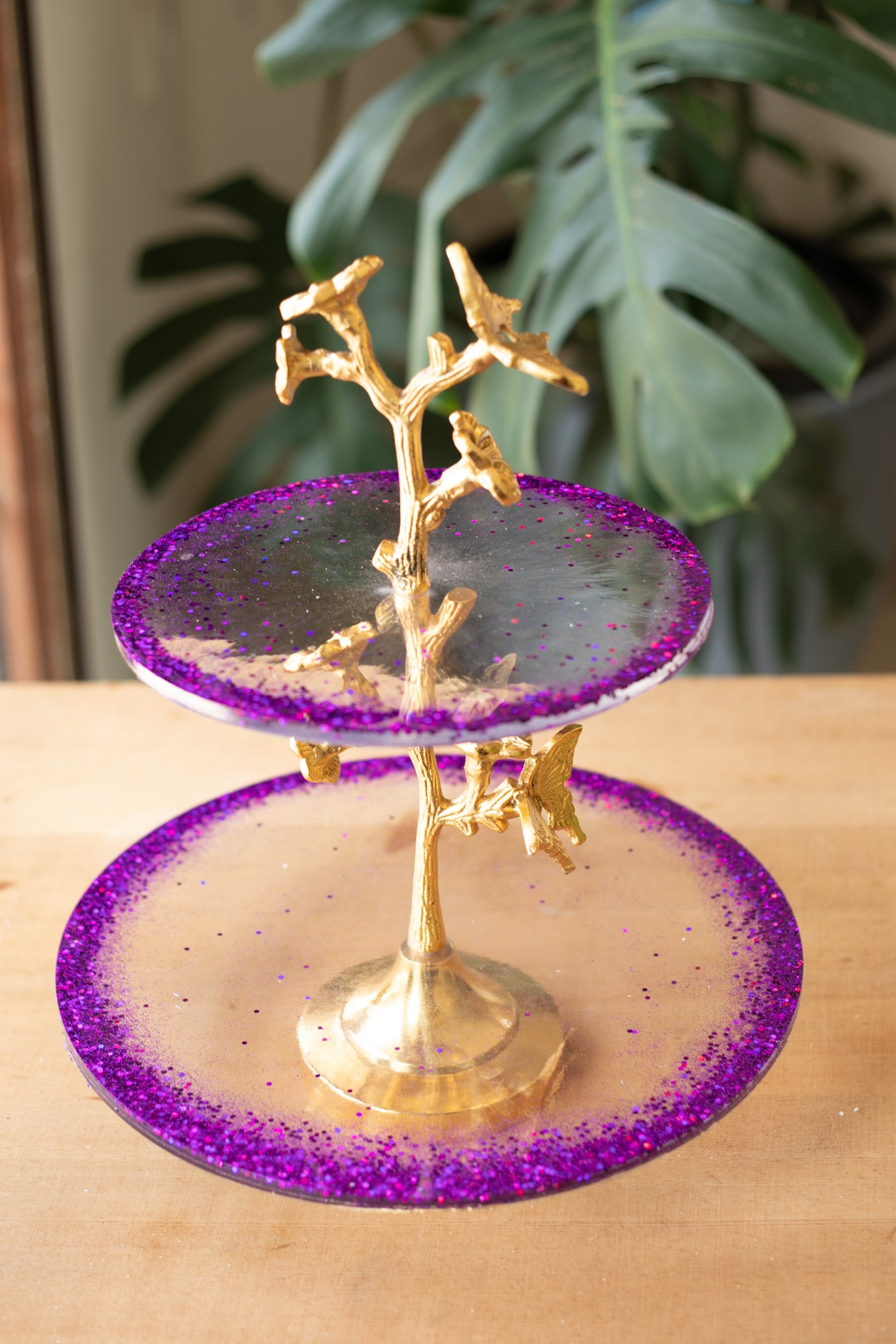
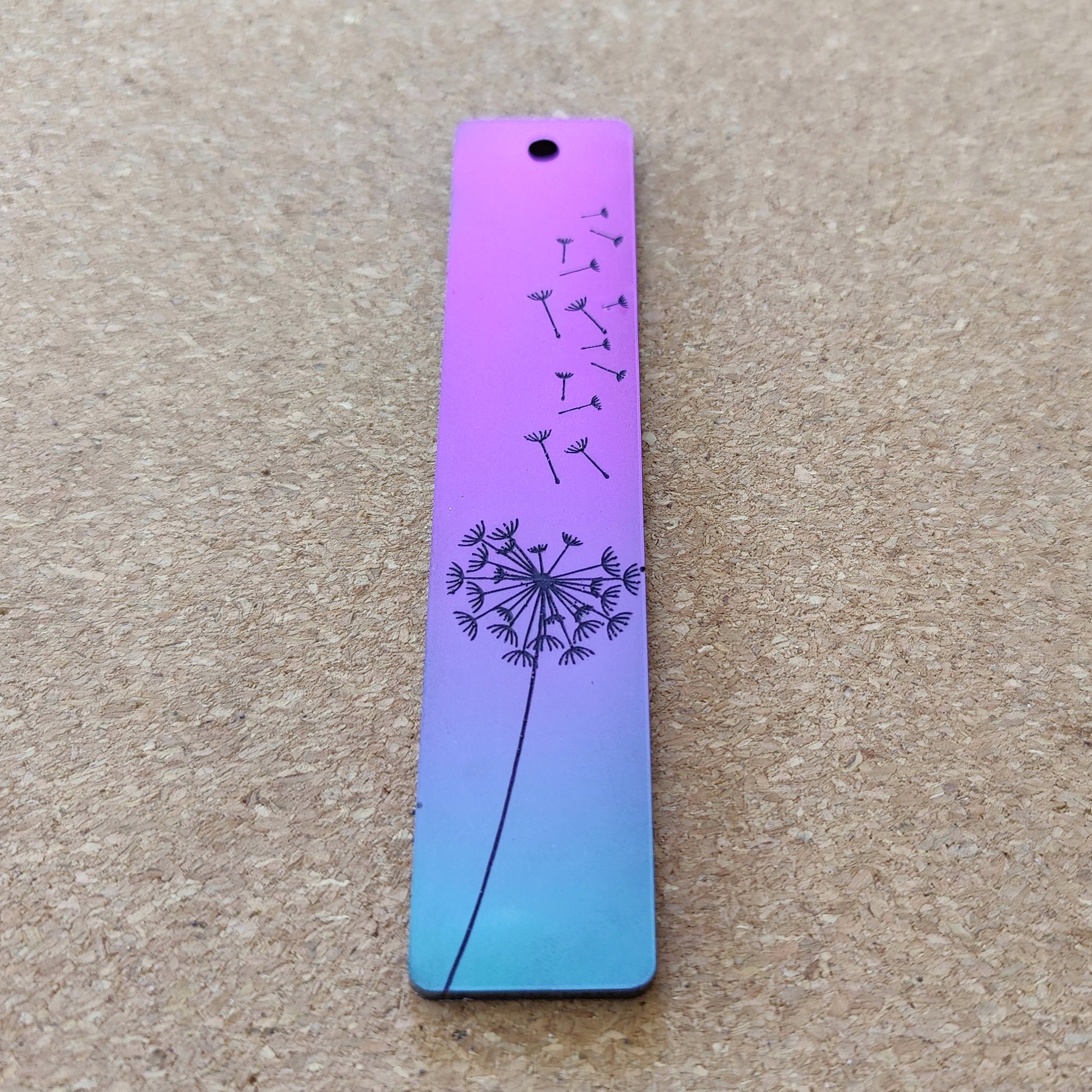
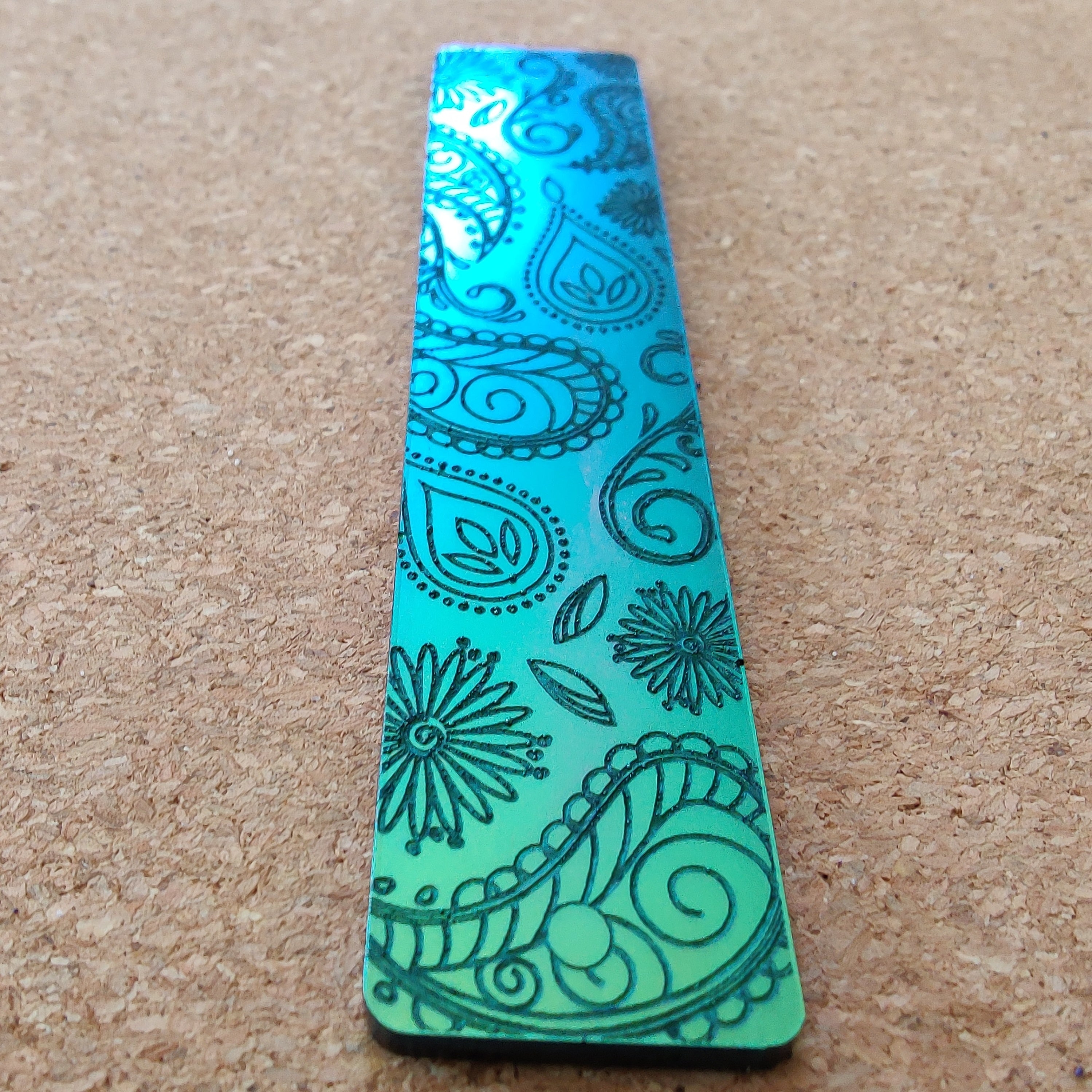
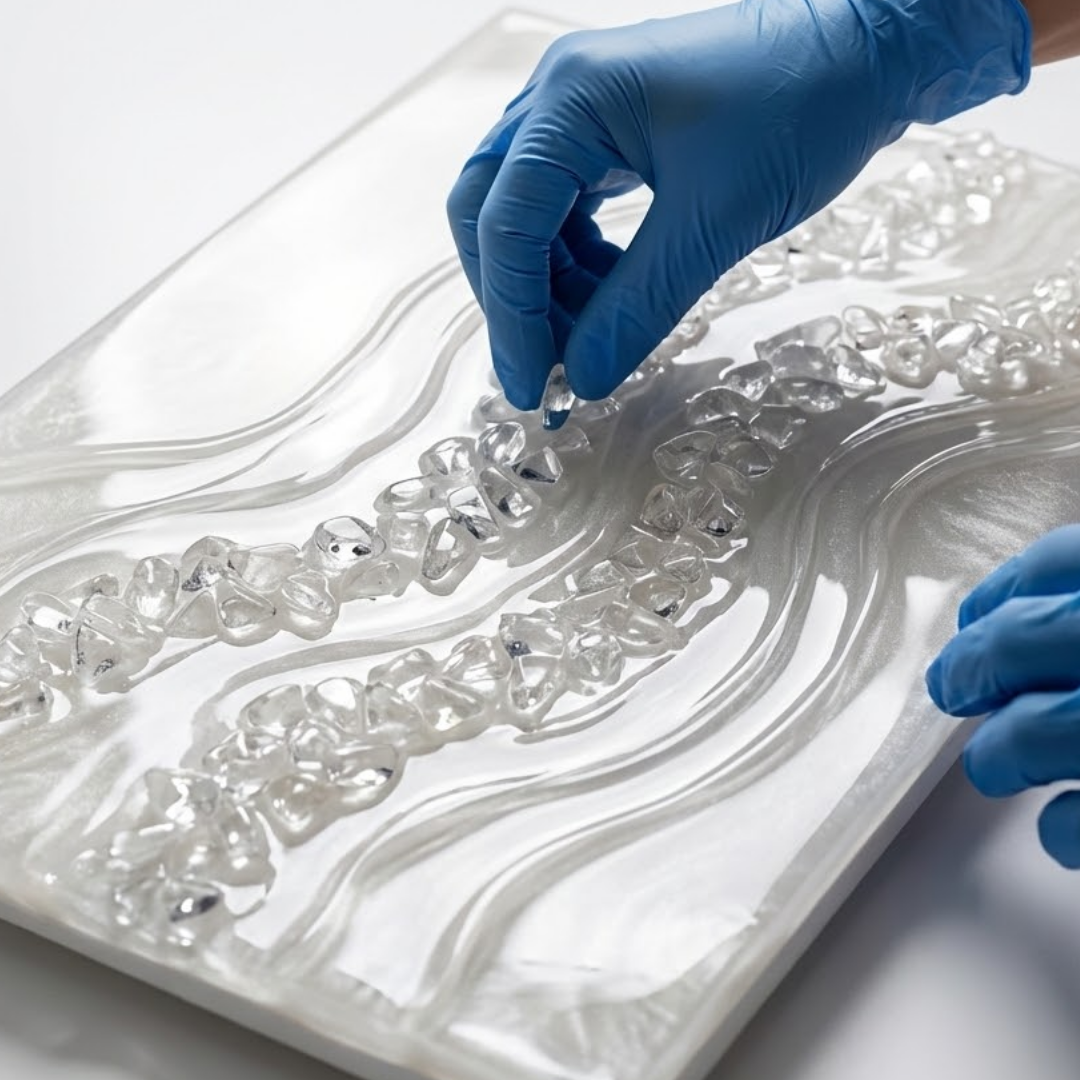
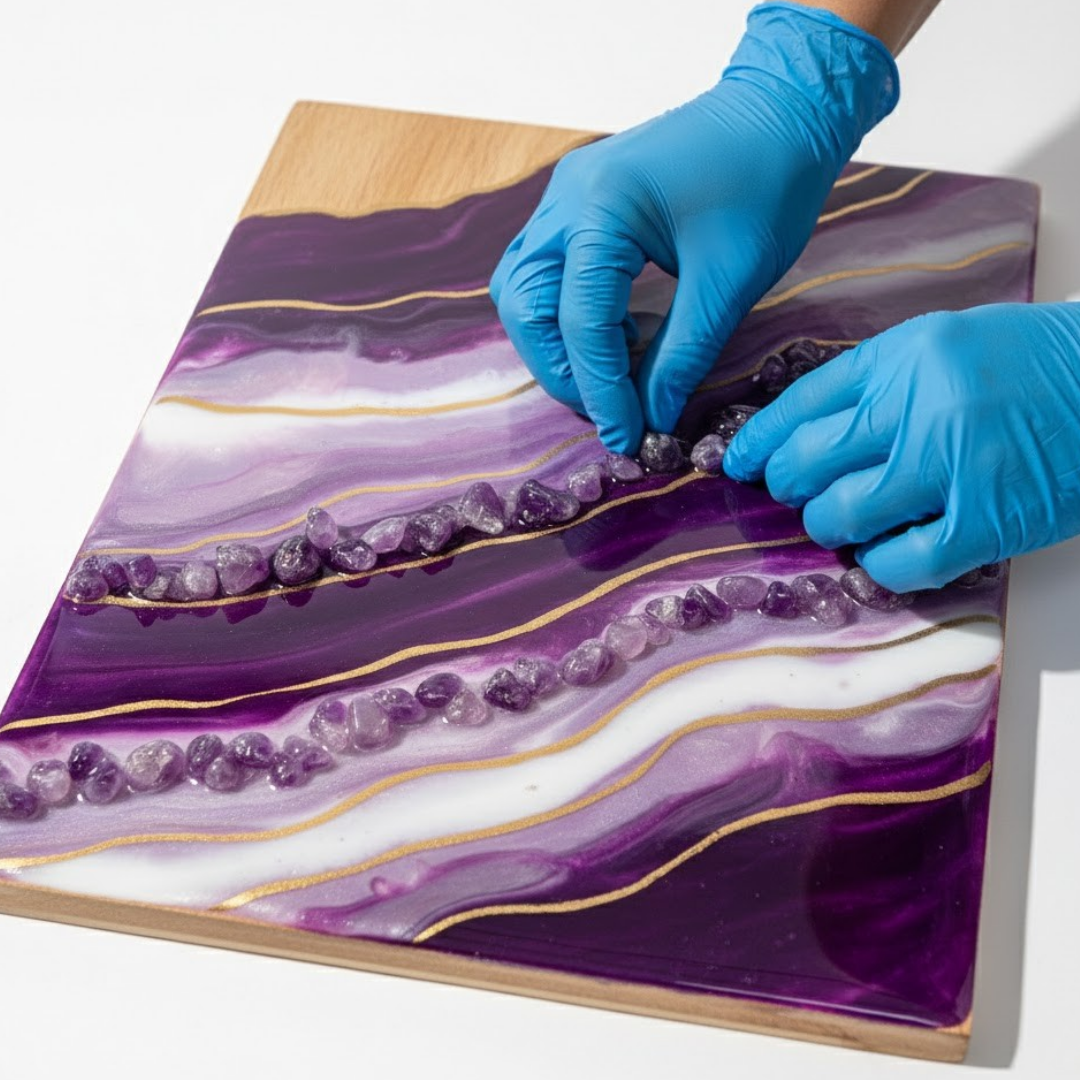
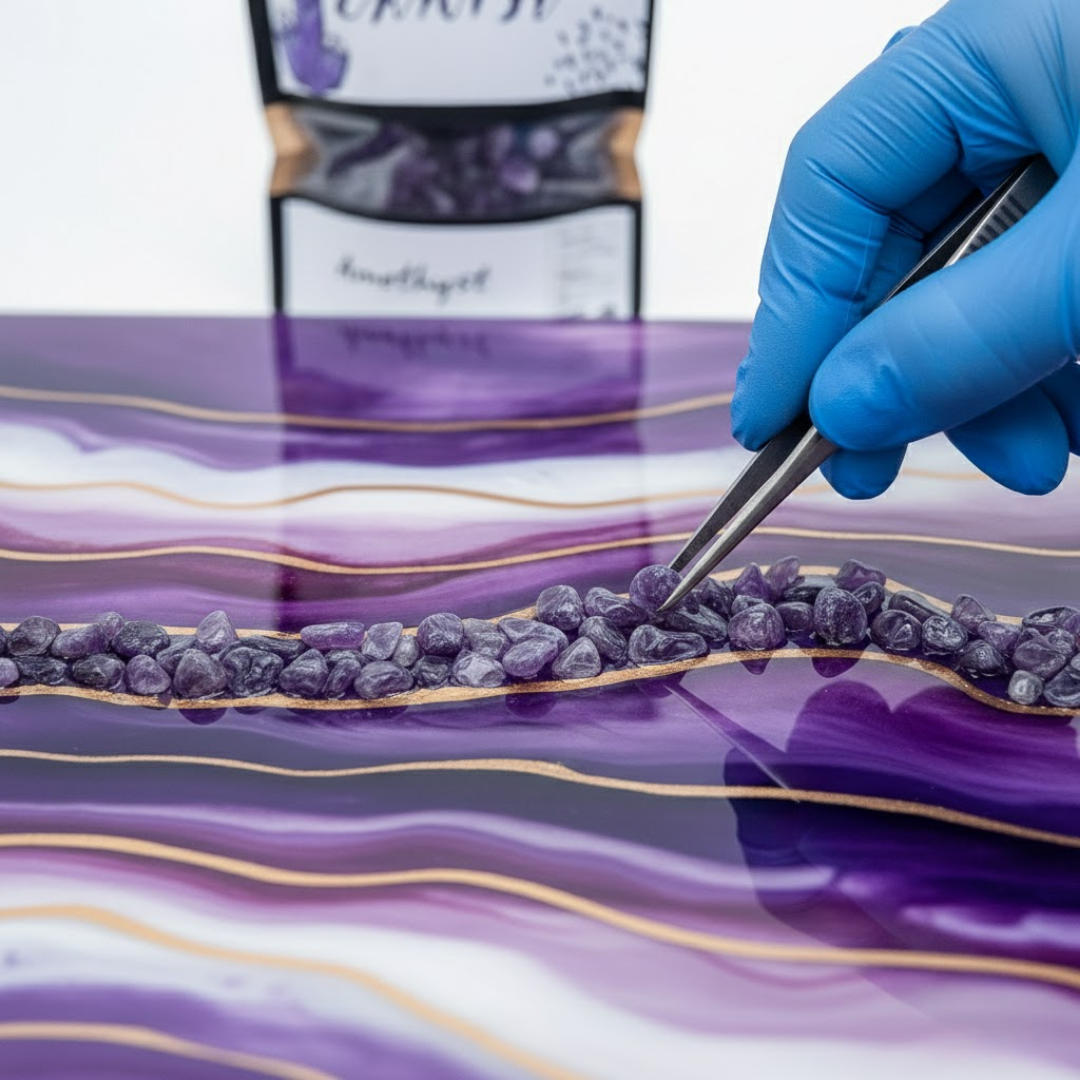
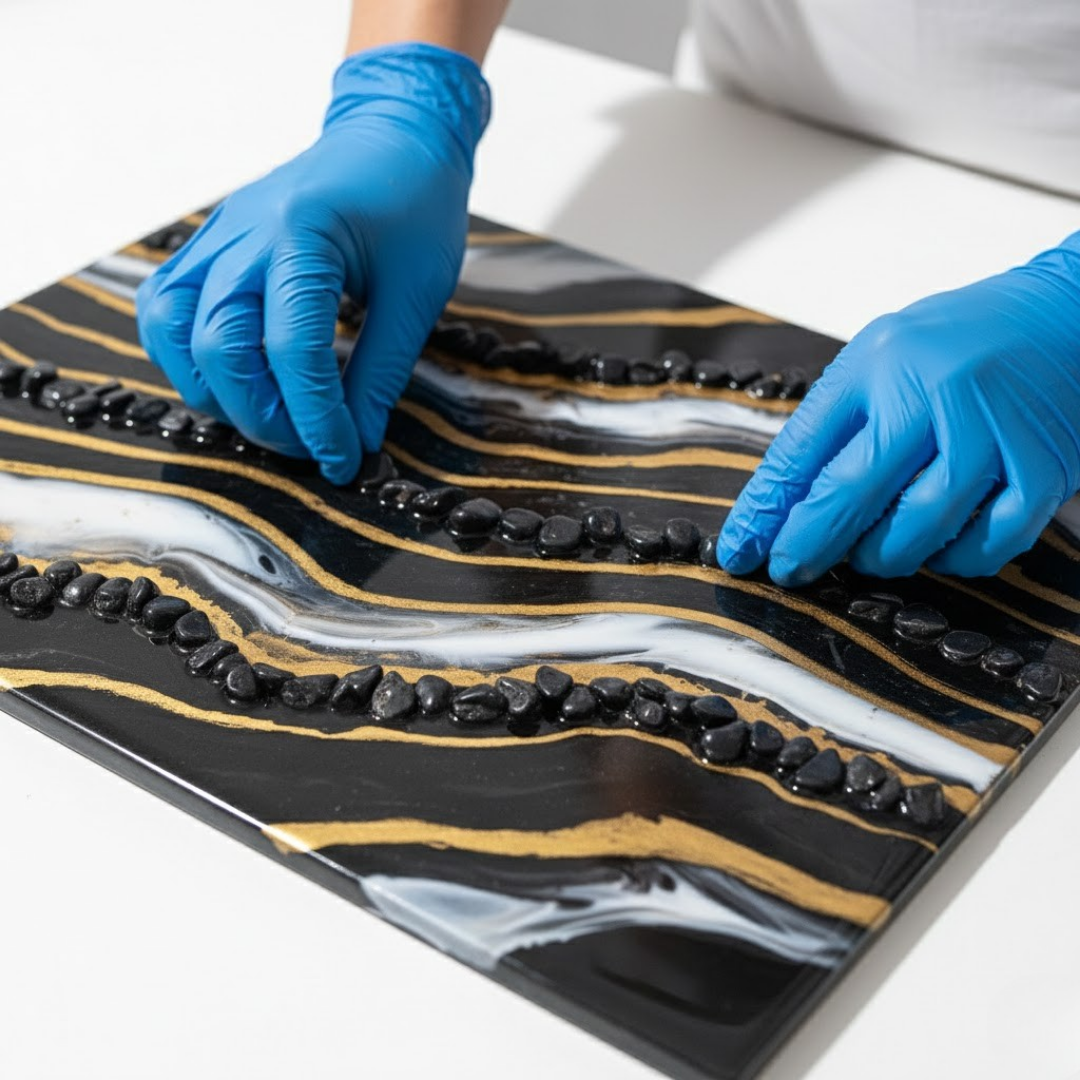
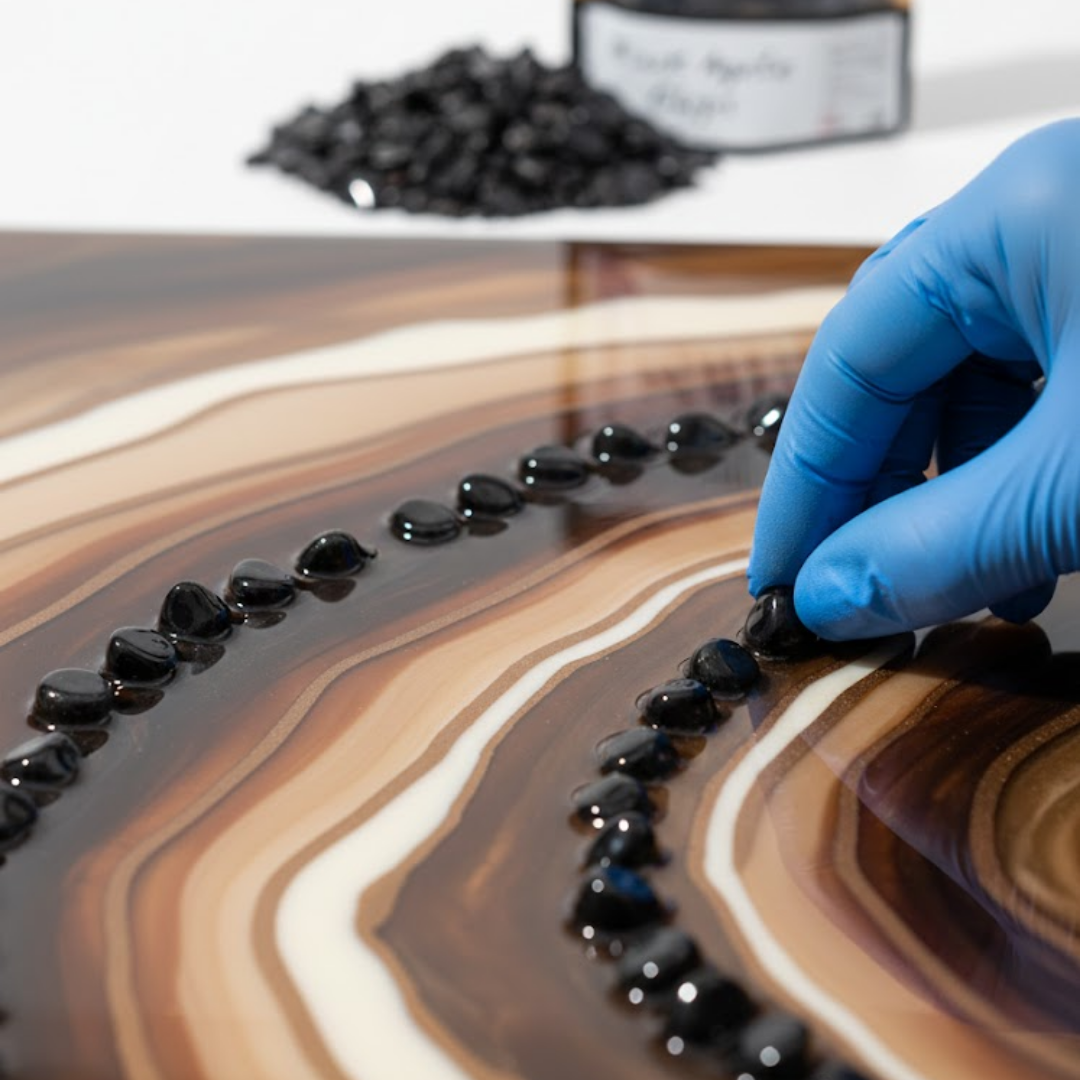
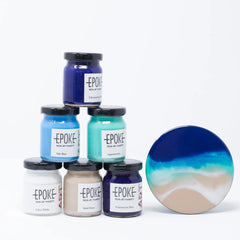
Ocean paintings, geode patterns, lacing effects, decorative trays, canvas pours - art resin is made for all of it.
What makes it work:
-
It stays open long enough for you to move pigments around and create patterns
-
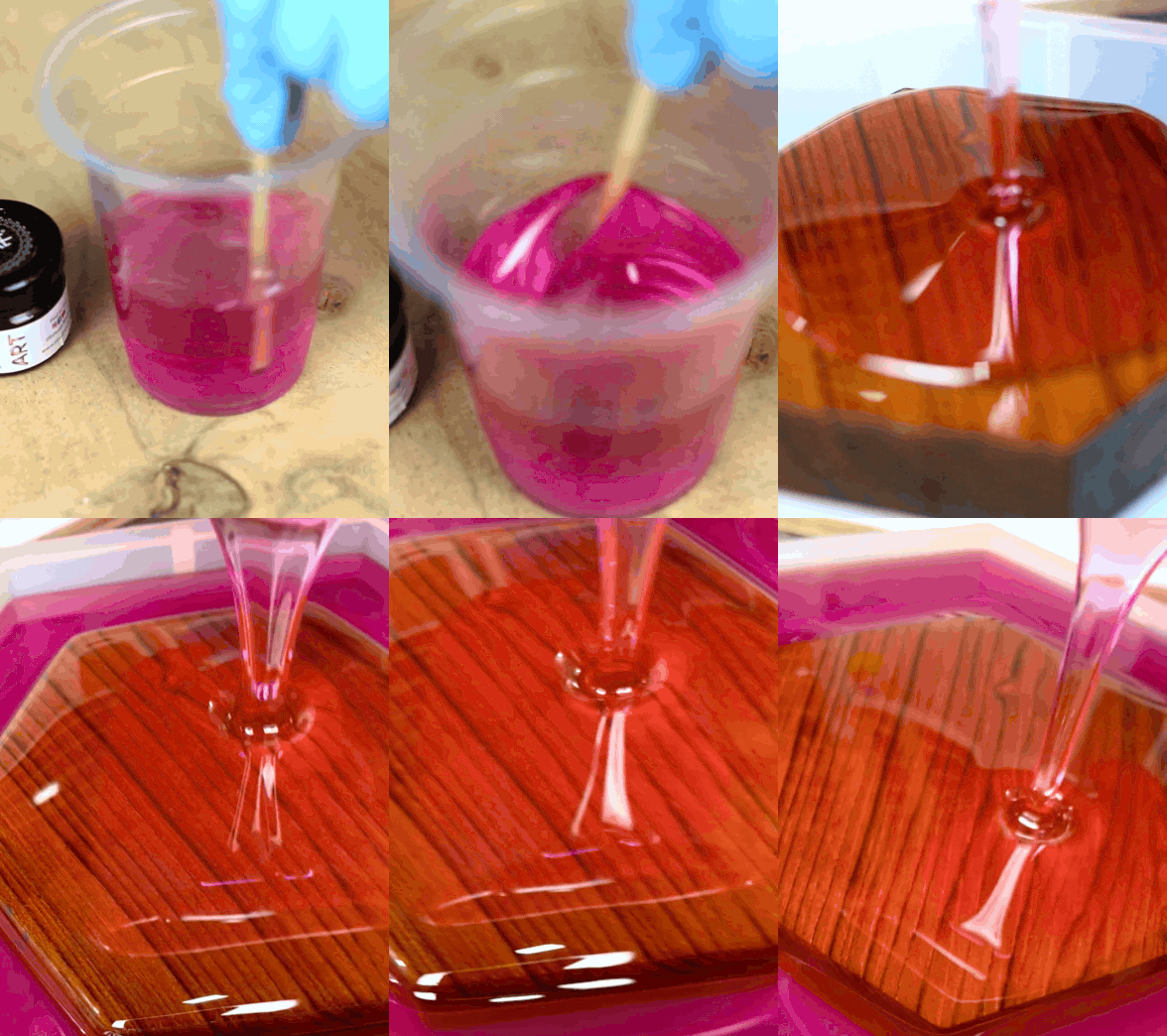
It self-levels on flat surfaces without much help from you
-
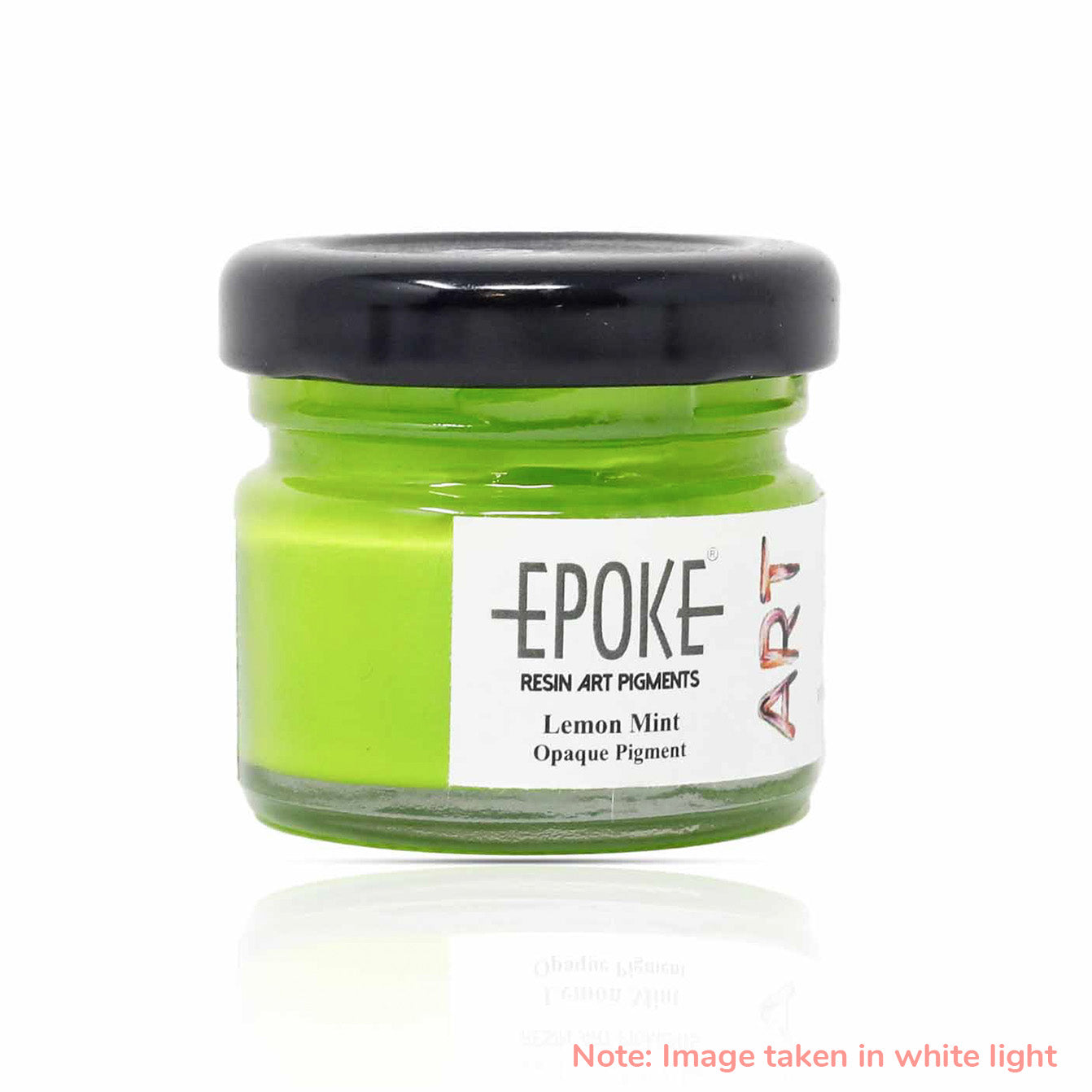
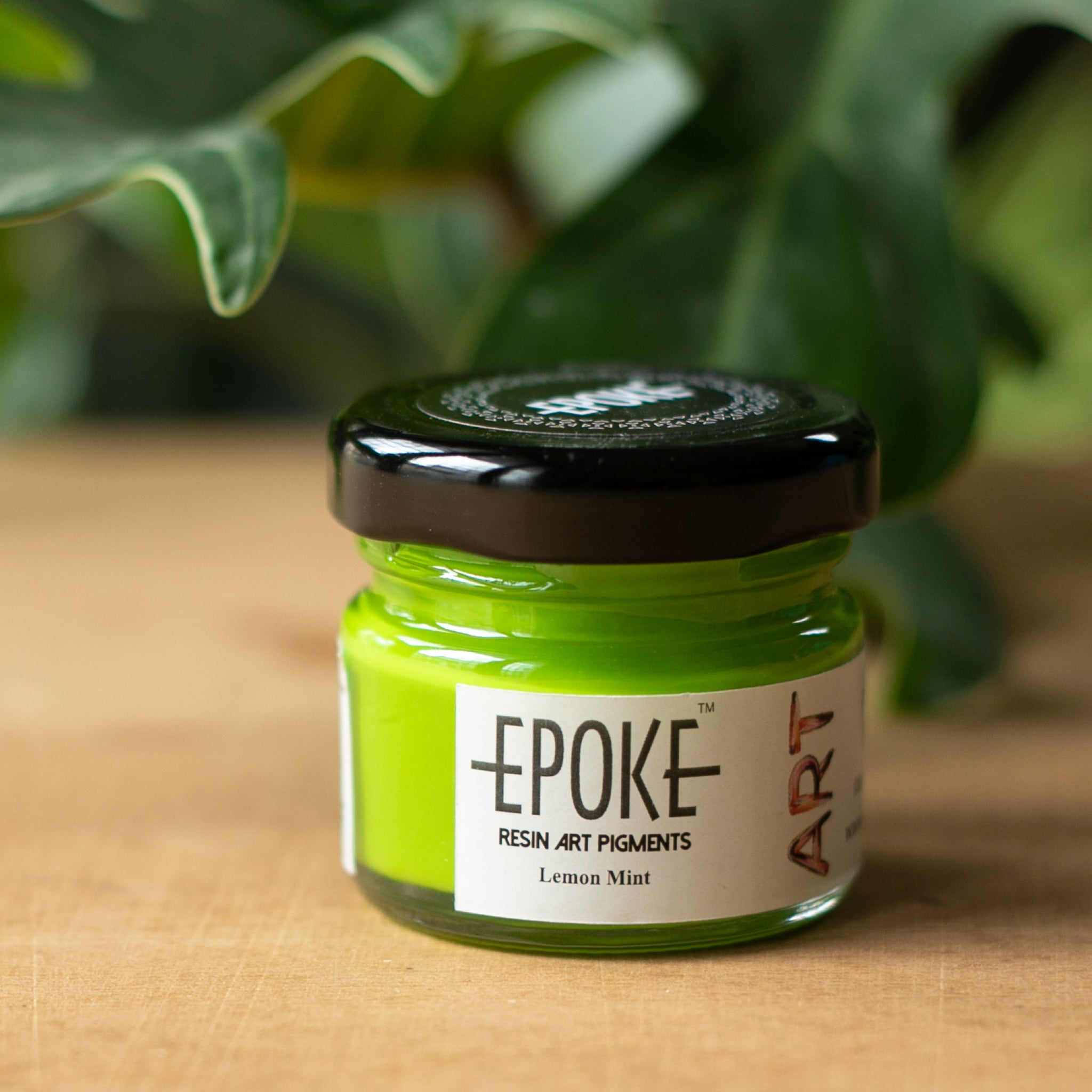
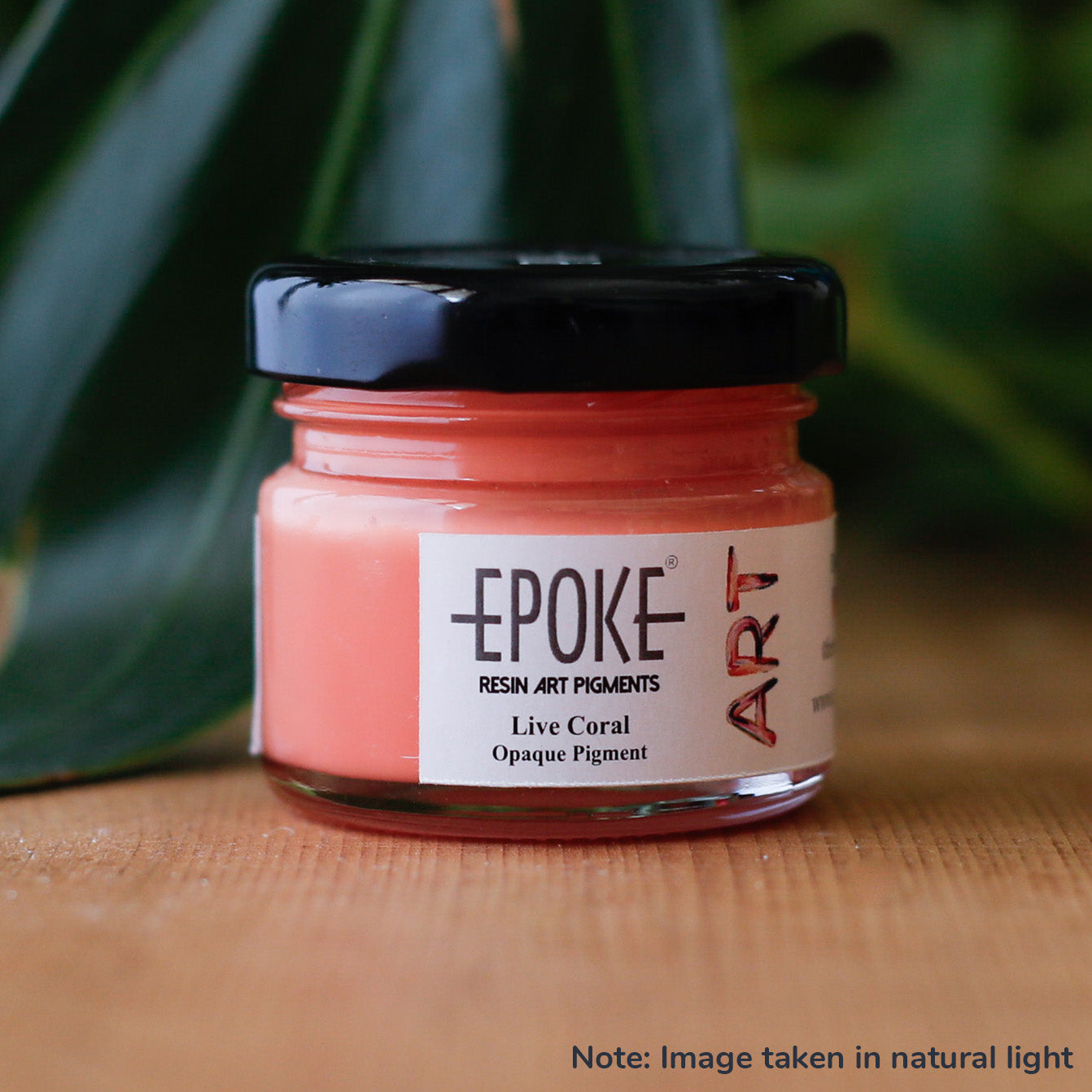
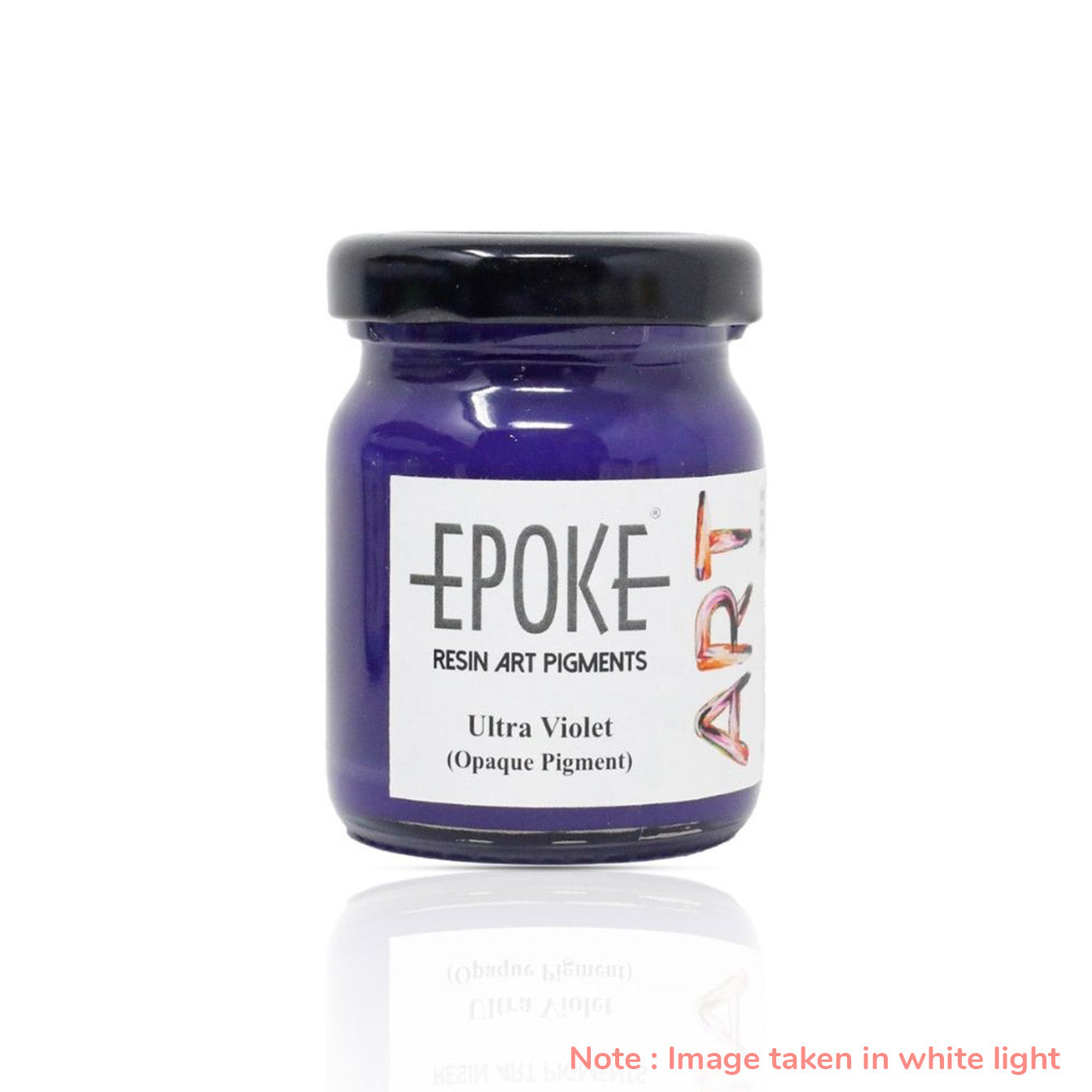
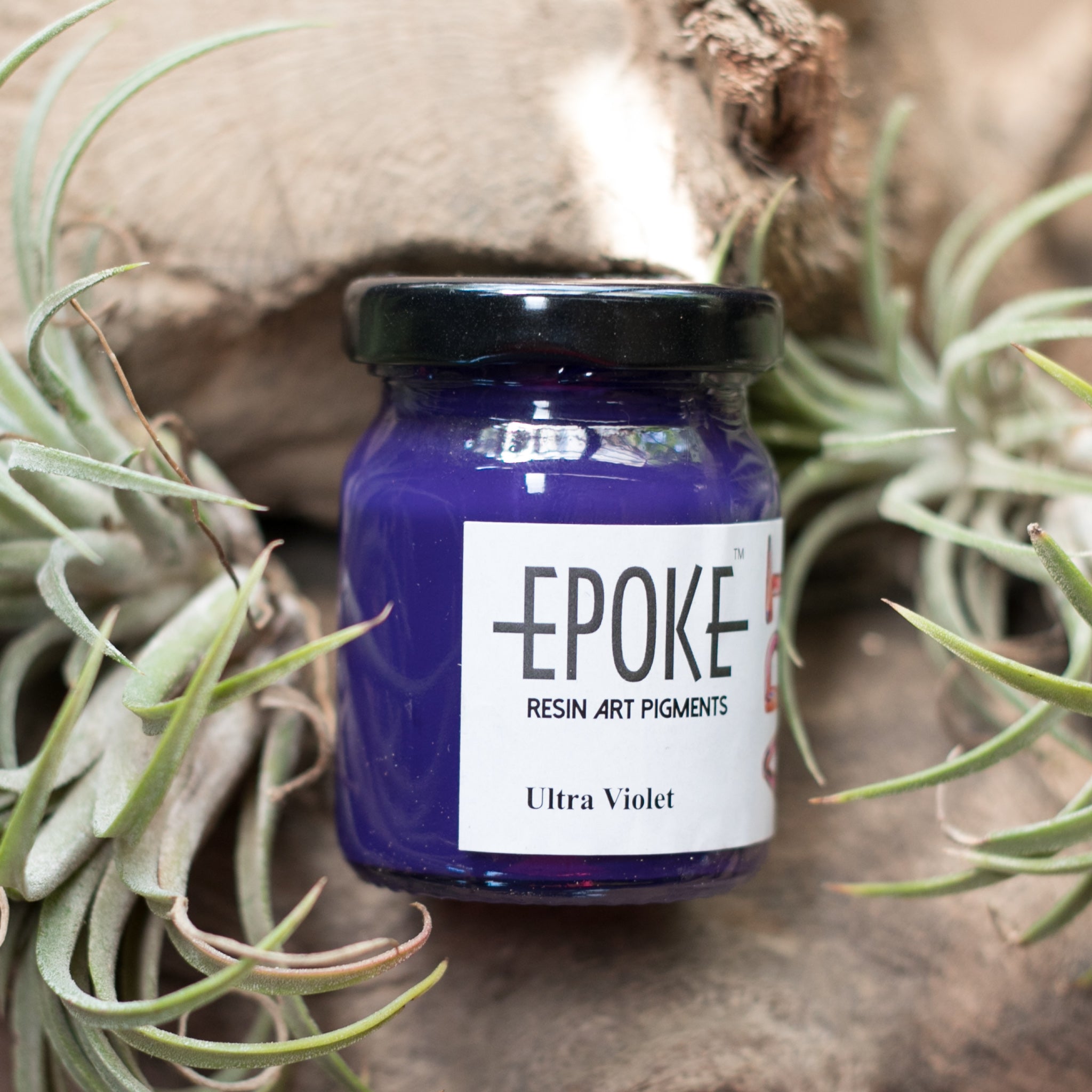
It brings out the best in metallic, opaque, and translucent pigments
-
It cures to a clear, glossy finish
There's one rule to respect: pour it between 3mm and 6mm deep per layer. Go beyond that in a single pour, and the heat from curing builds up inside the resin. That's when pieces warp, crack, or both.
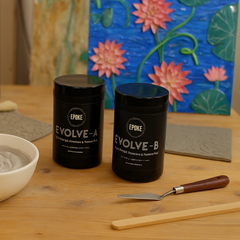
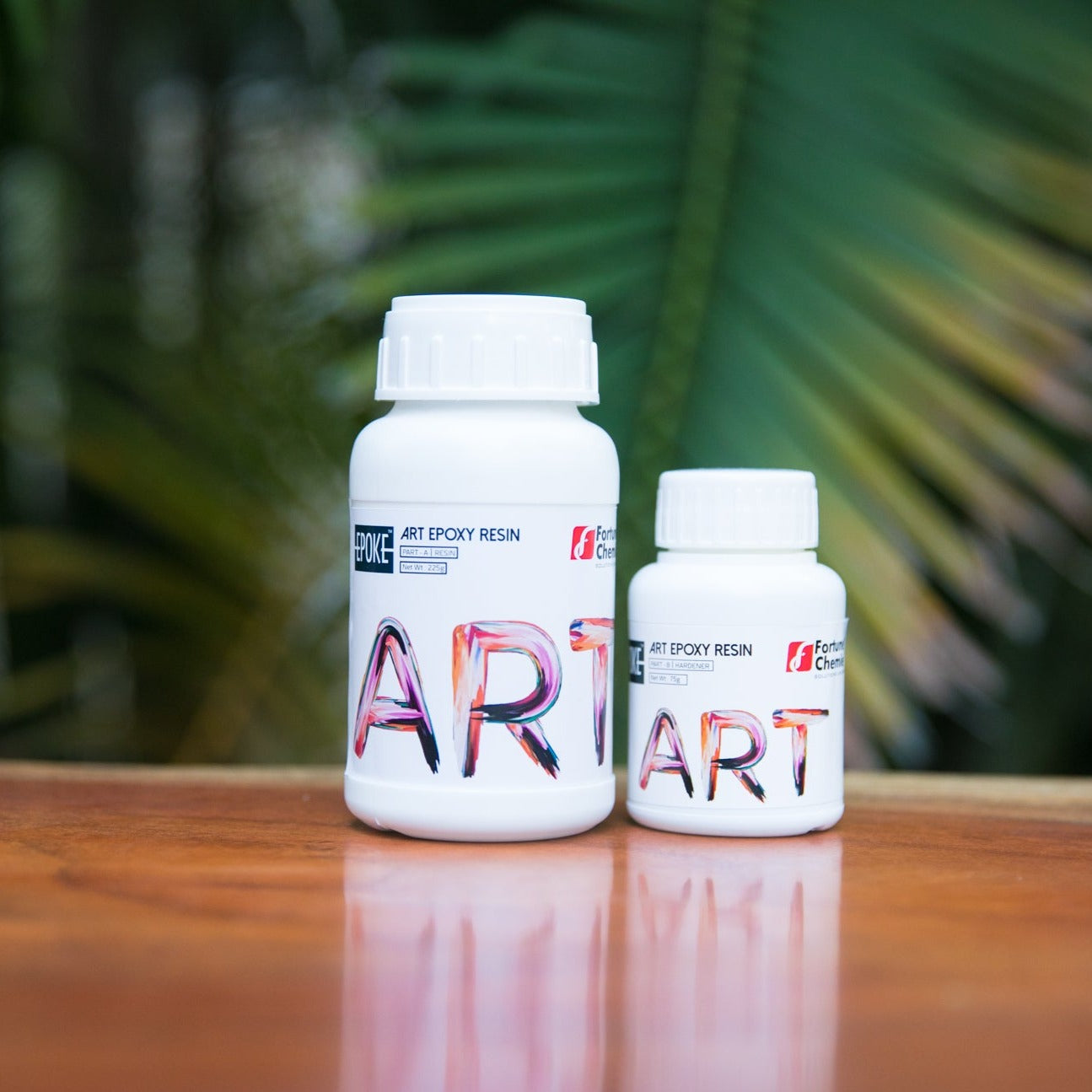
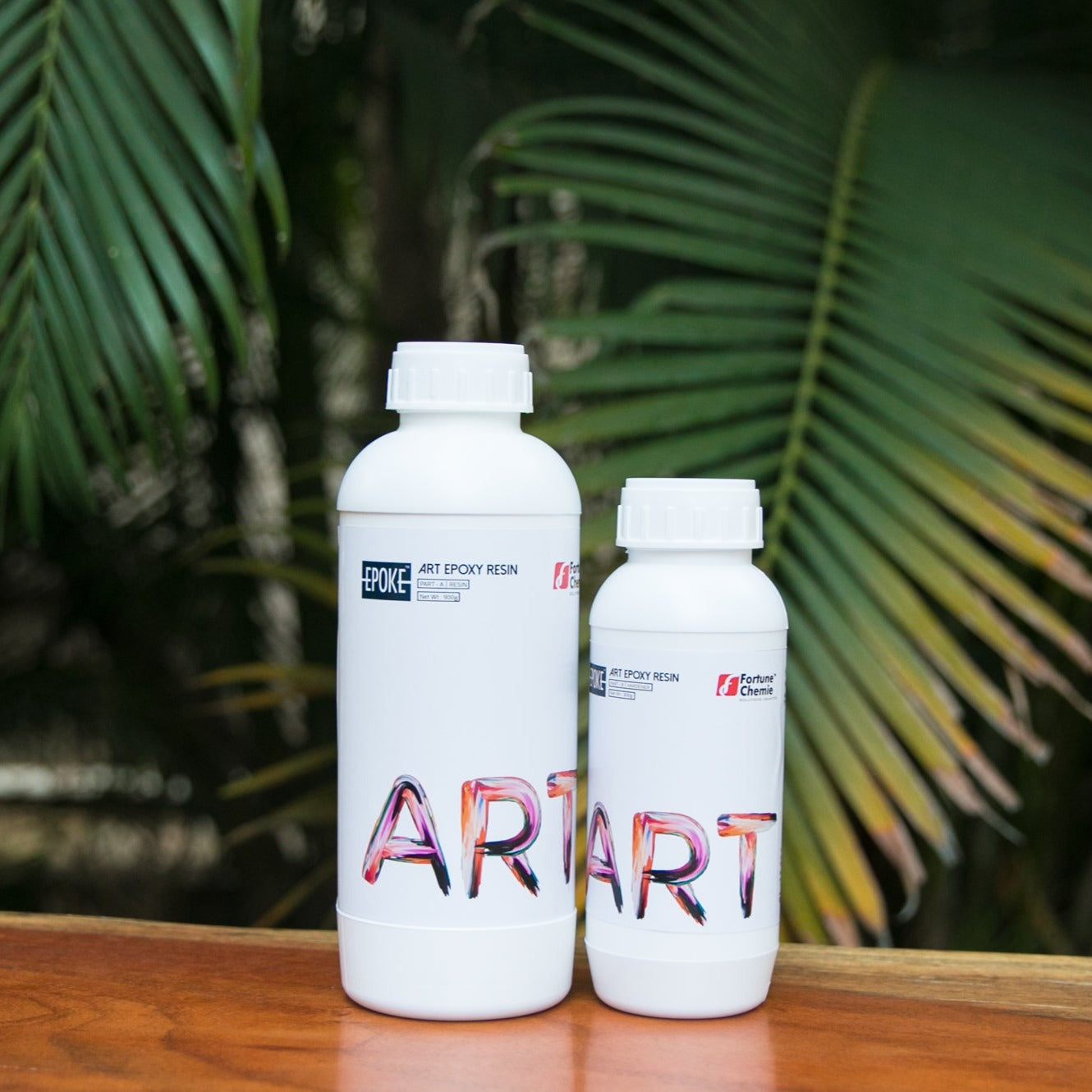
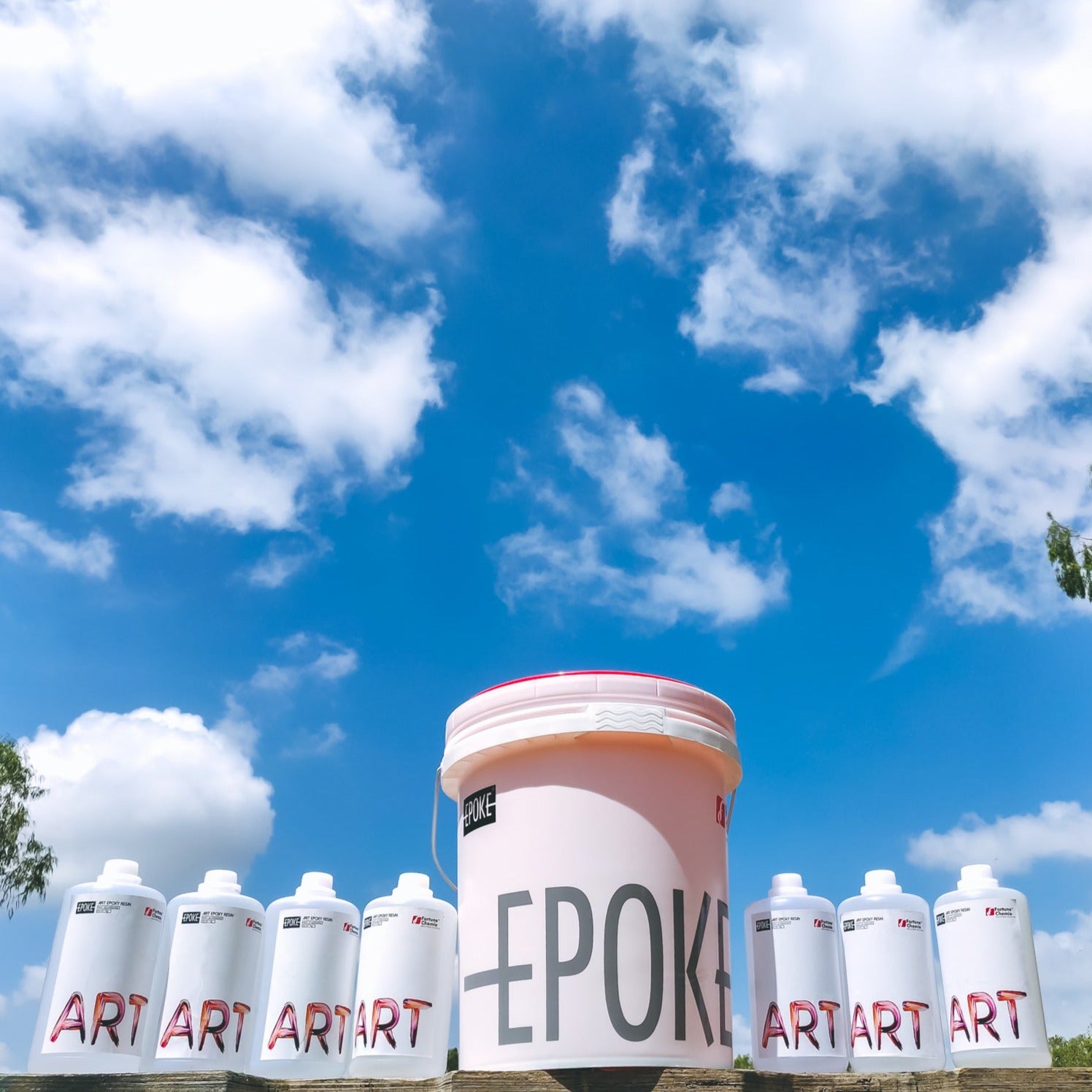
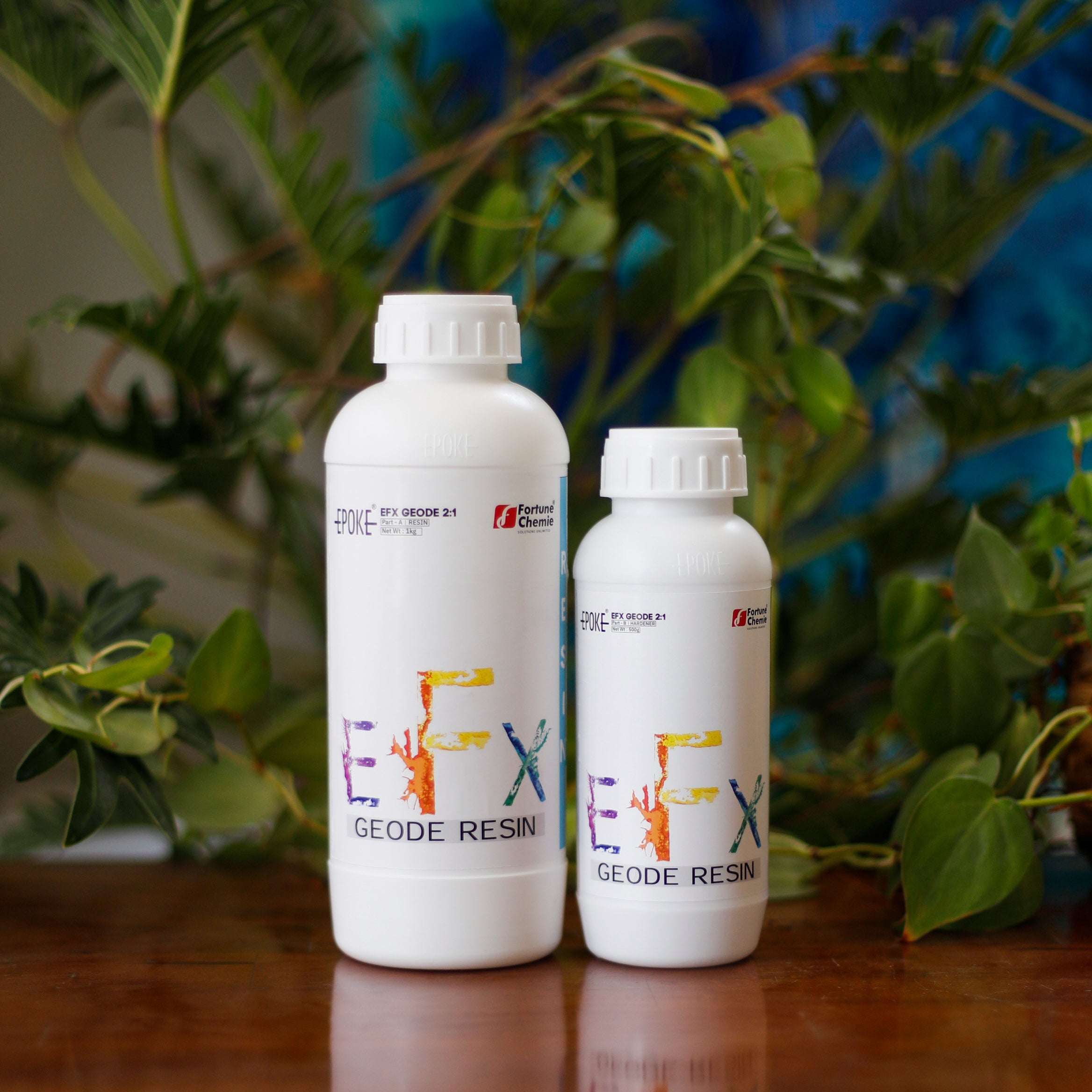
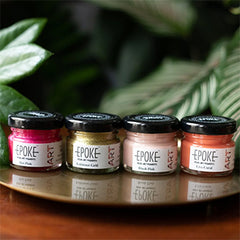
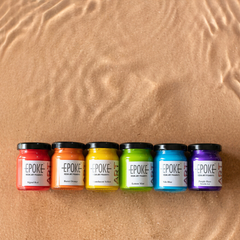
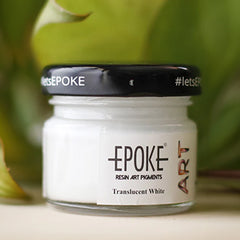
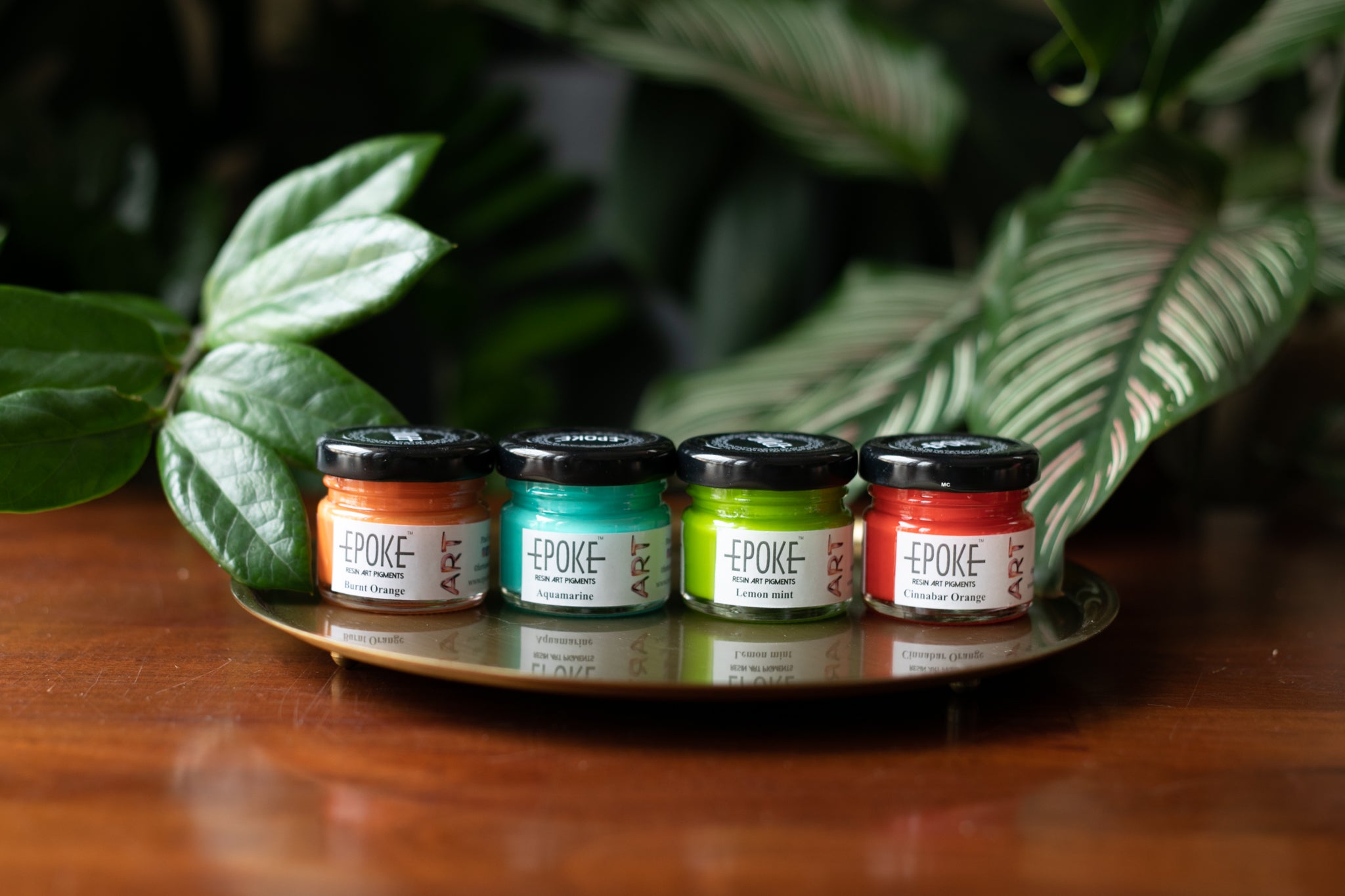
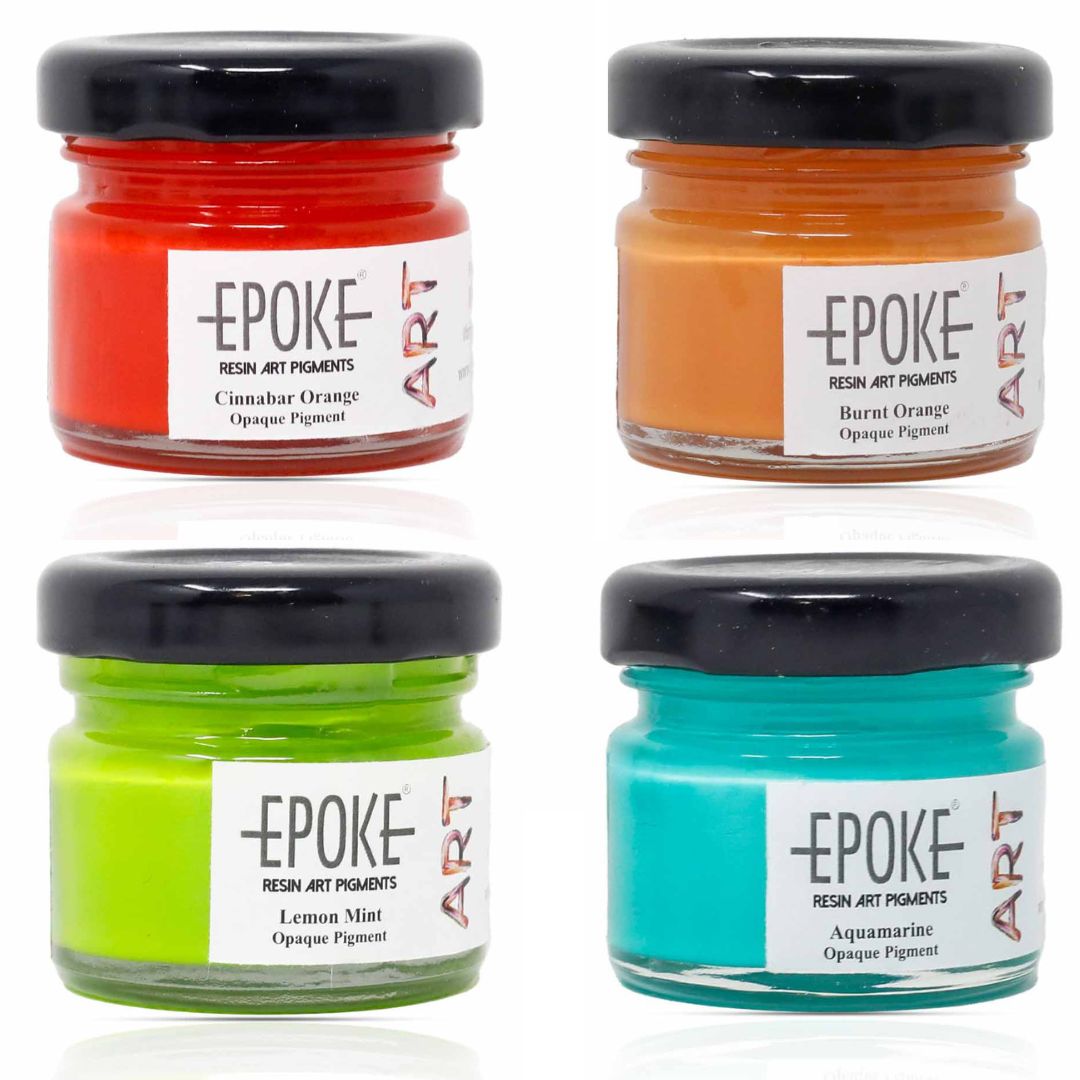
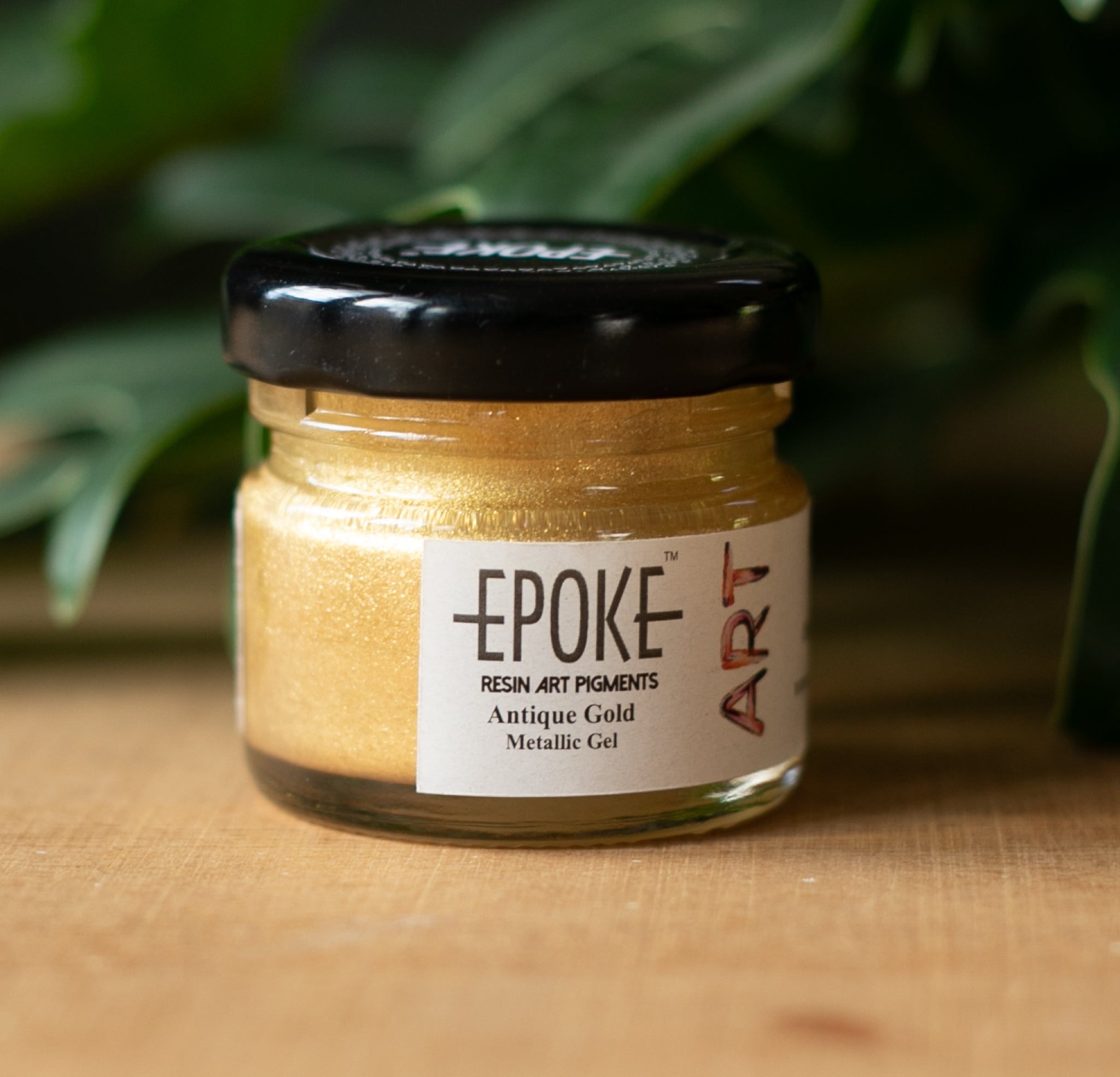
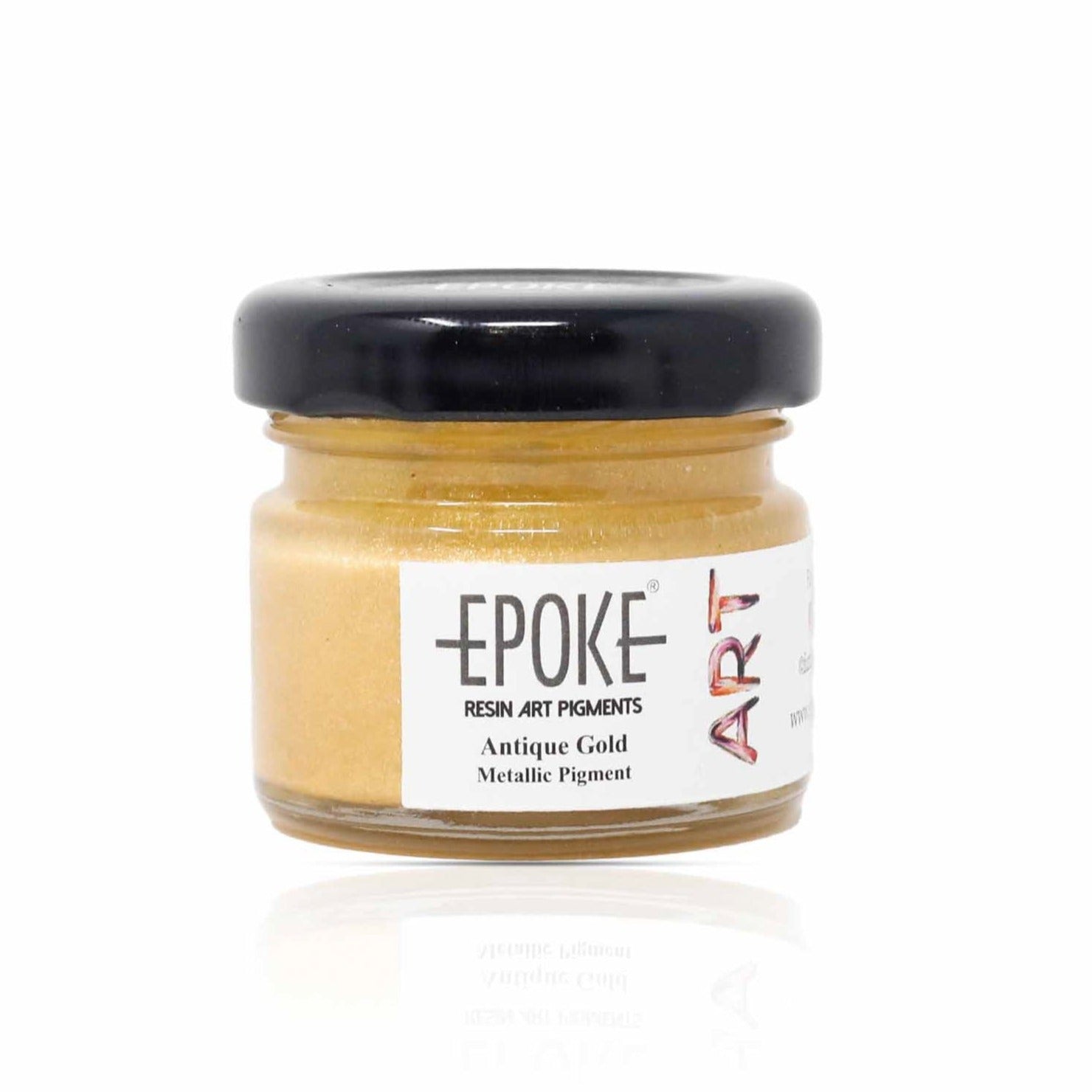
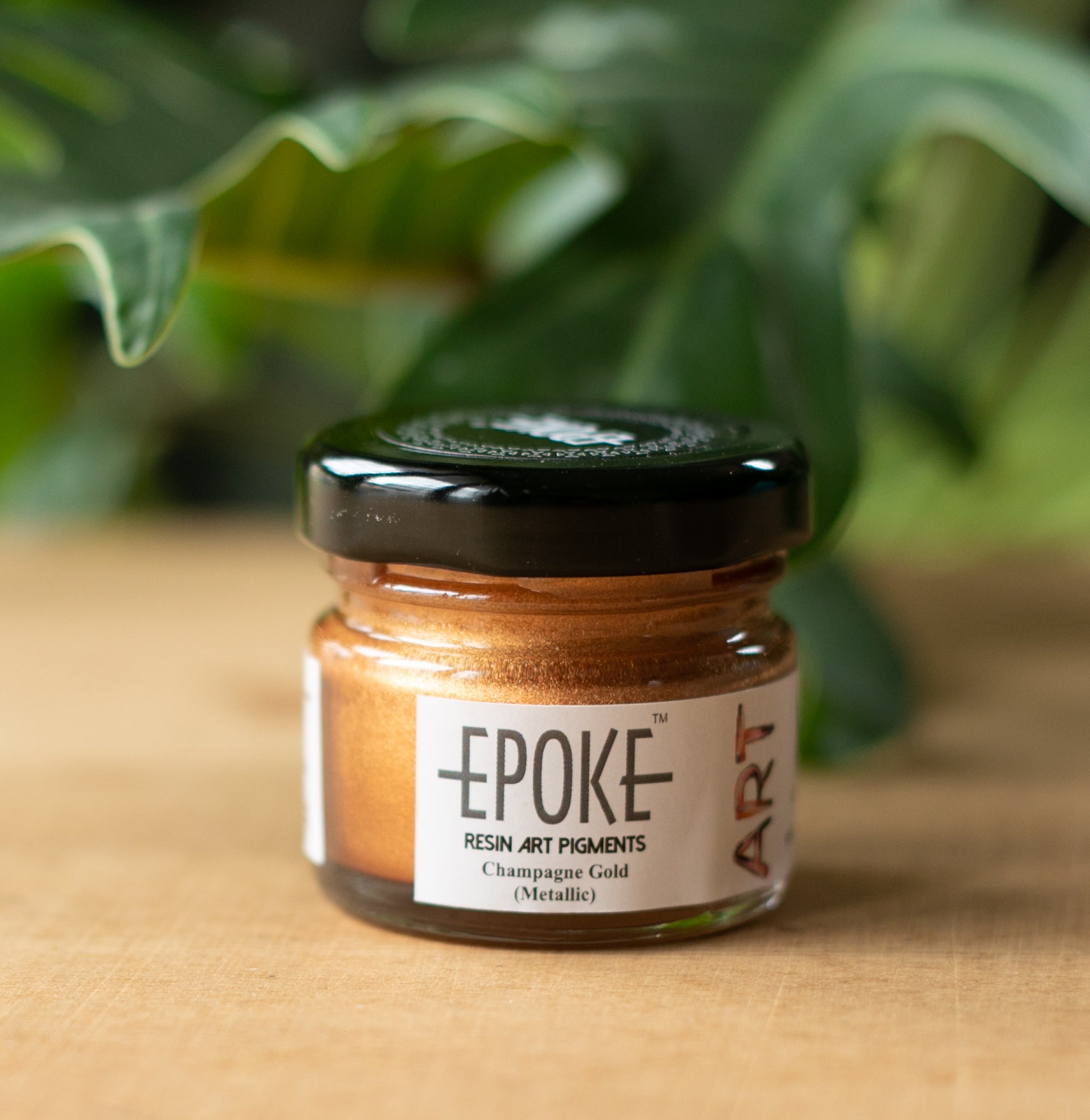
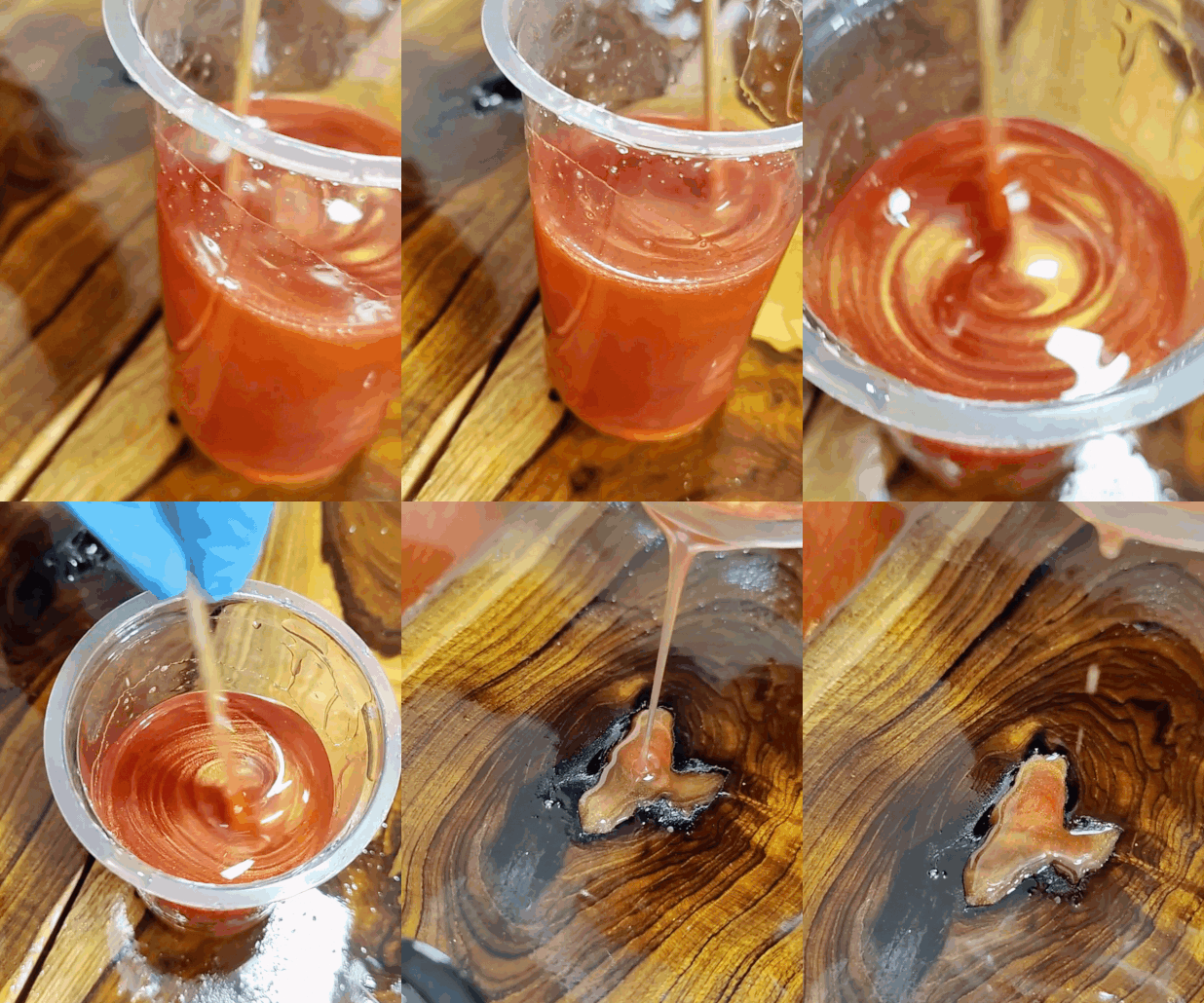
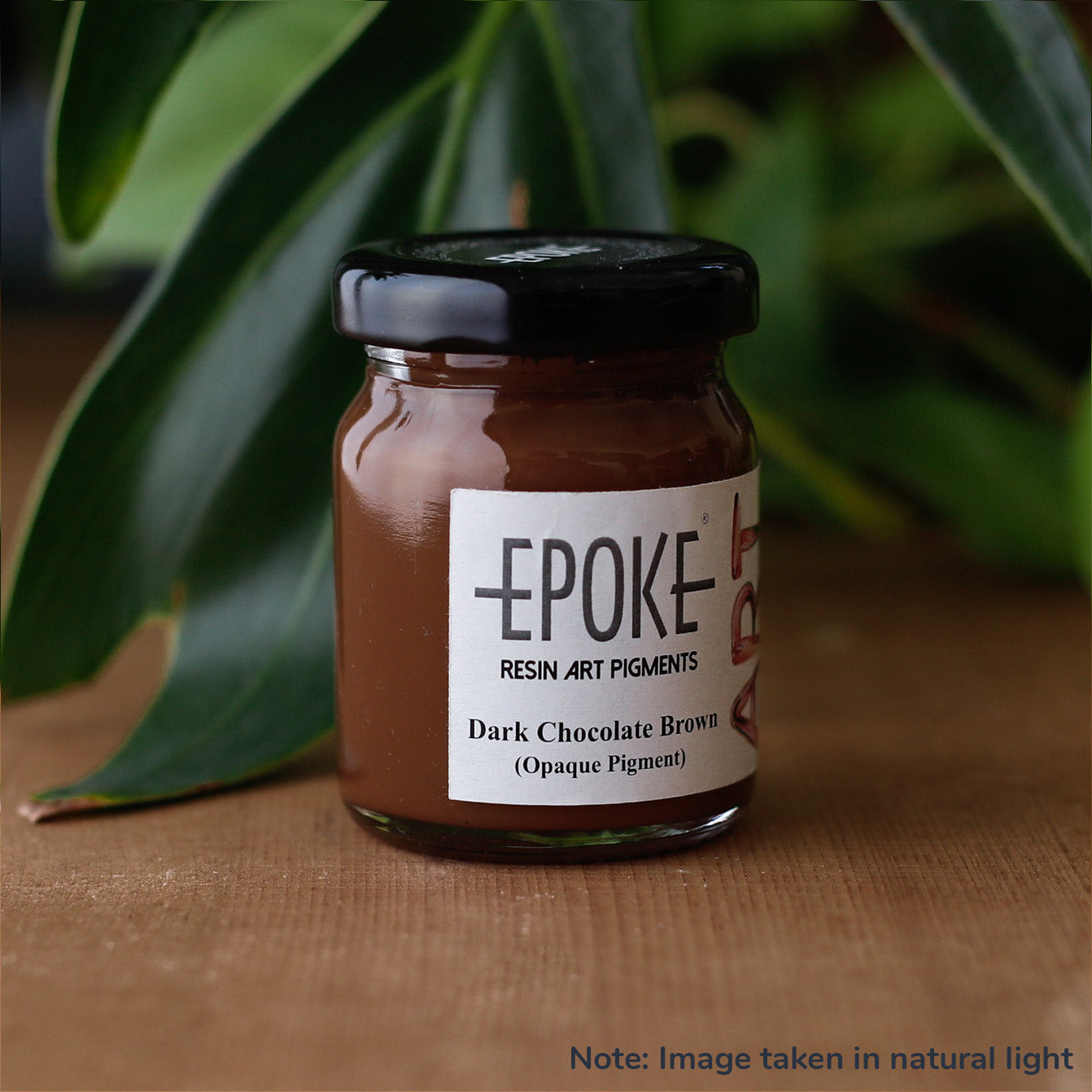
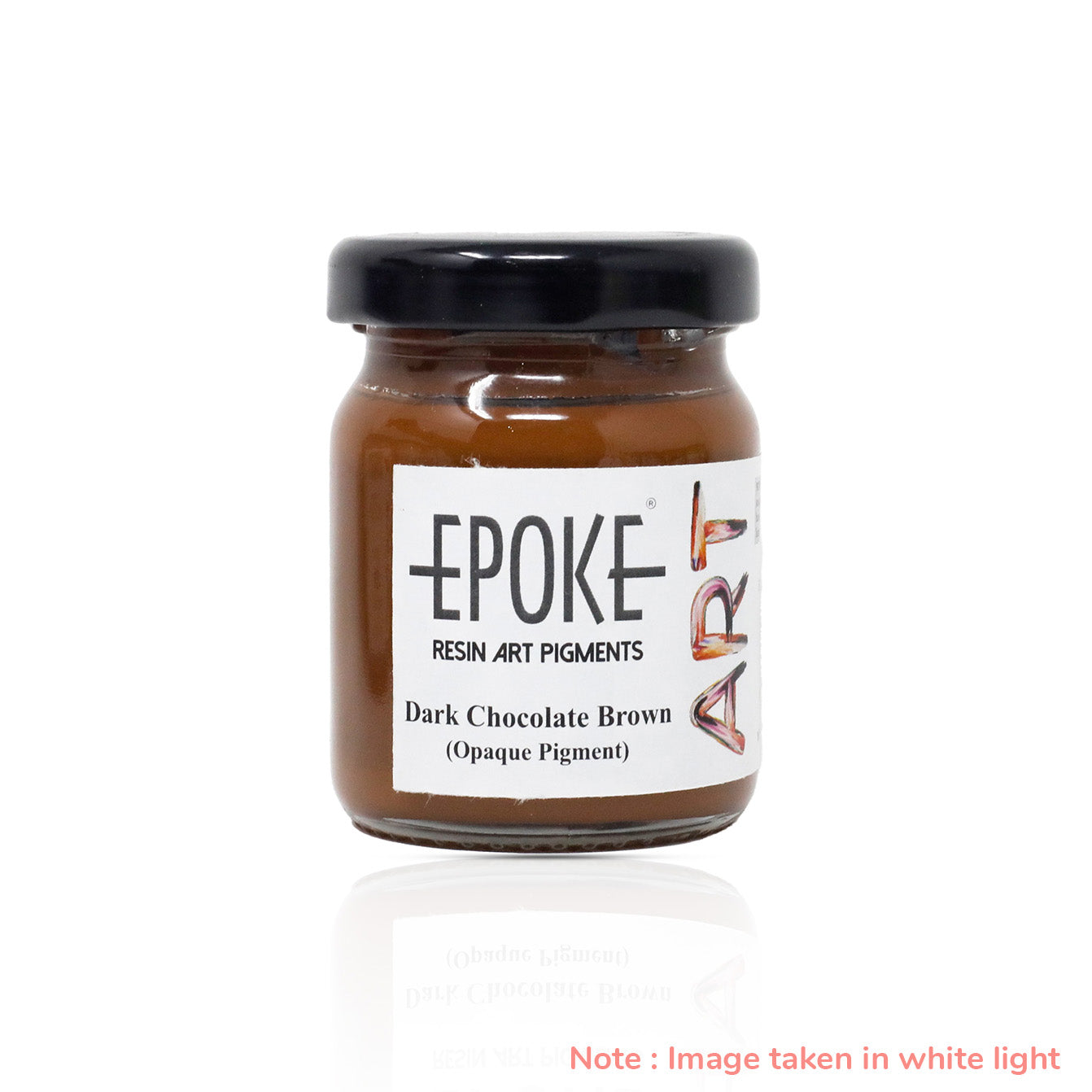
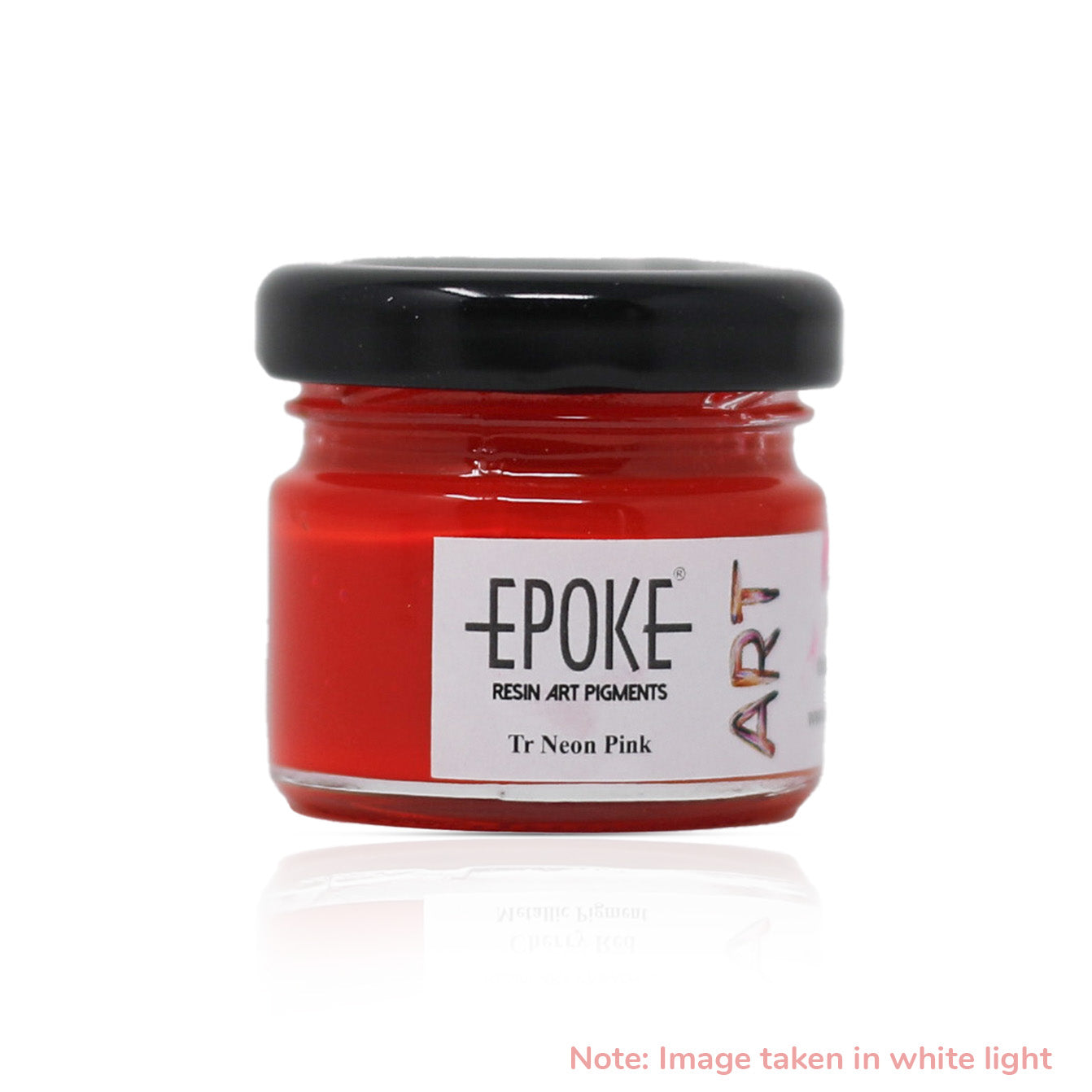
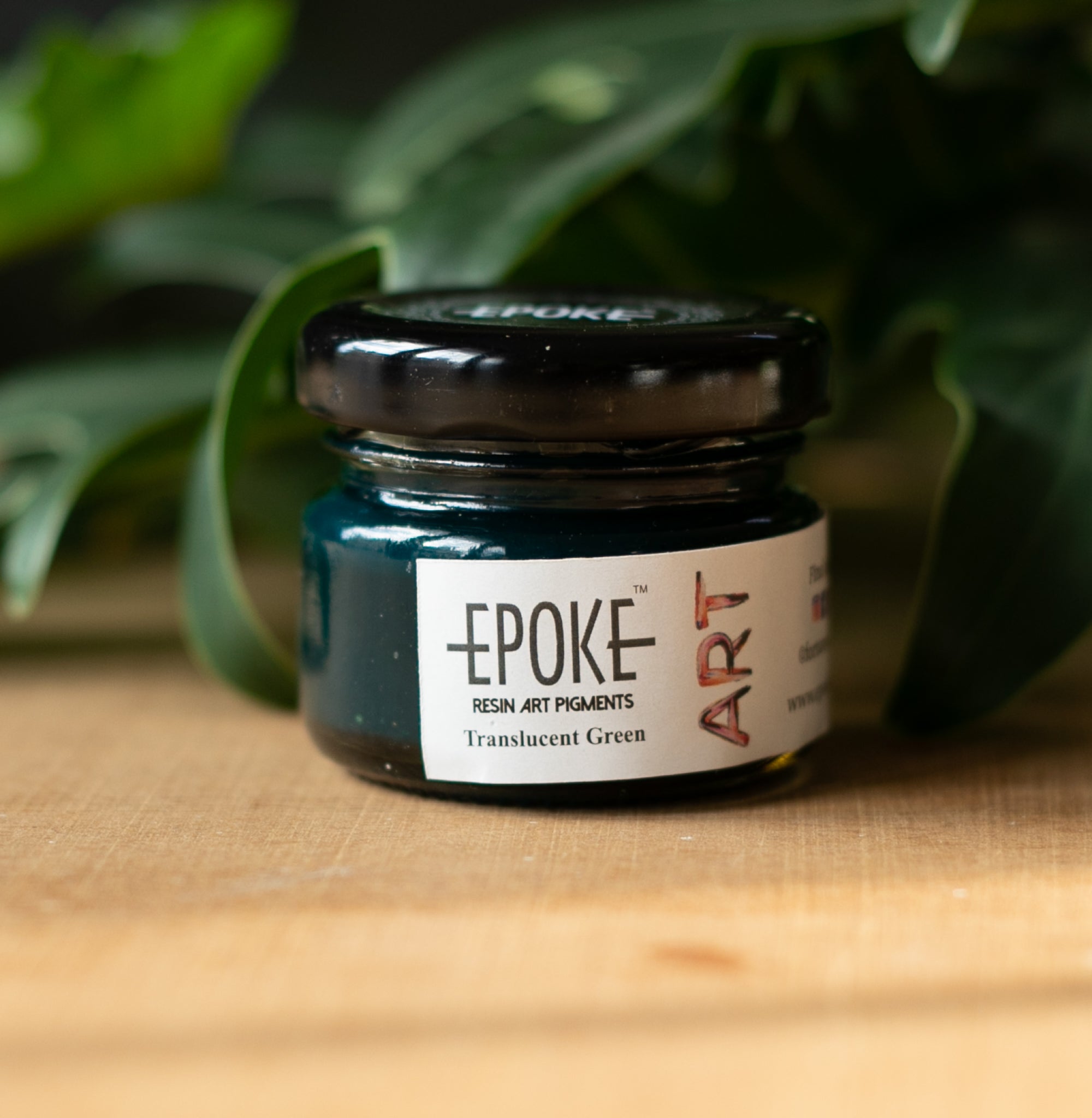
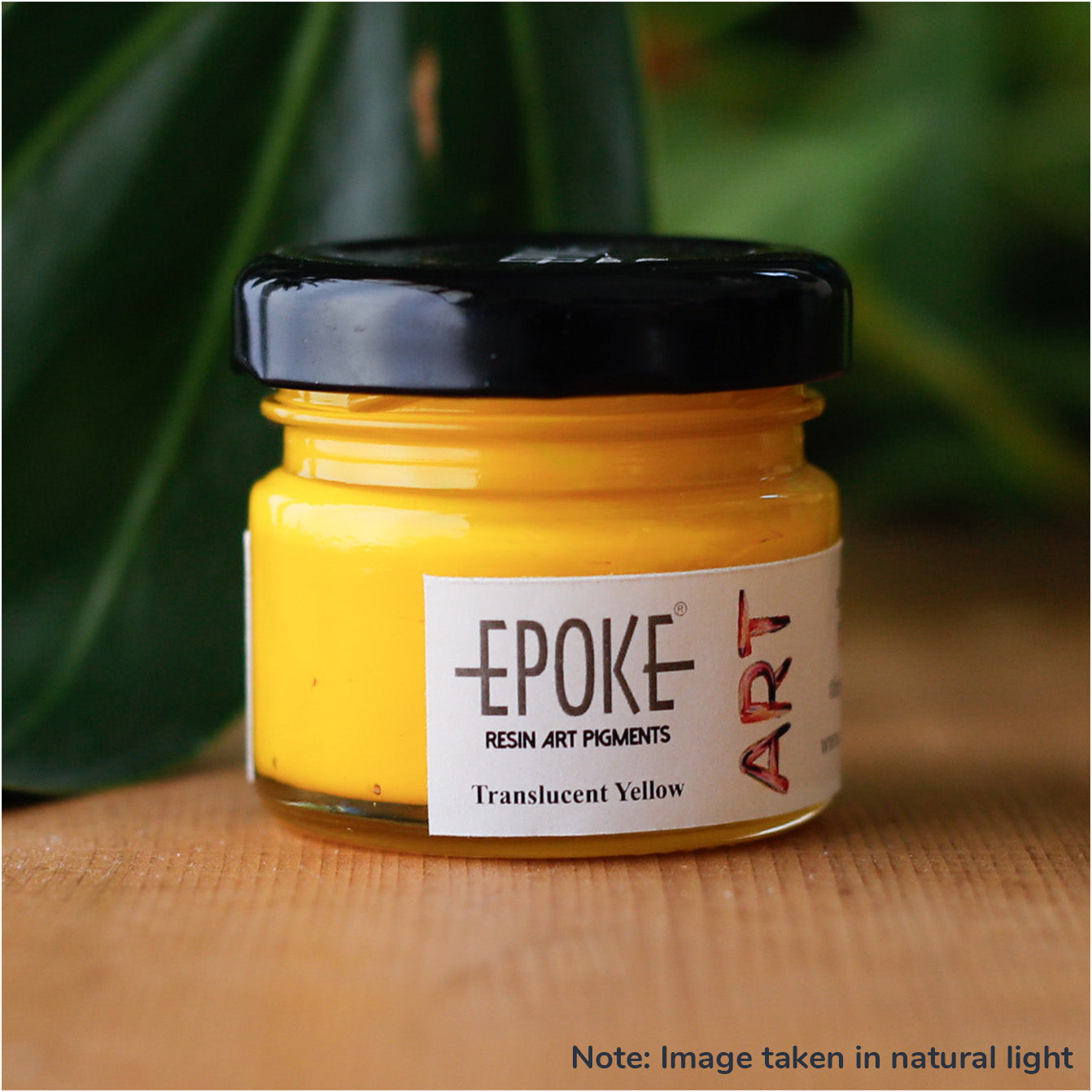
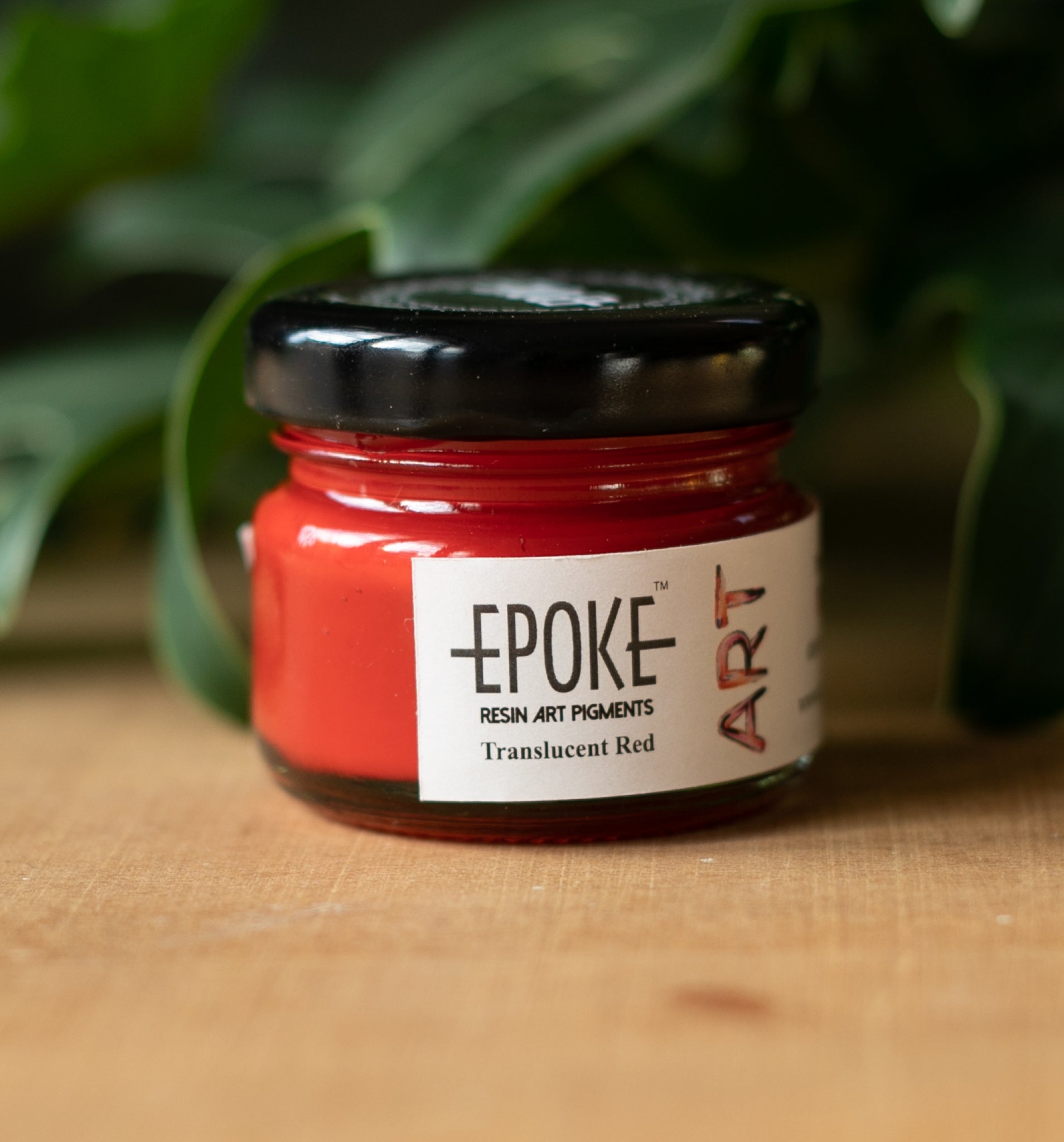
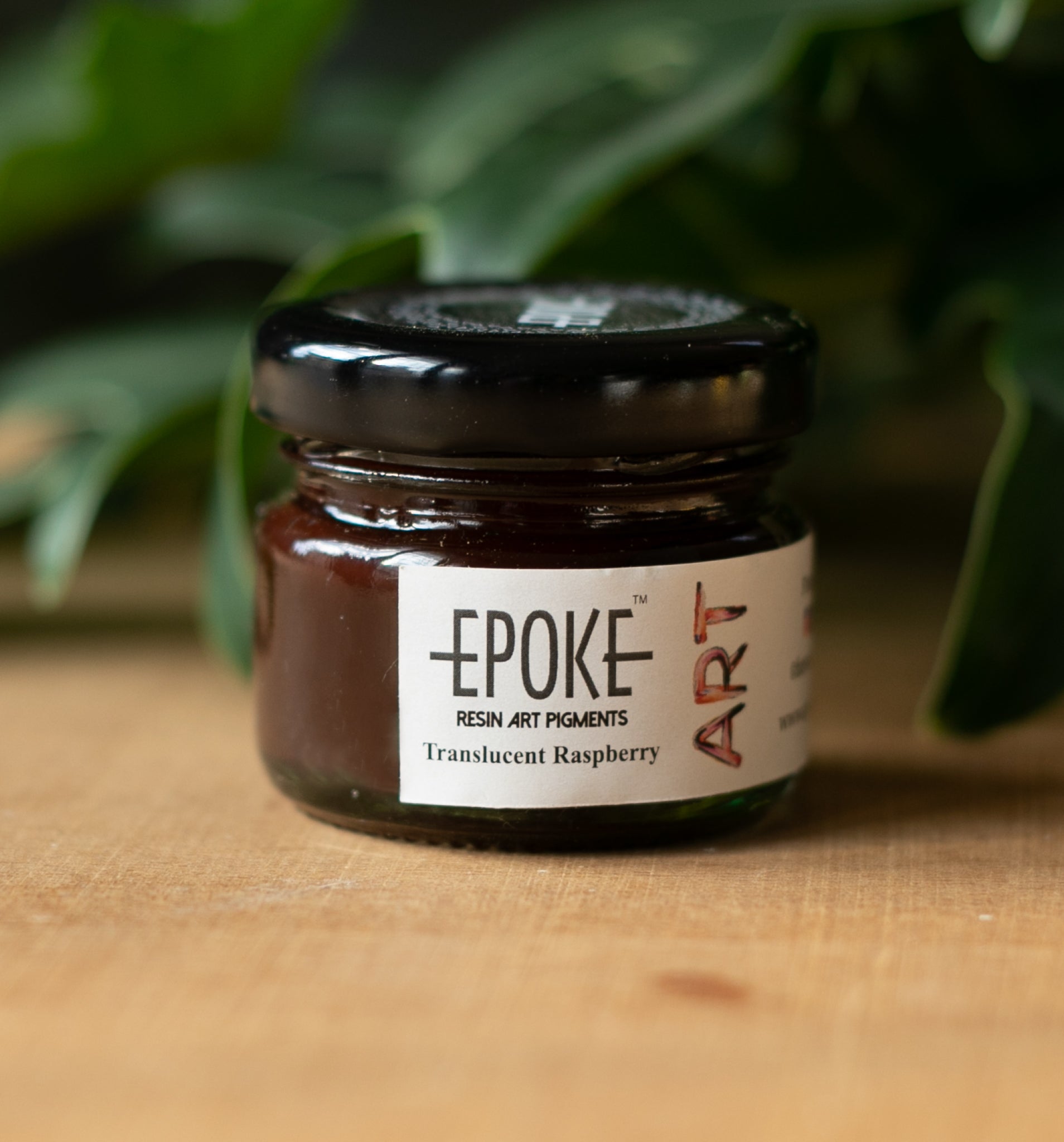
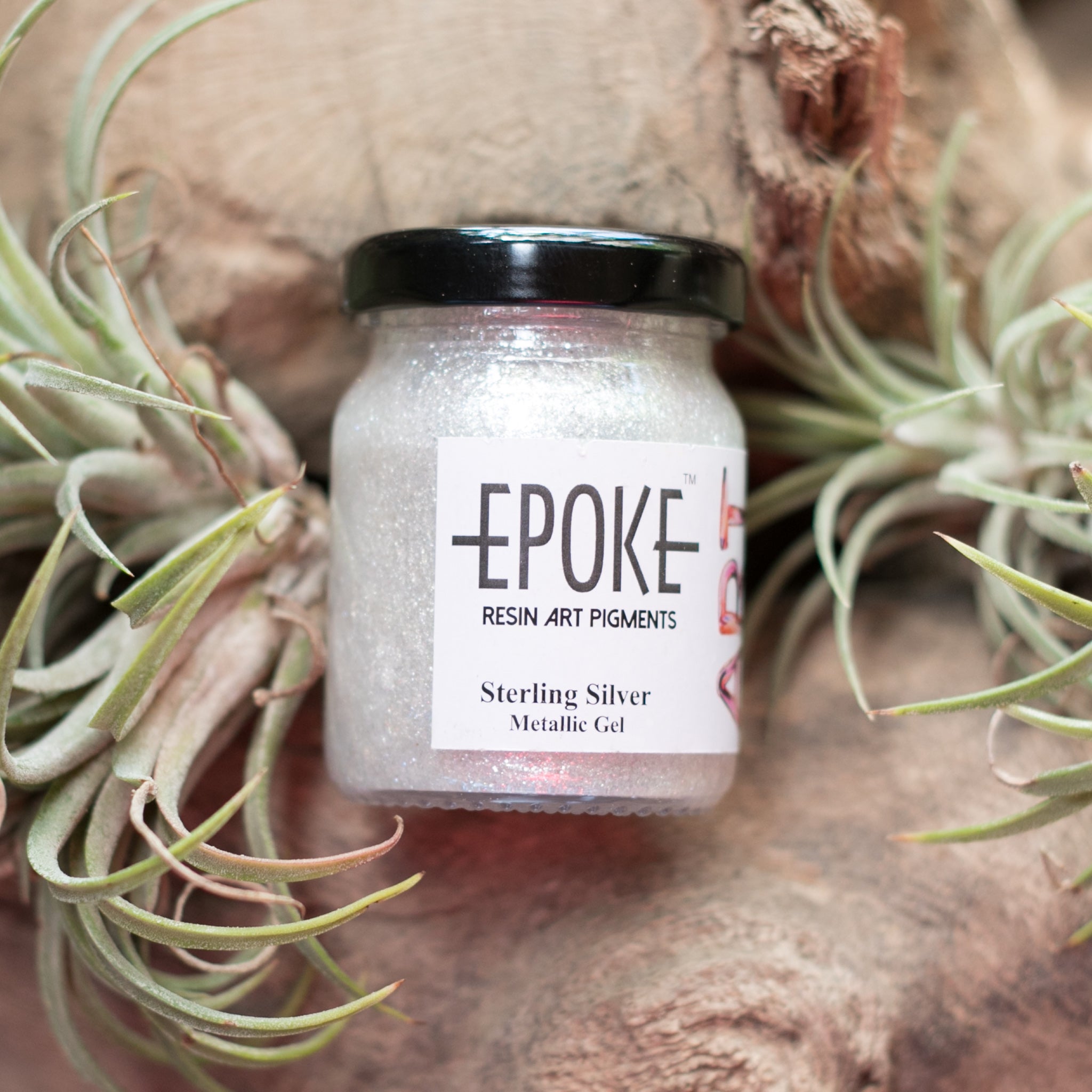
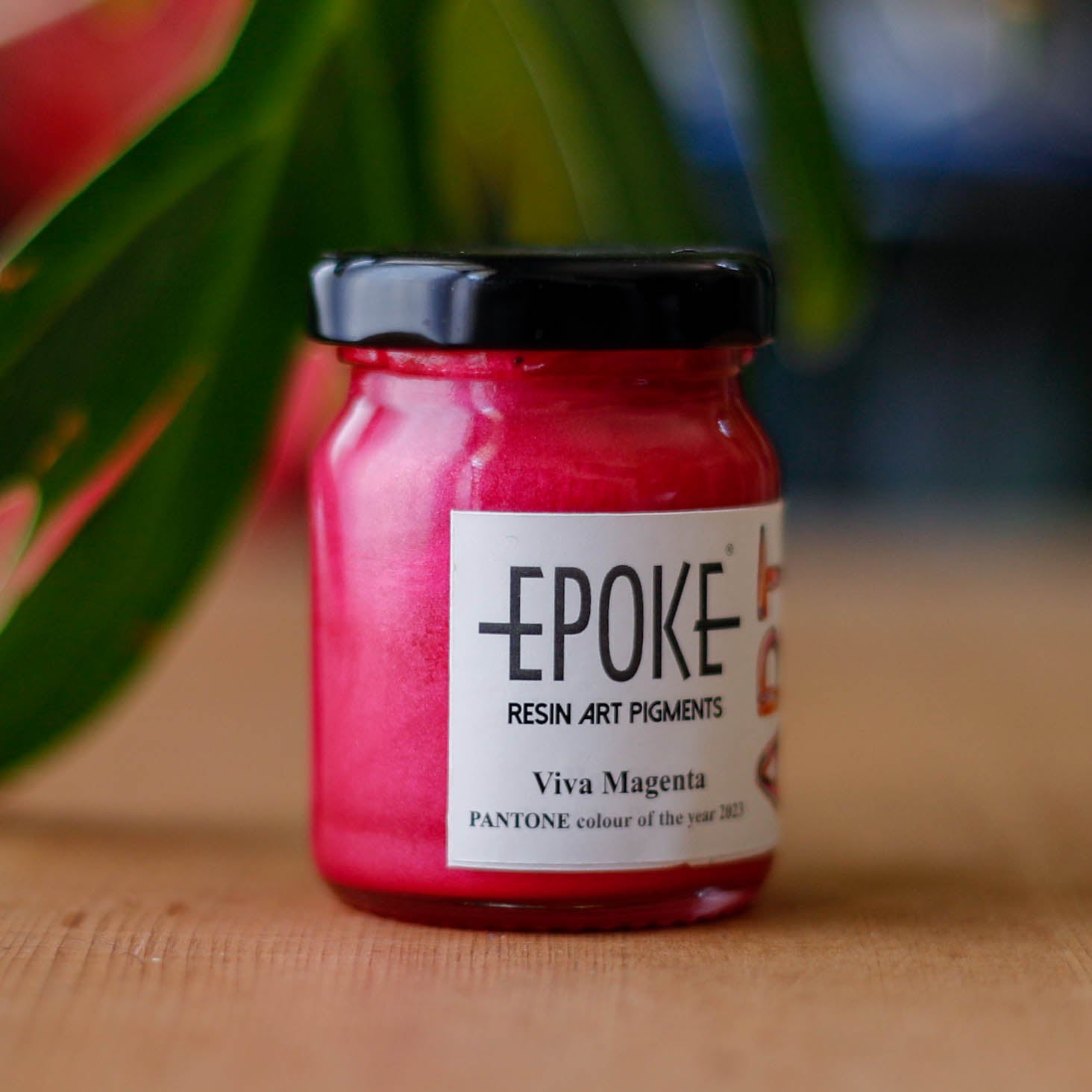
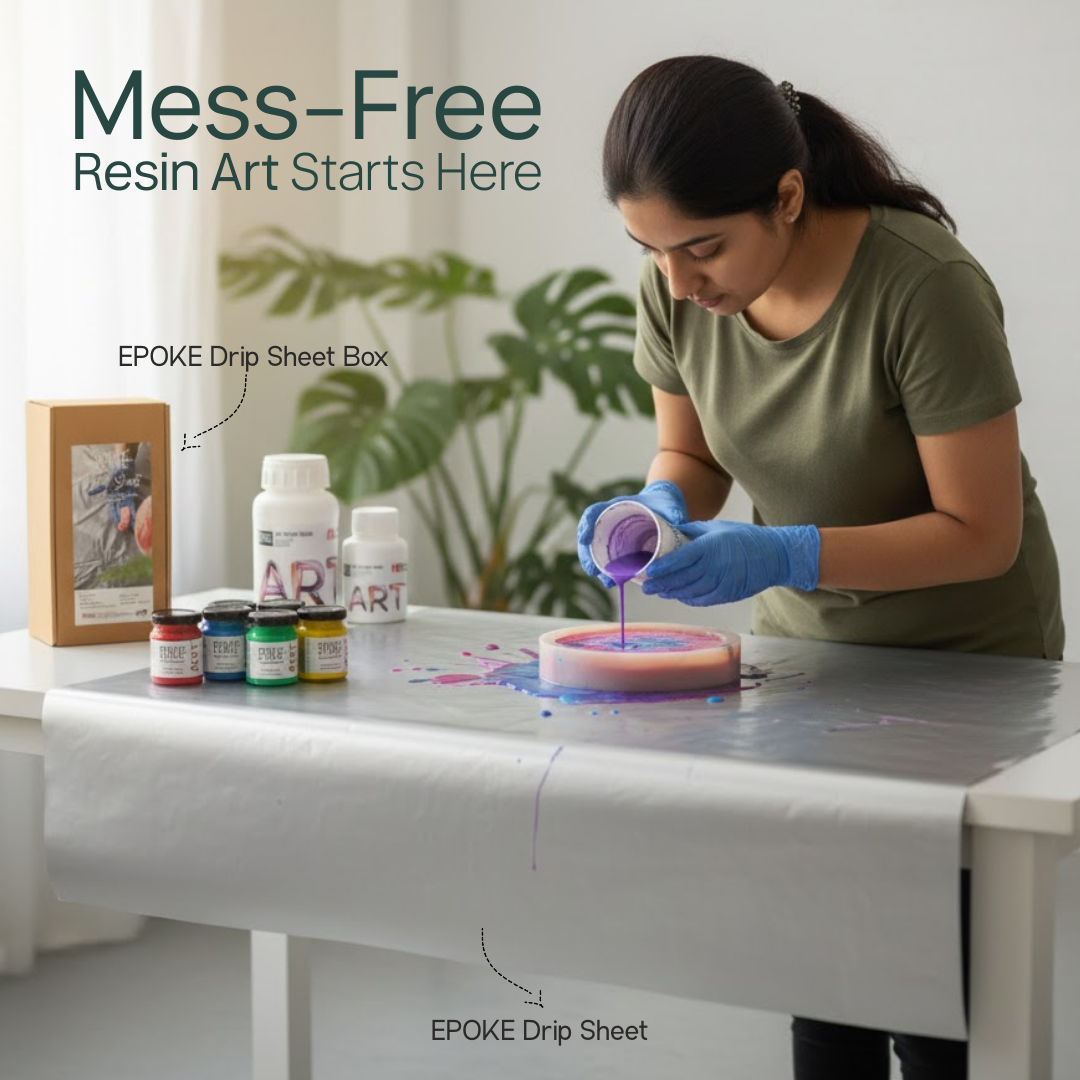
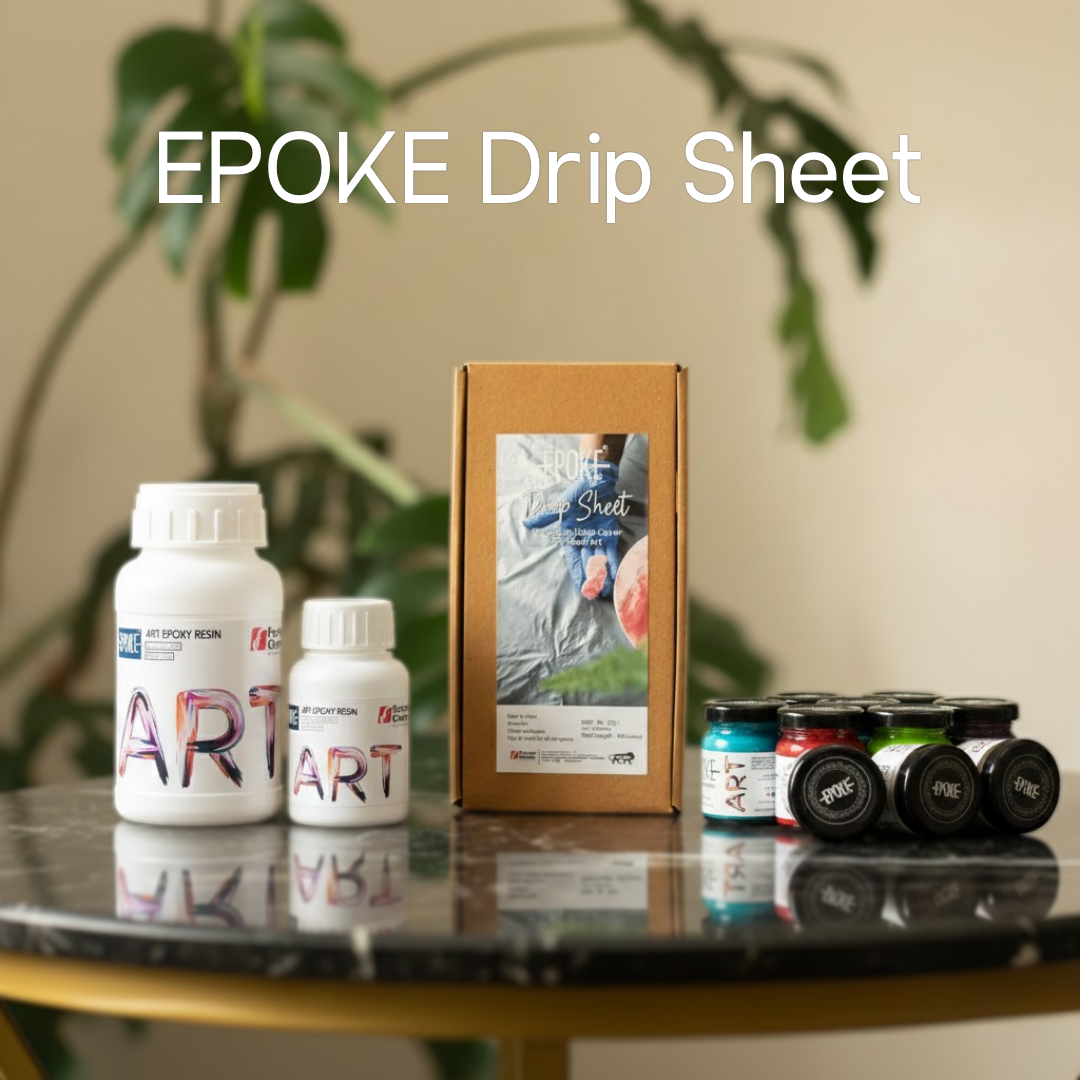
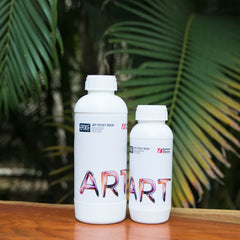
If your goal is to make resin art, fluid paintings, or decorative trays, art resin is what you start with. The beauty of Art Resin from EPOKE is that it can not only be used as a primer coat, but it can also be used for topcoats and casting upto 20mm thickness at 25 deg C .
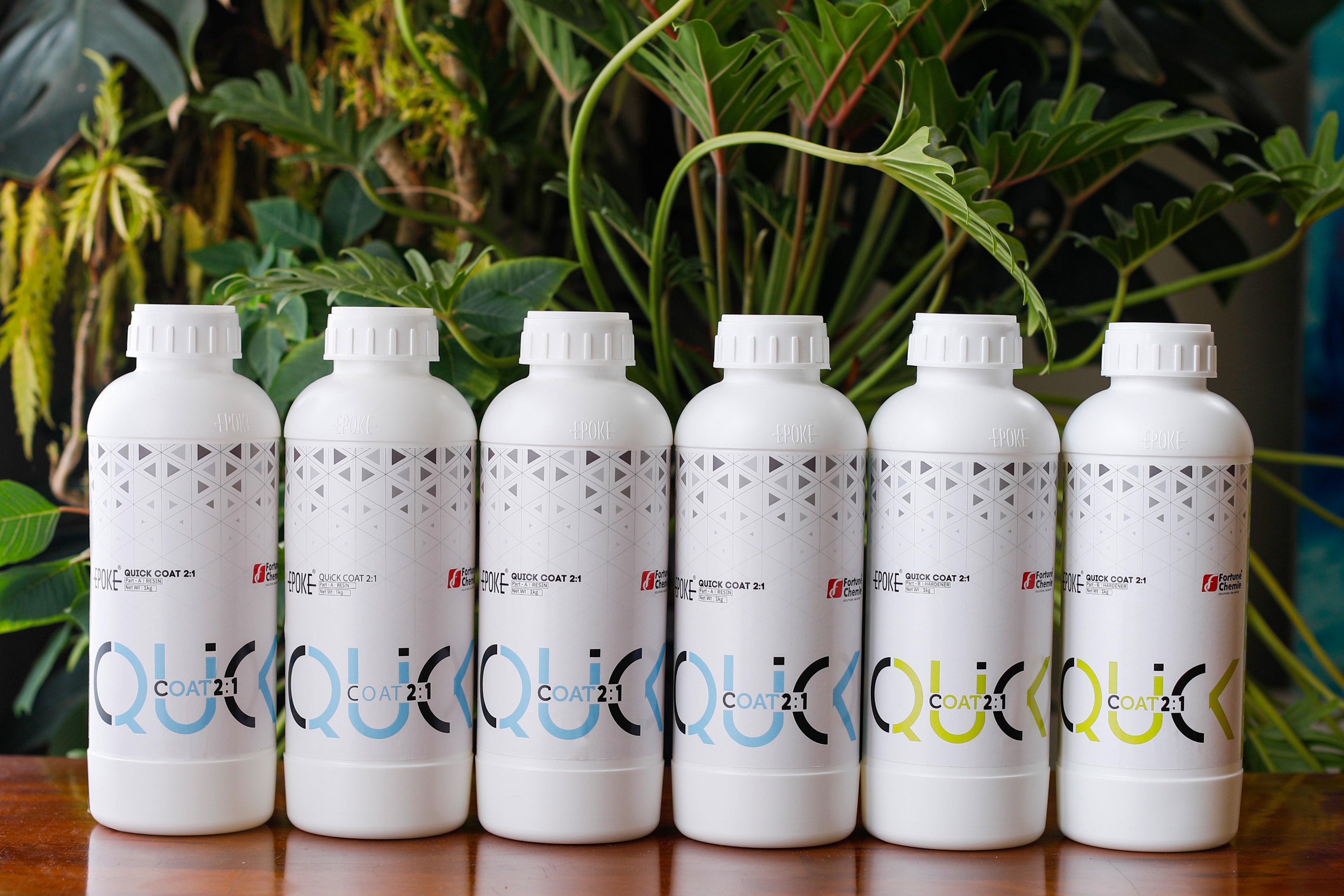
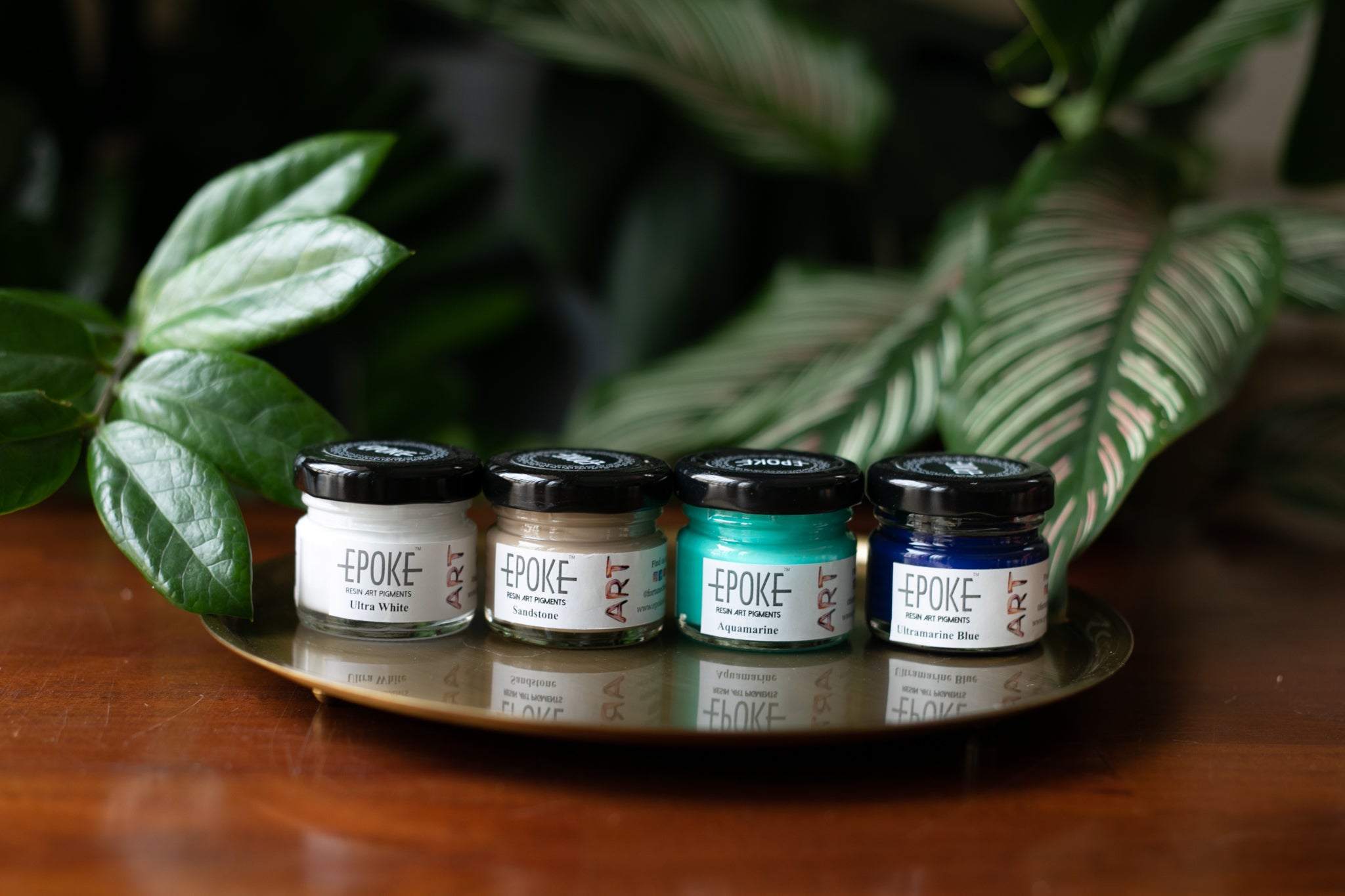
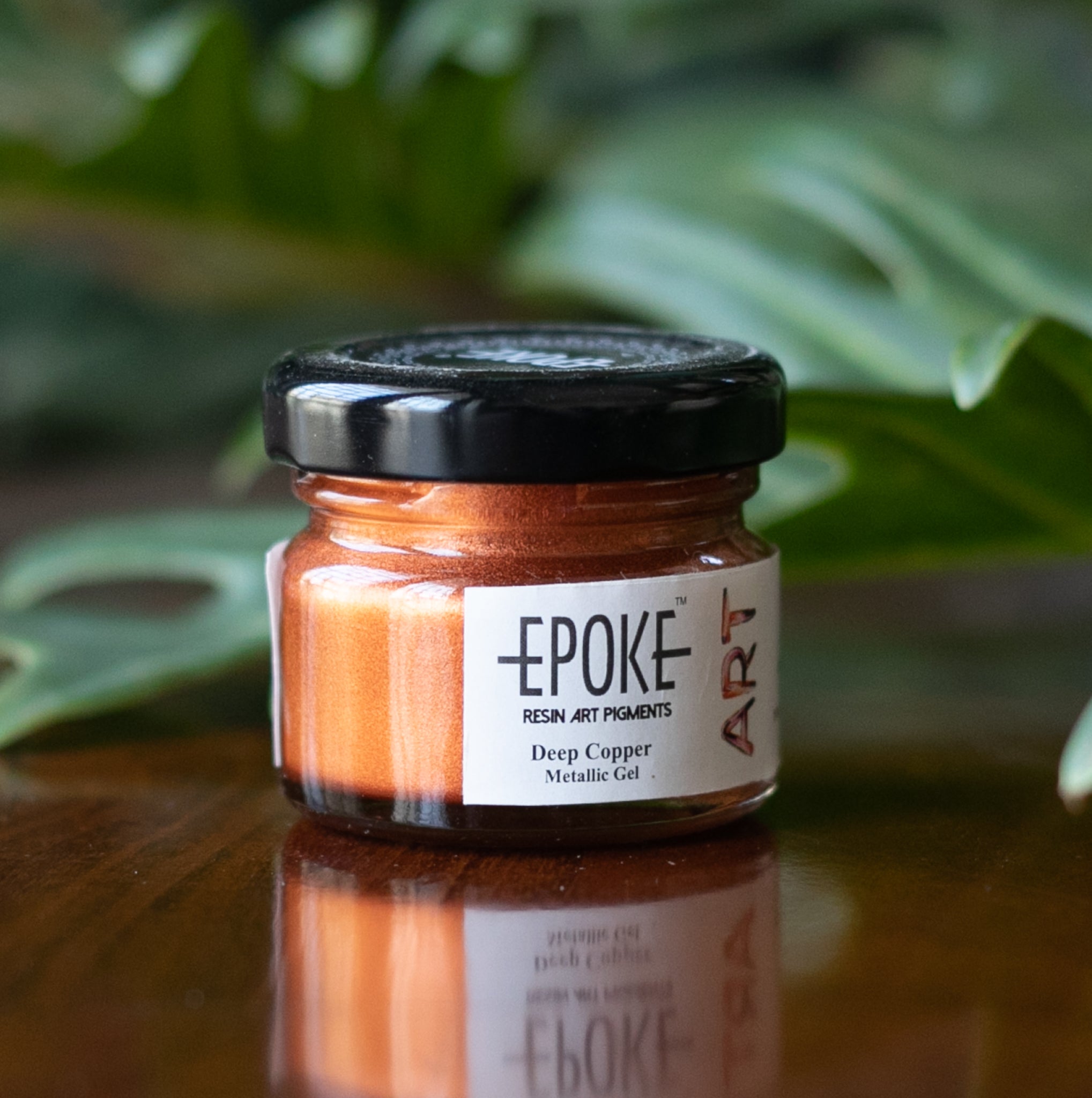
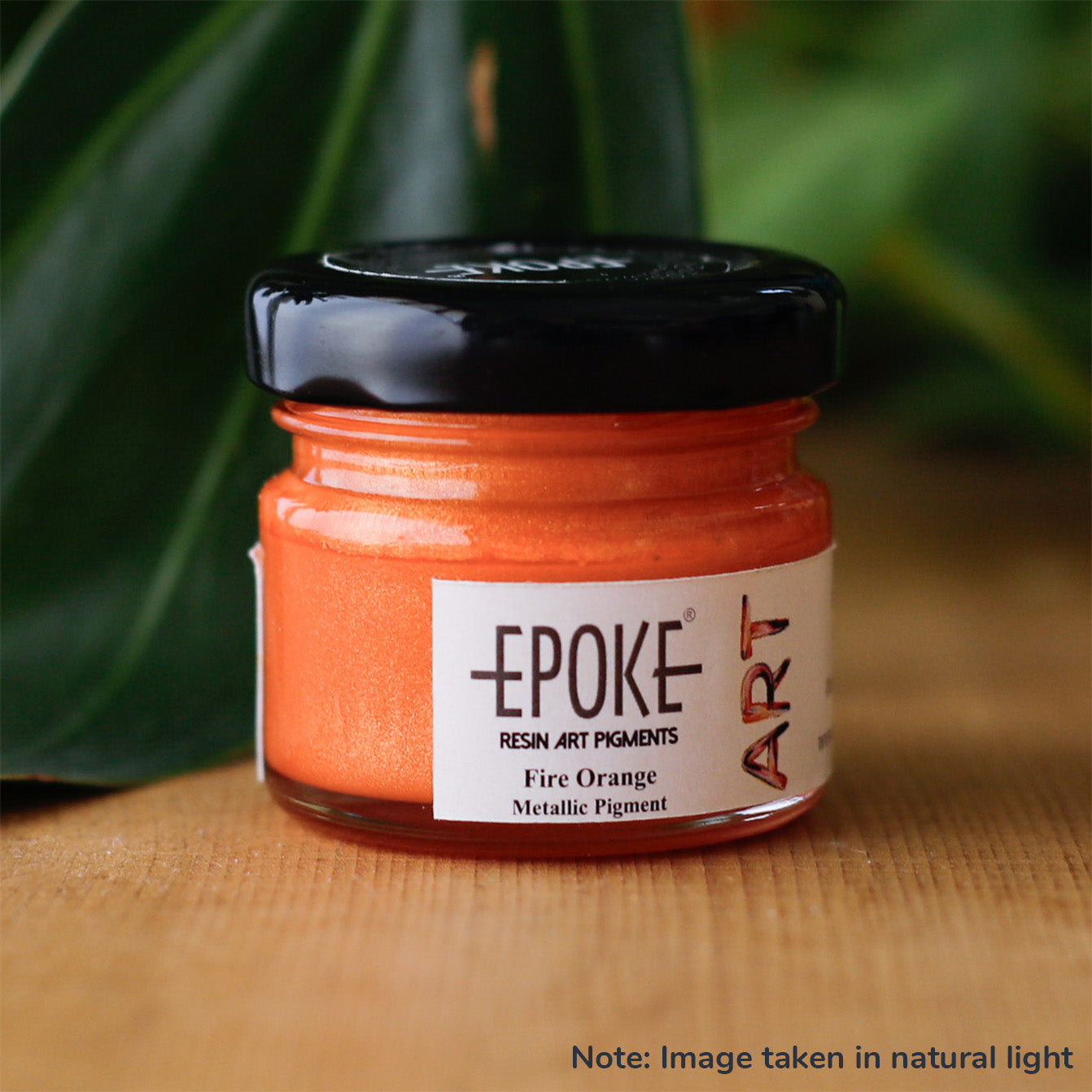
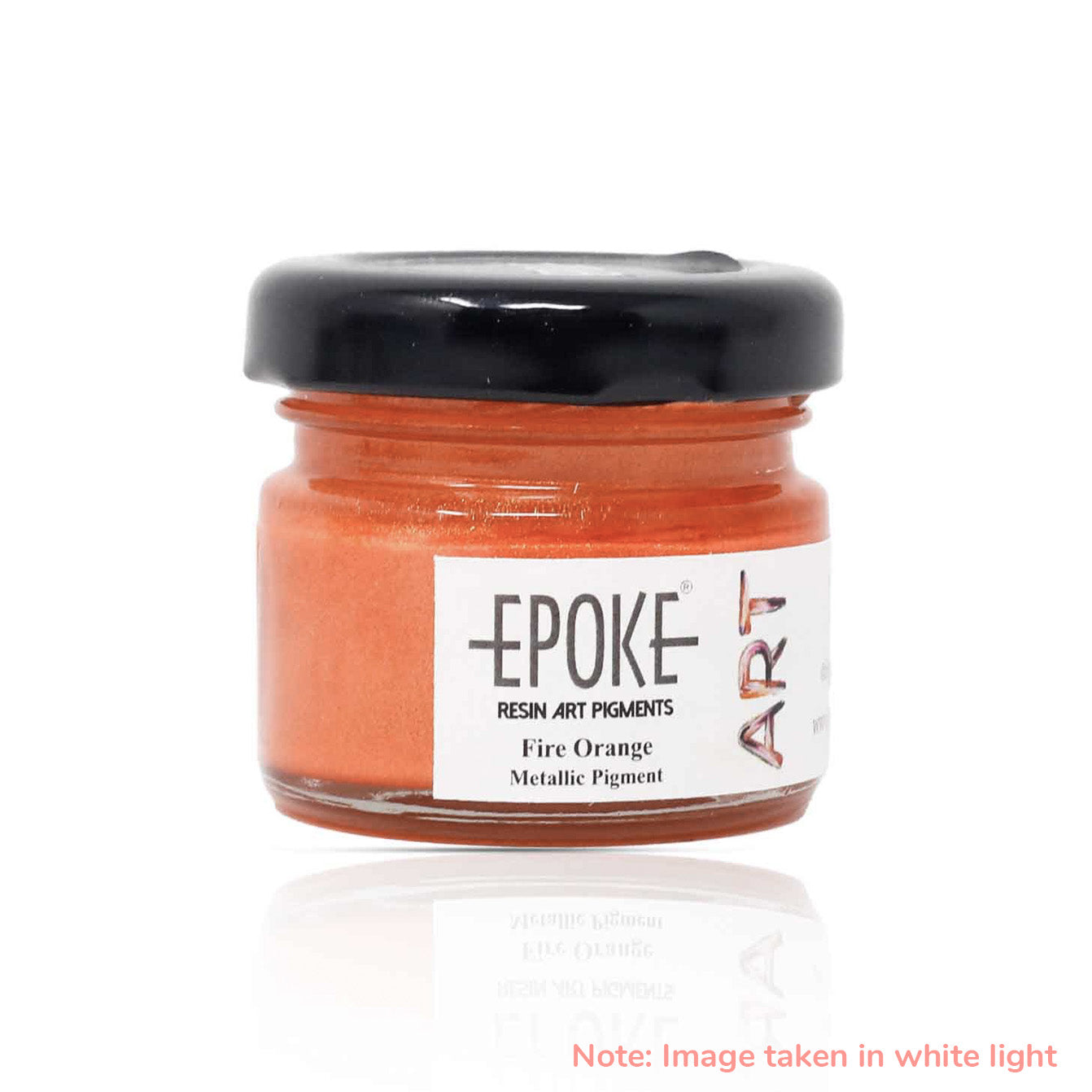
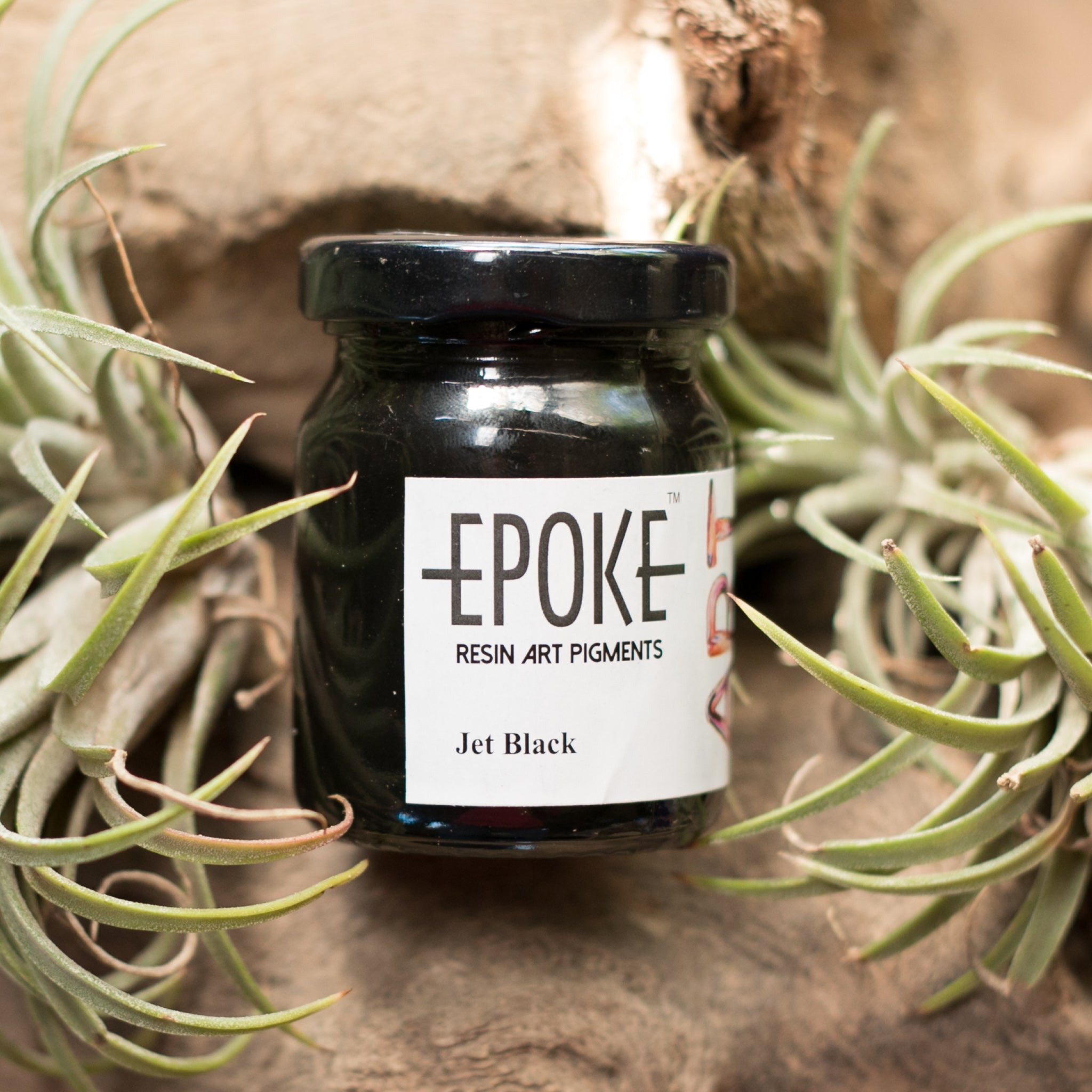
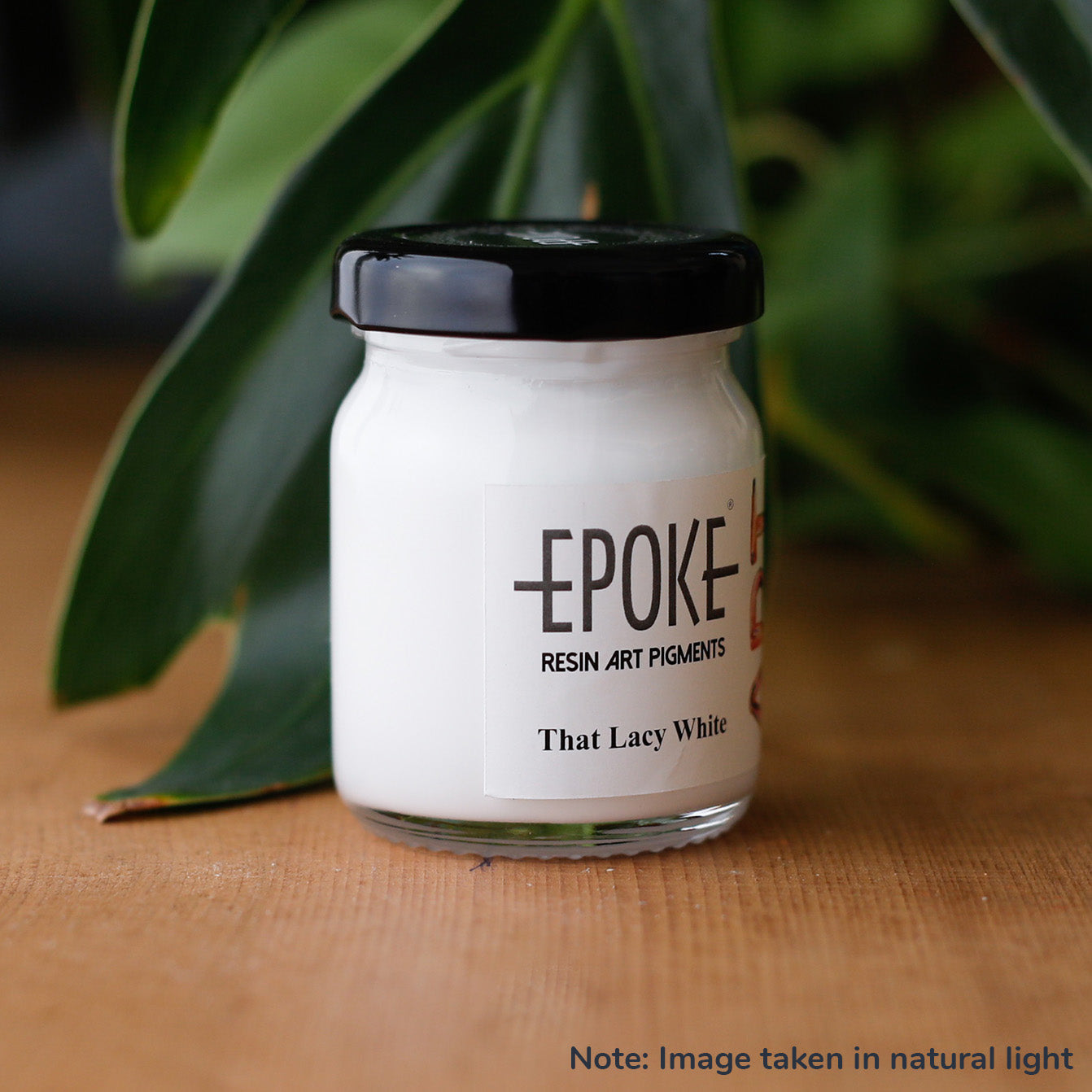
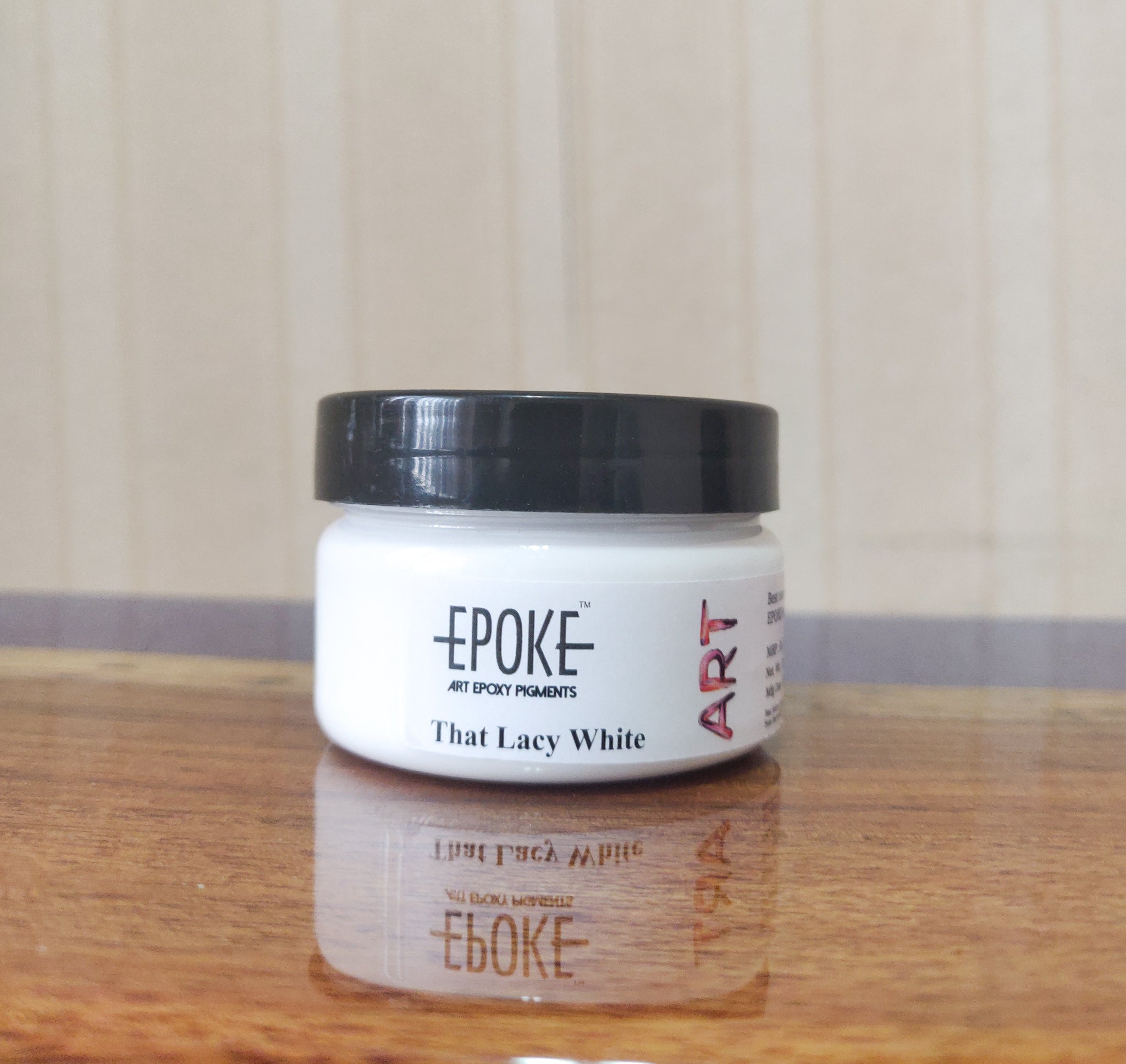
At EPOKE we have 3 coating resins :
-
EPOKE Art Resin - can be used as a primer coat and a top coat.
-
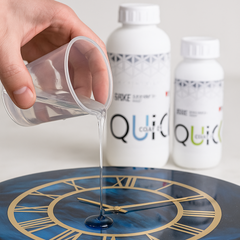
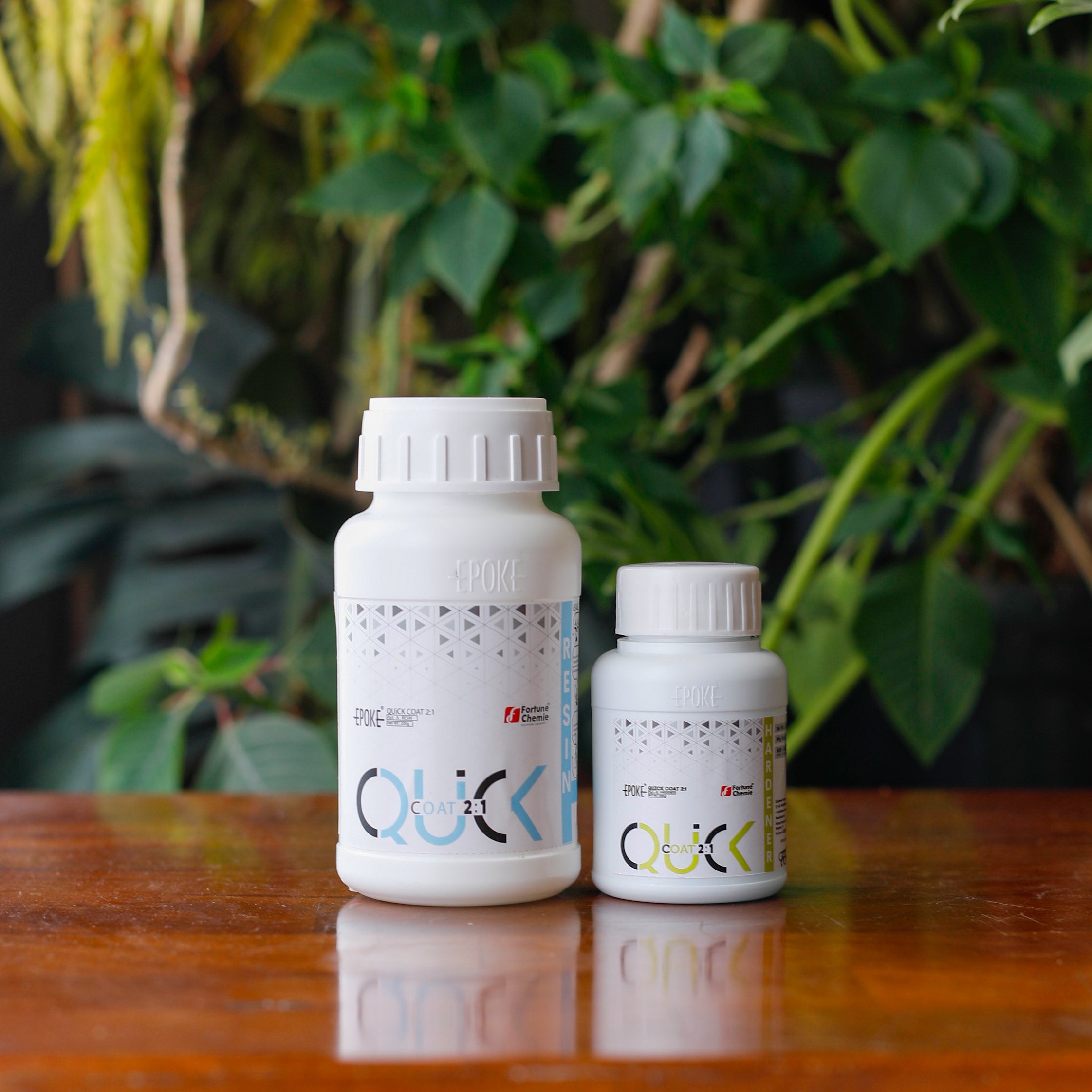
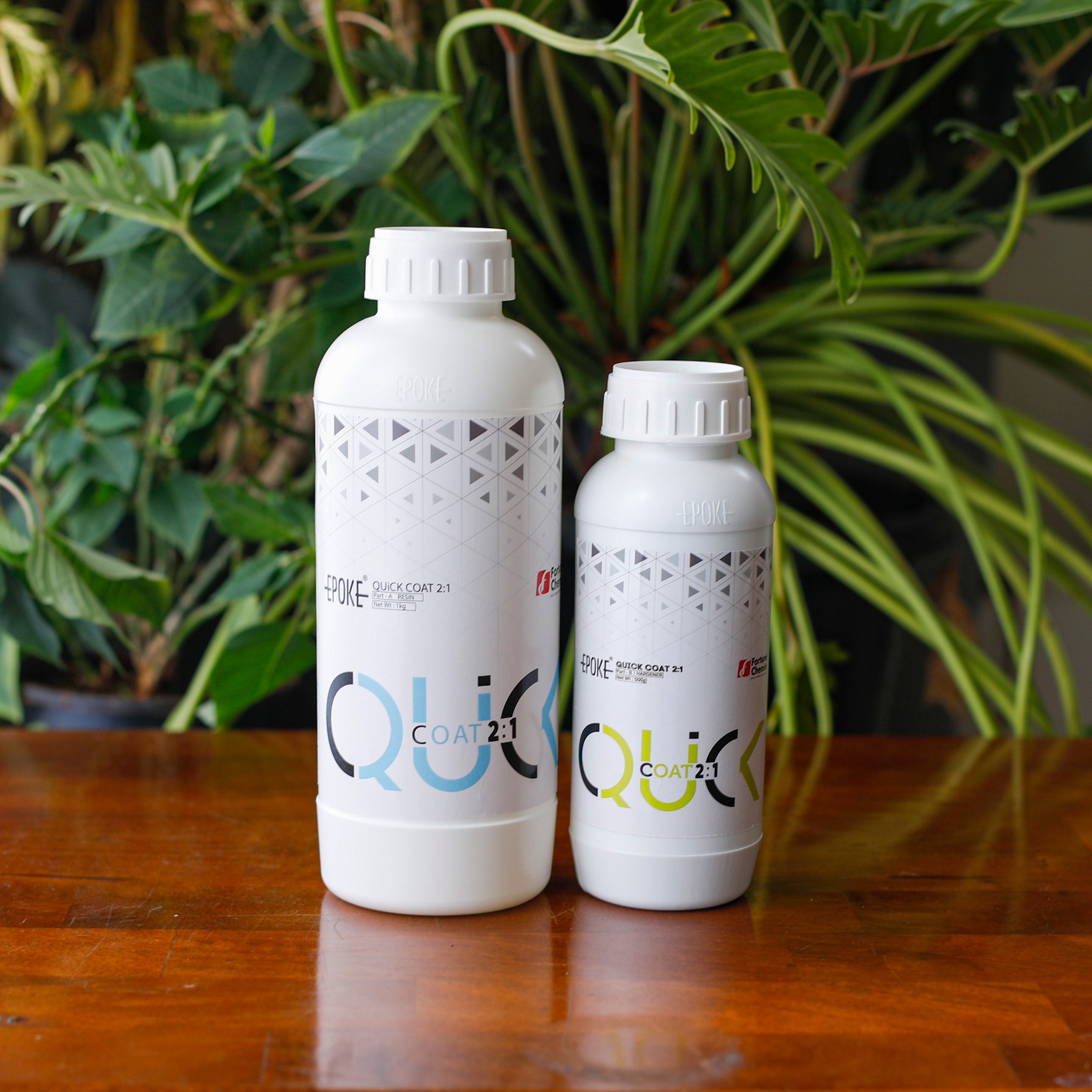
EPOKE Quick Coat Resin - can be used for Quick Glossy Pigmented and Clear Coats
-
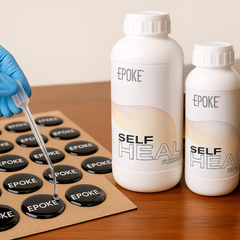
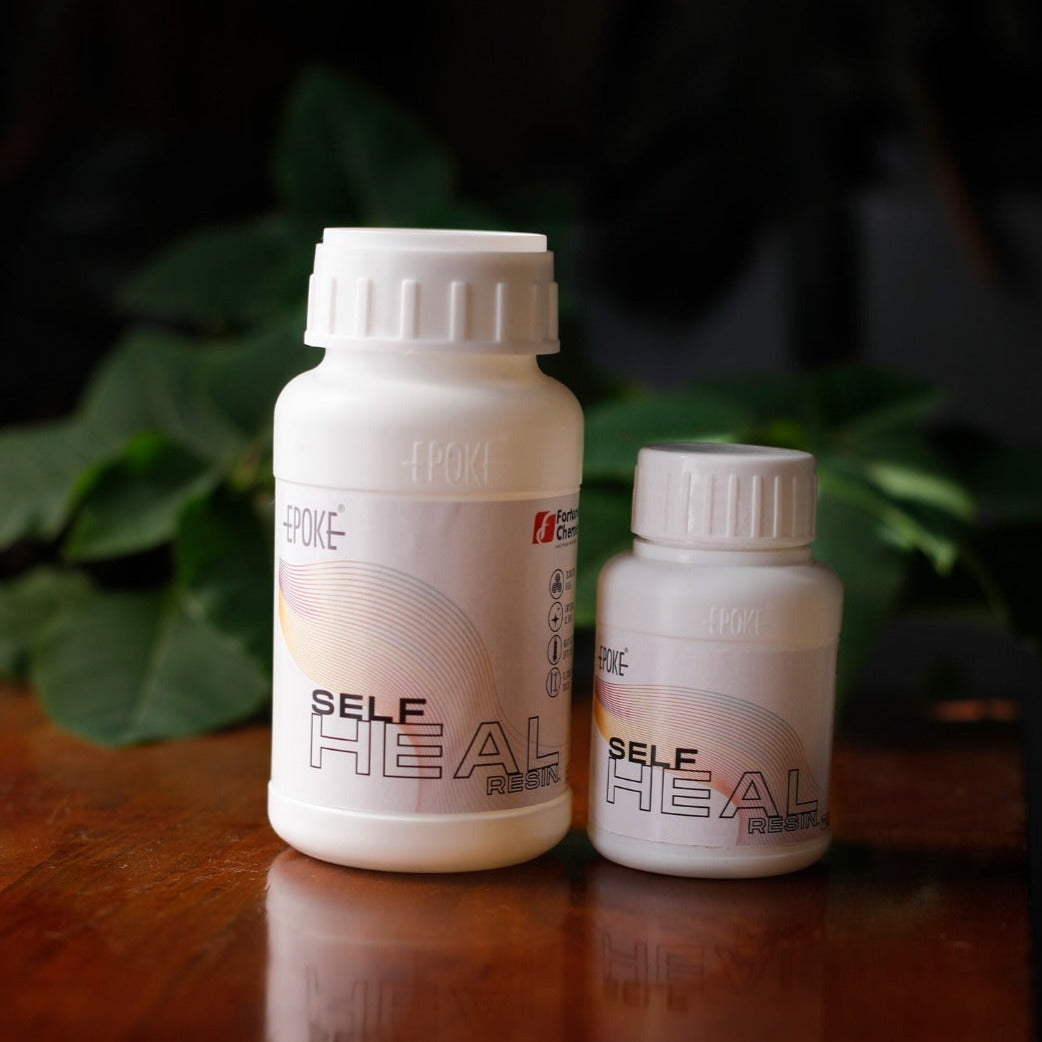
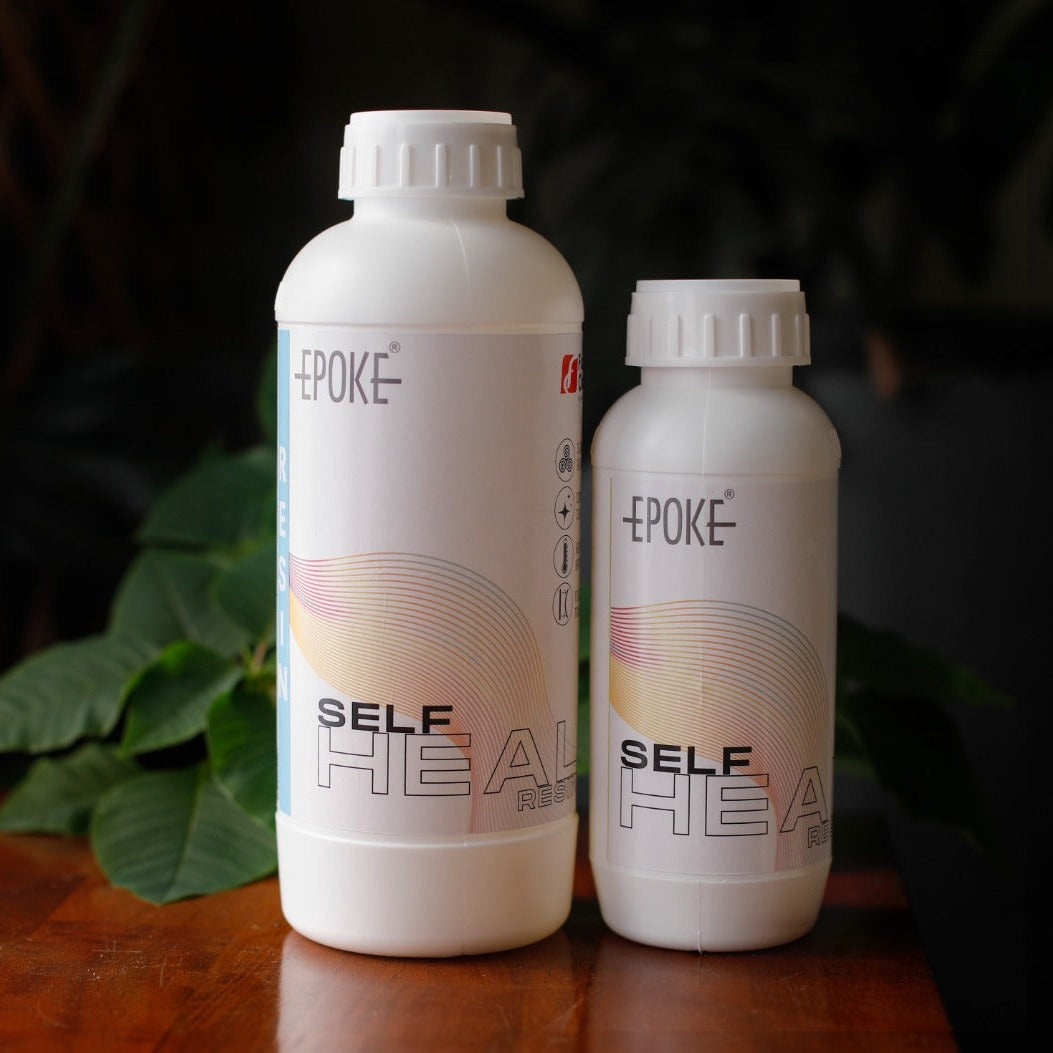
EPOKE Self Heal Resin - can be used for Clear coats where scratch resistance is required (this is a flexible Resin )
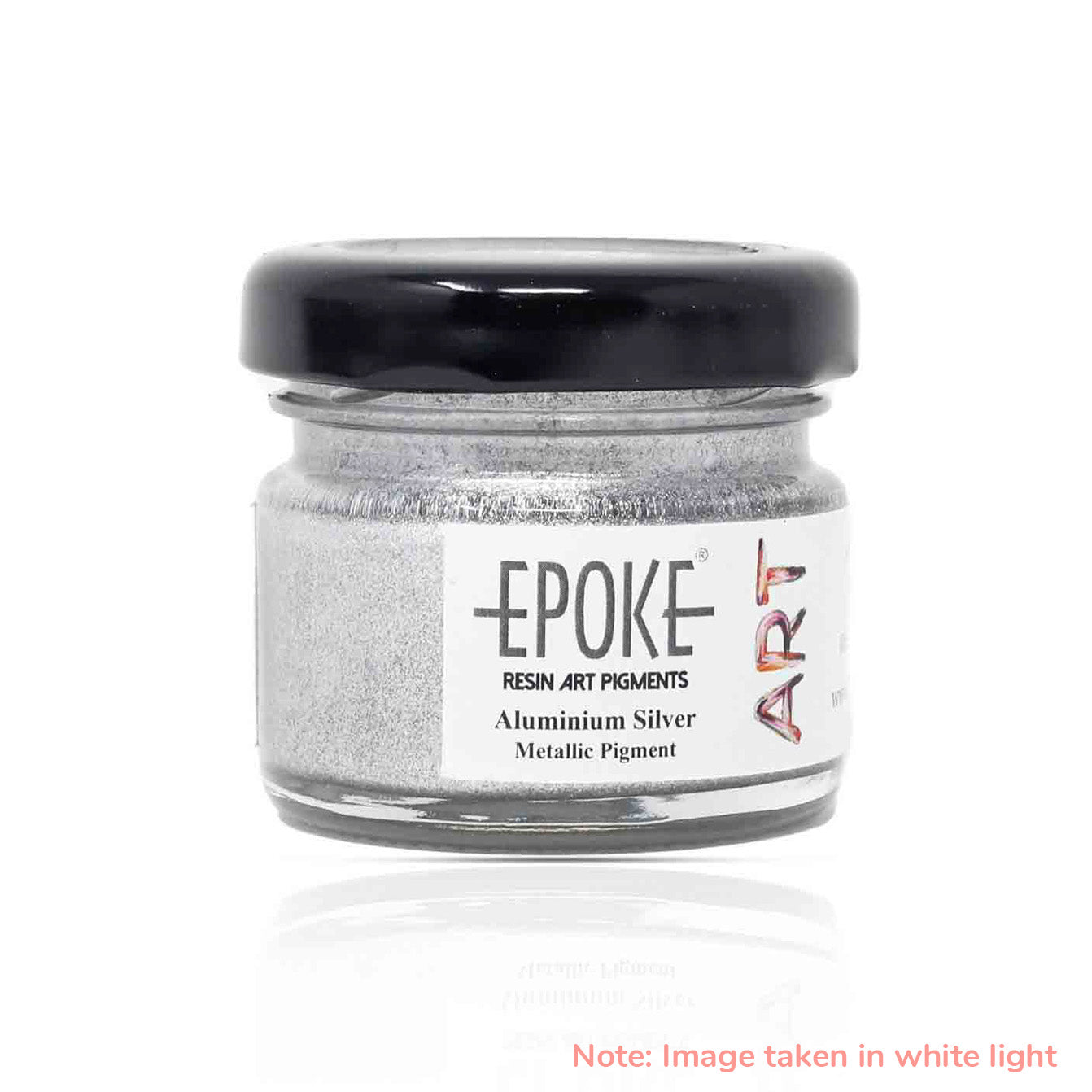
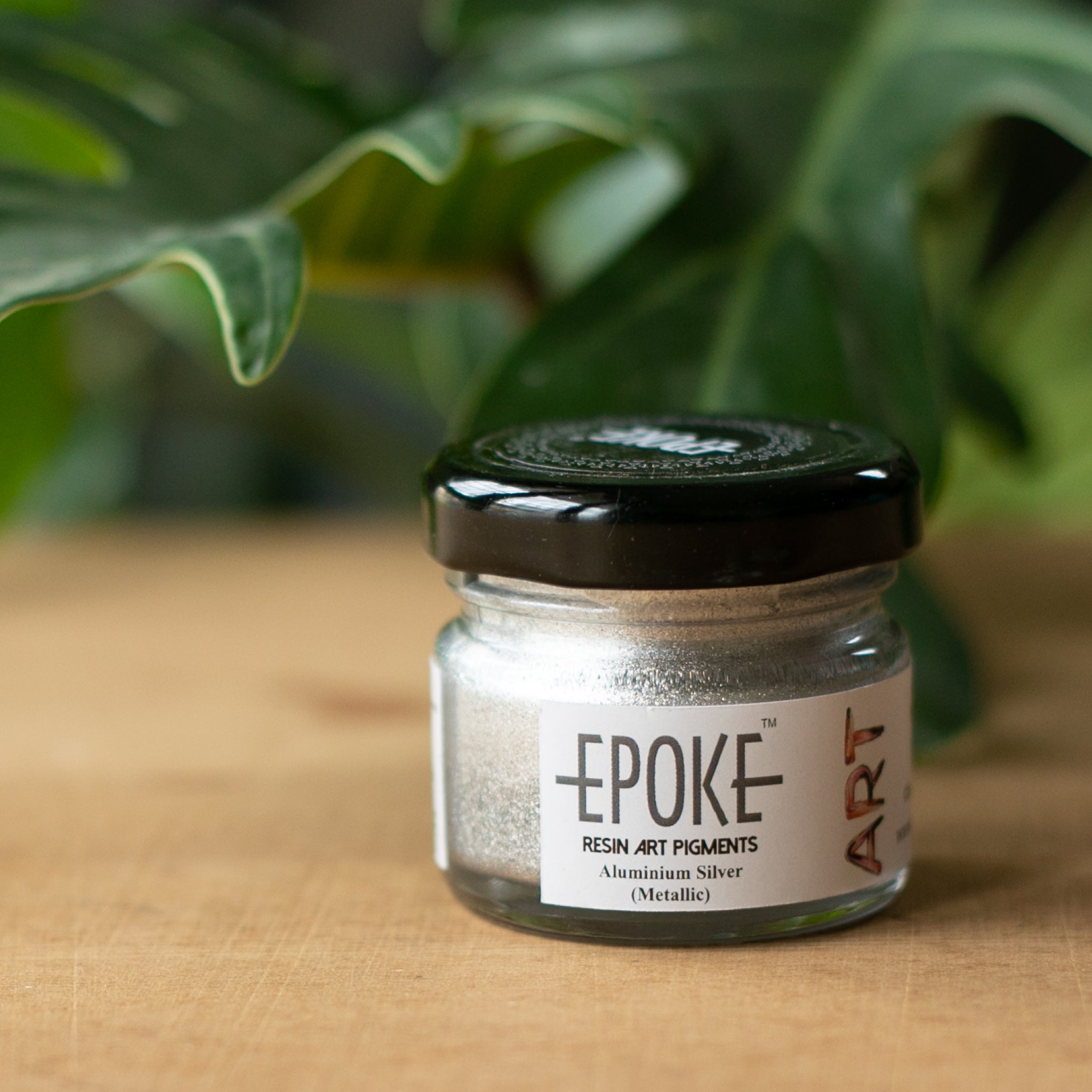
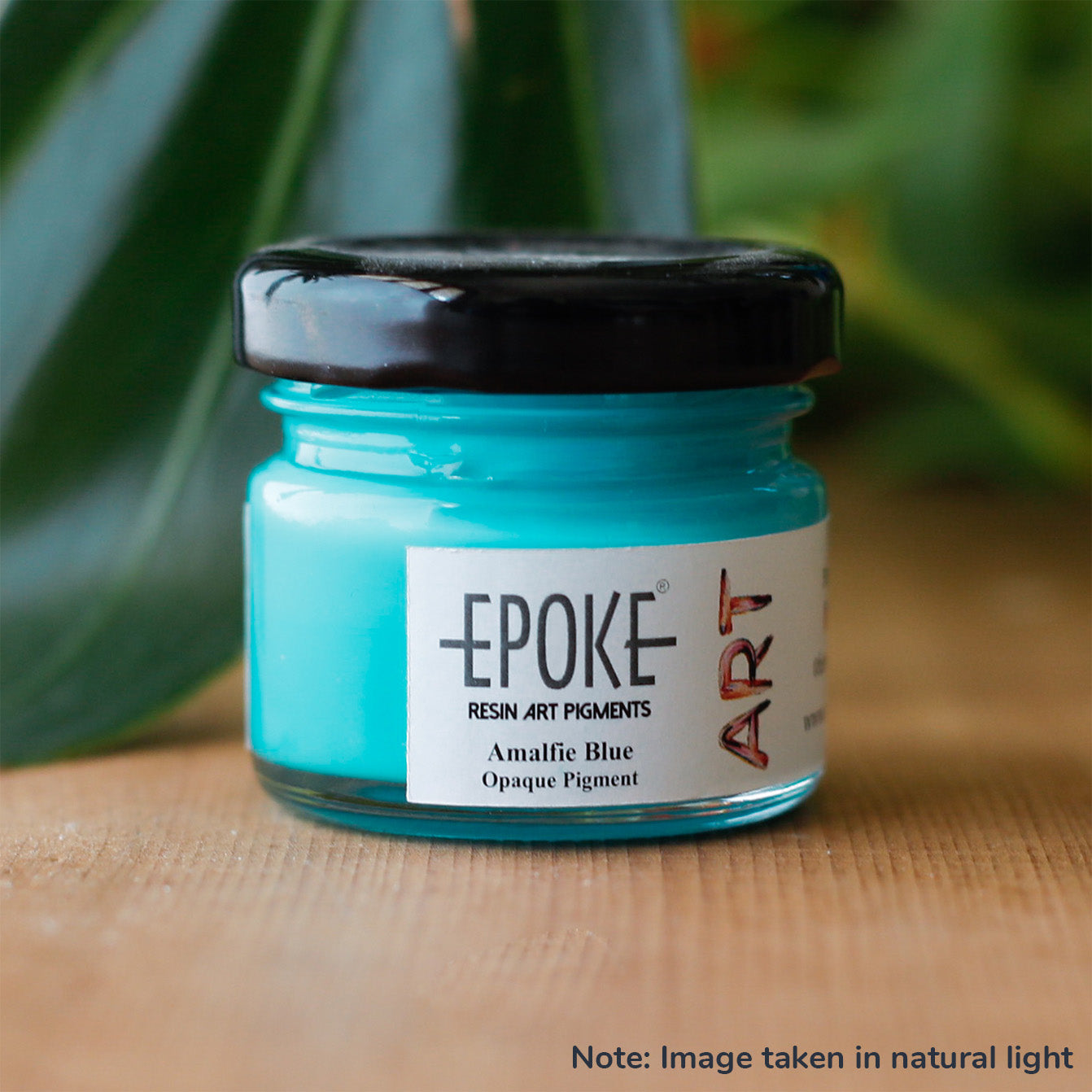
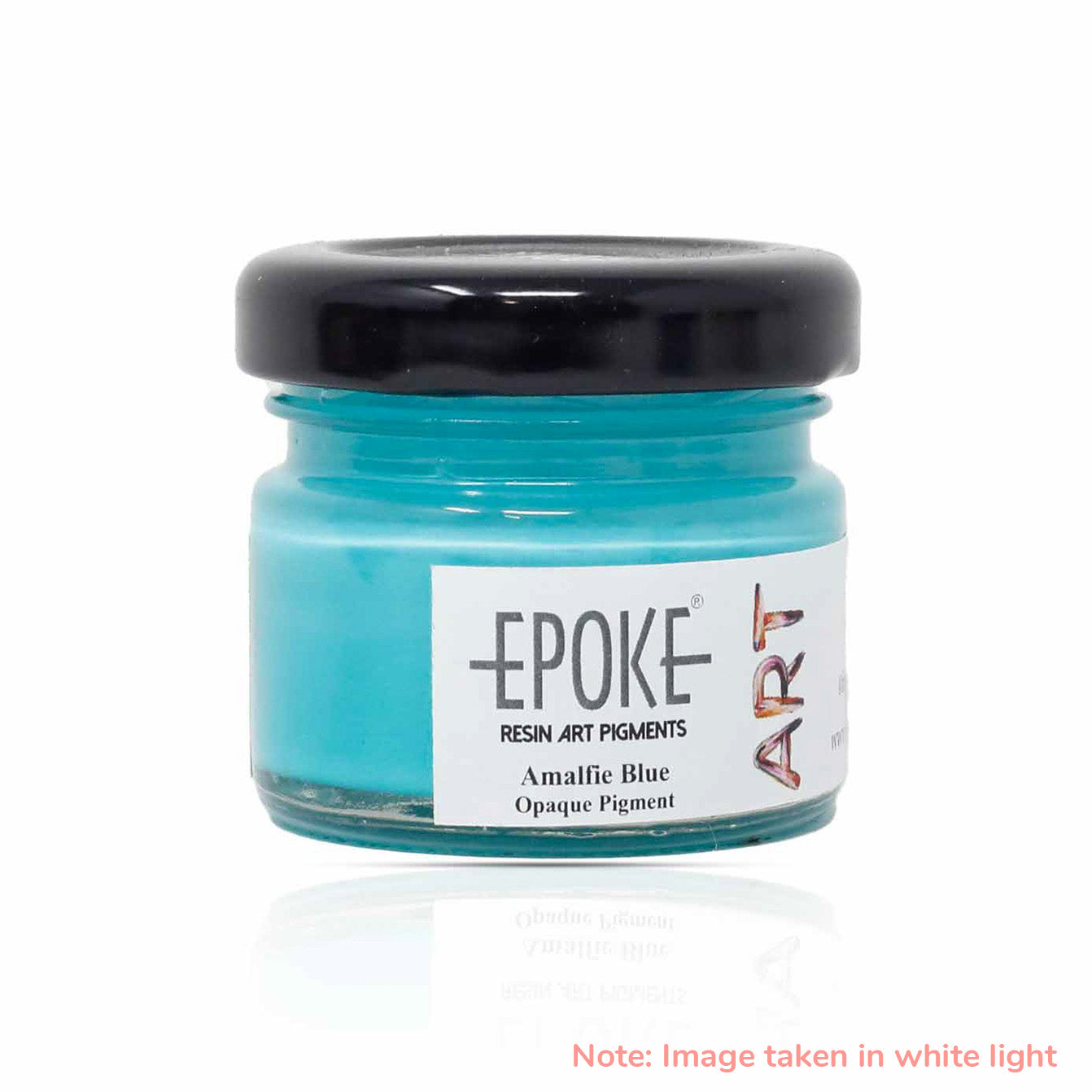
Browse EPOKE Art's range of art resin kits to find the right size for your project.
Casting Resin: For Moulds, Jewellery, and Deep Pours

Casting resin is much thinner than art resin. That low viscosity isn't a flaw. It's the whole point.
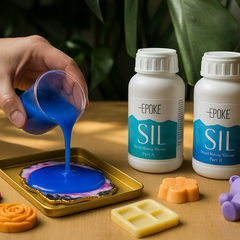
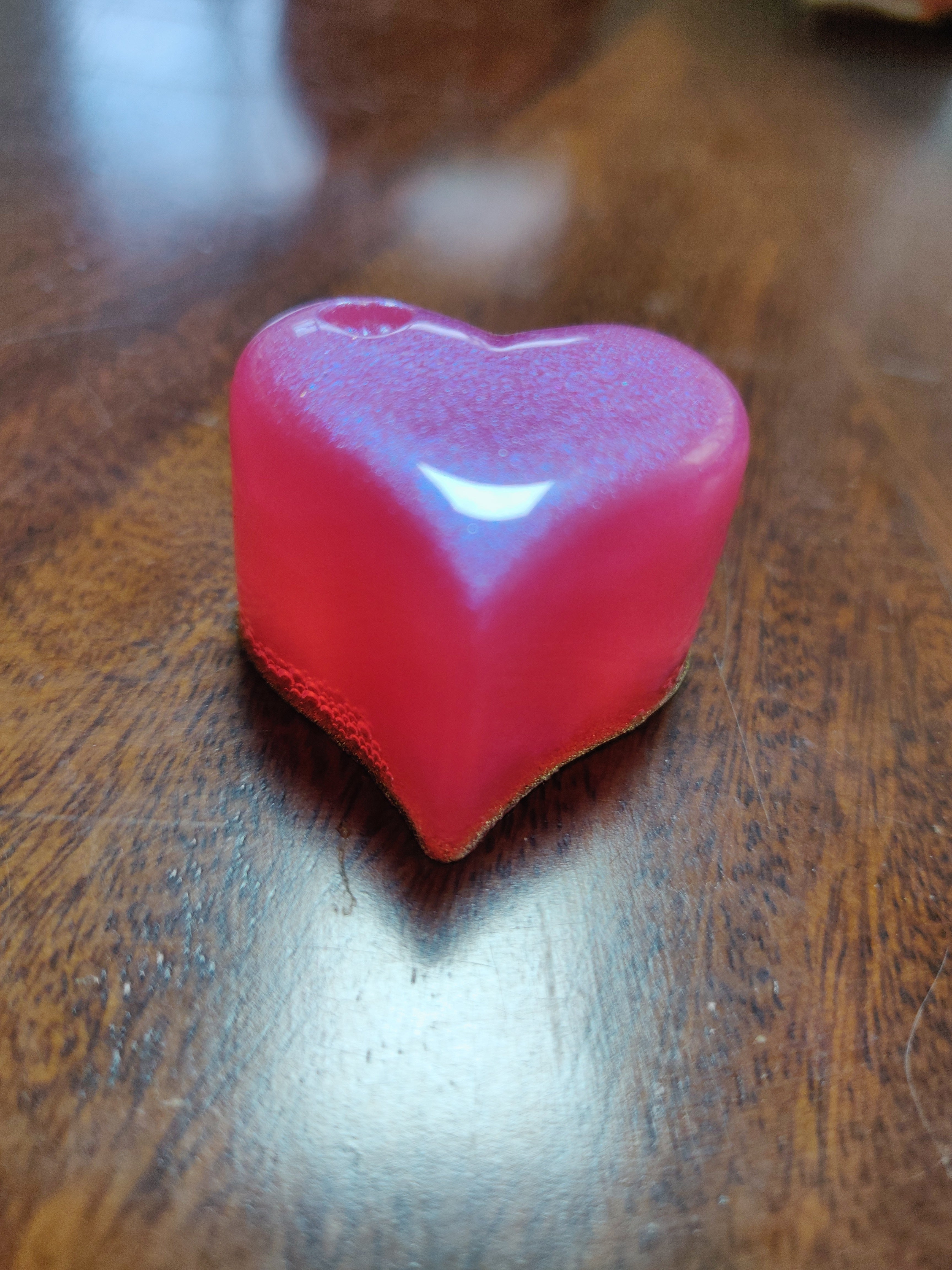
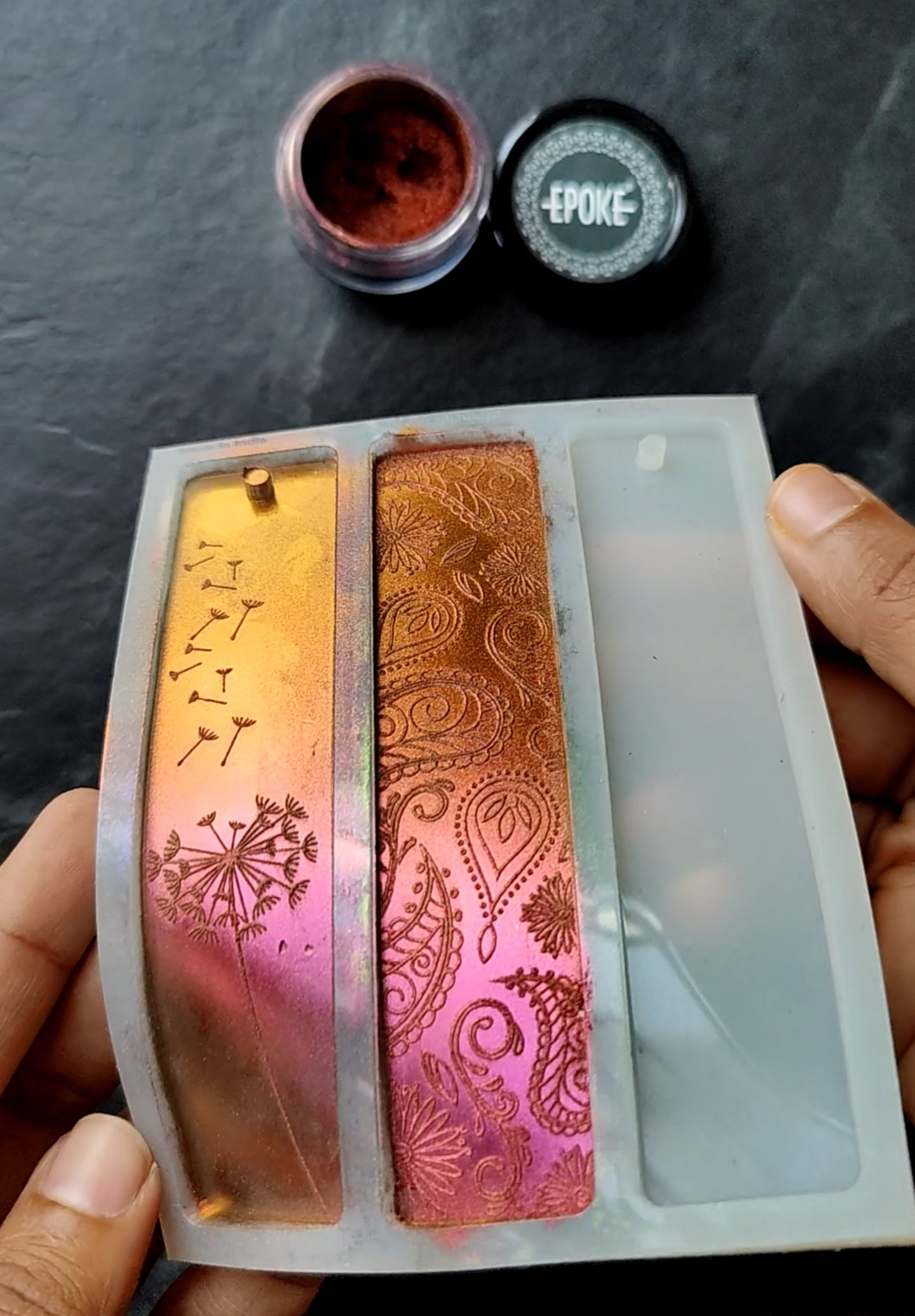
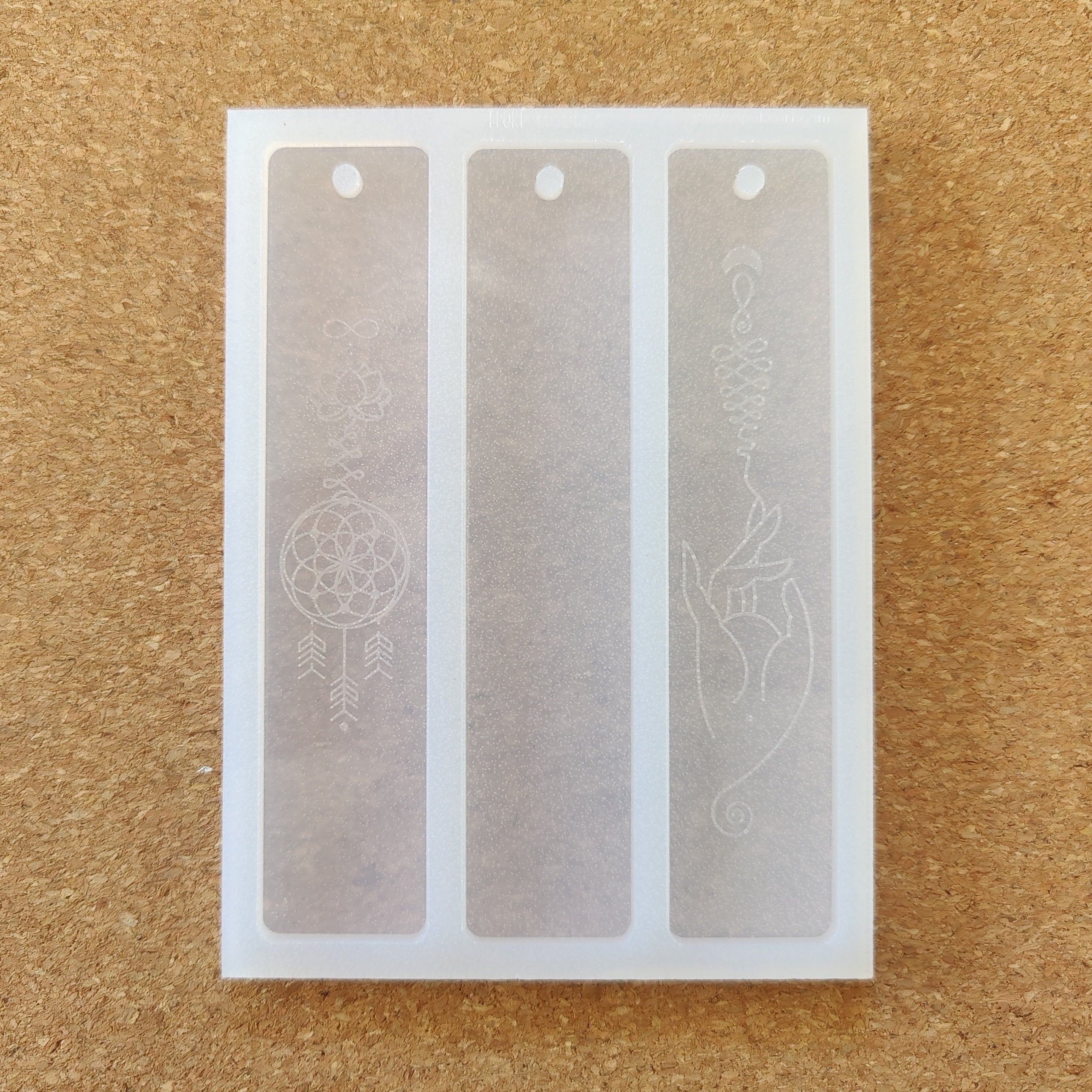
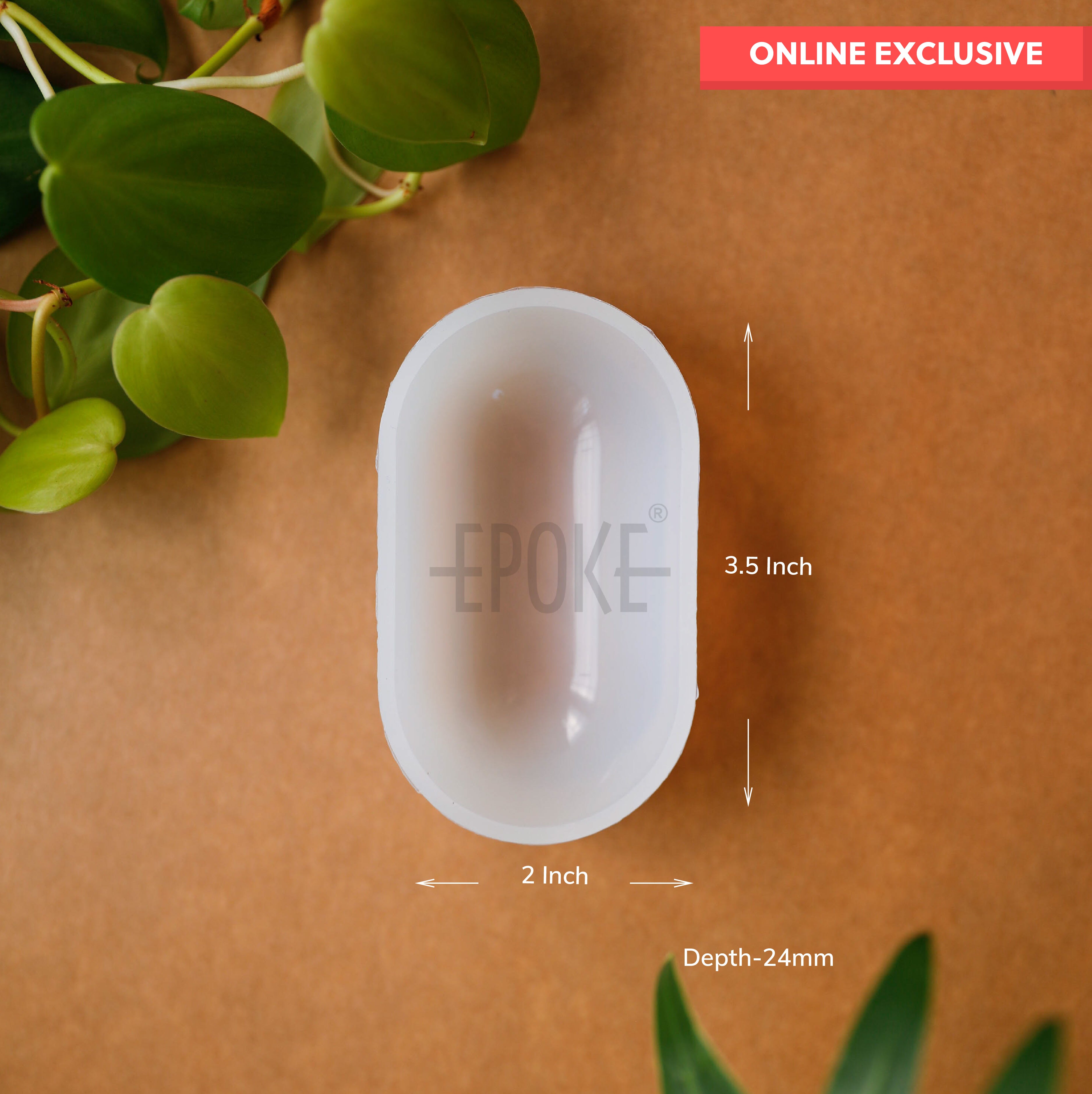
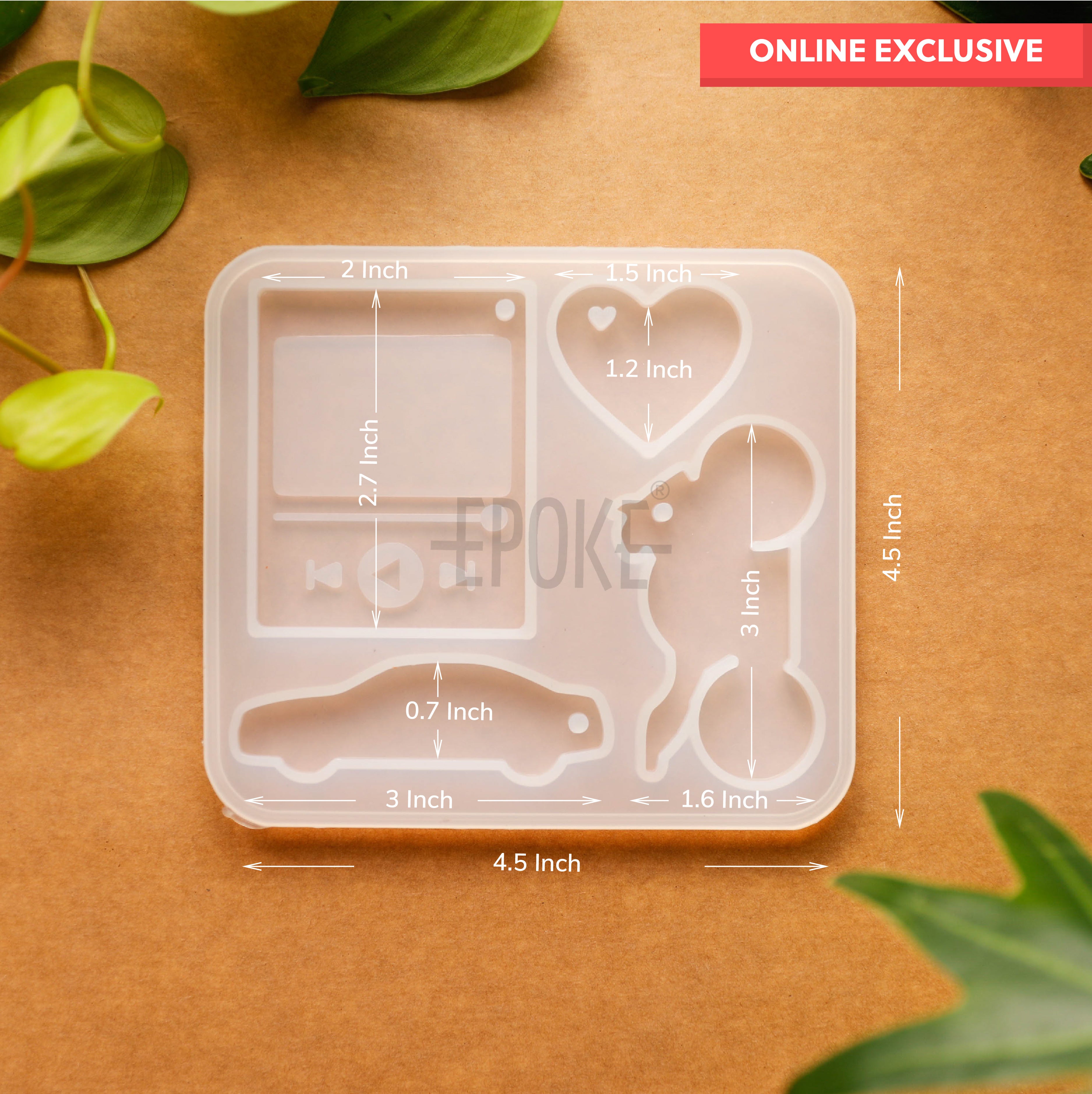
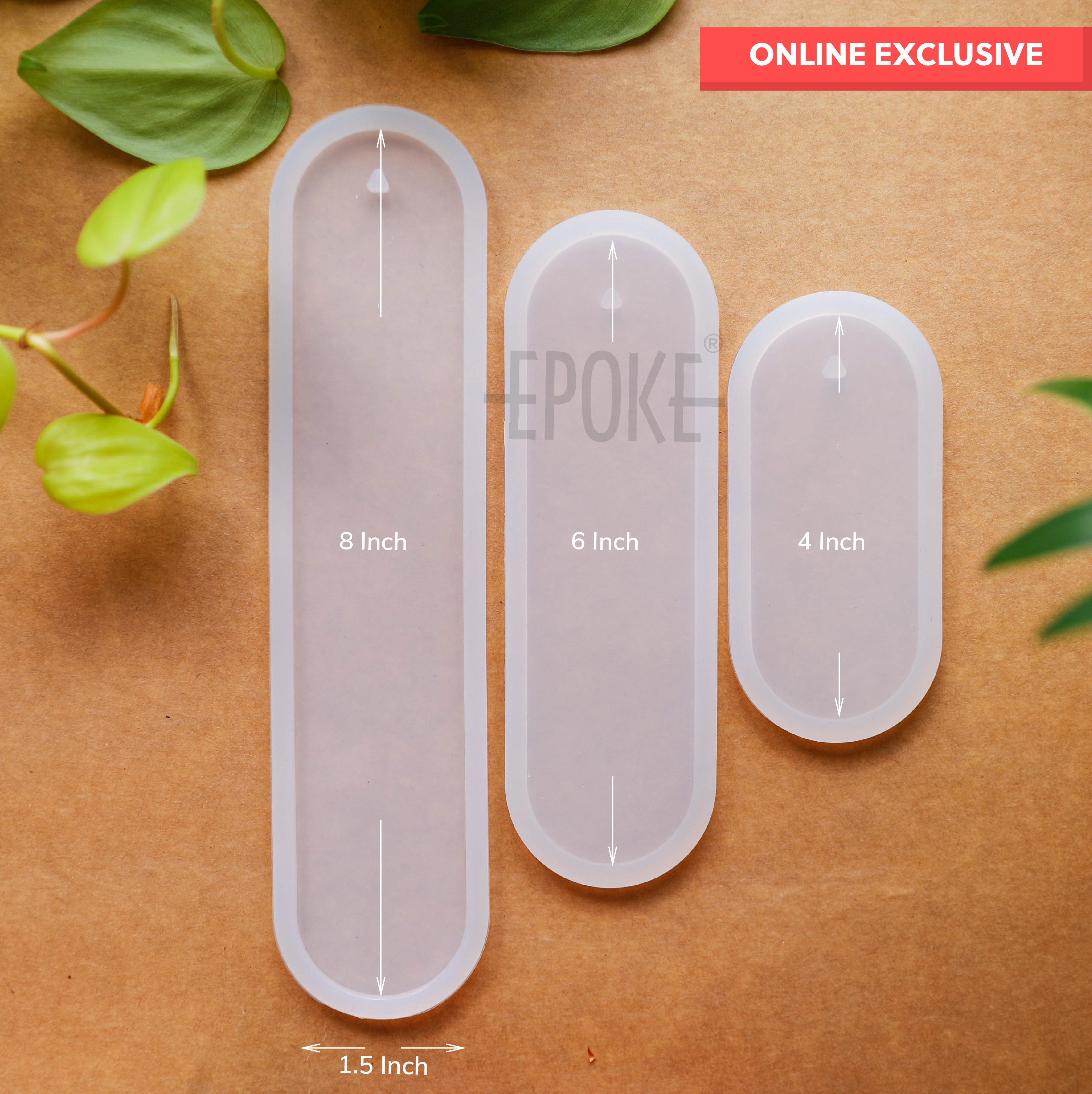
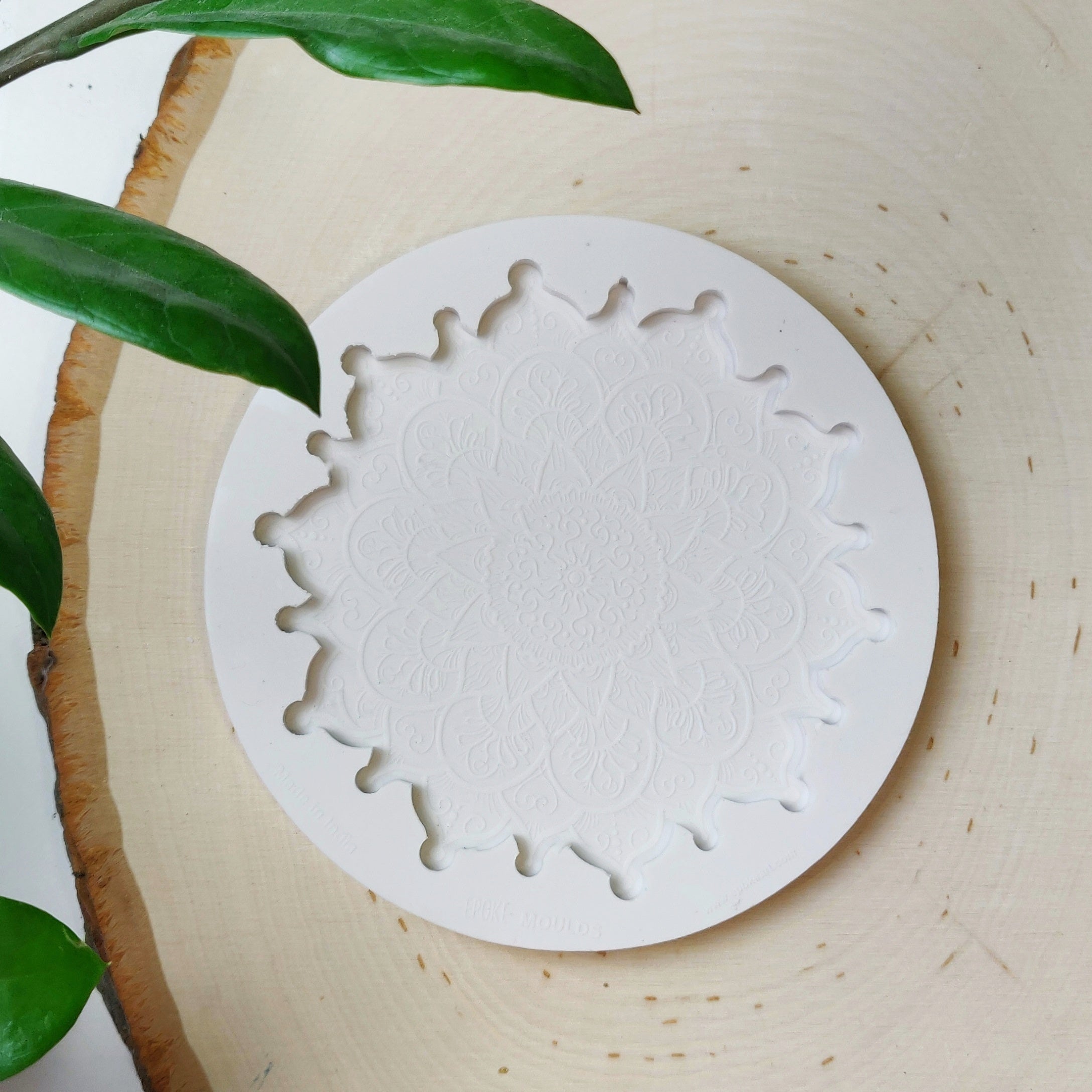
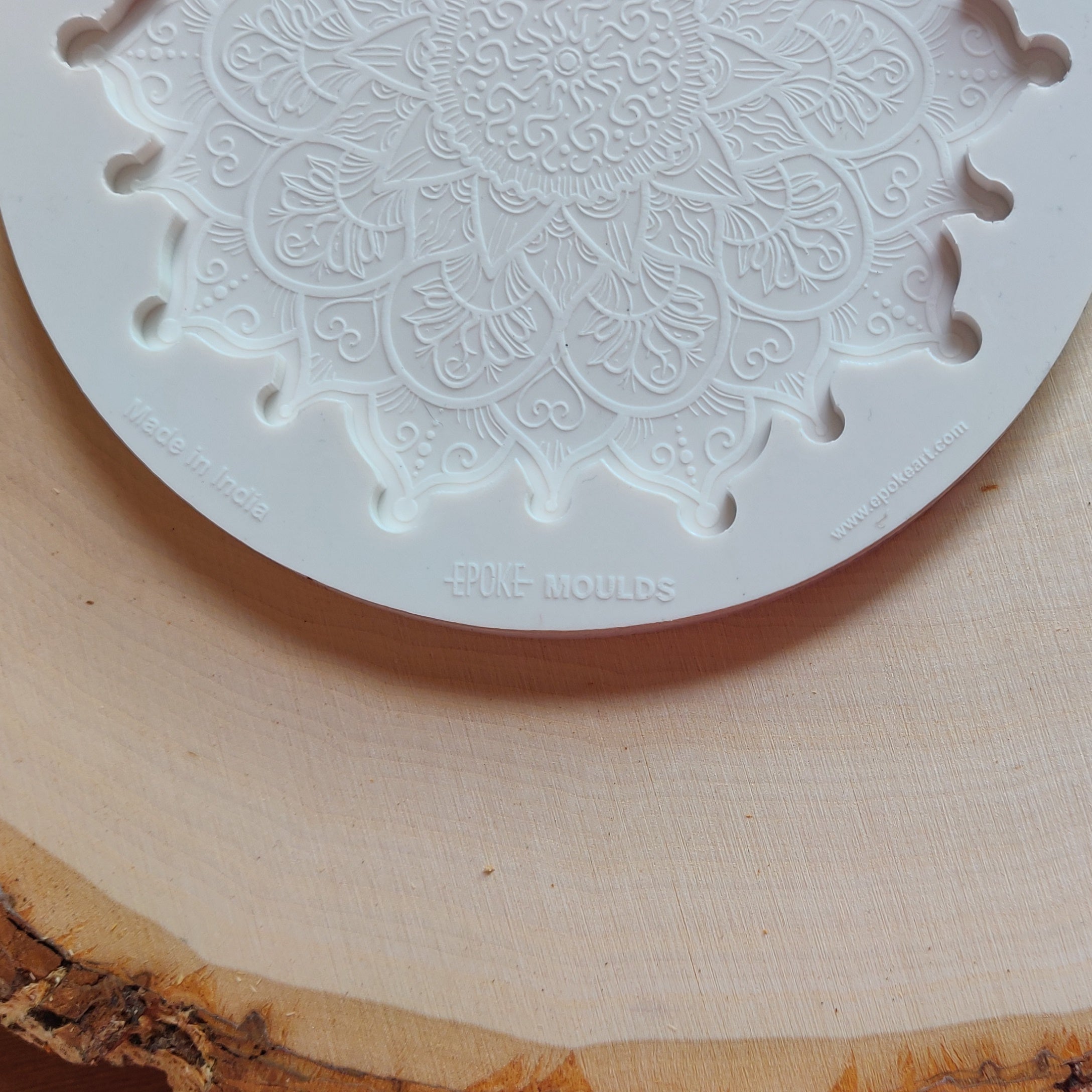
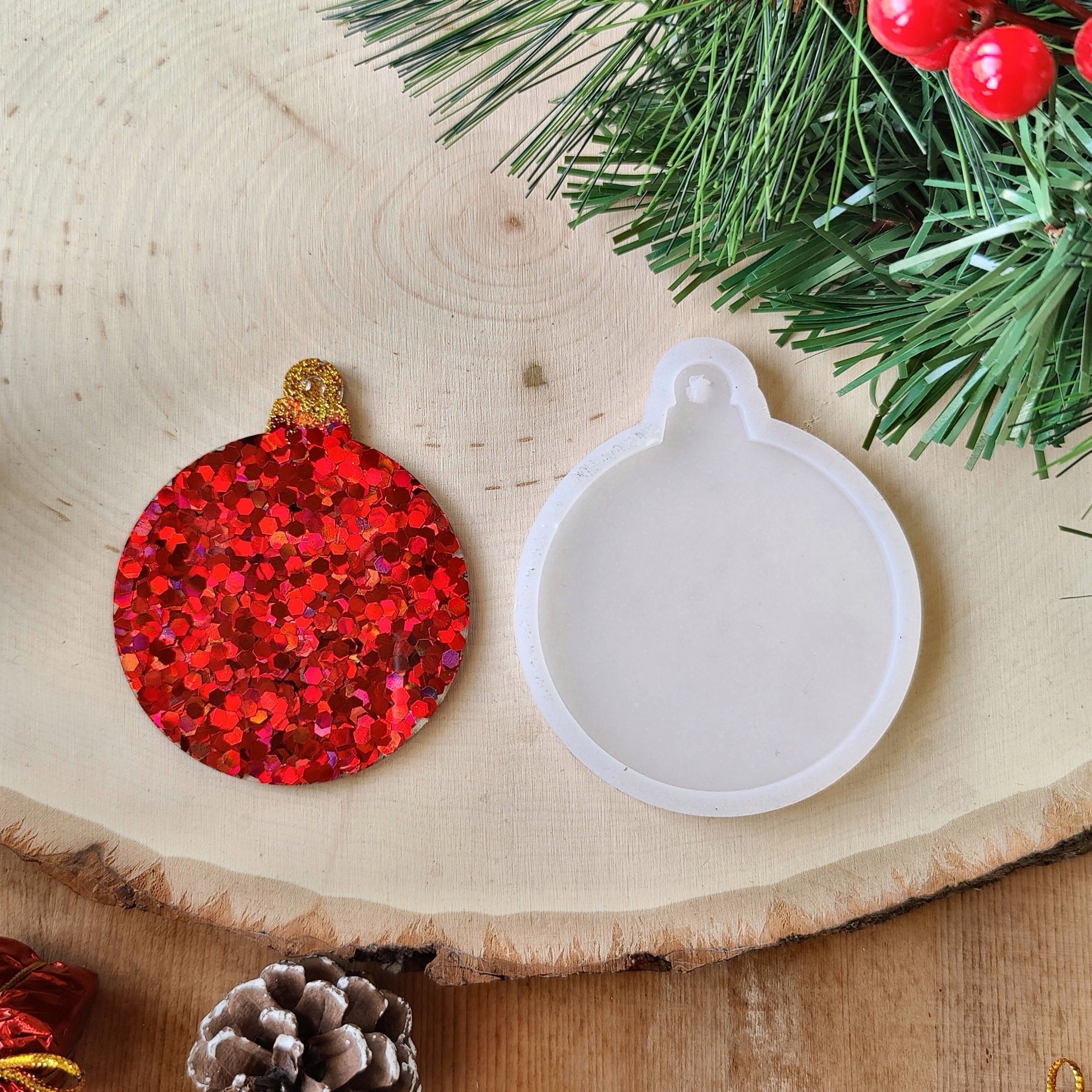
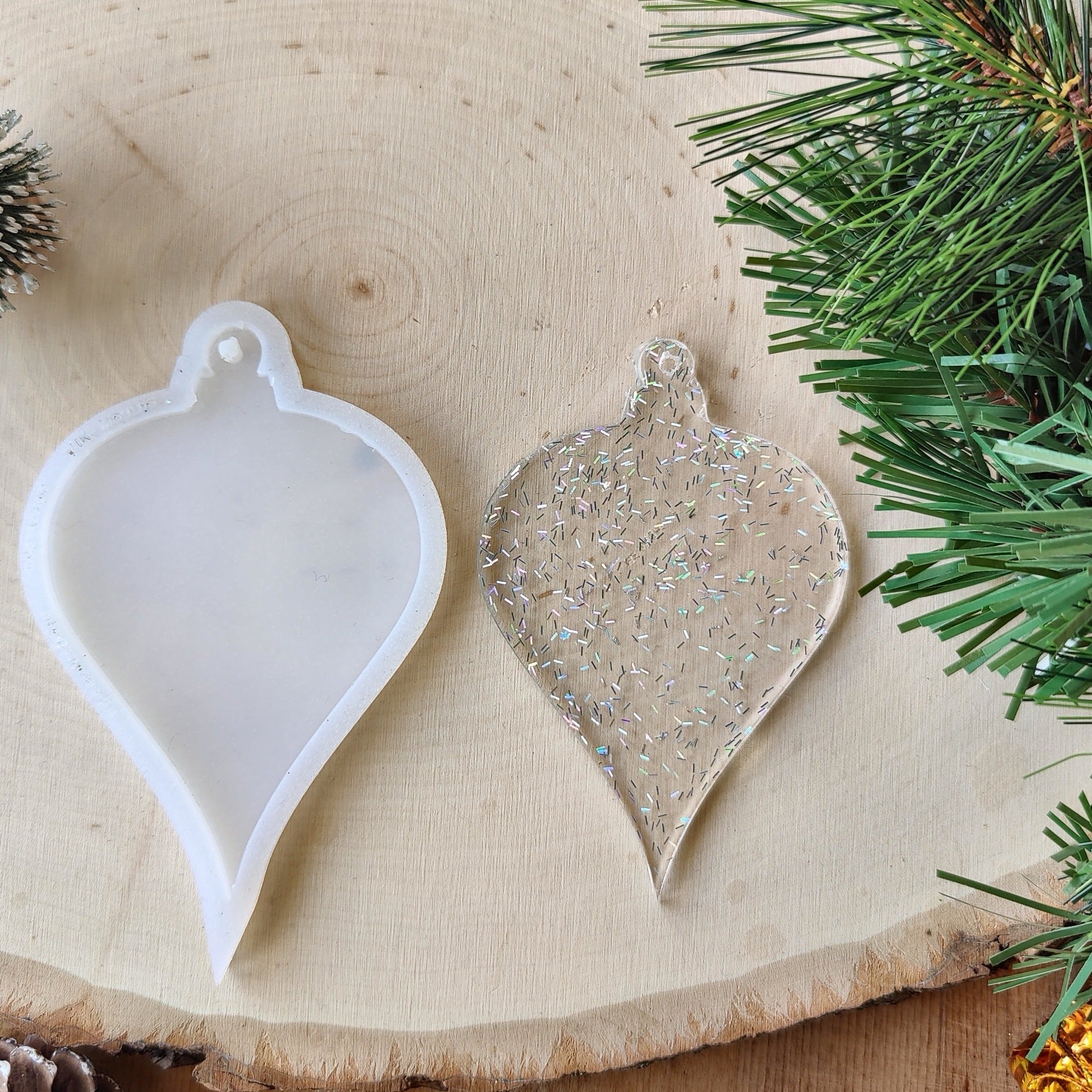
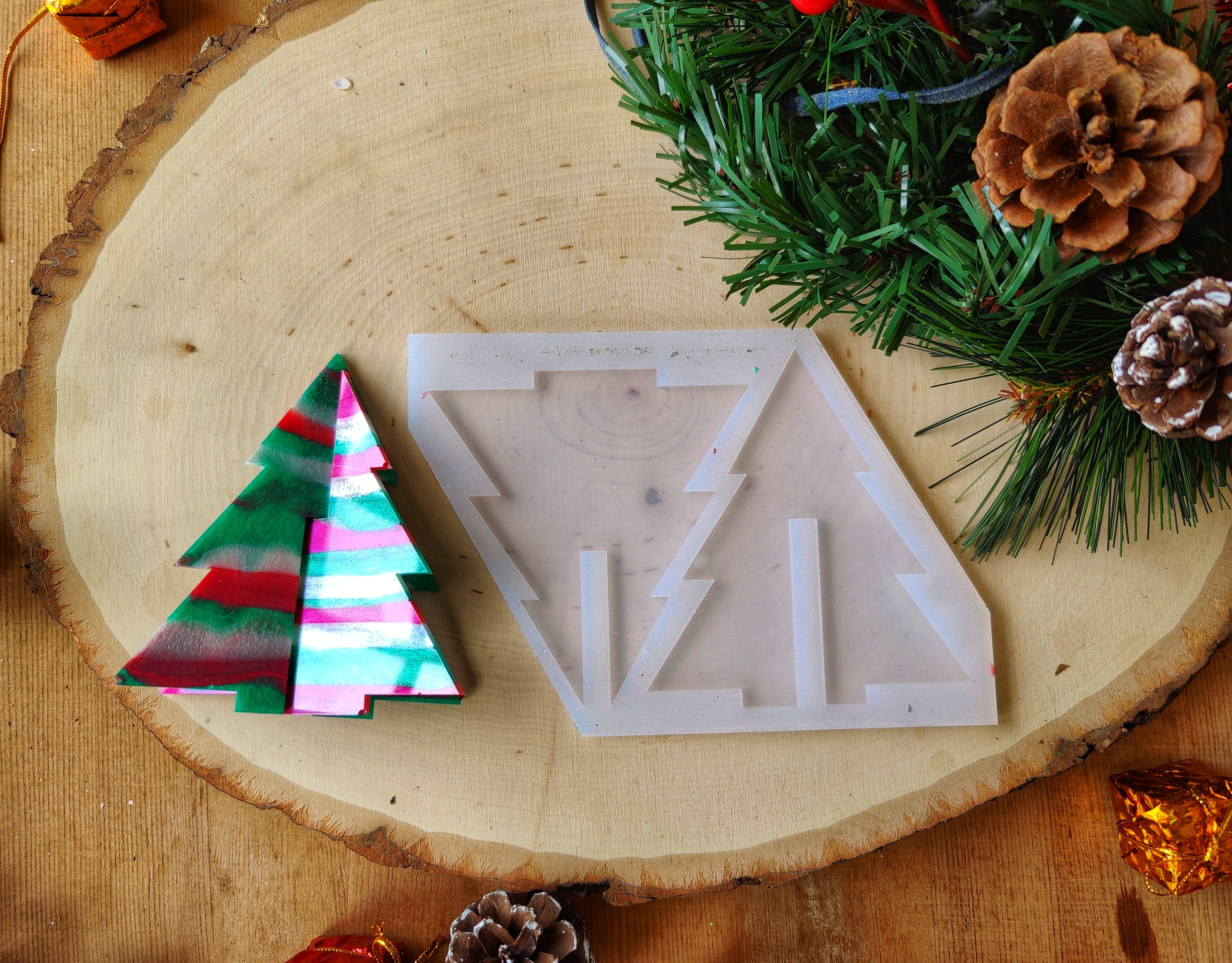
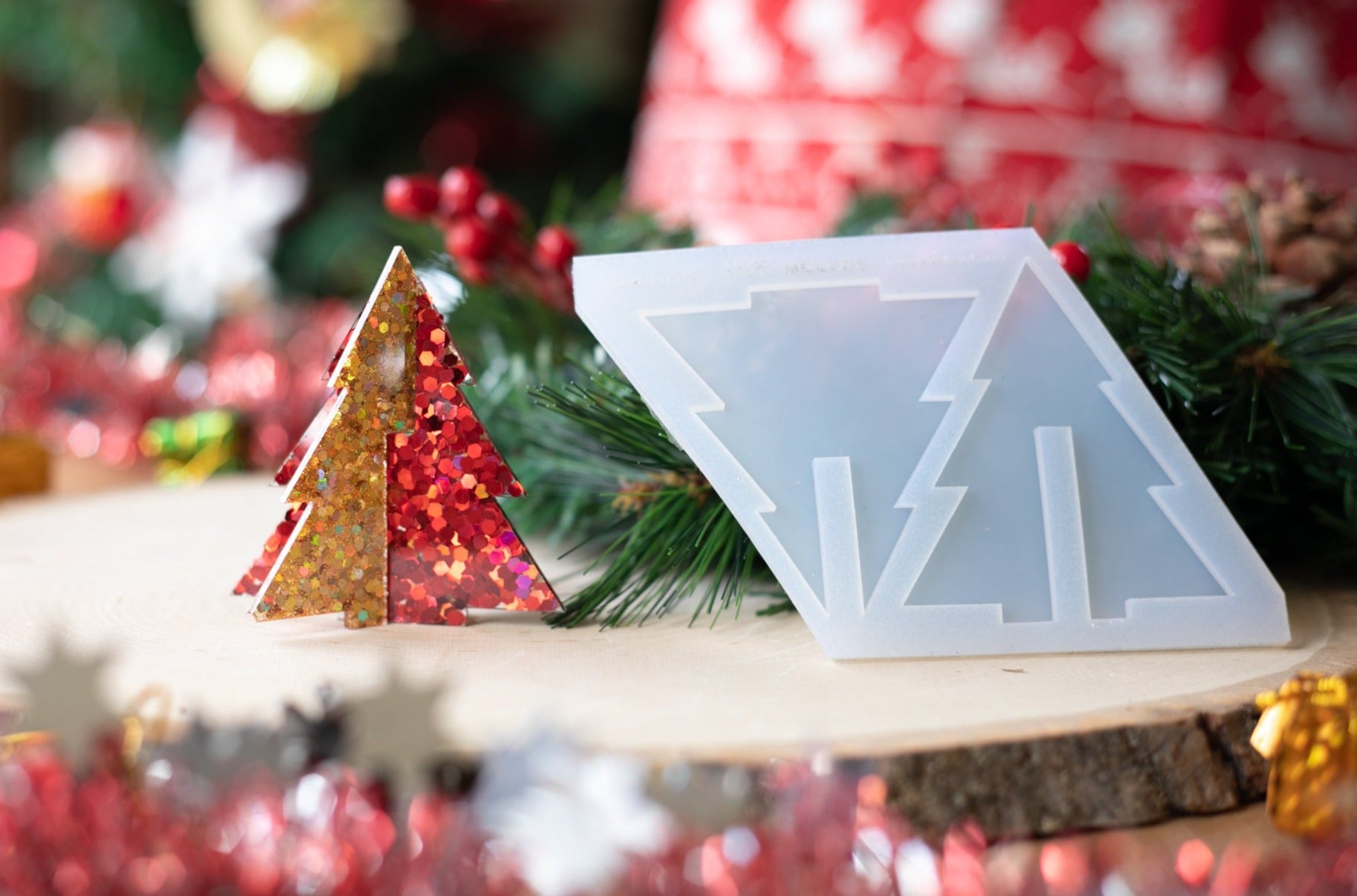
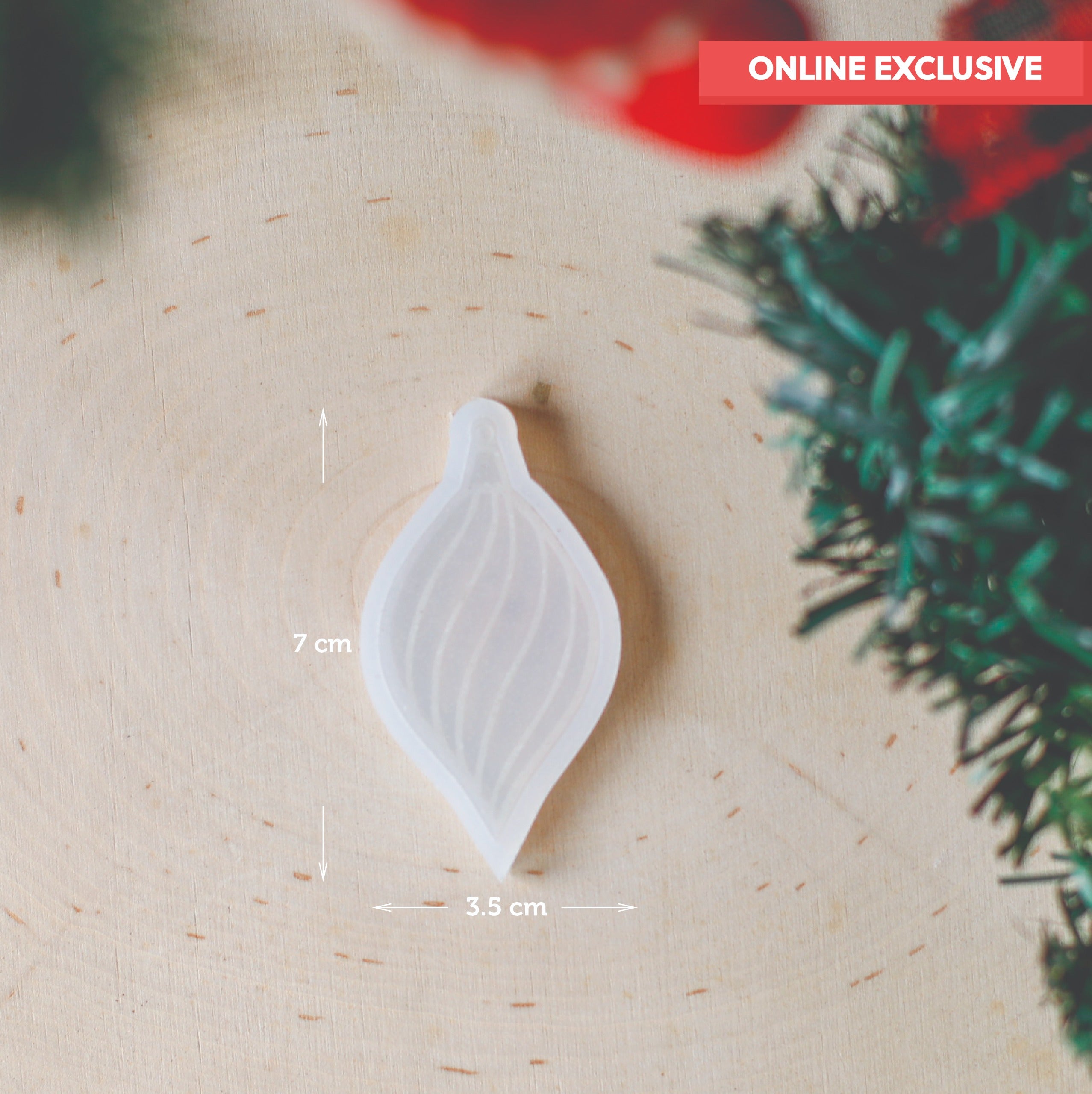
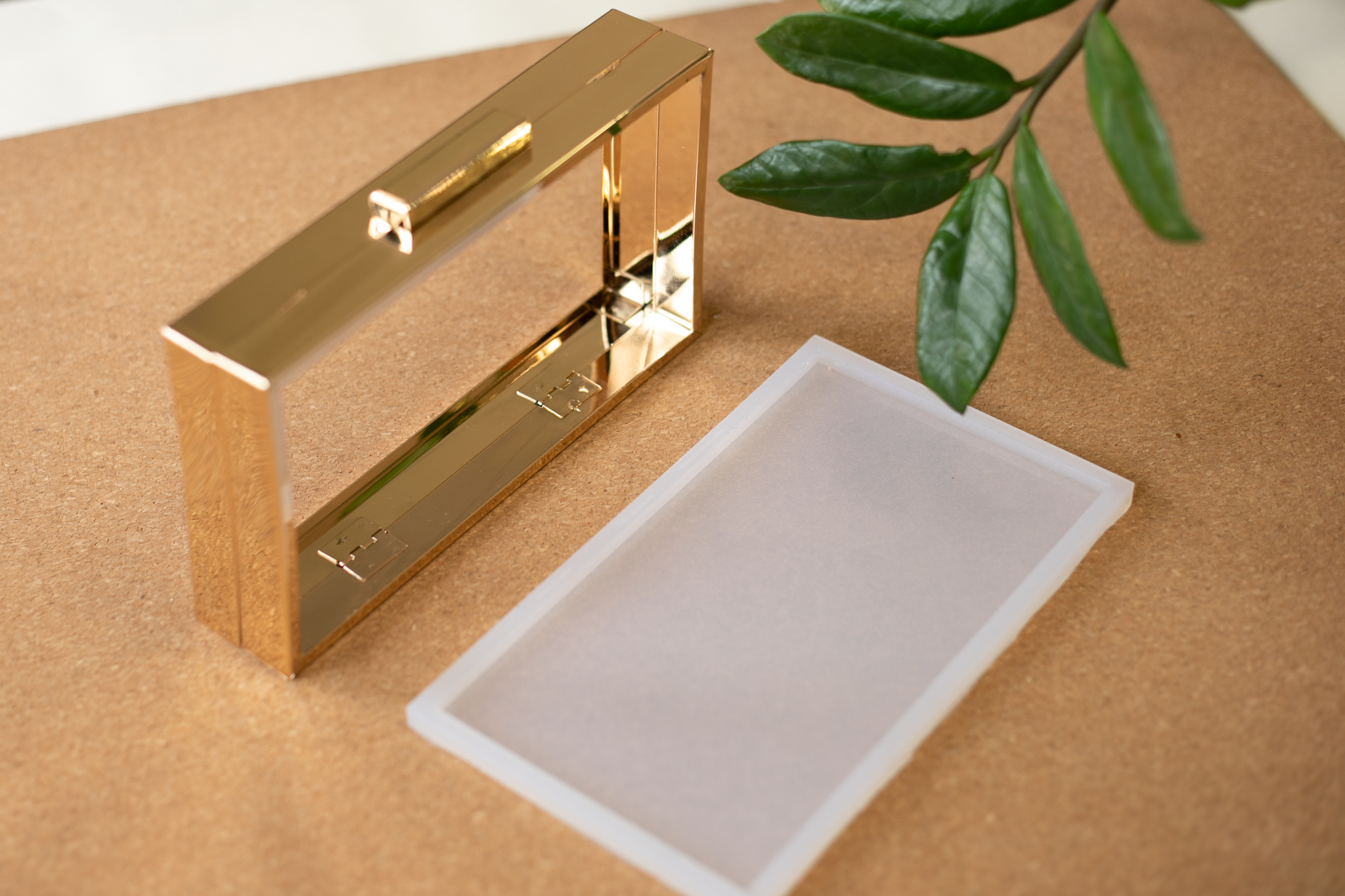
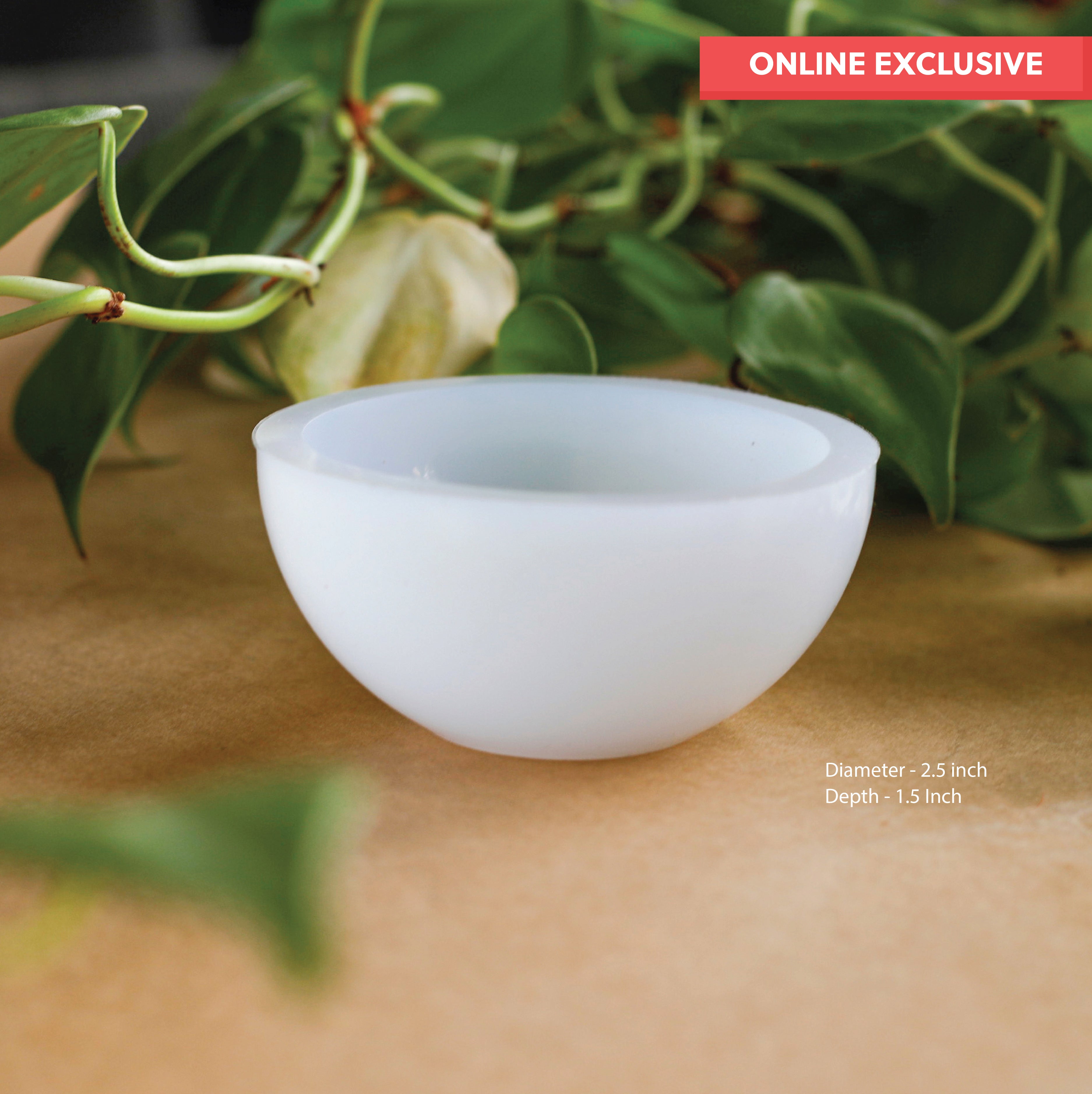
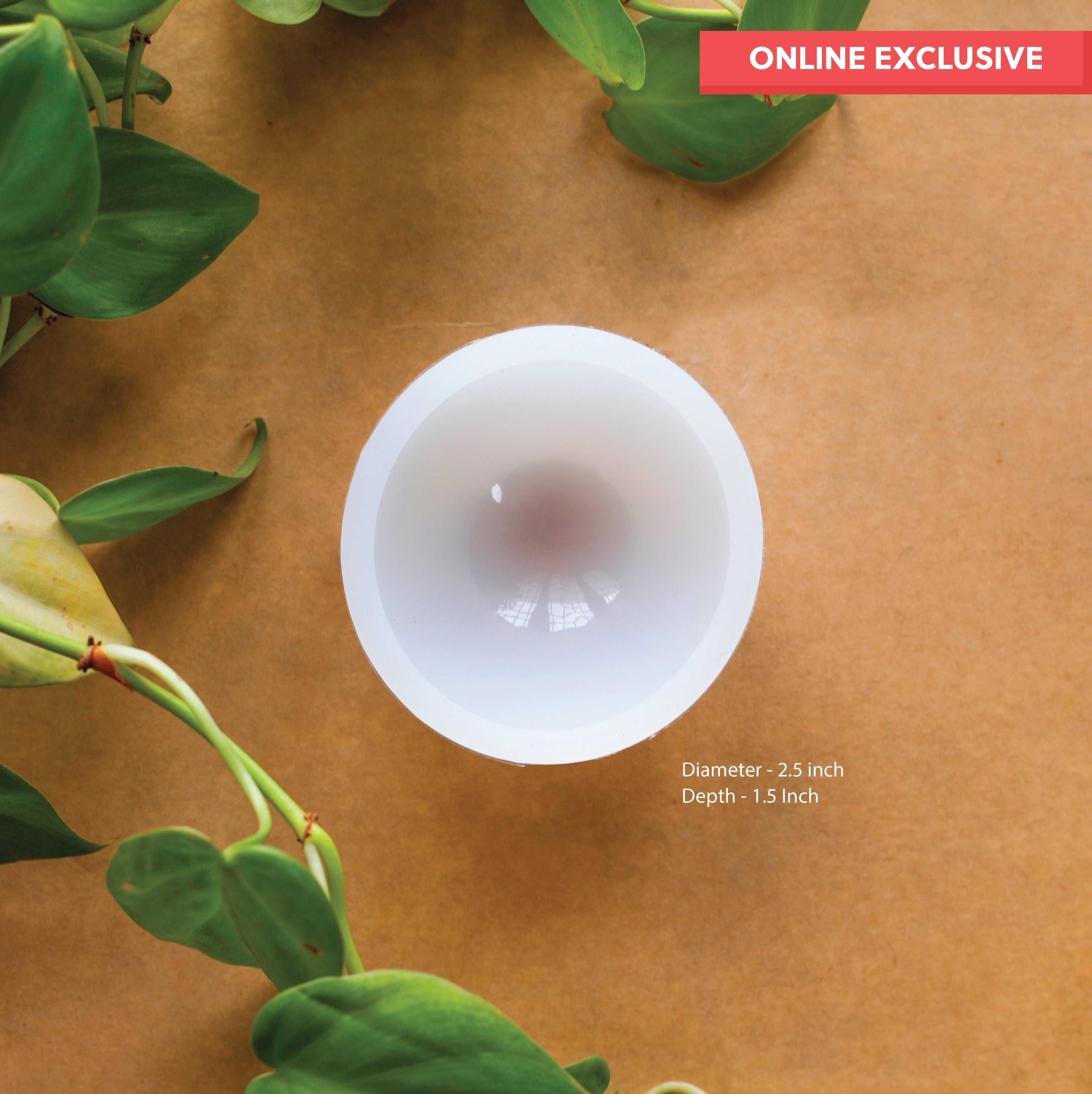
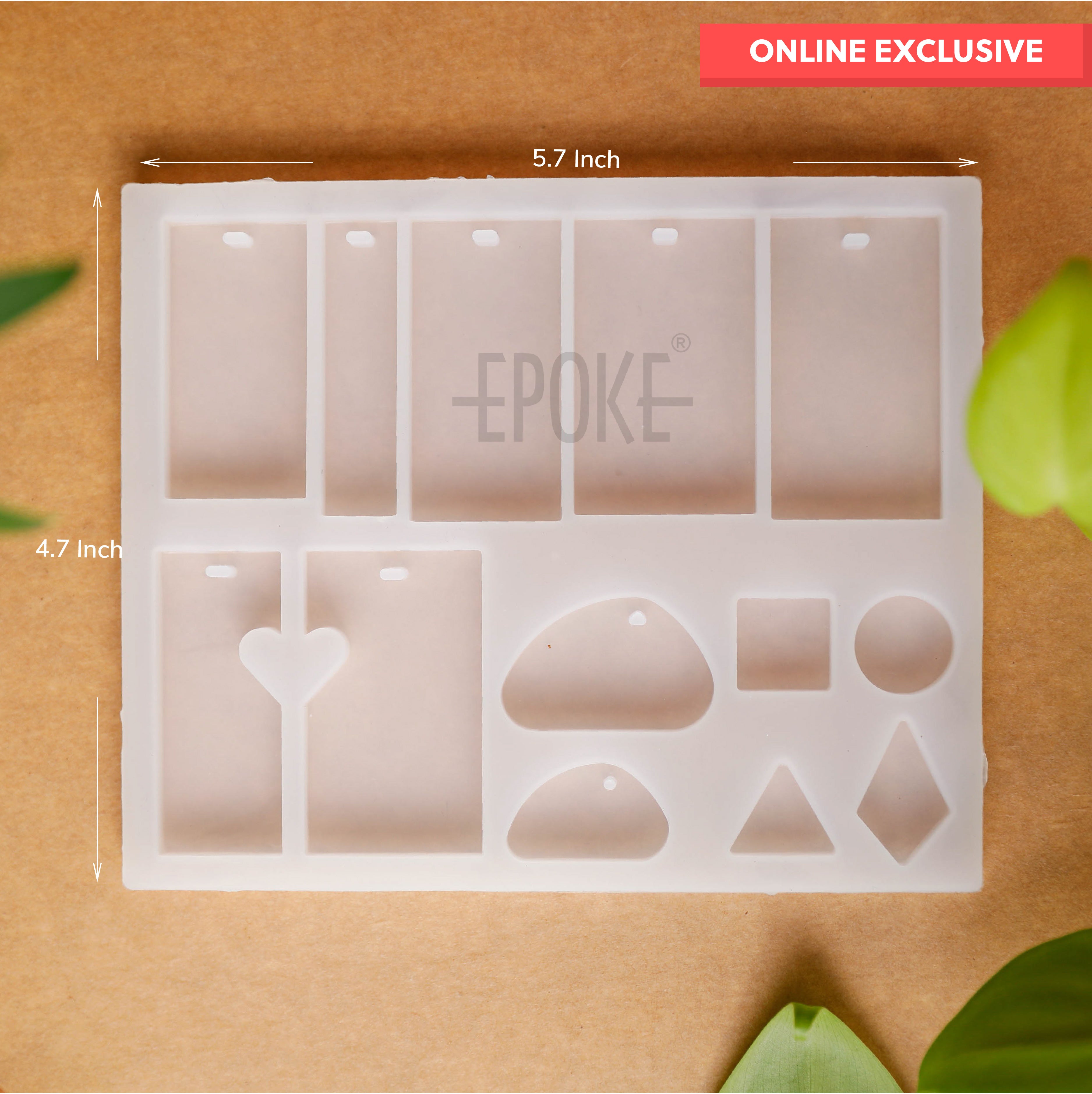
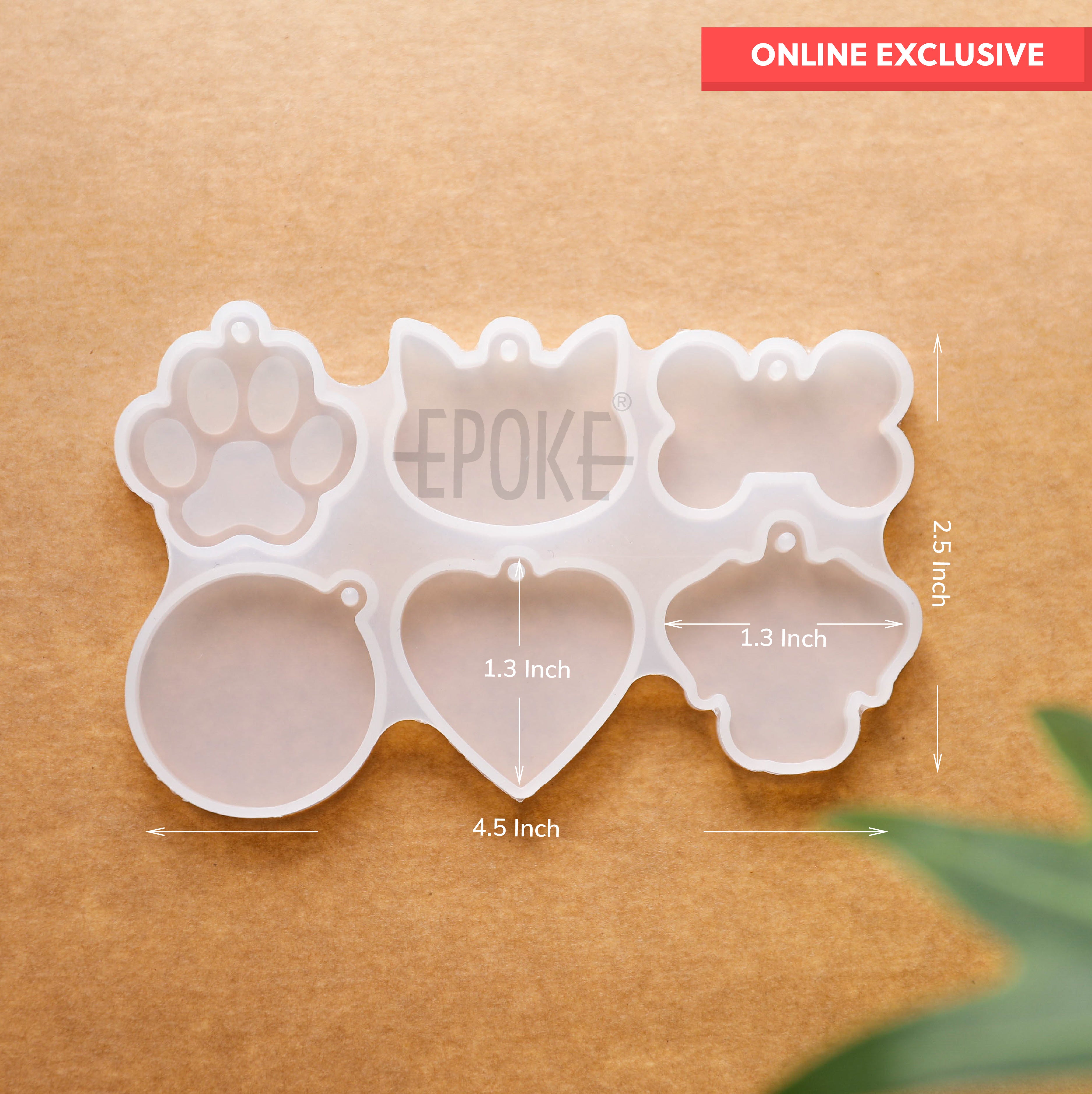
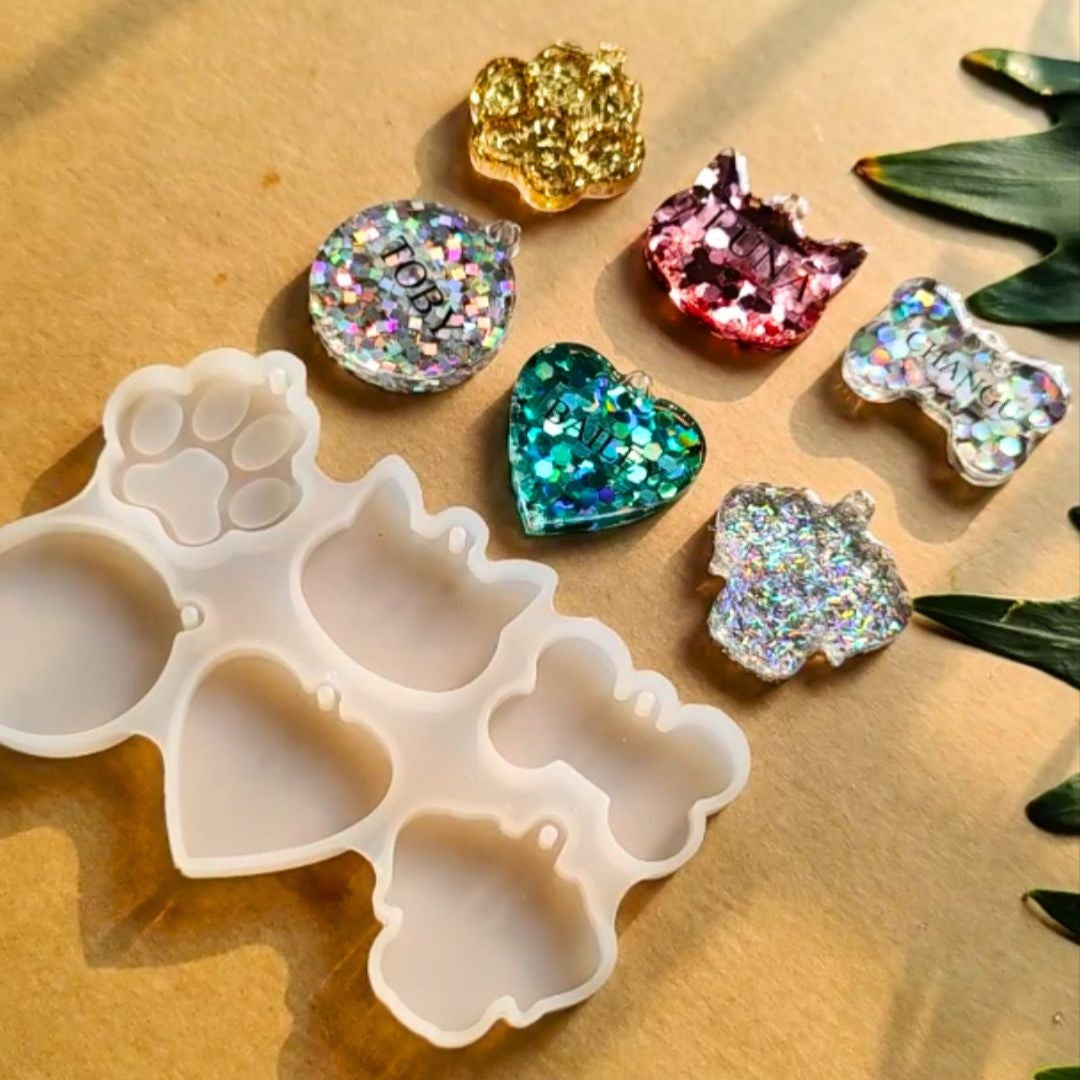
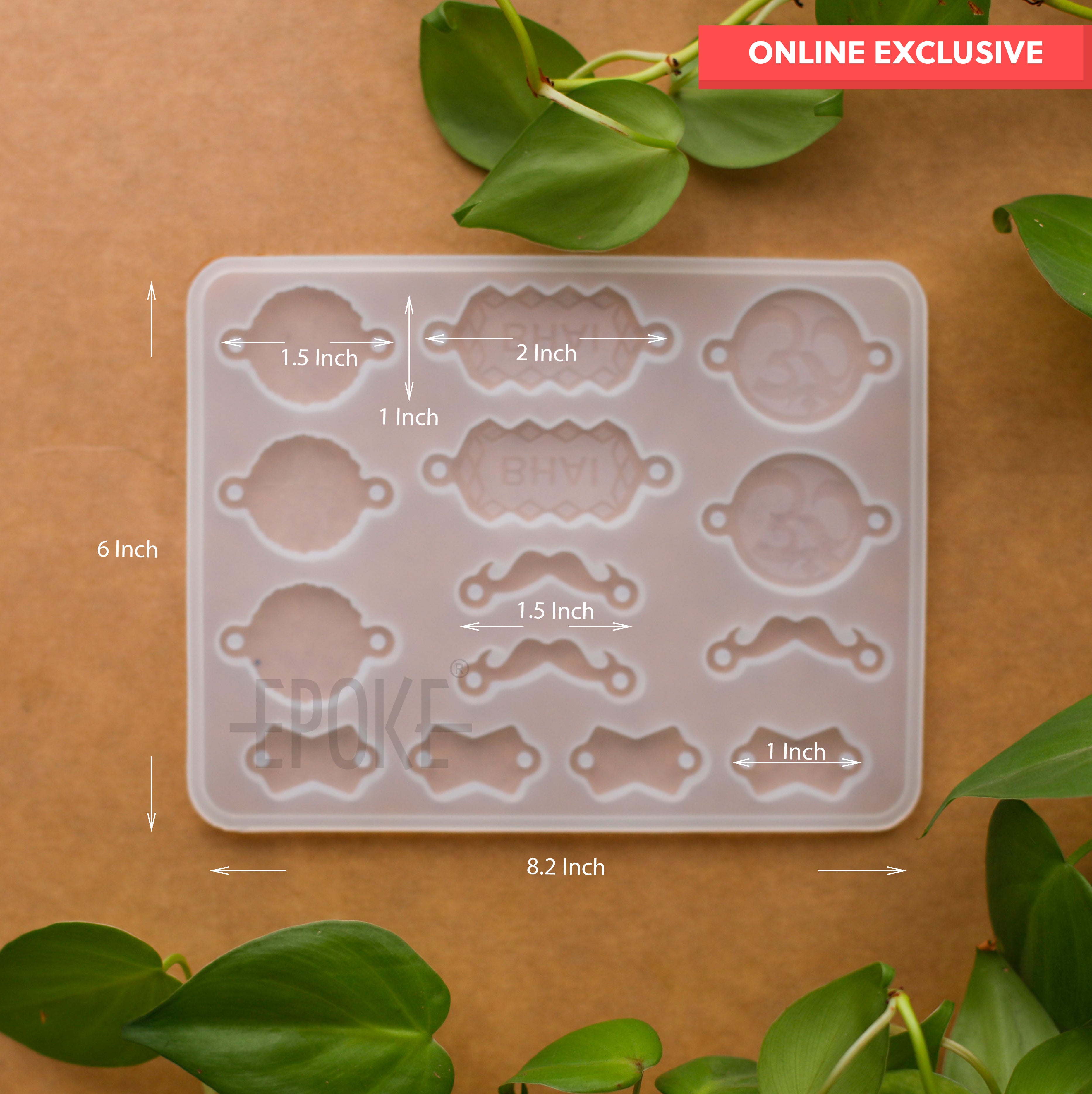
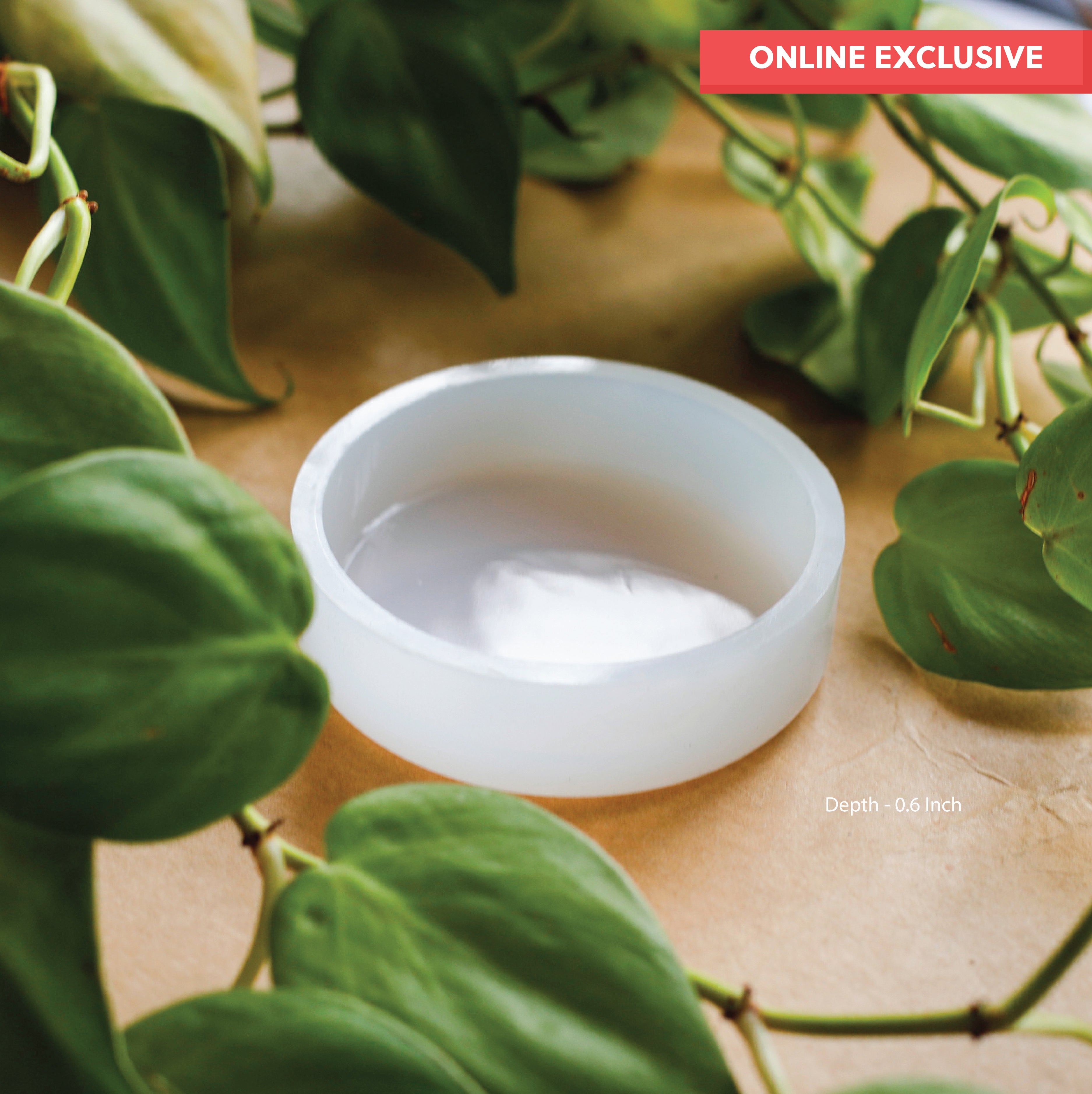
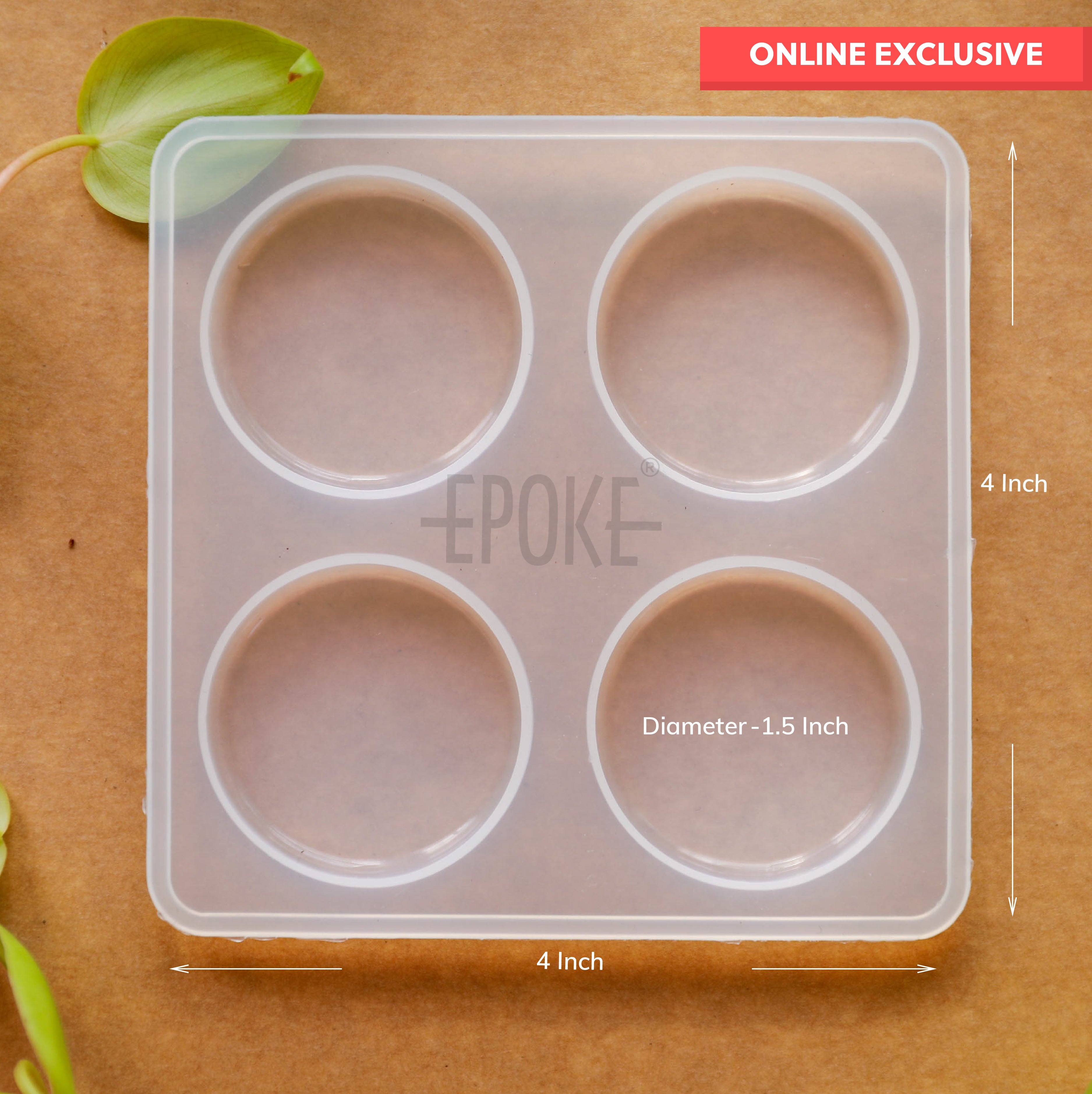
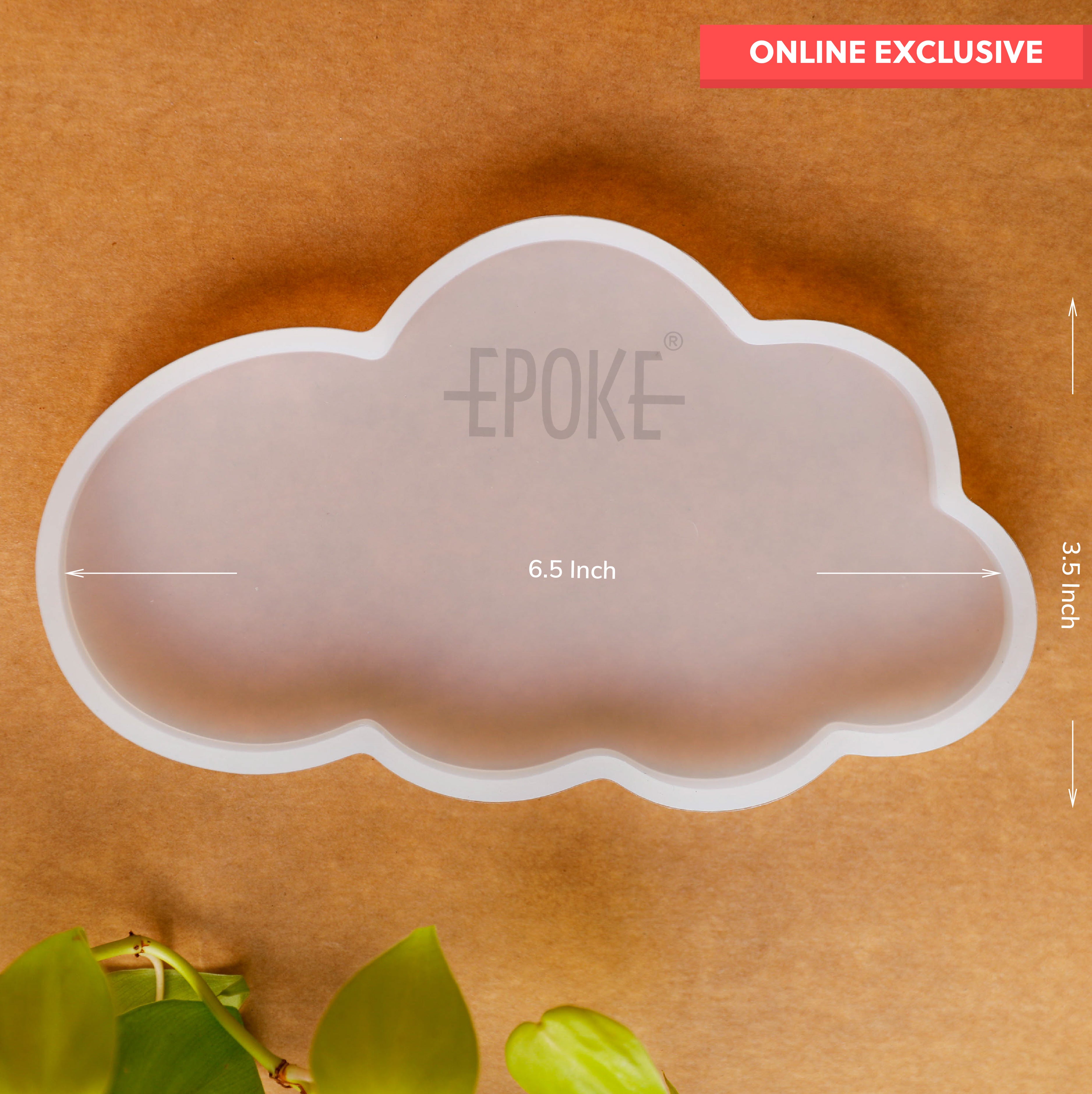
When resin is thin, it flows into every corner of a silicone mould without trapping air bubbles. That's exactly what you need for detailed jewellery, coasters, figurines, and anything where the shape of the mould defines the final piece.
Where casting resin works best:
-
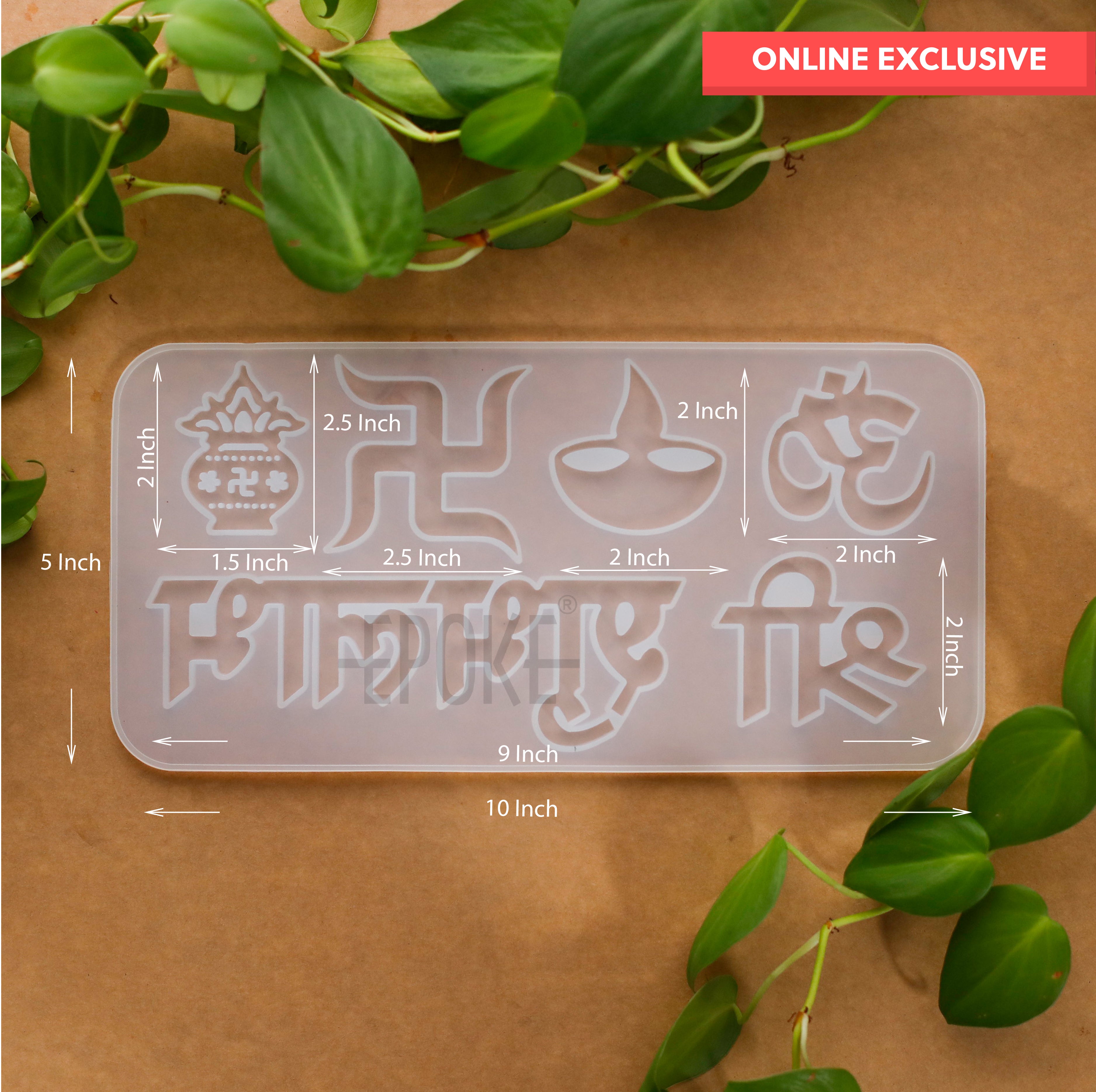
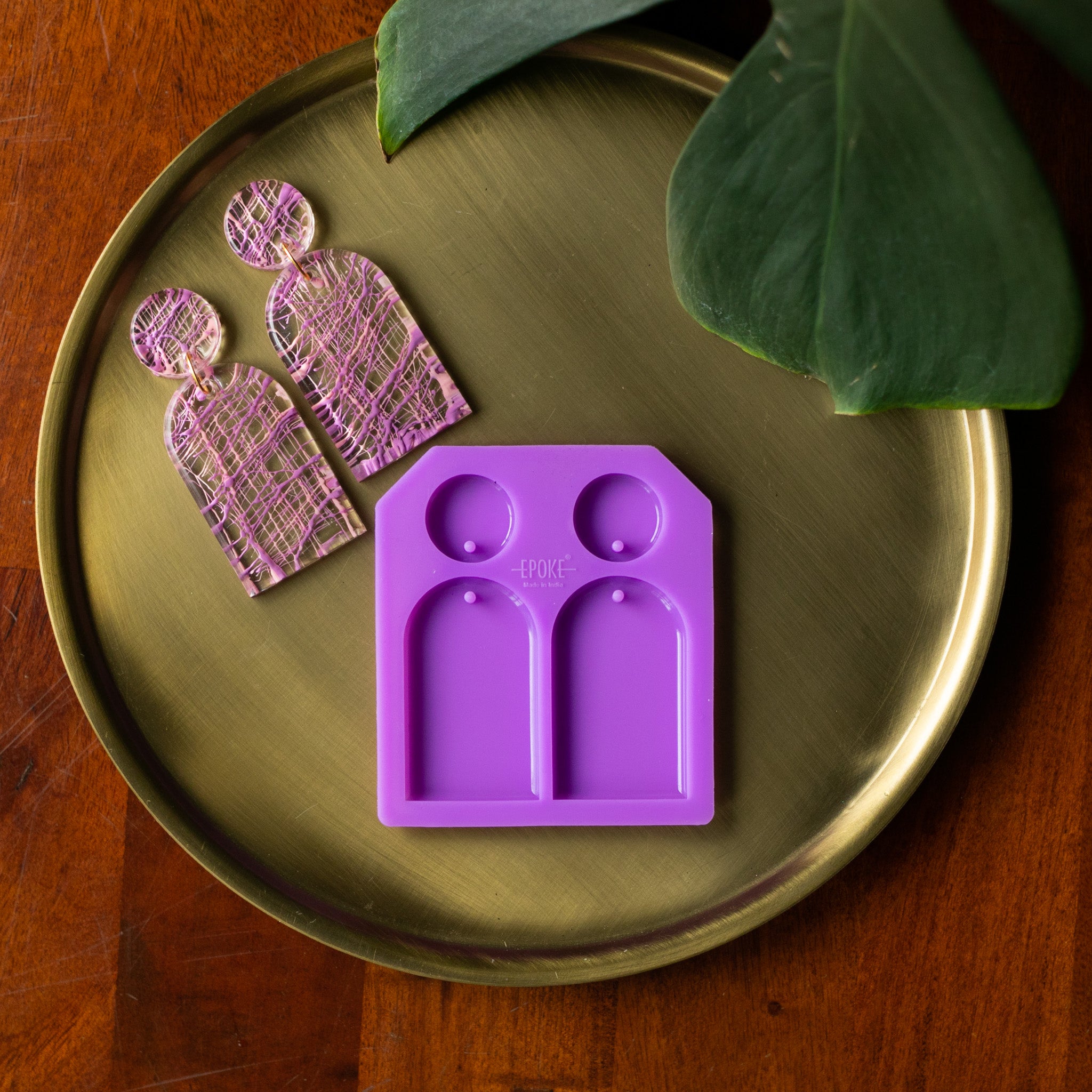
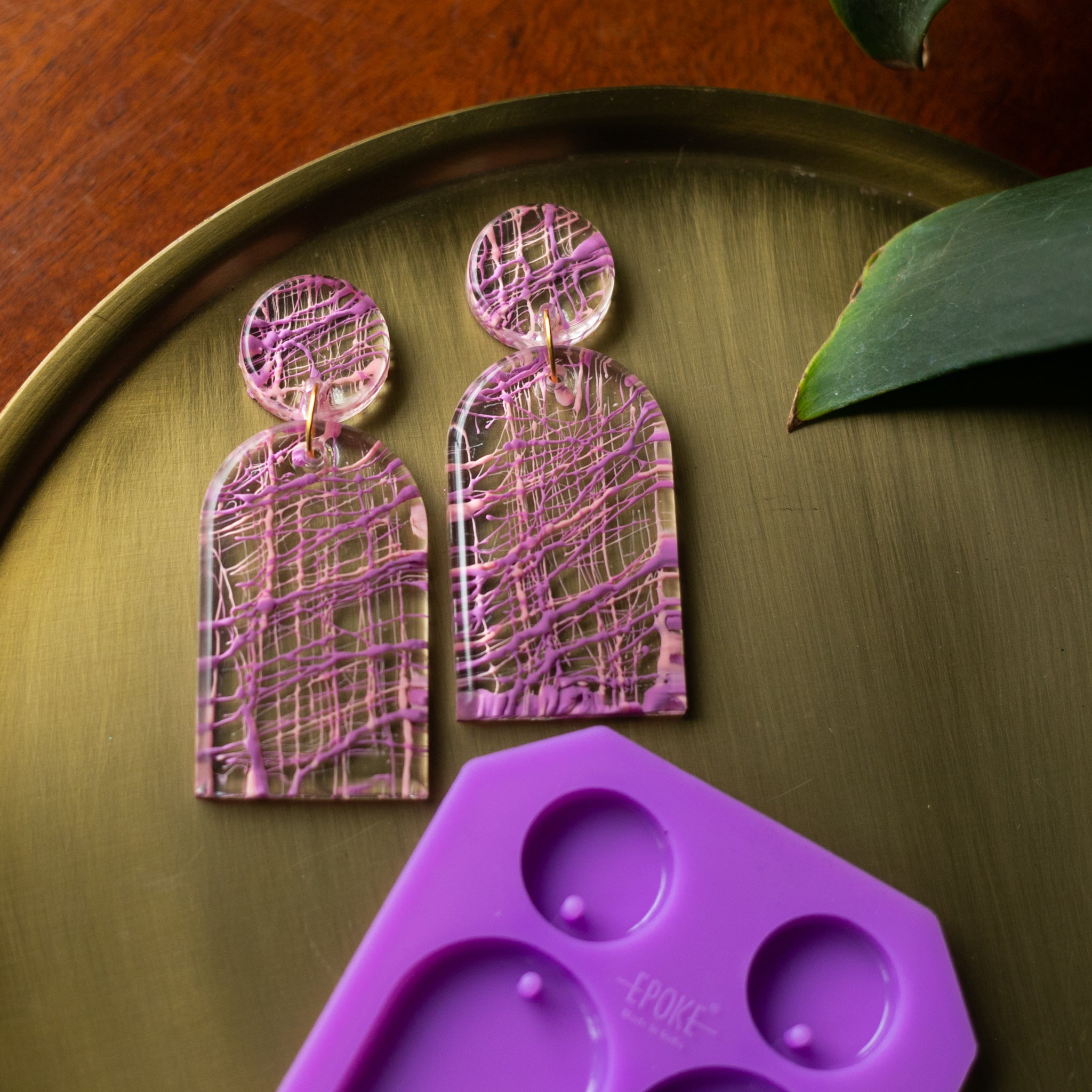
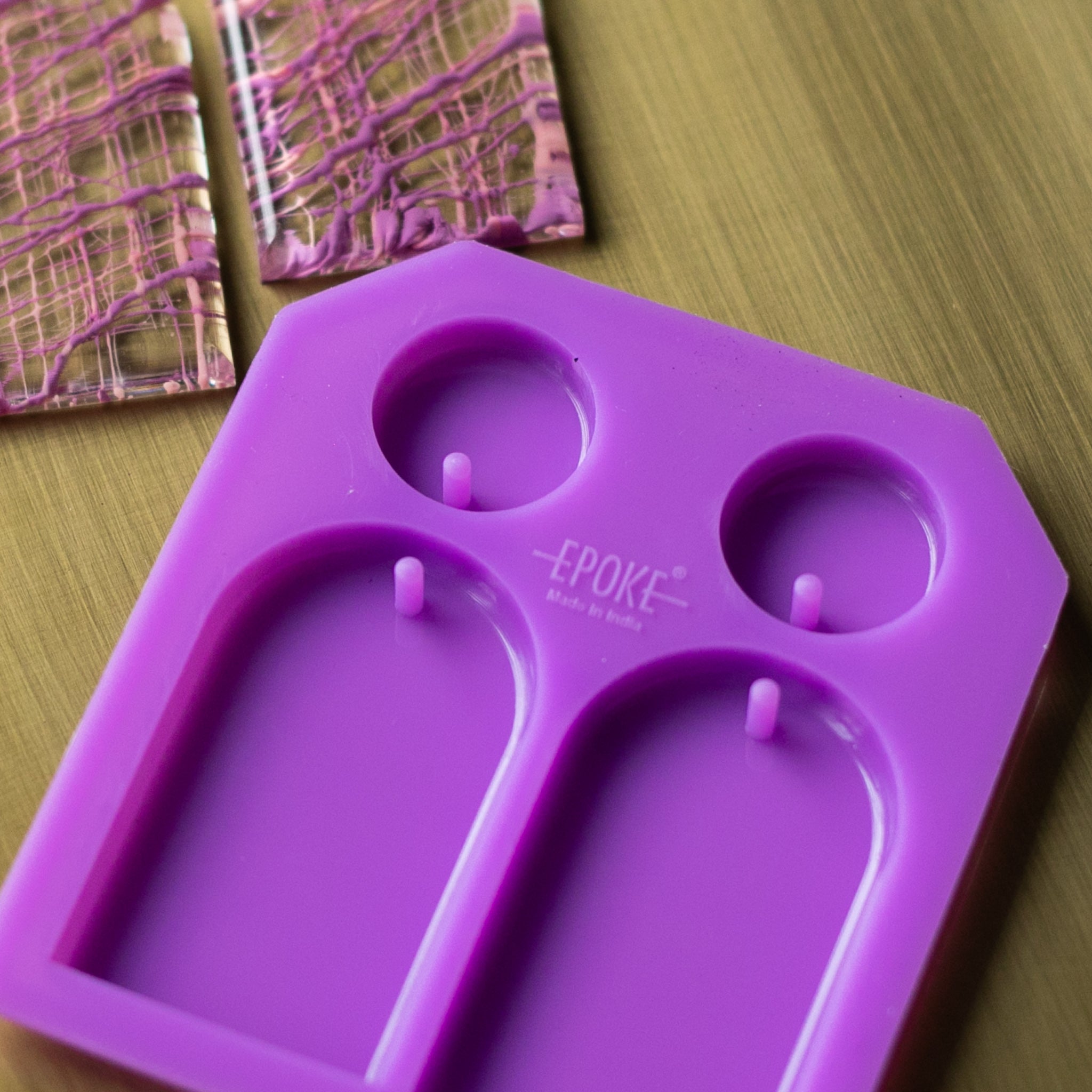
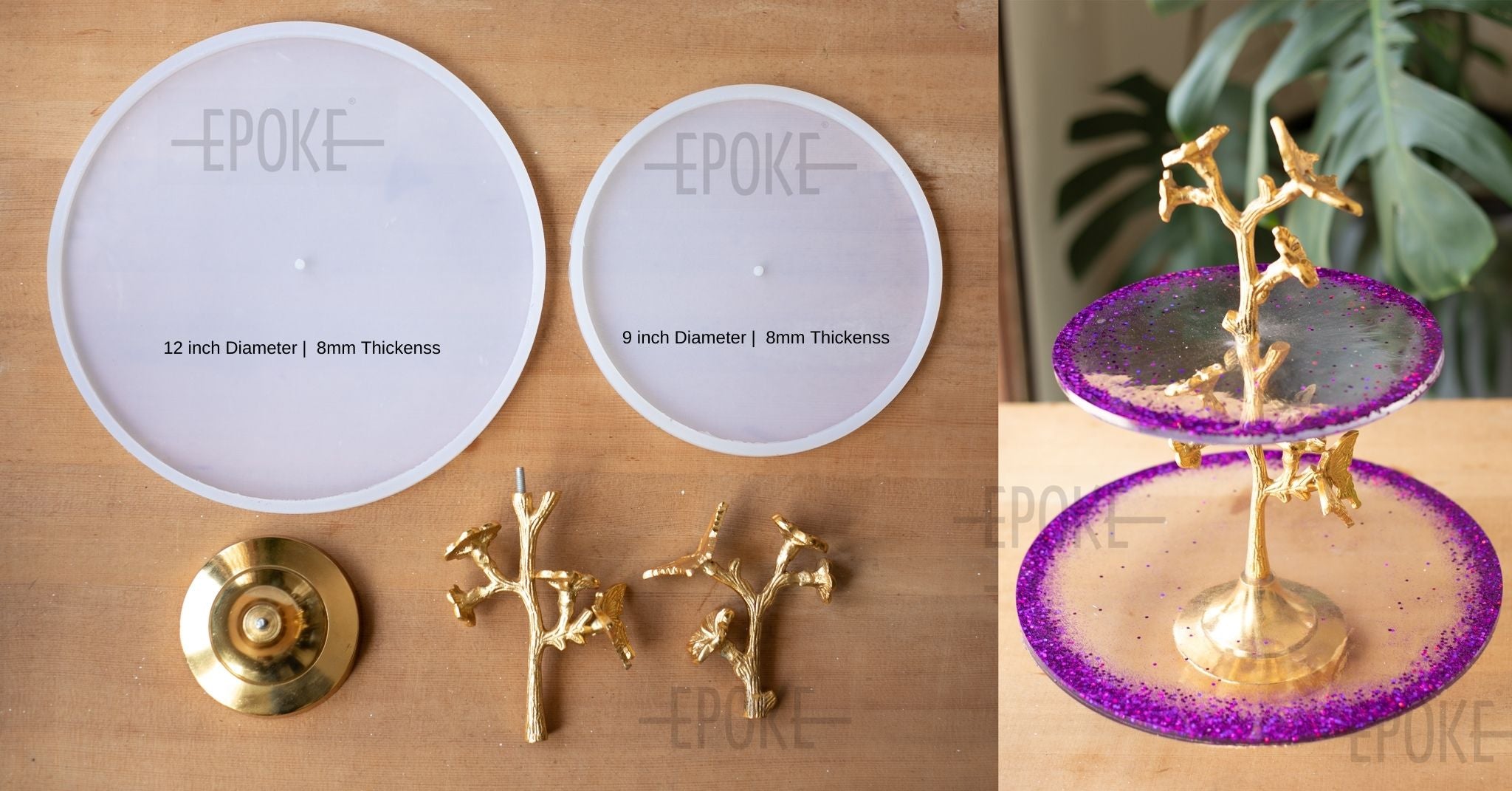
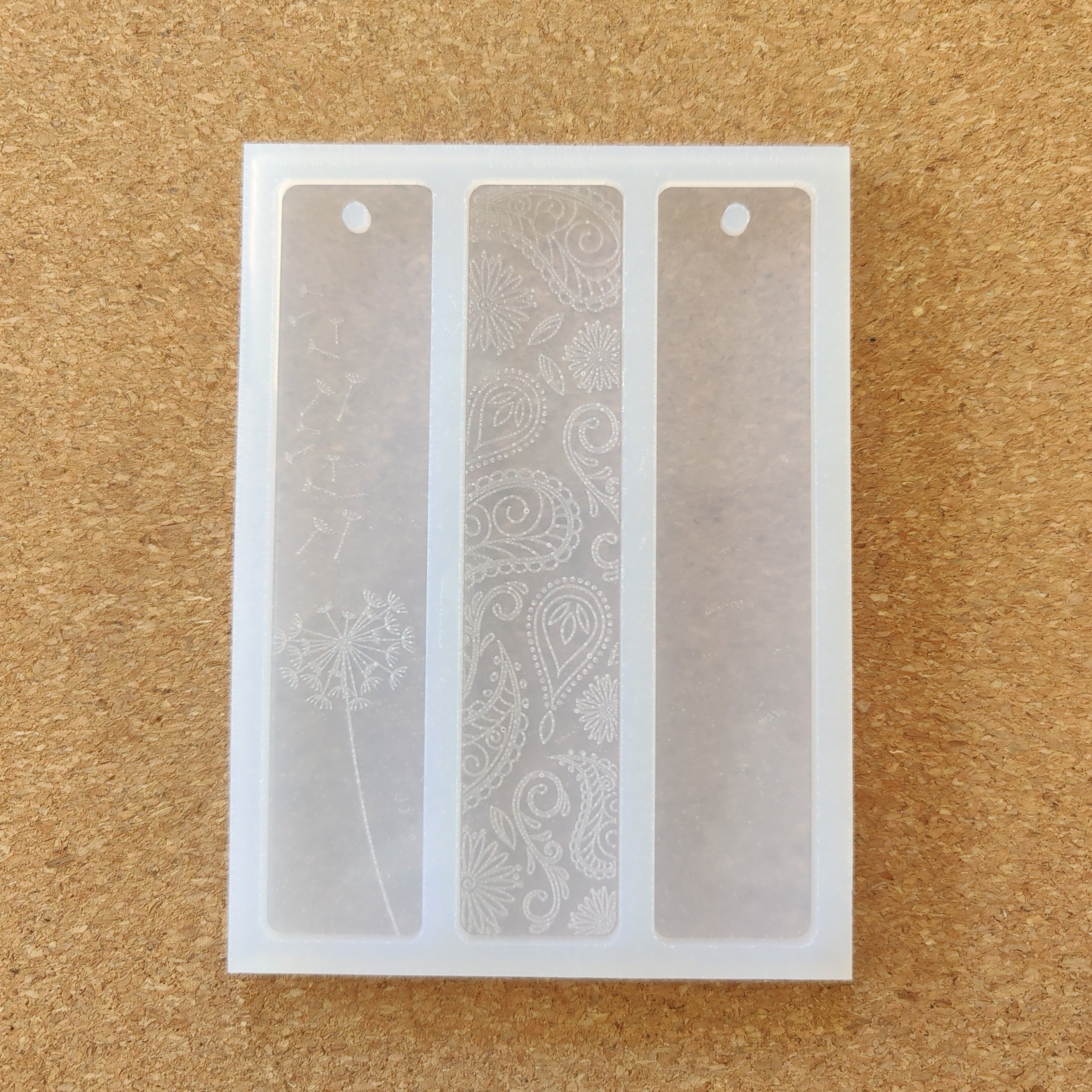
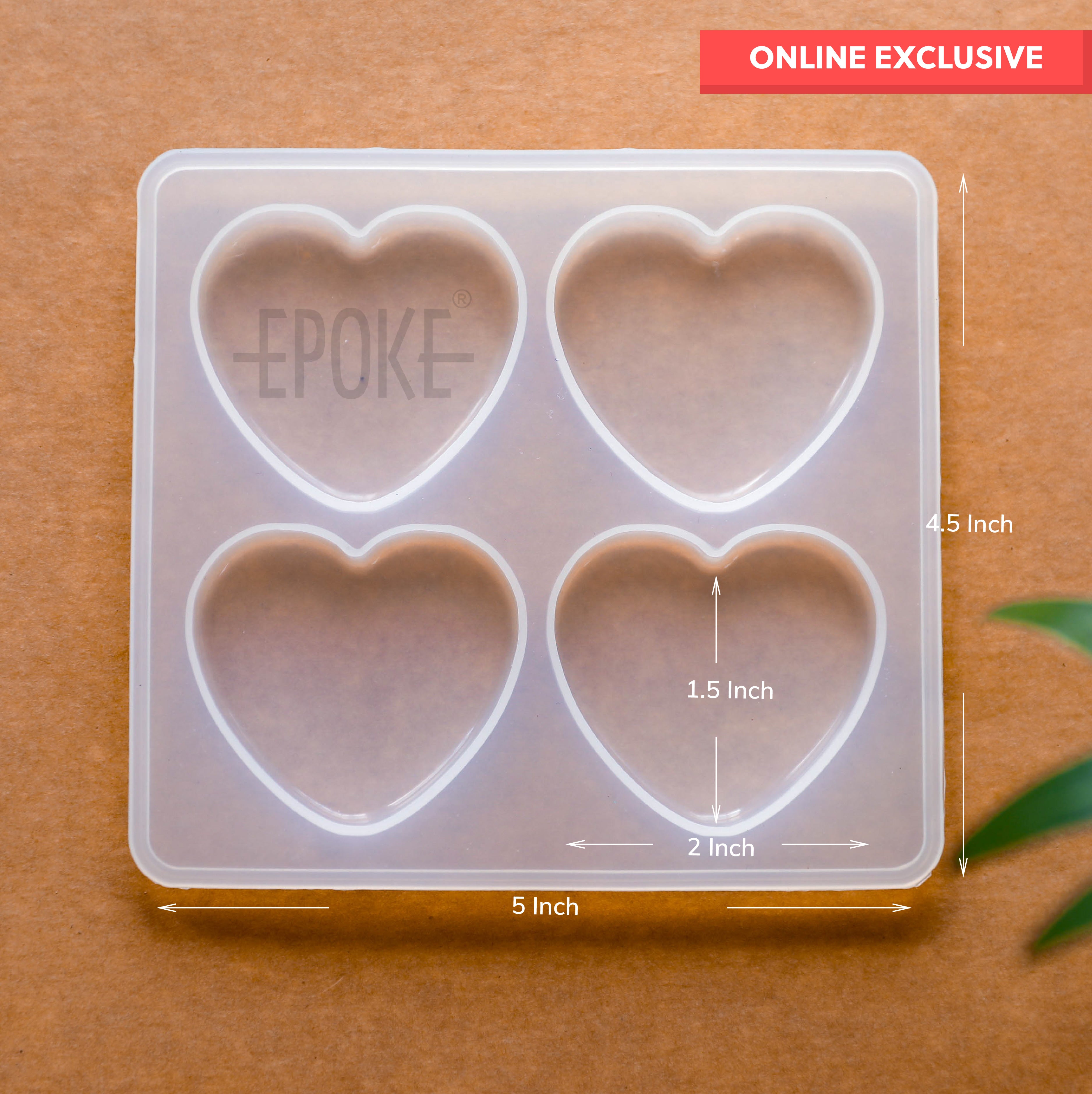
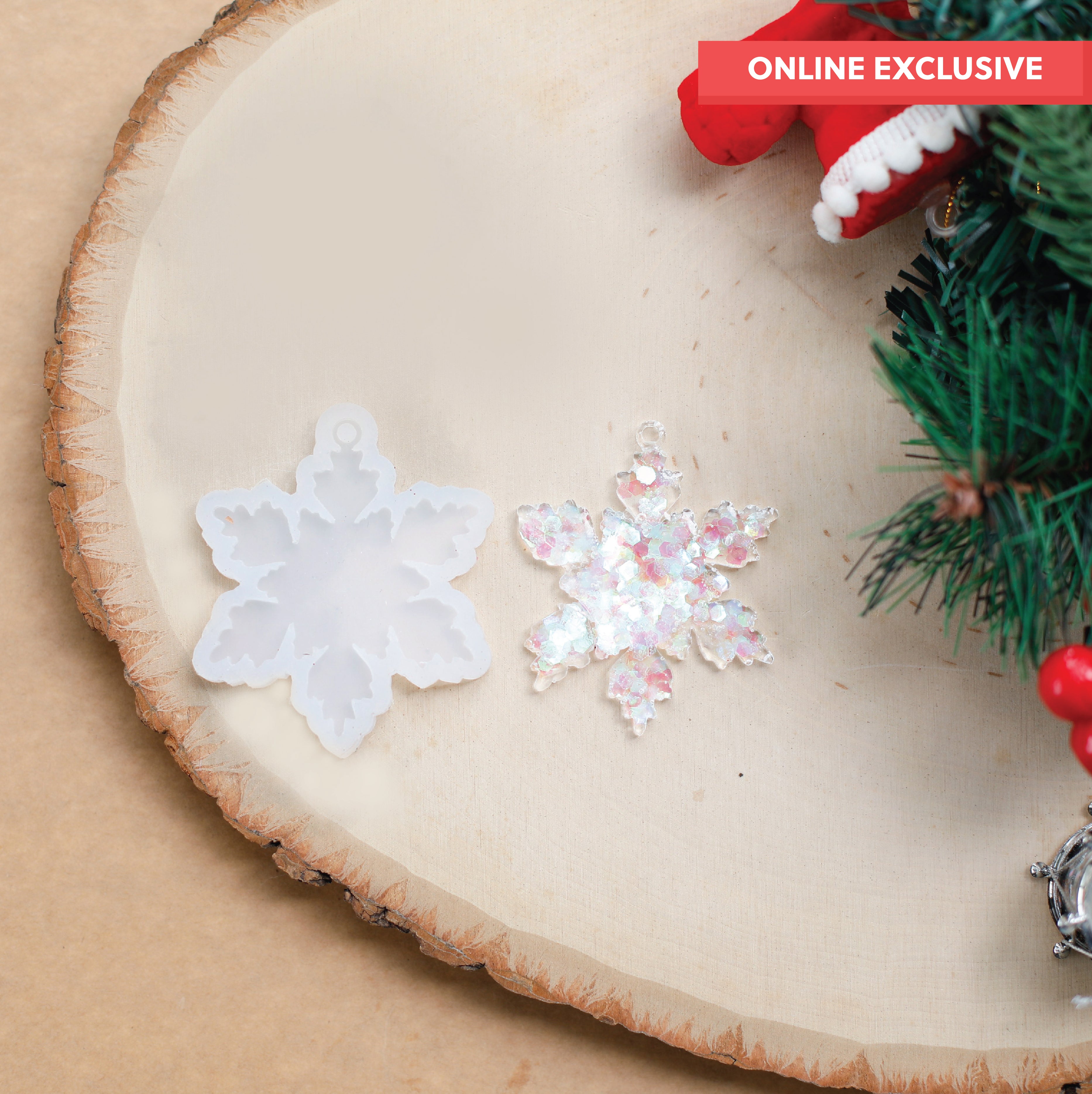
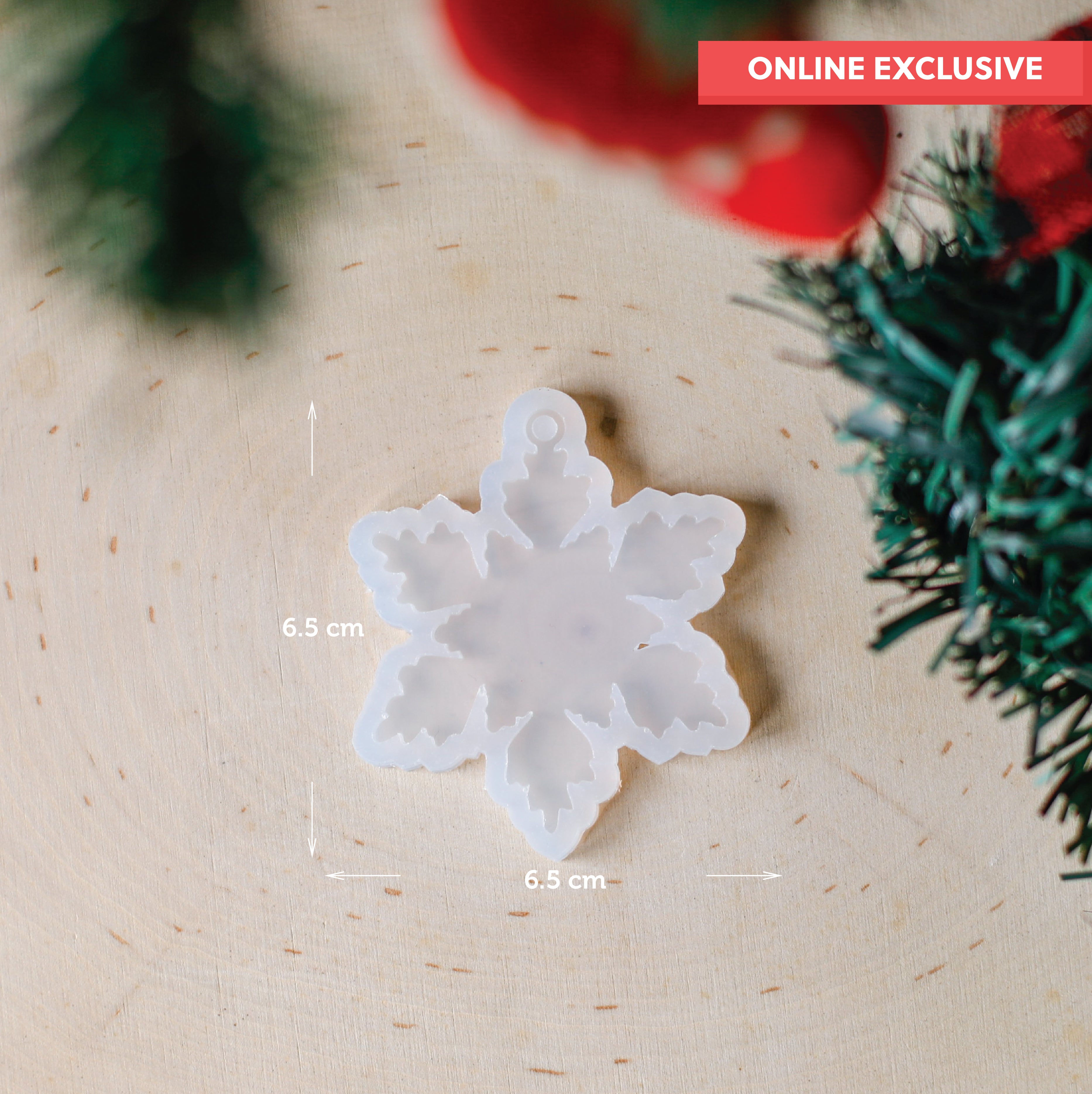
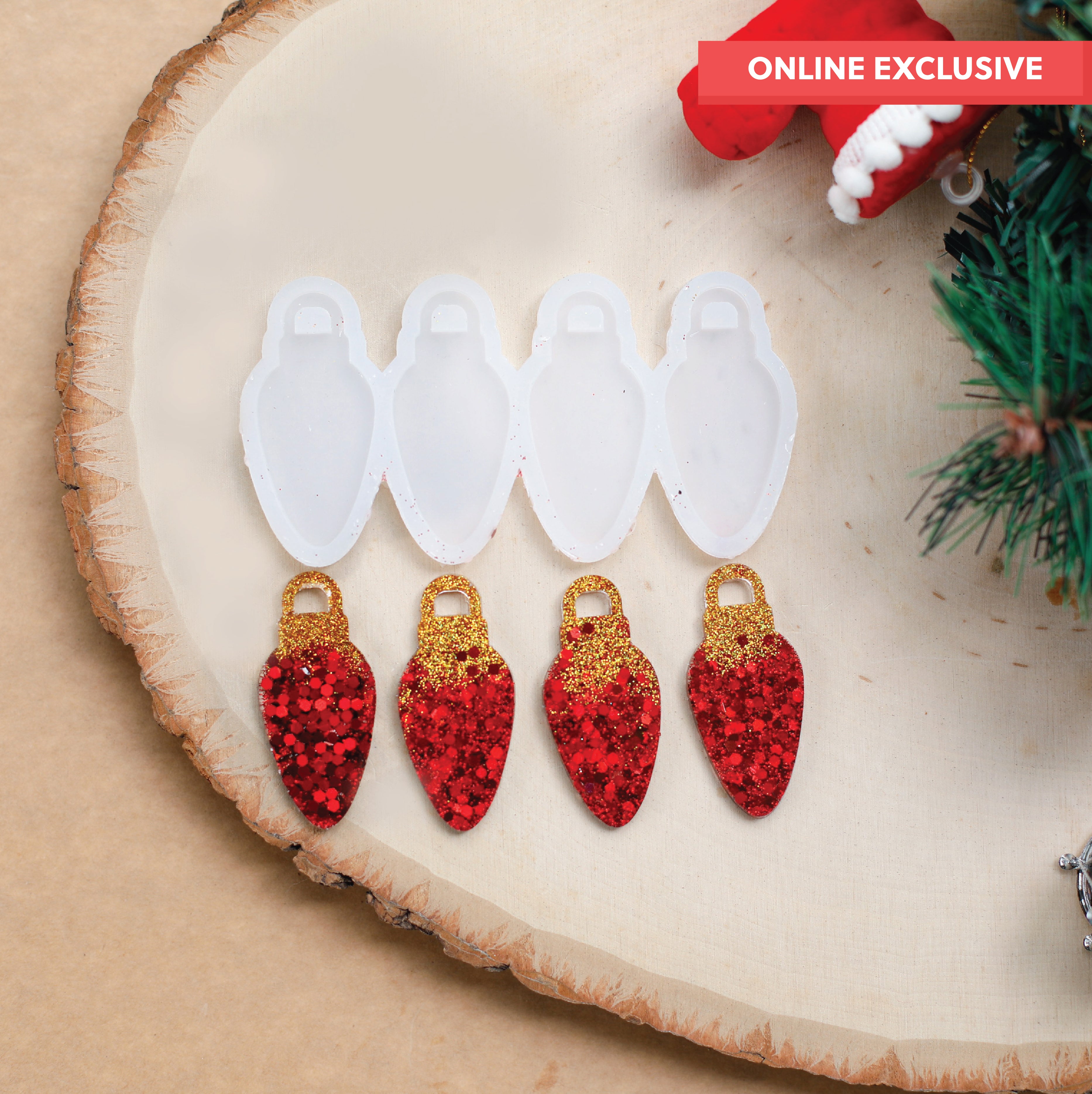
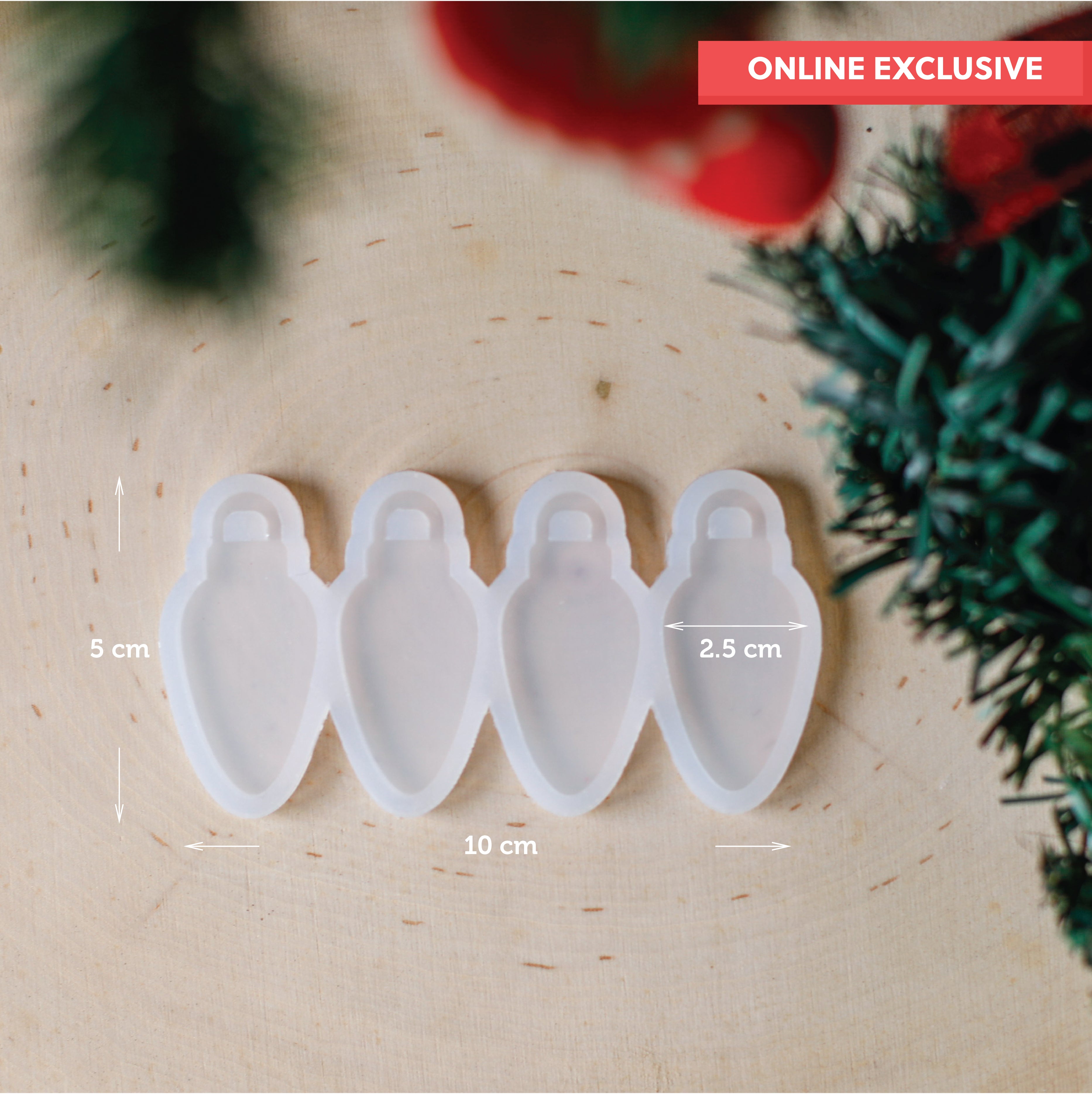
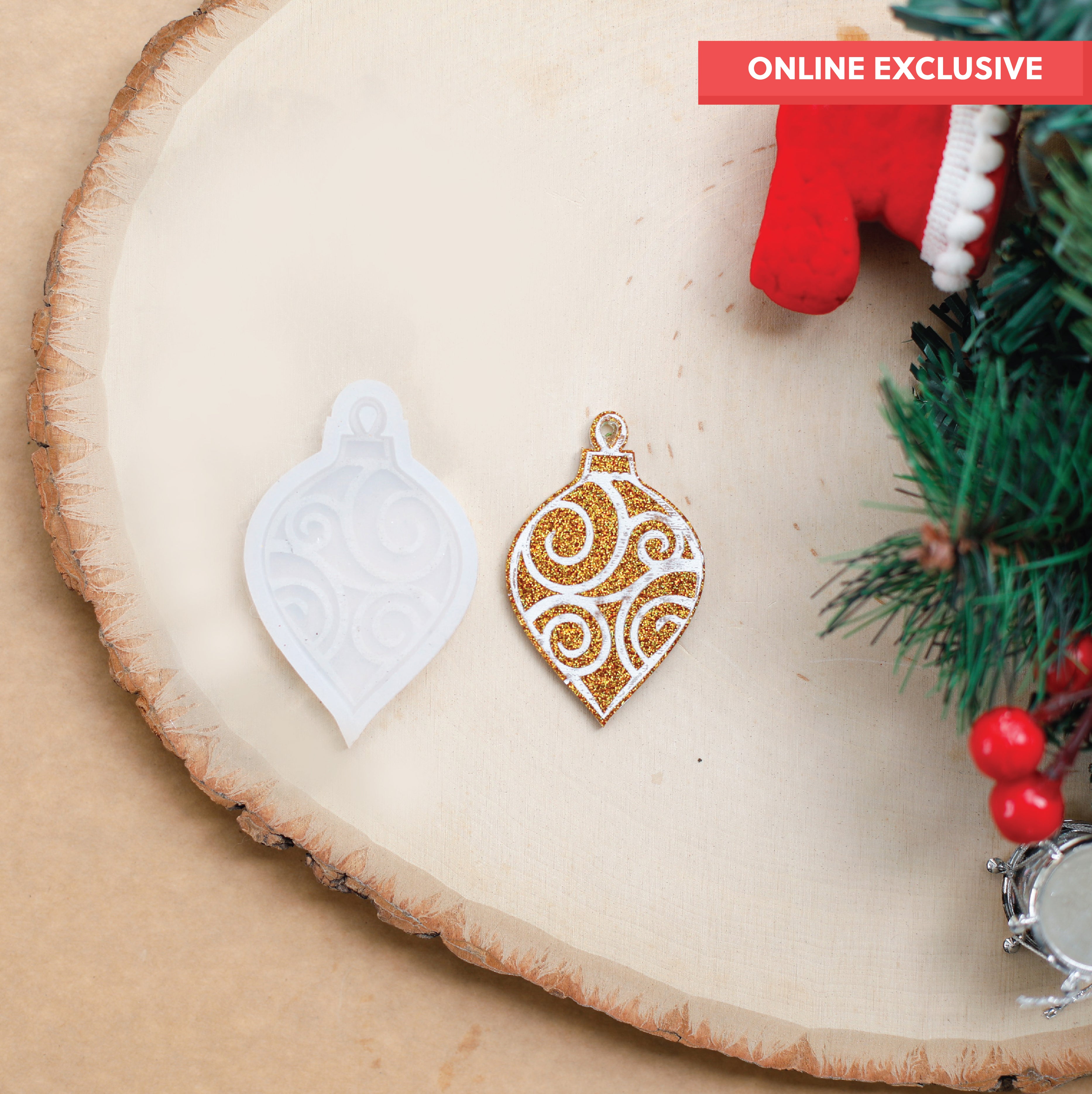
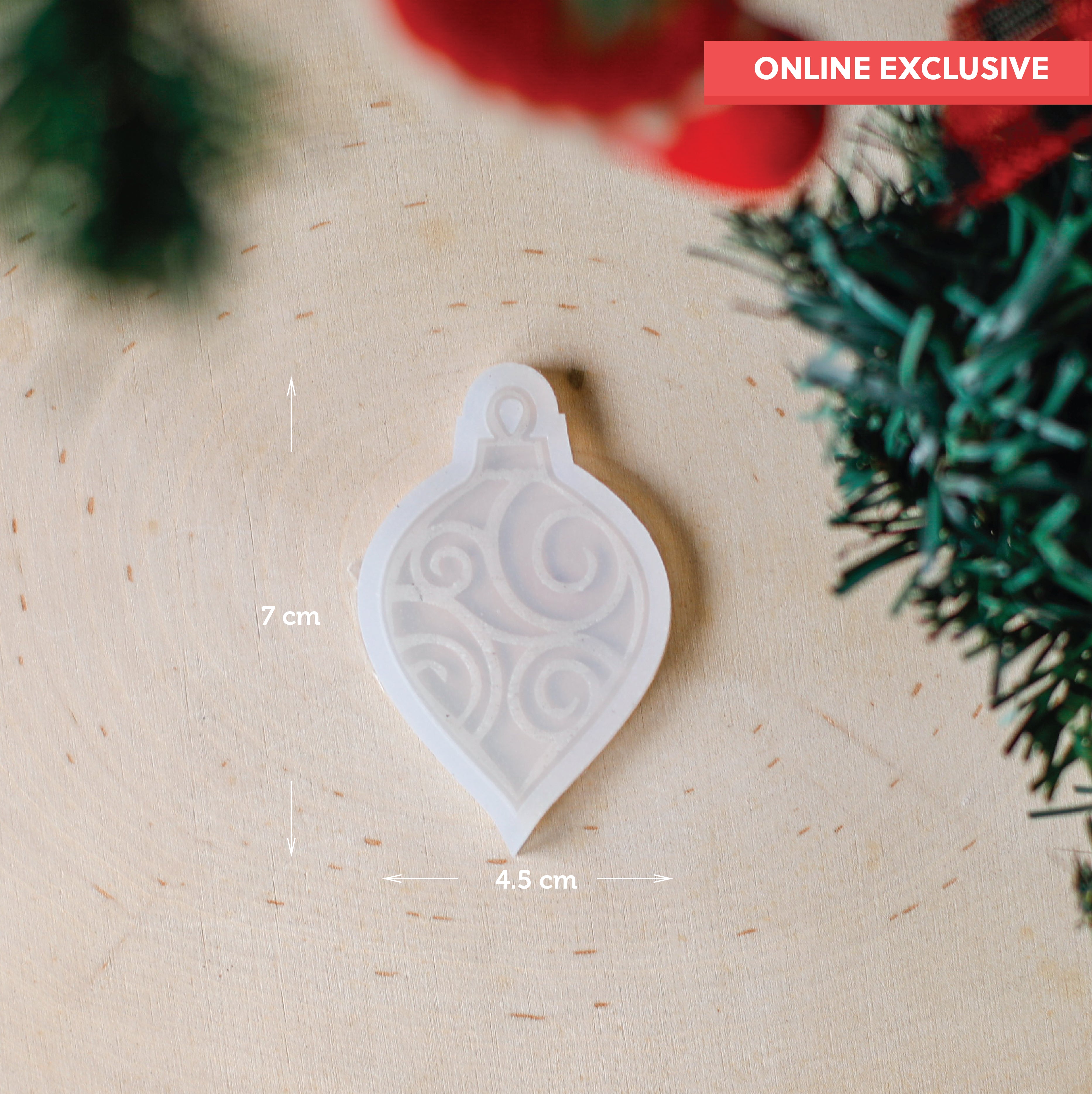
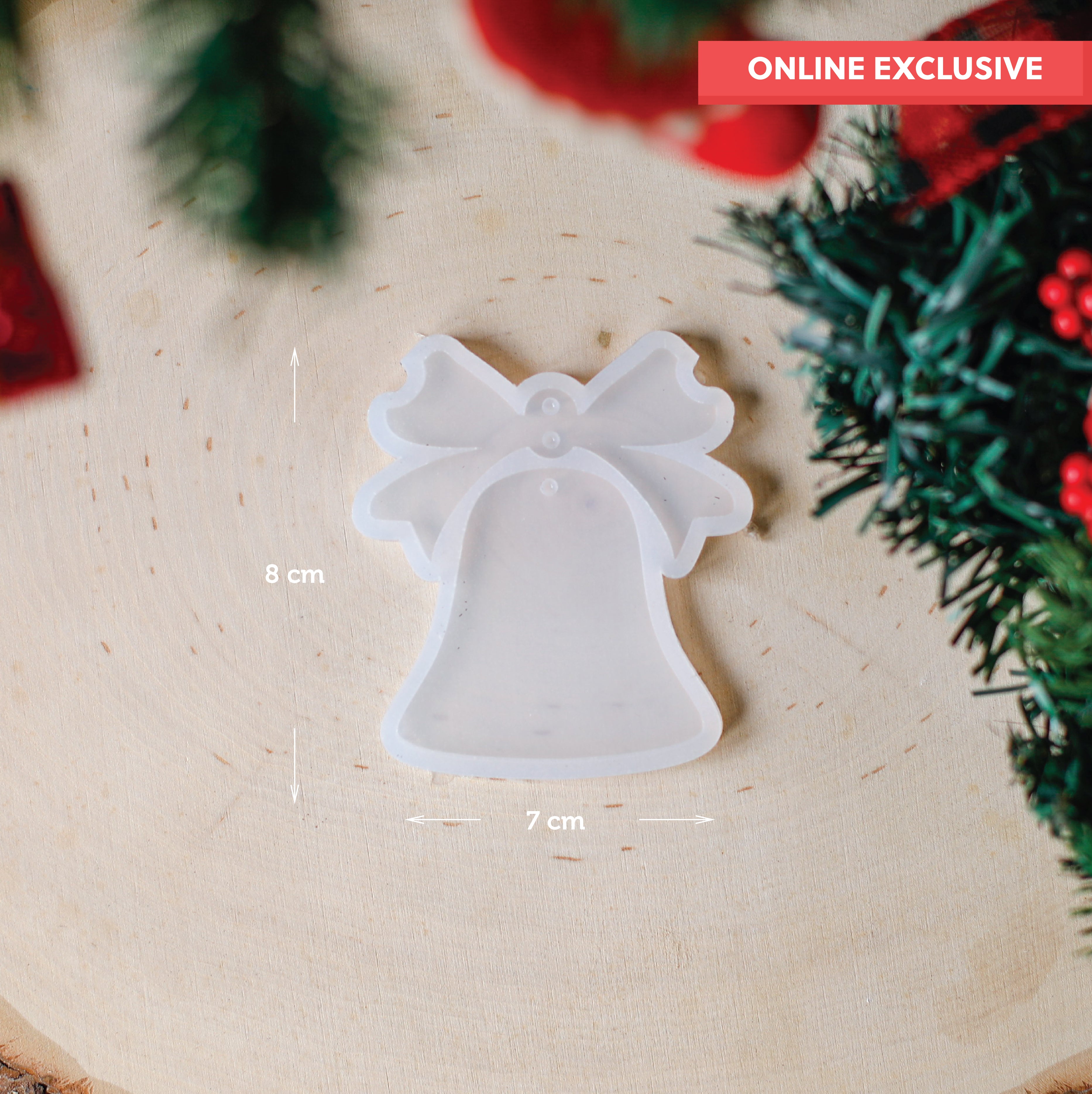
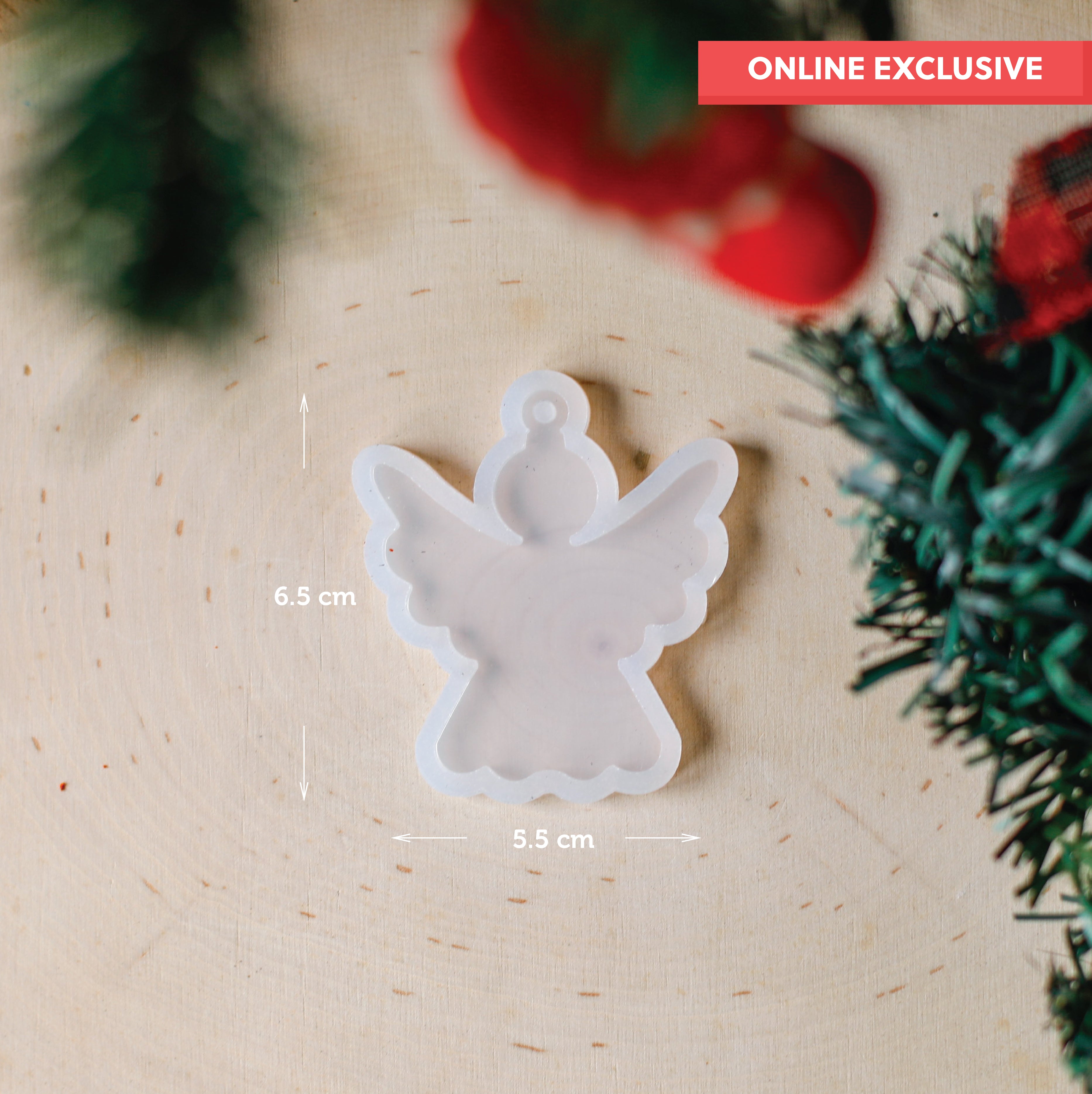
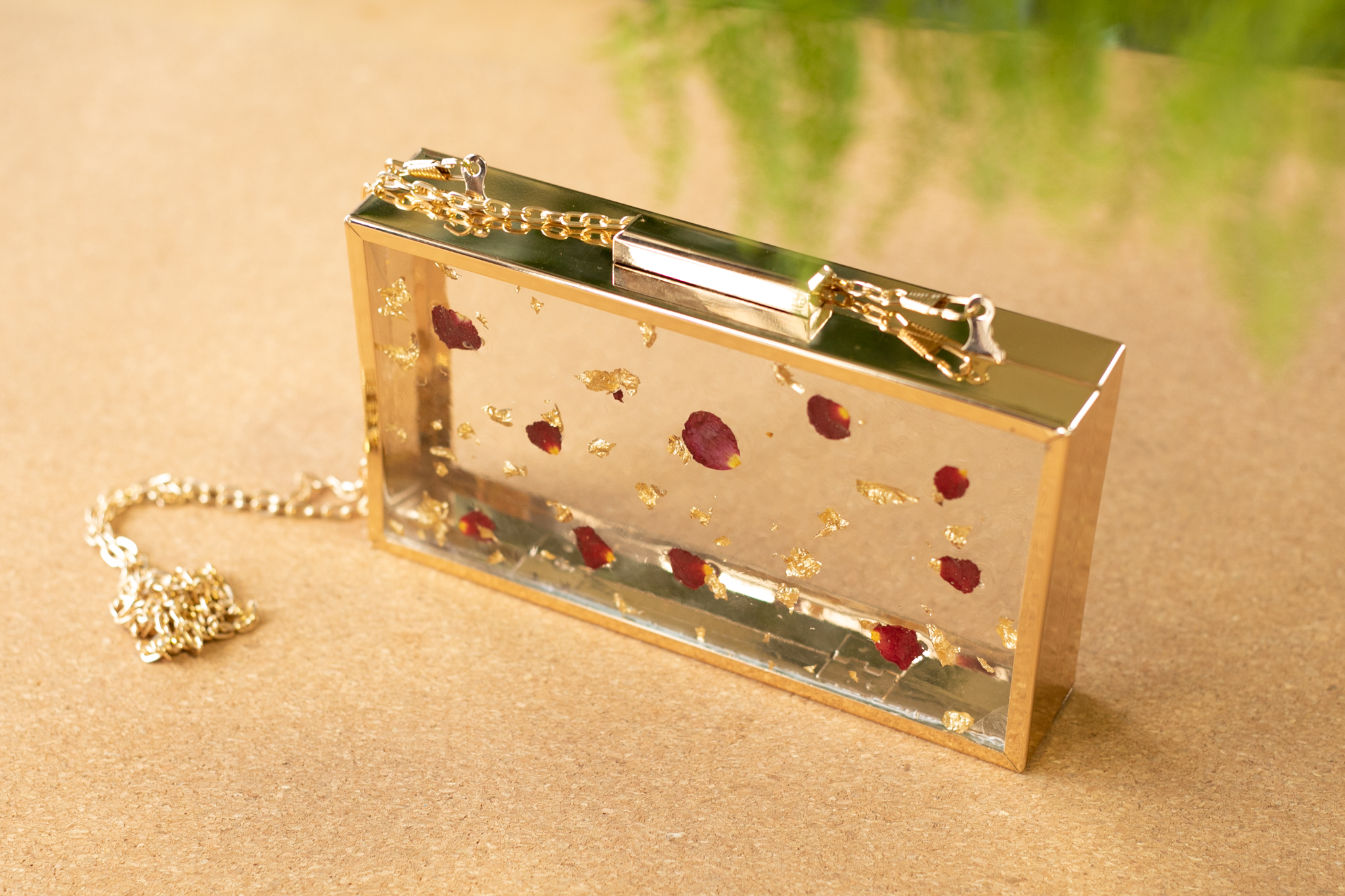
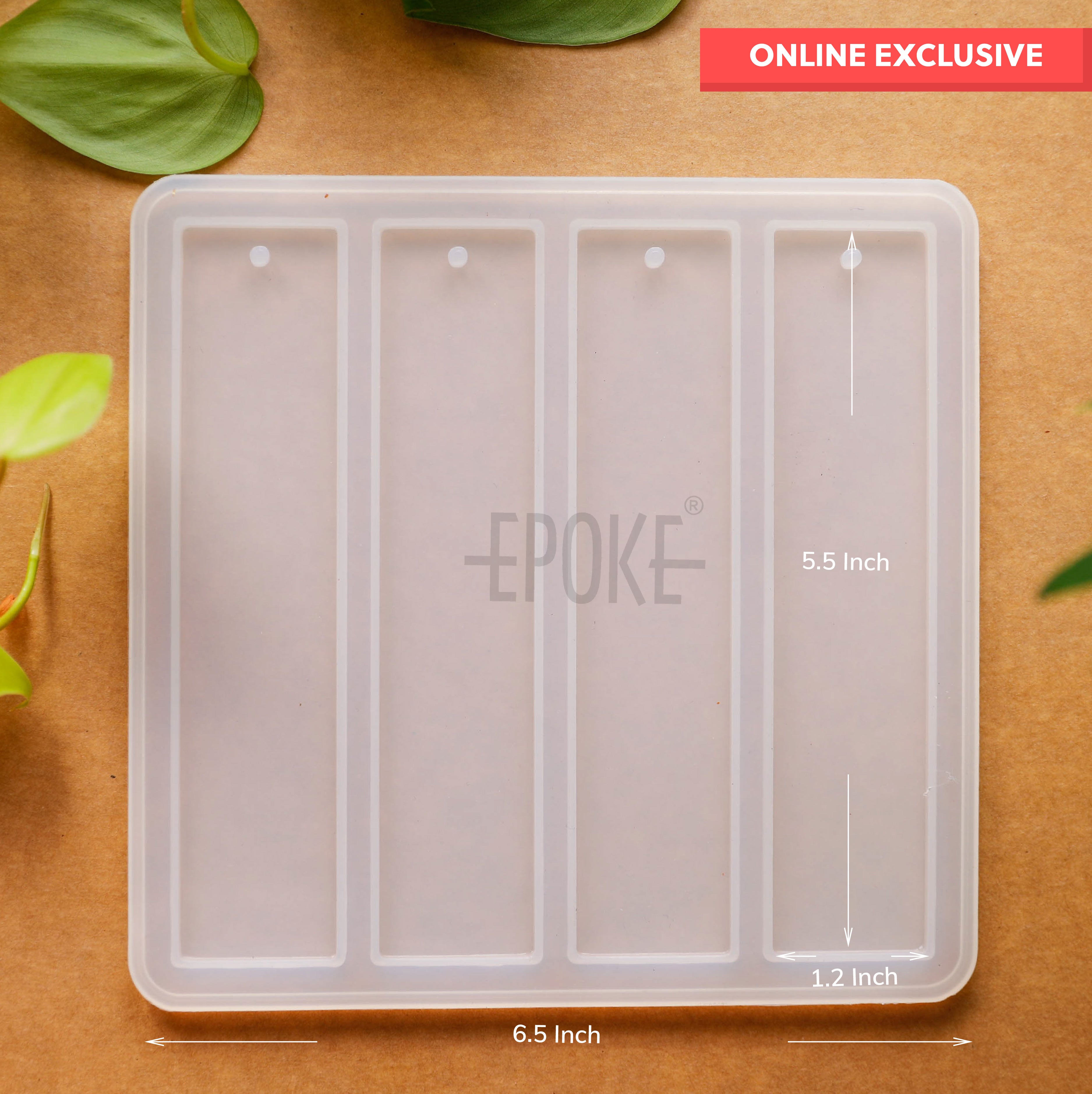
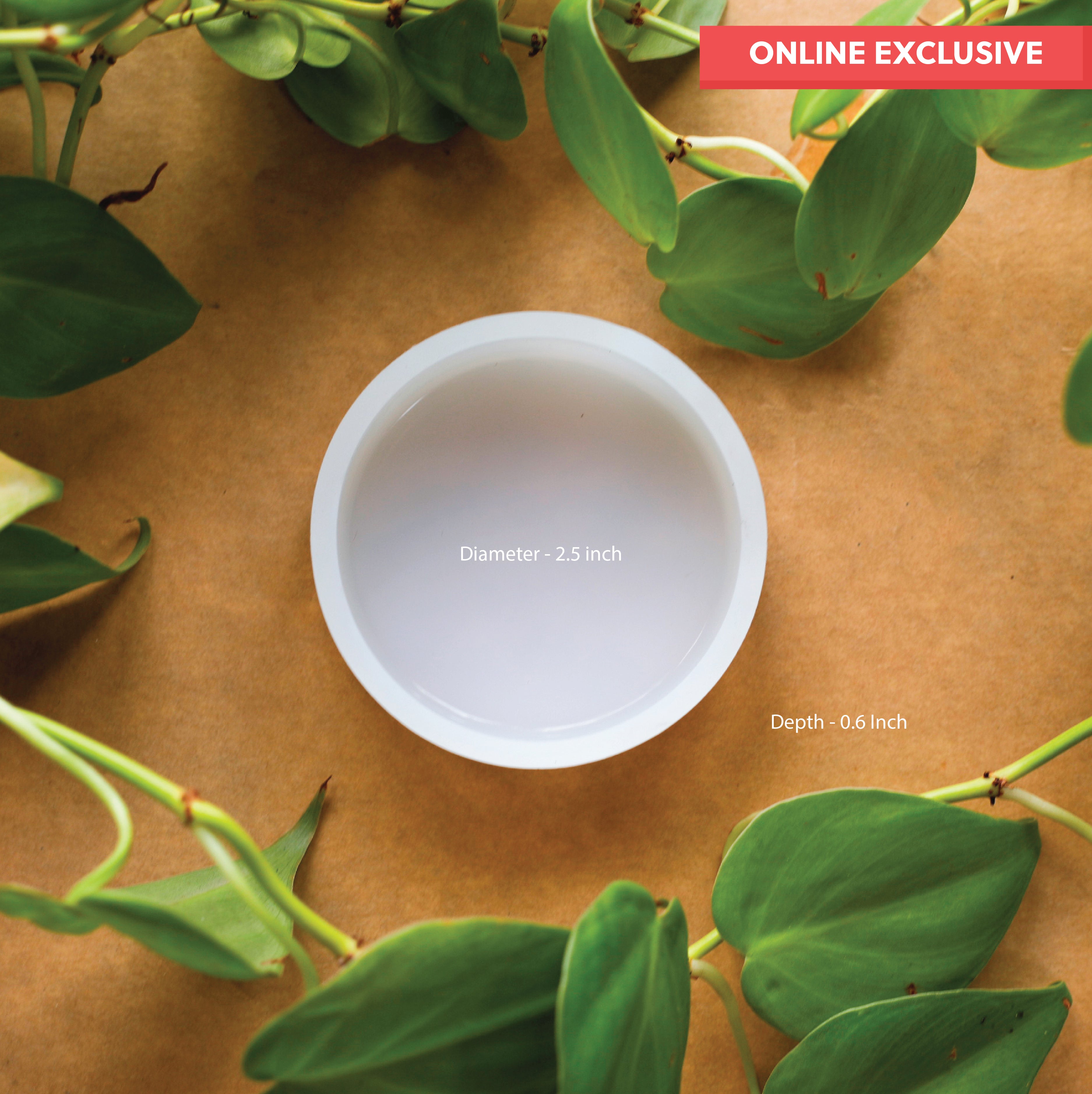
Silicone mould casting for jewellery, coasters, trays, and figurines
-
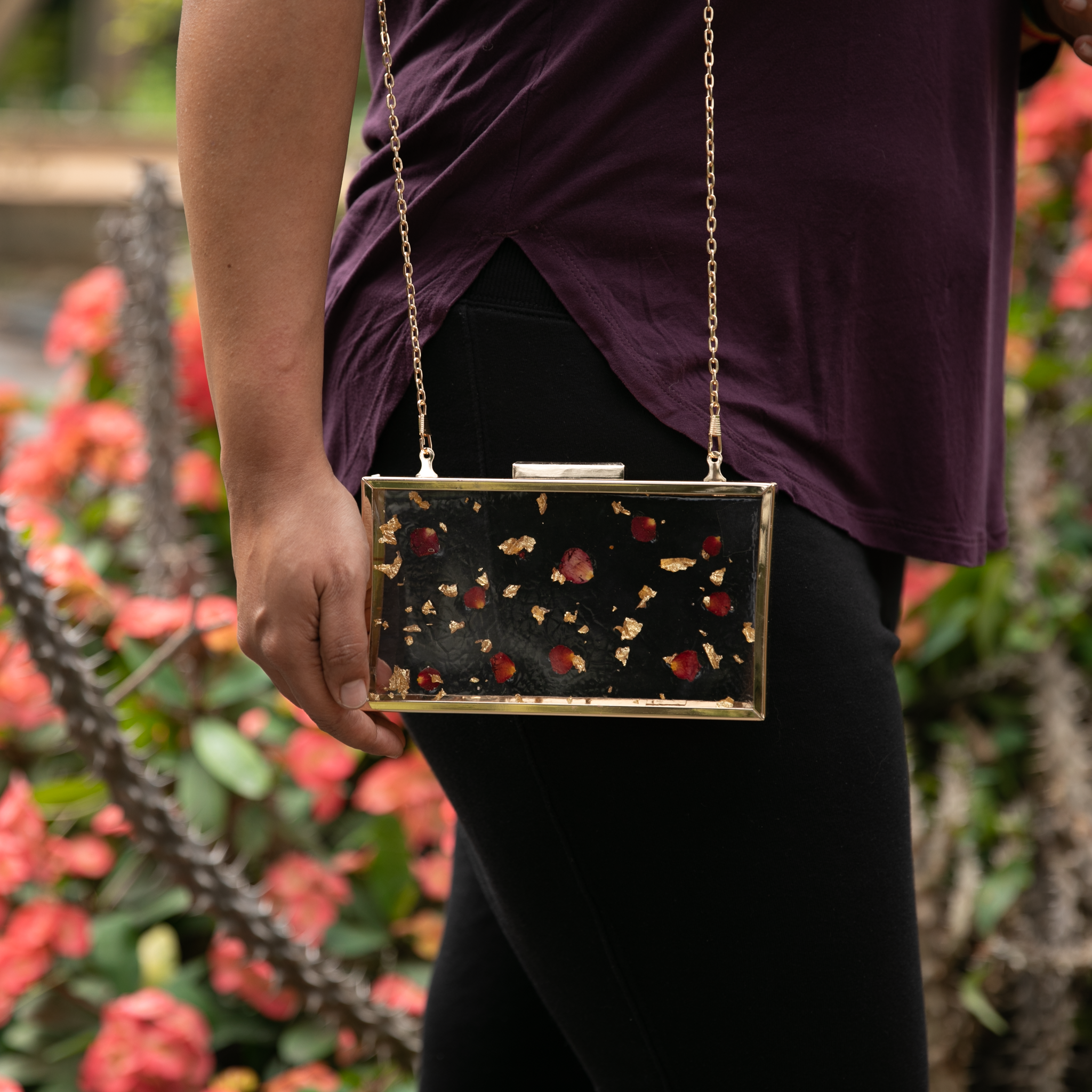
Encapsulating dried flowers, photos, and botanicals inside a clear solid
-
Deep pours from 25mm to 100mm or more in one layer
-
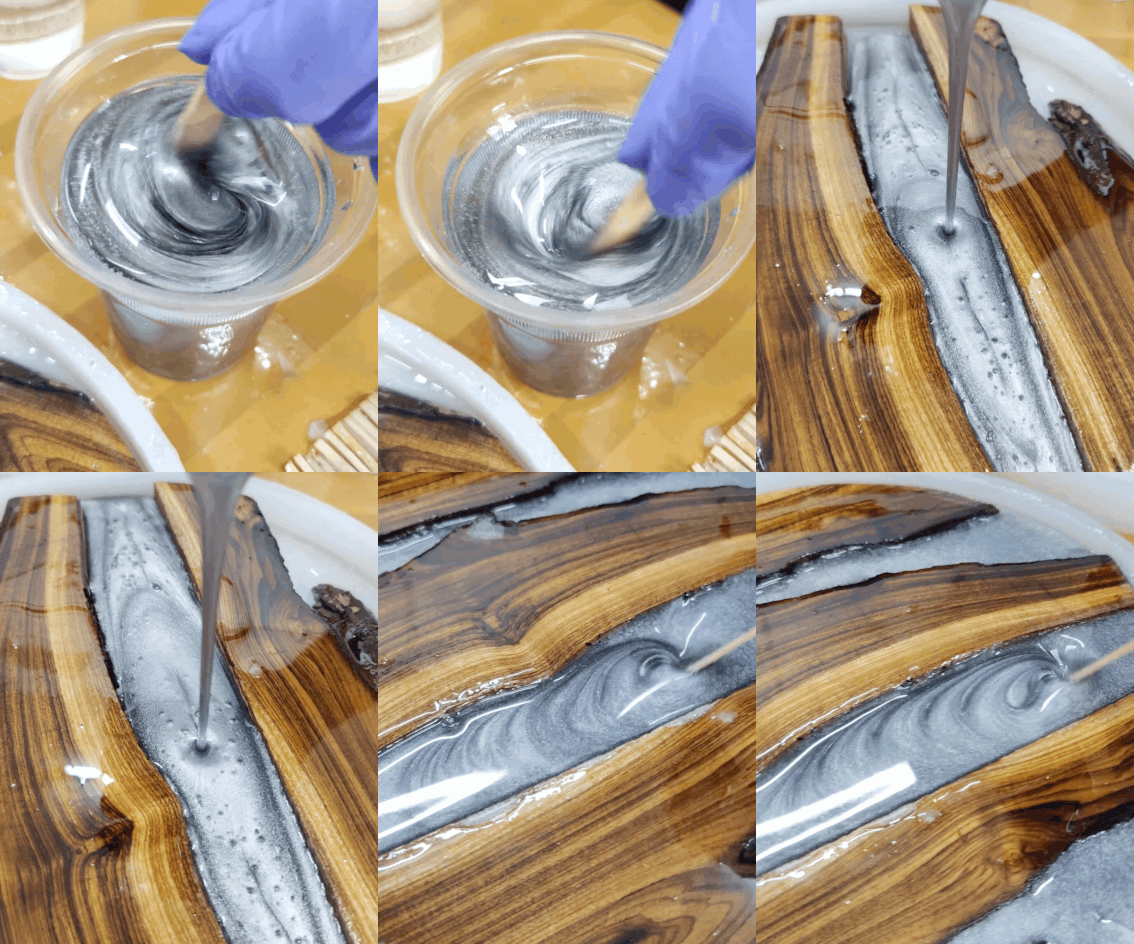
River table bases and thick slab applications
The slow cure time is intentional. It gives bubbles enough time to rise and escape on their own. It also means less heat builds up during curing, which keeps thick pours from cracking.
One thing worth knowing: don't use casting resin for surface art or coating work. Its thin consistency drips off the edges, and it won't self-level the way art resin does. It's a mould resin, not a painting resin.
If your project involves a mould or requires filling deep forms, casting resin is the right choice.
At EPOKE we have 2 casting resins :
-
EPOKE Art Resin - single pour casting up to 20mm at 25 deg C
-
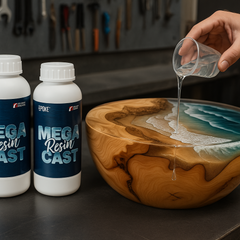
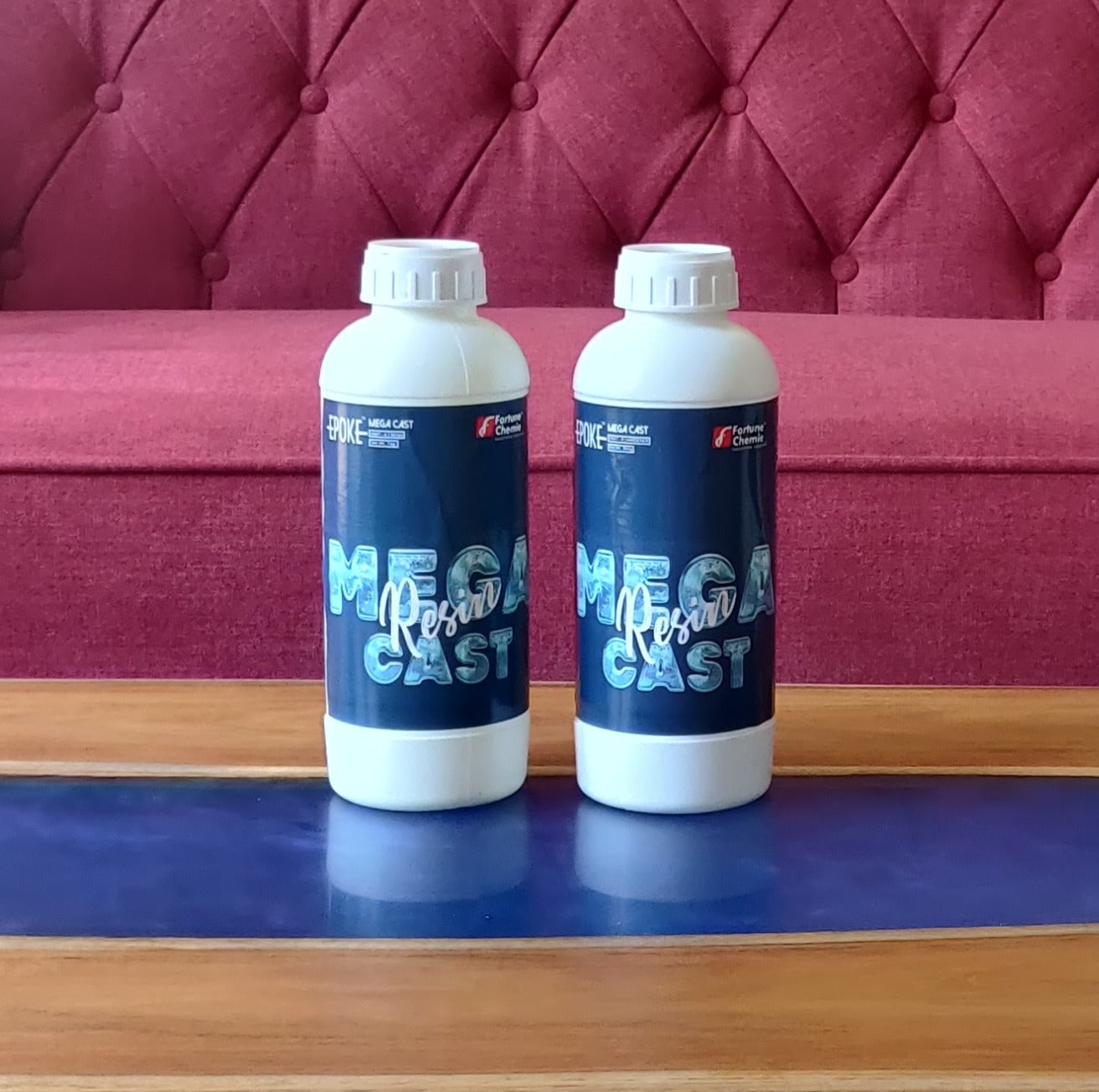
EPOKE Mega Cast Resin - single pour casting up to 60mm at 25 deg C
Coating Resin: For Sealing, Protecting, and Top Coats

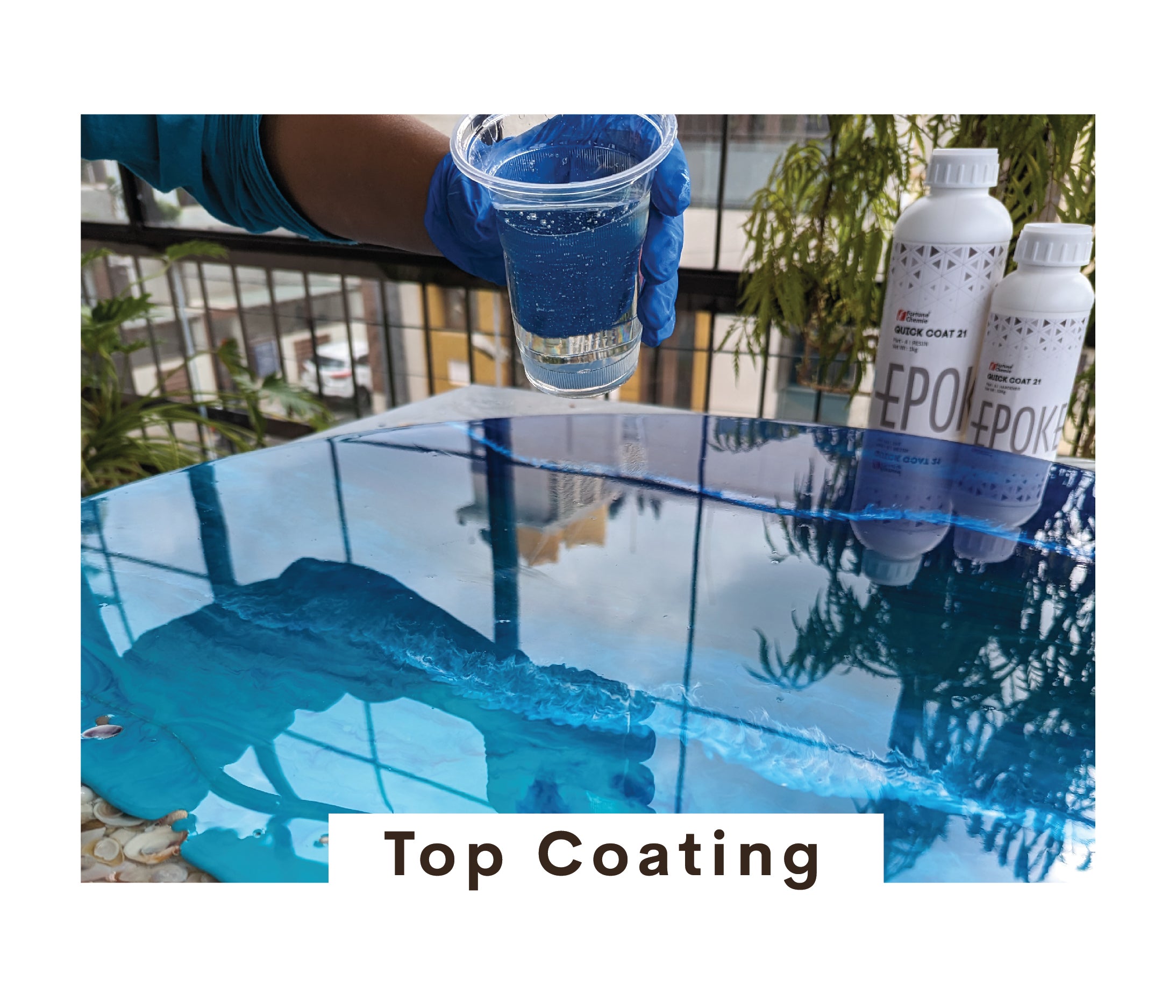
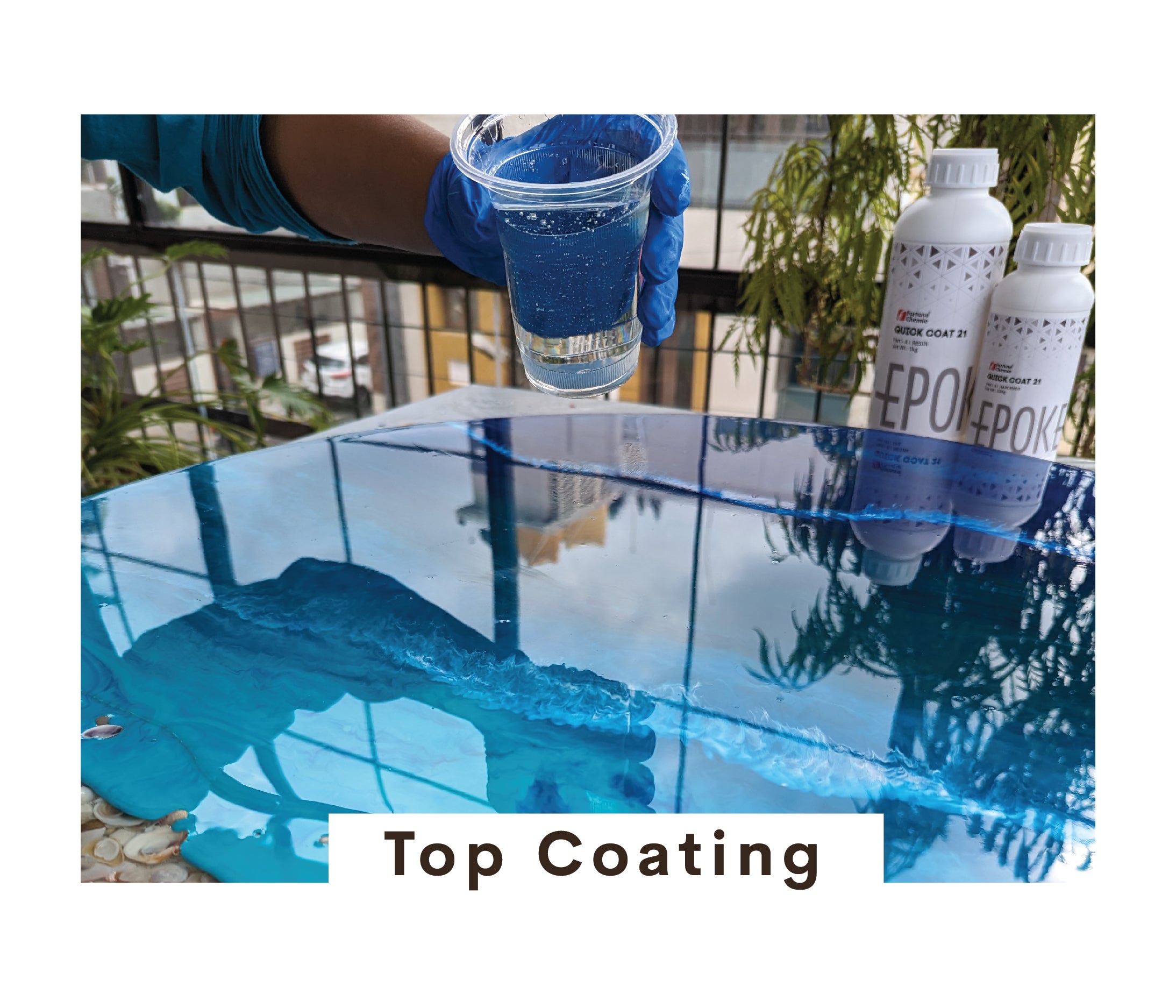
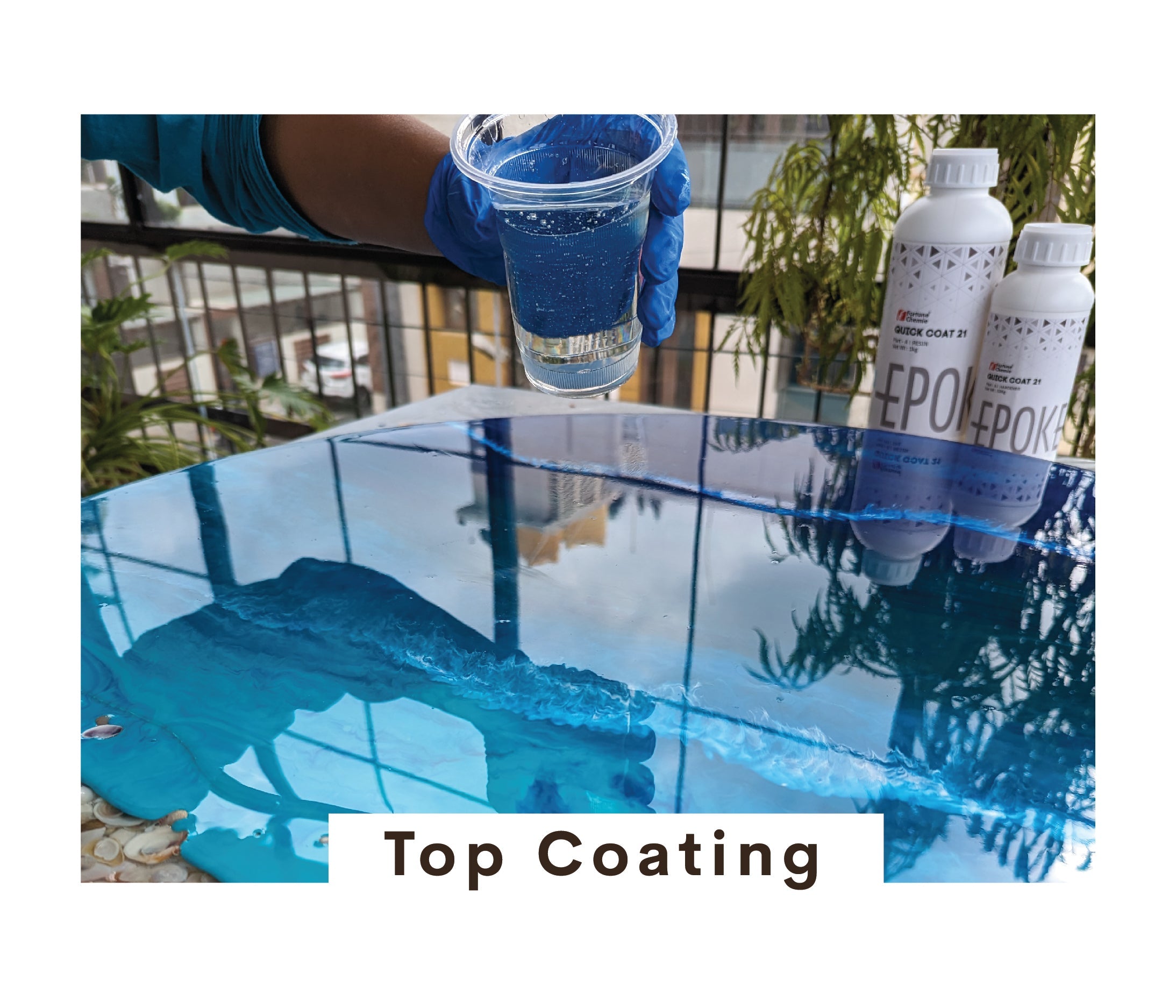
Coating resin is thick and fast-curing. Its job isn't to be the creative layer. It's the protective one.
Where it gets used:
-
Sealing finished resin art pieces
-
Coating wooden surfaces, countertops, and furniture
-
Adding a glossy, scratch-resistant top coat over prints or photos
-
Protecting pressed flowers under a clear layer
Keep layers thin. Between 1mm and 3mm per application. Apply it too thickly and the heat generated during curing (called an exothermic reaction) gets too intense. The finish yellows, warps, or cracks.
It's the final step in a project. Not the creative one. No, you shouldn't use it for deep pours. The viscosity and heat dynamics make it wrong for anything beyond surface work.
At EPOKE we have 3 coating resins :
-
EPOKE Art Resin - can be used as a primer coat and a top coat.
-
EPOKE Quick Coat Resin - can be used for Quick Glossy Pigmented and Clear Coats
-
EPOKE Self Heal Resin - can be used for Clear coats where scratch resistance is required (this is a flexible Resin )
Side-by-Side: Art Resin vs Casting Resin vs Coating Resin
|
Feature |
Art Resin |
Casting Resin |
Coating Resin |
|
Viscosity |
Medium |
Low (thin) |
High (thick) |
|
Best use |
Fluid resin art, paintings |
Moulds, deep pours |
Top coats, sealing surfaces |
|
Pour depth |
3mm to 6mm |
25mm to 100mm+ |
1mm to 3mm |
|
Cure time |
24 to 48 hours |
48 to 72 hours |
12 to 24 hours |
|
Self-levelling |
Yes |
Limited |
Yes |
|
Pigment mixing |
Excellent |
Good |
Limited |
|
Bubble release |
With a heat gun |
Self-releases |
With a heat gun |
Which Resin Do You Actually Need?
Based on project type.
Making fluid resin art or ocean art? Use EPOKE art resin. The working time and consistency let you push pigments around and build movement in the piece.
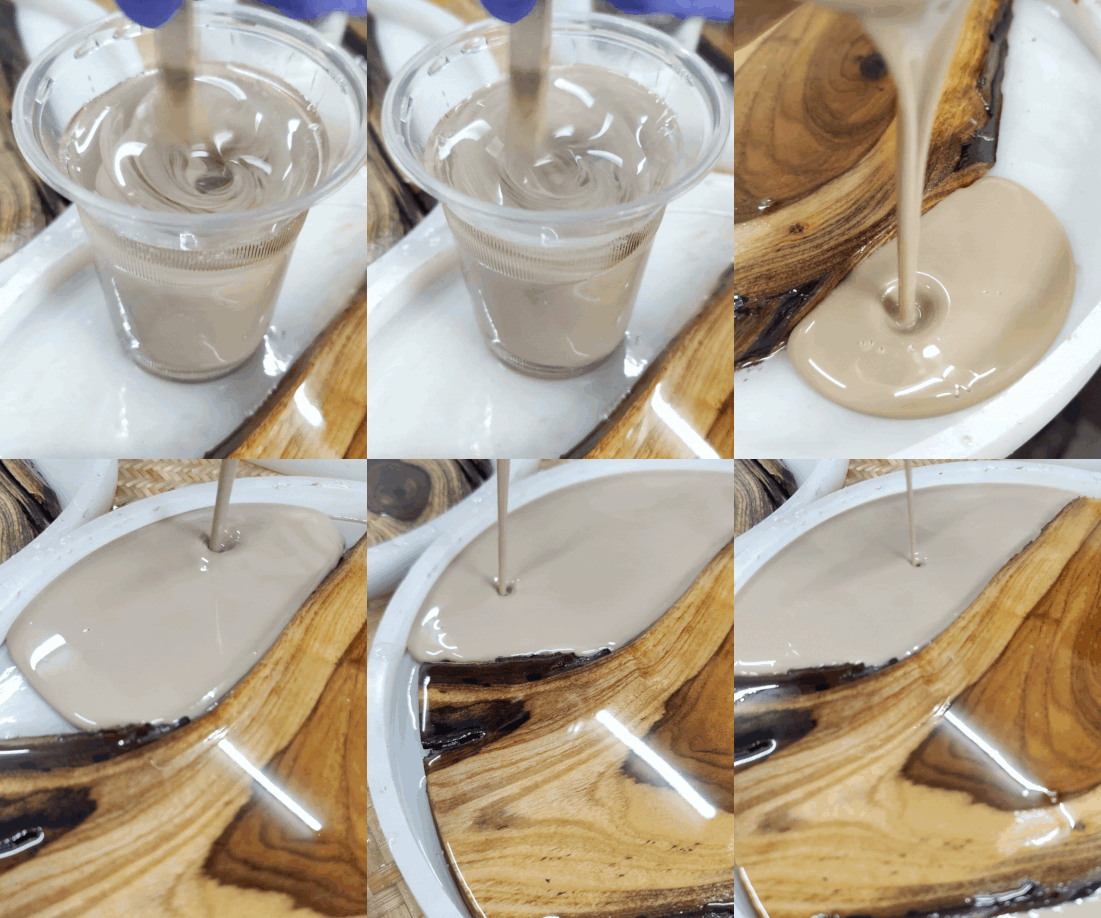
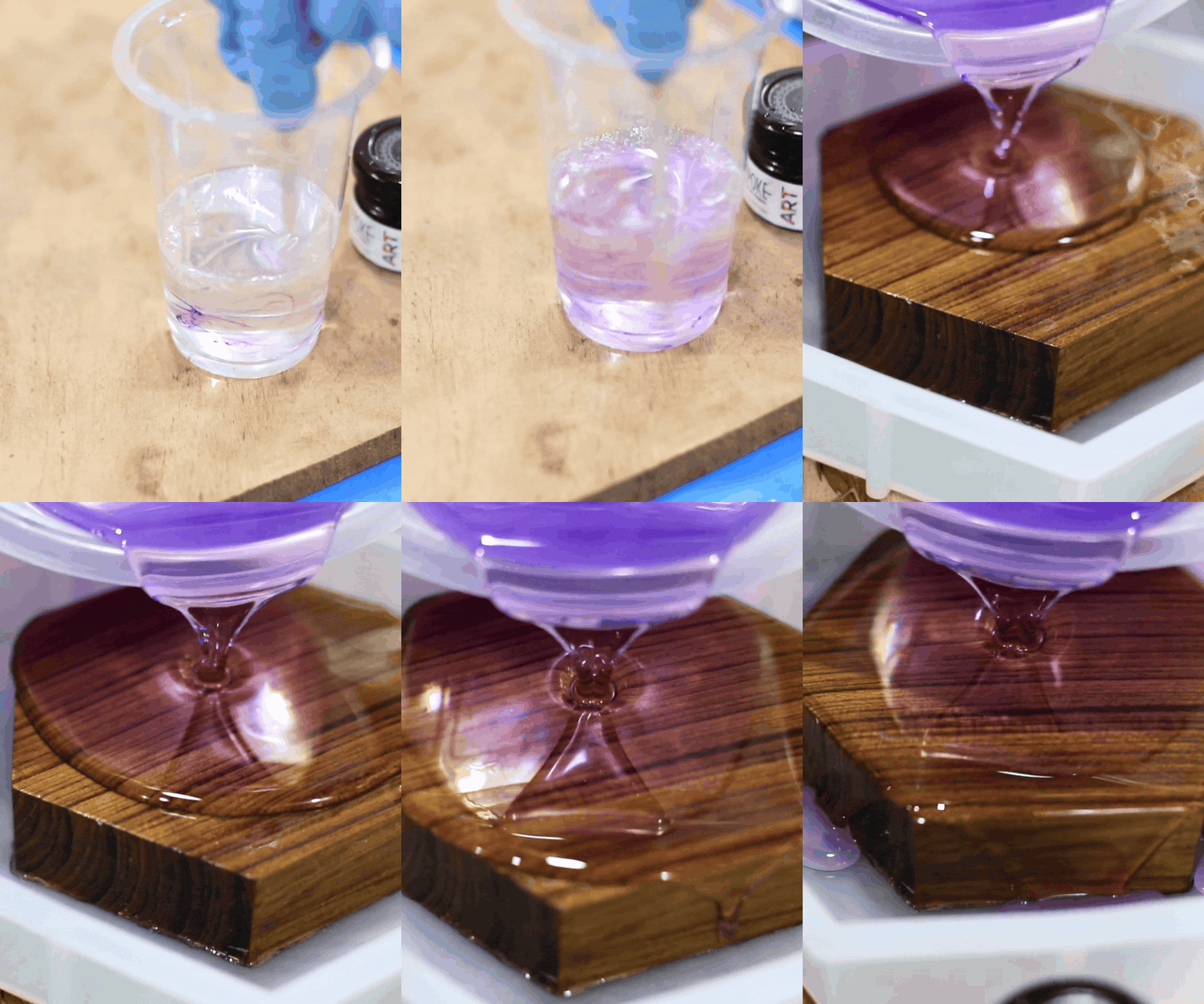
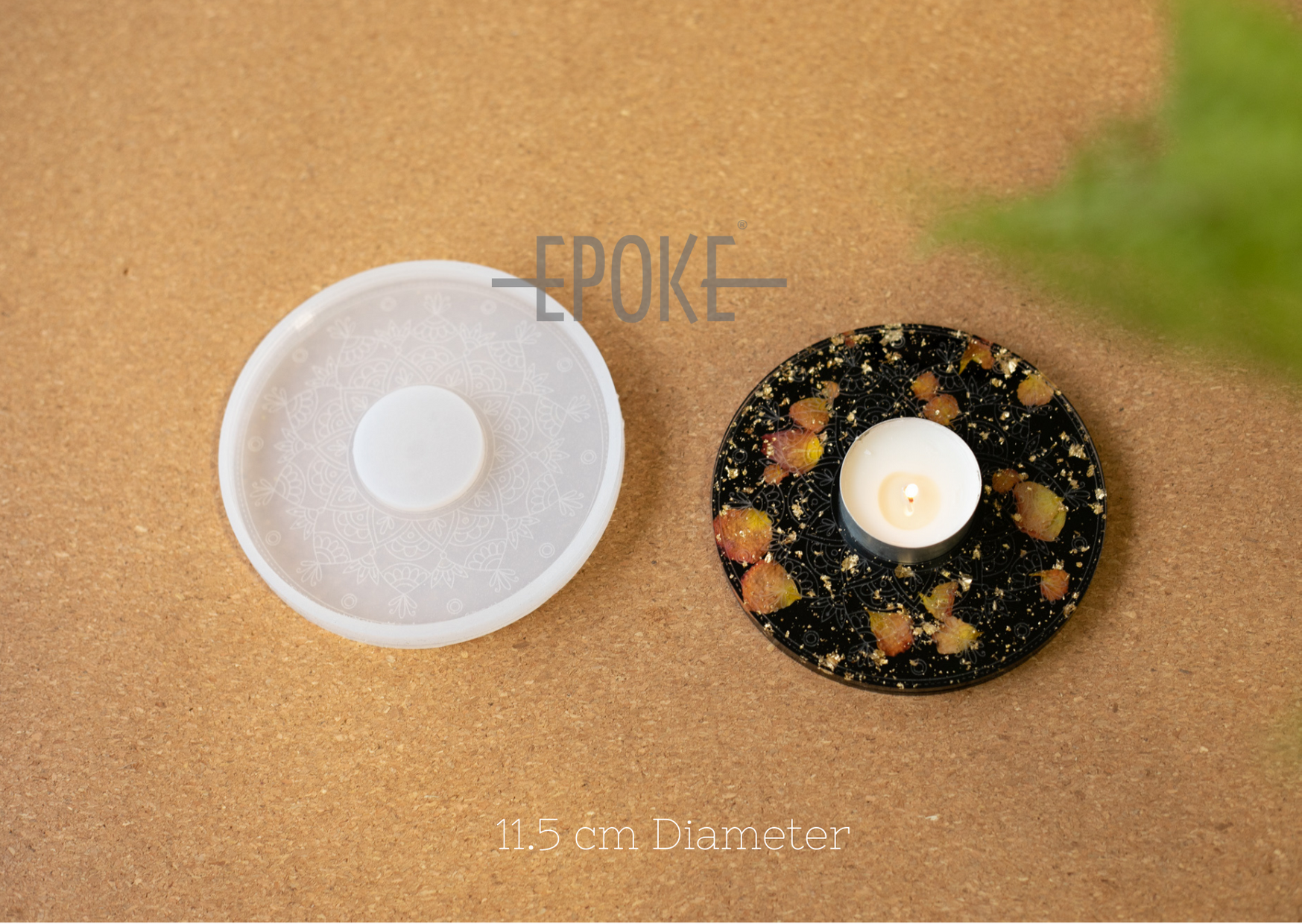
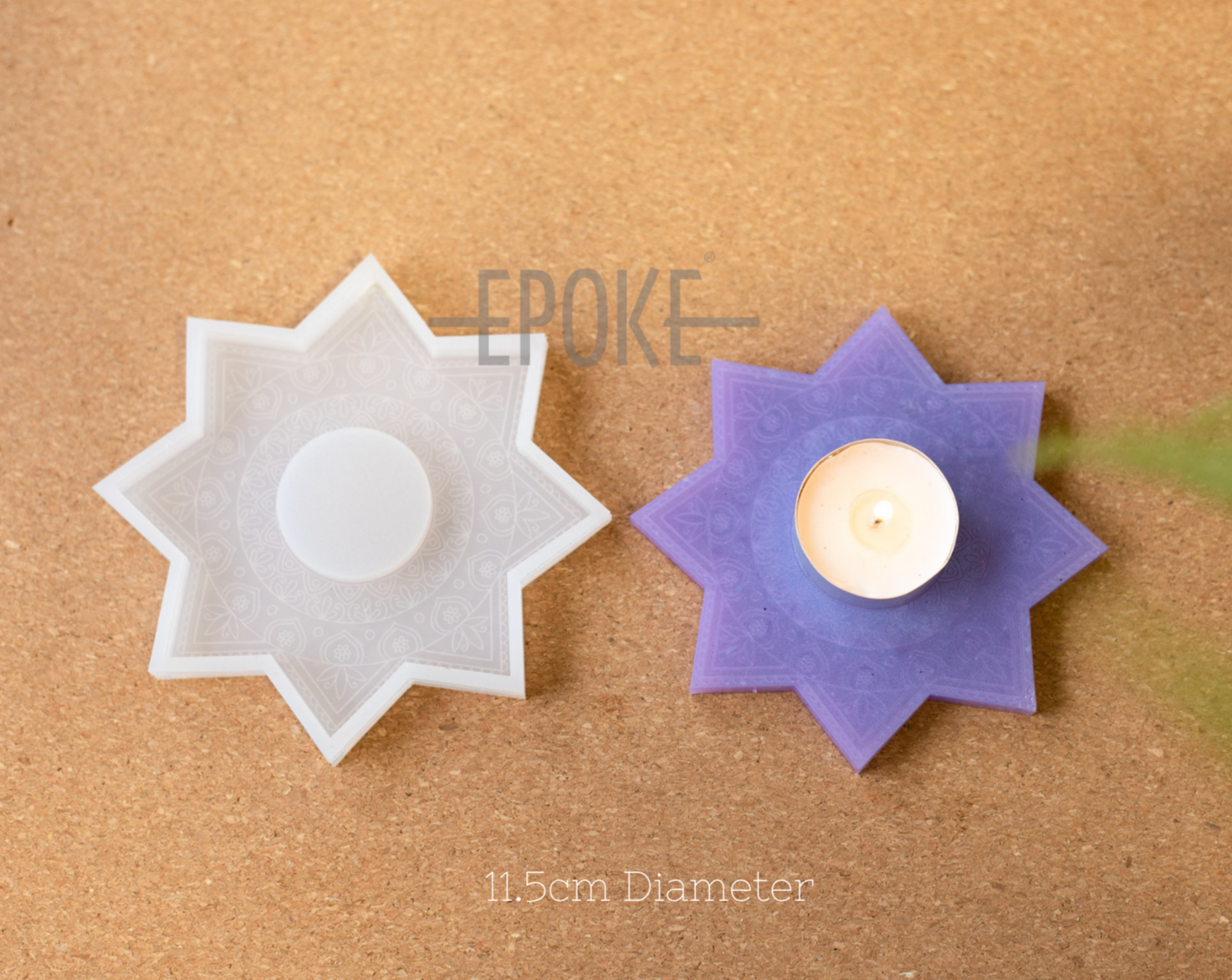
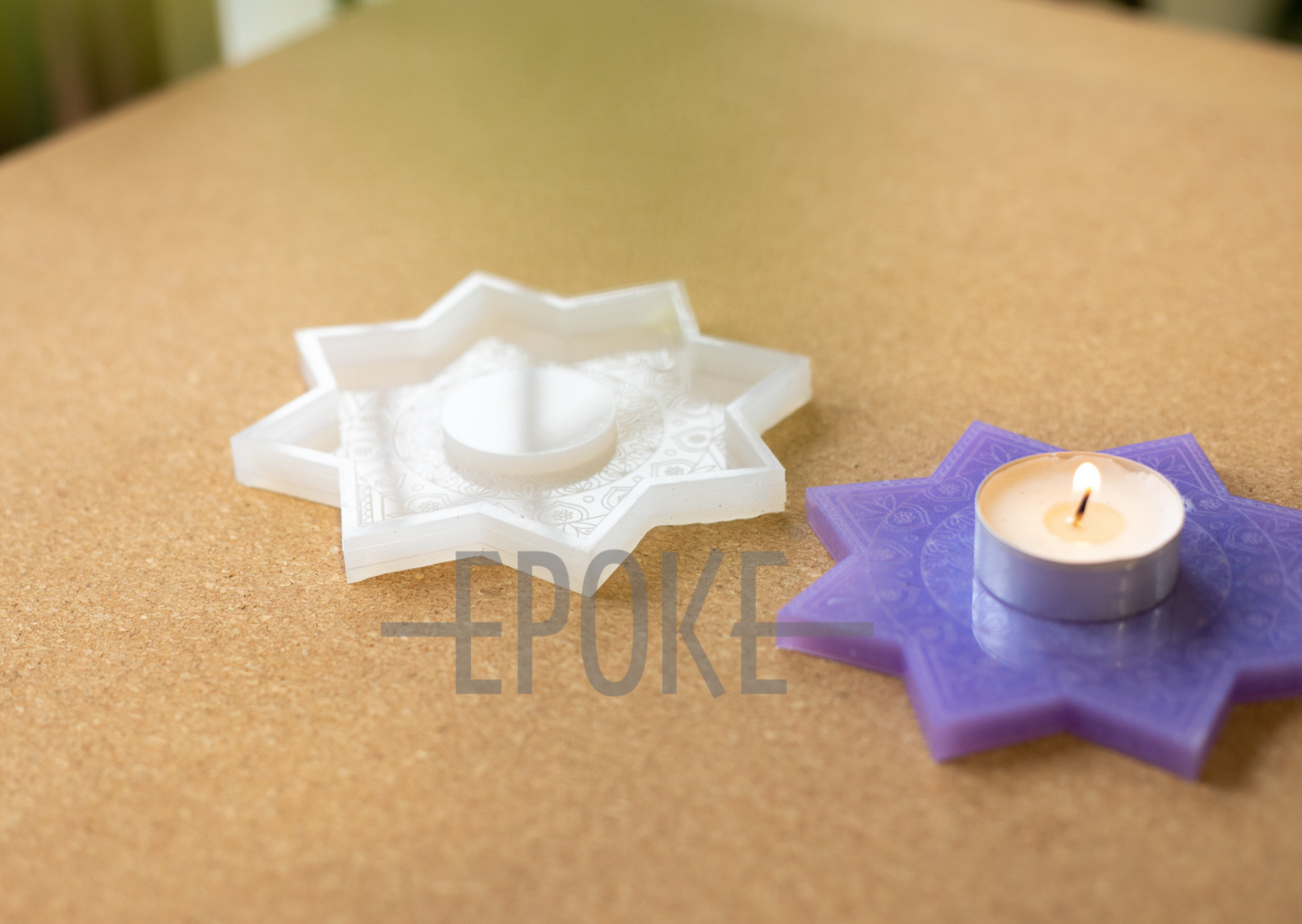
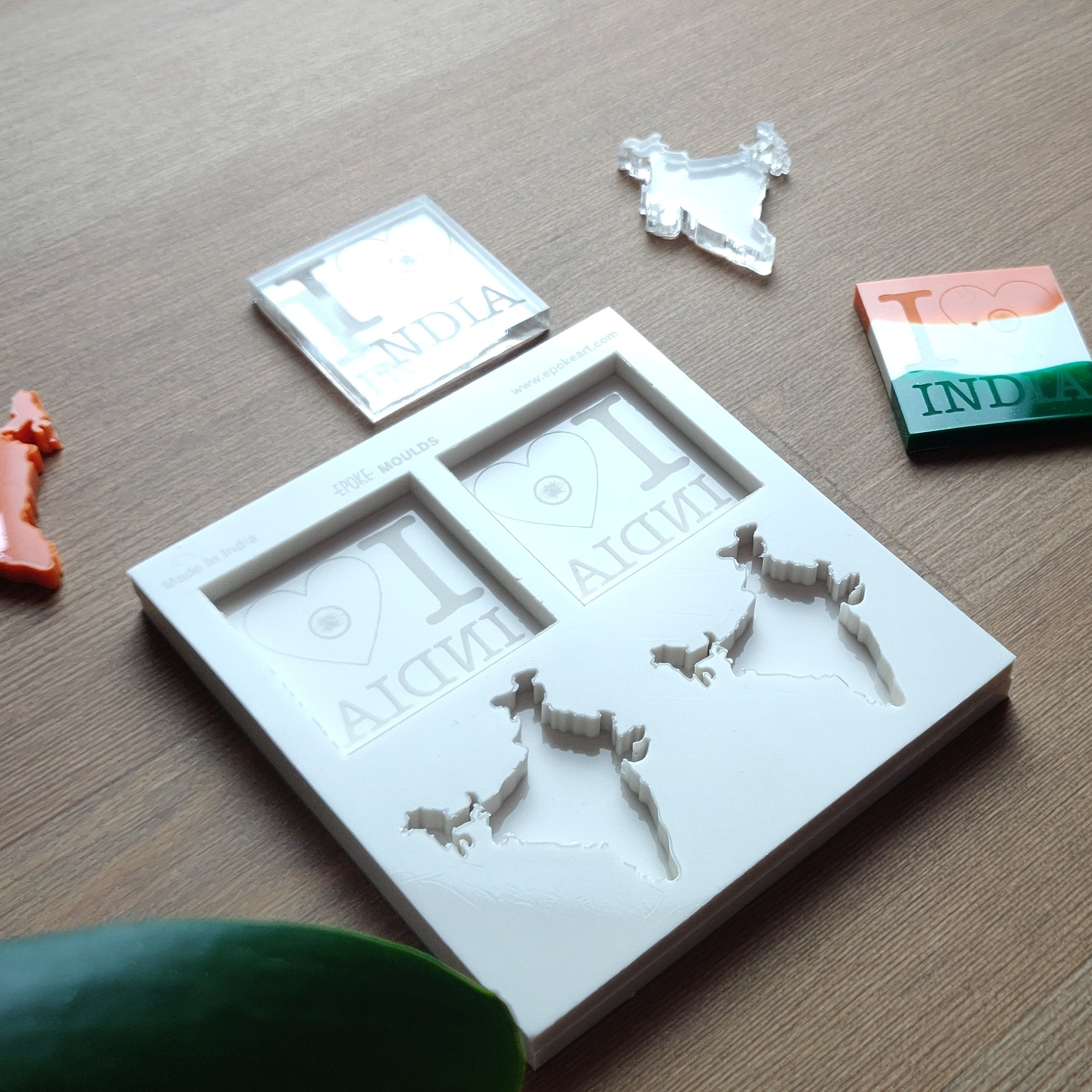
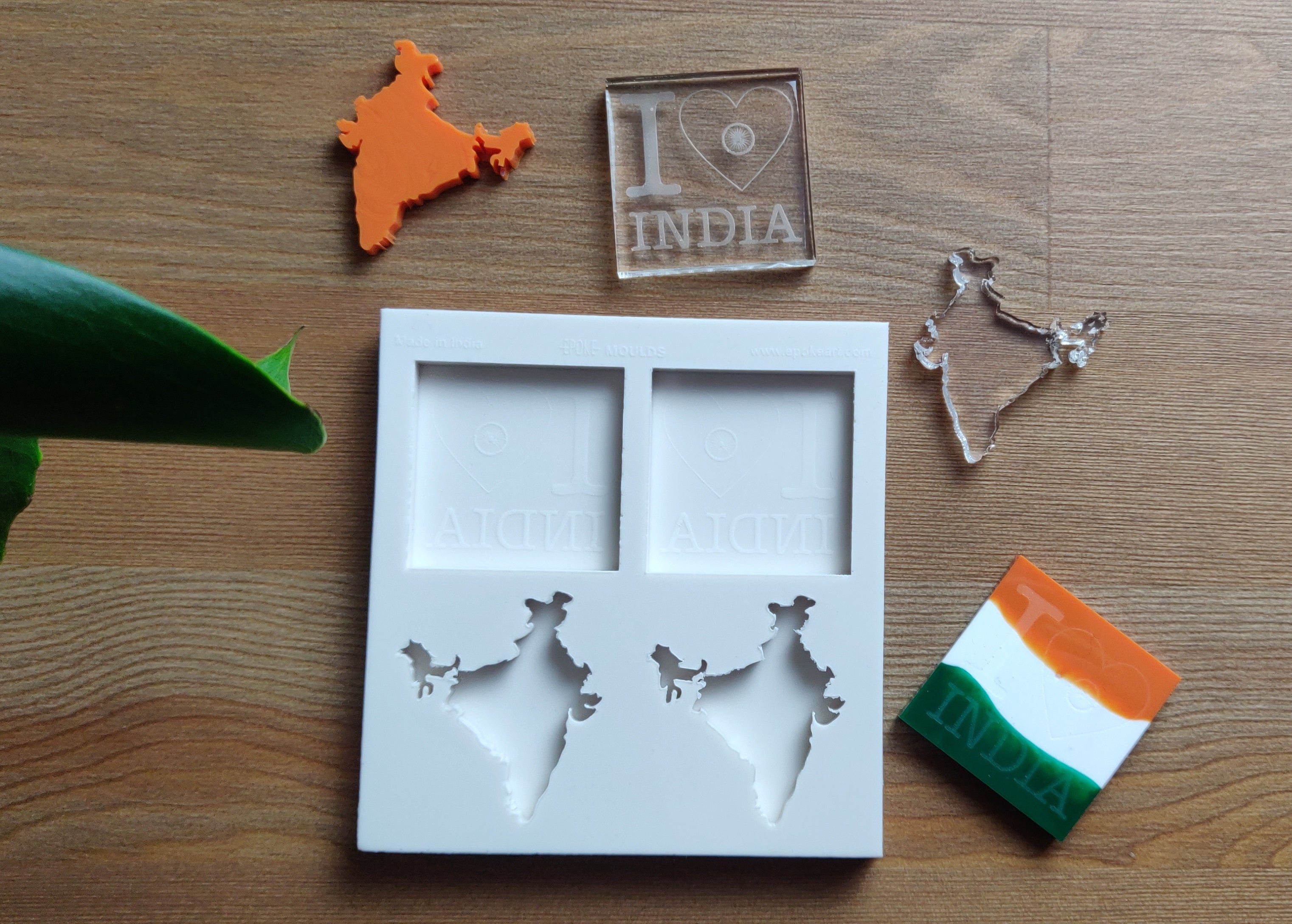
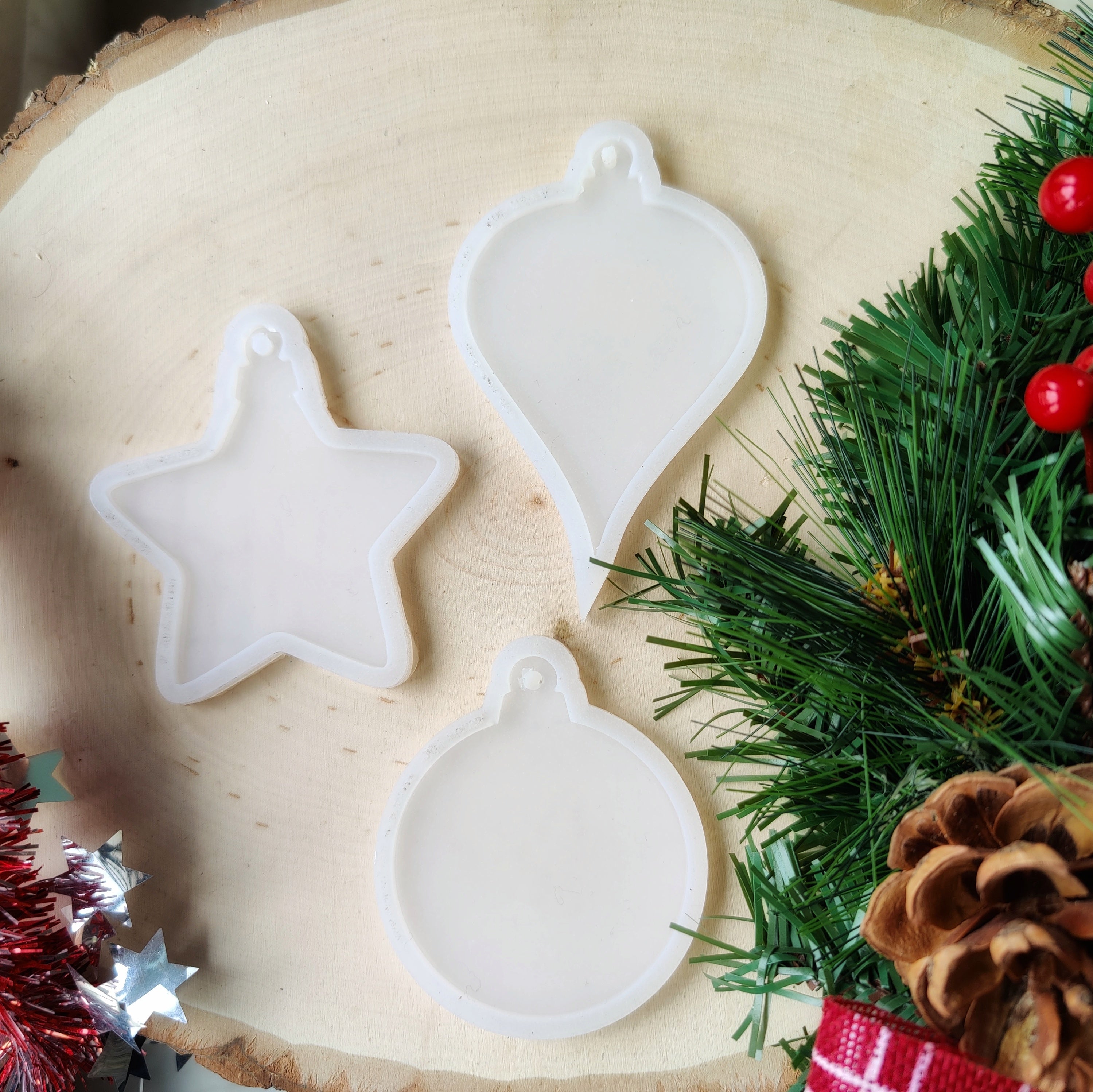
Filling a silicone mould or casting jewellery? EPOKE Art Resin as a Casting resin. It's thin enough to reach every corner of the mould and its slow cure handles depth without cracking.
Sealing a finished piece or protecting a surface? EPOKE Quick Coat as a Coating resin. Hard, glassy, scratch-resistant finish over the top.
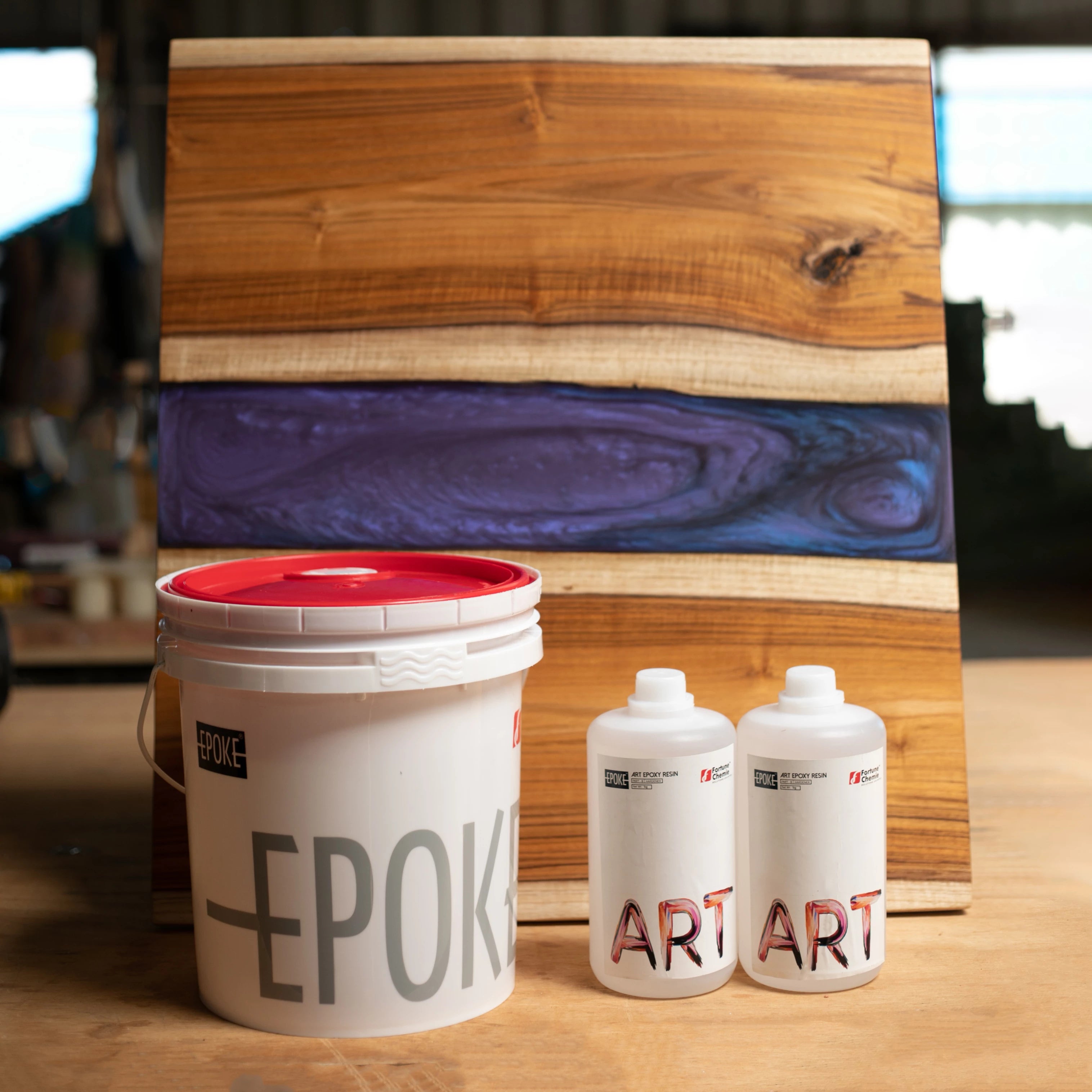
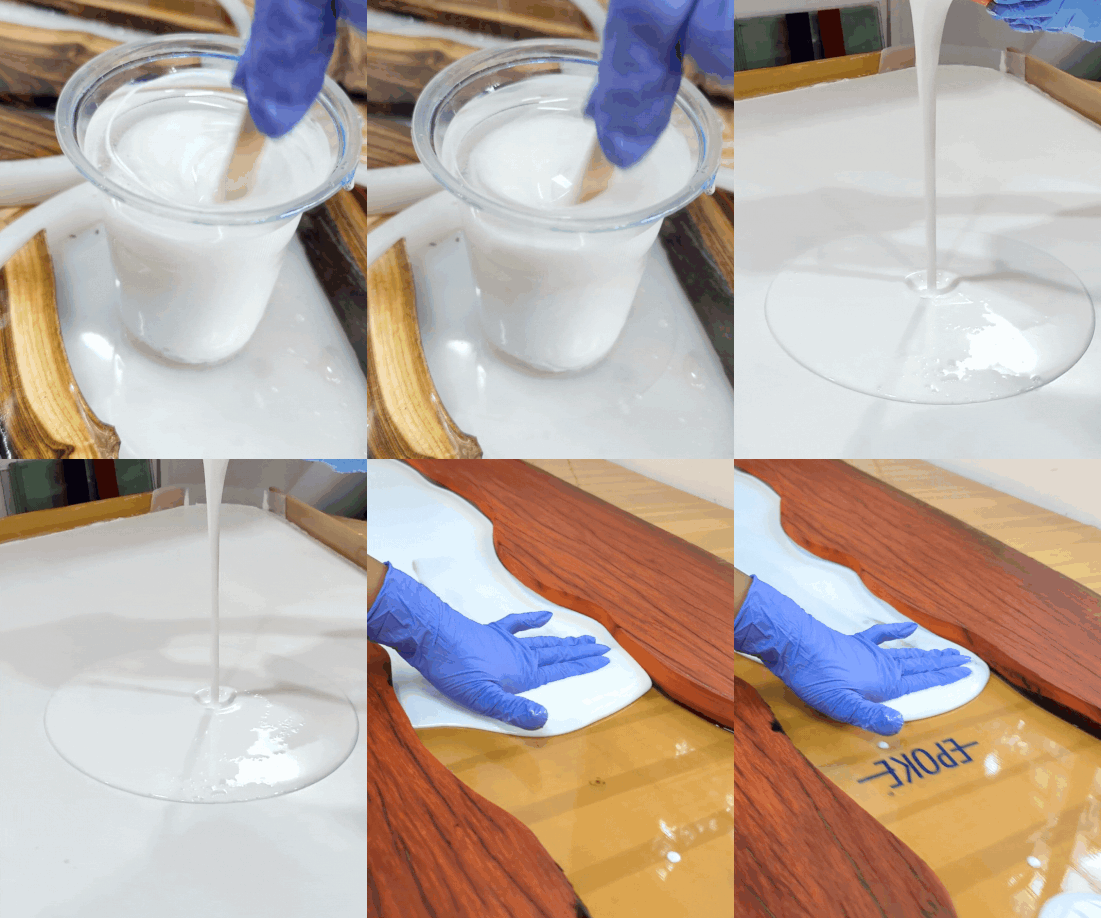
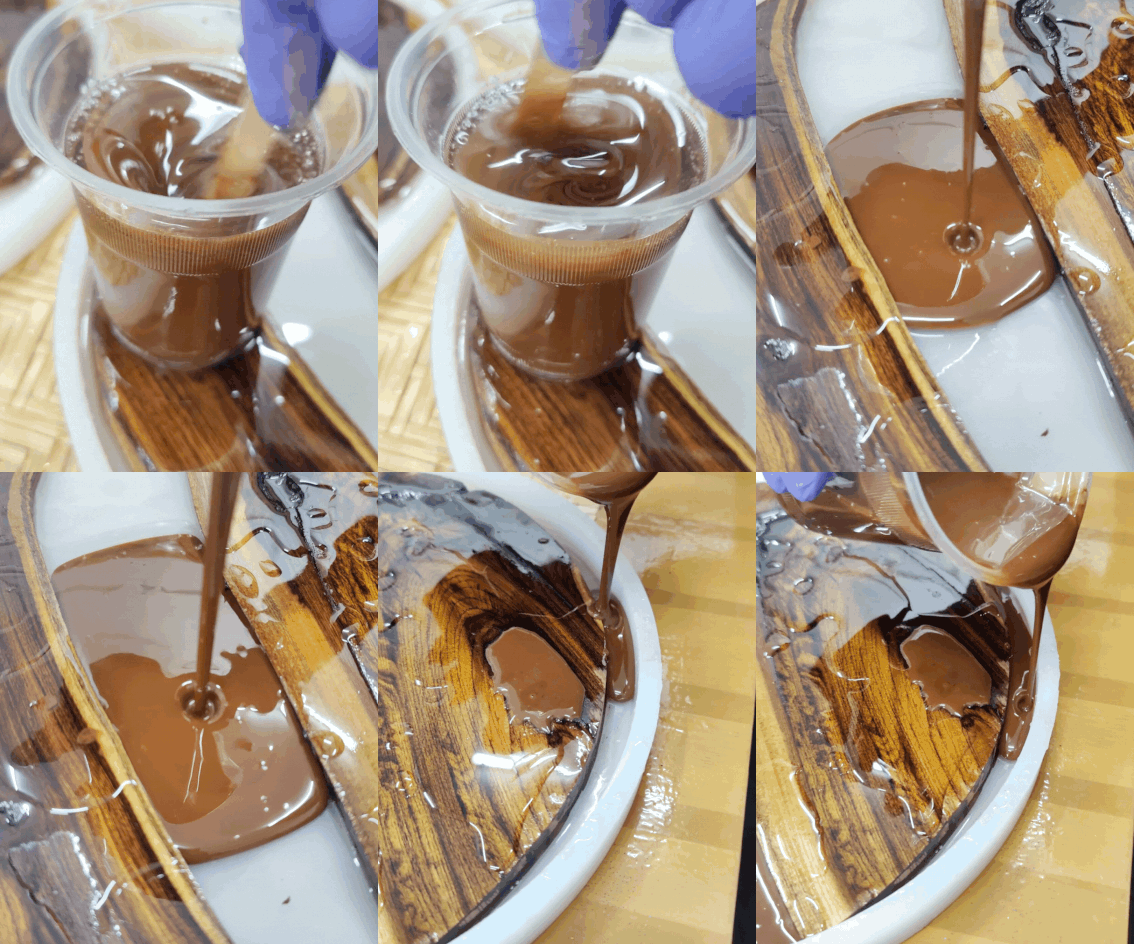
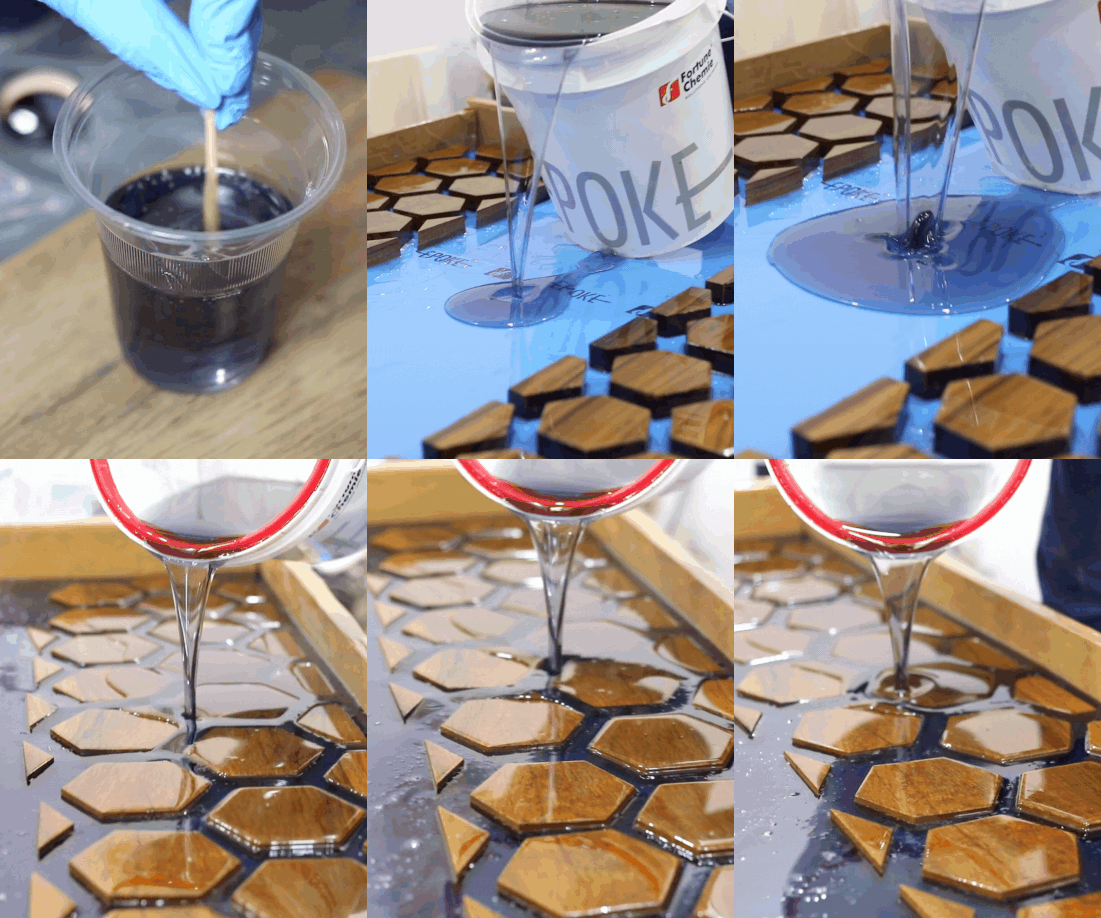
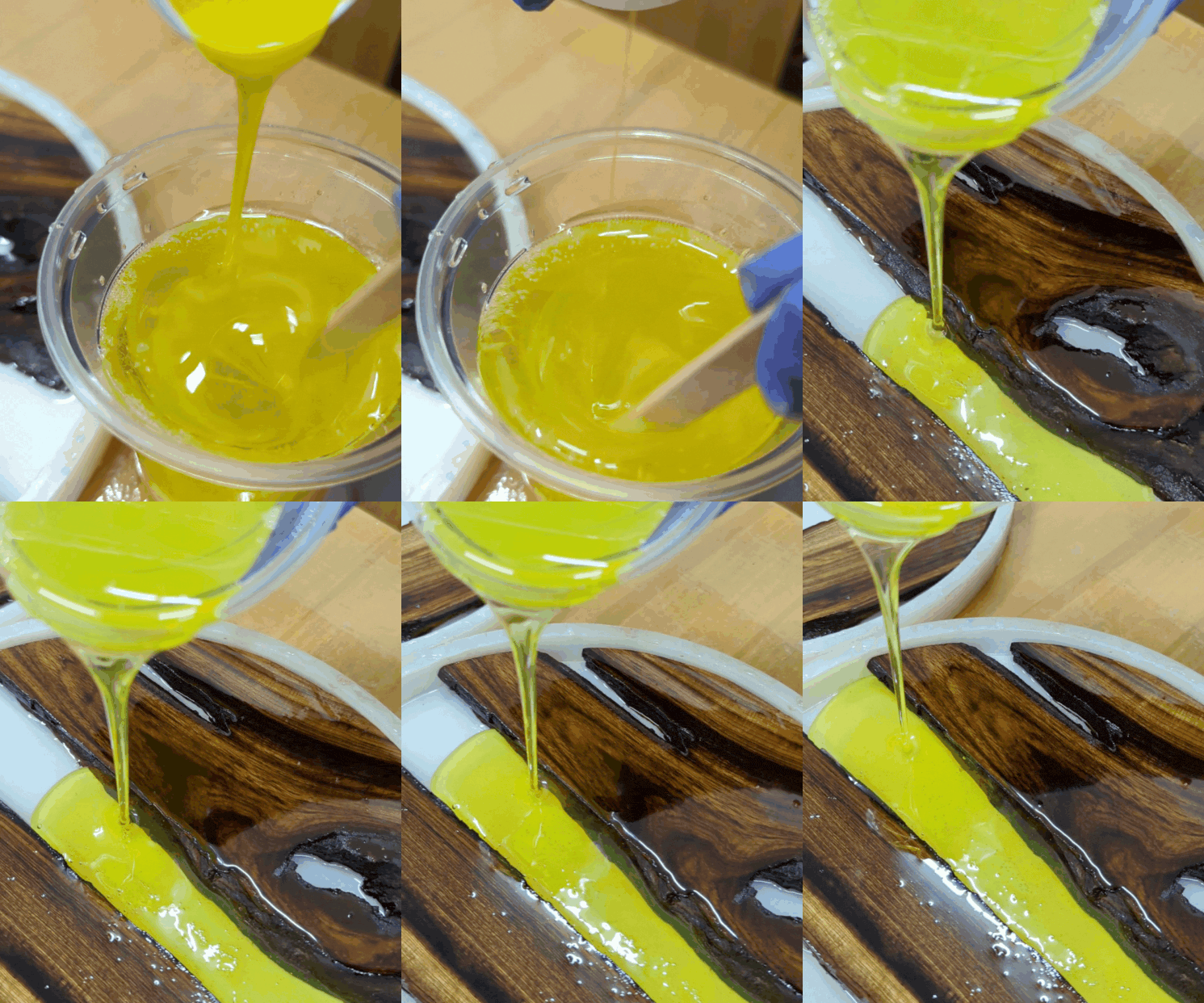
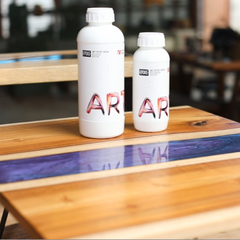
Building a resin river table or thick slab? Use EPOKE Art resin (20mm single pour ) or EPOKE Mega Cast ( 60mm single pour ) as casting resin for the base pour. Switch to coating resin for the surface finish. Two types, one project, each with a clear role.
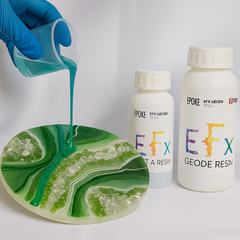
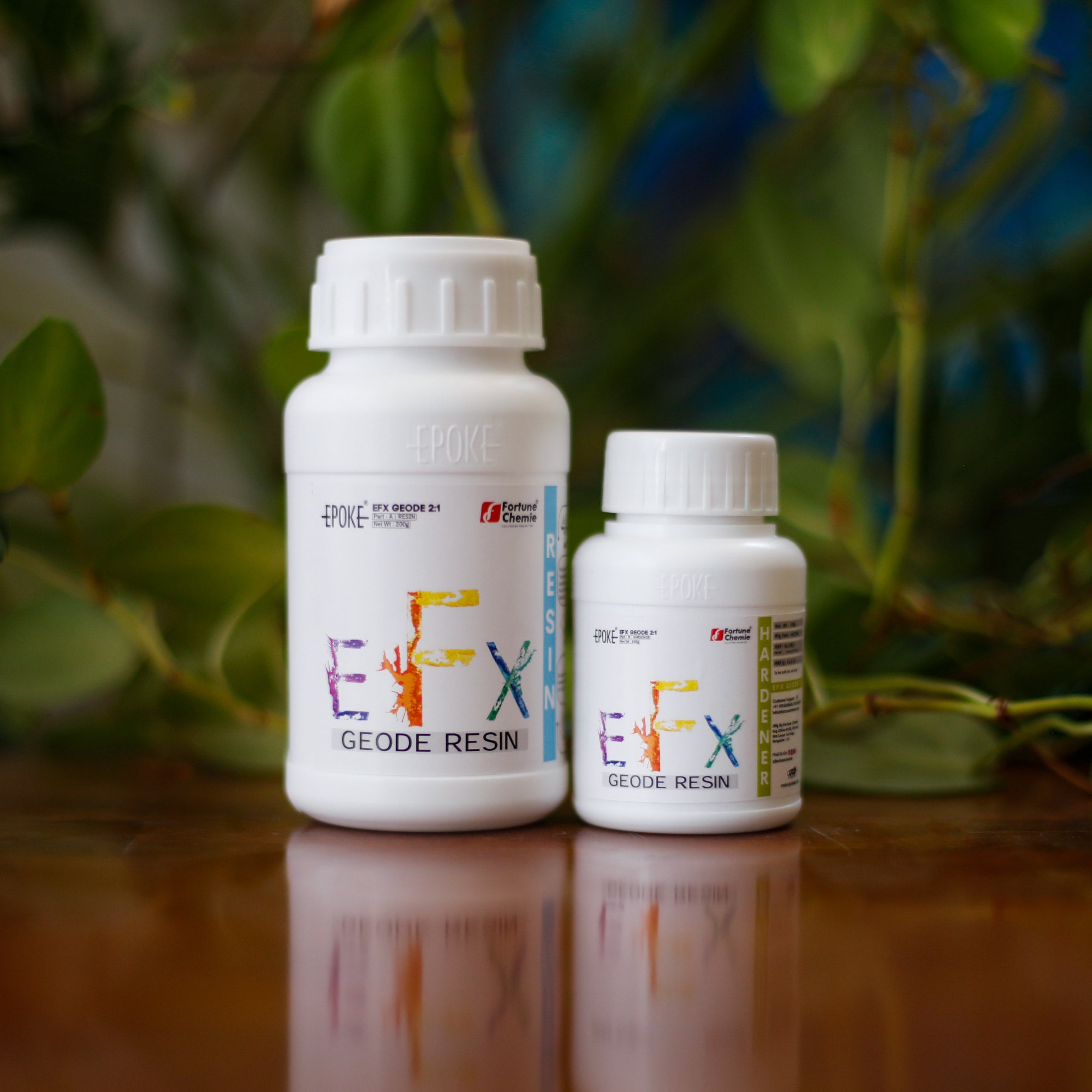
Some projects genuinely need more than one type. A geode resin tray, for example, uses art resin for the colour and pattern work, then coating resin as the protective final seal. Knowing which to reach for at each stage is what separates a clean result from a frustrating redo.
Explore the full range of EPOKE Art resin products to find what fits your next project.
Frequently Asked Questions
1. What is the difference between casting resin and coating resin?
Casting resin is thin and built for deep pours inside moulds. It cures slowly and handles depths of 25mm or more without cracking or overheating. Coating resin is thick and designed for surface application. It cures faster and harder, but works only in thin layers of 1mm to 3mm. Use casting resin as a top coat and the finish stays soft or tacky. Pour coating resin deep and it overheats, yellows, or cracks. The beauty of Art Resin from EPOKE is that it can not only be used as a primer coat, but it can also be used for topcoats and casting upto 20mm thickness at 25 deg C .
2. Which resin should I use for resin art?
For fluid resin art, ocean paintings, geode pieces, and decorative trays, EPOKE art resin is the right pick. It spreads and self-levels well, gives you enough open time to work with your pigments, and cures to a clear glossy finish. The colour results are better and you get more control over the piece compared to casting or coating resin.
3. Is art resin the same as epoxy resin?
Art resin is a type of epoxy resin, but not every epoxy resin is art resin. Epoxy resin covers a wide range of formulations, from industrial adhesives to art-grade products. Art resin is a specific version: UV-resistant, safe for creative use, and mixed at ratios like 3:1 (resin to hardener). It's optimised for colour vibrancy and a clean, clear surface finish.
4. Can I use coating resin for deep pours?
No. Coating resin is not suited for deep pours. In thick layers, it generates too much heat during the curing process. That leads to yellowing, warping, or visible cracks in the finished piece. For depths above 6mm, use casting resin. It's formulated to cure slowly and manage heat safely at depths of 25mm and beyond.
5. What are the different types of epoxy resin explained simply?
Three main types cover most art and craft work. Art resin is a medium with consistency, made for fluid paintings and pours up to 6mm deep. Casting resin is thin and slow-curing, built for moulds and deep pours from 25mm upward. Coating resin is thick and fast-curing, made to seal and protect surfaces in thin layers. Each type is engineered for a specific job. Using the right one is what separates a clean result from a failed pour.