















































































Introduction
Resin pigments can confuse beginners fast. Too many colors, too many textures, too many choices. Most new resin artists waste resin or end up with muddy results because they skip the basics.
This guide gives you the basics. You will learn what resin pigments are, how to use them, mistakes to avoid, and how to pick the best resin pigment for beginners.
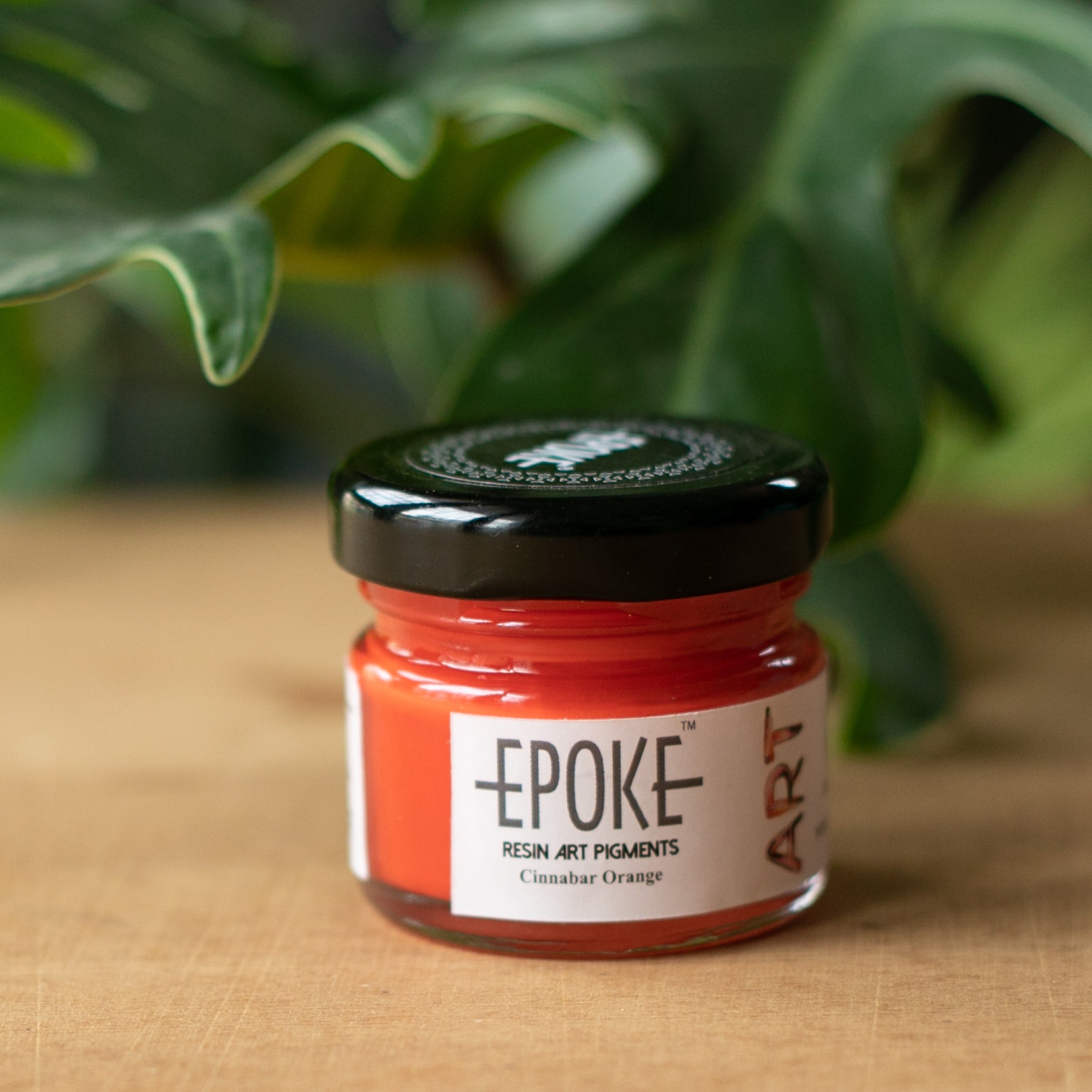
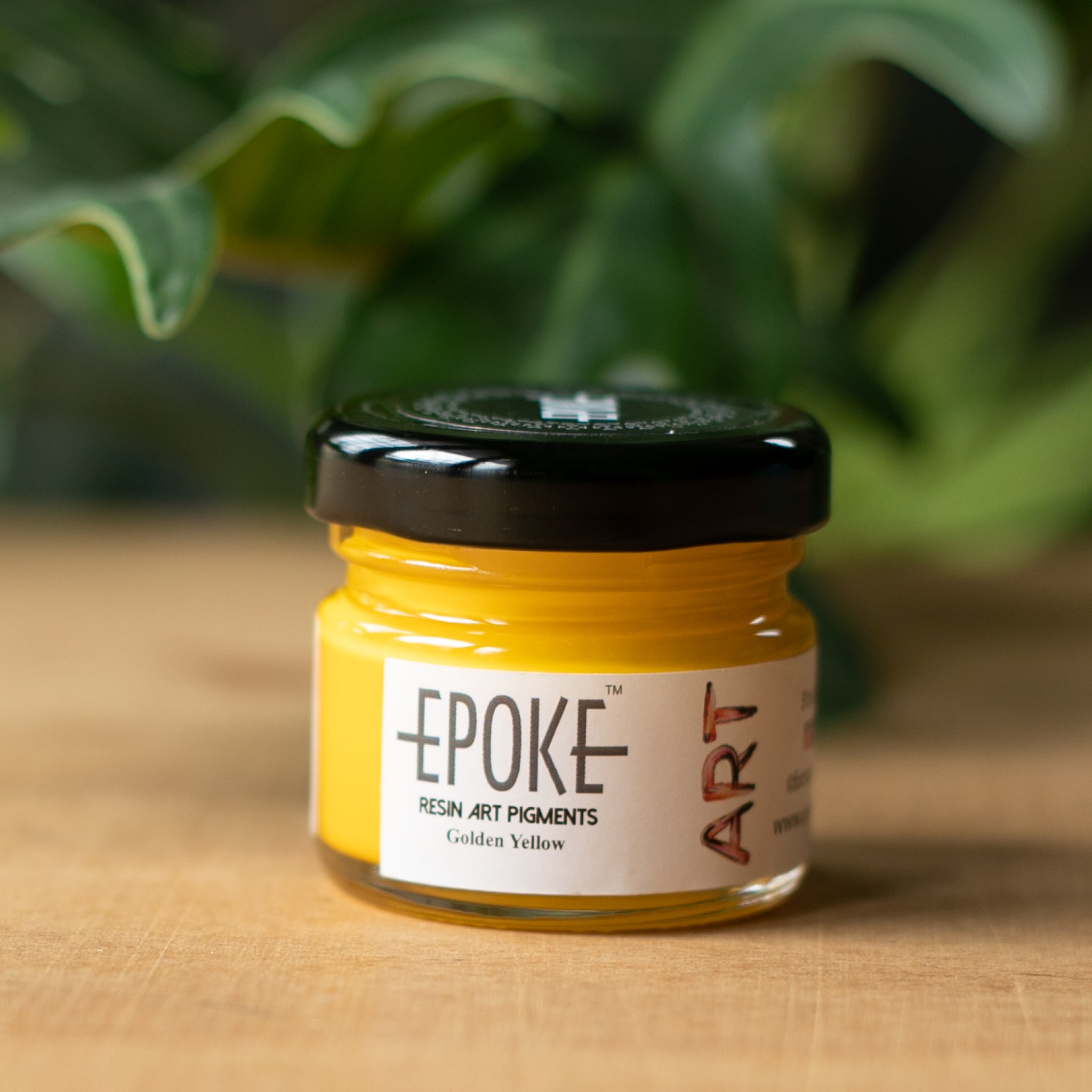
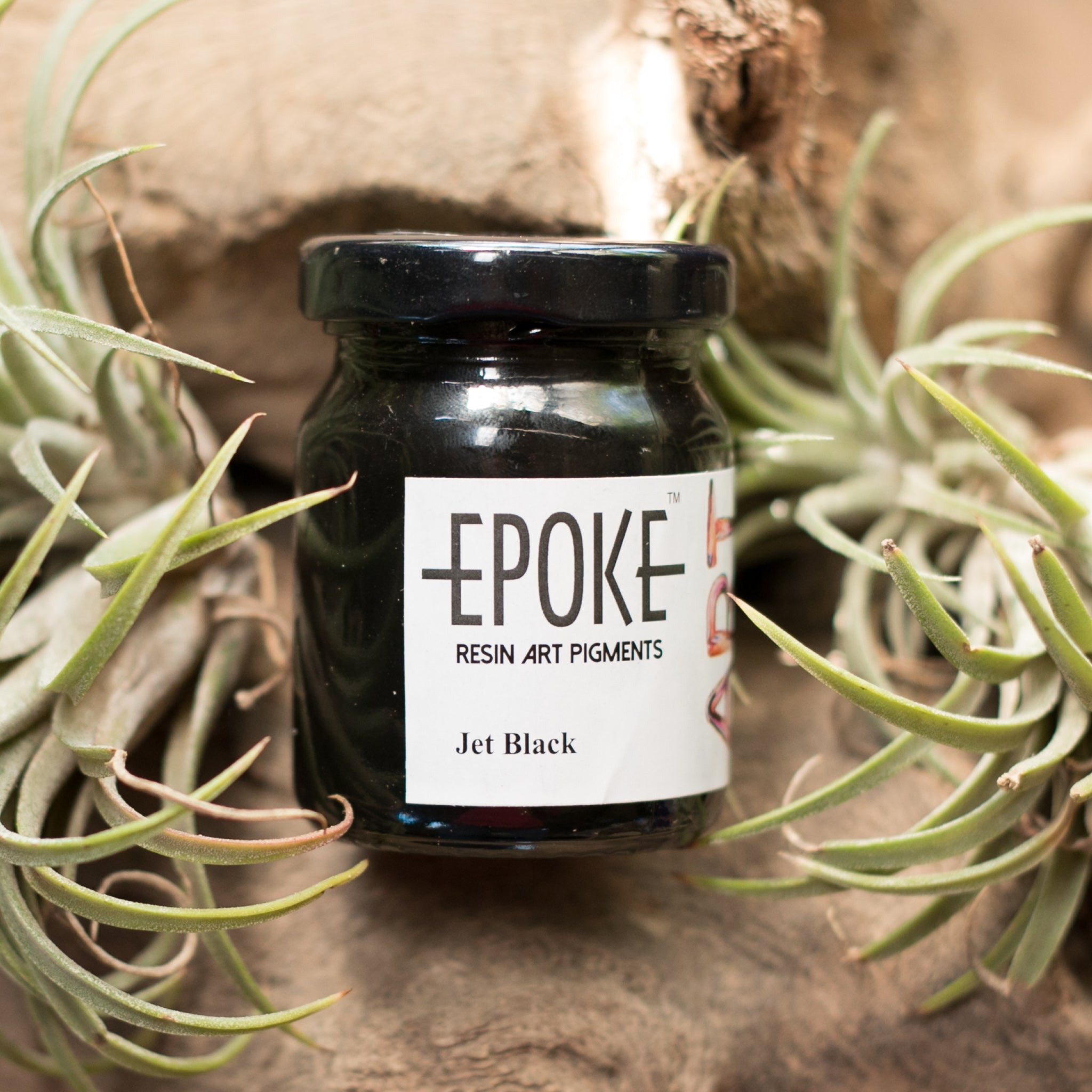
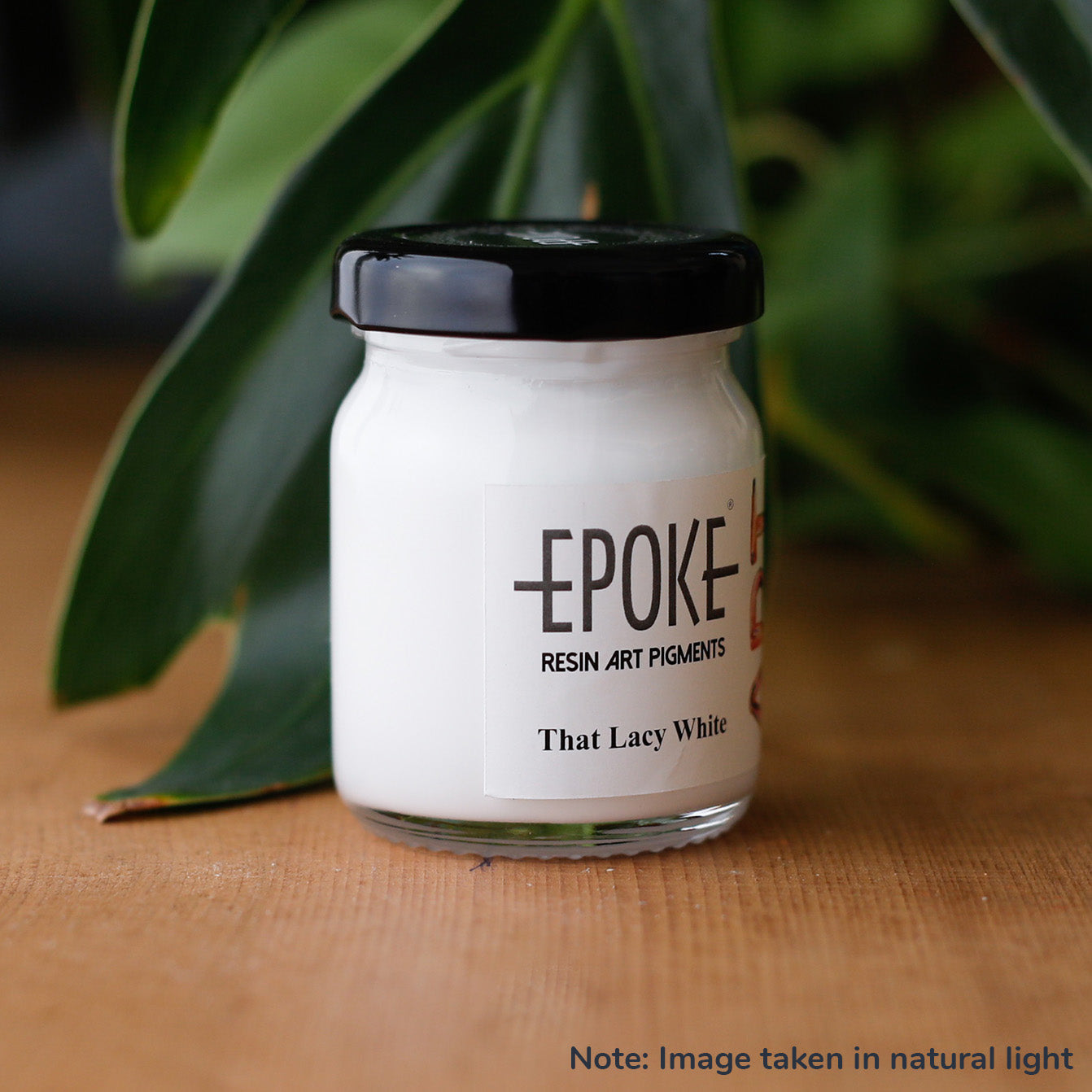
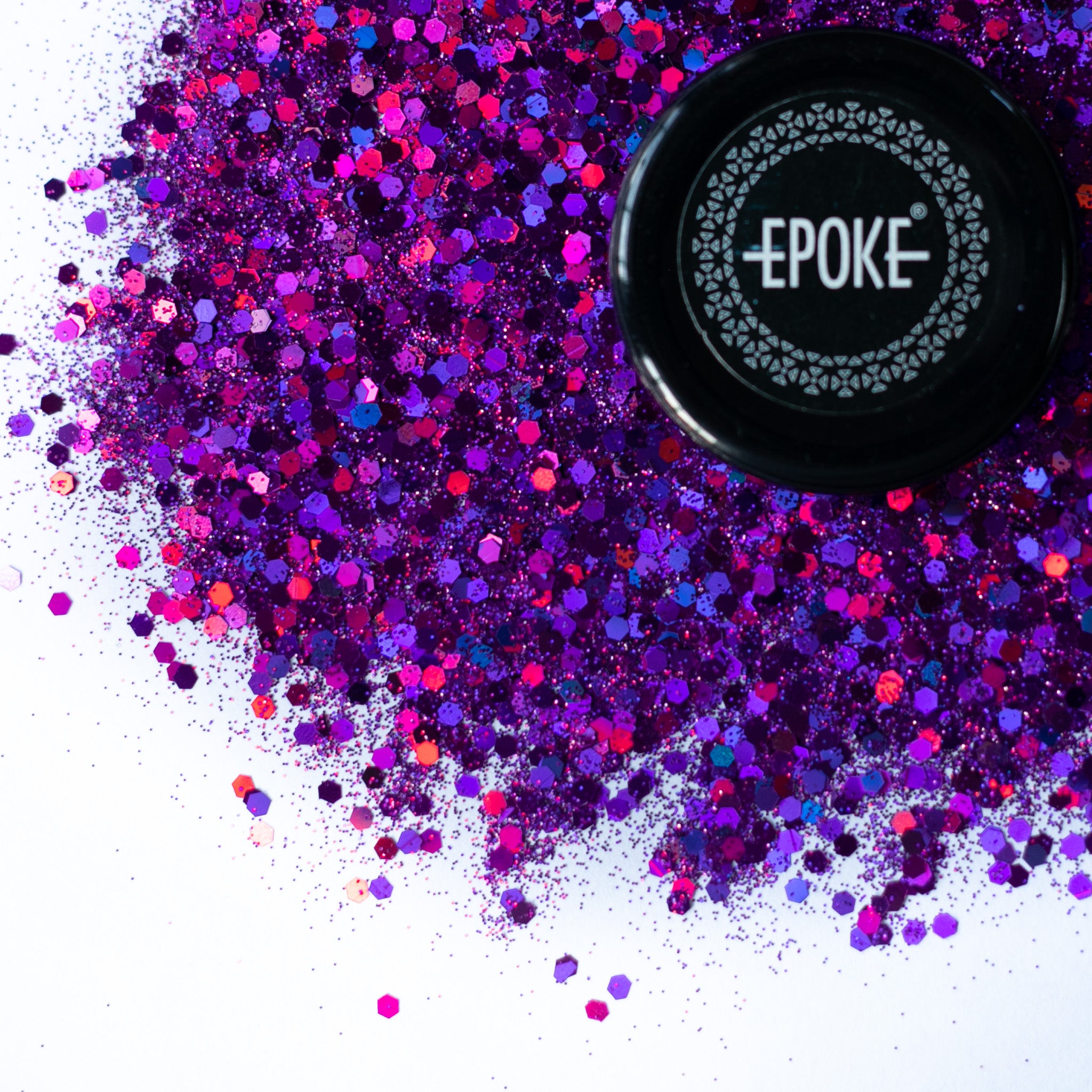
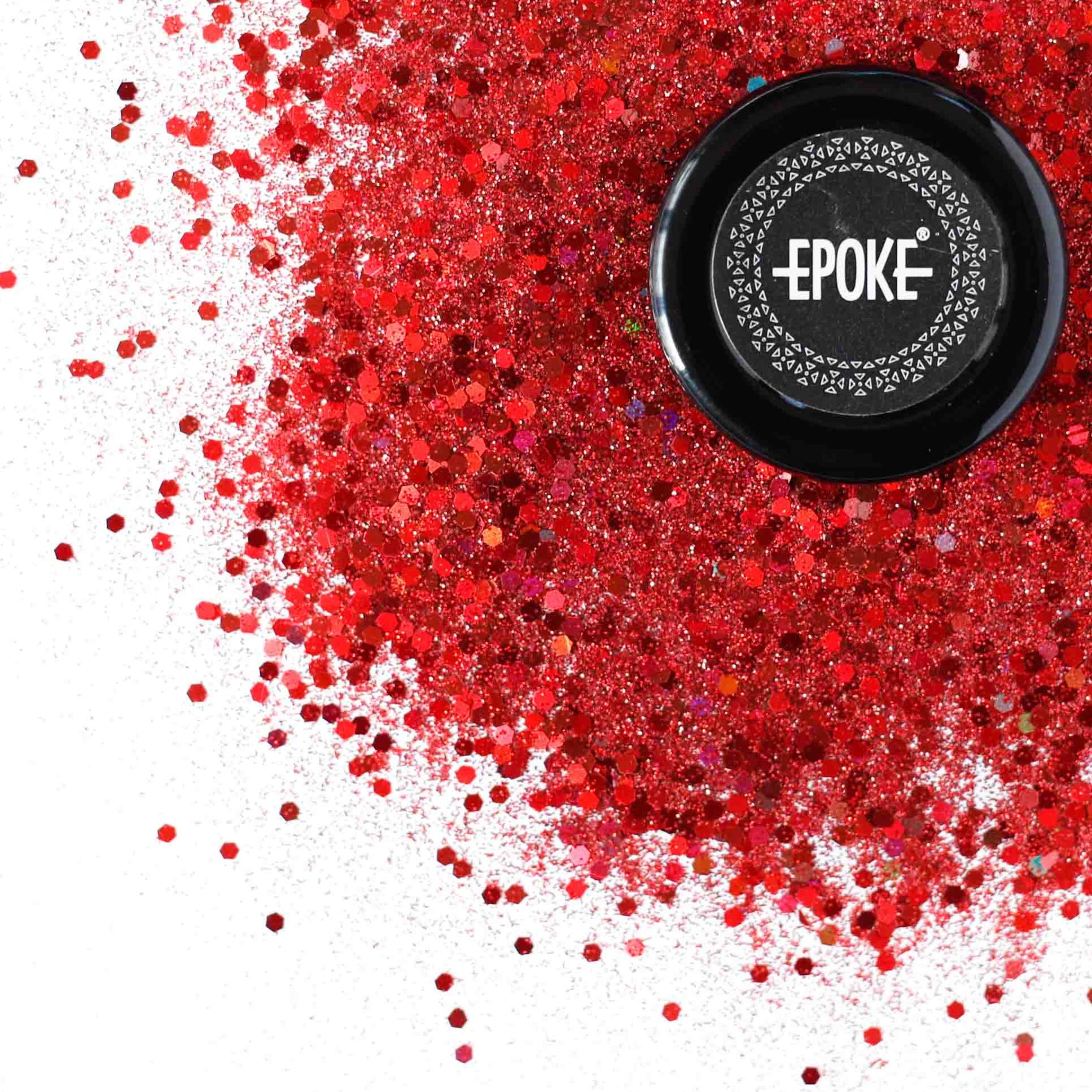
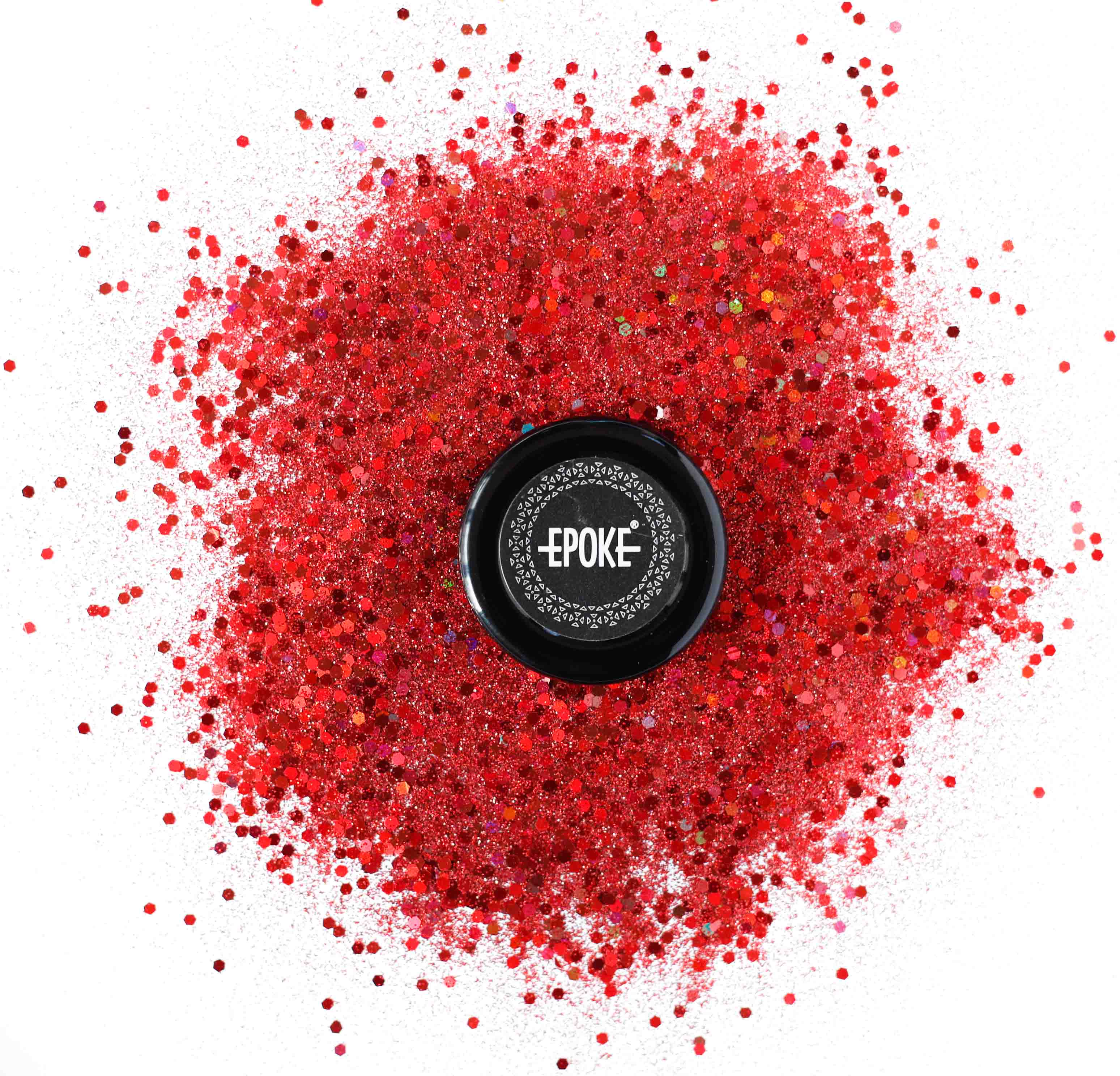
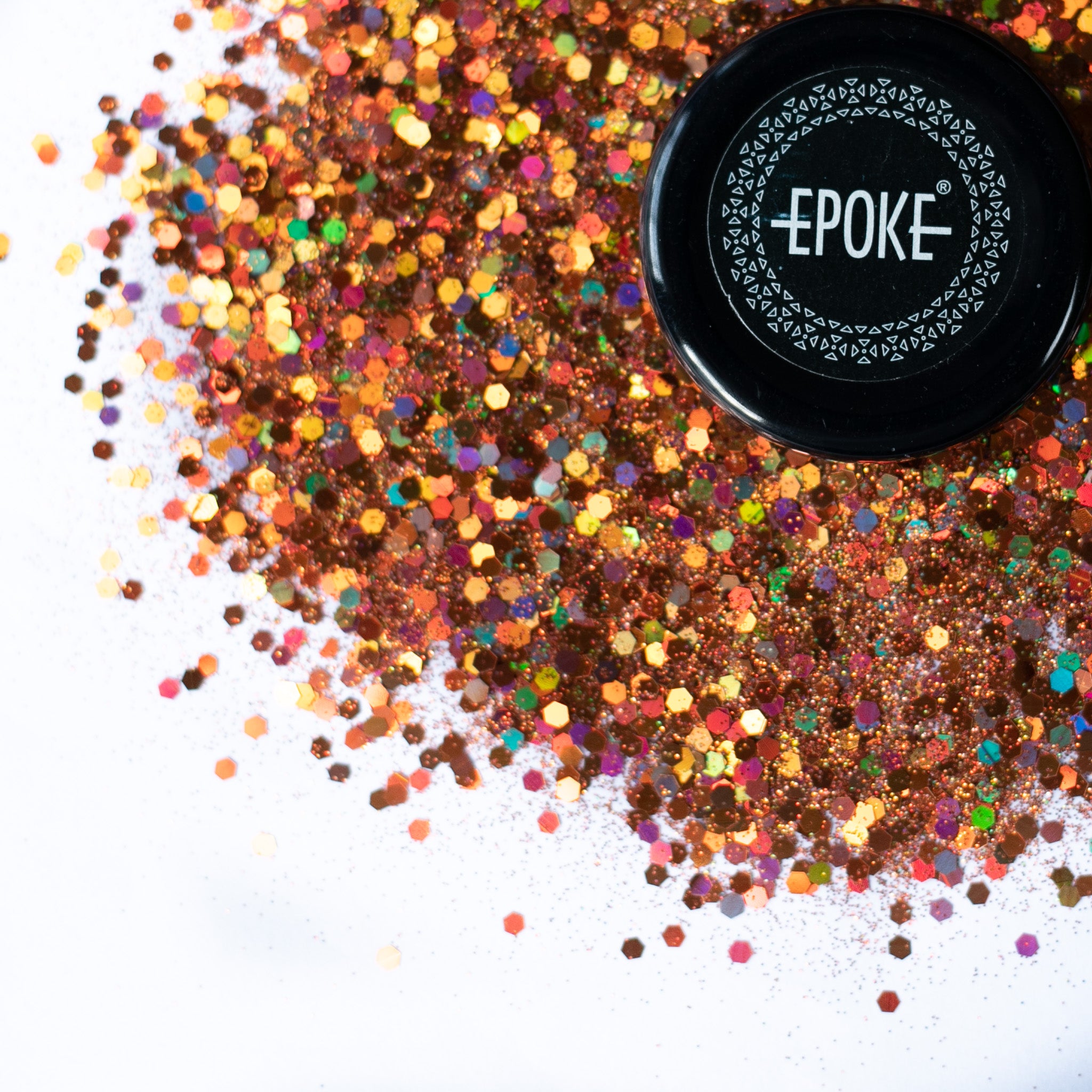
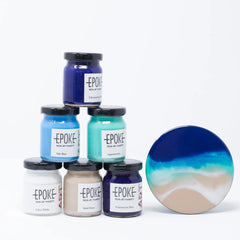
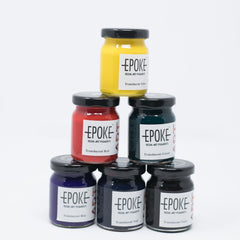
EPOKE builds its pigment range for beginners. Our formulas use simple ratios and strong color payoff so you spend less time troubleshooting and more time creating.
Key Takeaways
-
EPOKE Resin pigments blend with epoxy resin without disrupting curing.
-
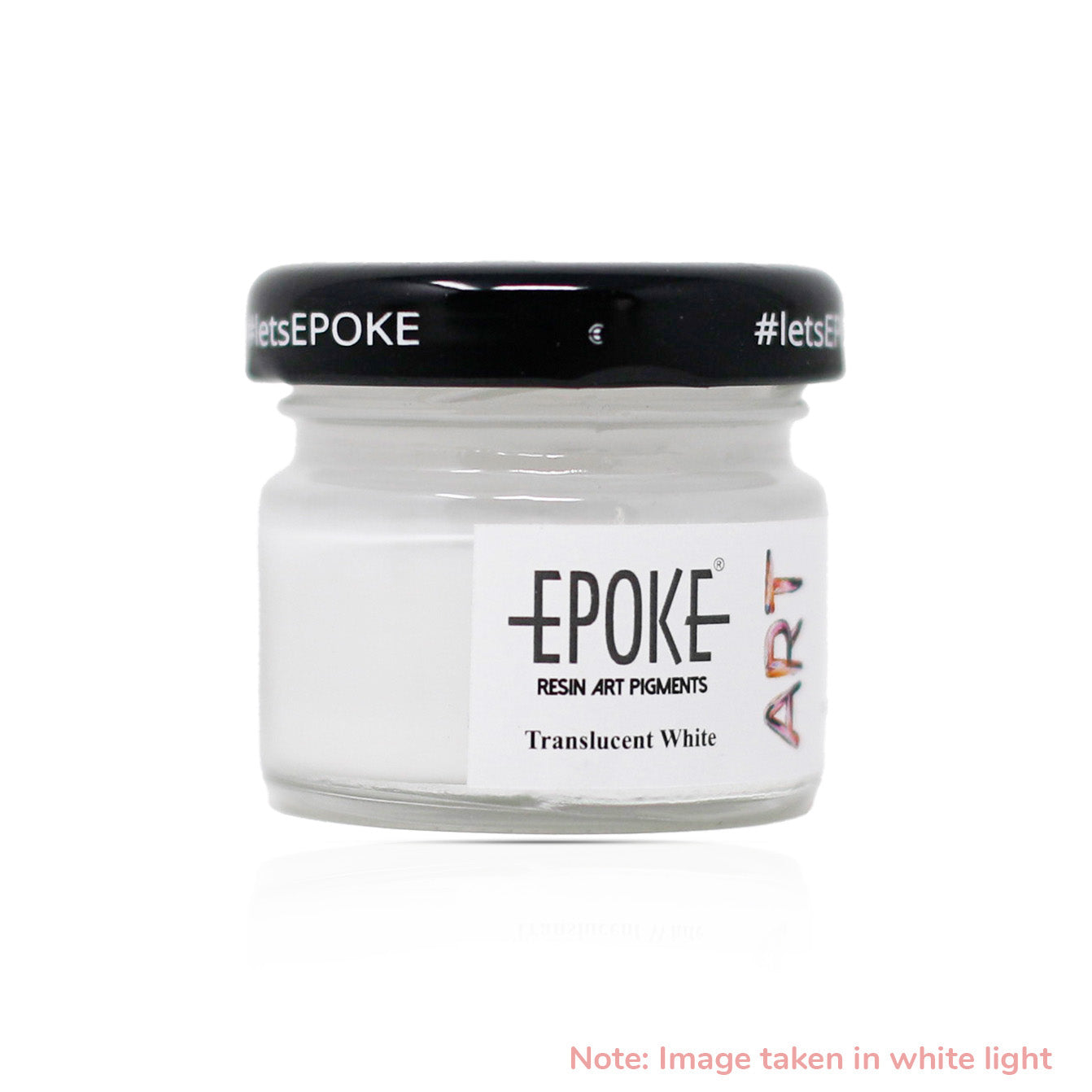
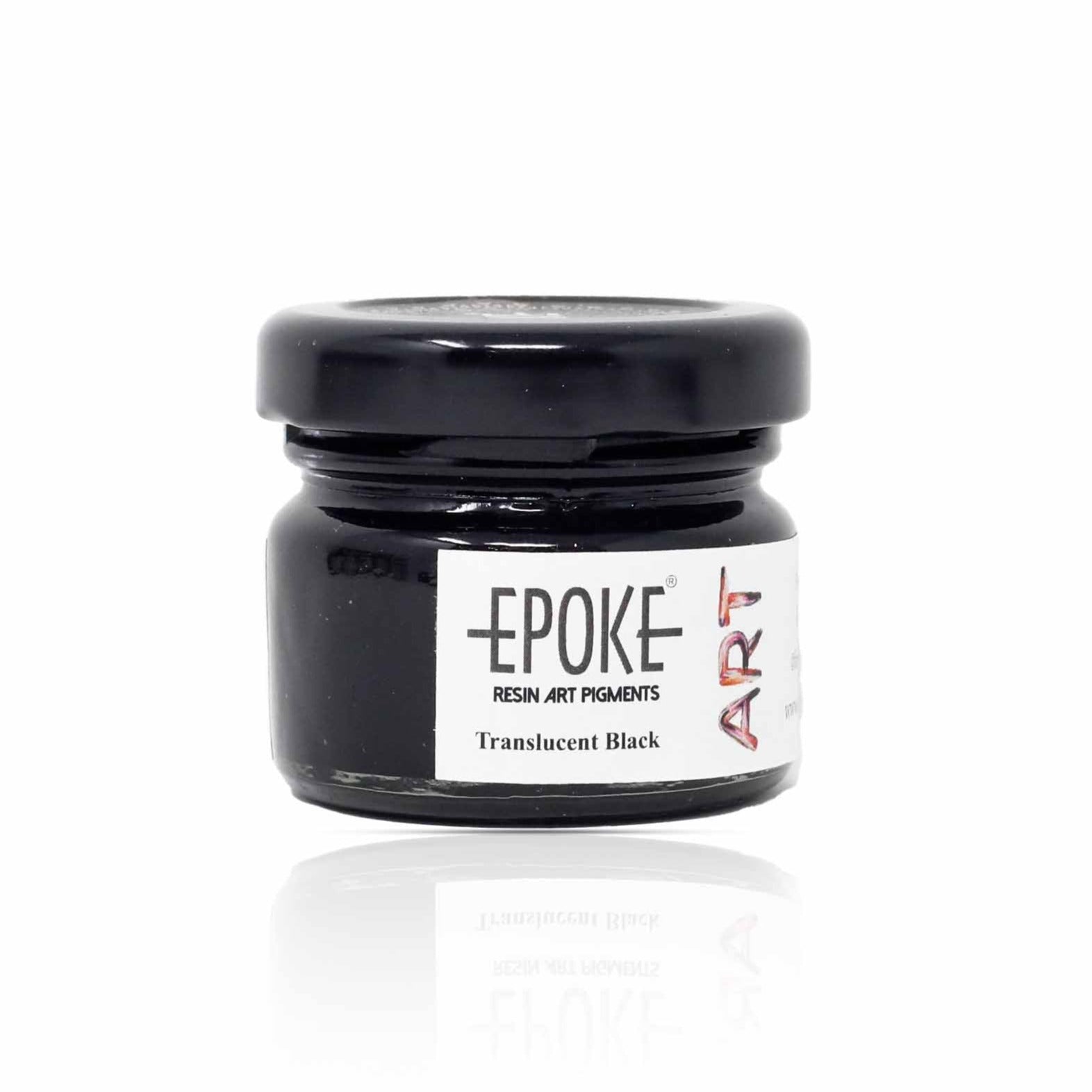
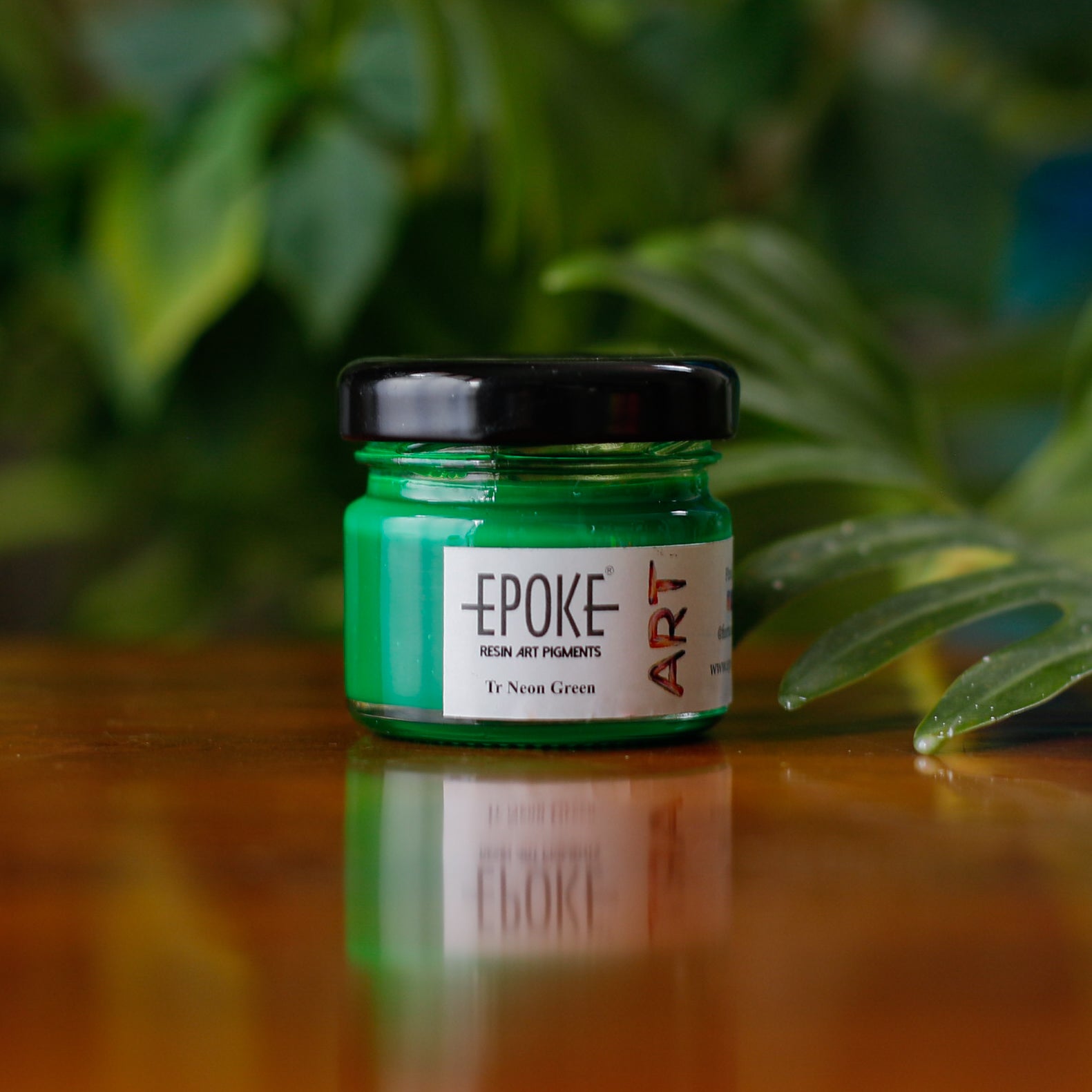
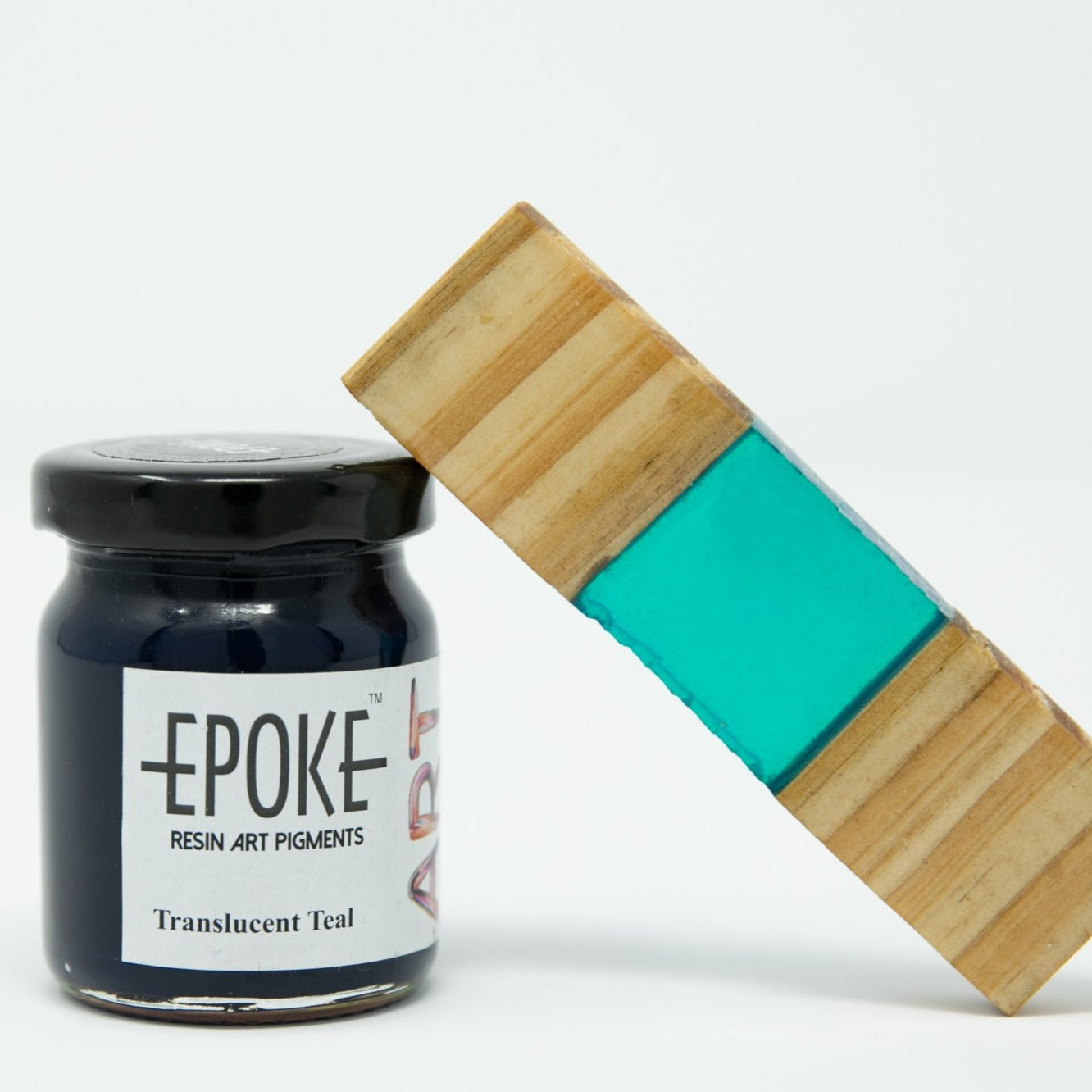
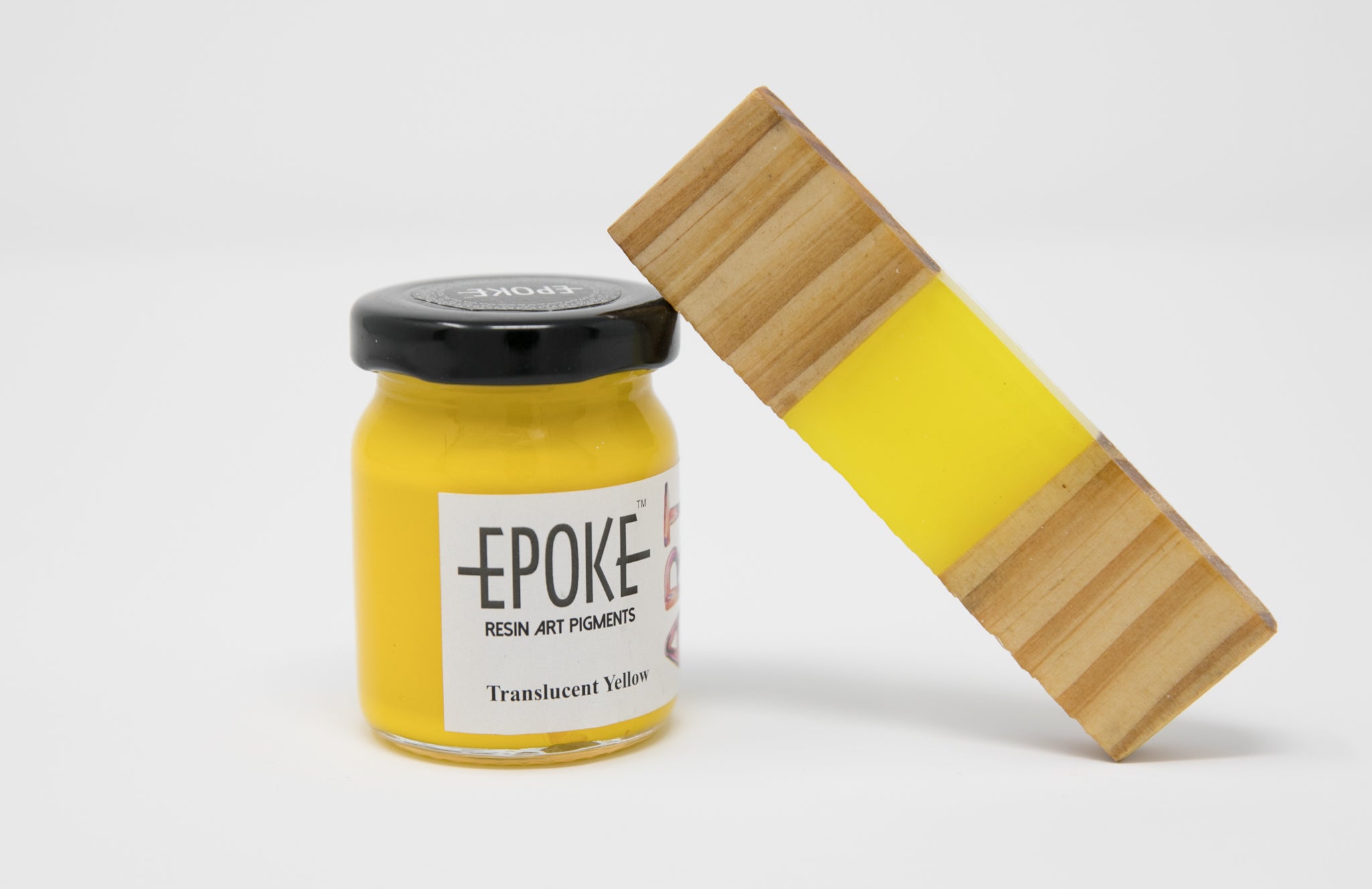
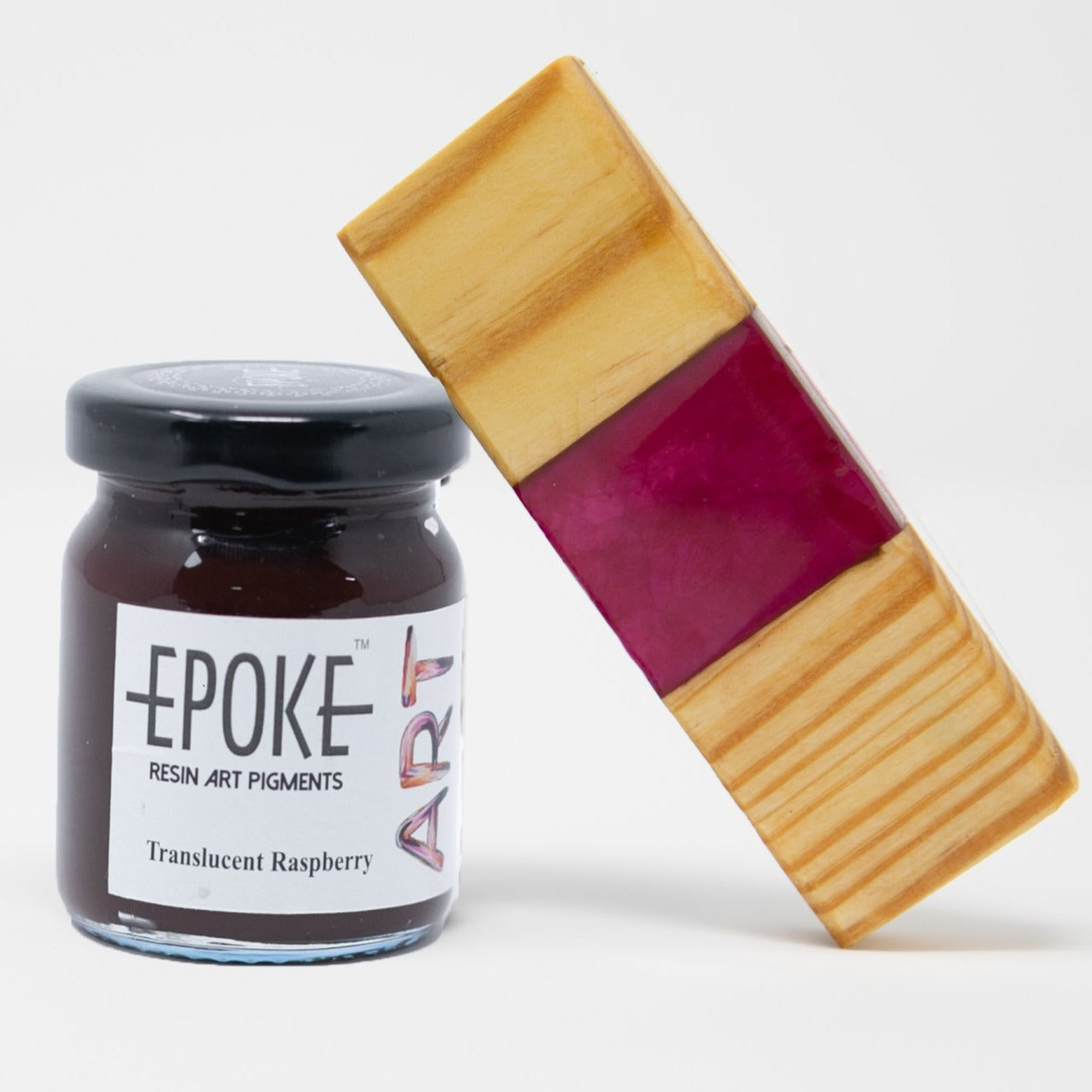
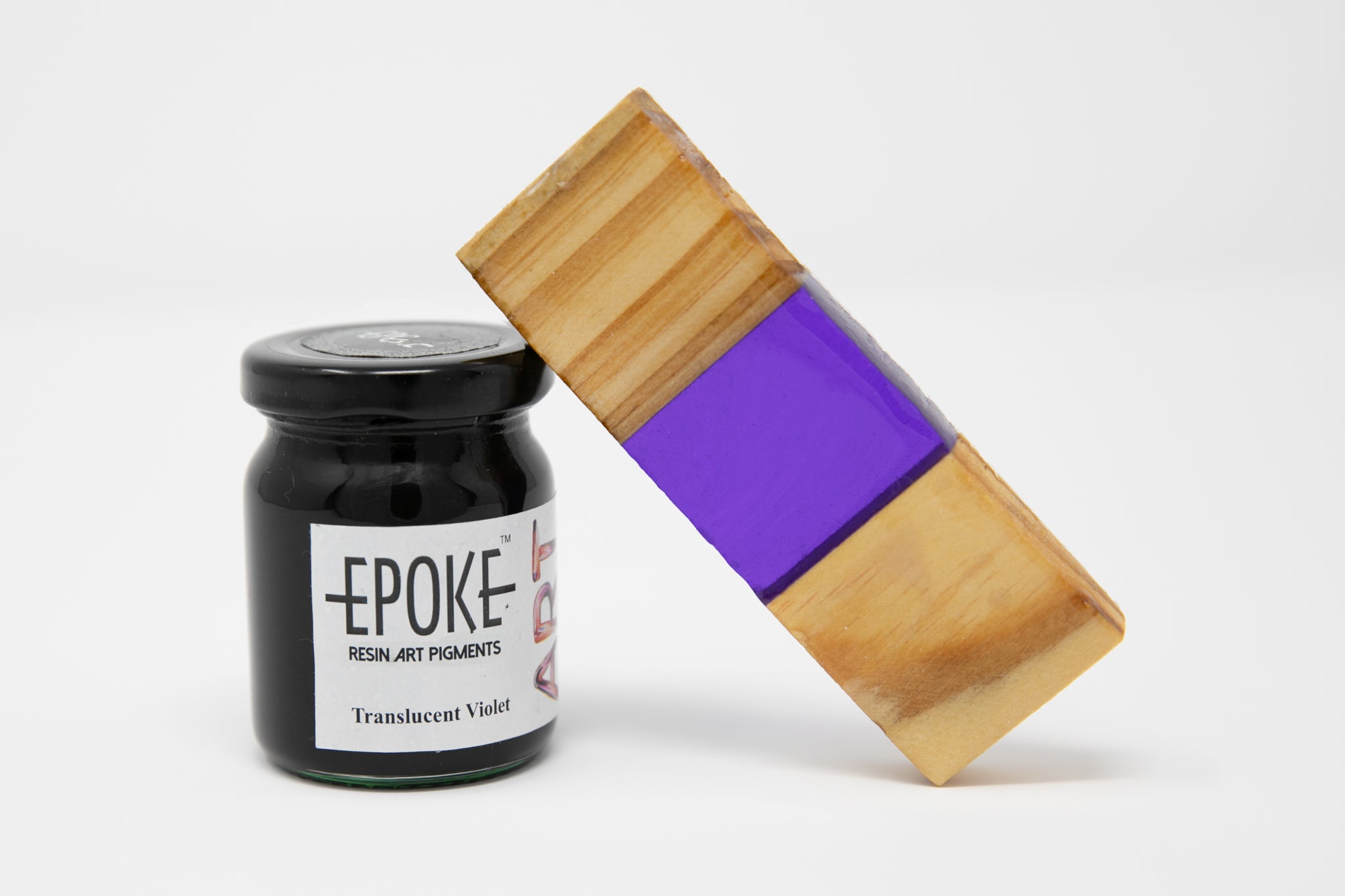
EPOKE Translucent Pigment Pastes give beginners the easiest control.
-
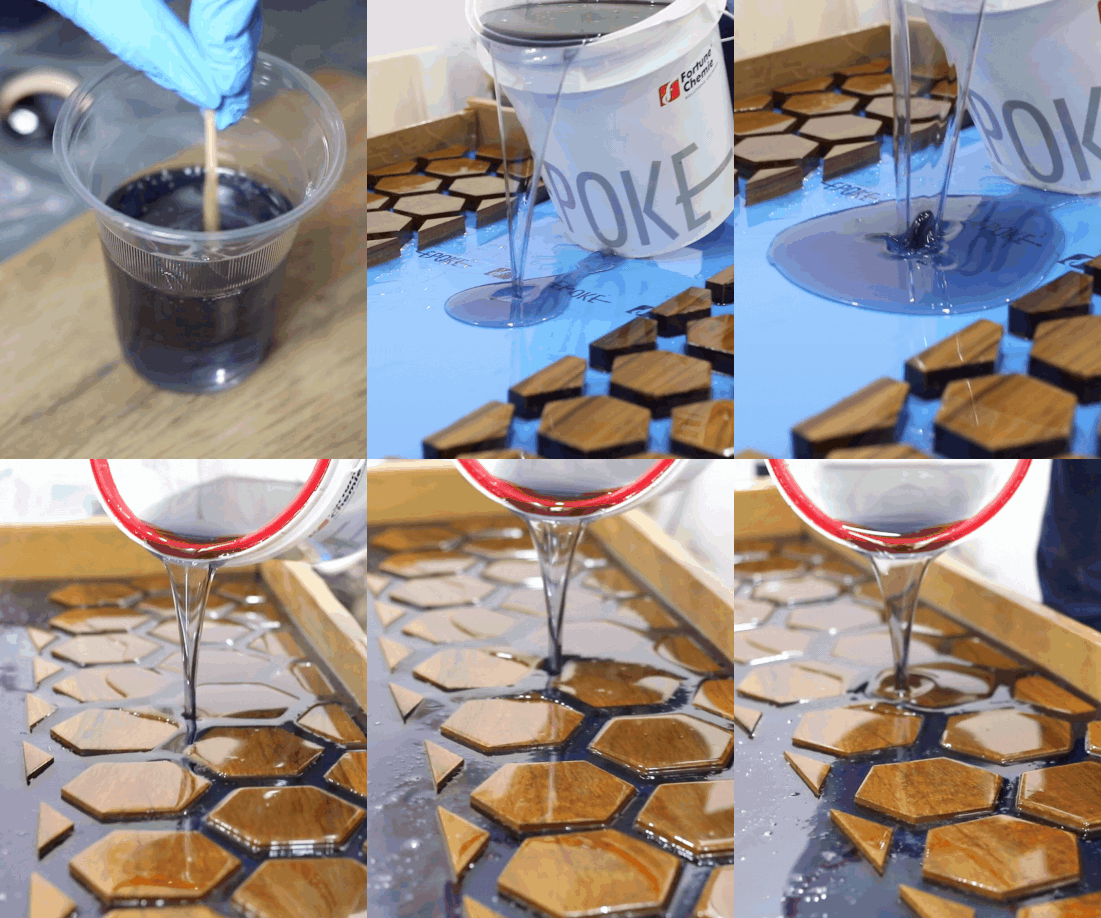
Mix resin and hardener first. Add pigment after.
-
Keep your pigment ratio between 1 and 8% based on the opacity you want.
-
EPOKE’s High-quality pigments hold color longer and resist fading.
-
Test small batches before your final pour to avoid color mismatches.
What Are Resin Pigments?
Resin pigments are concentrated colorants made to blend with epoxy resin. They do not interfere with curing. They mix evenly without changing the chemical structure of the resin mixture.
A good epoxy resin color pigment should:
-
Mix smoothly into resin
-
Leave curing time unchanged
-
Hold strong color after curing
-
Resist fading from sunlight
Our EPOKE resin pigment collection follows these standards. You get consistent color and smooth blending in every bottle.
Types of Resin Pigments
1. Translucent Pigment Pastes
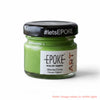
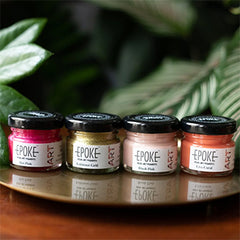
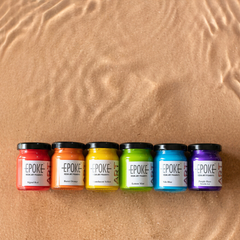
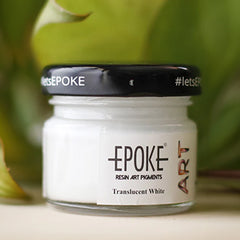
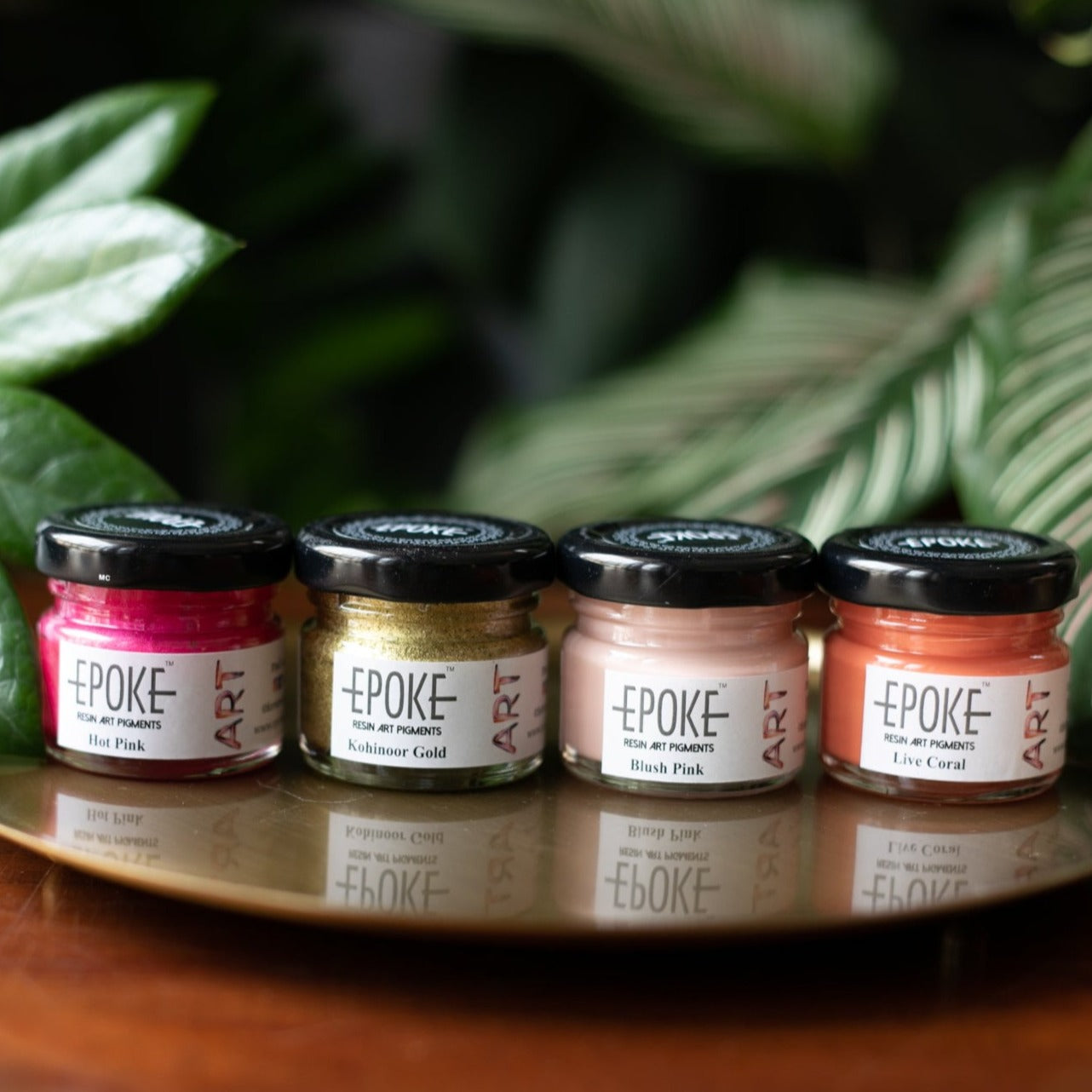
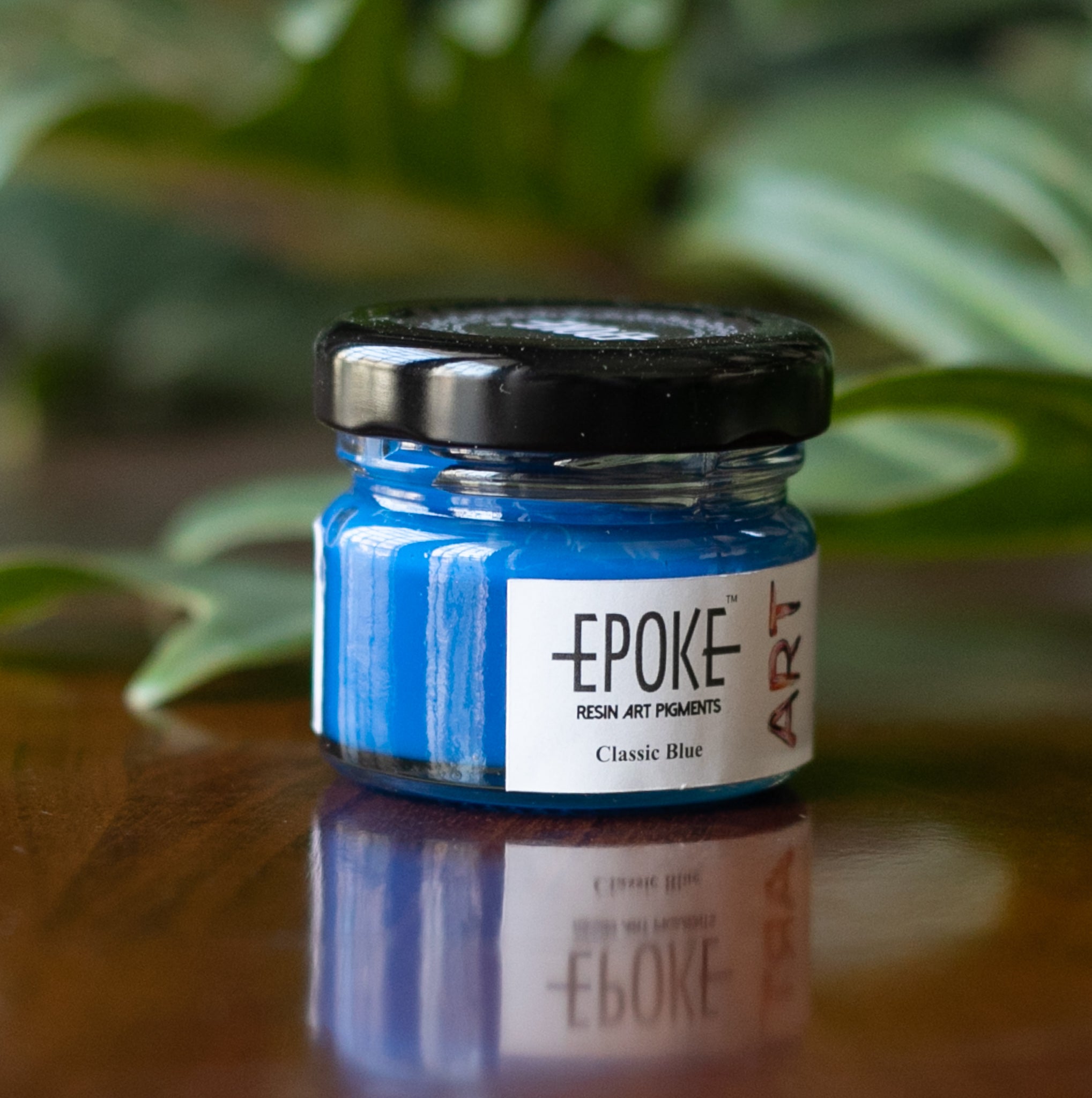
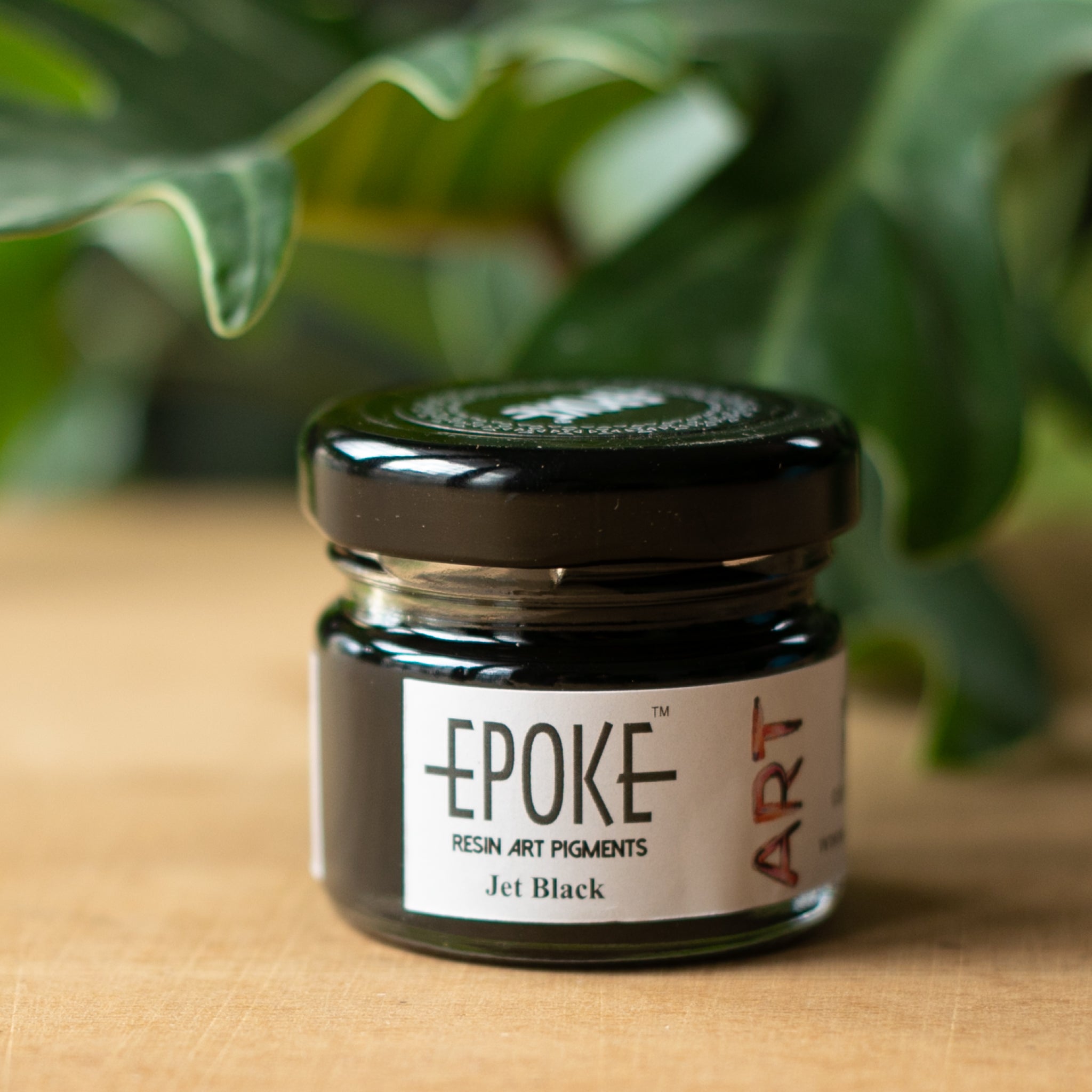
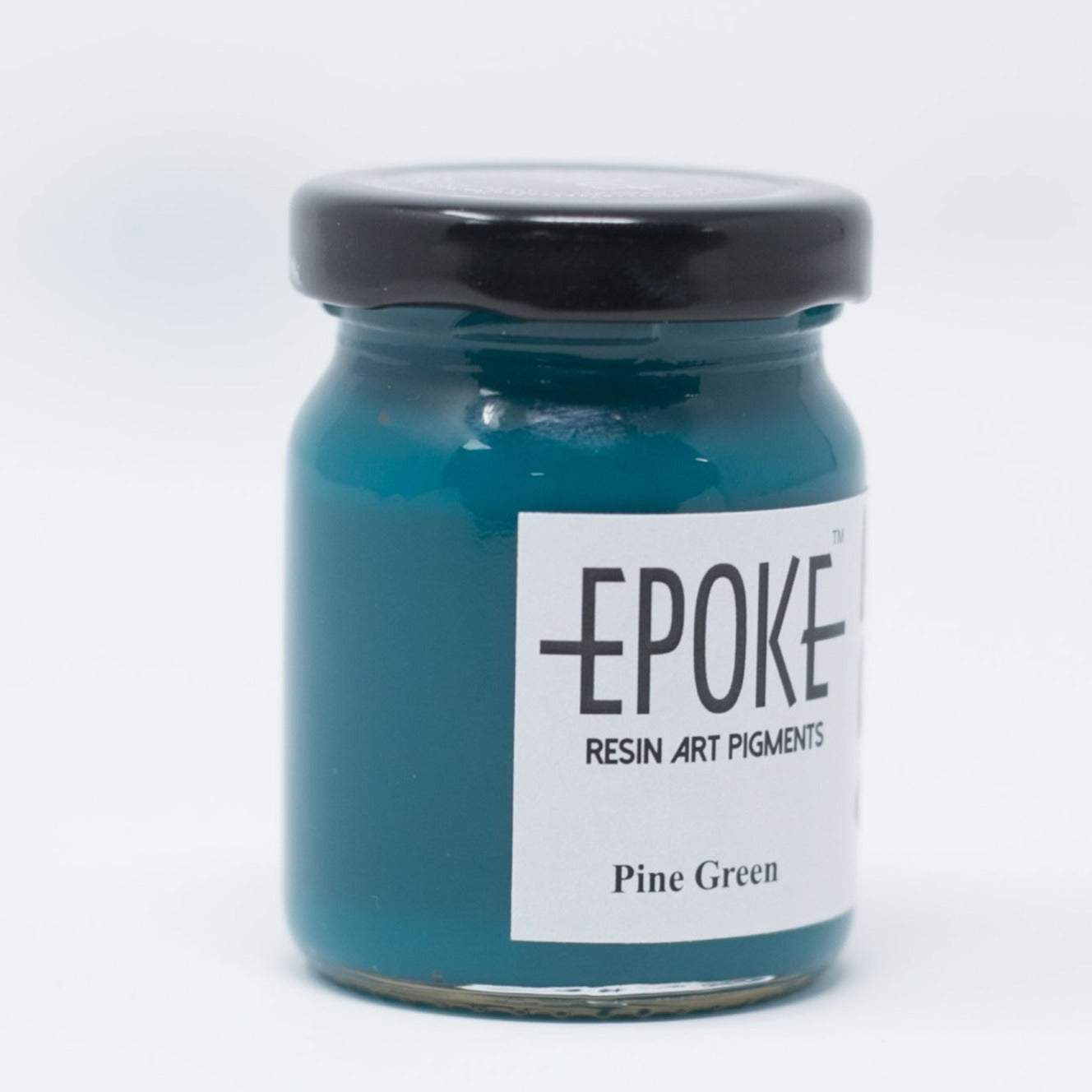
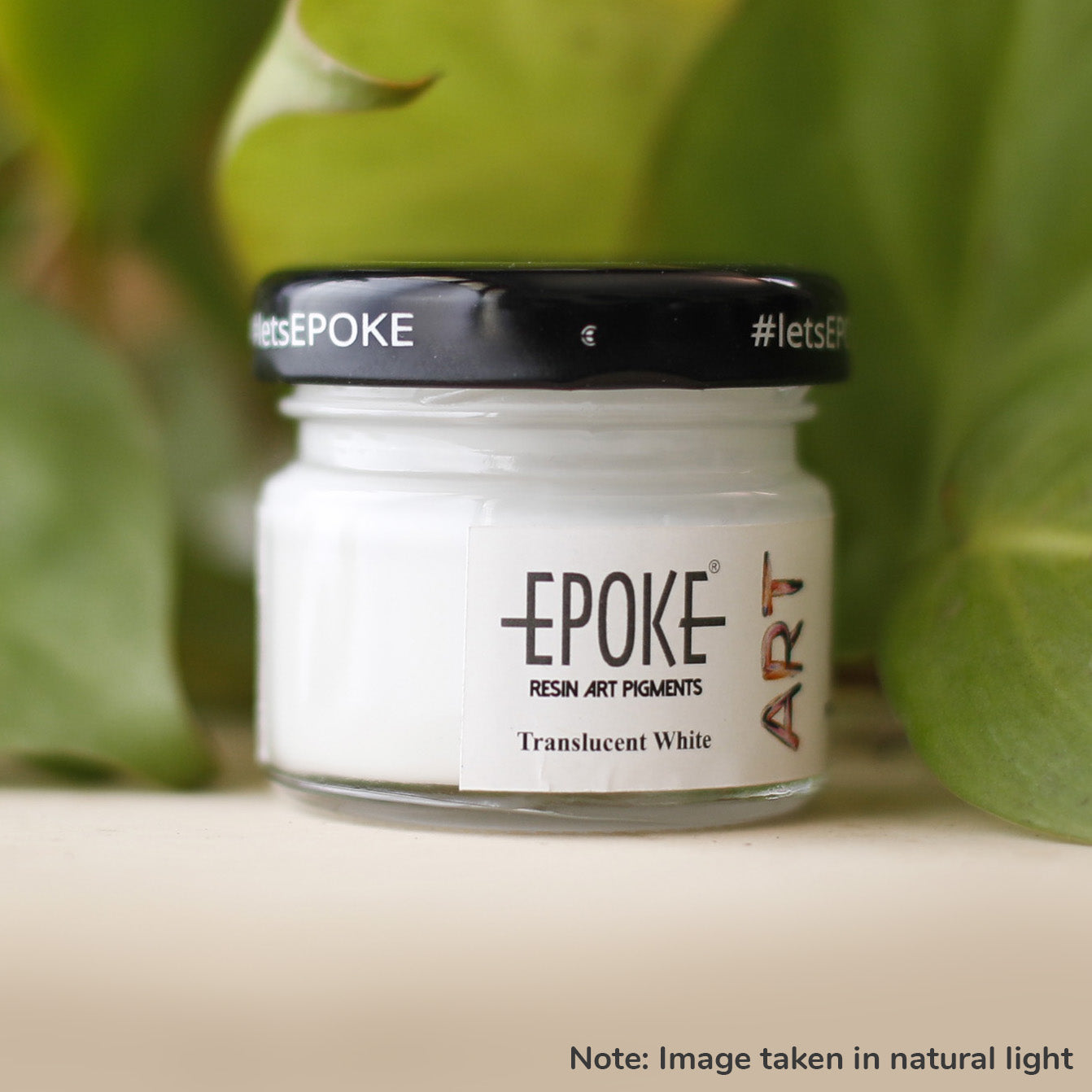
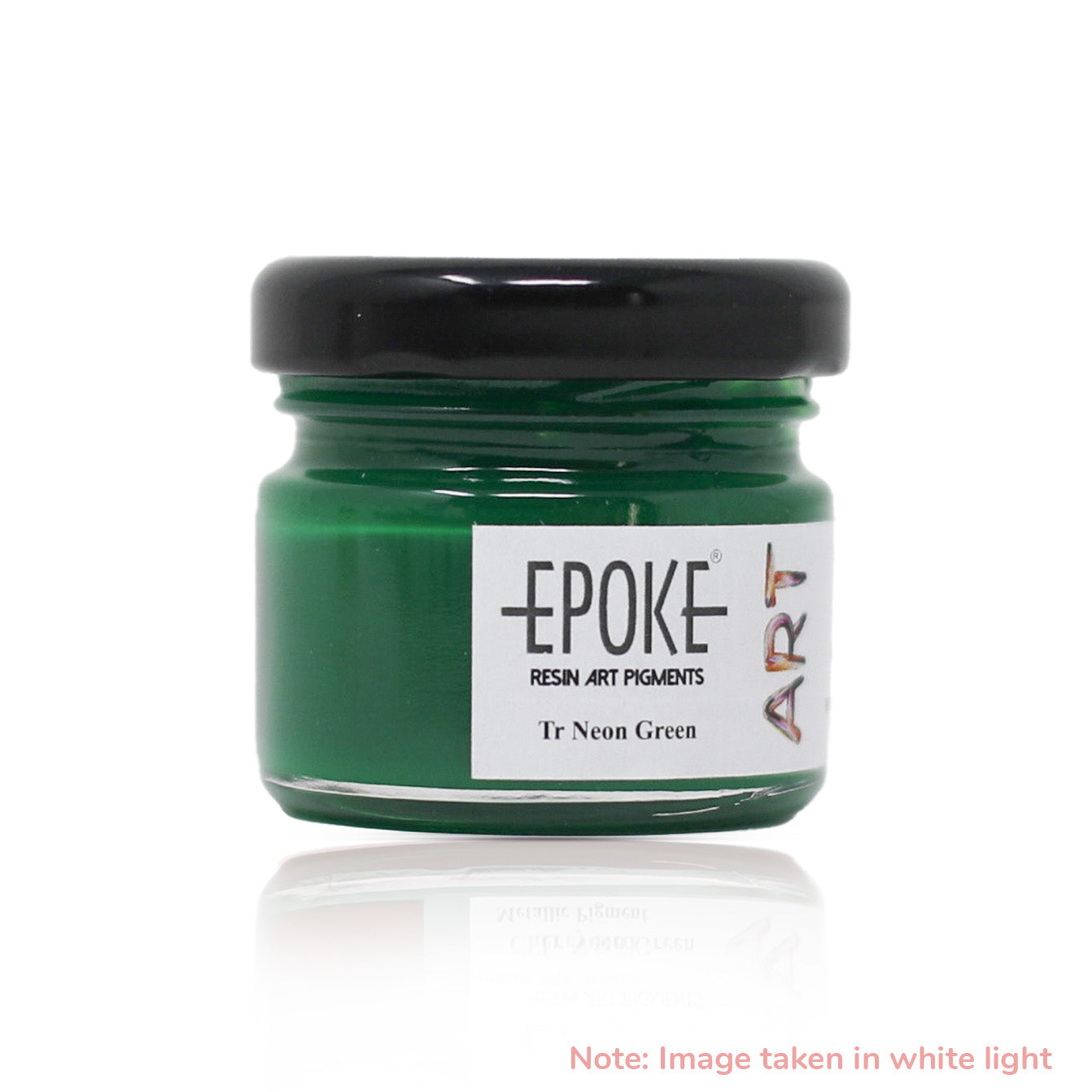
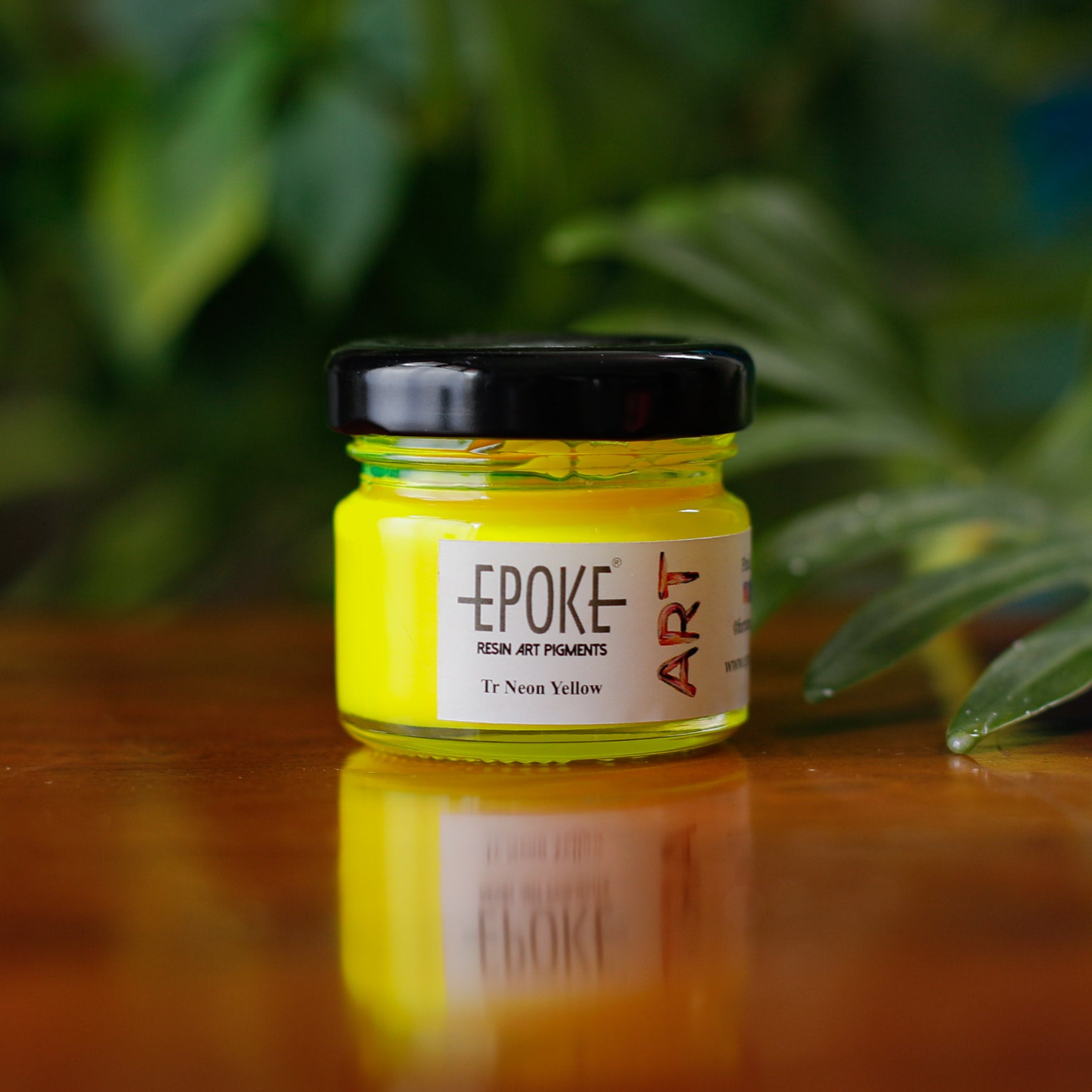
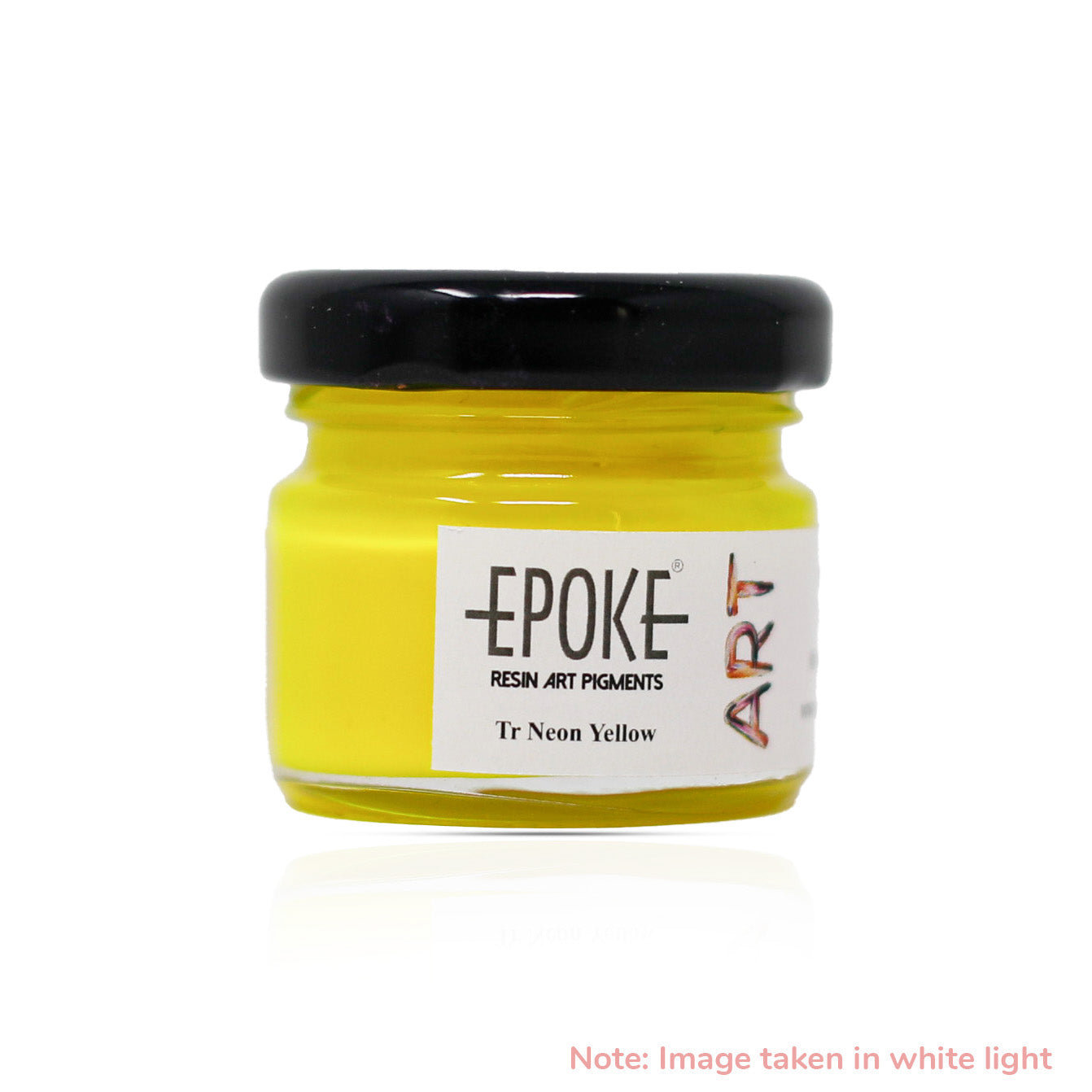
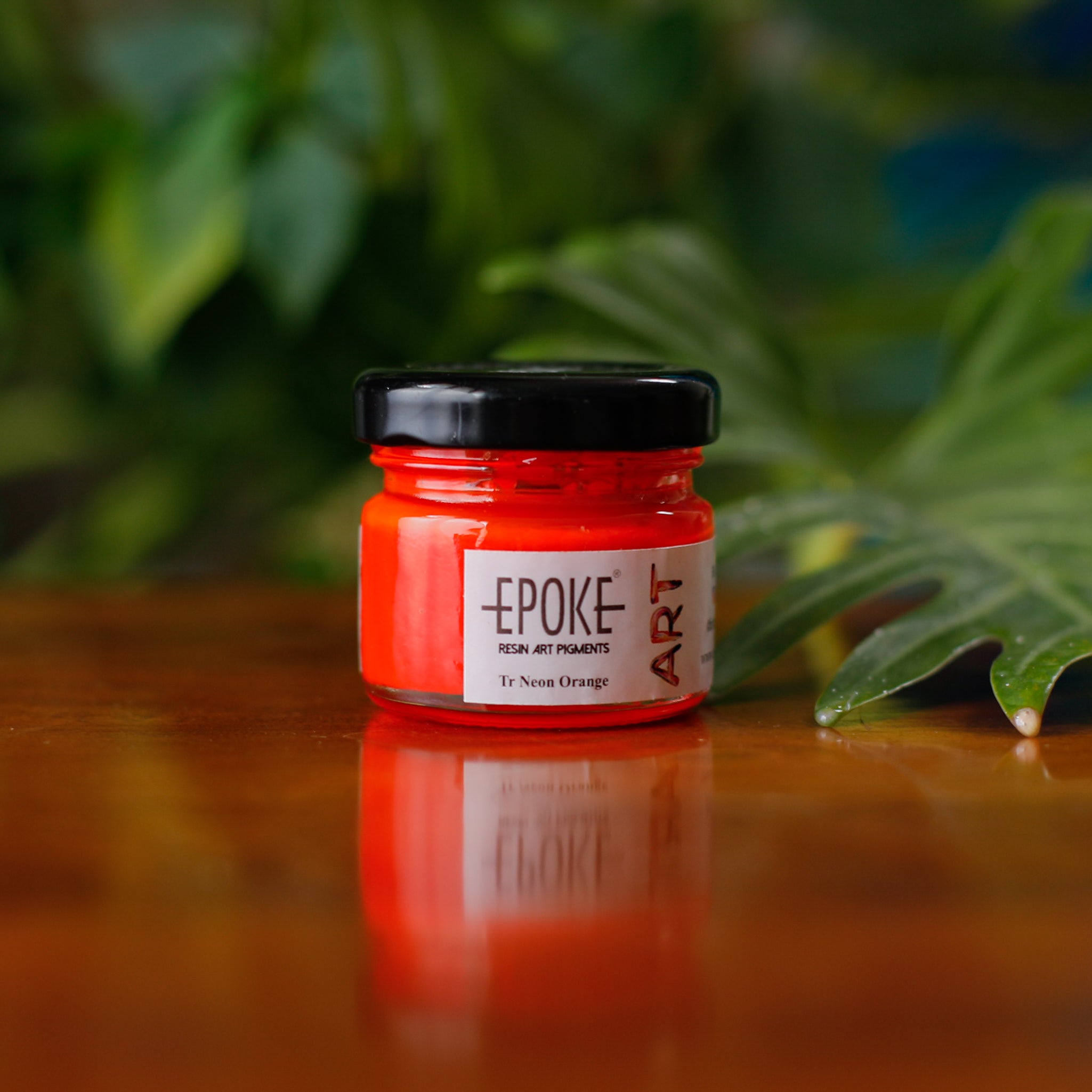
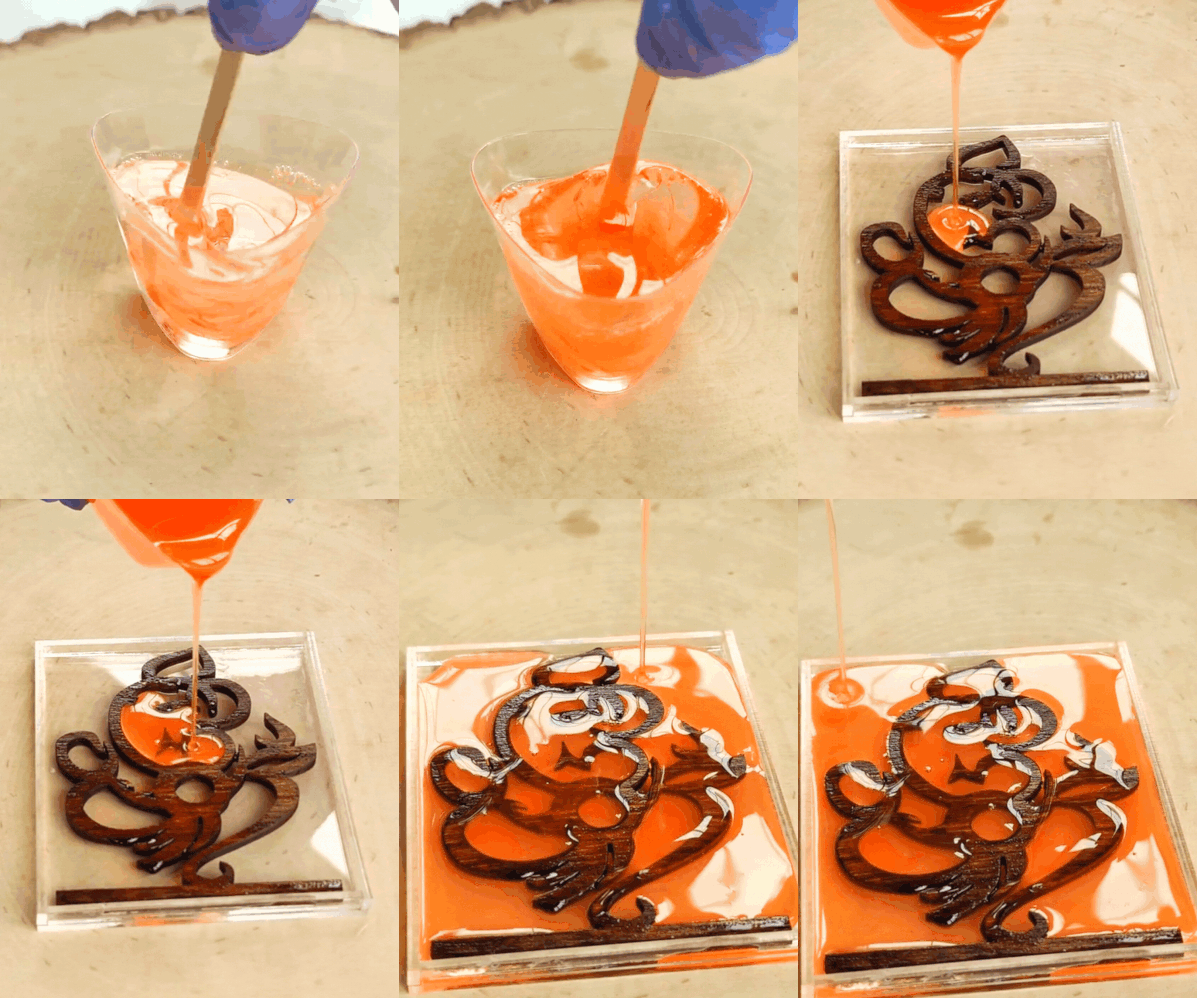
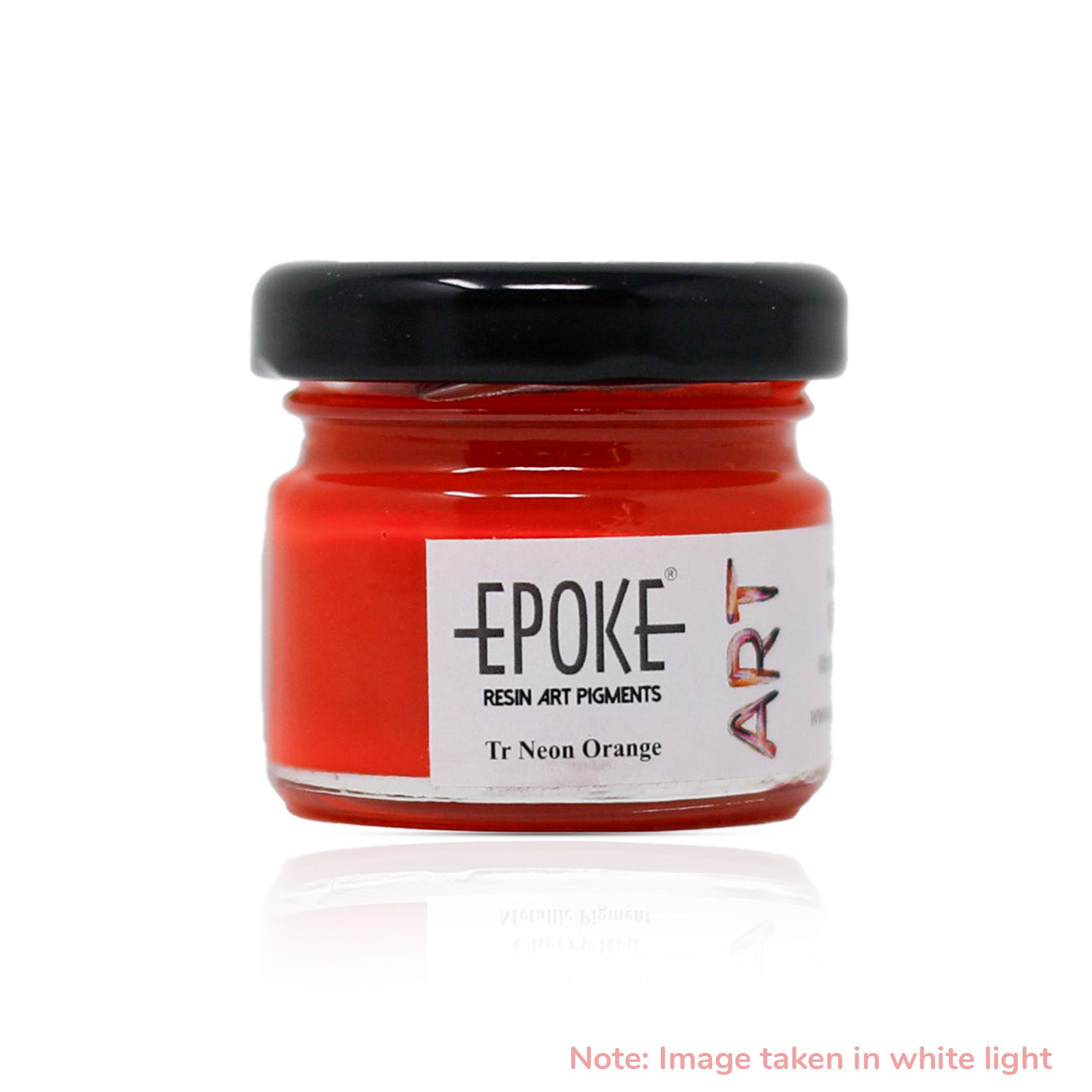
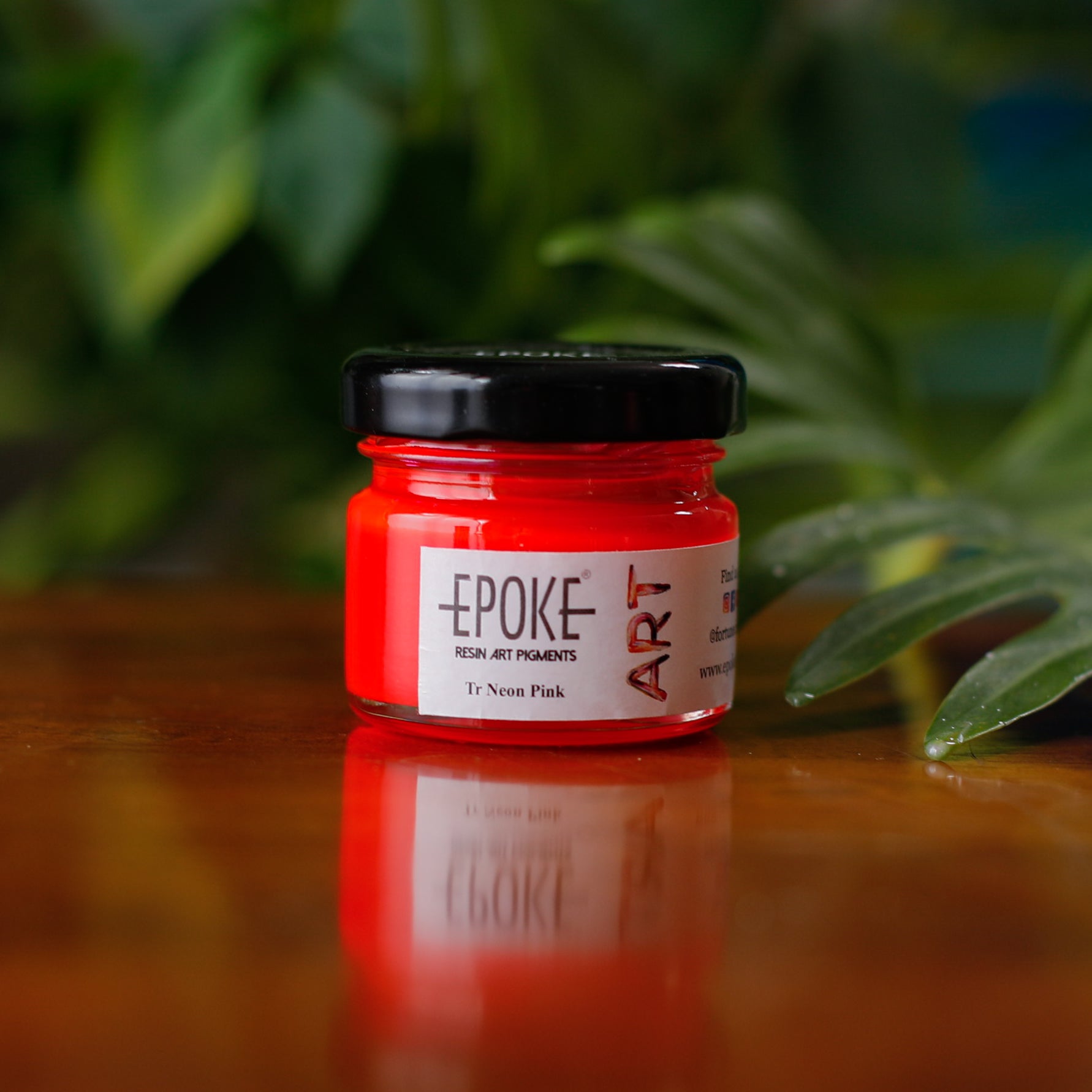
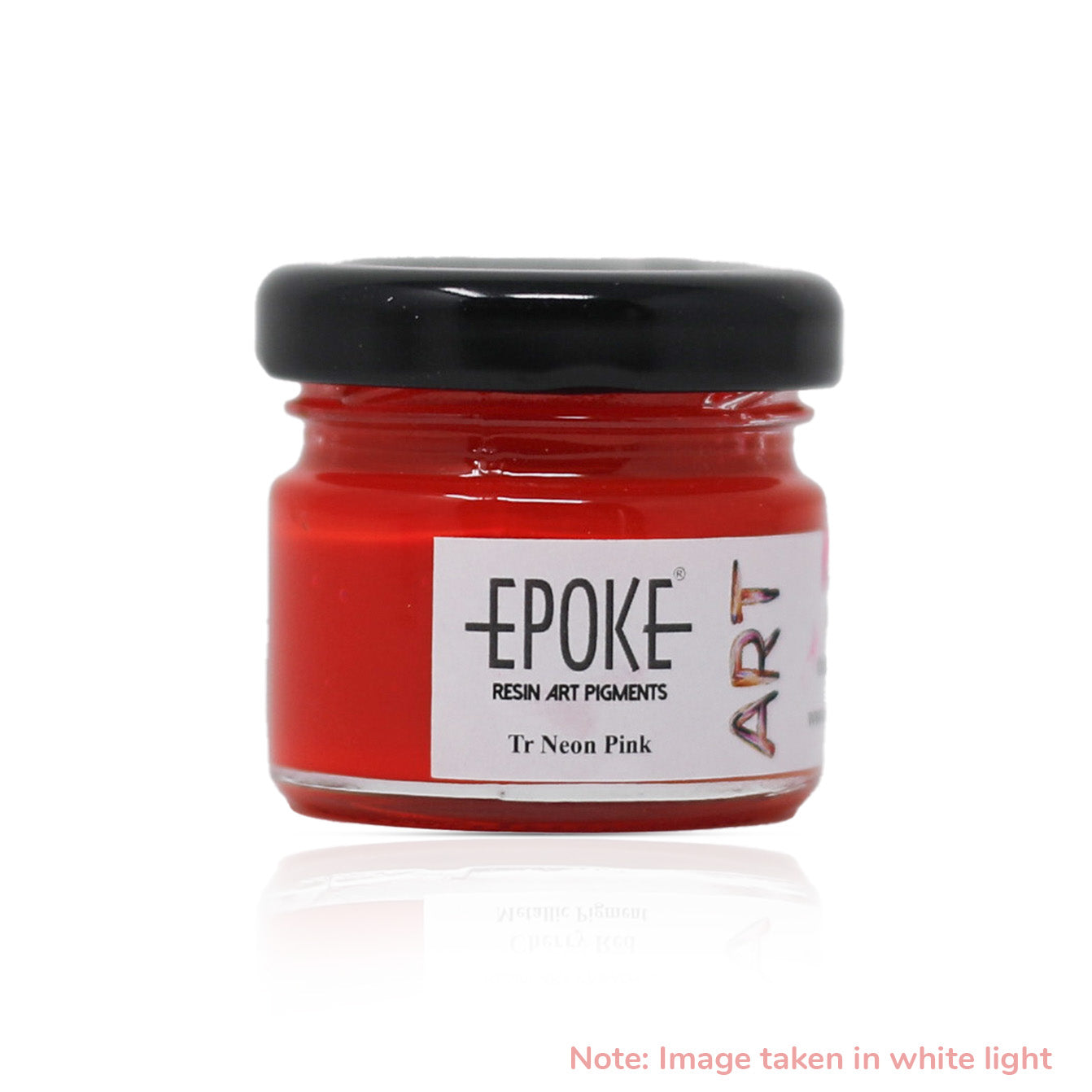
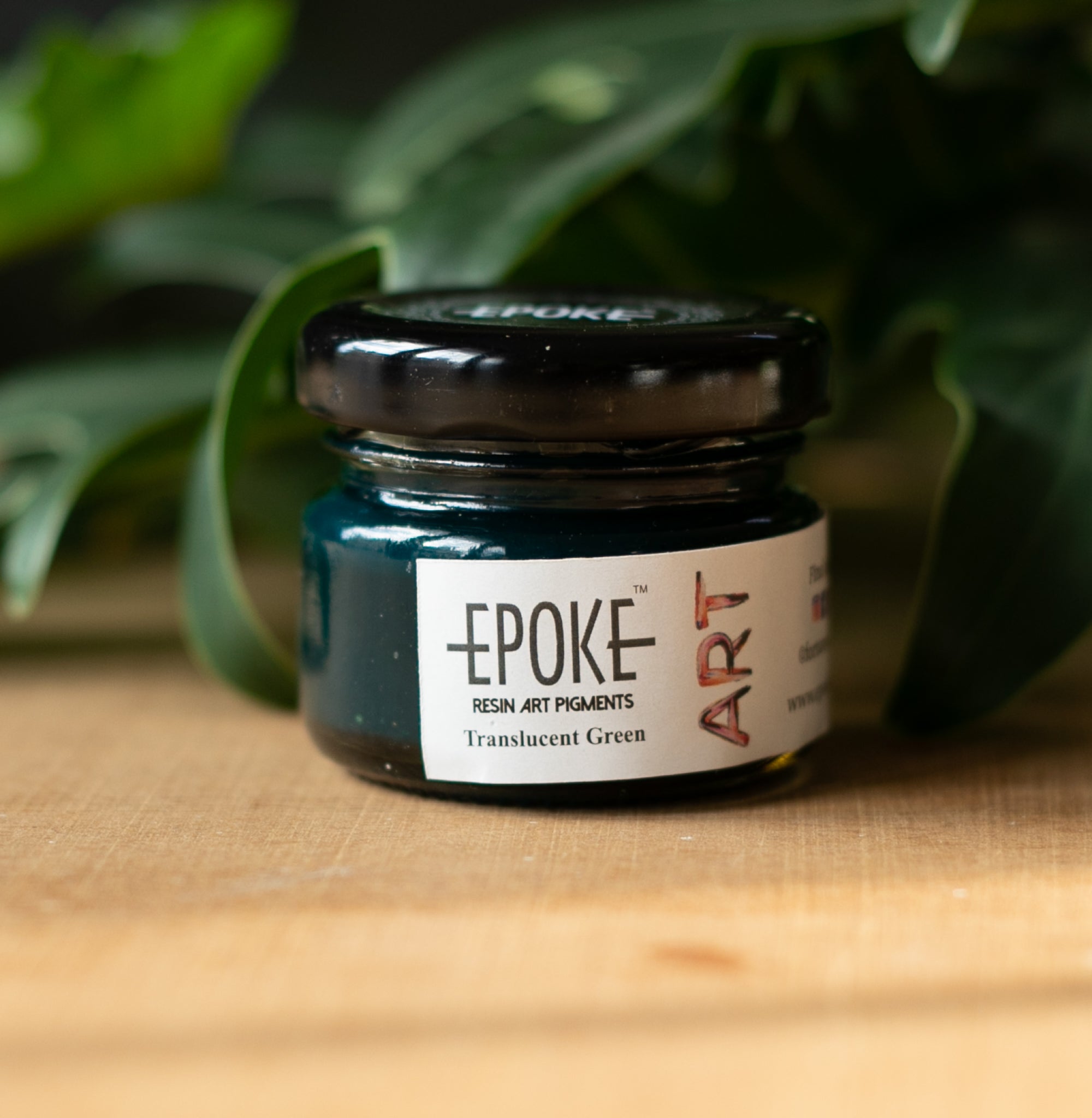
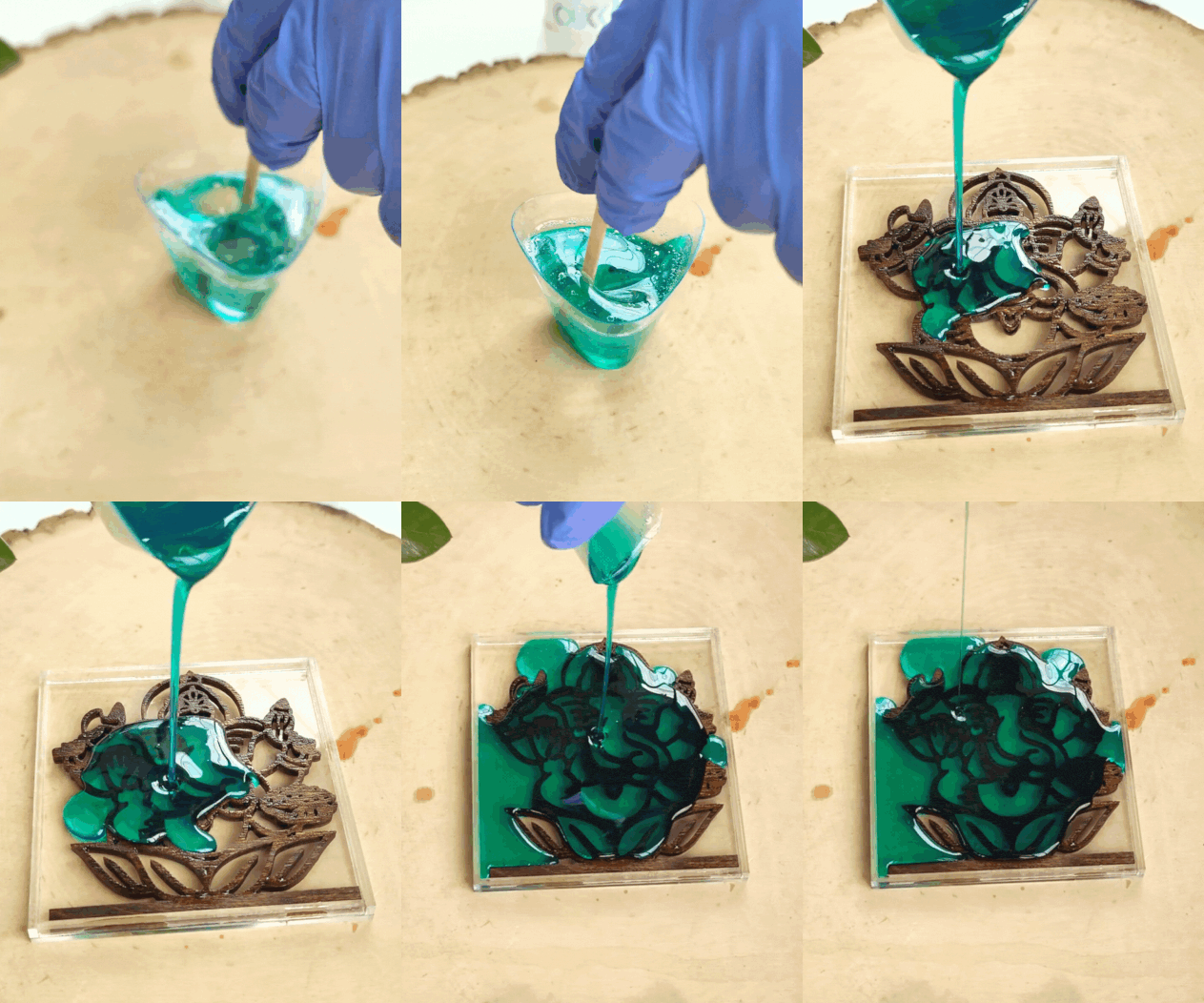
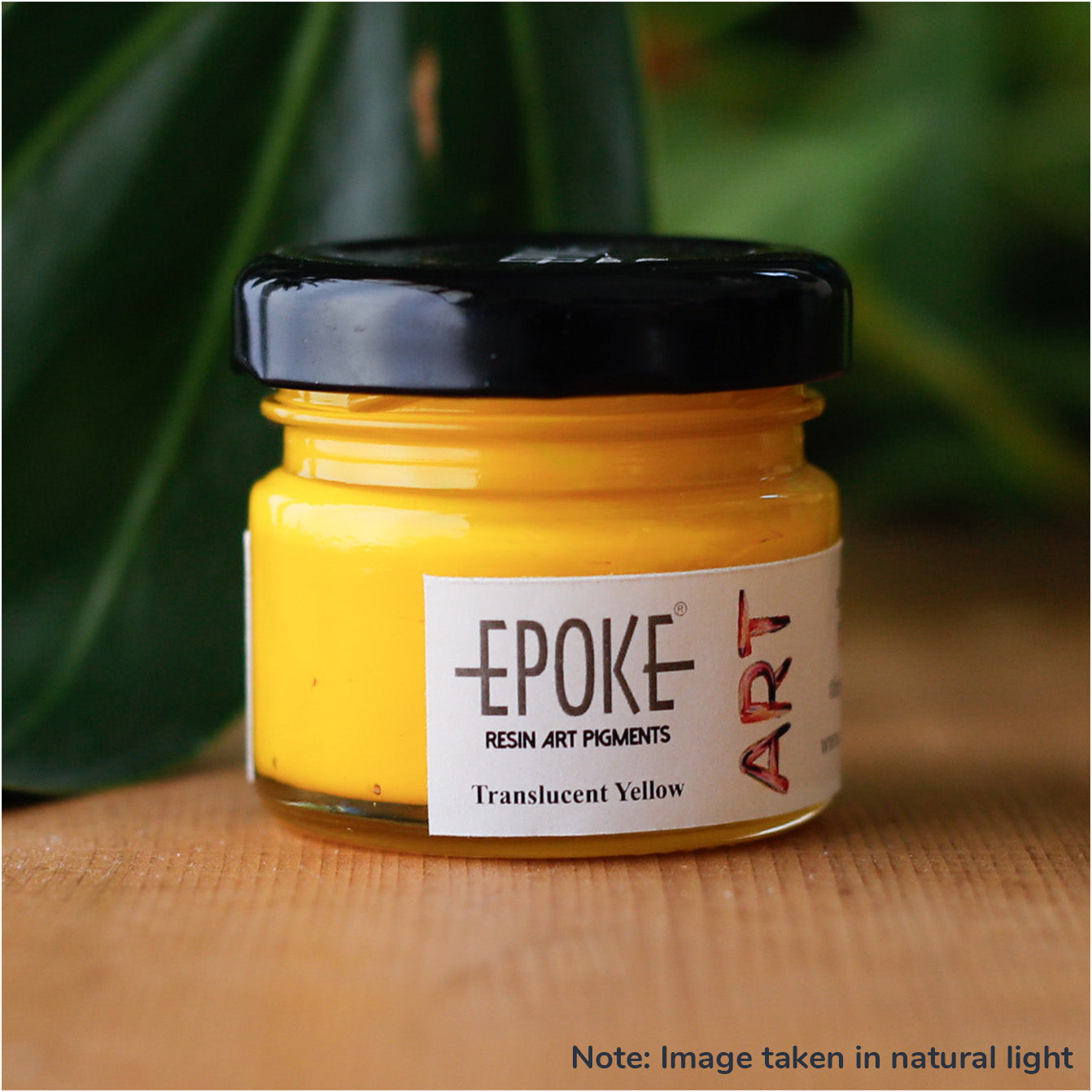
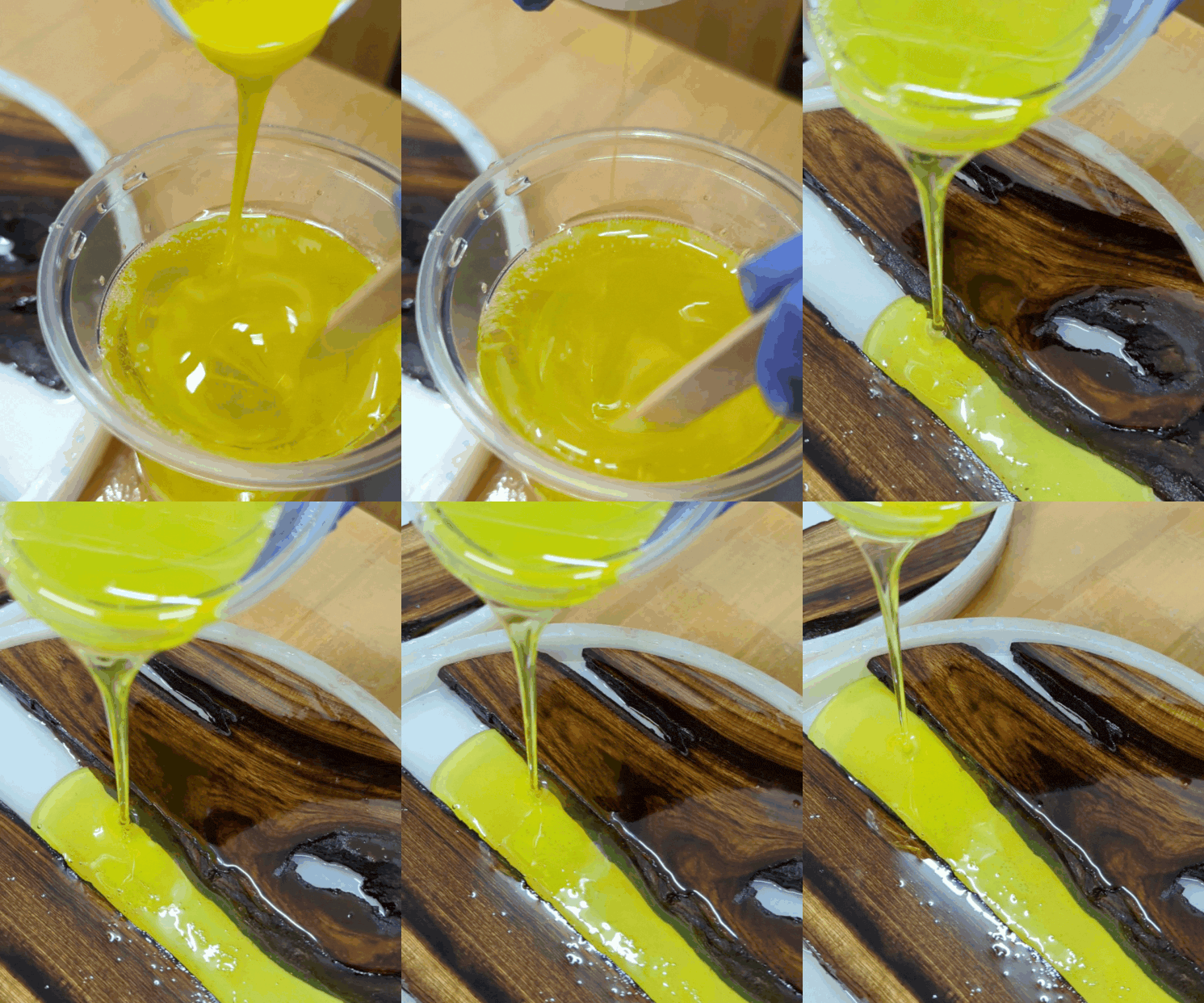
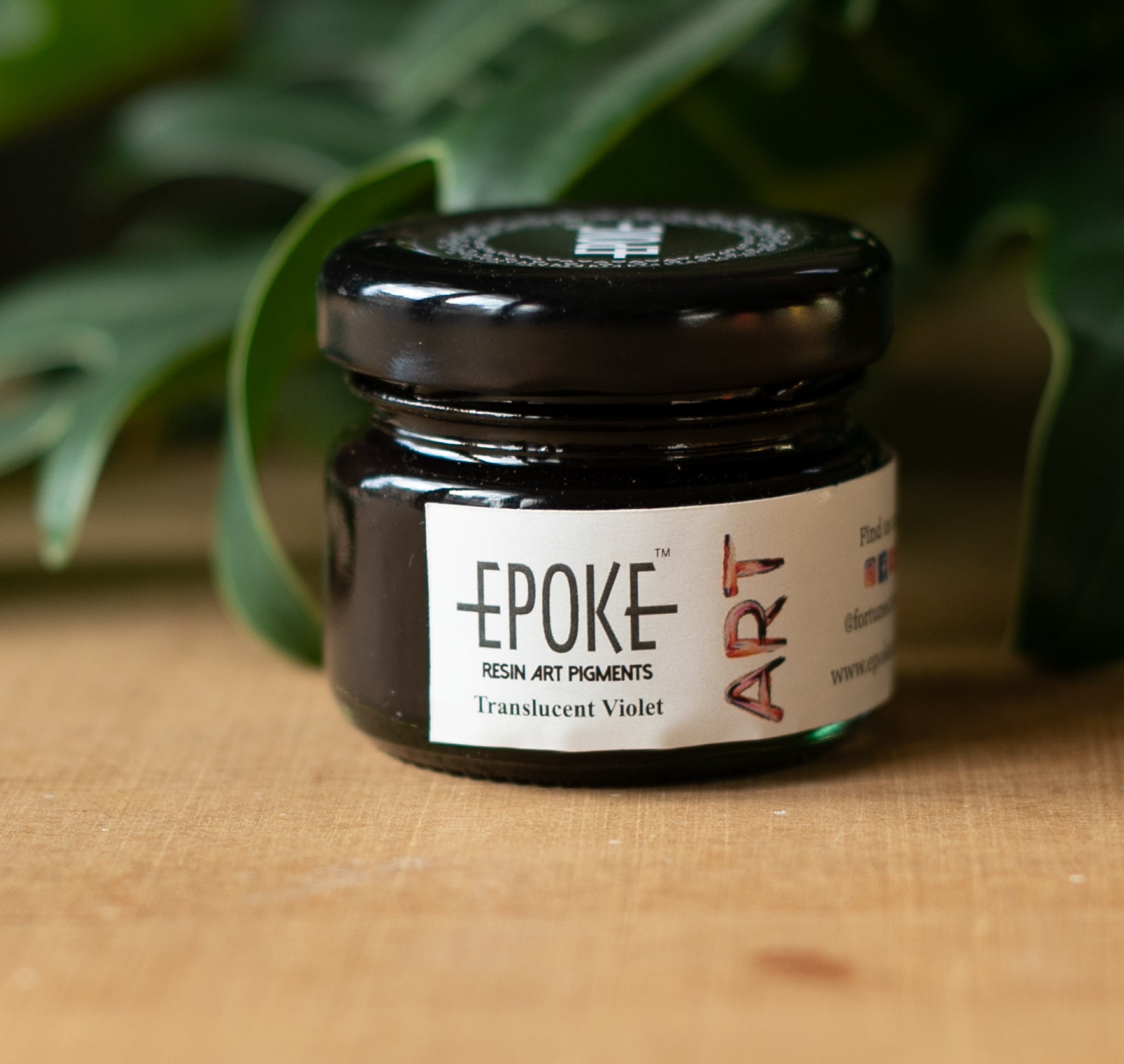
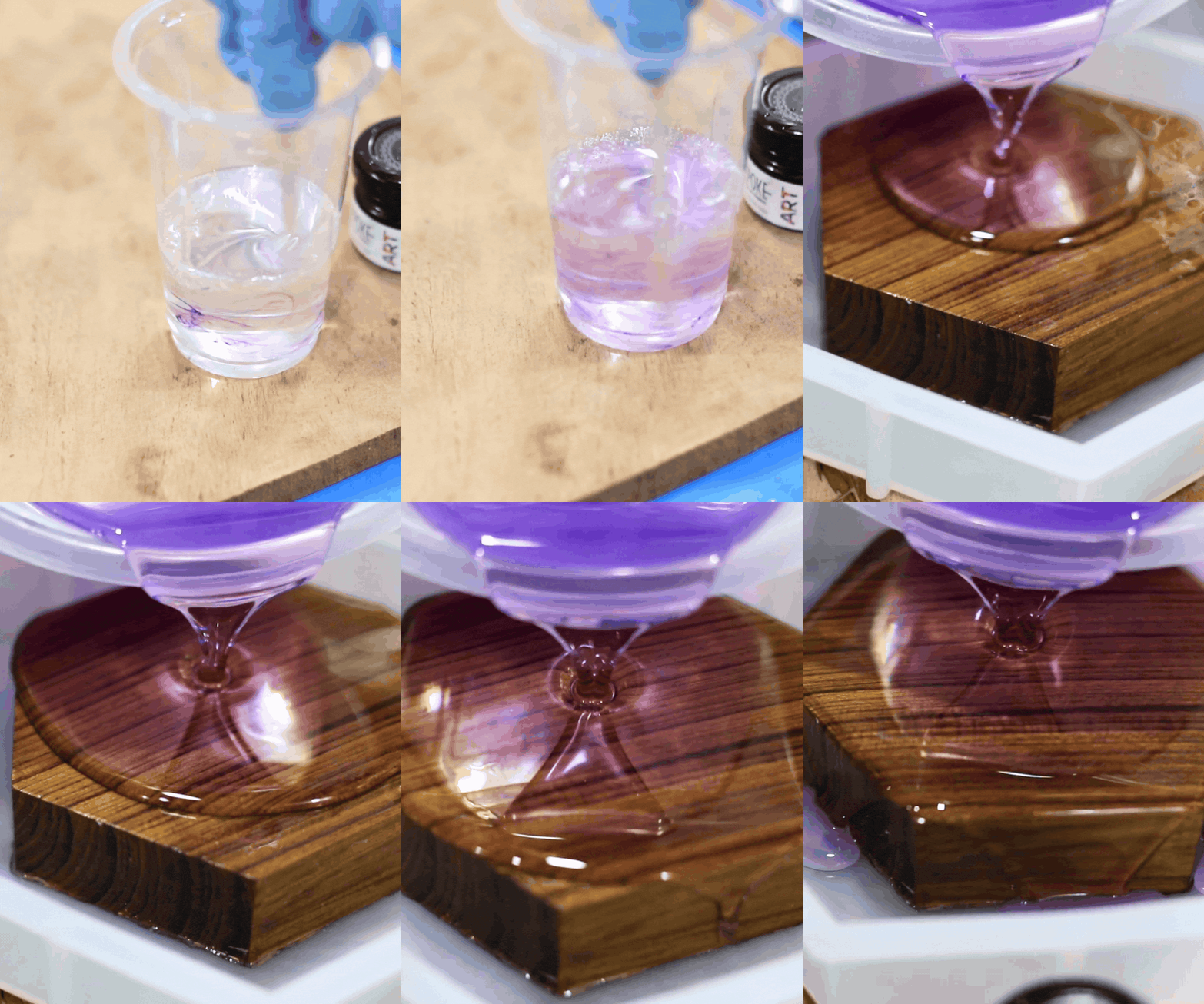
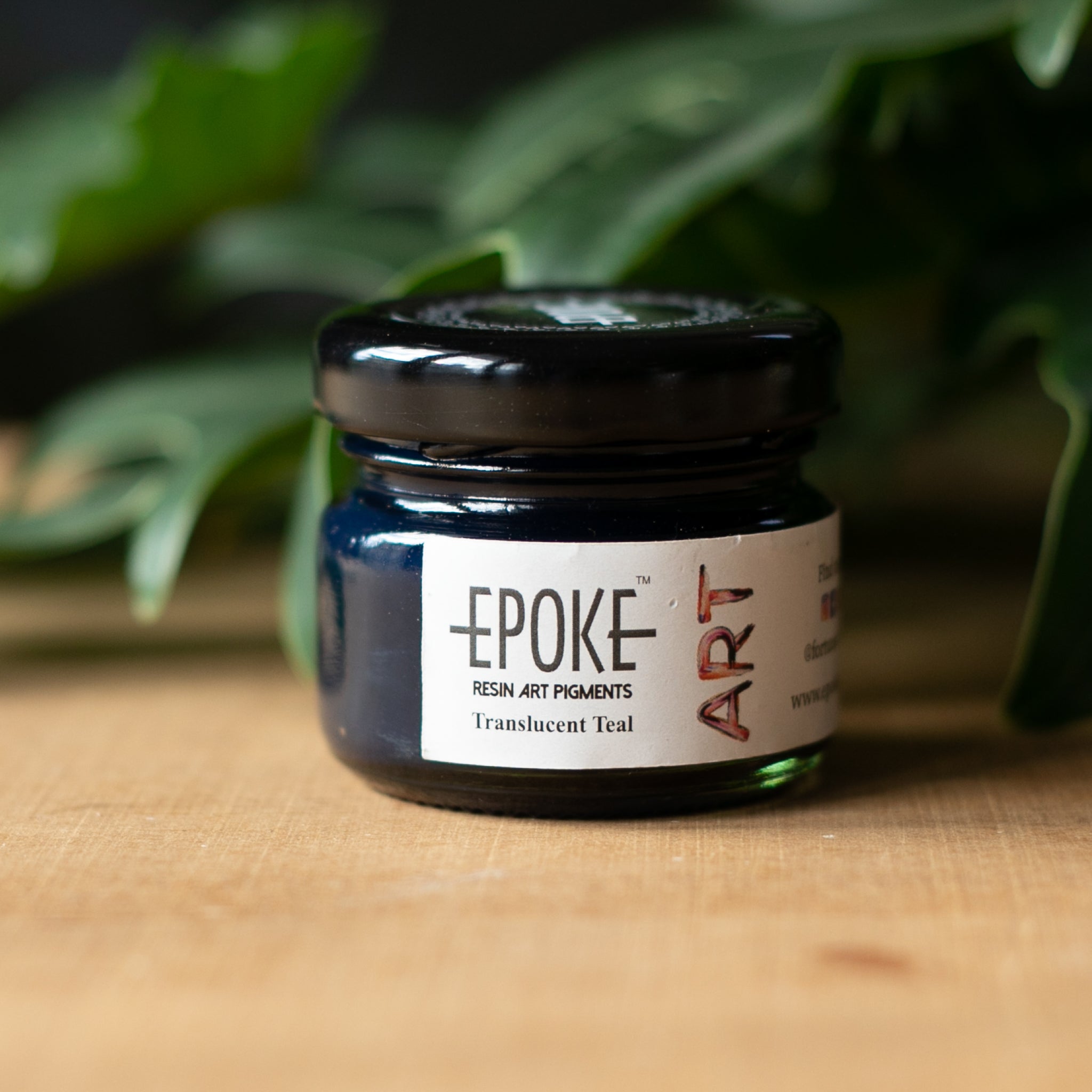
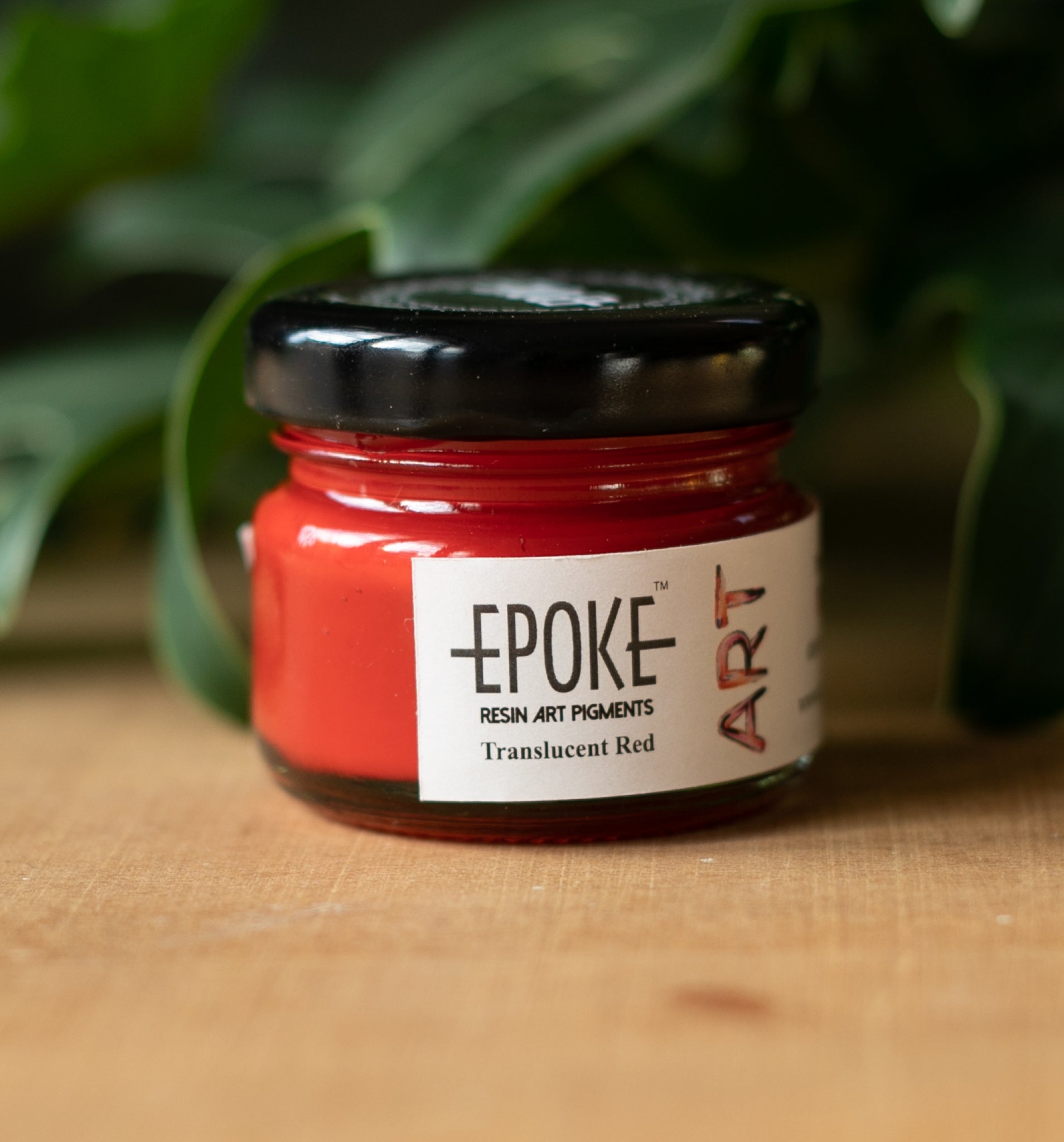
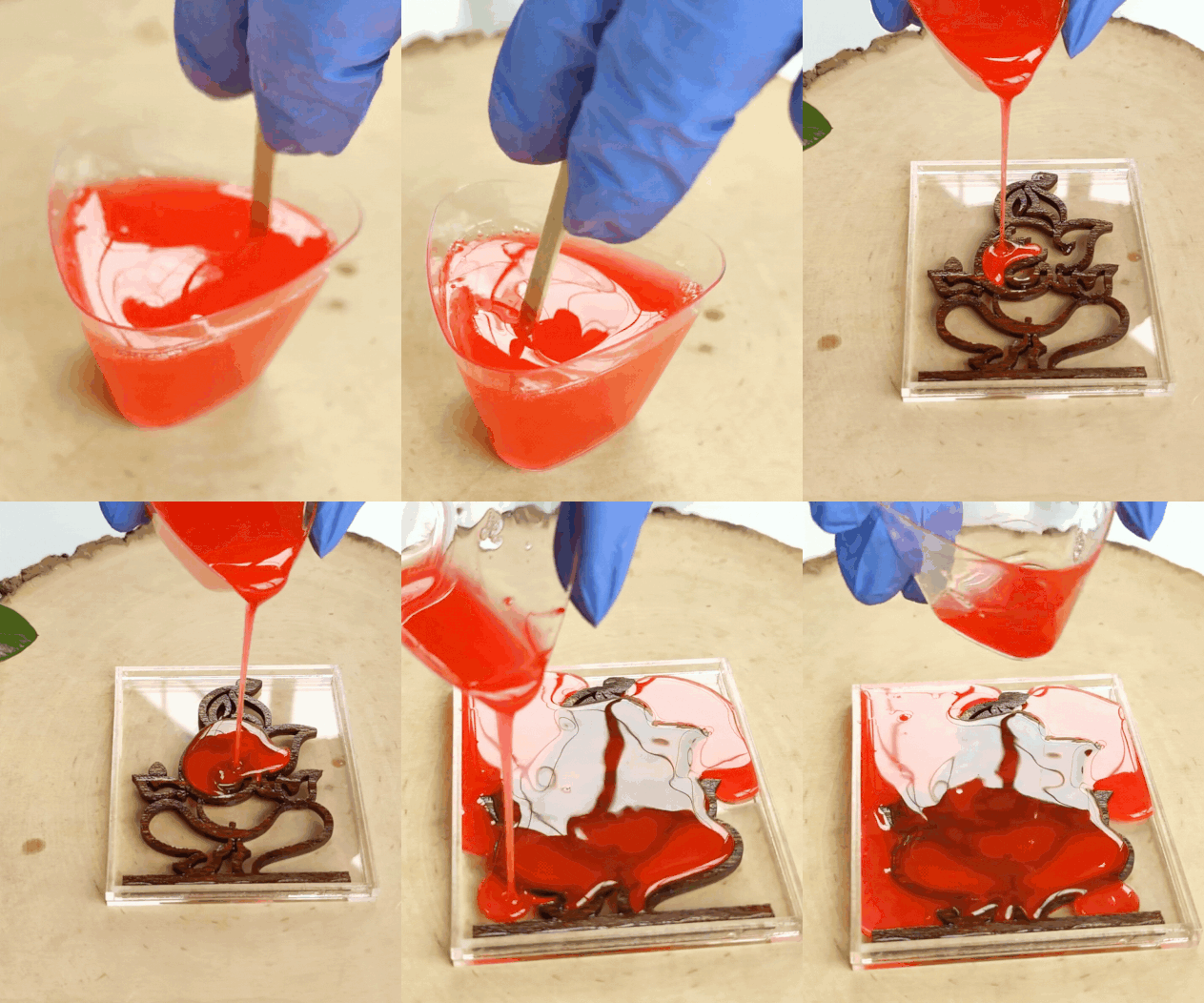
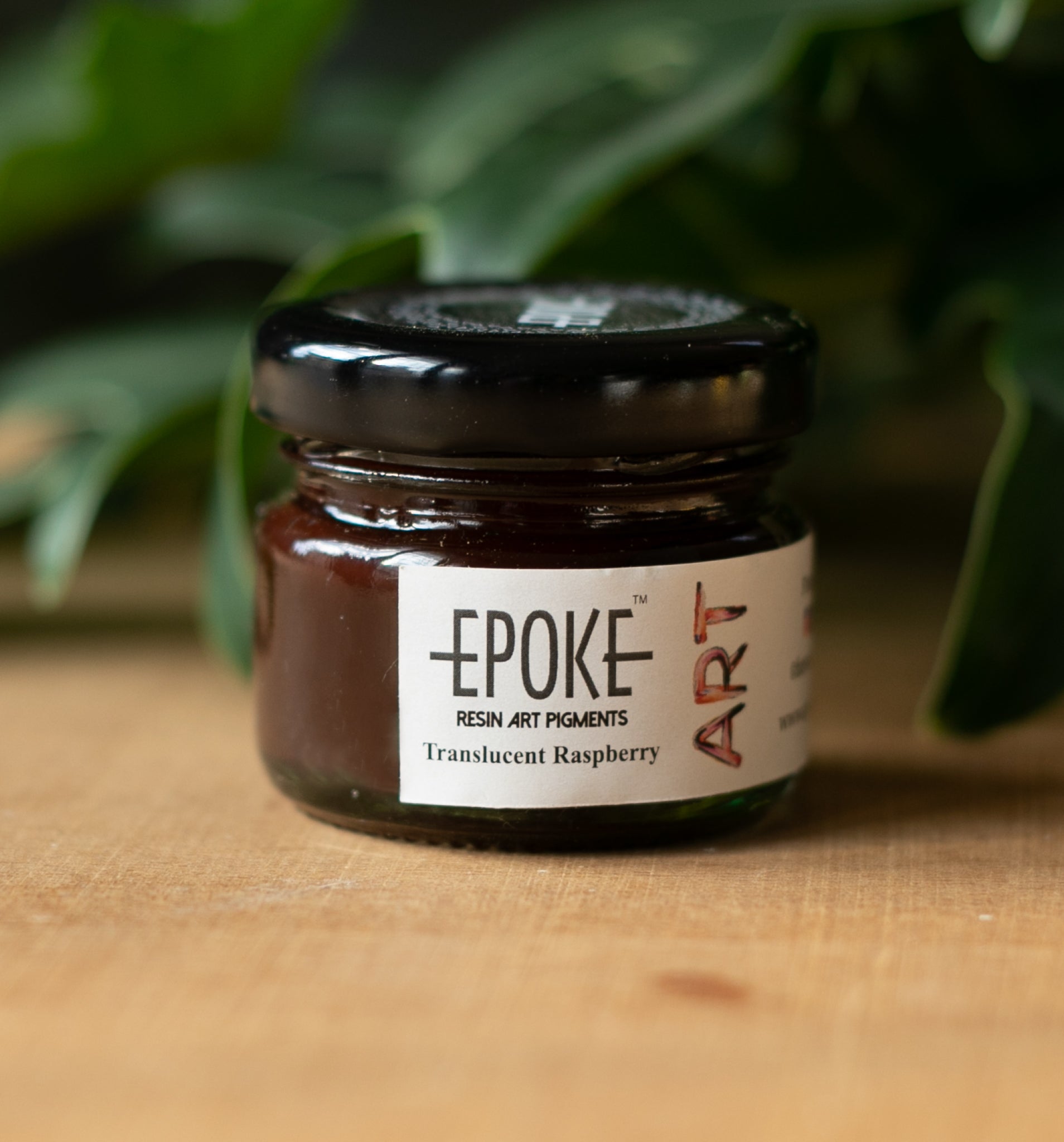
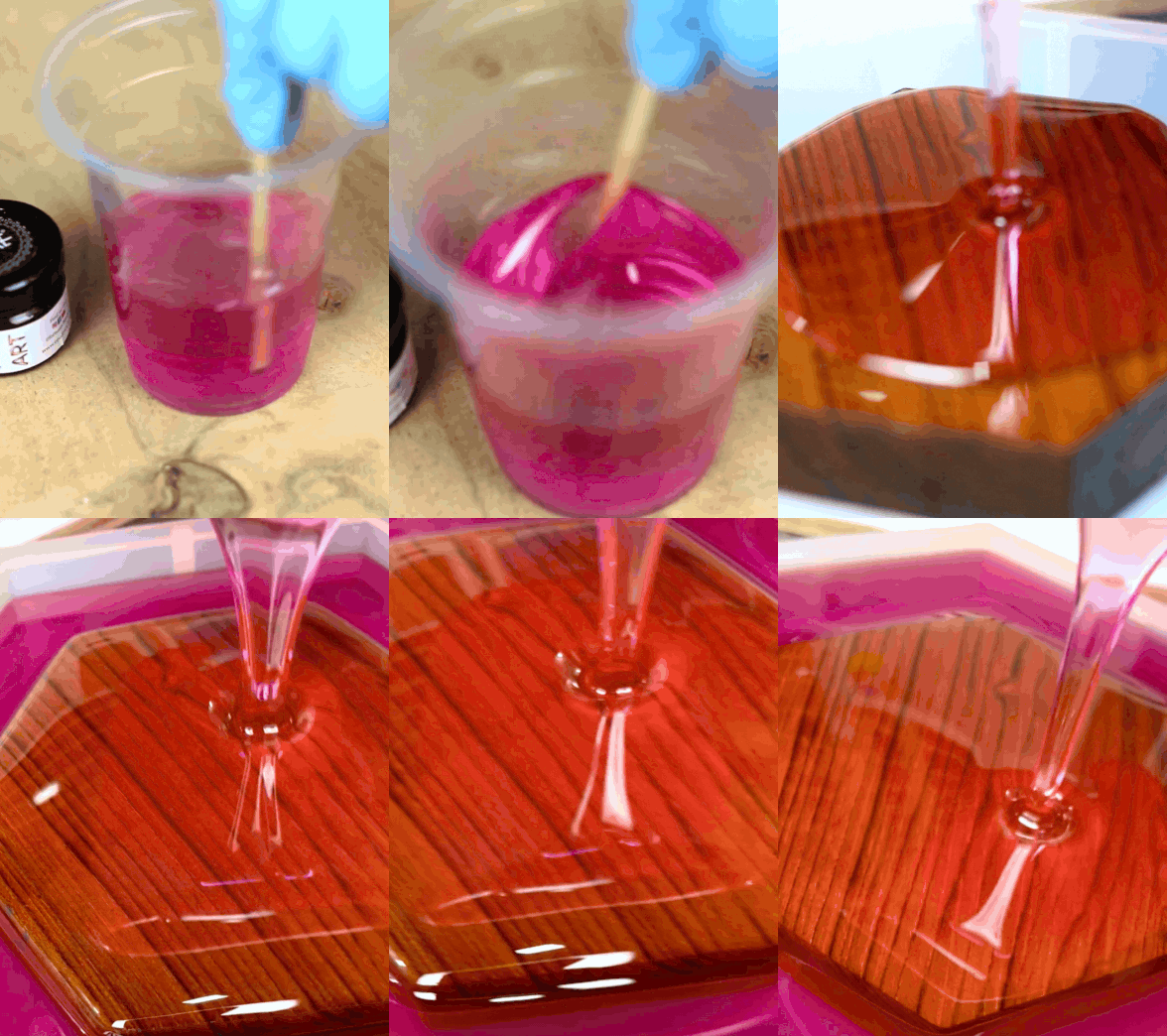
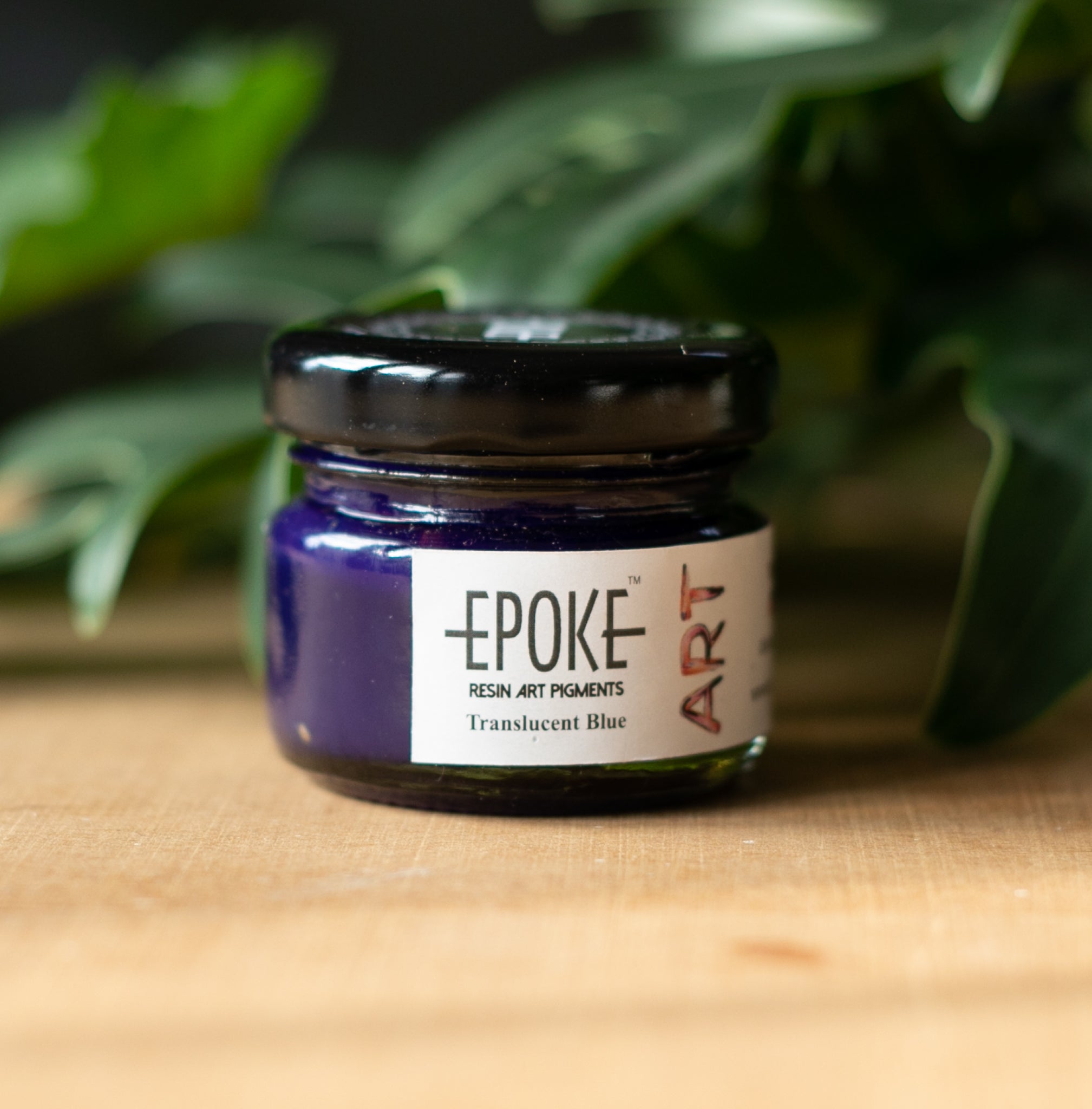
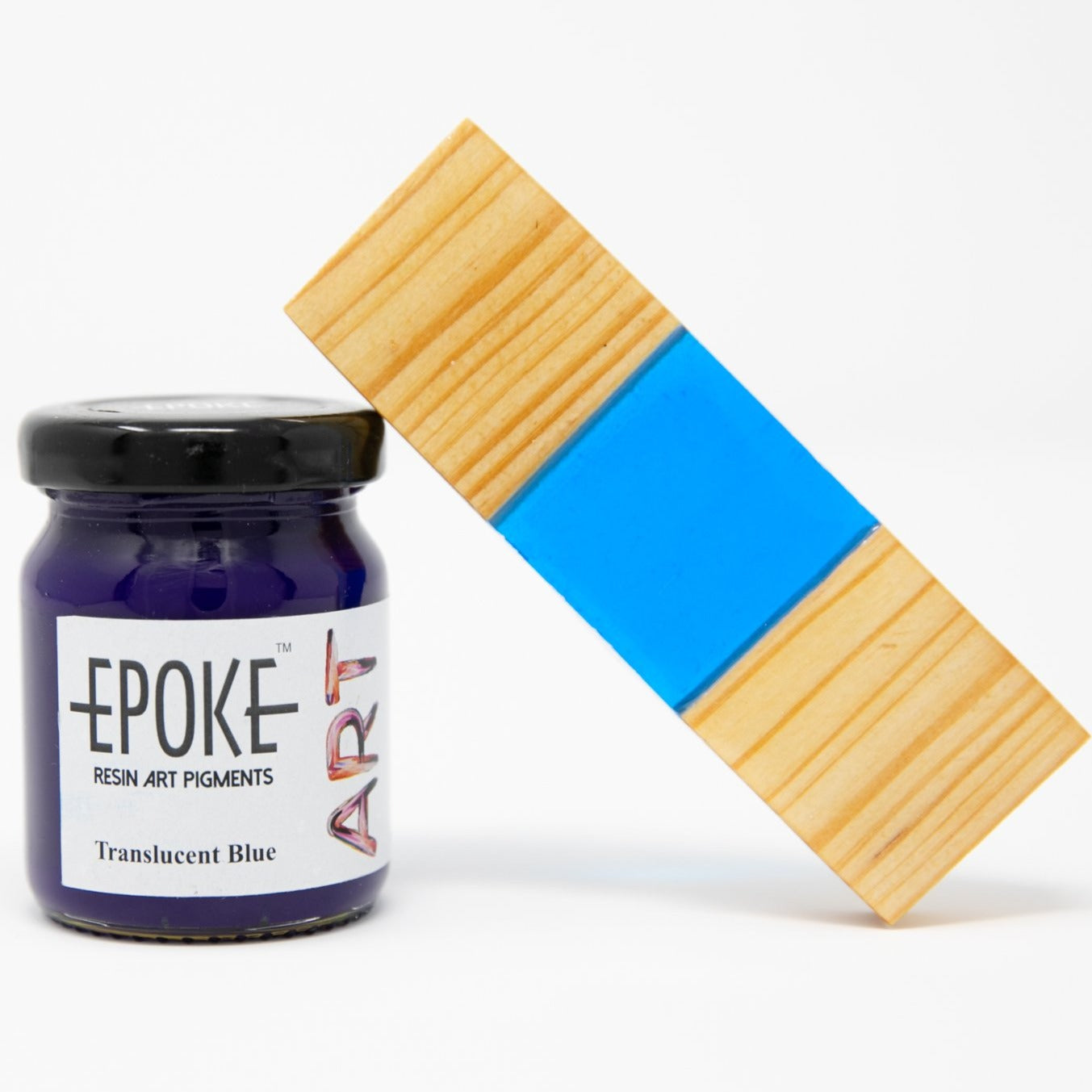
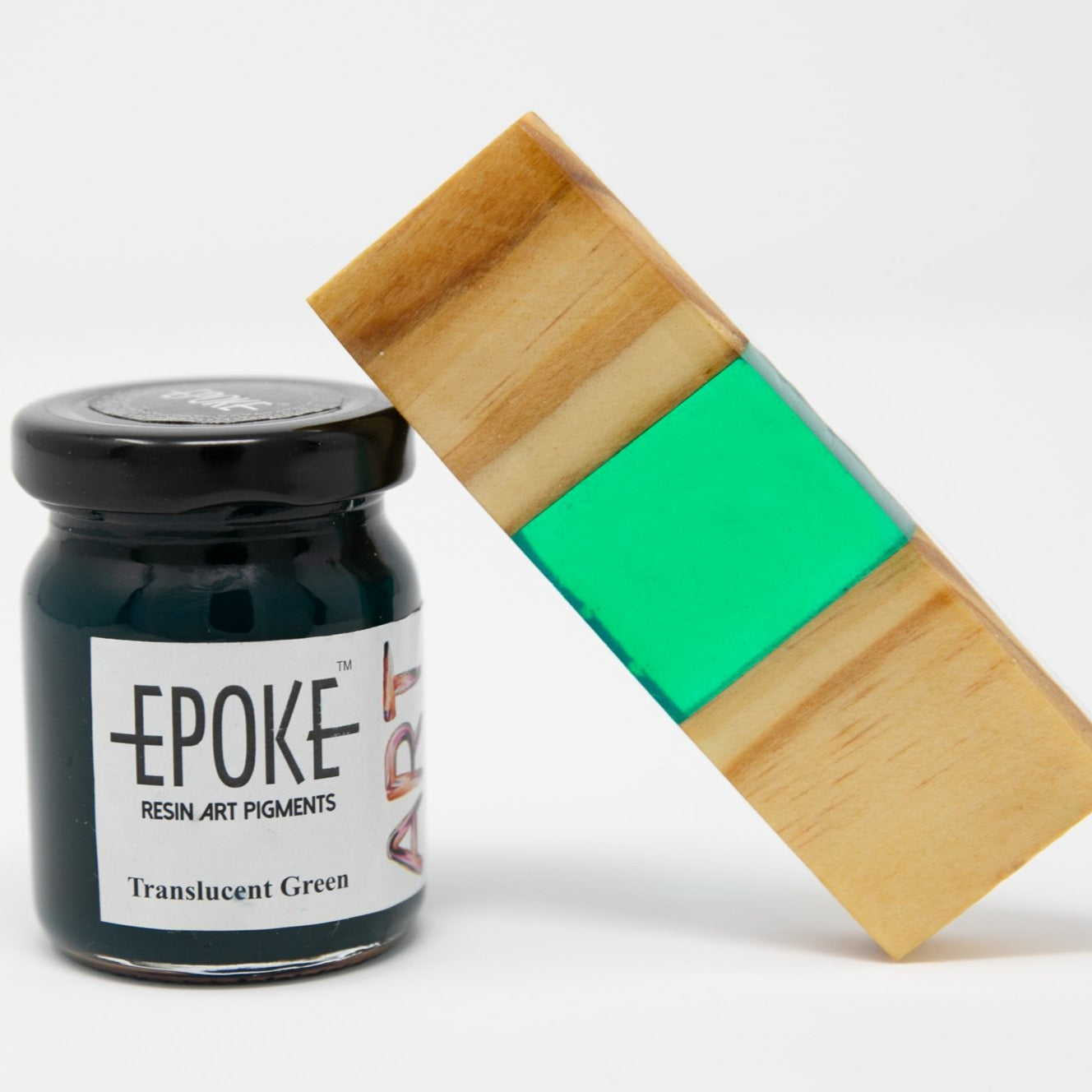
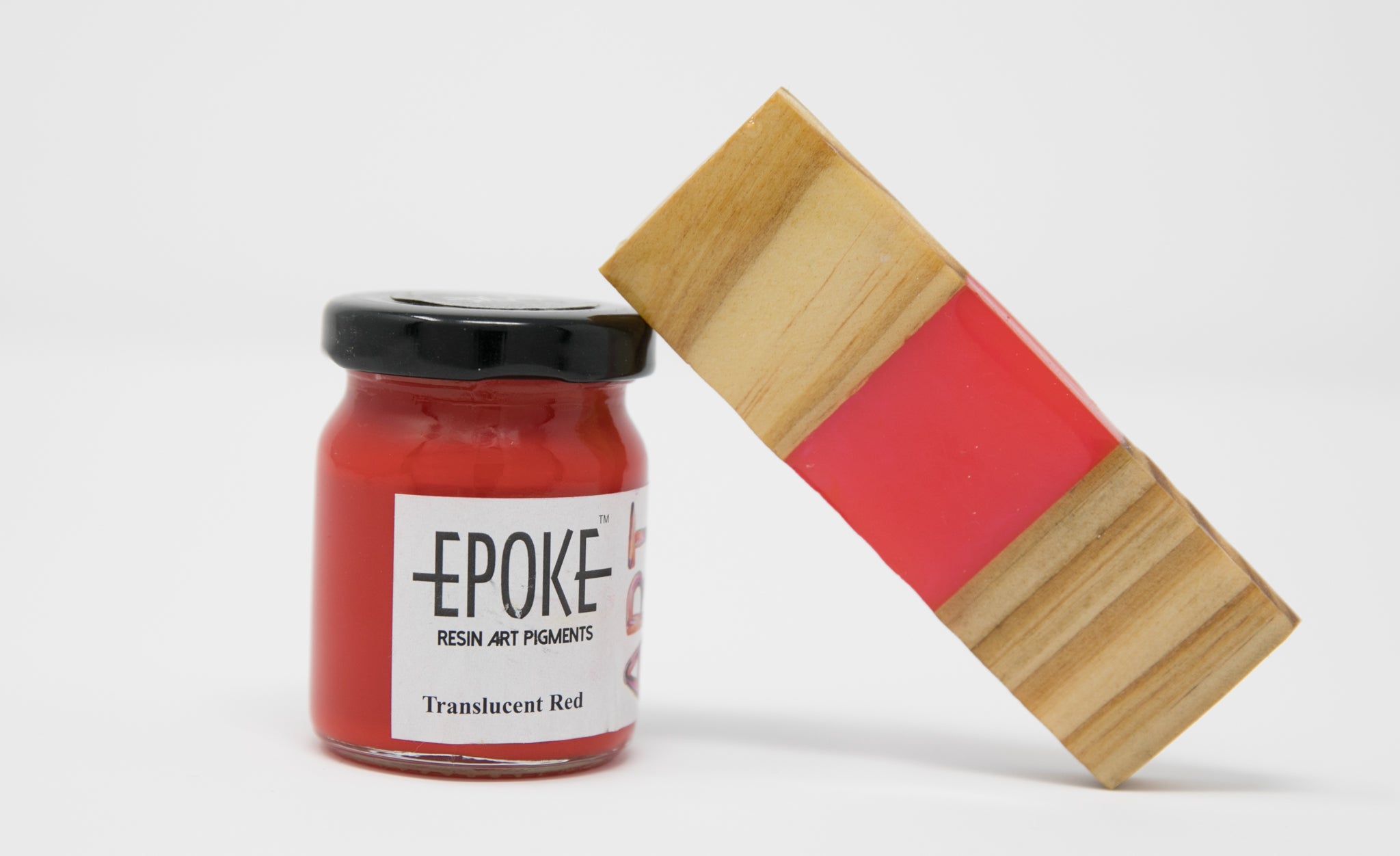
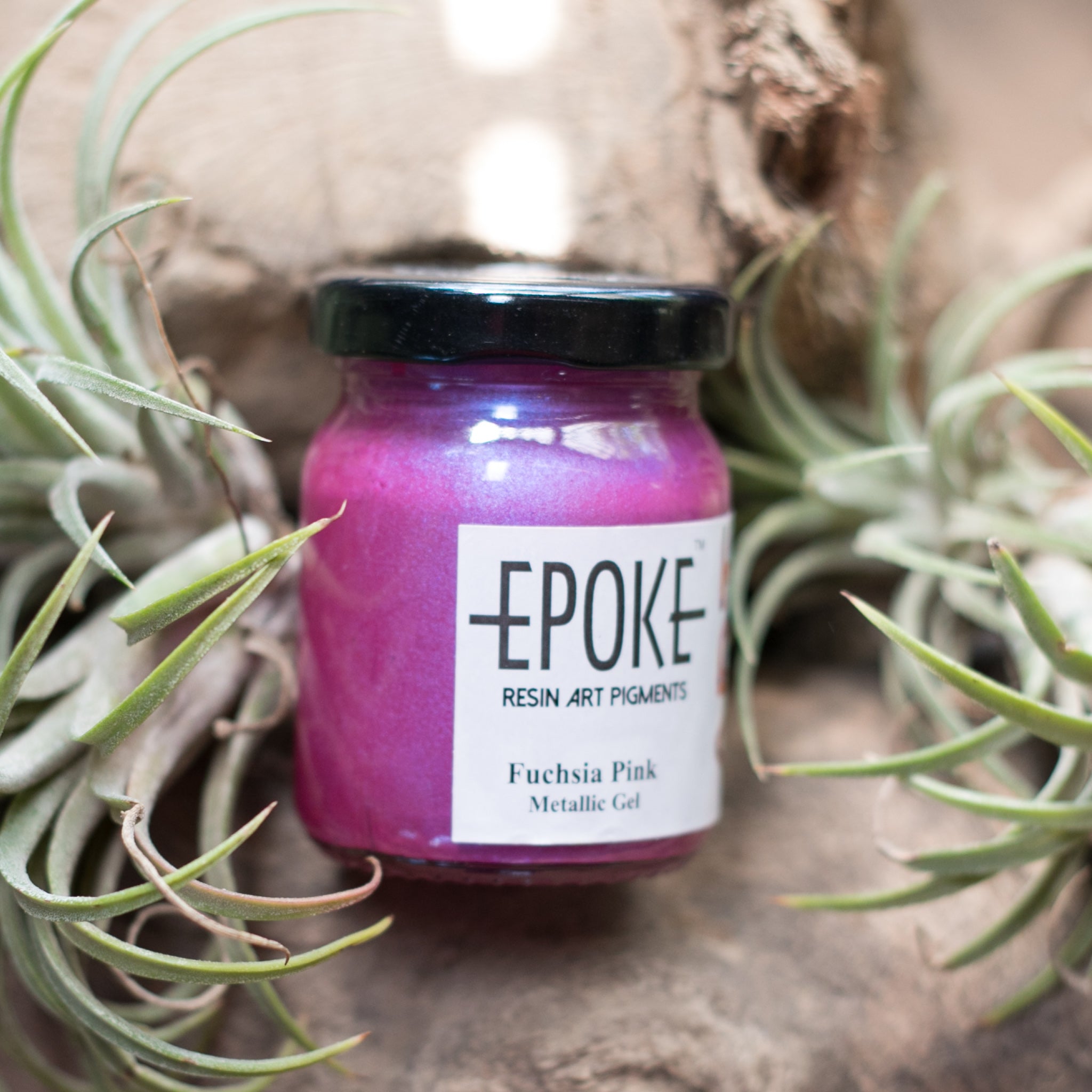
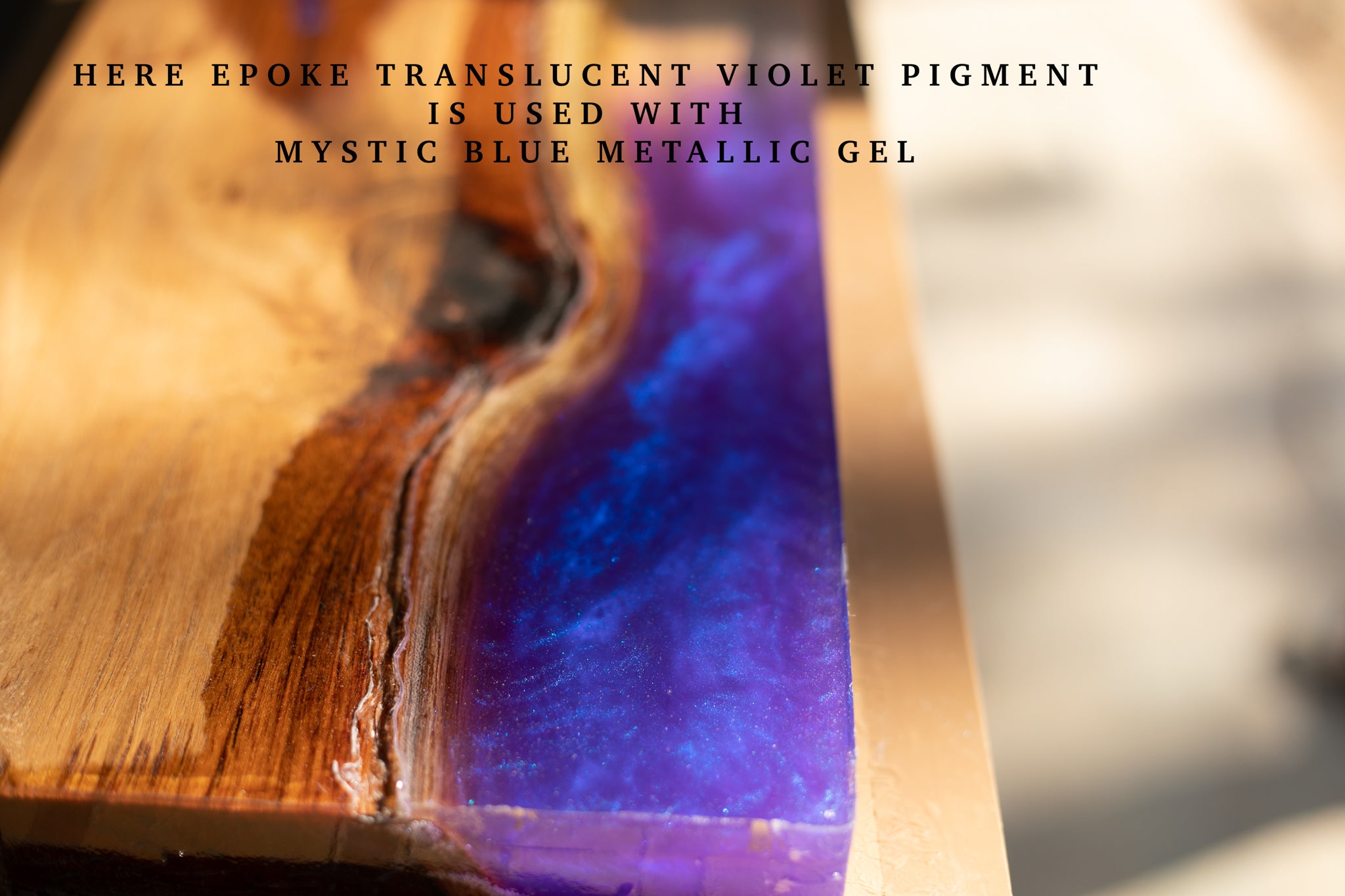
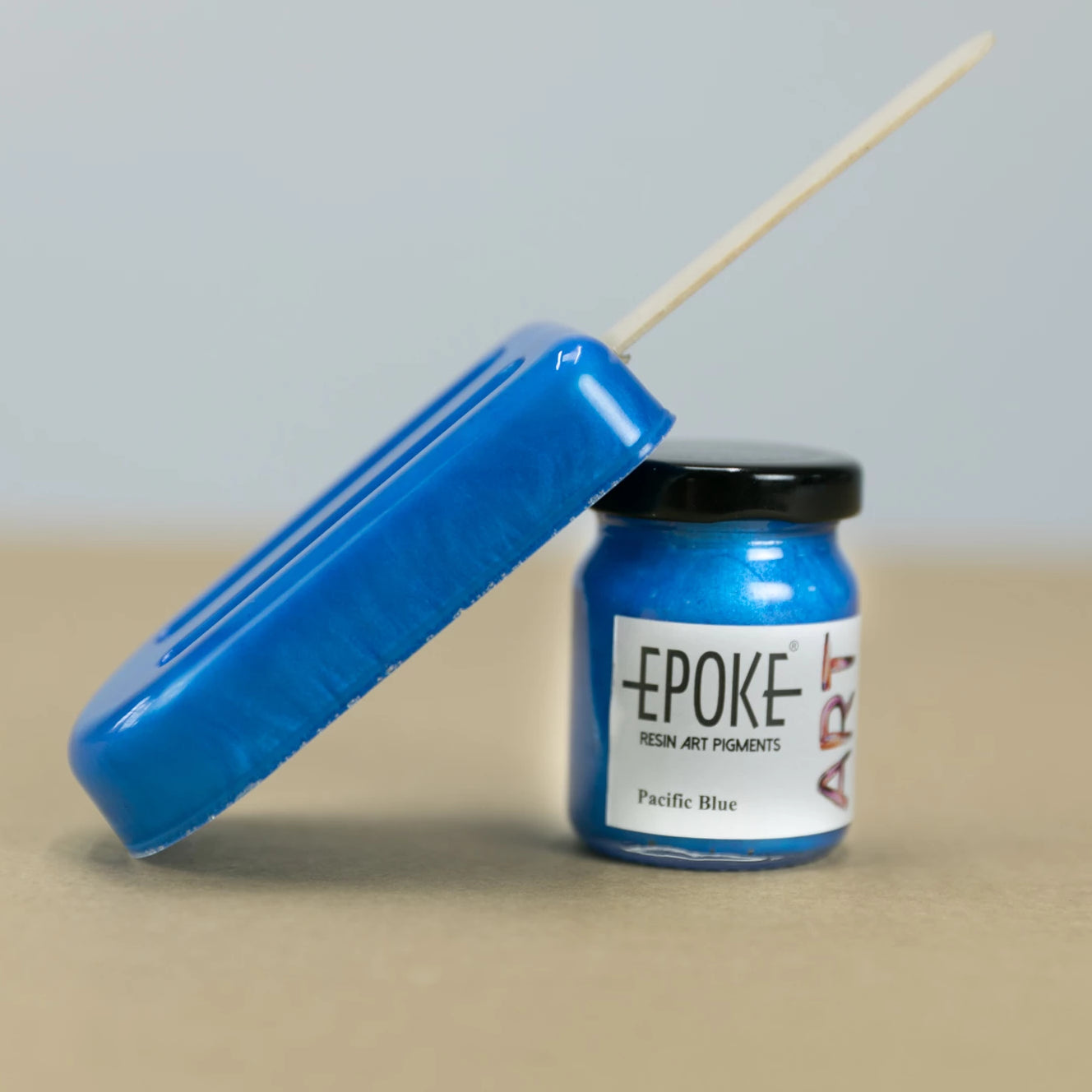
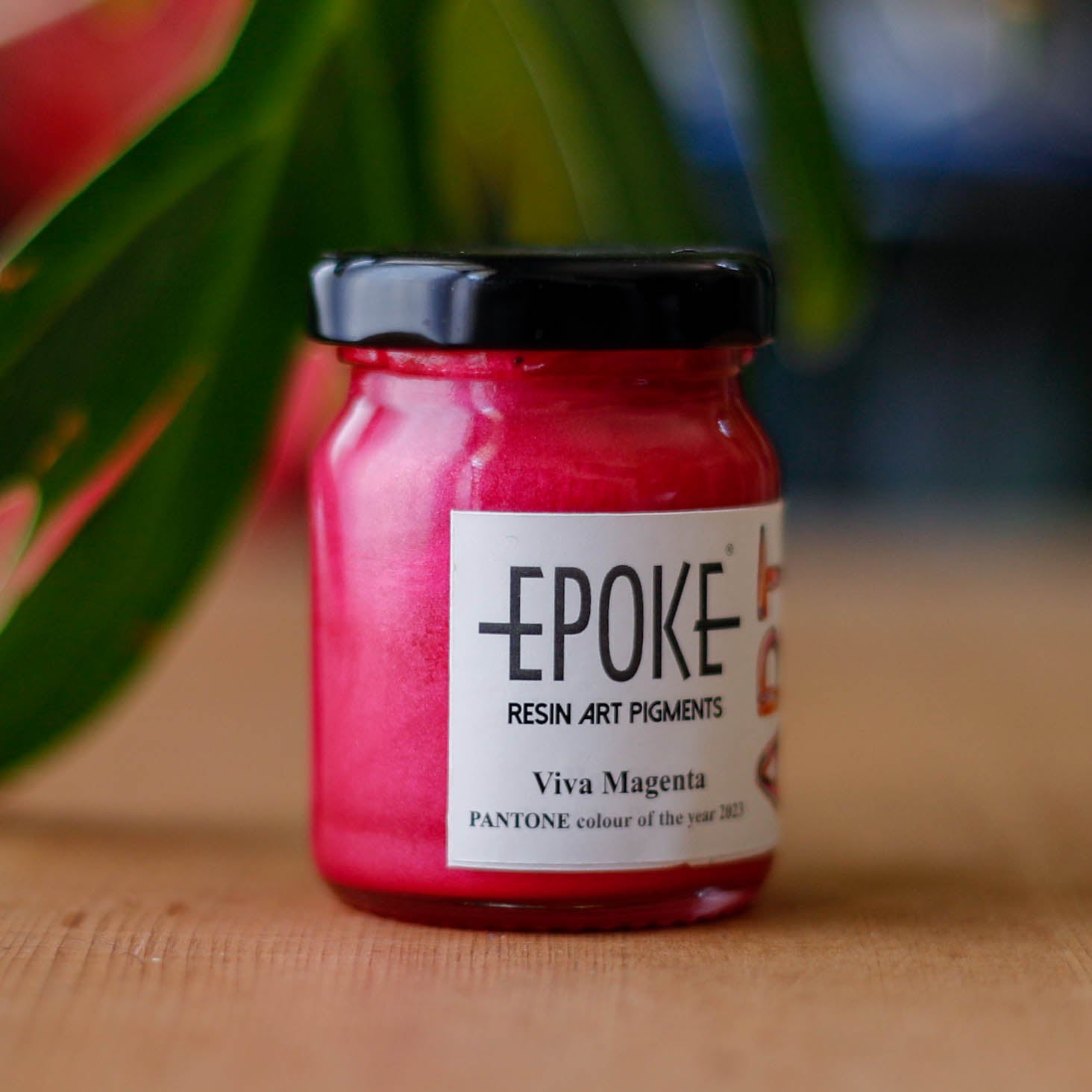
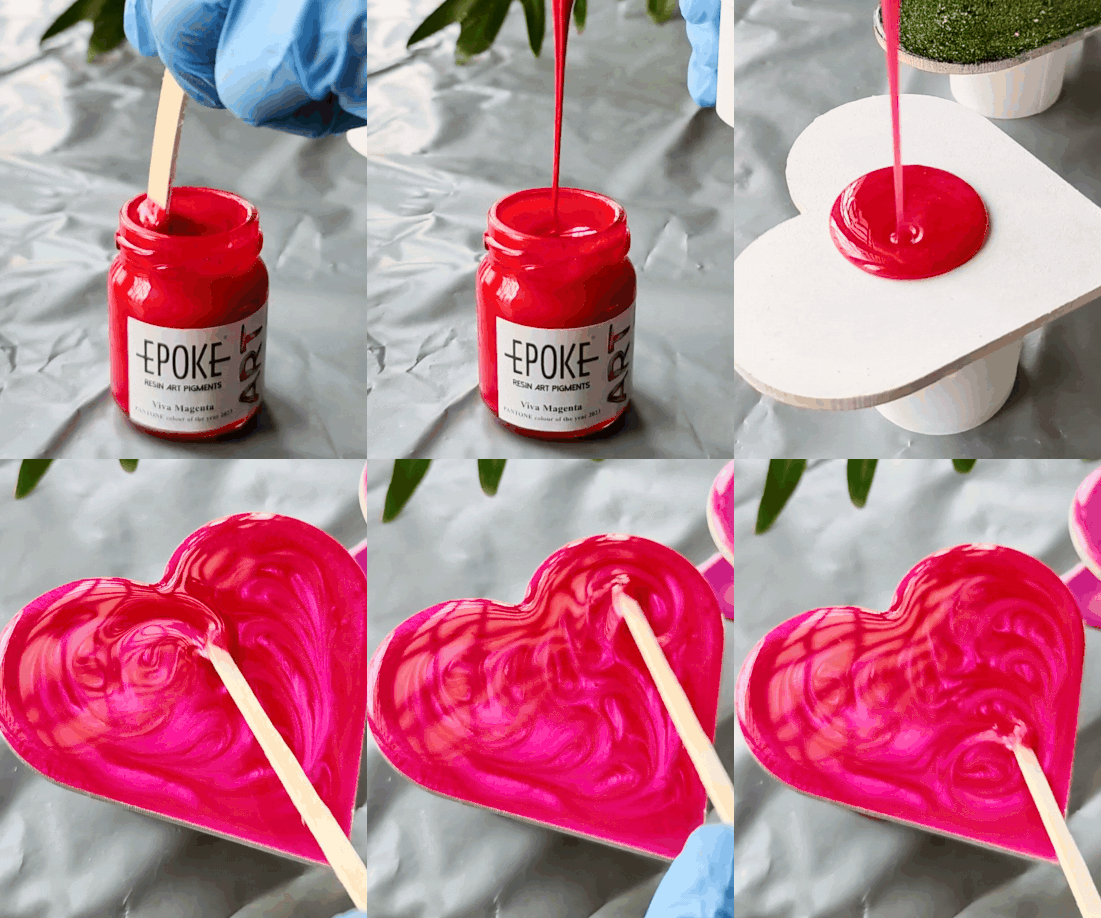
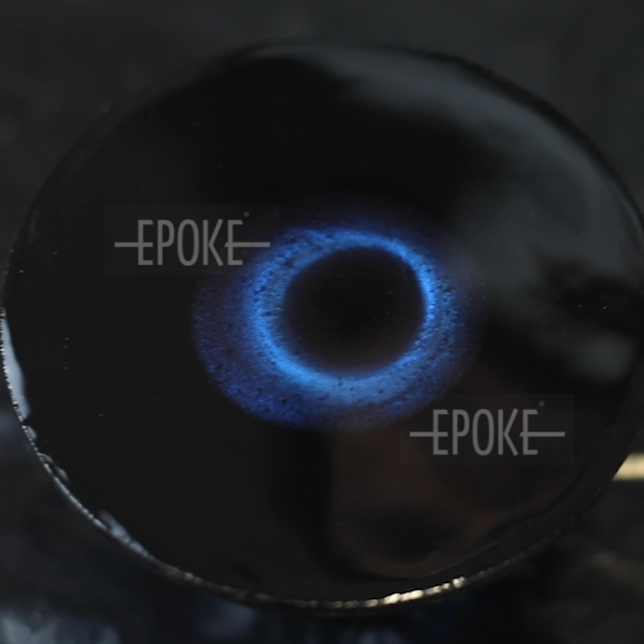
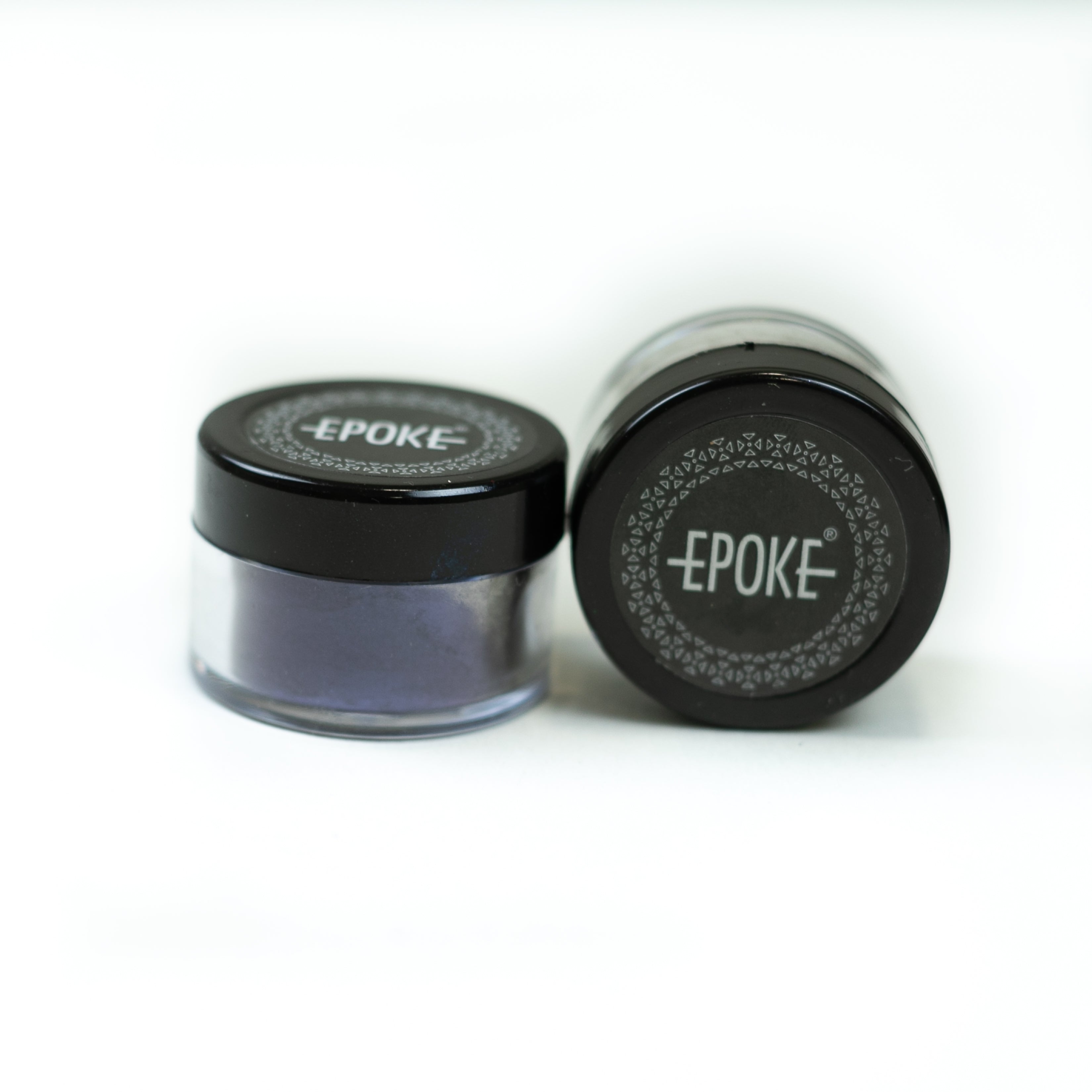
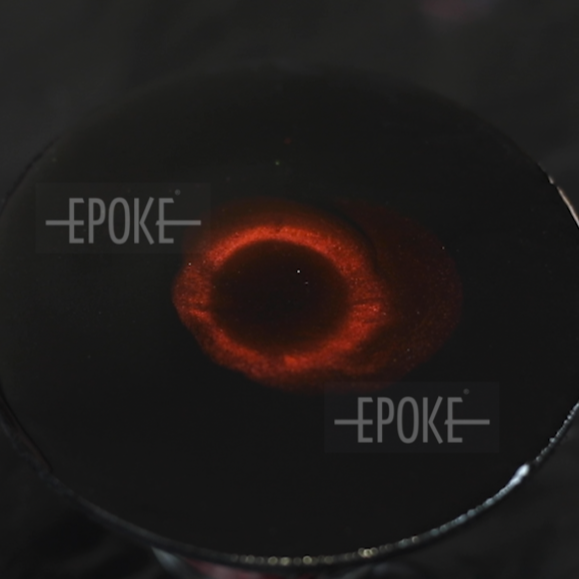
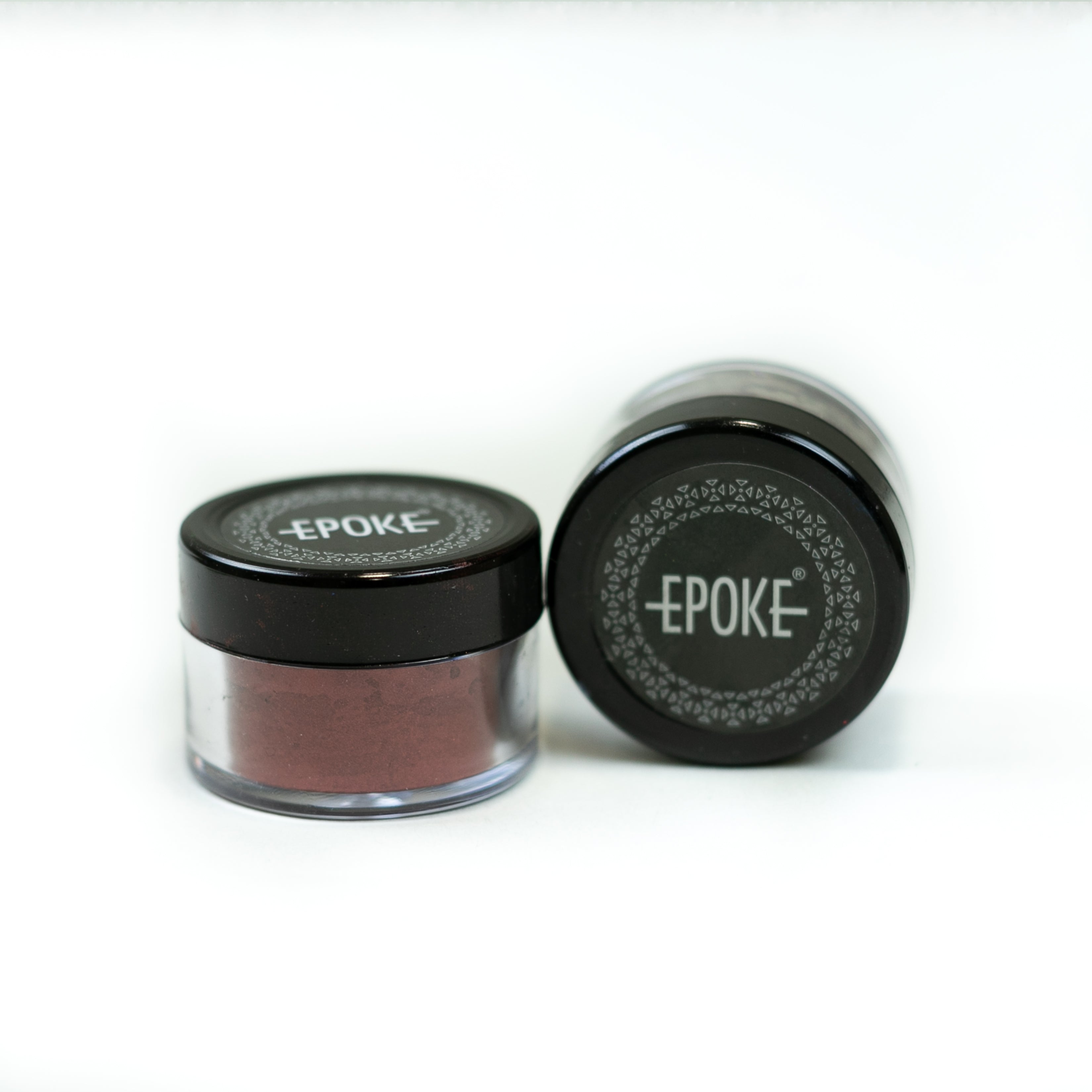
EPOKE Translucent Pigment Pastes come highly concentrated, built for color strength without solvents. A small amount goes a long way. Stir a few drops into your resin, and you get instant, even colour with no streaking. This format suits beginners who want quick, mess-free results.
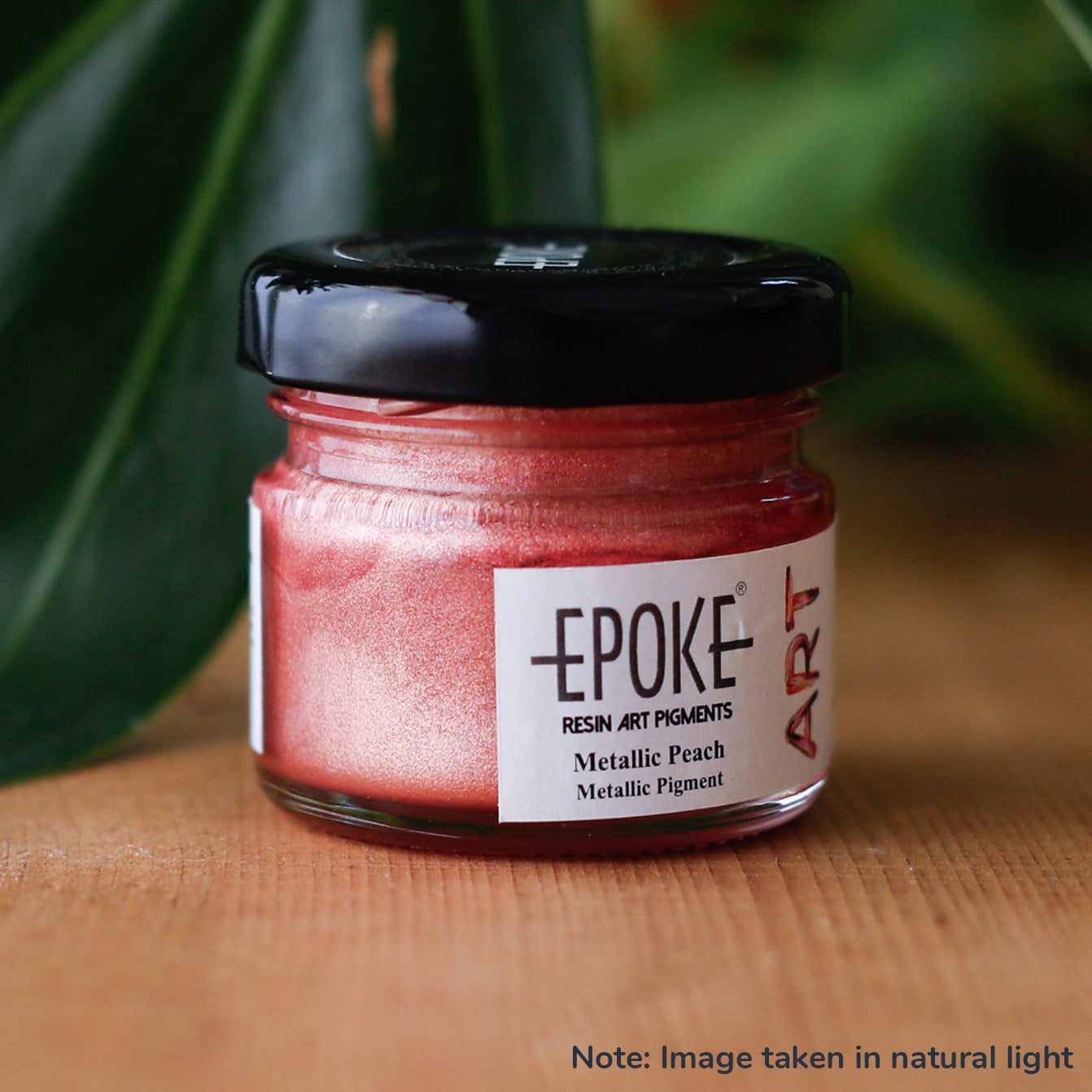
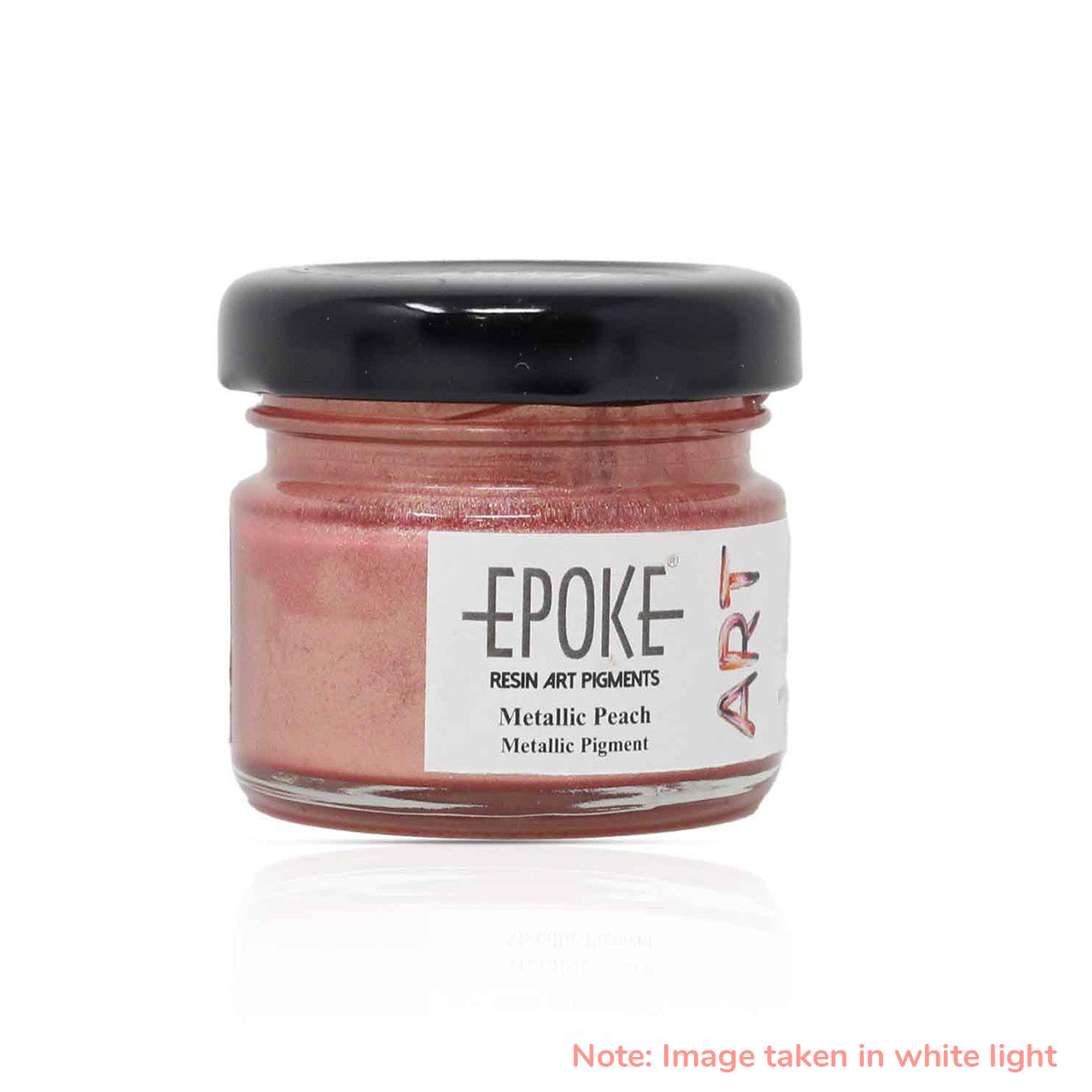
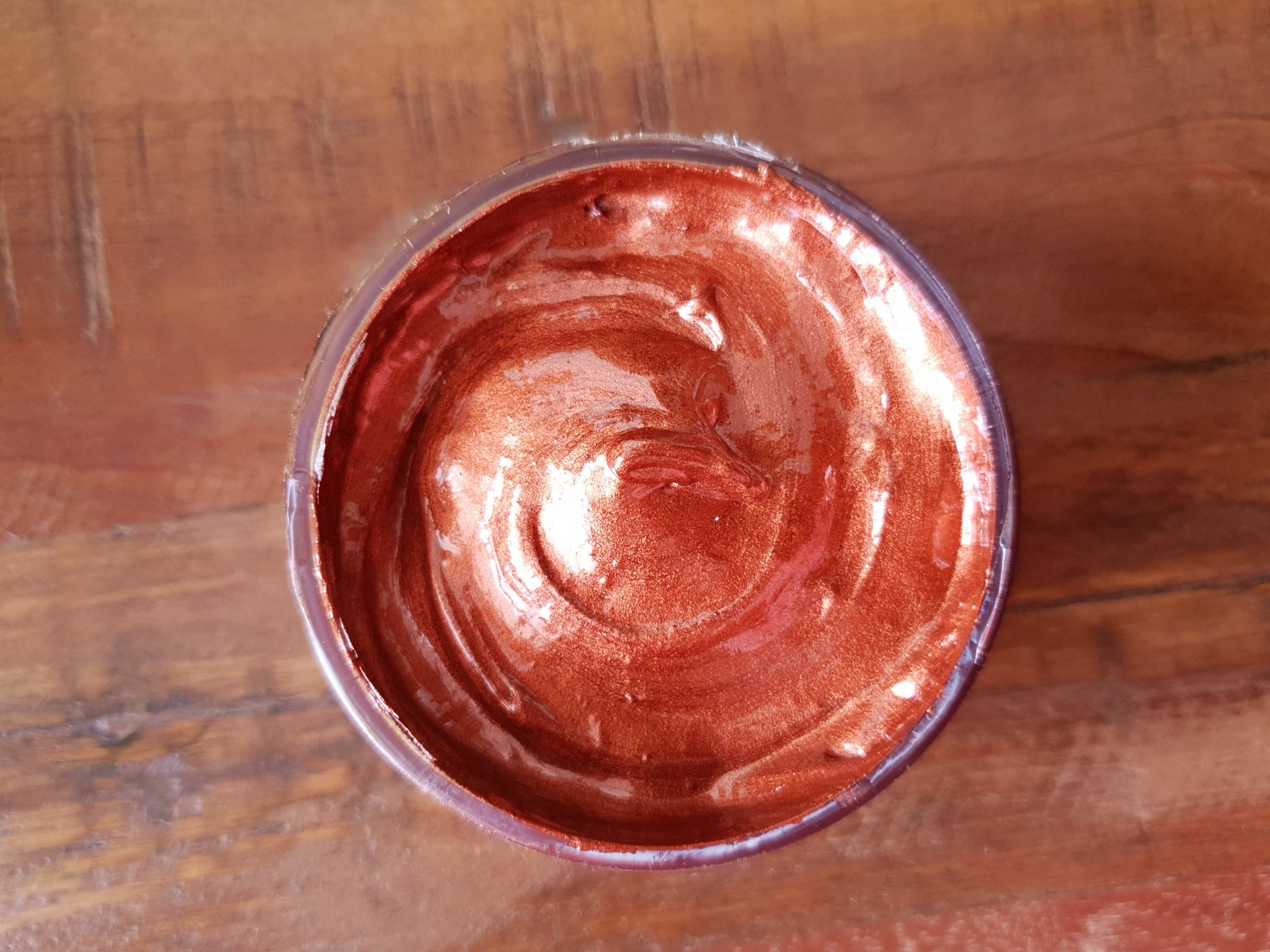
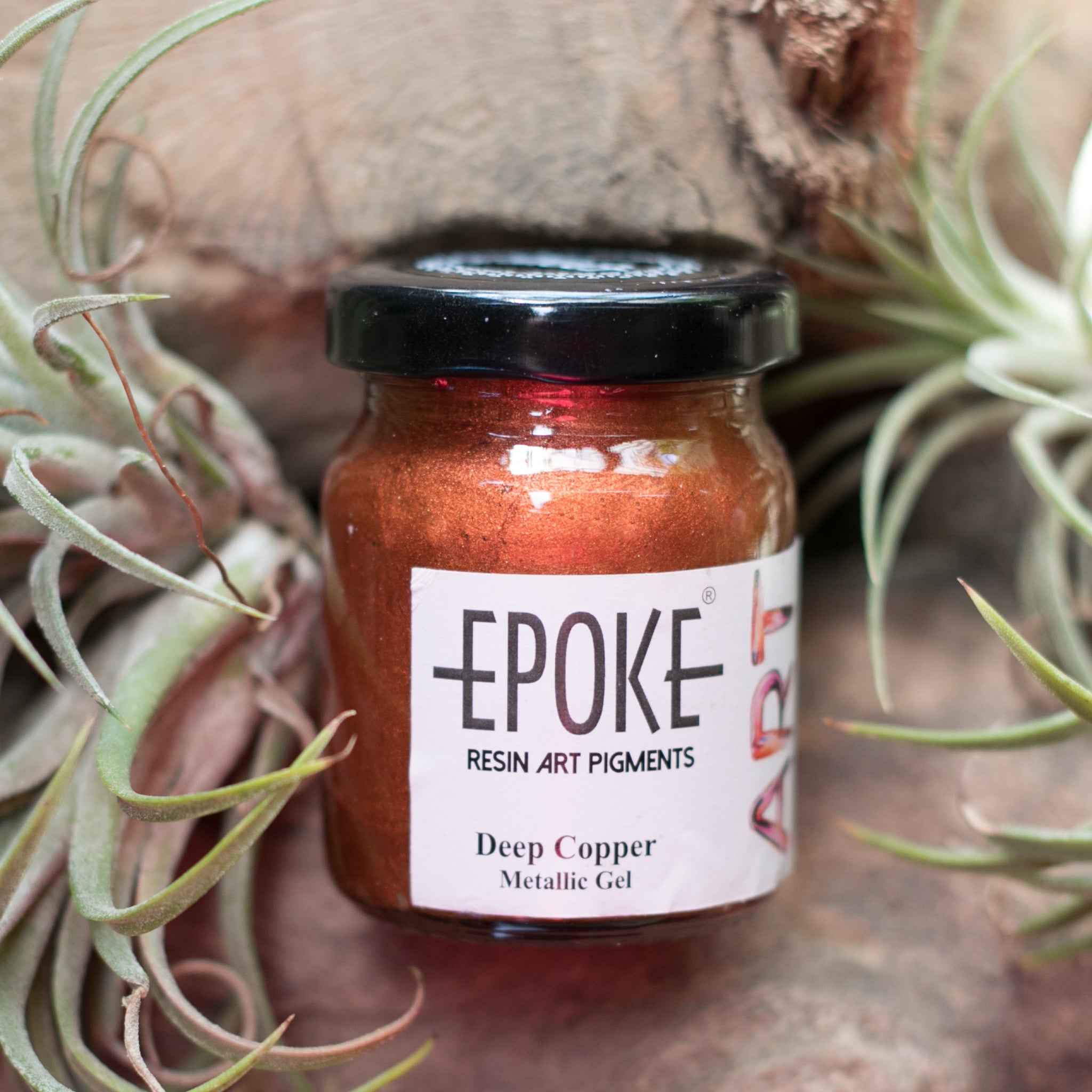
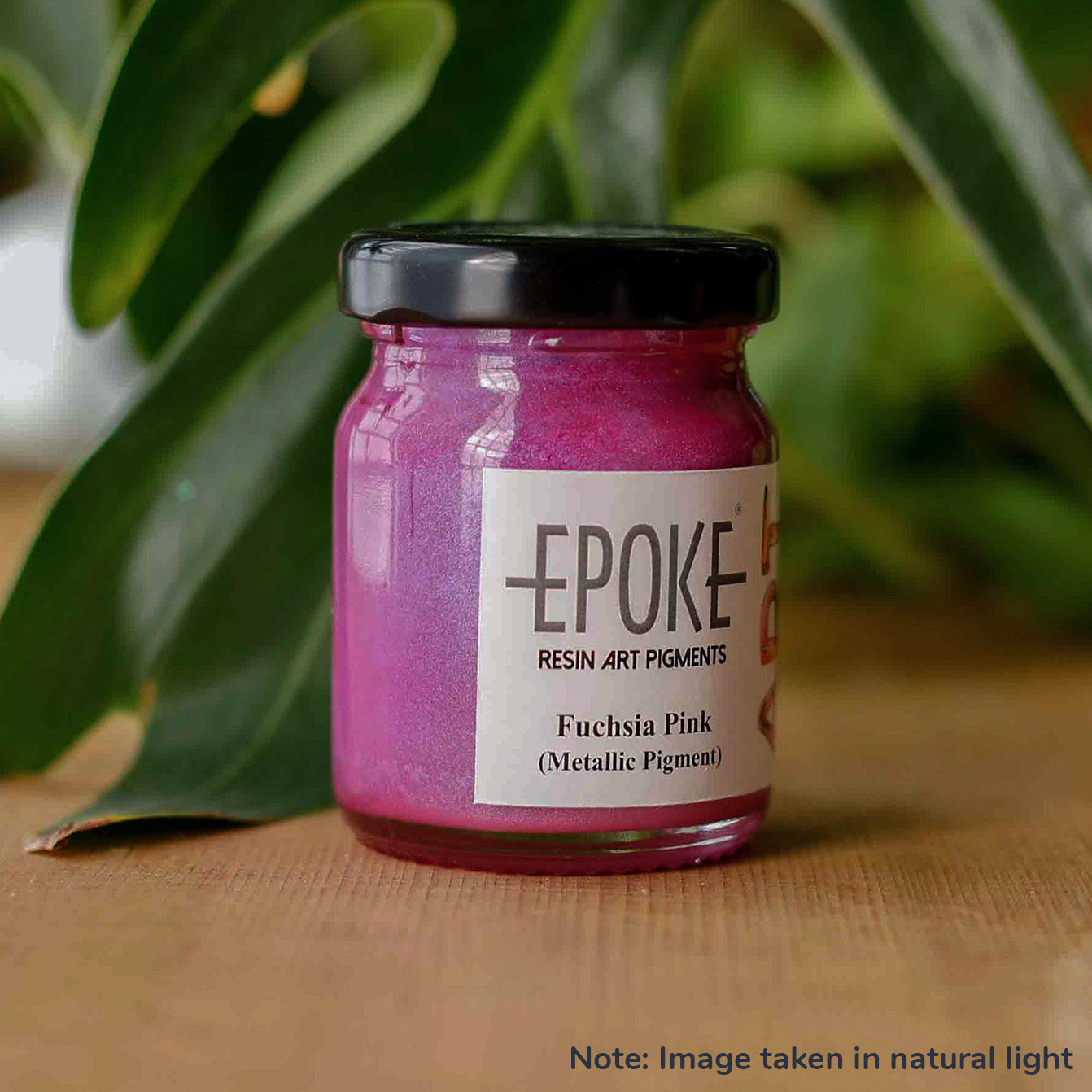
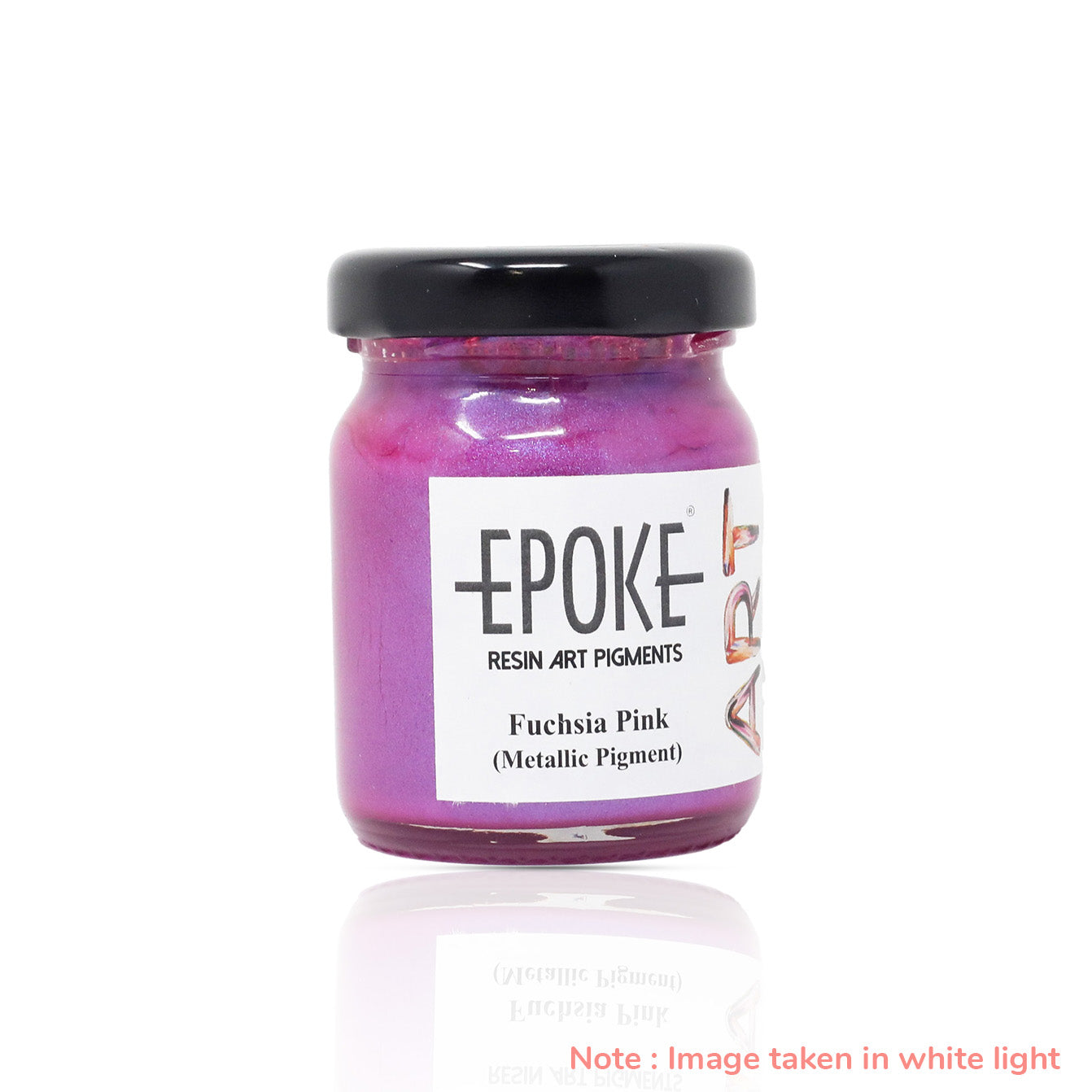
2. Metallic Pigment Pastes
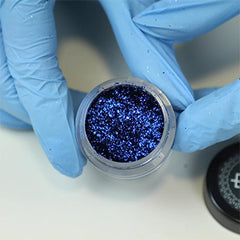
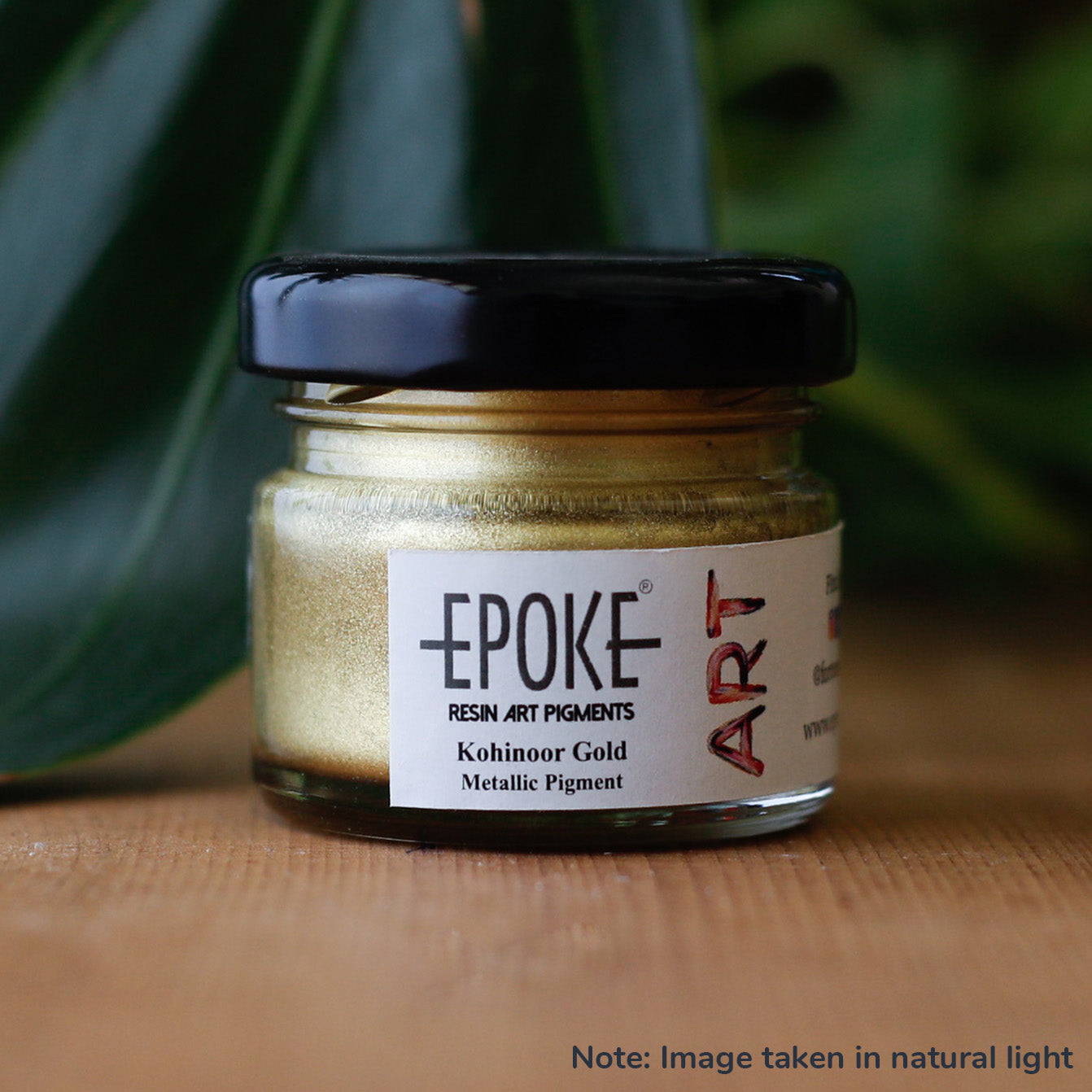
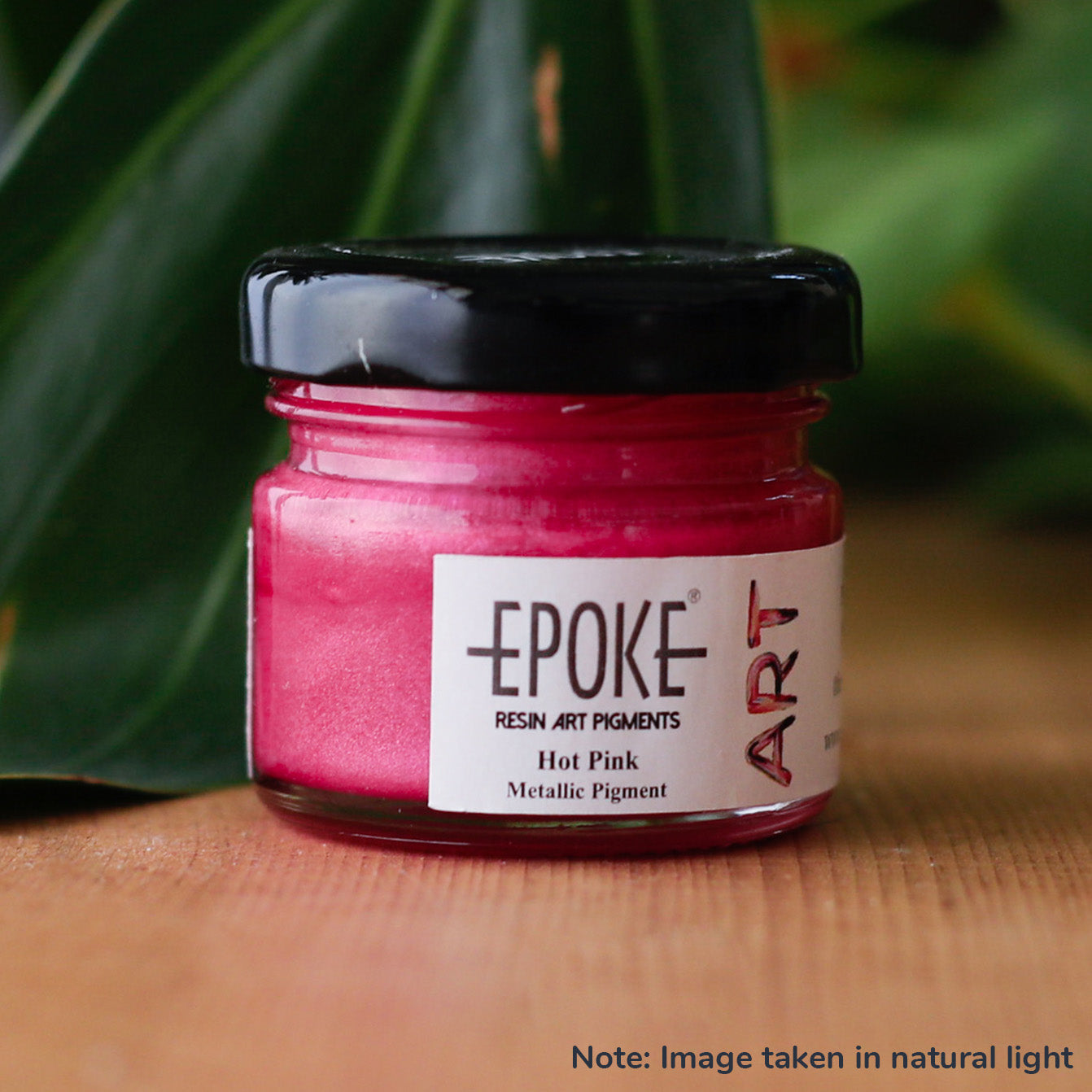
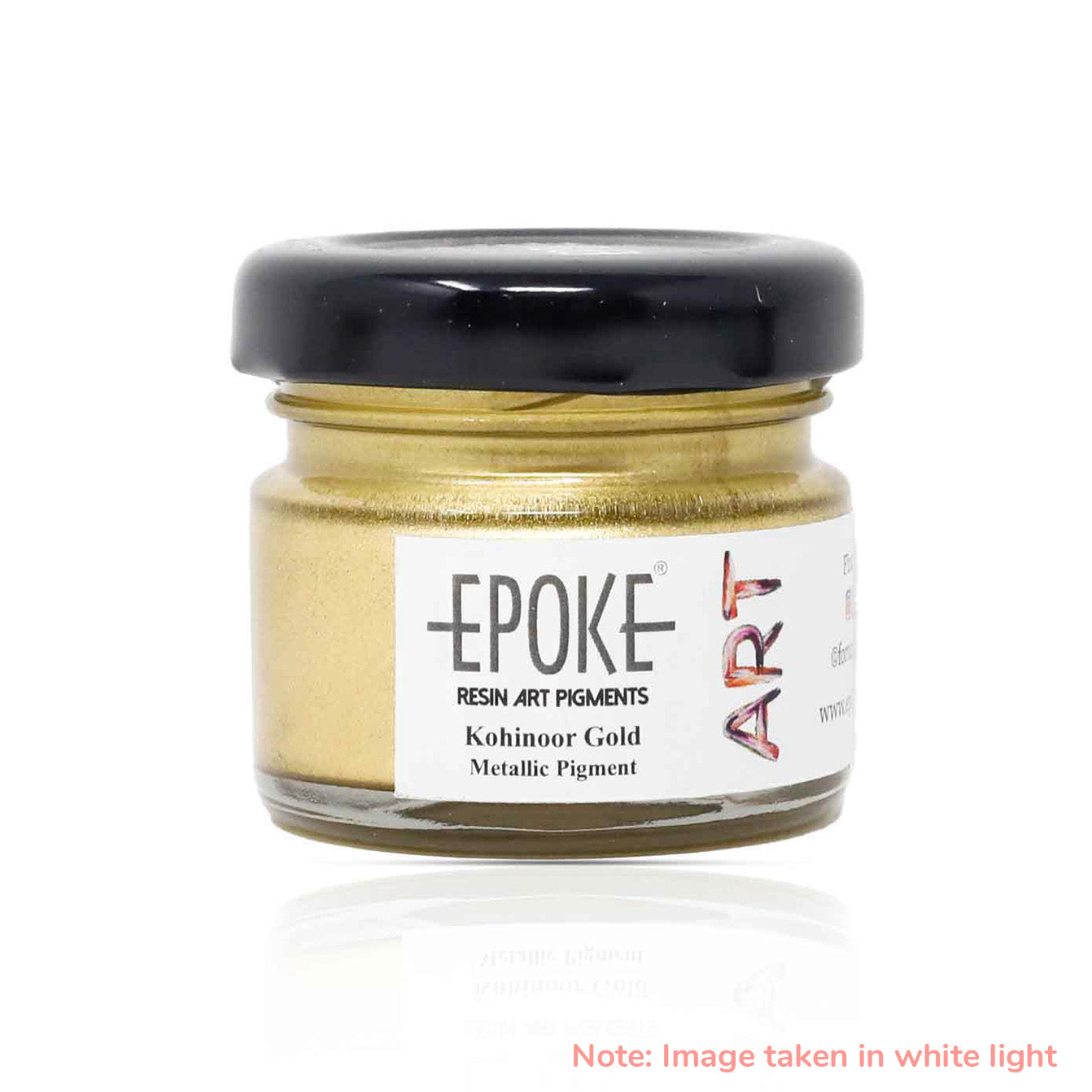
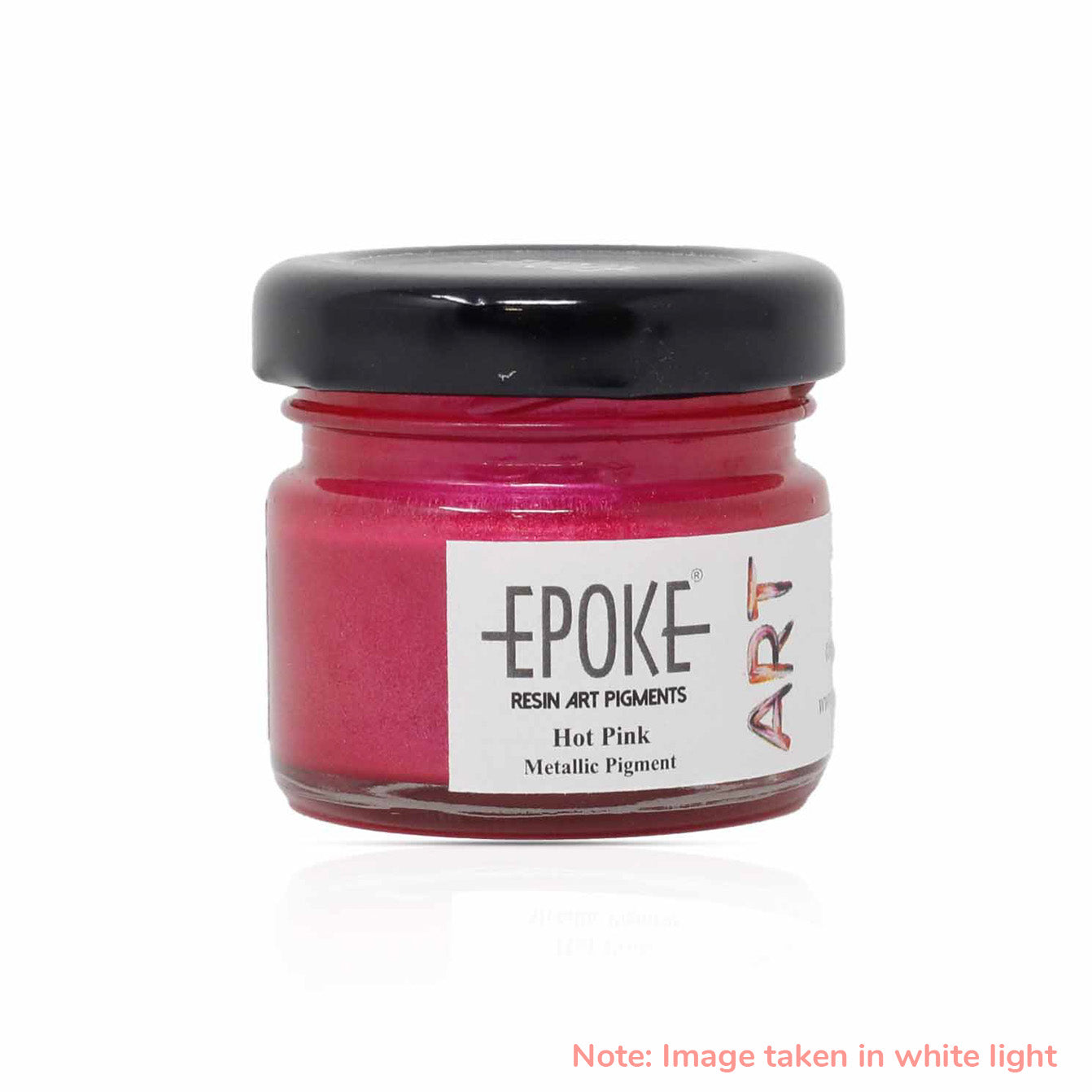
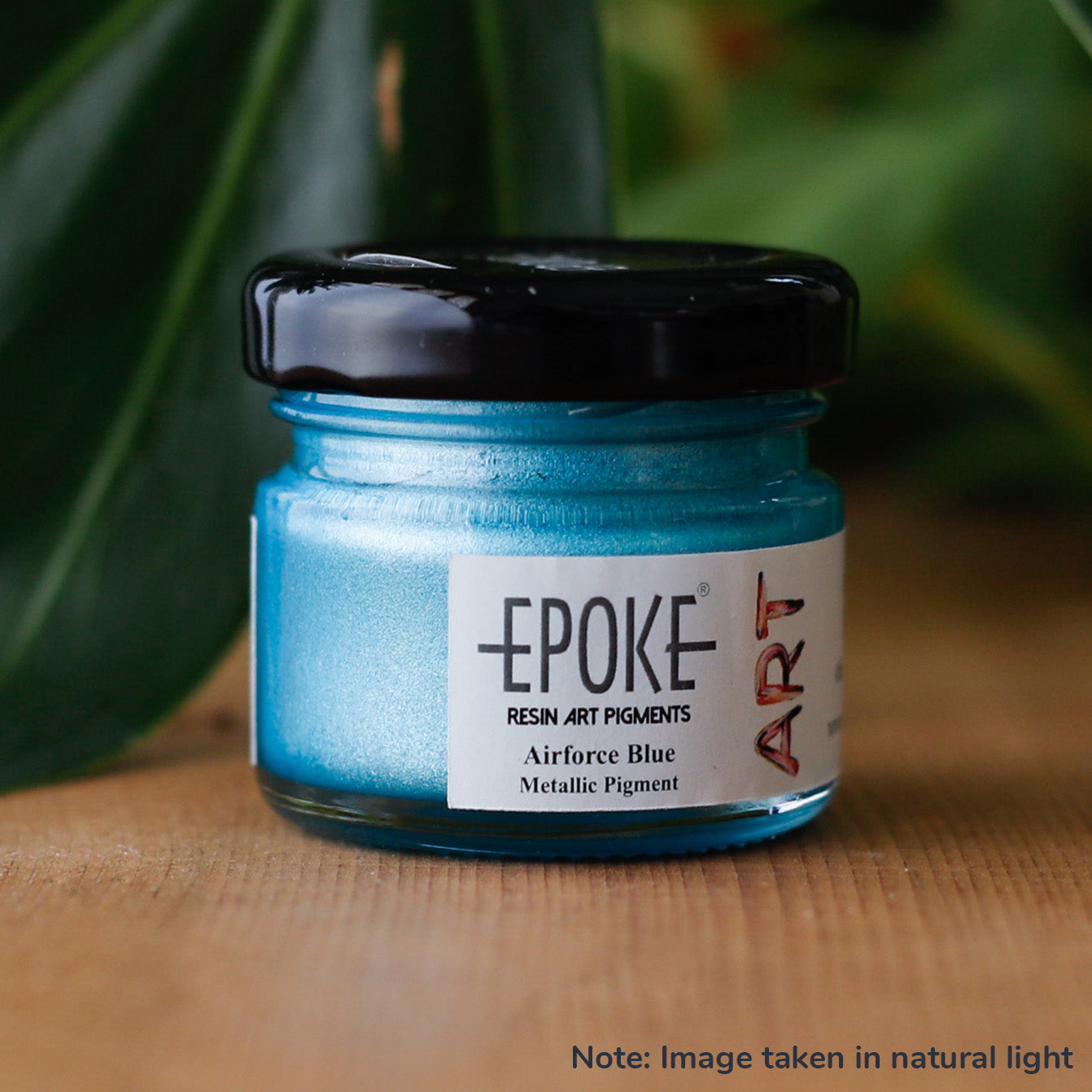
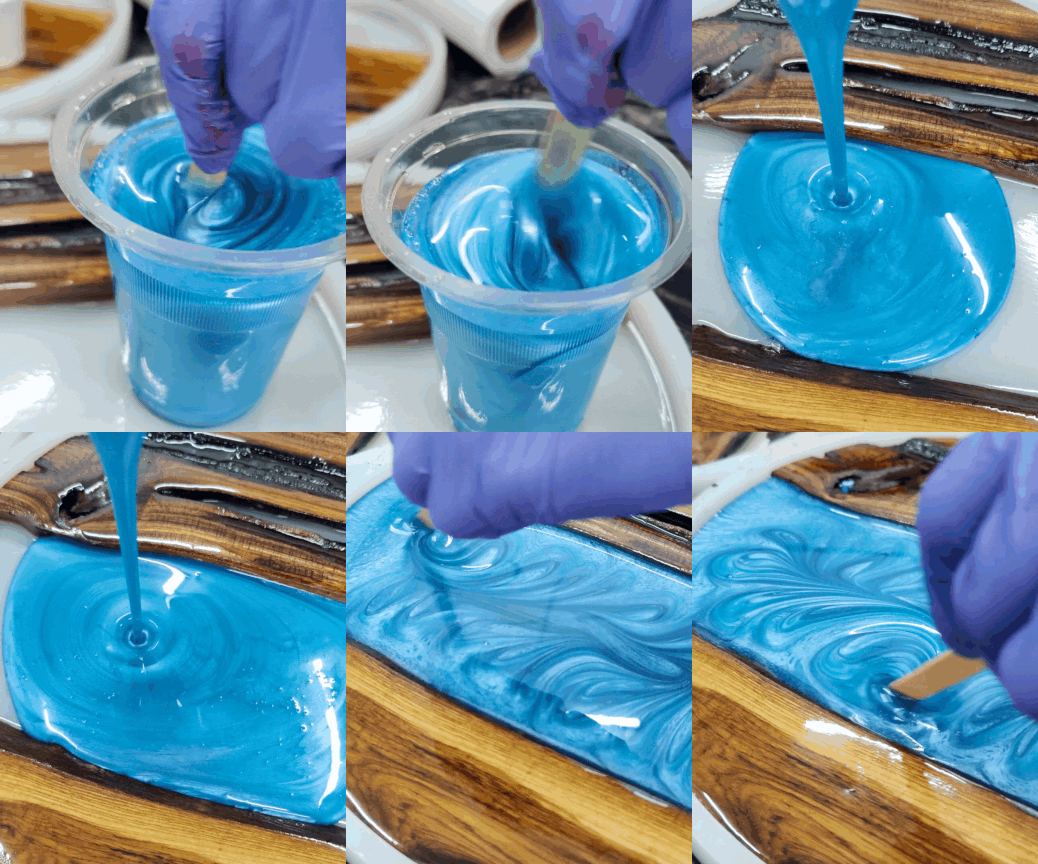
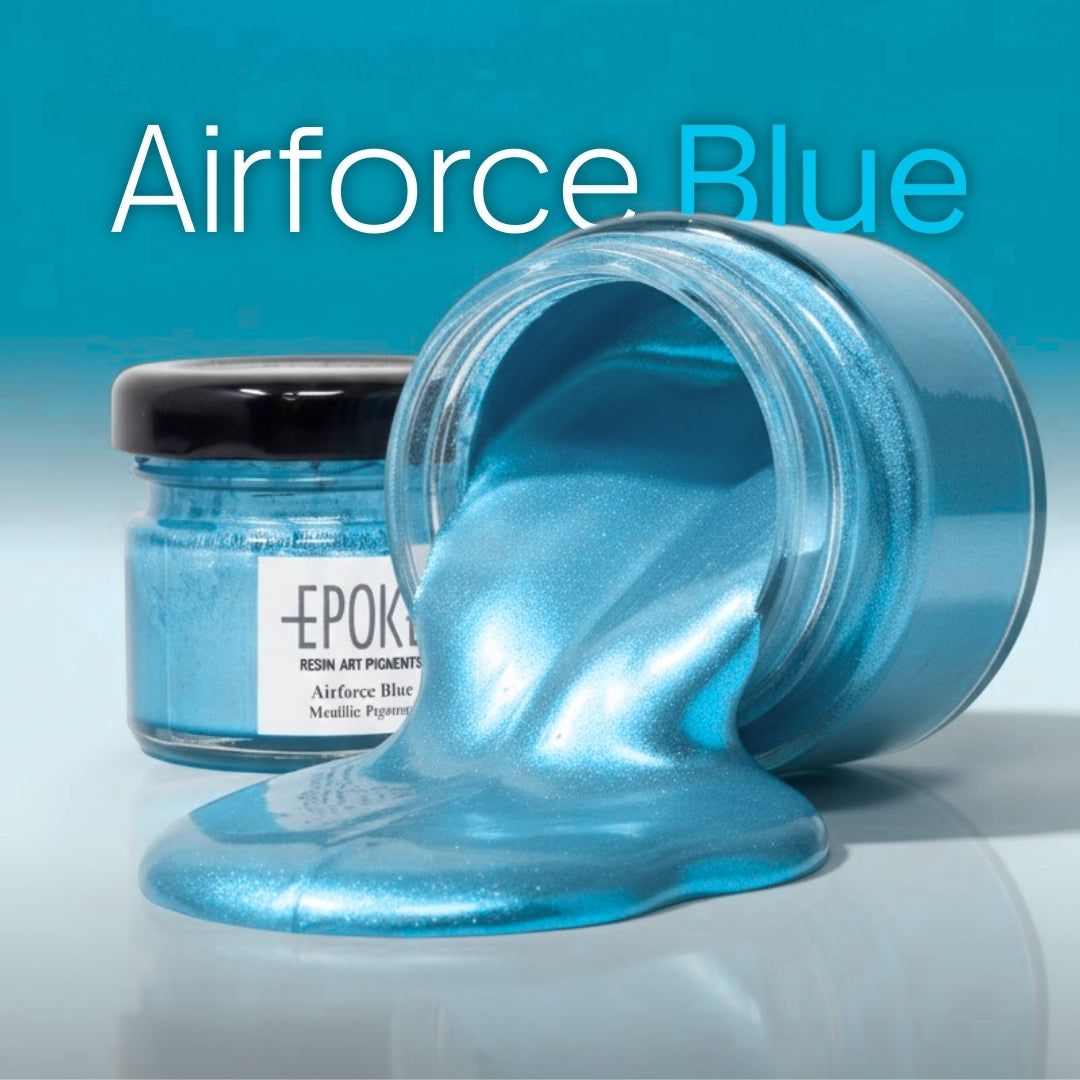
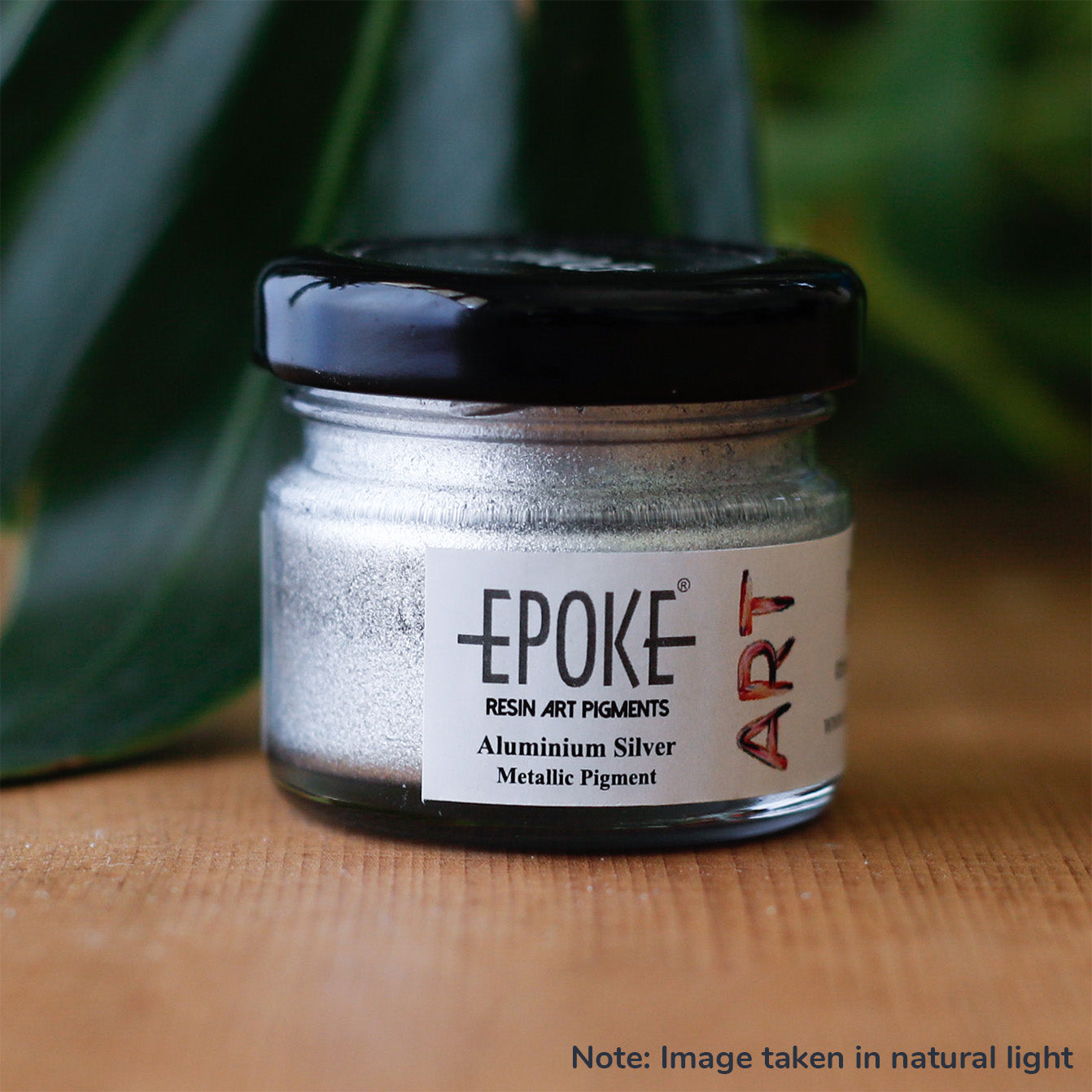
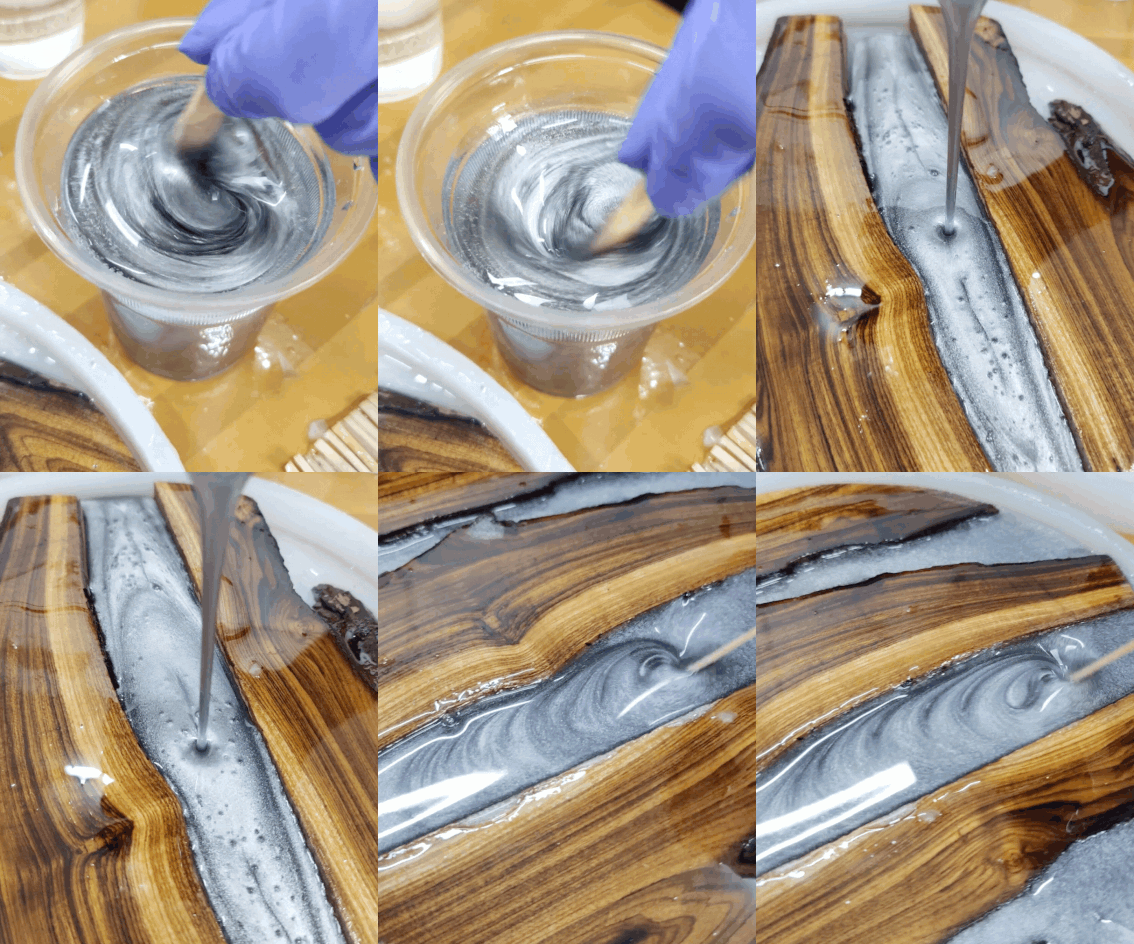
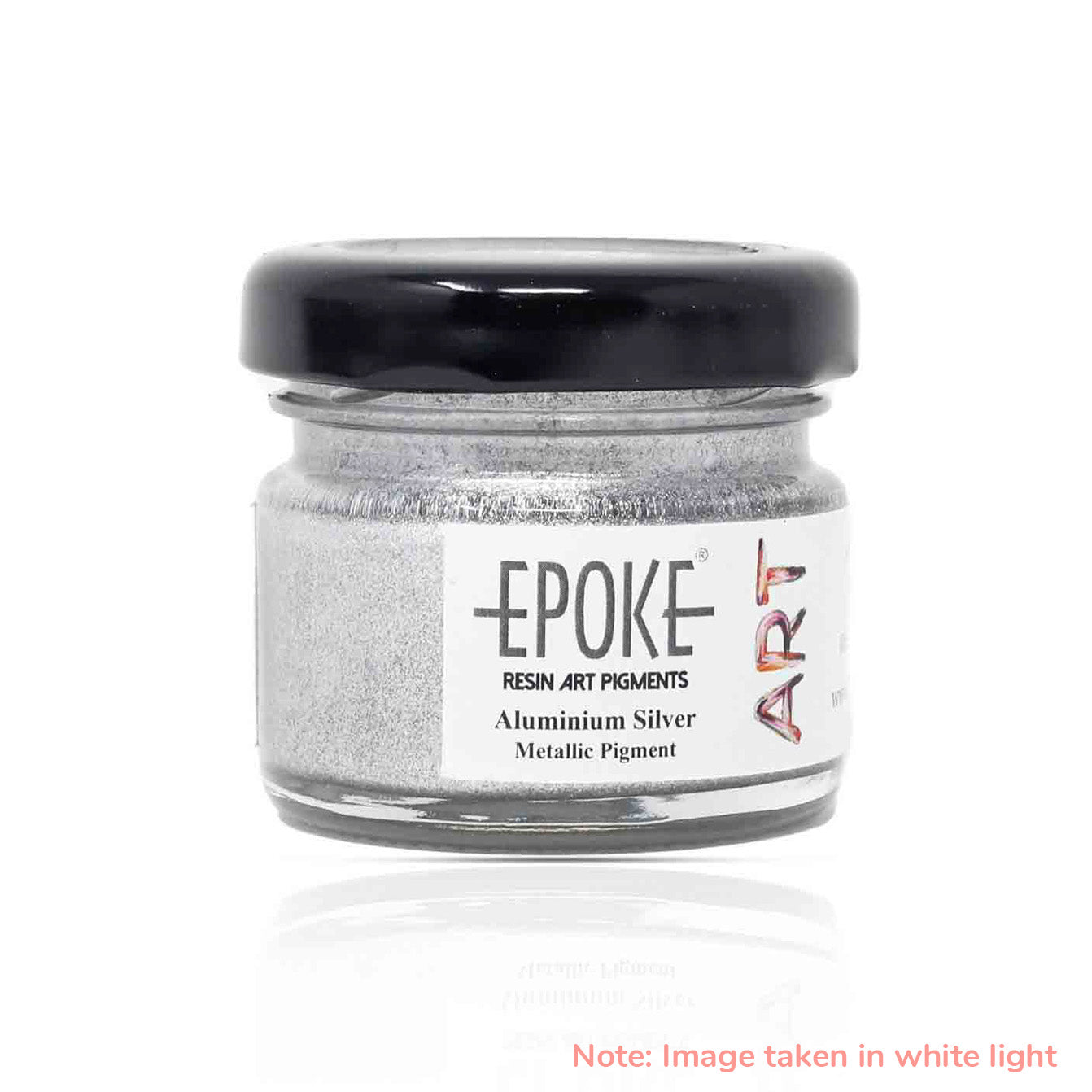
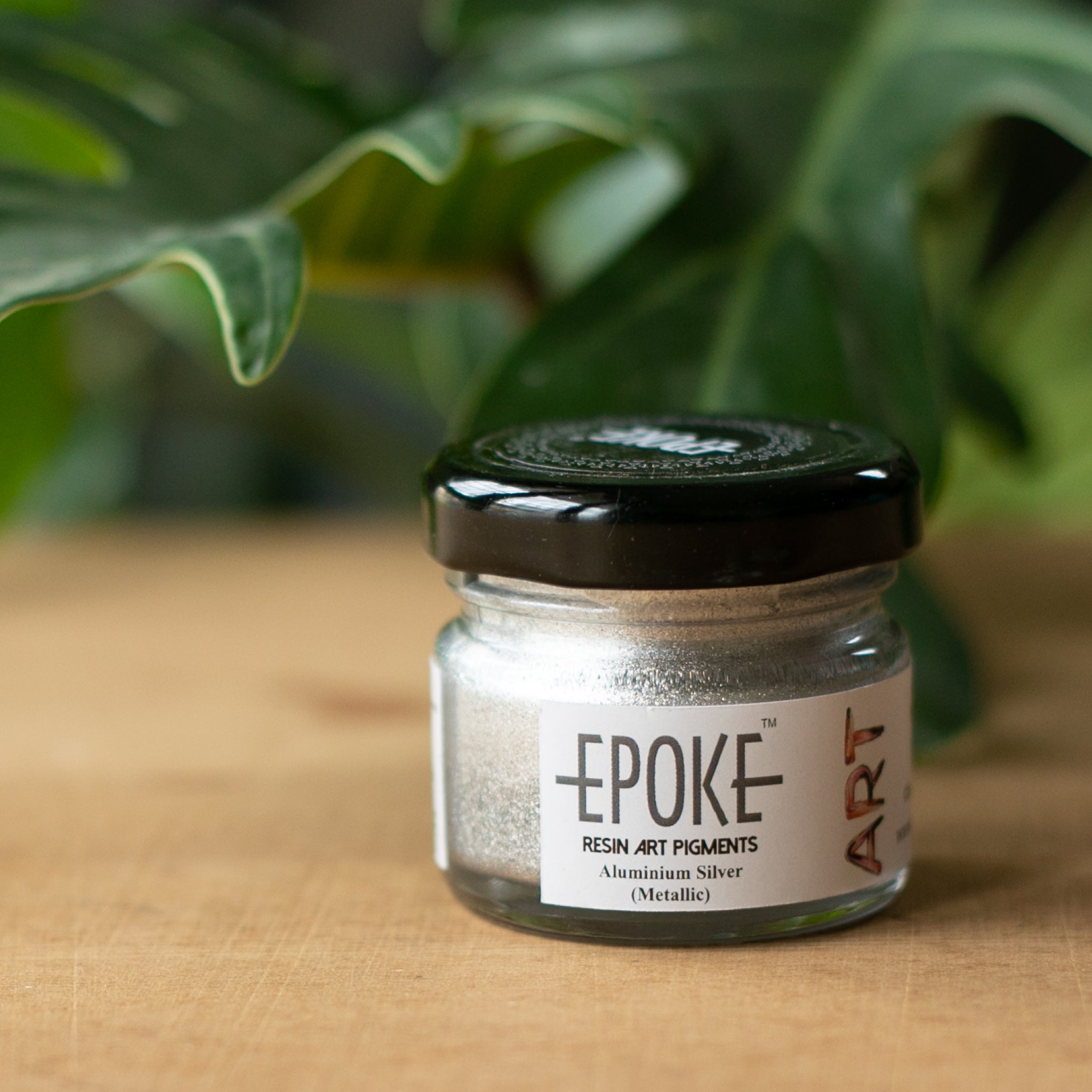
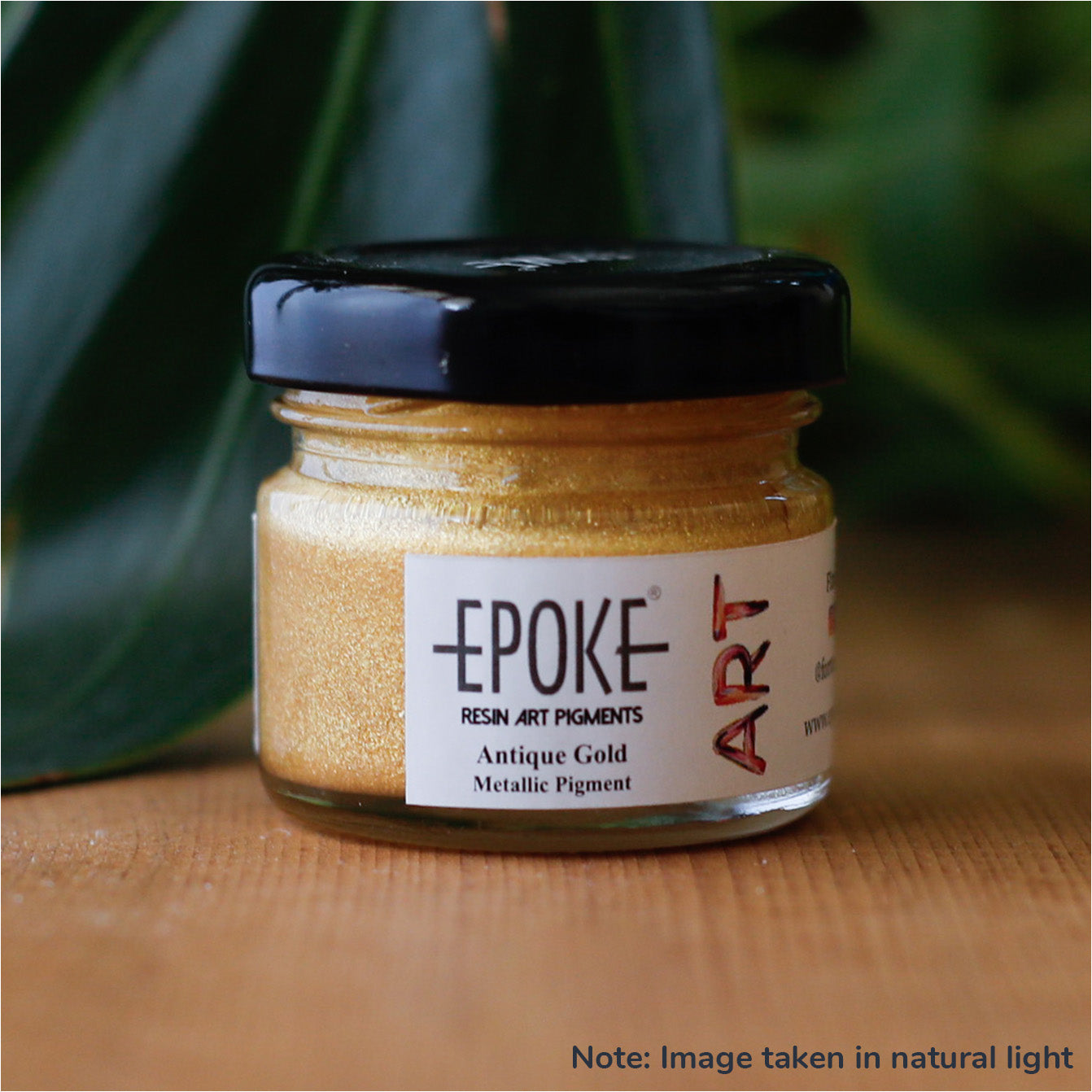
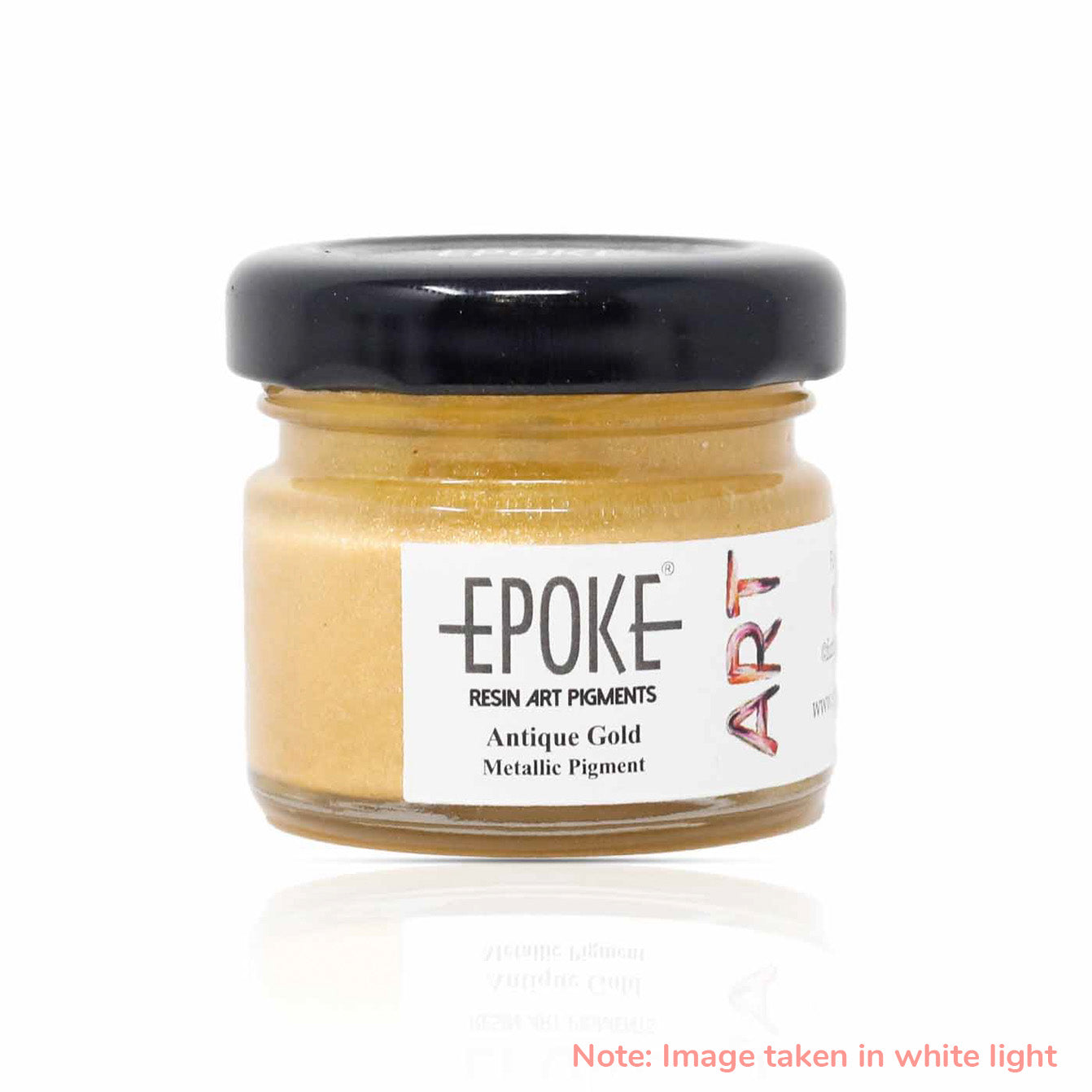
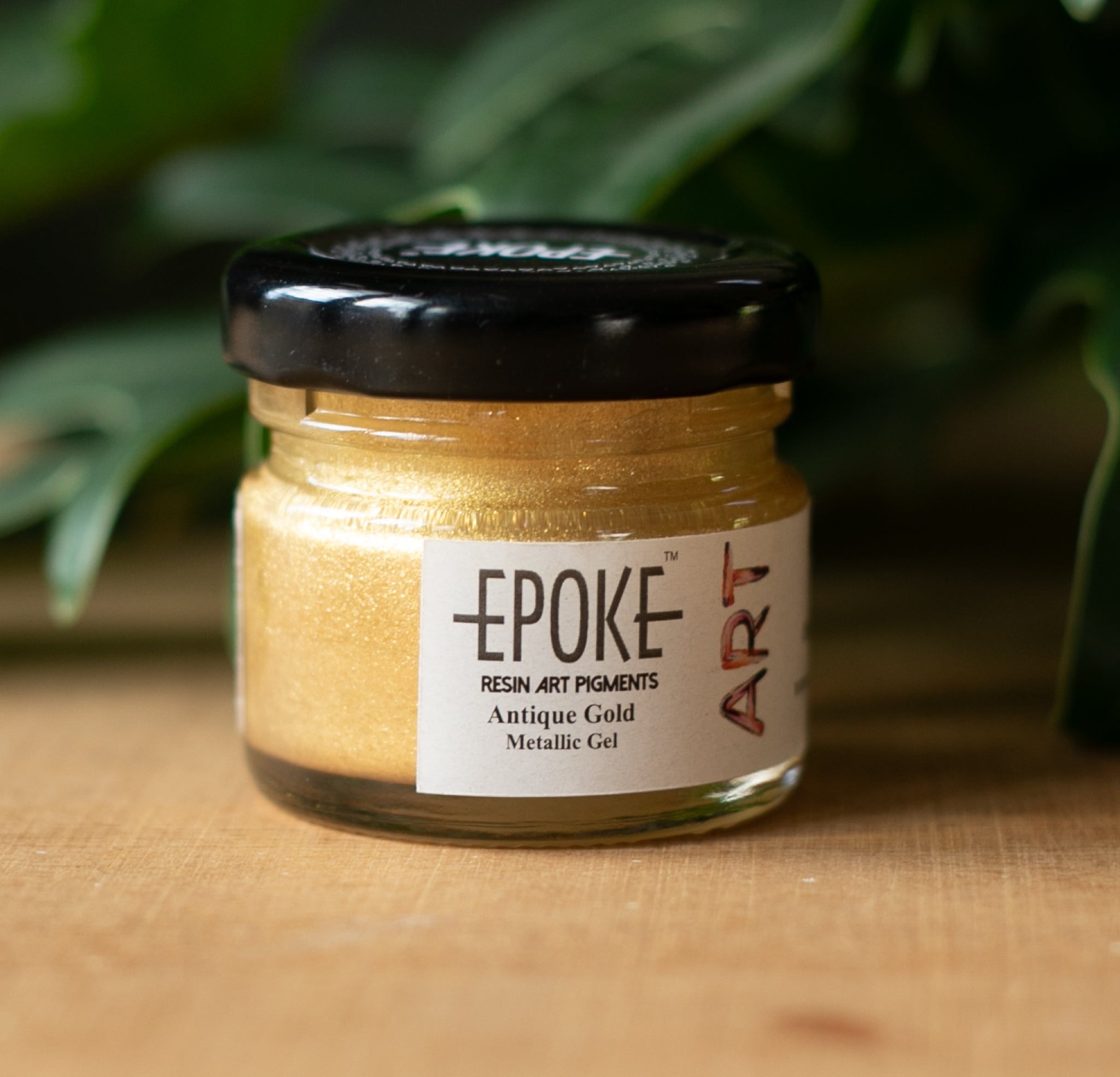
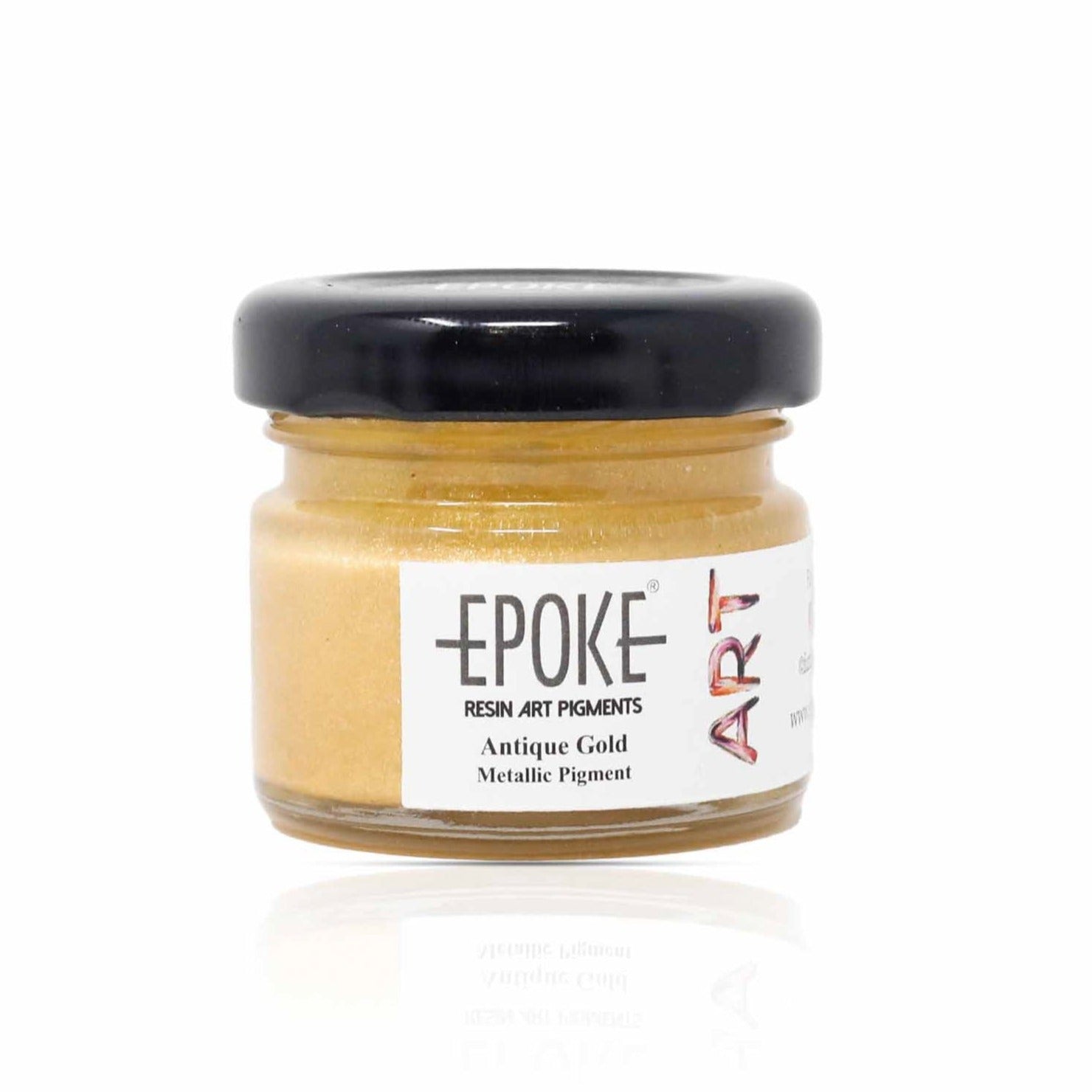
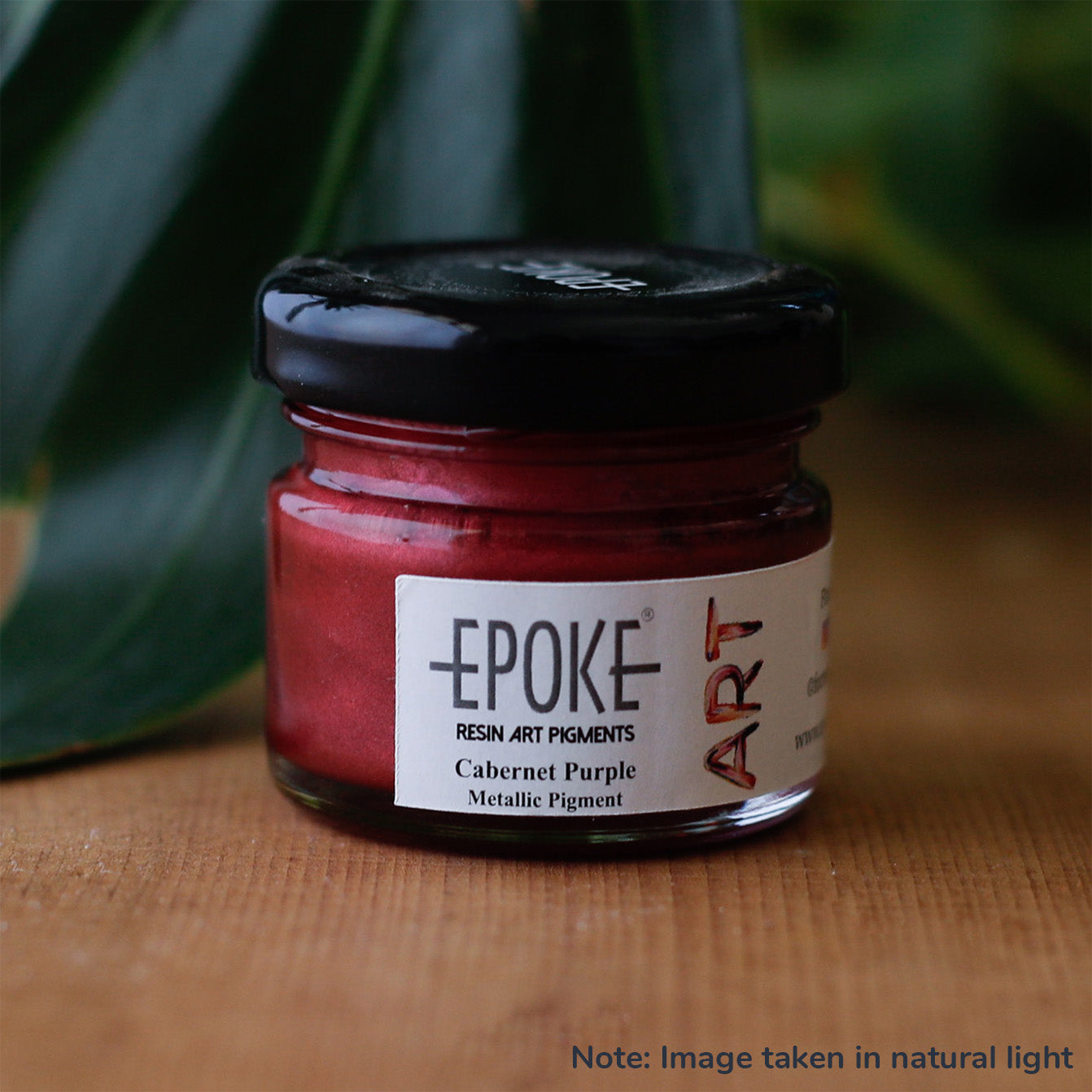
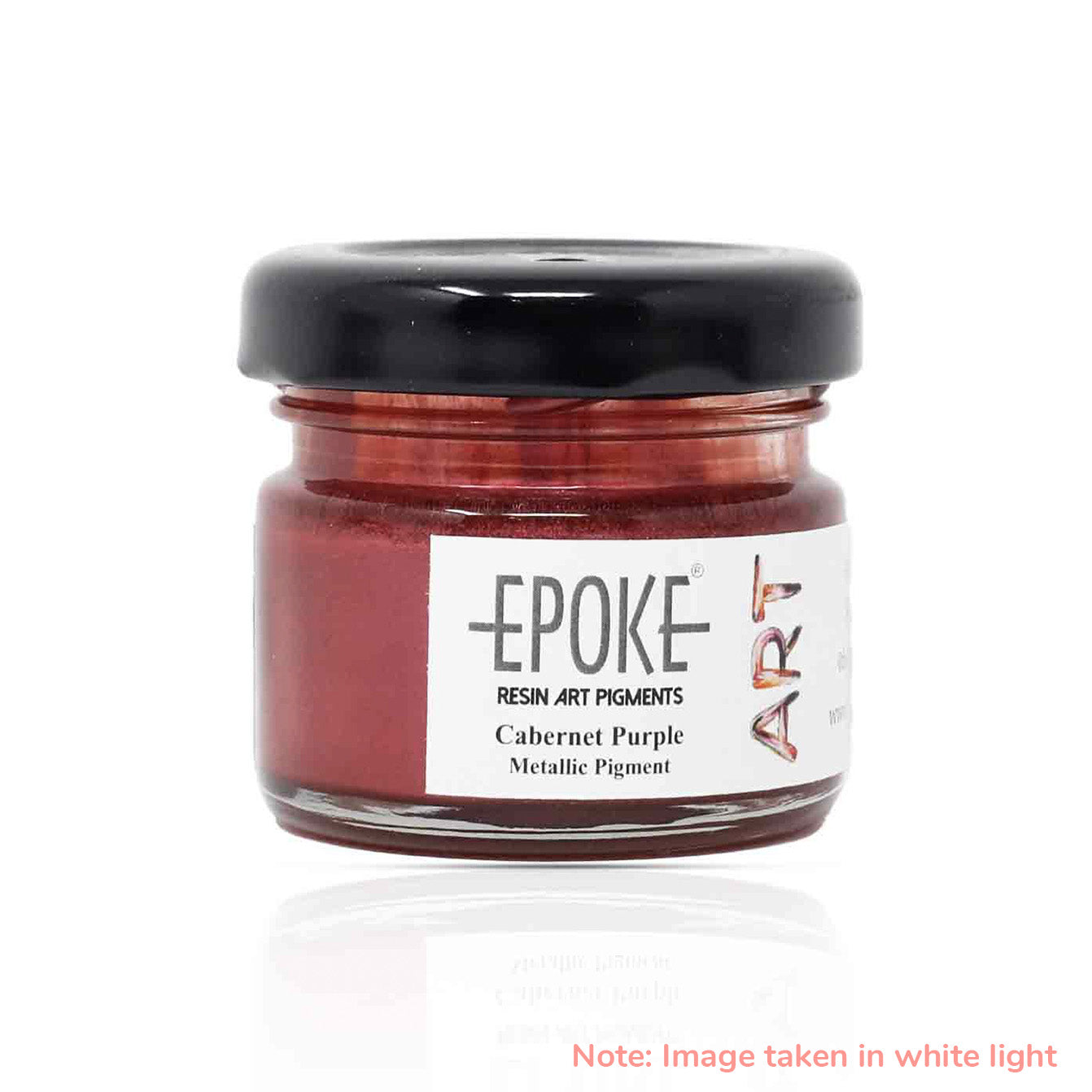
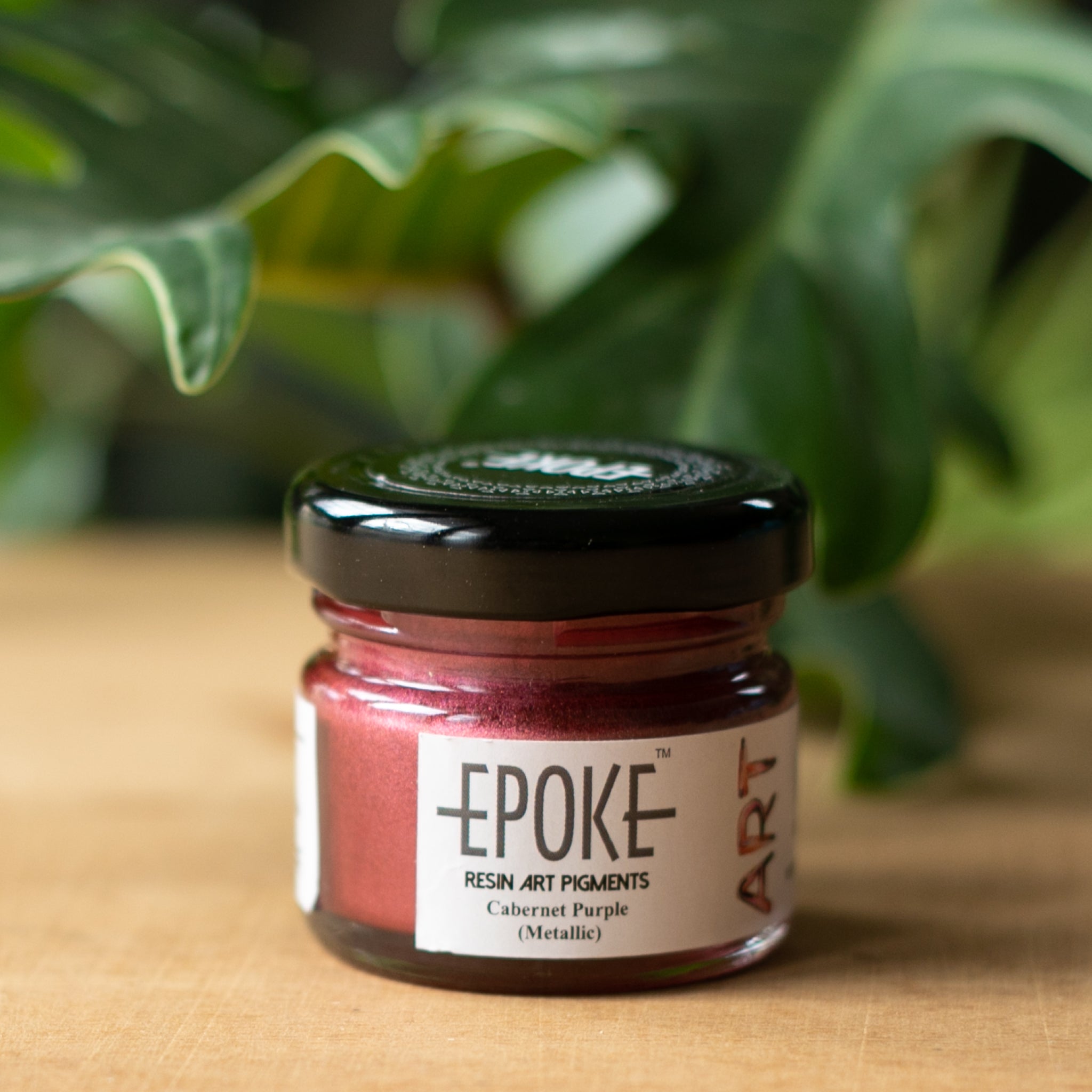
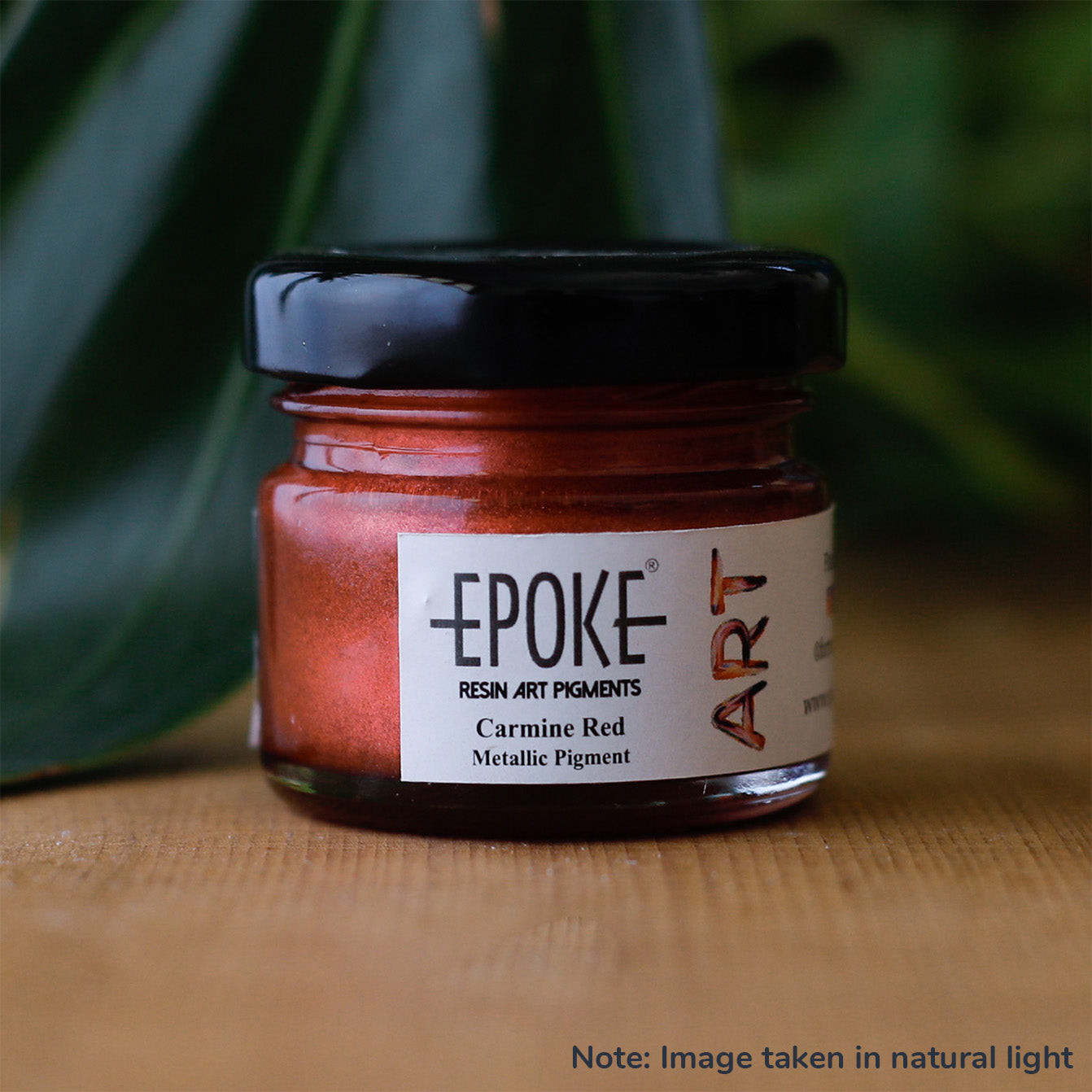
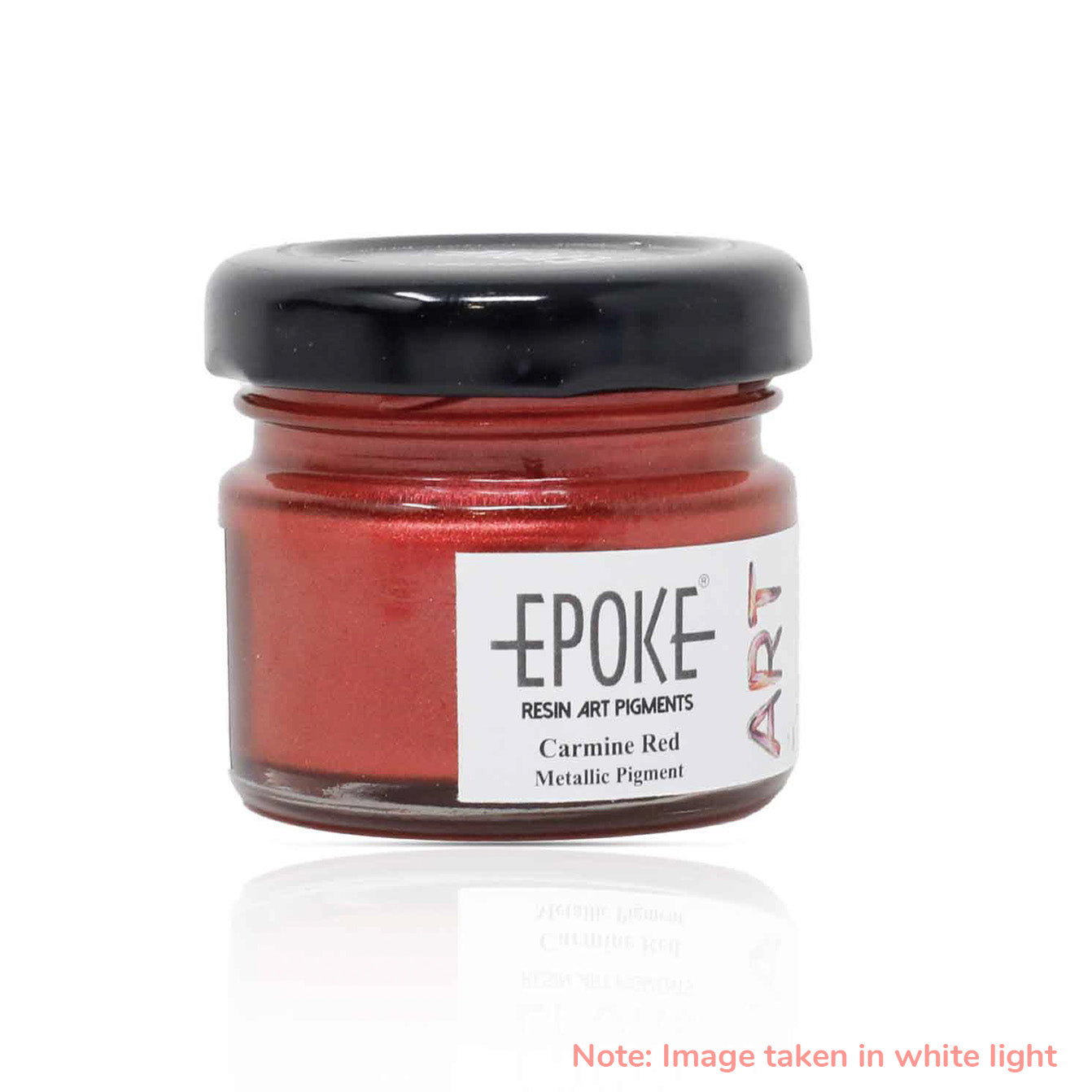
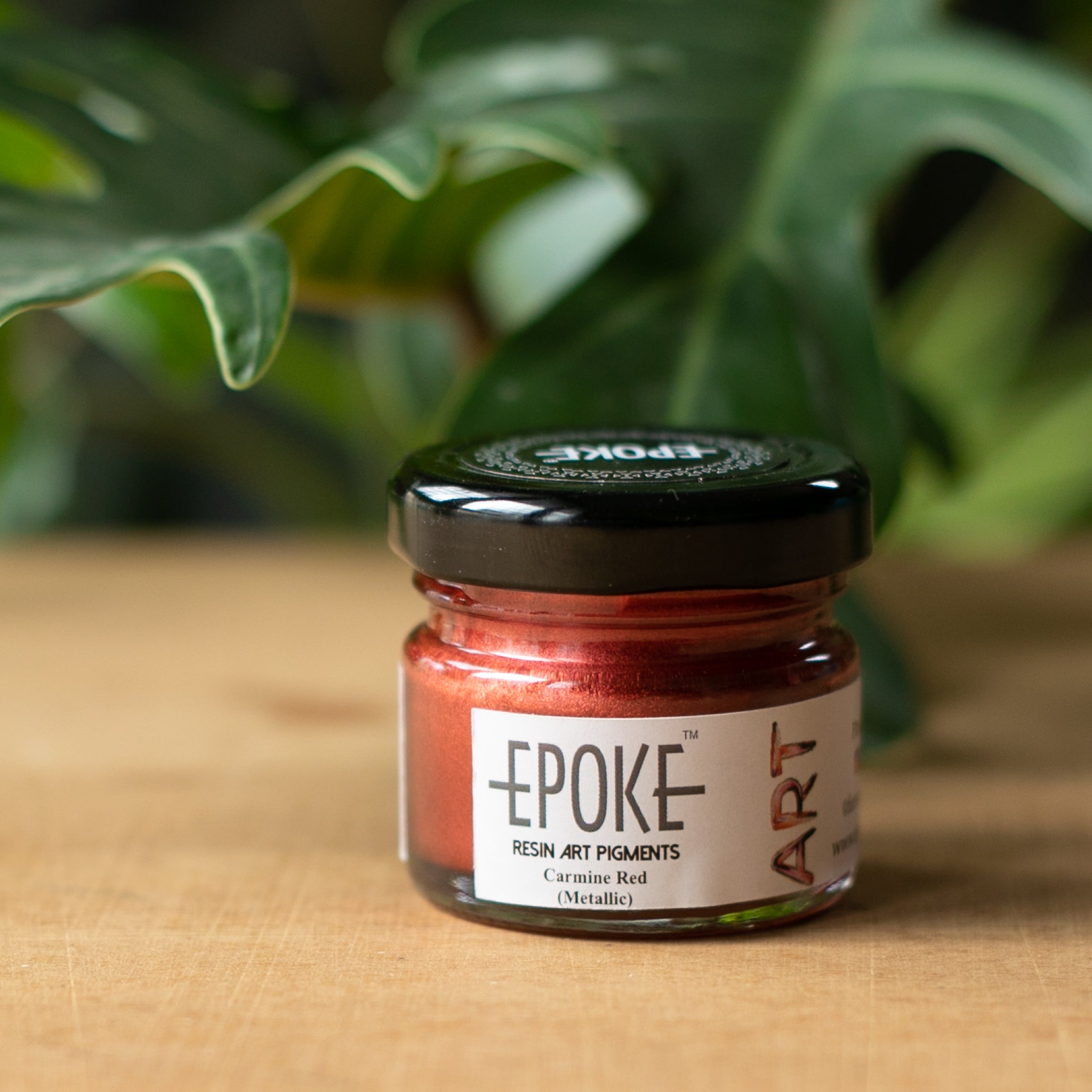
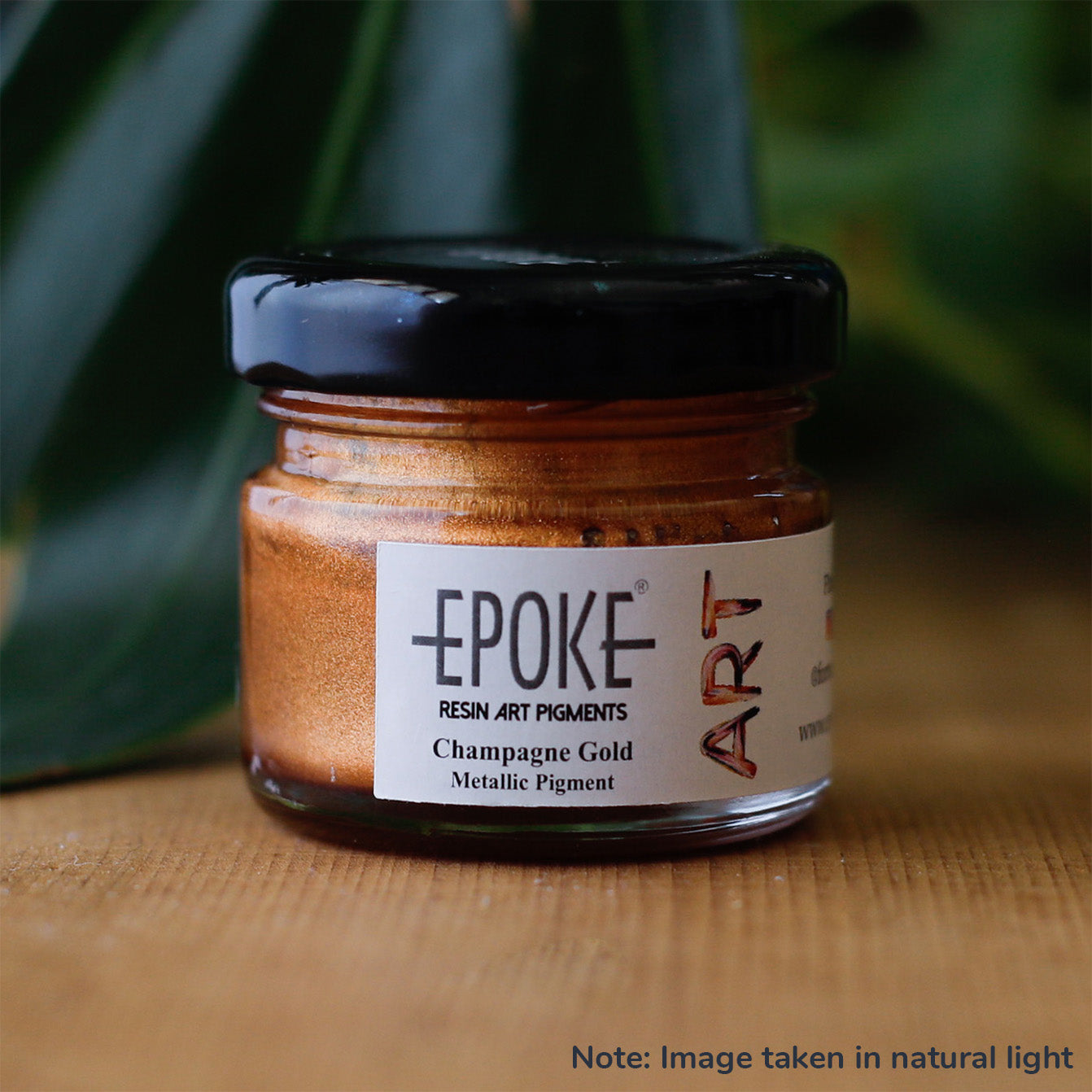
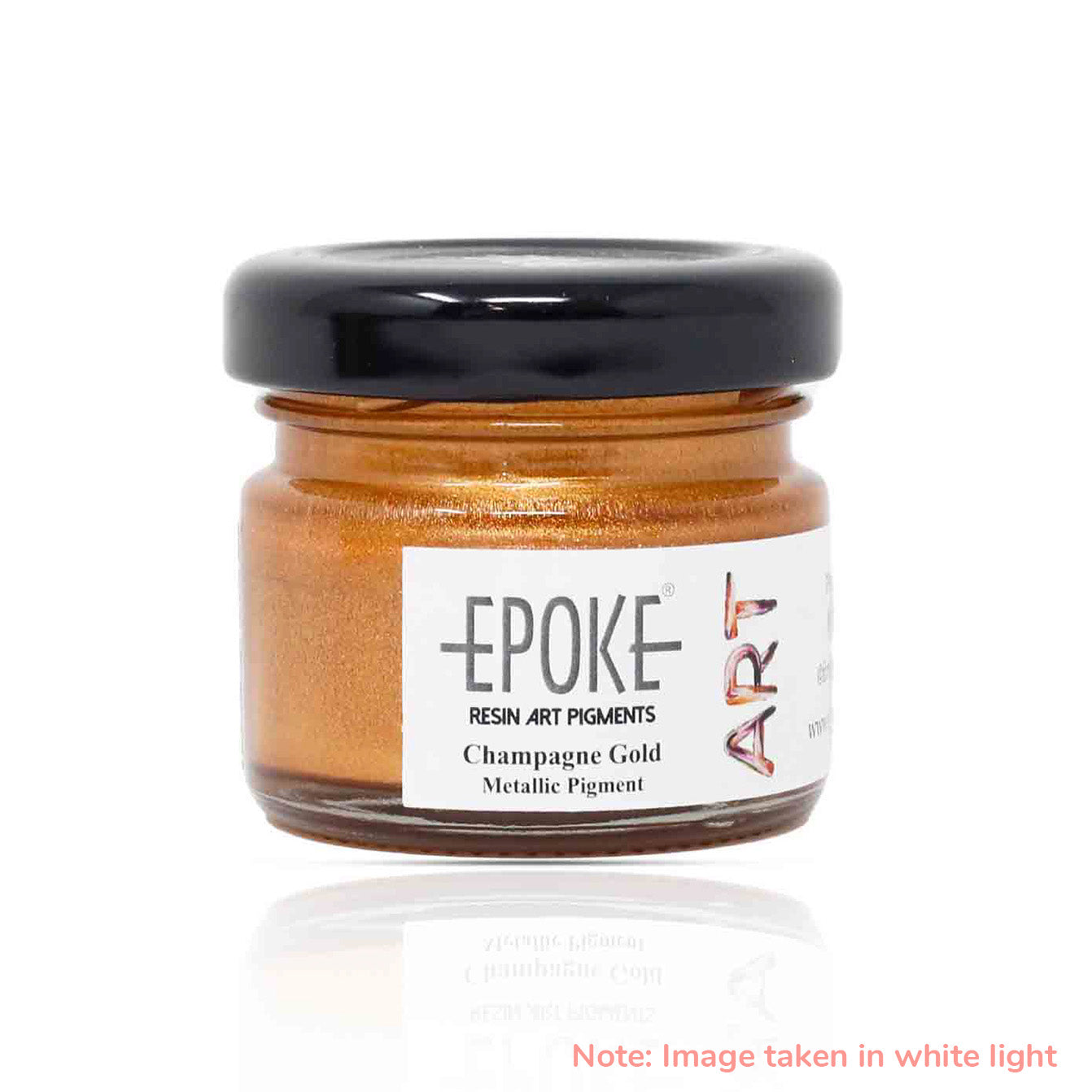
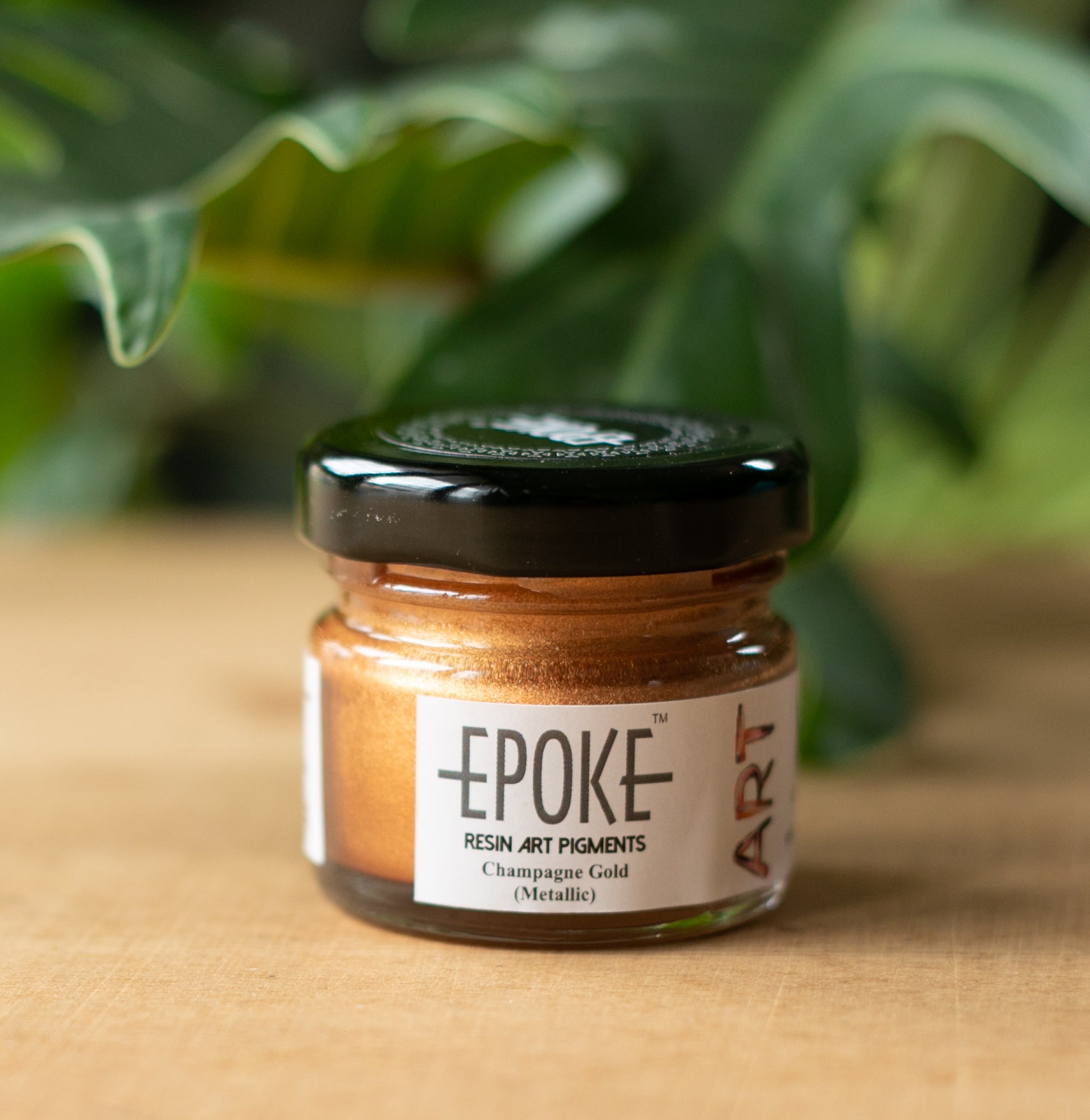
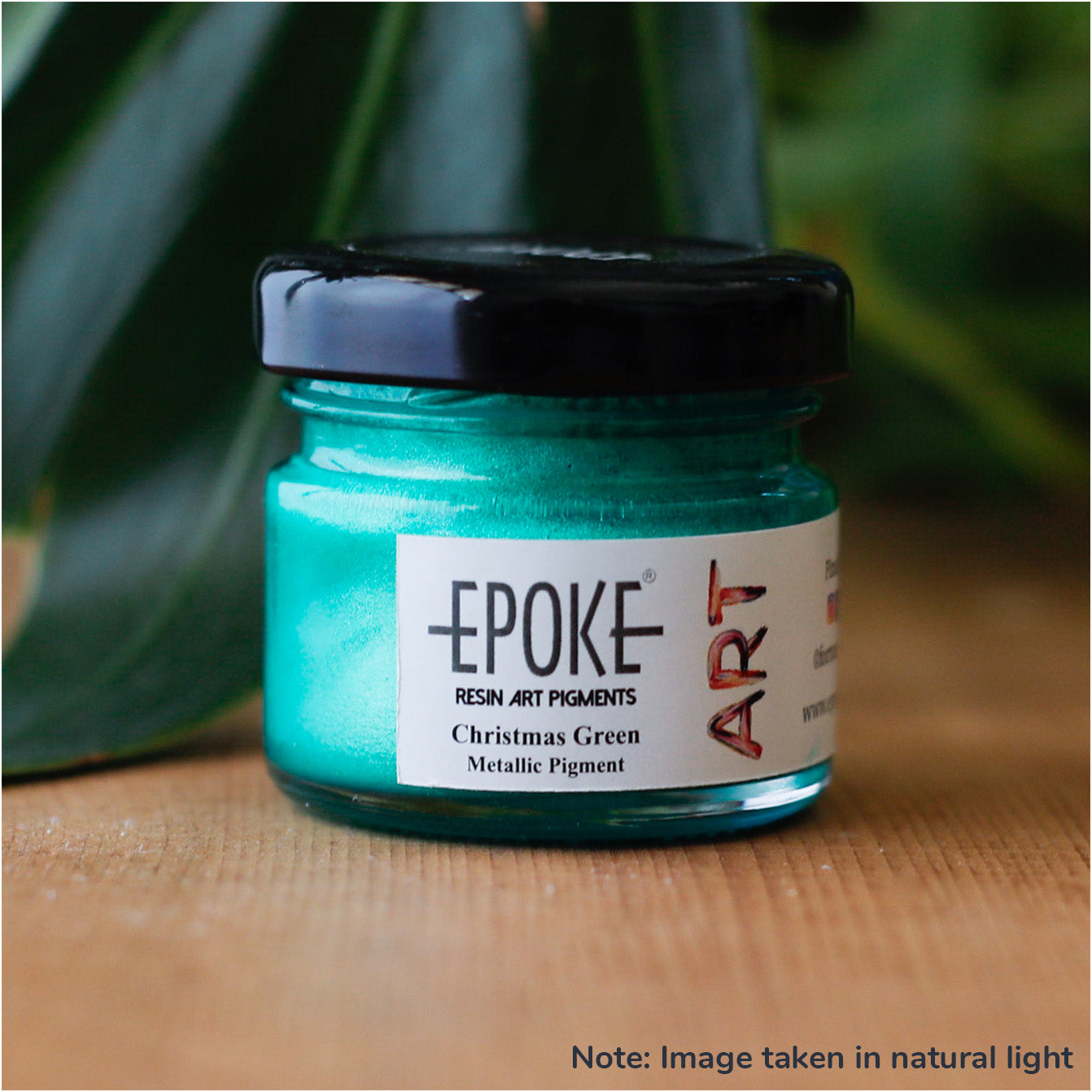
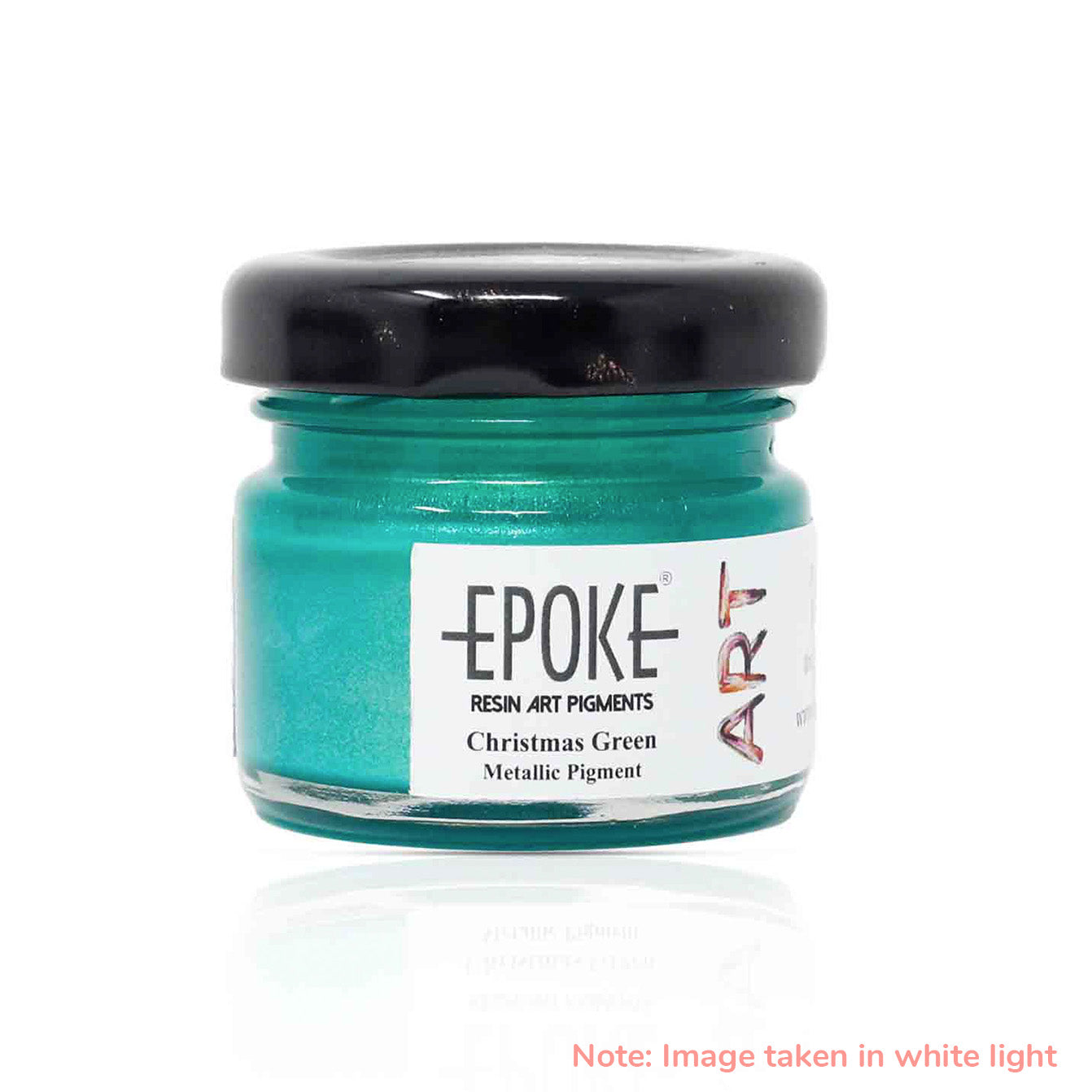
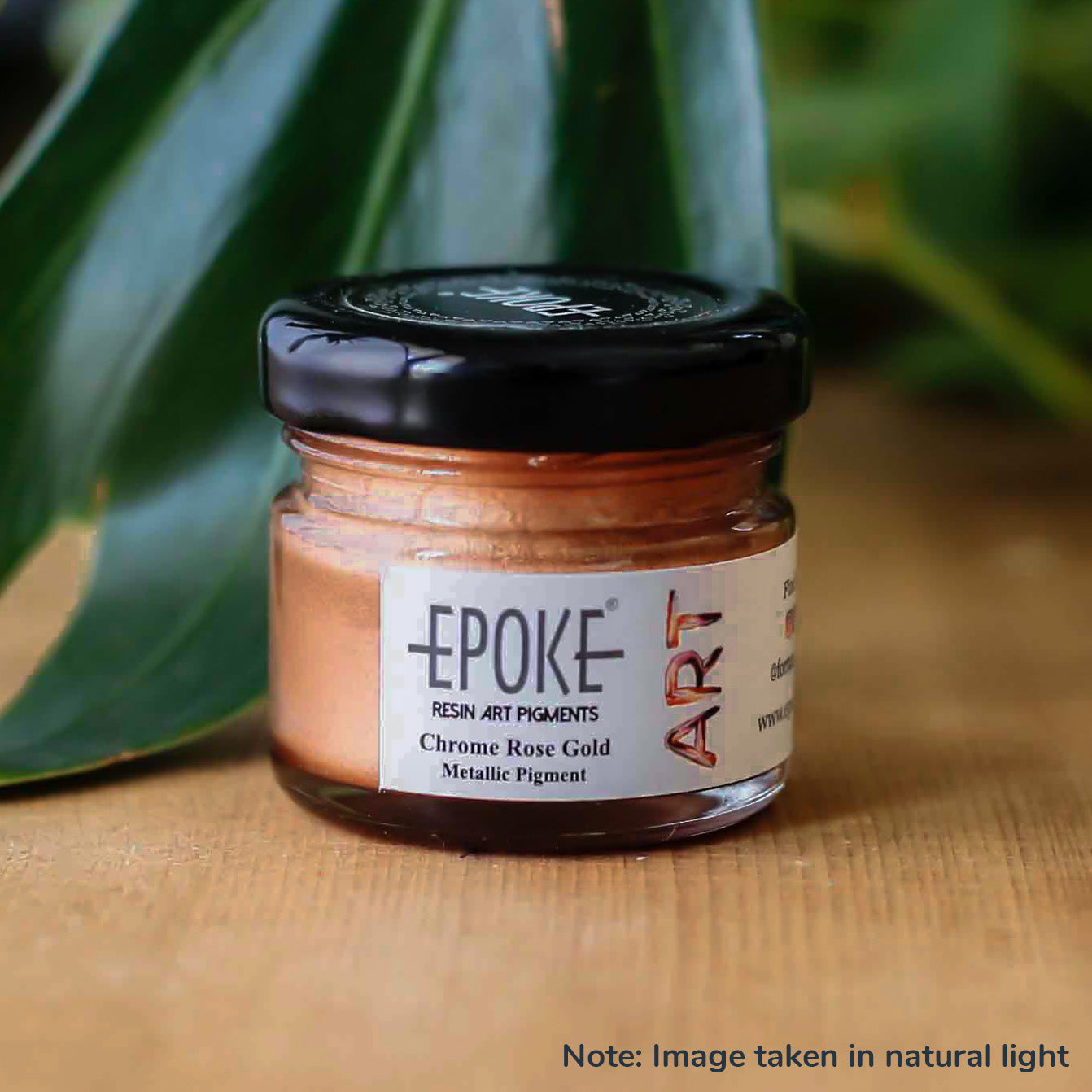
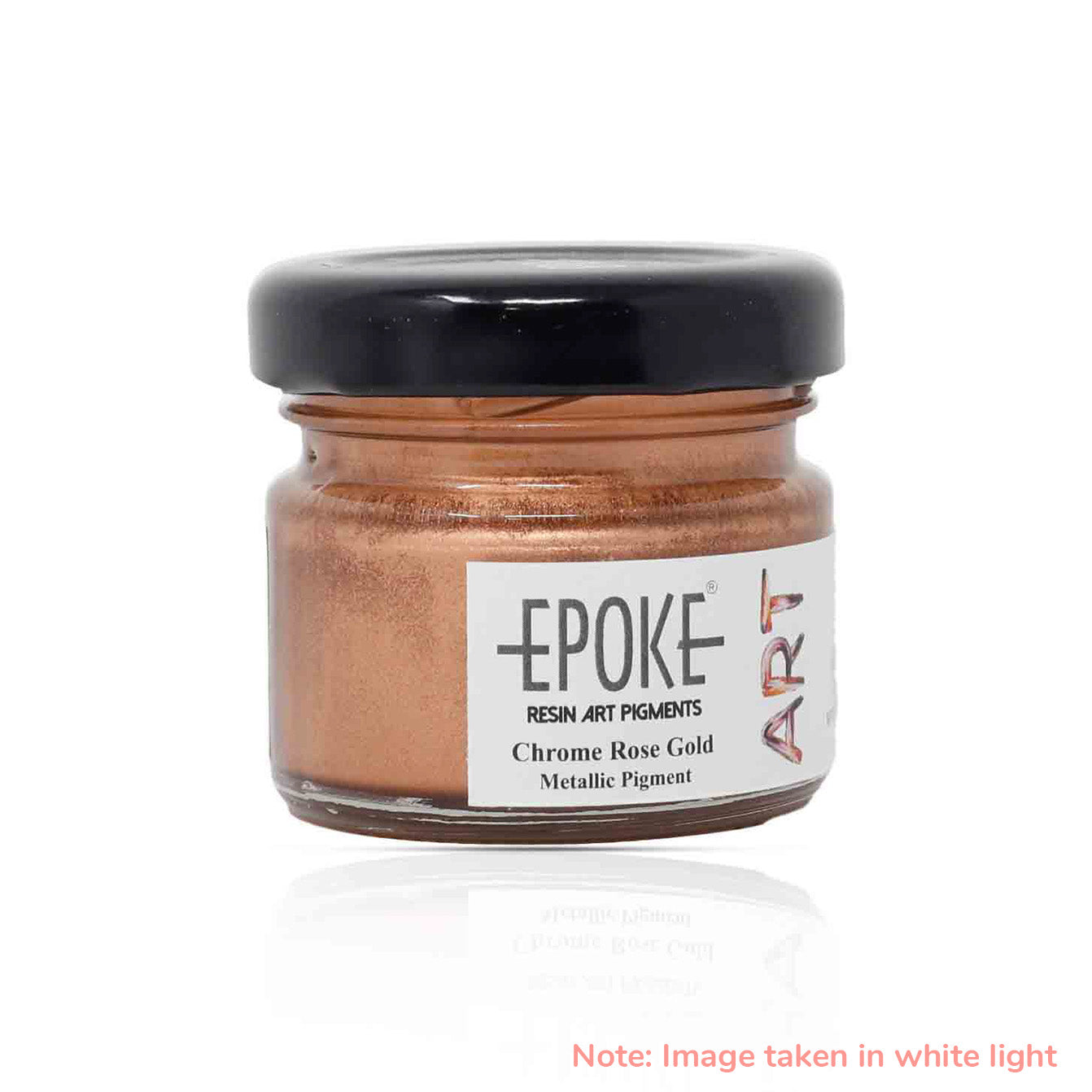
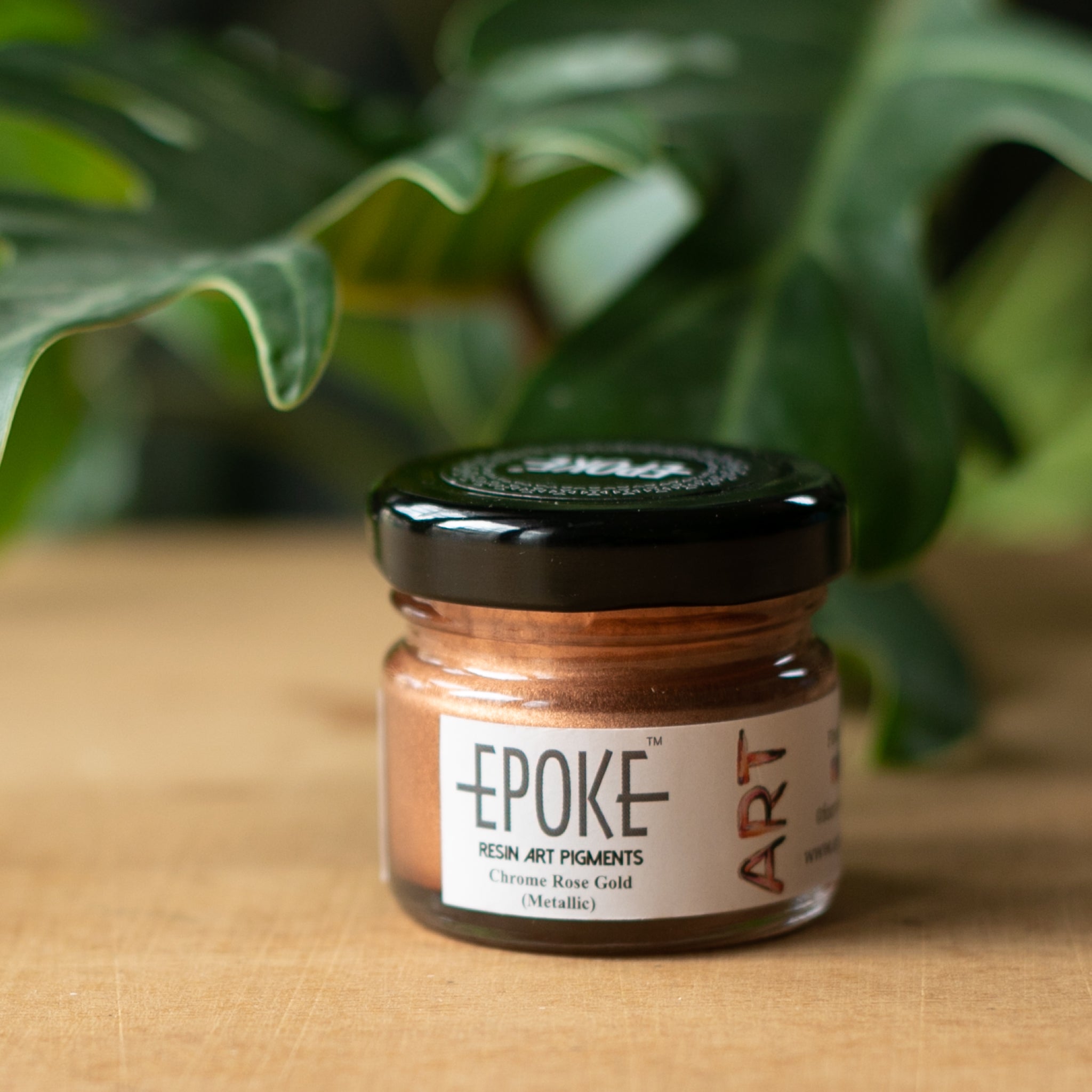
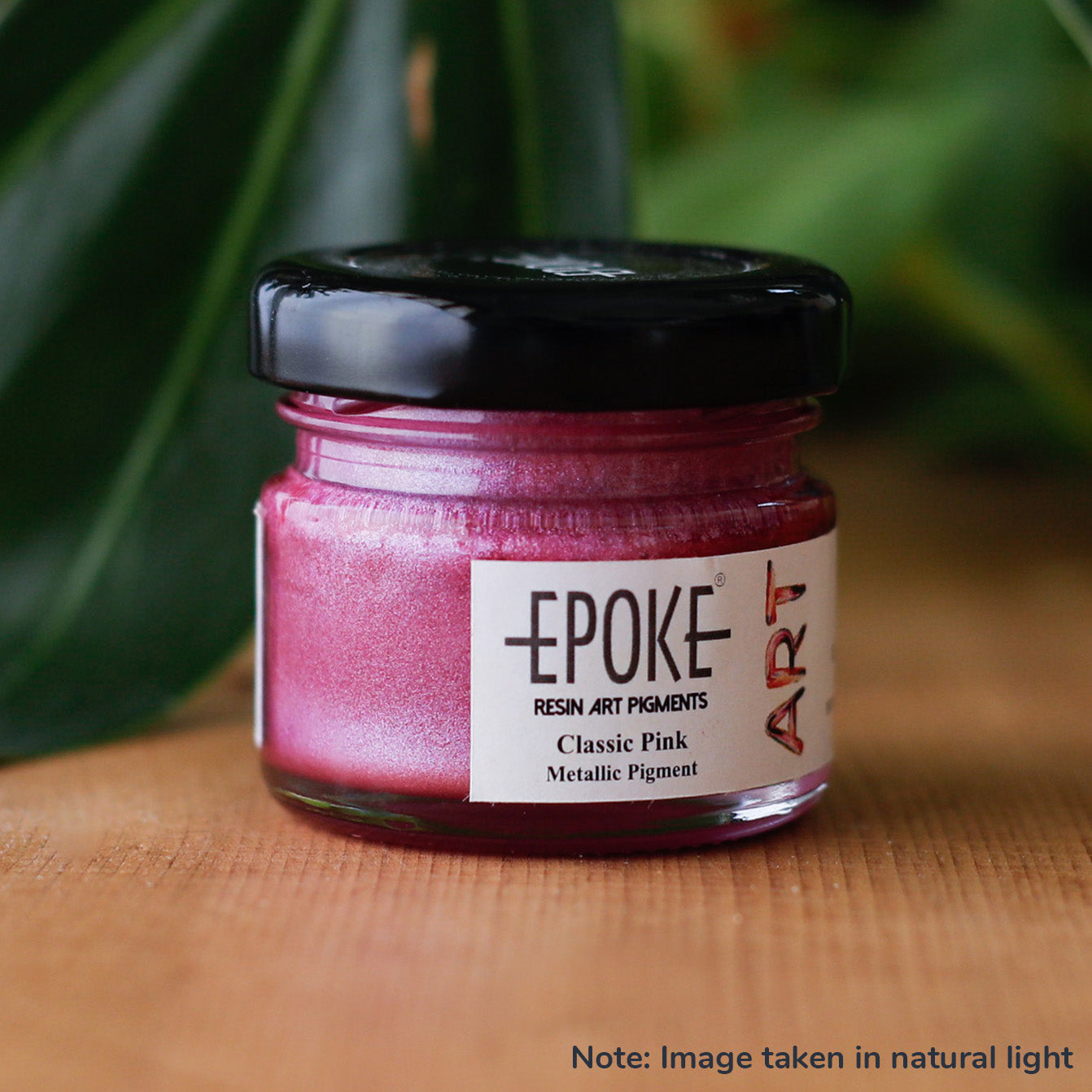
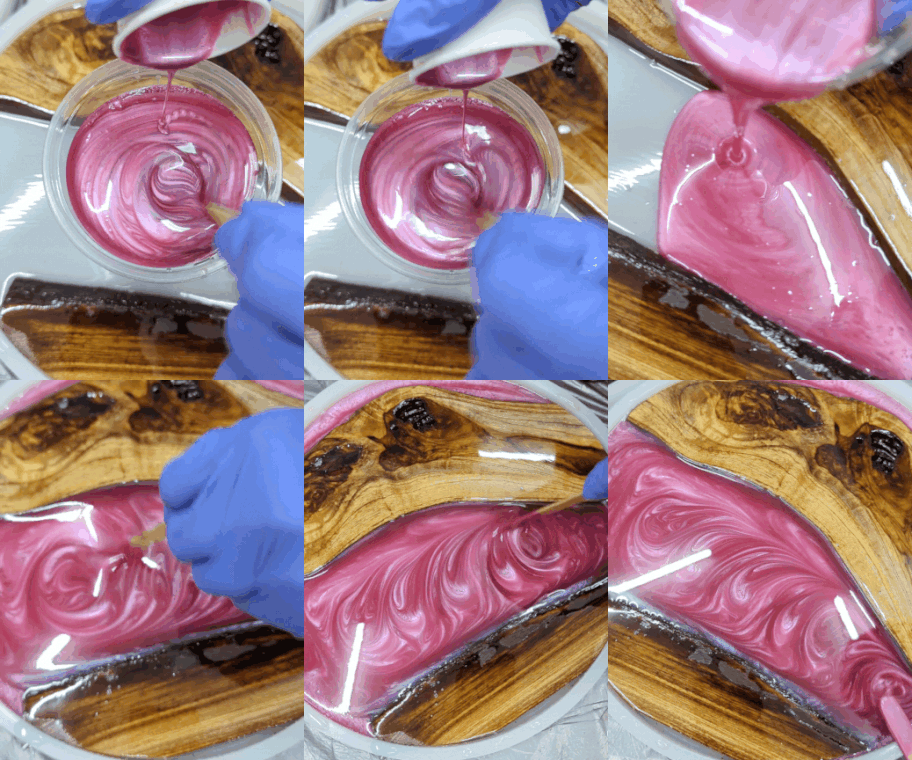
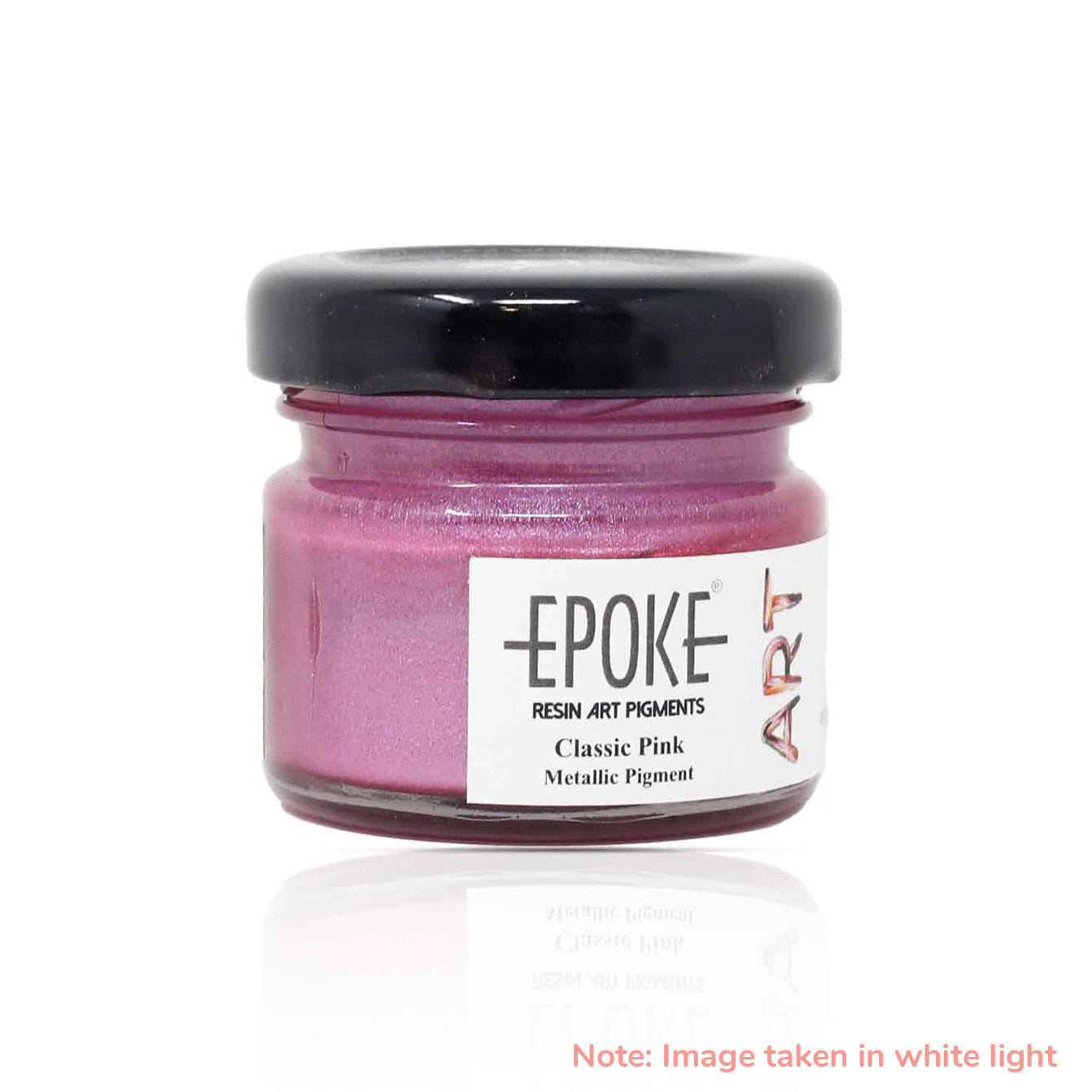
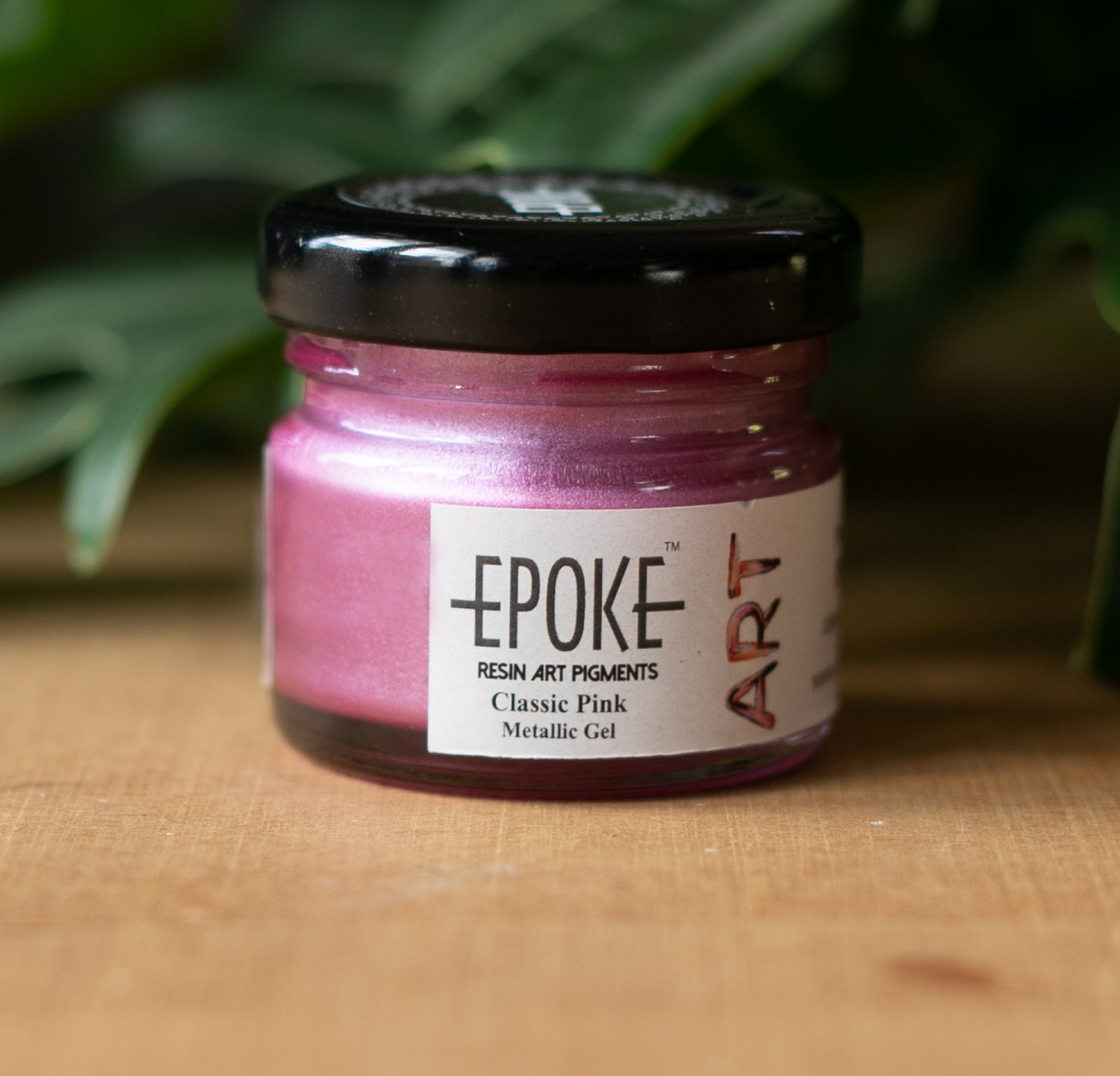
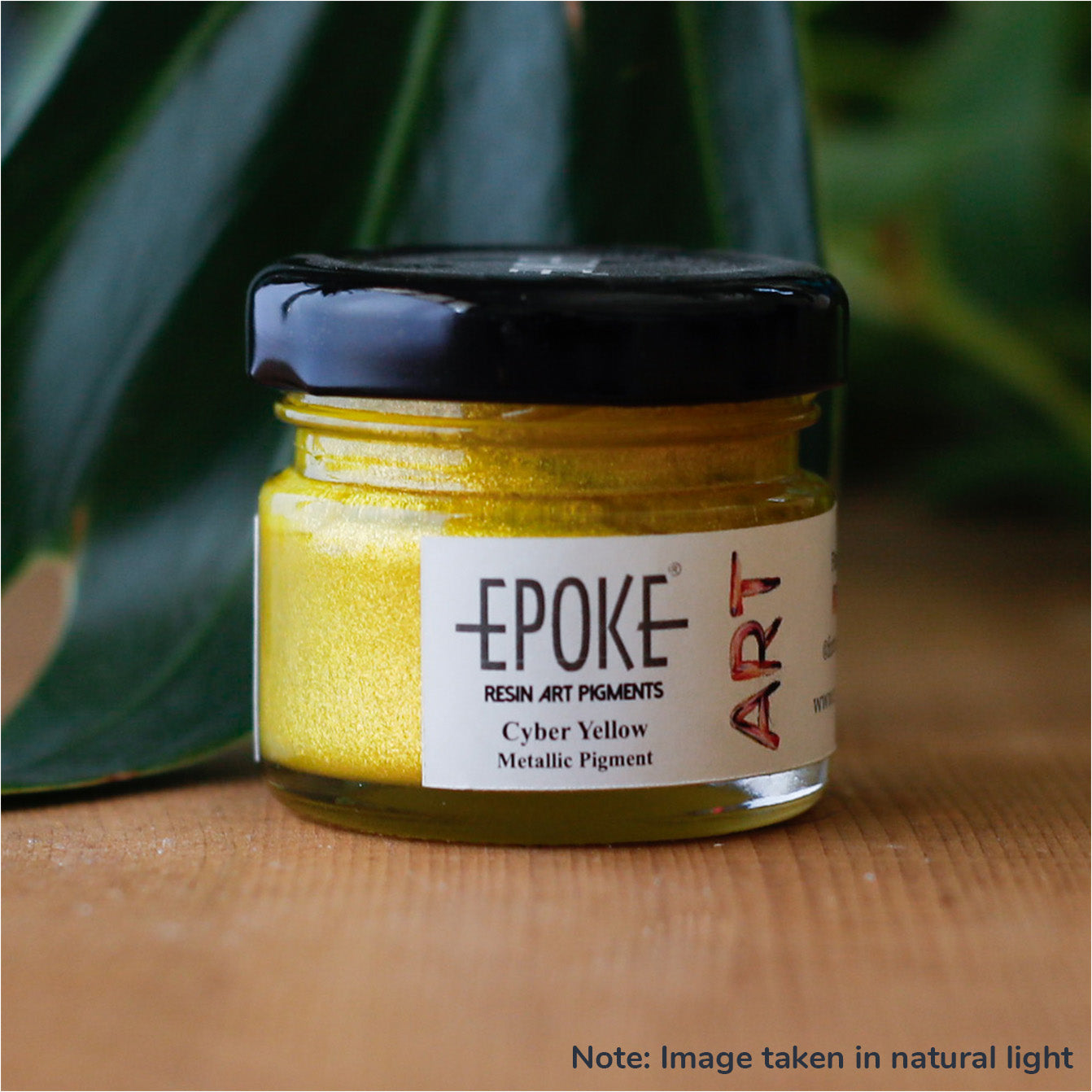
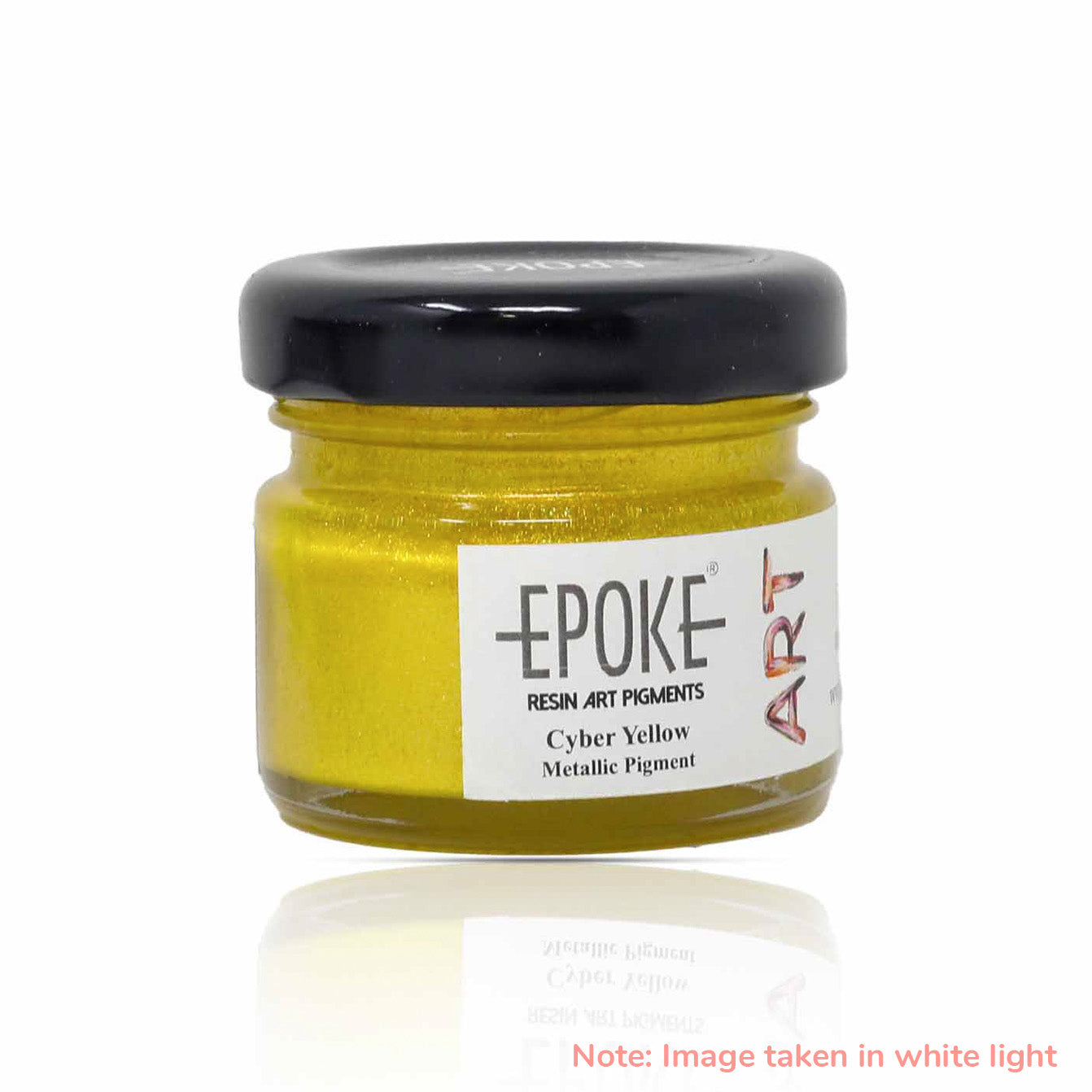
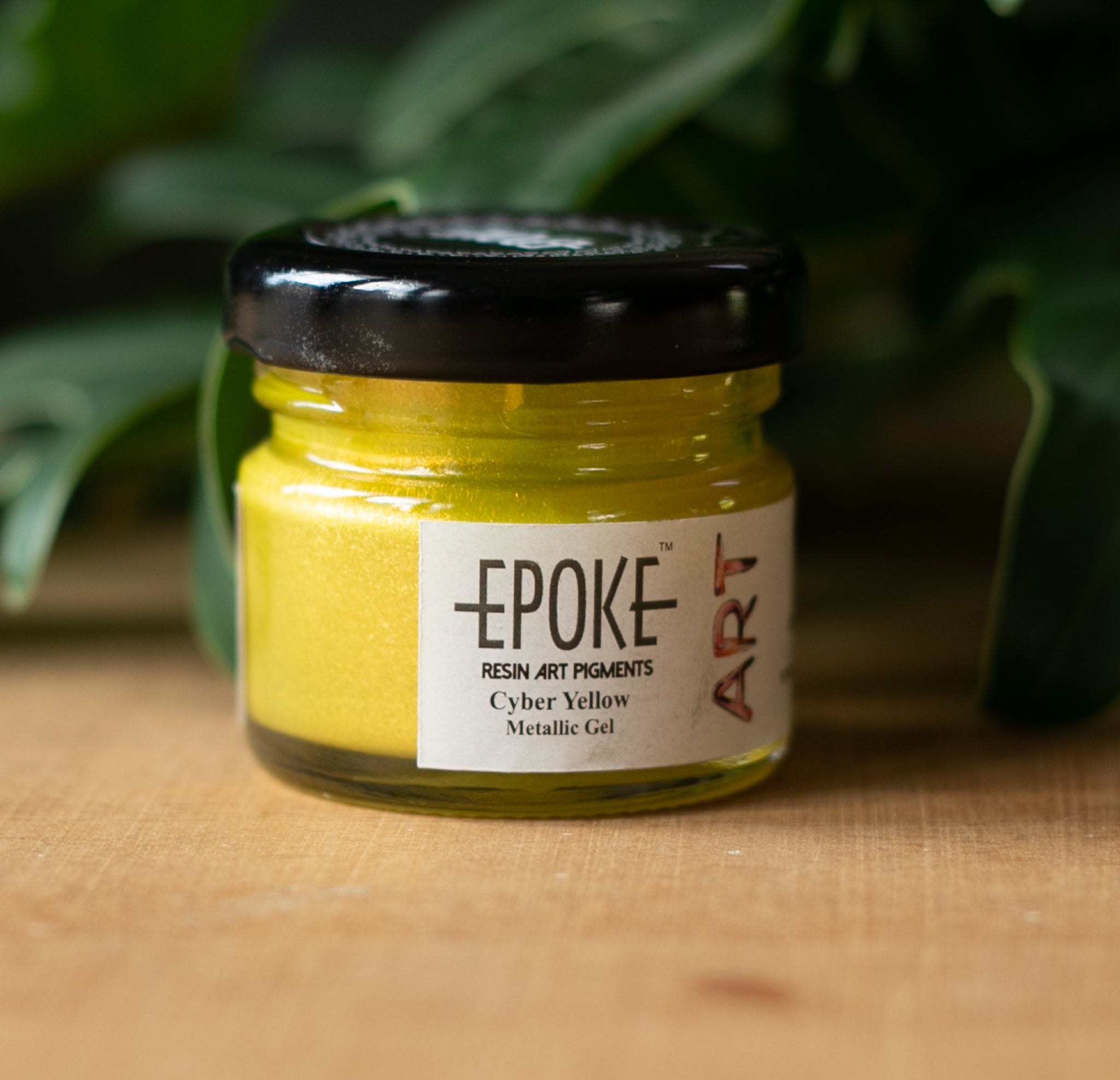
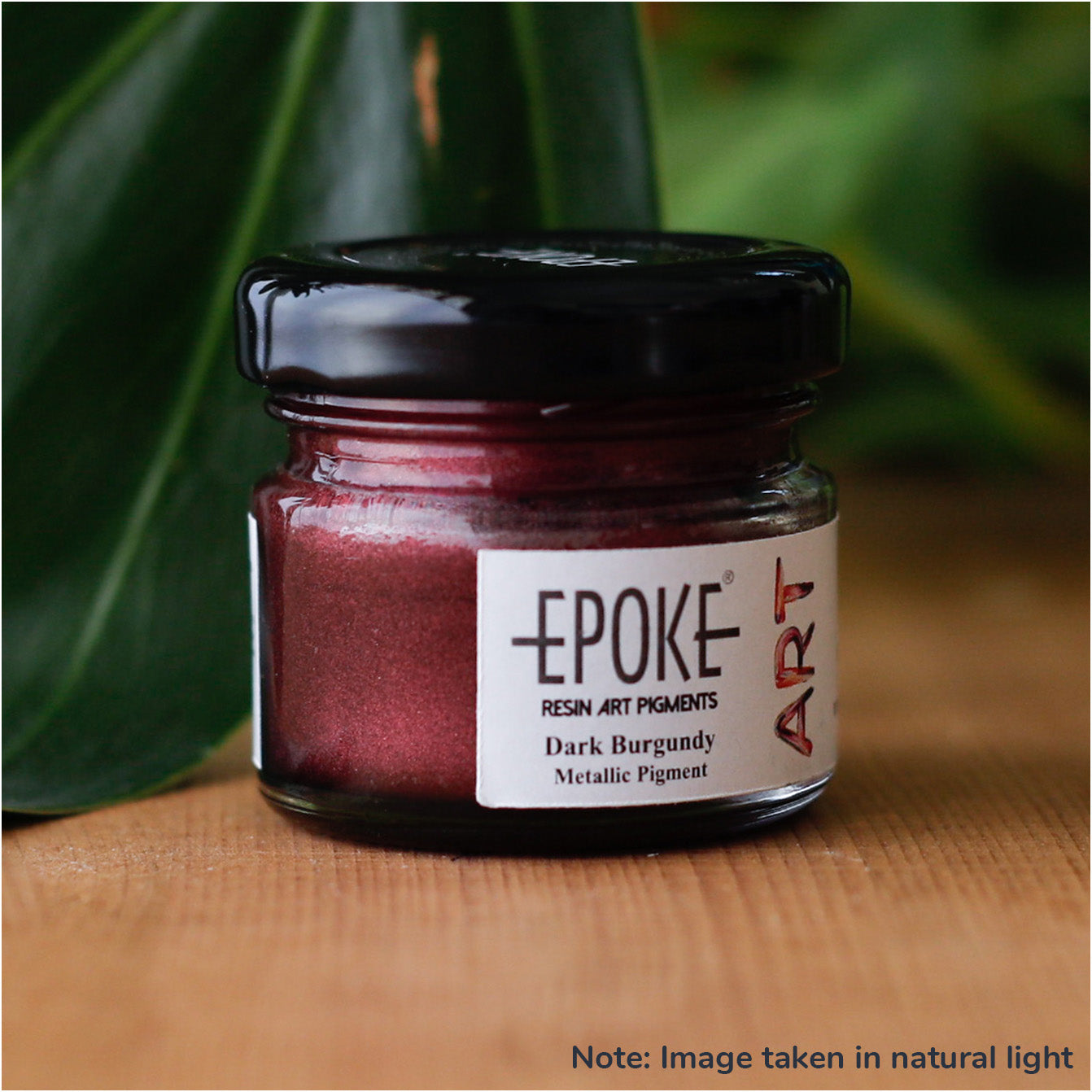
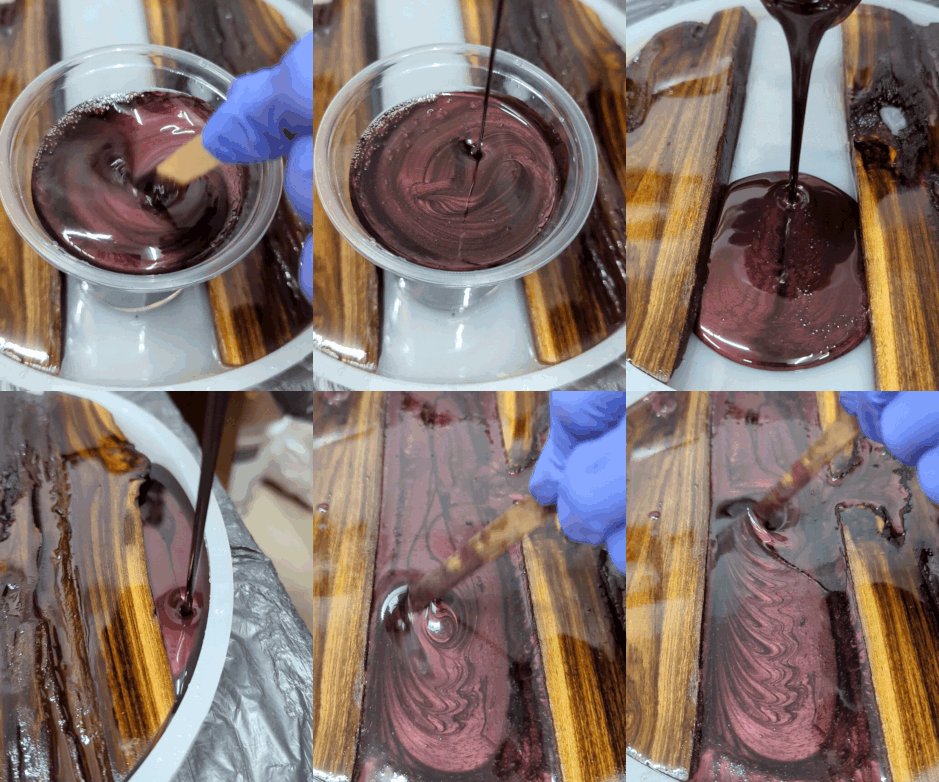
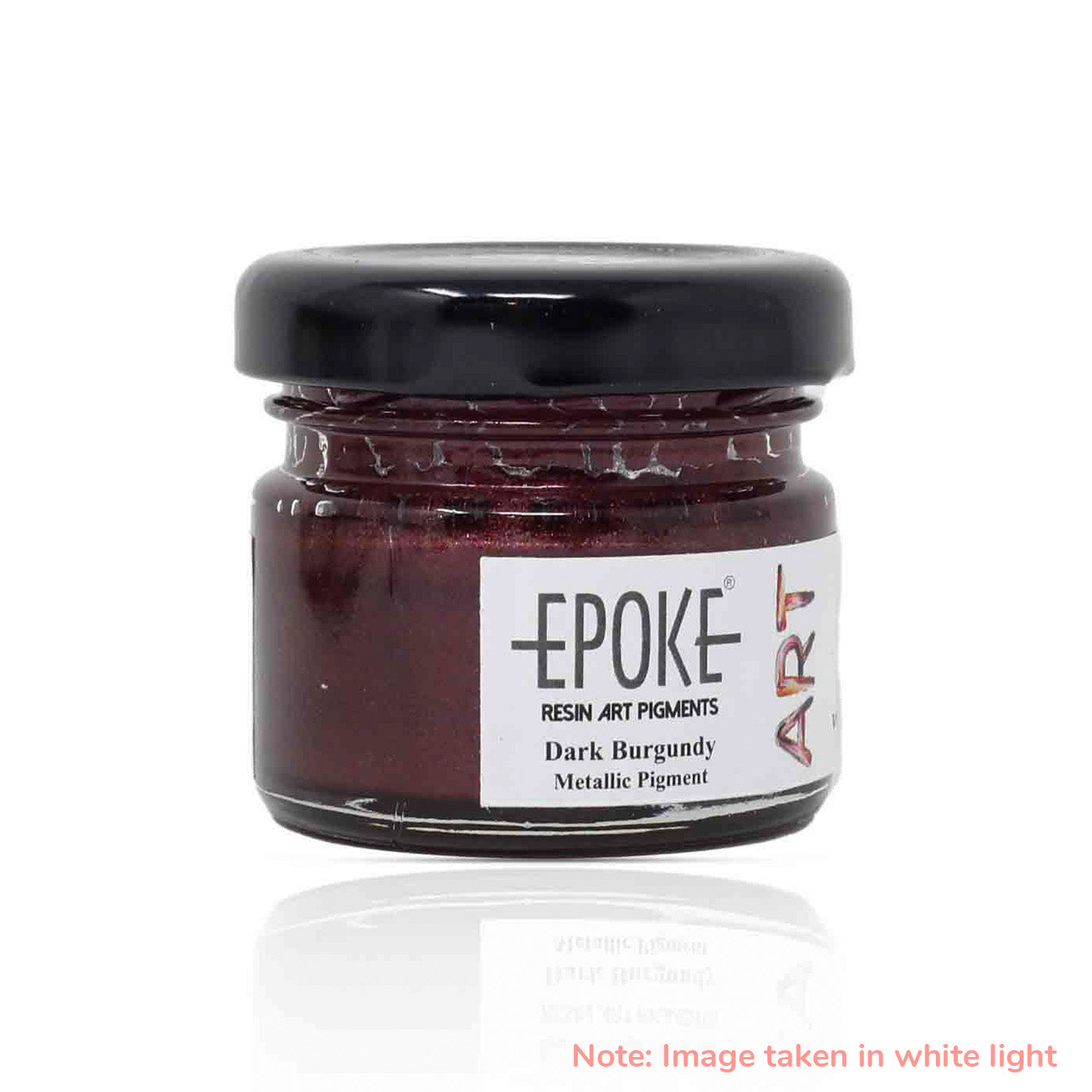
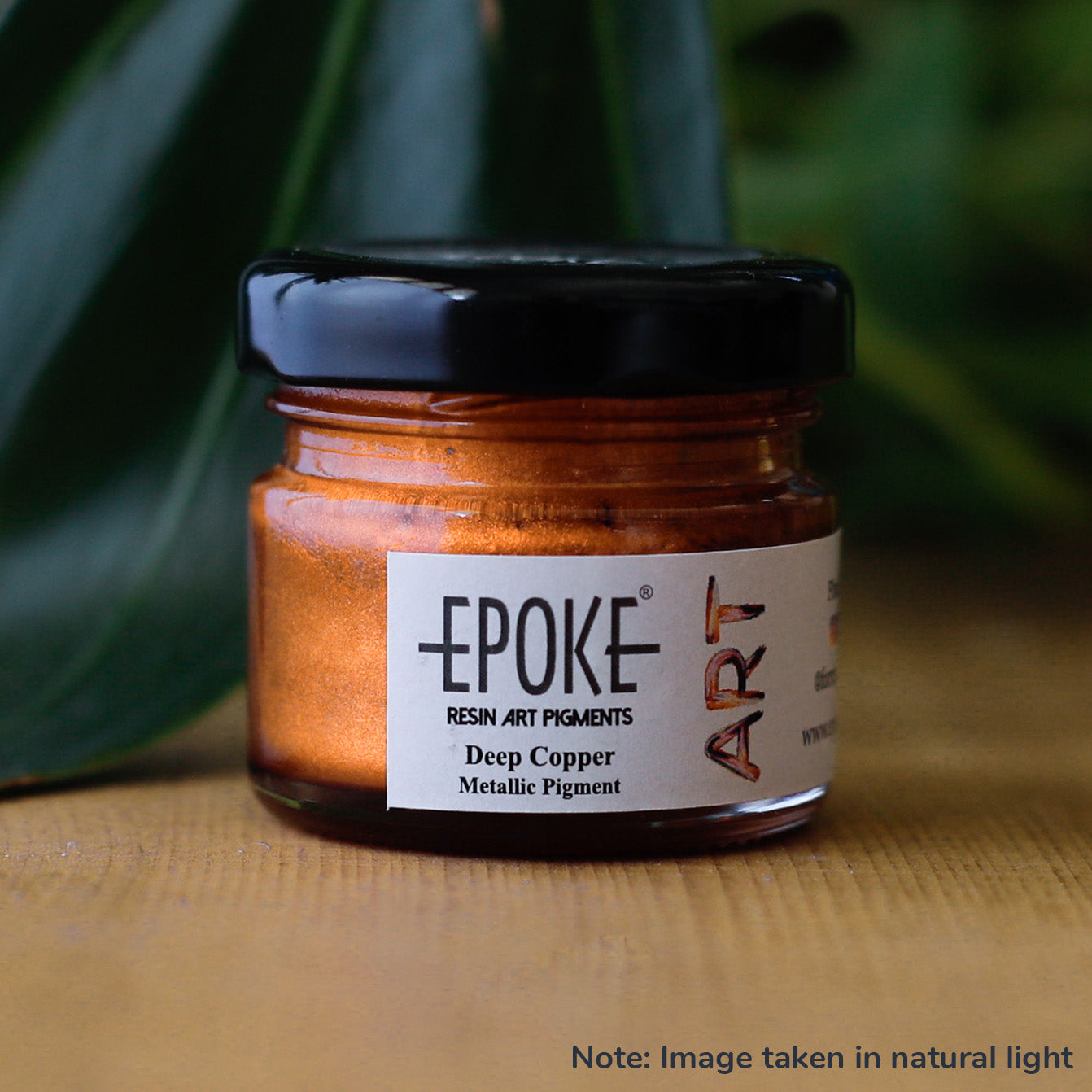
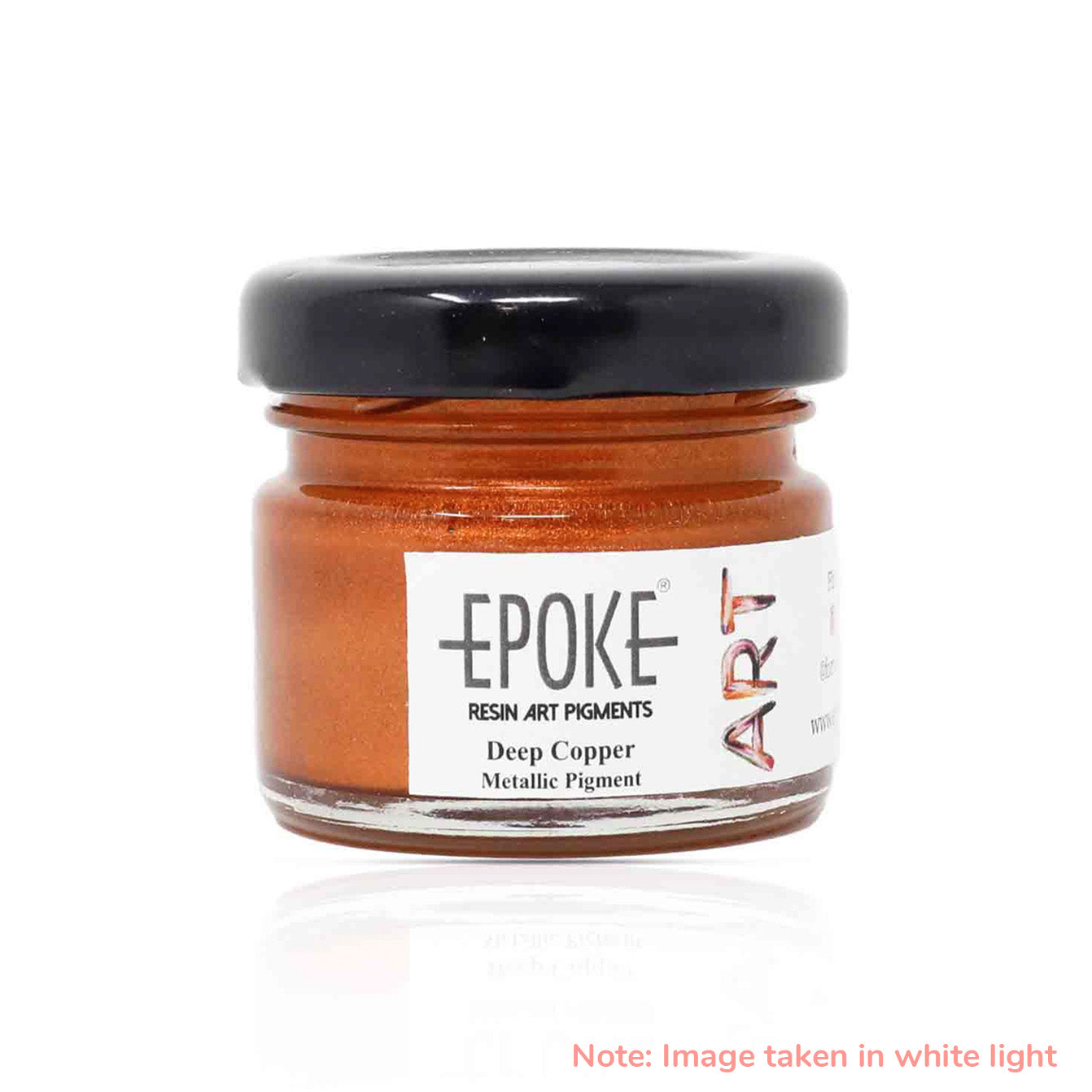
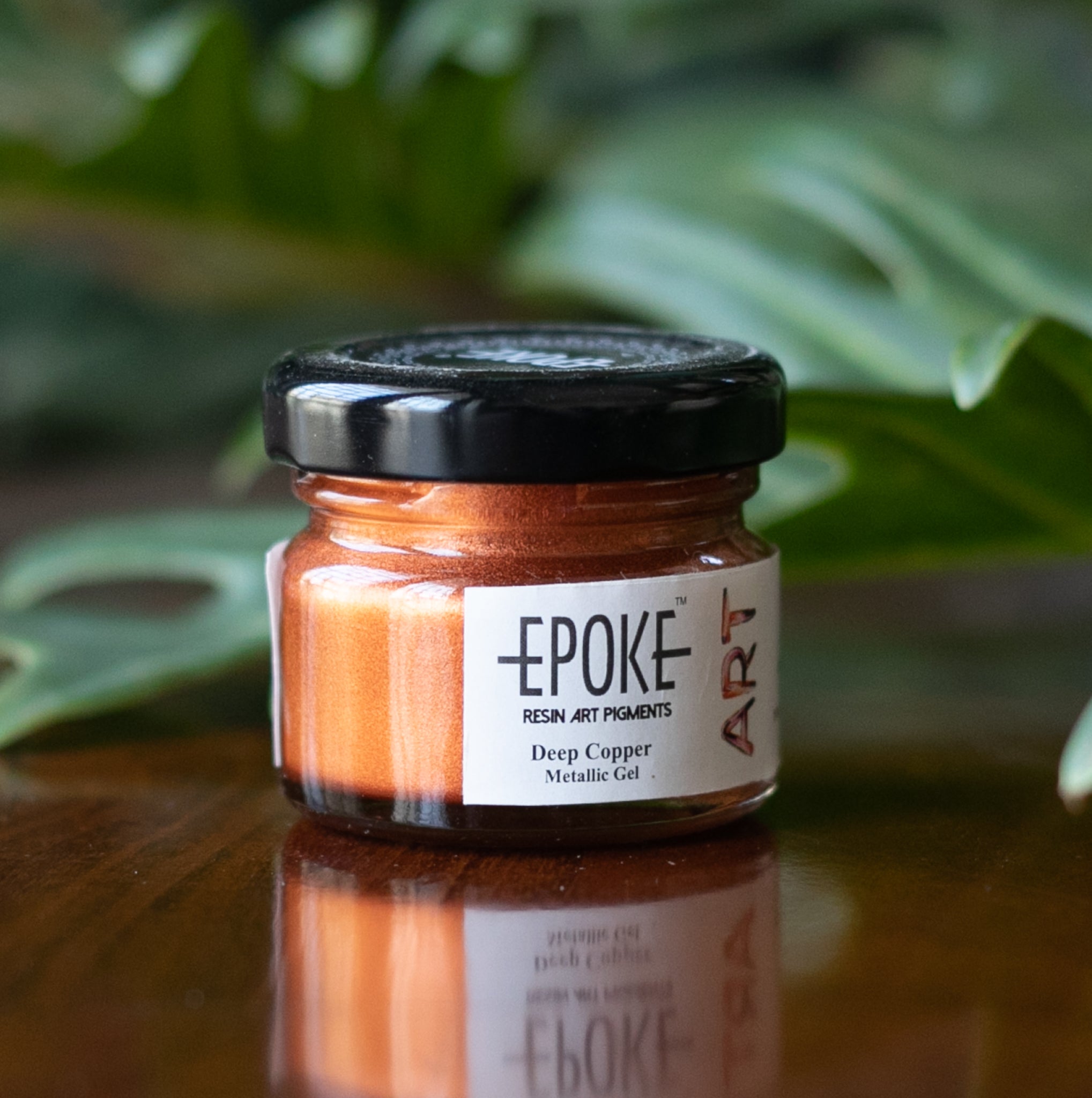
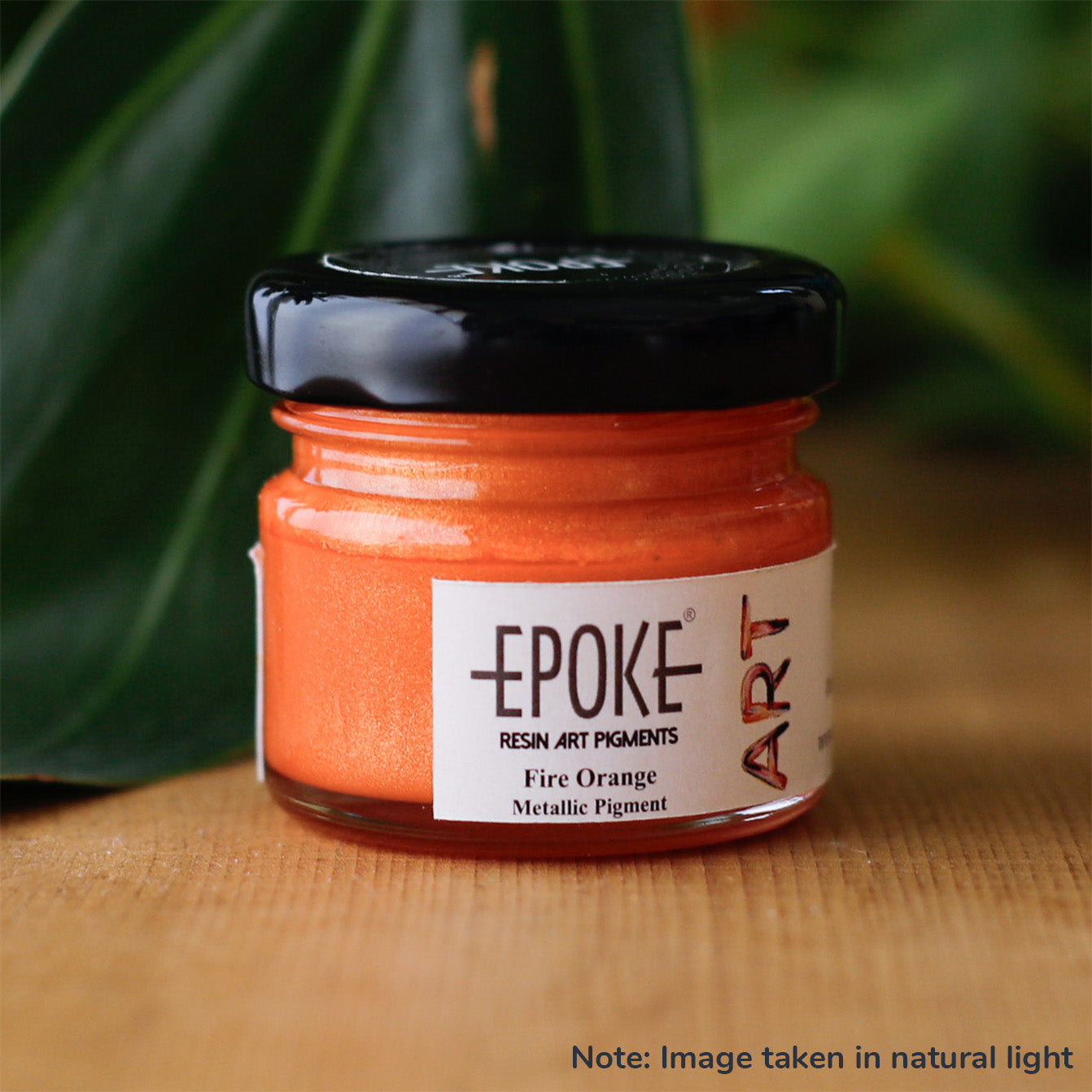
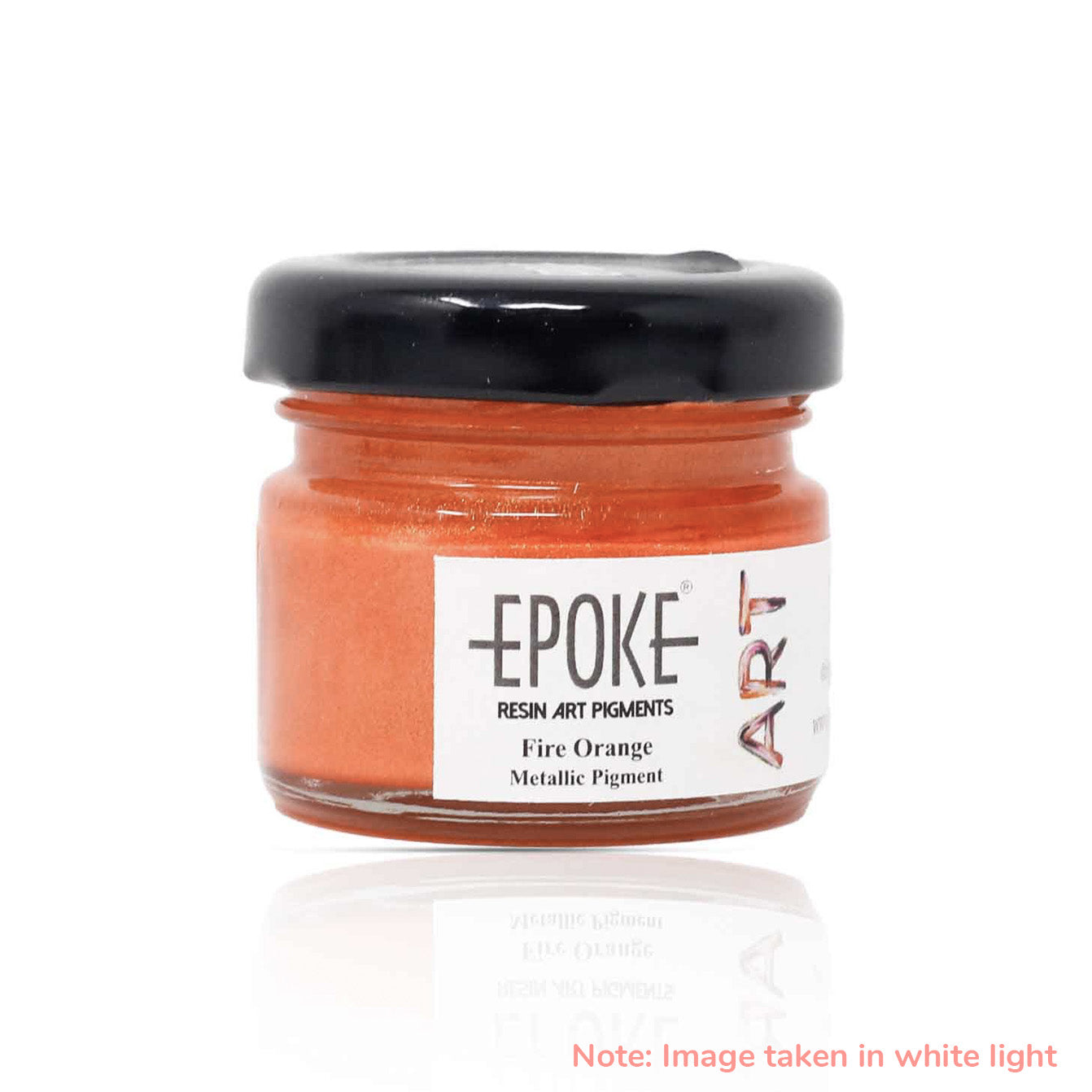
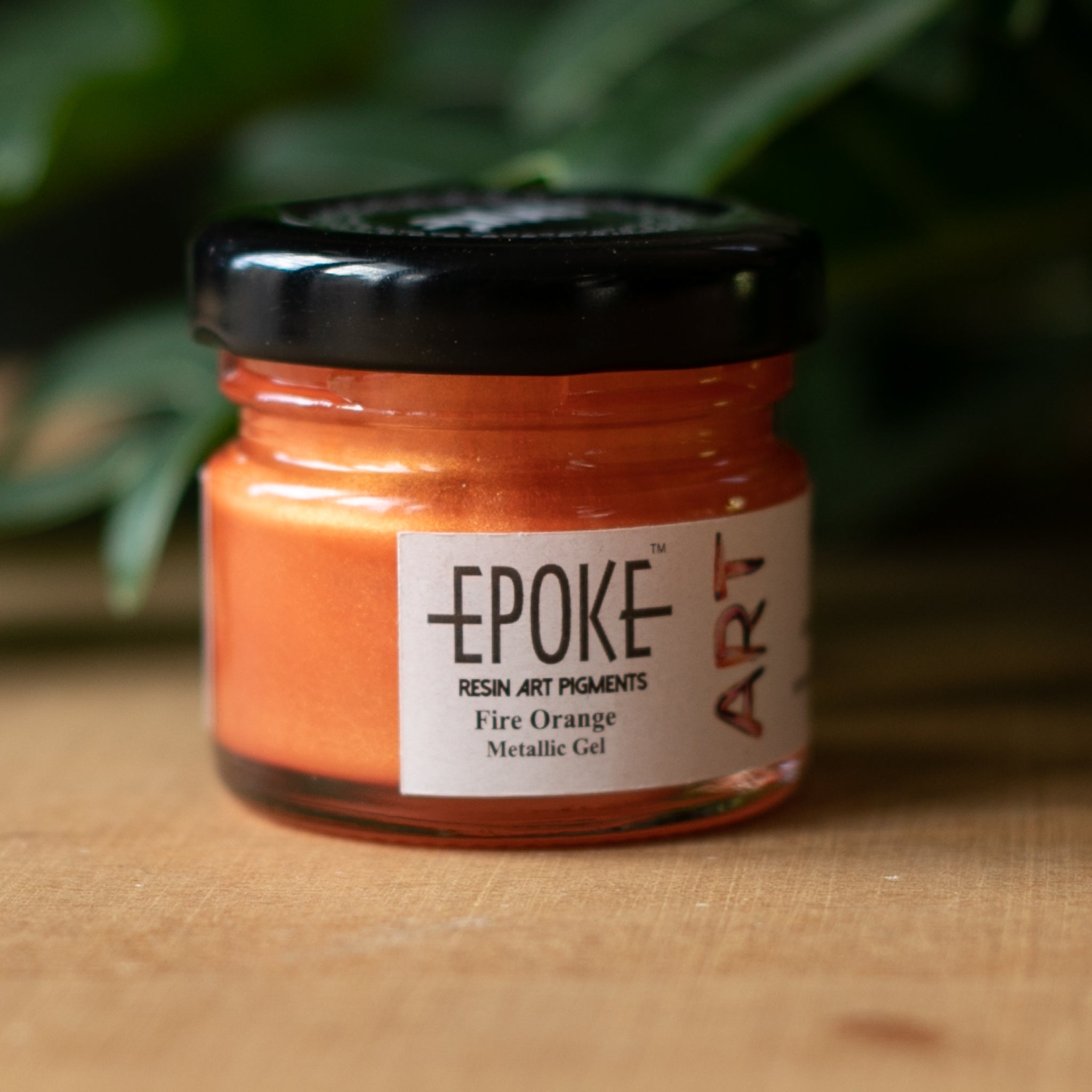
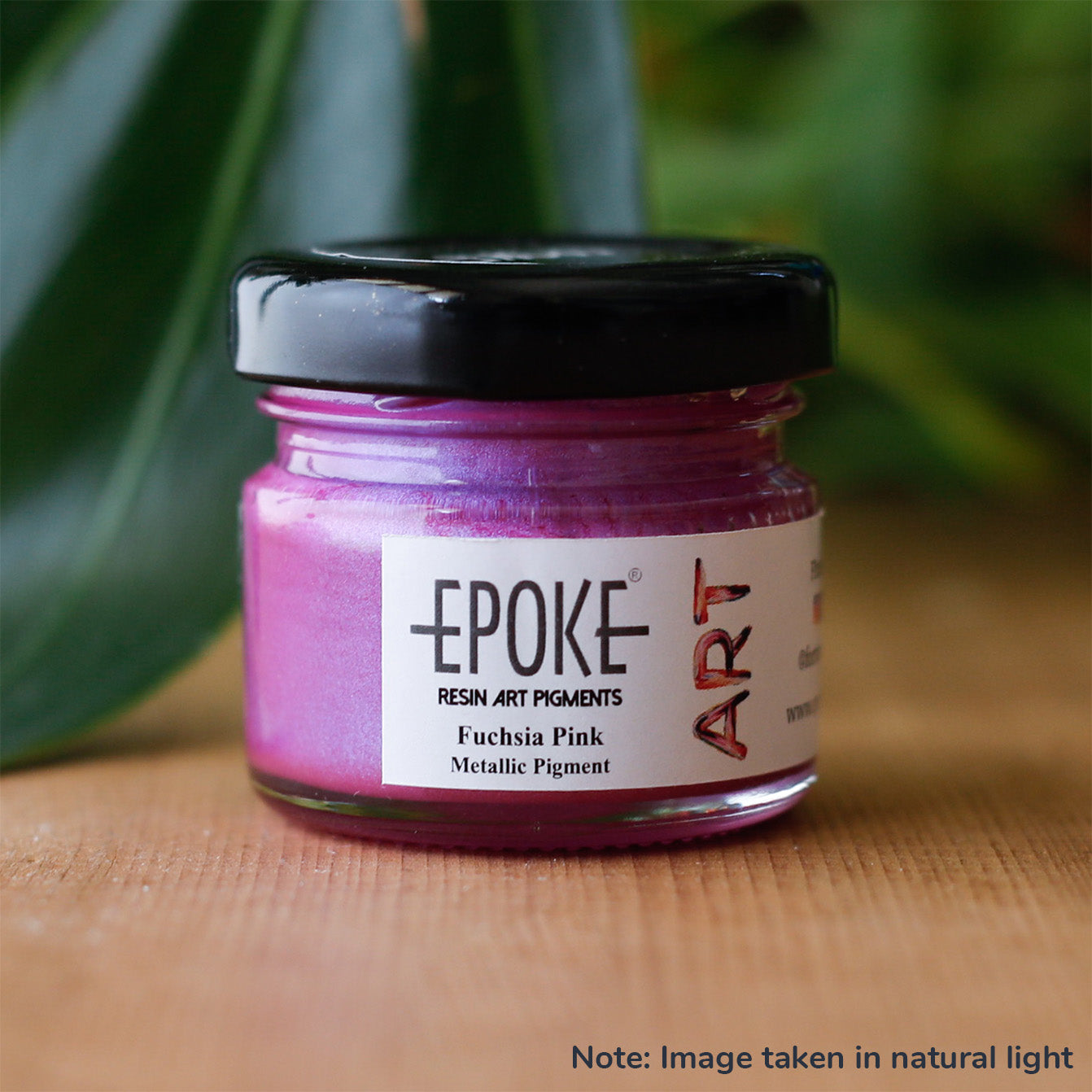
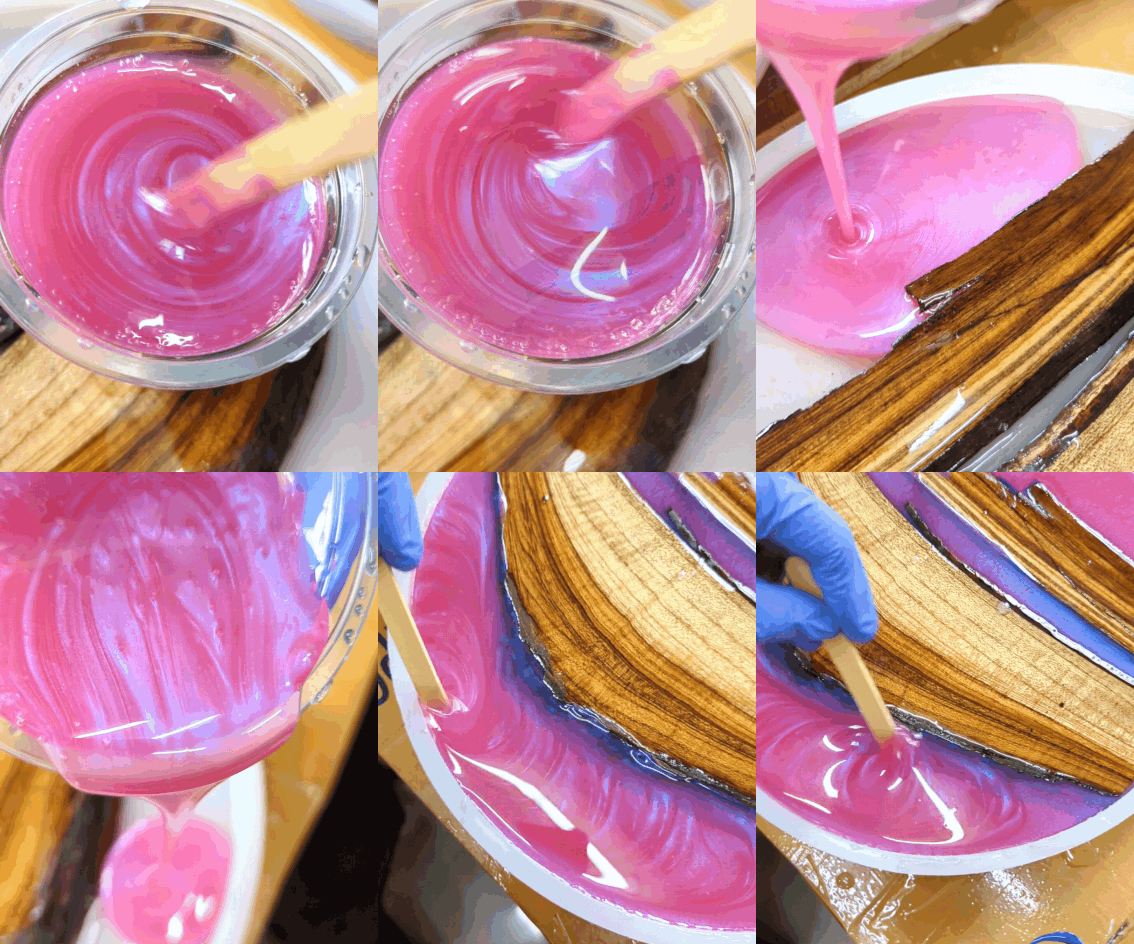
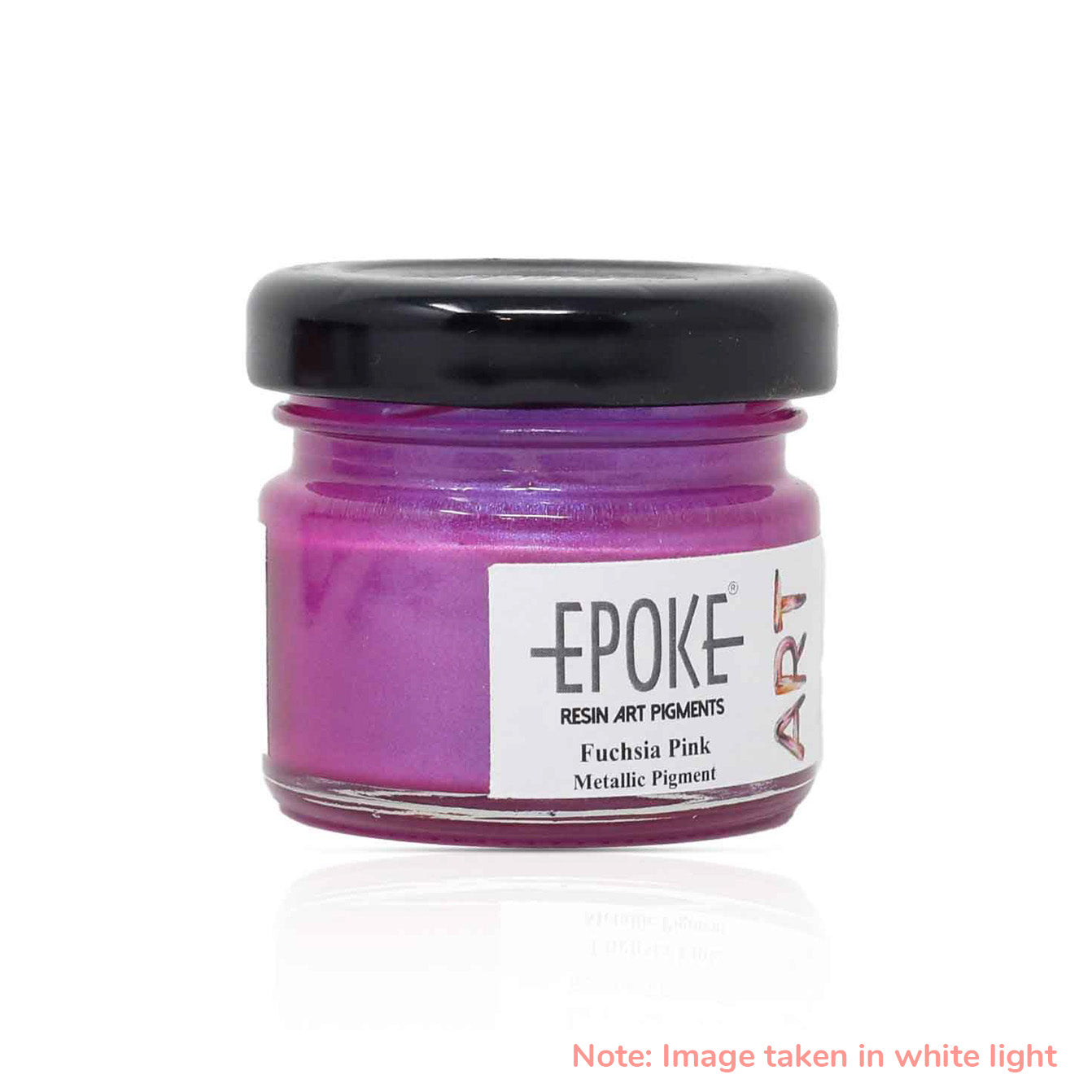
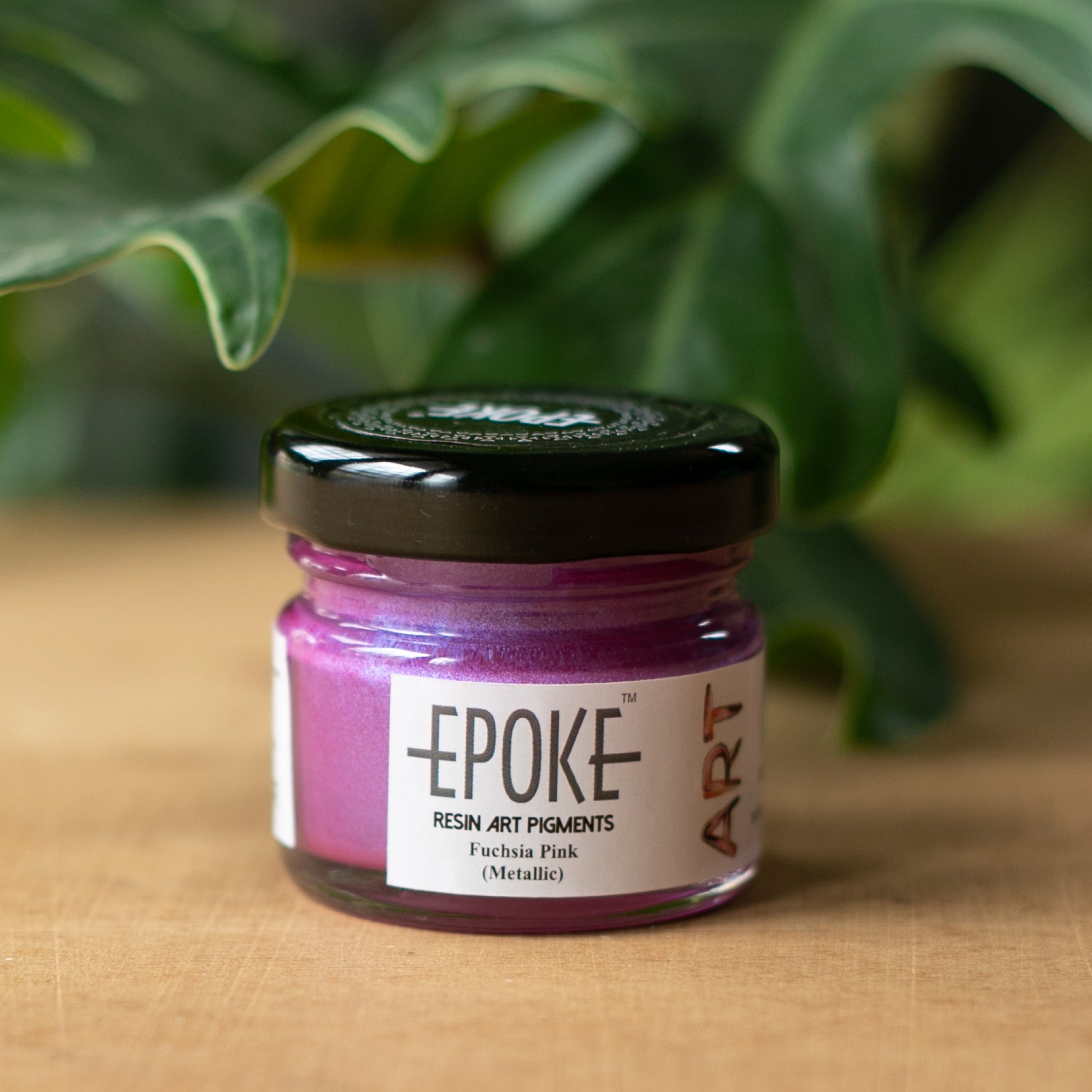
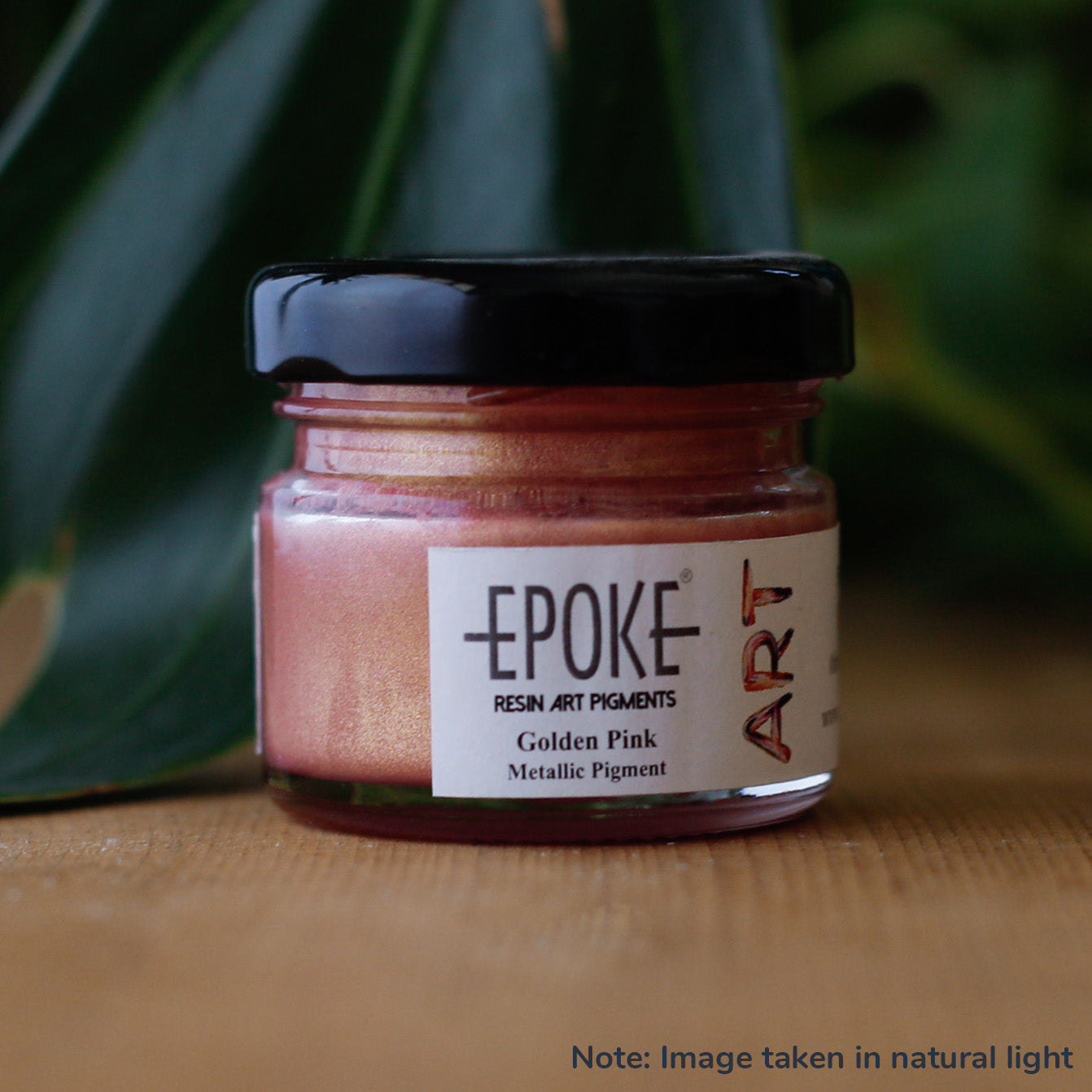
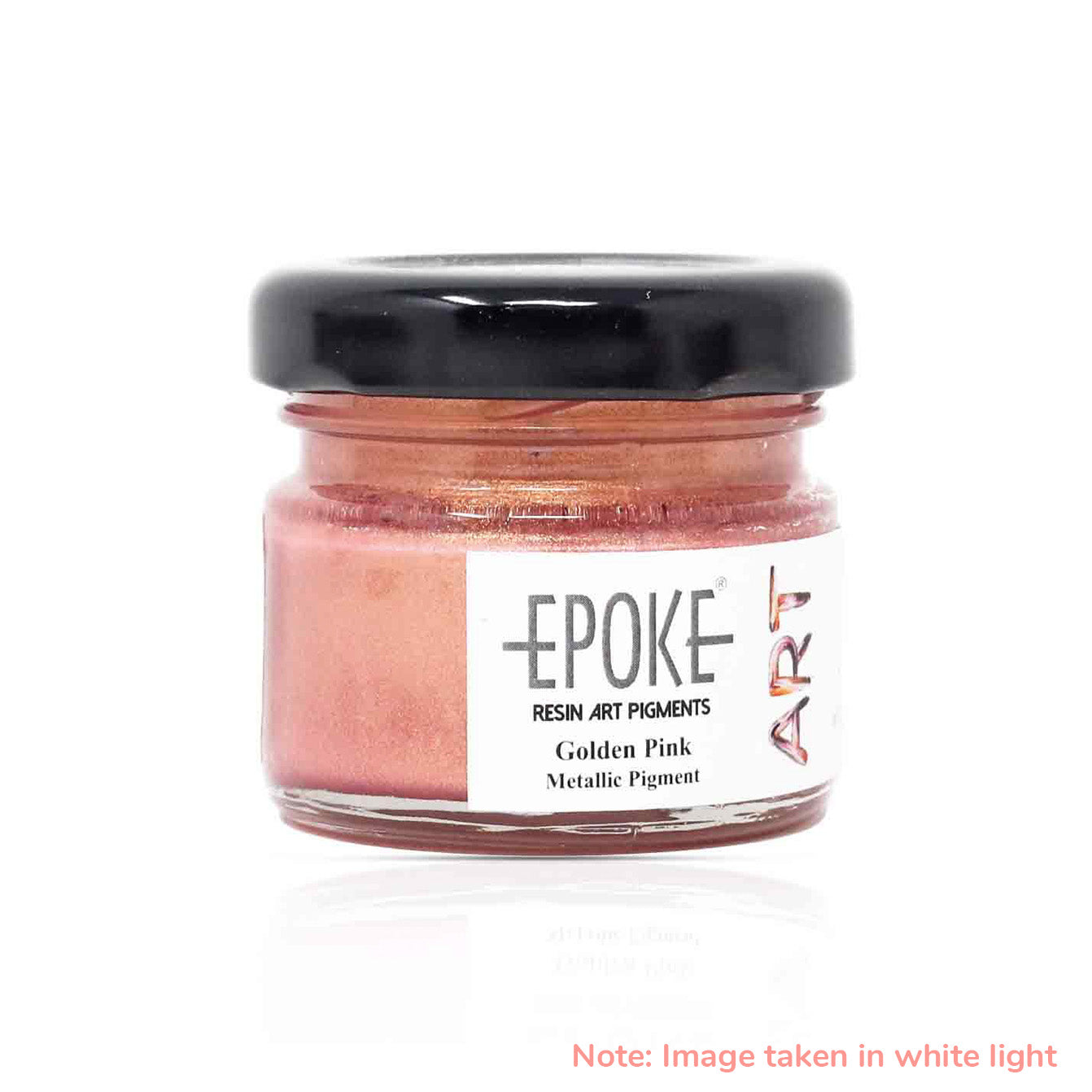
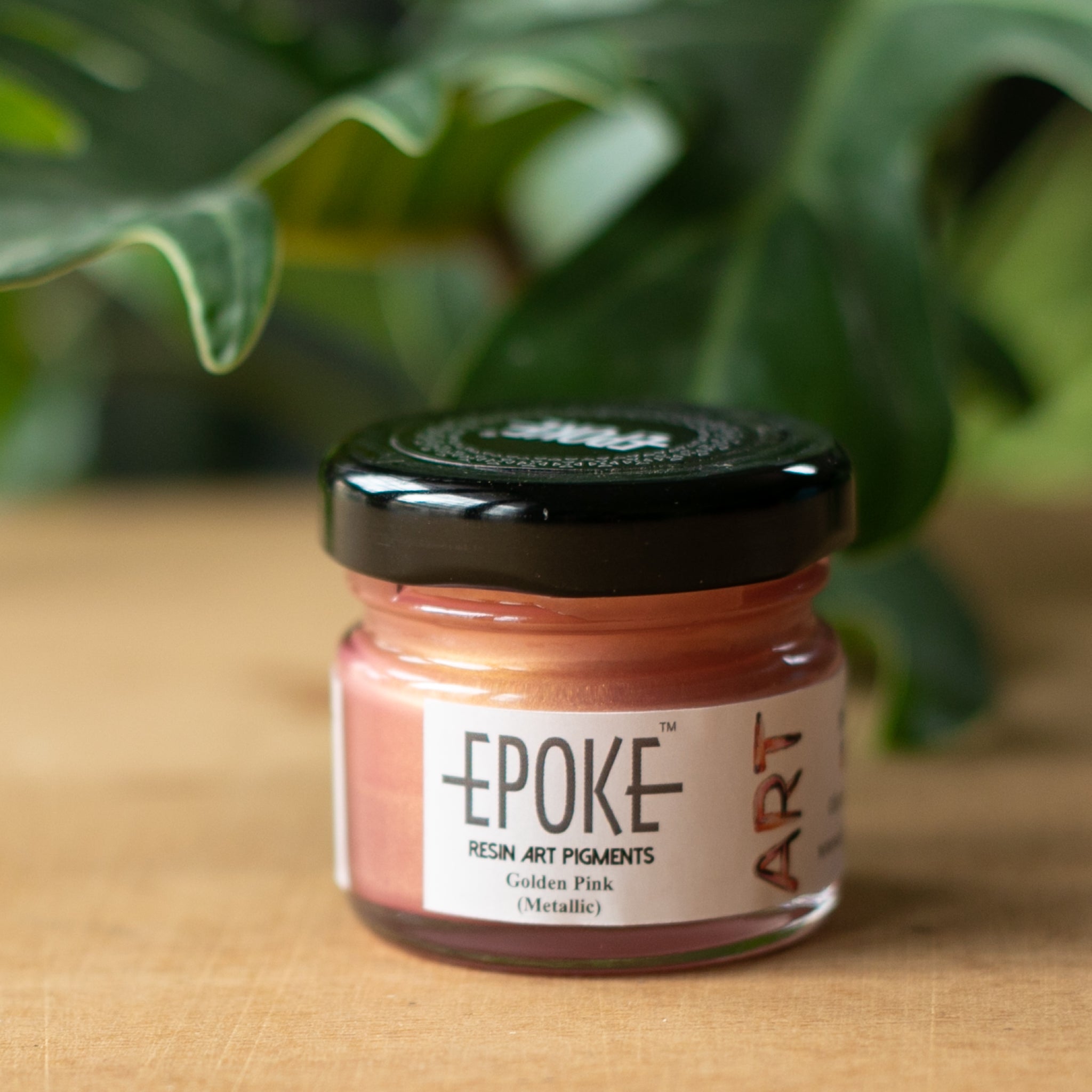
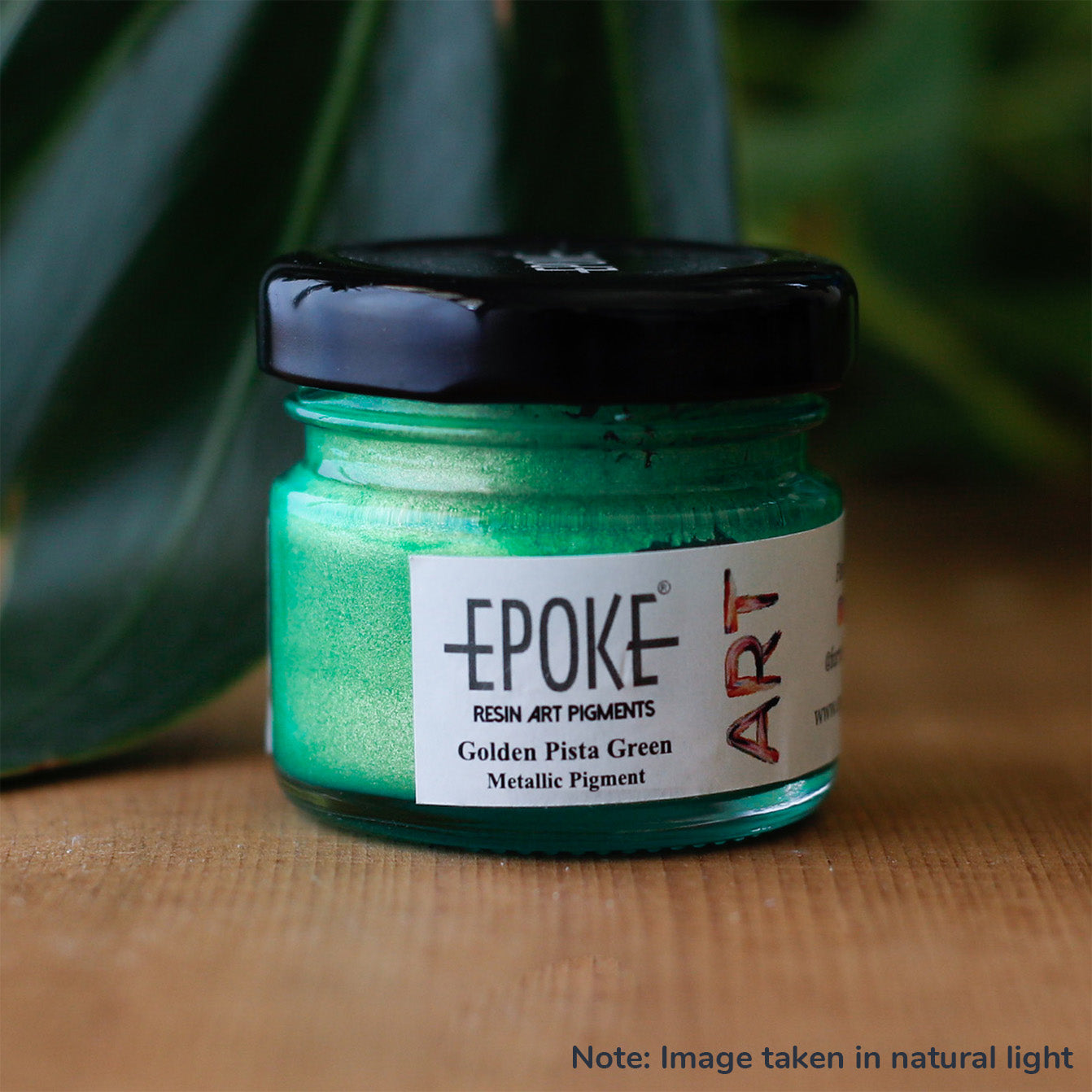
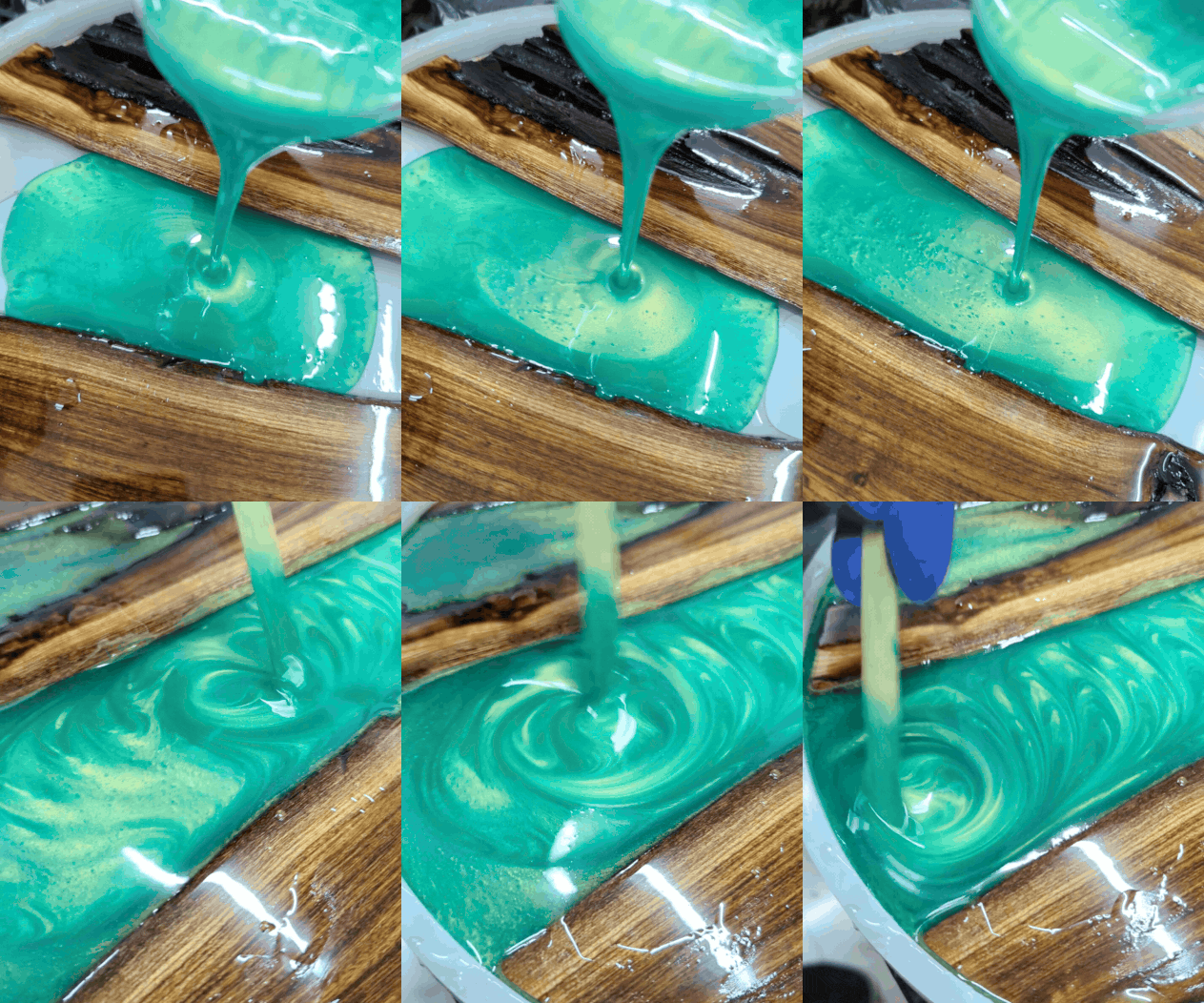
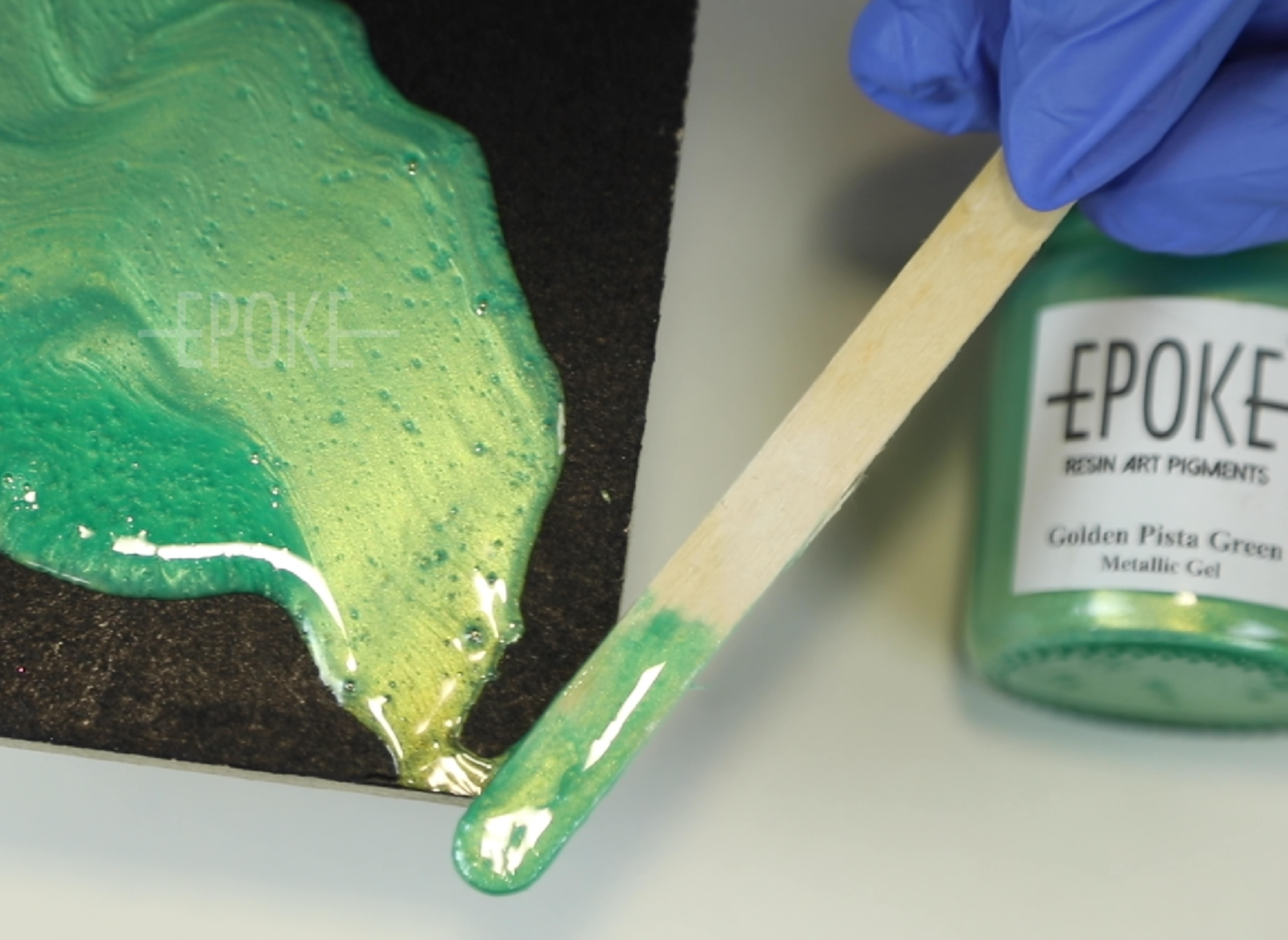
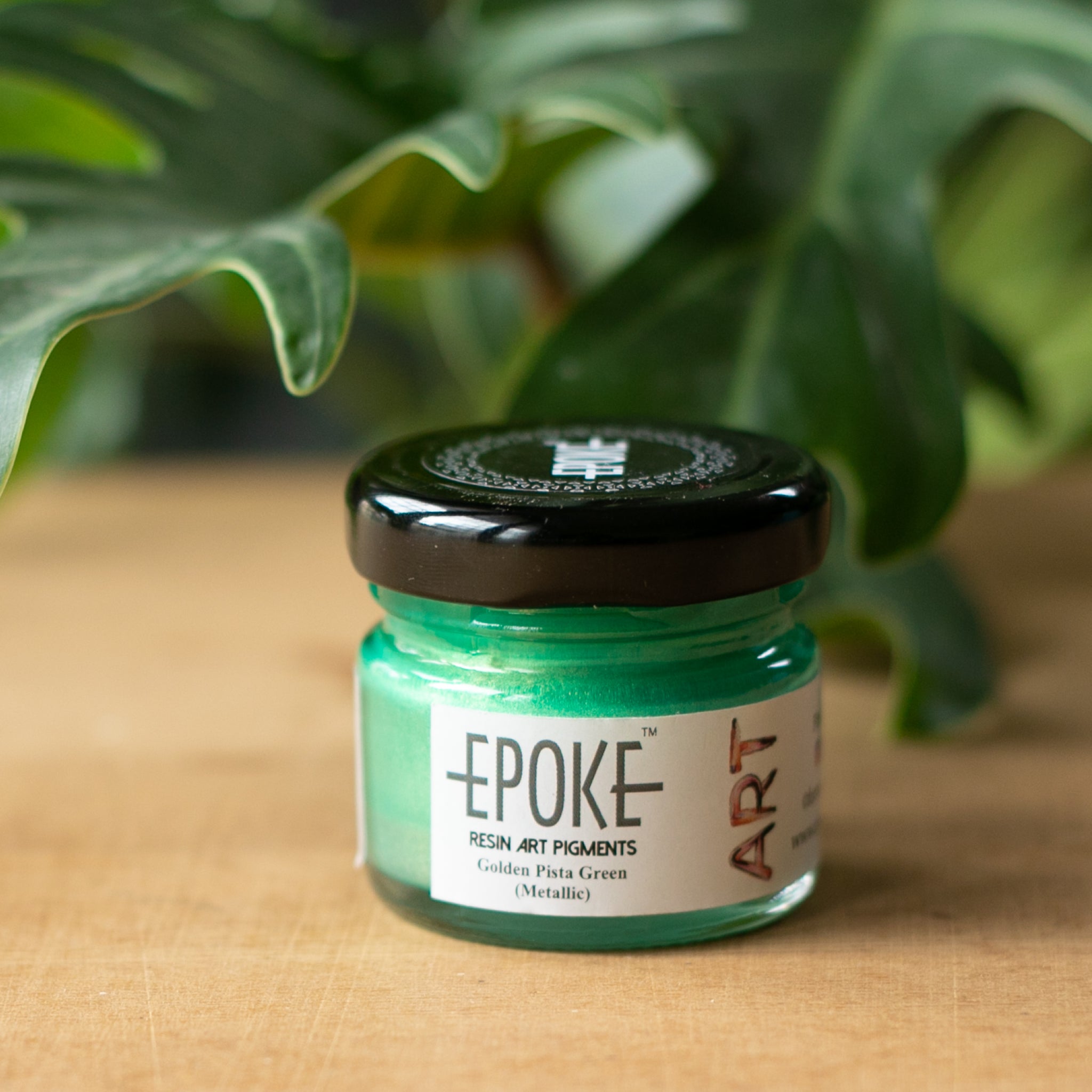
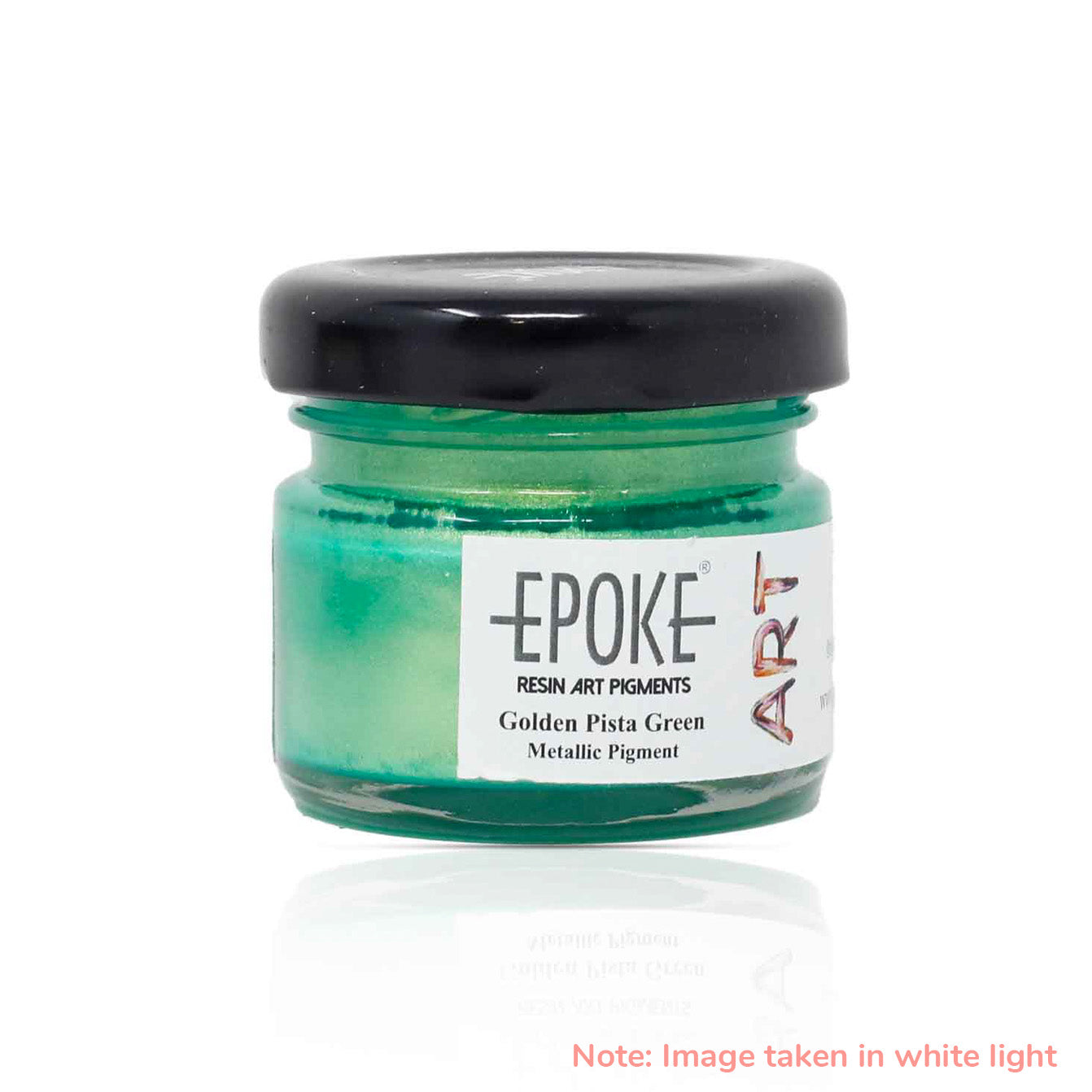
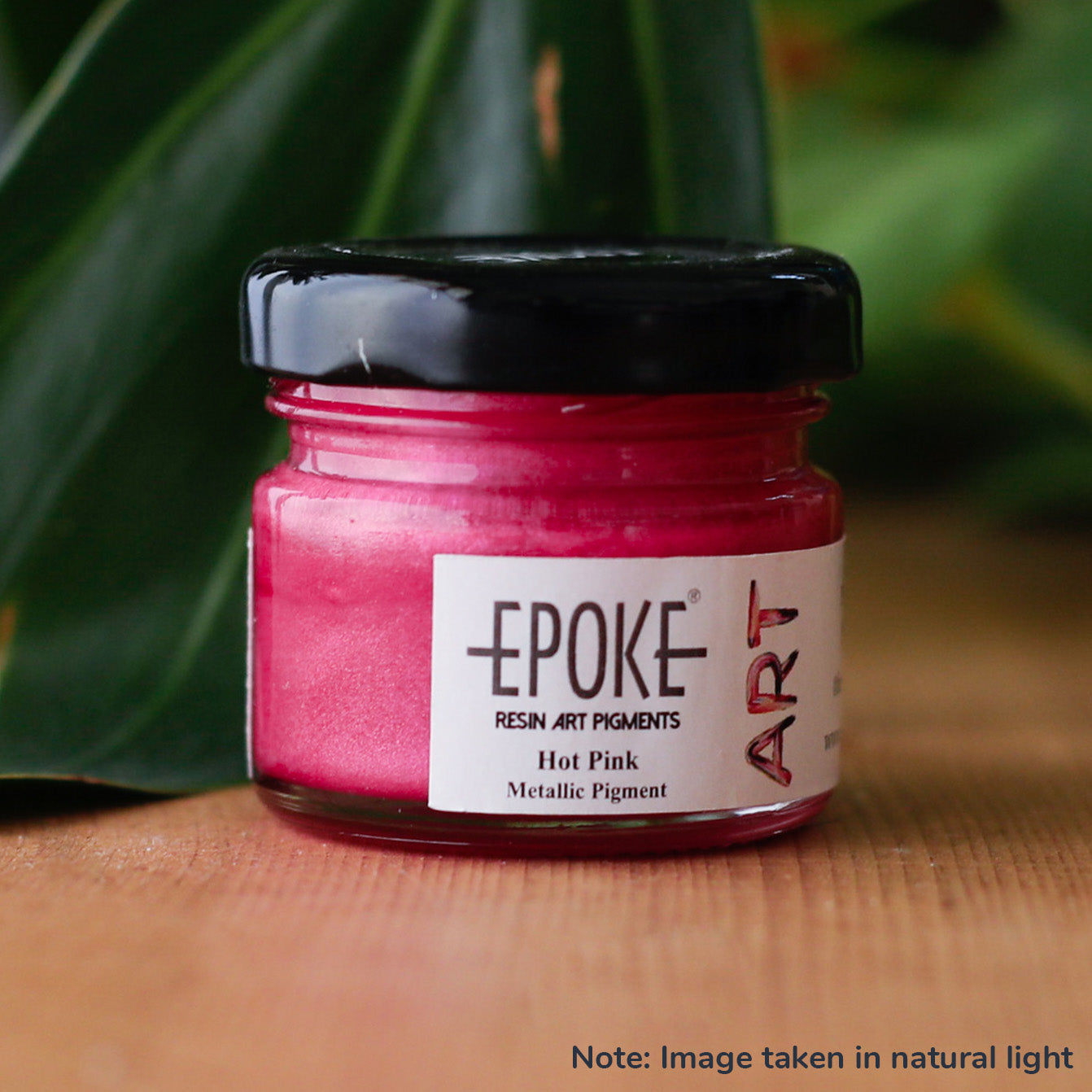
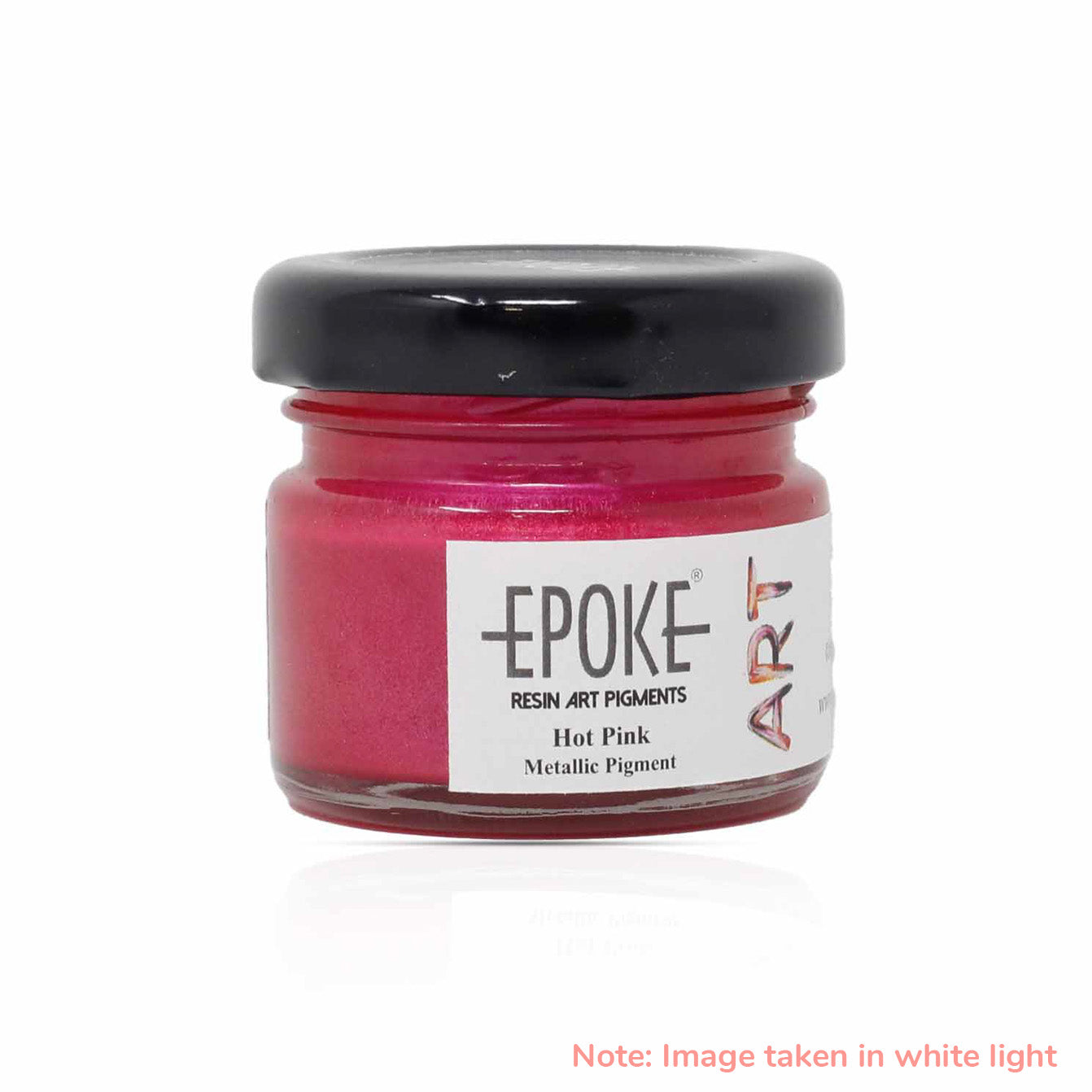
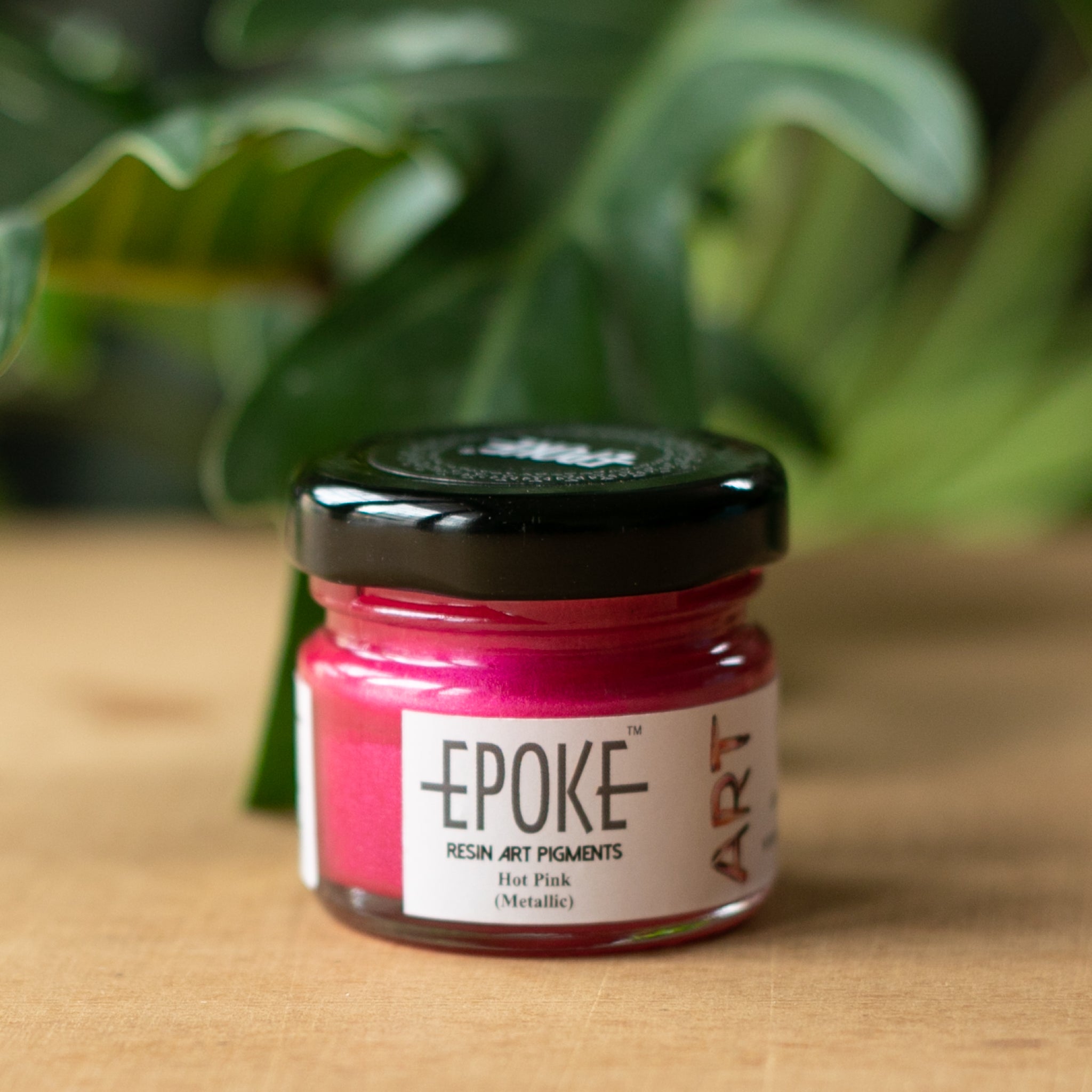
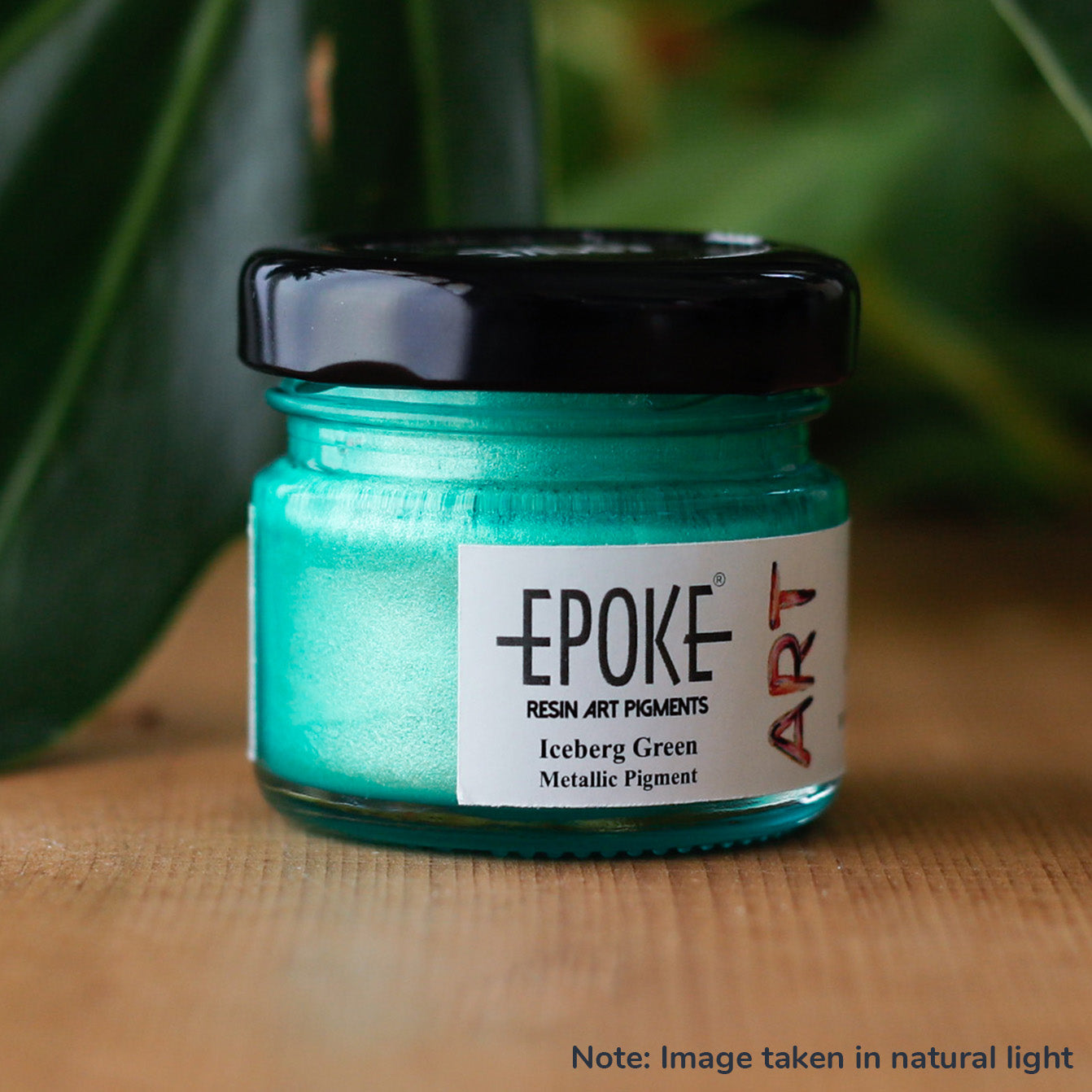
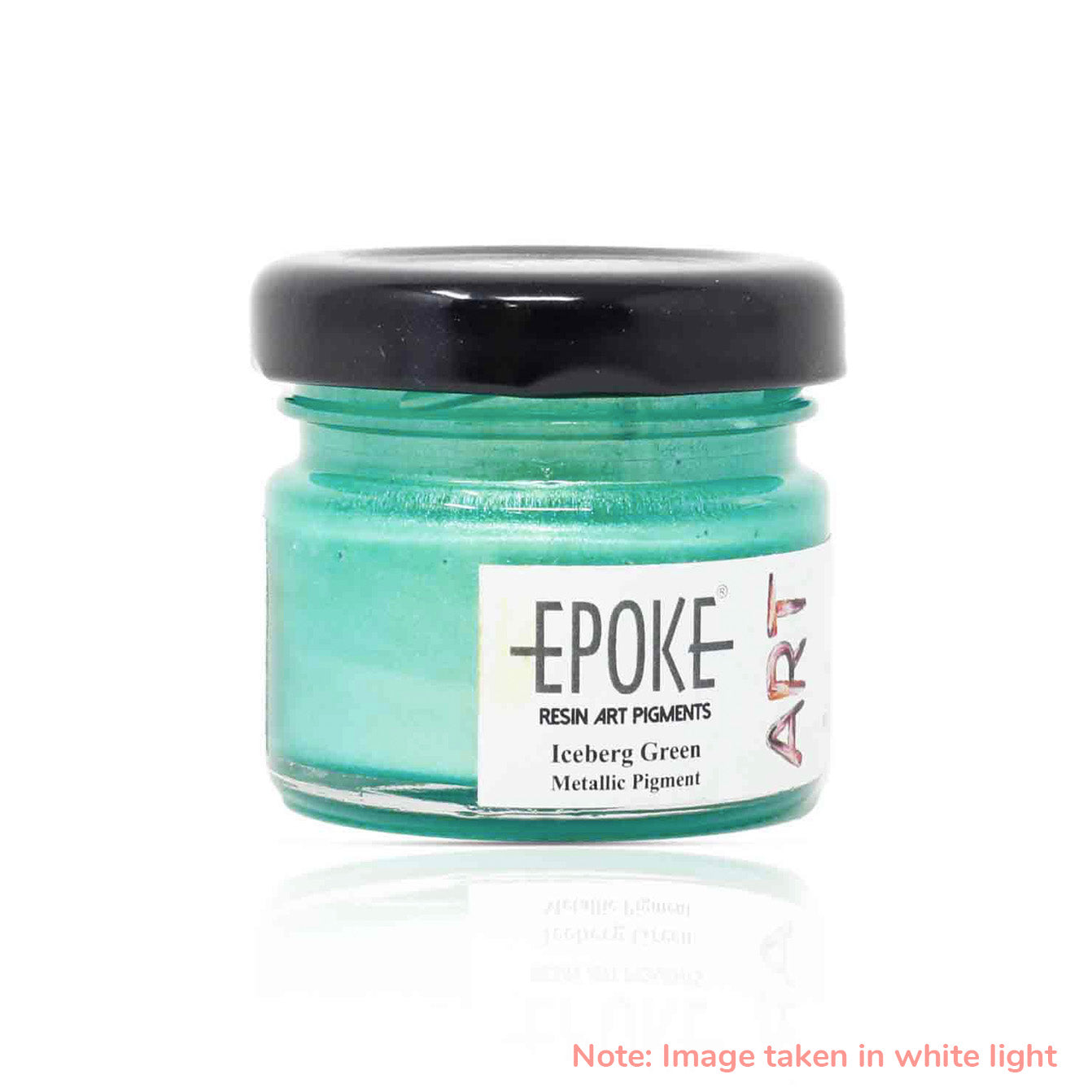
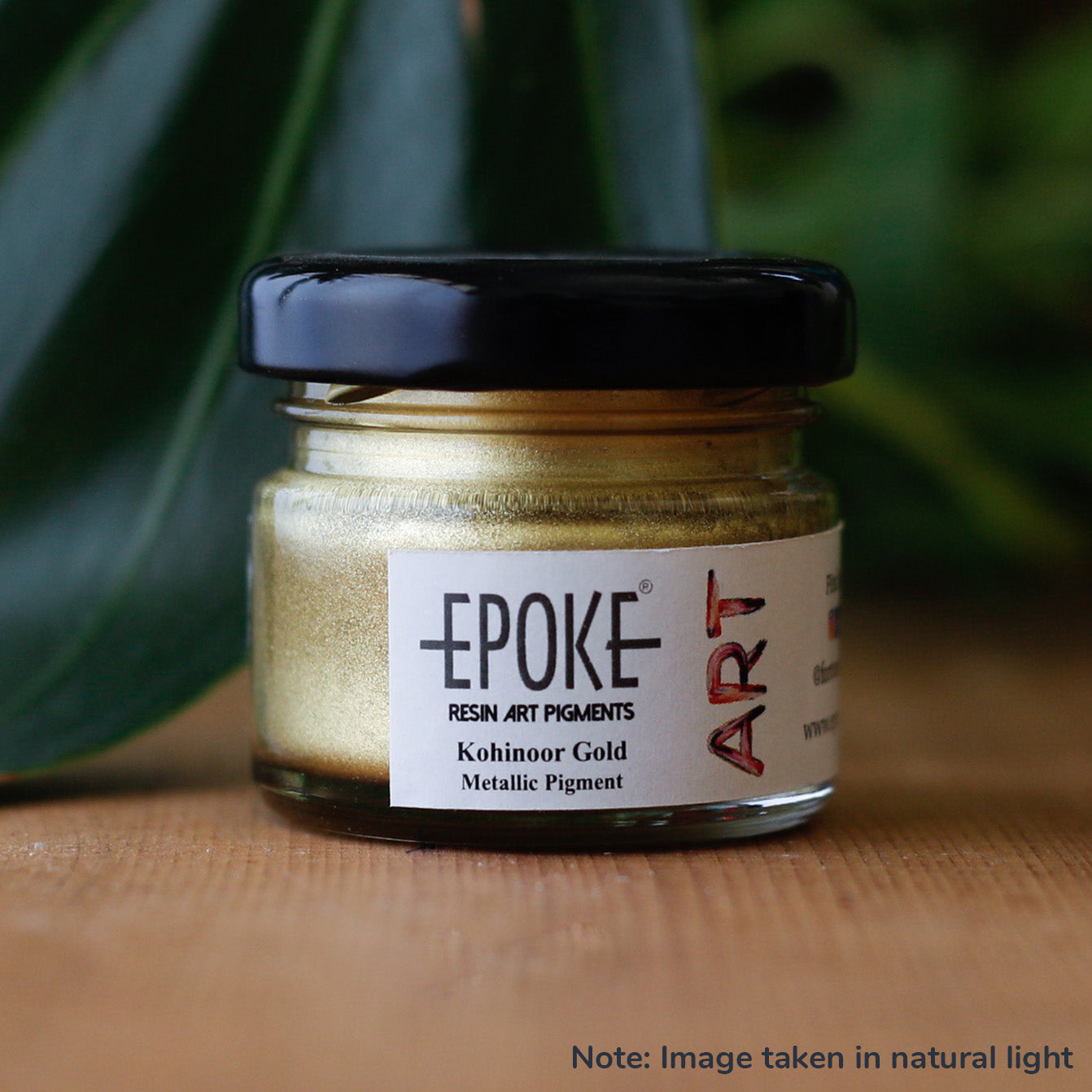
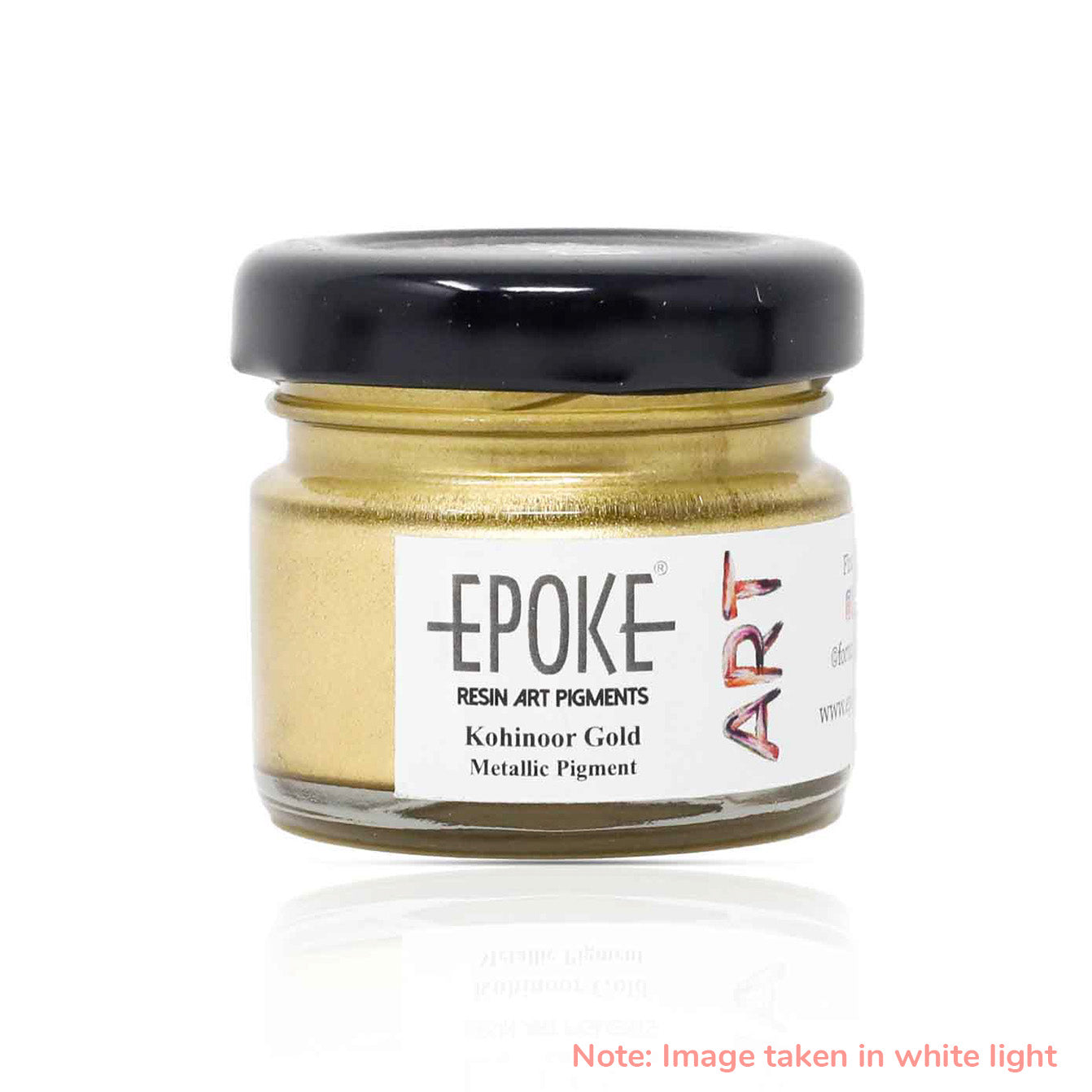
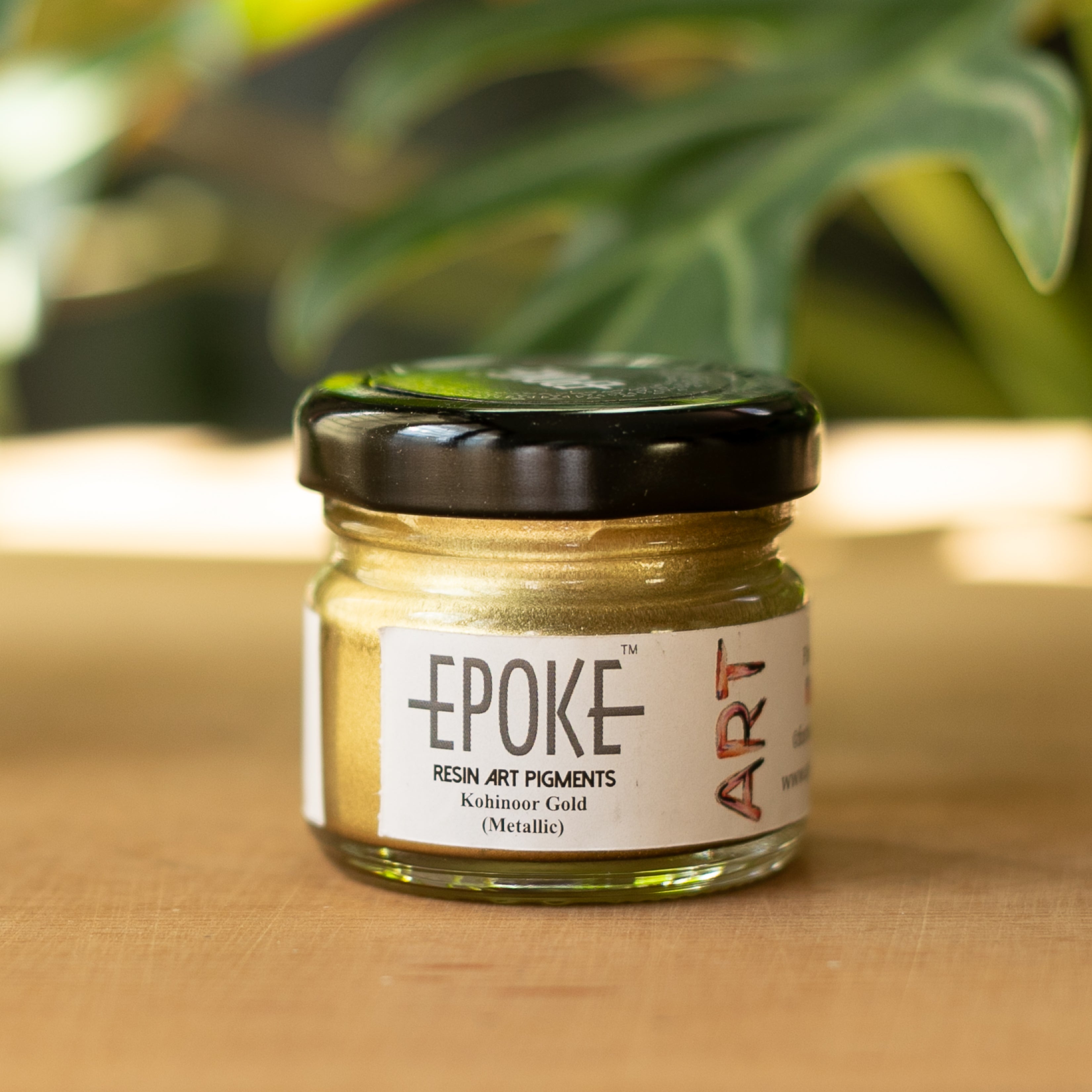
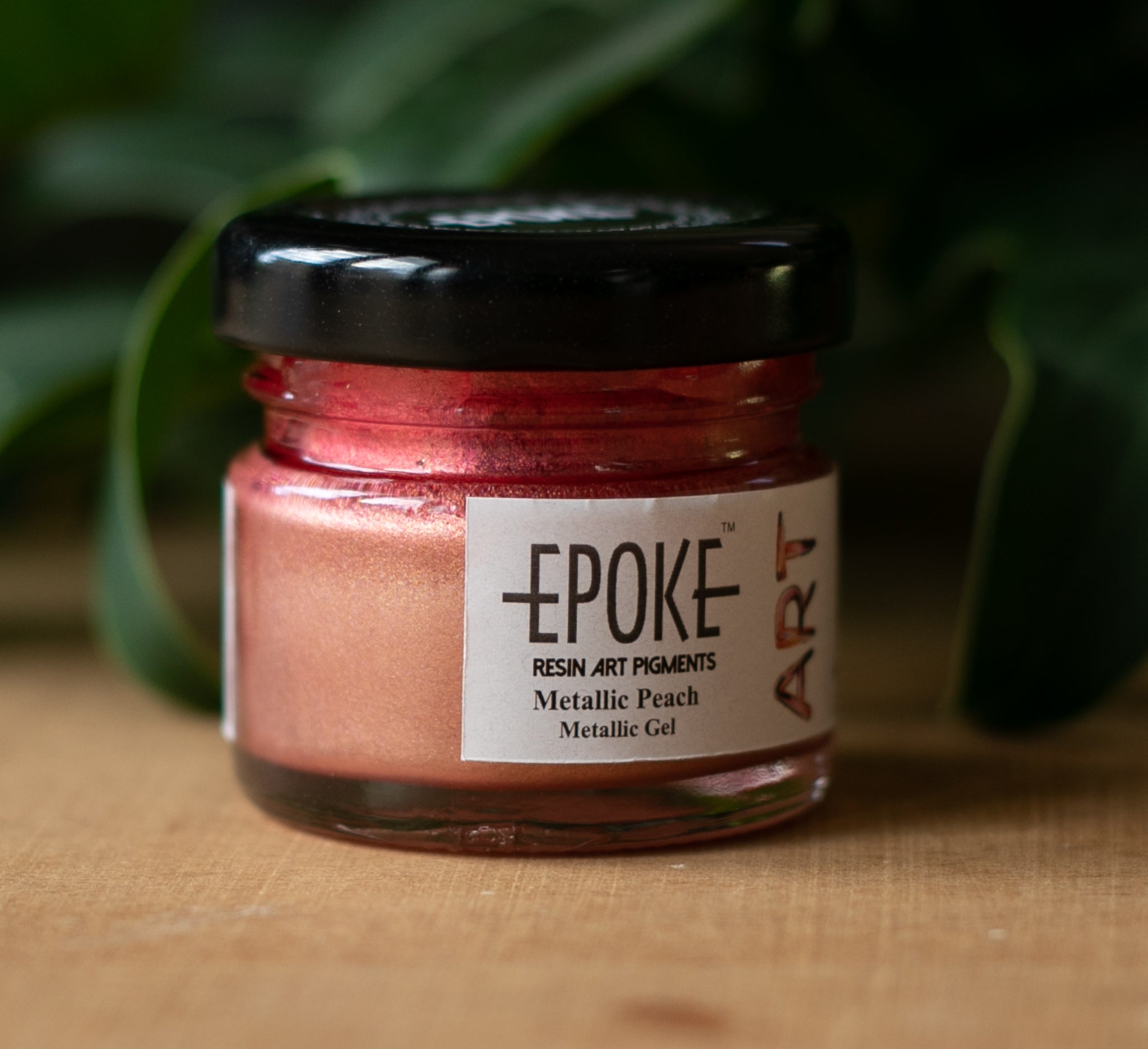
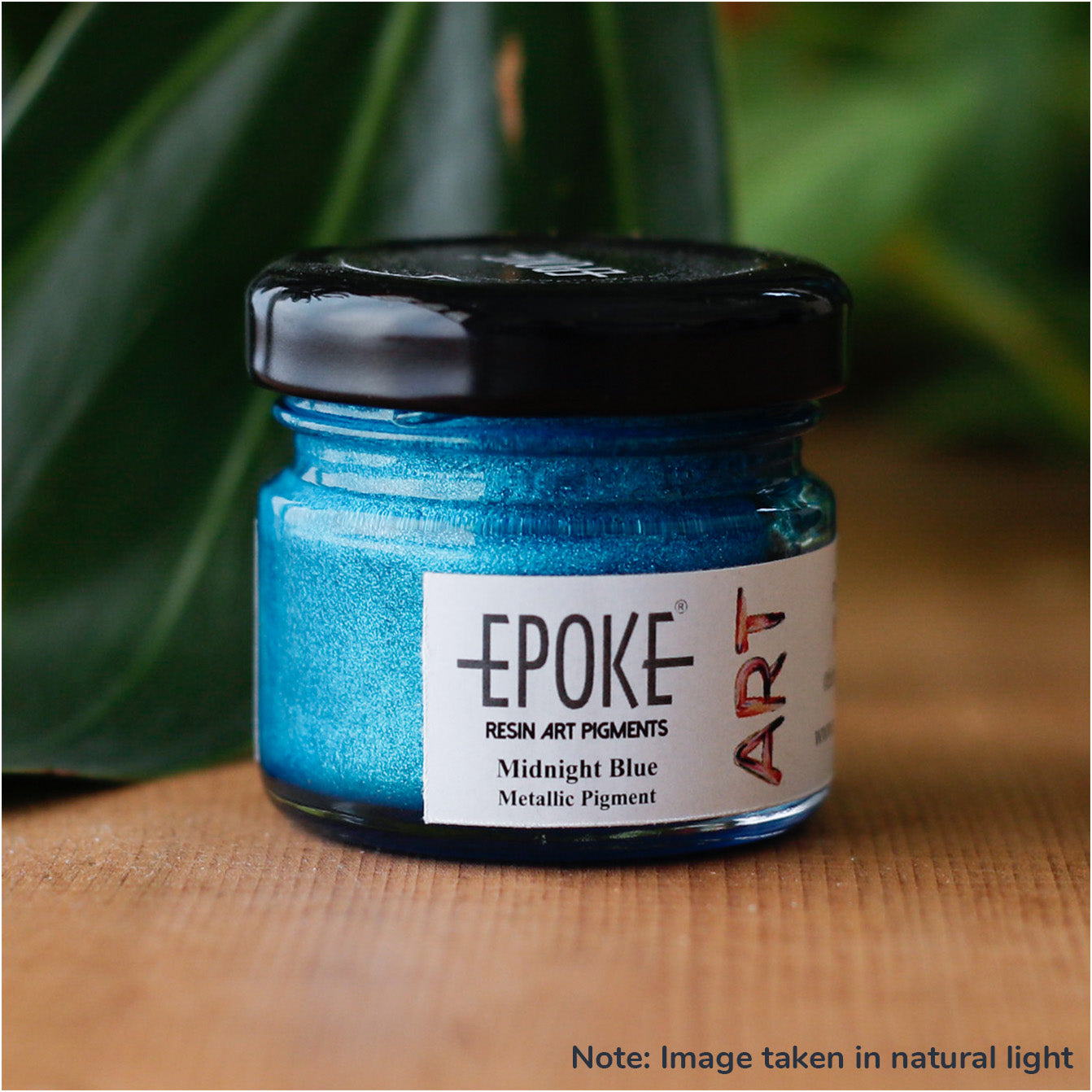
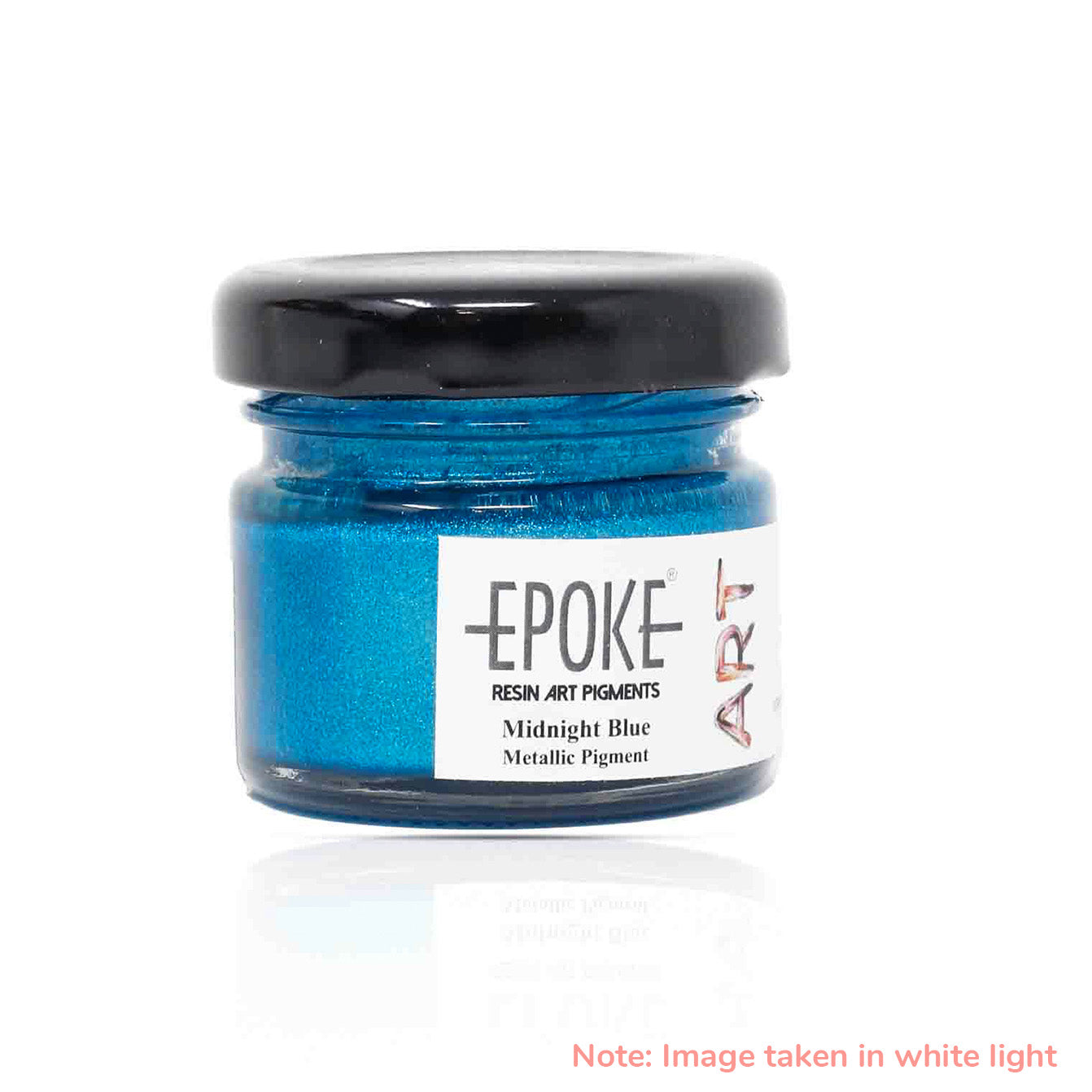
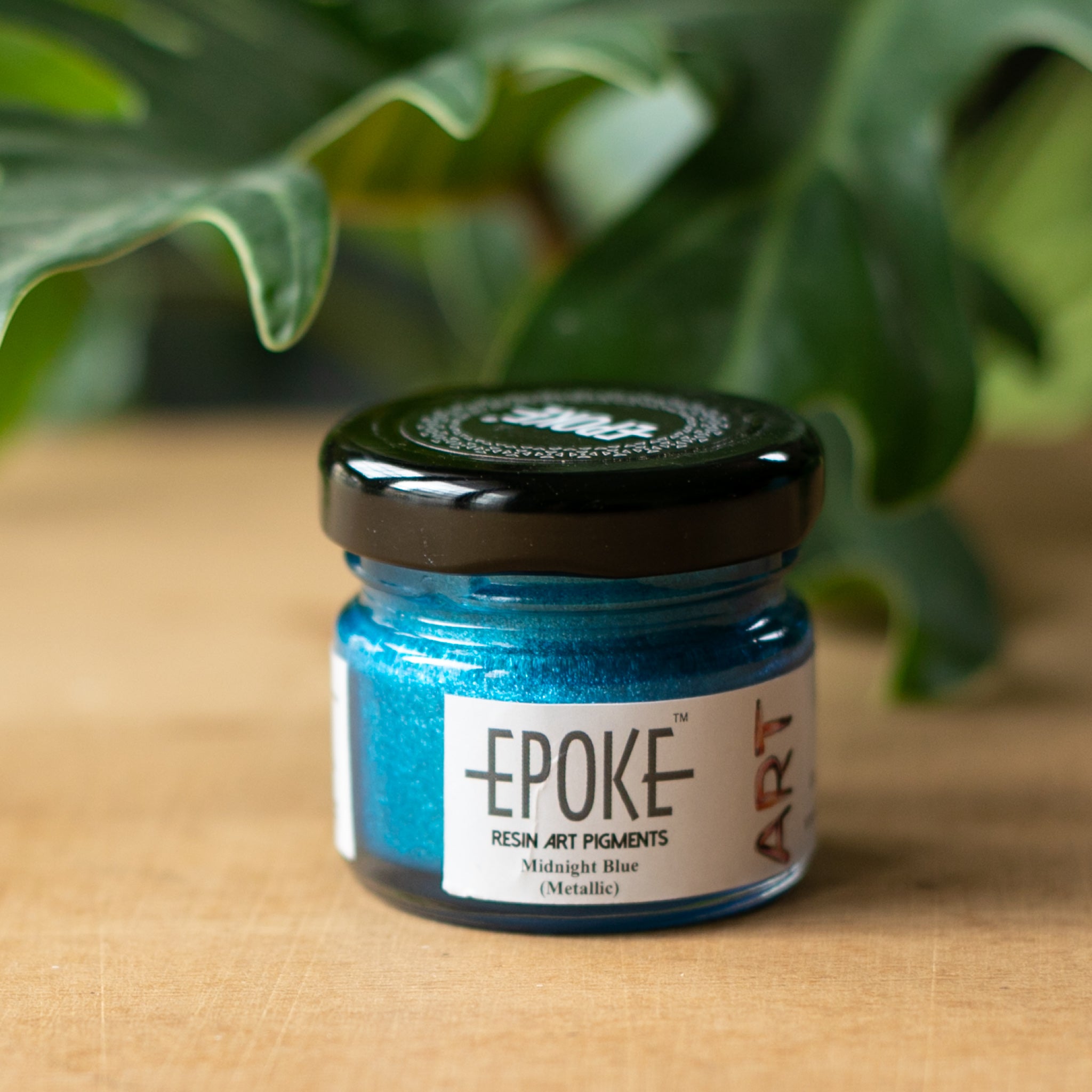
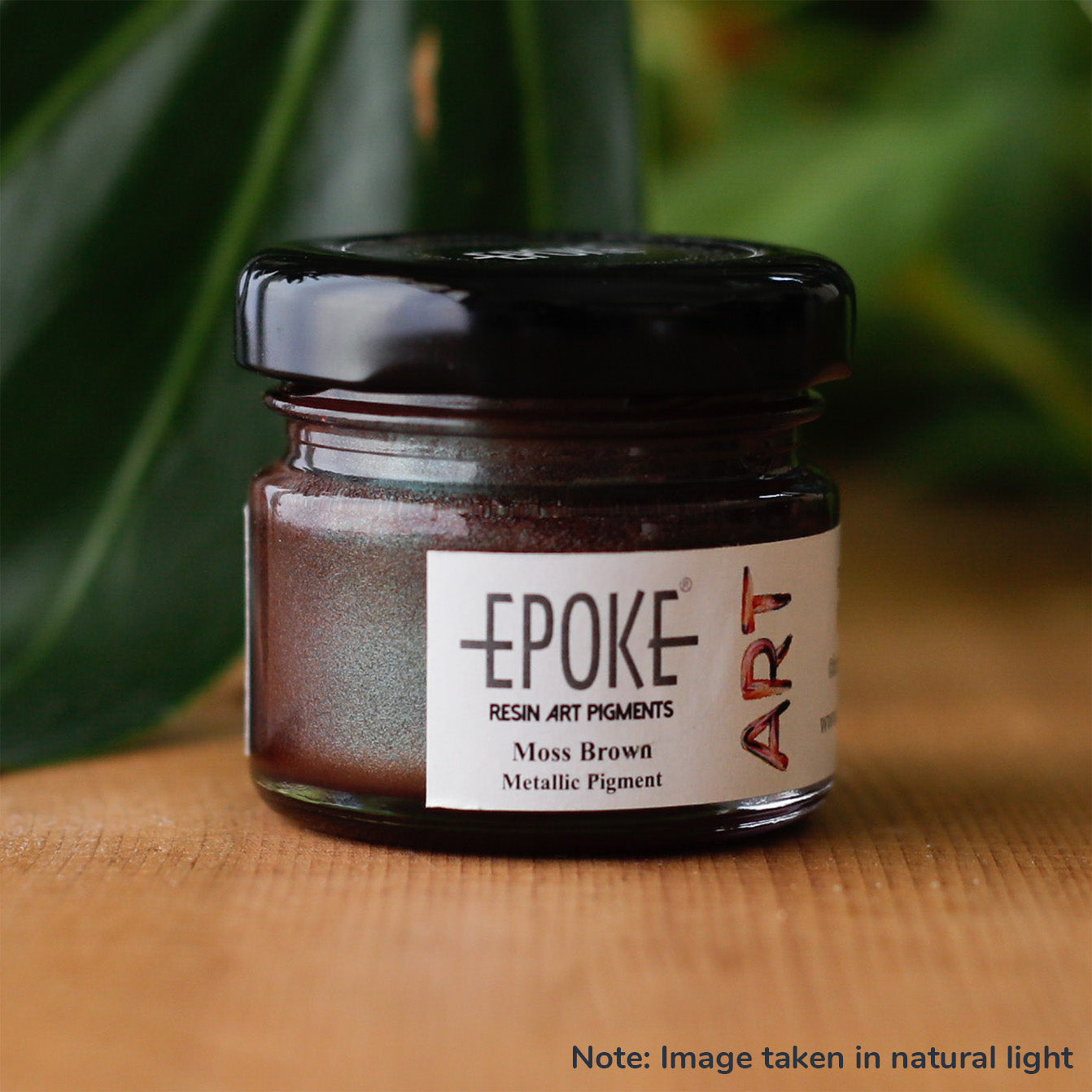
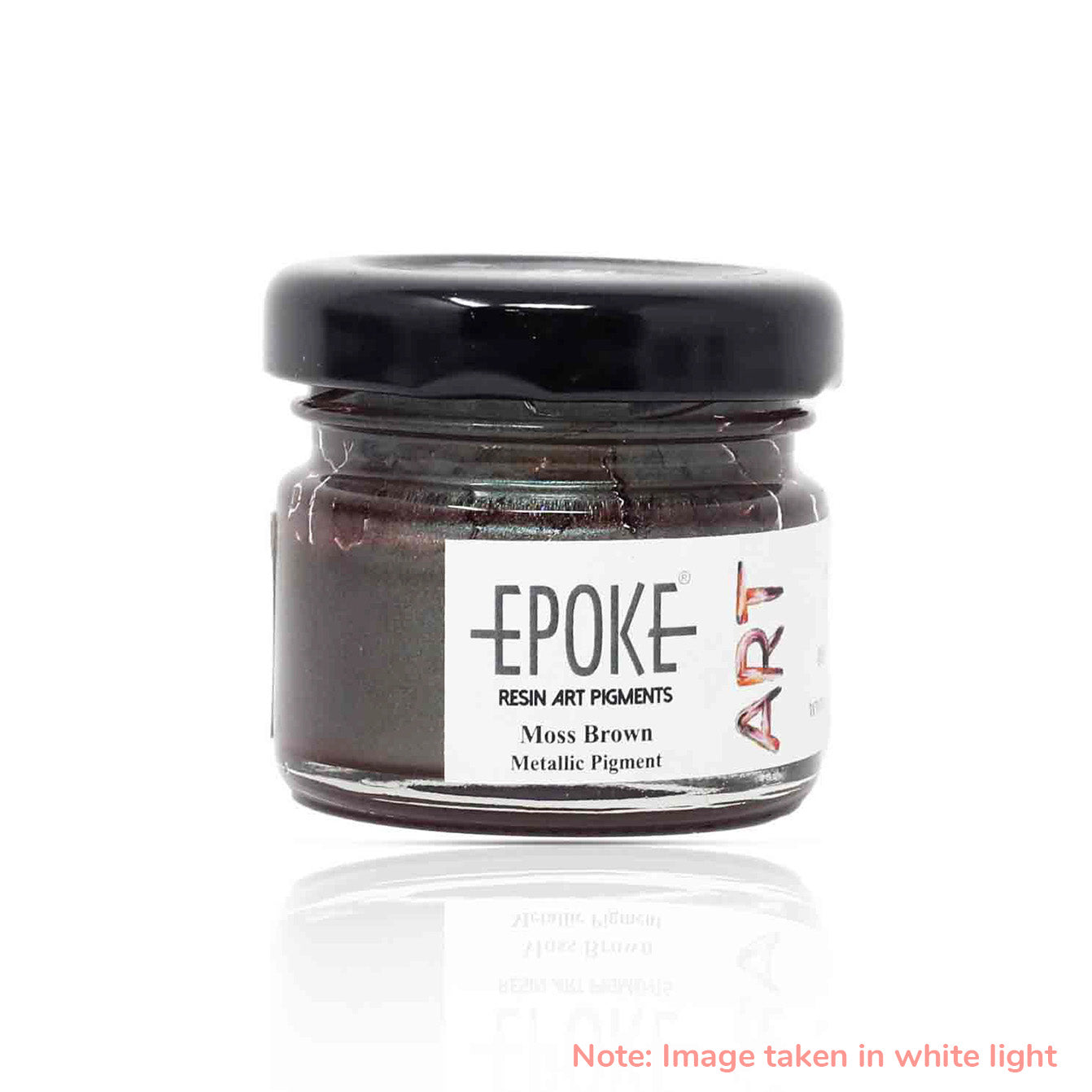
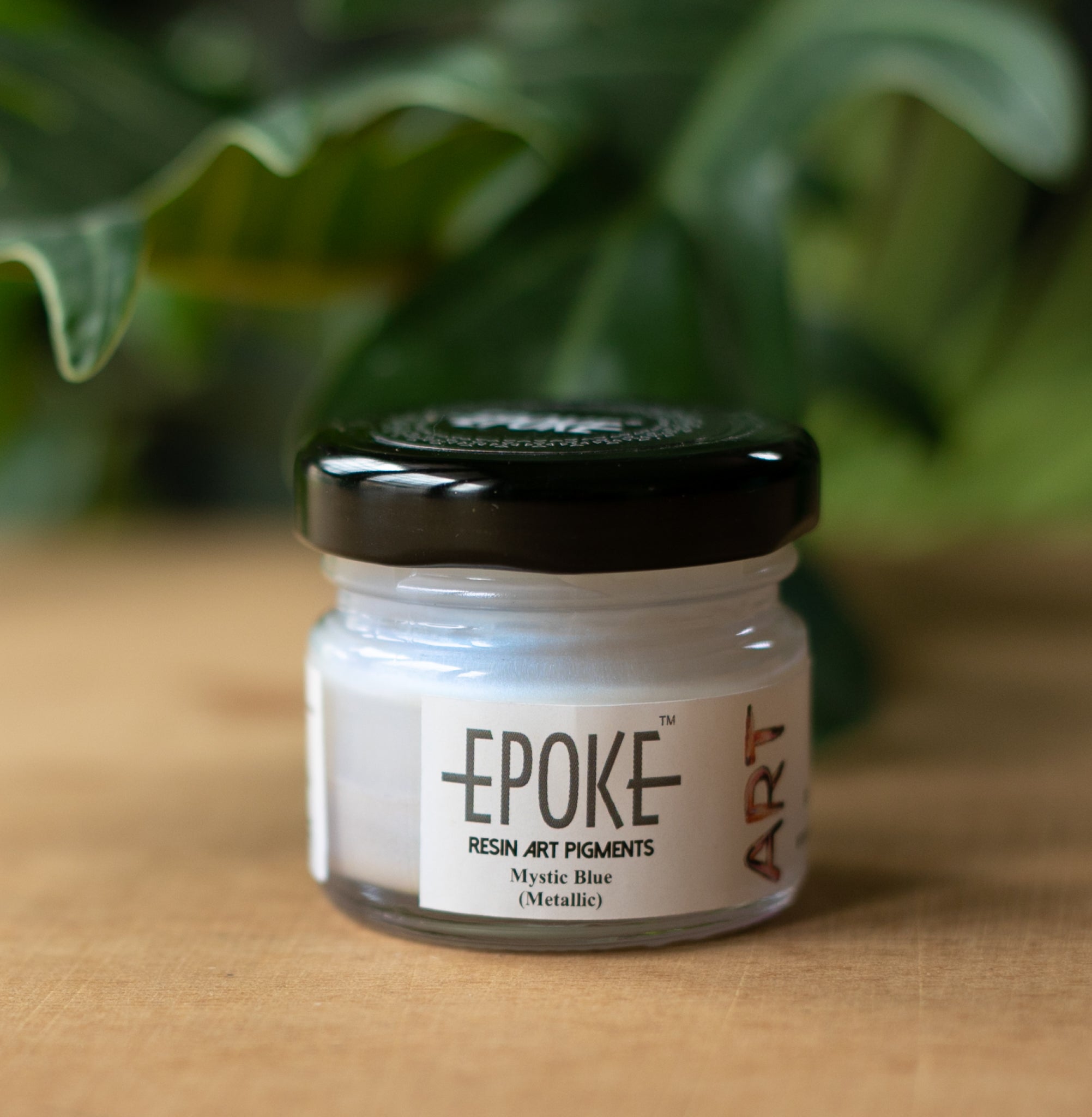
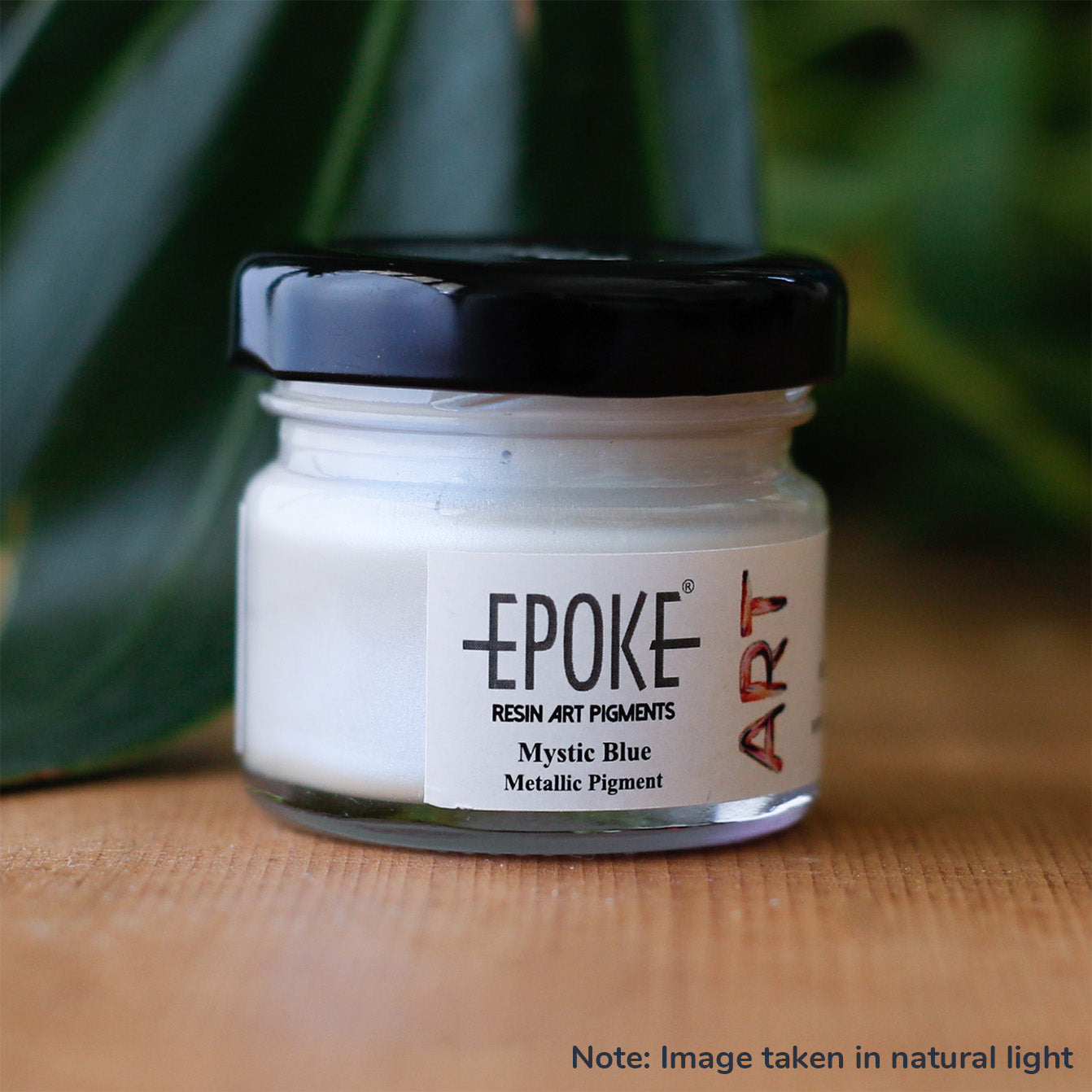
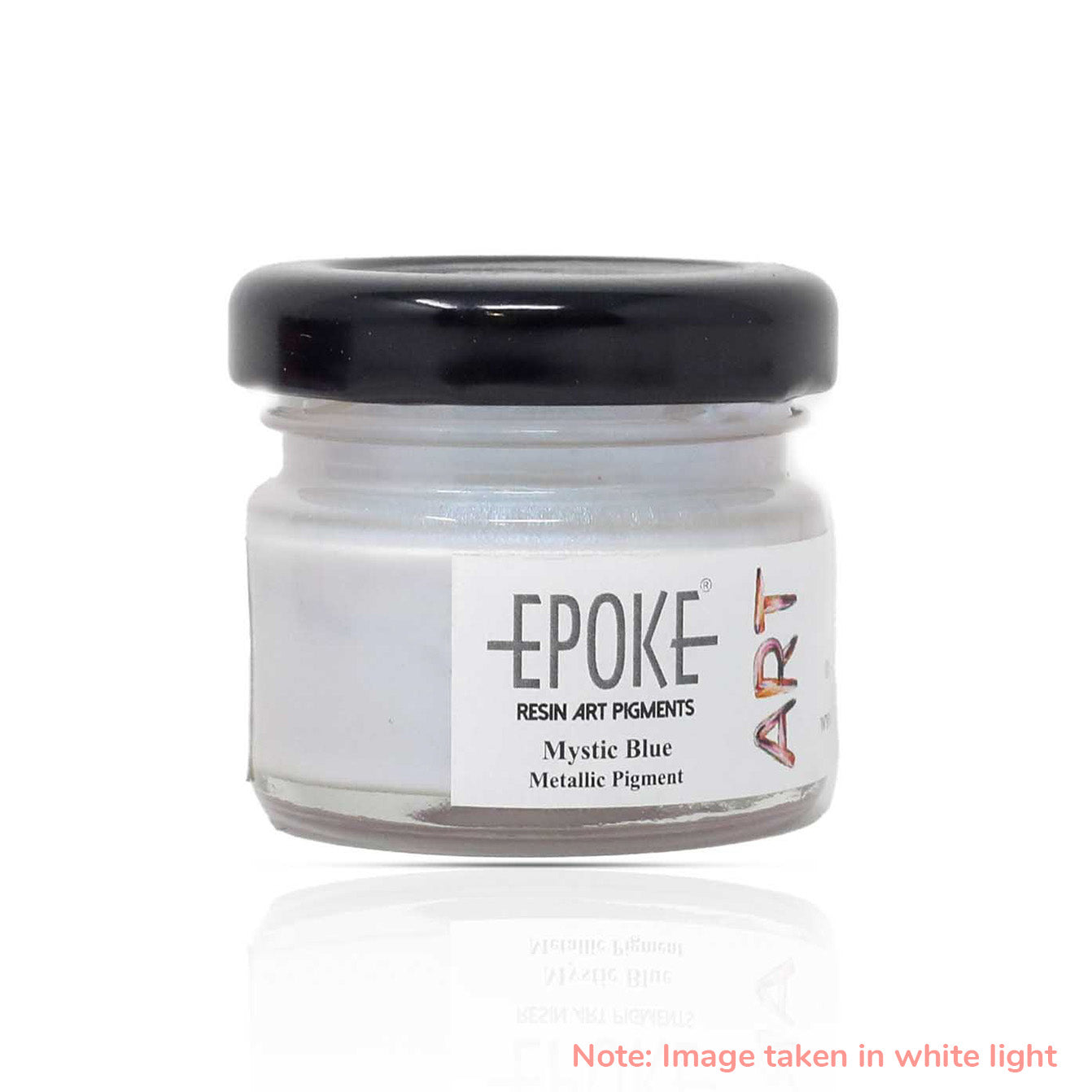
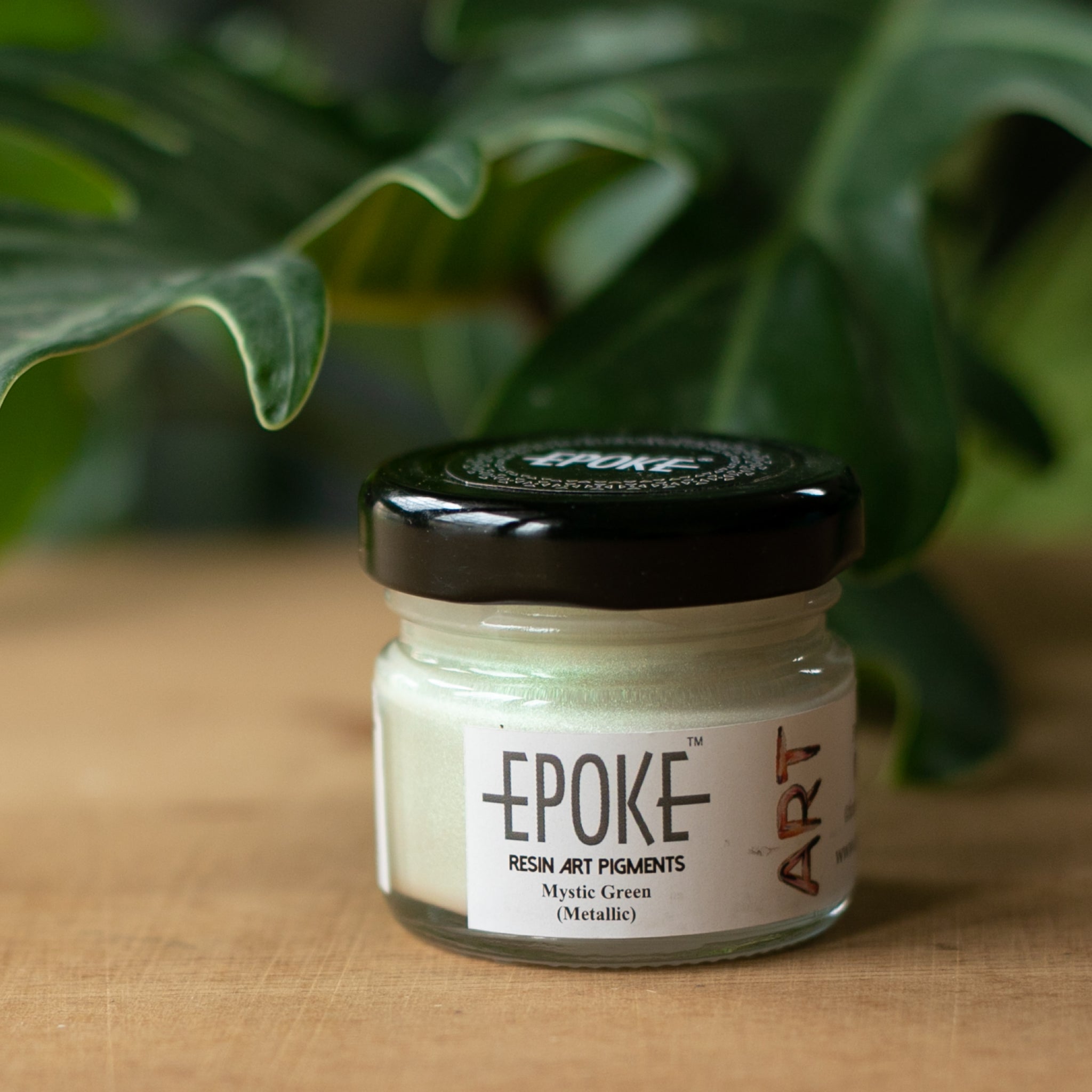
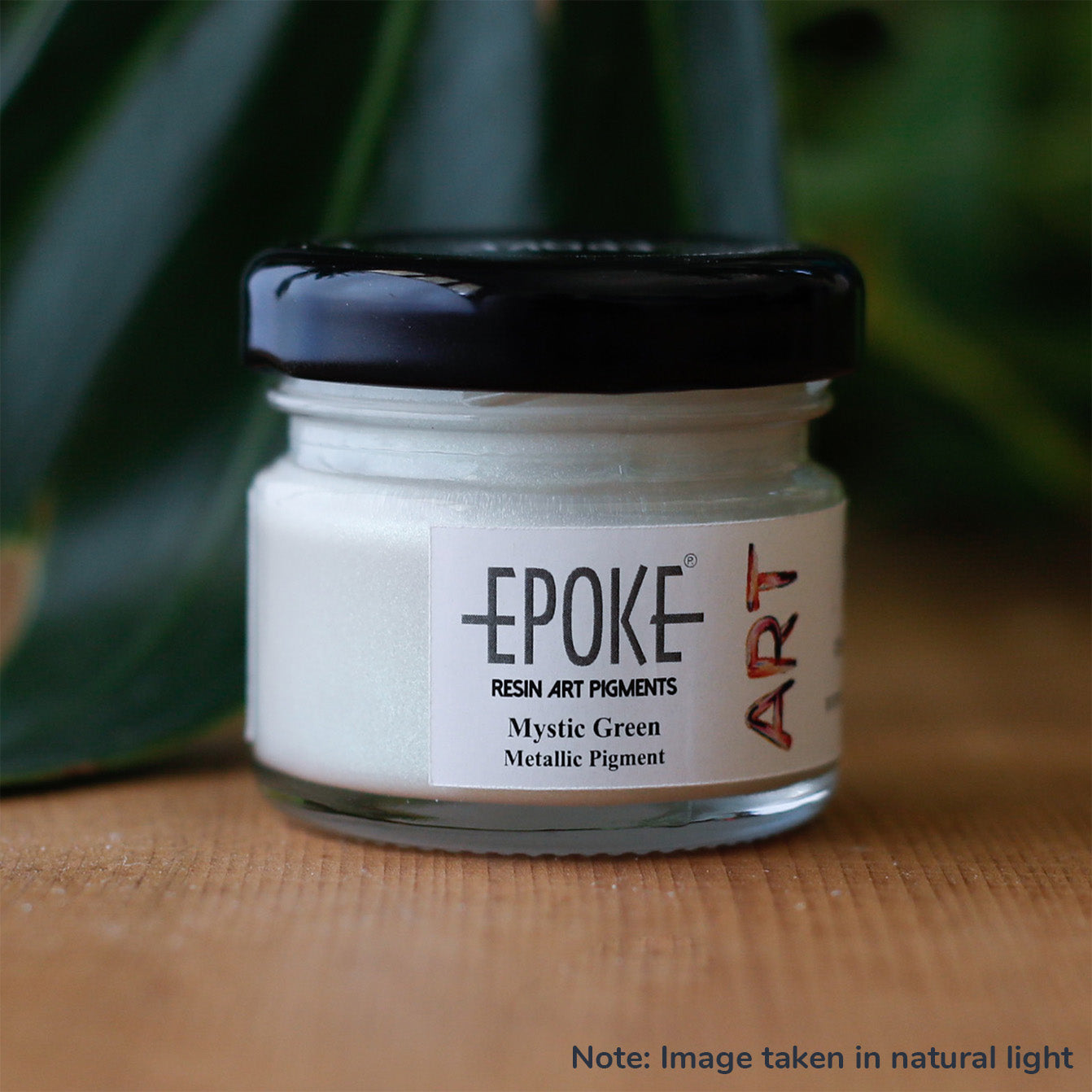
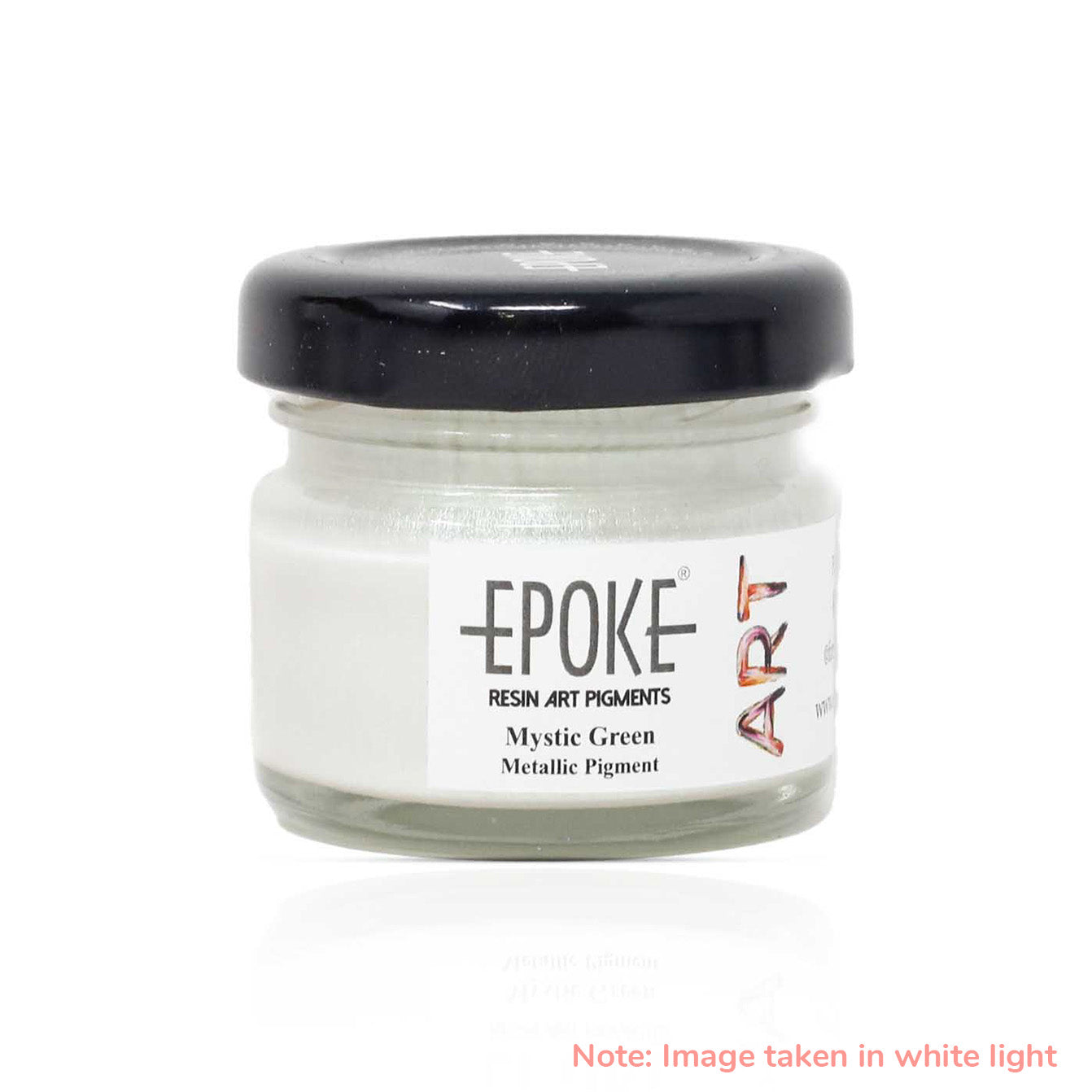
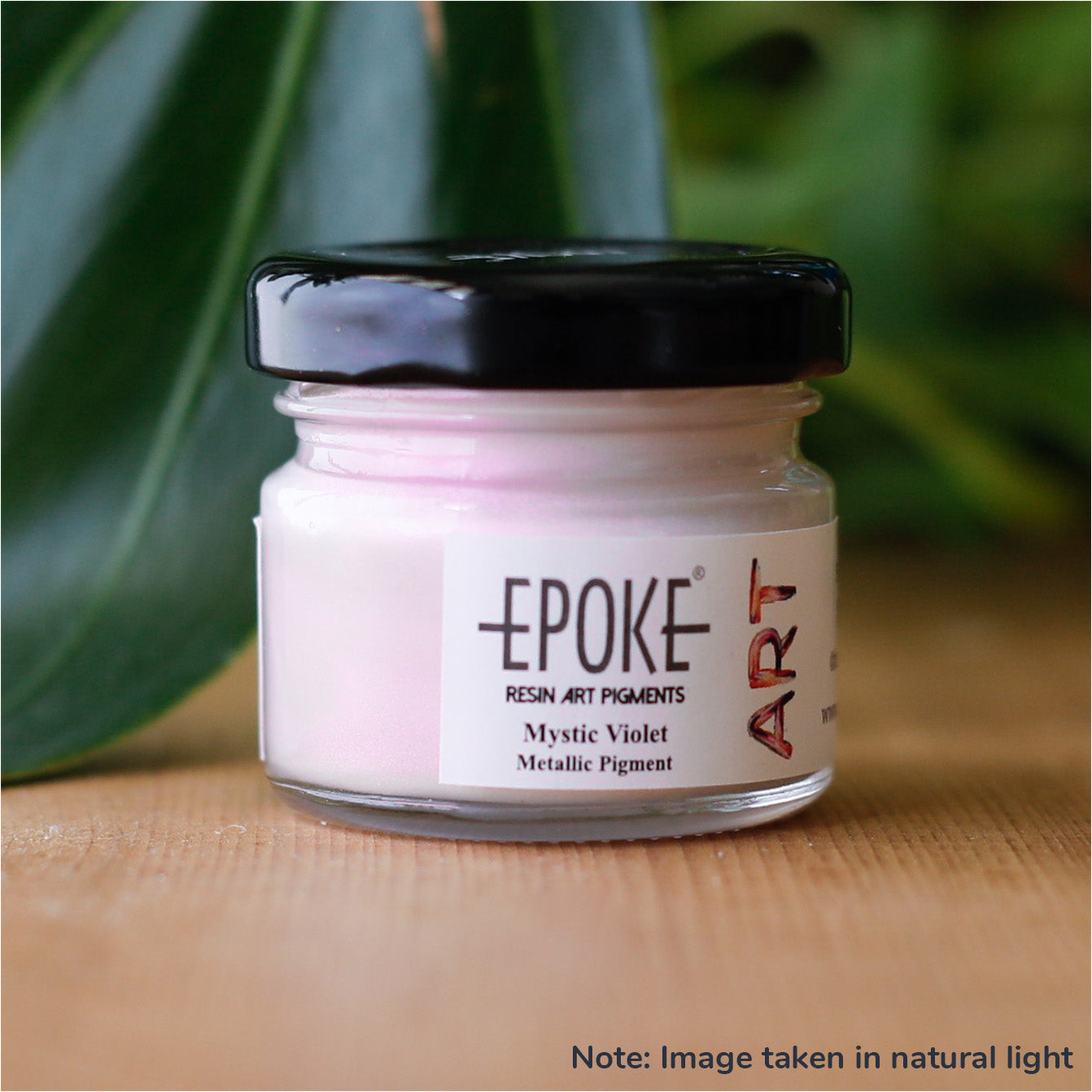
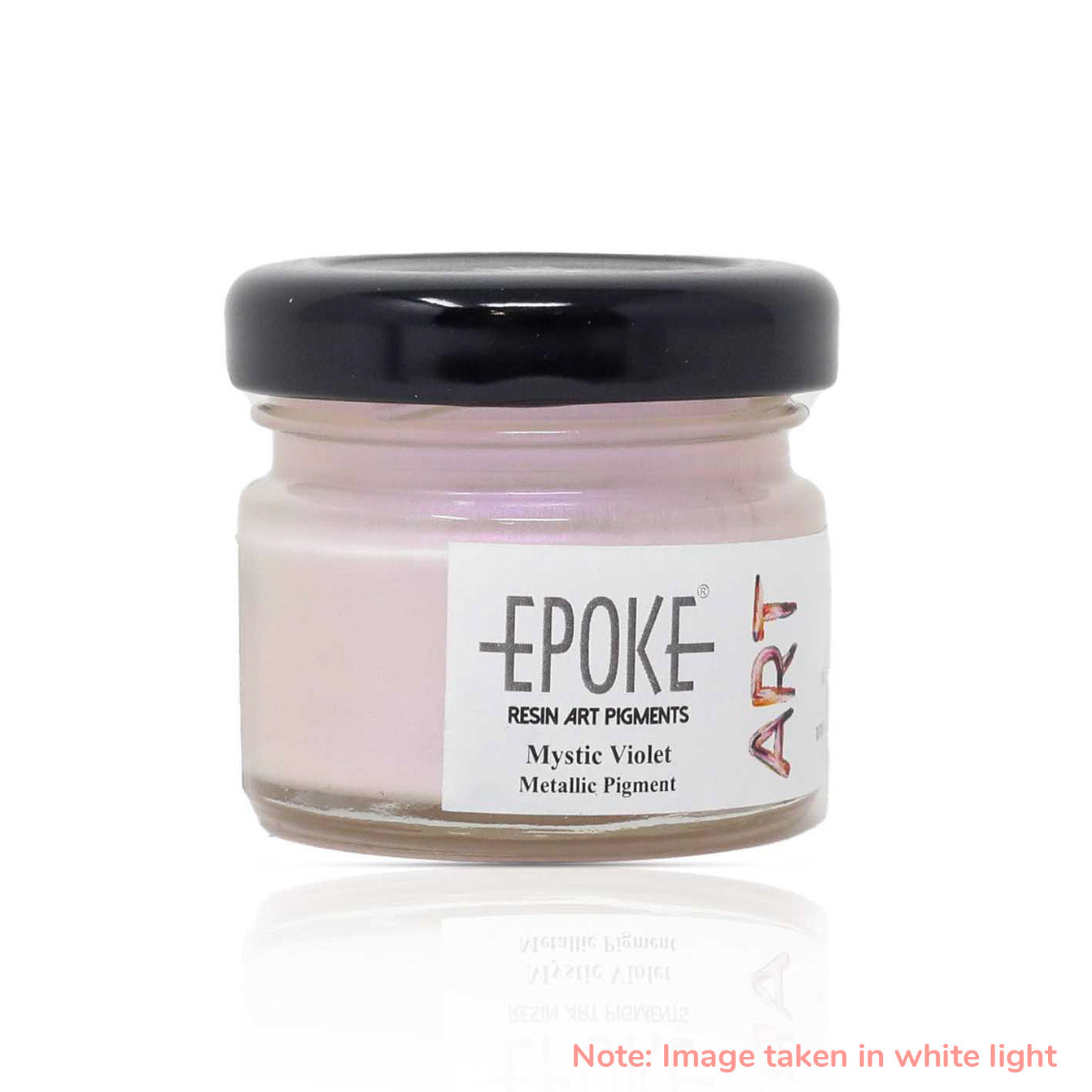
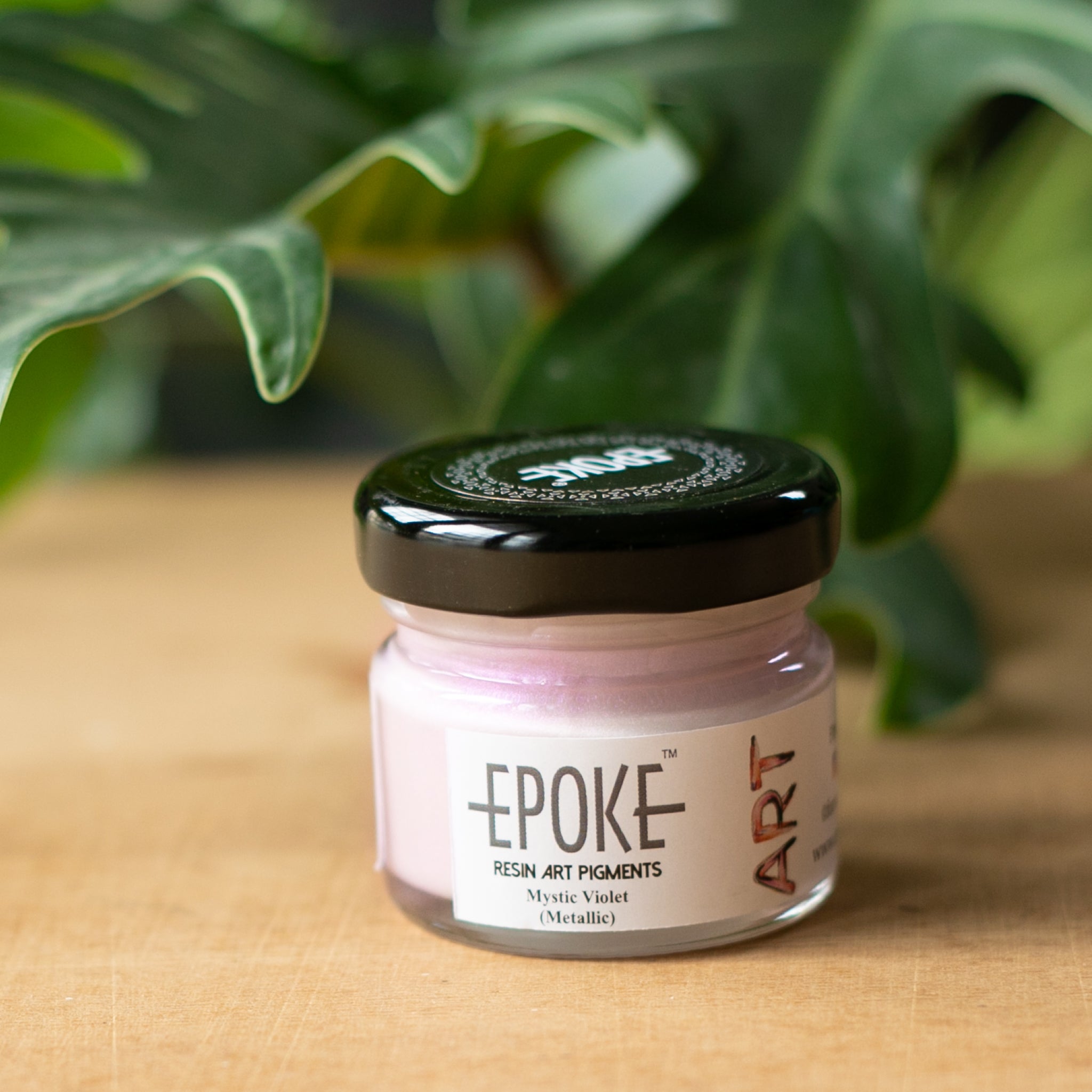
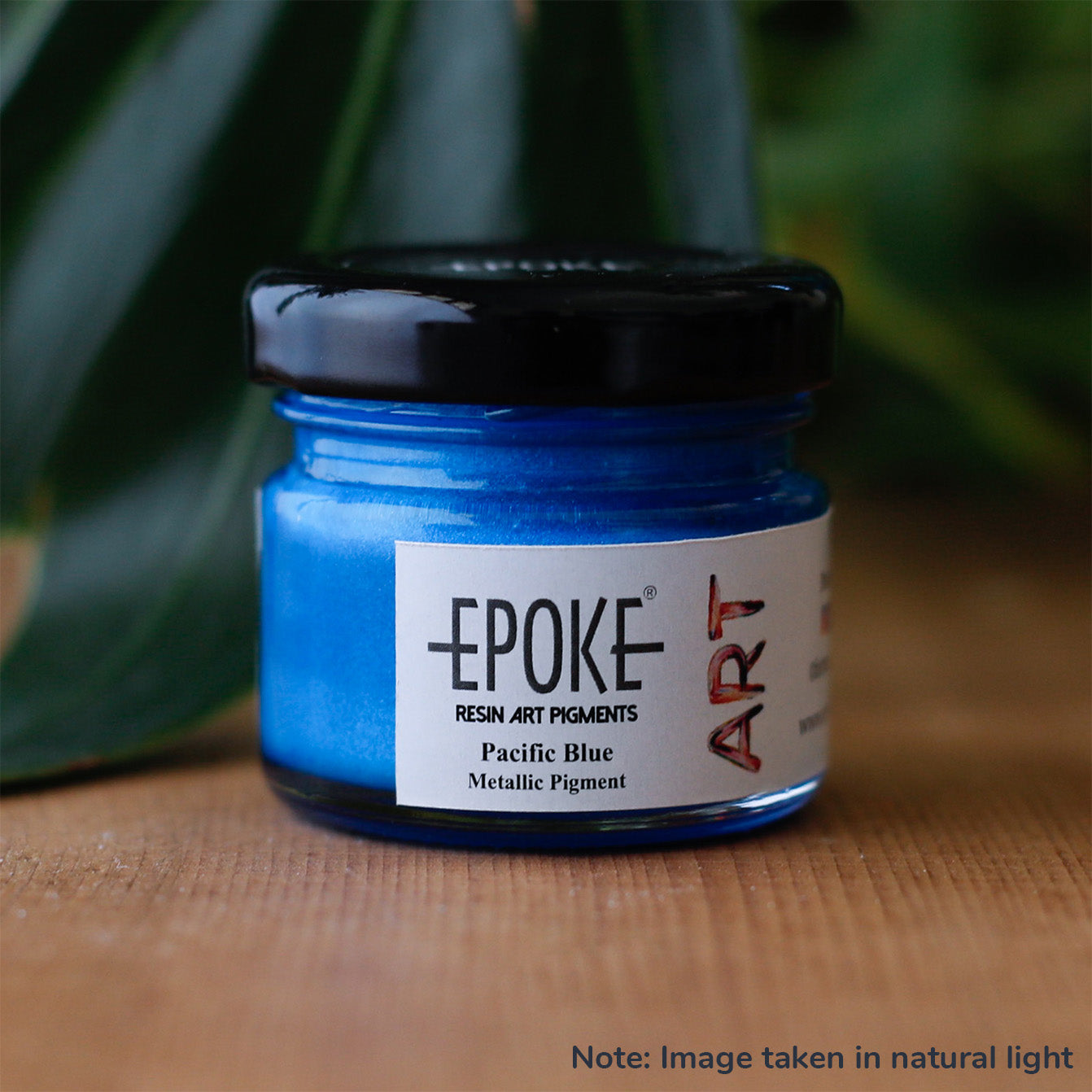
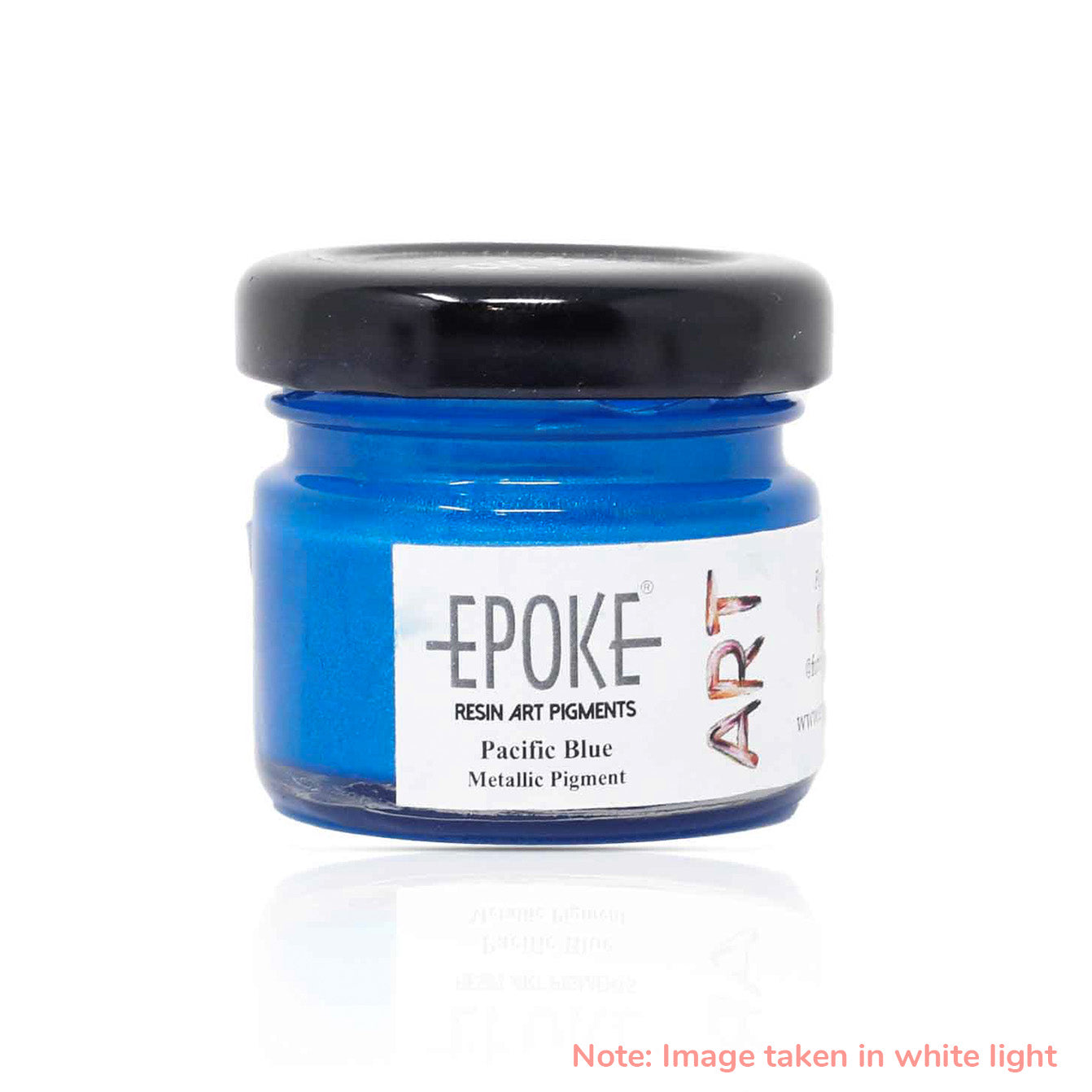
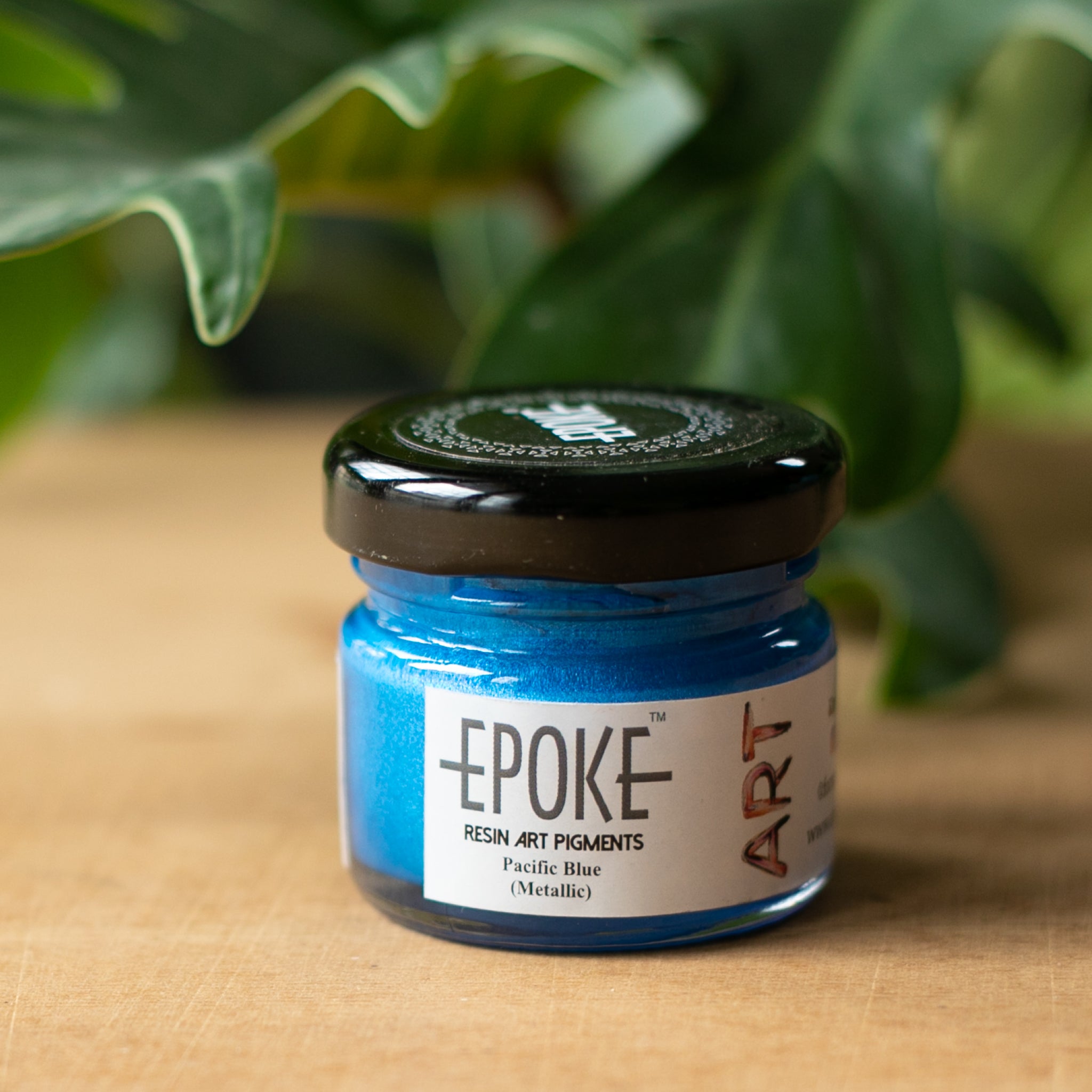
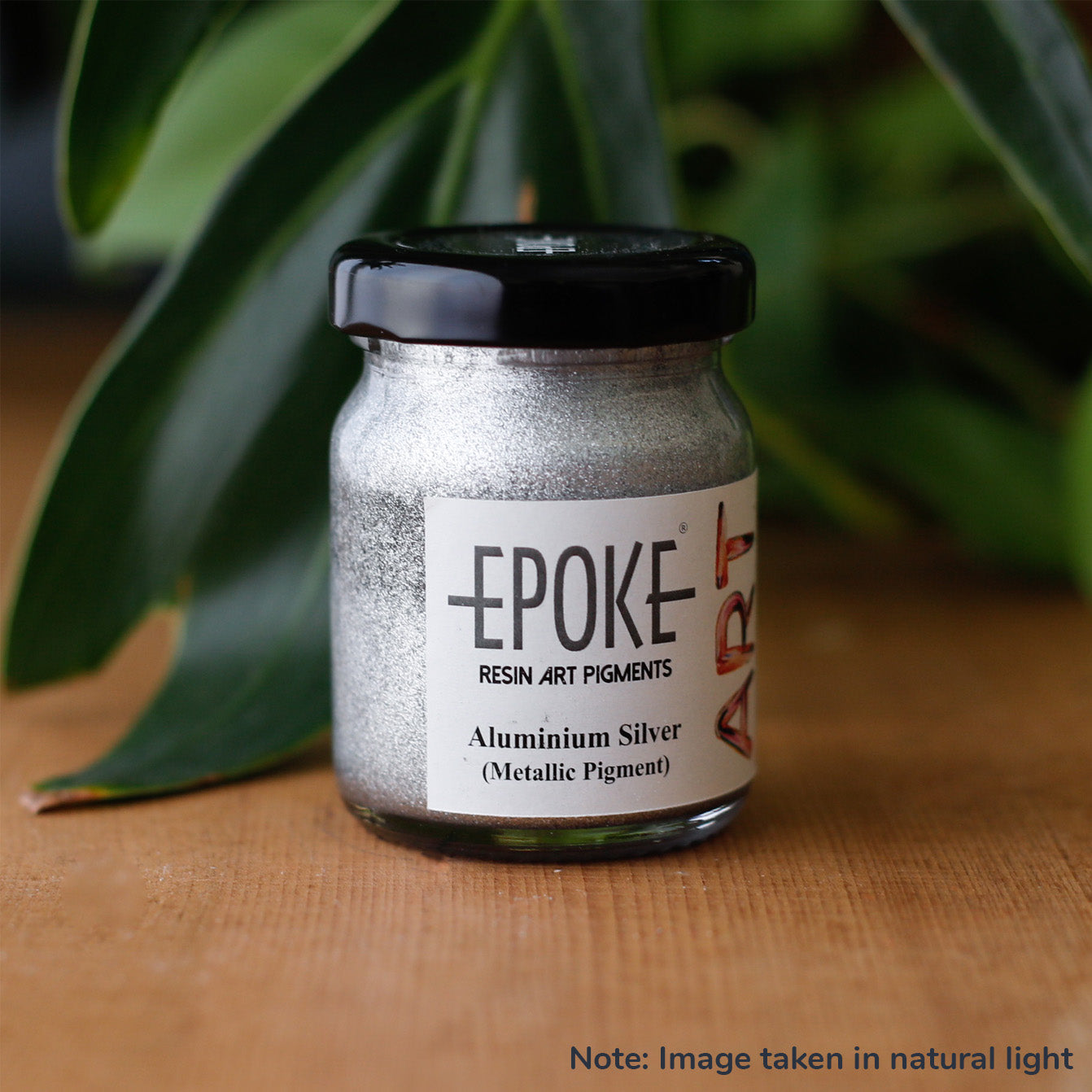
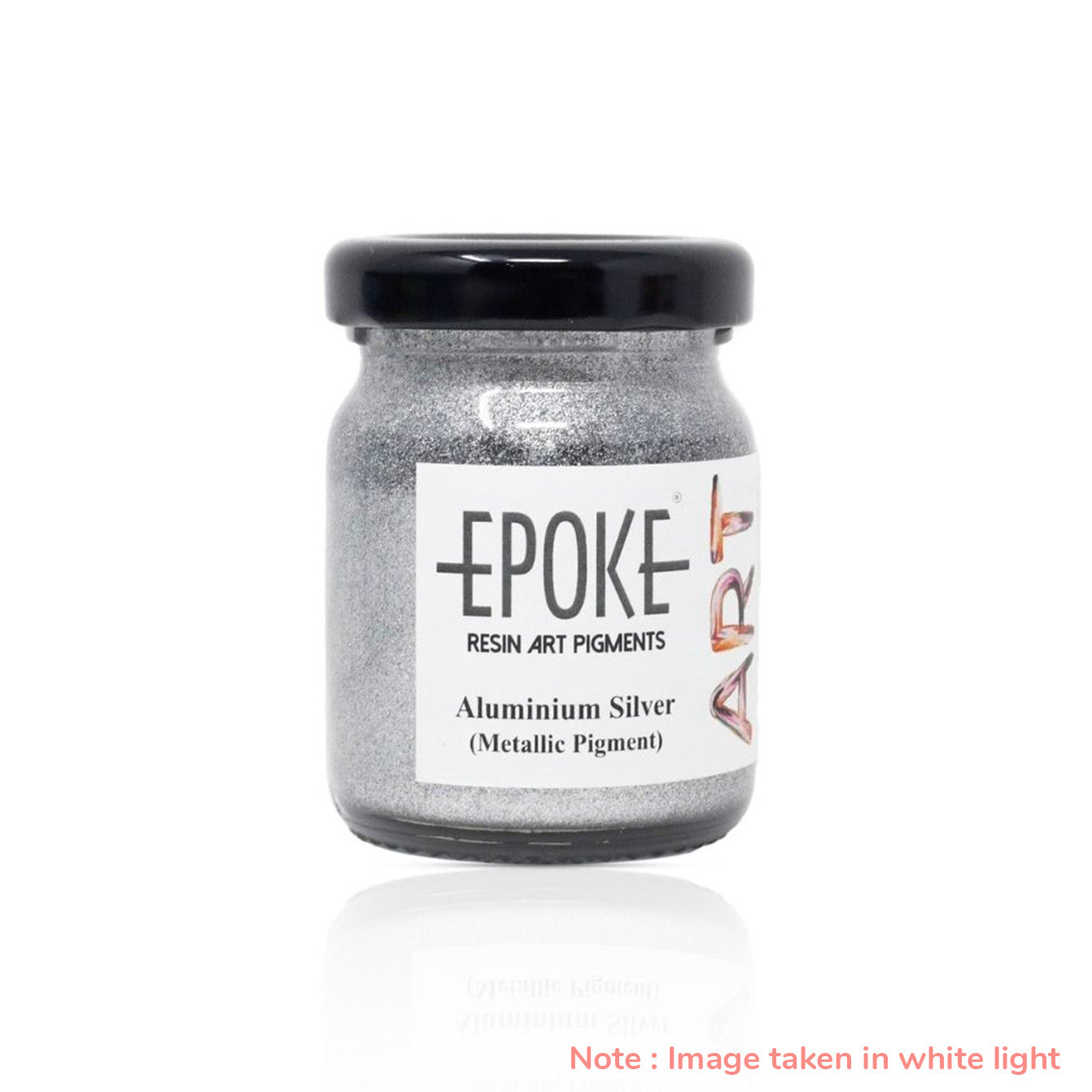
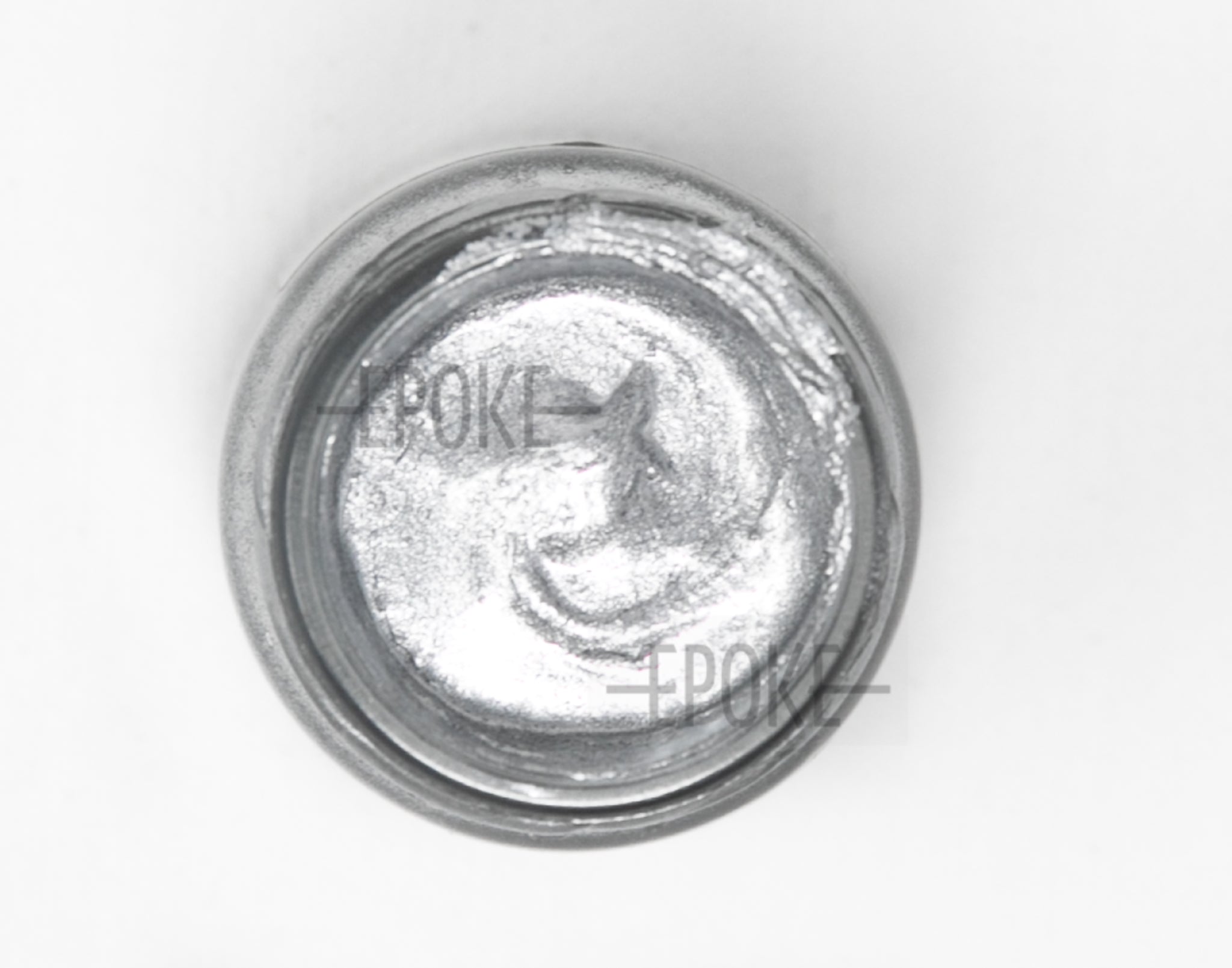
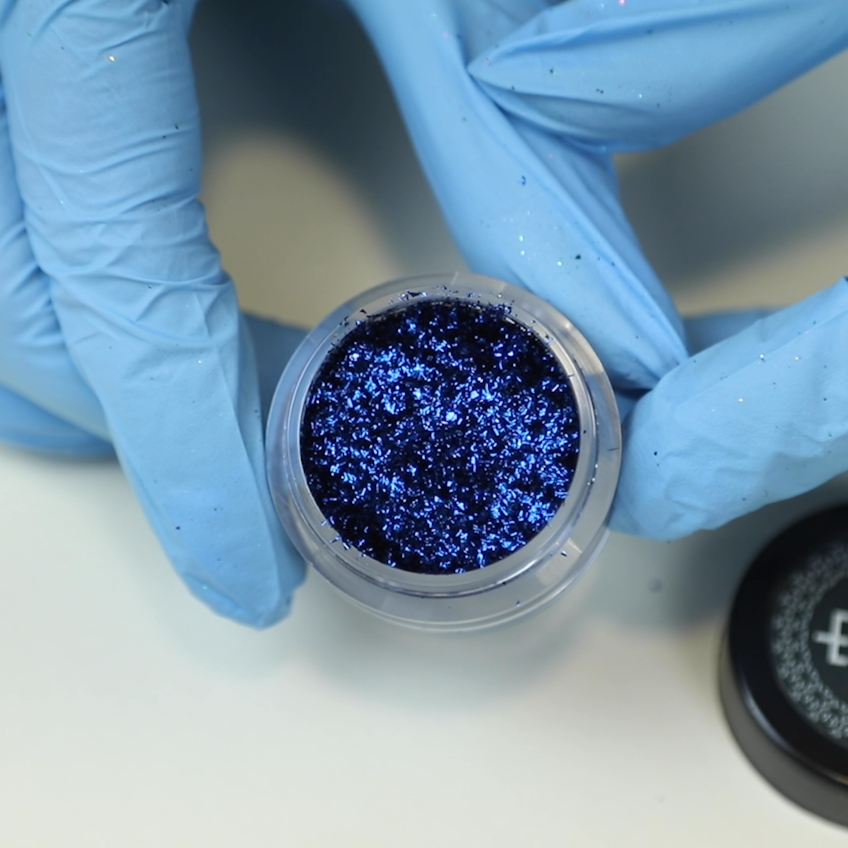
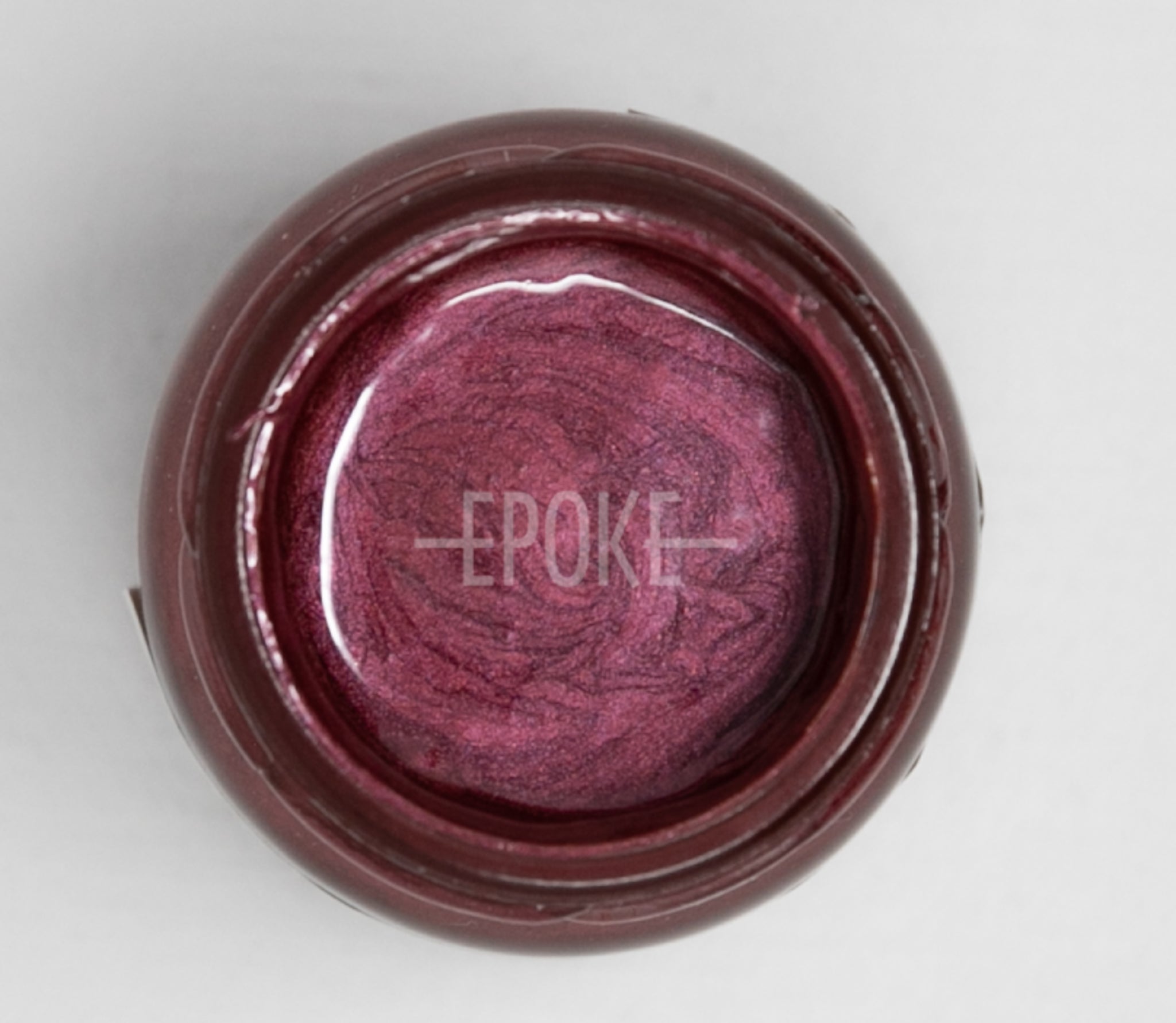
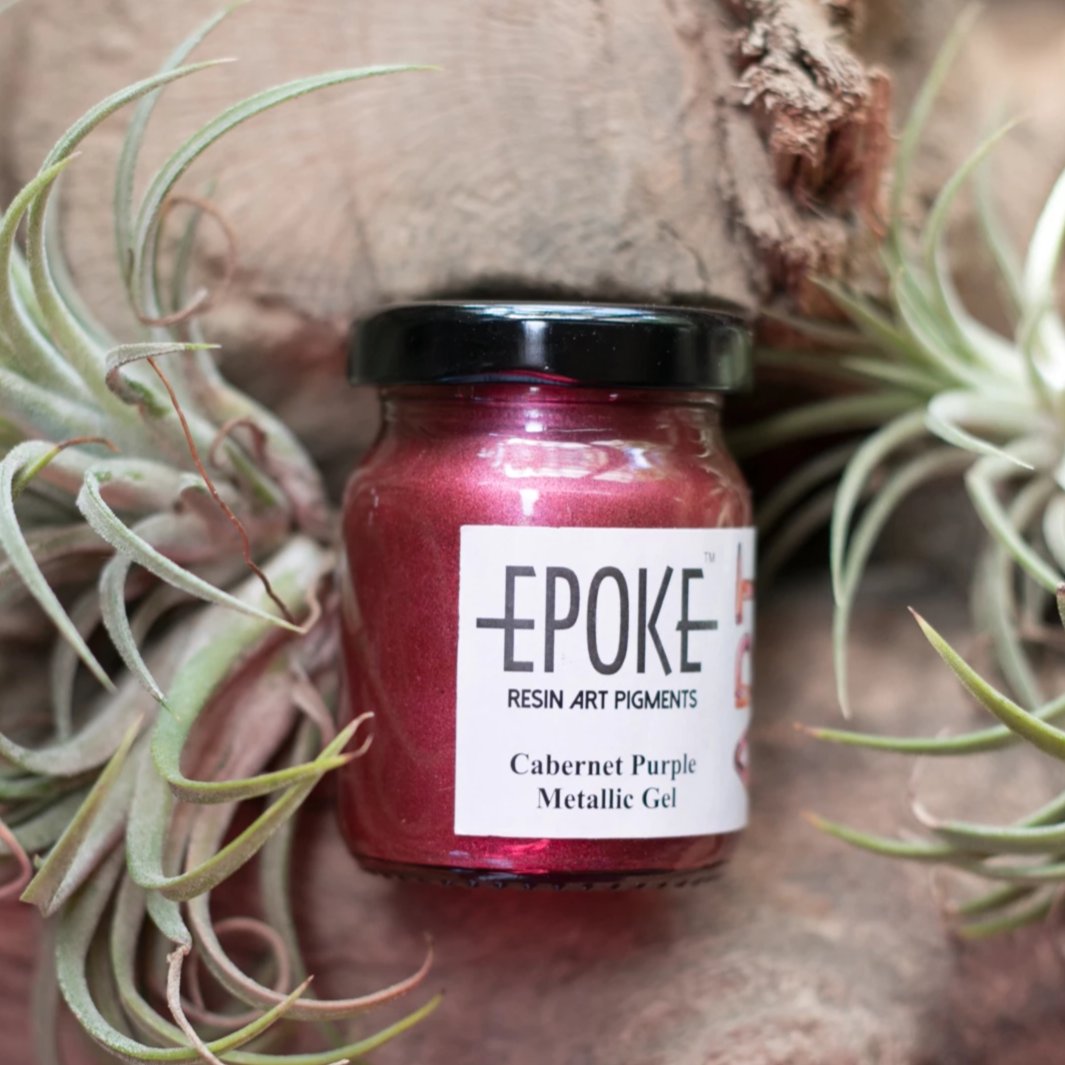
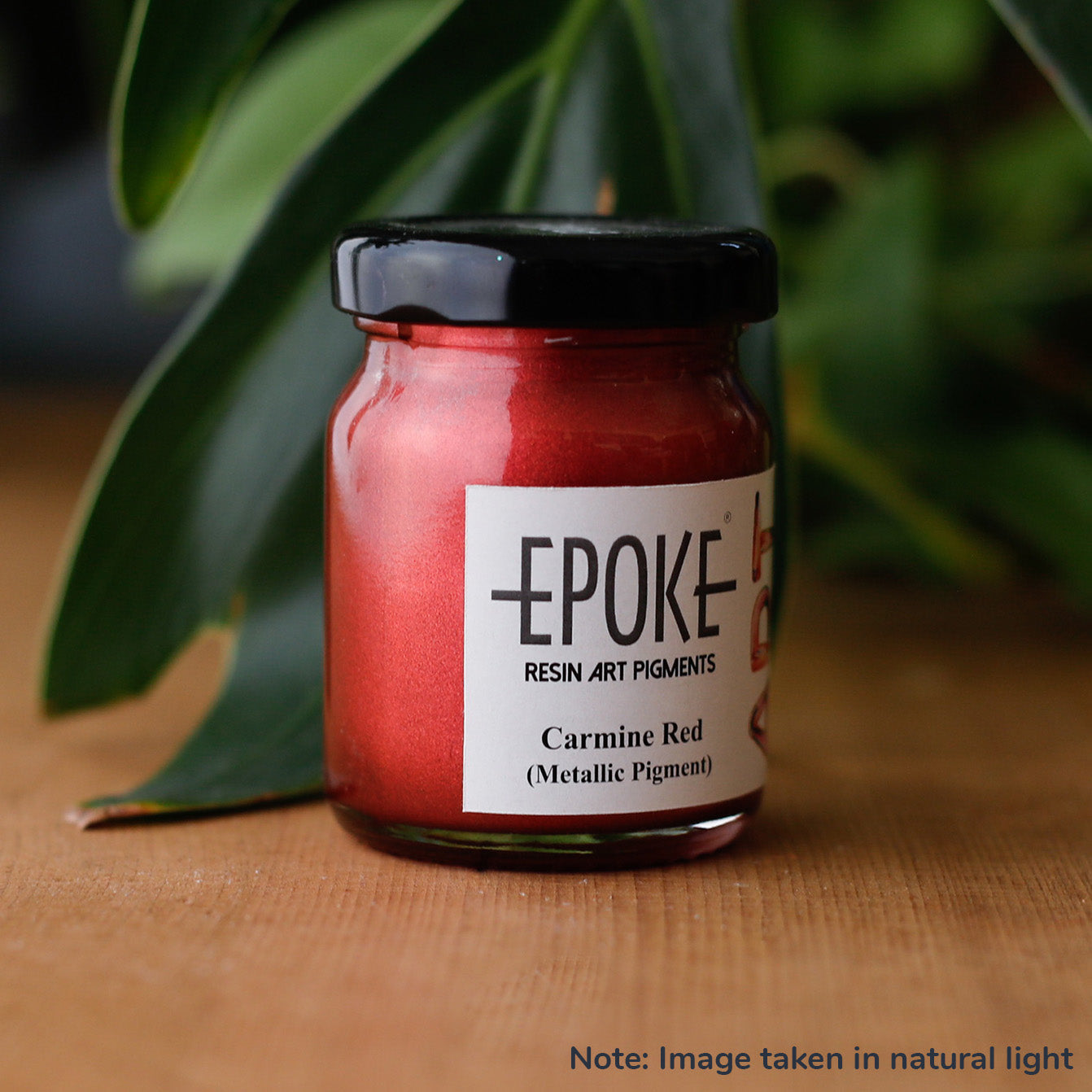
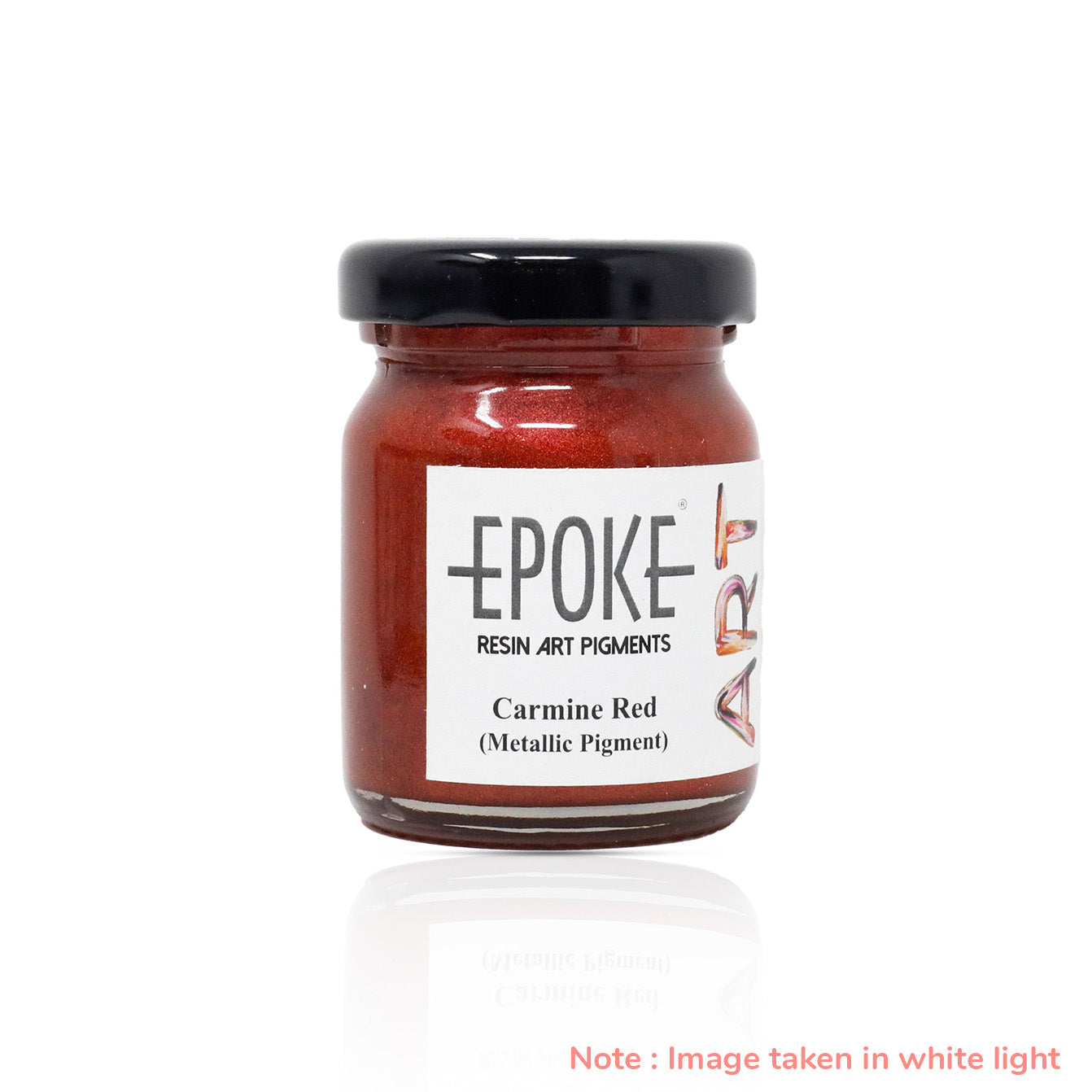
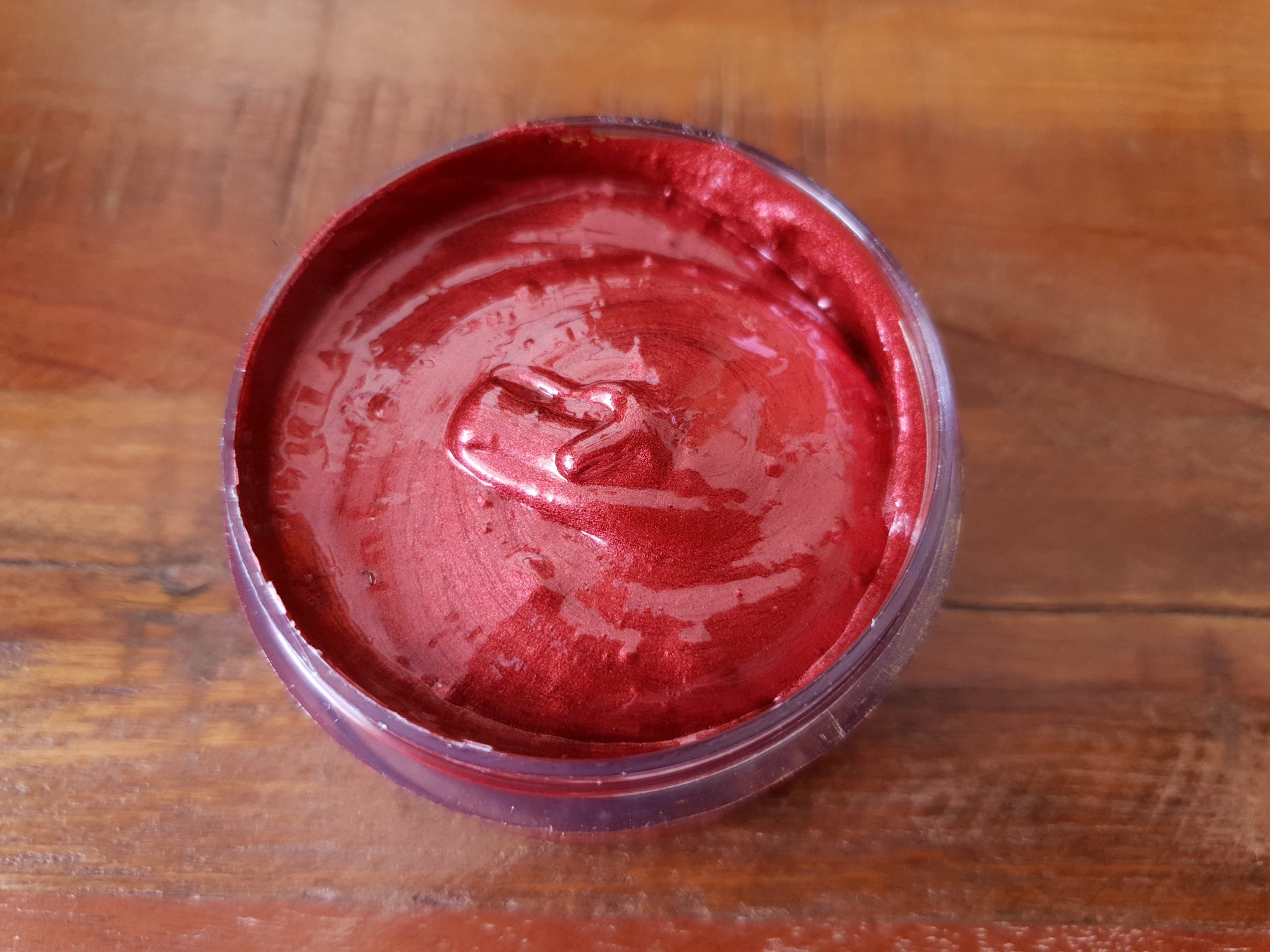
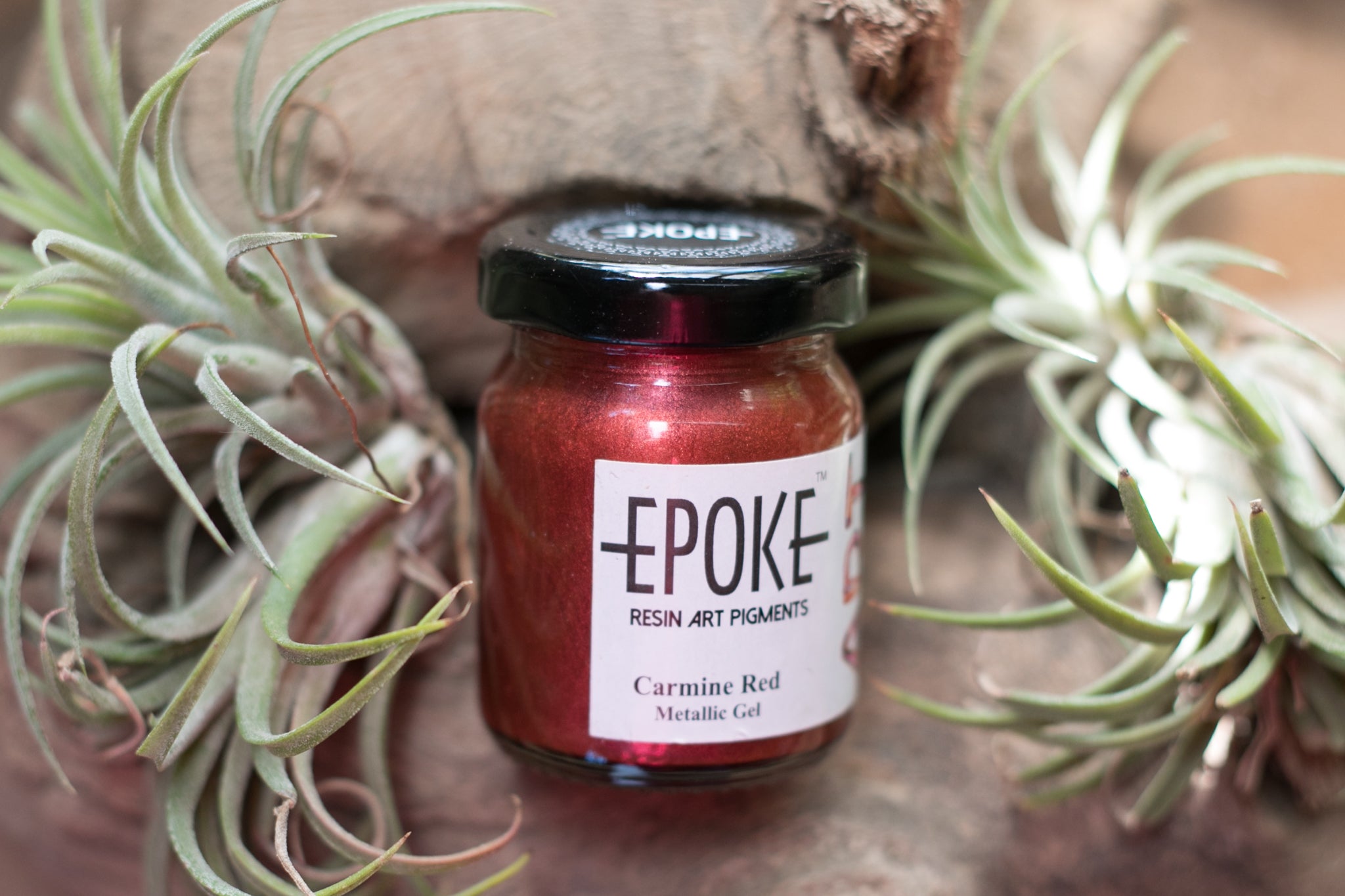
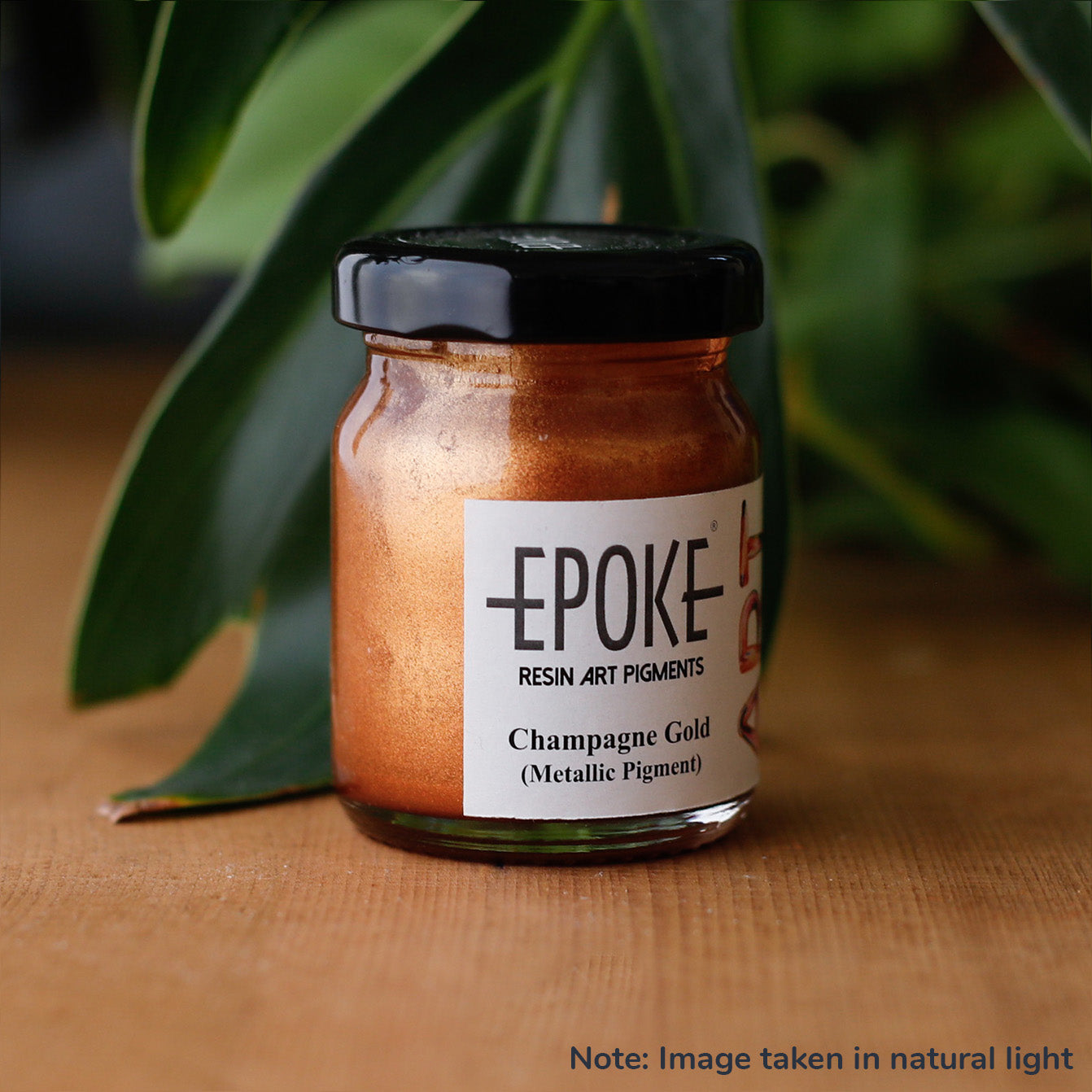
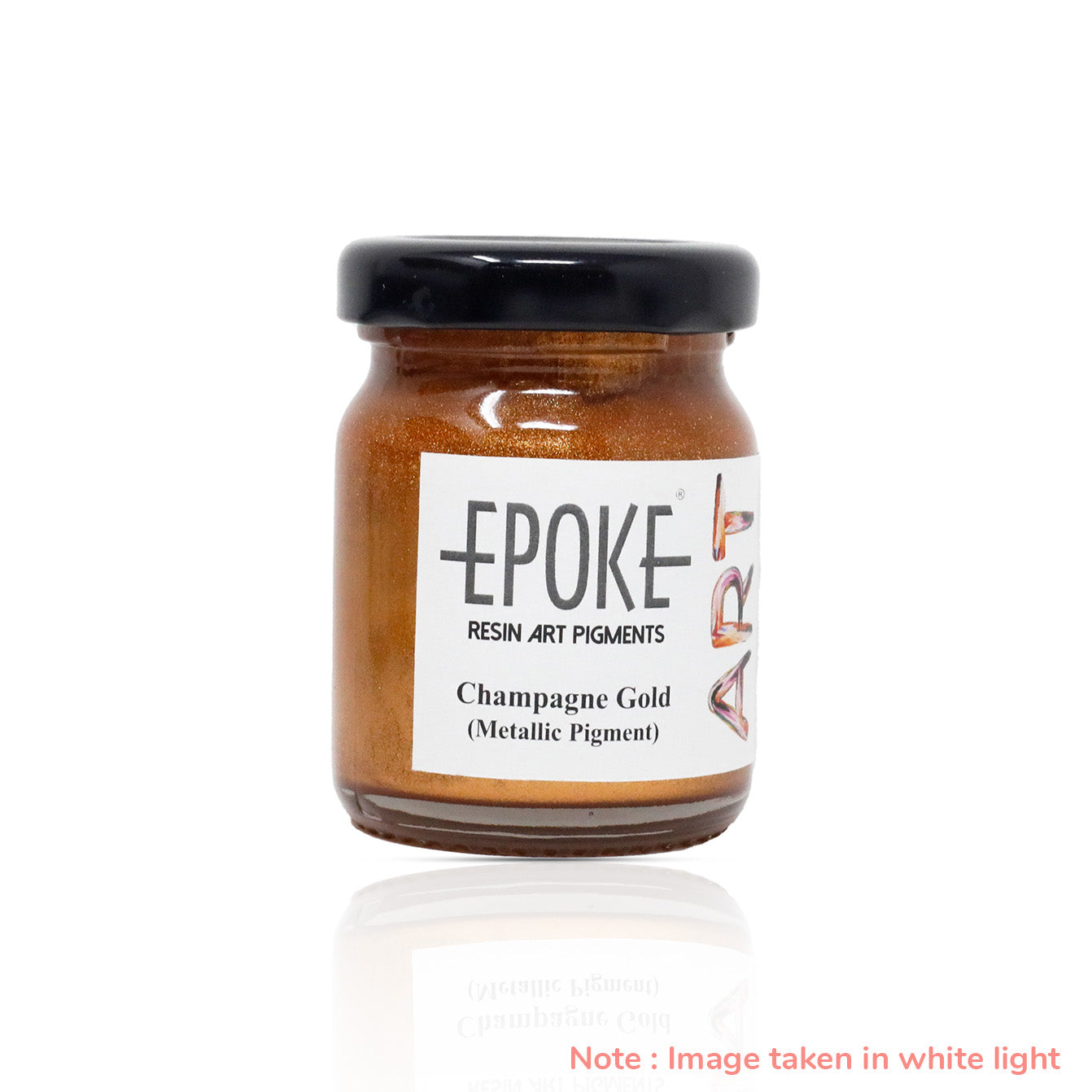
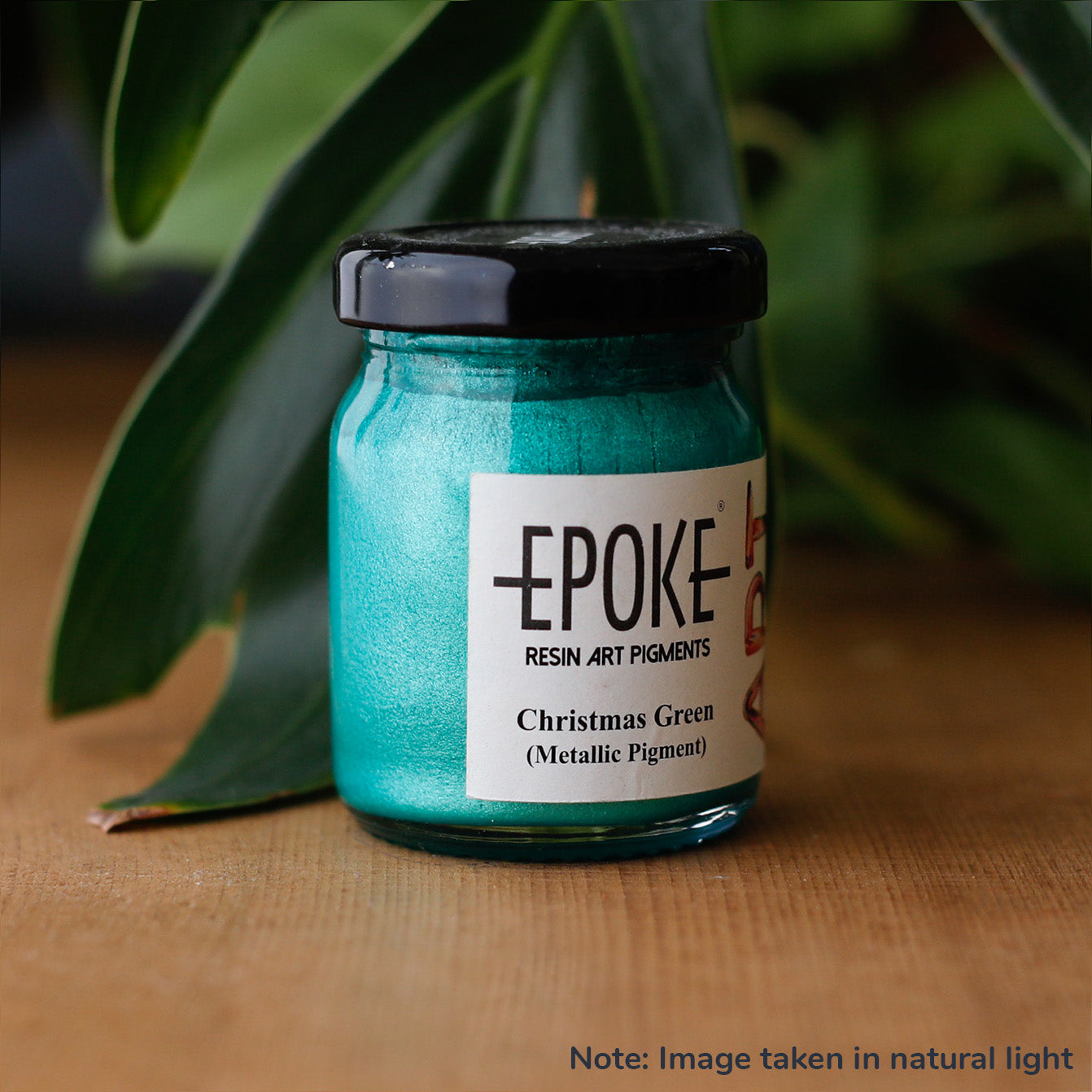
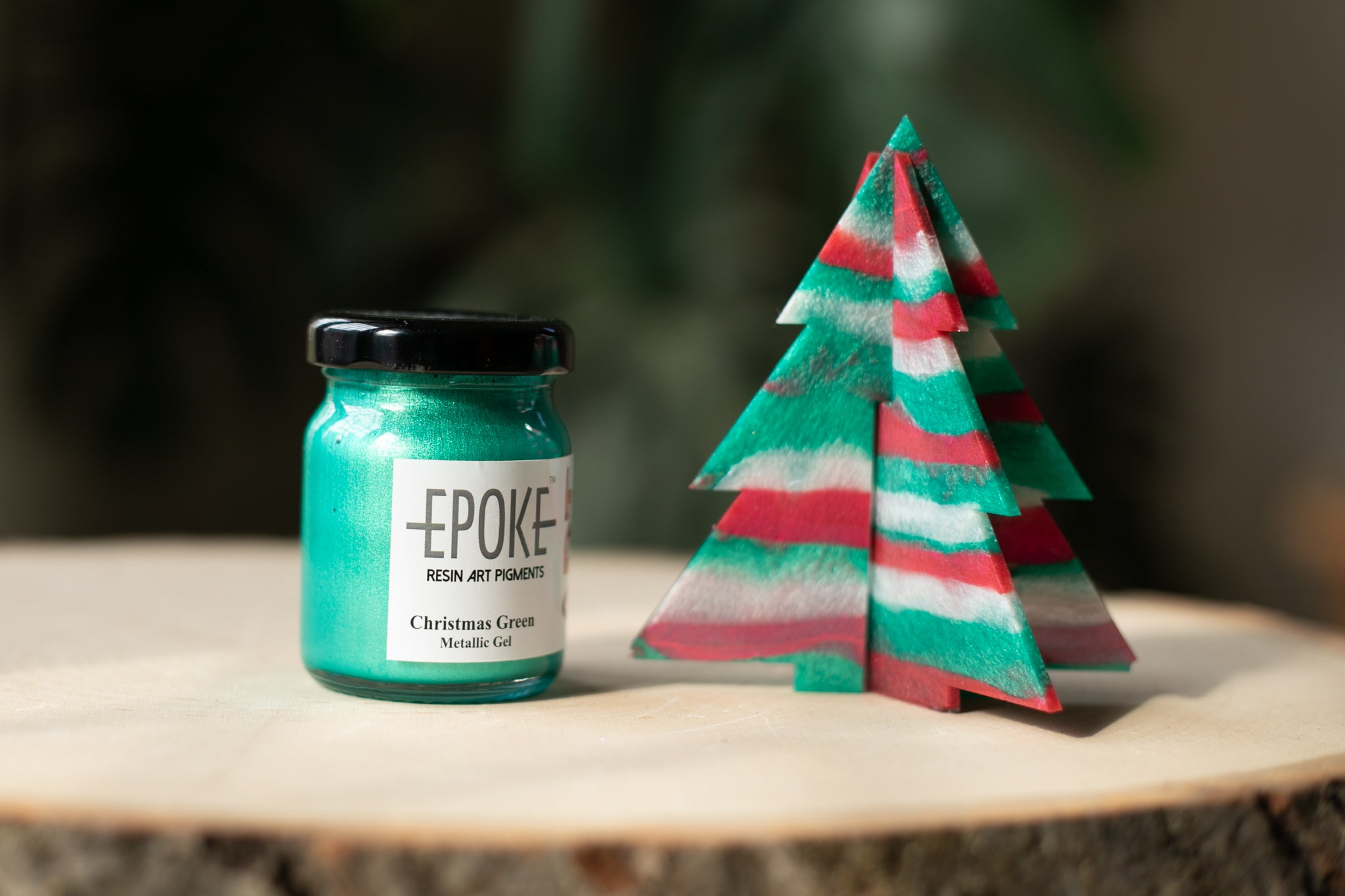
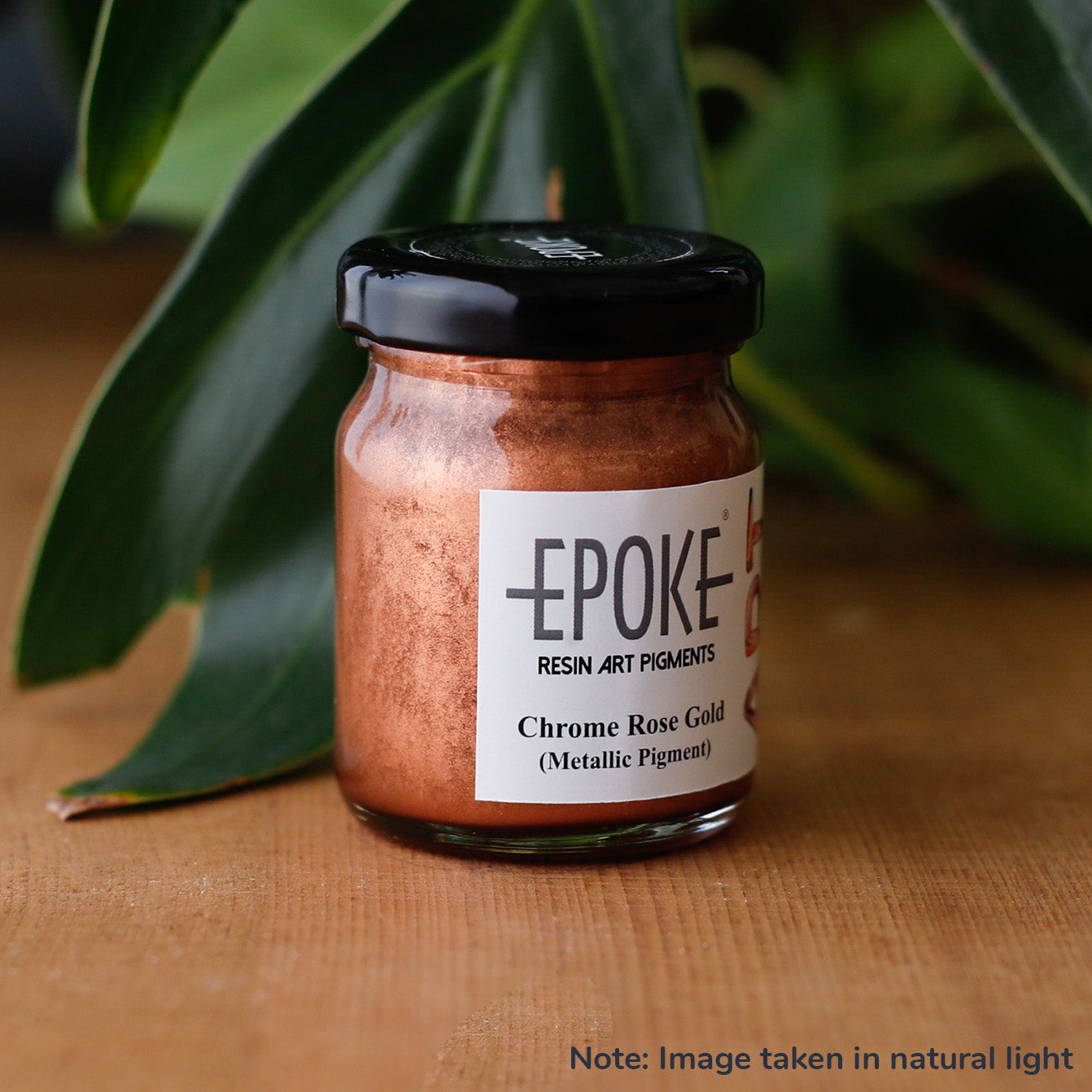
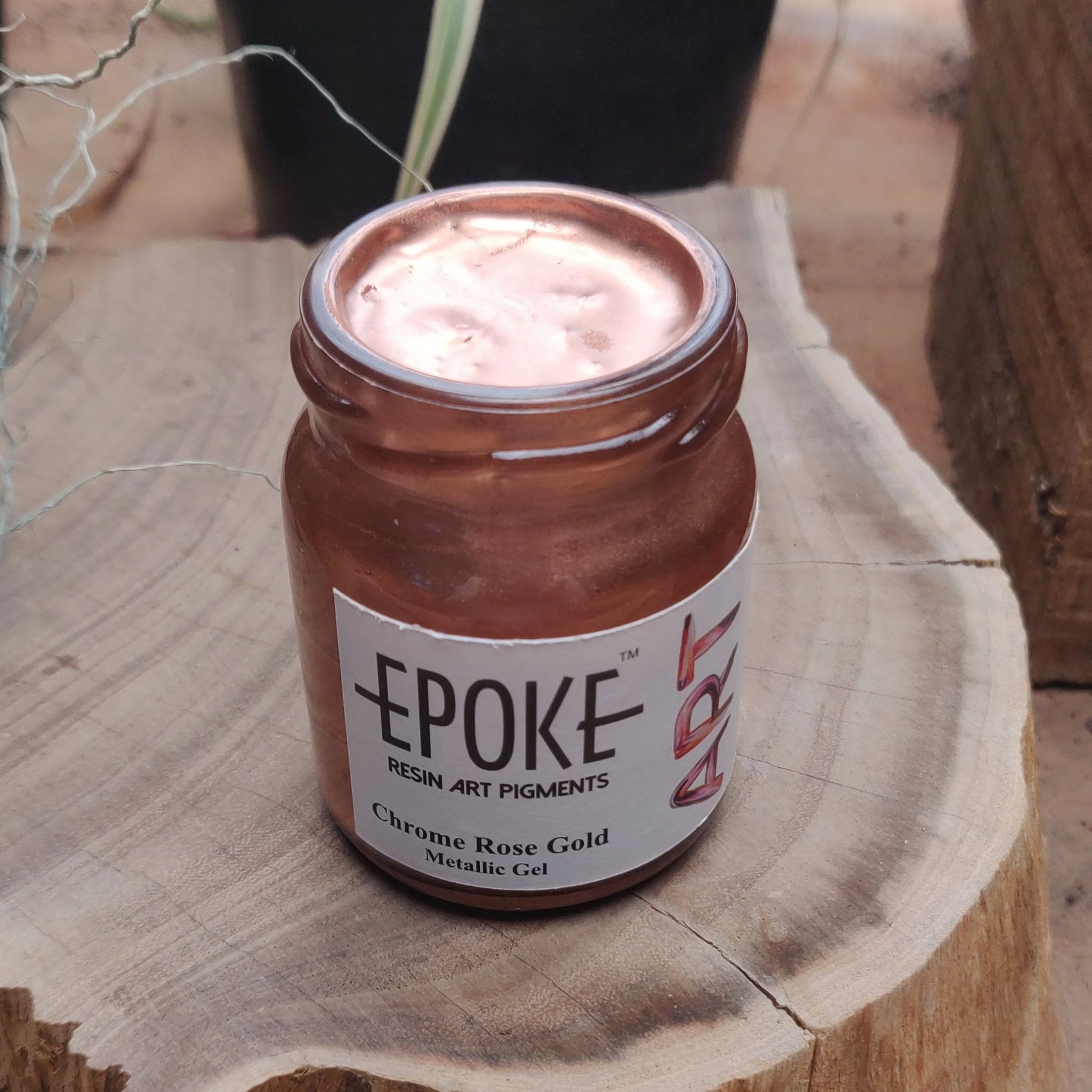
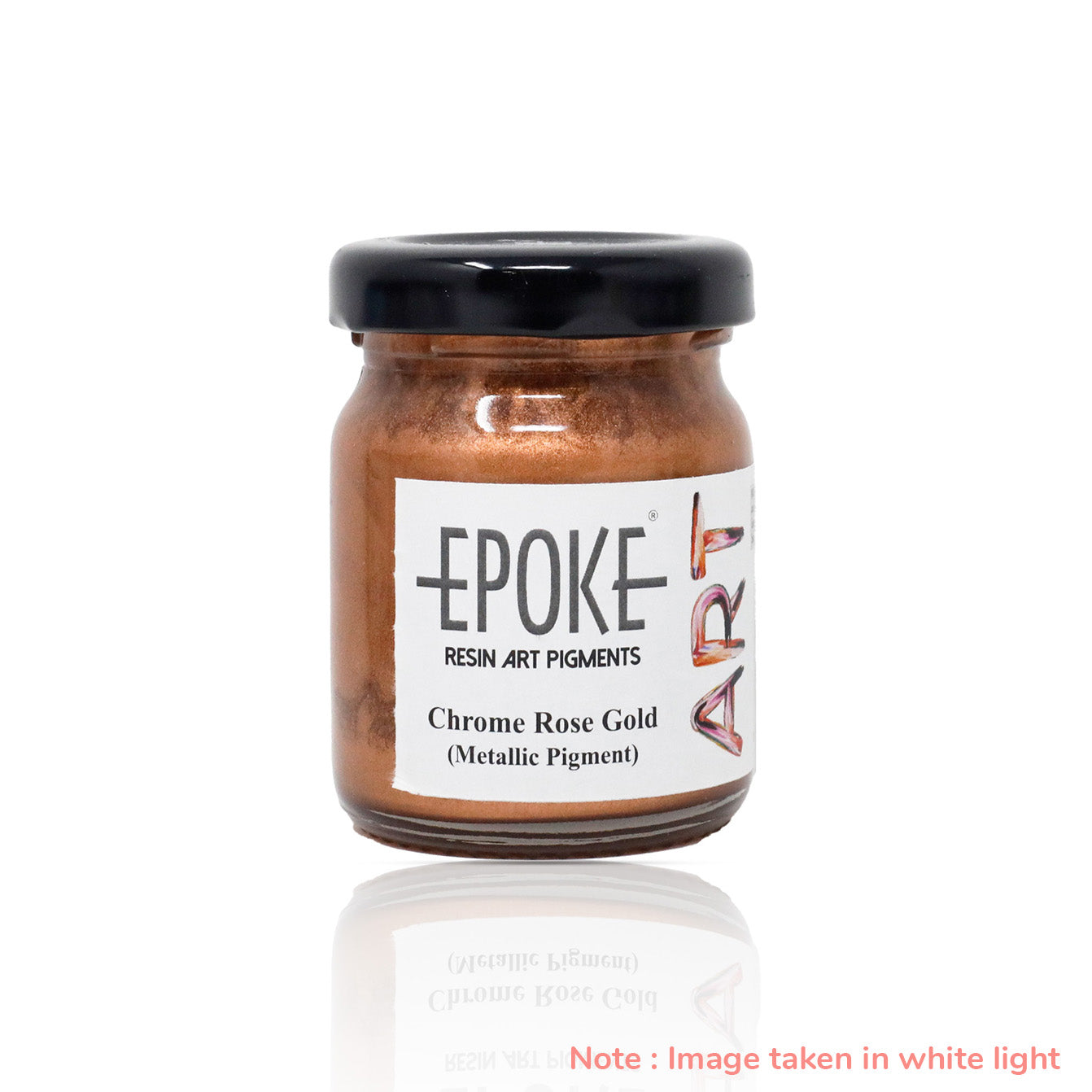
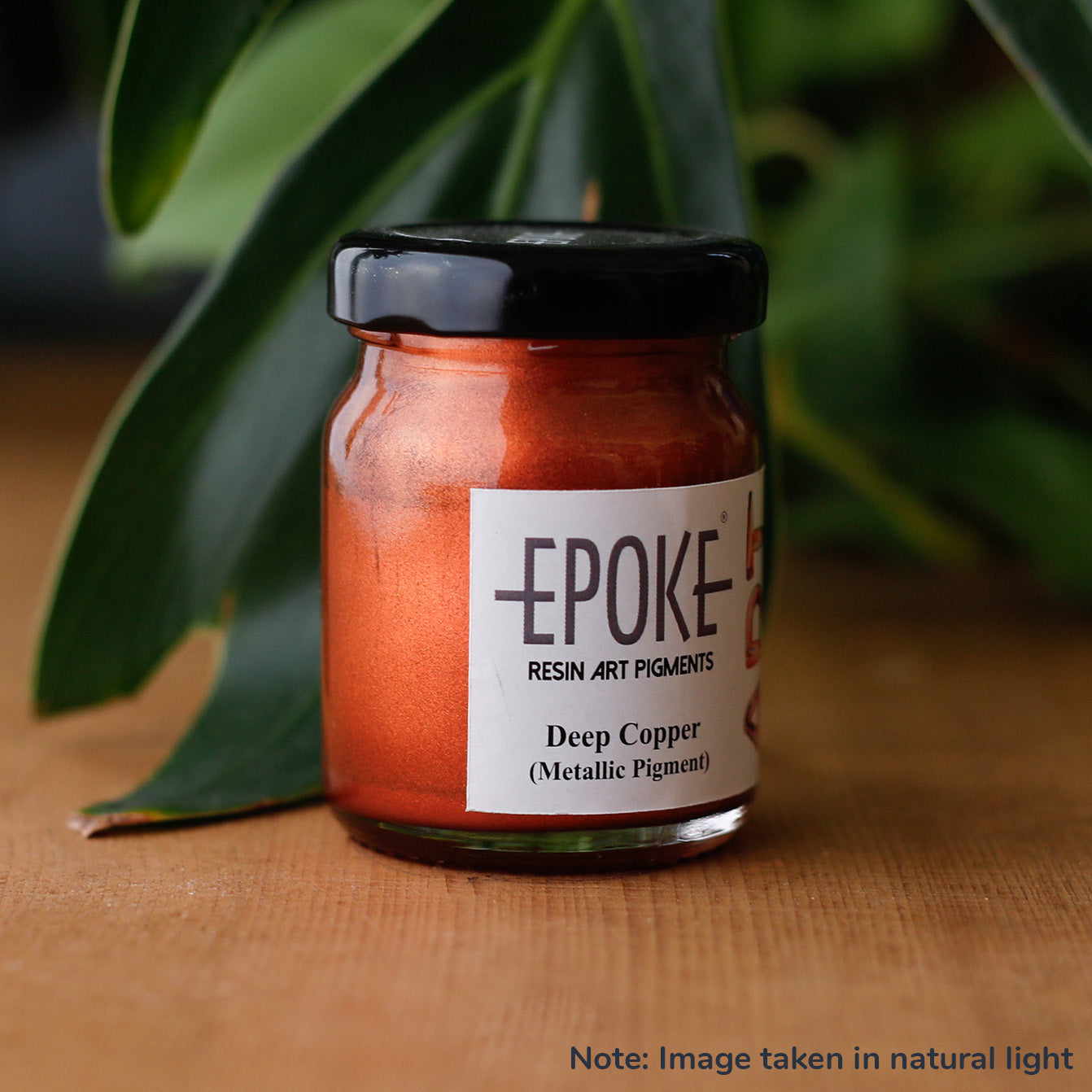
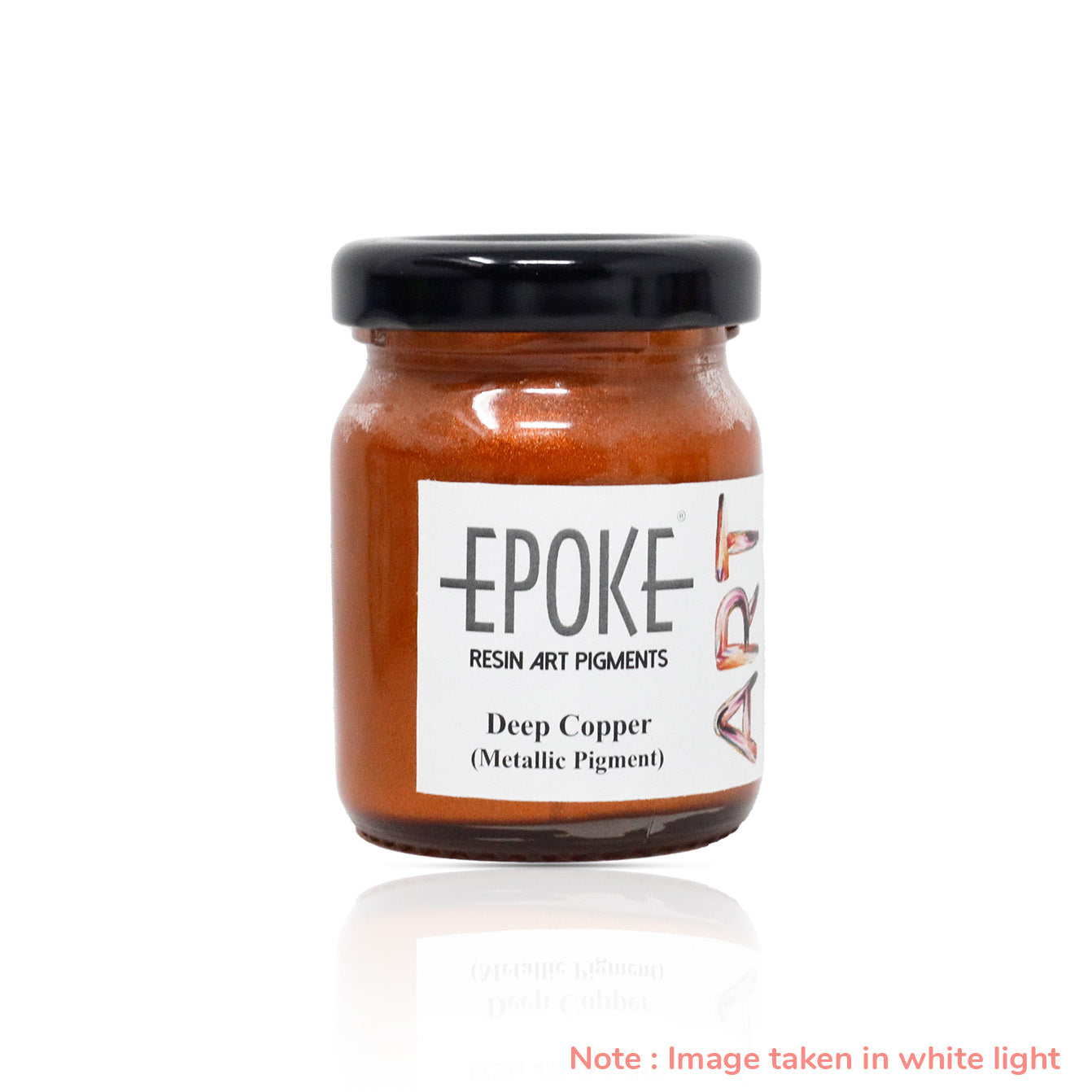
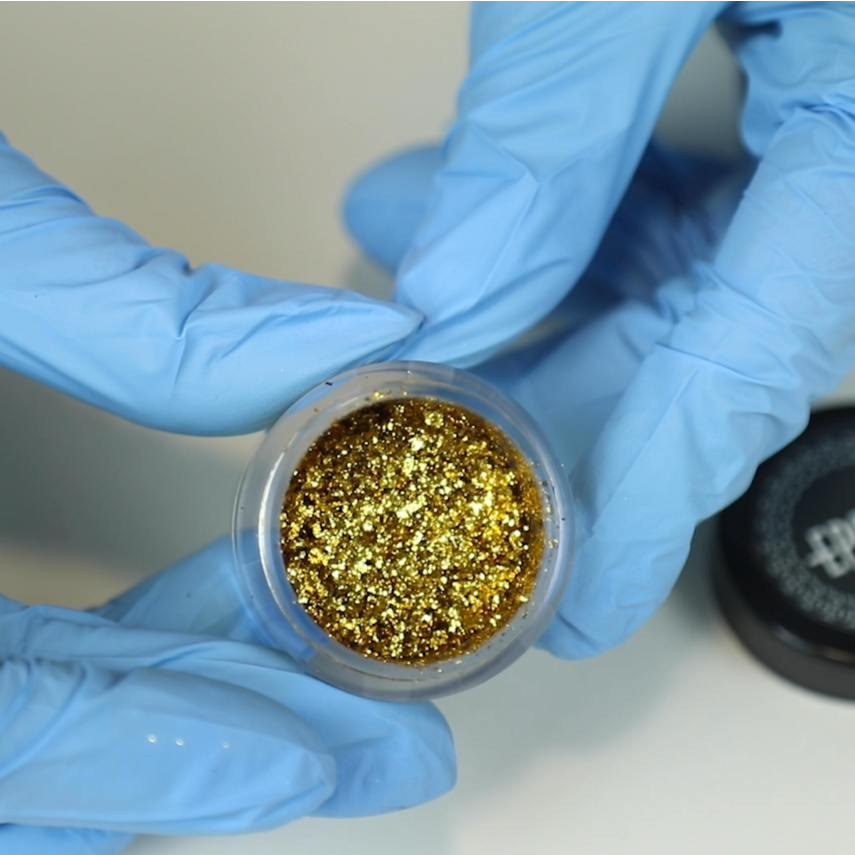
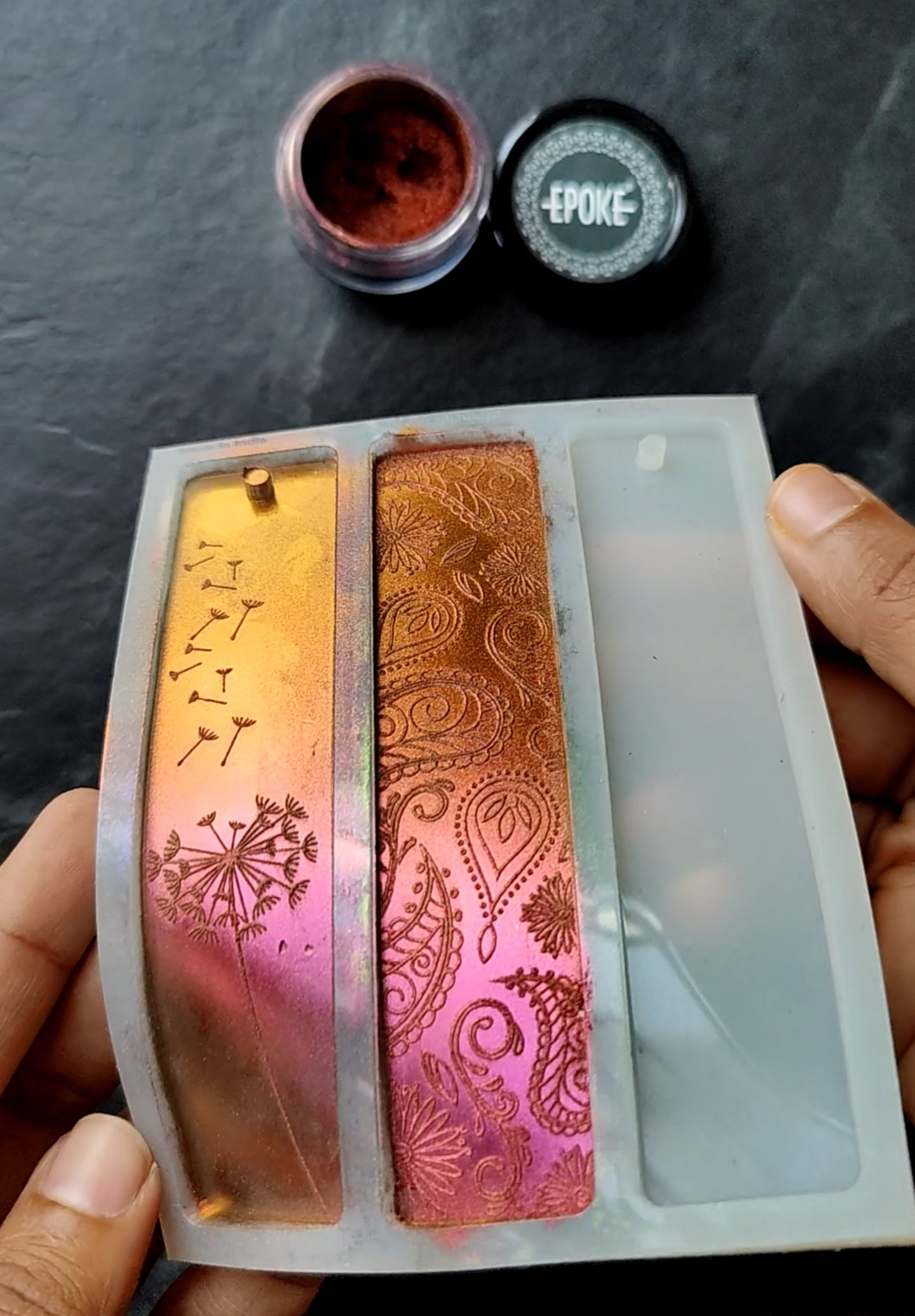
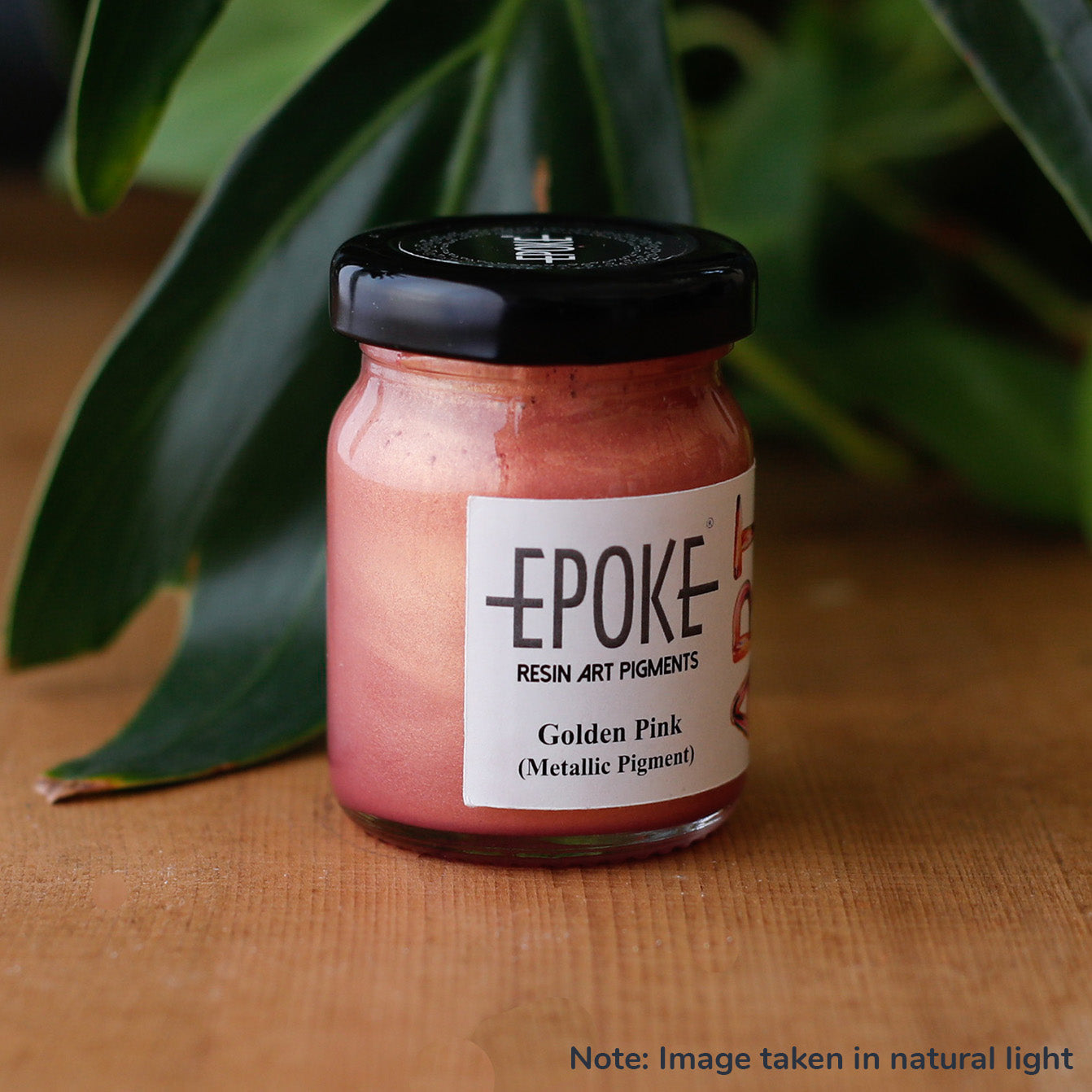
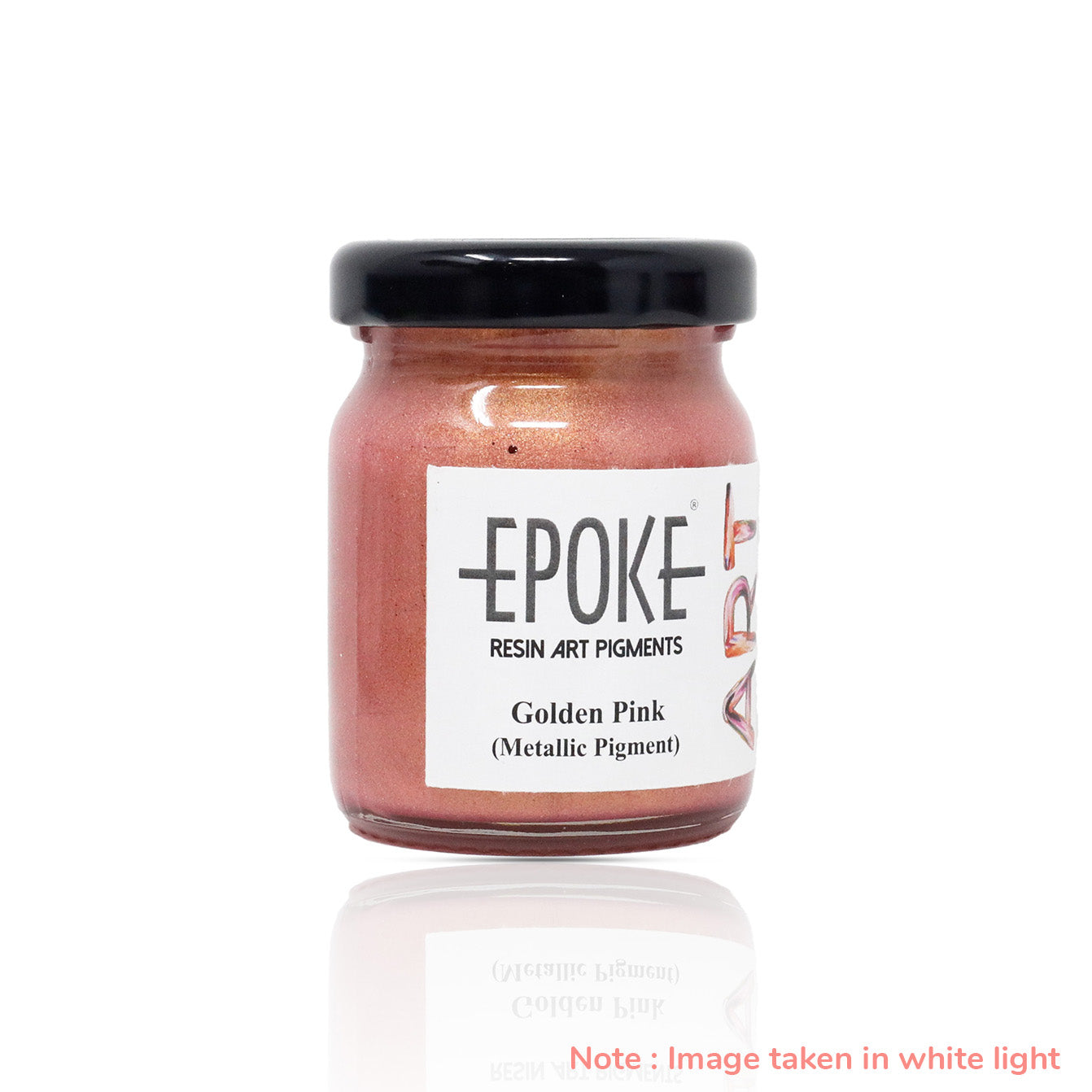
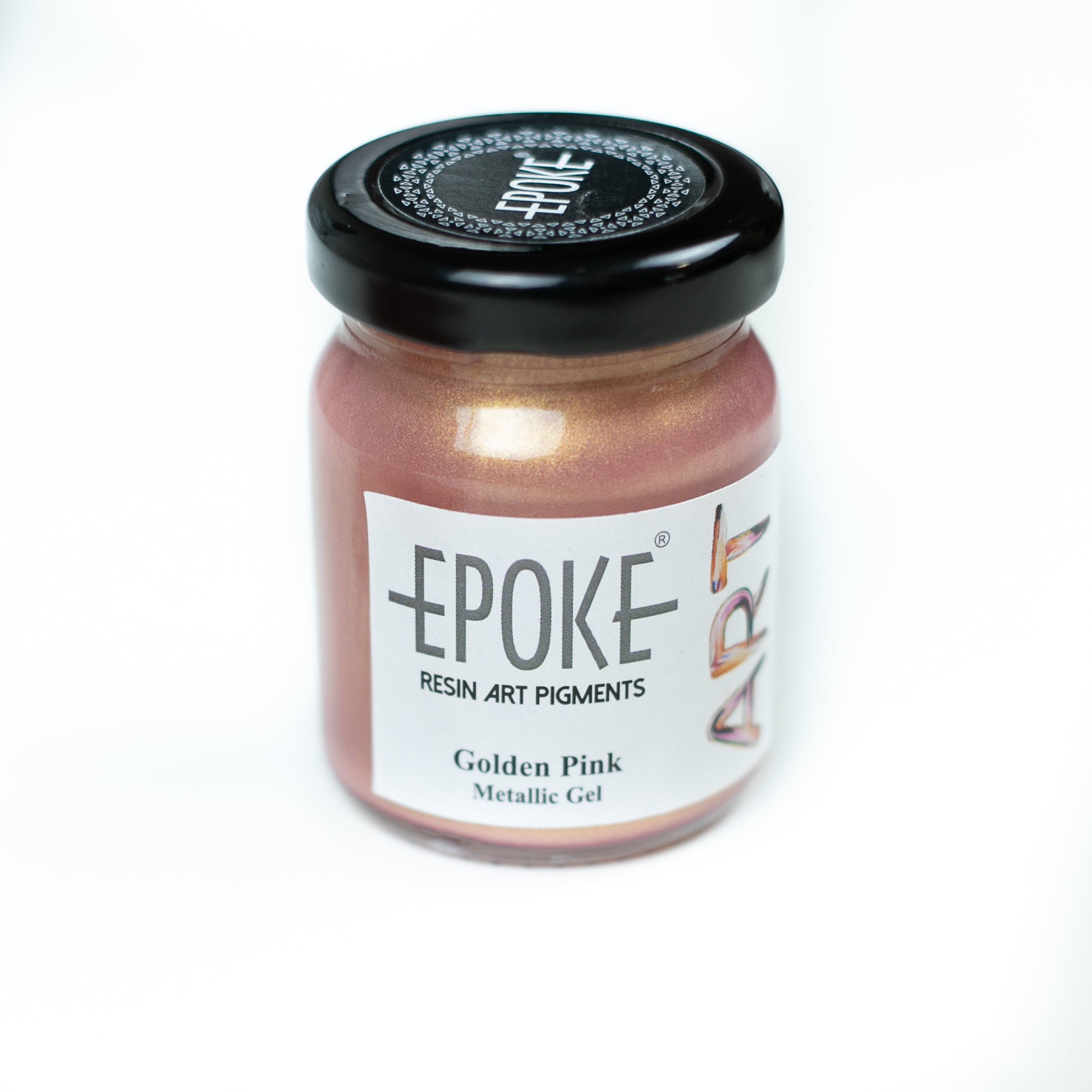
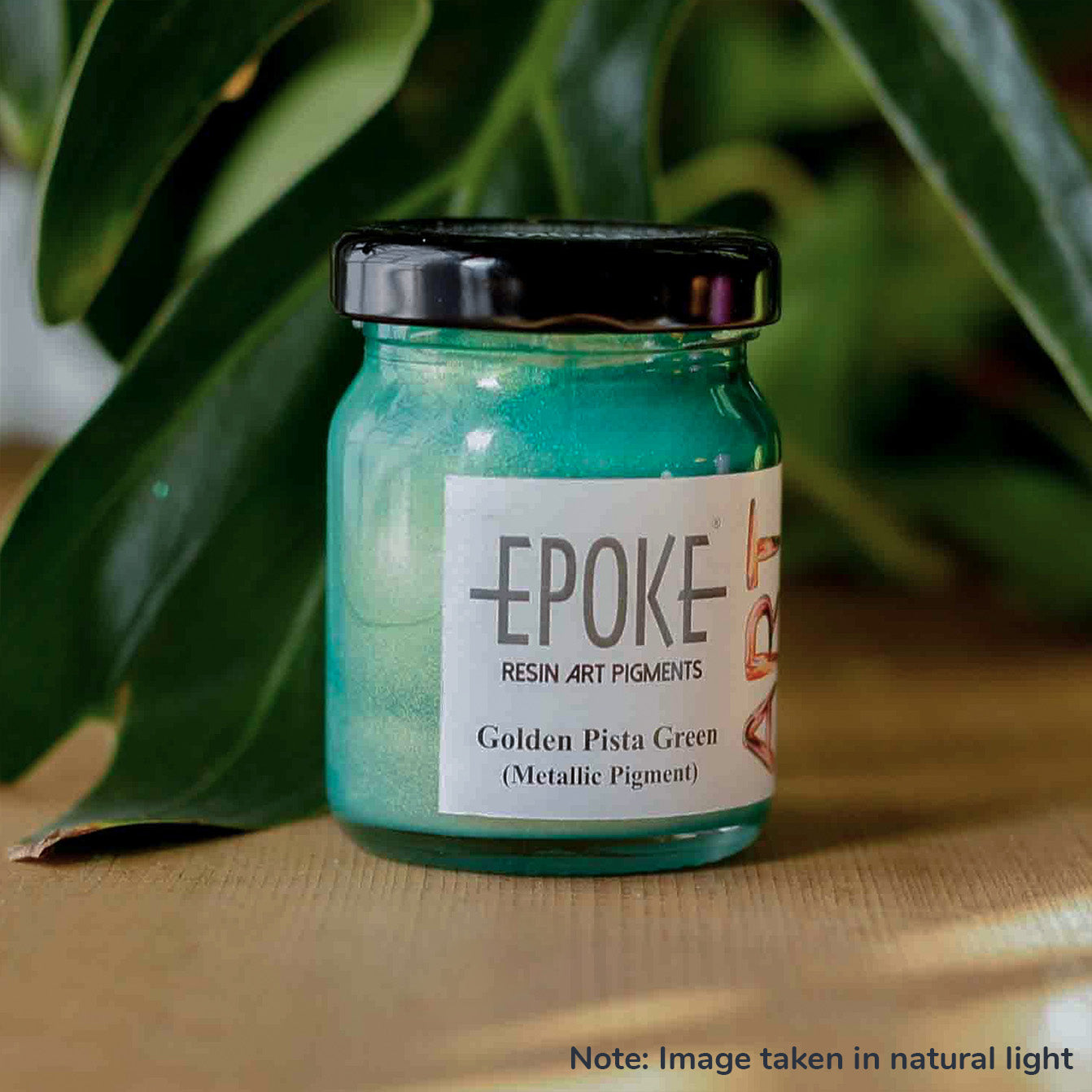
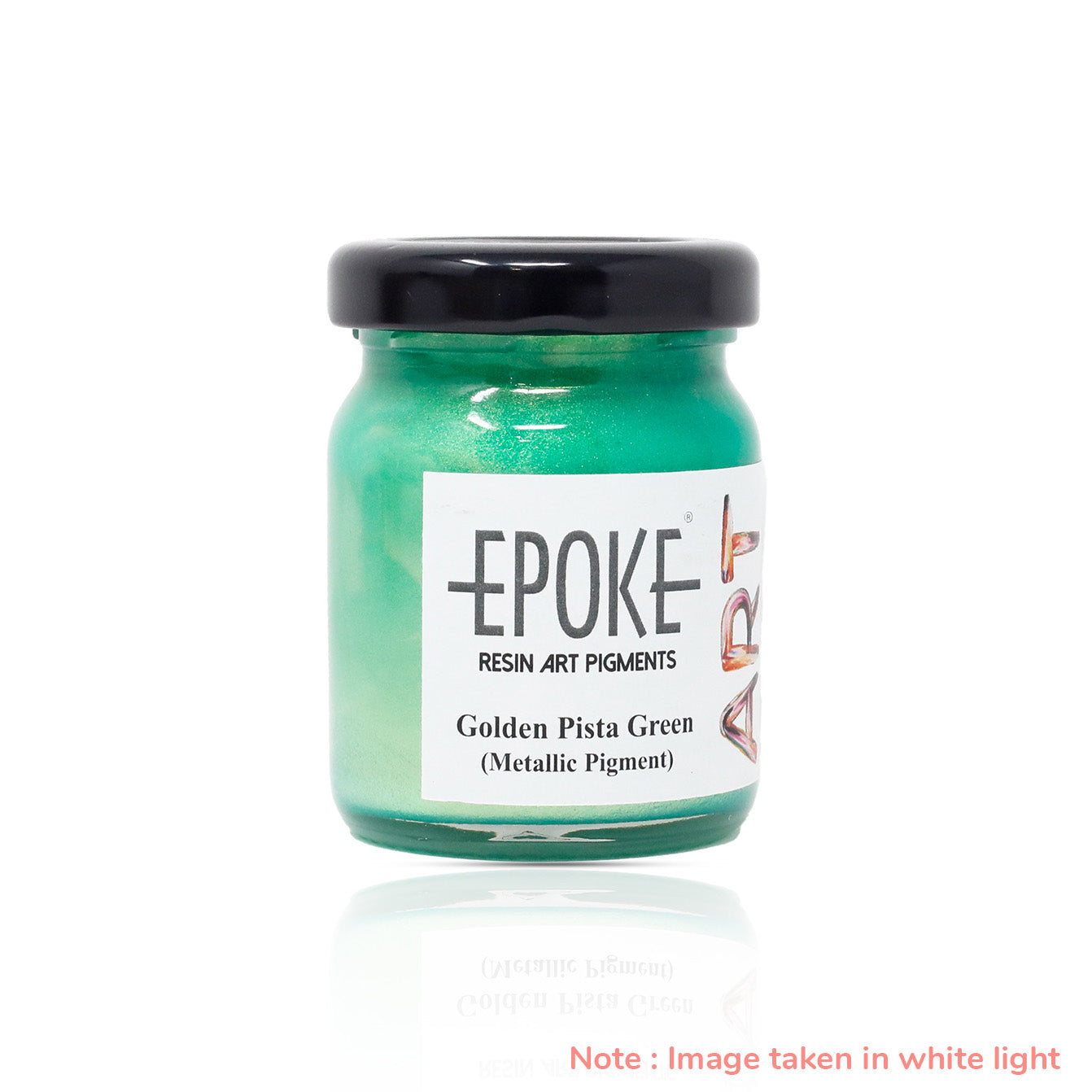
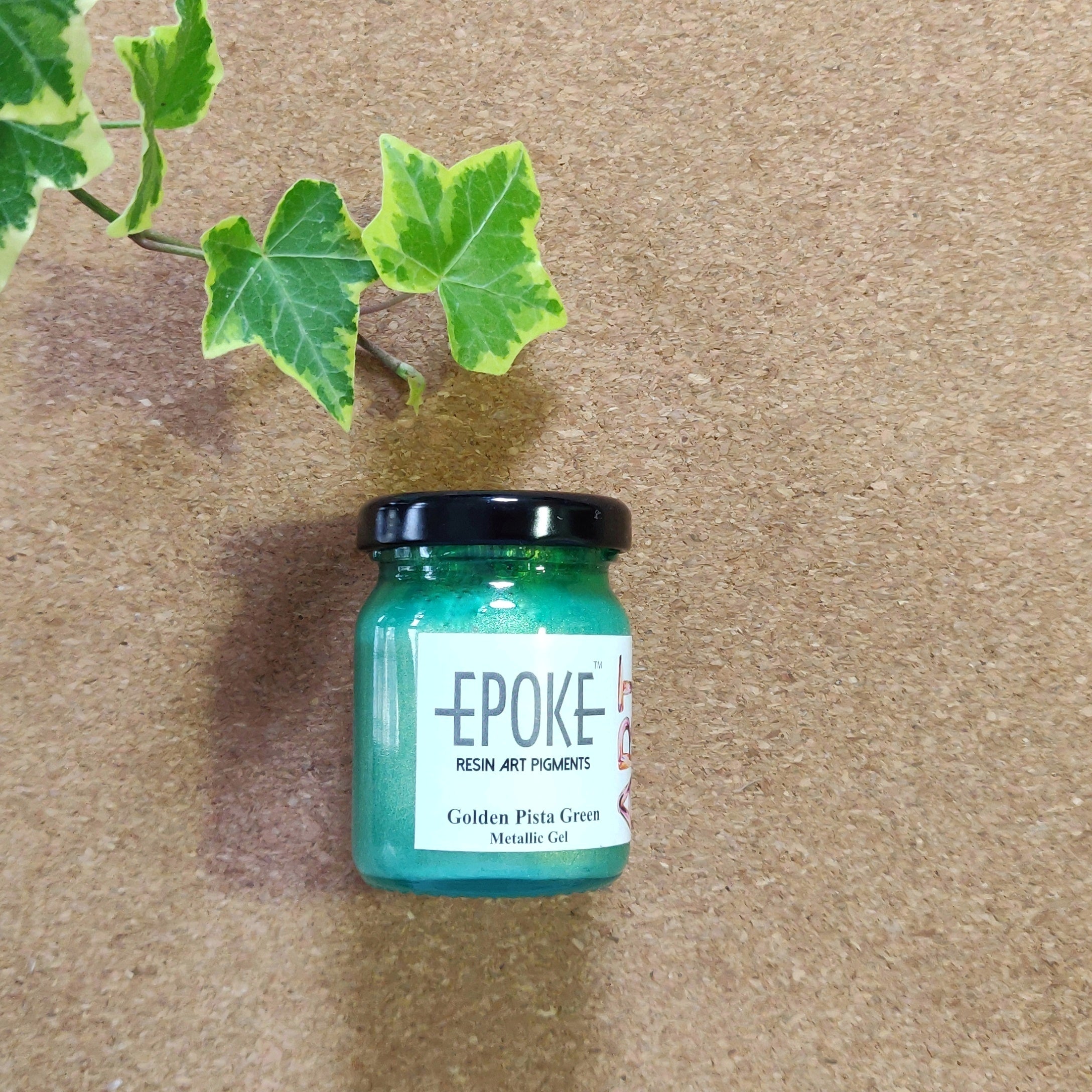
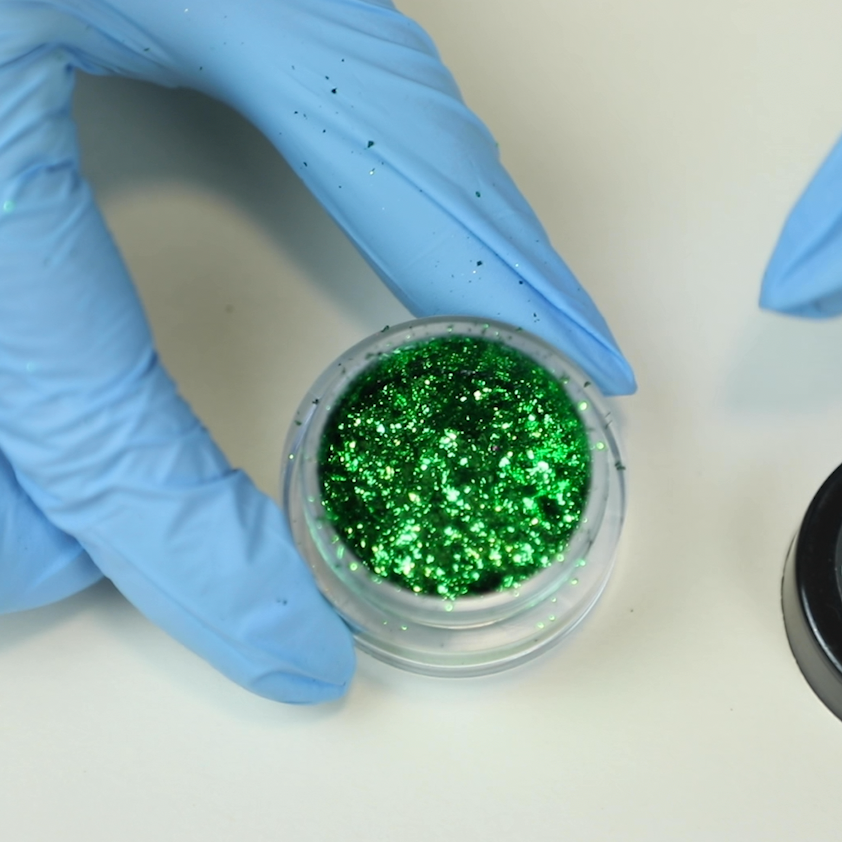
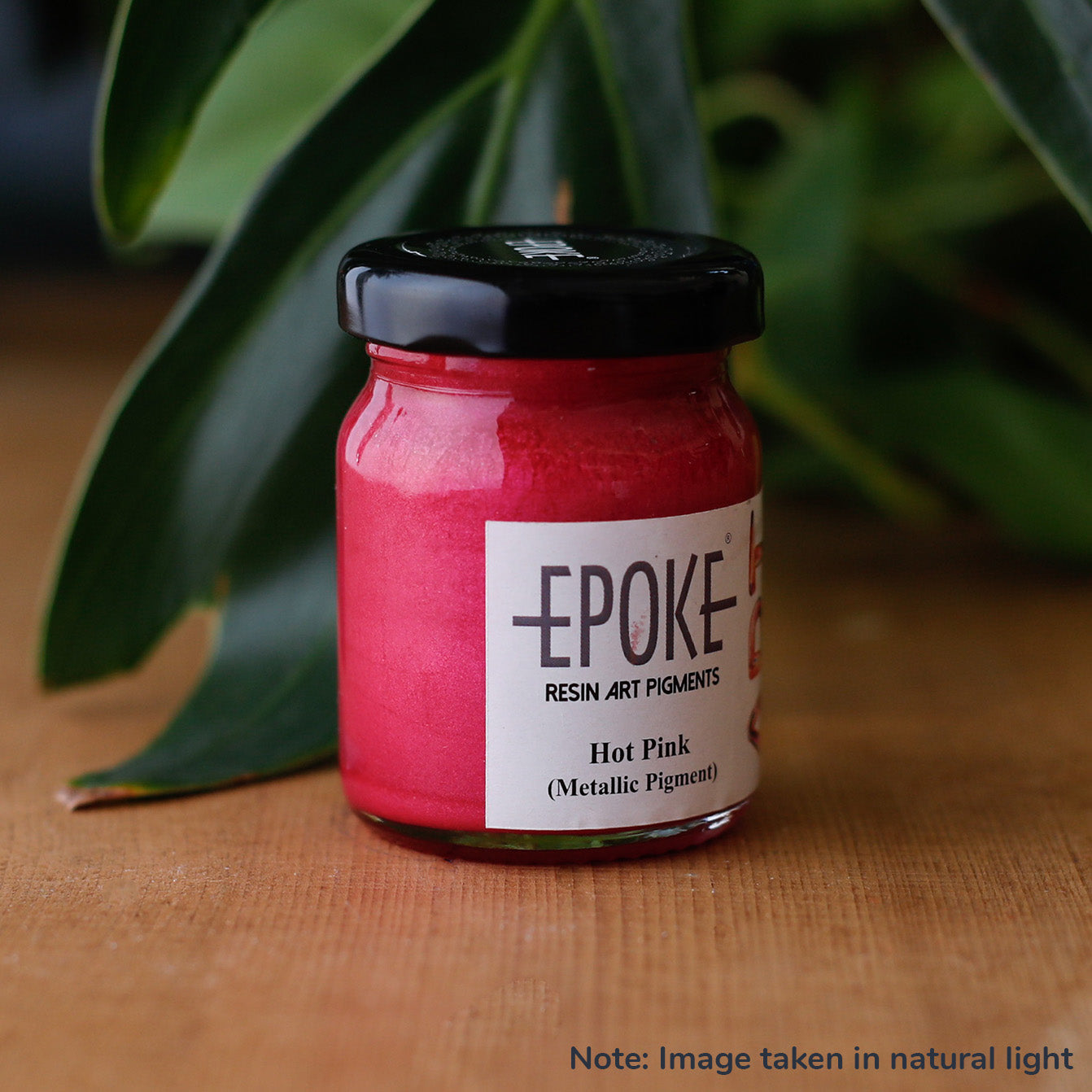
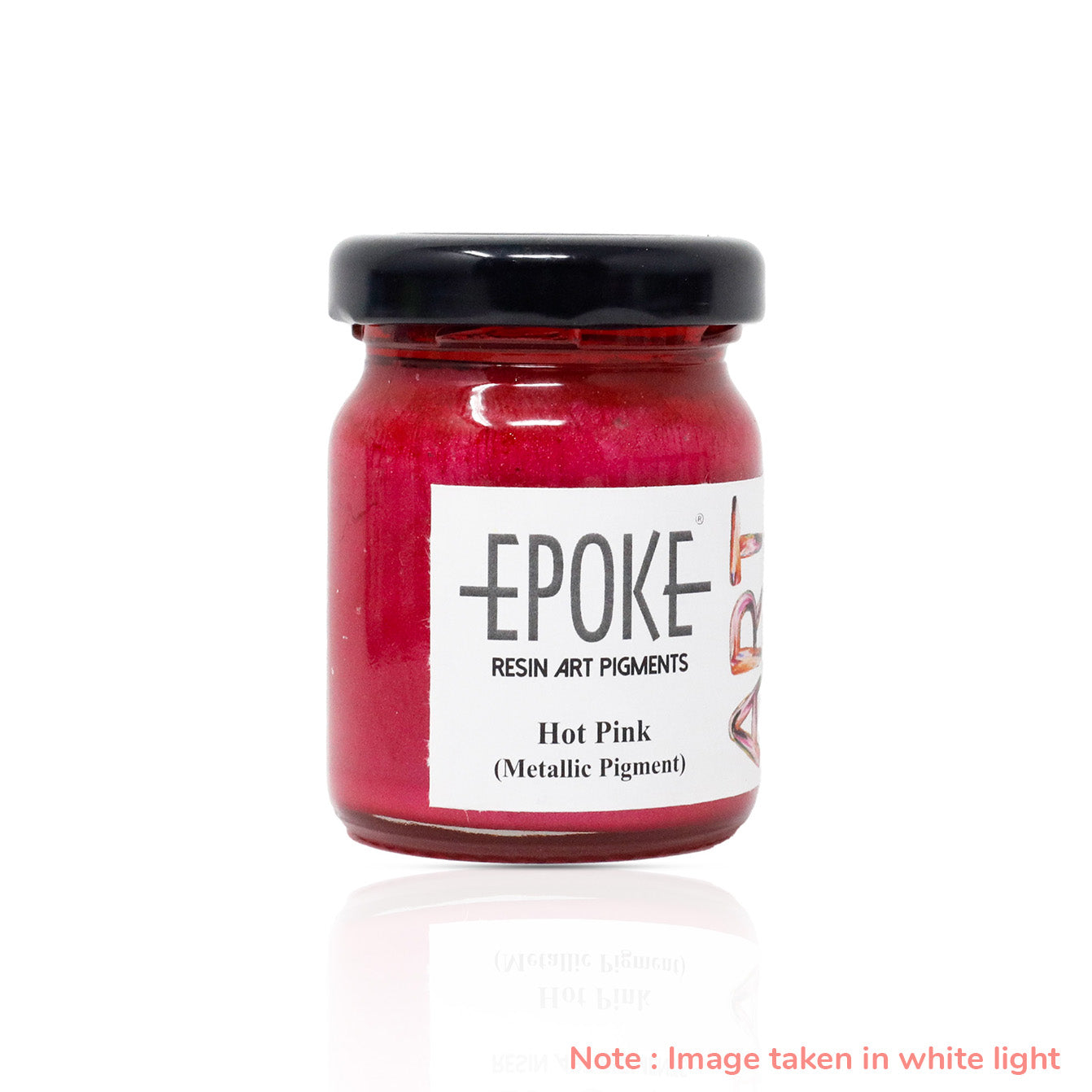
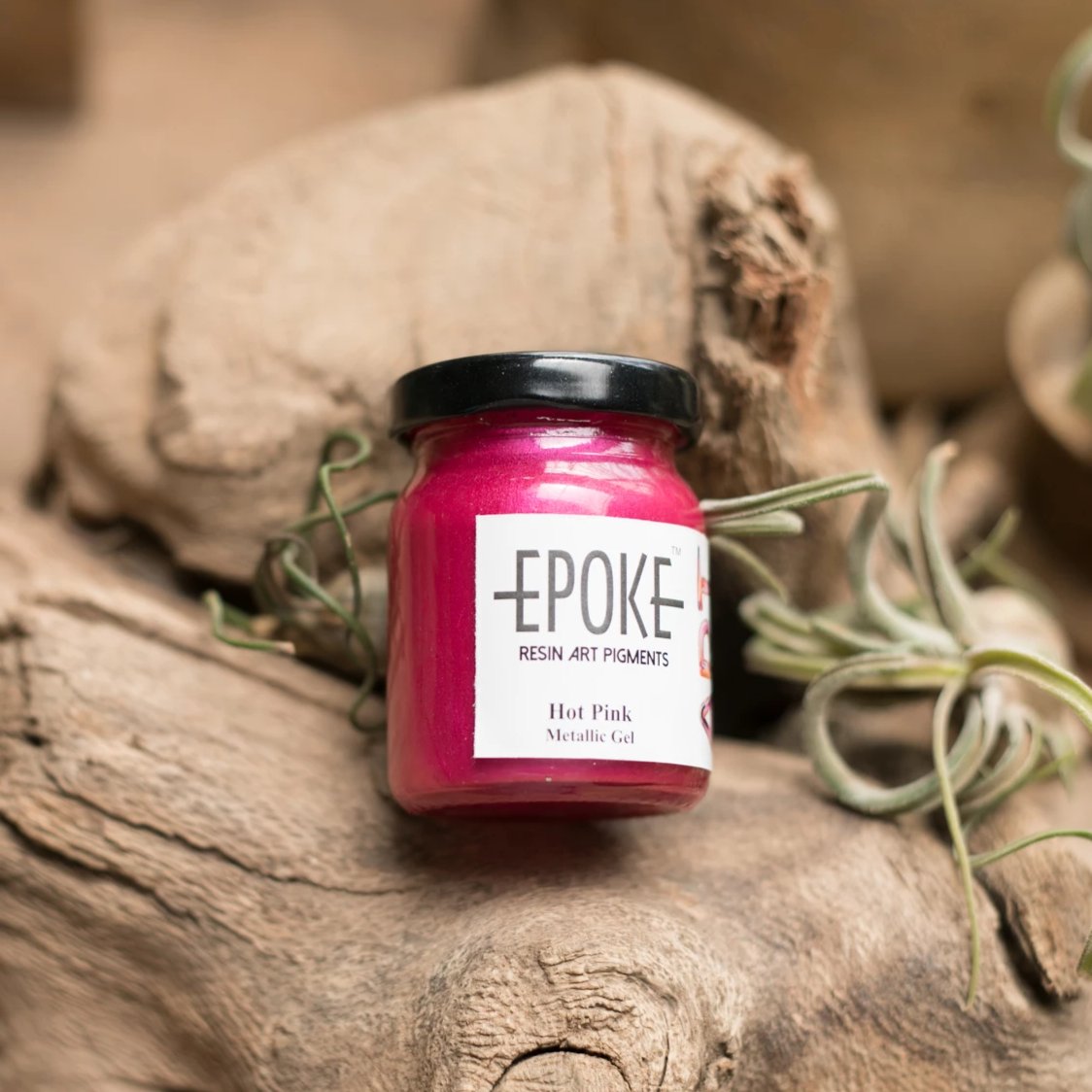
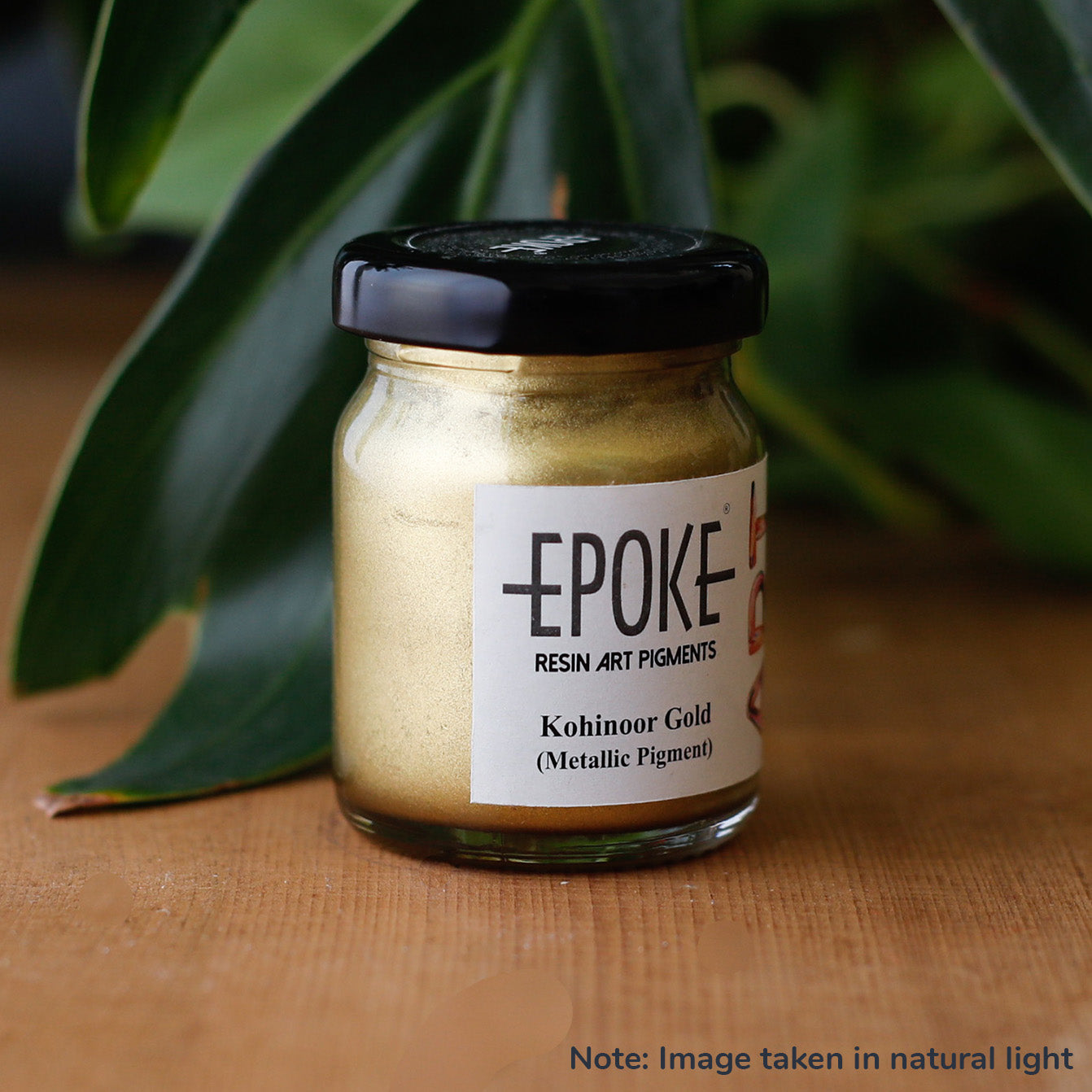
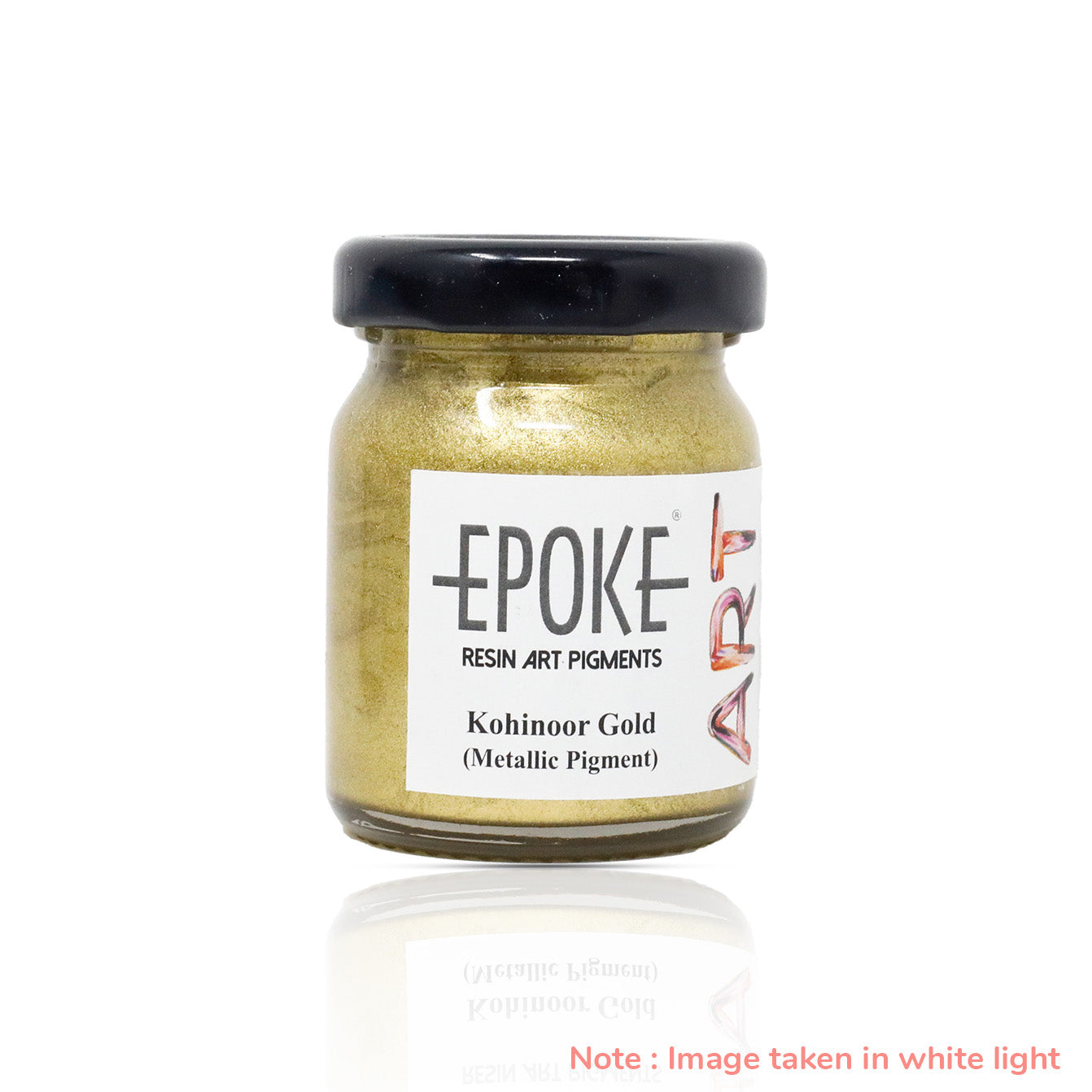
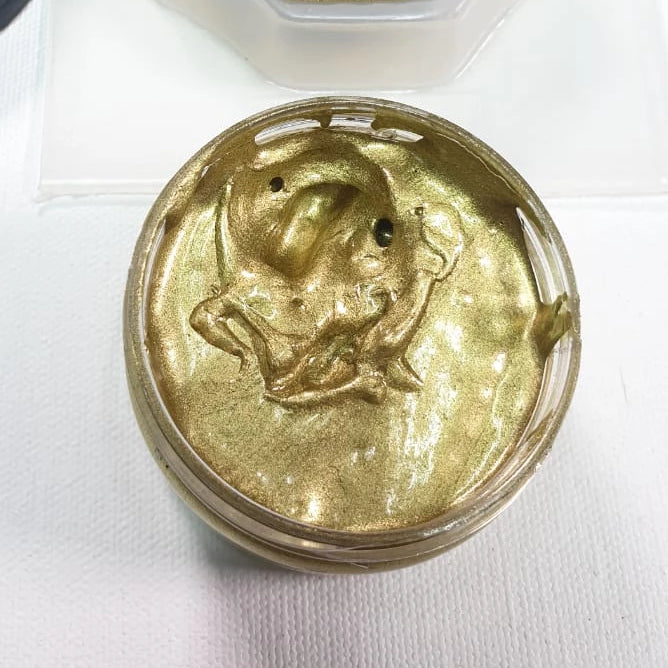
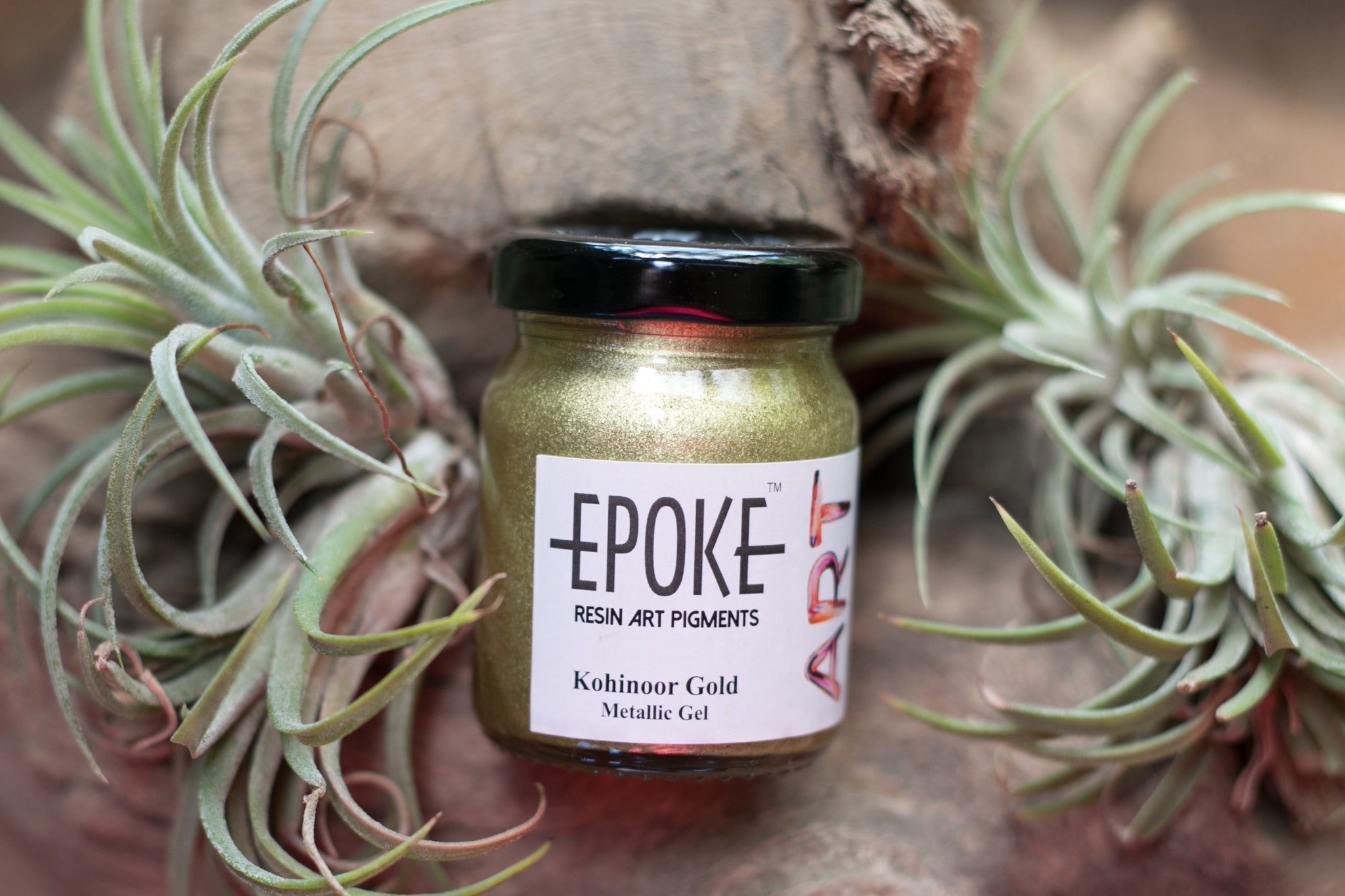
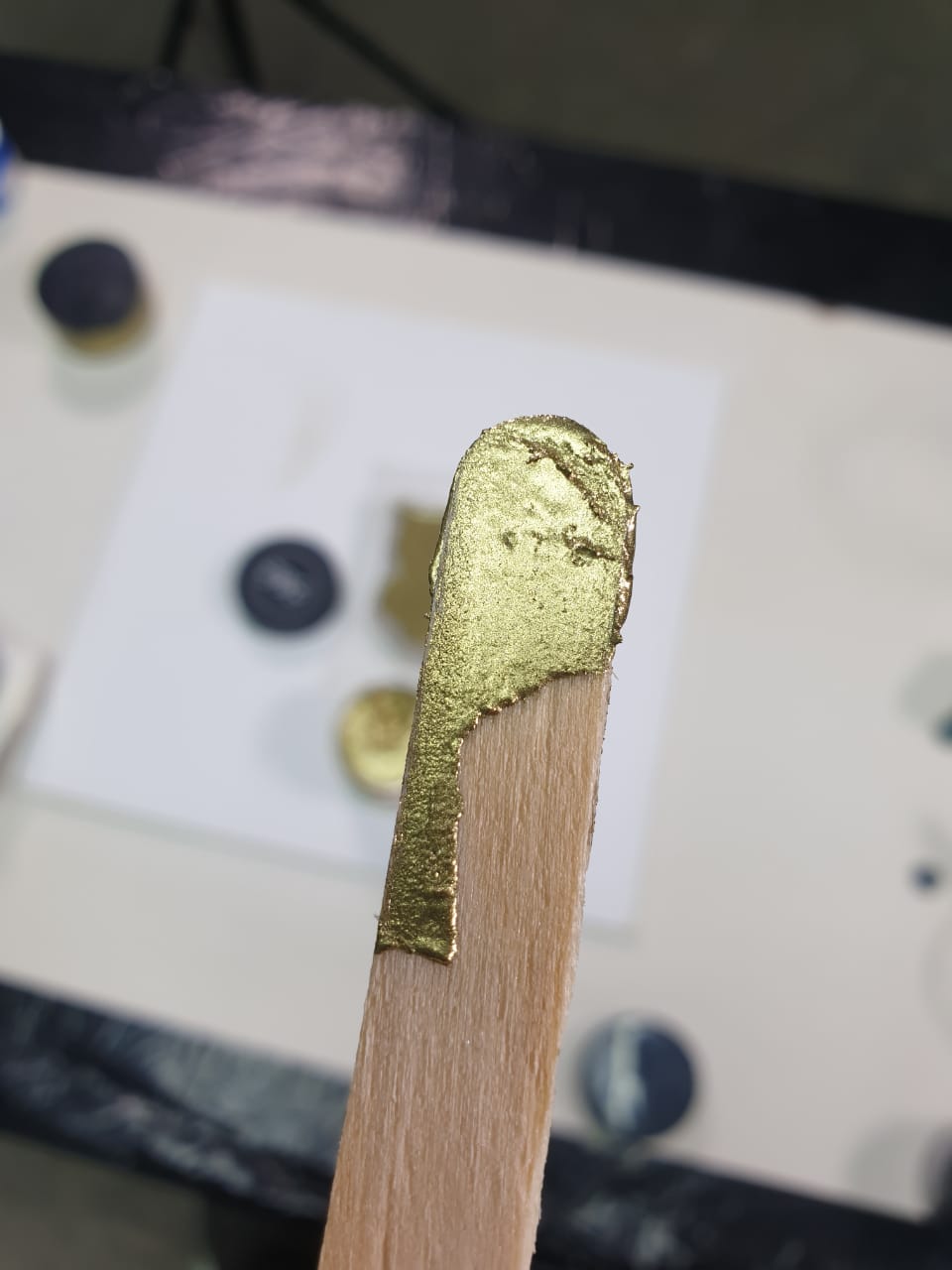
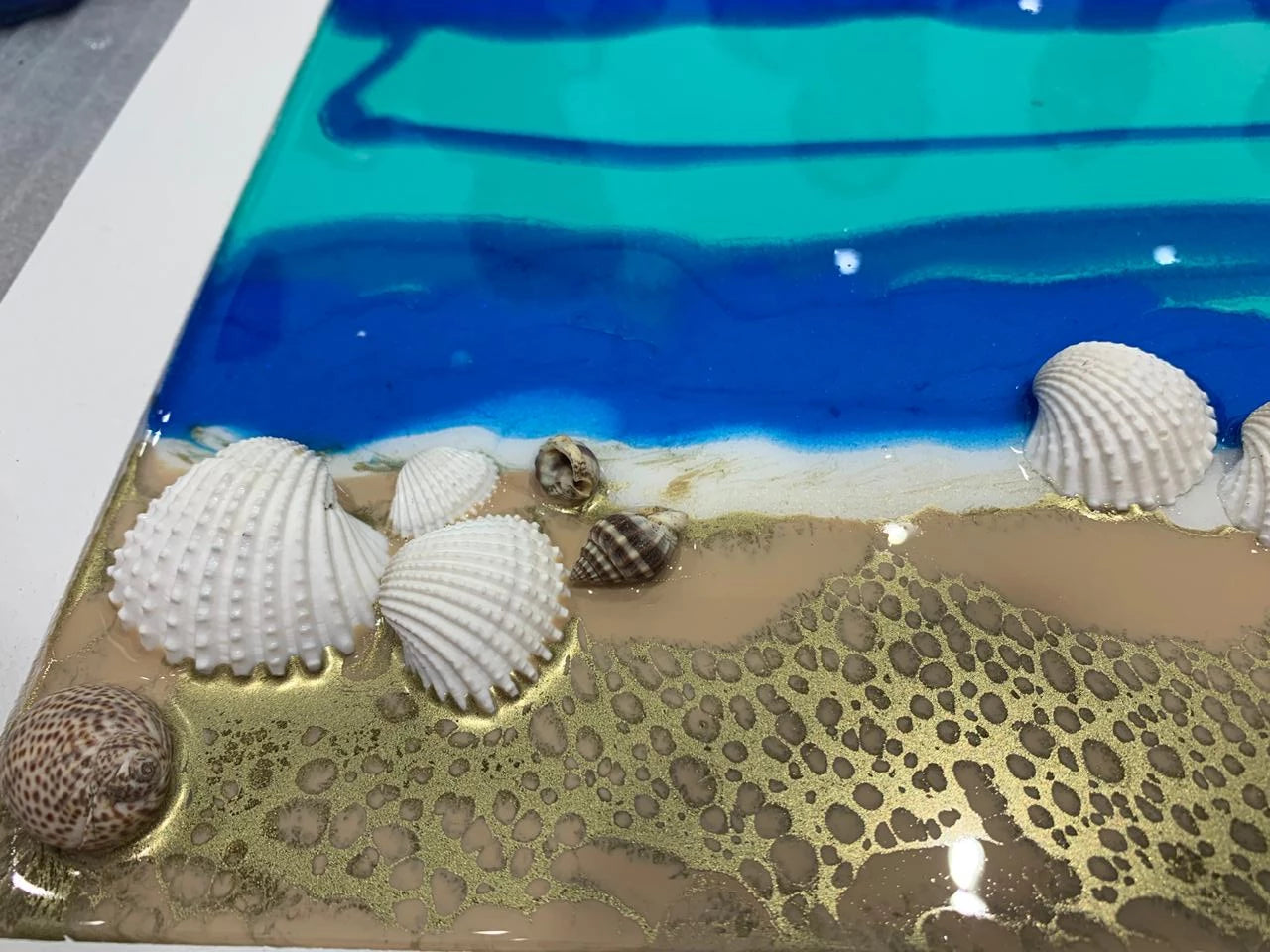
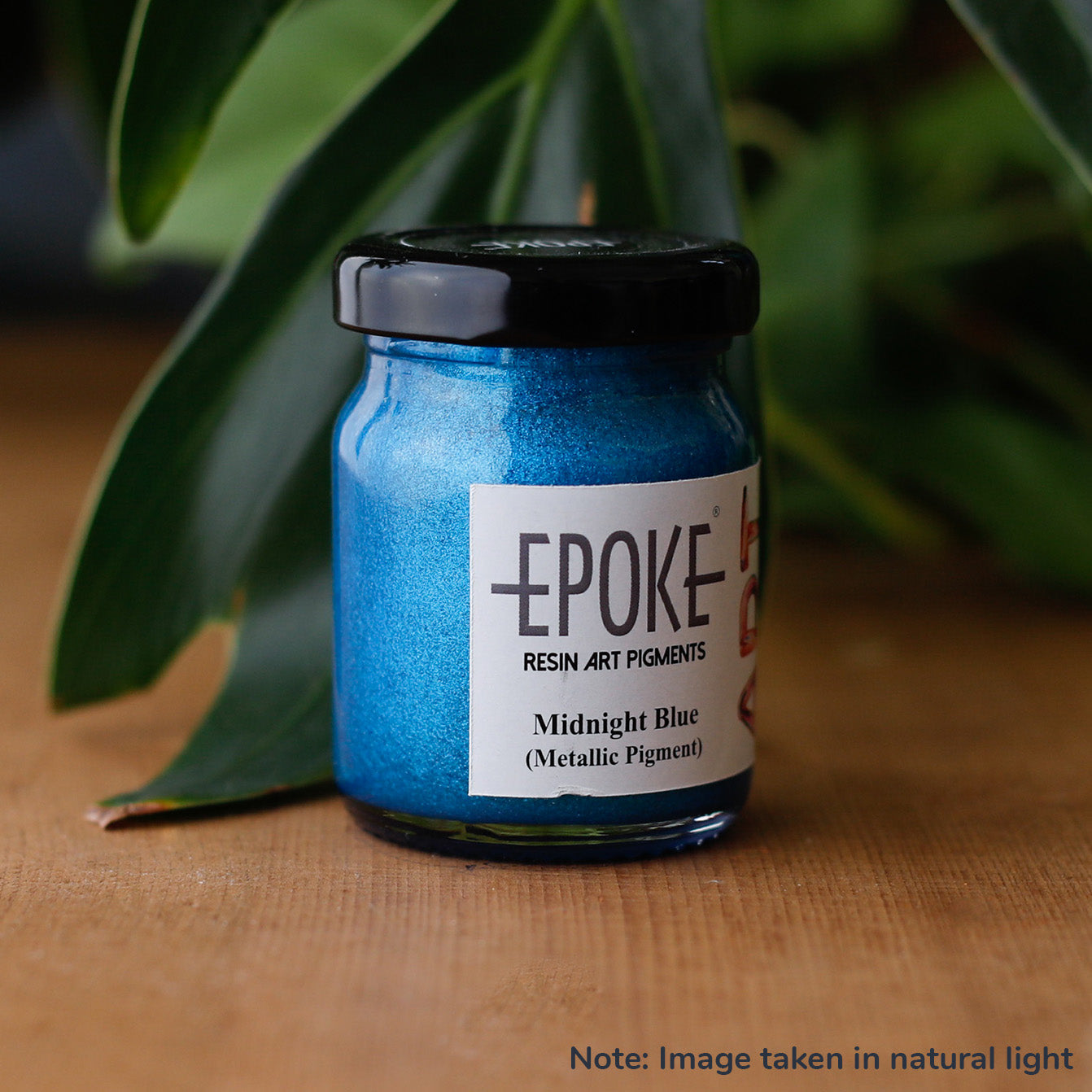
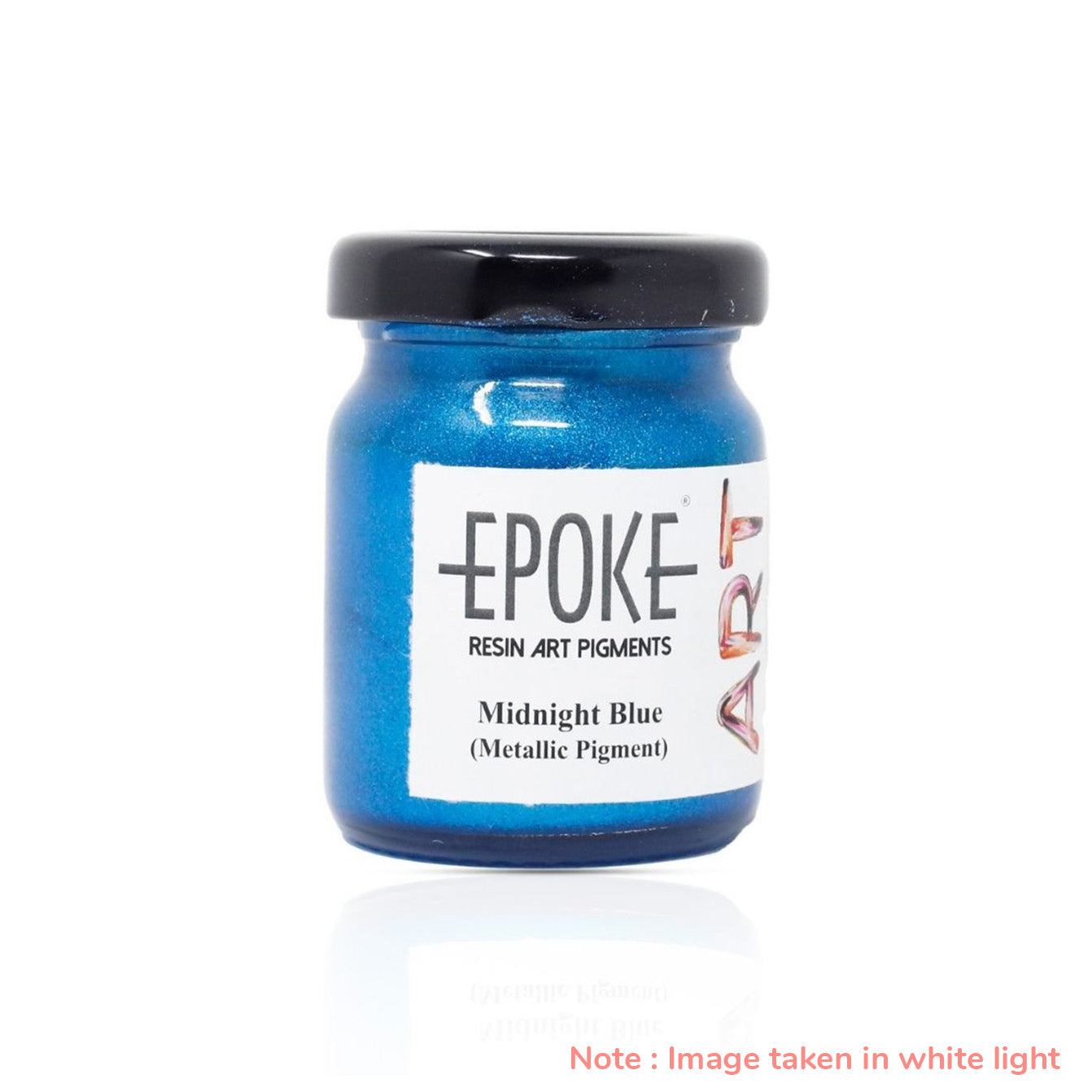
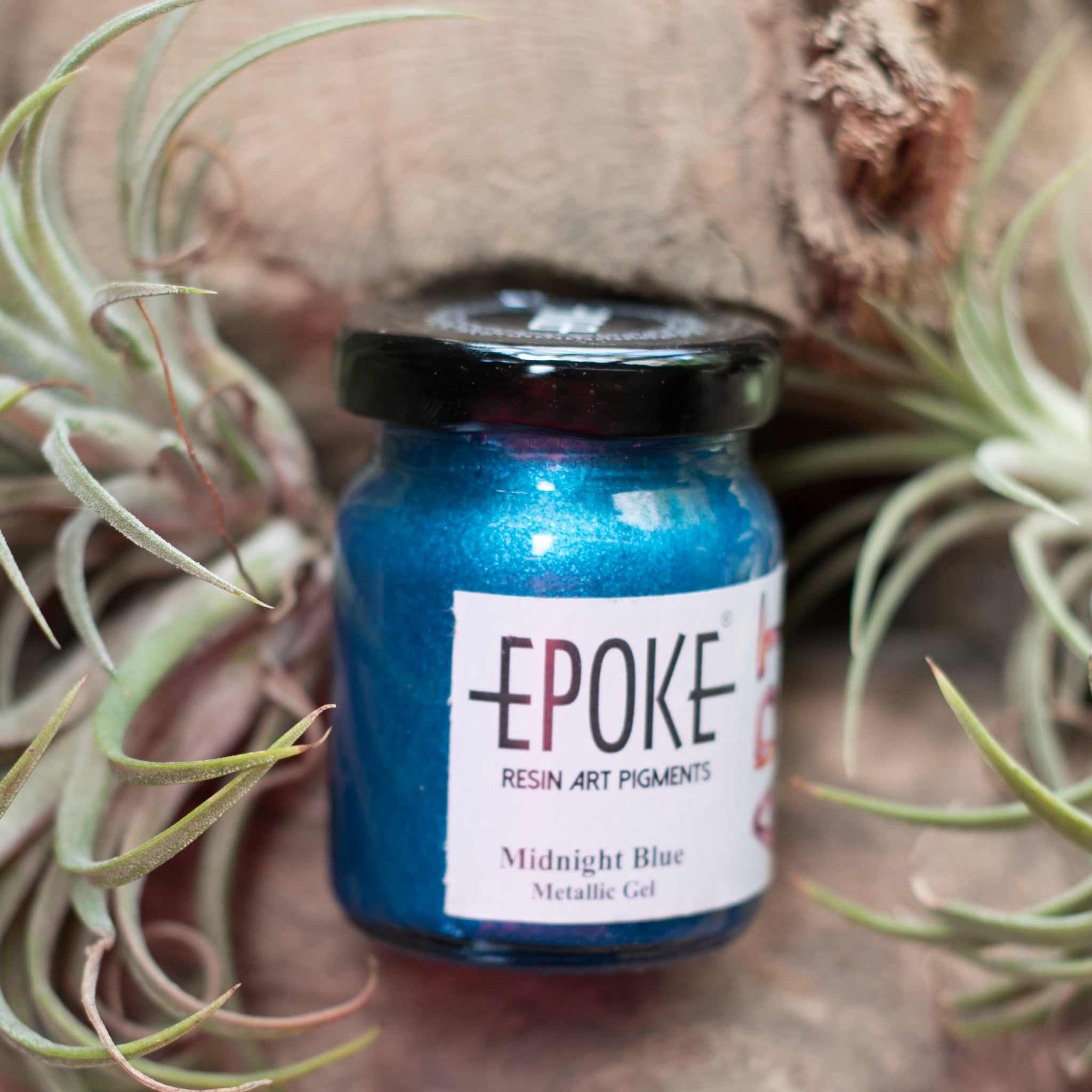
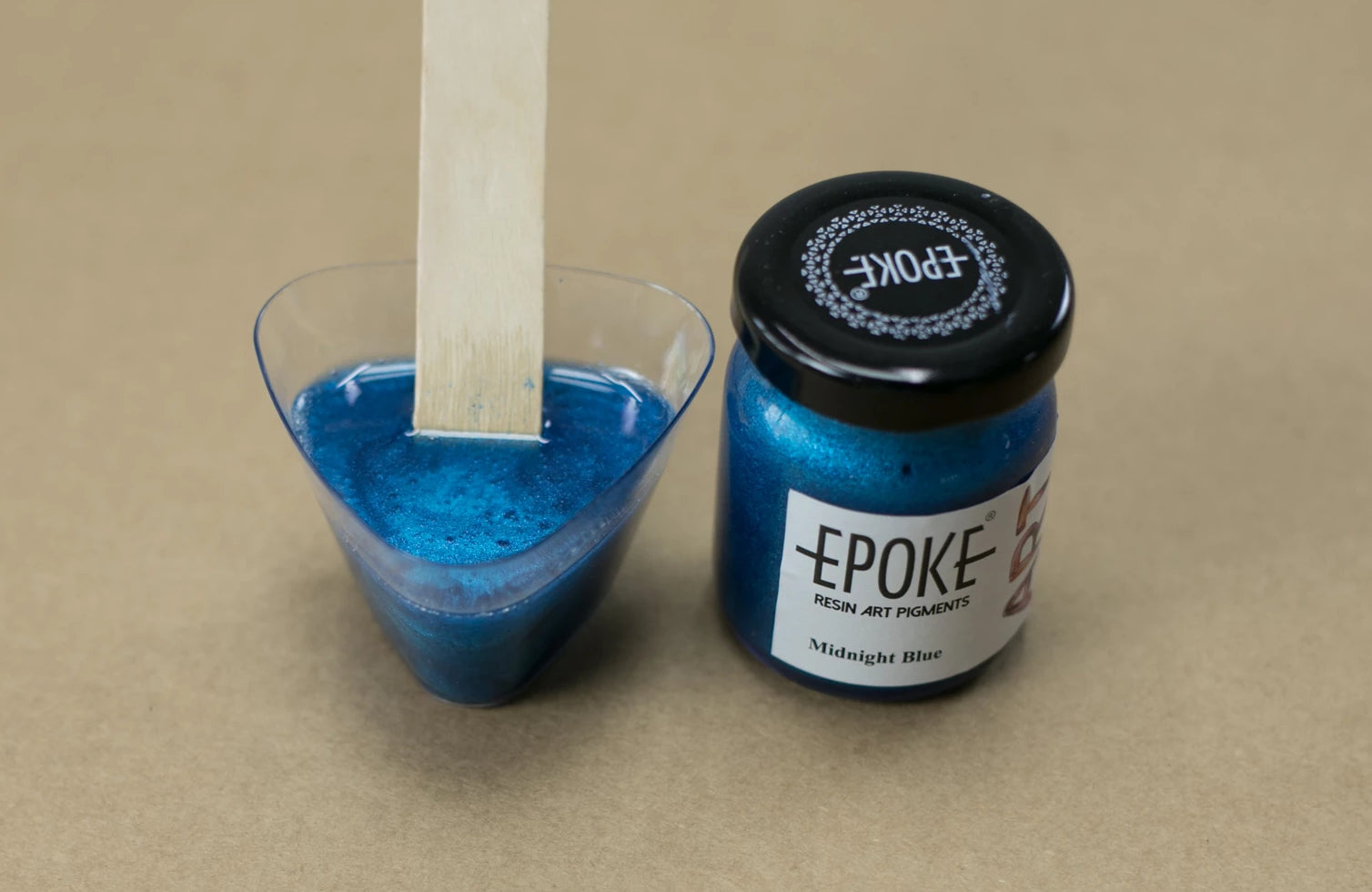
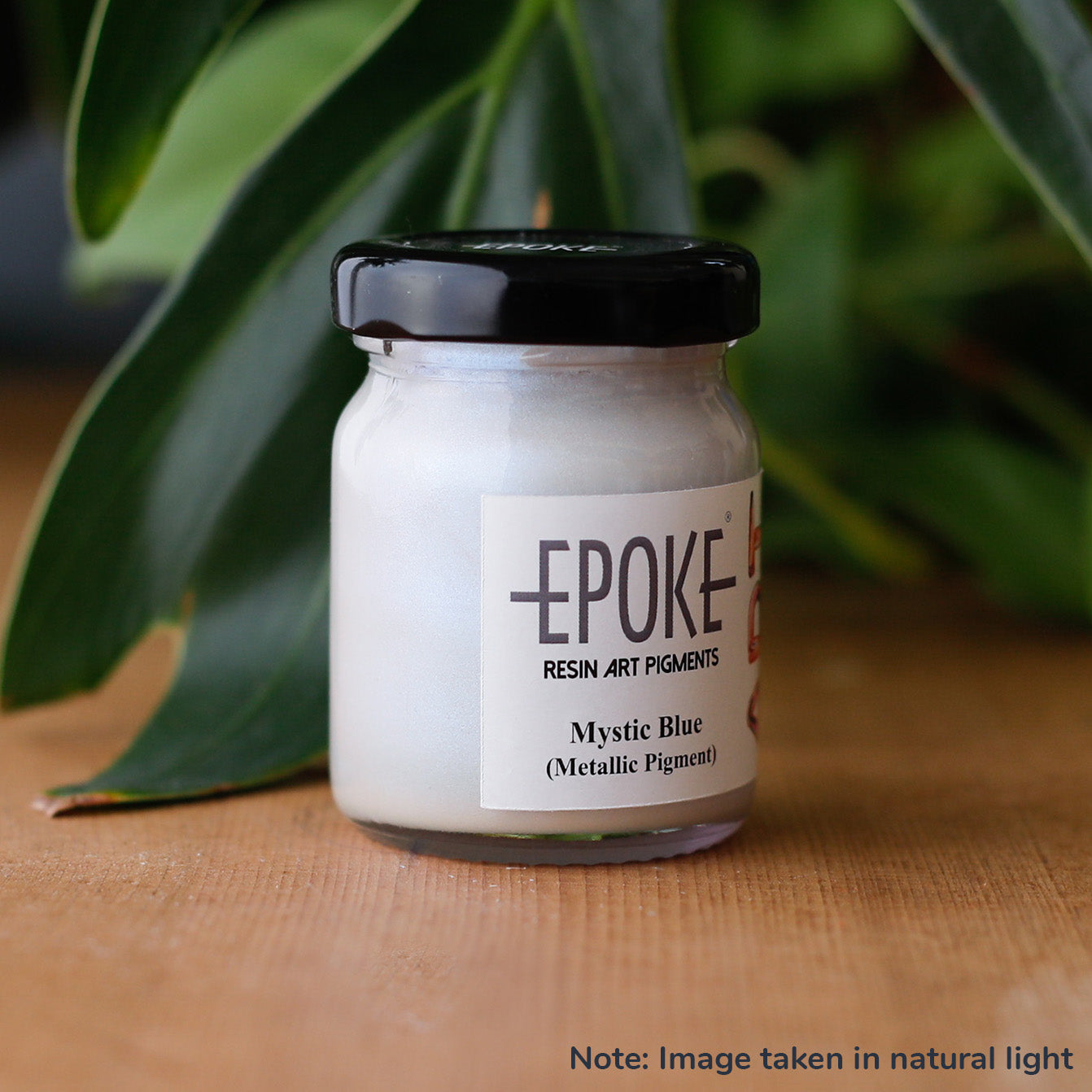
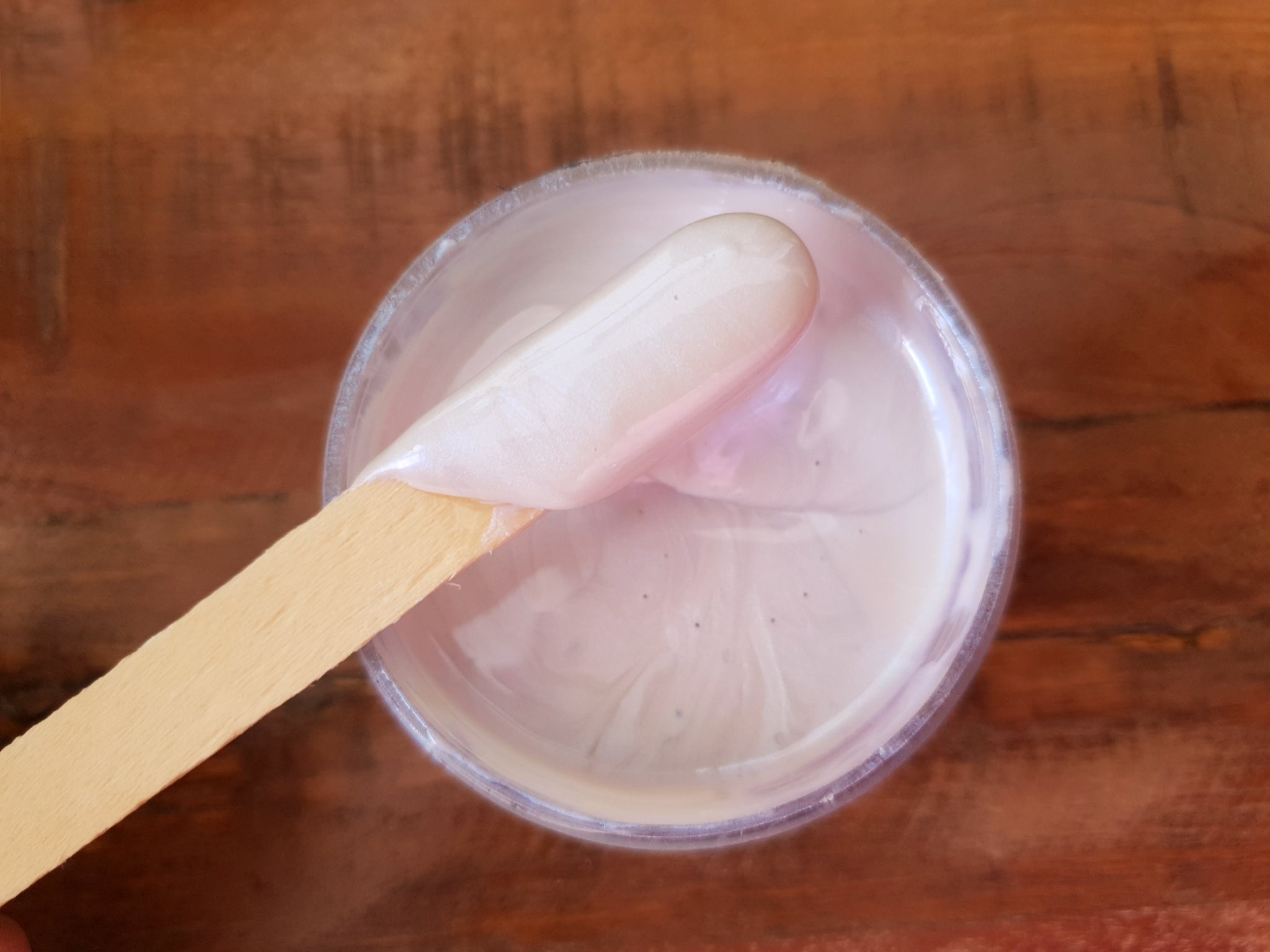
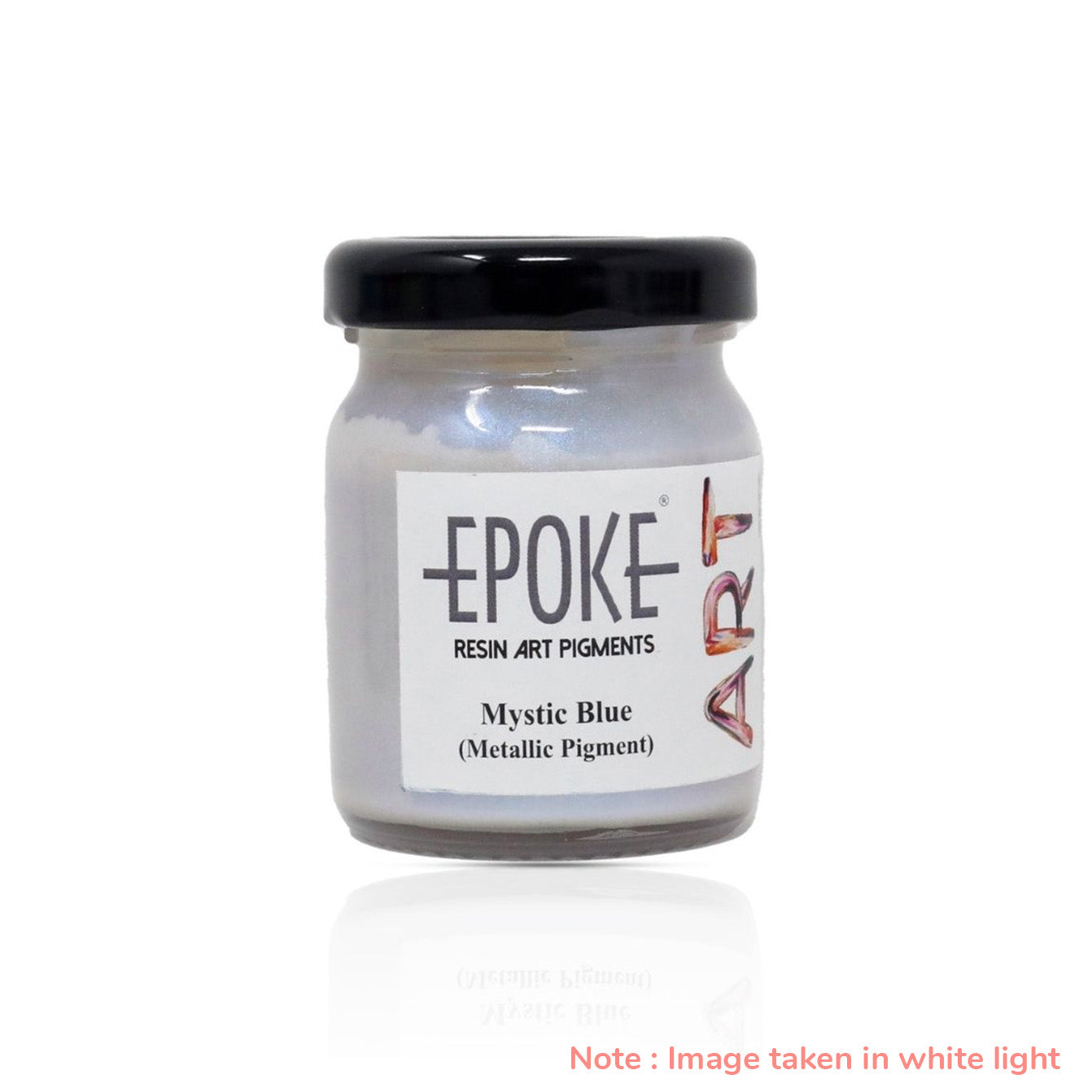
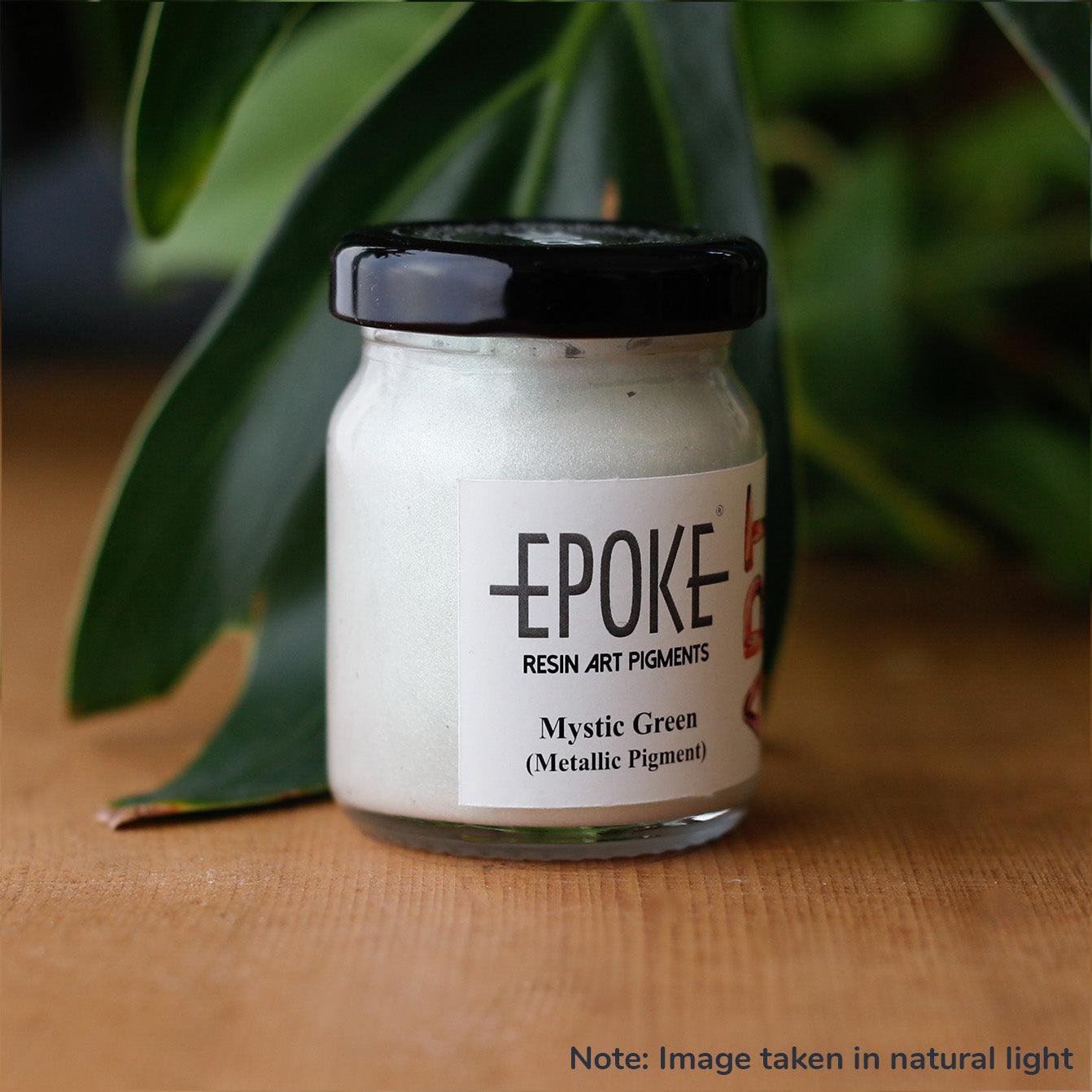
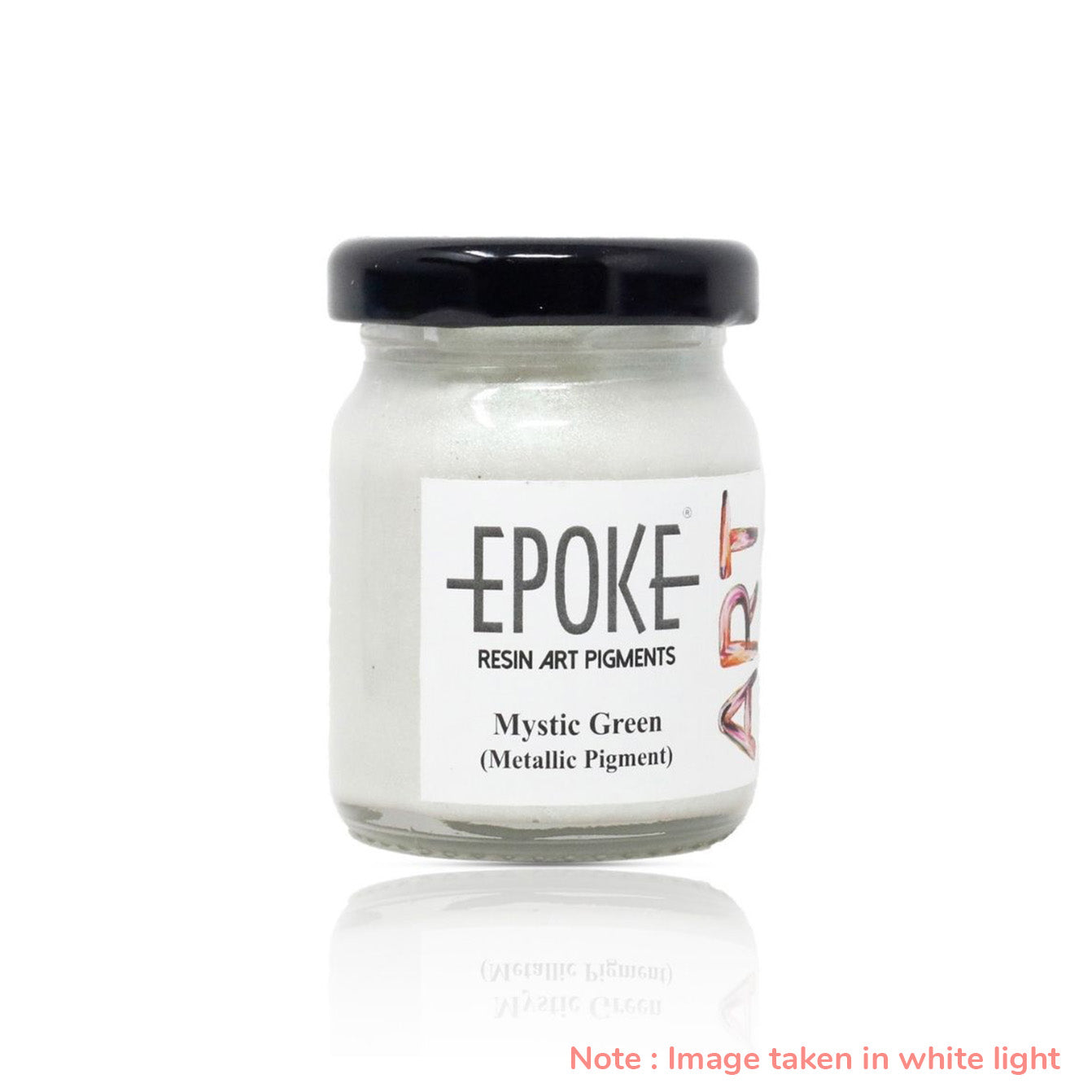
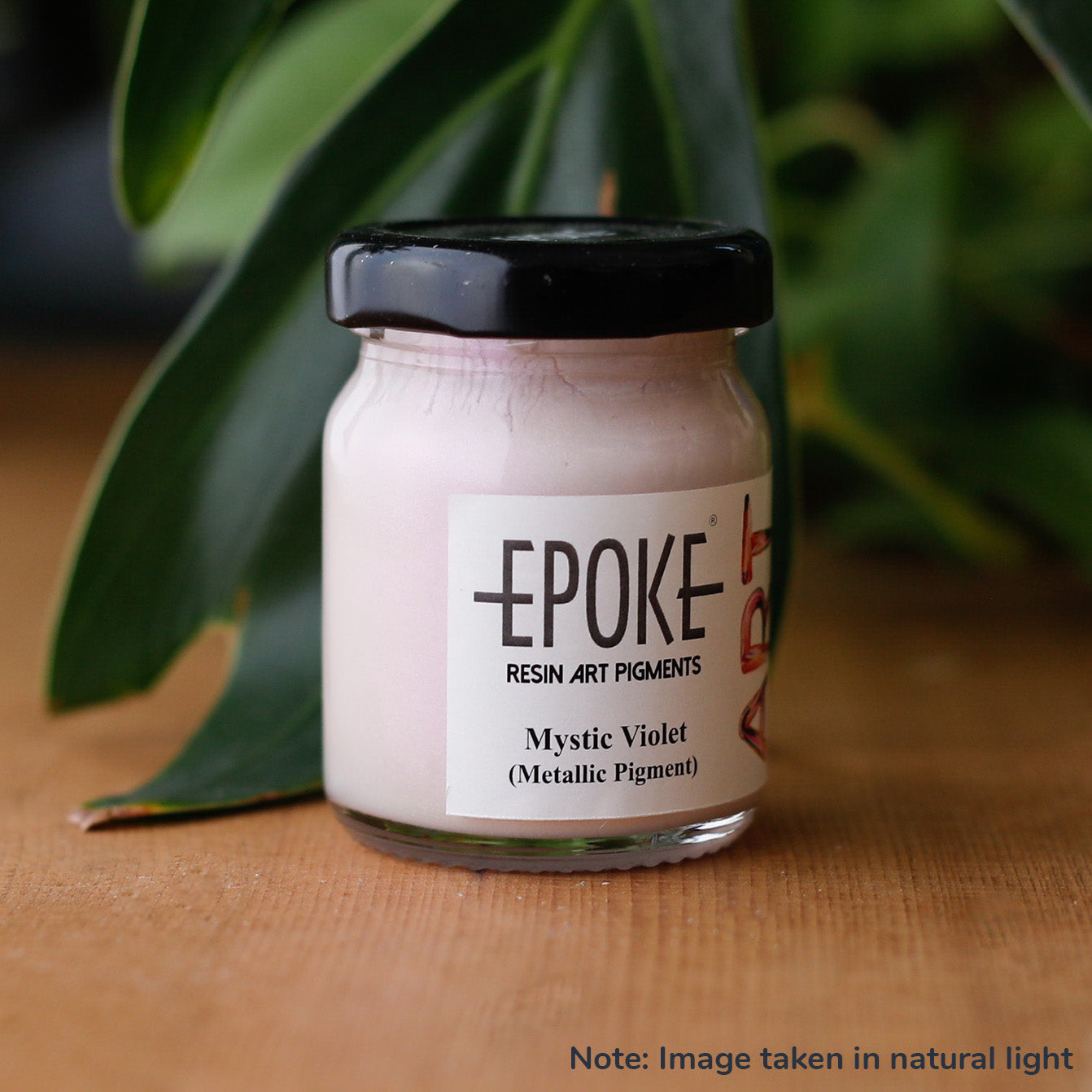
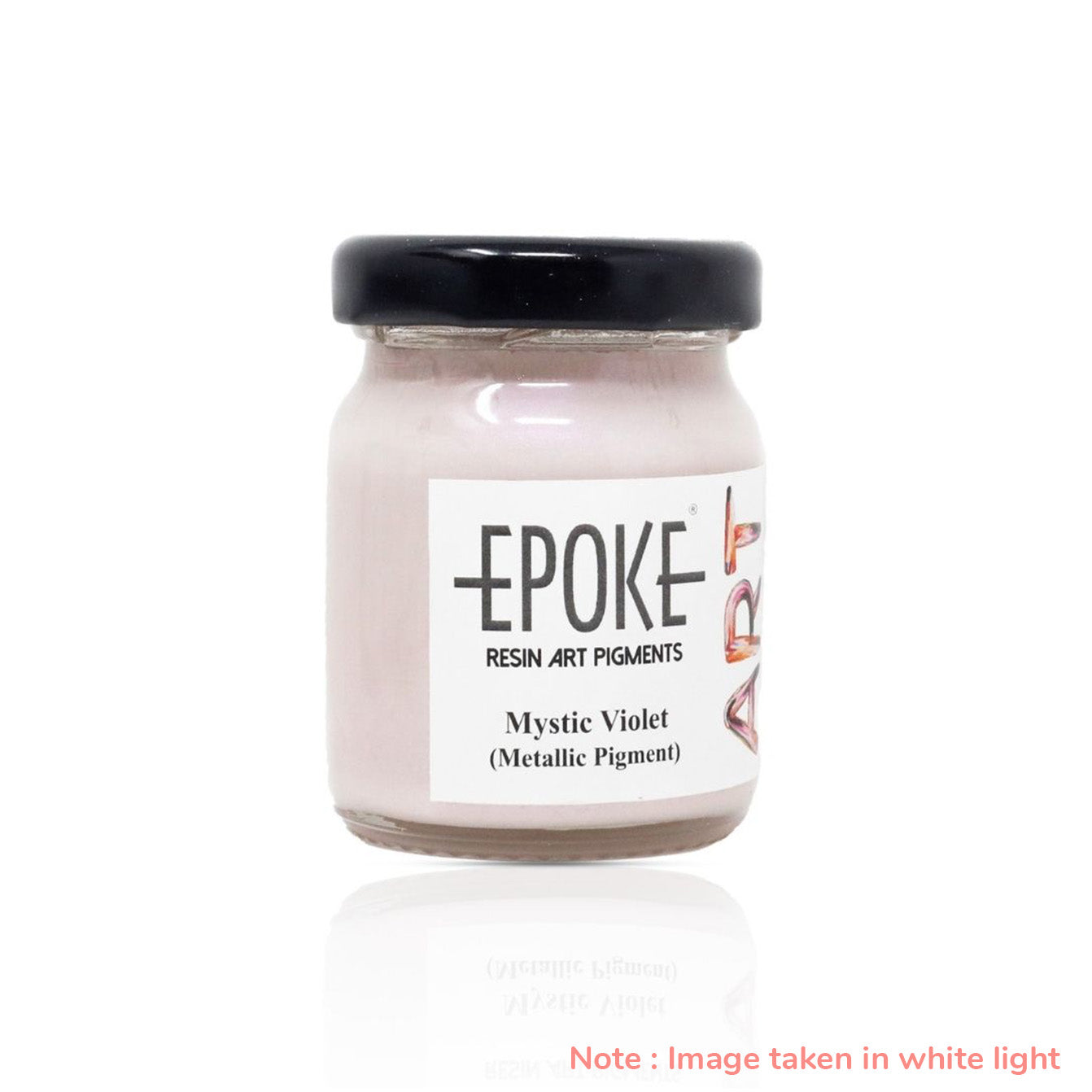
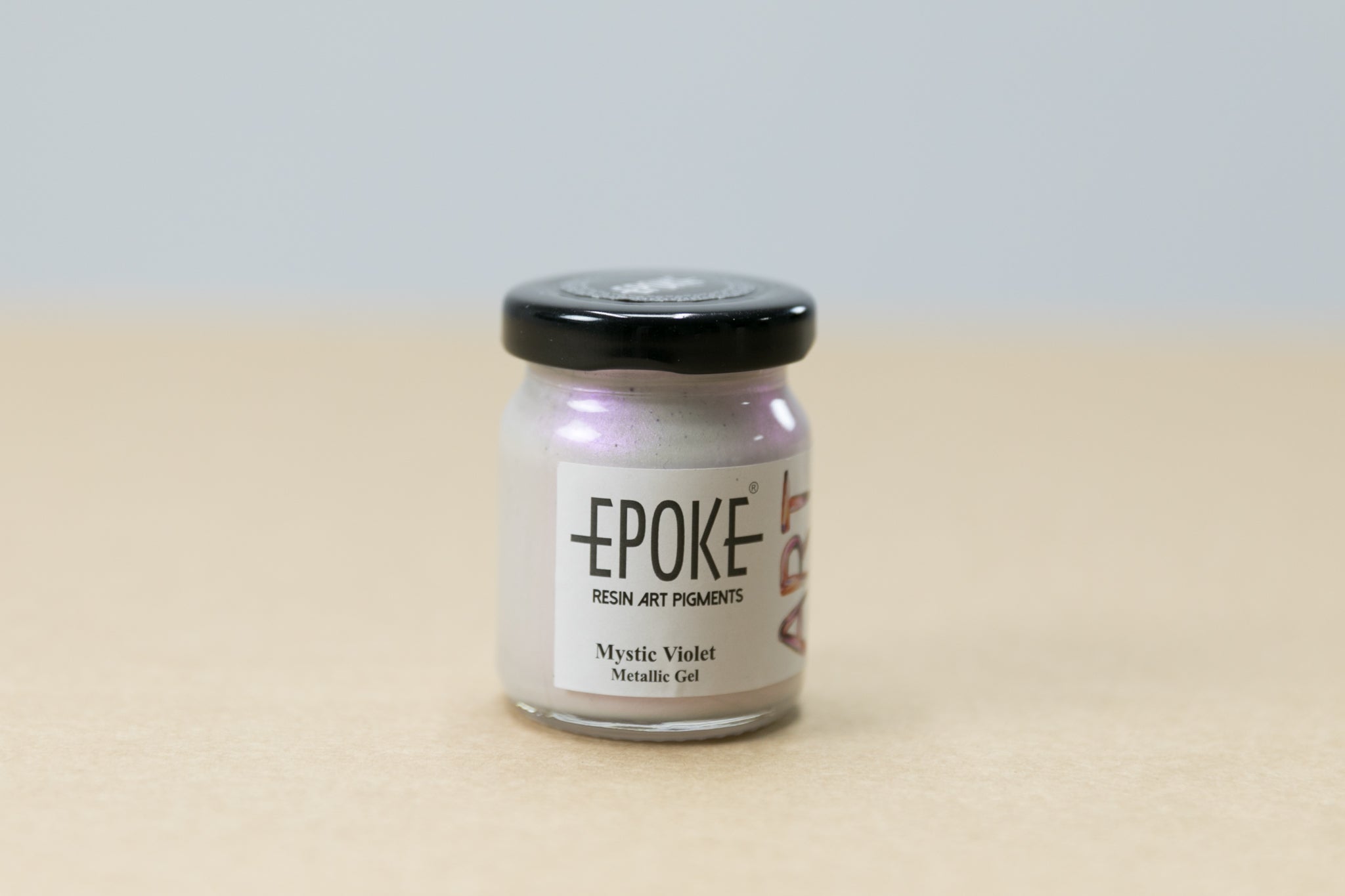
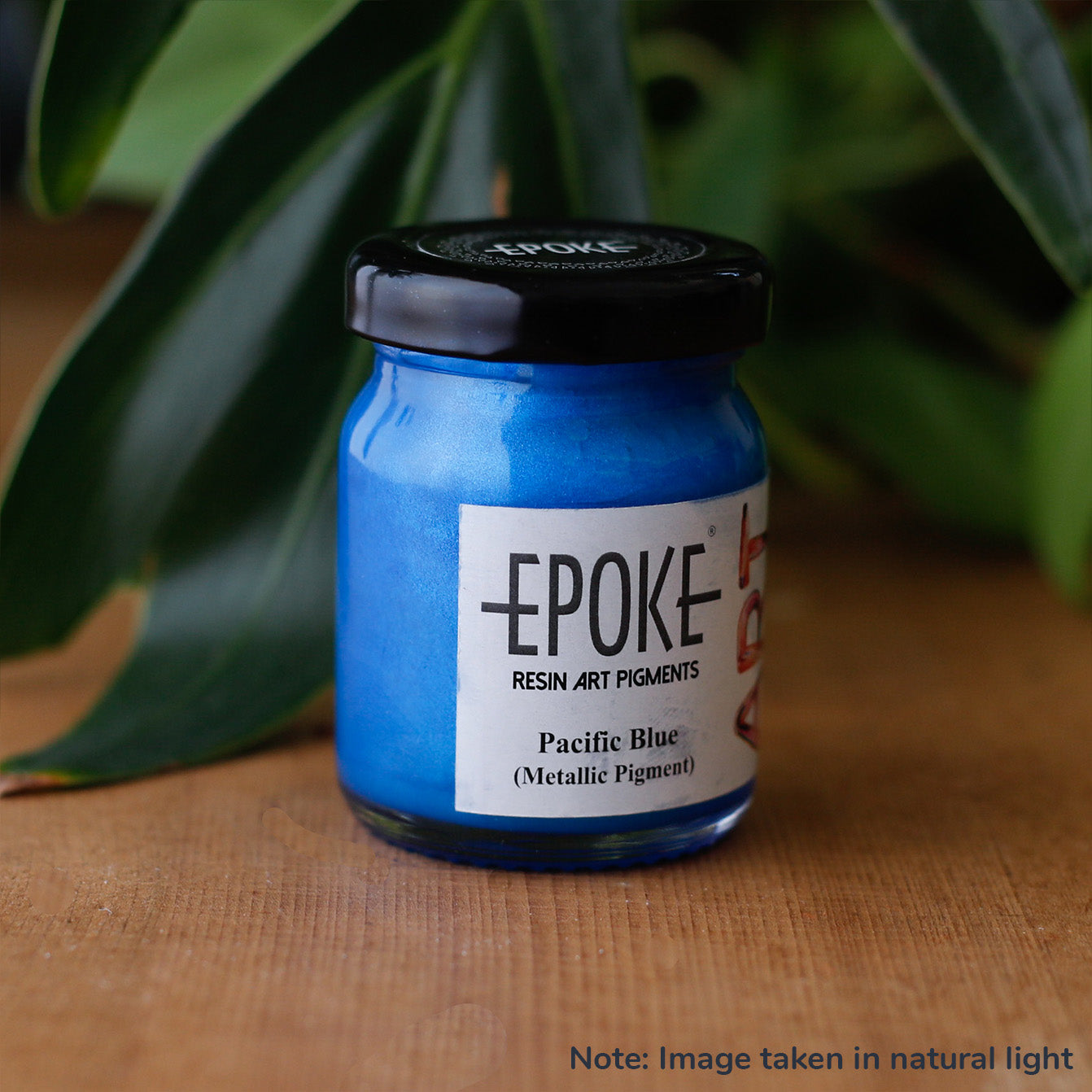
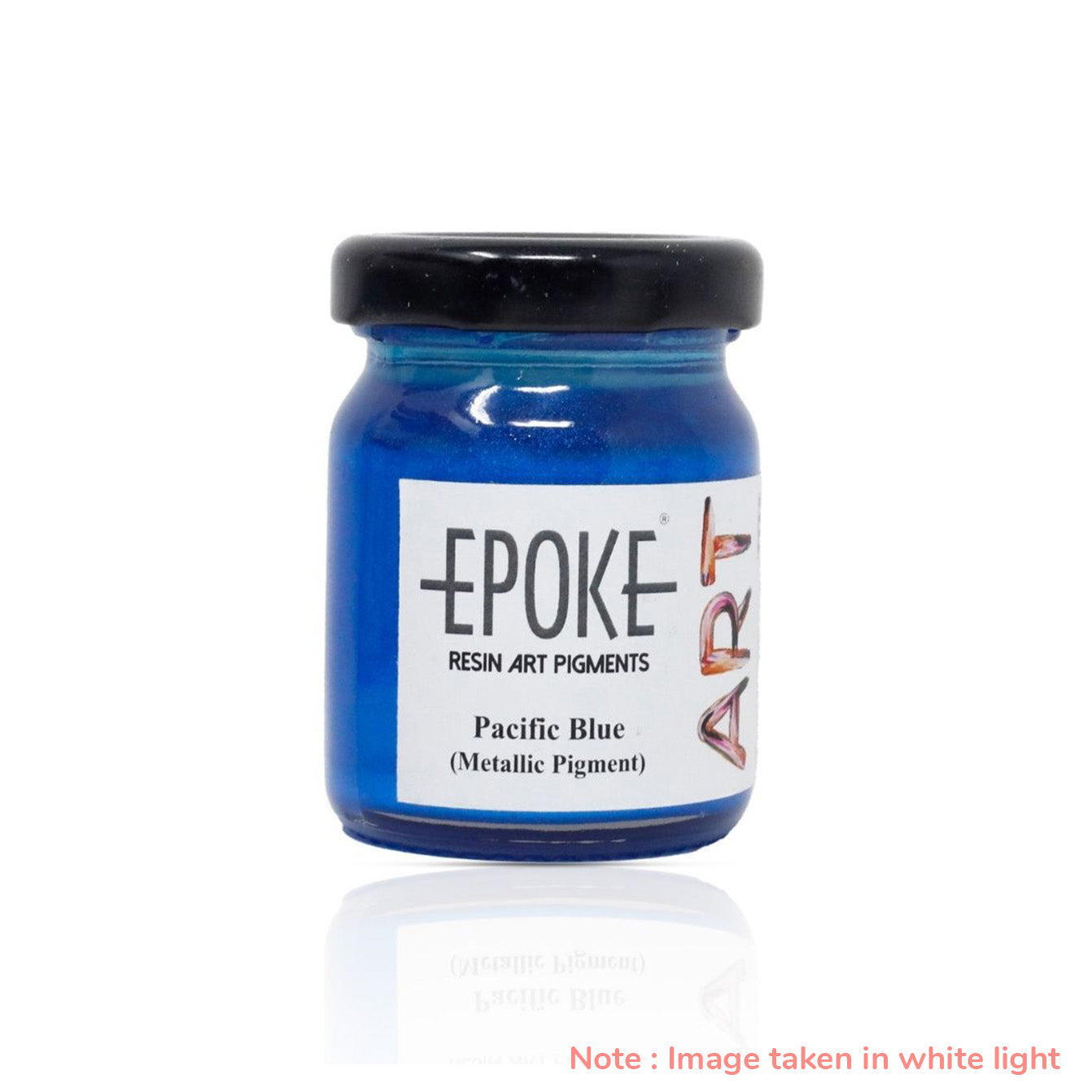
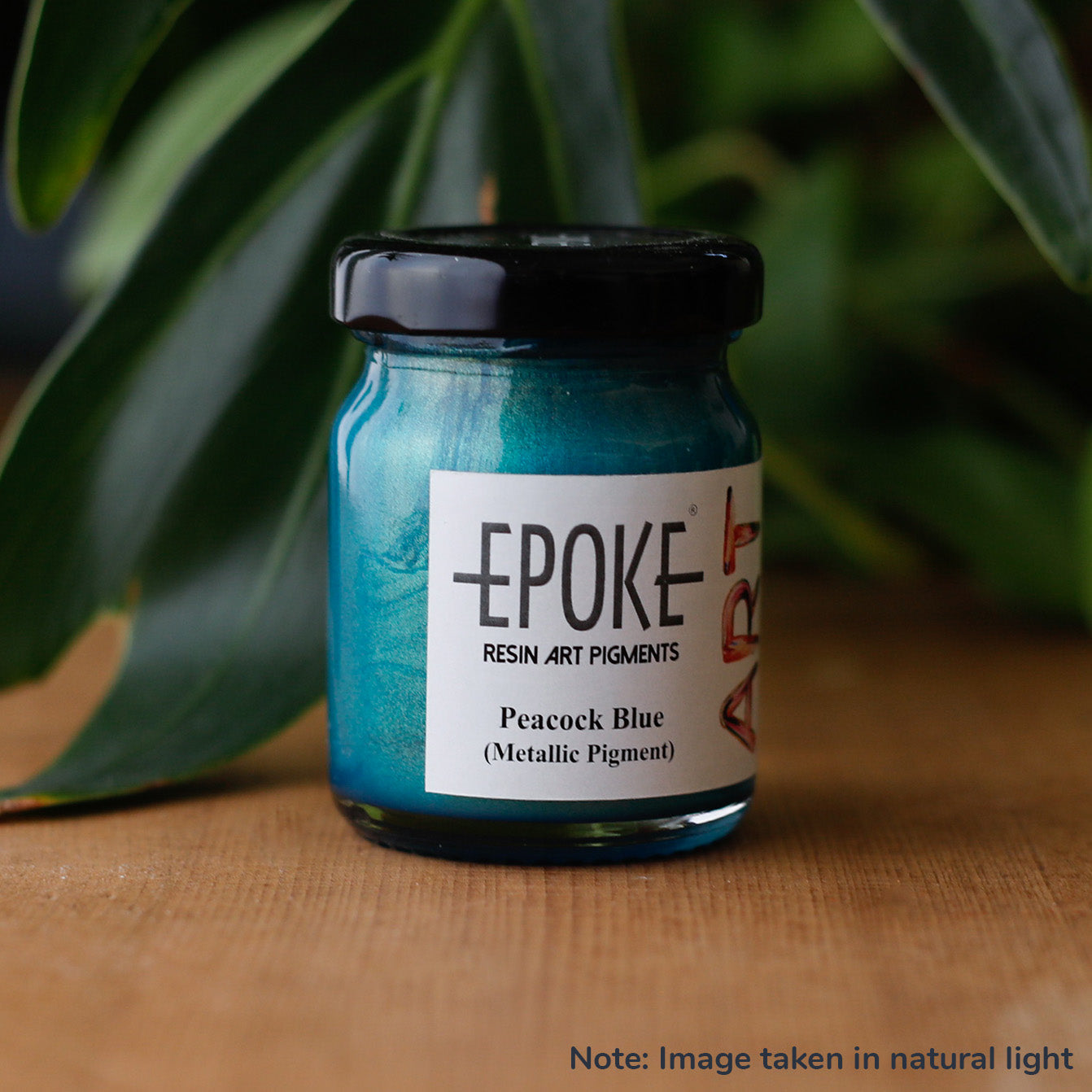
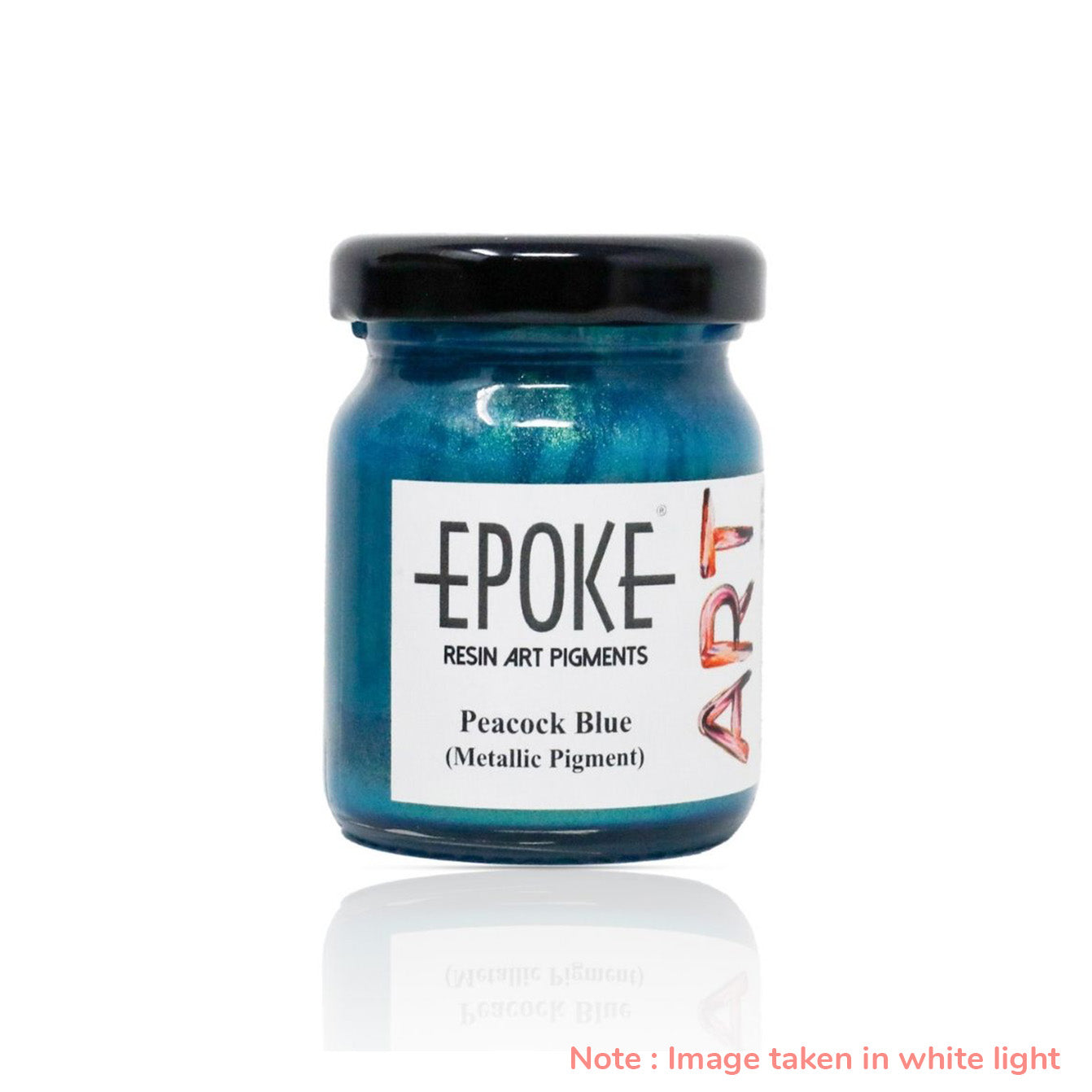
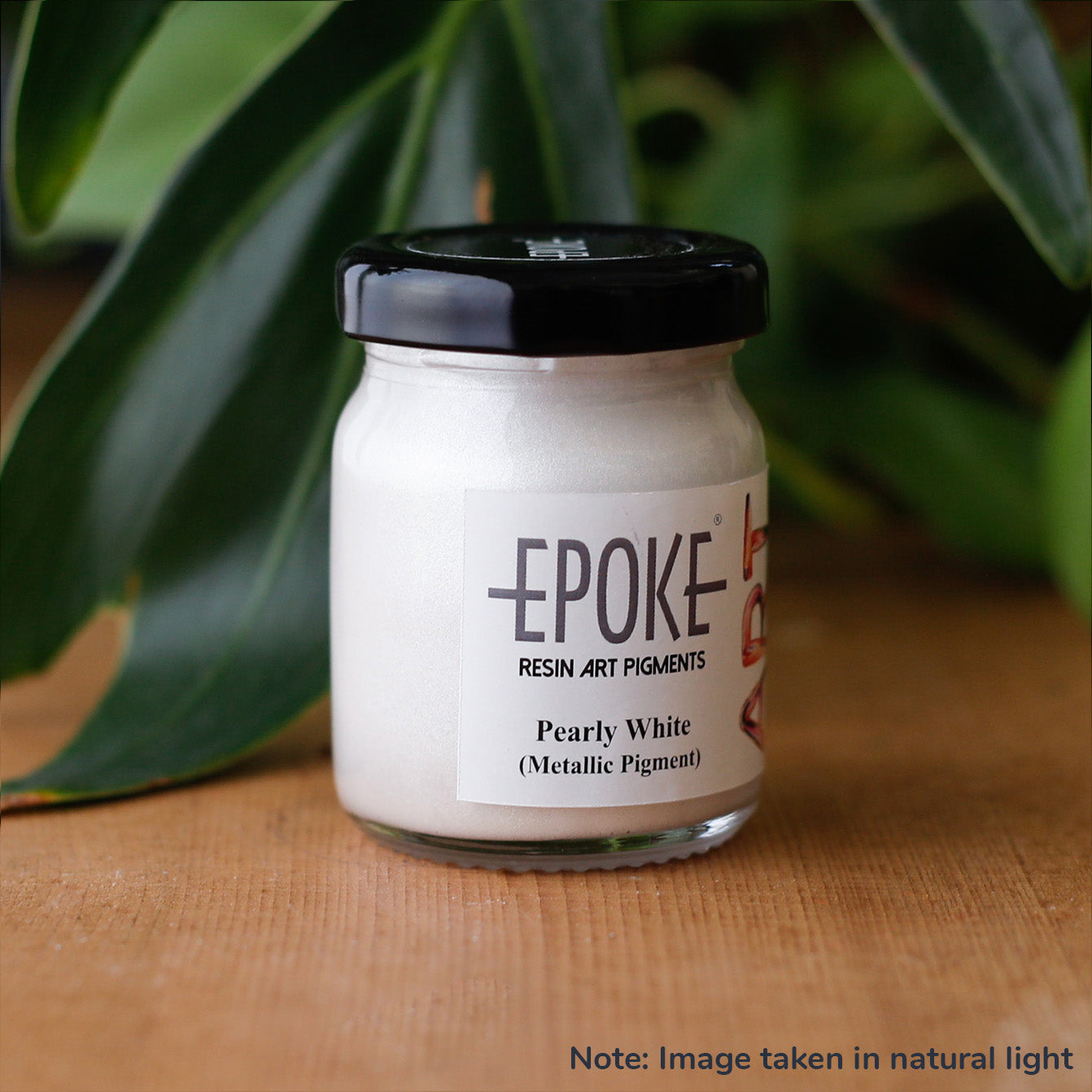
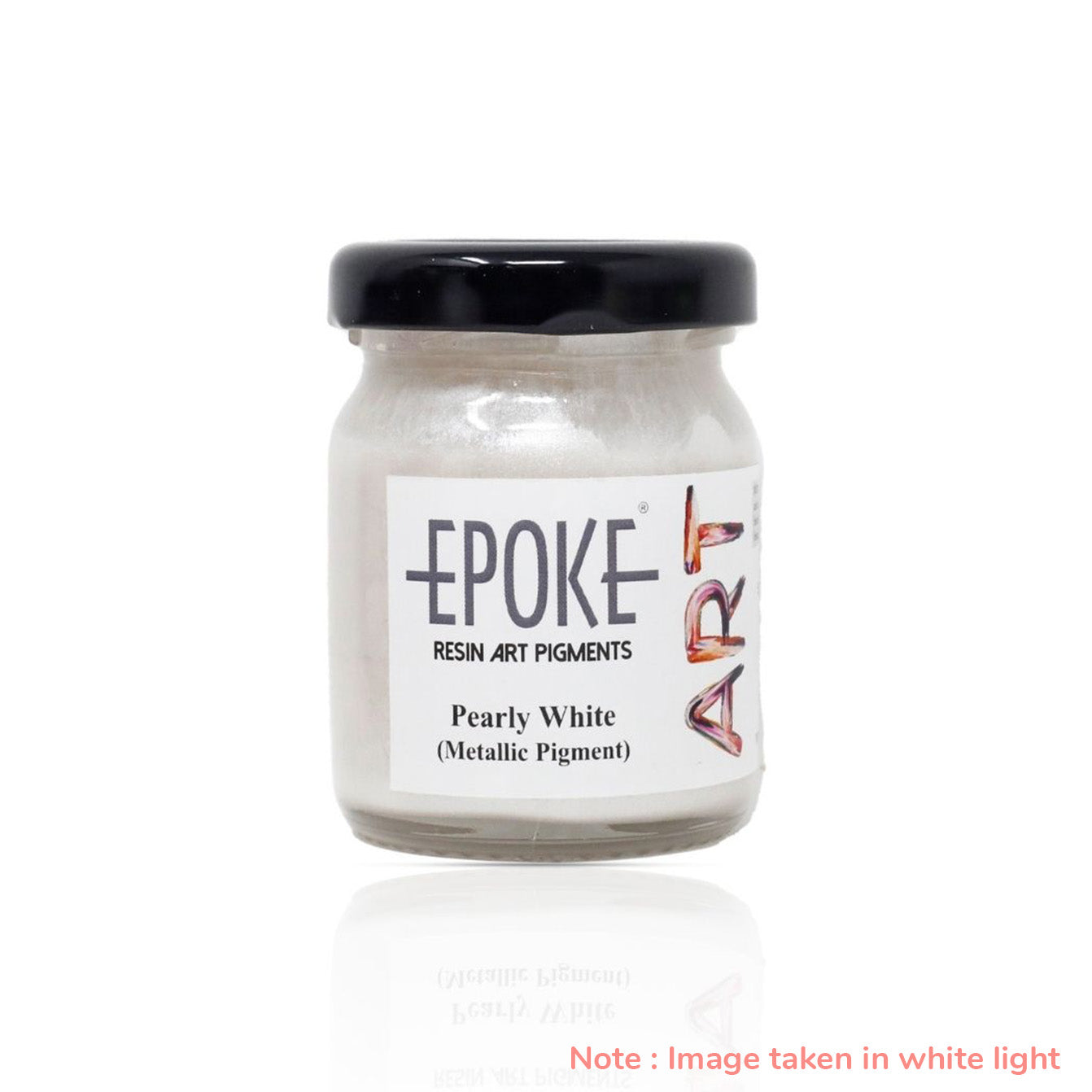
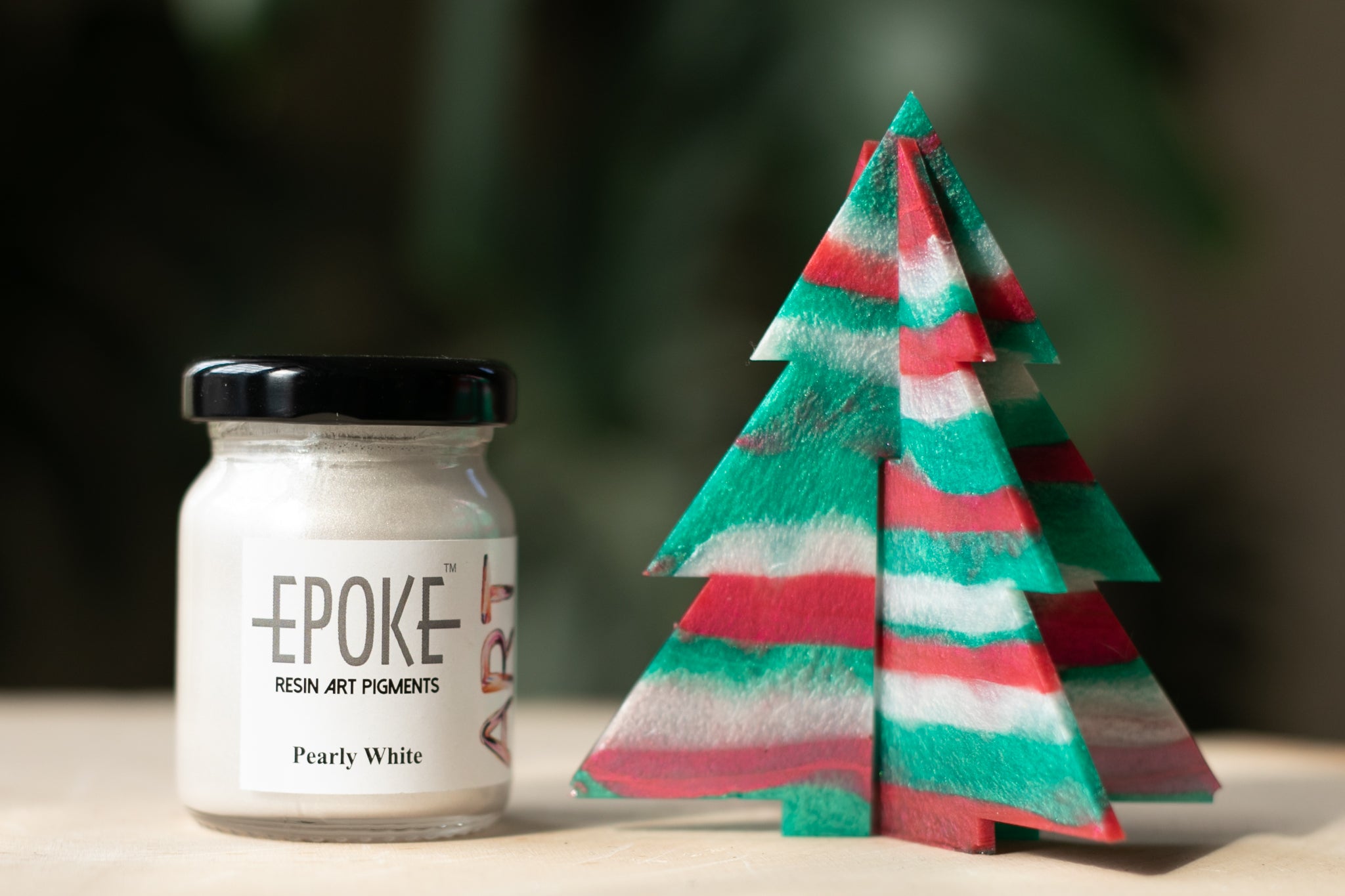
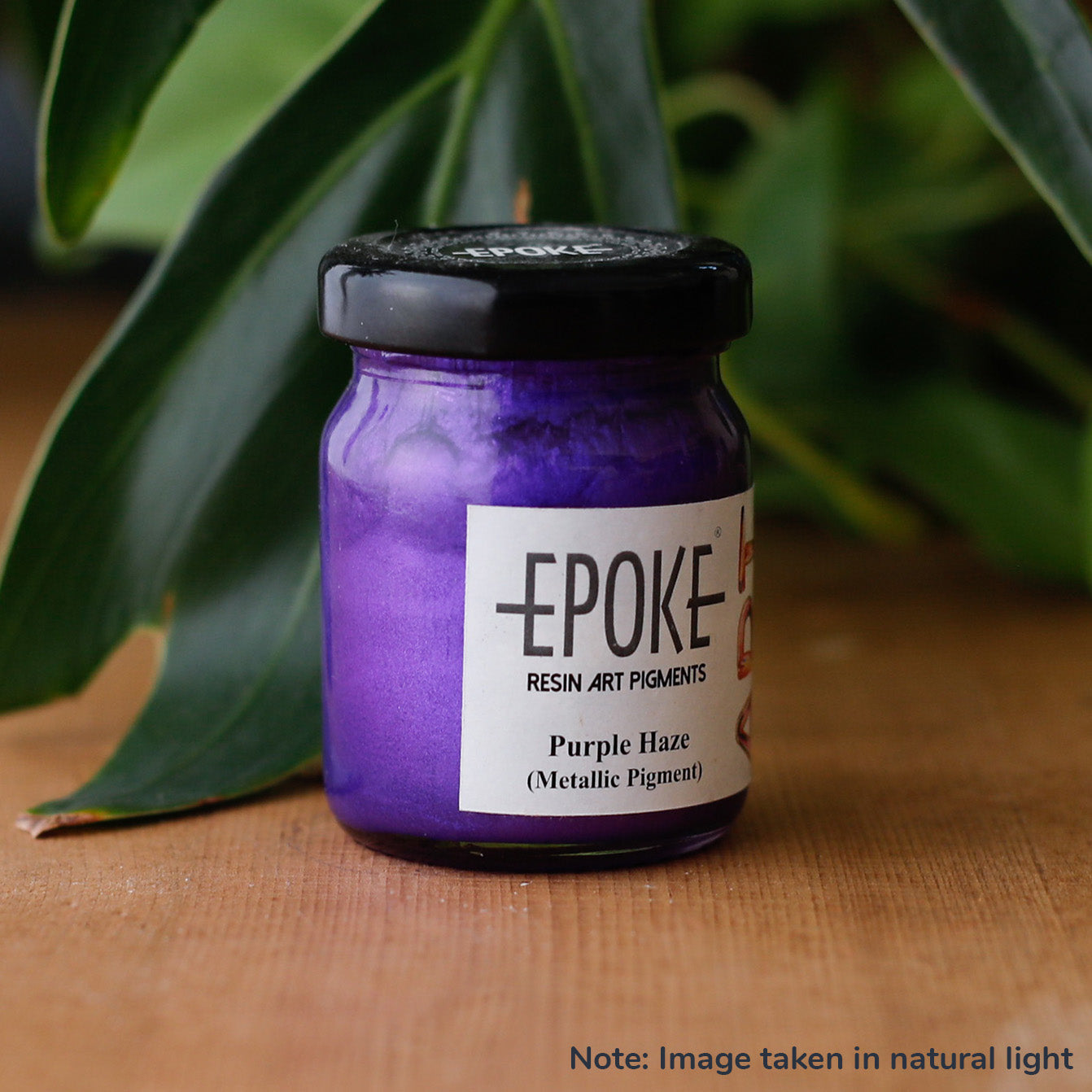
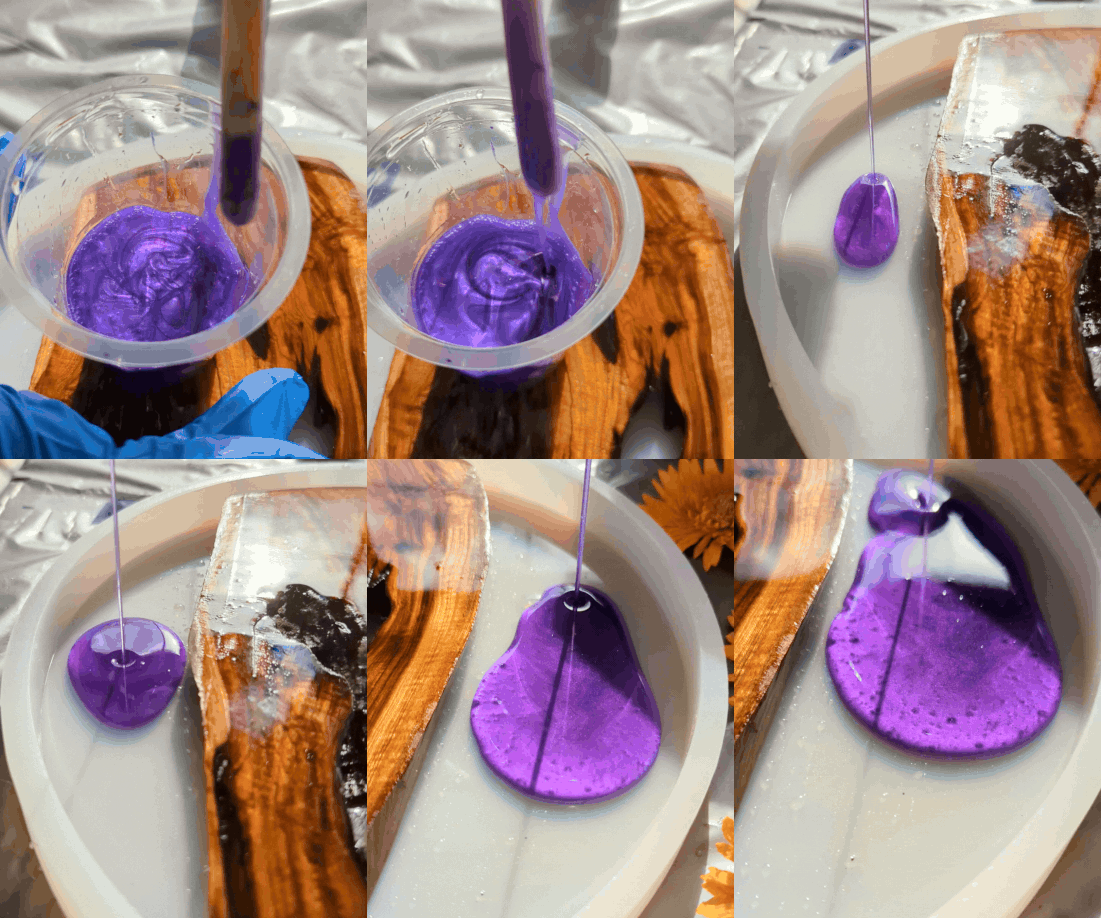
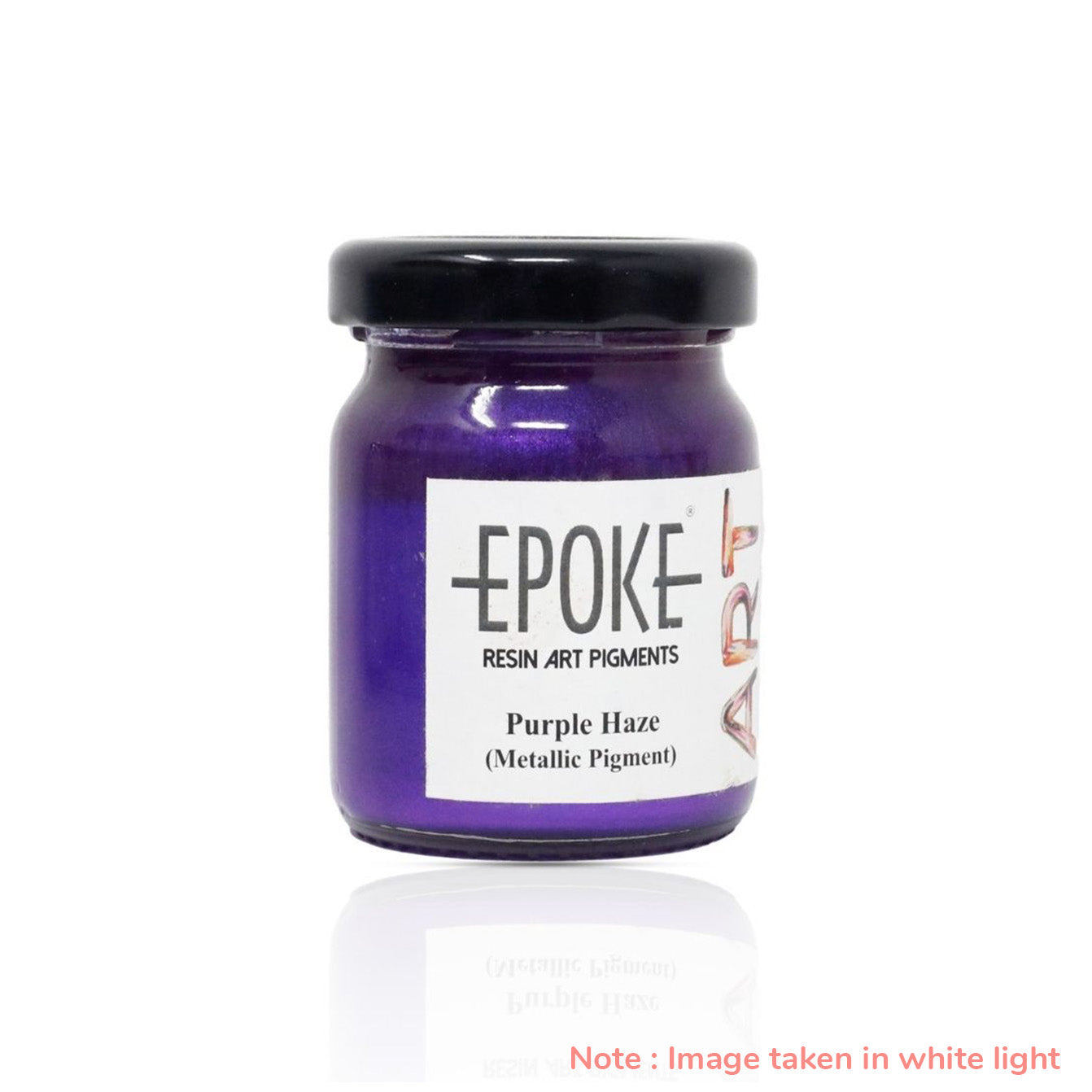
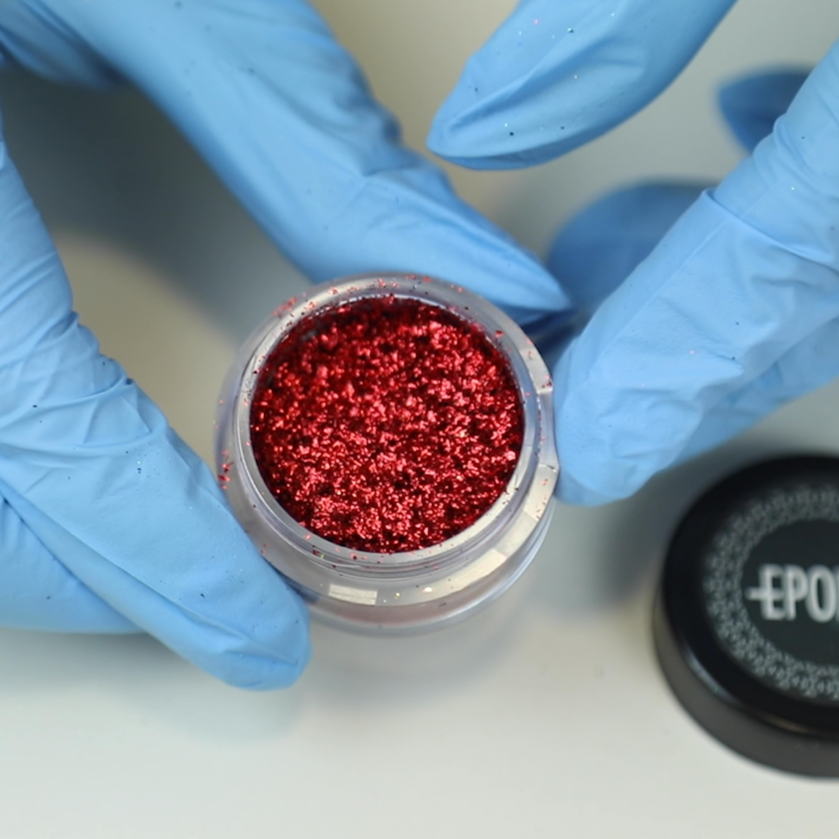
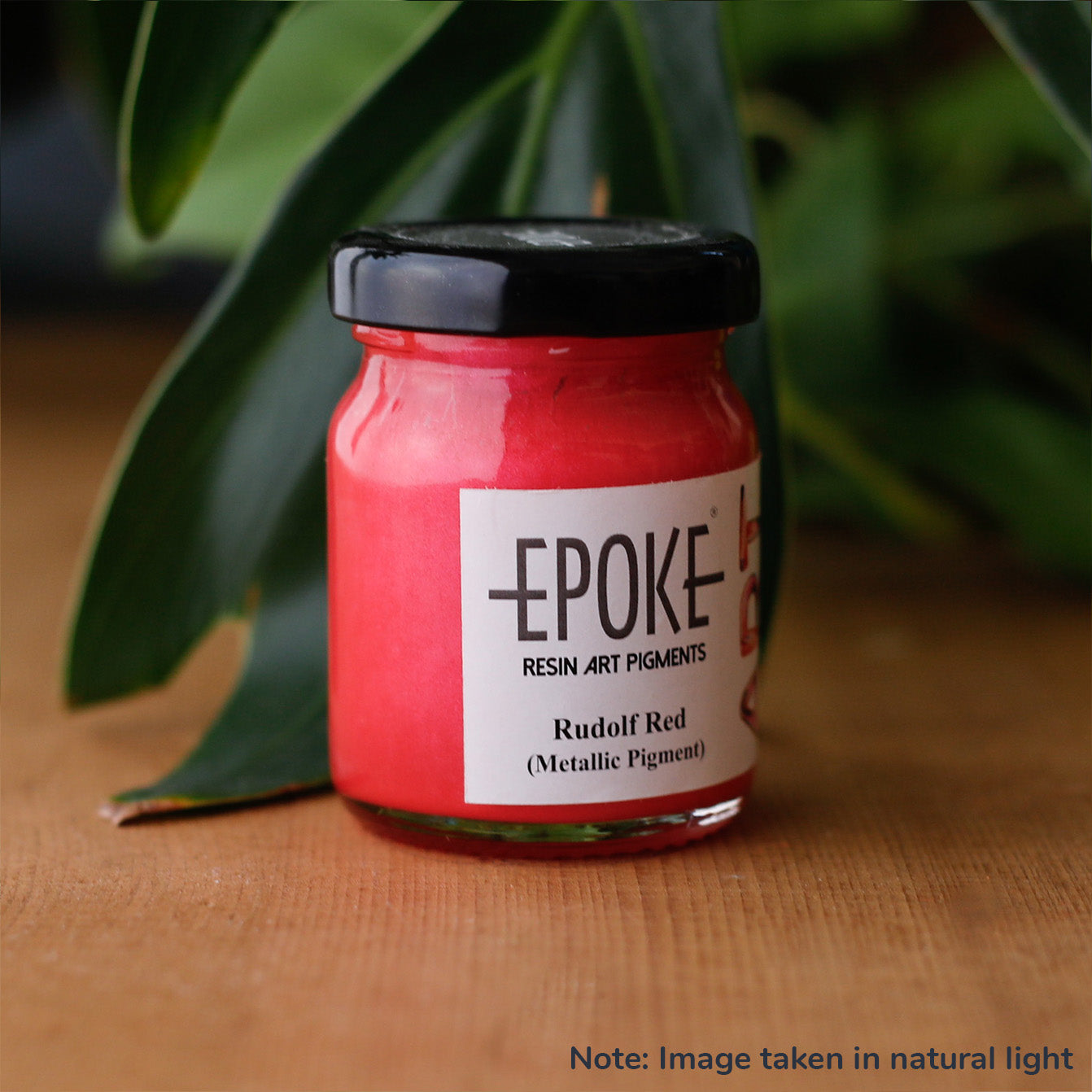
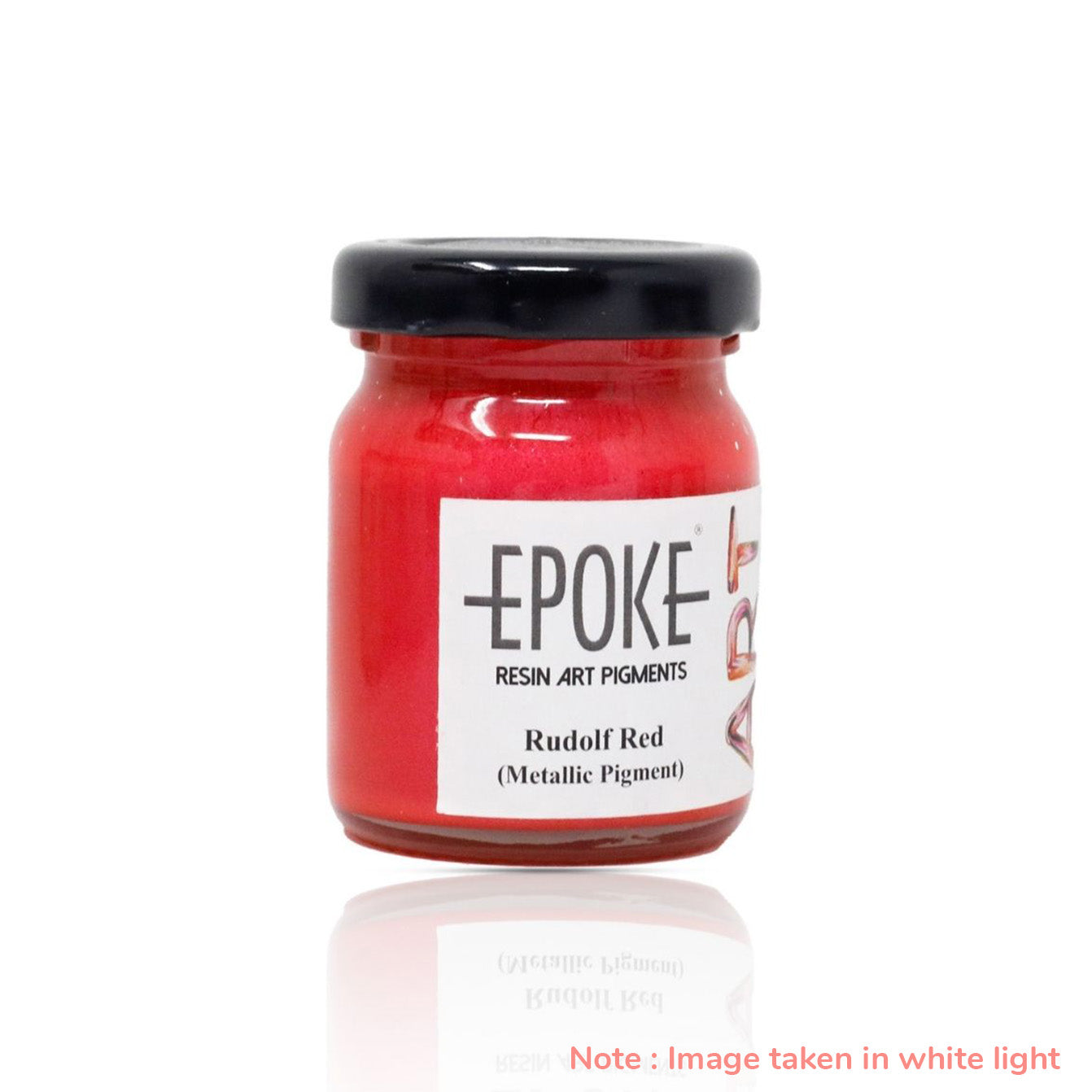
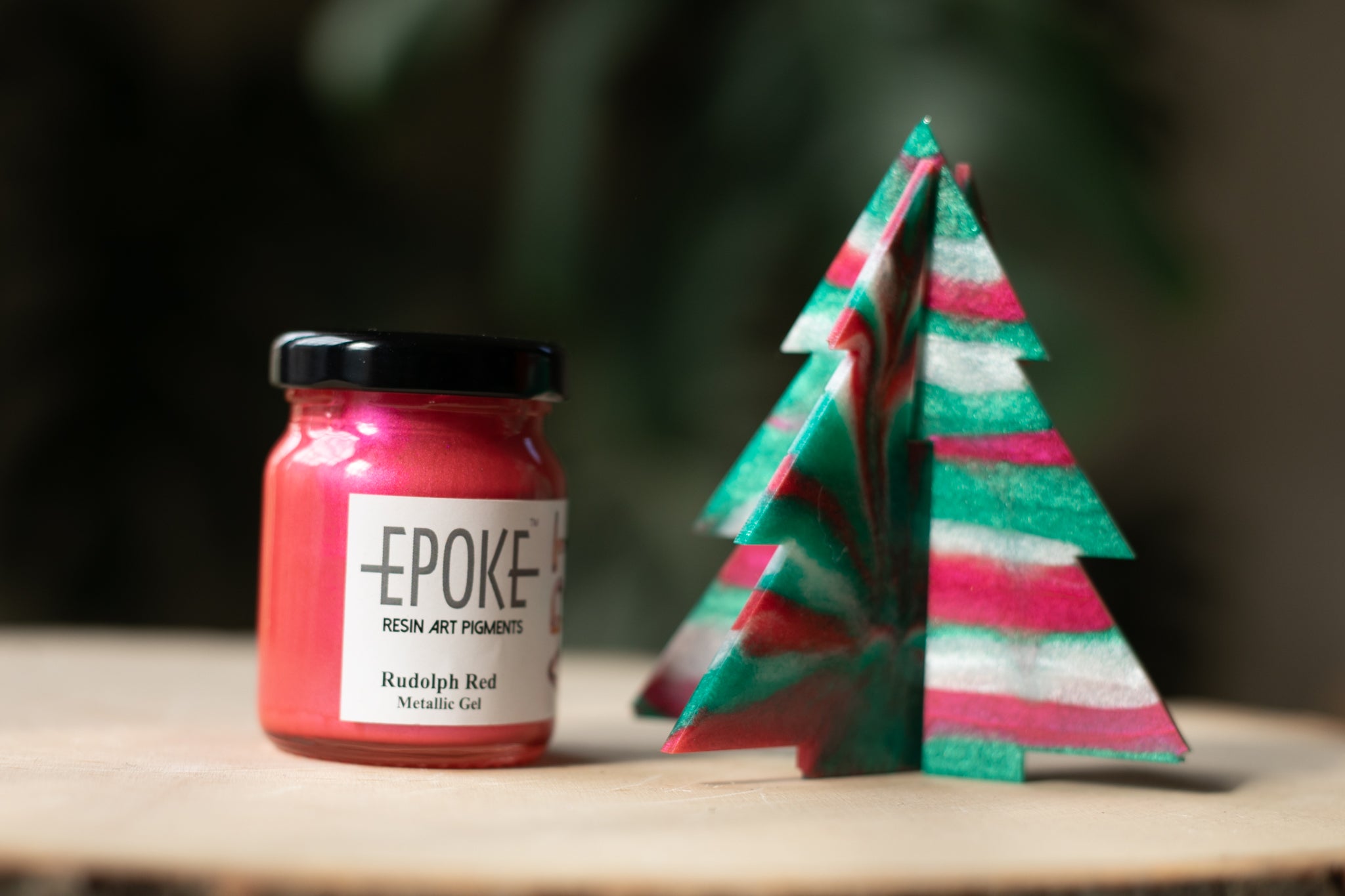
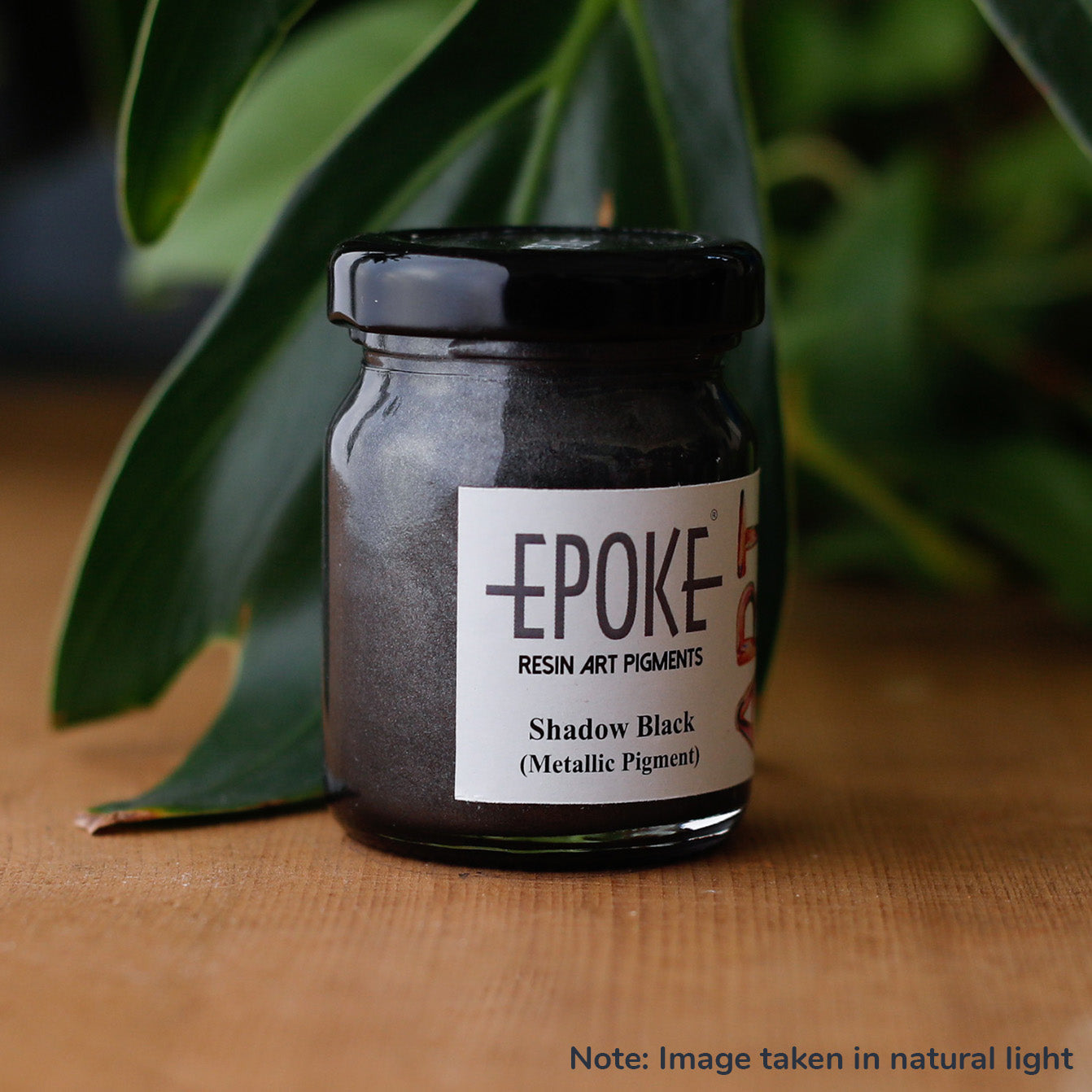
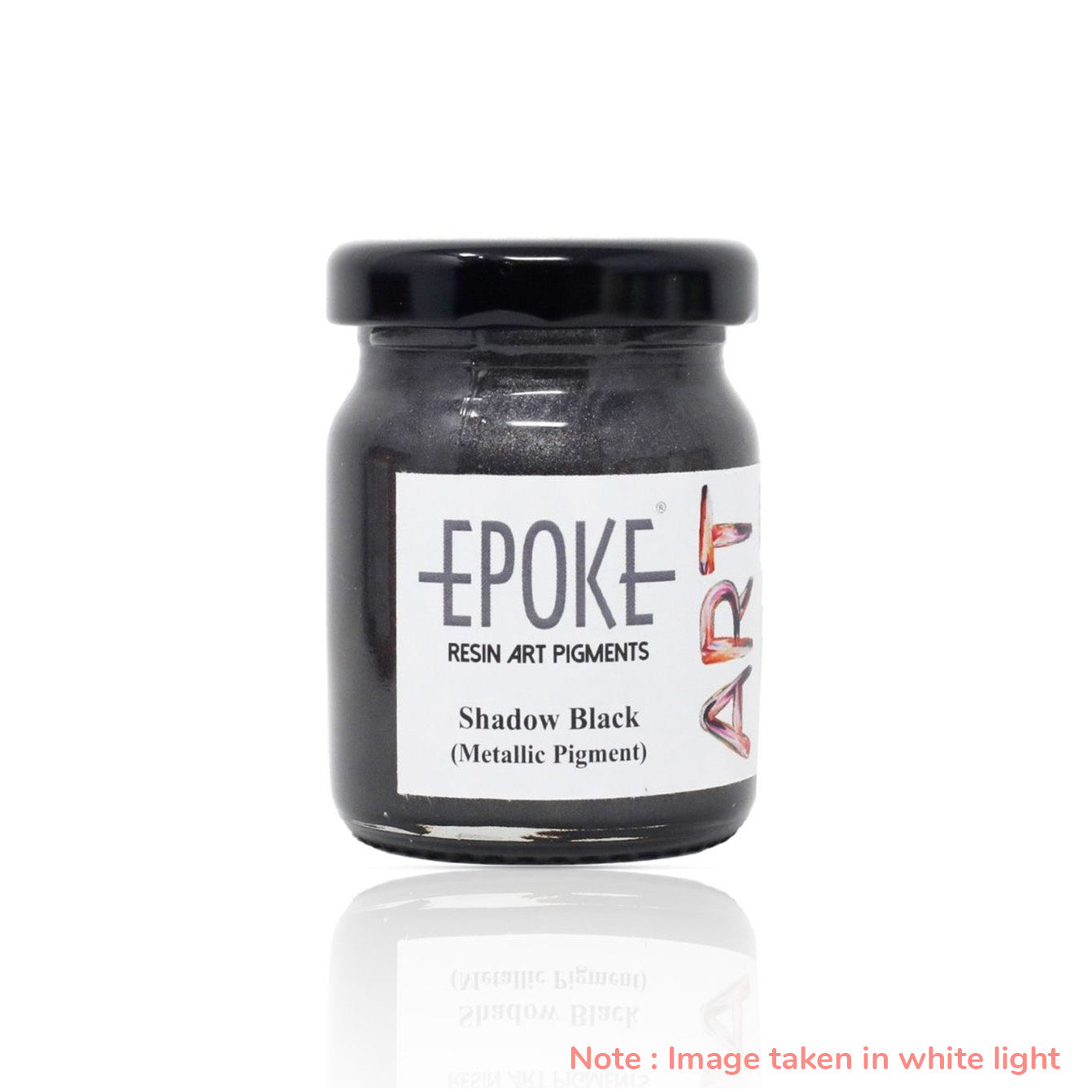
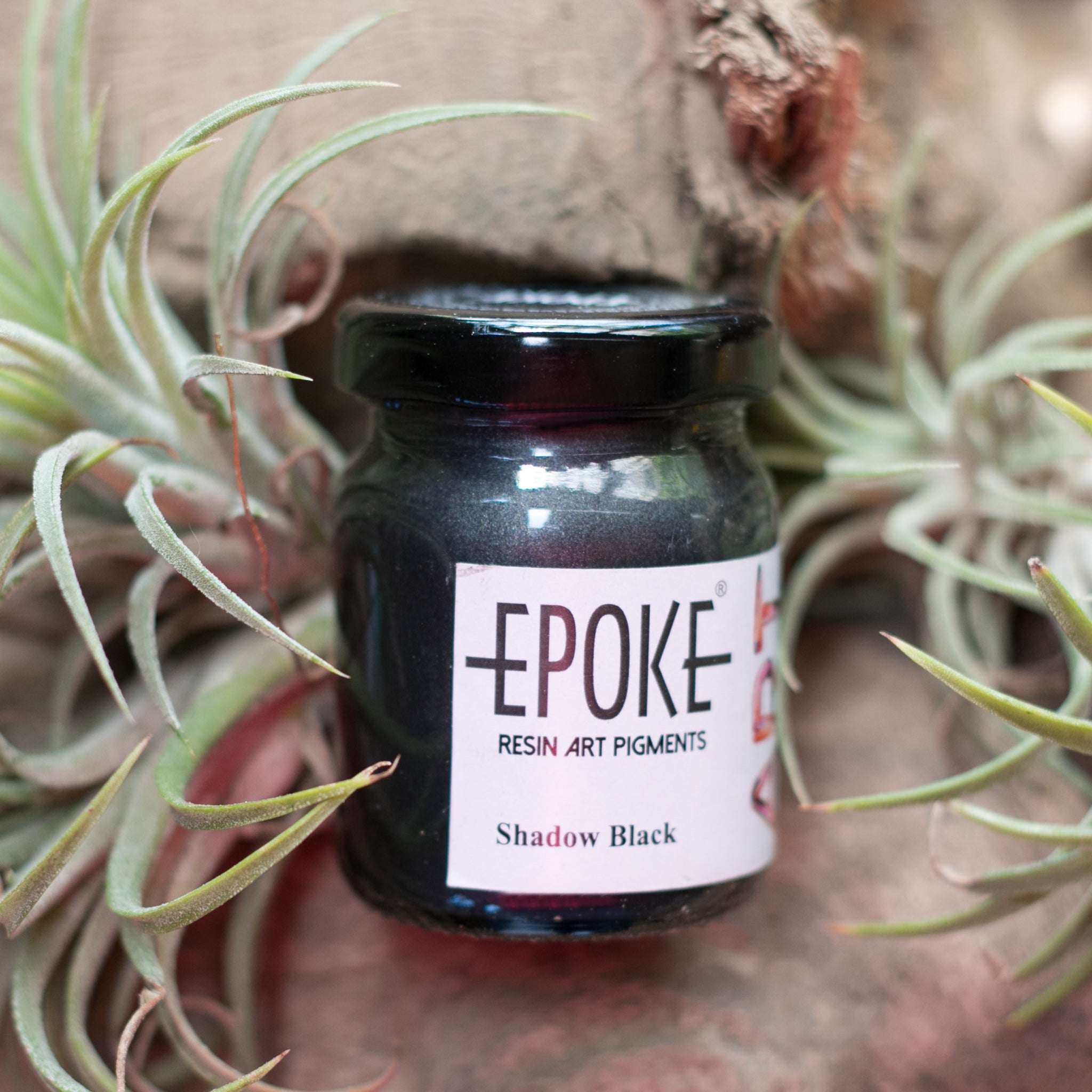
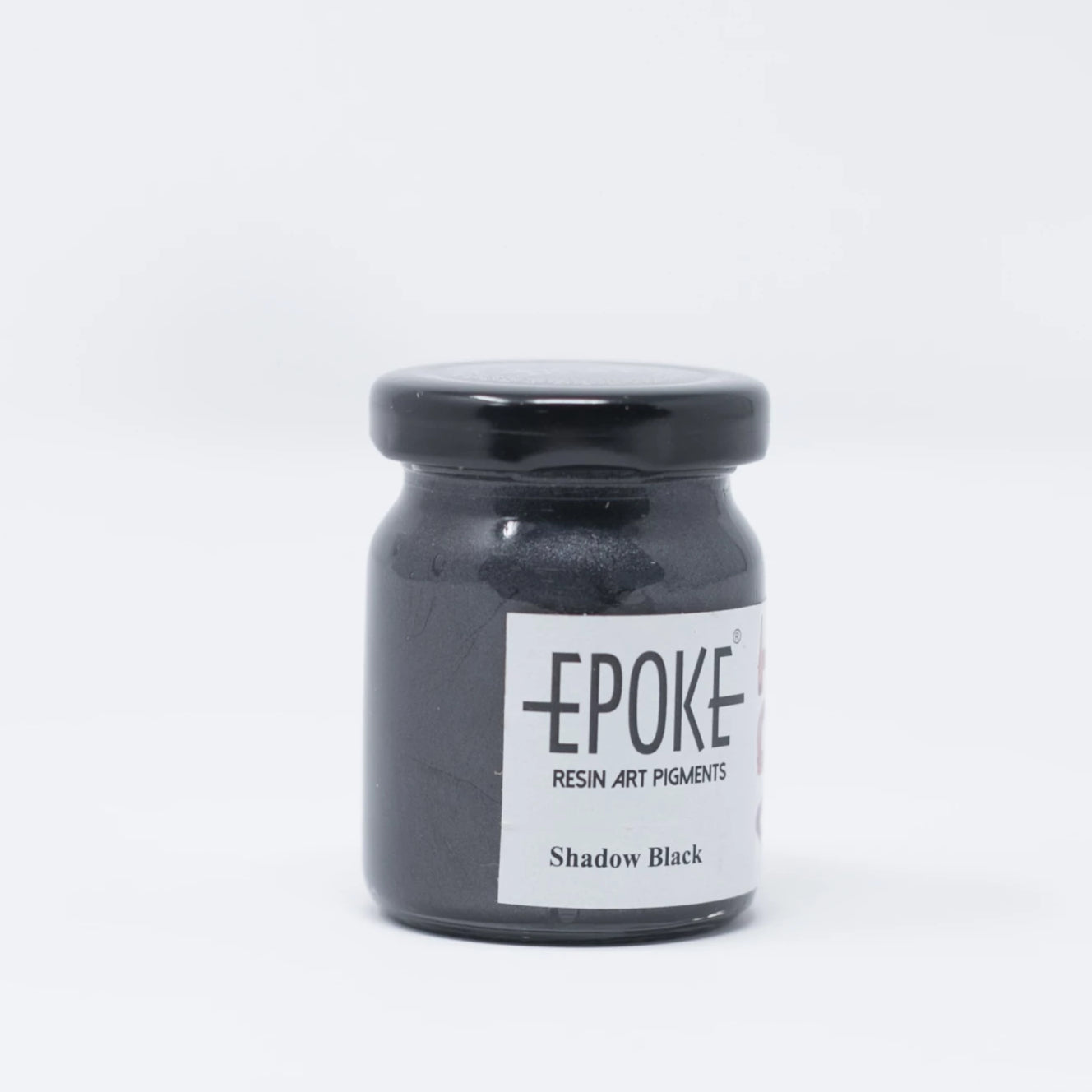
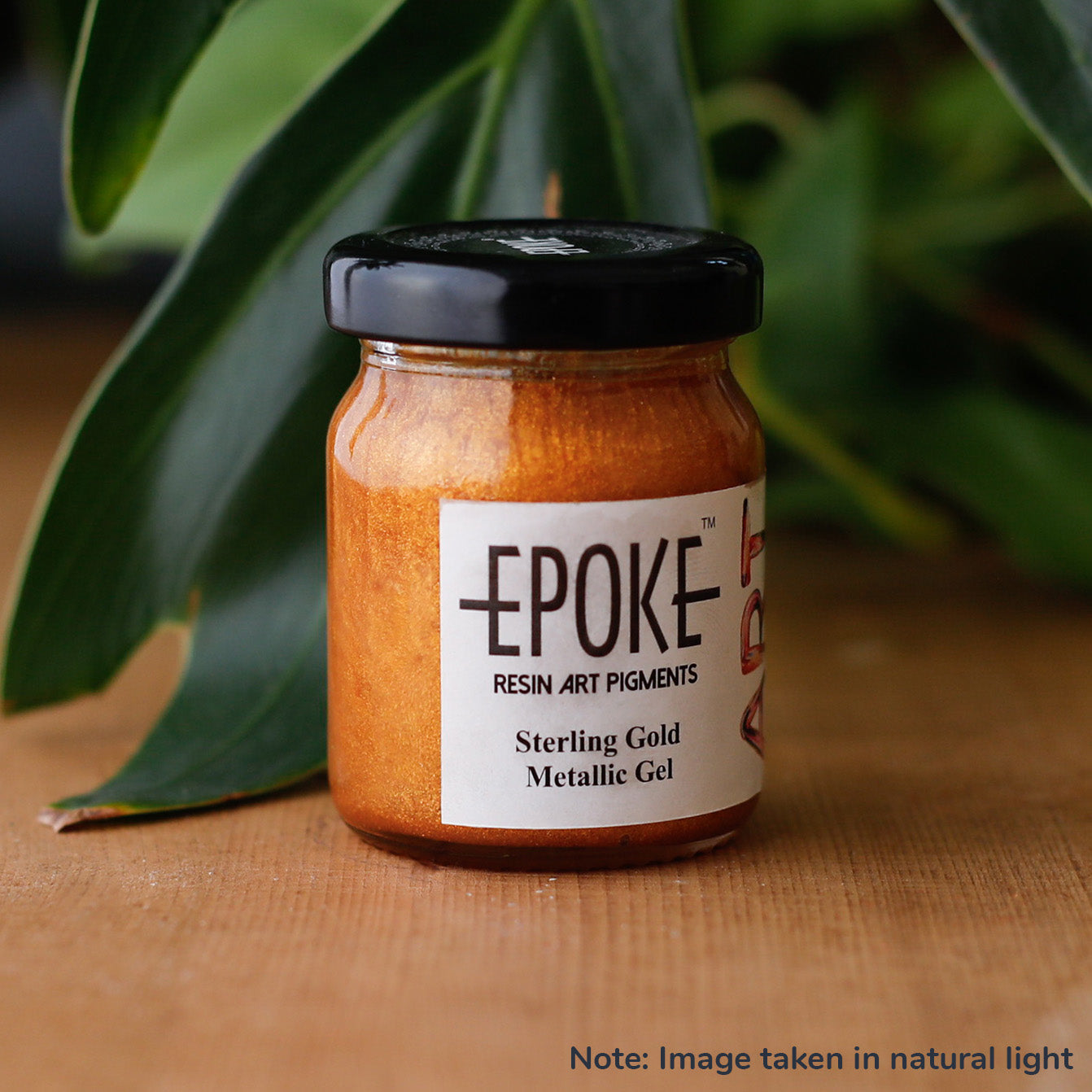
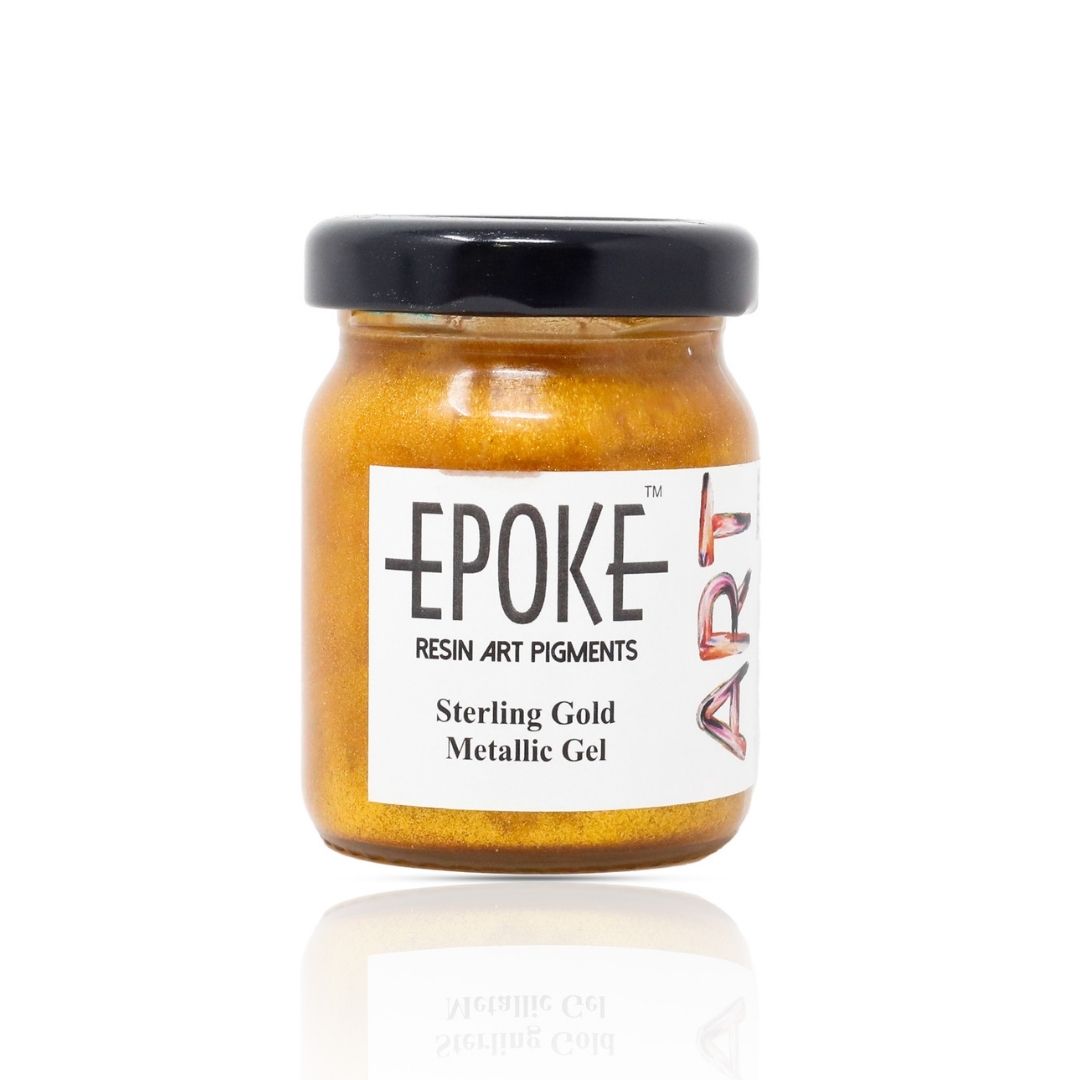
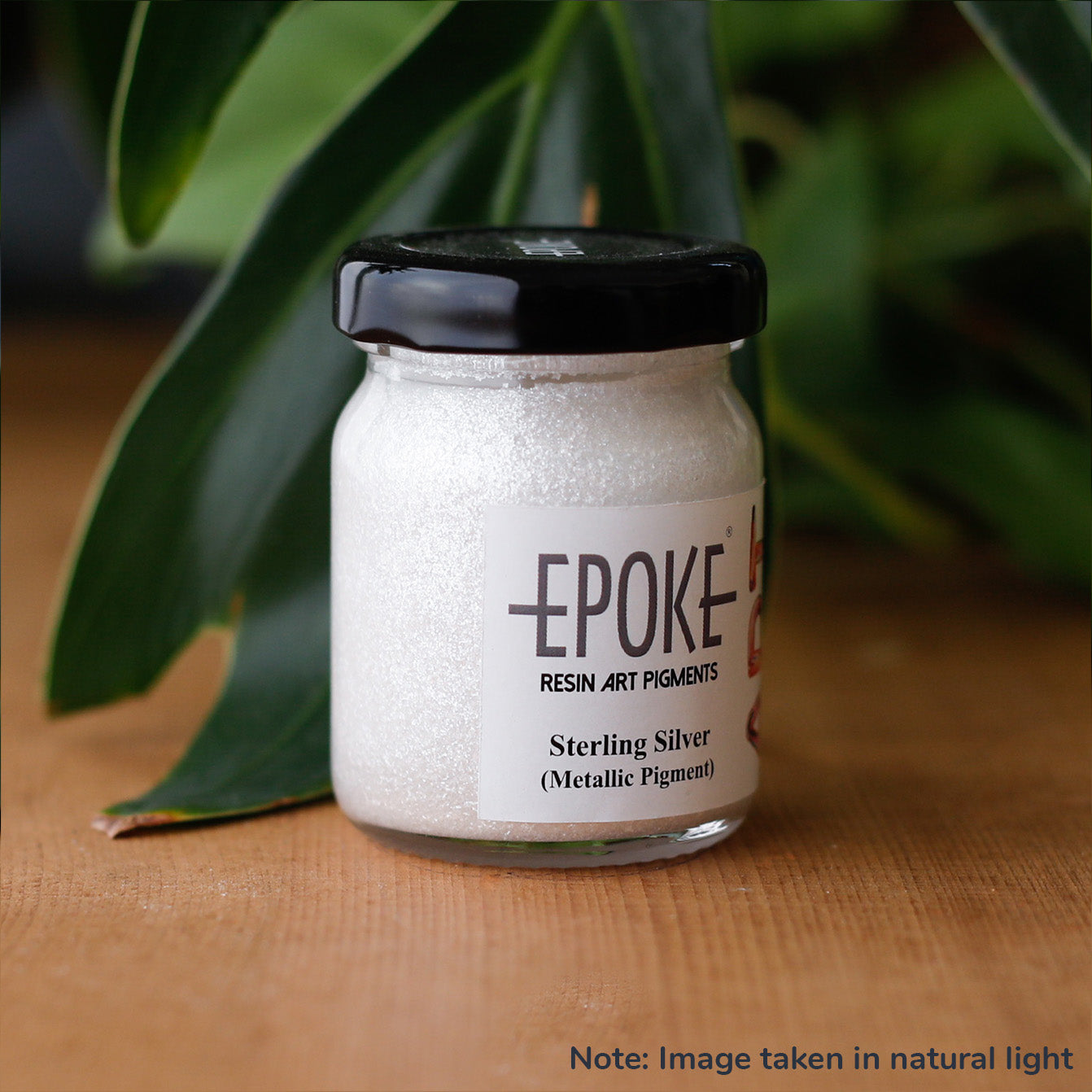
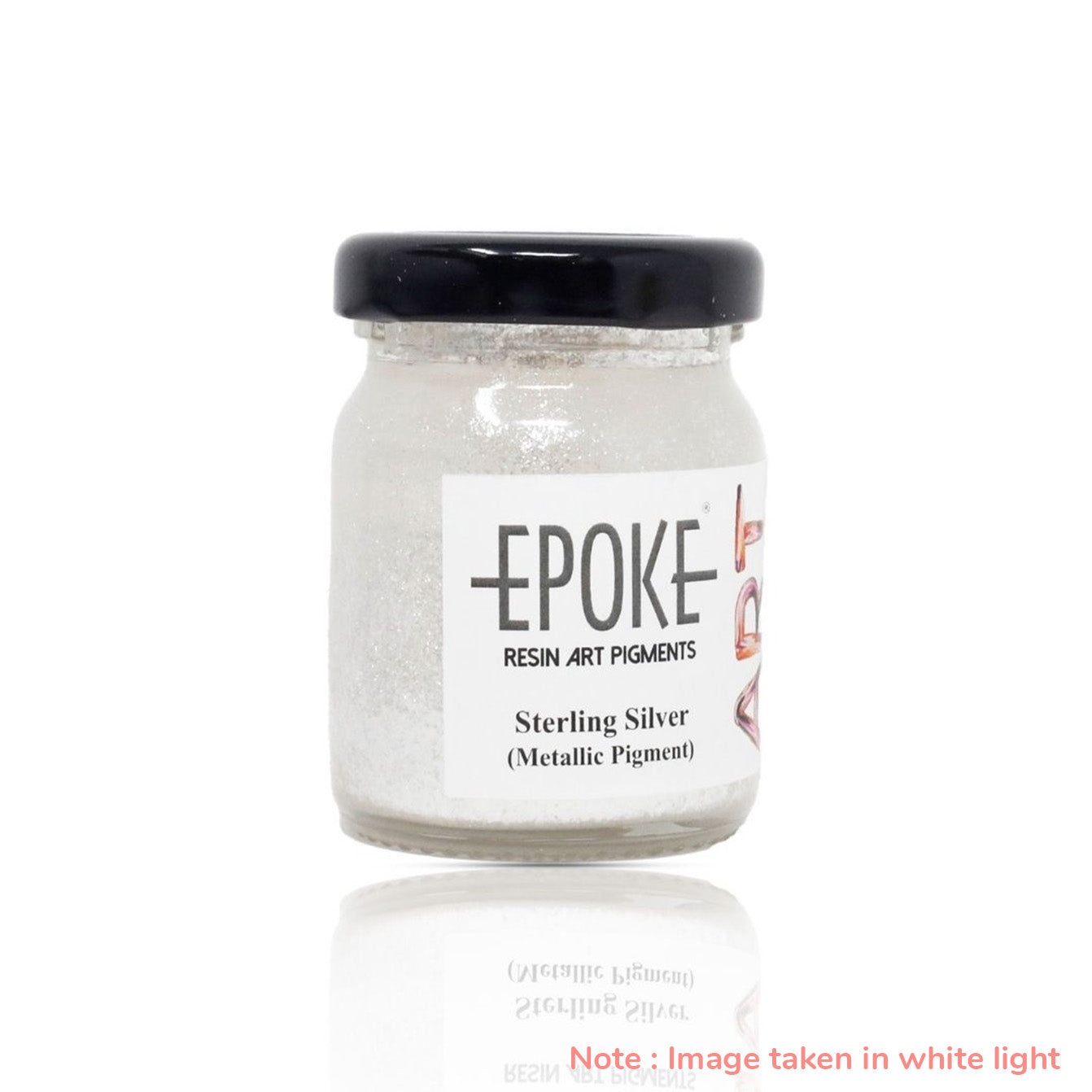
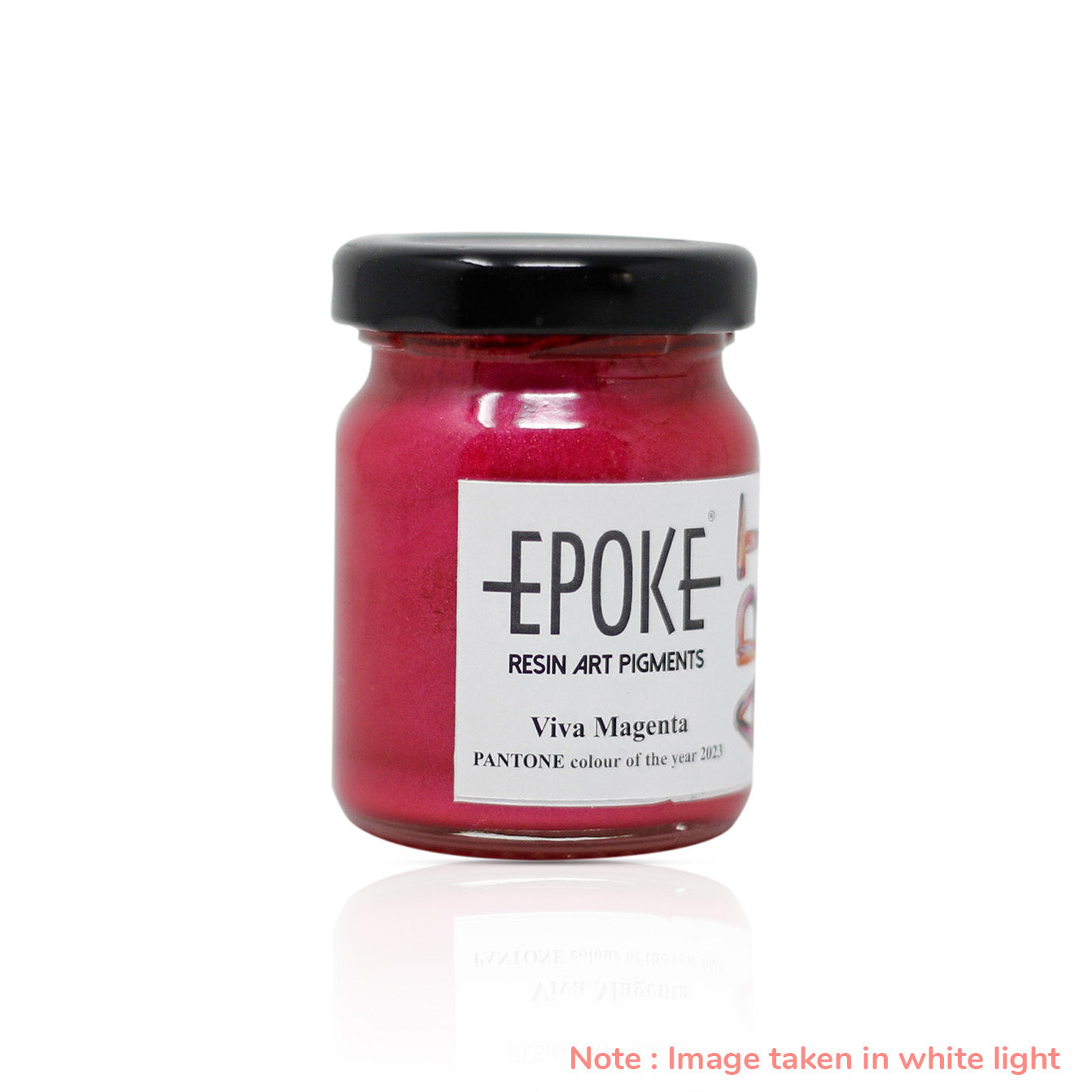
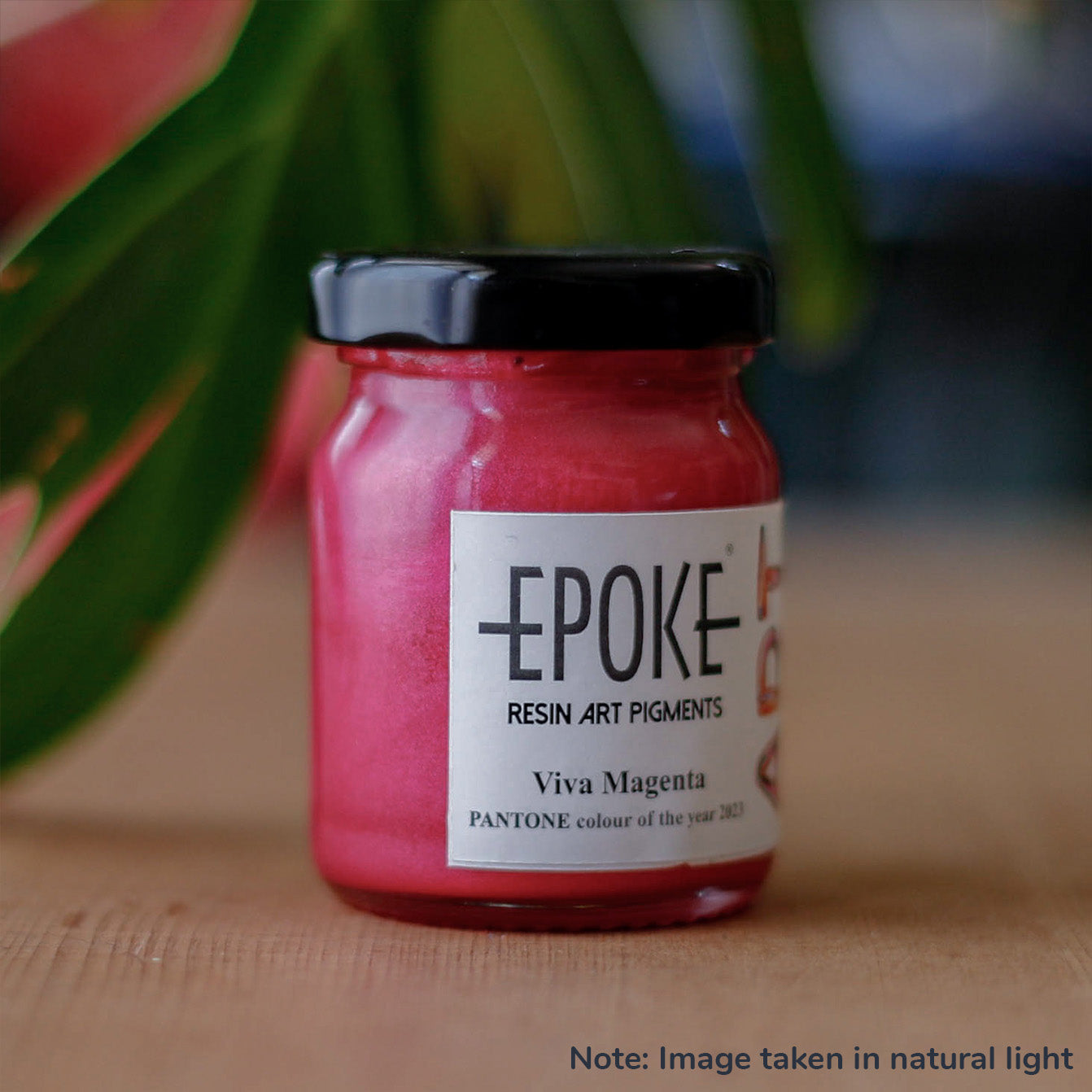
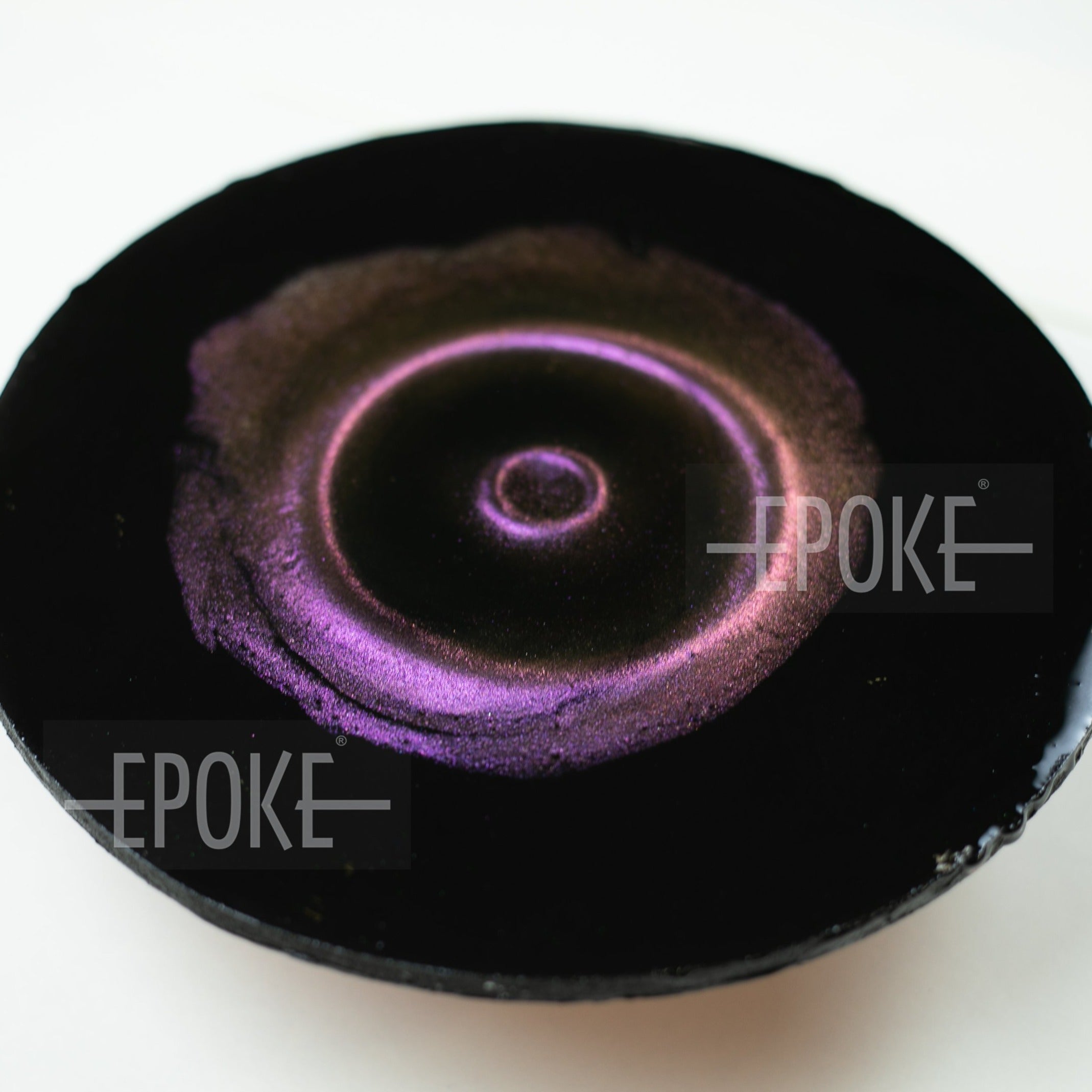
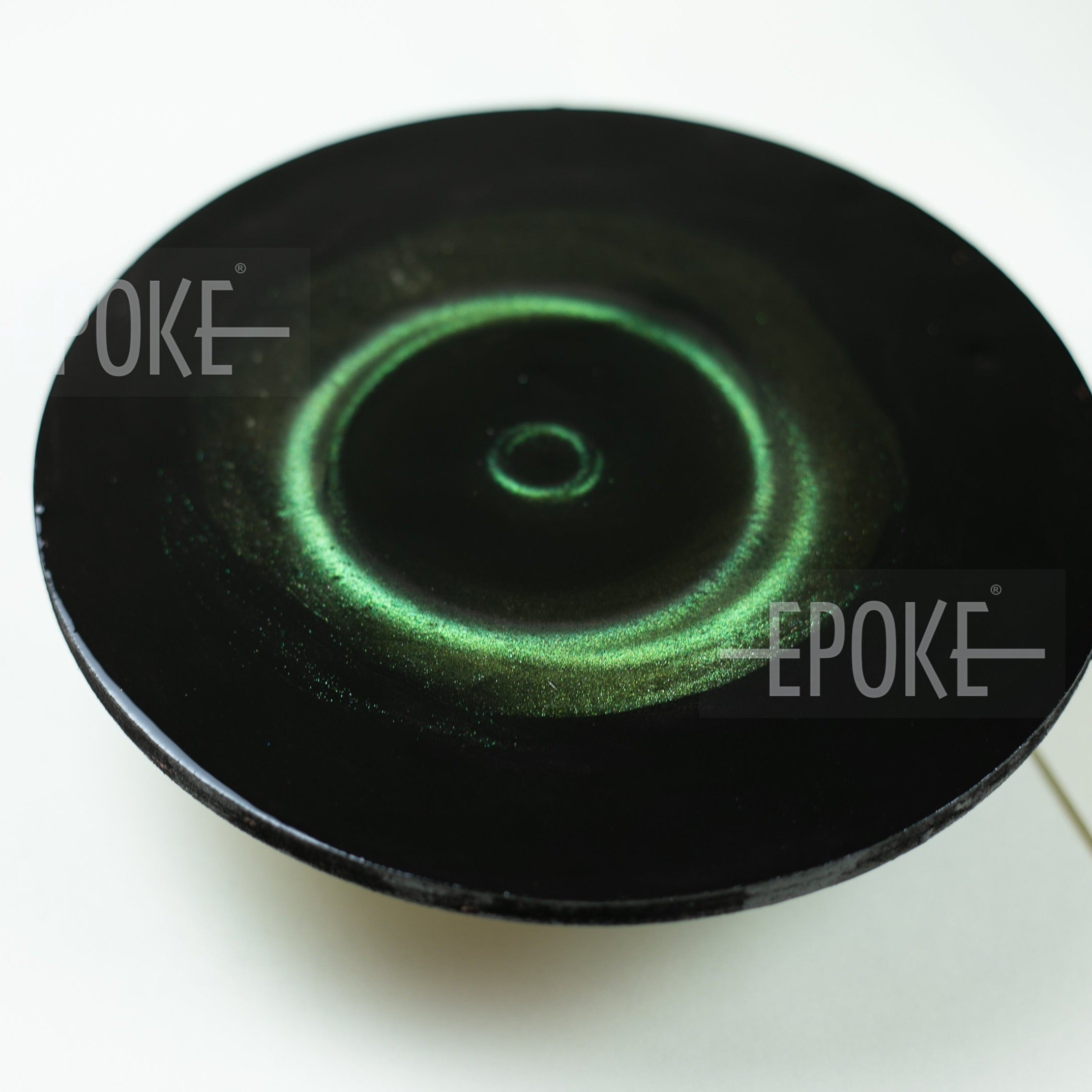
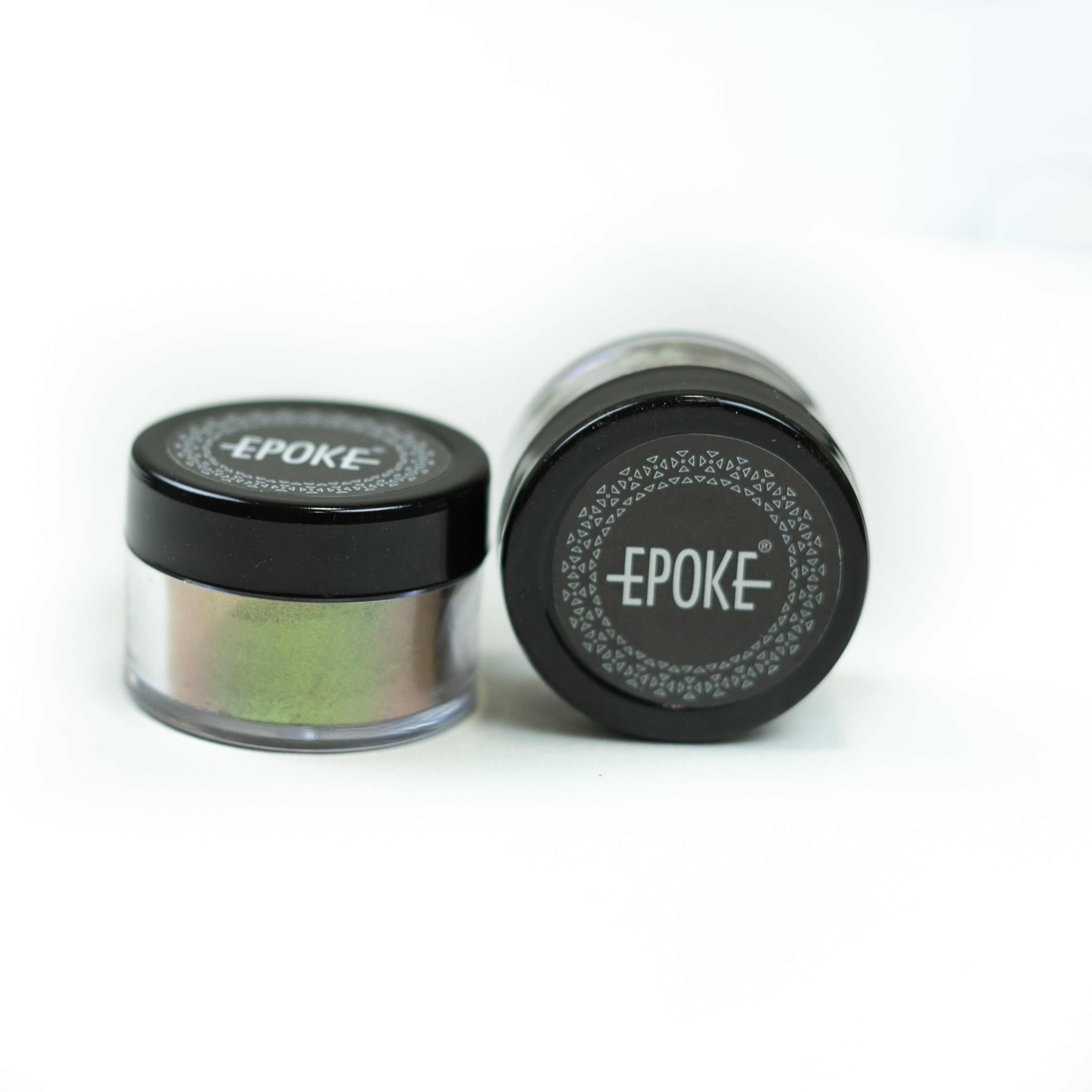
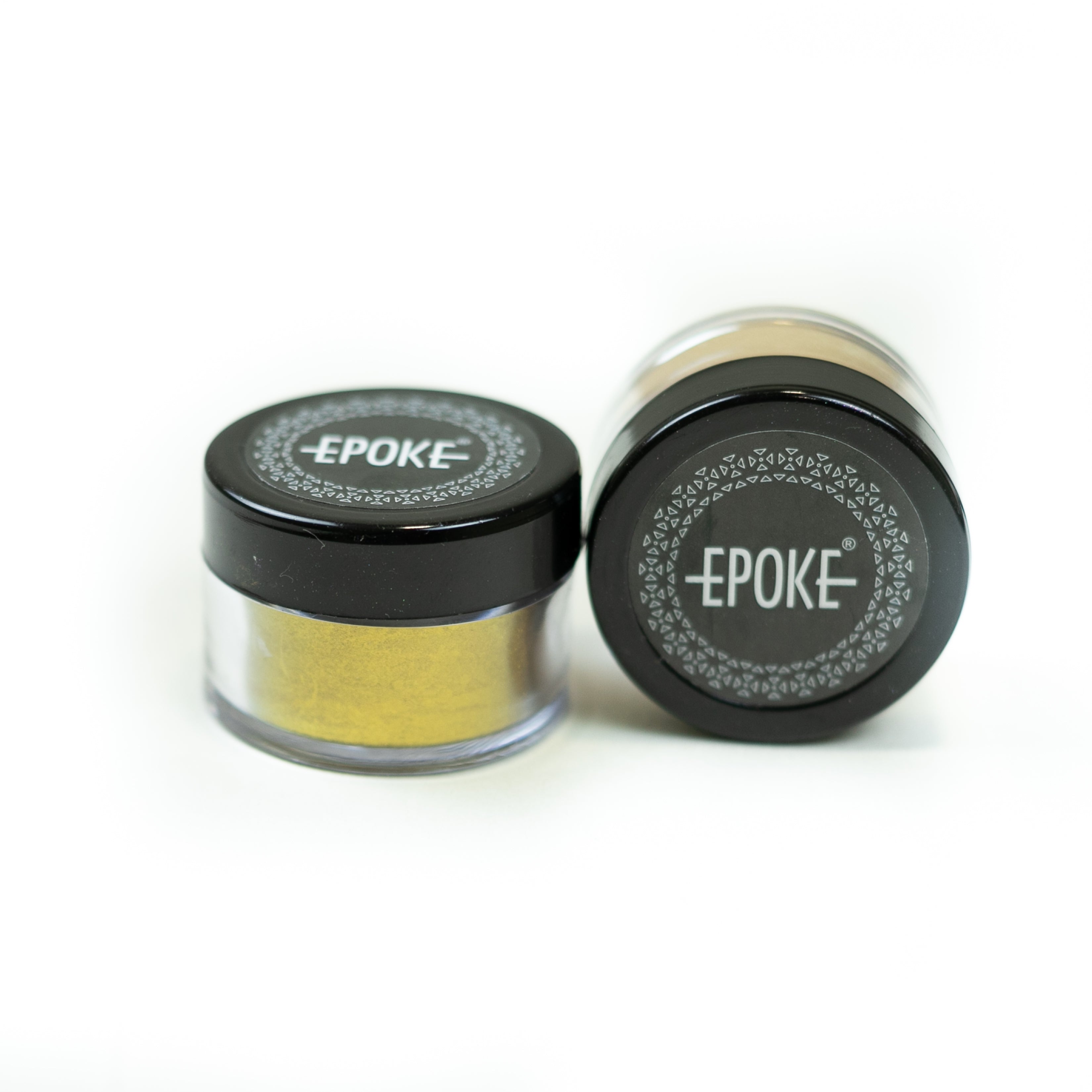
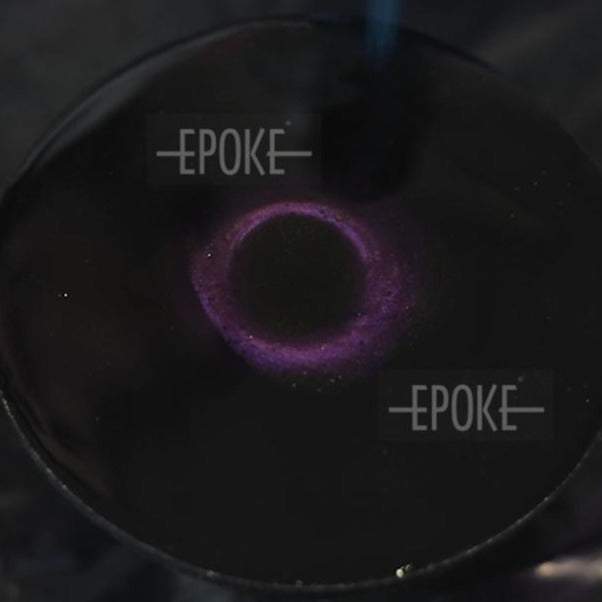
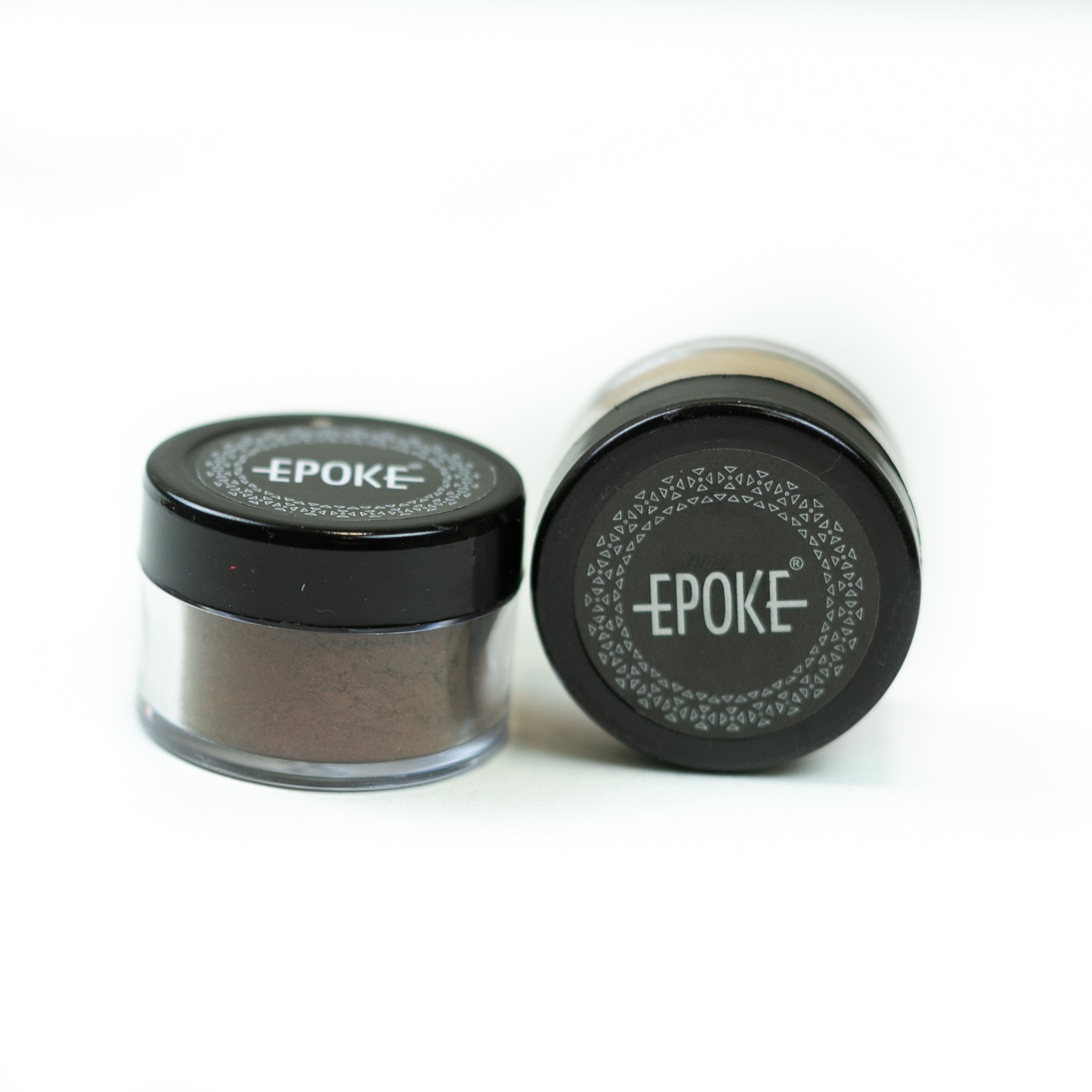
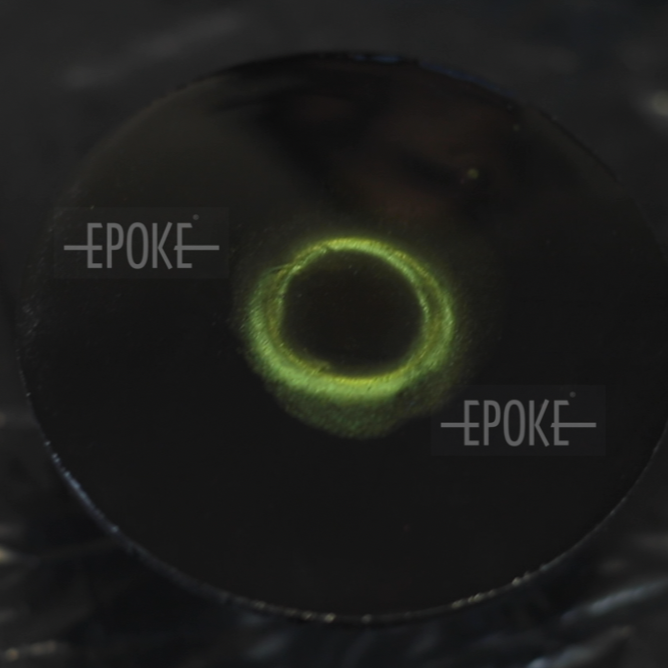
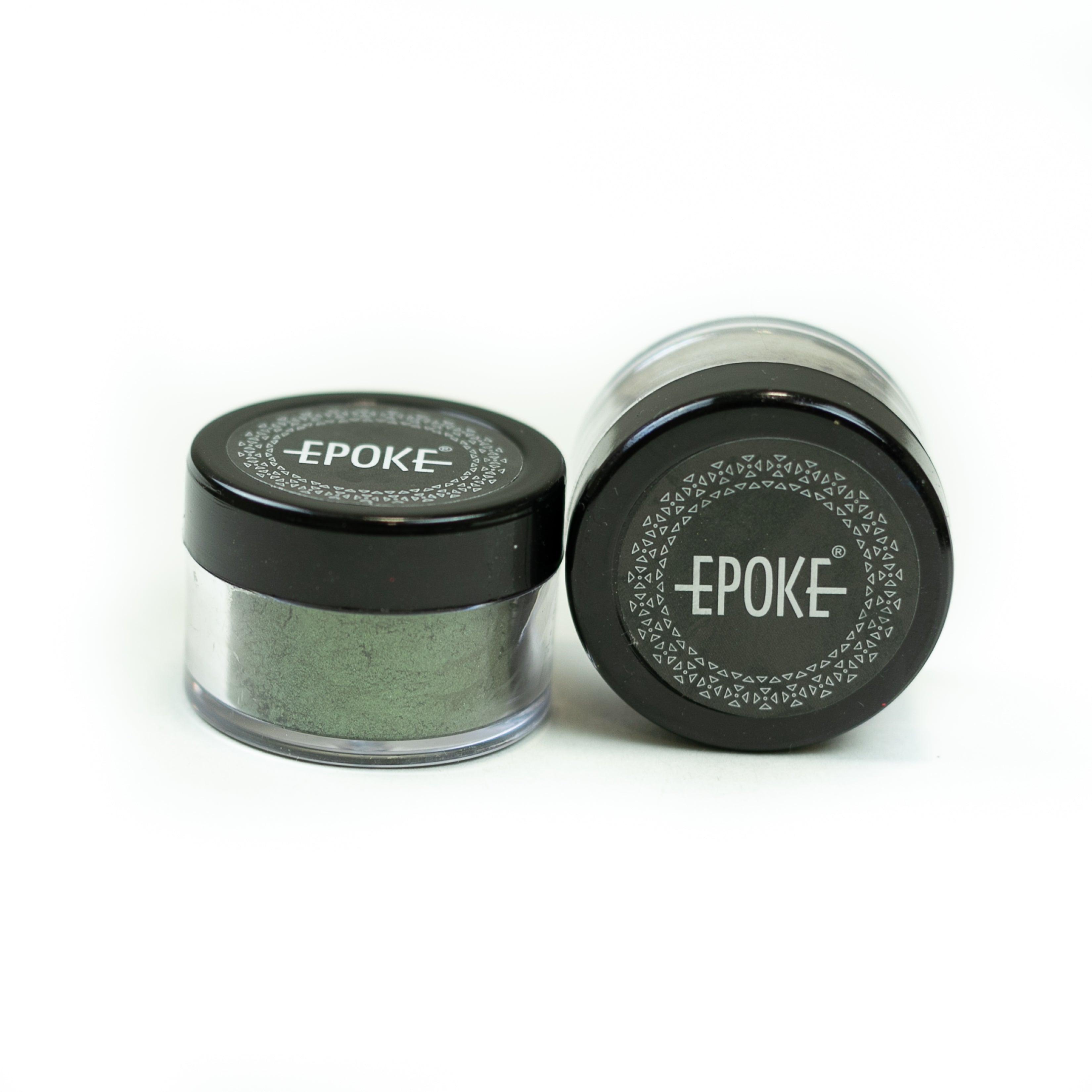
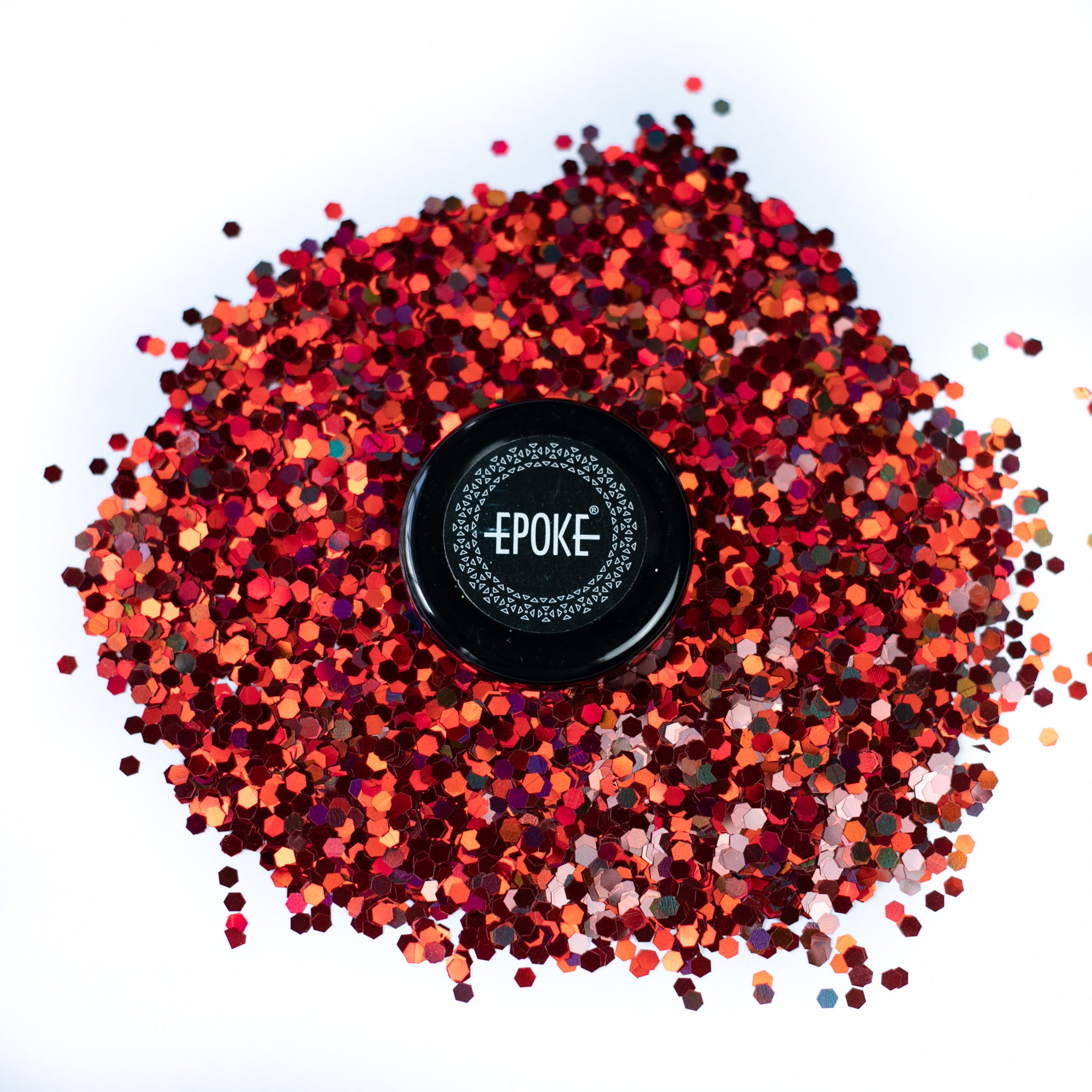
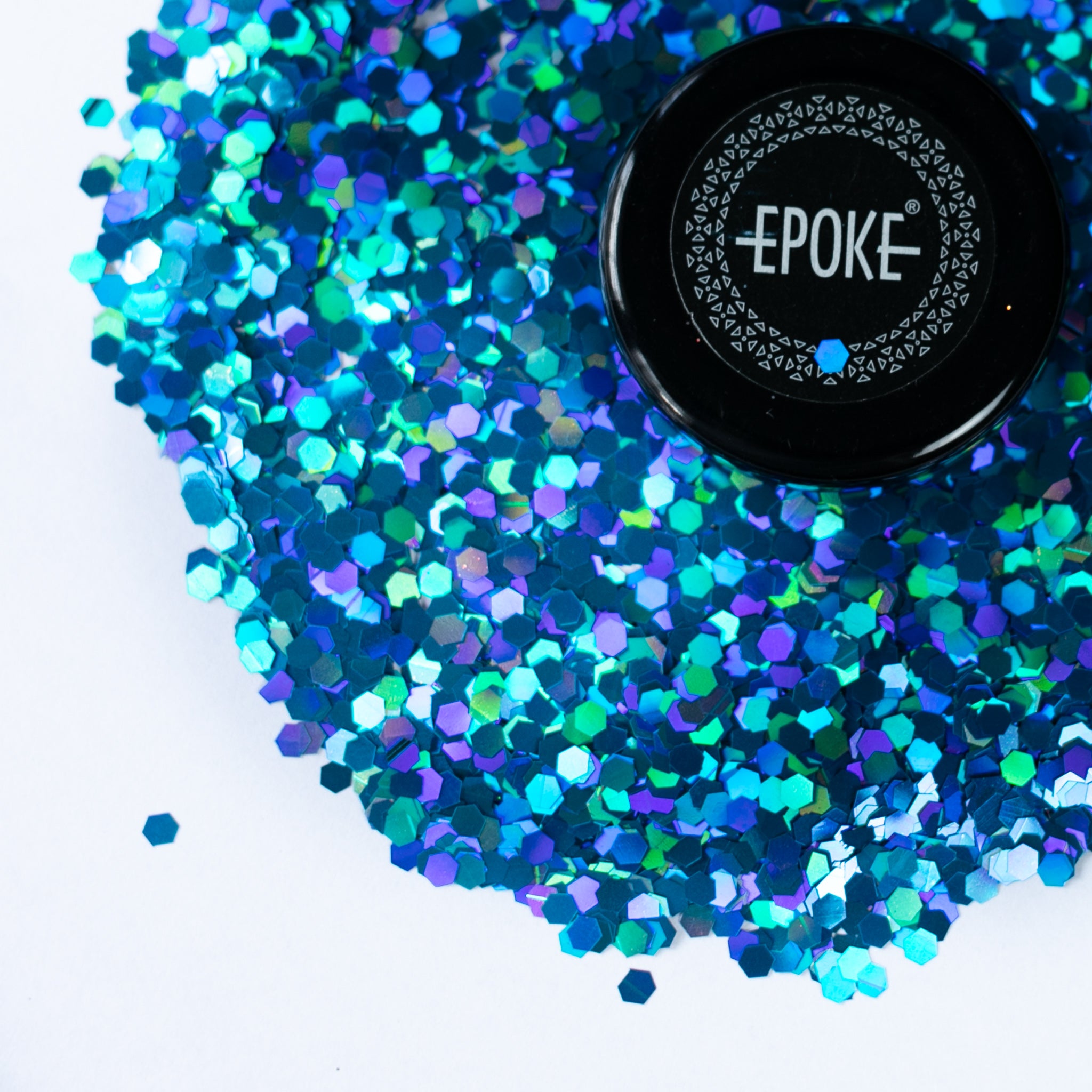
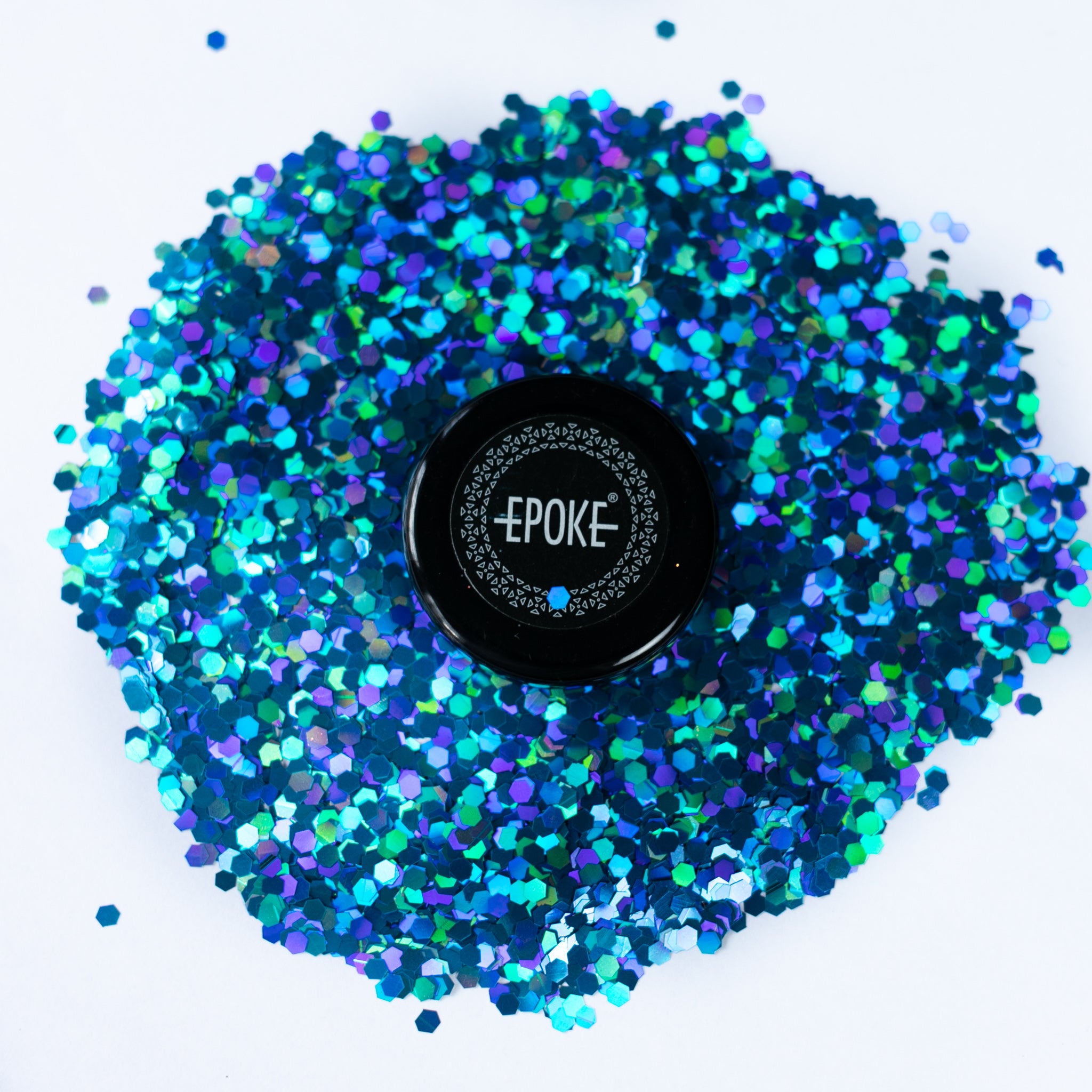
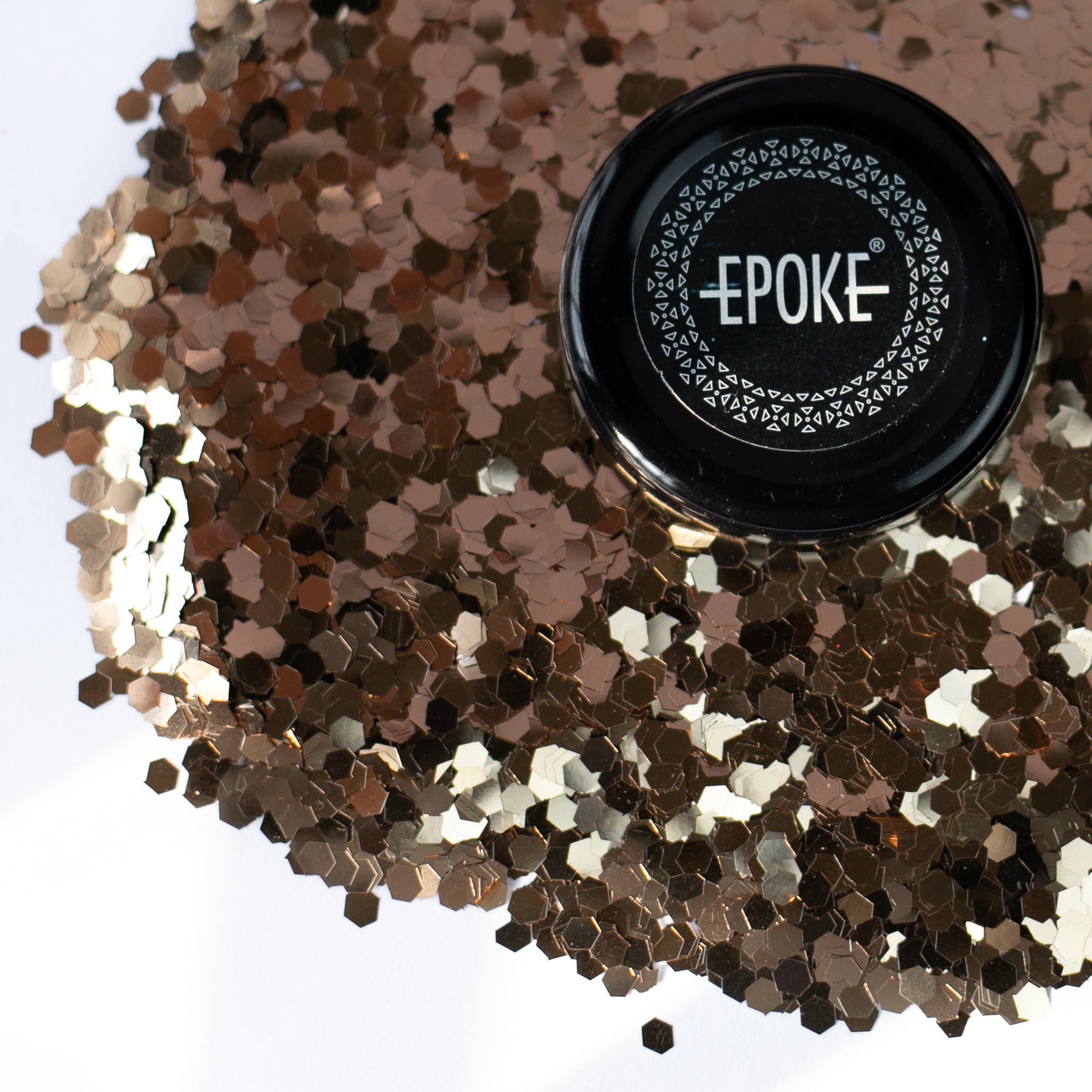
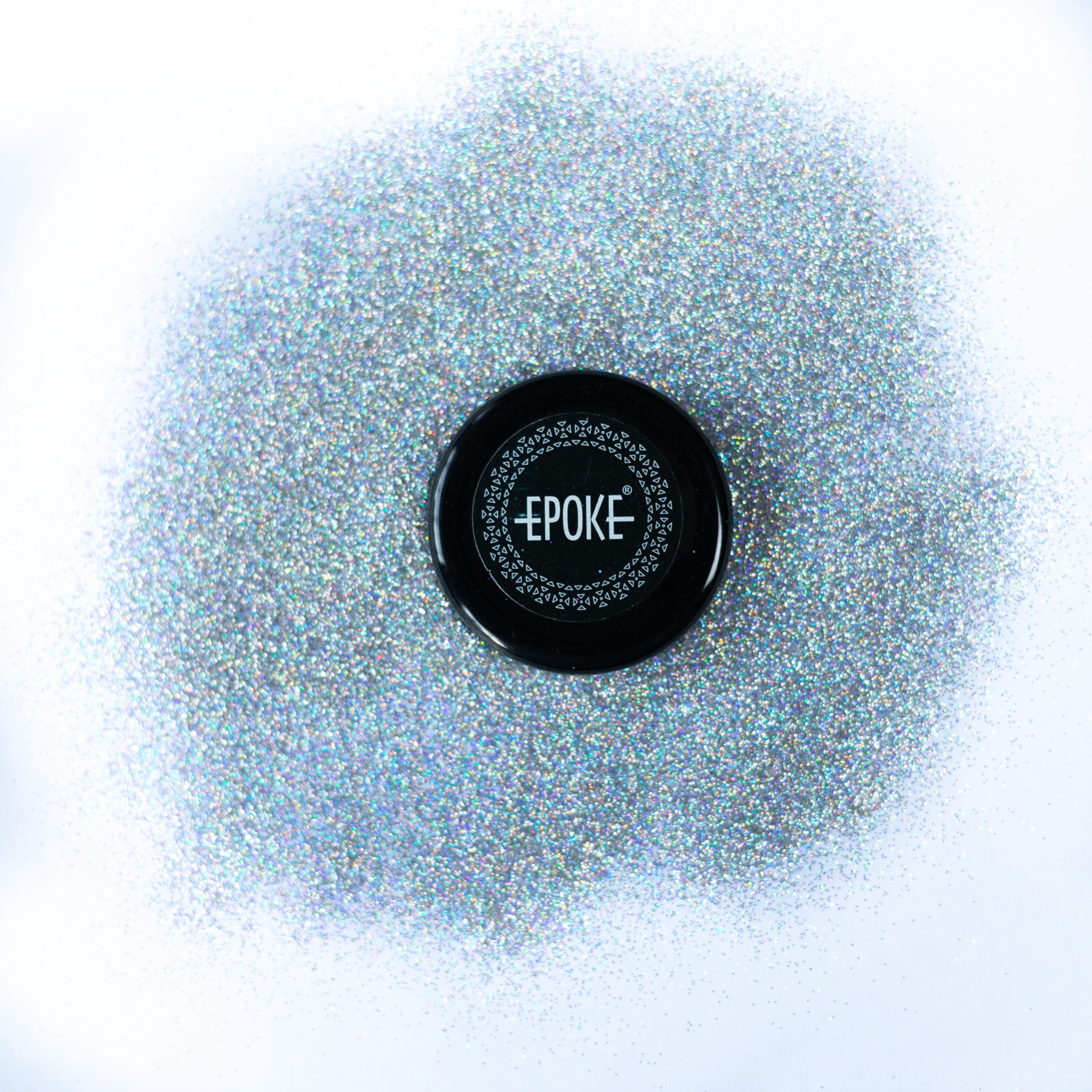
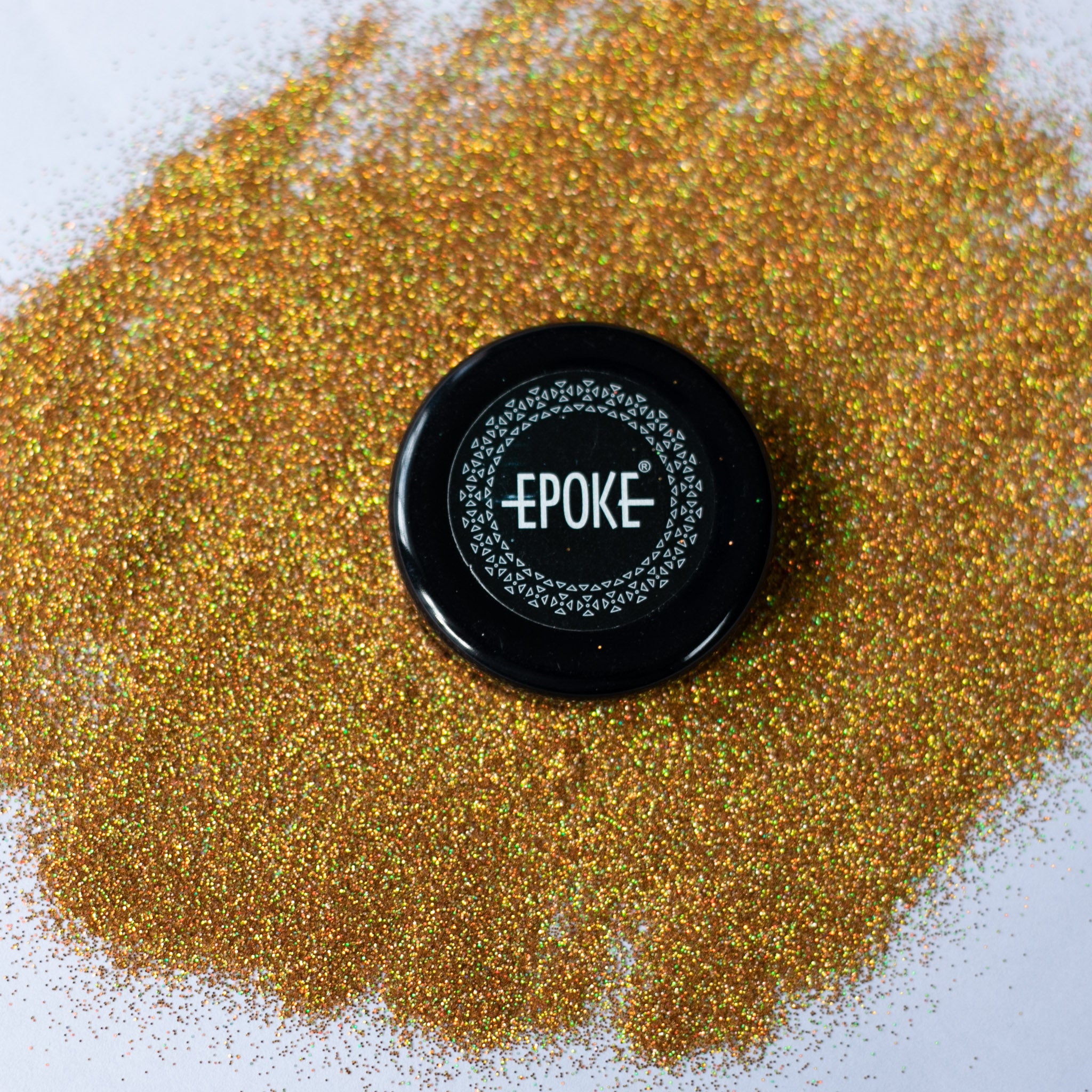
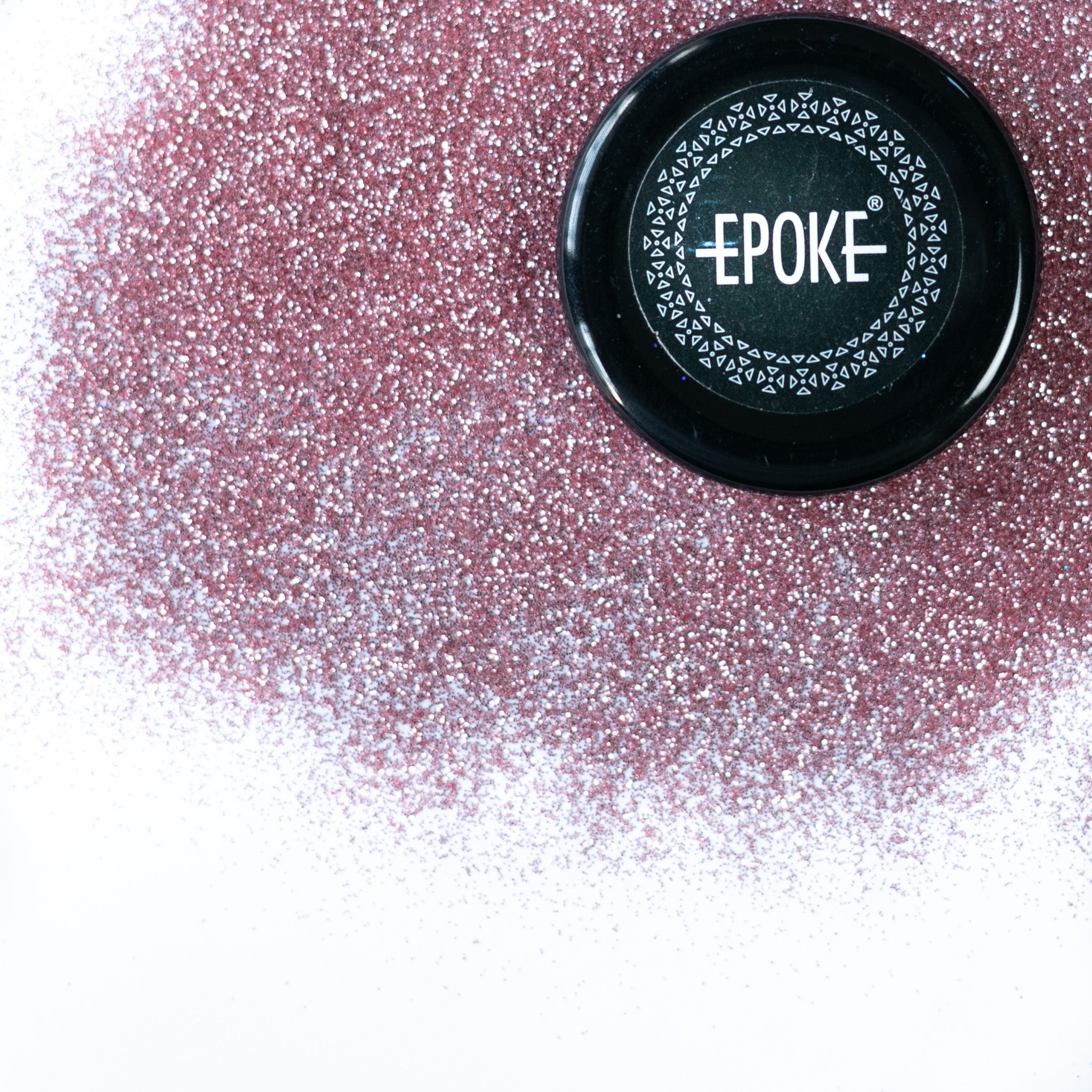
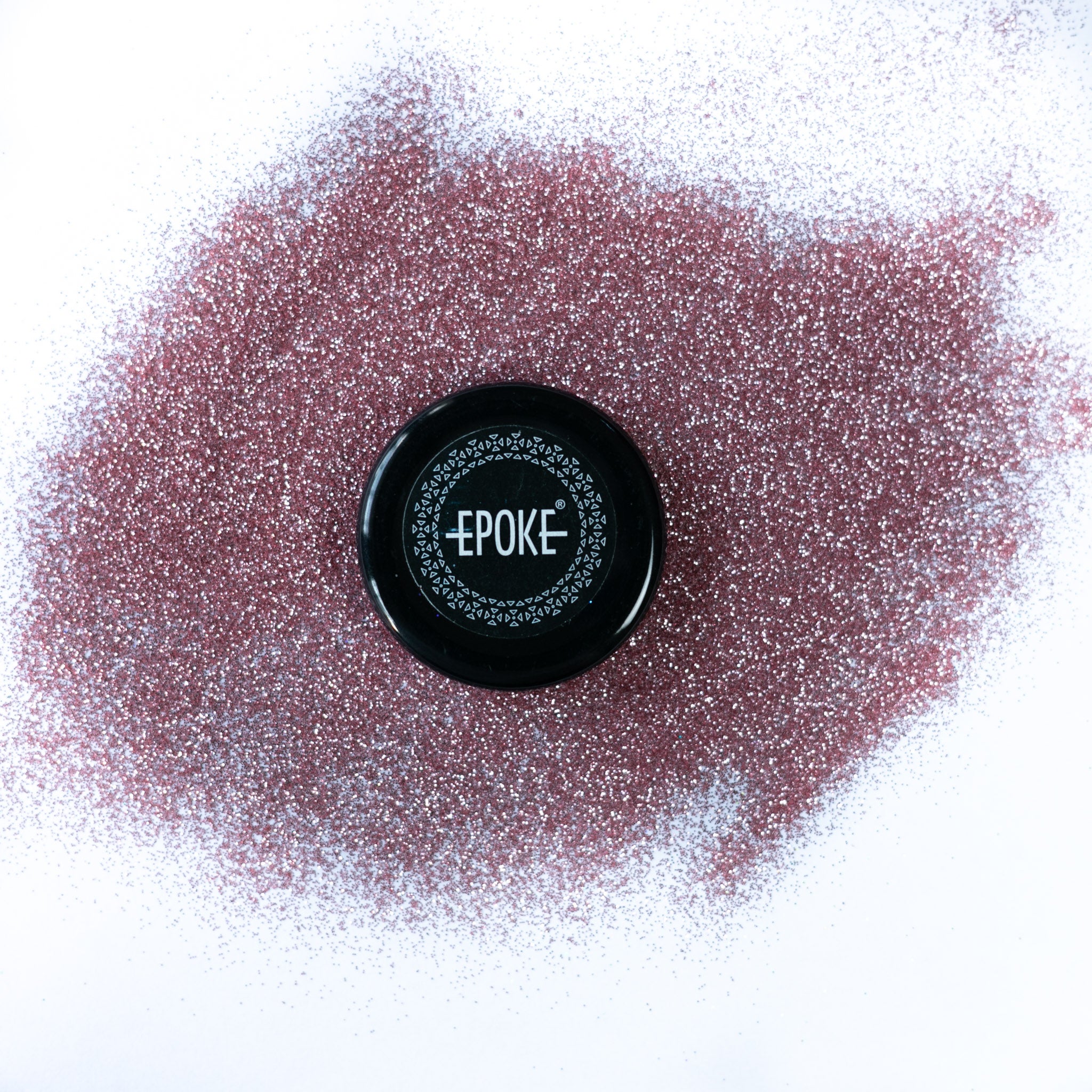
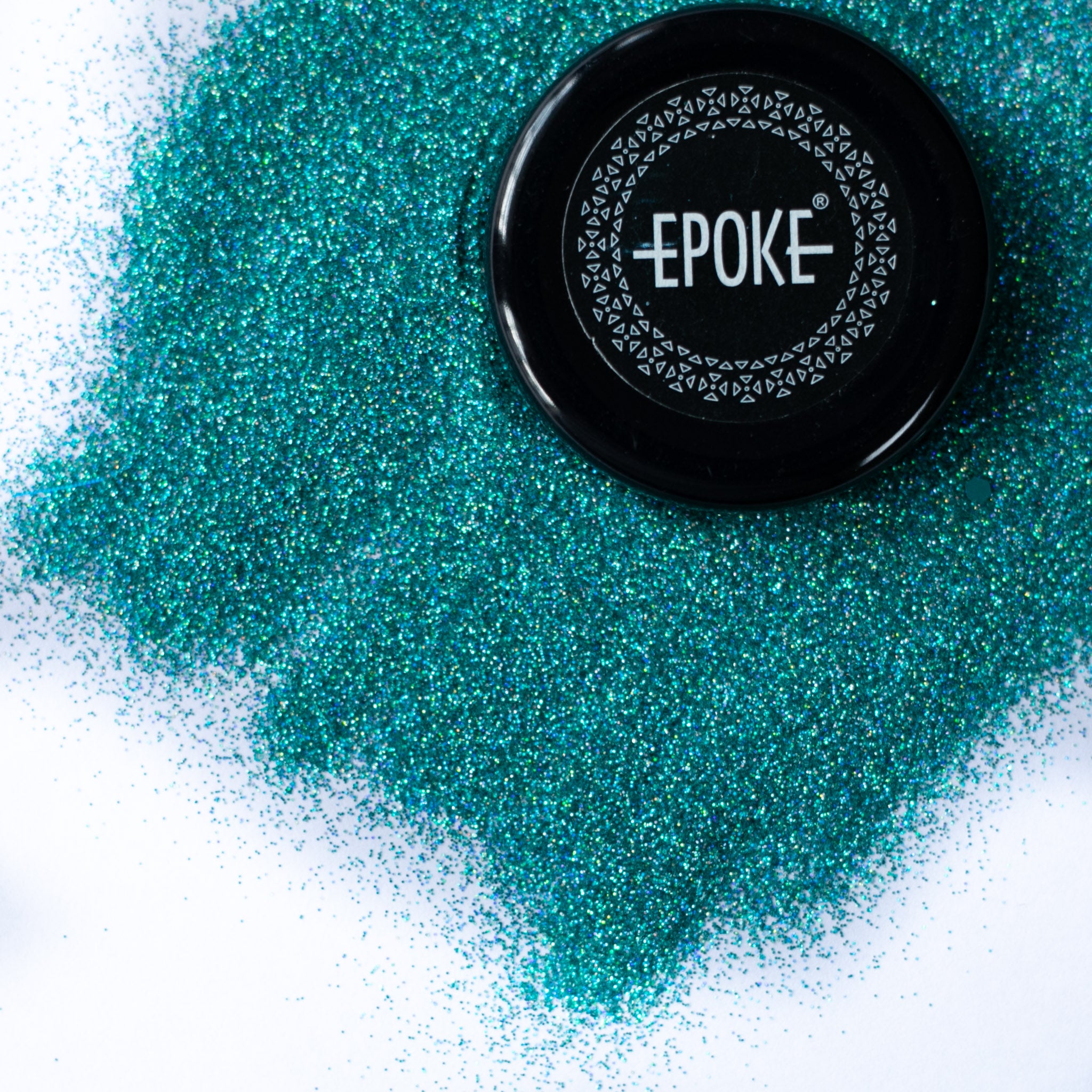
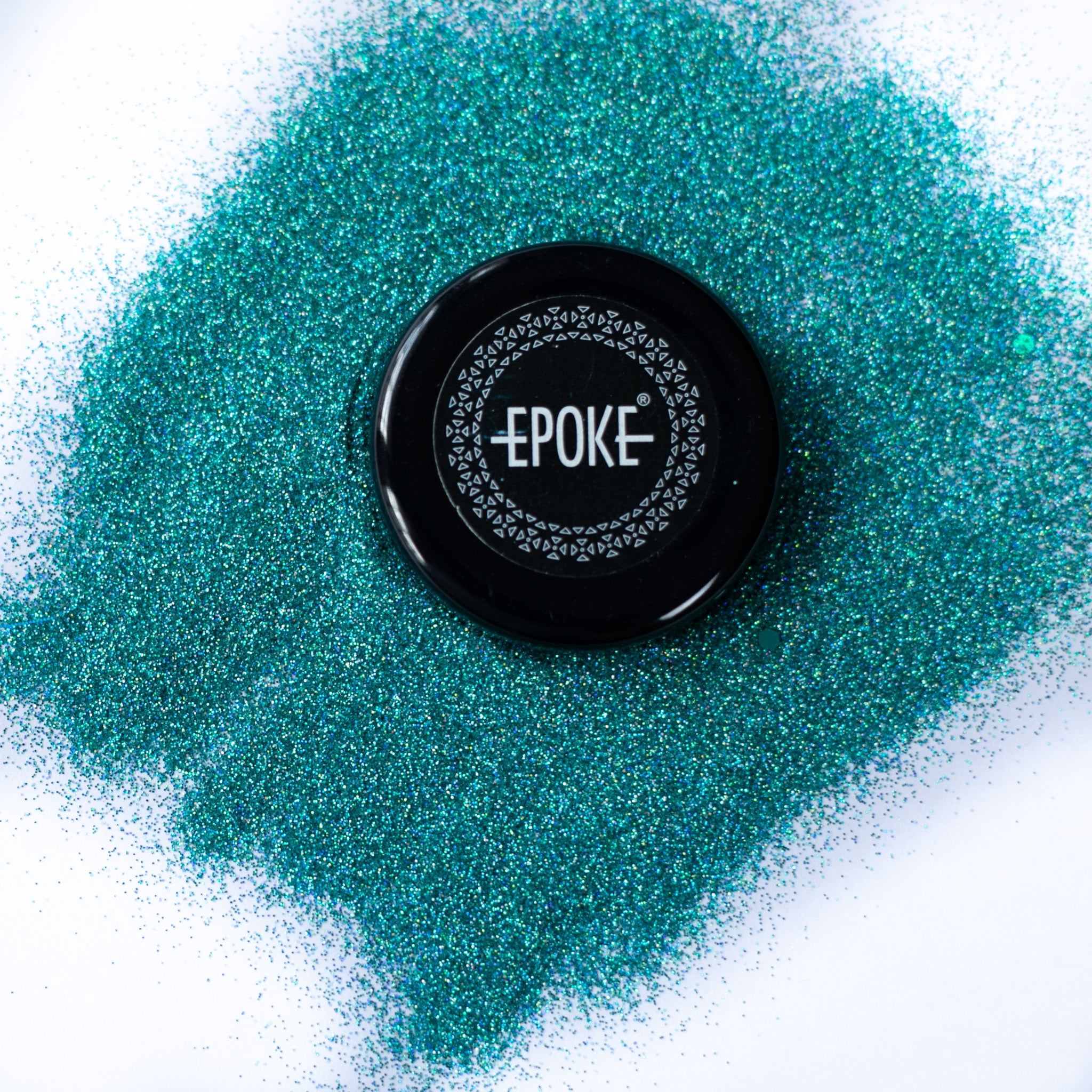
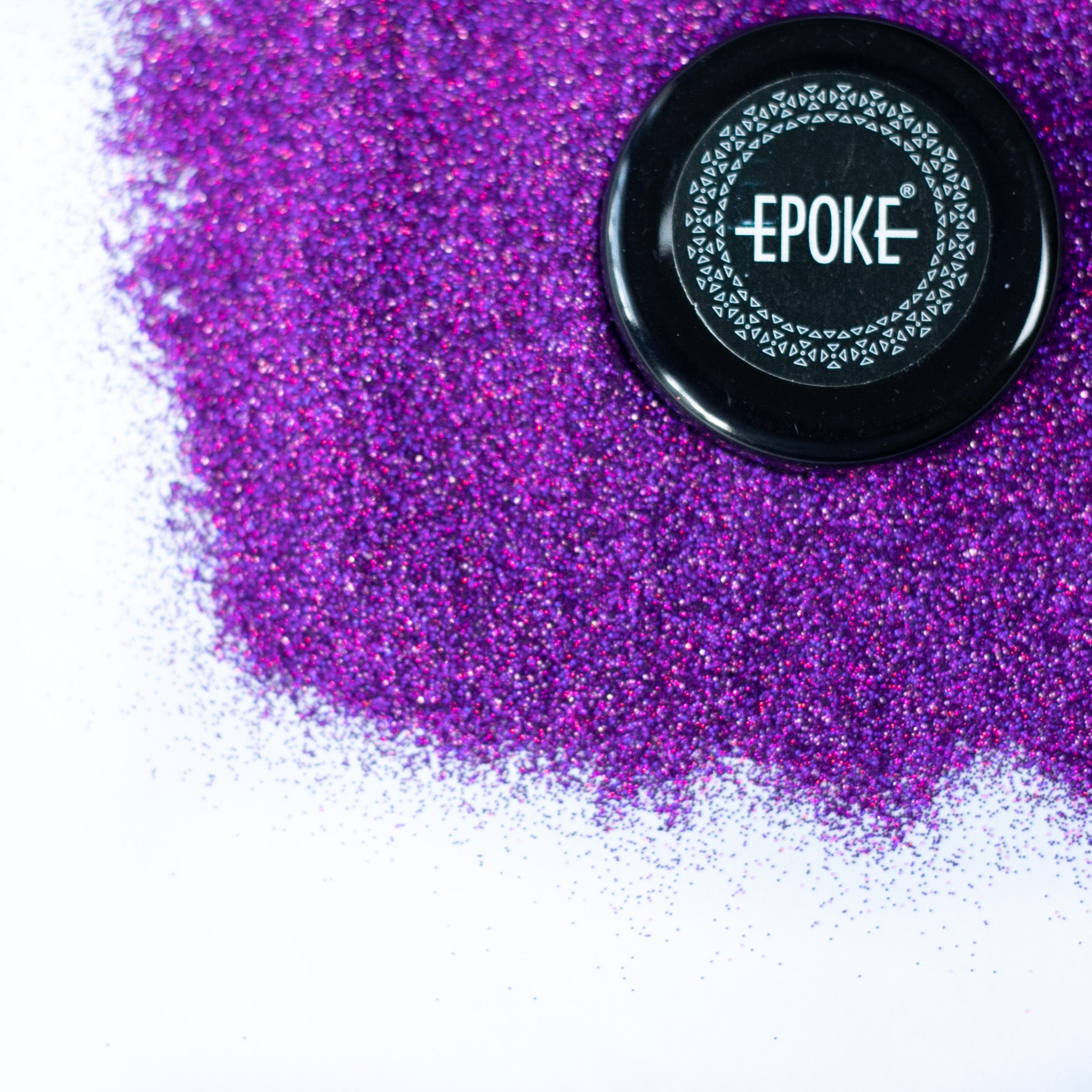
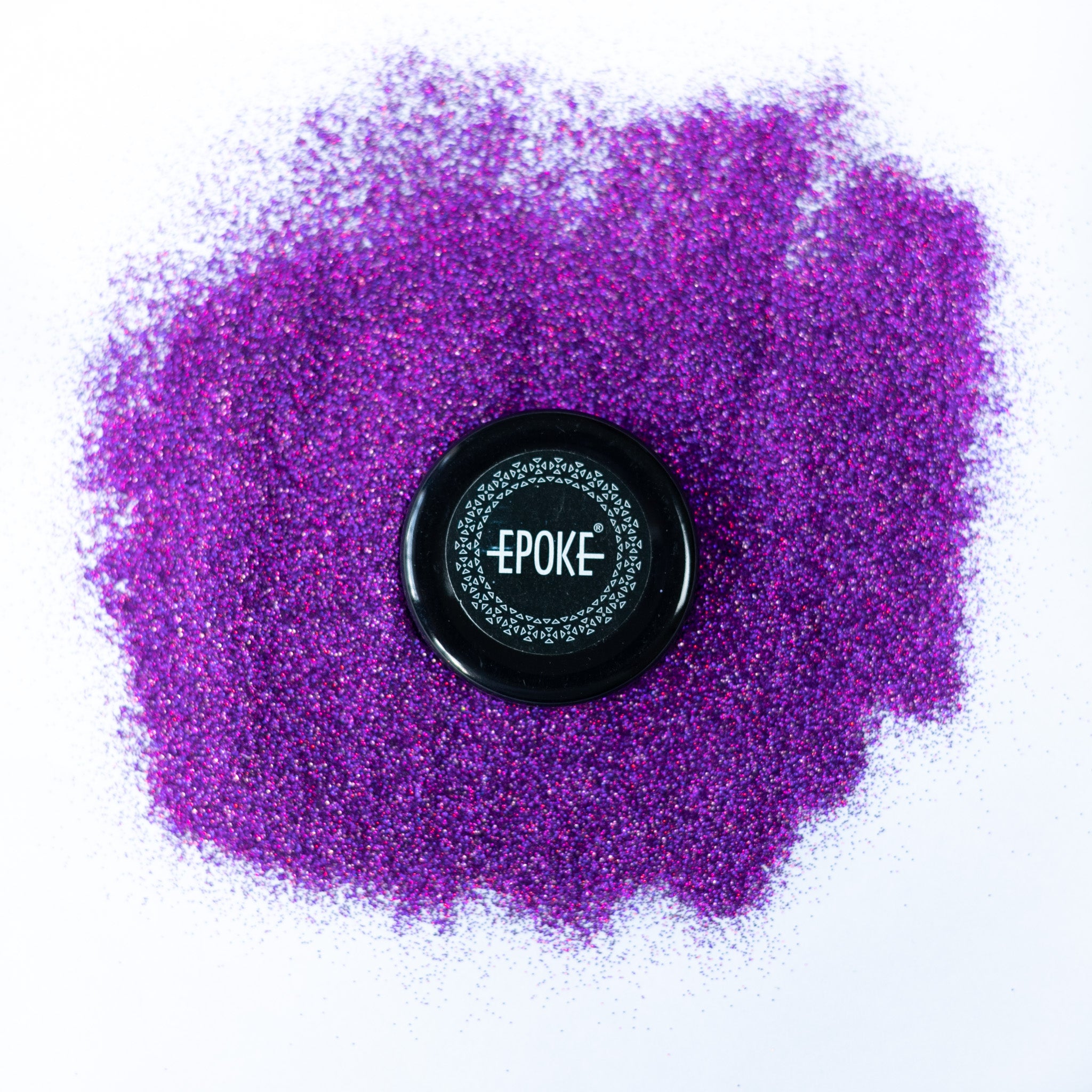
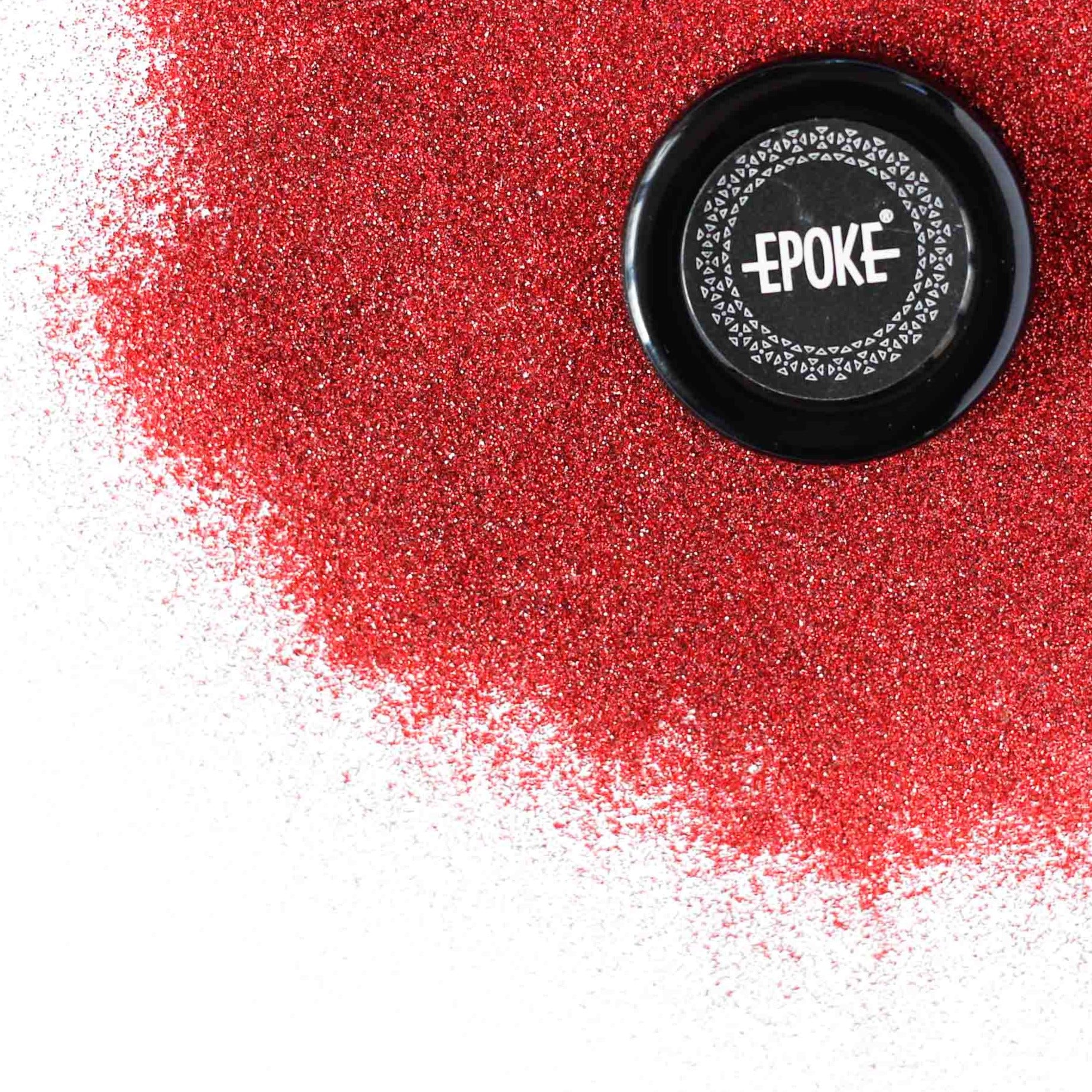
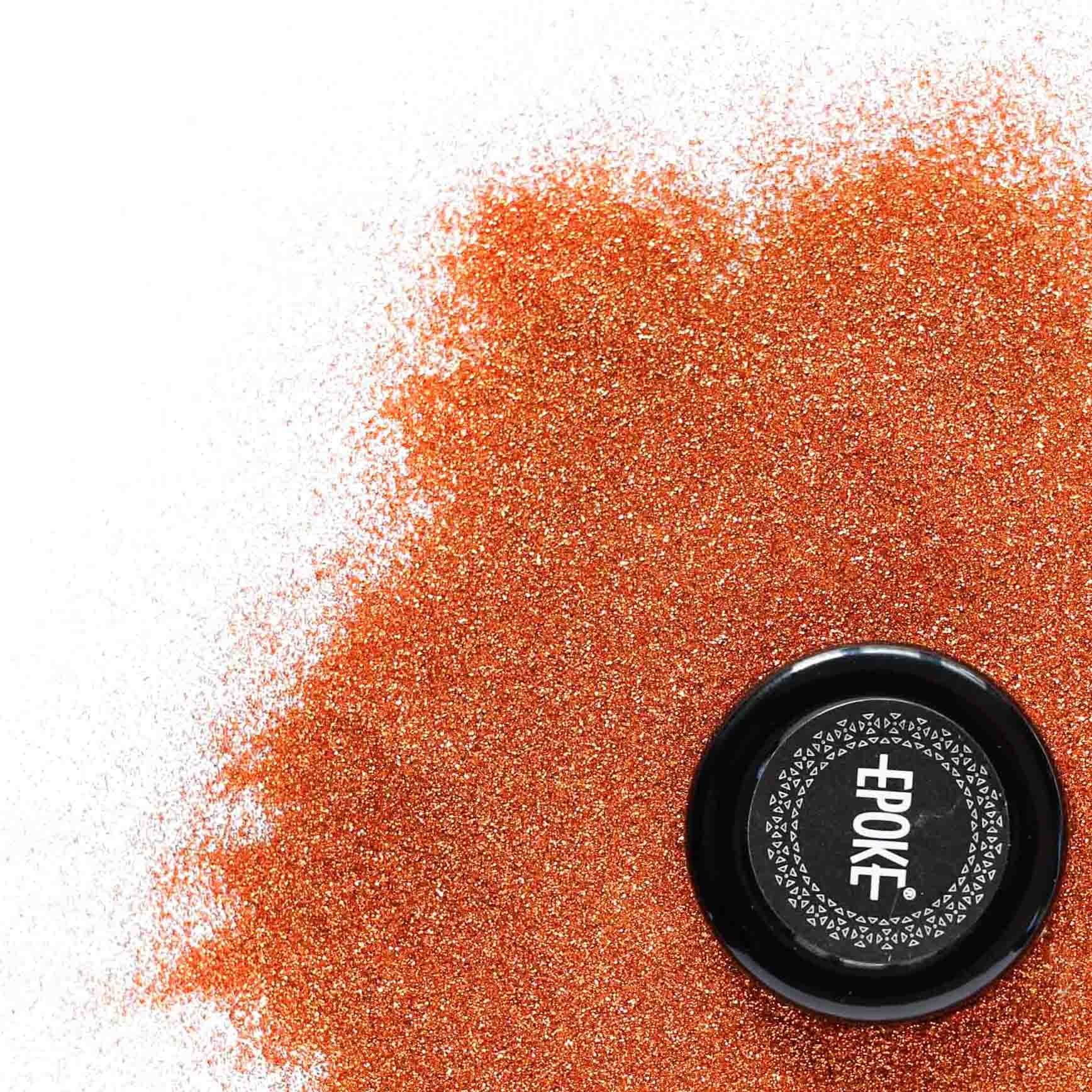
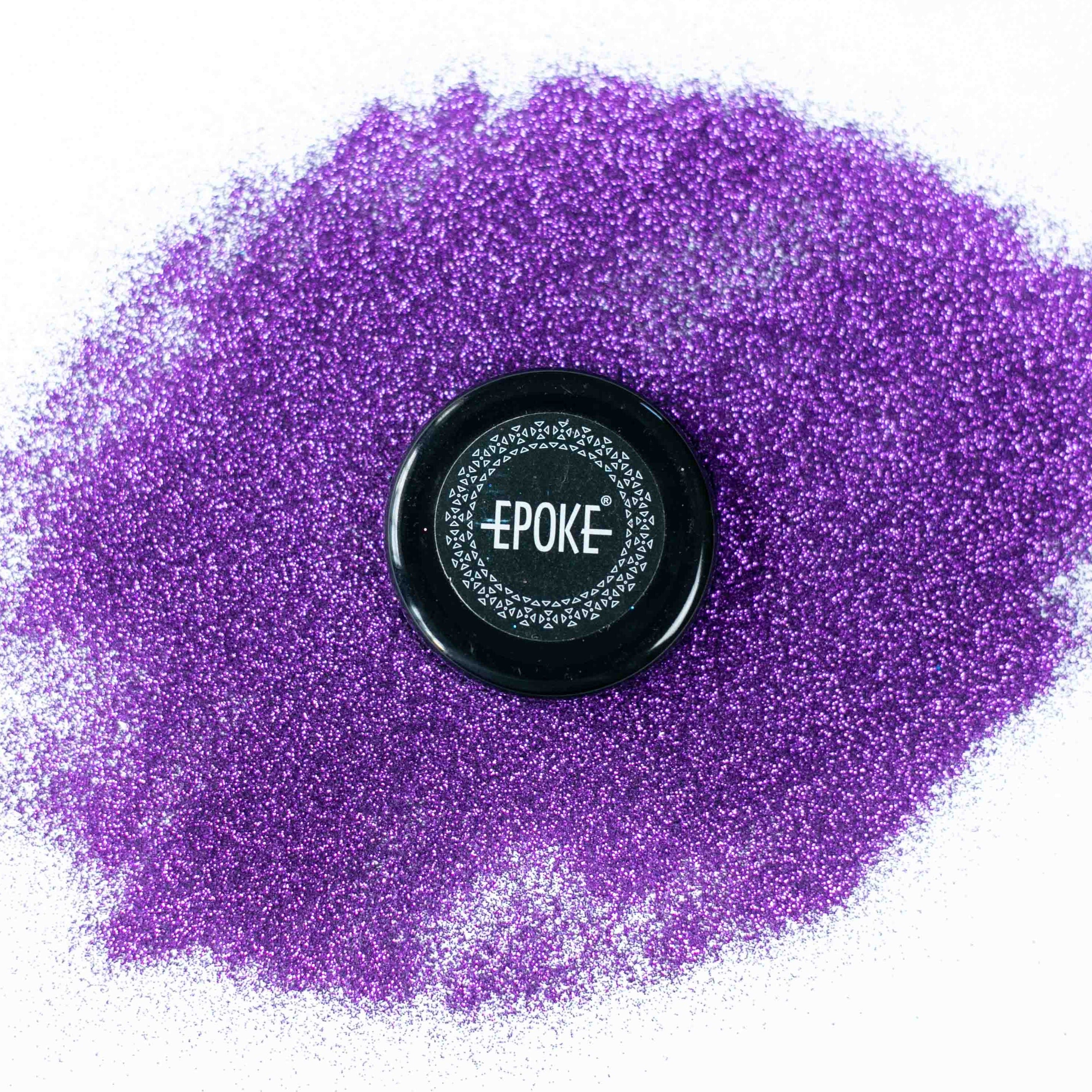
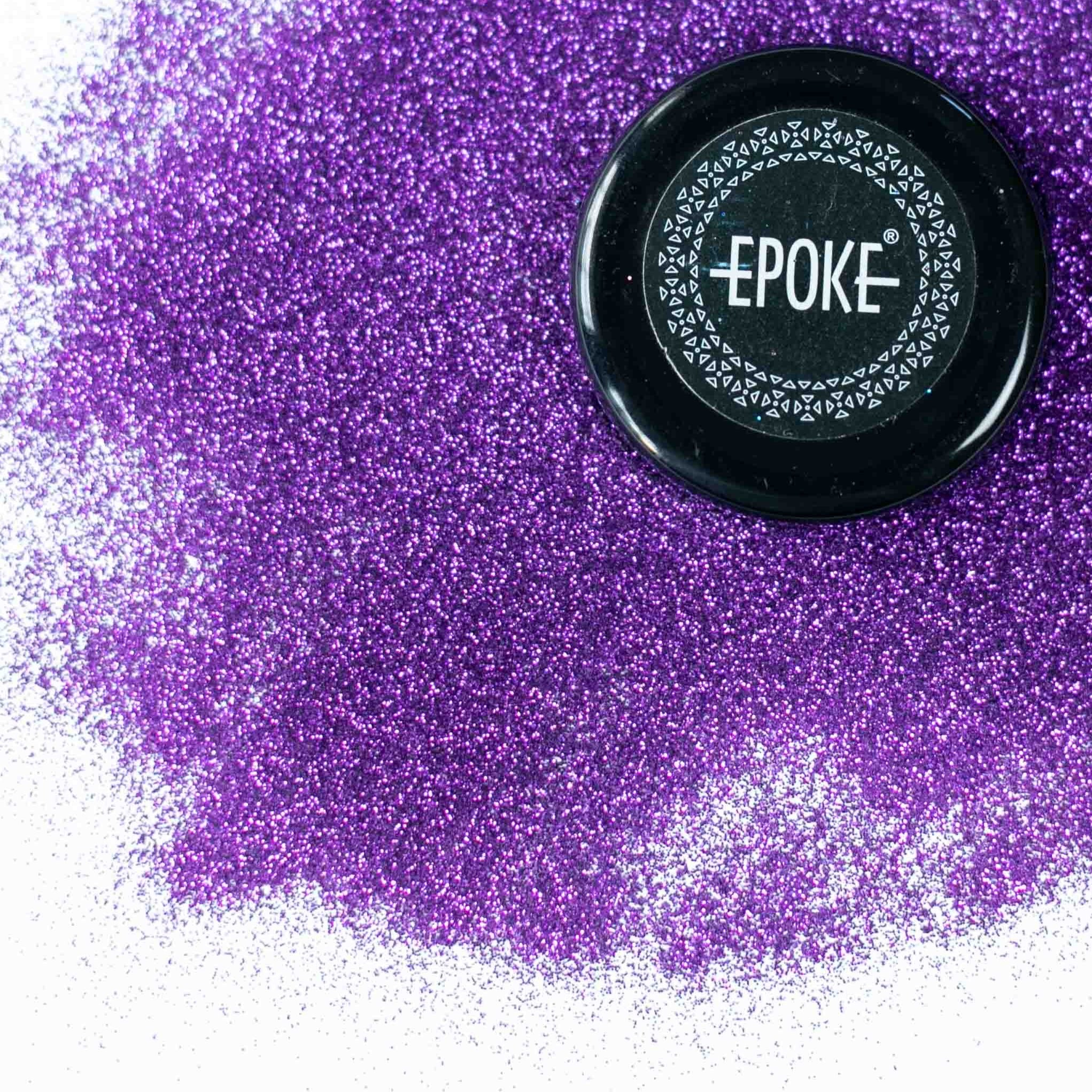
Loose mica powder doesnt give you the same shade you see in its powder form; it also creates dust and uneven clumping if you do not stir long enough. EPOKE Metallic Pigment Pastes skip that problem. Shades like Kohinoor Gold and Aluminium Silver come pre-blended, so they mix straight into resin without clumps or extra effort. You get a smooth metallic finish with less stirring time. With EPOKE’s Metallic Pigment Pastes you get the same color output when you mix it into the Resin Mixture.
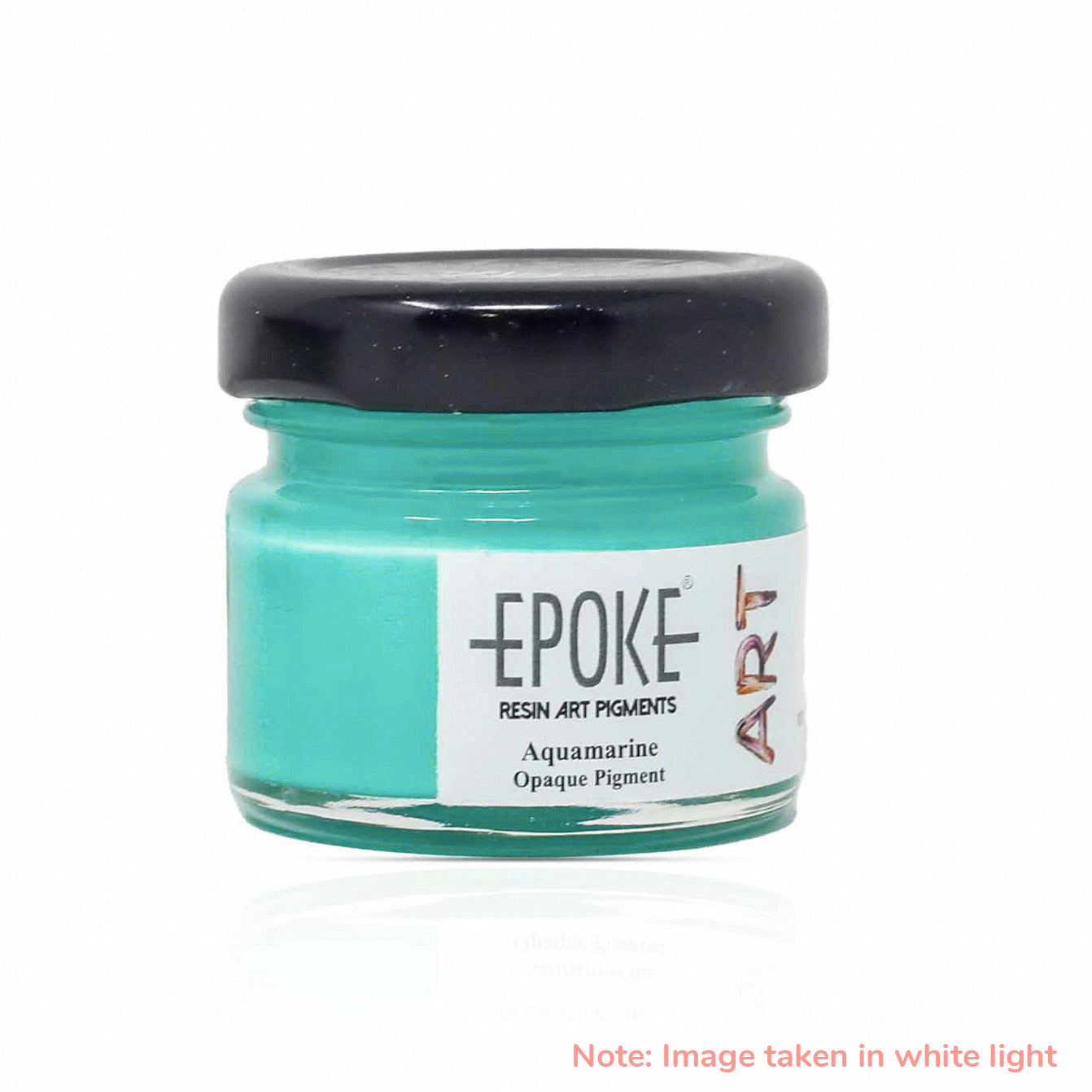
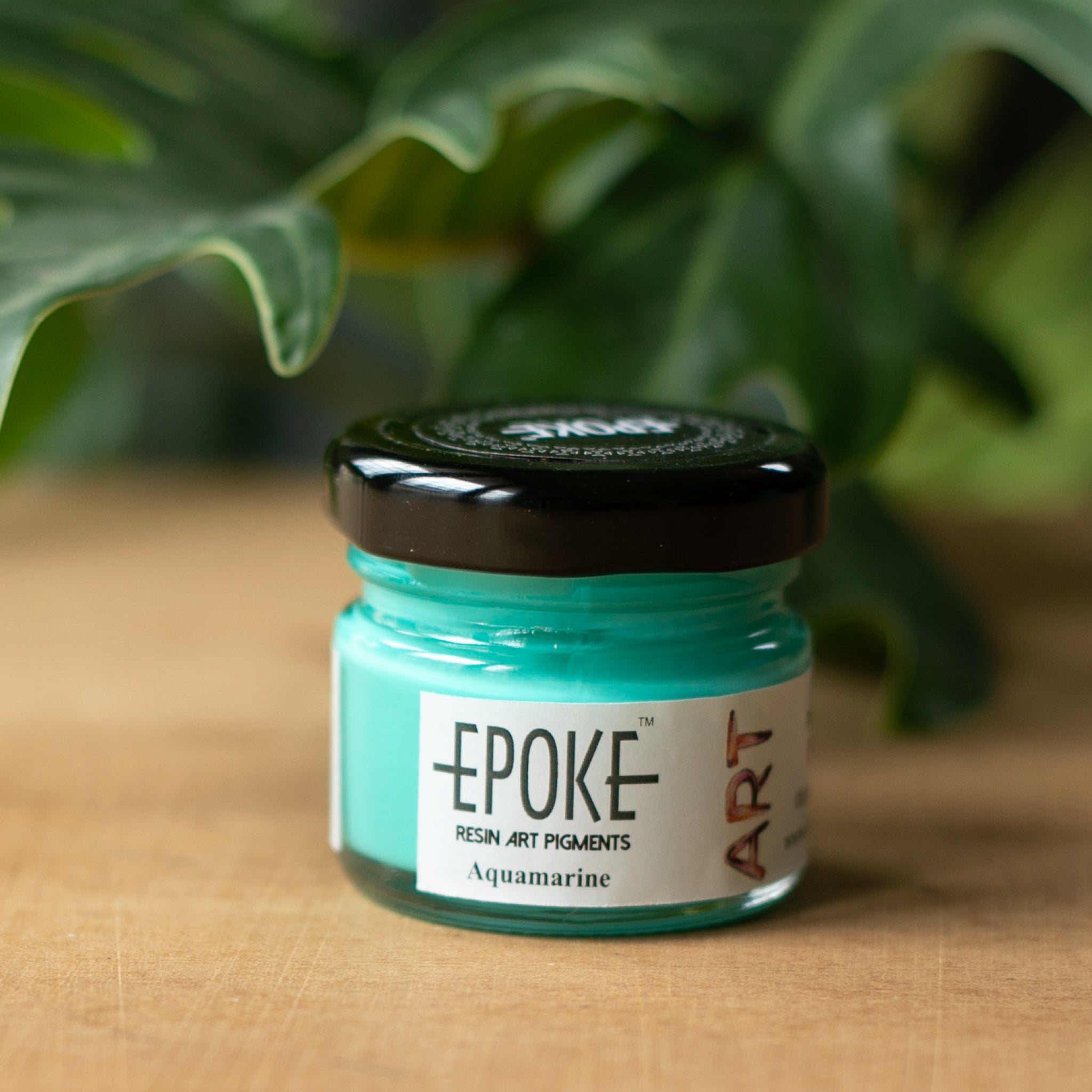
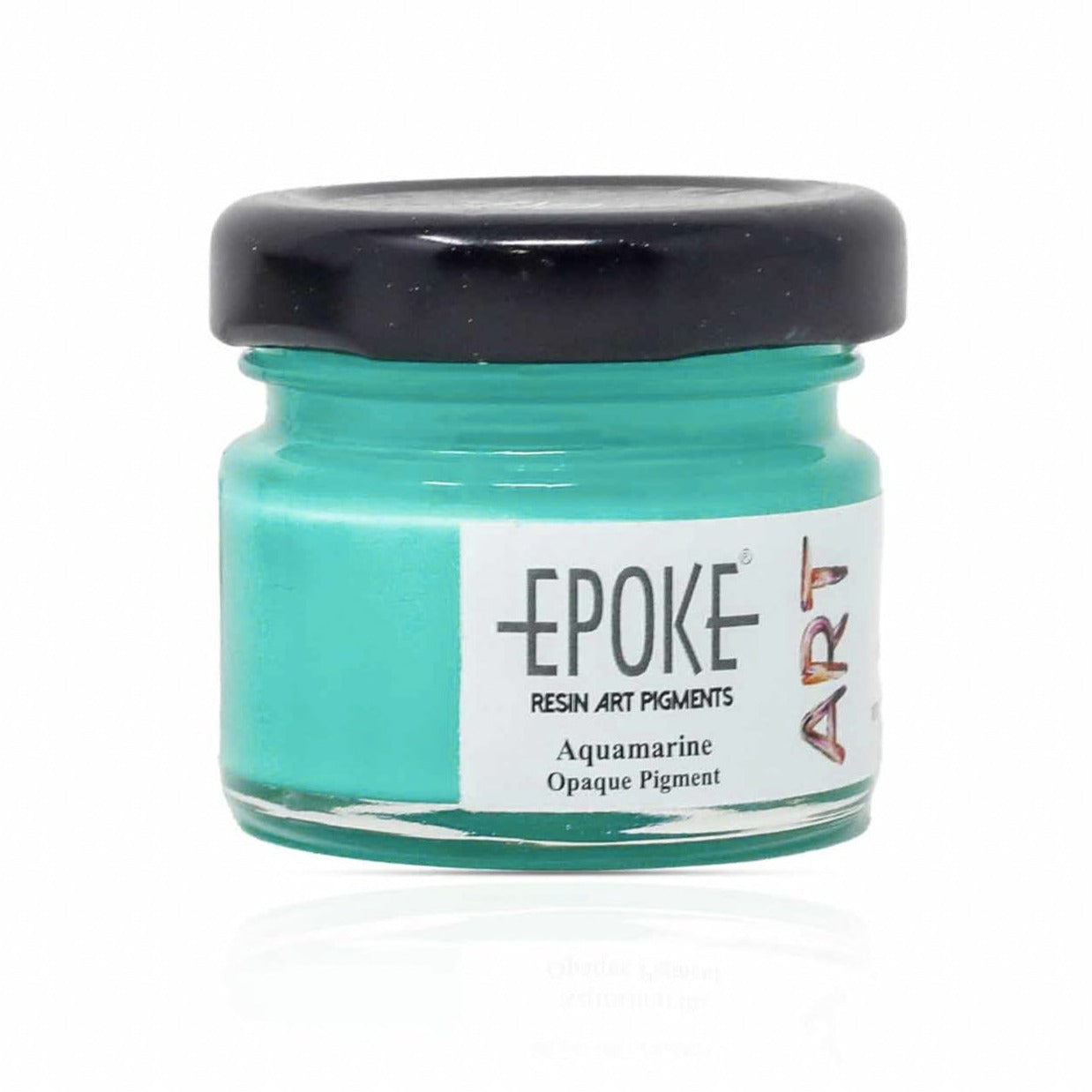
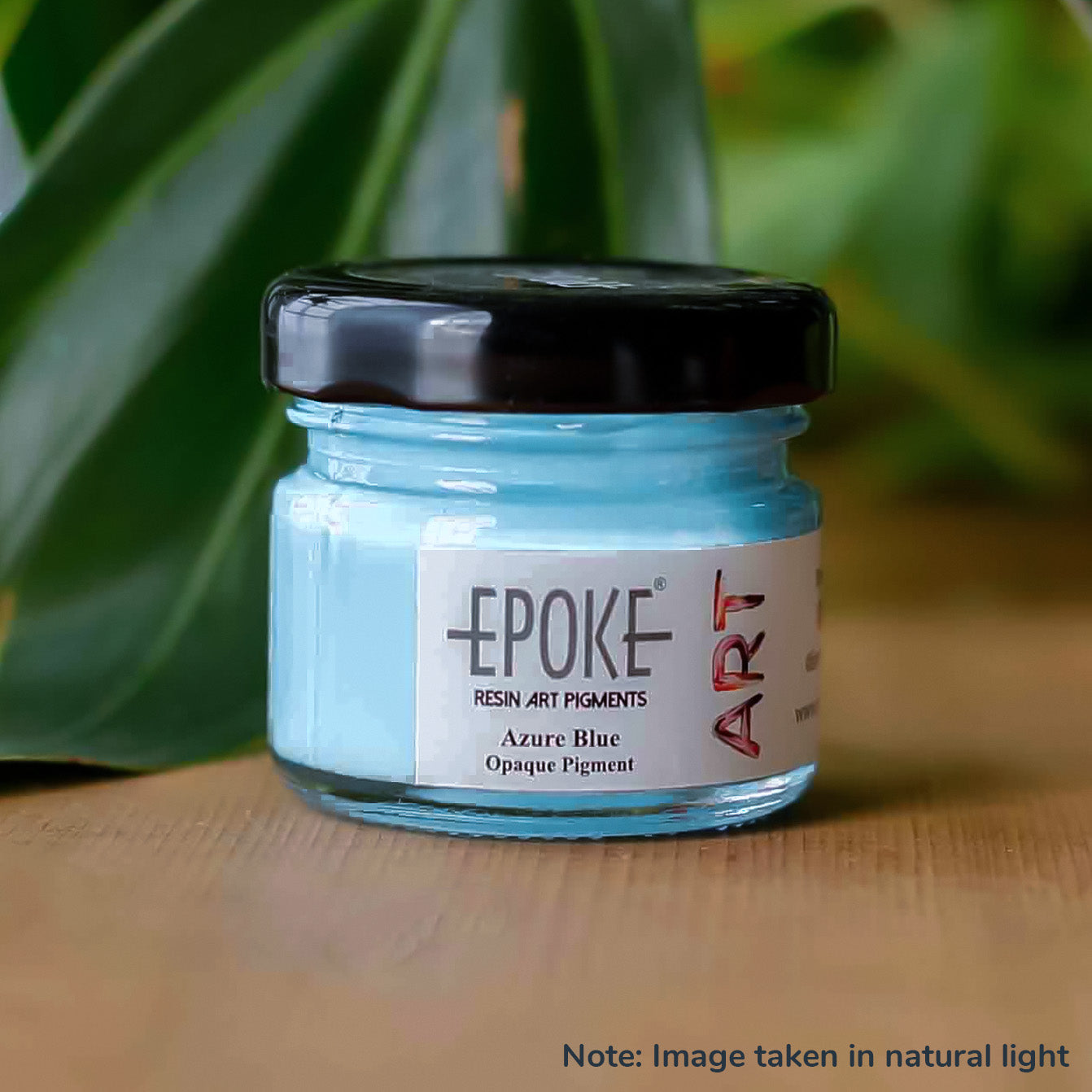
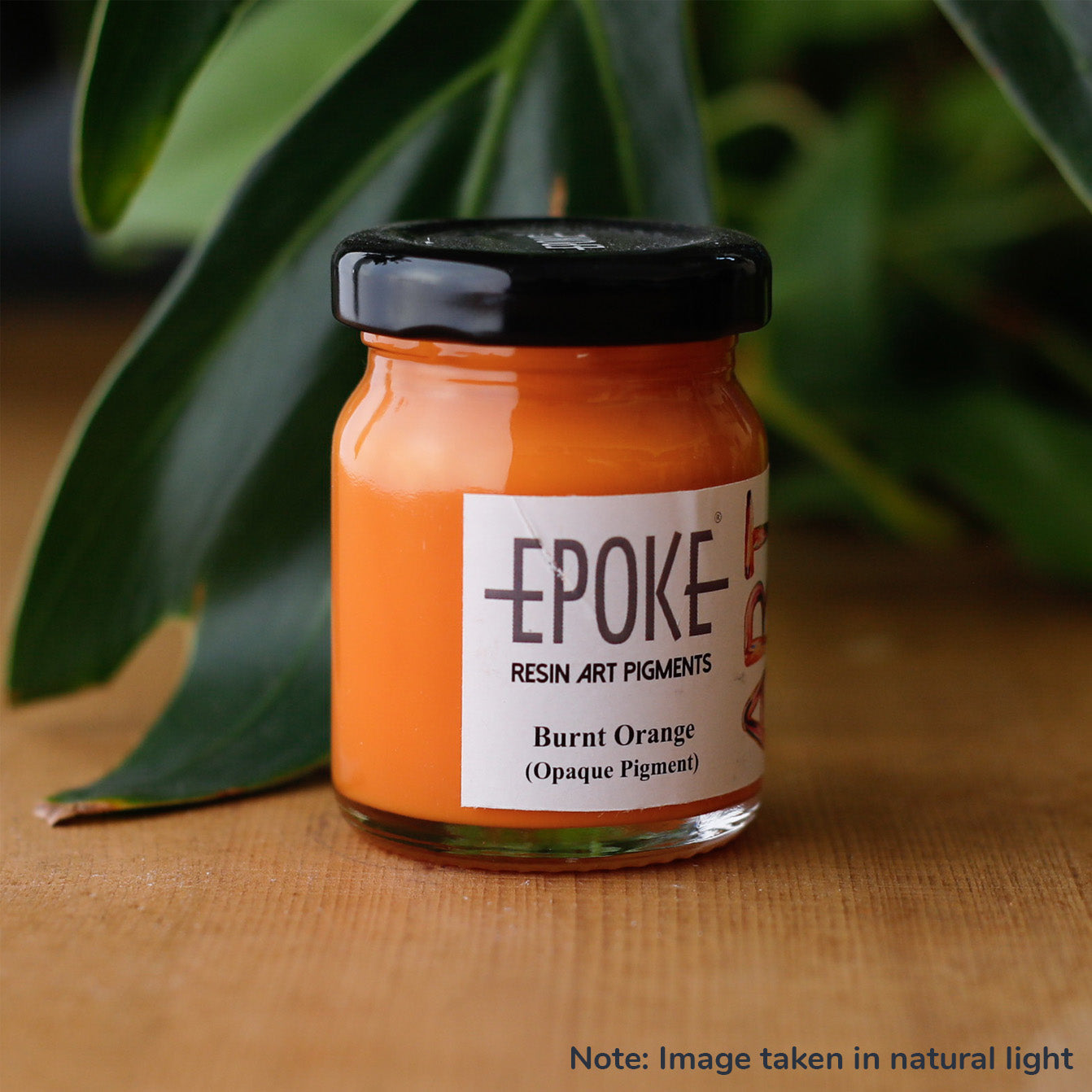
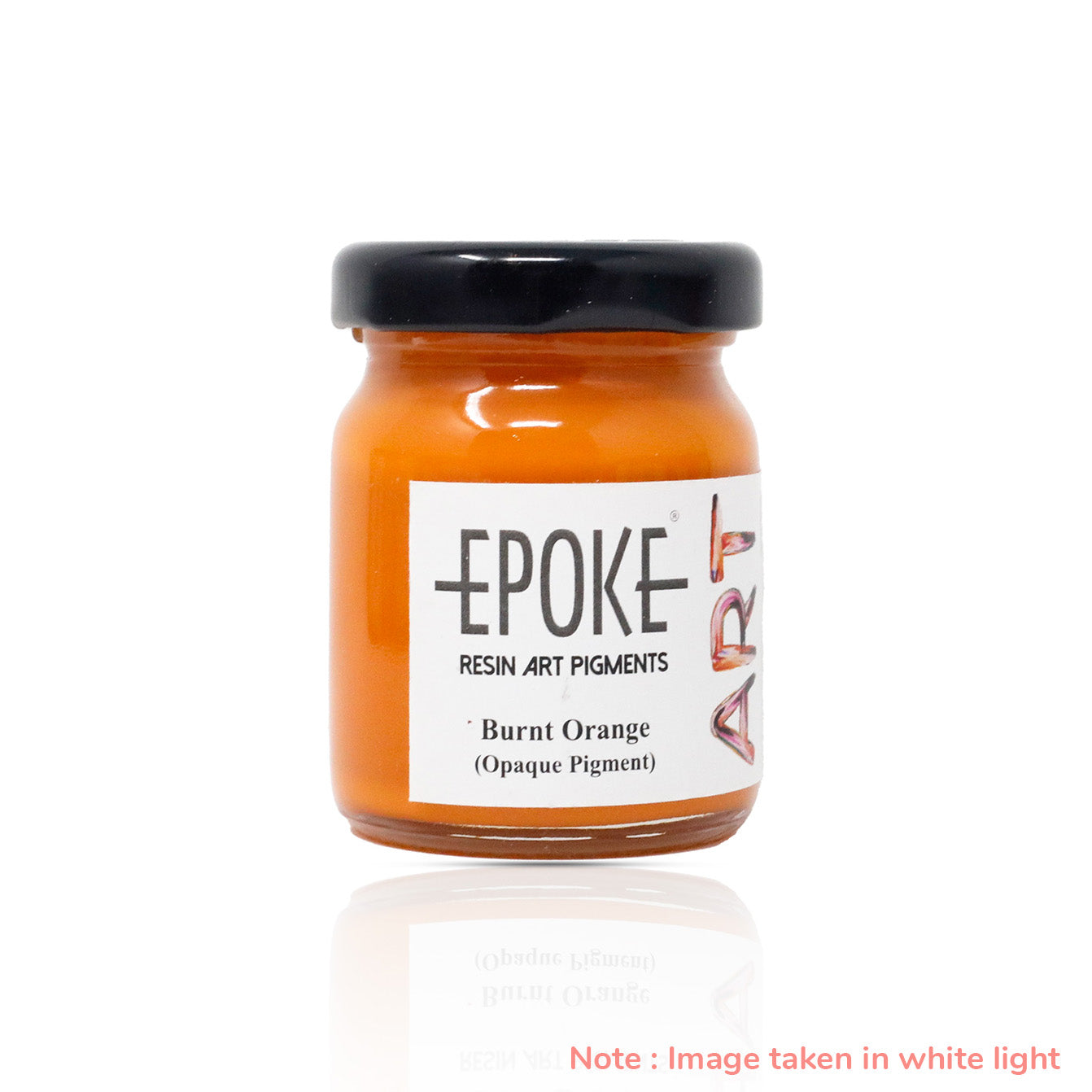
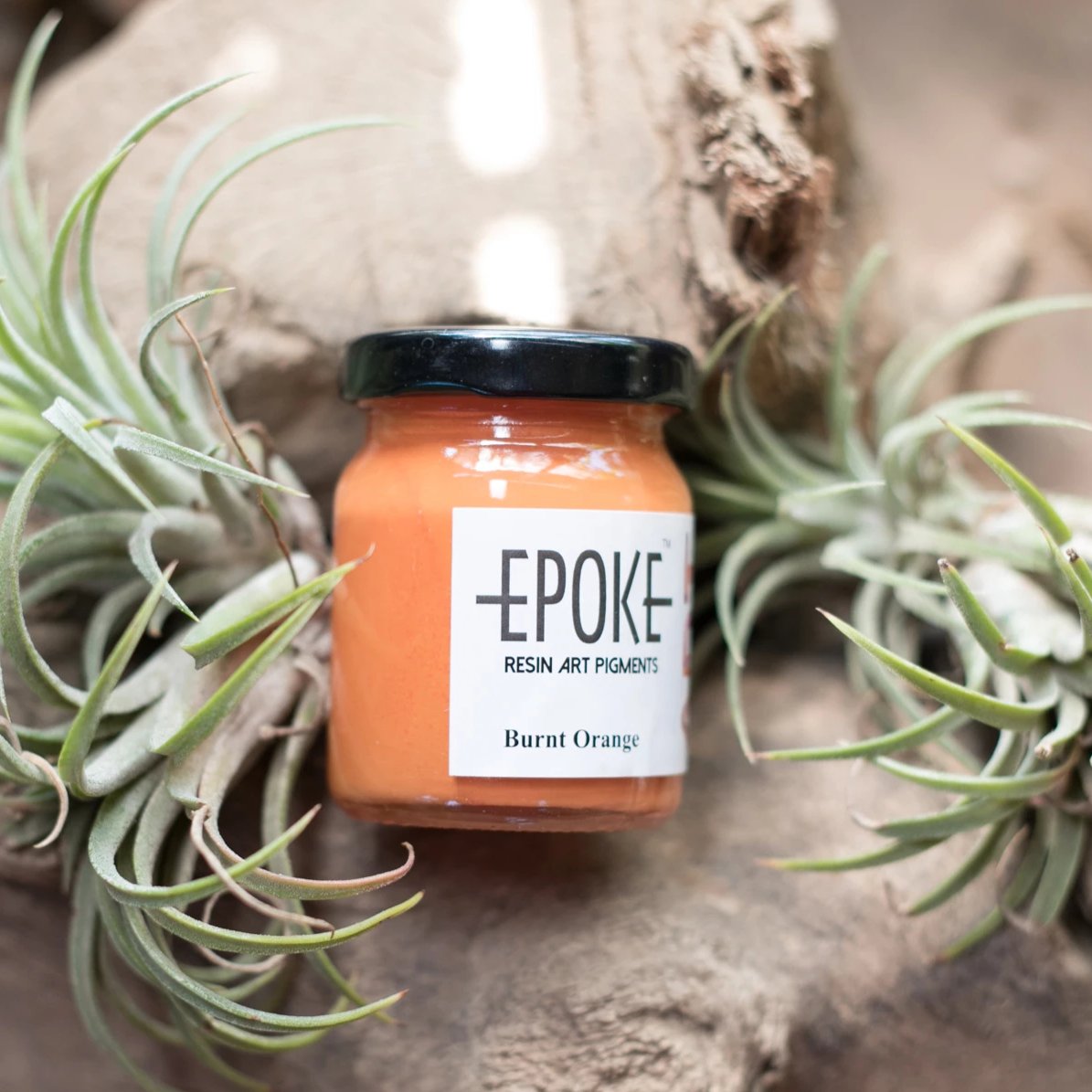
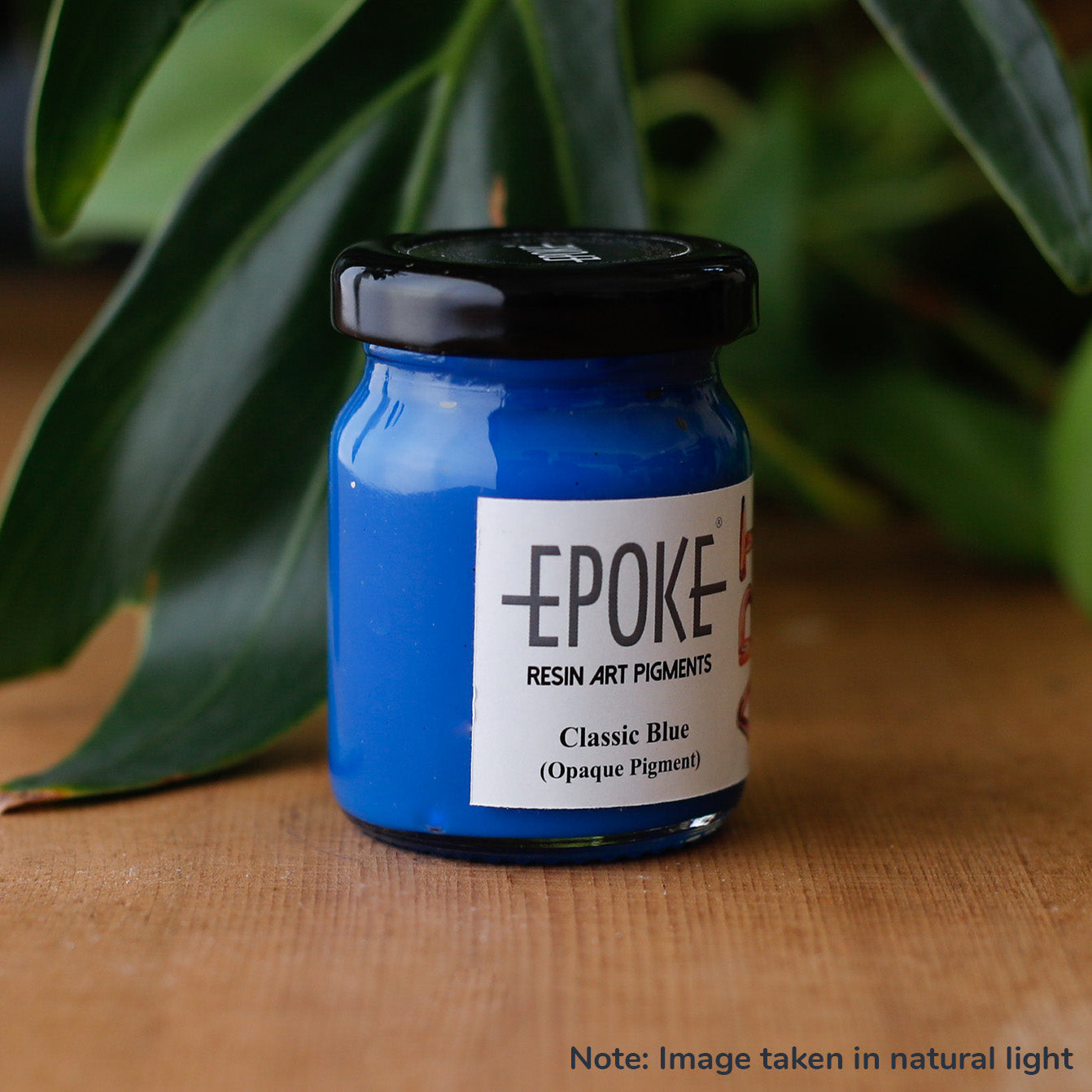
3. Opaque Pigment Pastes
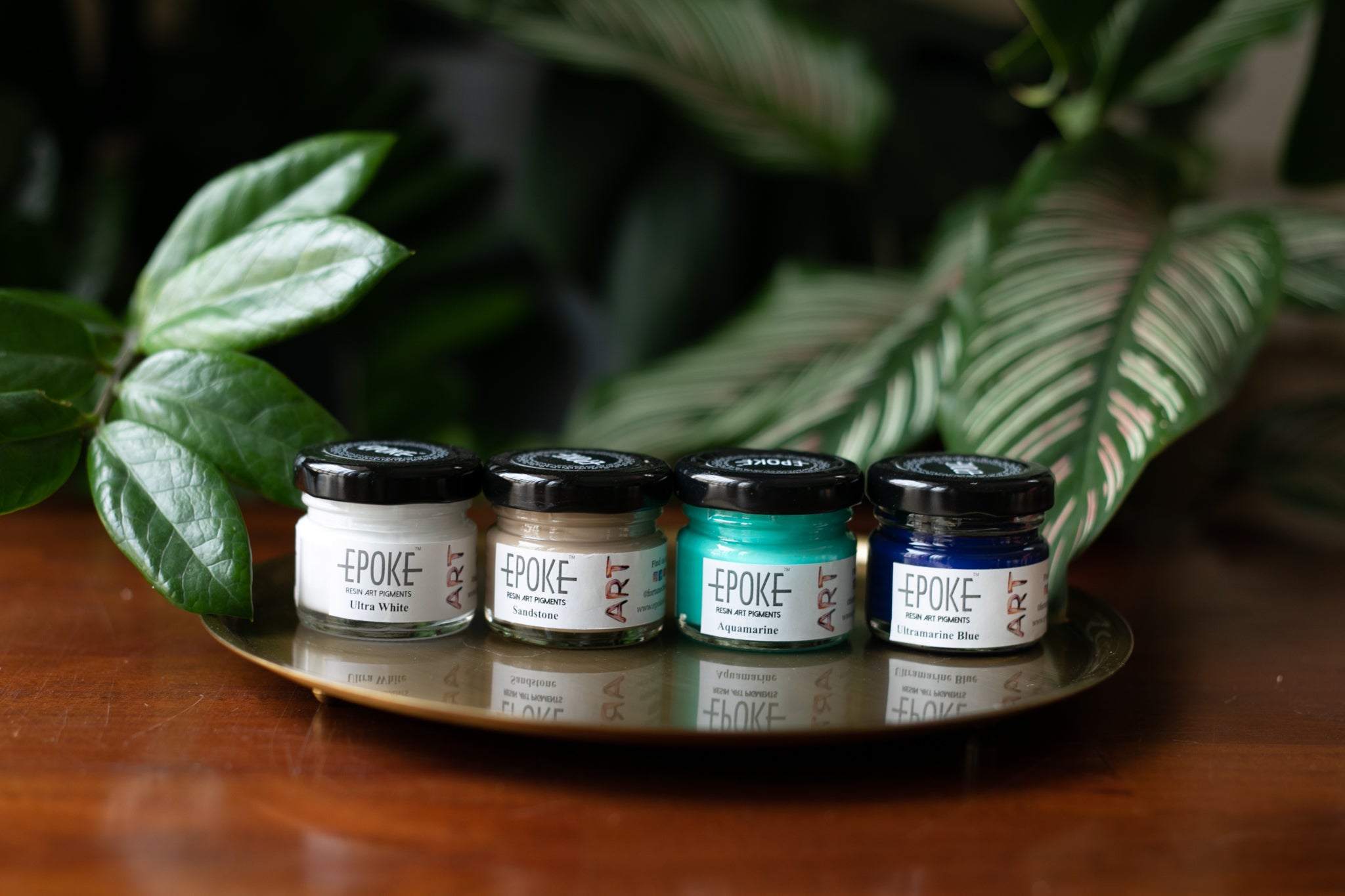
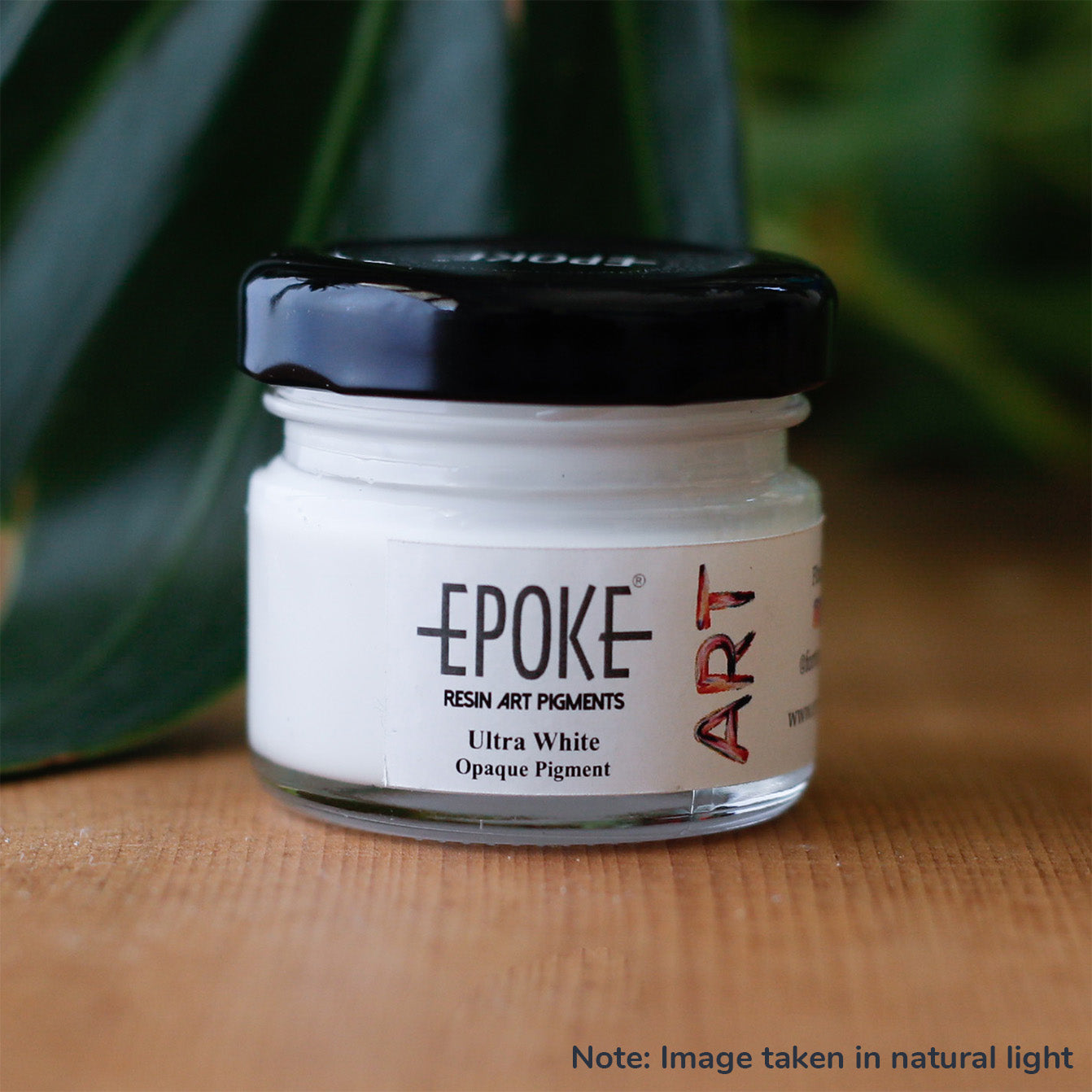
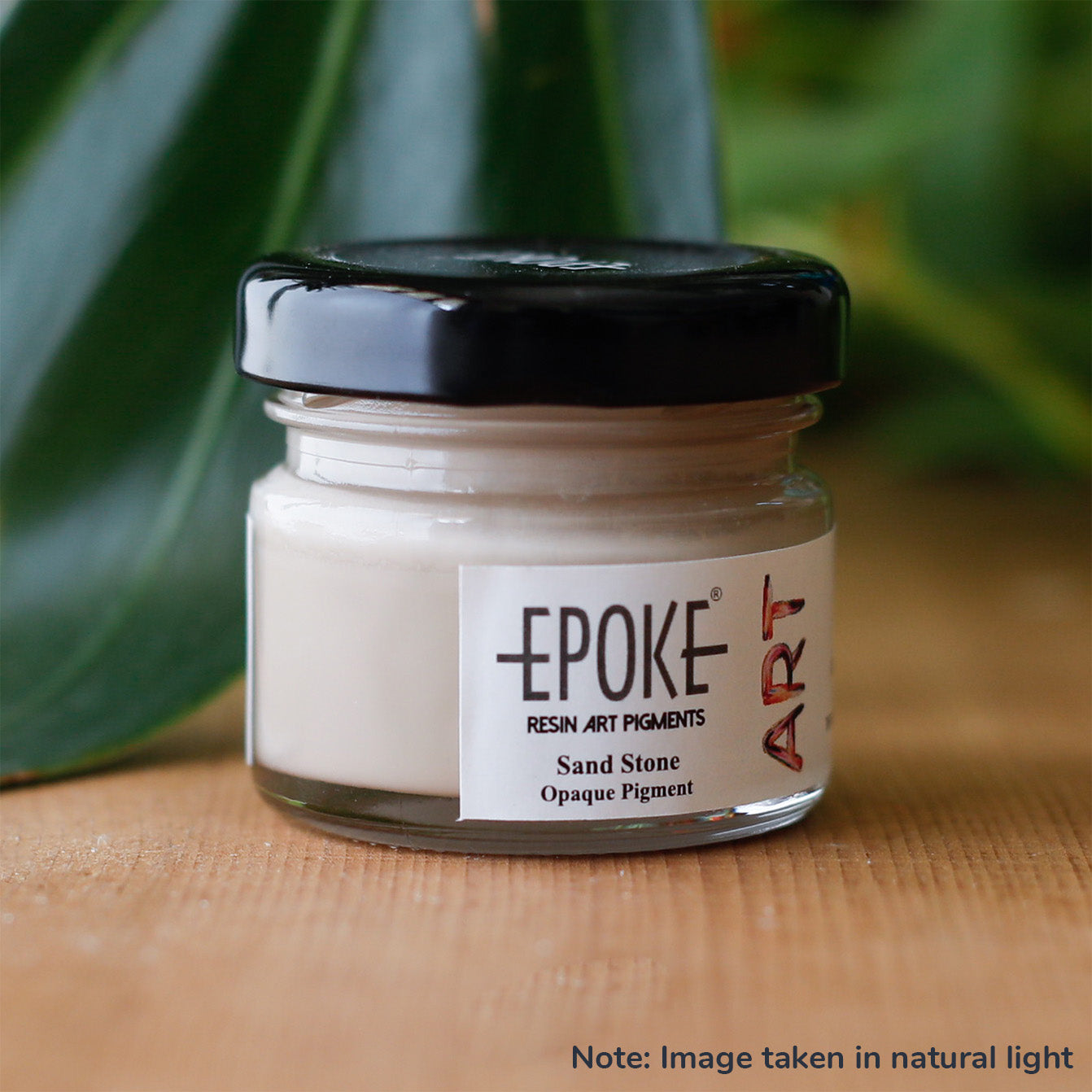
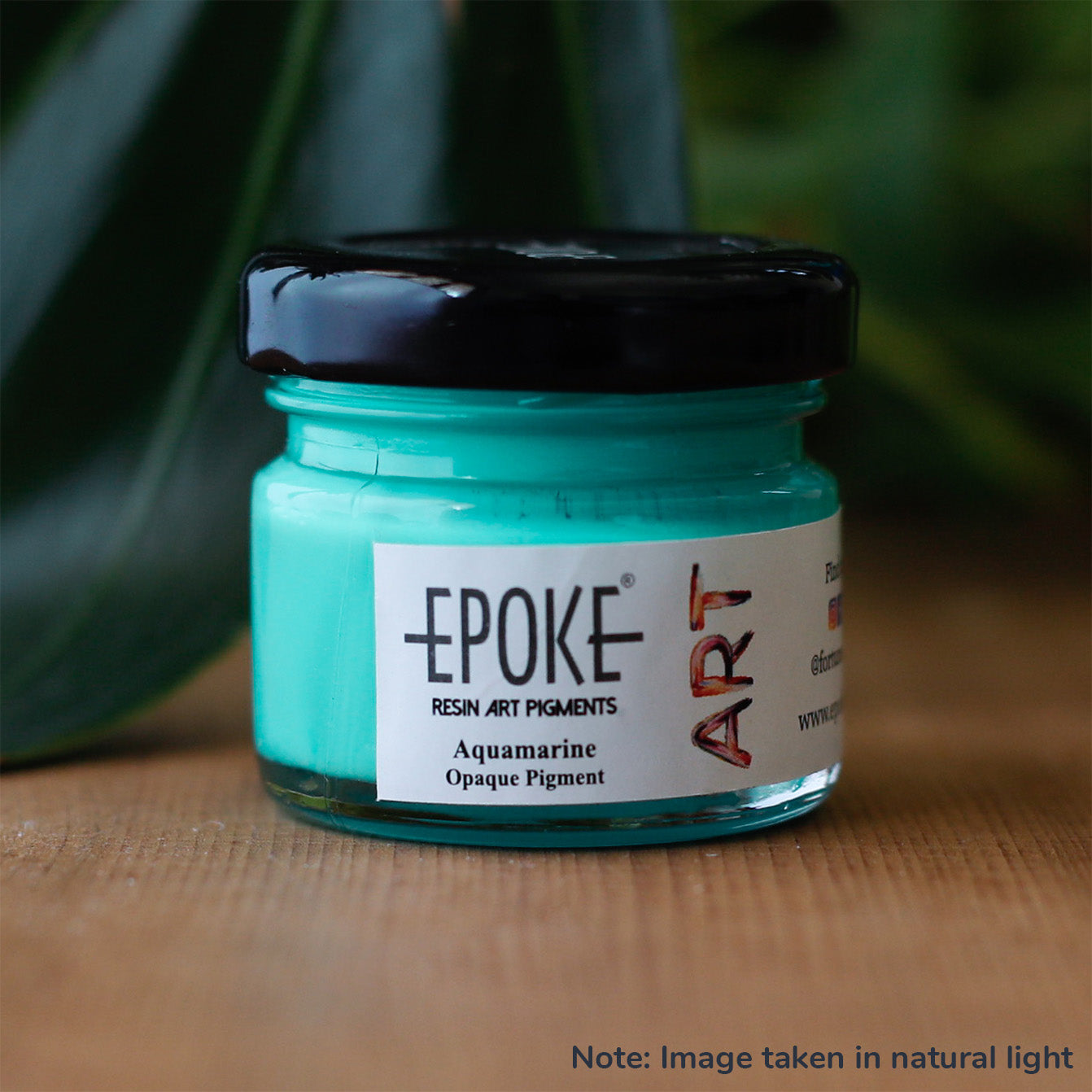
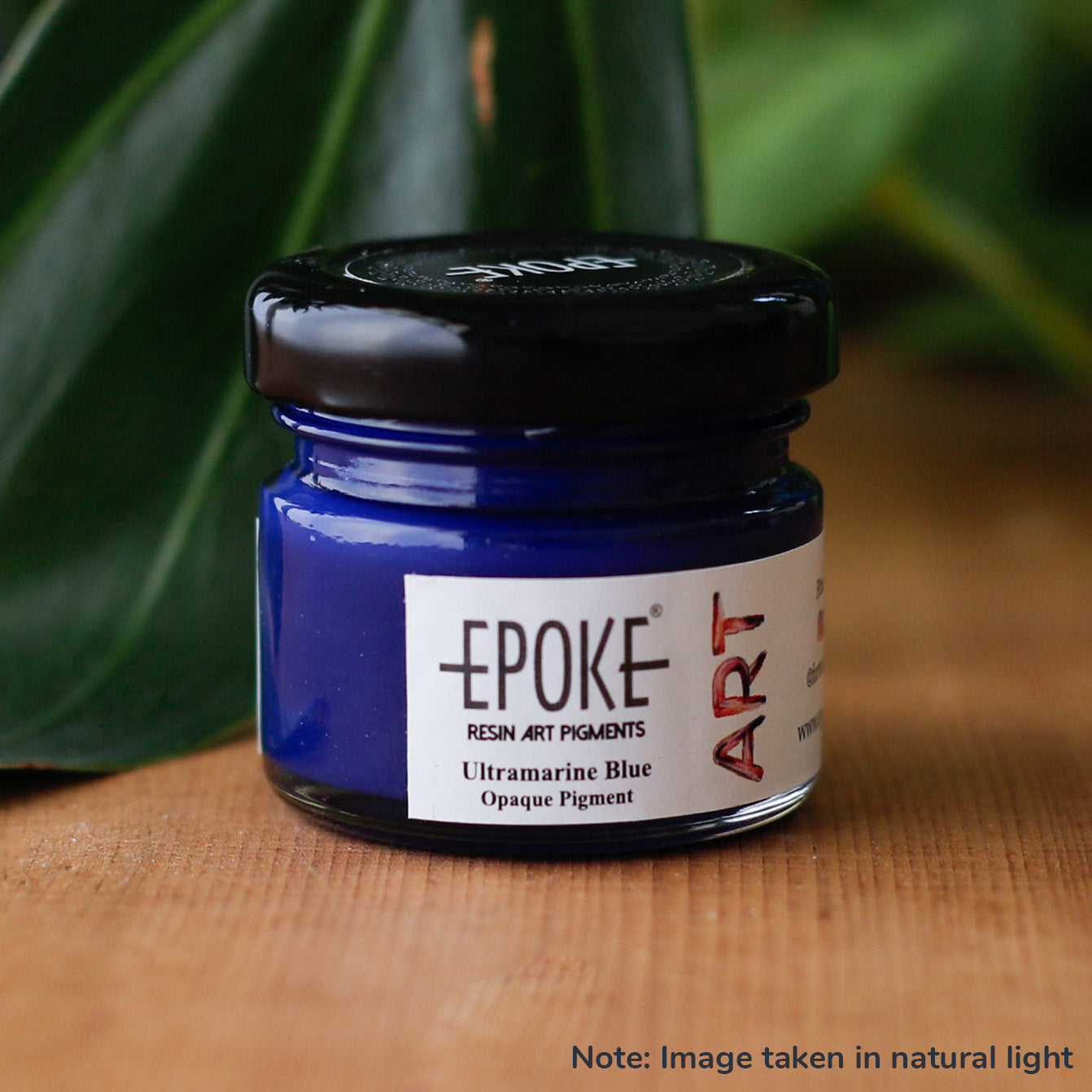
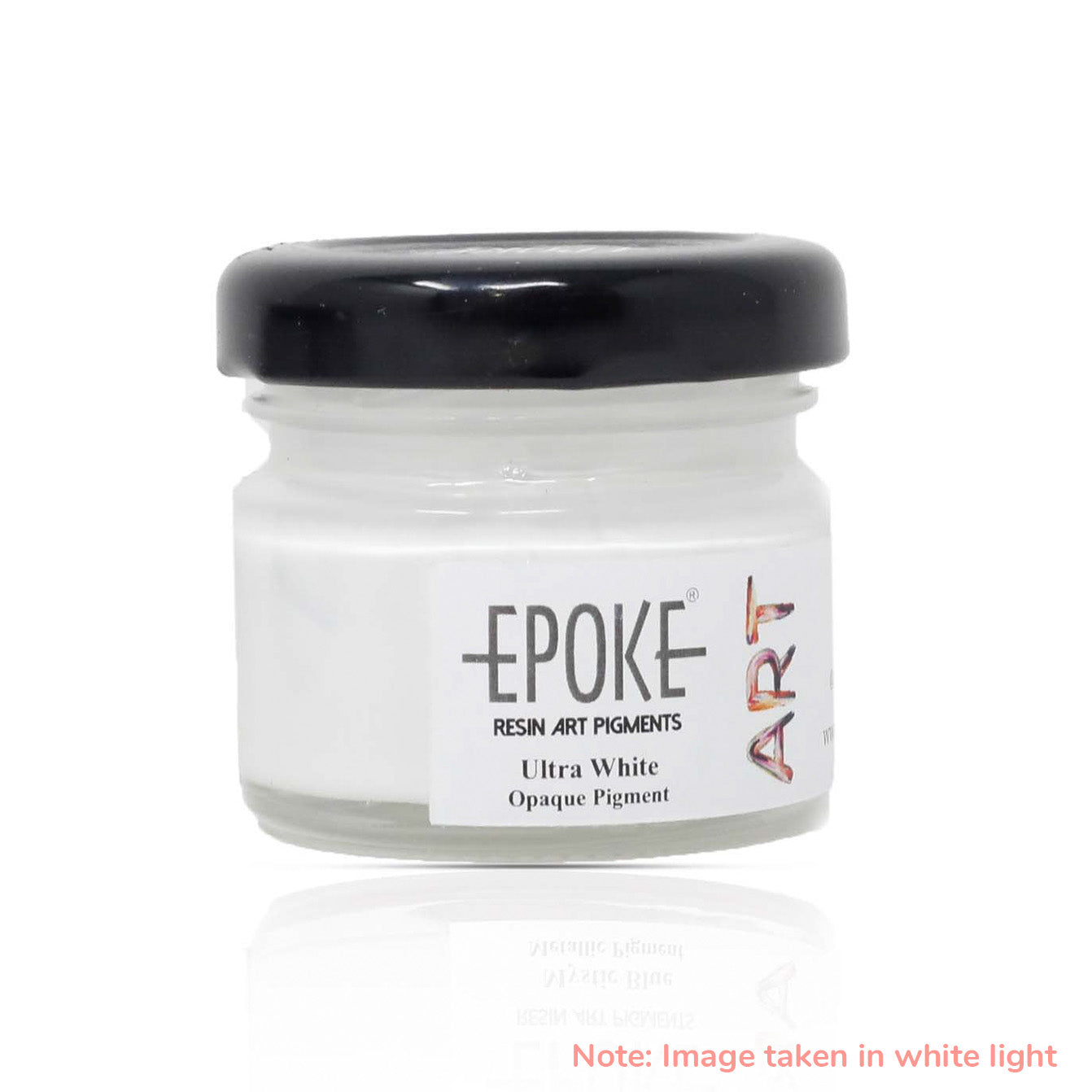
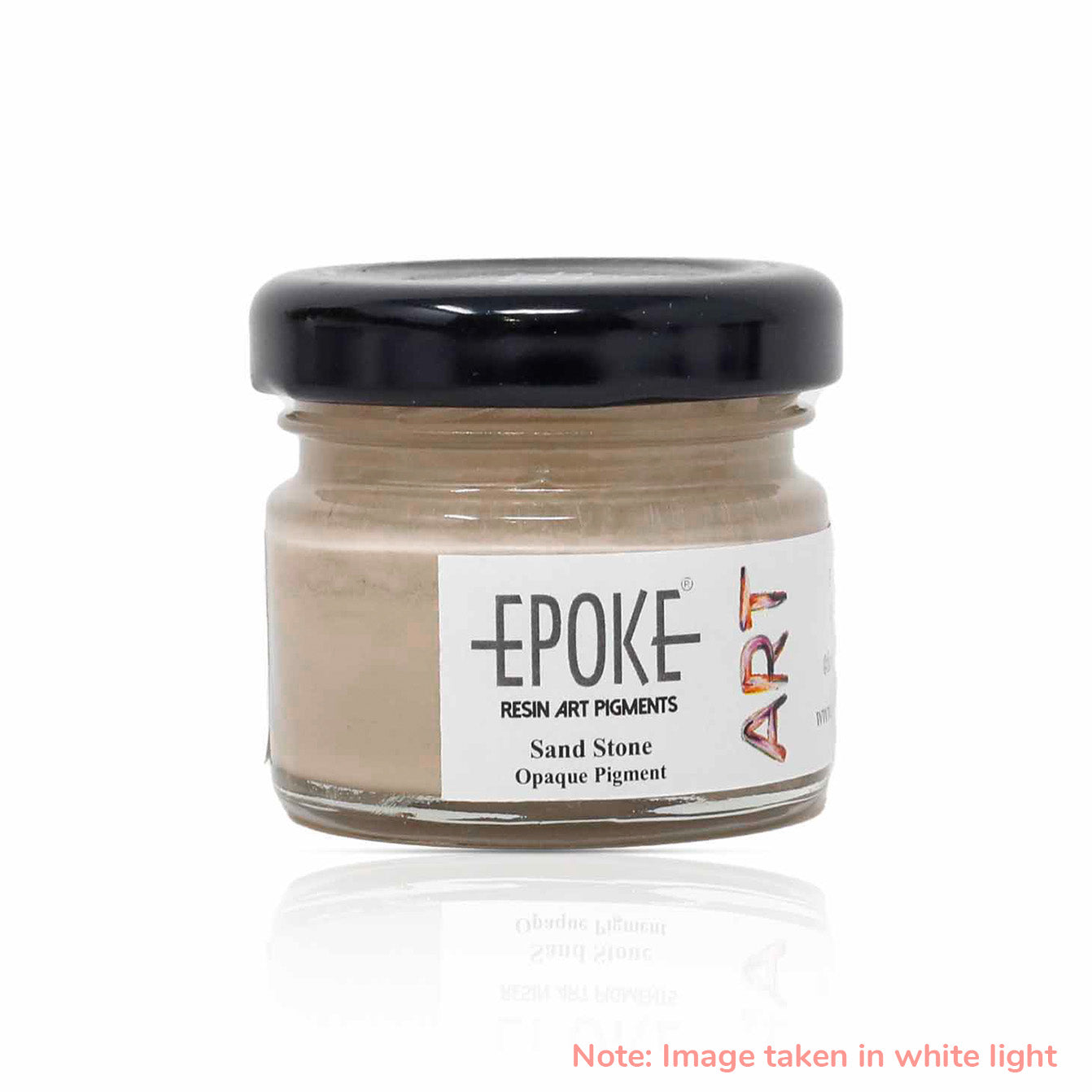
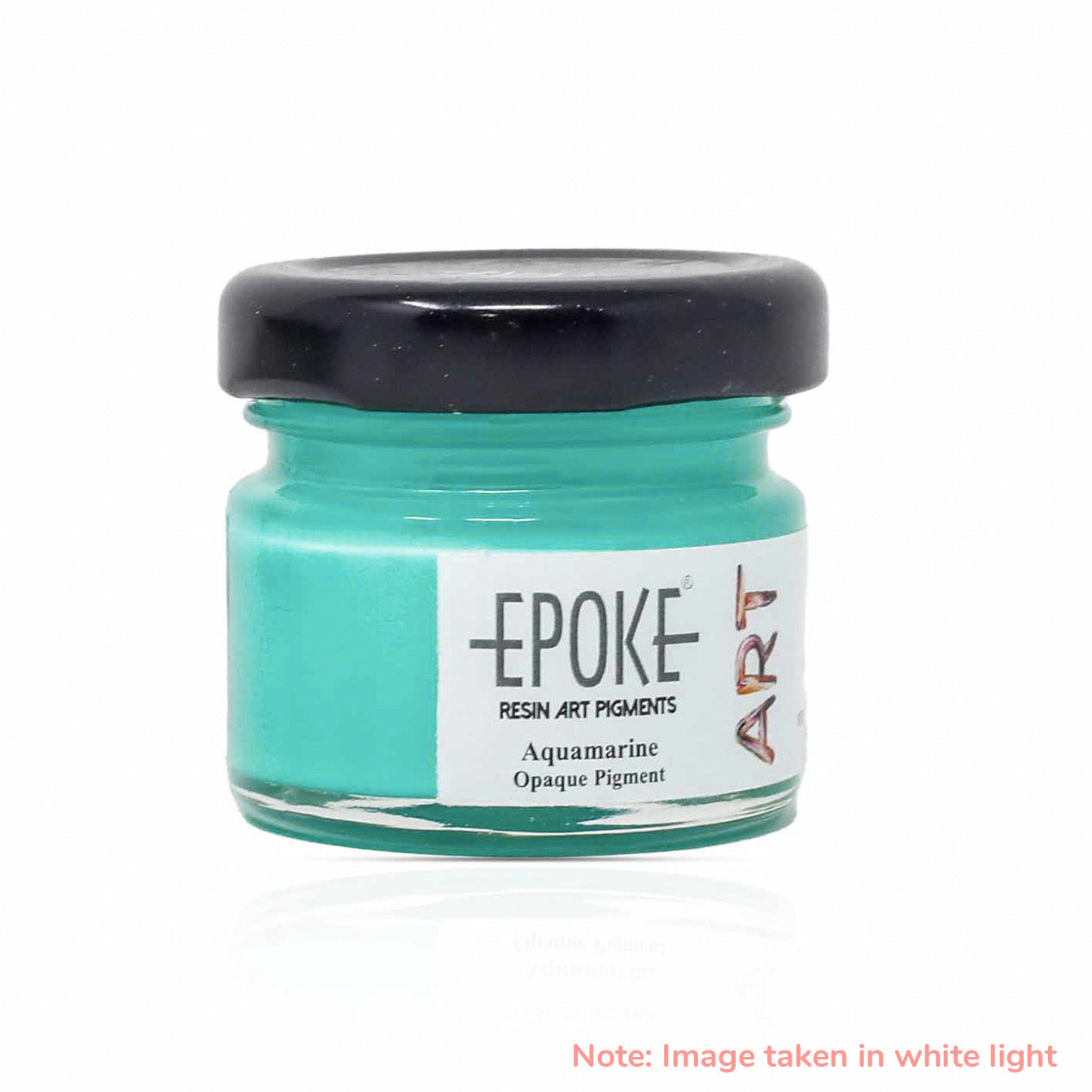
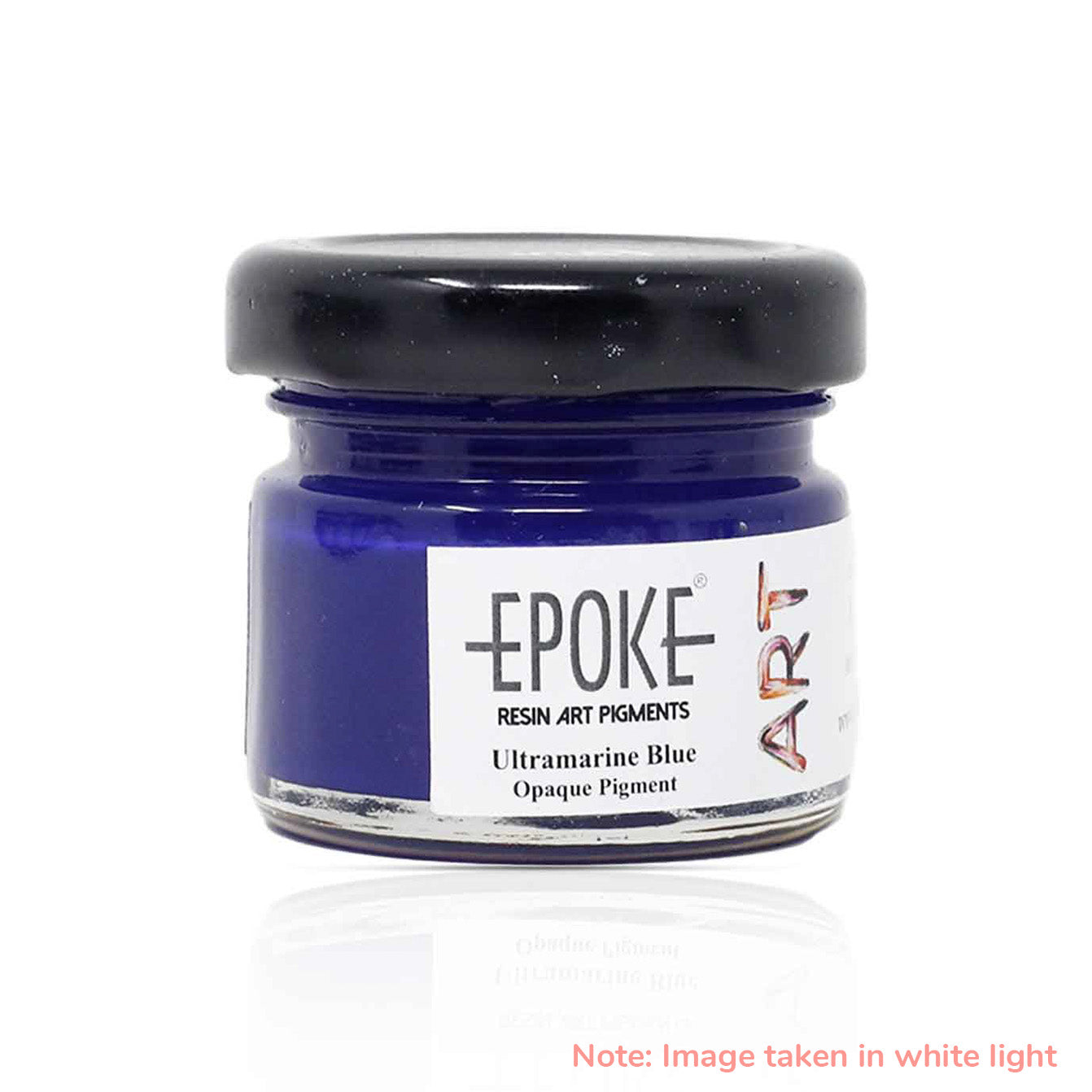
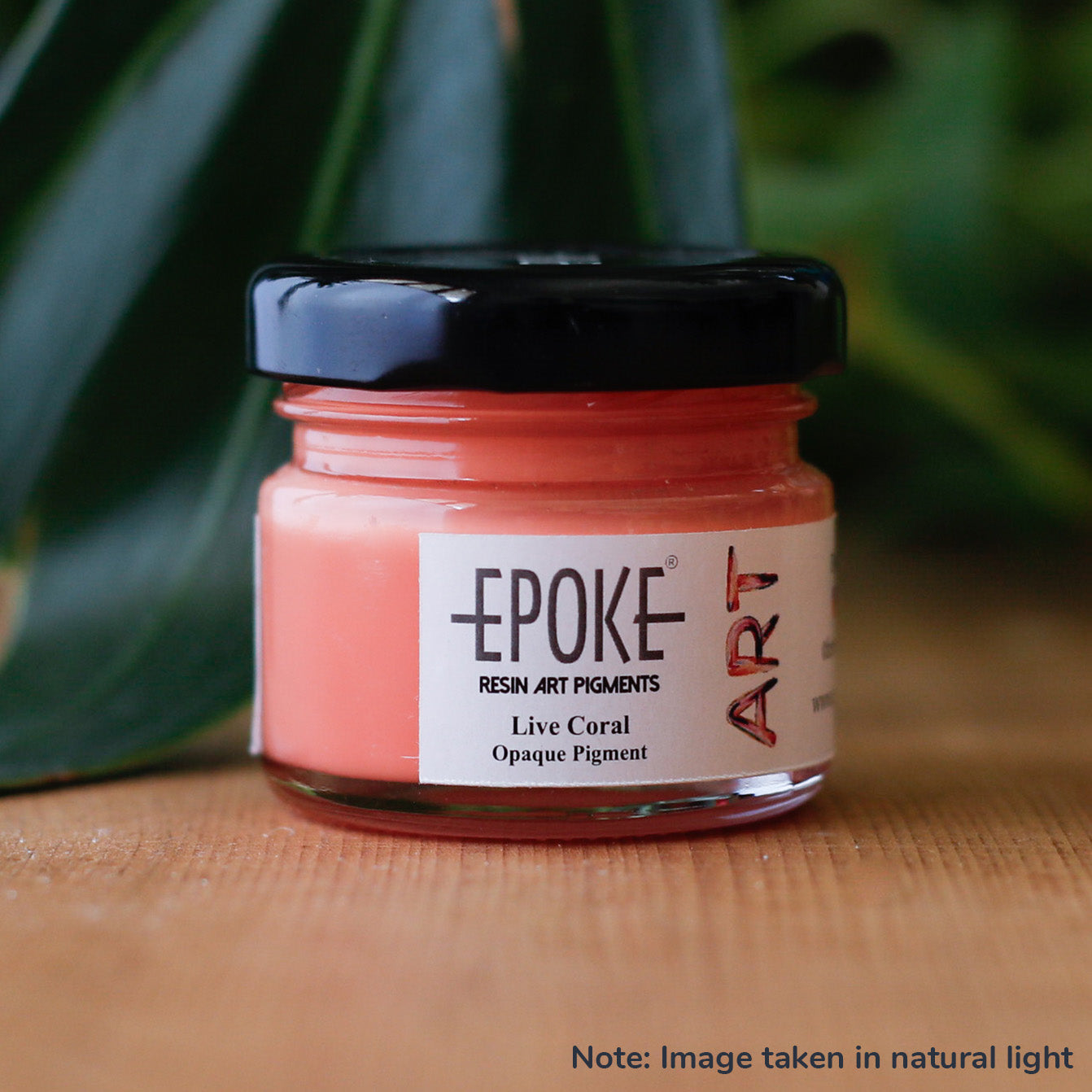
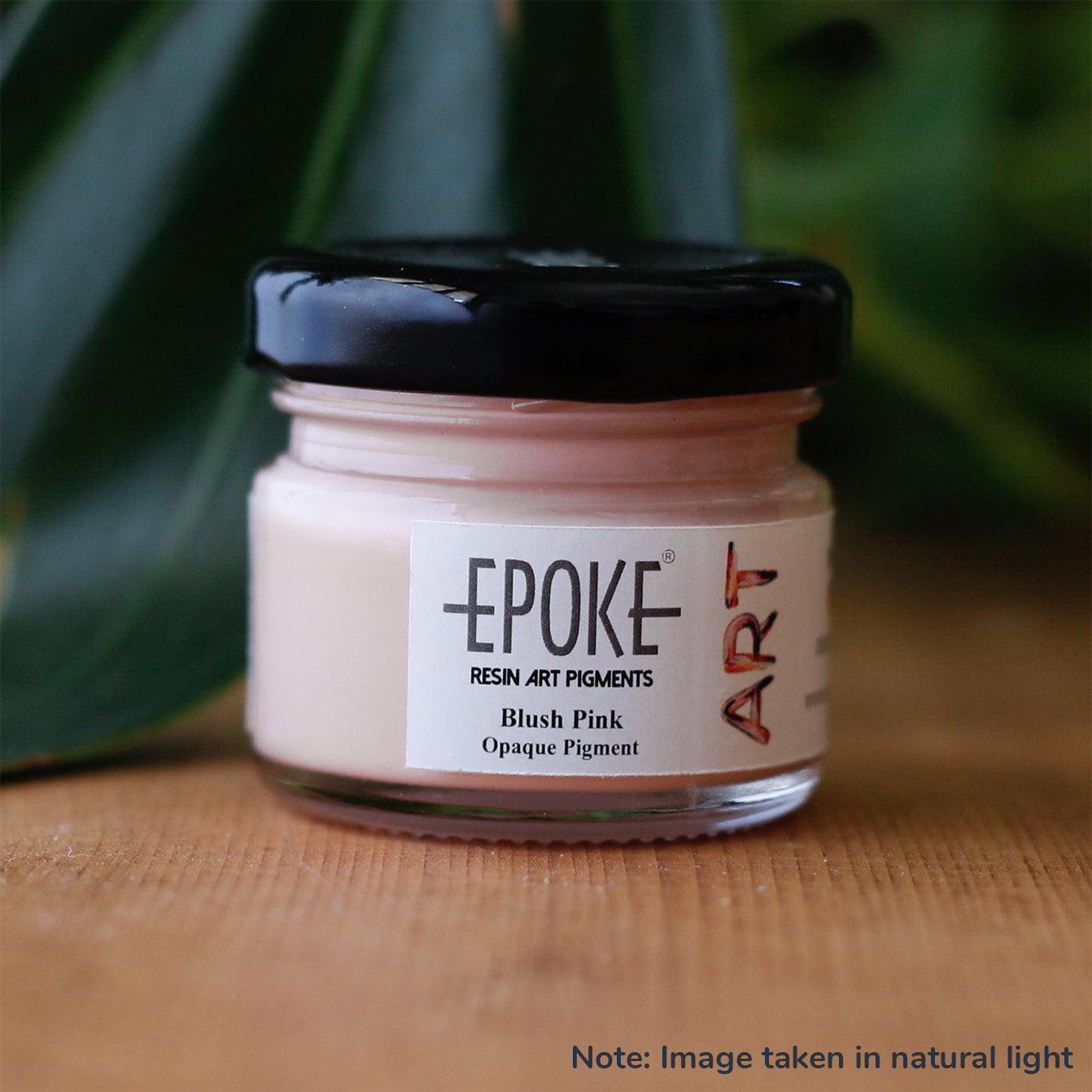
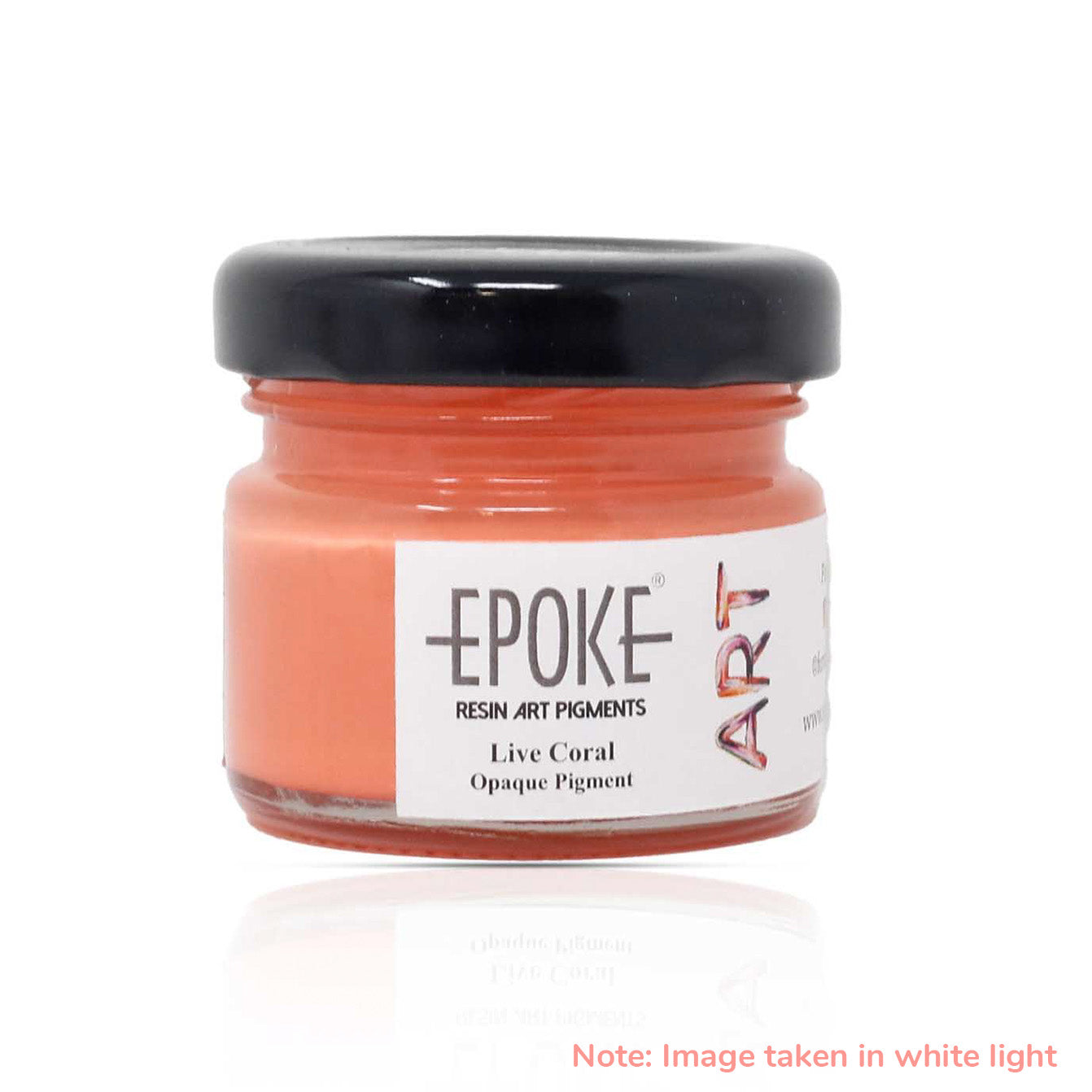
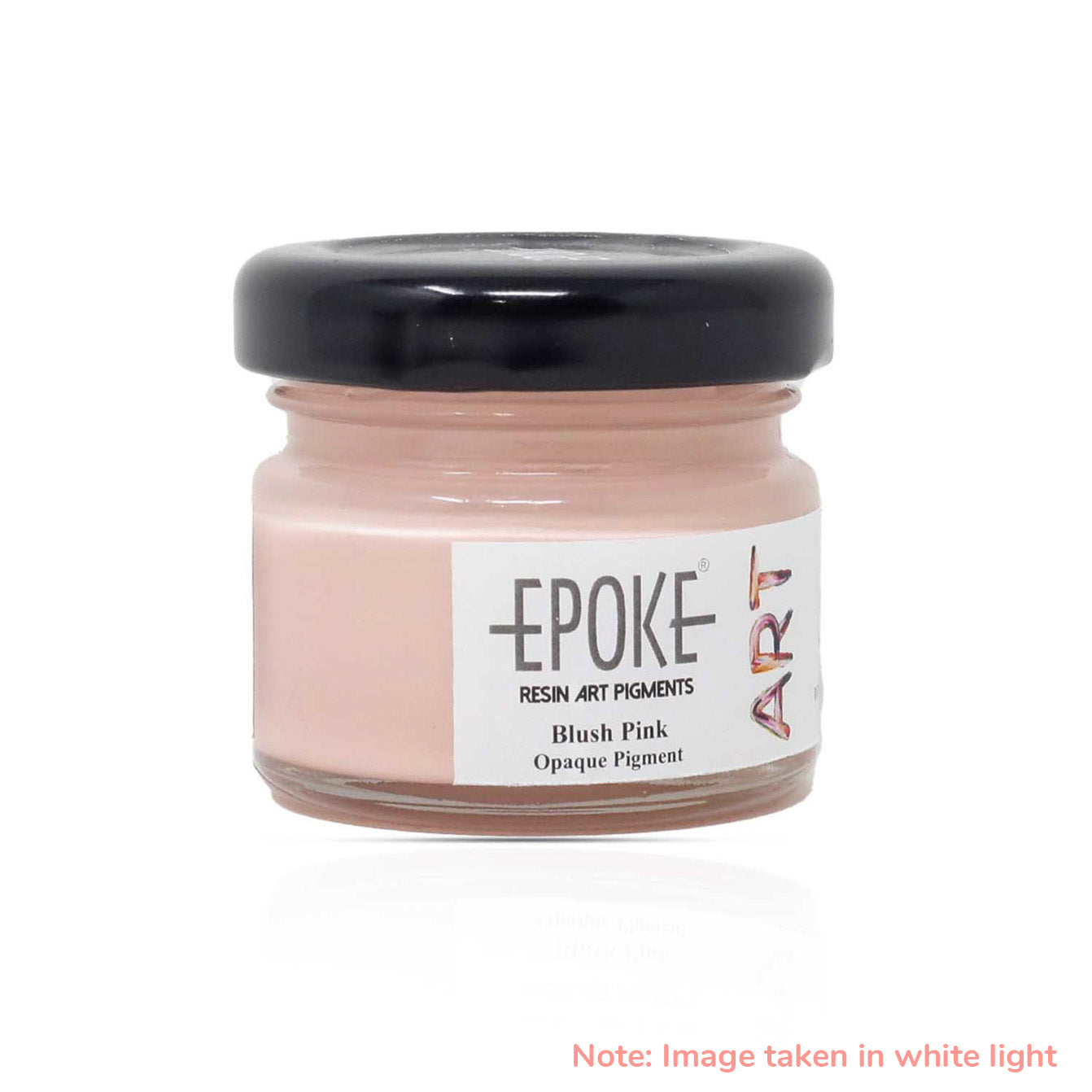
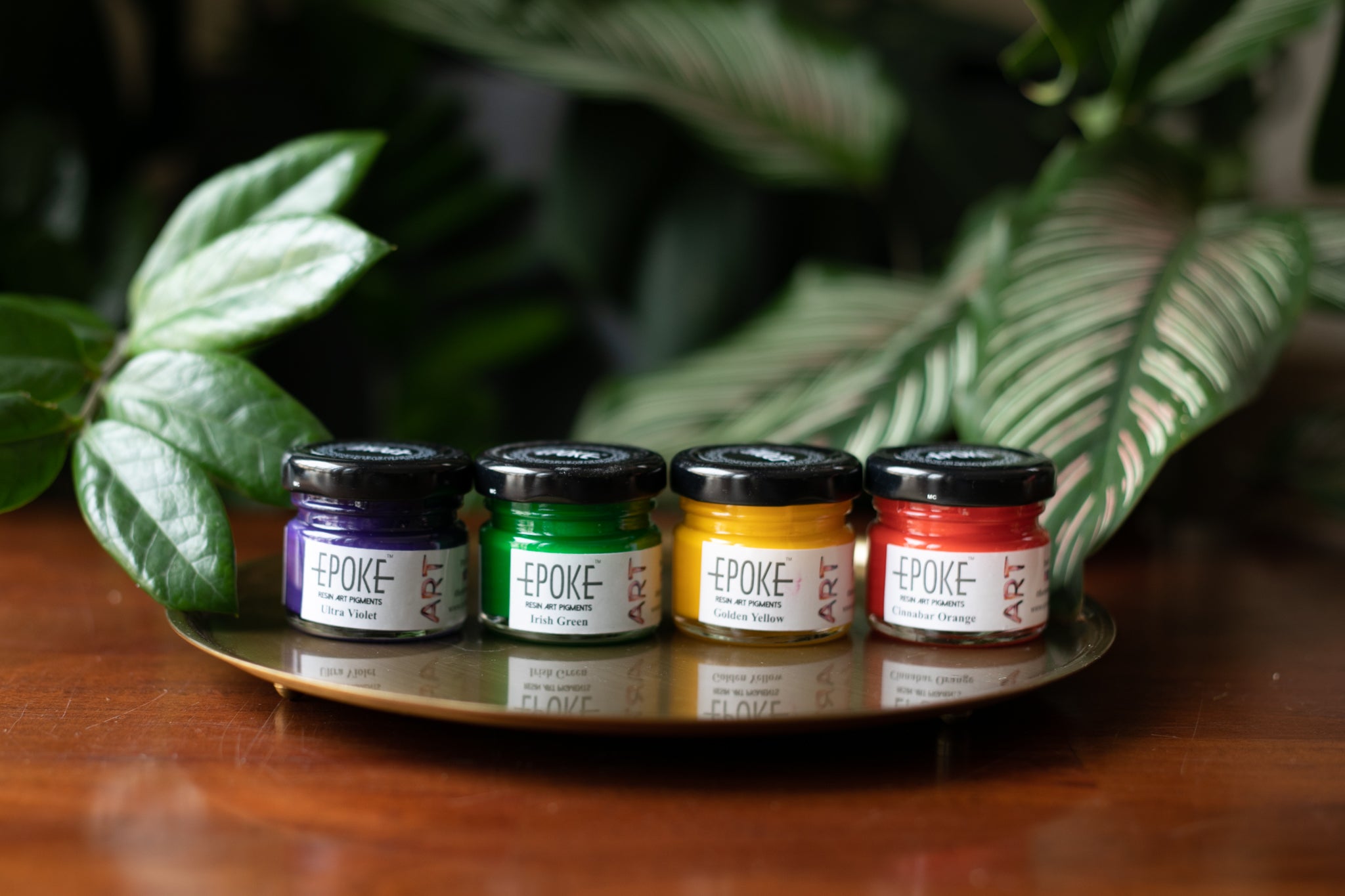
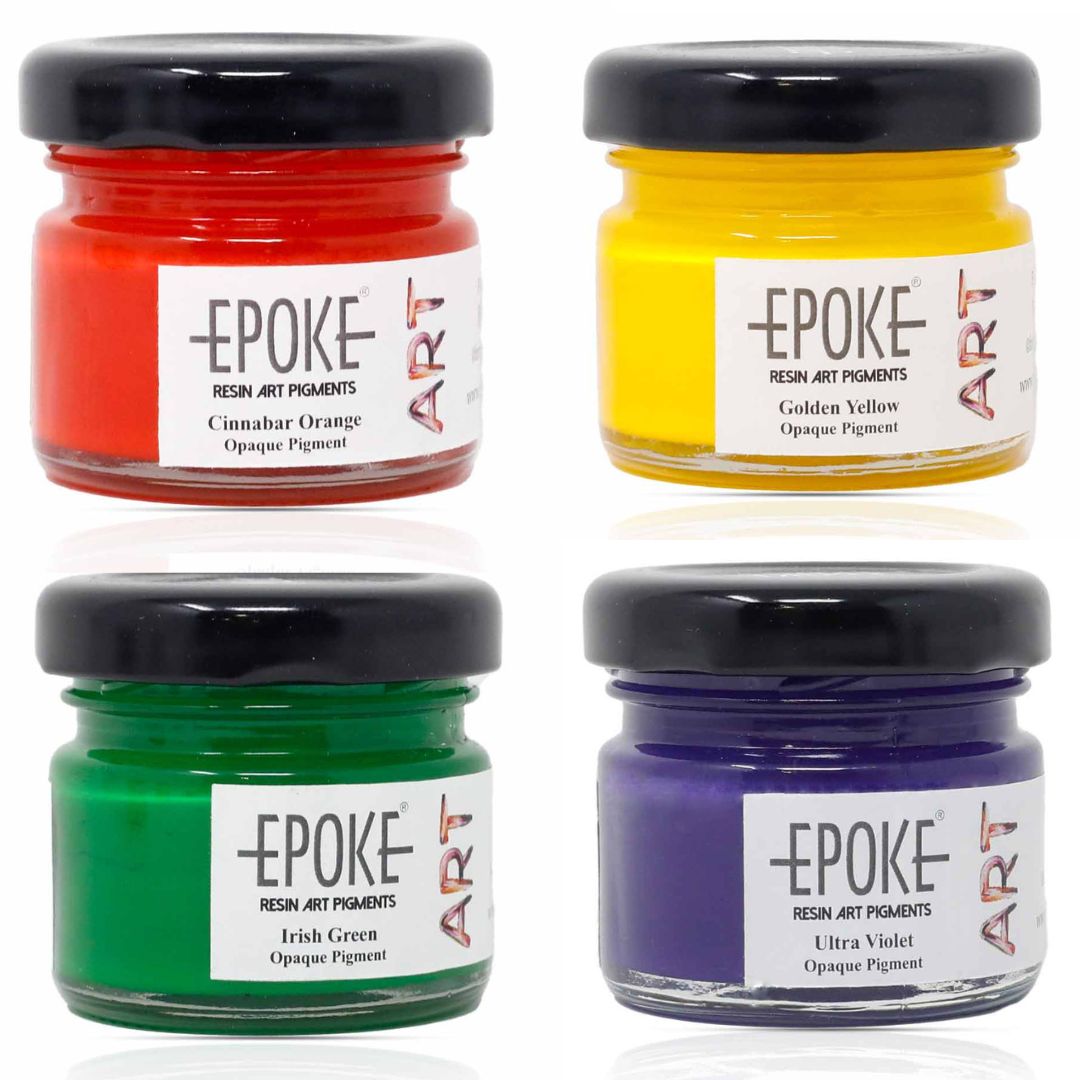
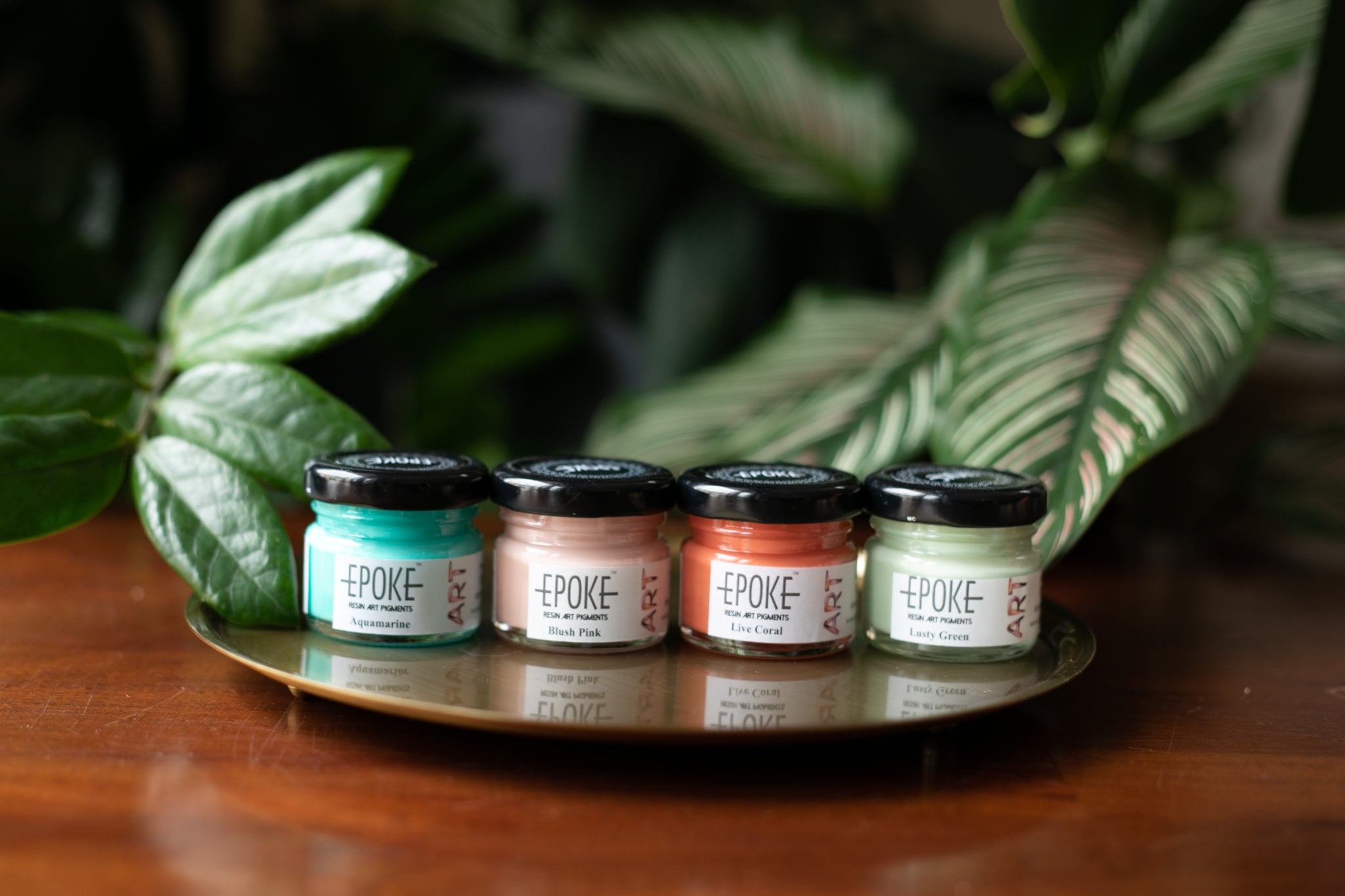
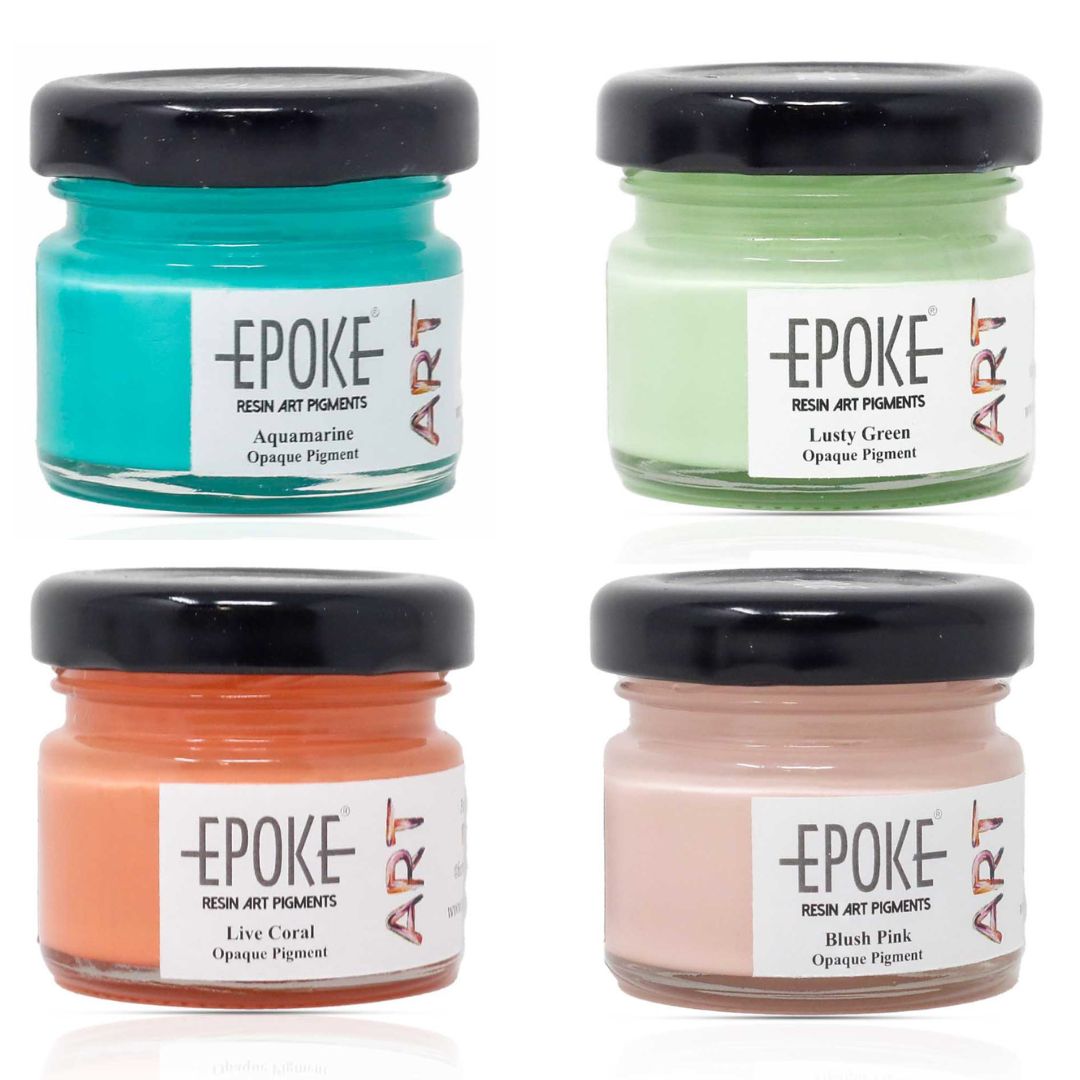
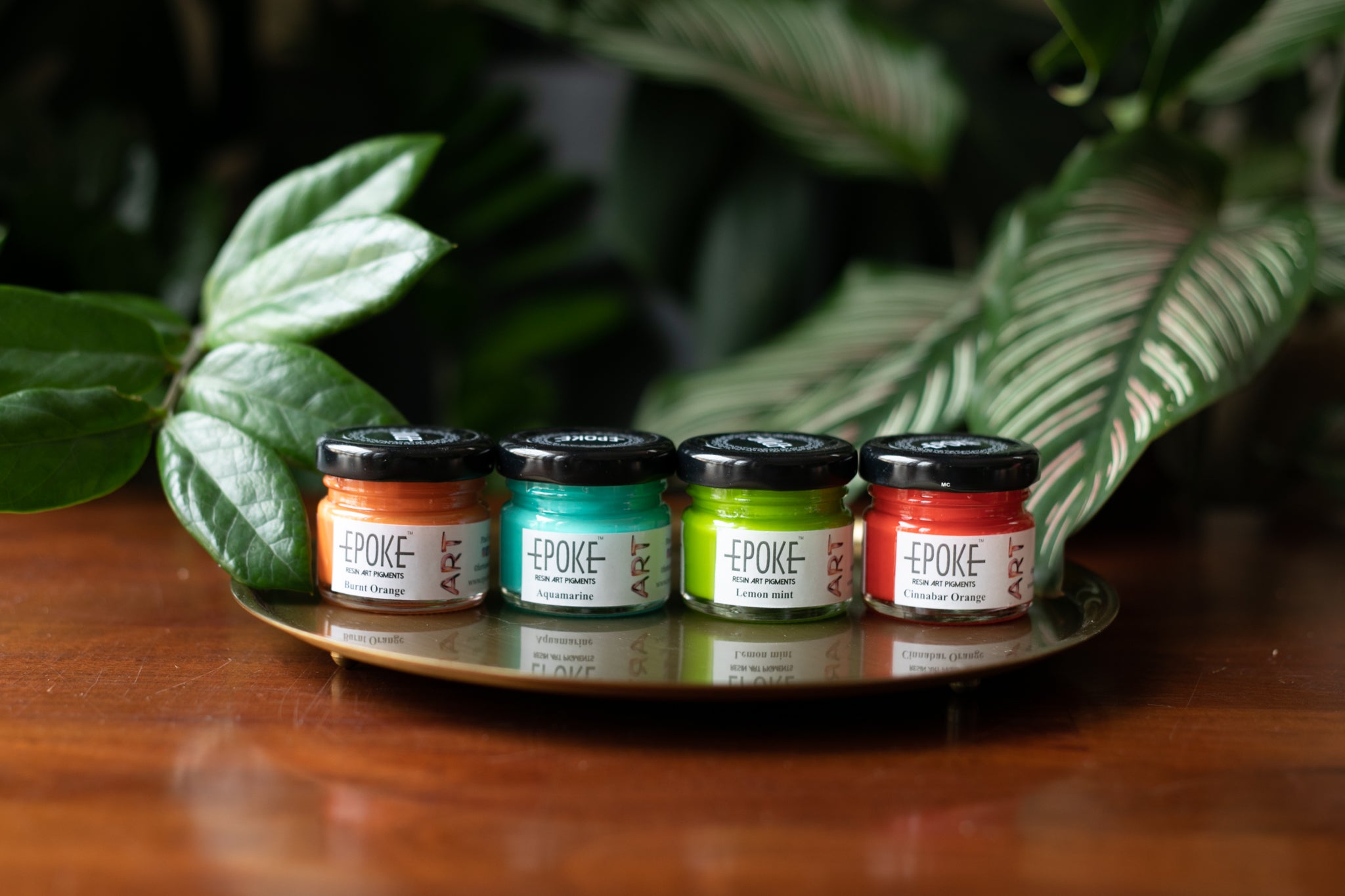
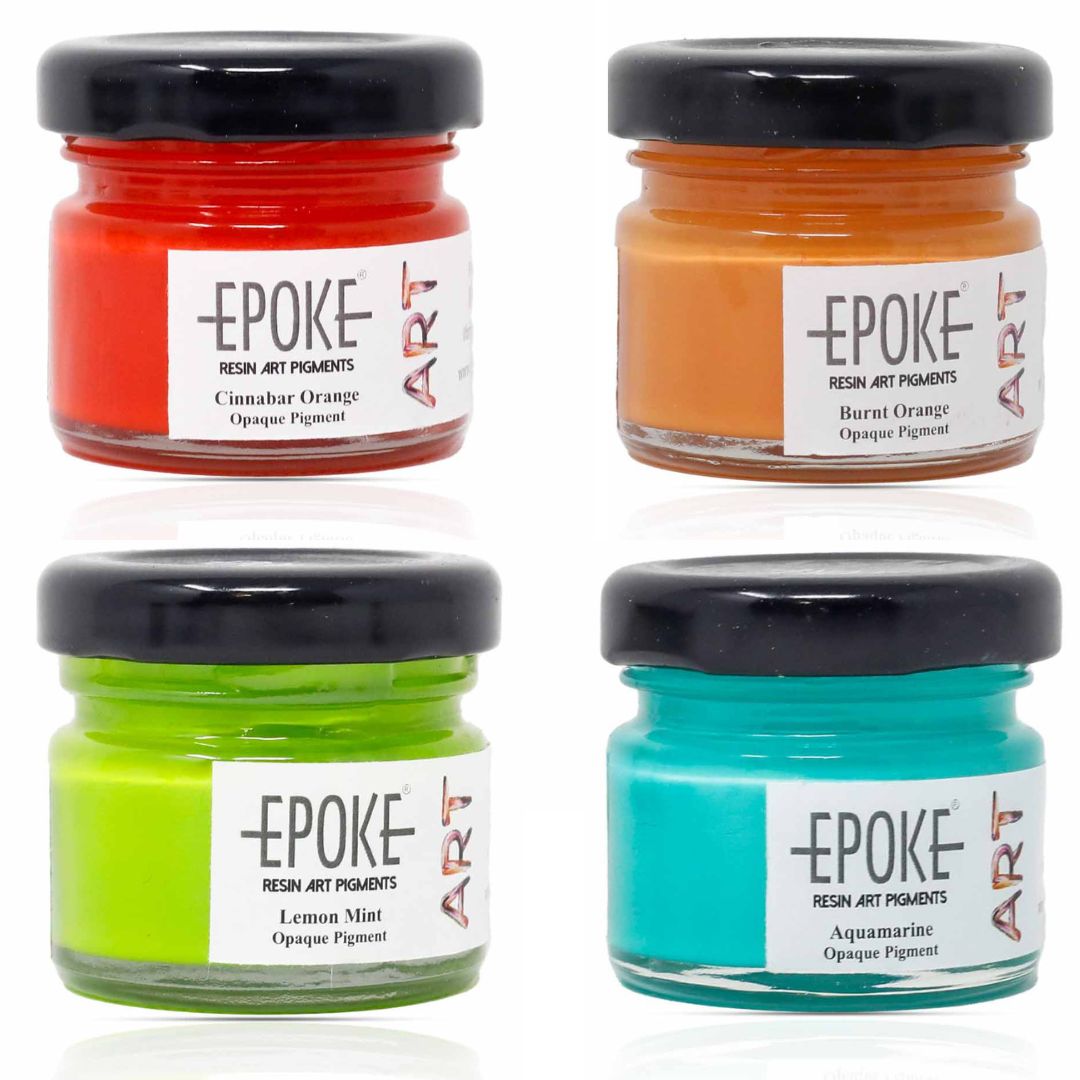
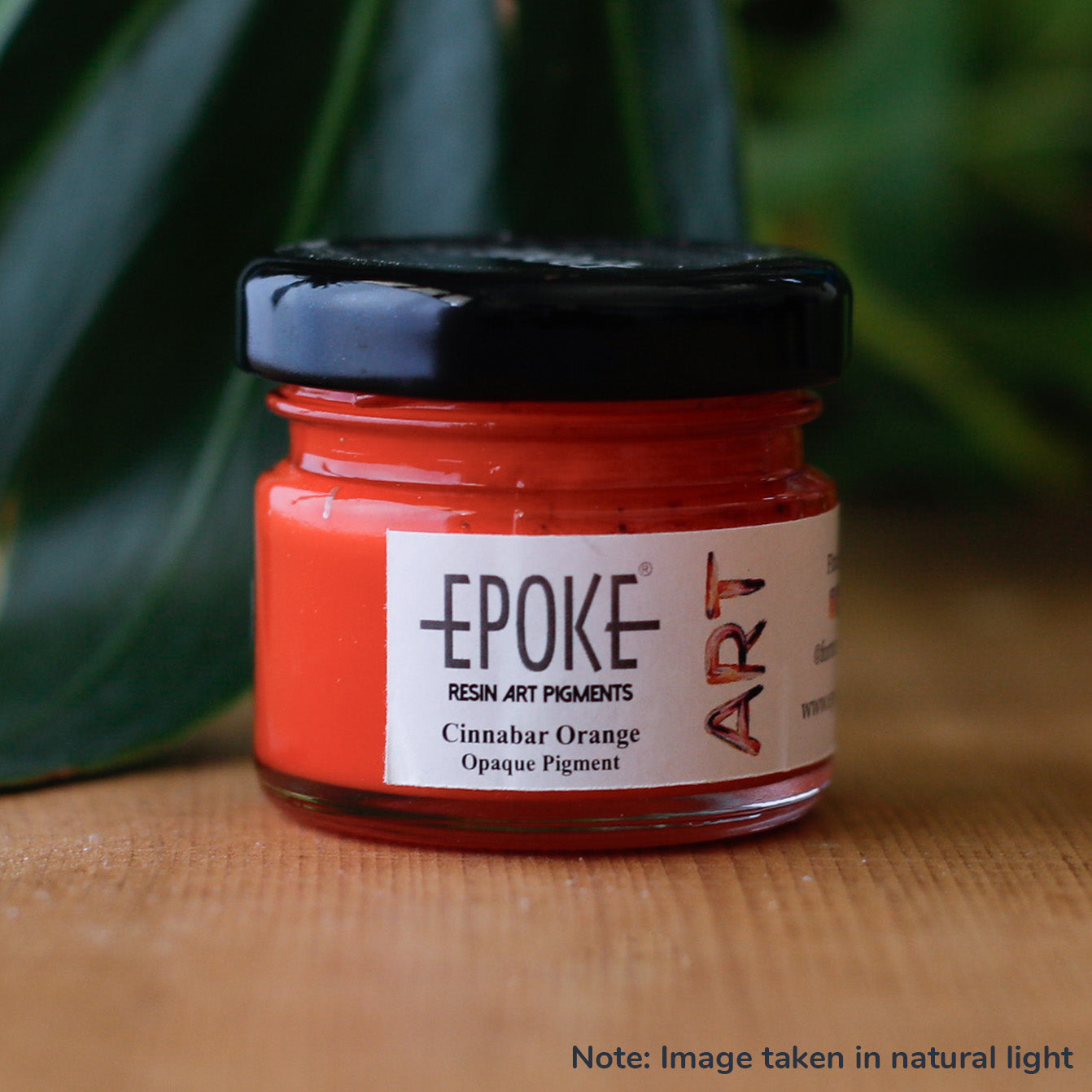
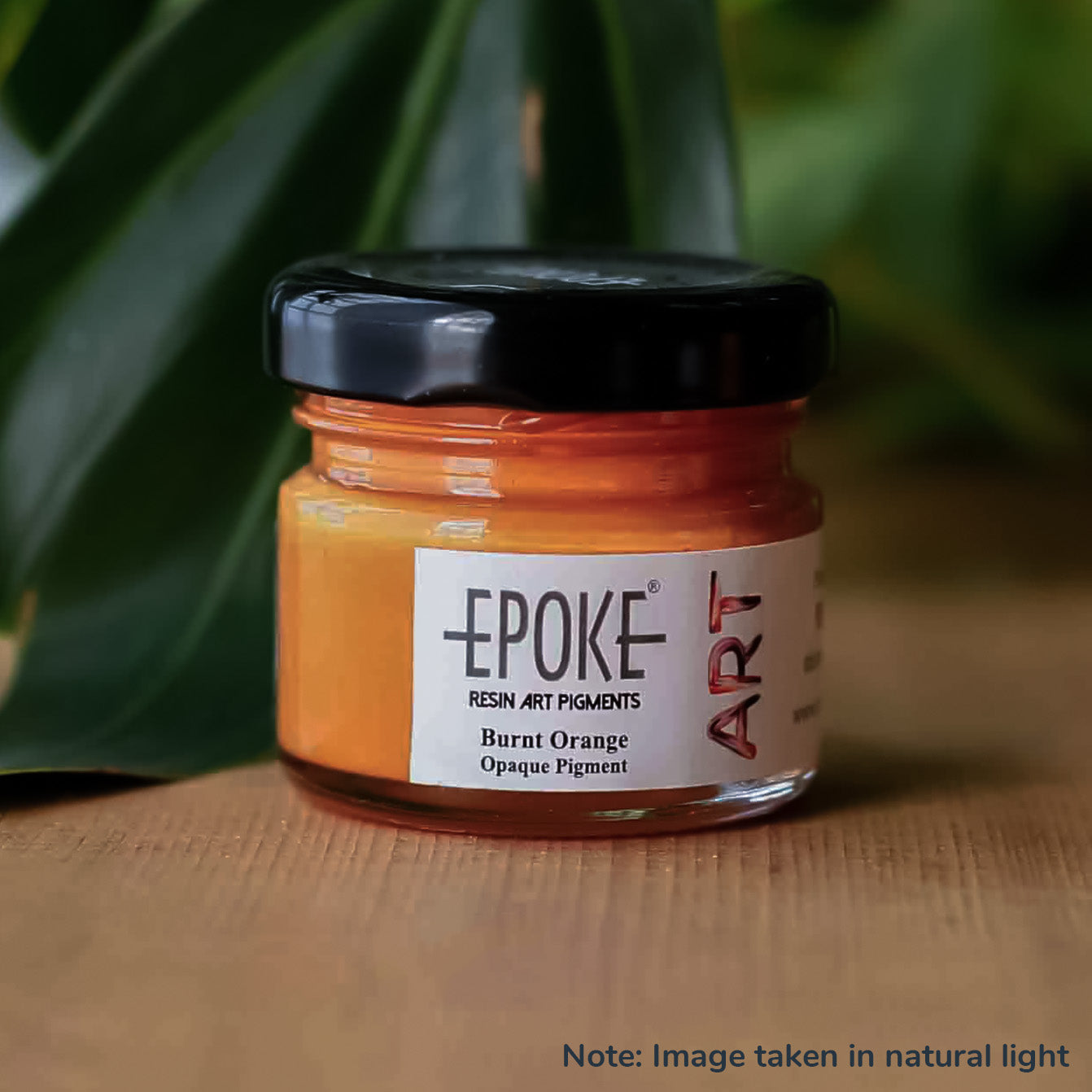
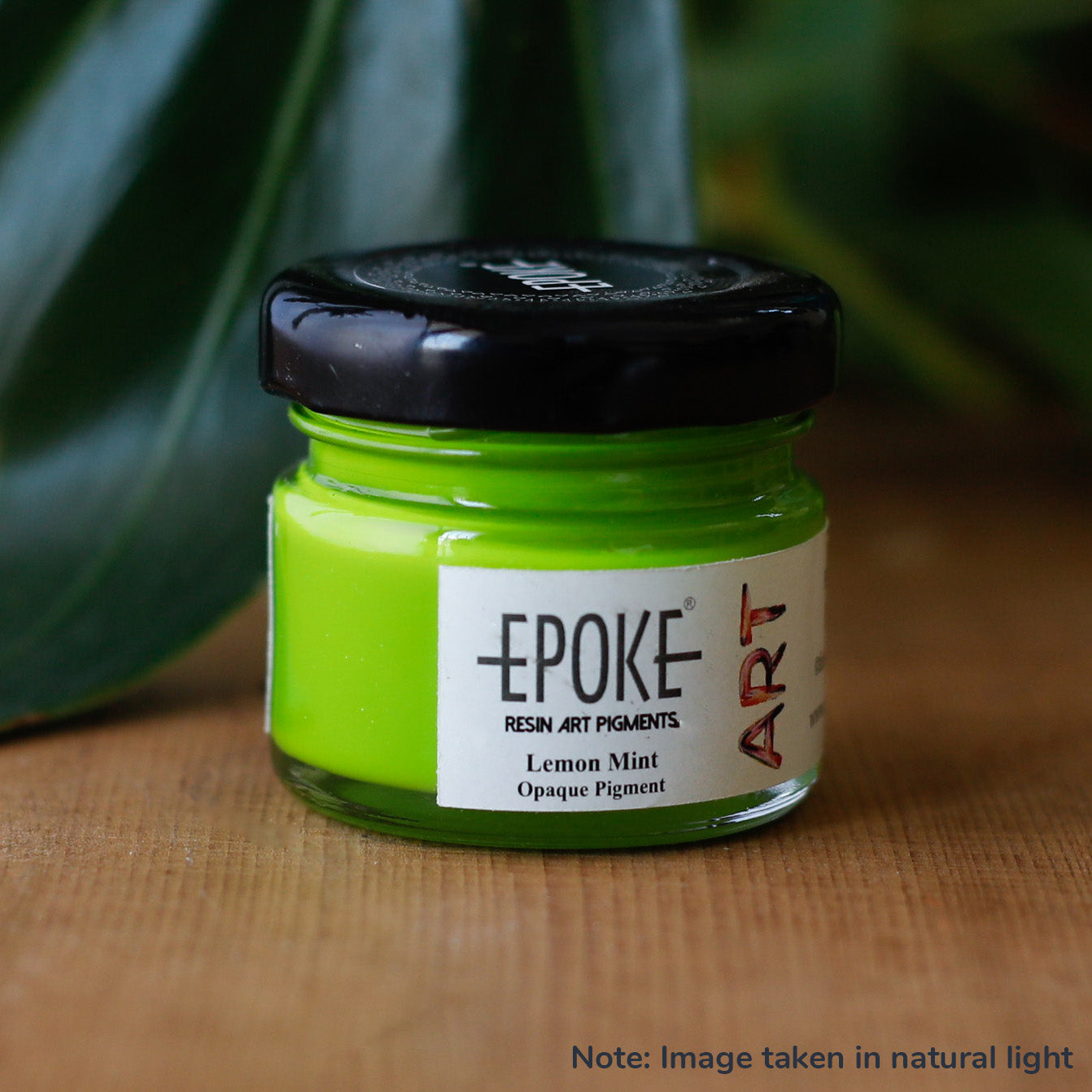
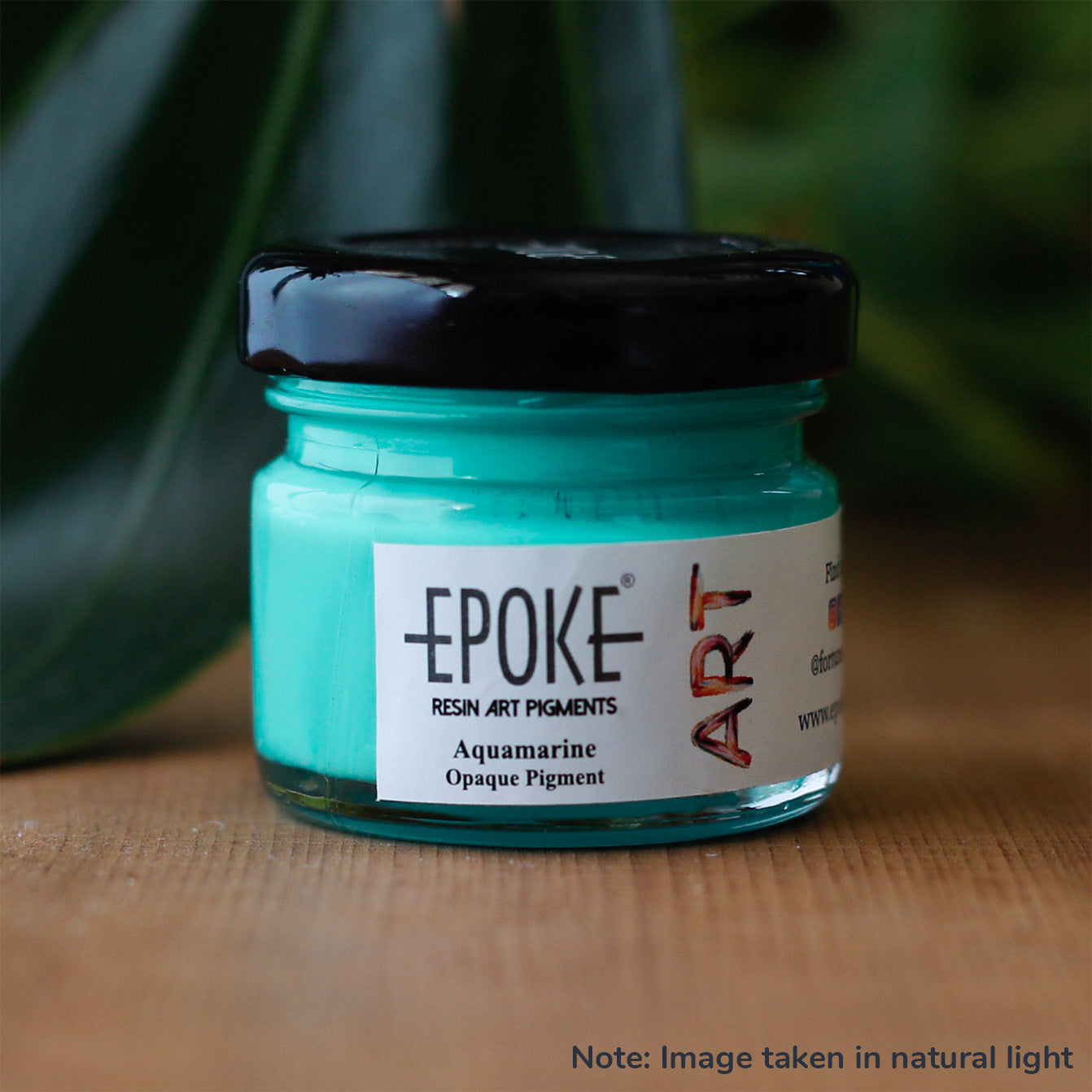
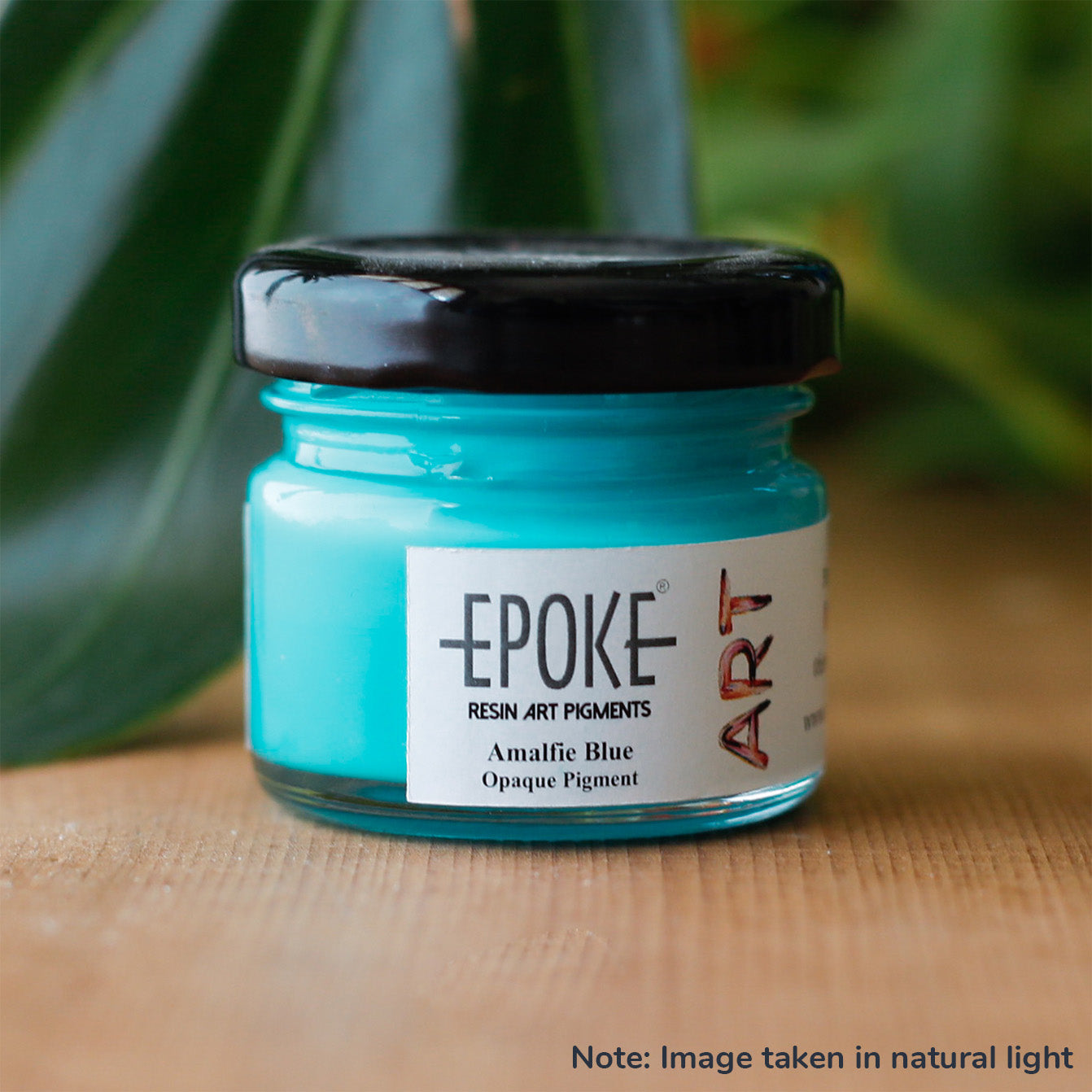
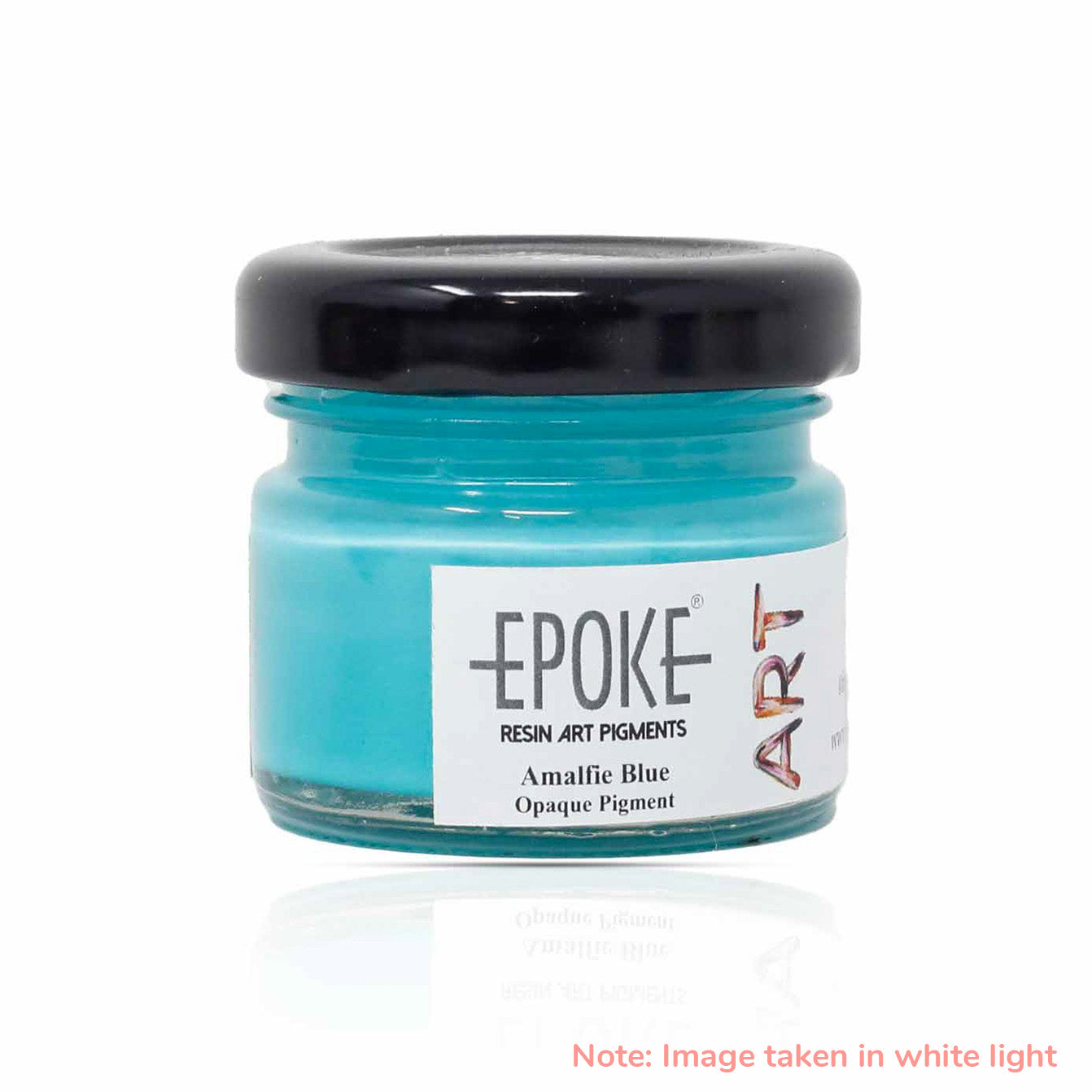
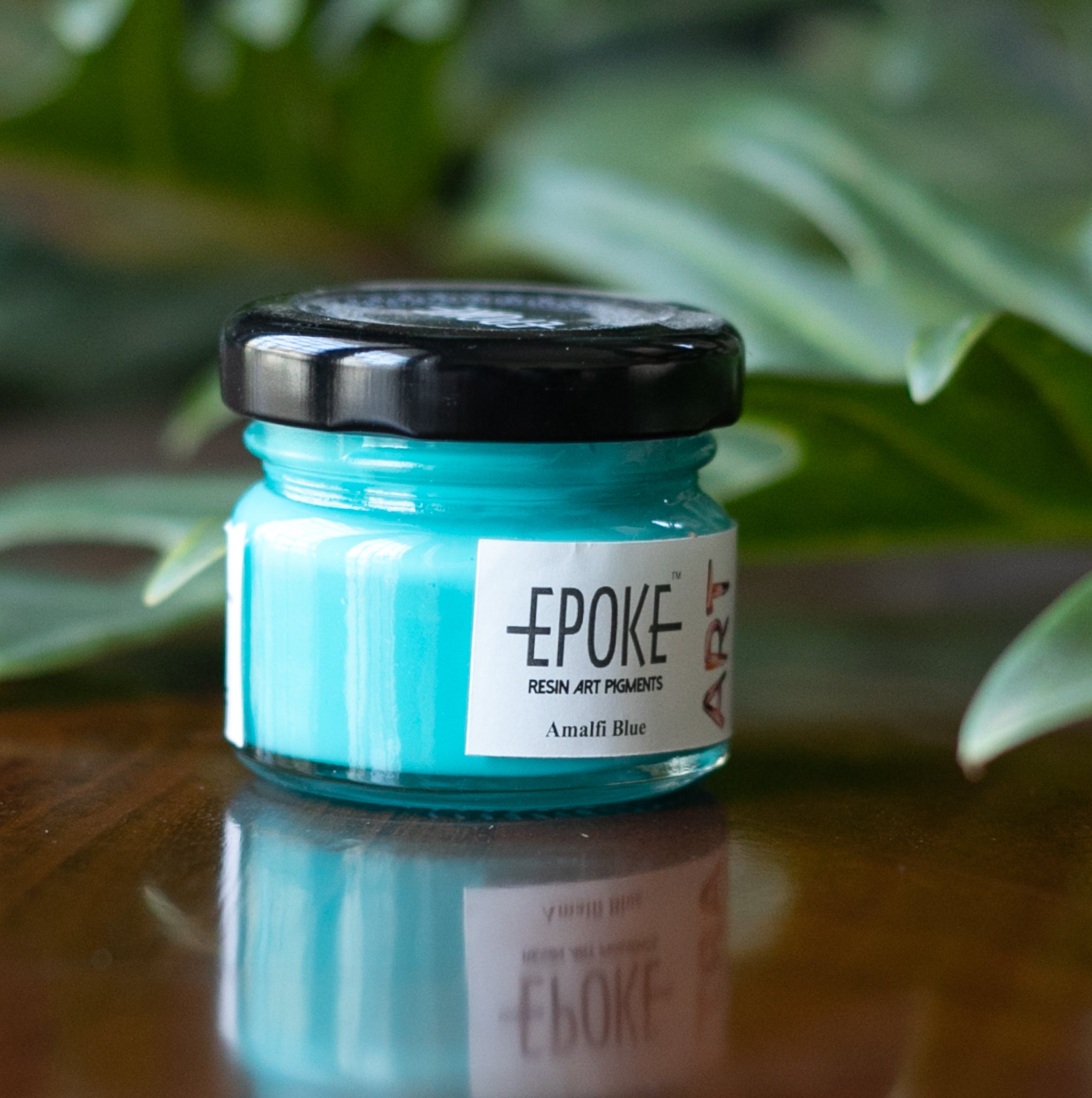
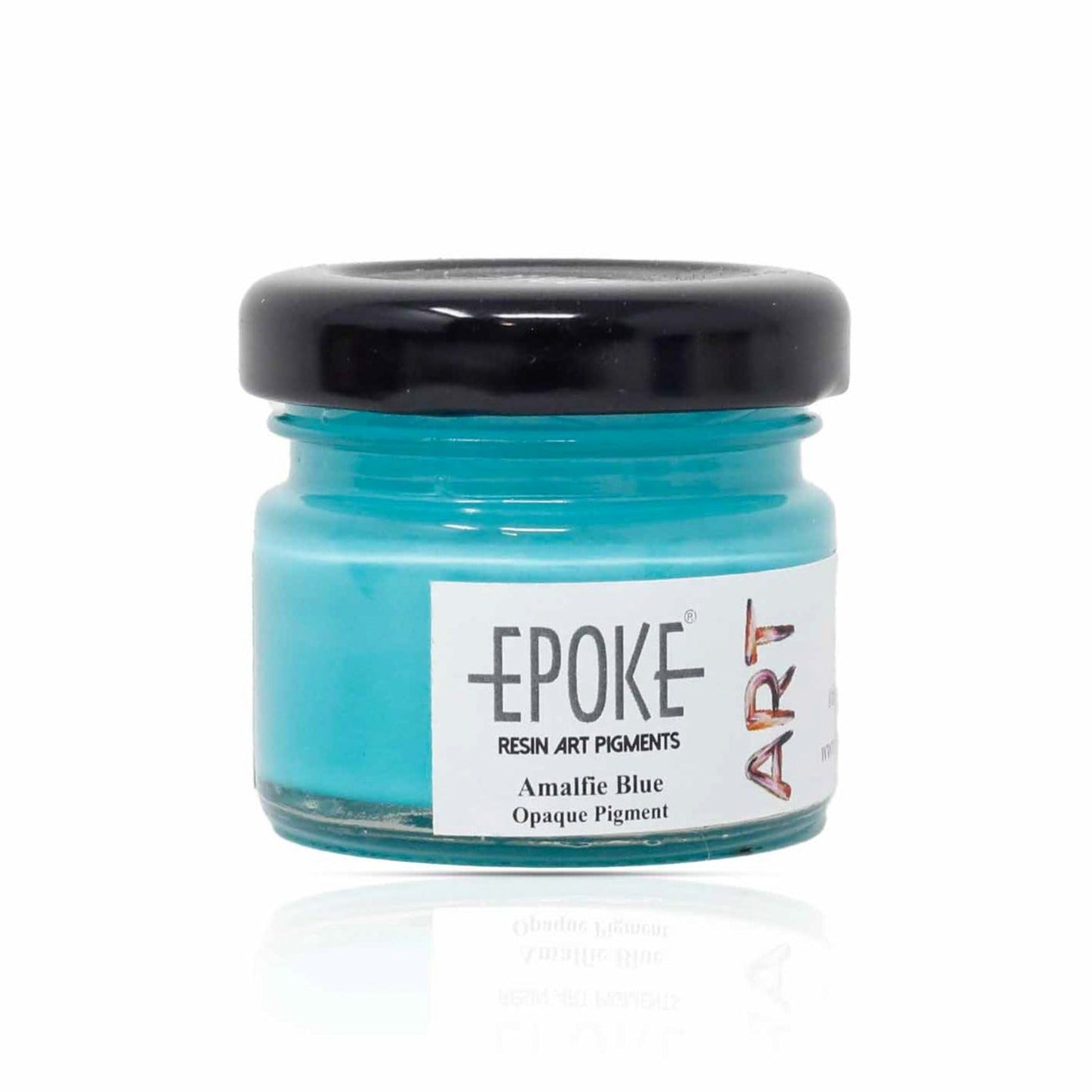
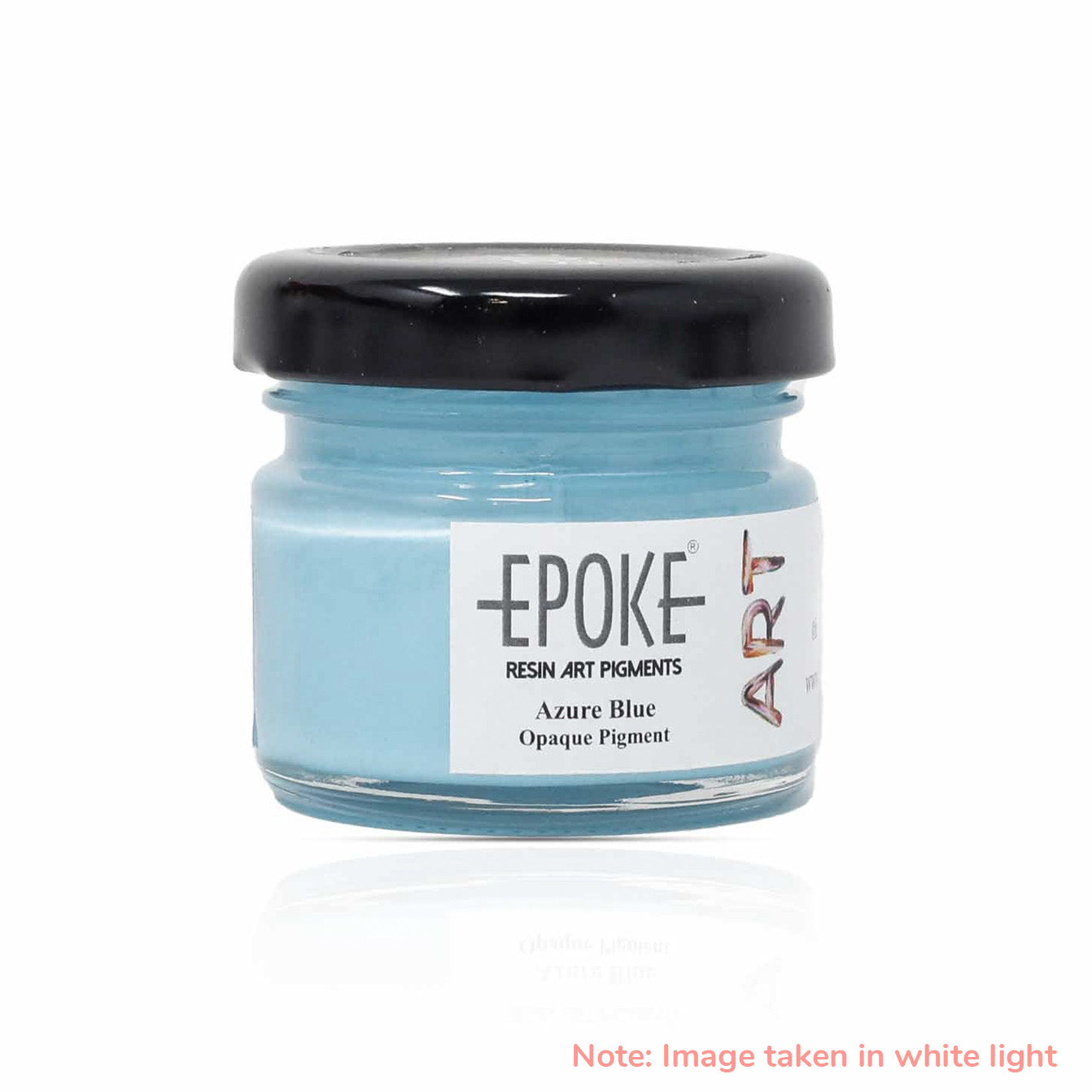
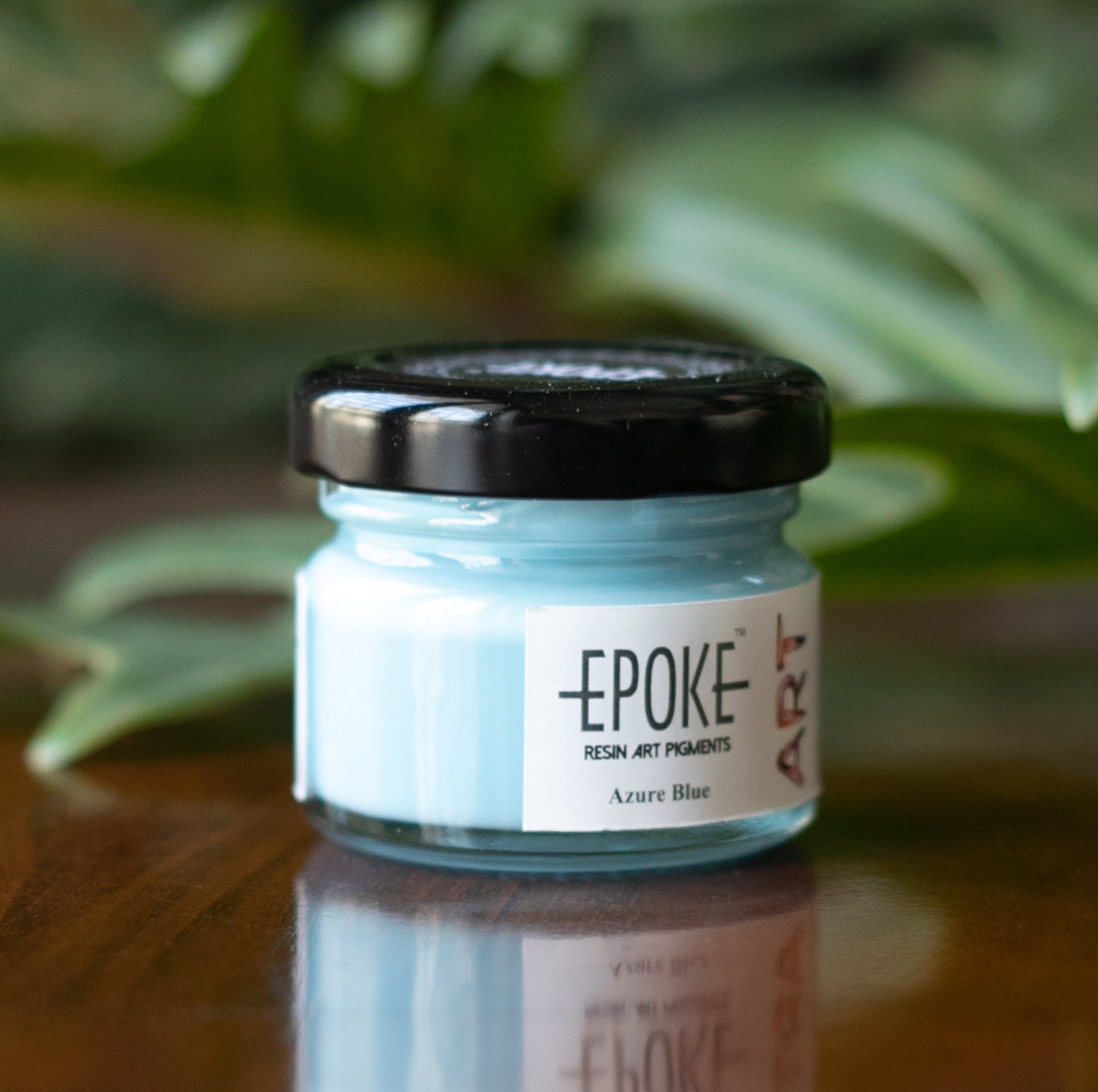
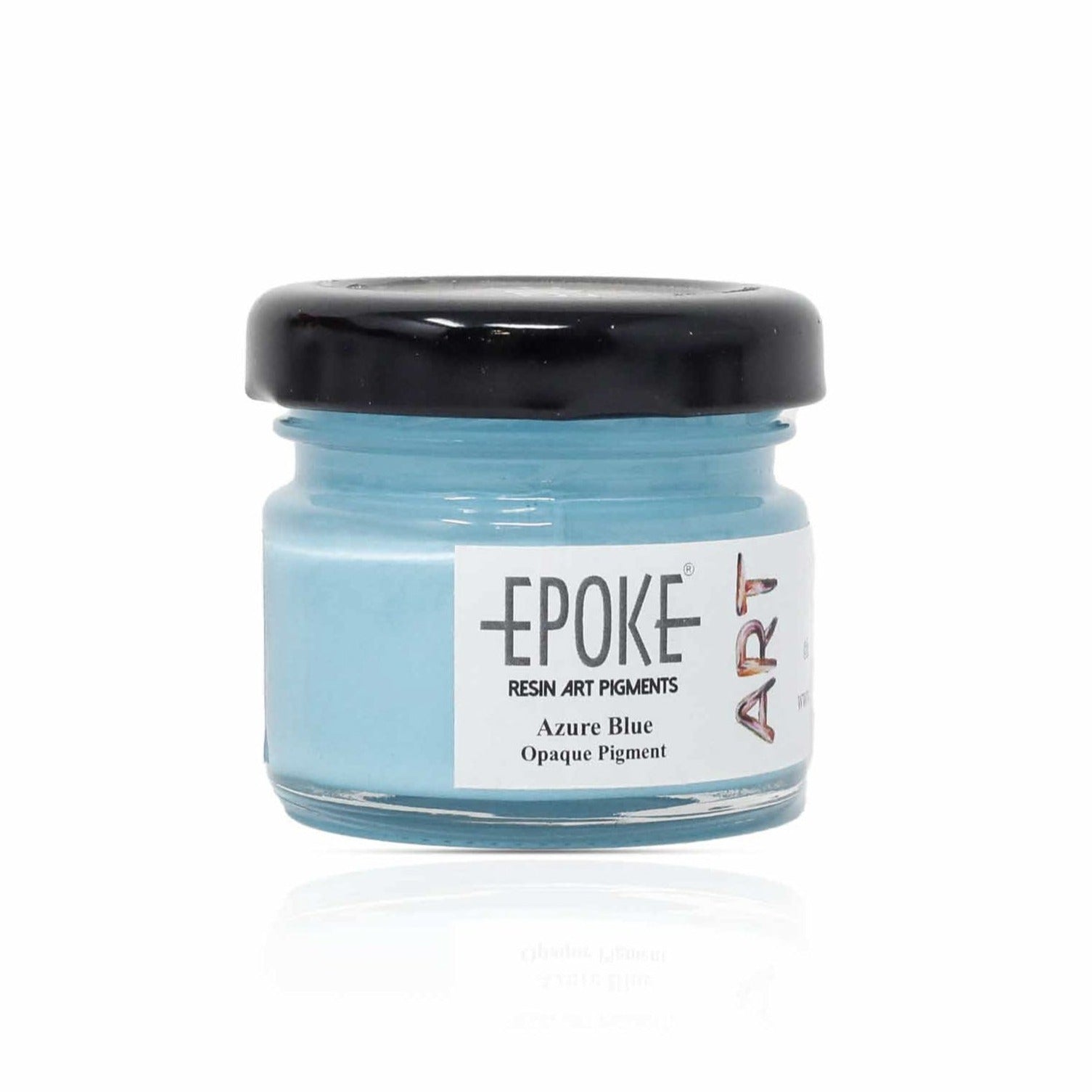
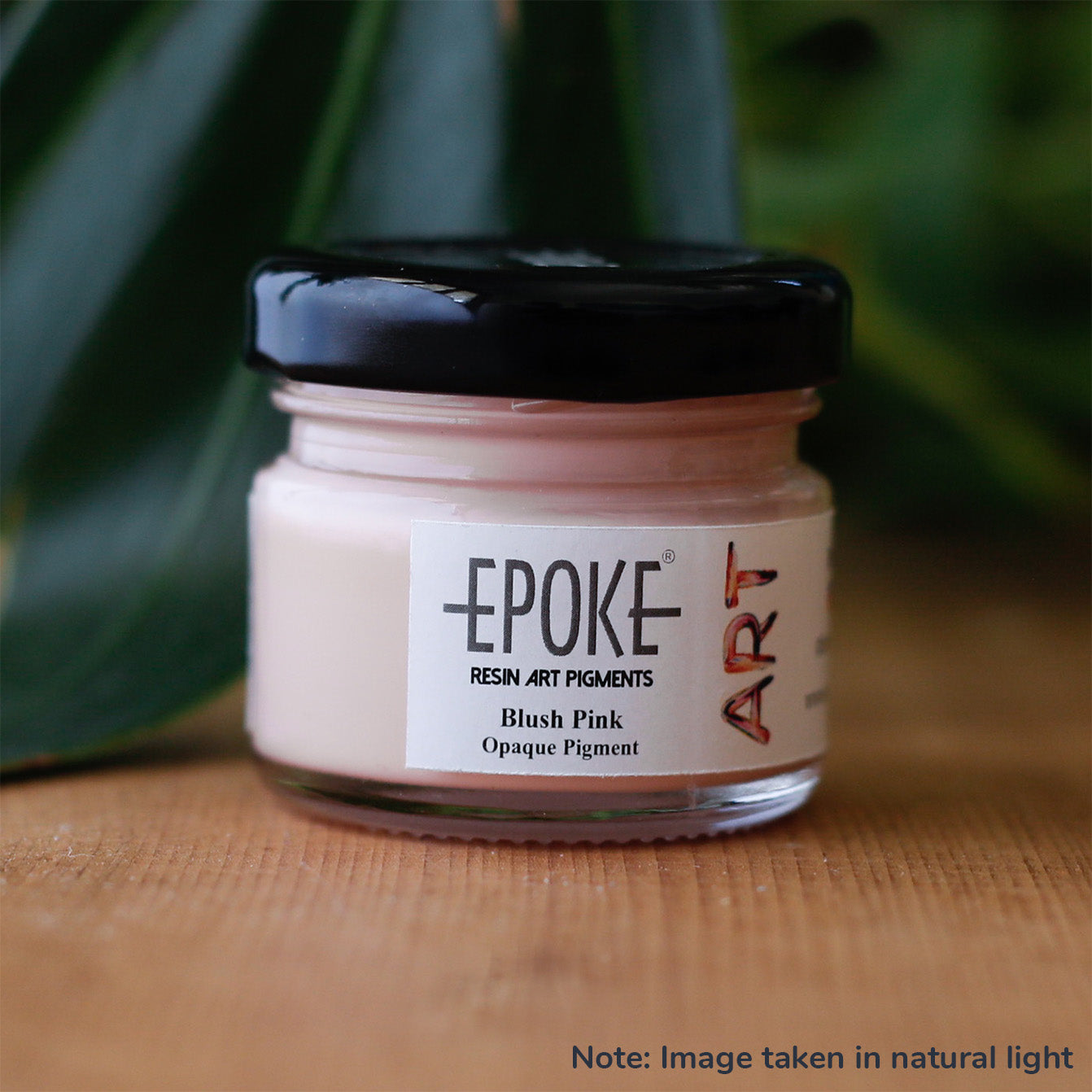
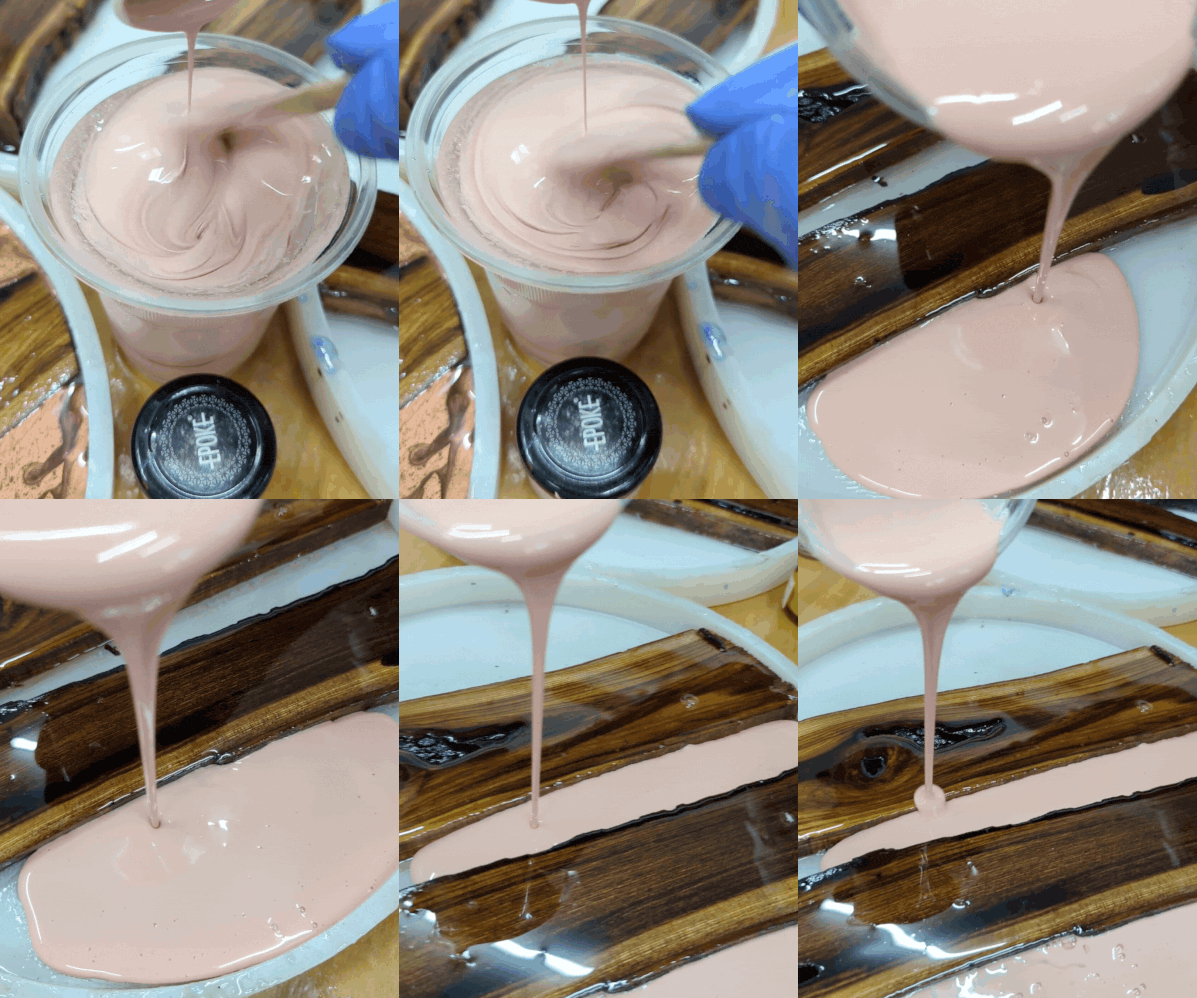
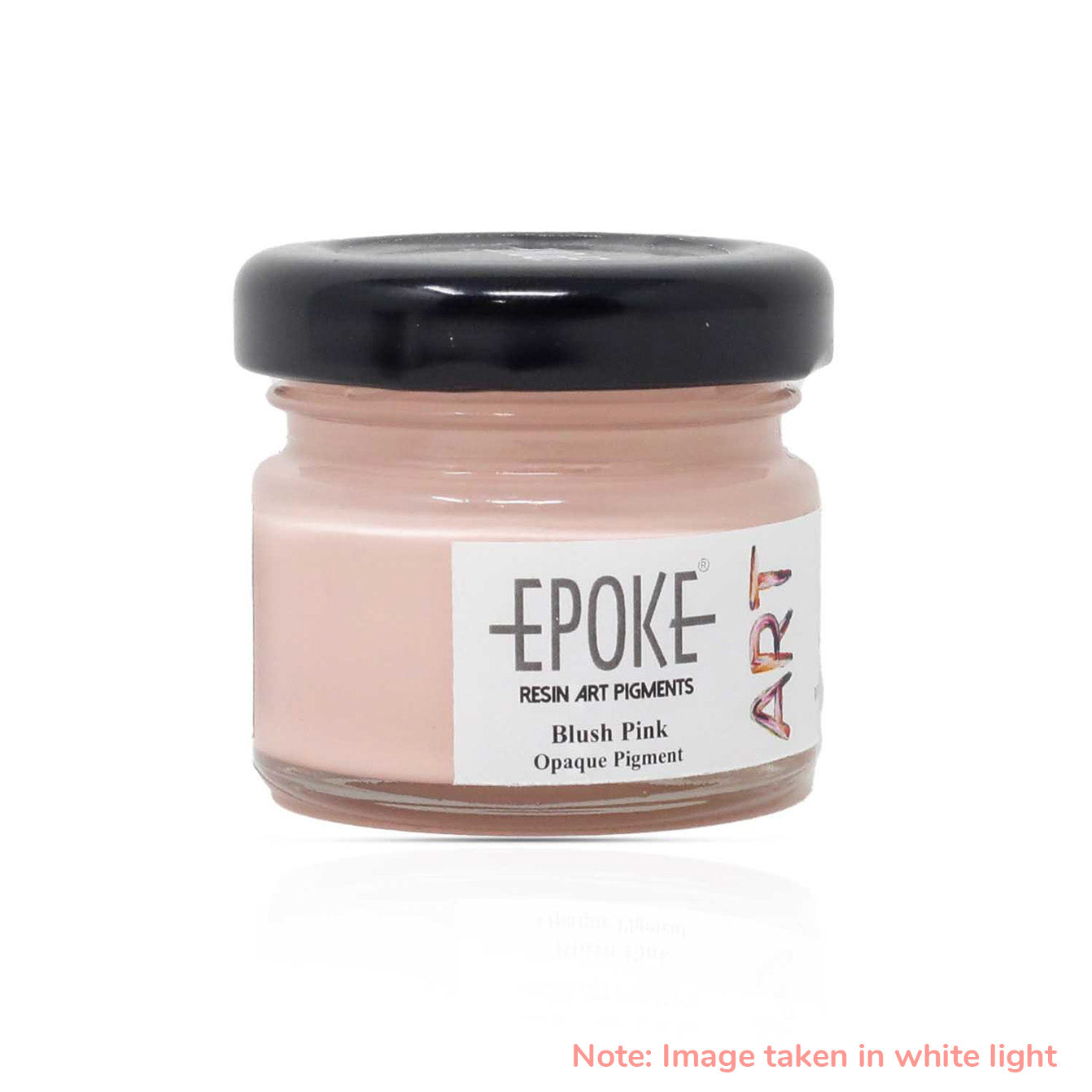
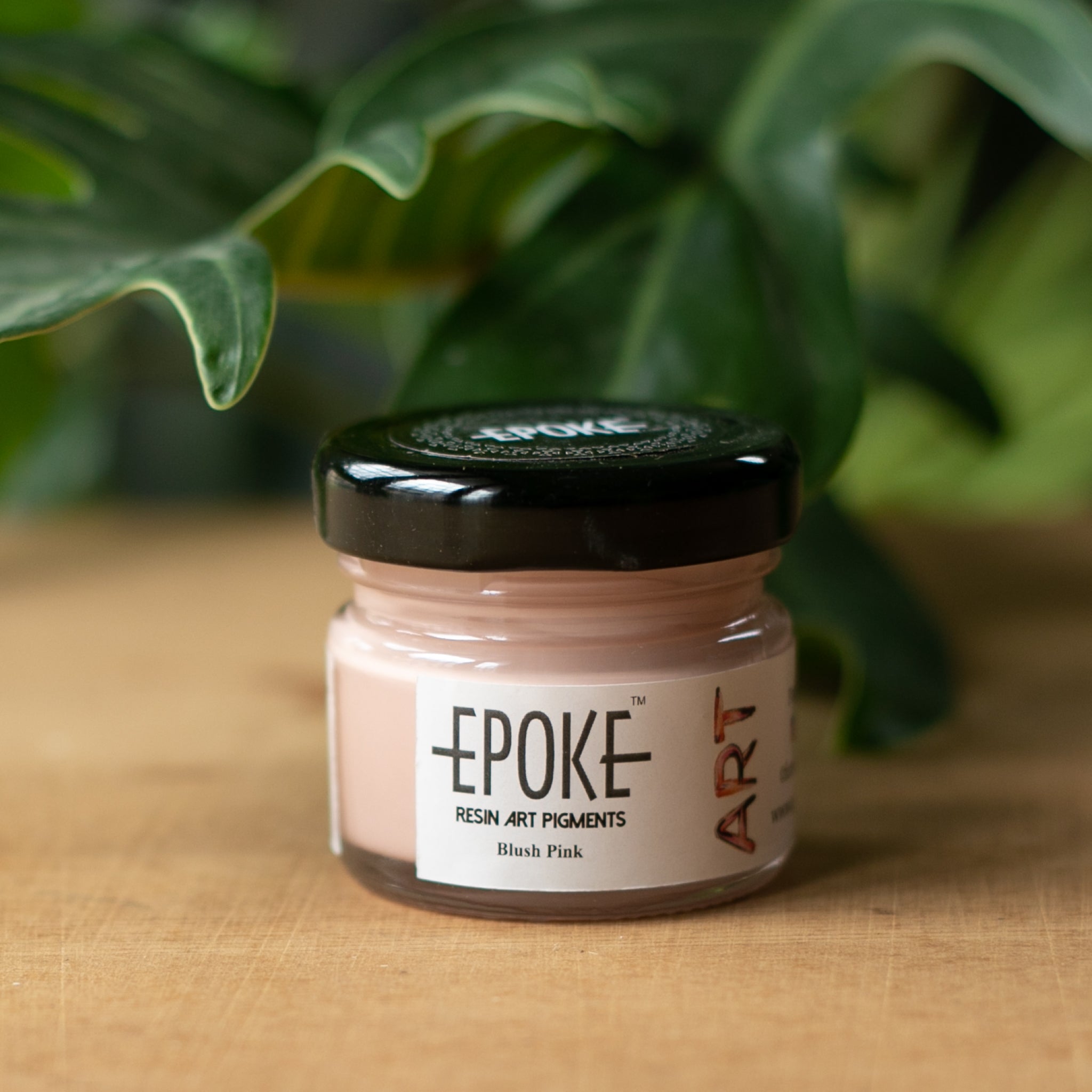
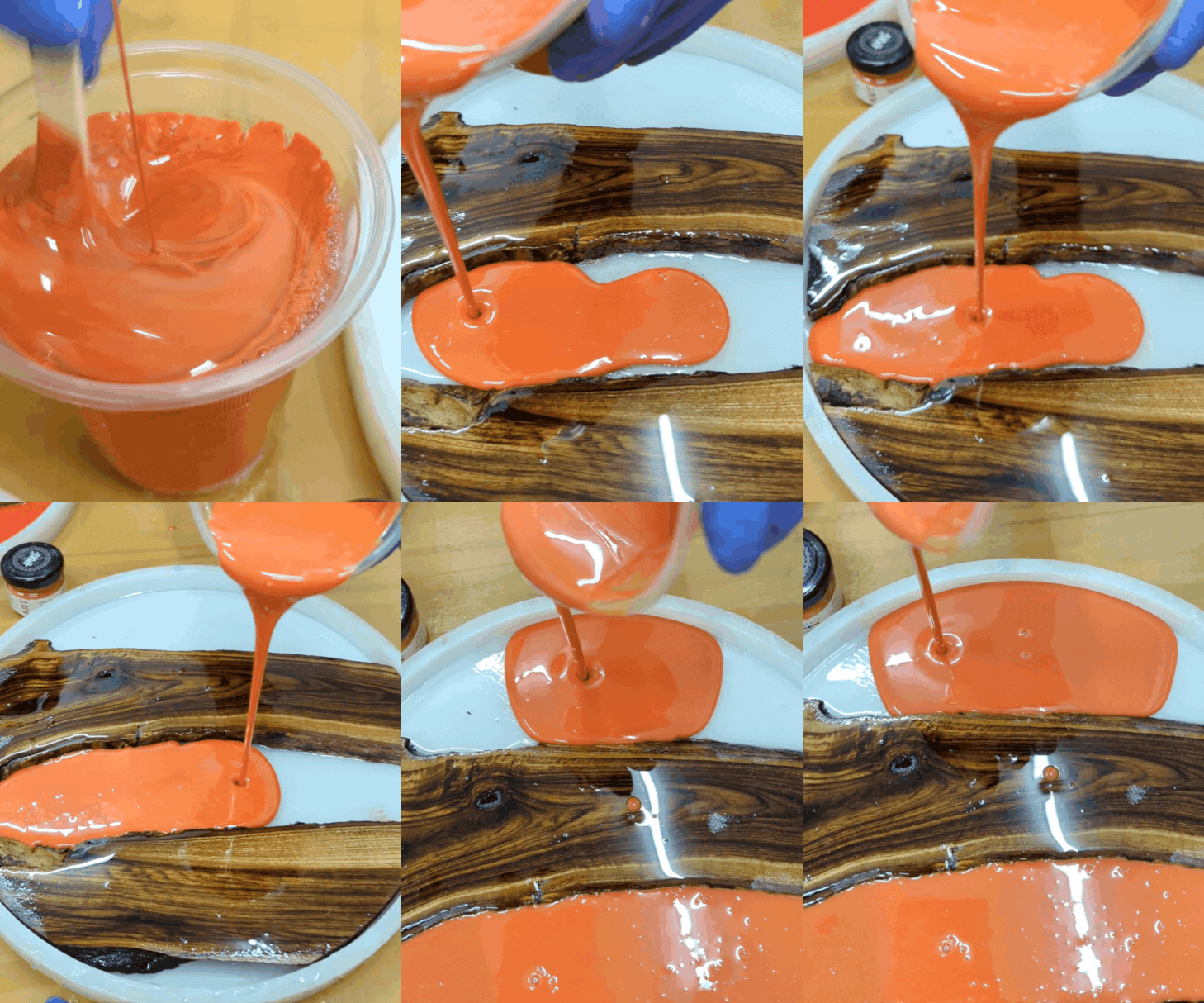
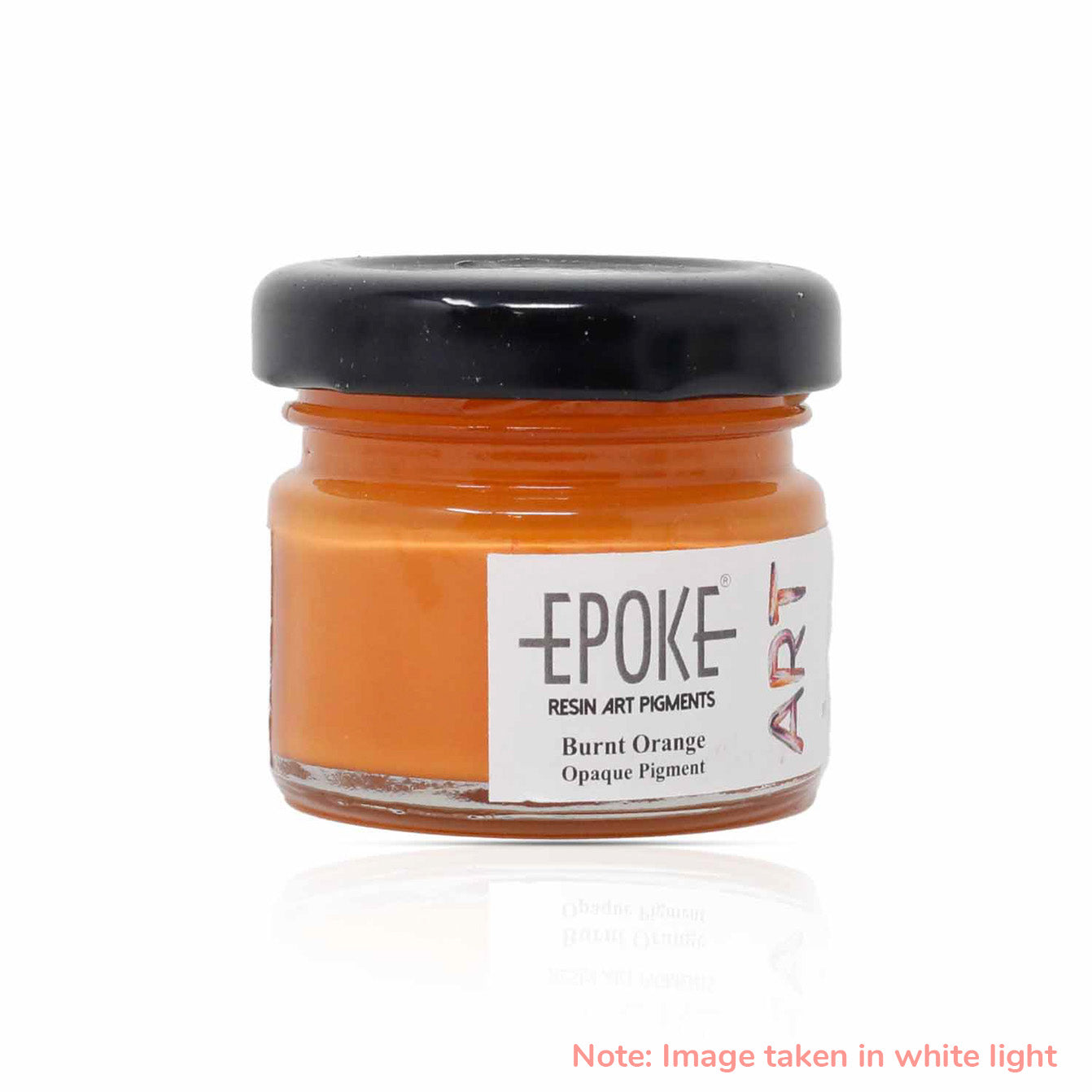
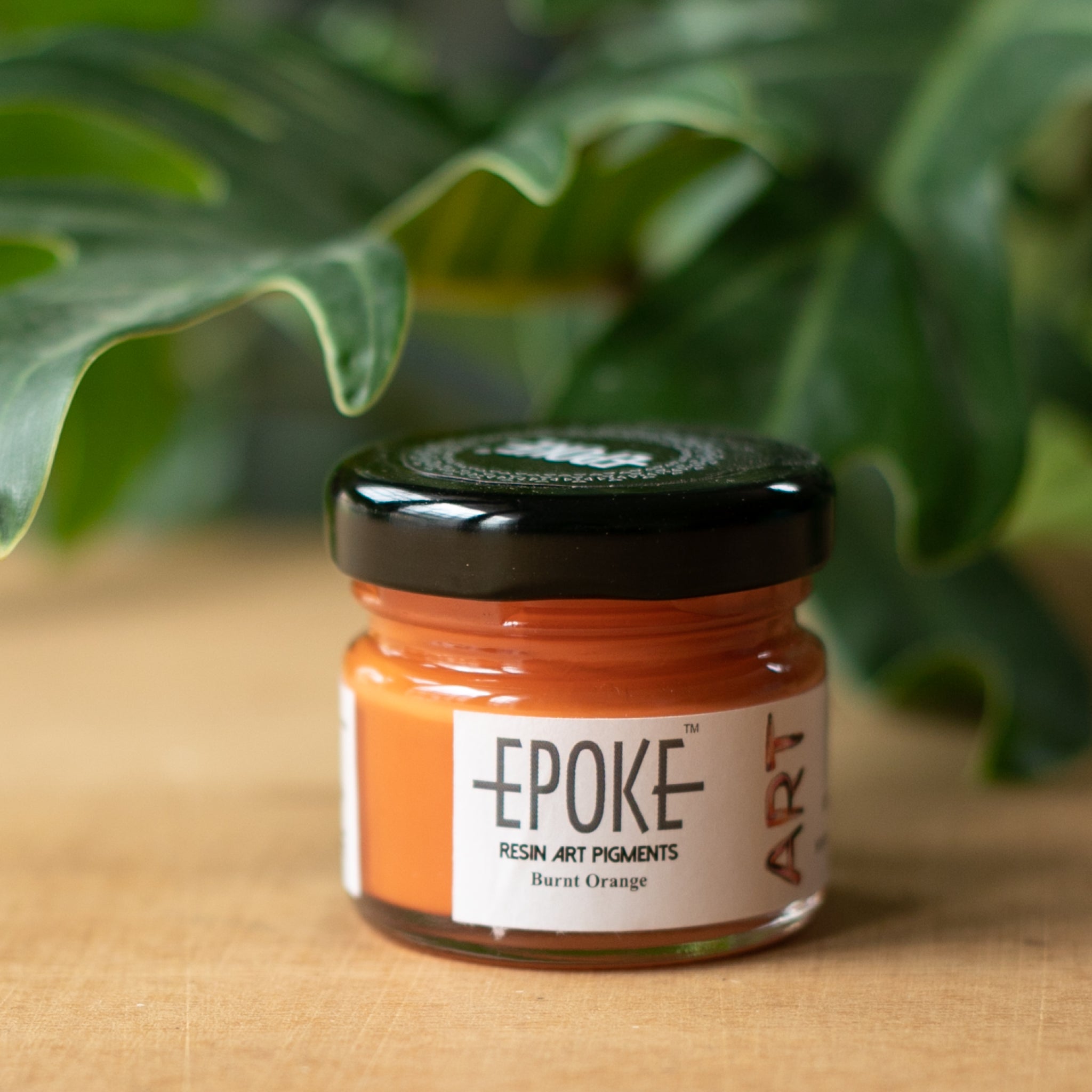
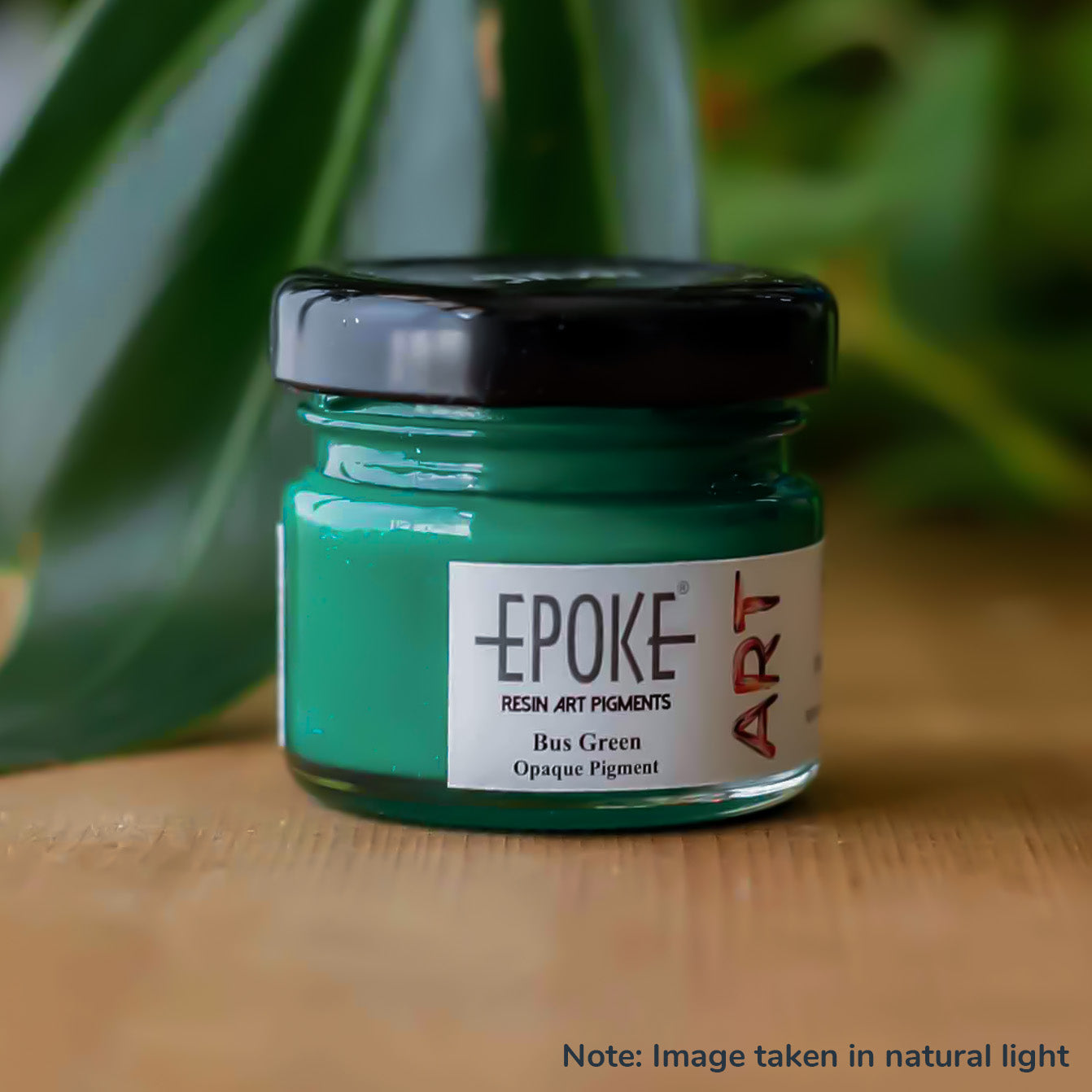
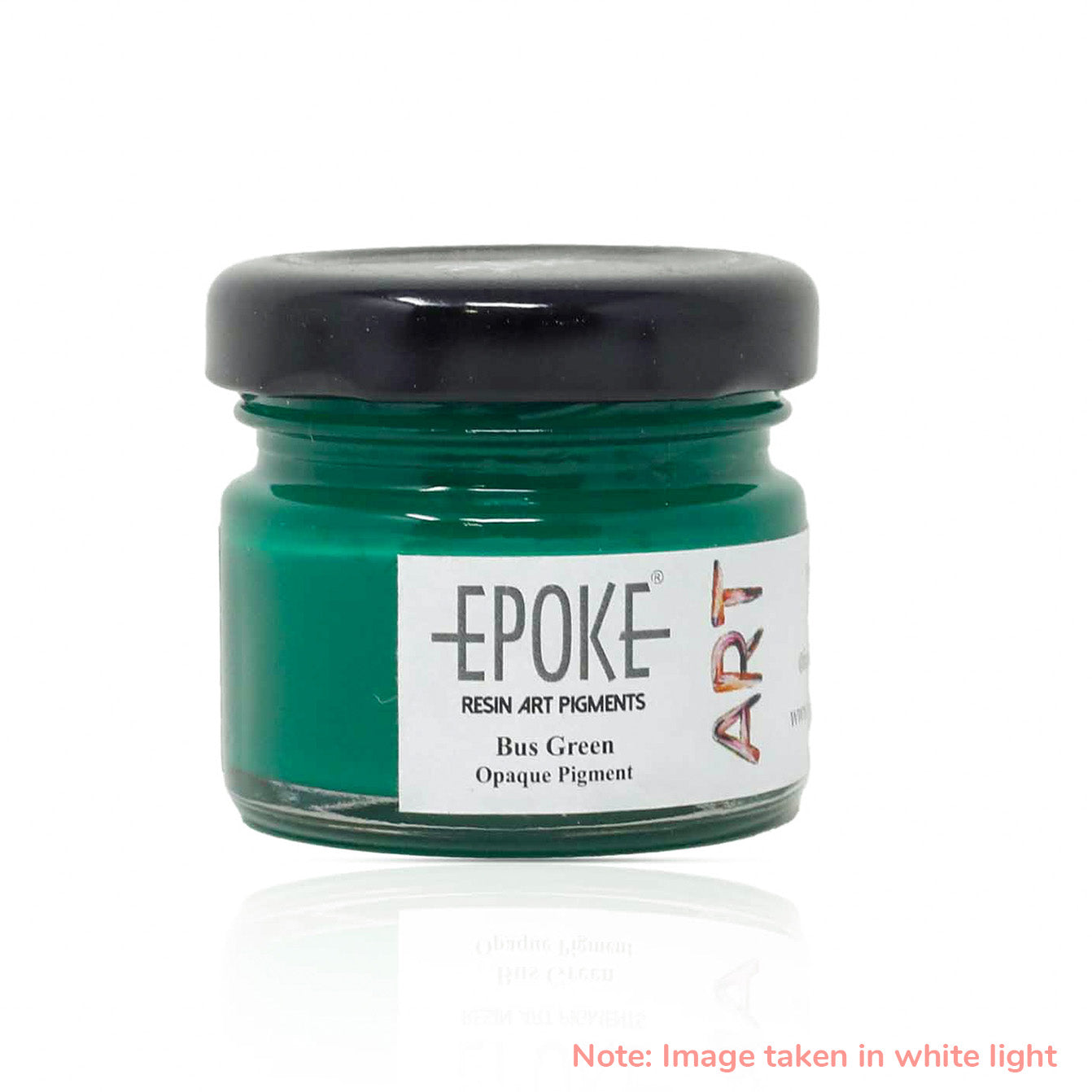
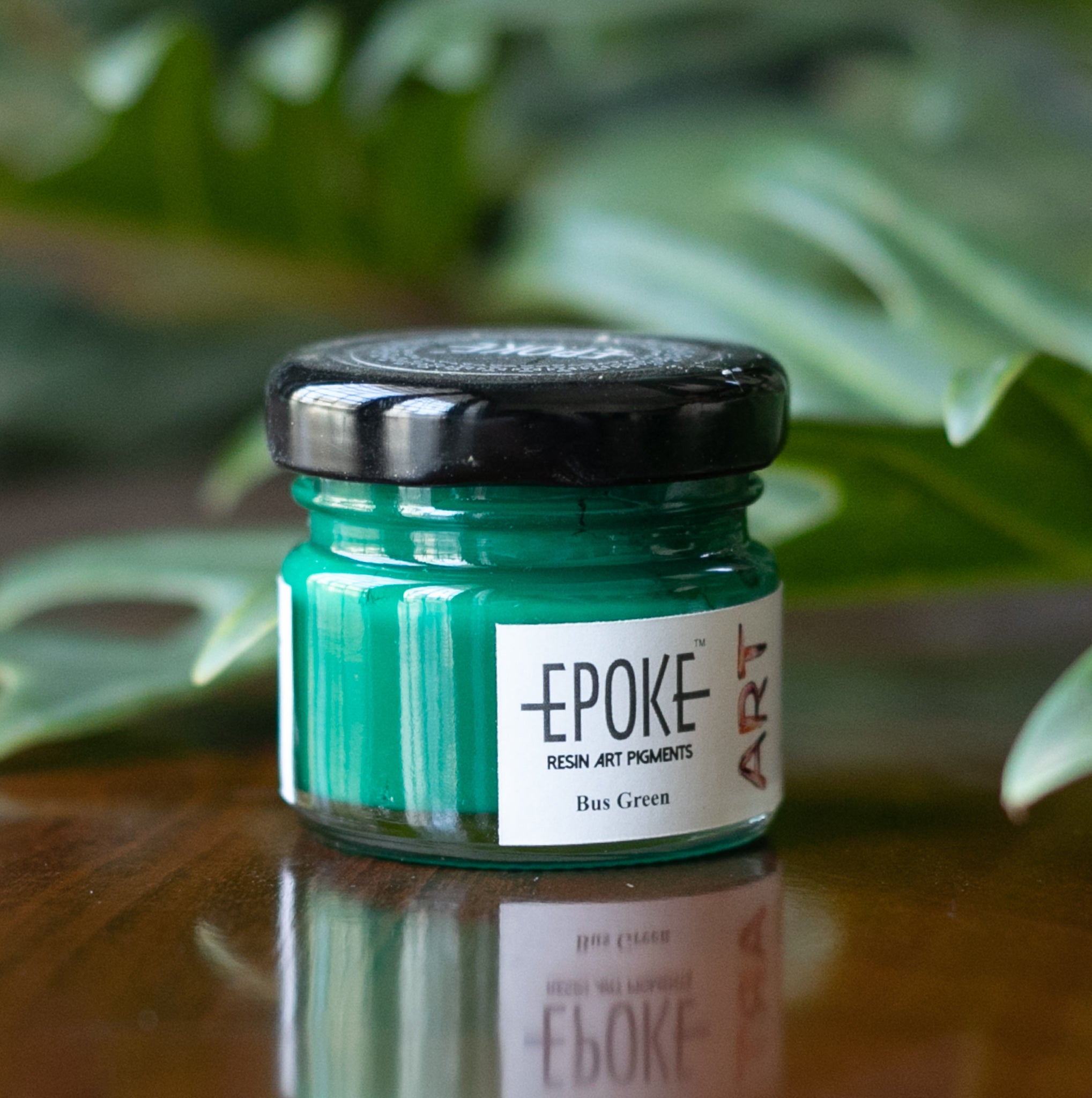
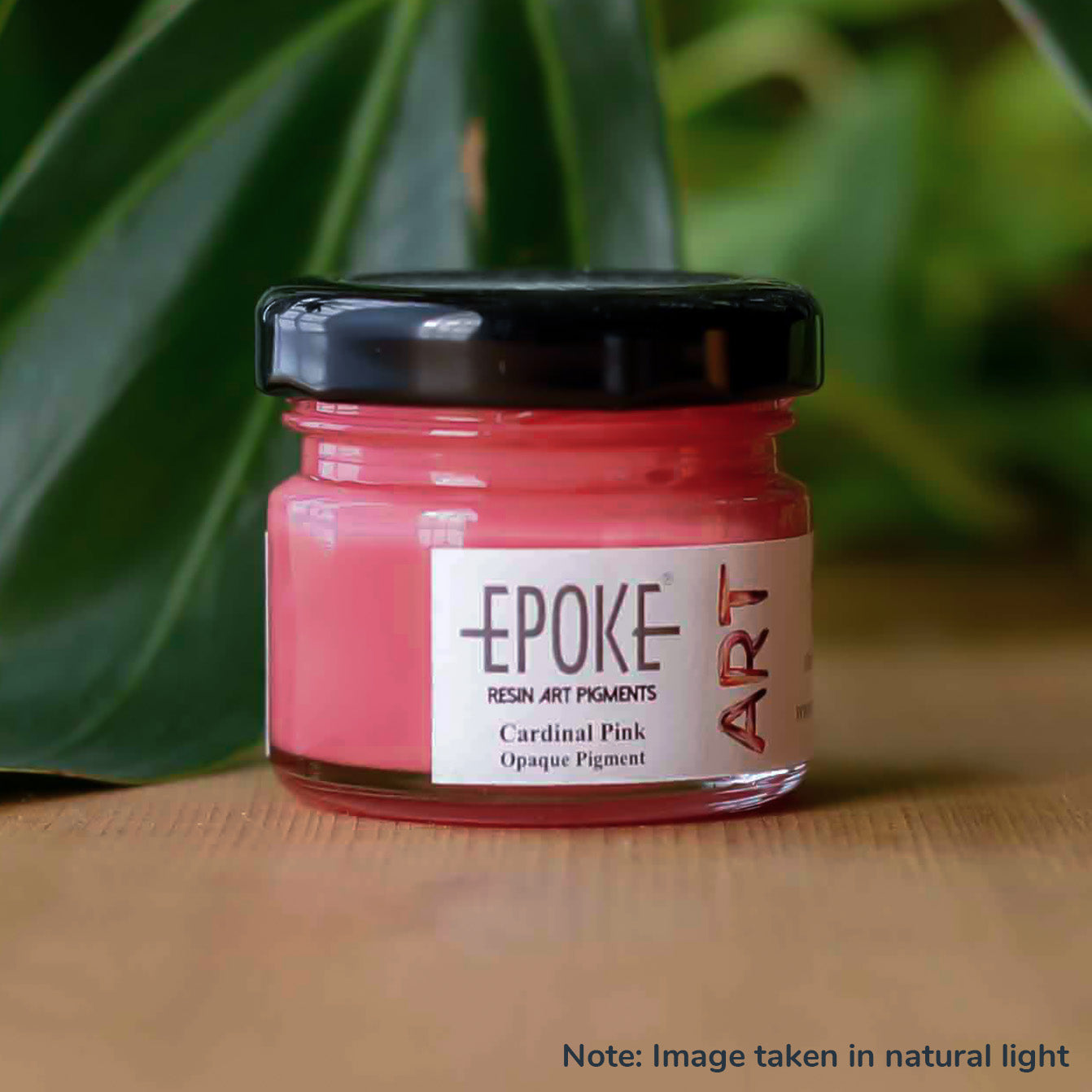
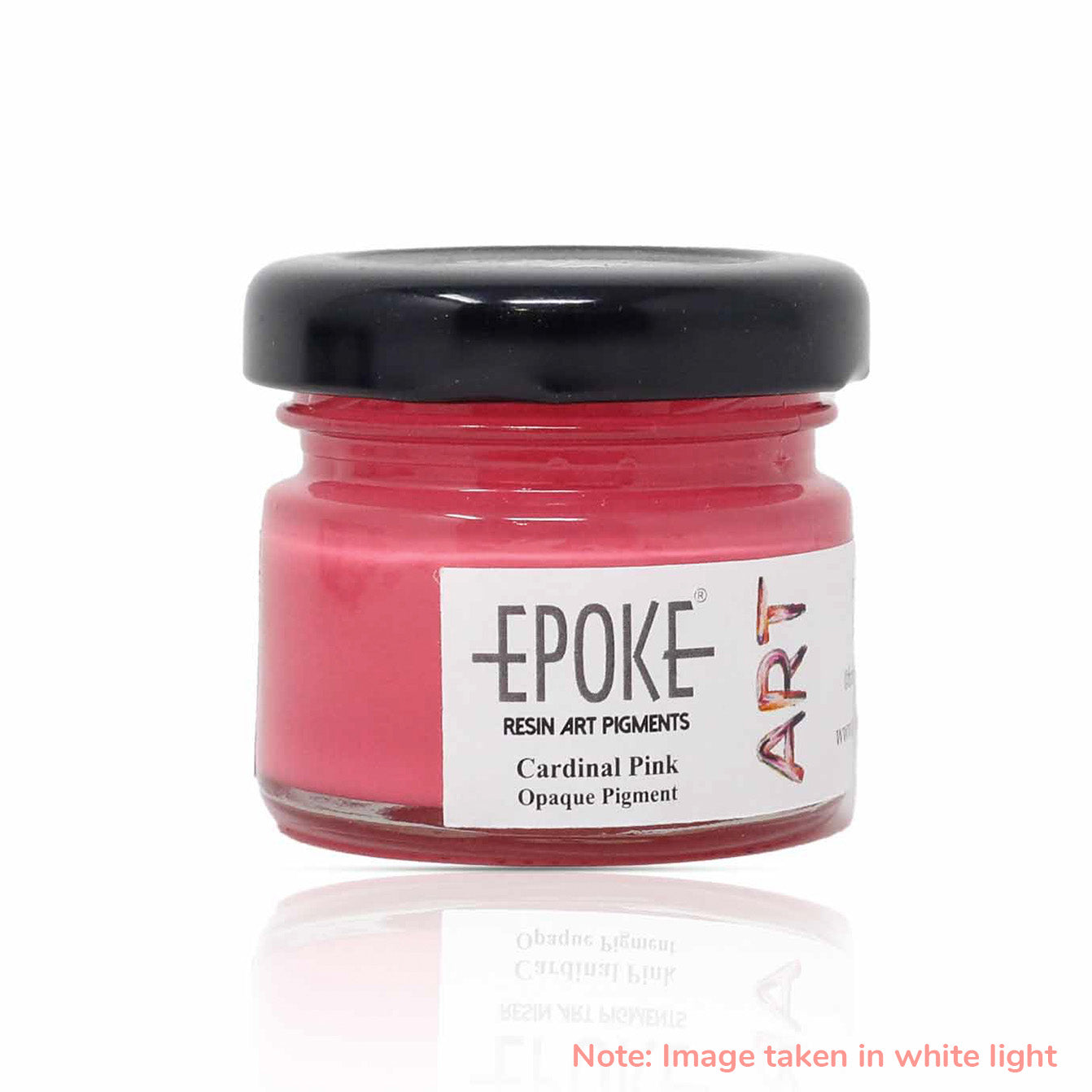
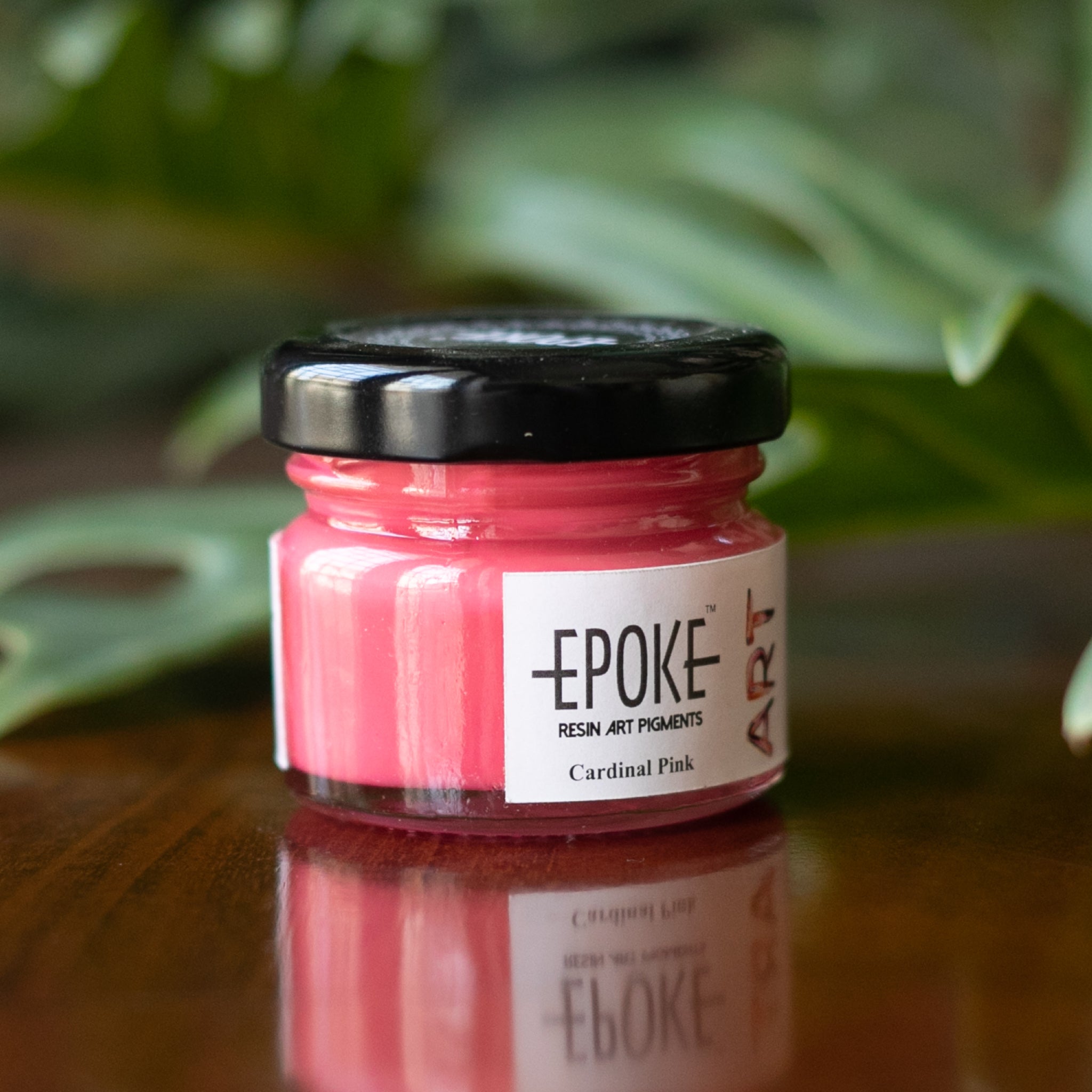
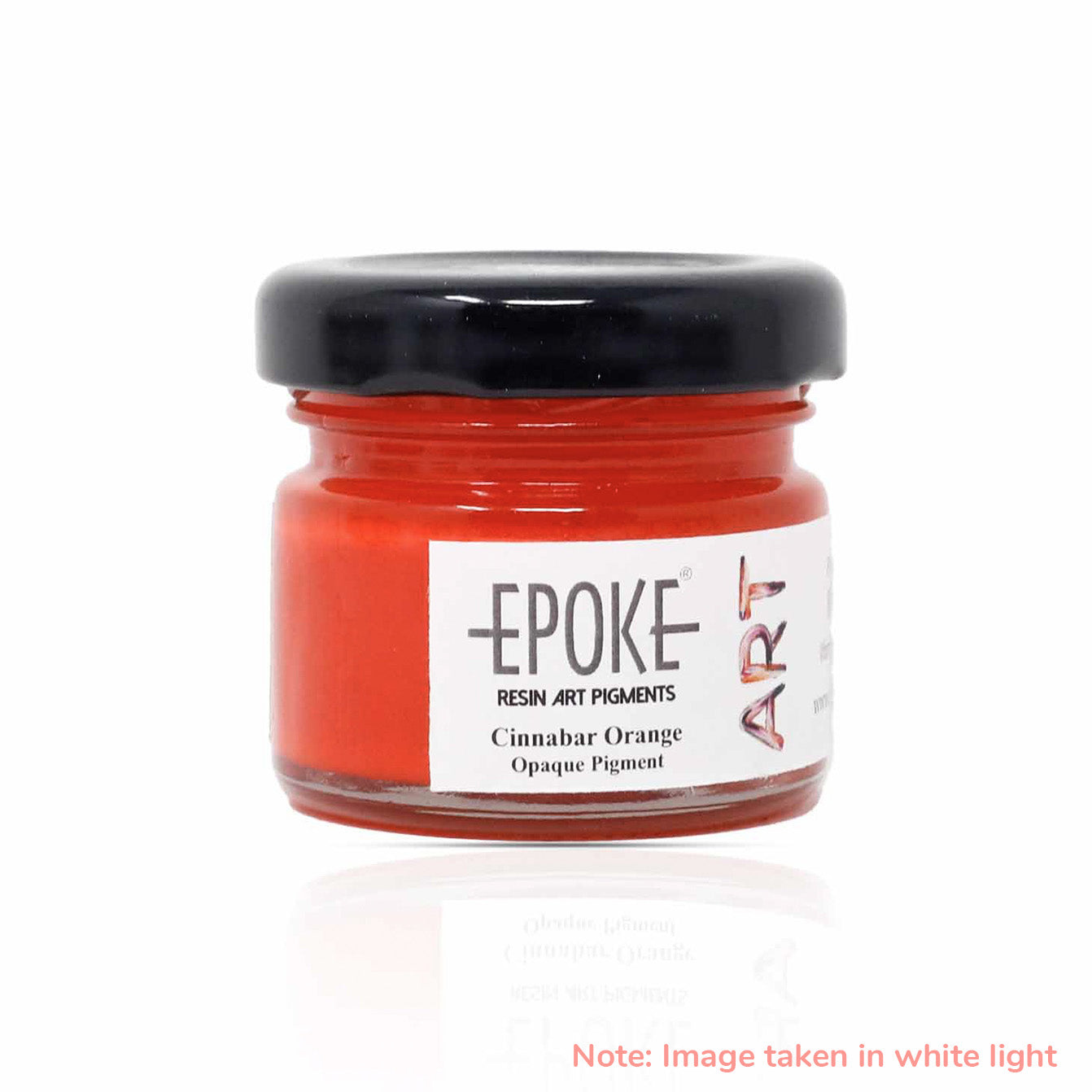
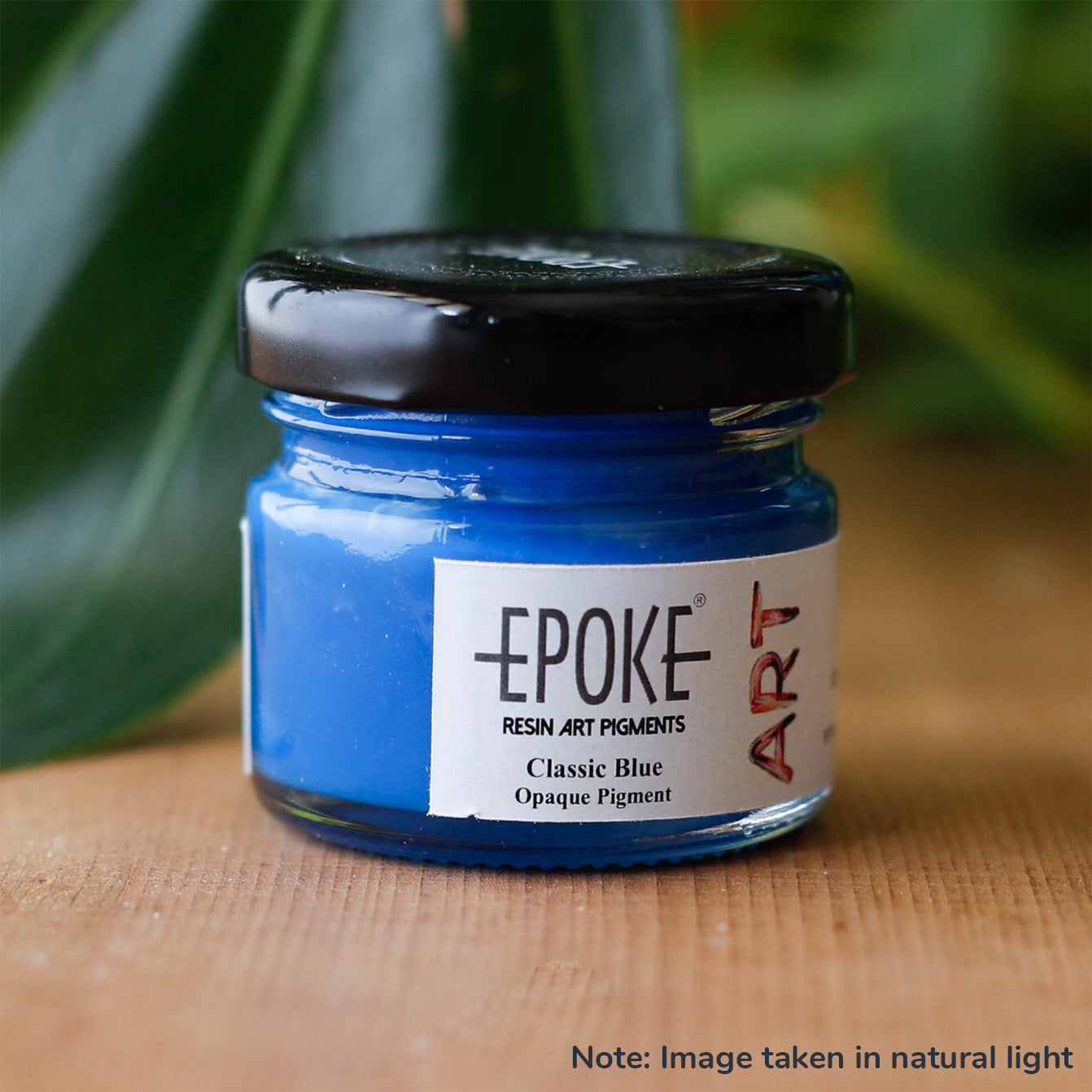
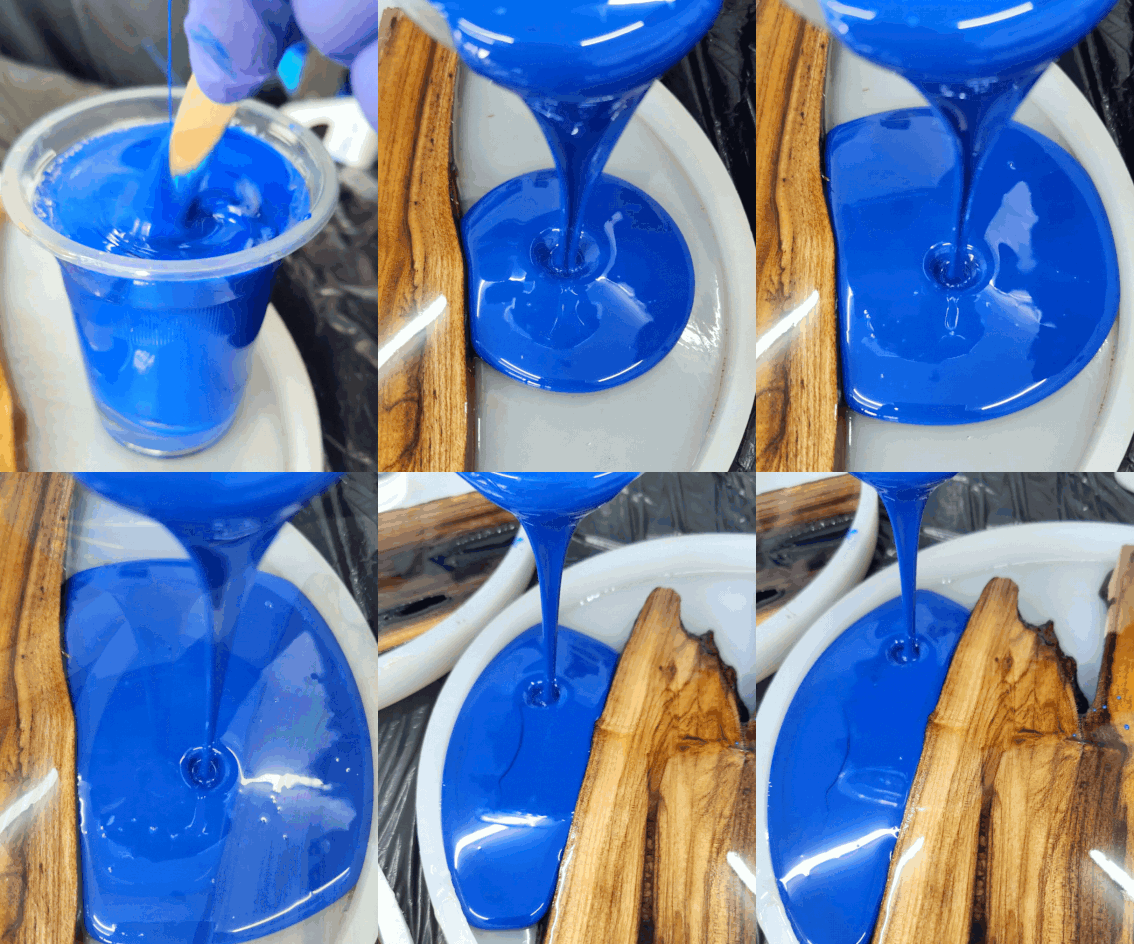
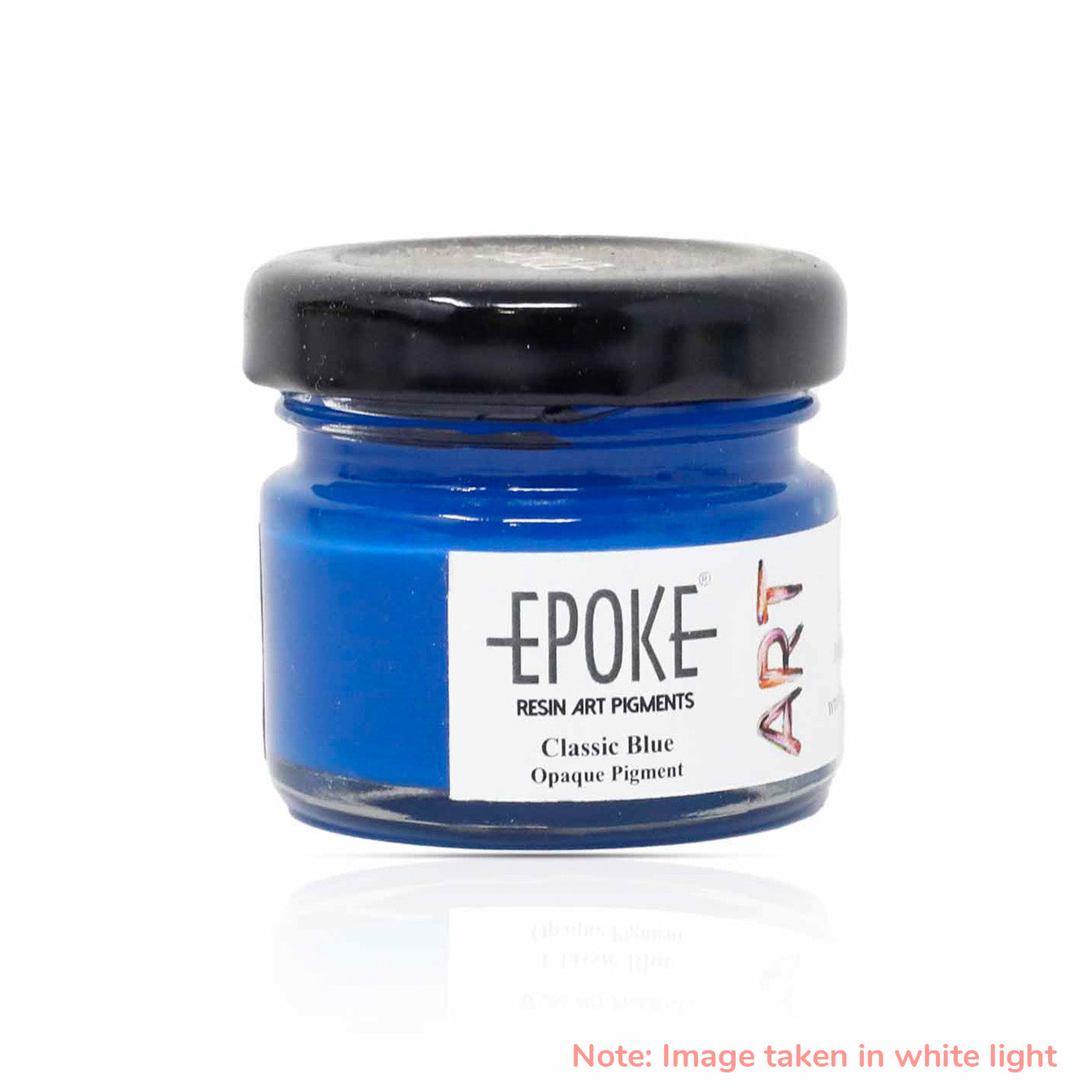
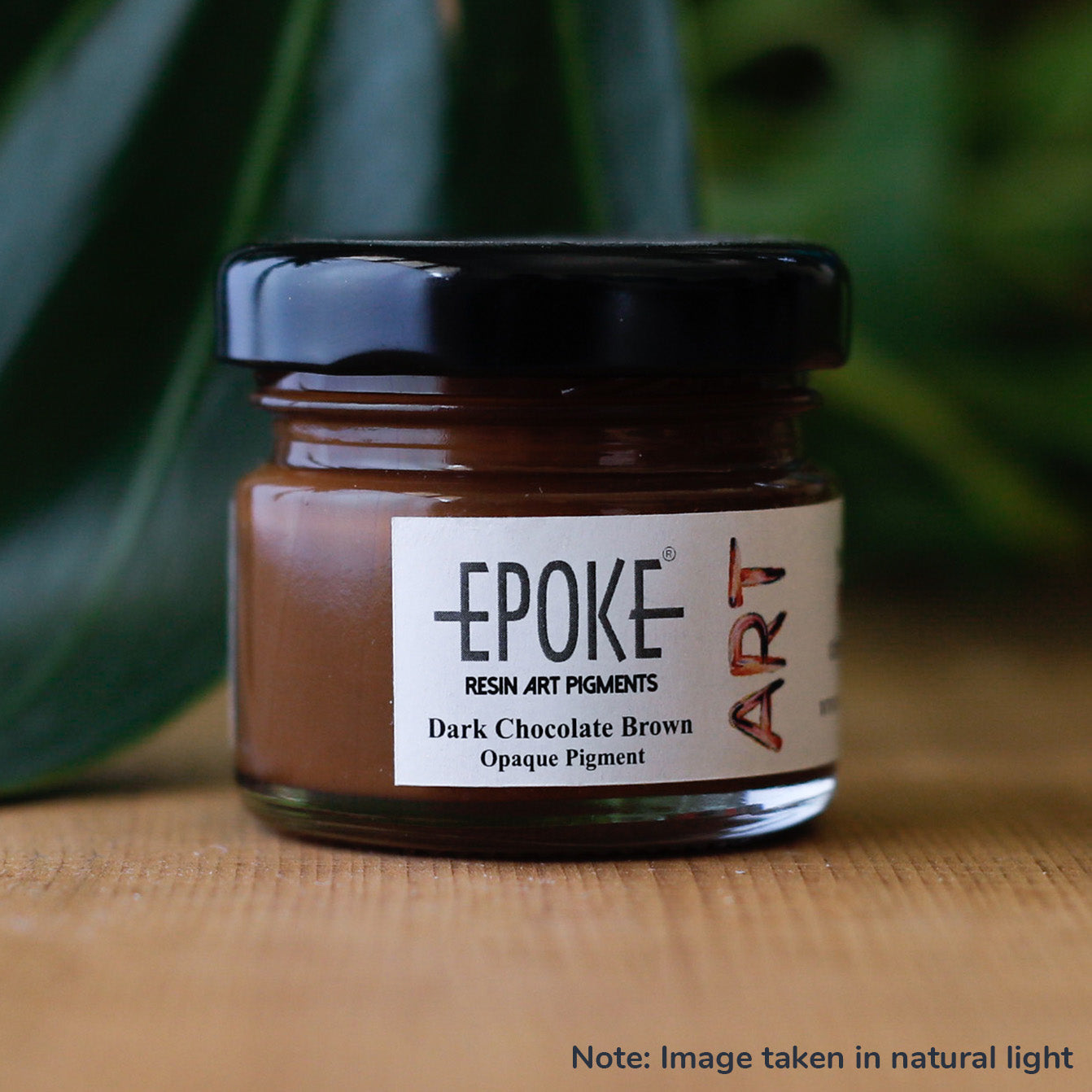
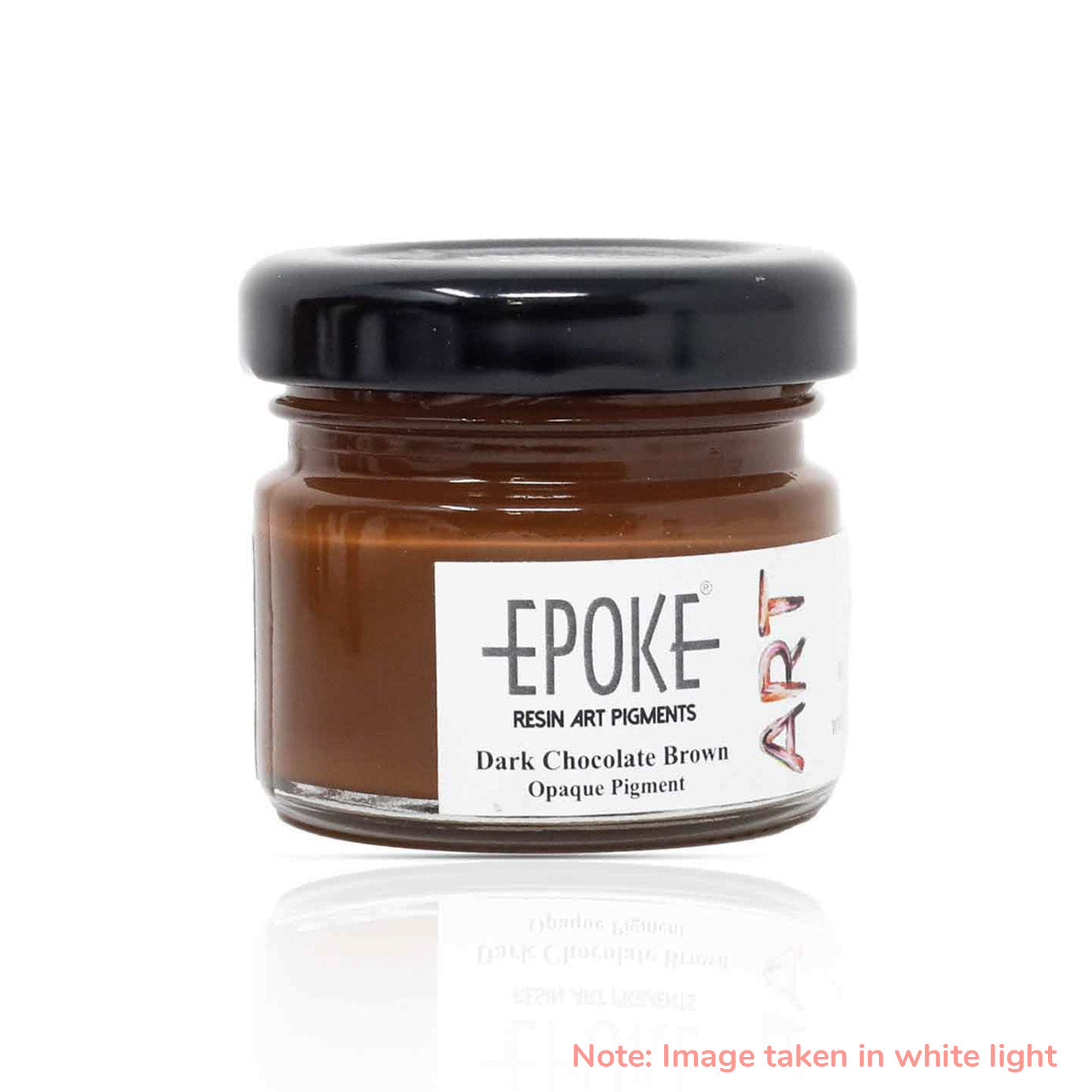
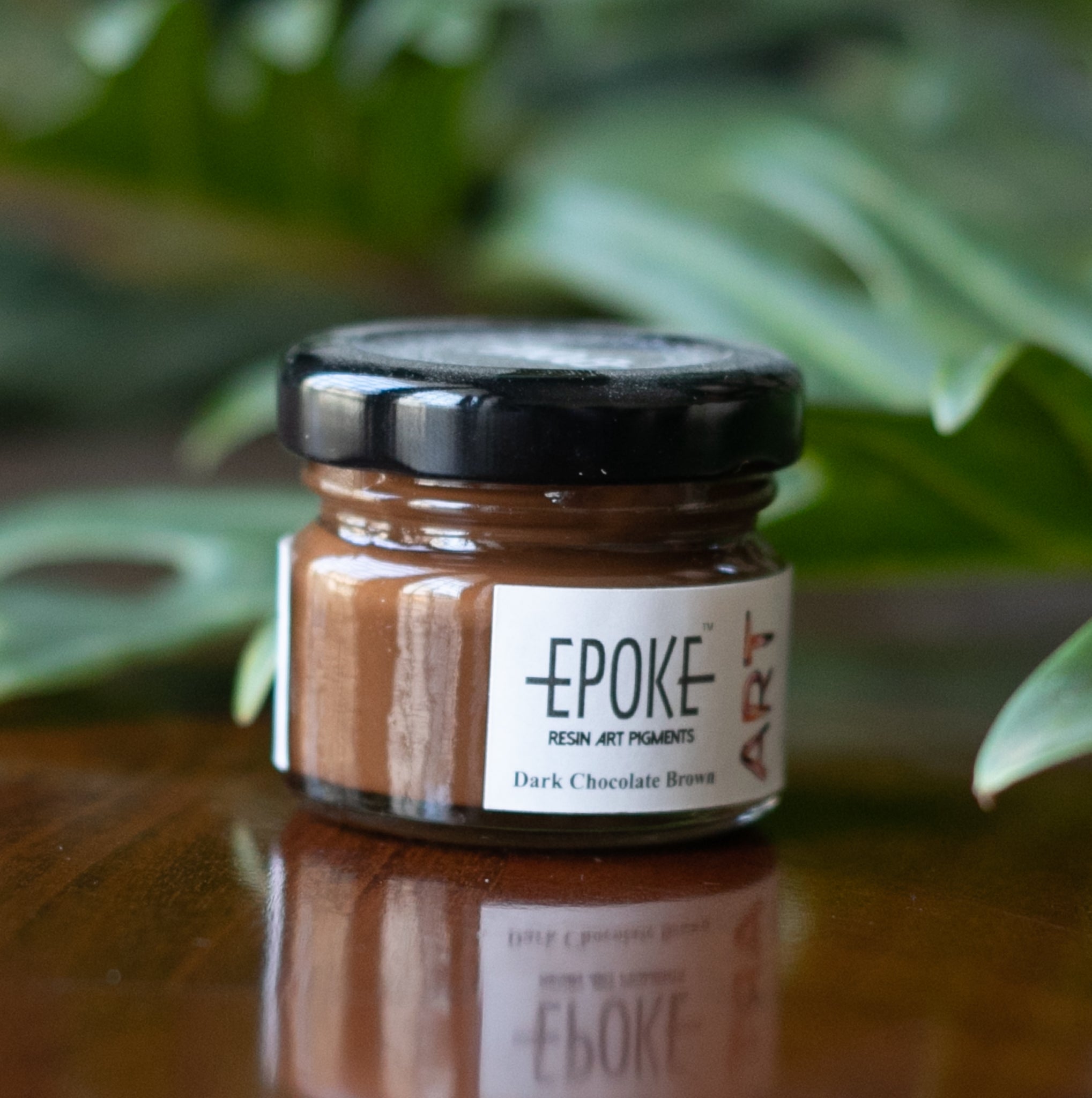
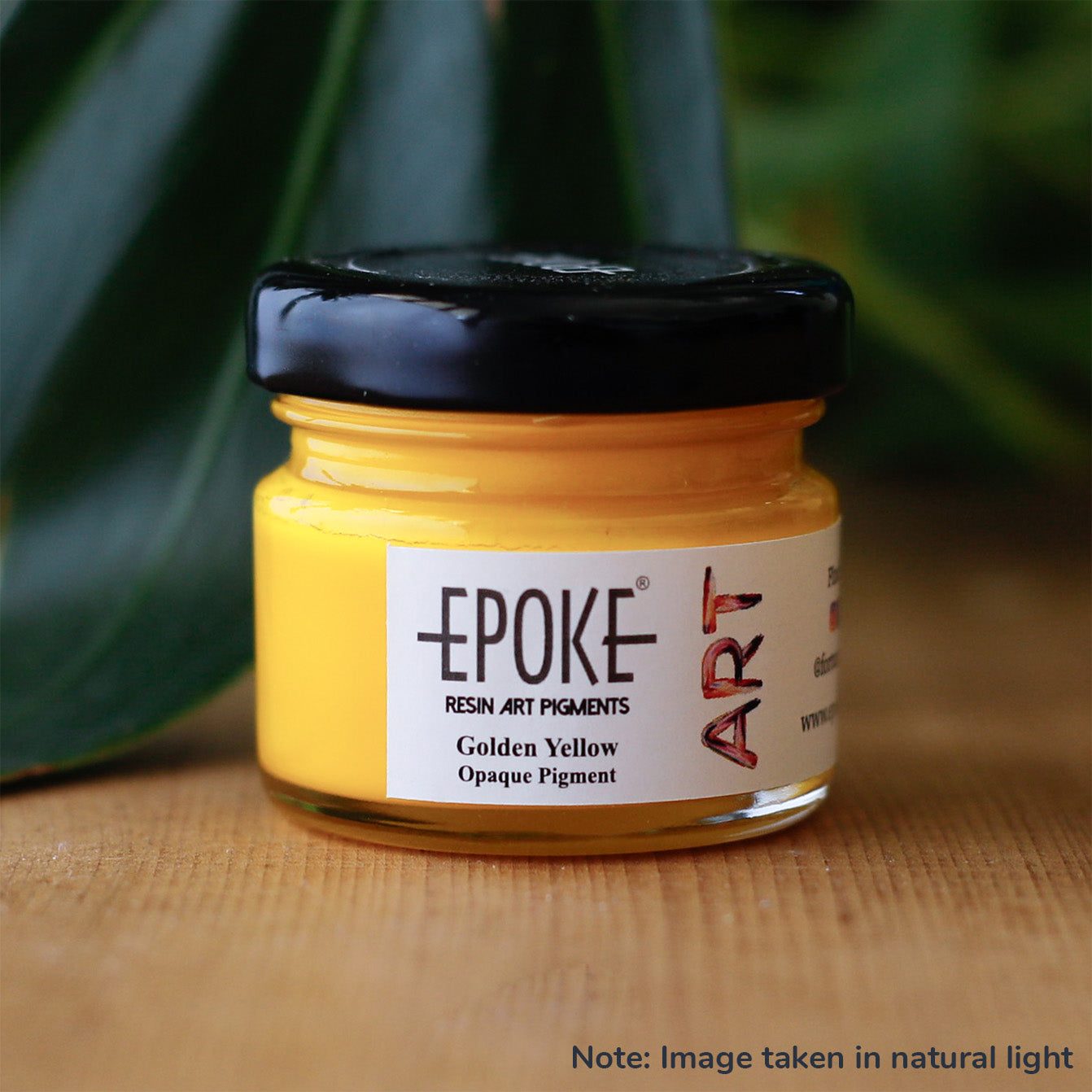
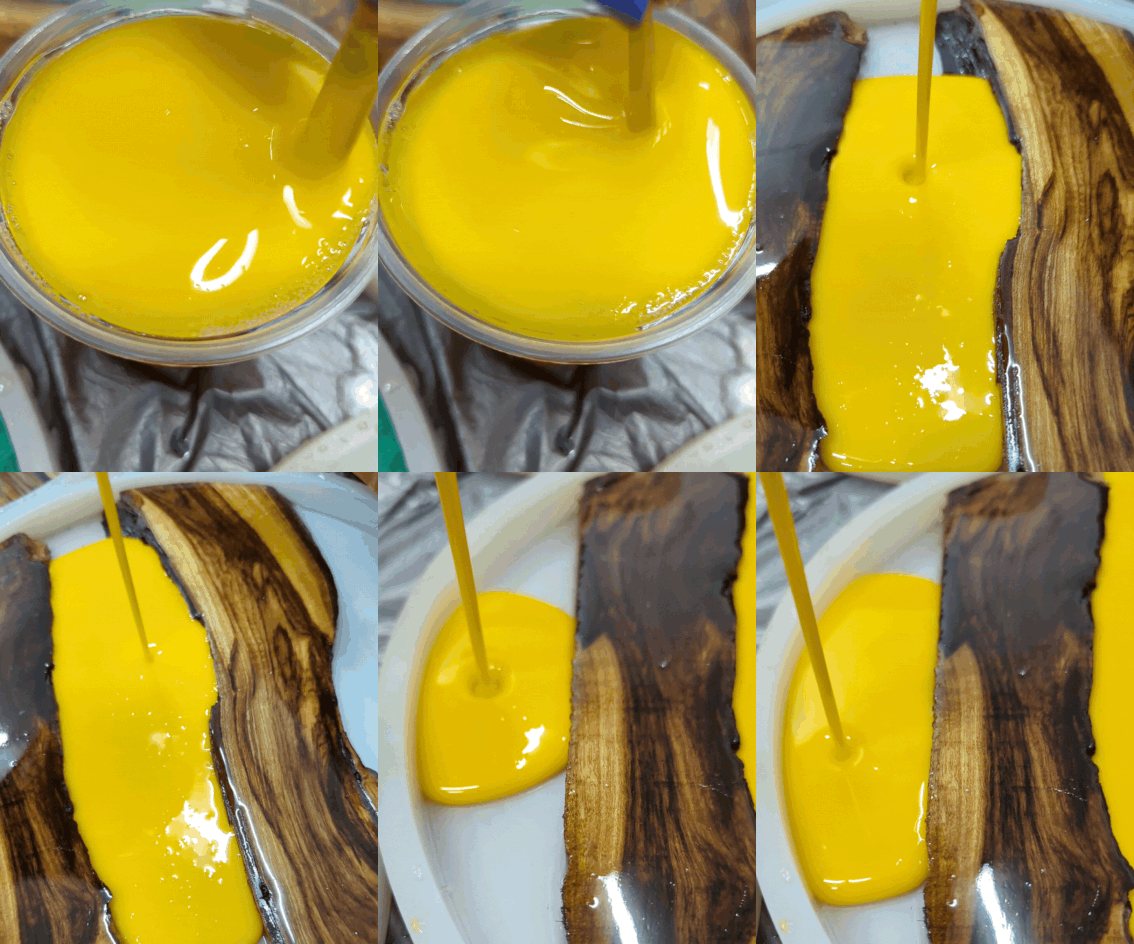
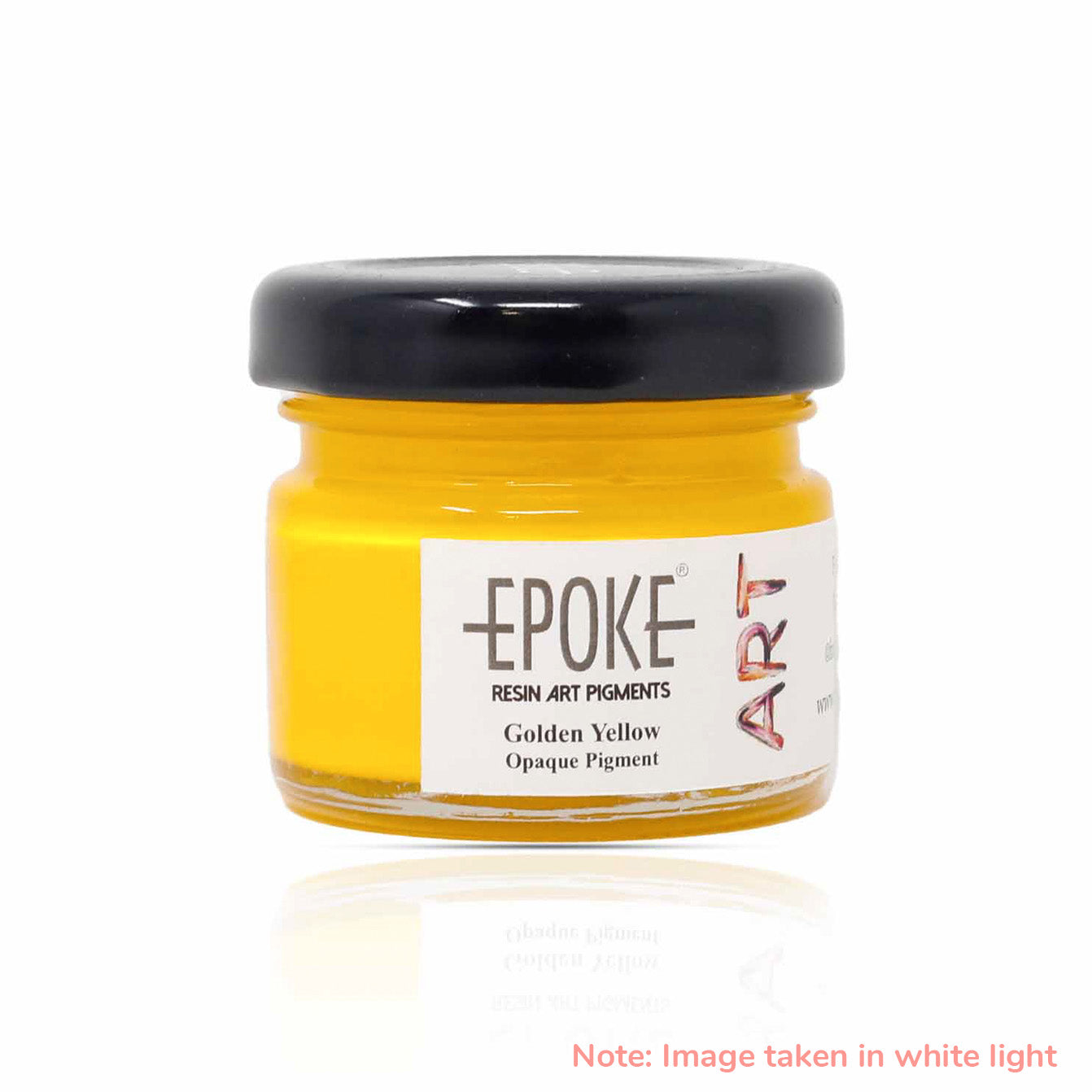
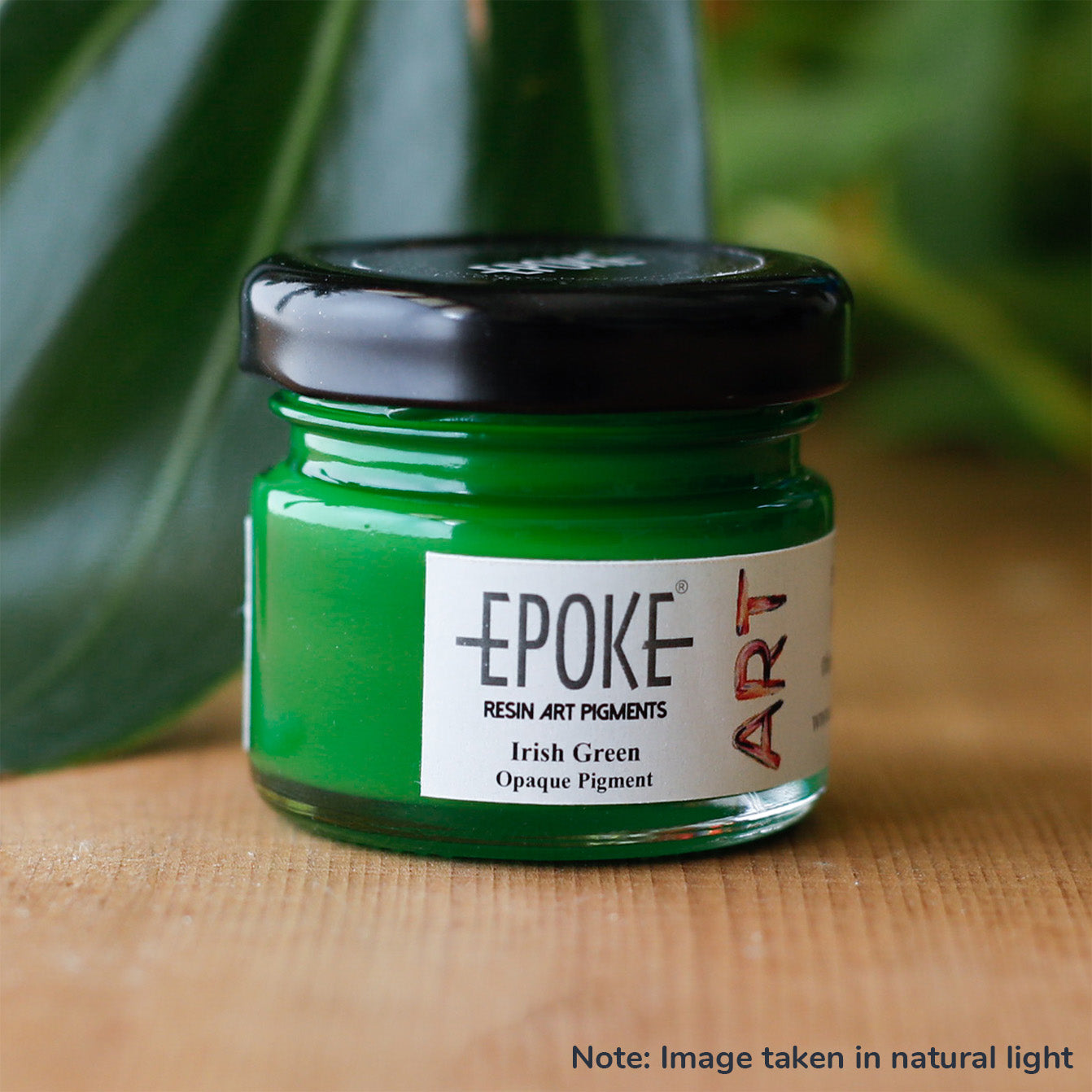
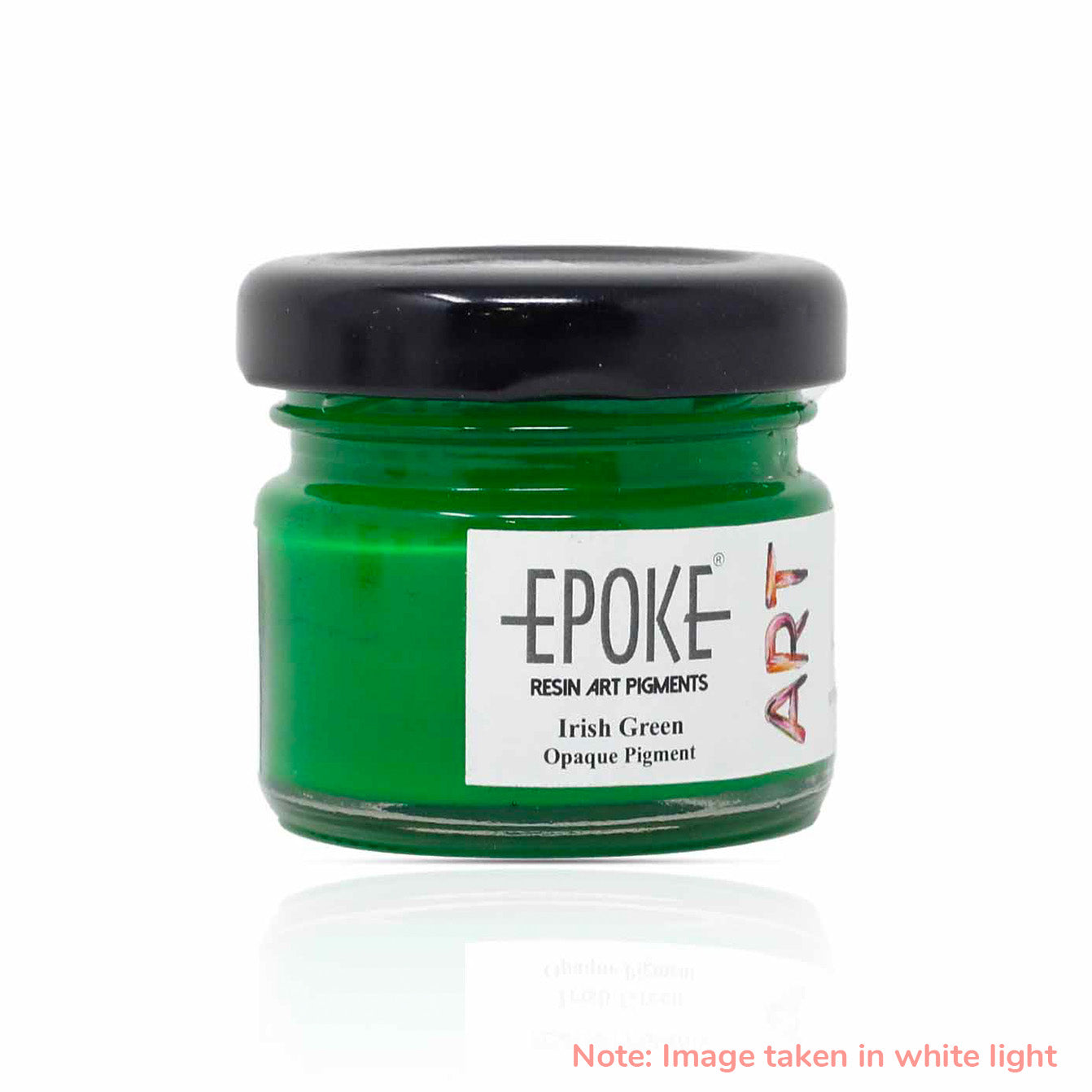
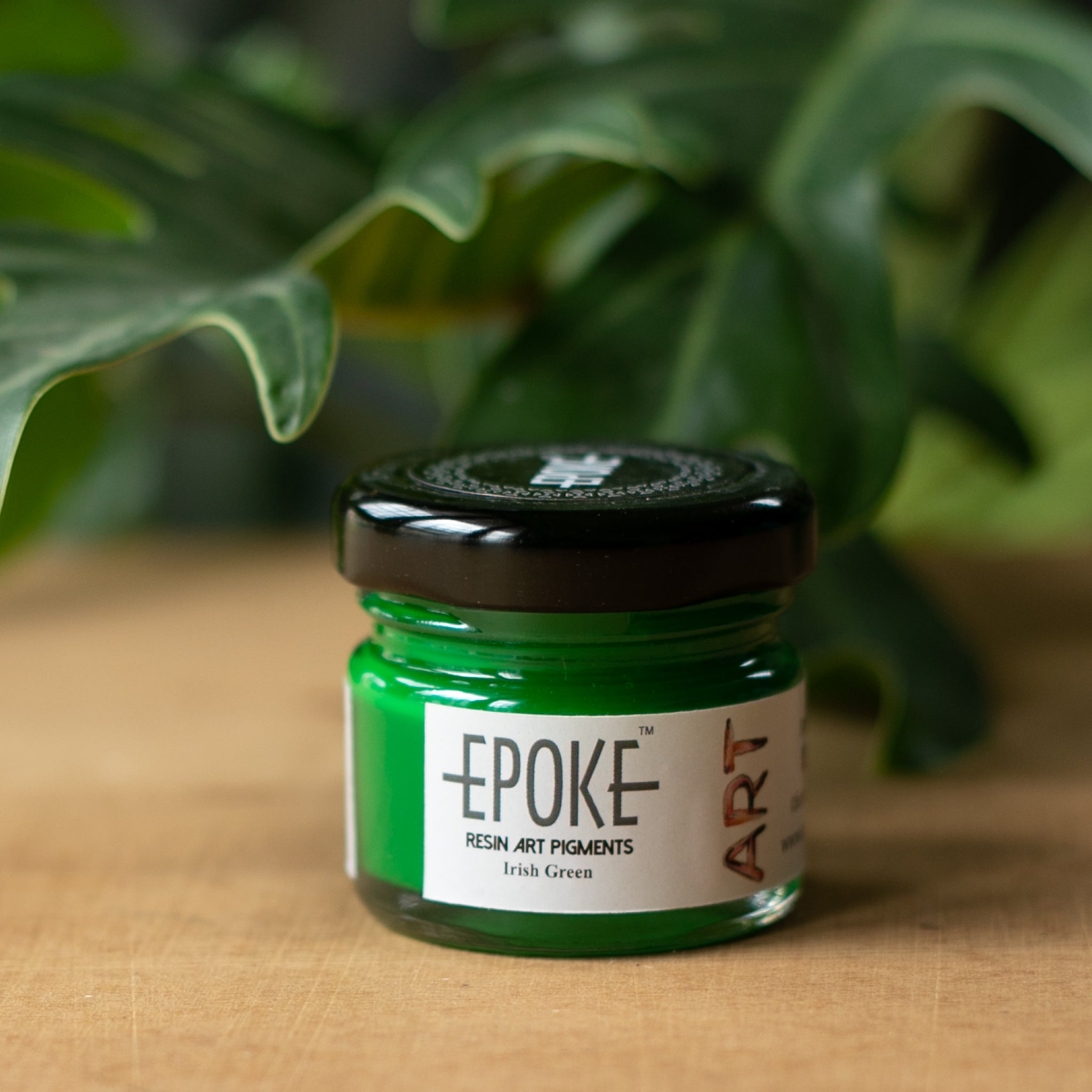
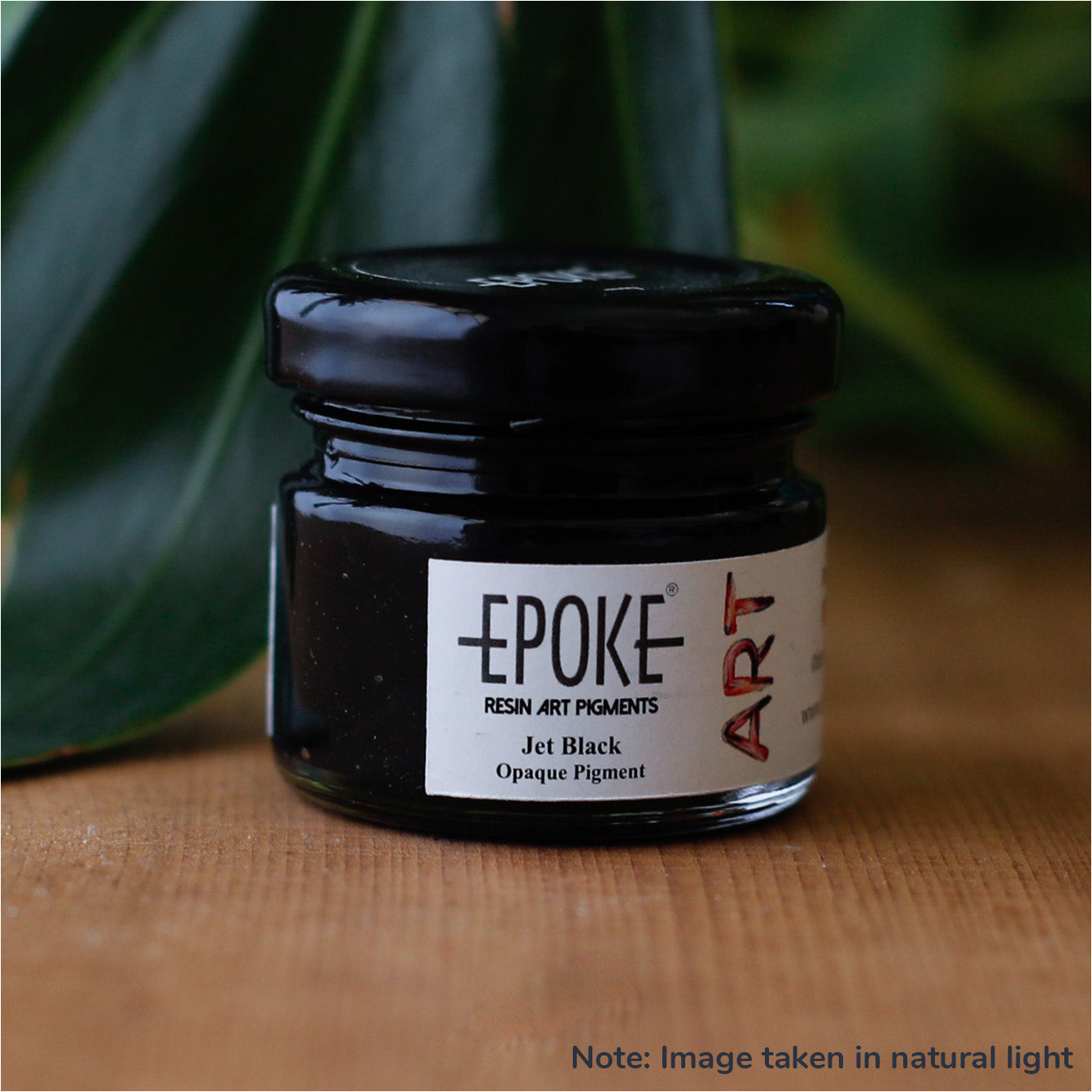
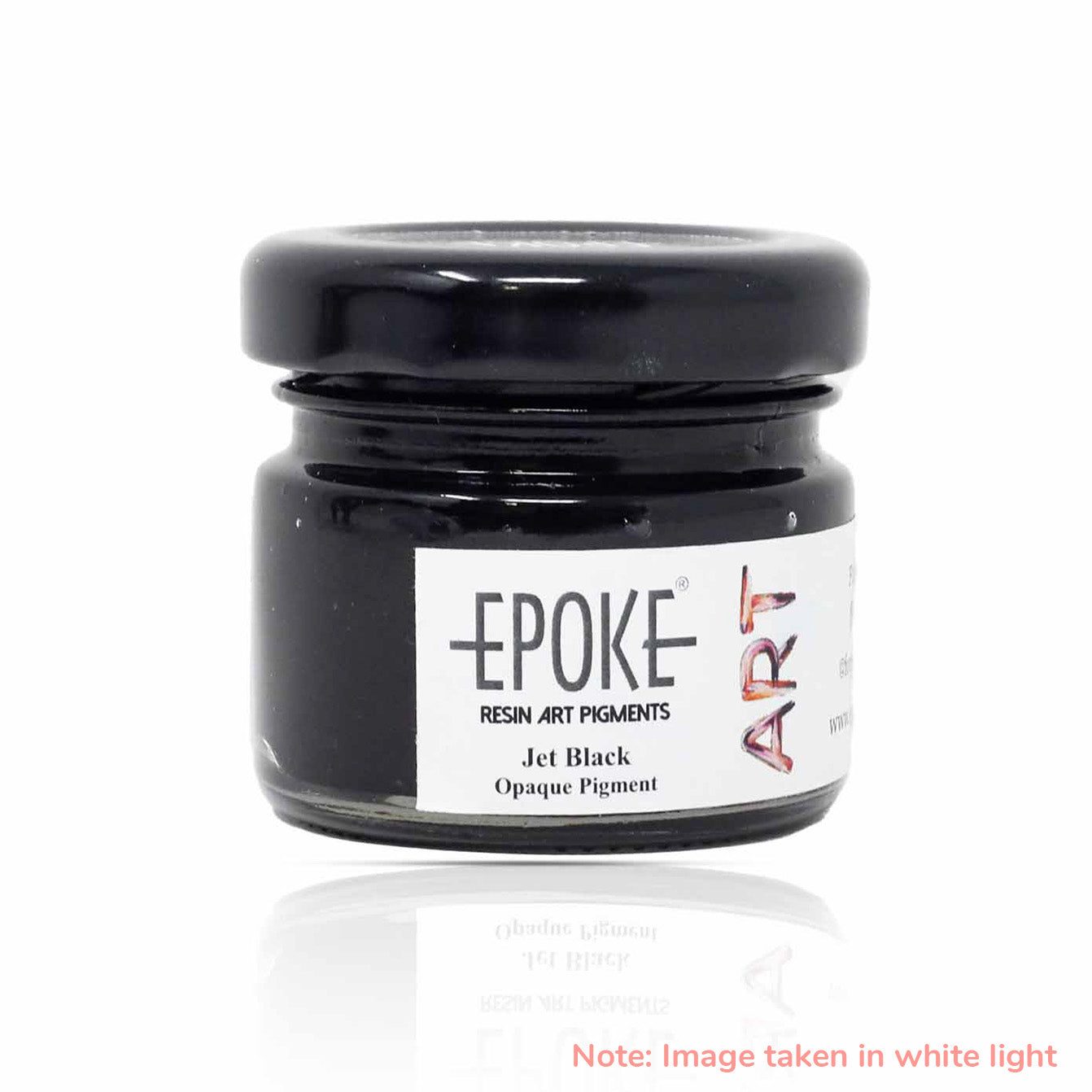
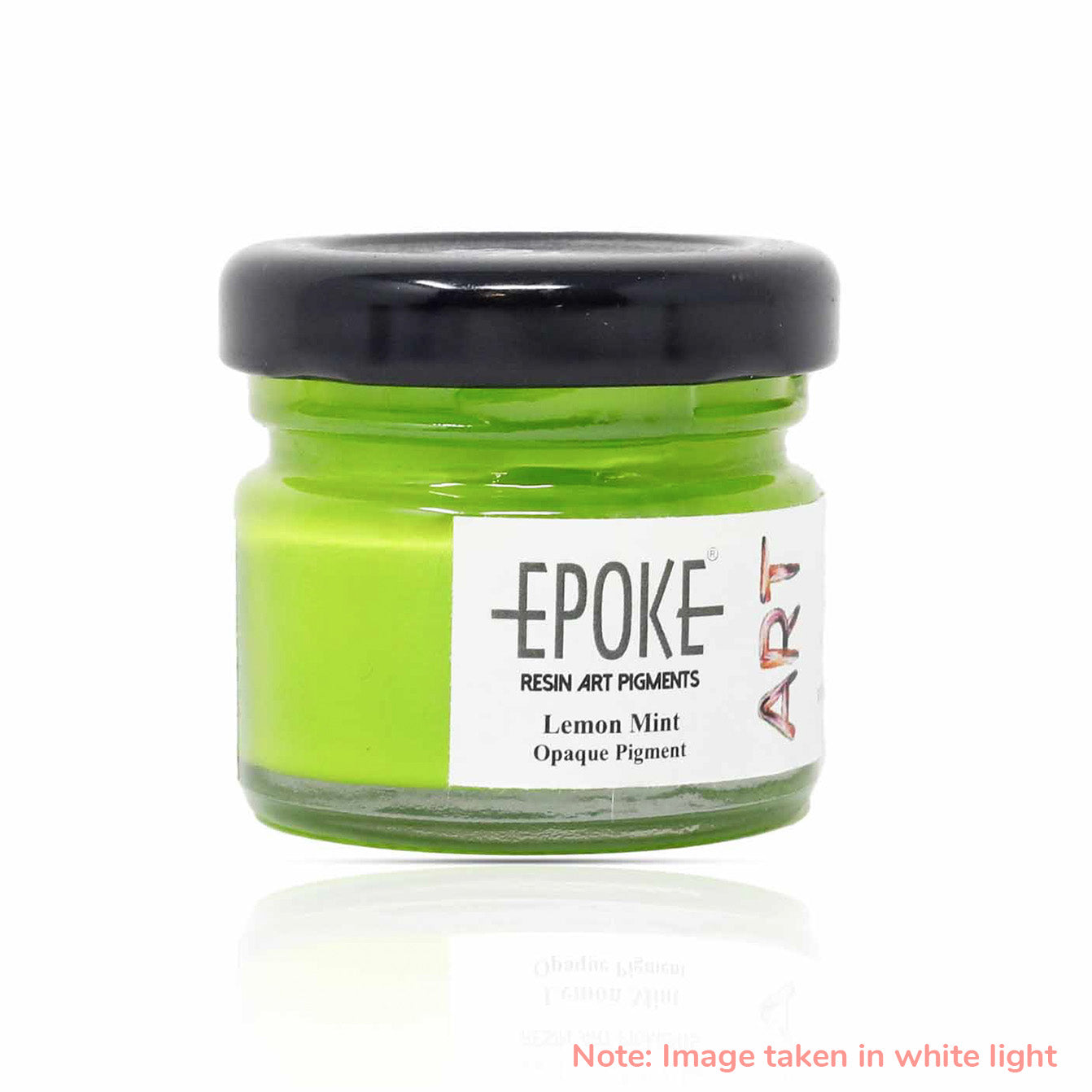
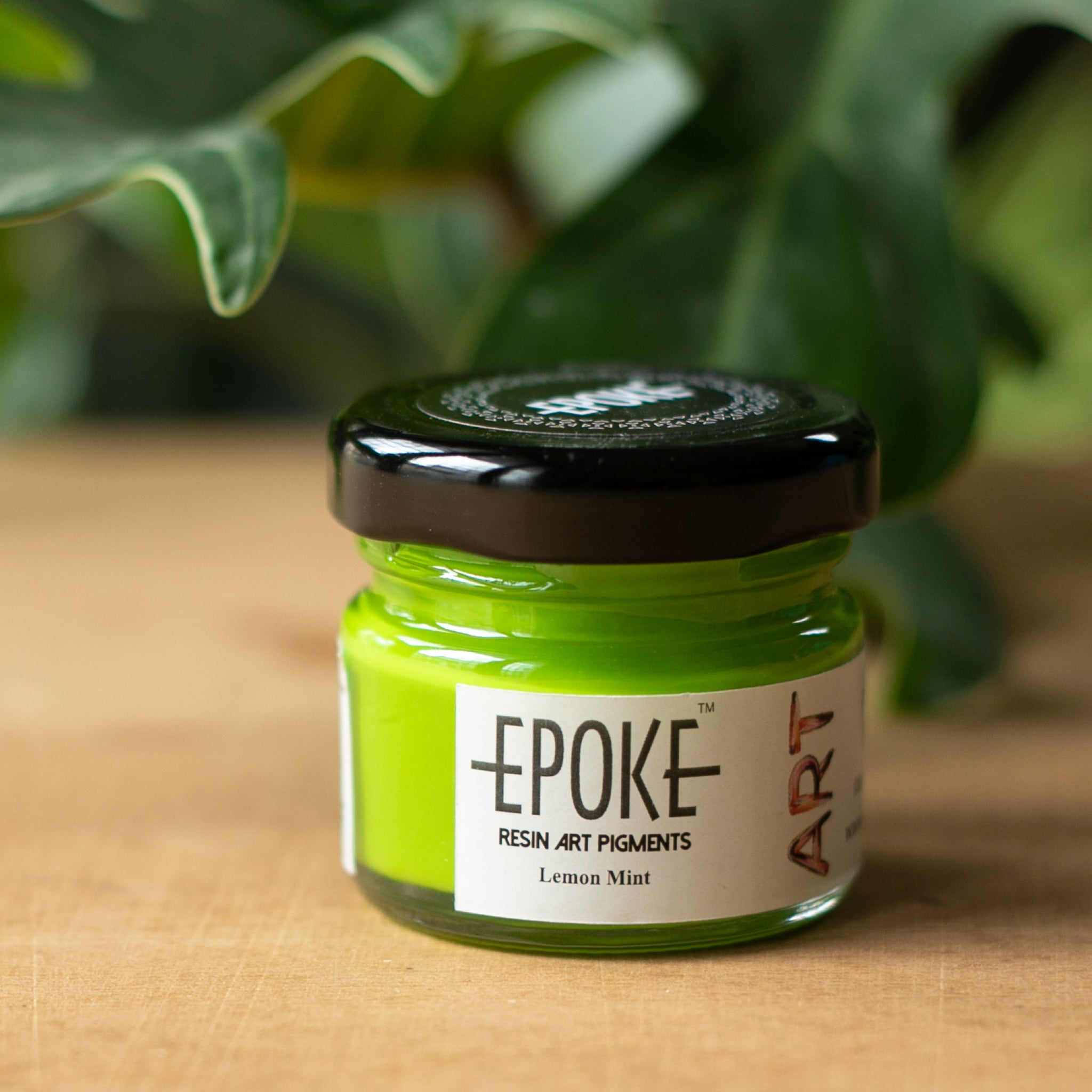
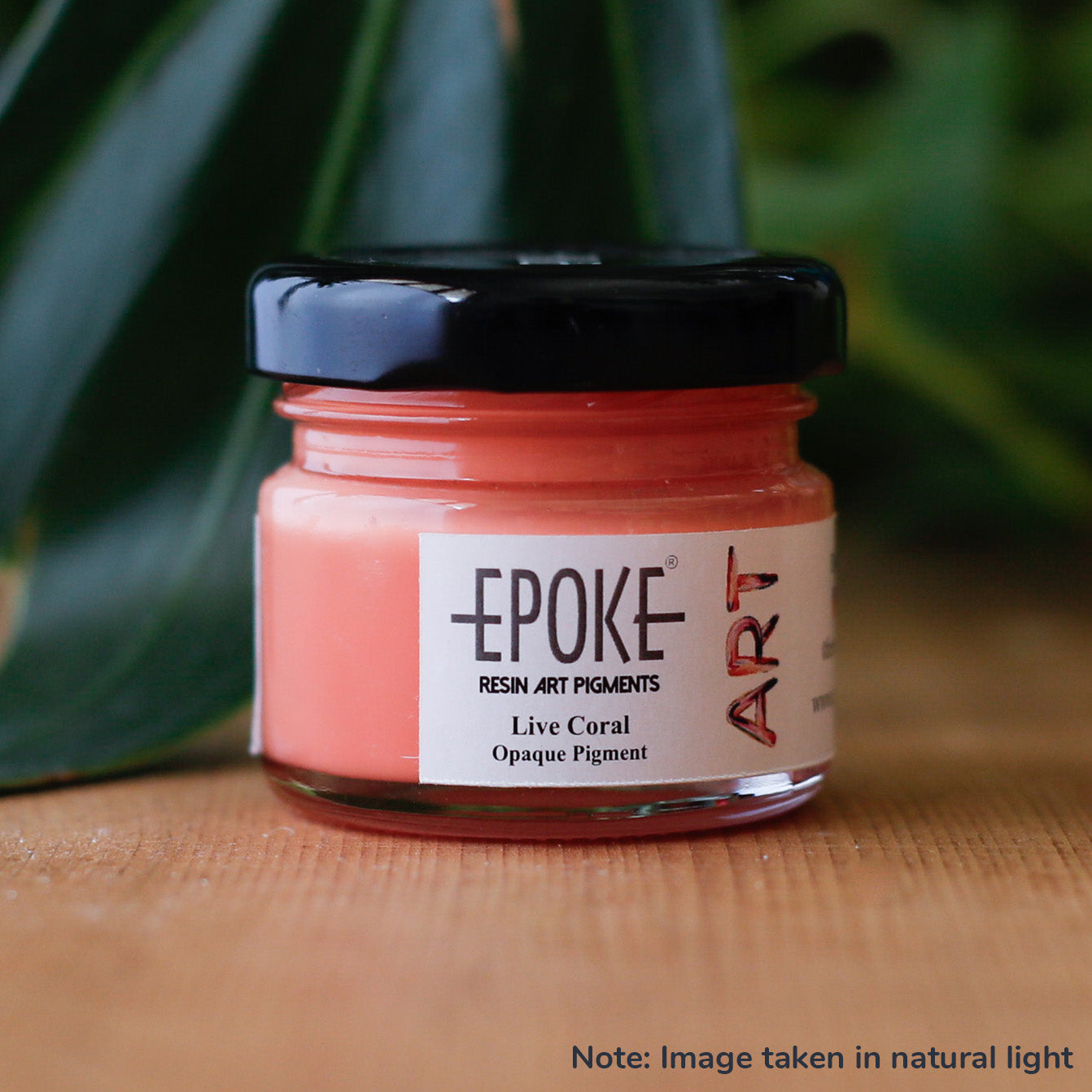
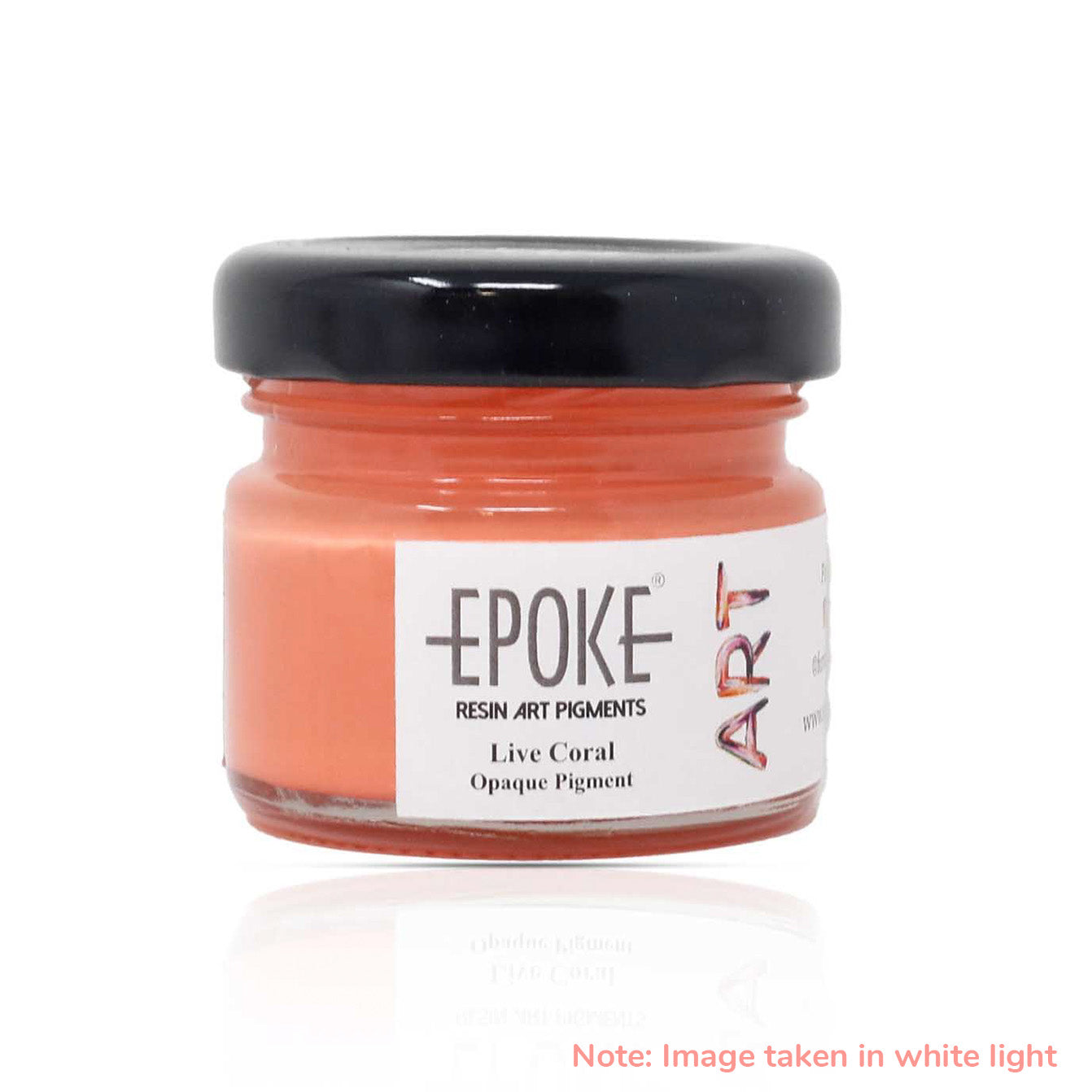
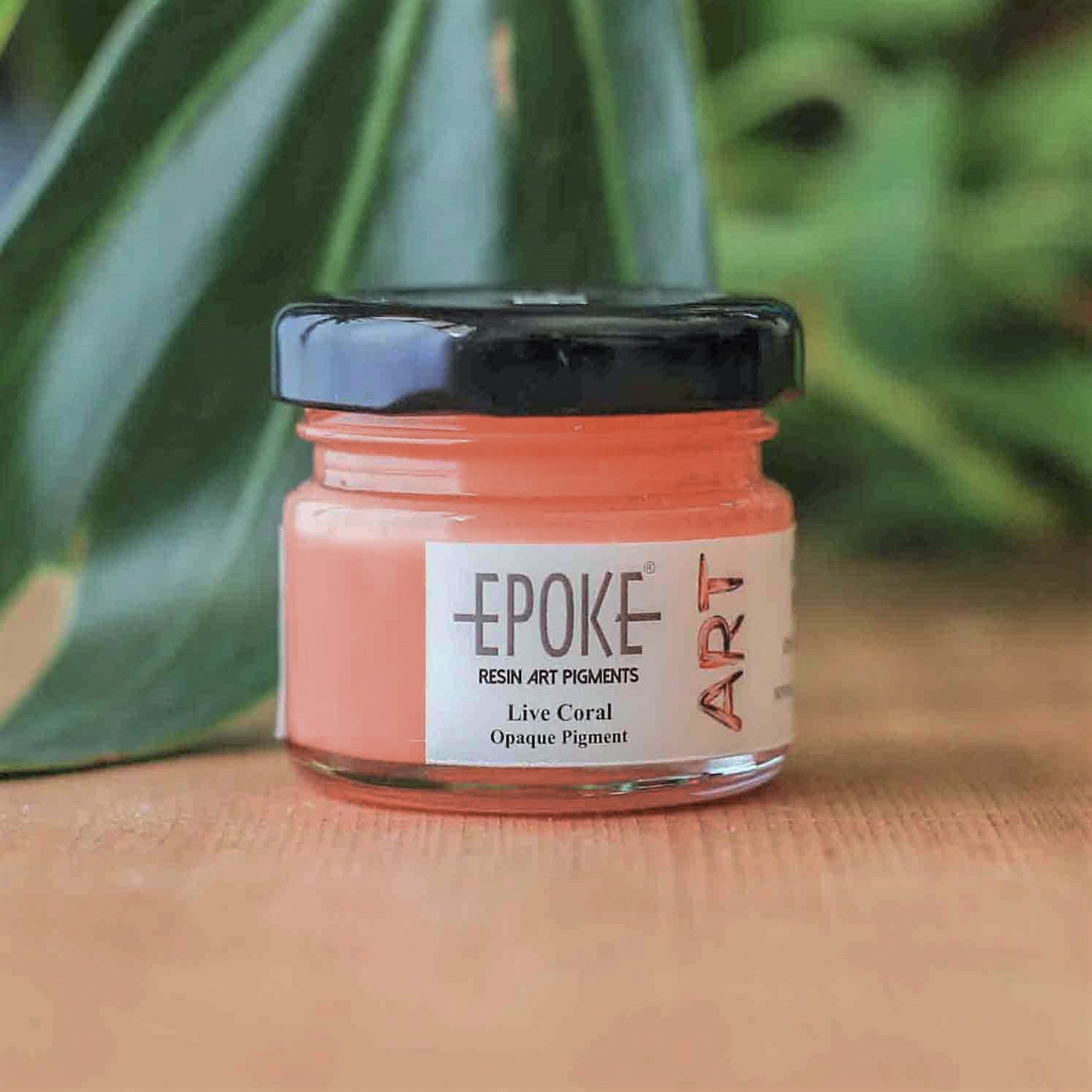
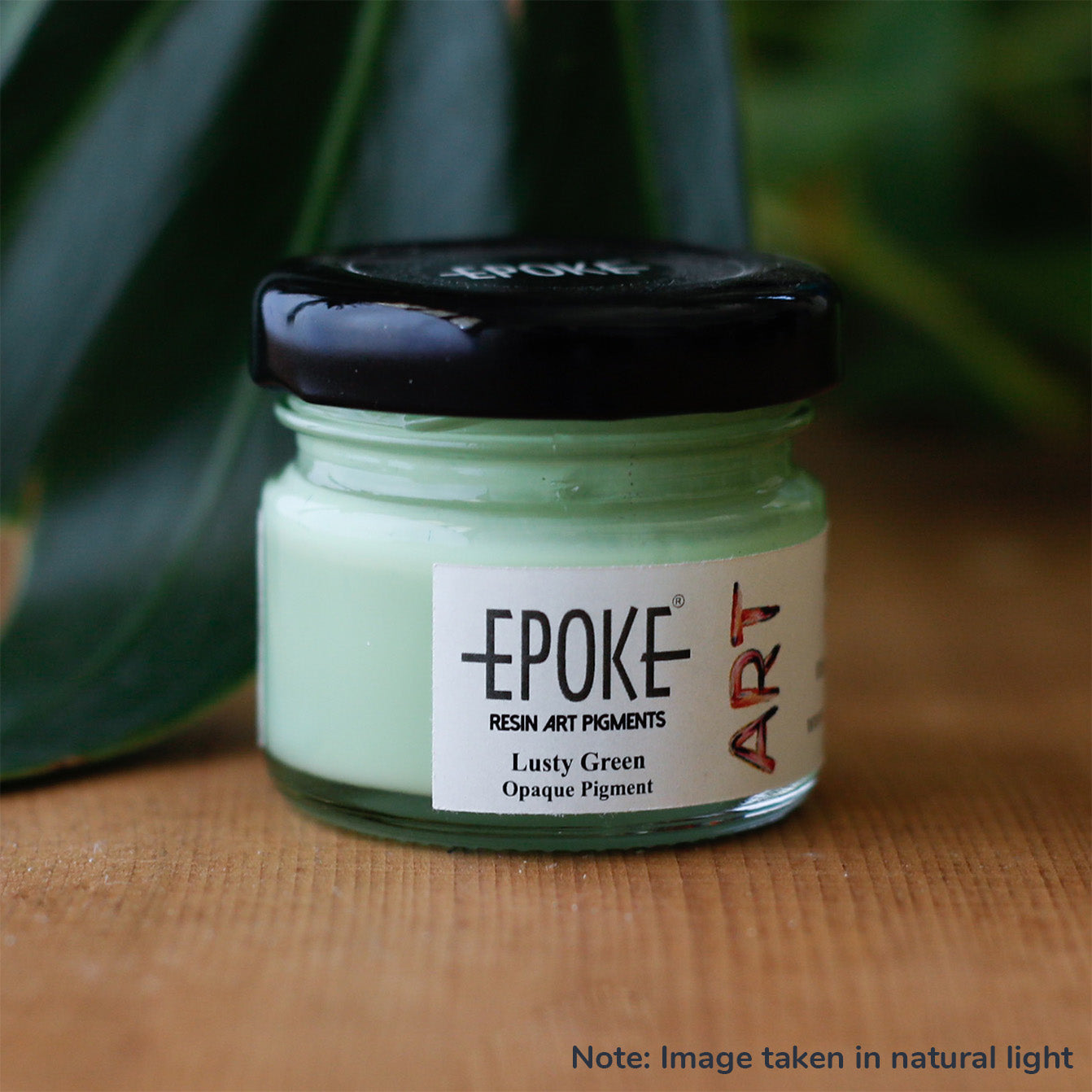
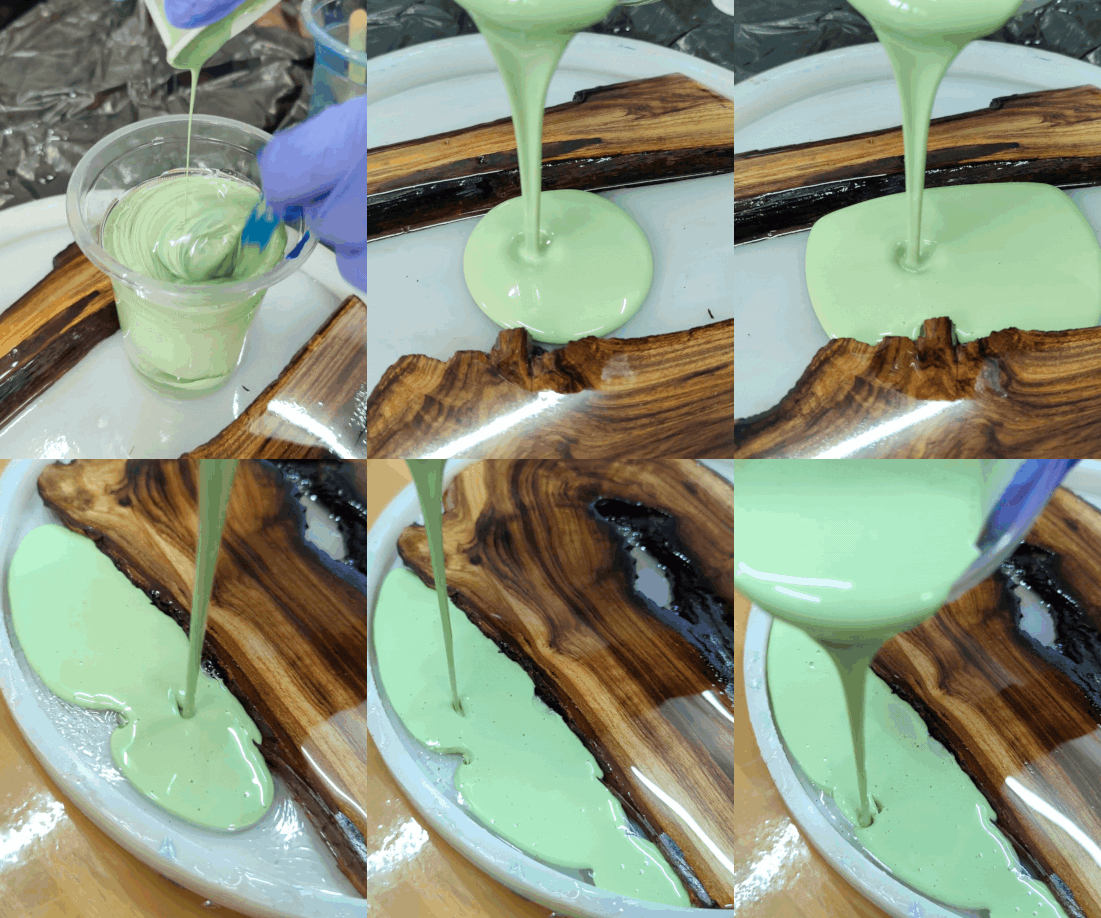
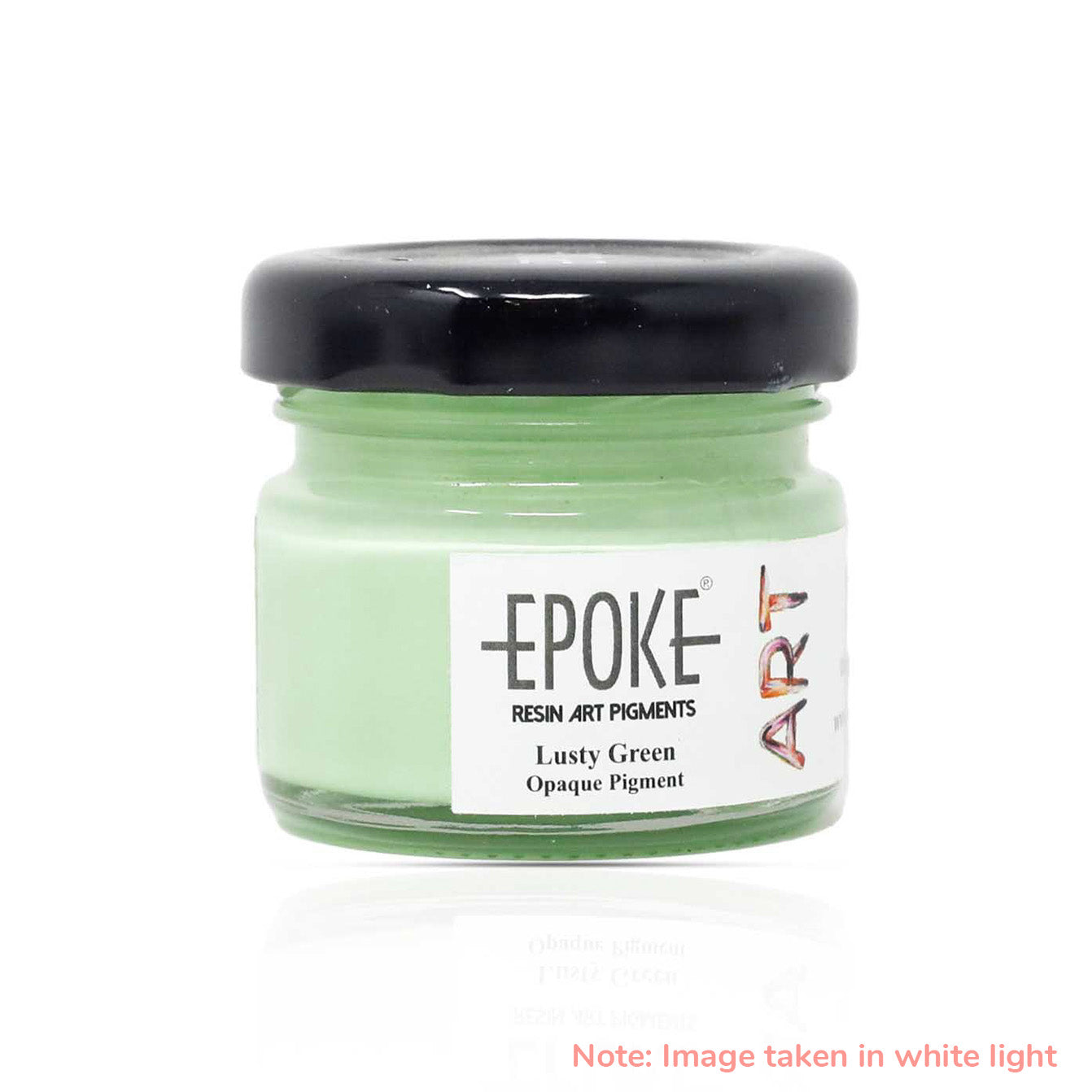
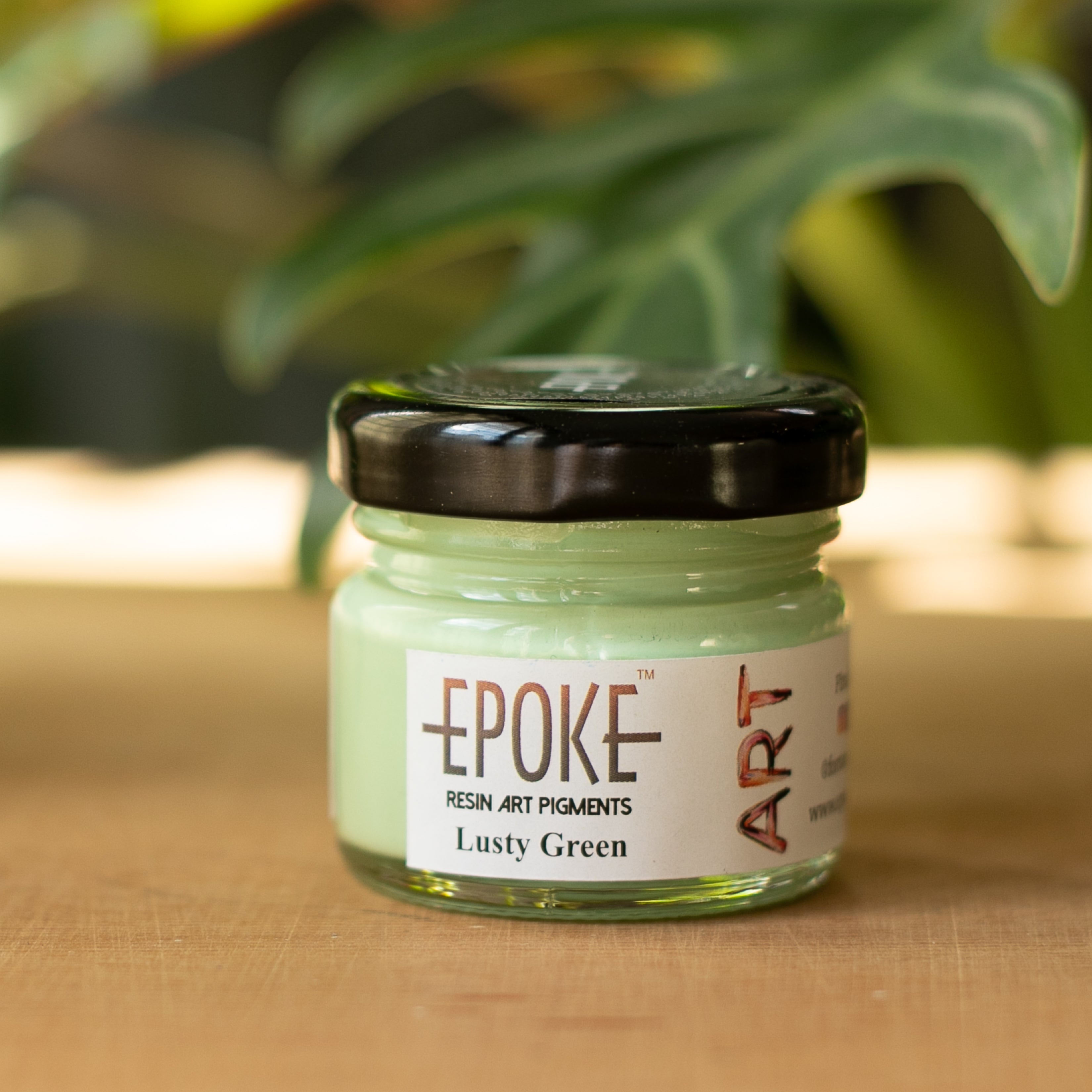
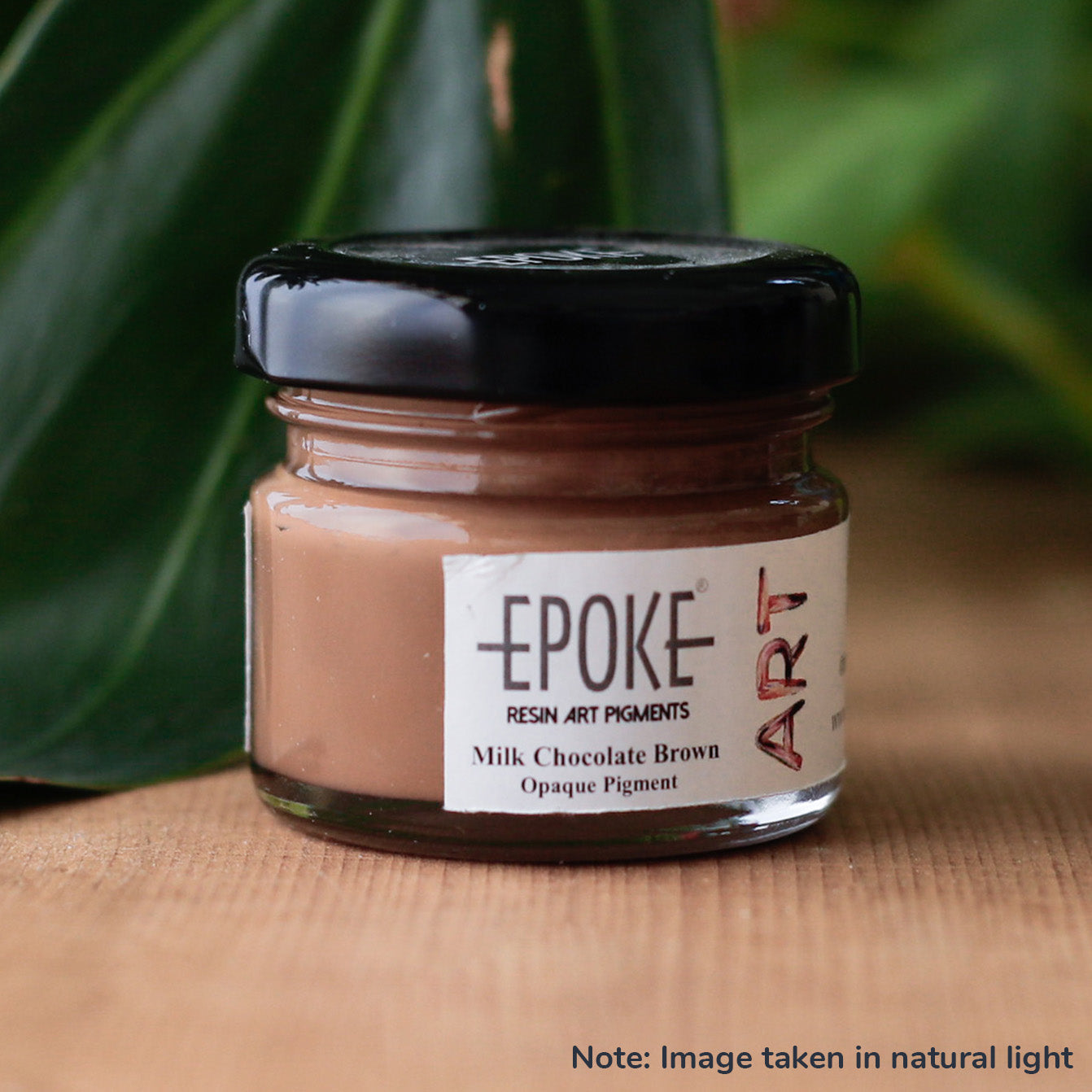
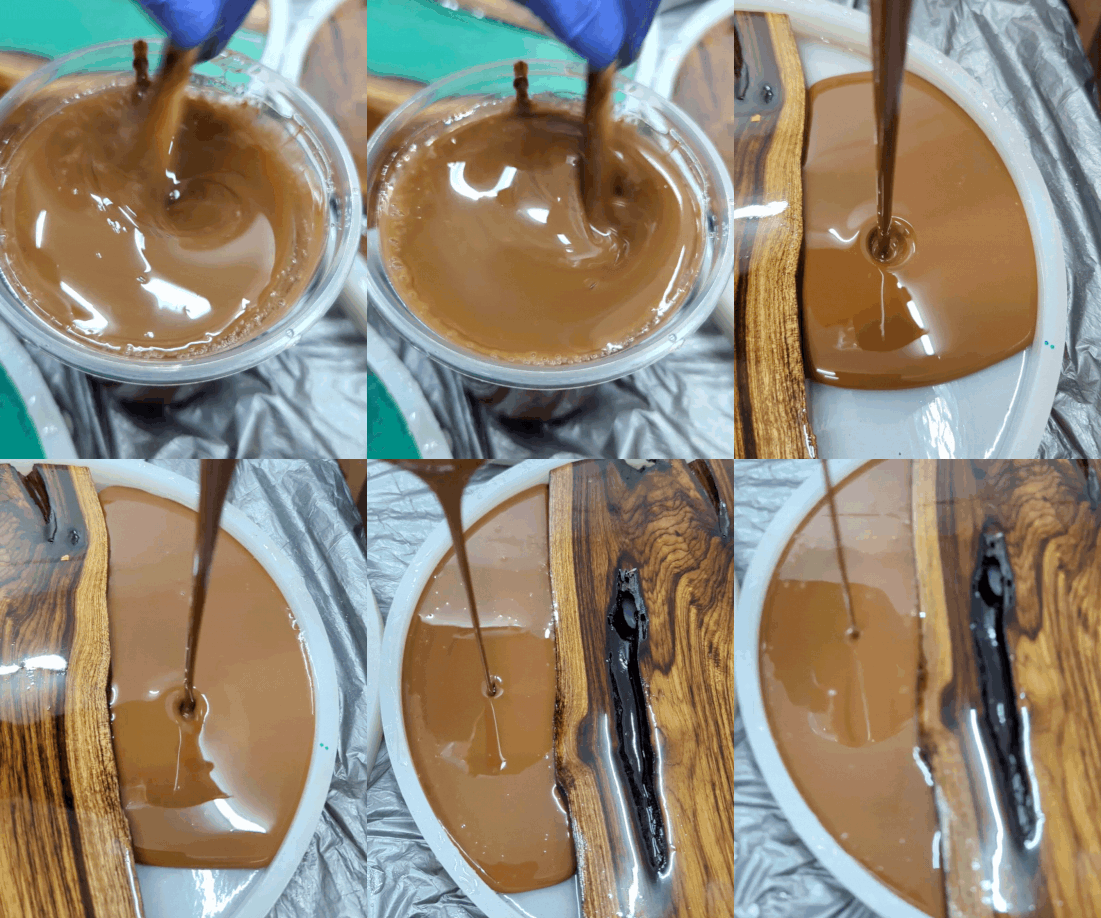
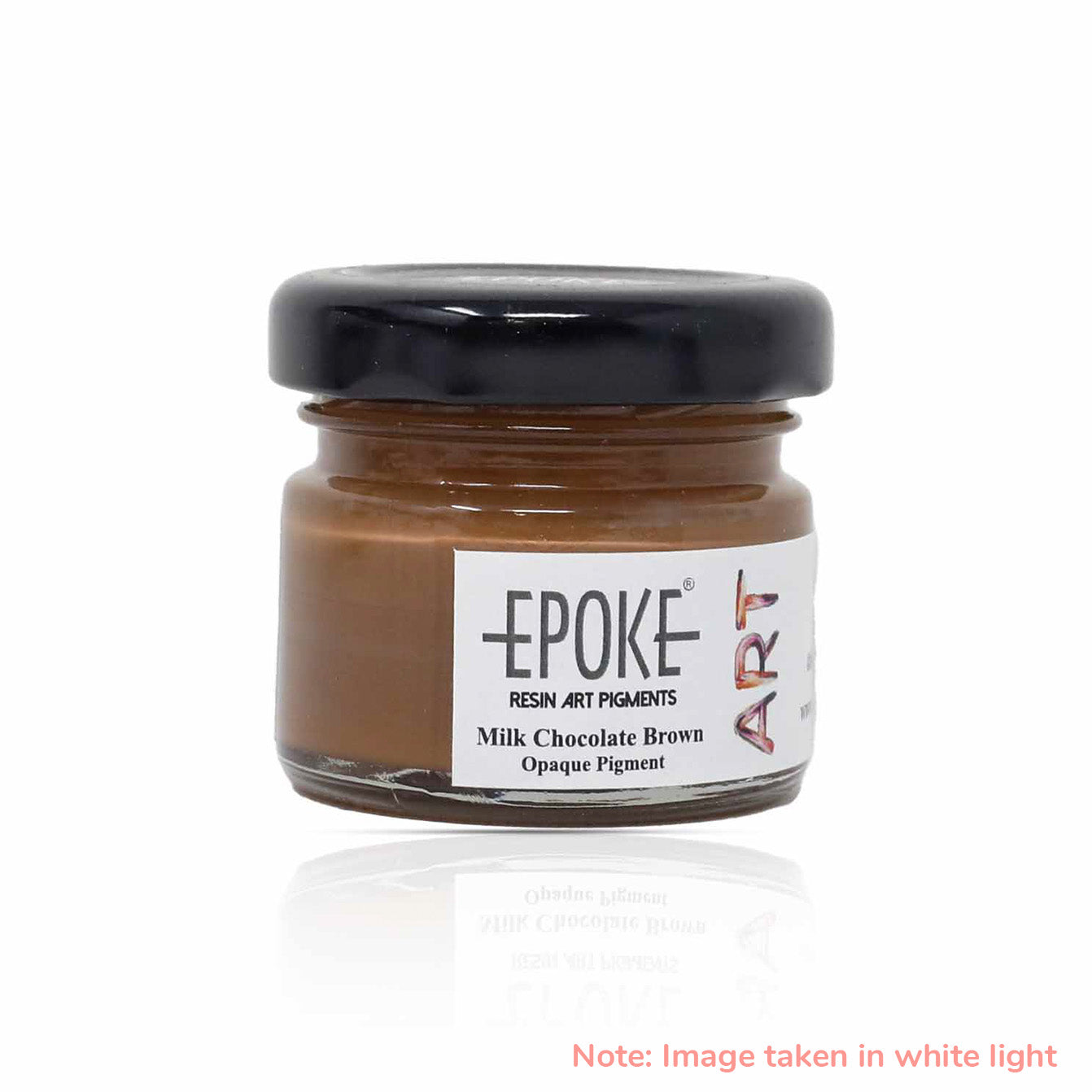
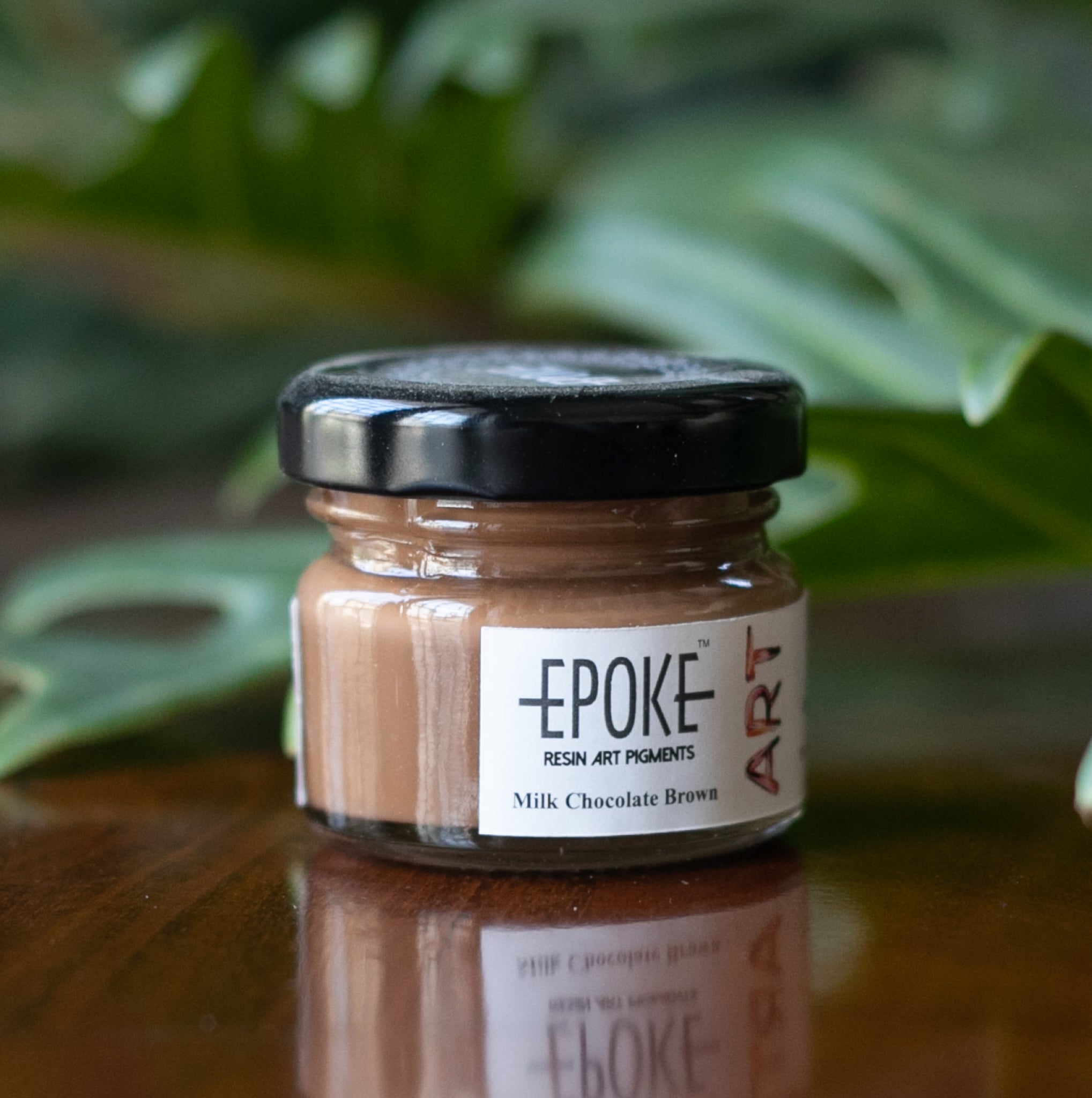
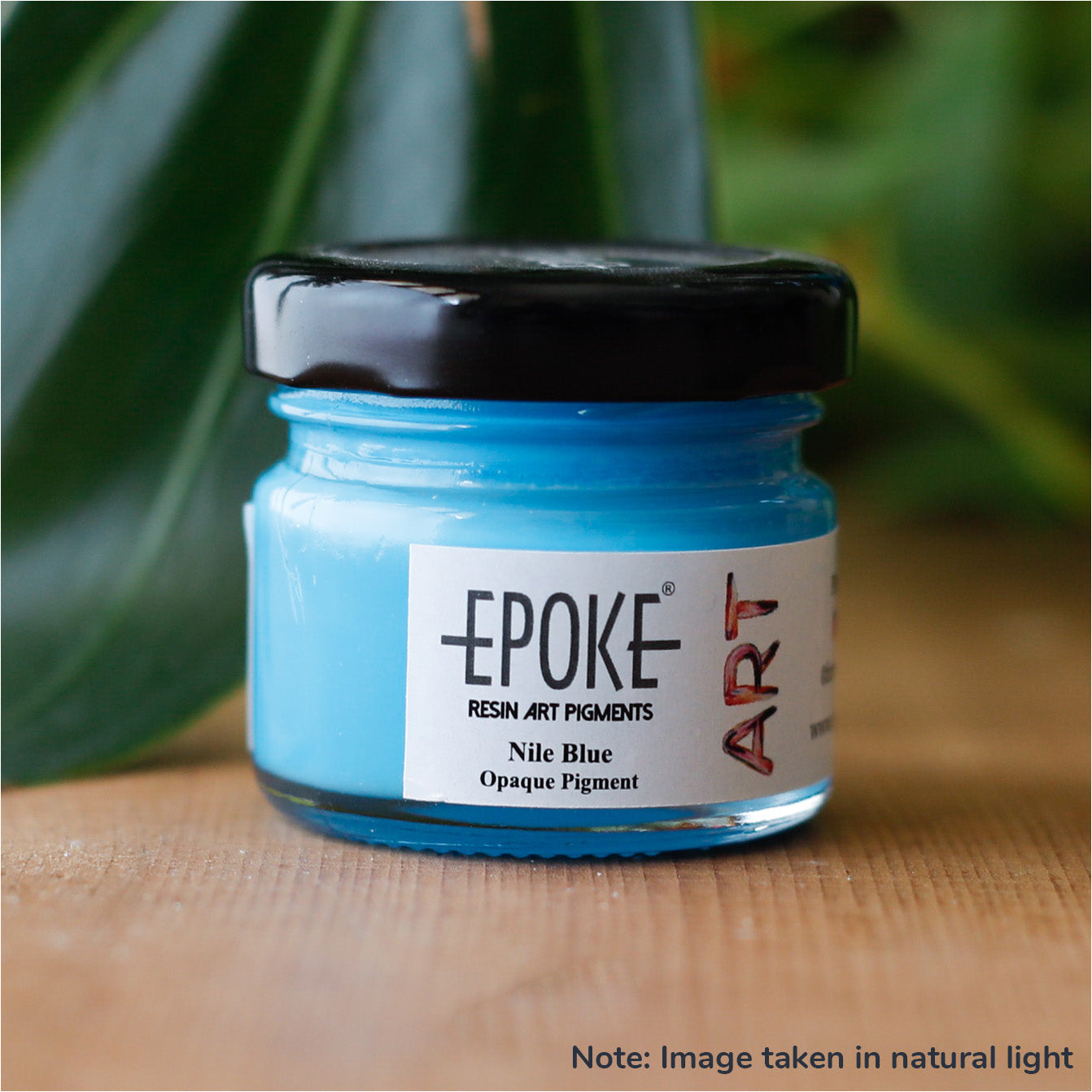
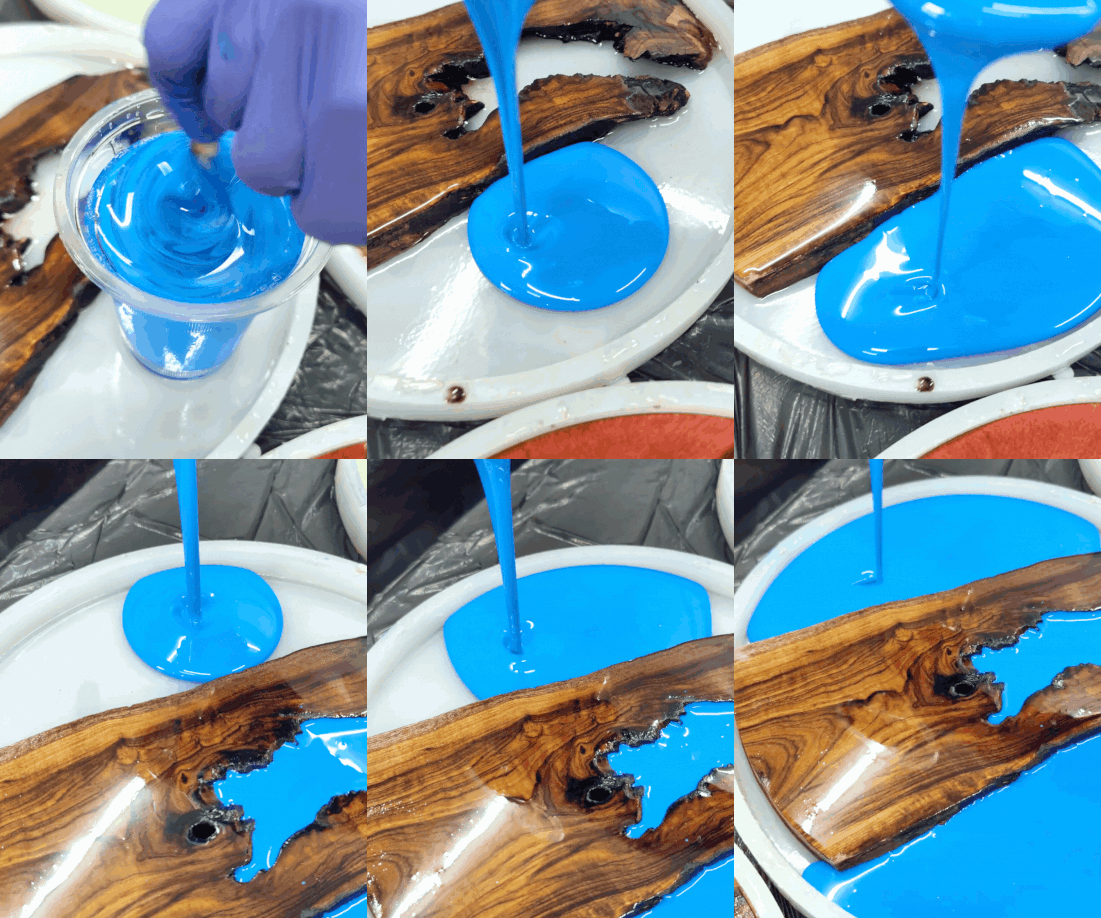
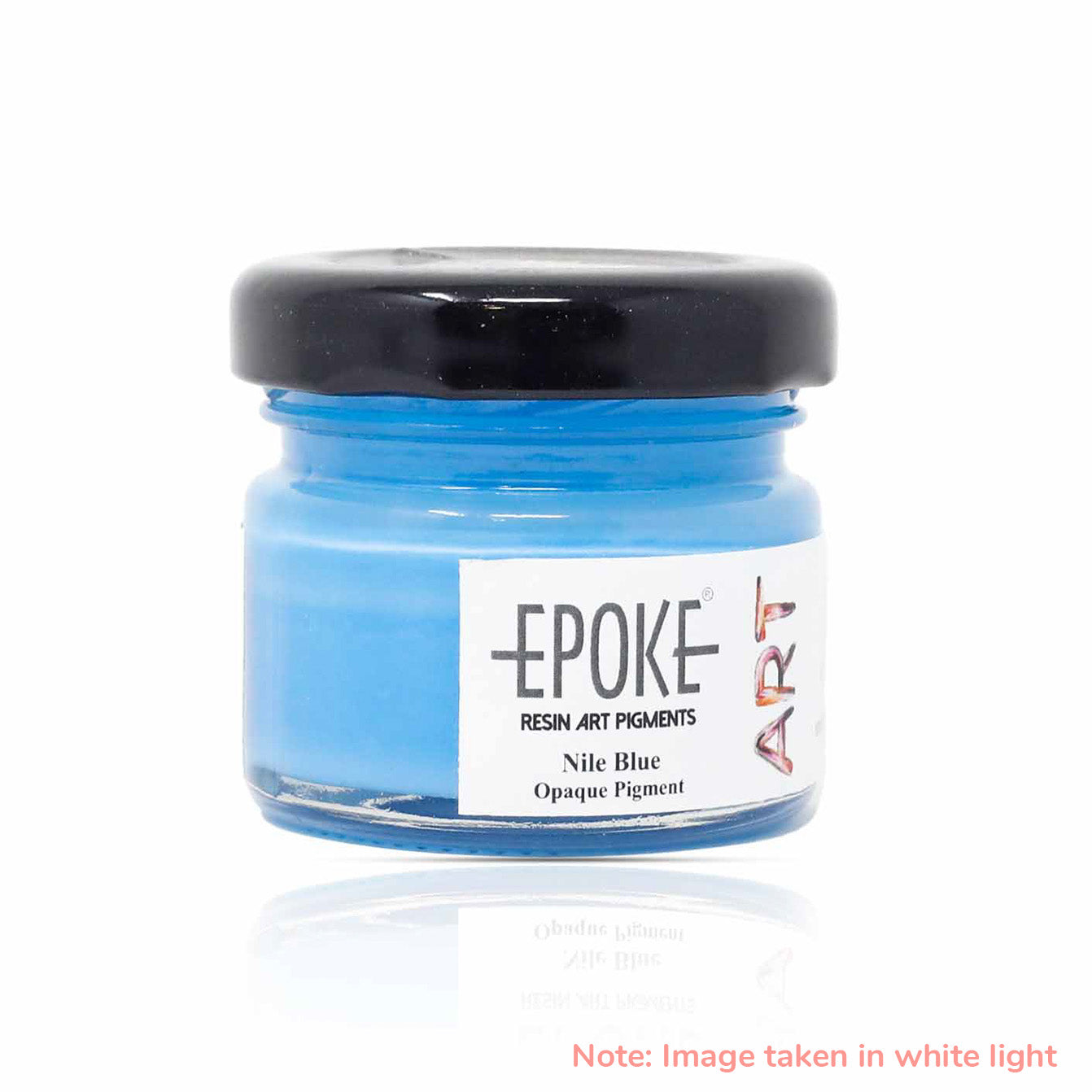
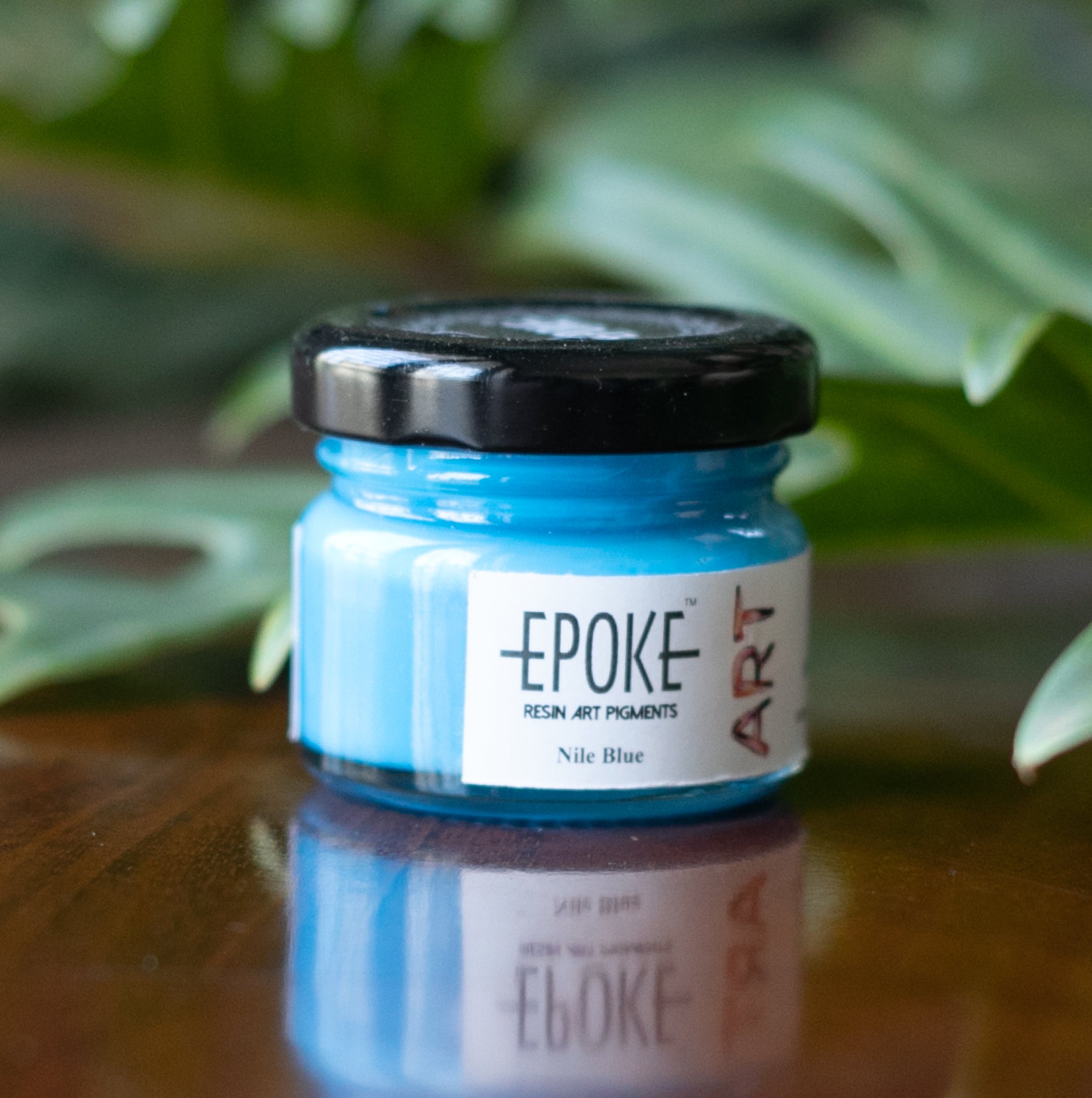
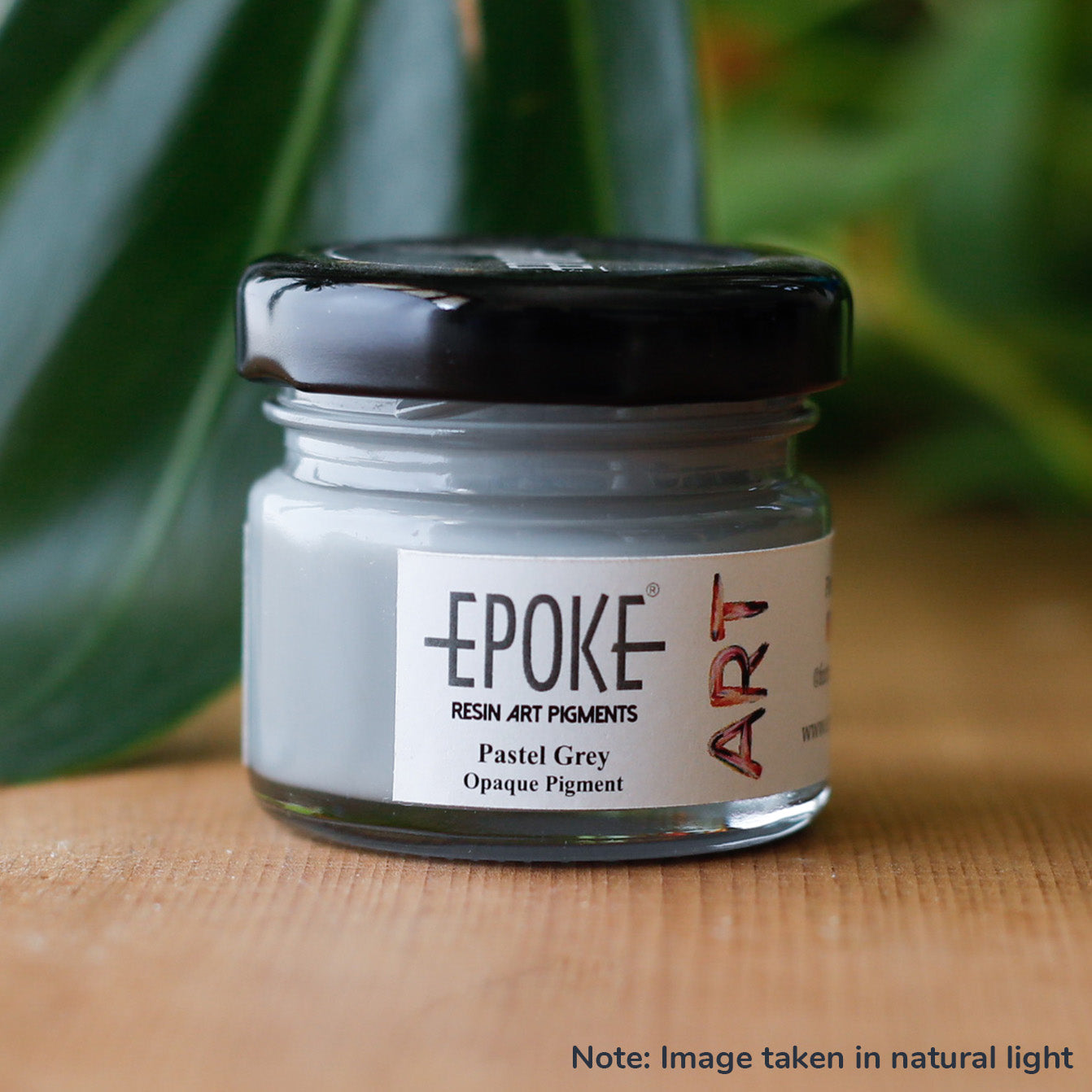
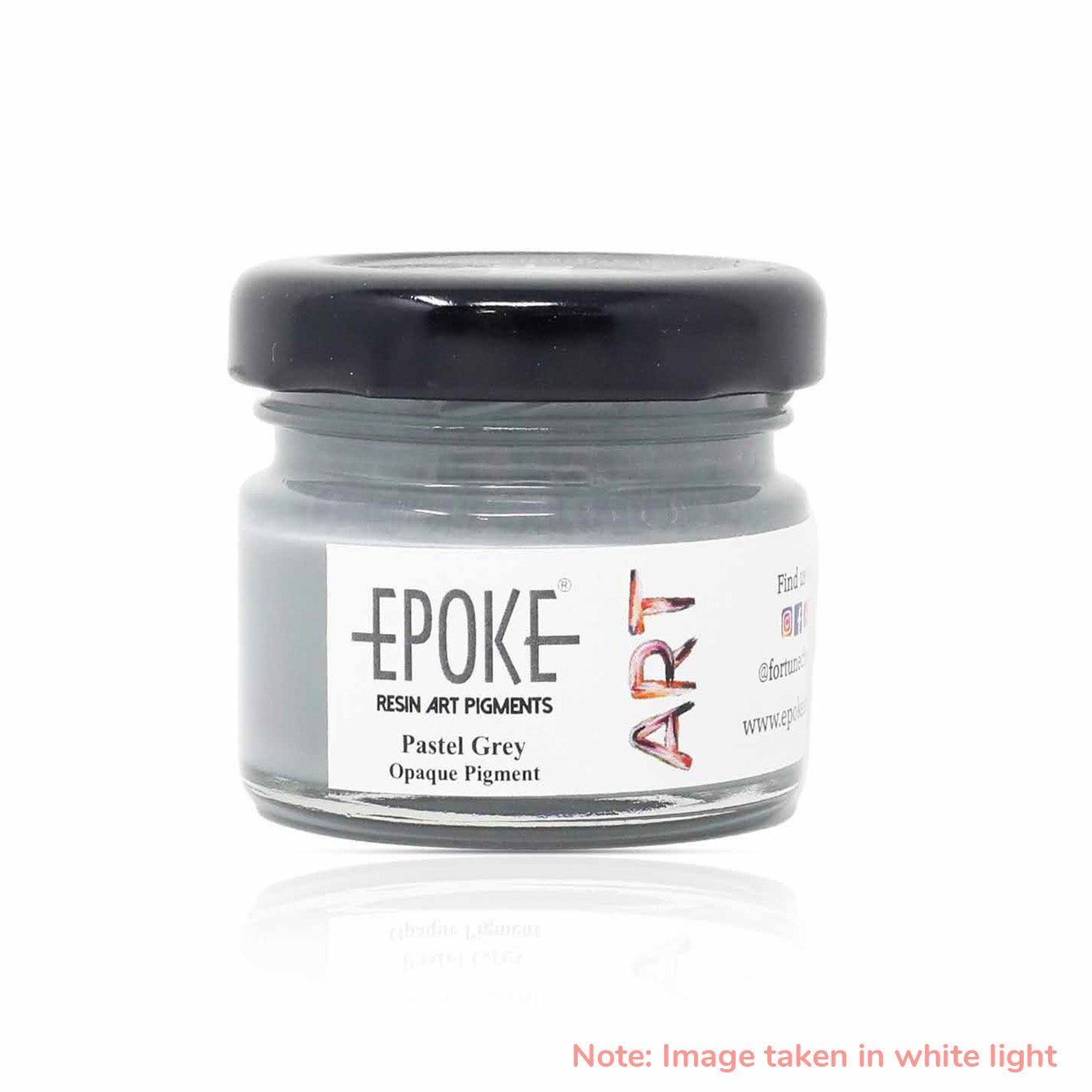
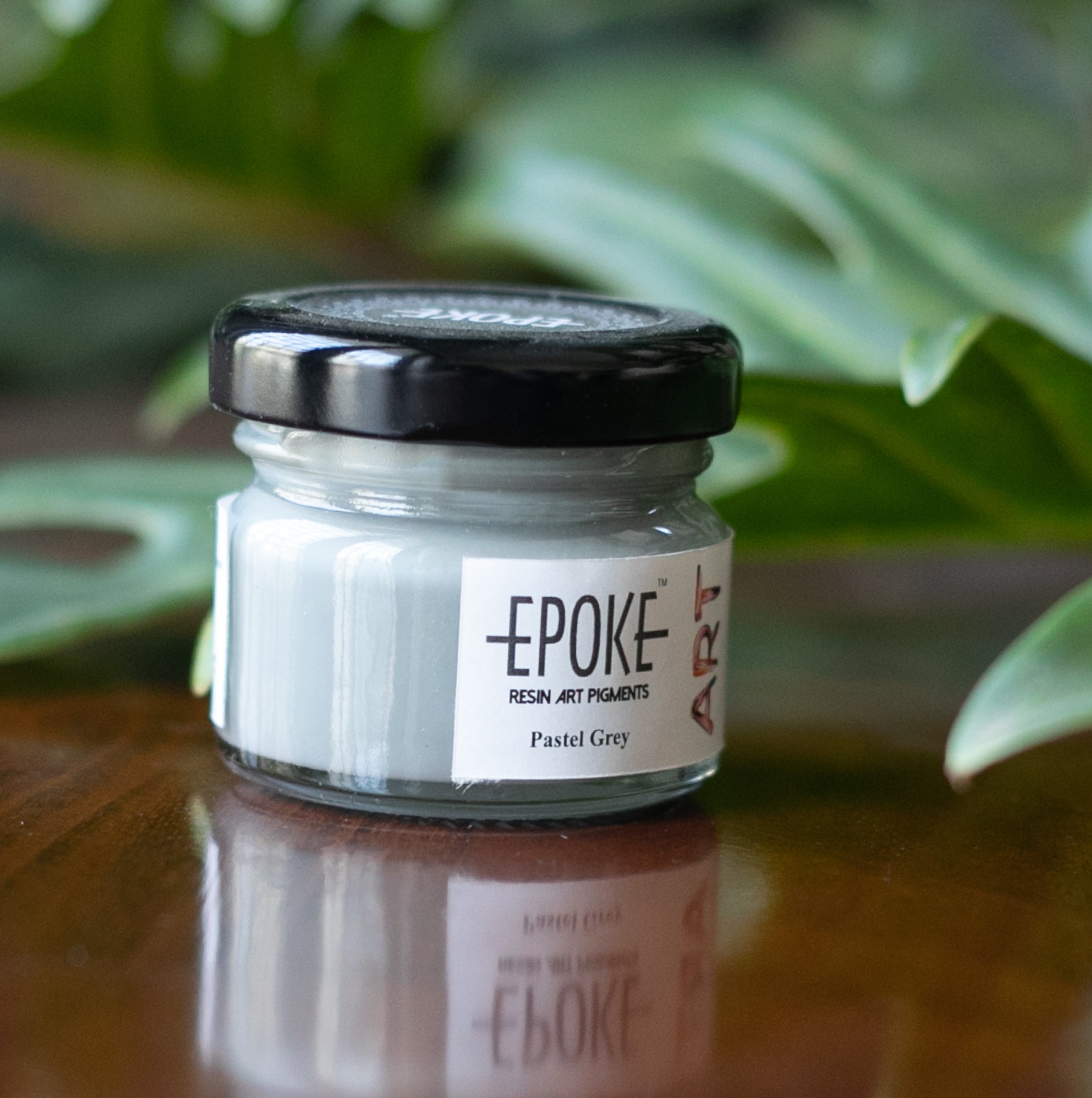
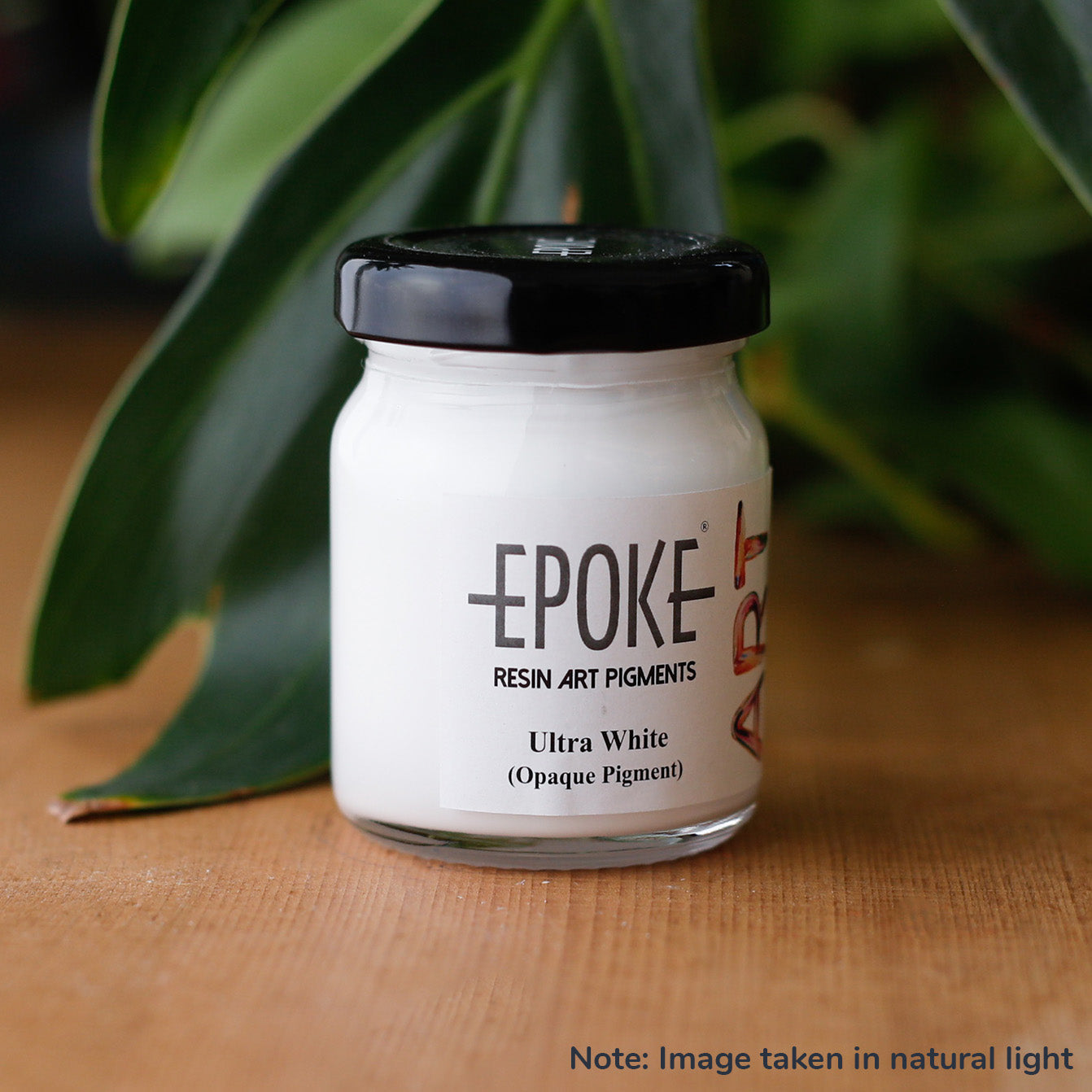
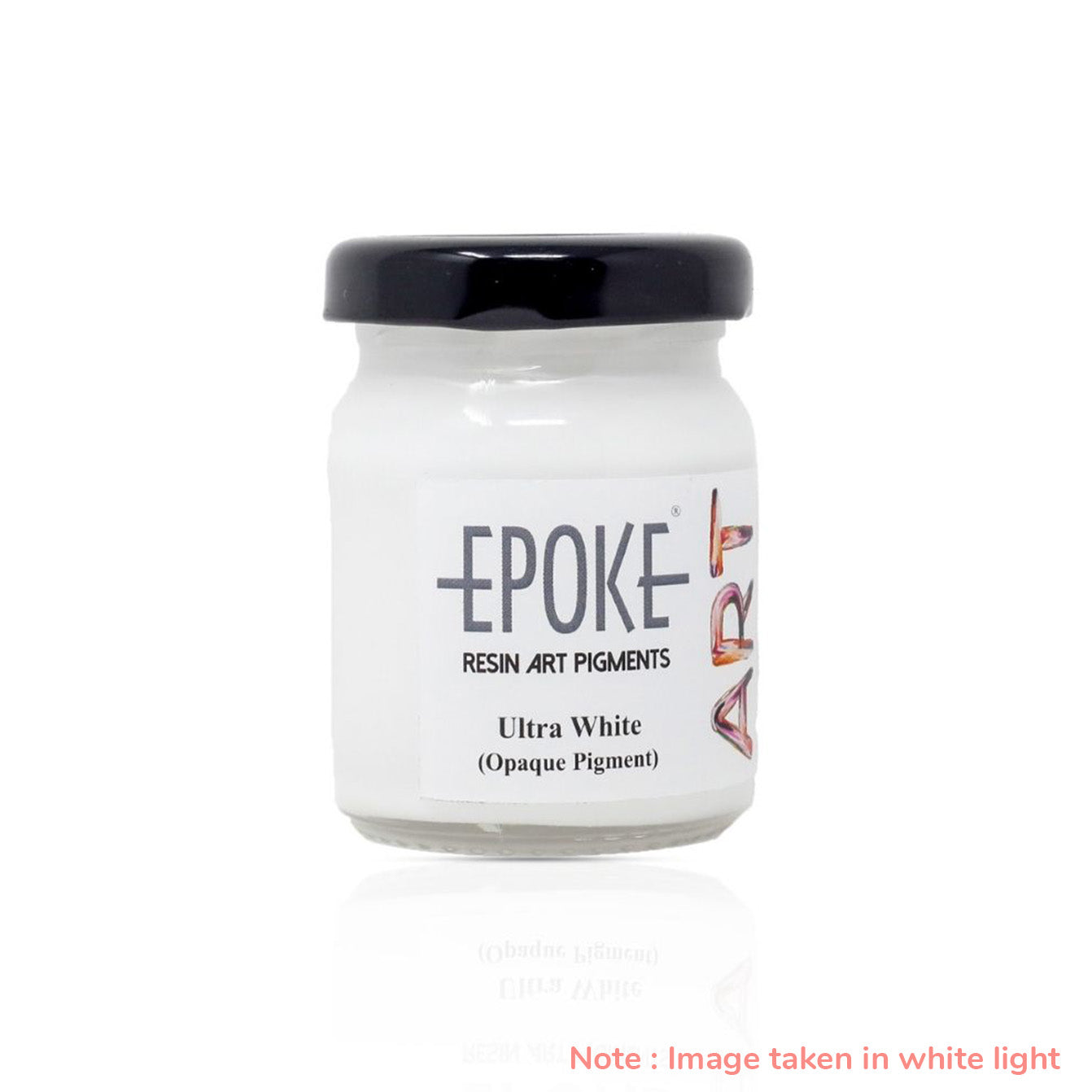
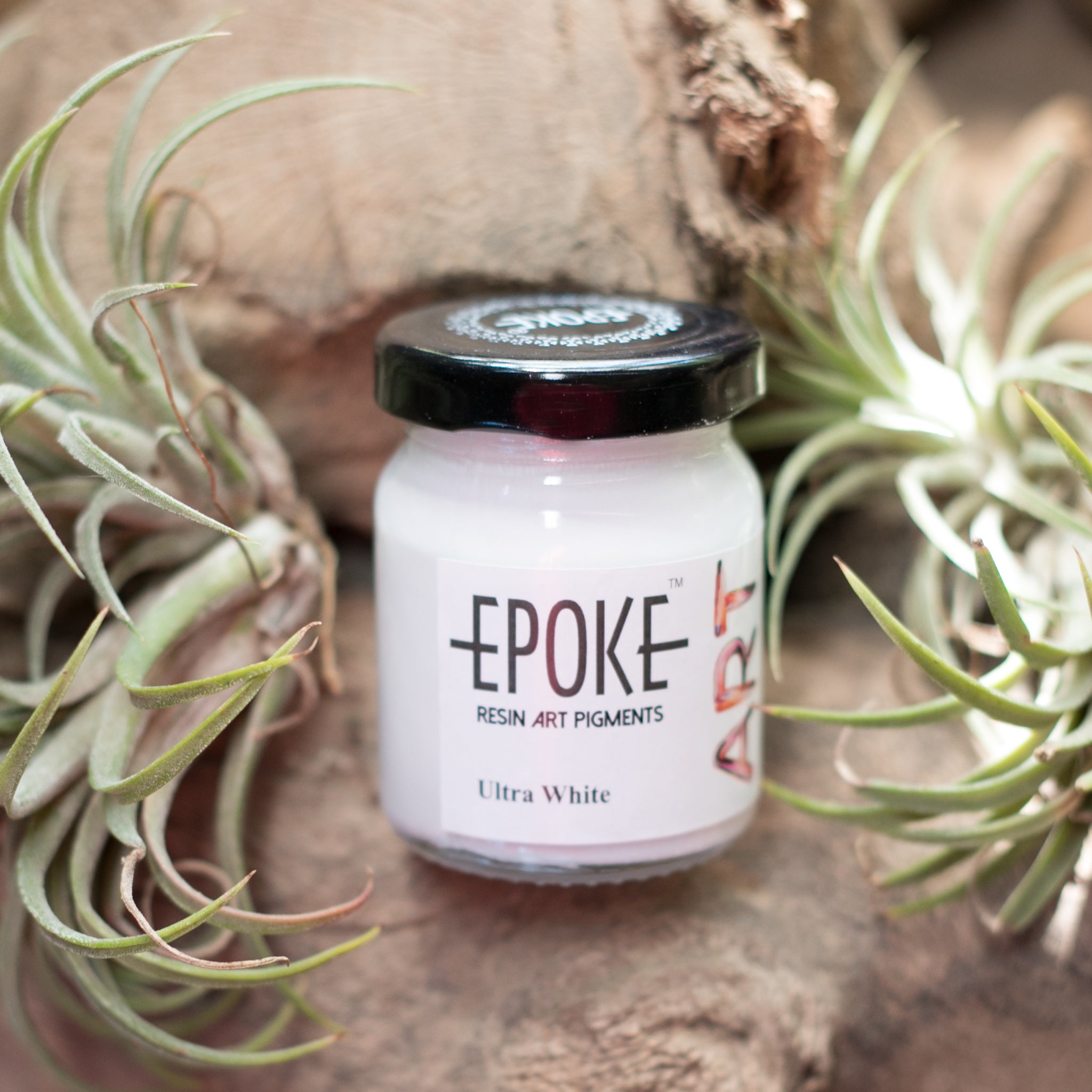
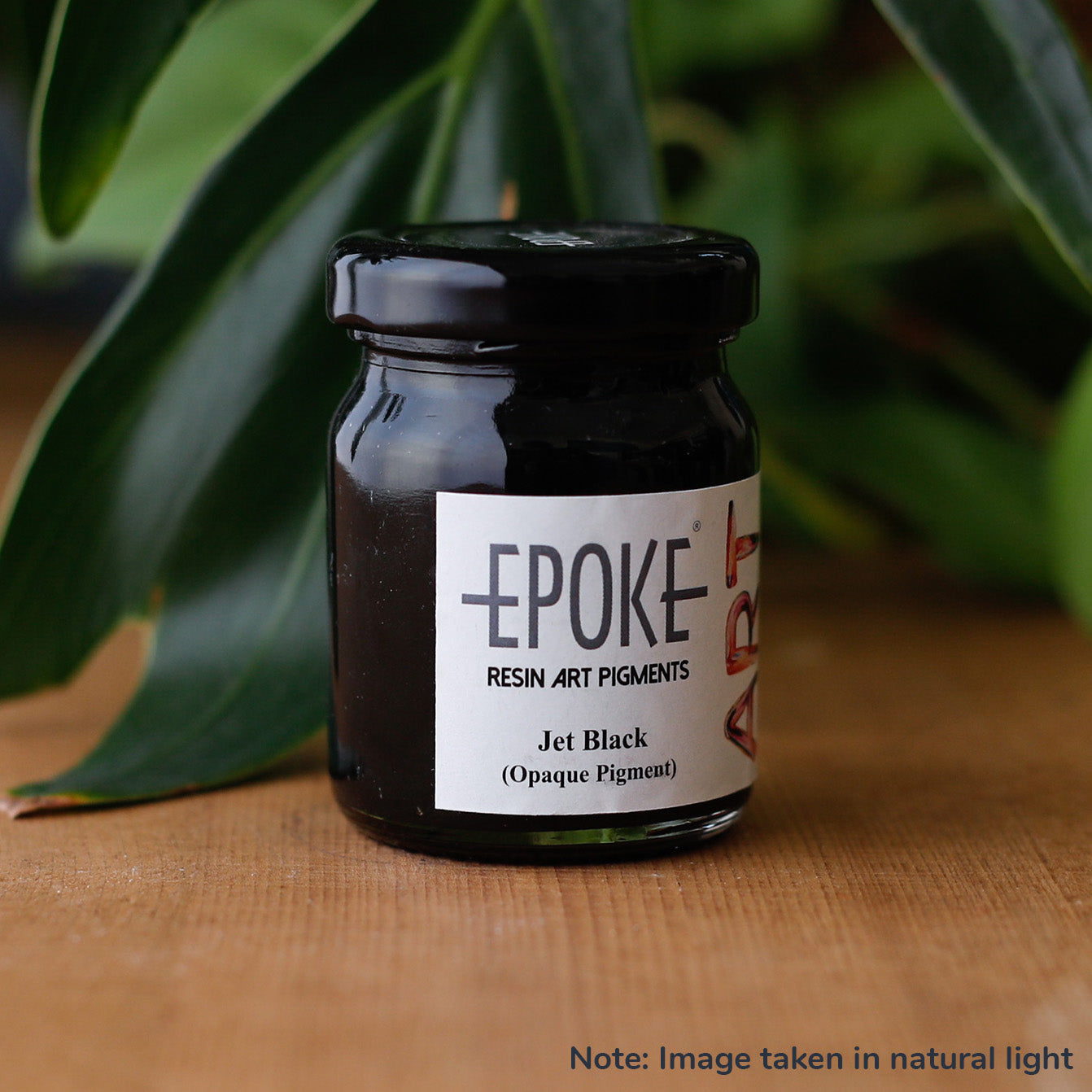
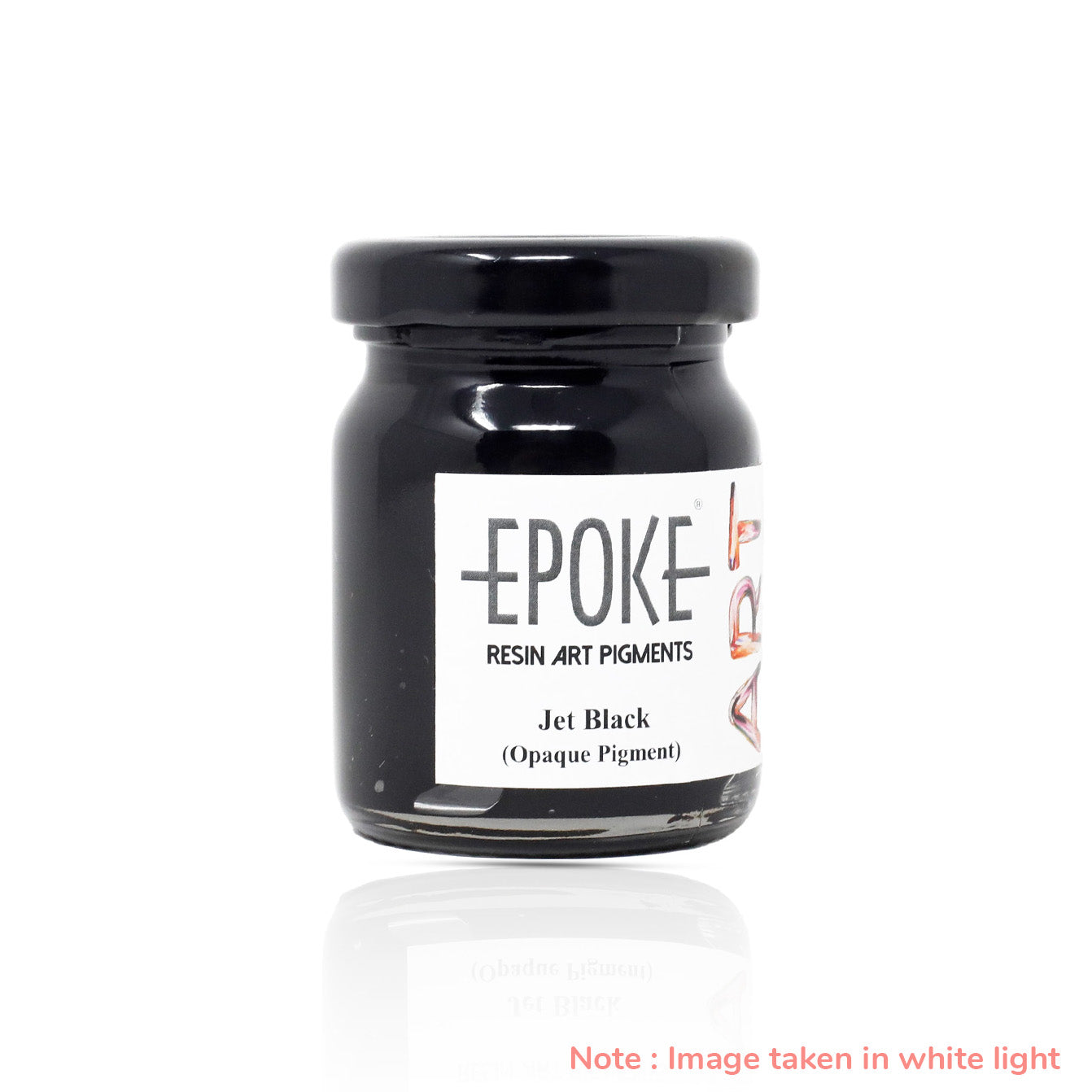
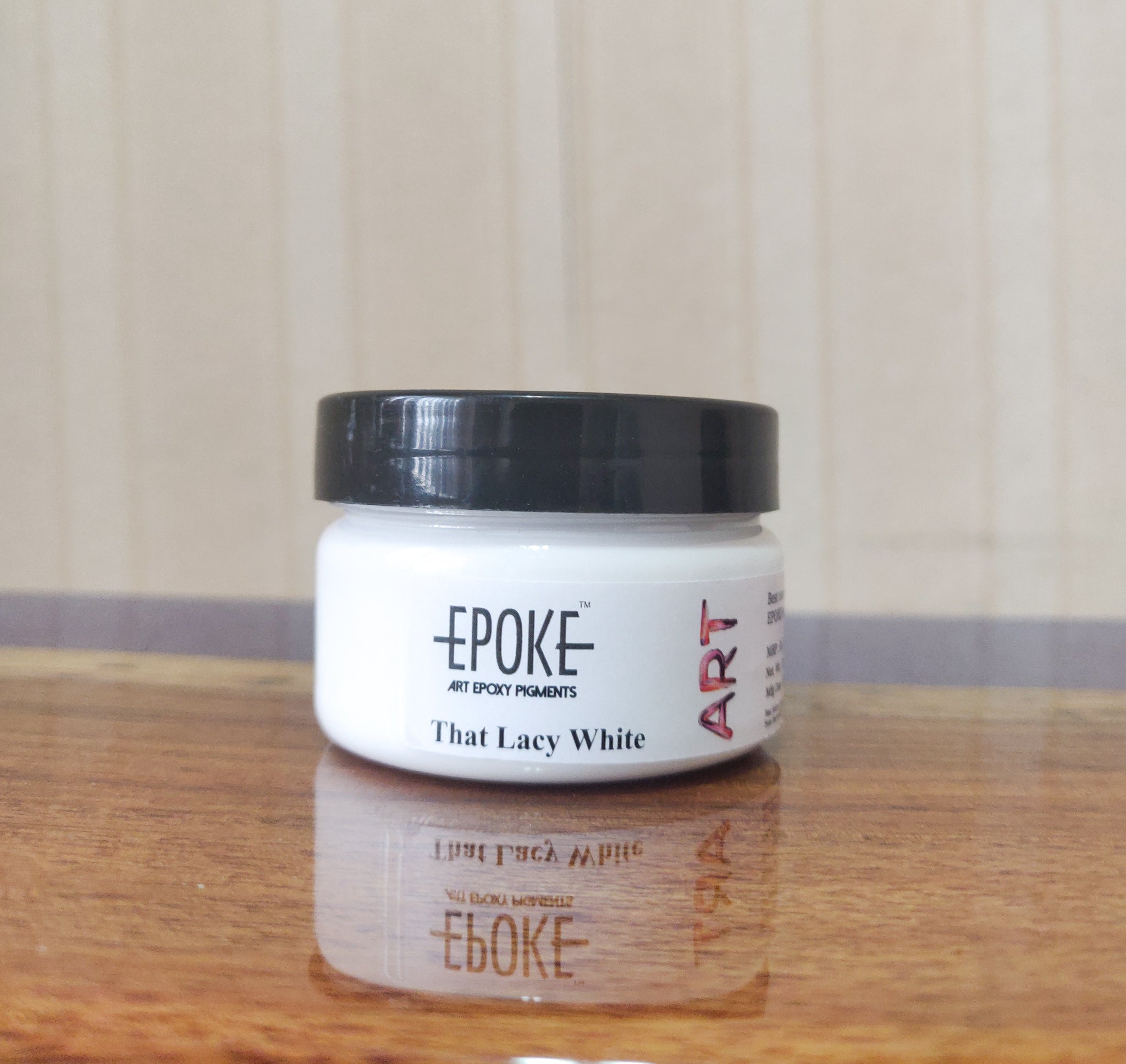
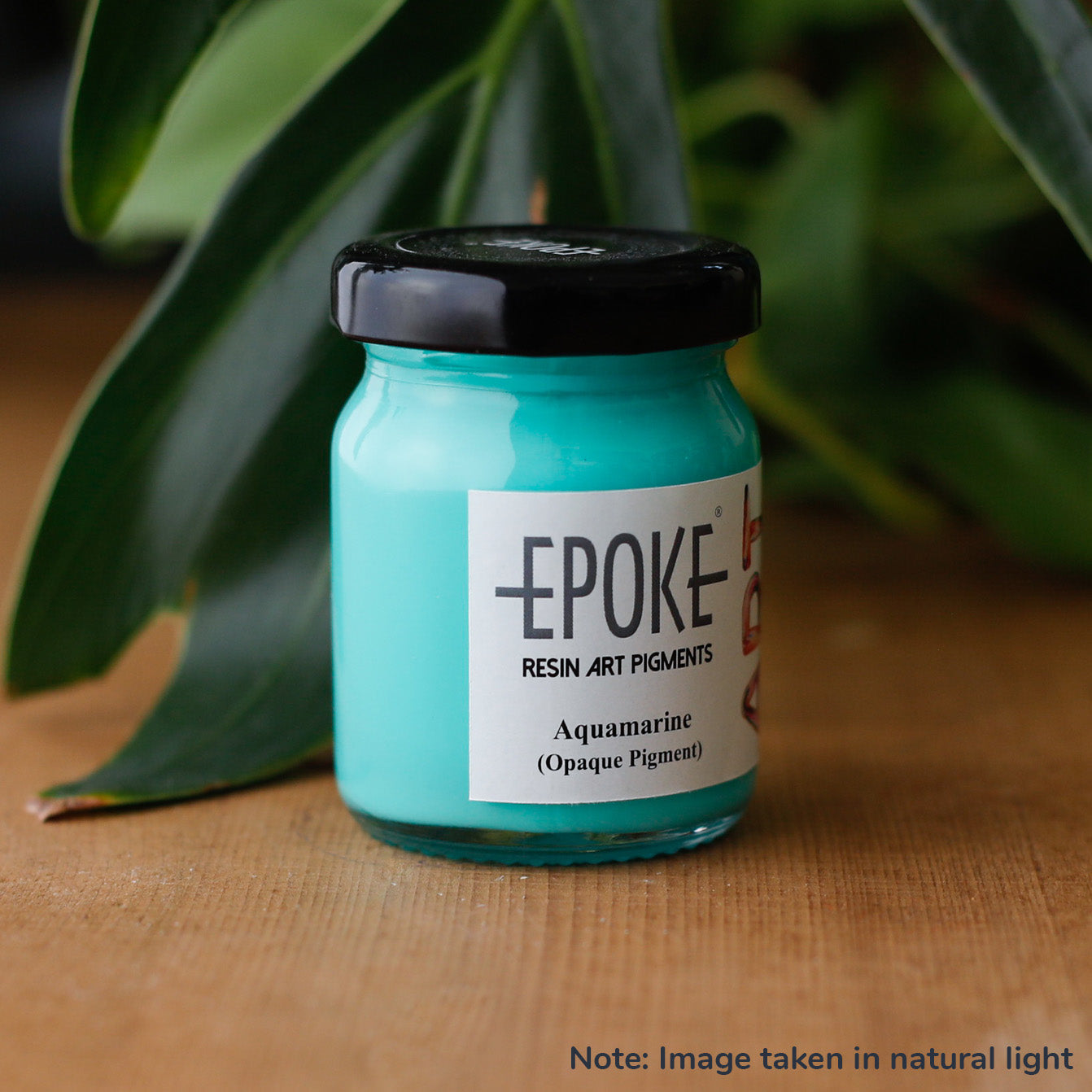
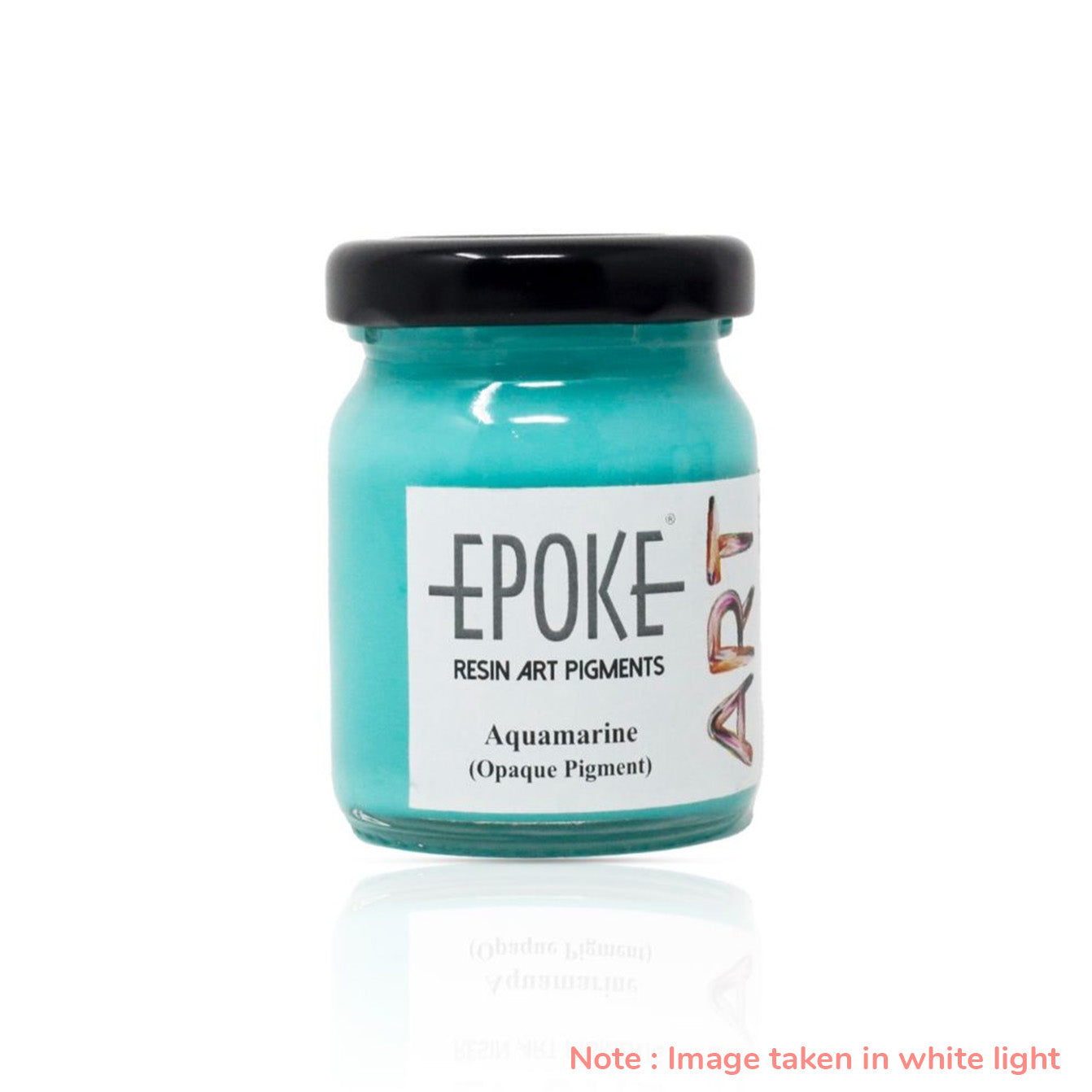
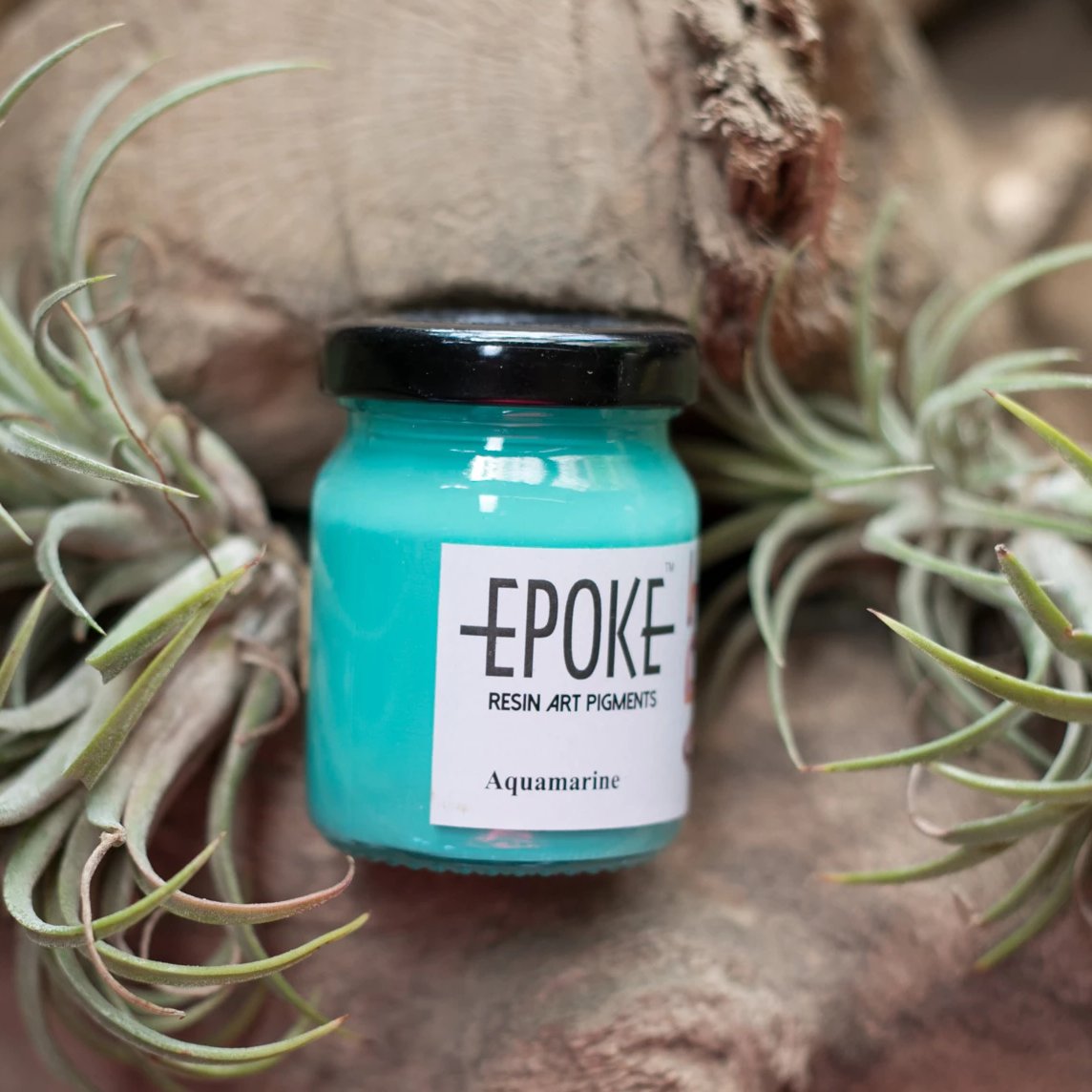
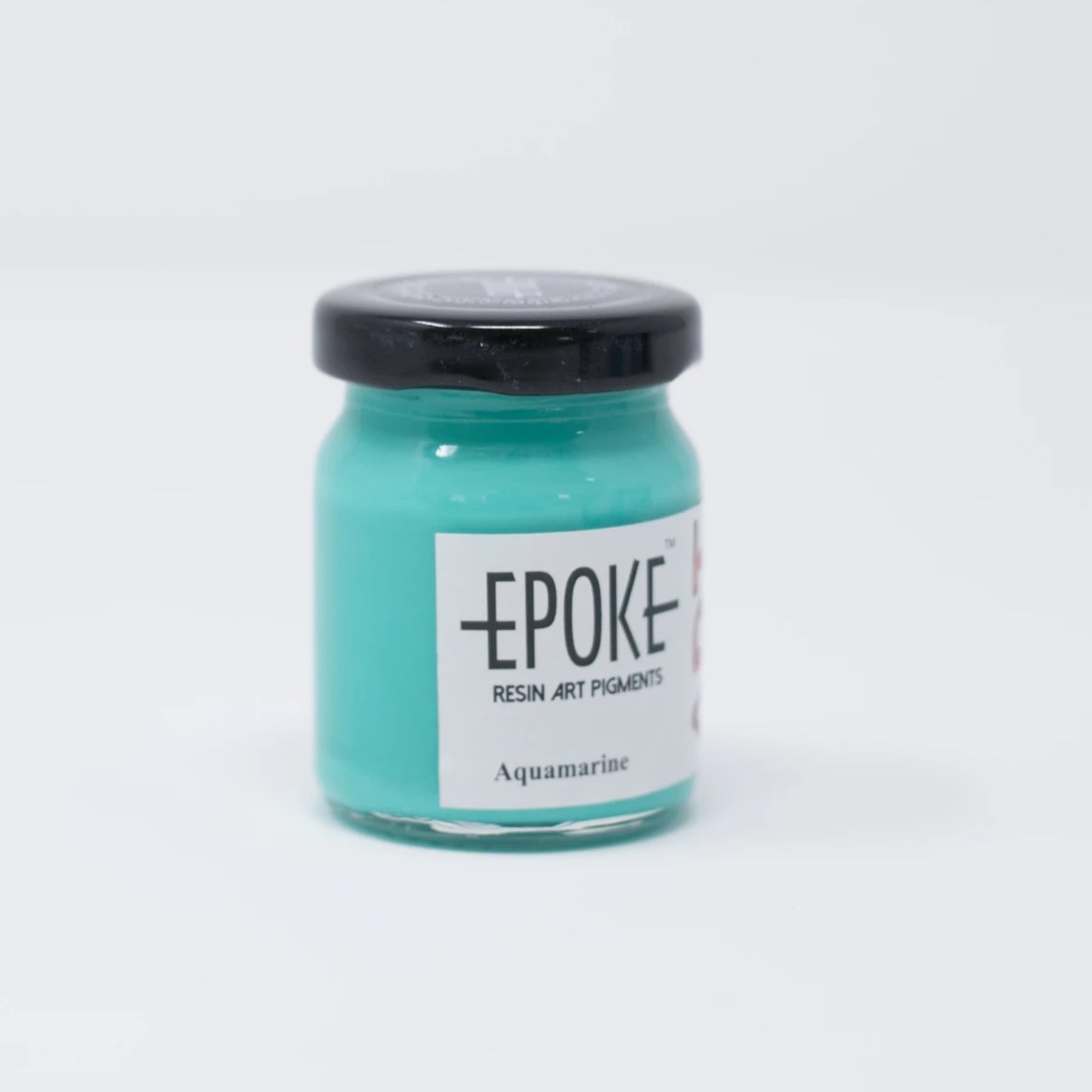
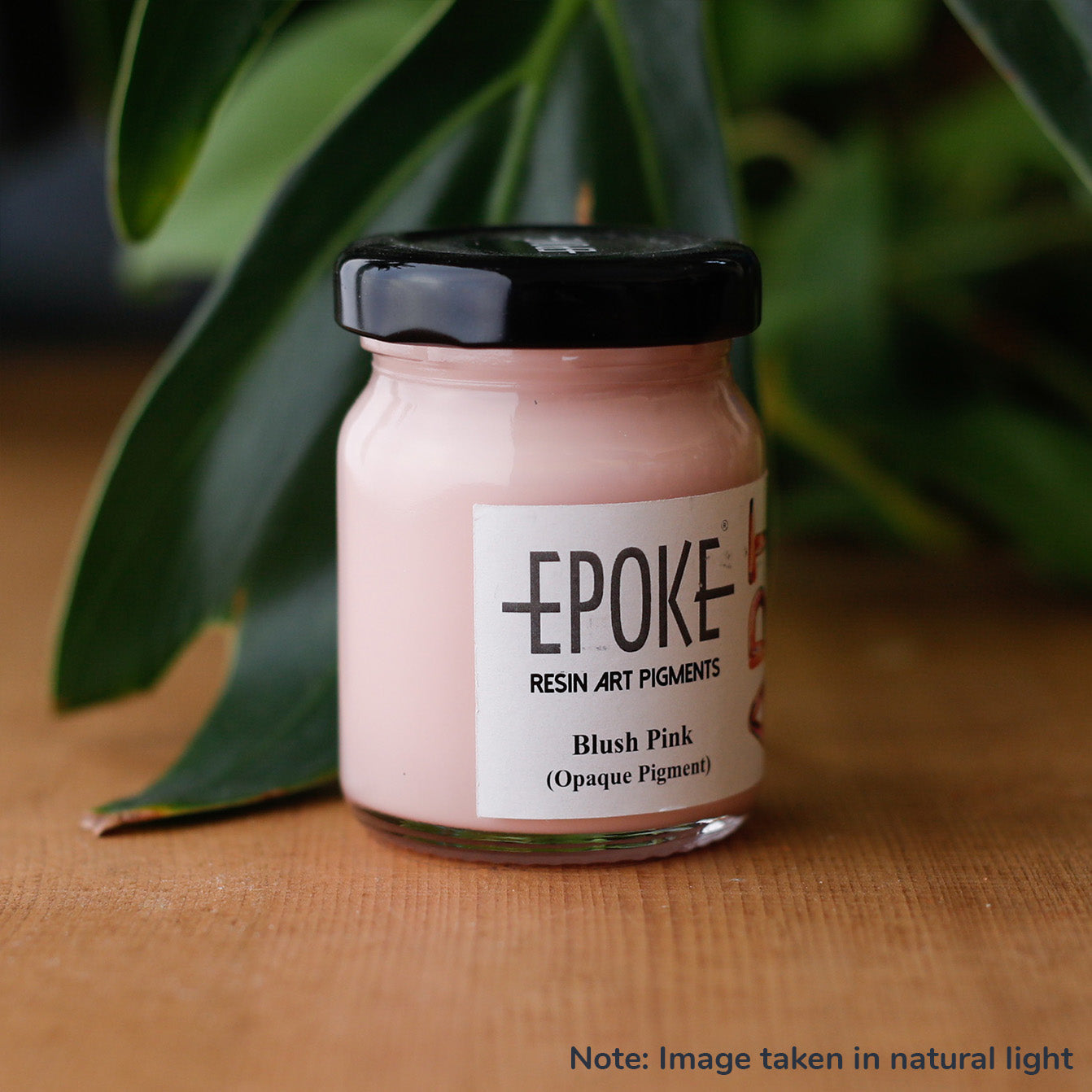
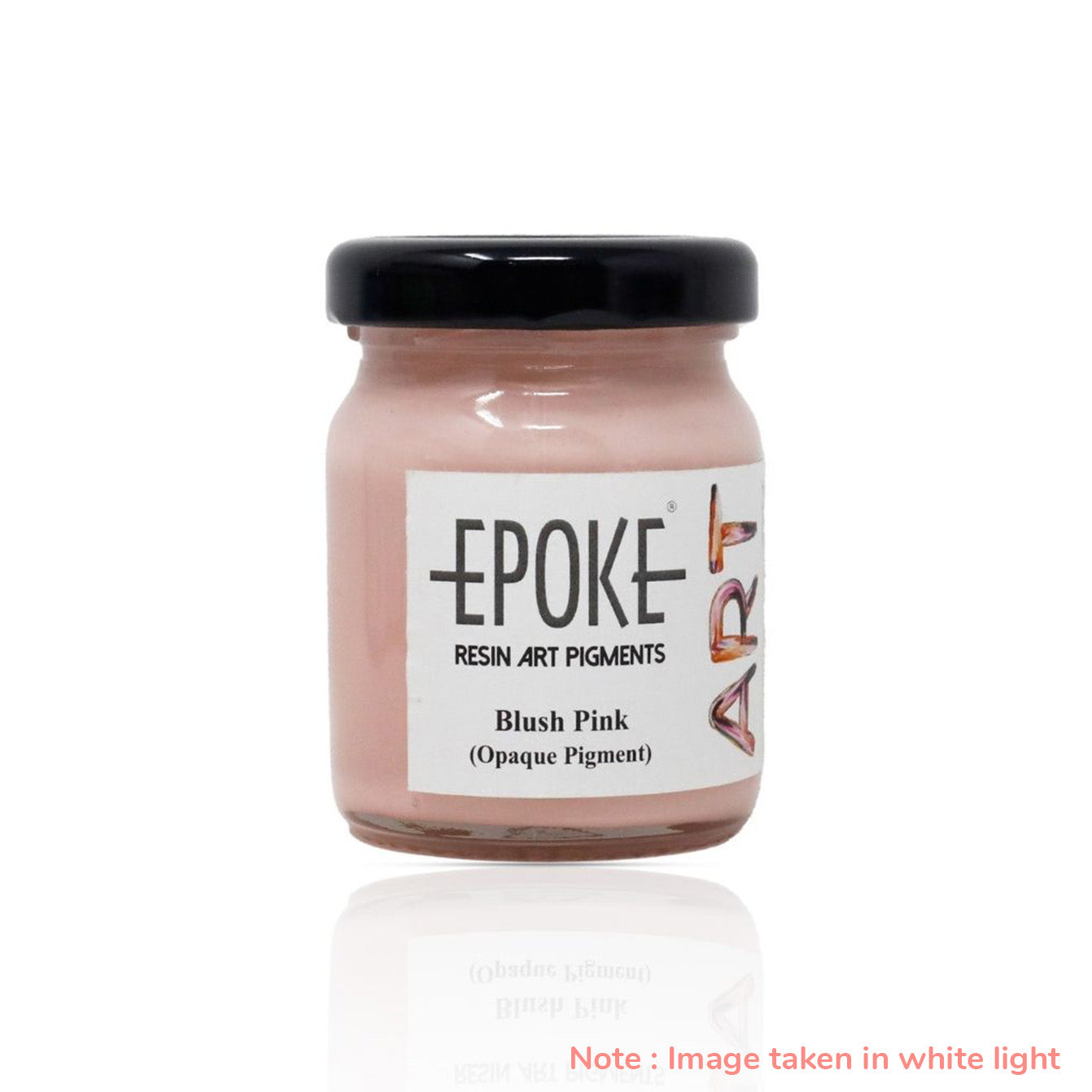
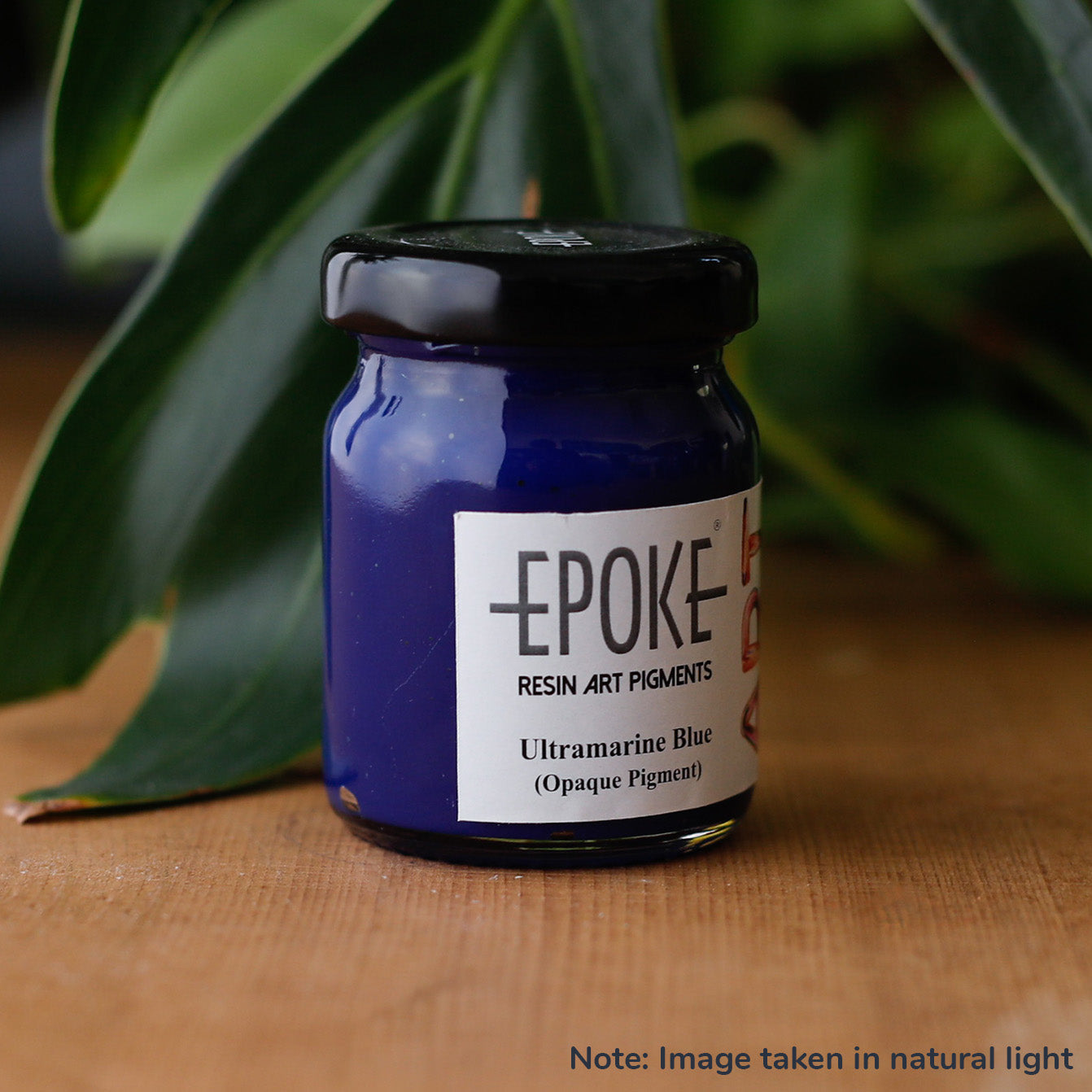
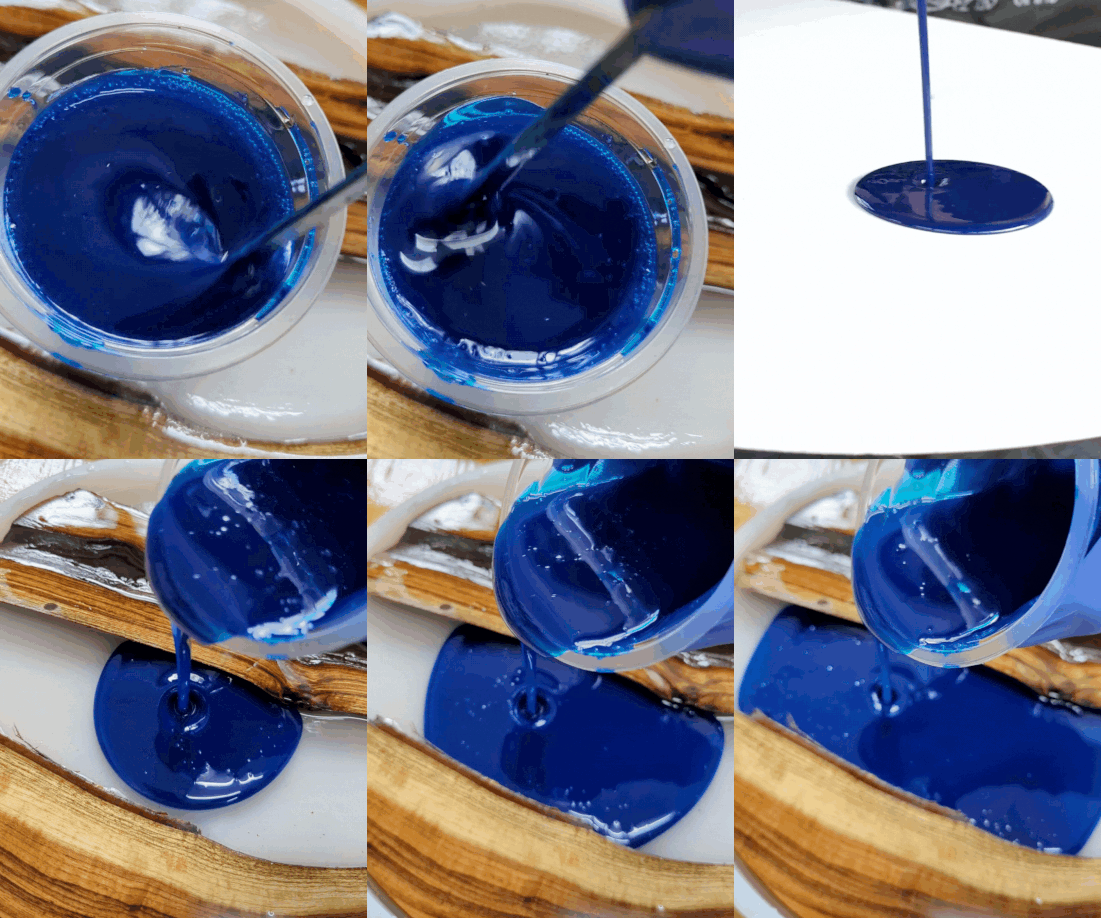
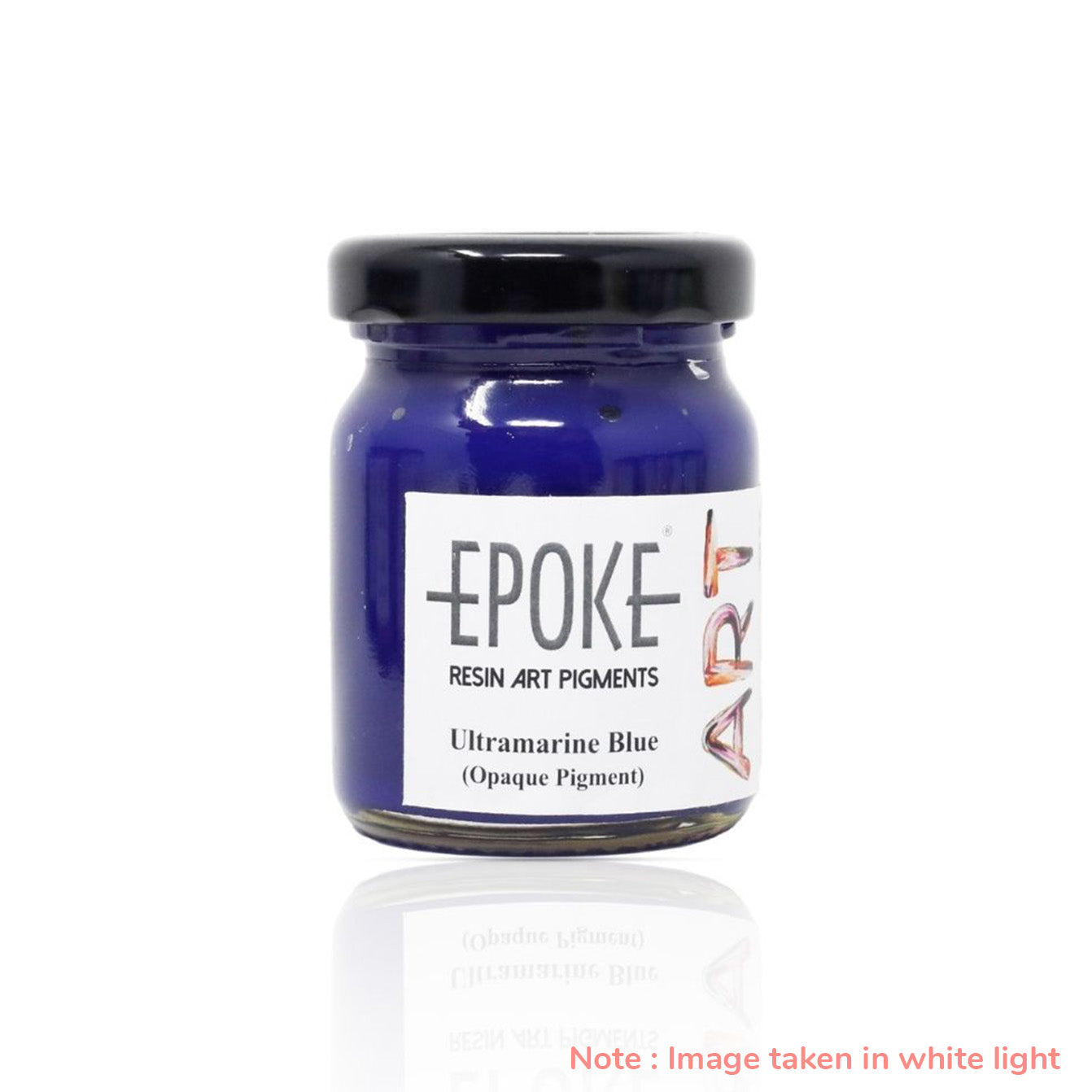
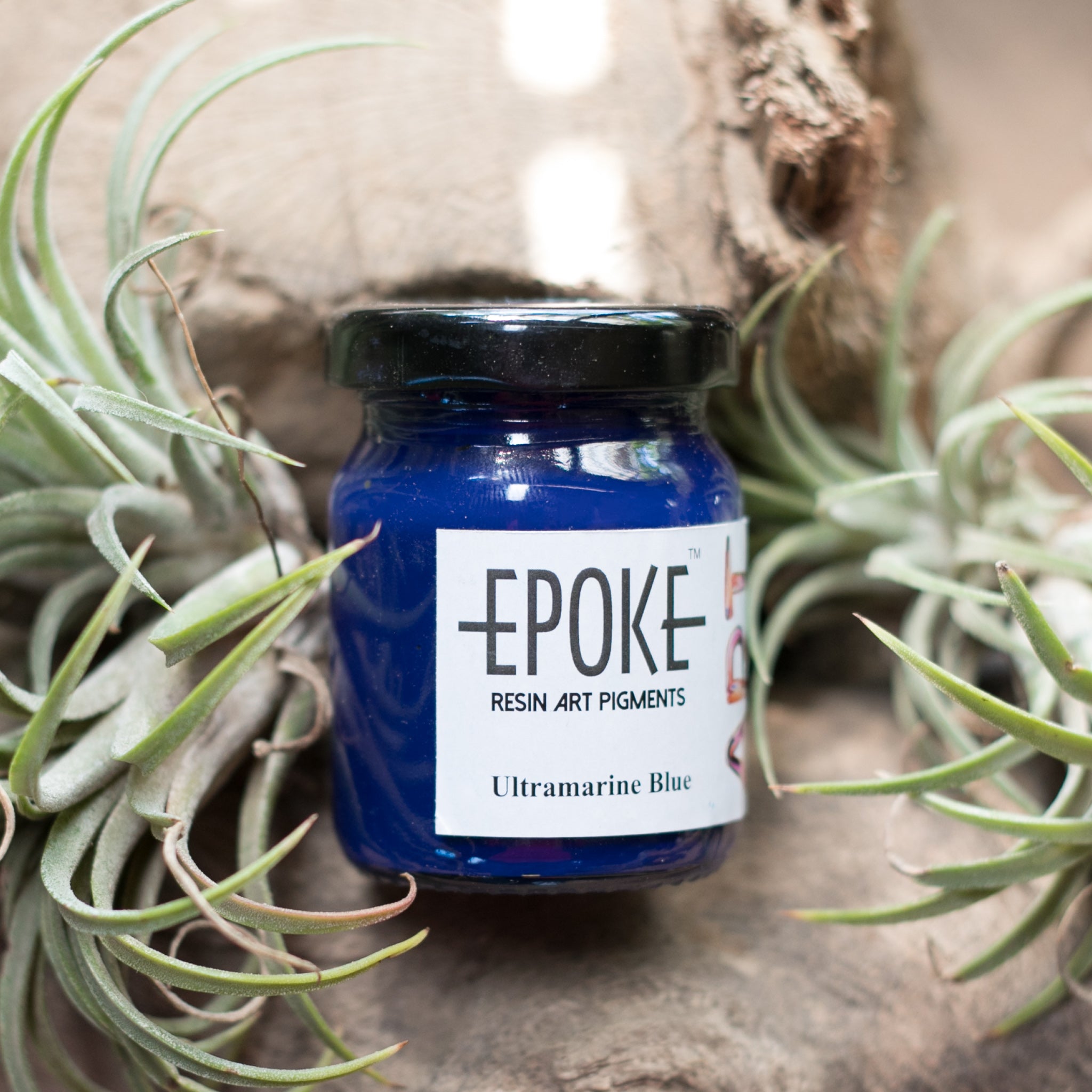
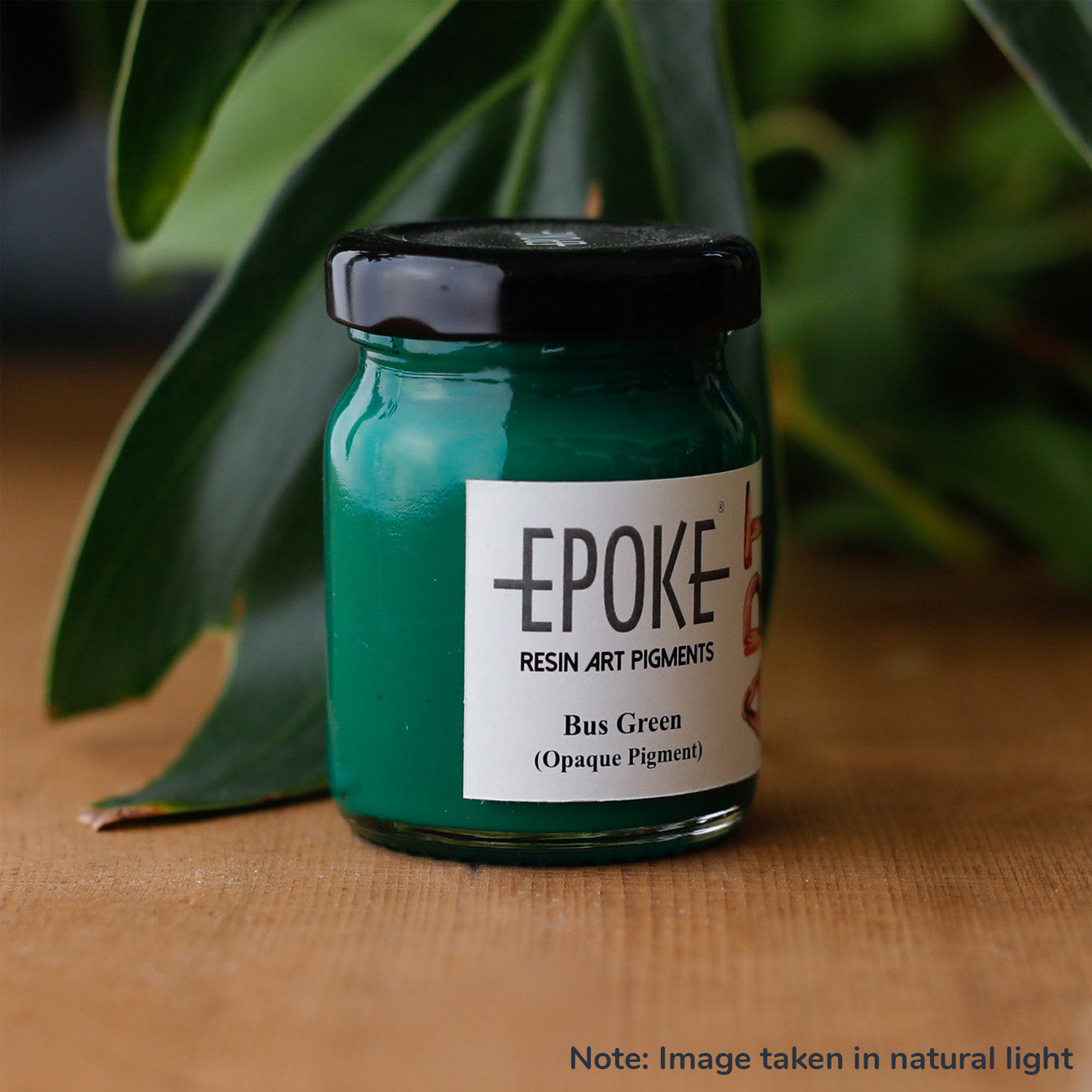
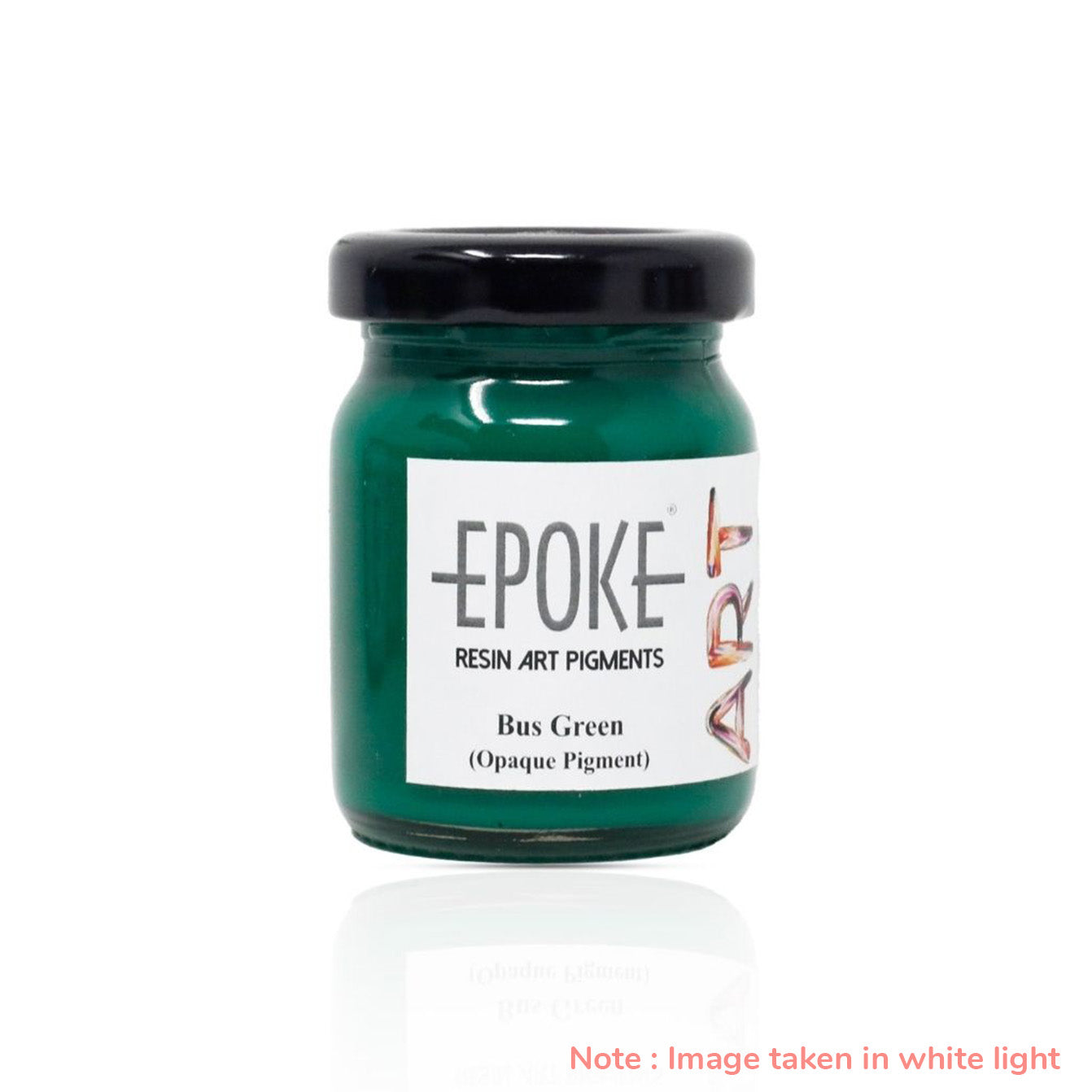
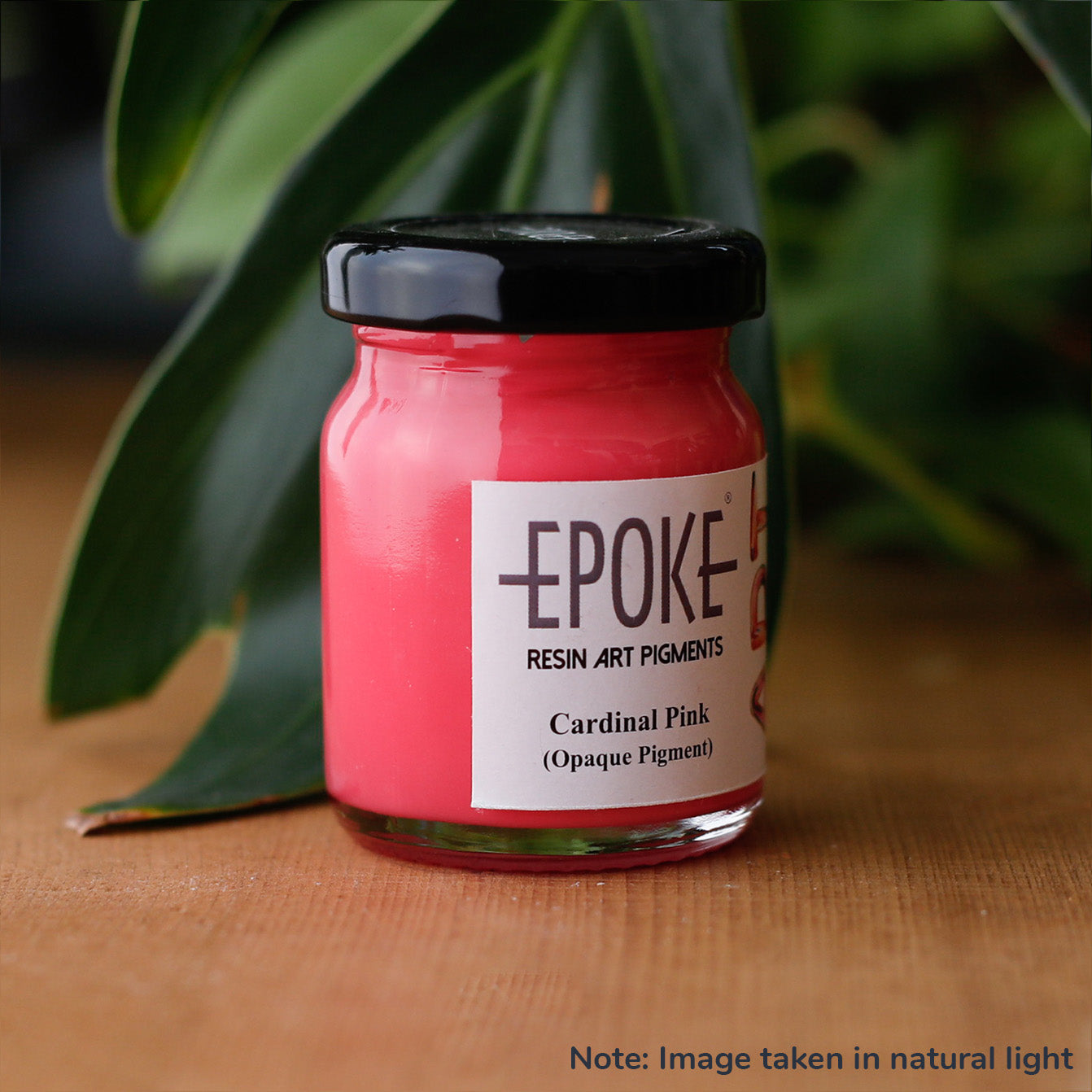
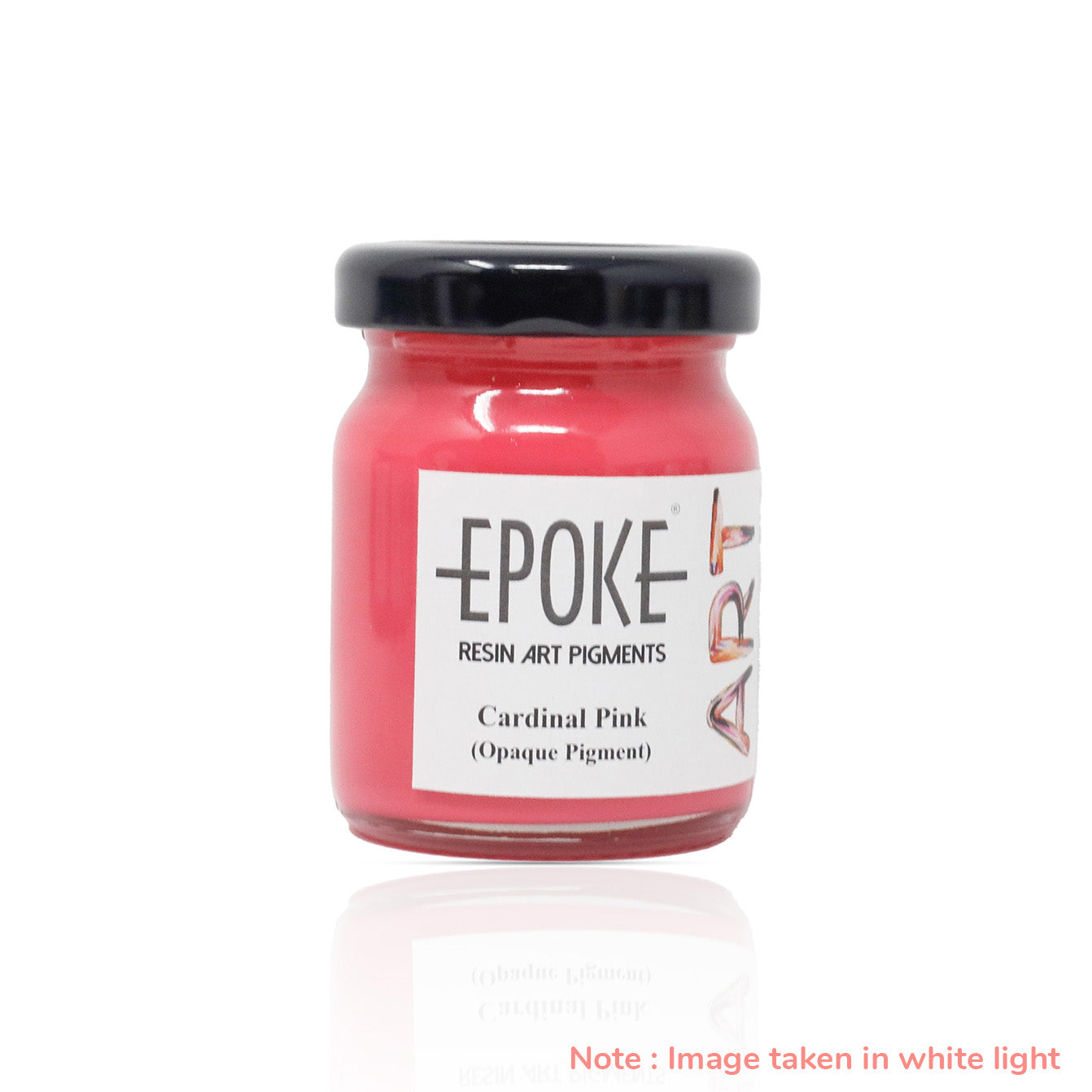
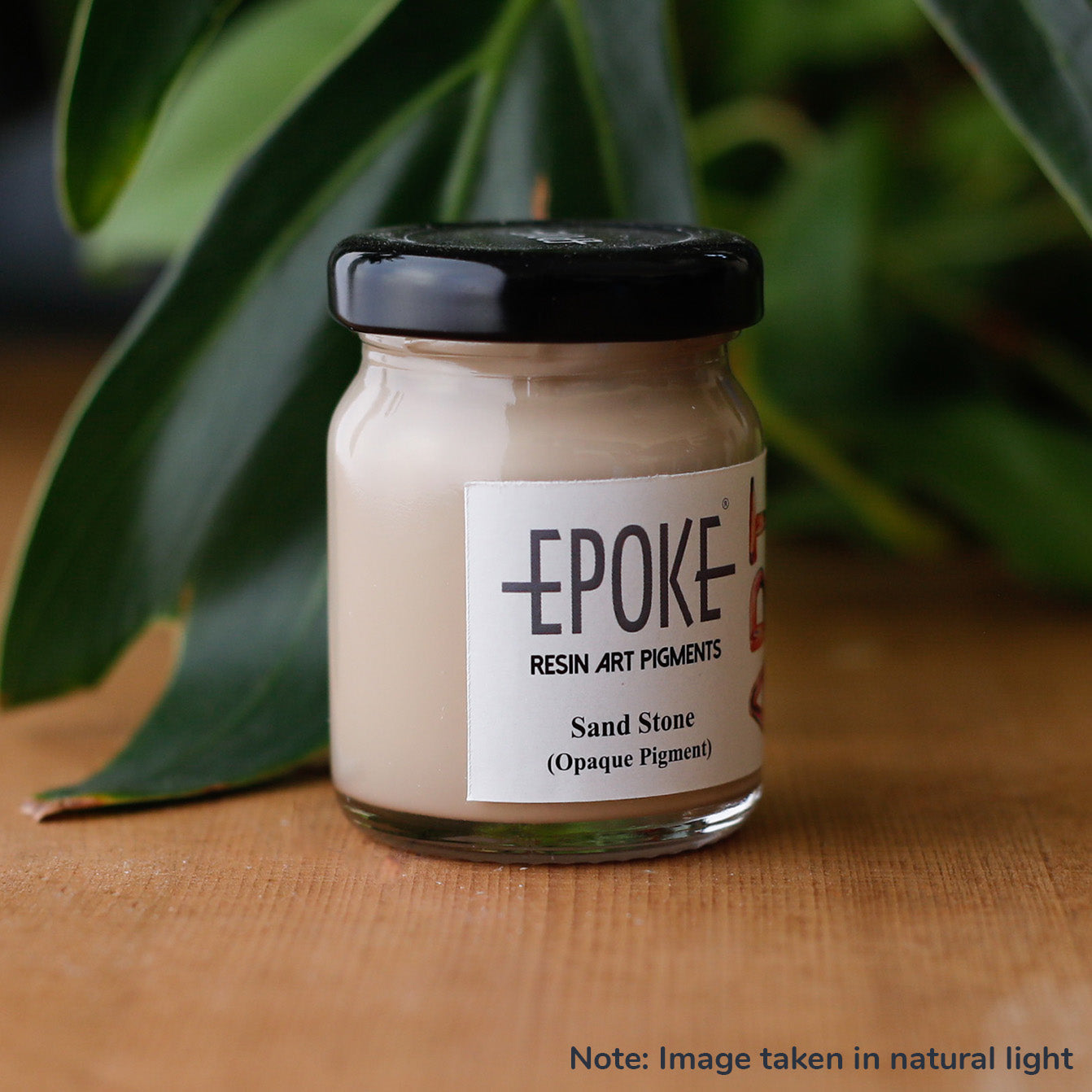
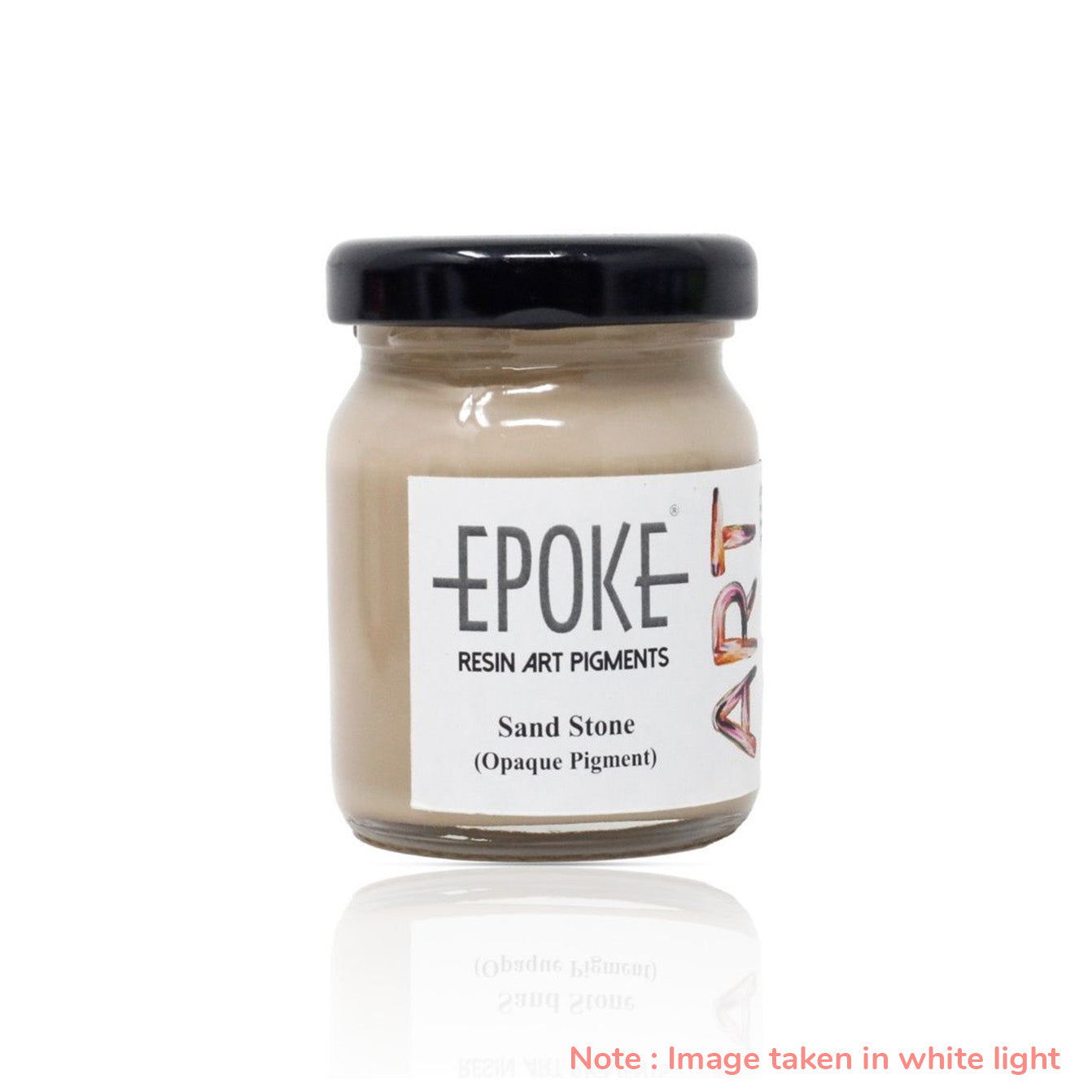
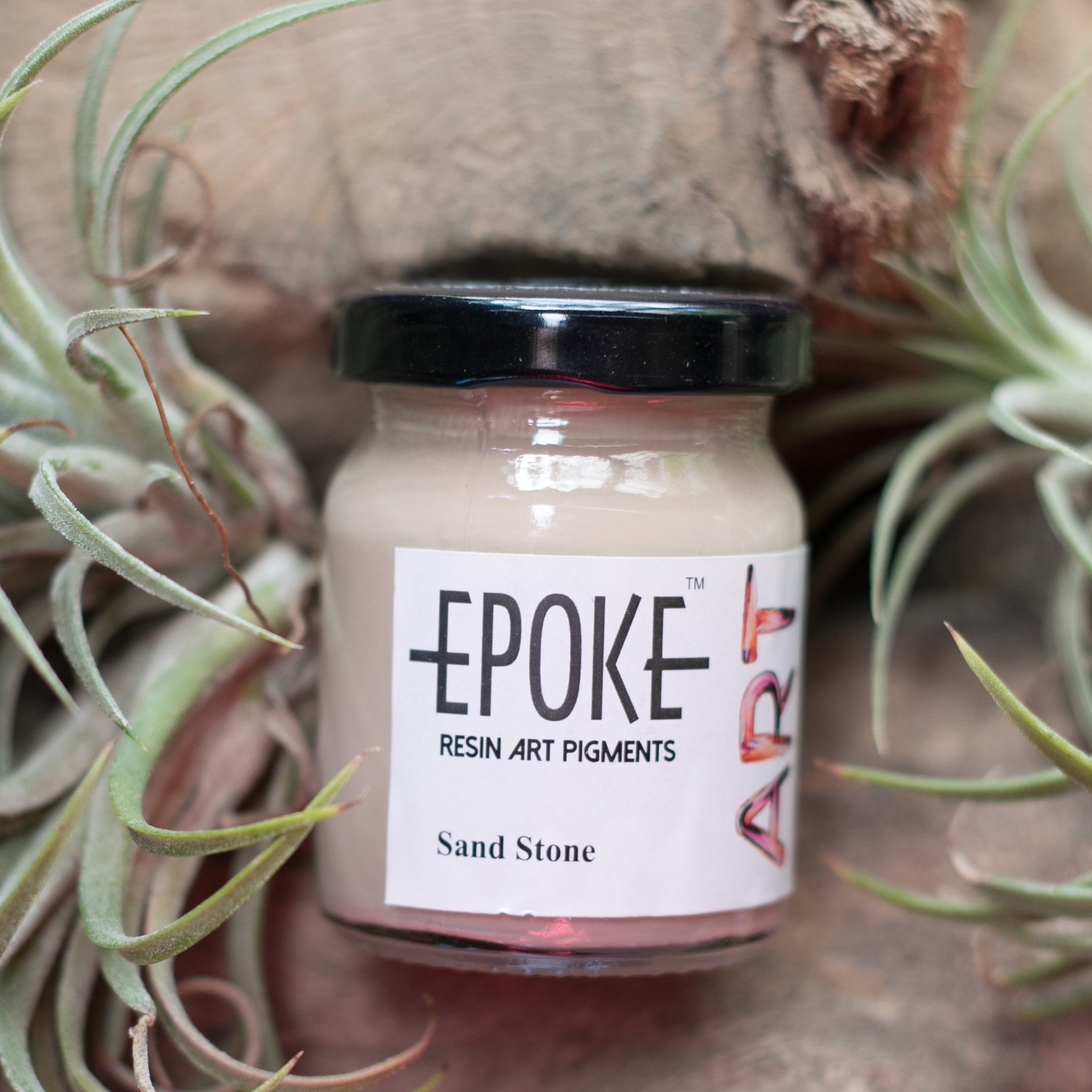
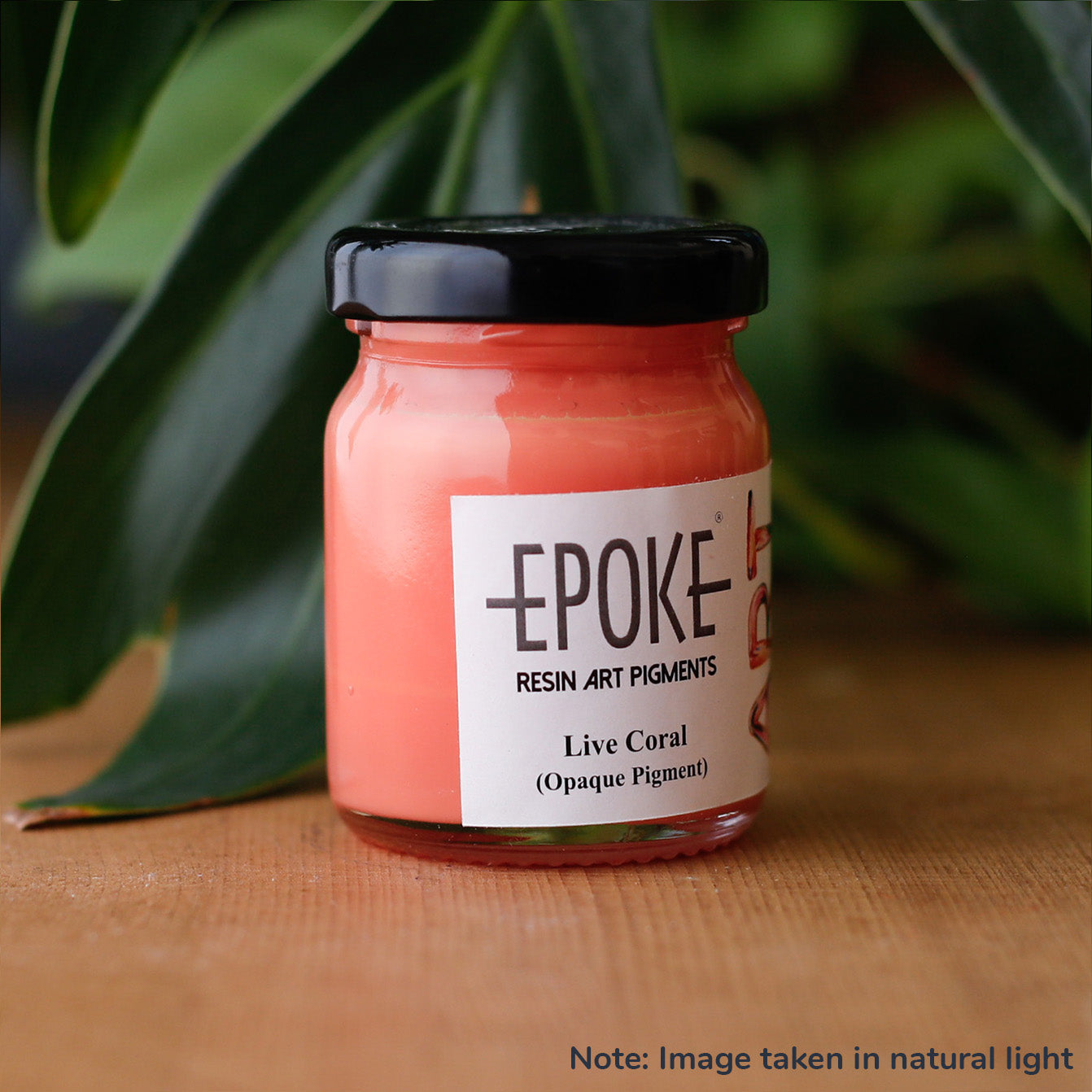
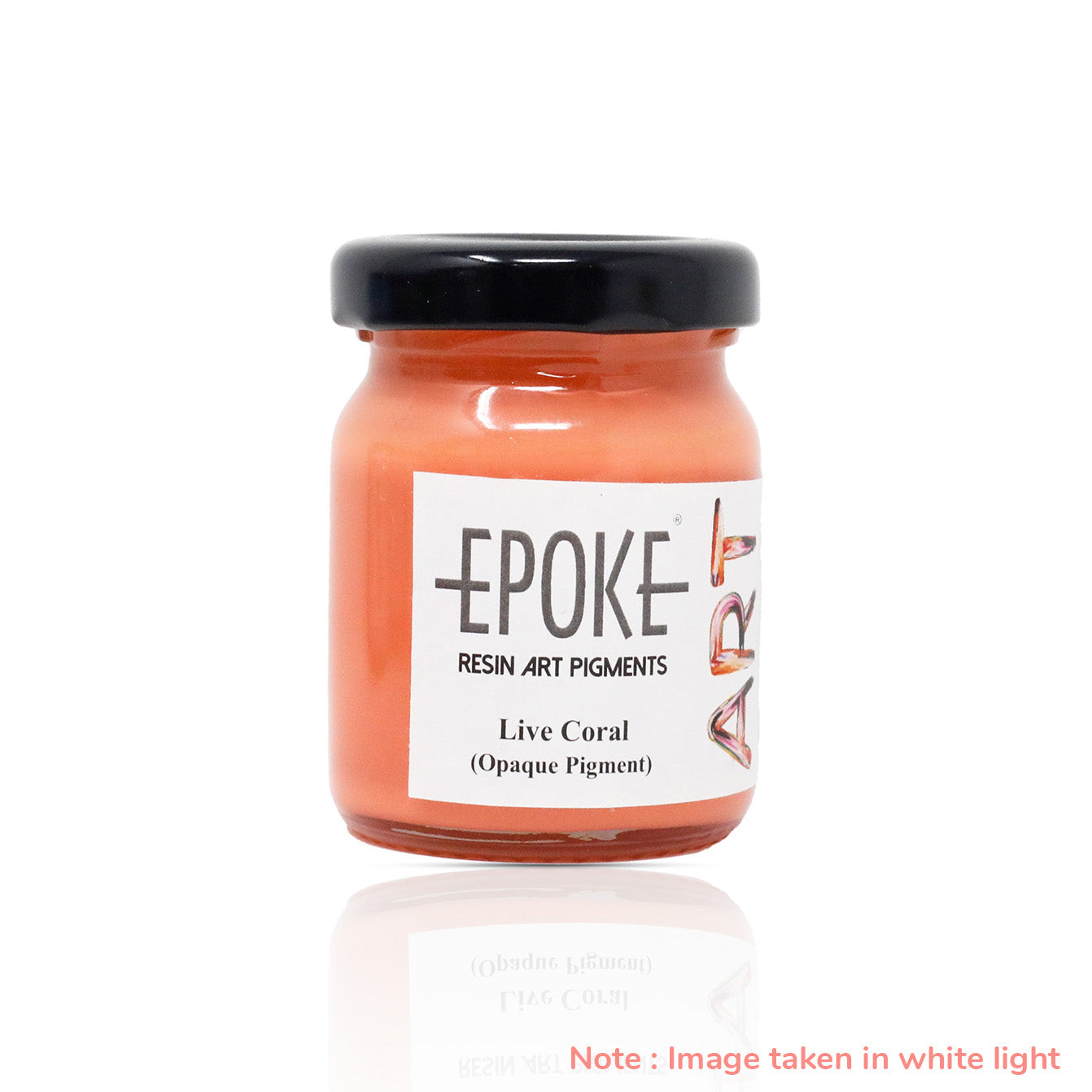
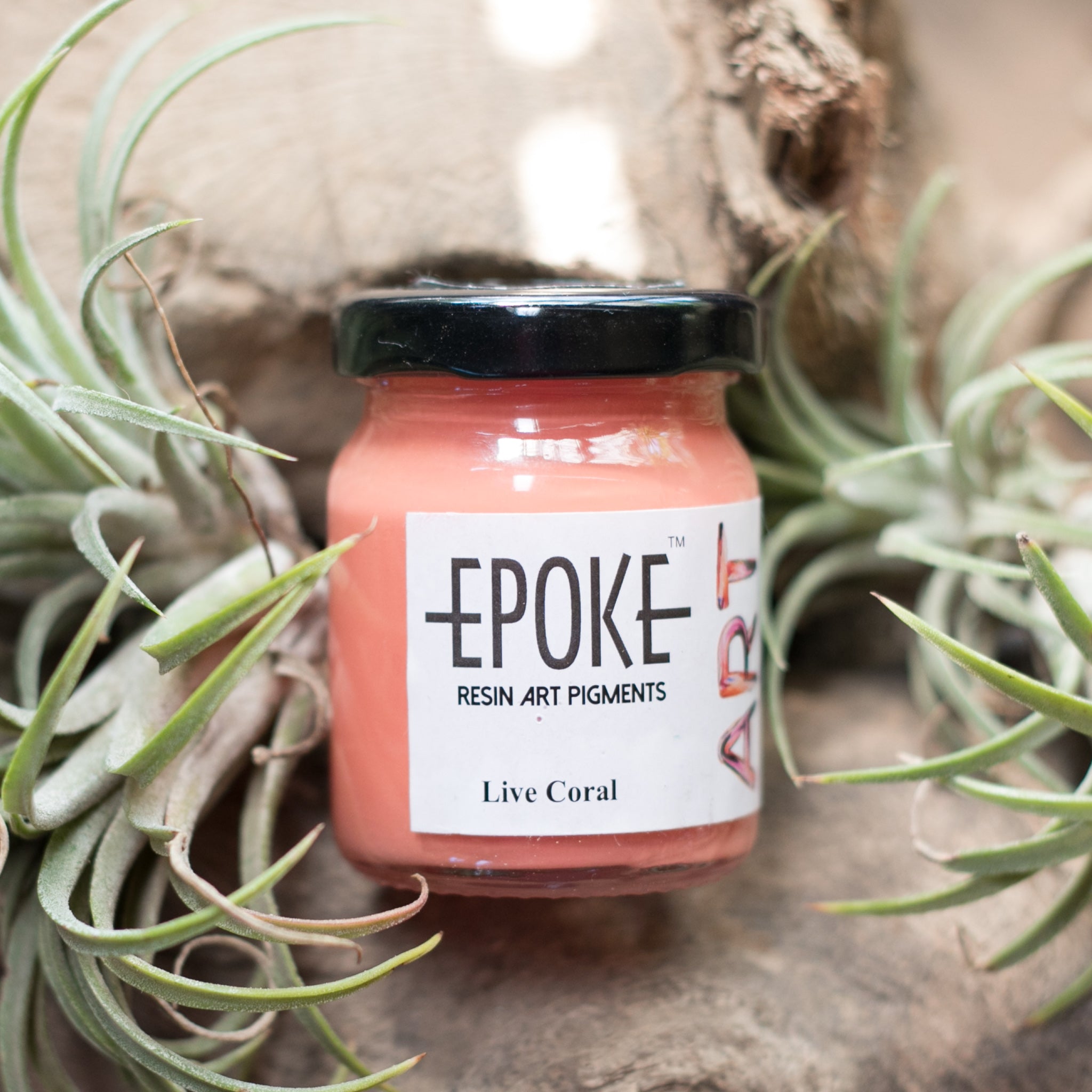
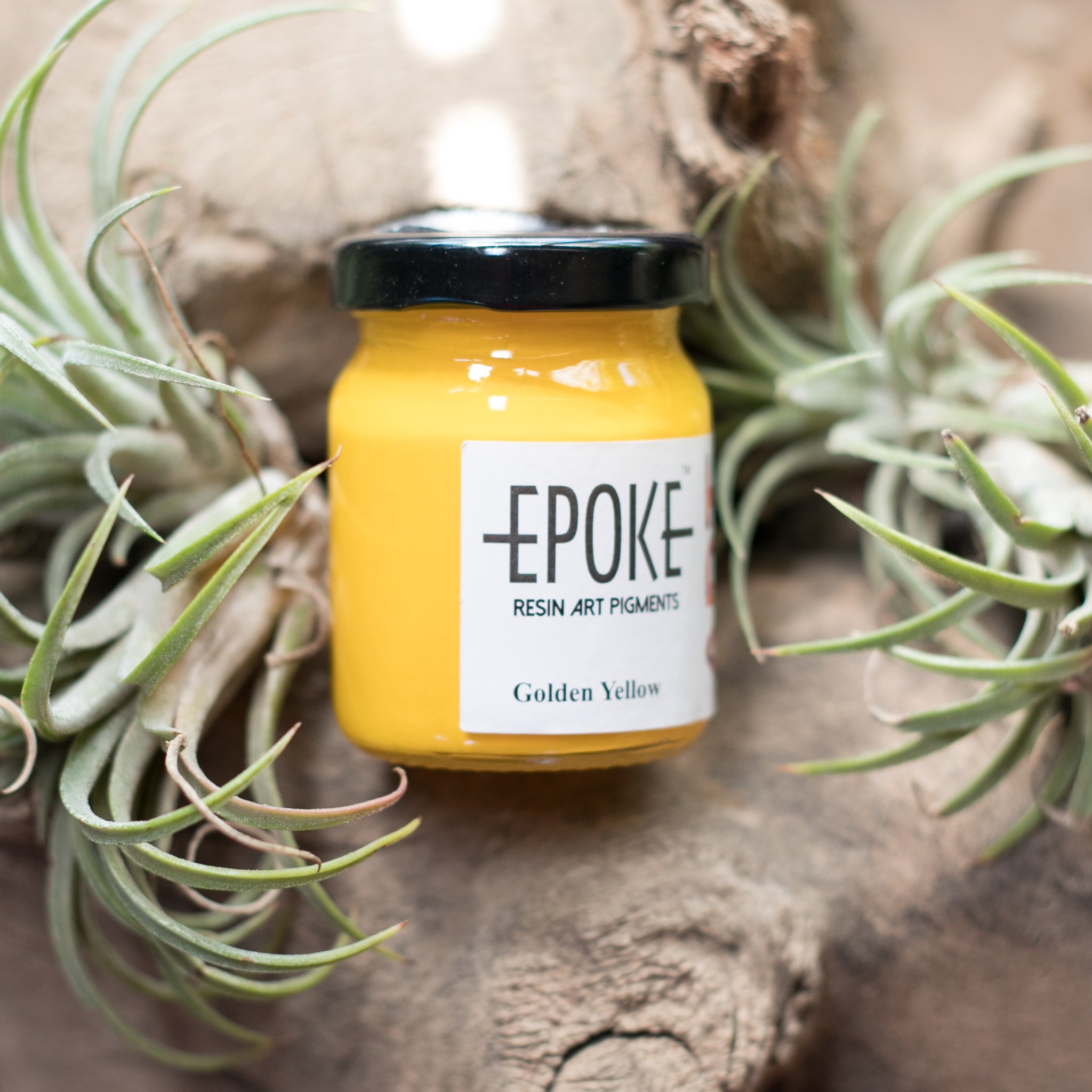
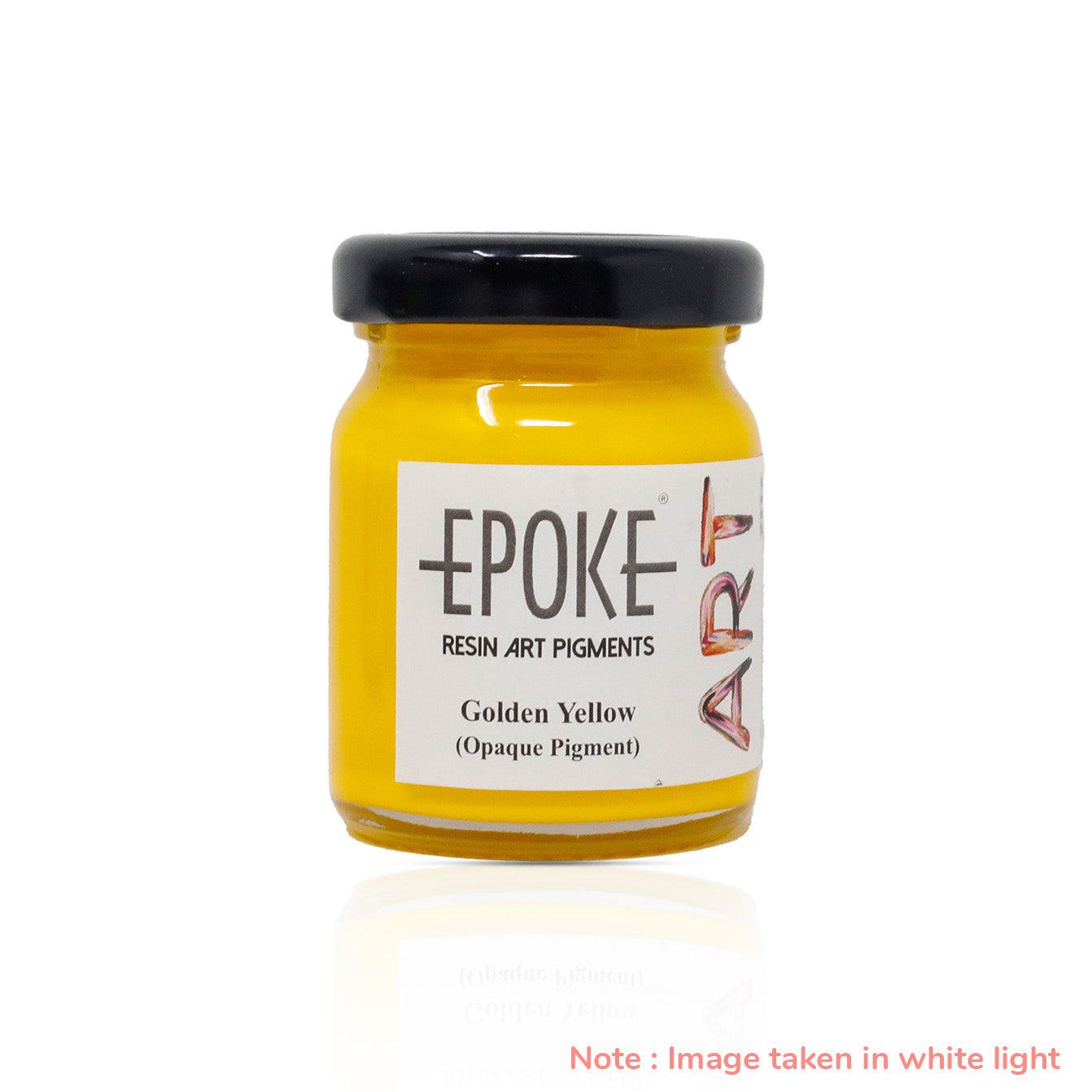
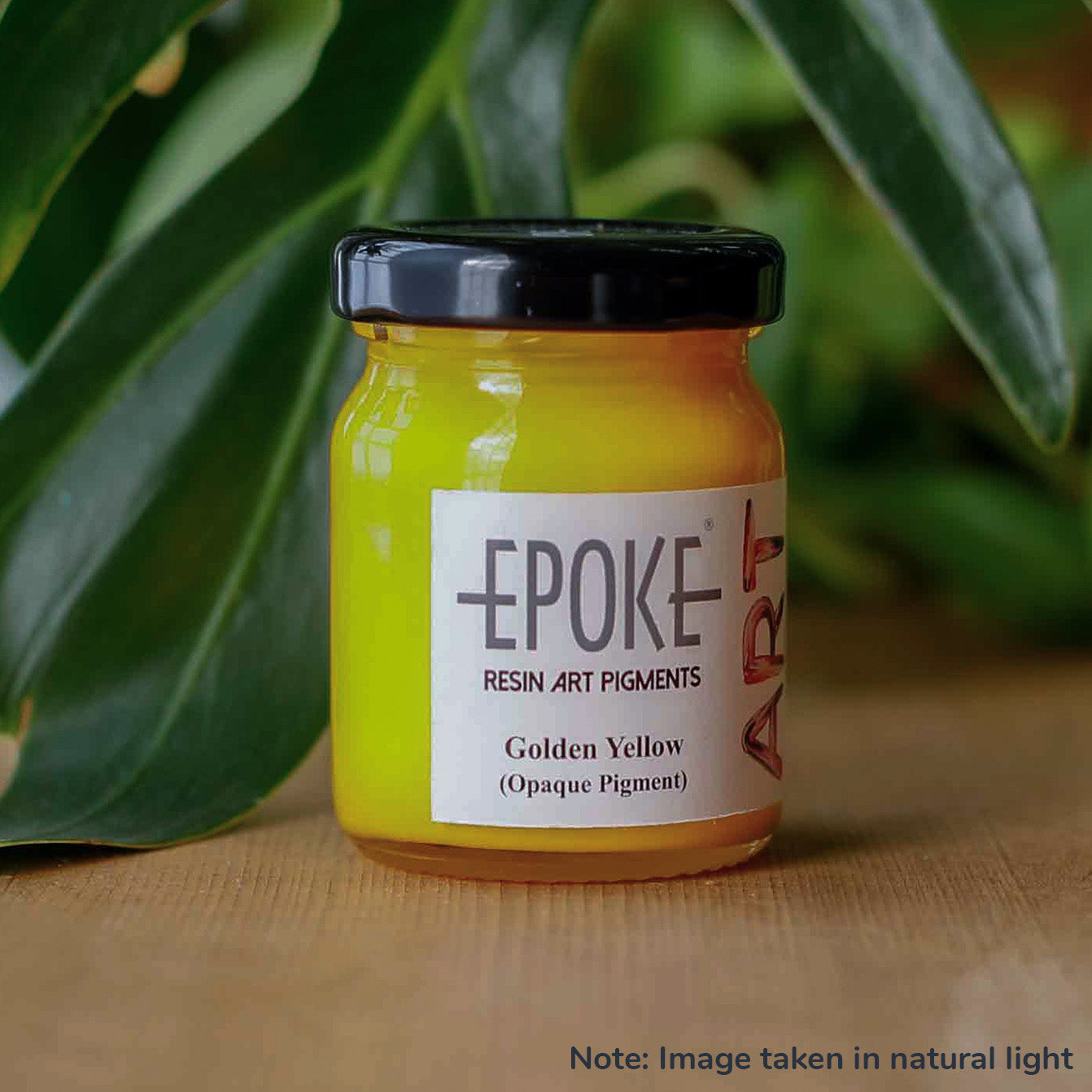
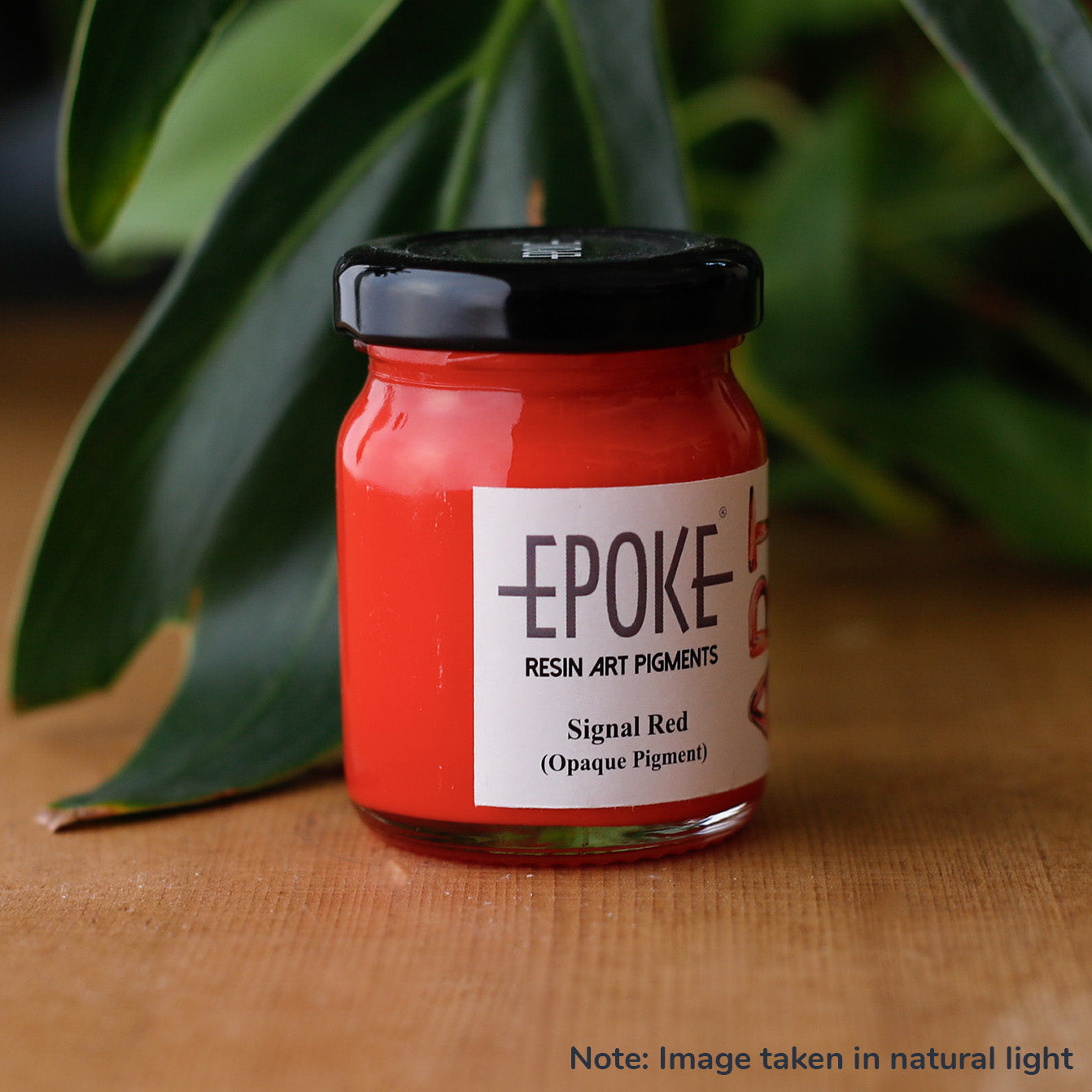
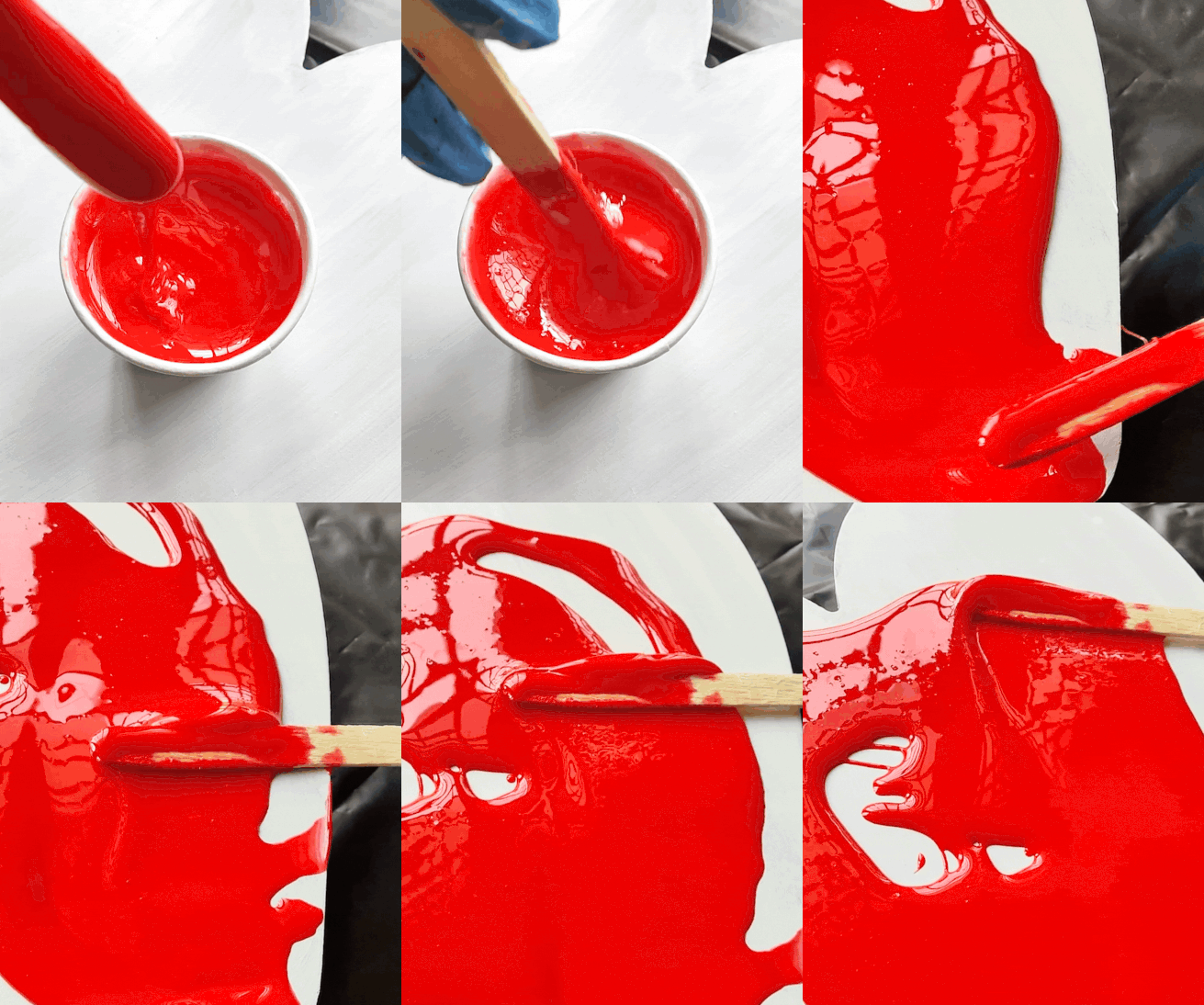
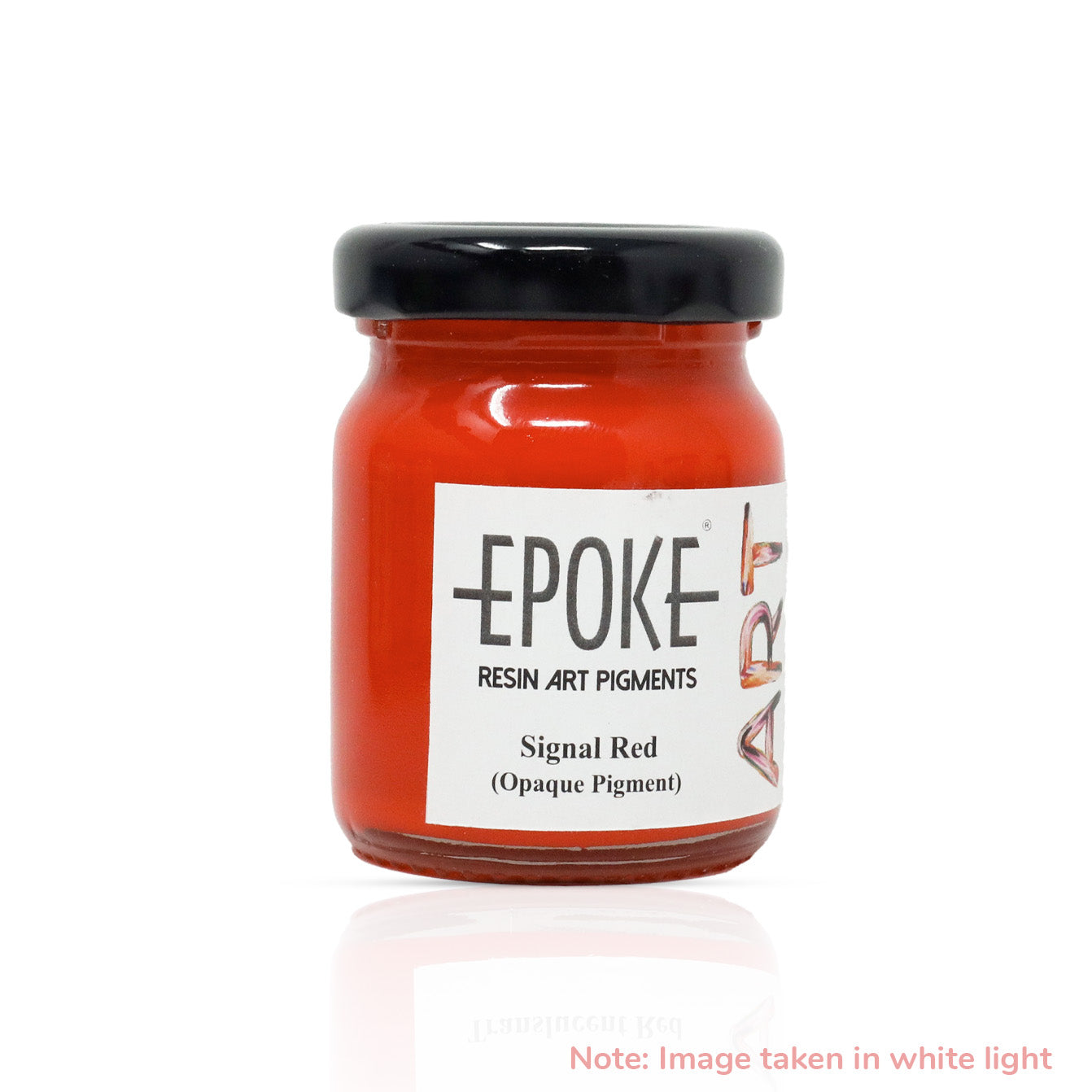
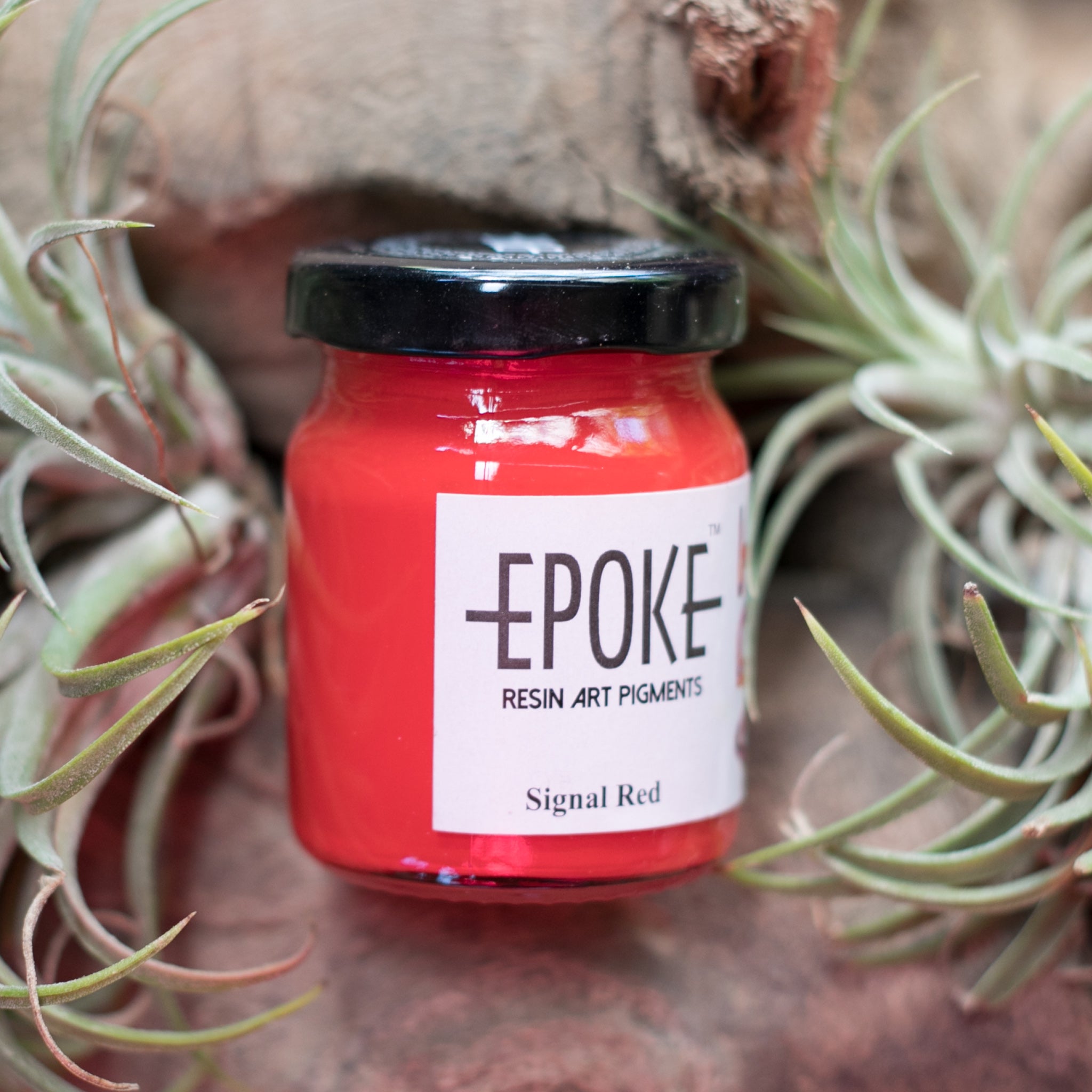
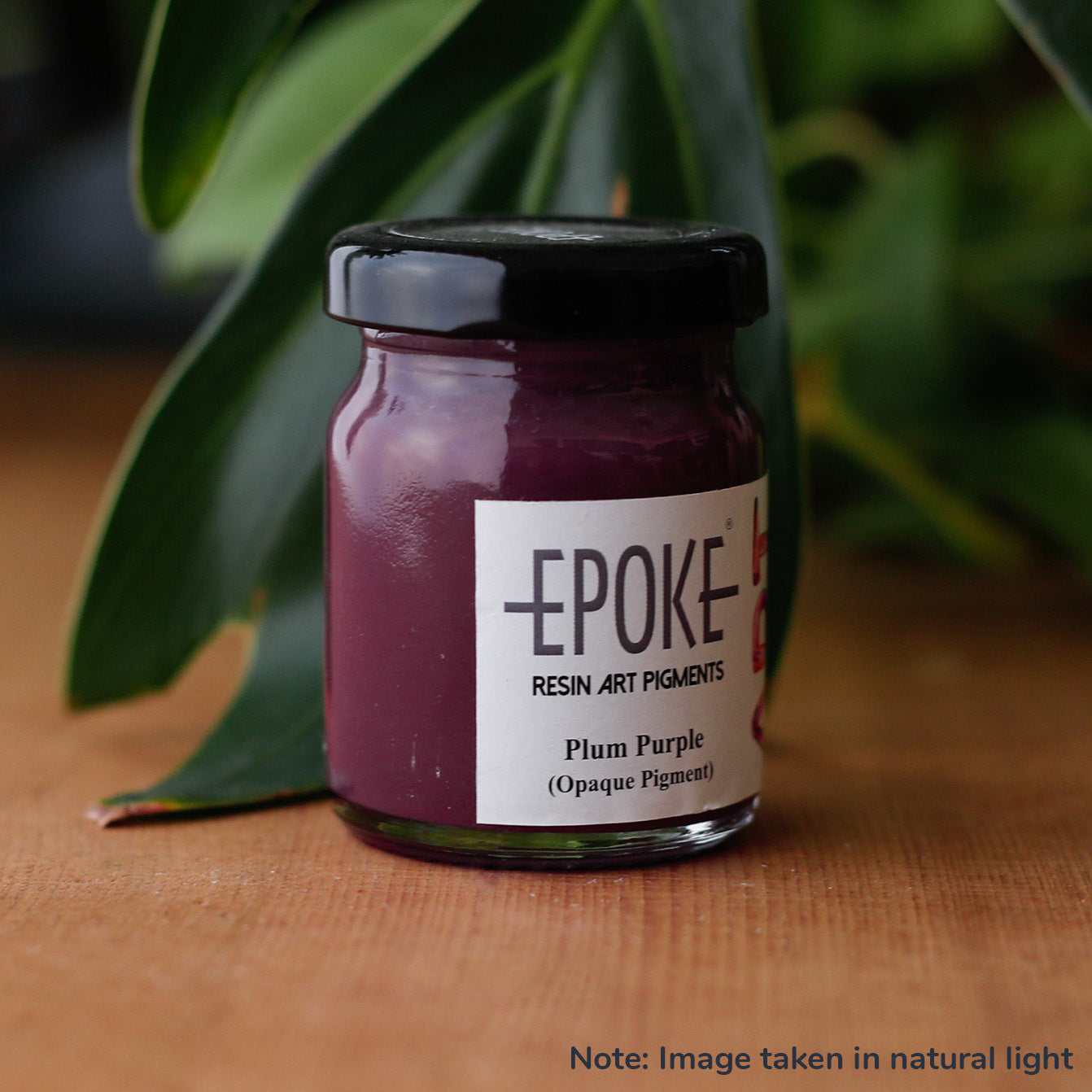
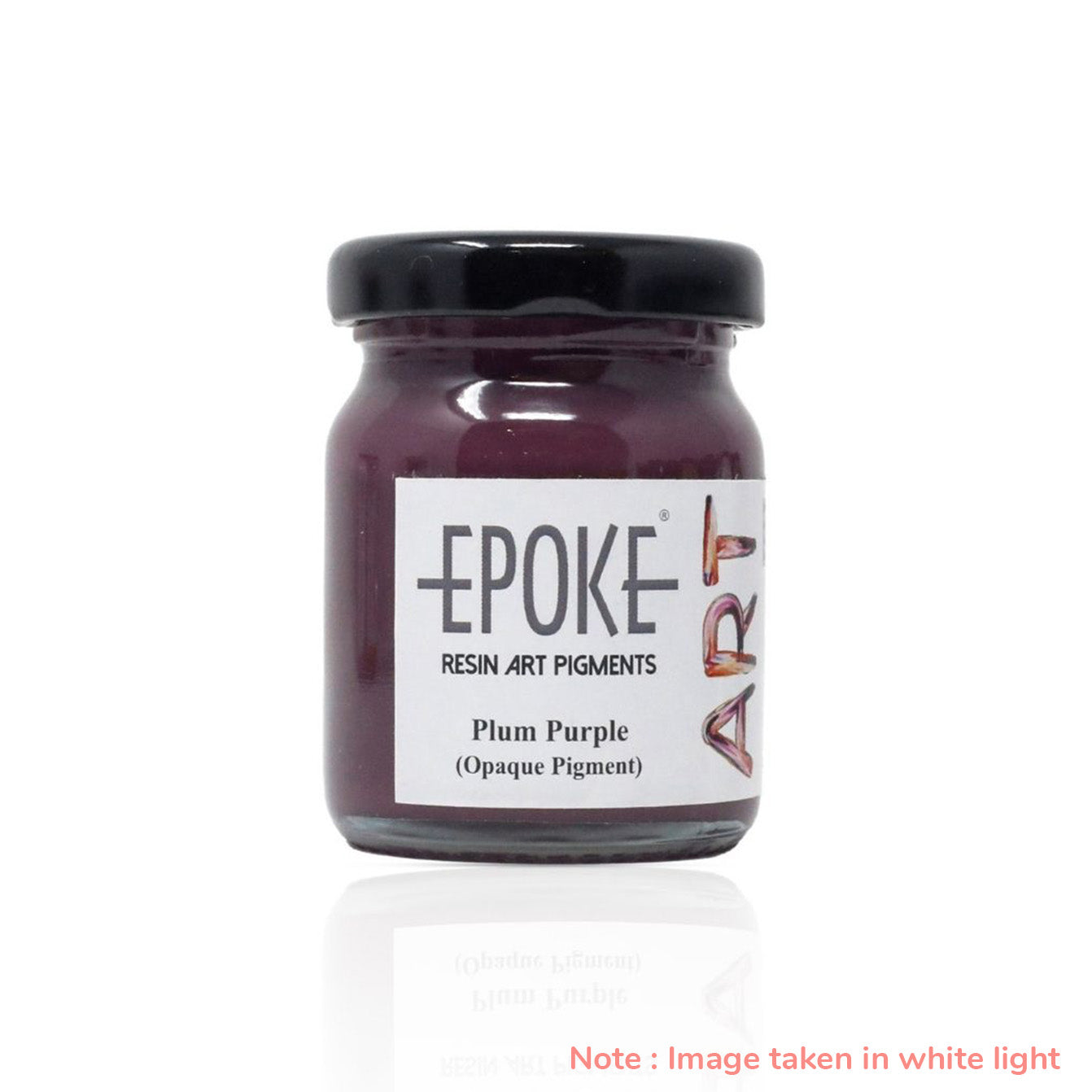
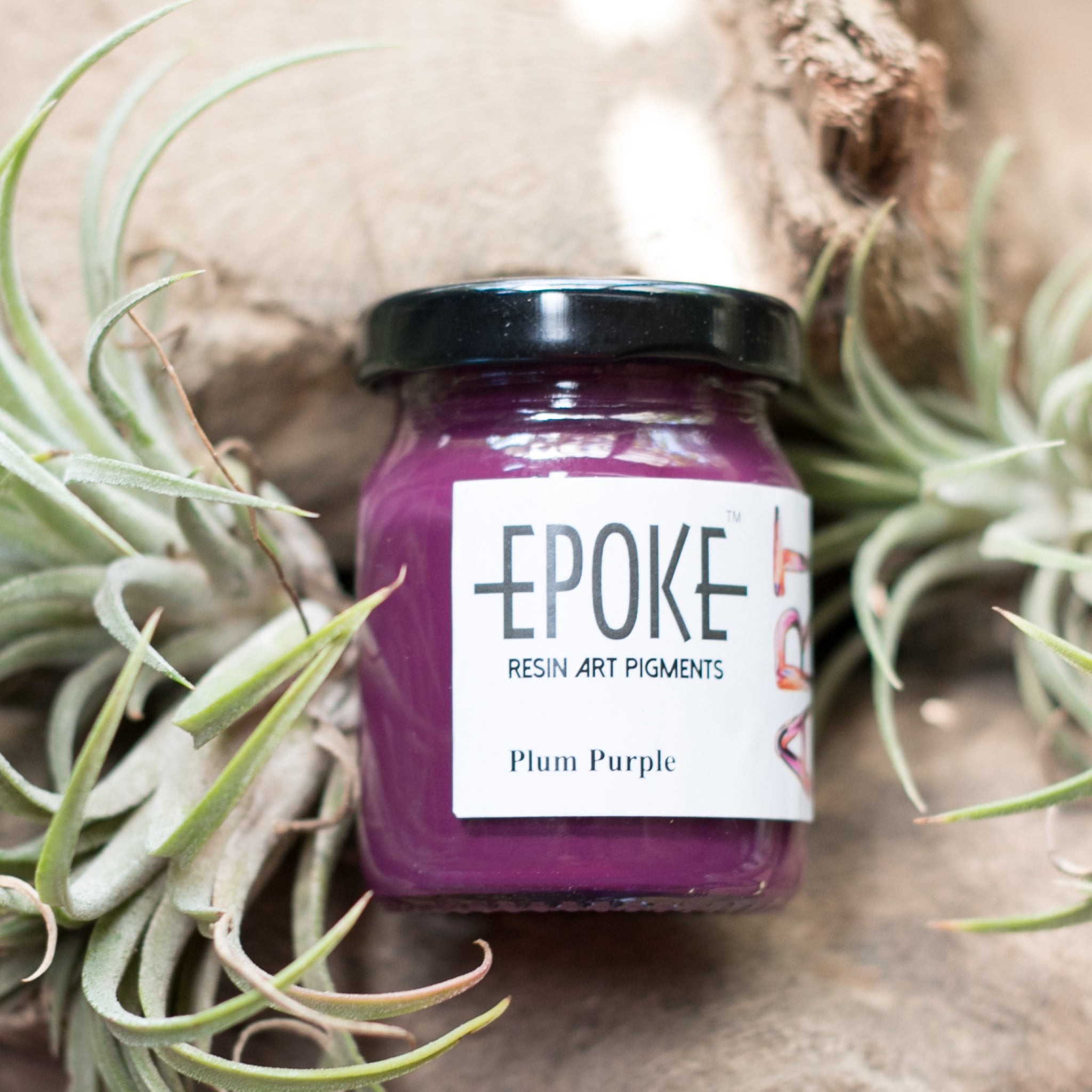
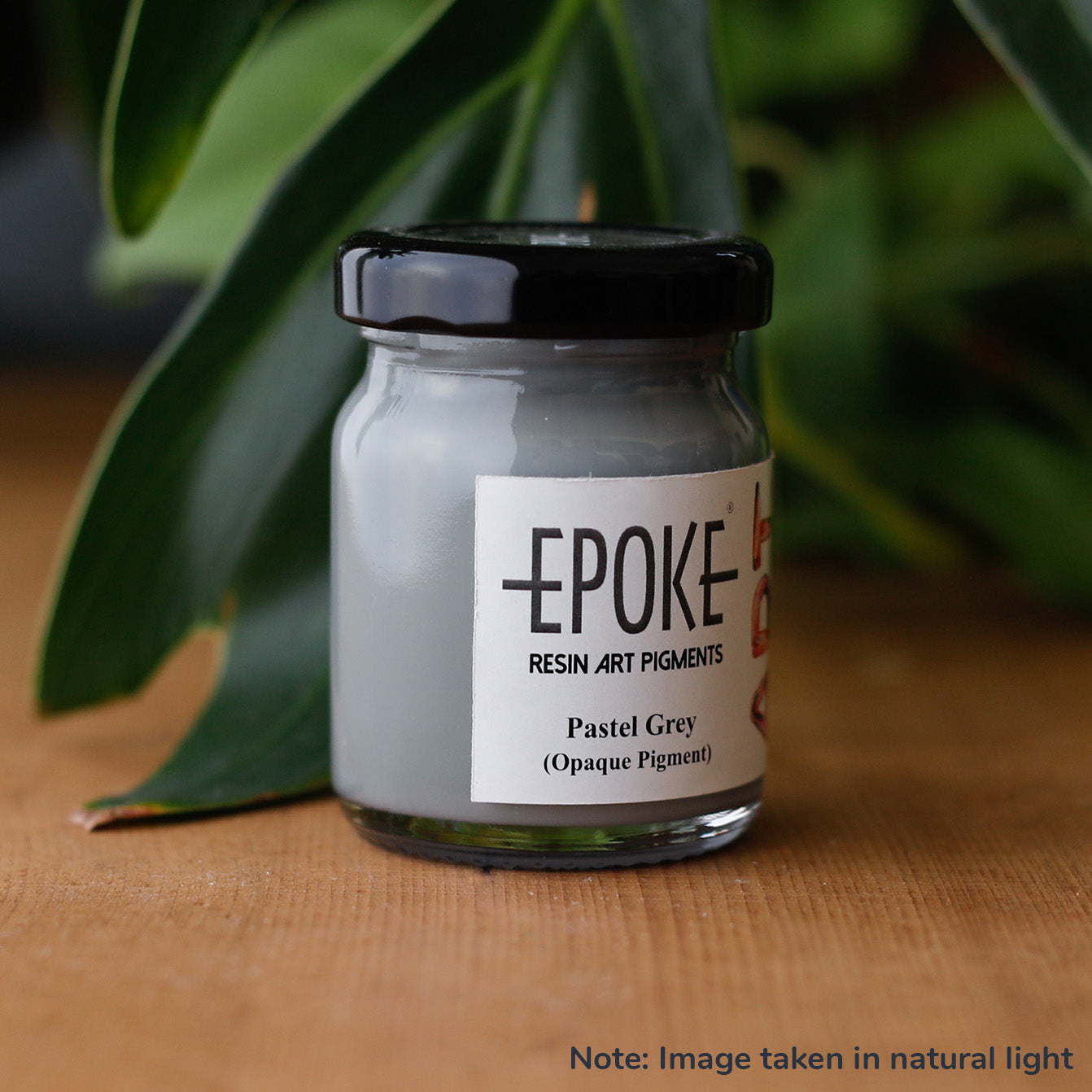
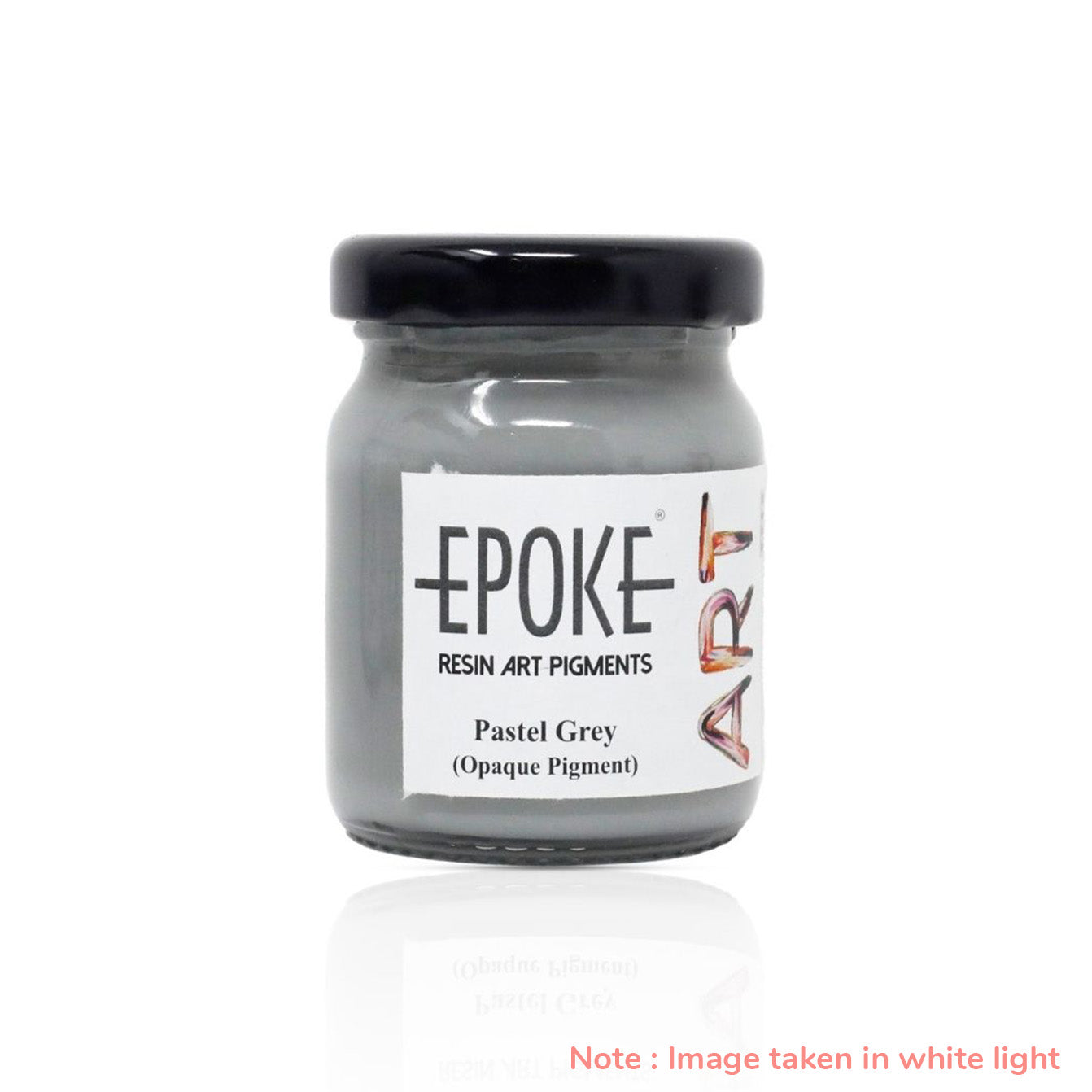
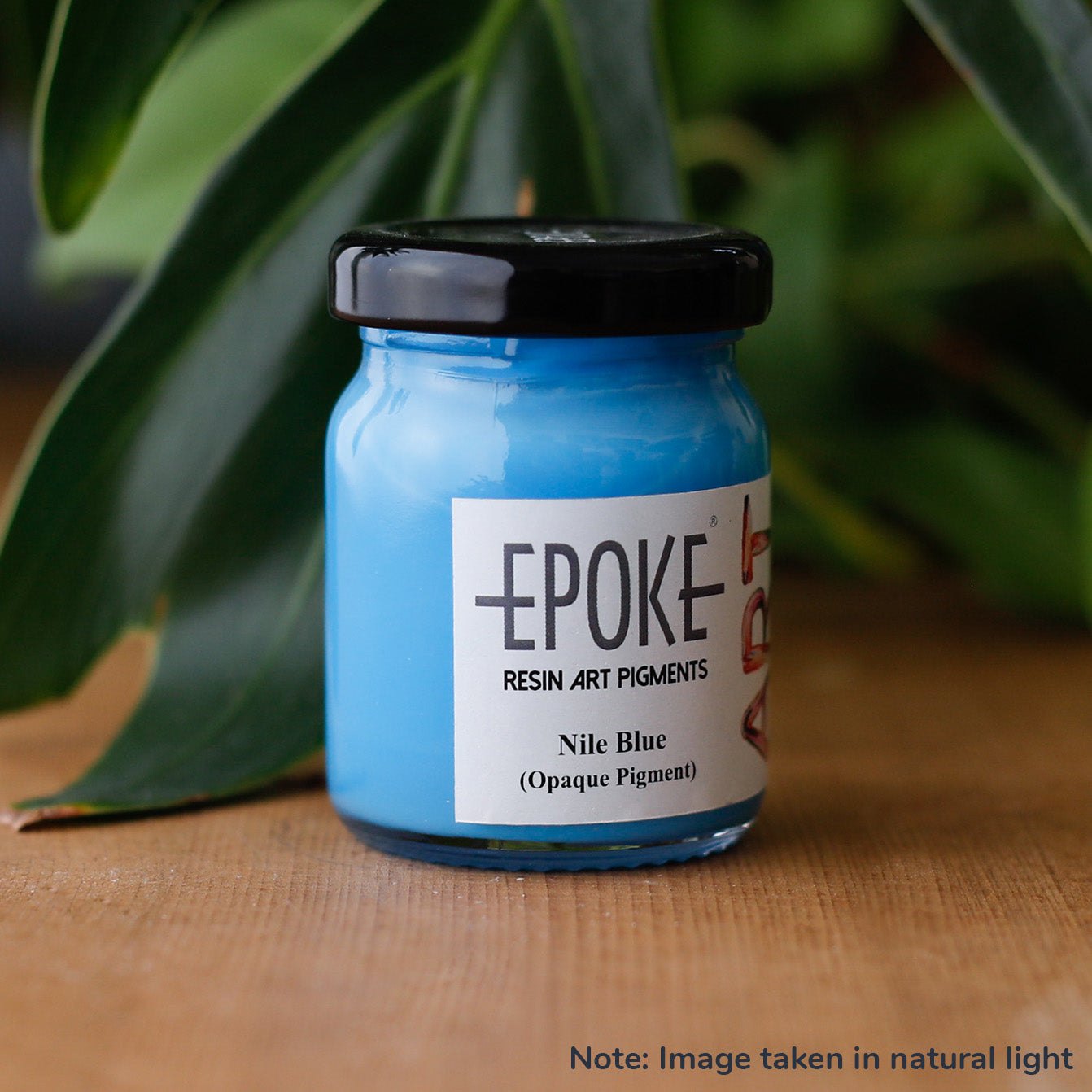
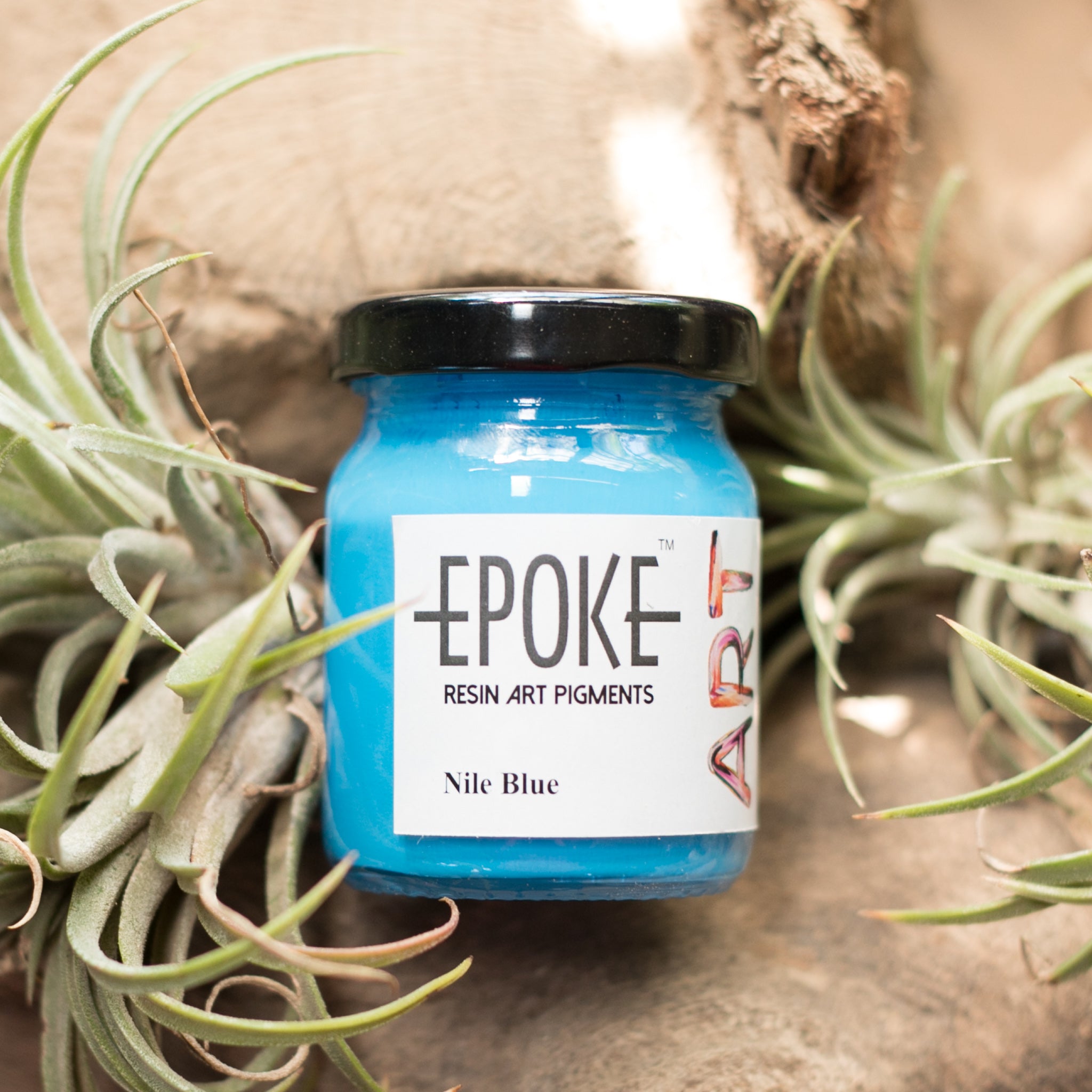
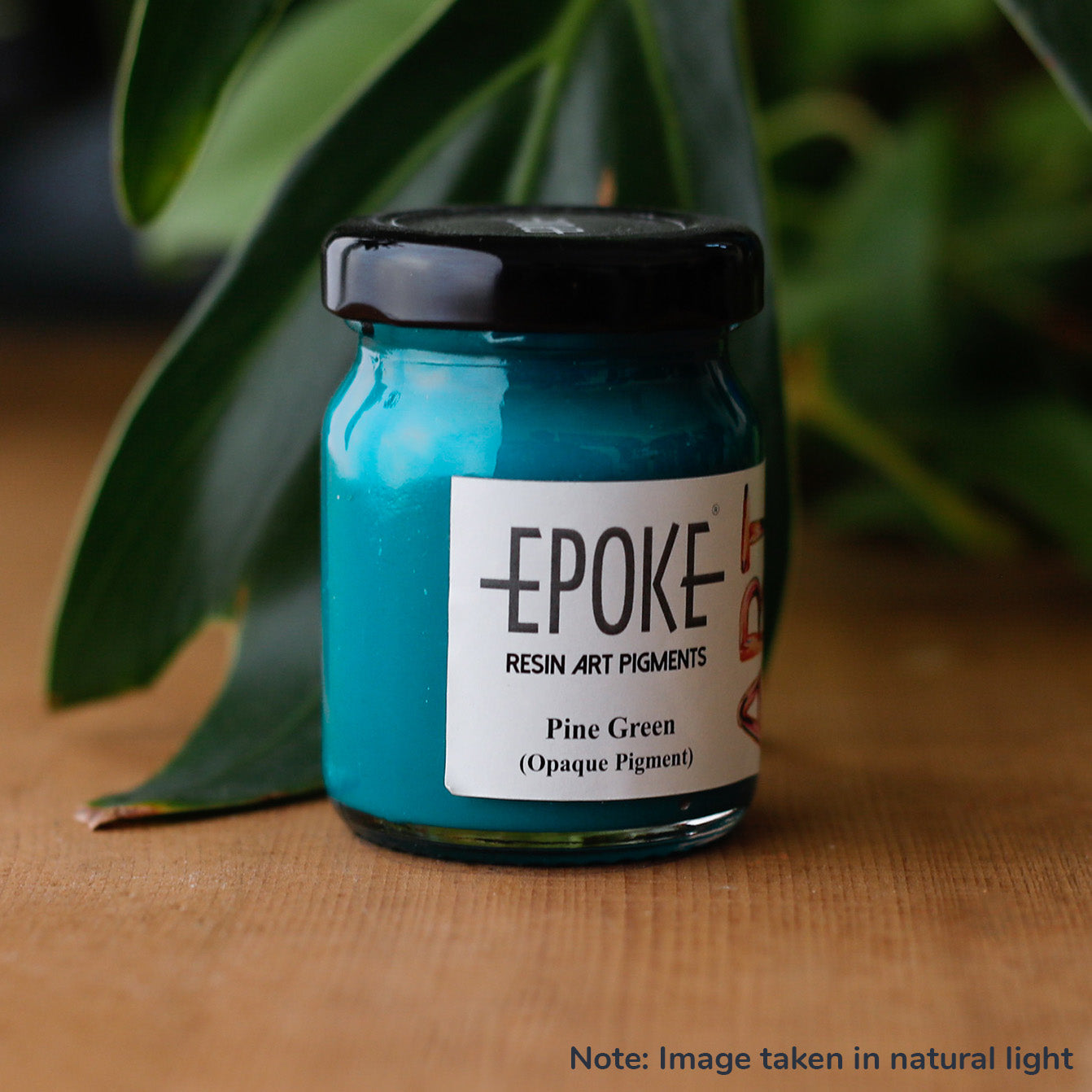
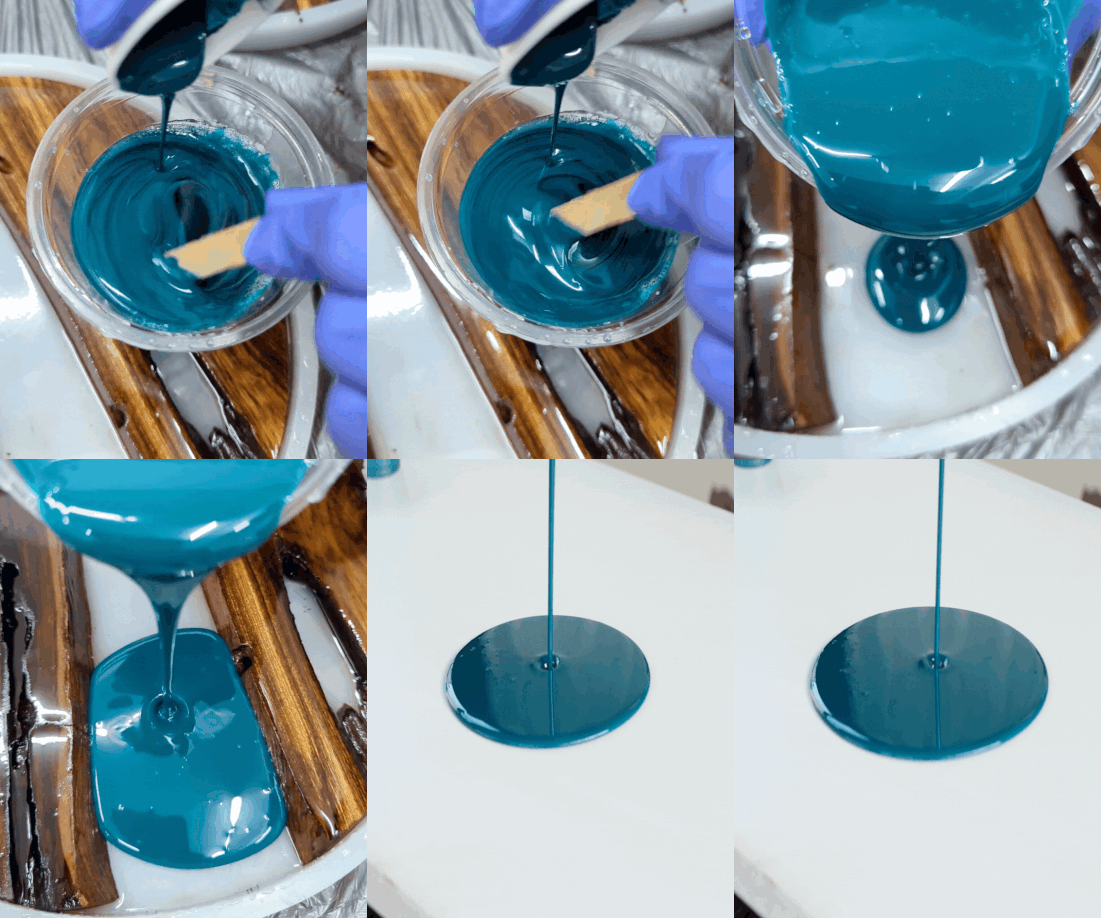
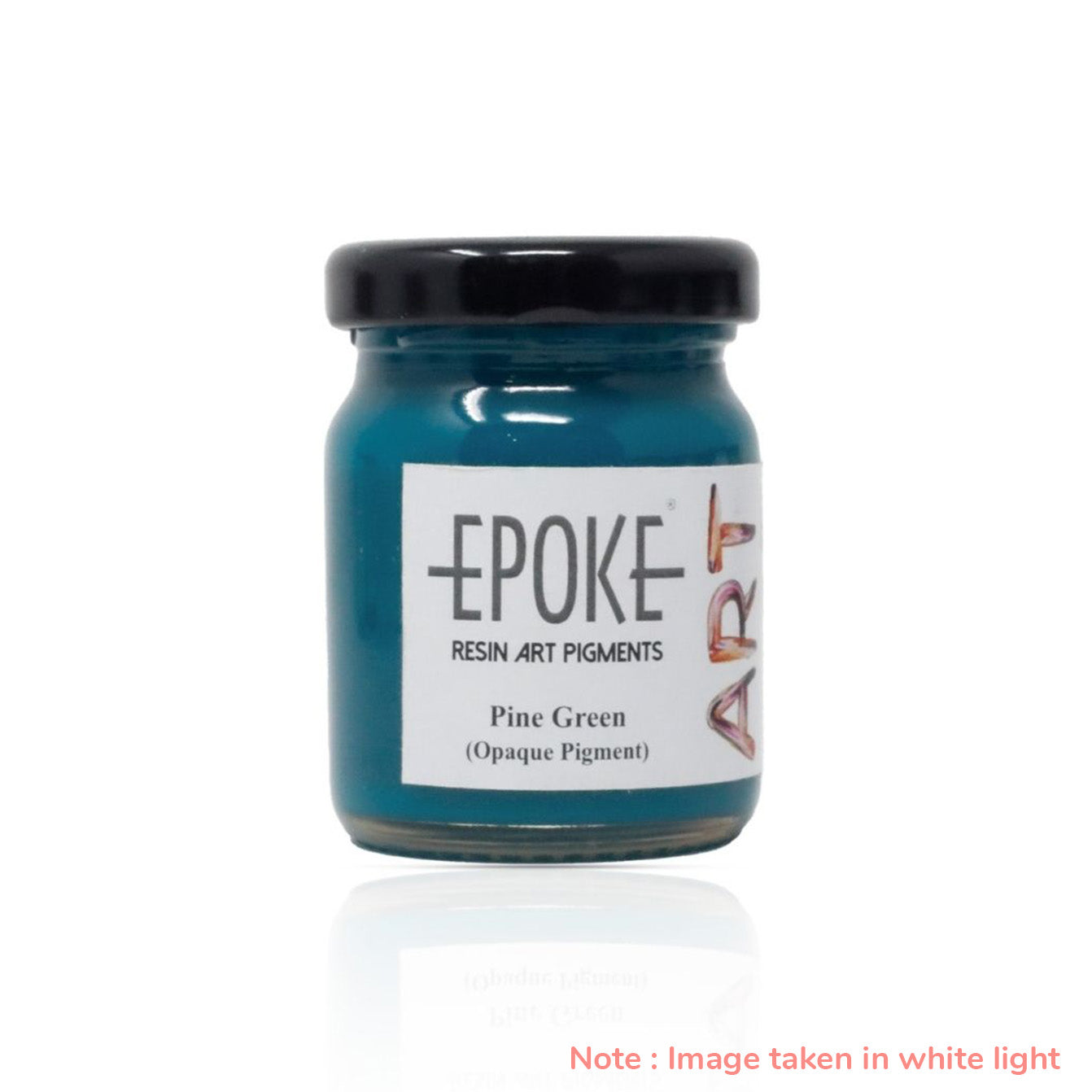
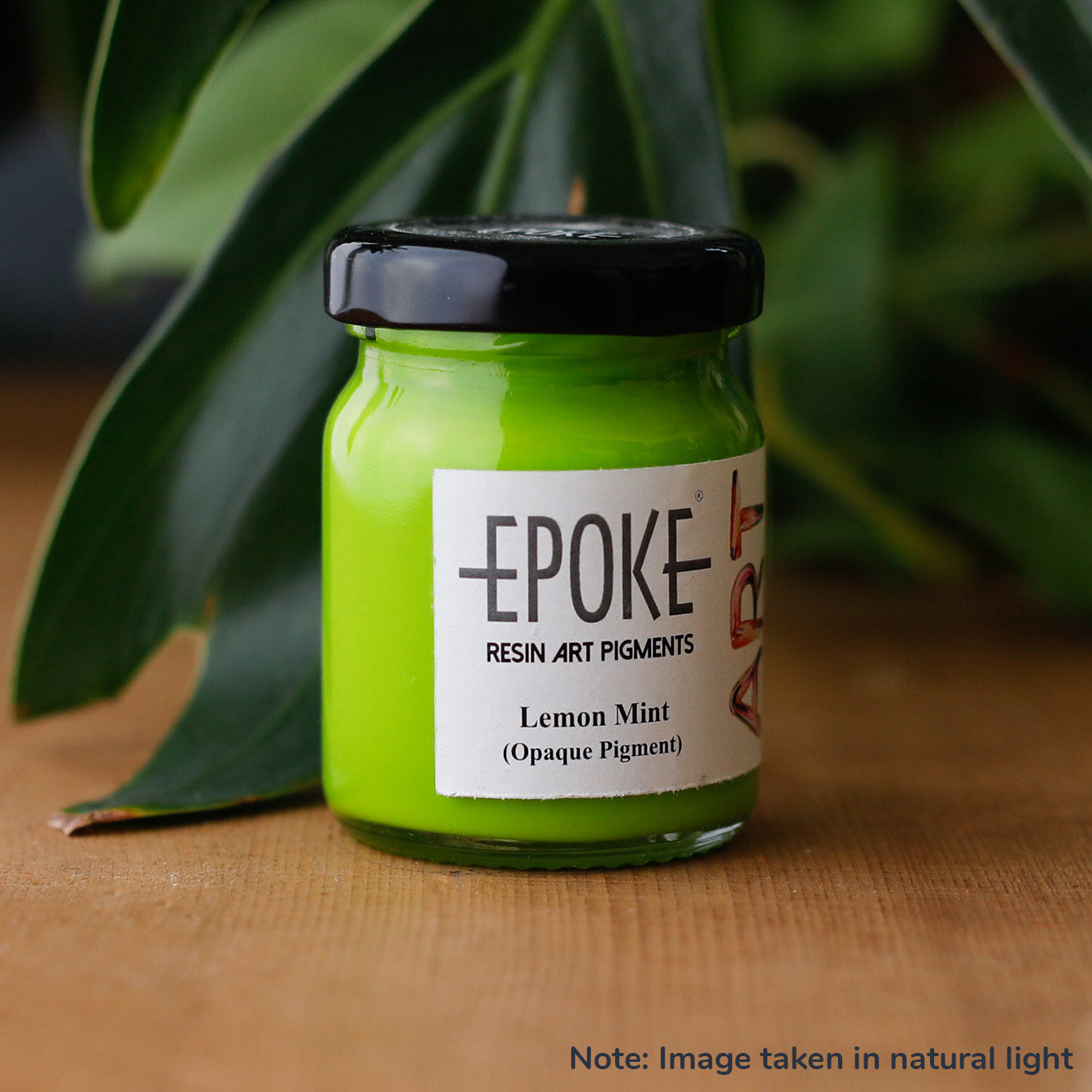
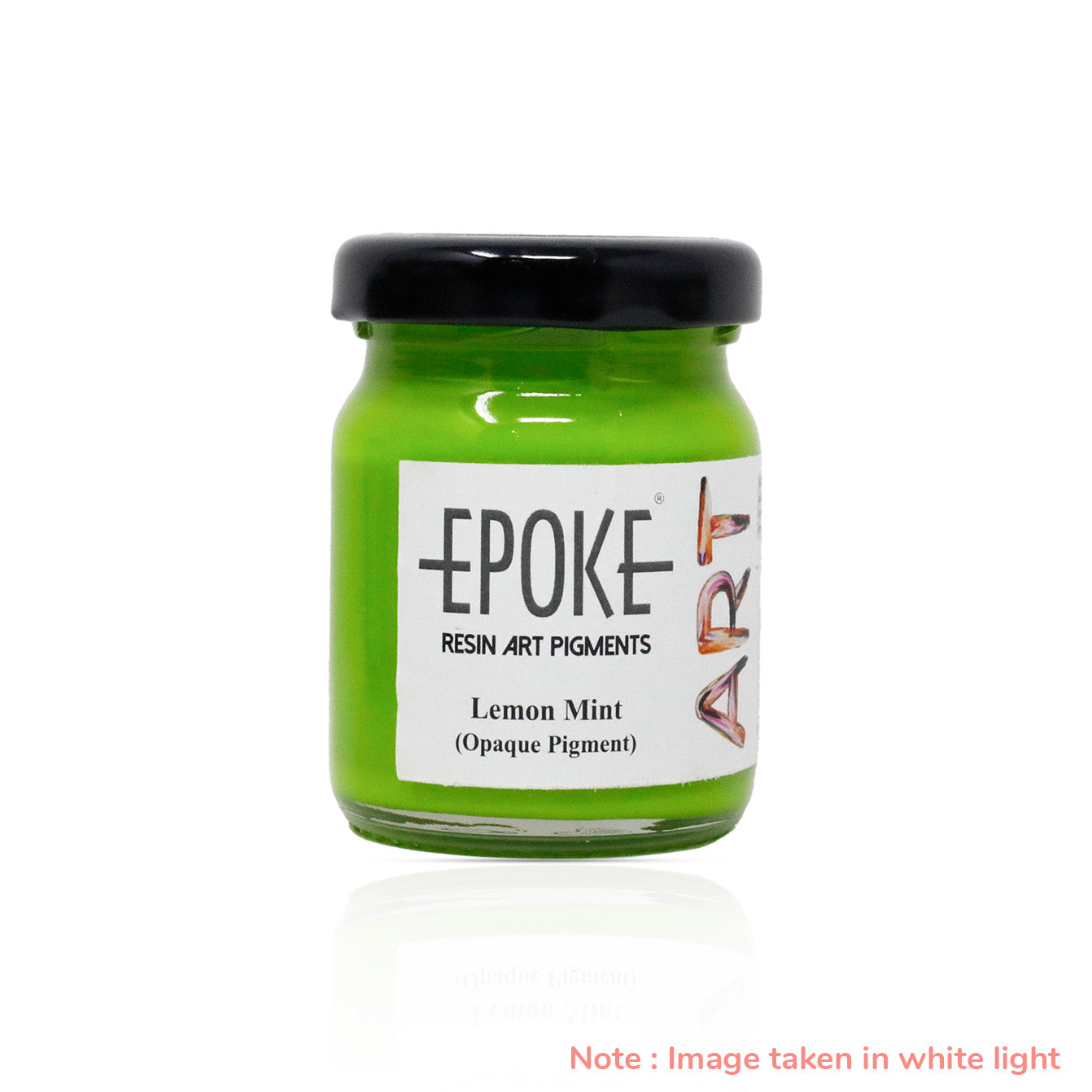
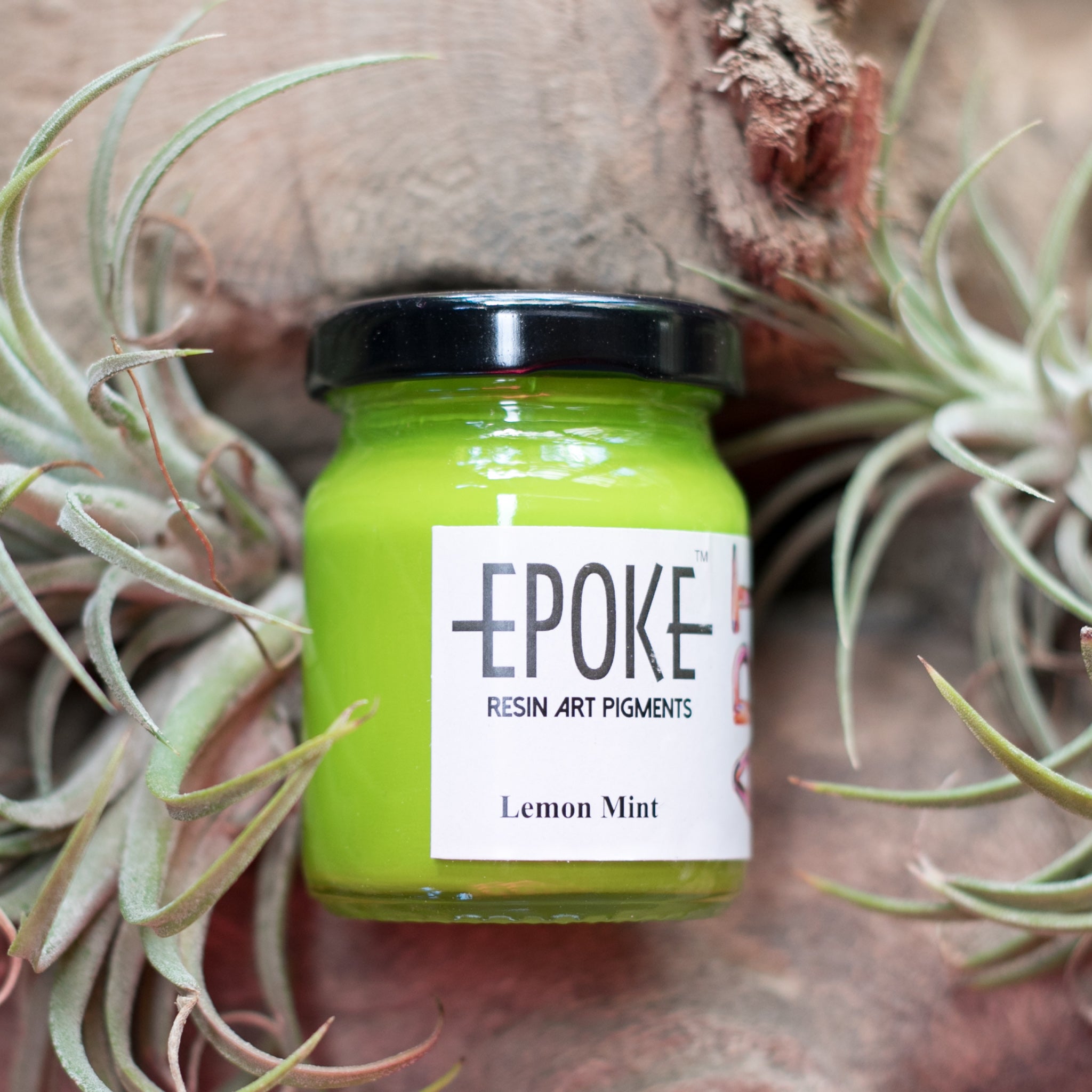
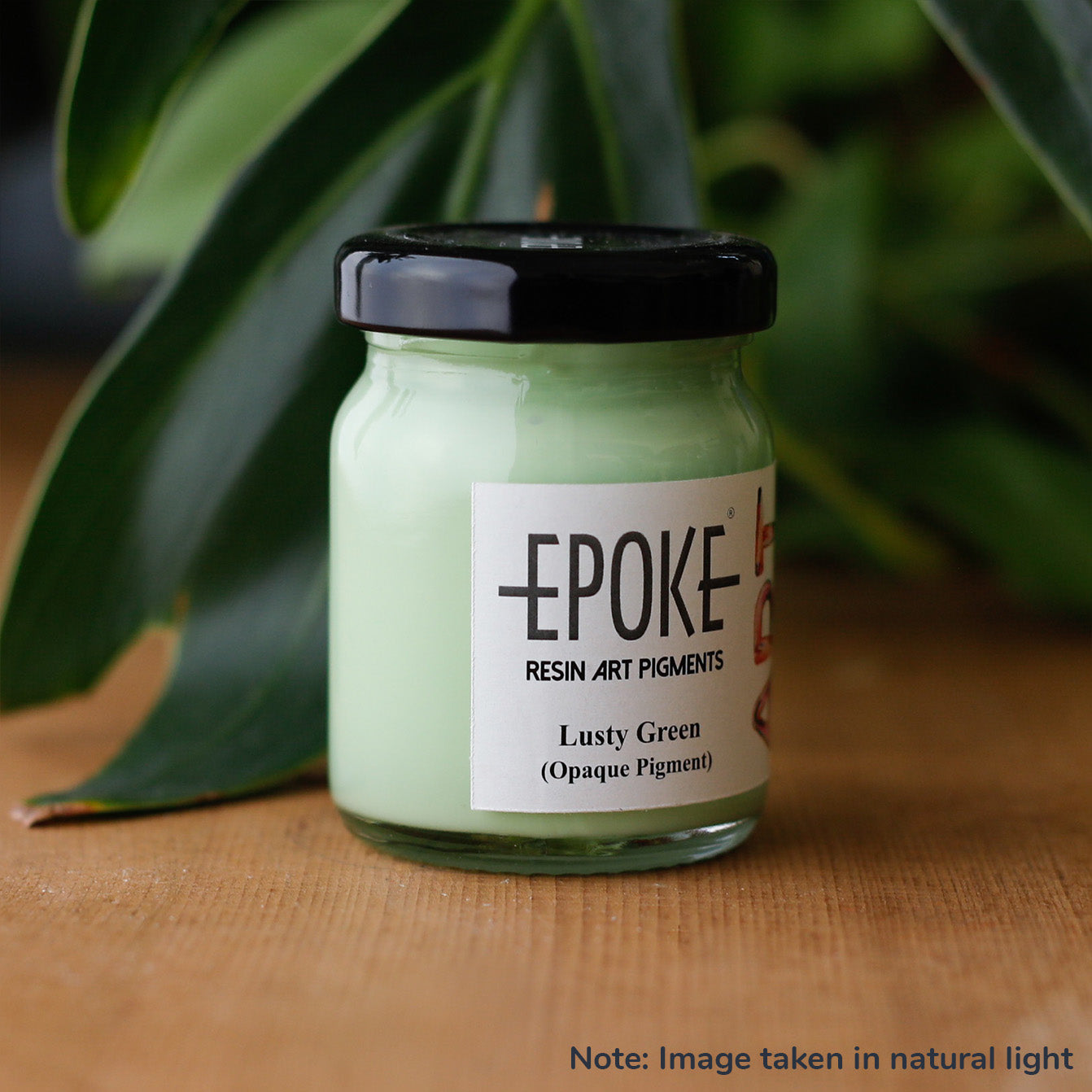
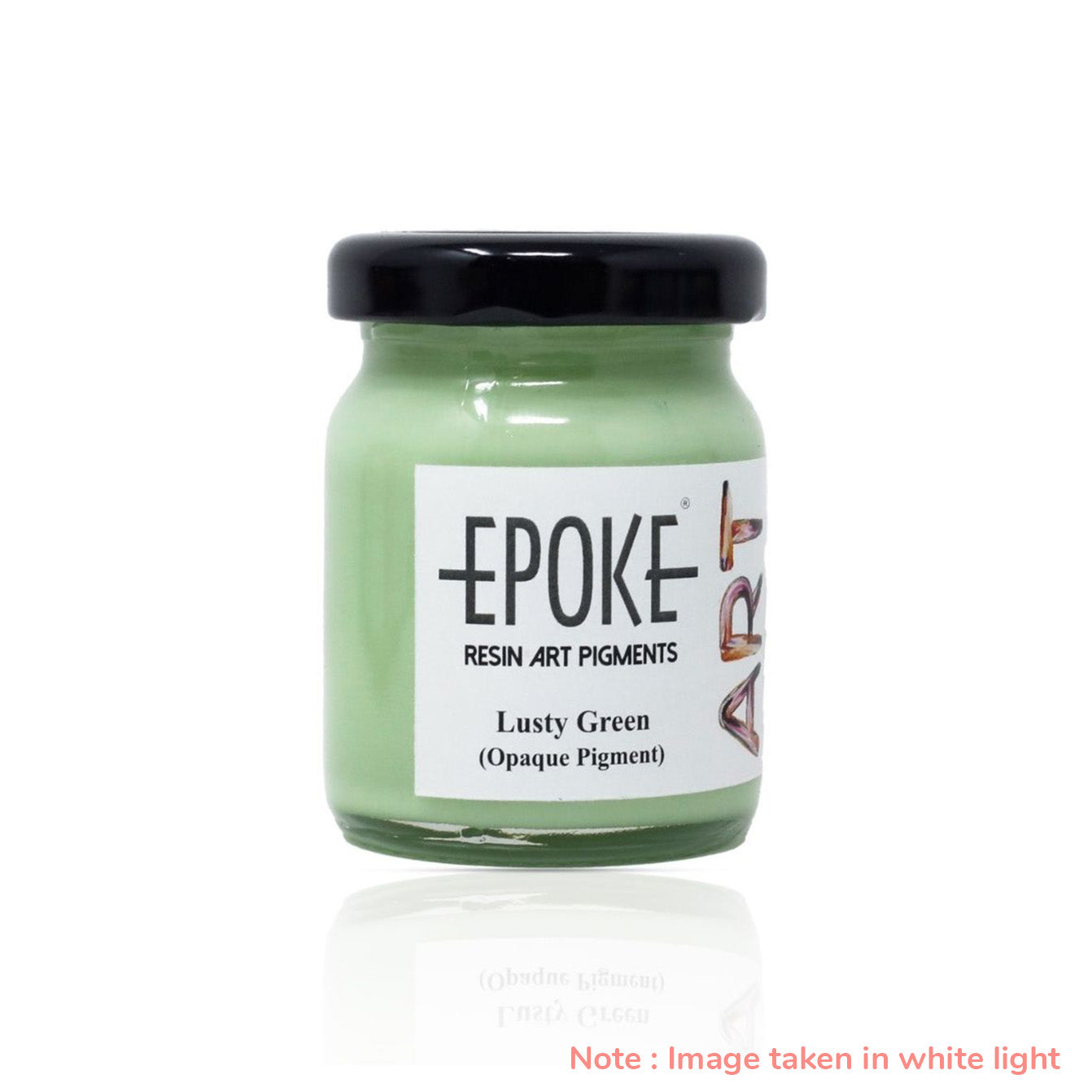
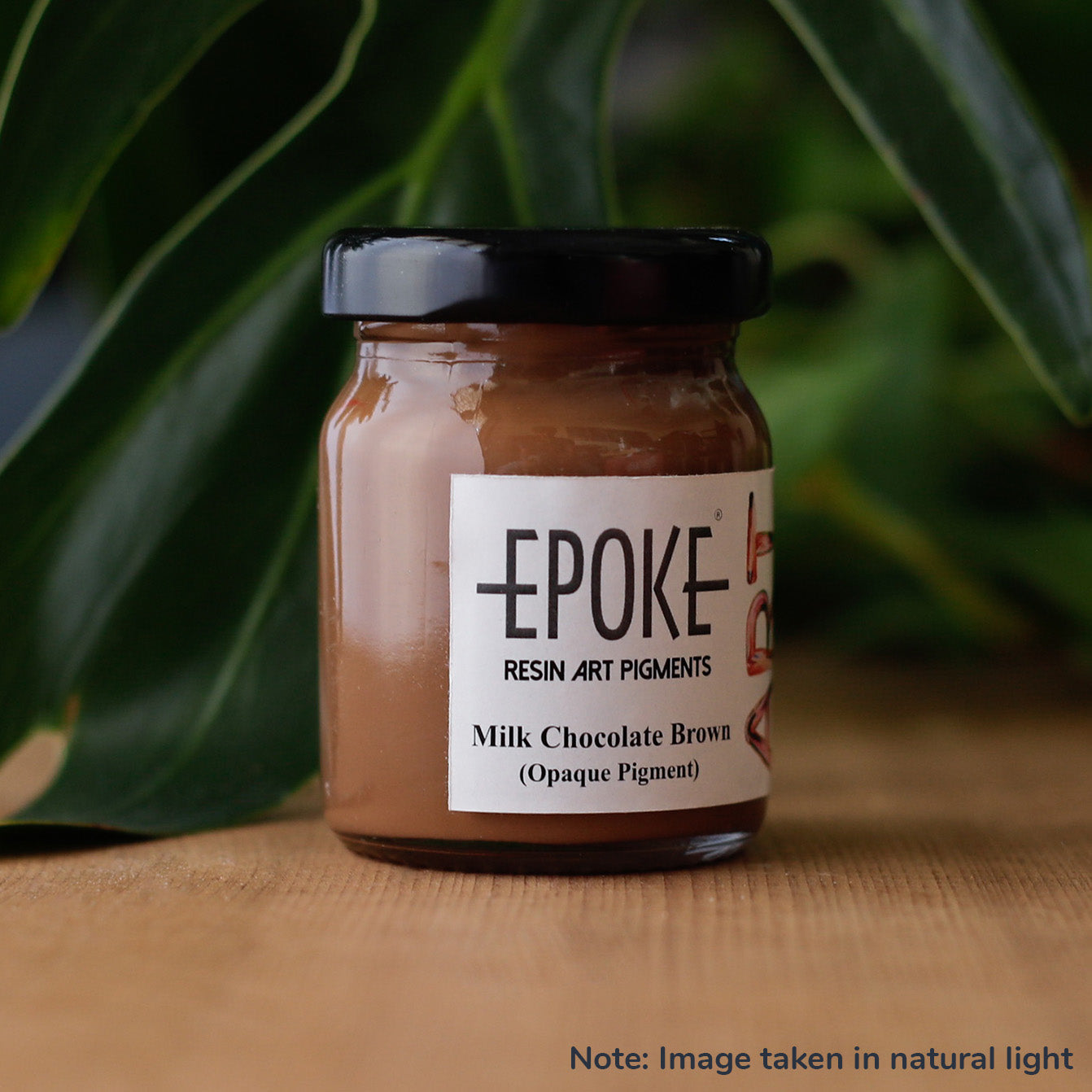
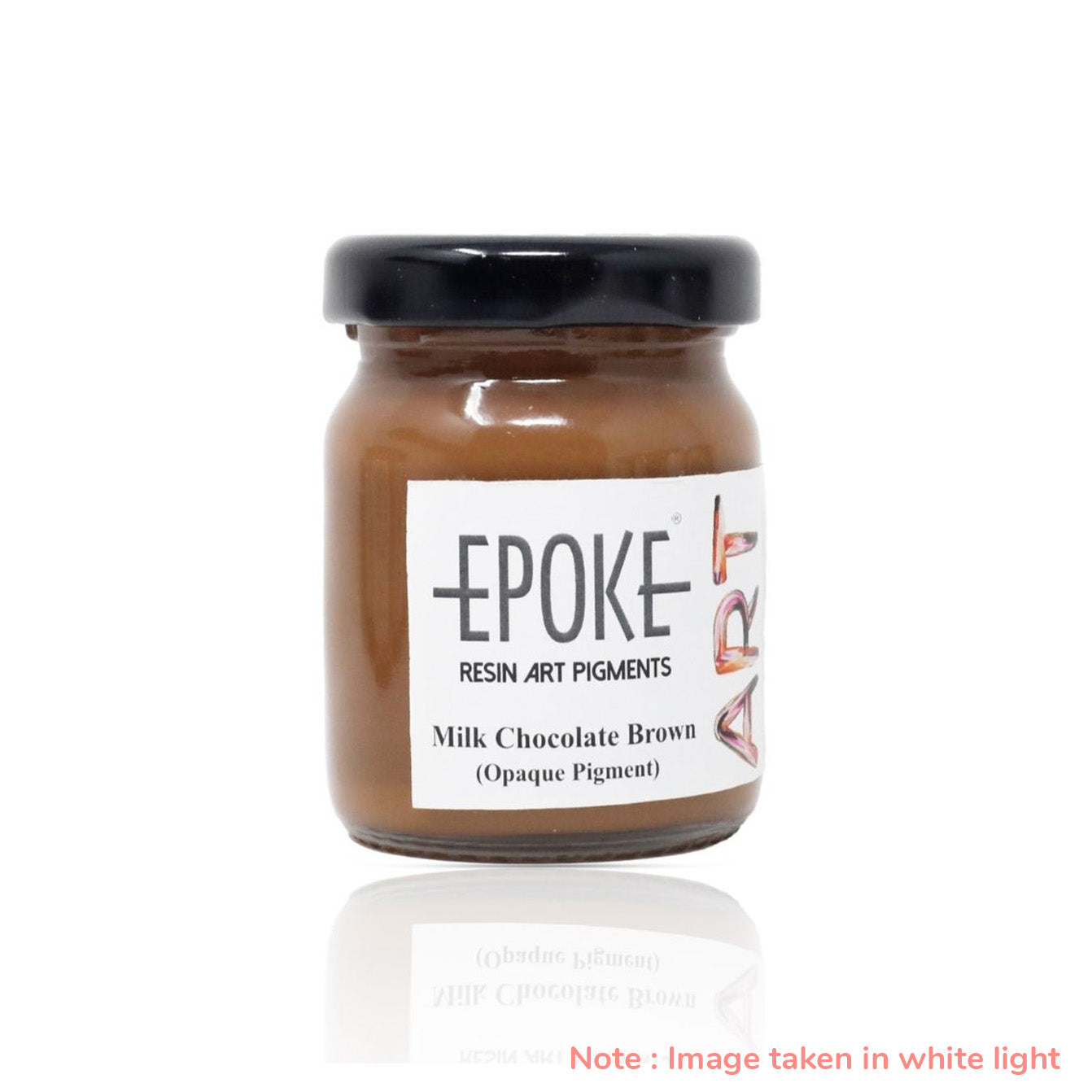
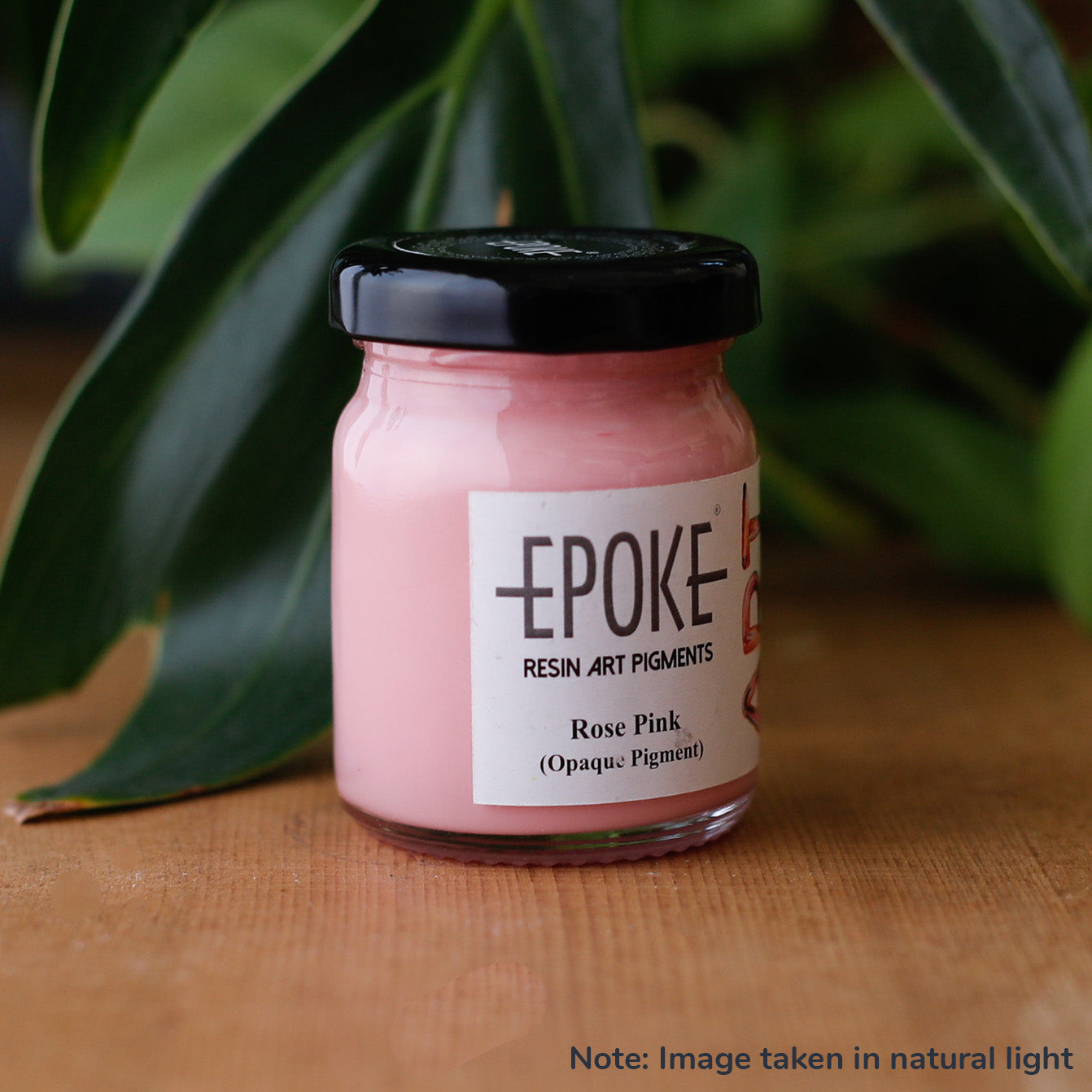
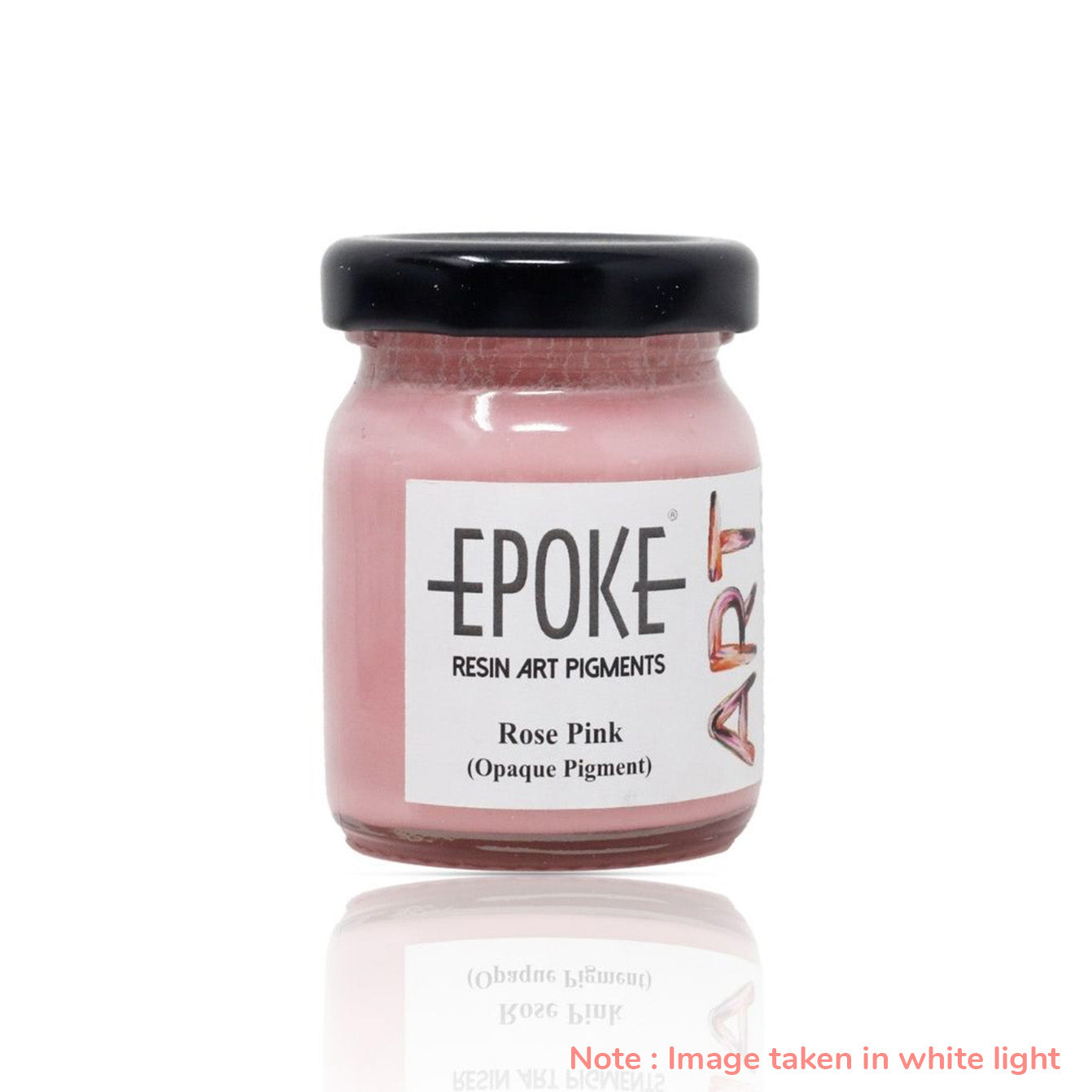
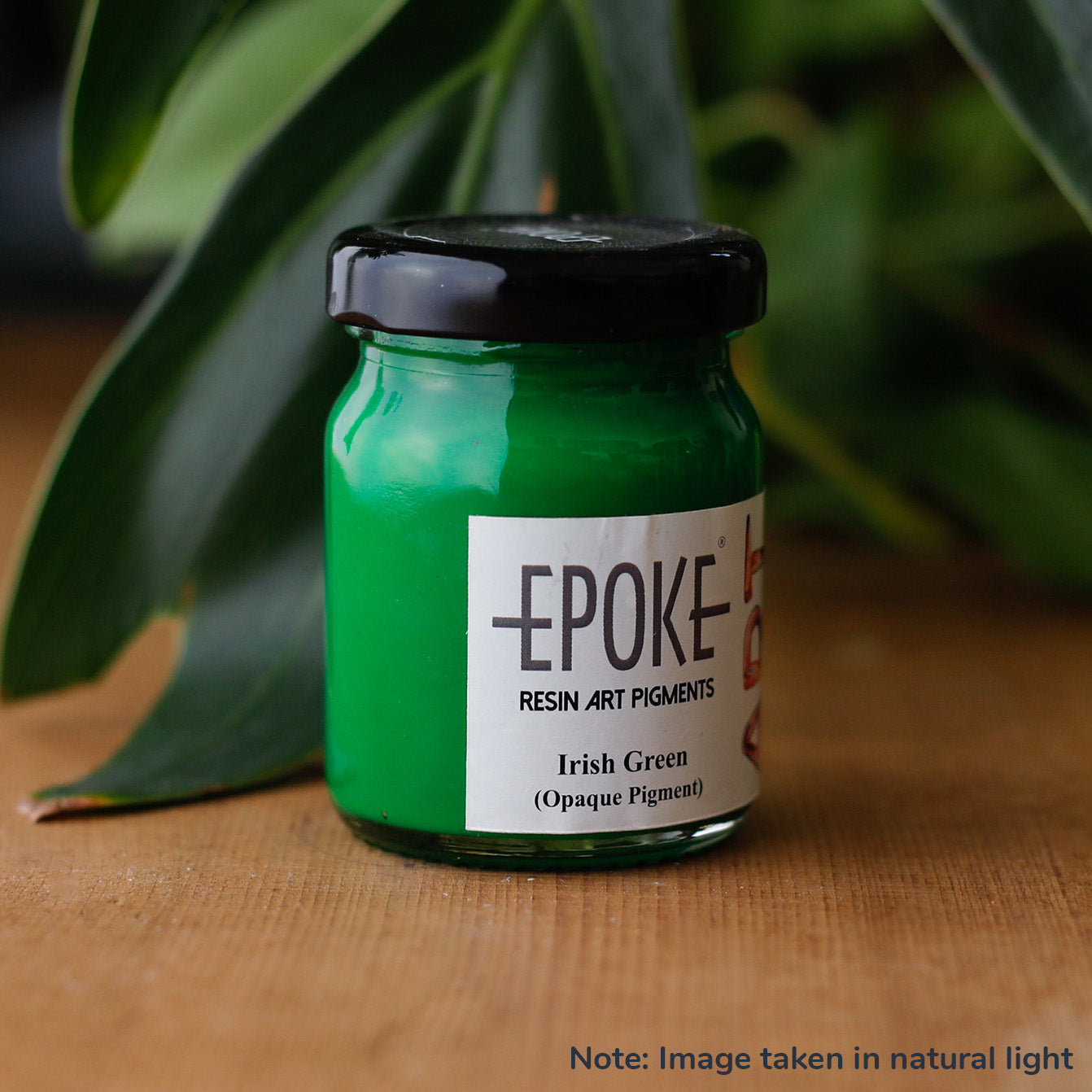
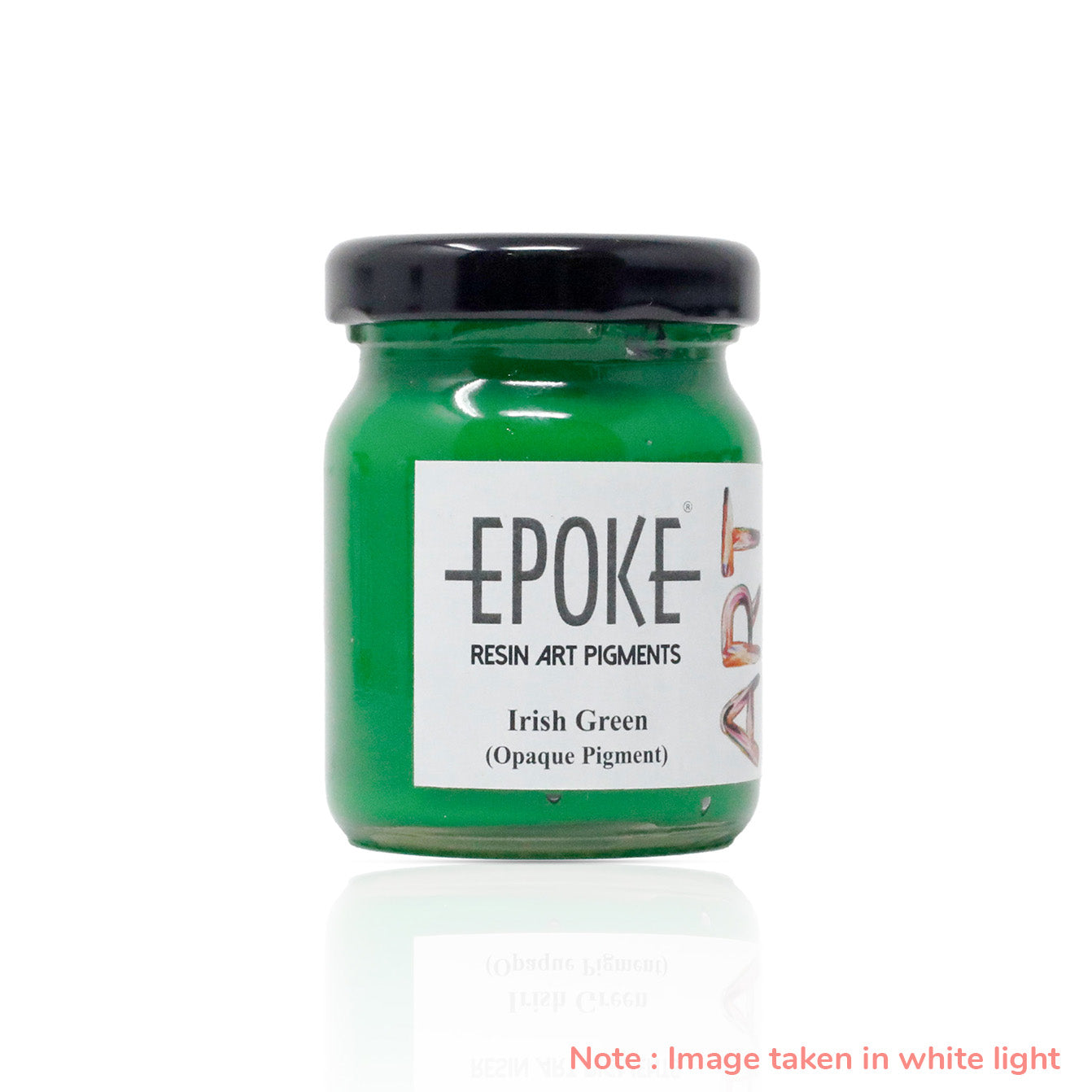
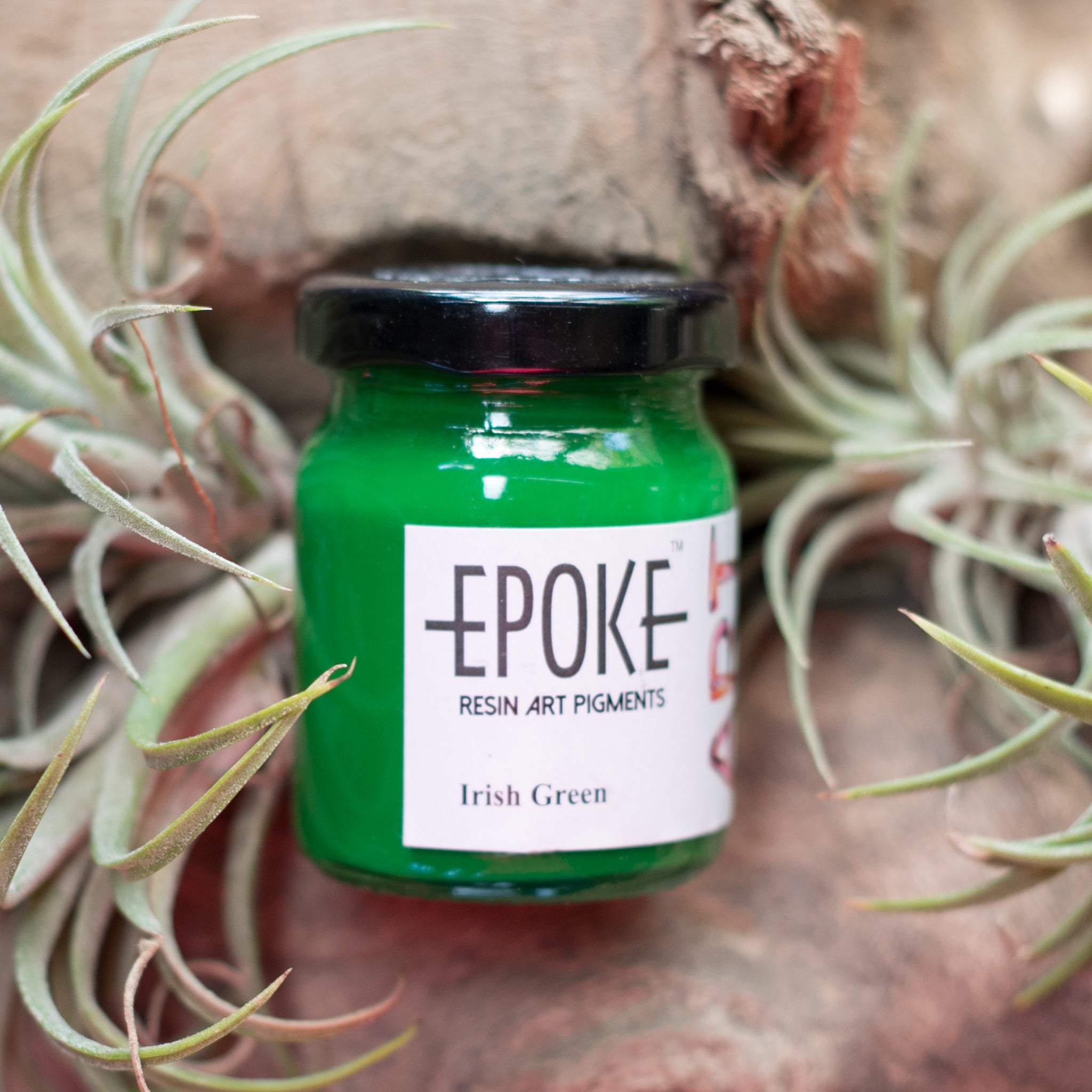
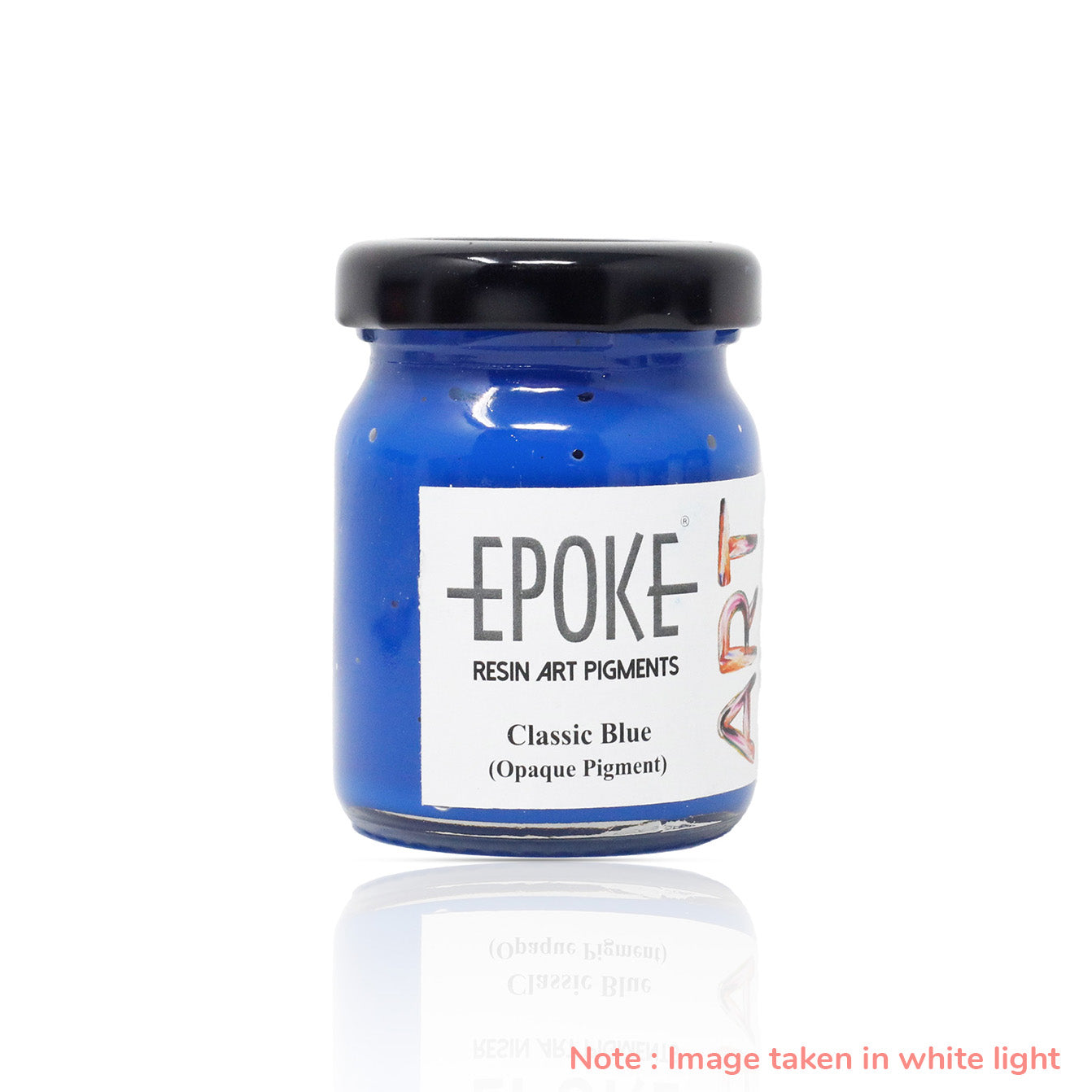
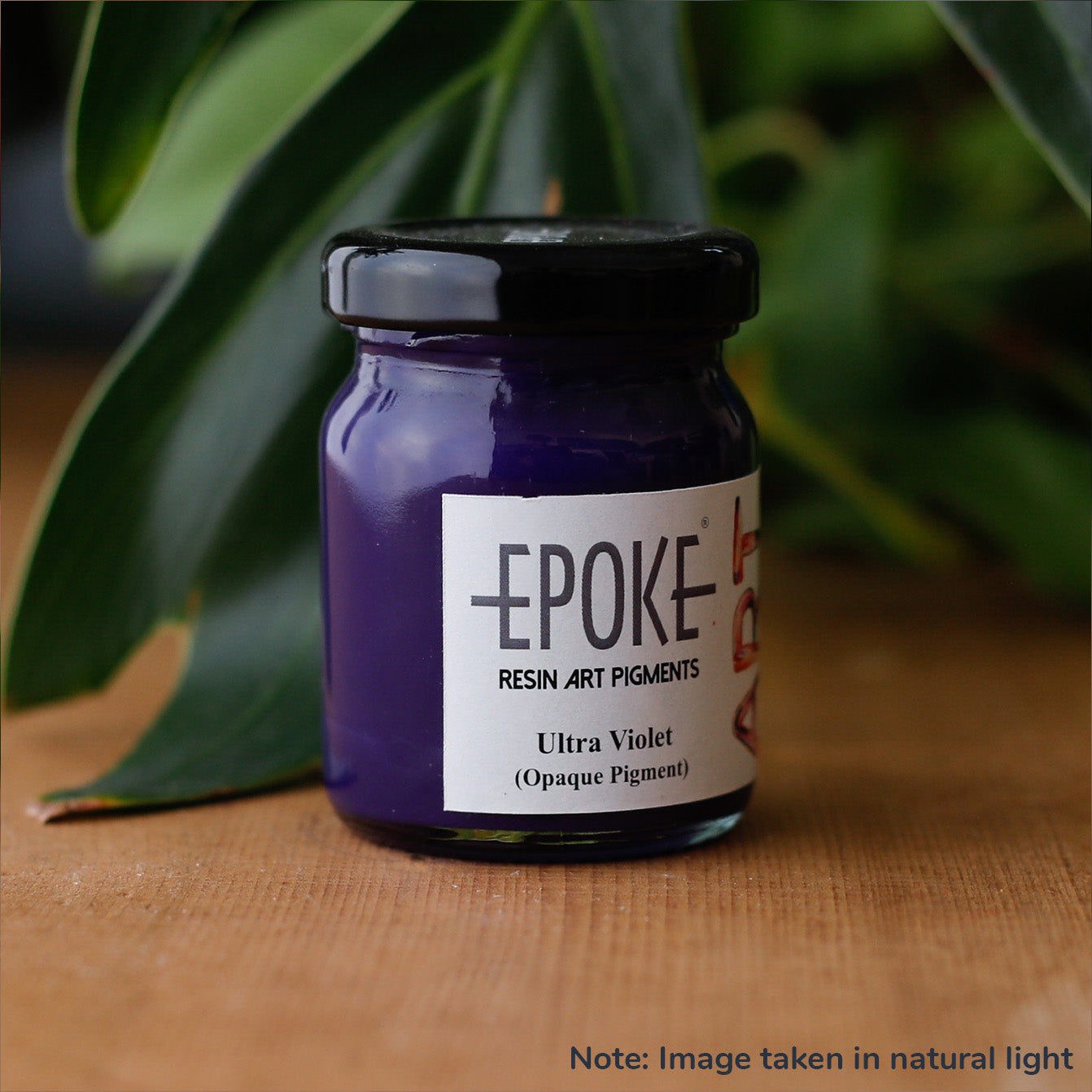
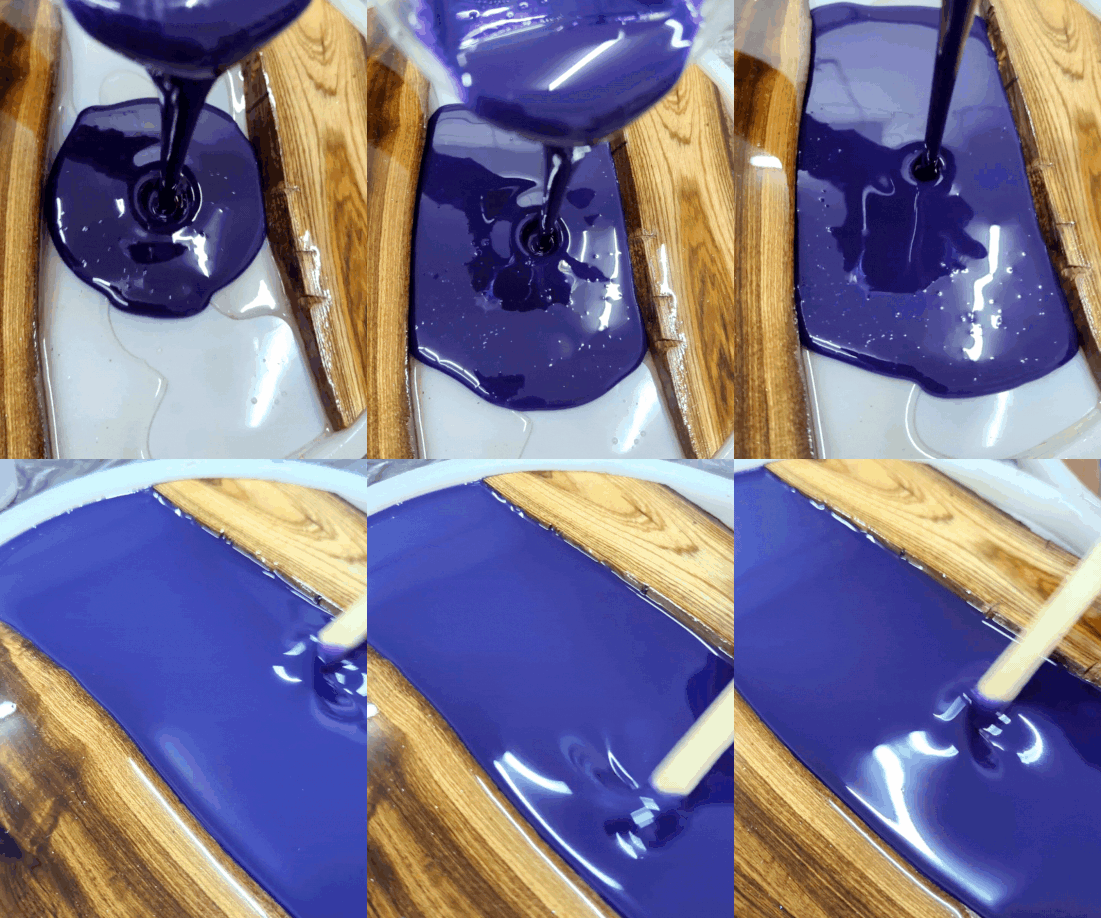
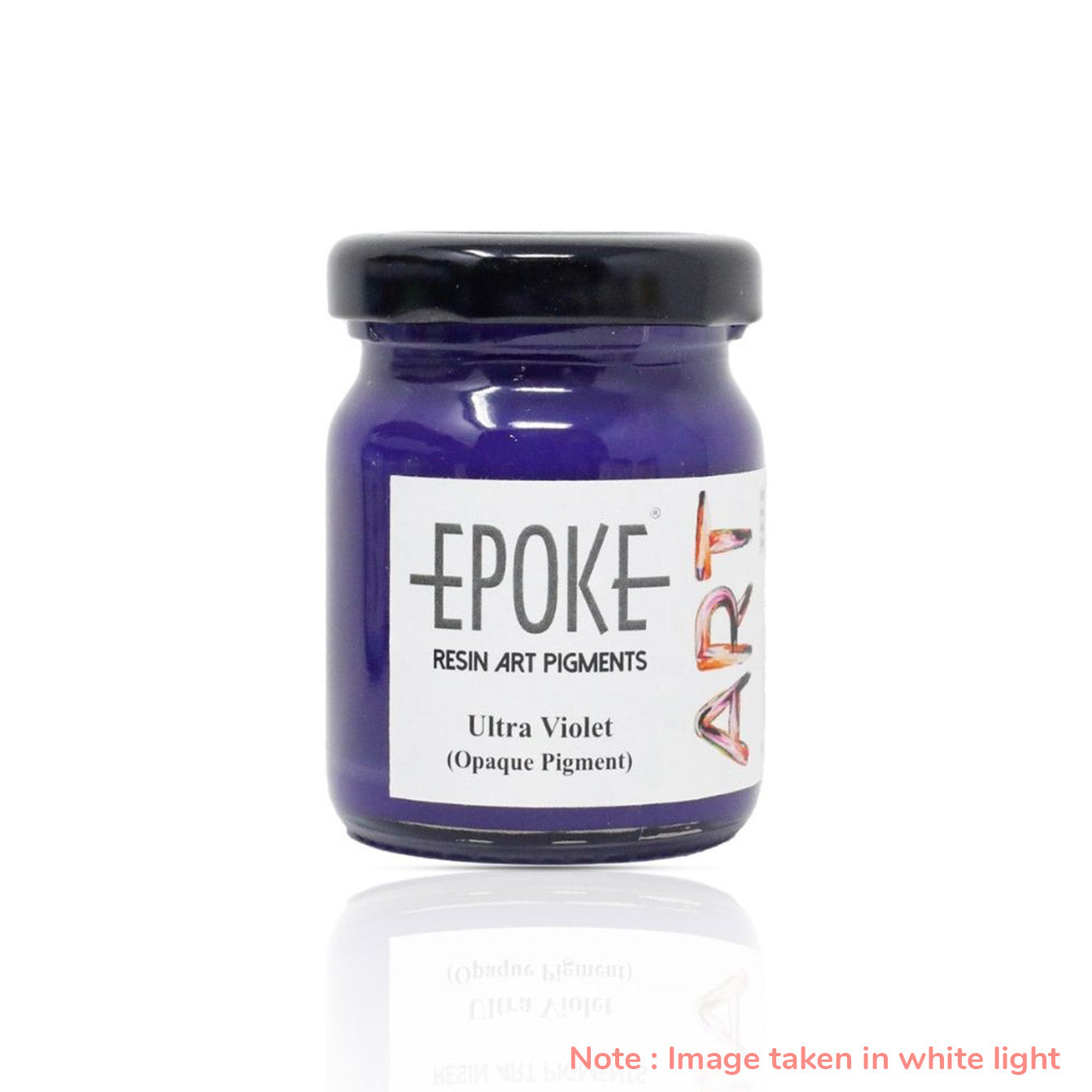
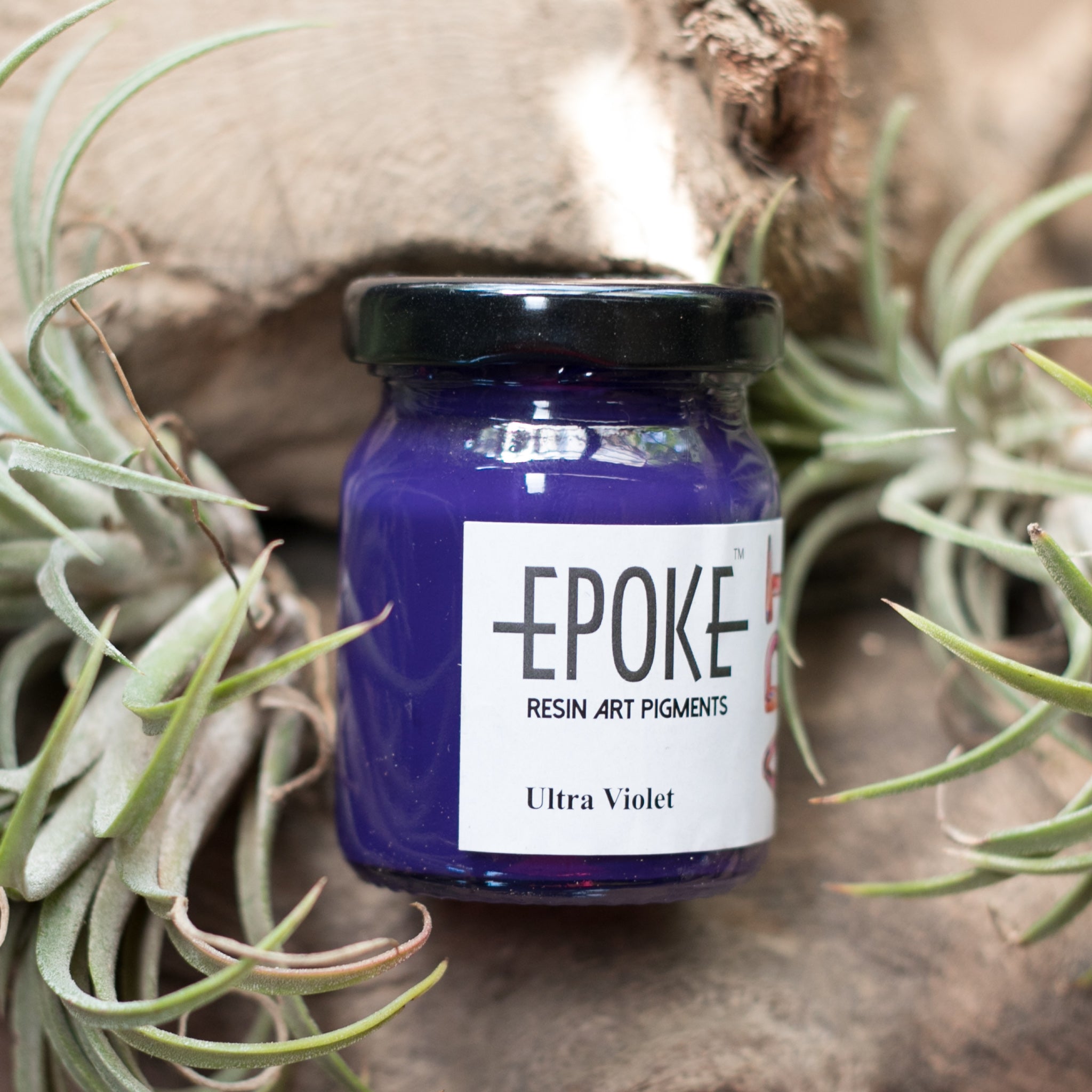
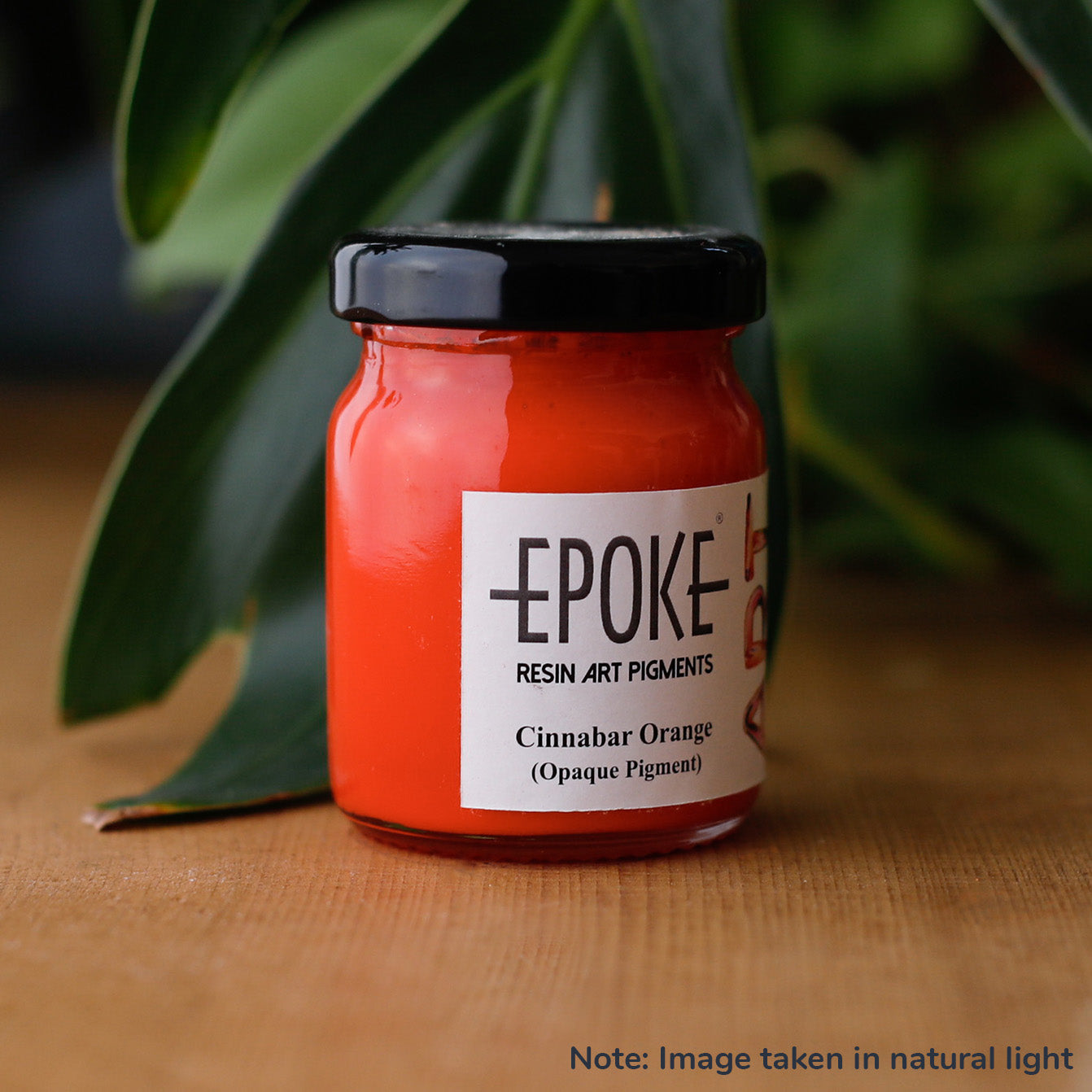
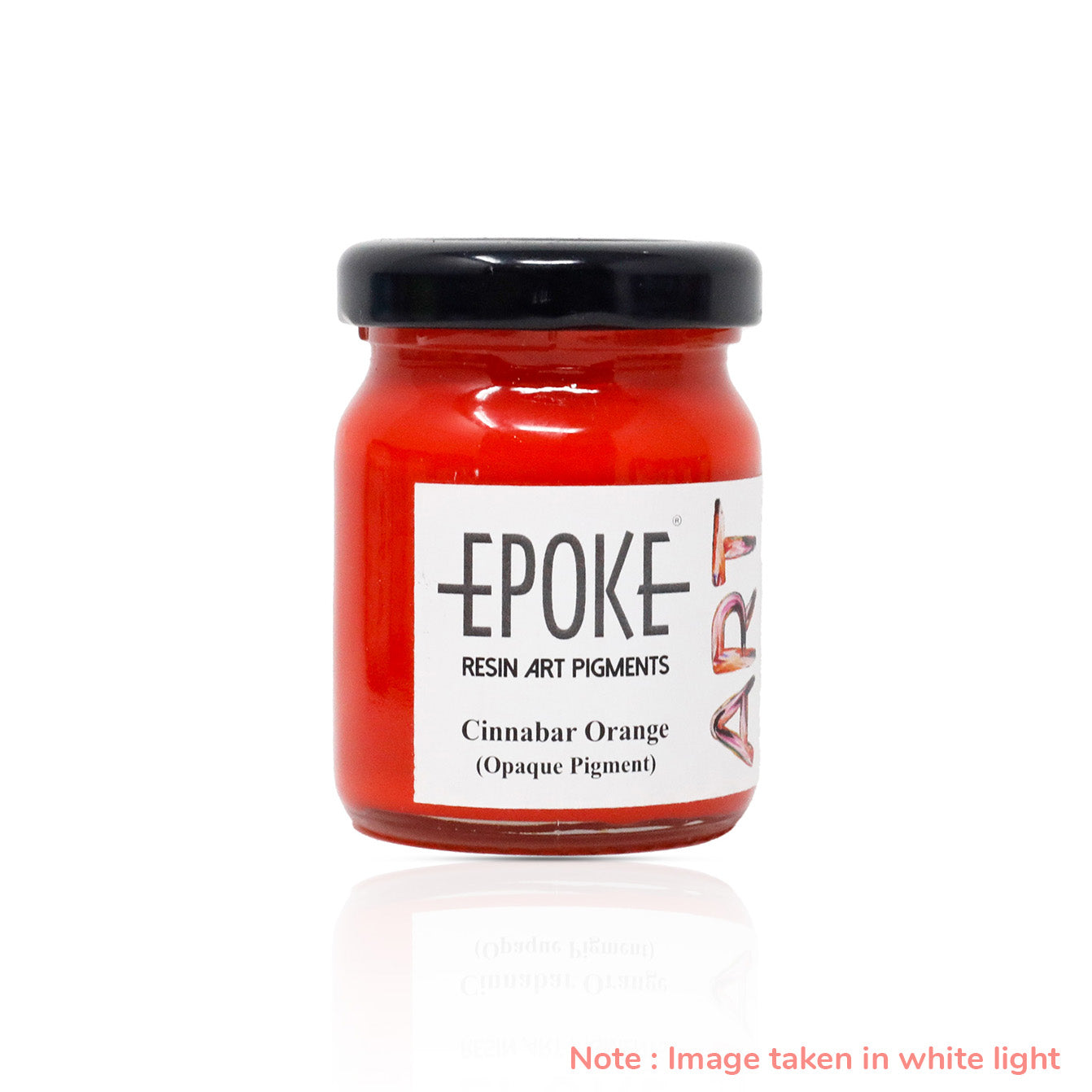
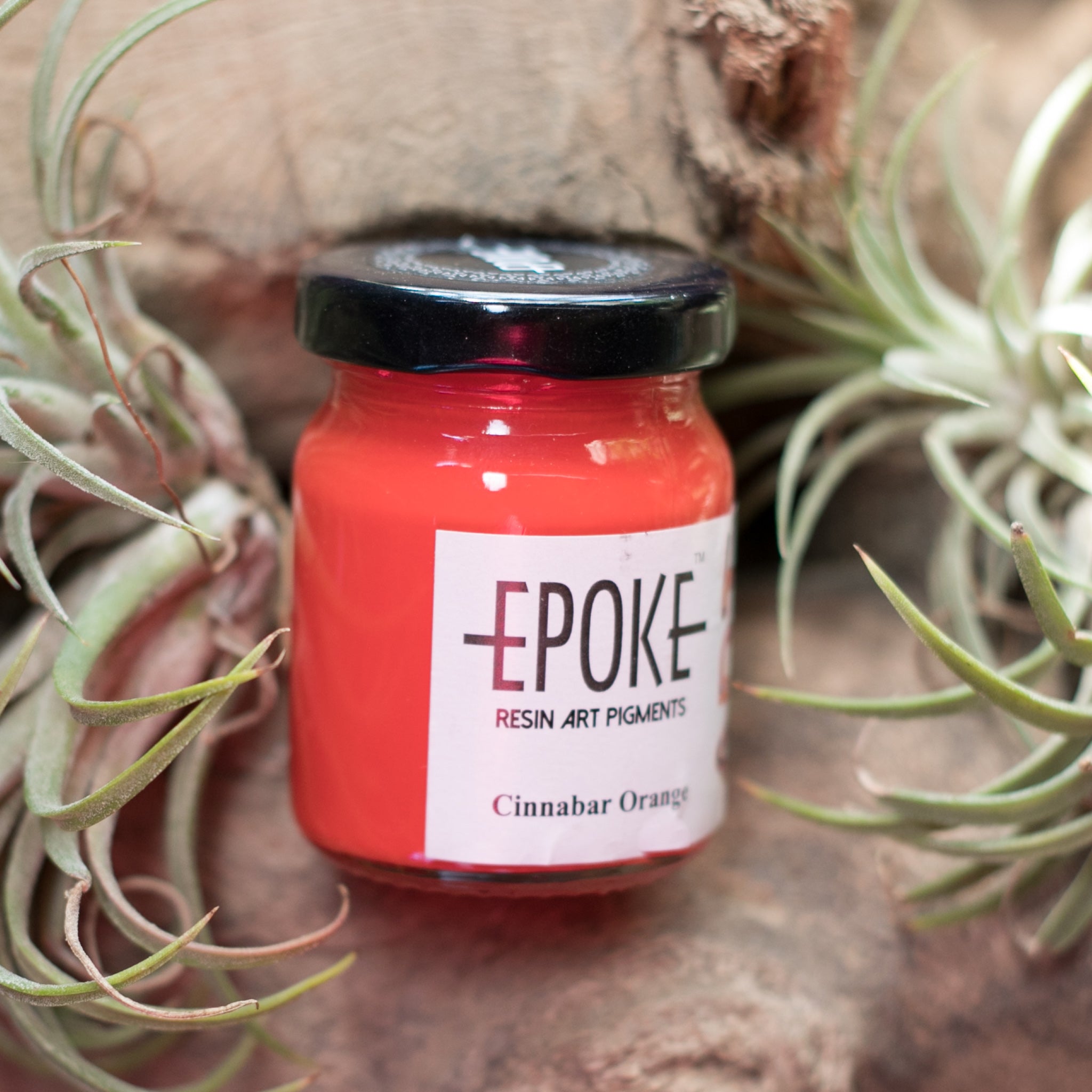
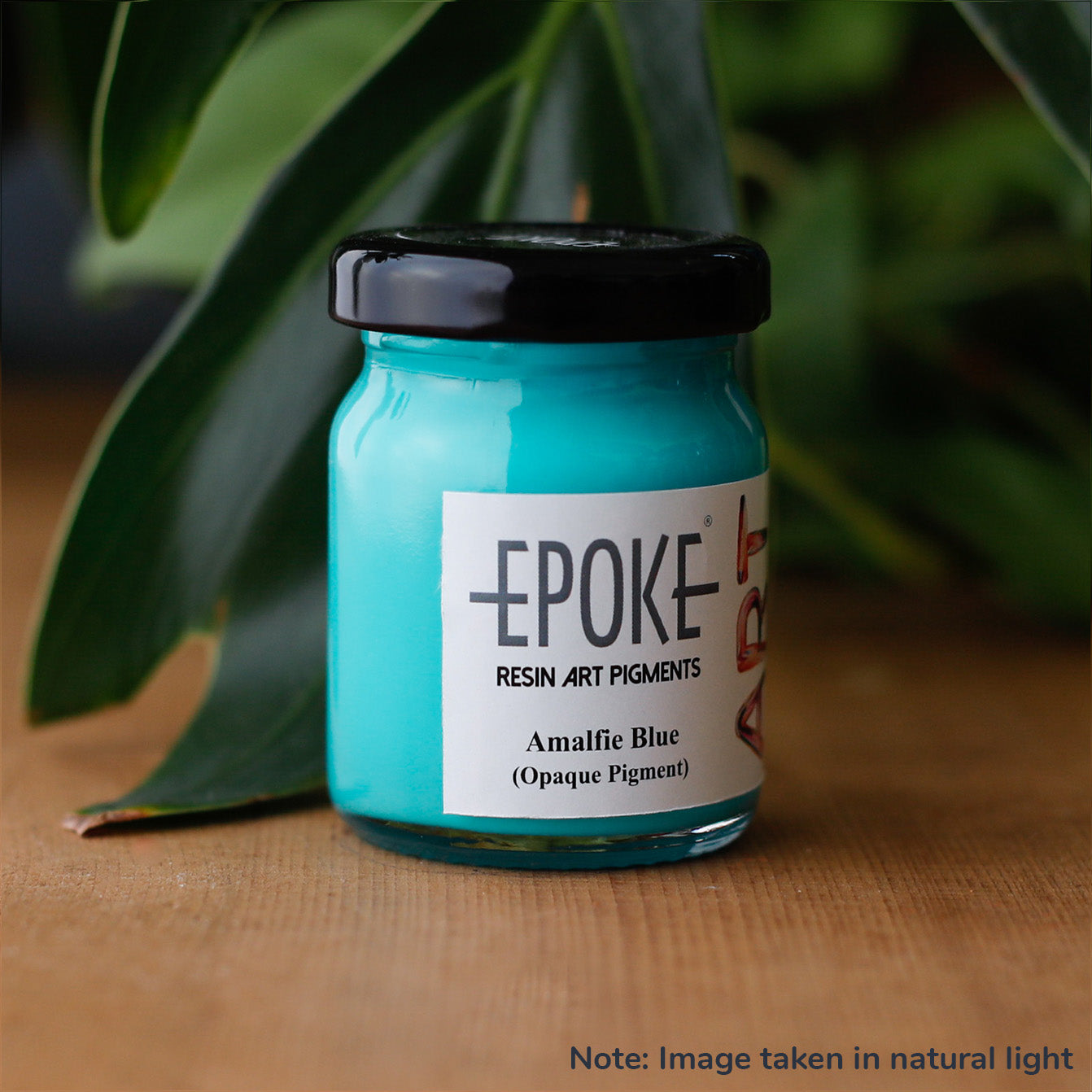
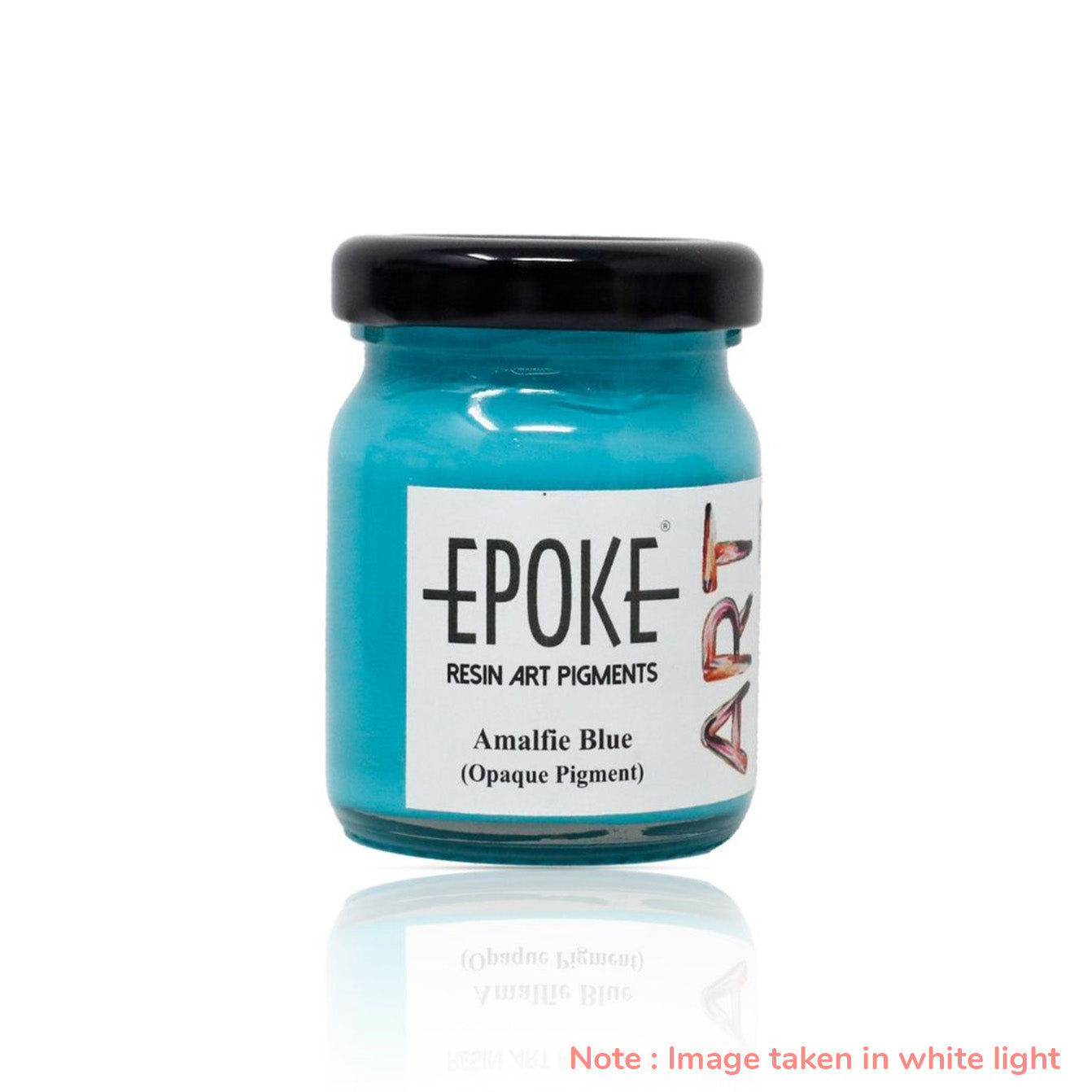
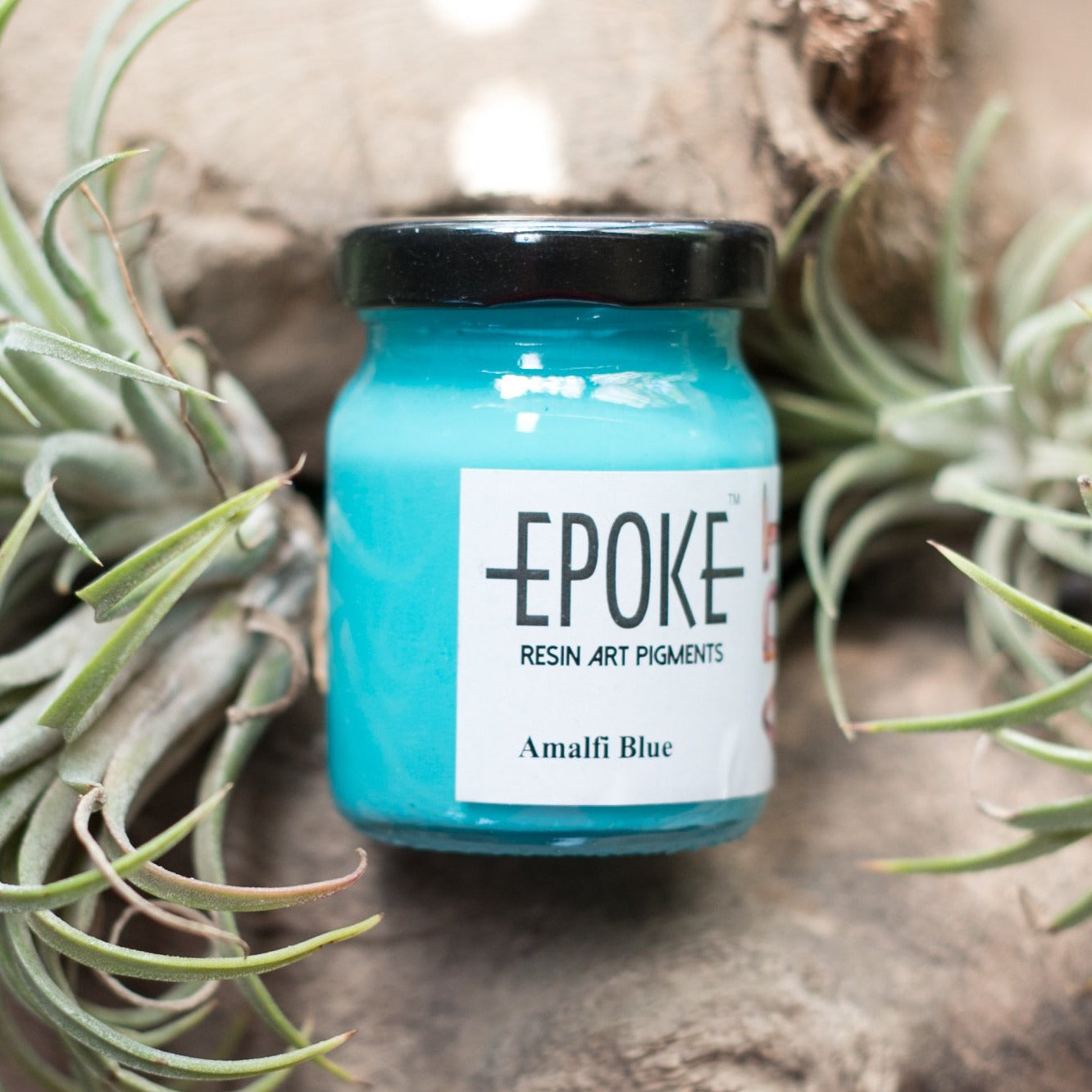
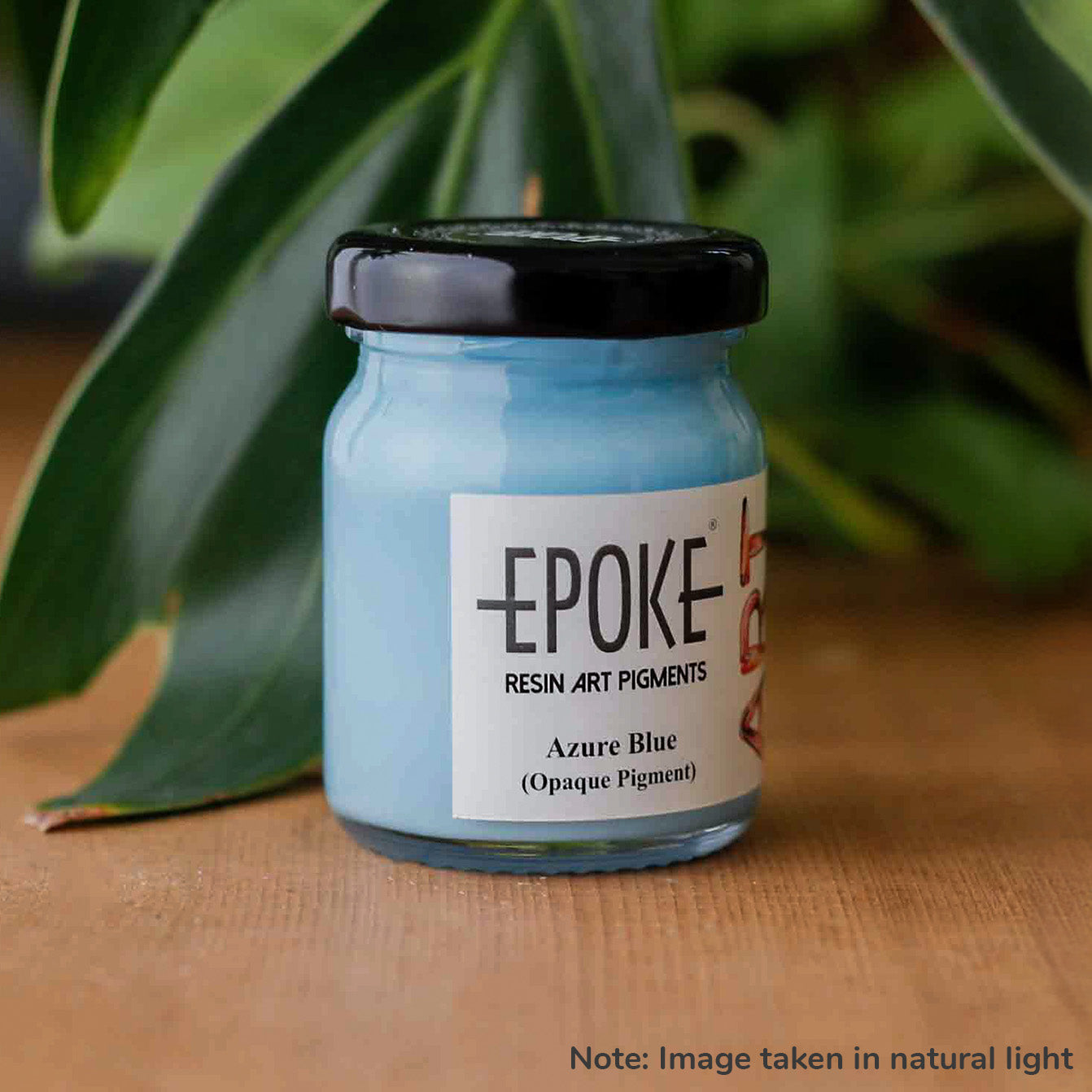
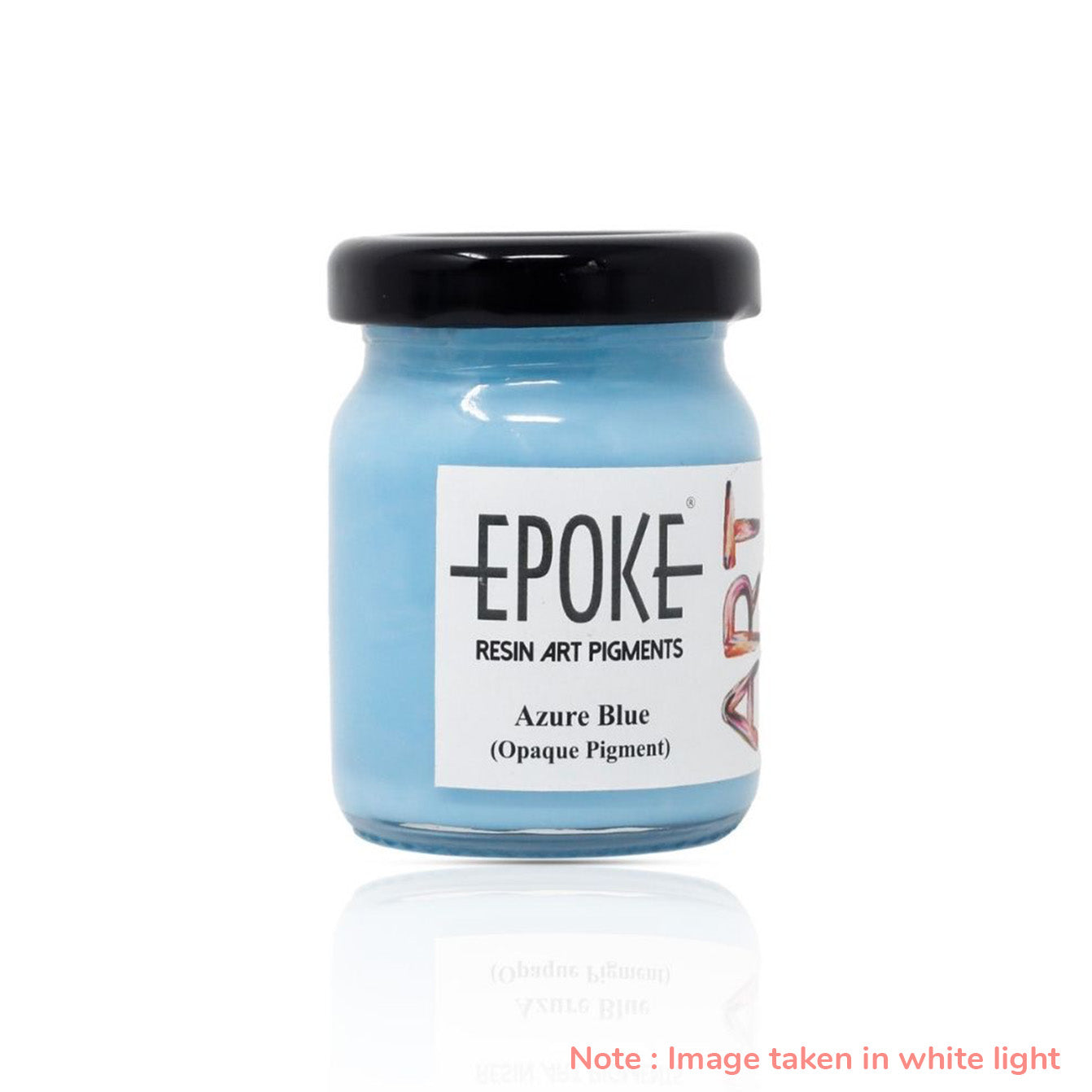
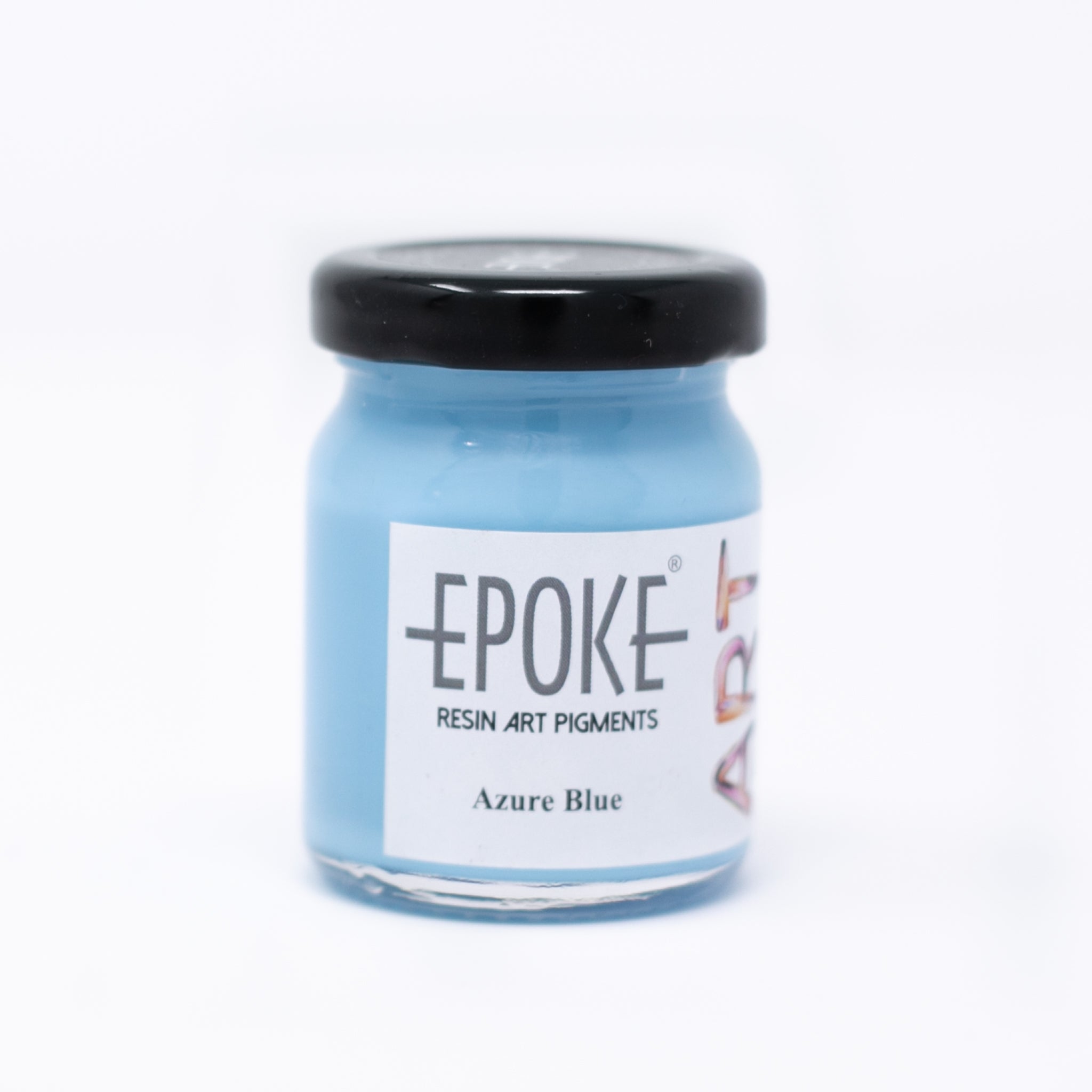
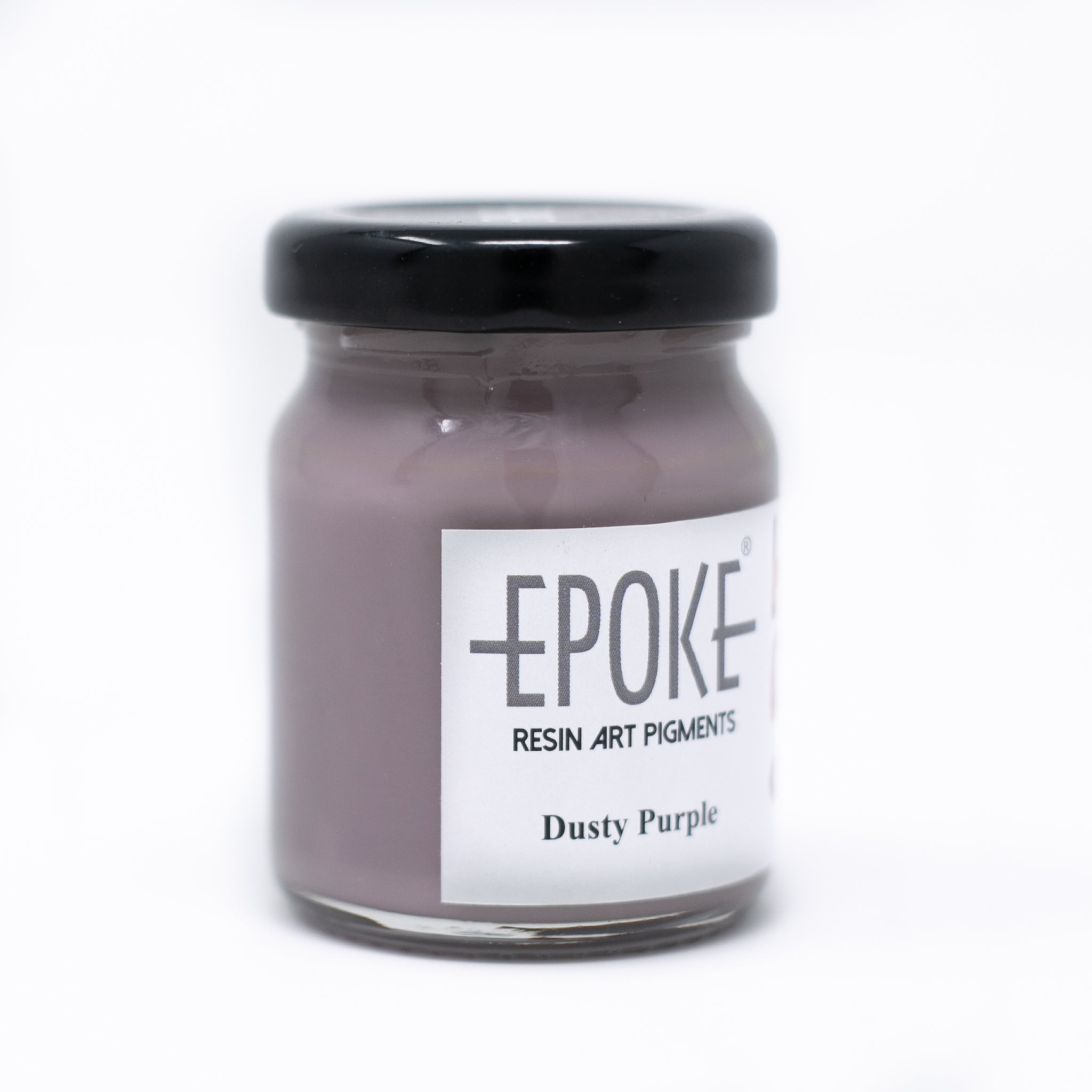
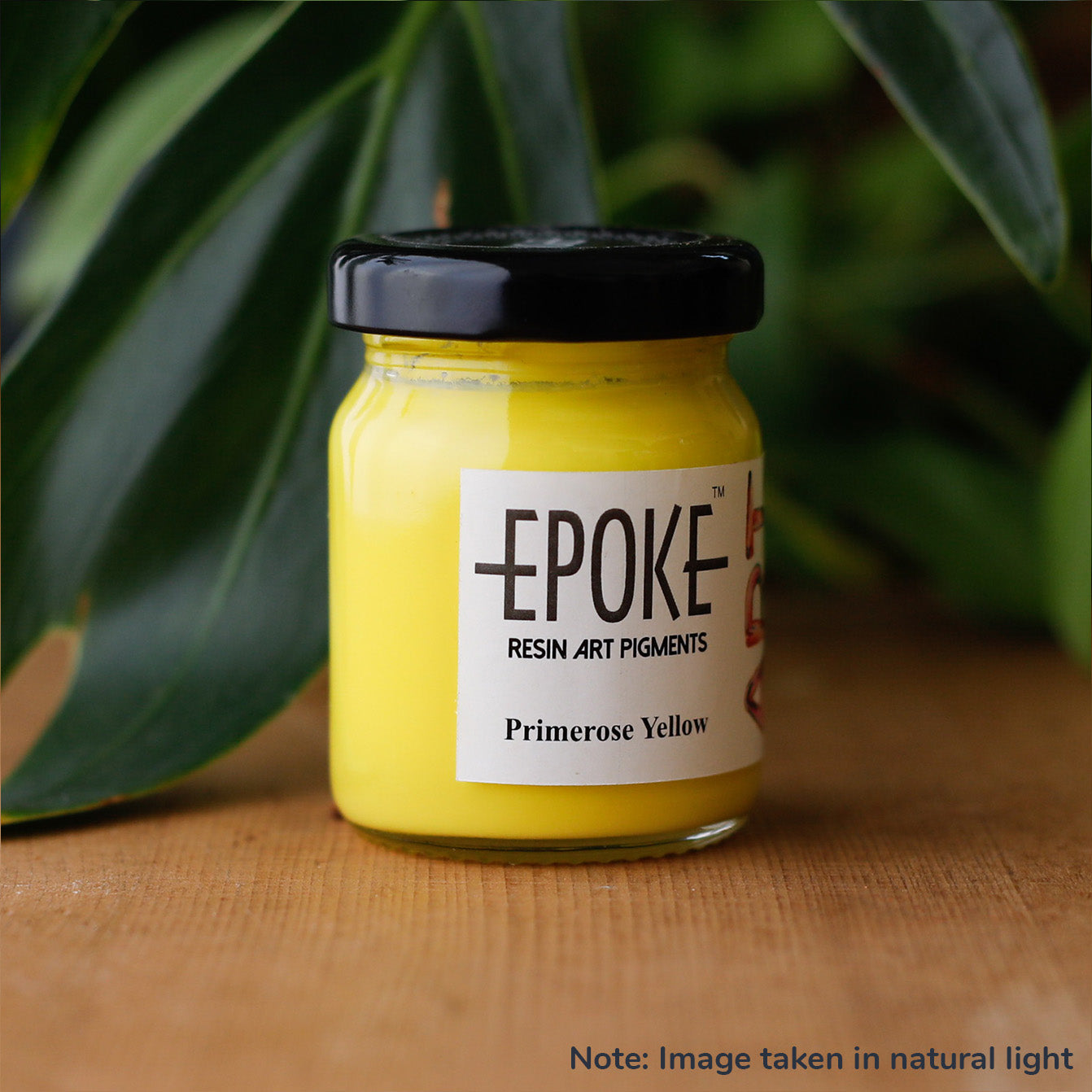
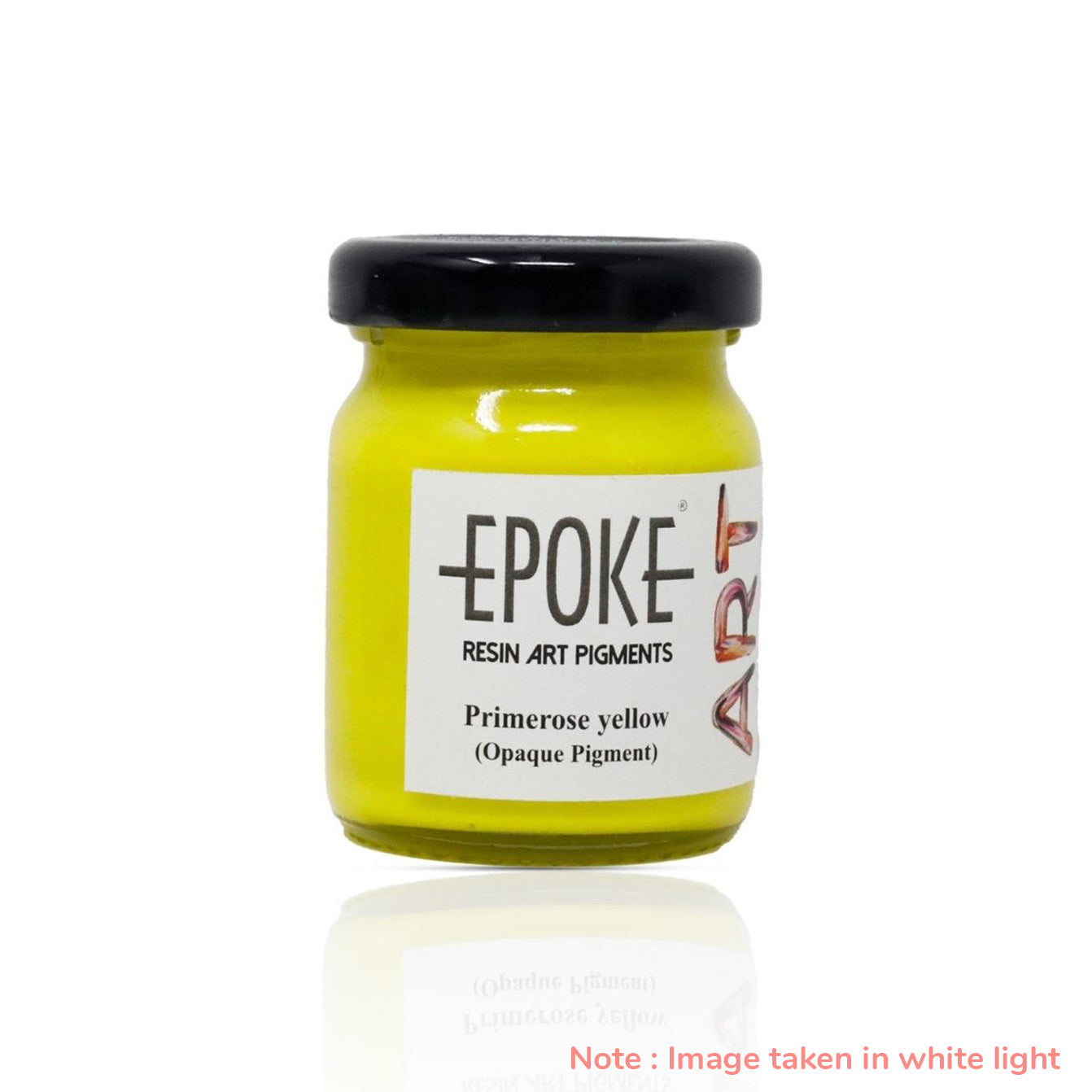
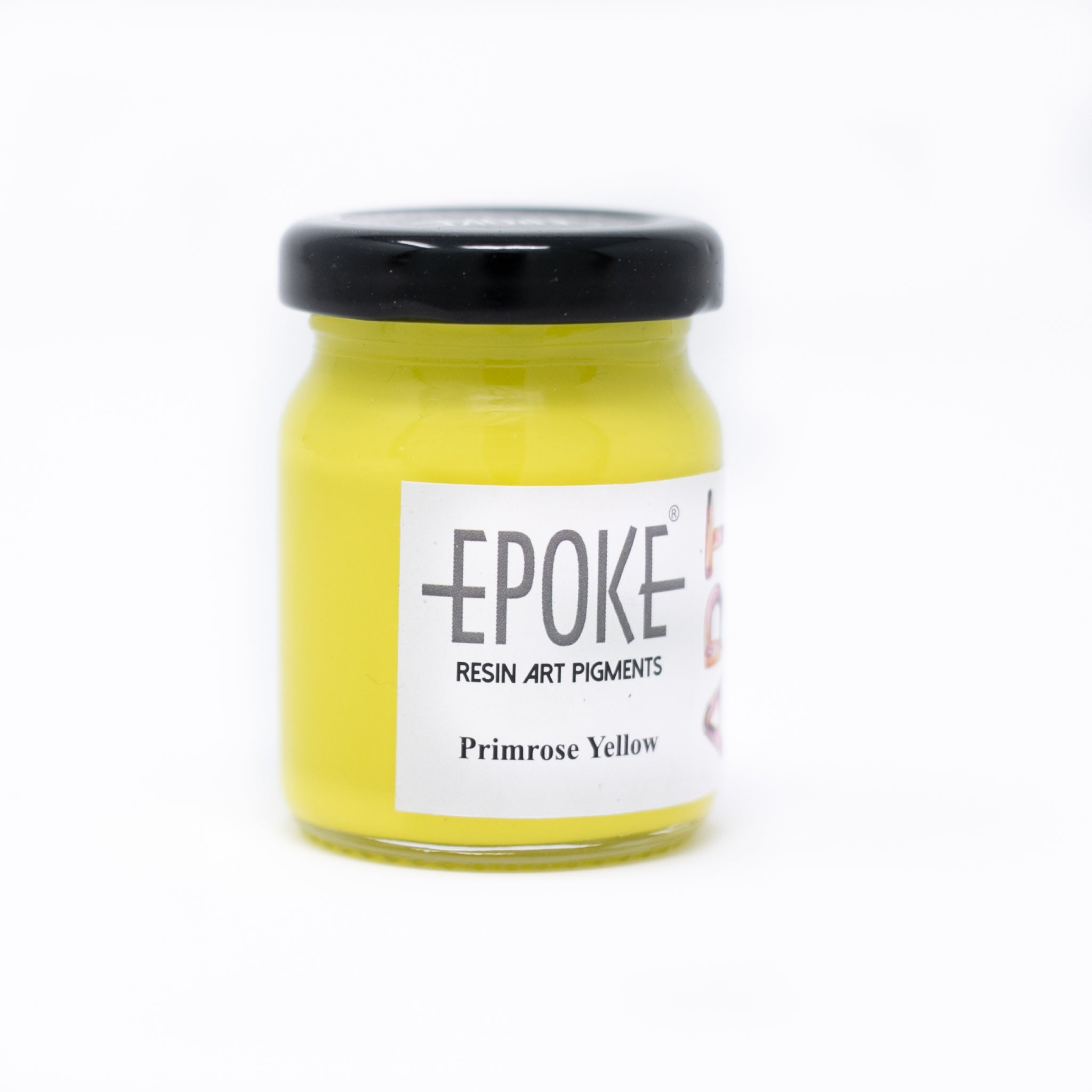
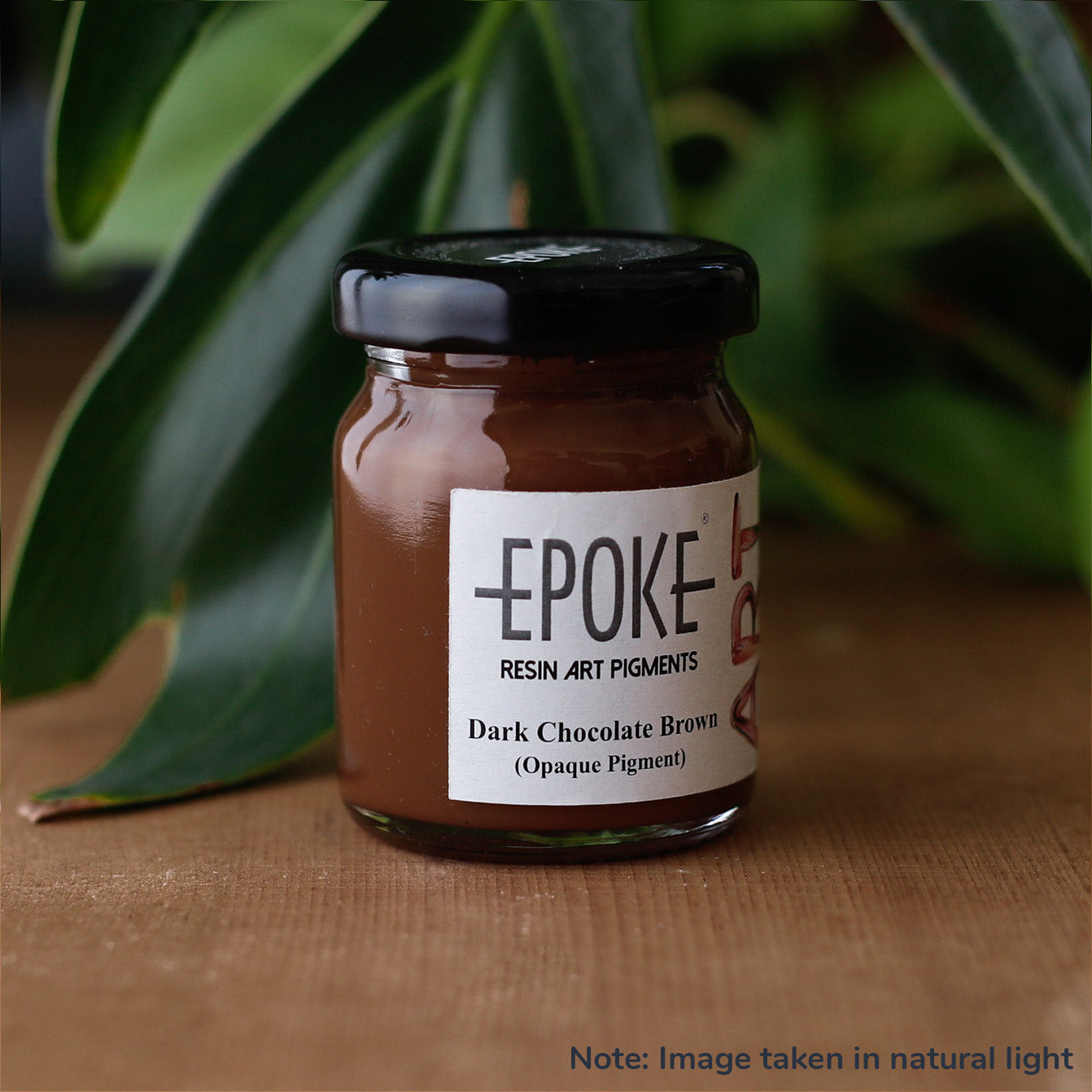
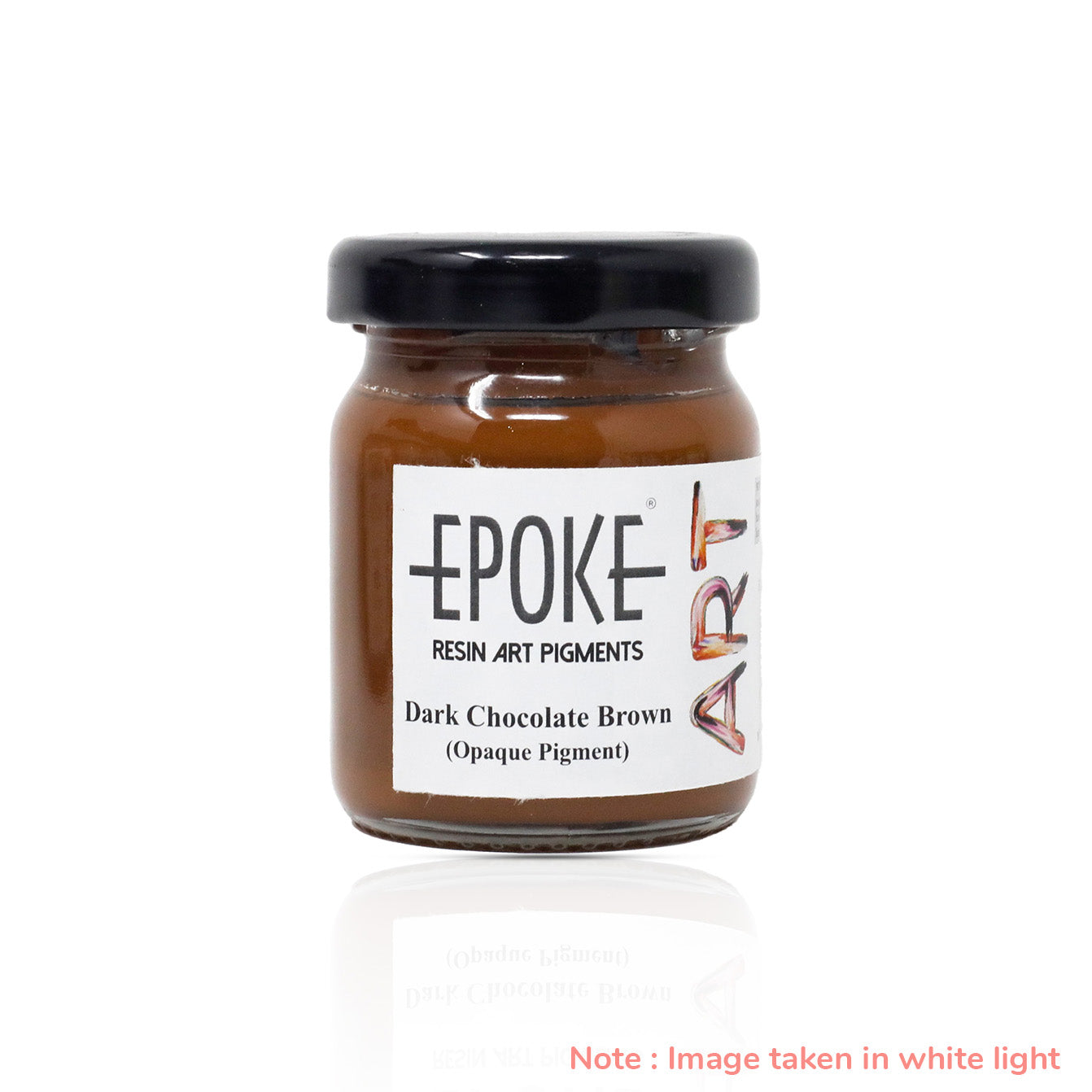
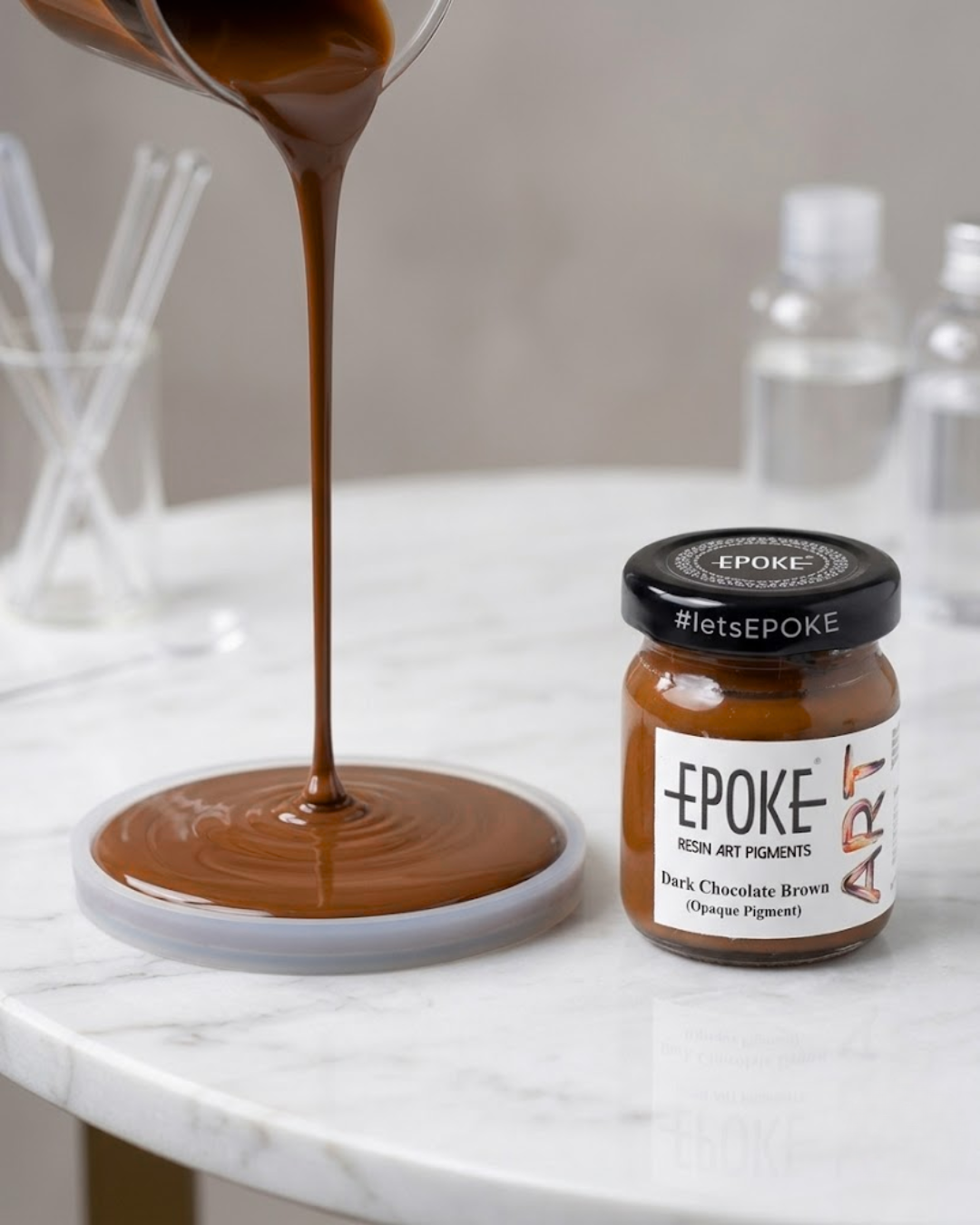
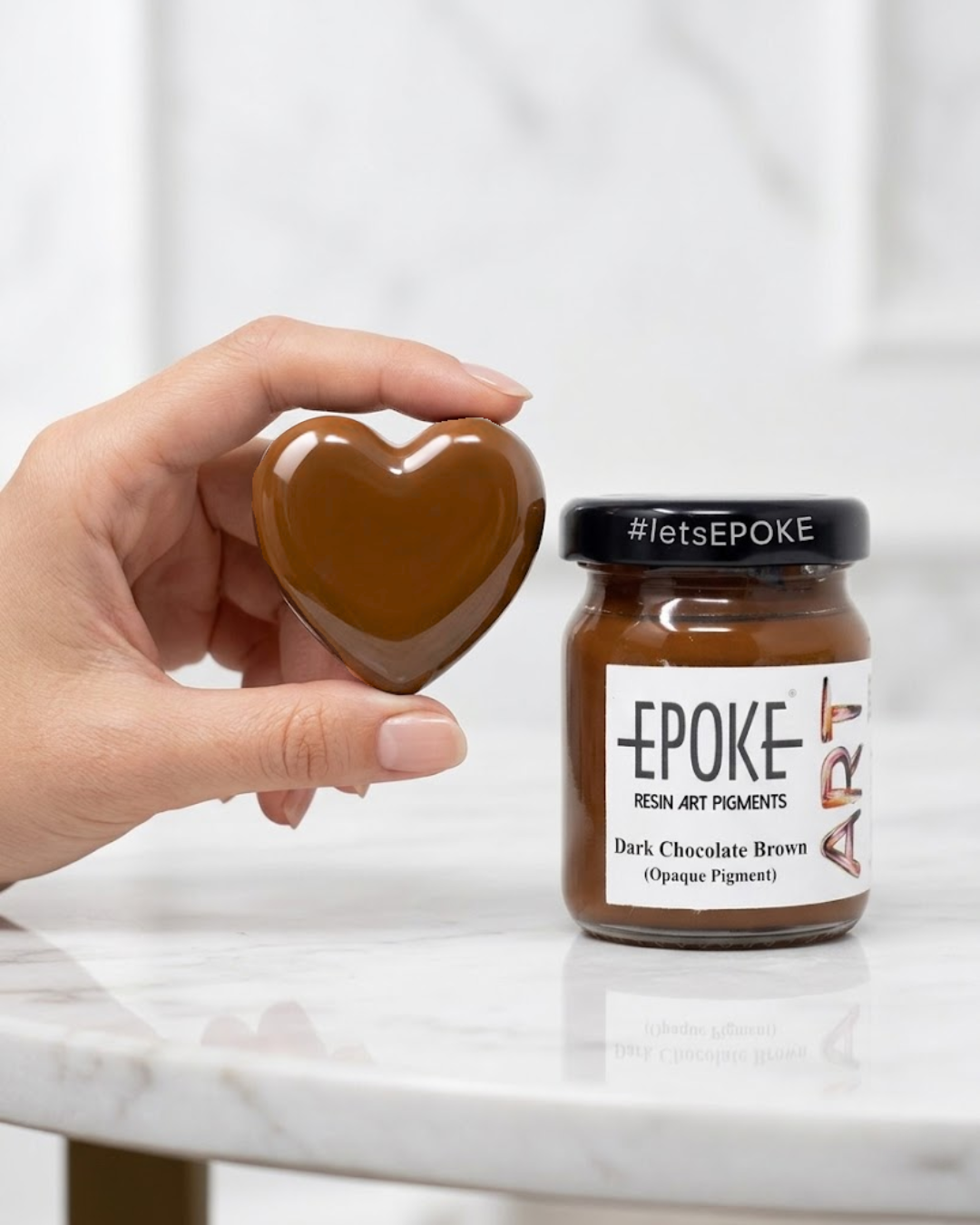
Opaque Pigment Pastes are thicker than liquid pigments. They give strong opacity. Use them for bold, solid colors in resin art and tabletop pieces.
EPOKE’s Opaque Pigment Pastes work best for beginners who want full control with the least effort.
Best Resin Pigment for Beginners: What to Look For
If you want the best resin pigment for beginners, check these points first:
-
Easy dosage. A few drops should give strong color.
-
Smooth blending. No clumping. No streaking.
-
Cure-safe formula. No impact on resin hardening.
-
Fade resistance. Color stays strong under light.
-
Beginner-friendly packaging. Easy to pour and store.
EPOKE’s Opaque ,Translucent and Metallic Pigment Pastes meet every point on this list. You skip the guesswork and get reliable color in every batch.
How to Use Resin Pigments: Step-by-Step
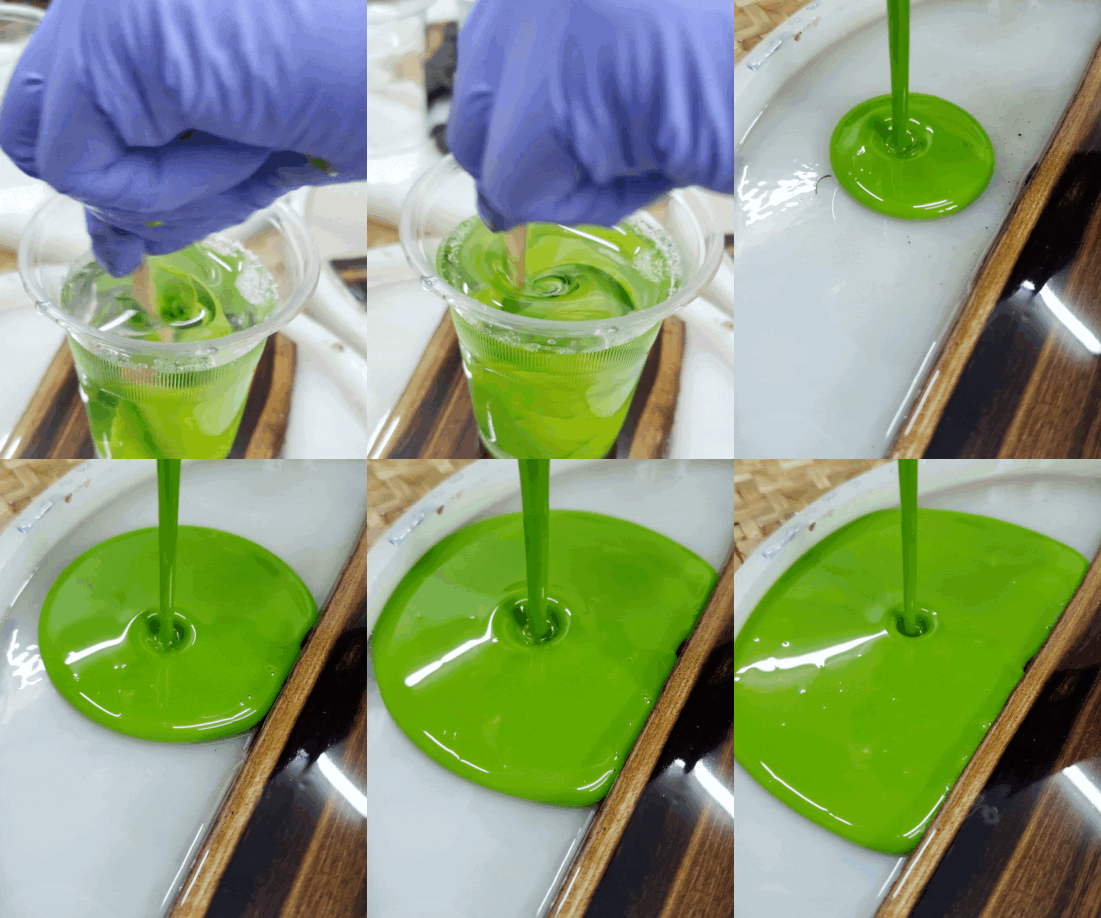
Step 1: Mix Resin and Hardener First
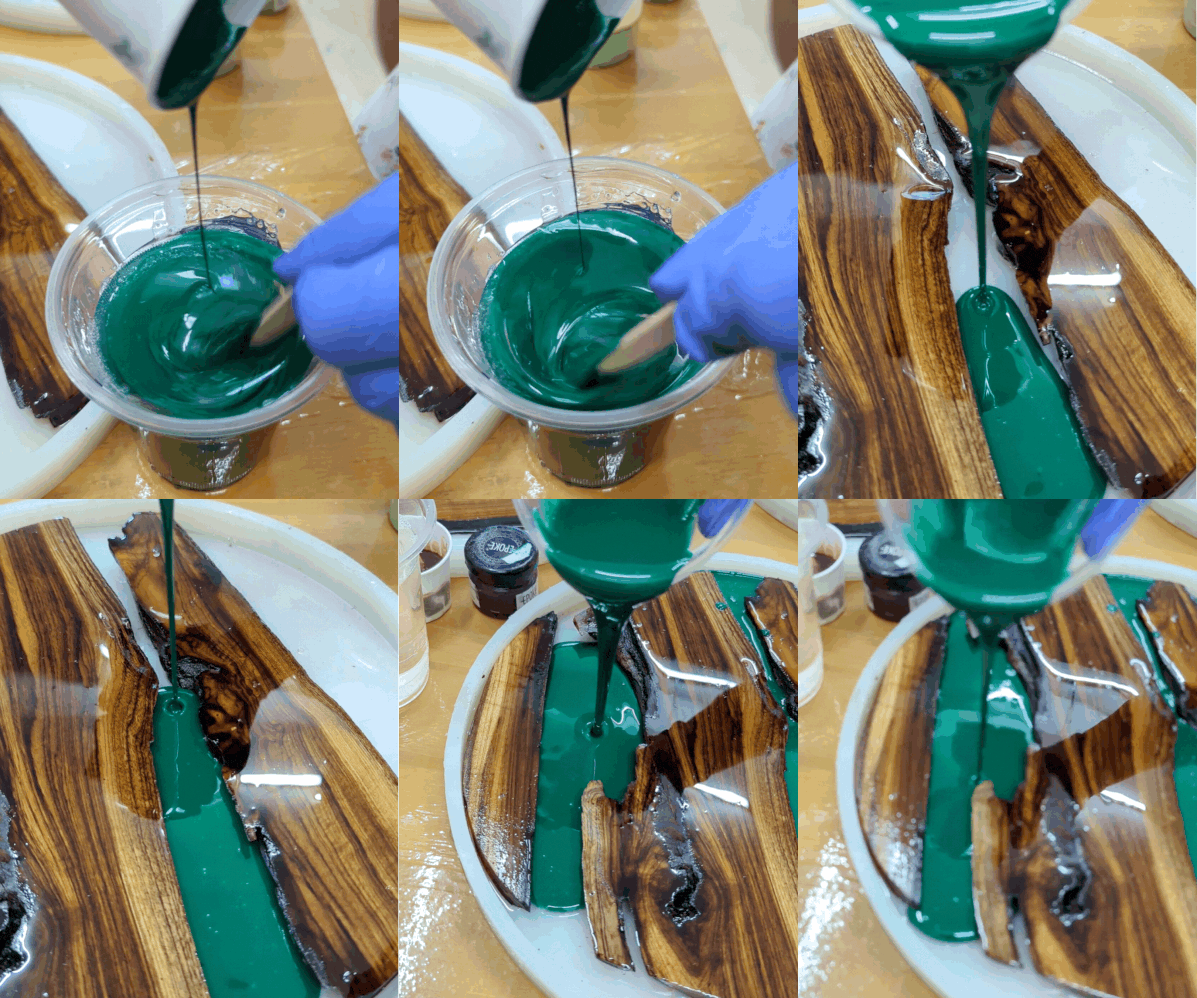
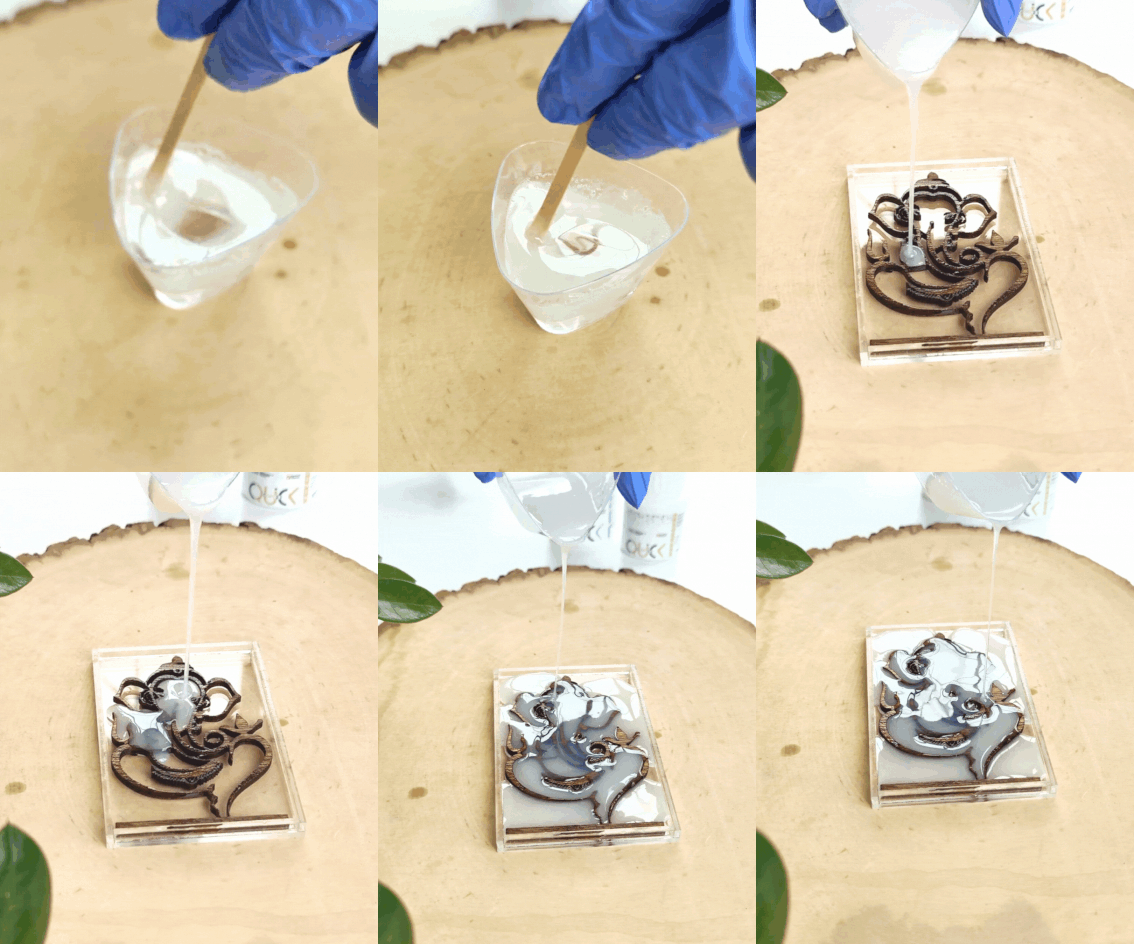
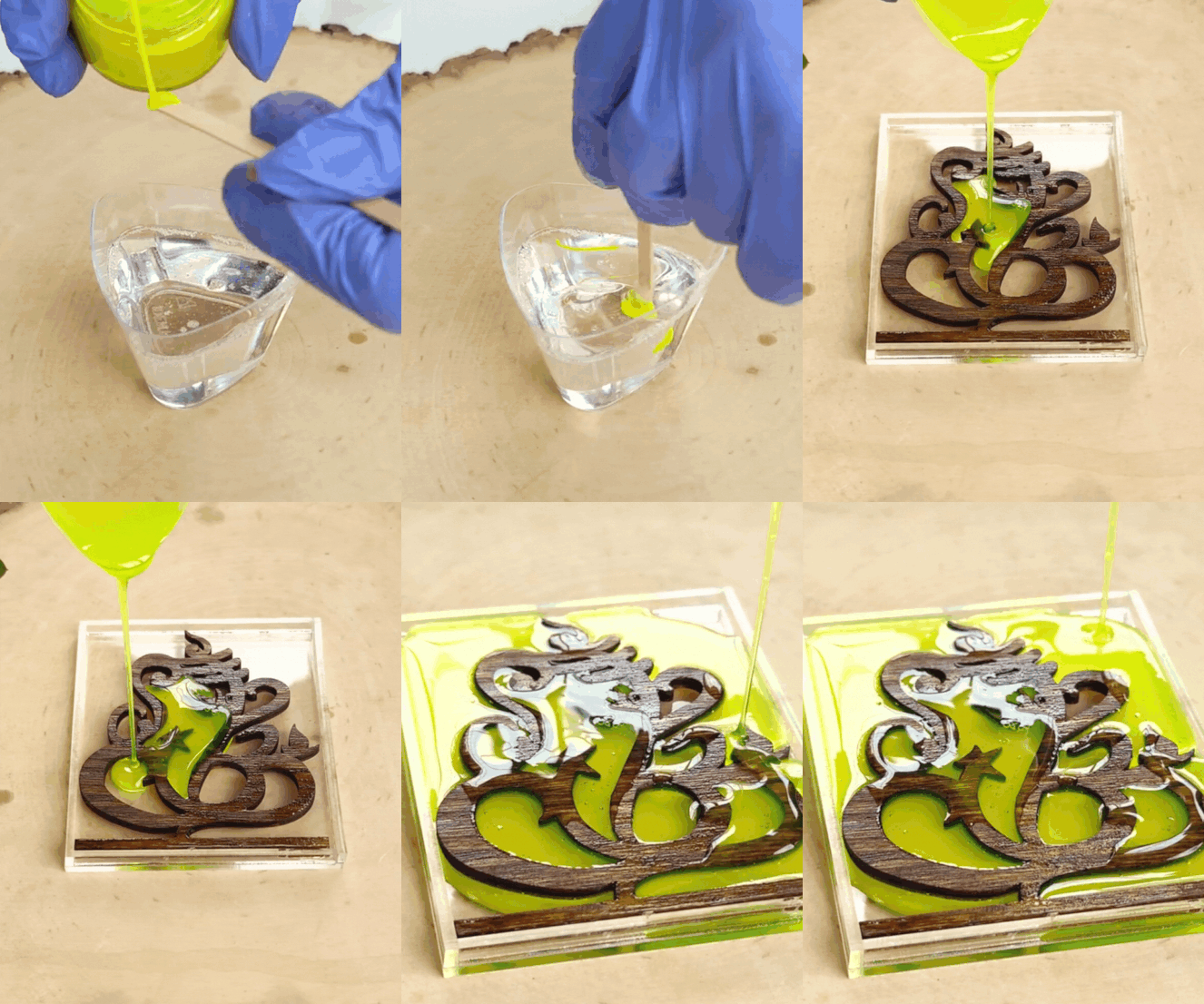
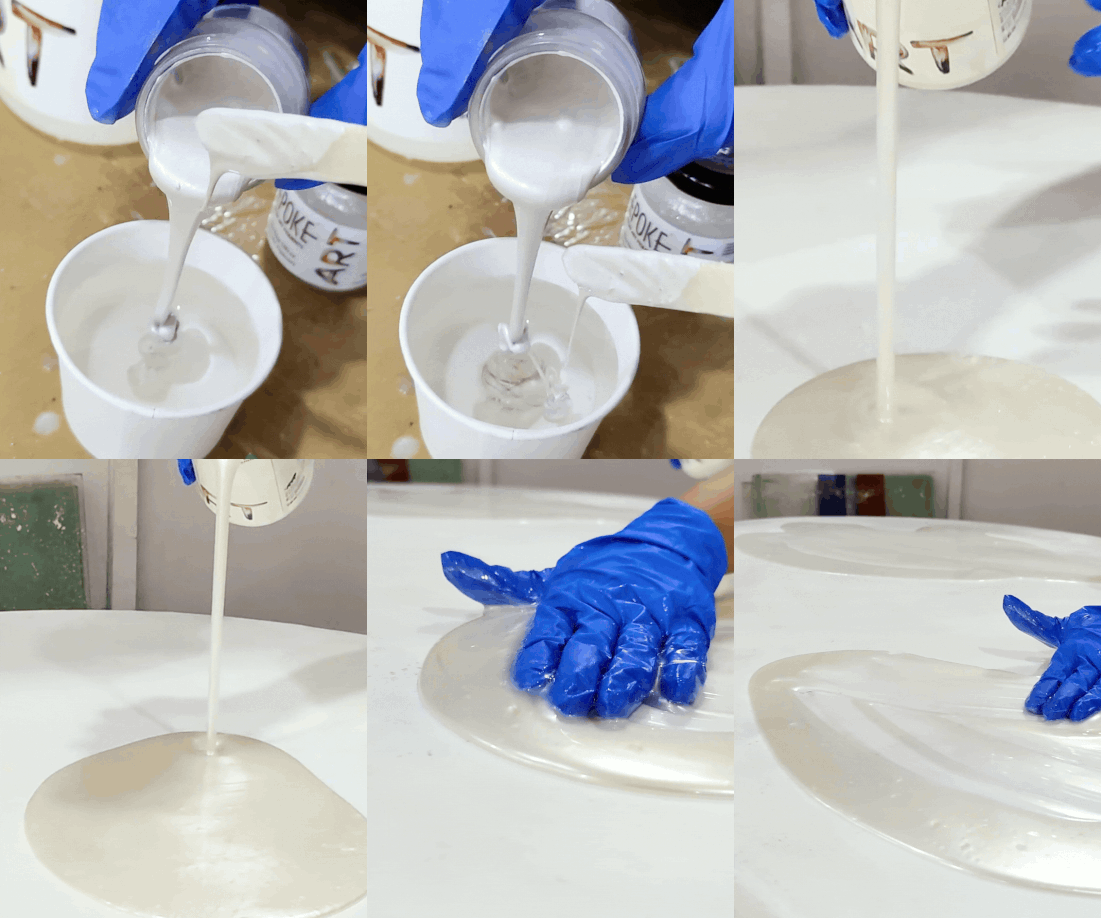
Combine resin and hardener fully before you add pigment. This step gives you even curing.
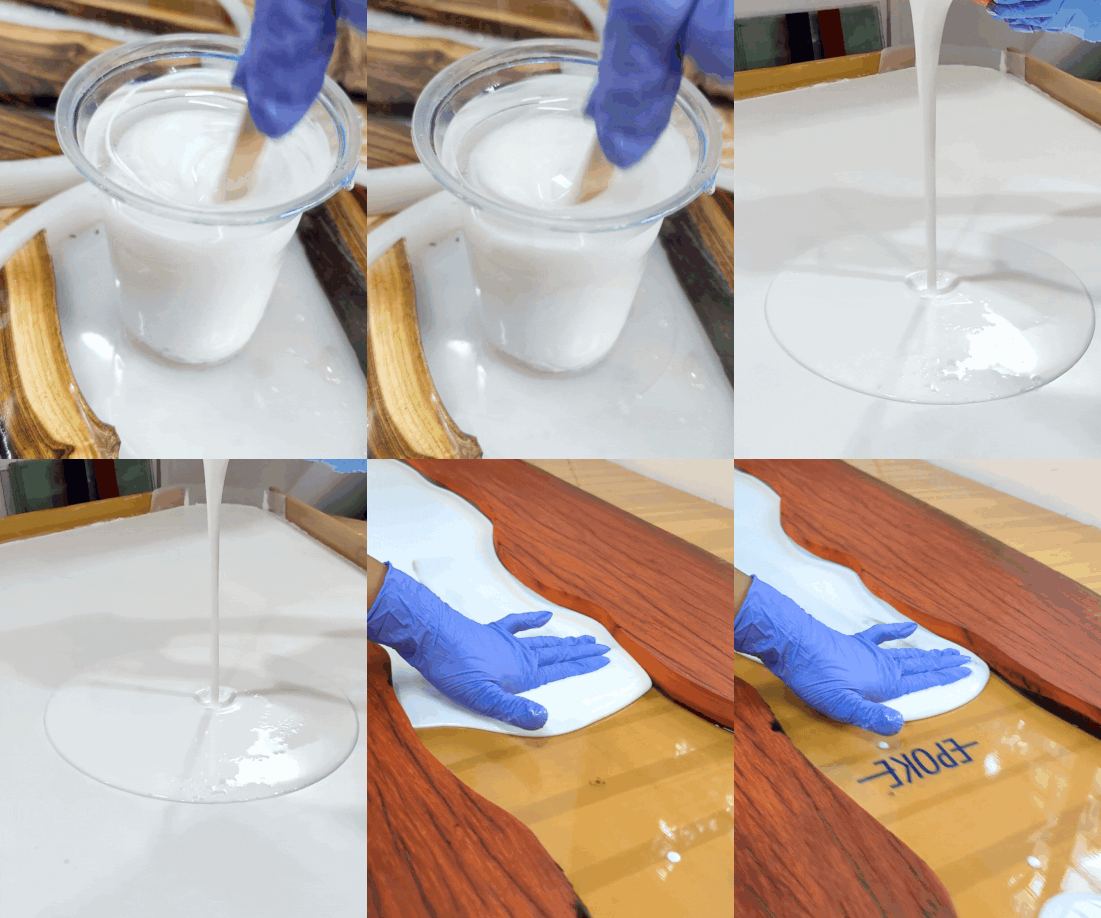
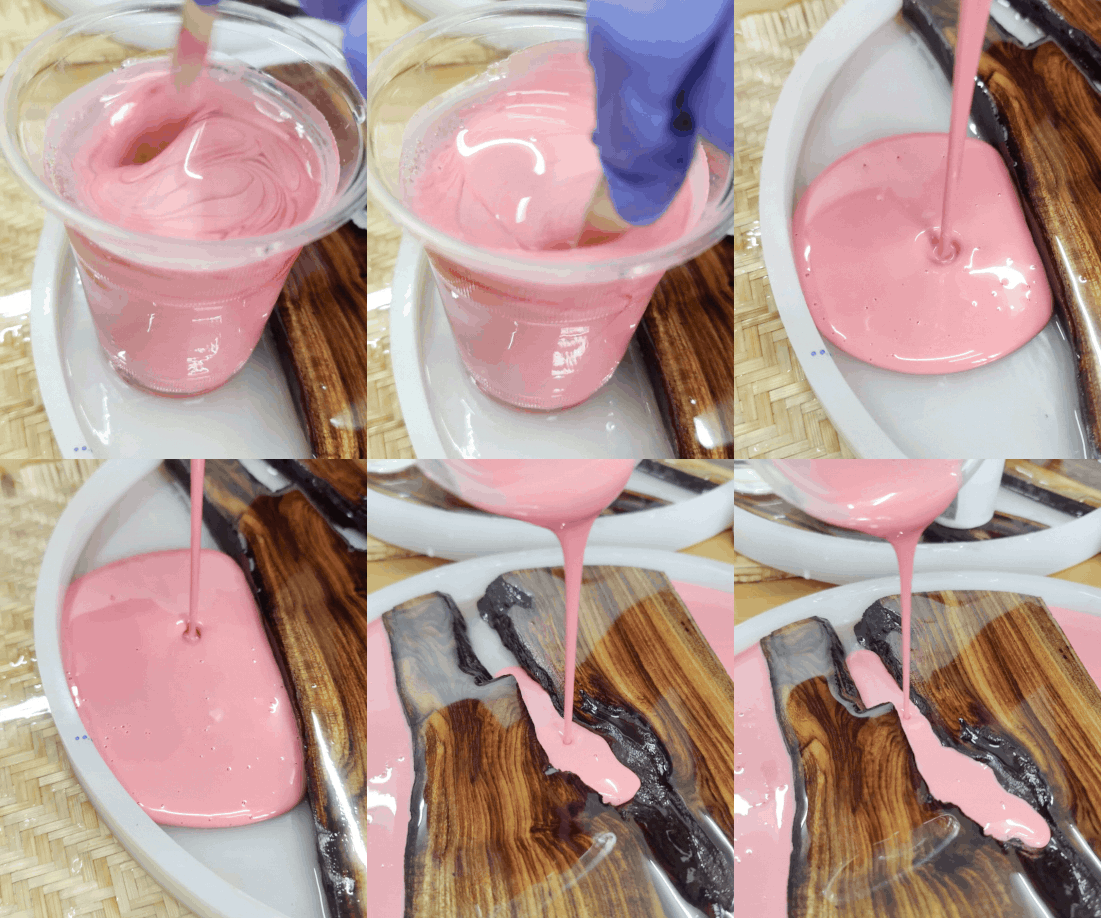
Step 2: Add Pigment Gradually
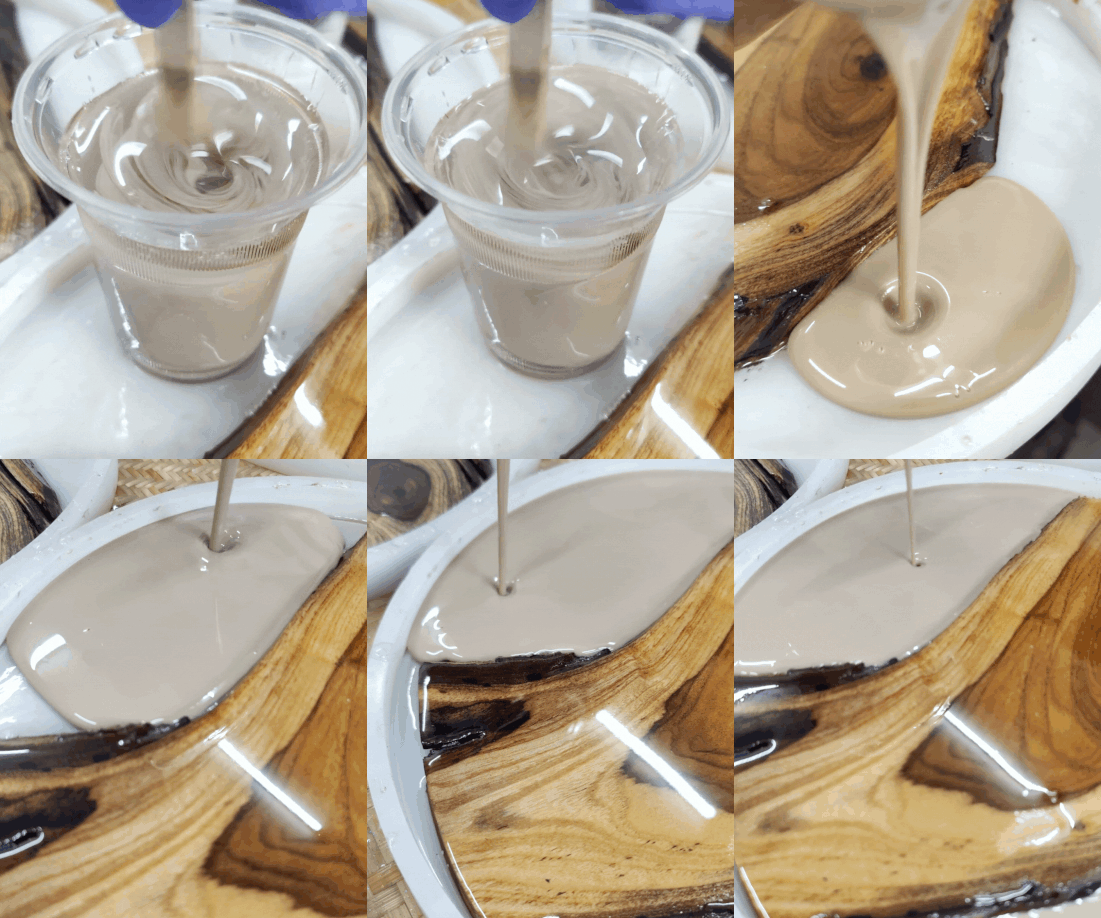
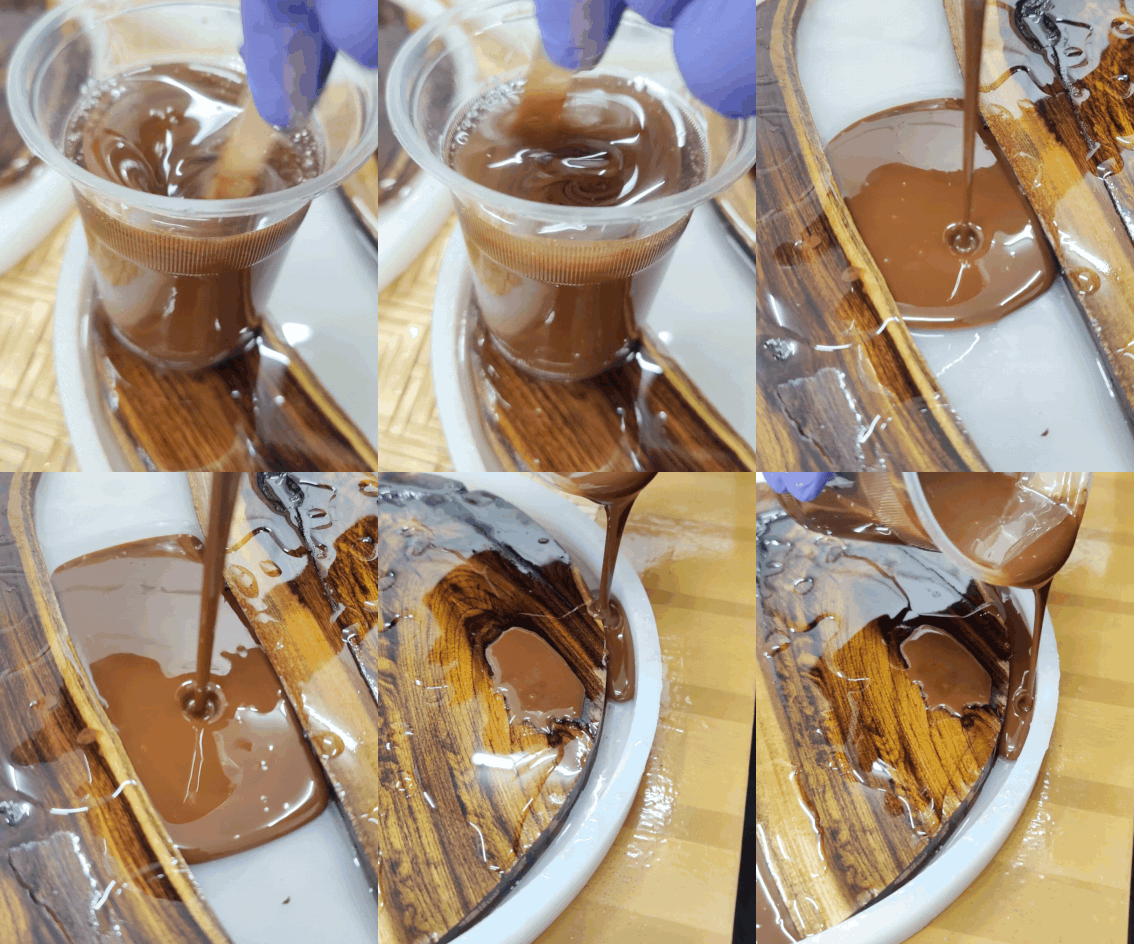
Start small. Add a little resin pigment, mix, then check the color. You can add more later. Too much pigment at once causes uneven curing or a sticky finish.
Step 3: Stir Slowly and Thoroughly
Stir in one direction for two to three minutes. This spreads color evenly and limits air bubbles.
Step 4: Test Before You Commit
Test your pigment ratio on a small batch first. Confirm the shade before you pour your final mold.
How Much Pigment Should You Add to Epoxy Resin?
Use these ratios as your starting point:
-
Light, transparent tints: 1 to 2% of total resin volume
-
Medium opaque colors: 3 to 5% of total resin volume
-
Bold, solid colors: 5 to 8% of total resin volume
Stay under 10%. Higher pigment levels slow curing and weaken resin strength.
Common Mistakes Beginners Make With Resin Pigments
-
Adding too much pigment at once. This leads to tacky or under-cured resin.
-
Mixing pigment before combining resin and hardener. This causes uneven blending.
-
Skipping a test pour. This leads to color surprises on the final piece.
-
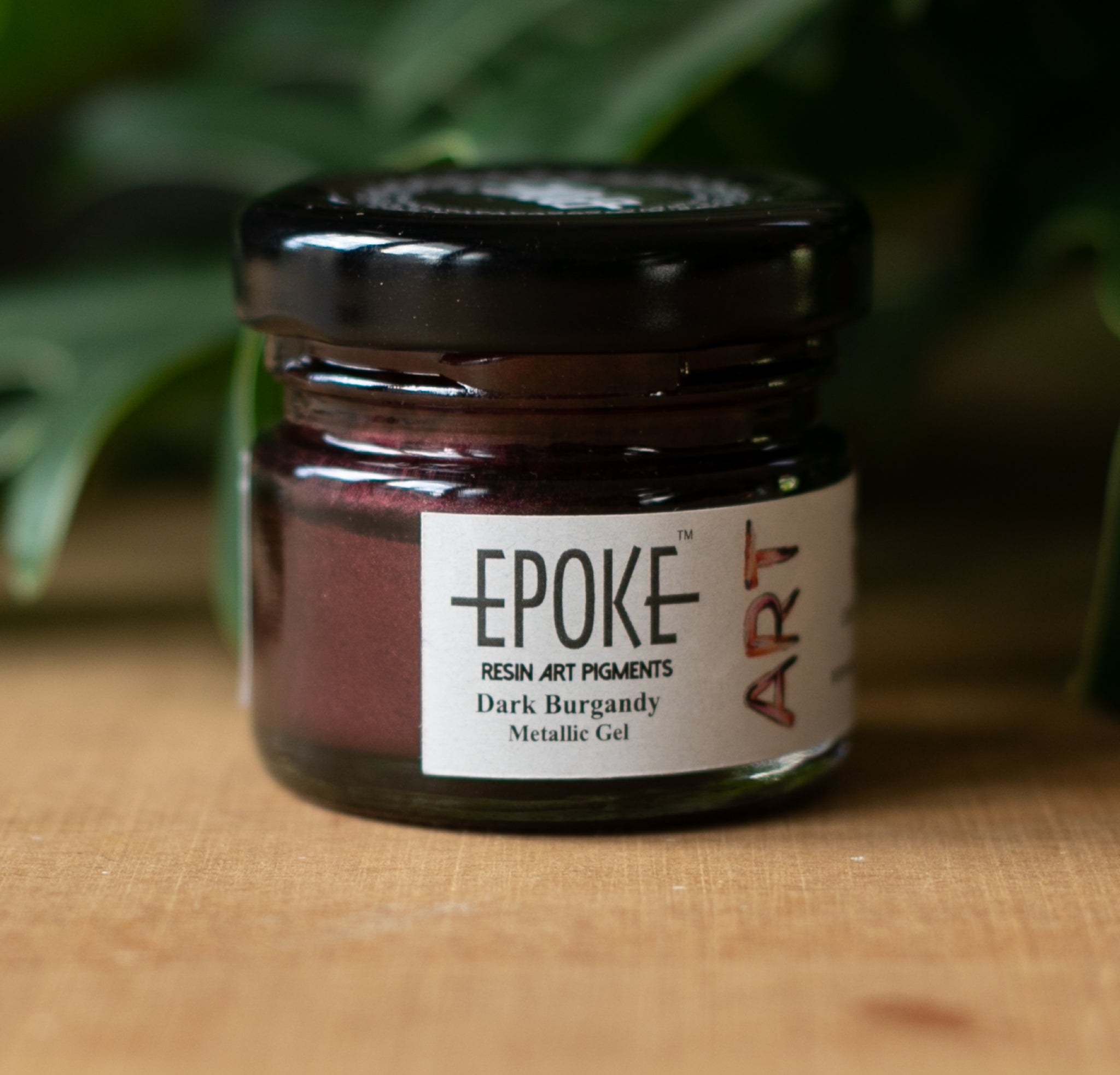
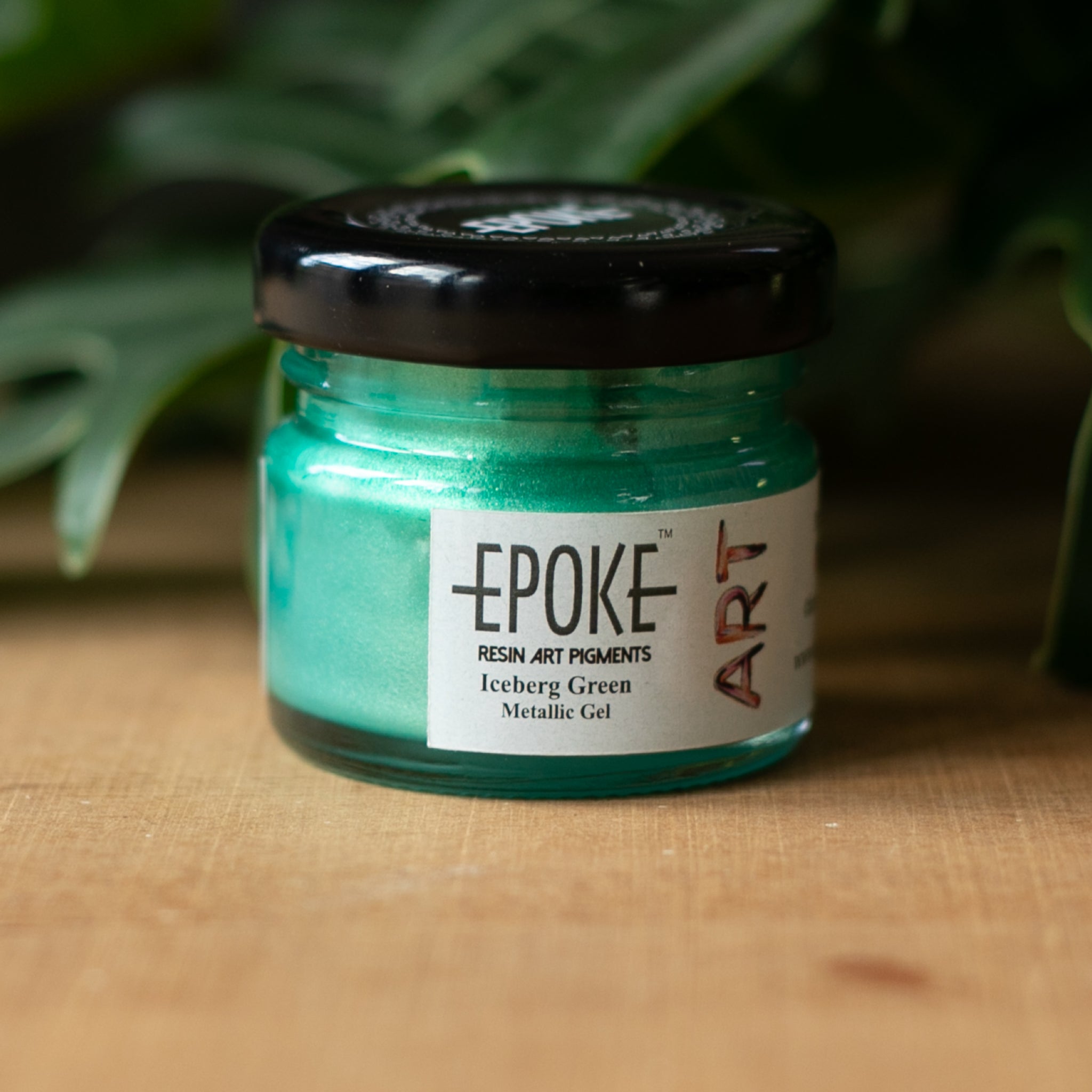
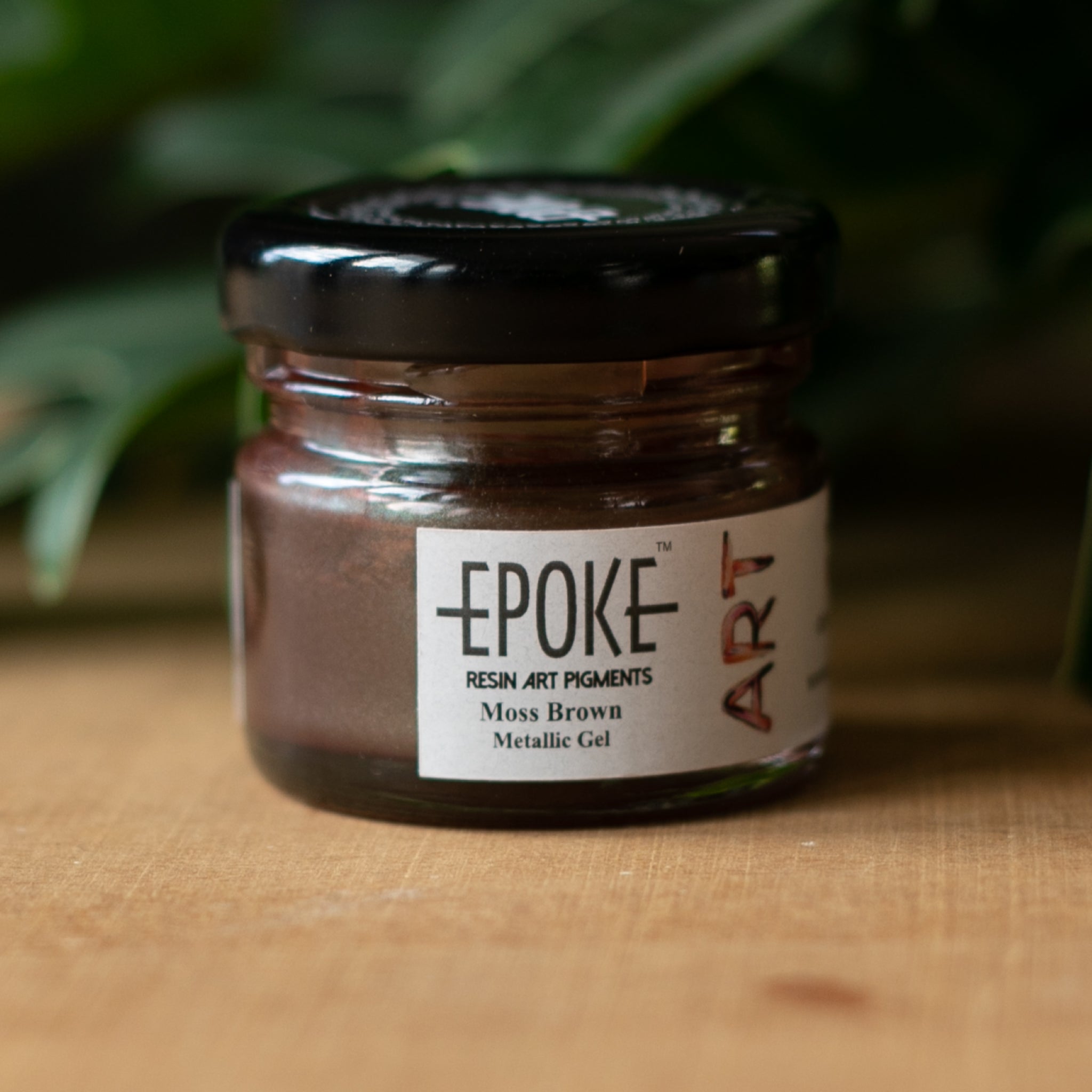
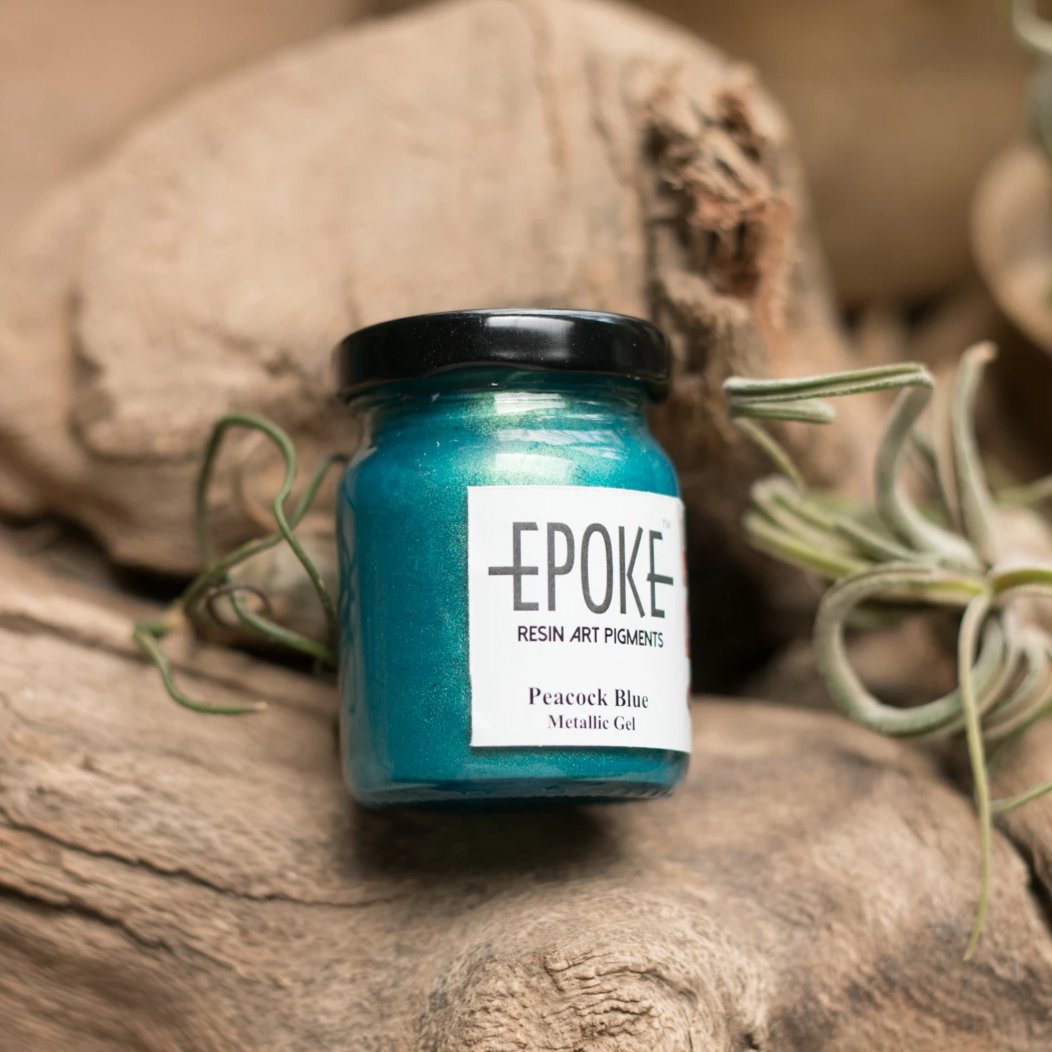
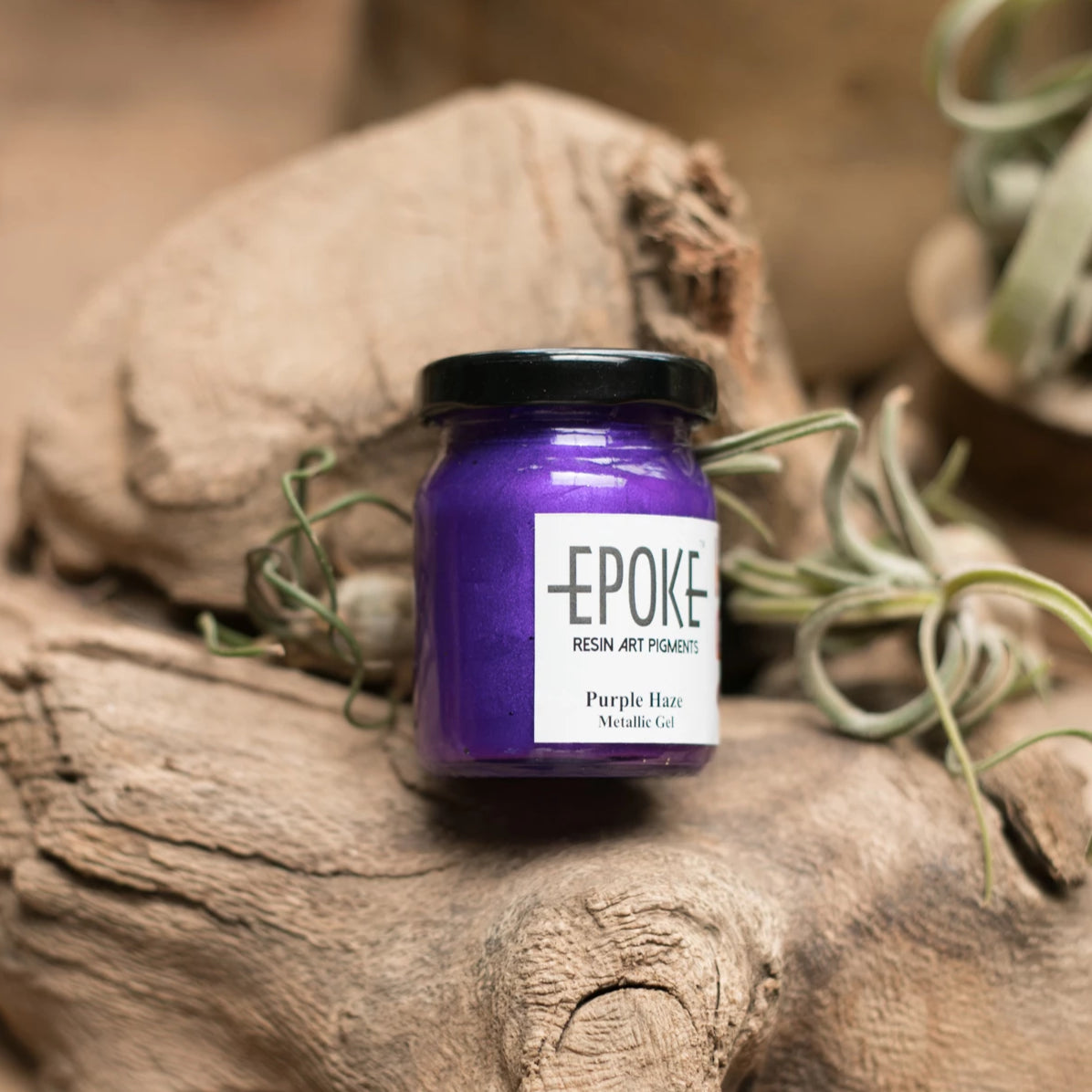
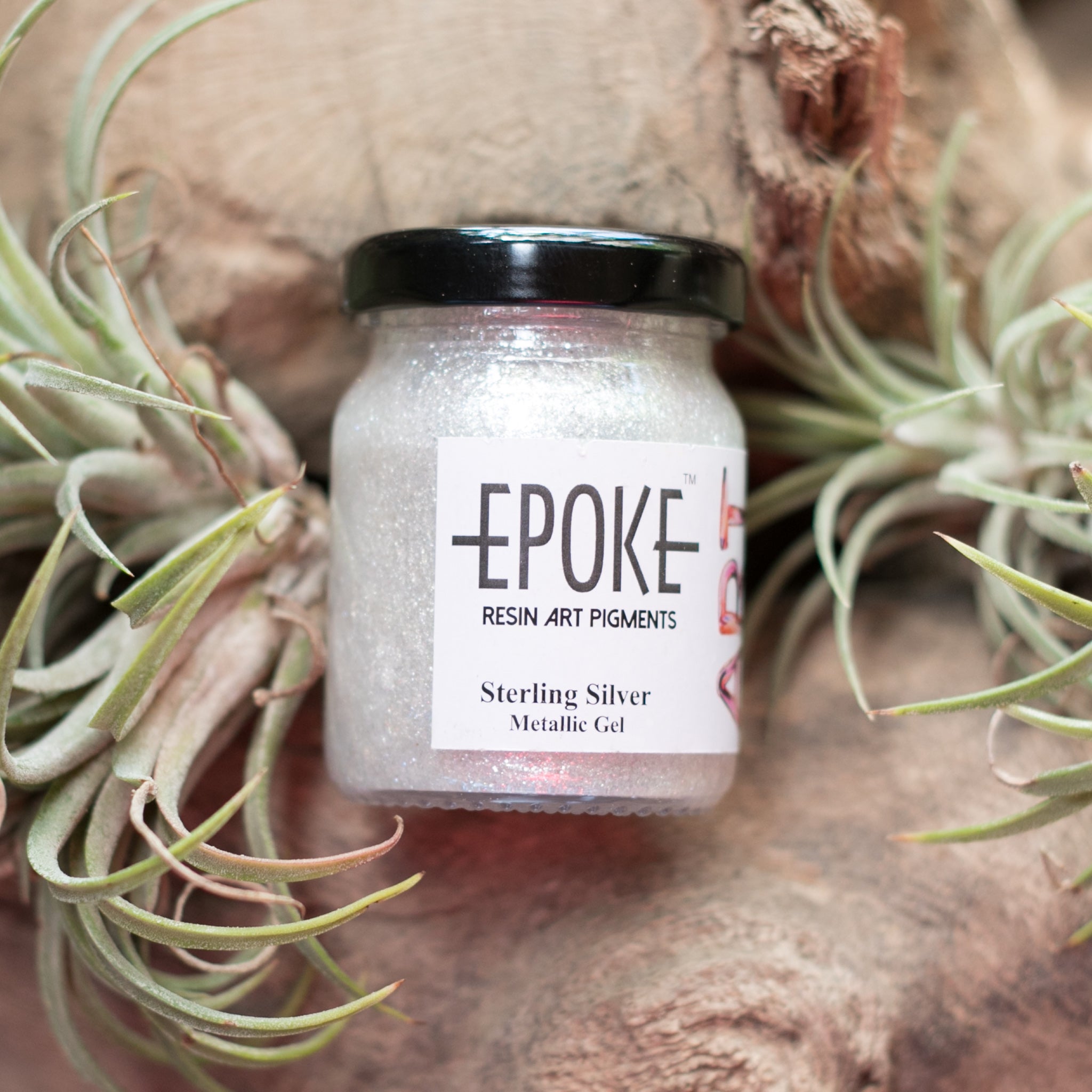
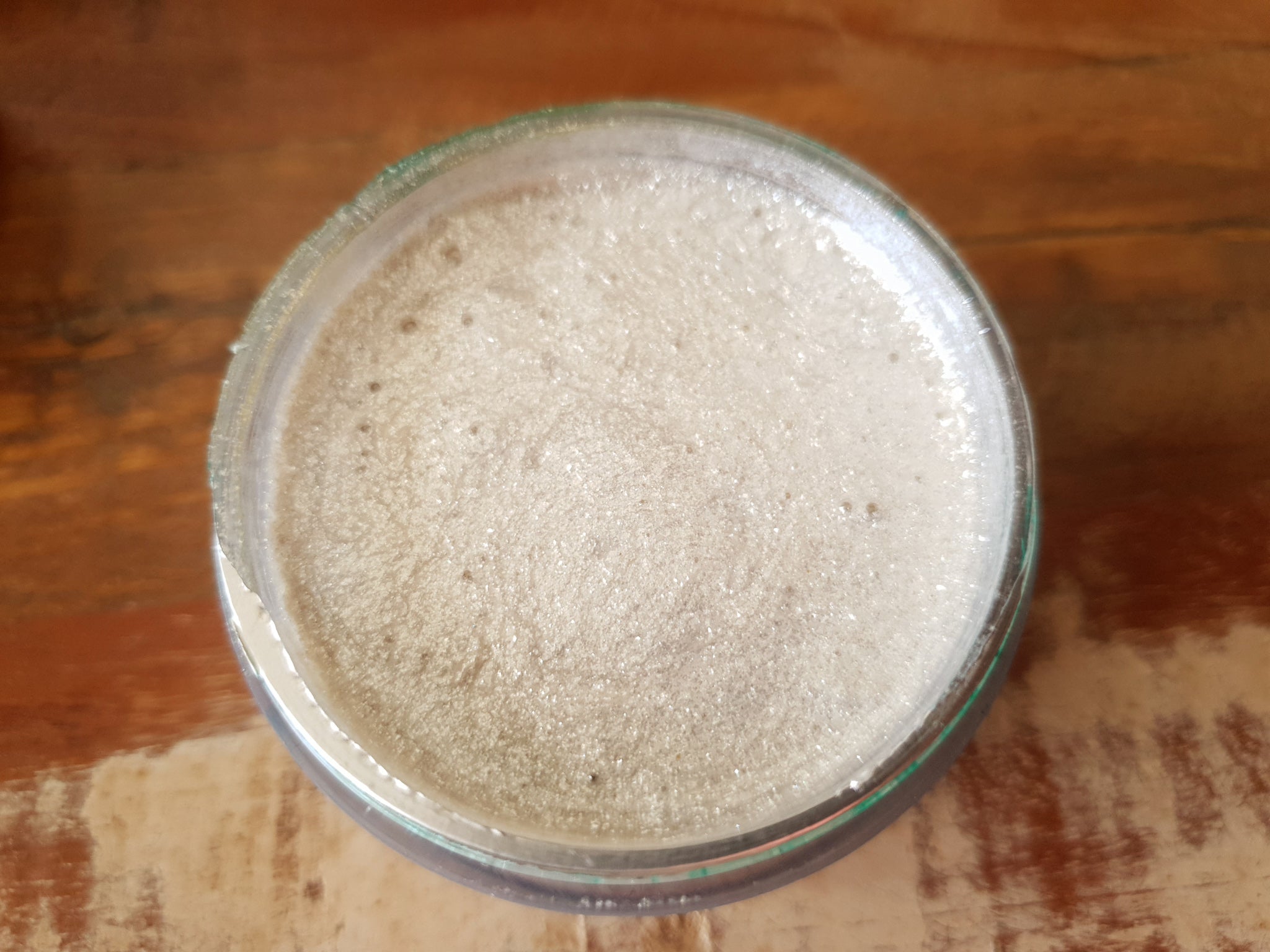
Using the wrong pigment type. A Metallic Gel will not give you the flat opacity a Translucent Pigment Paste gives, and a paste will not give you the shimmer a gel gives.
Fix these four habits and your results improve fast.
Why Pigment Quality Matters
Low-quality epoxy resin color pigment causes problems:
-
Faster fading under sunlight
-
Uneven clumping in resin
-
Changes to curing chemistry
-
Dull, inconsistent color
-
Uneven curing of the resin mixture.
EPOKE Opaque , Translucent and Metallic Pigment Pastes go through testing for resin compatibility, so you skip the guesswork.
Frequently Asked Questions (FAQs)
1. What is the best resin pigment for beginners?
EPOKE Opaque Pigment Pastes work best for beginners. They mix fast, need no prep, and give strong color with just a few drops.
2. What's the difference between resin pigment and epoxy resin color pigment?
No real difference exists. Both terms describe colorants made for epoxy resin projects.
3. Can I use regular acrylic paint as a resin pigment?
No. Acrylic paint is not built for resin. It can cloud your piece, change curing, or leave an uneven finish. Use EPOKE Pigment Pastes instead.
4. How much pigment should I add to epoxy resin?
Start with 1 to 2 percent for light tints, 3 to 5 percent for medium opacity, and 5 to 8 percent for bold colors.
5. Do resin pigments fade over time?
High-quality resin pigments resist fading. Direct sunlight over long periods will still affect color, even with strong pigments.
6. Are Metallic Pigments or Opaque Pigment Pastes better for beginners?
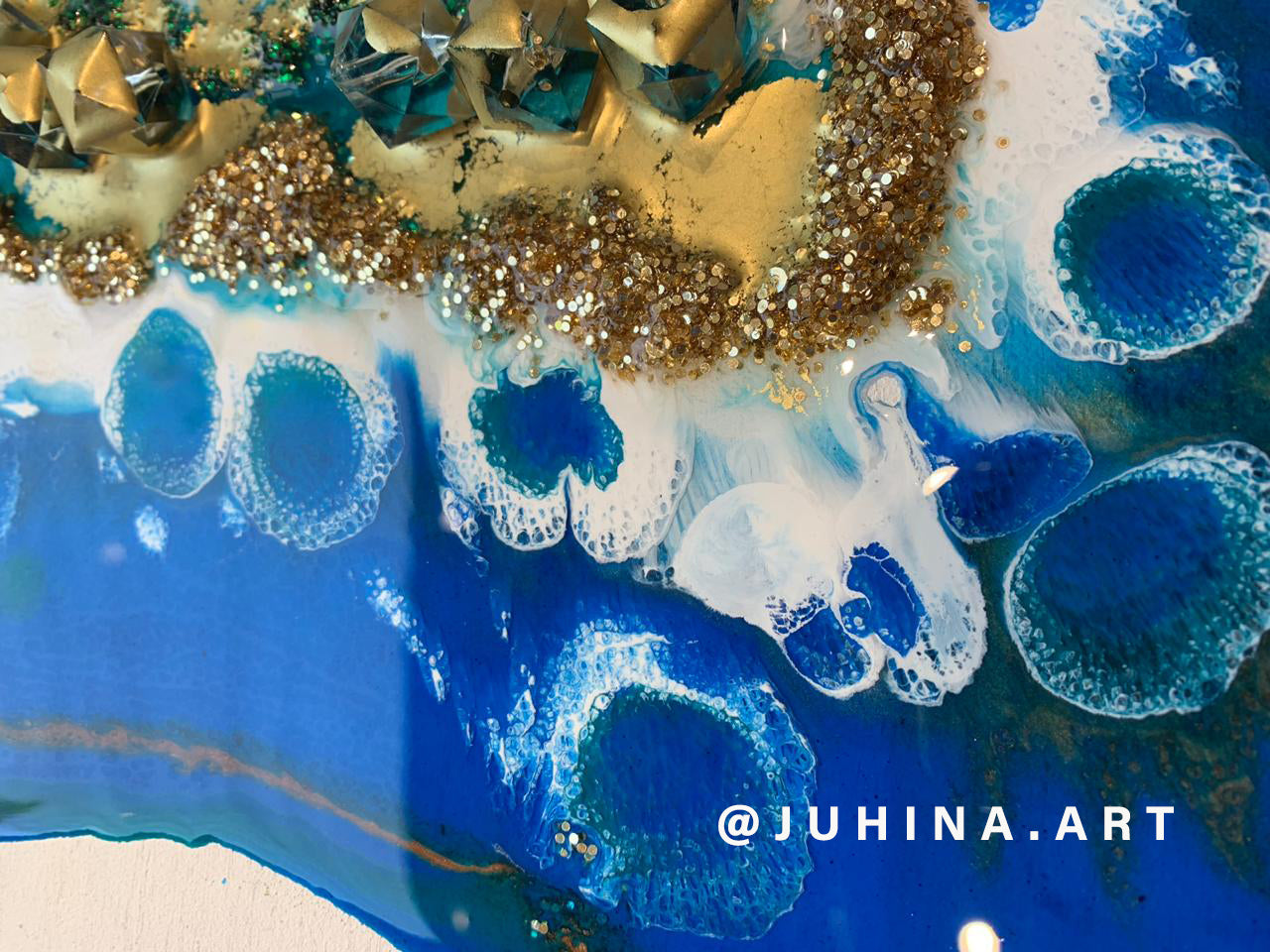
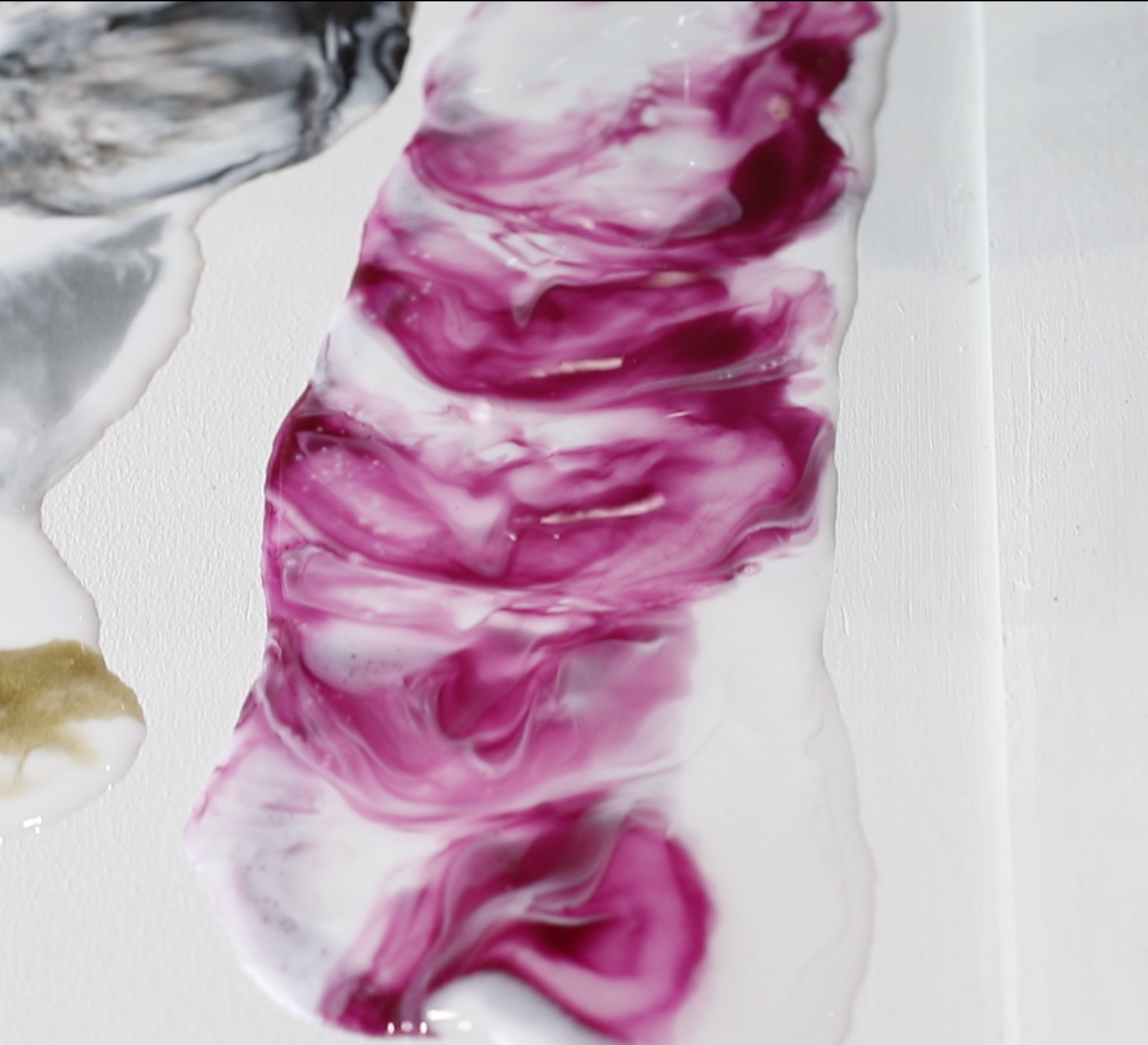
Both work well for beginners once you follow the right ratio. Translucent Pigment Pastes give you soft, see-through color, good for layered or ocean-style pours. Metallic Pigments give you a solid shimmer finish, good for accents and highlights. Pick based on the look you want, not on which one is easier.
7. Why is my resin pigment not mixing evenly?
This happens when you add pigment before resin and hardener fully combine, or when you add too much pigment at once. Mix slowly and add pigment in small amounts to fix this.
8. Where can I buy good quality resin pigments for beginners?
Check the EPOKE Art pigment collection. Every pigment is built for smooth blending and long-lasting color.
Conclusion
Resin pigments do not need to overwhelm you. Pick the right pigment type, follow a simple ratio, and avoid the four common mistakes above. You will get vibrant, professional-looking resin art on your first try.
Whether you work on jewelry, coasters, or decor pieces, the right epoxy resin color pigment changes your final result. Browse our Opaque , Translucent and Metallic Pigment Pastes at EPOKE Art and start your resin art today.