




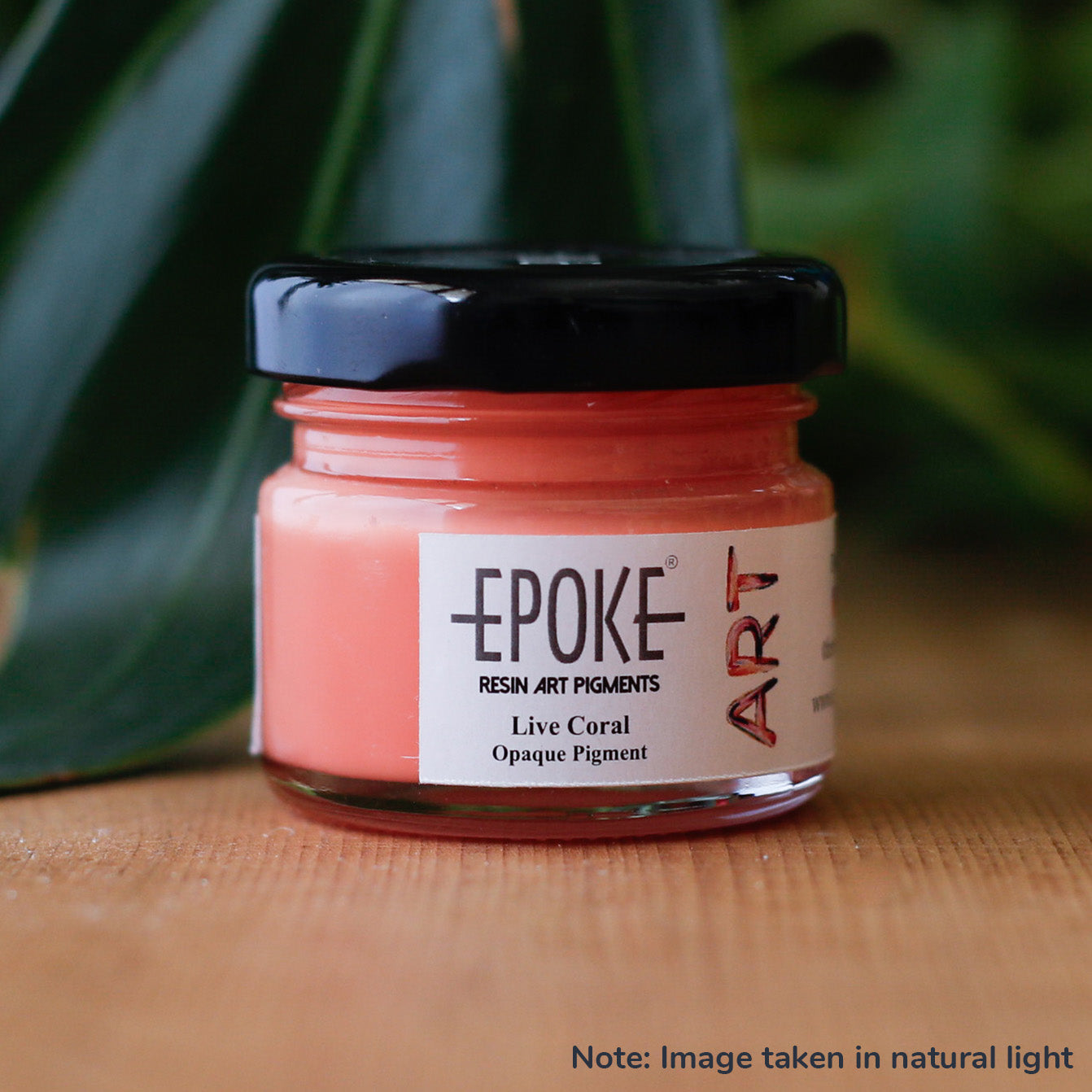
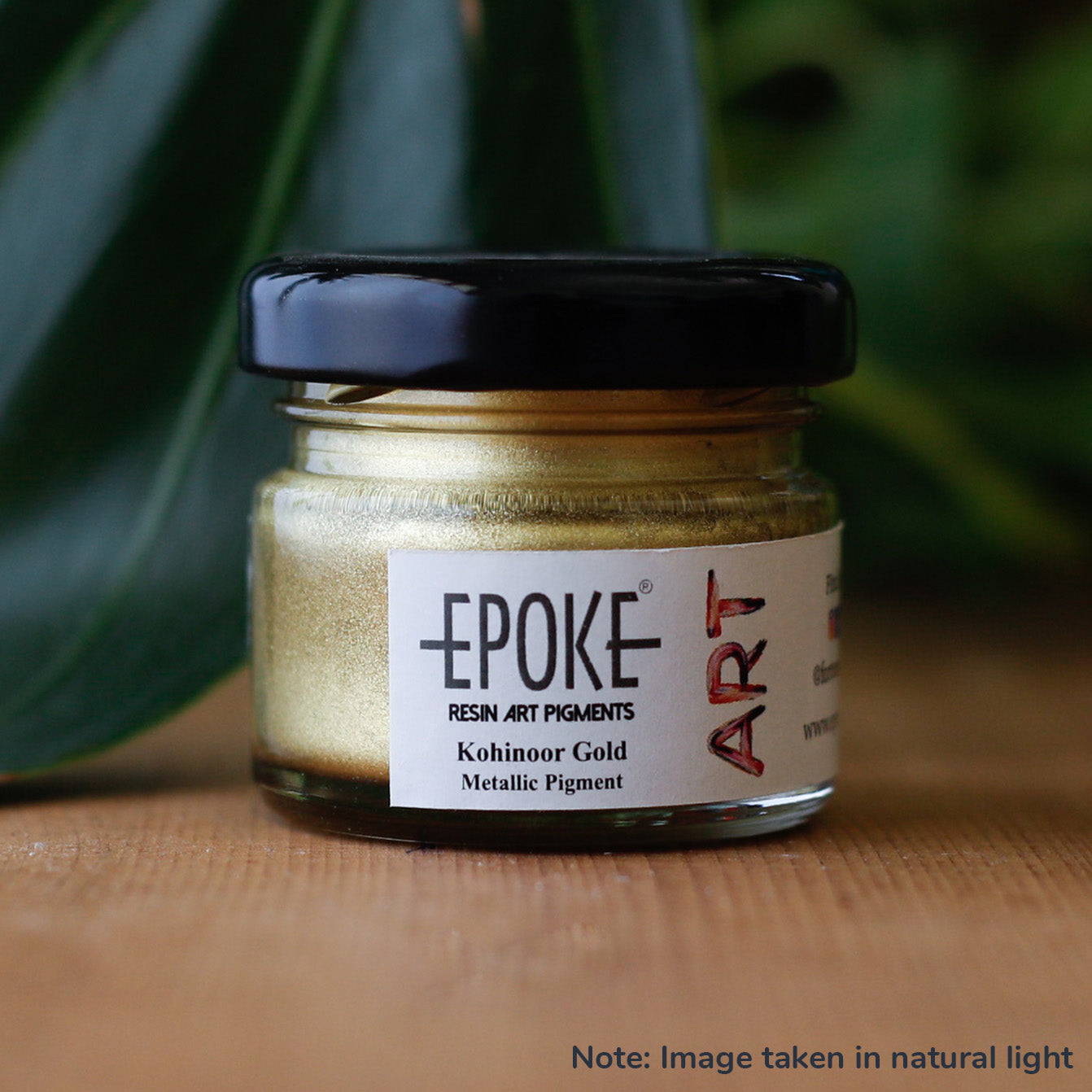
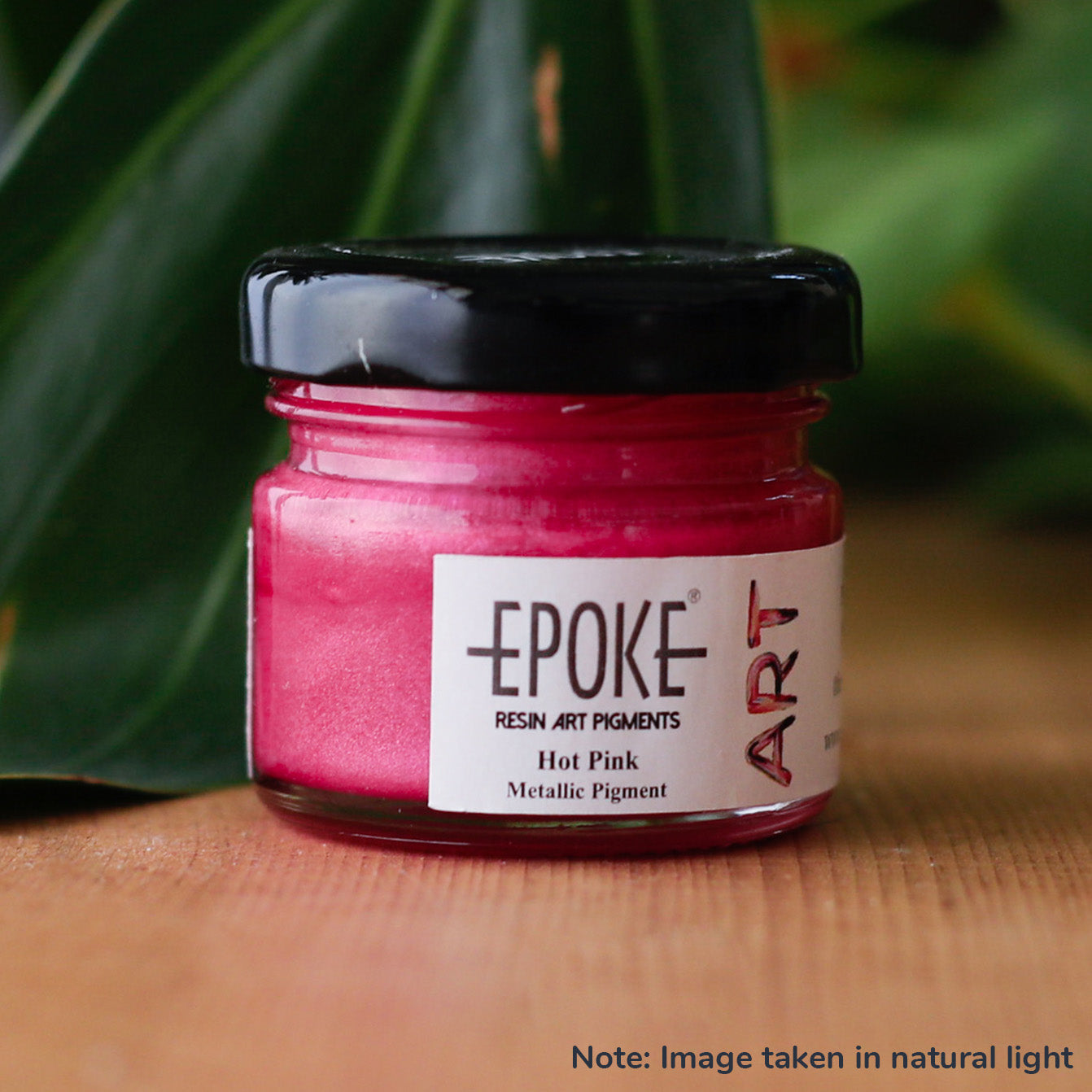
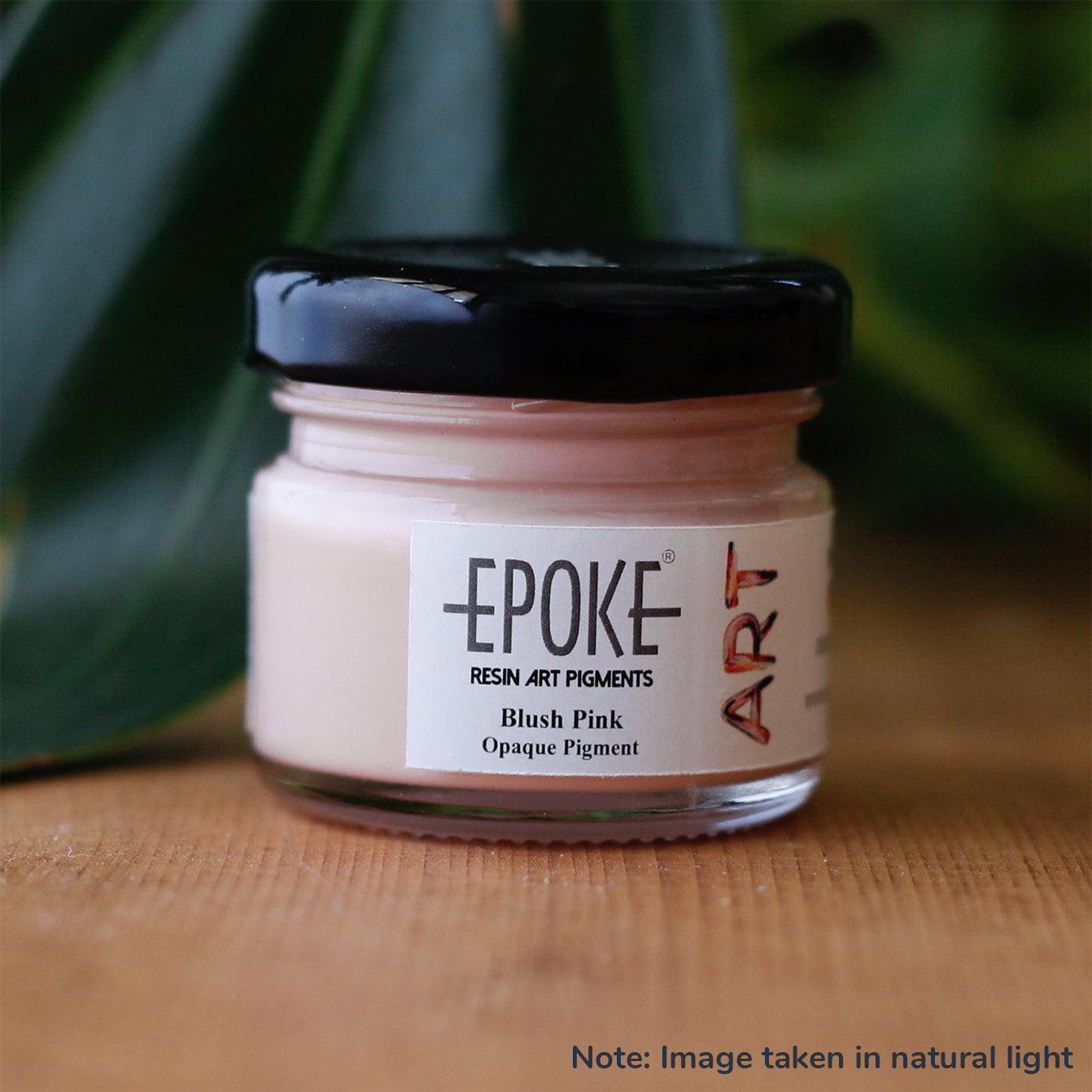


























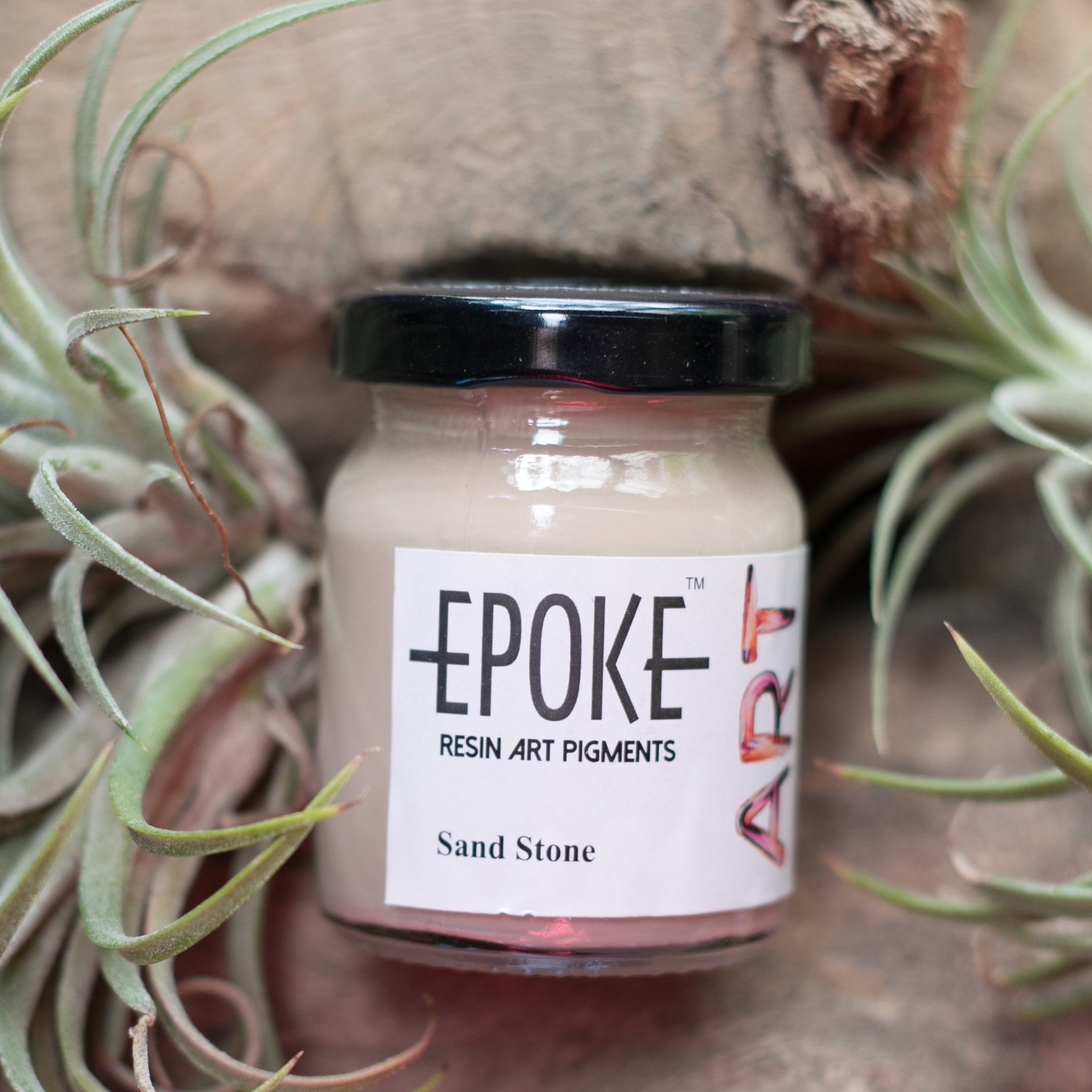
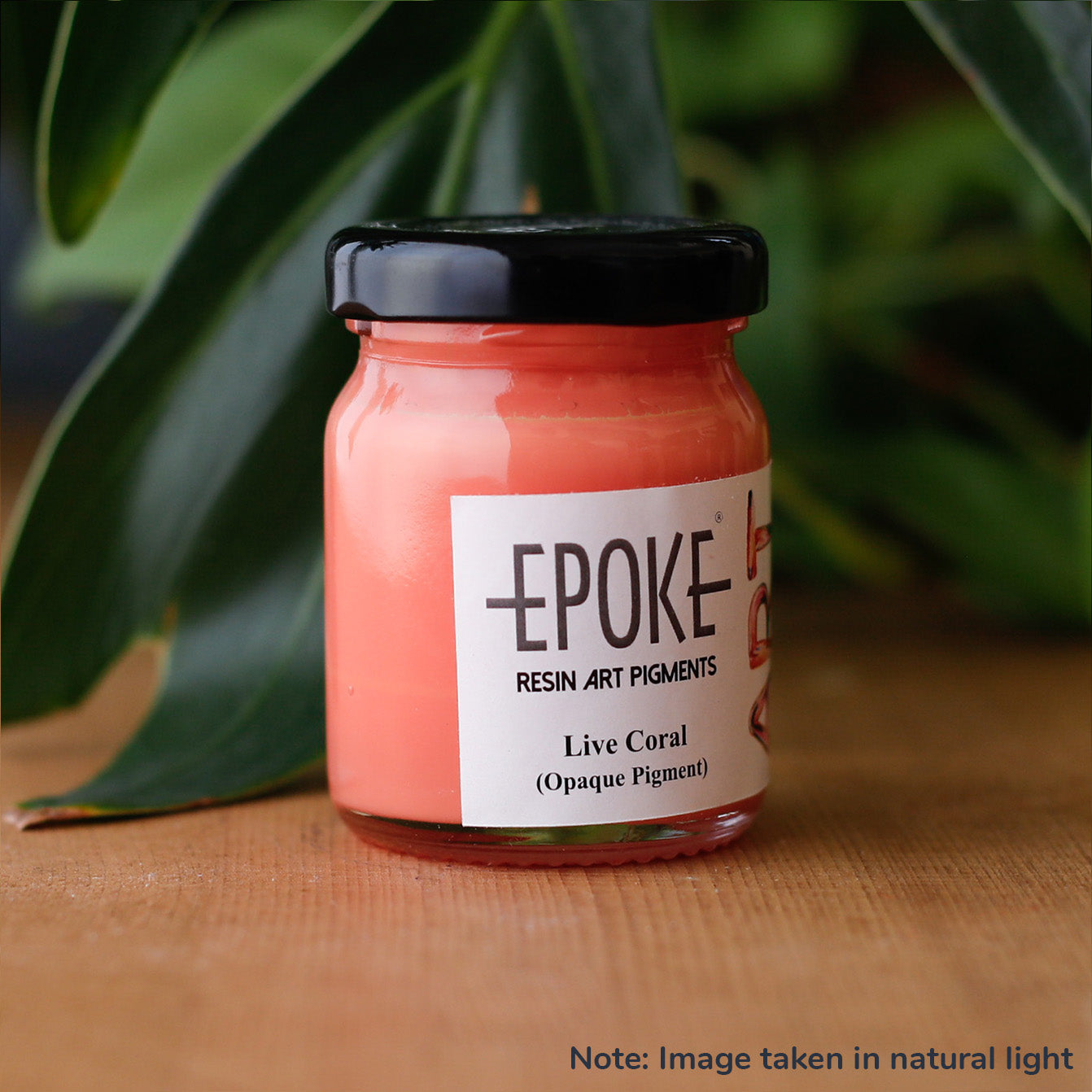
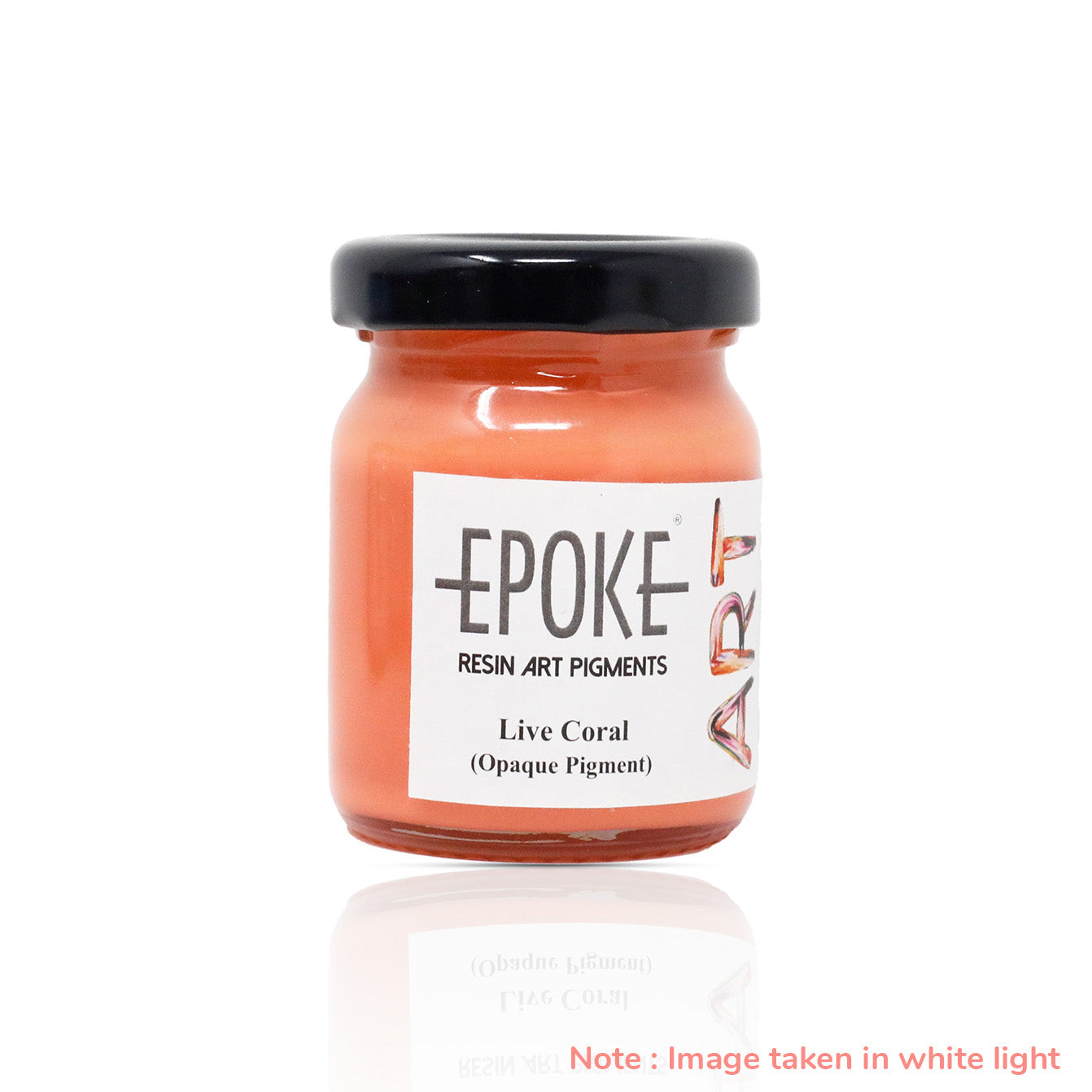
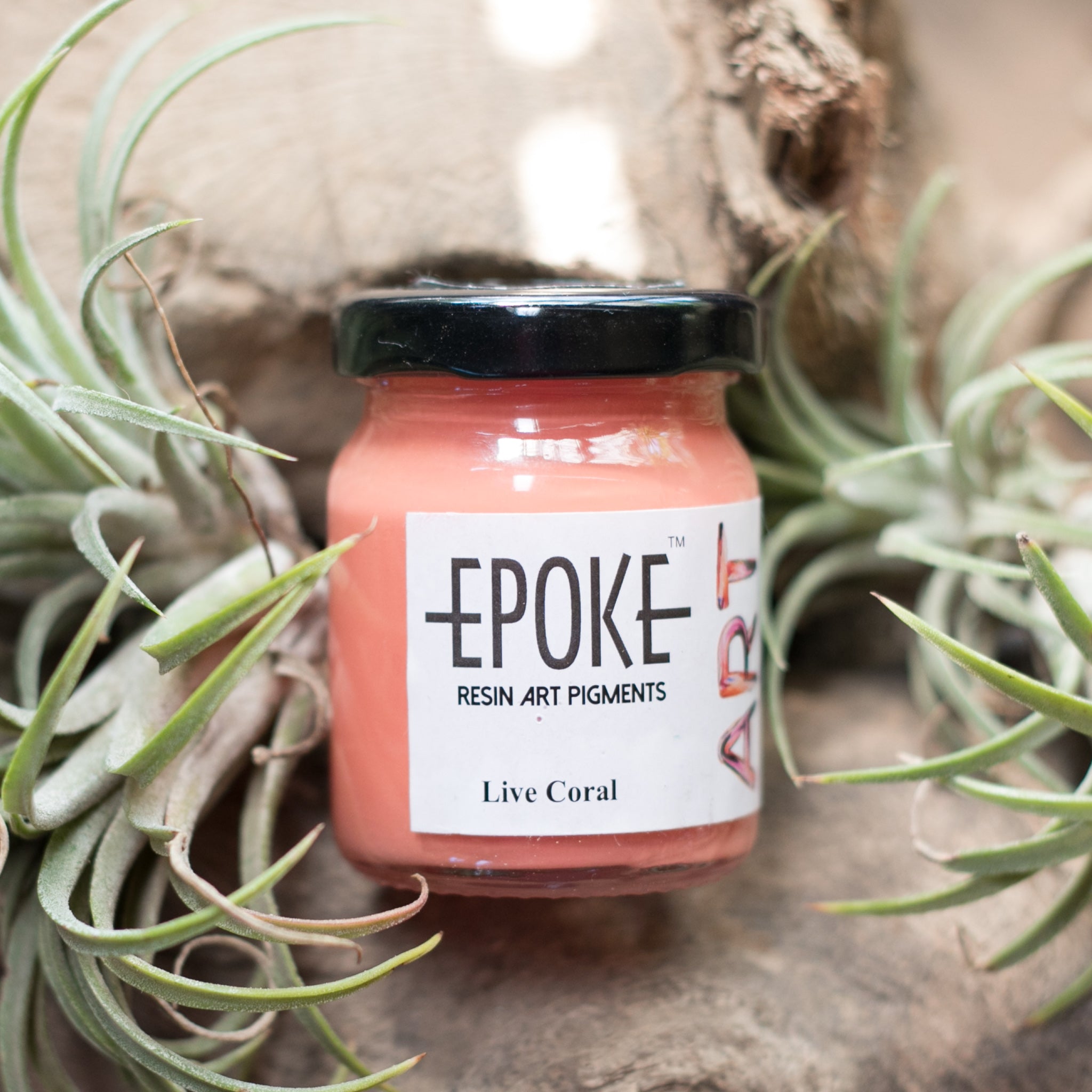




























































































Picking the right pigment changes the outcome of your resin project. The wrong choice leaves you with a muddy color, a cloudy pour, or a shine that never shows up. The right choice gives you a piece that looks intentional from every angle.
At EPOKE Art, we work with resin artists, jewelry makers, and hobbyists who ask the same question every week: opaque, translucent, or metallic pigment, which one fits my project? This guide breaks down the differences and helps you pick with confidence.
Key Takeaways
-
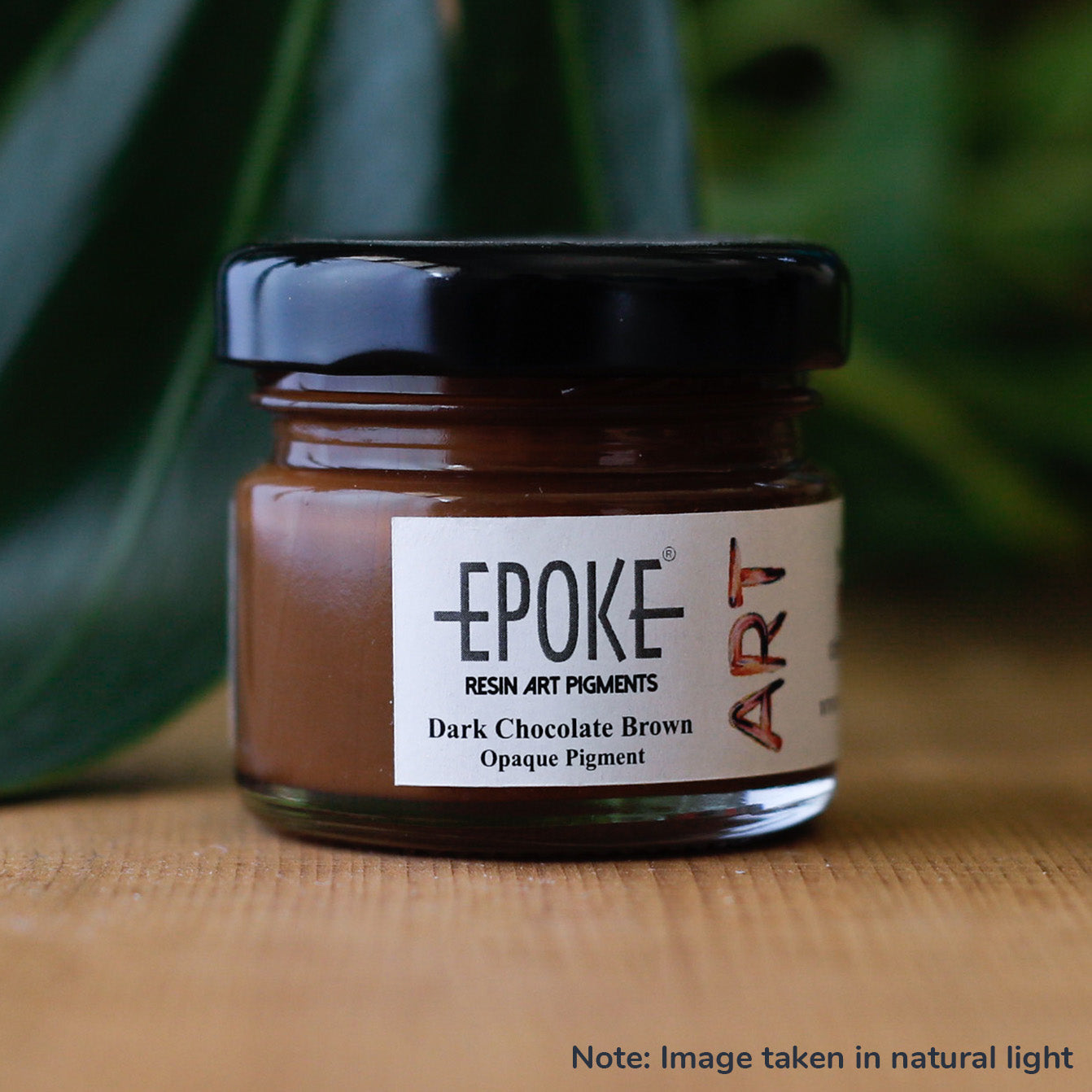
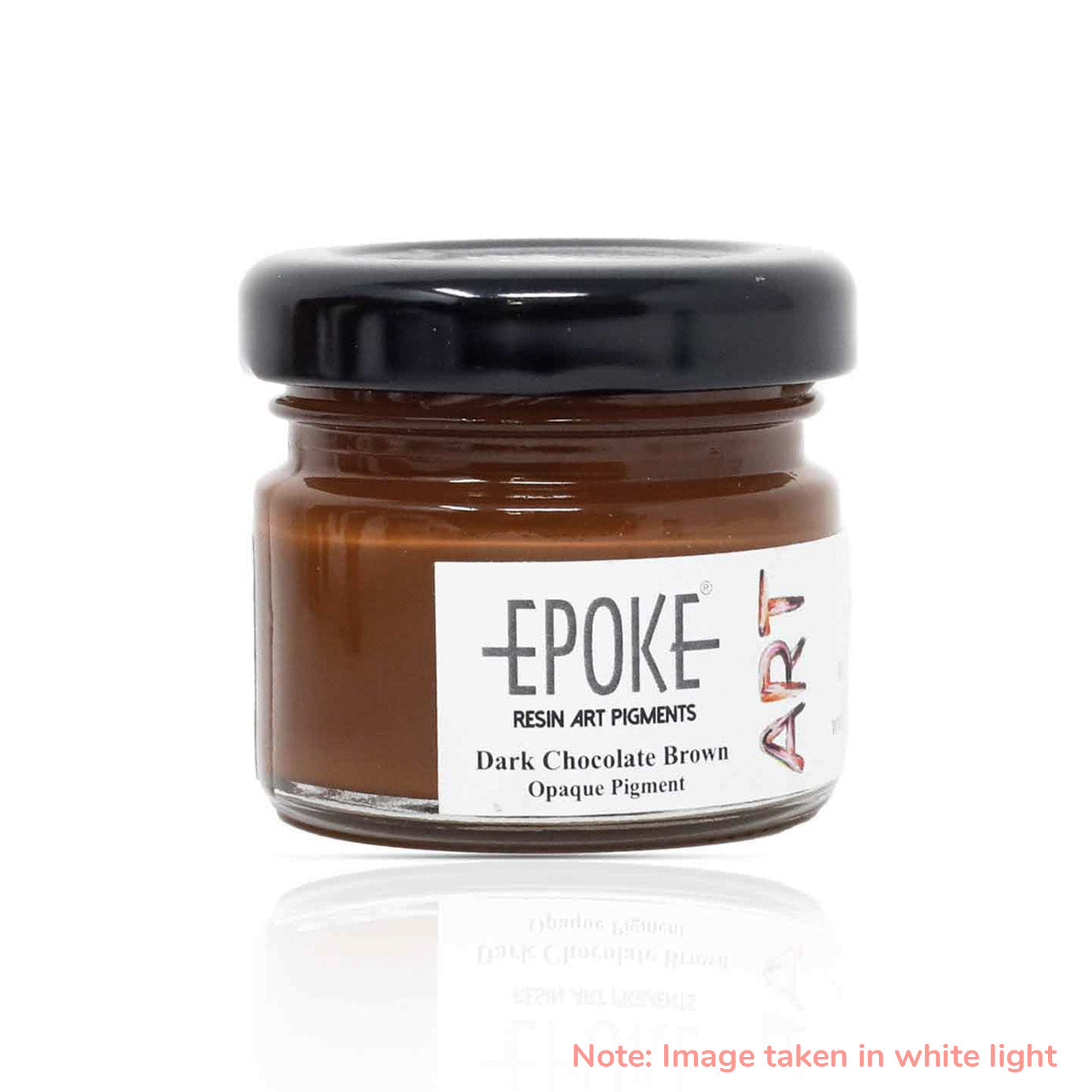
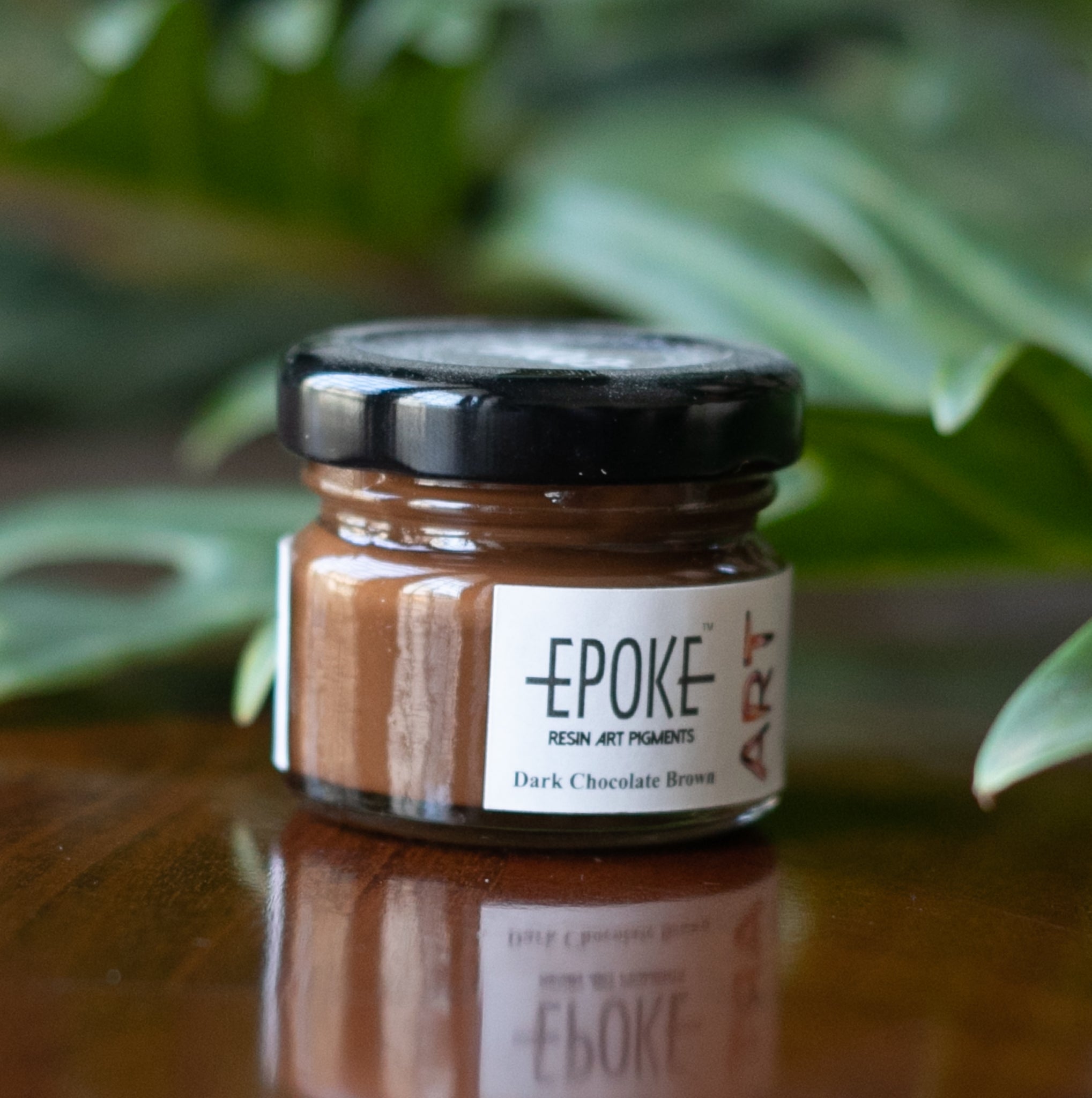
Opaque pigments block light and give solid, even color coverage.
-
Translucent pigments allow light through and build depth and glow.
-
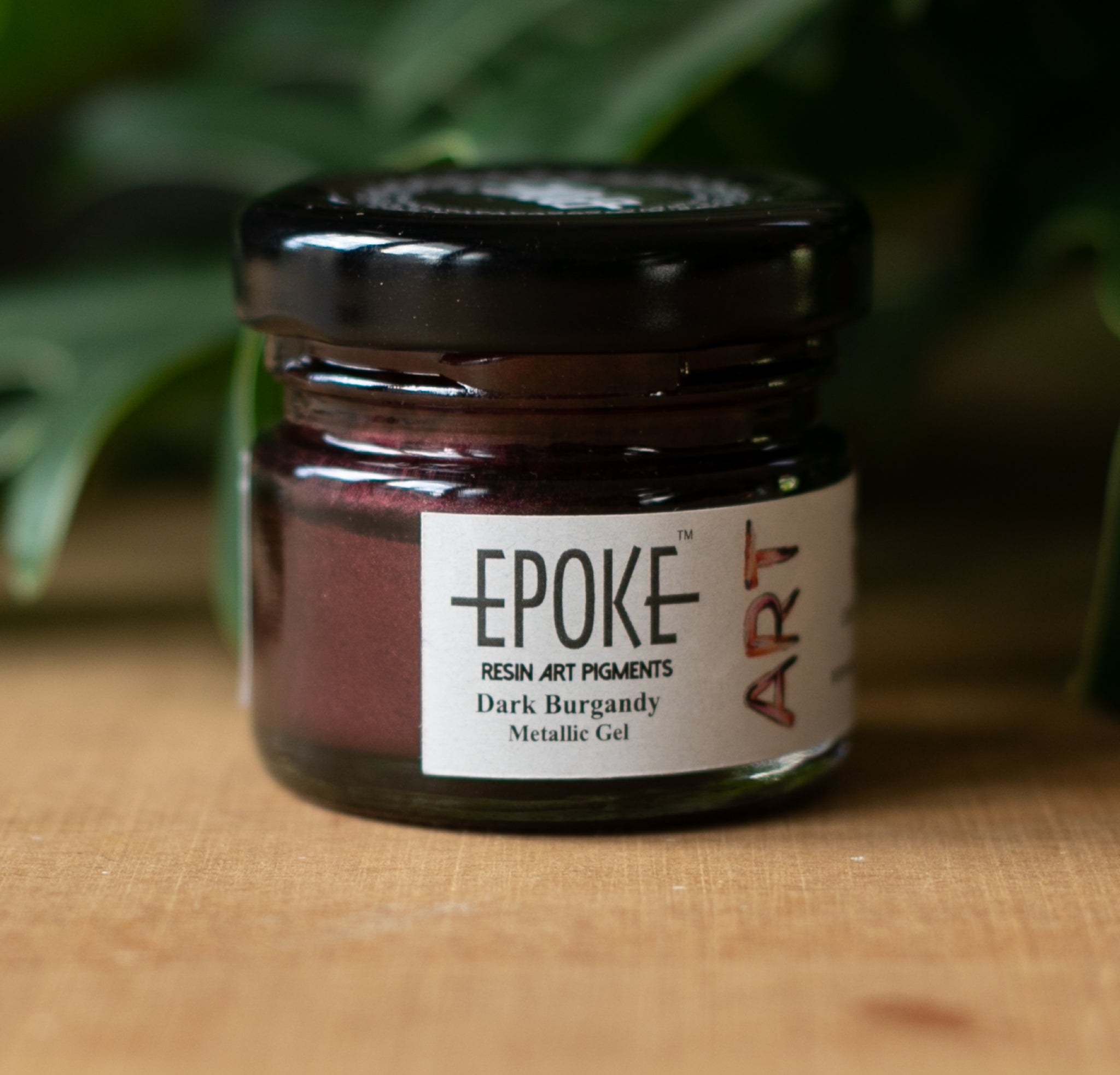
Metallic pigments add shimmer and movement, often layered over other pigments.
-
Metallic pigment and mica pigment are related but not identical.
-
Layering pigment types gives you the most versatile finish.
-
Always test small batches before a full pour to avoid cloudiness or clumping.
What Are Resin Pigments and Why Does the Type Matter
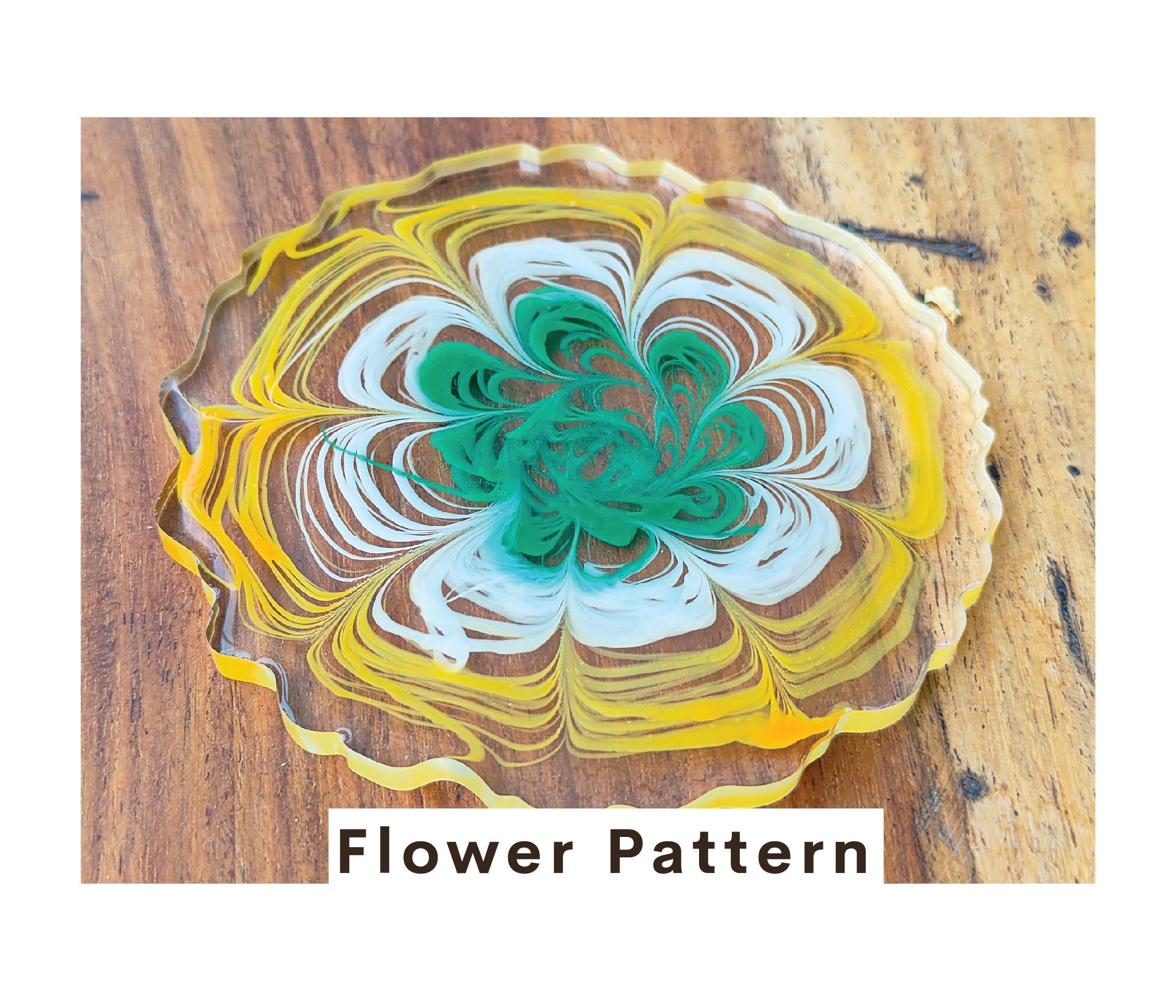
A resin pigment adds color and character to your epoxy pour. But not every pigment behaves the same way once it hits your mold. Opaque pigments block light. Translucent pigments let light pass through. Metallic pigments add shimmer and depth on top of color.
Choosing the wrong type for your project wastes resin, time, and money. Choosing the right type gives you the exact finish you pictured before you even opened the bottle.
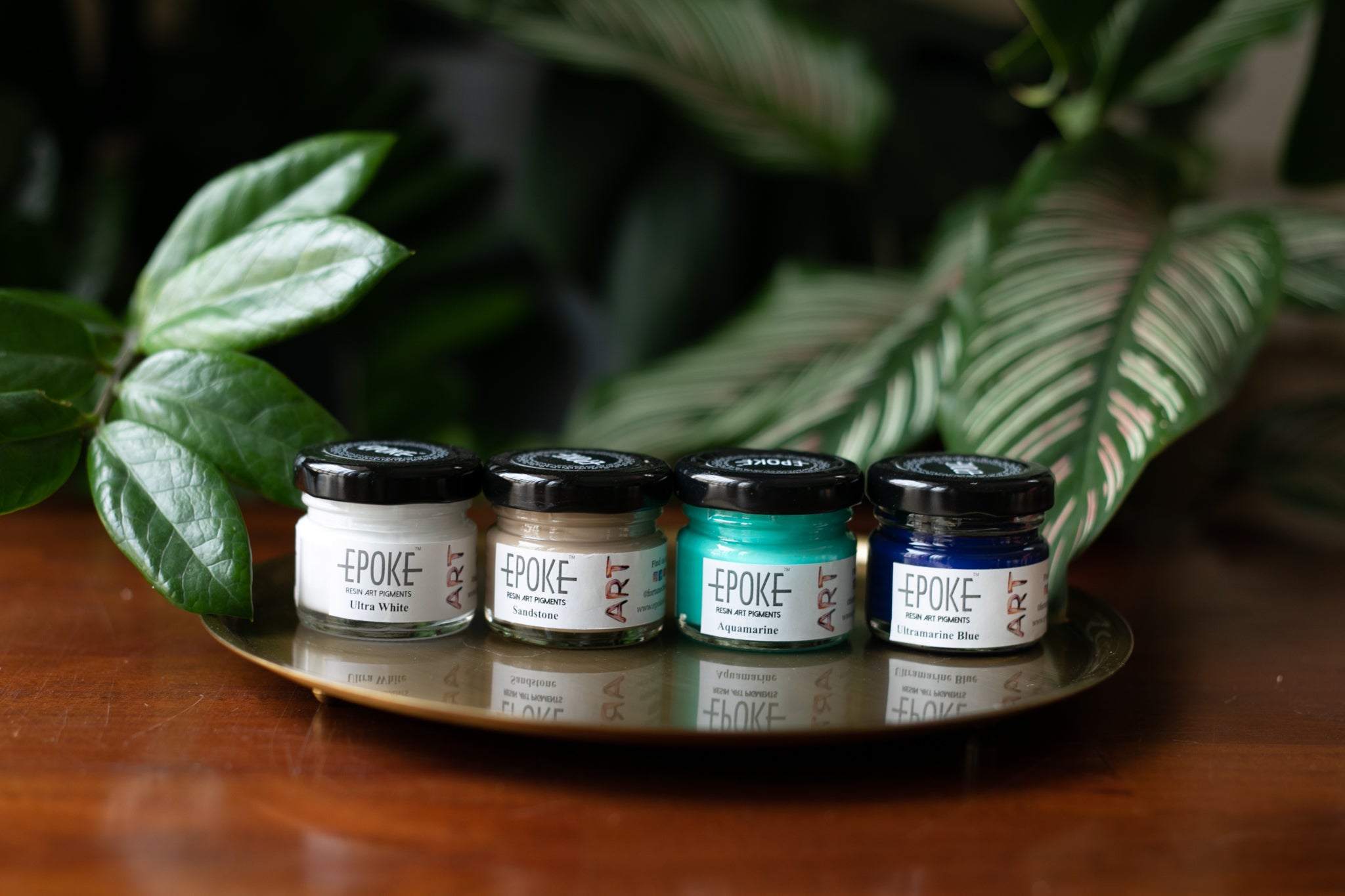
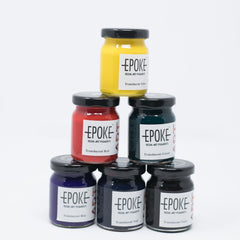
Browse the full range of EPOKE resin pigments to see every option in one place.
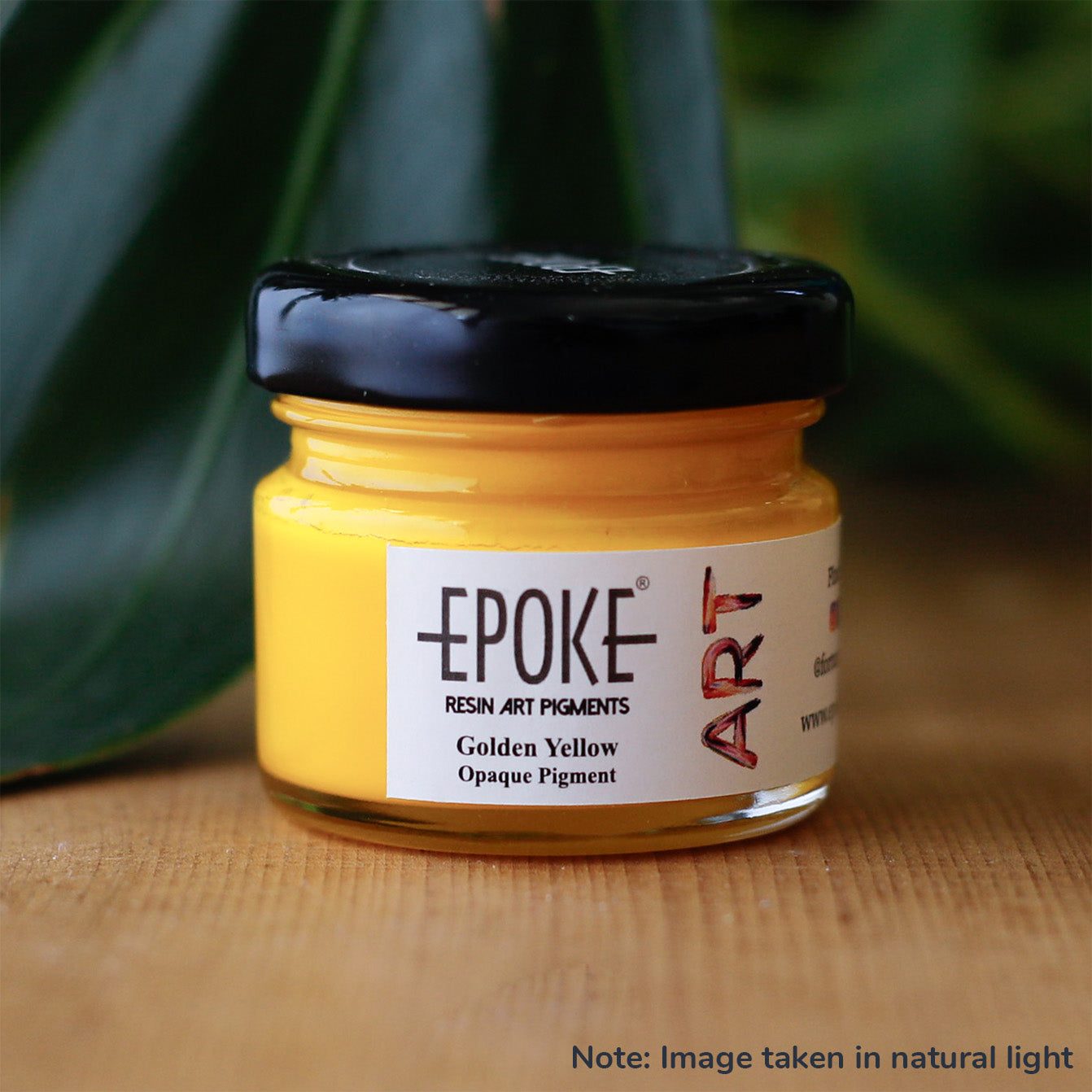
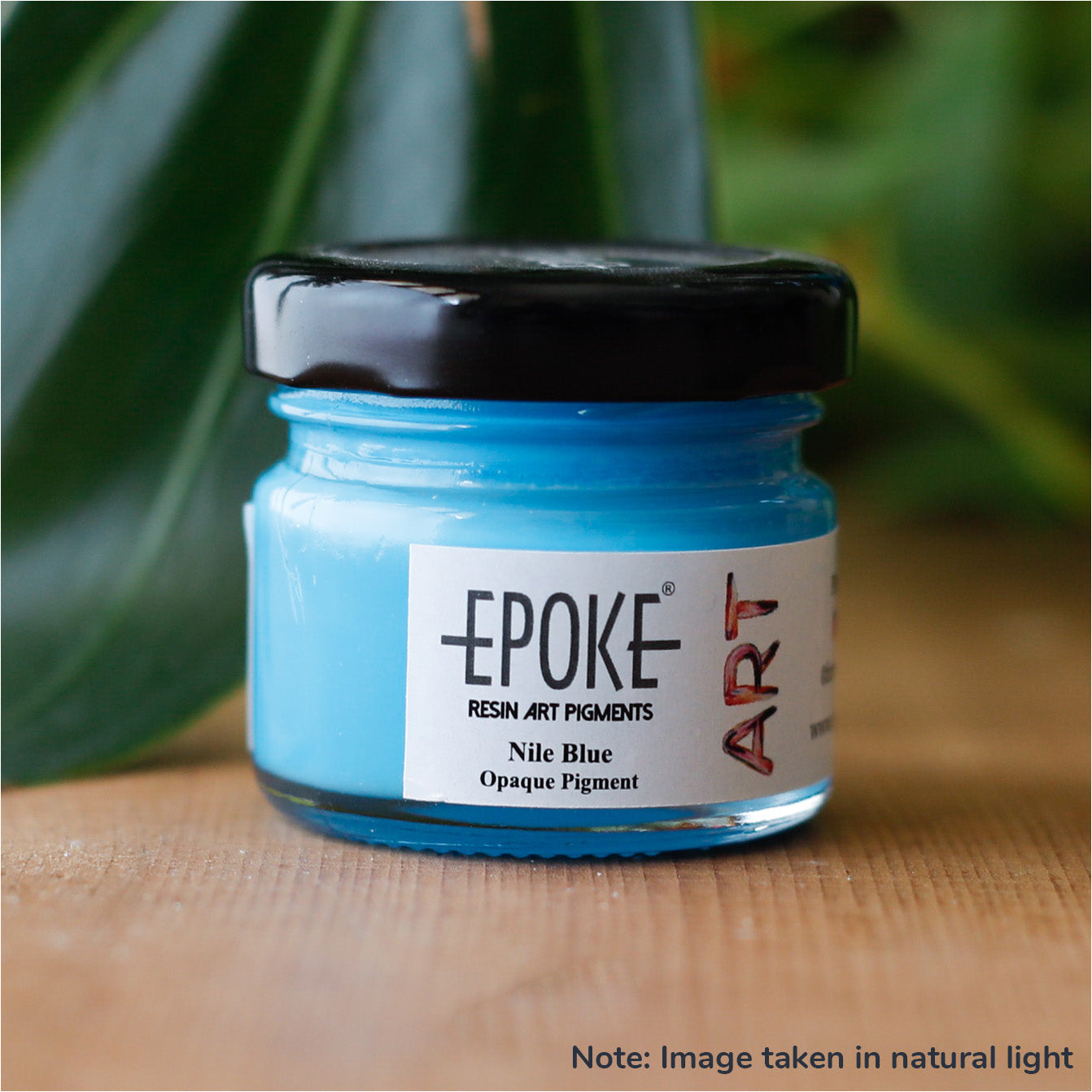
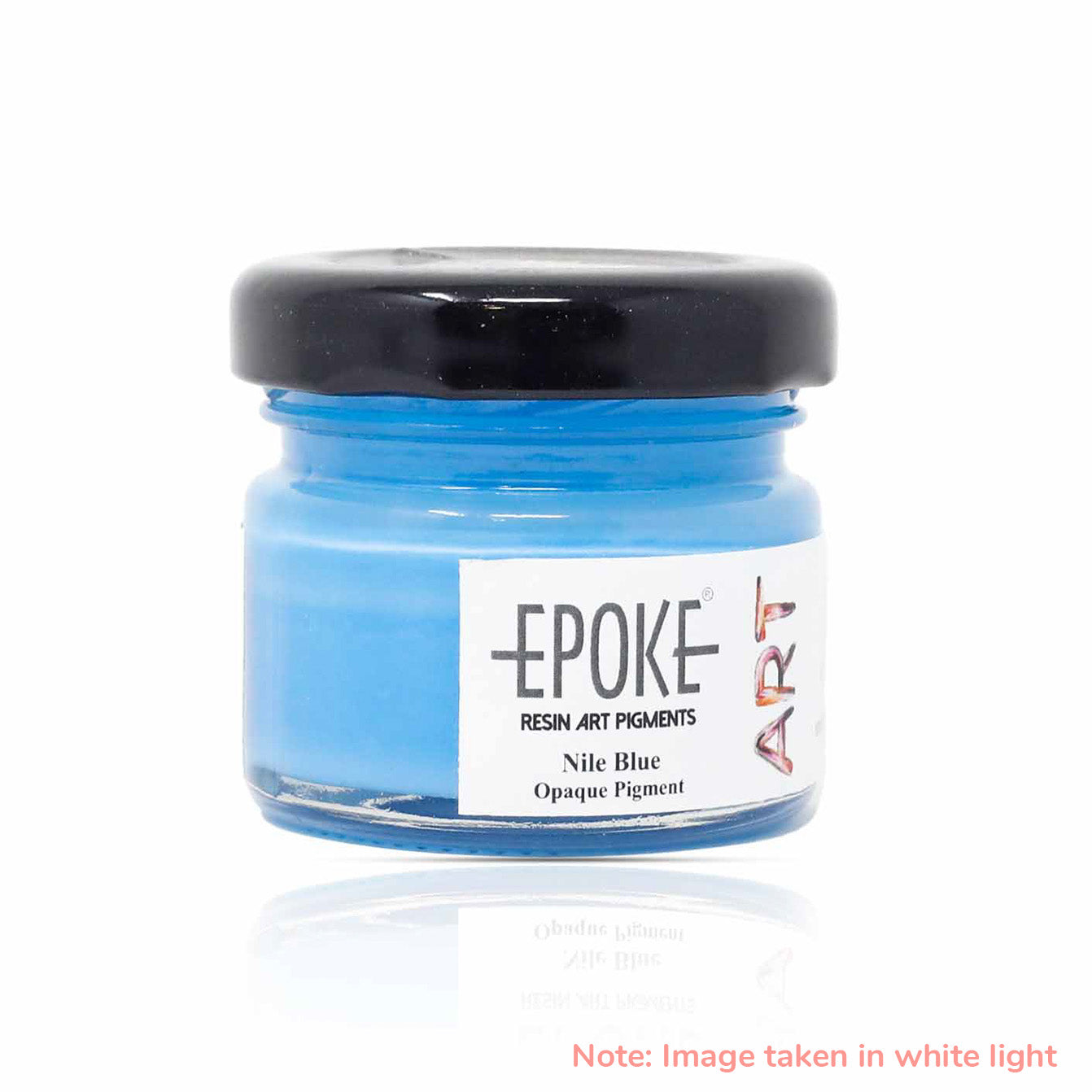
Opaque Pigments: Bold, Solid, and Full Coverage
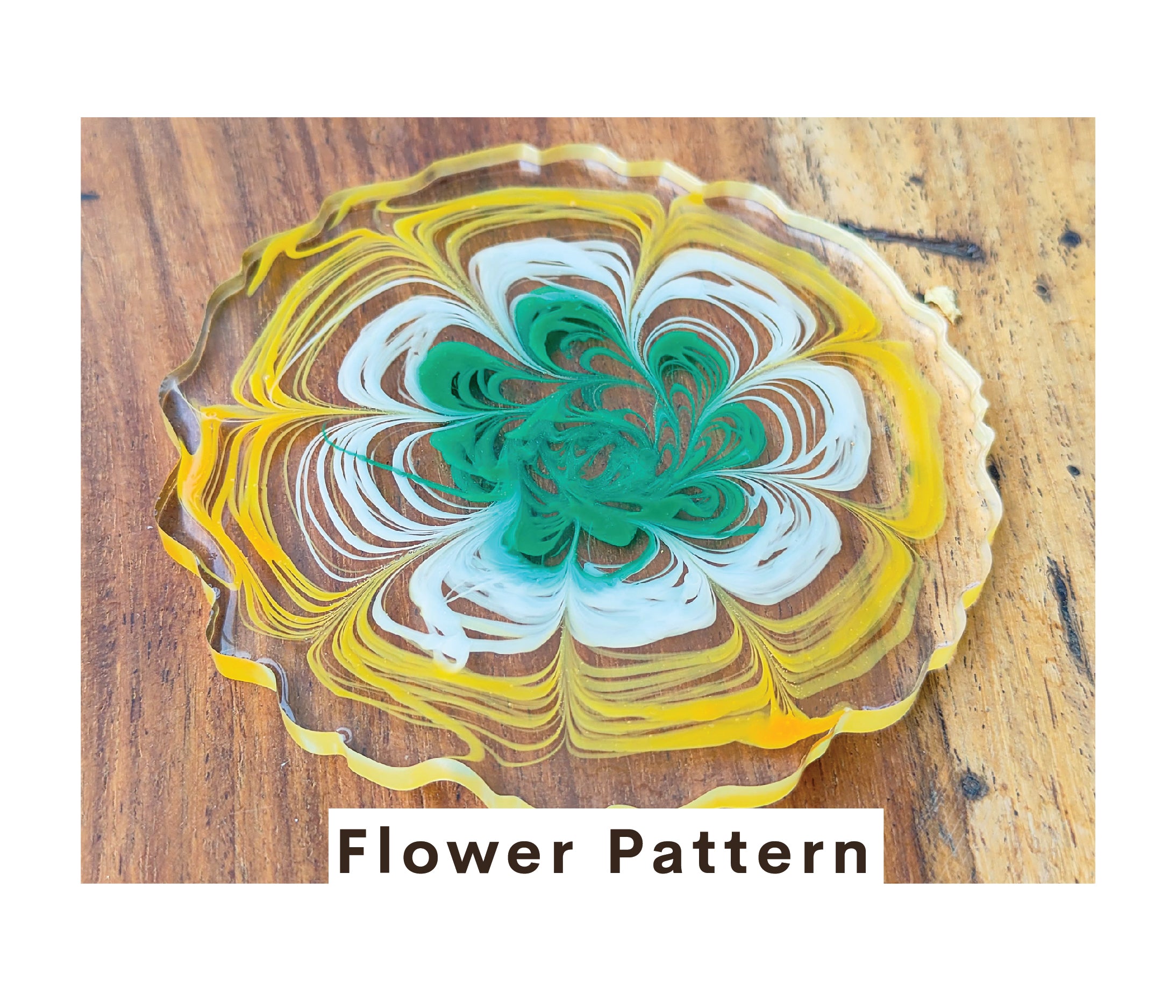
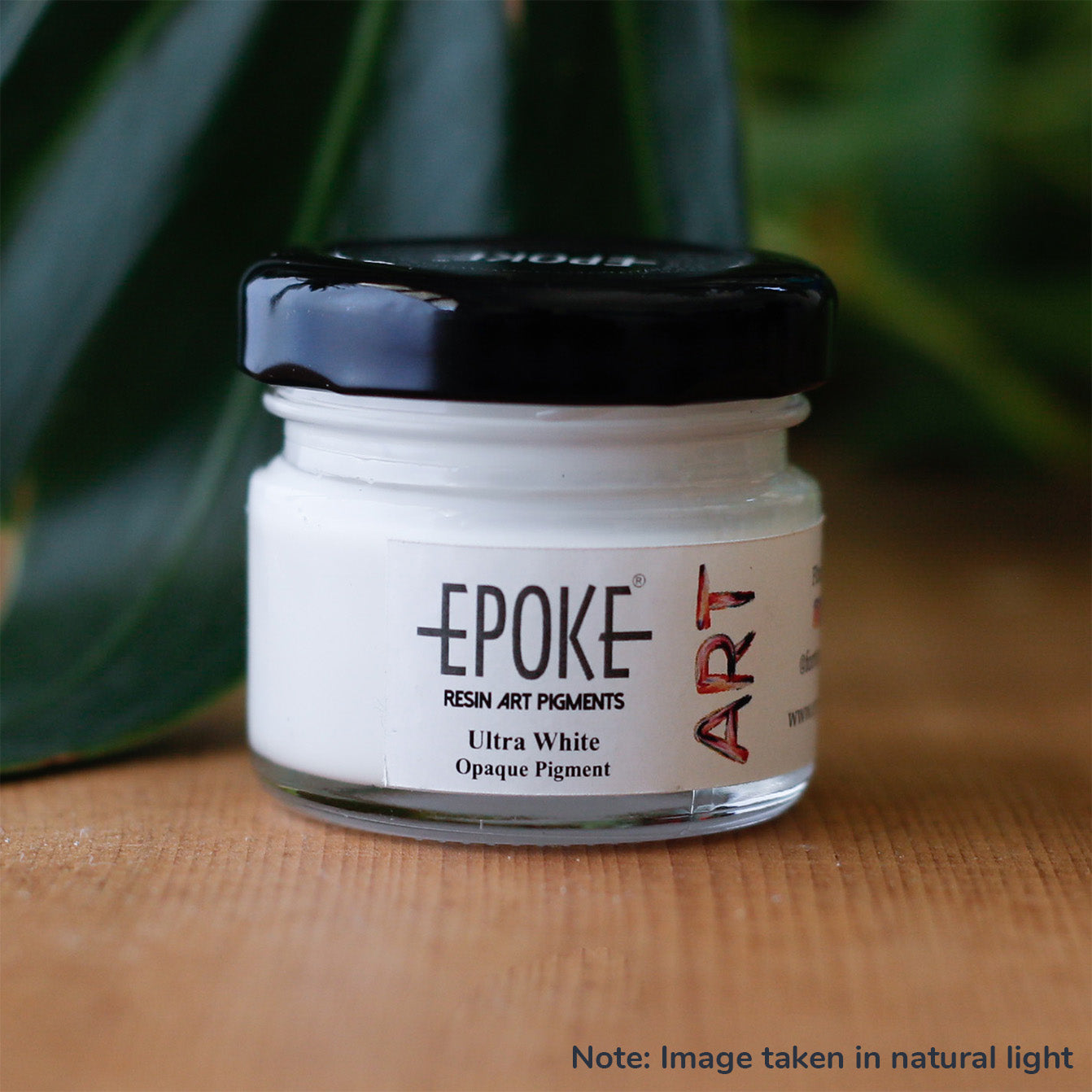
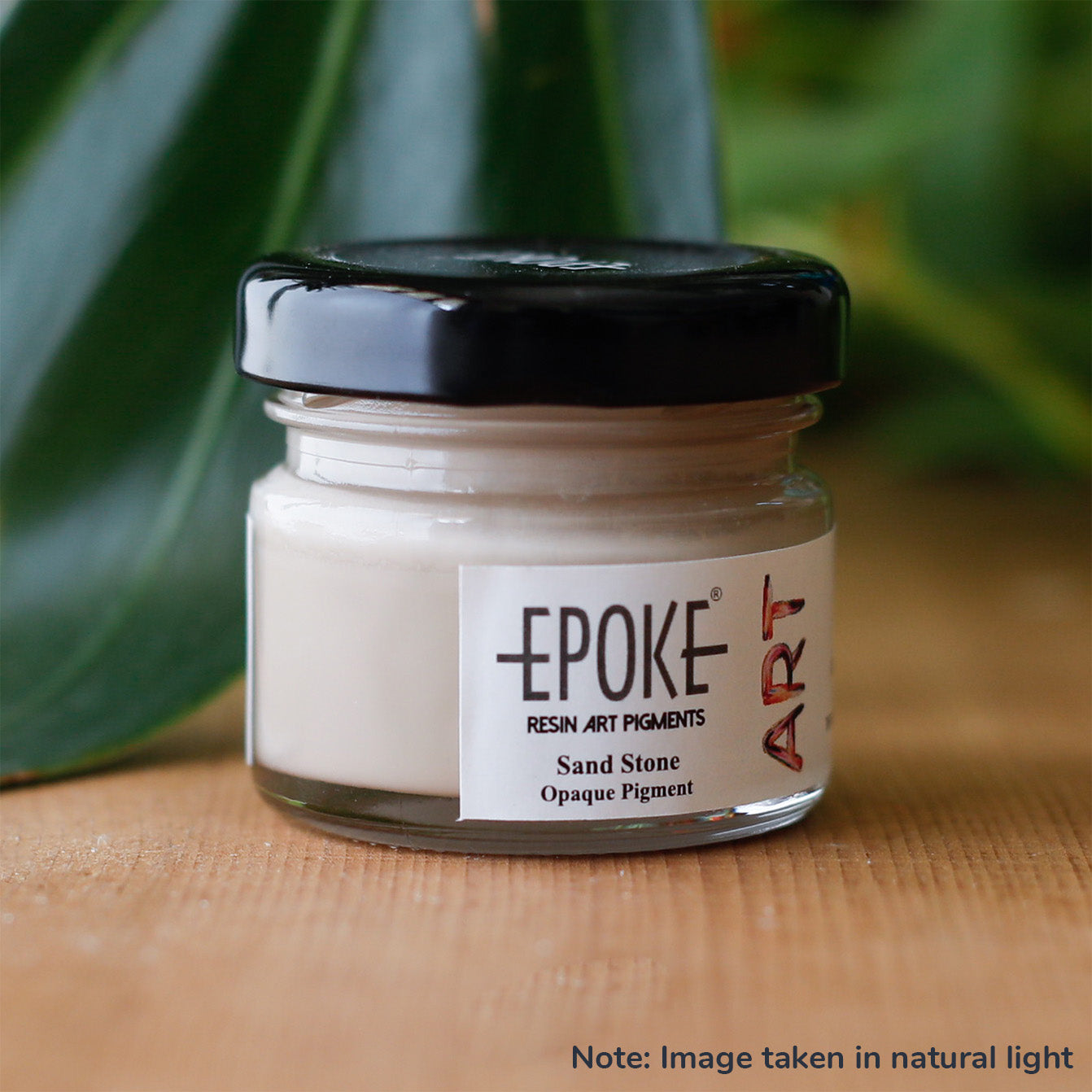
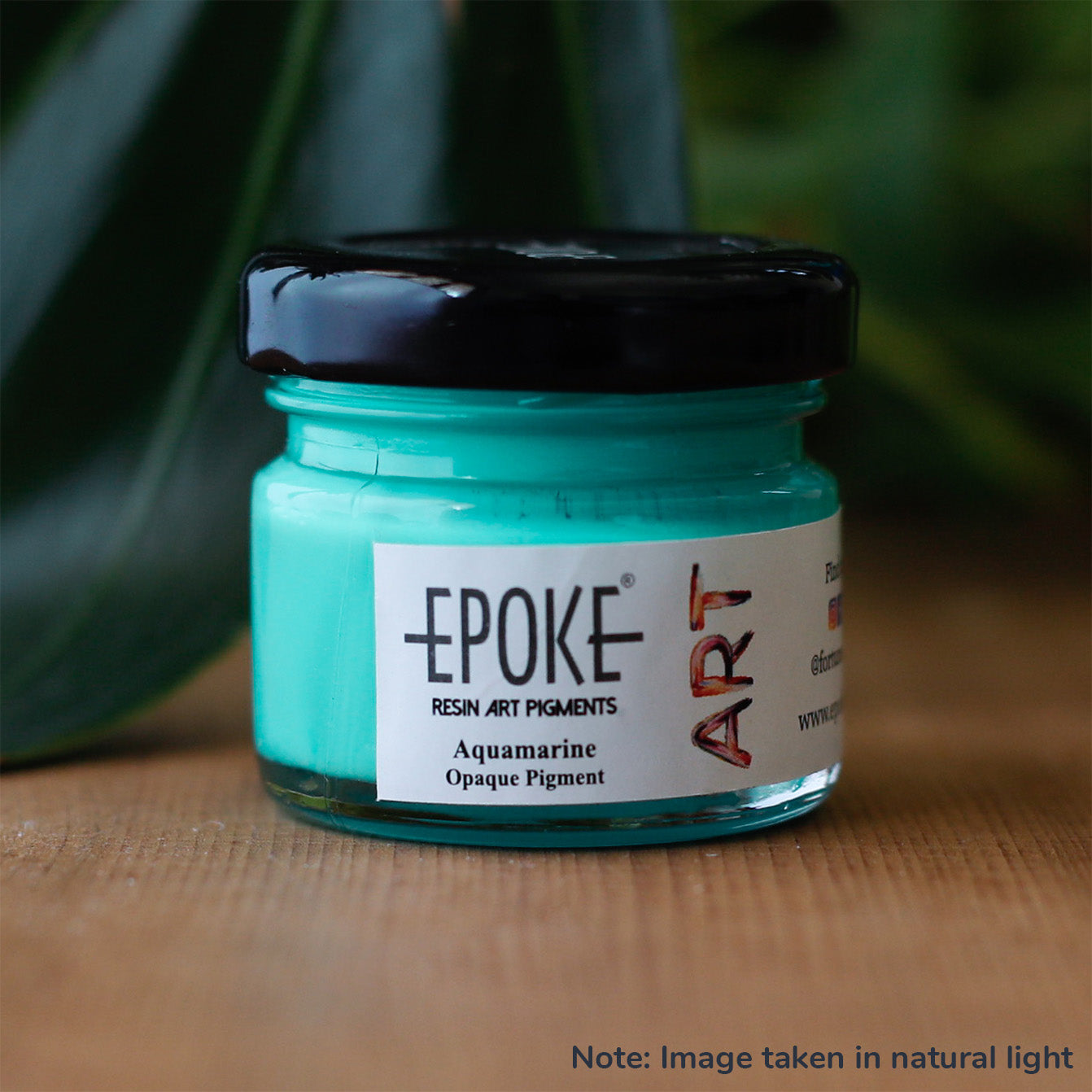
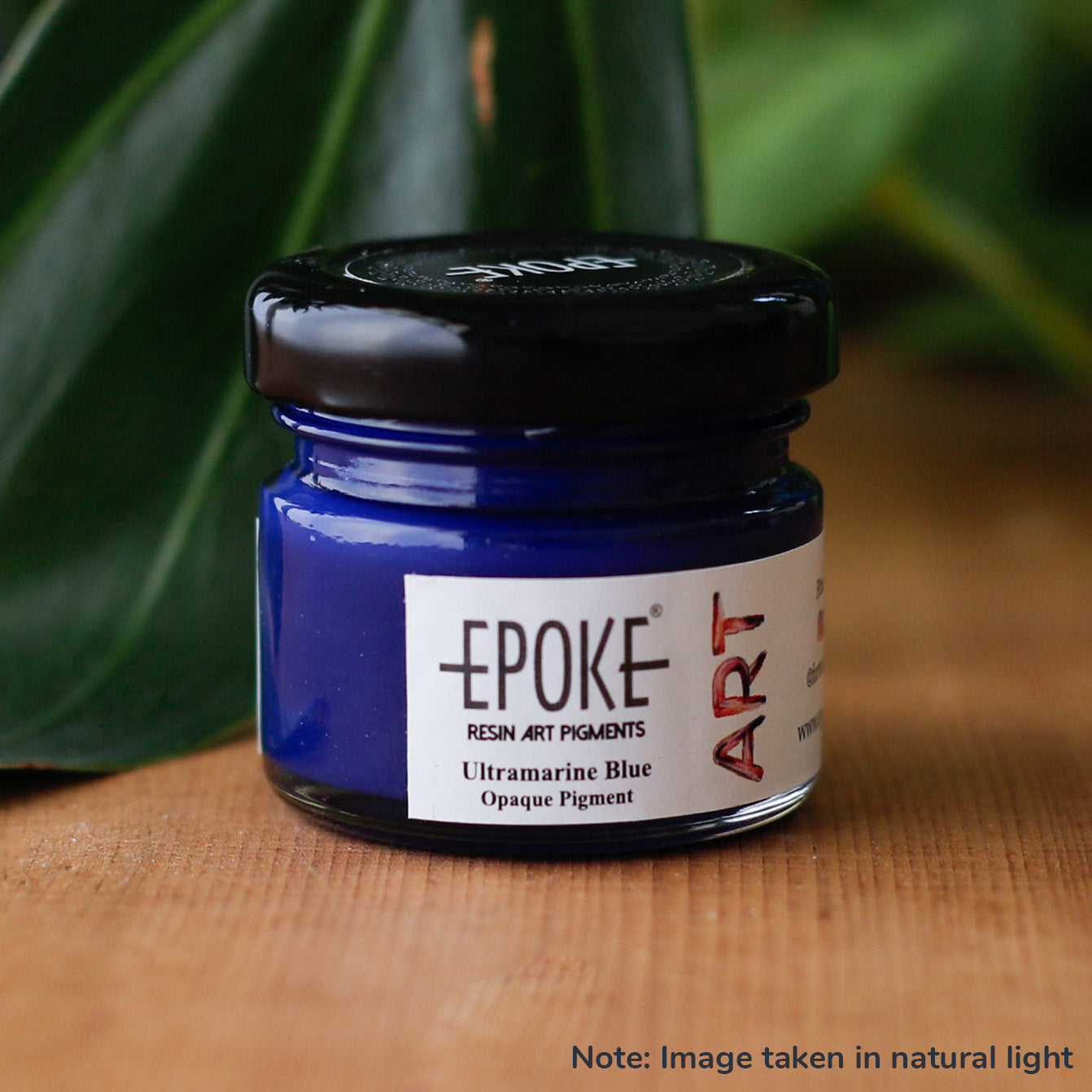
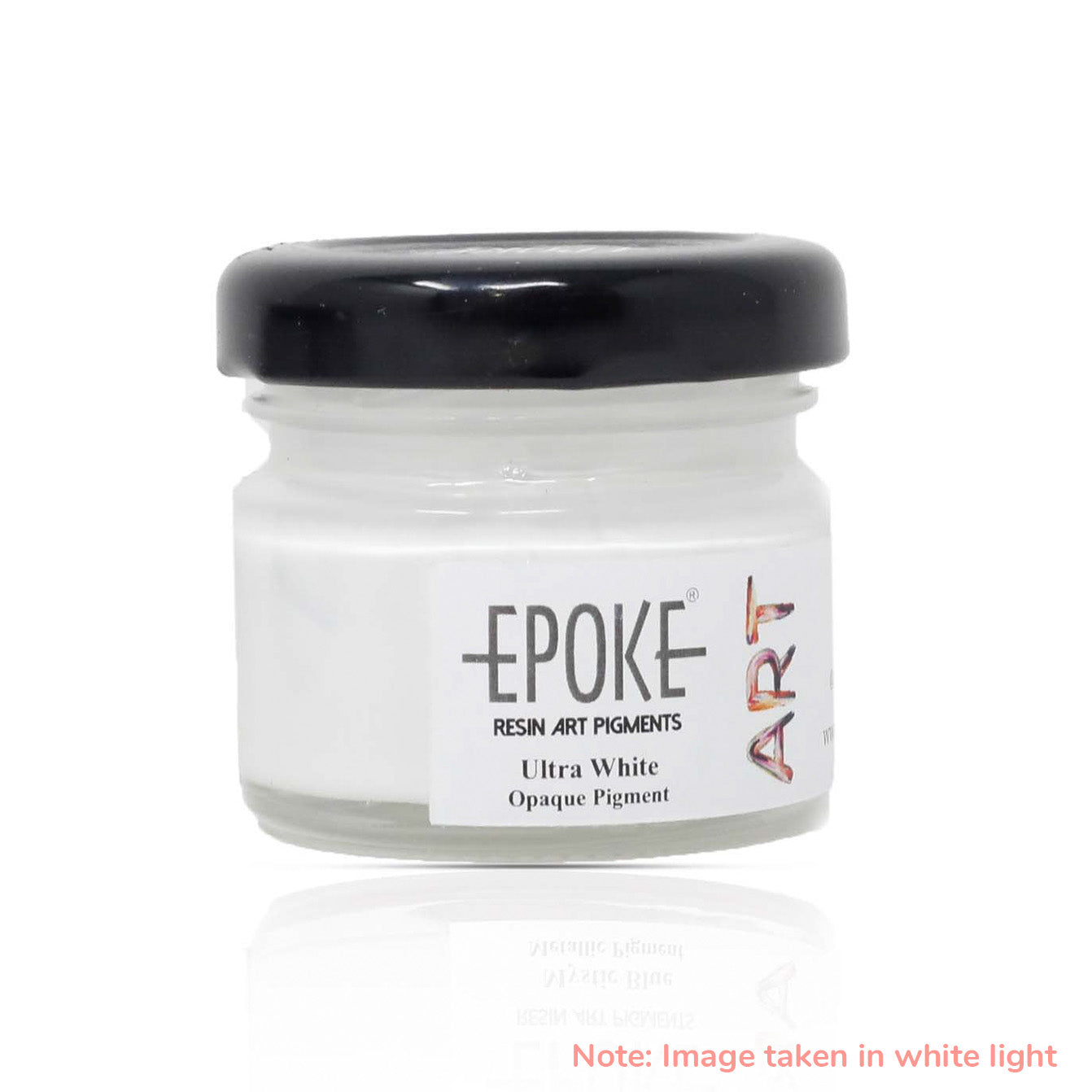
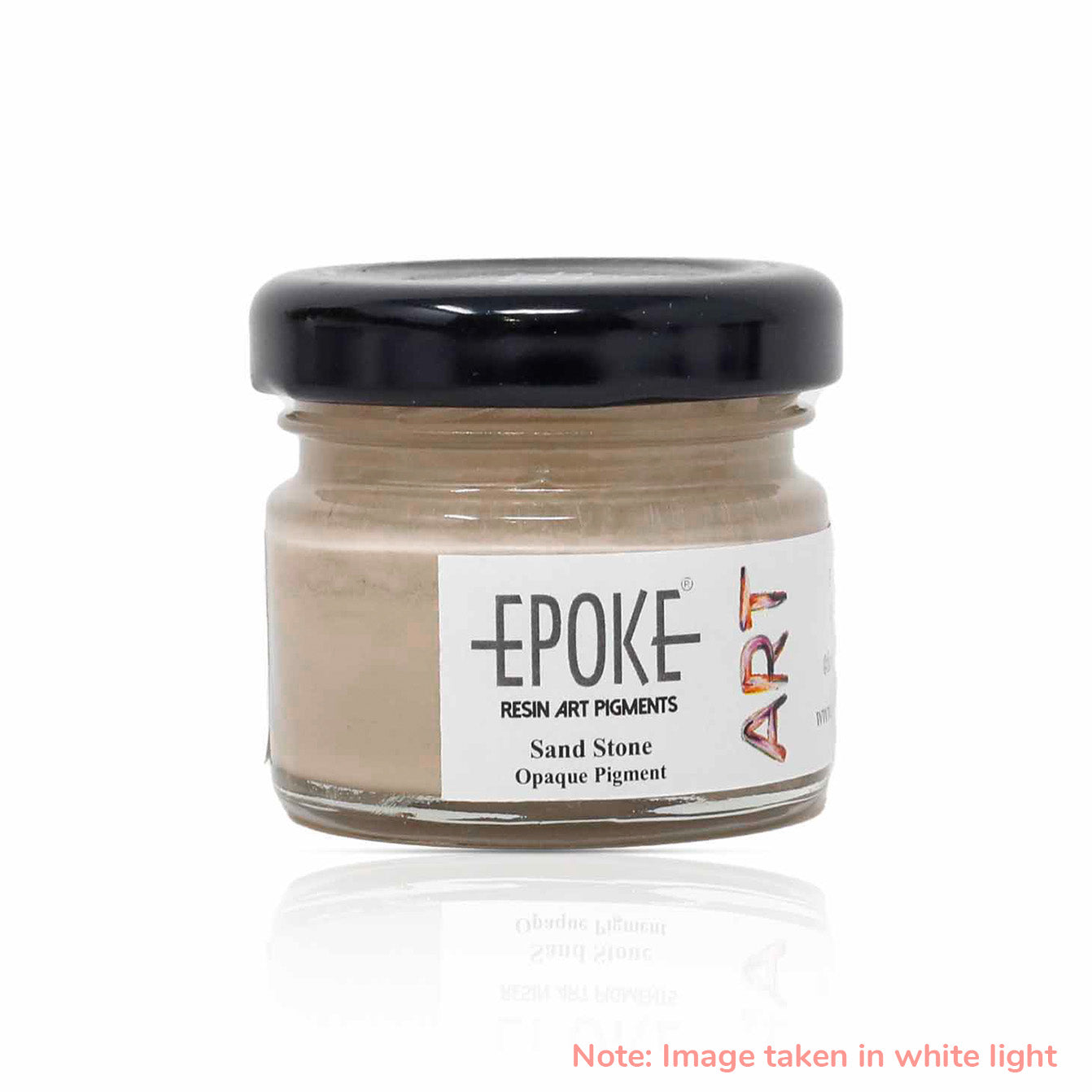
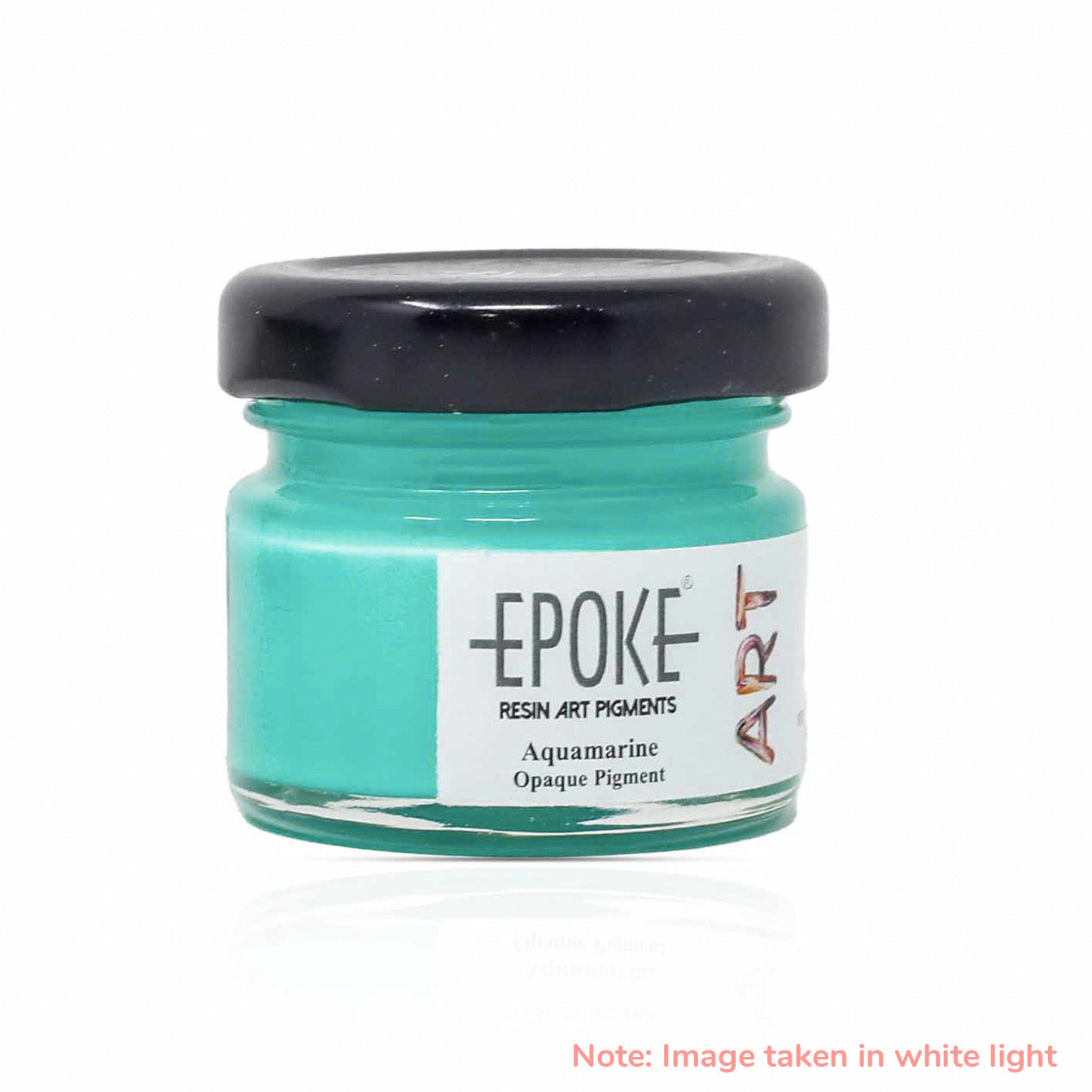
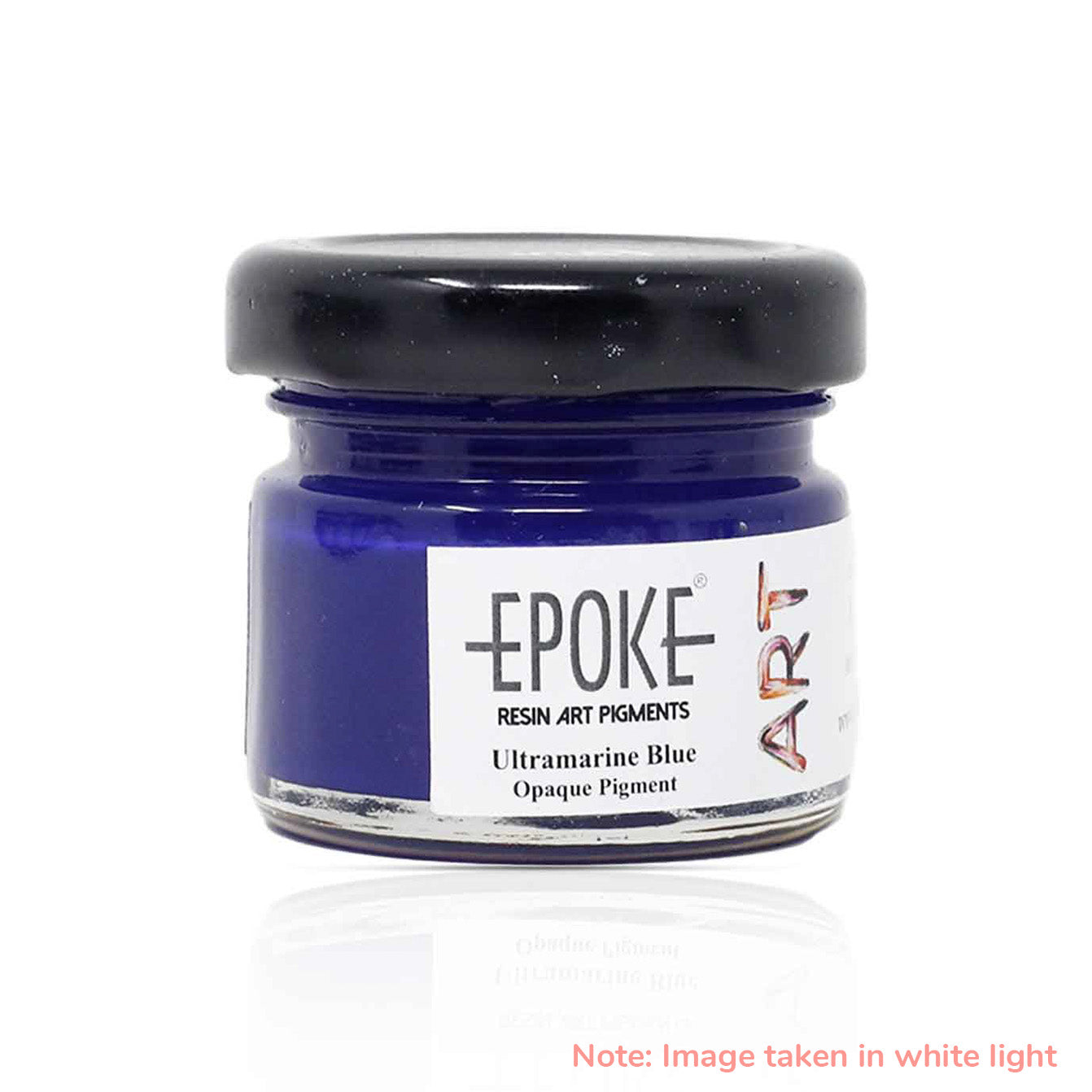
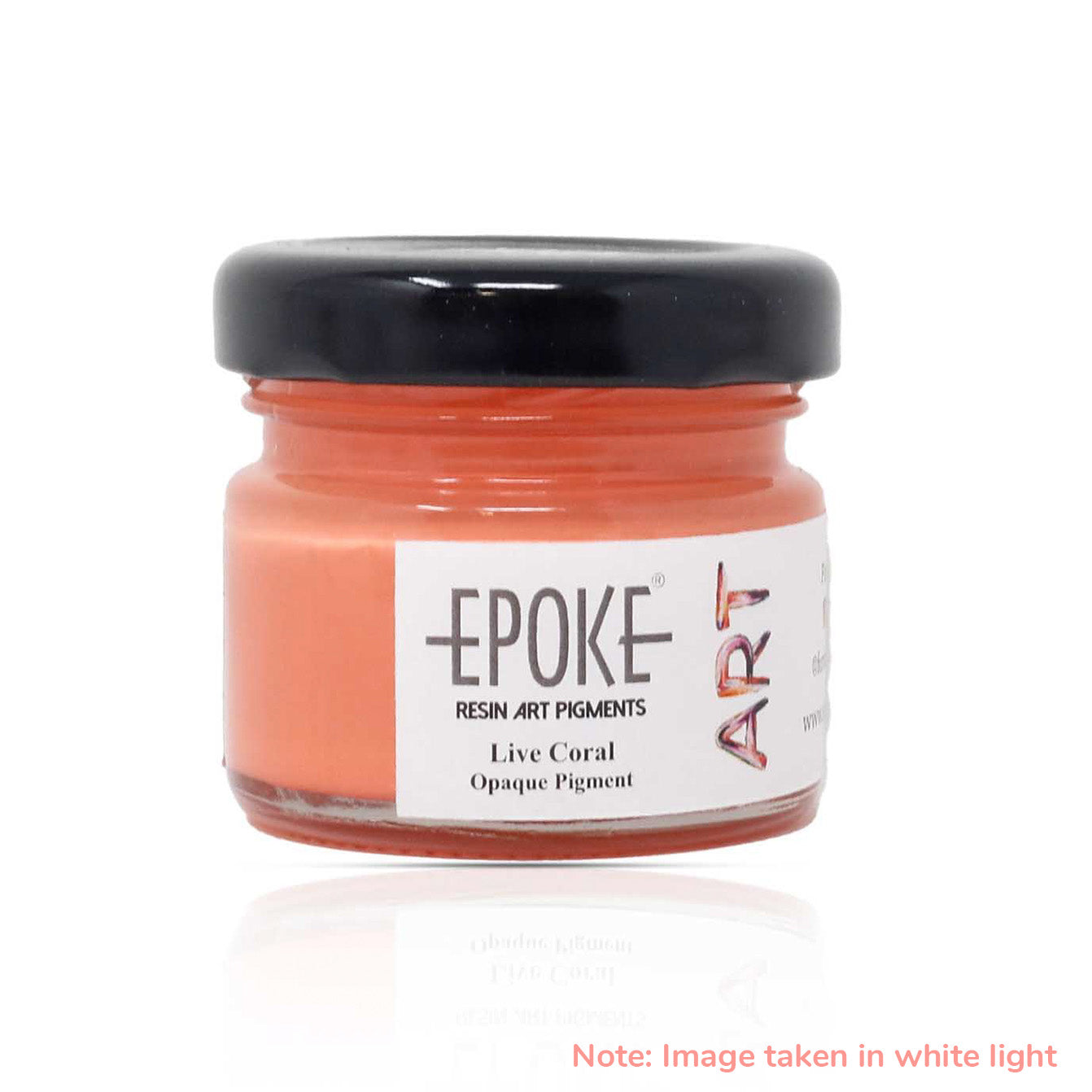
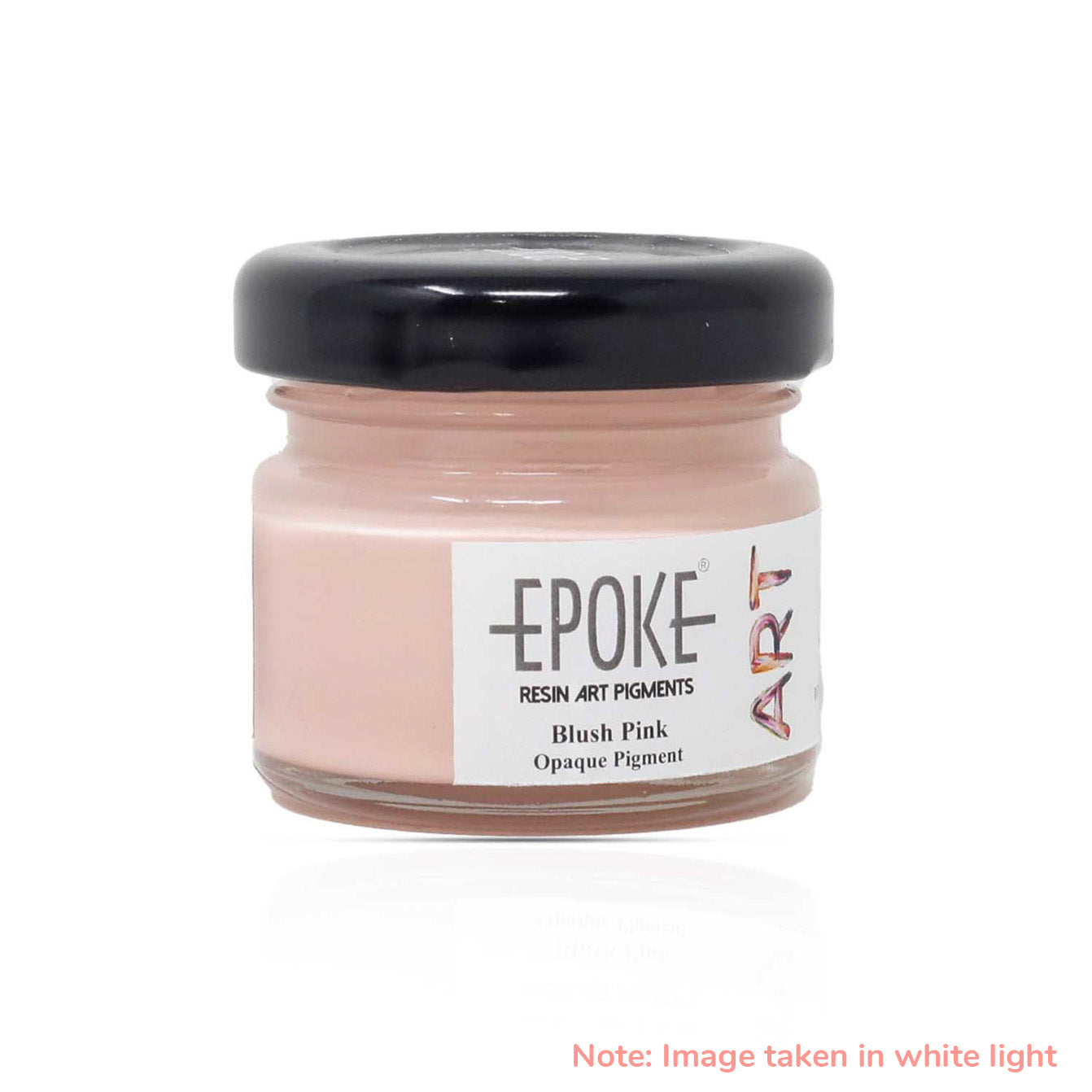
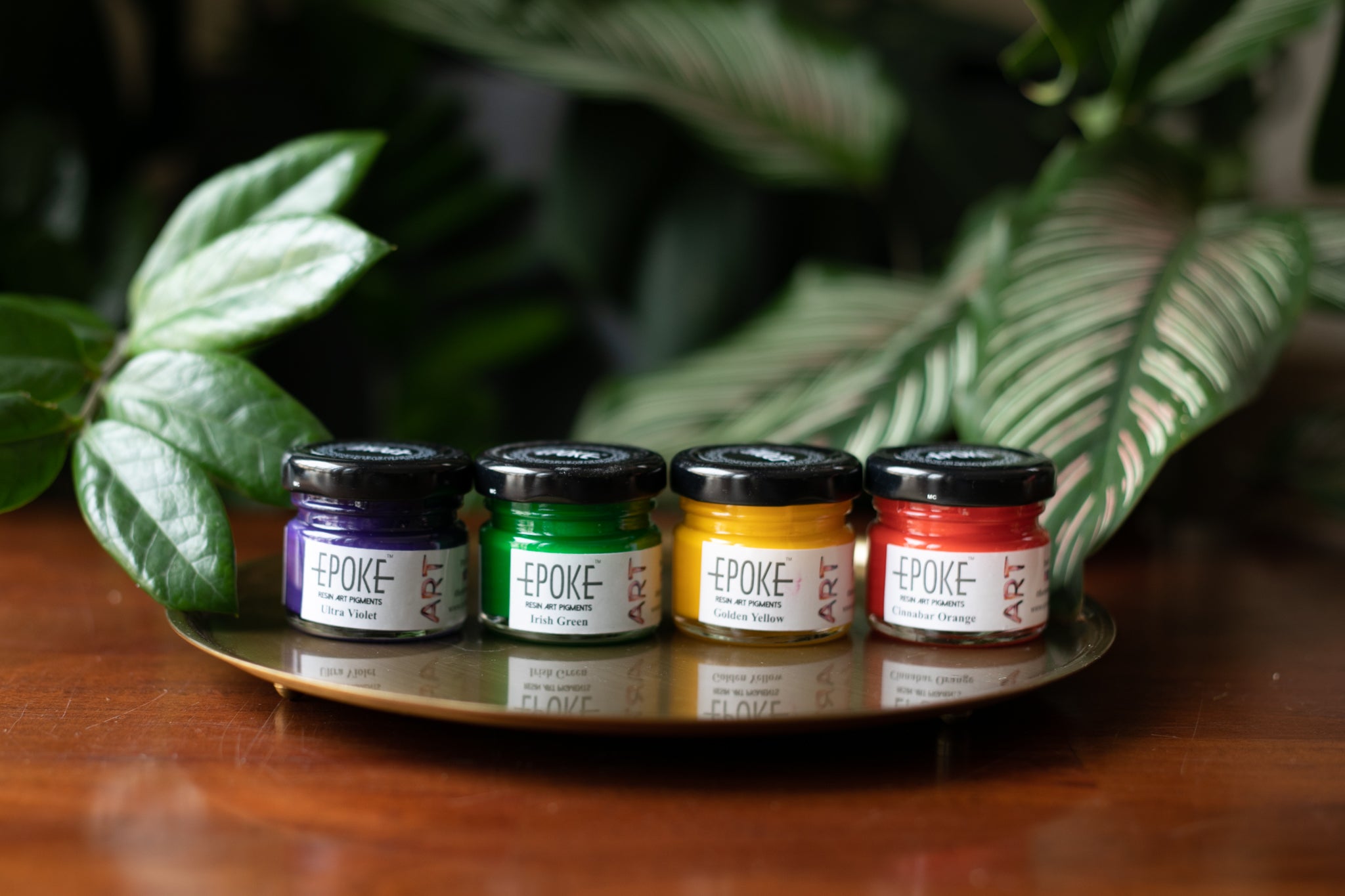
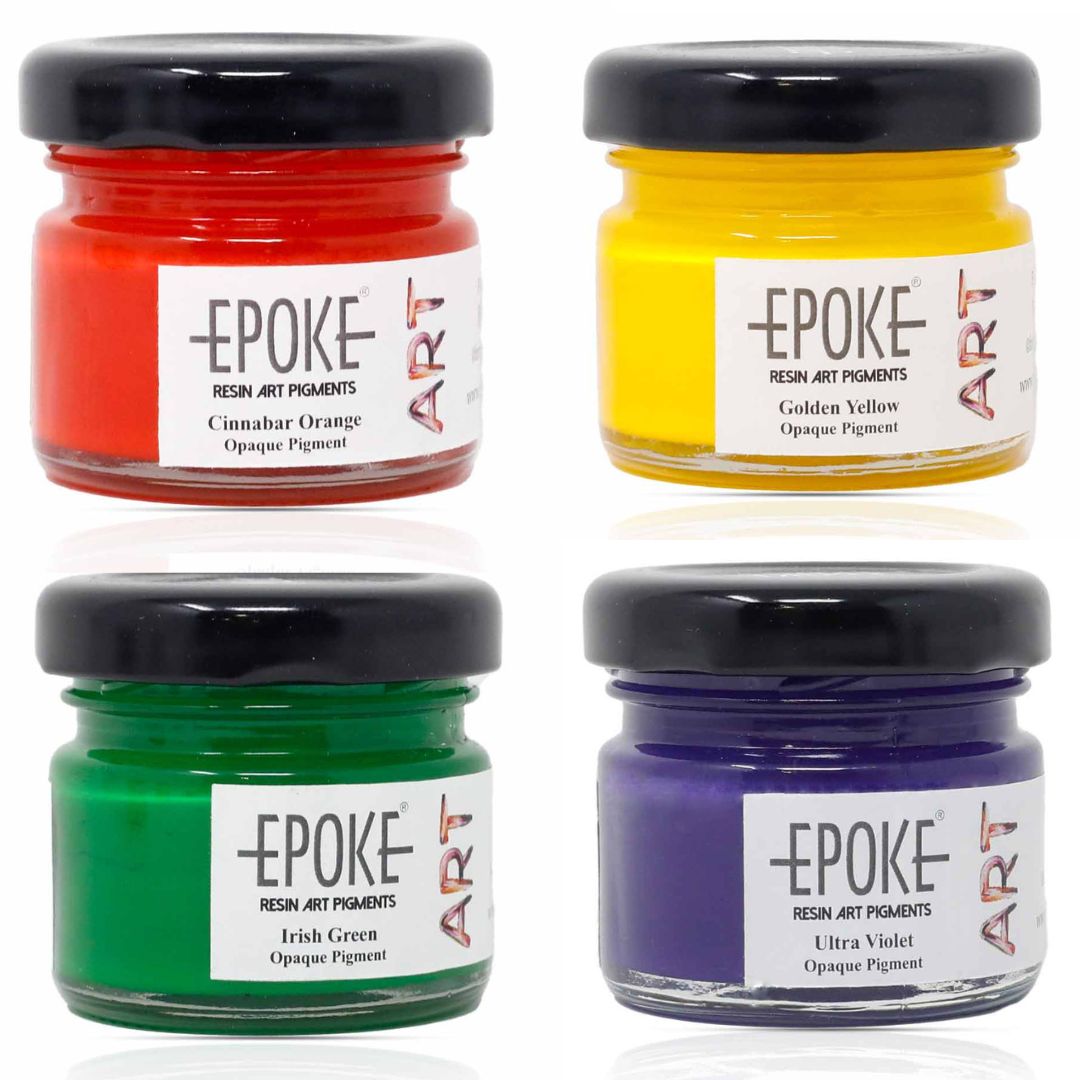
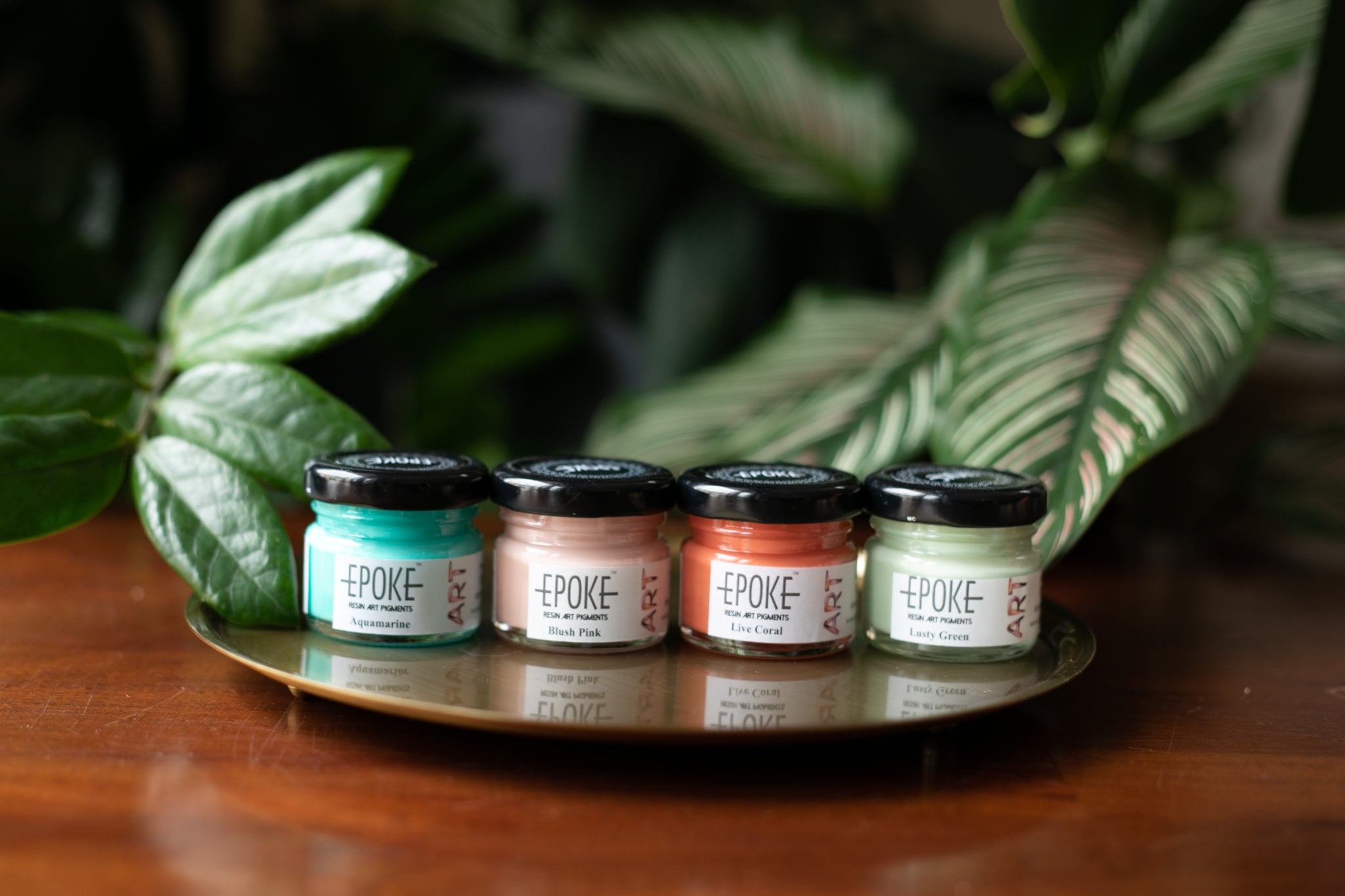
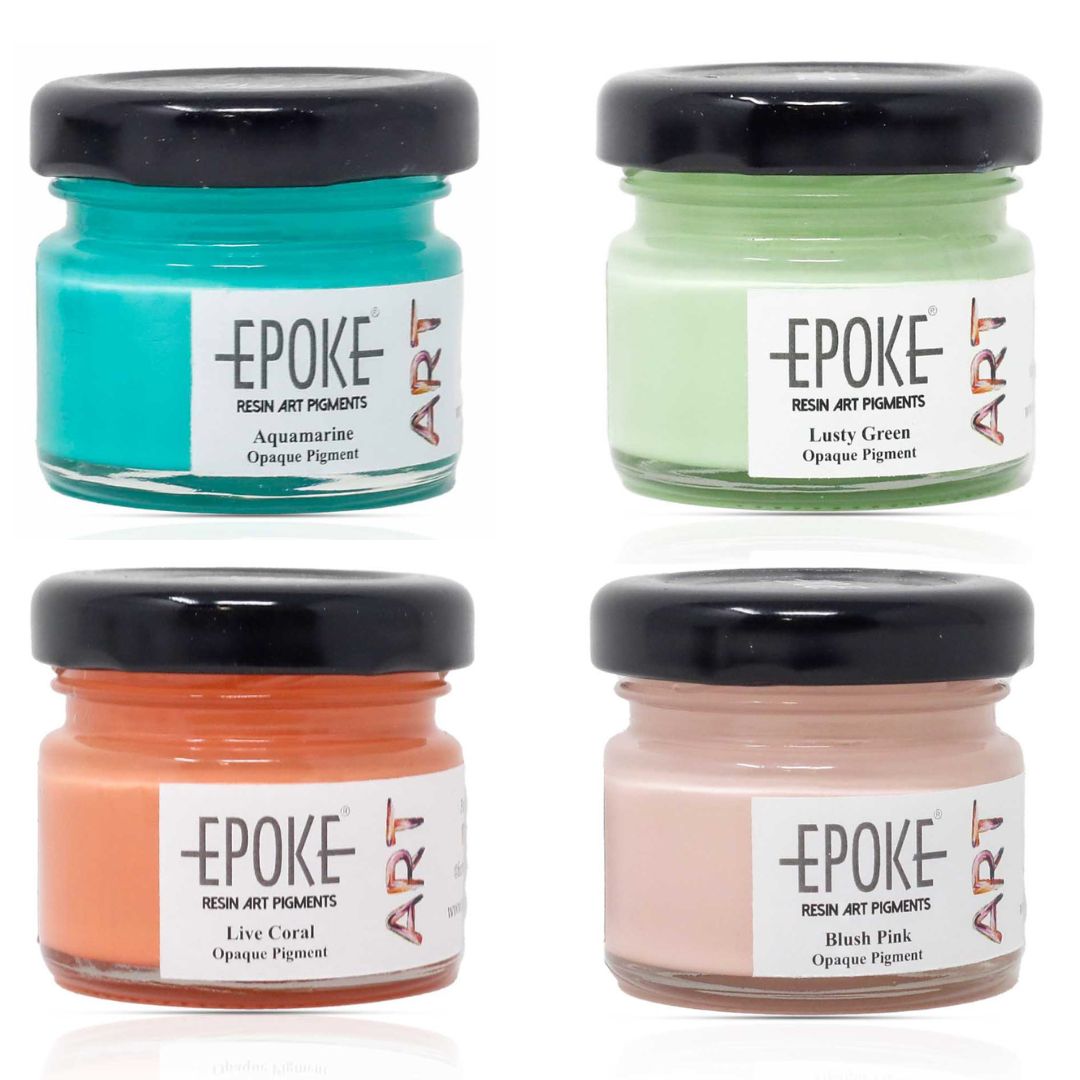
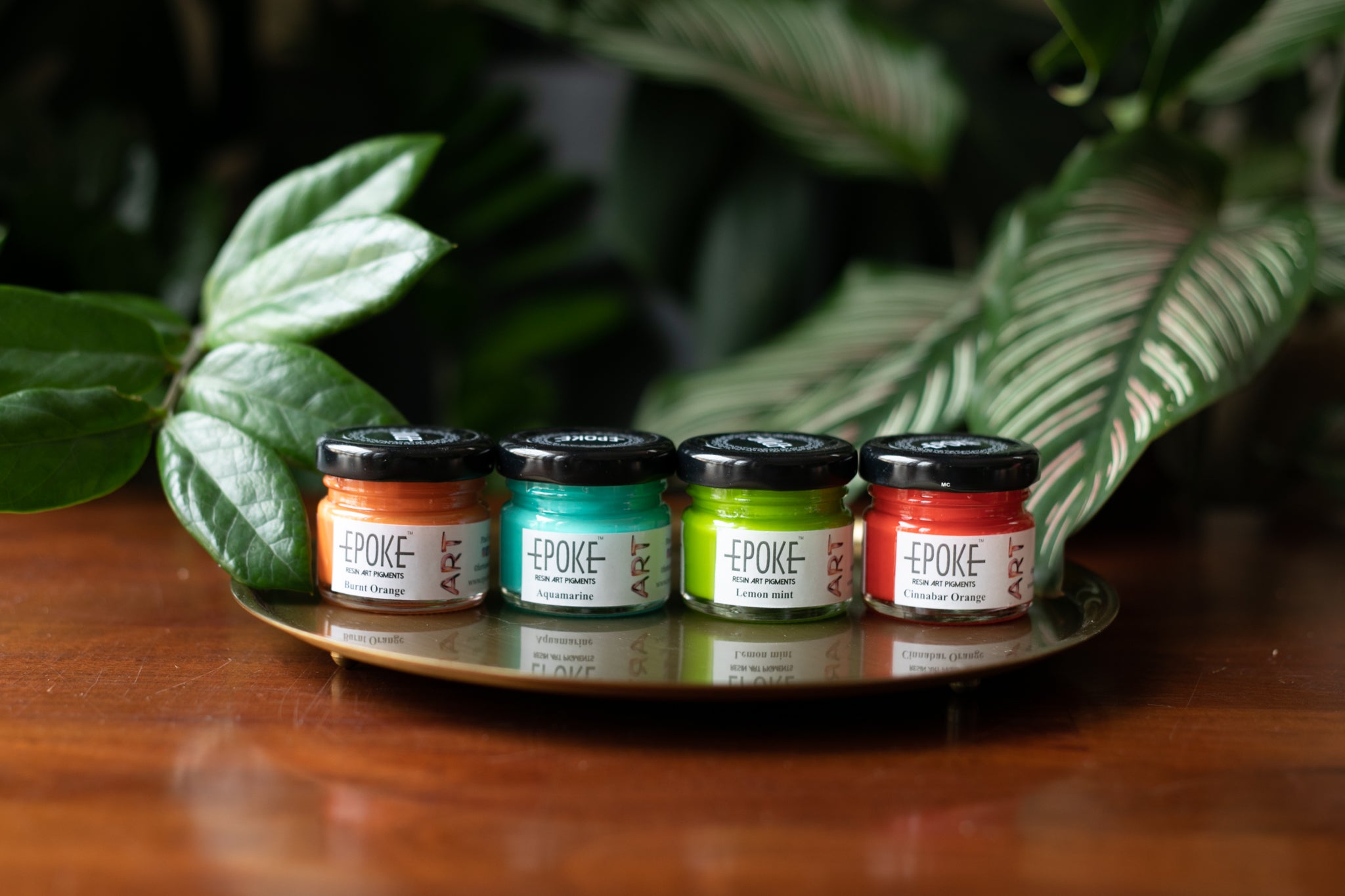
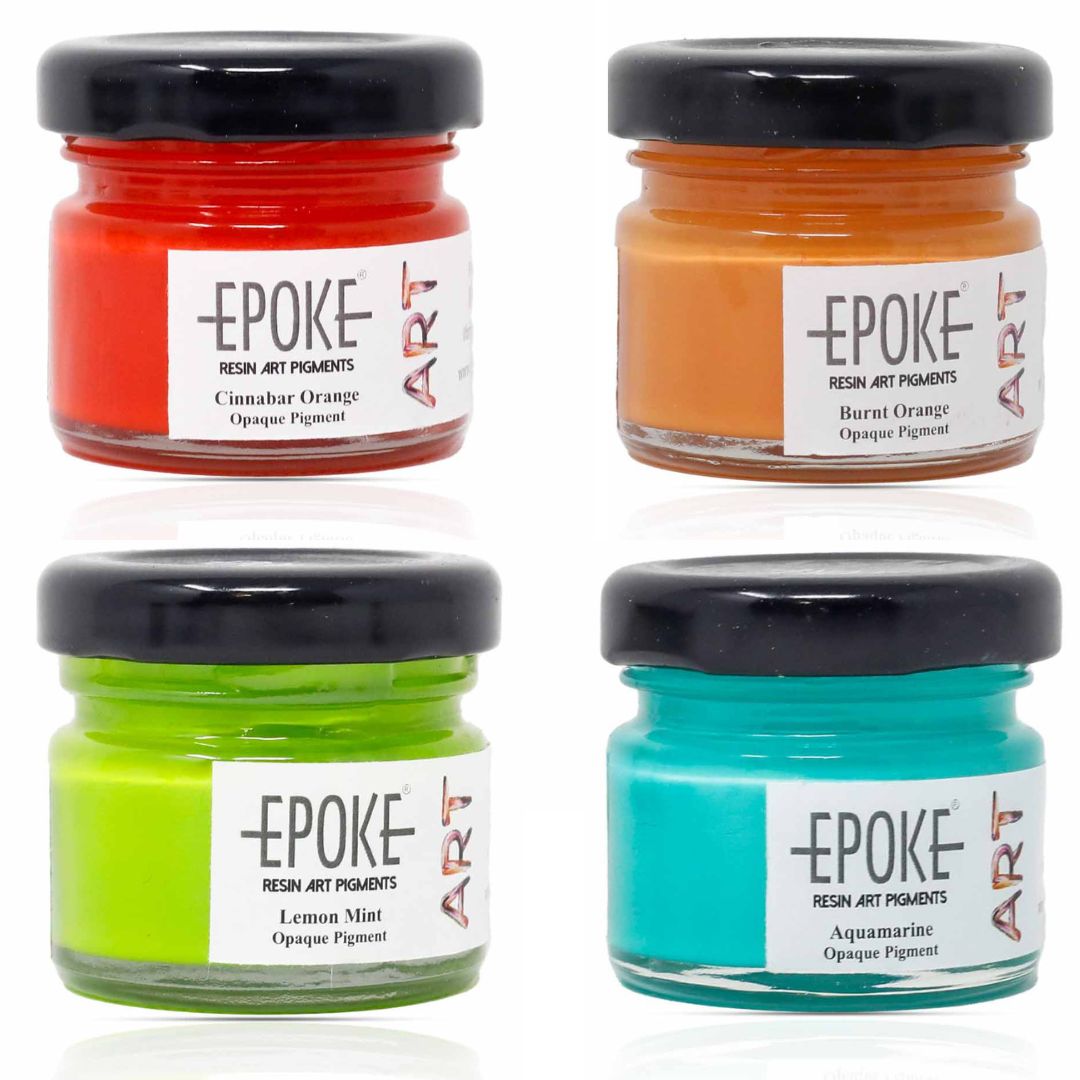
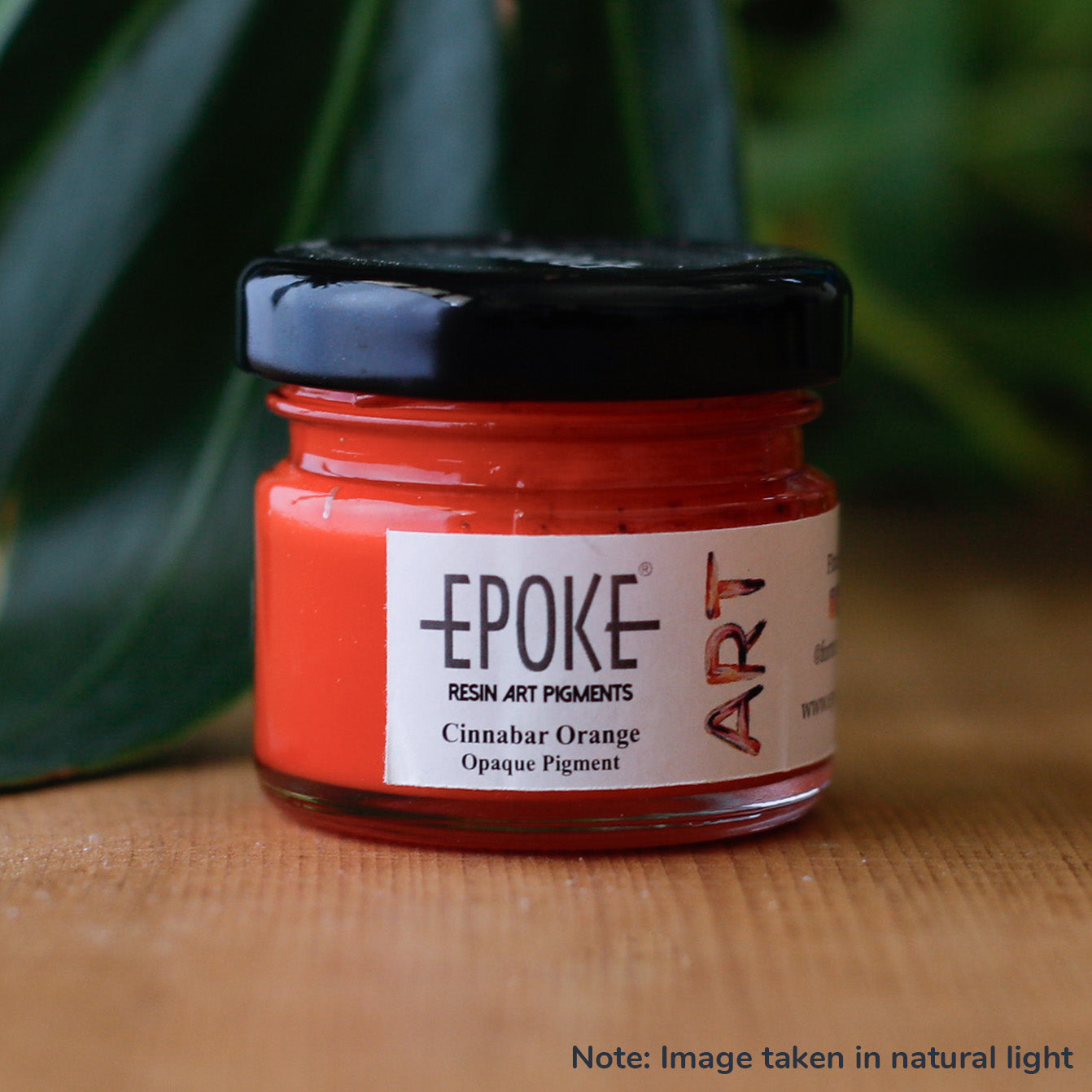
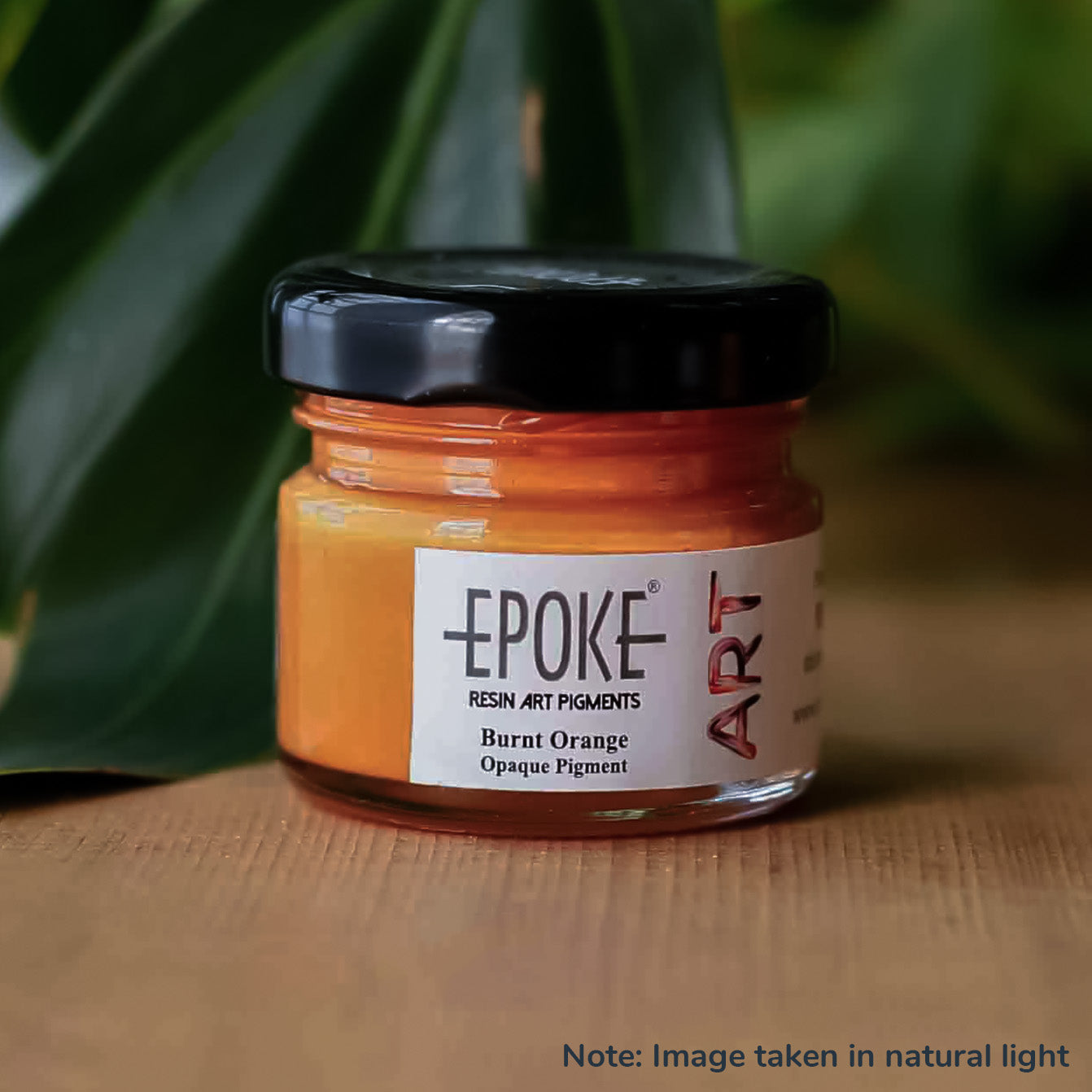
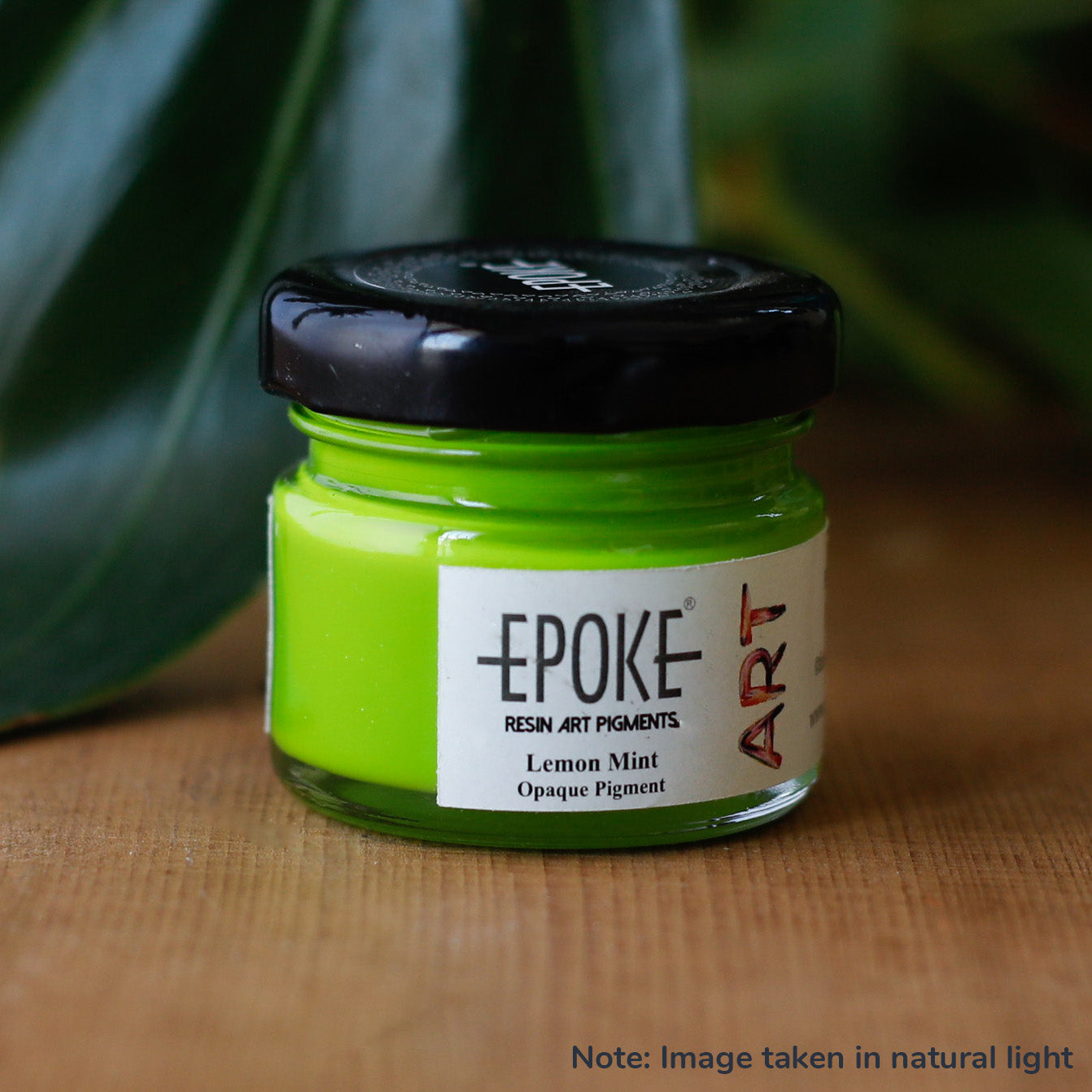
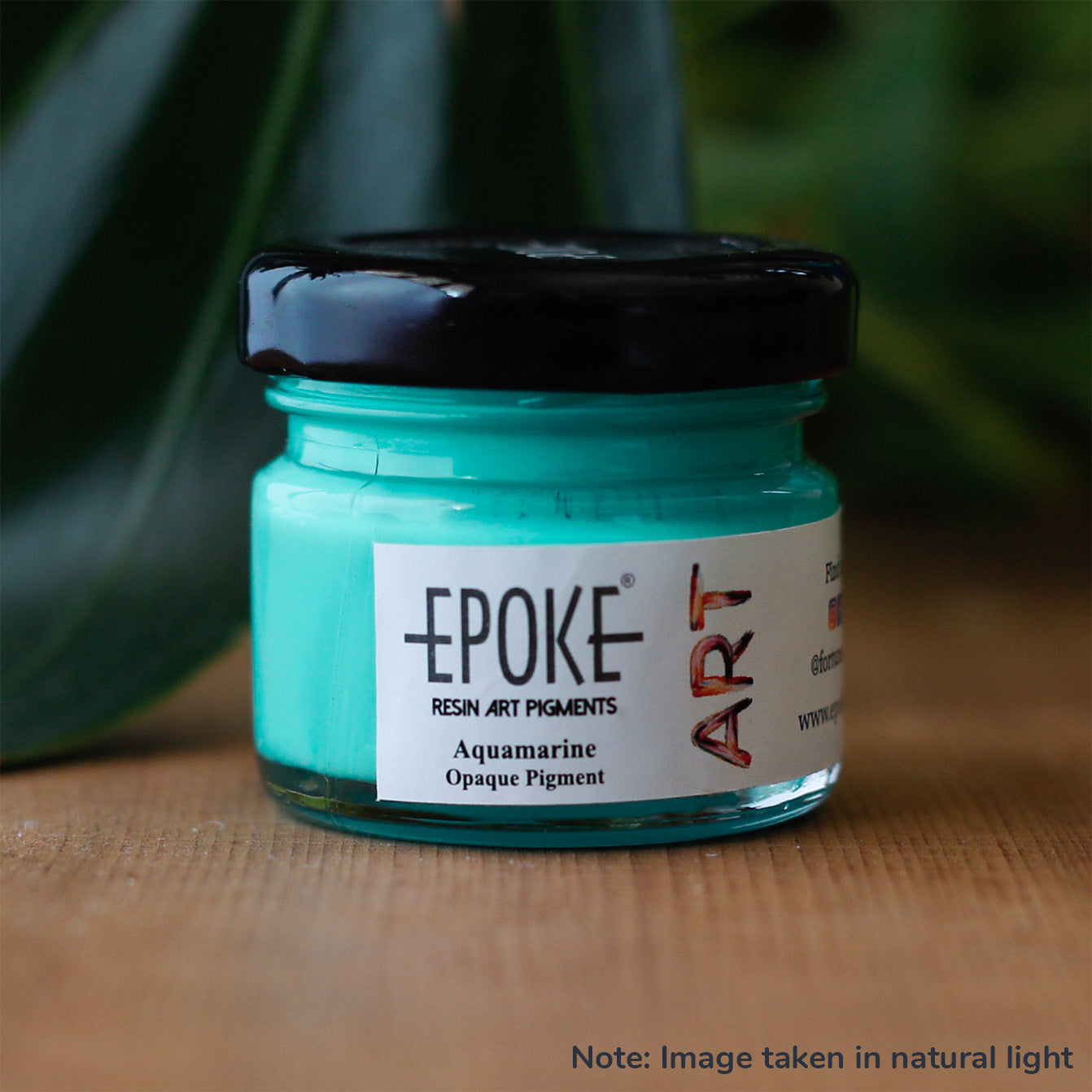
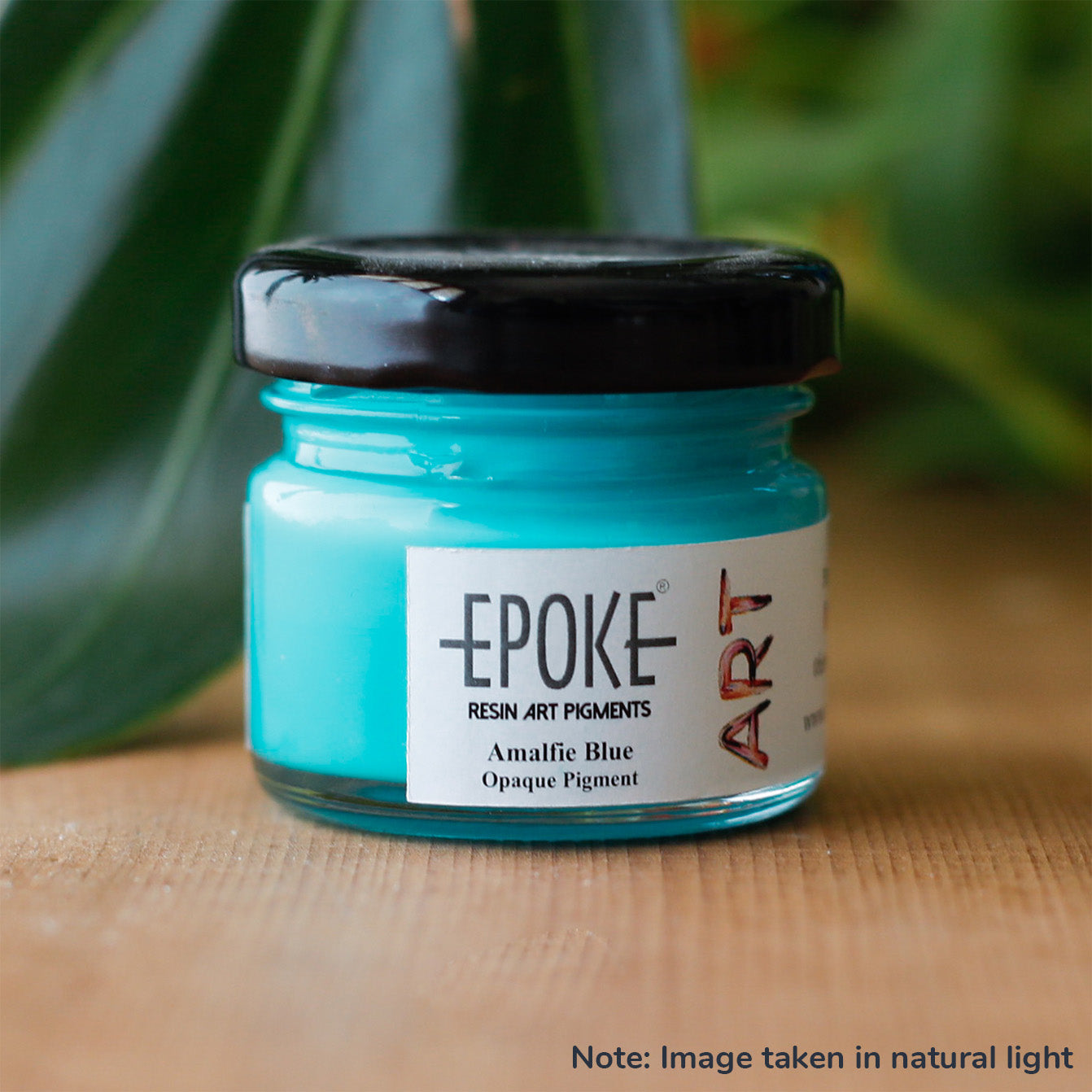
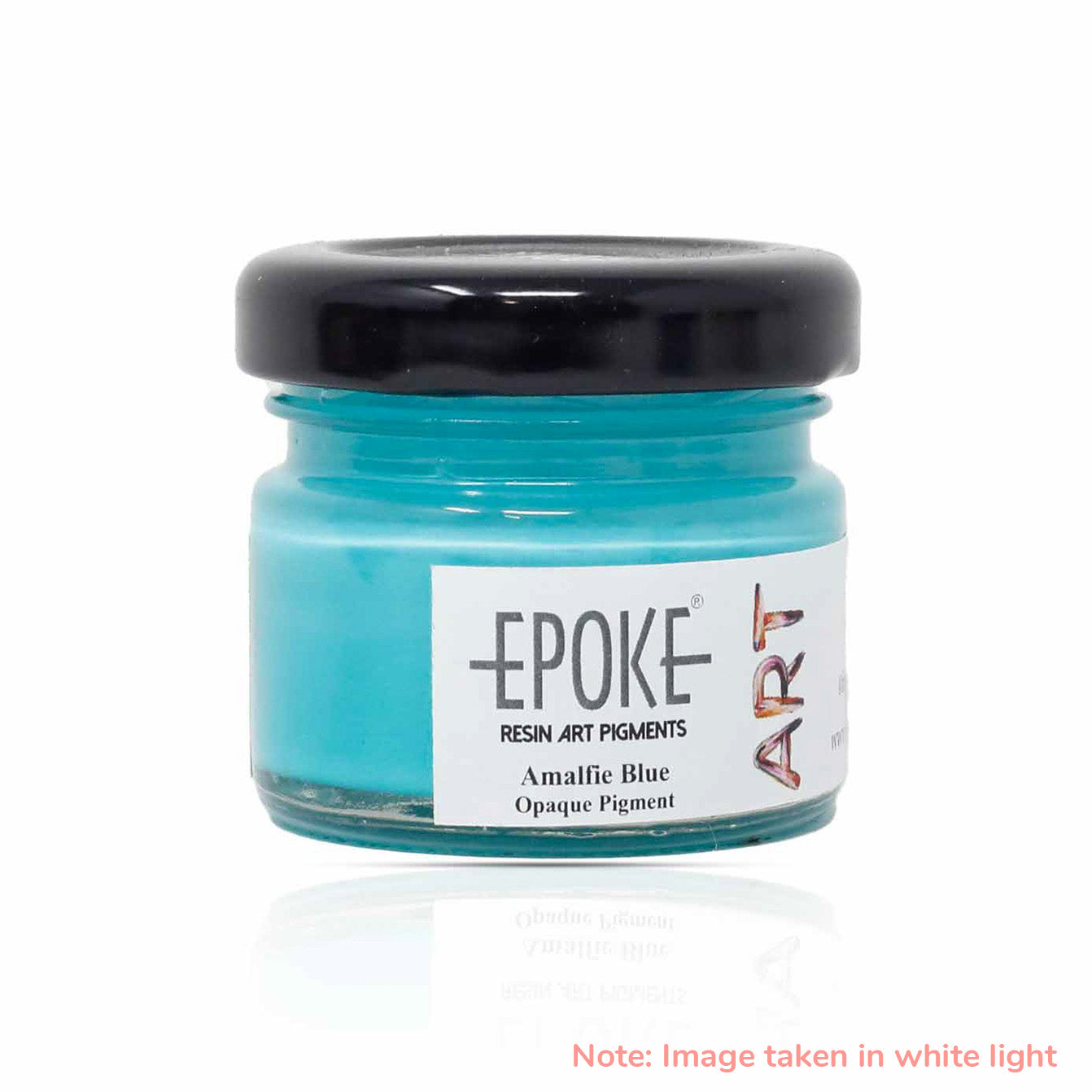
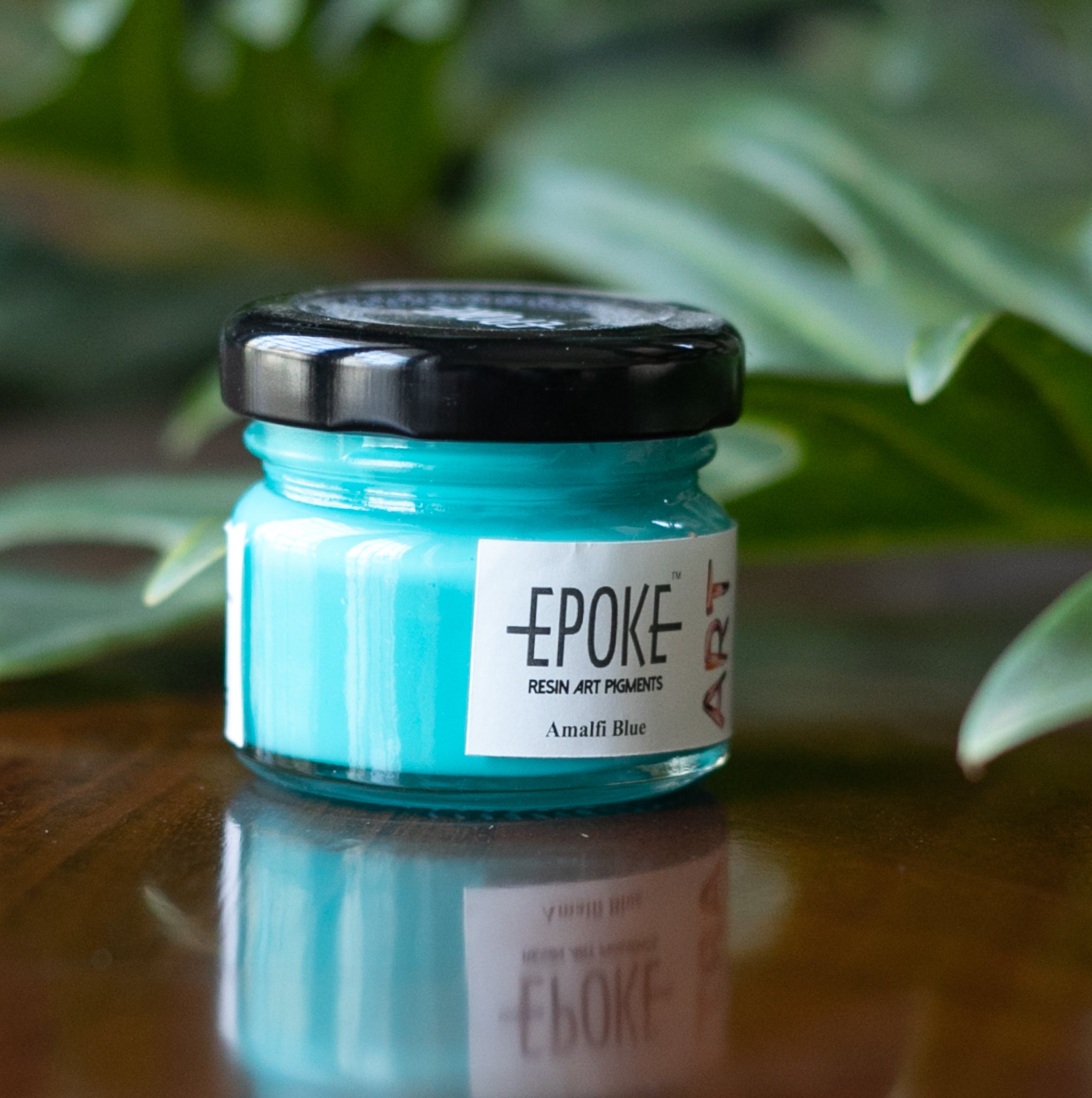
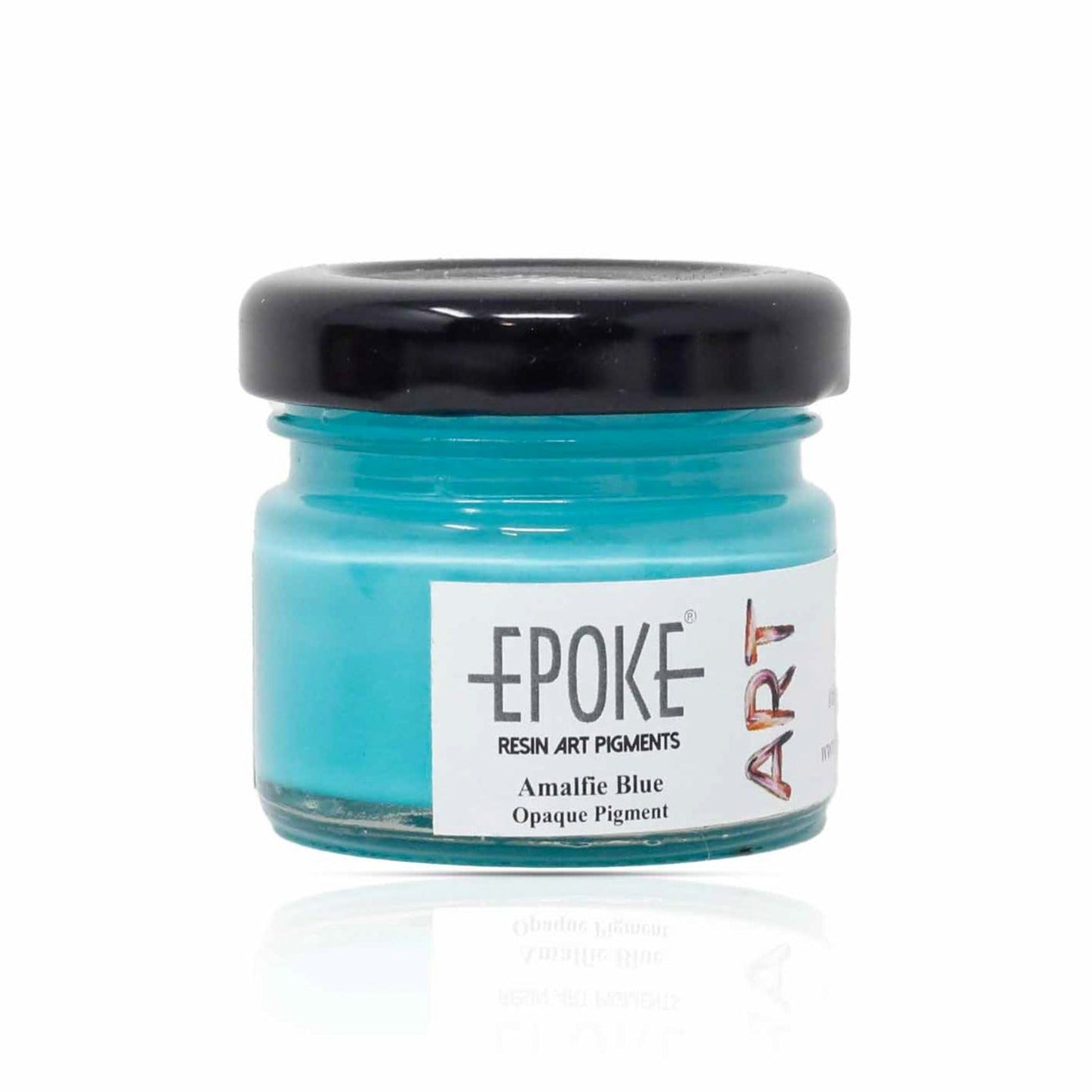
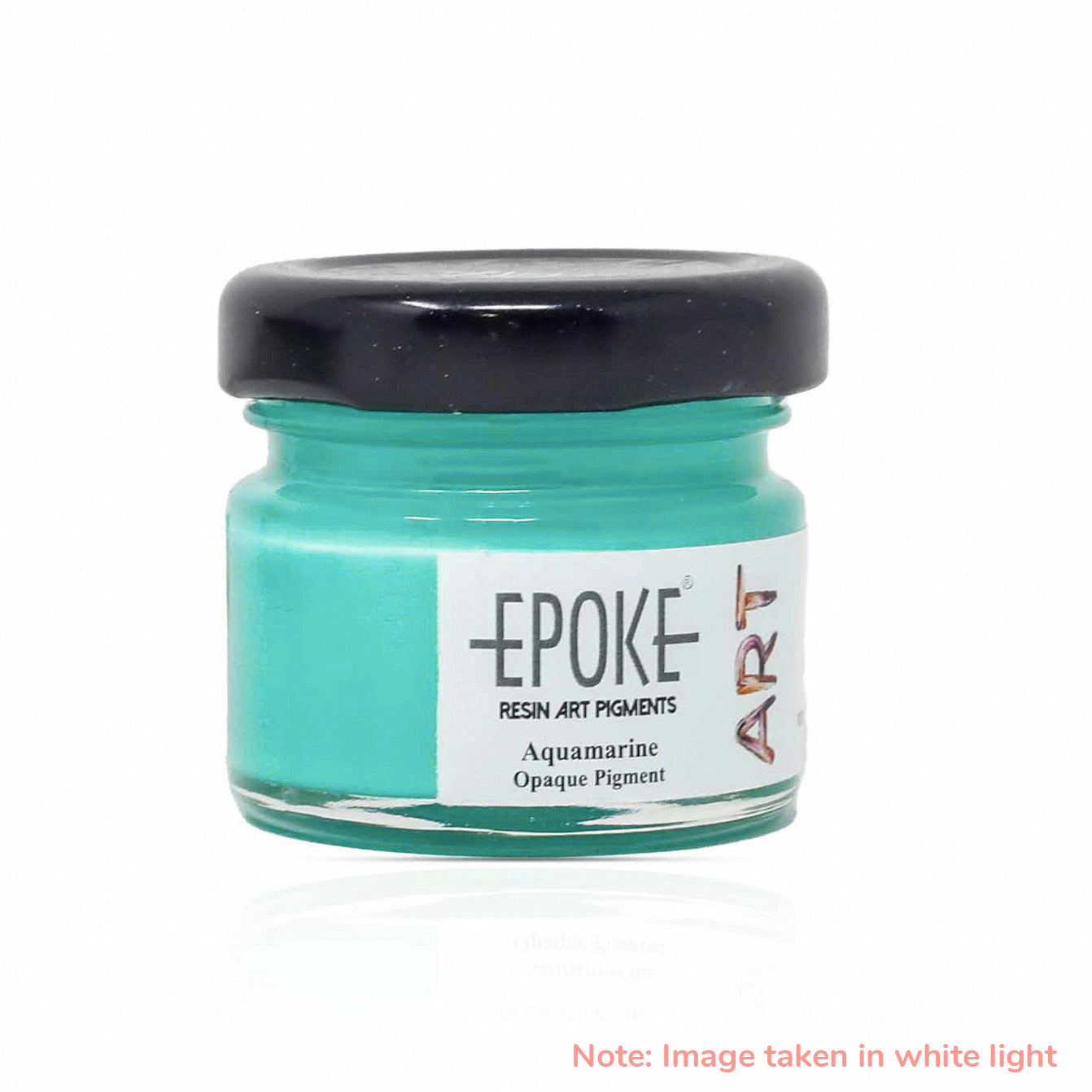
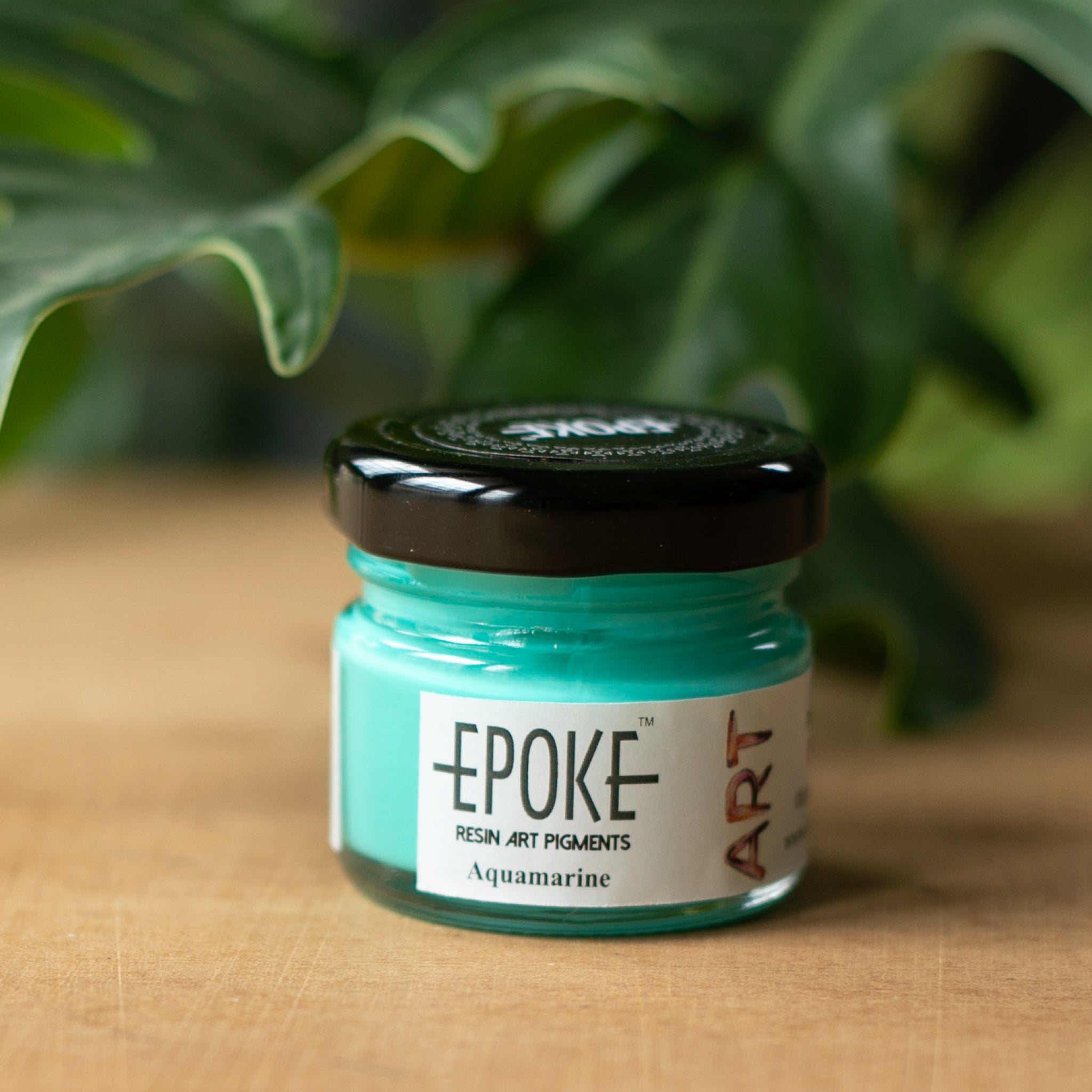
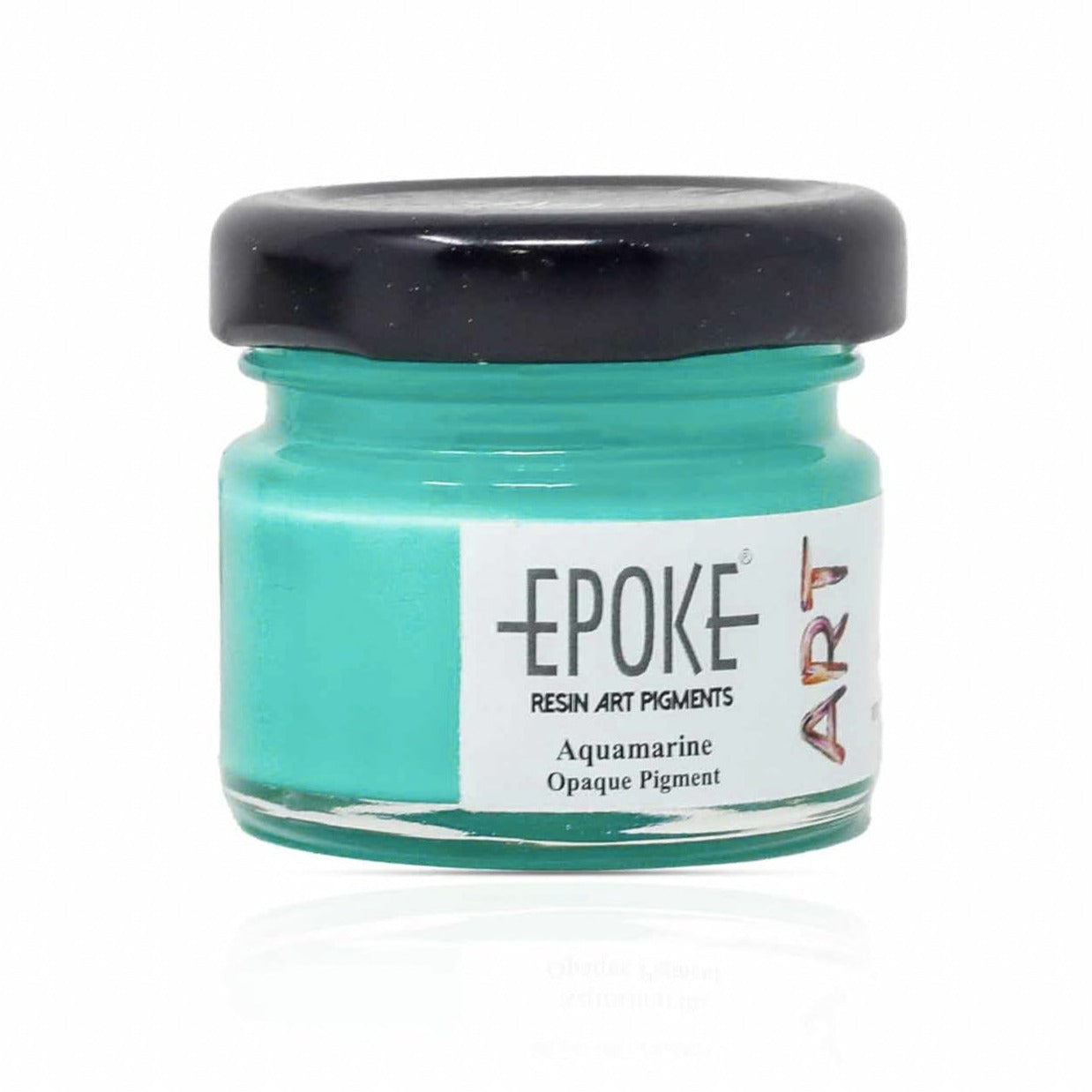
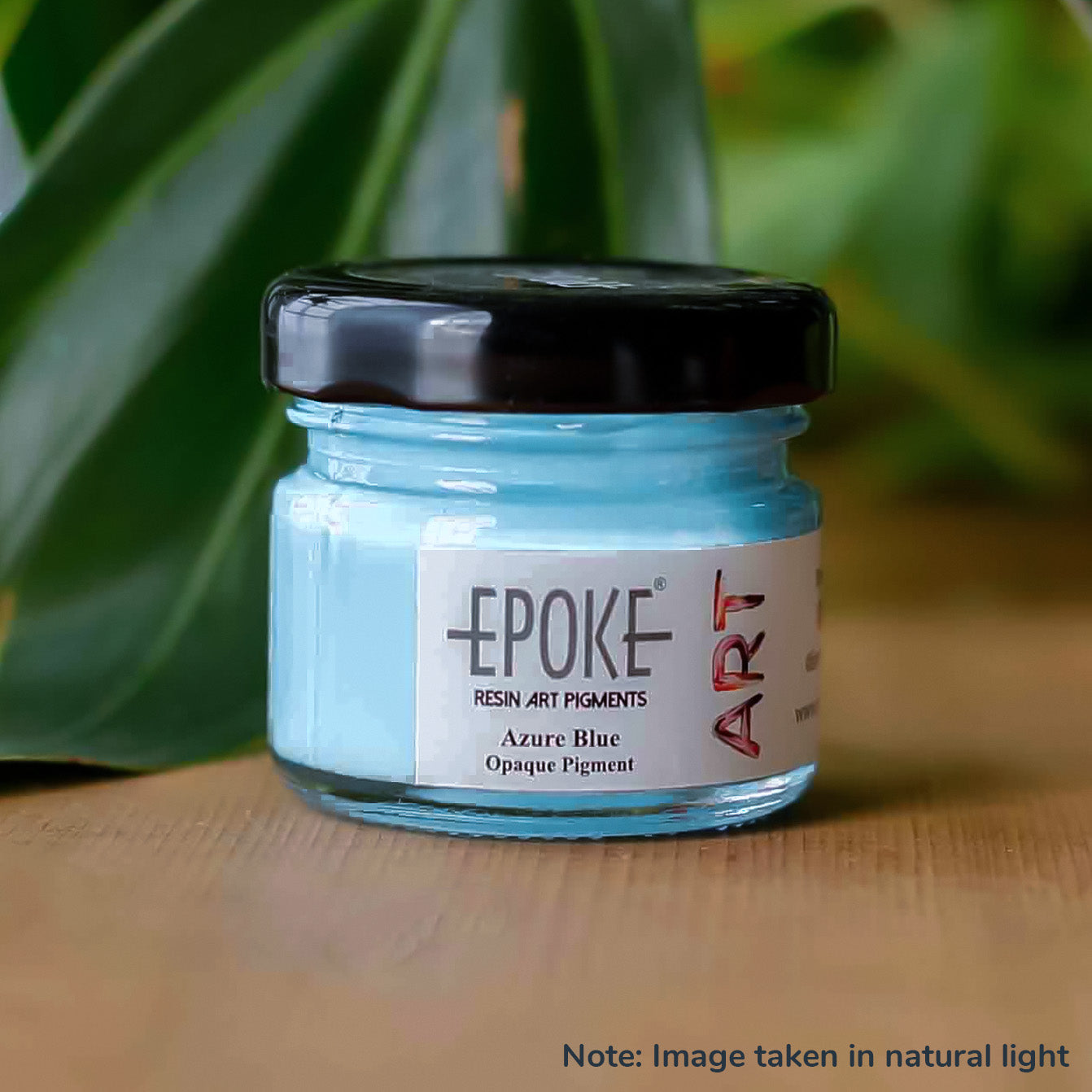
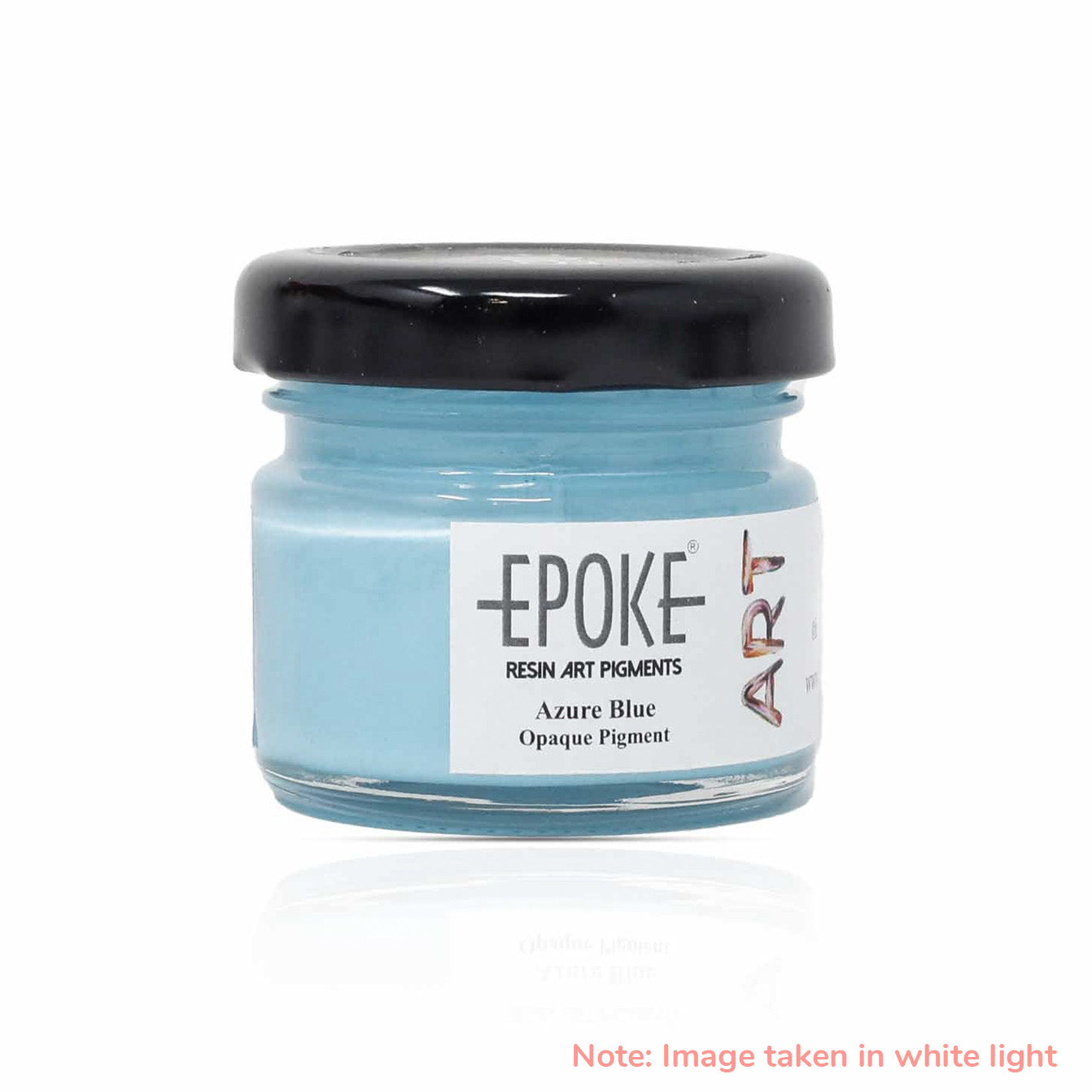
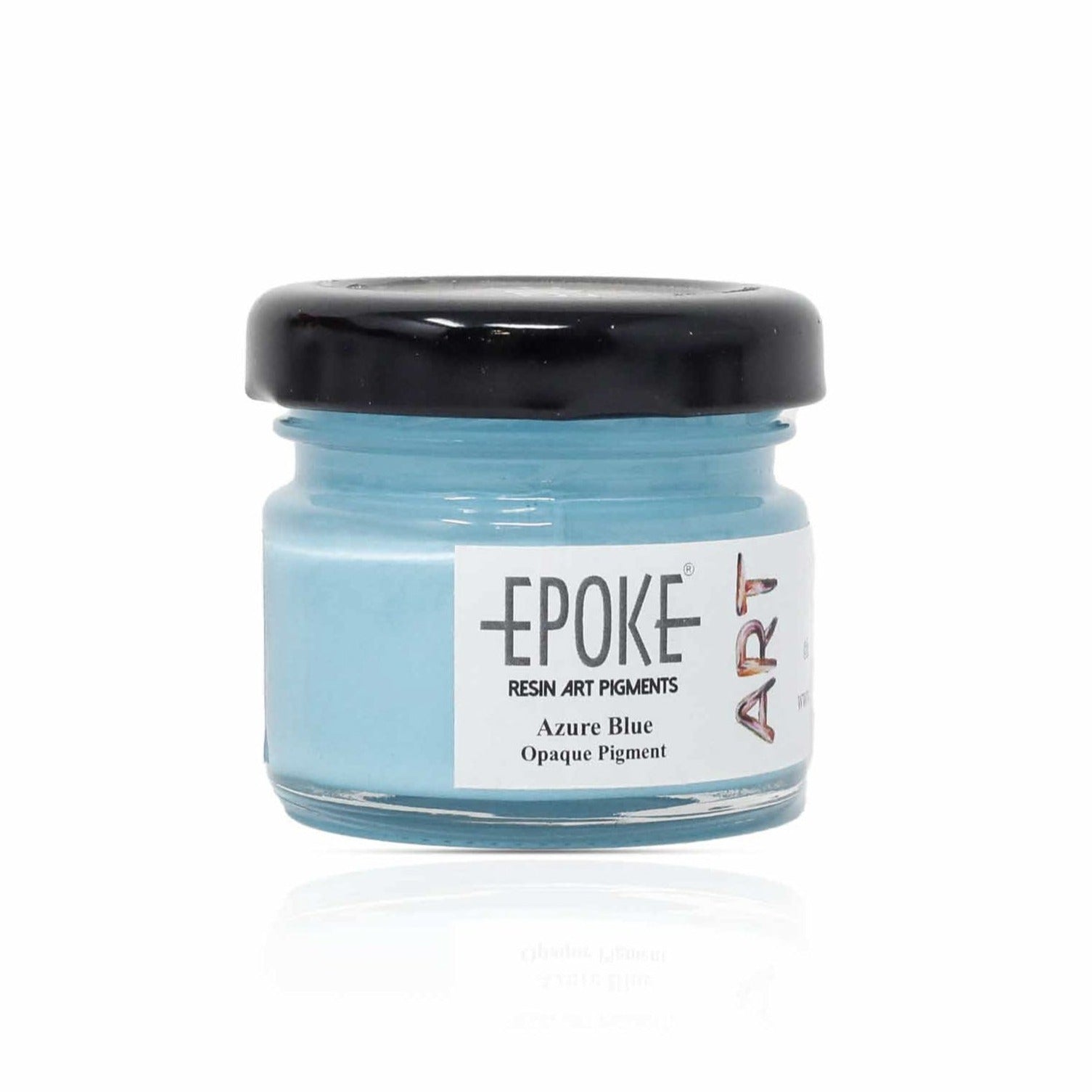
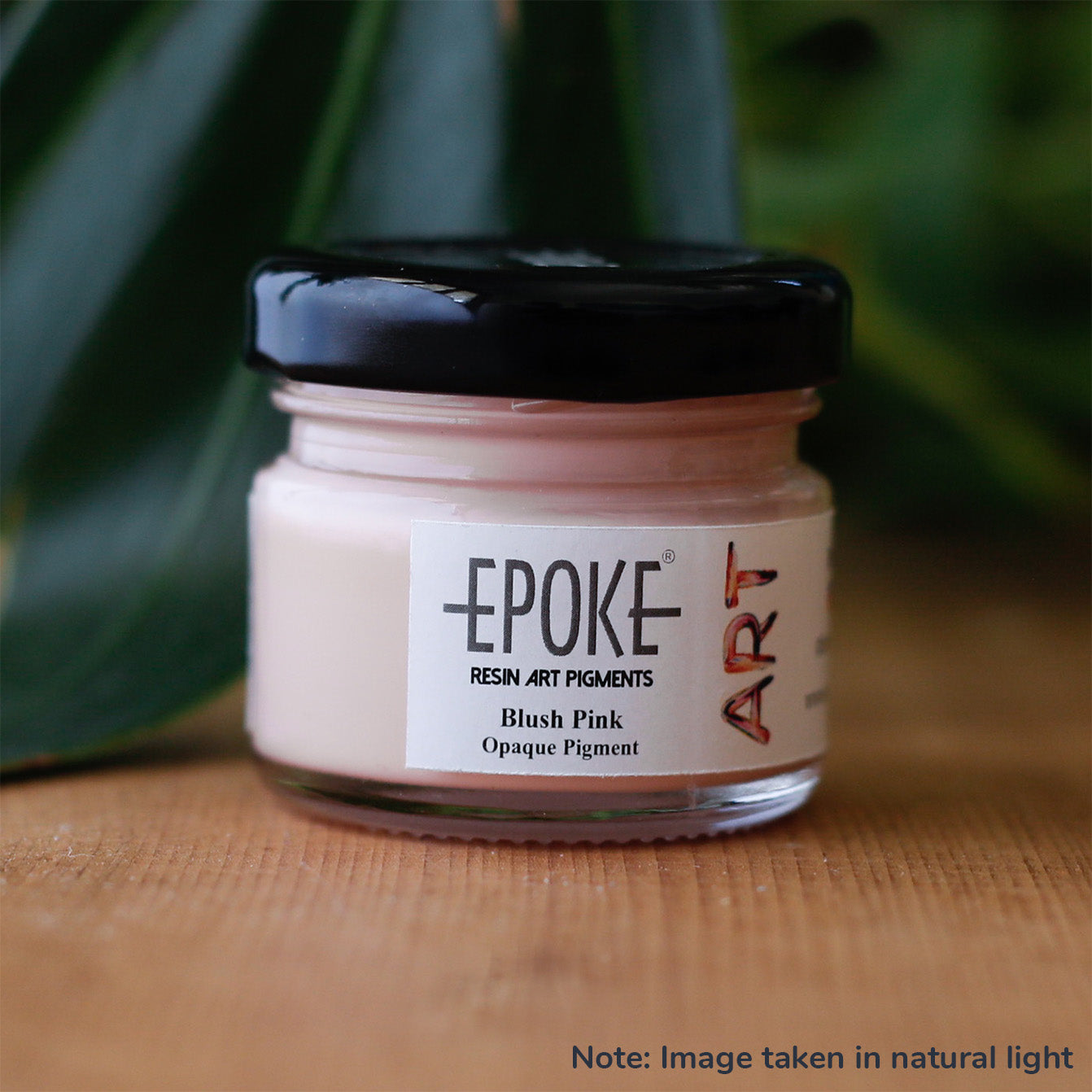
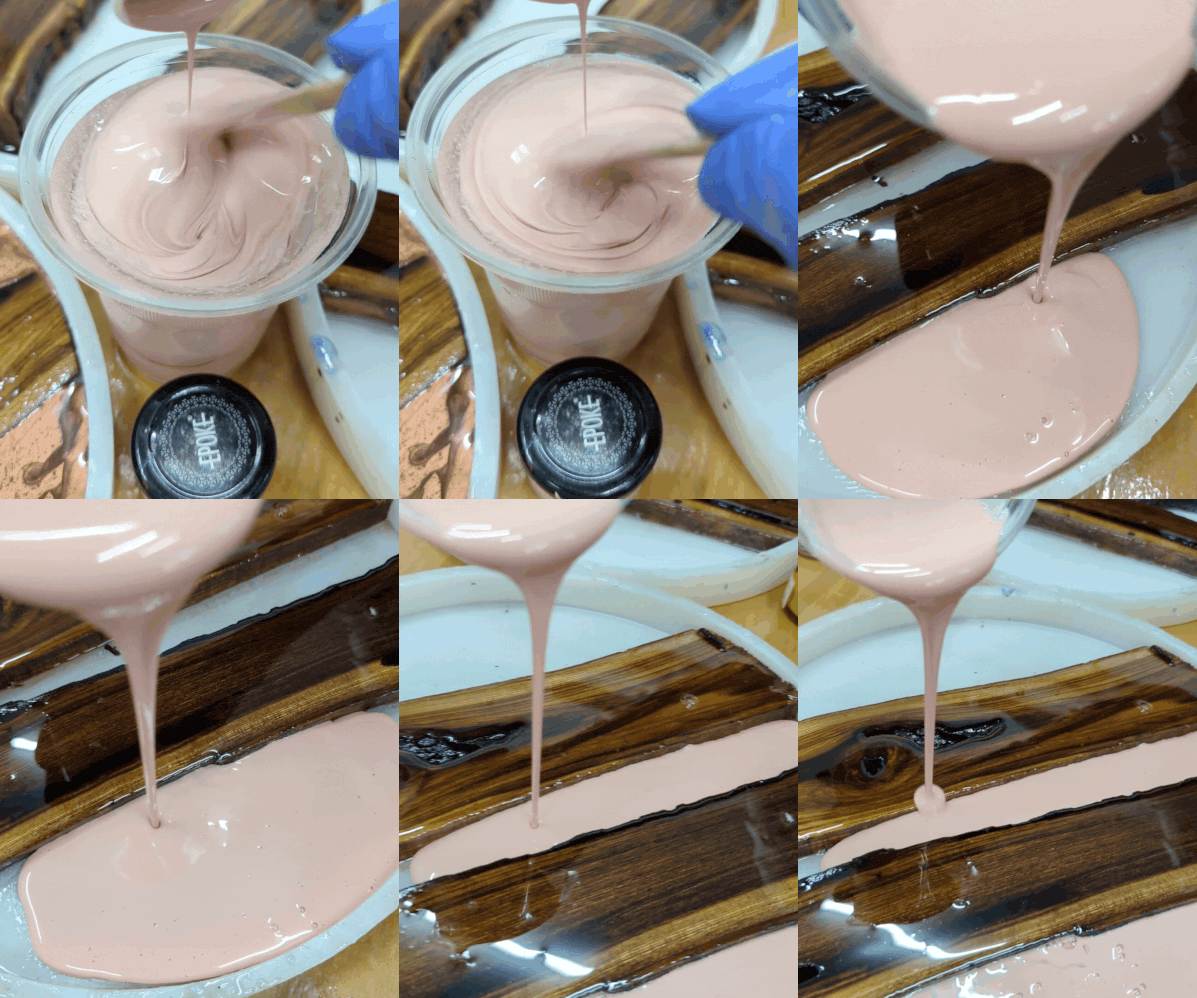
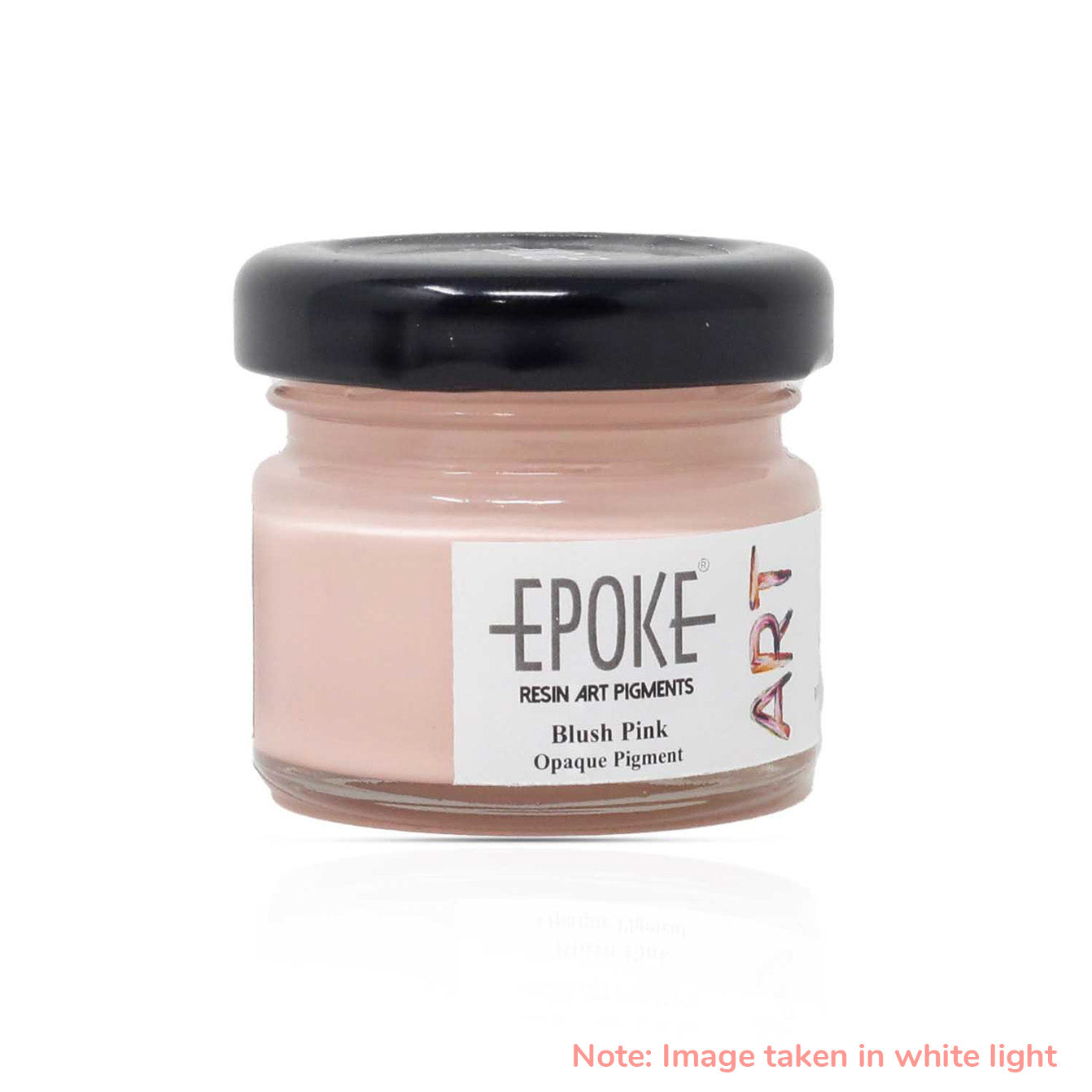
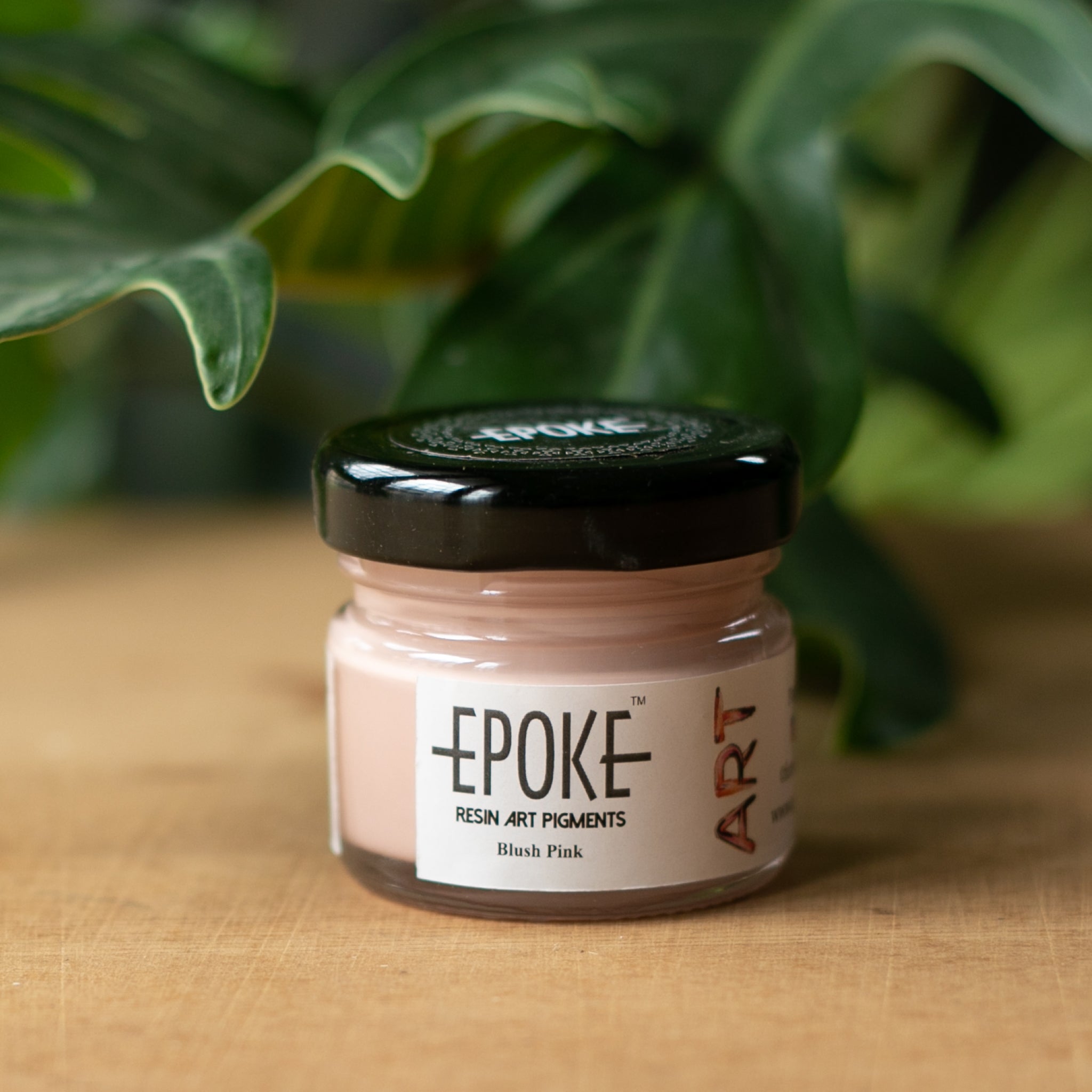
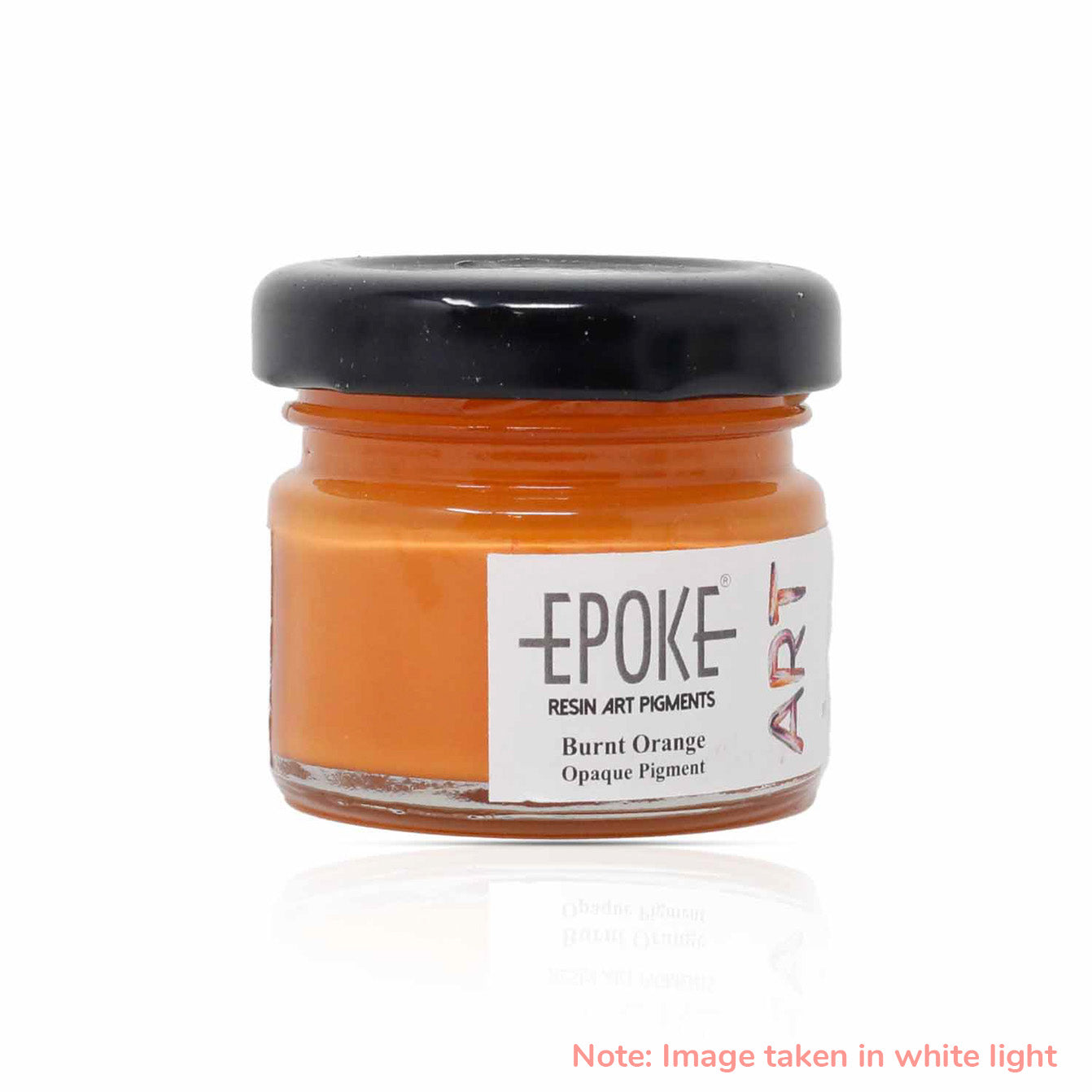
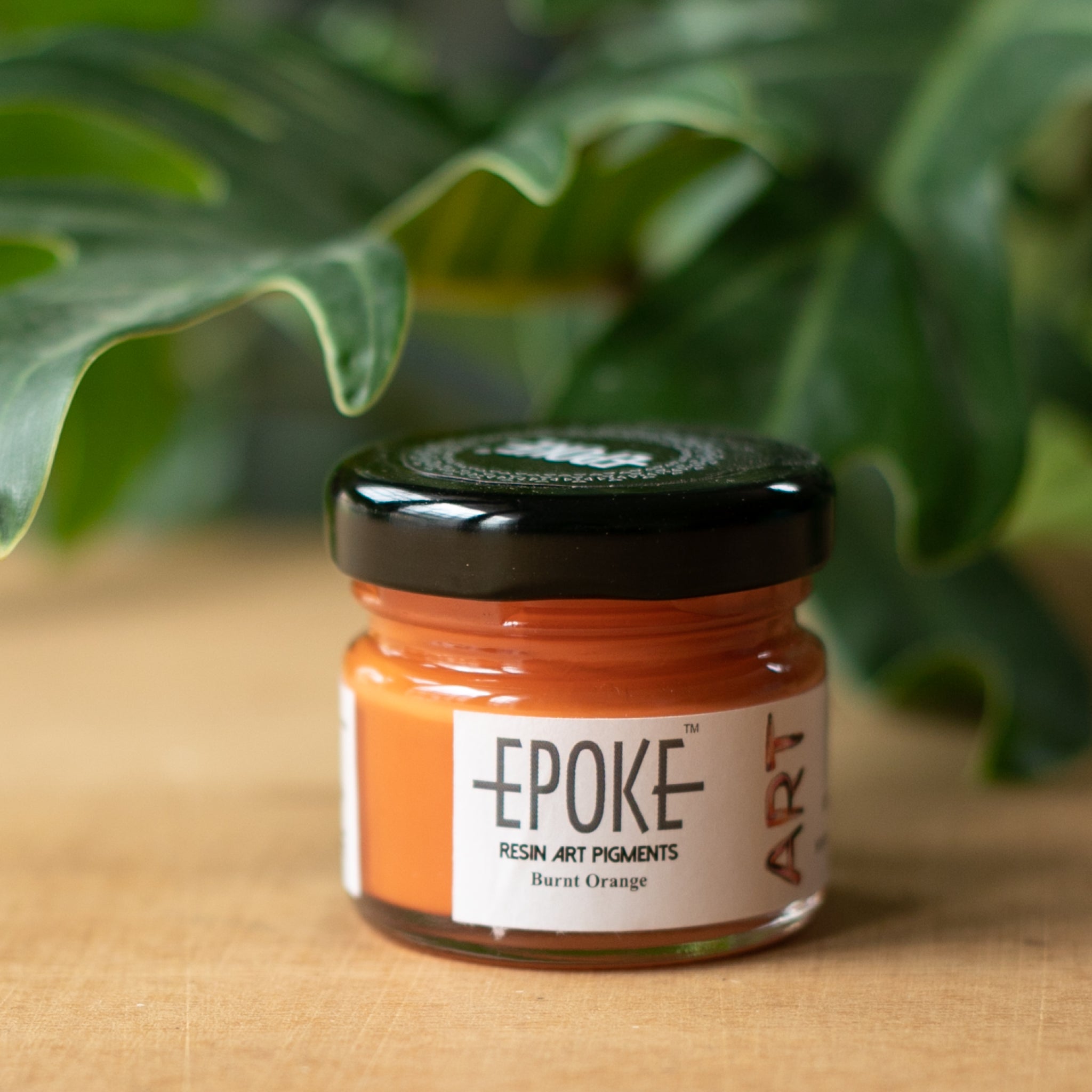
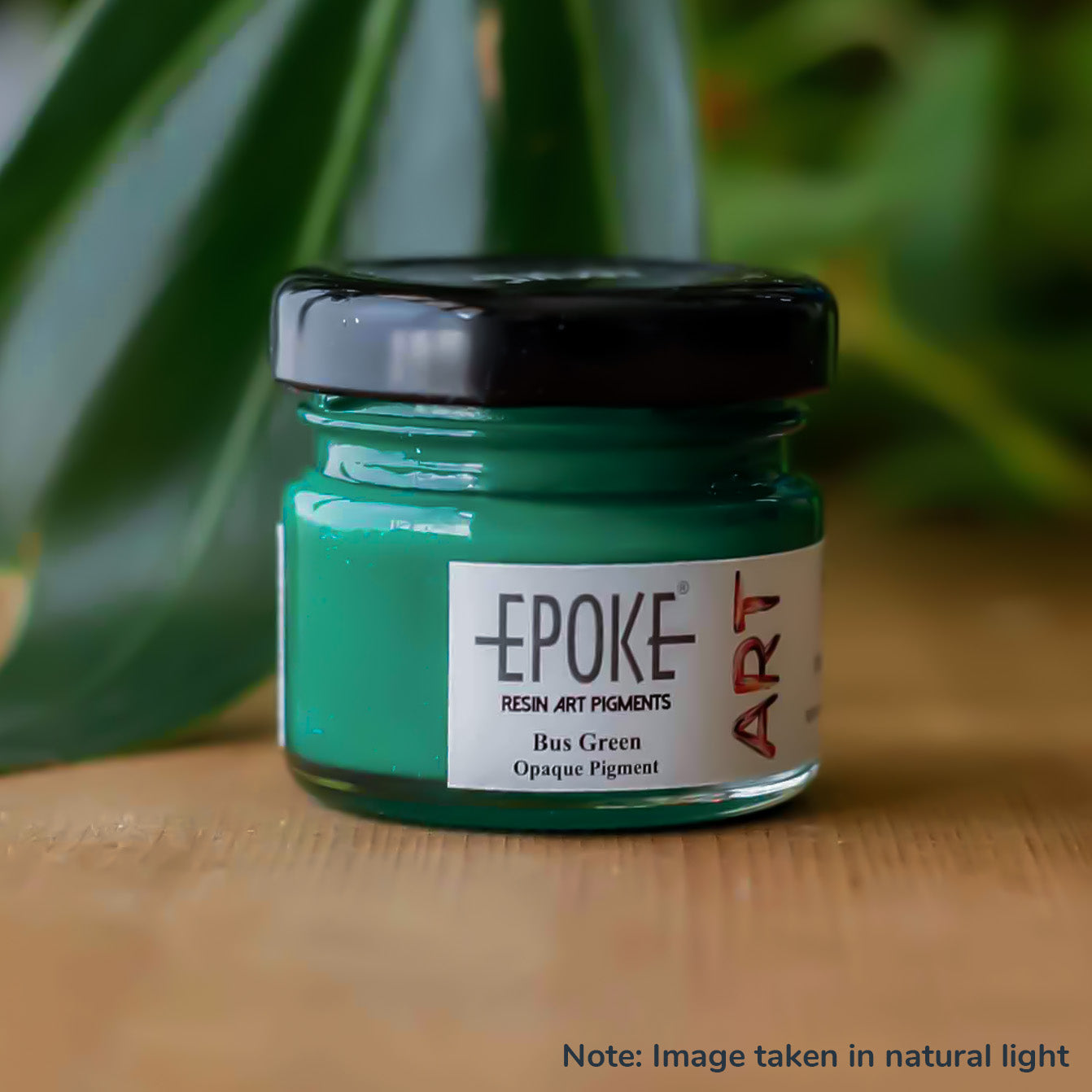
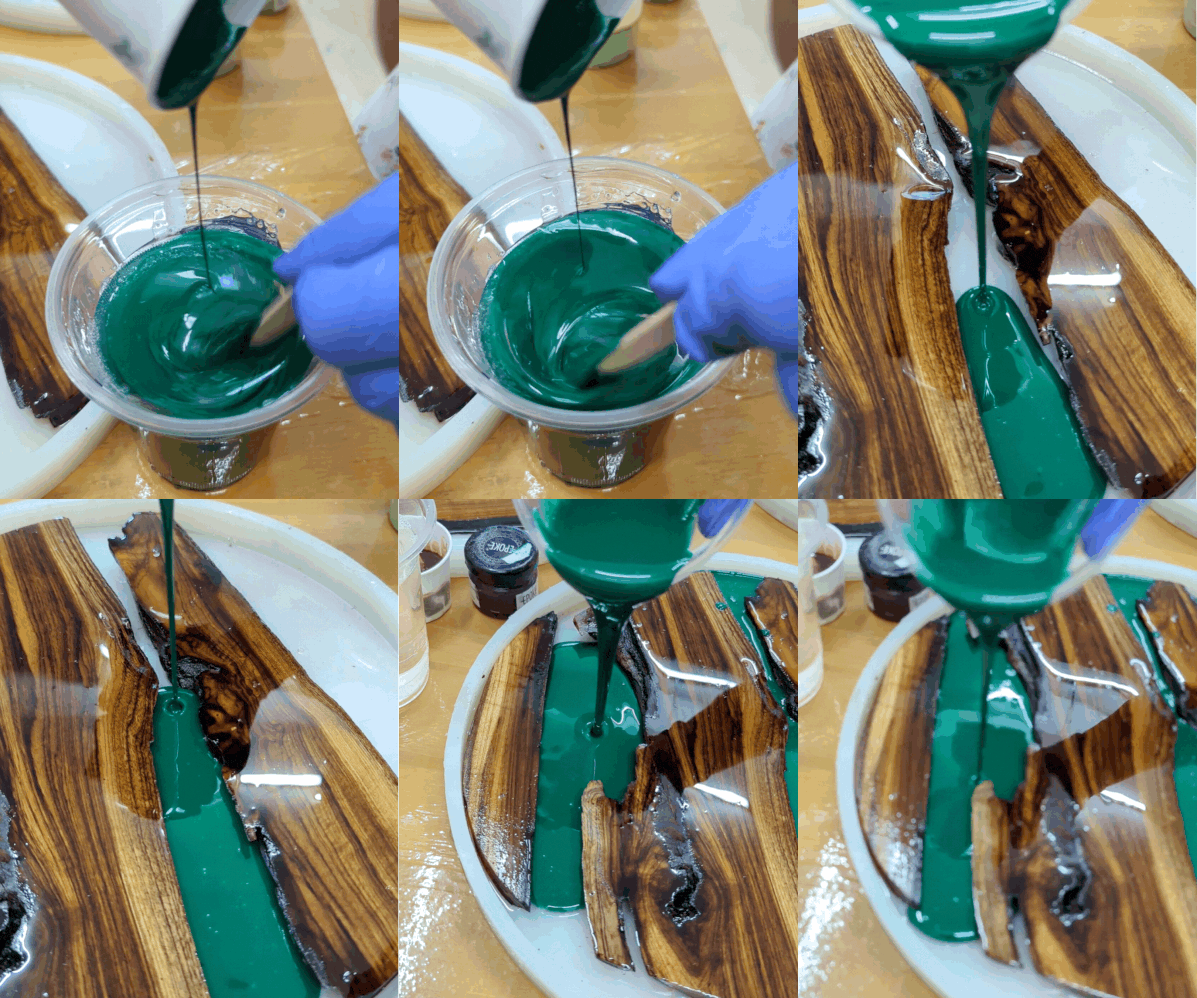
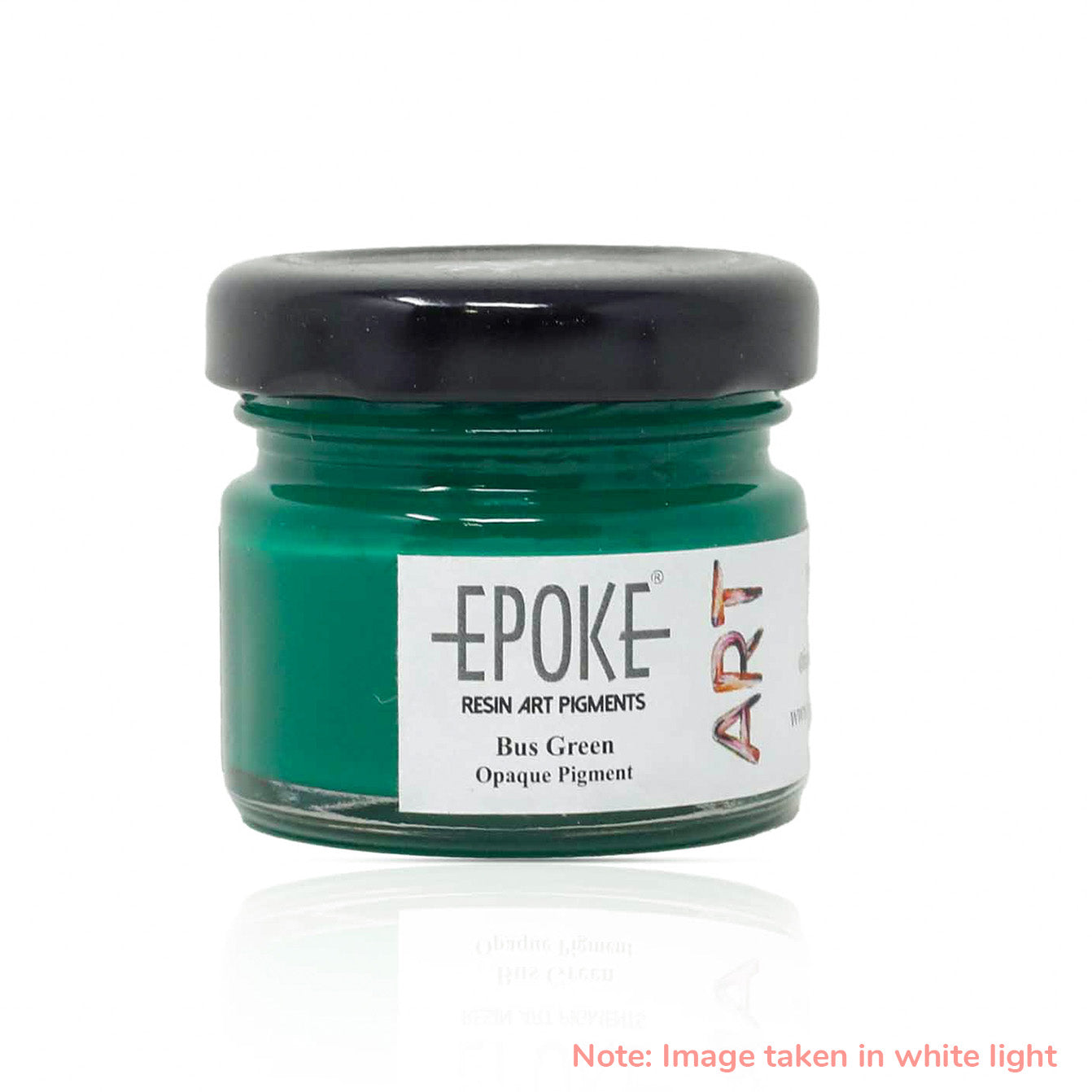
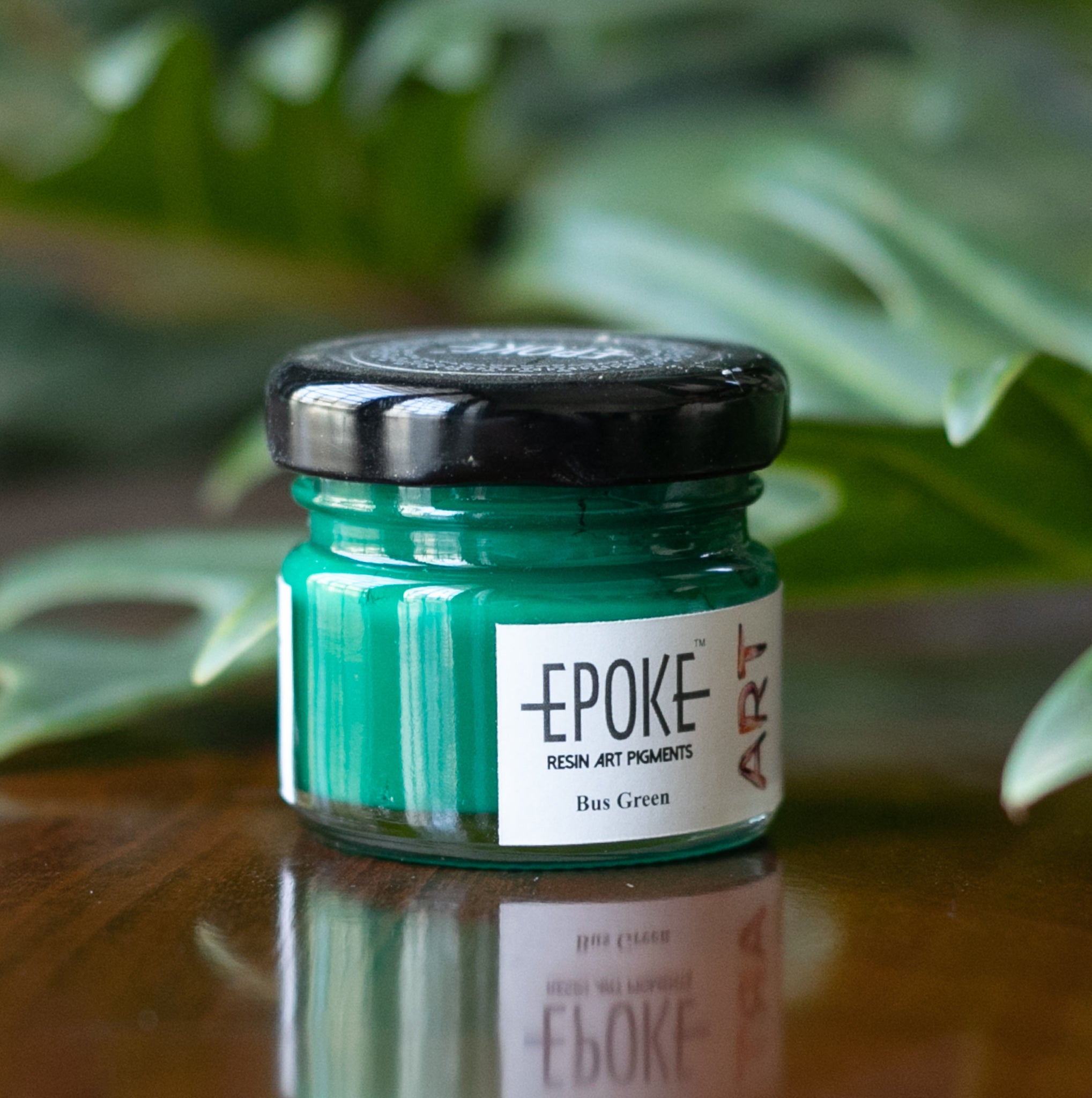
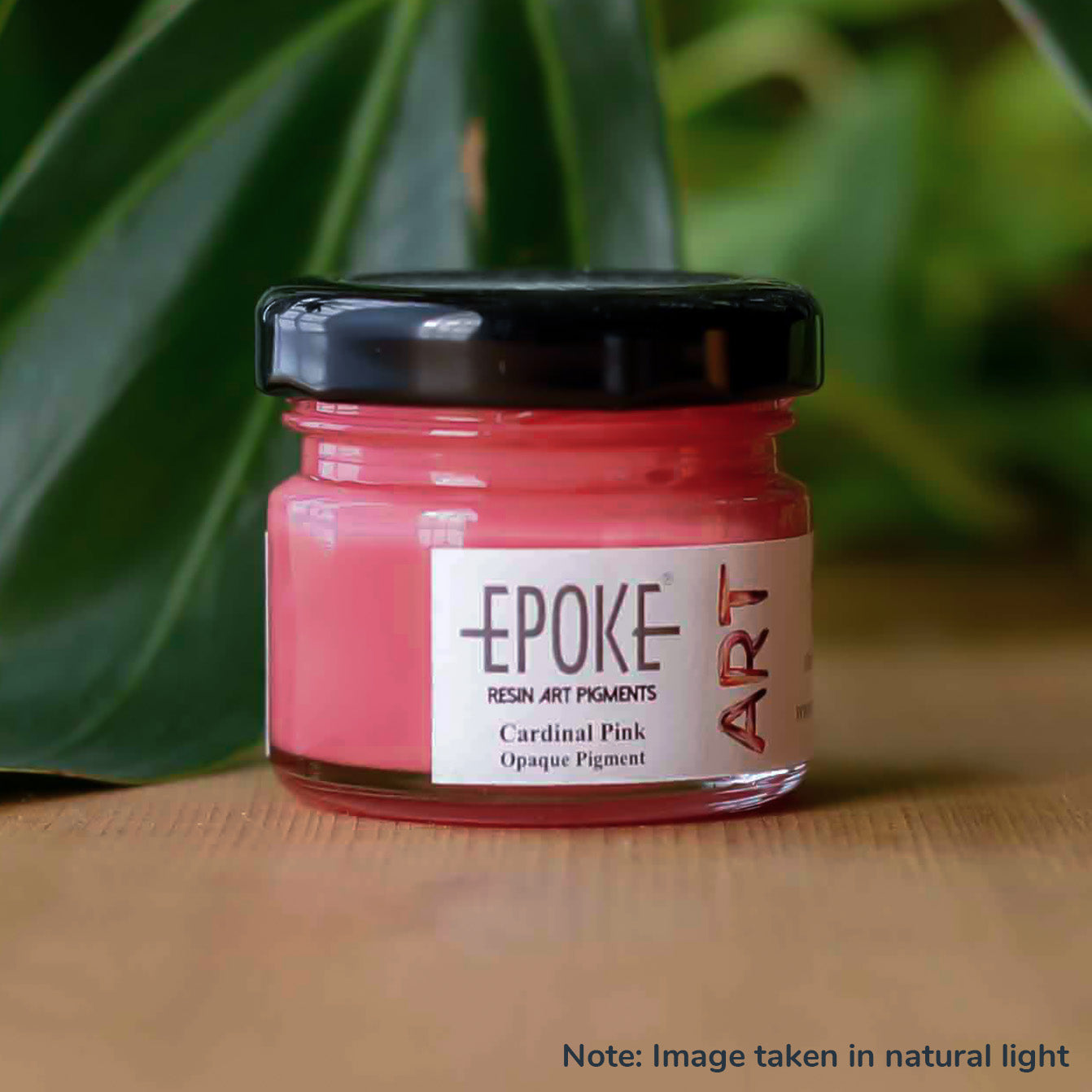
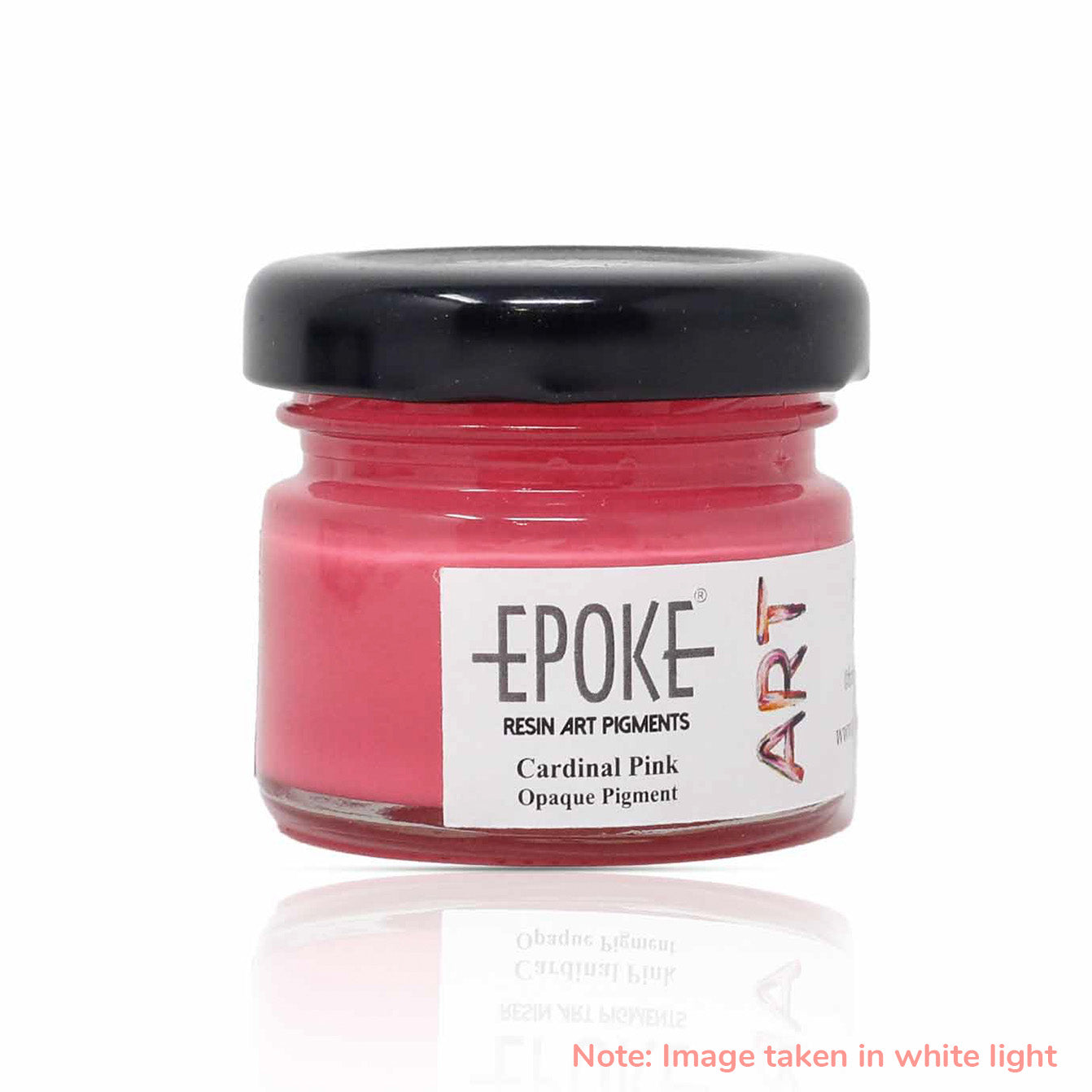
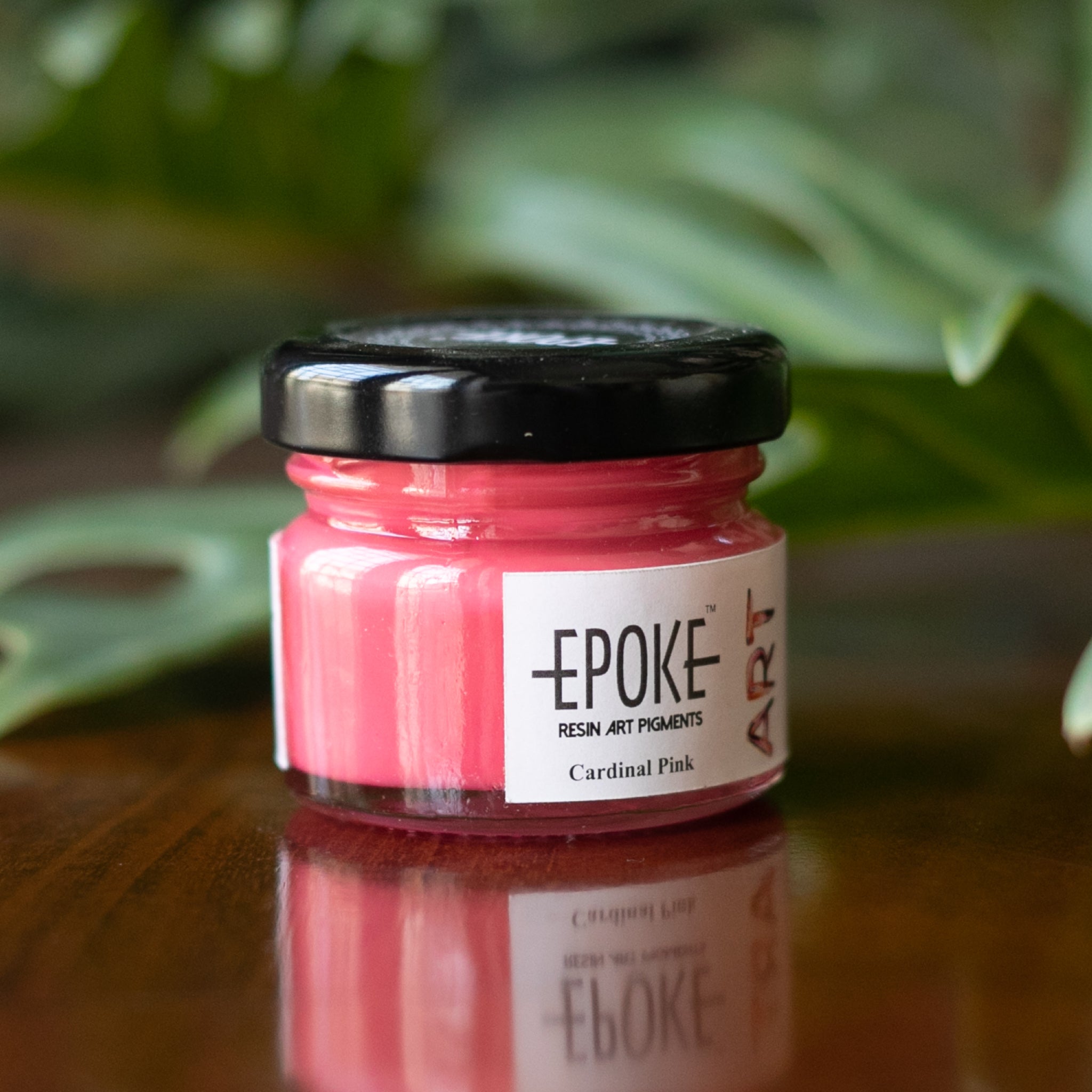
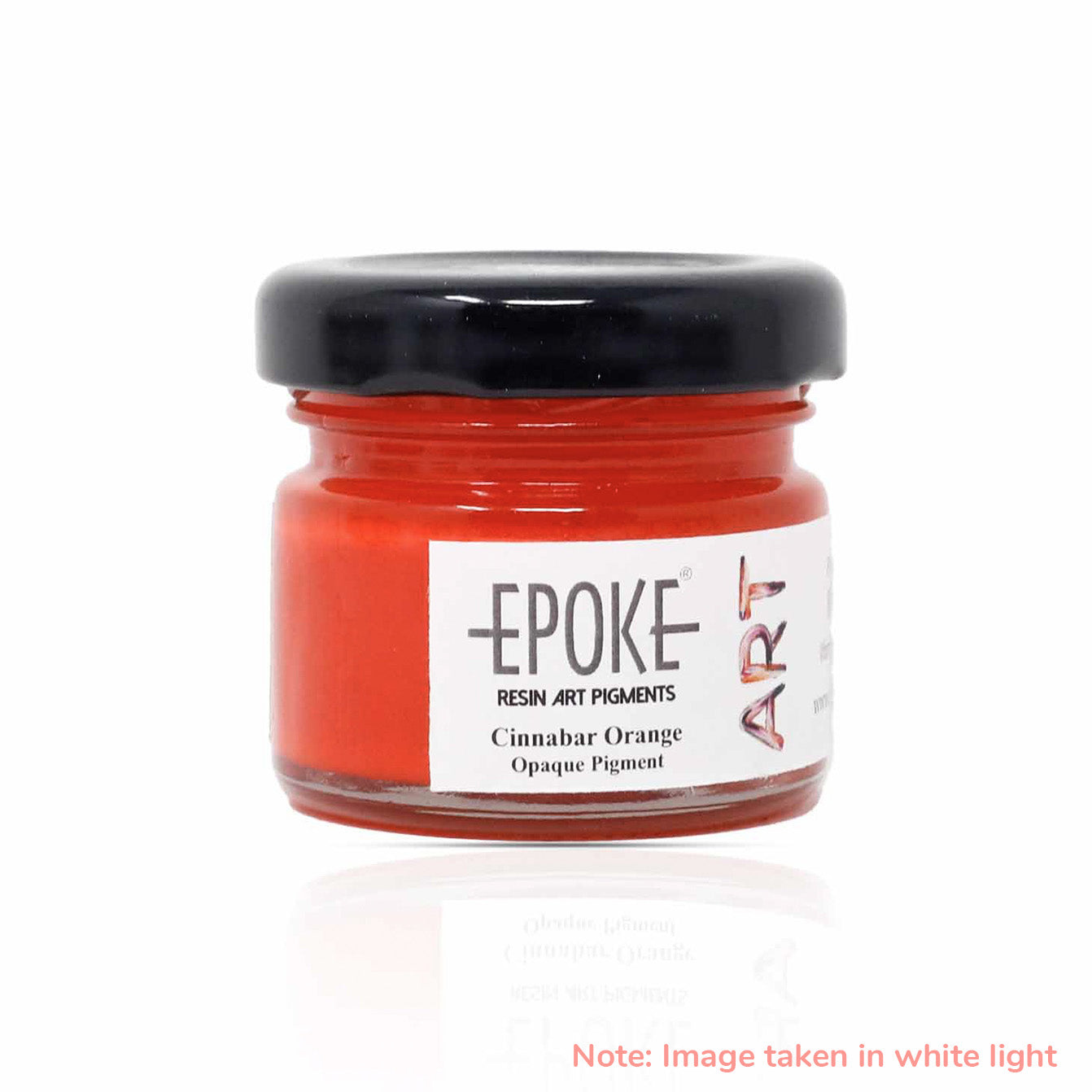
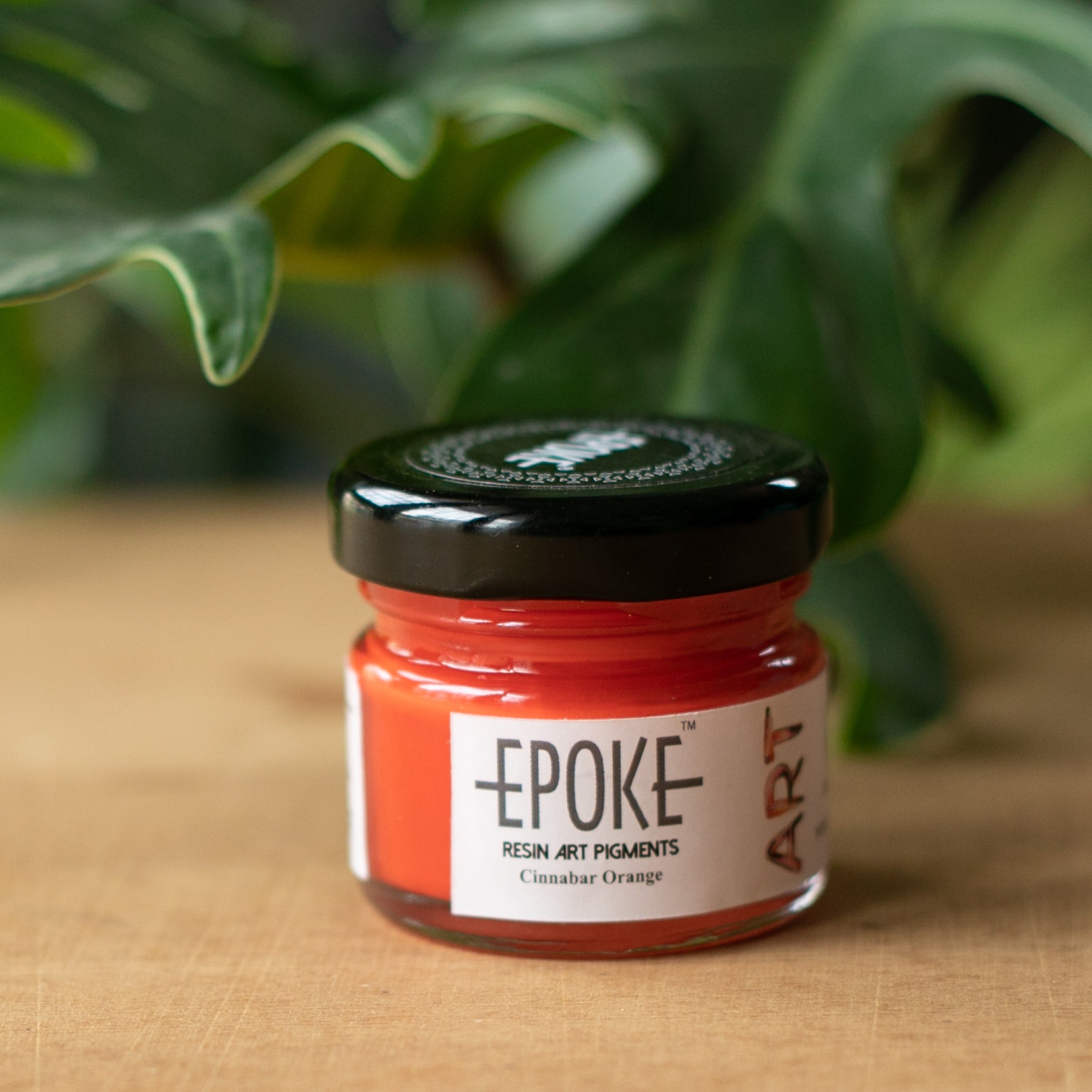
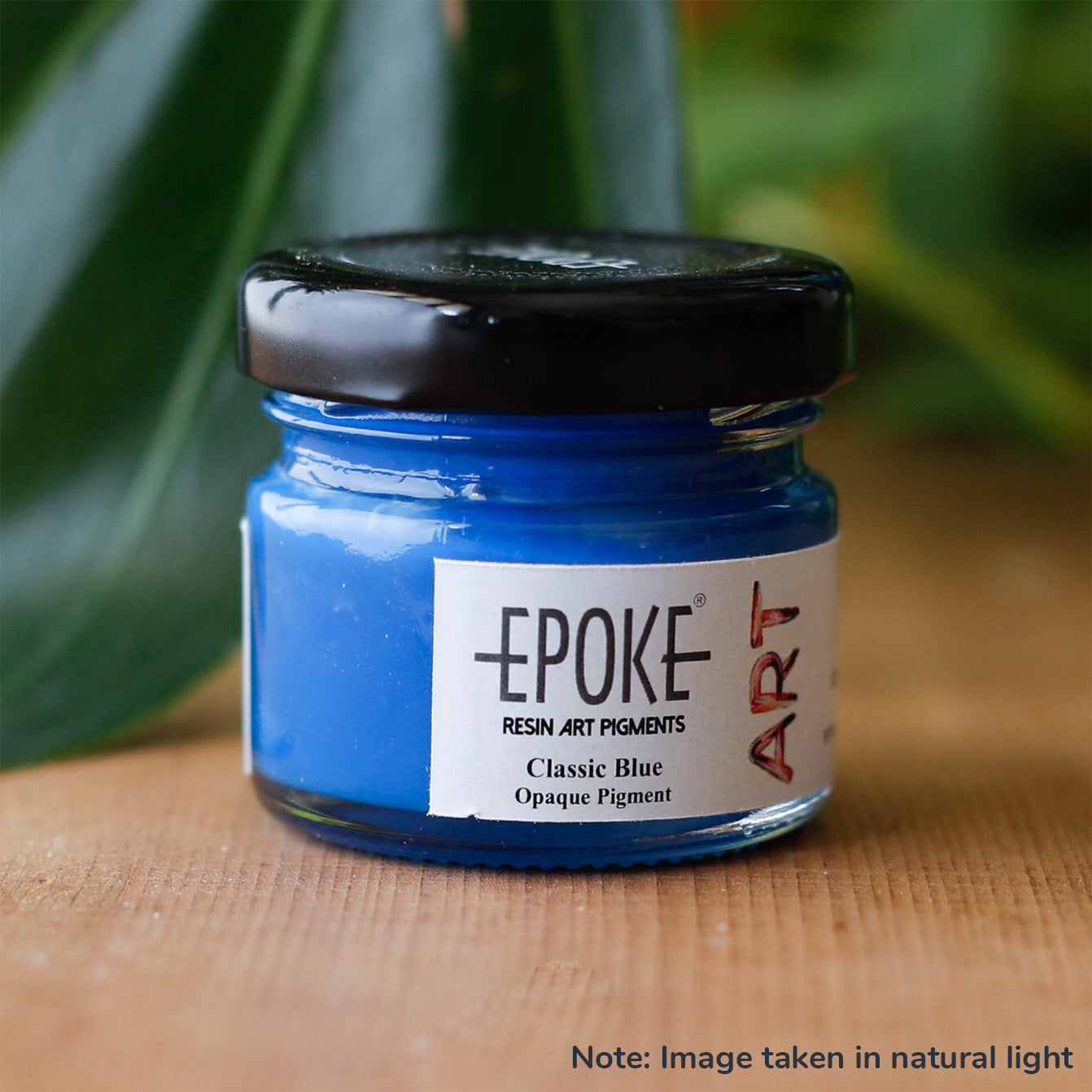
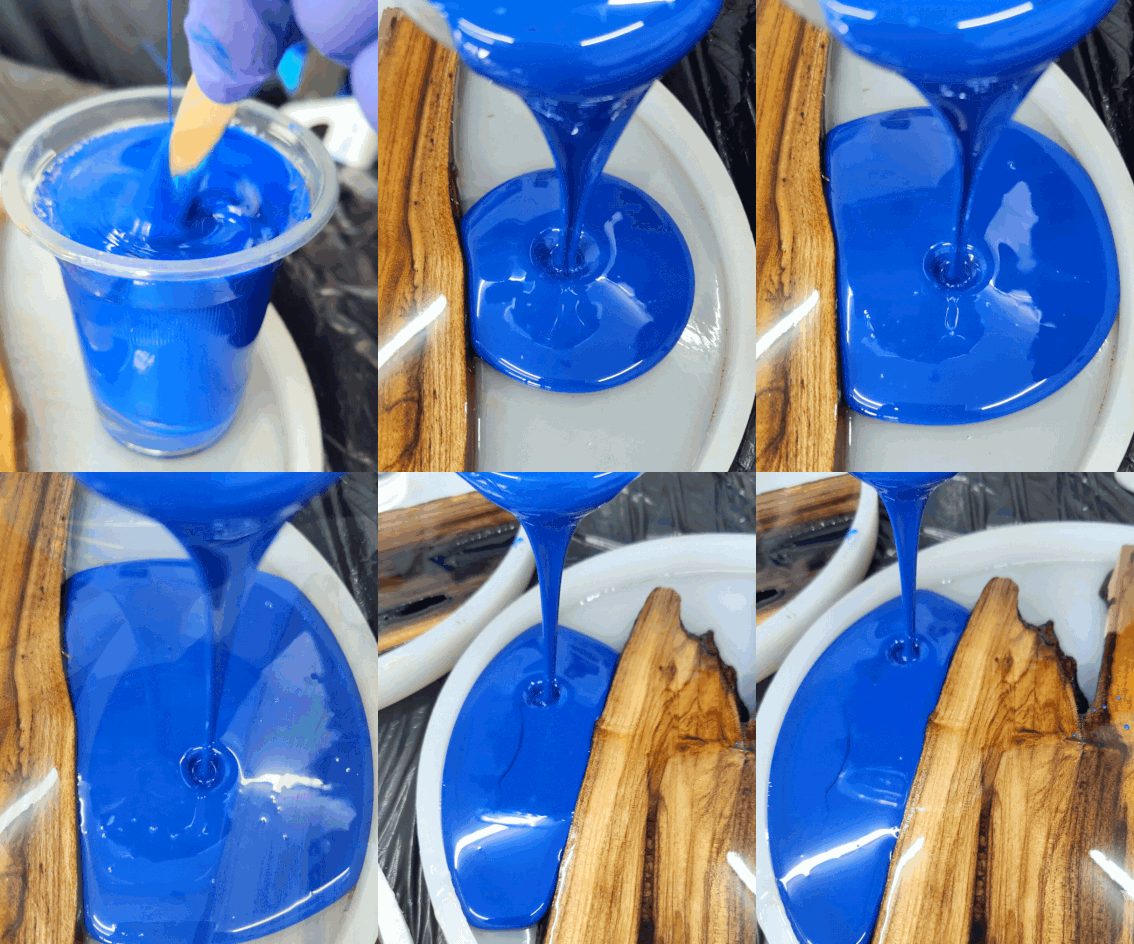
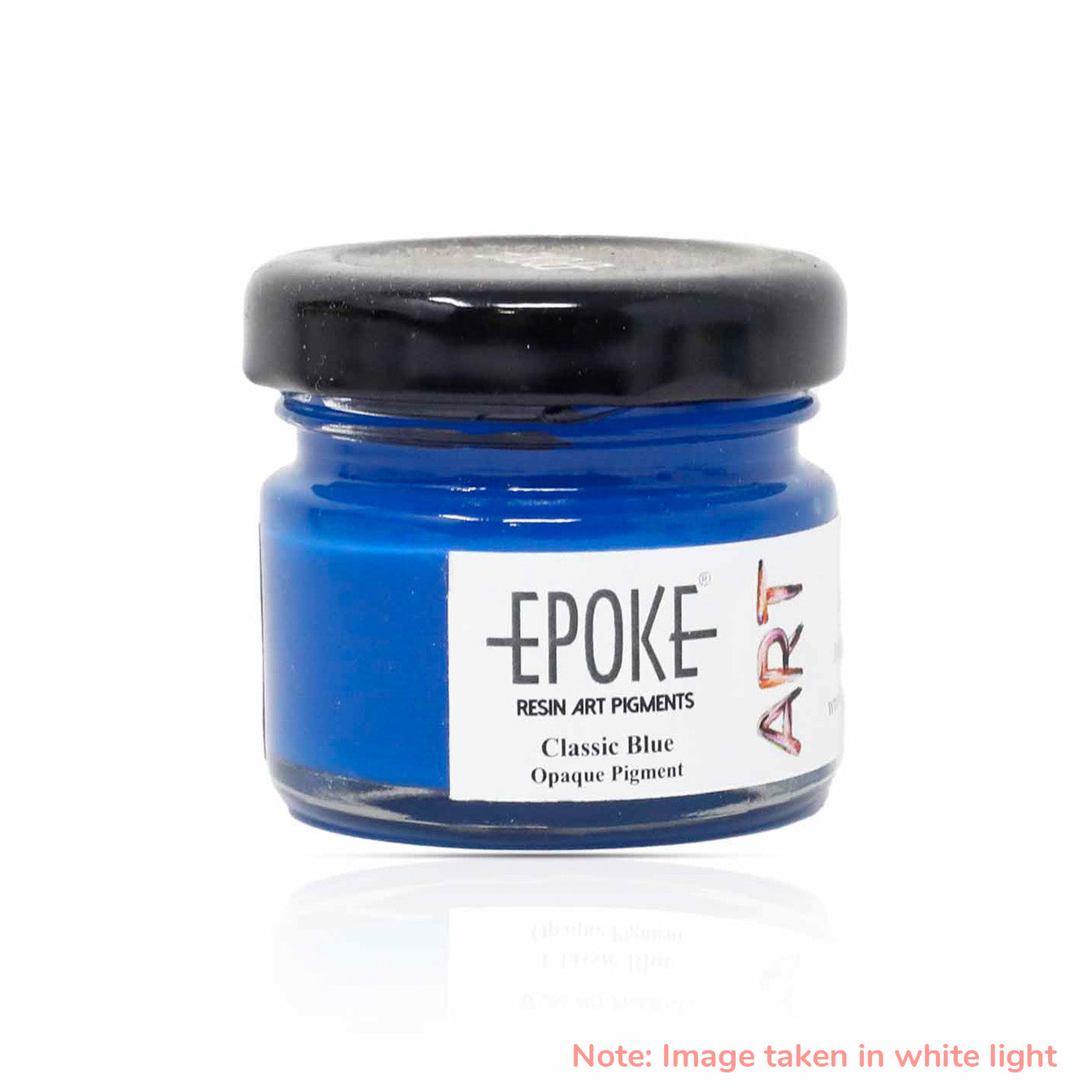
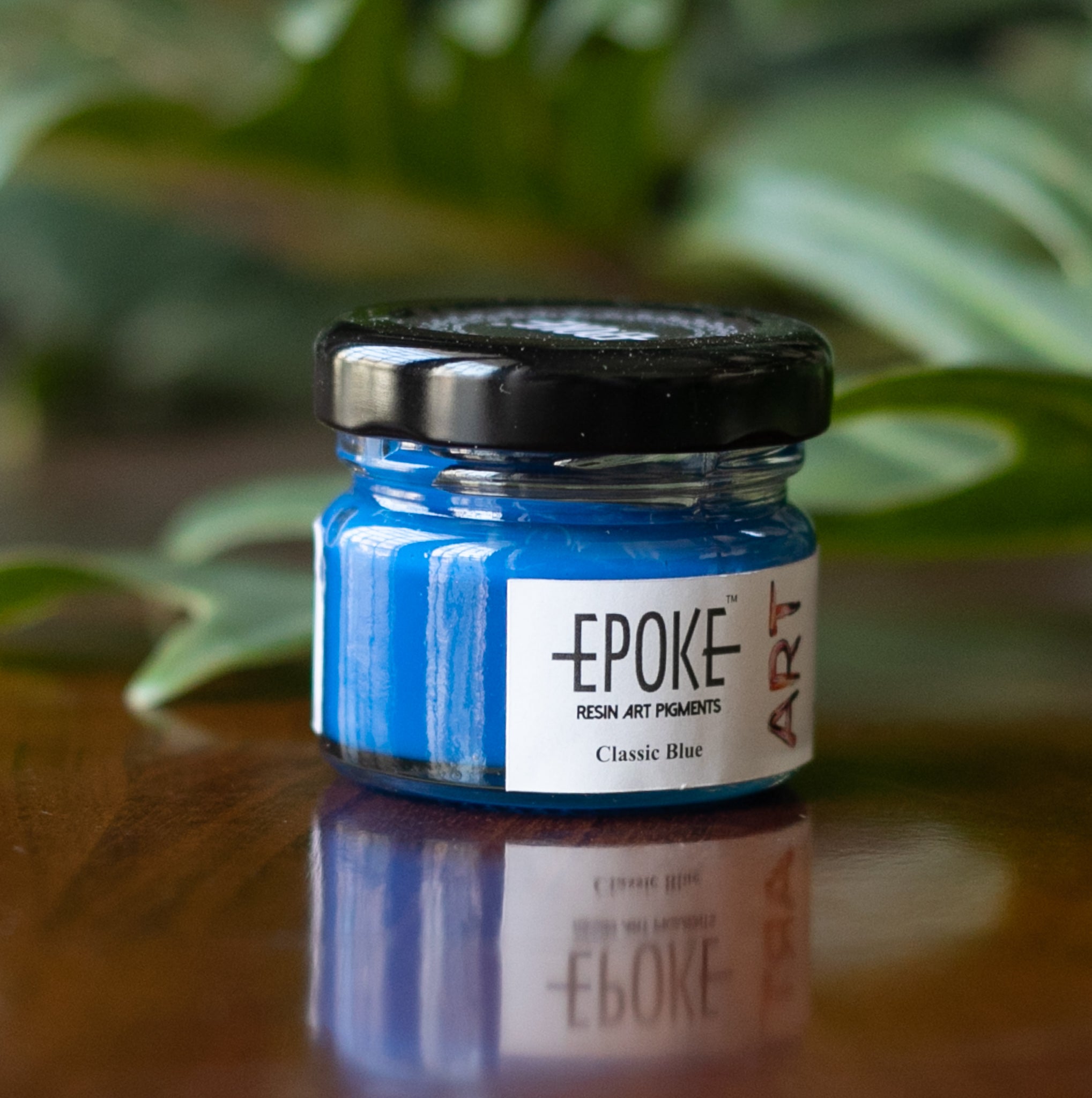
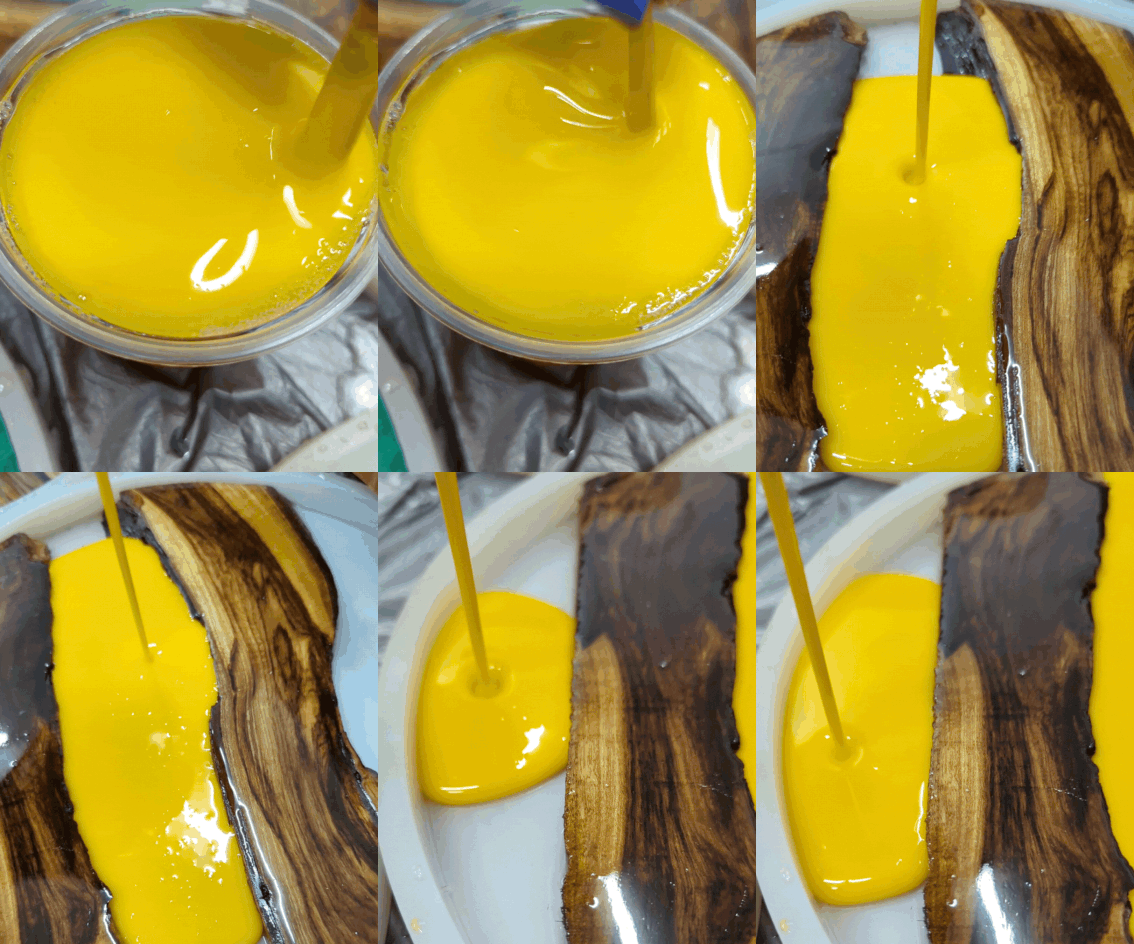
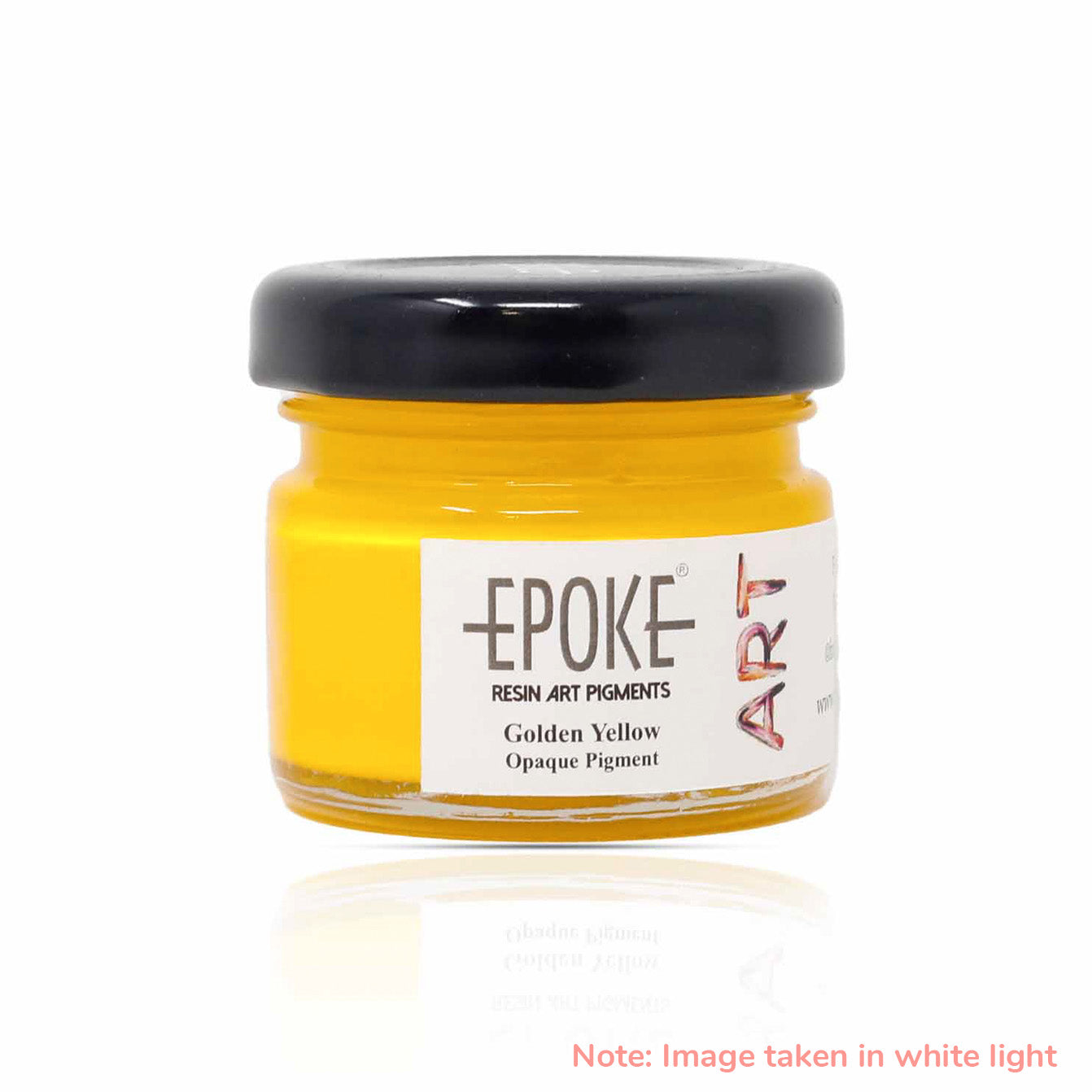
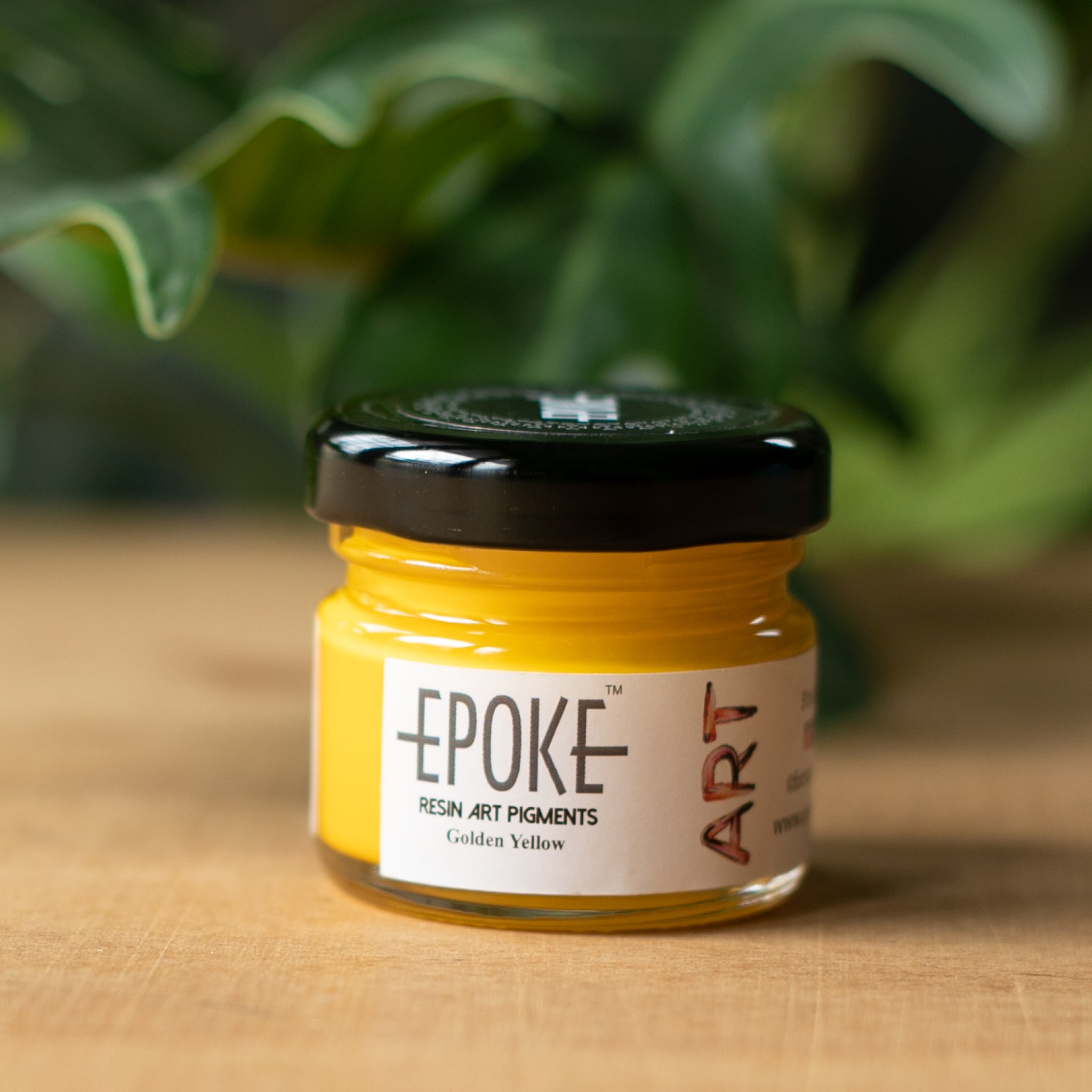
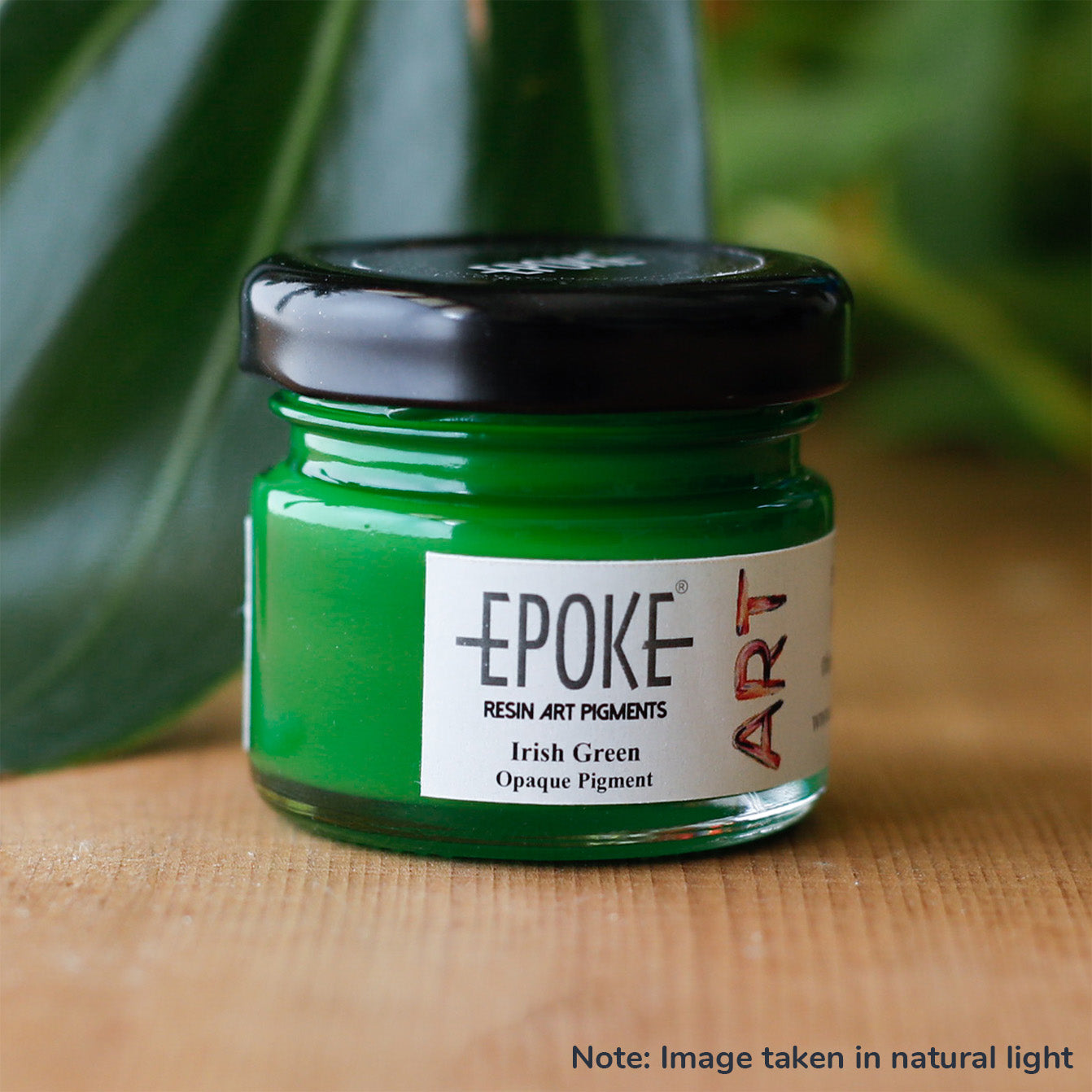
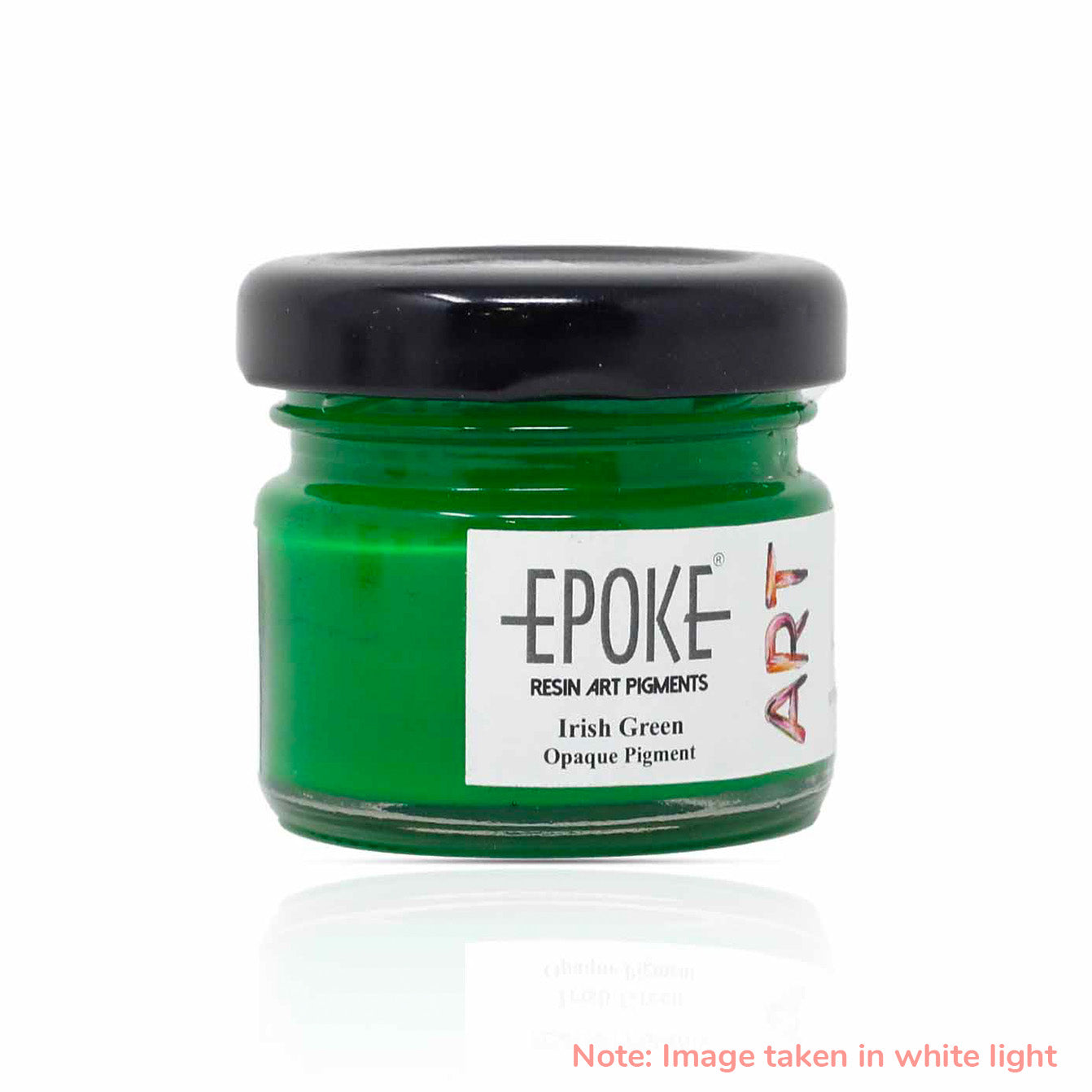
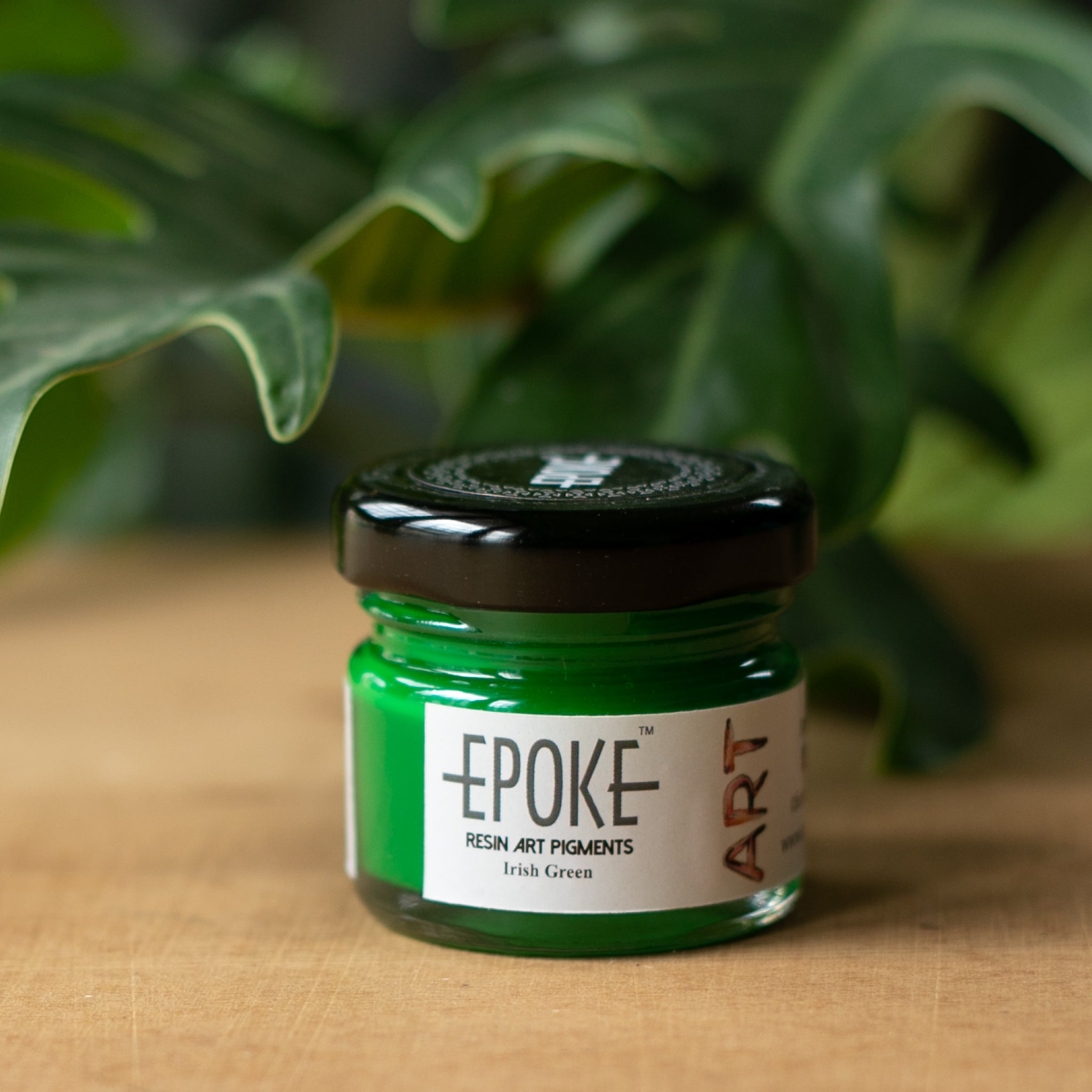
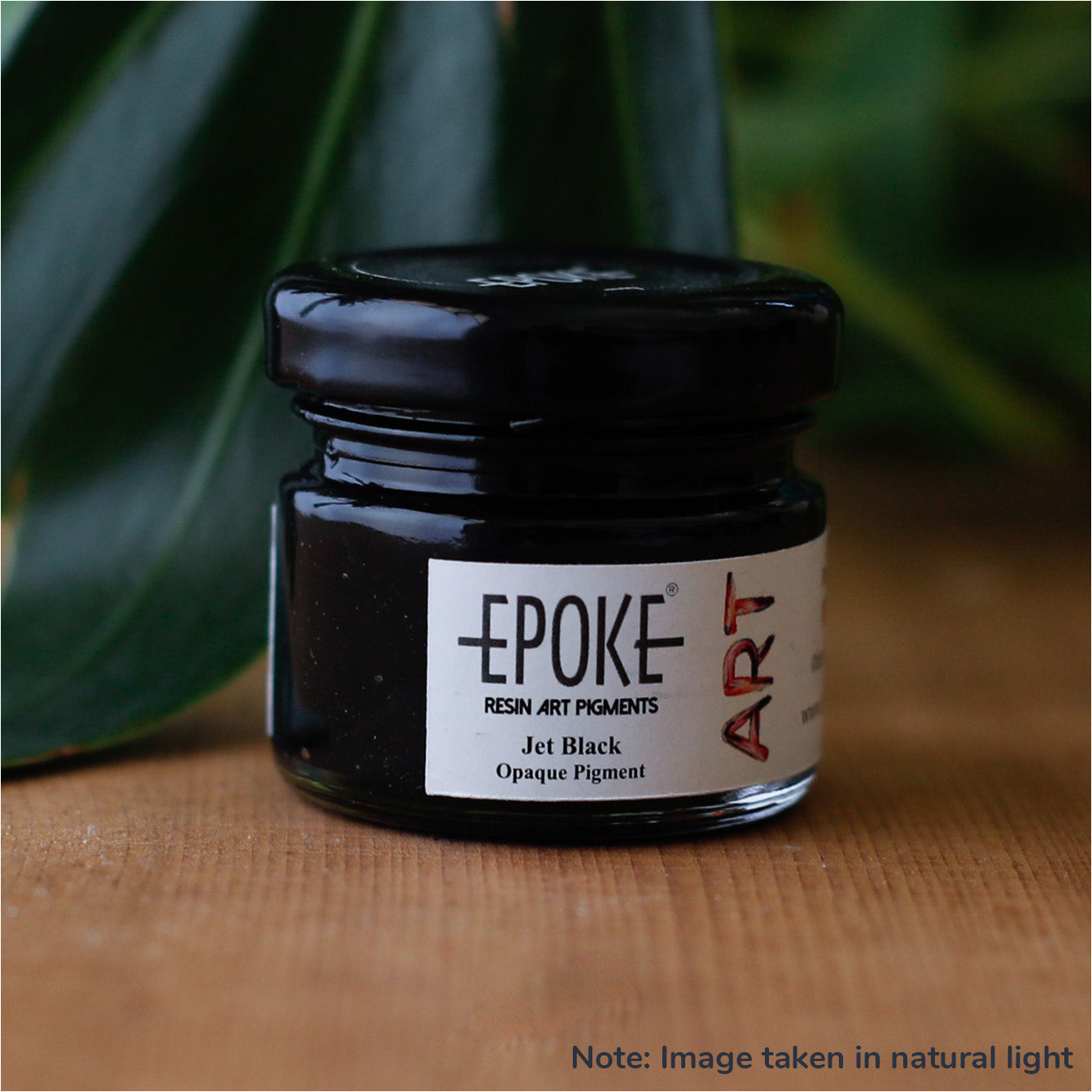
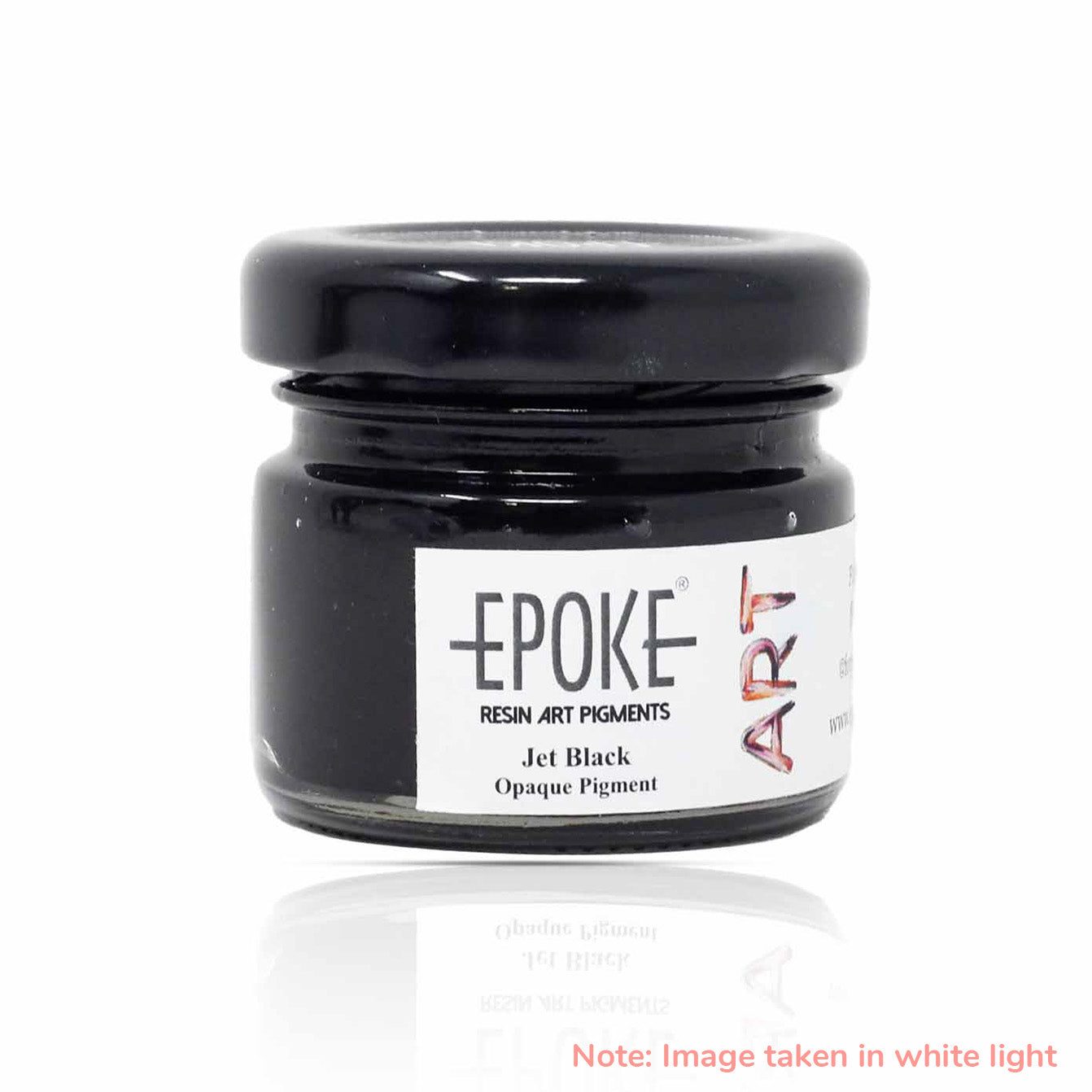
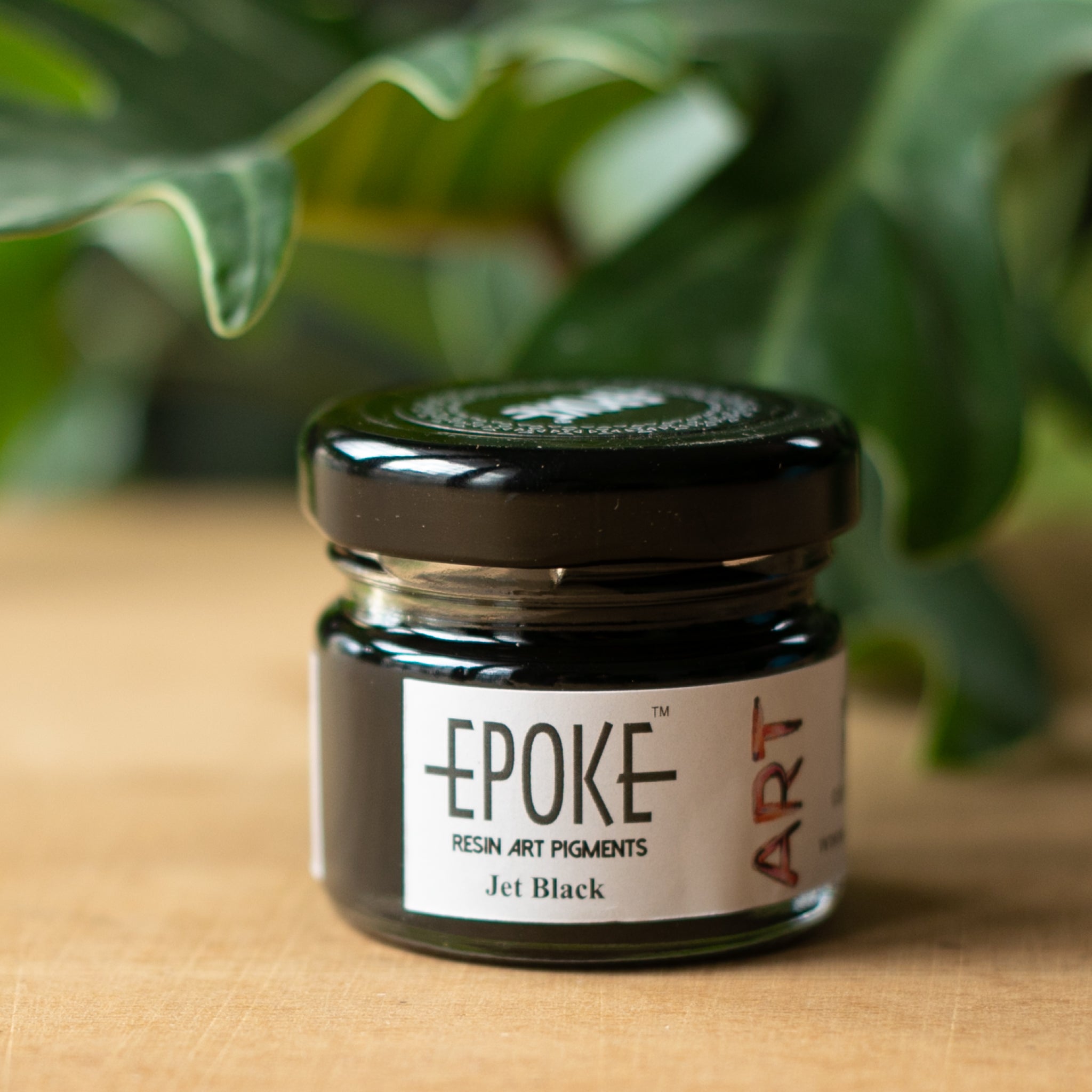
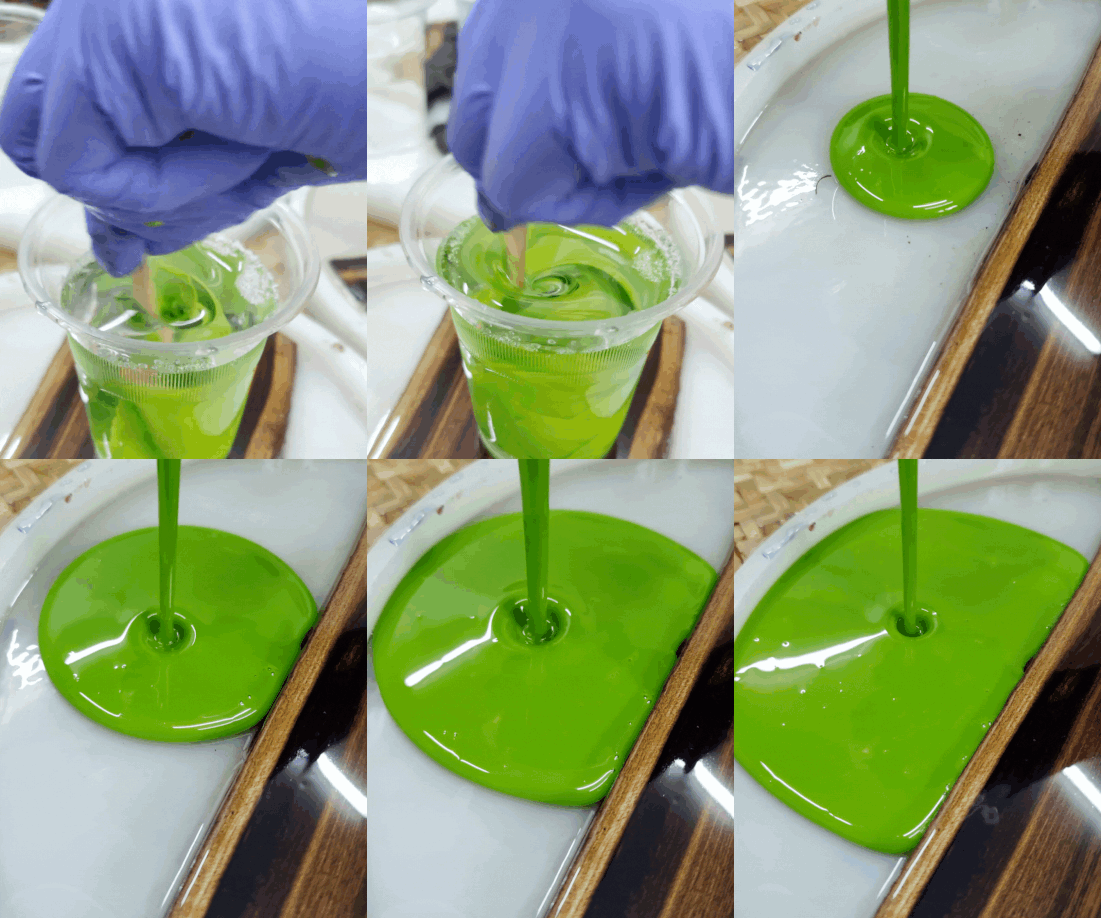
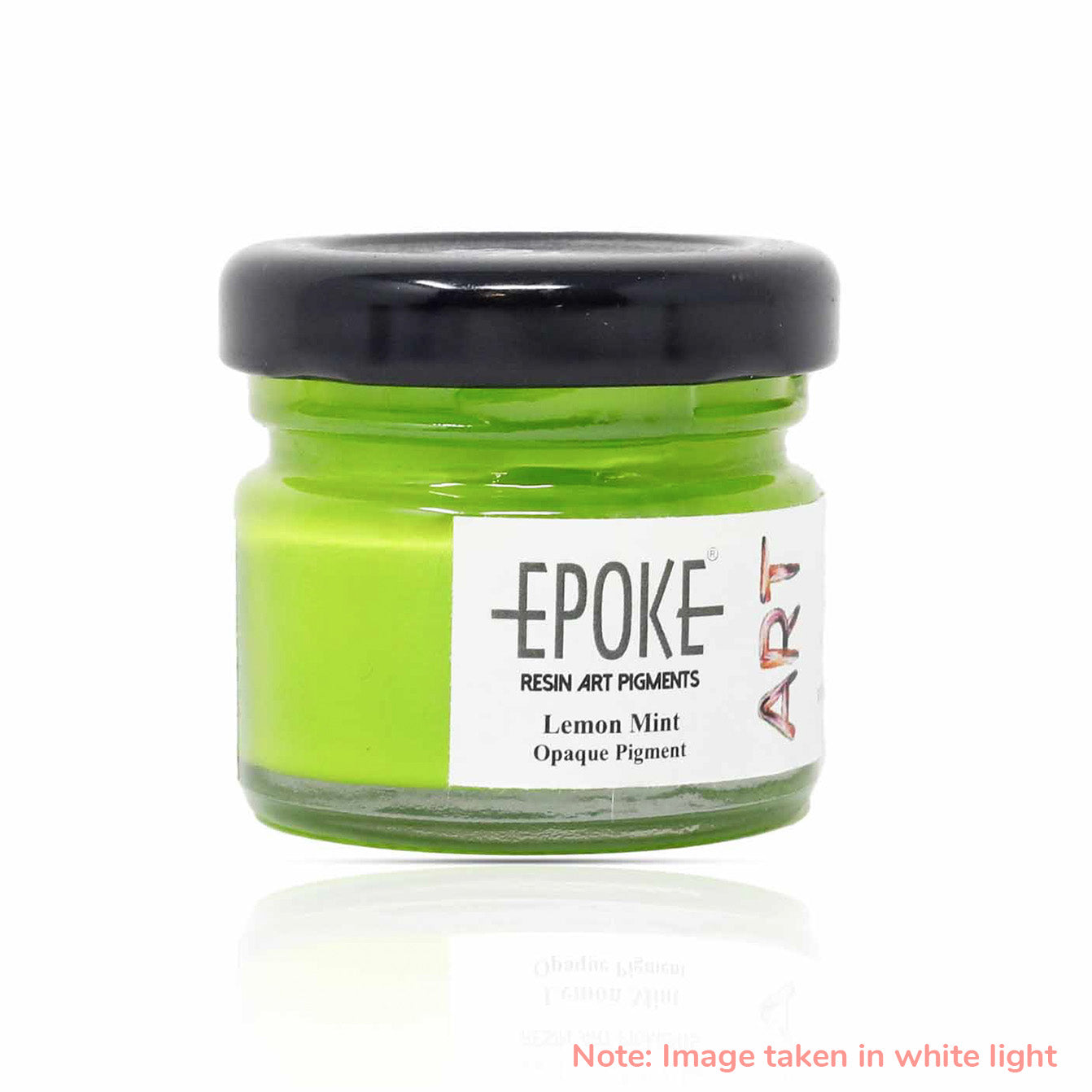
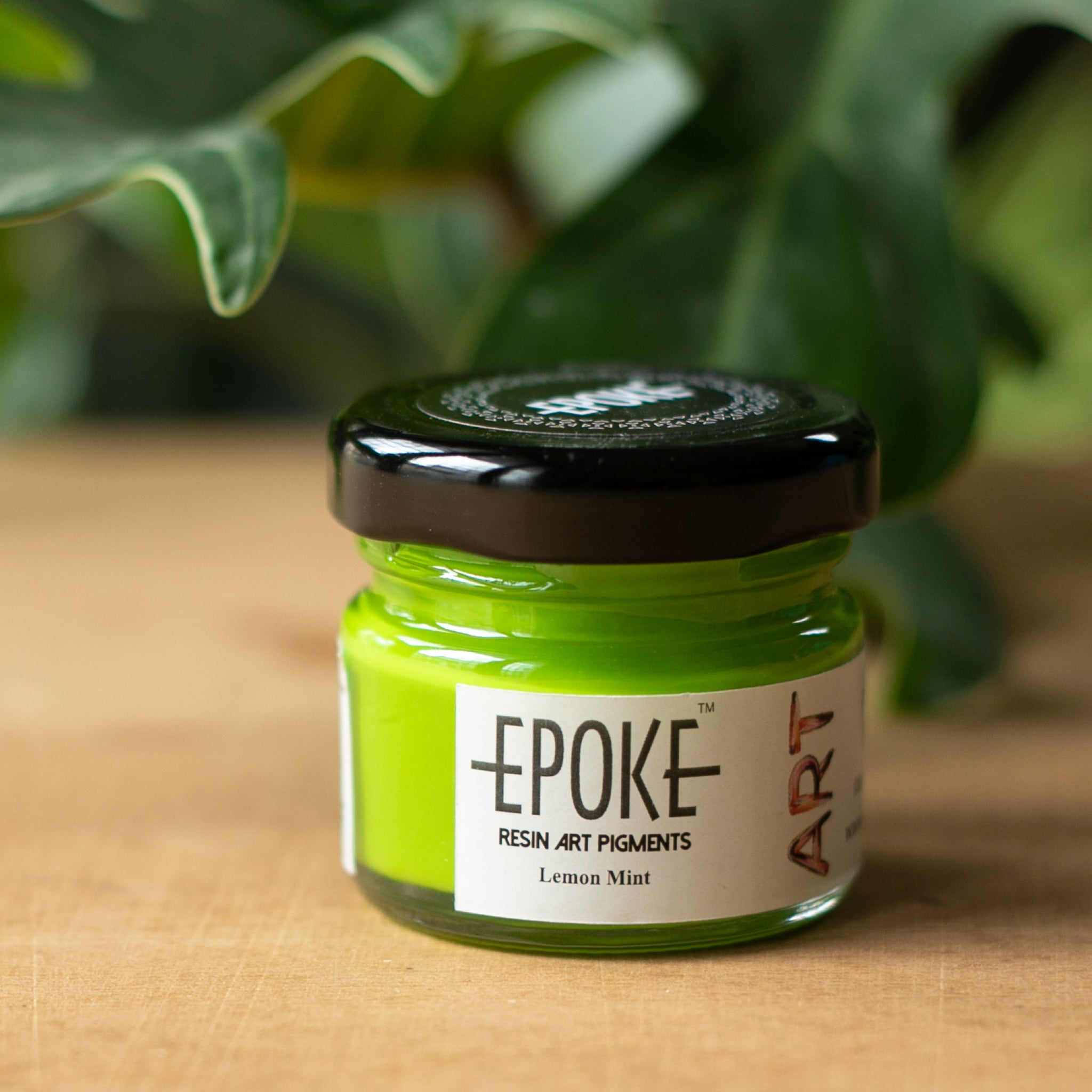
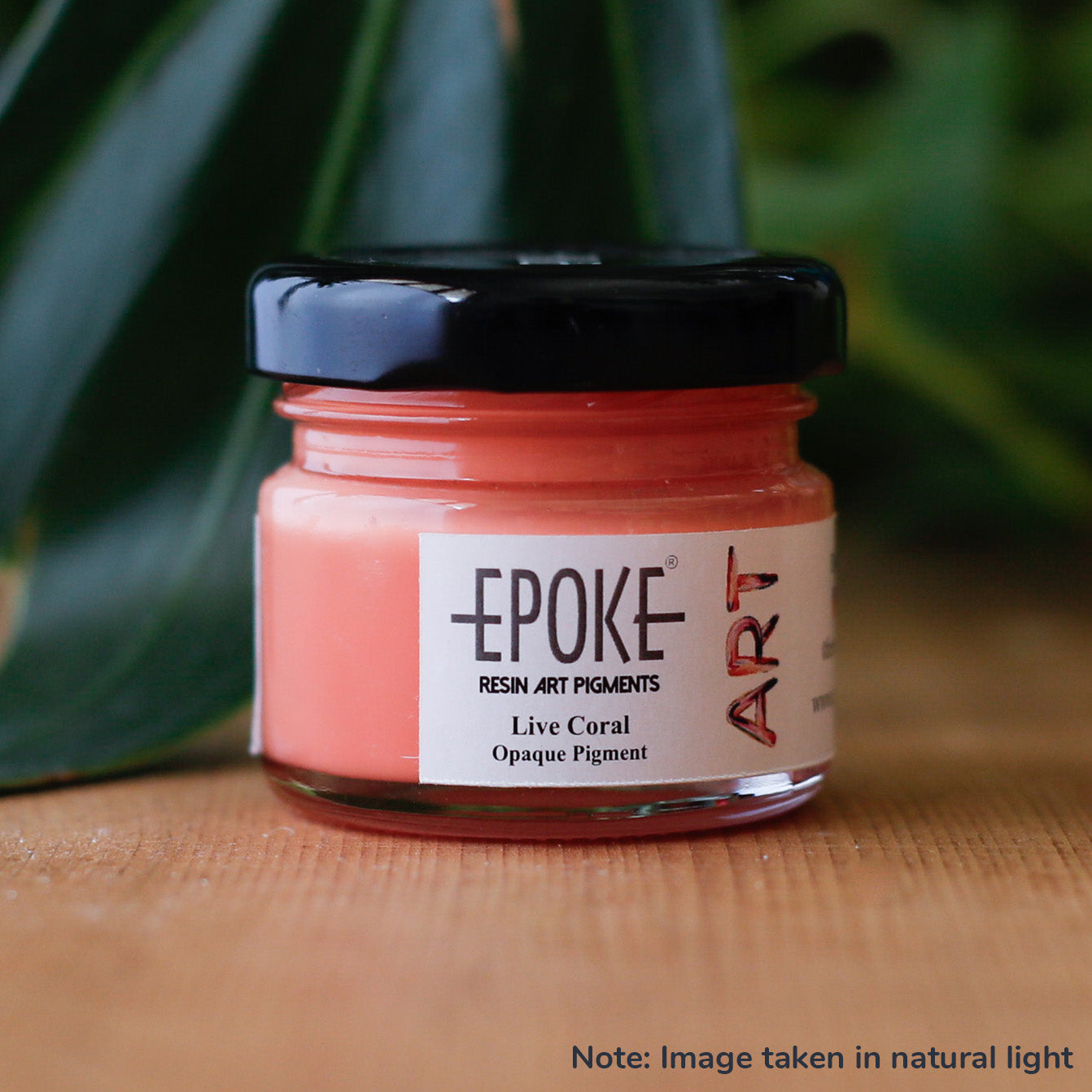
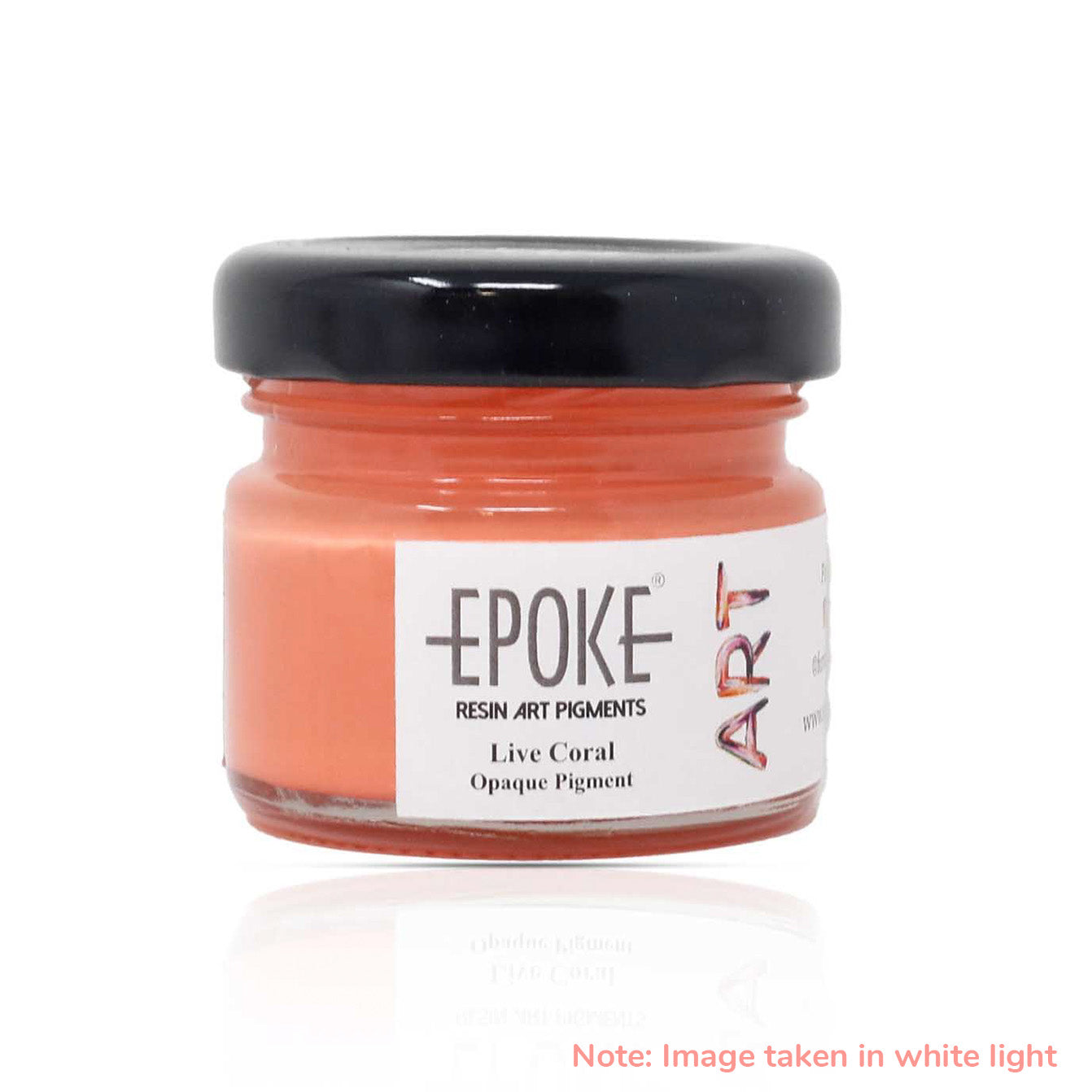
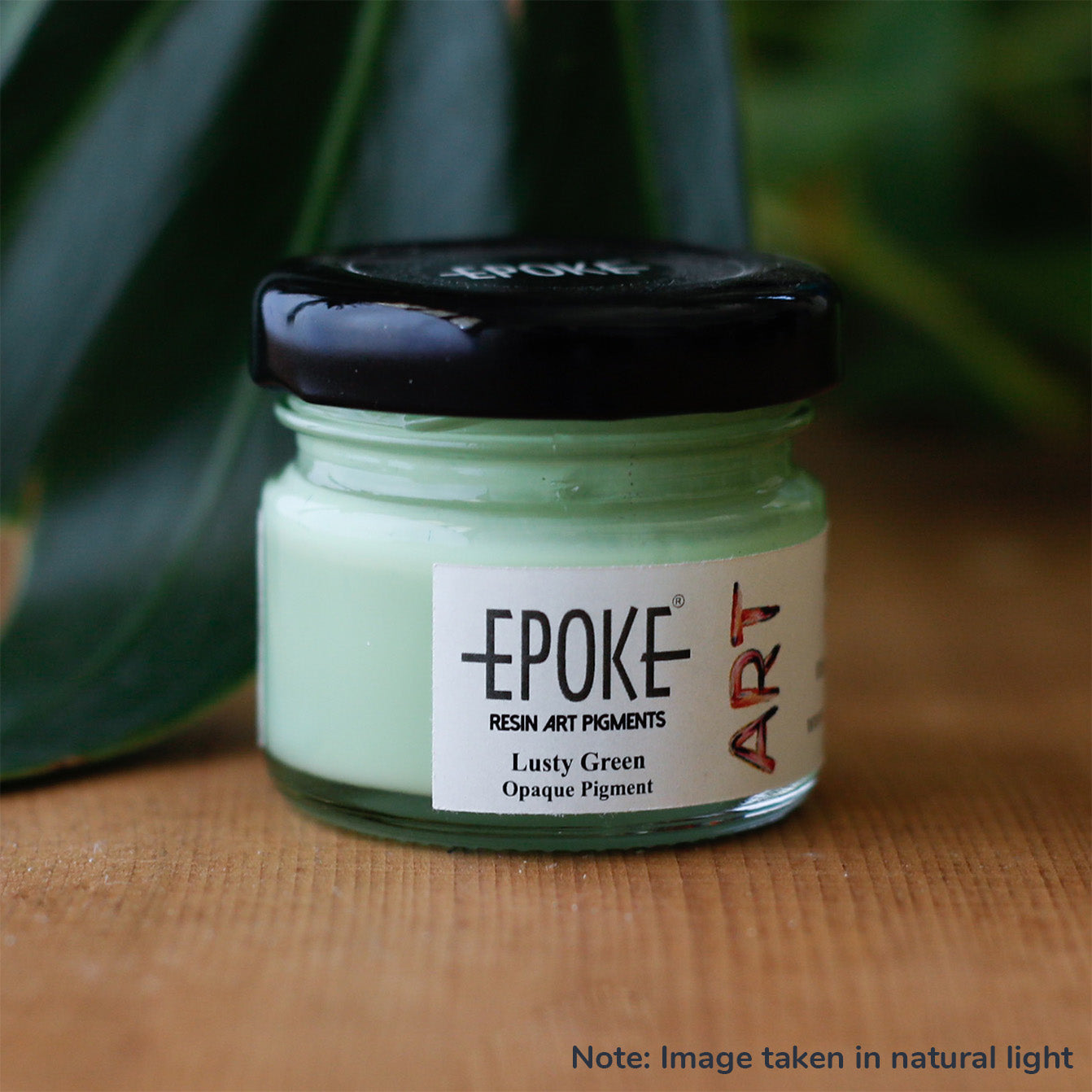
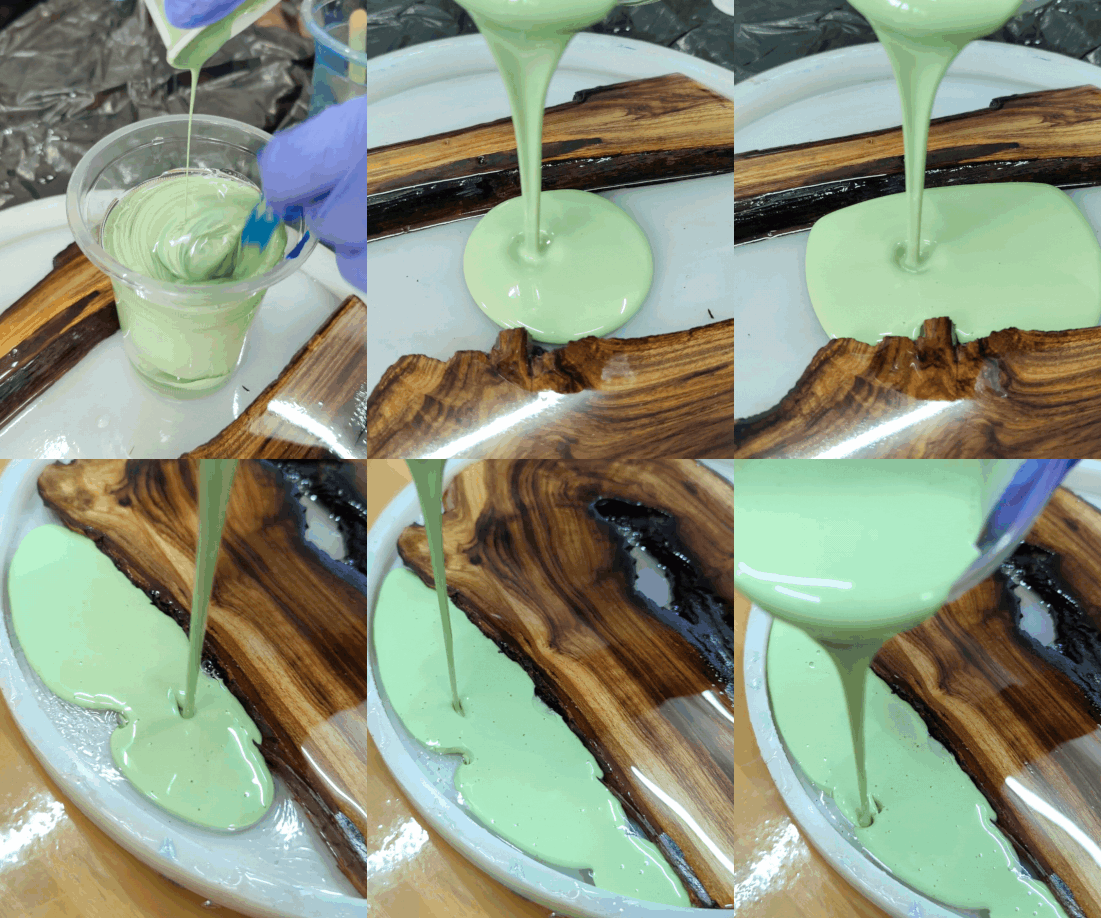
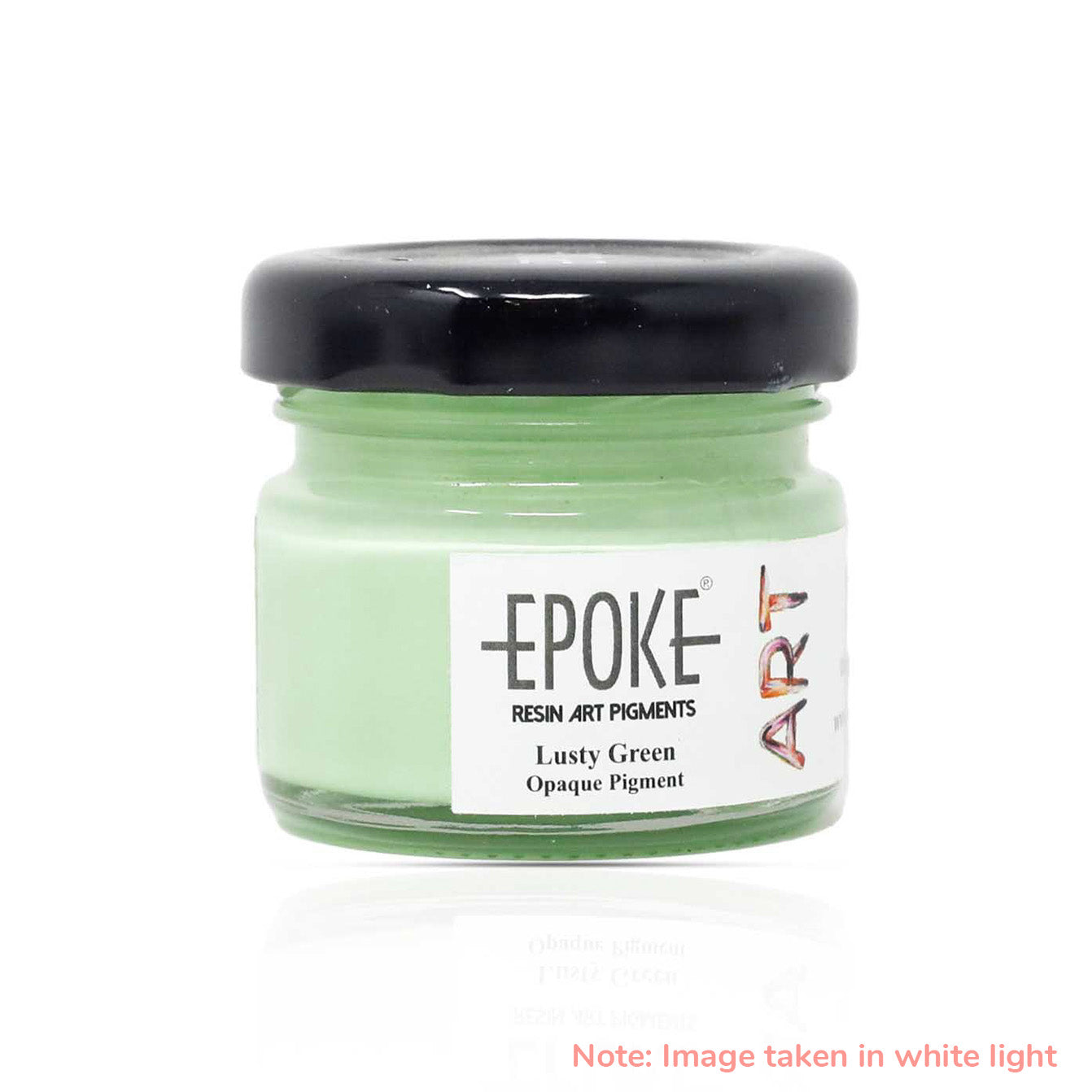
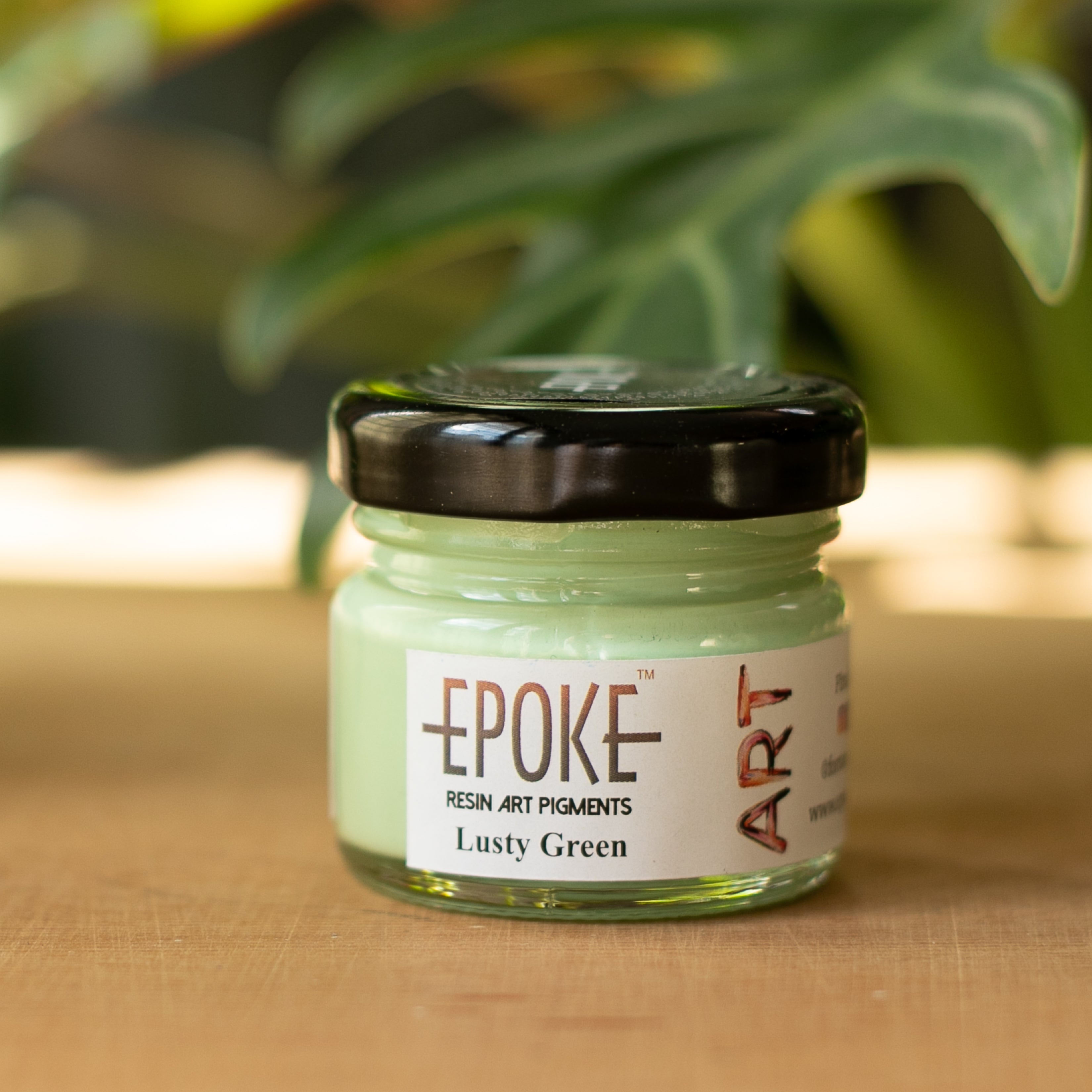
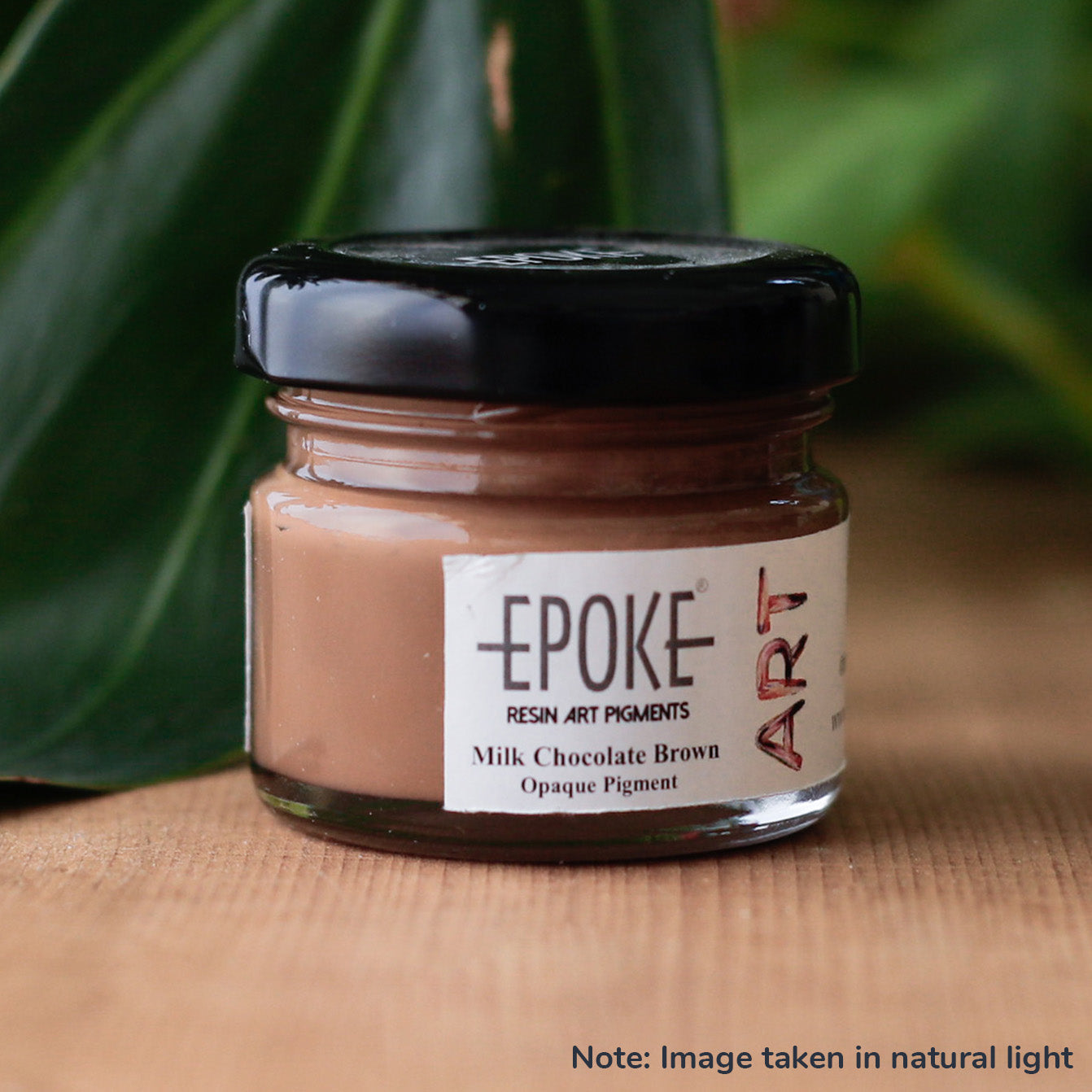
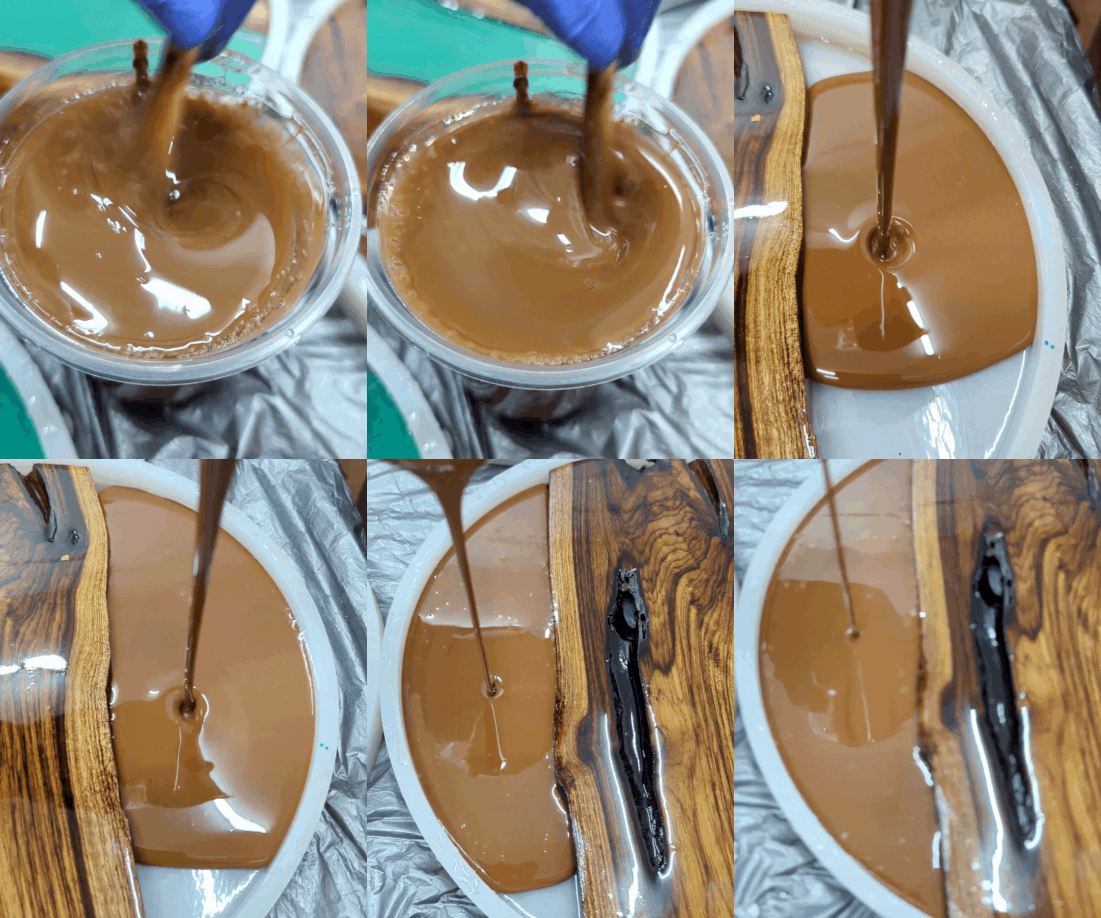
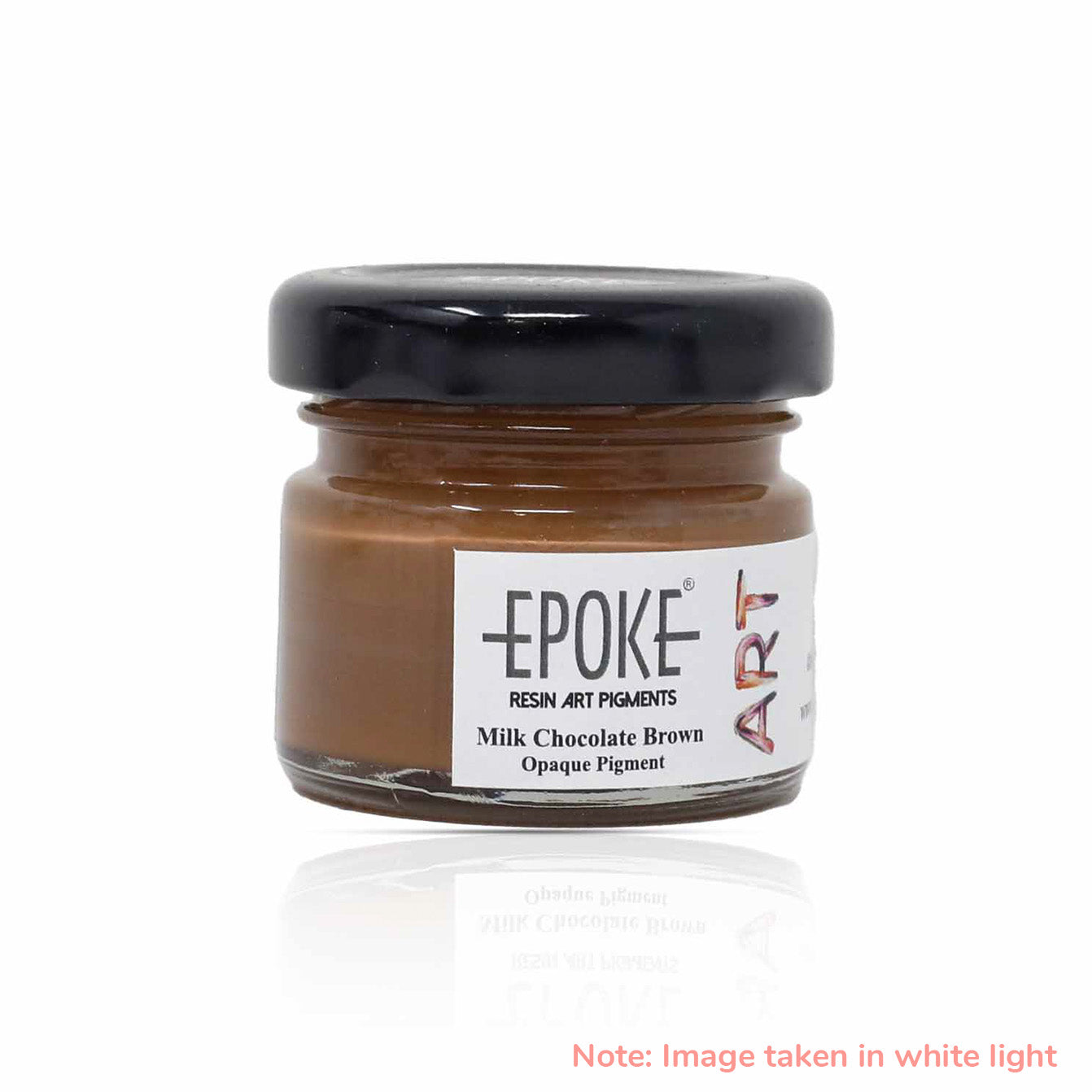
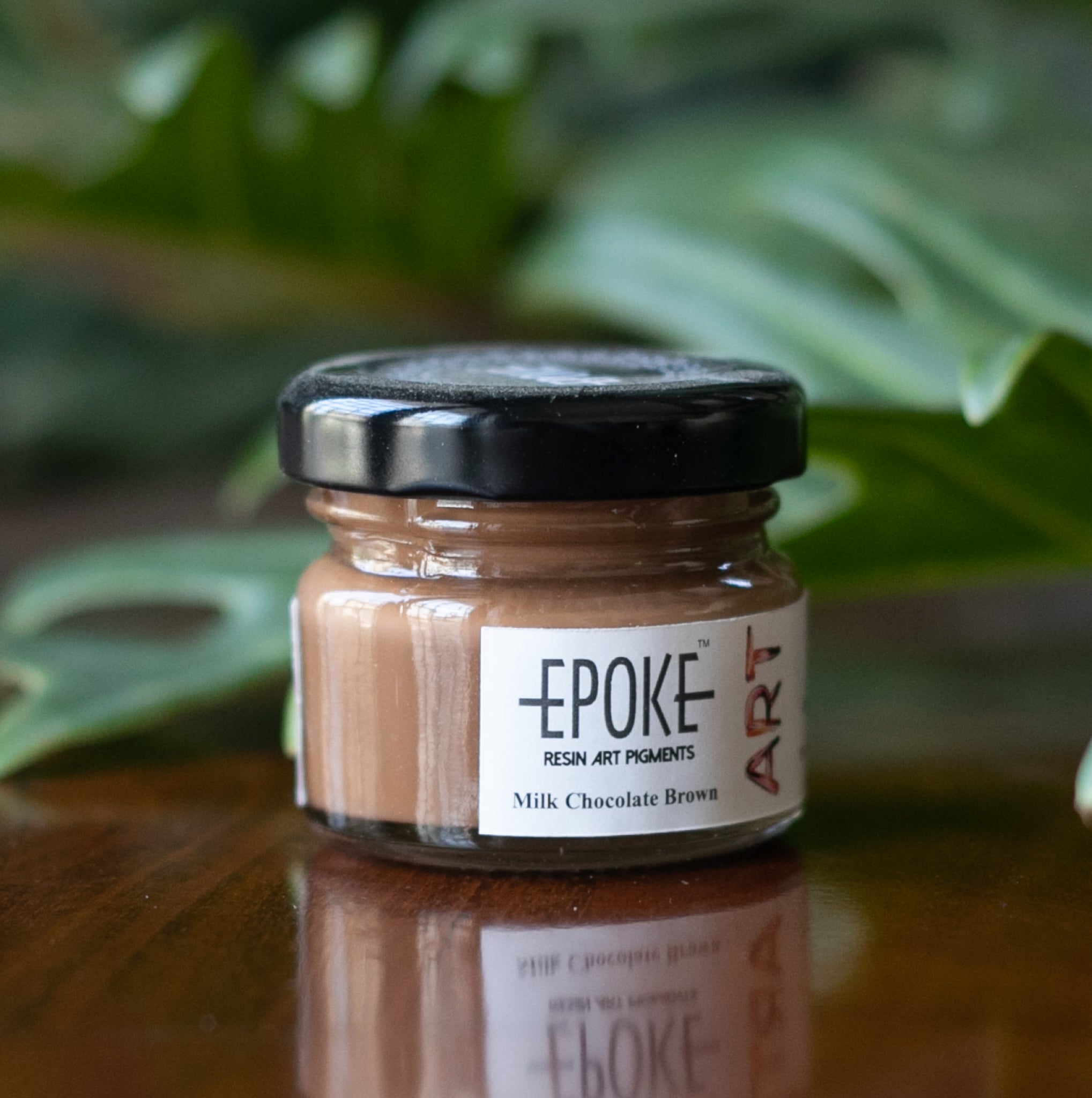
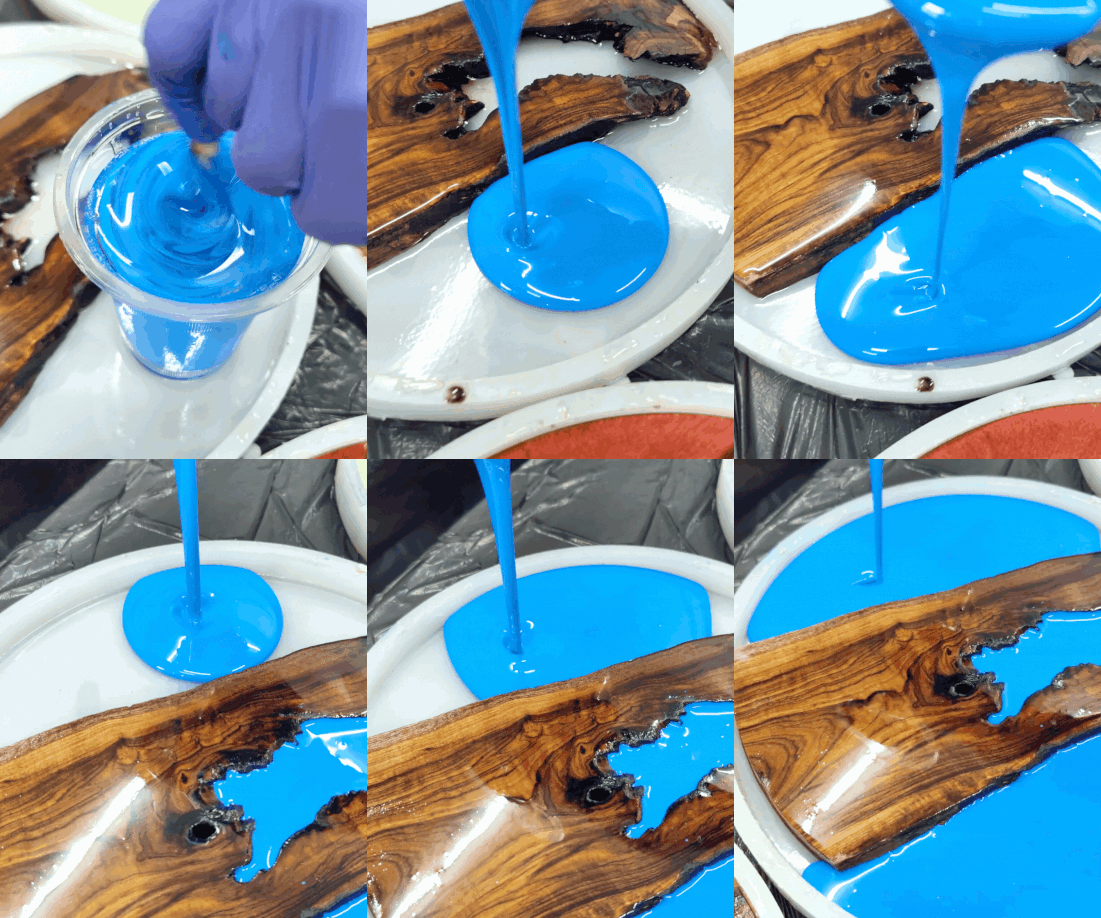
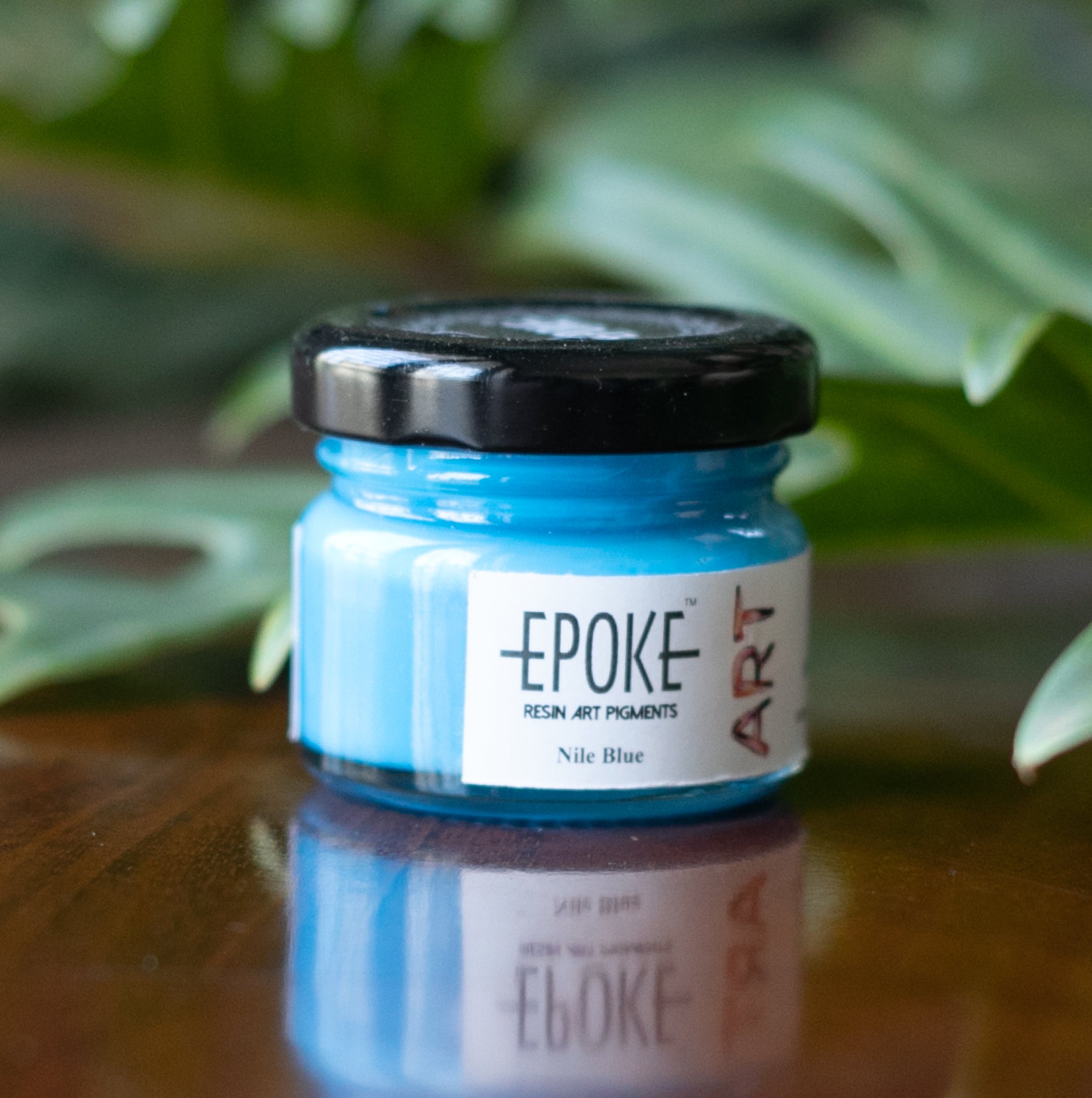
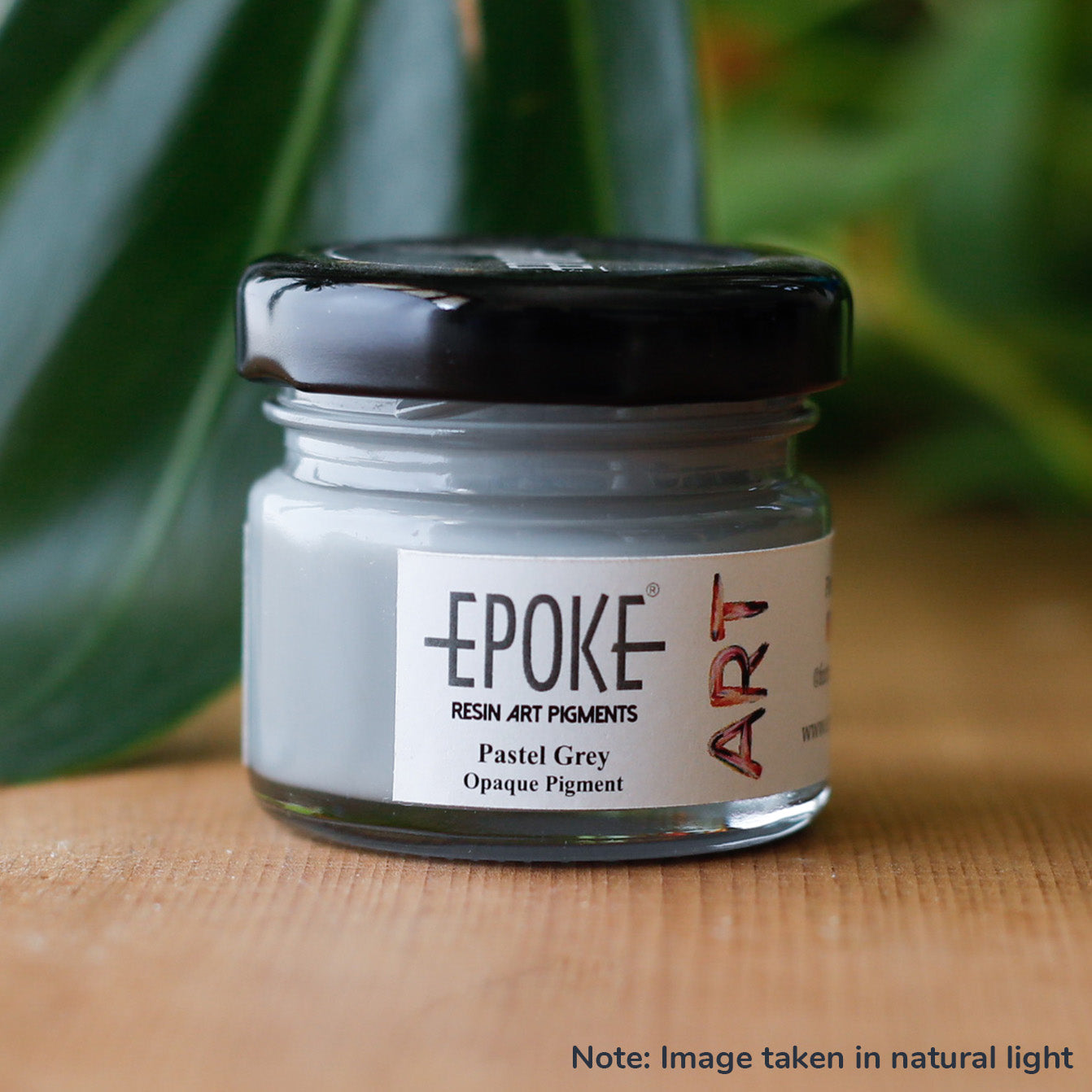
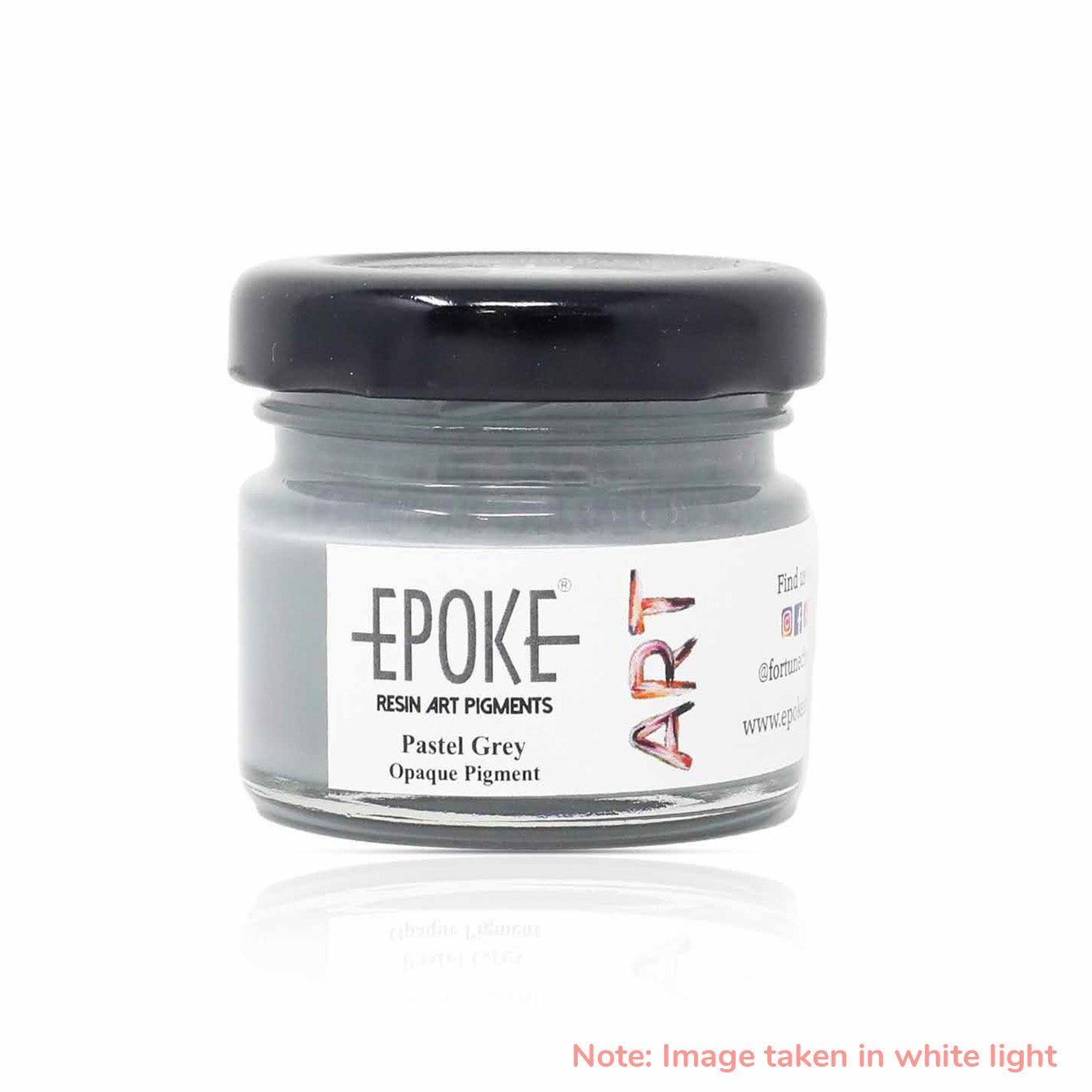
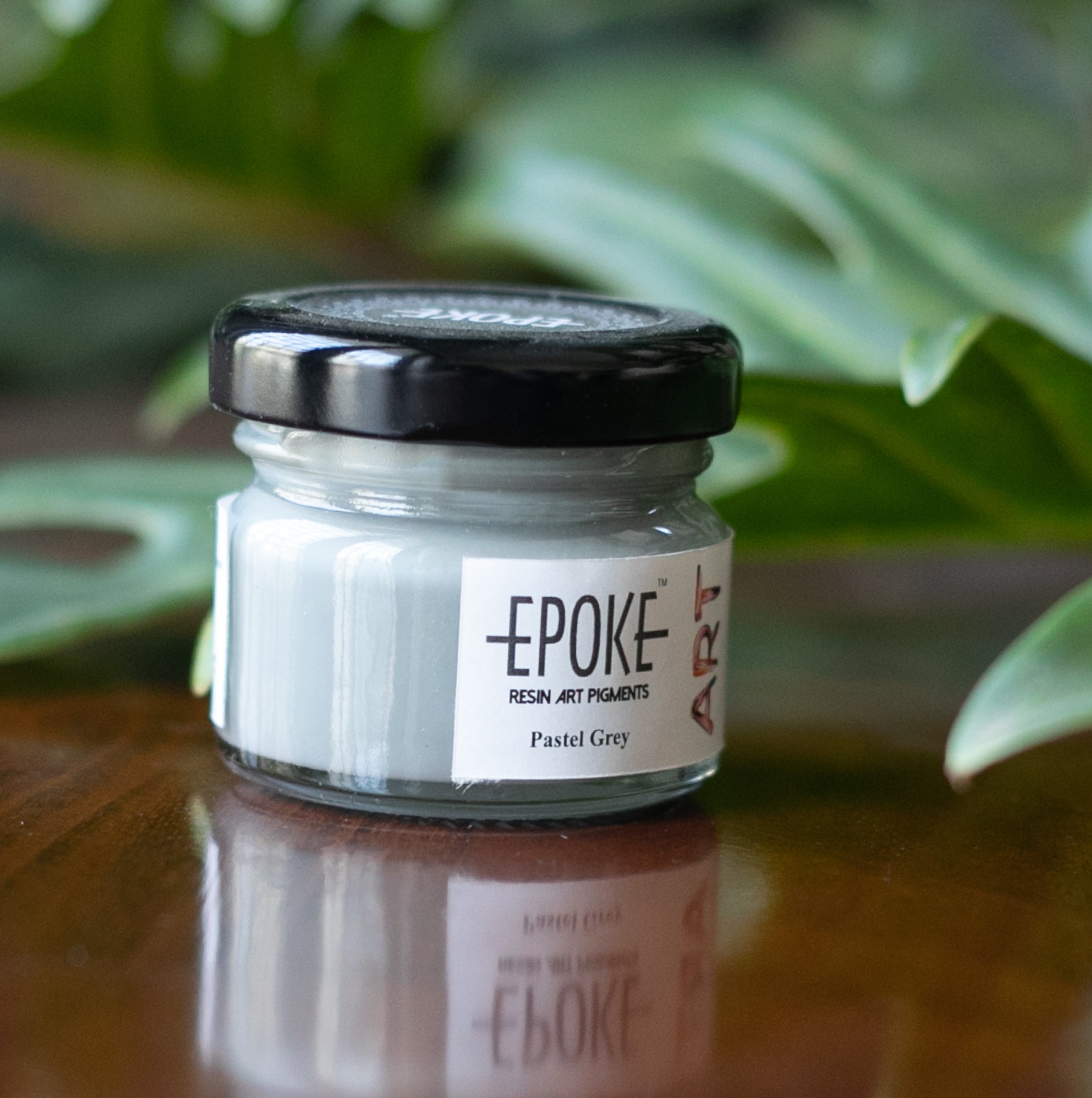
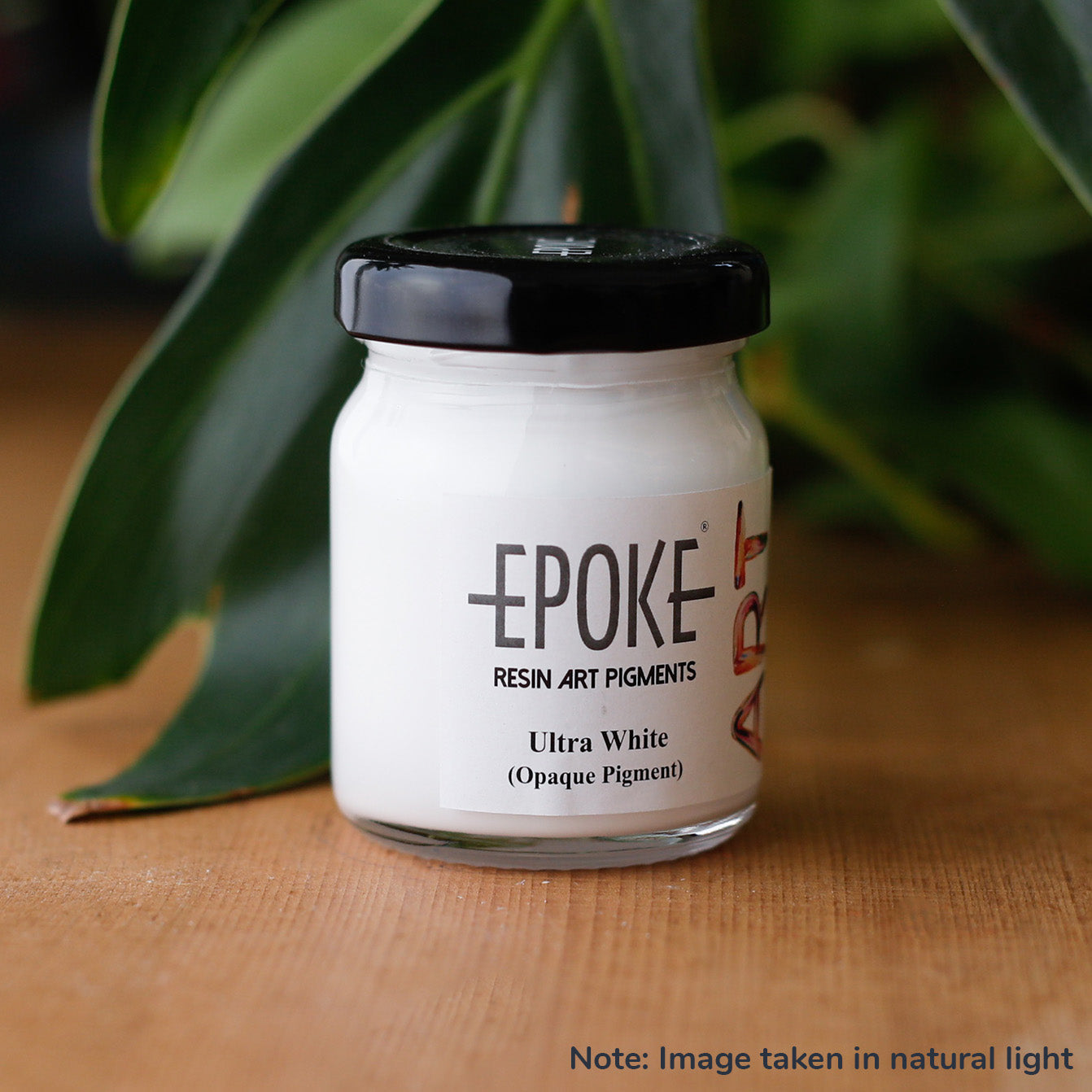
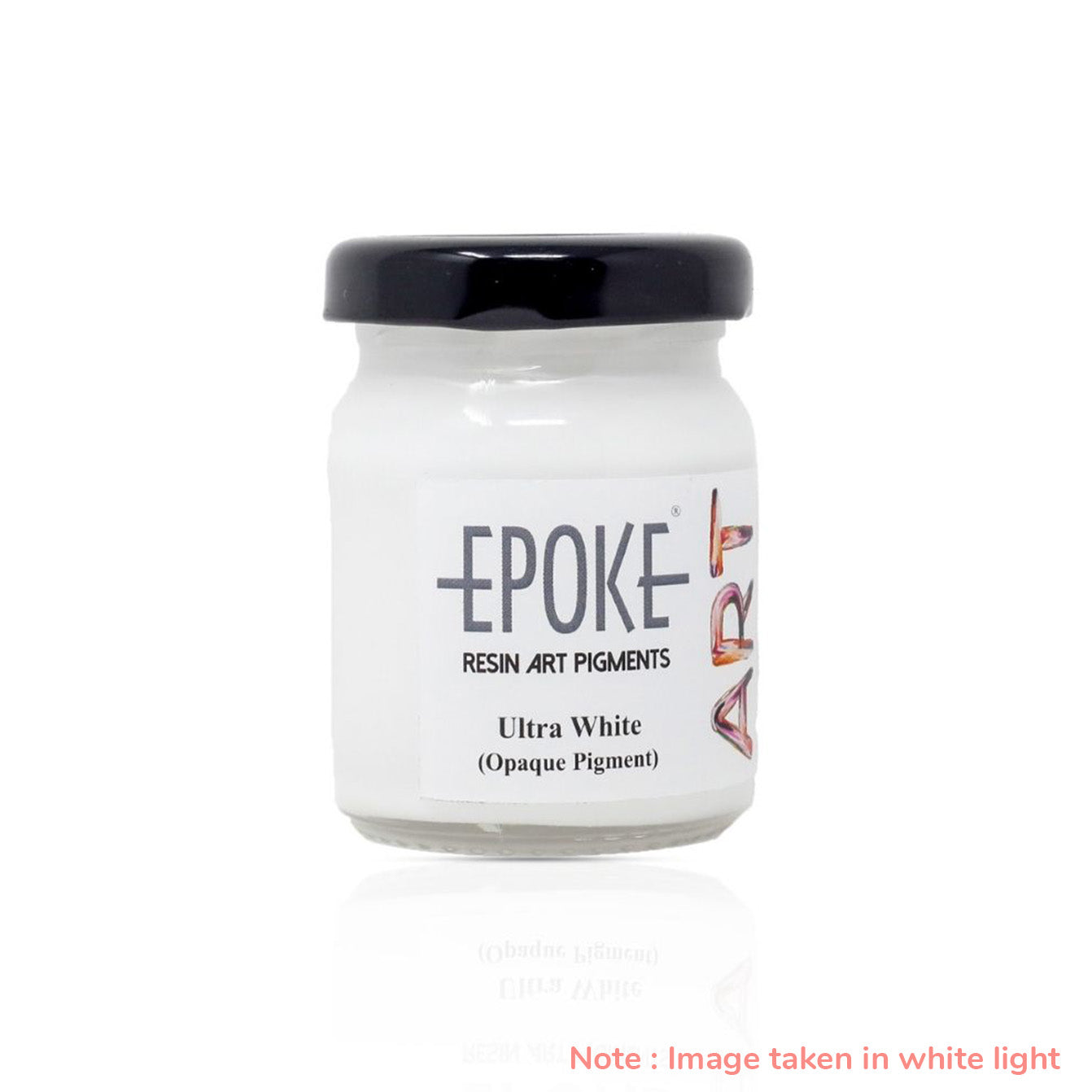
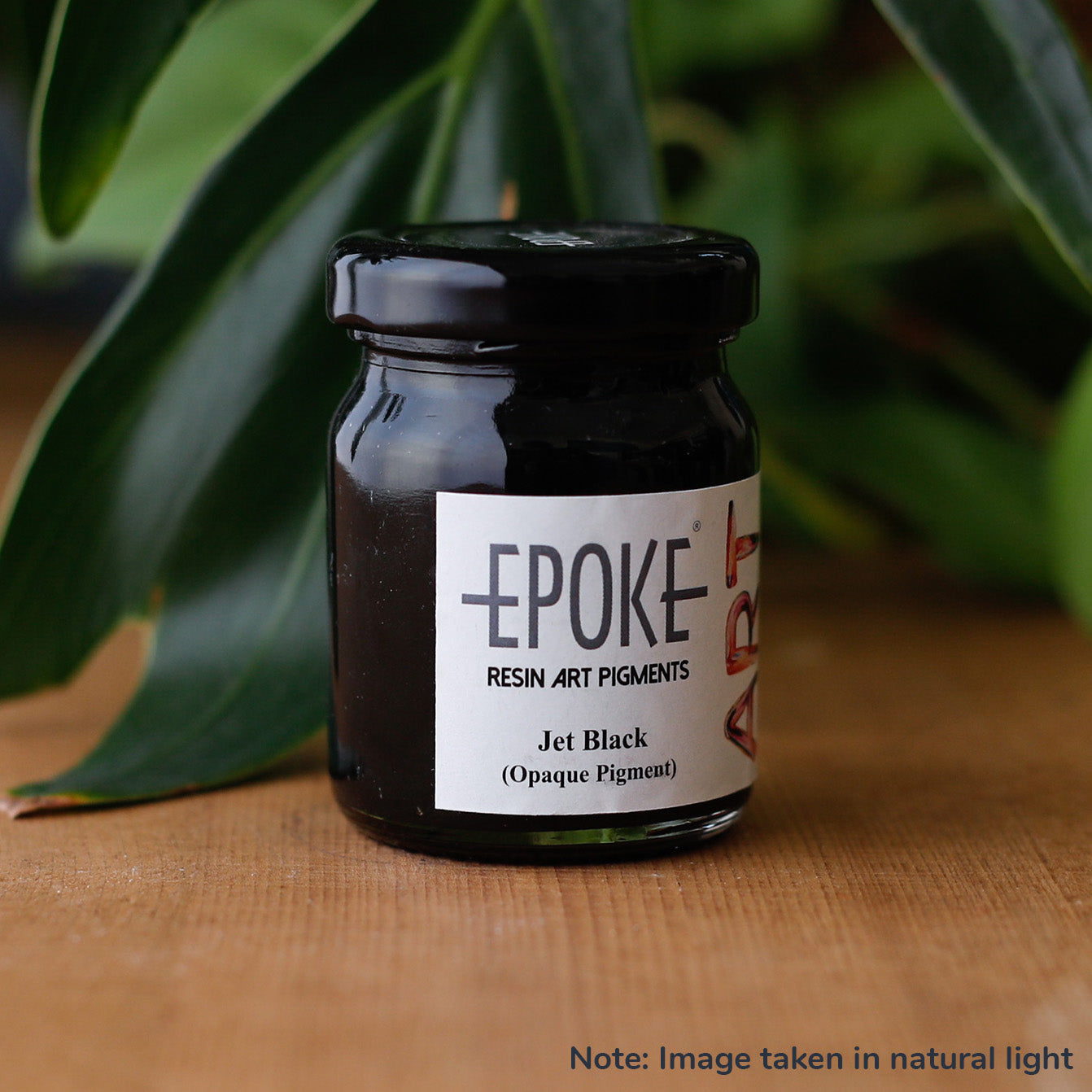
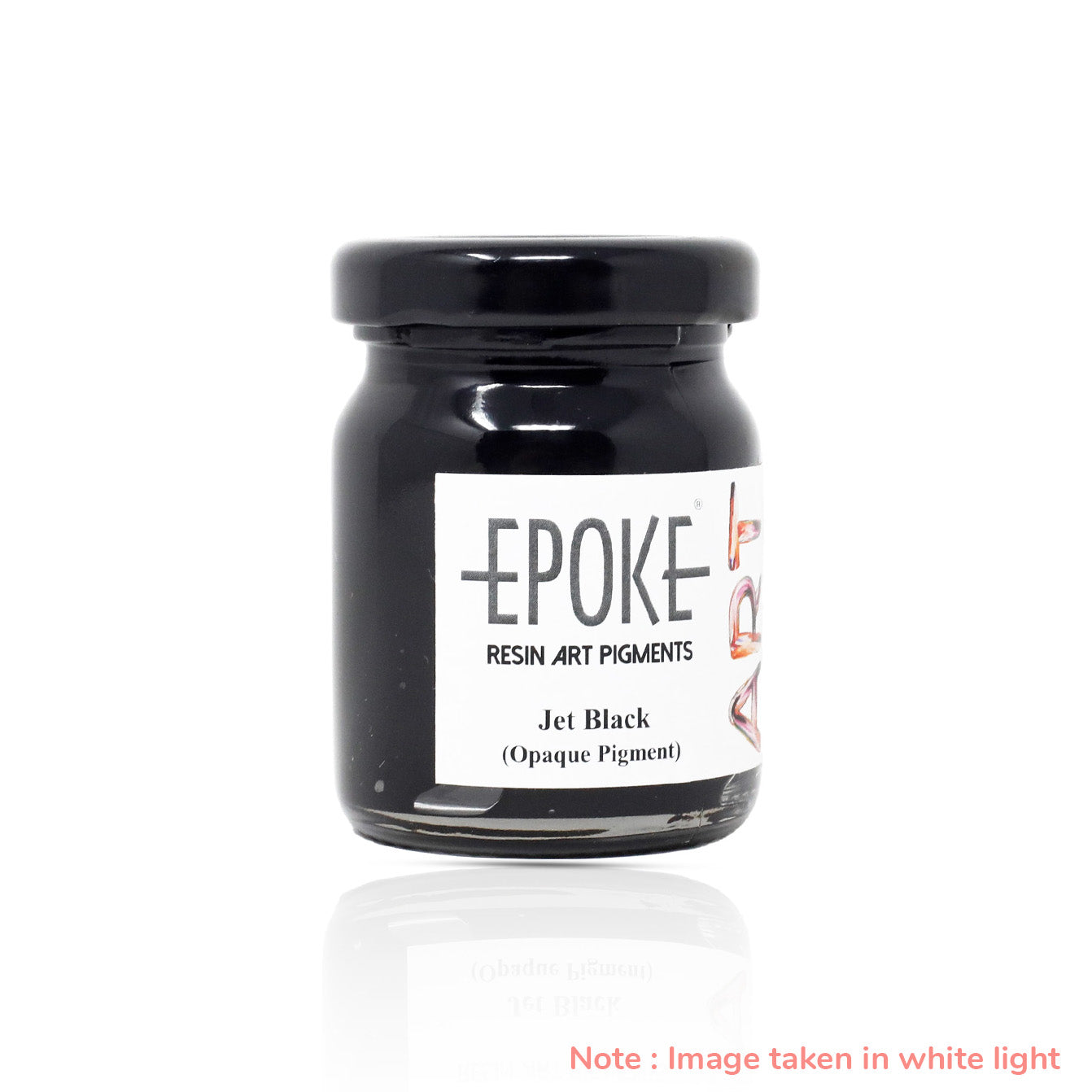
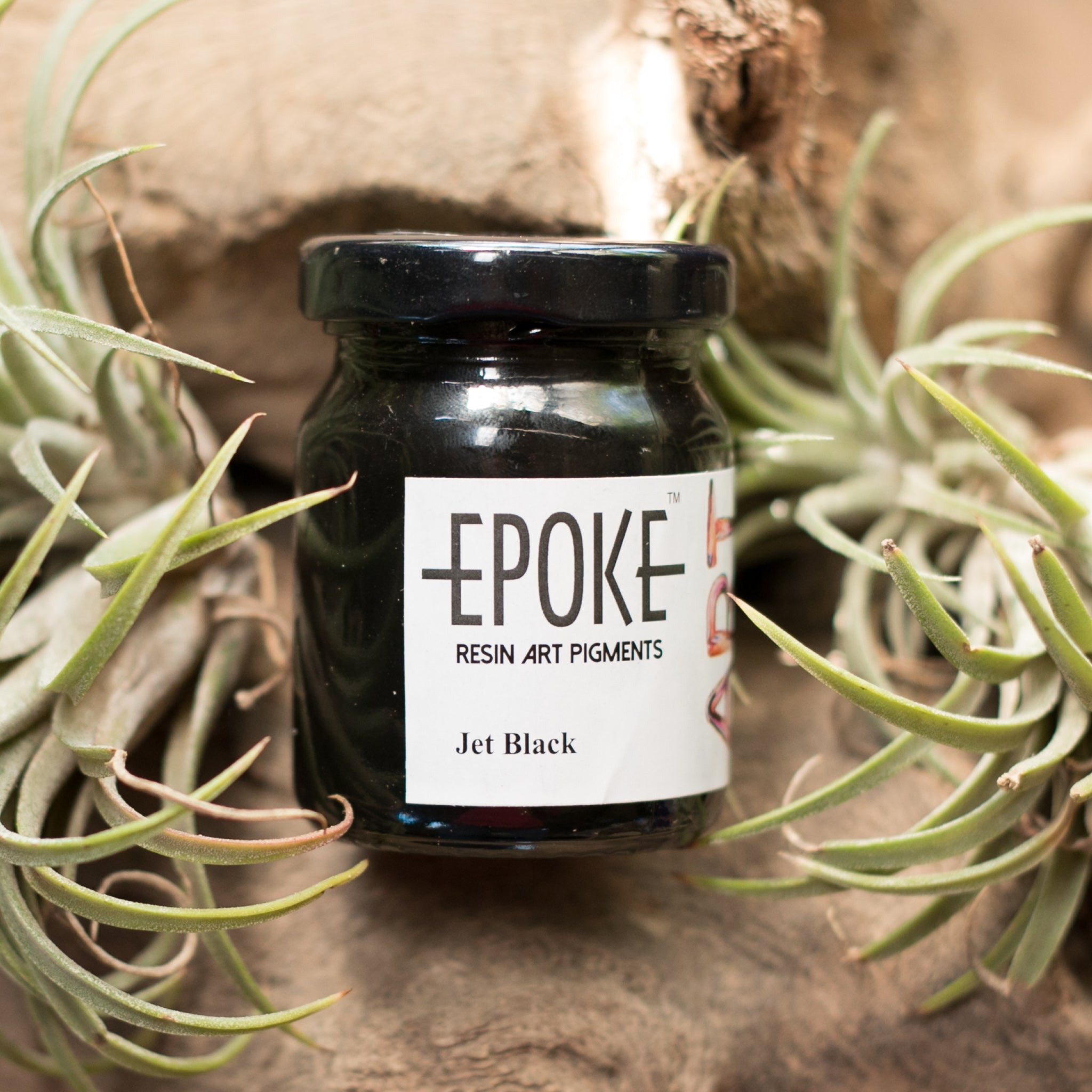
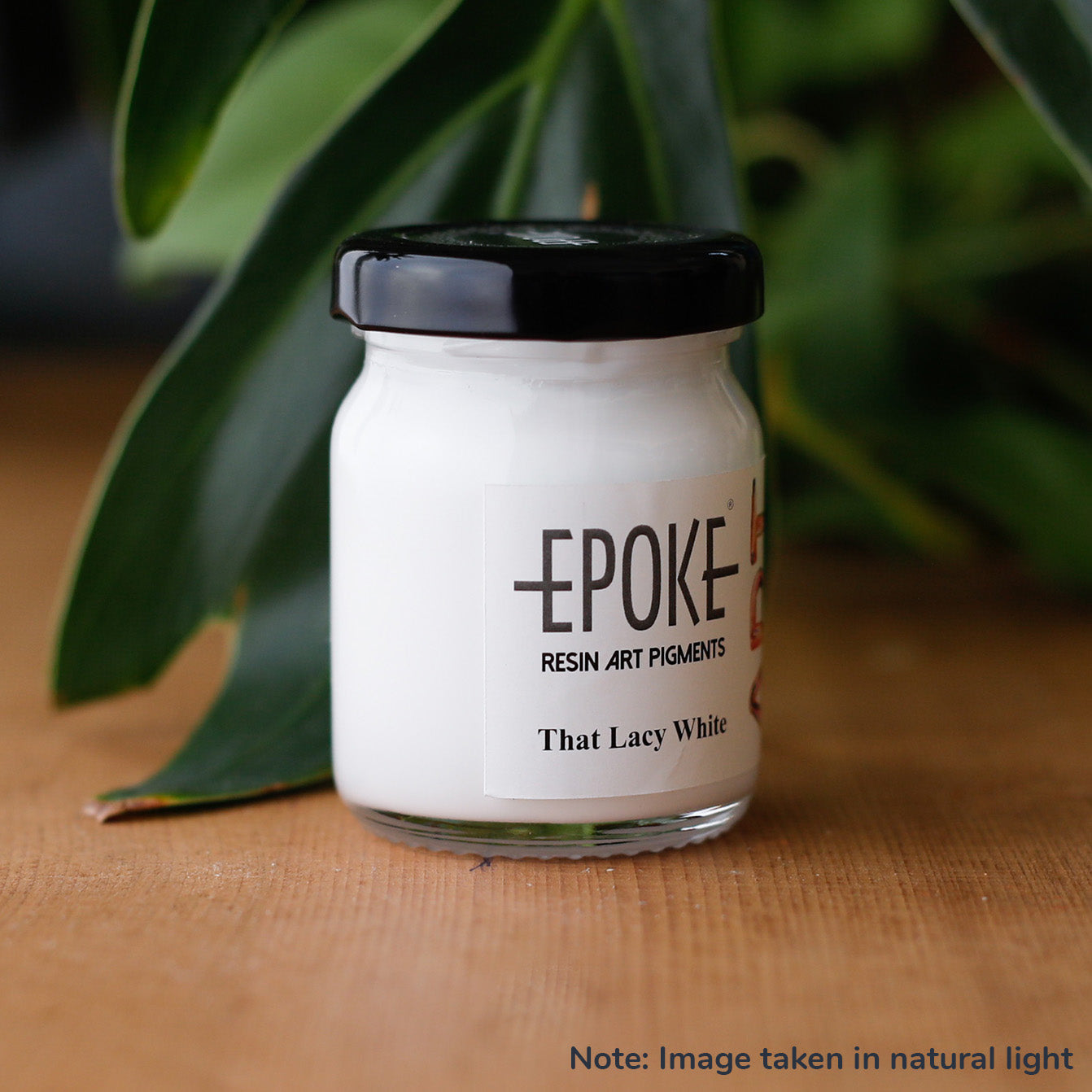
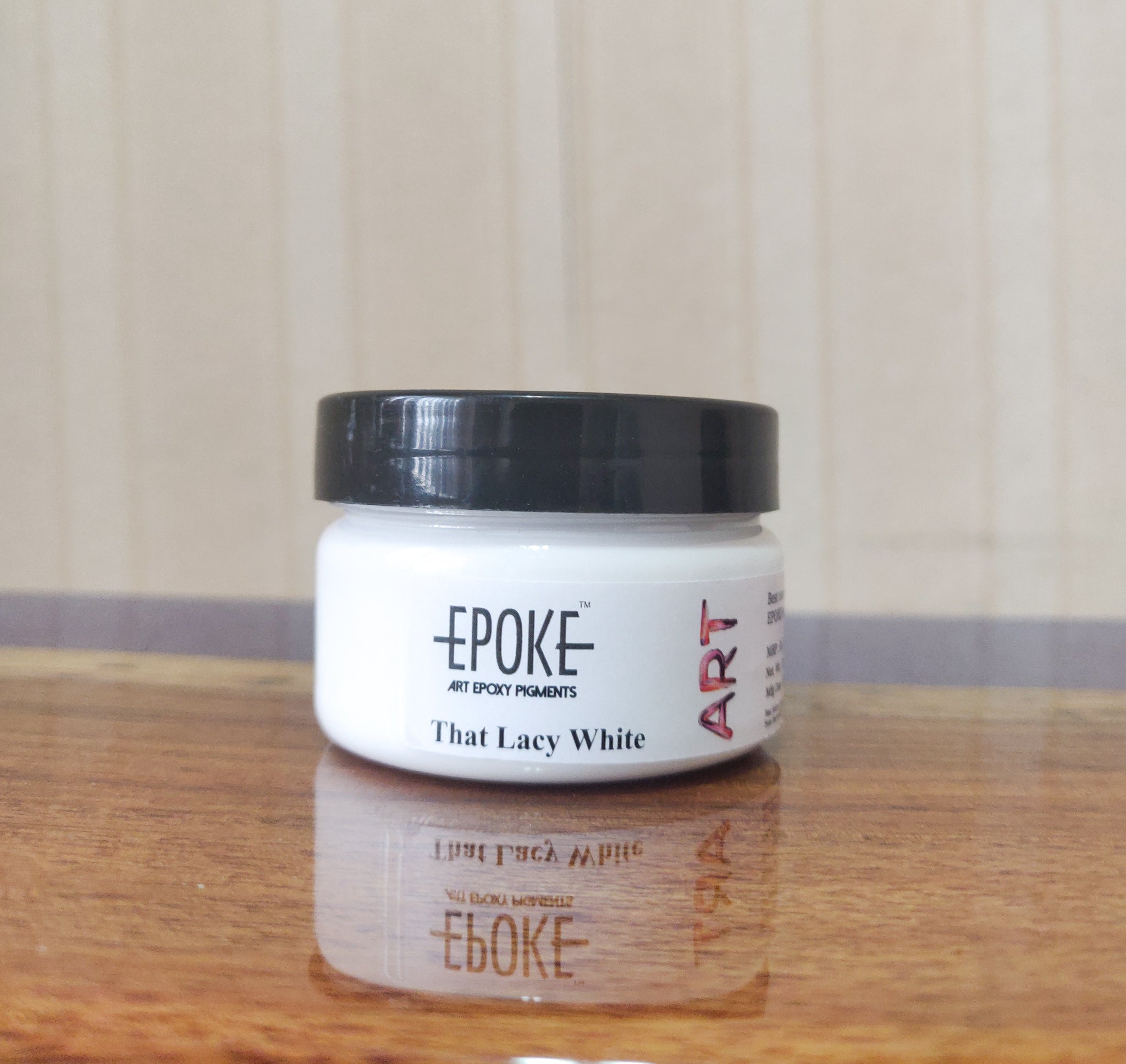
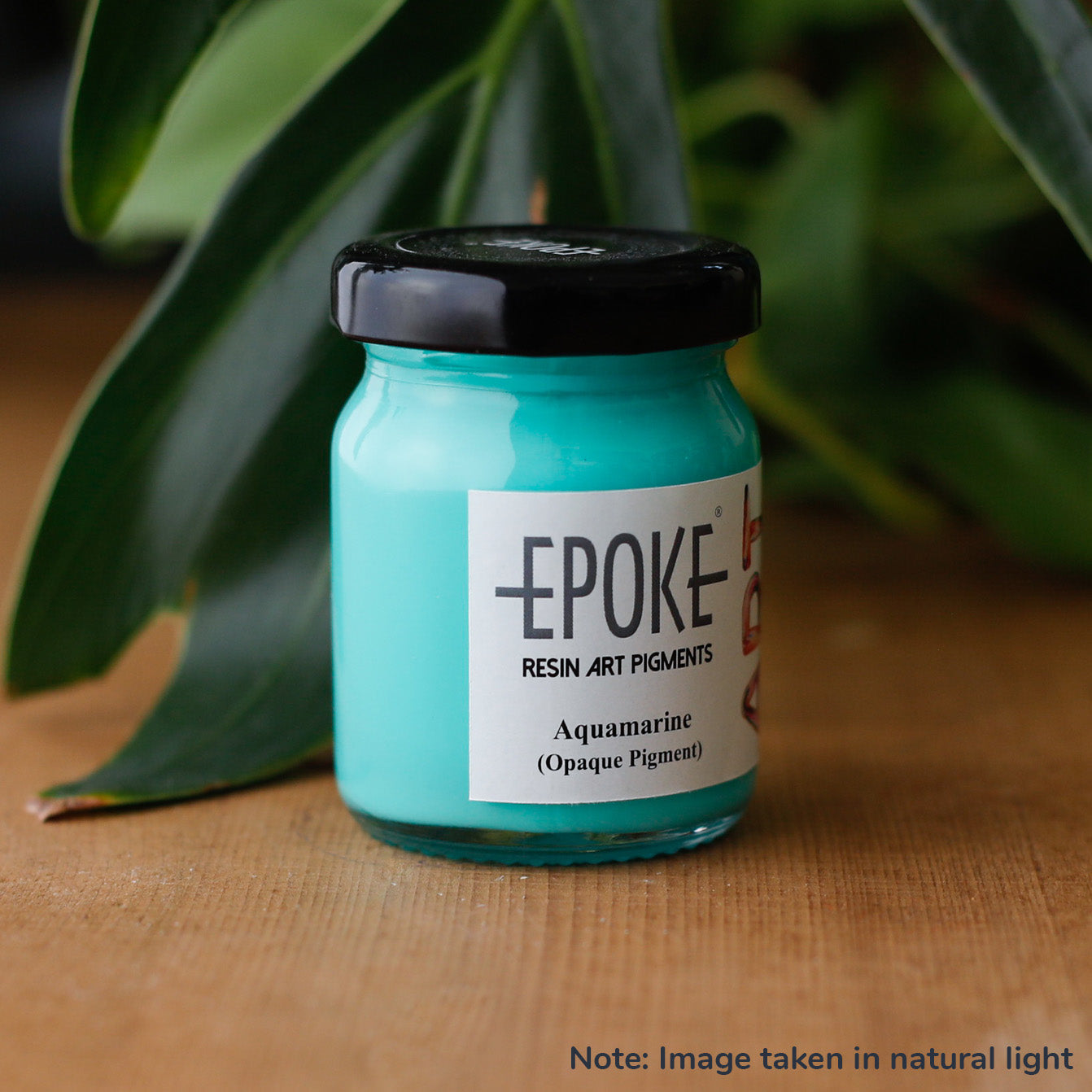
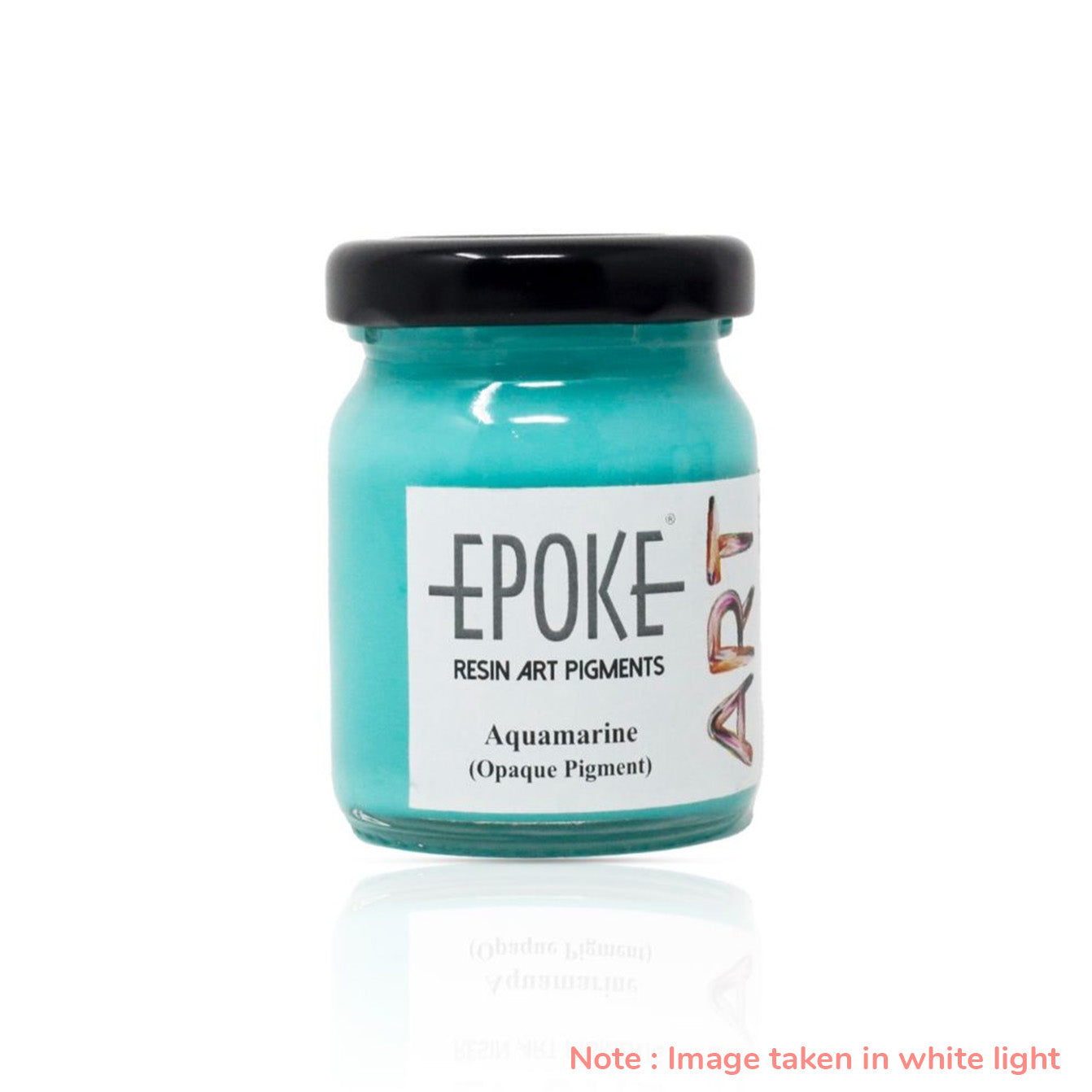
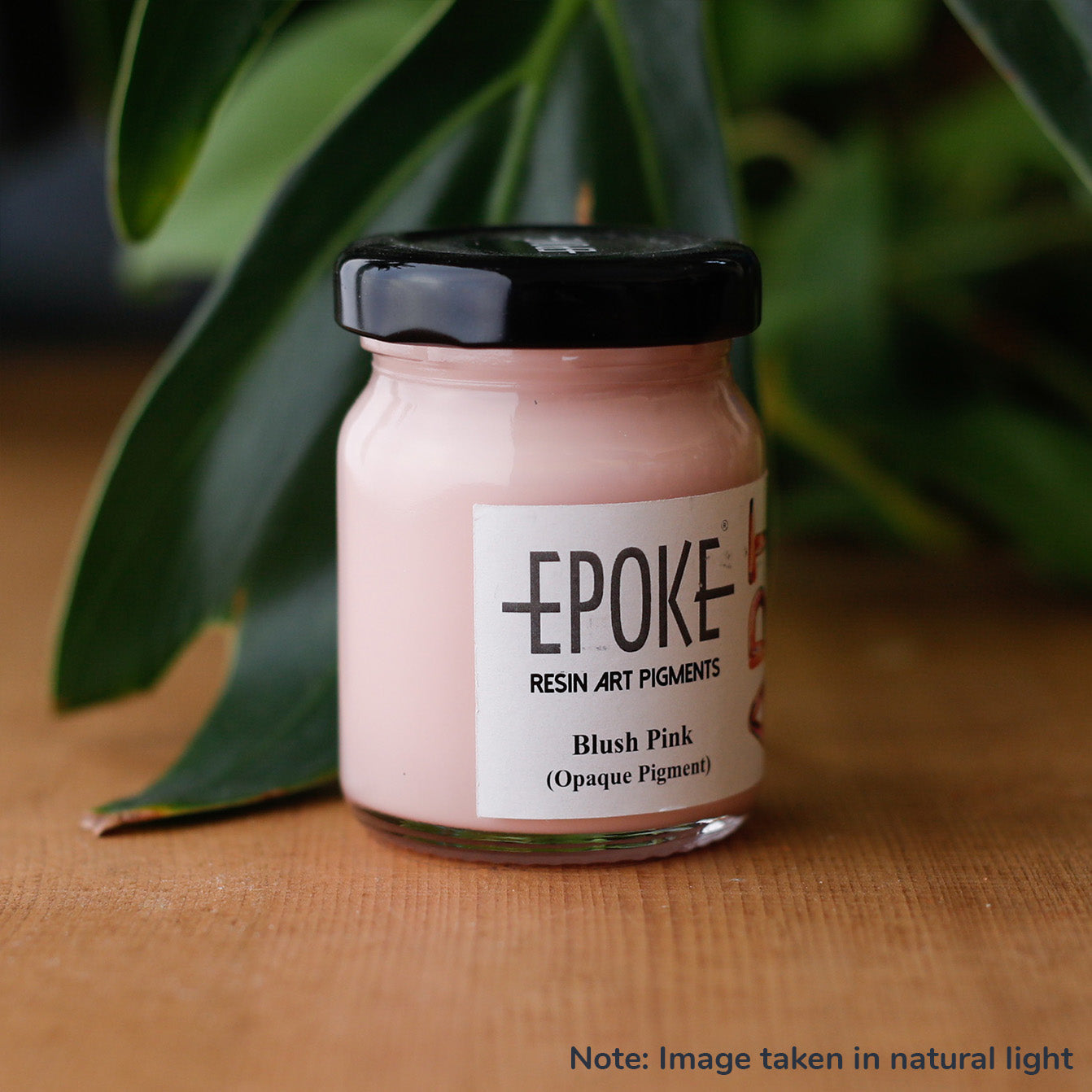
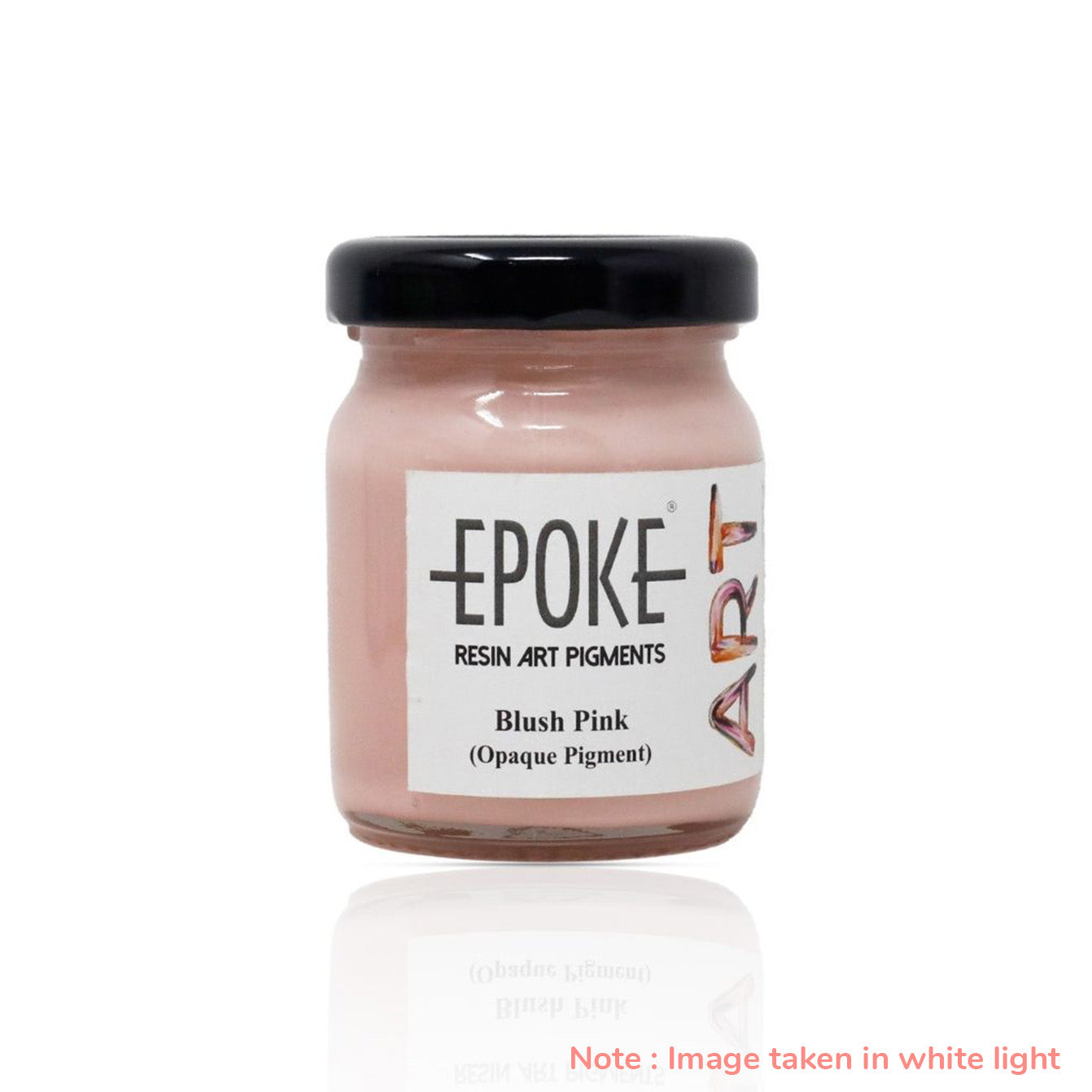
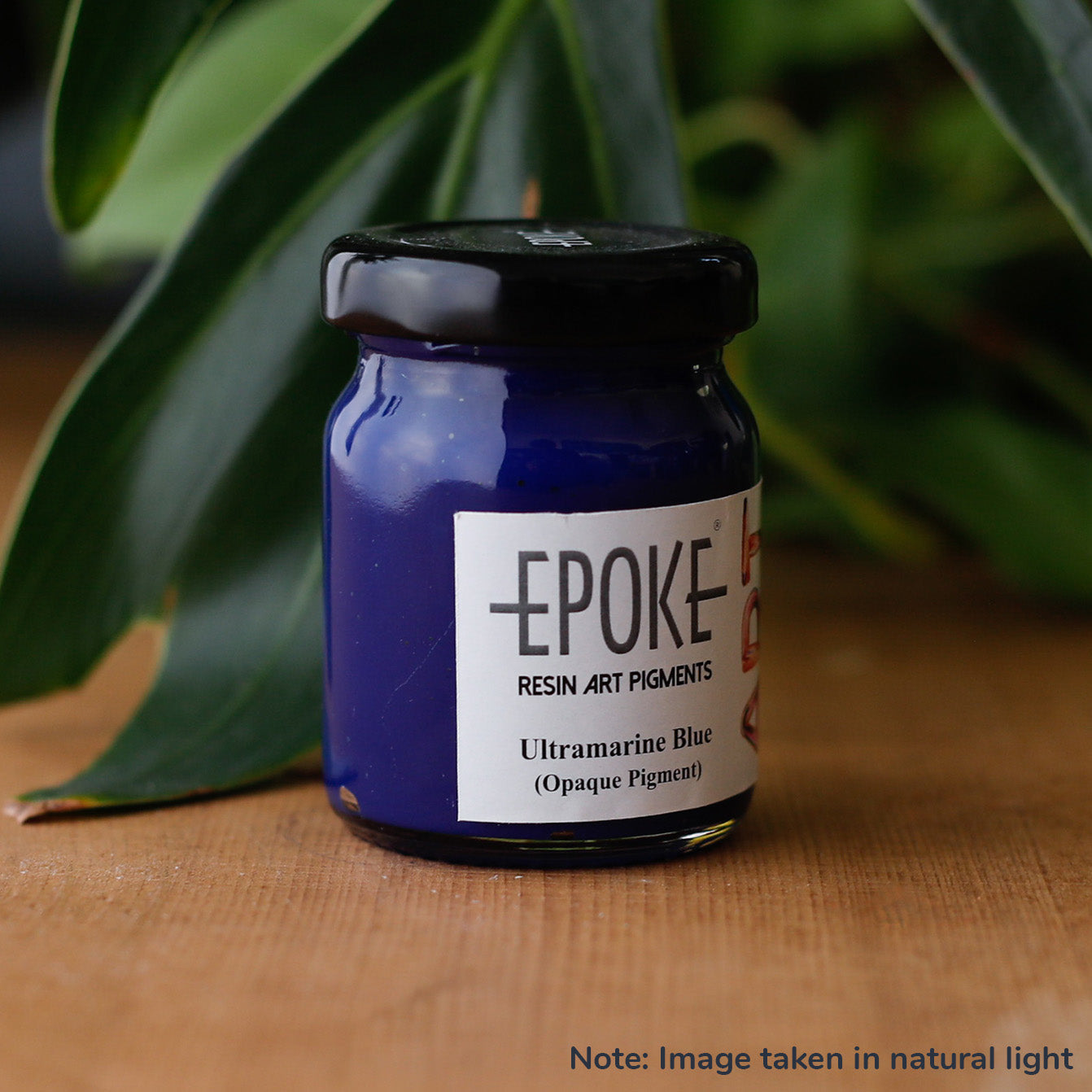
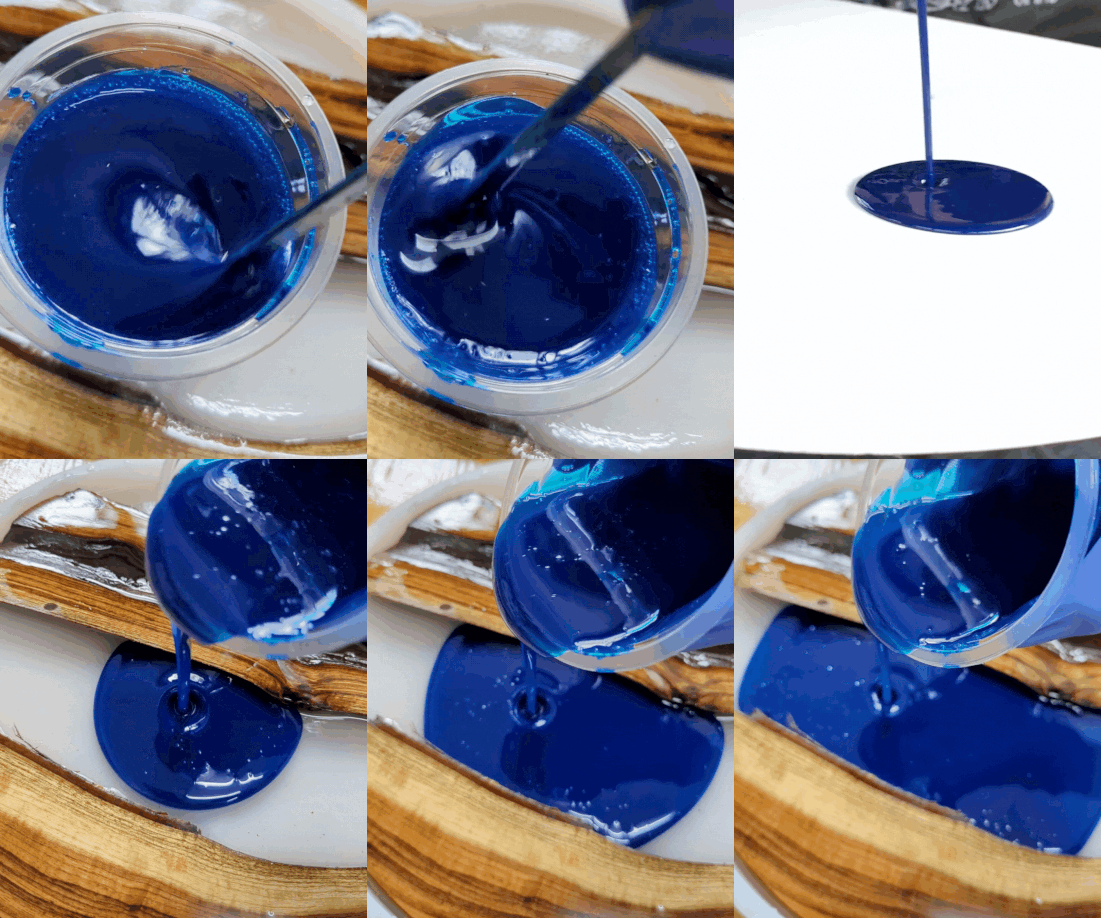
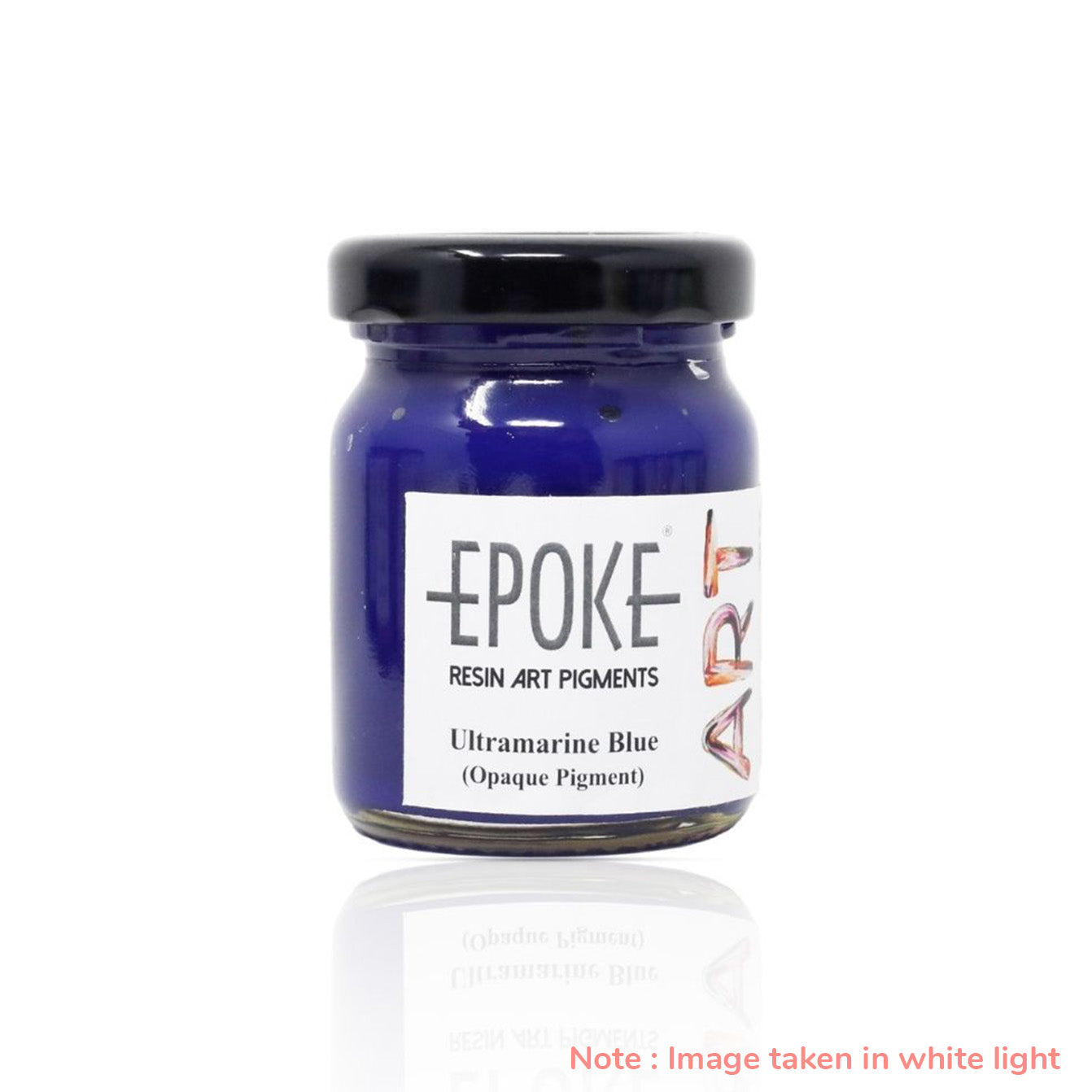
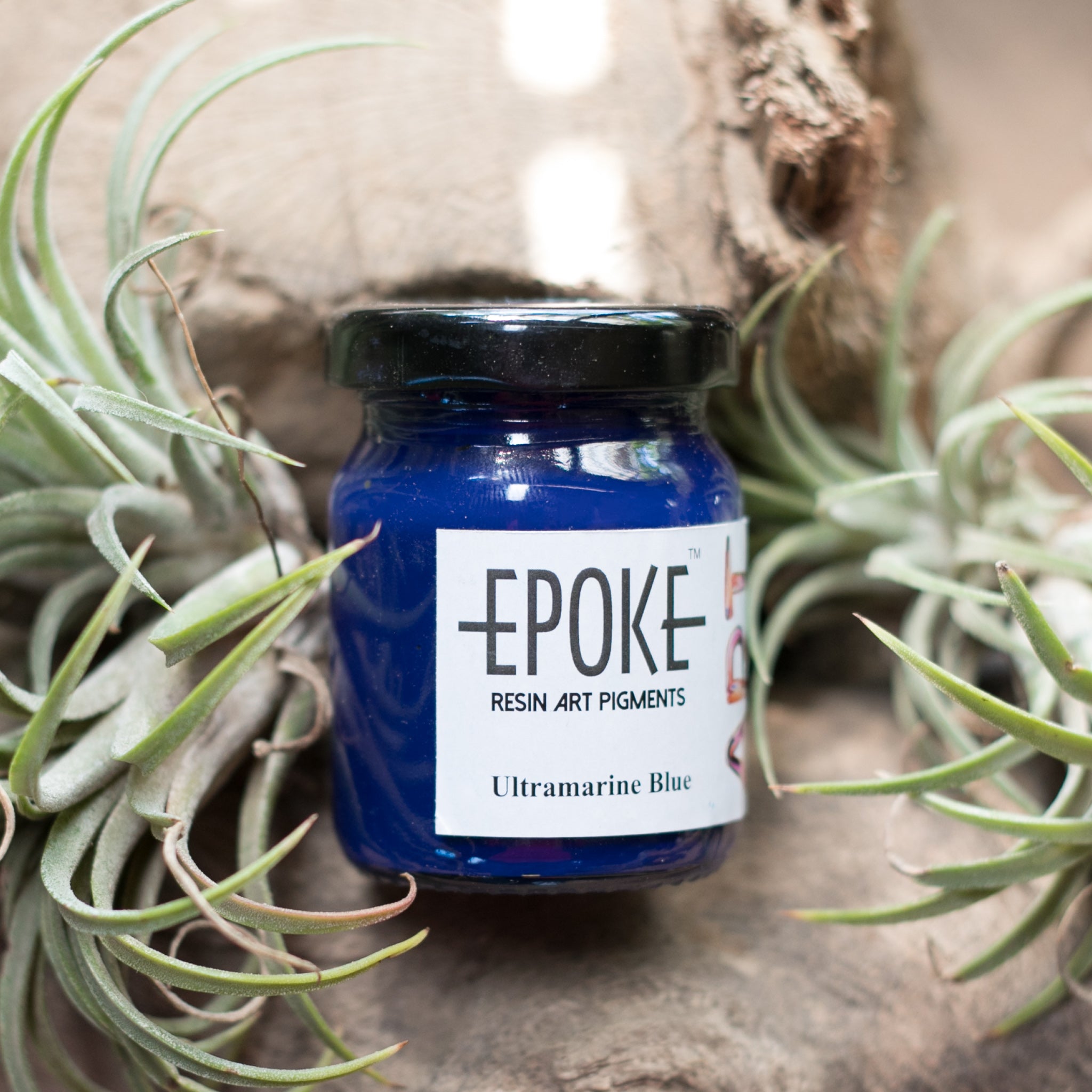
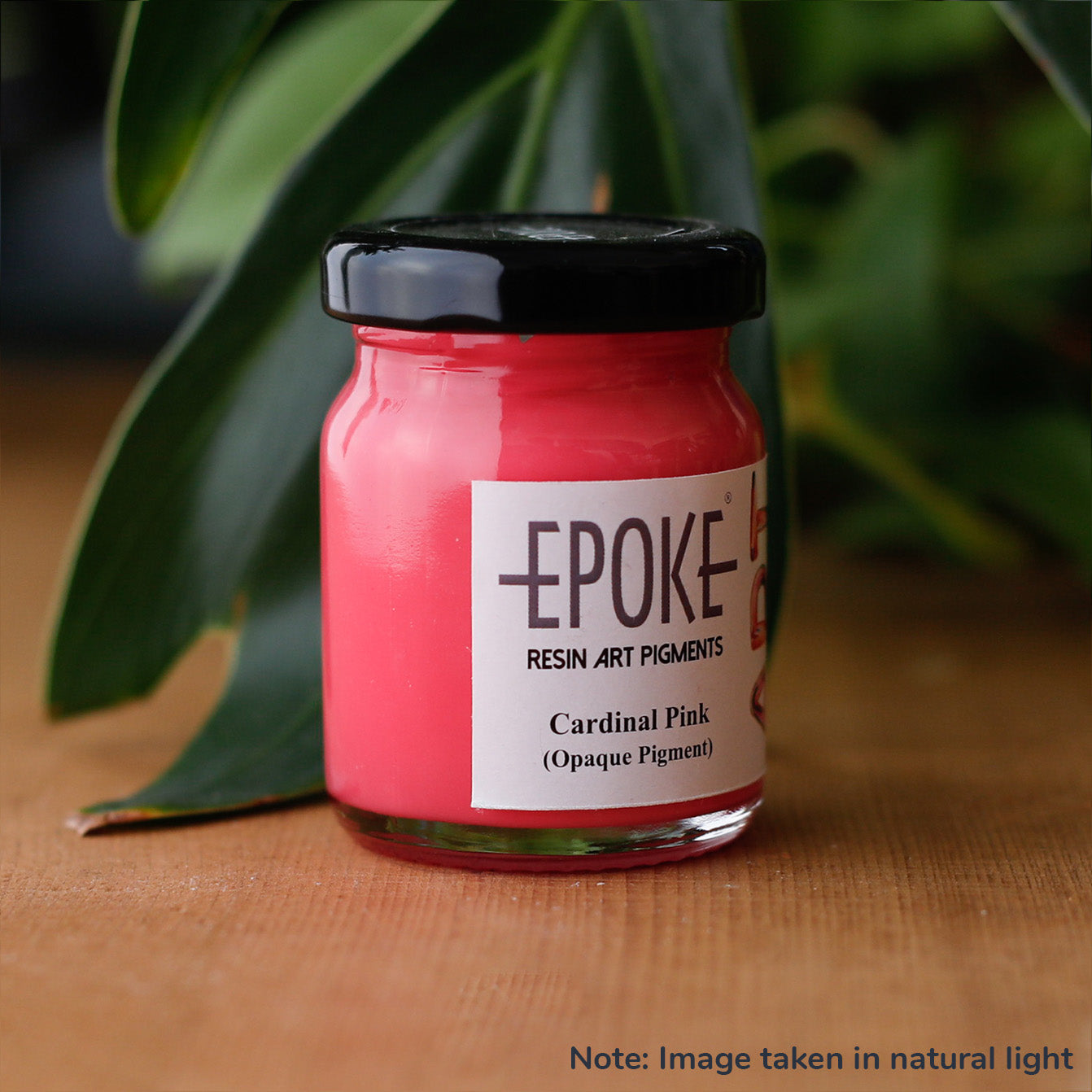
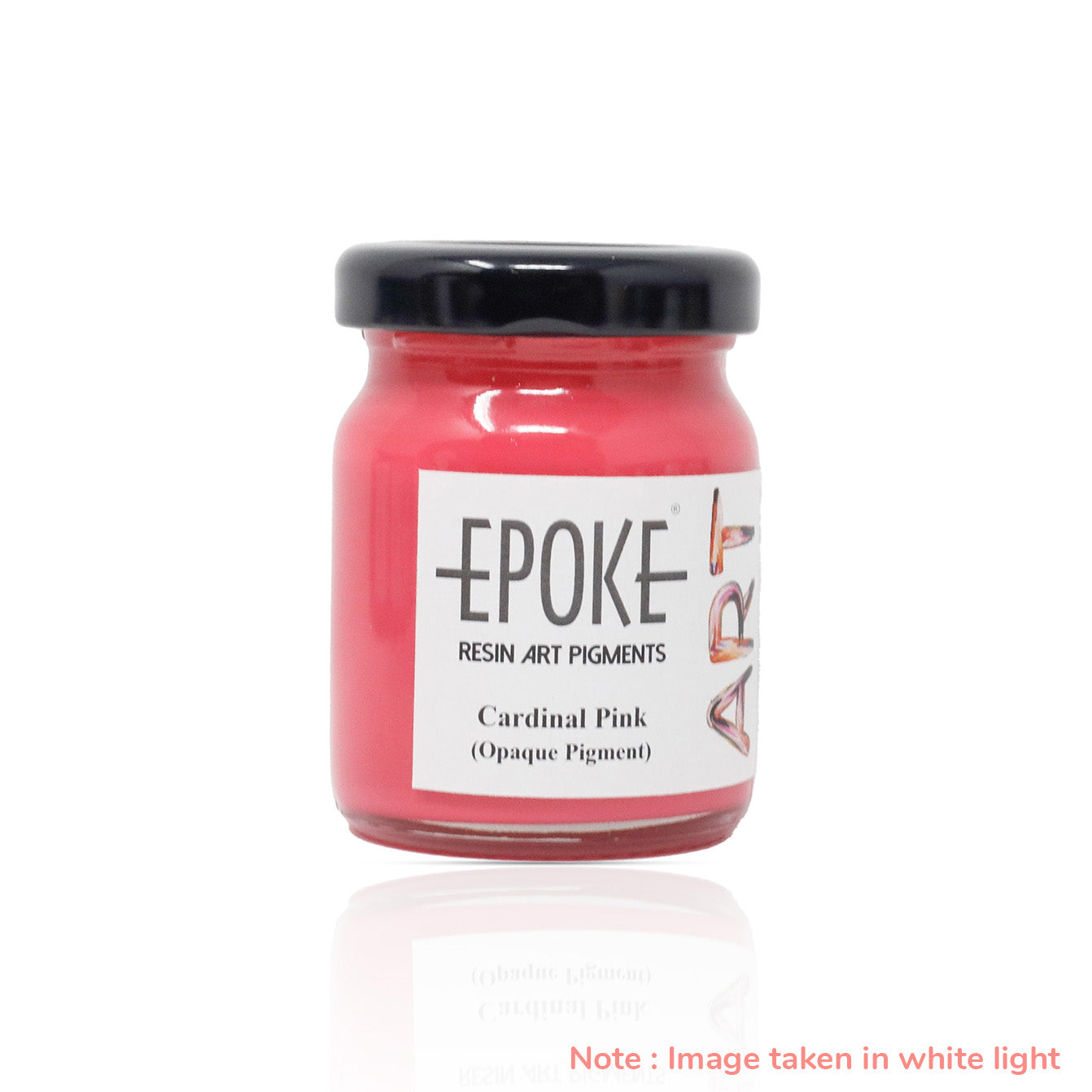
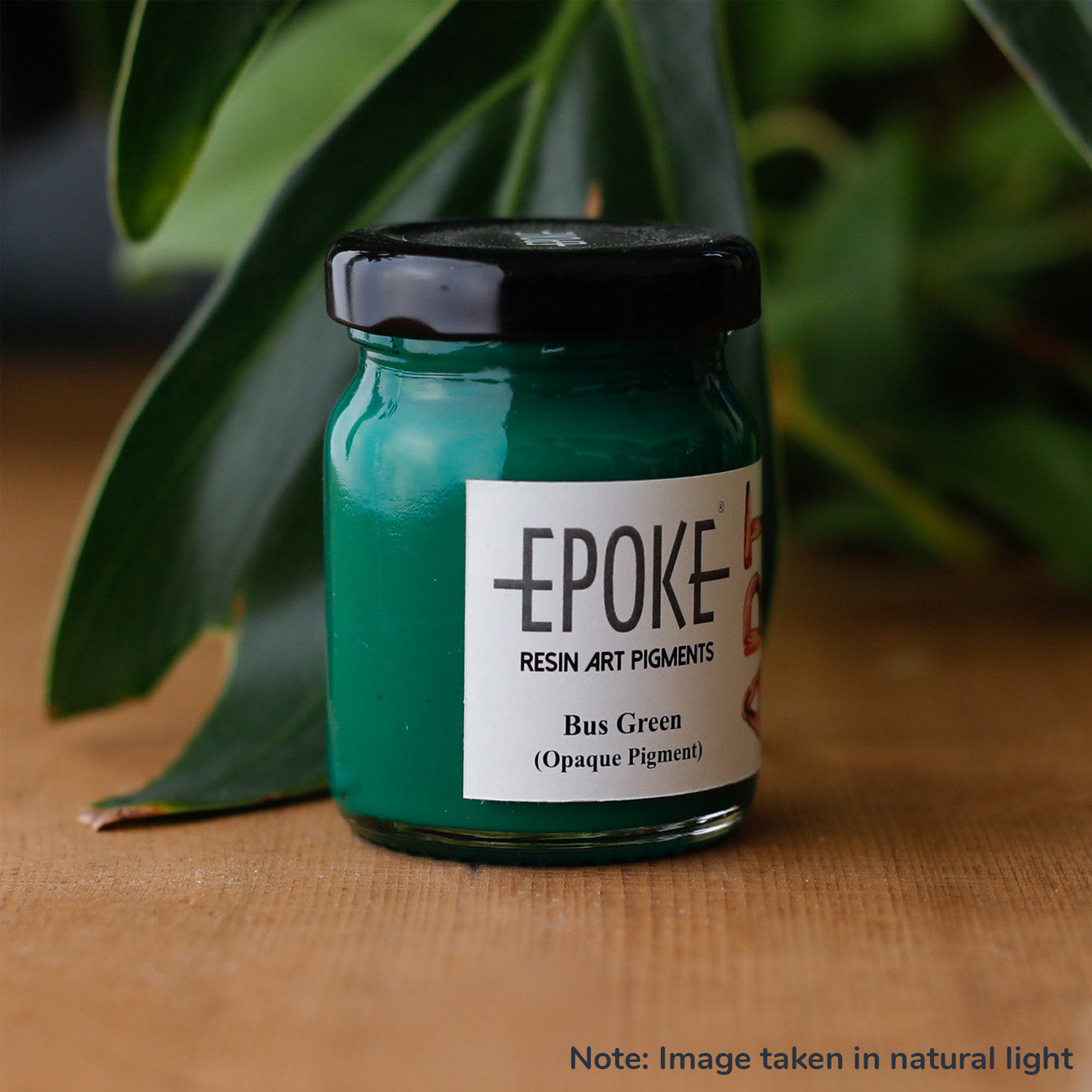
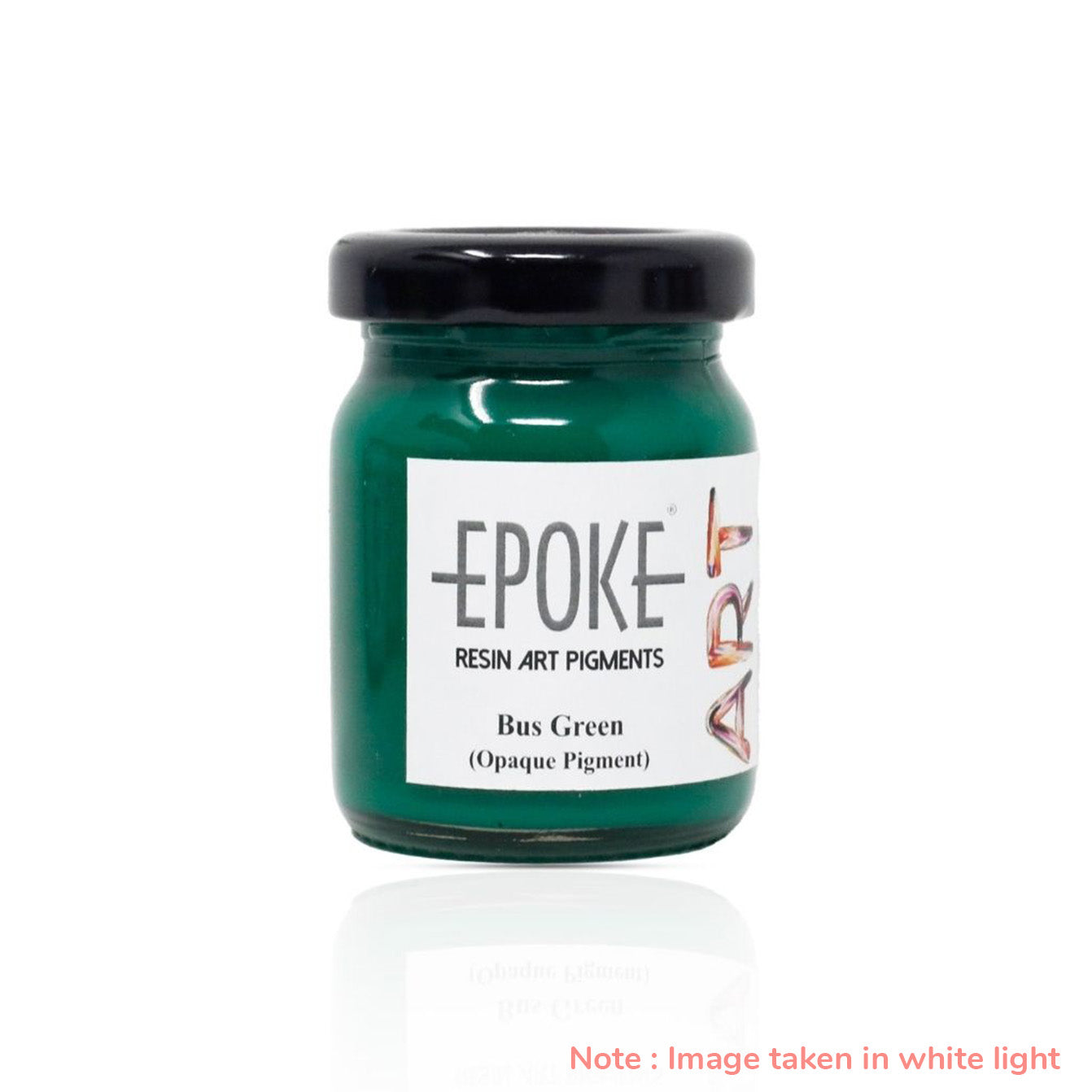
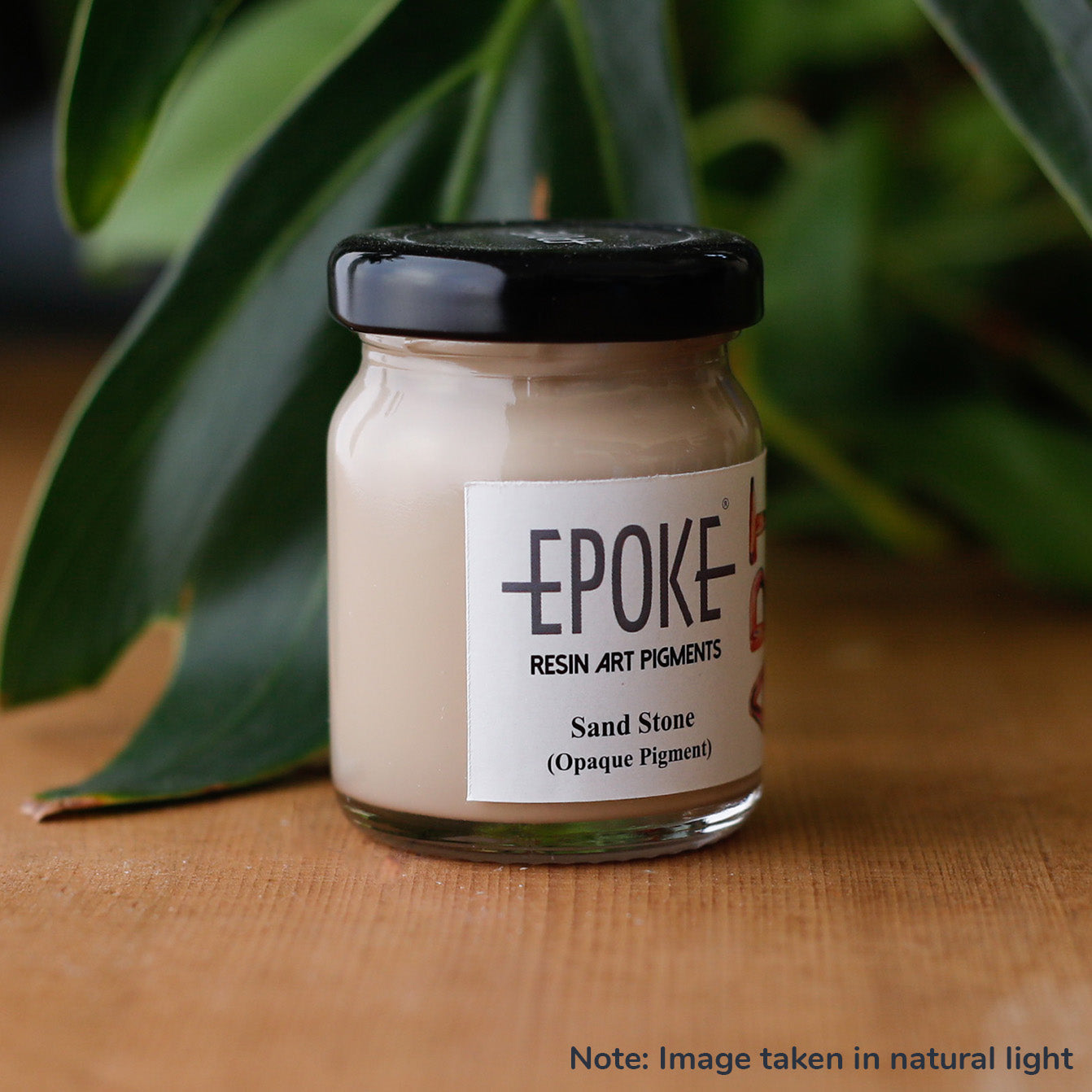
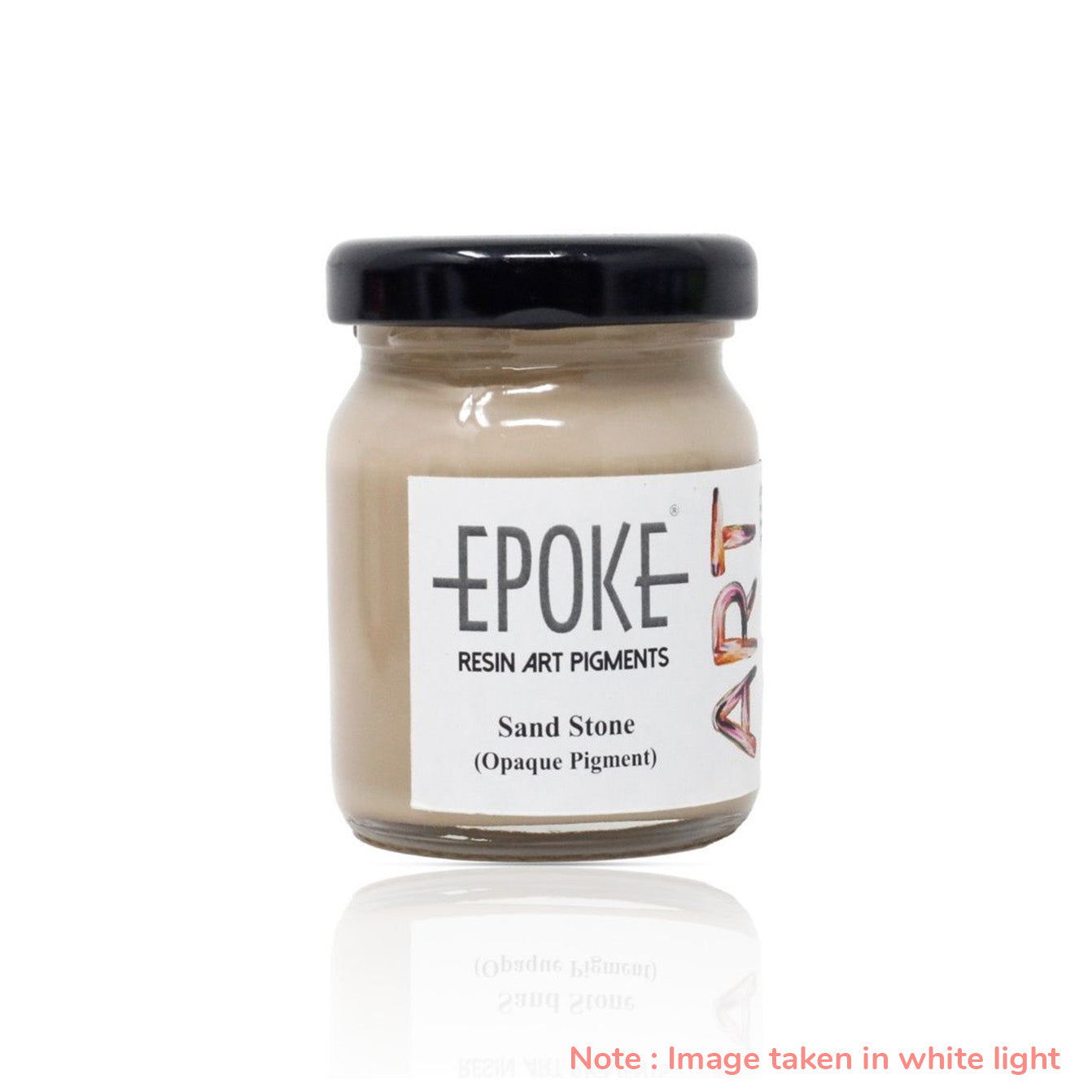
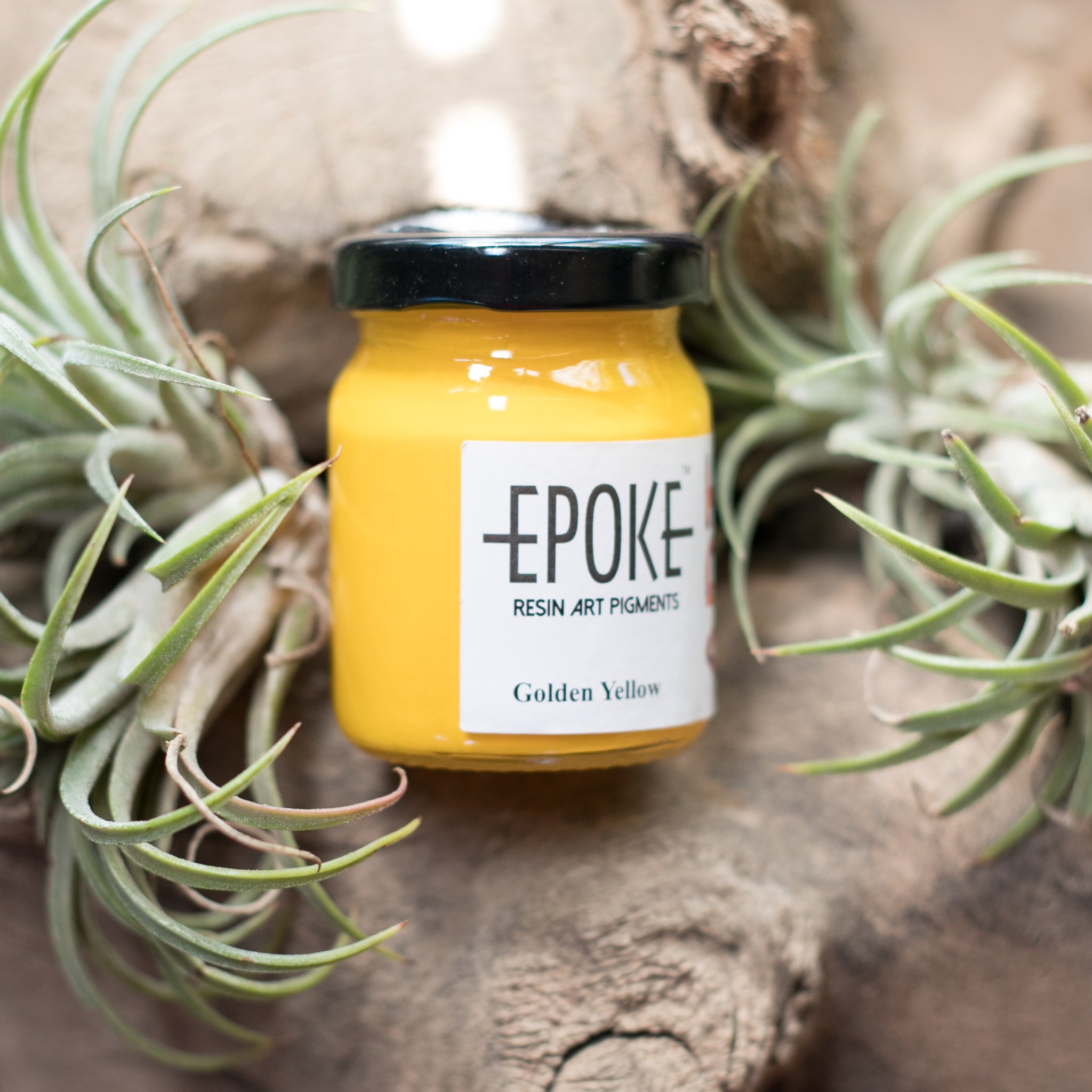
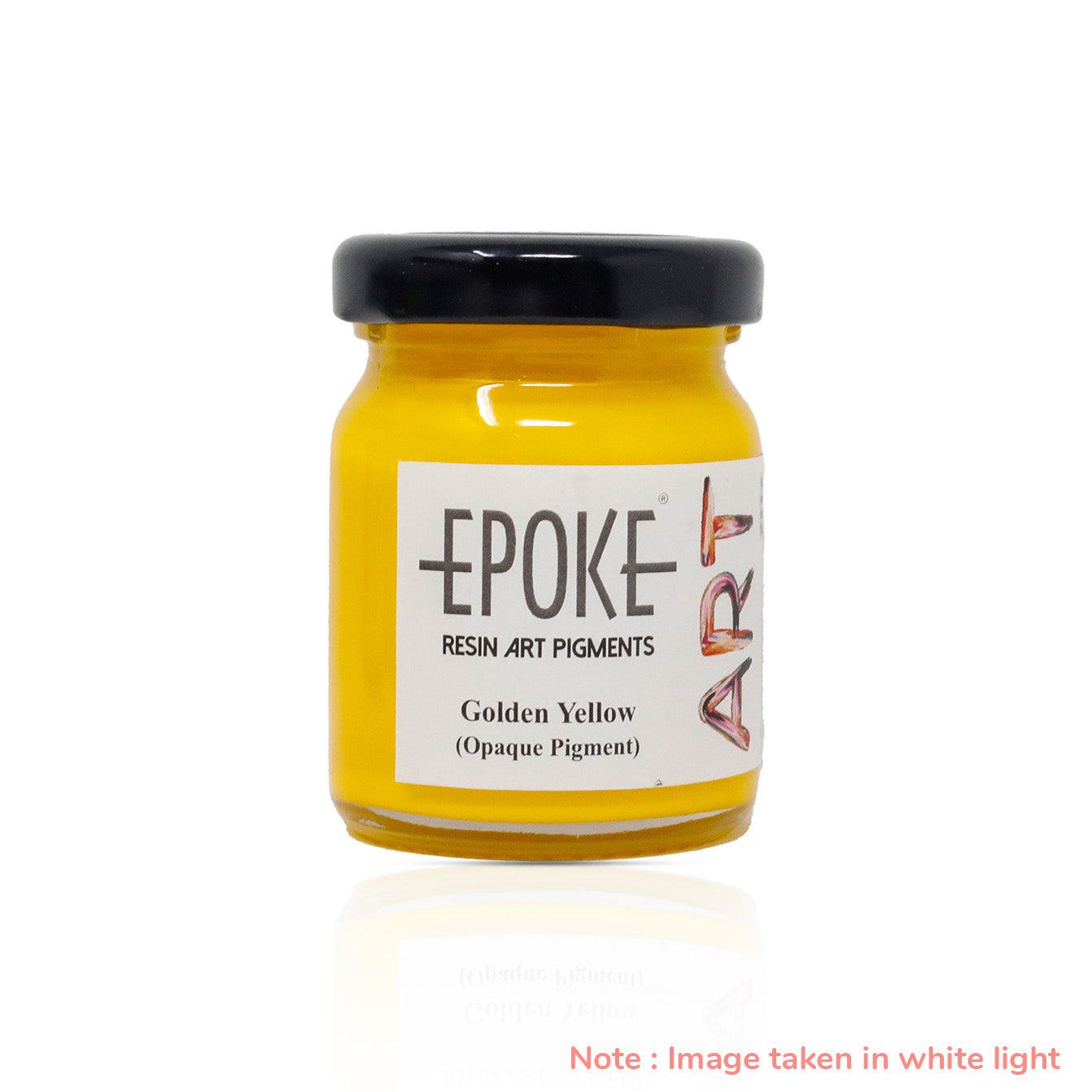
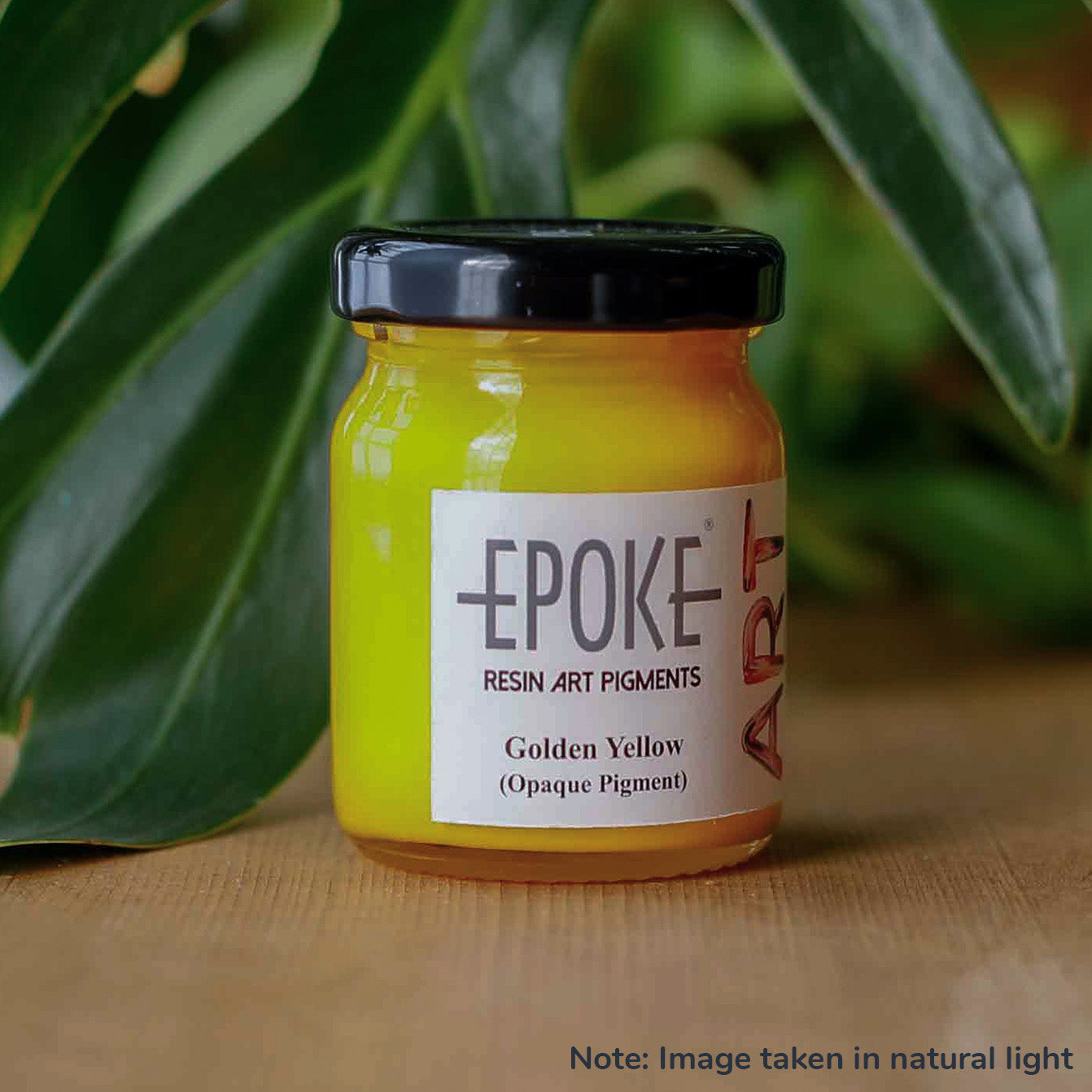
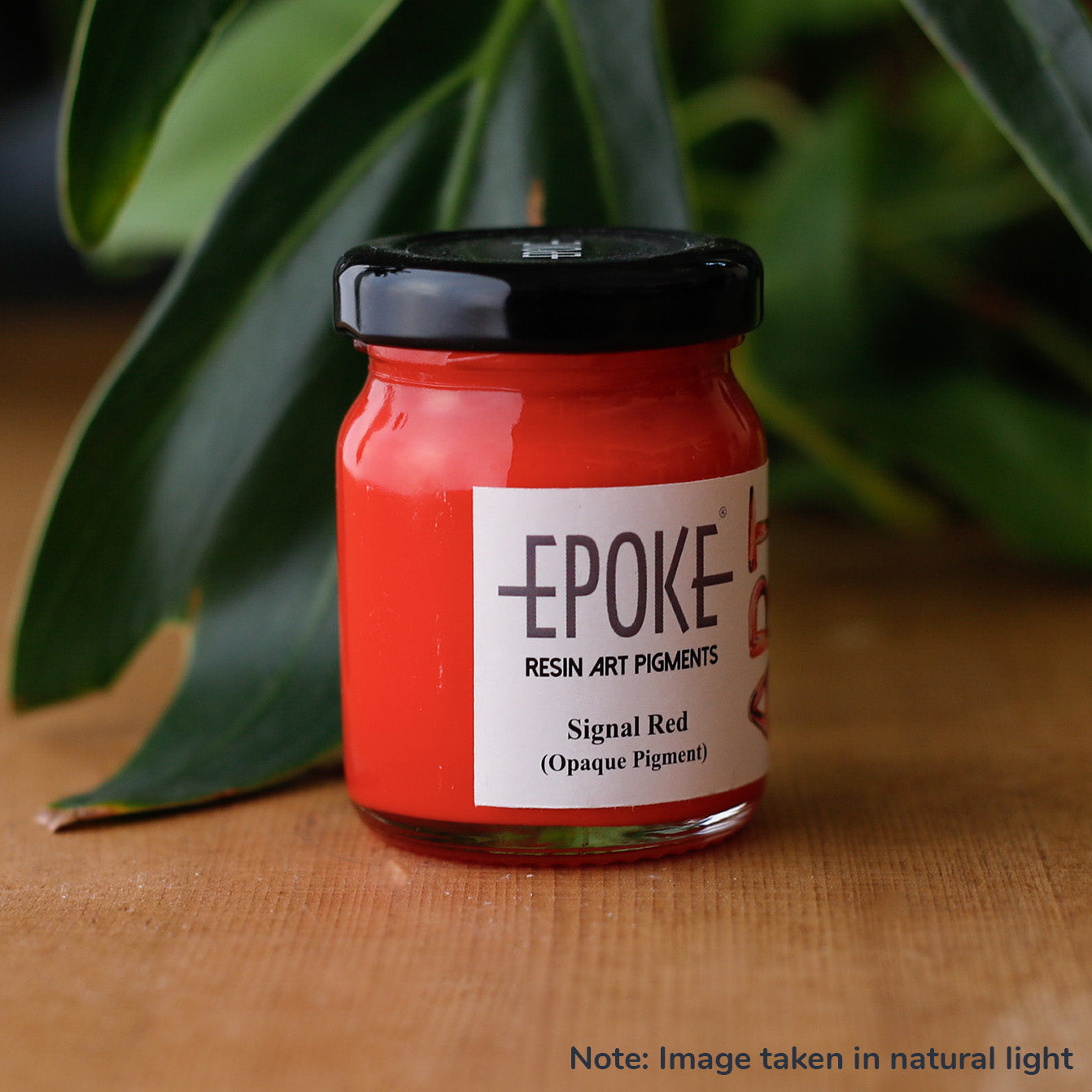
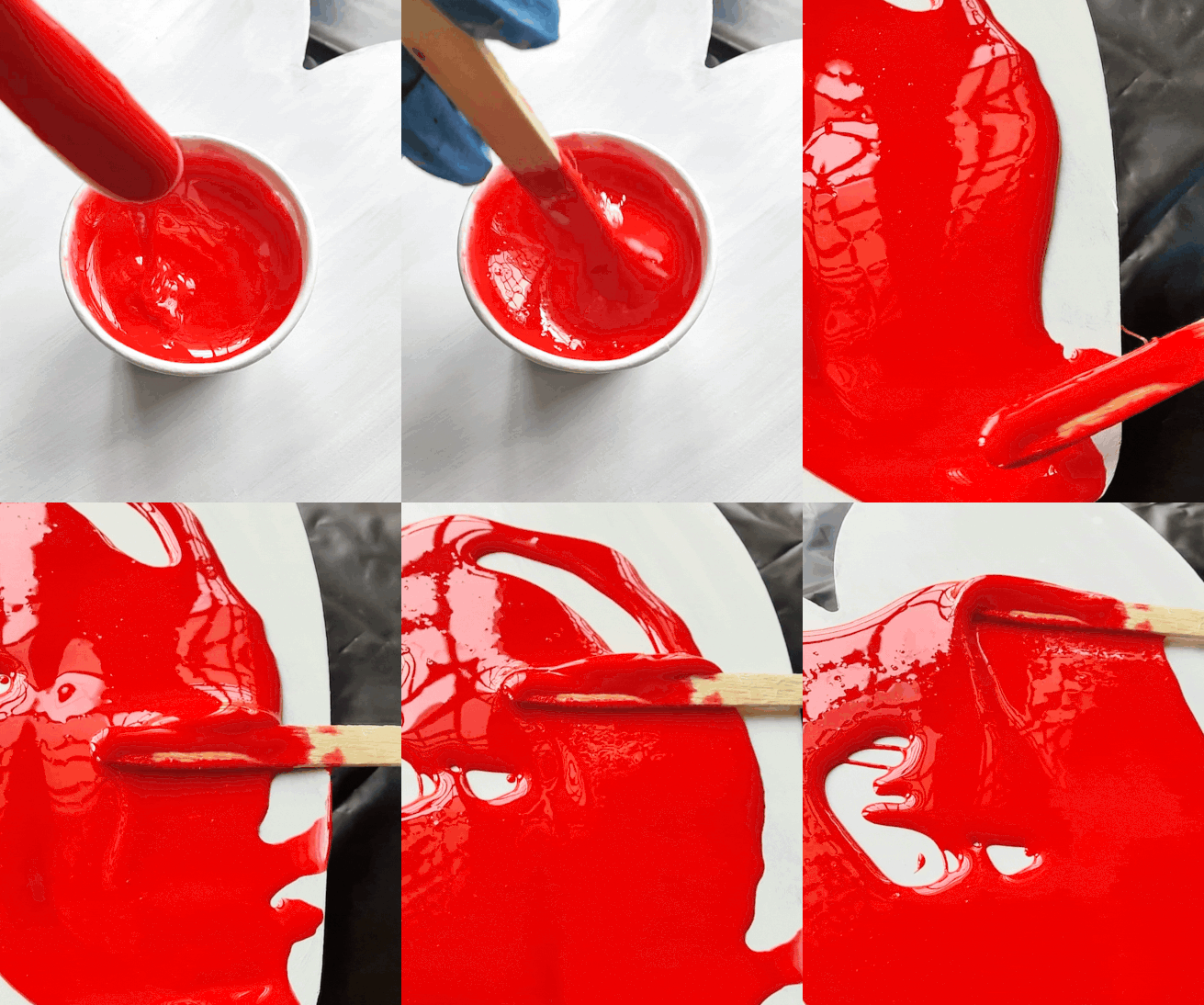
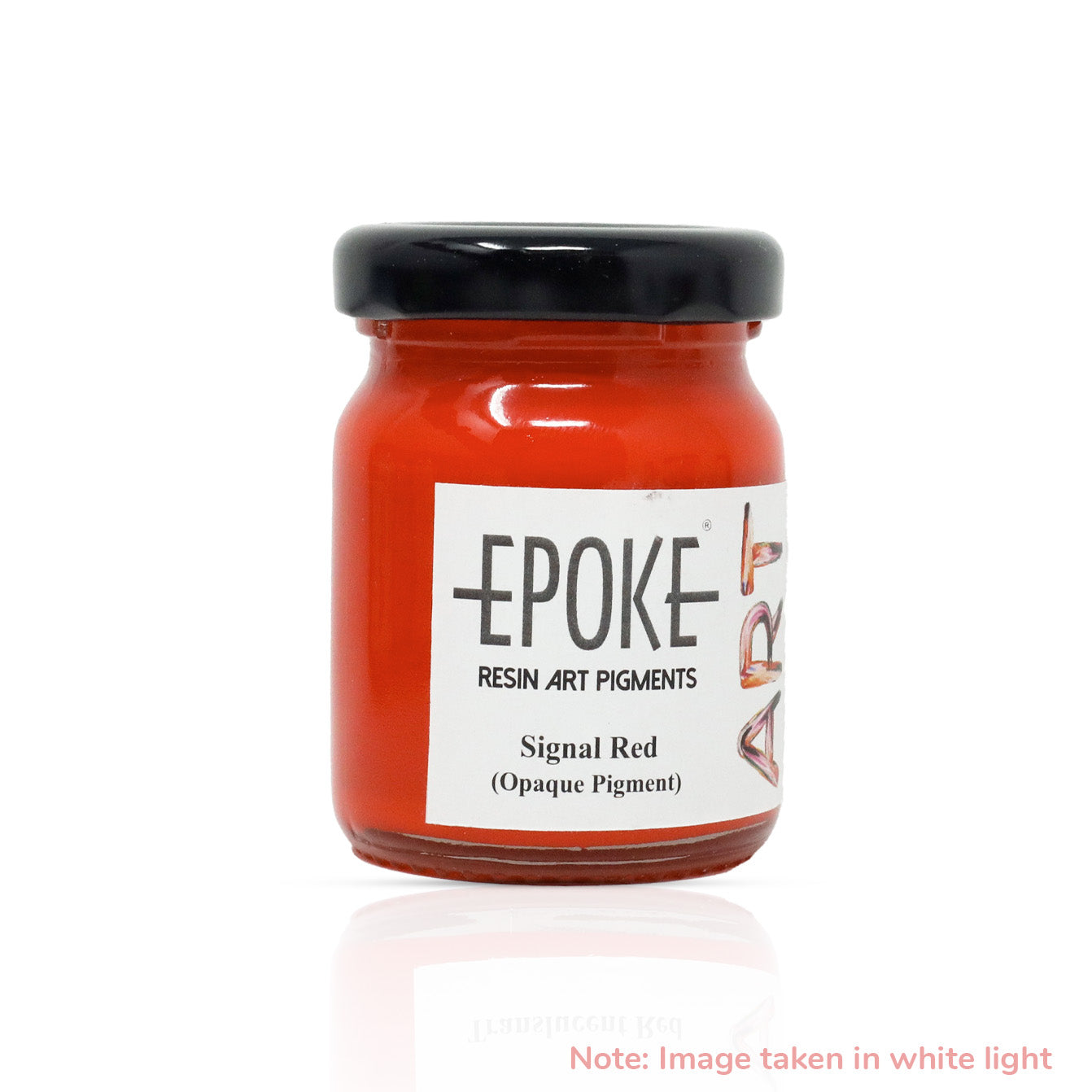
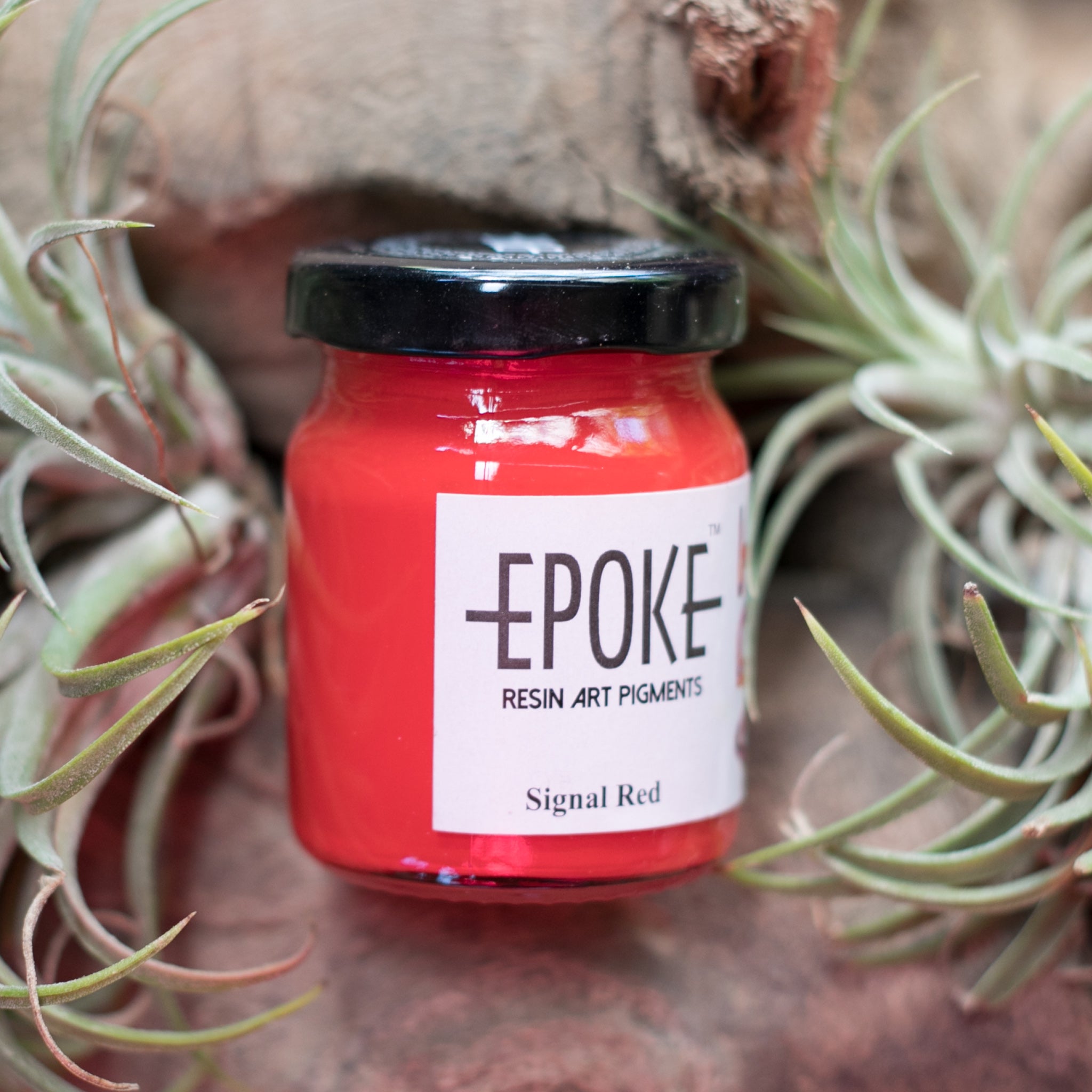
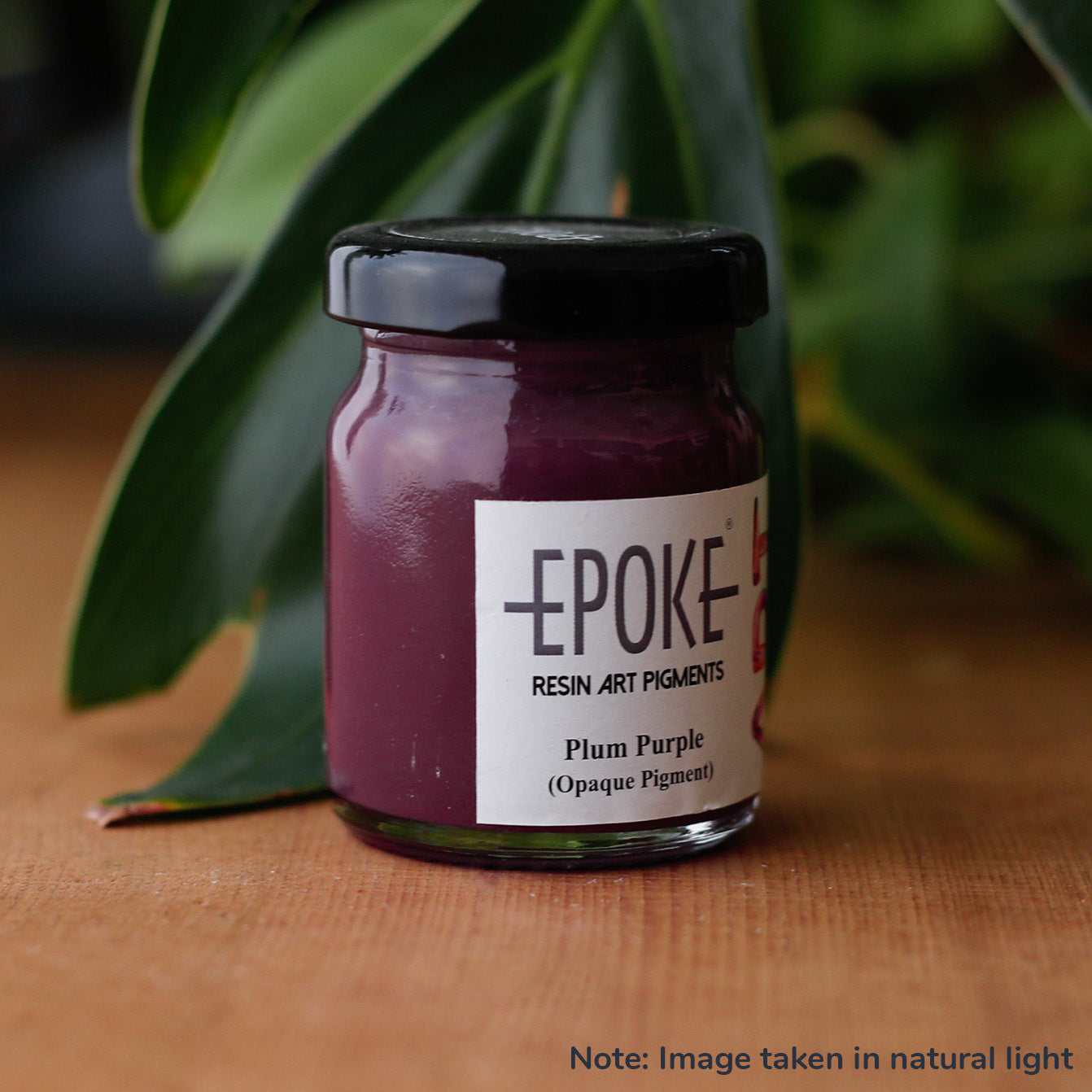
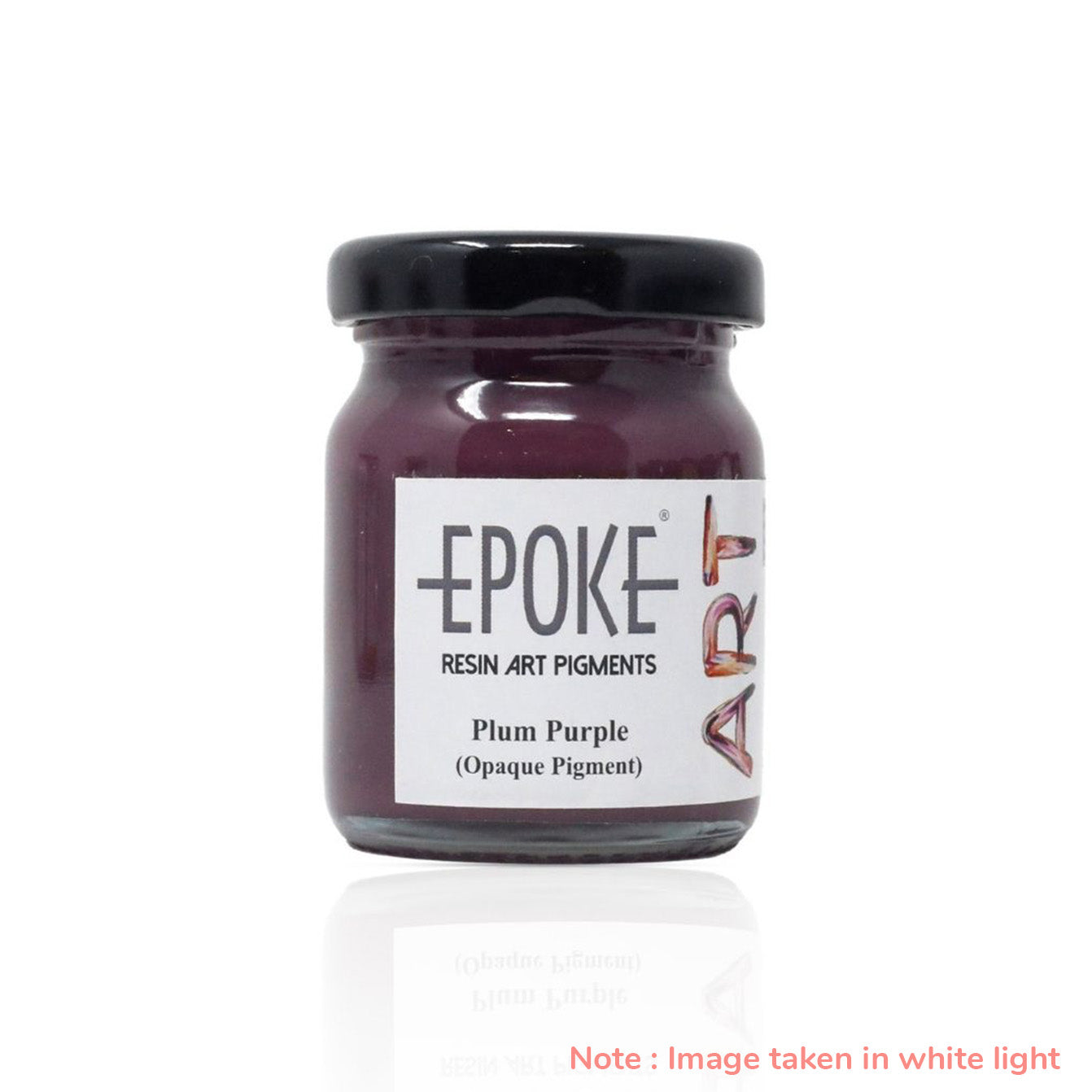
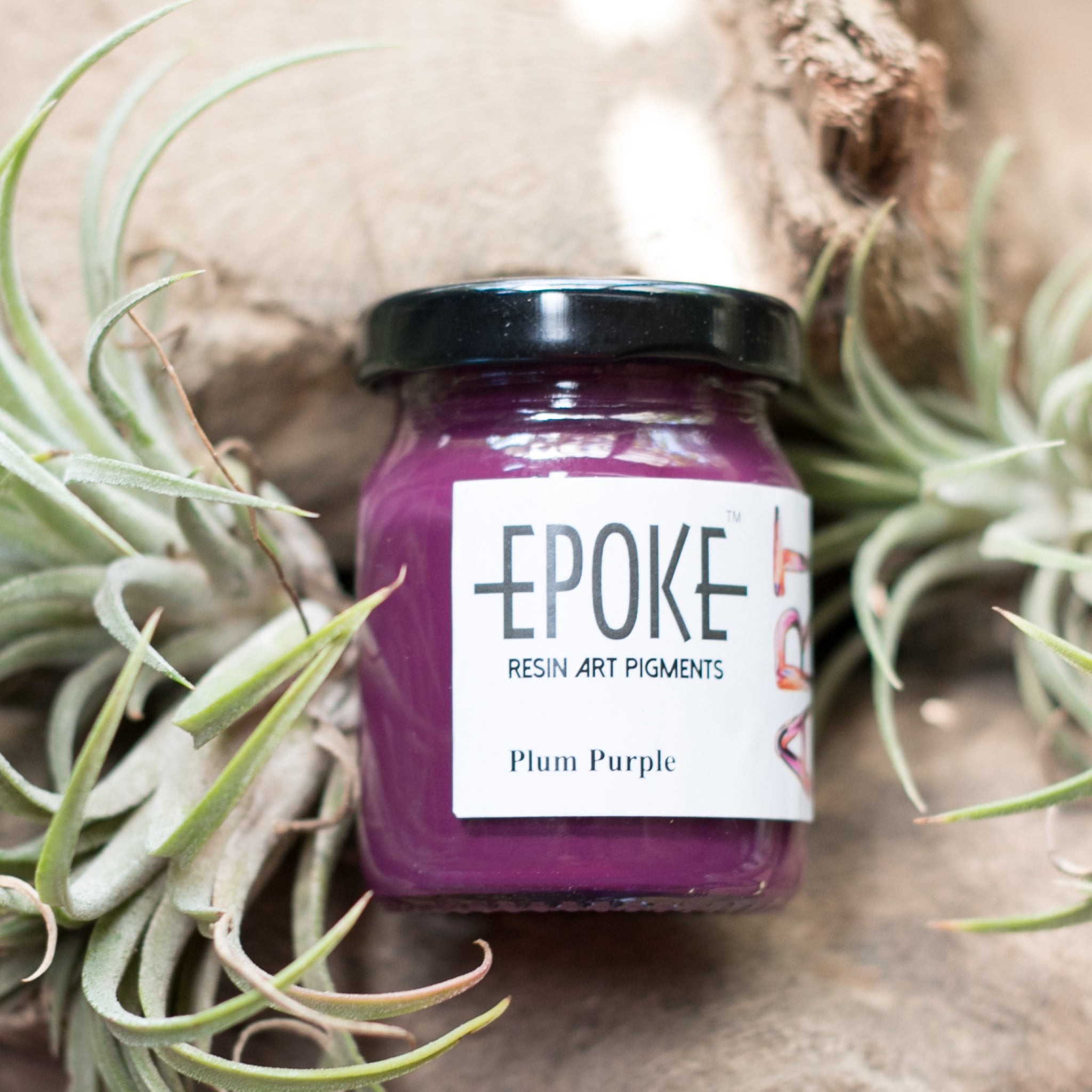
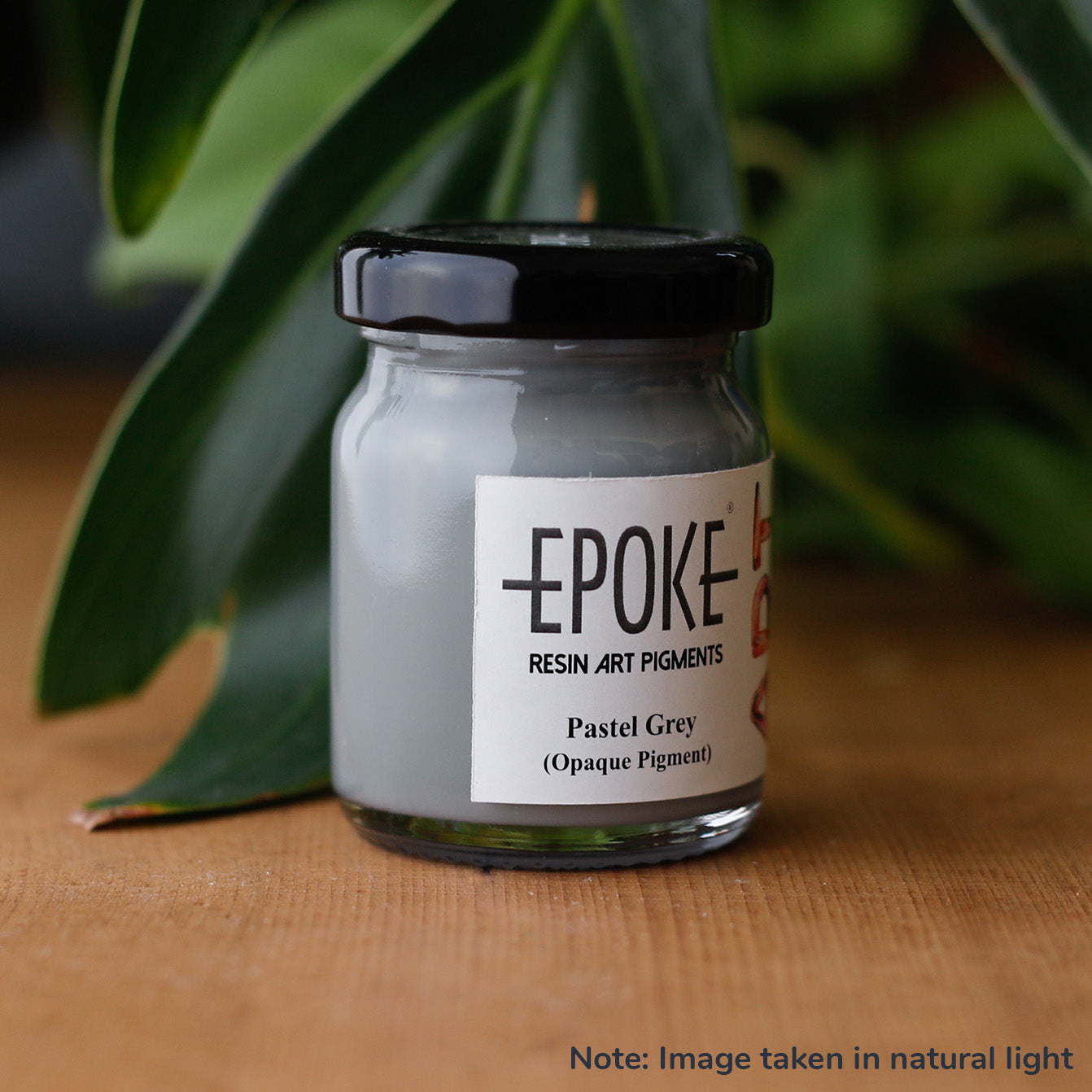
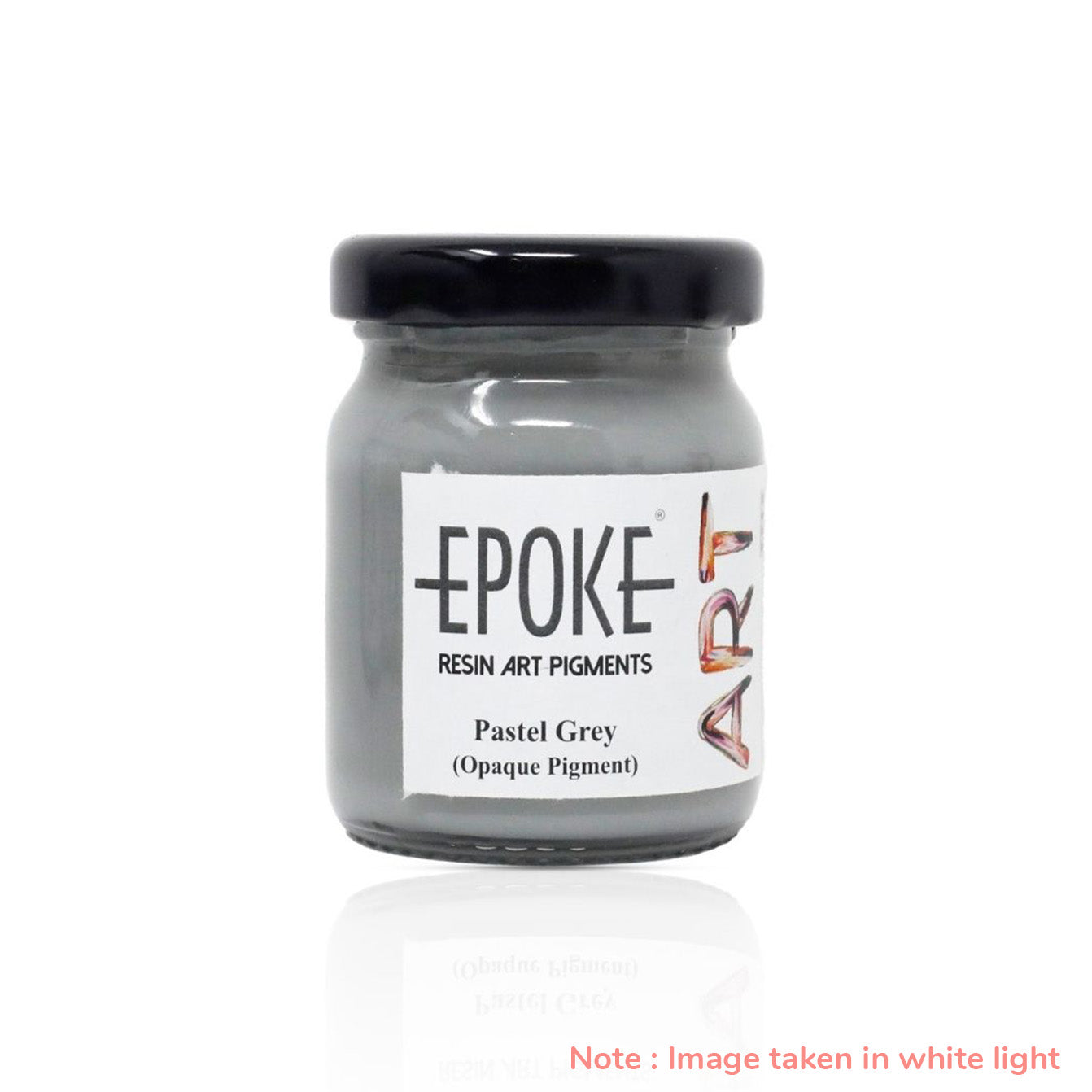
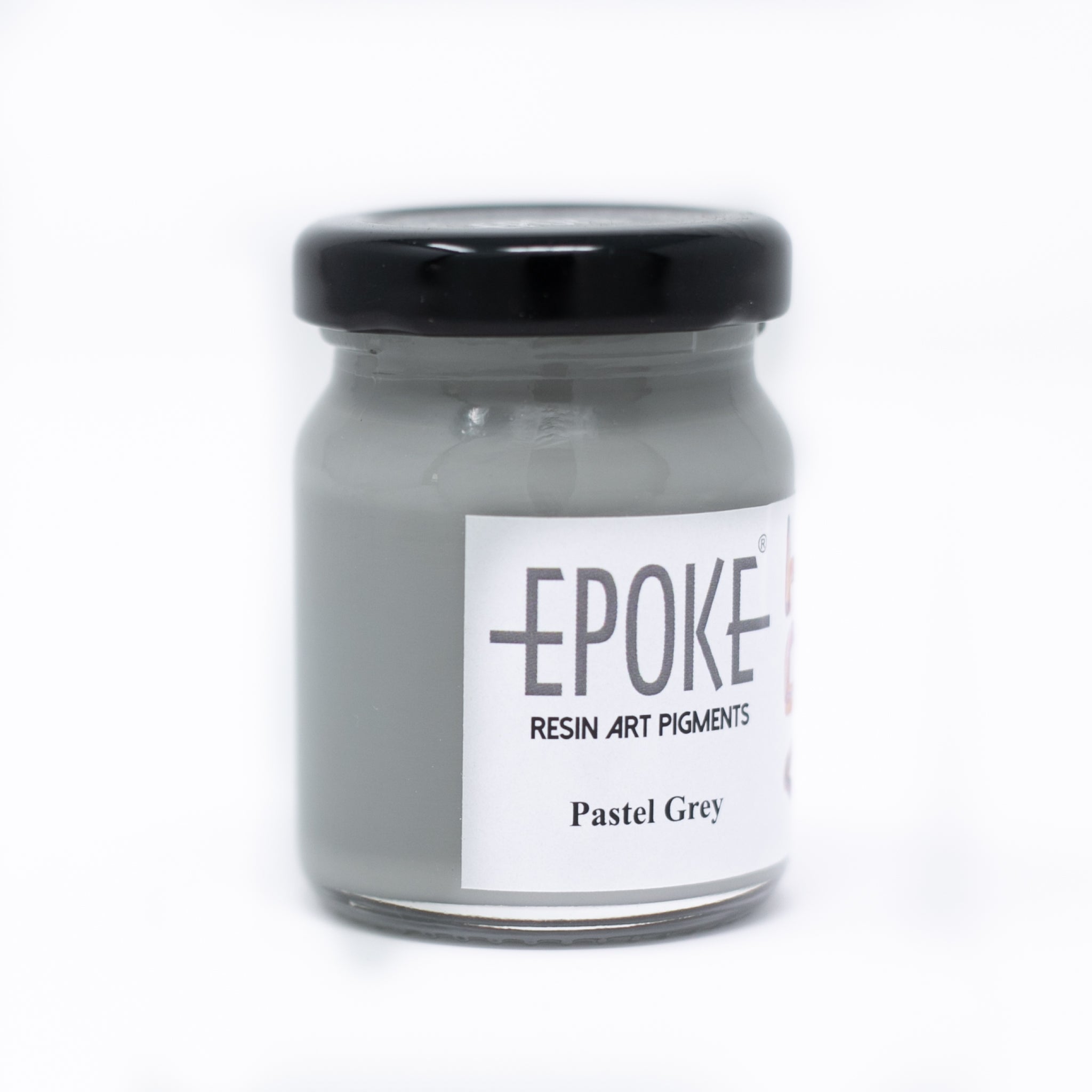
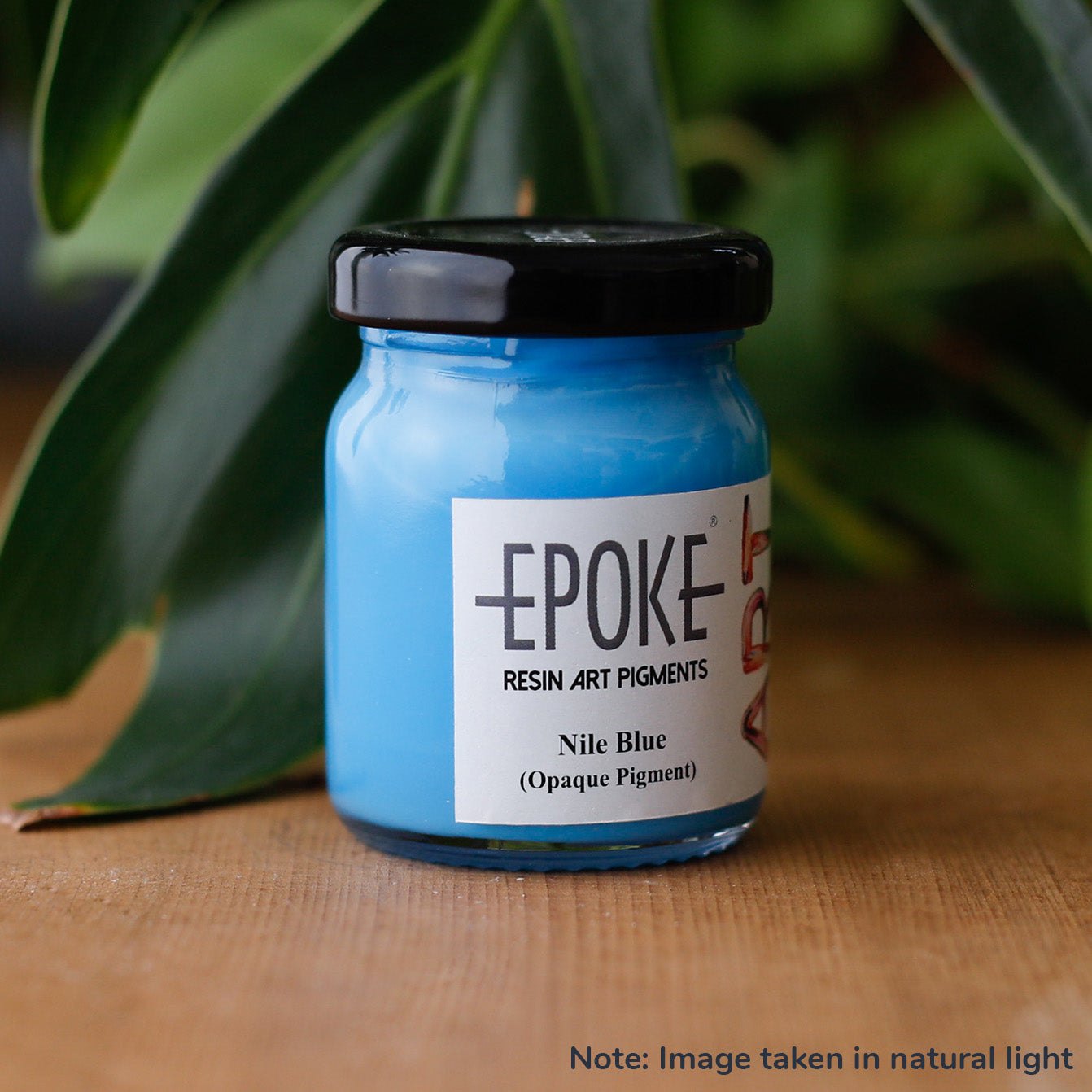
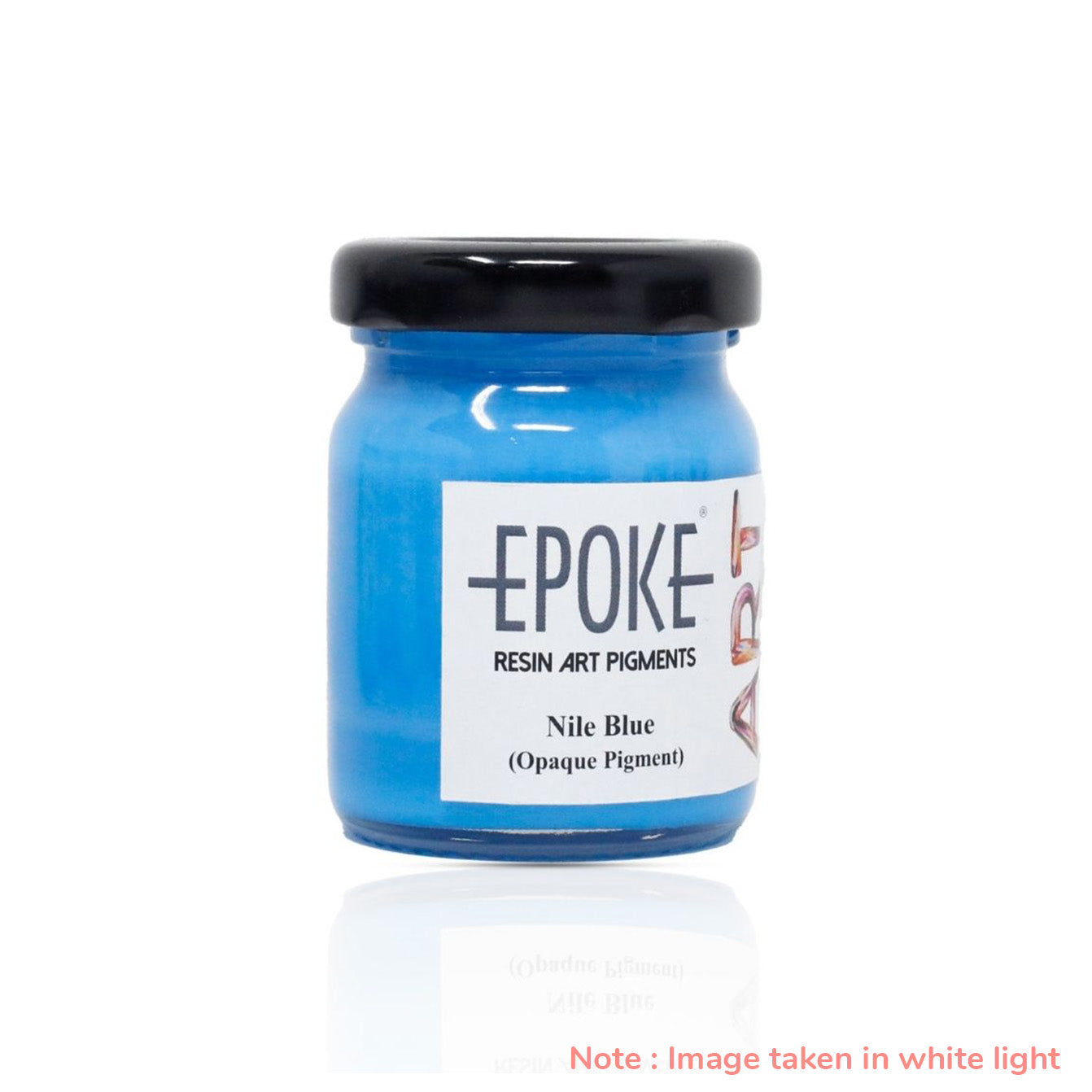
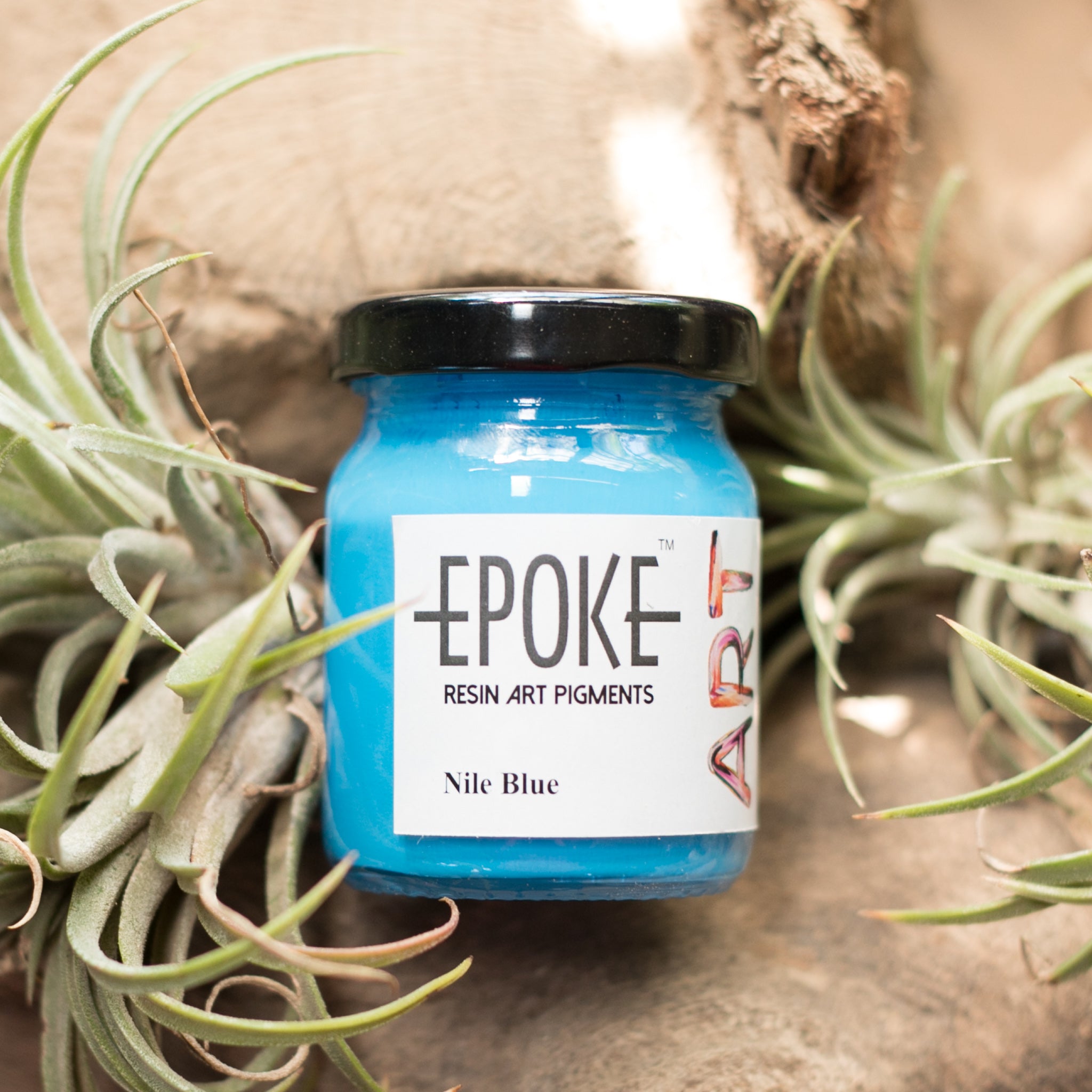
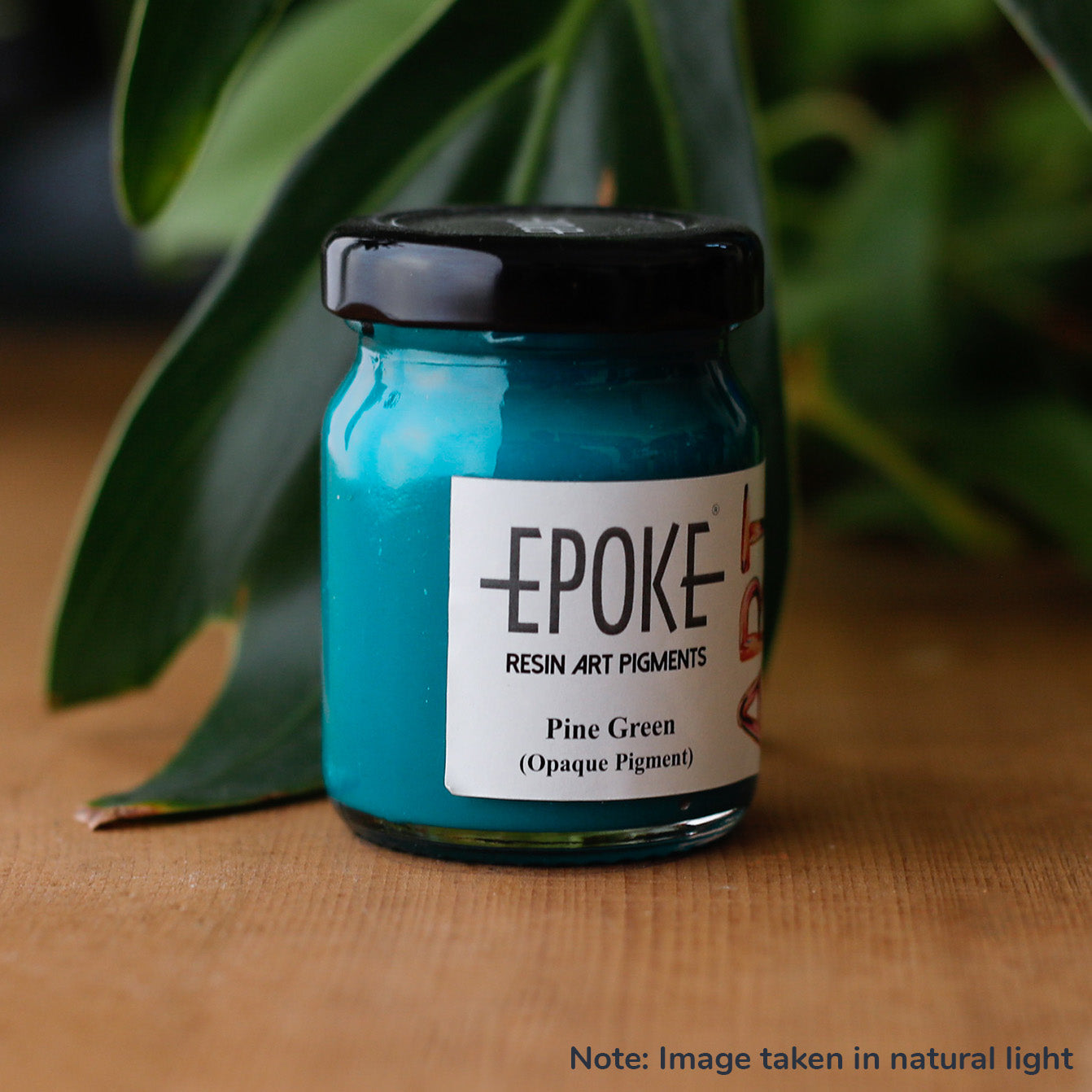
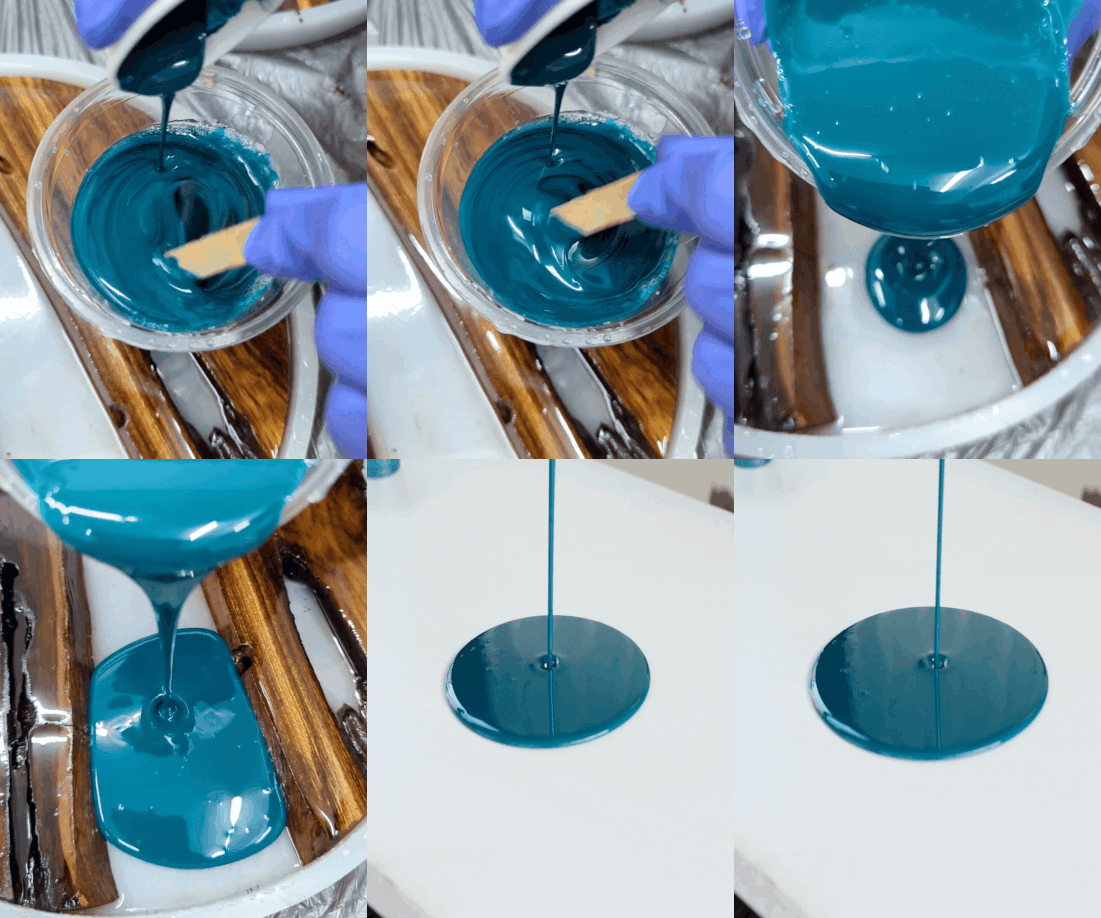
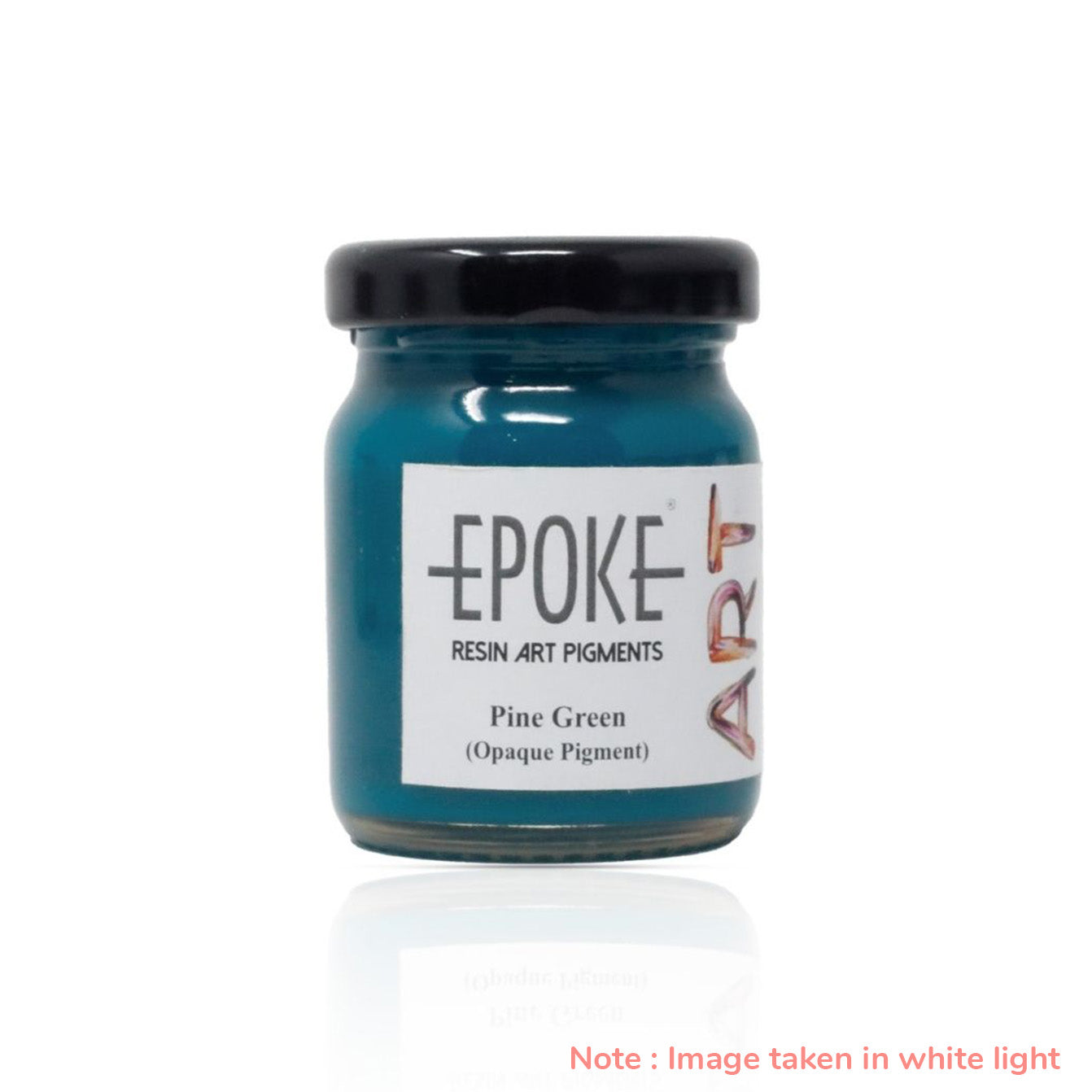
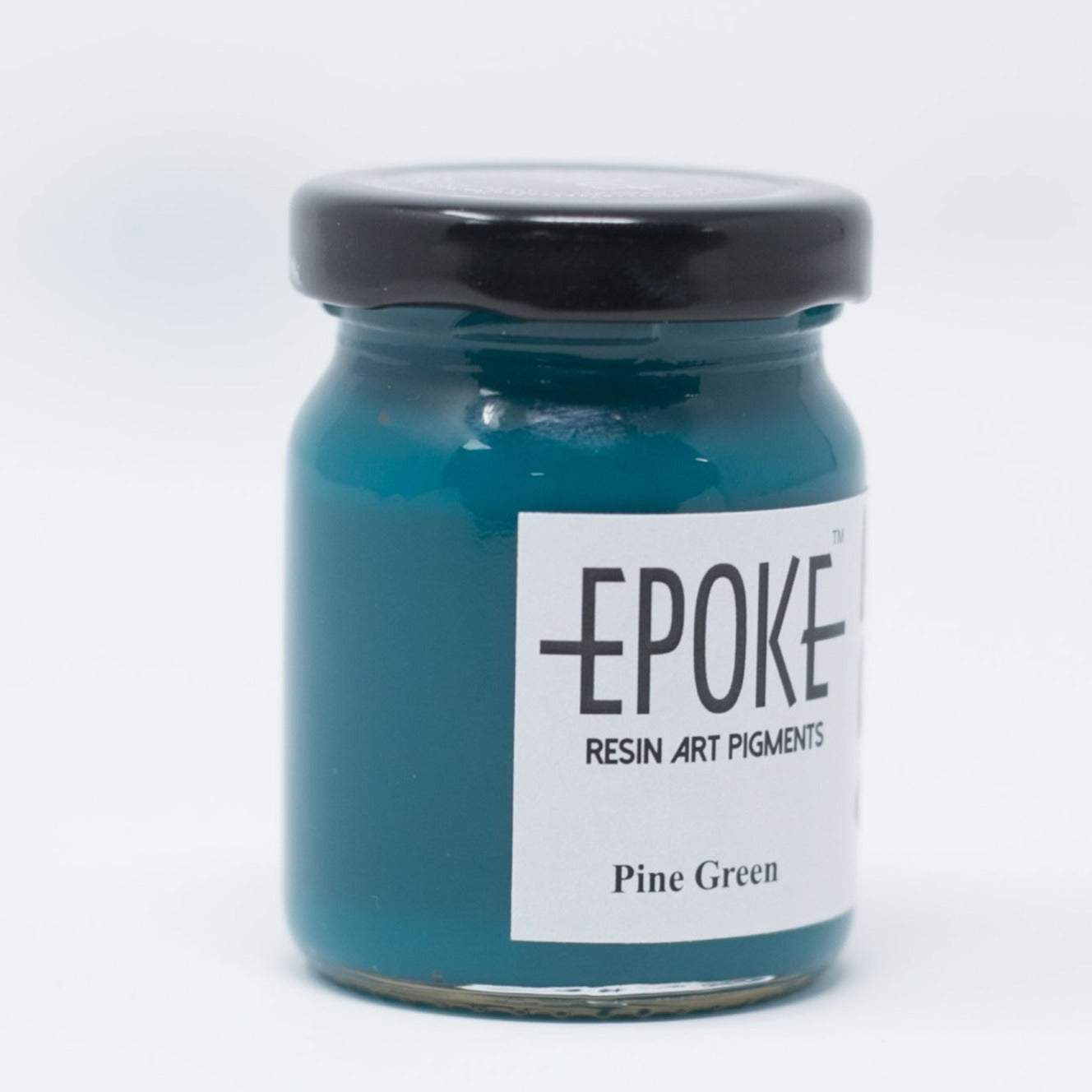
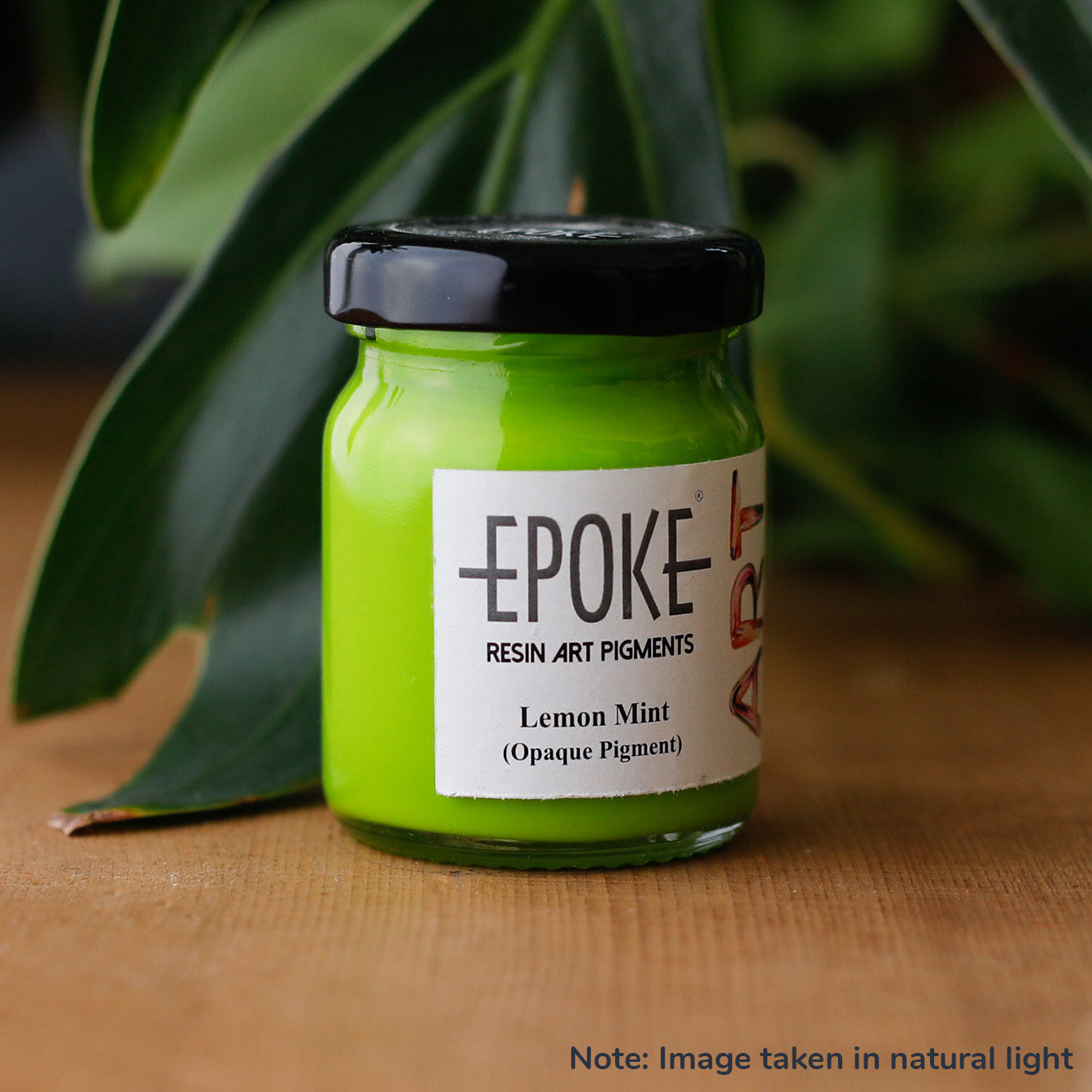
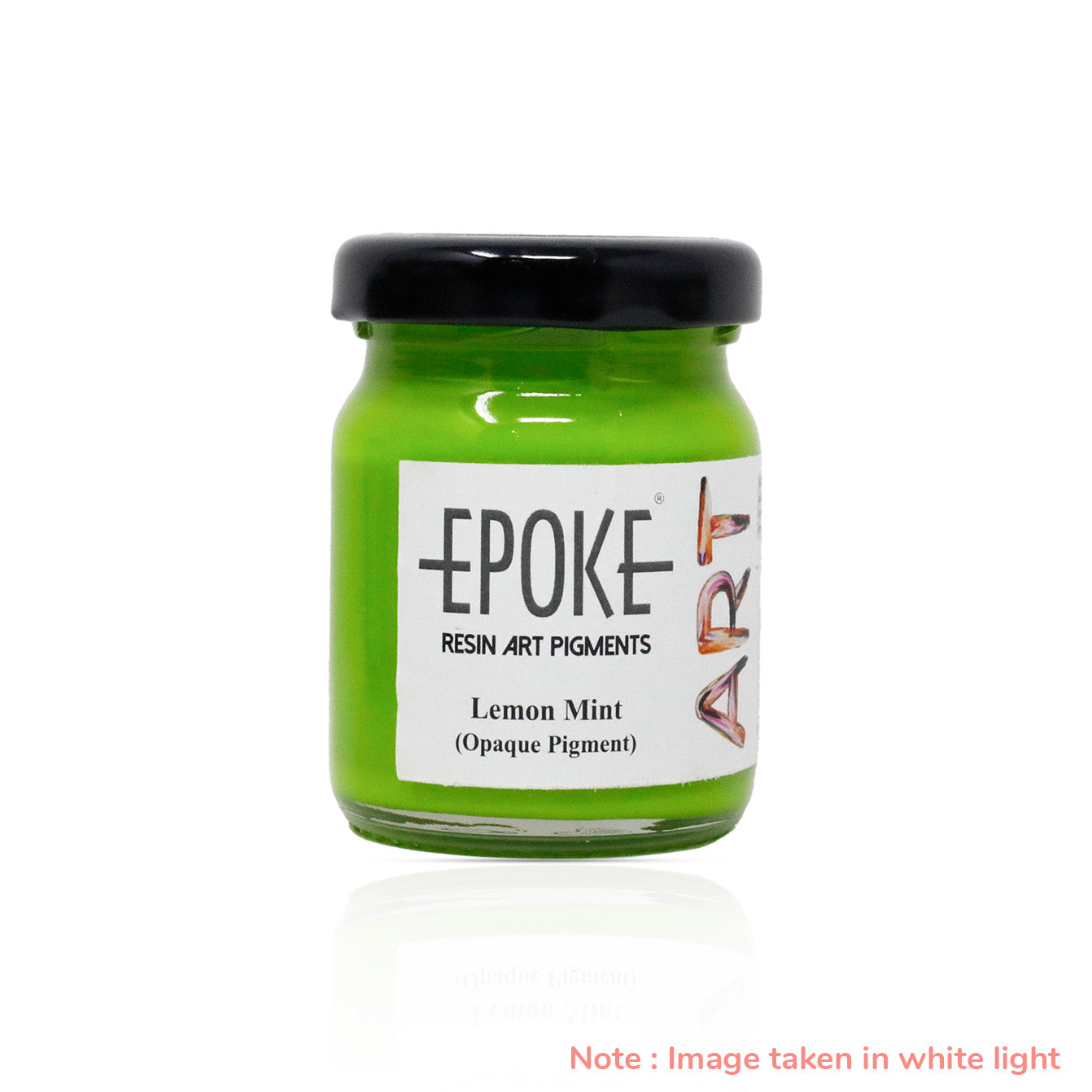
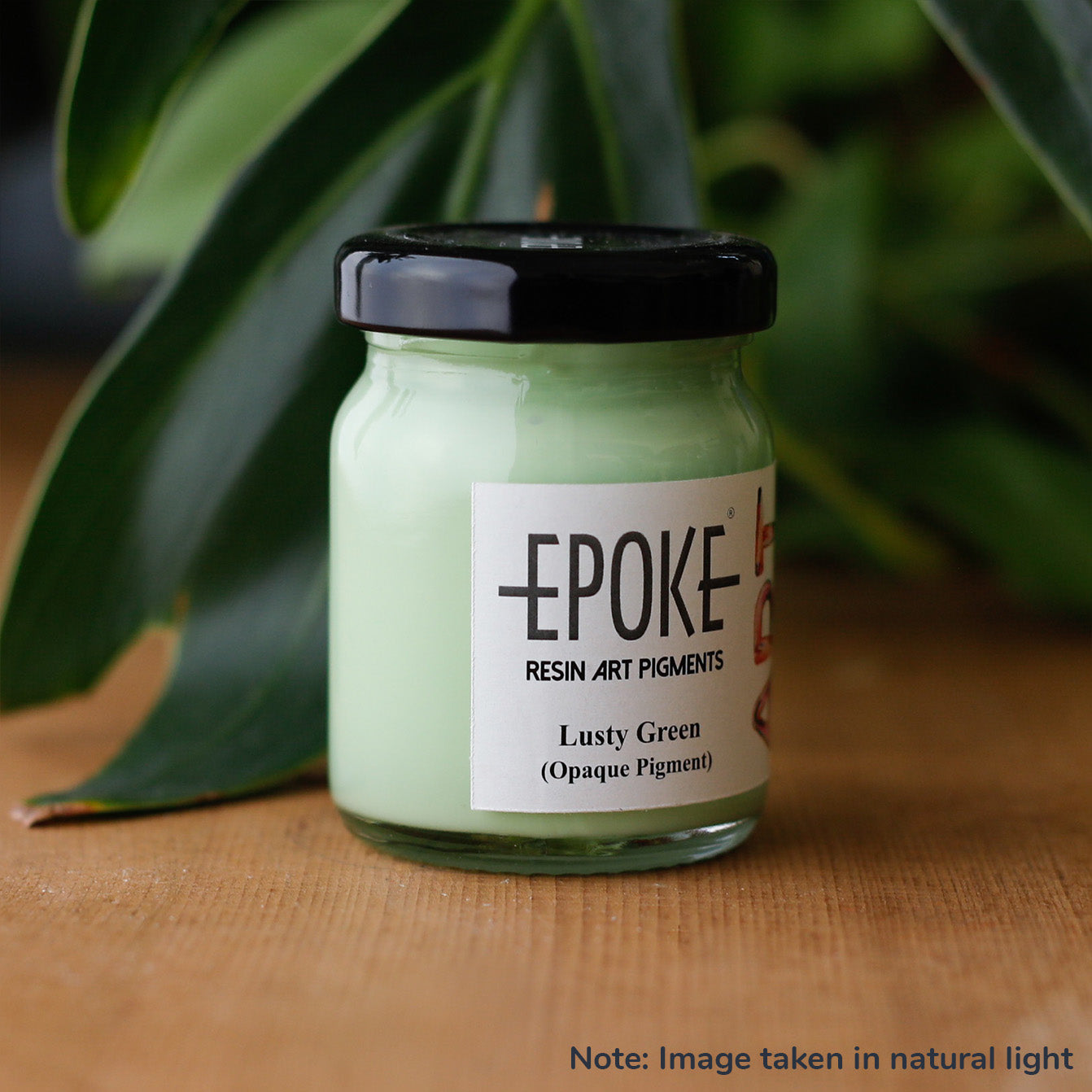
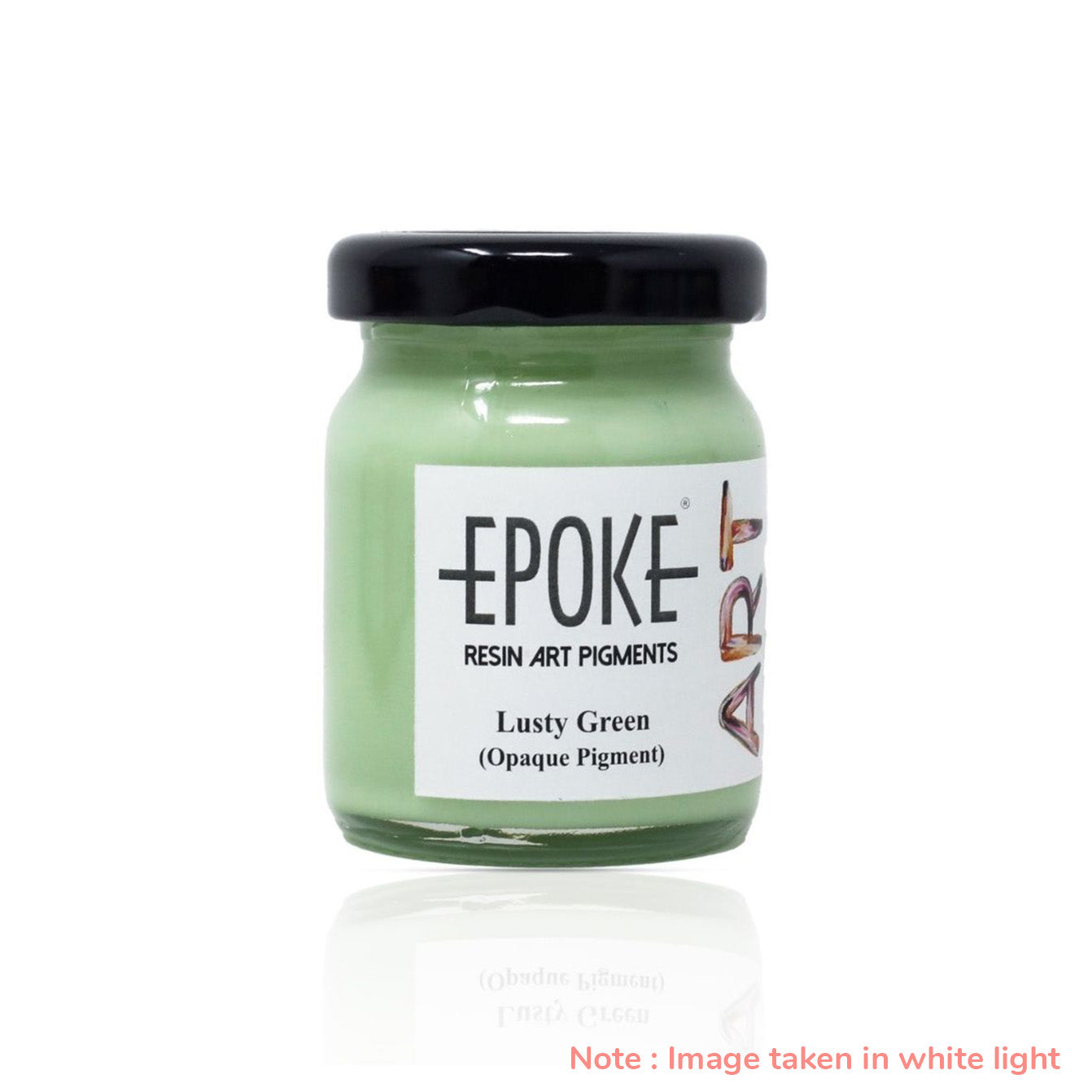
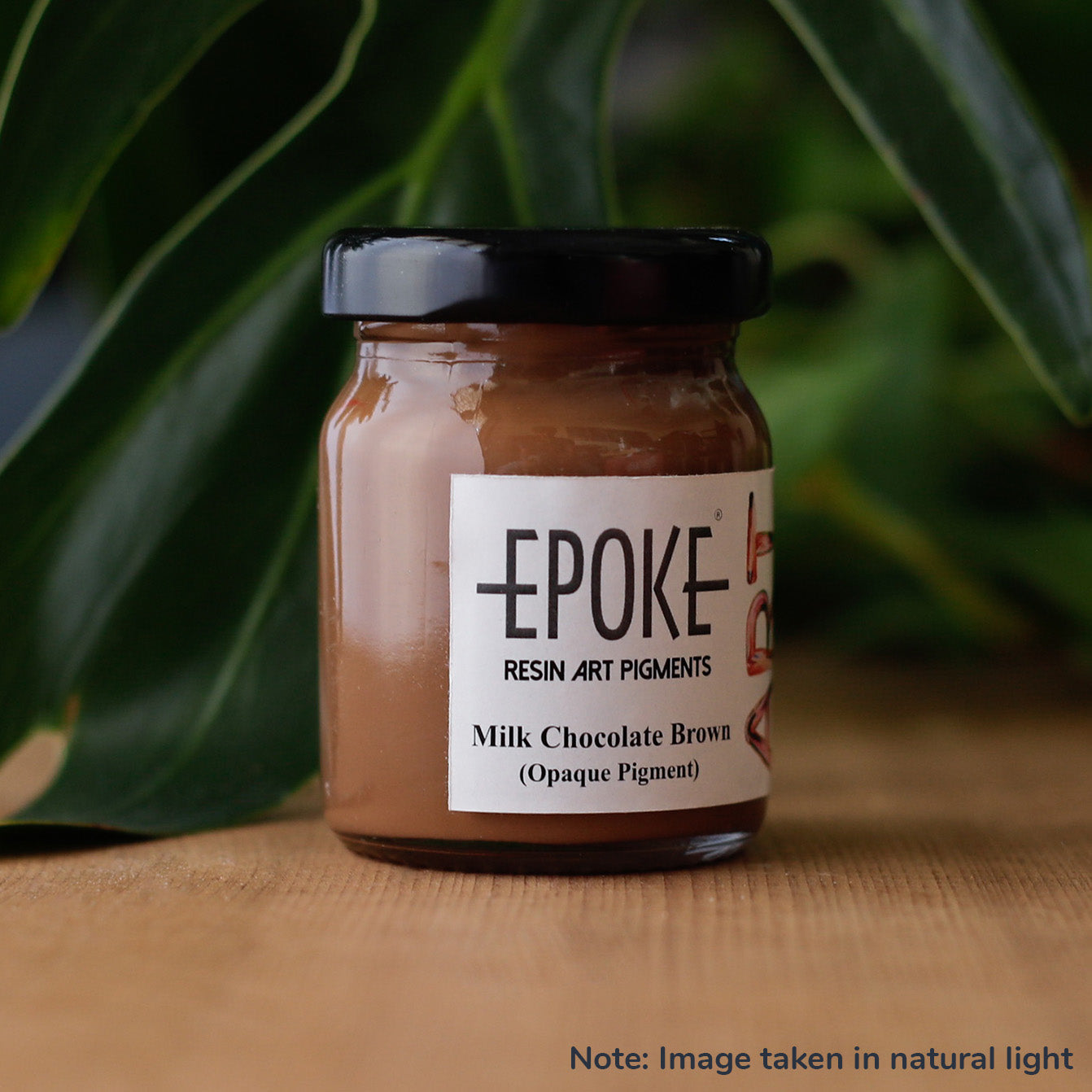
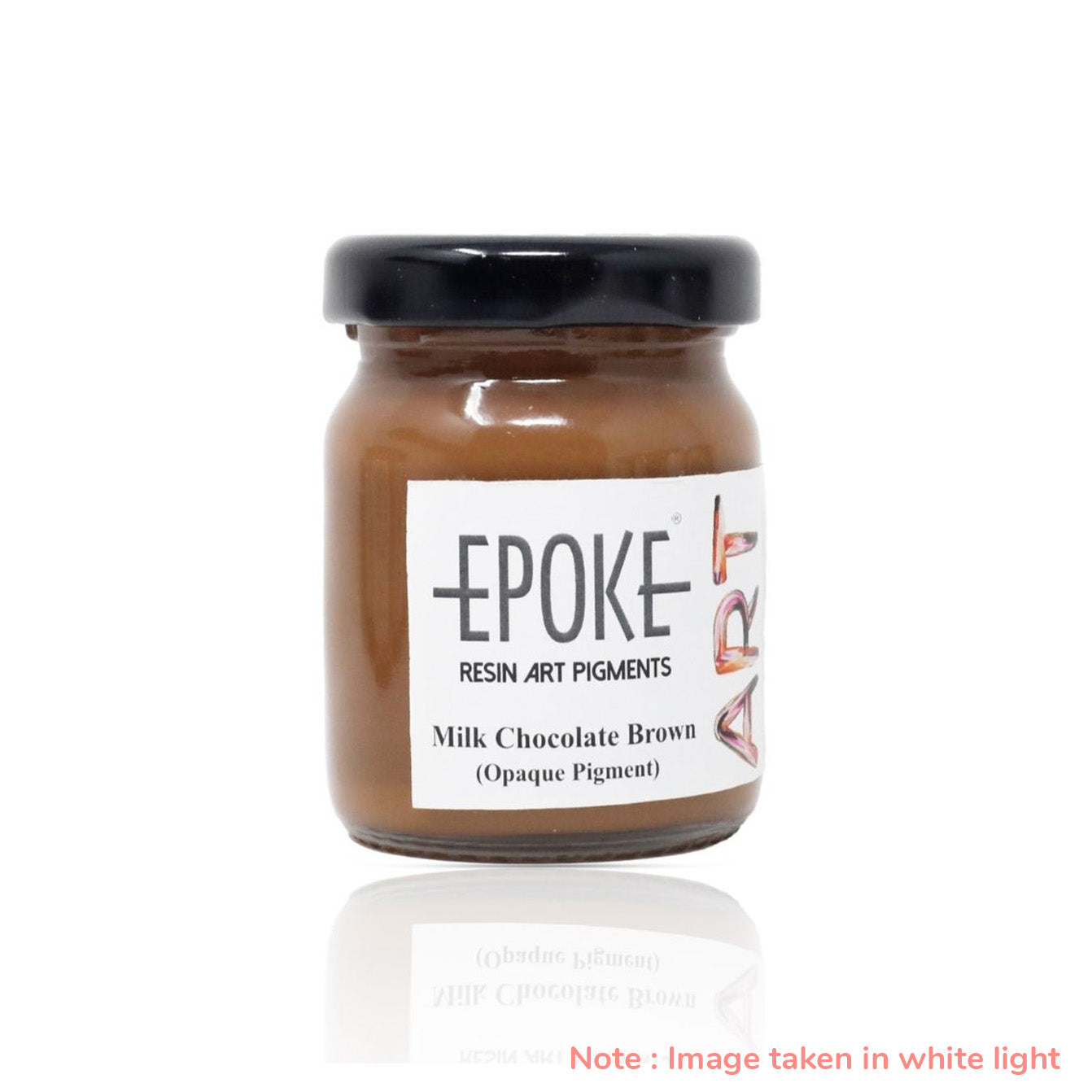
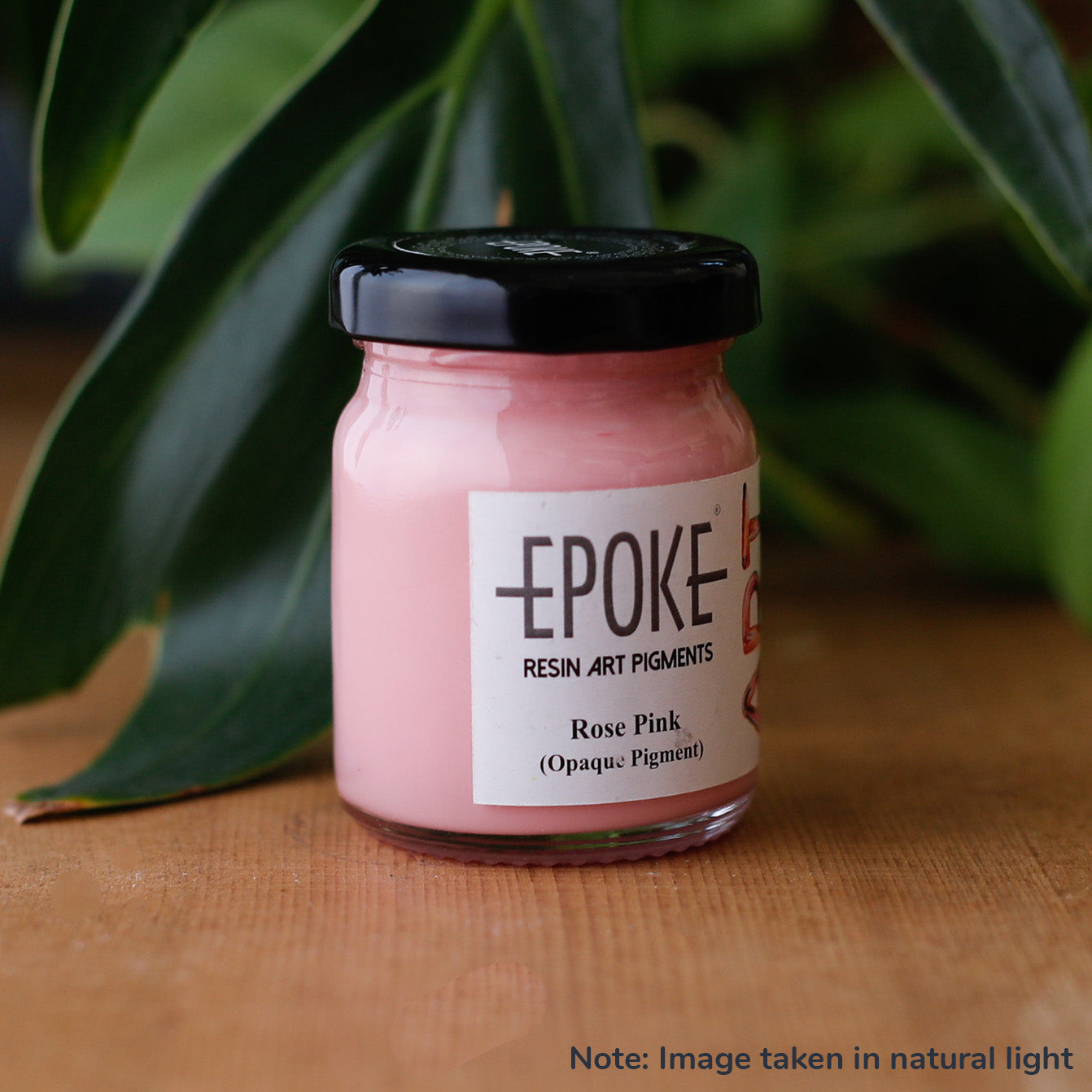
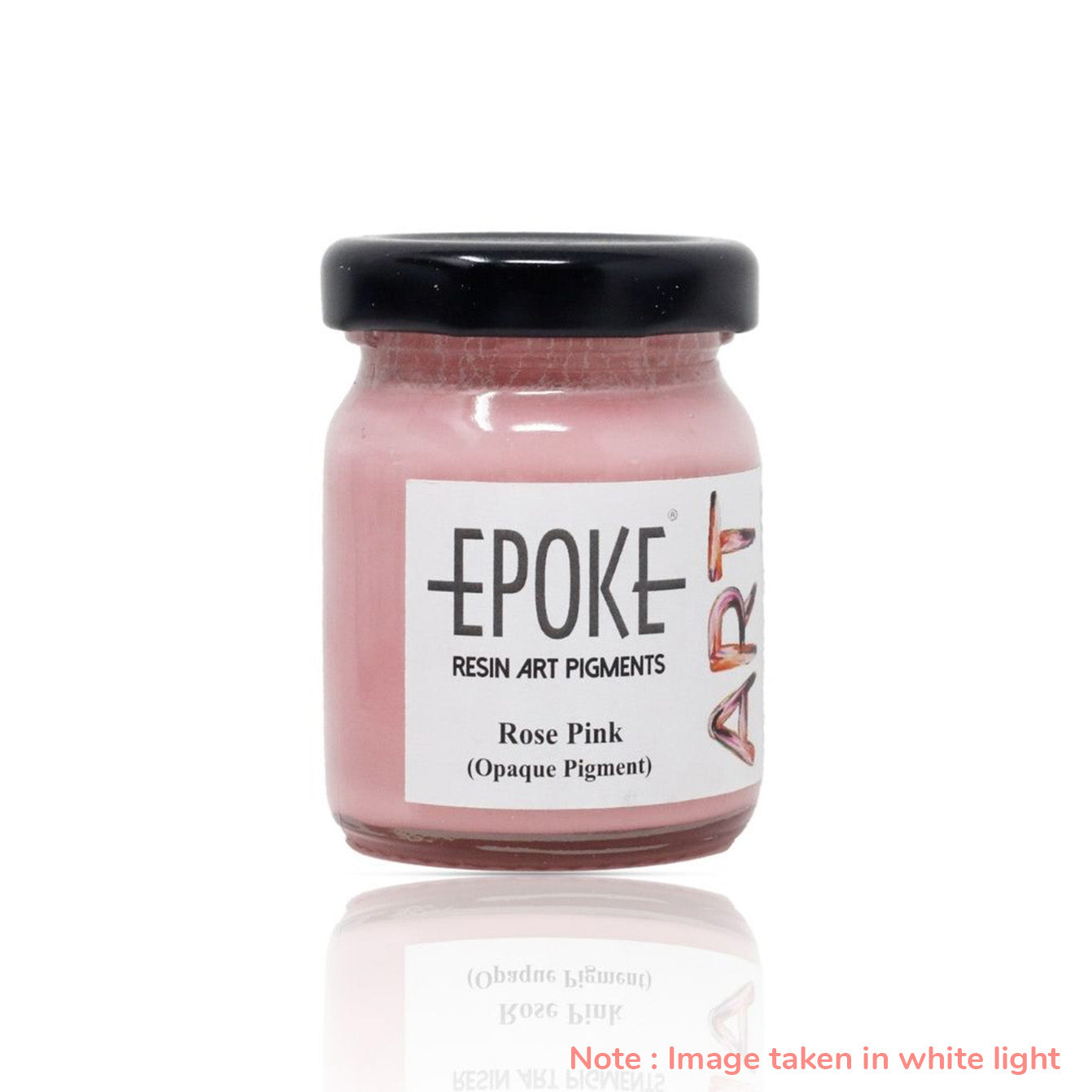
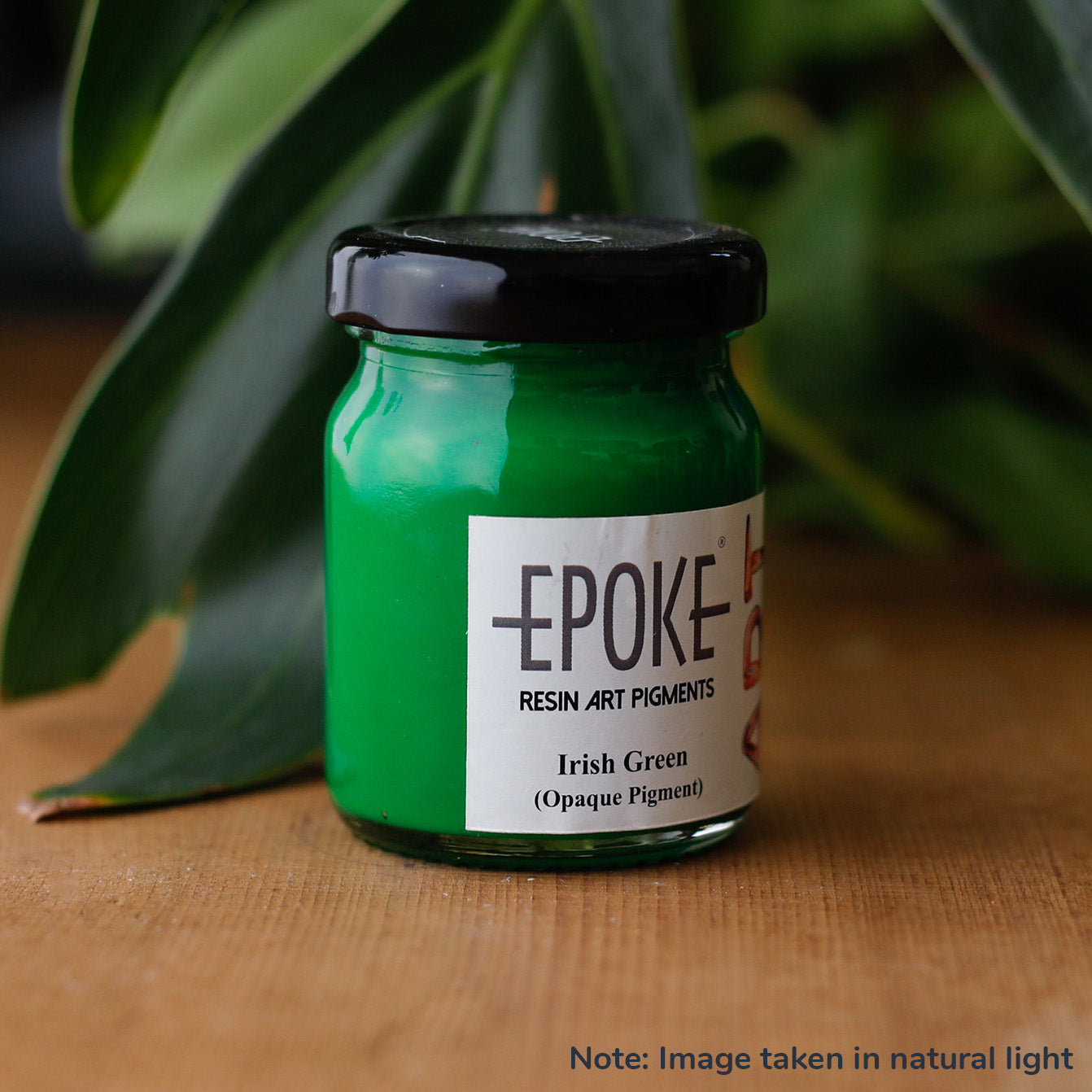
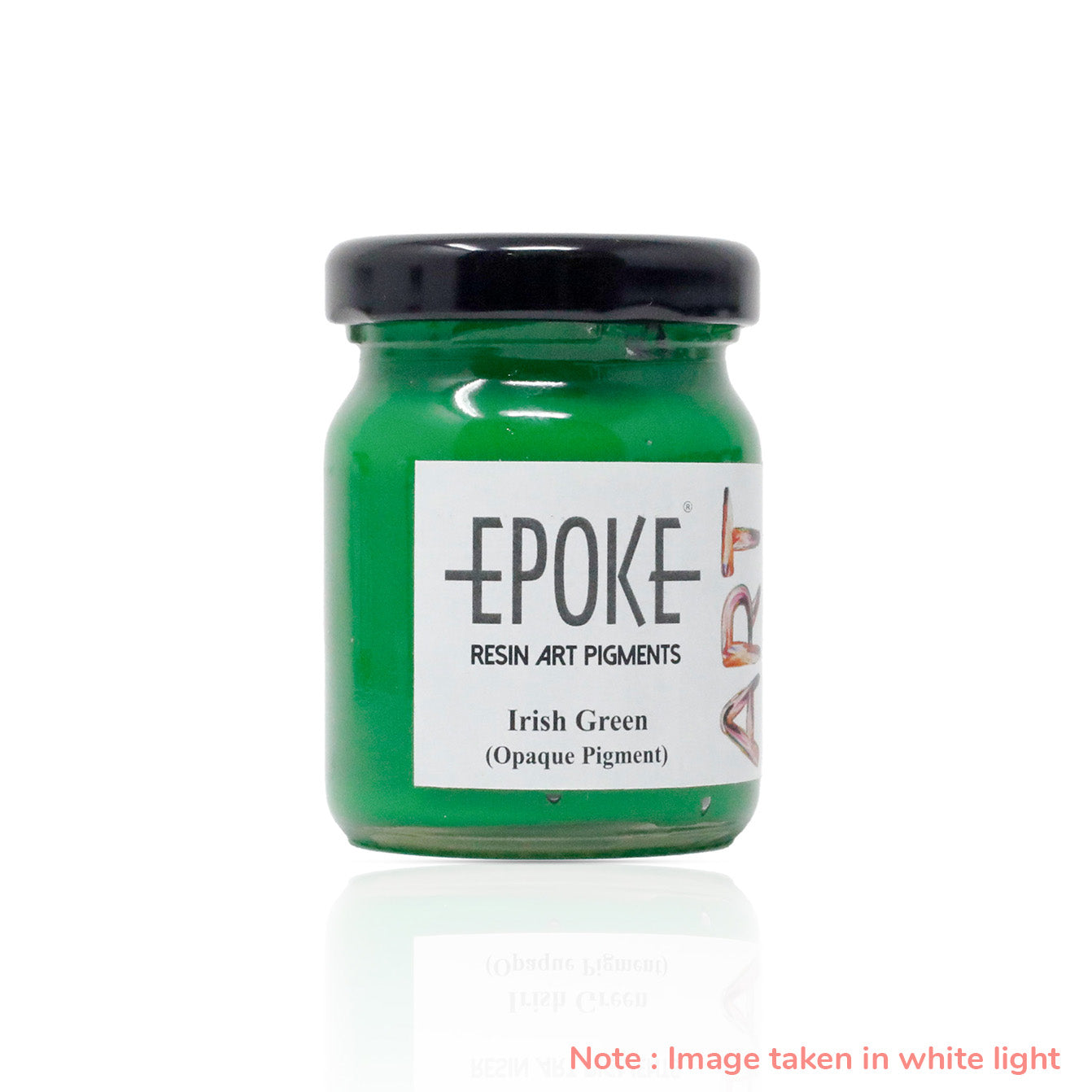
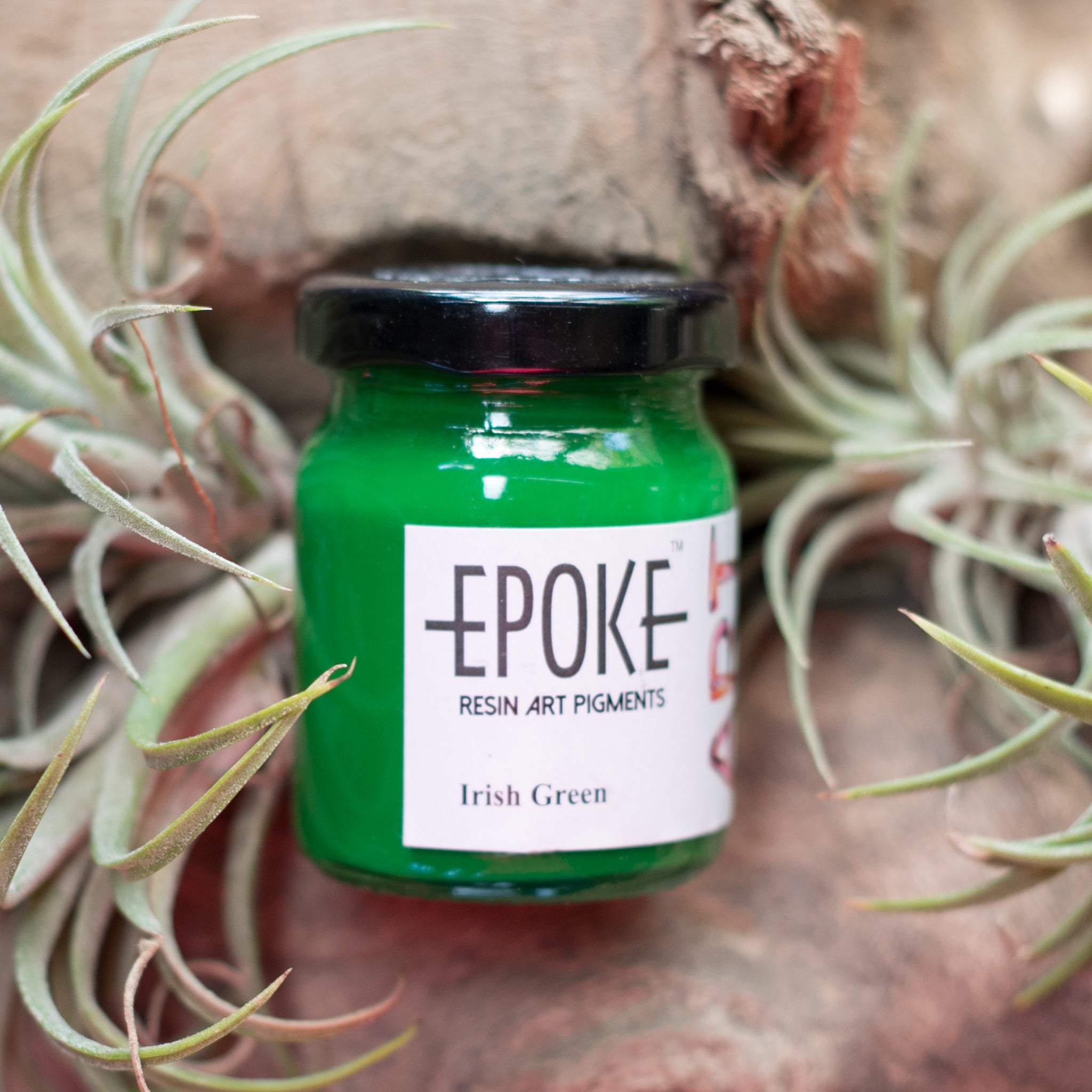
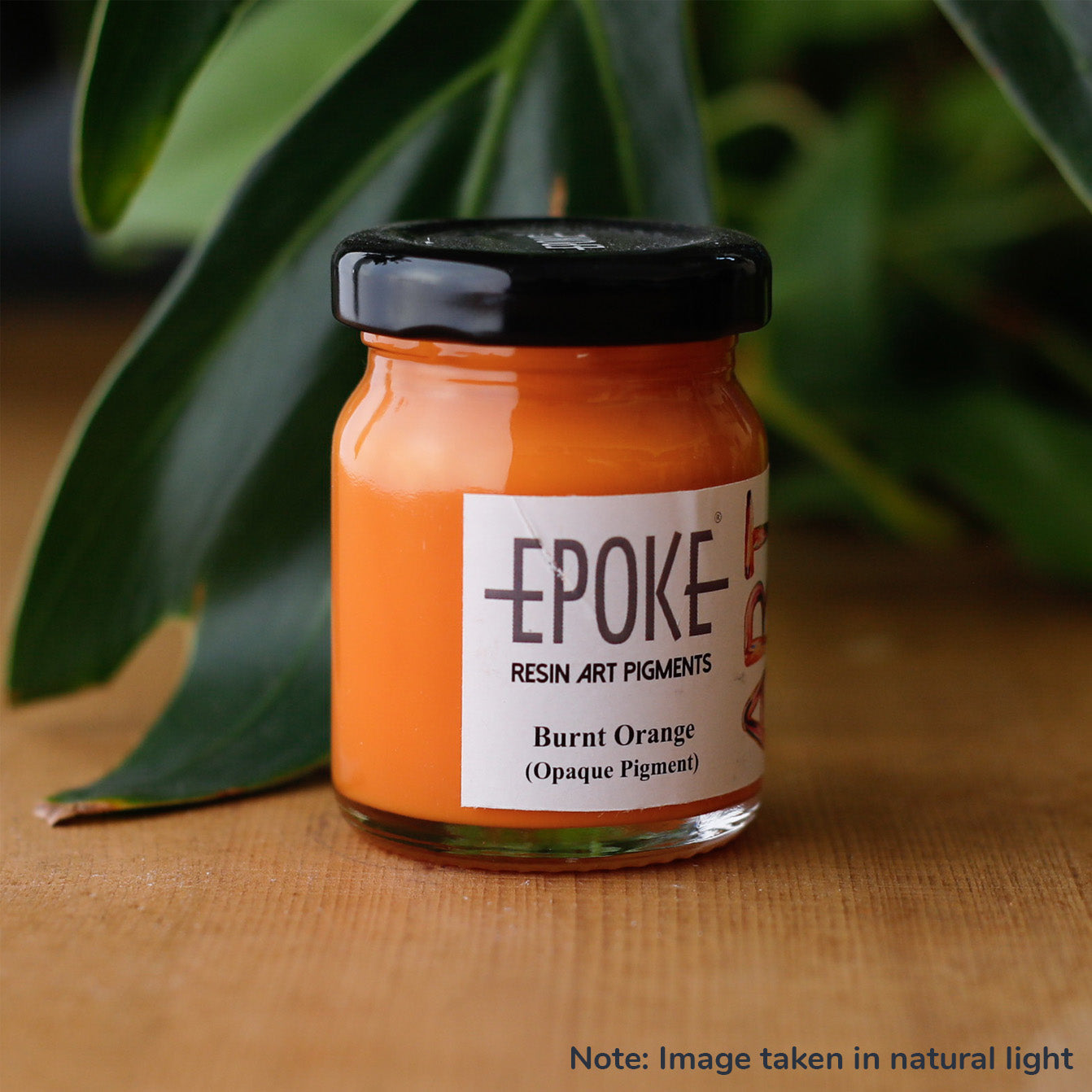
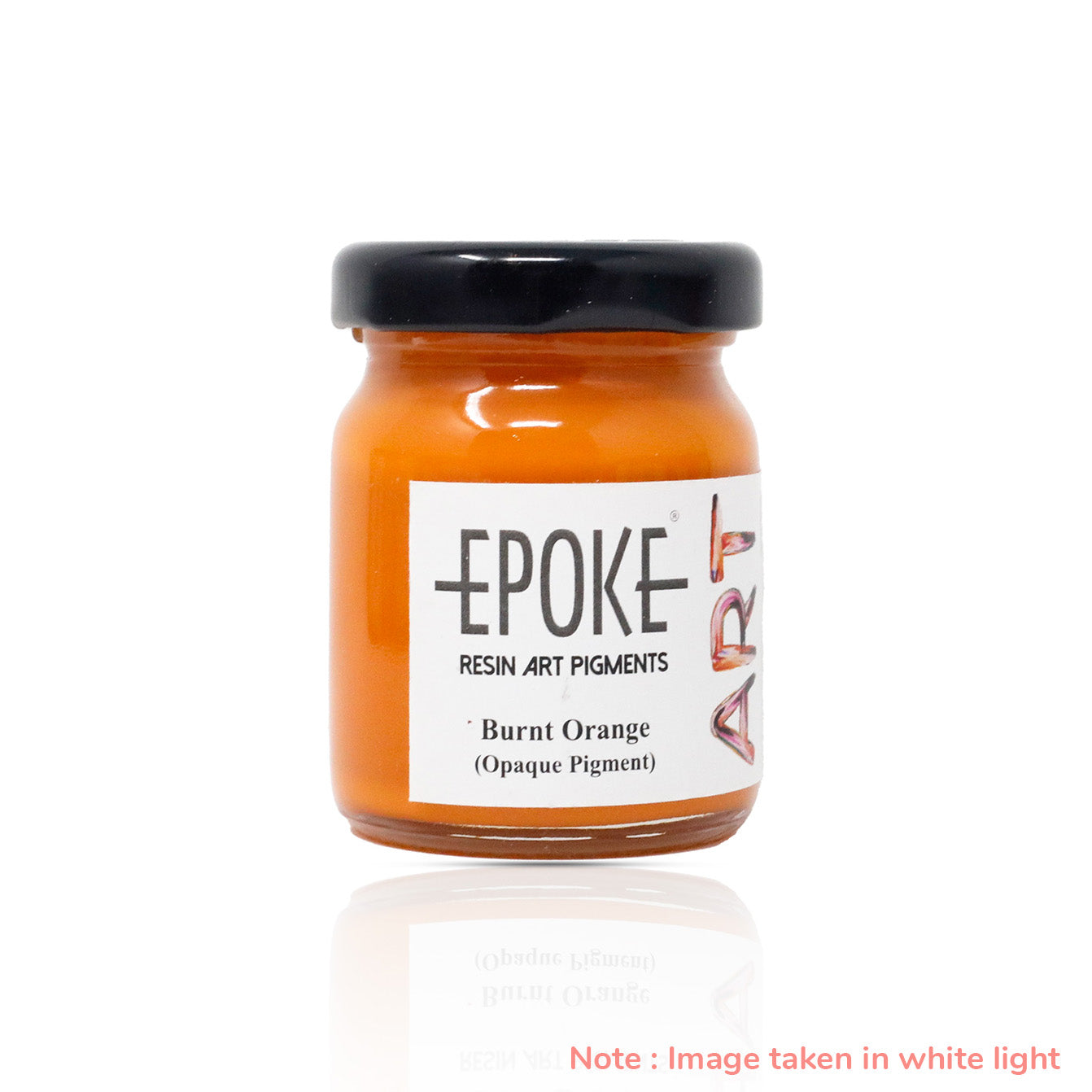
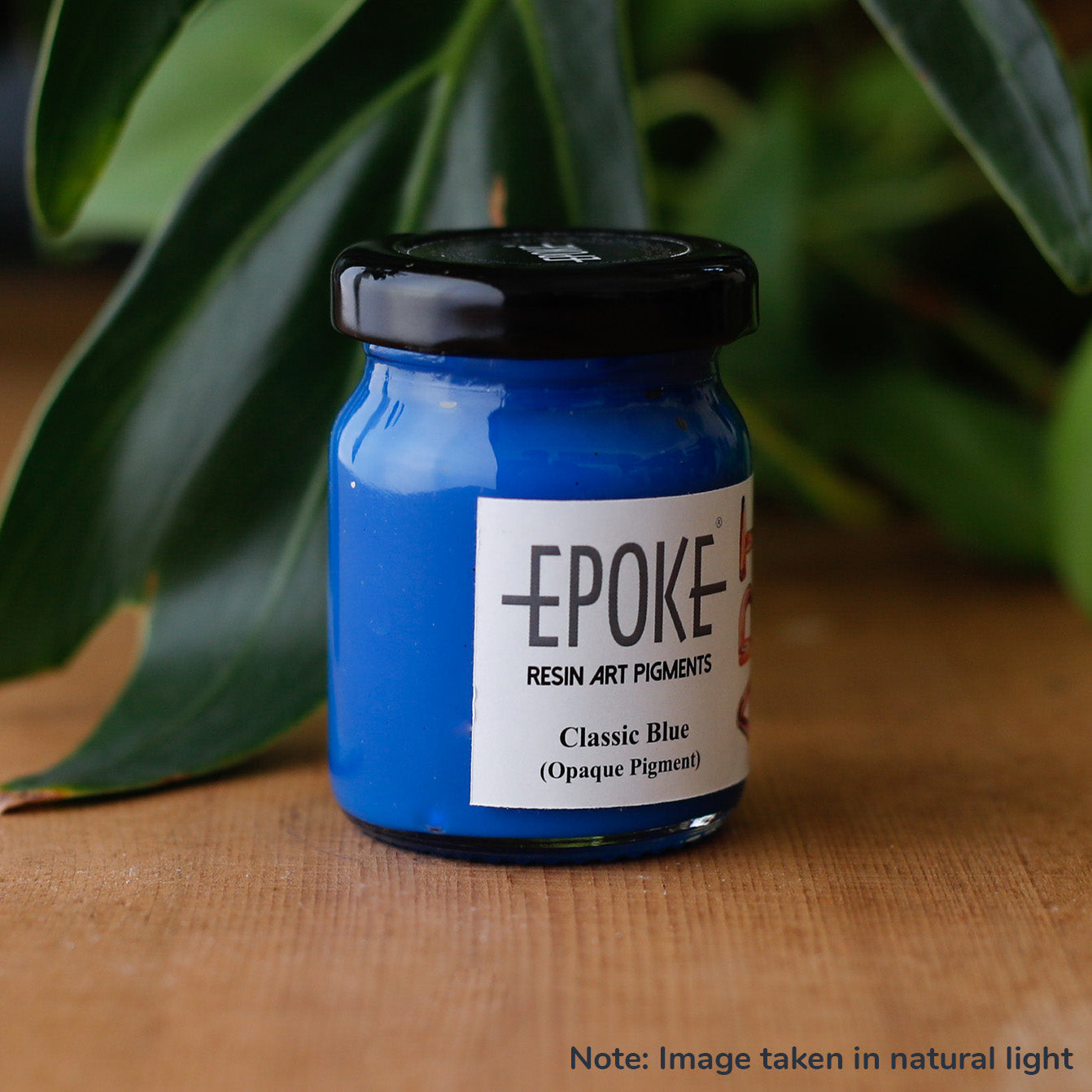
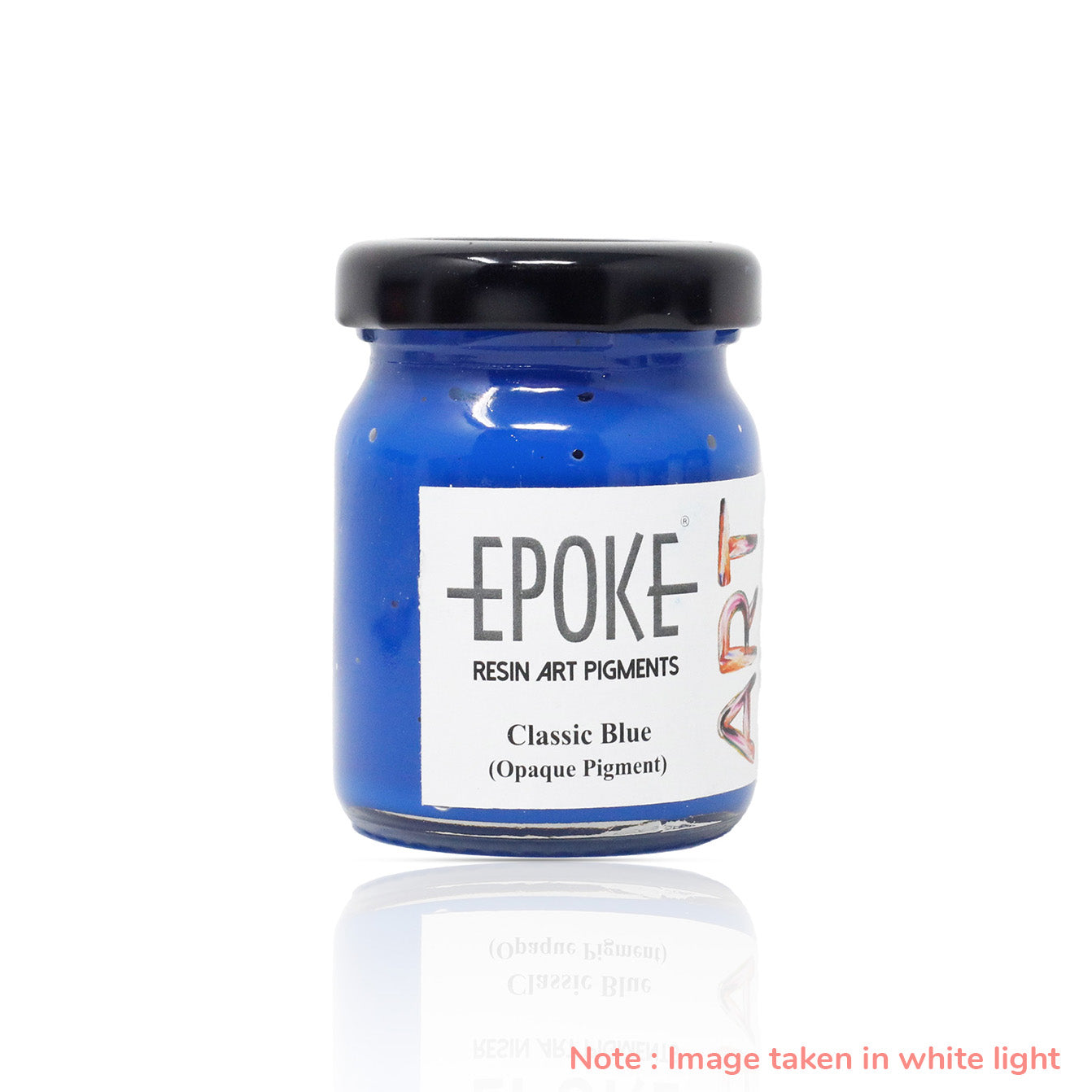
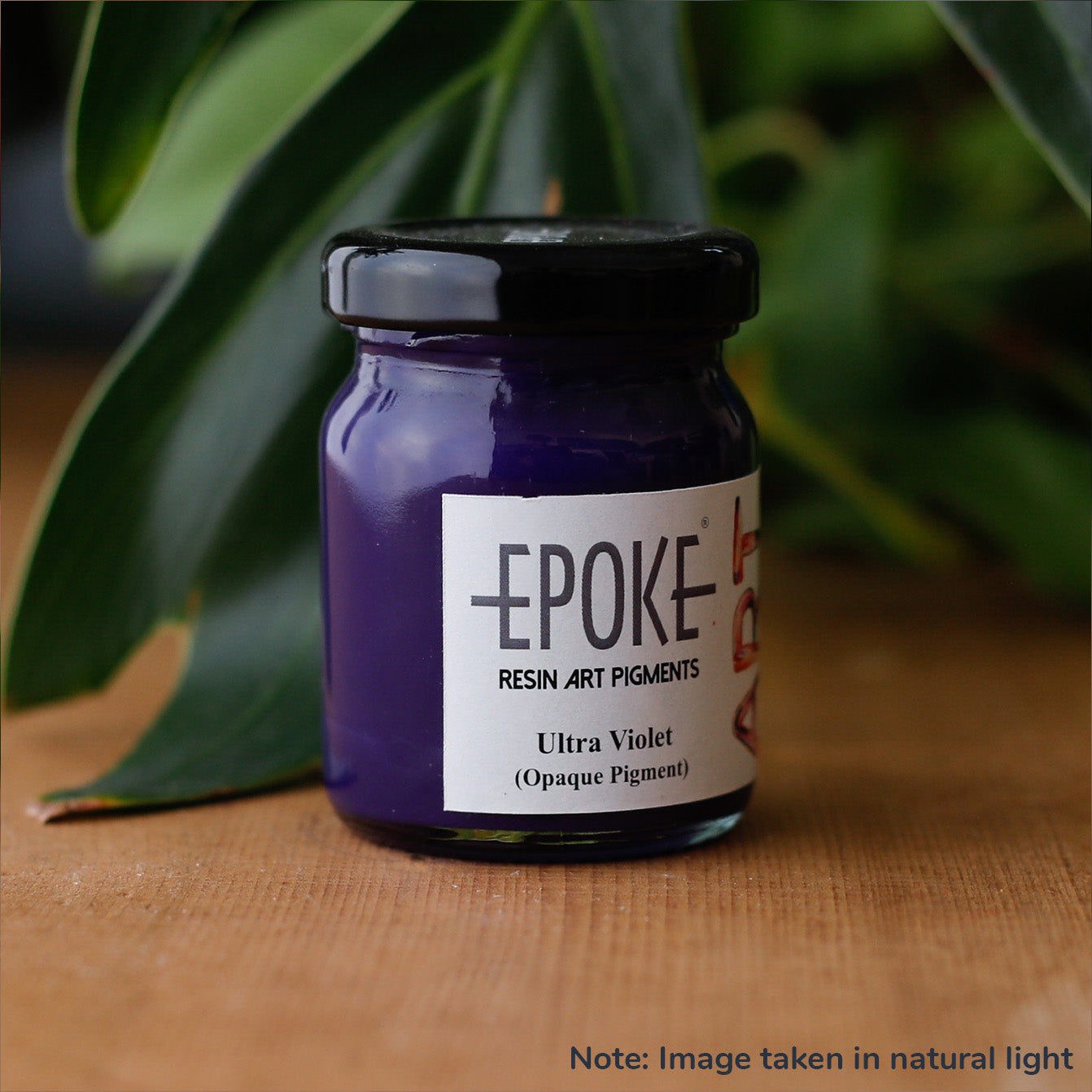
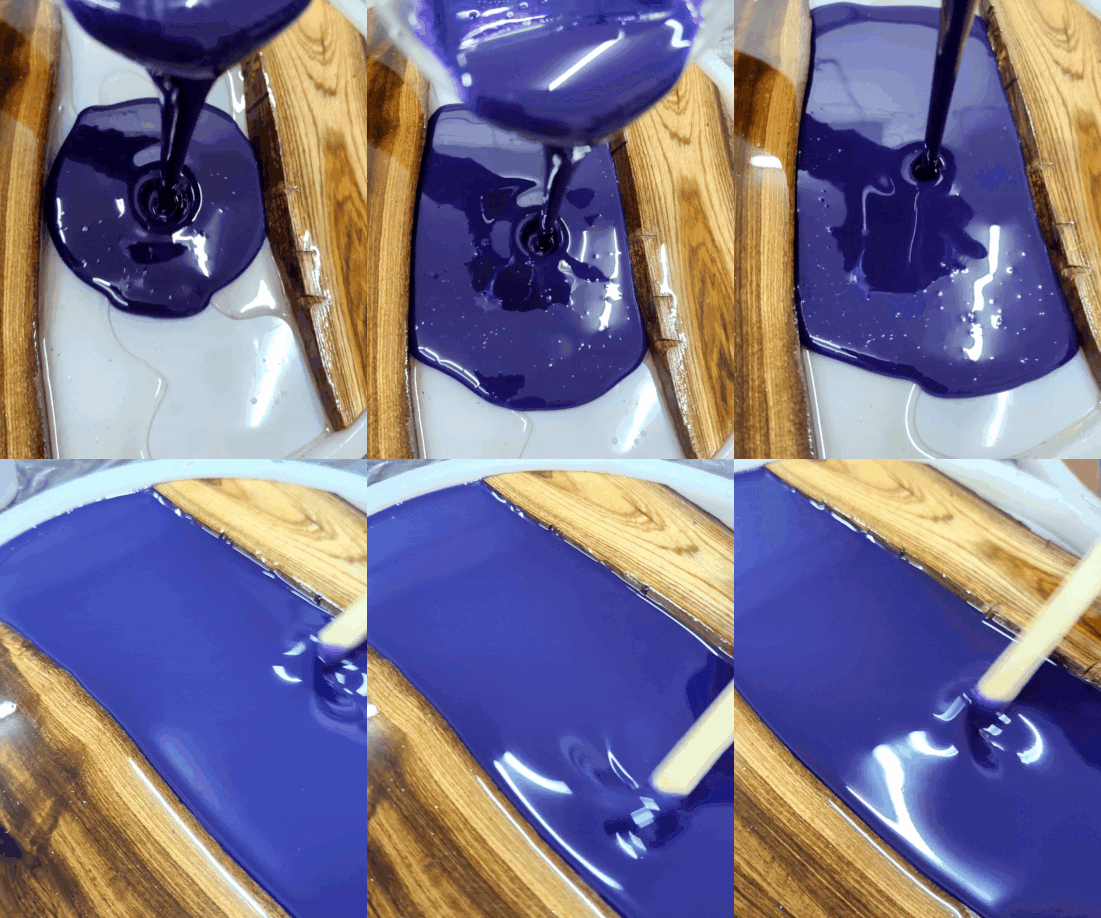
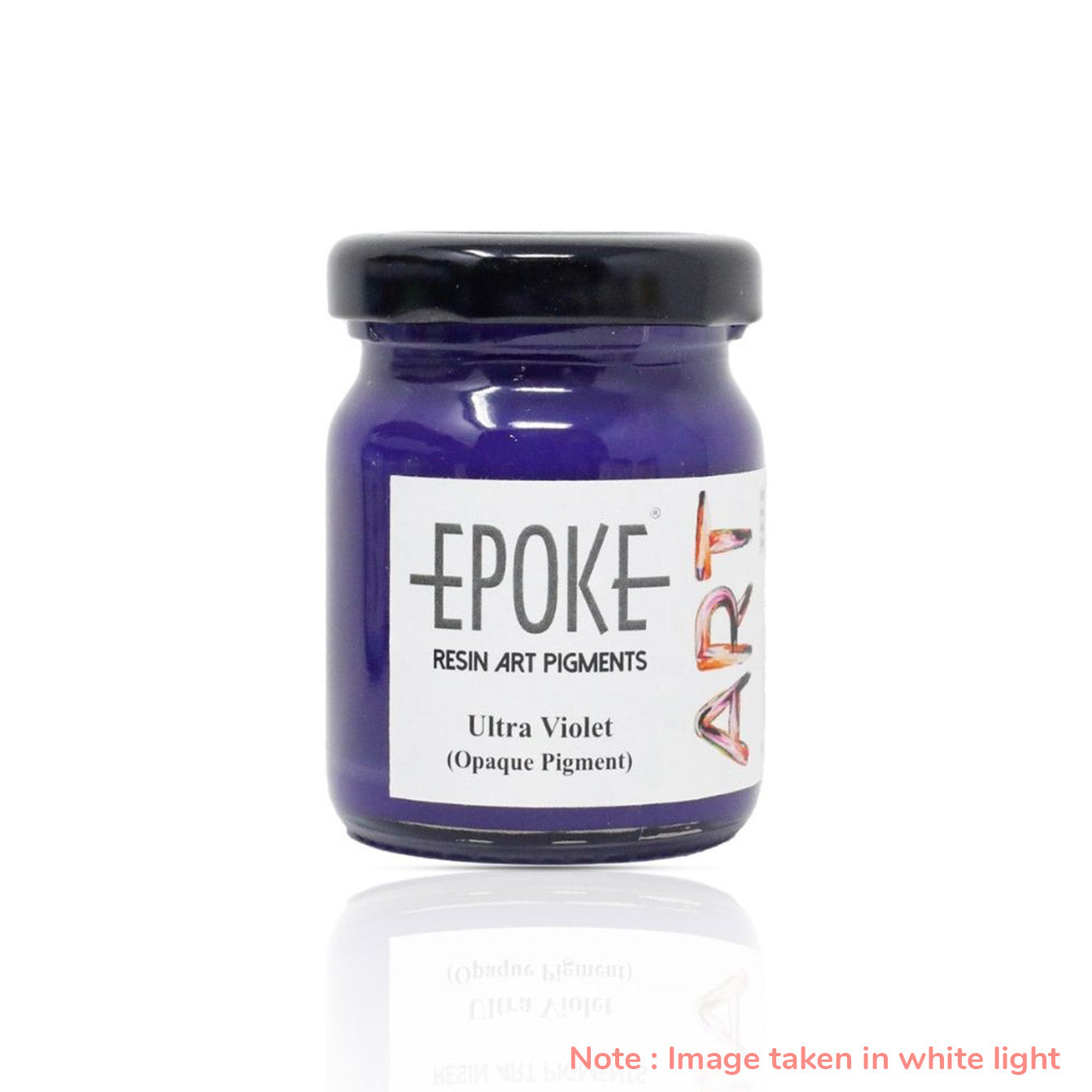
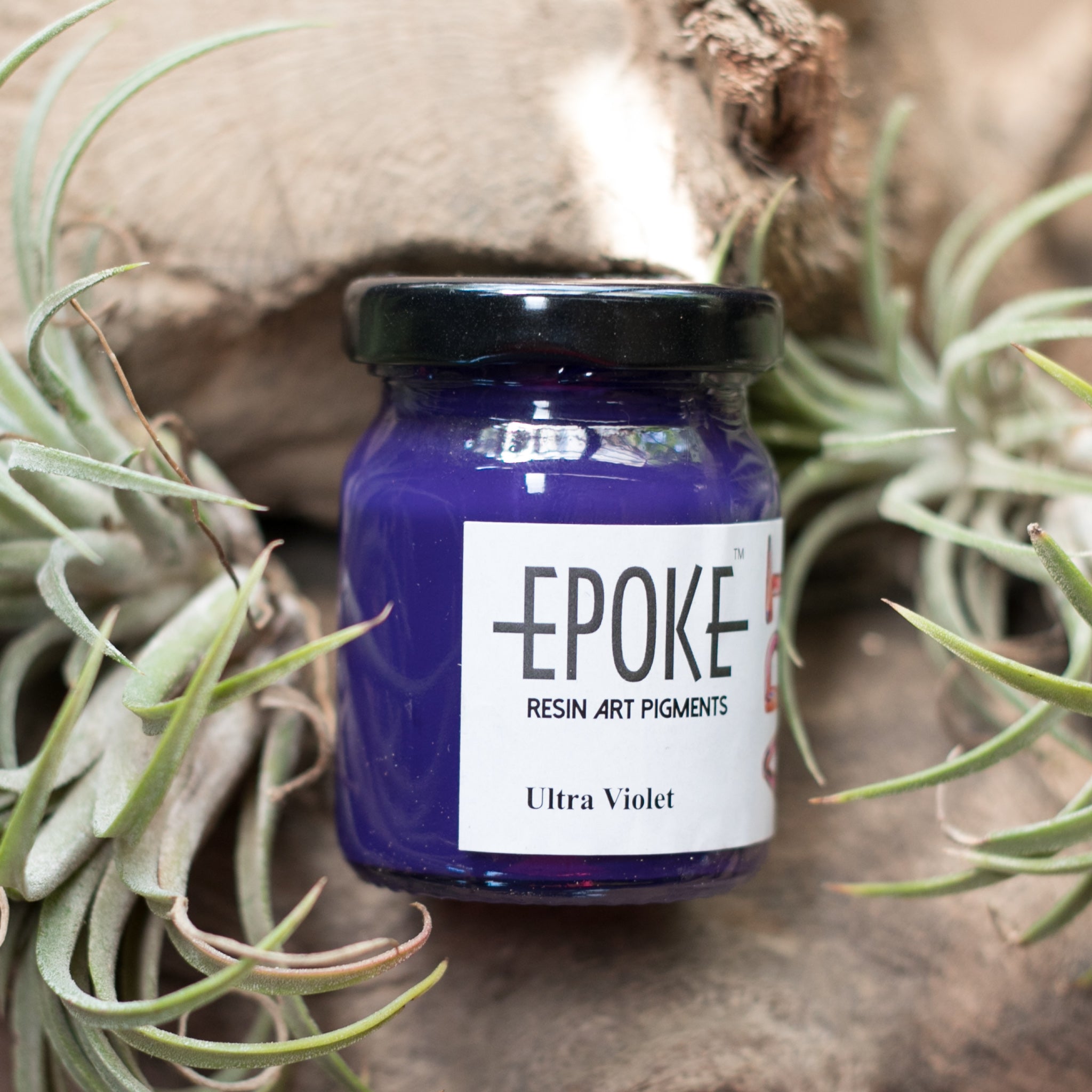
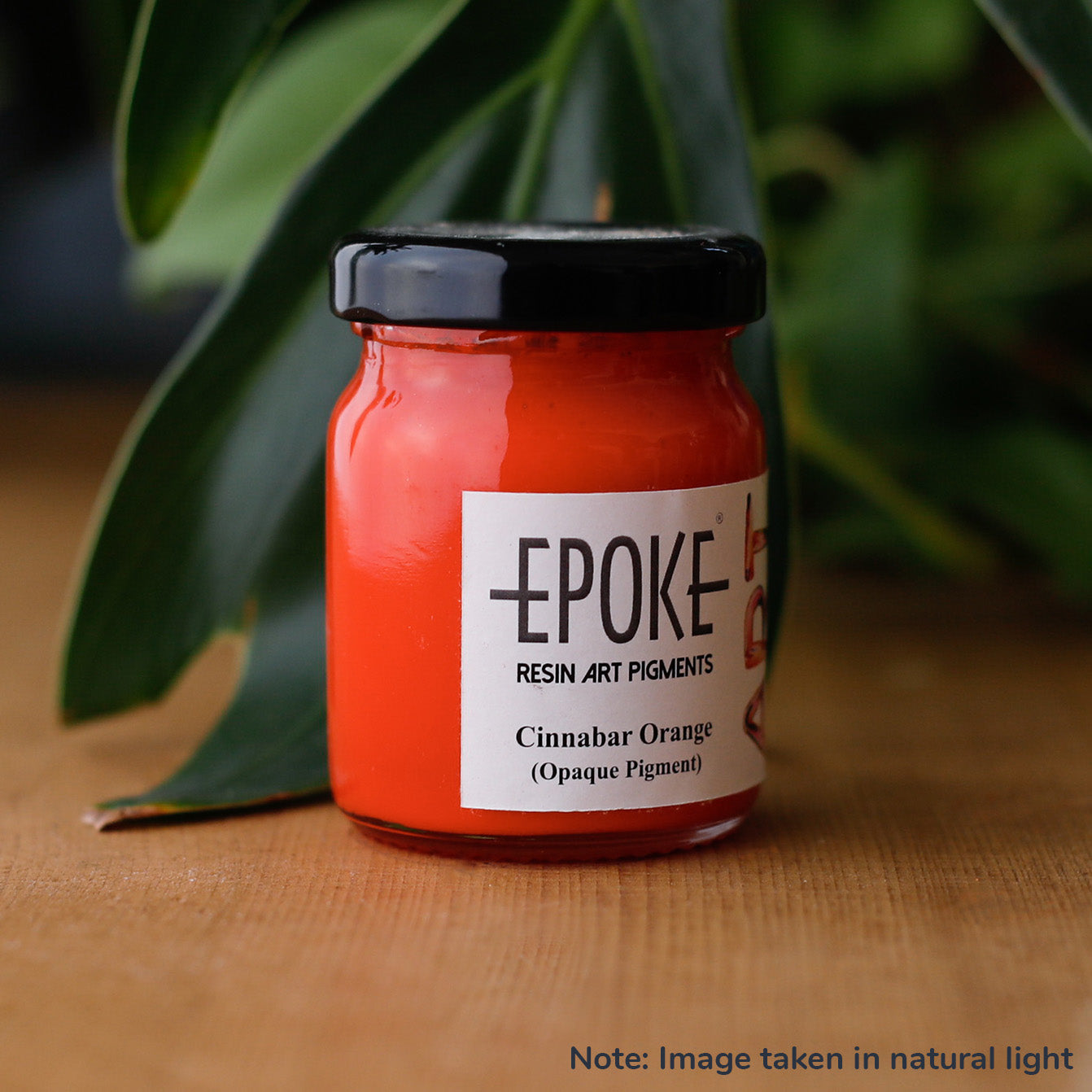
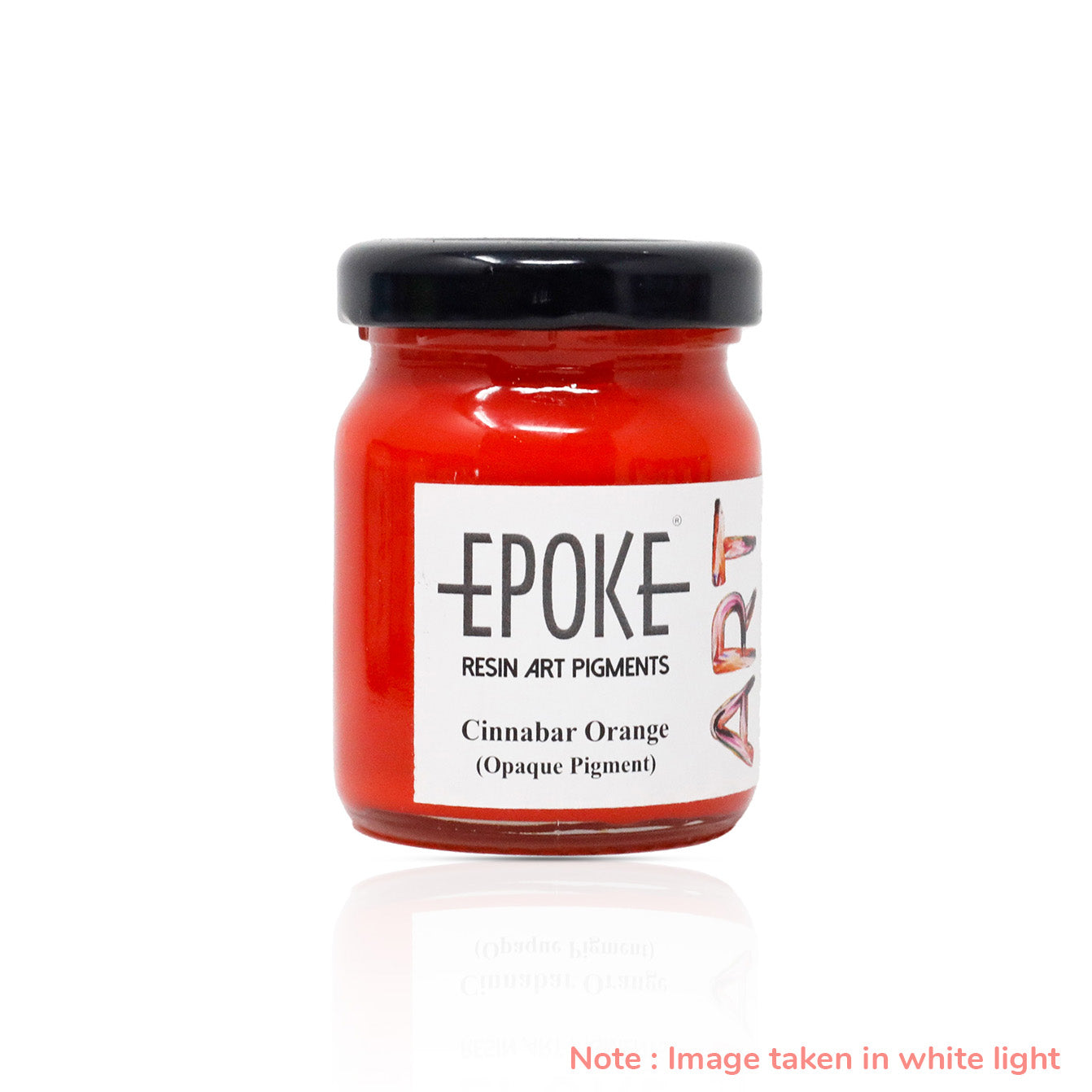
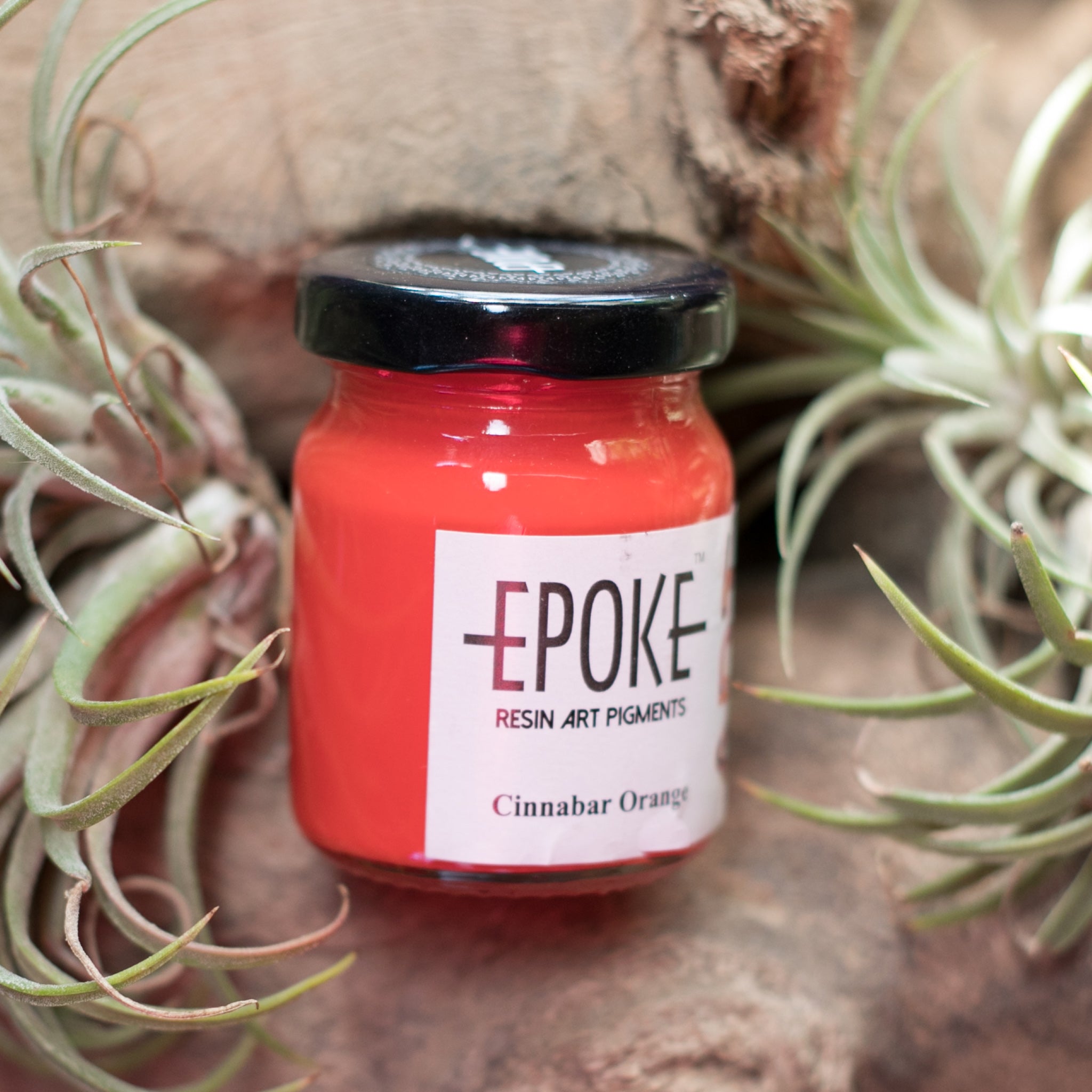
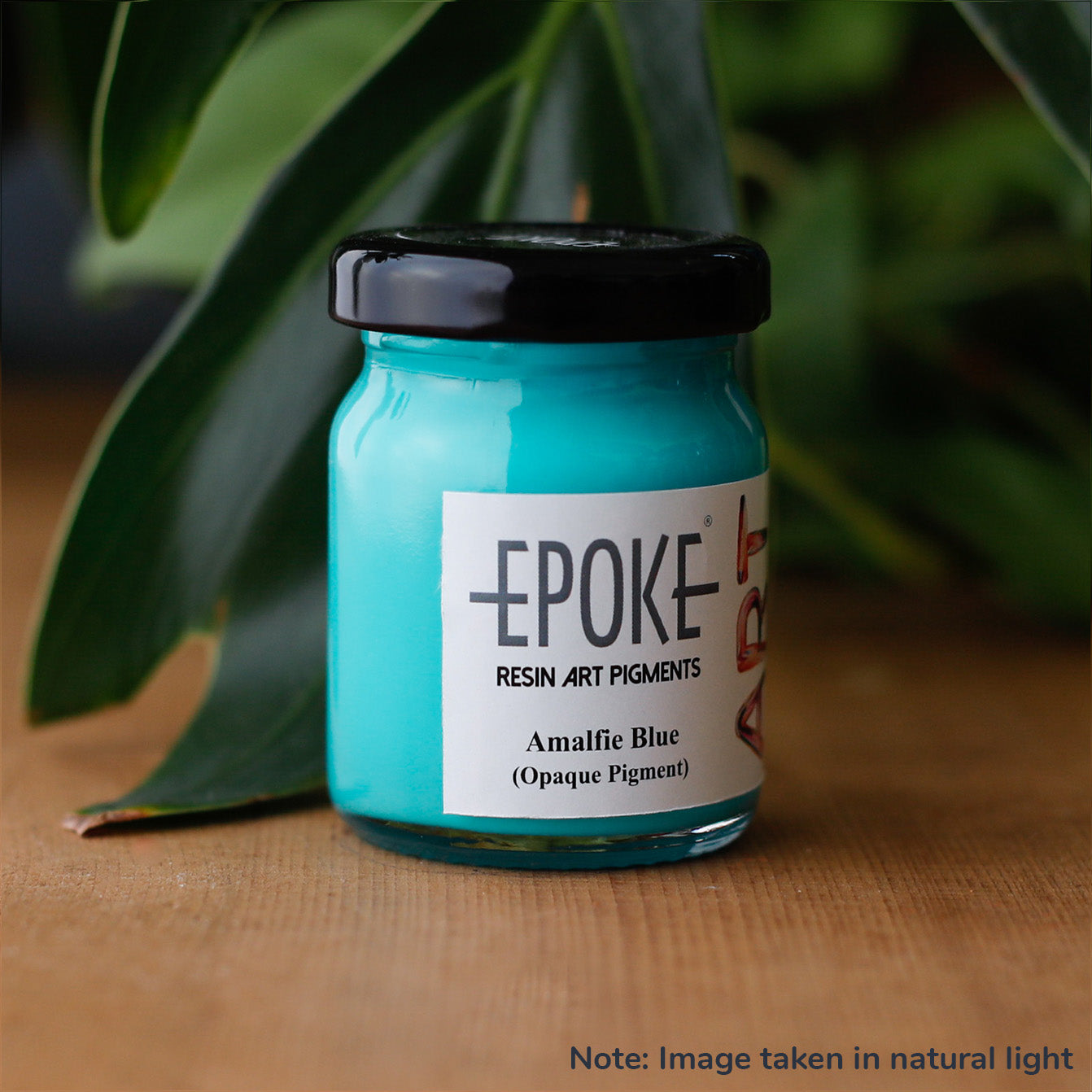
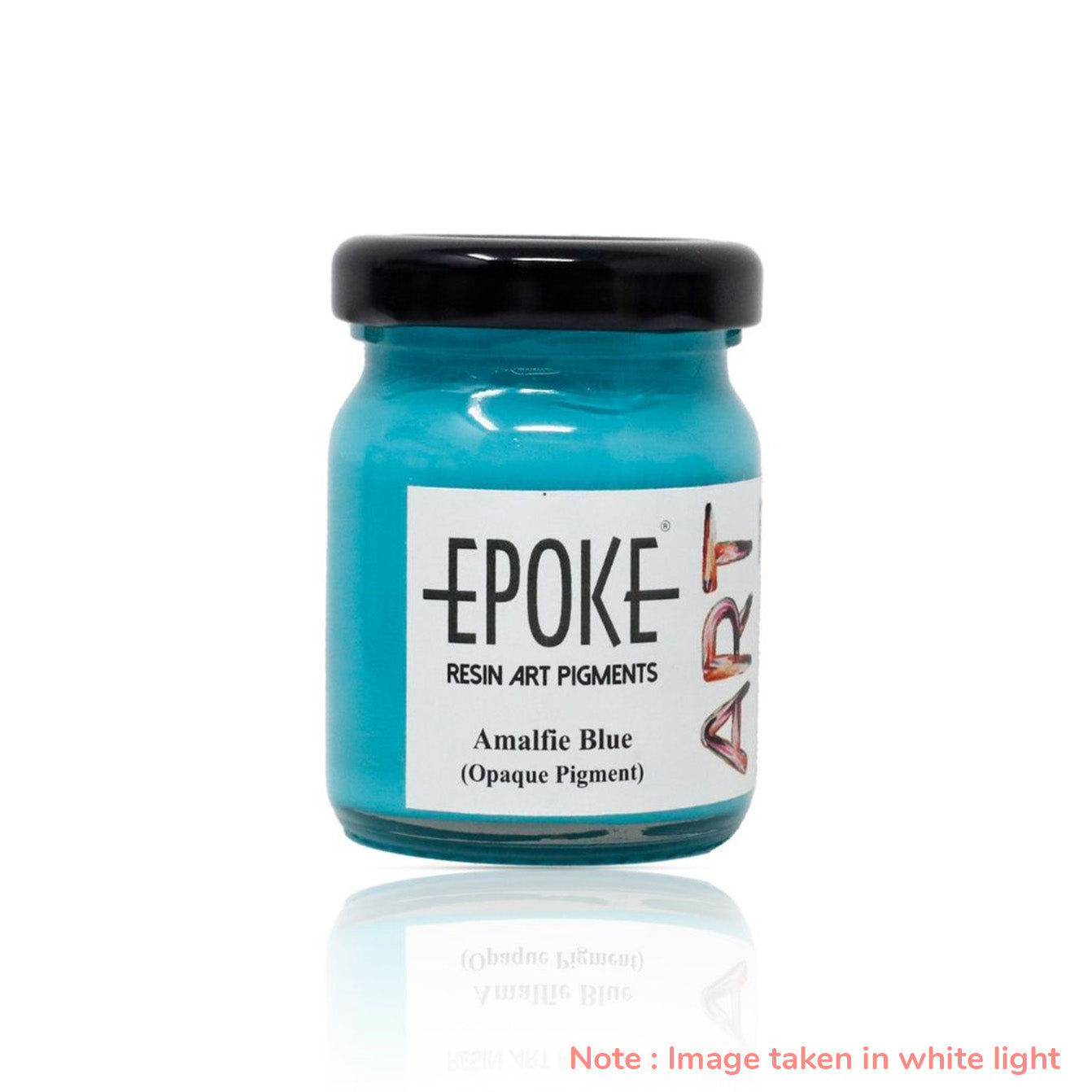
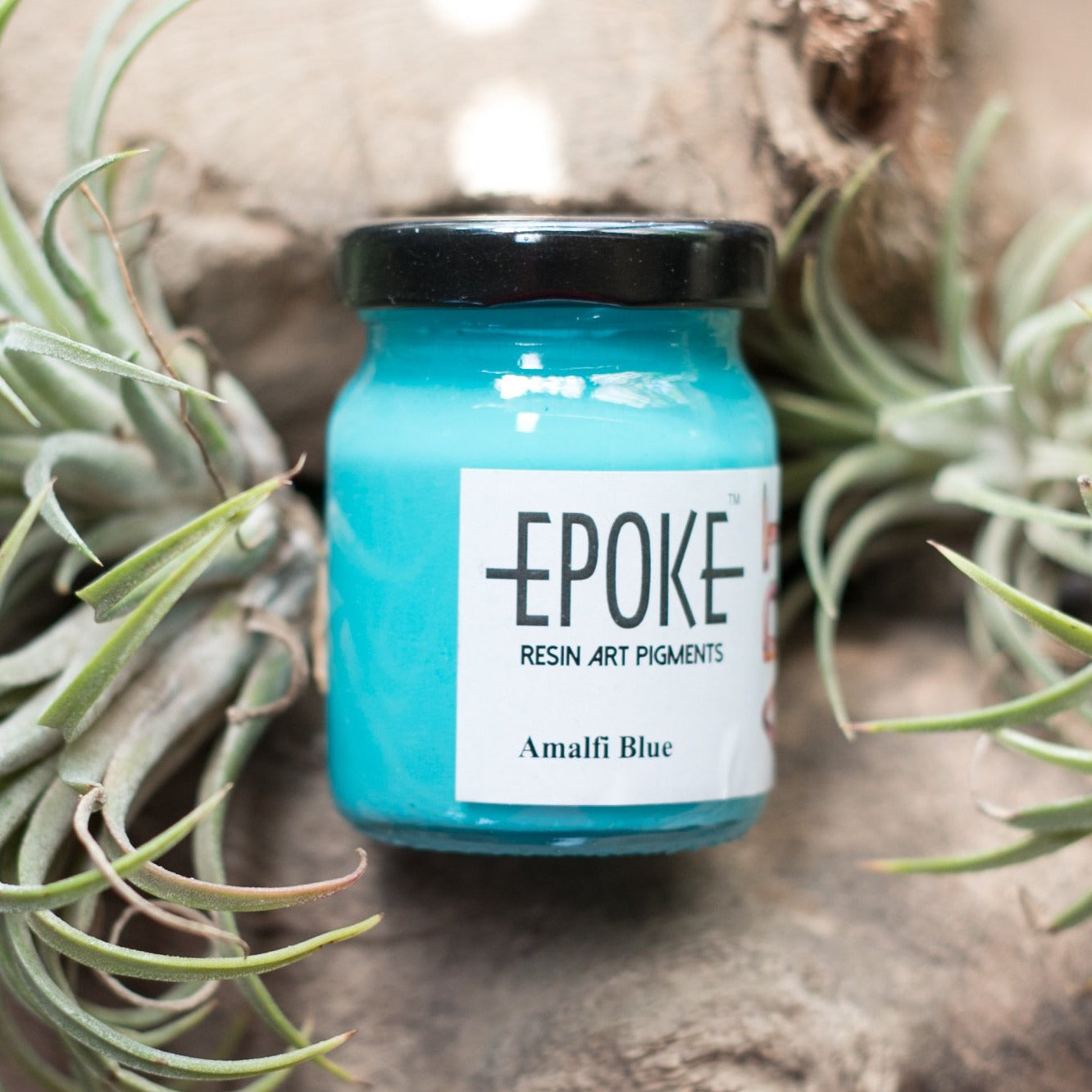
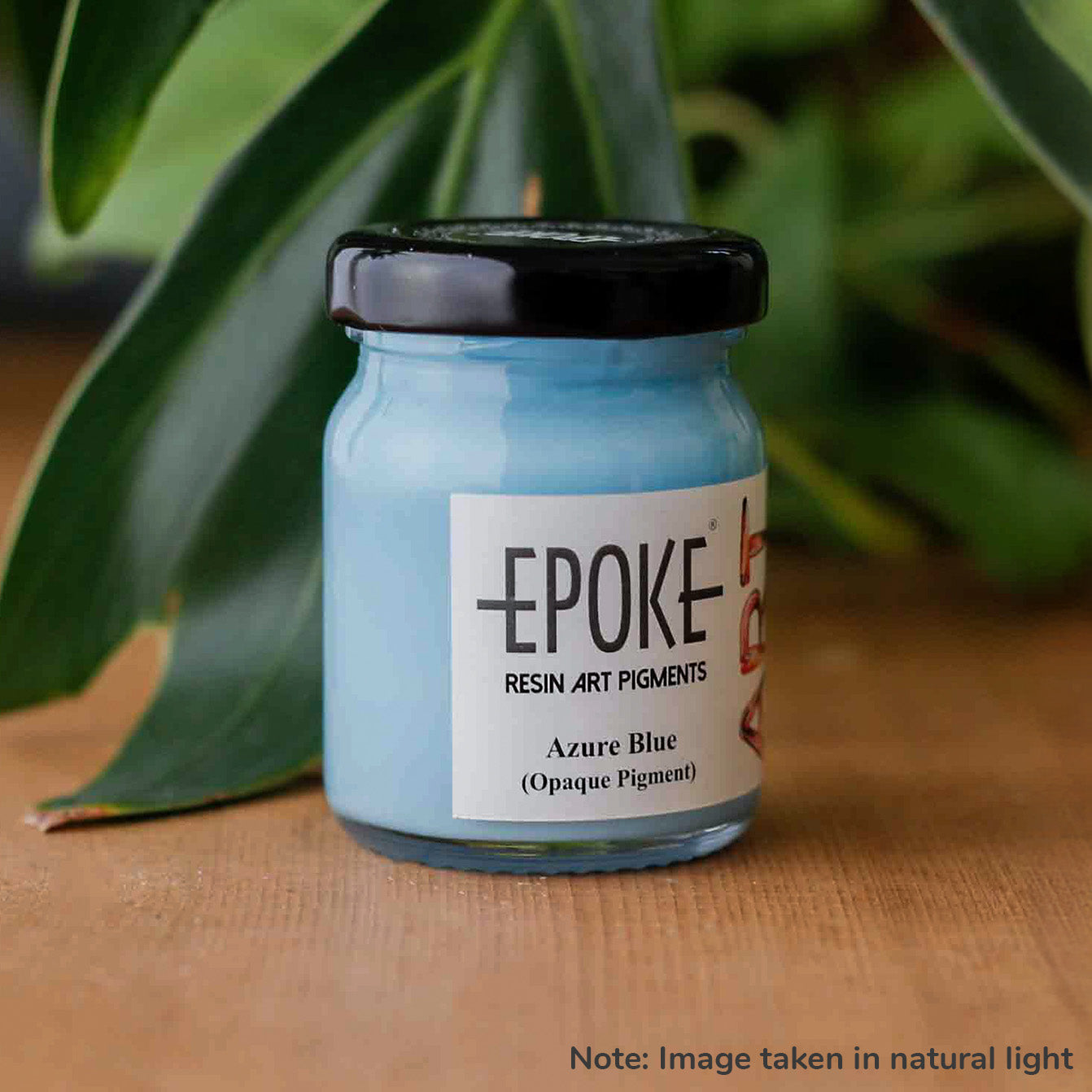
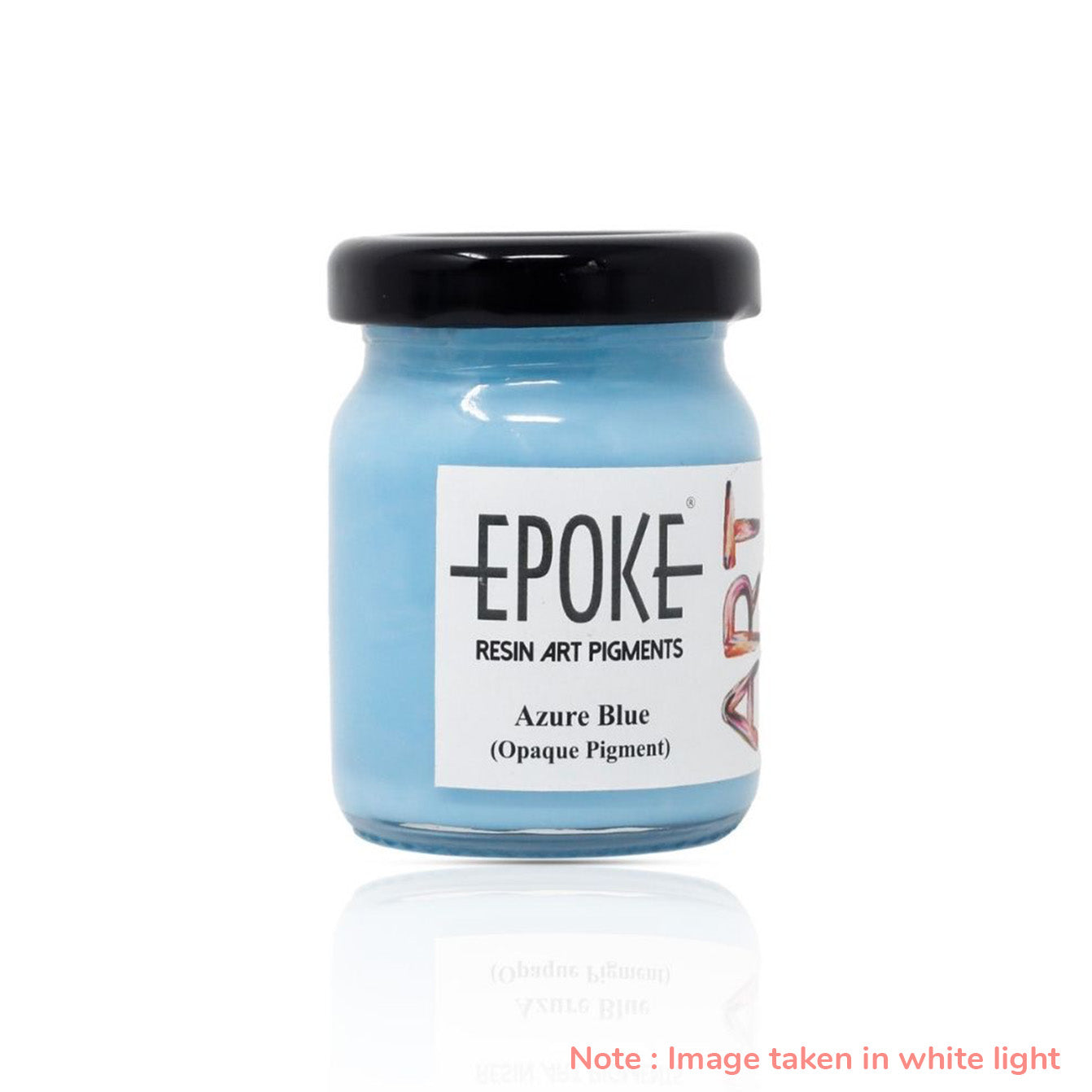
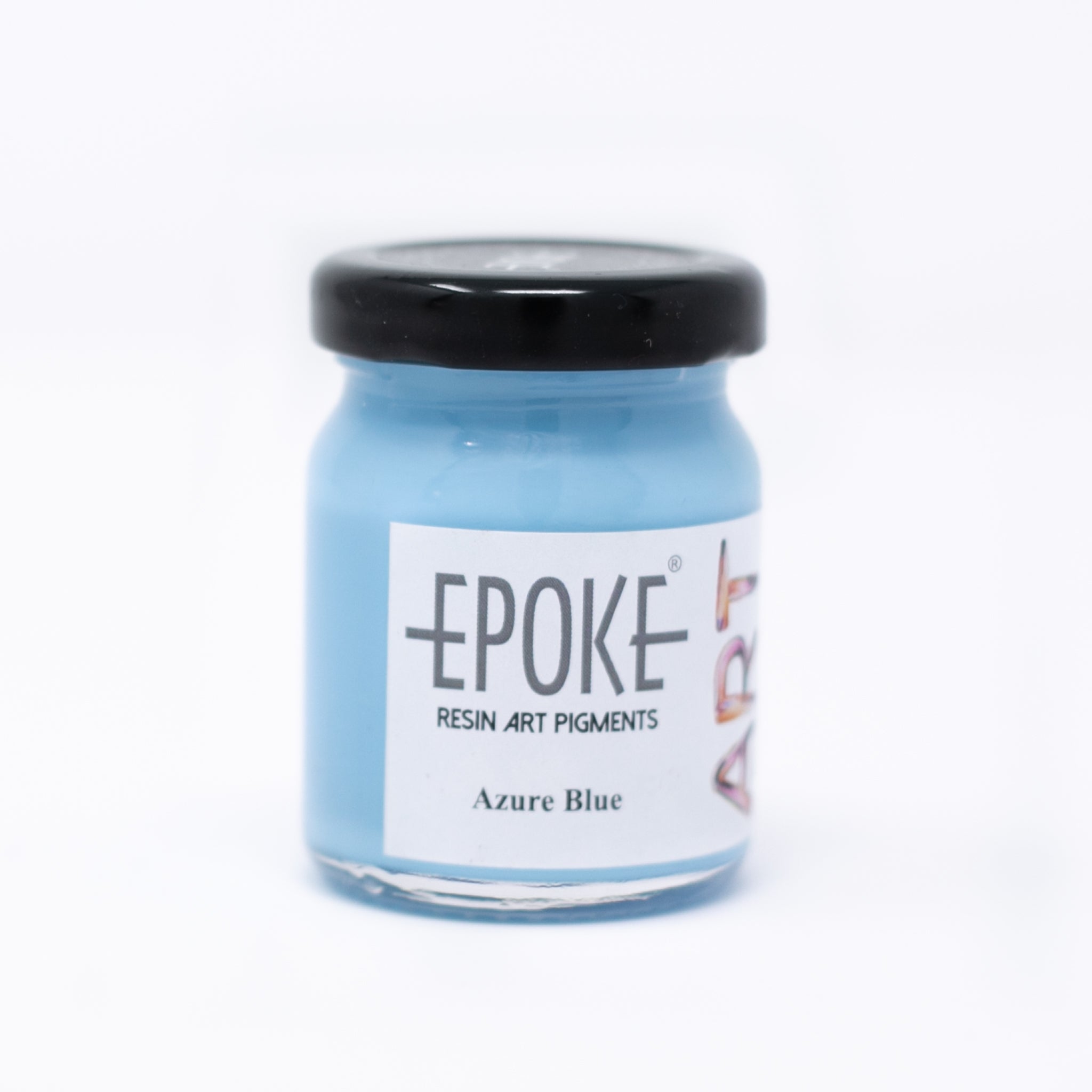
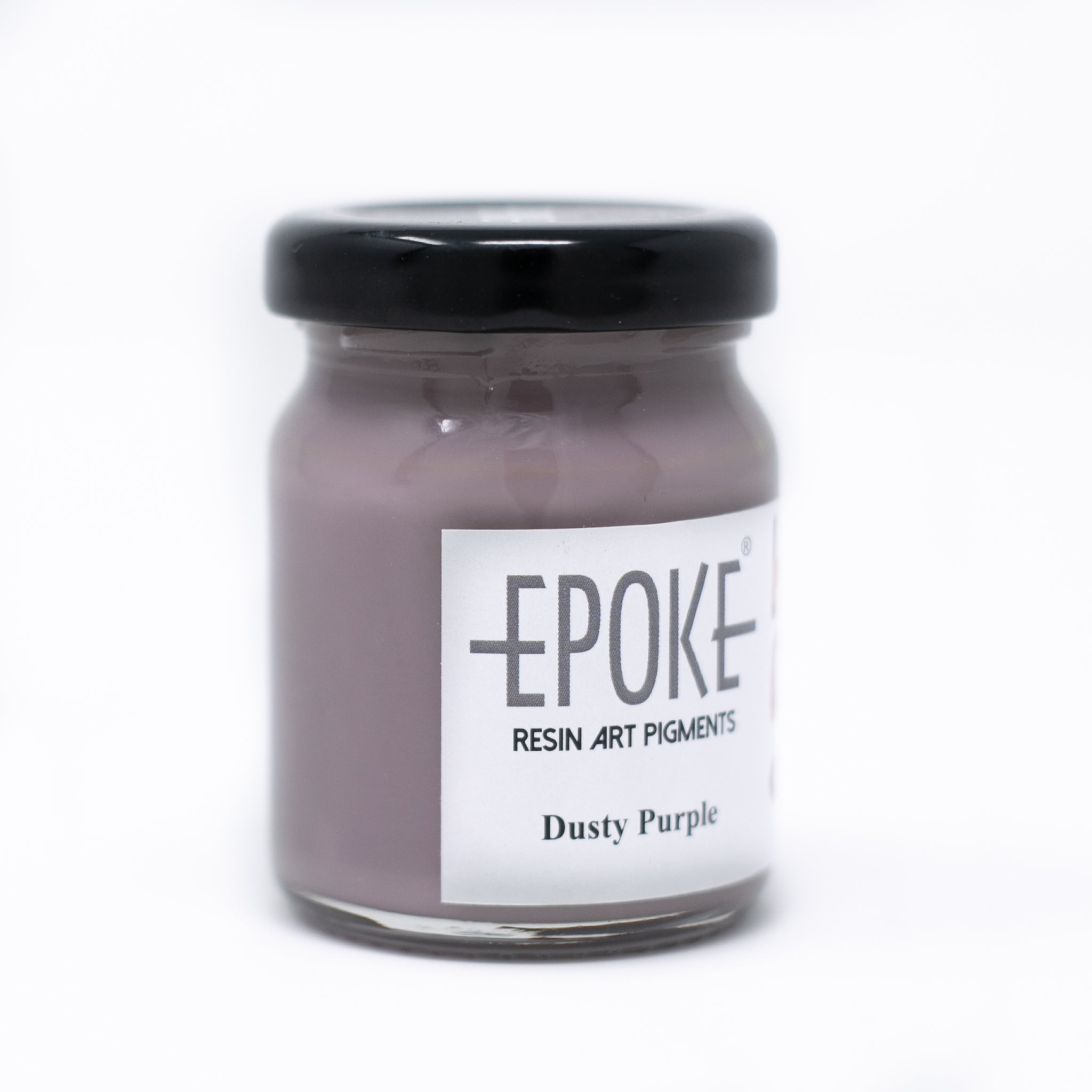
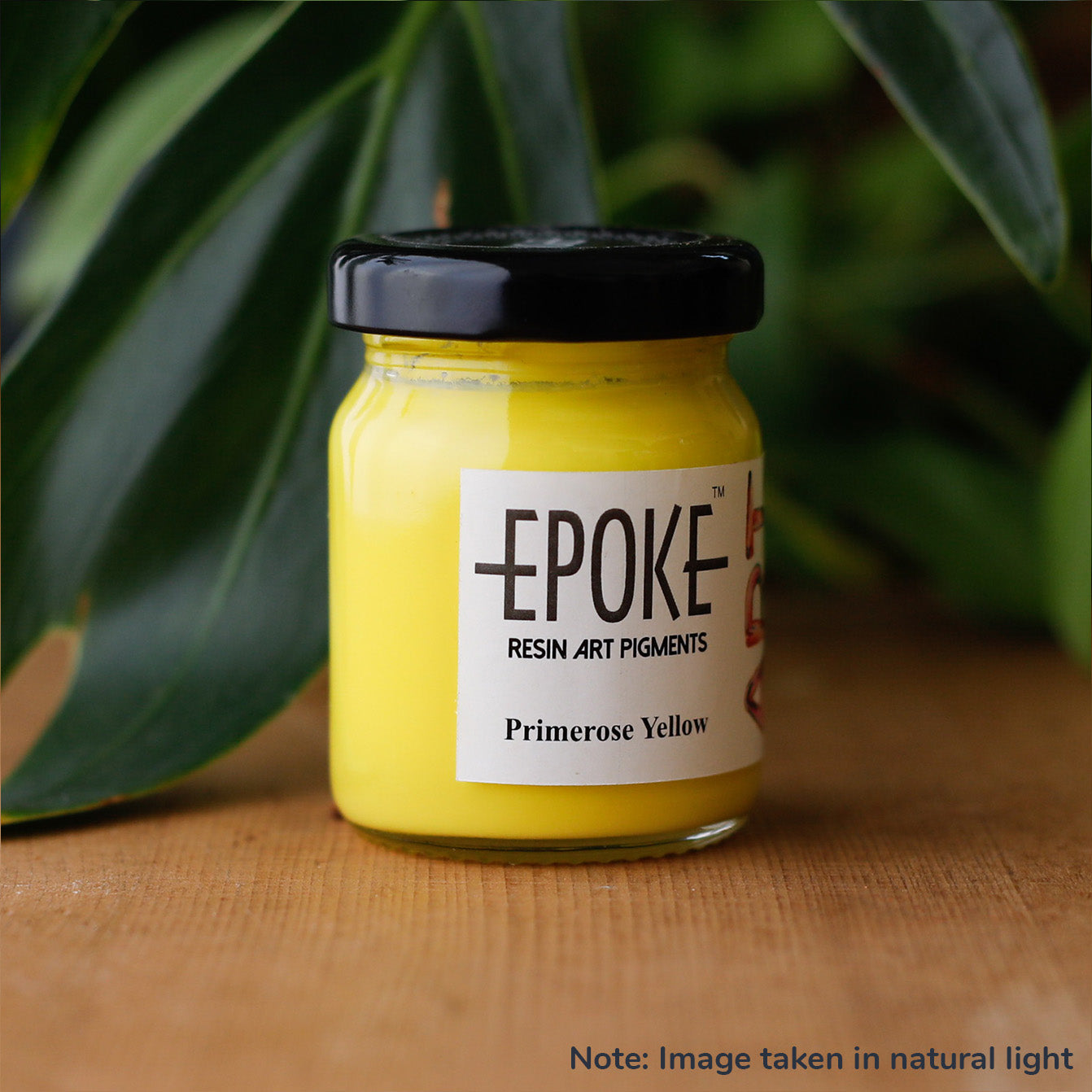
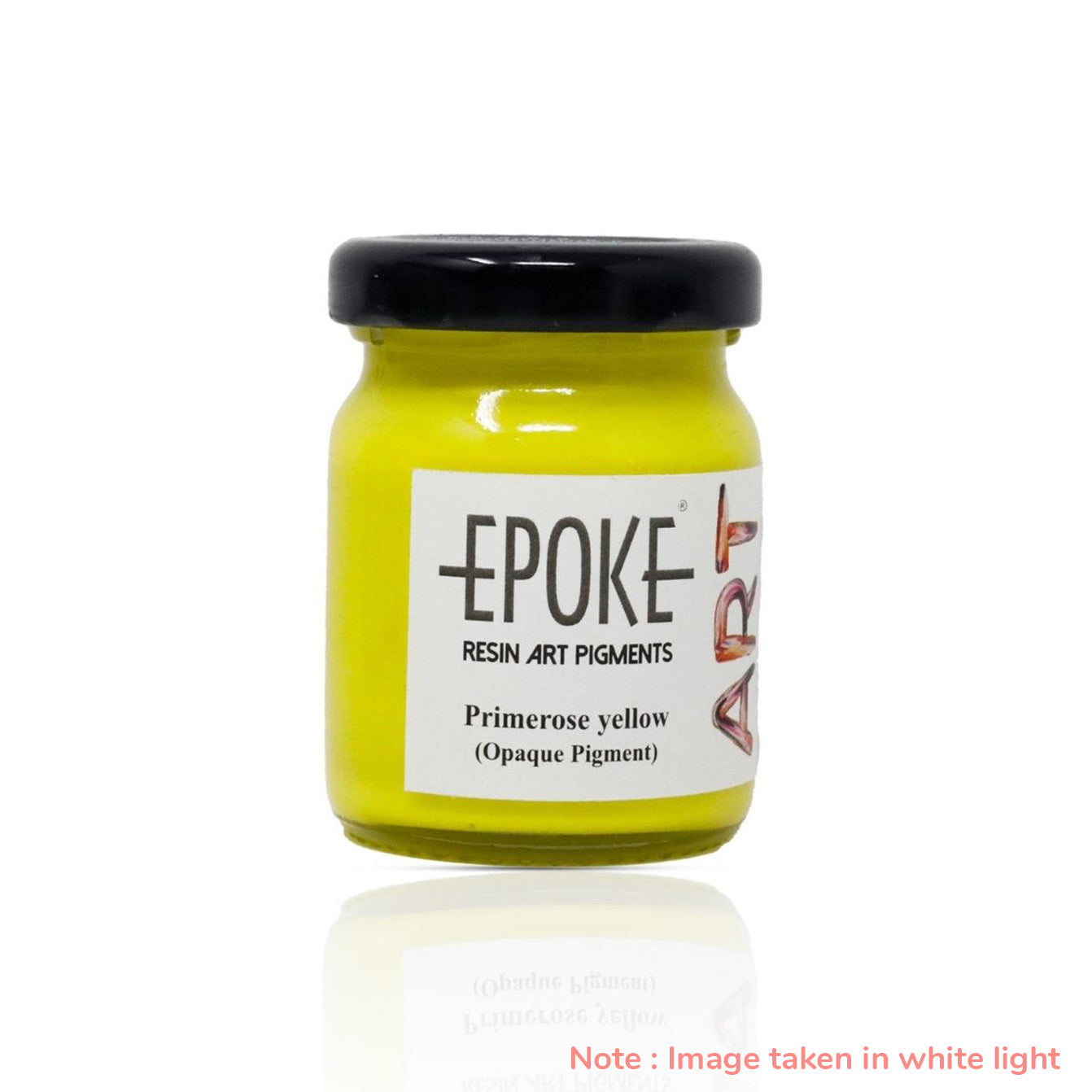
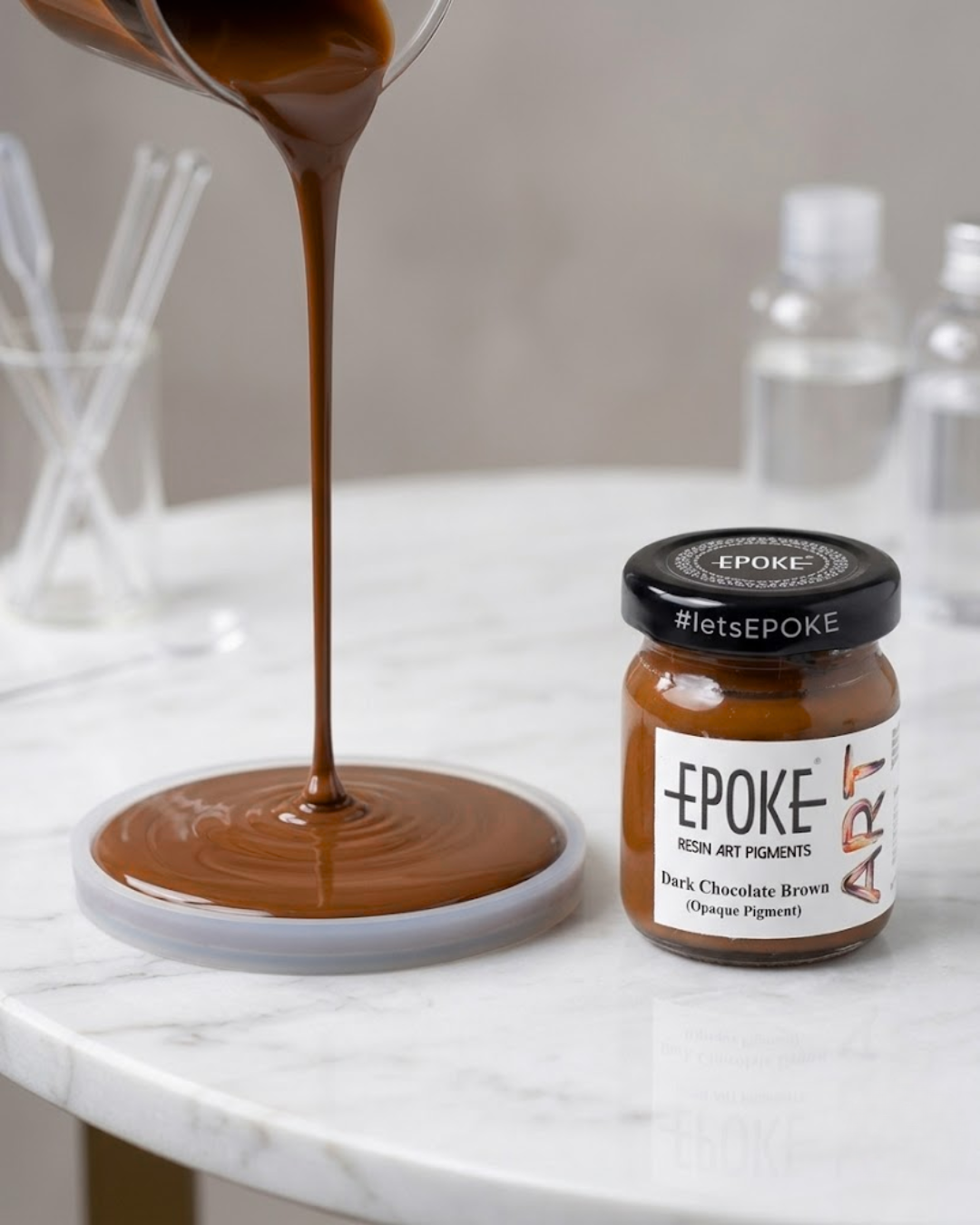
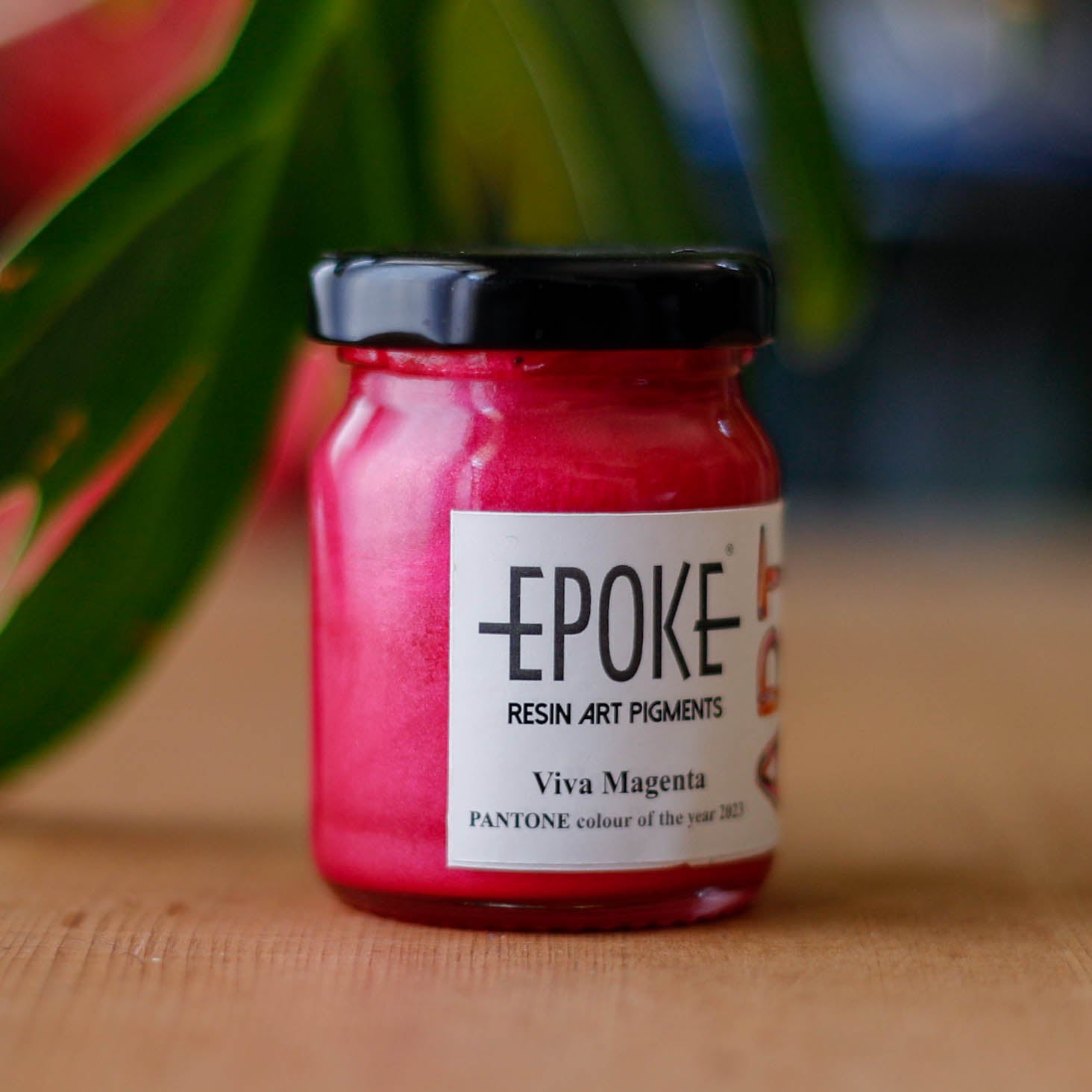
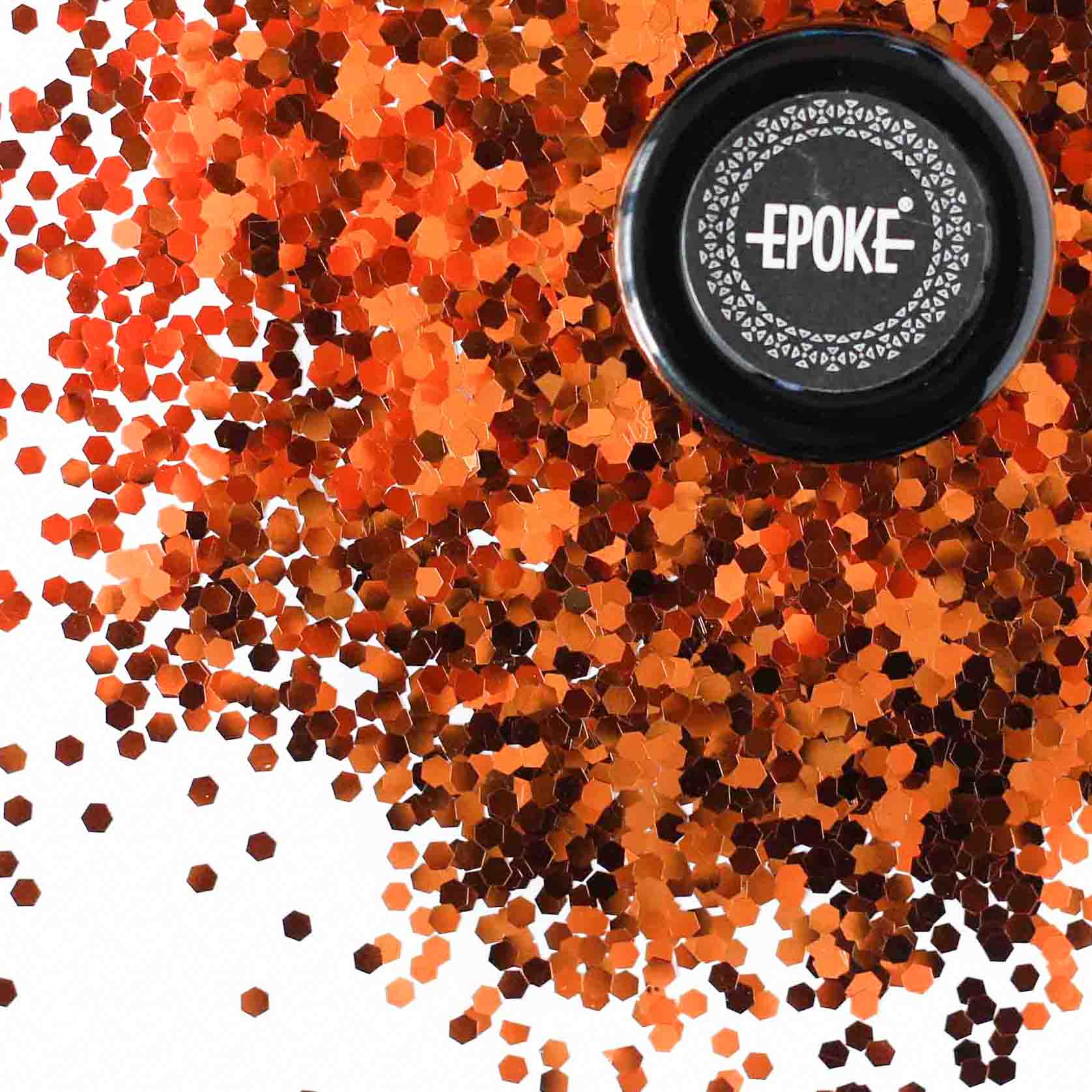
Opaque pigments deliver solid, flat color with zero transparency. Light does not pass through them. What you see is a clean, even surface with no depth beneath it.
When to Use Opaque Pigments
Use EPOKE opaque pigments when you want:
-
Solid color coasters, trays, or tabletops
-
Bold background layers under other resin art
-
Clean, uniform coverage without visible bubbles or layers underneath
Opaque pigments cover imperfections in your base layer, which makes them a strong choice for beginners. A single drop goes a long way, so start small and build up the shade.
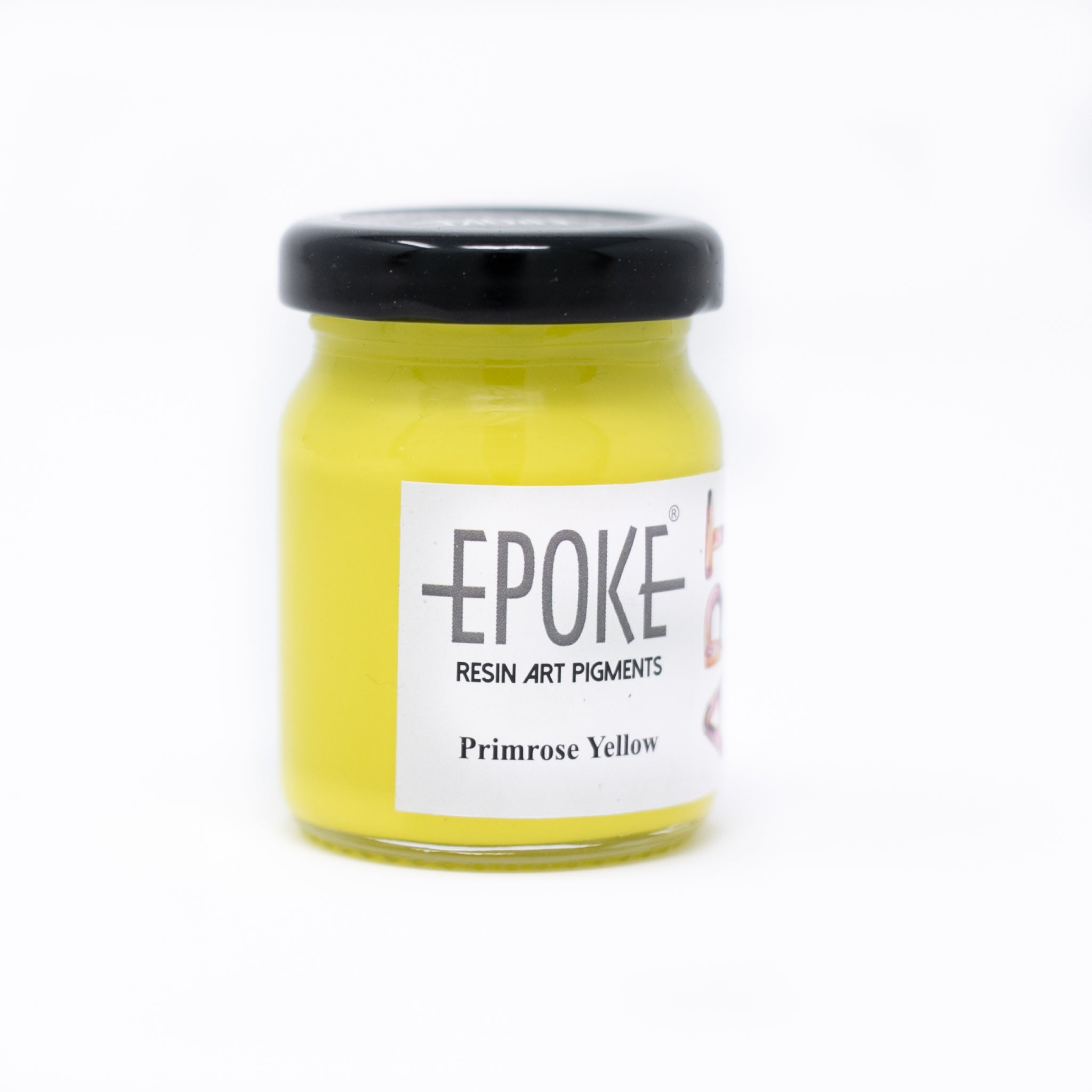
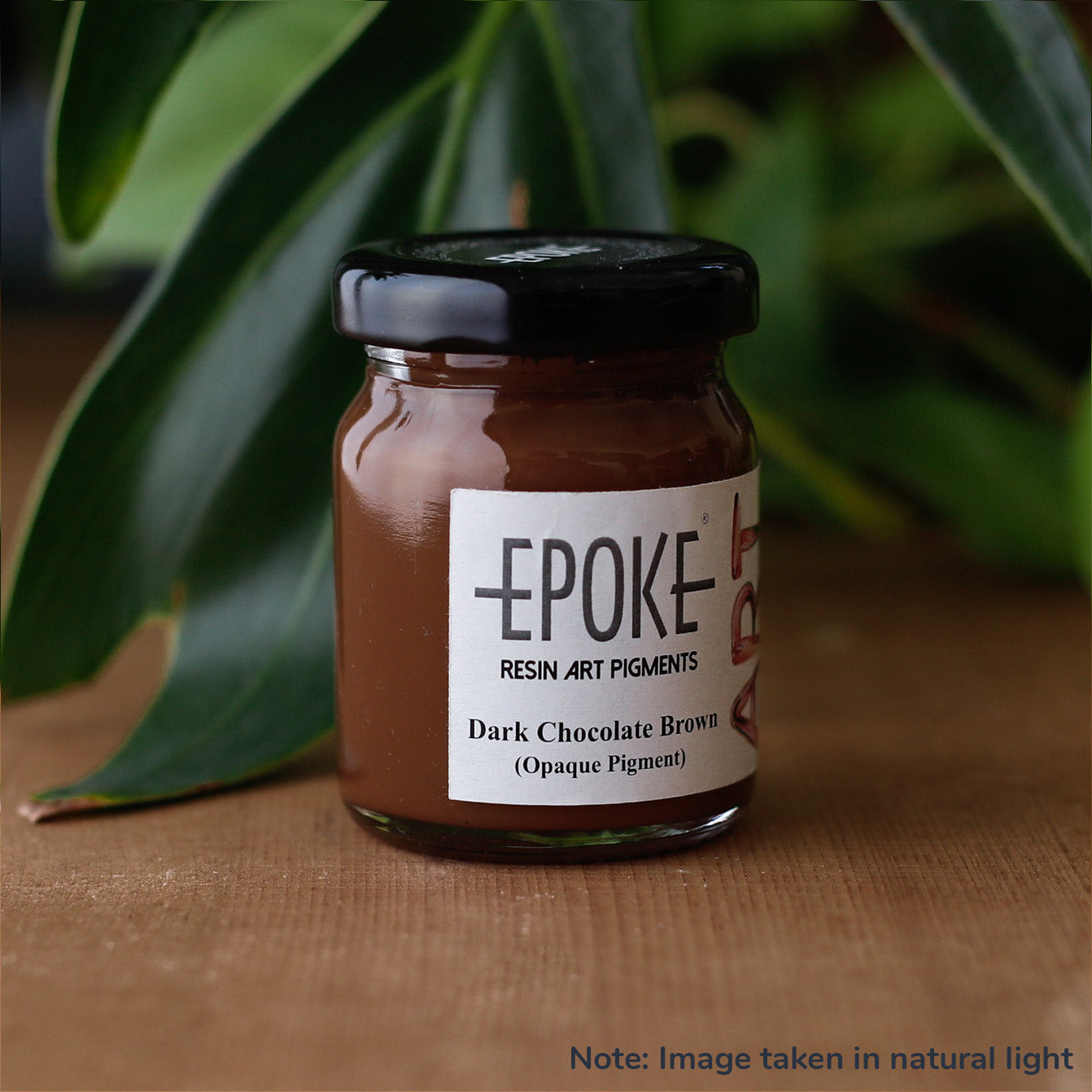
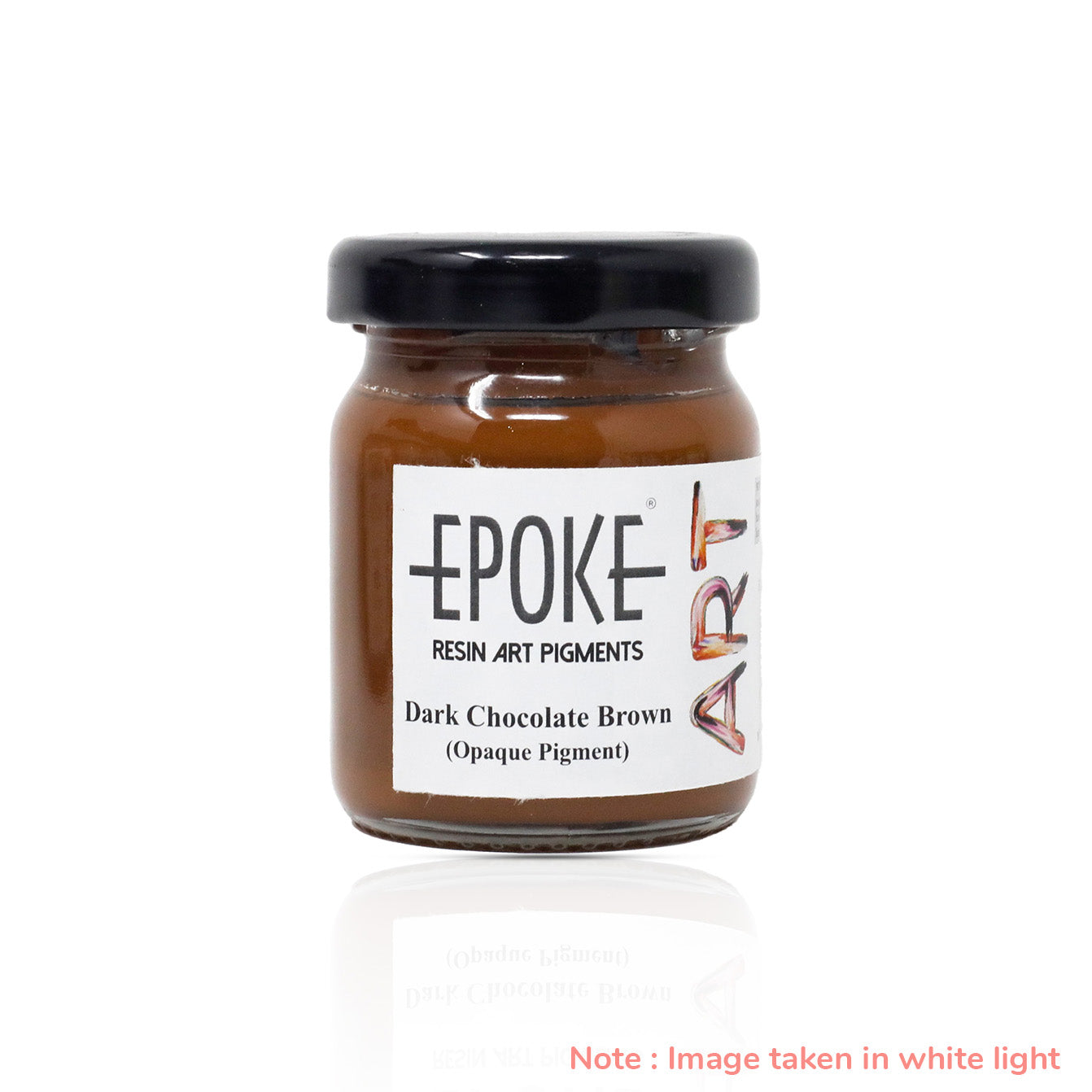
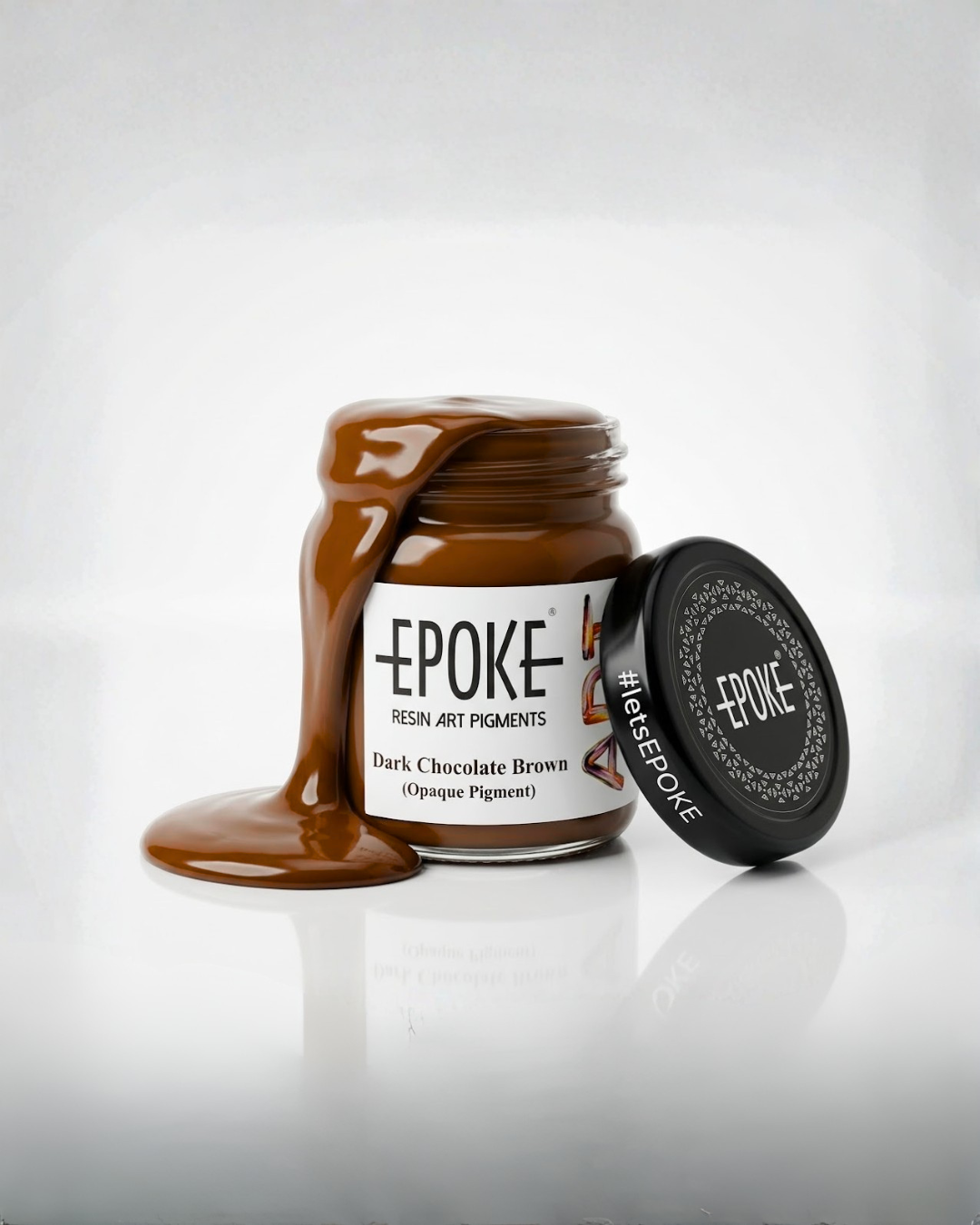
Shop the opaque pigments collection for a wide range of solid shades ready for your next pour.
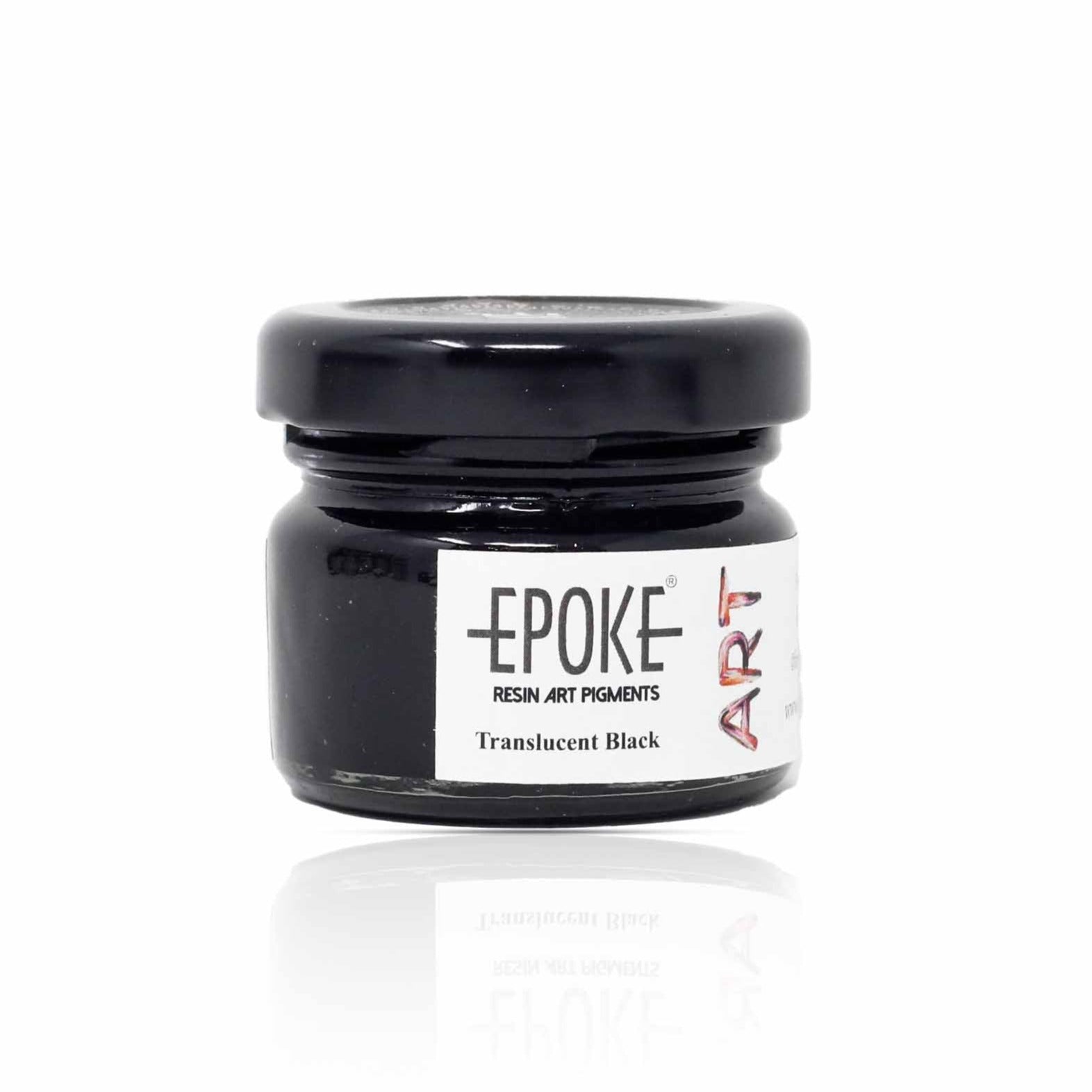
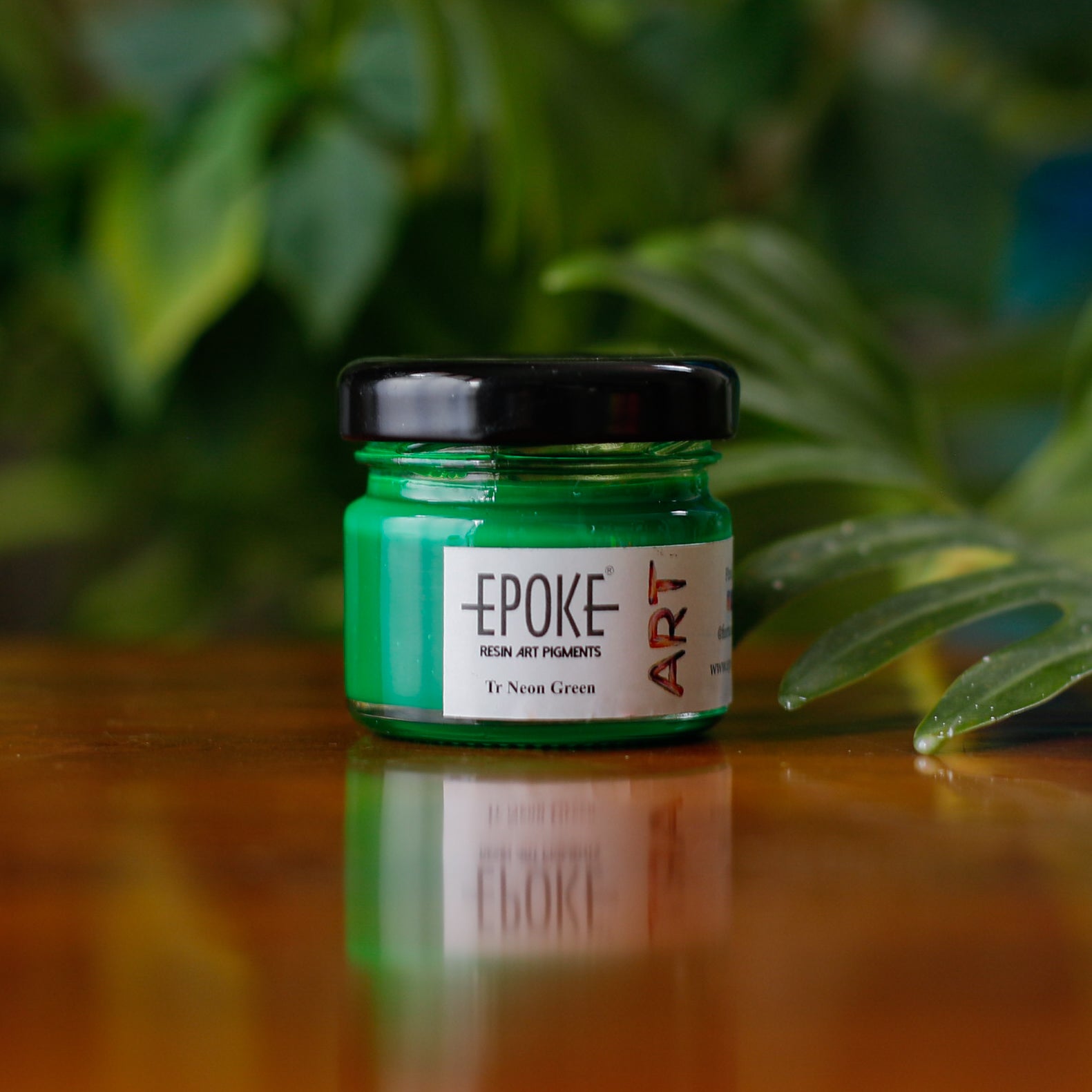
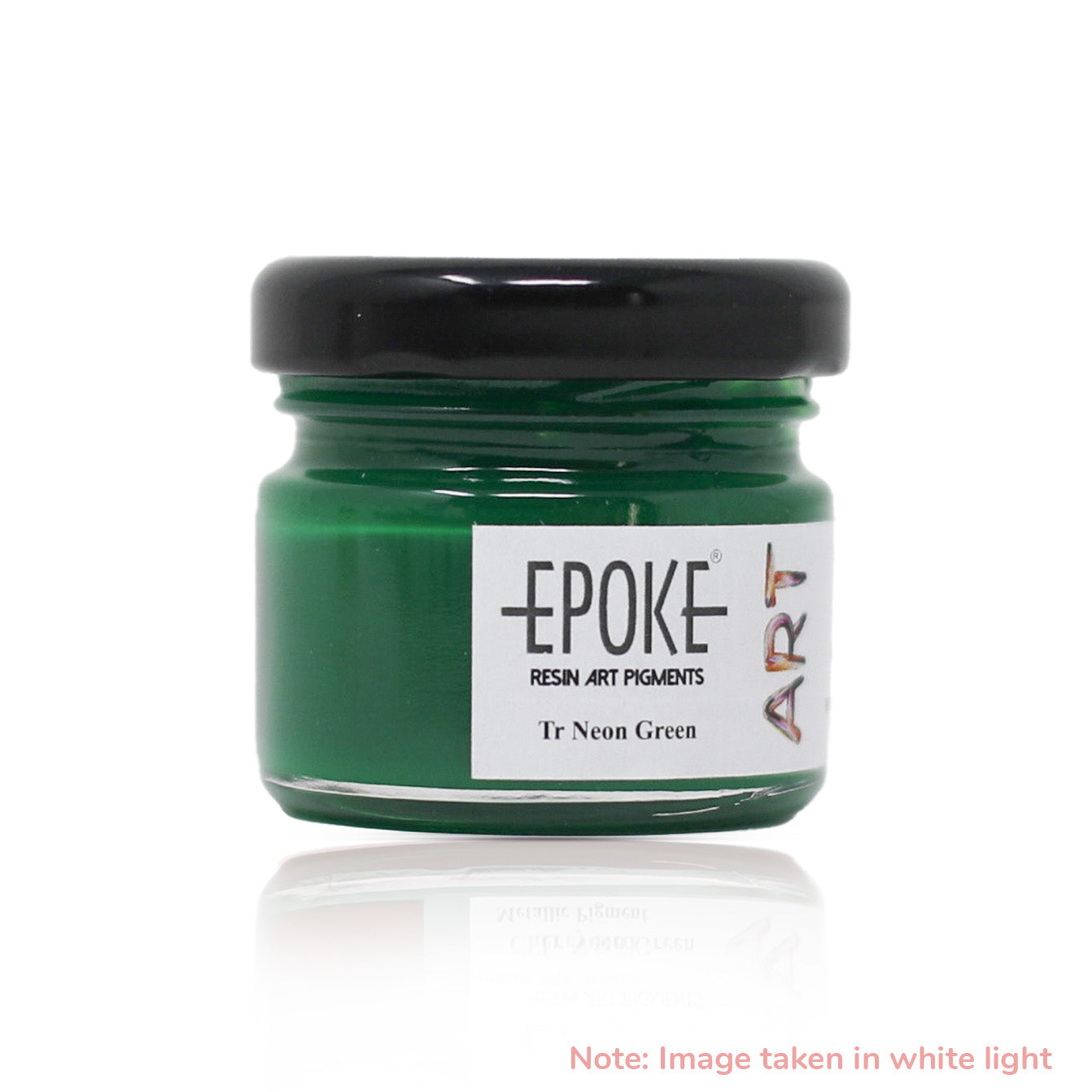
Translucent Pigments: Depth, Glow, and Light Play
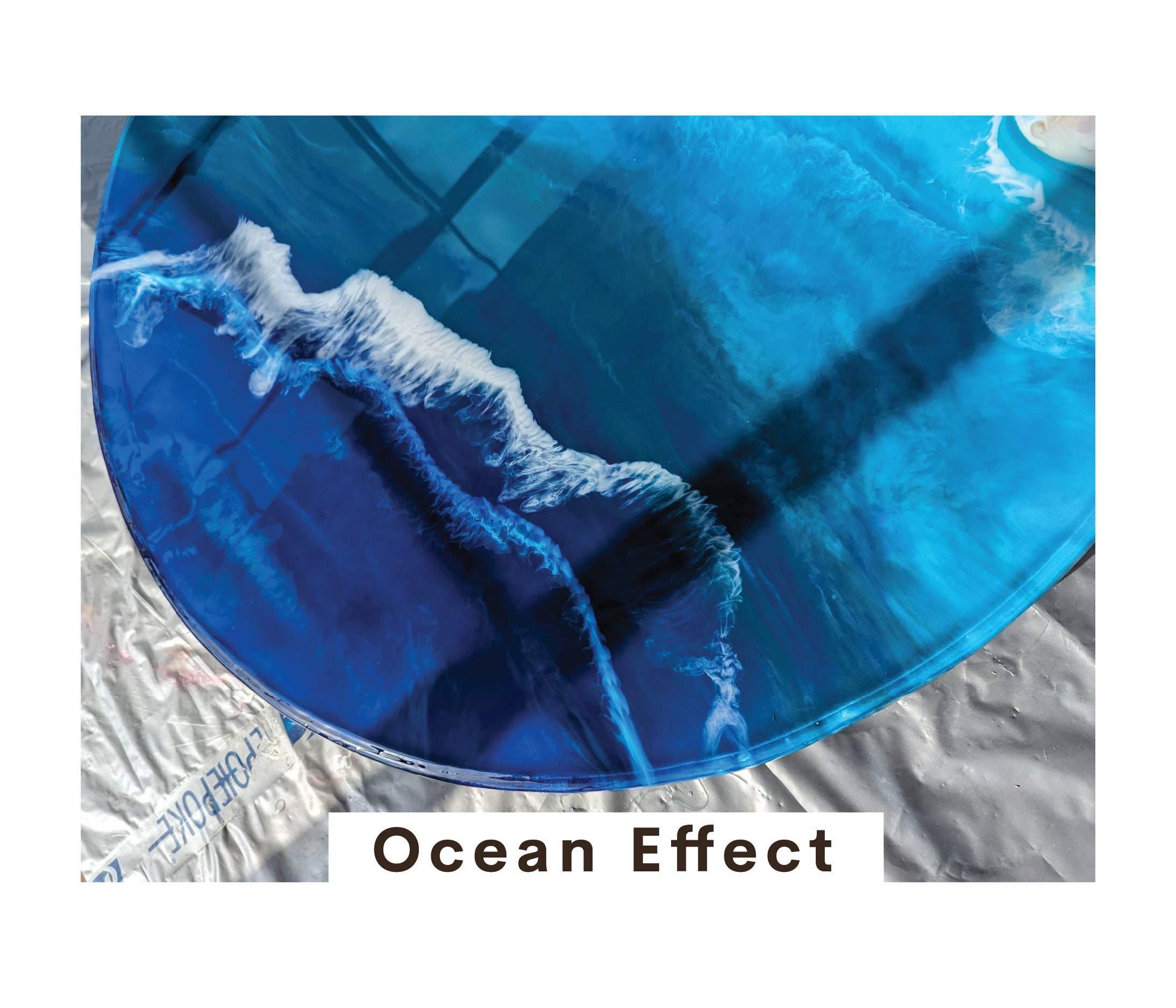
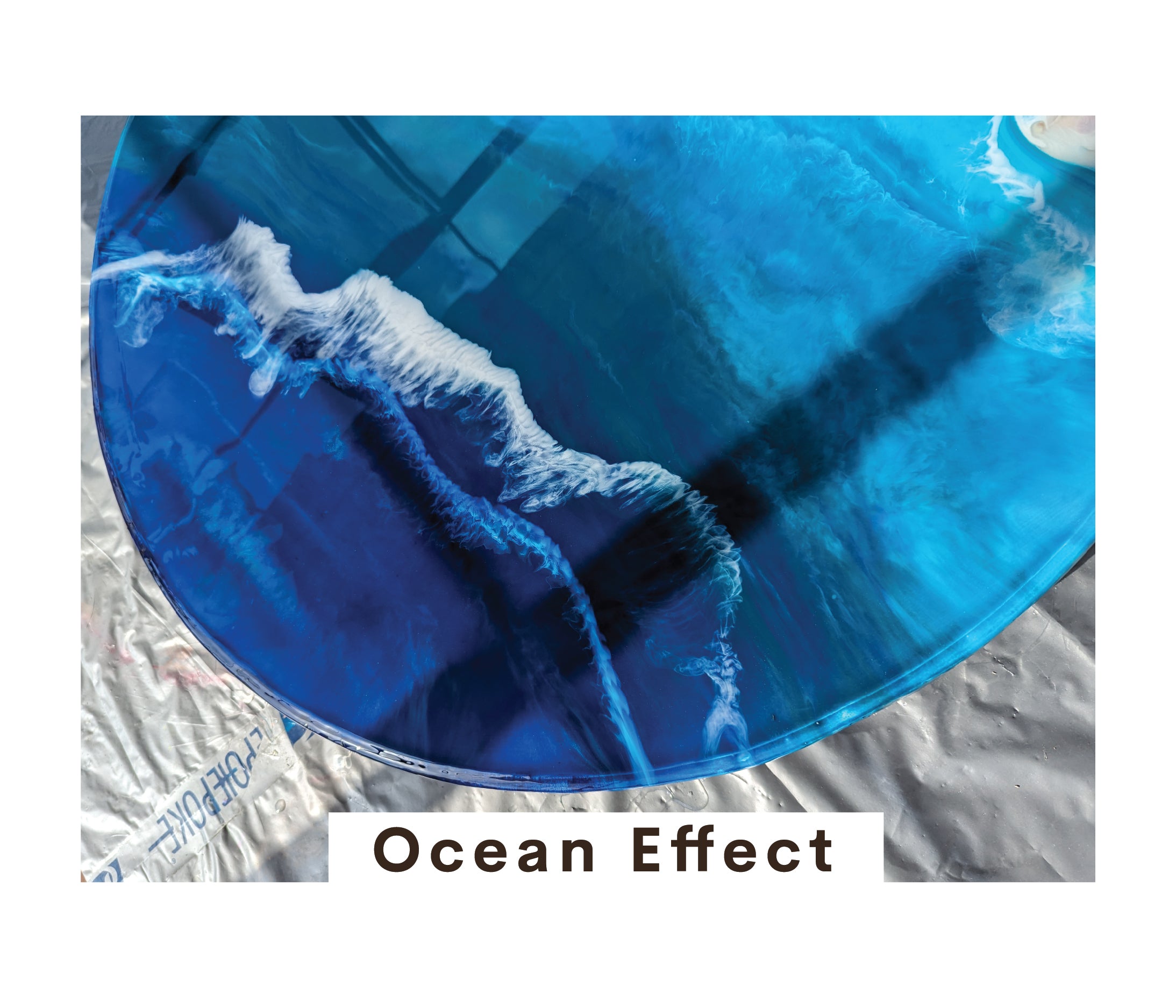
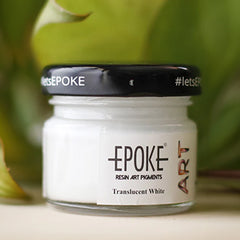
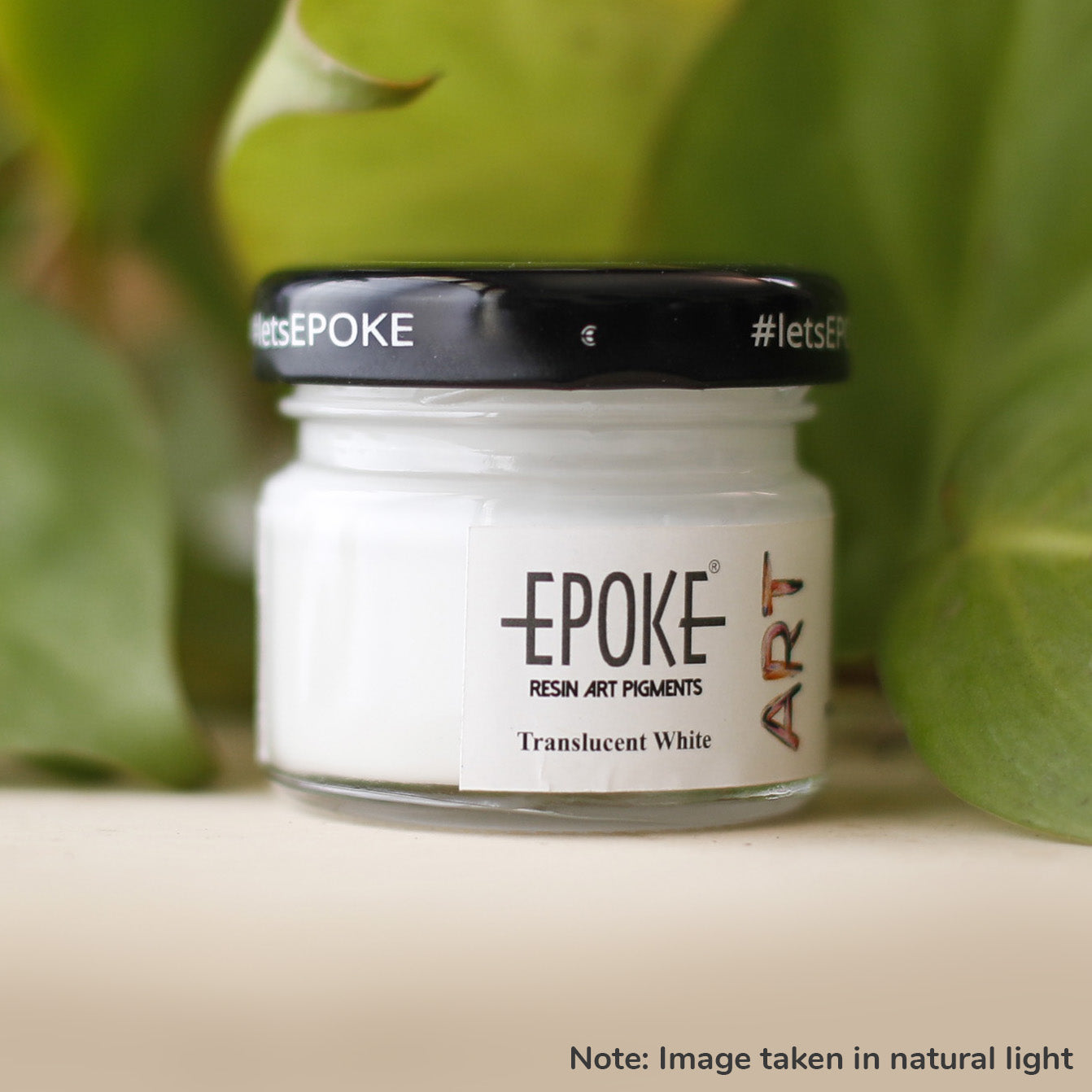
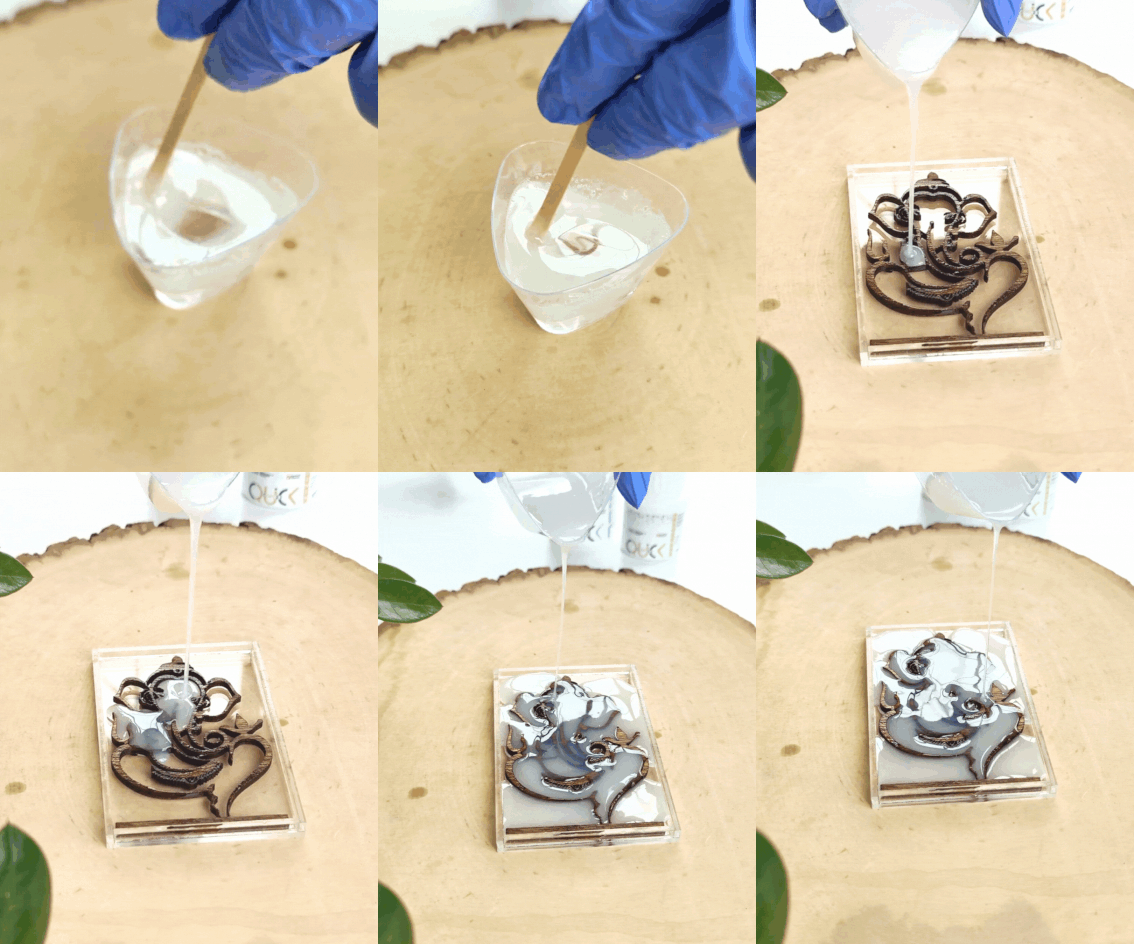
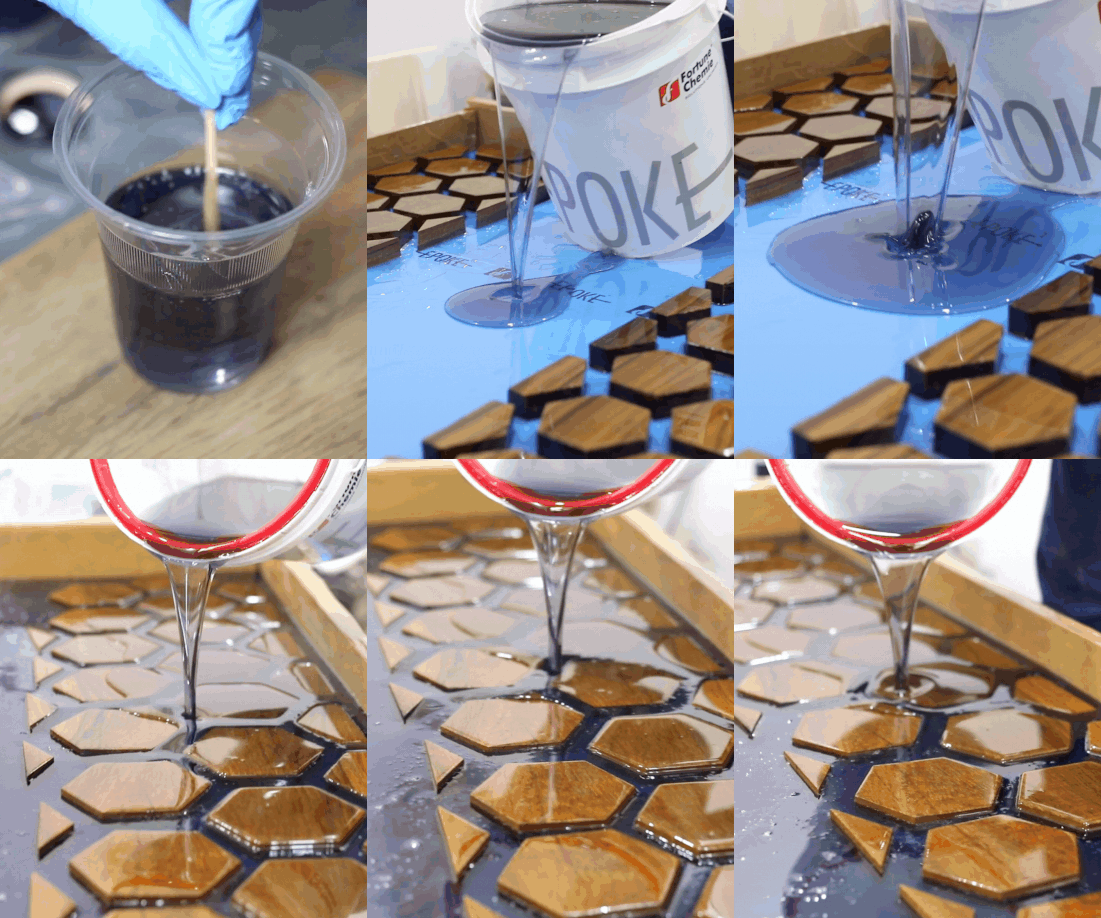
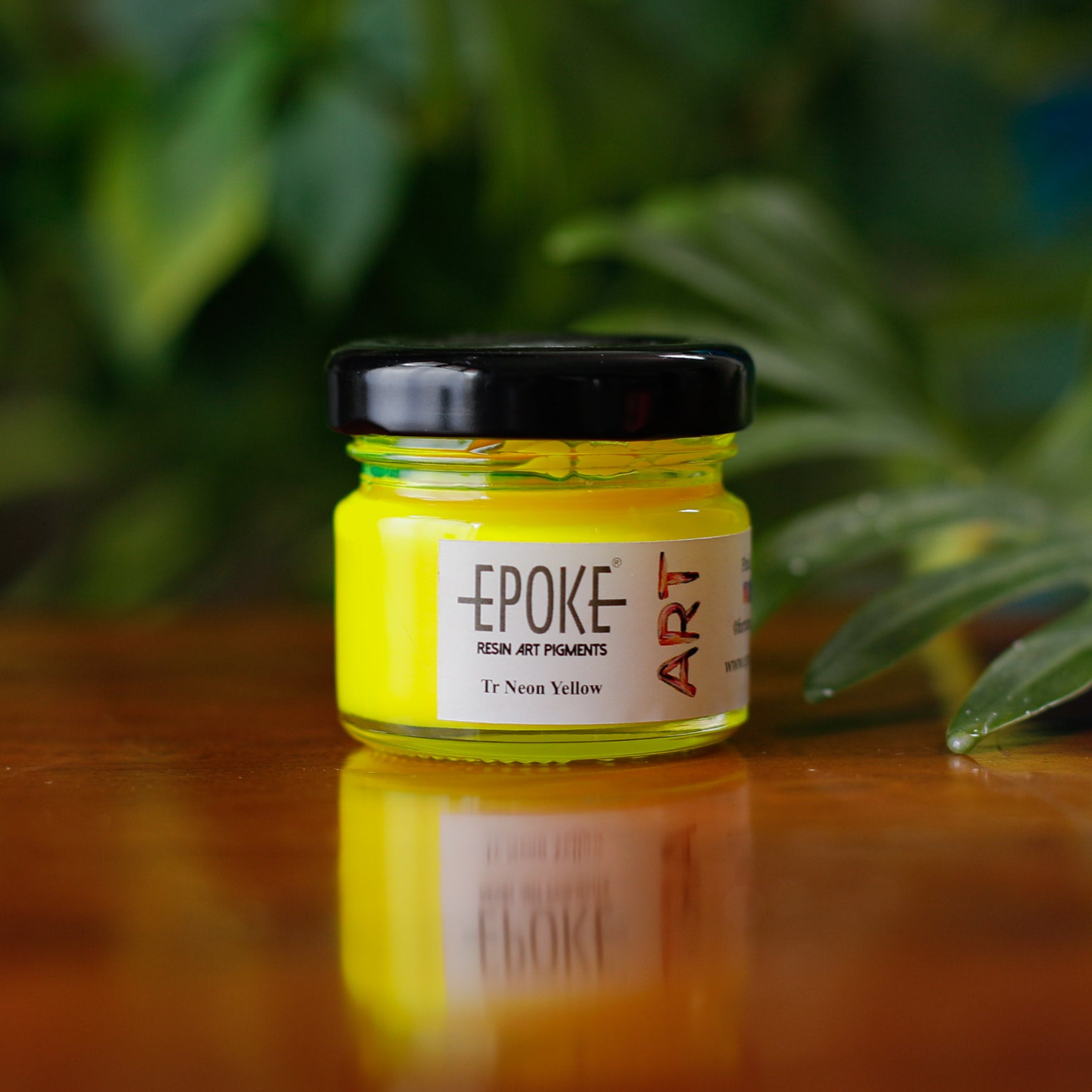
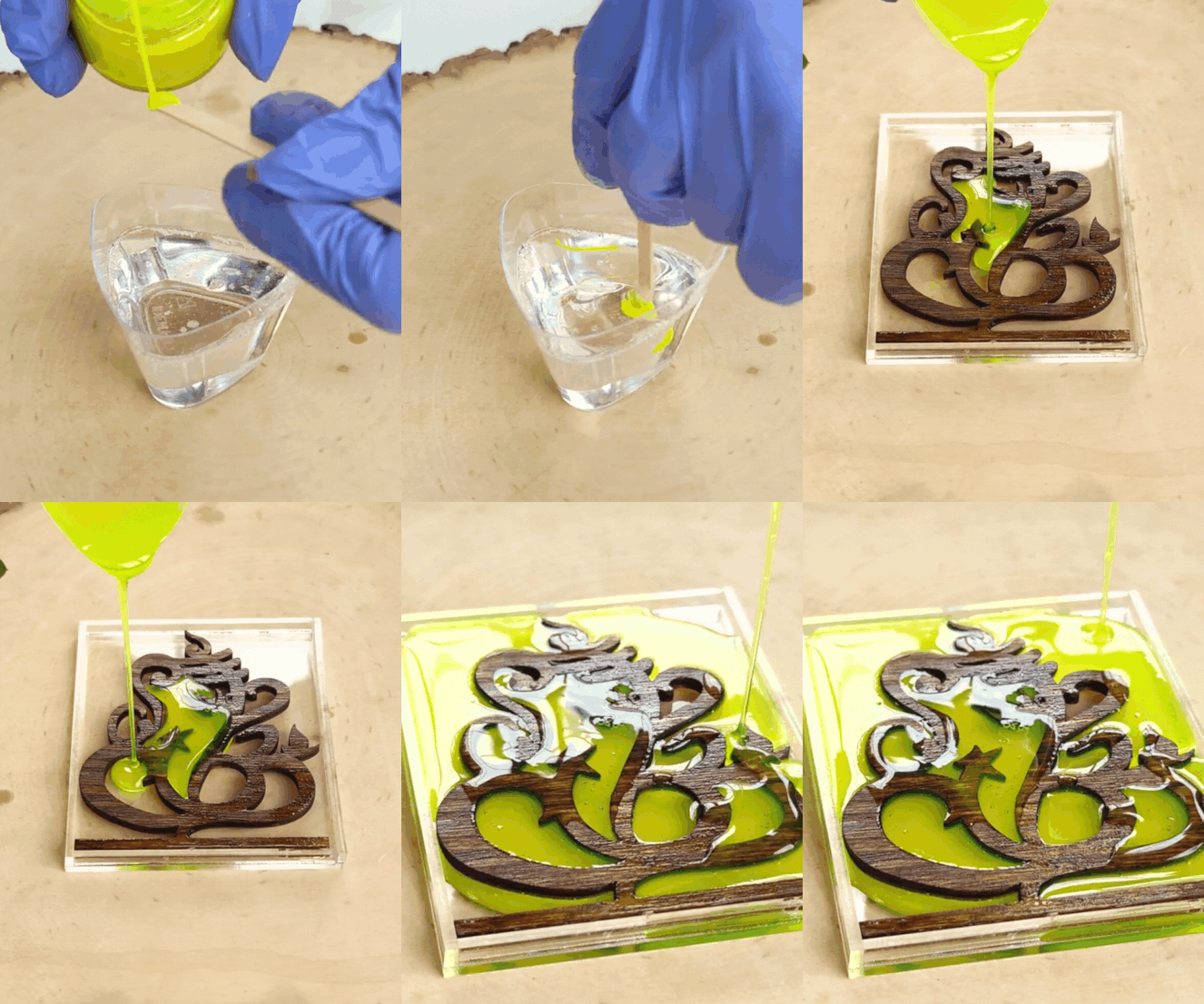
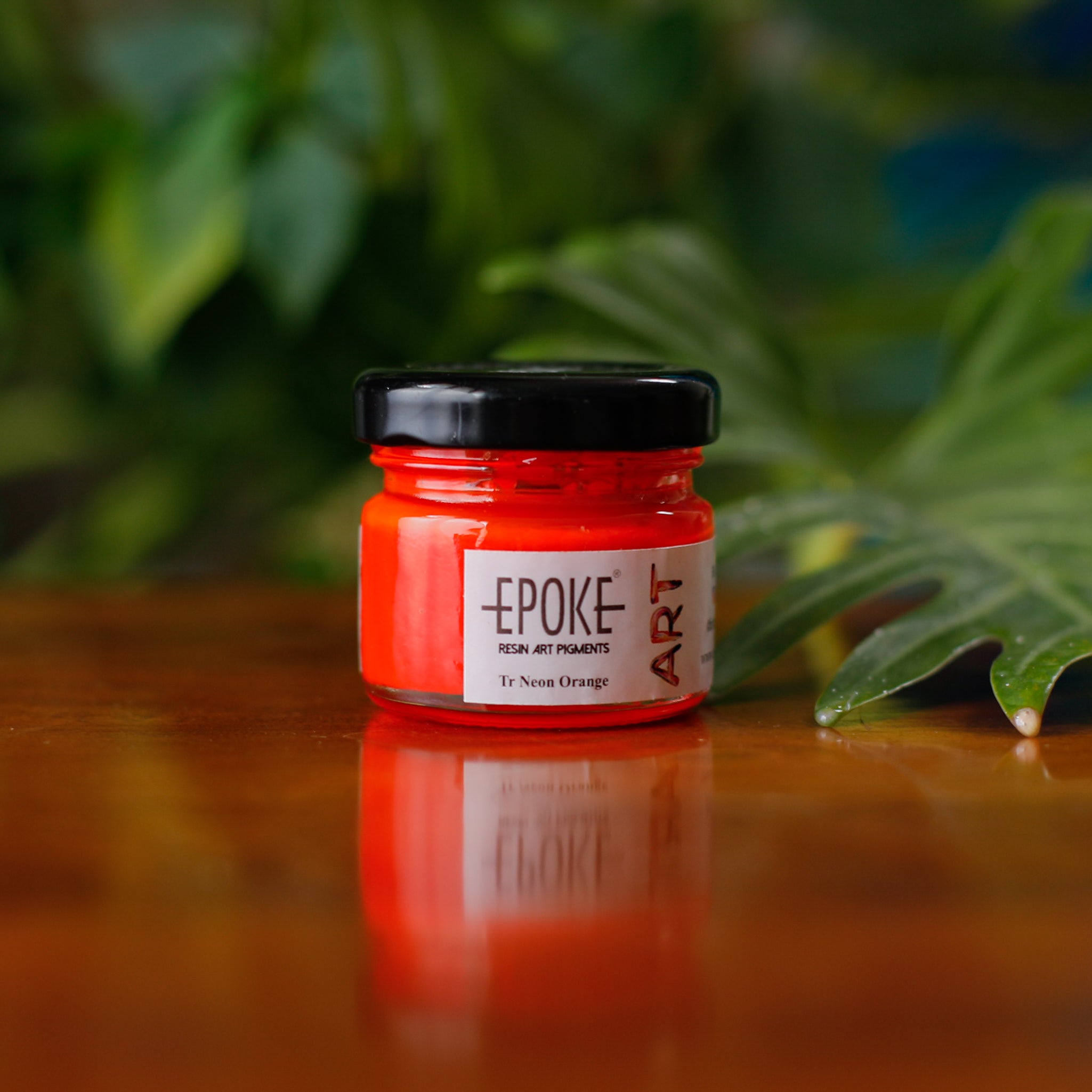
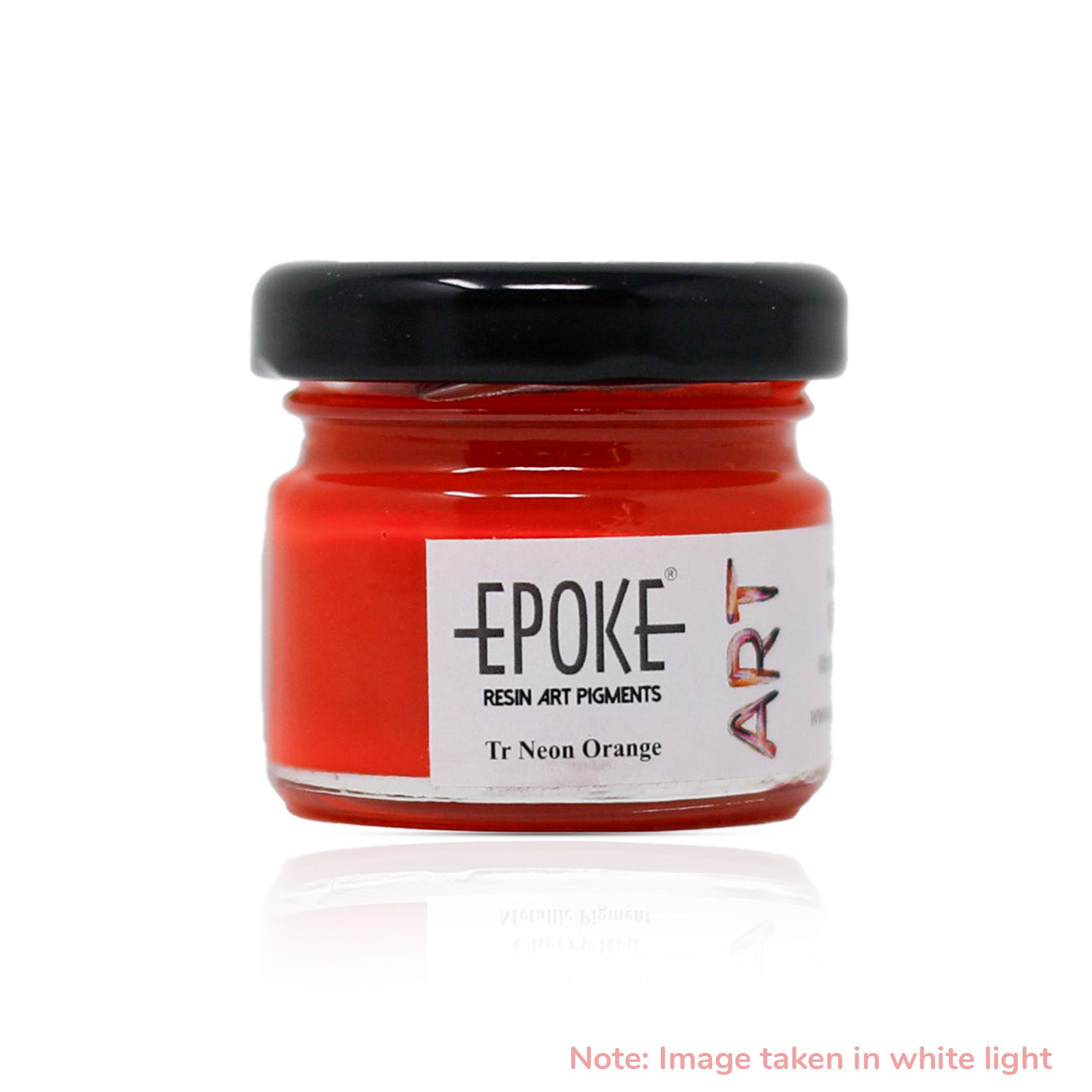
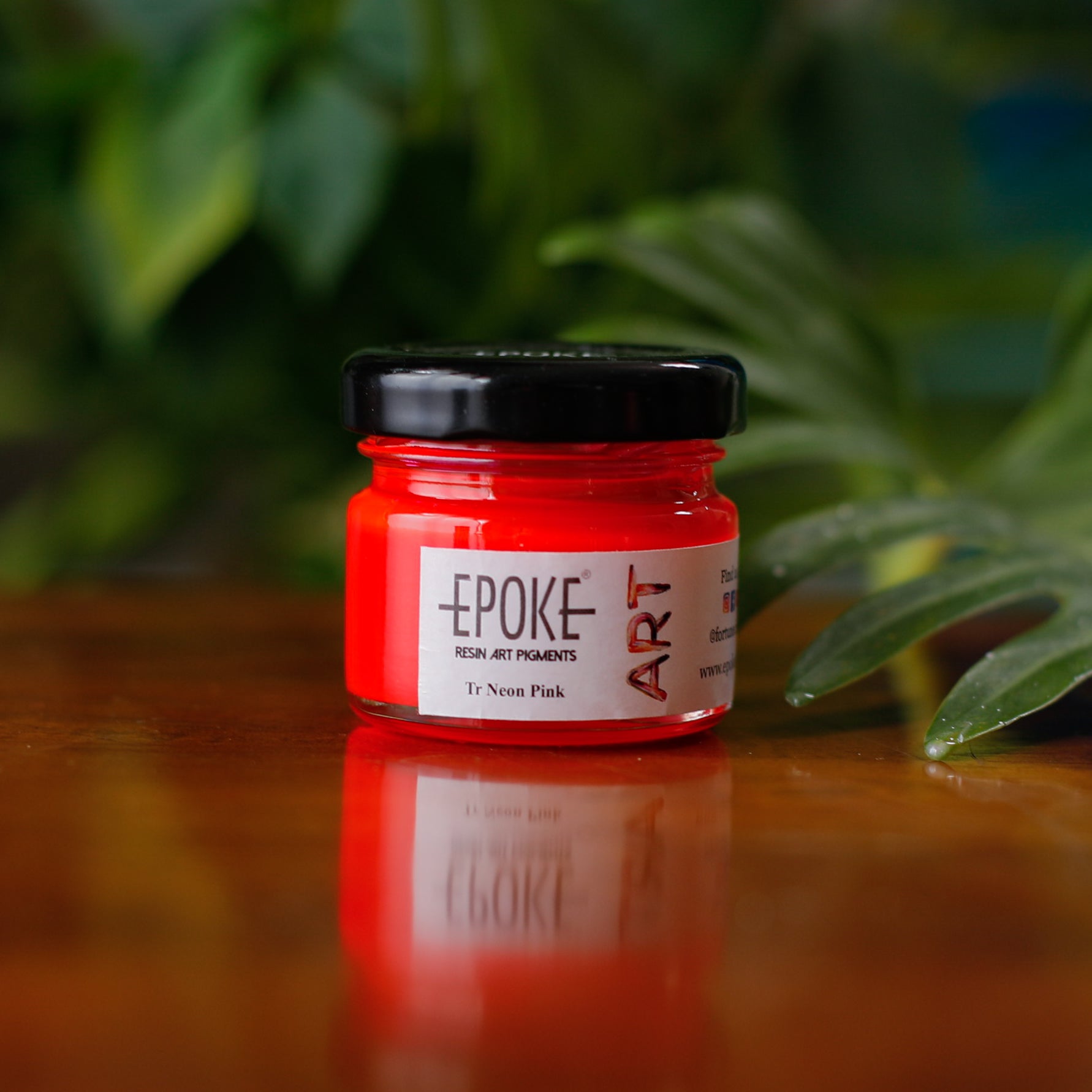
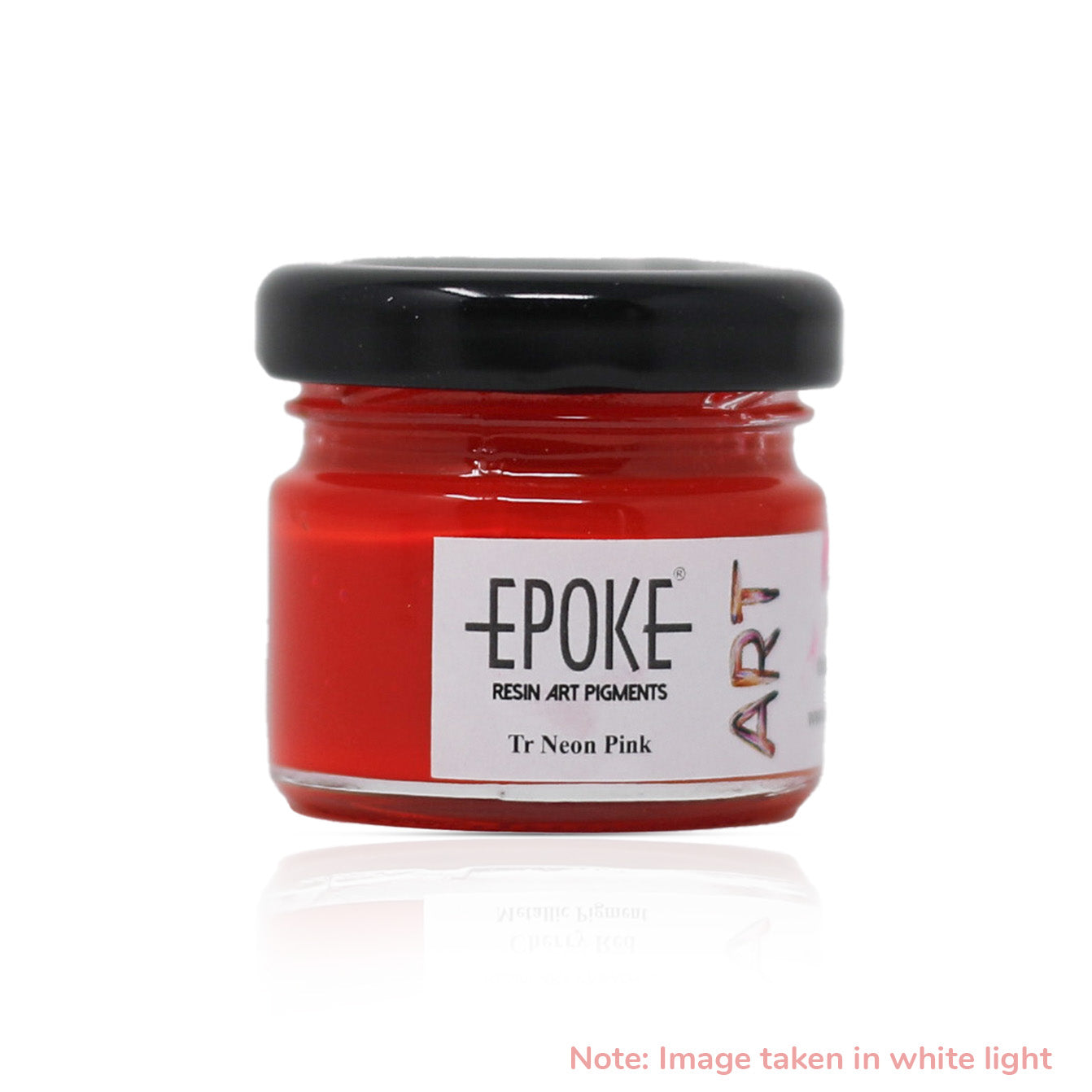
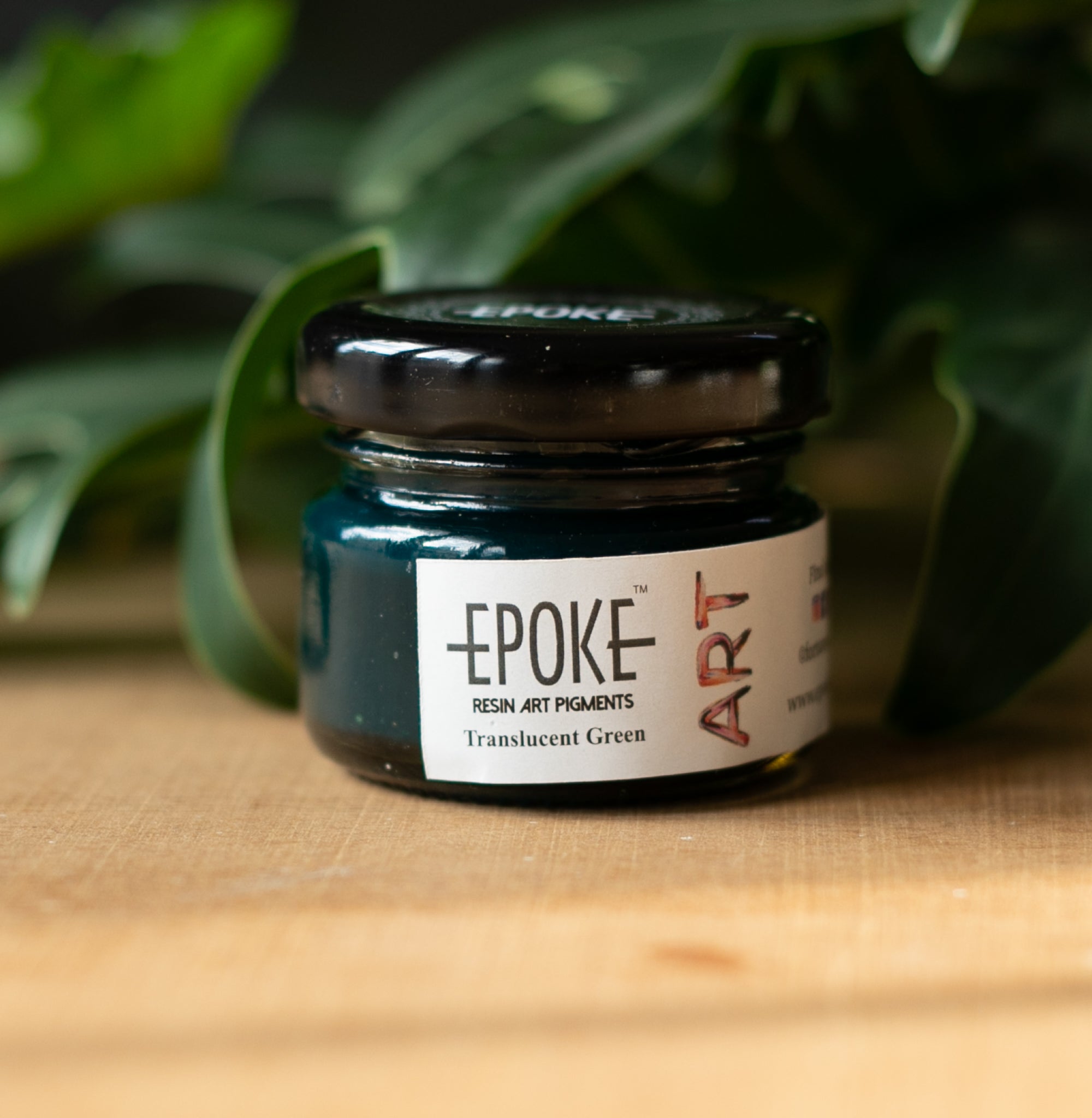
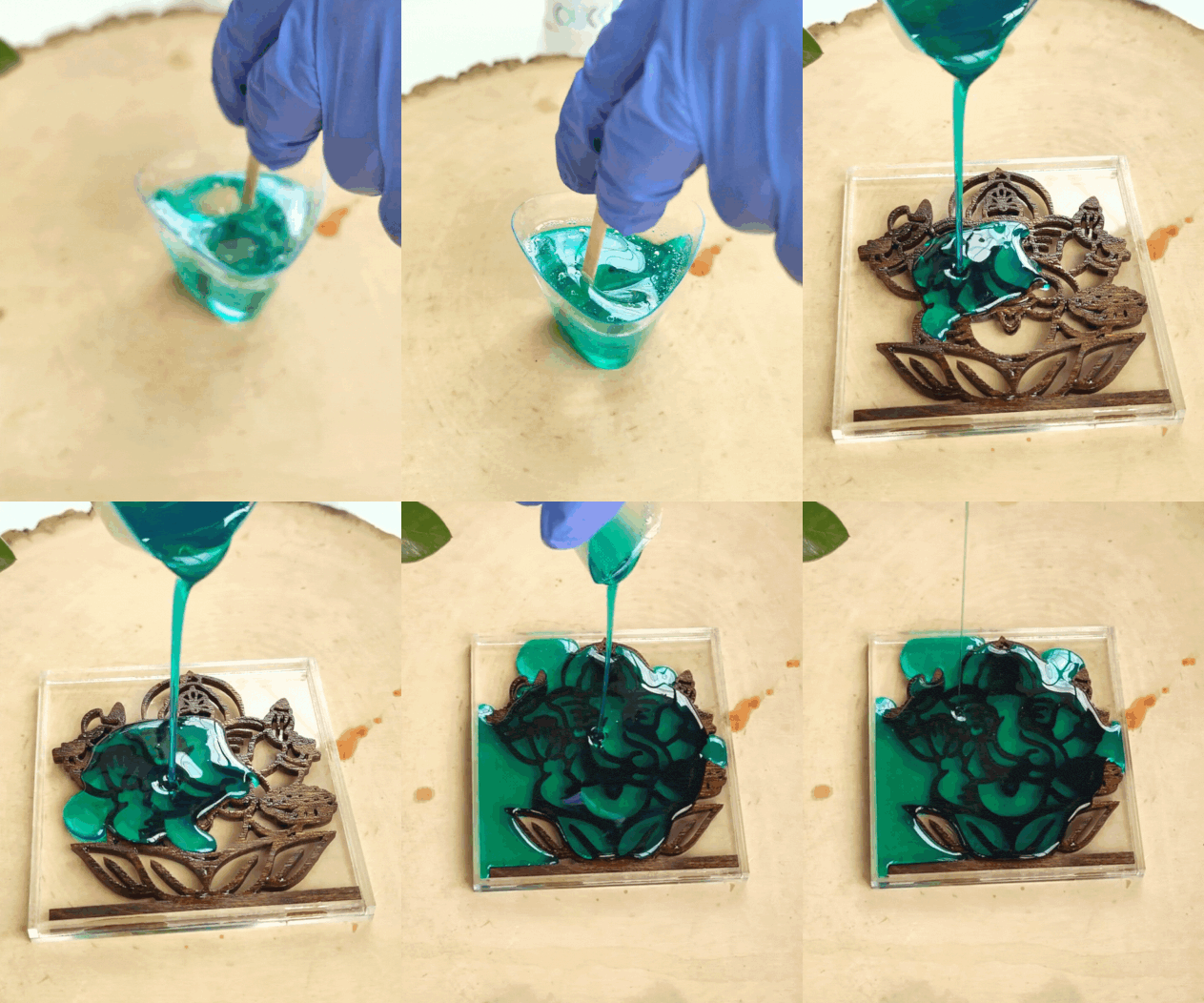
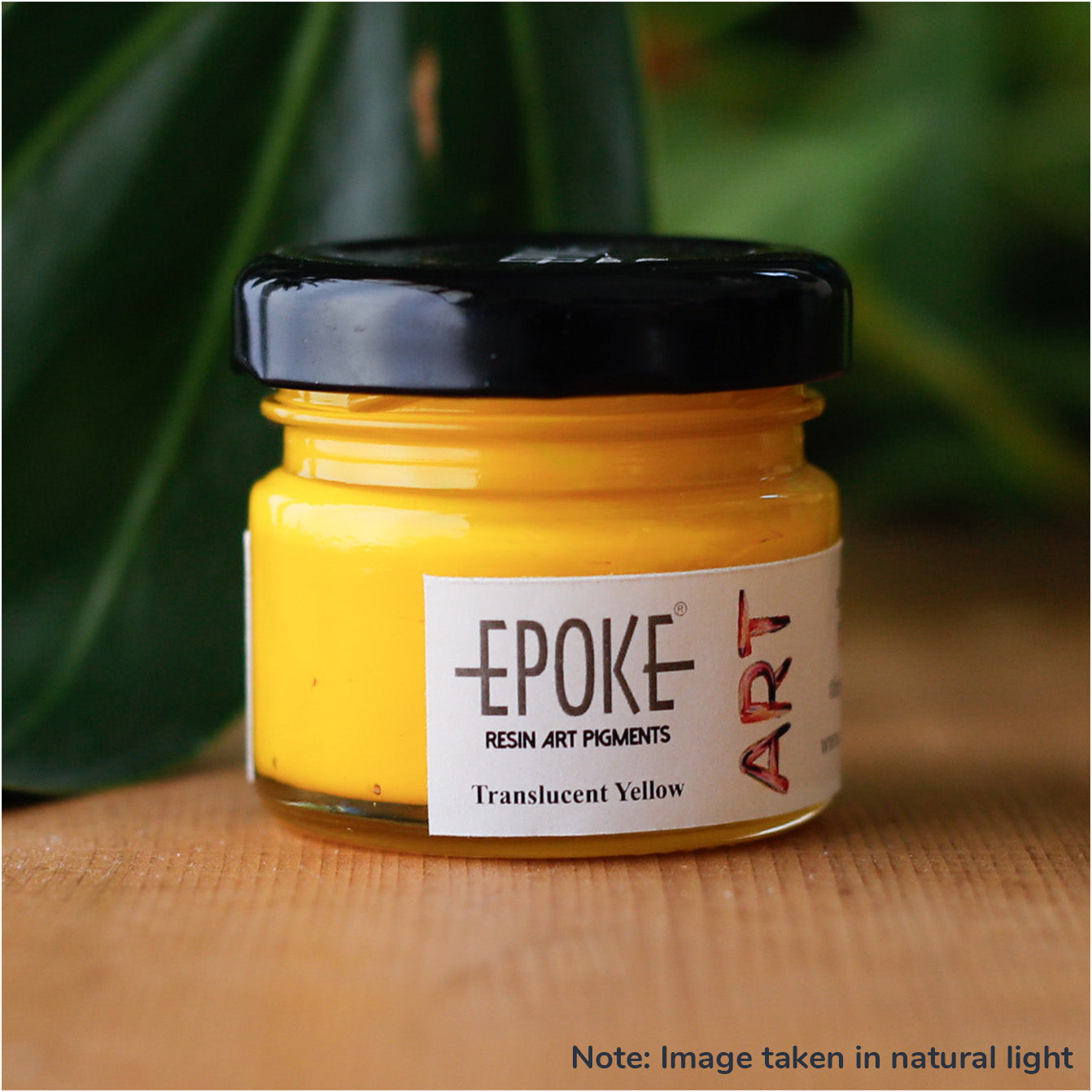
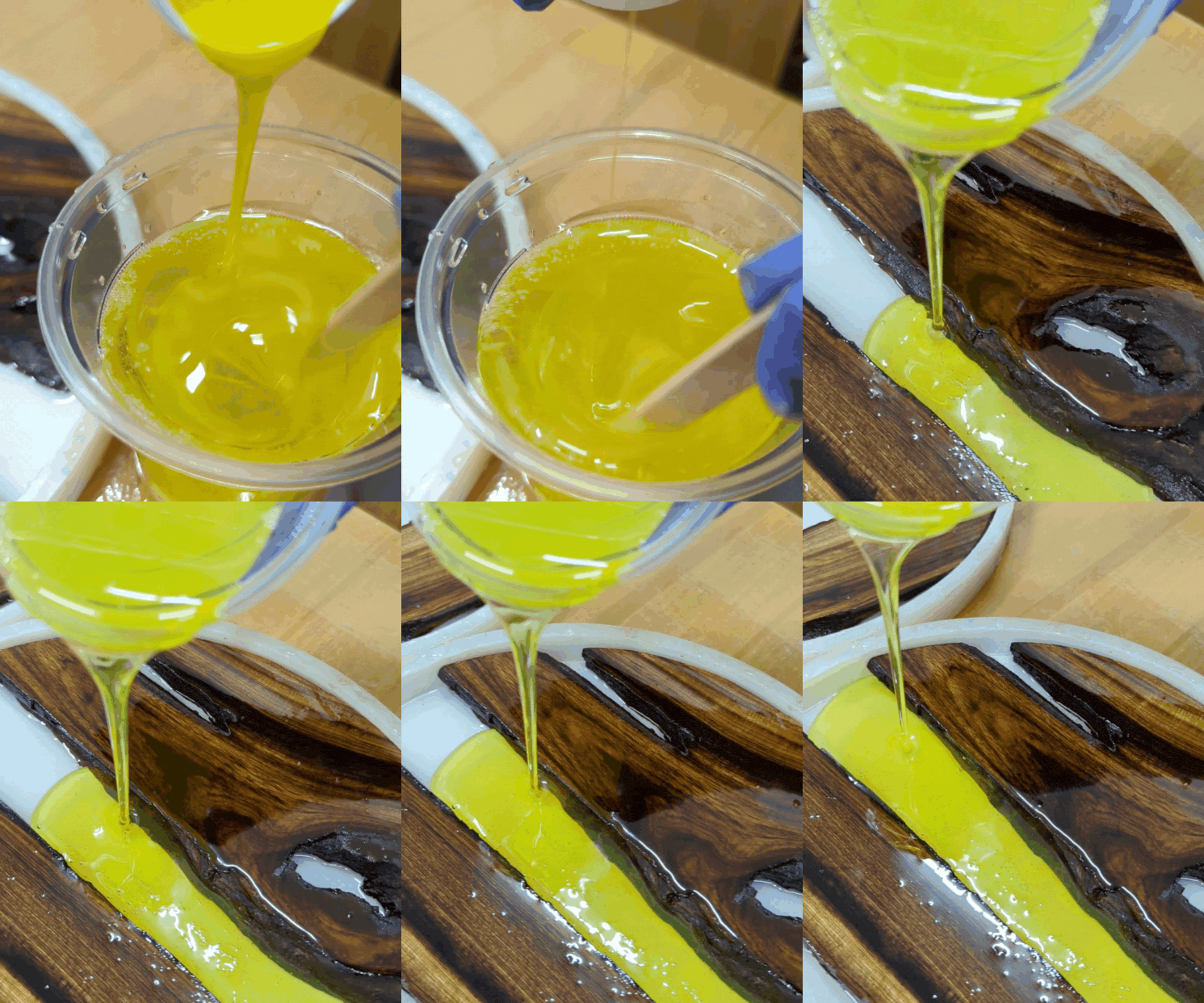
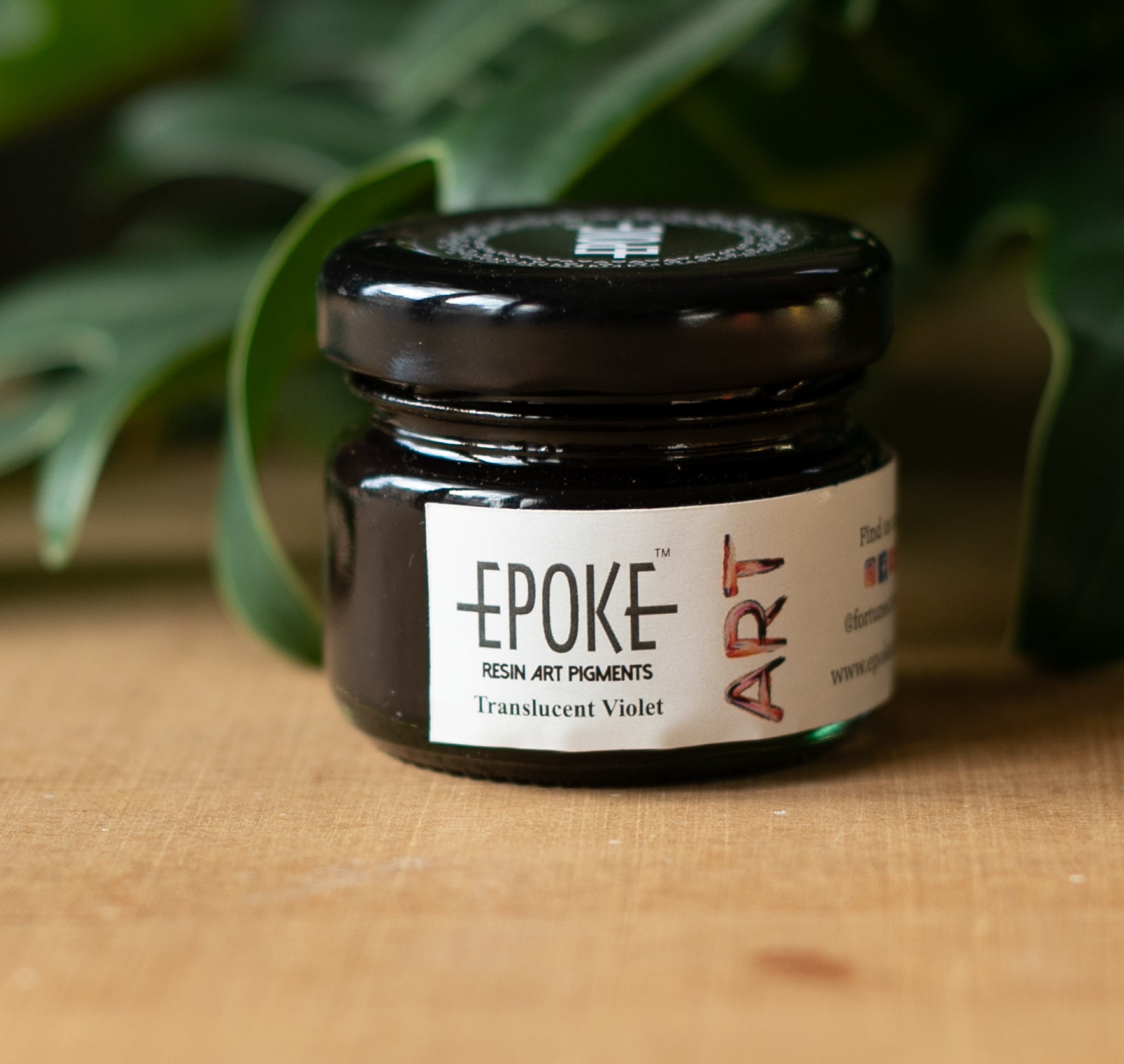
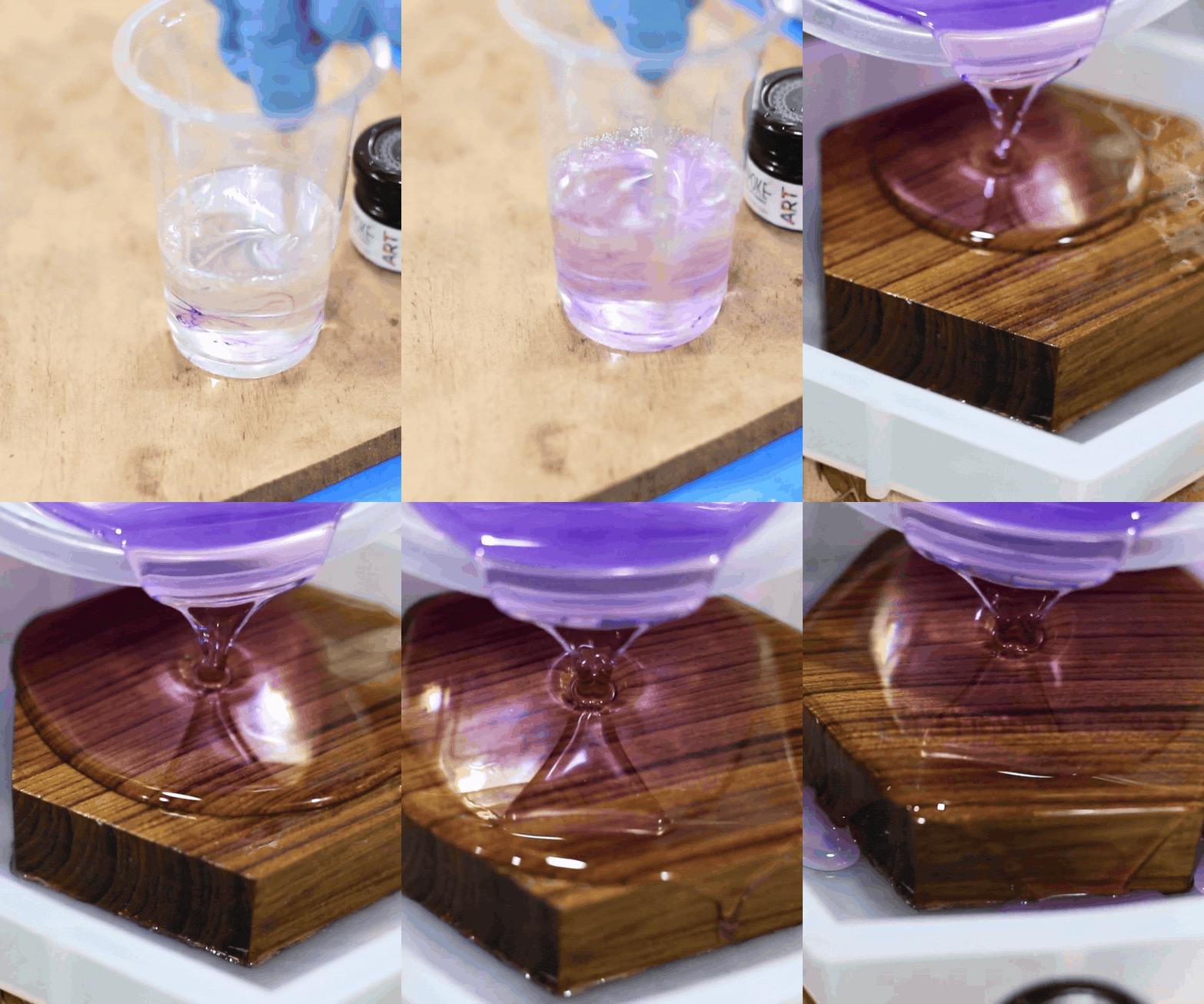
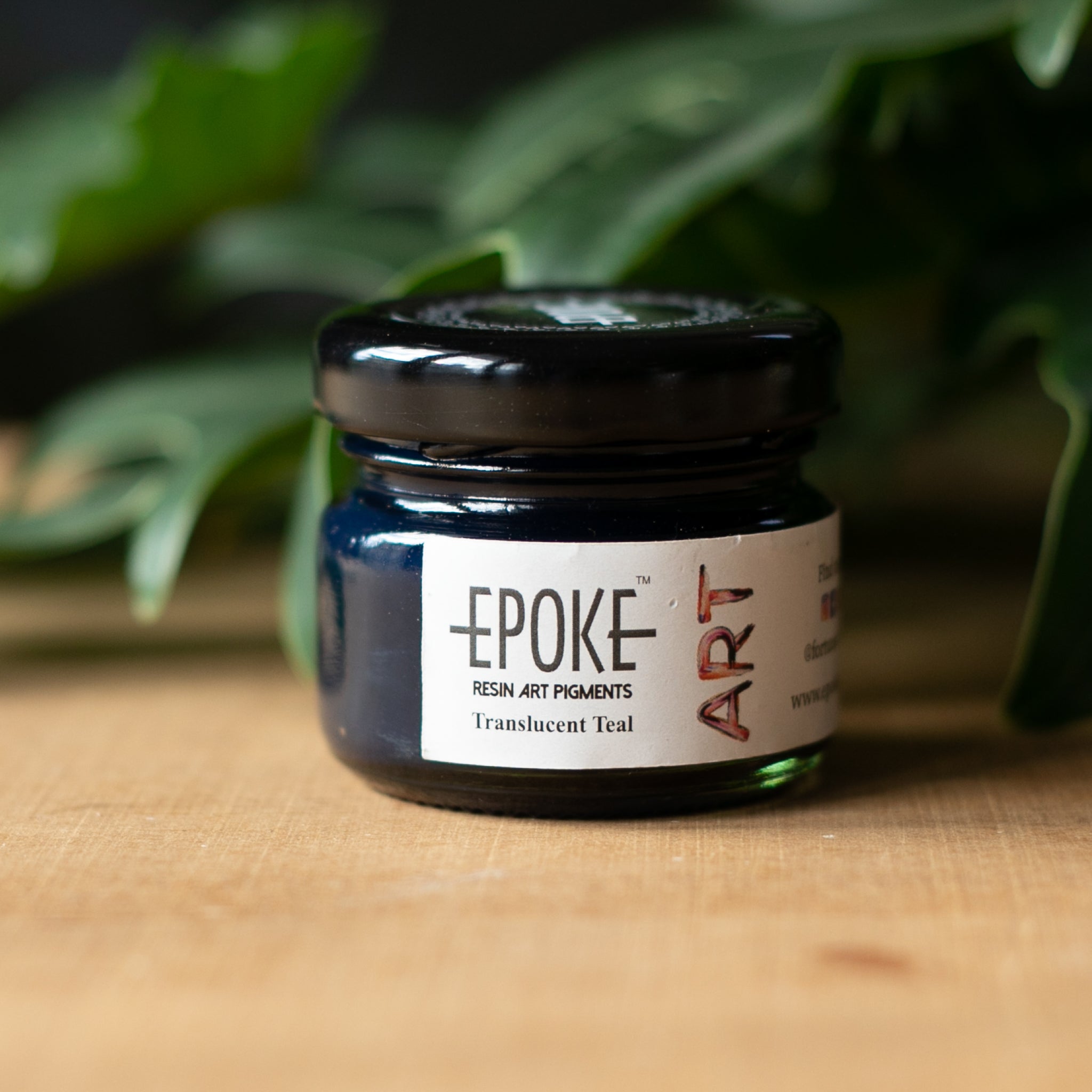
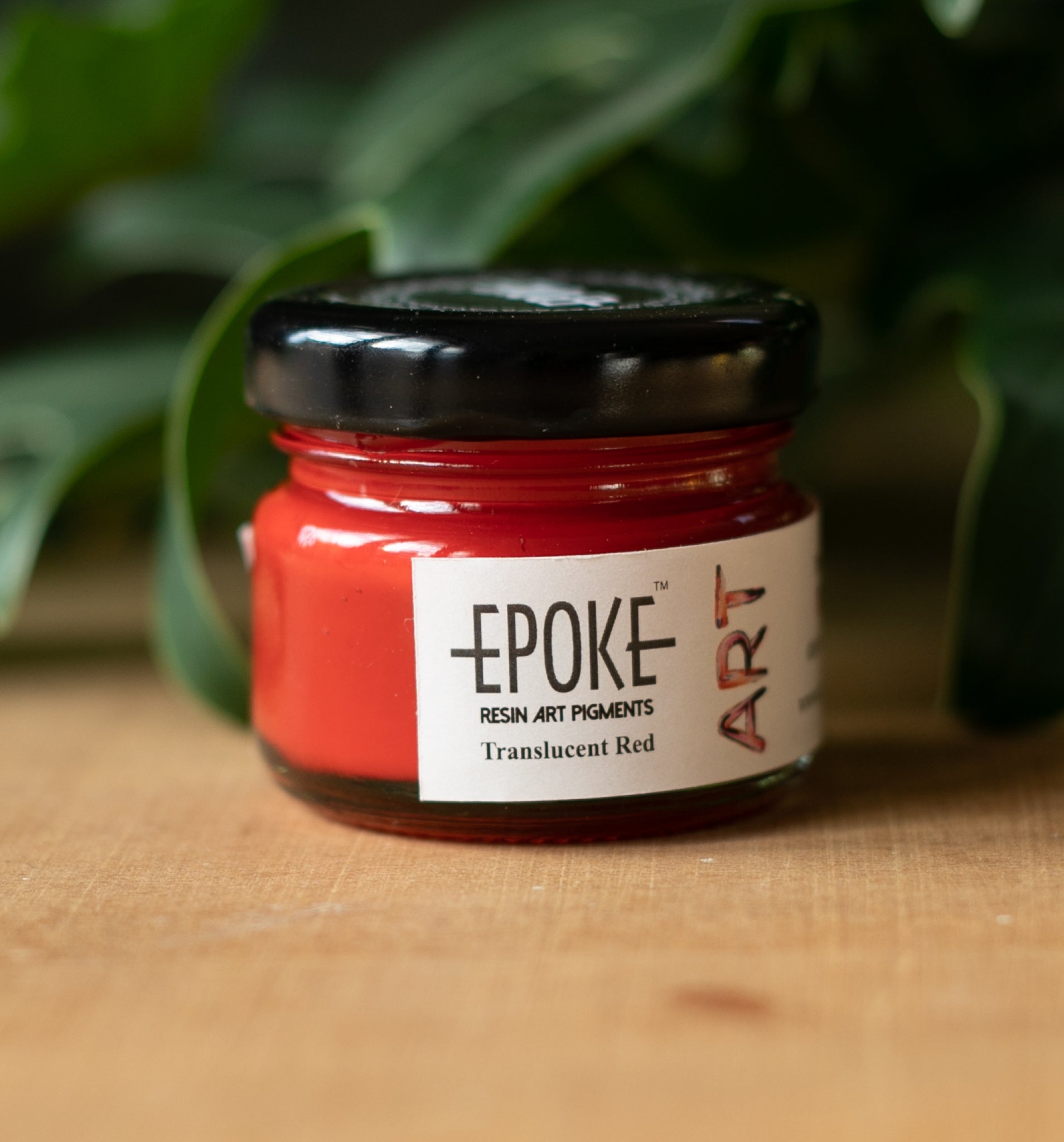
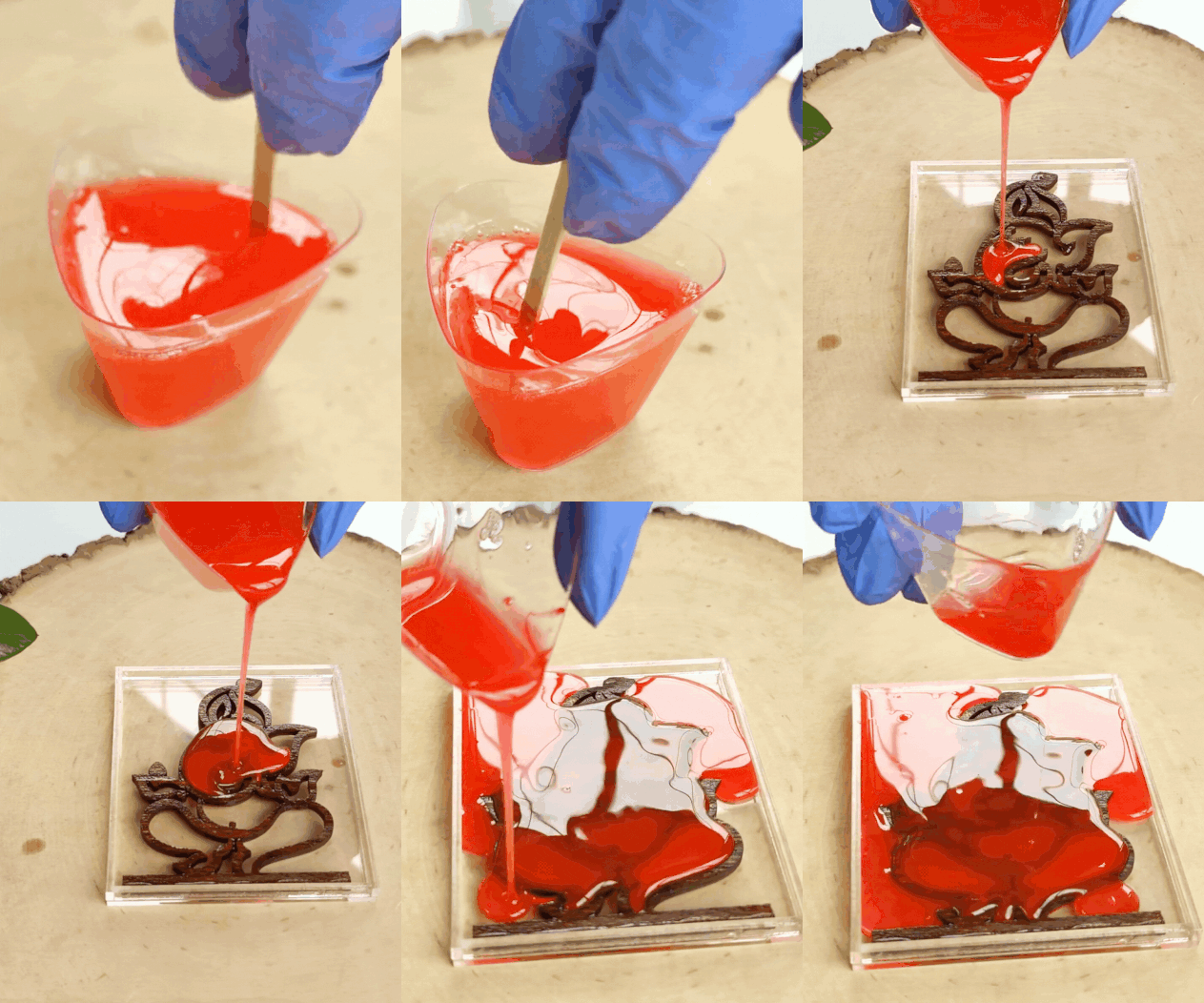
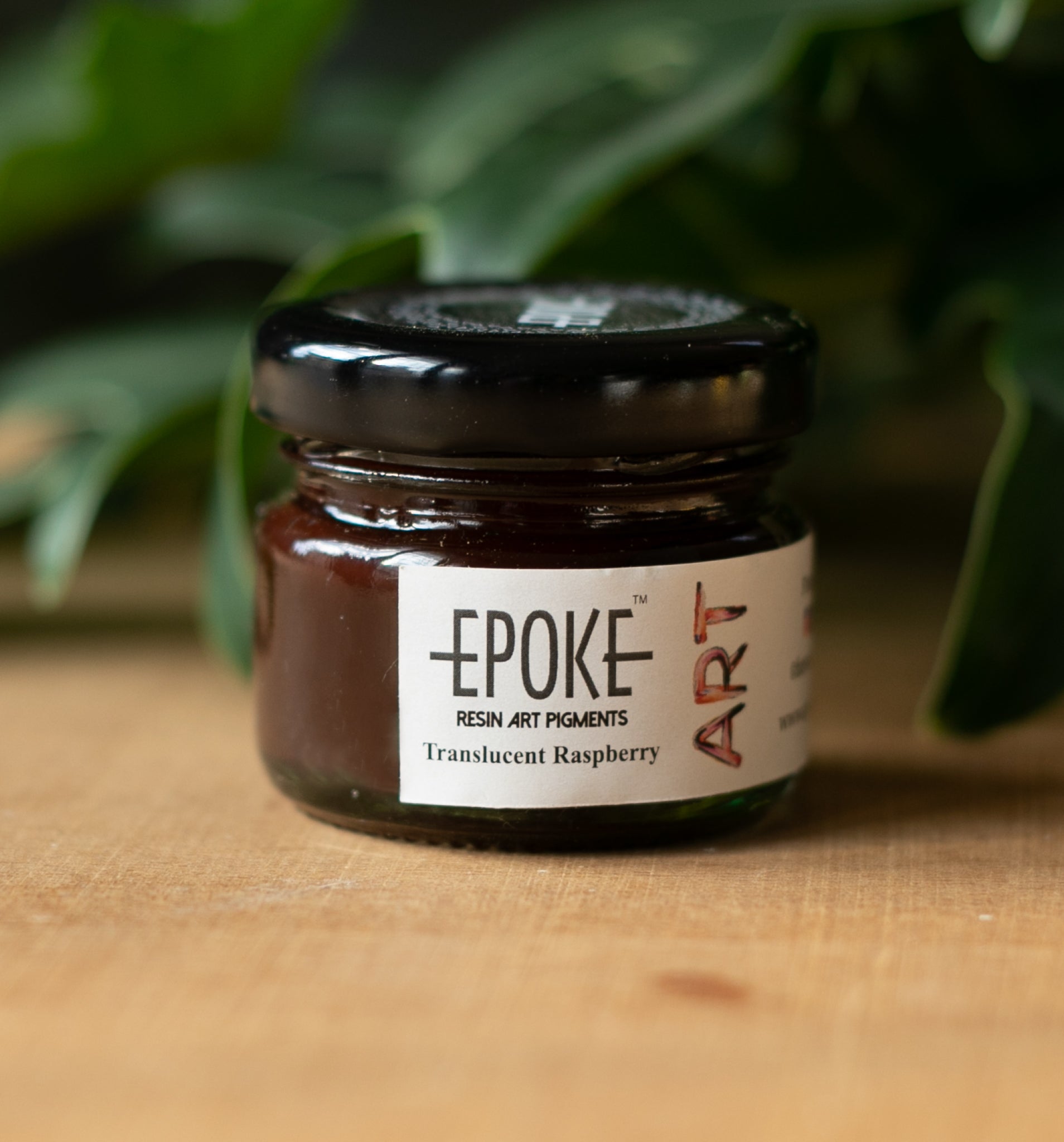
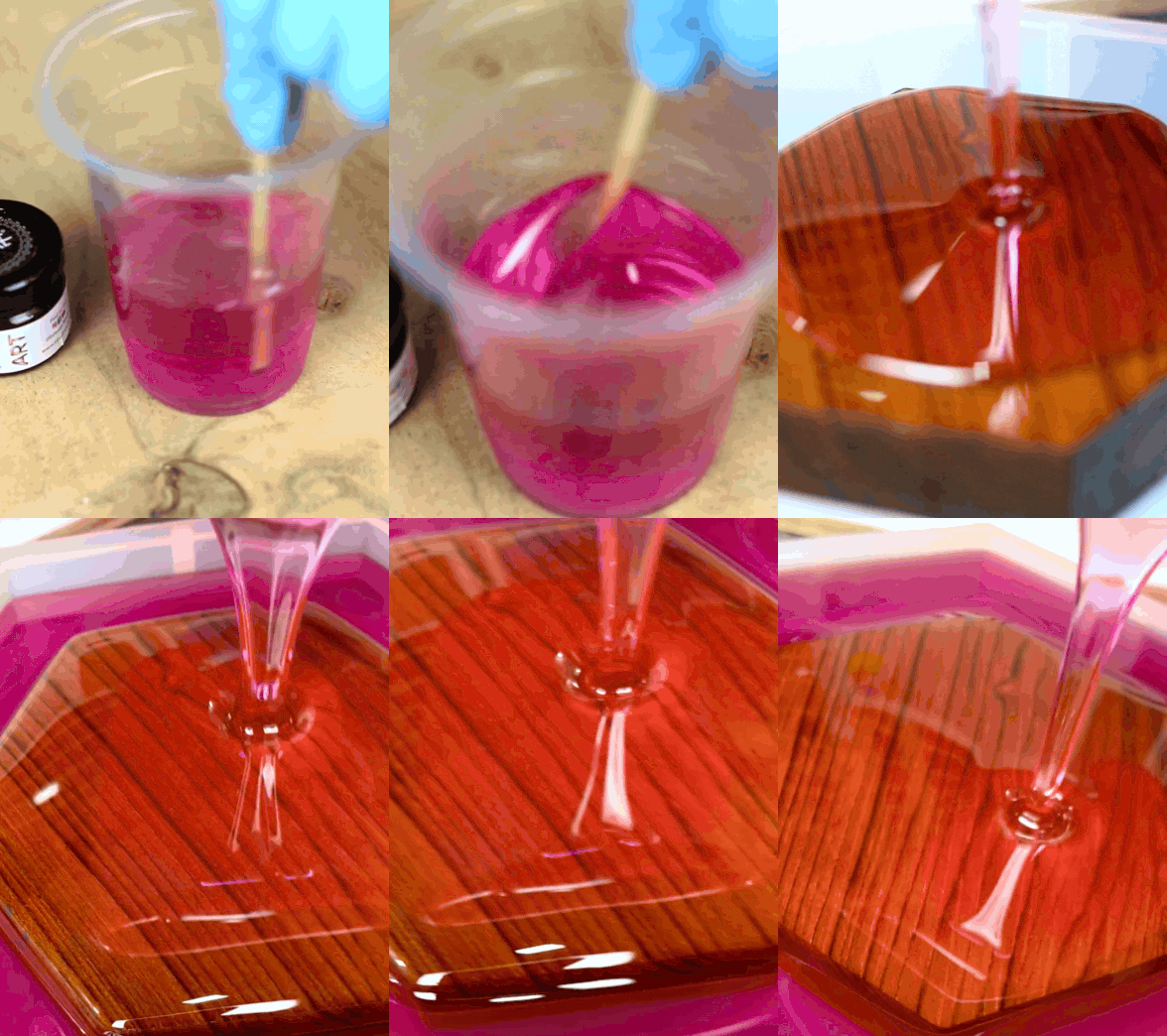
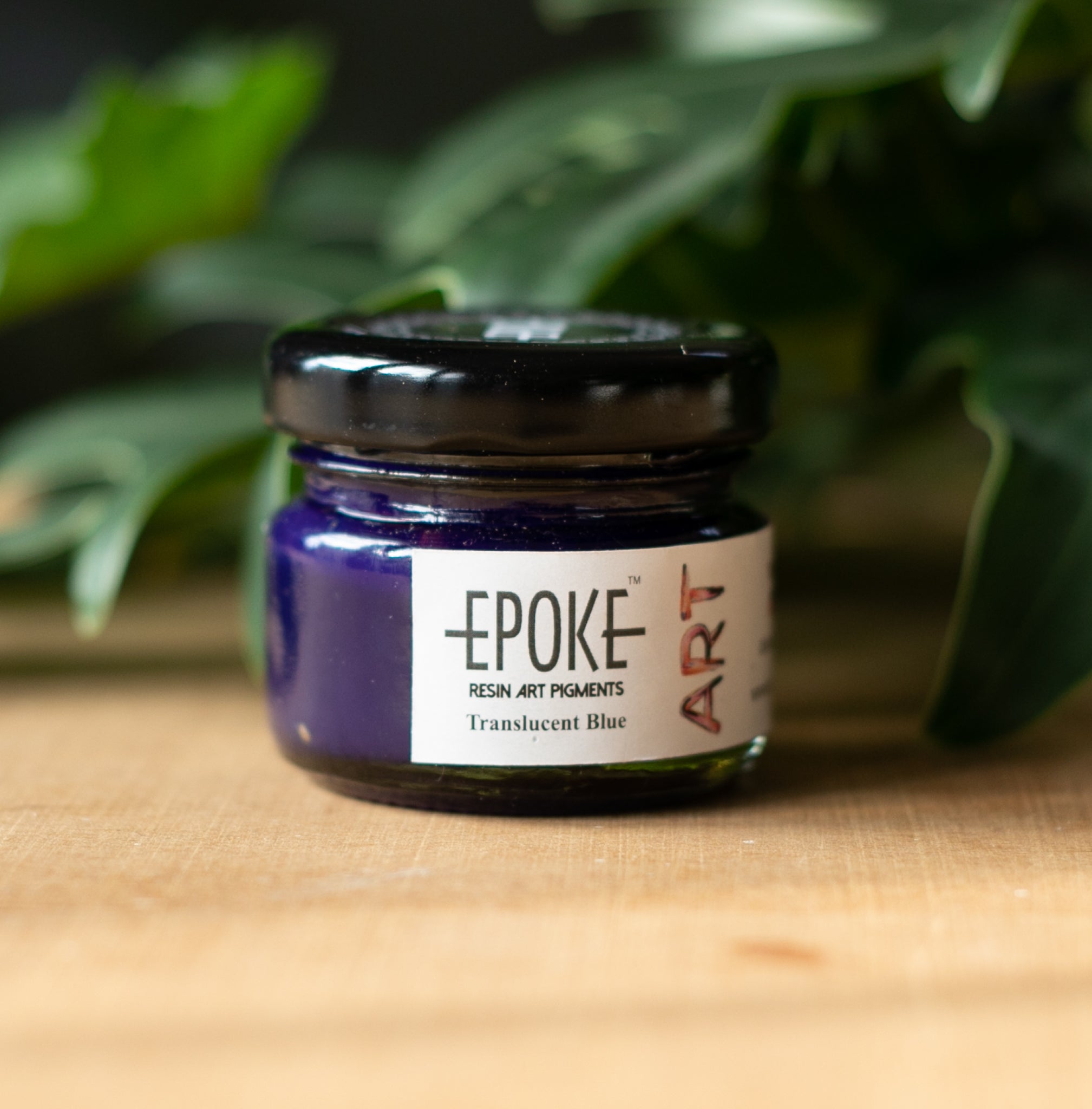
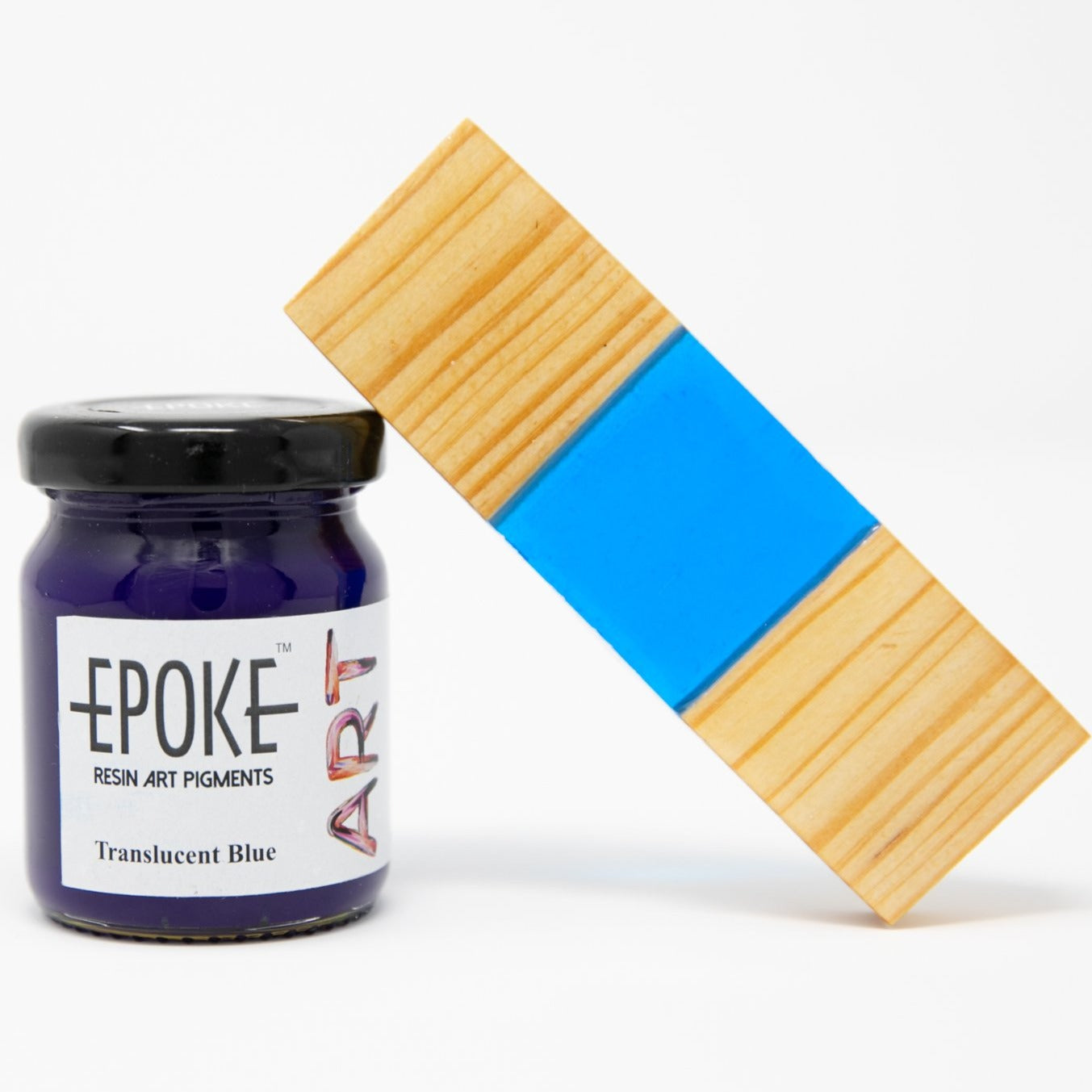
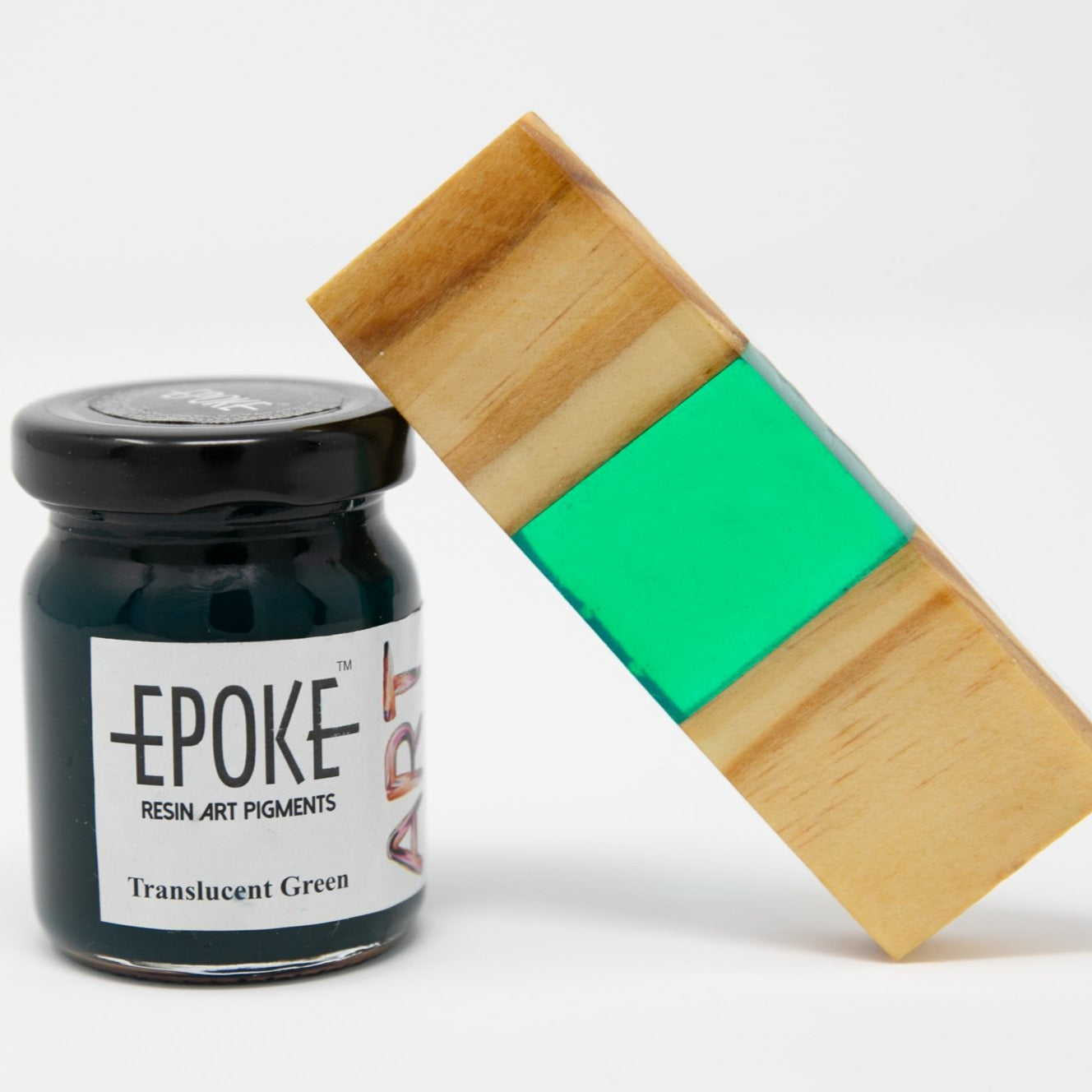
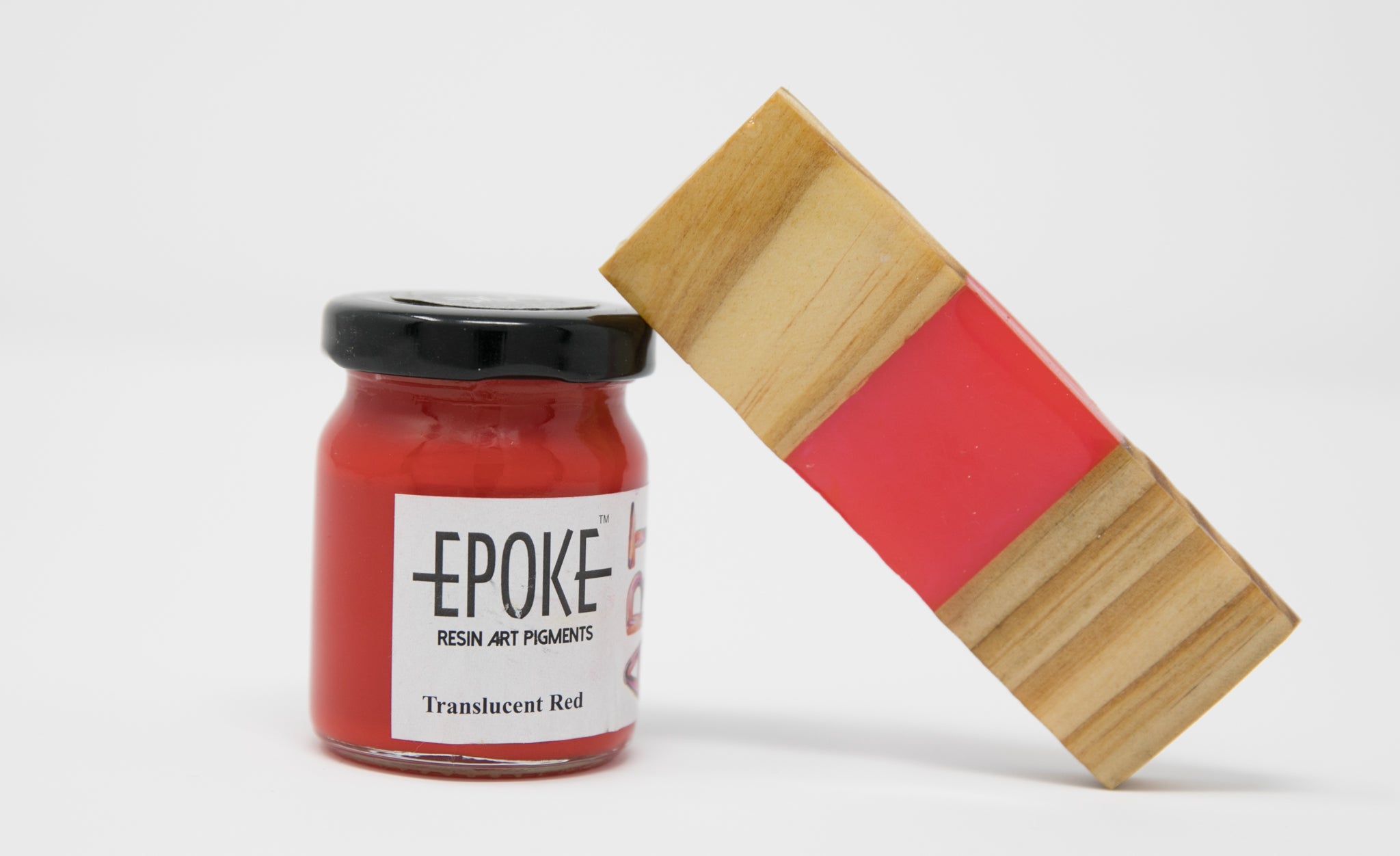
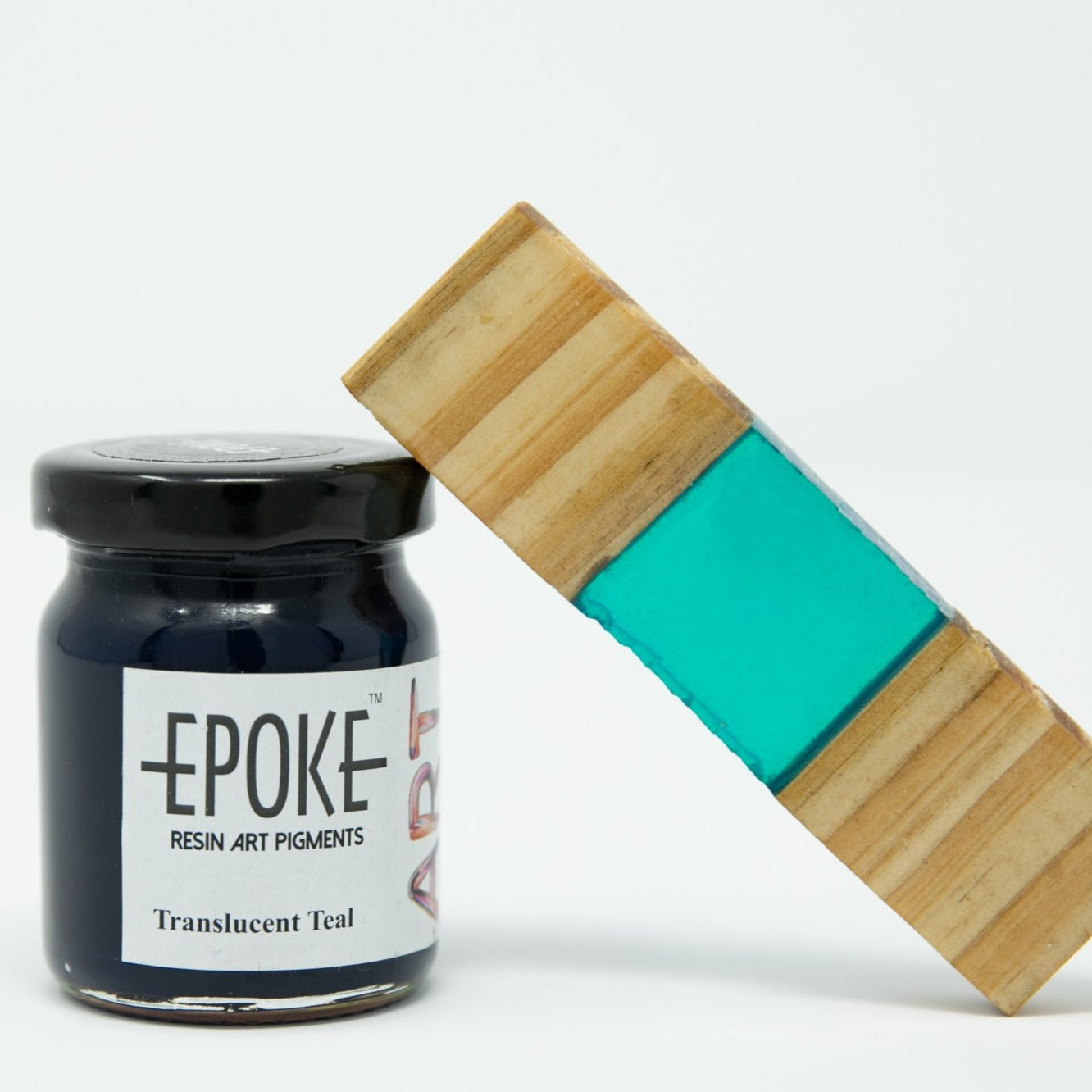
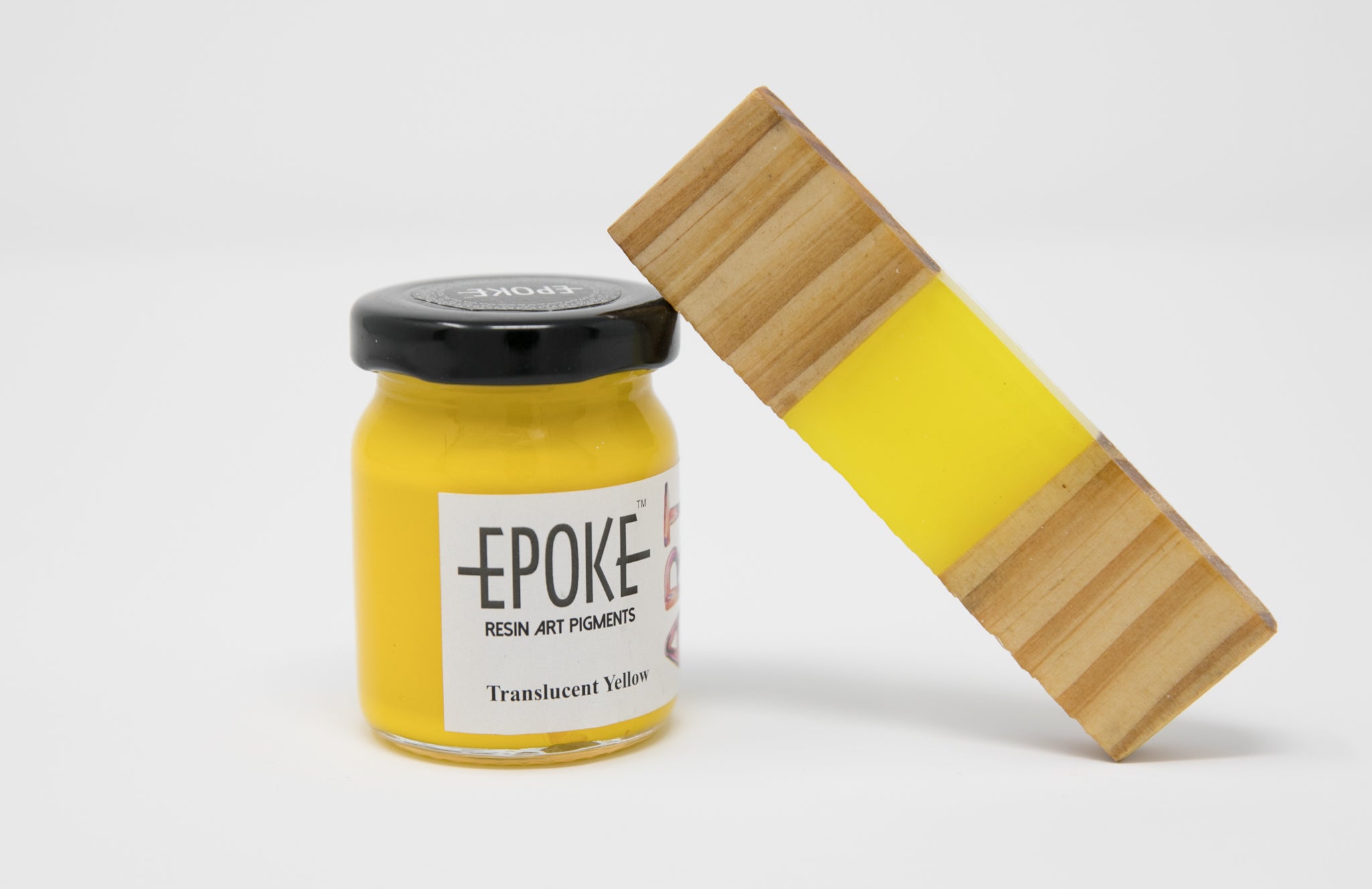
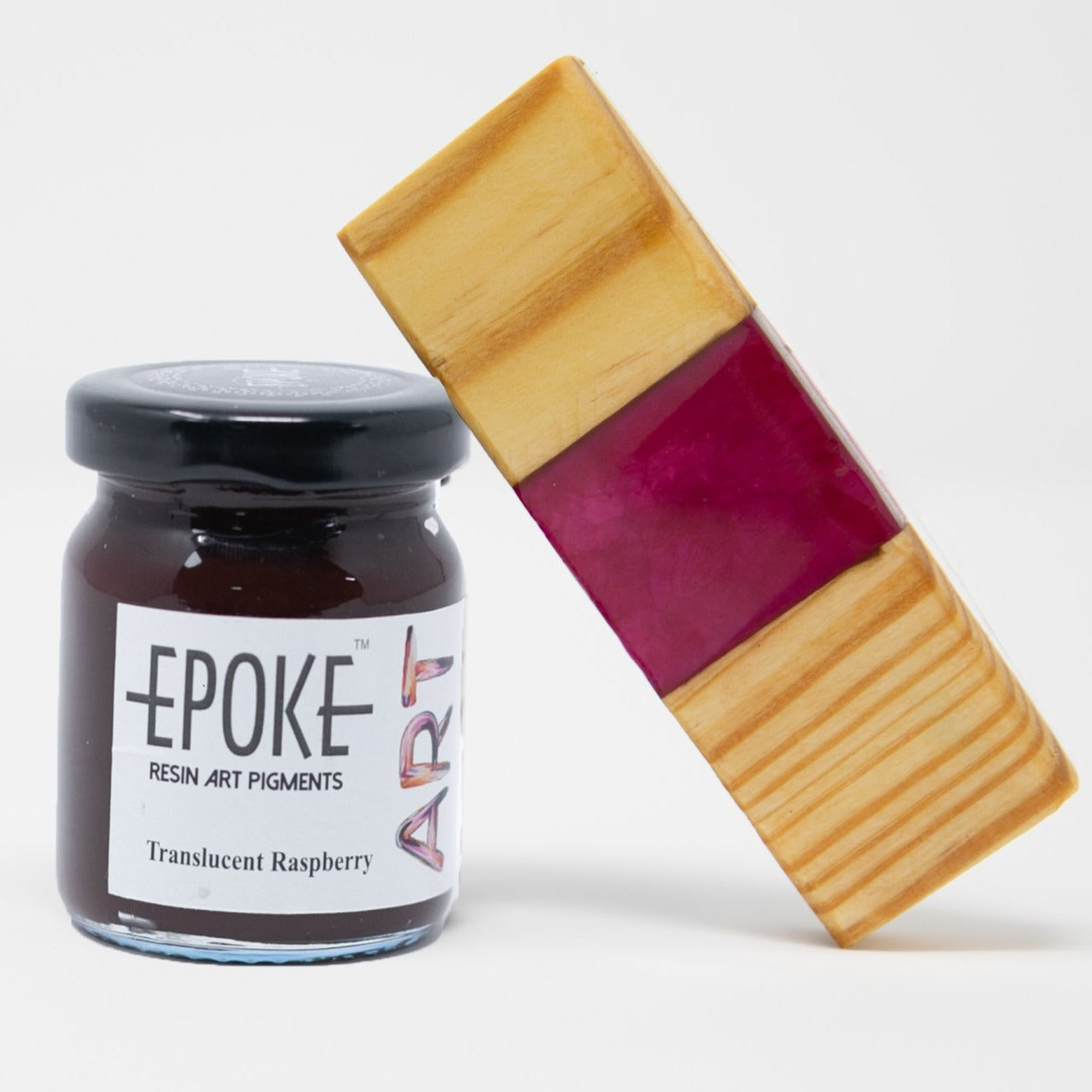
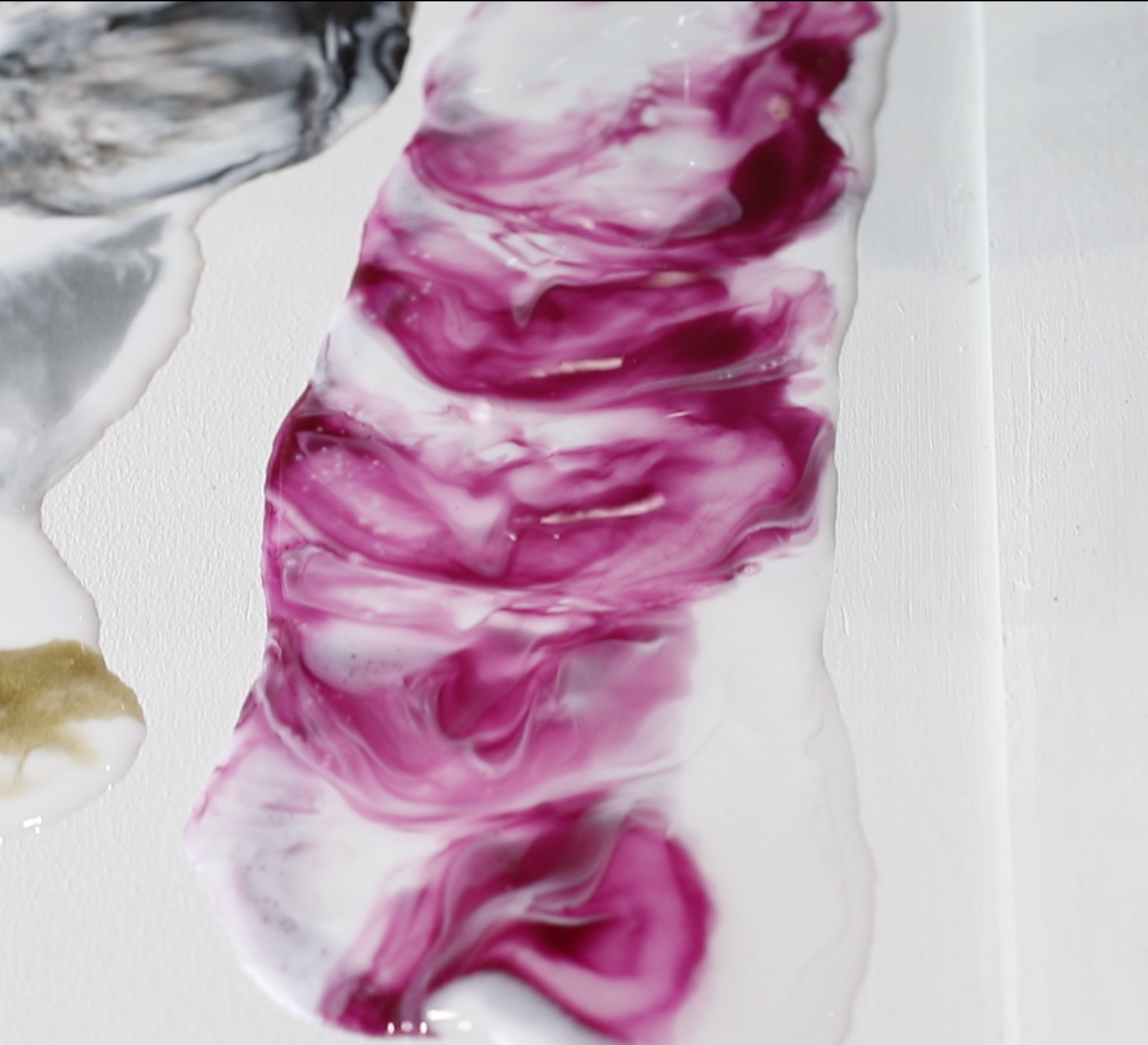
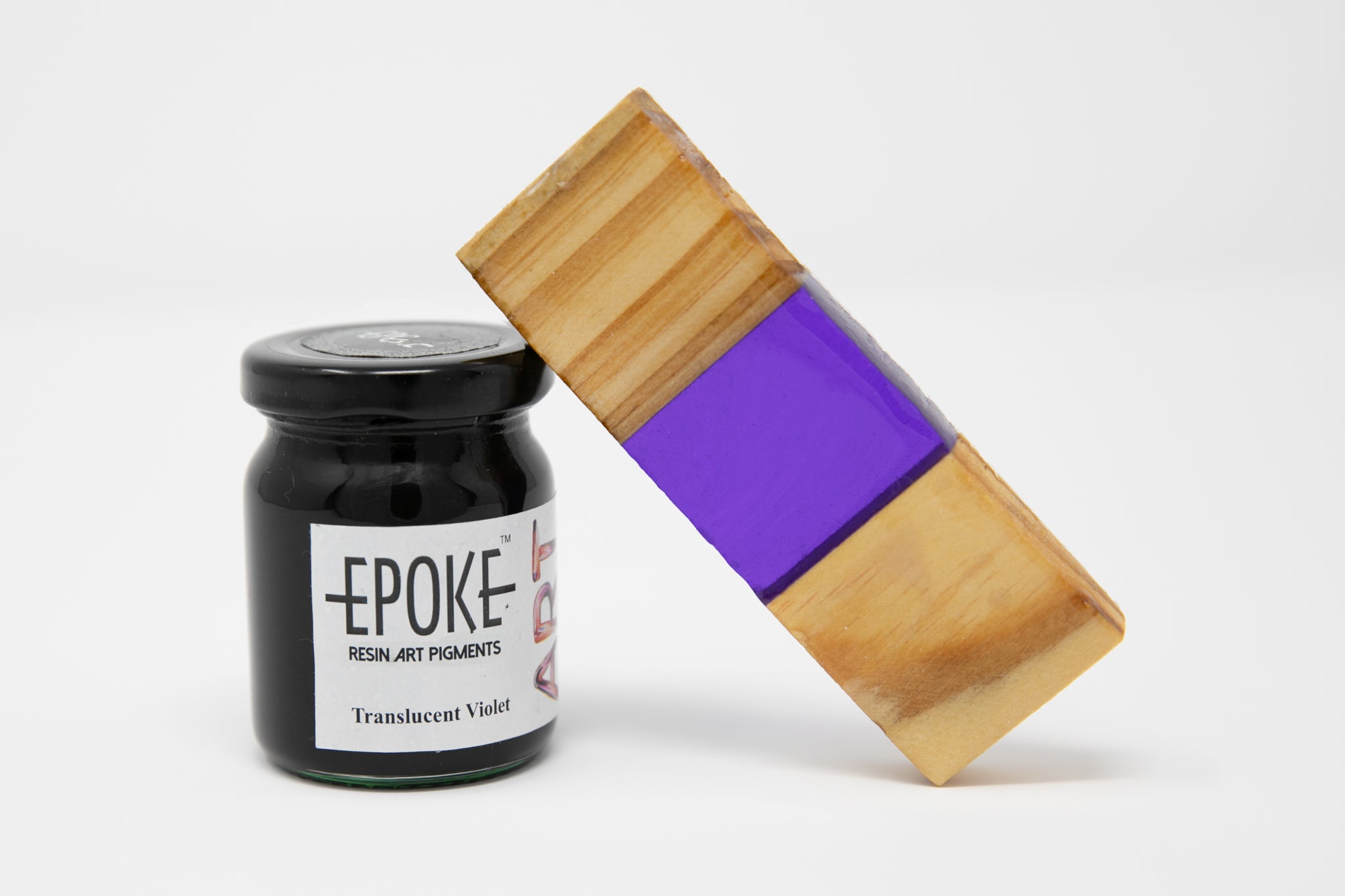
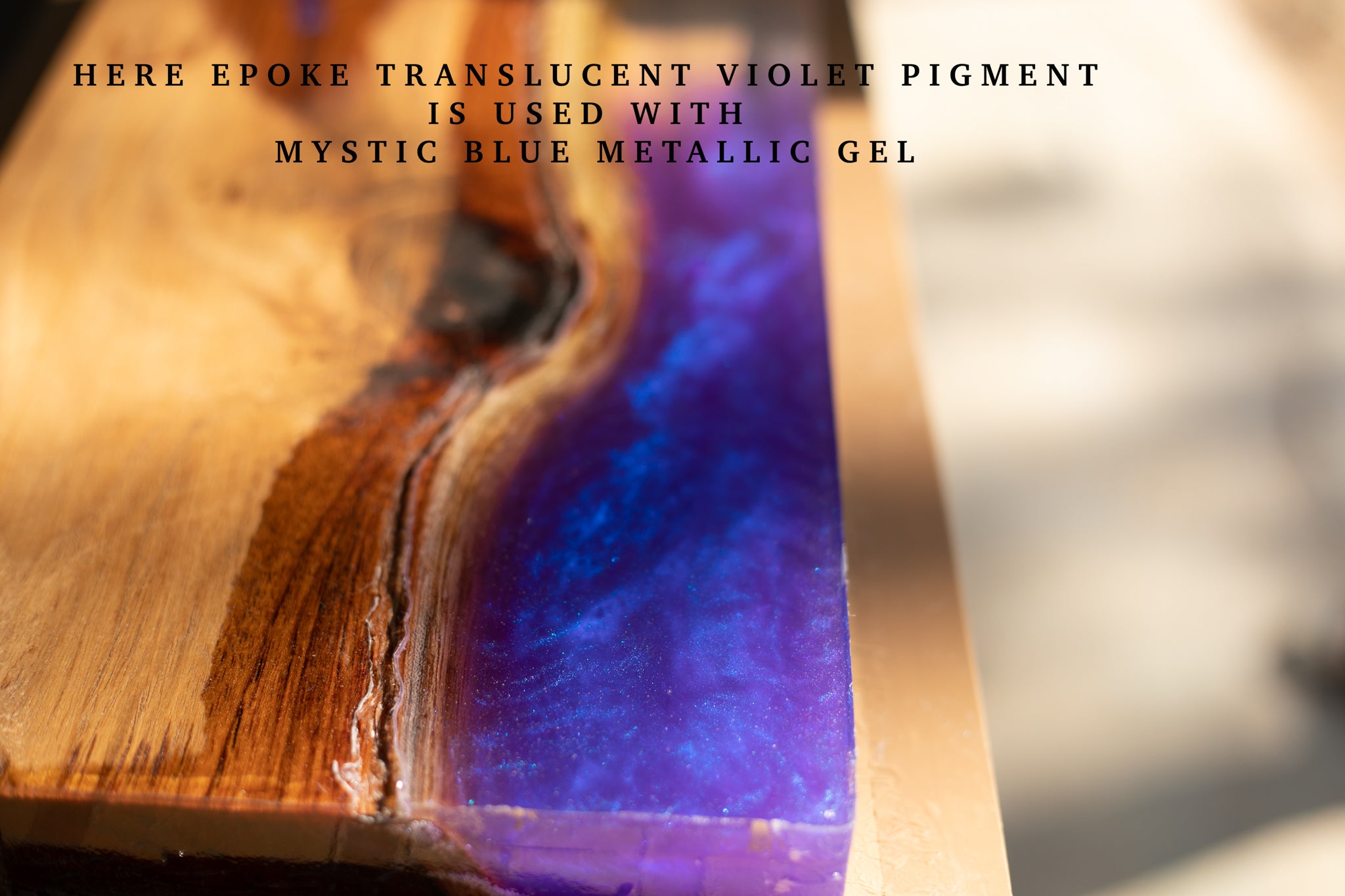
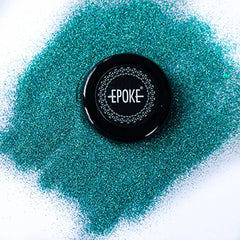
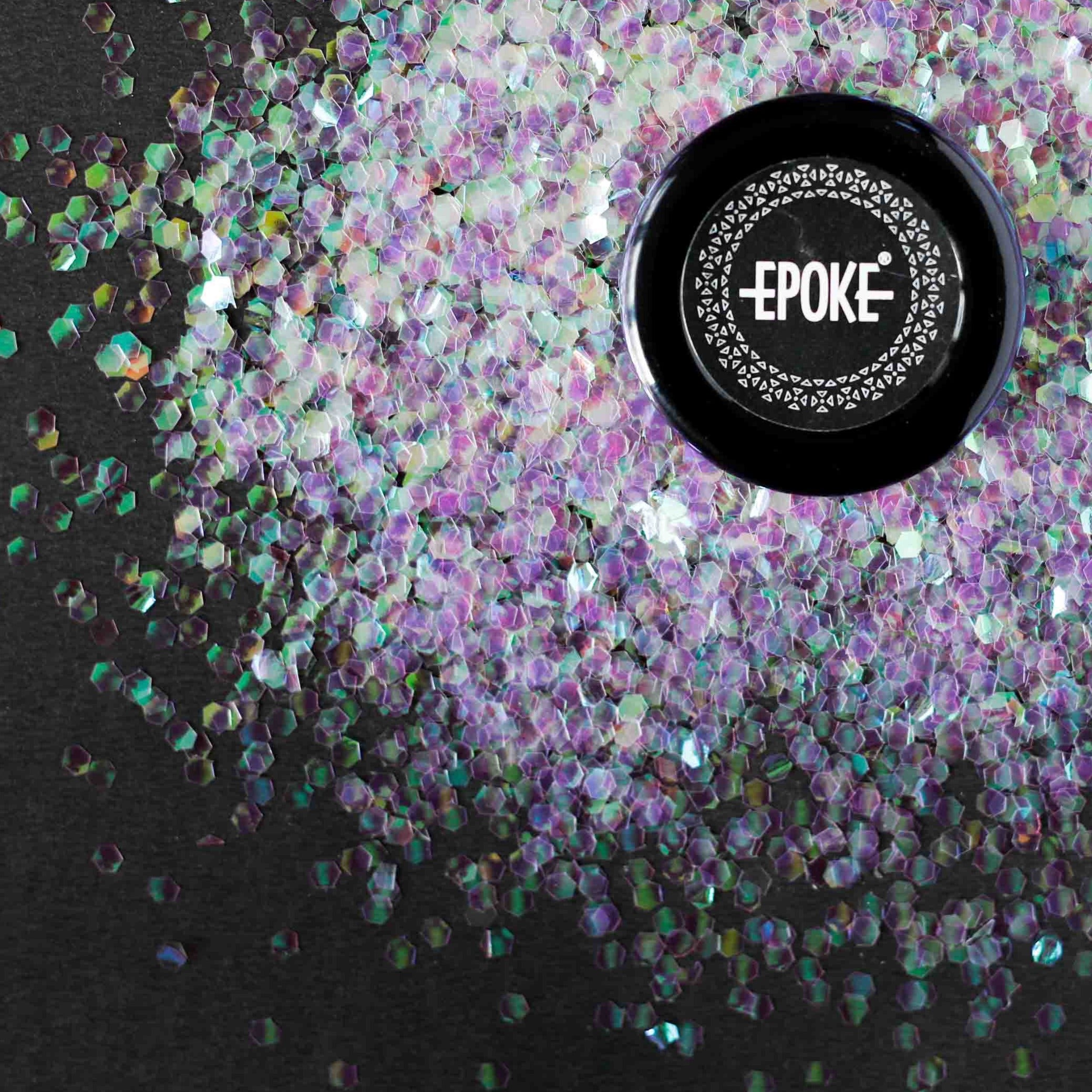
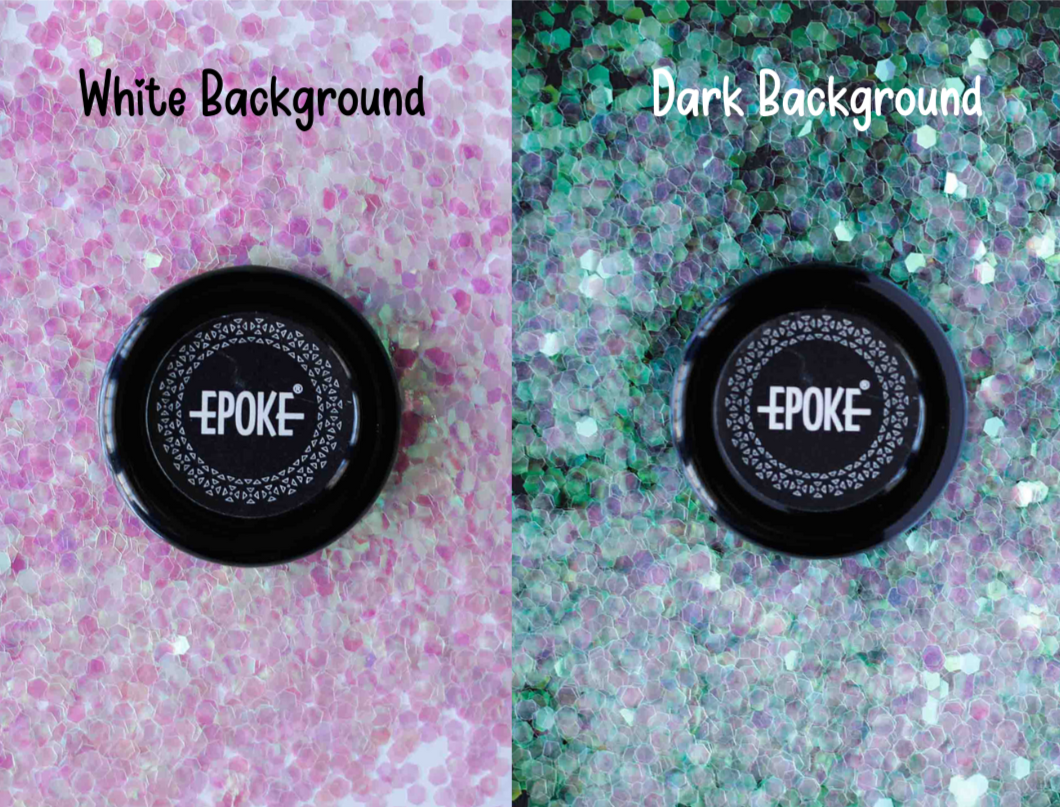
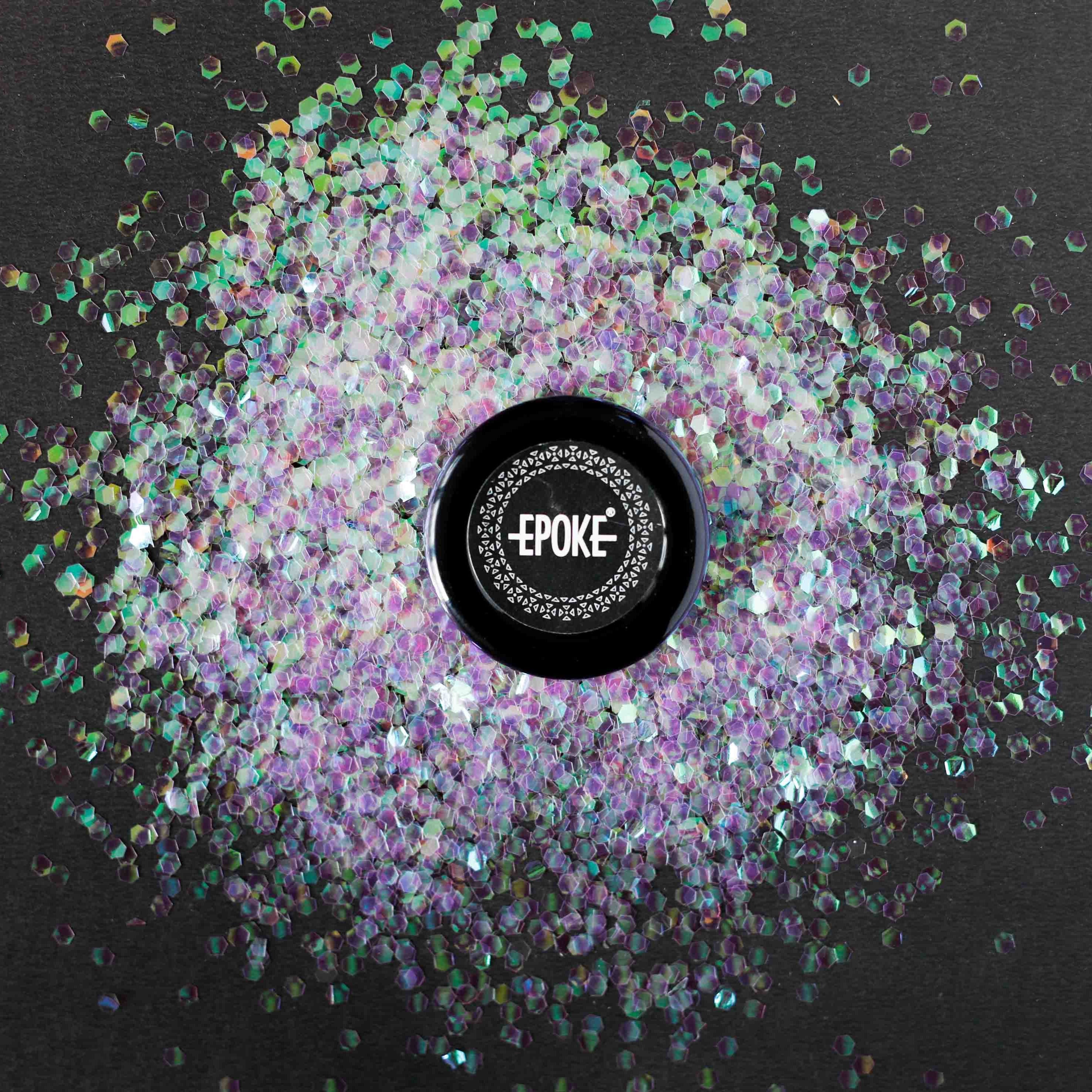
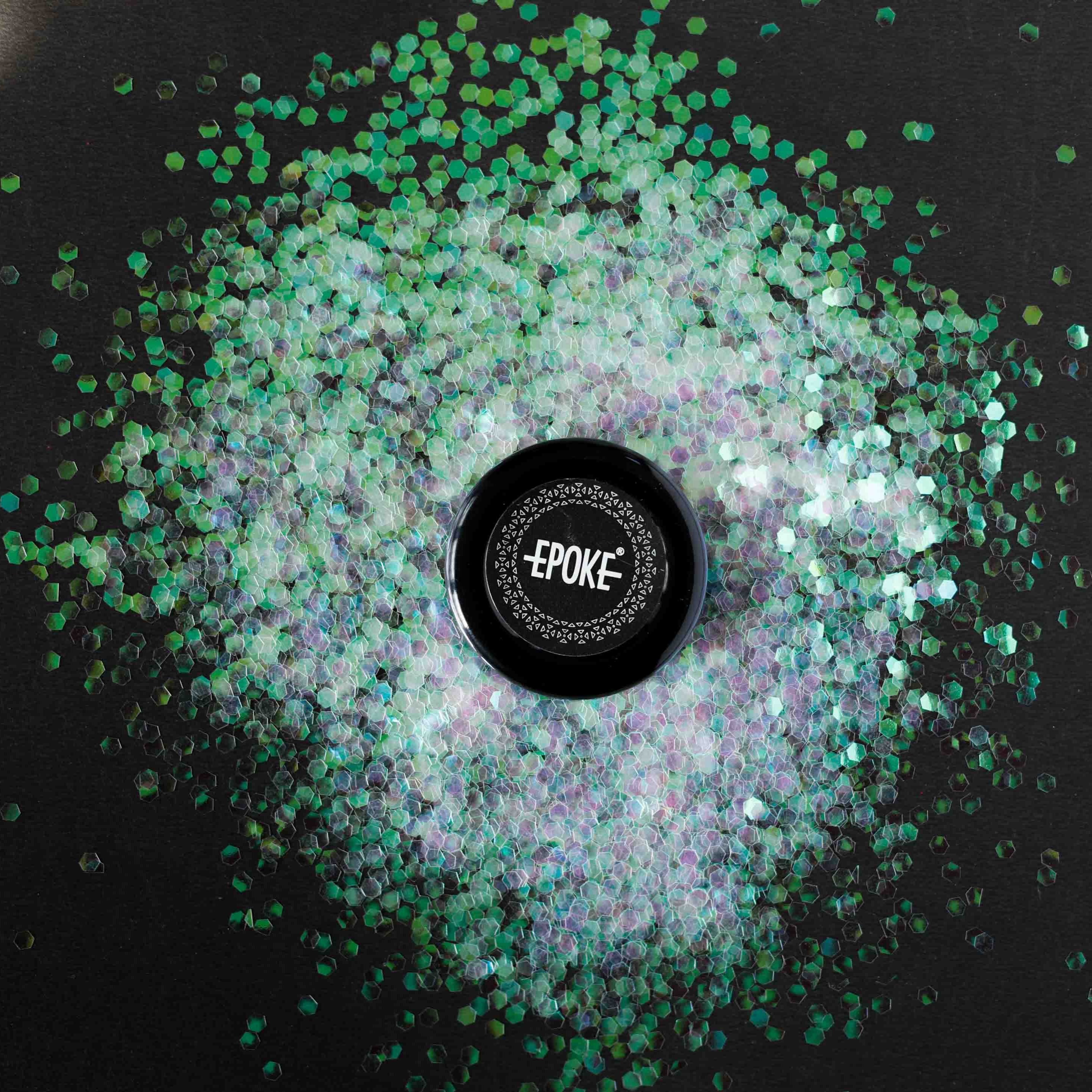
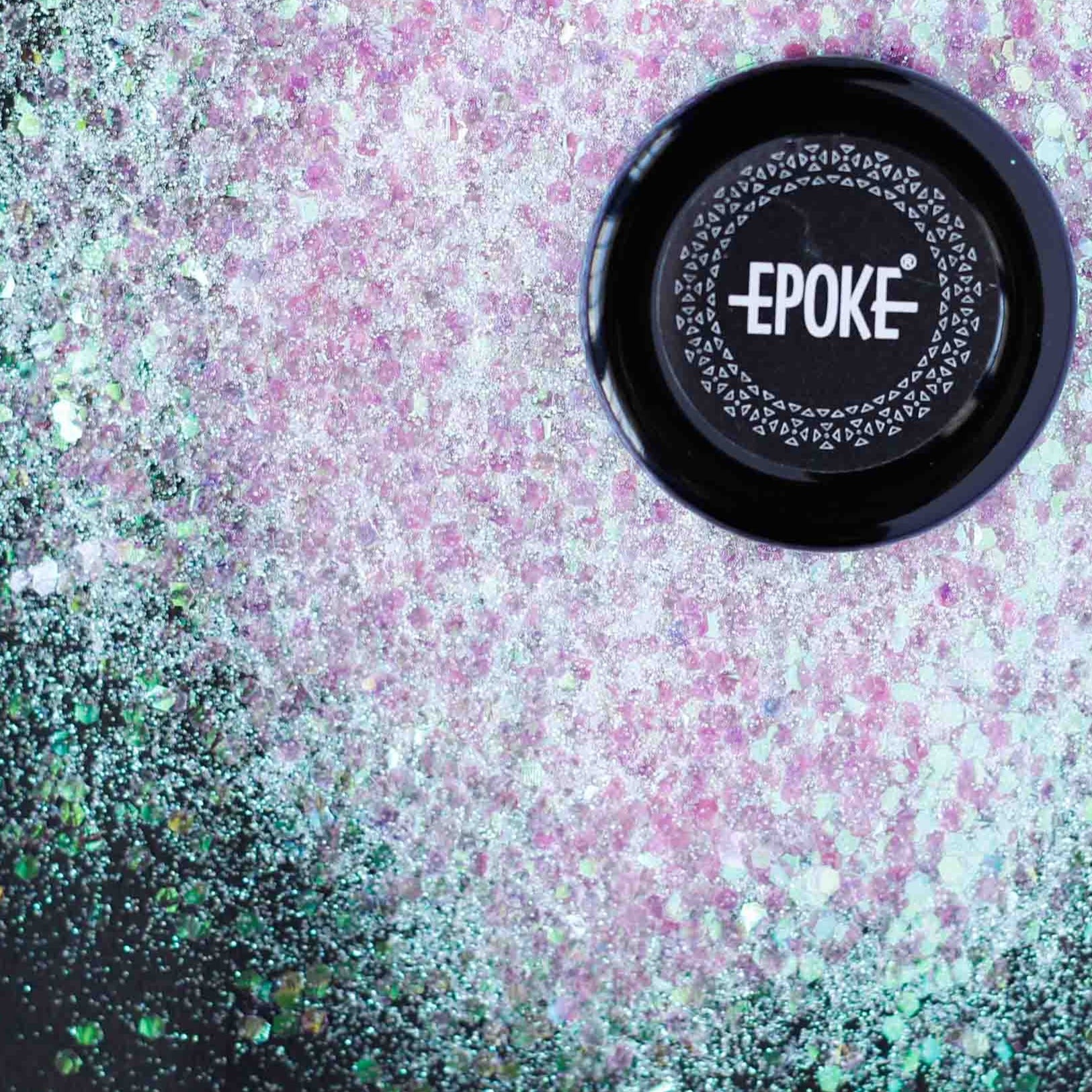
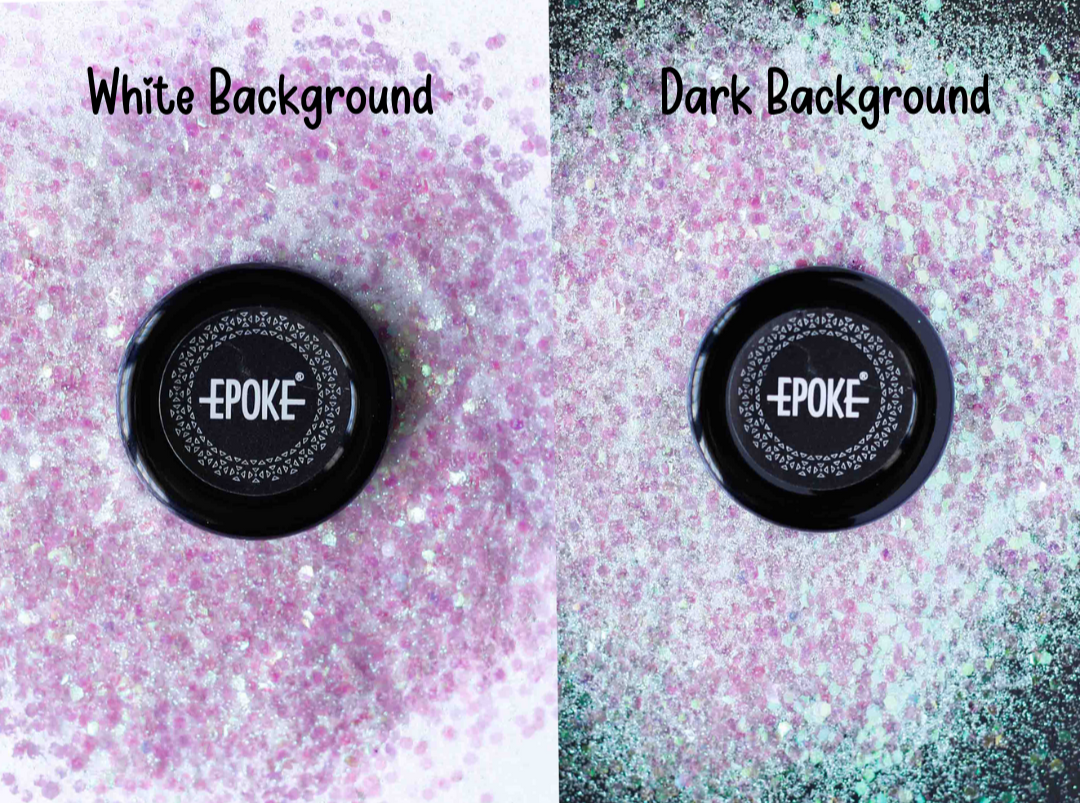
Translucent pigments let light travel through the resin. They create depth, layered color, and a glass-like glow that opaque pigments cannot match.
When to Use Translucent Pigments
Translucent pigments work best for:
-
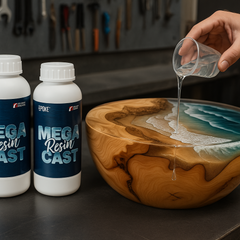
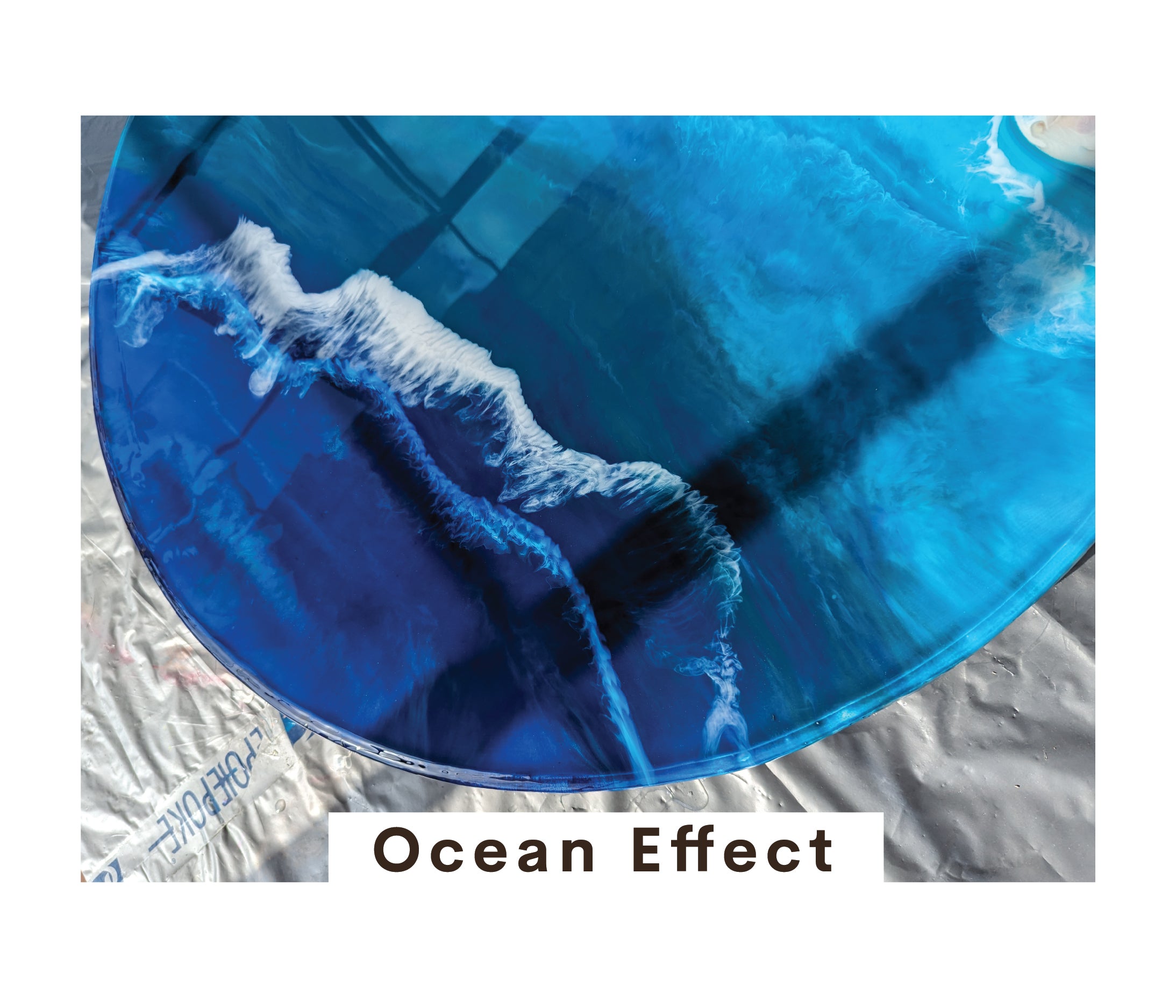
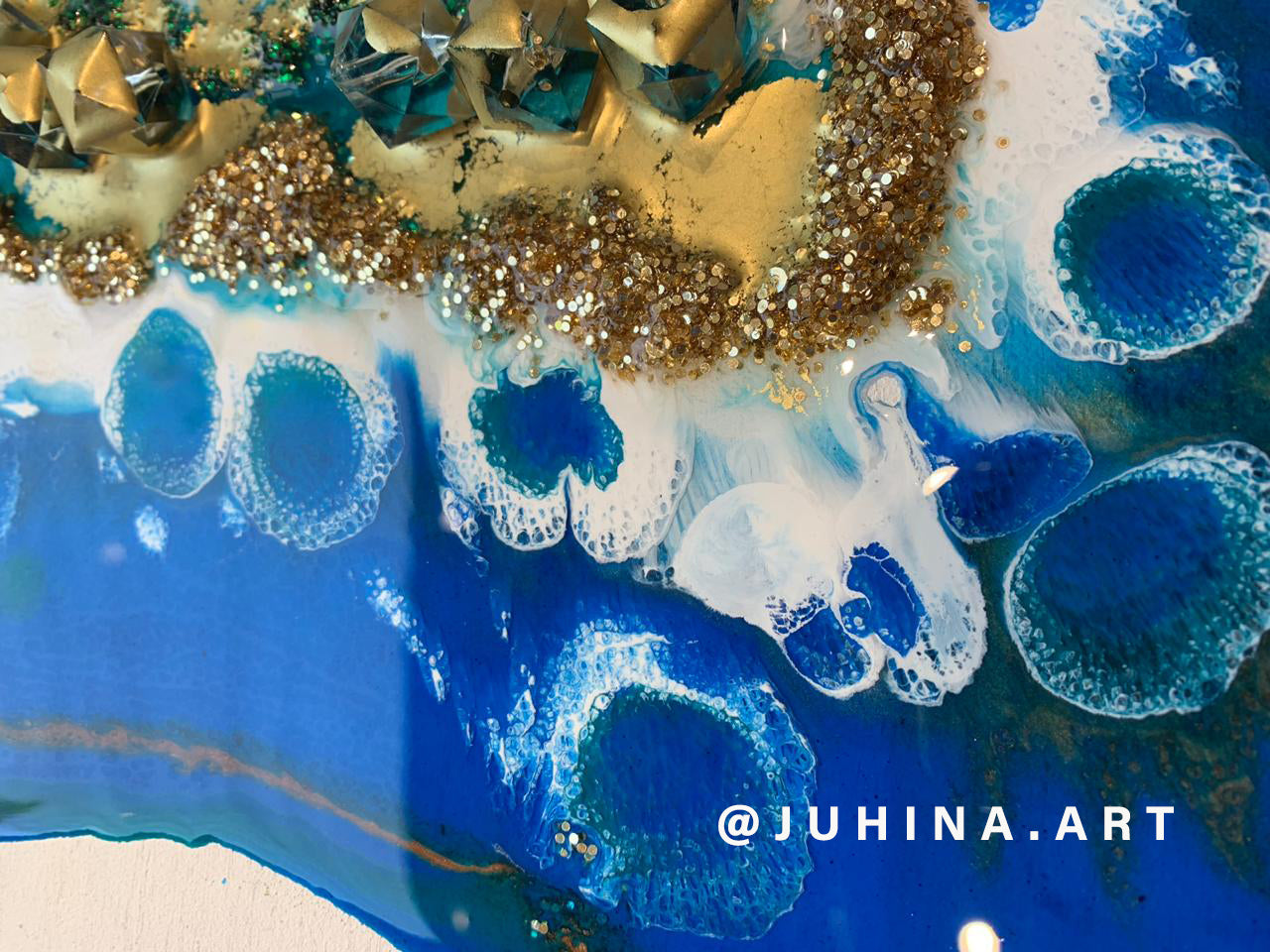
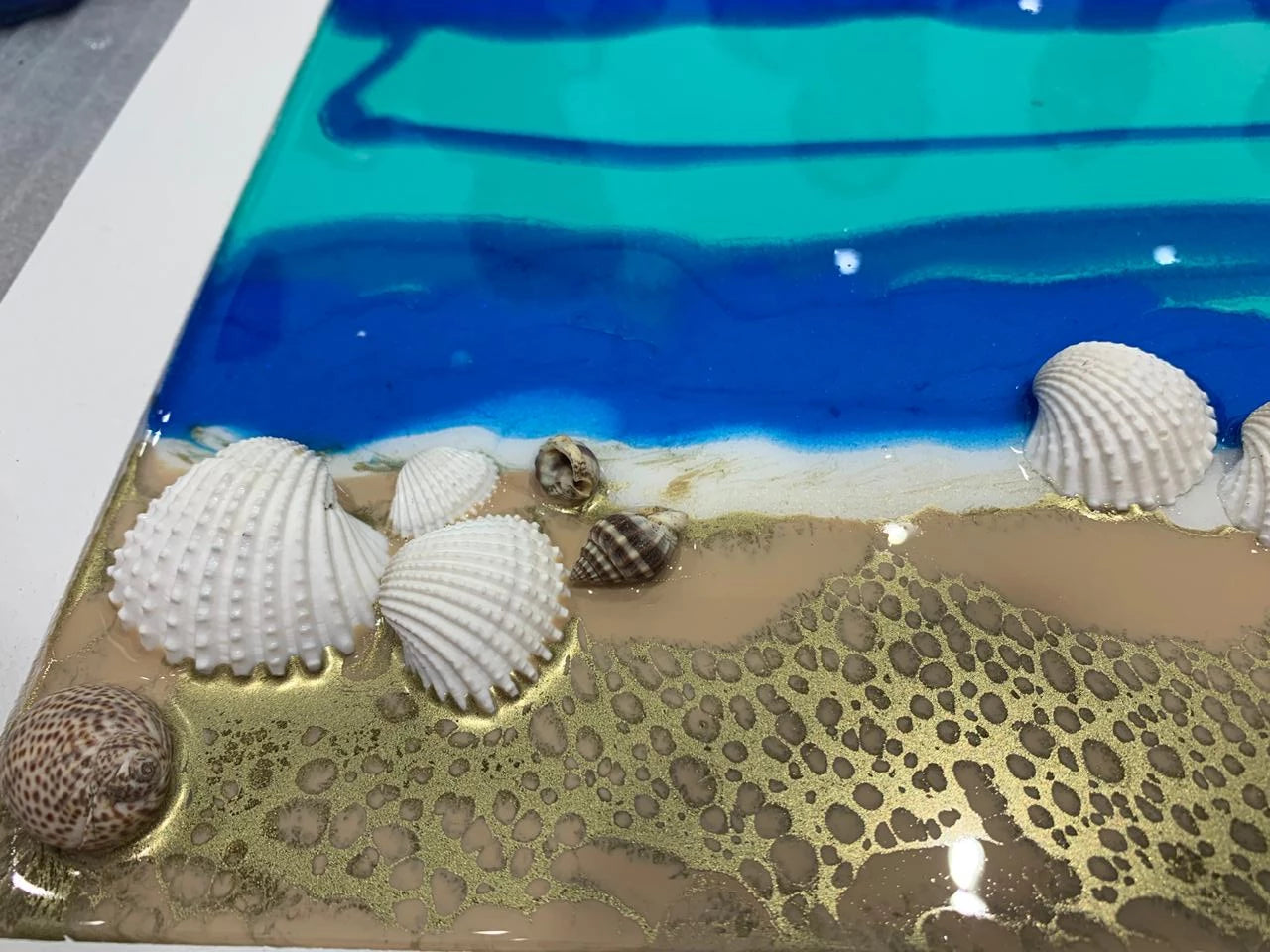
Ocean and wave art where light needs to travel through layers
-
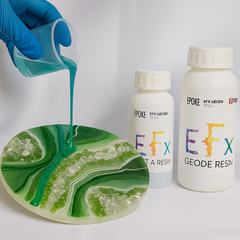
Geode-style pieces with glowing centers
-
Jewelry pieces meant to catch light from different angles
-
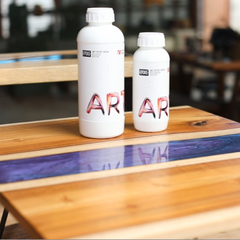
Creation of glass like Rivertables
-
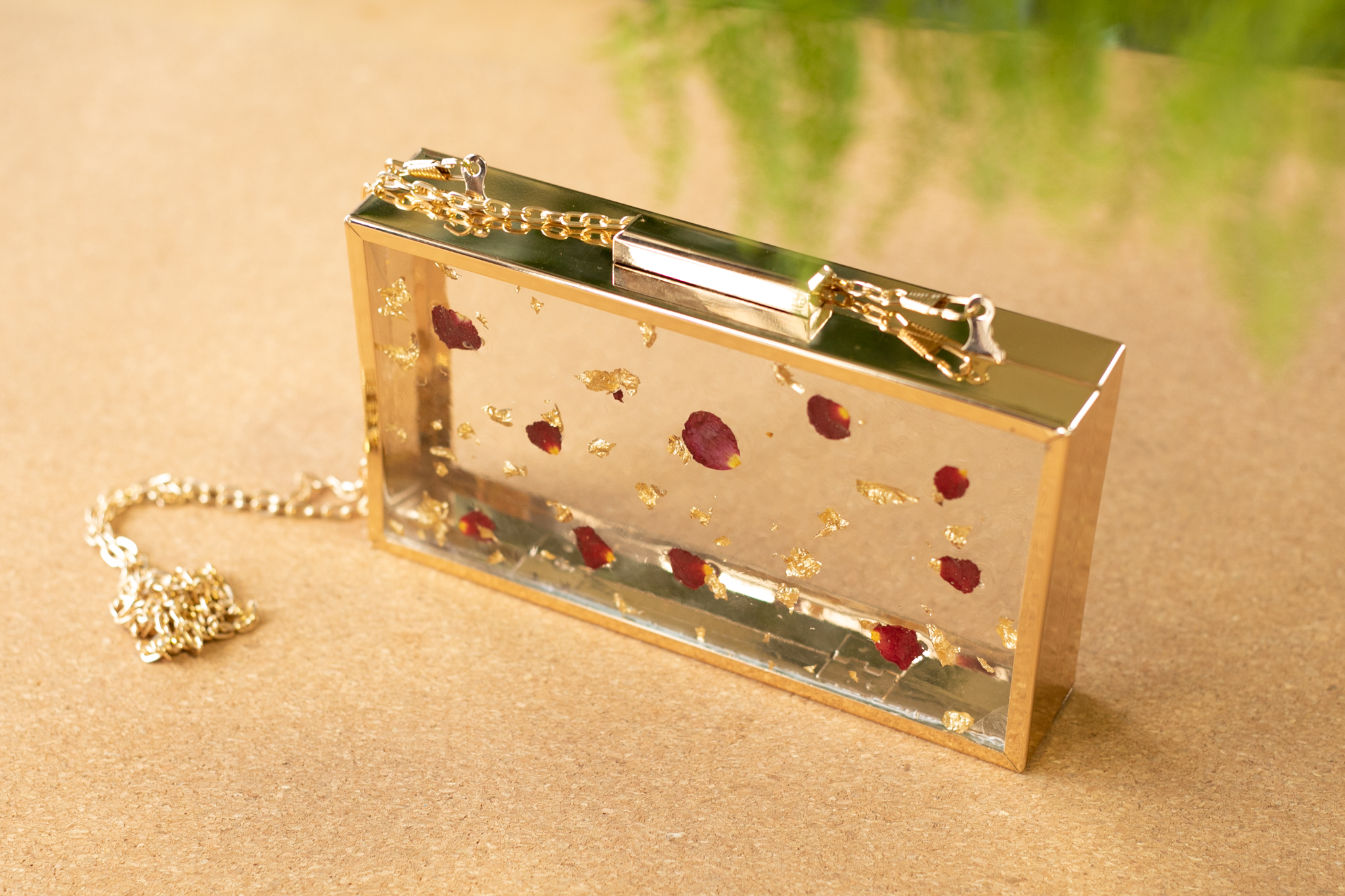
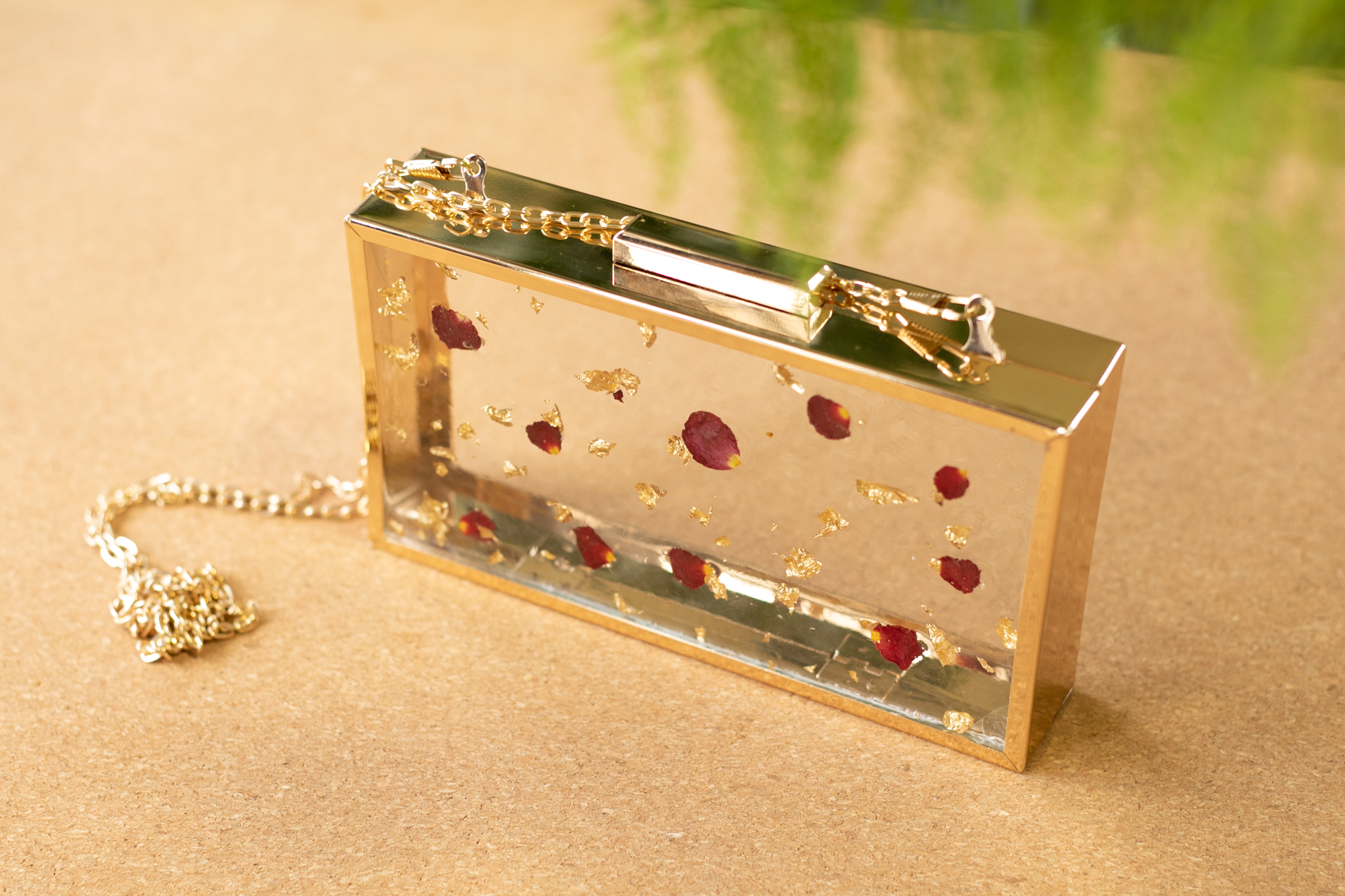
Encapsulation of flowers where the transparency of the resin can be modulated with the amount of Translucent pigments .
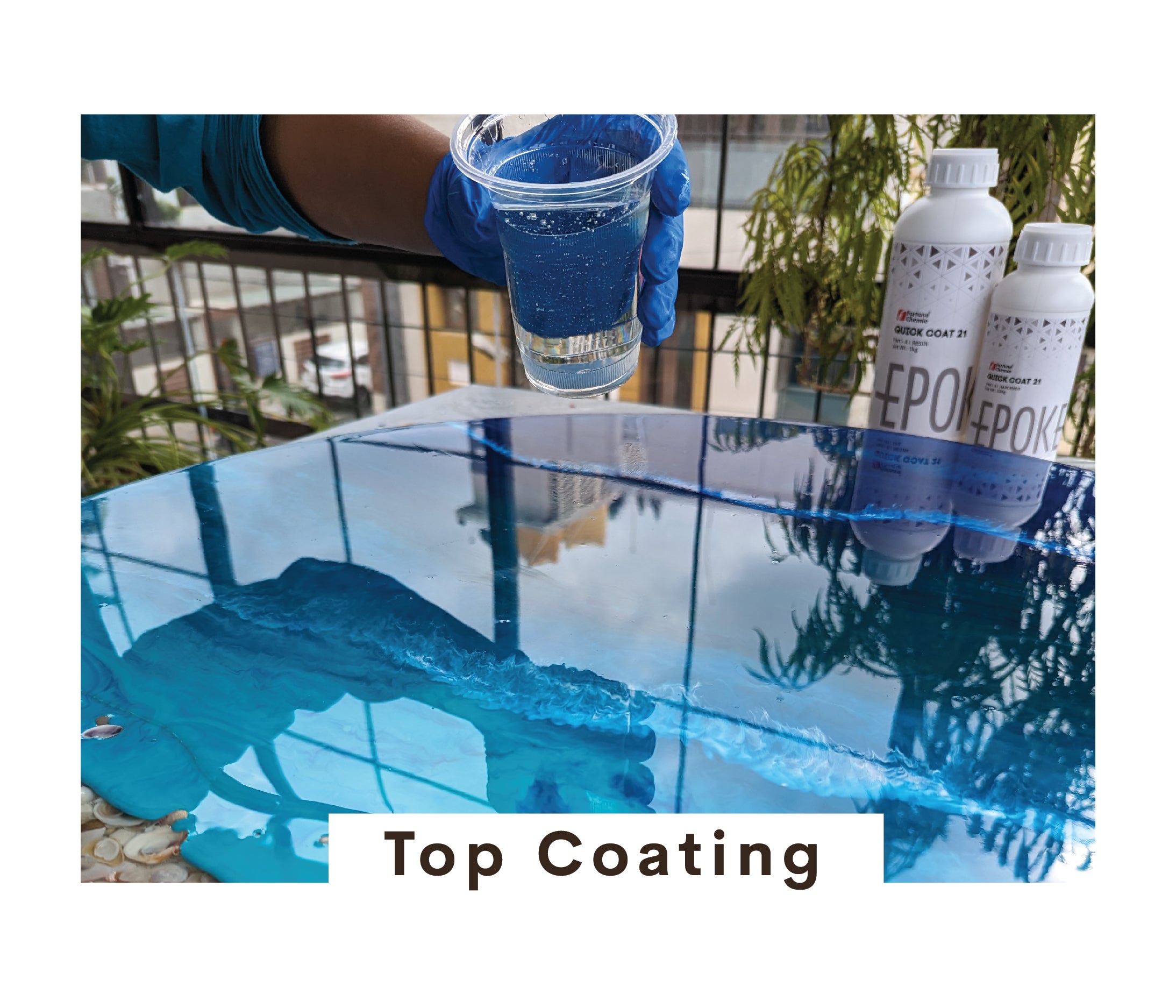
A small amount of translucent pigment goes further than you expect. Too much and your resin turns cloudy instead of clear. Add pigment gradually, mix well, and test on a small sample before you commit to a full pour.
Explore the translucent pigments collection for shades built to hold their clarity.
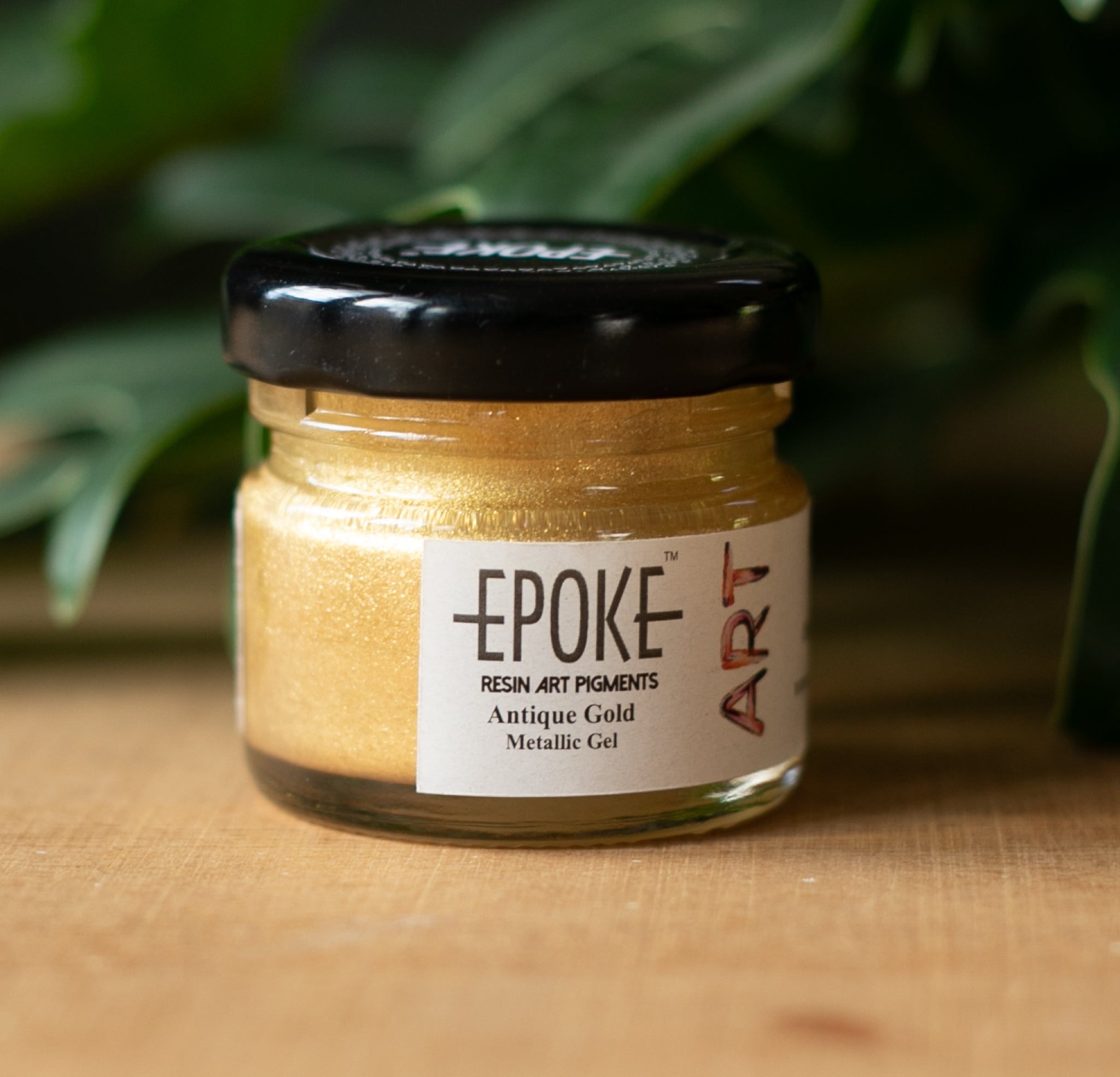
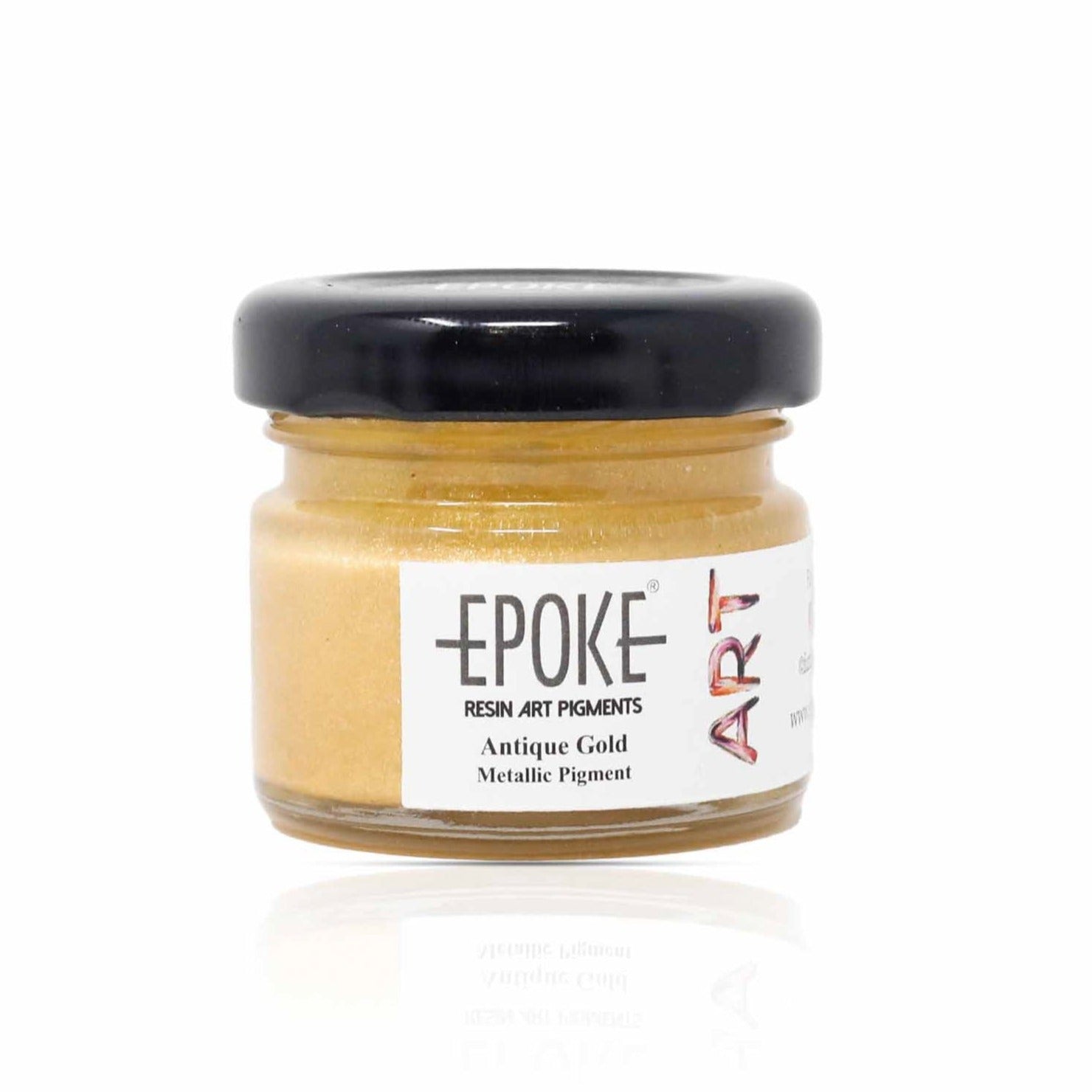
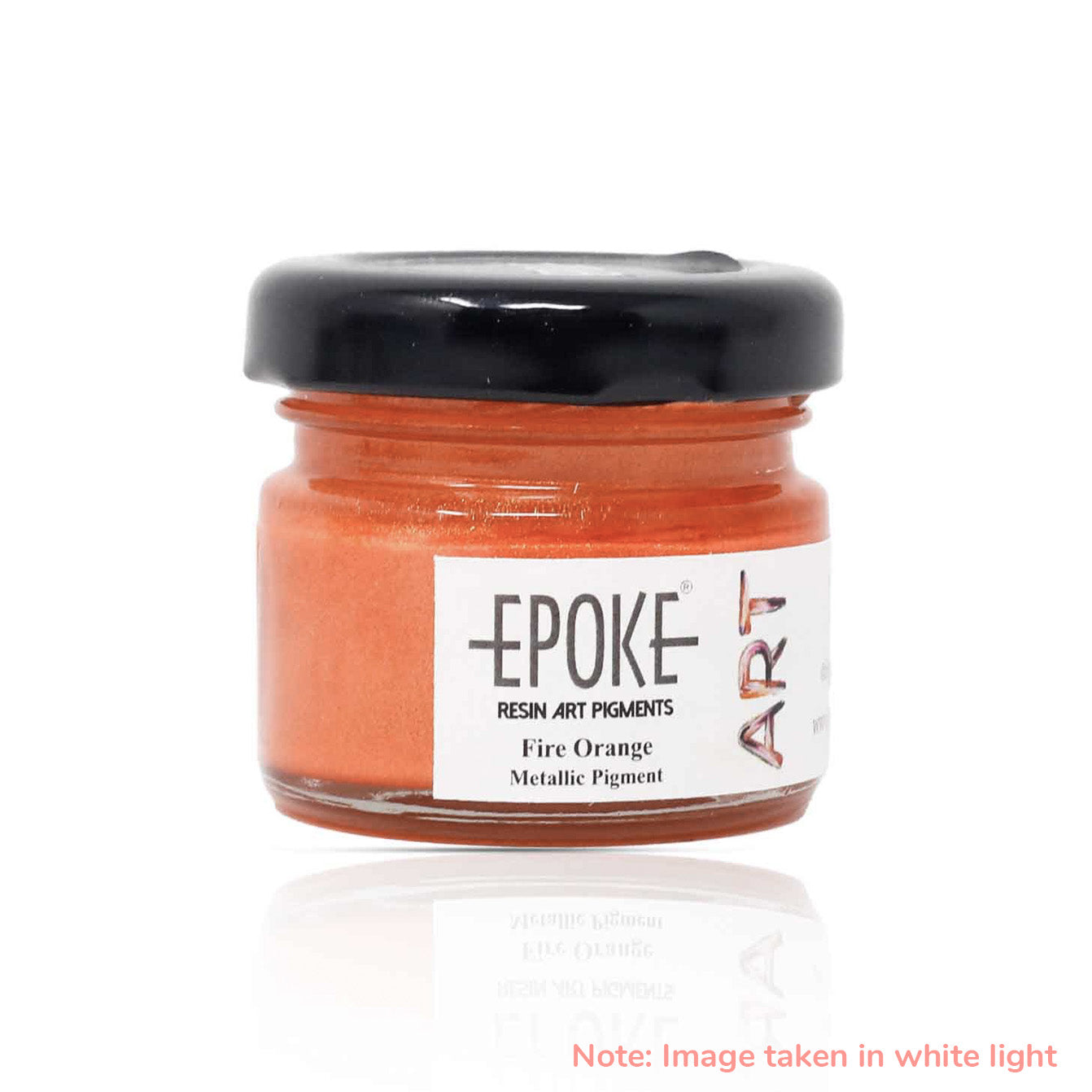
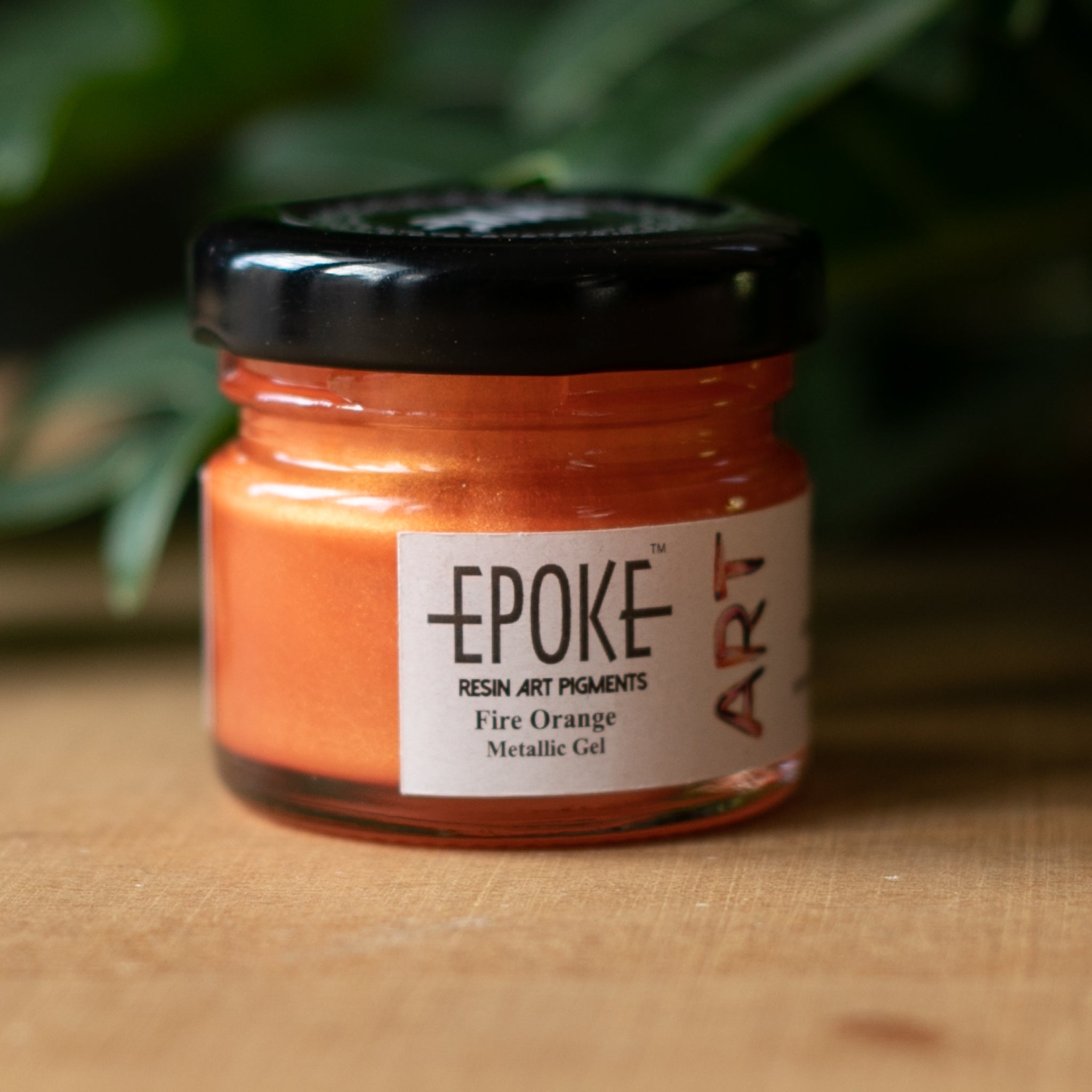
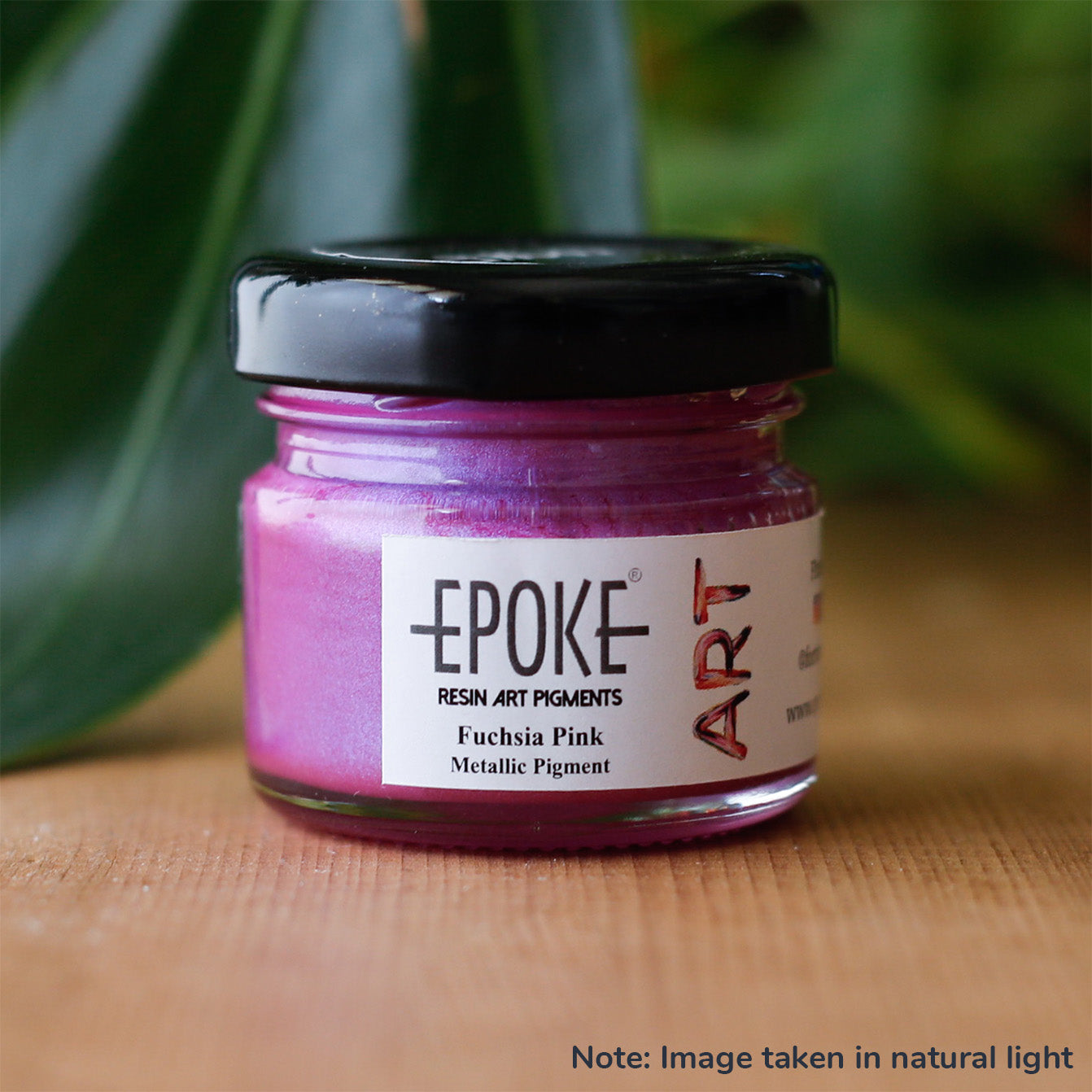
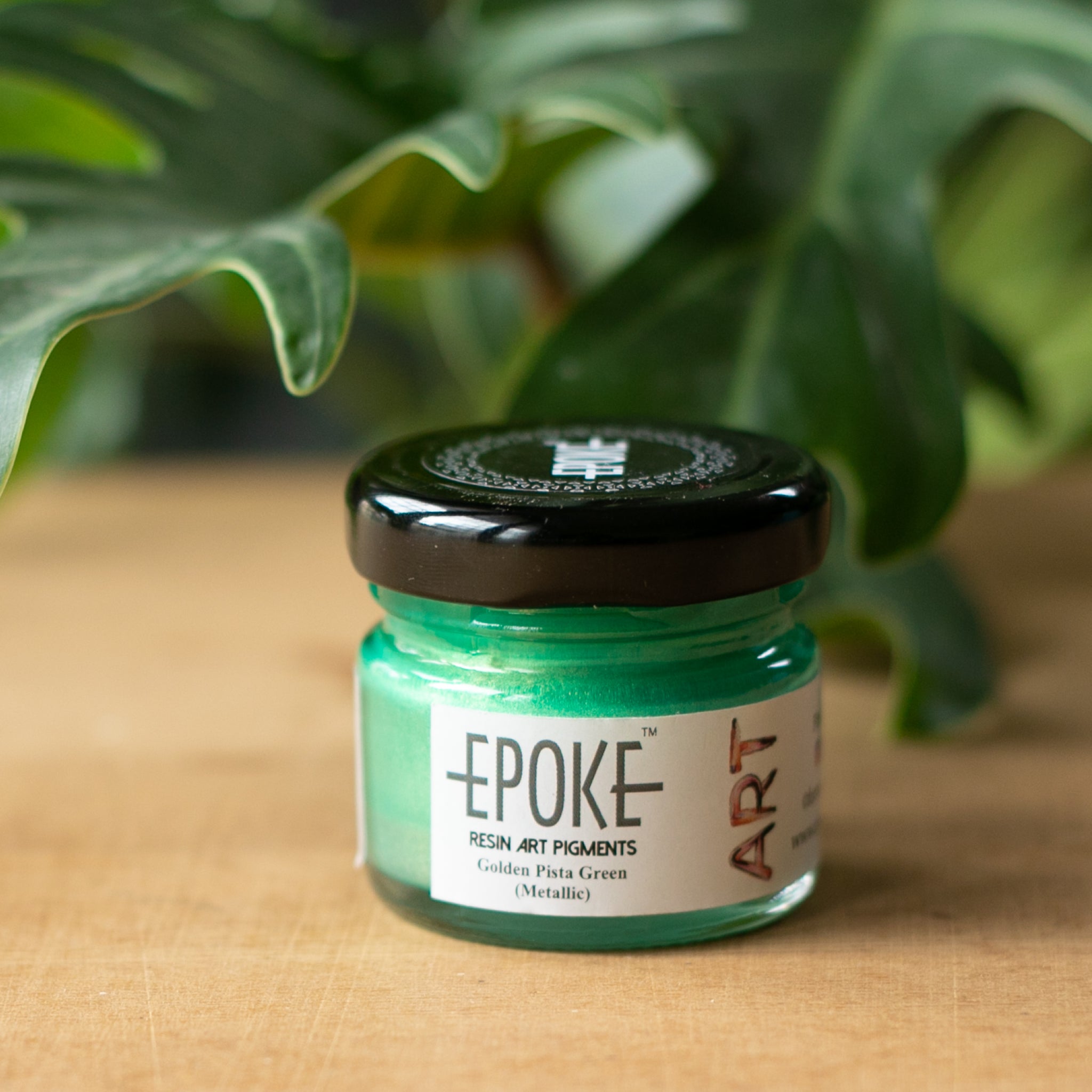
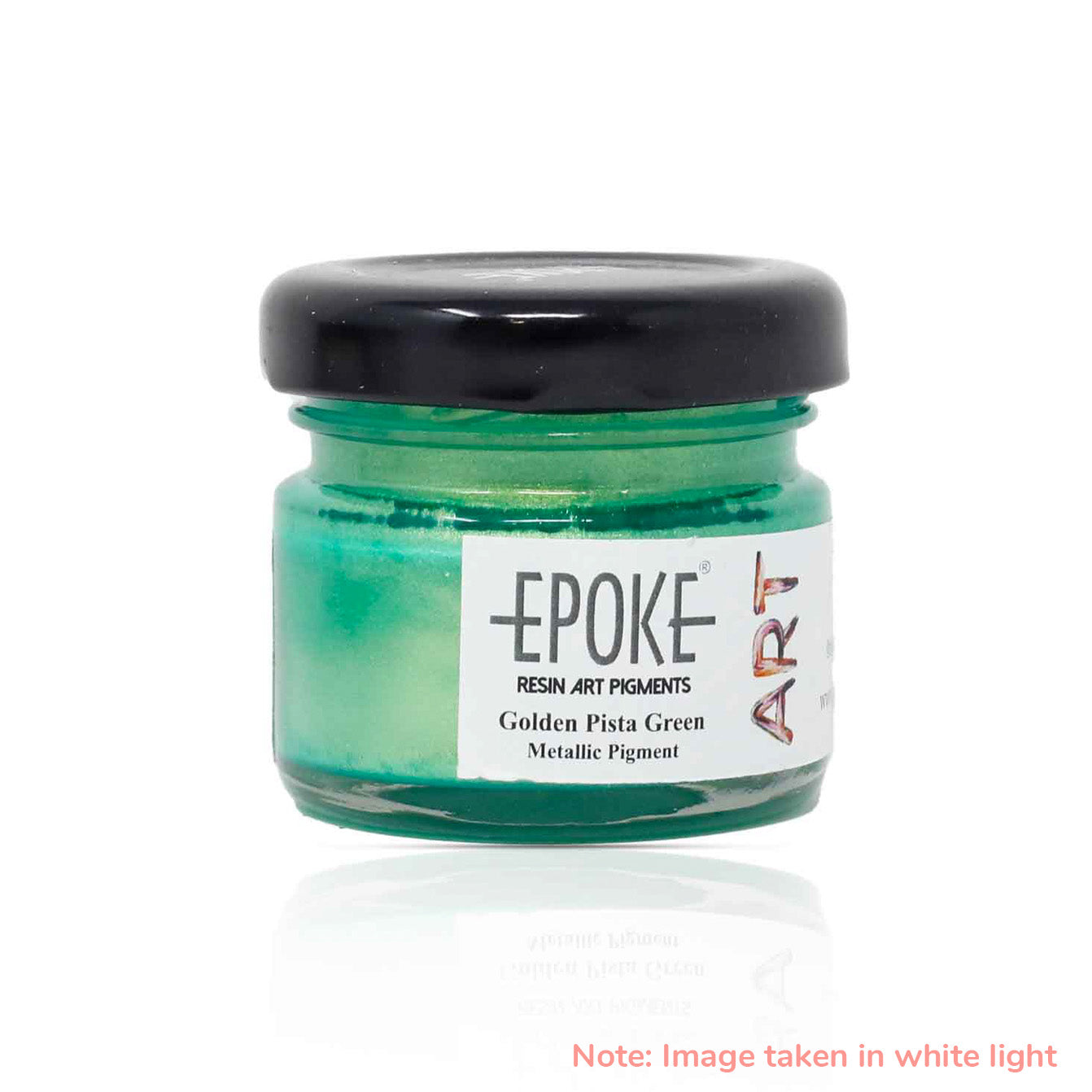
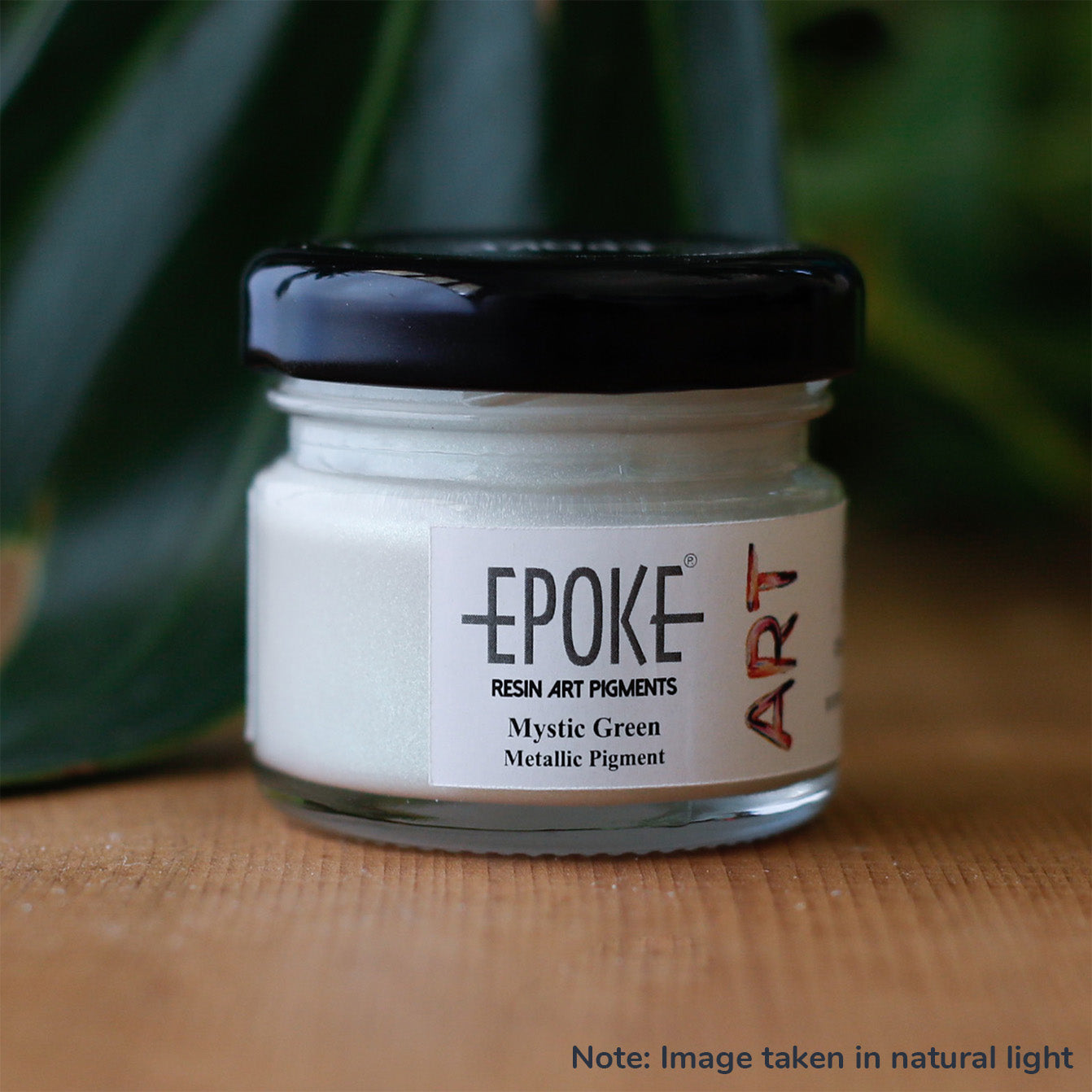
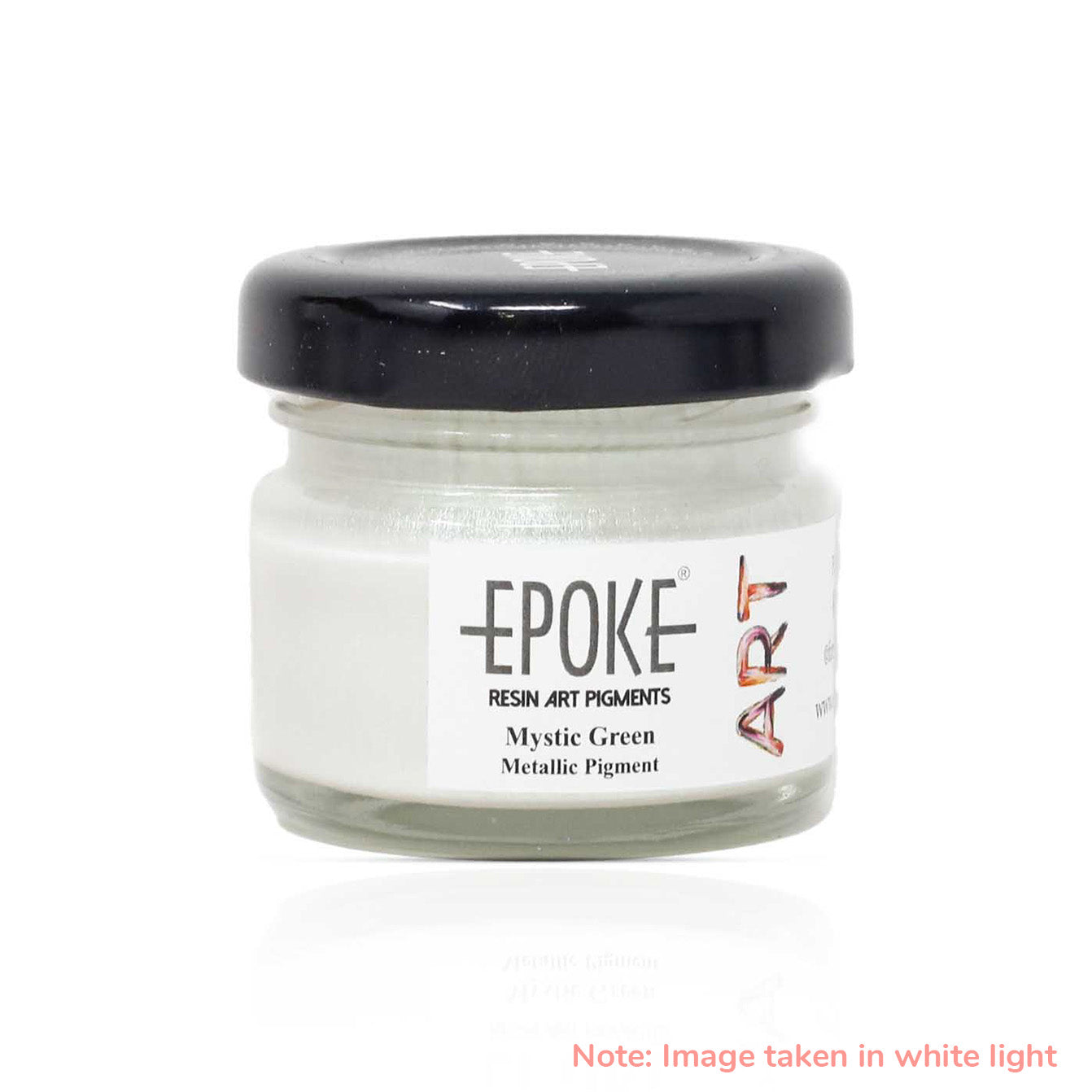
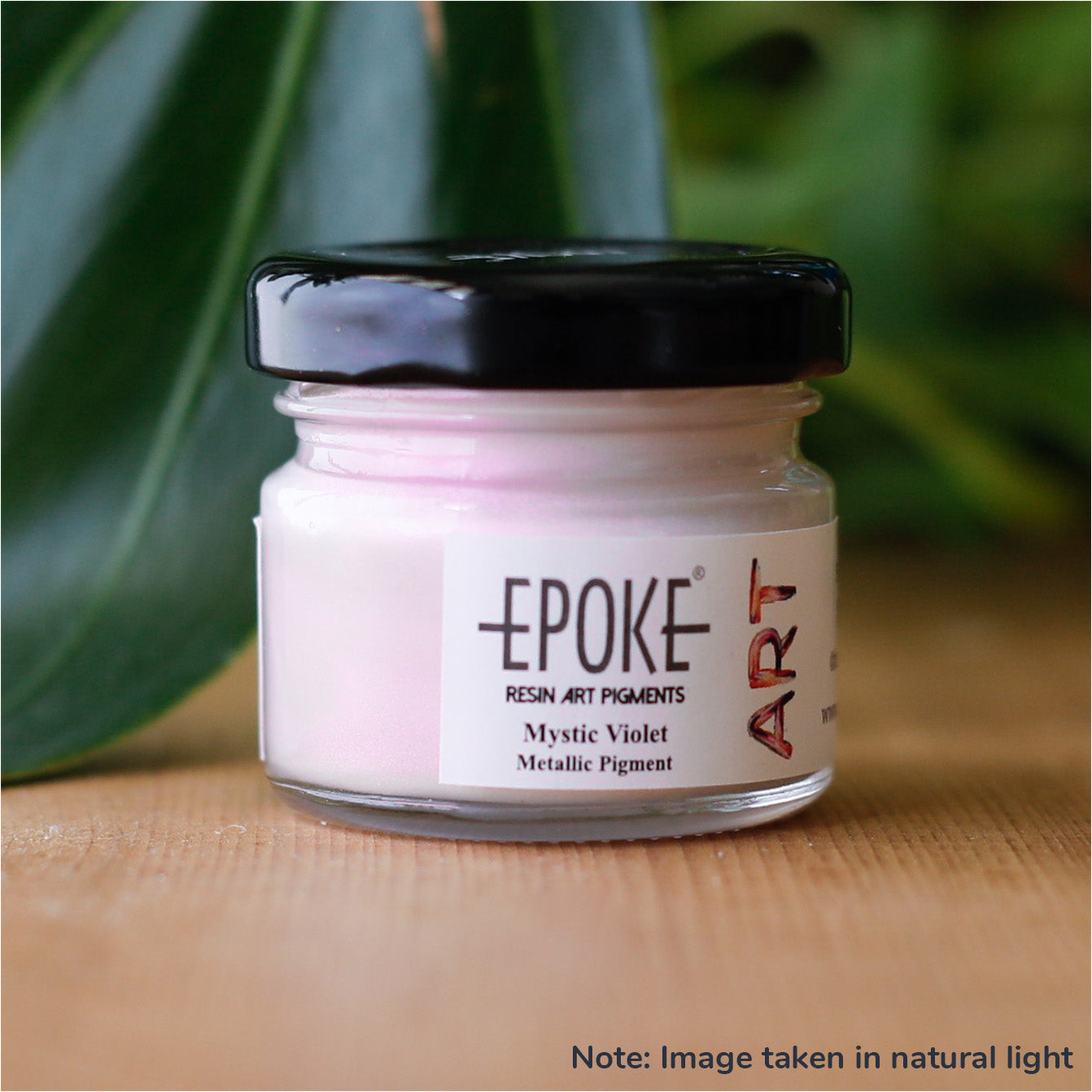
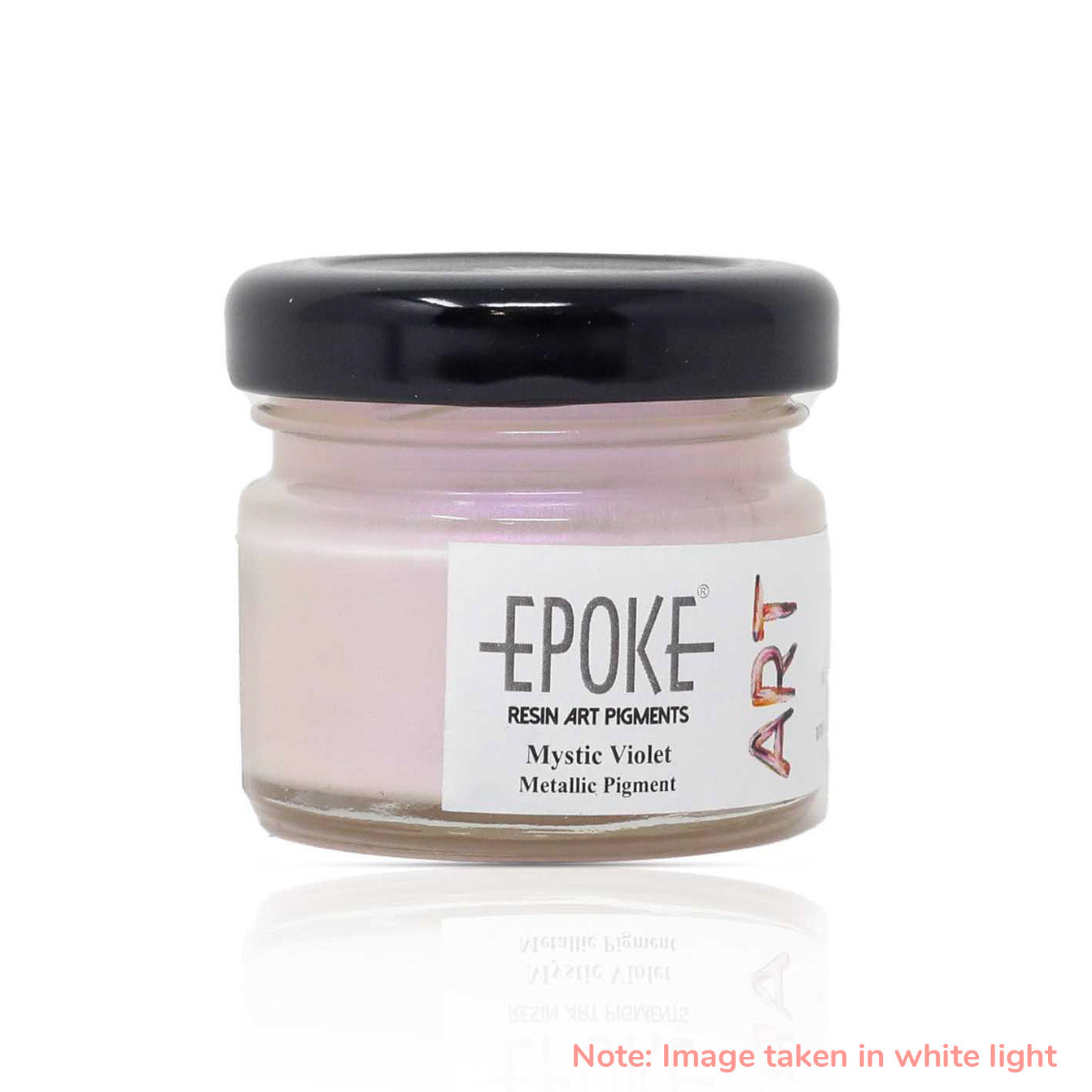
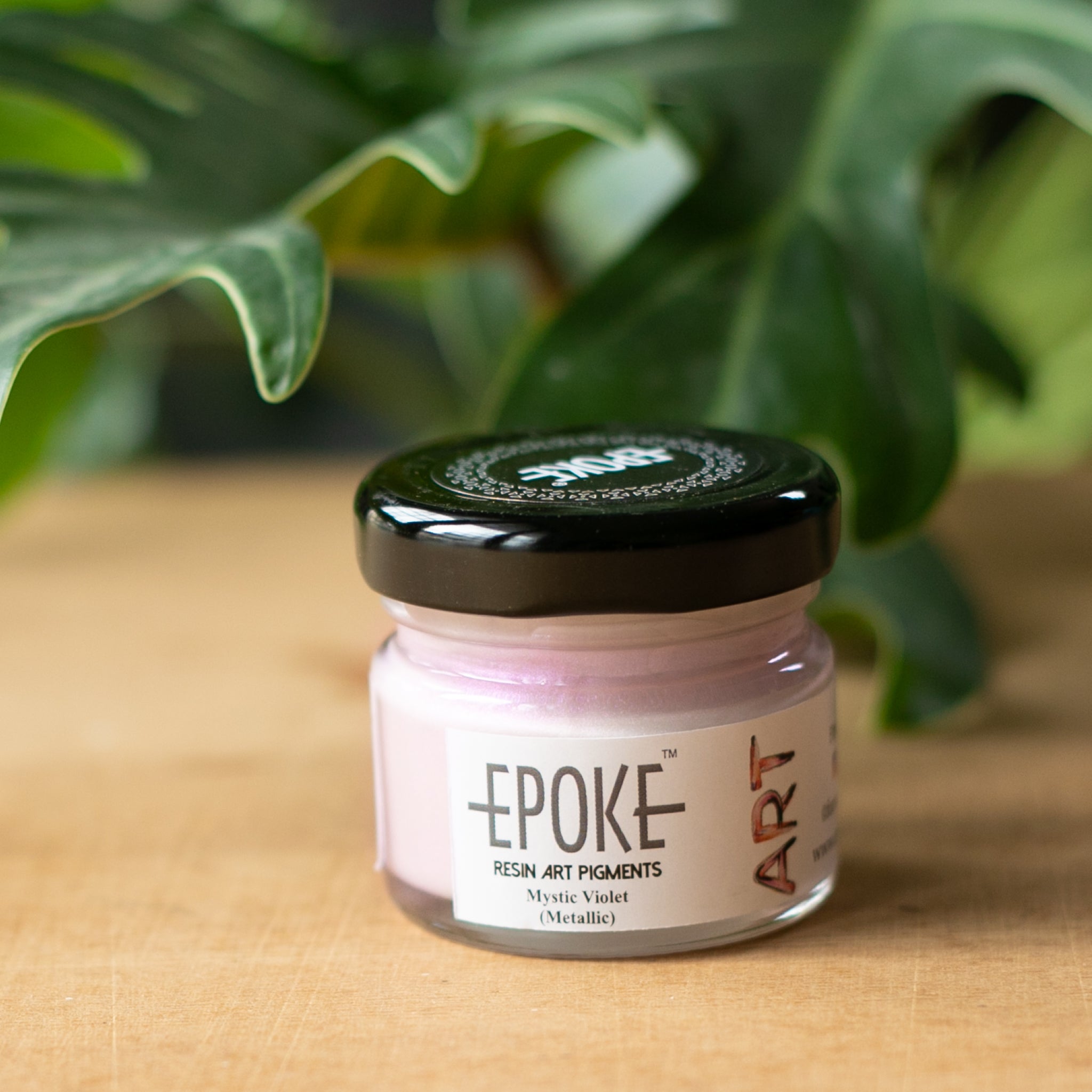
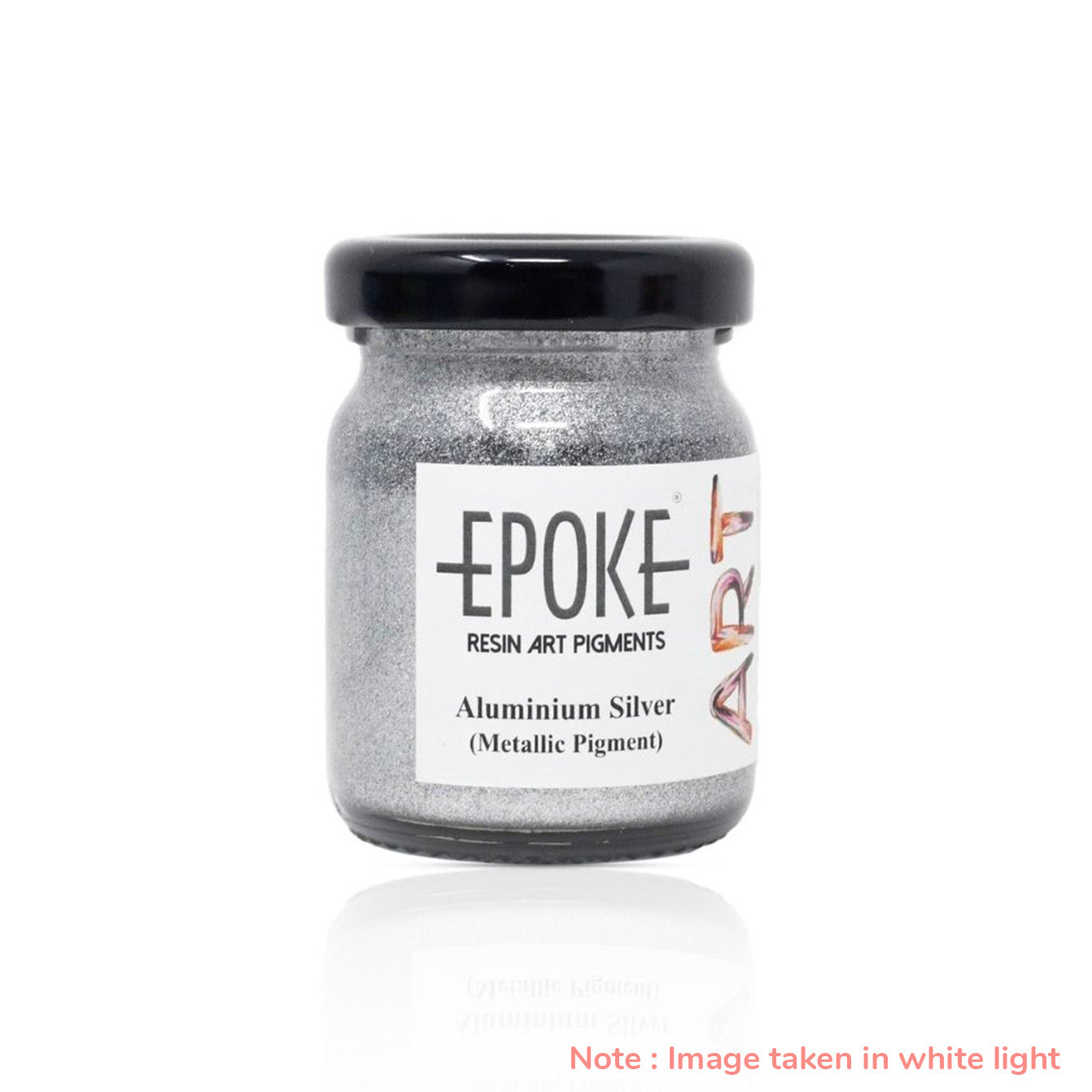
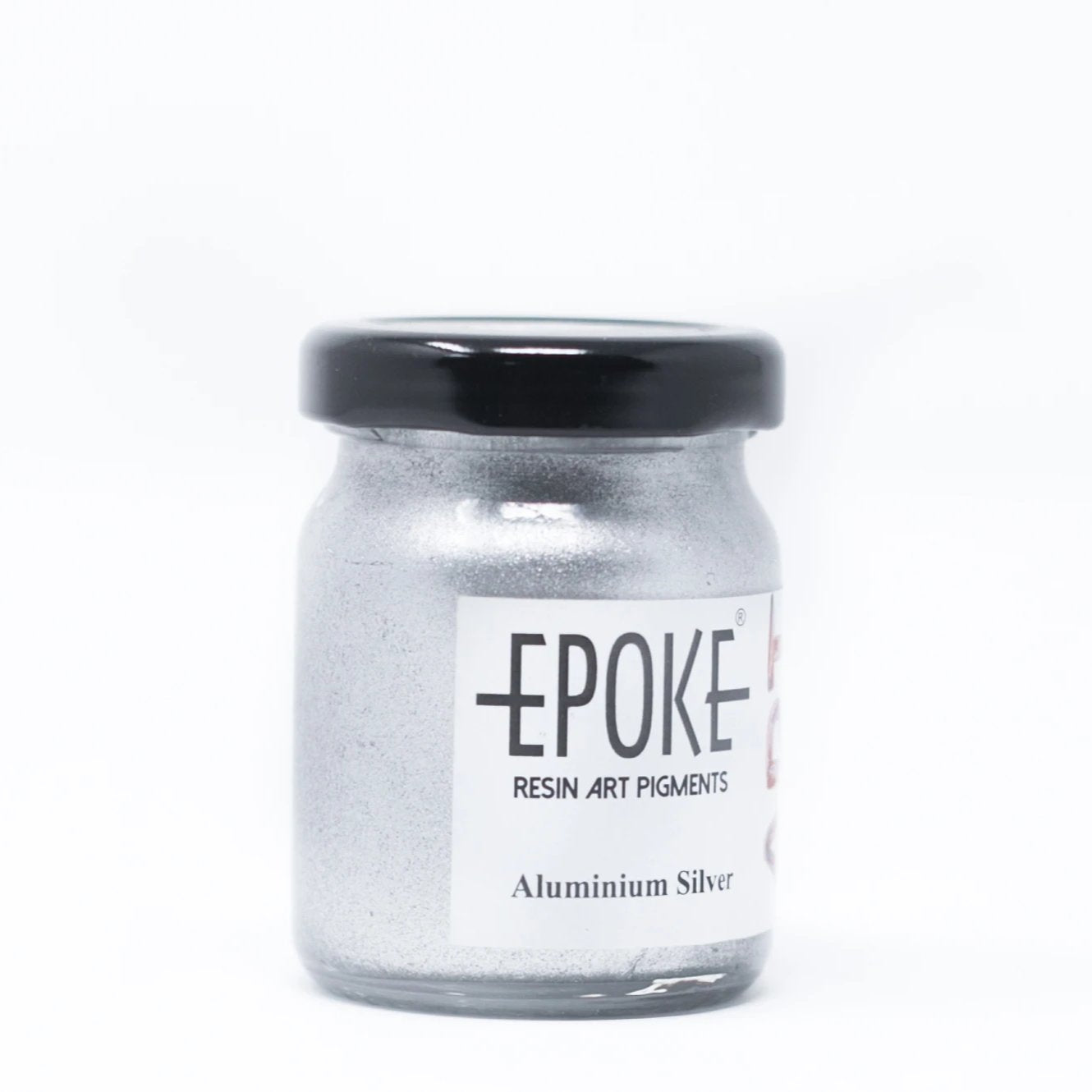
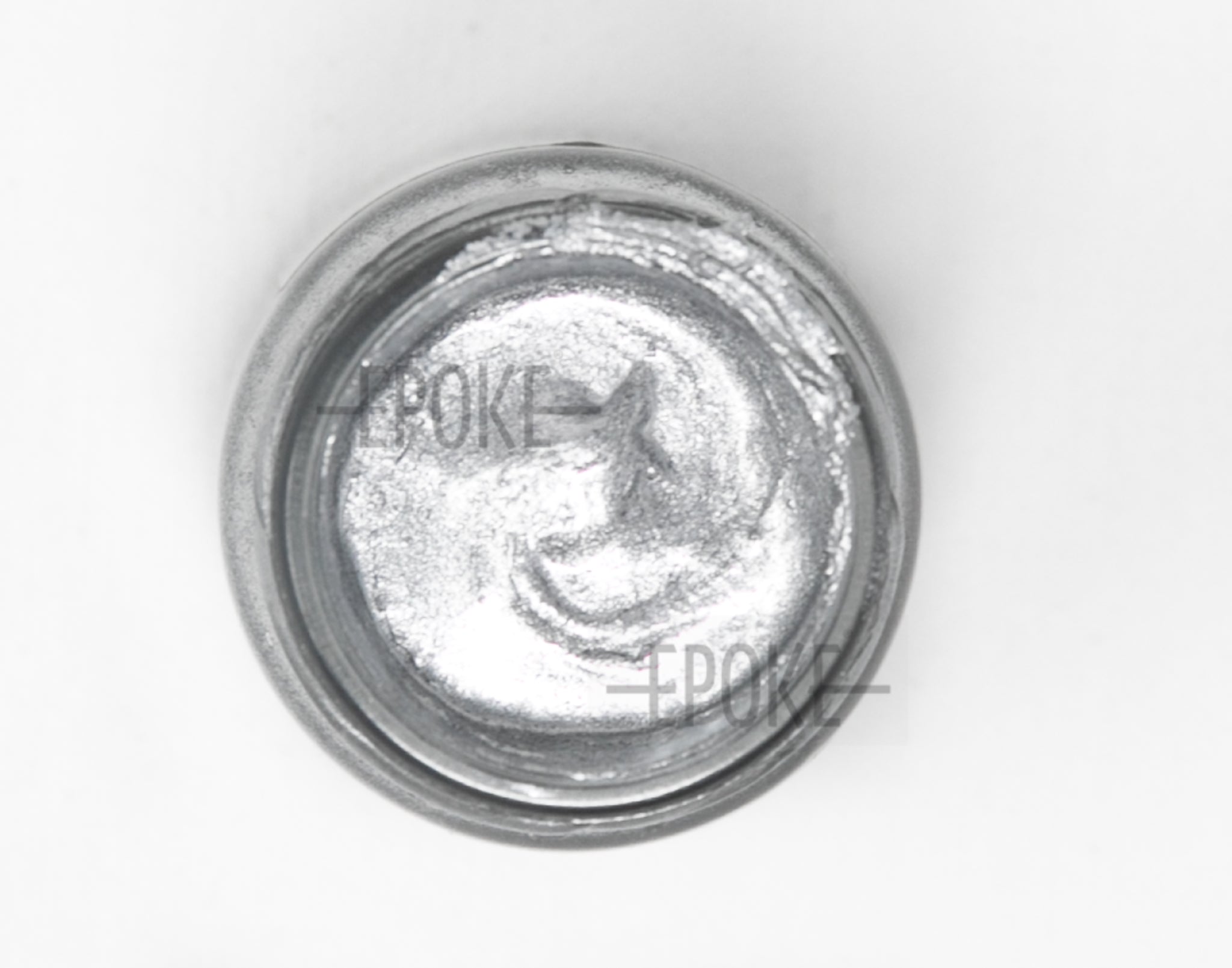
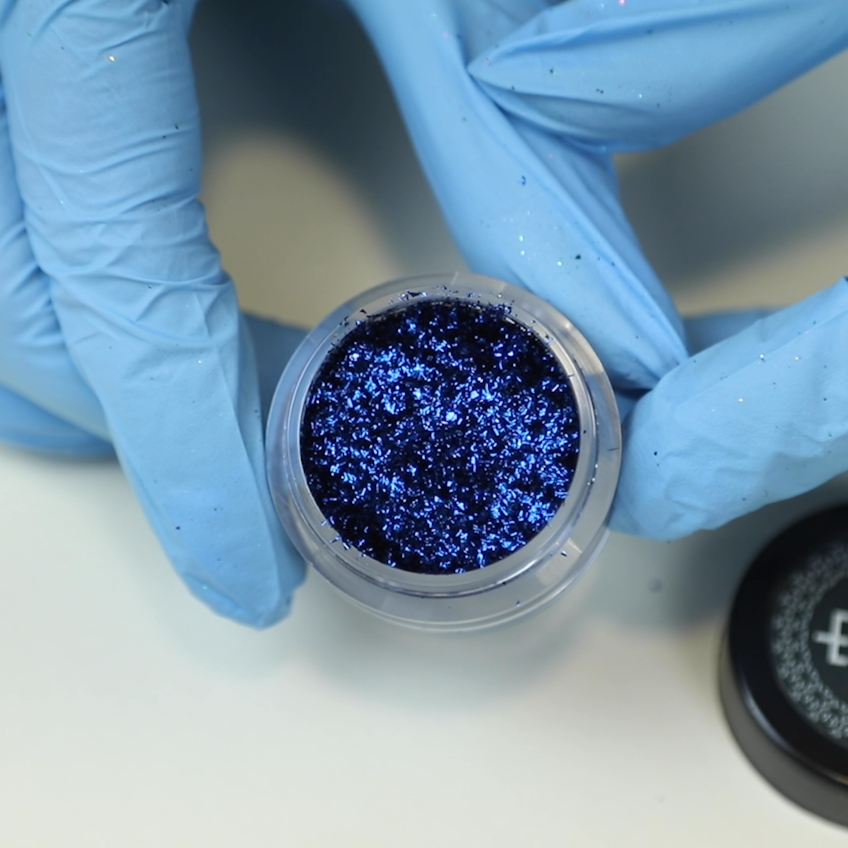
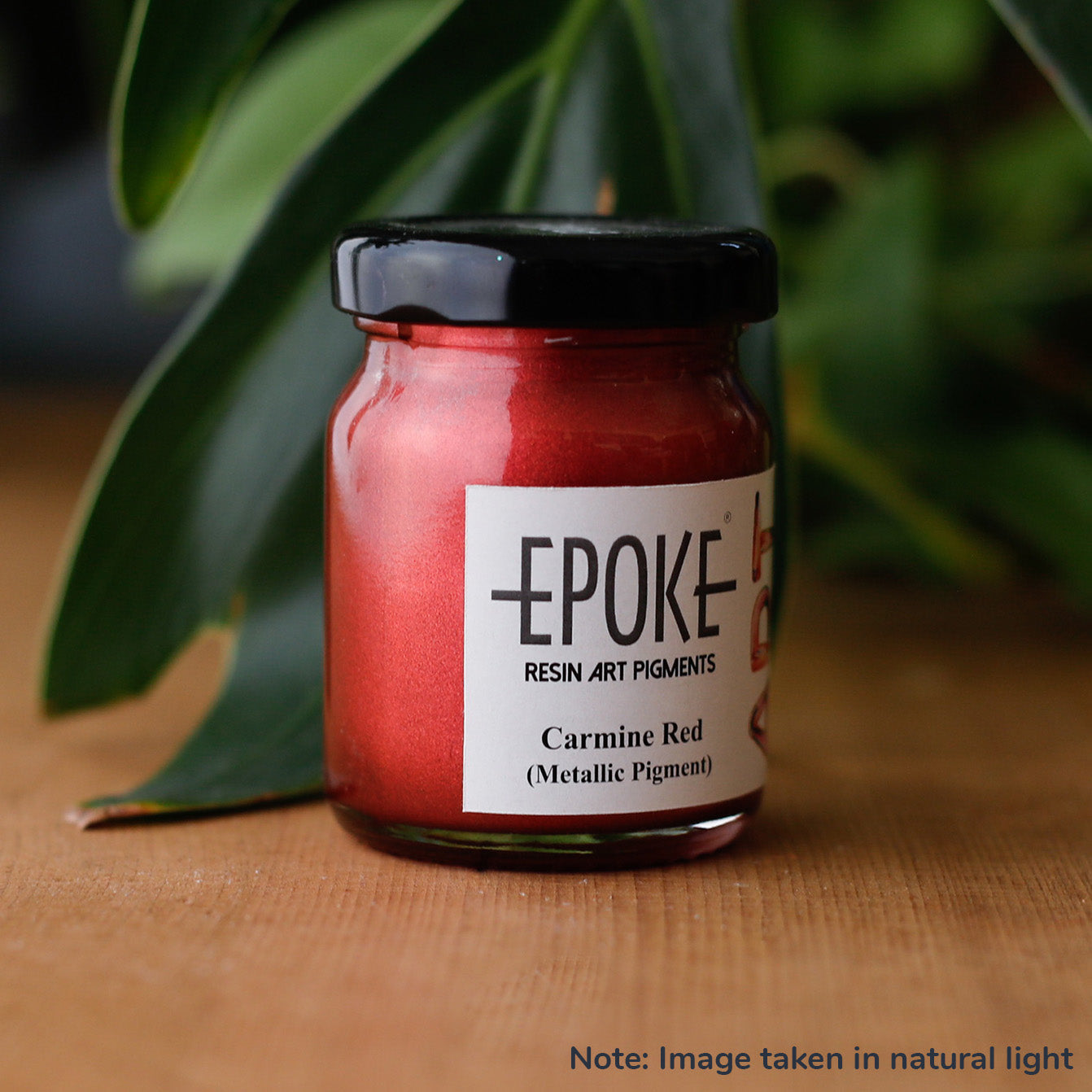
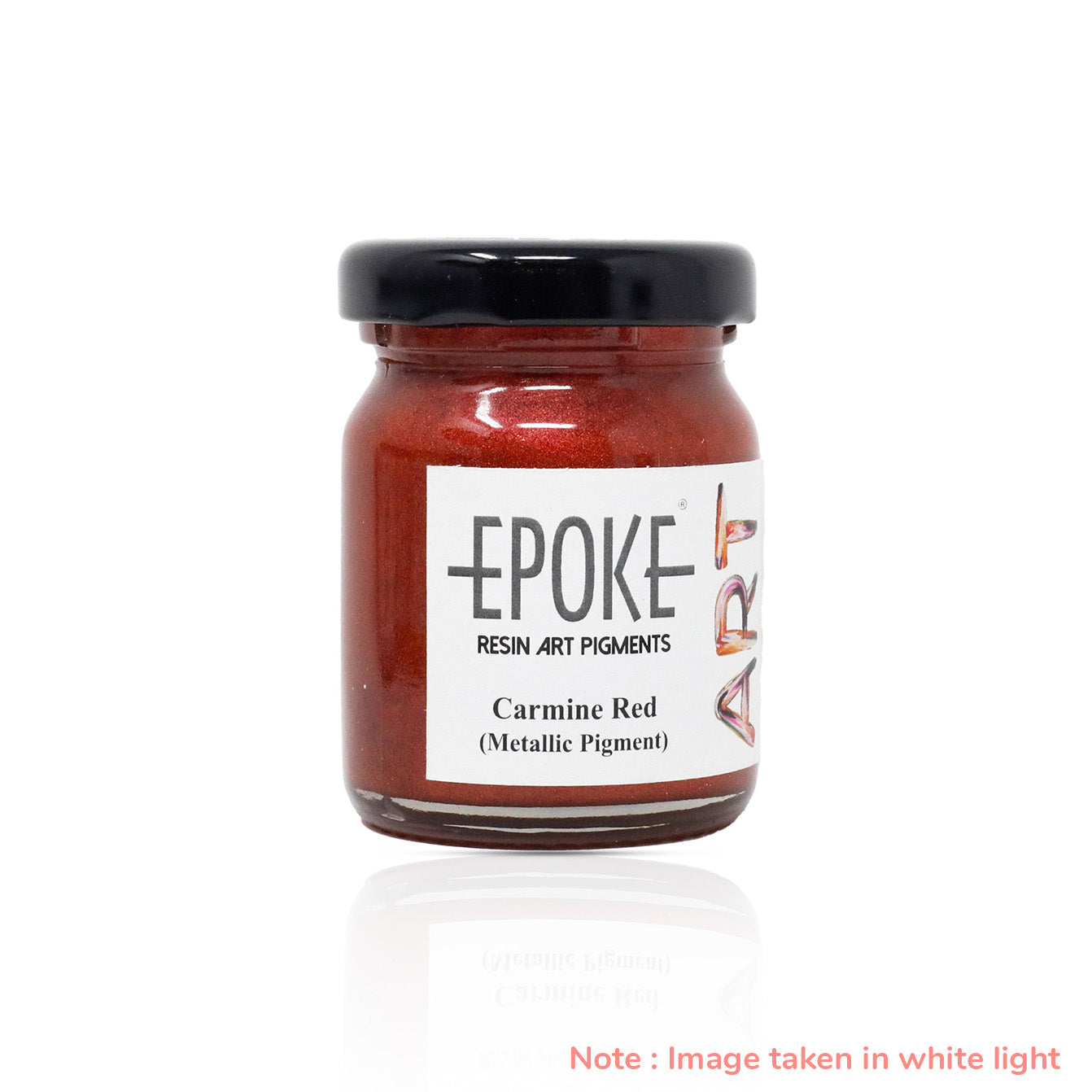
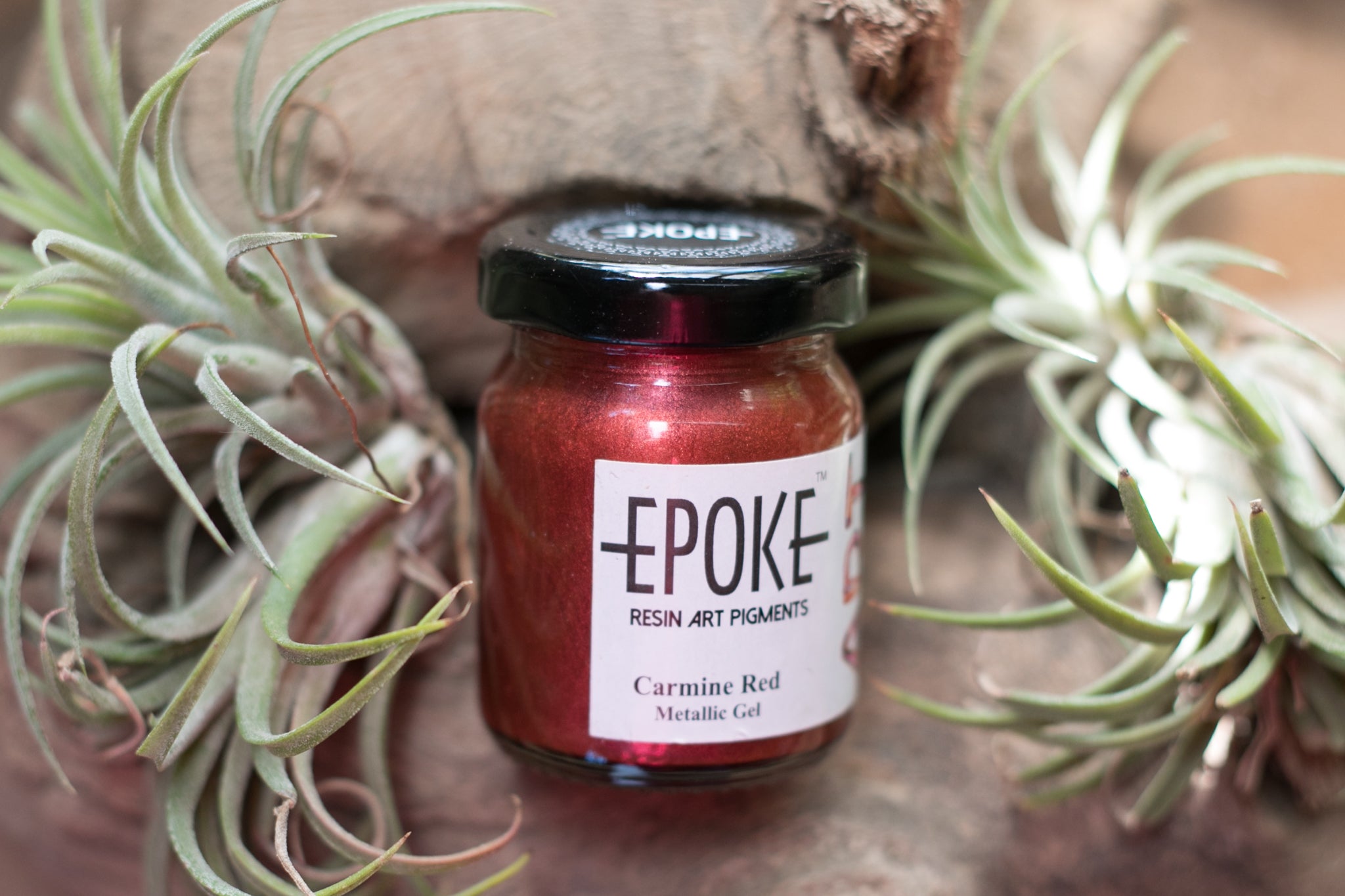
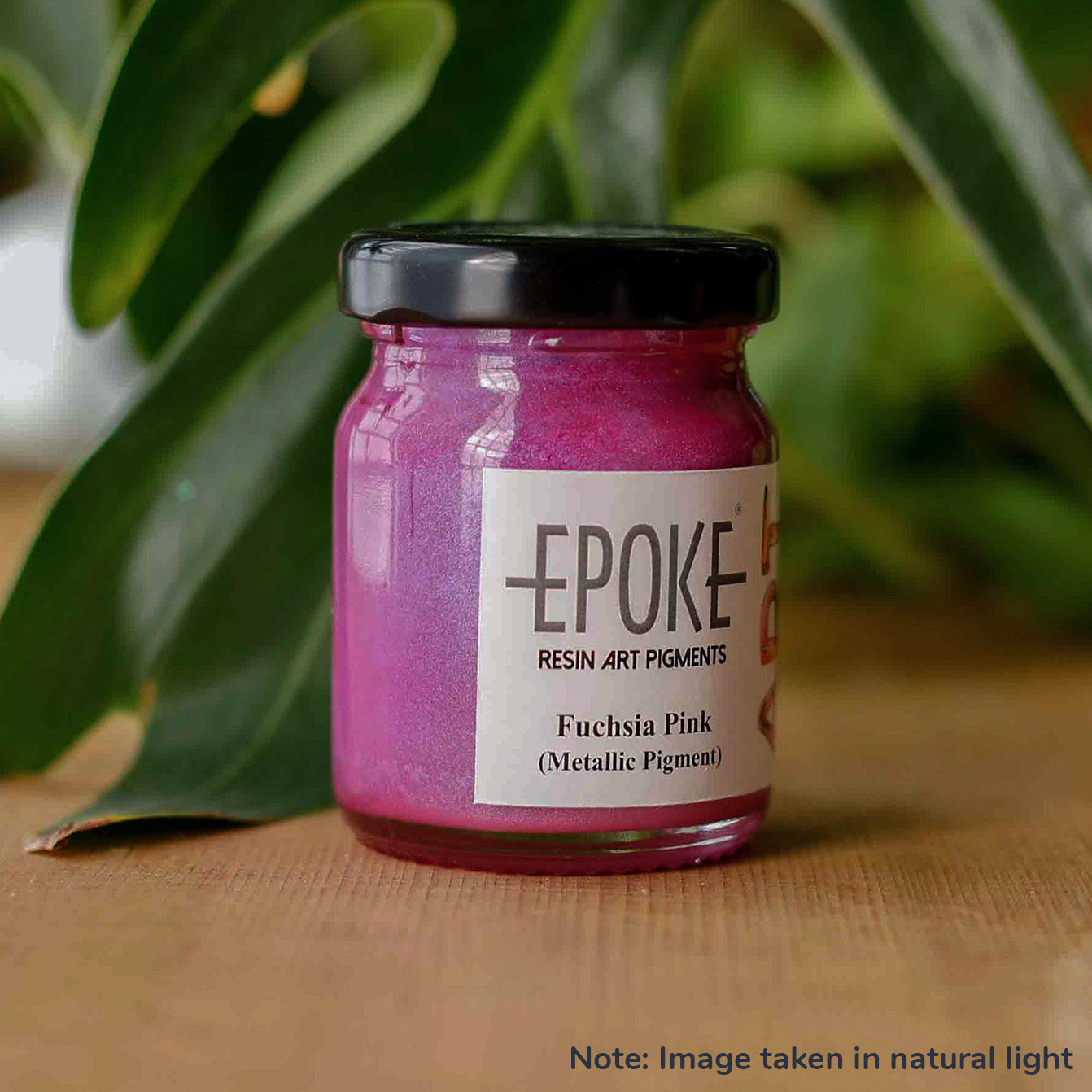
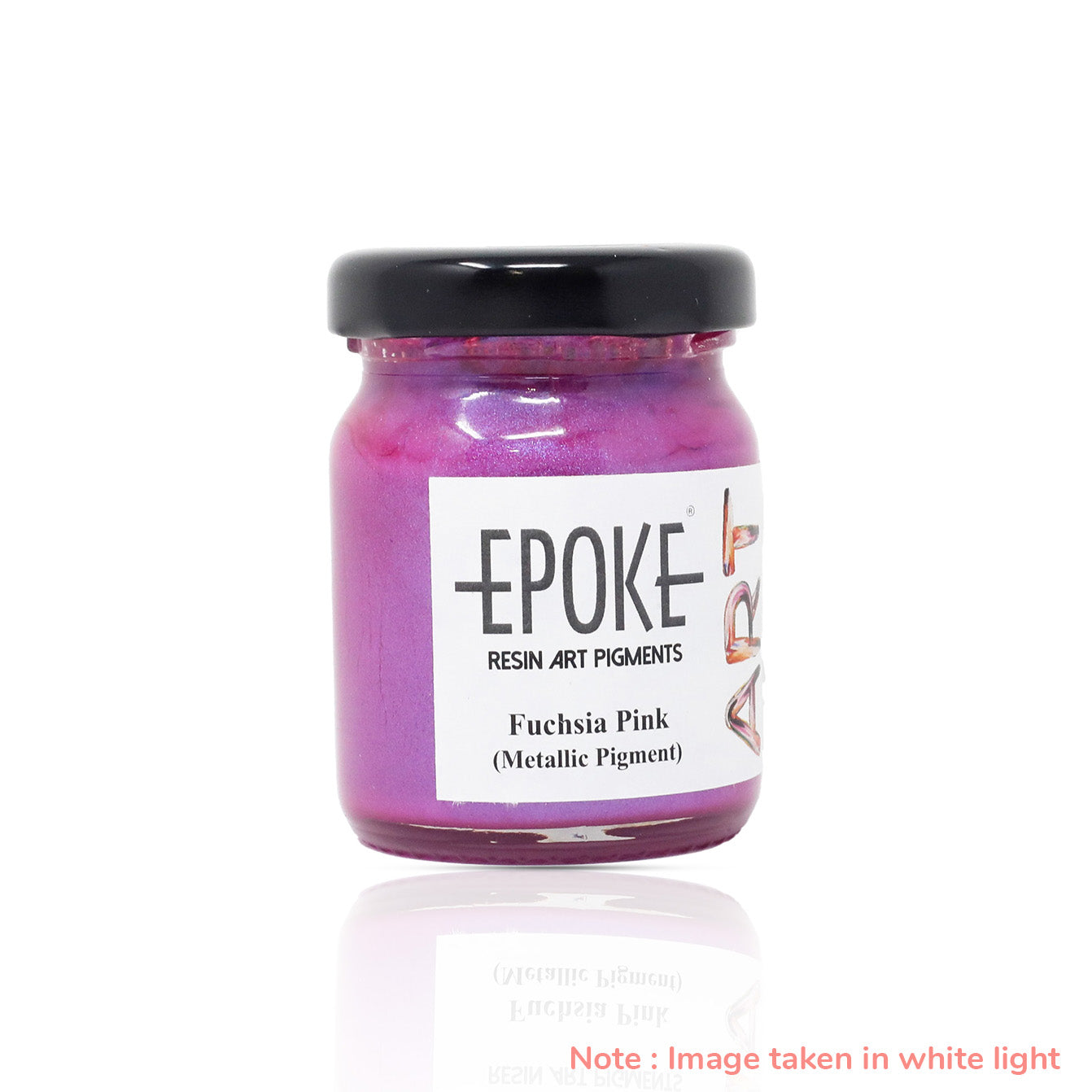
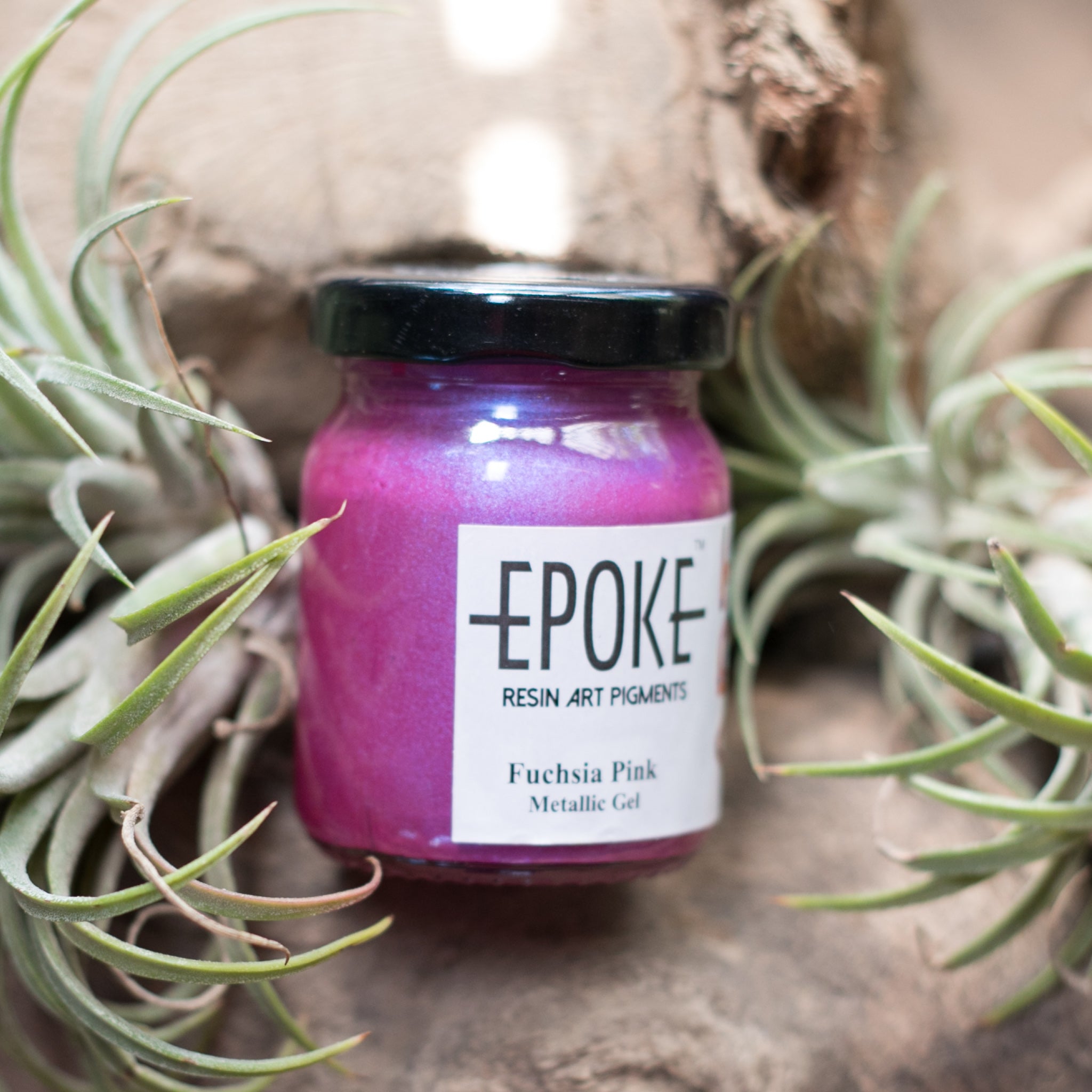
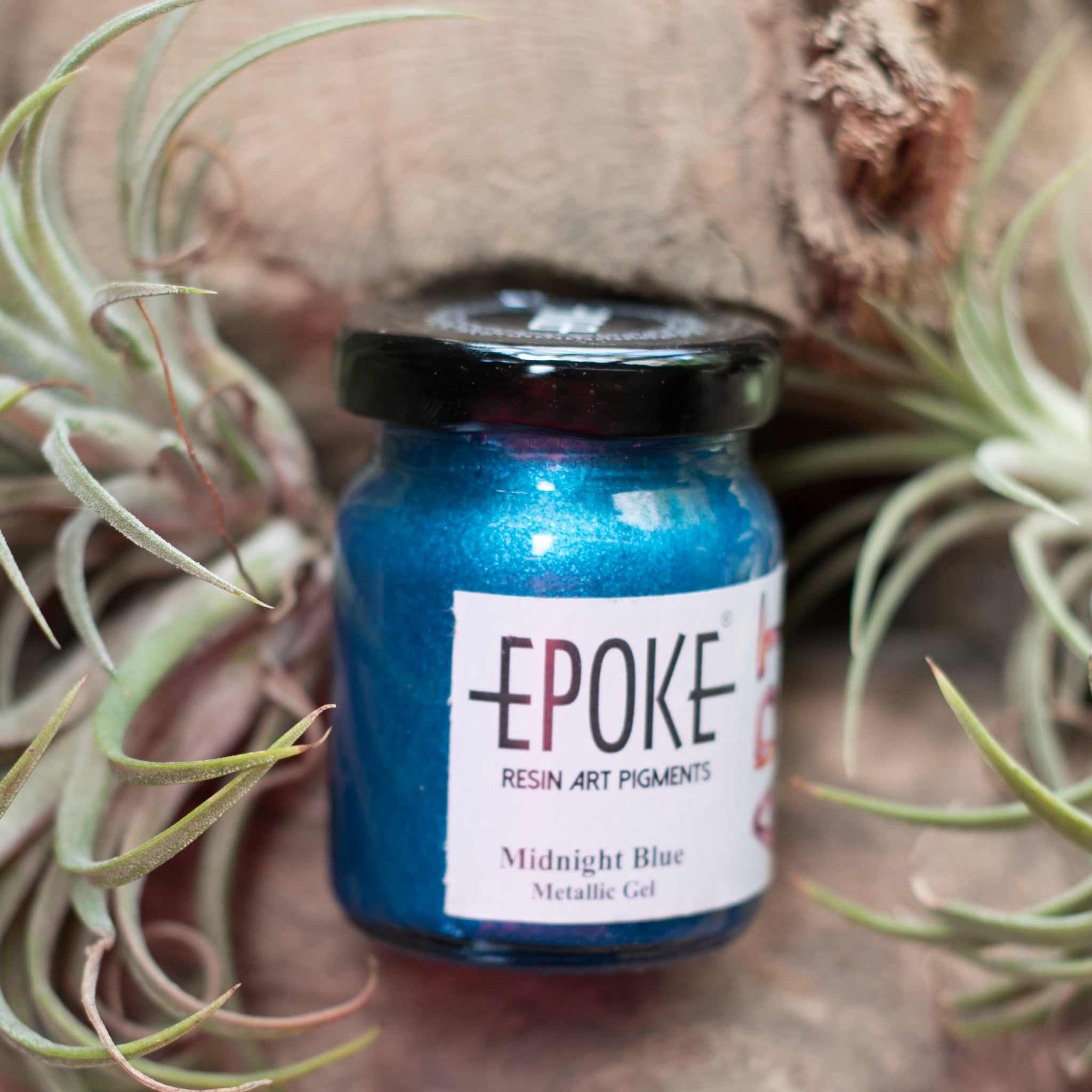
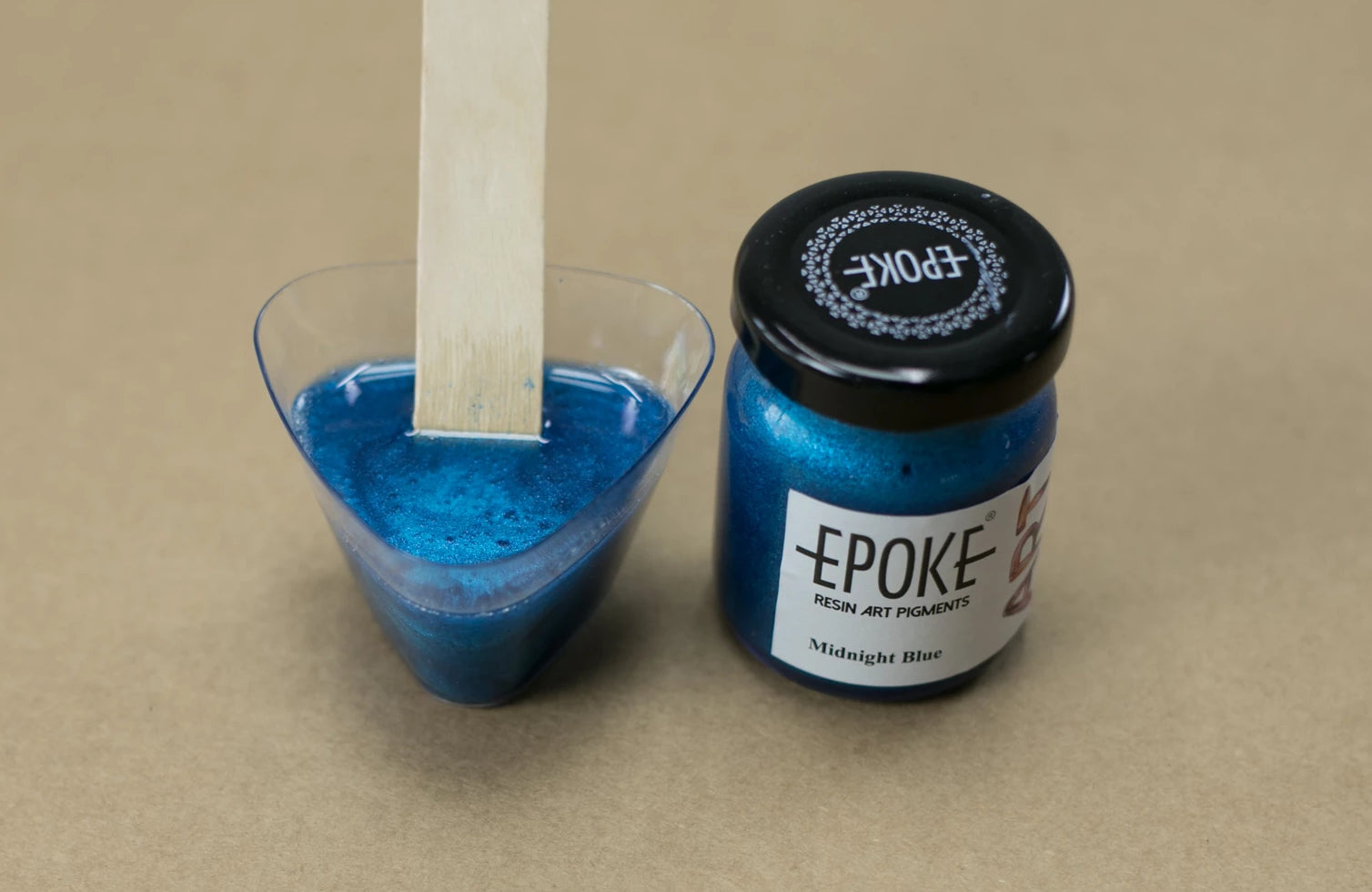
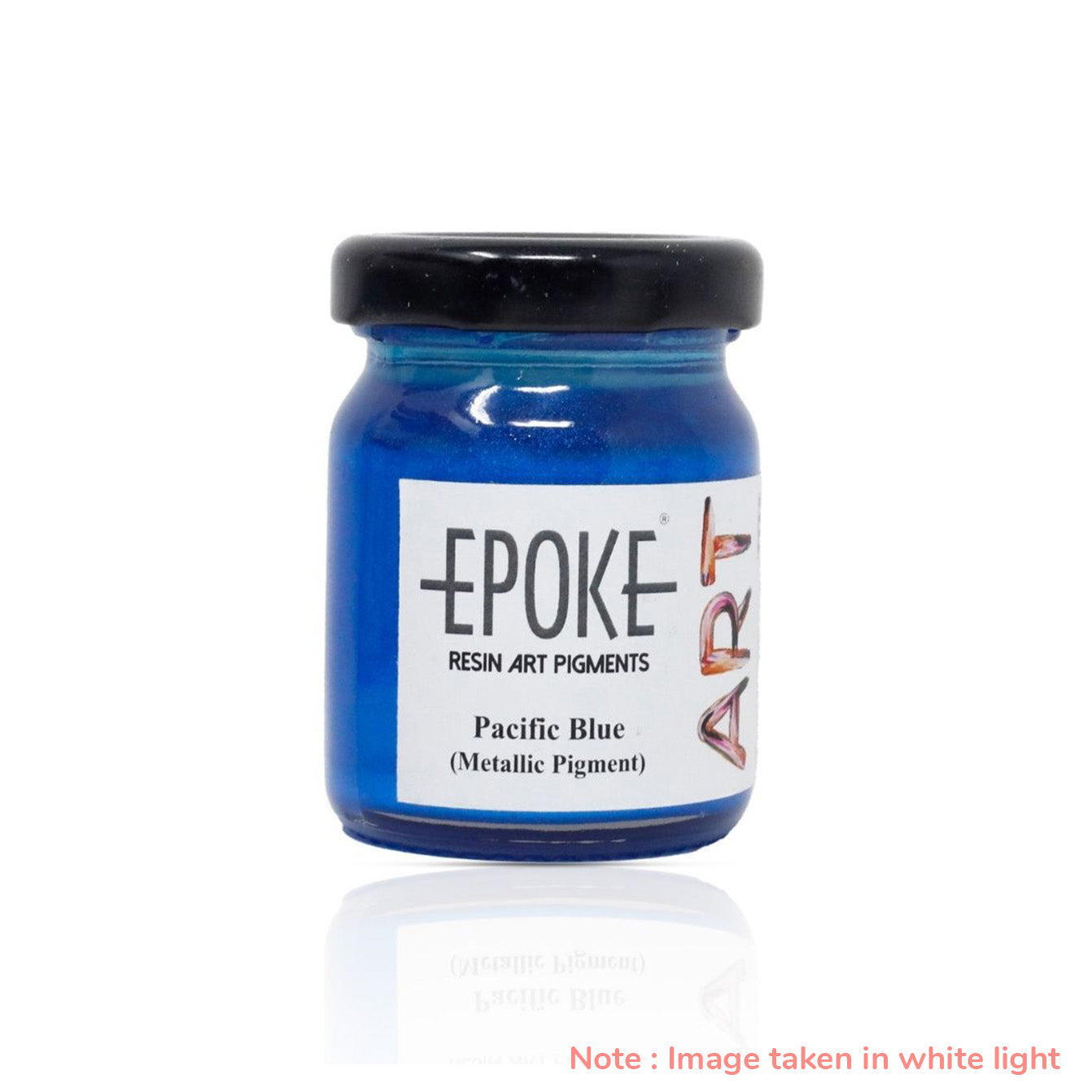
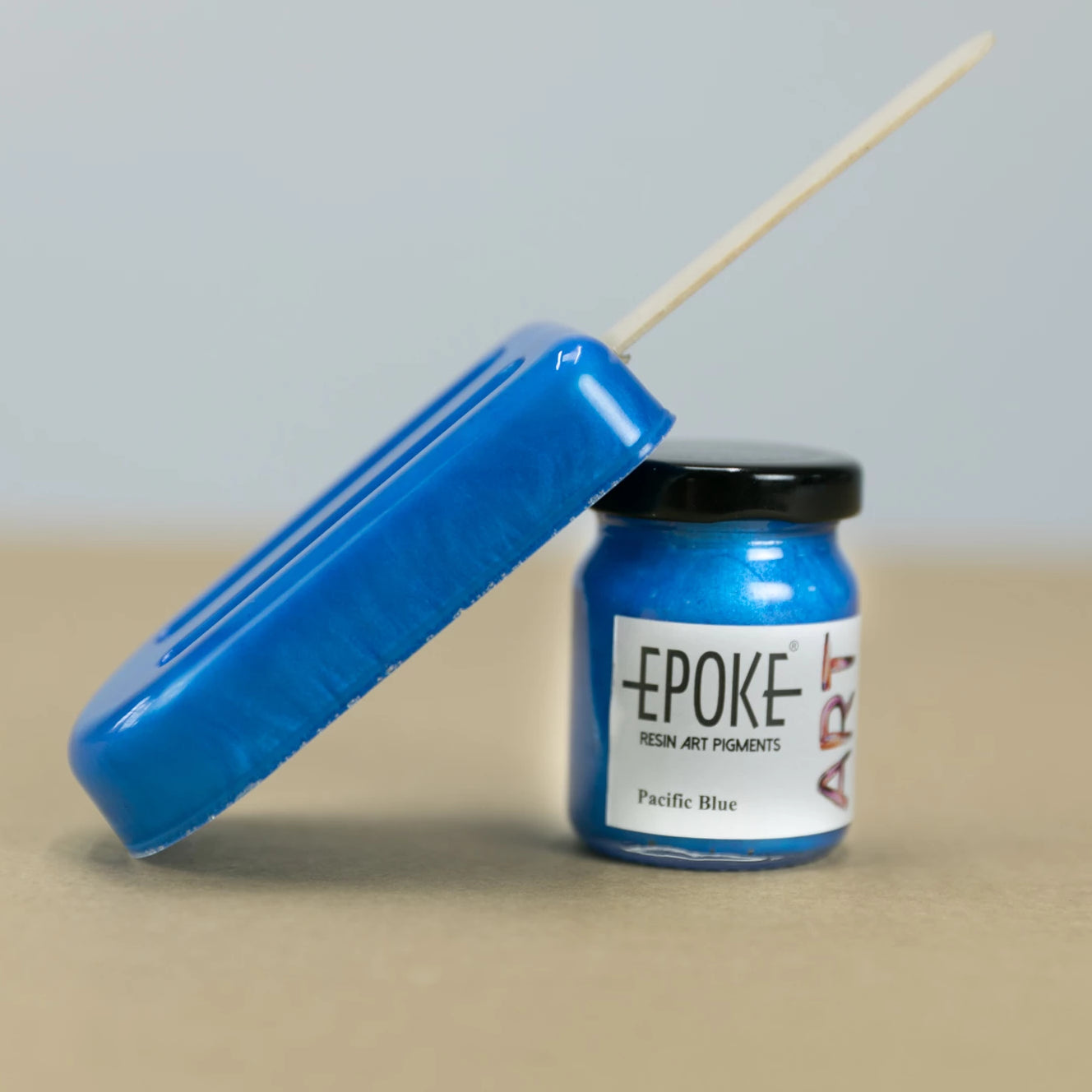
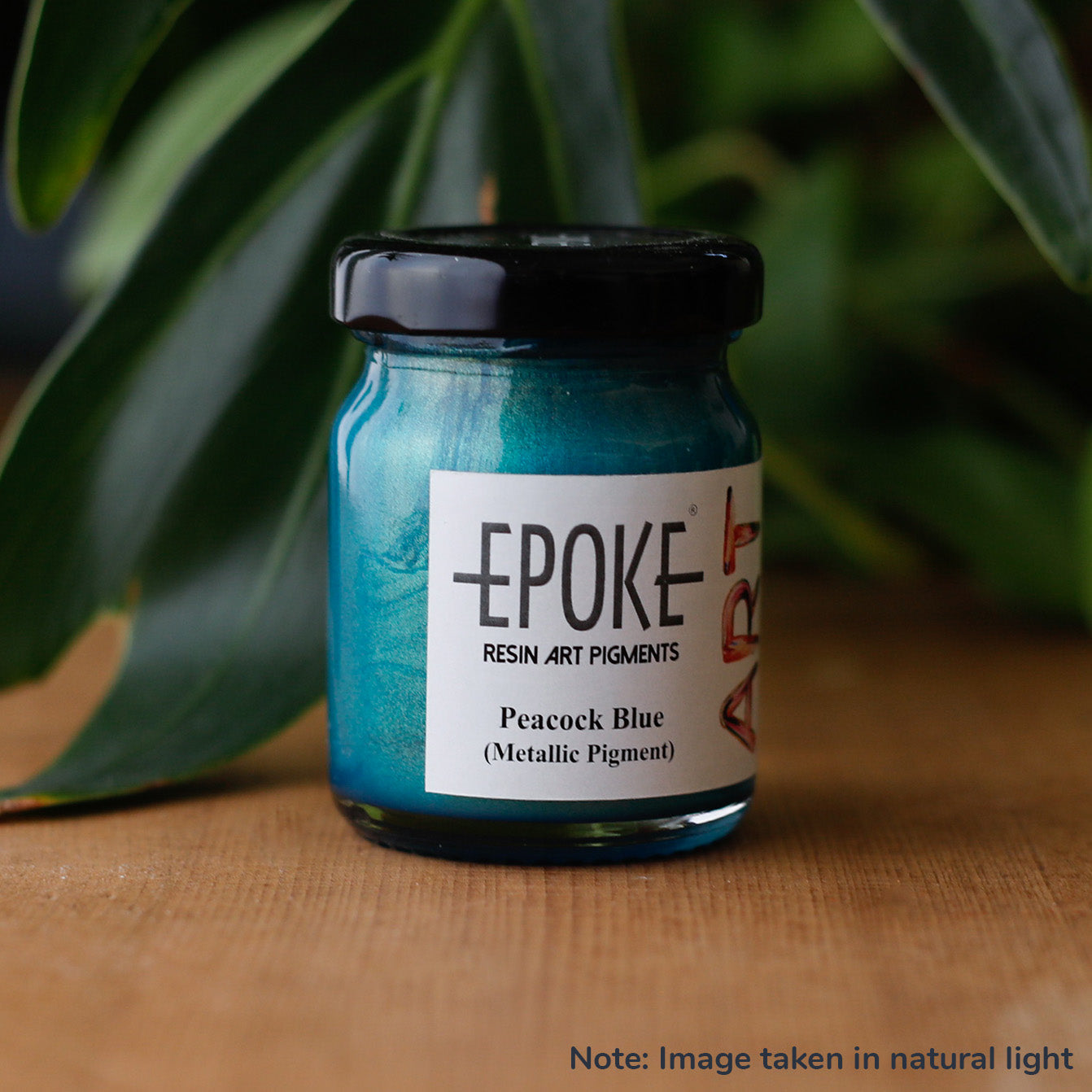
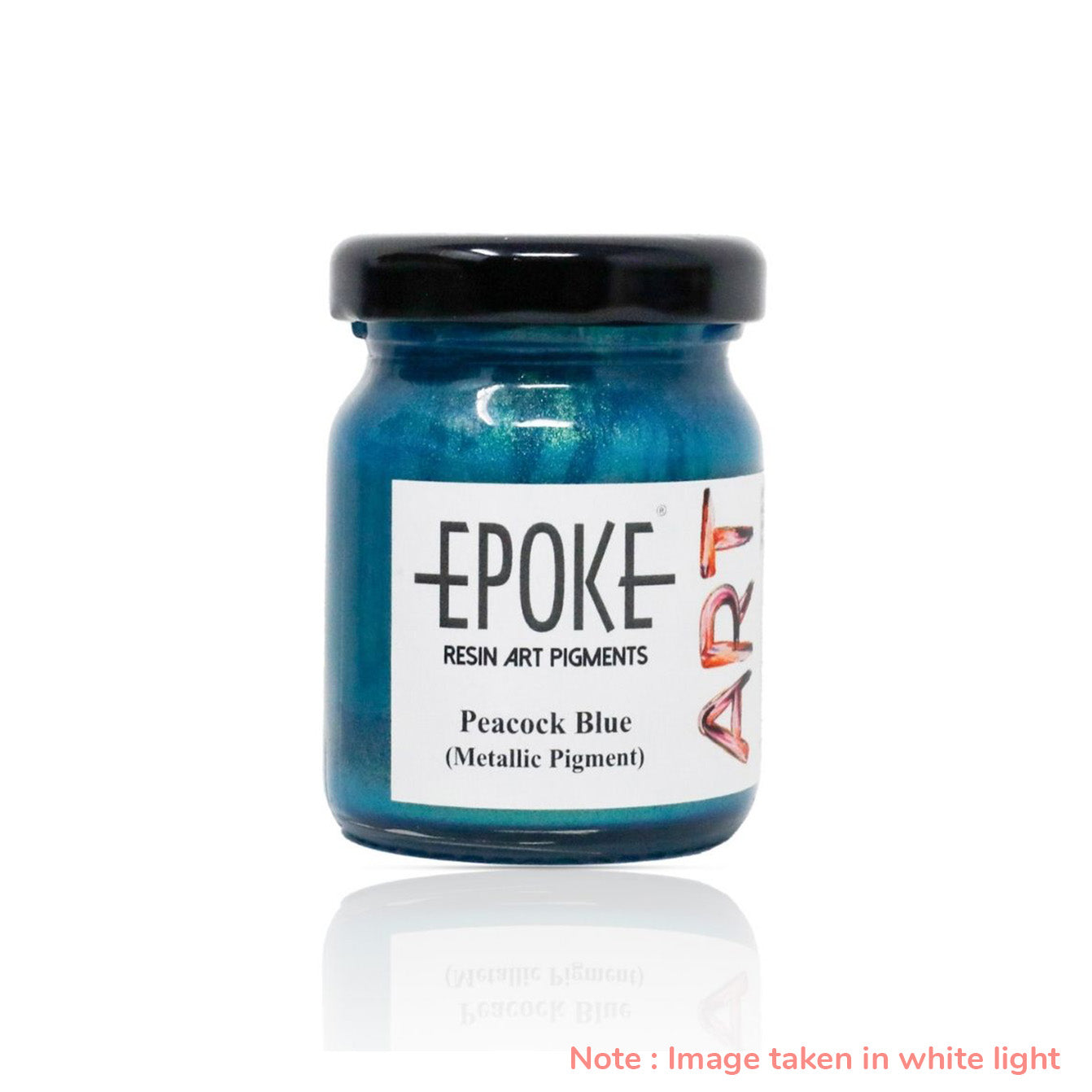
Metallic Pigments: Shine, Shimmer, and Movement
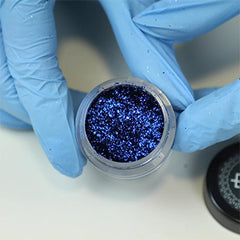
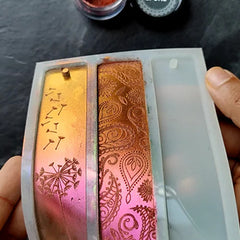
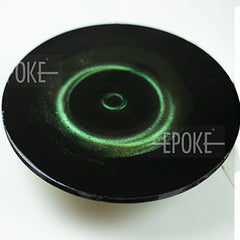
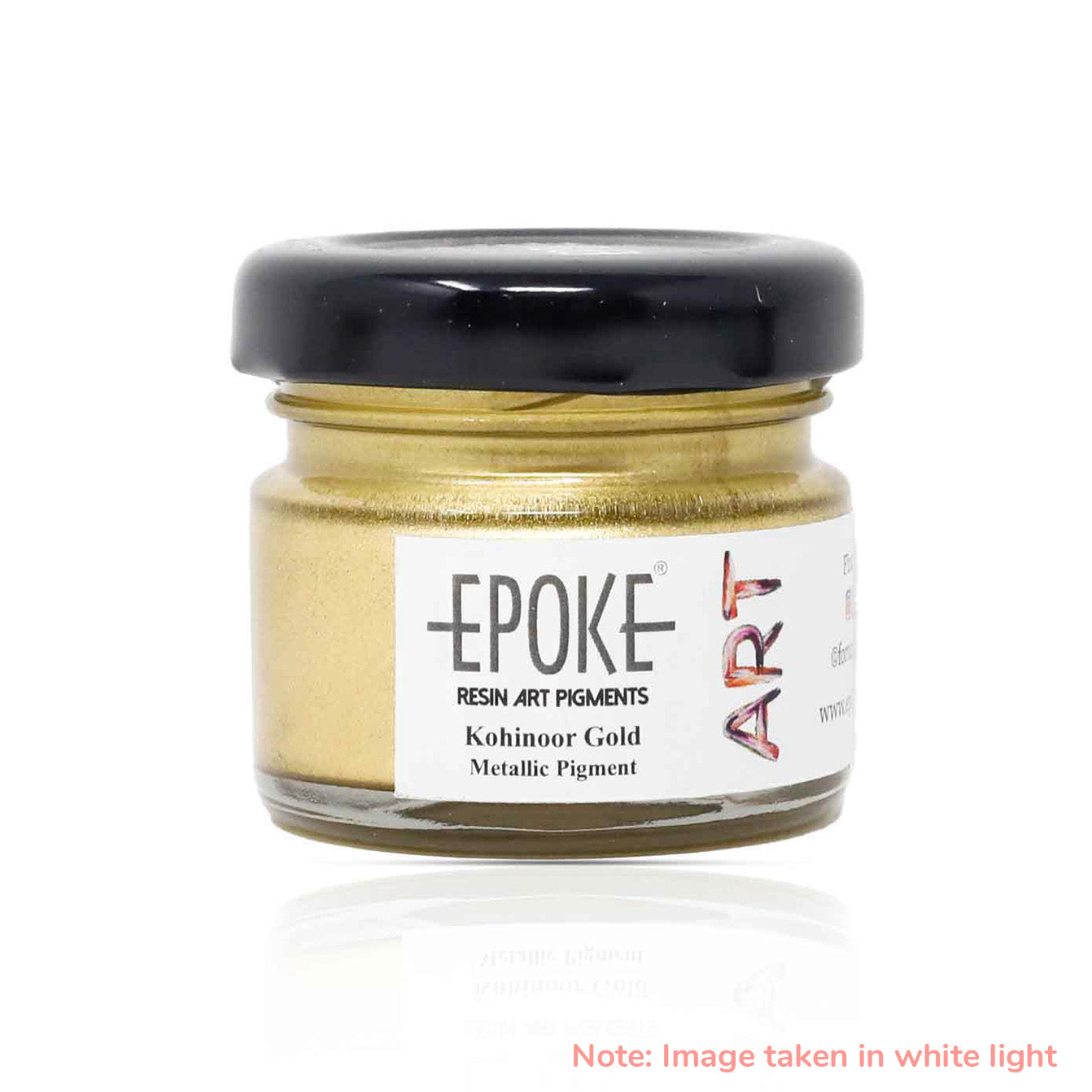
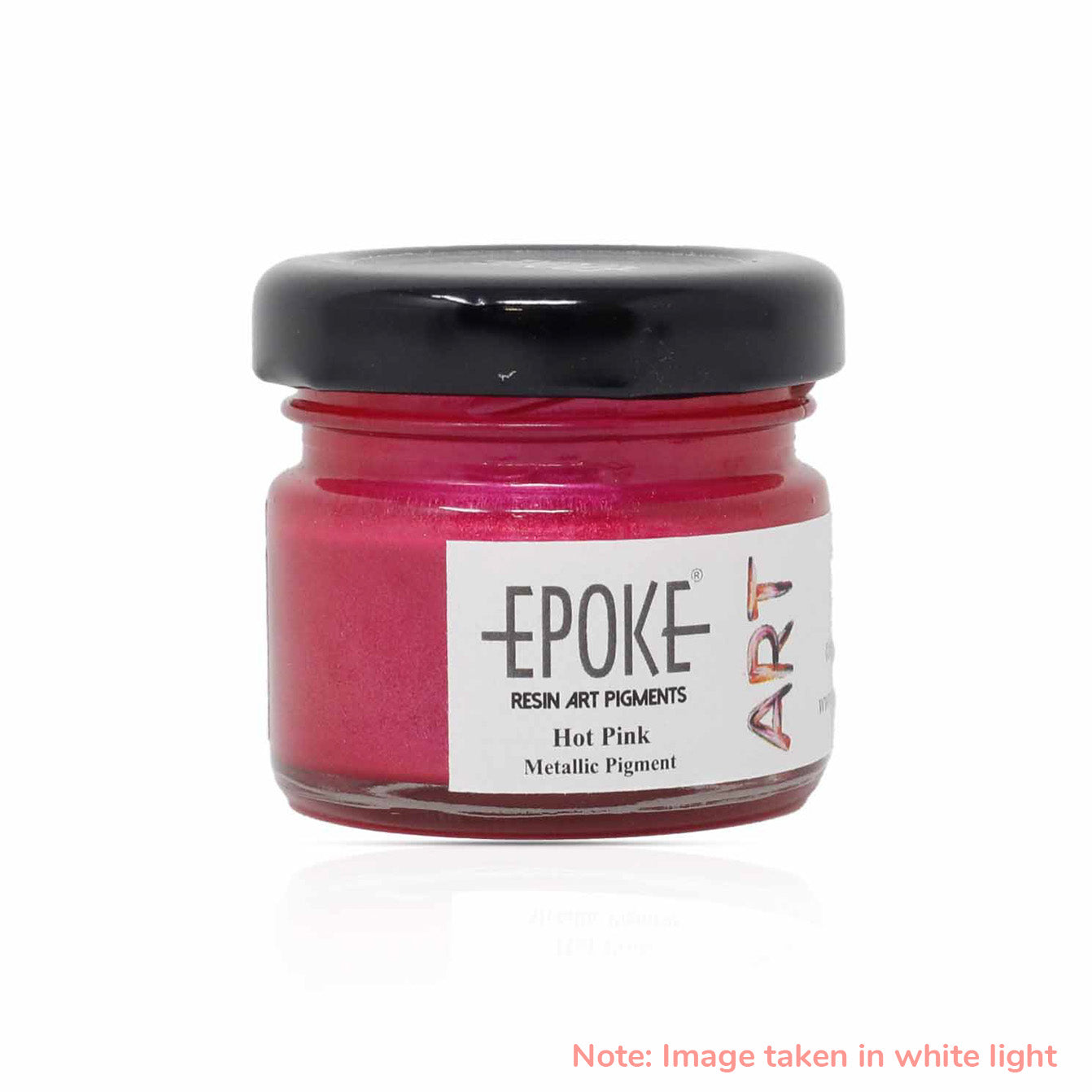
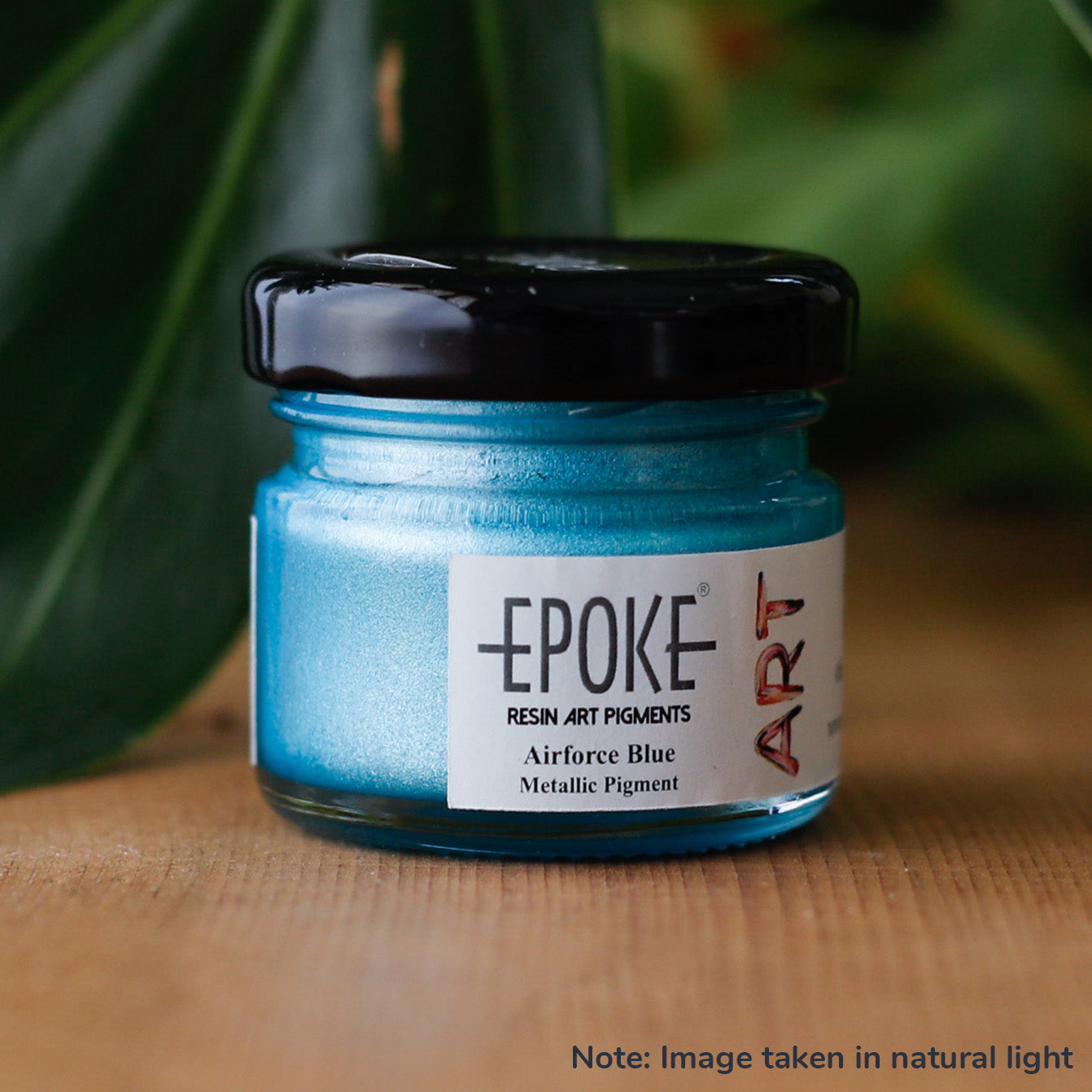
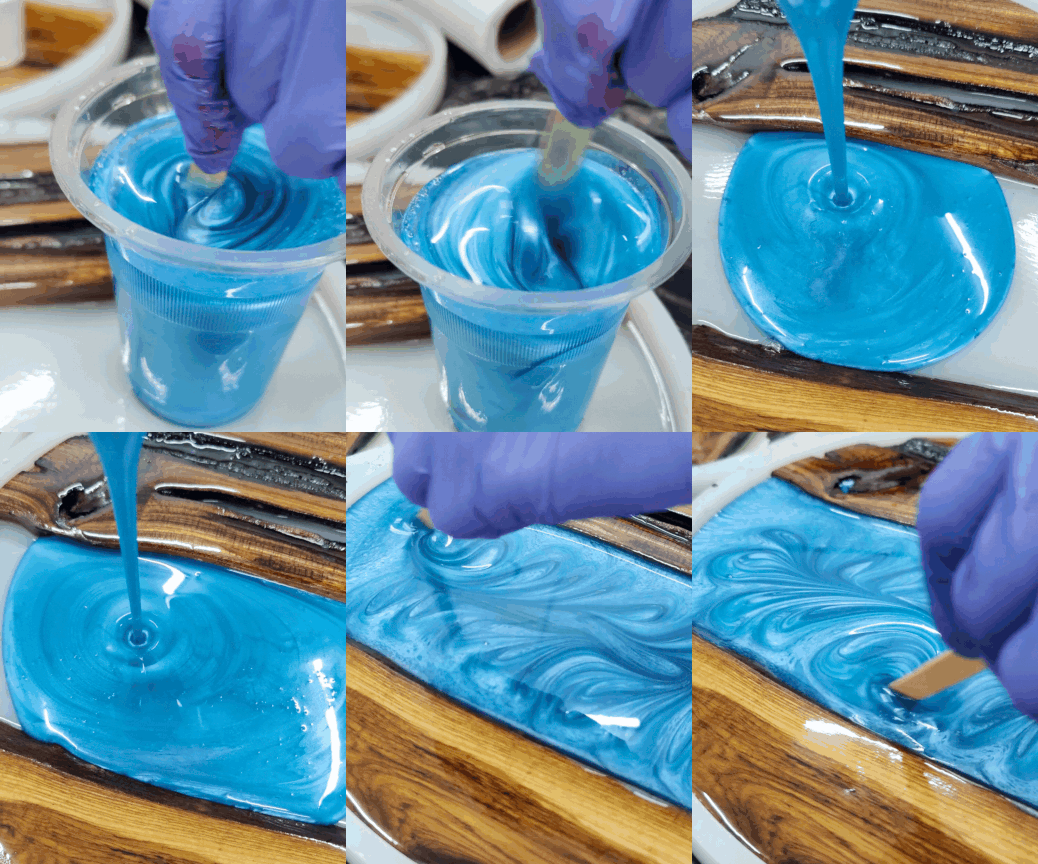
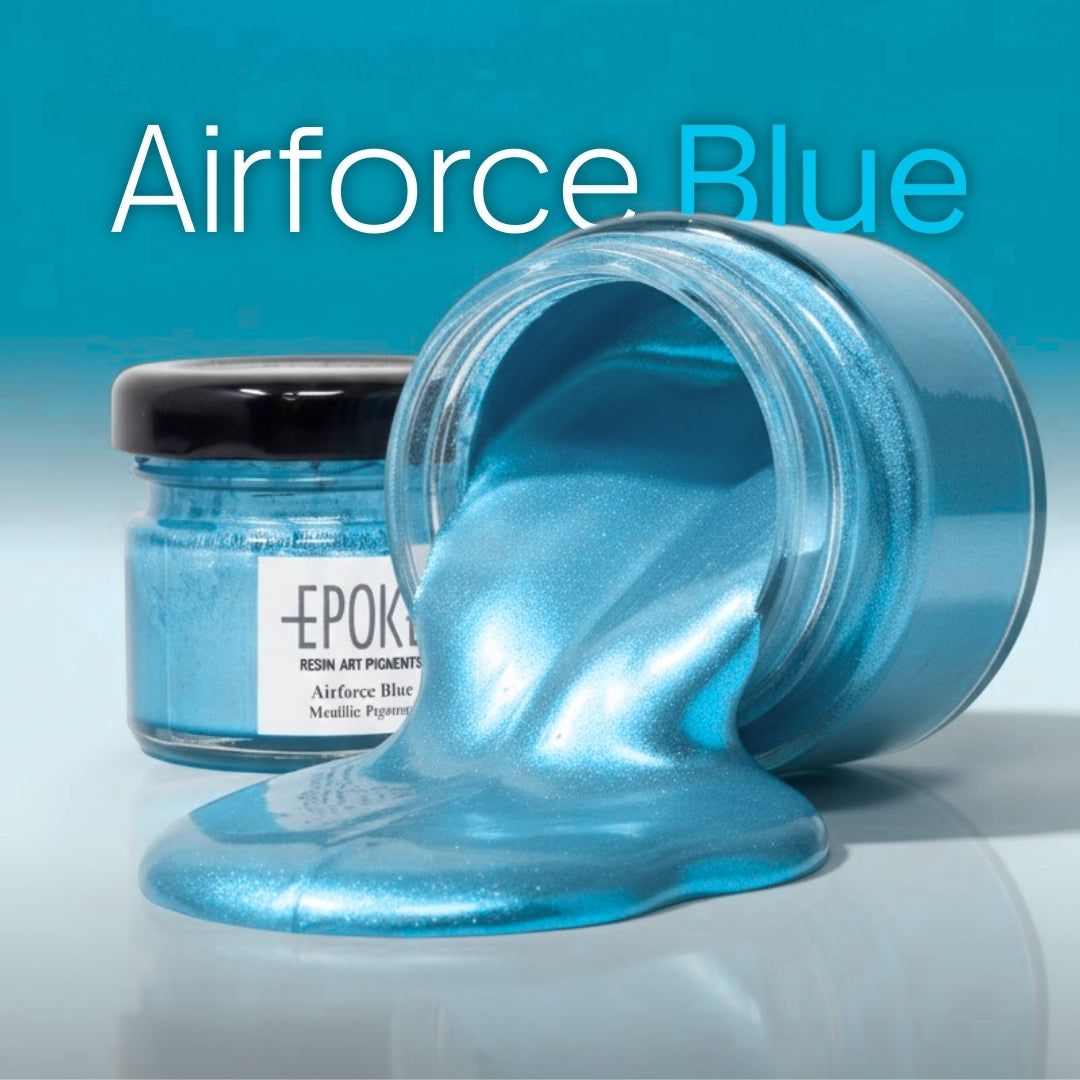
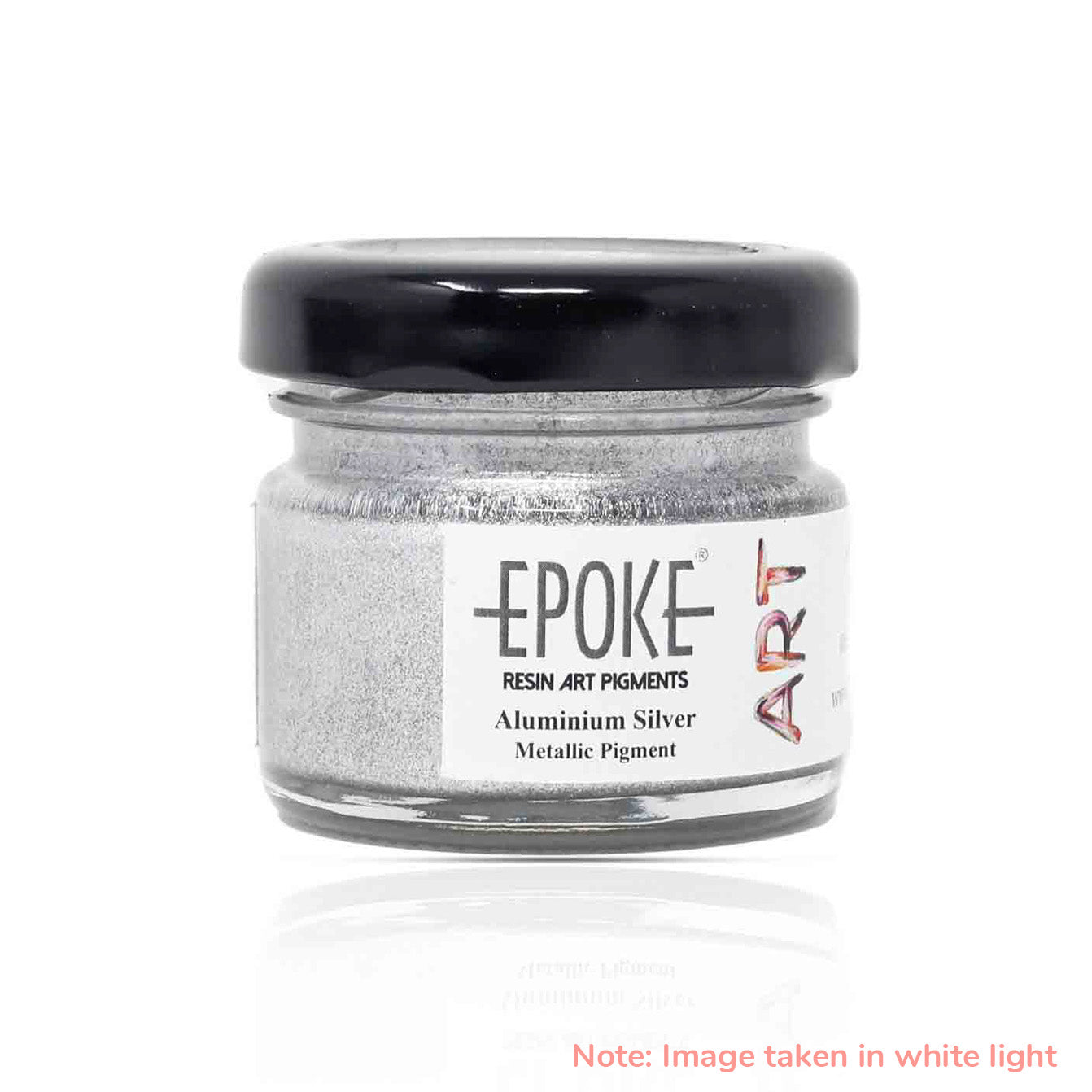
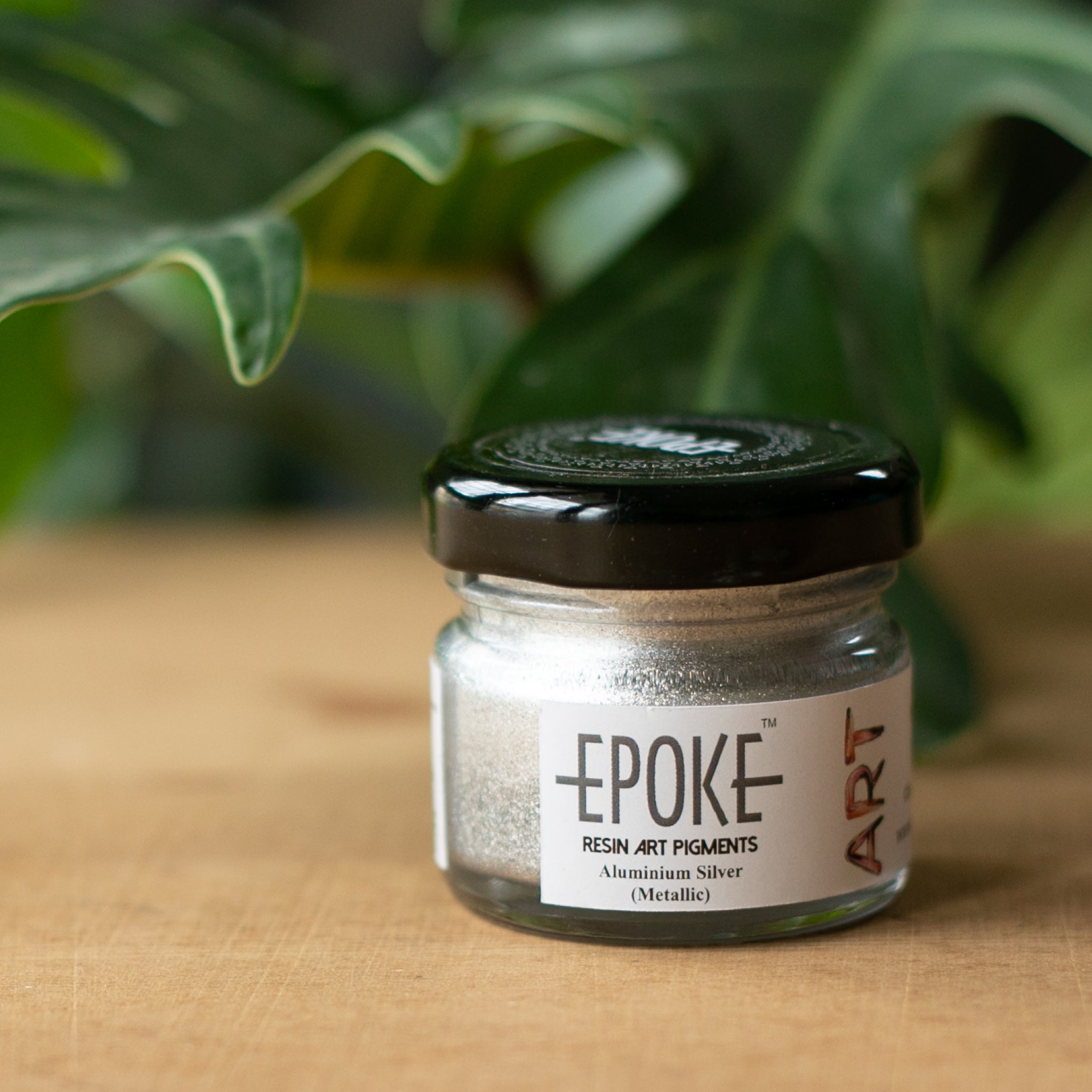
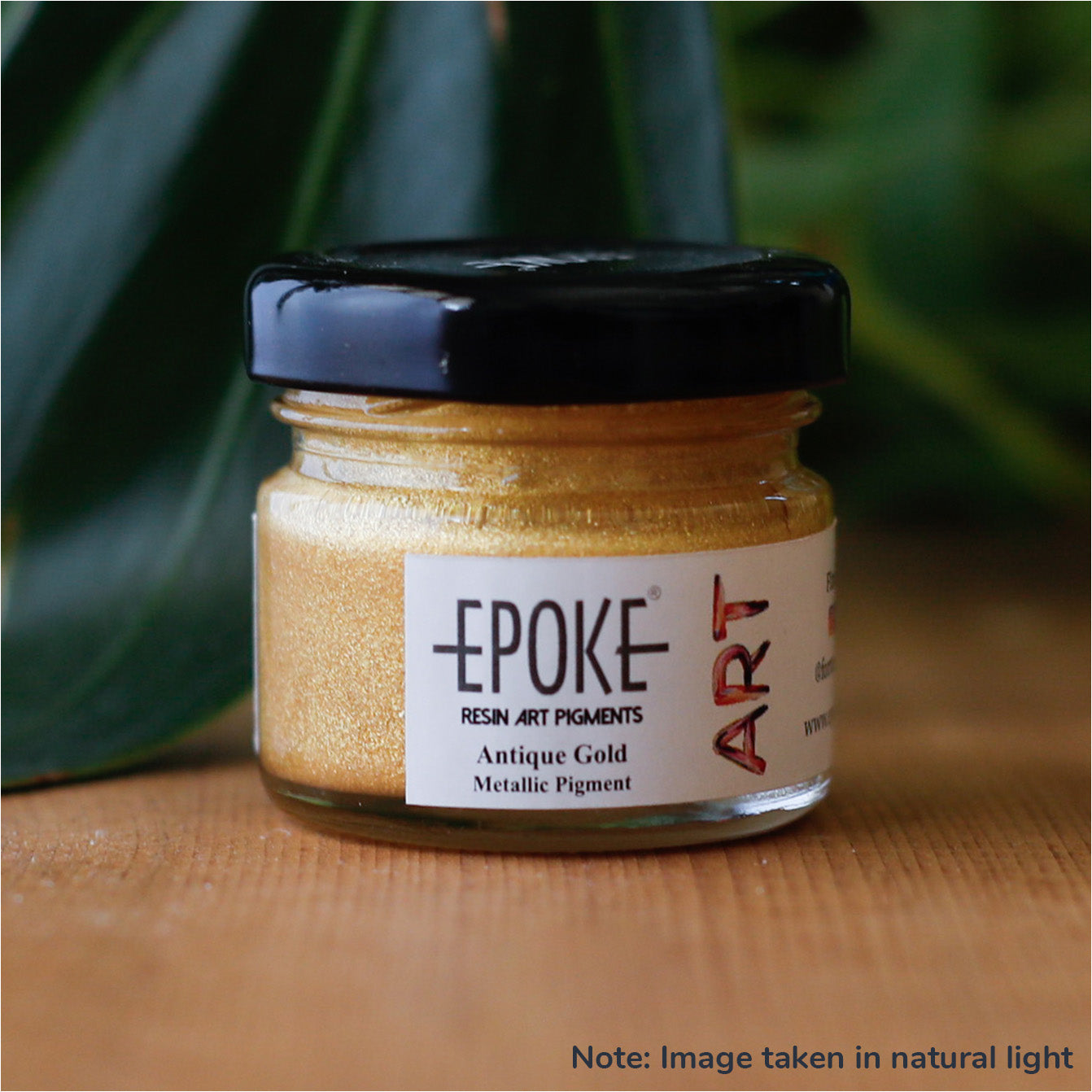
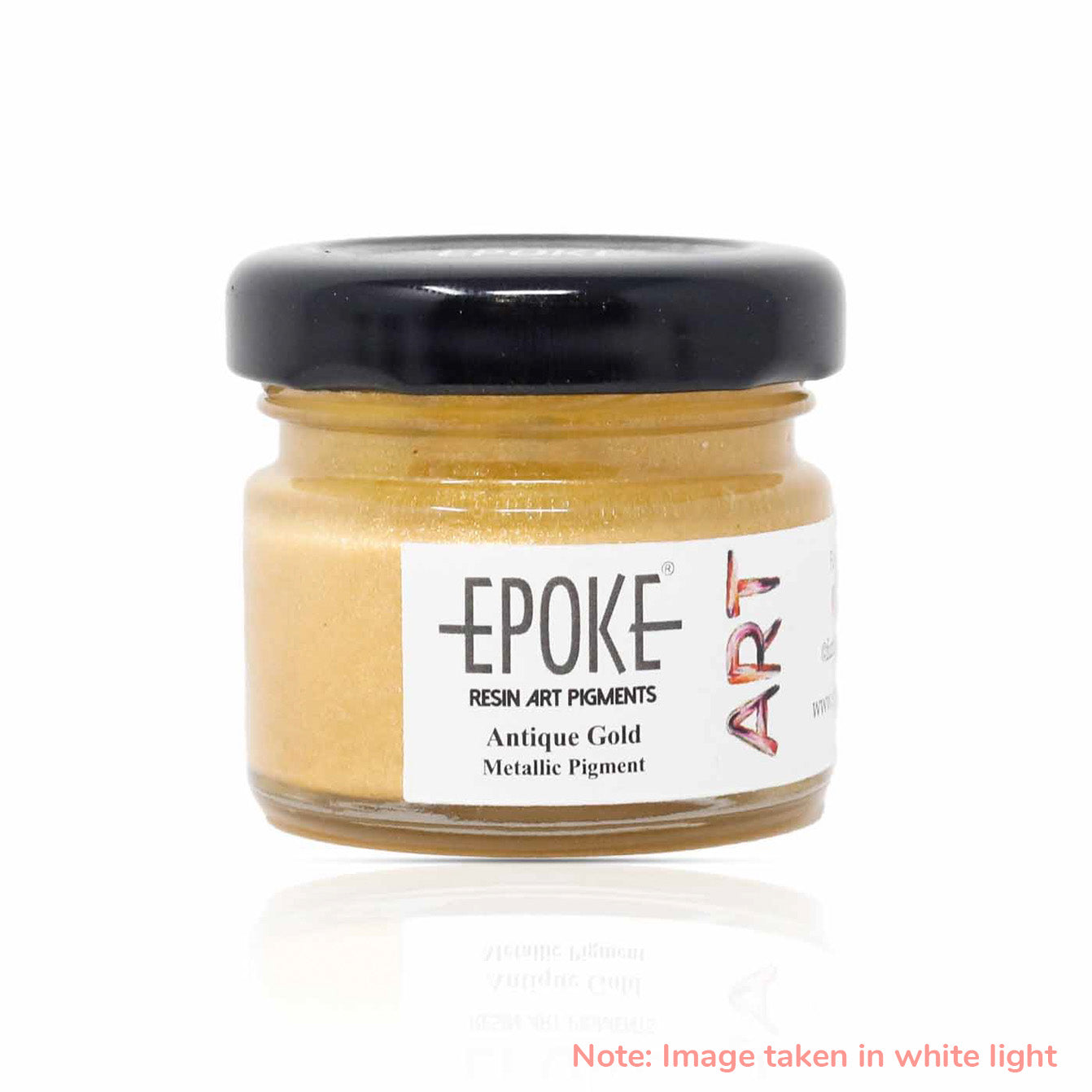
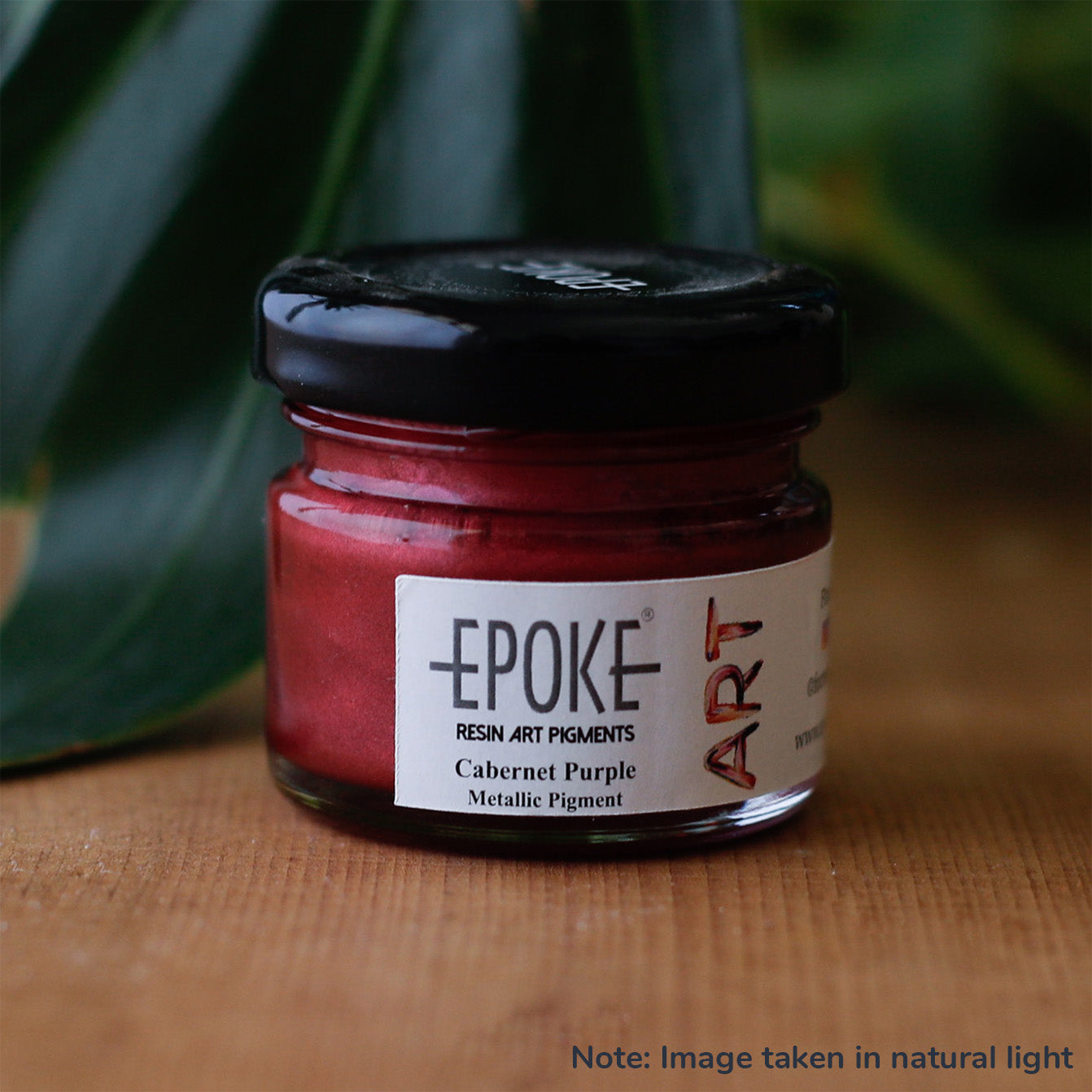
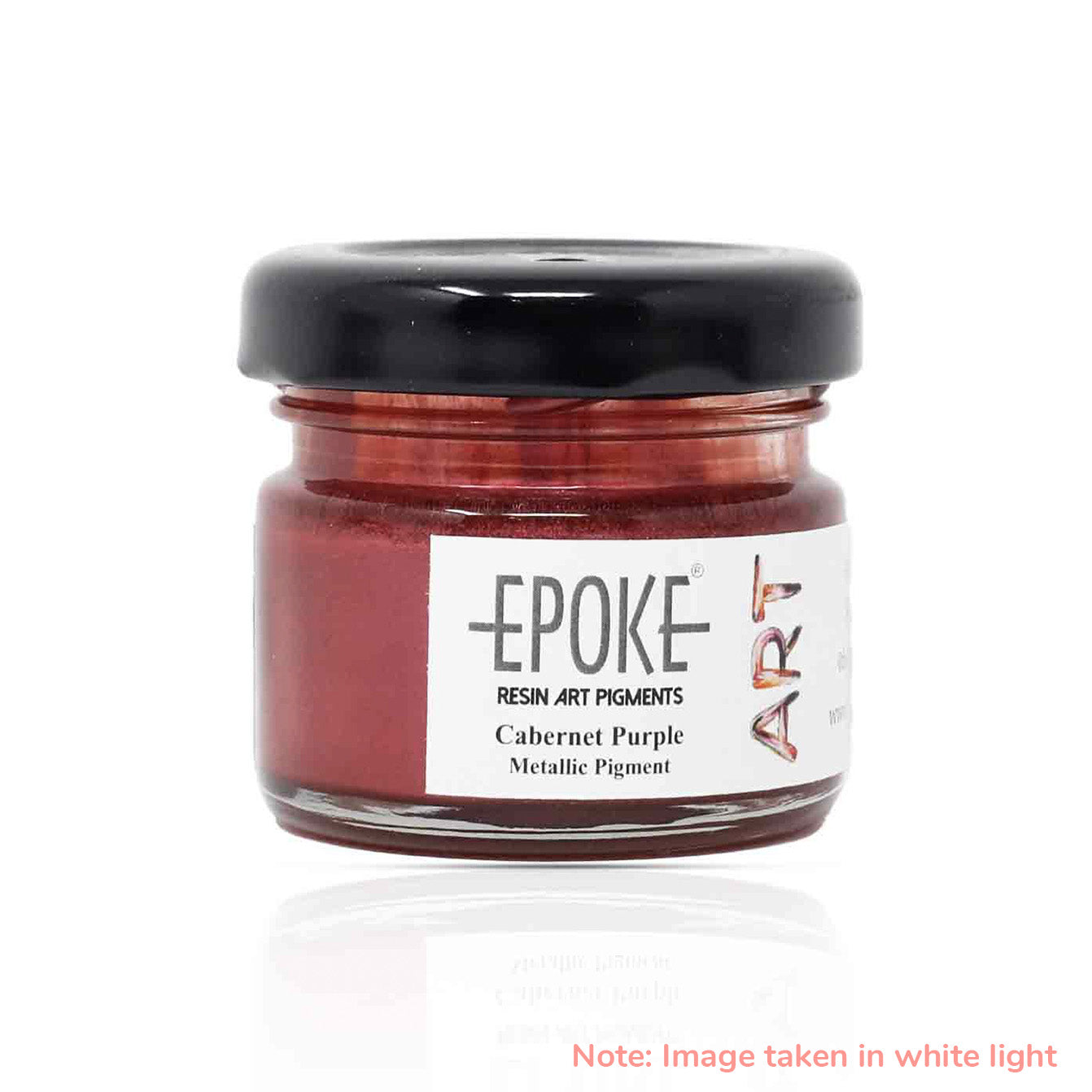
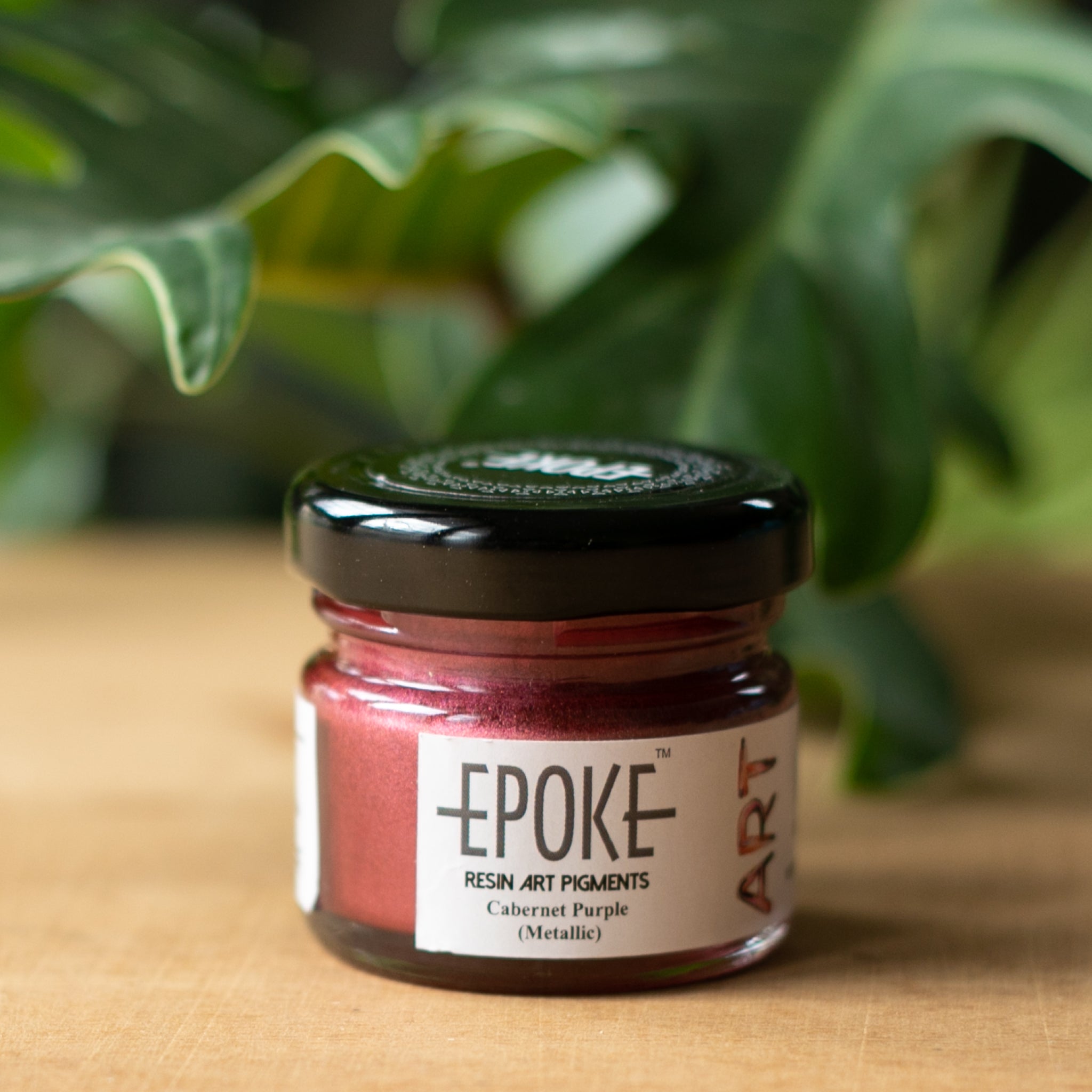
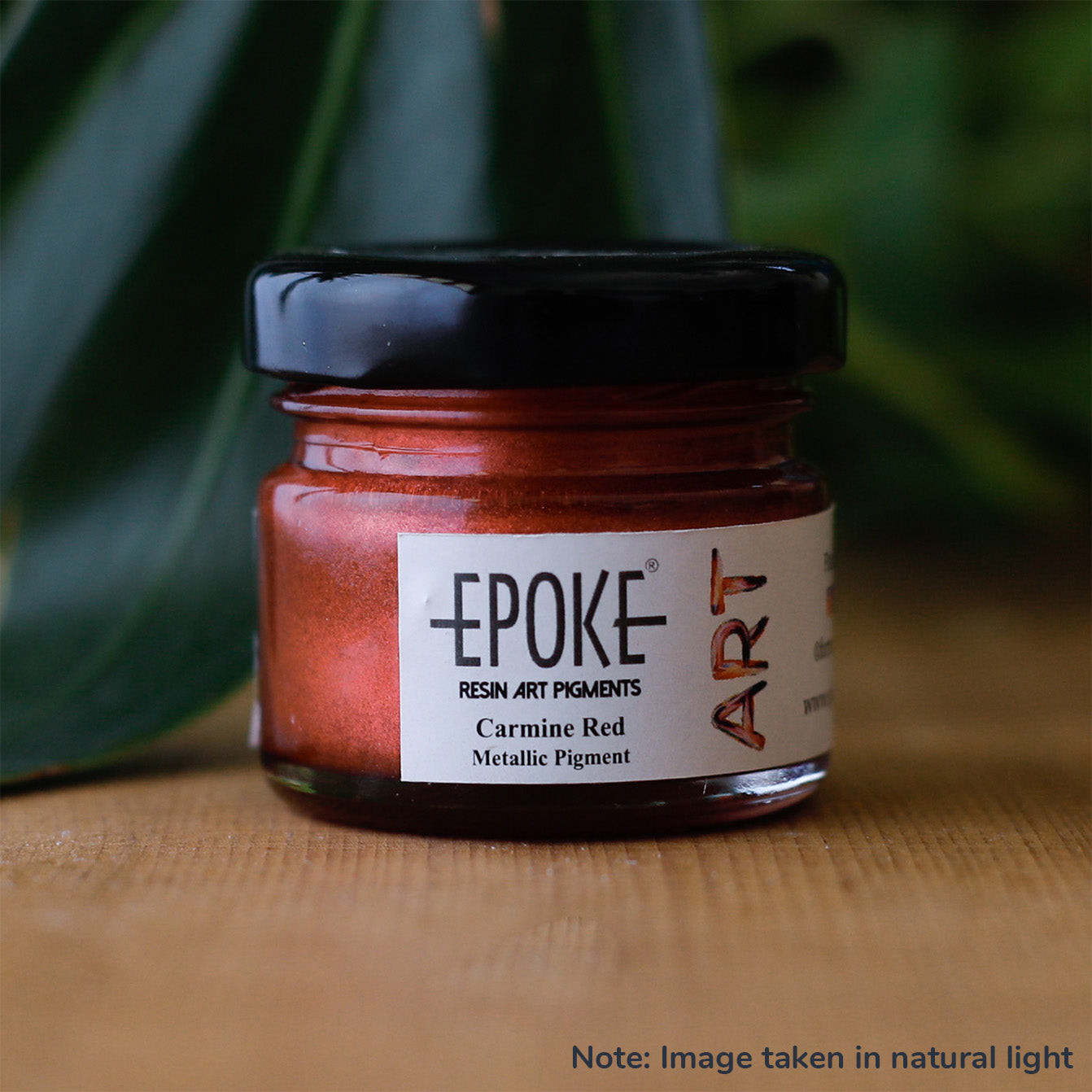
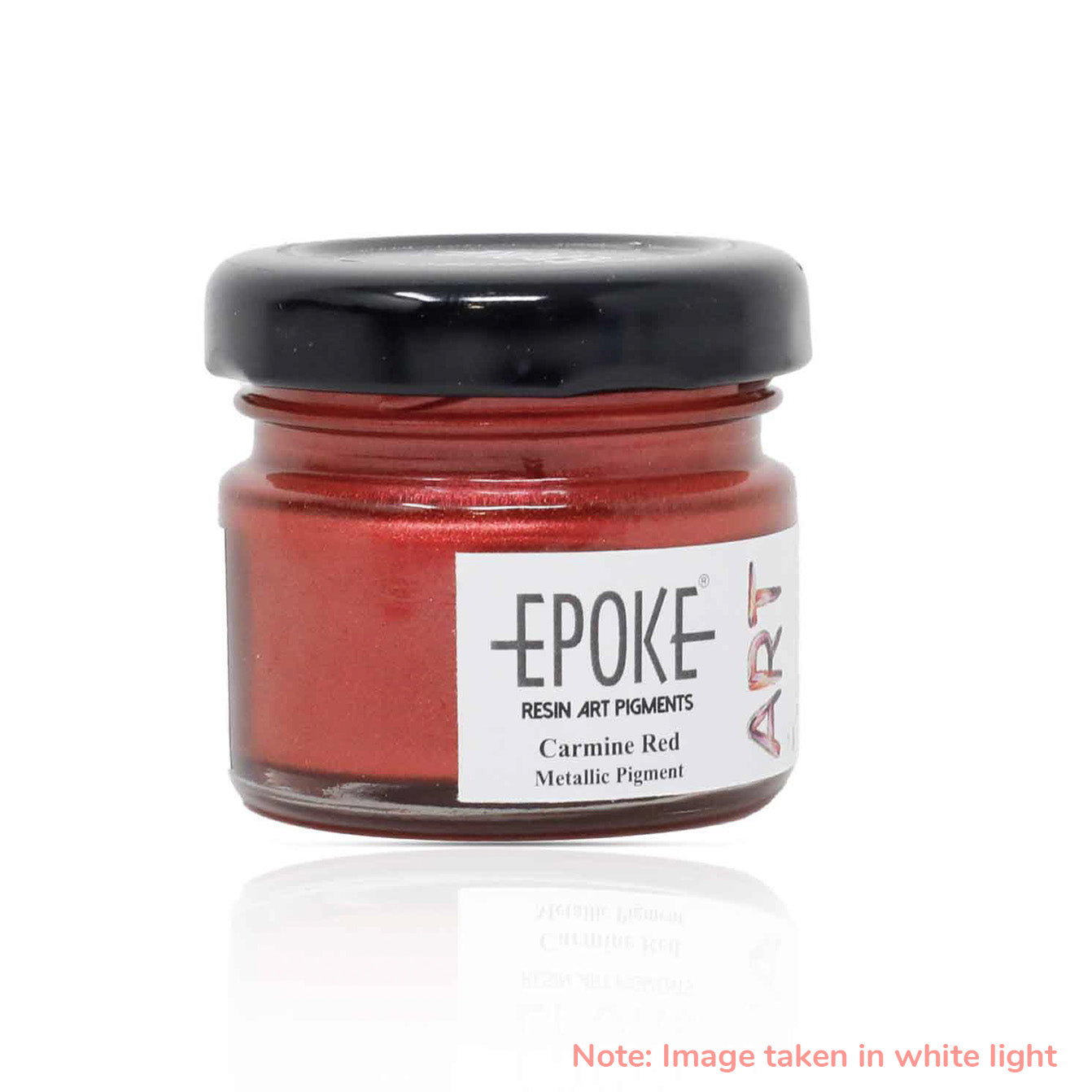
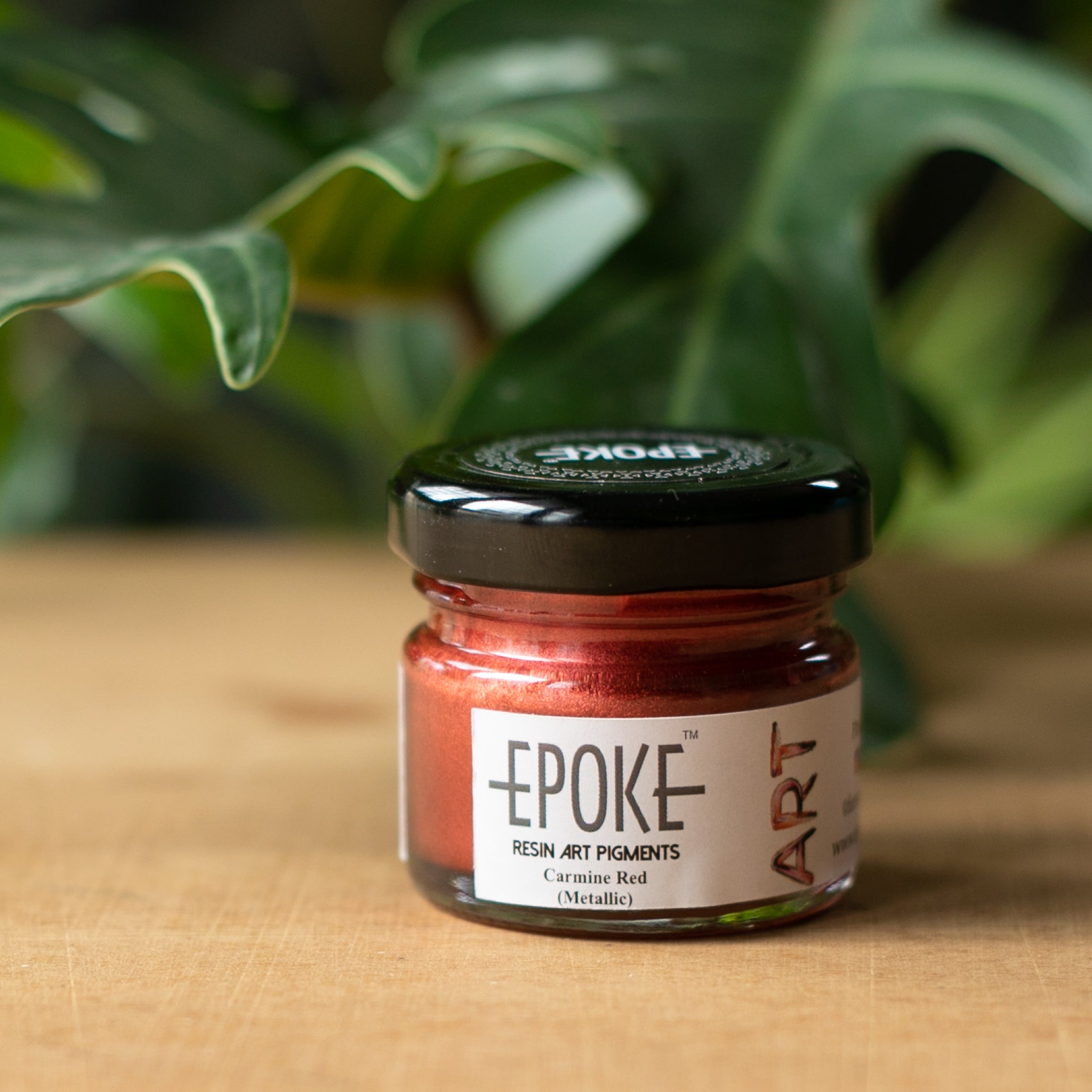
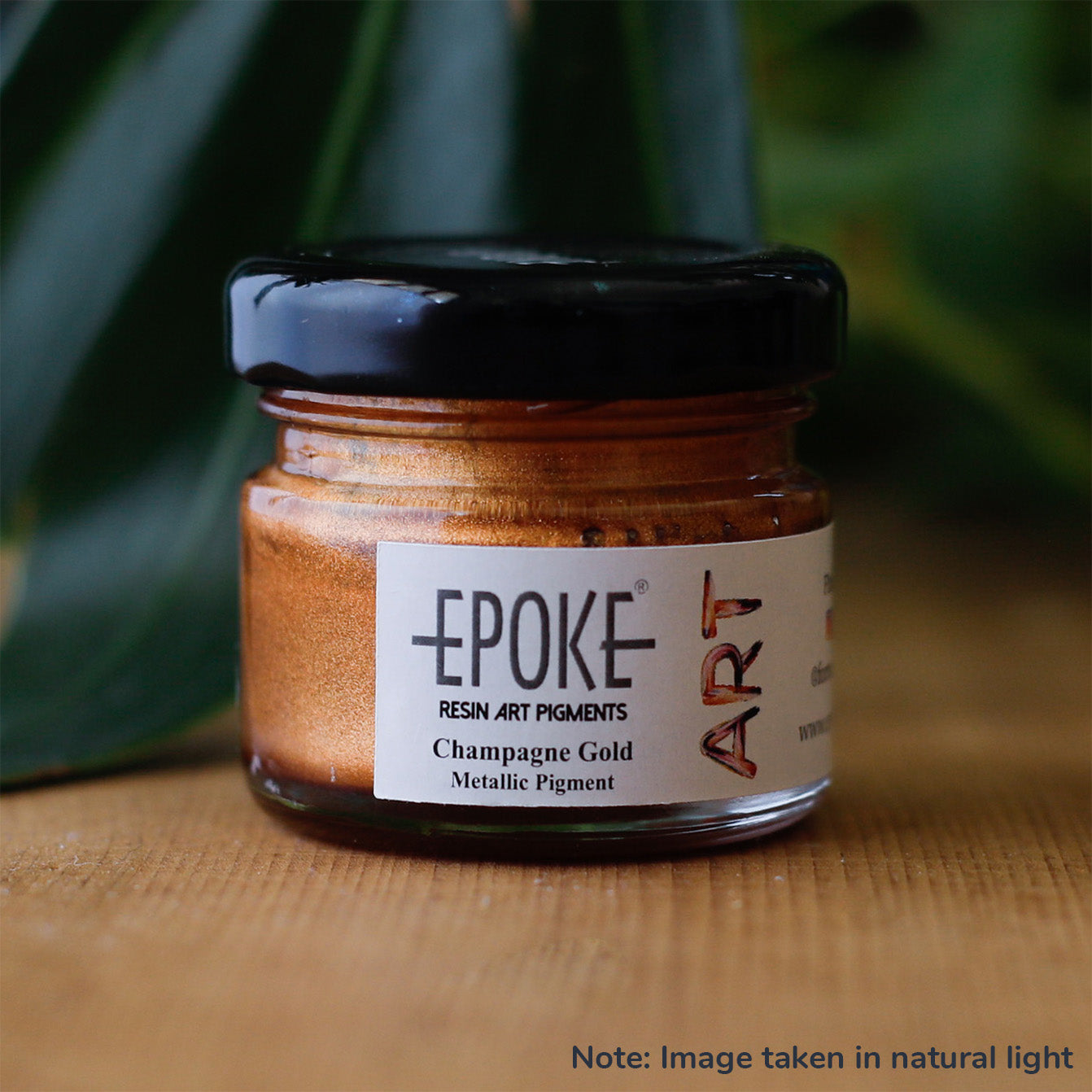
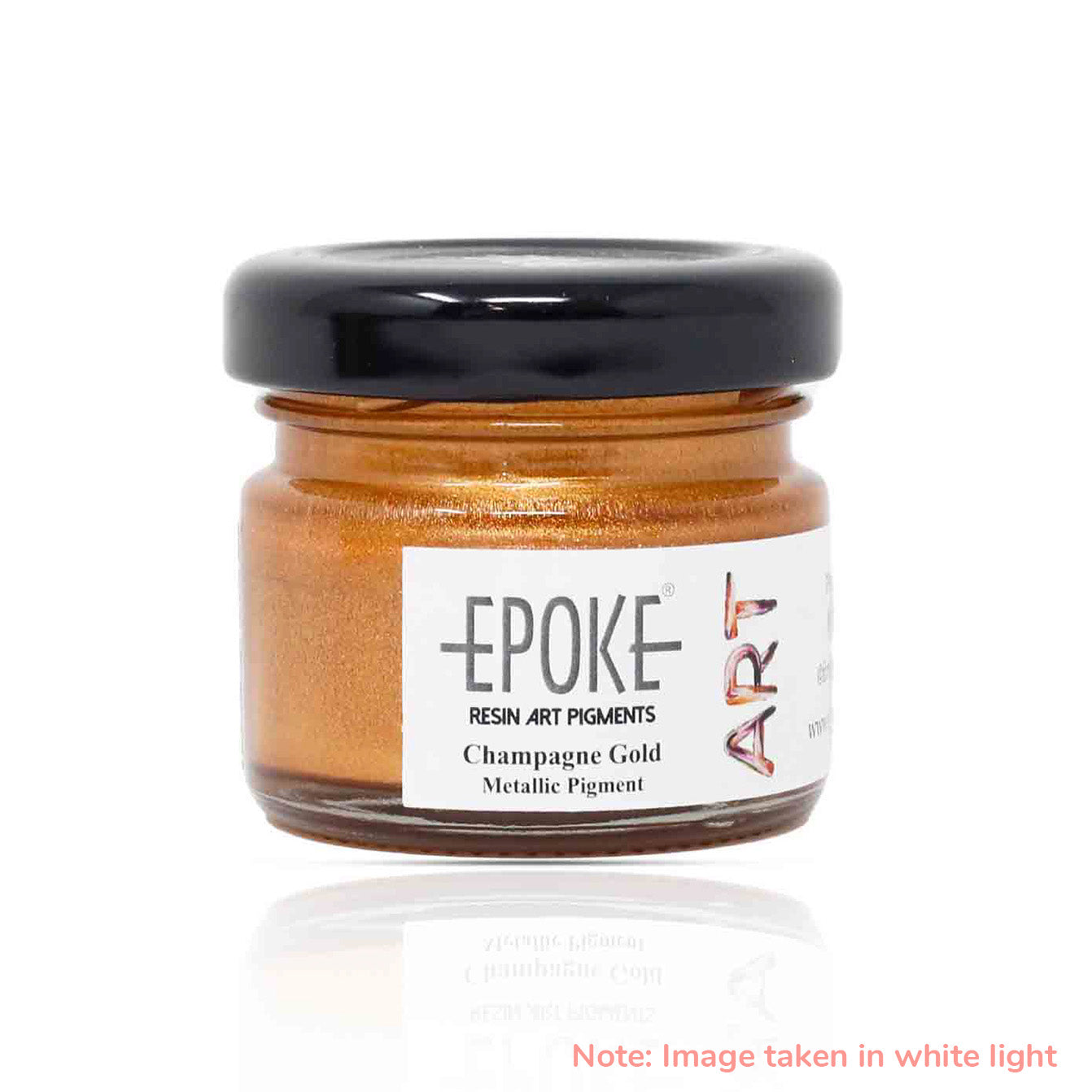
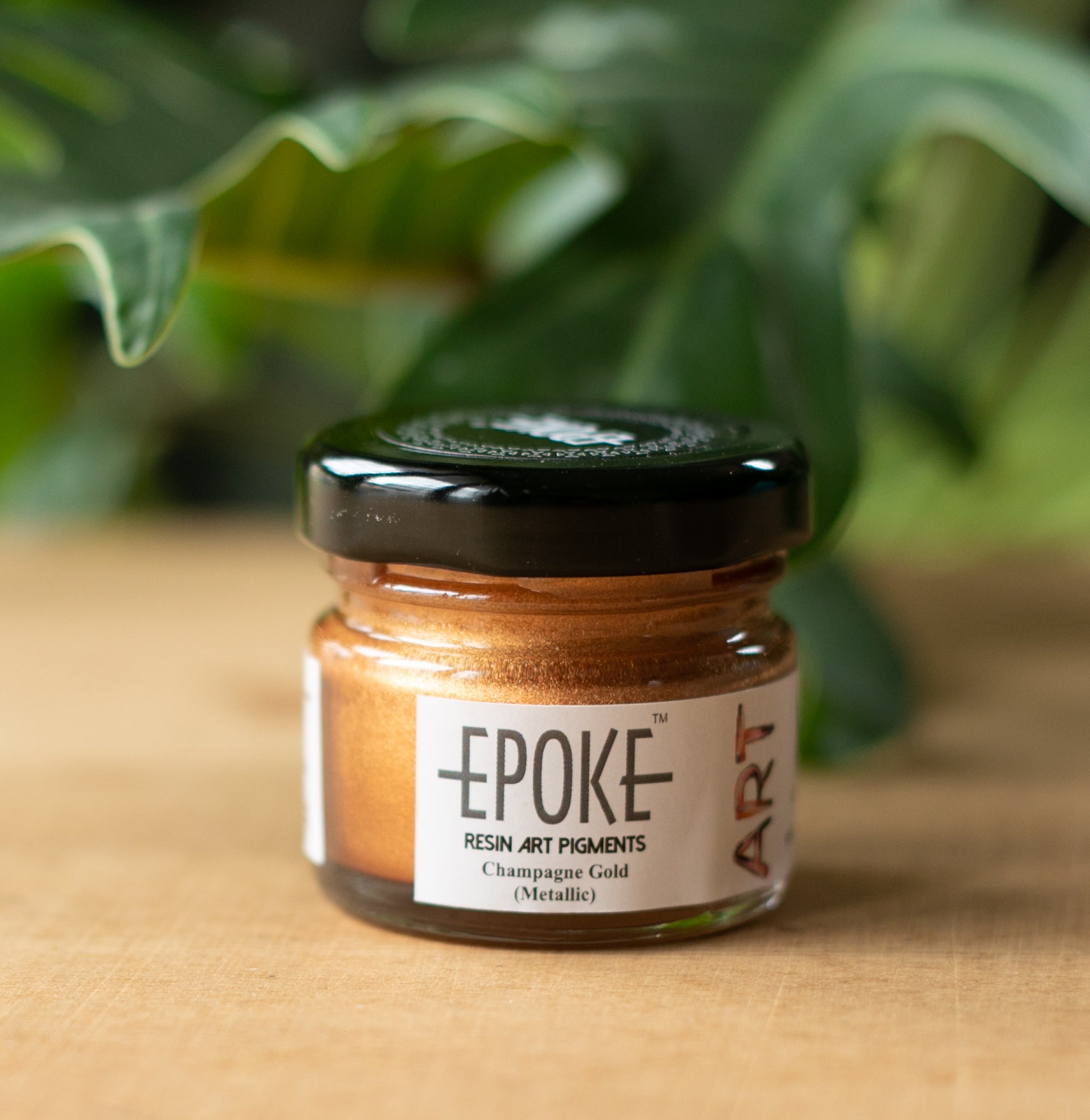
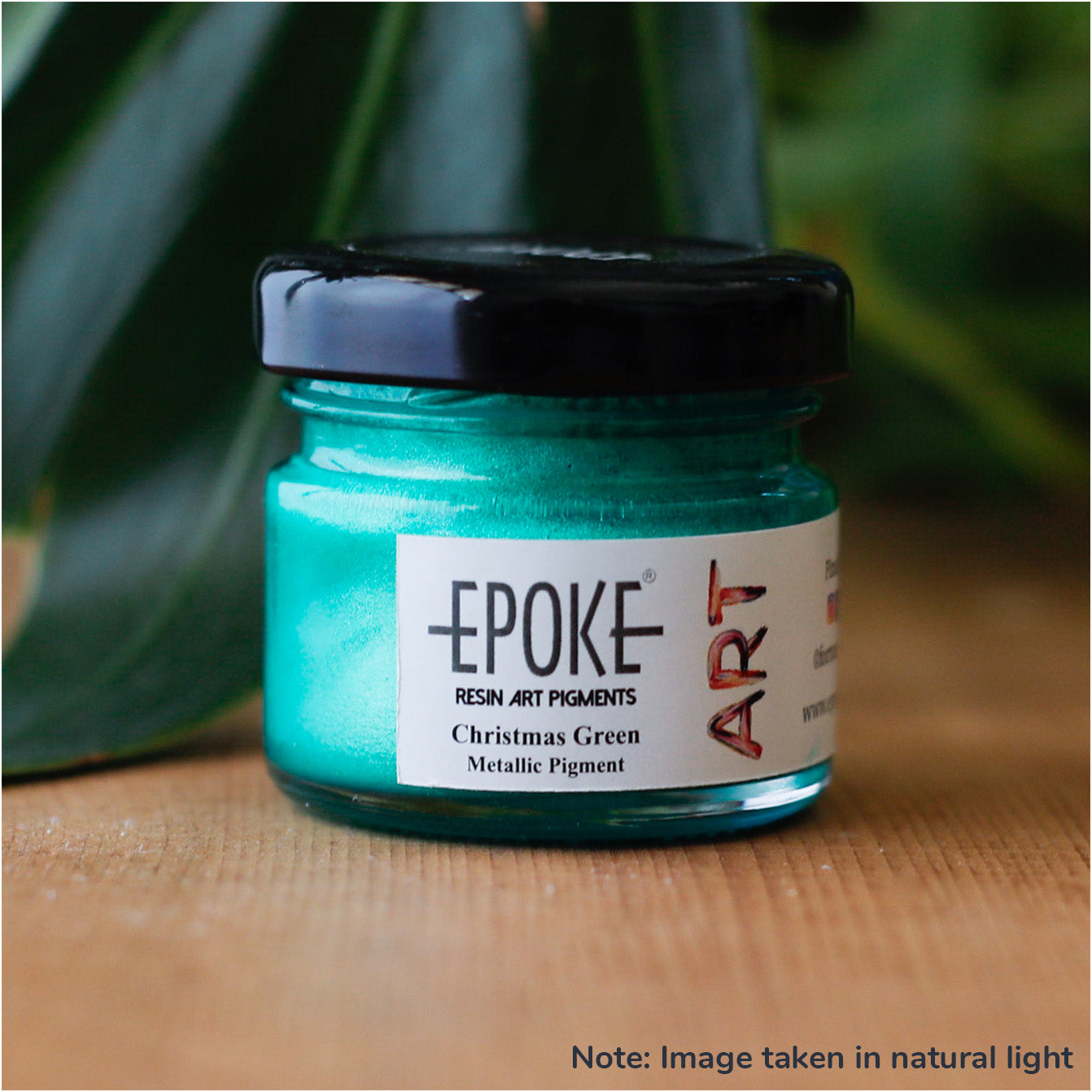
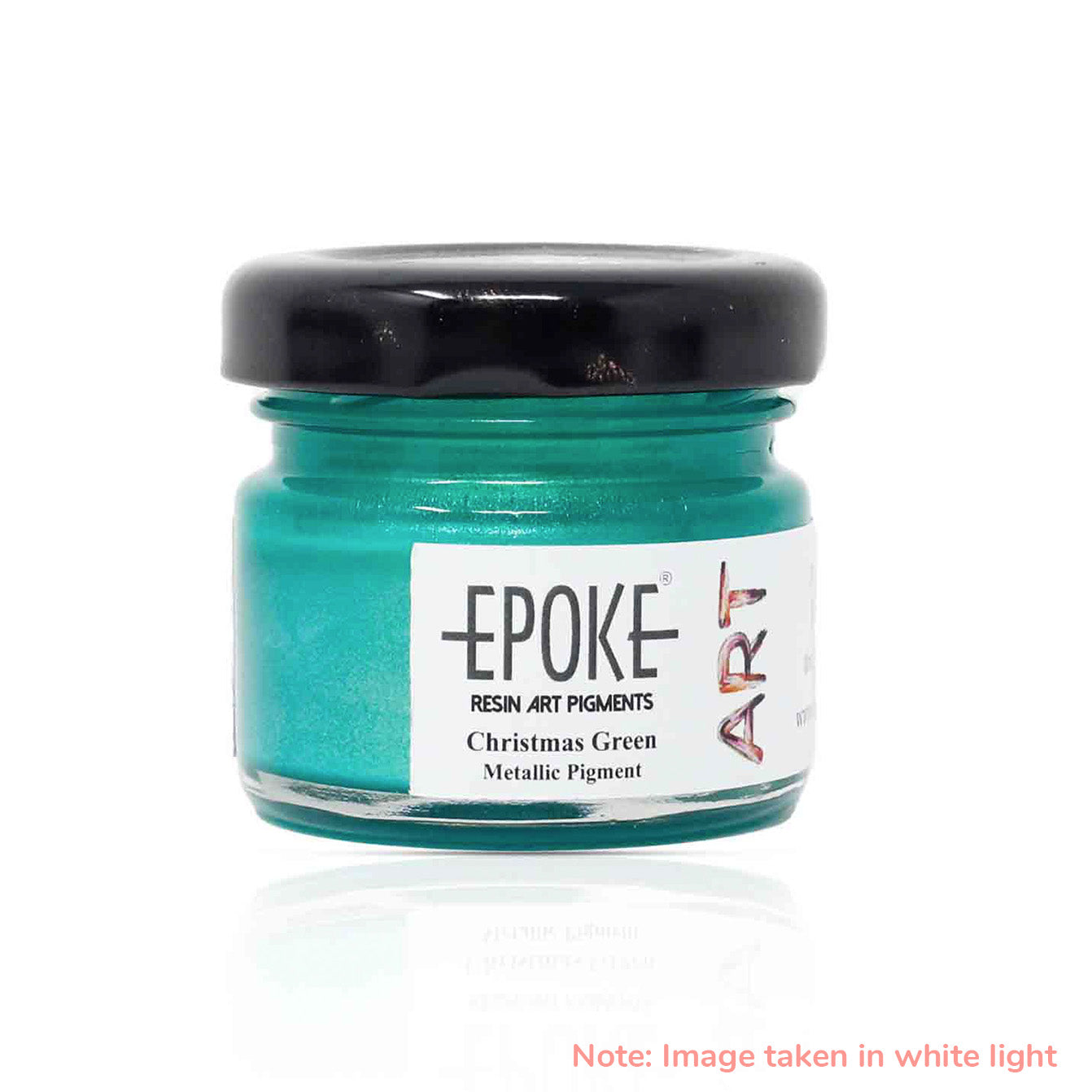
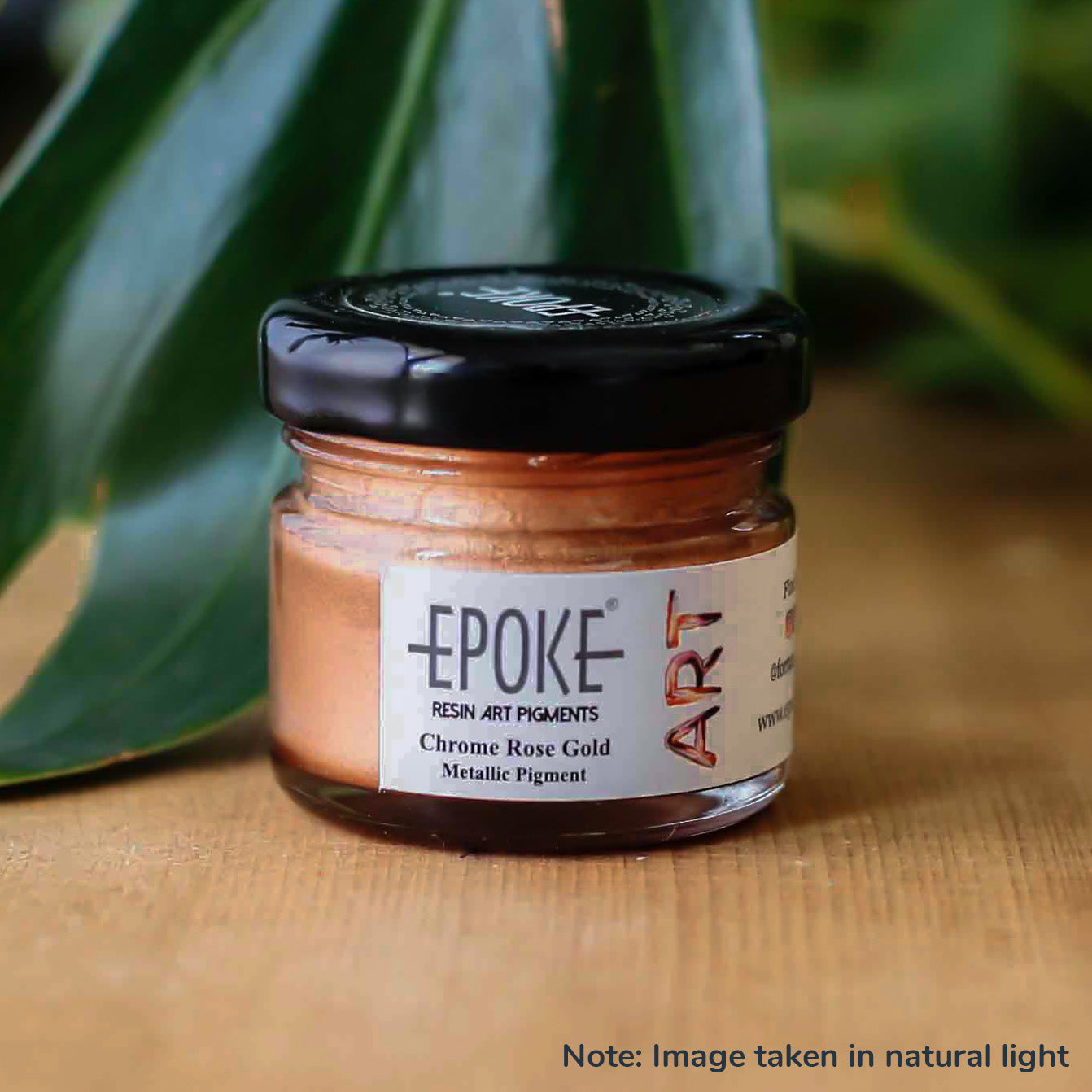
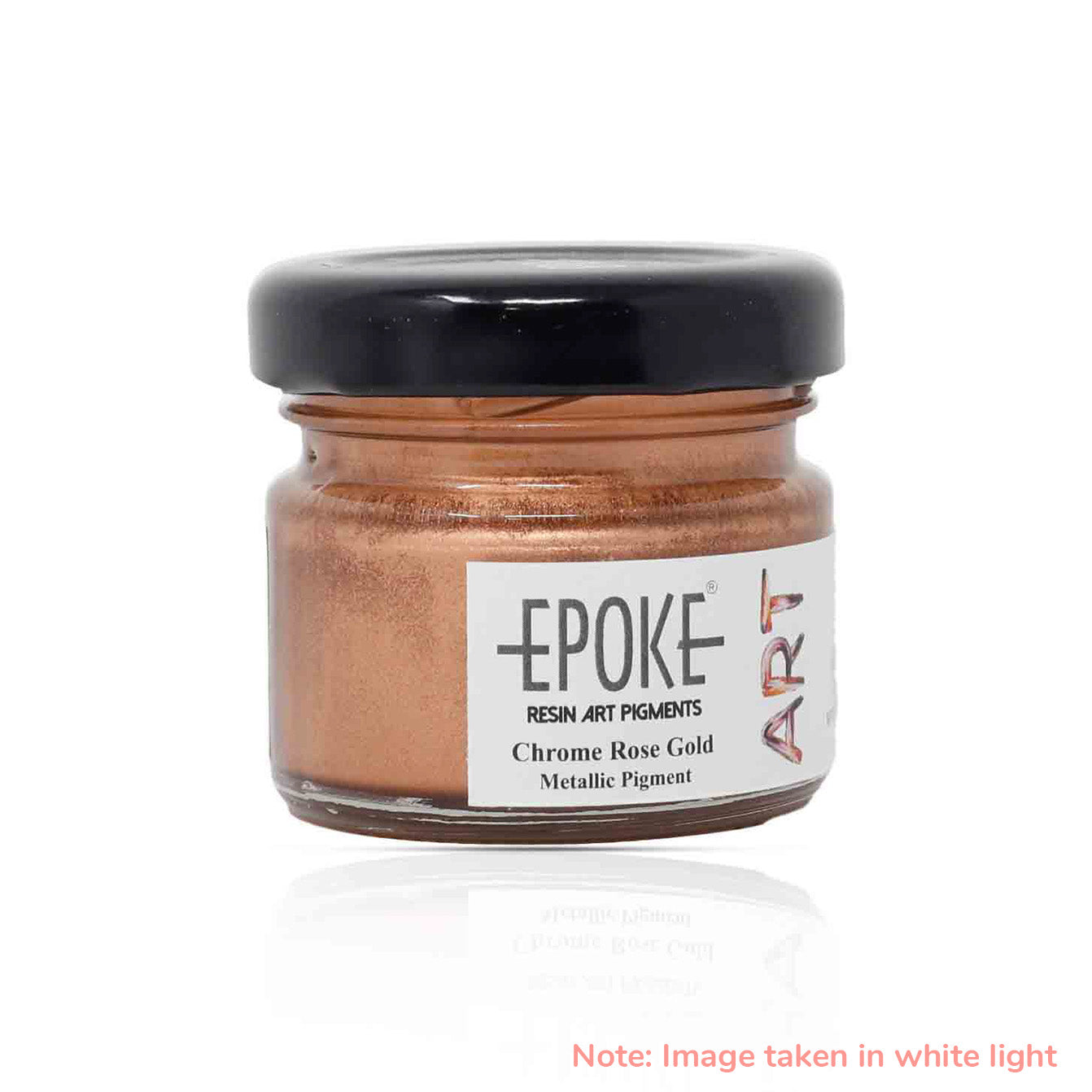
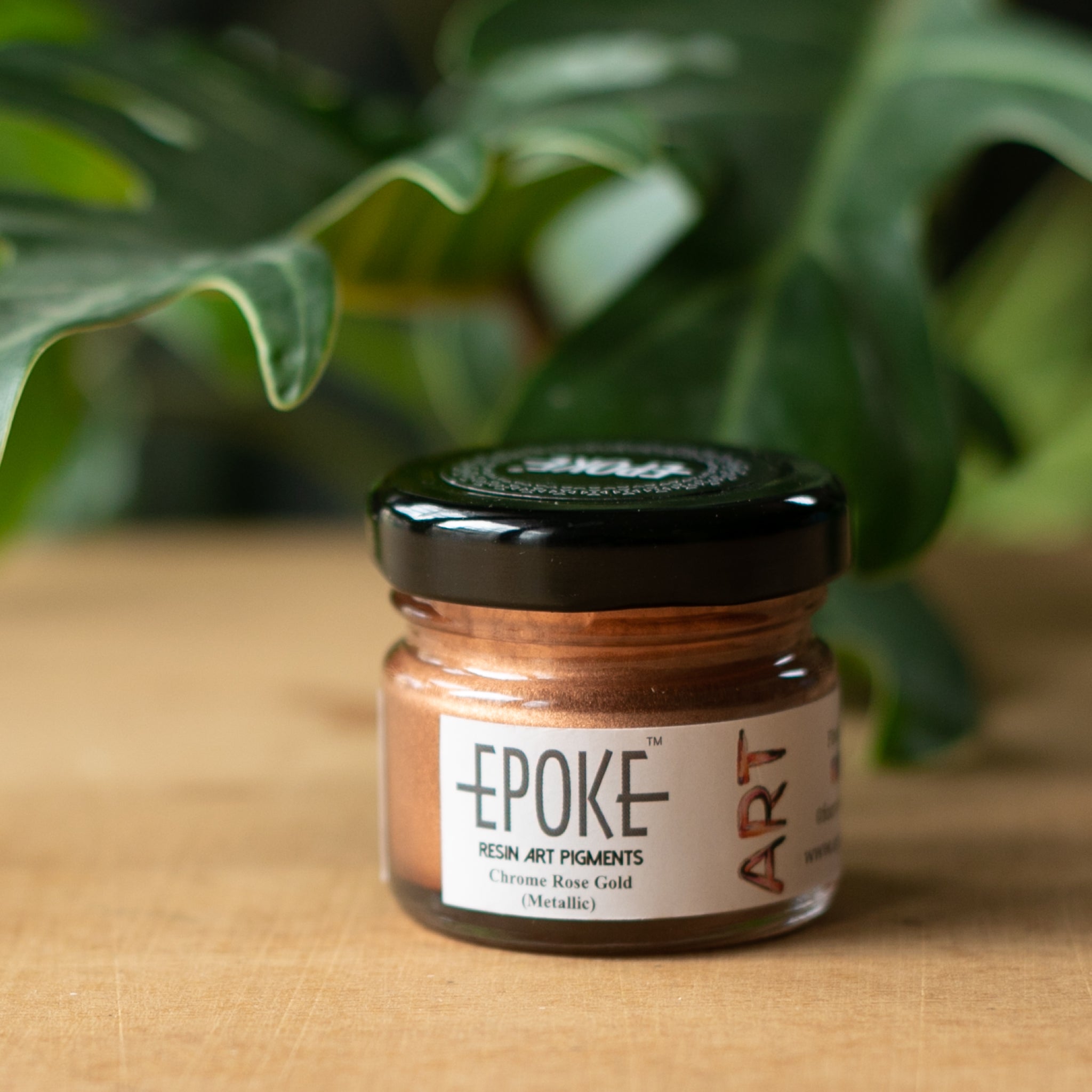
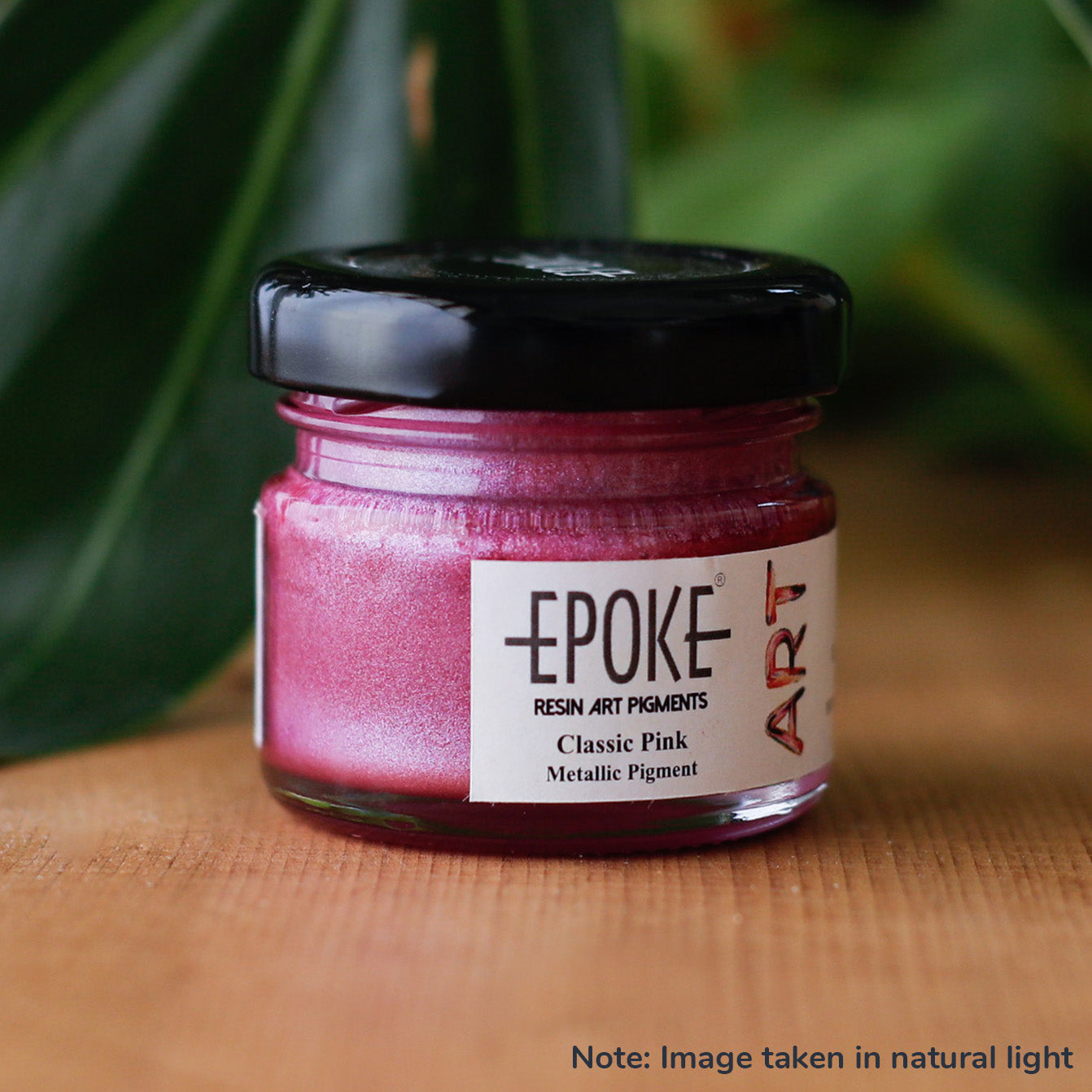
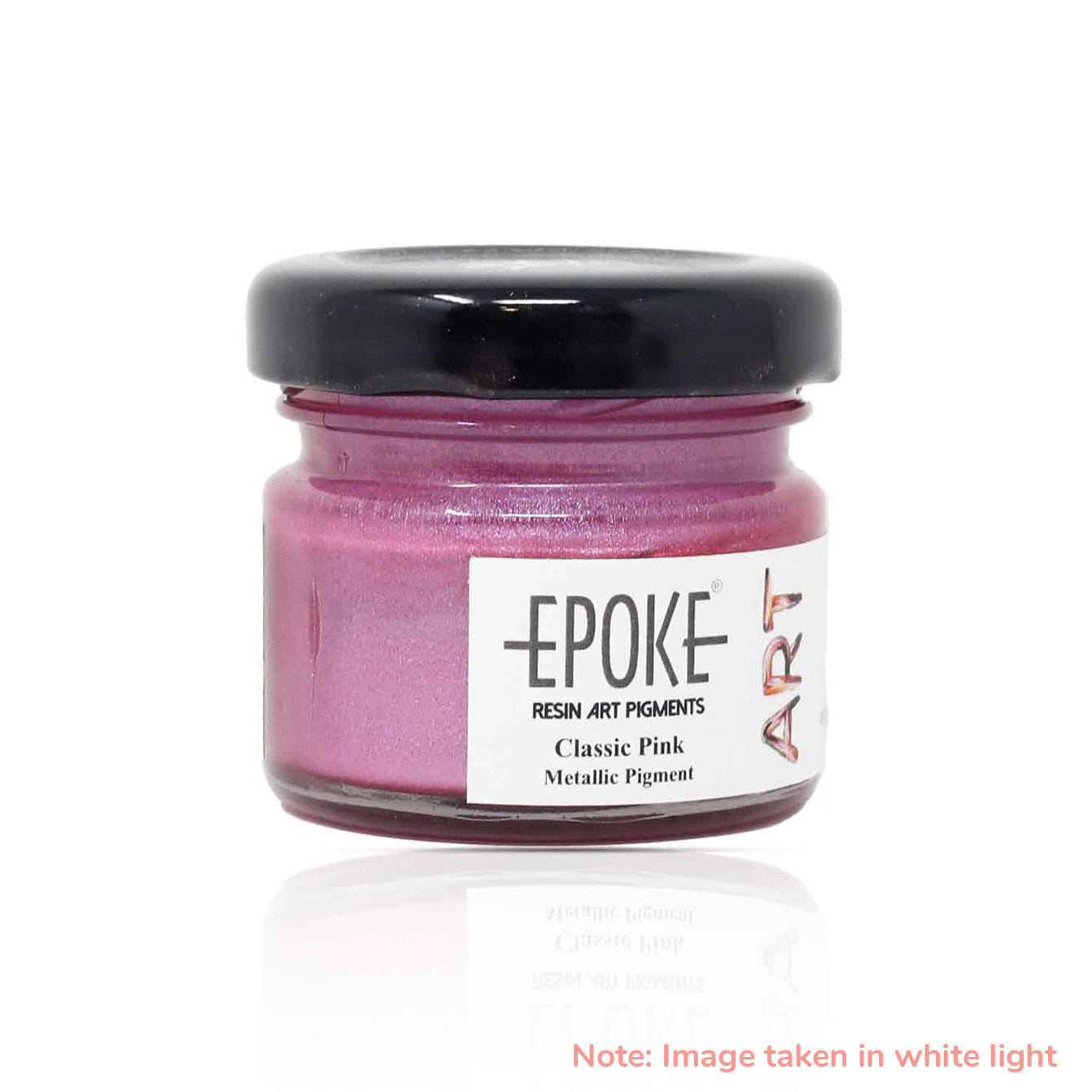
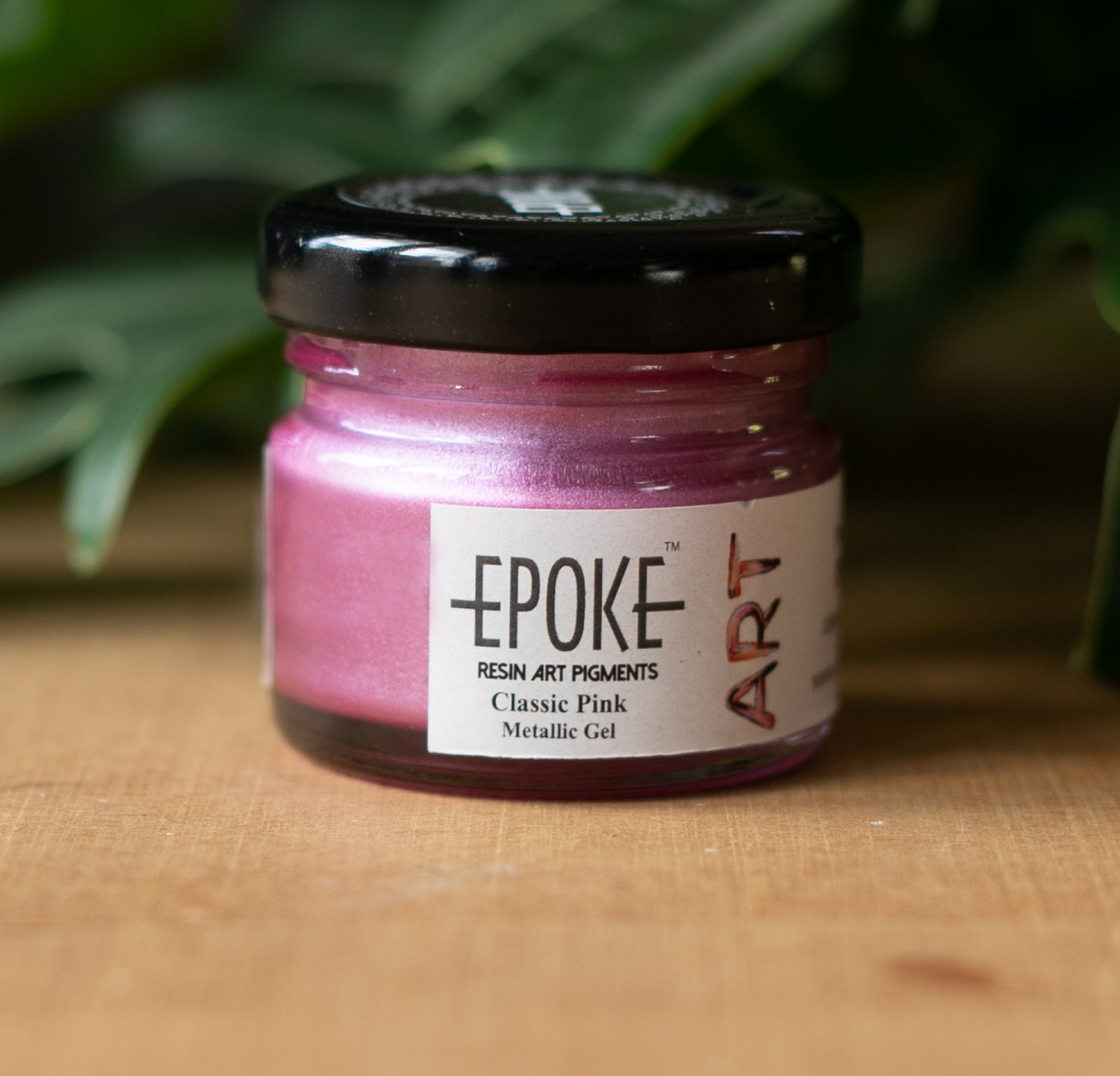
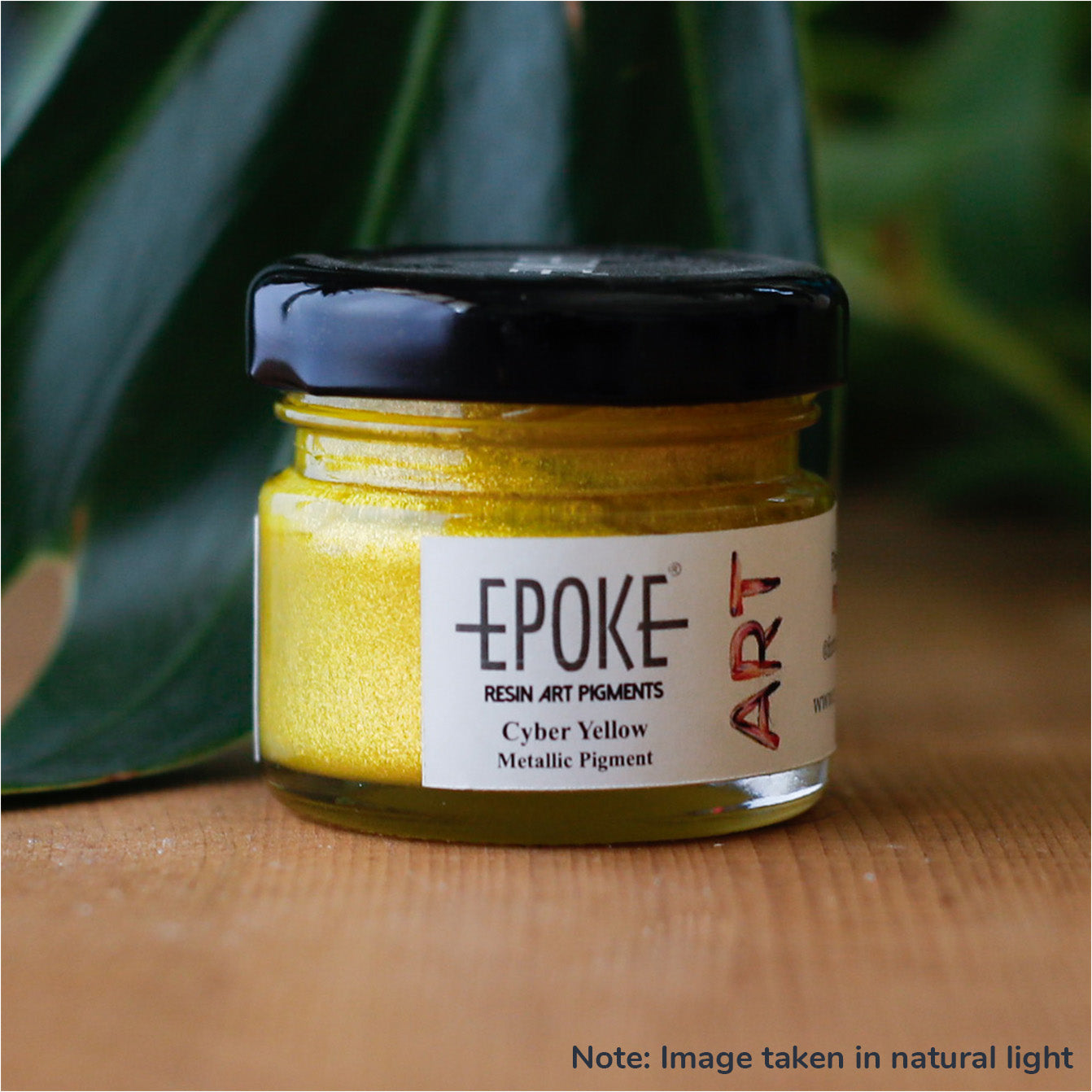
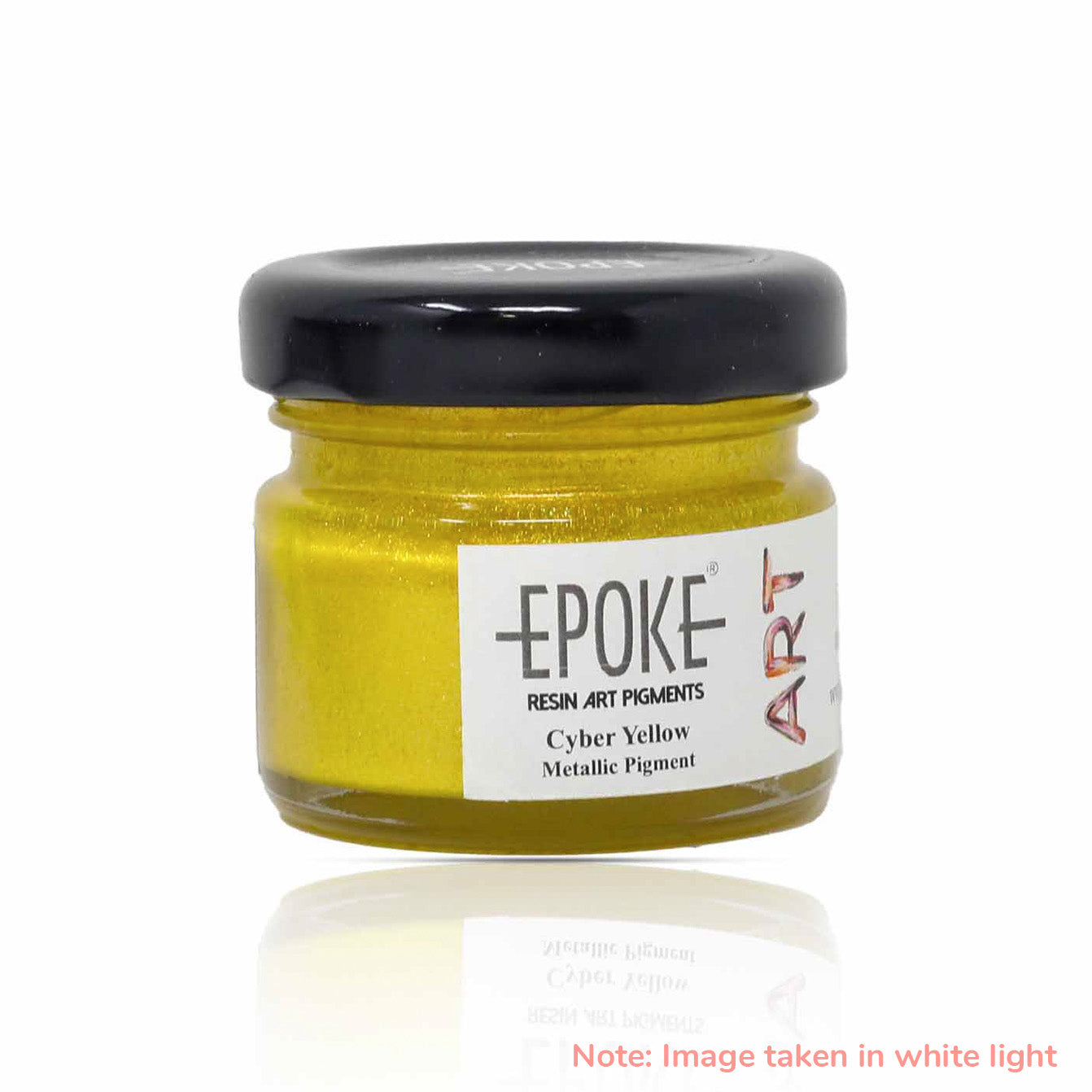
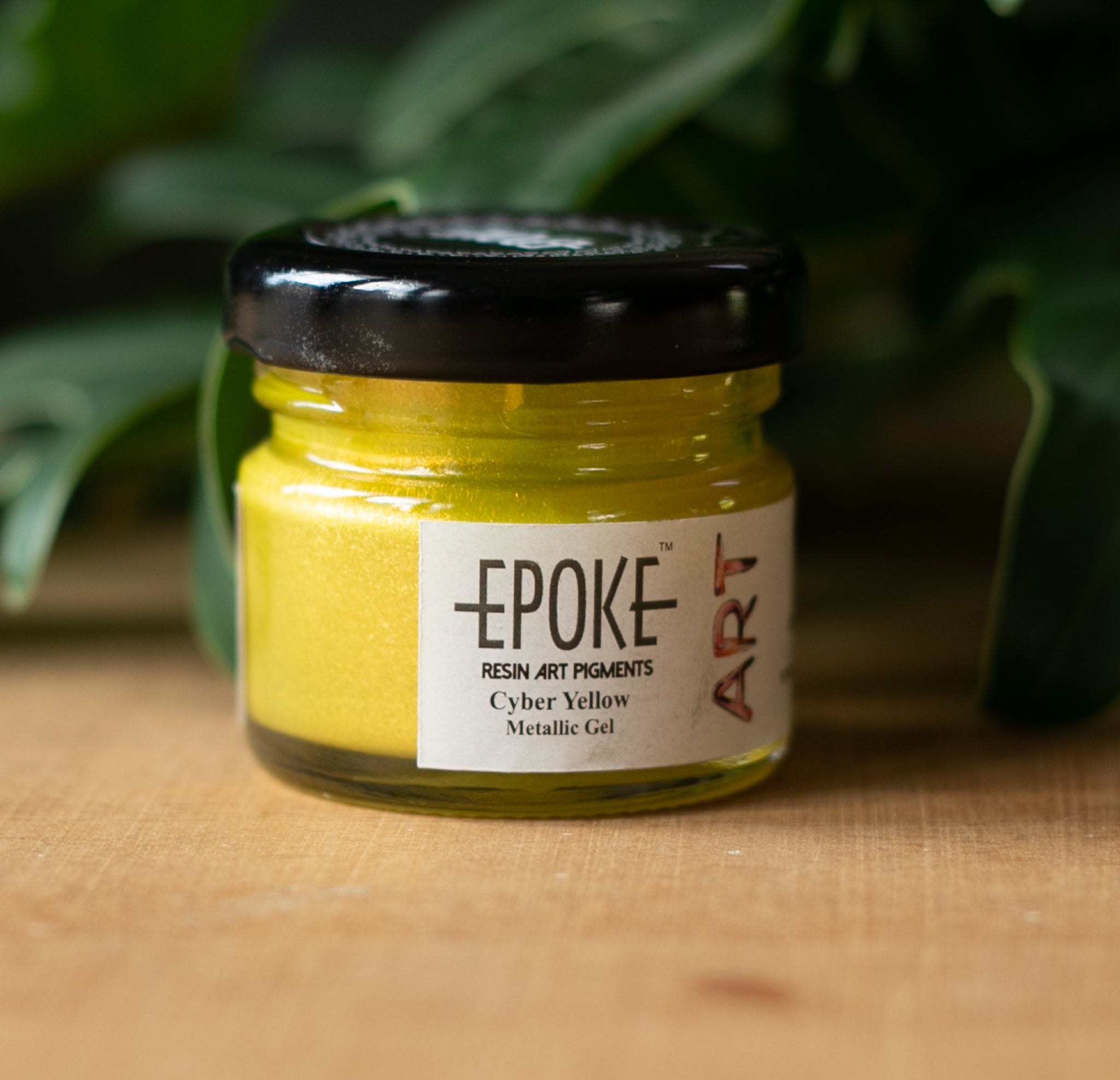
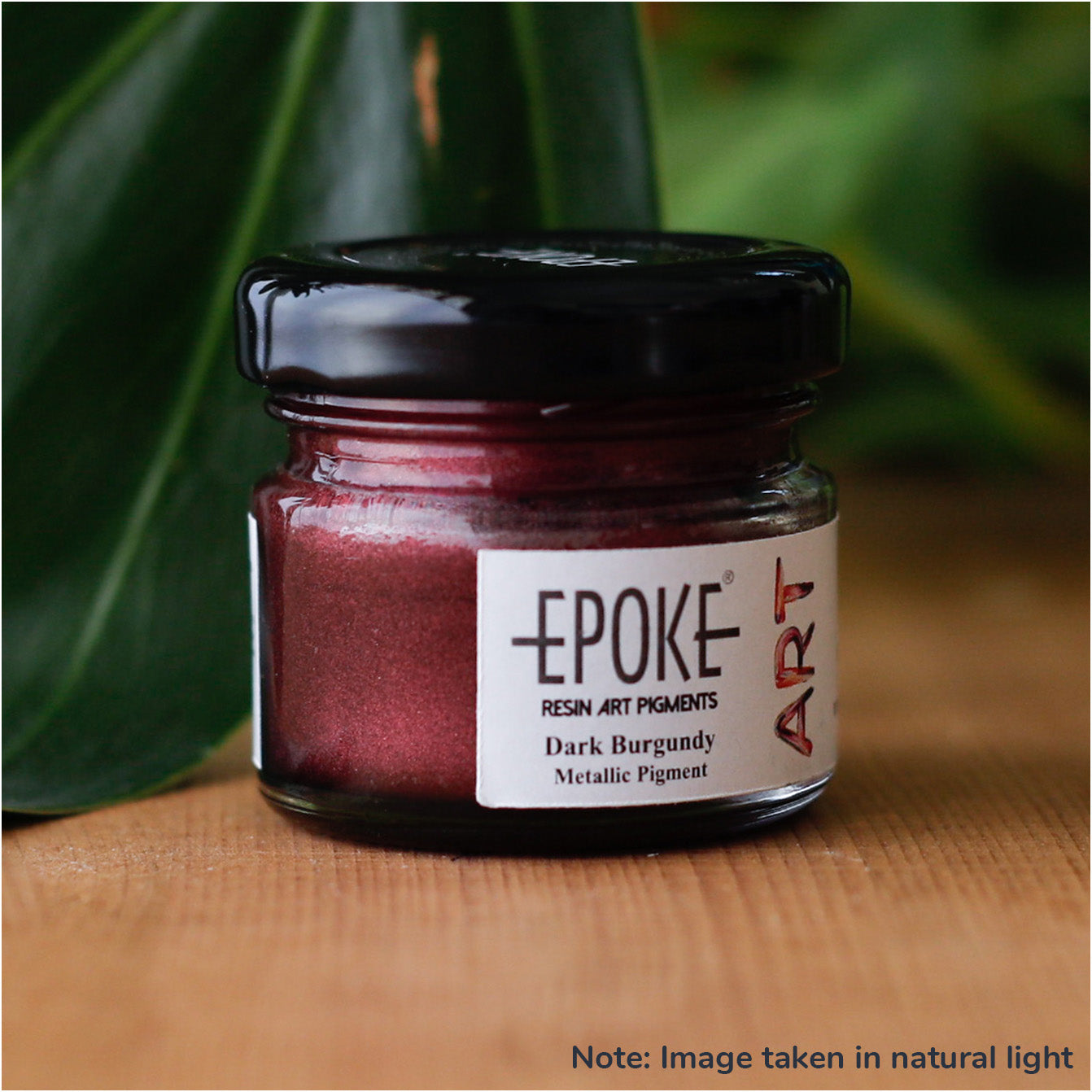
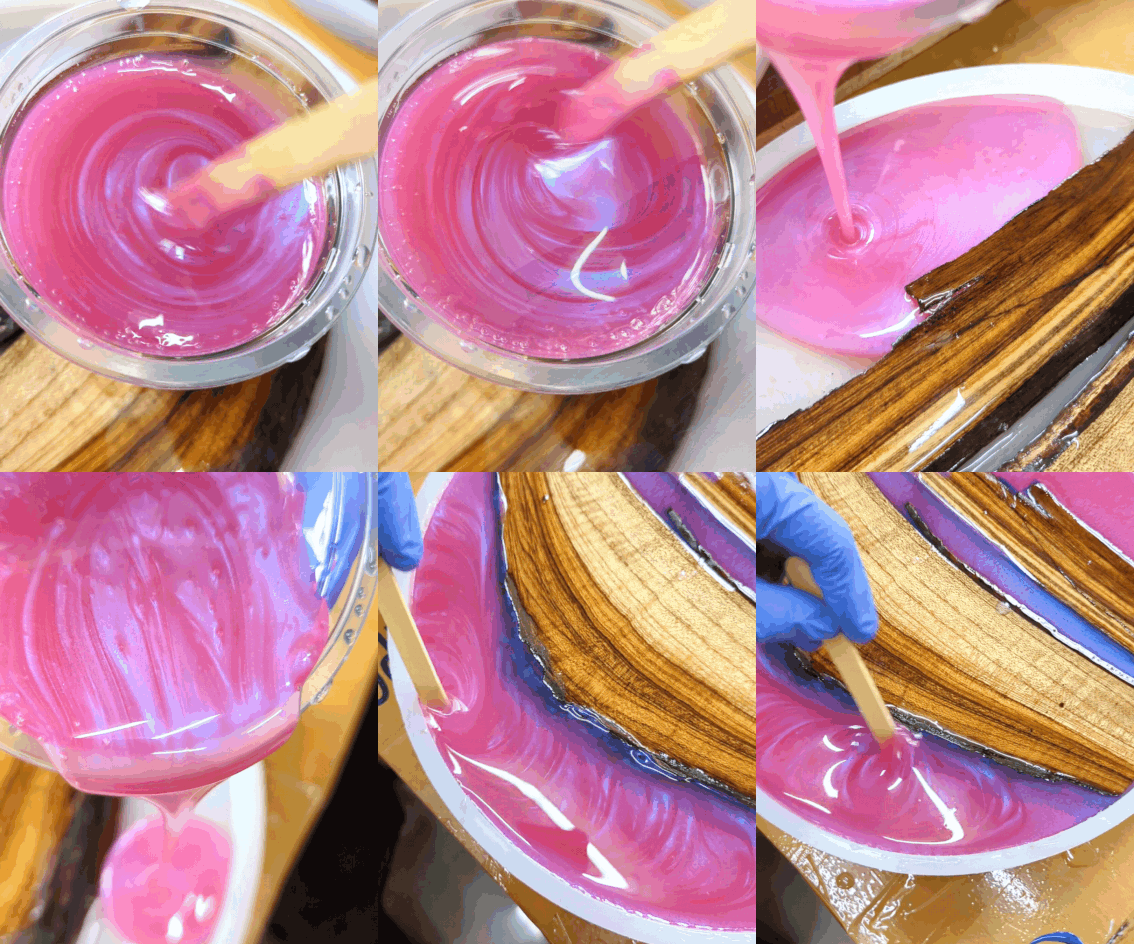
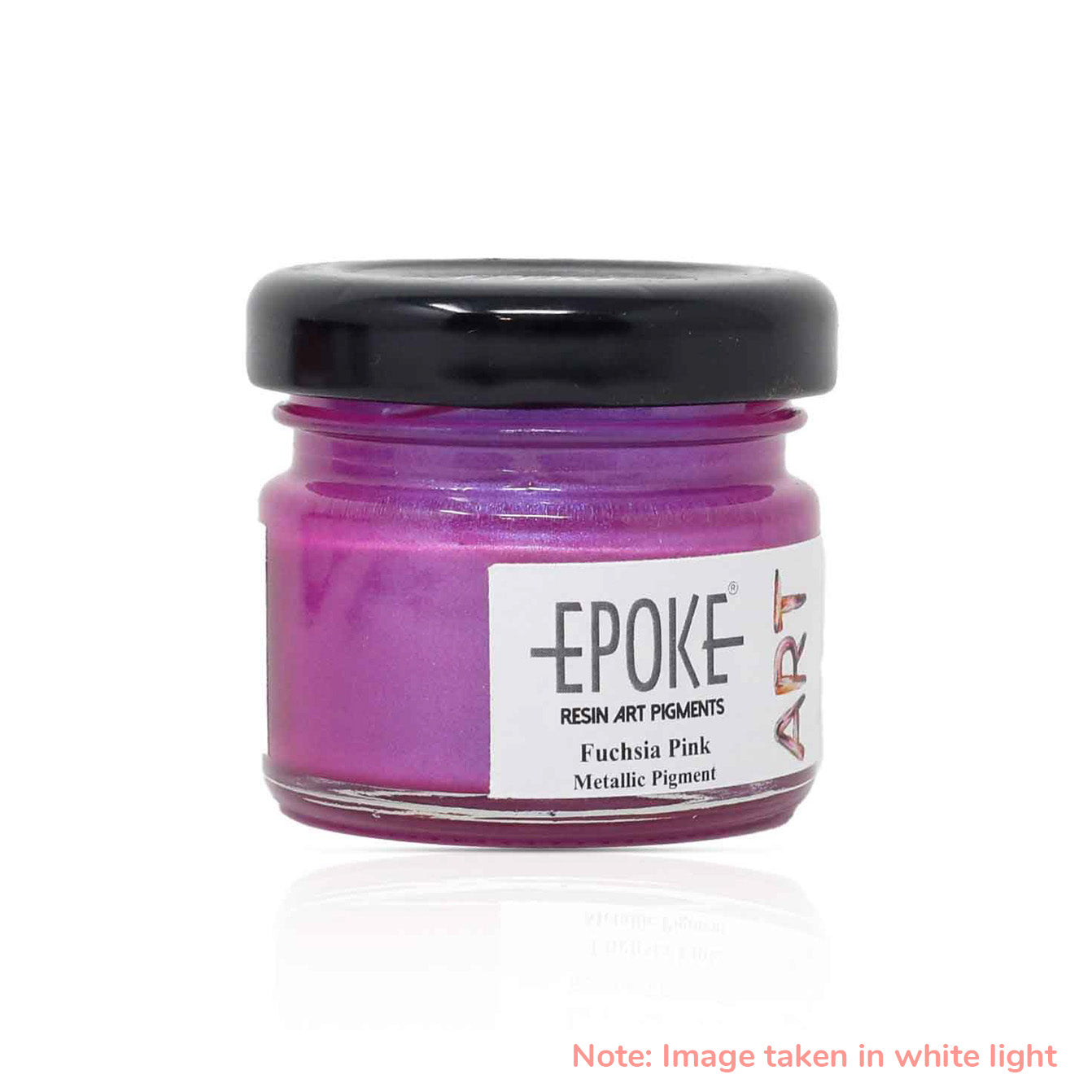
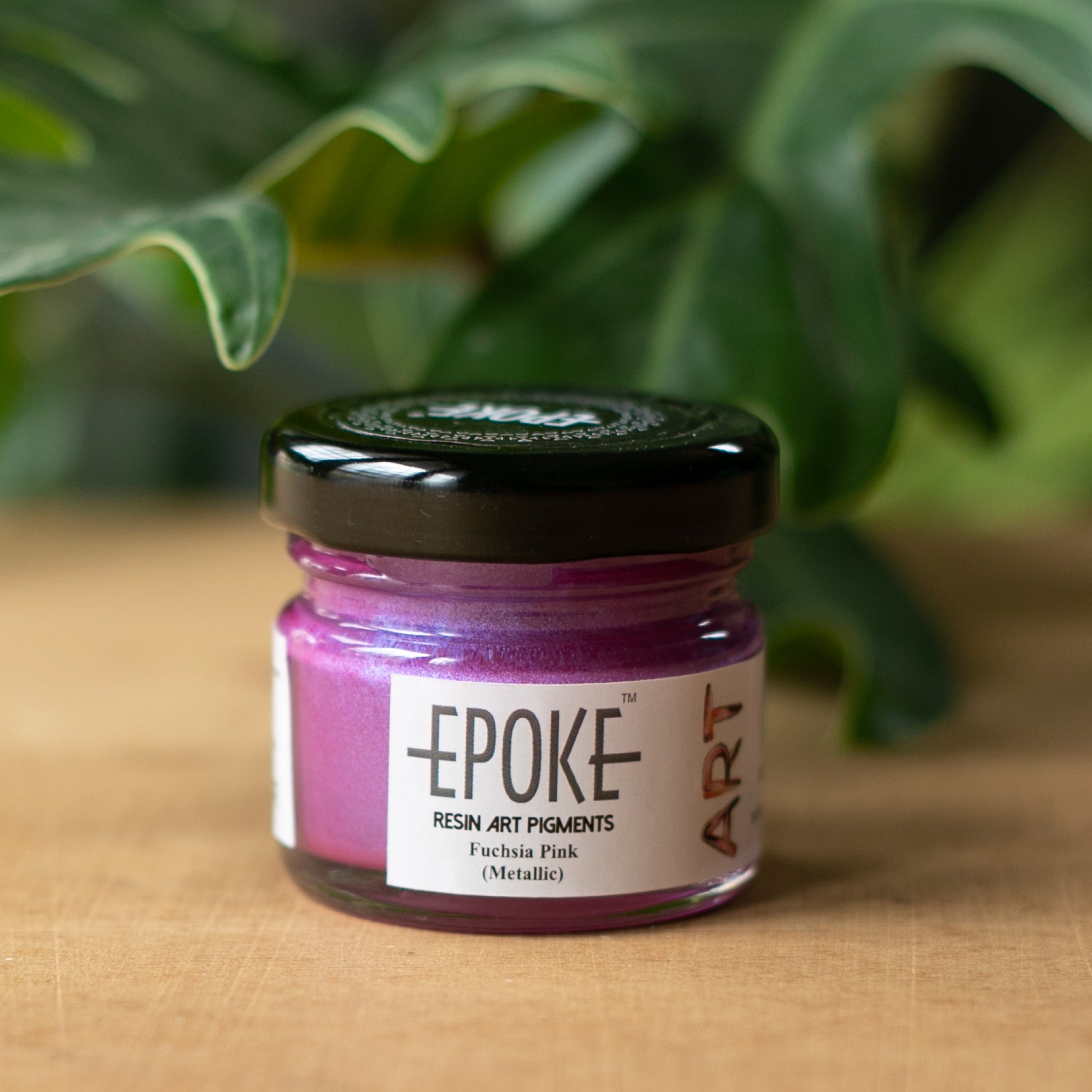
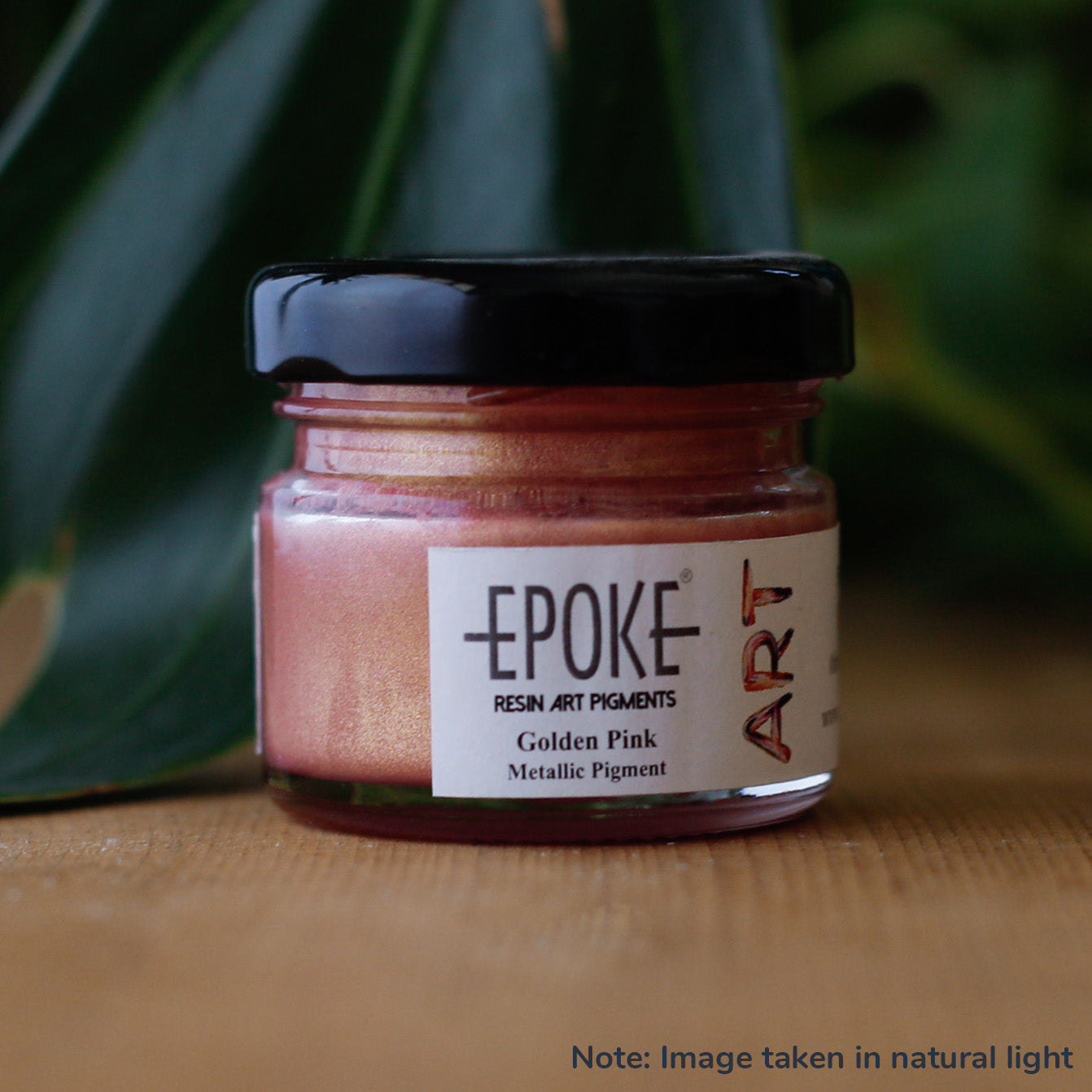
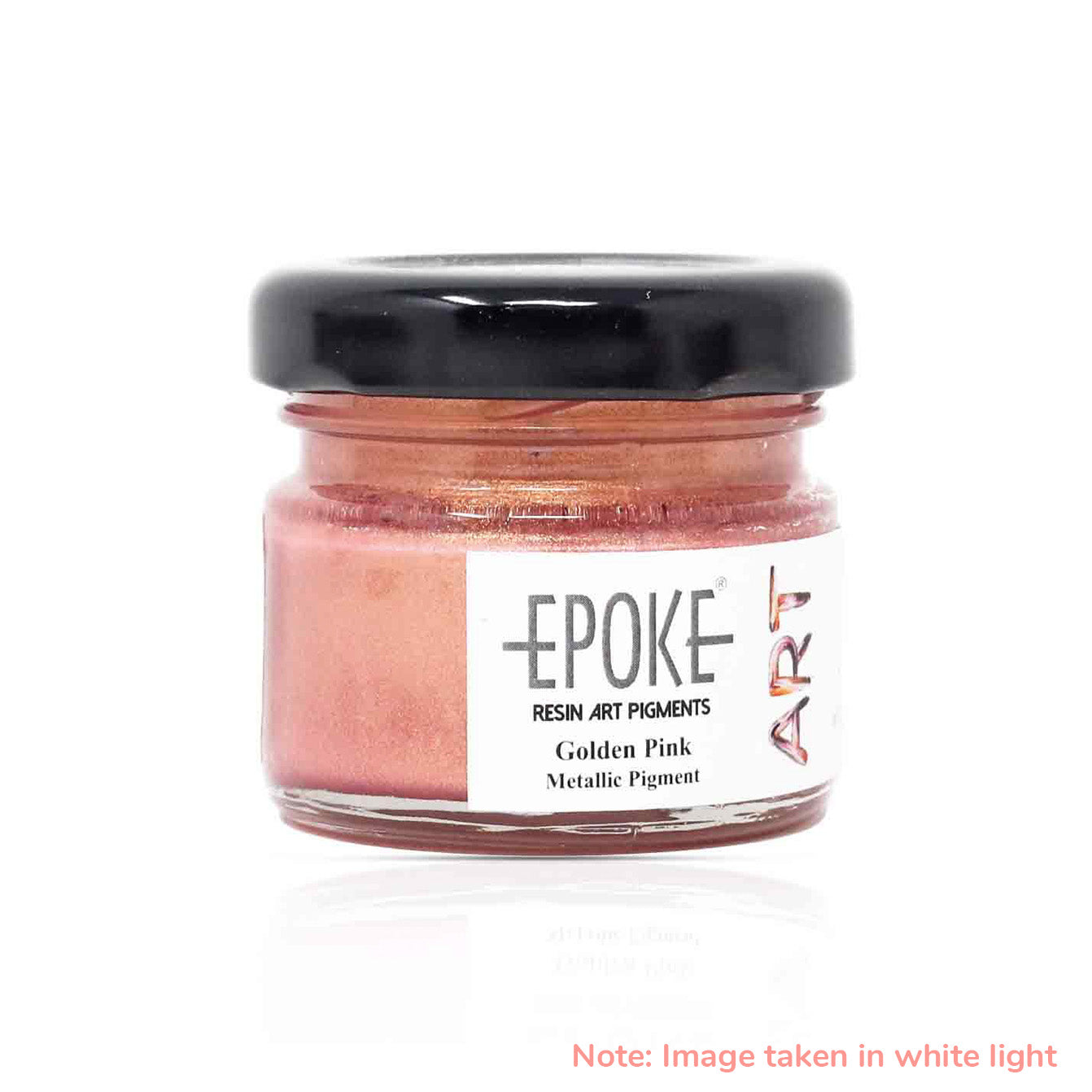
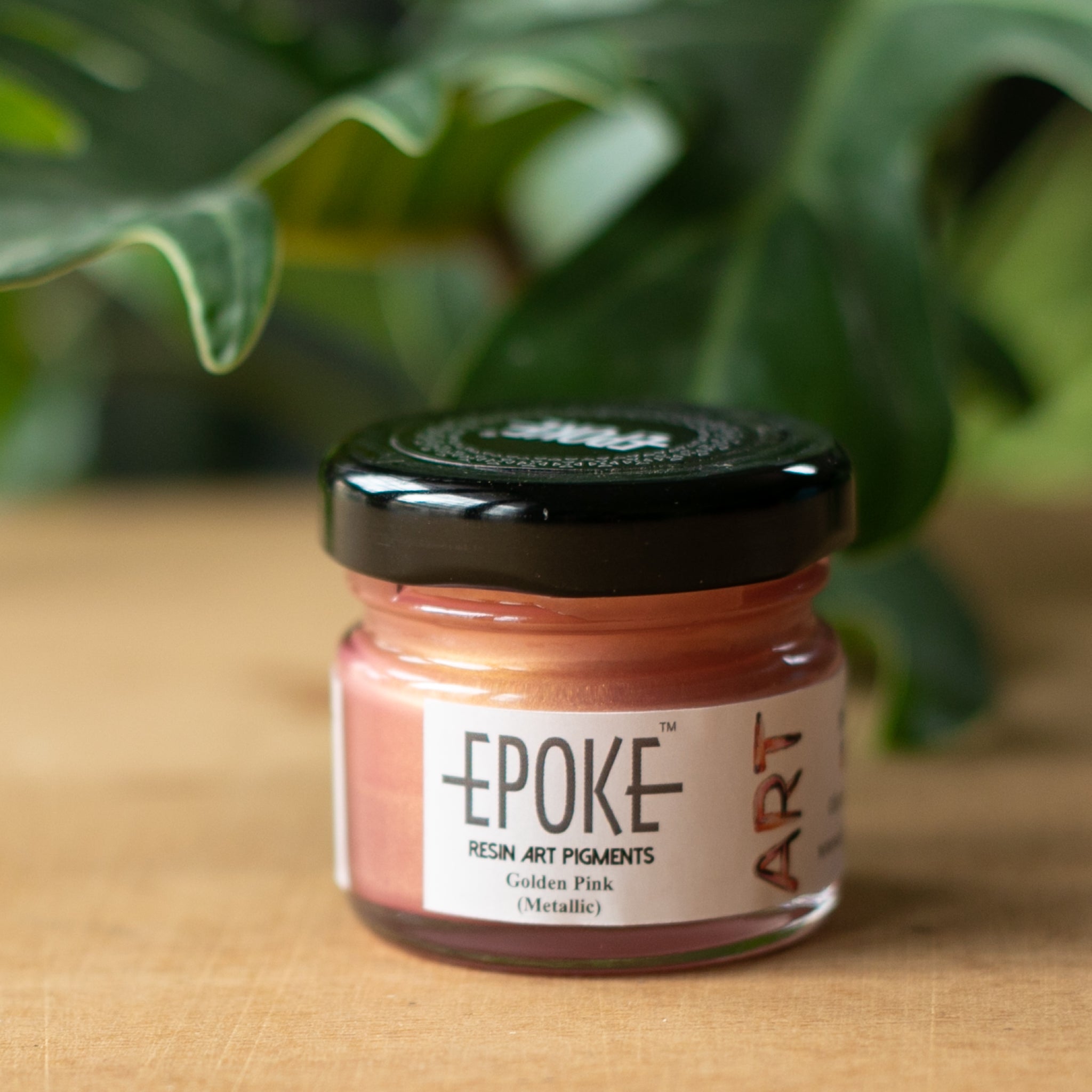
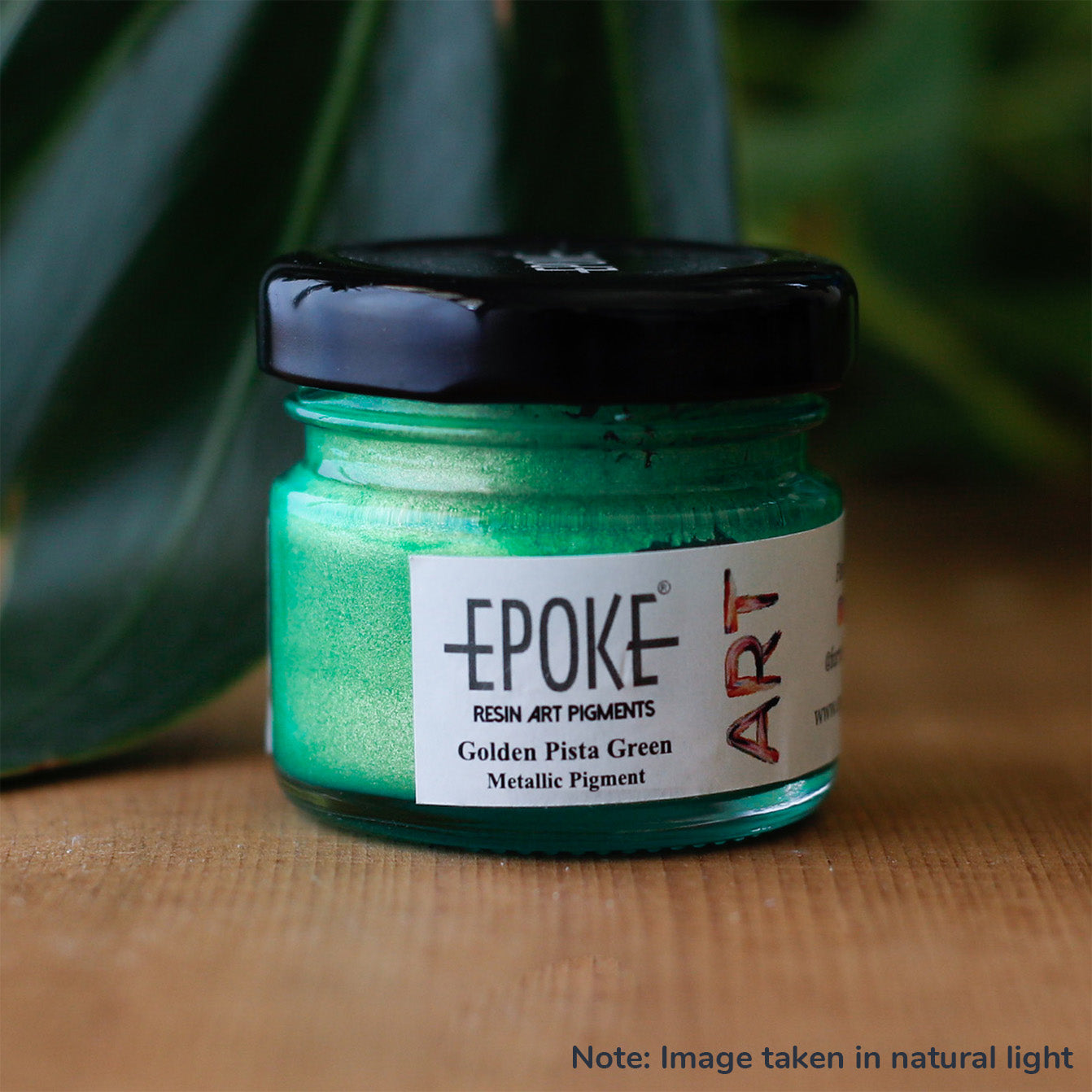
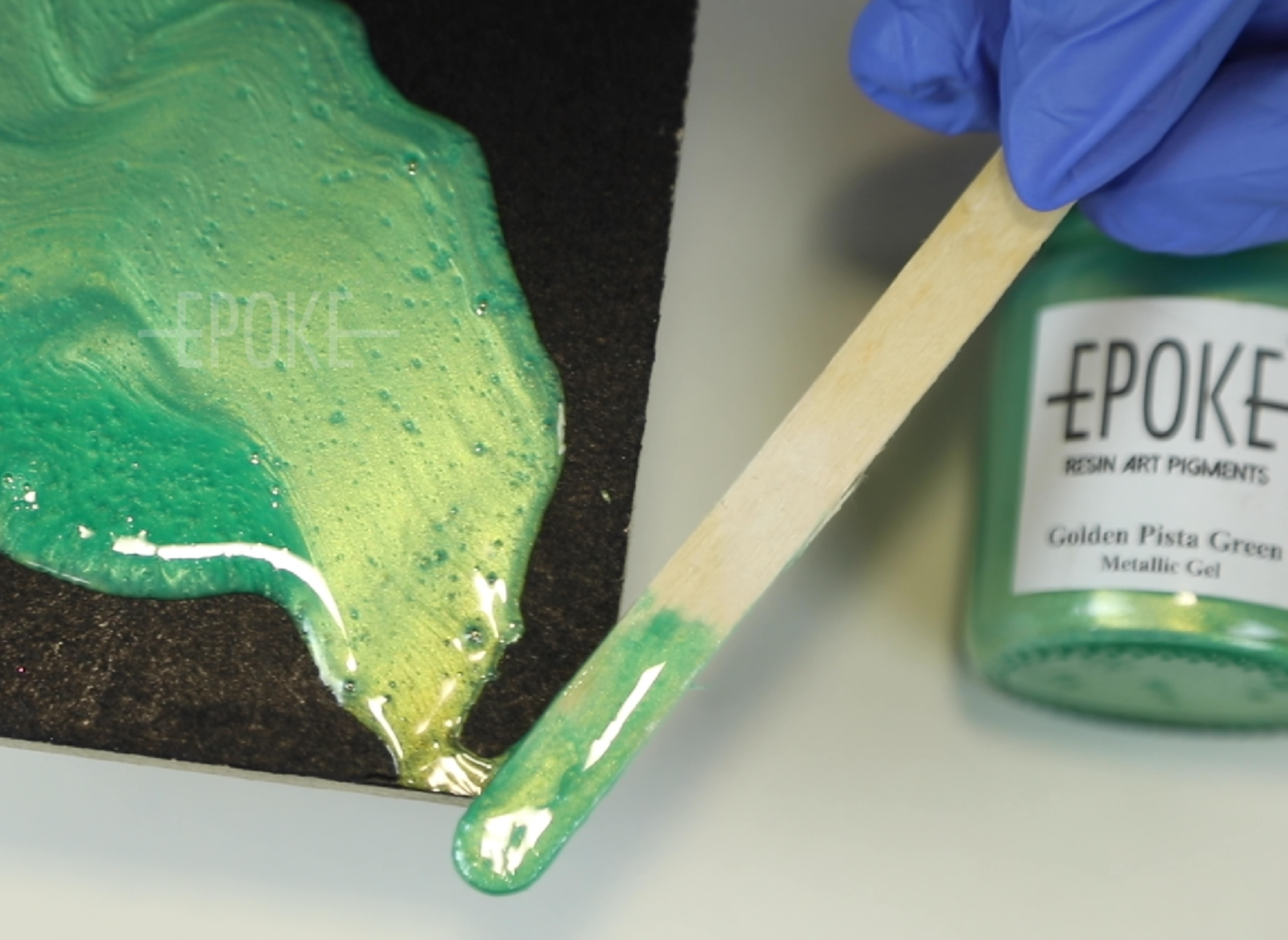
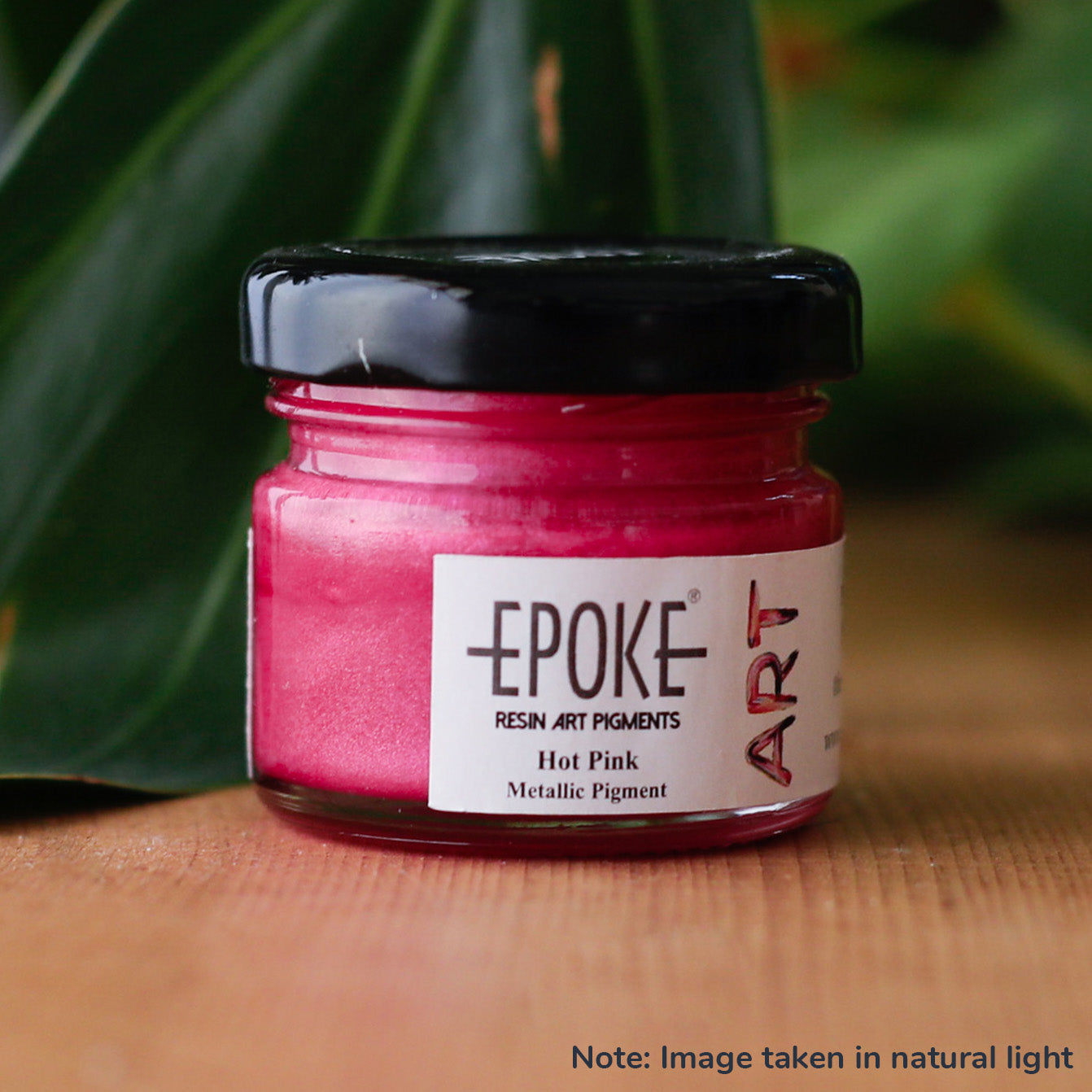
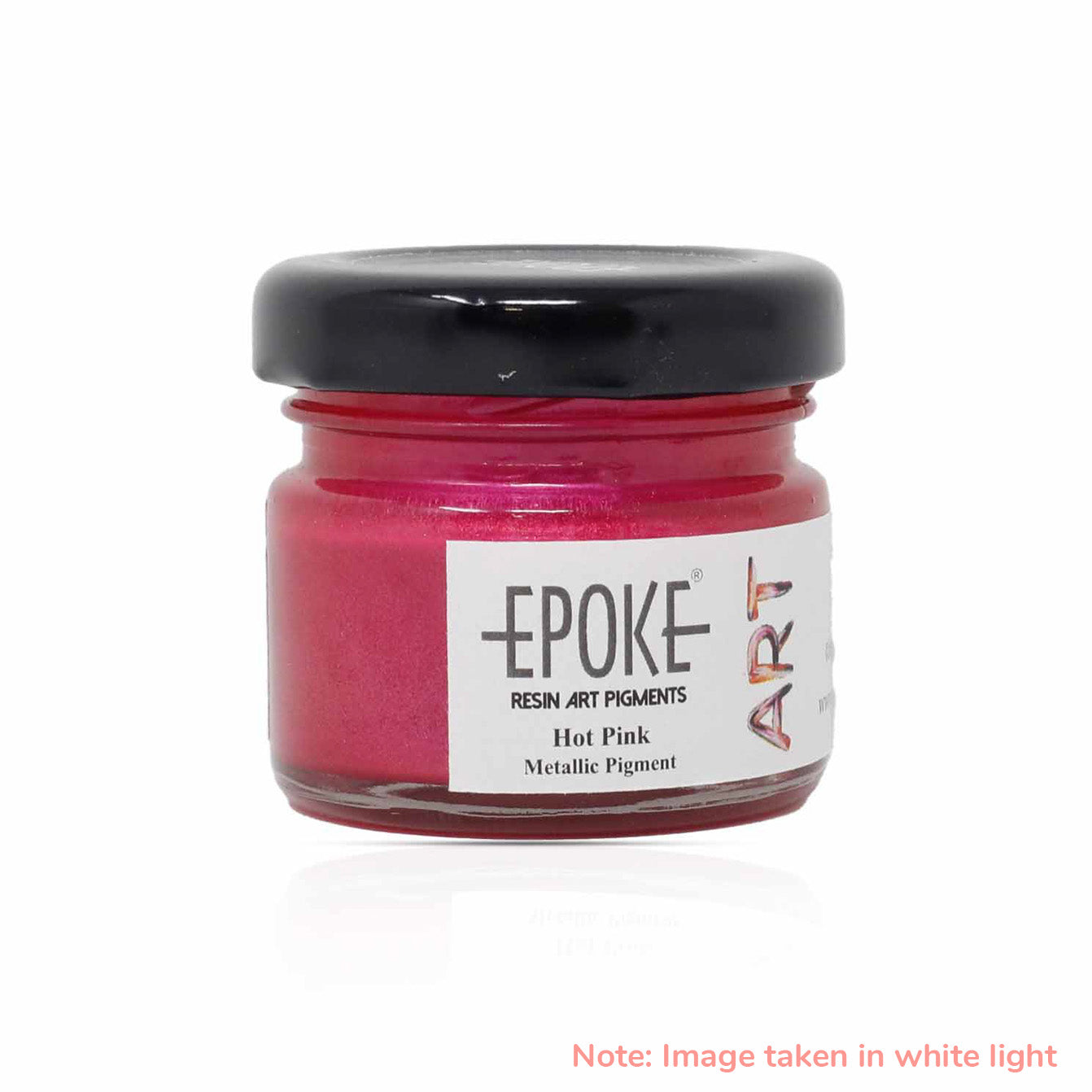
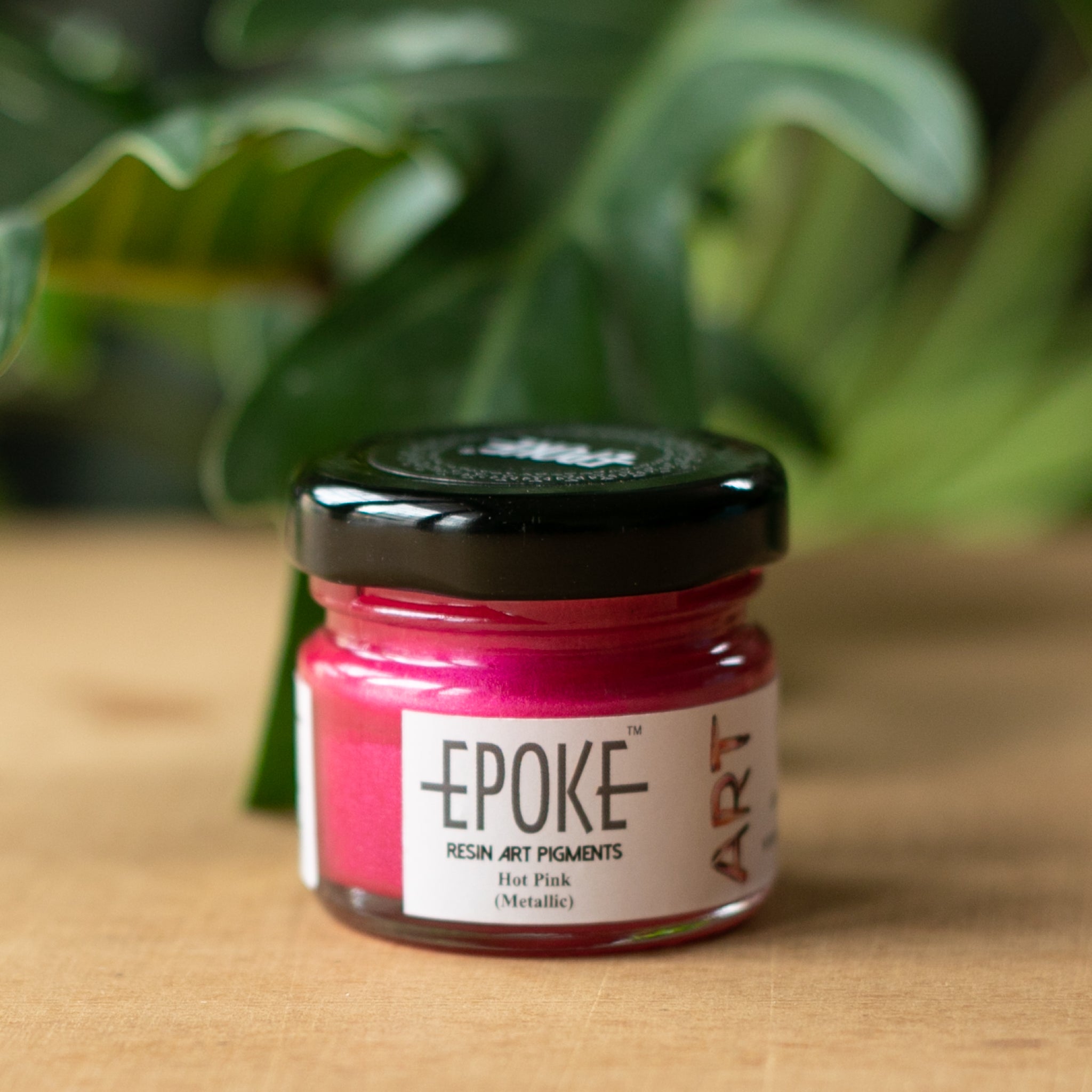
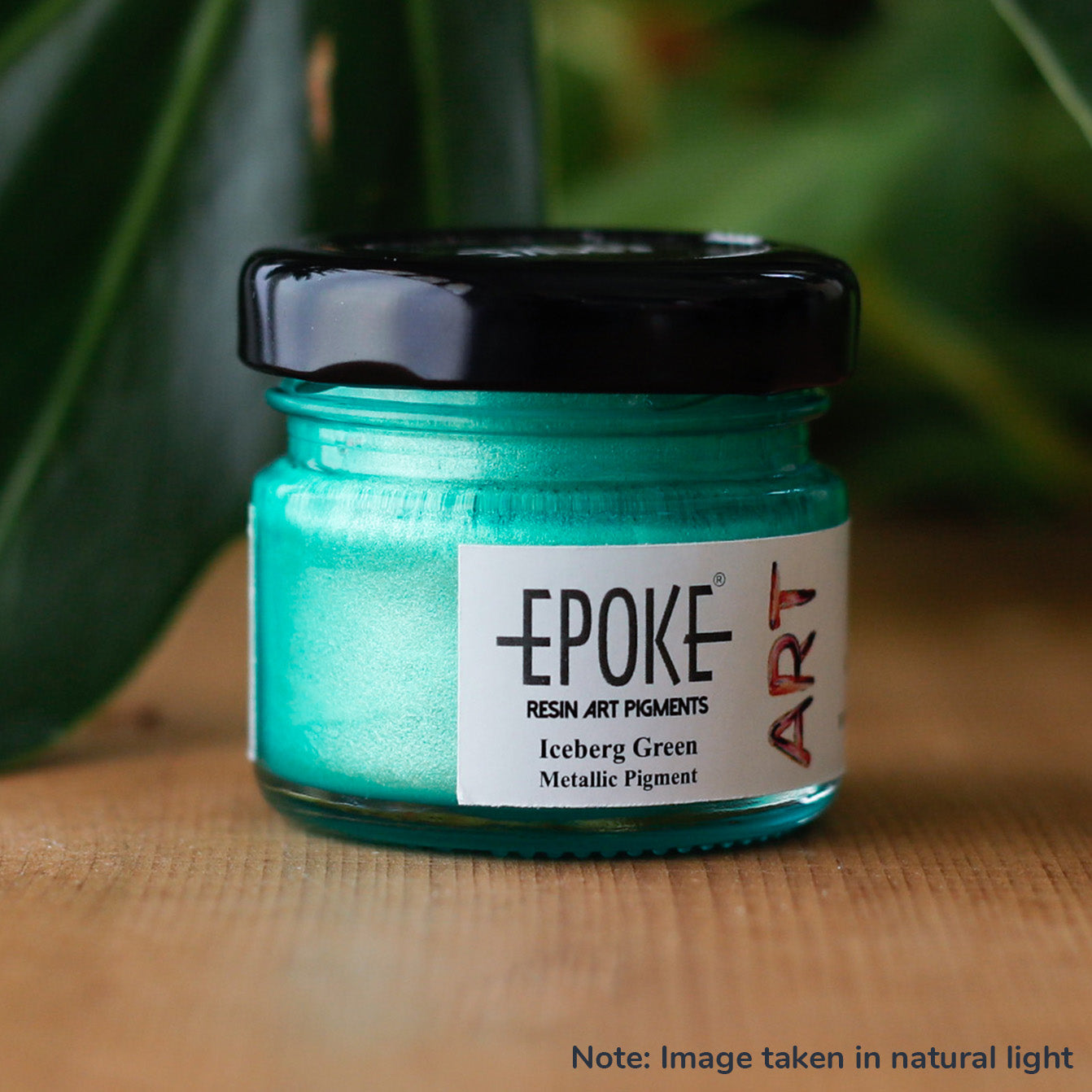
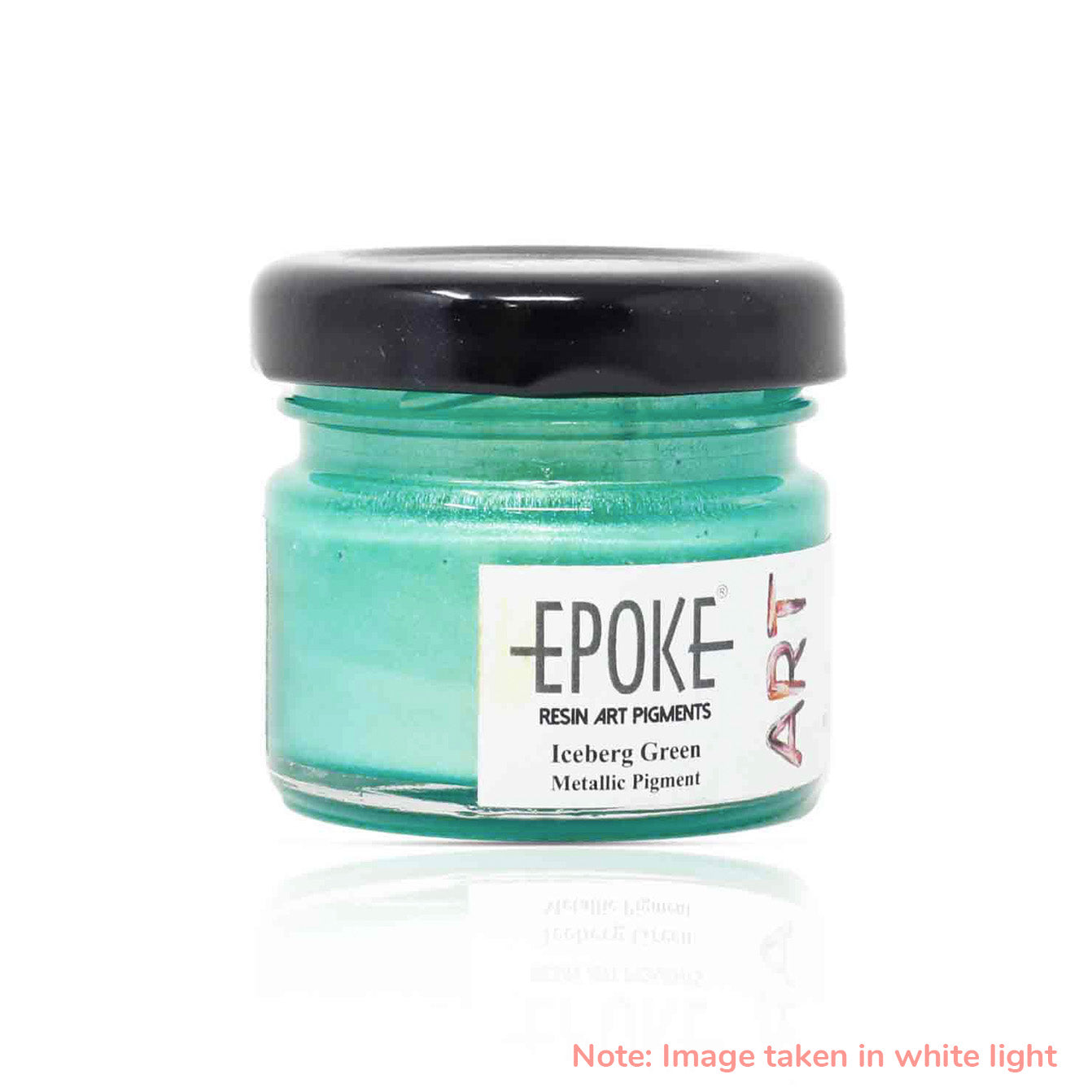
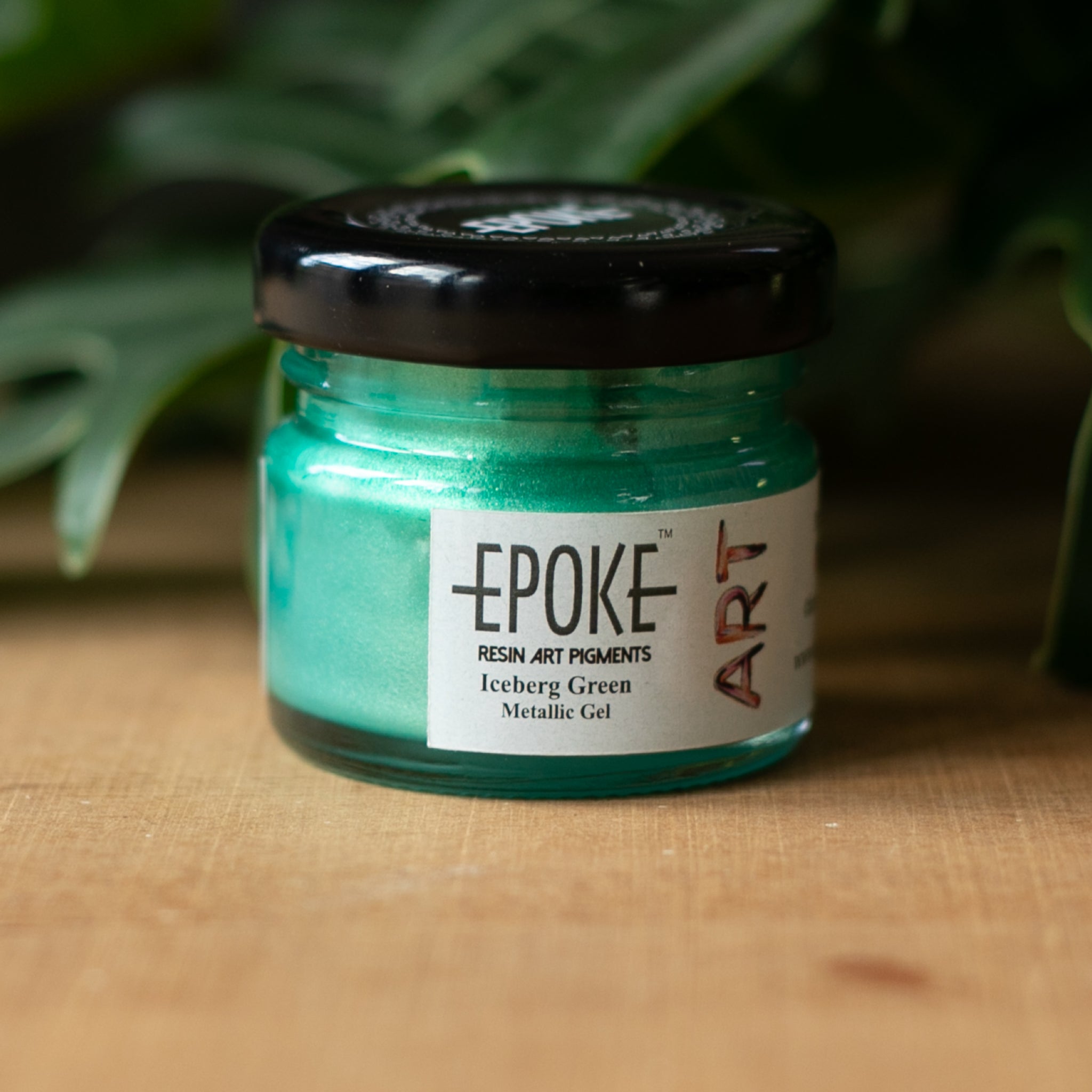
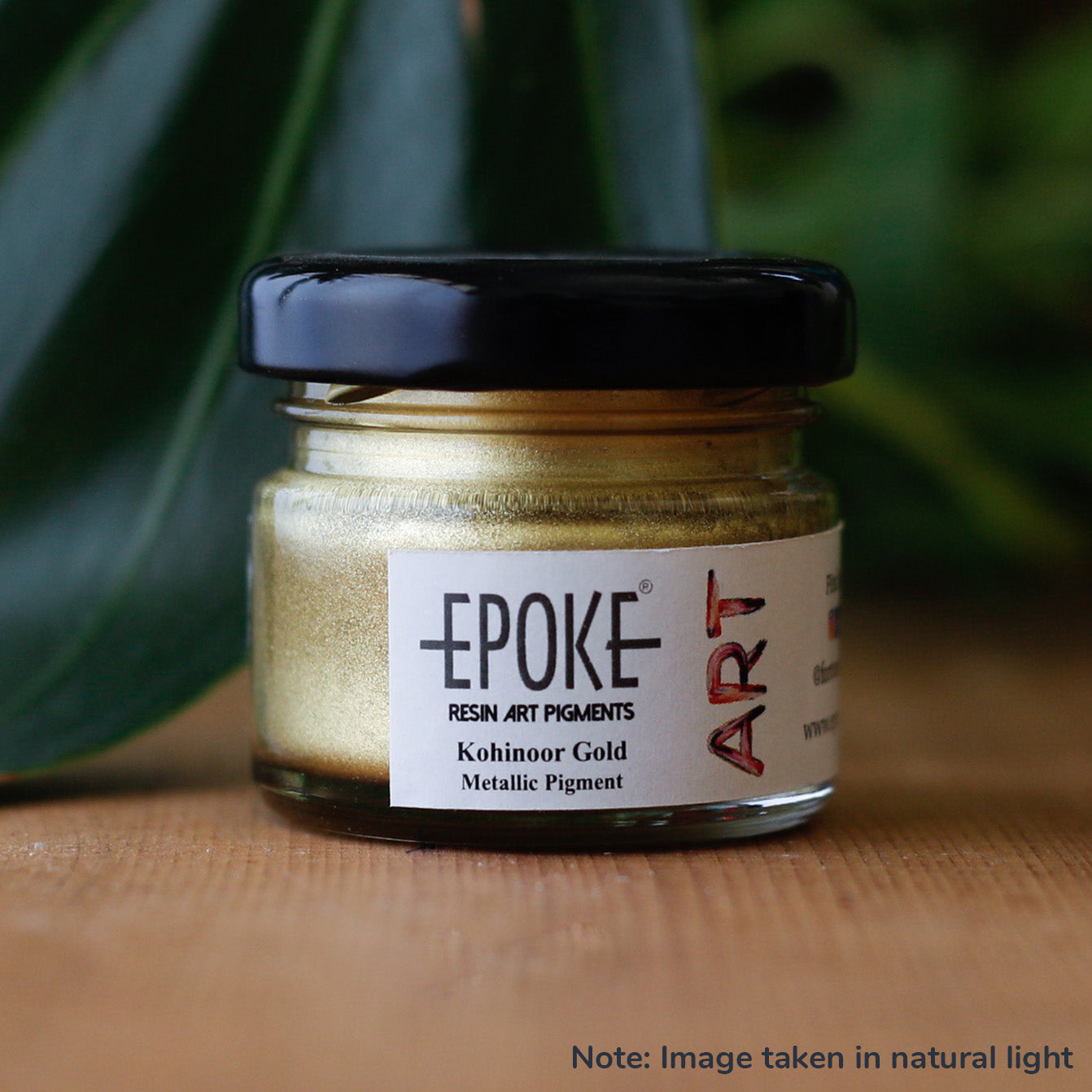
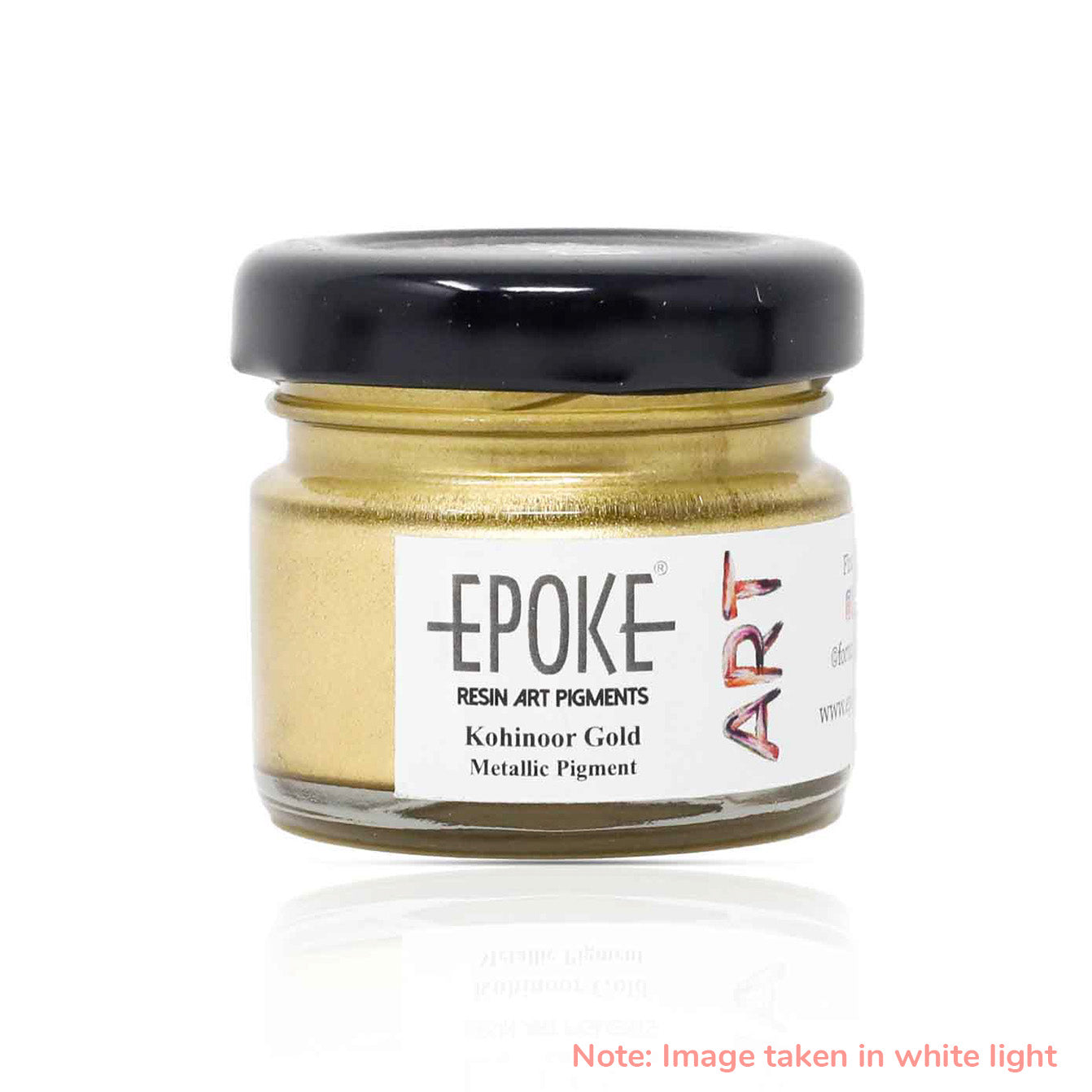
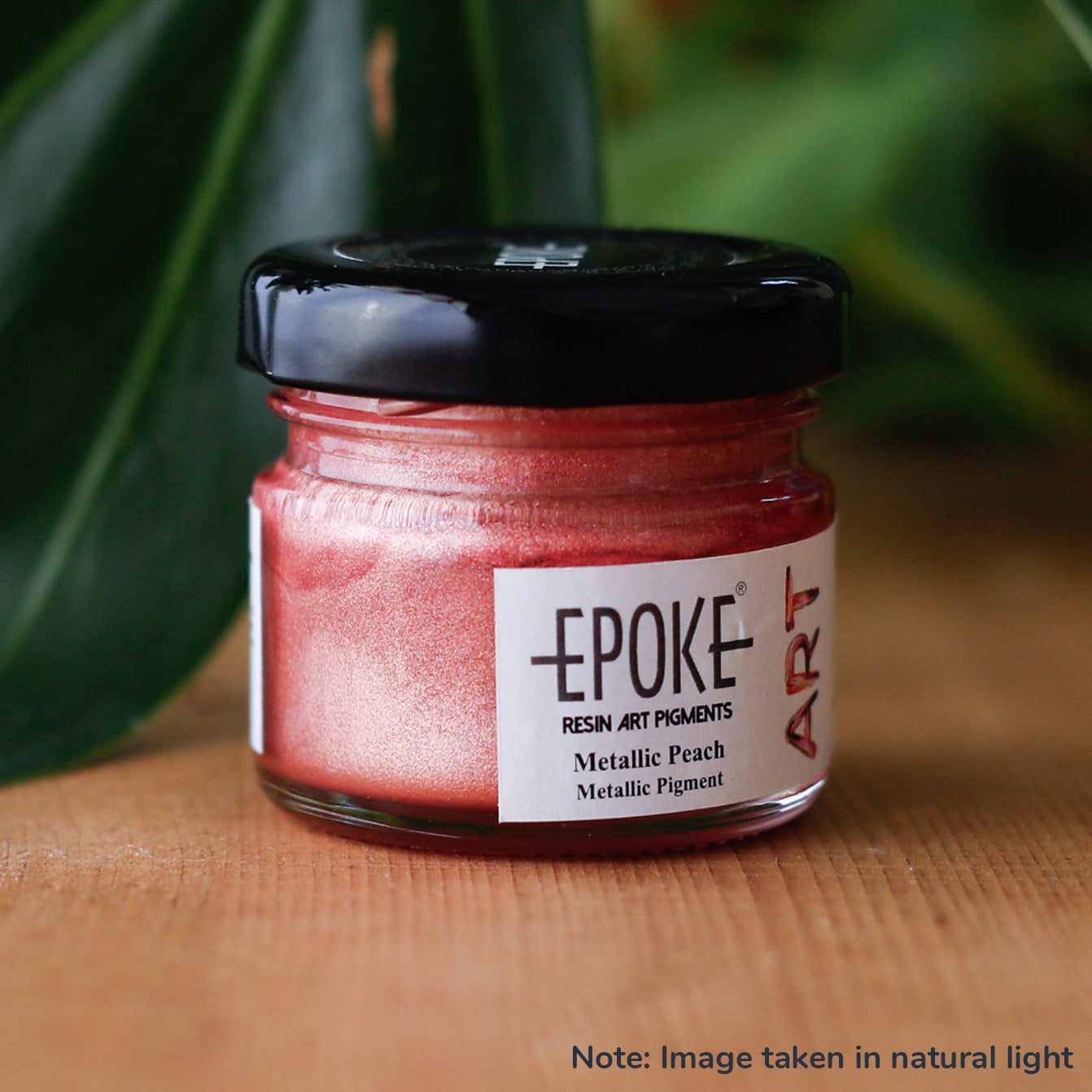
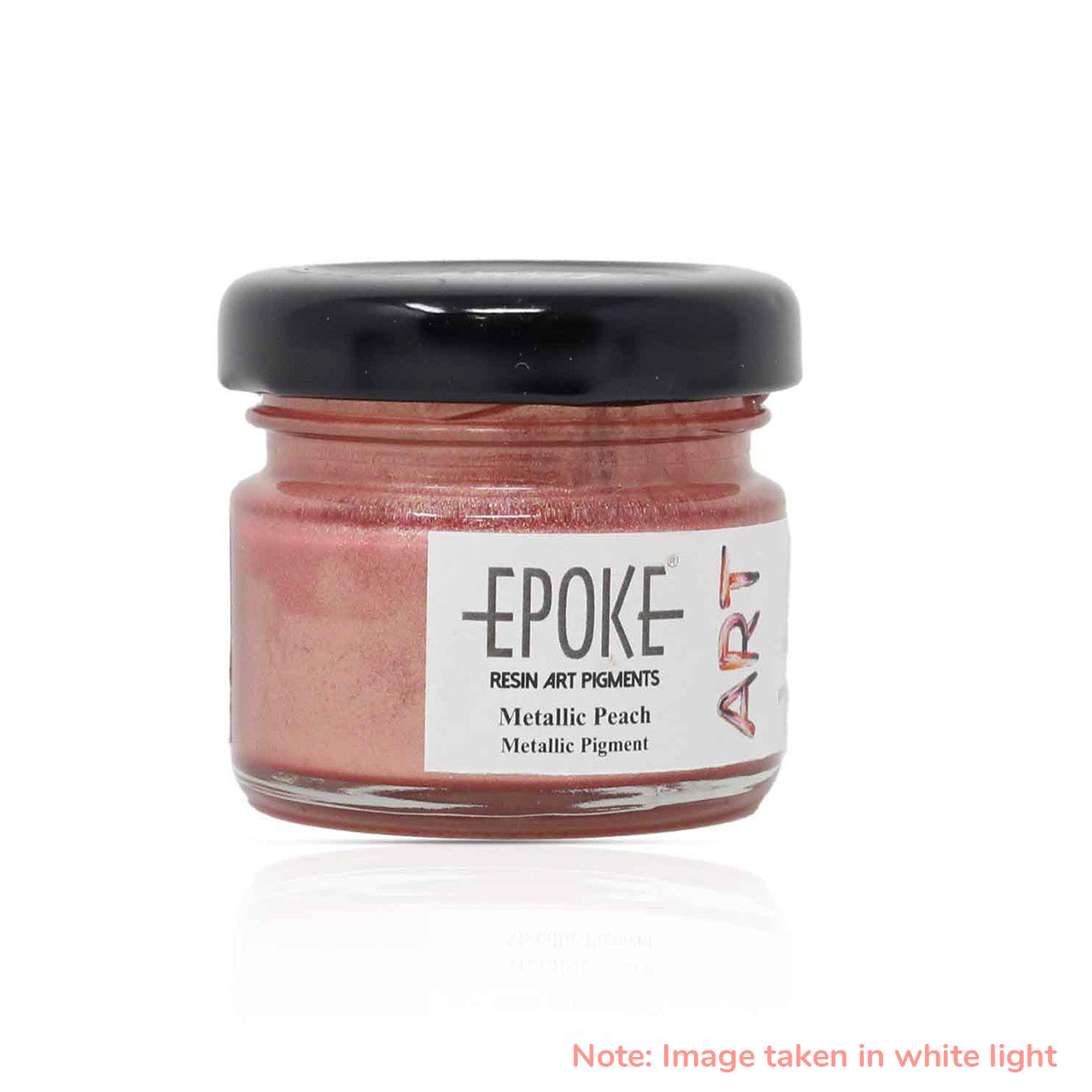
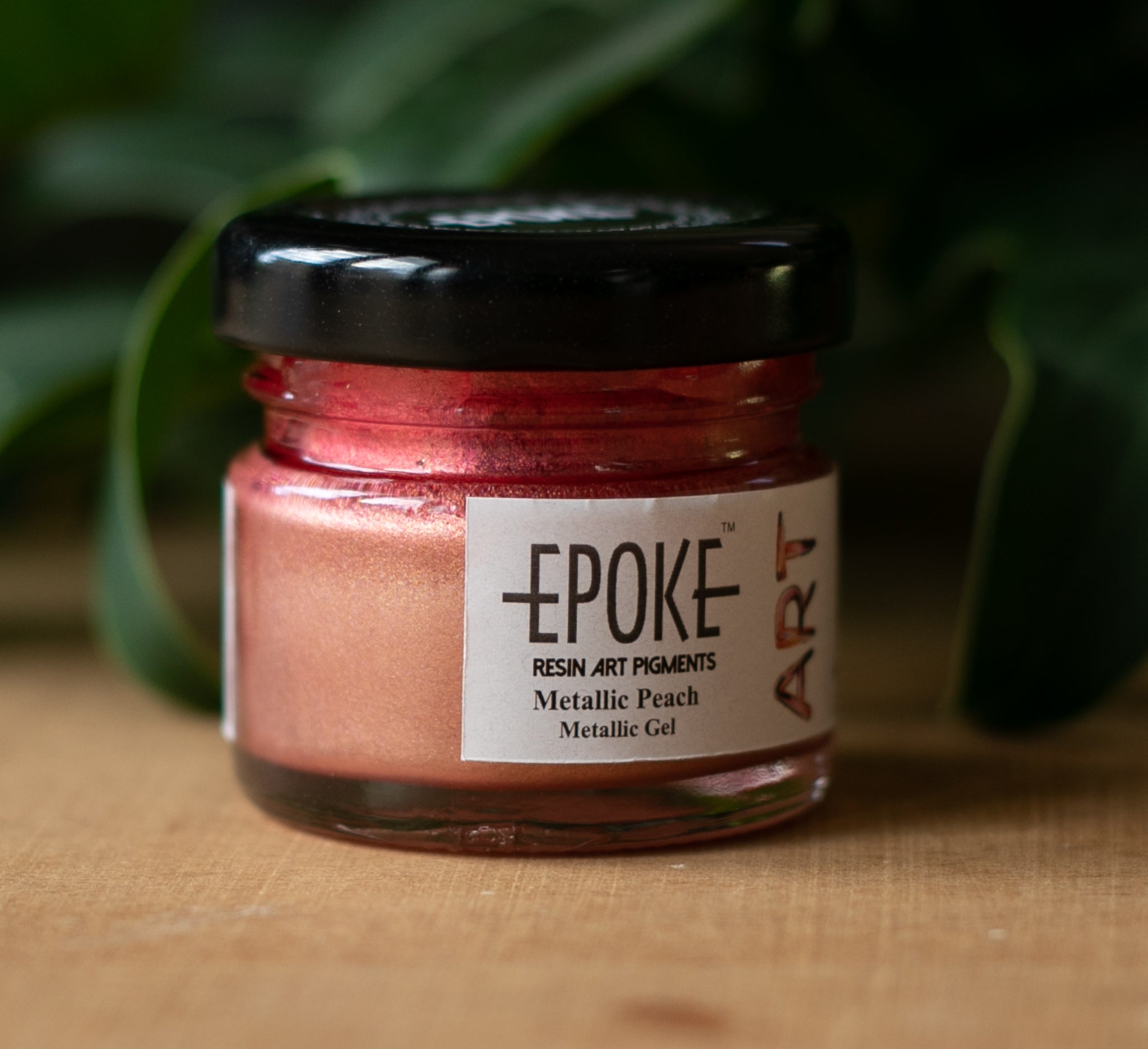
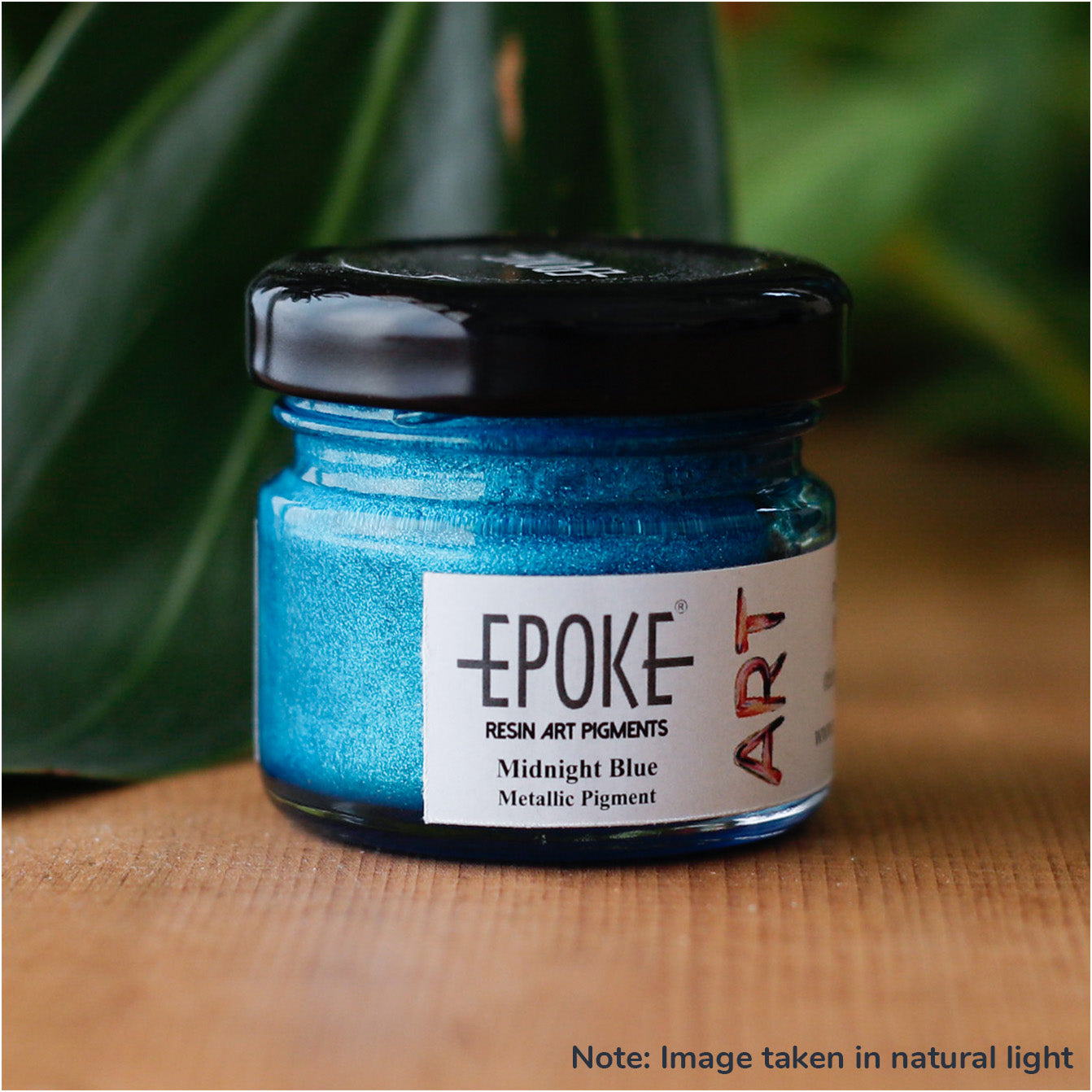
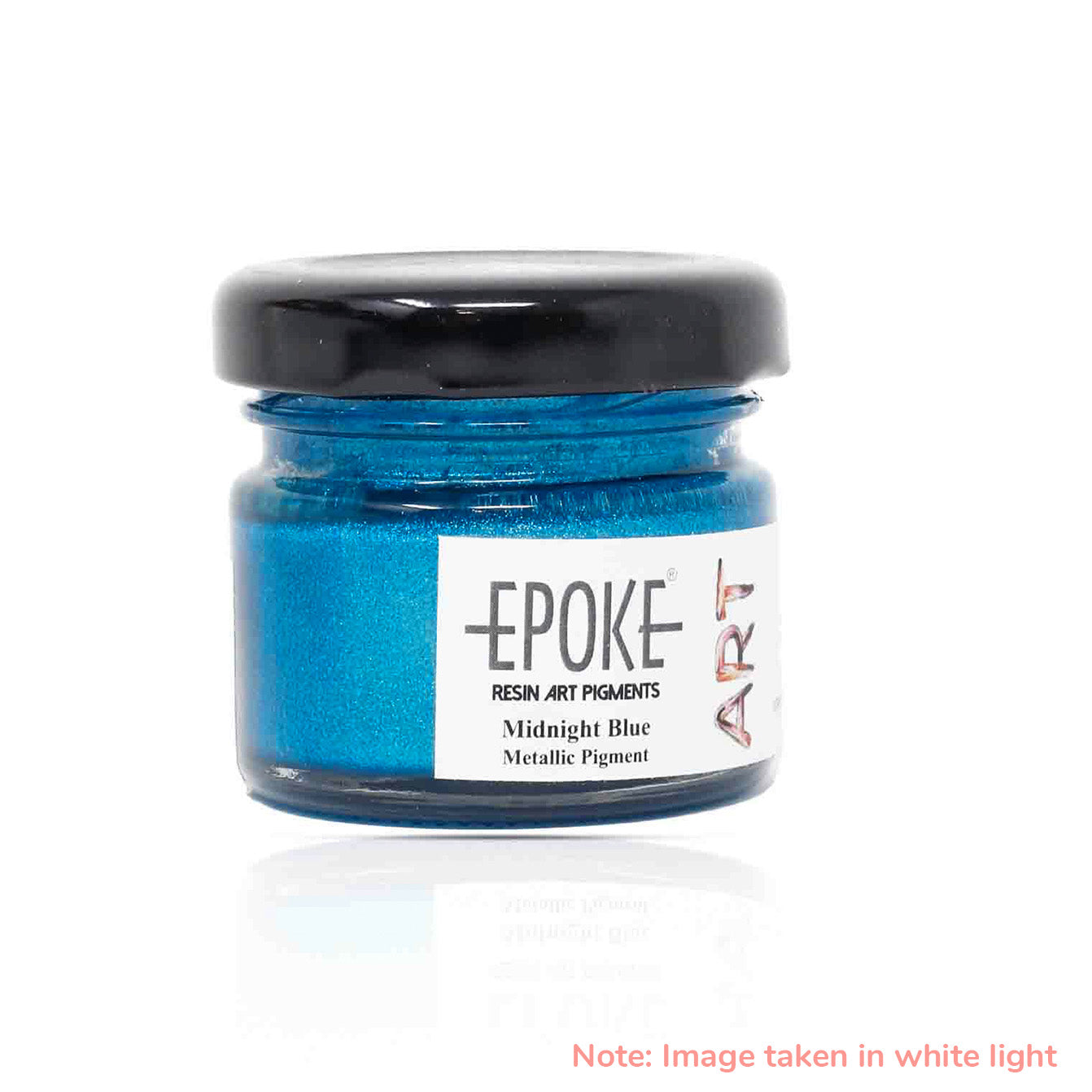
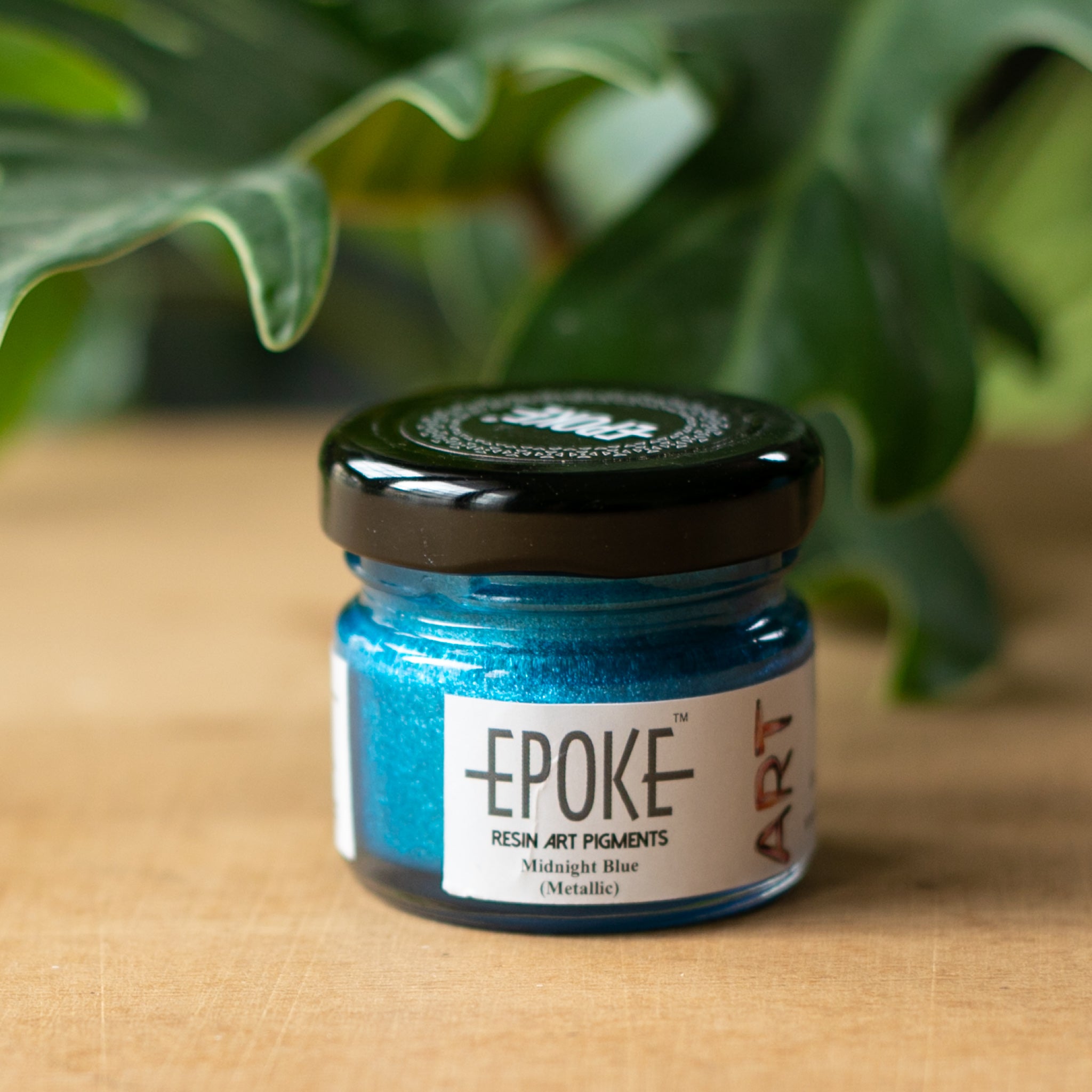
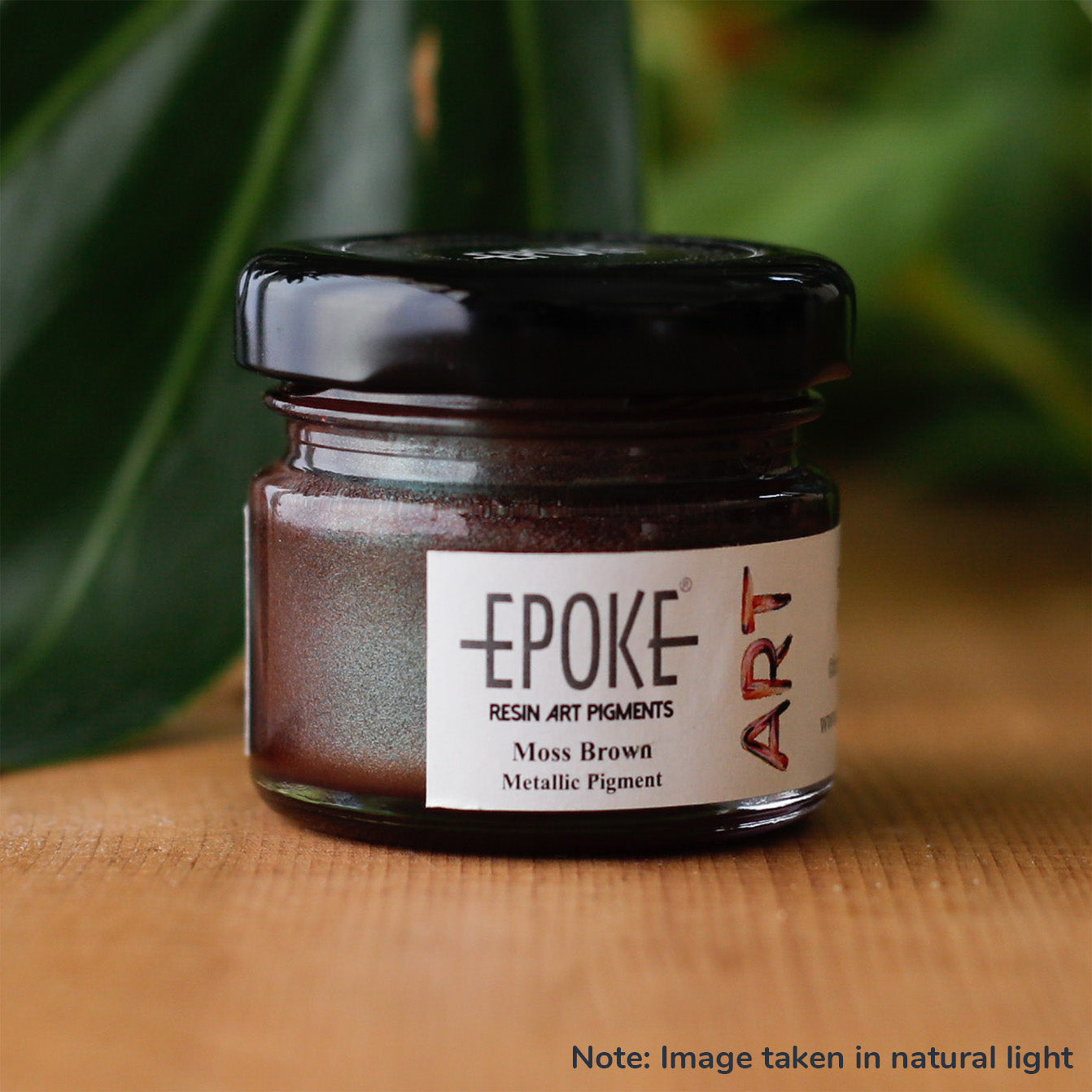
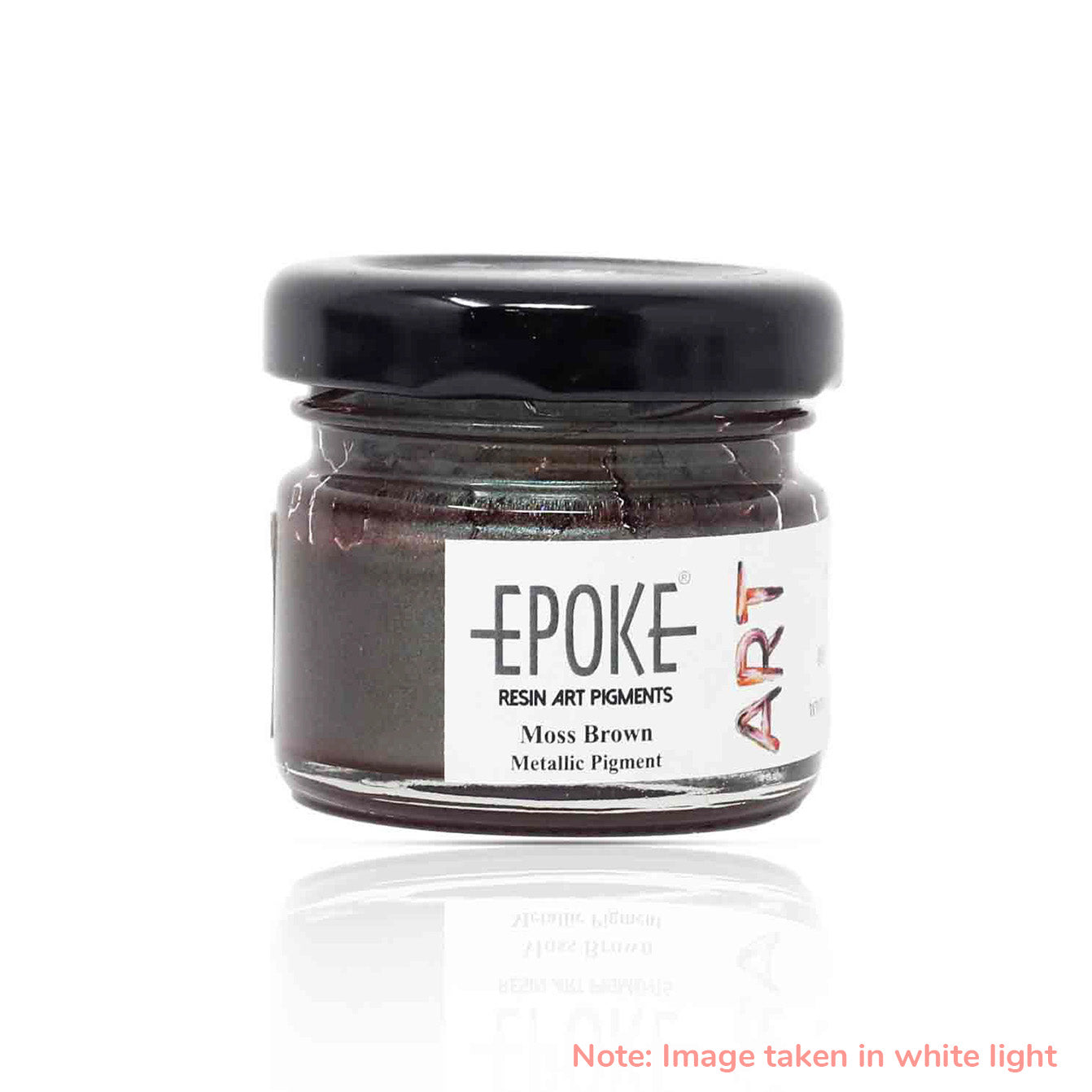
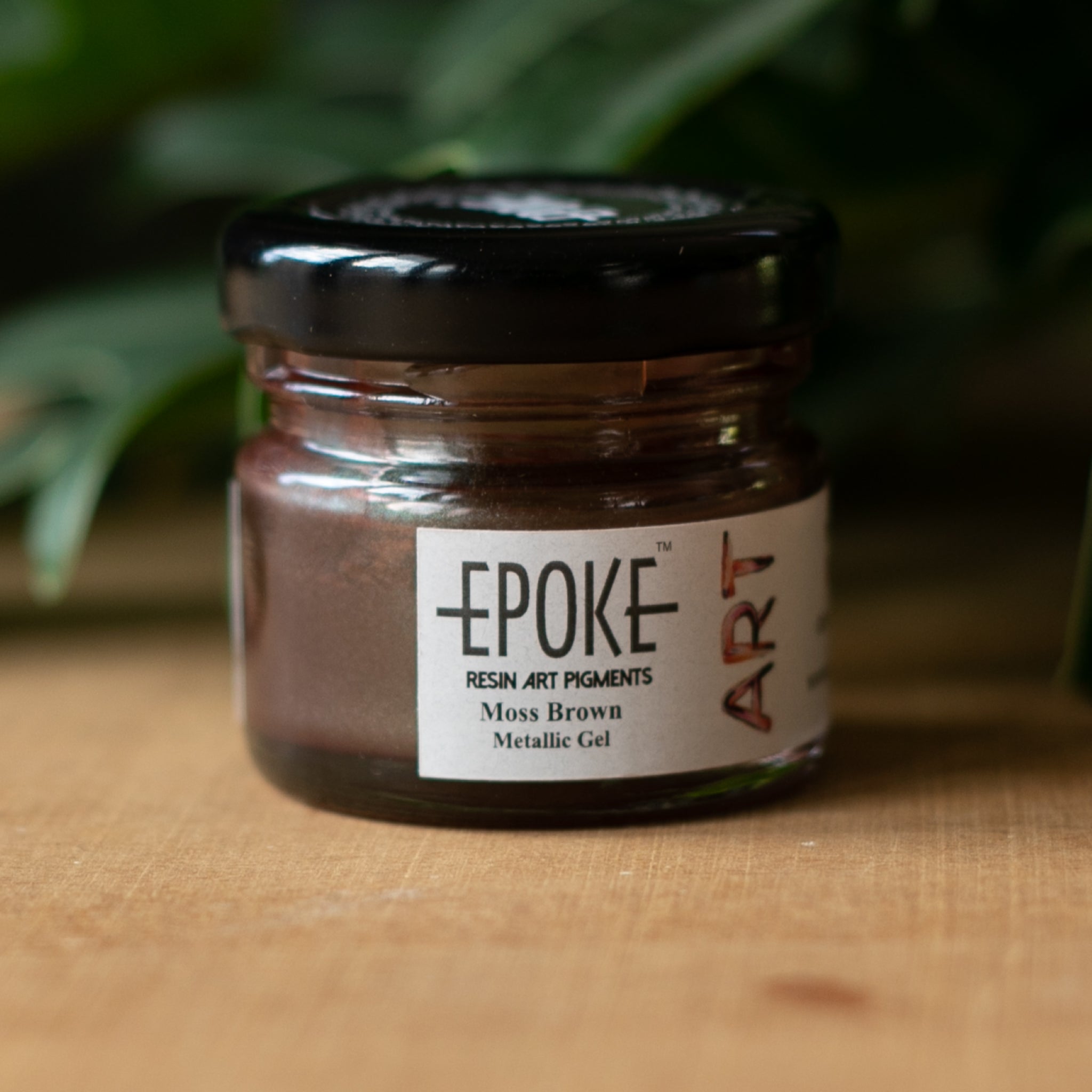
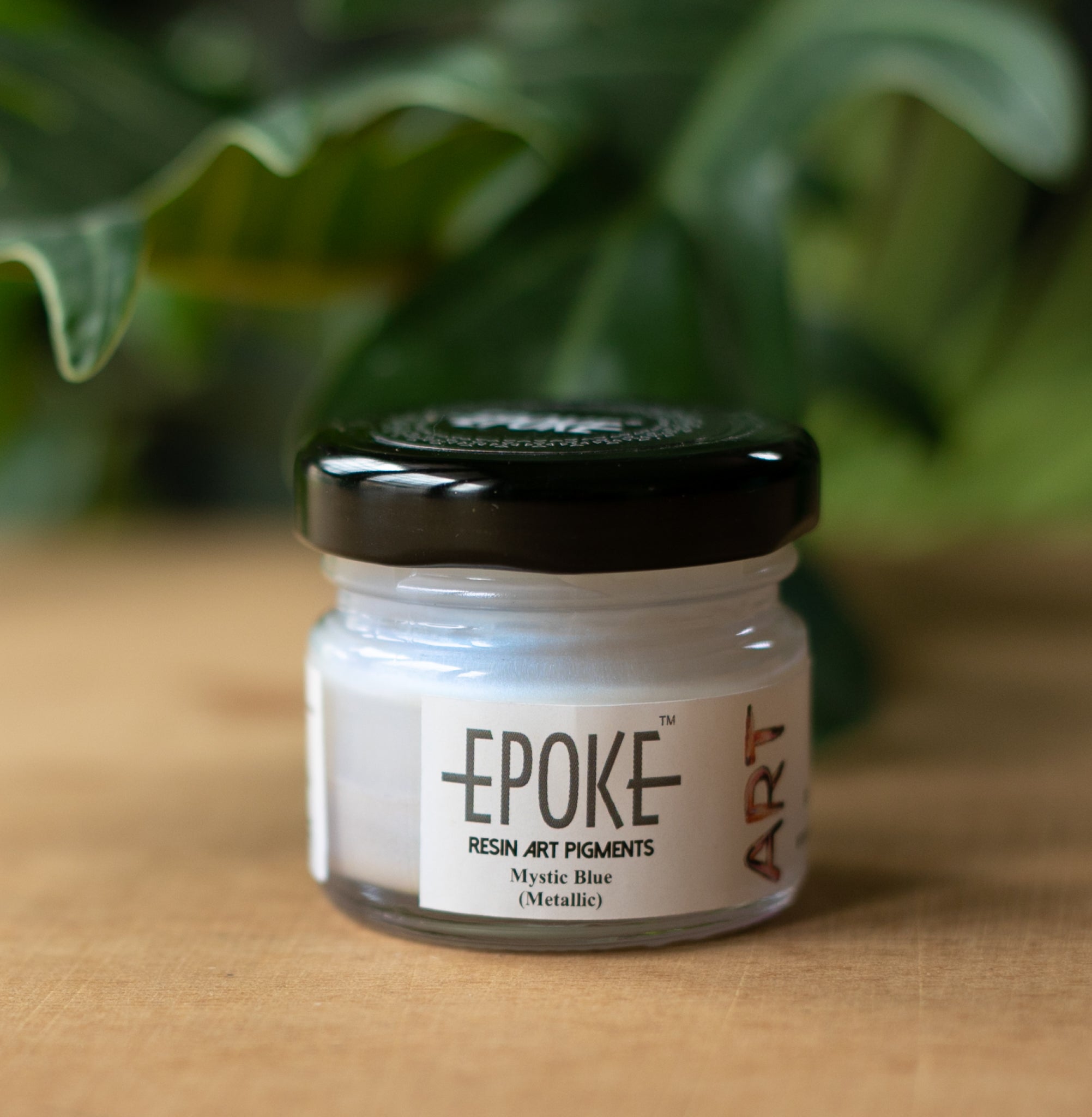
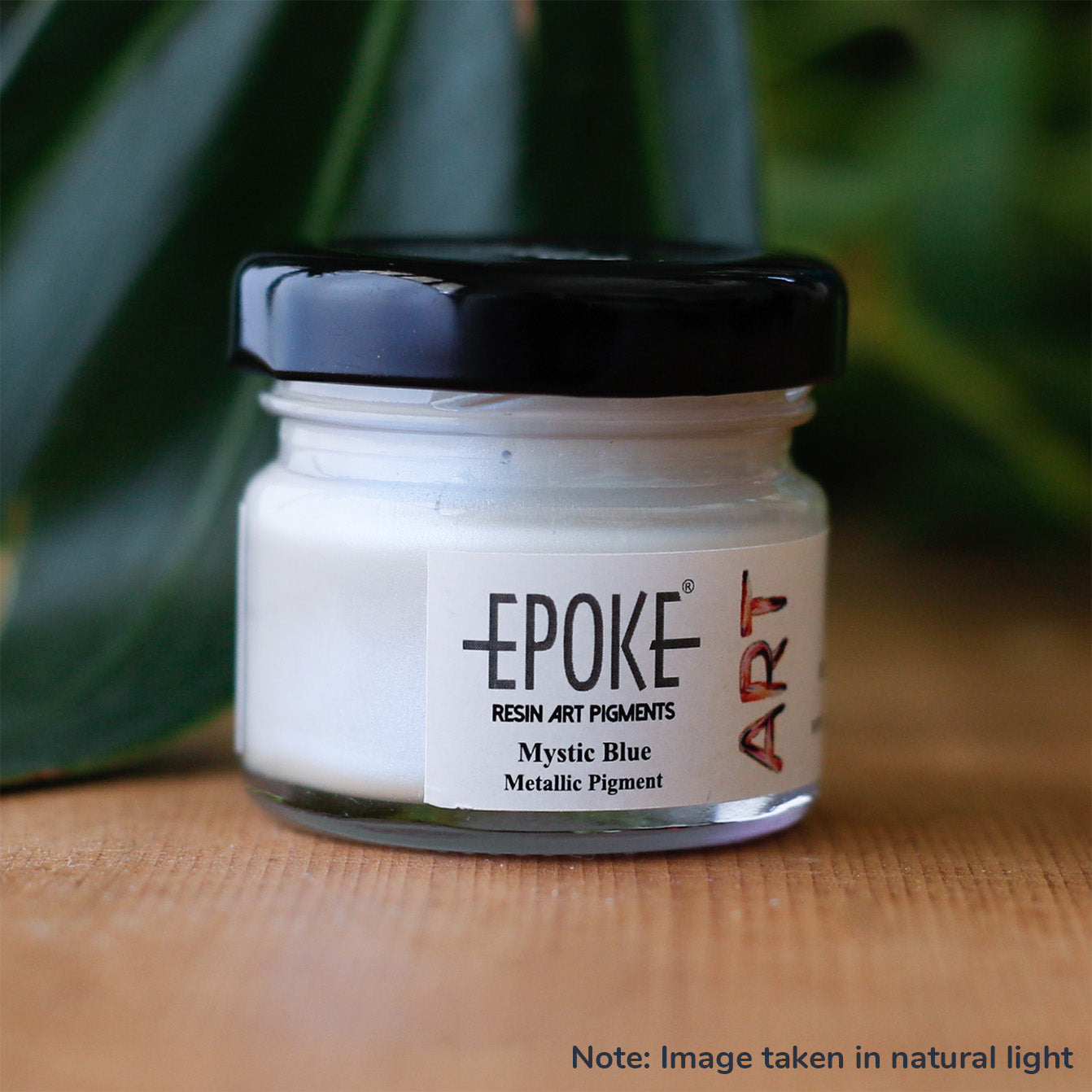
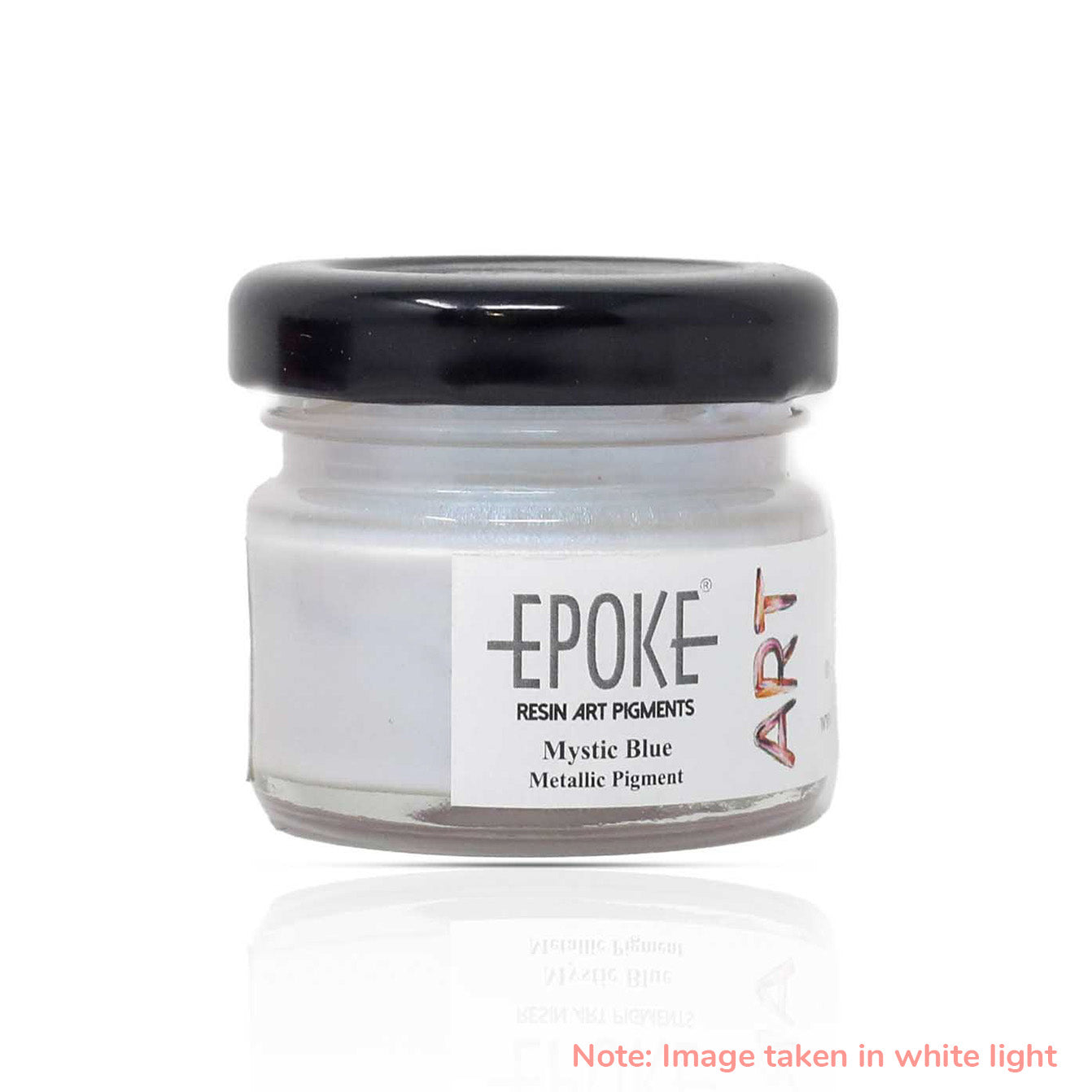
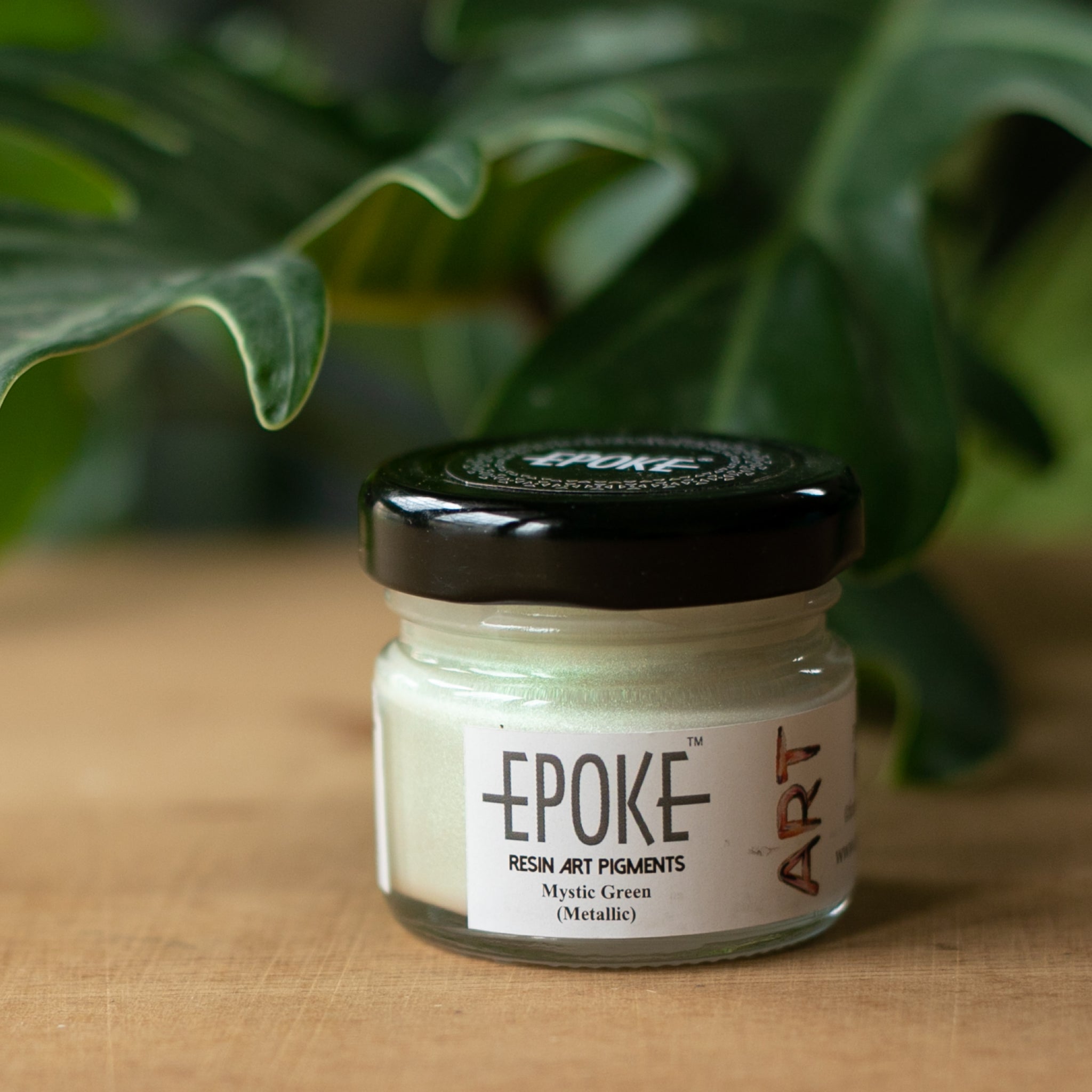
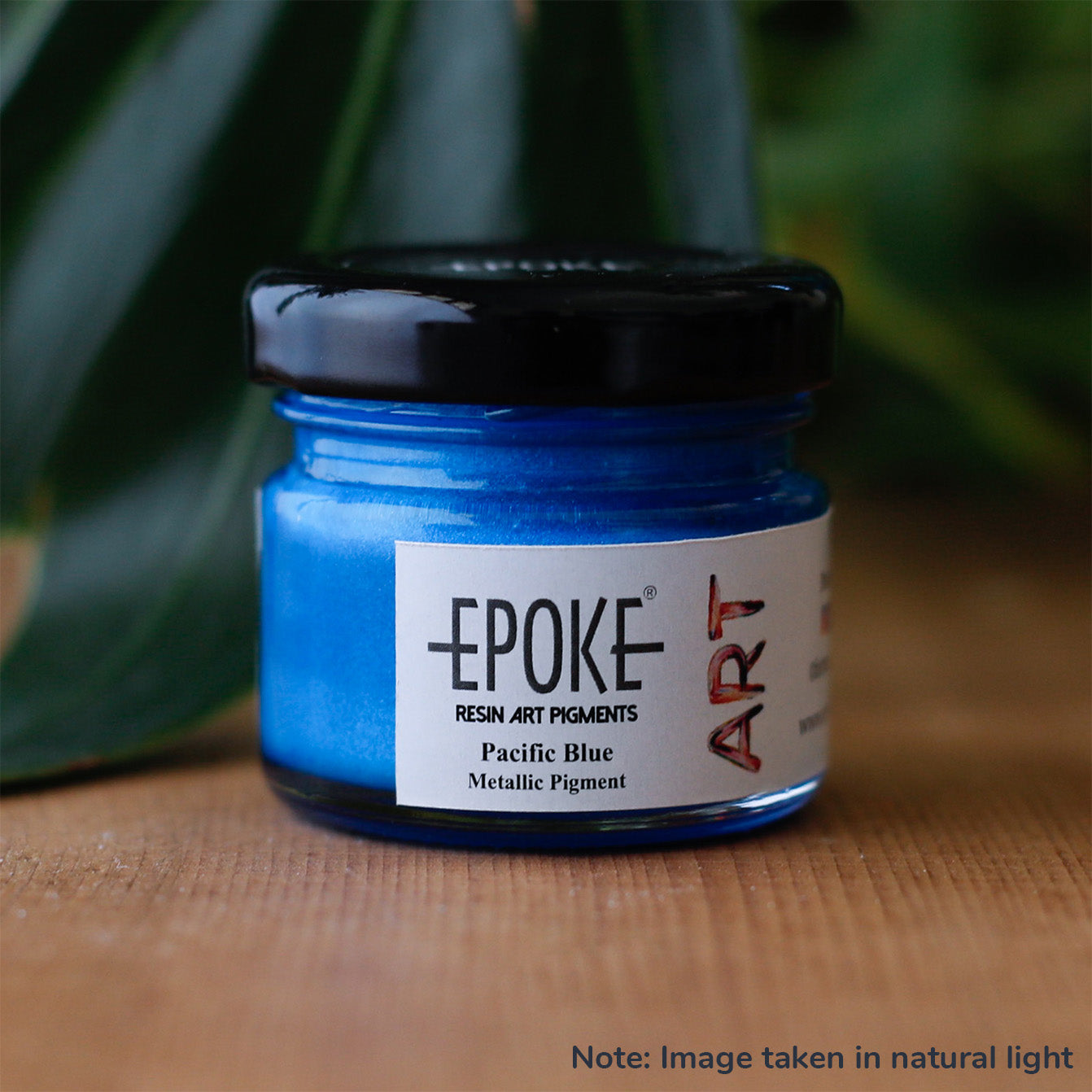
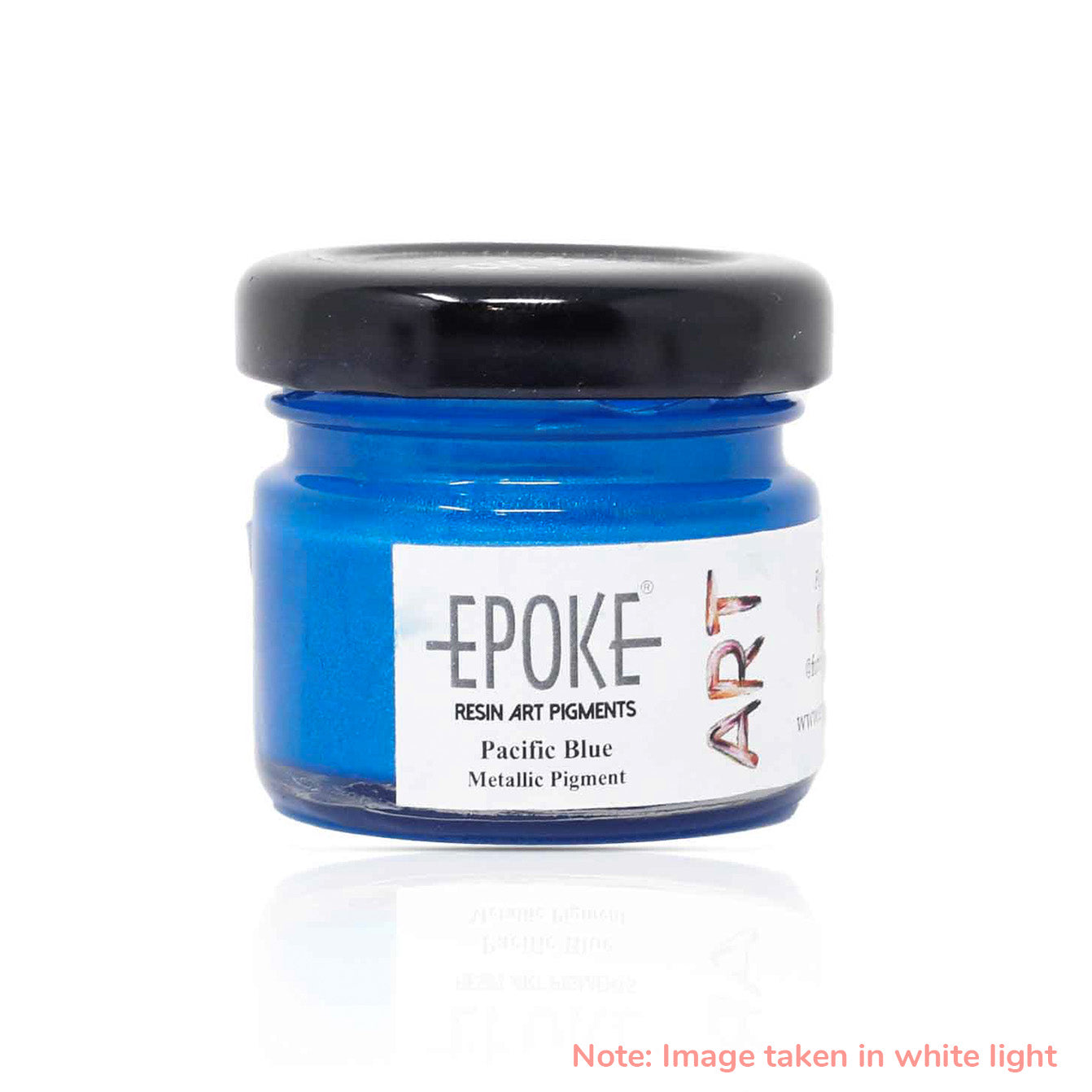
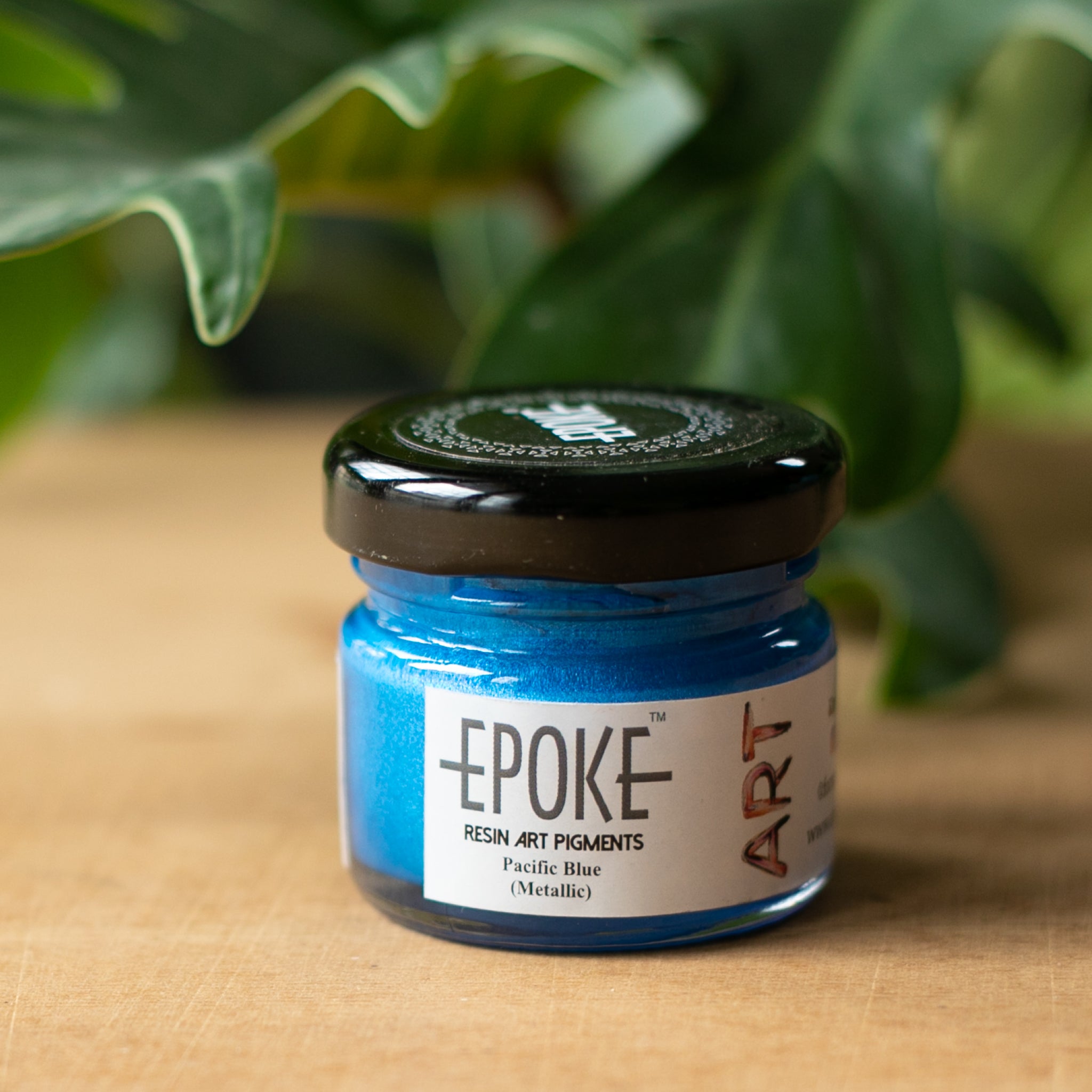
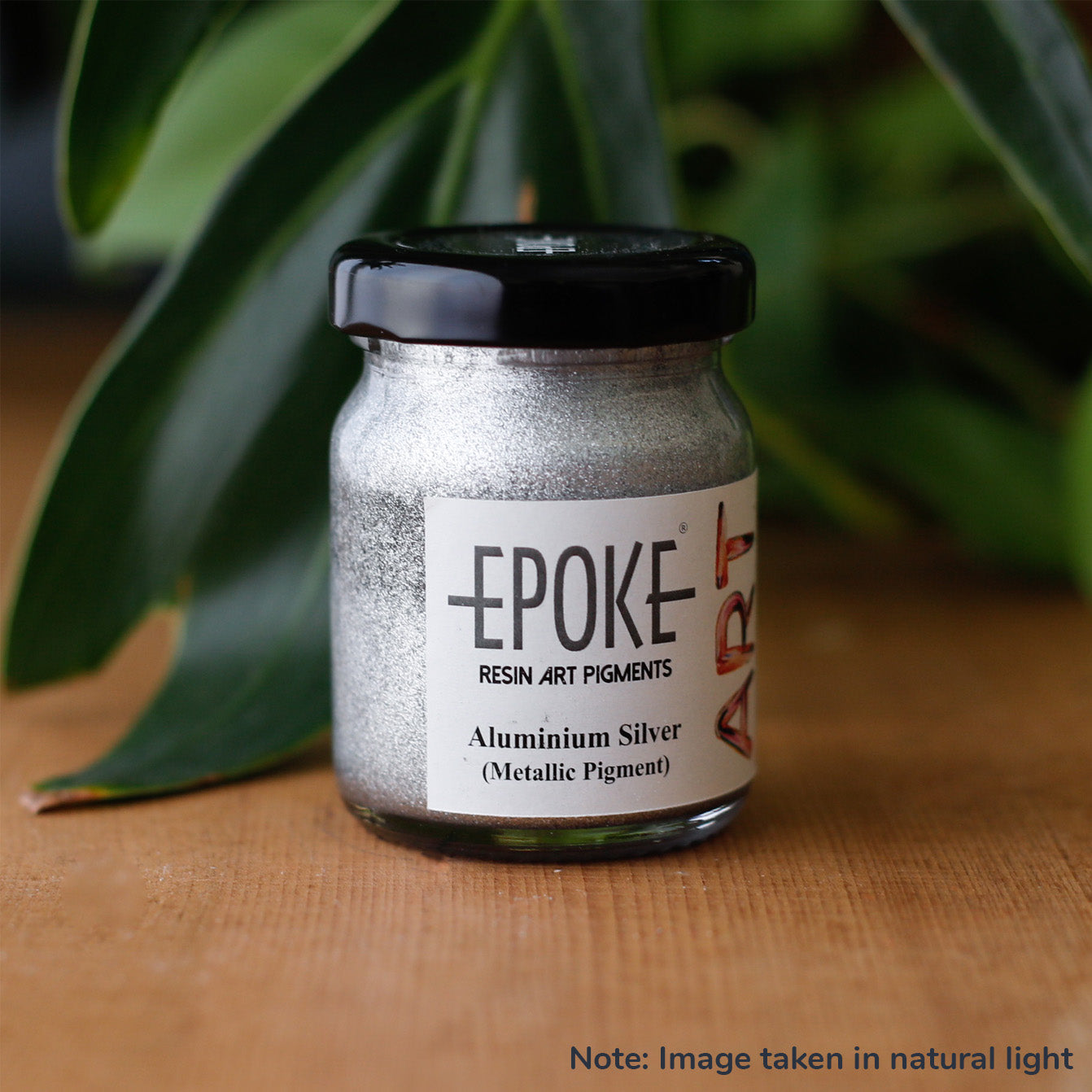
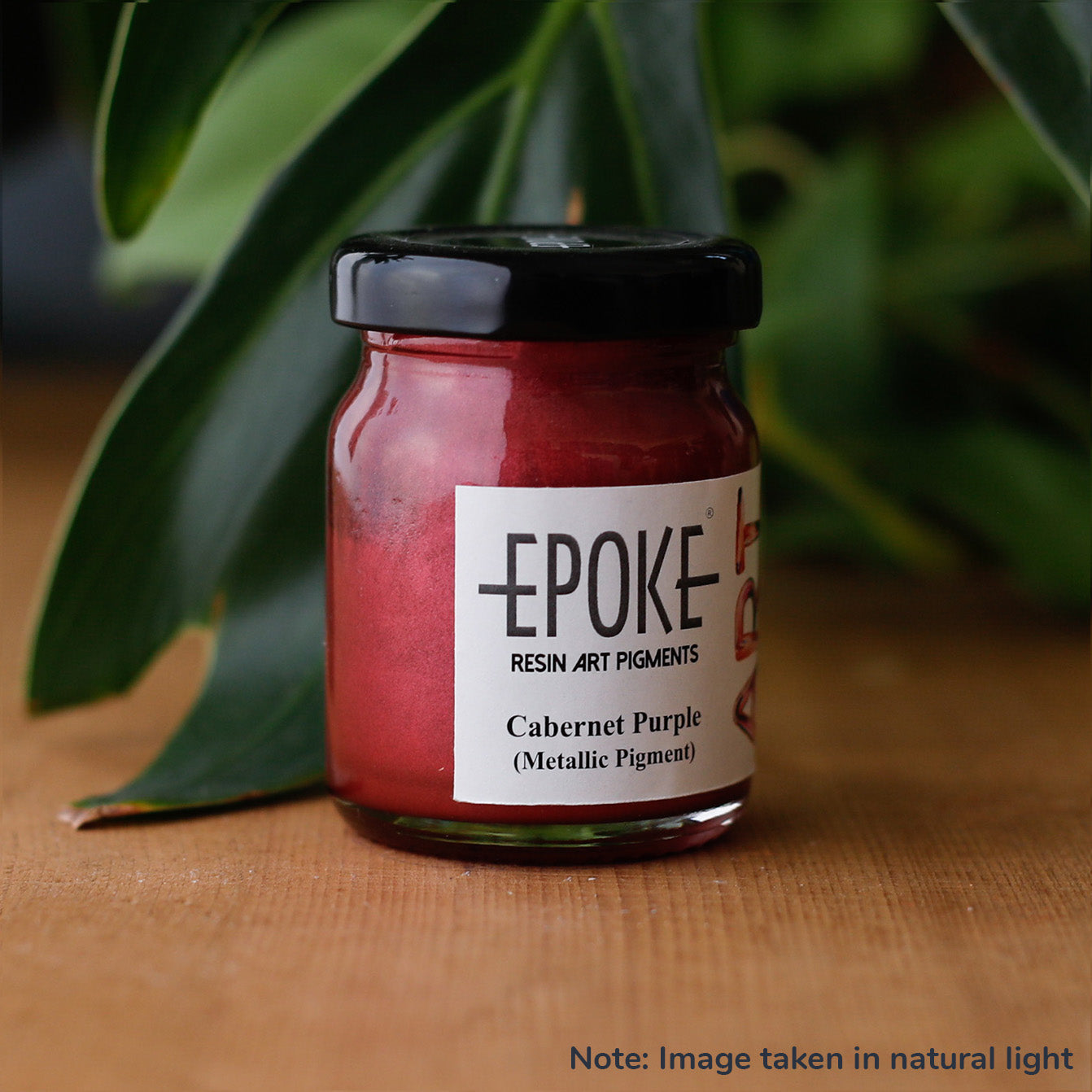
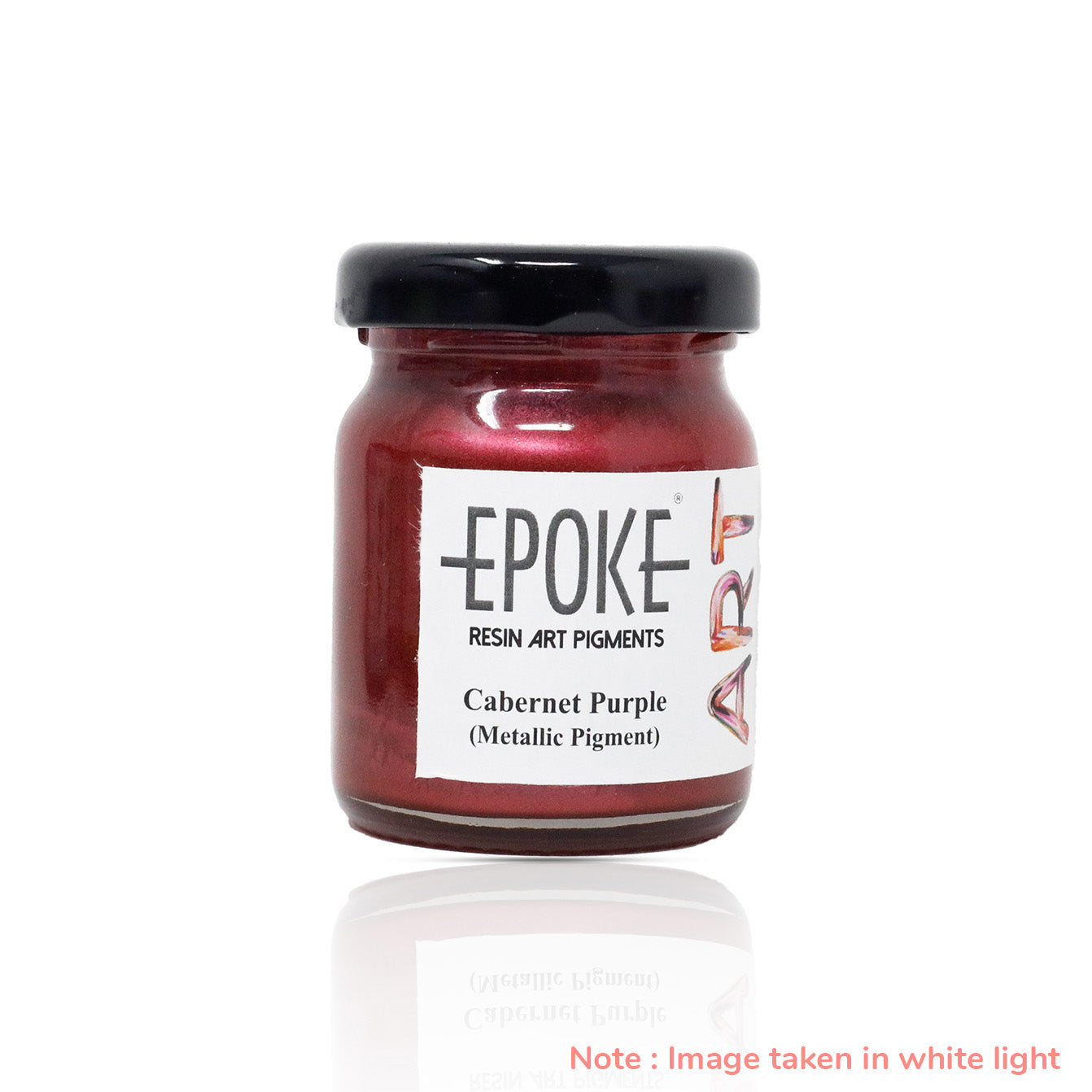
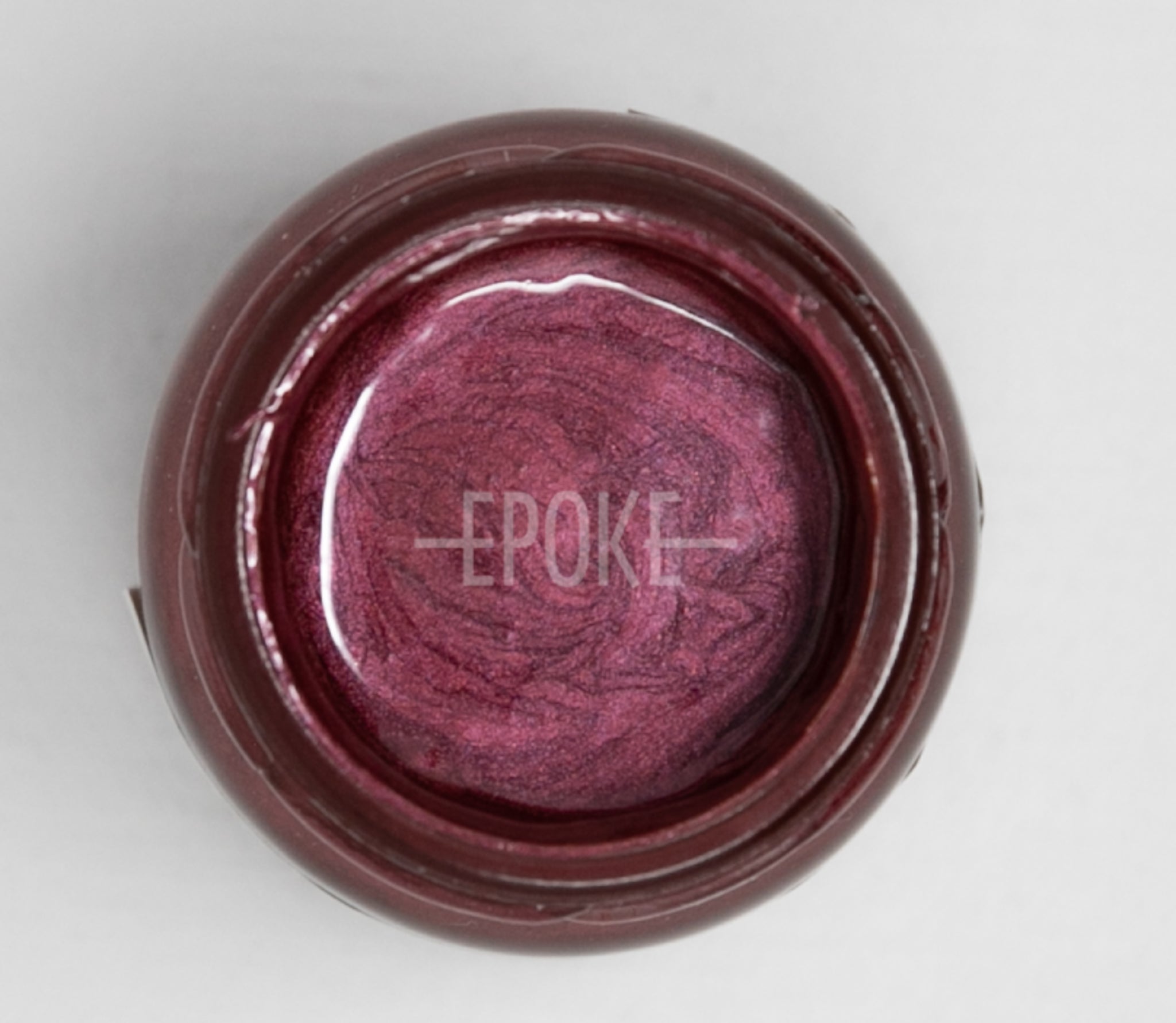
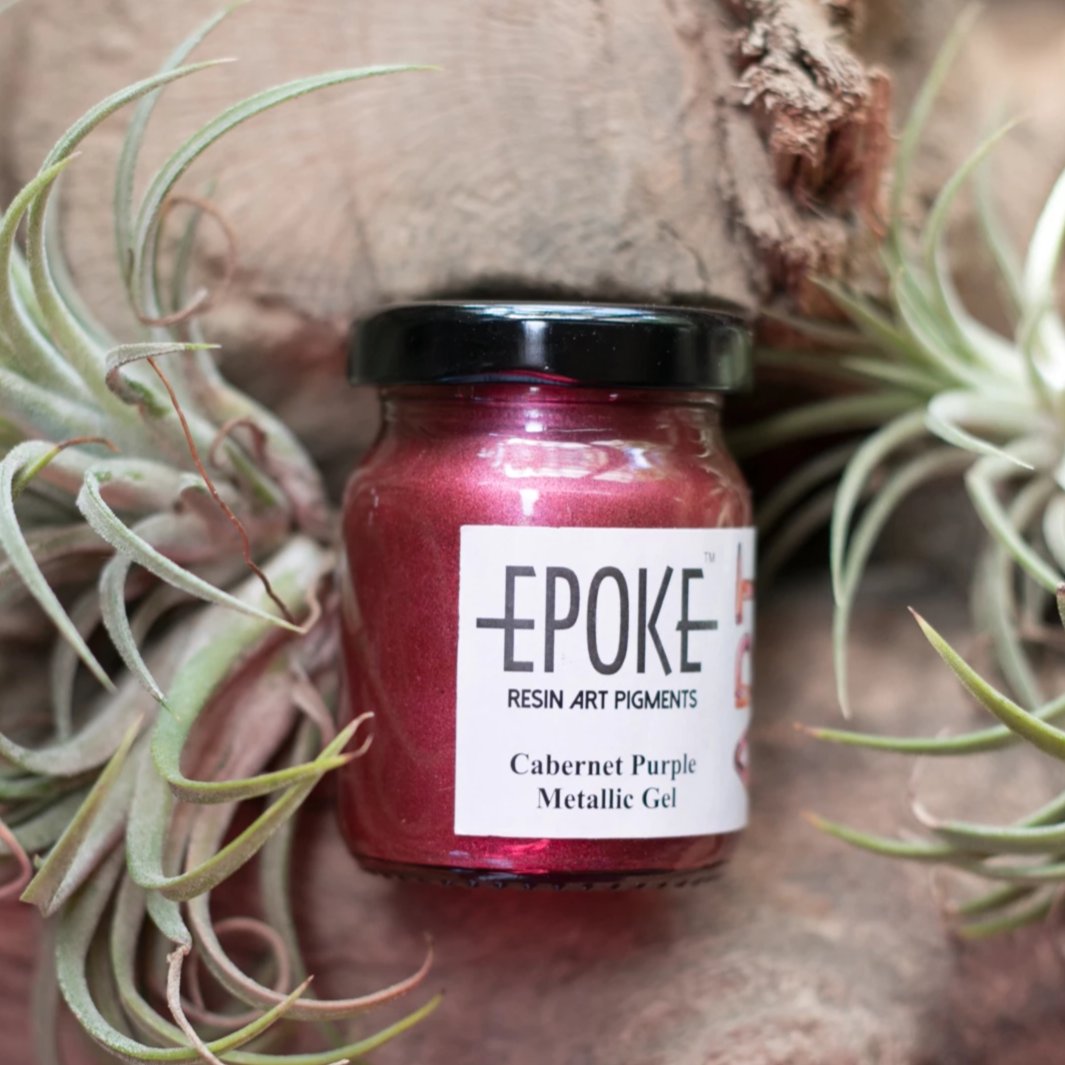
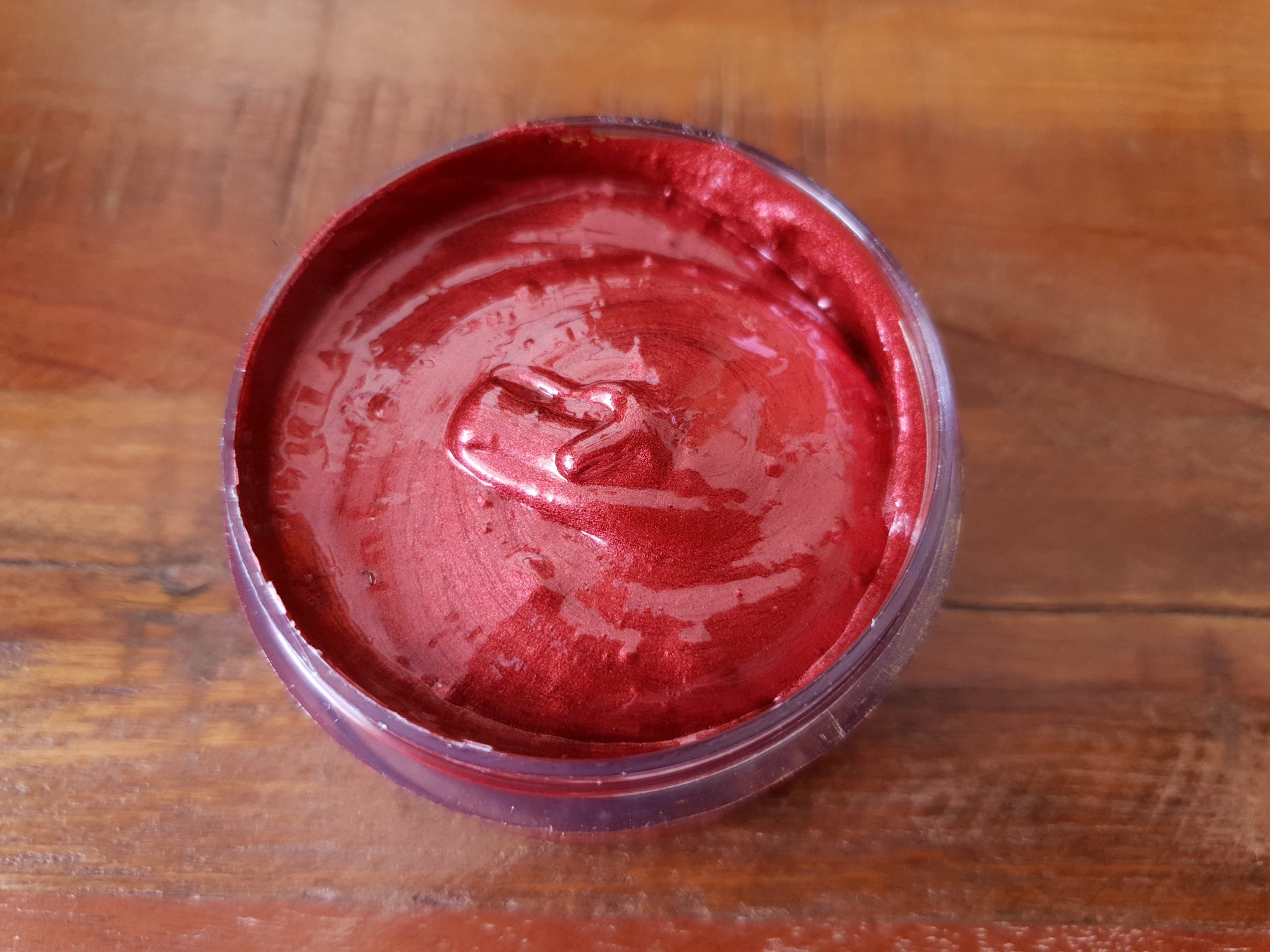
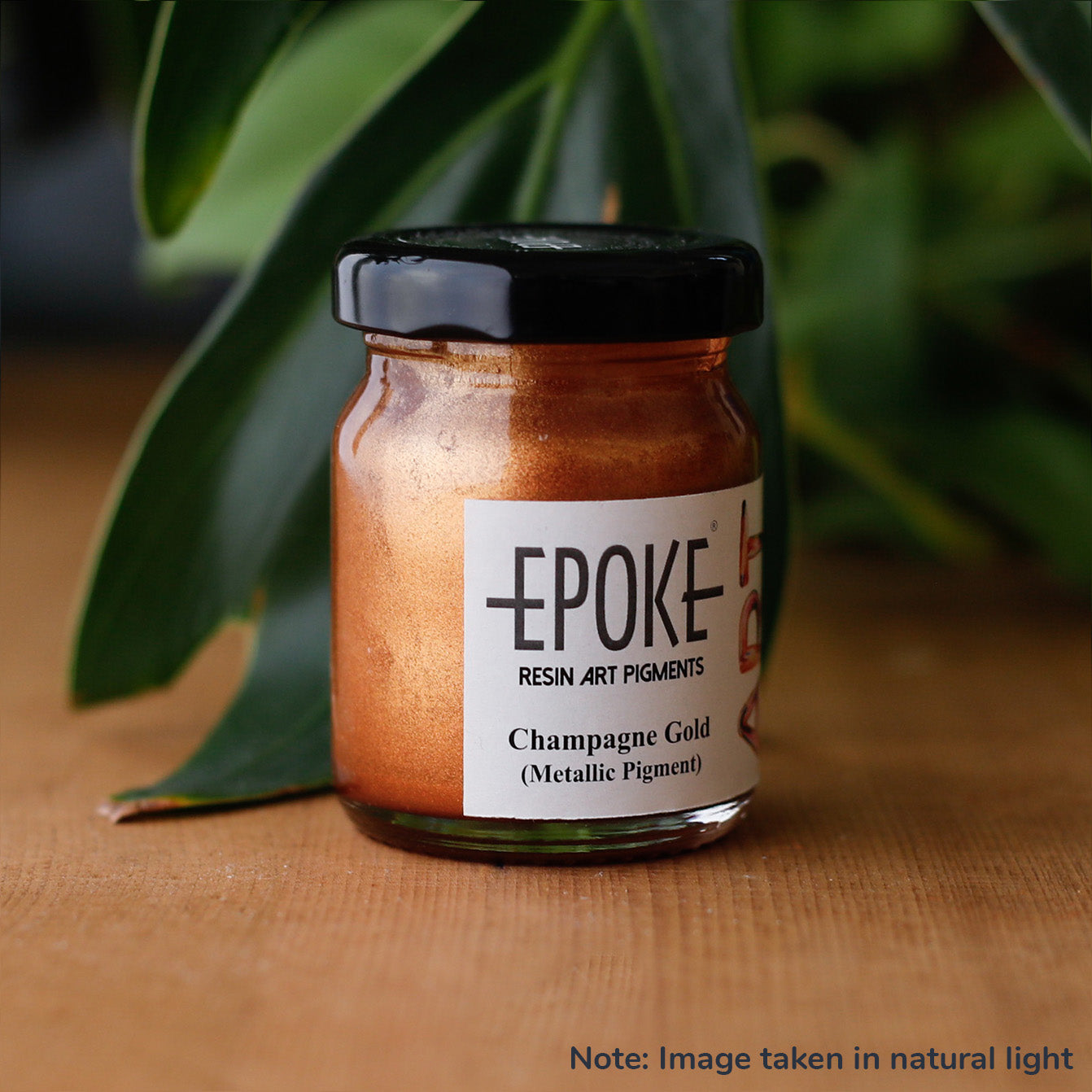
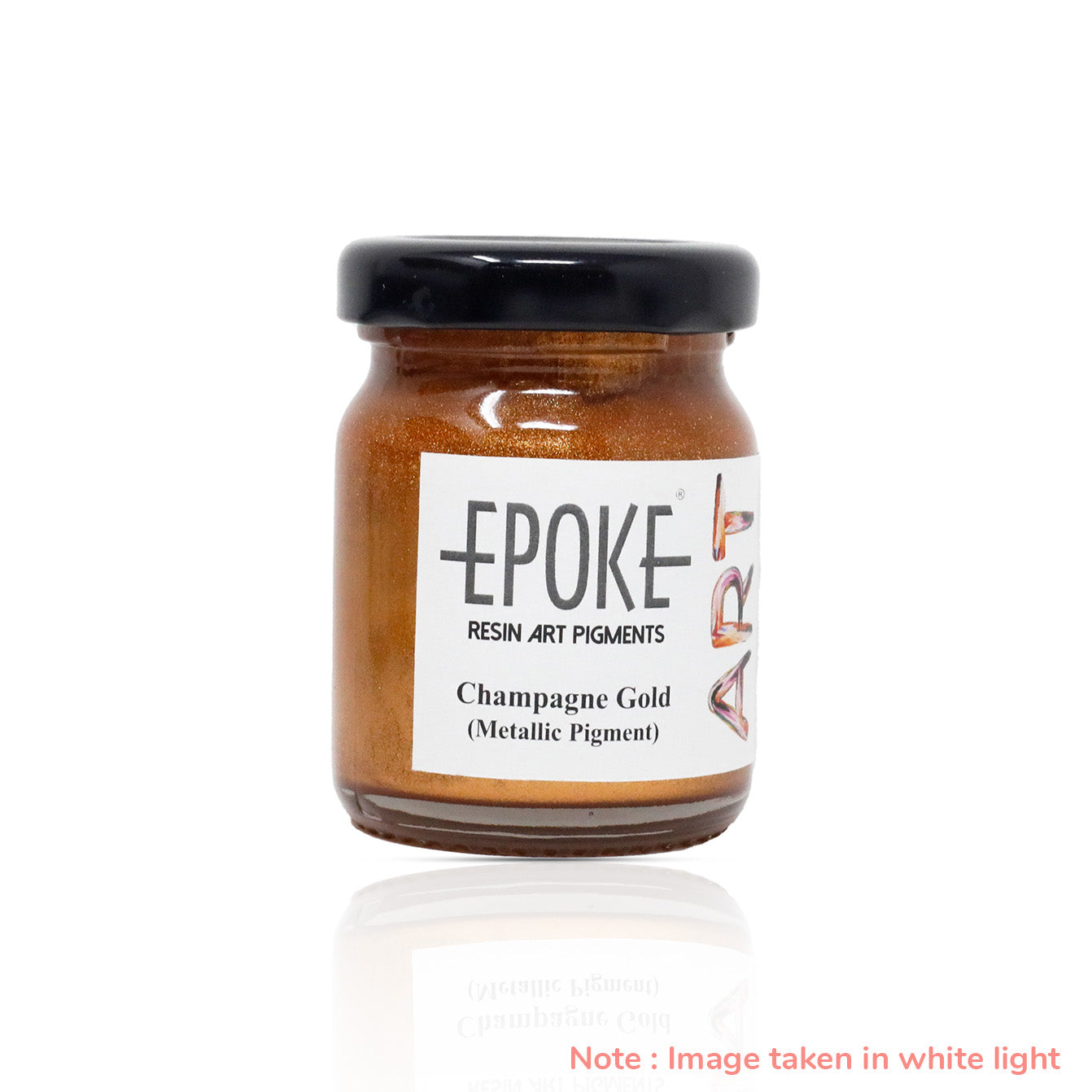
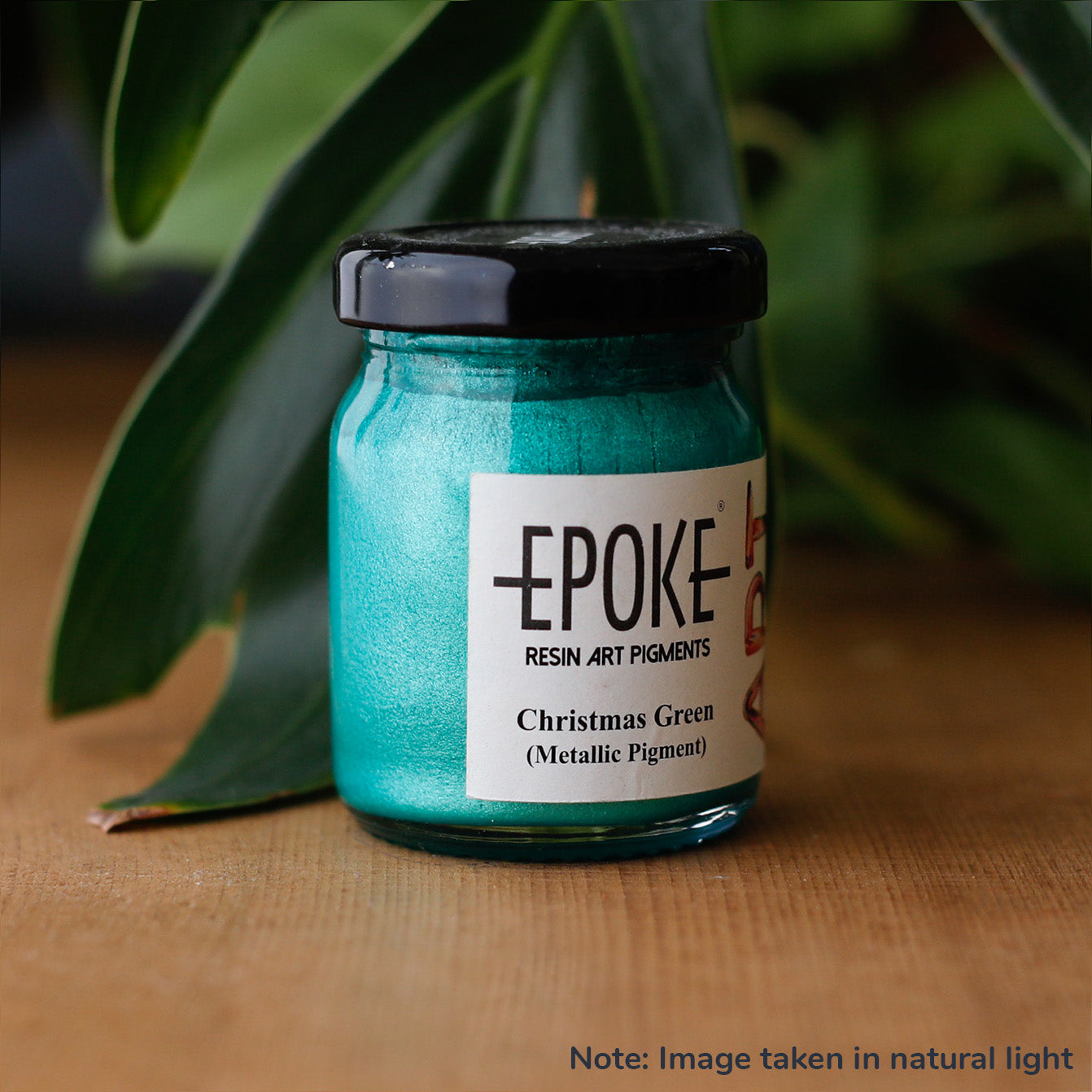
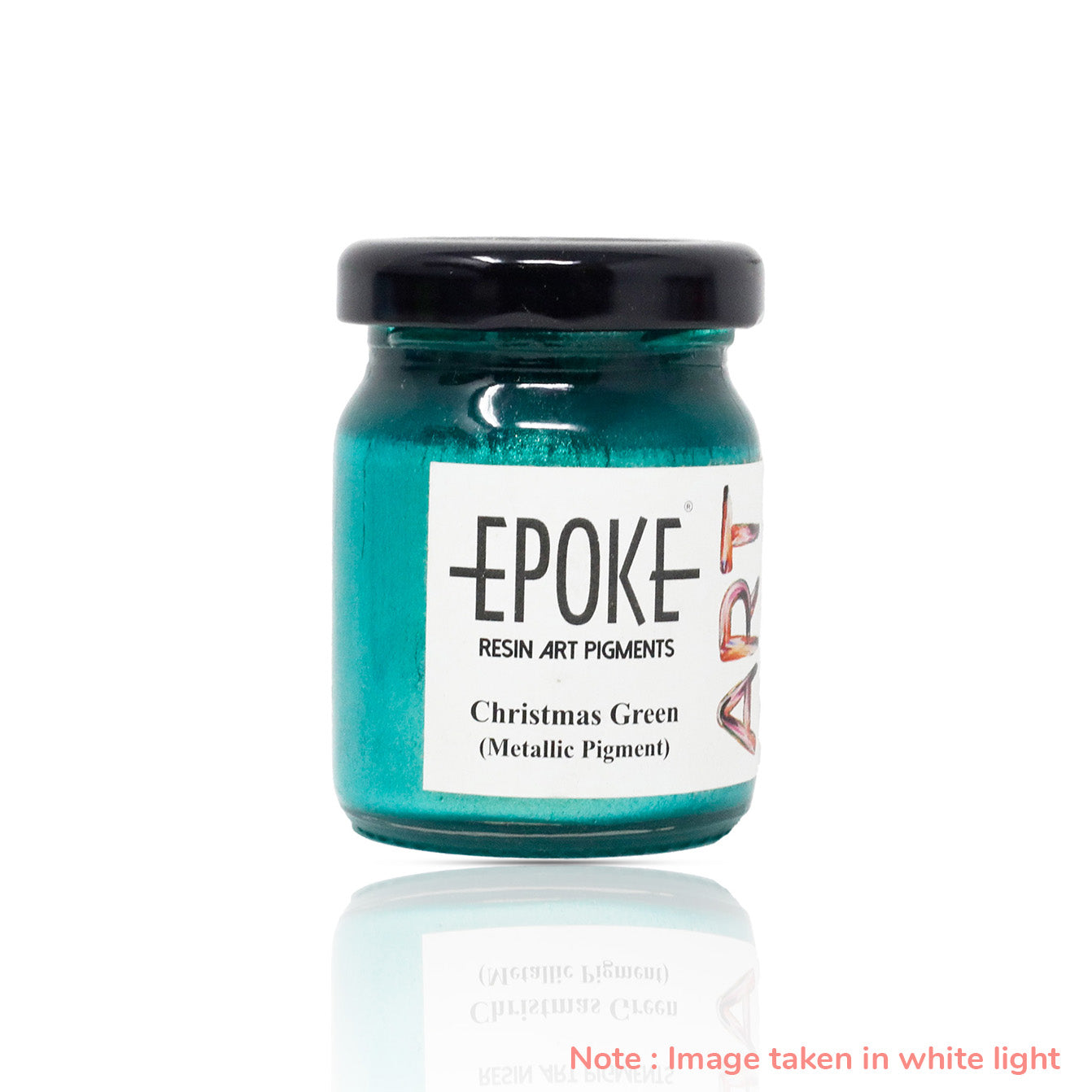
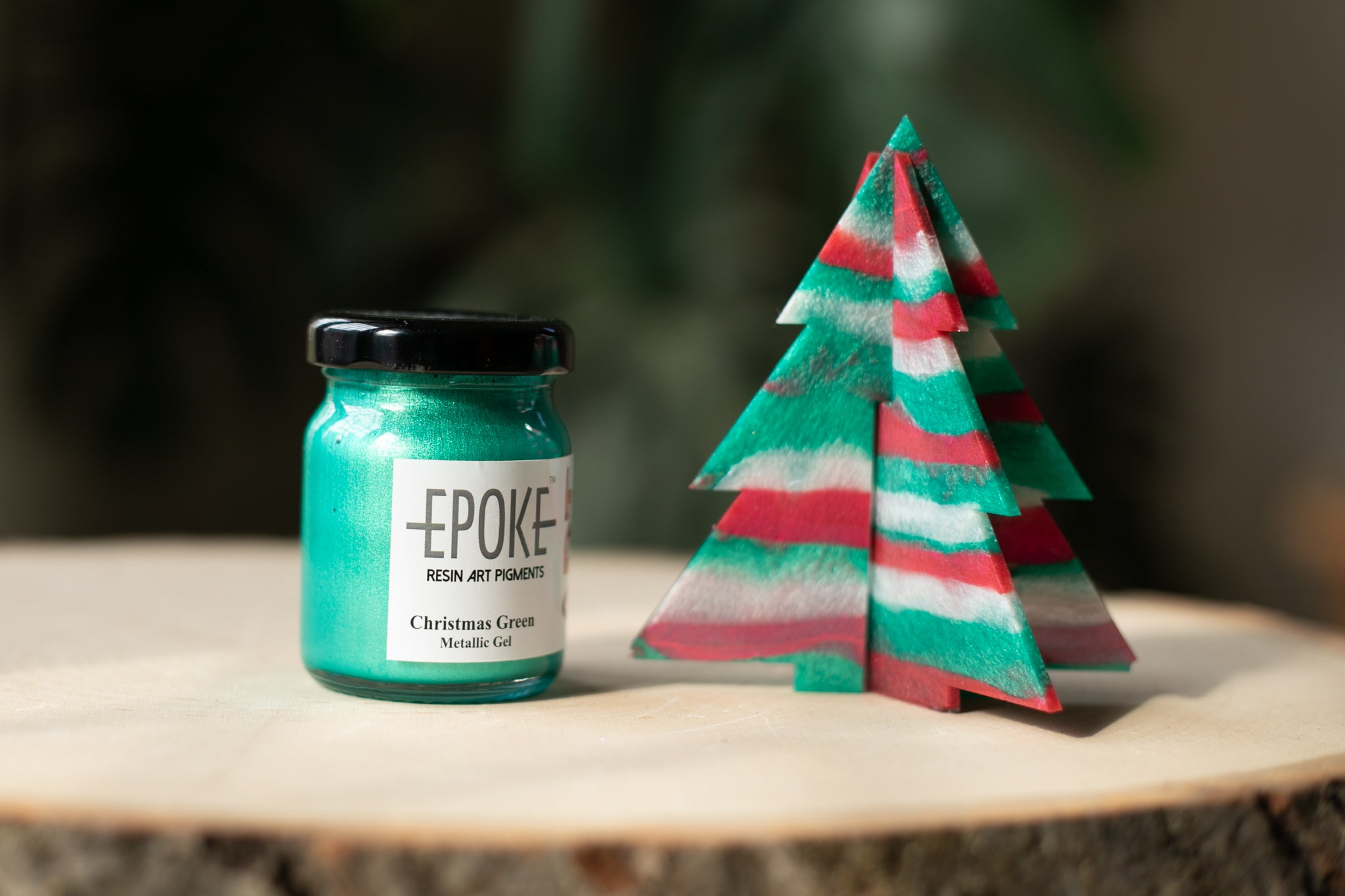
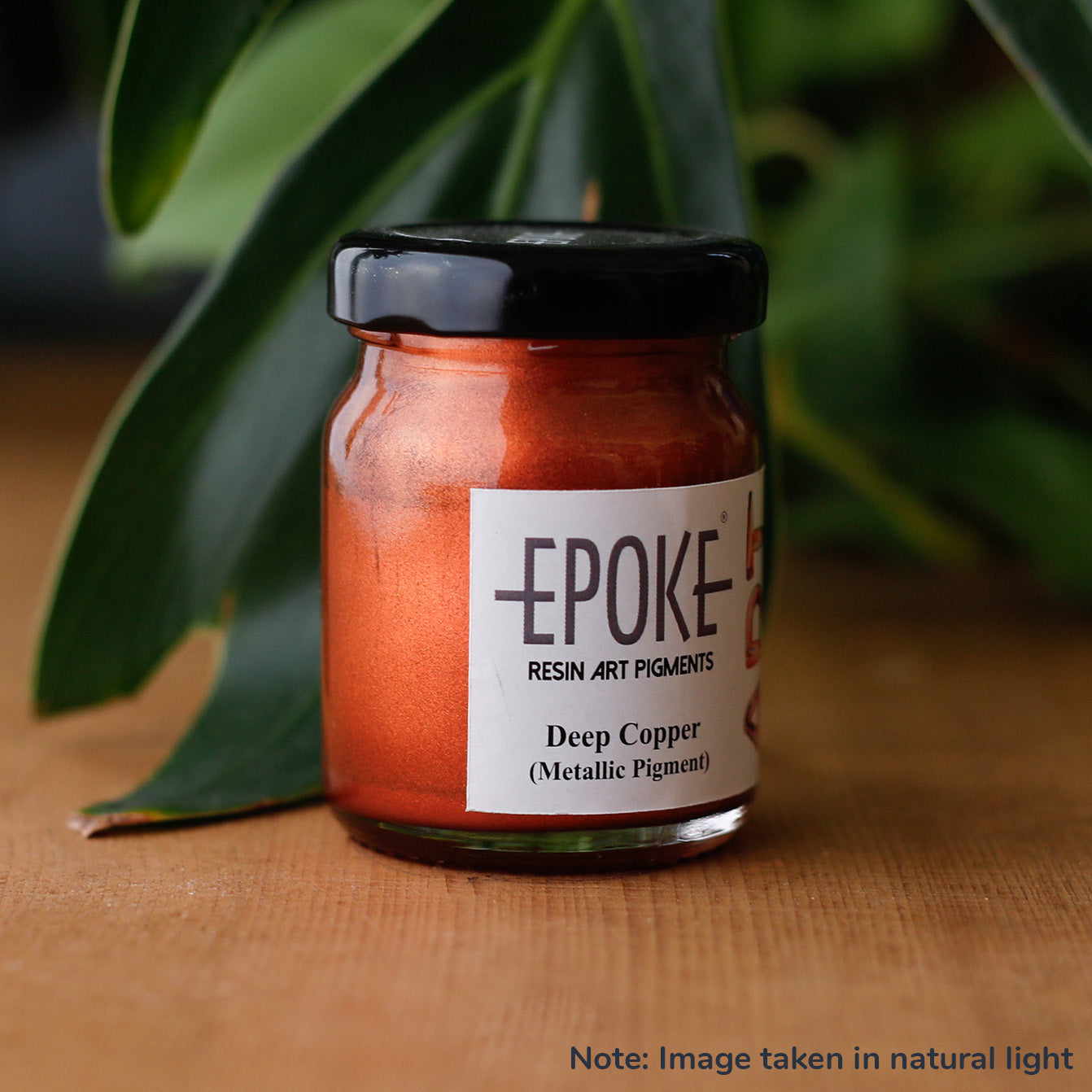
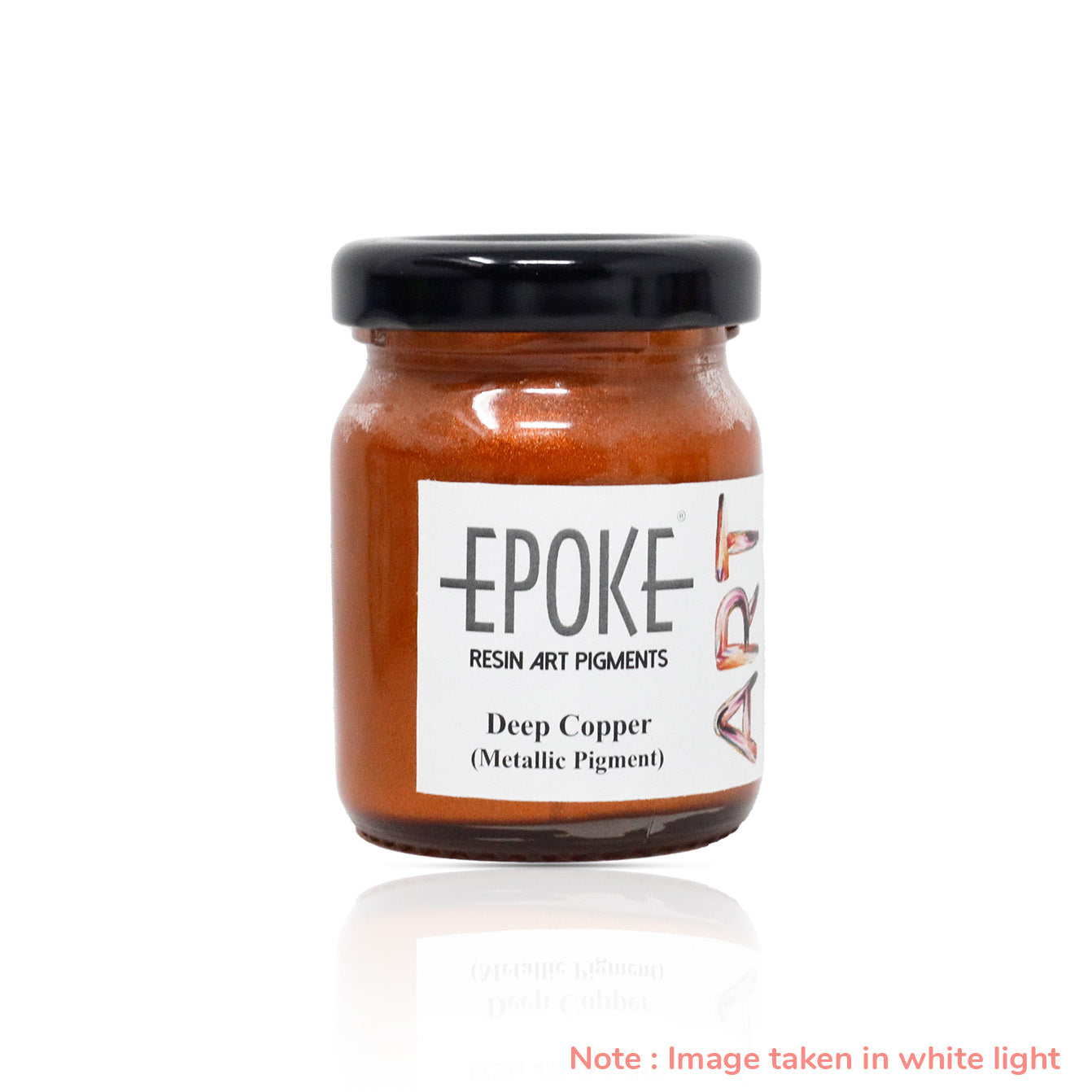
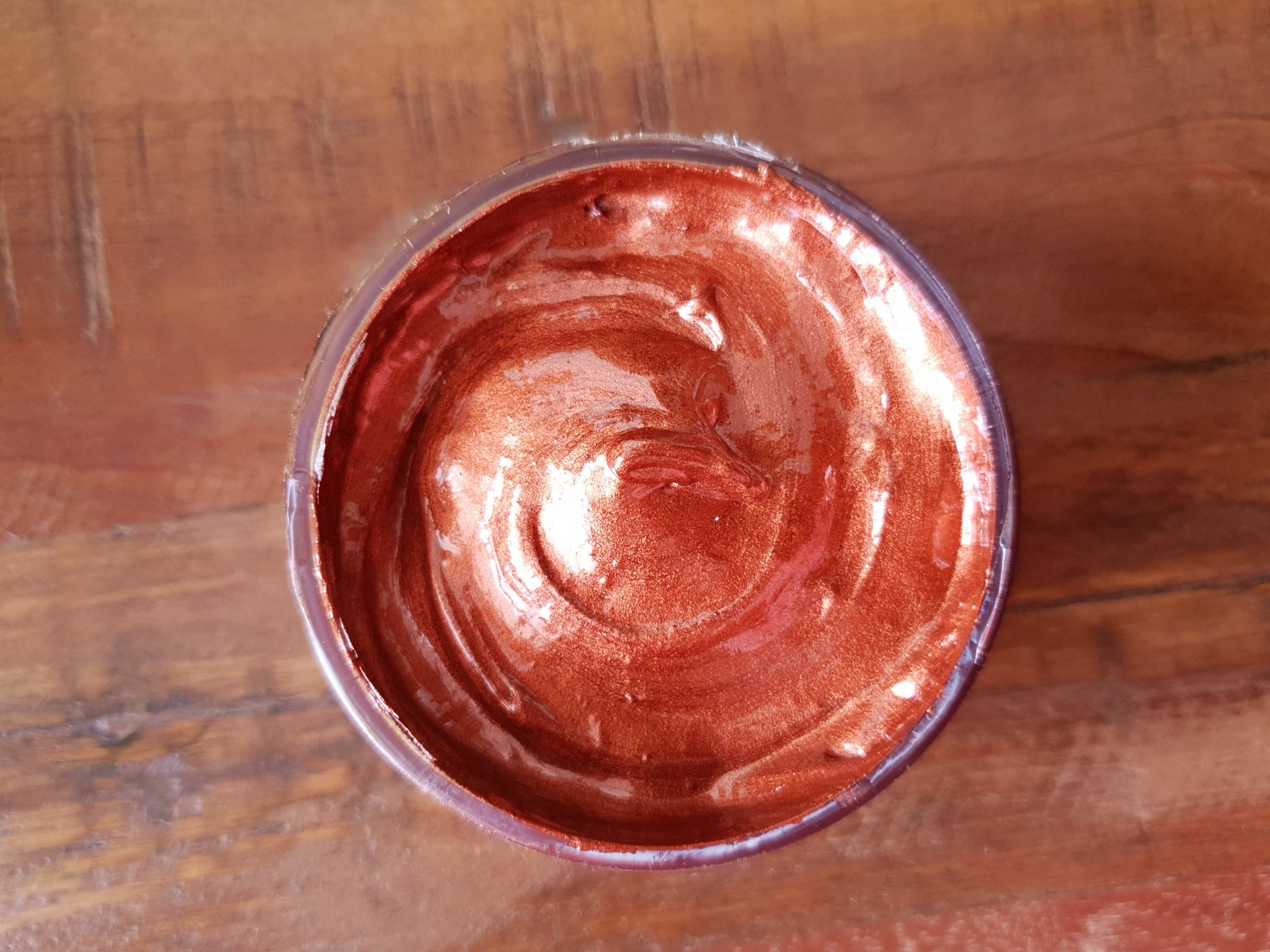
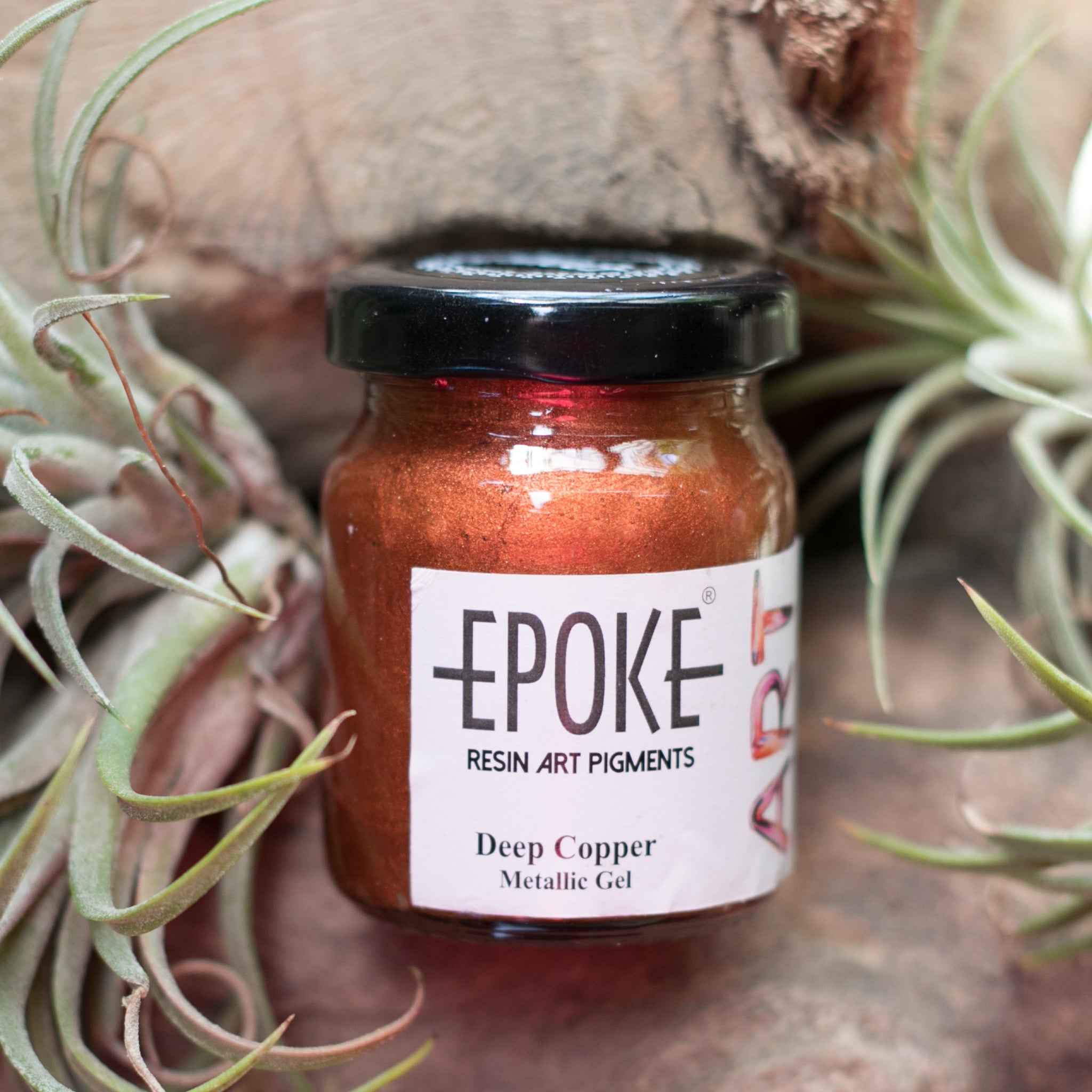
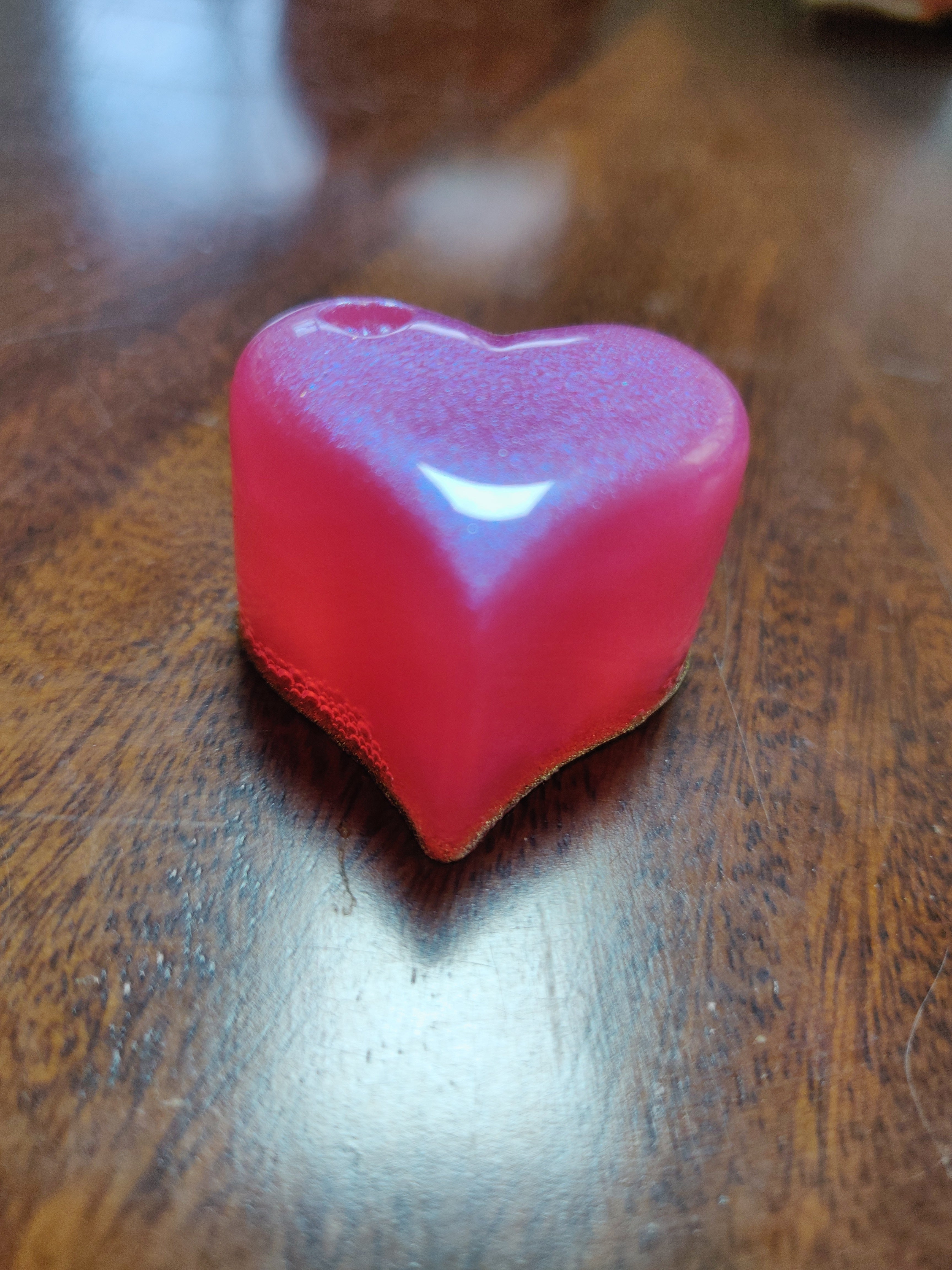
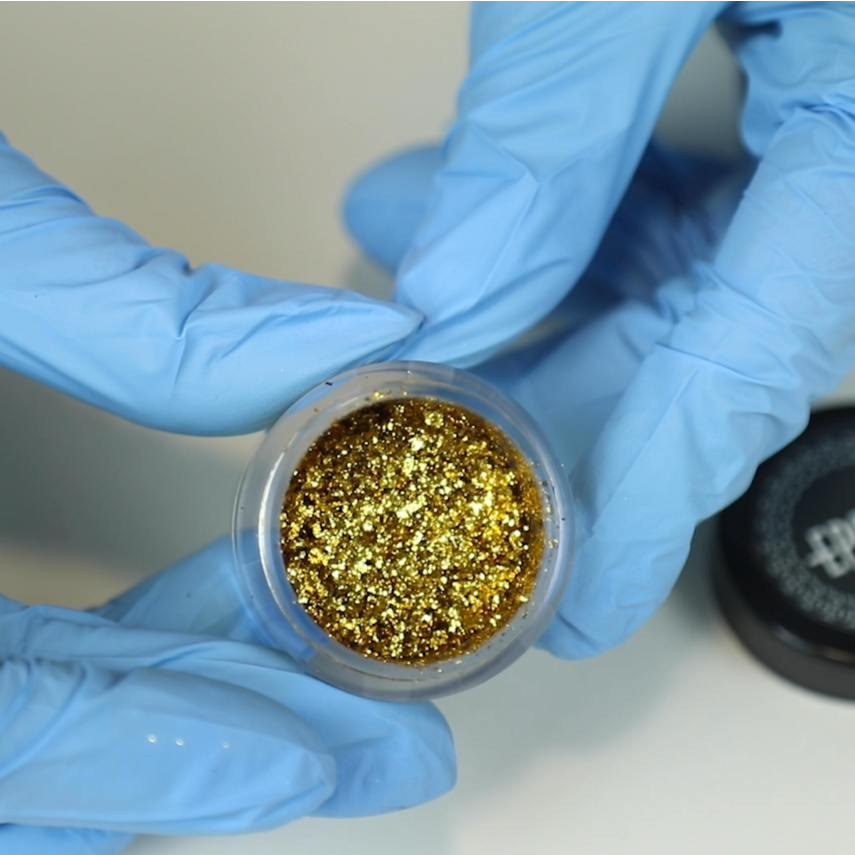
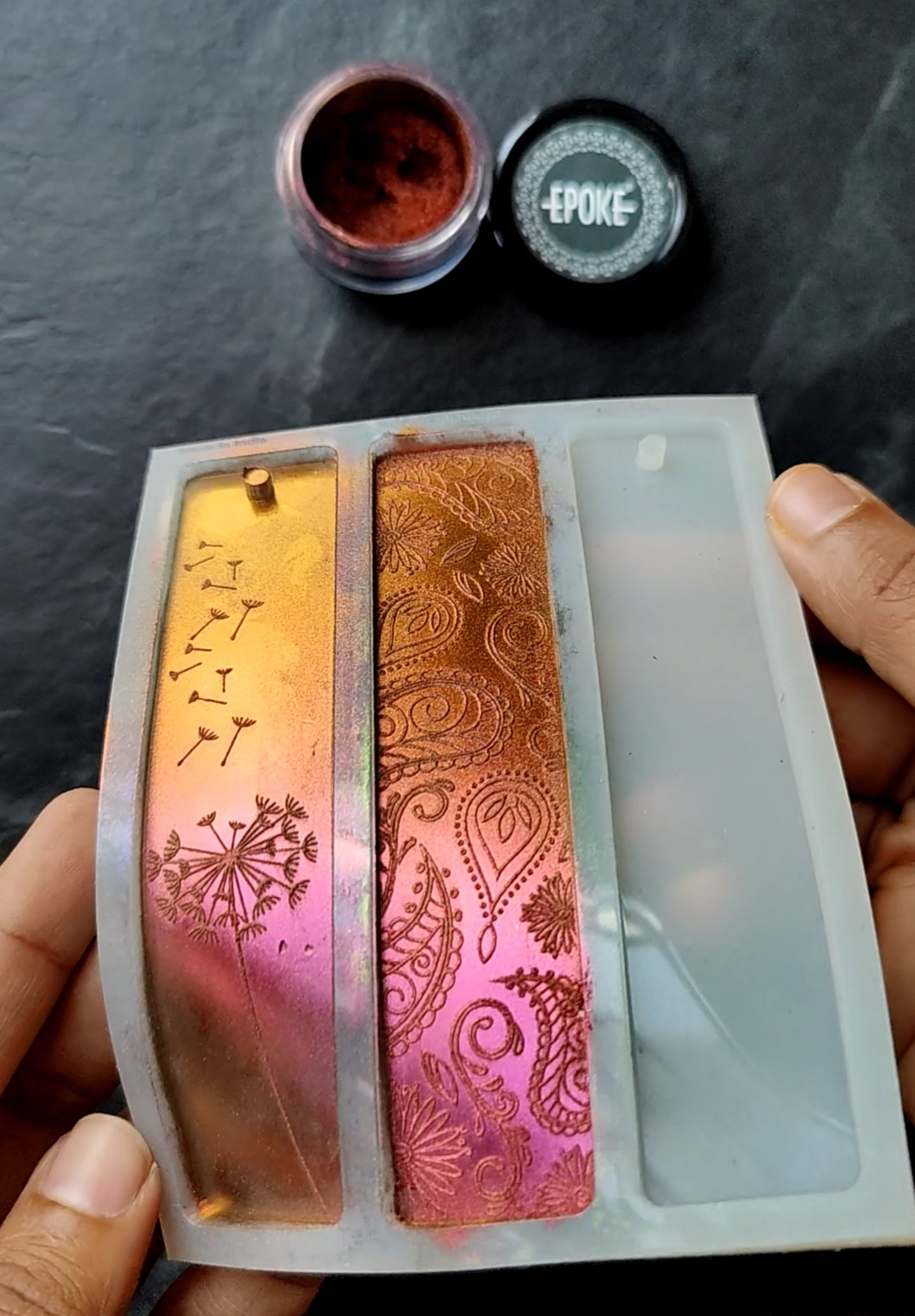
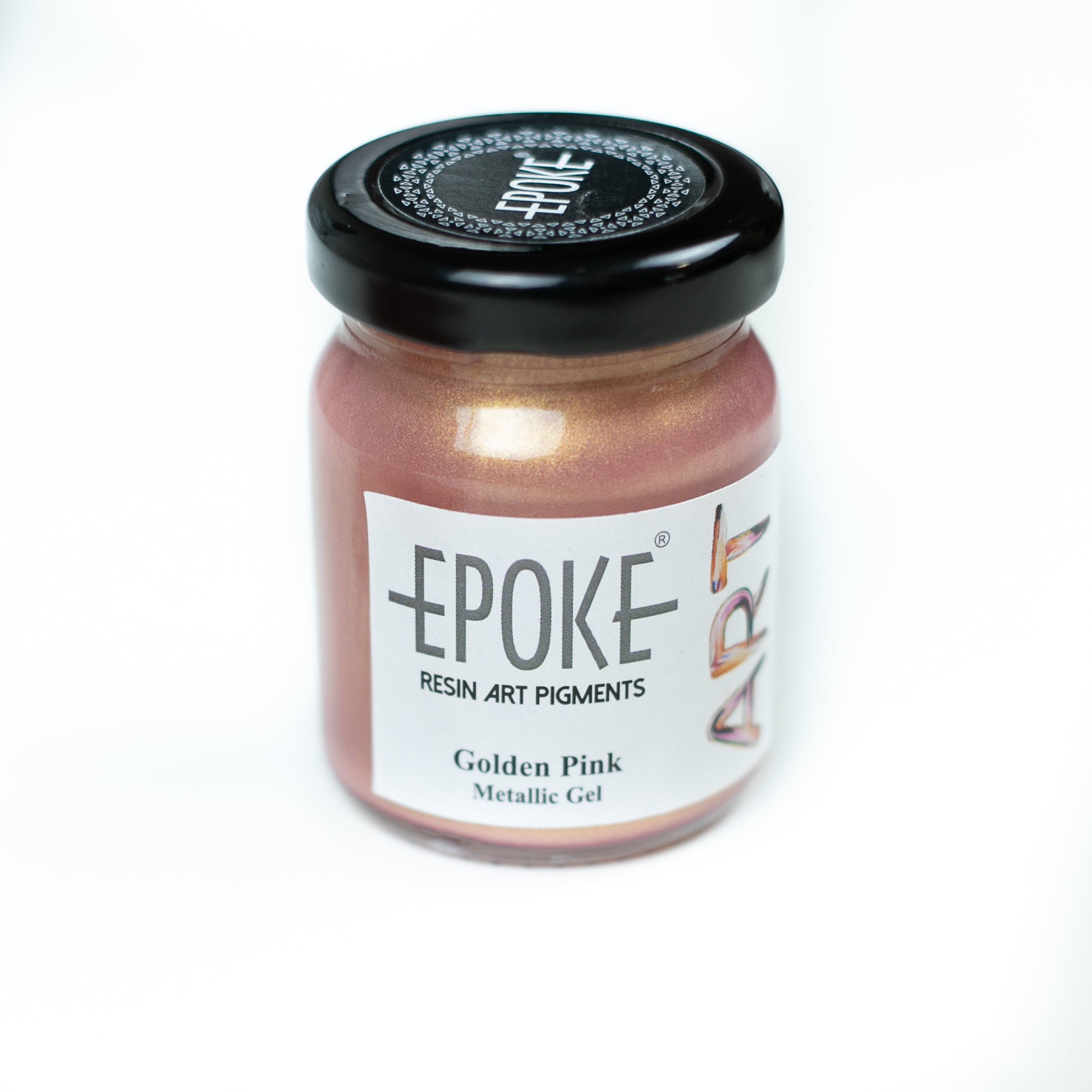
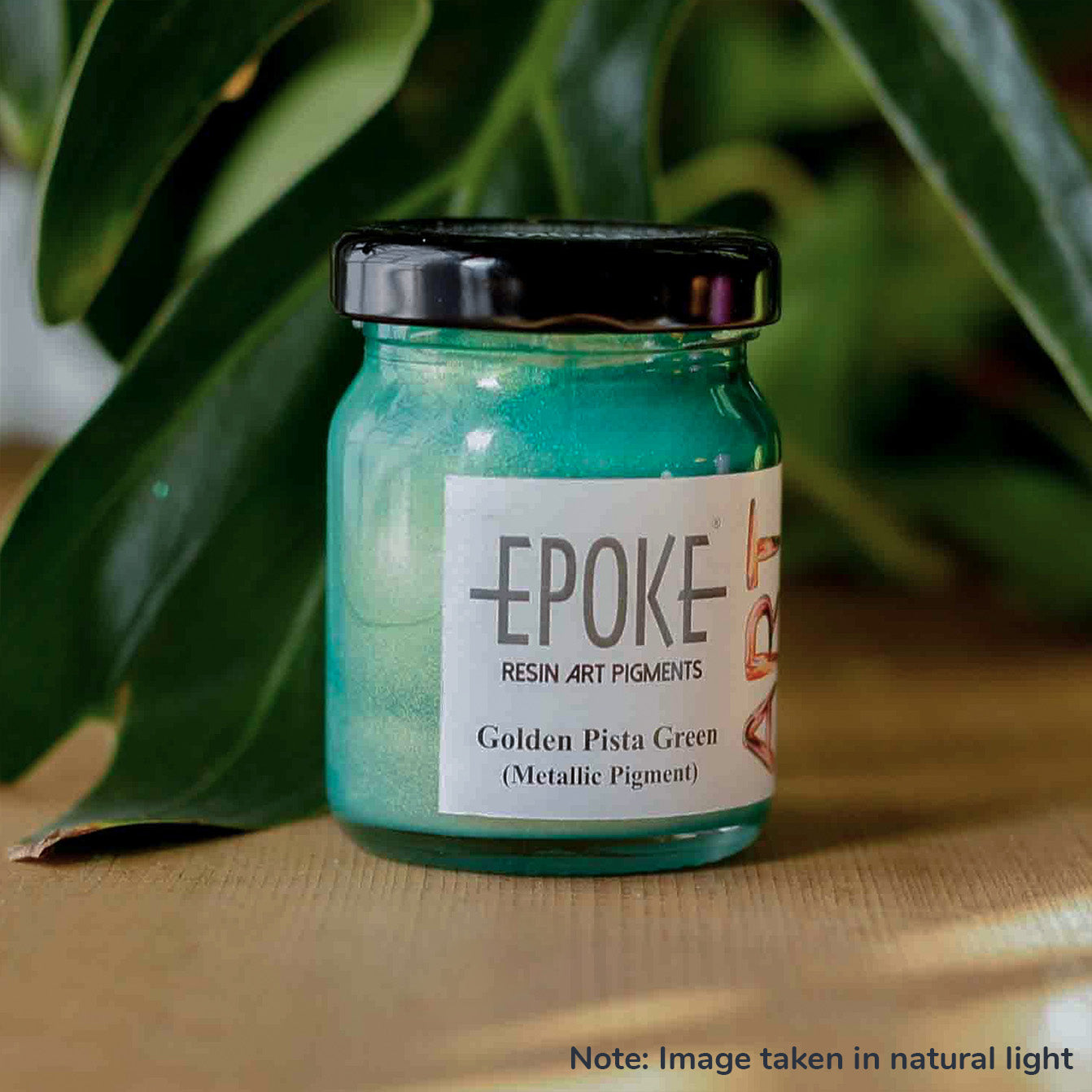
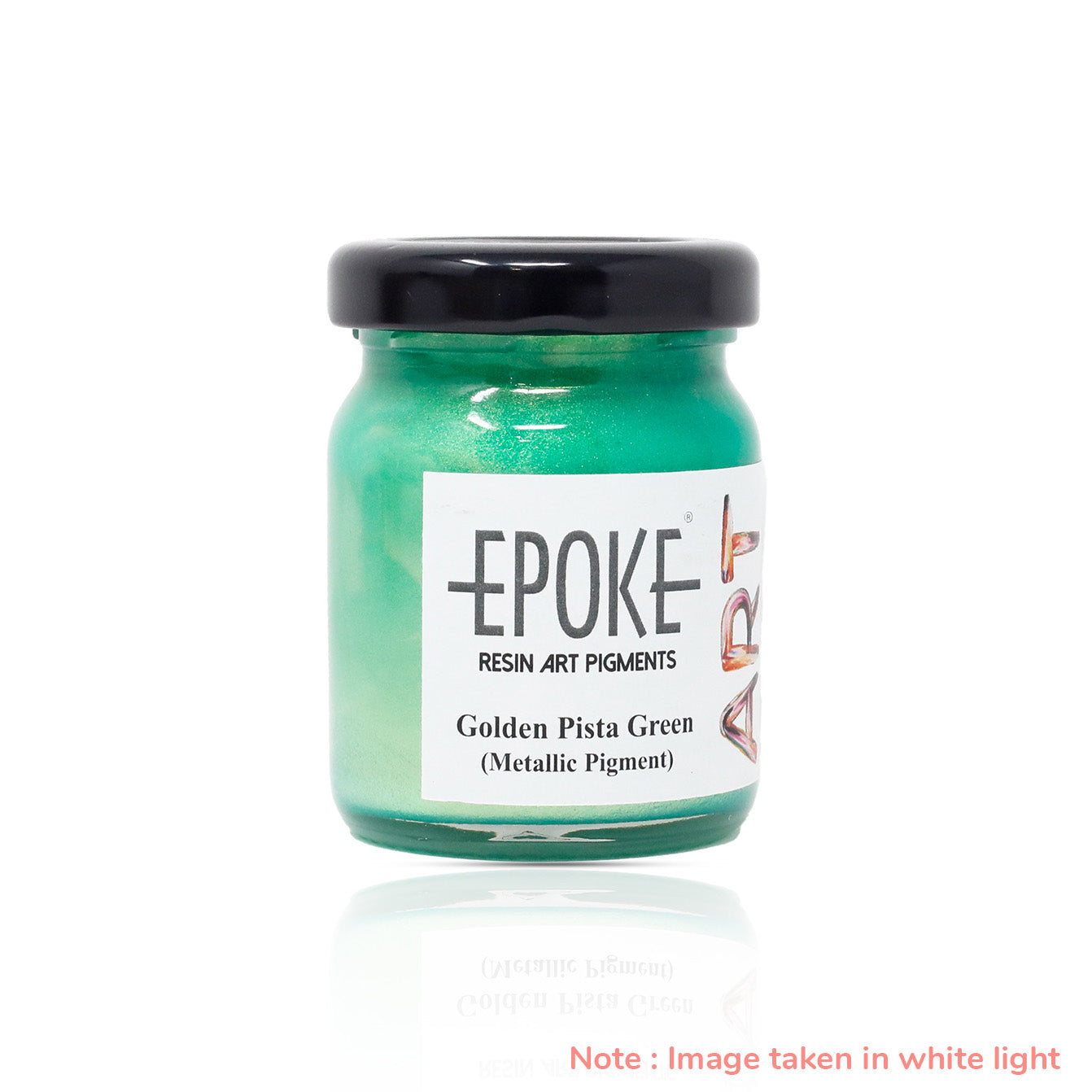
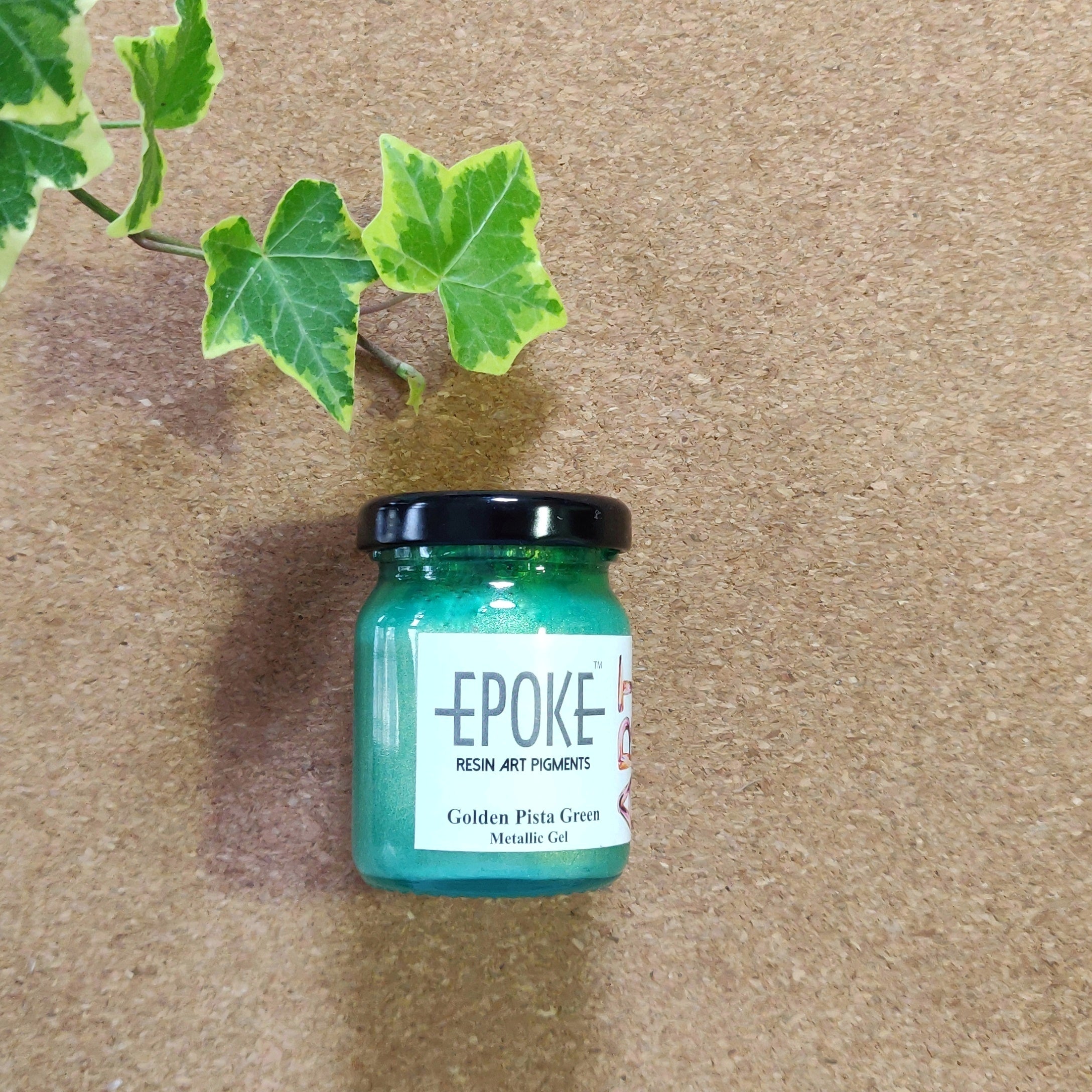
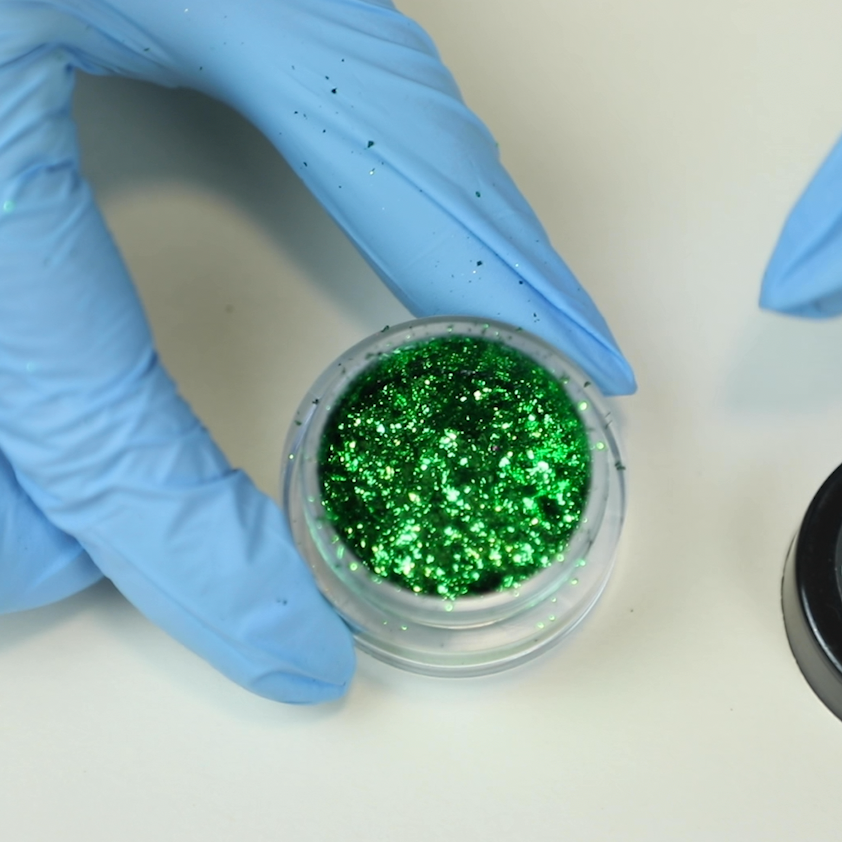
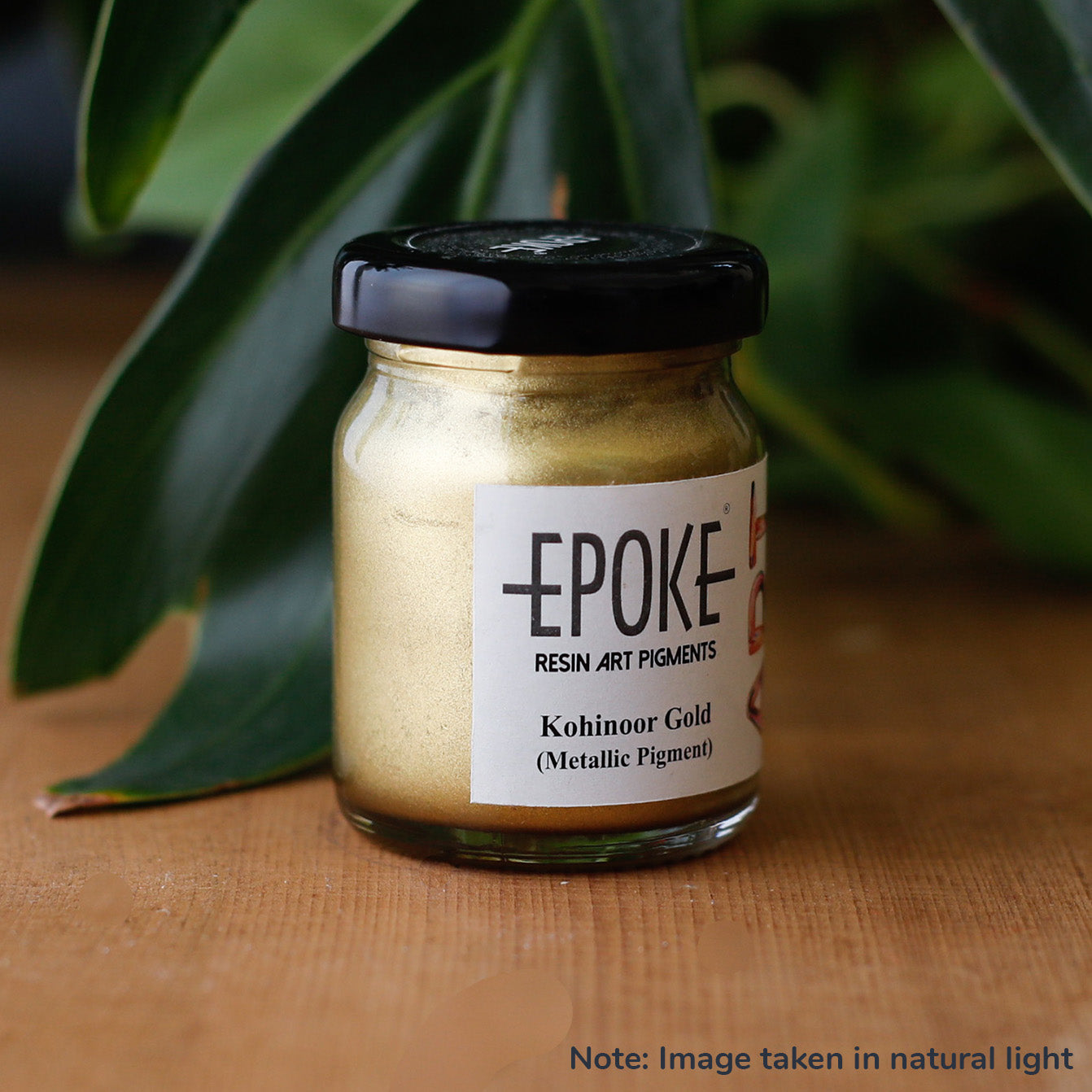
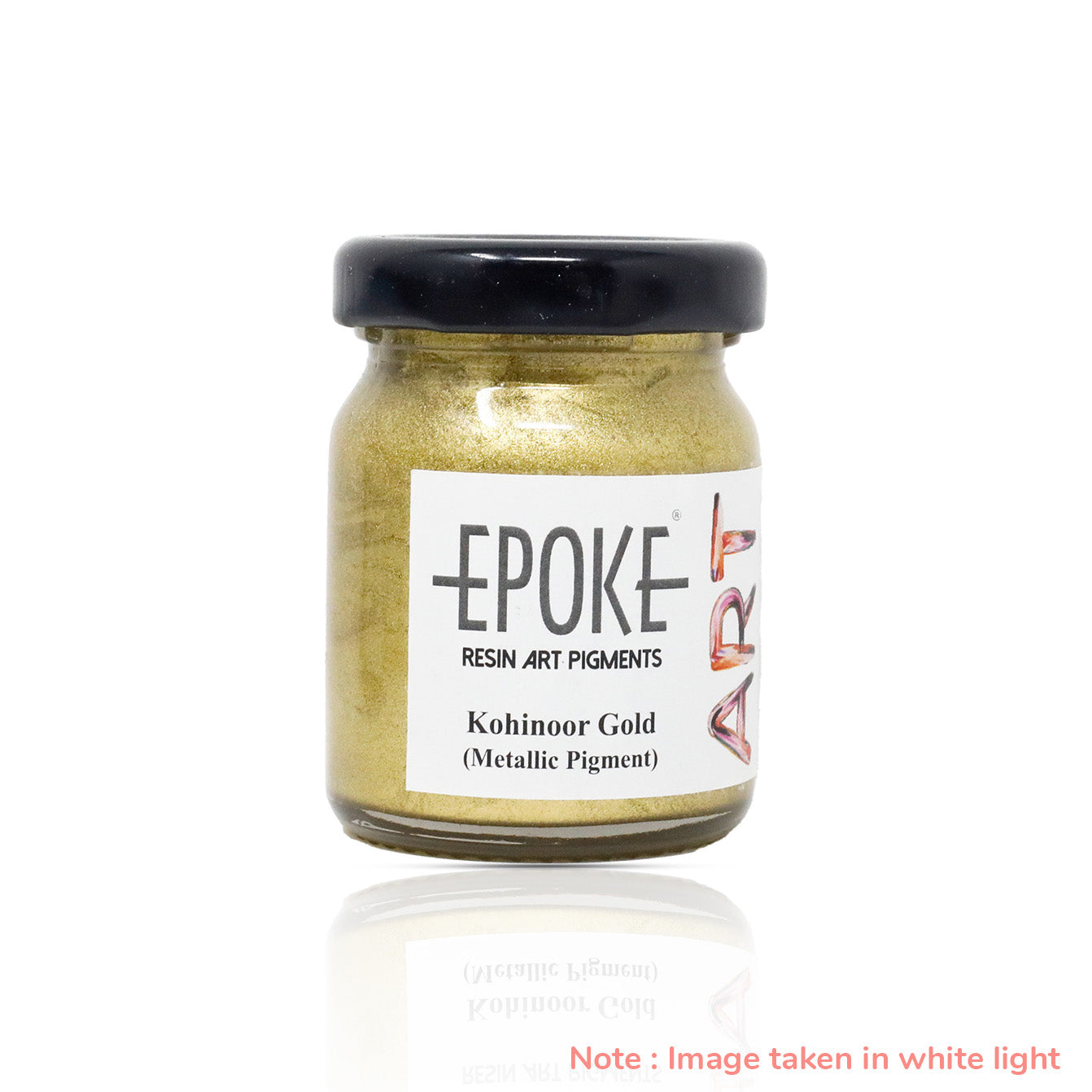
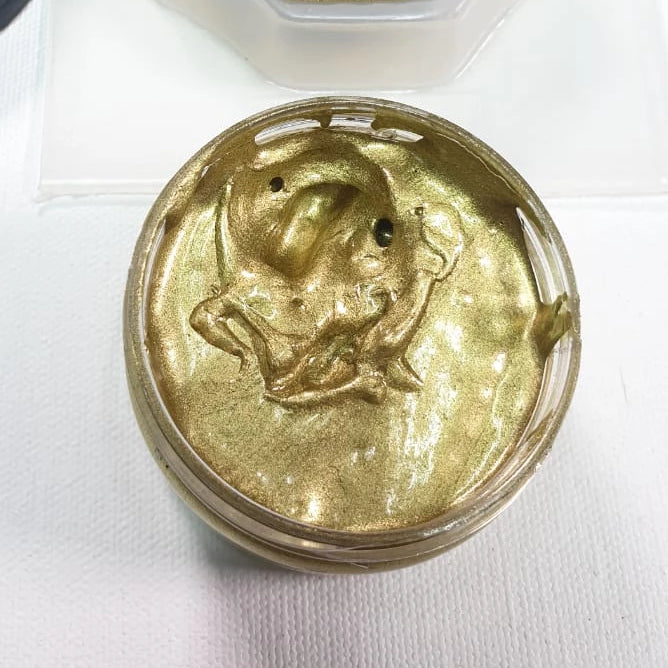
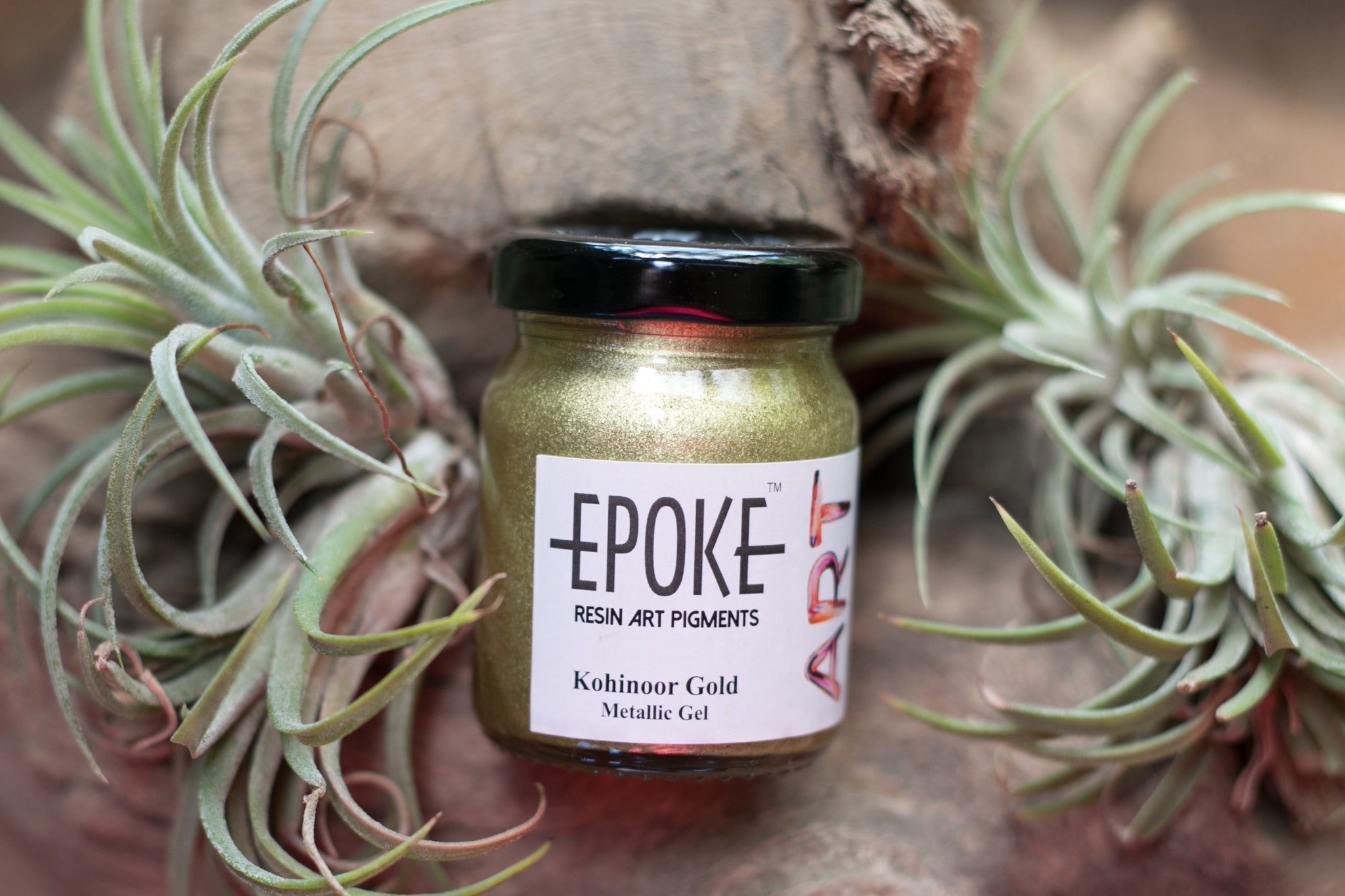
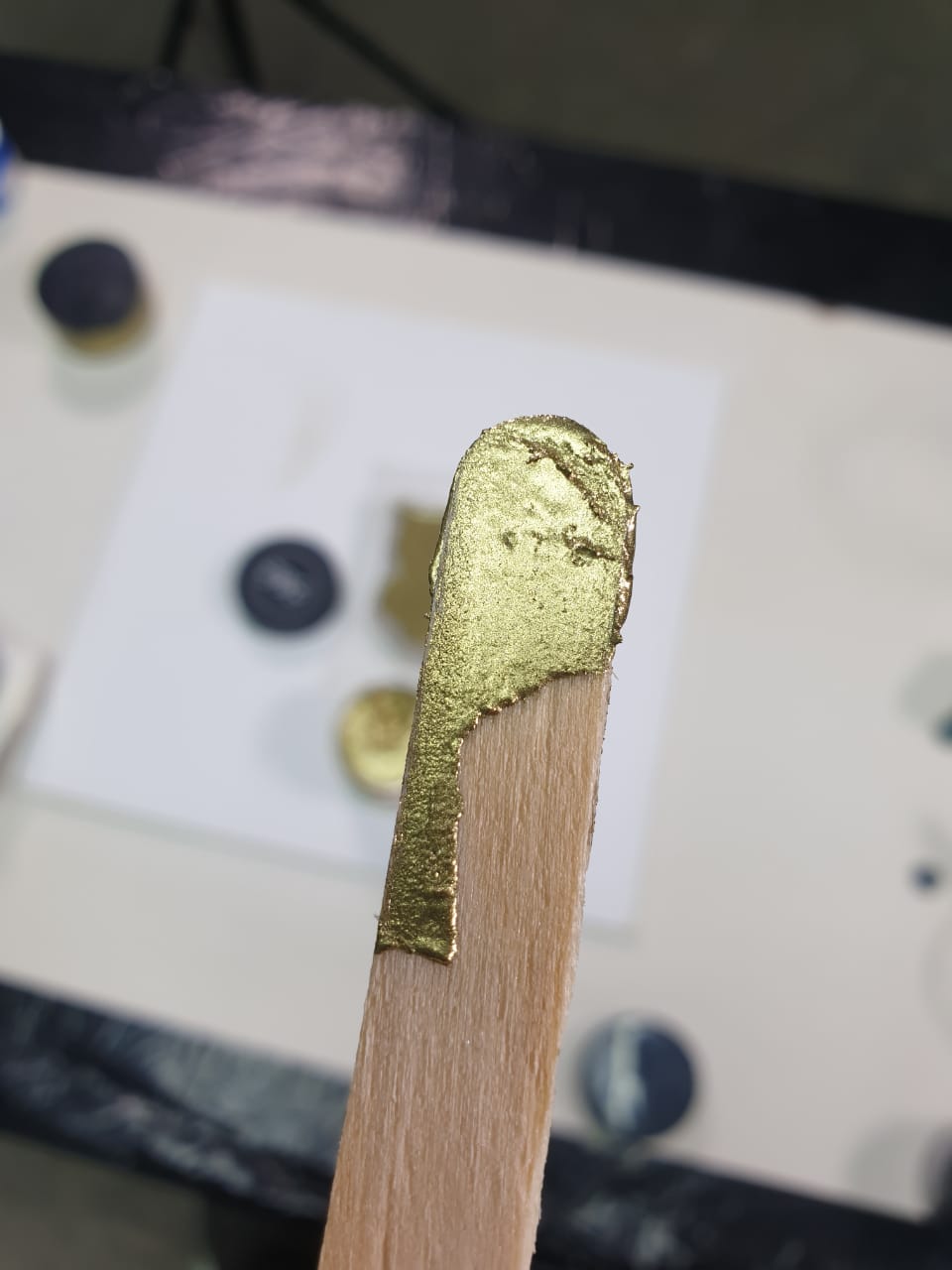
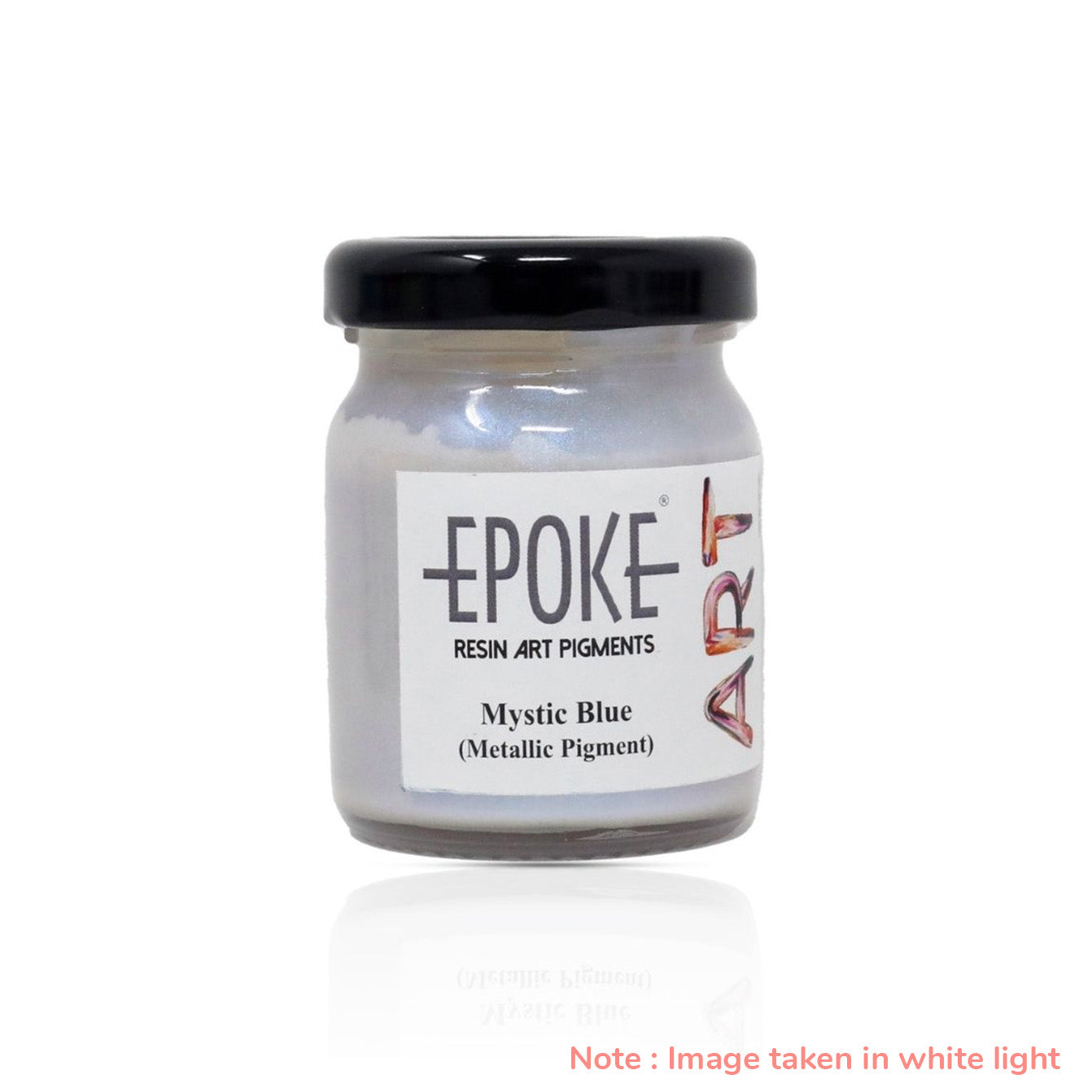
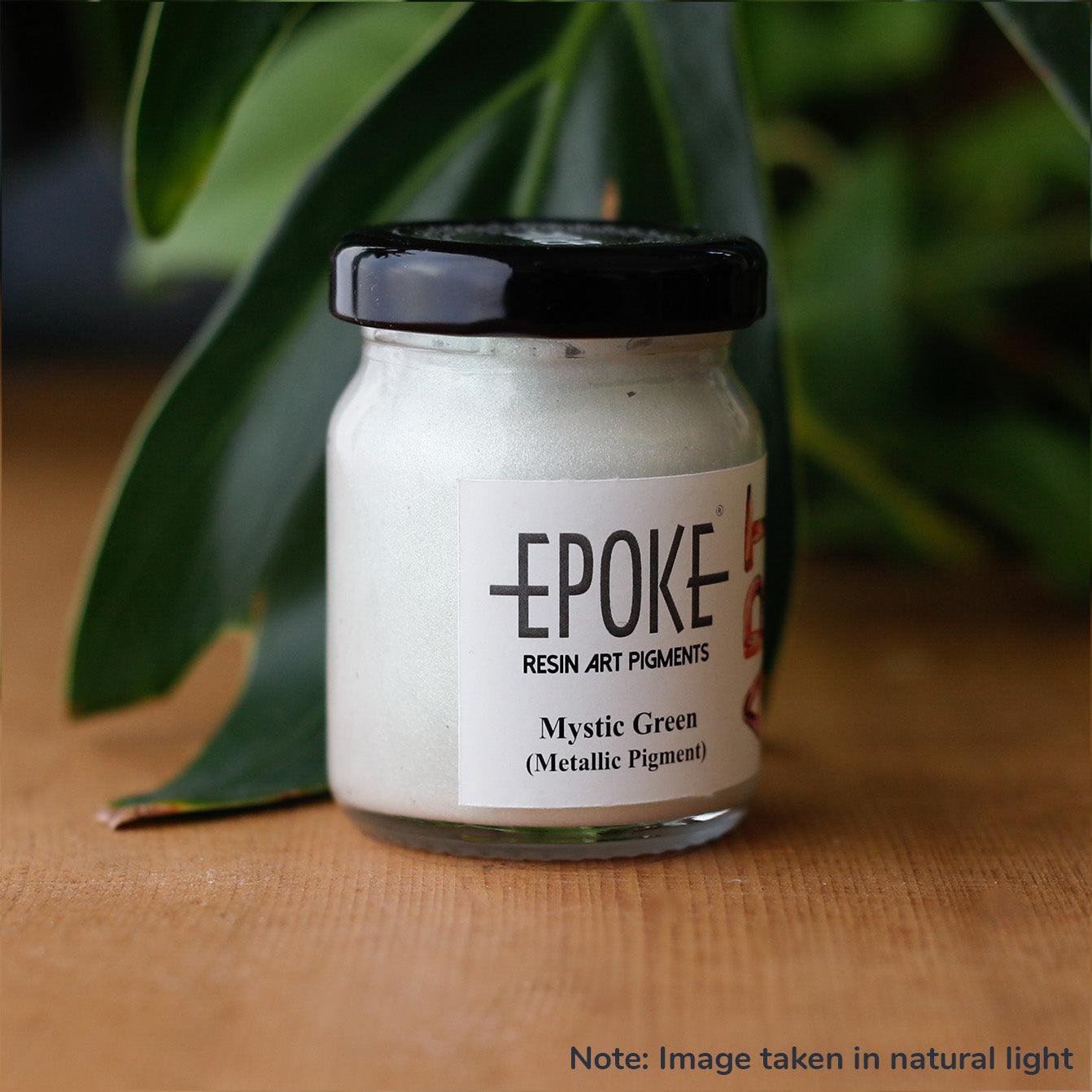
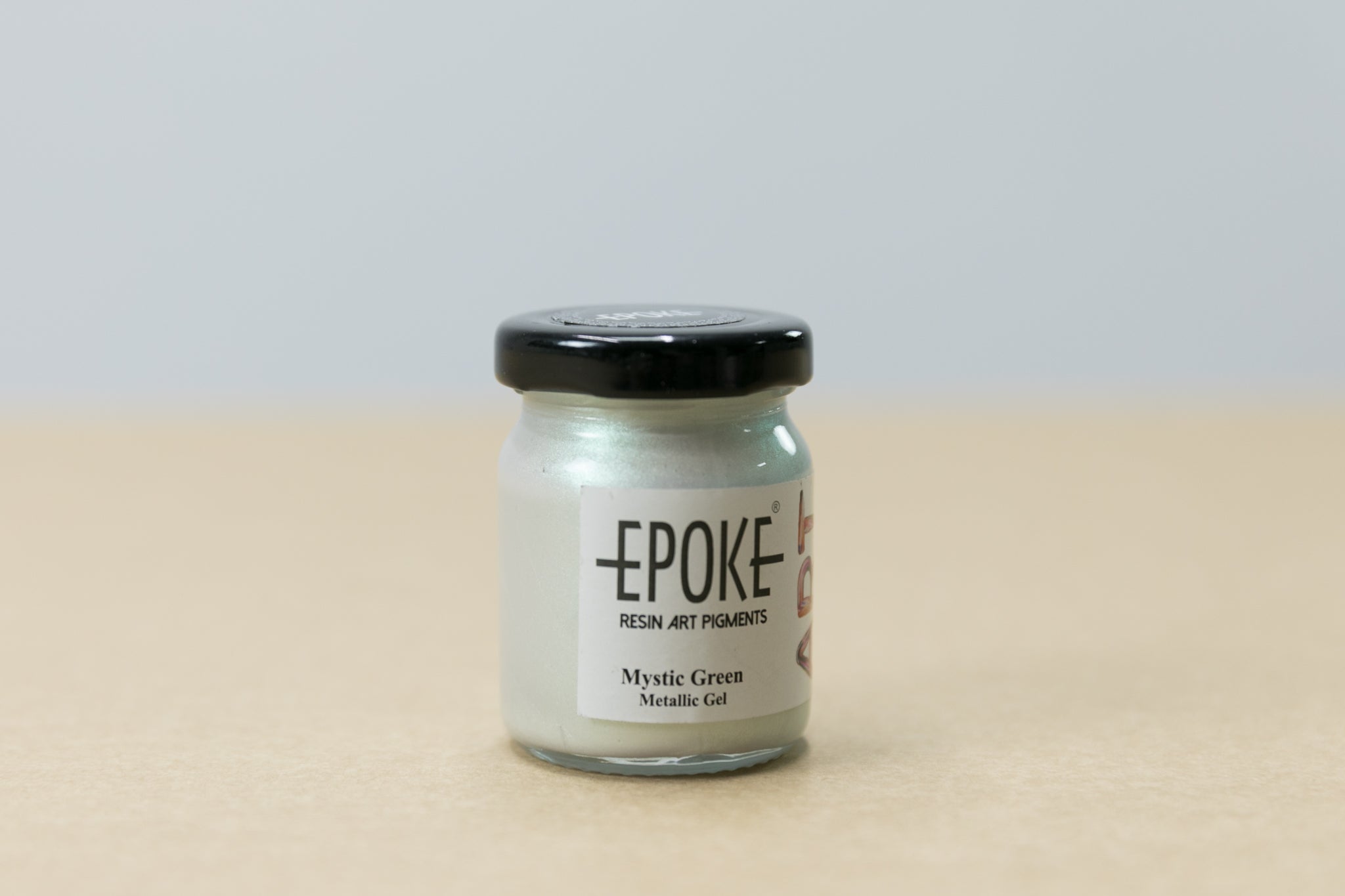
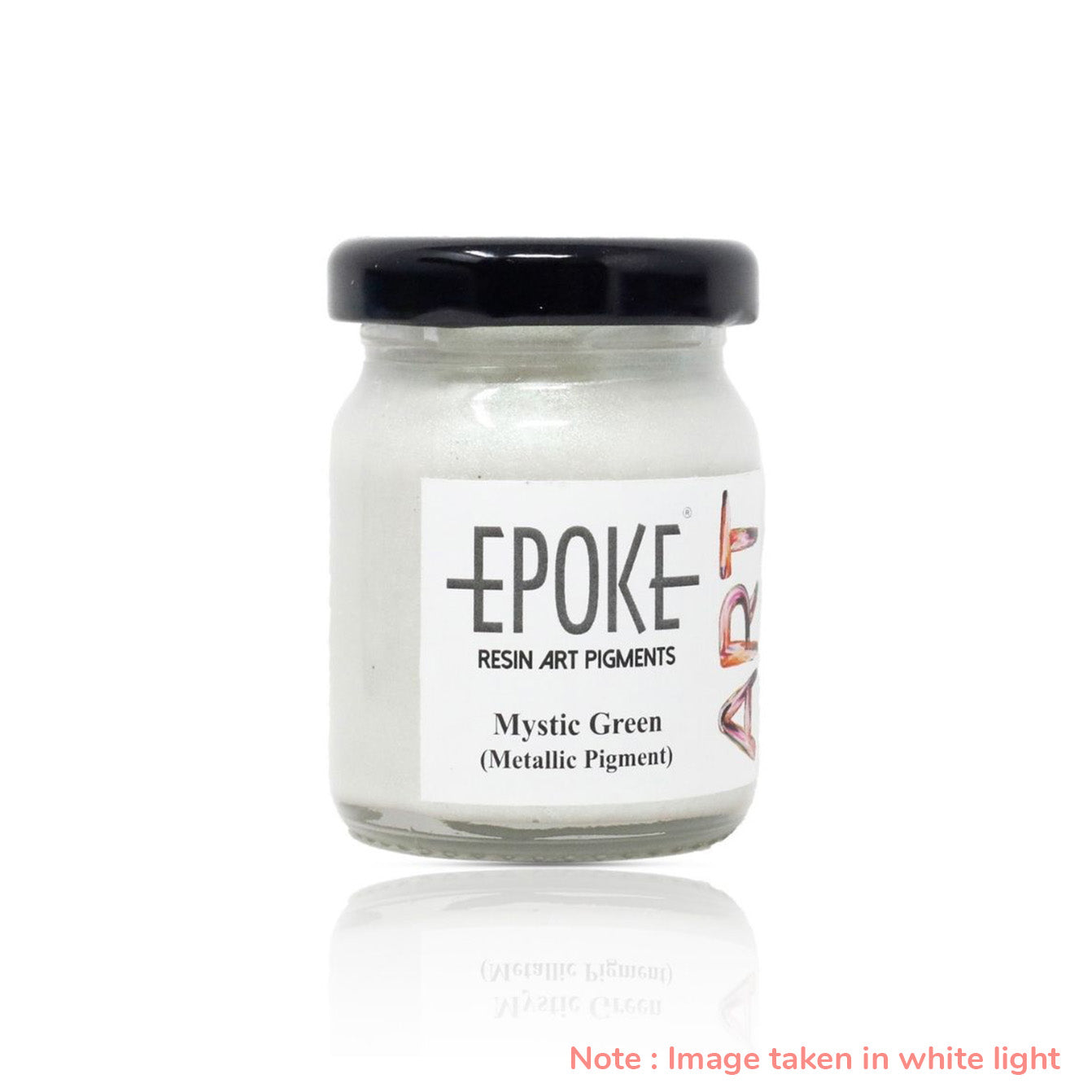
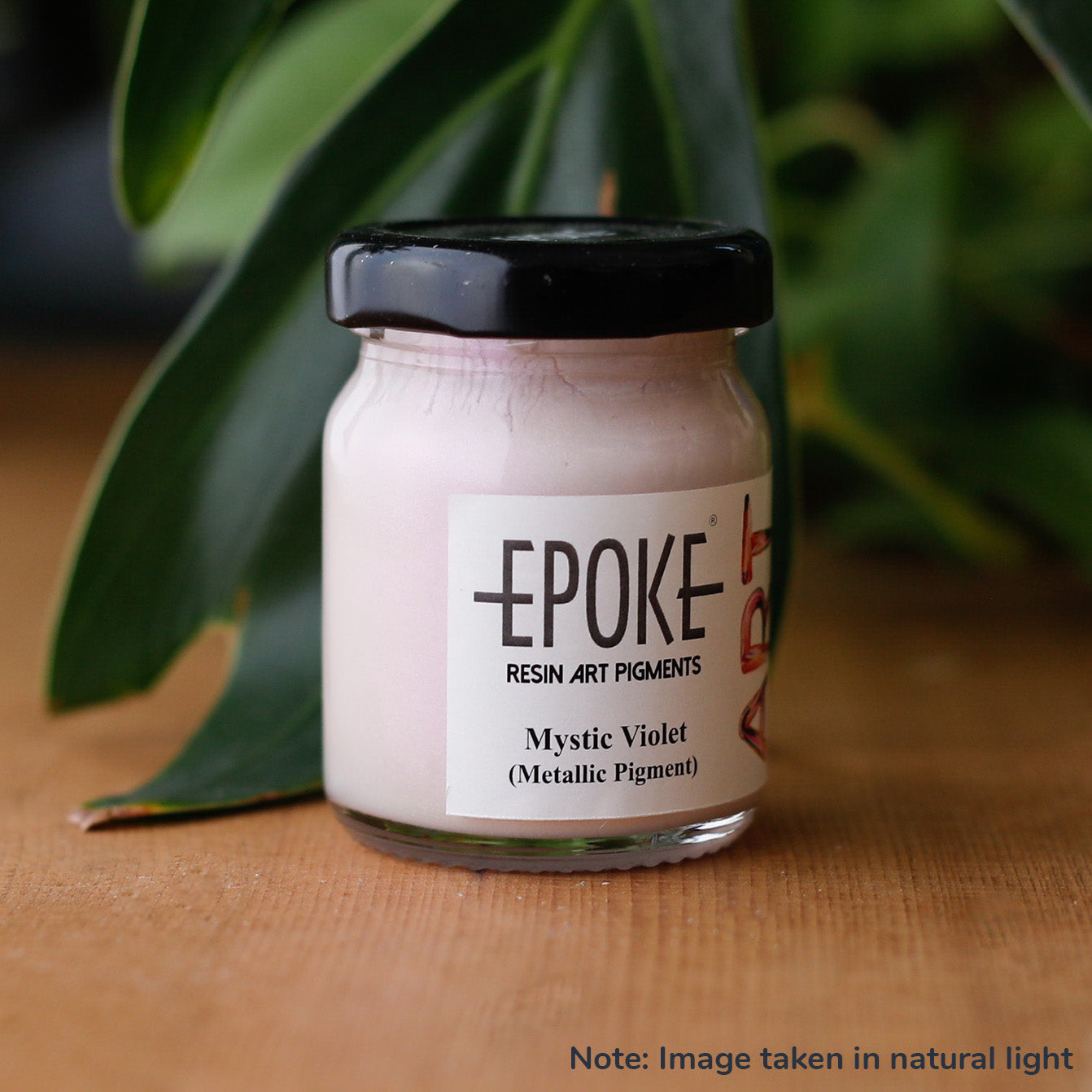
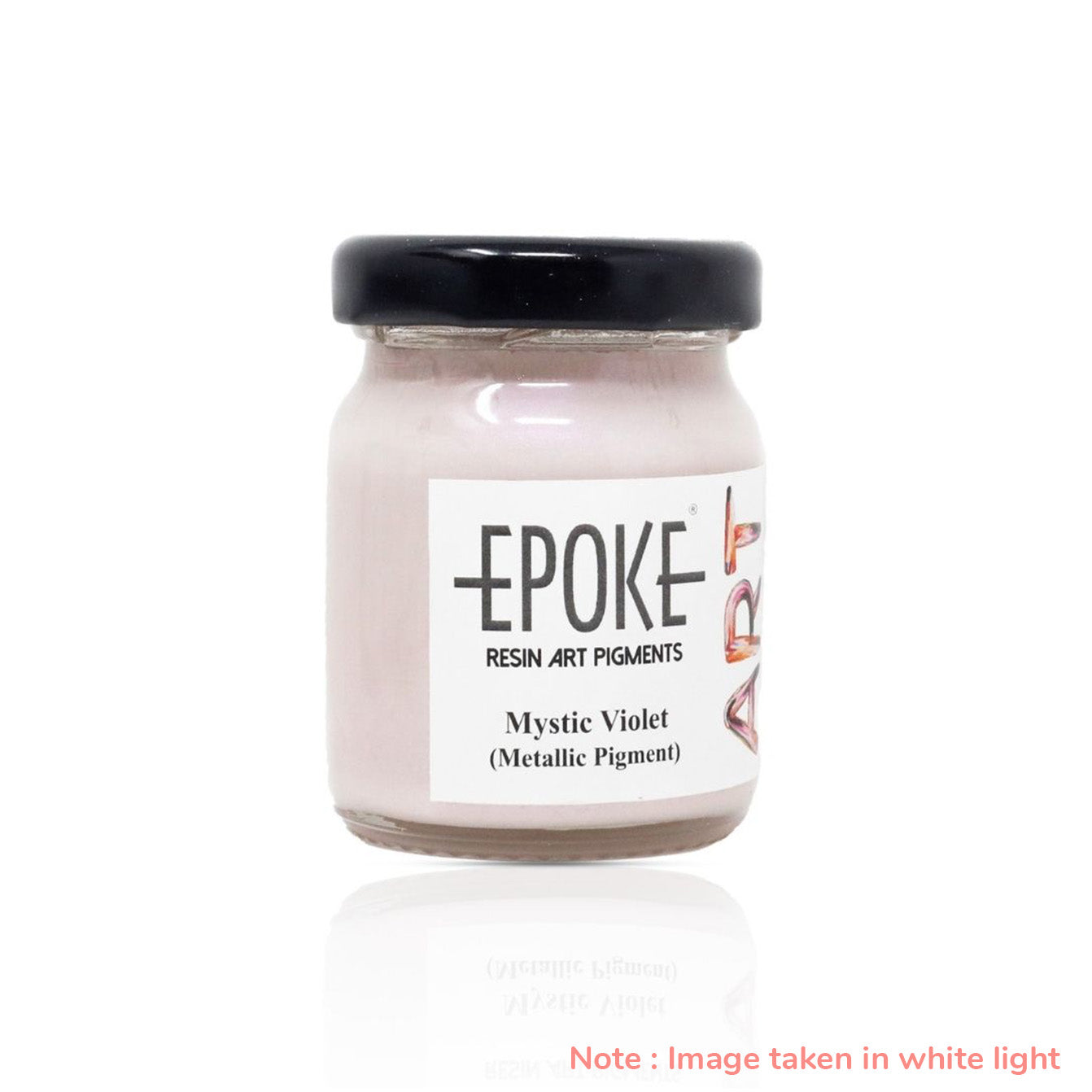
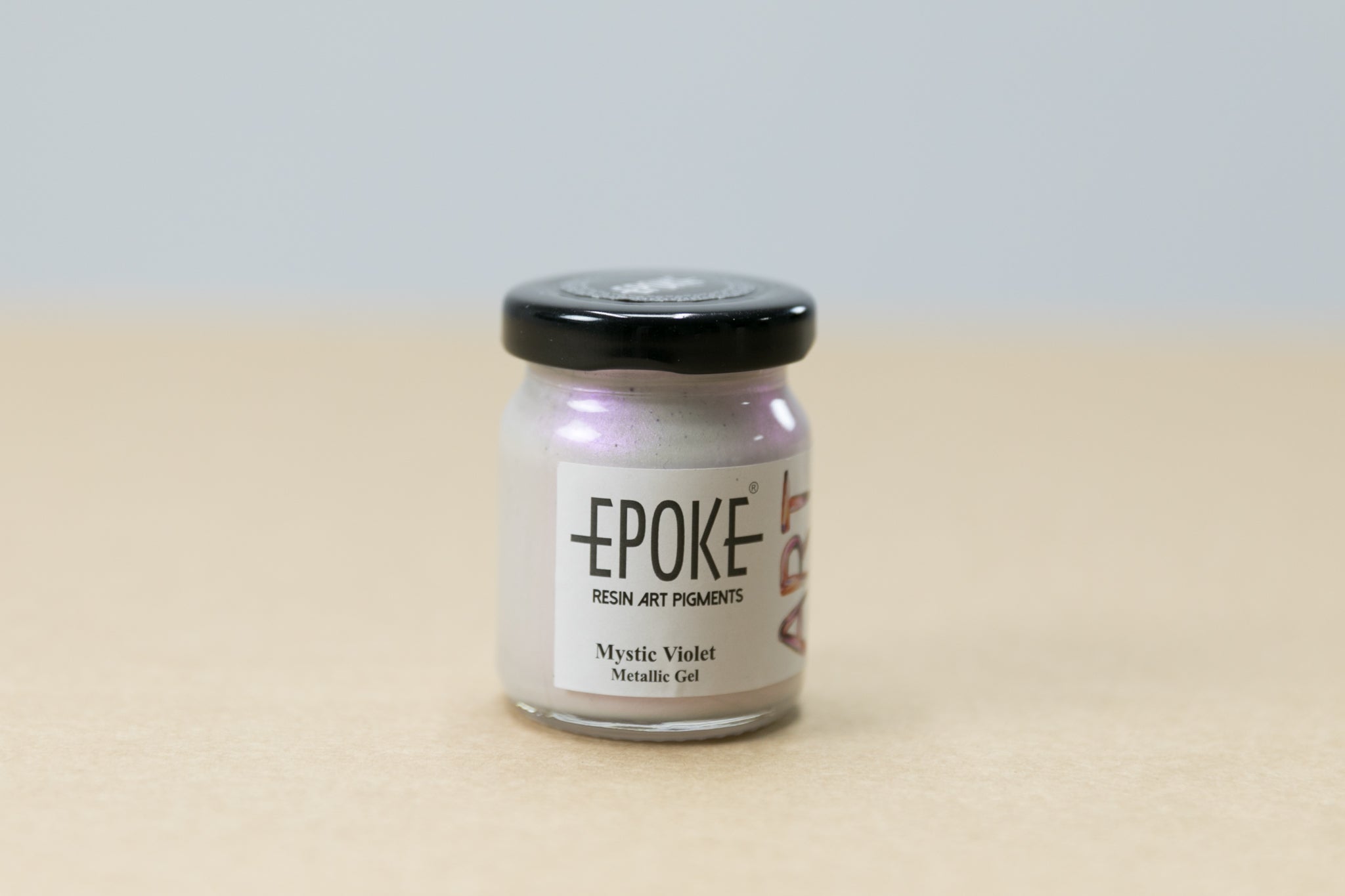
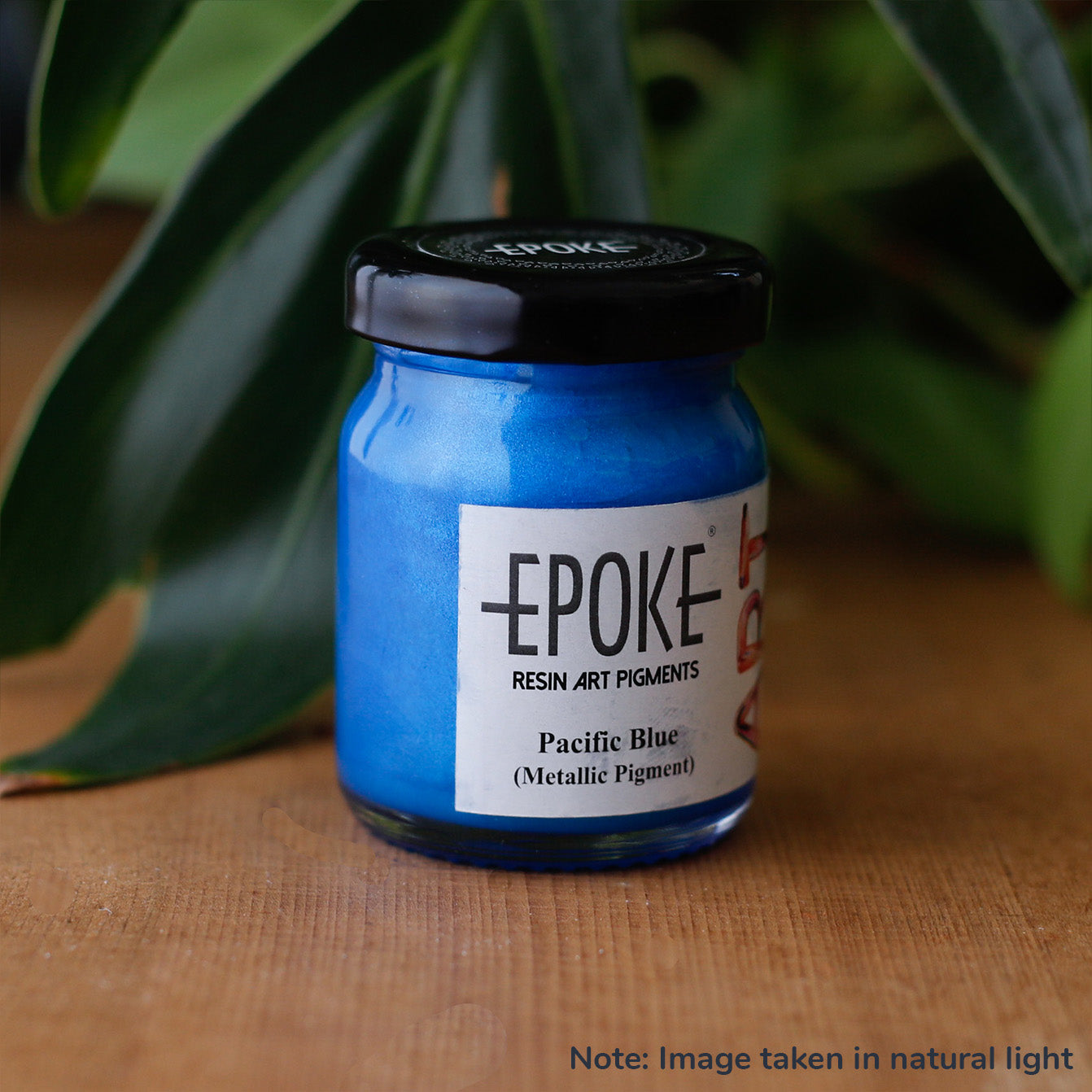
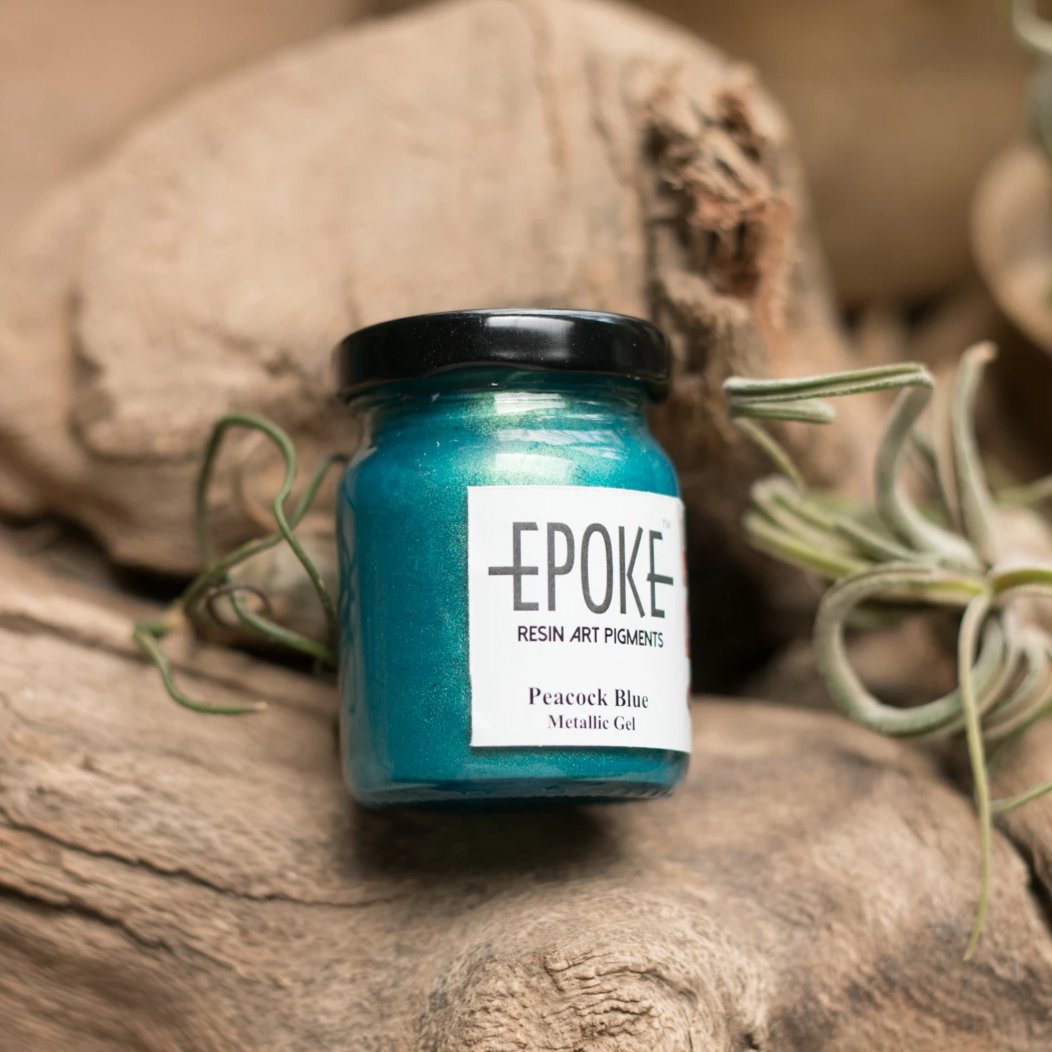
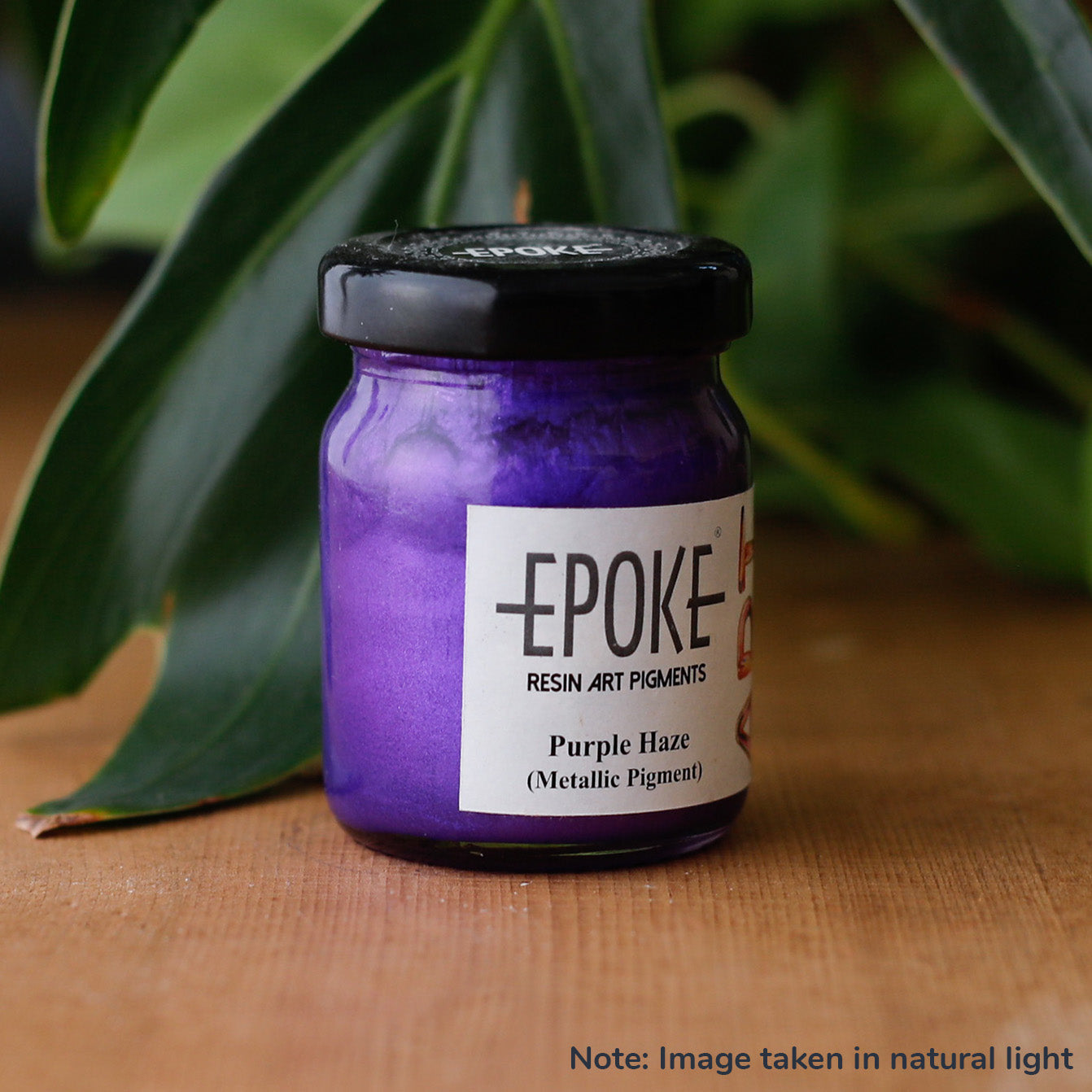
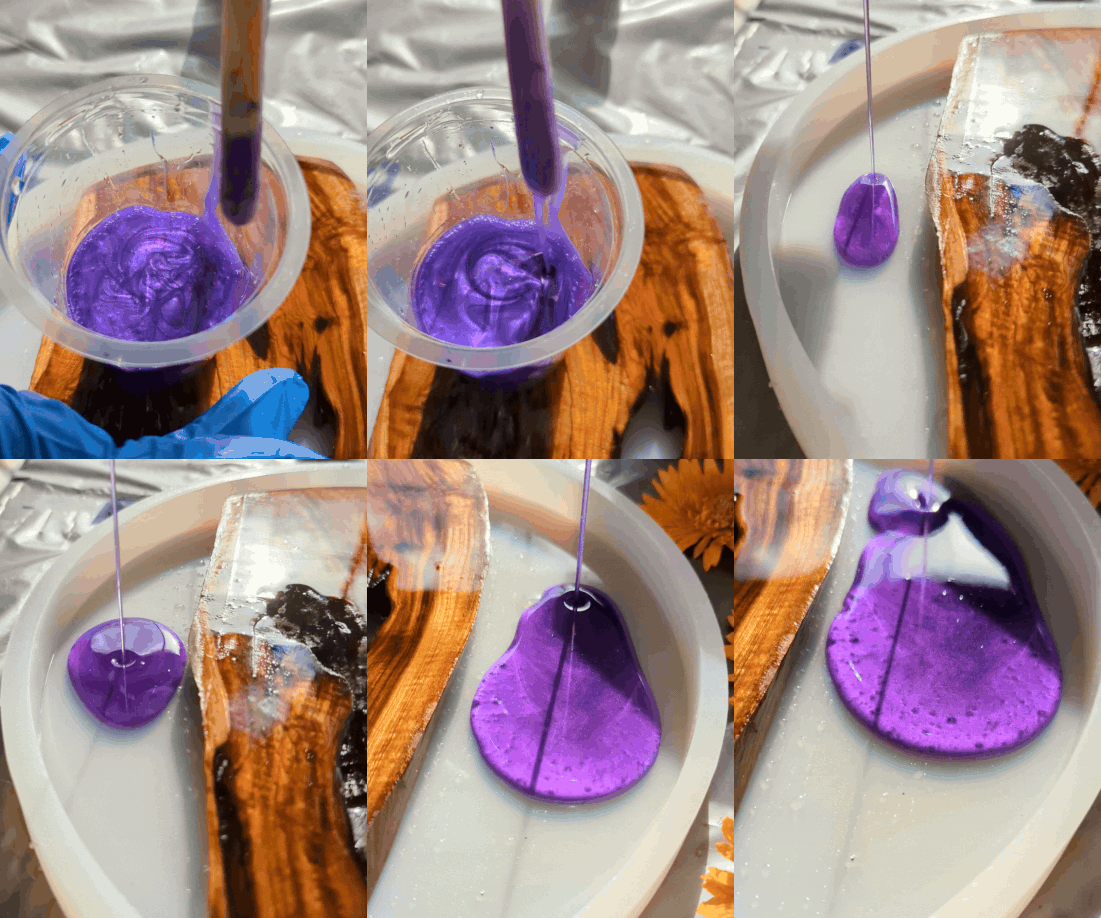
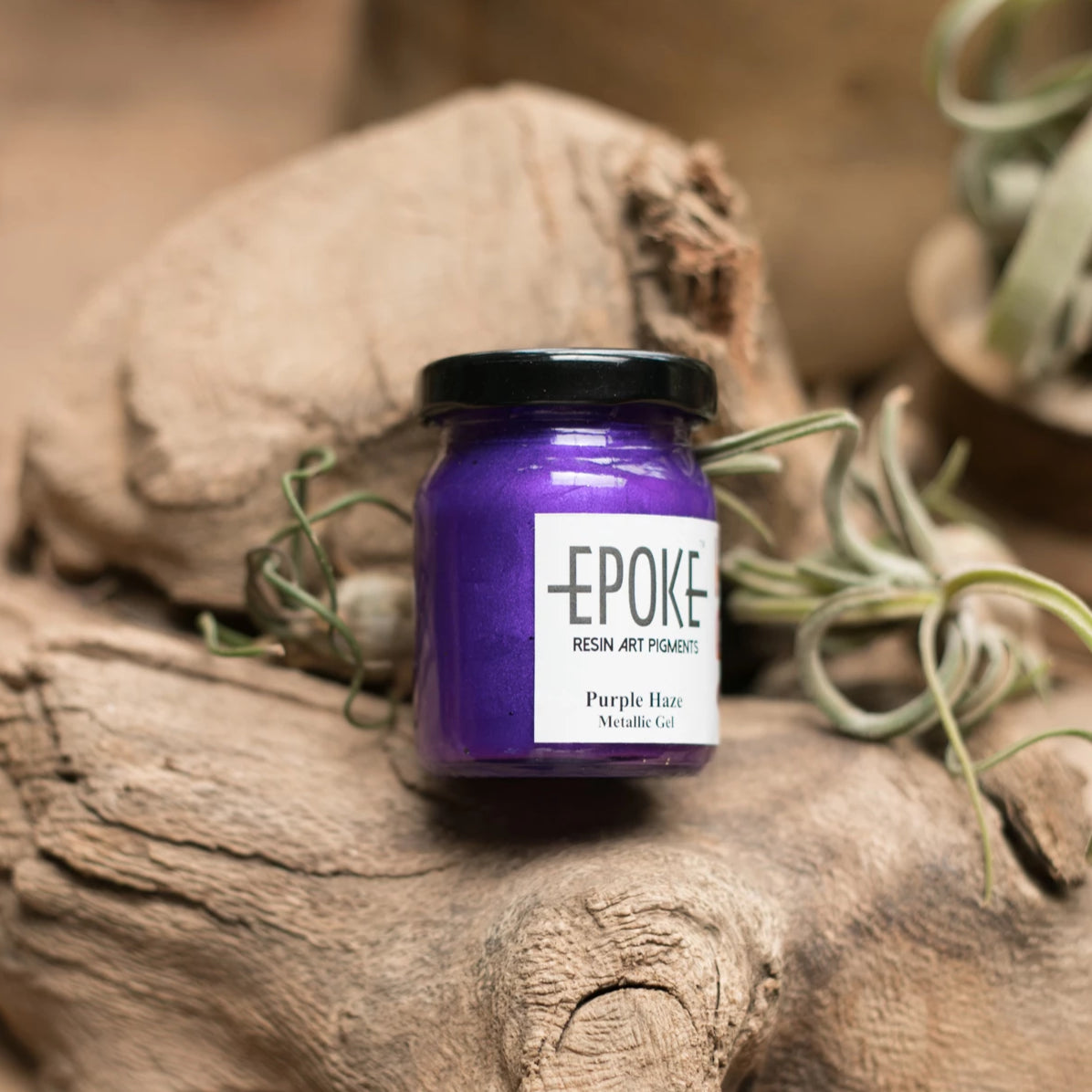
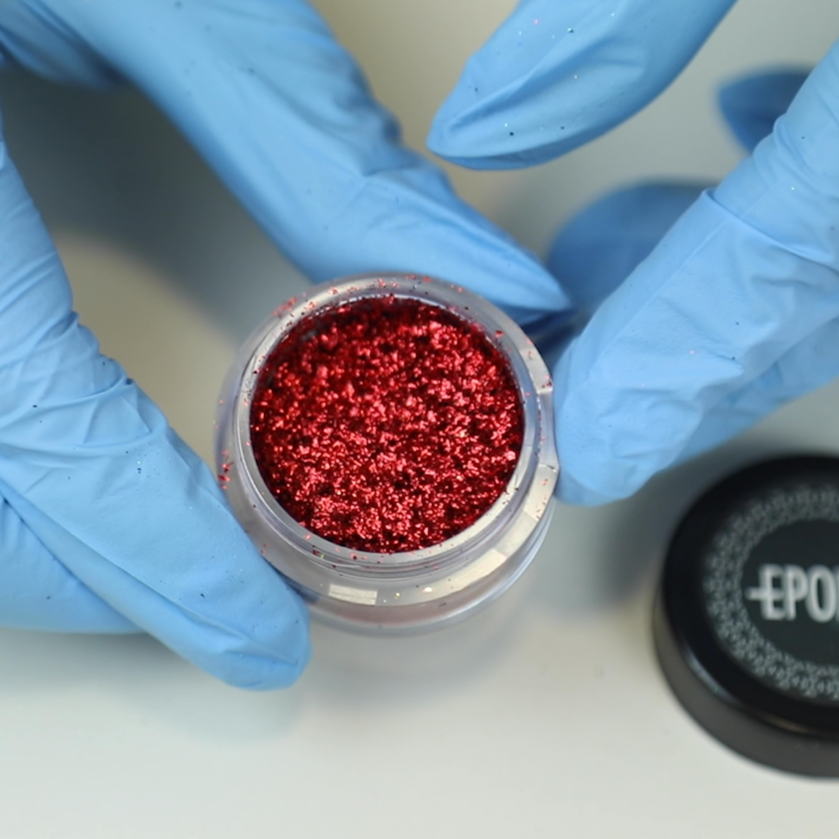
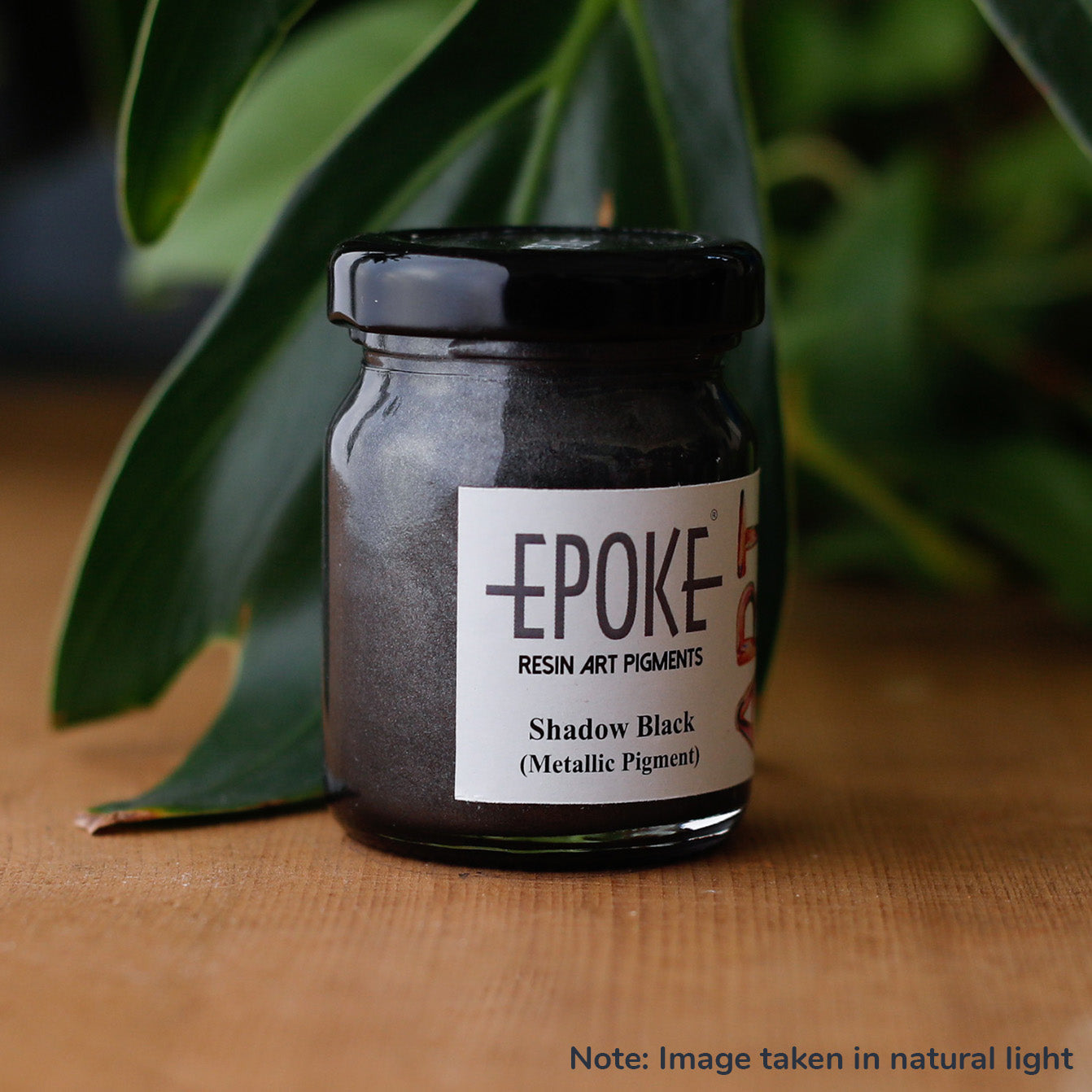
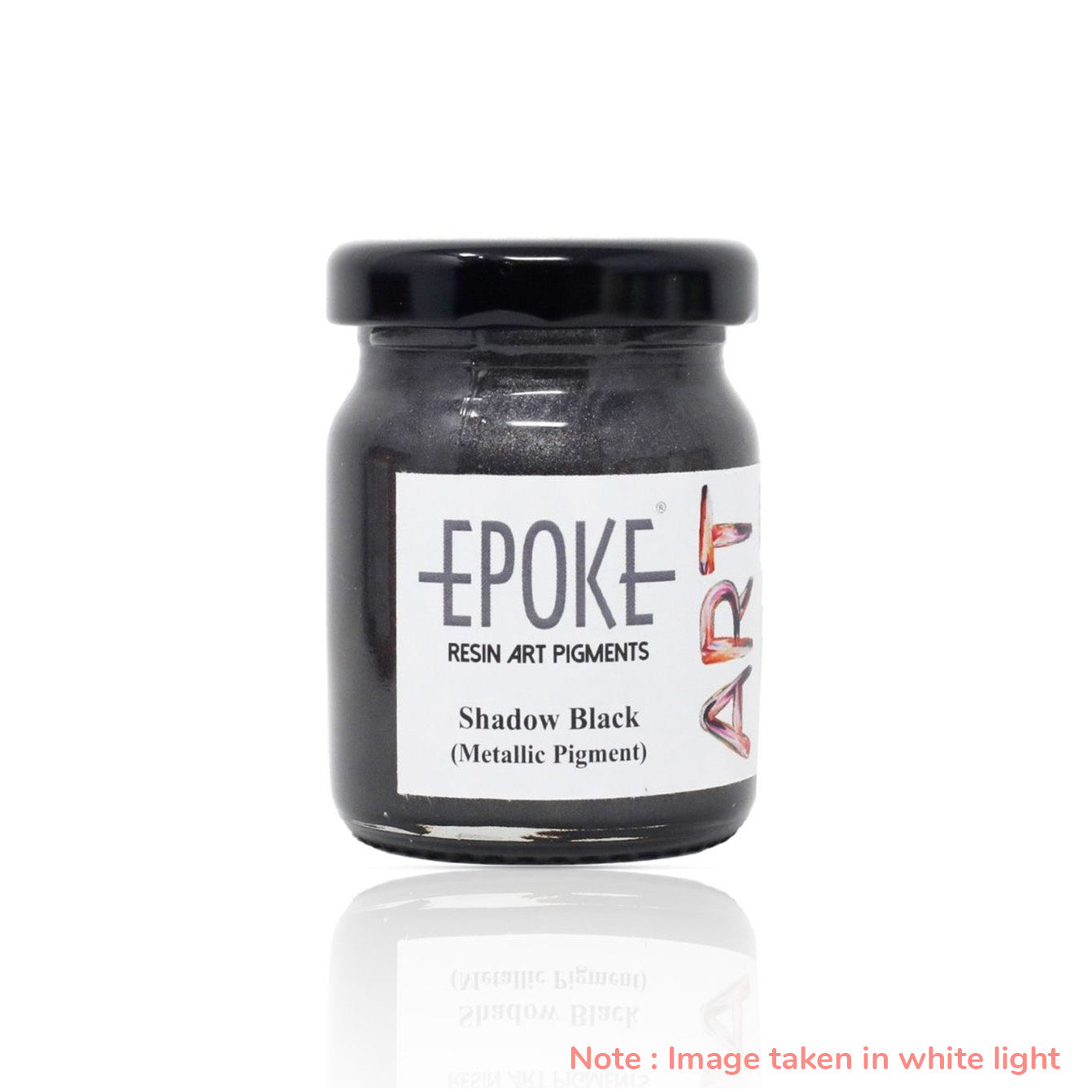
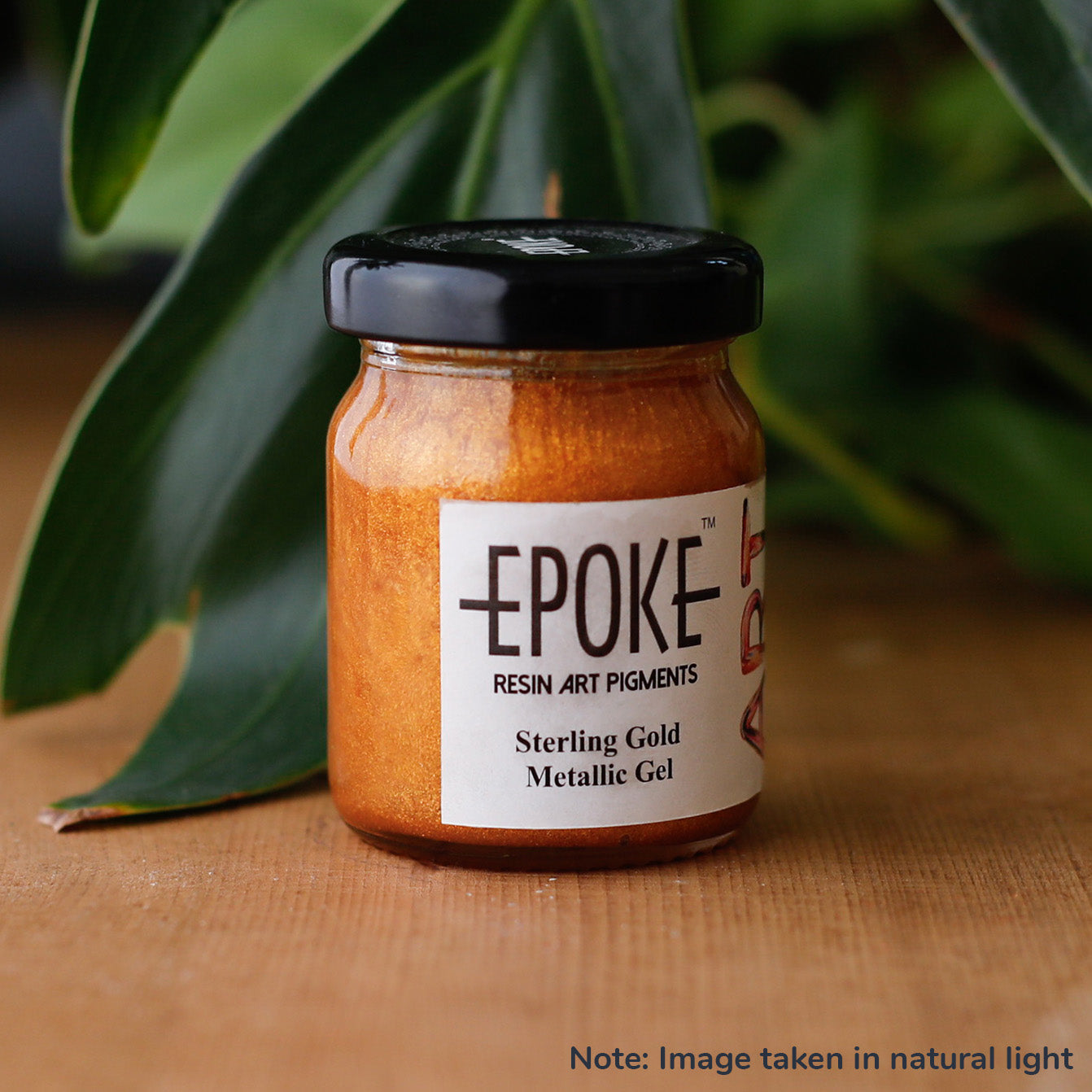
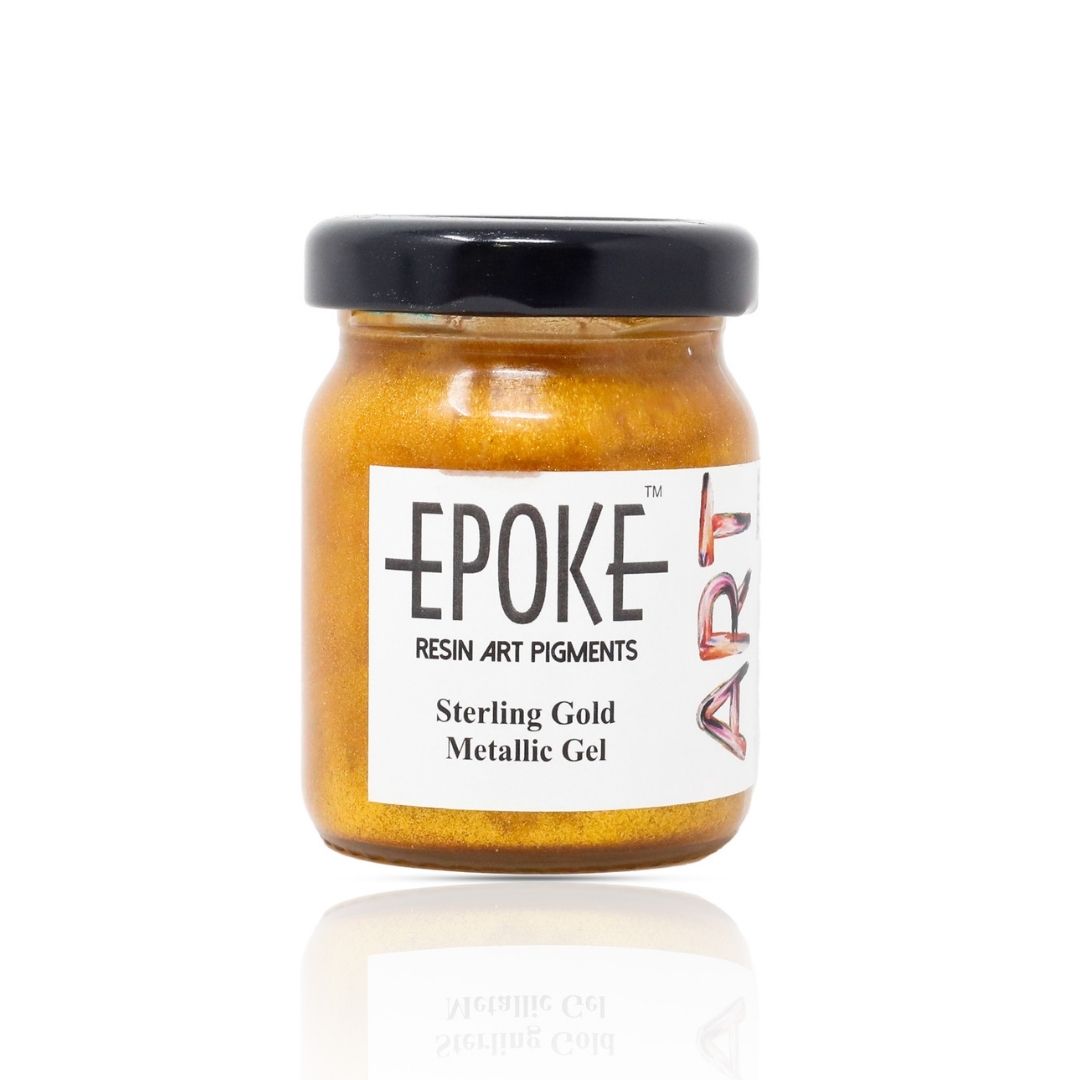
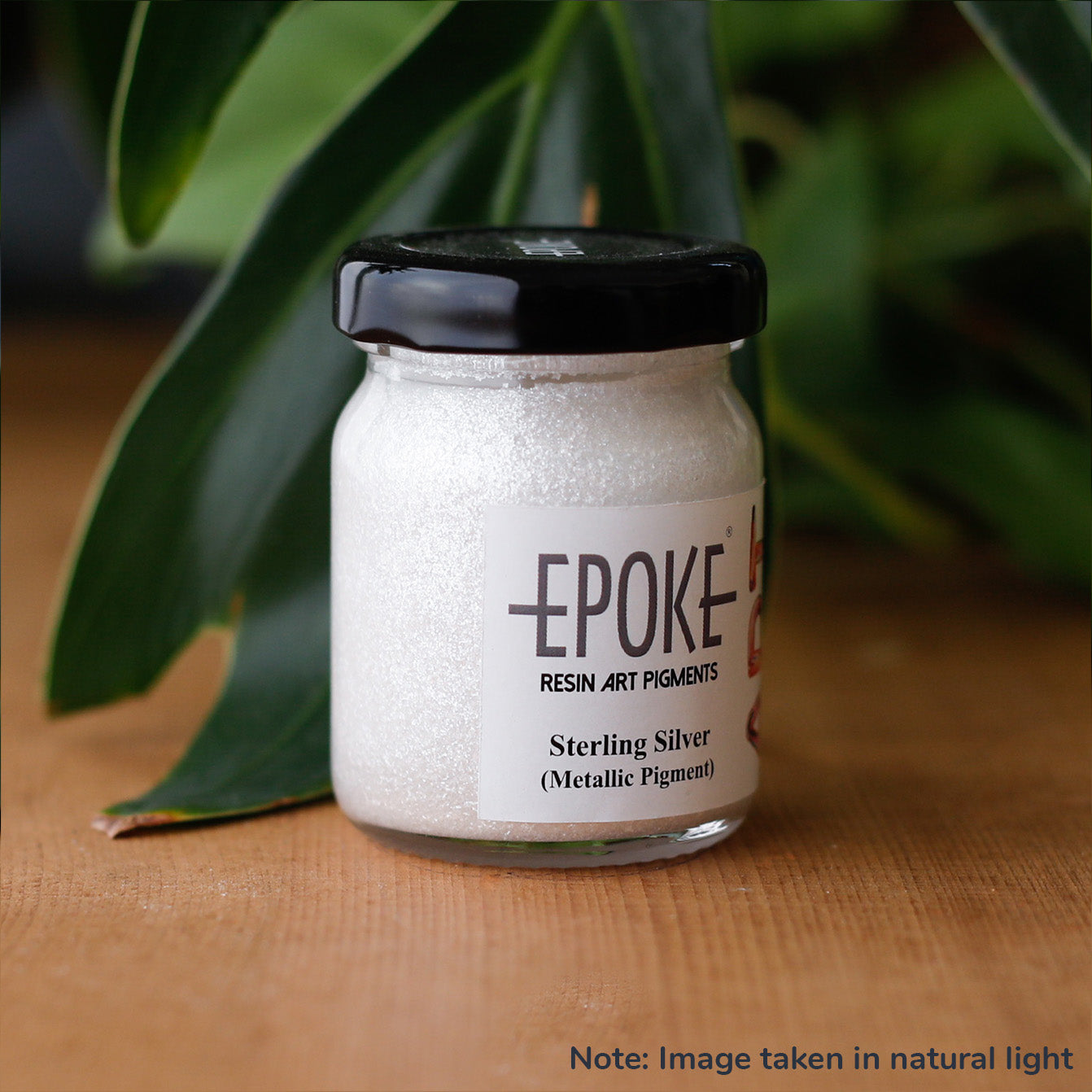
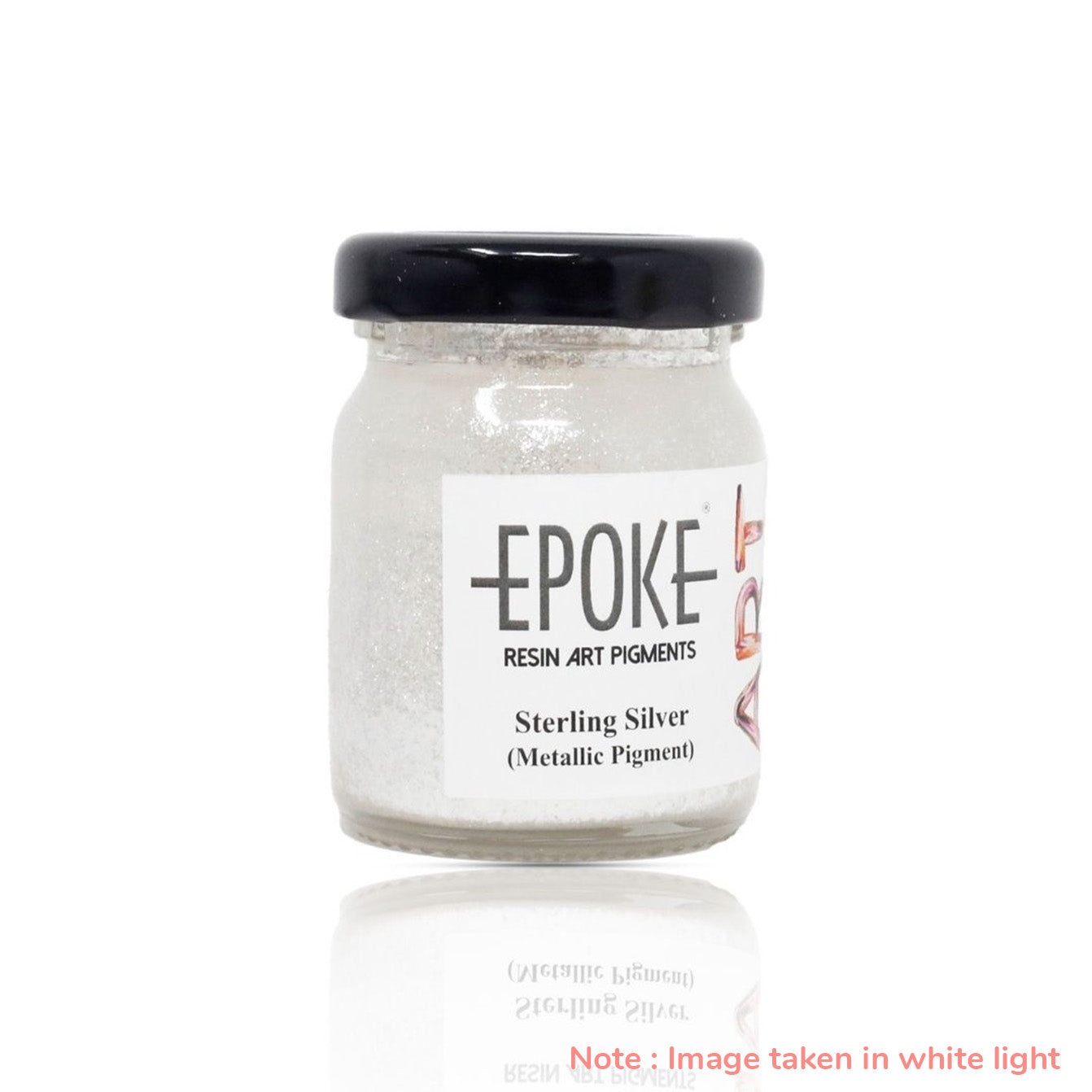
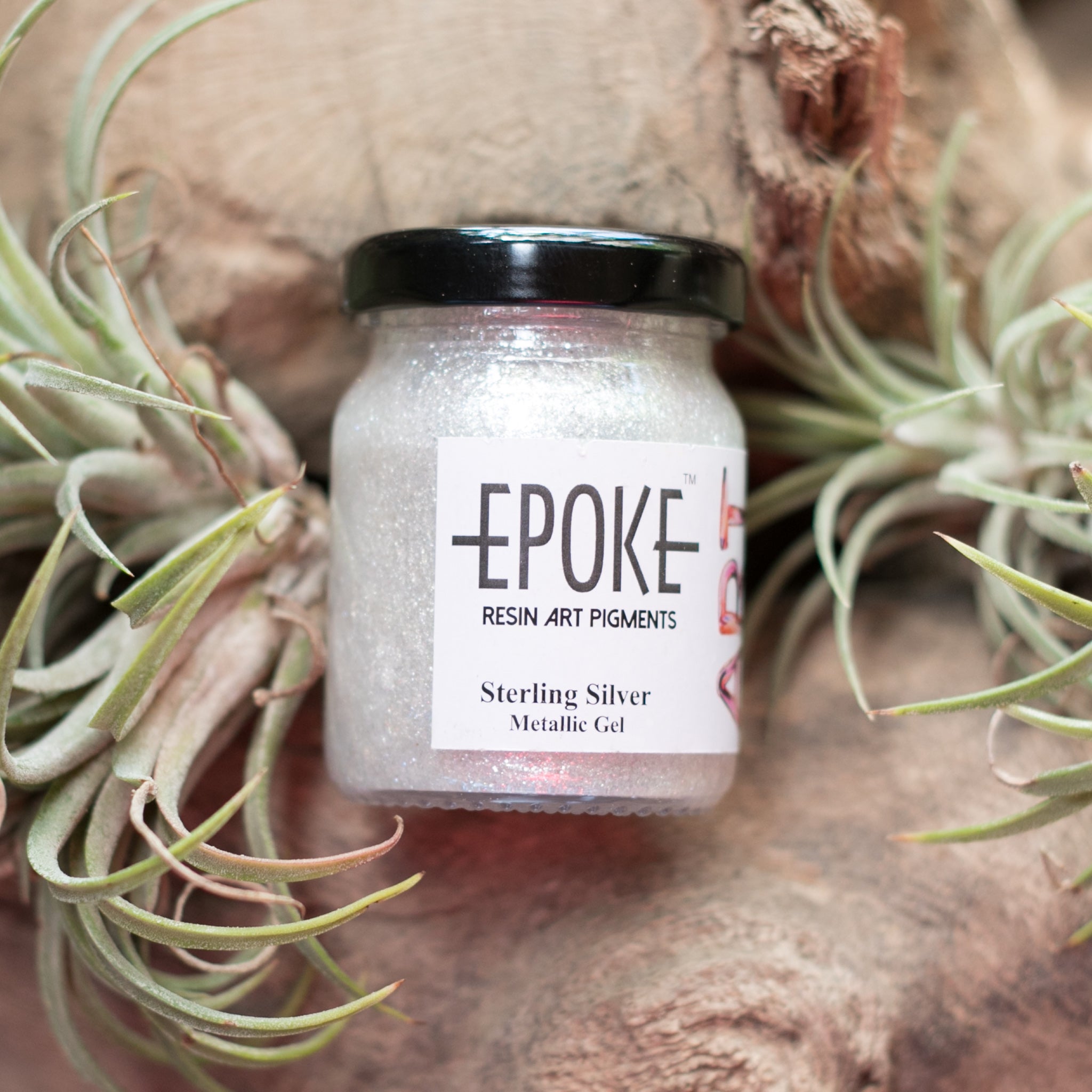
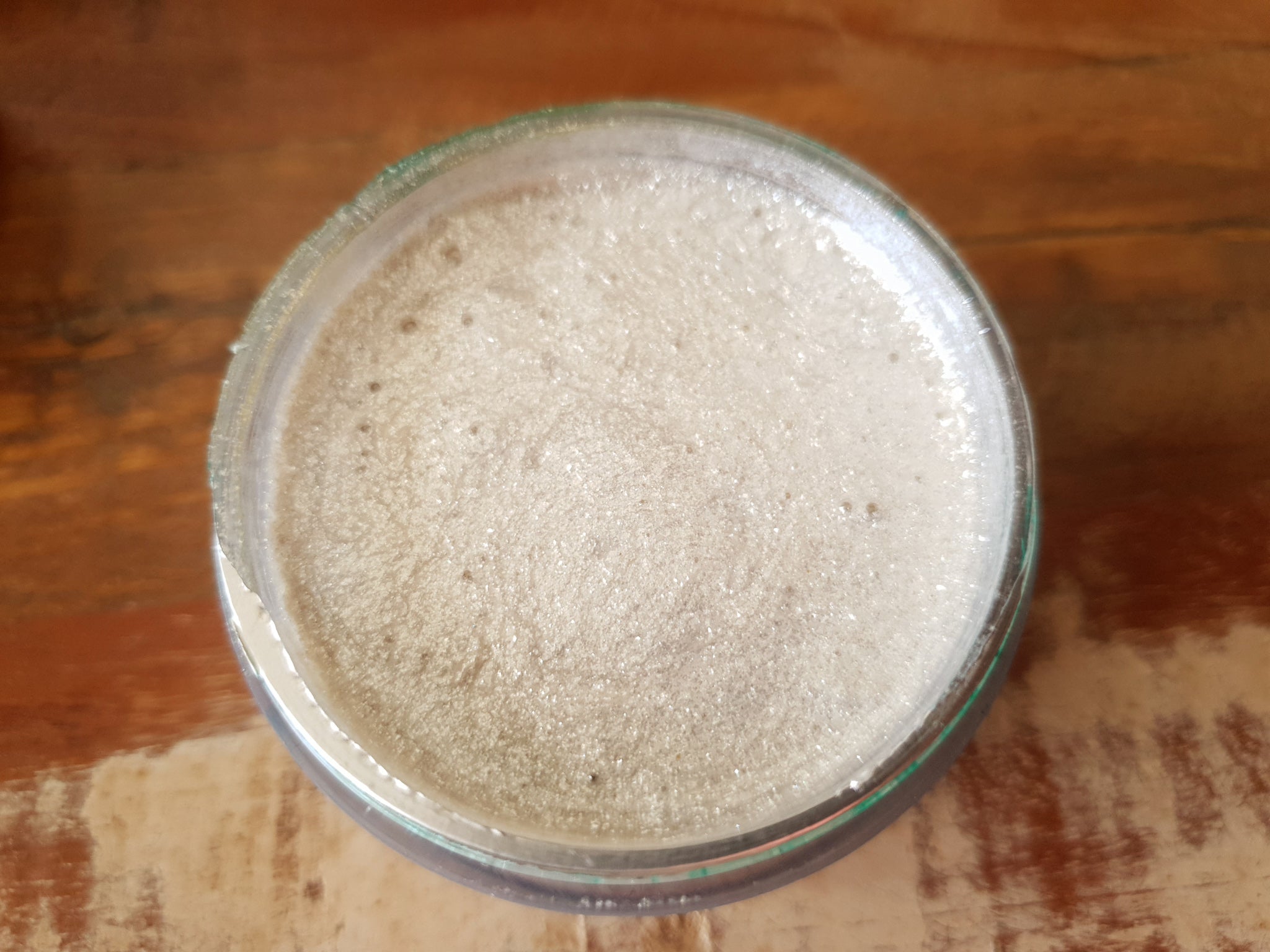
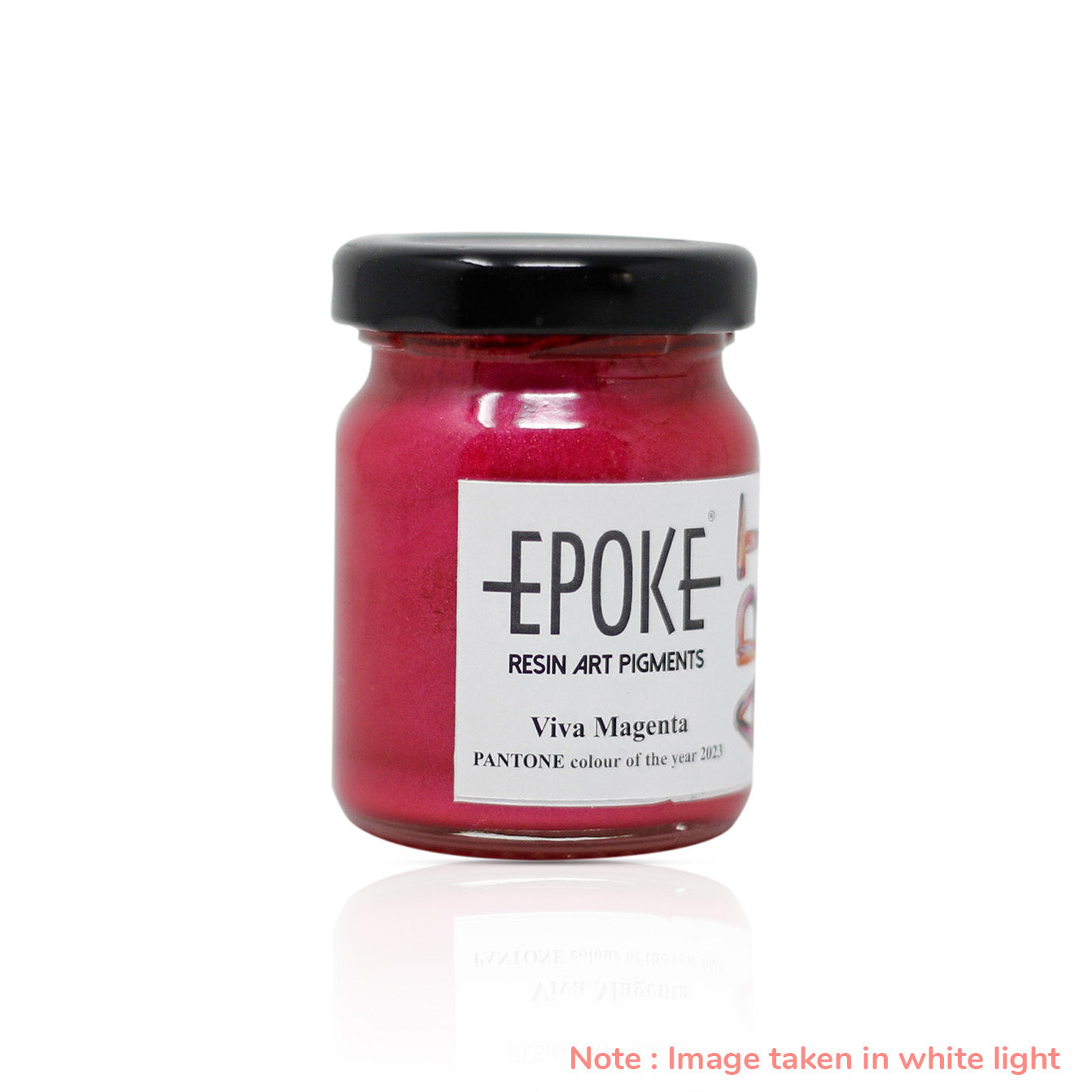
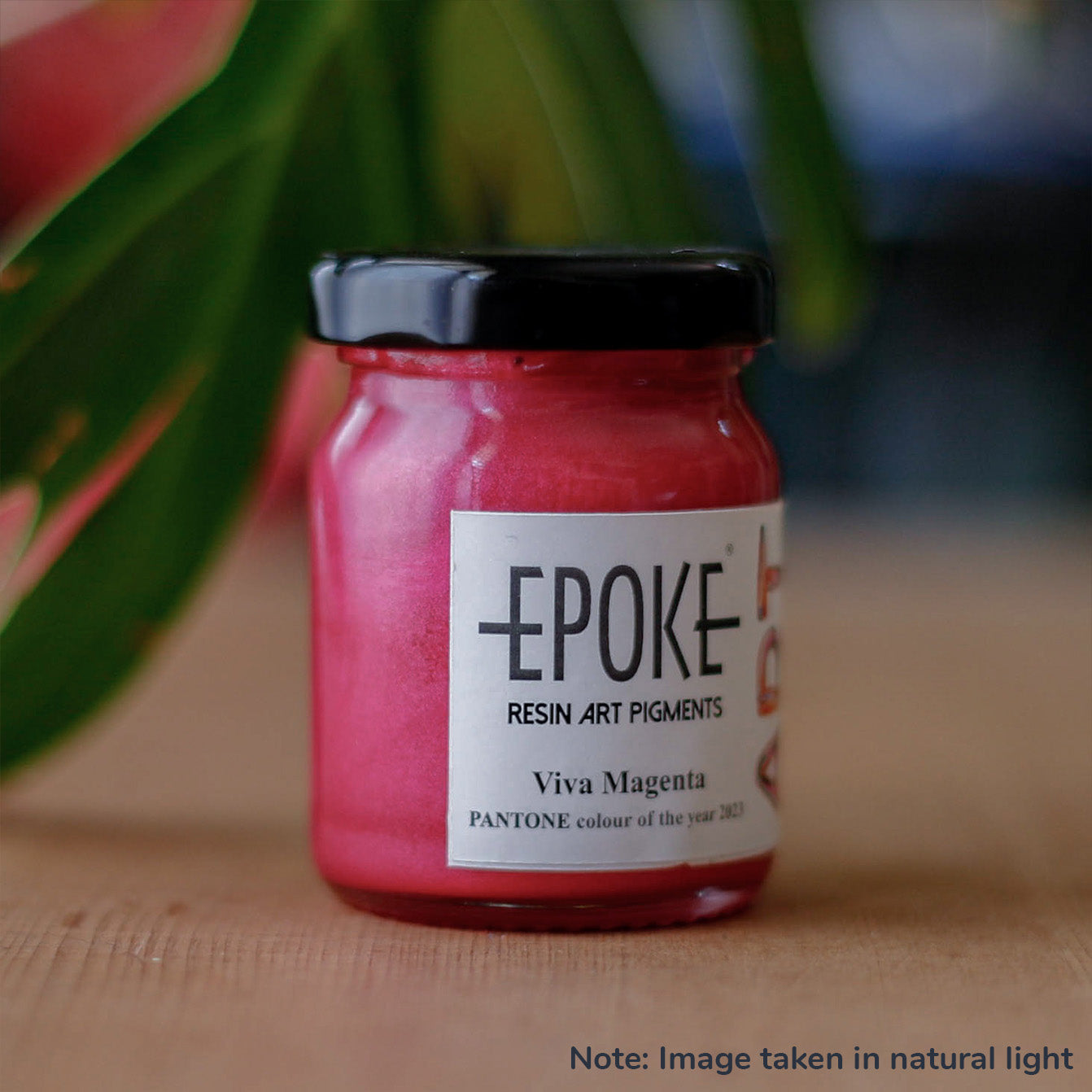
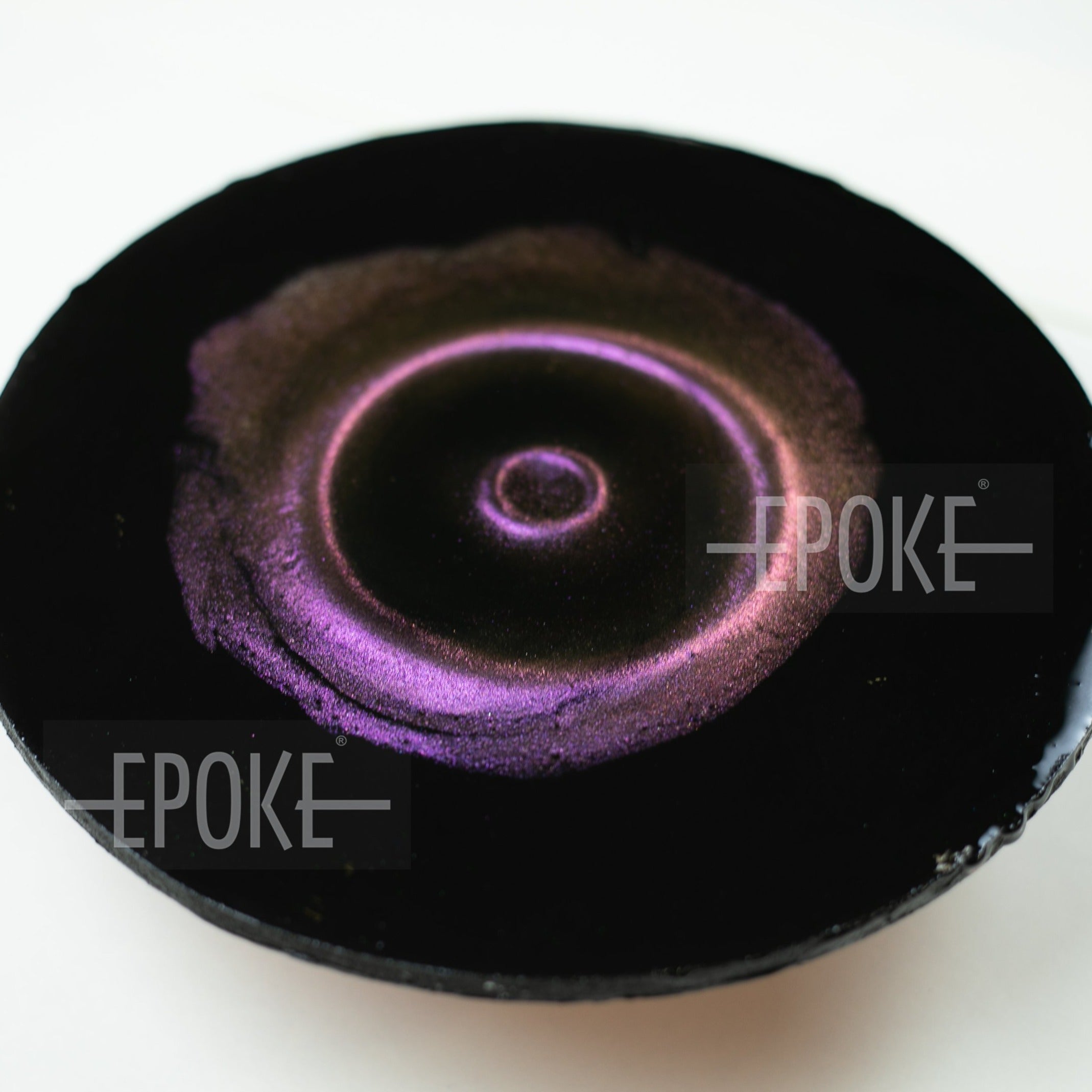
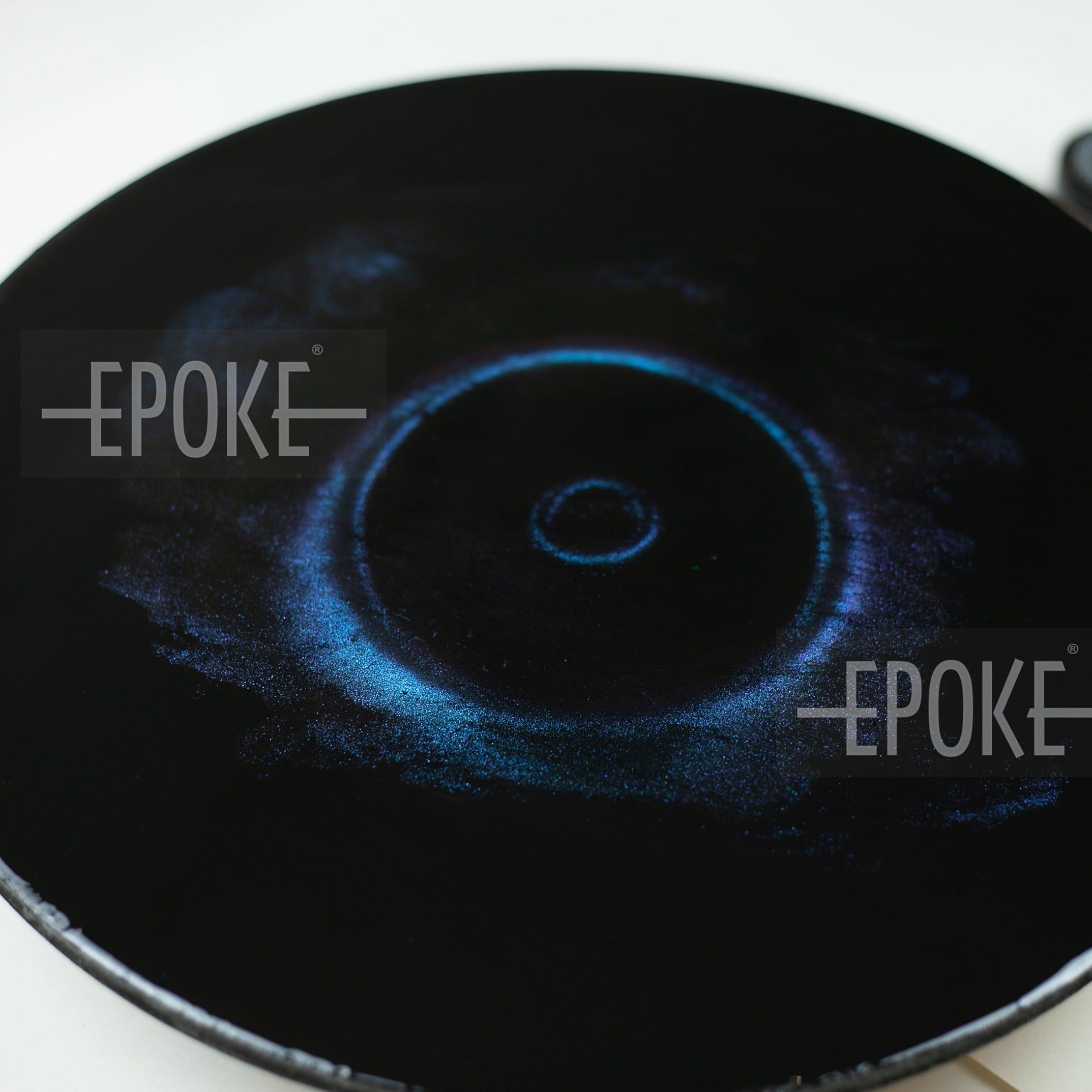
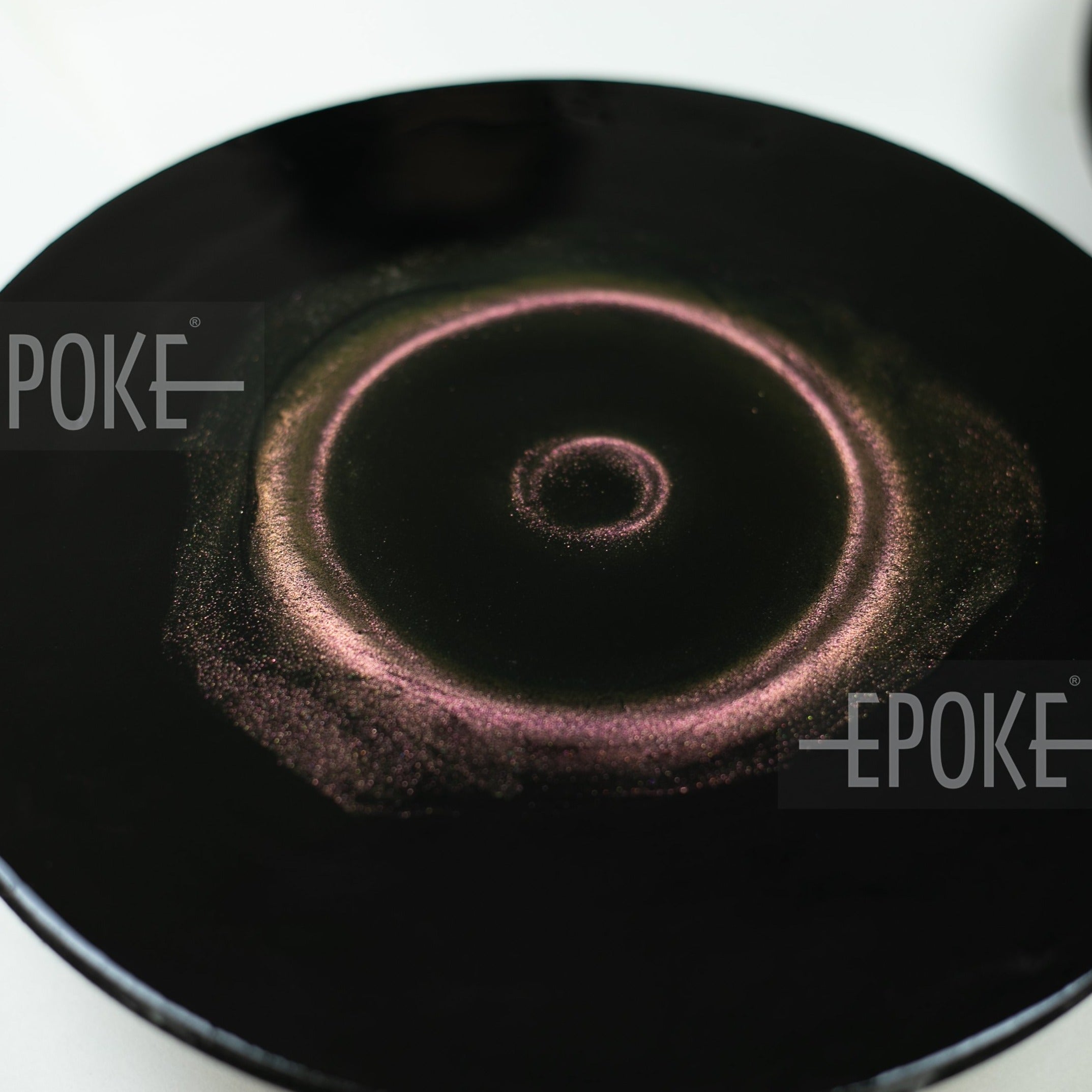
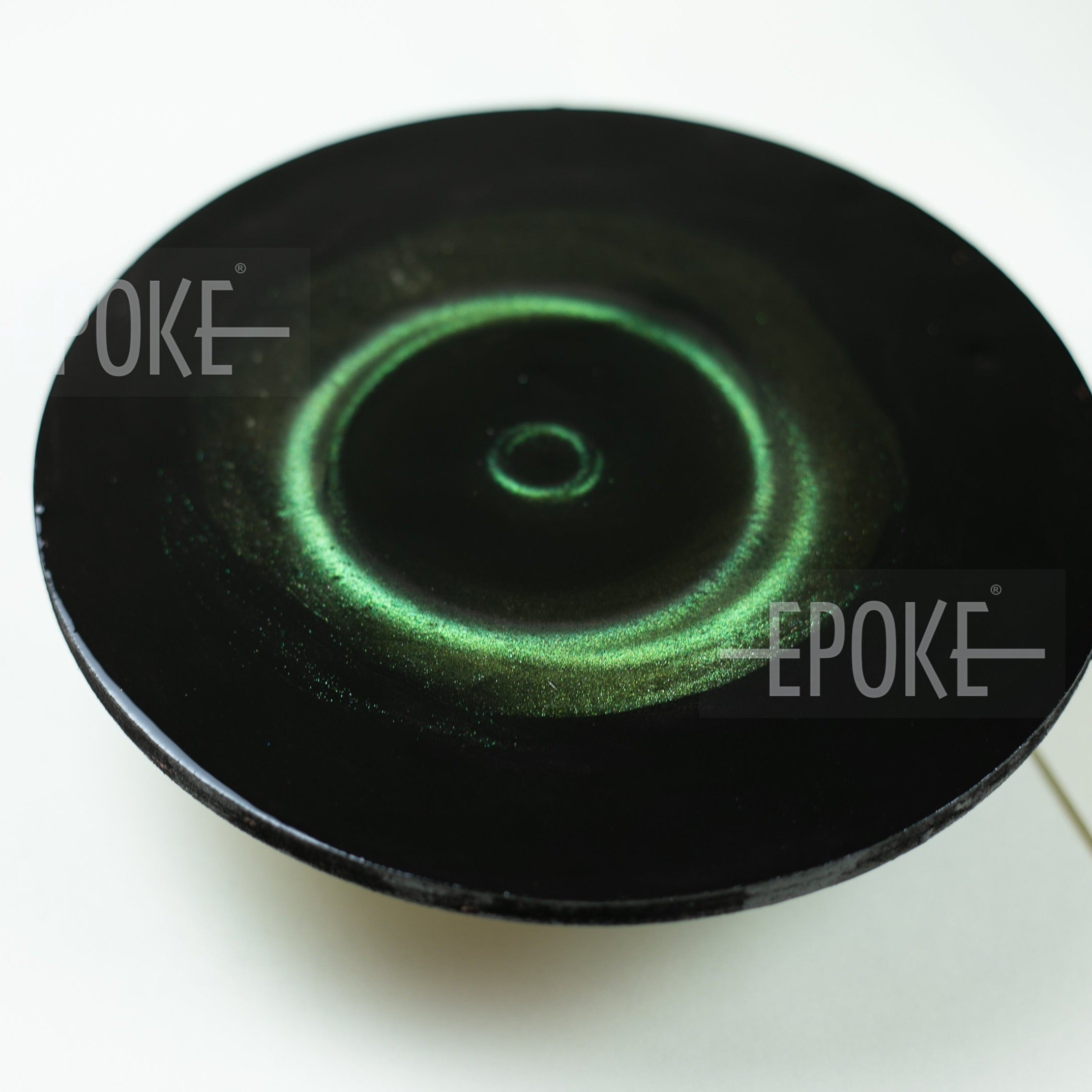
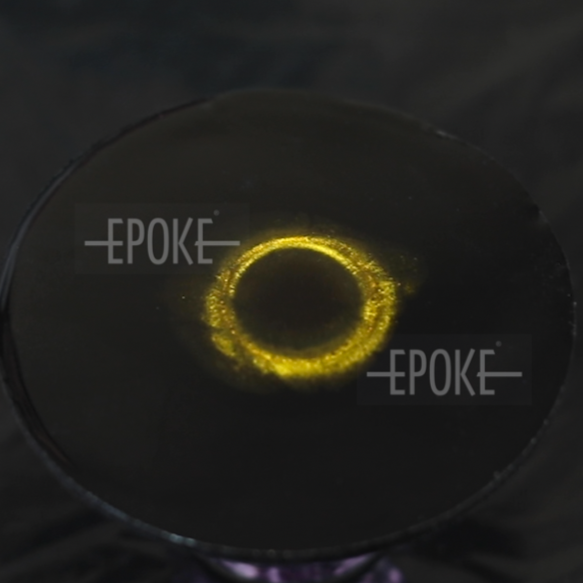
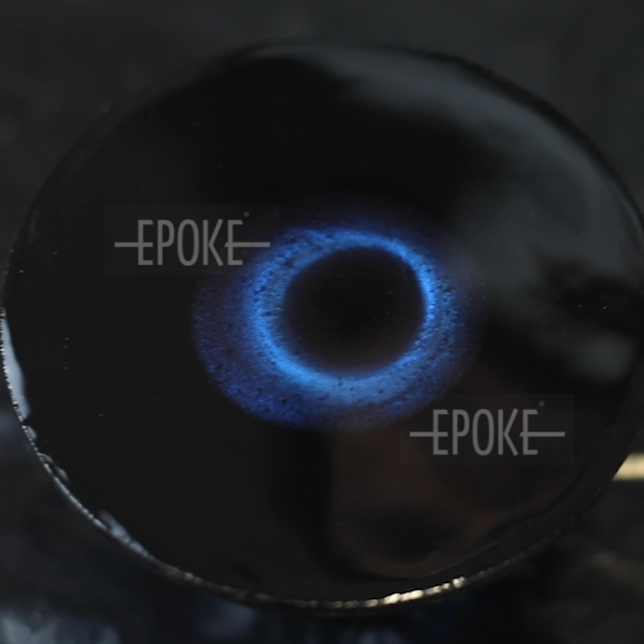
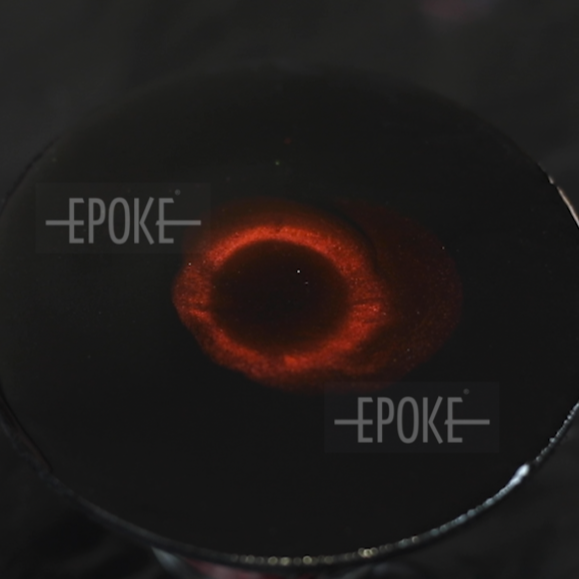
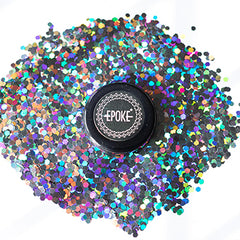
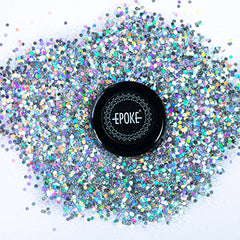
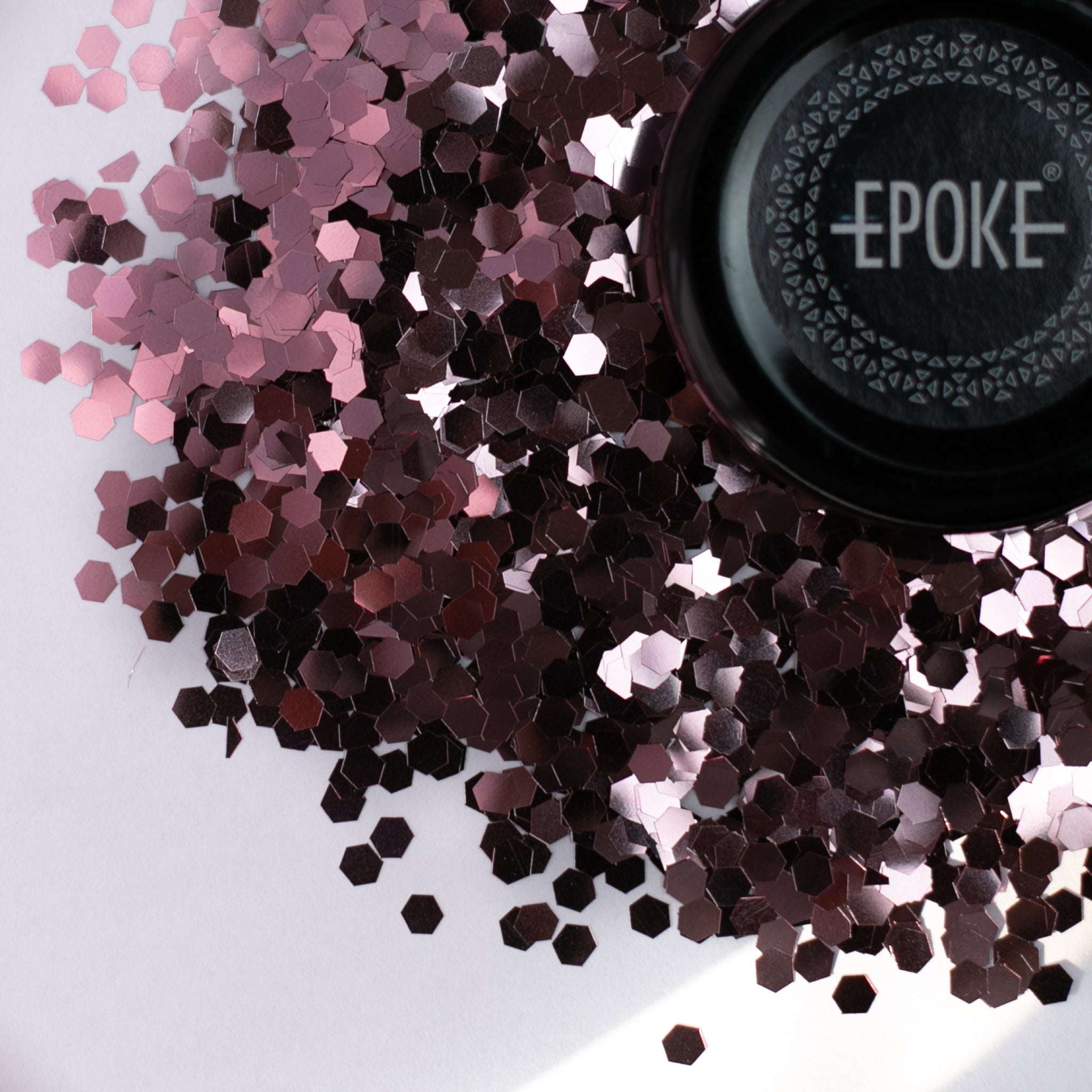
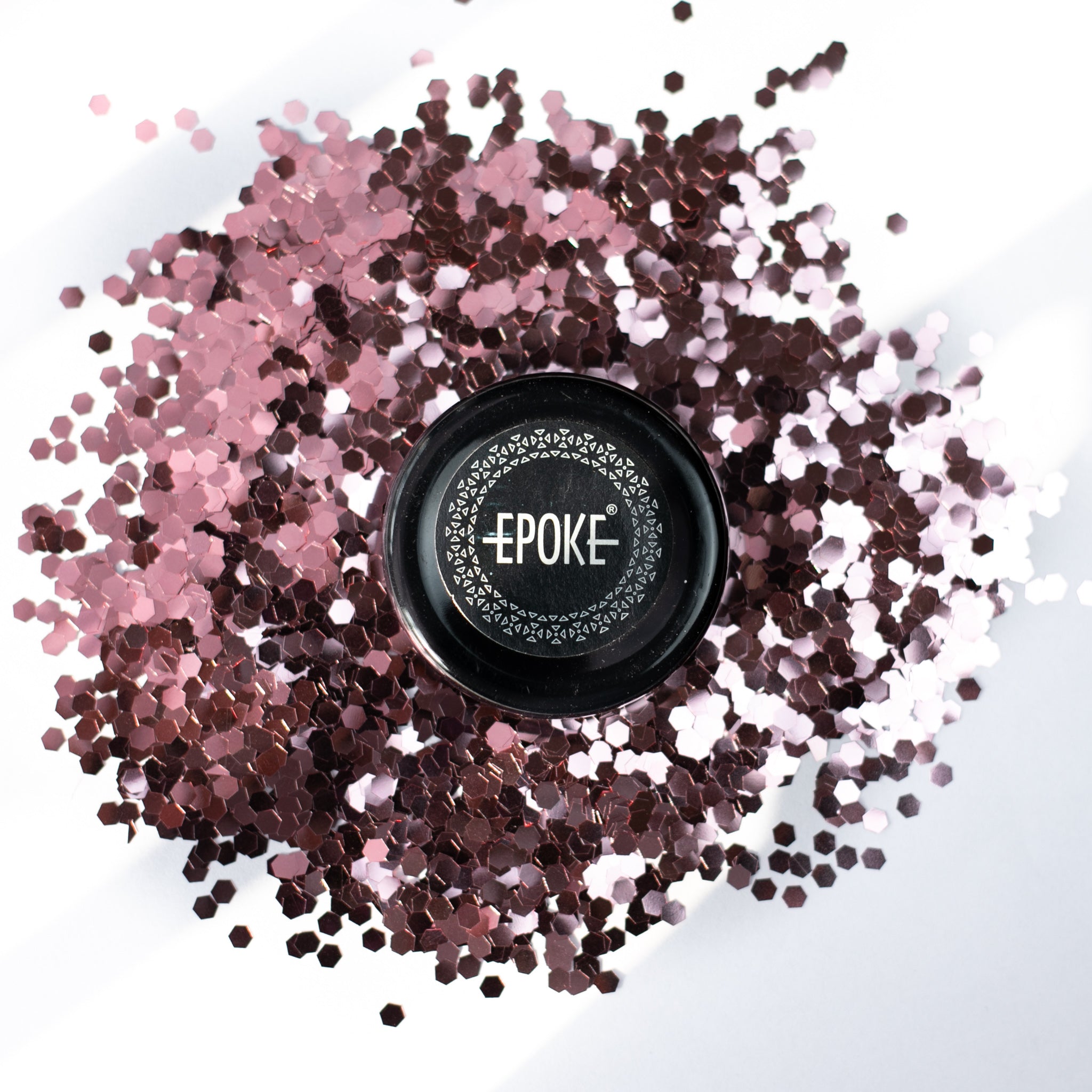
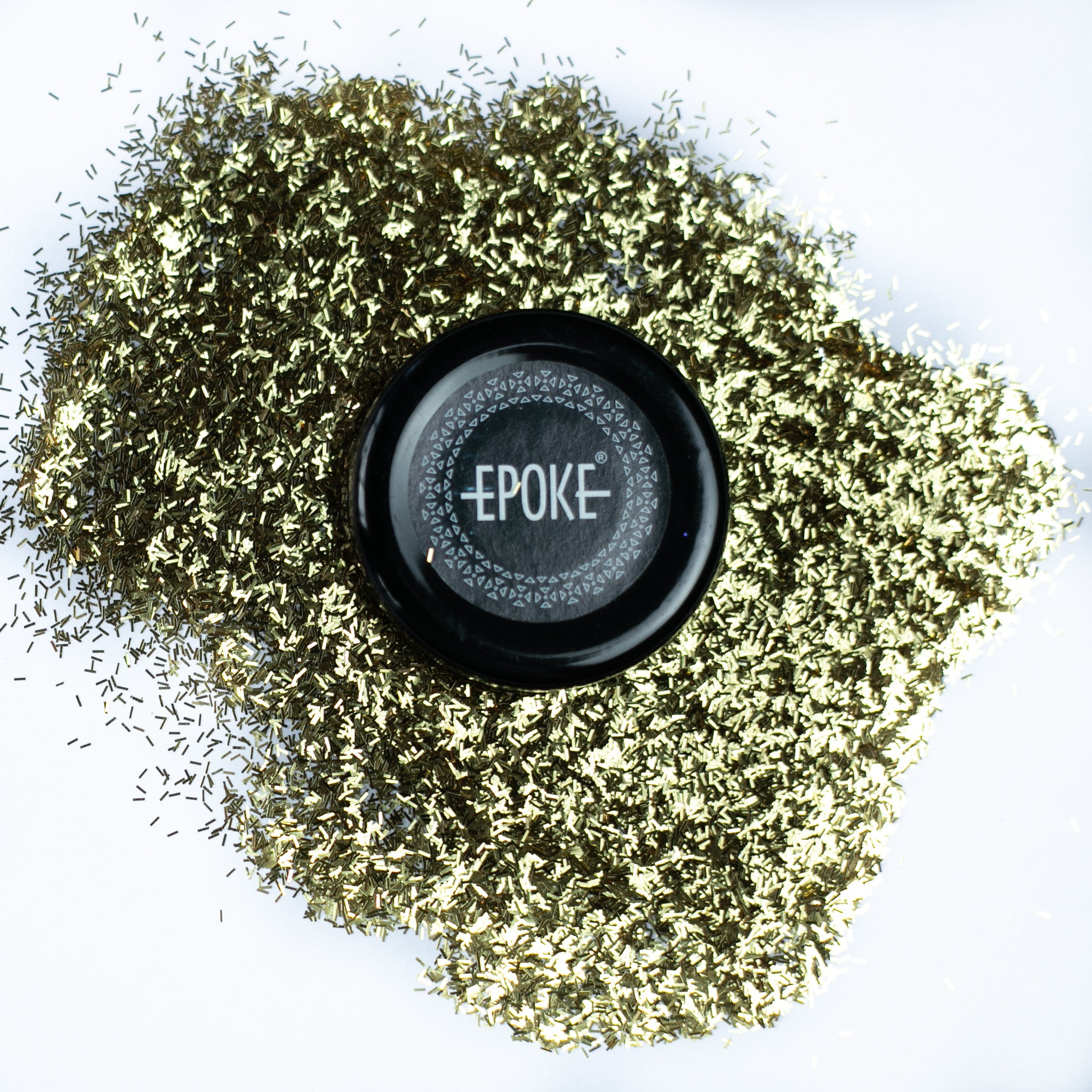
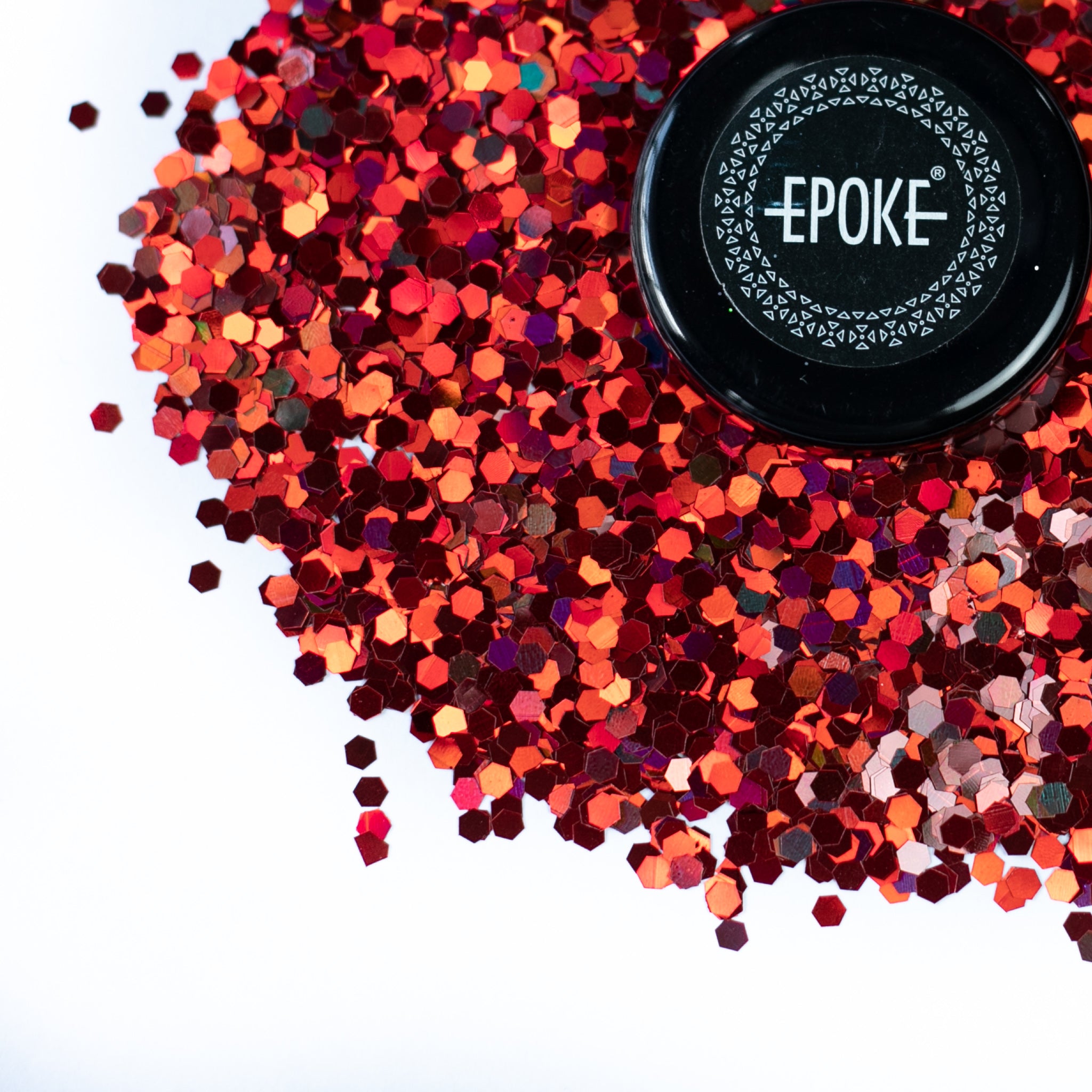
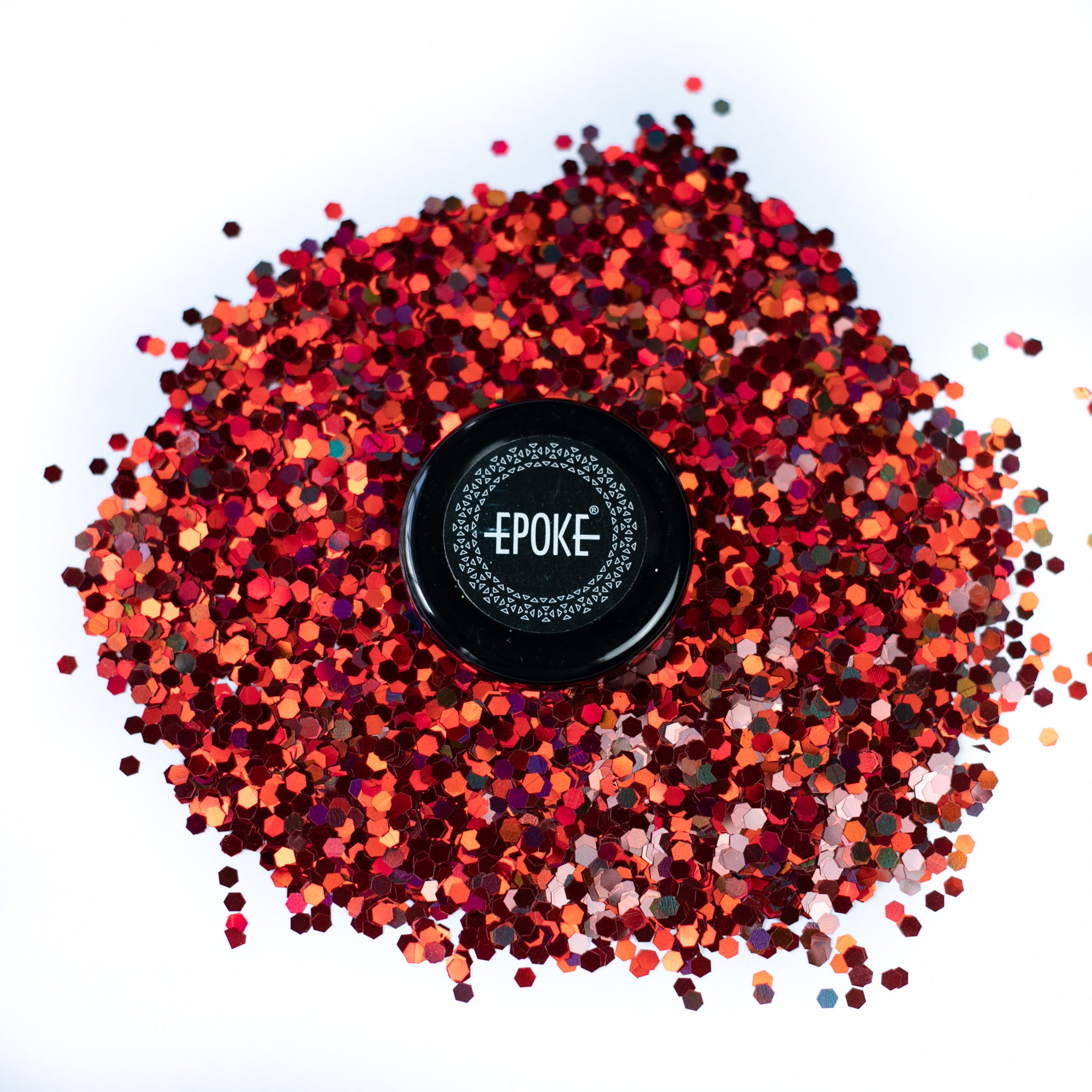
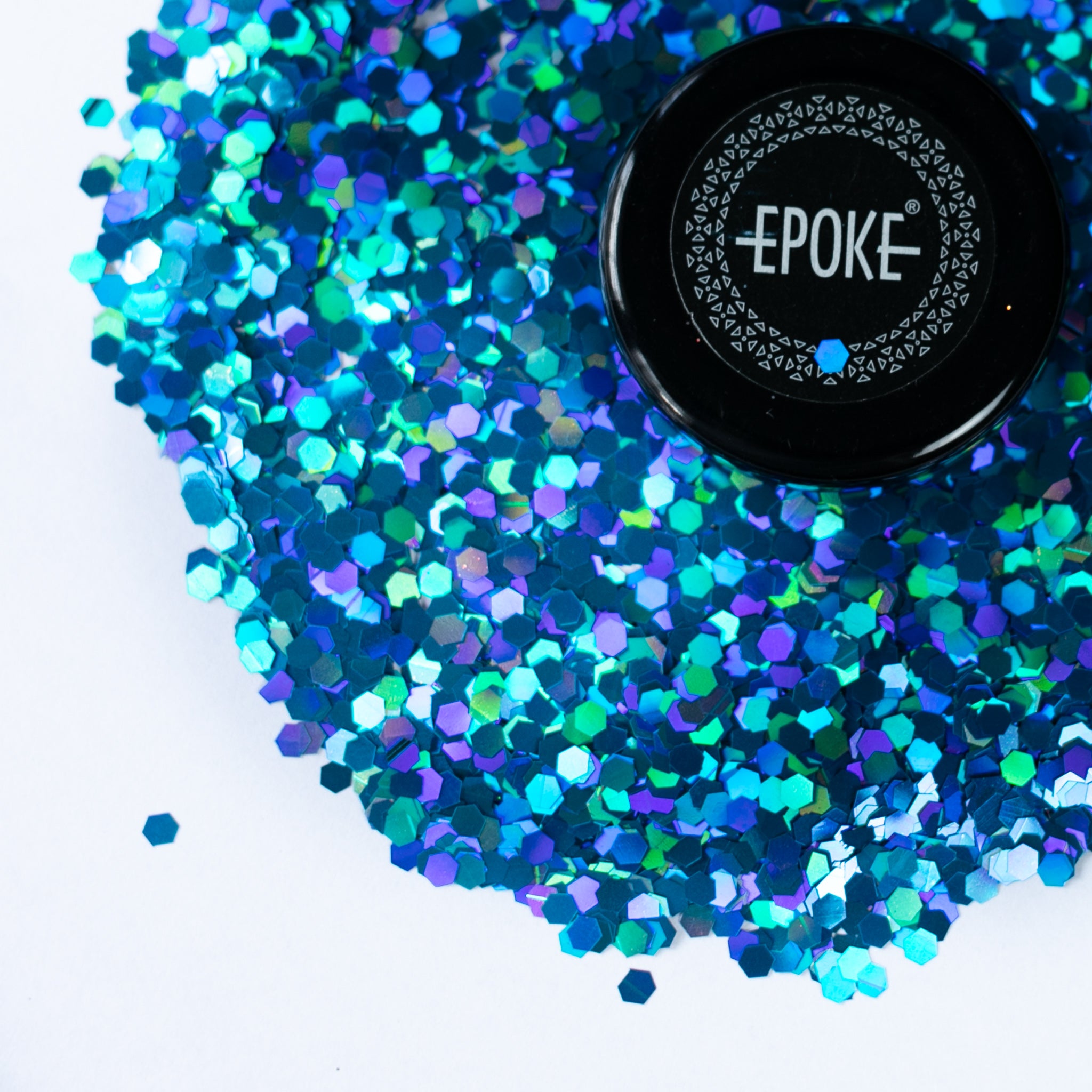
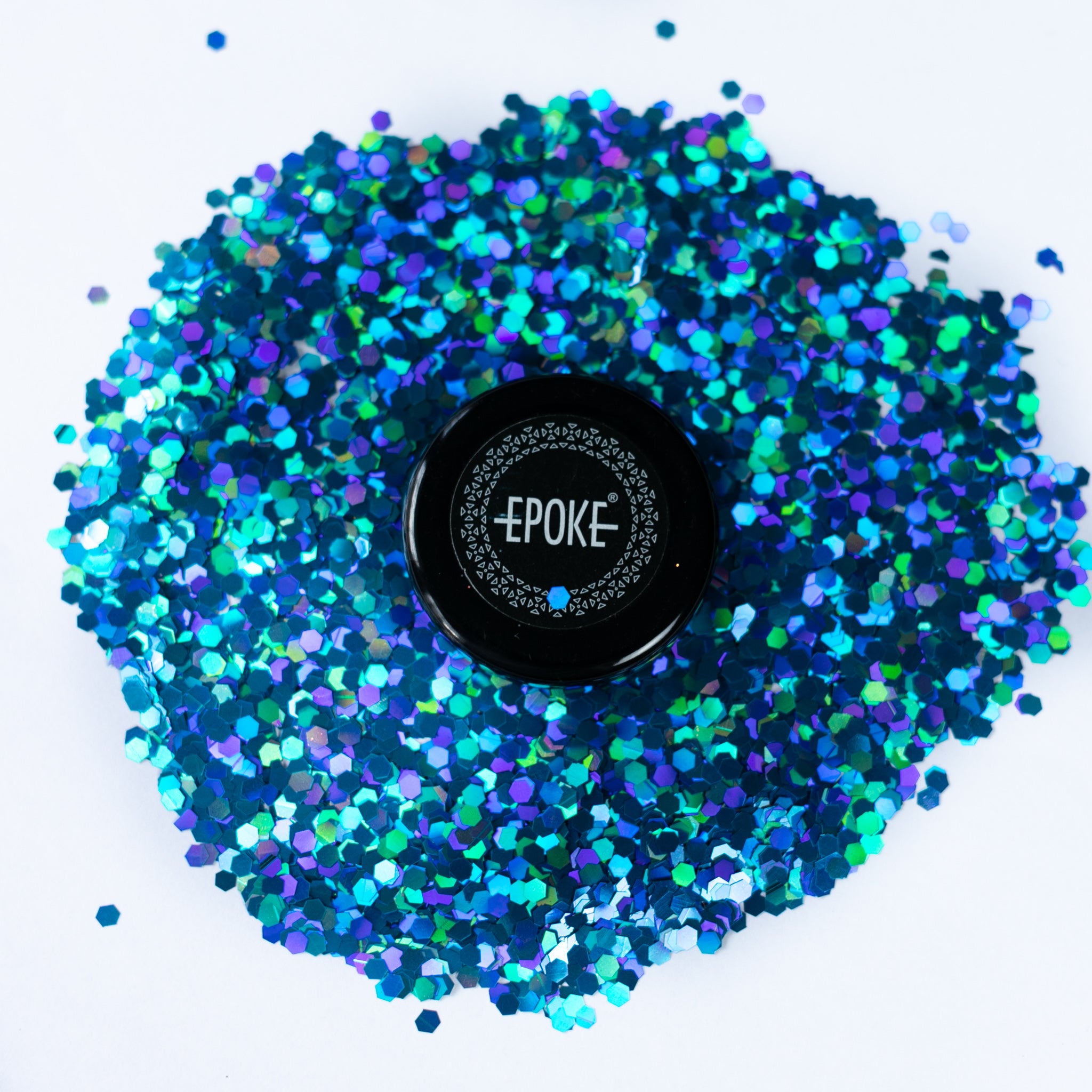
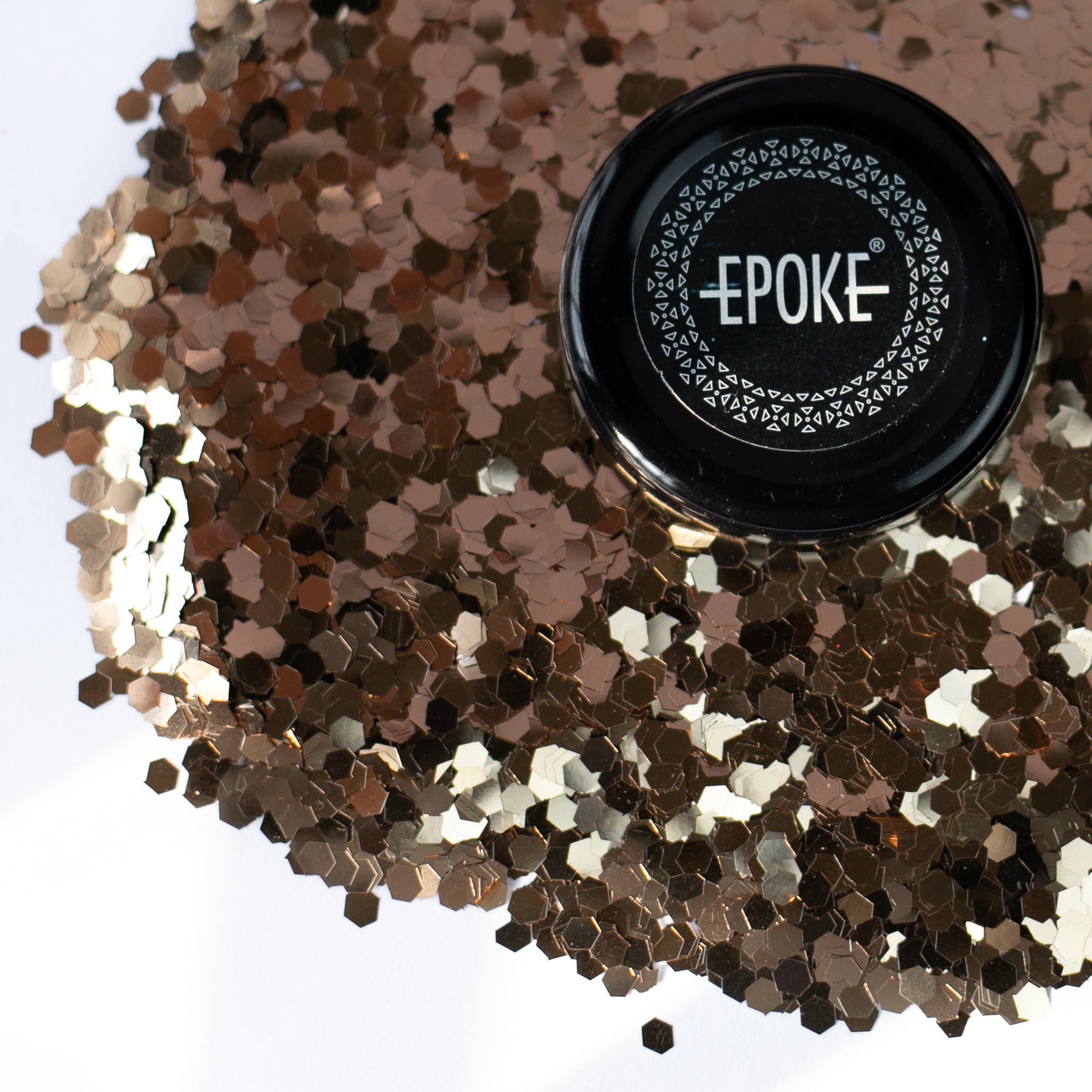
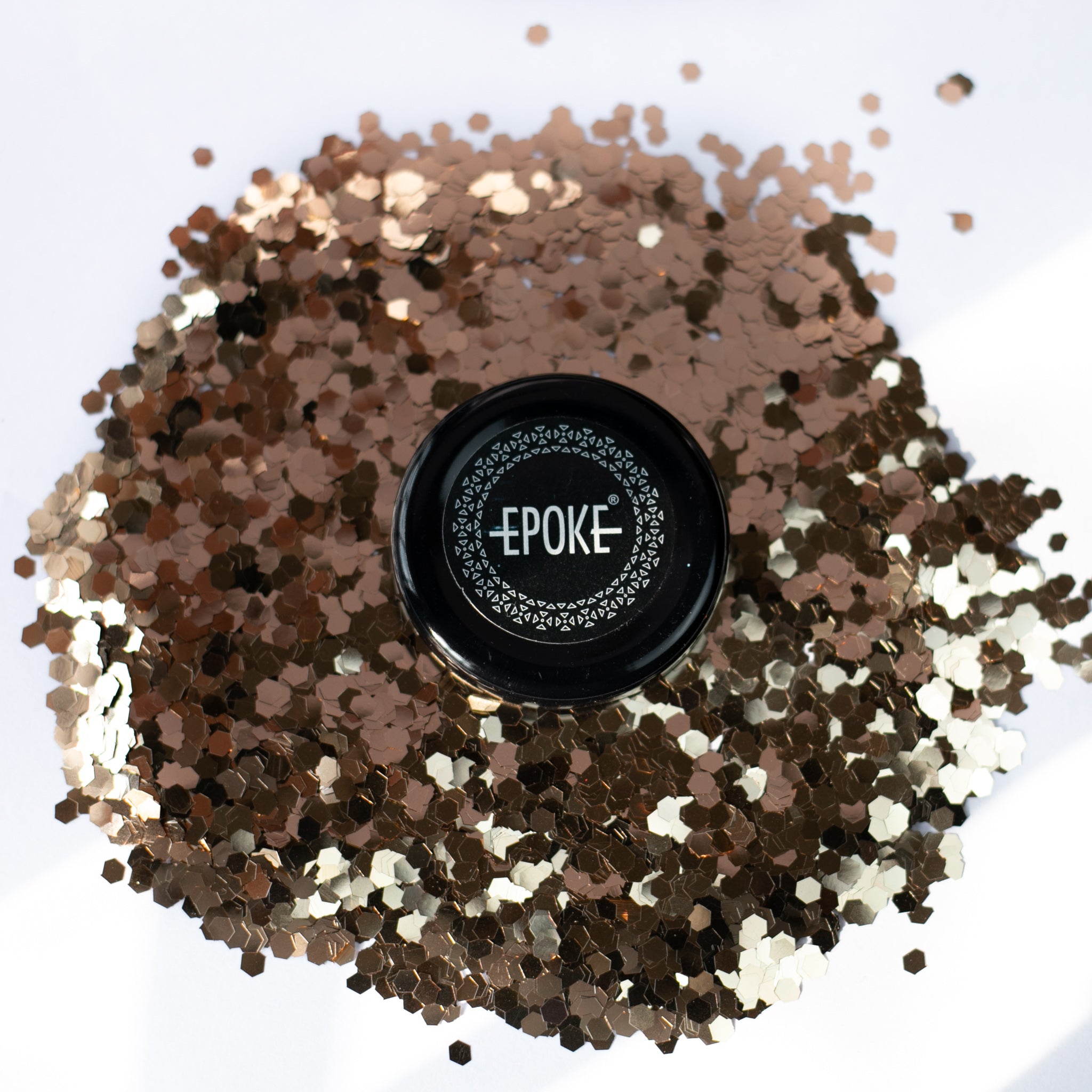
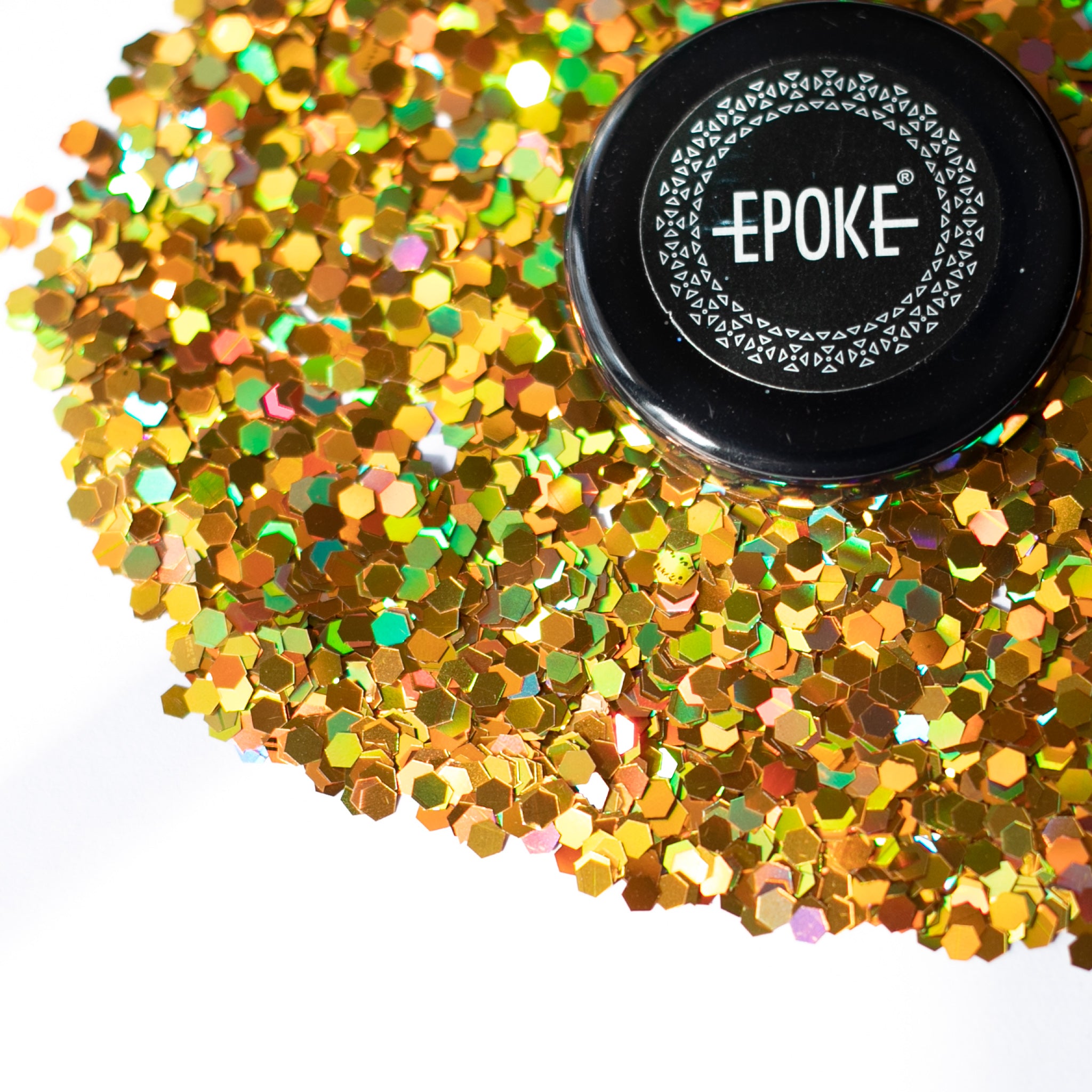
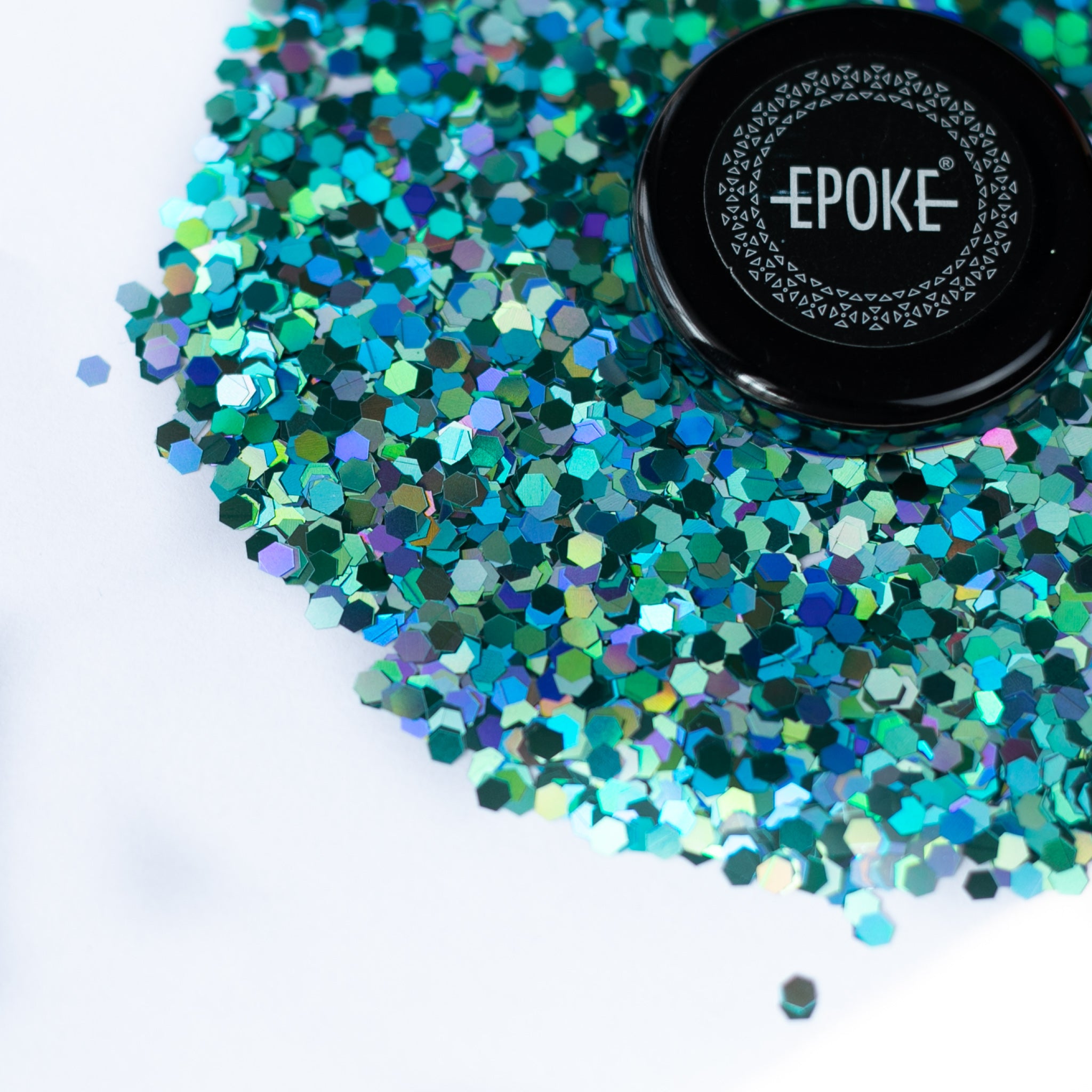
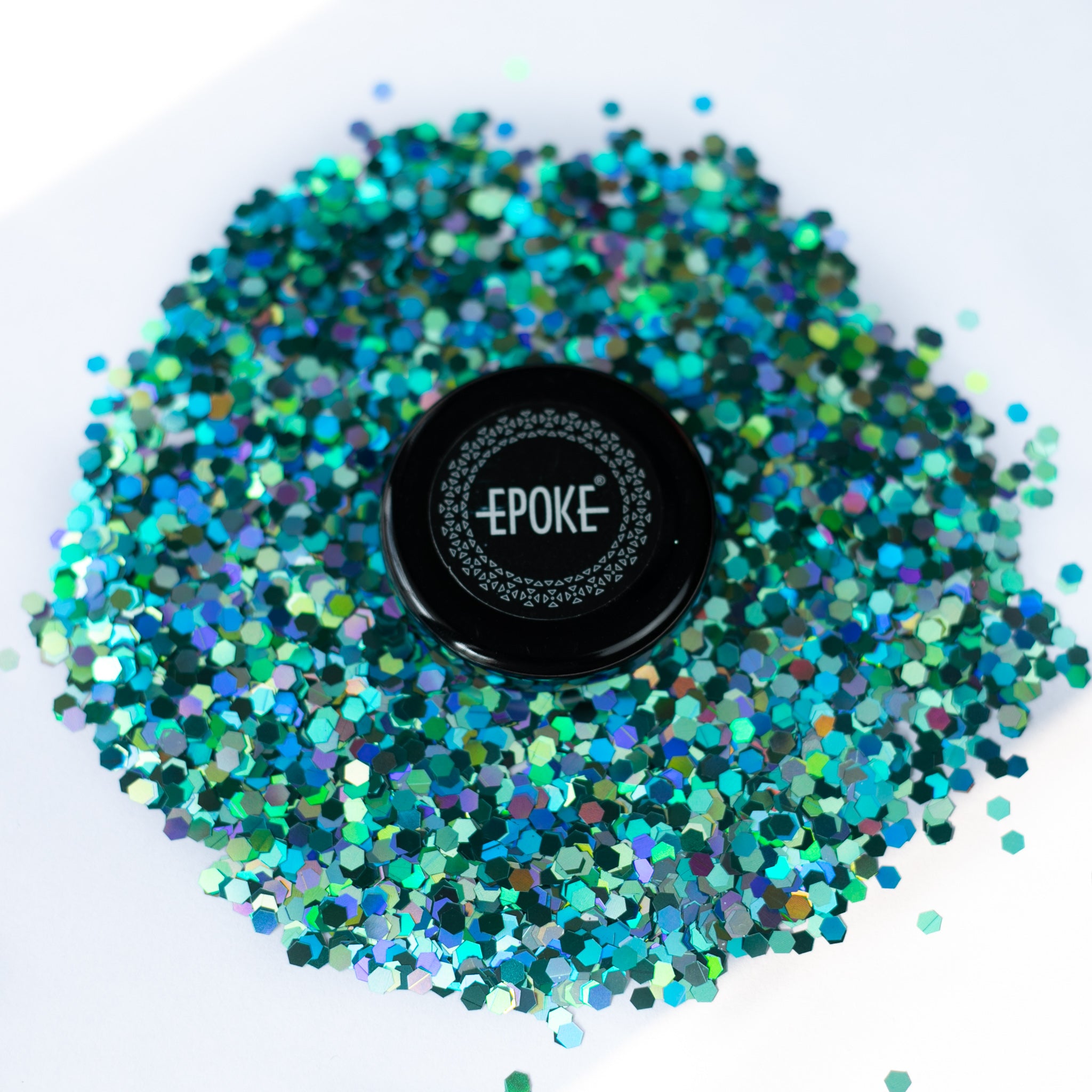
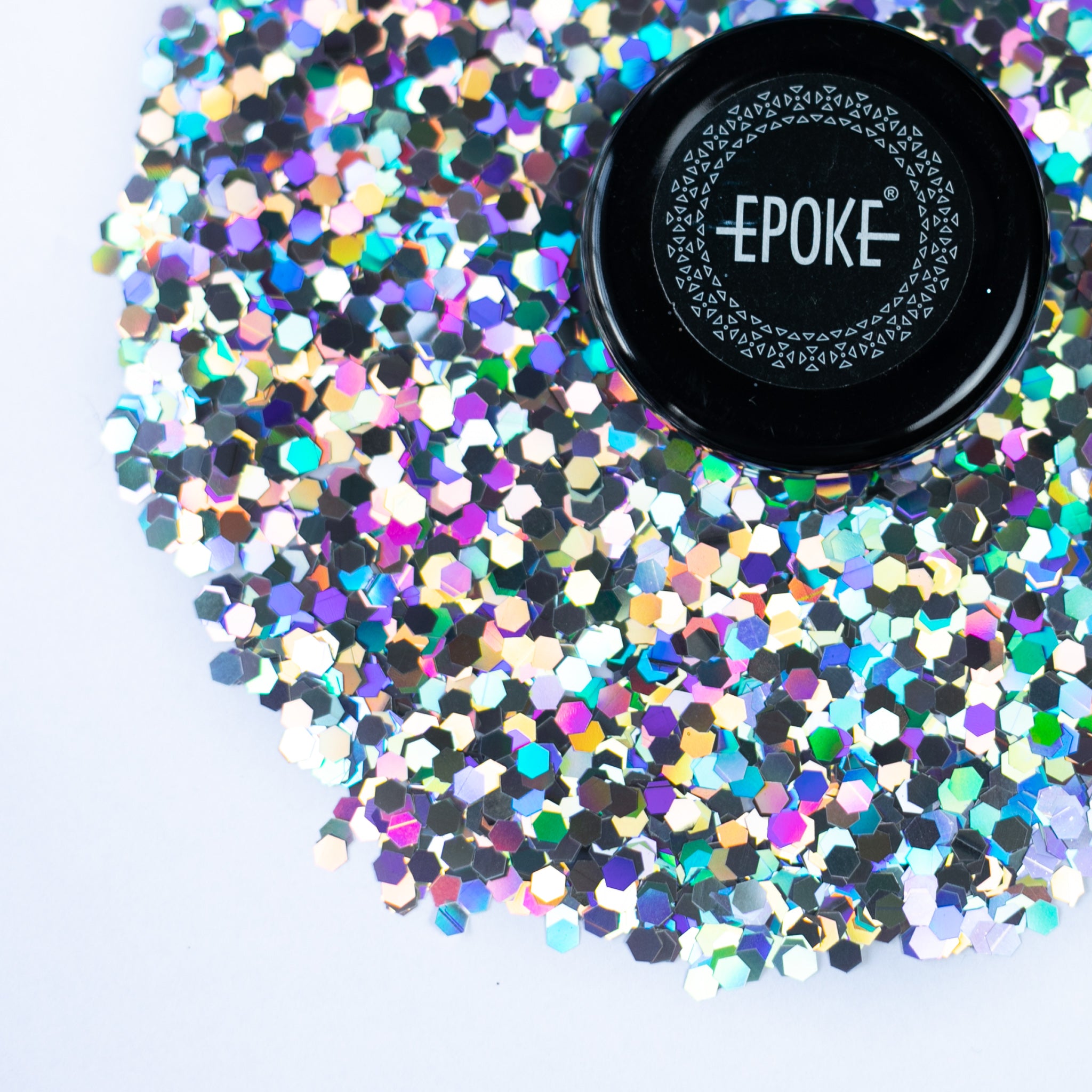
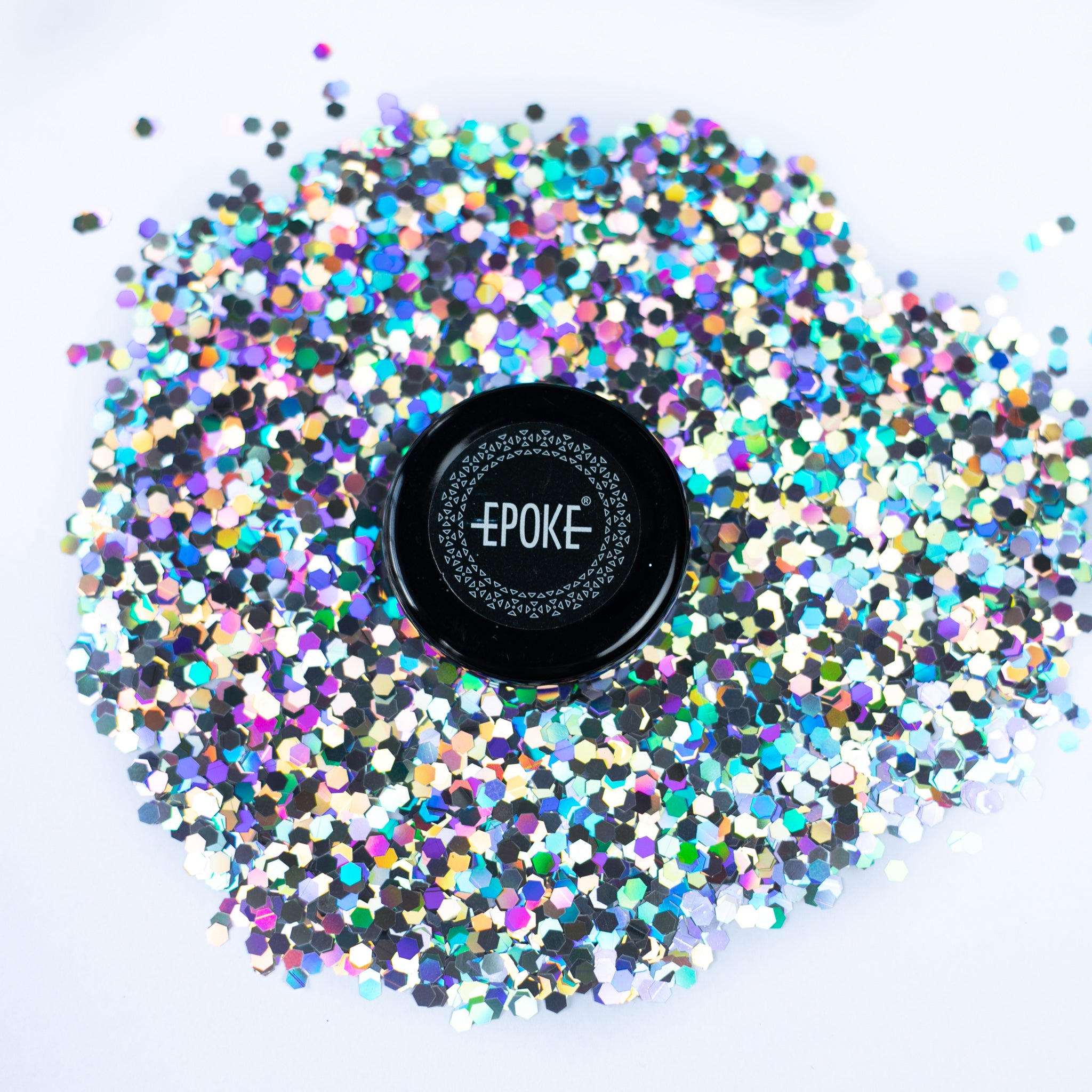
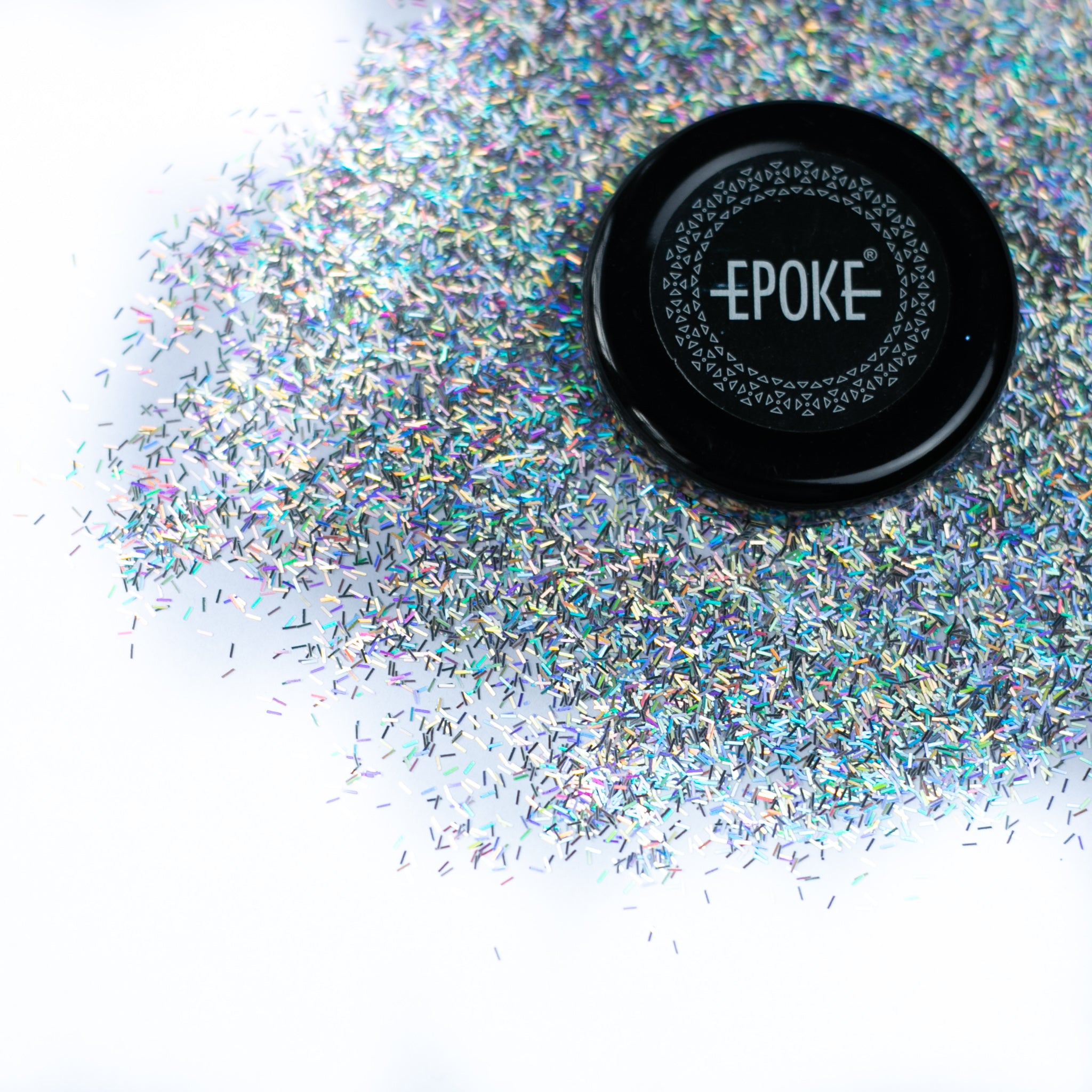
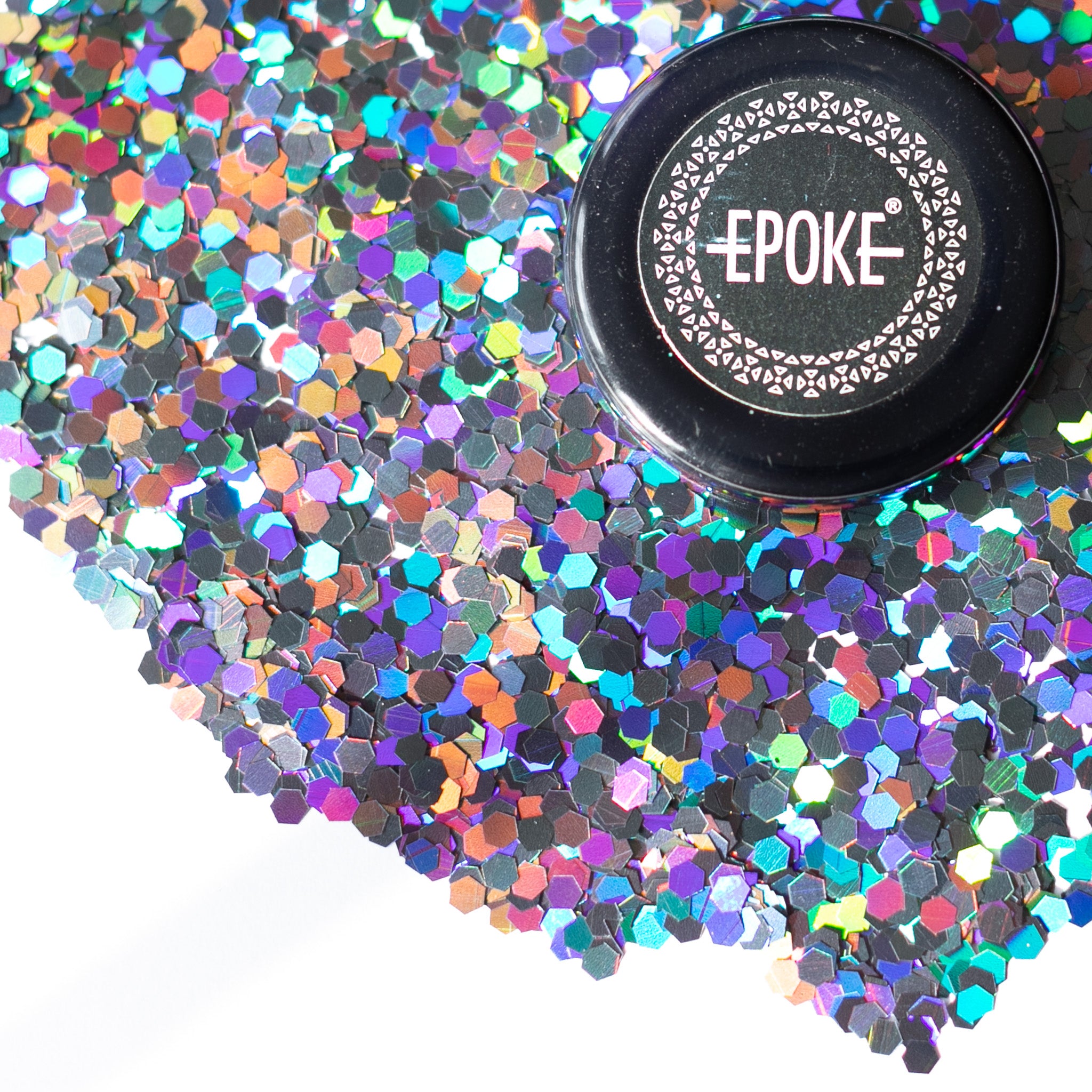
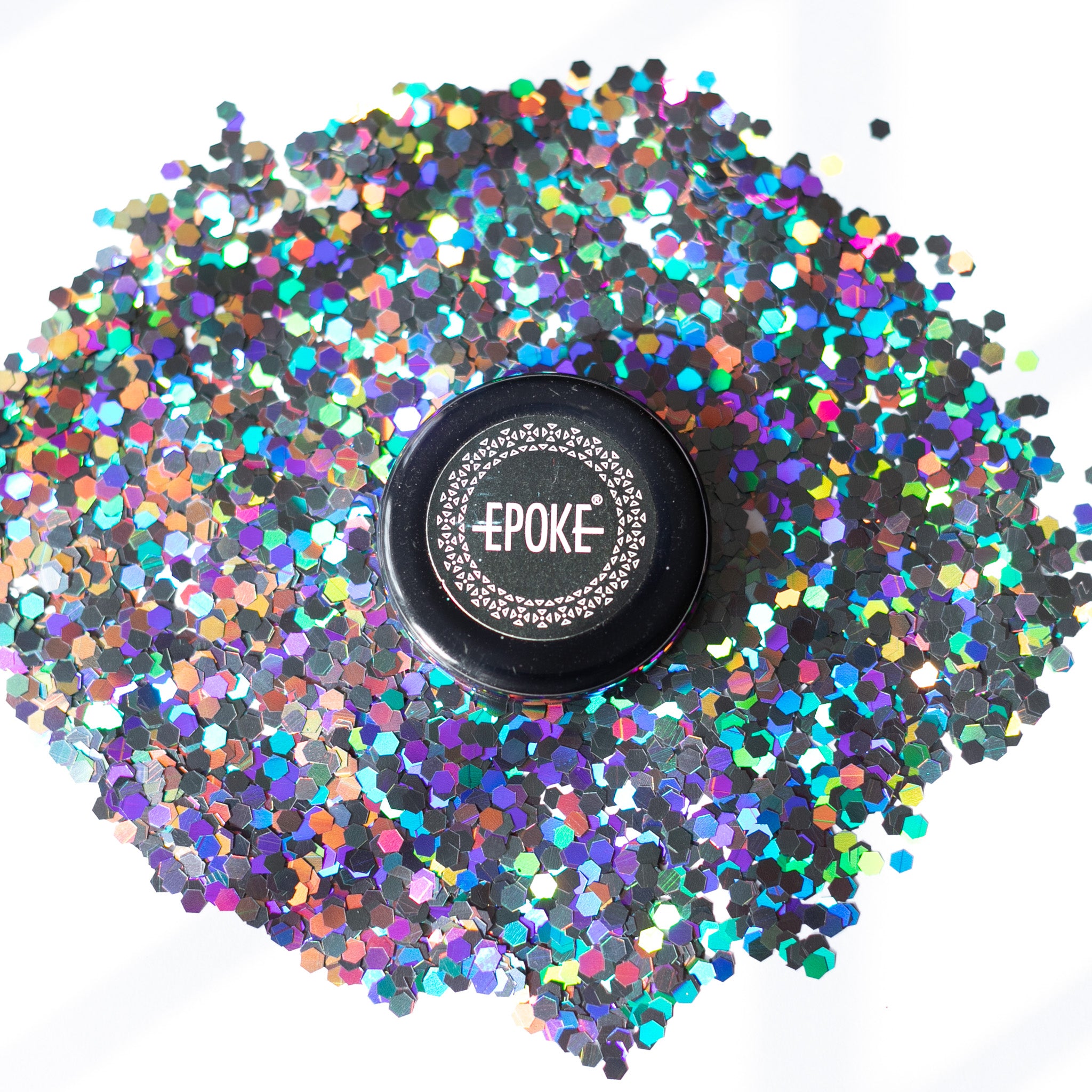
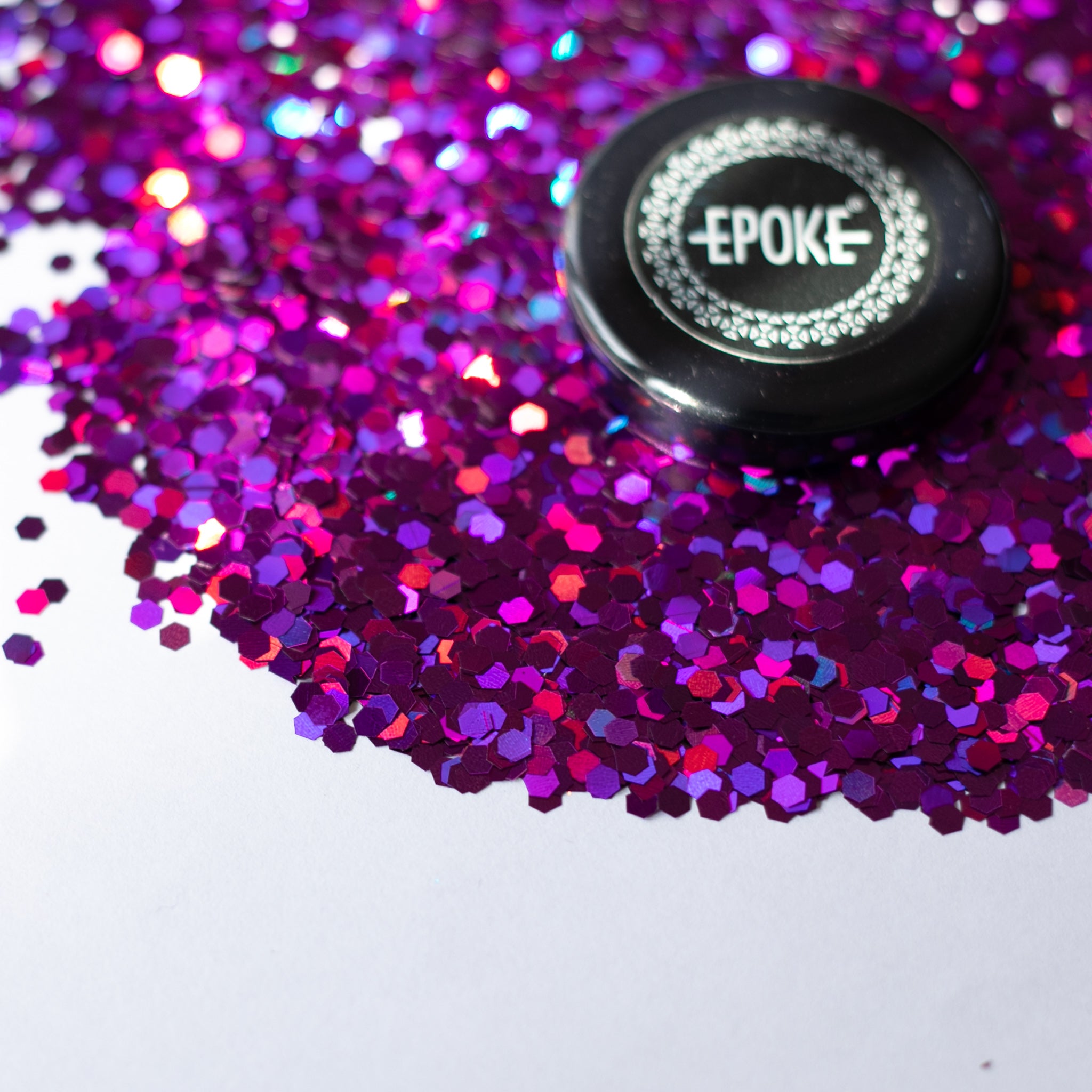
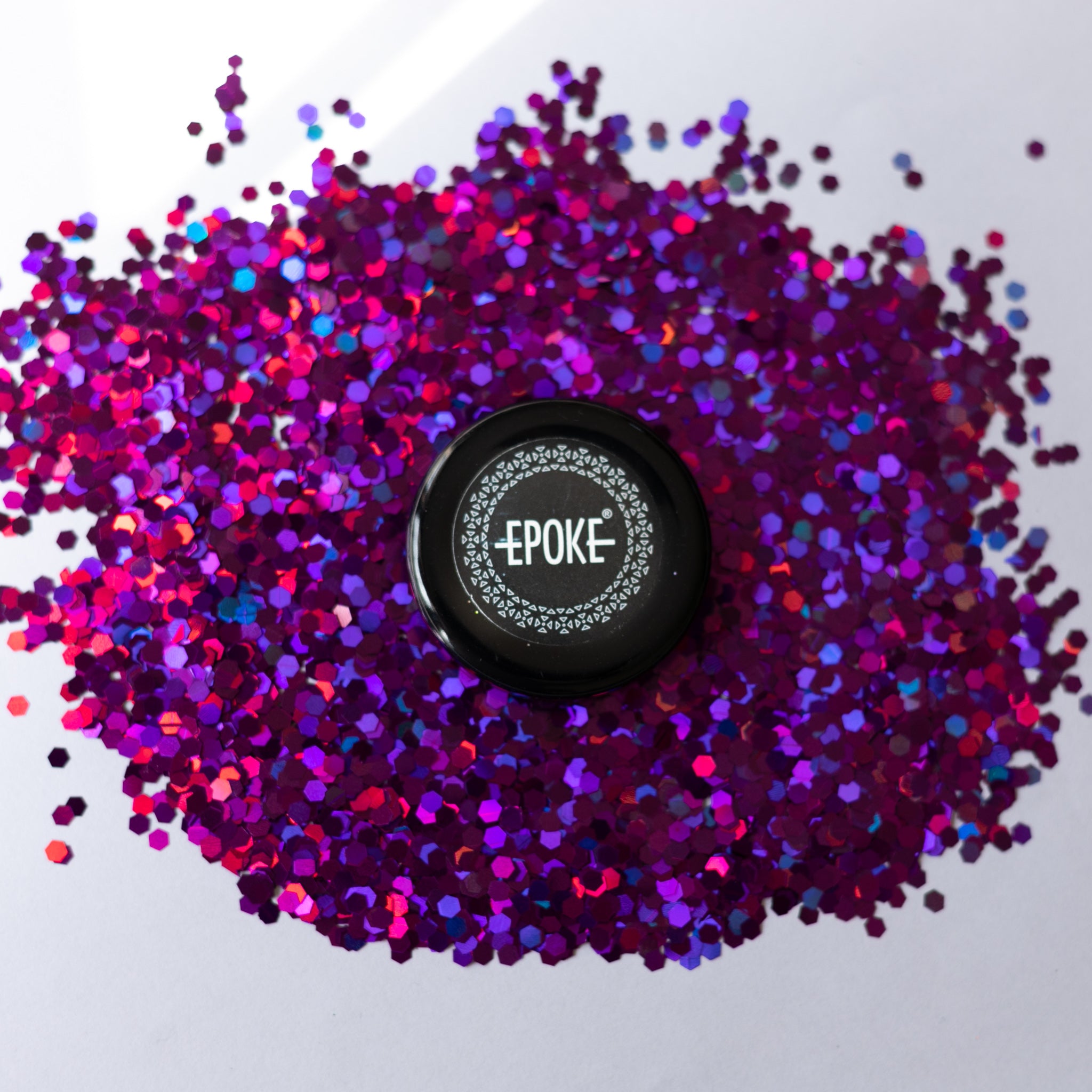
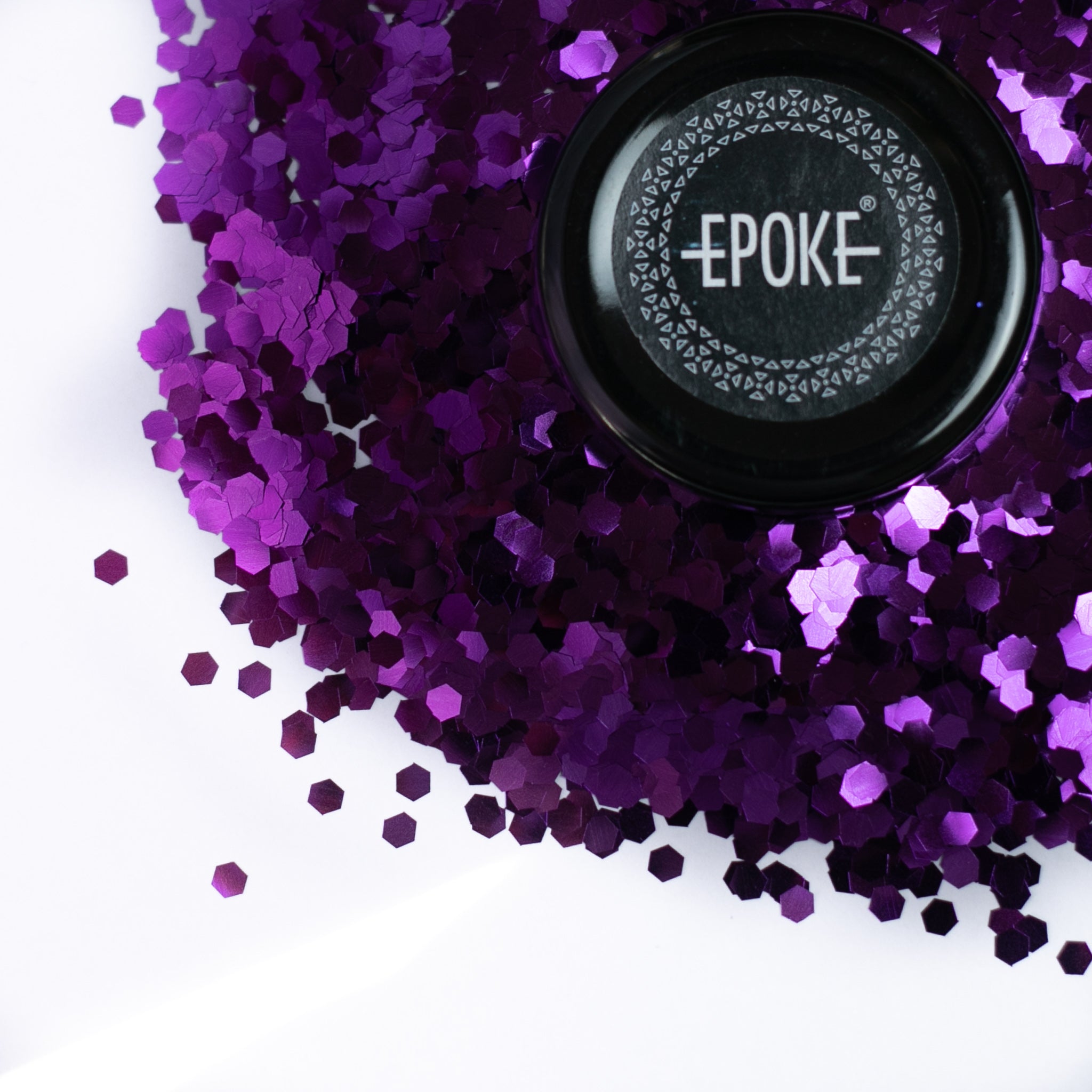
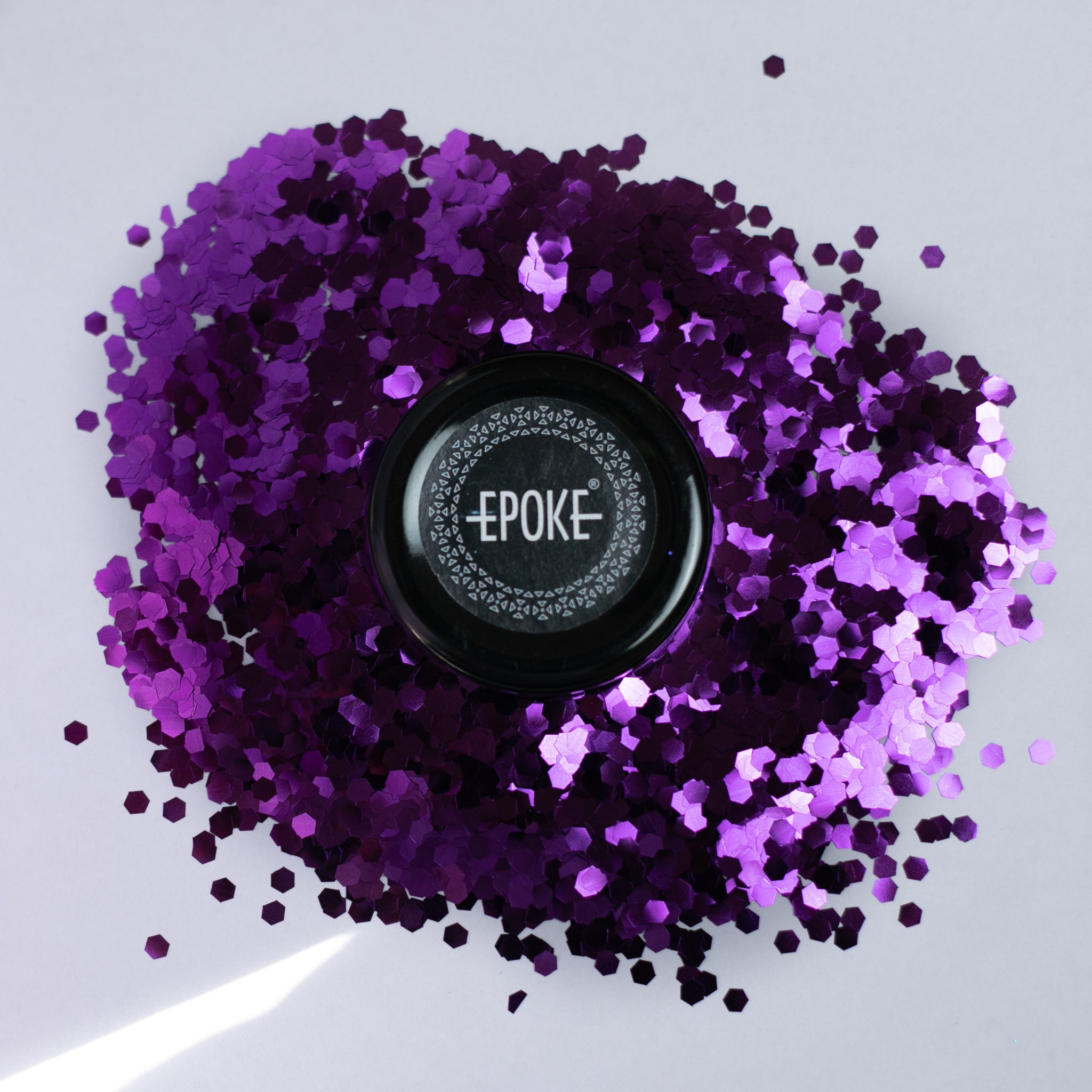
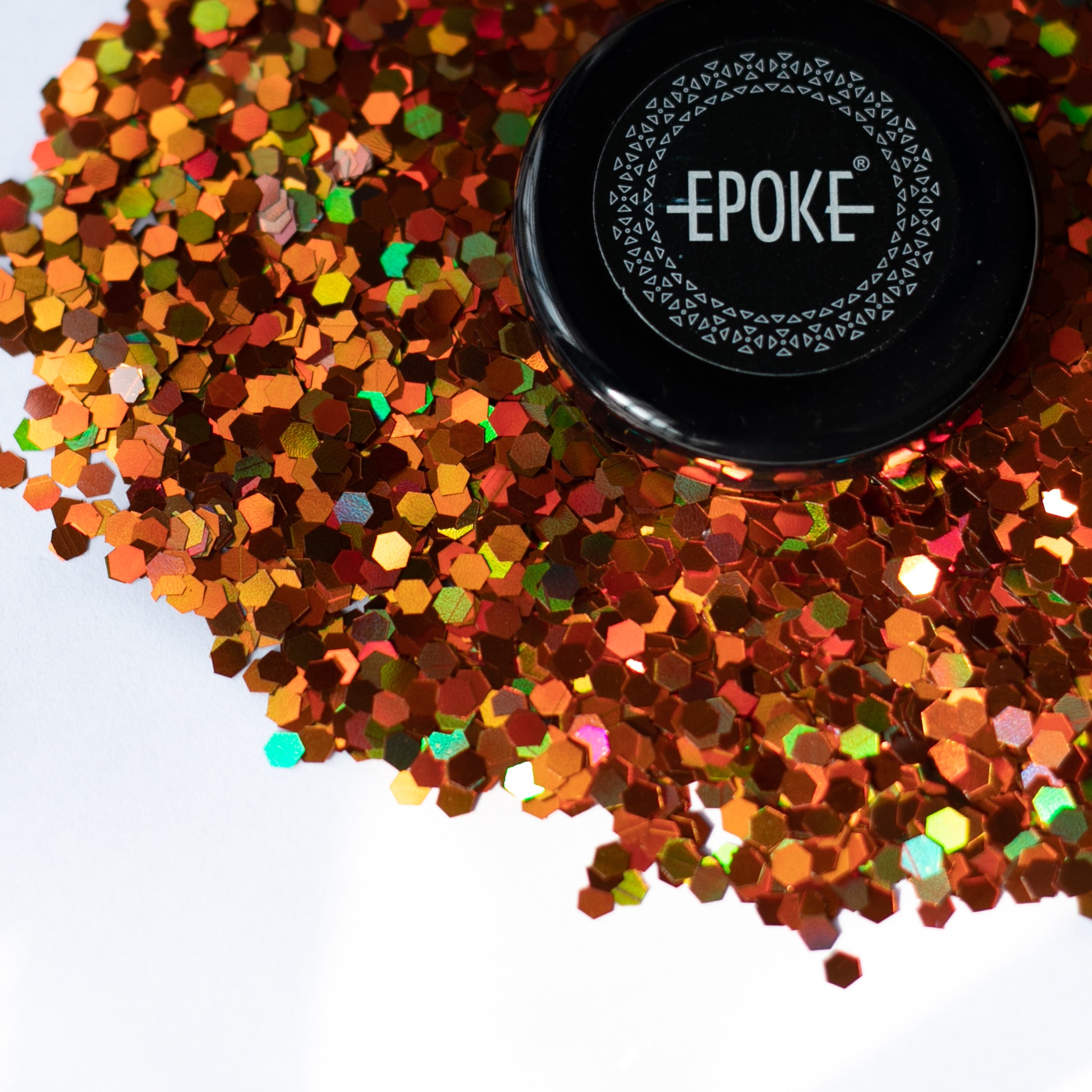
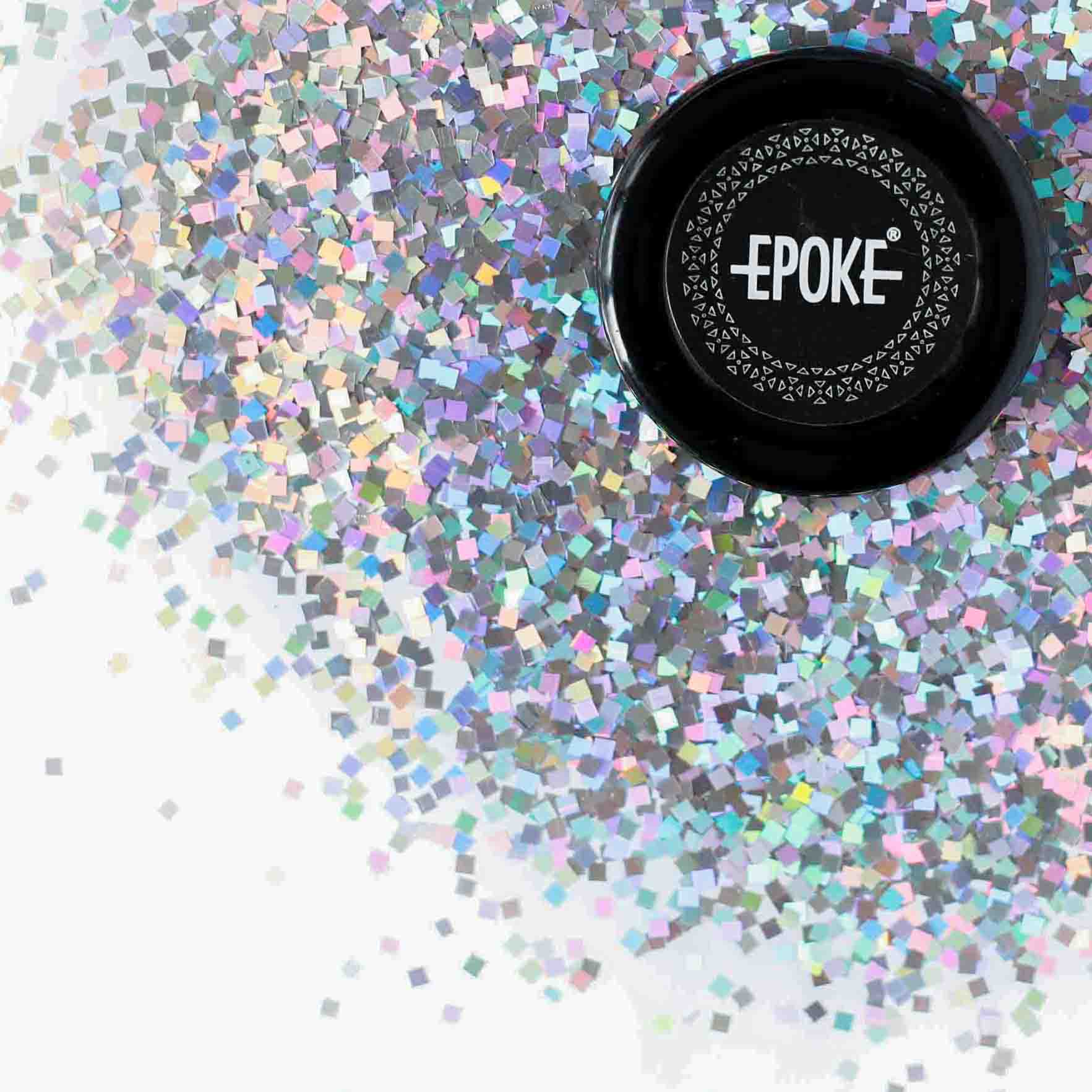
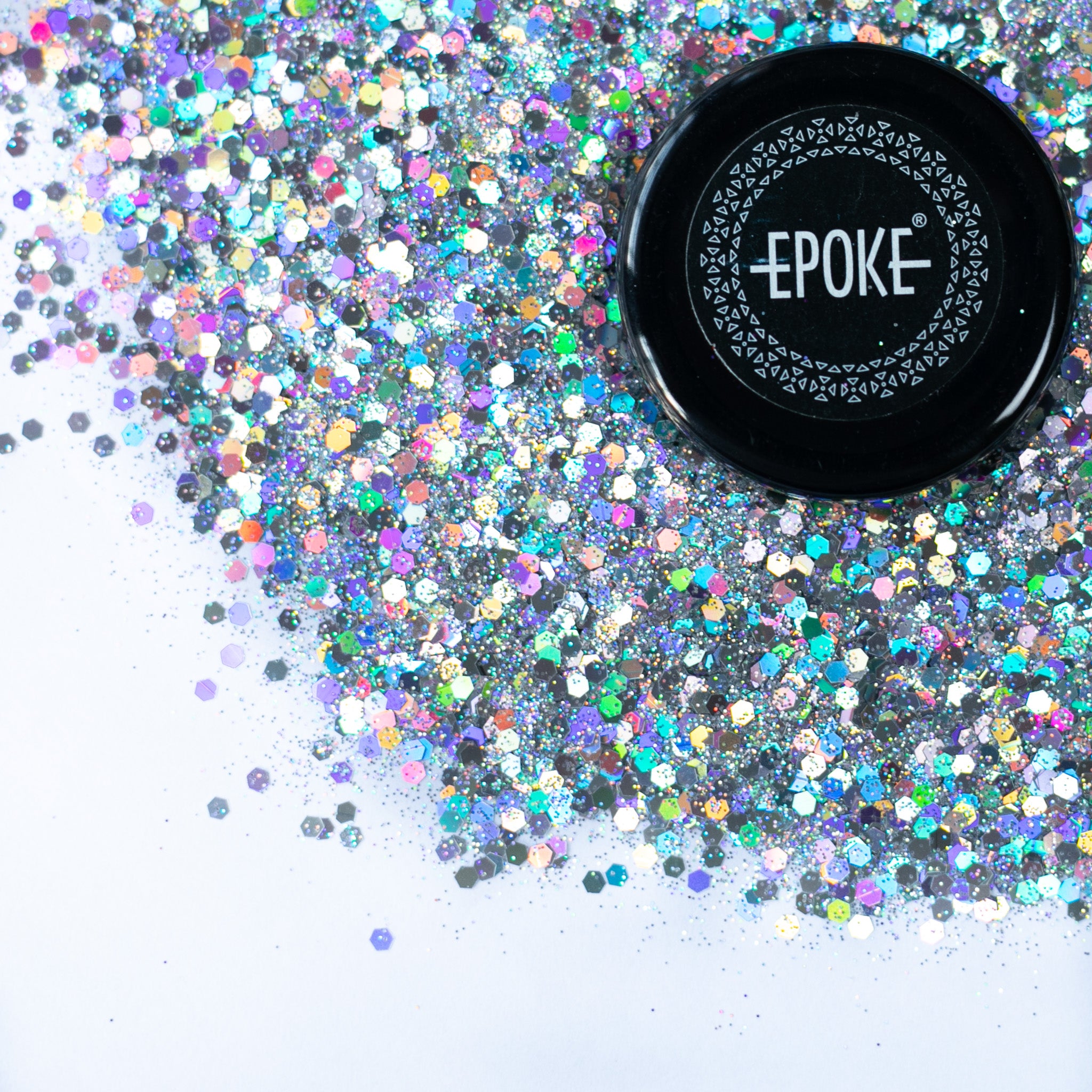
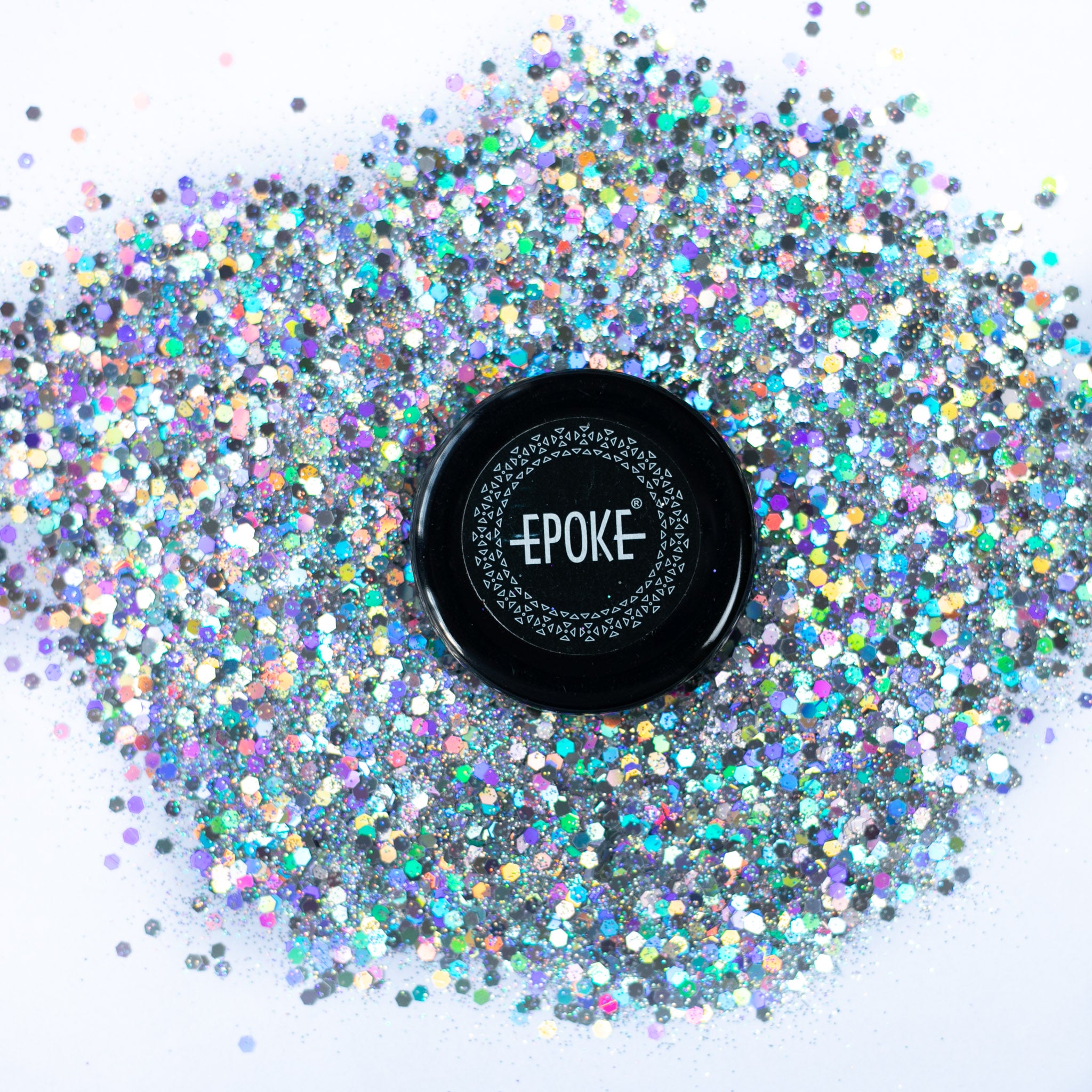
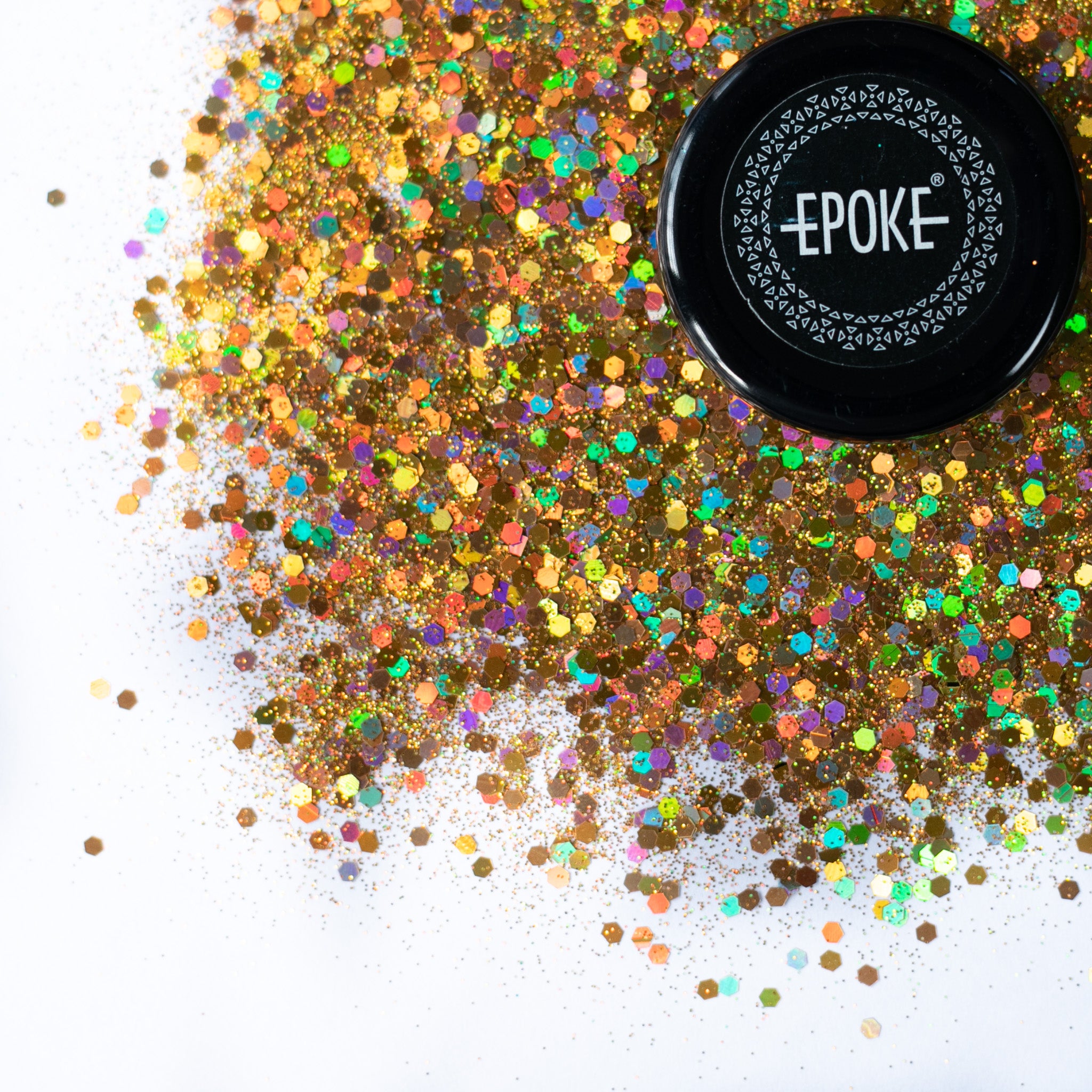
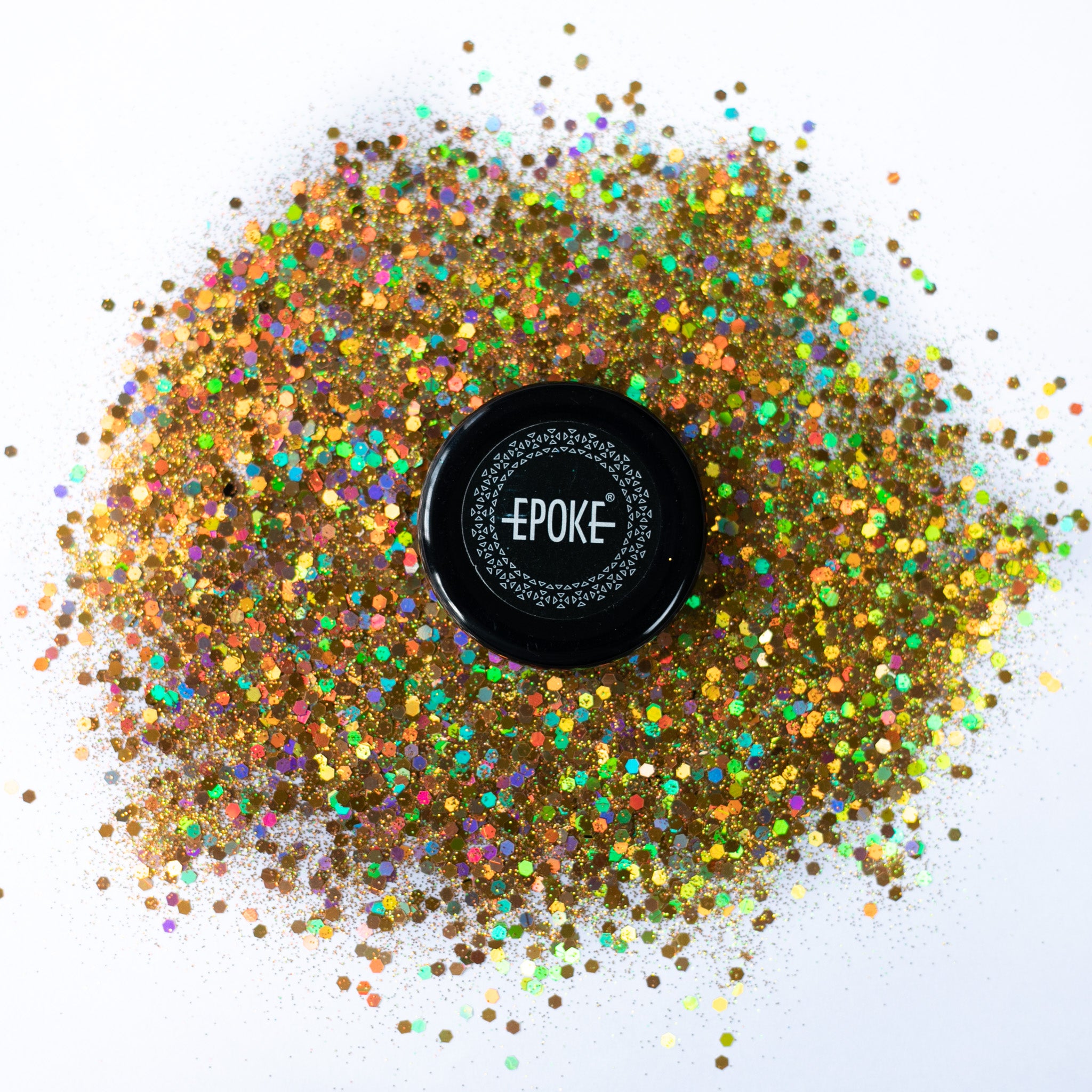
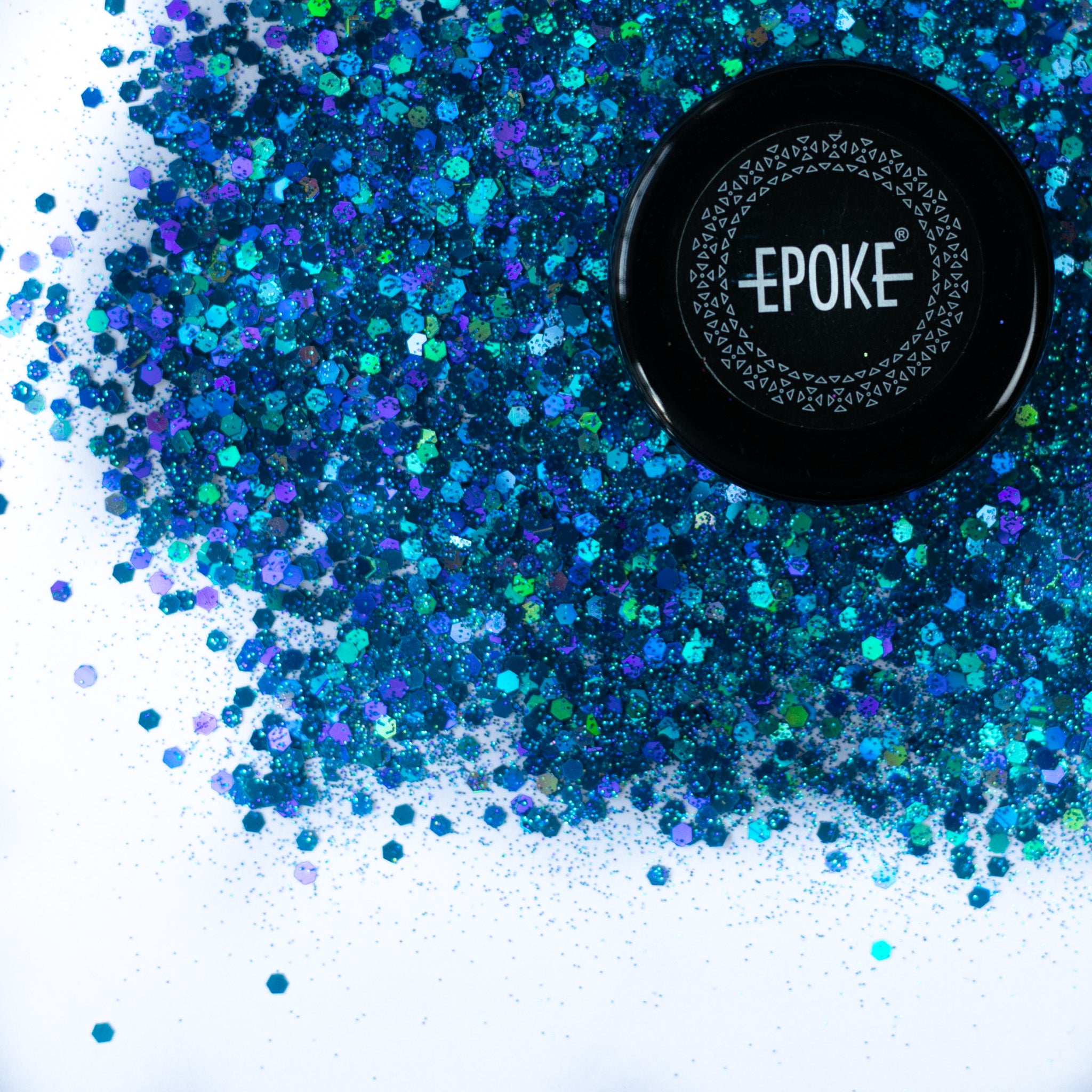
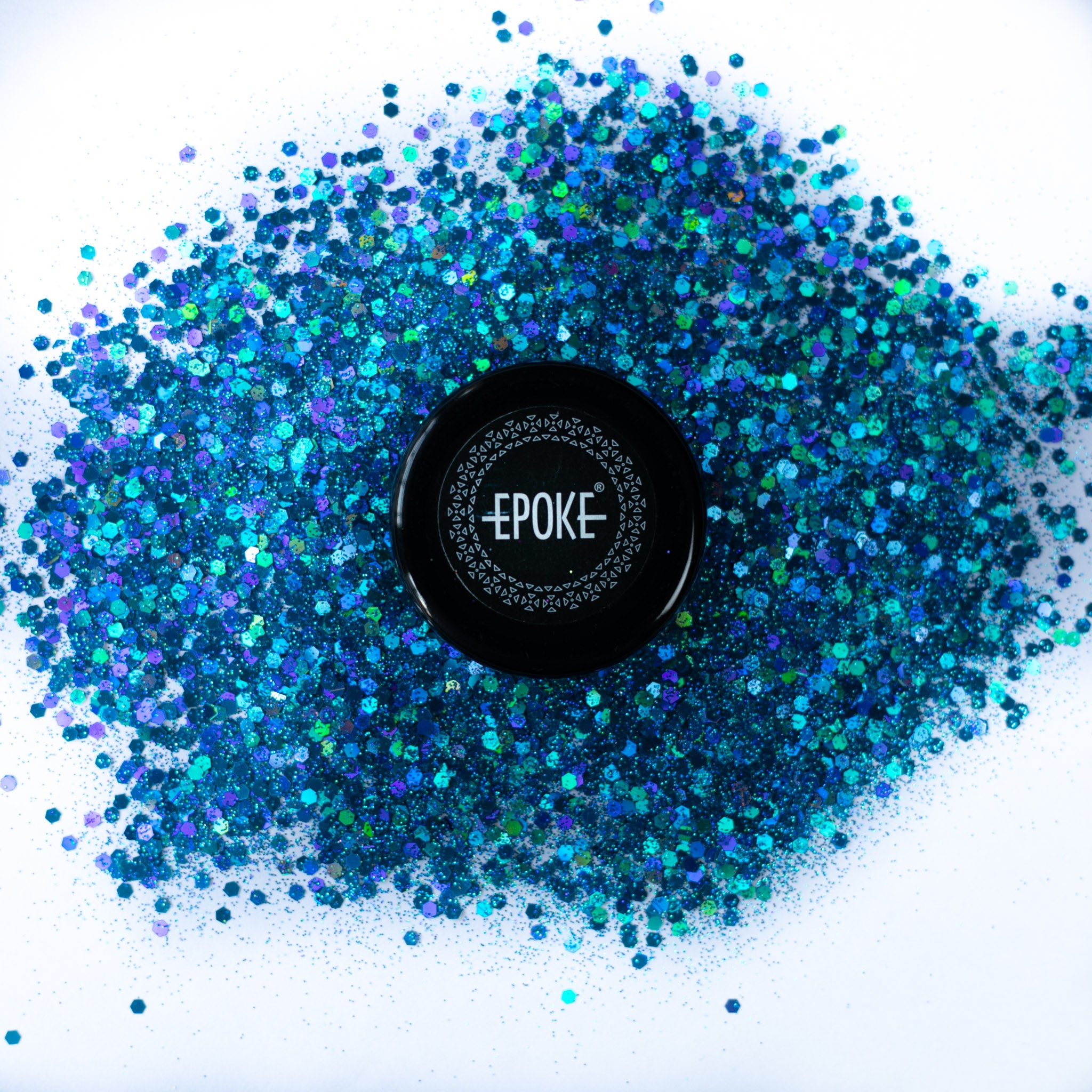
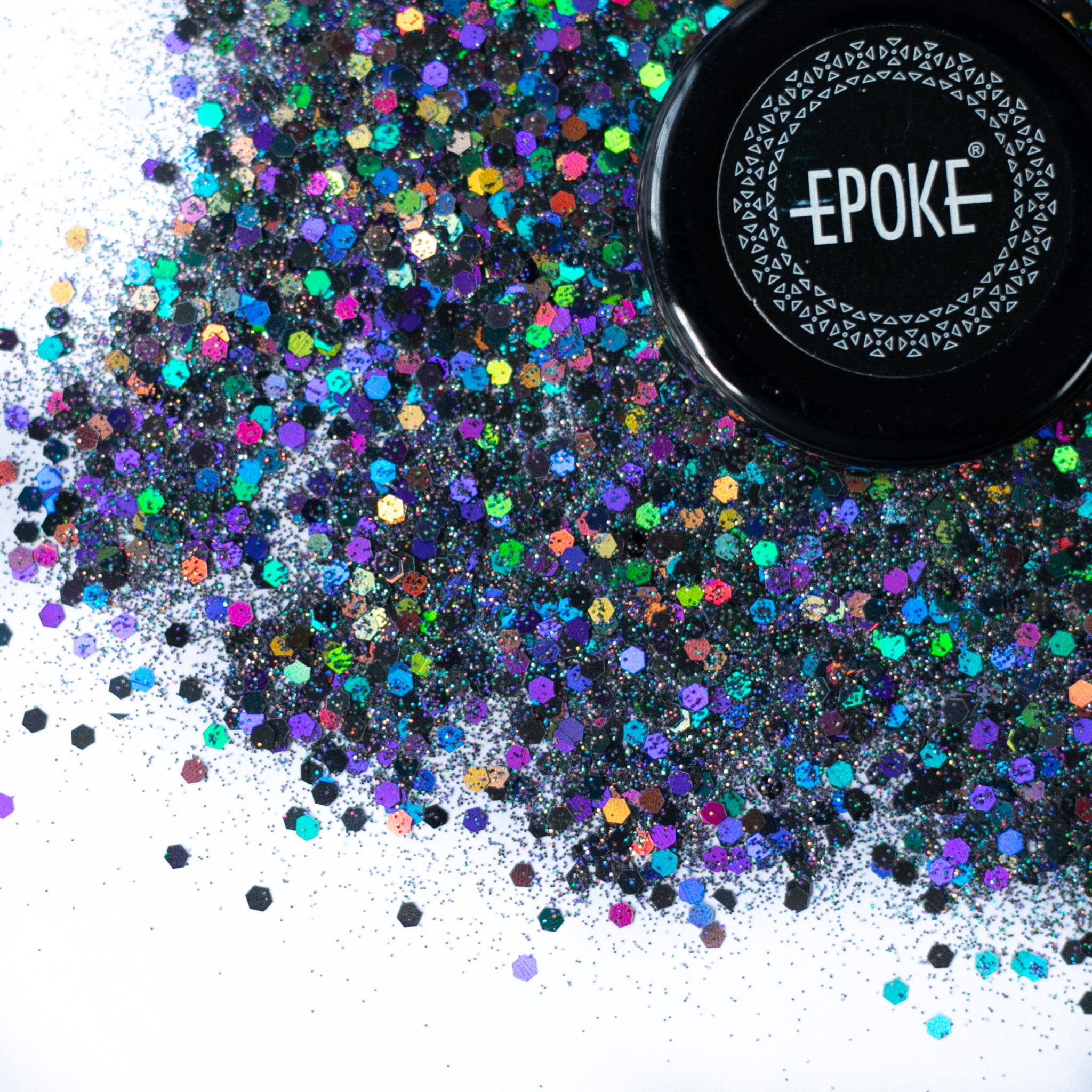
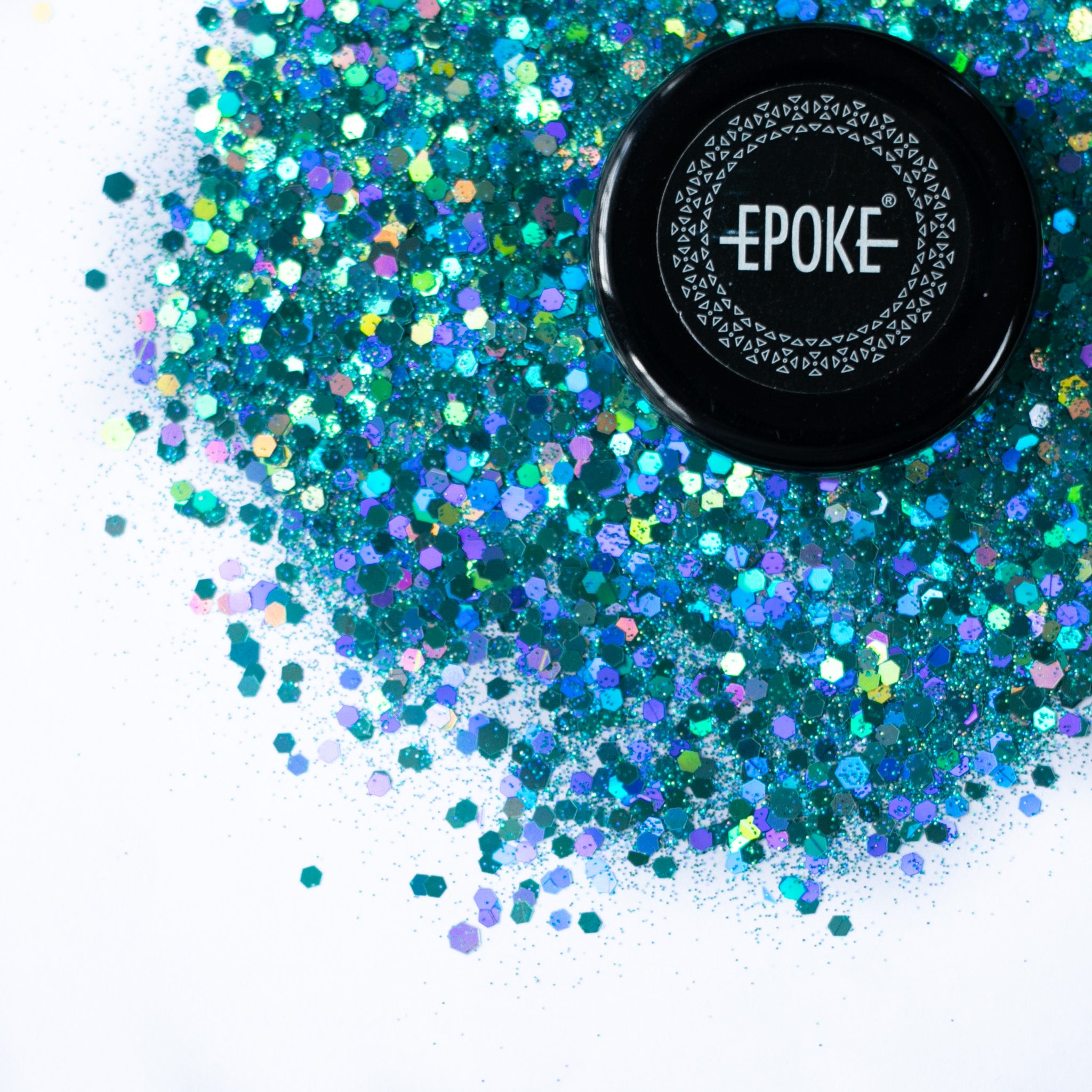
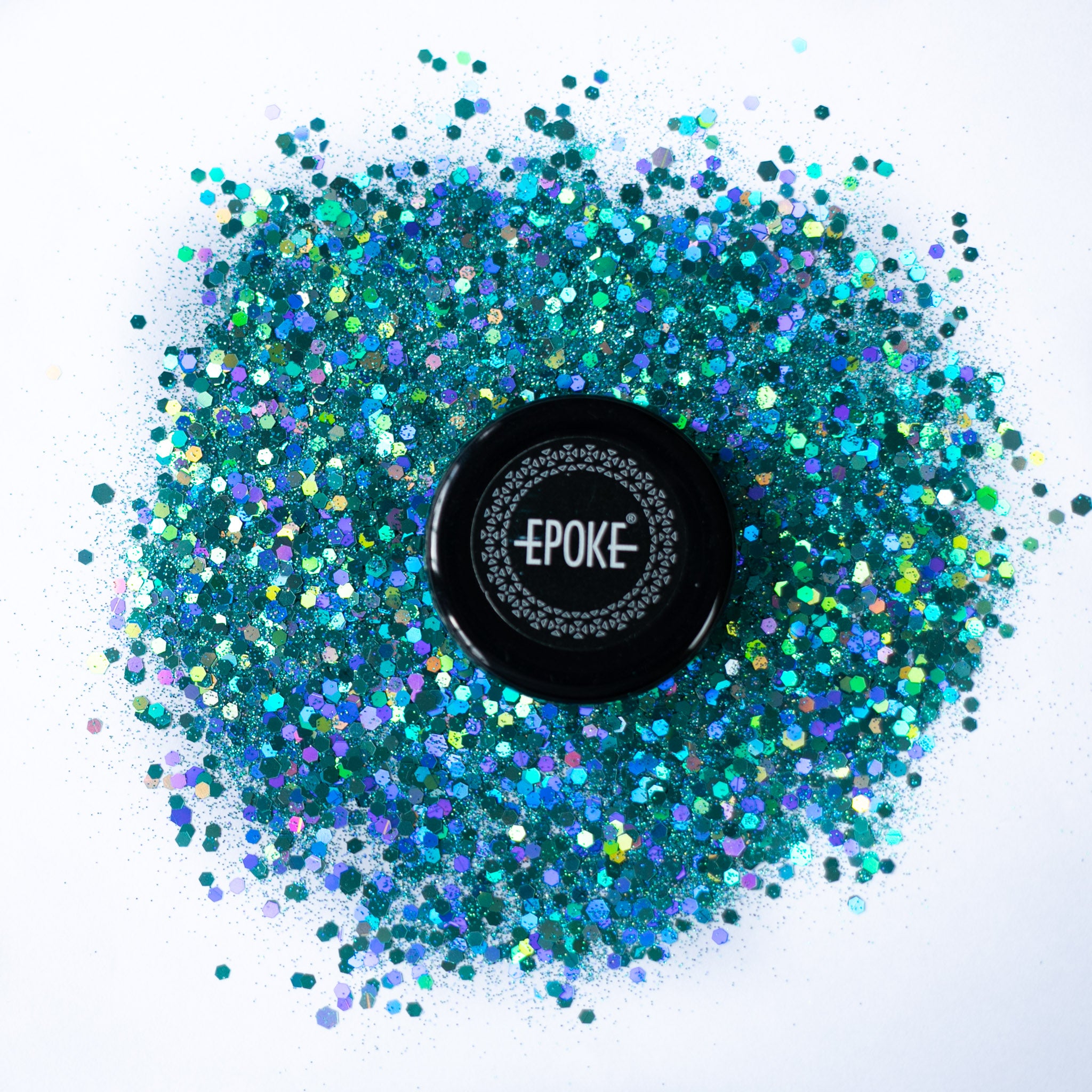
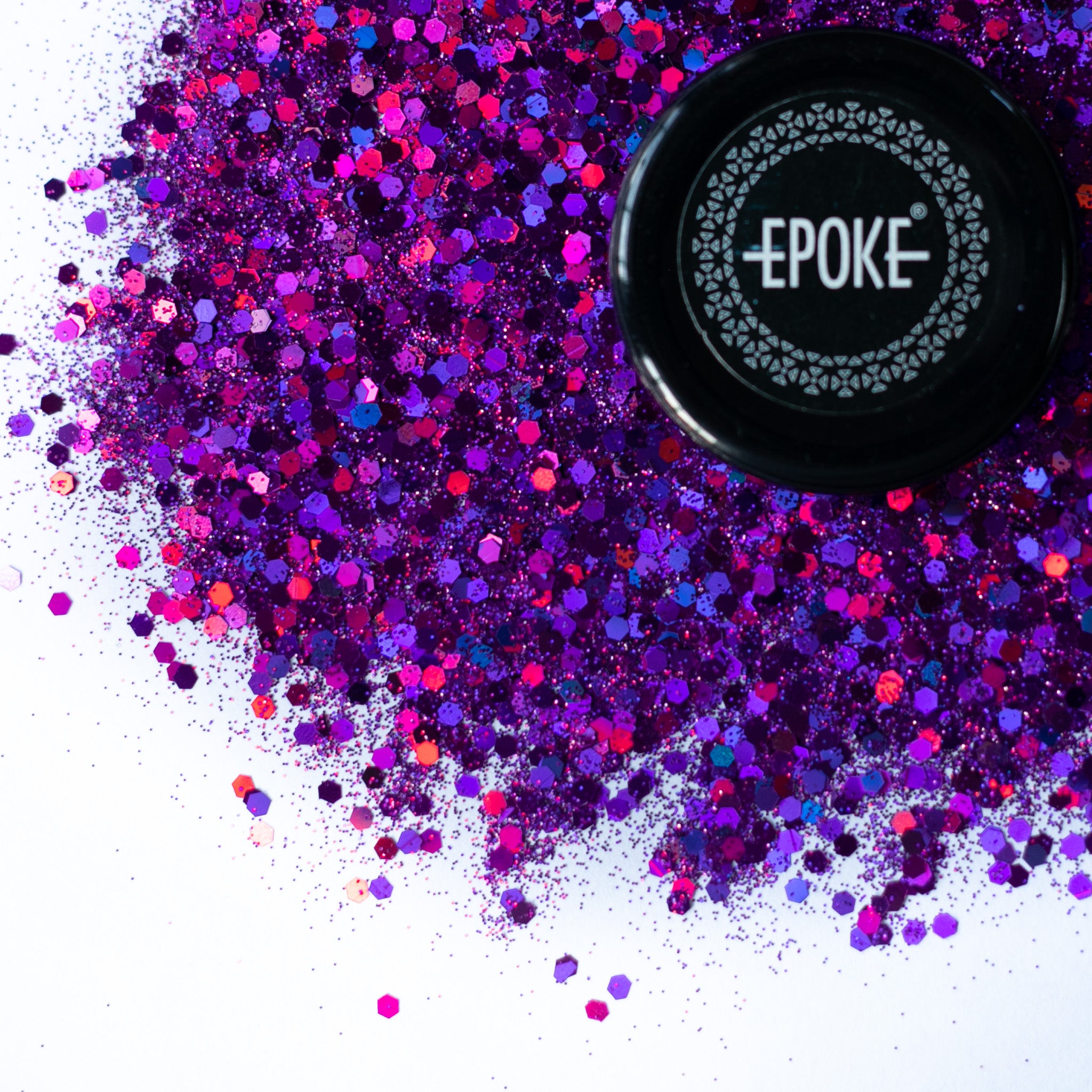
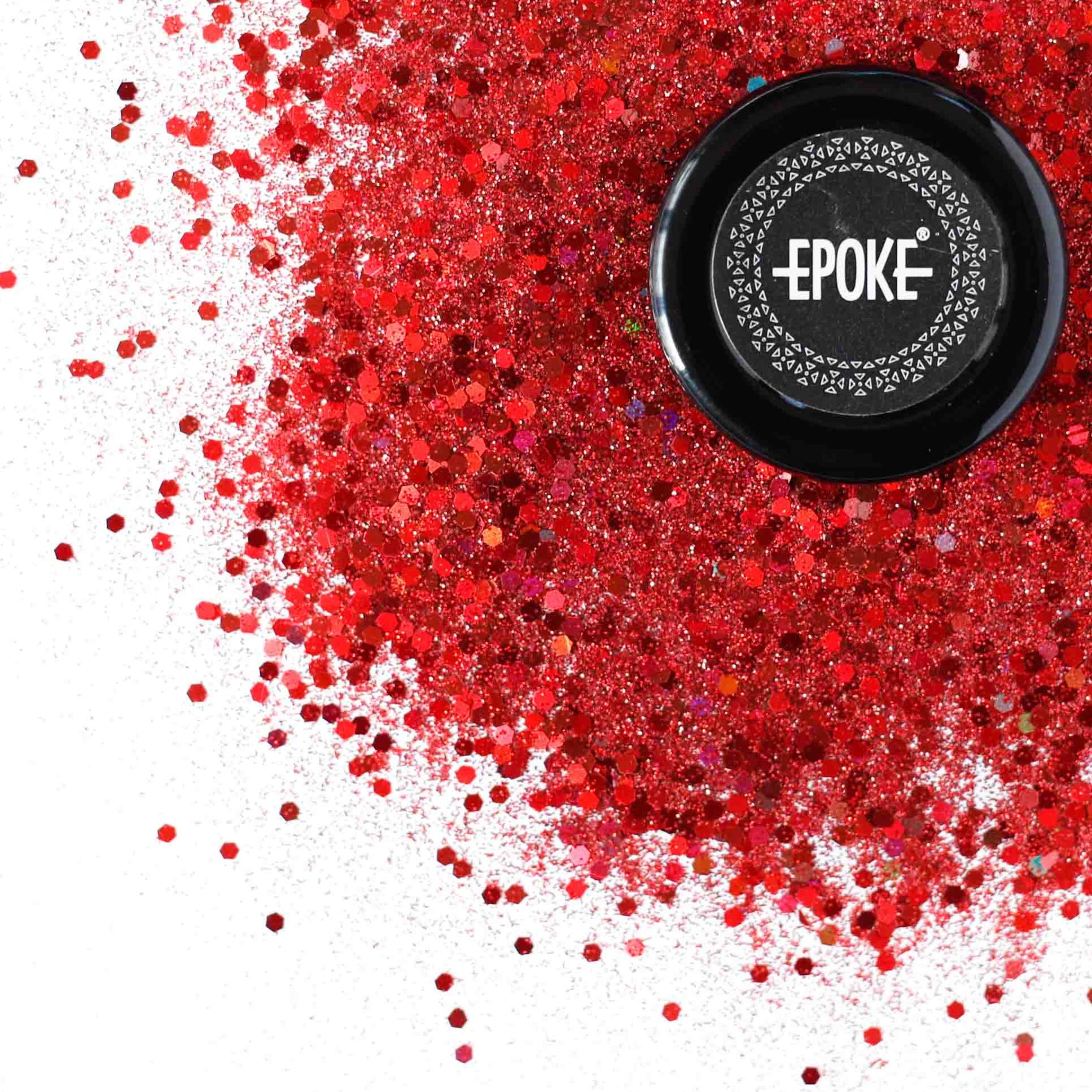
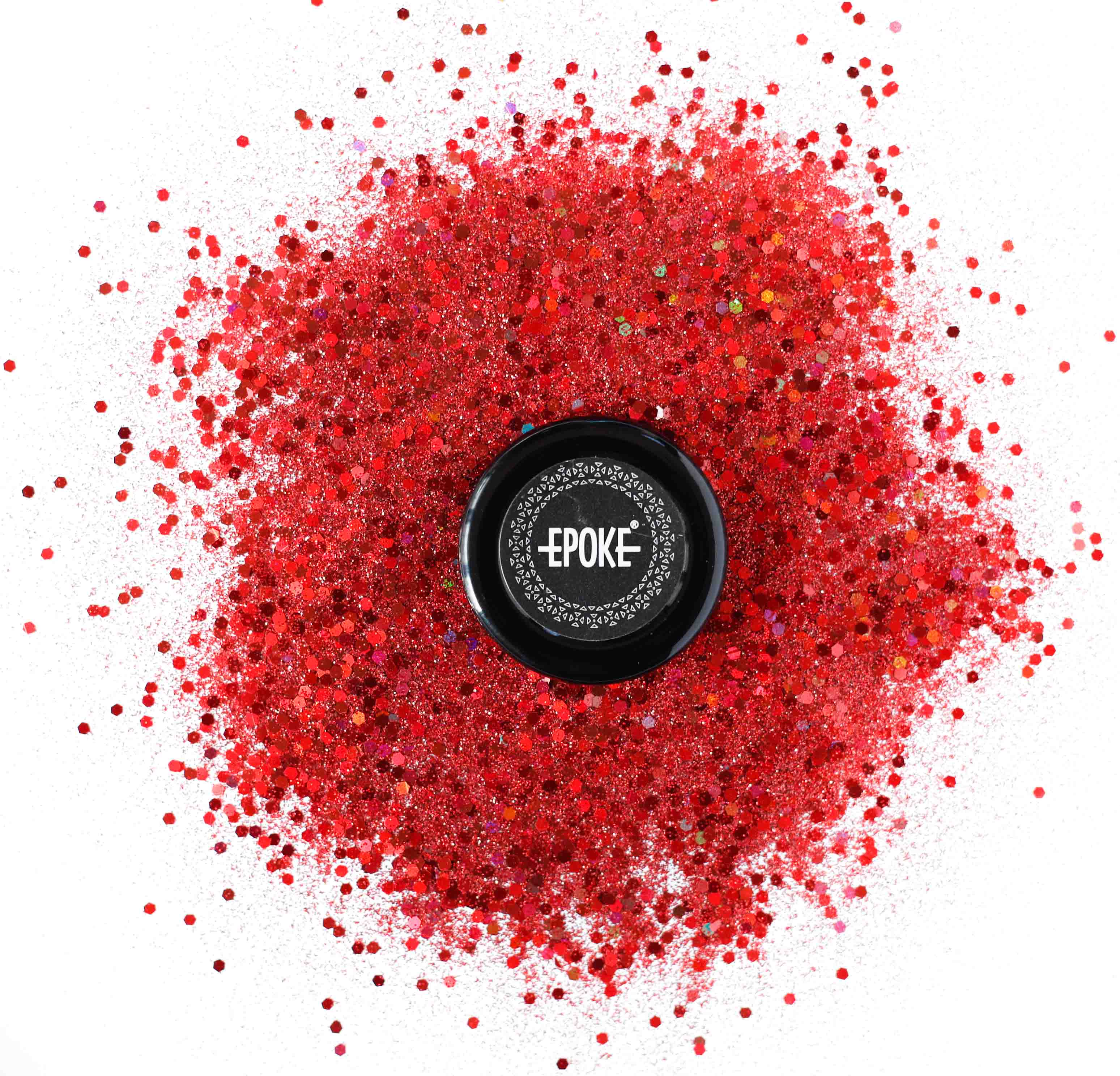
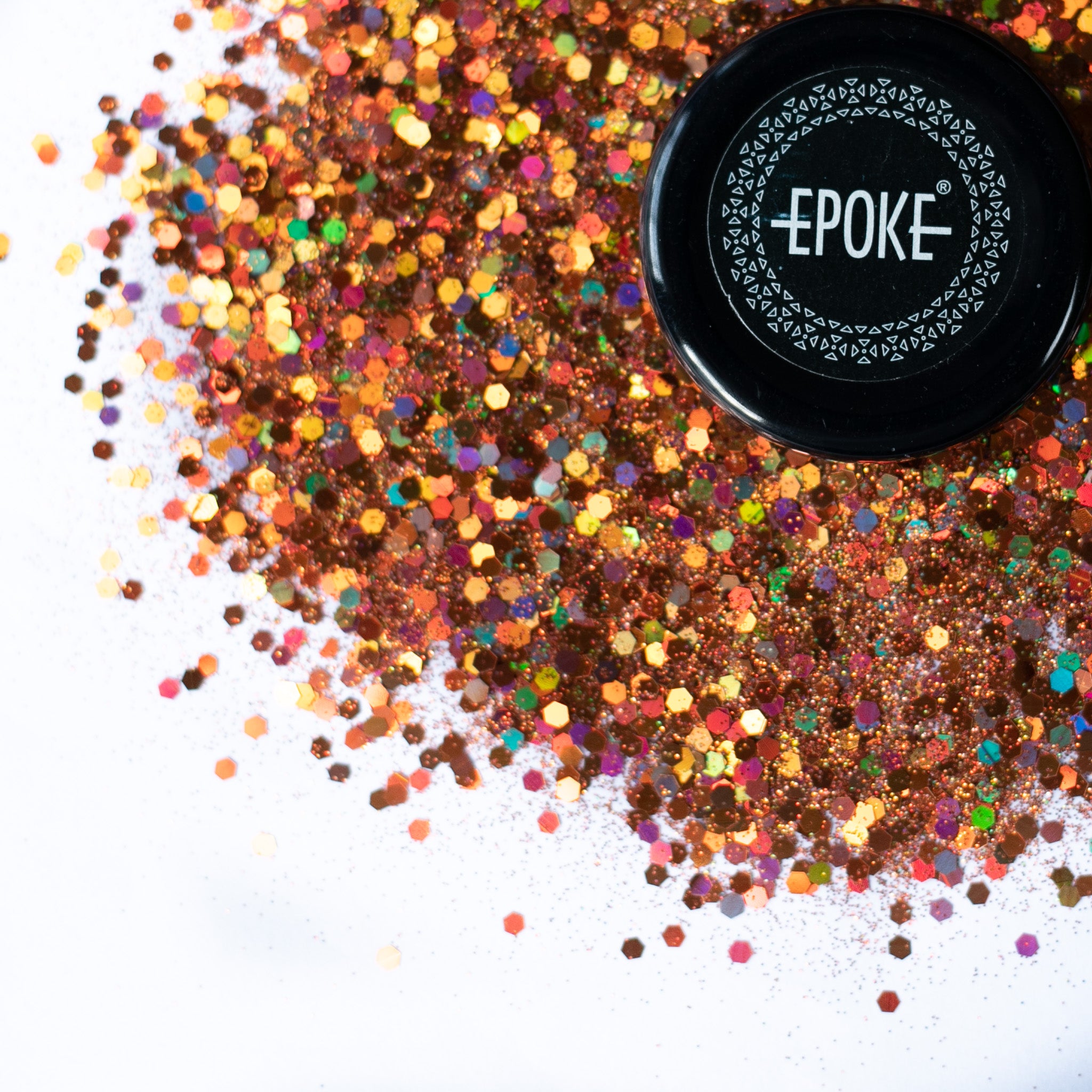
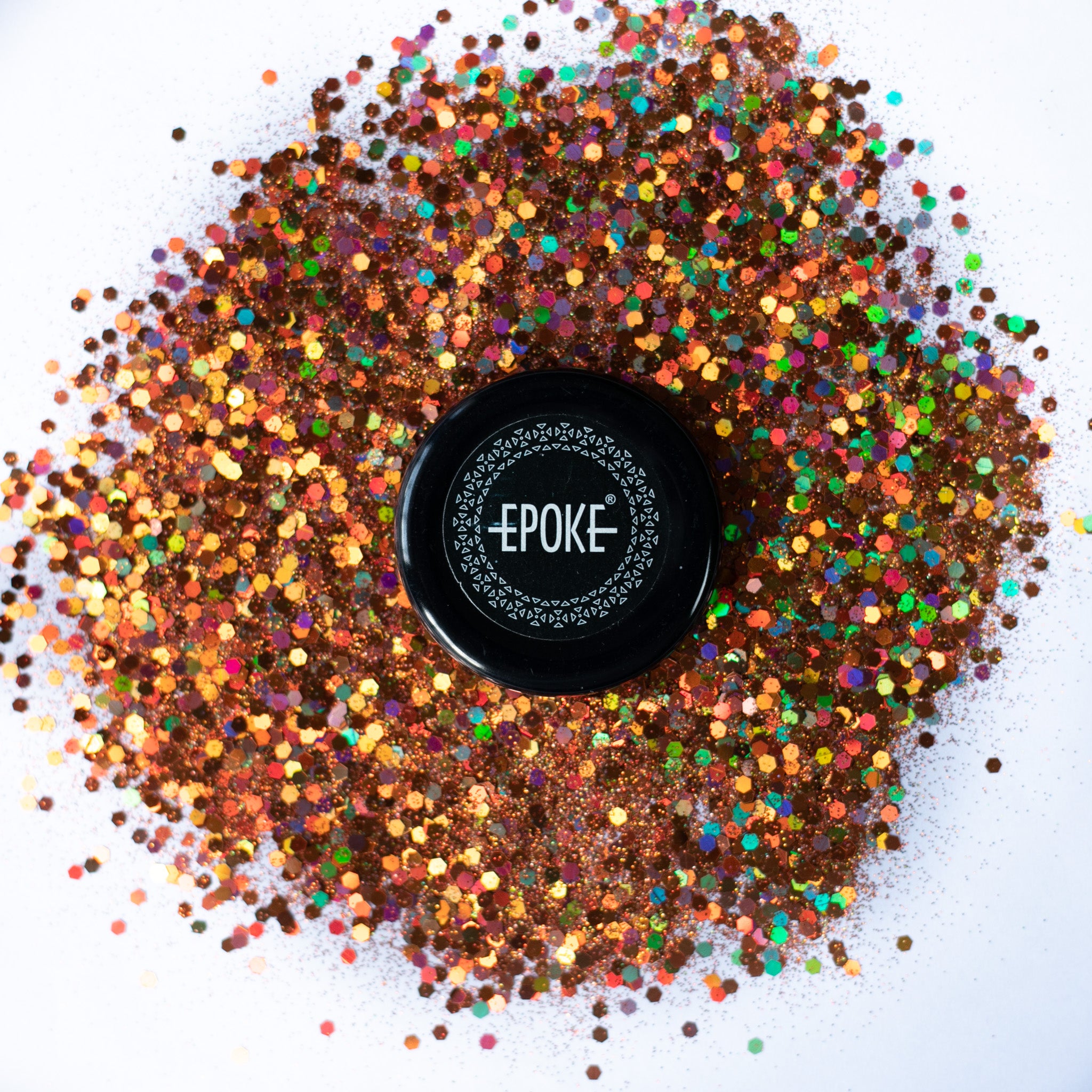
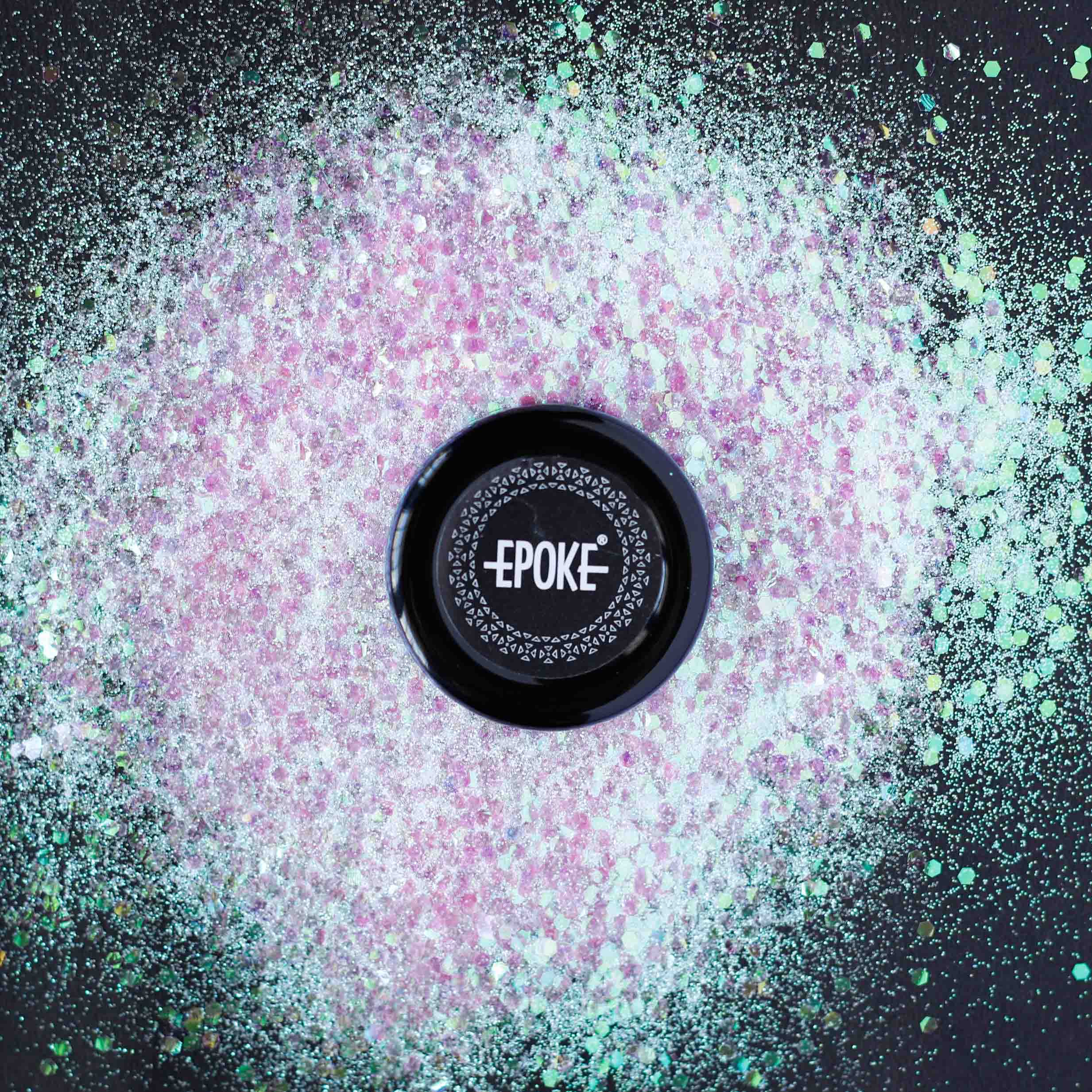
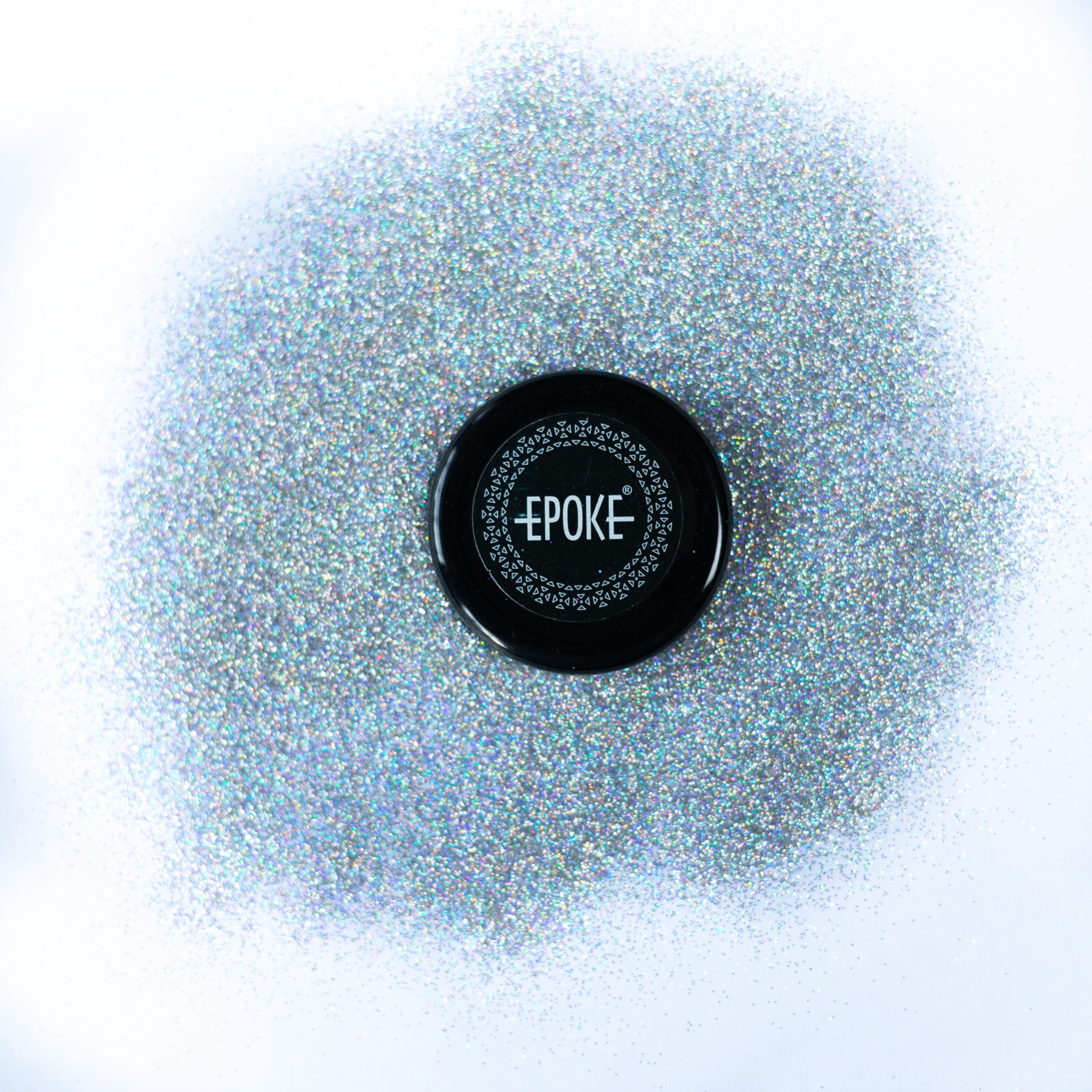
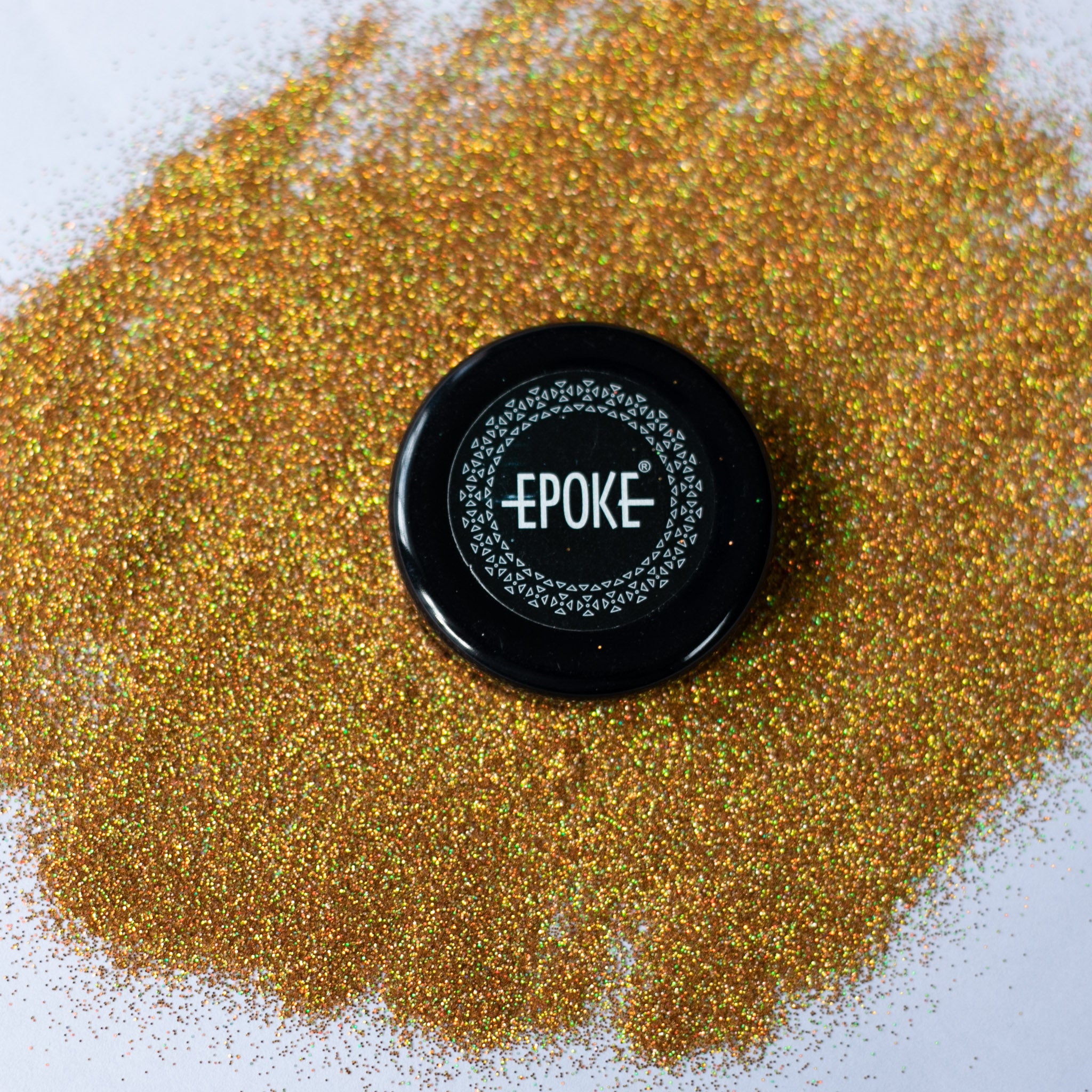
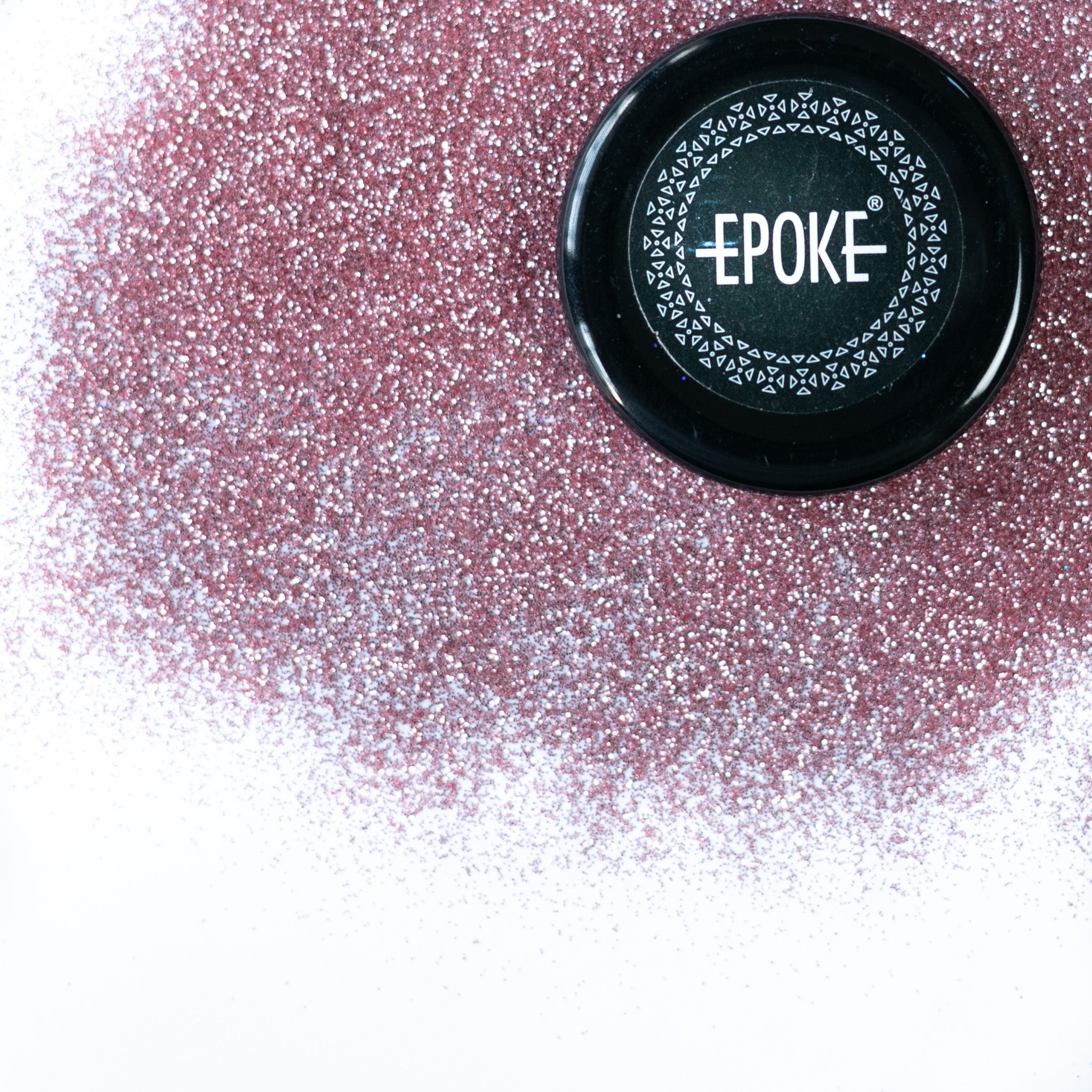
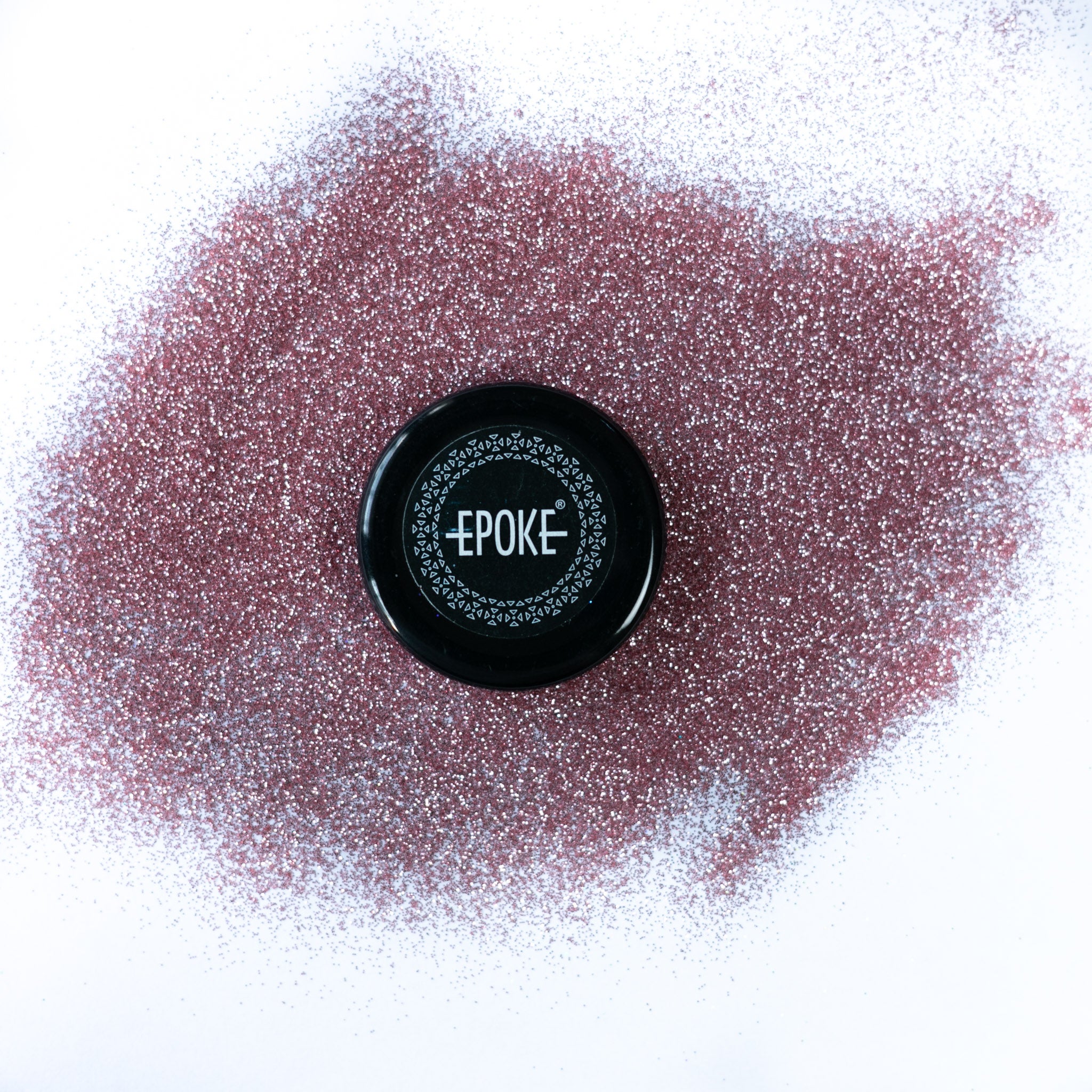
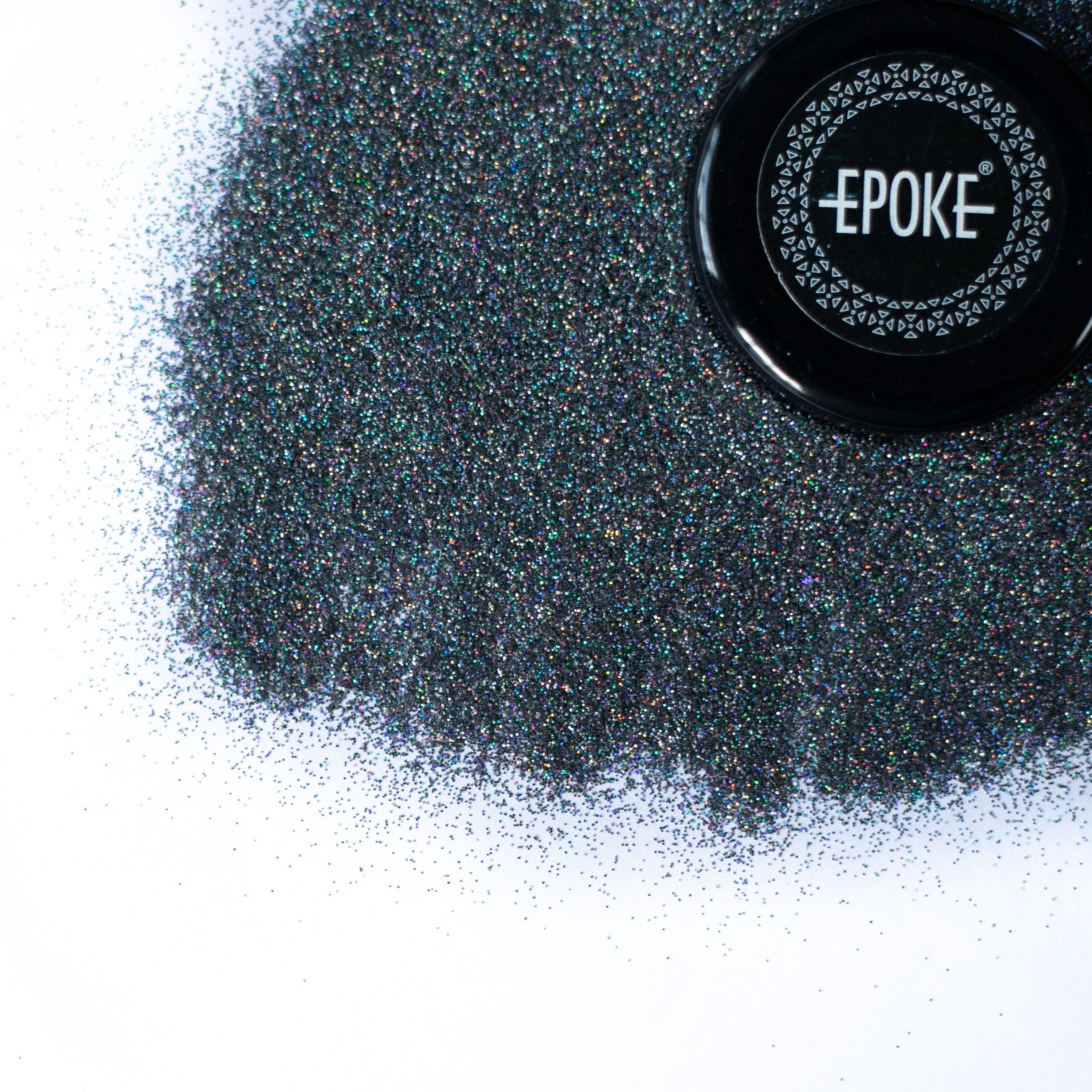
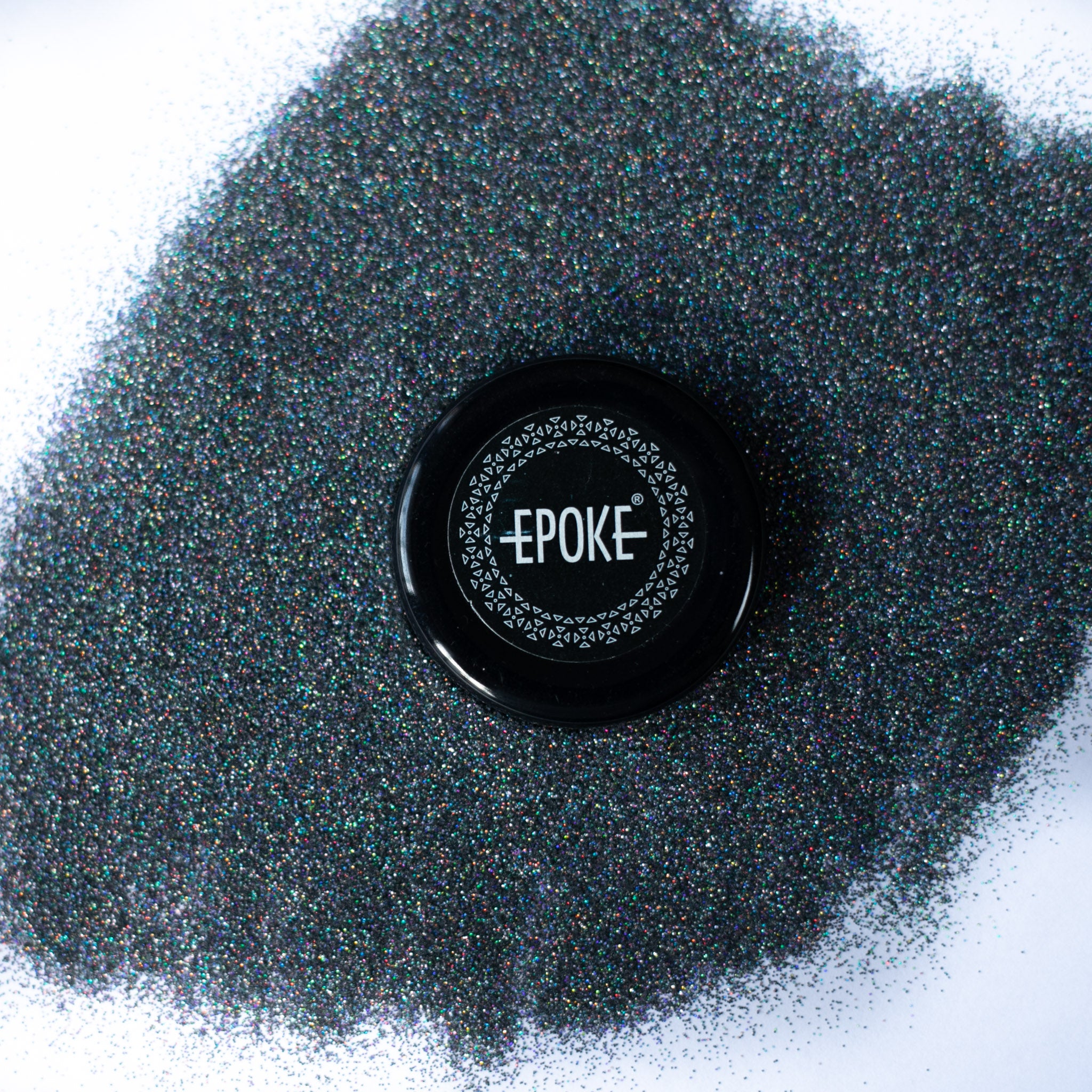
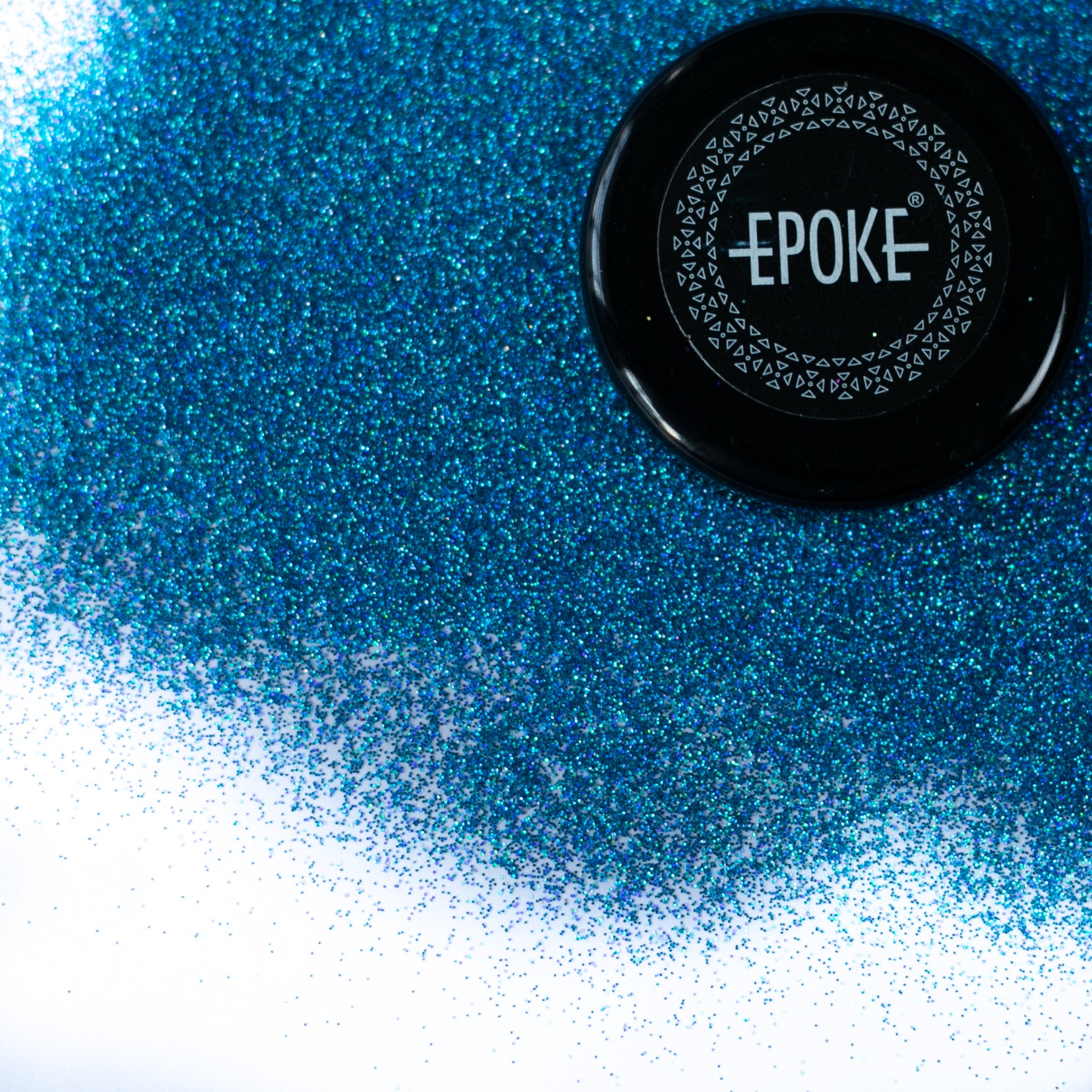
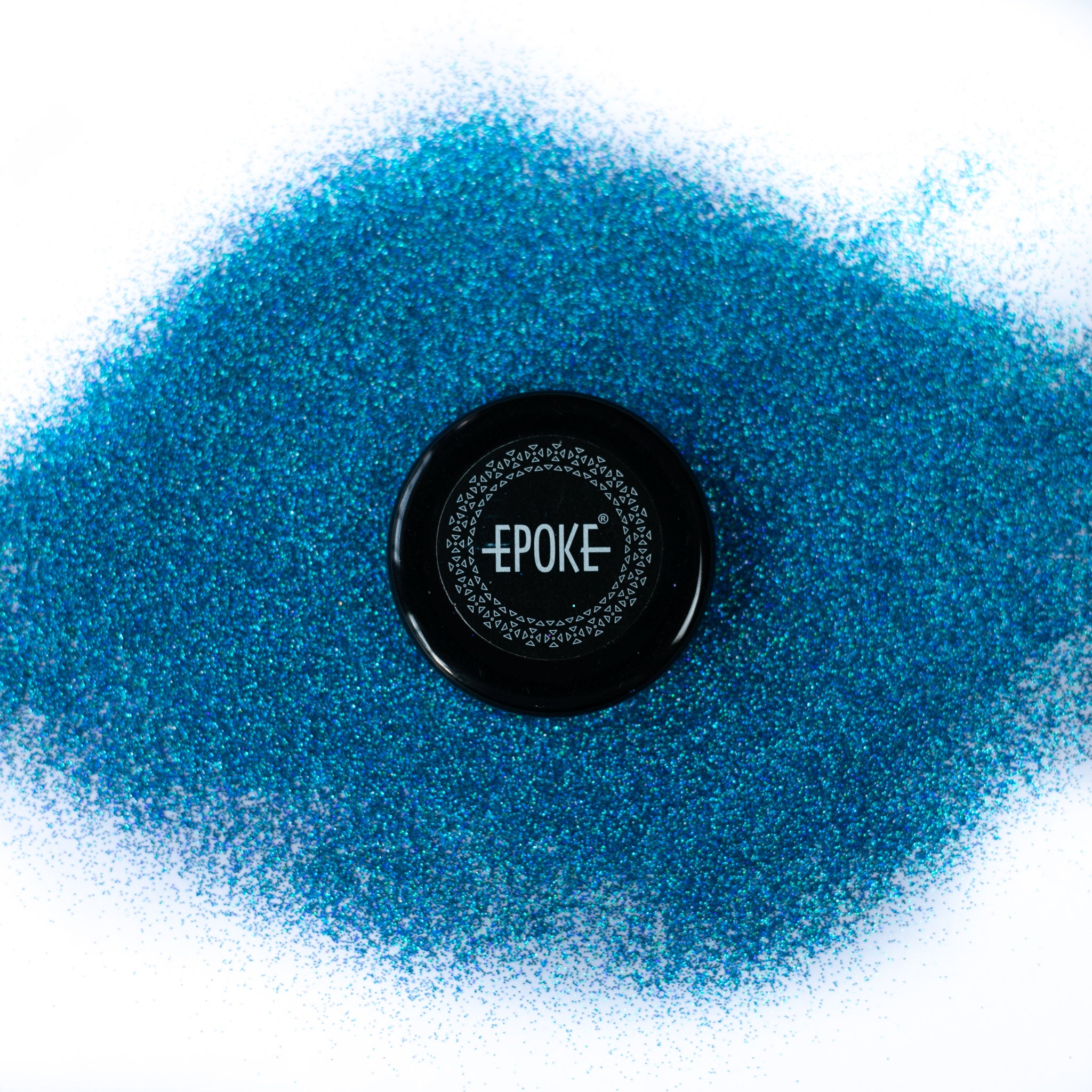
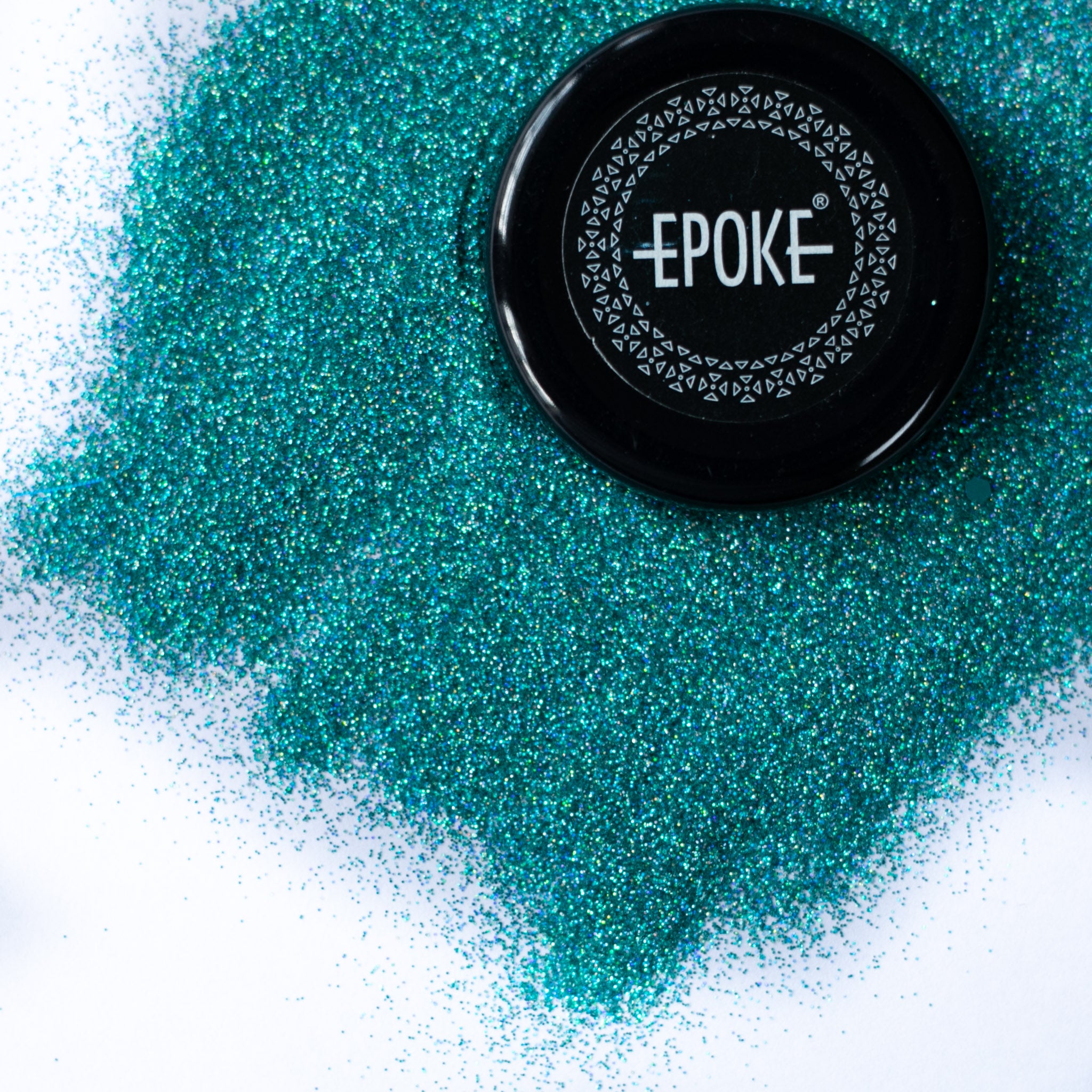
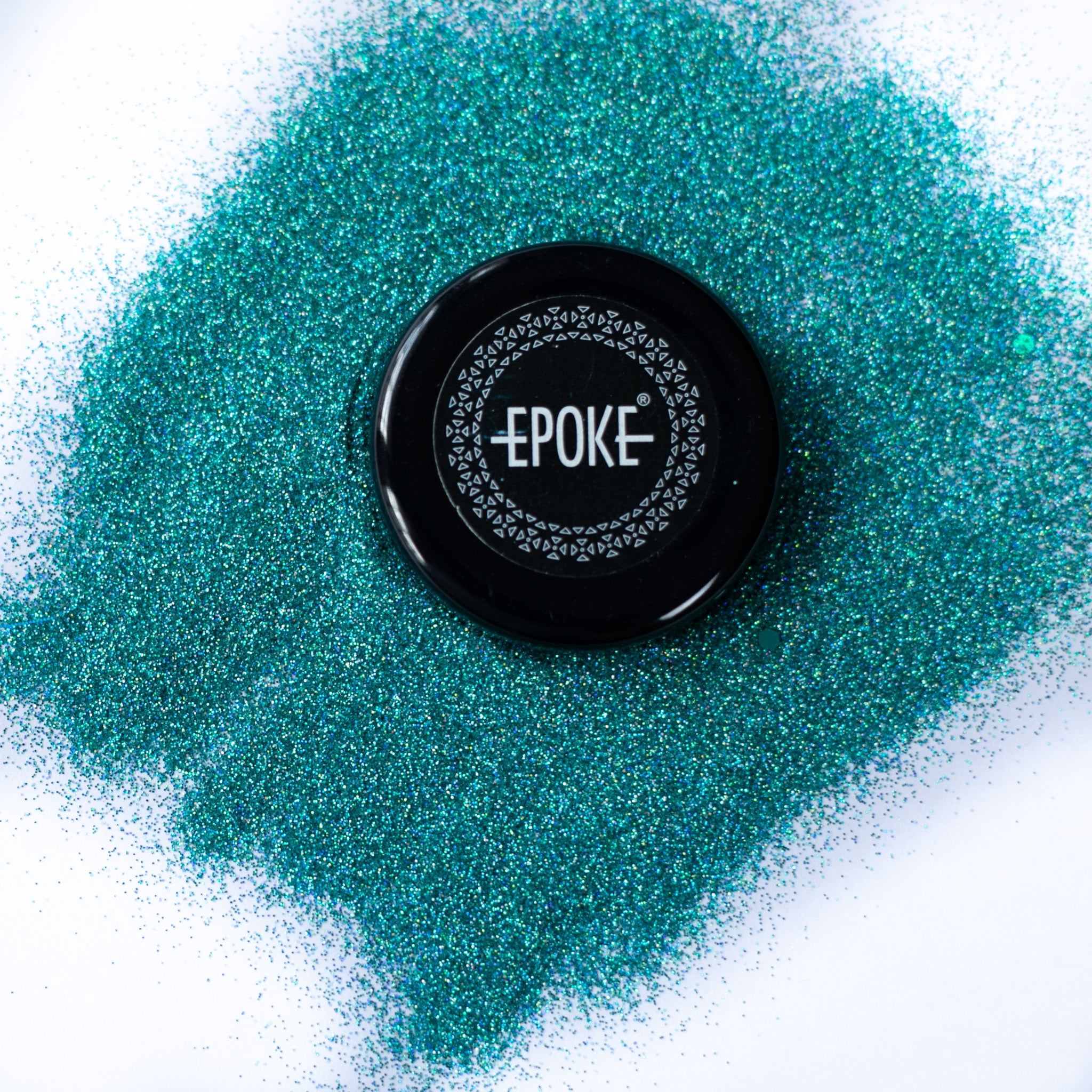
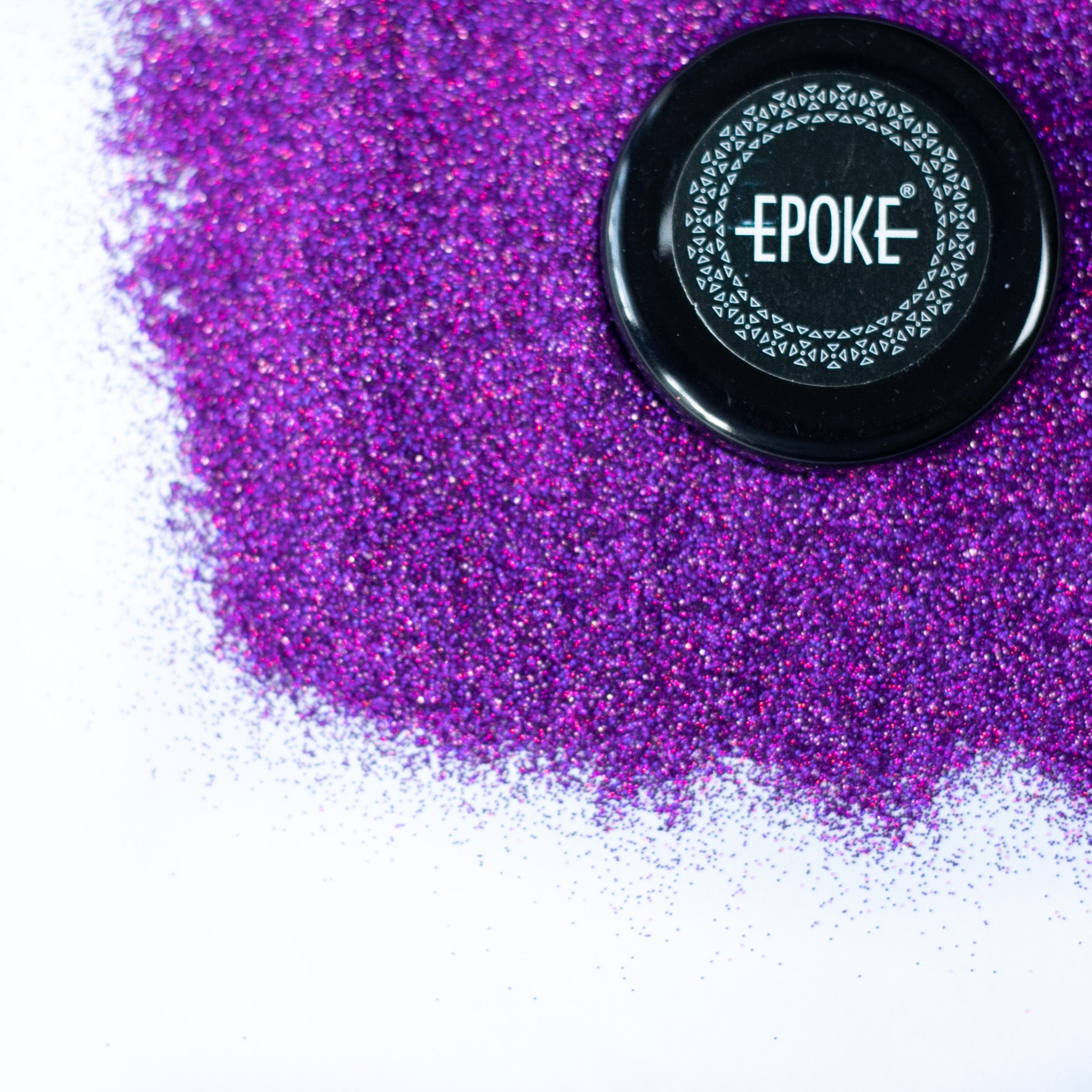
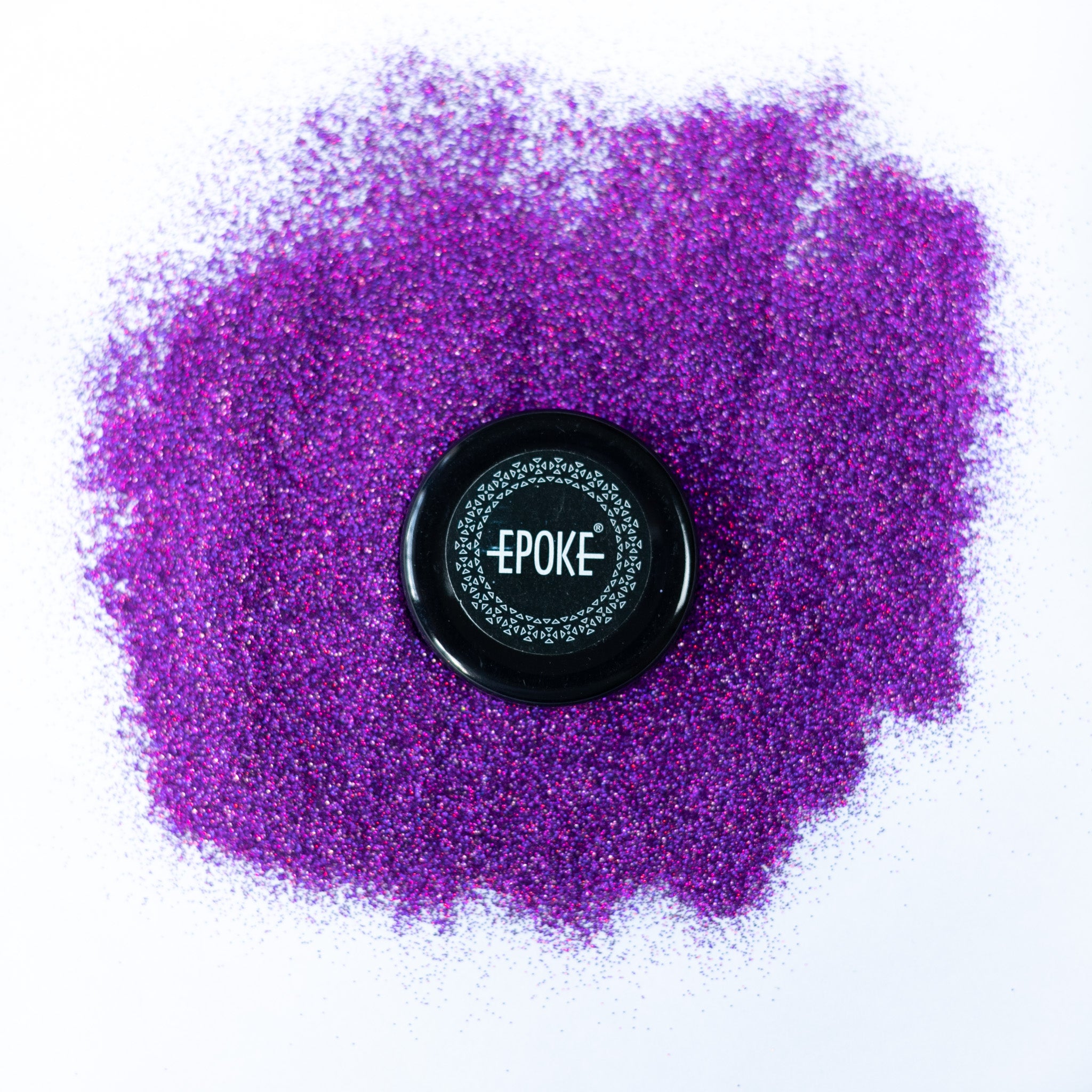
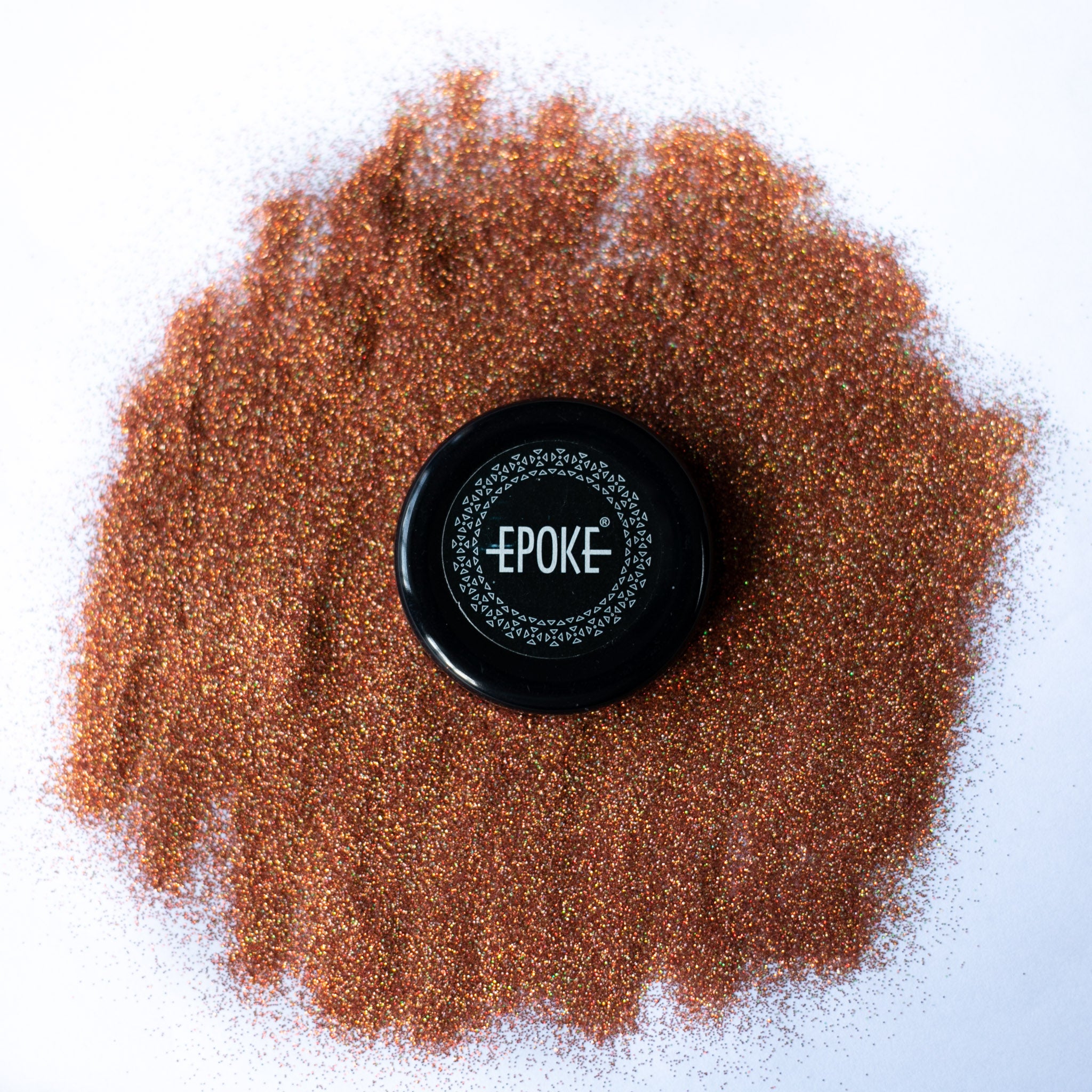
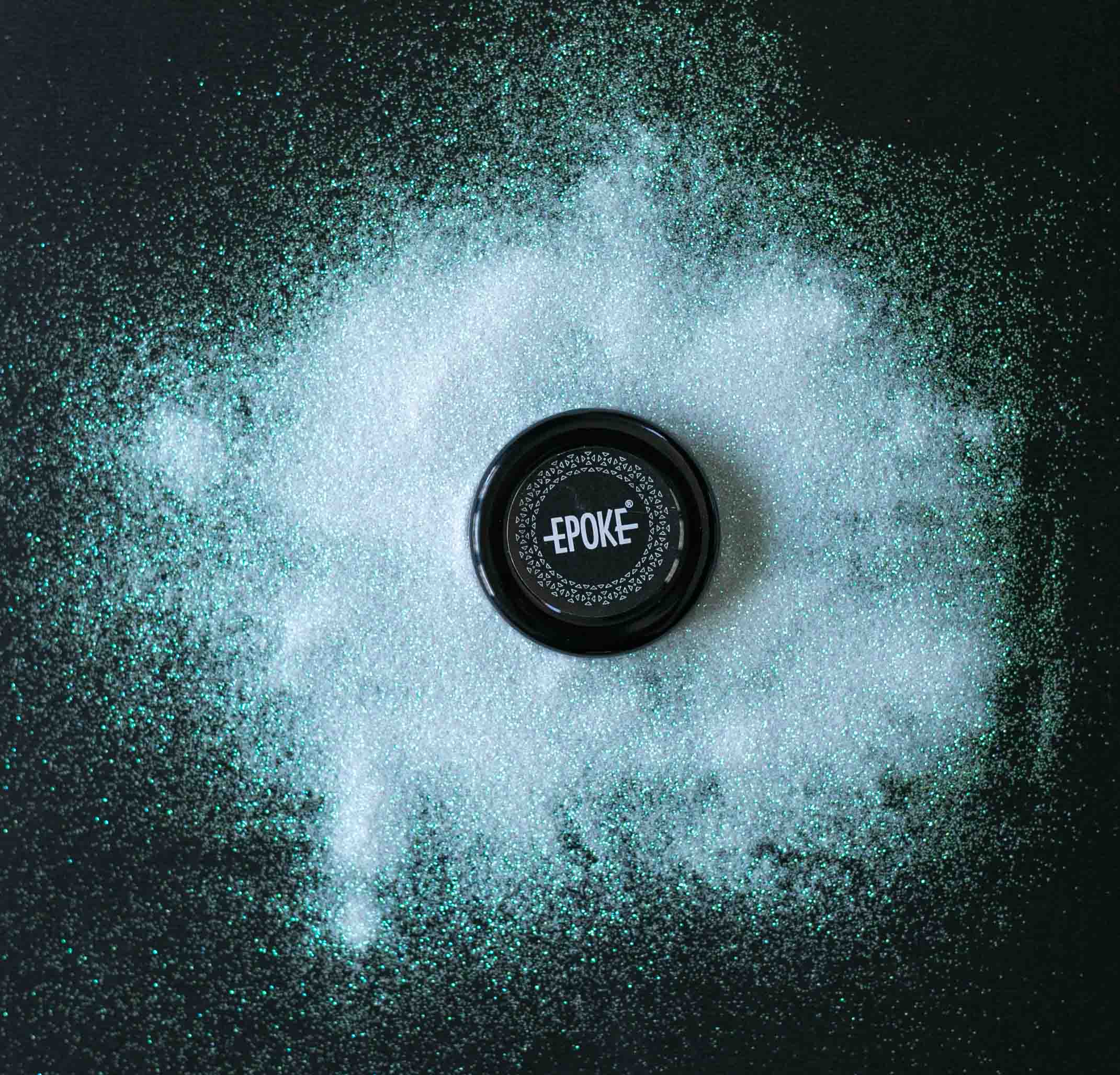
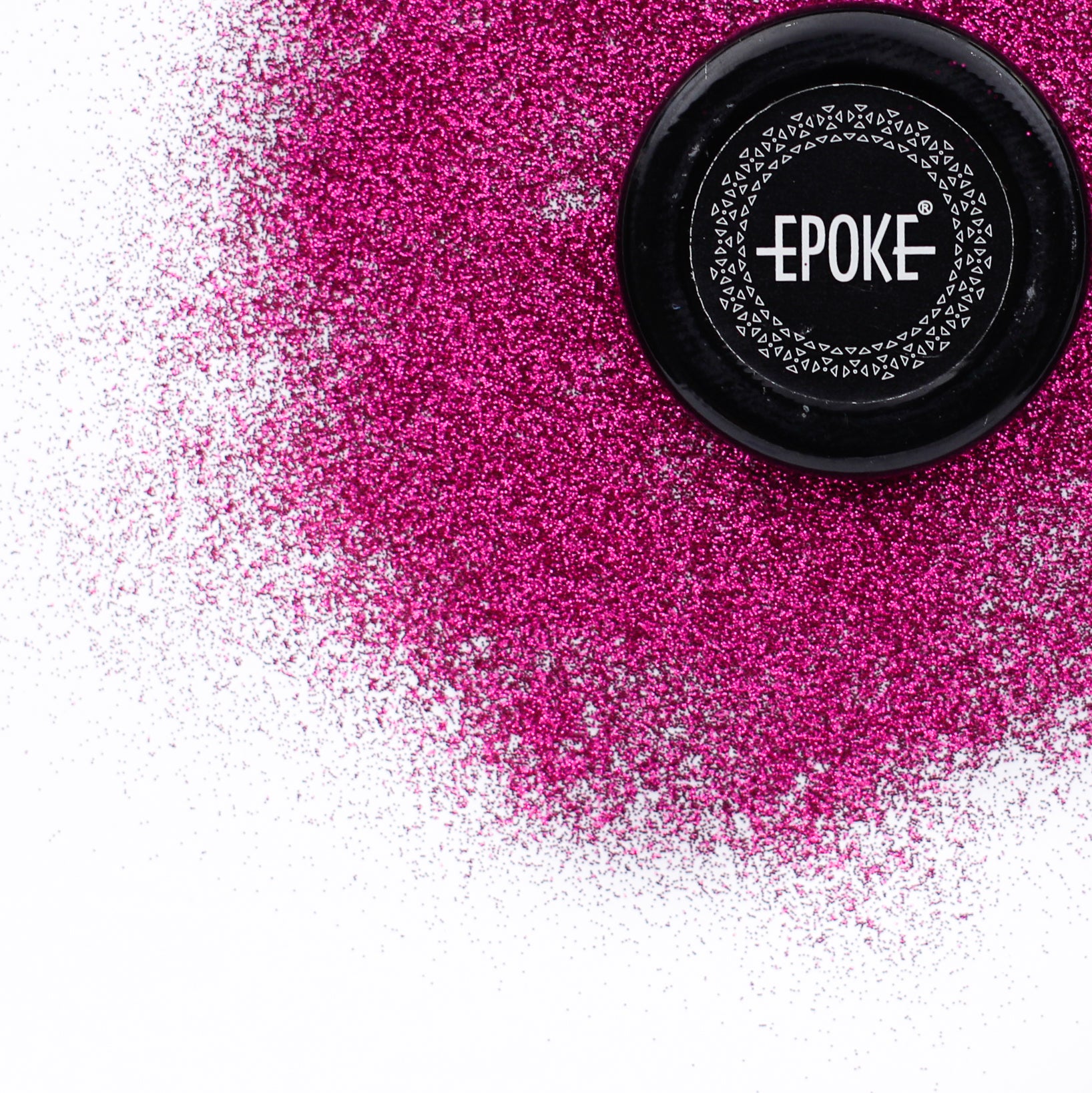
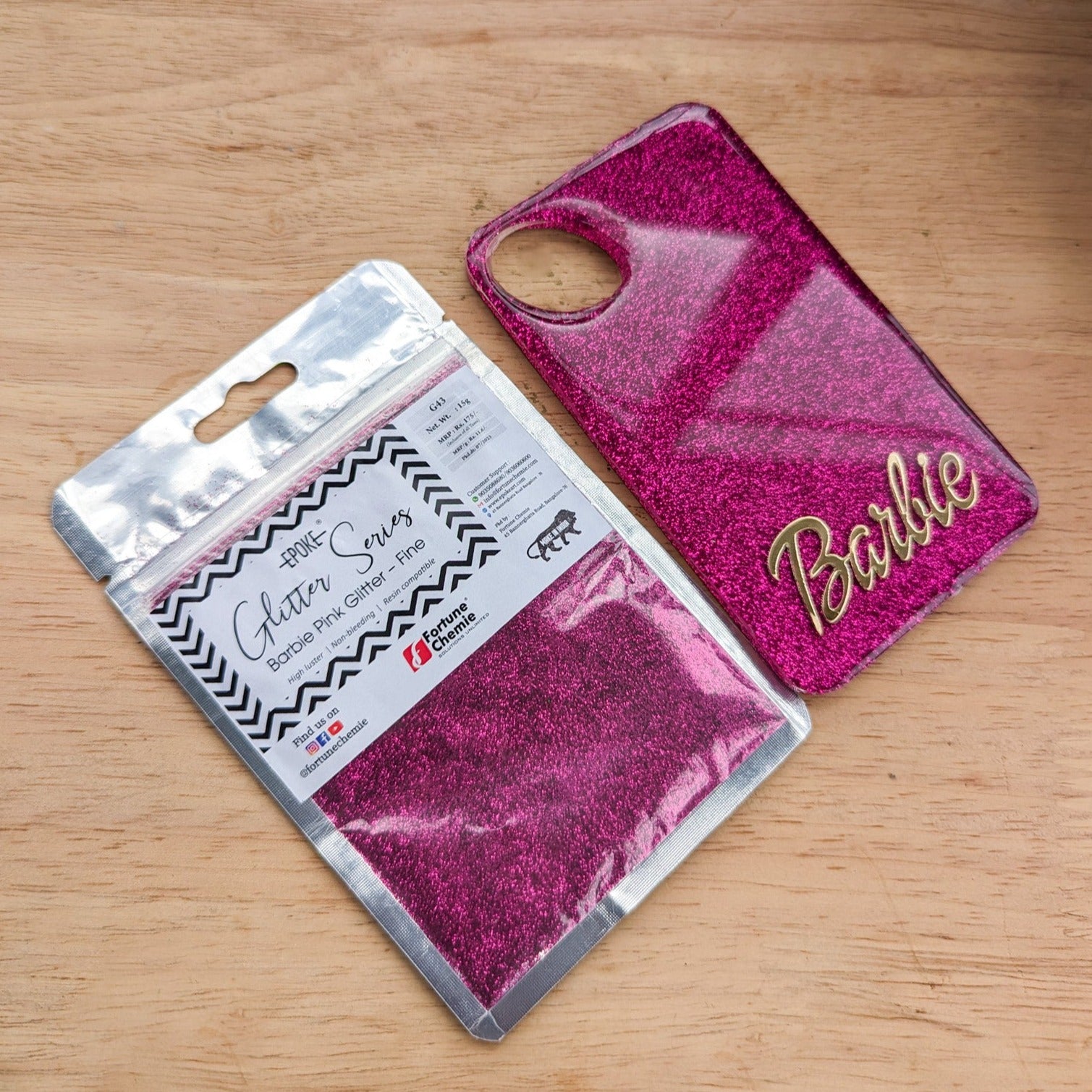
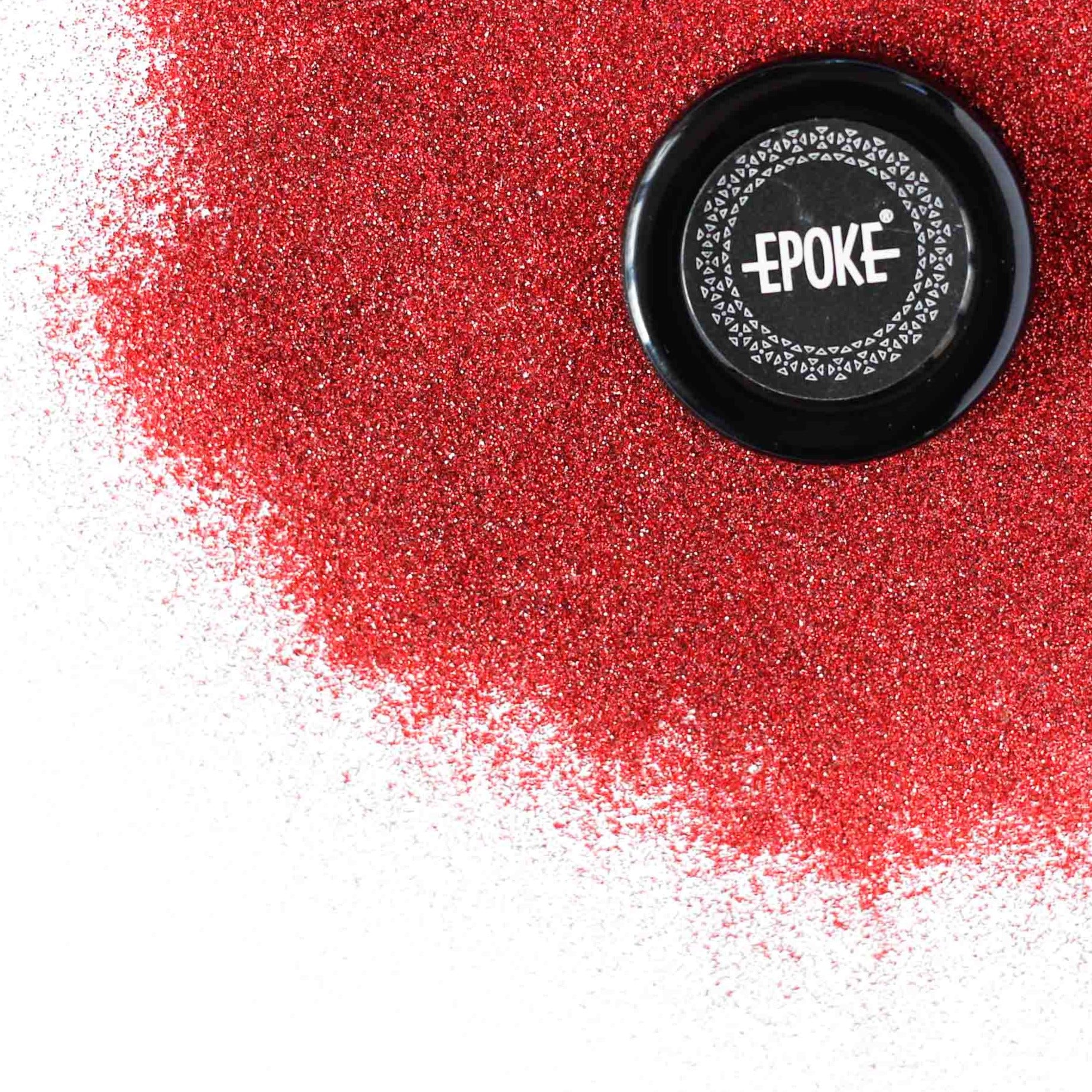
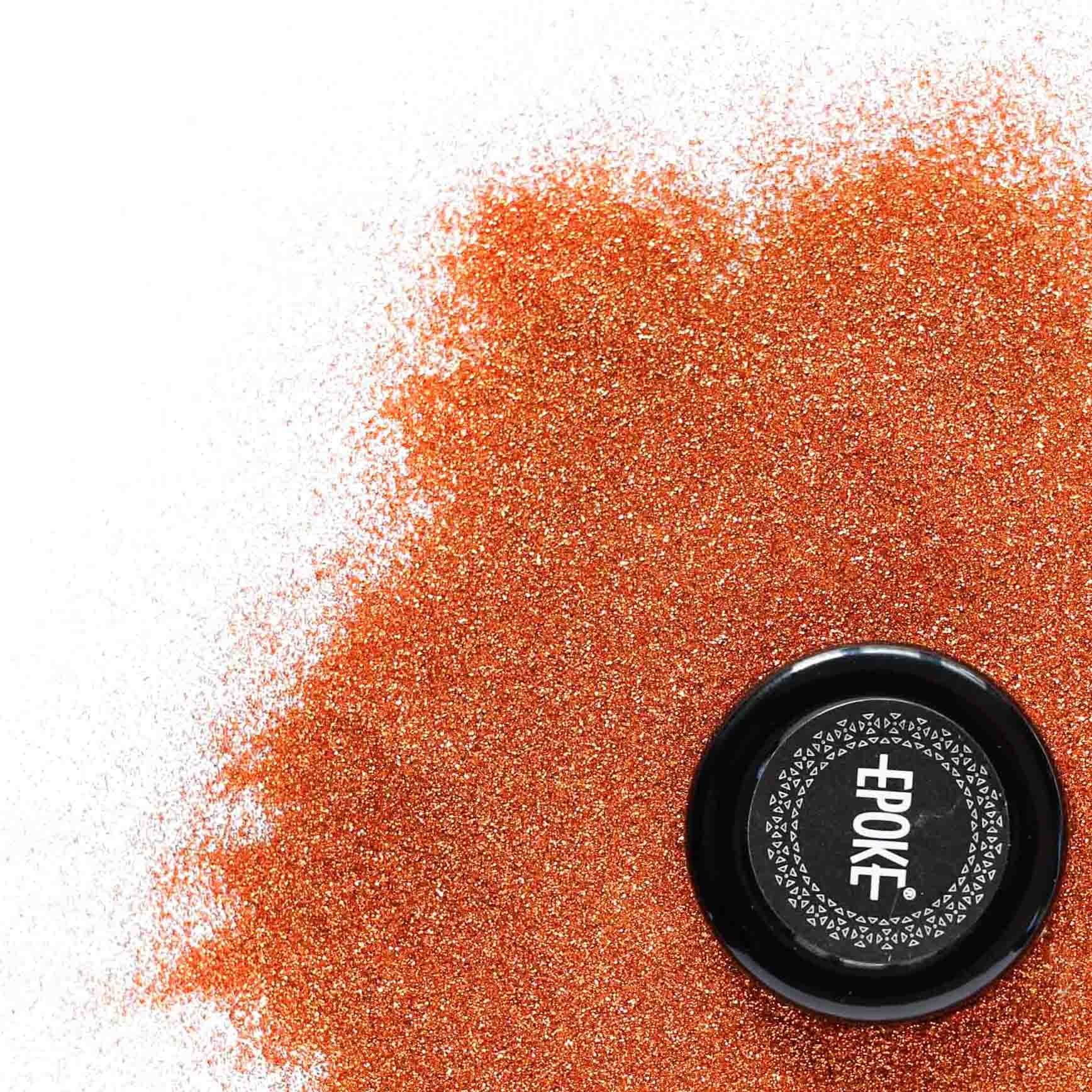
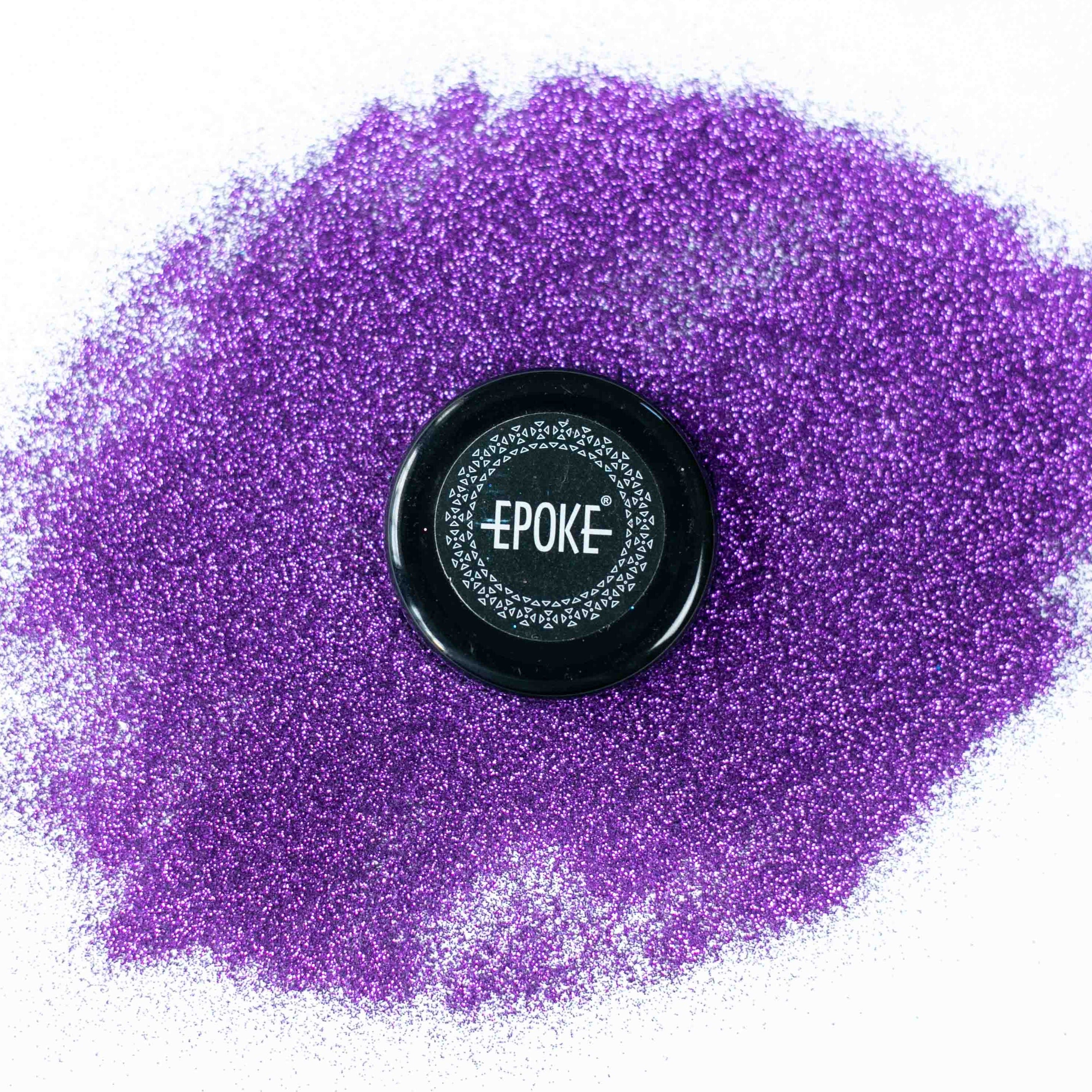
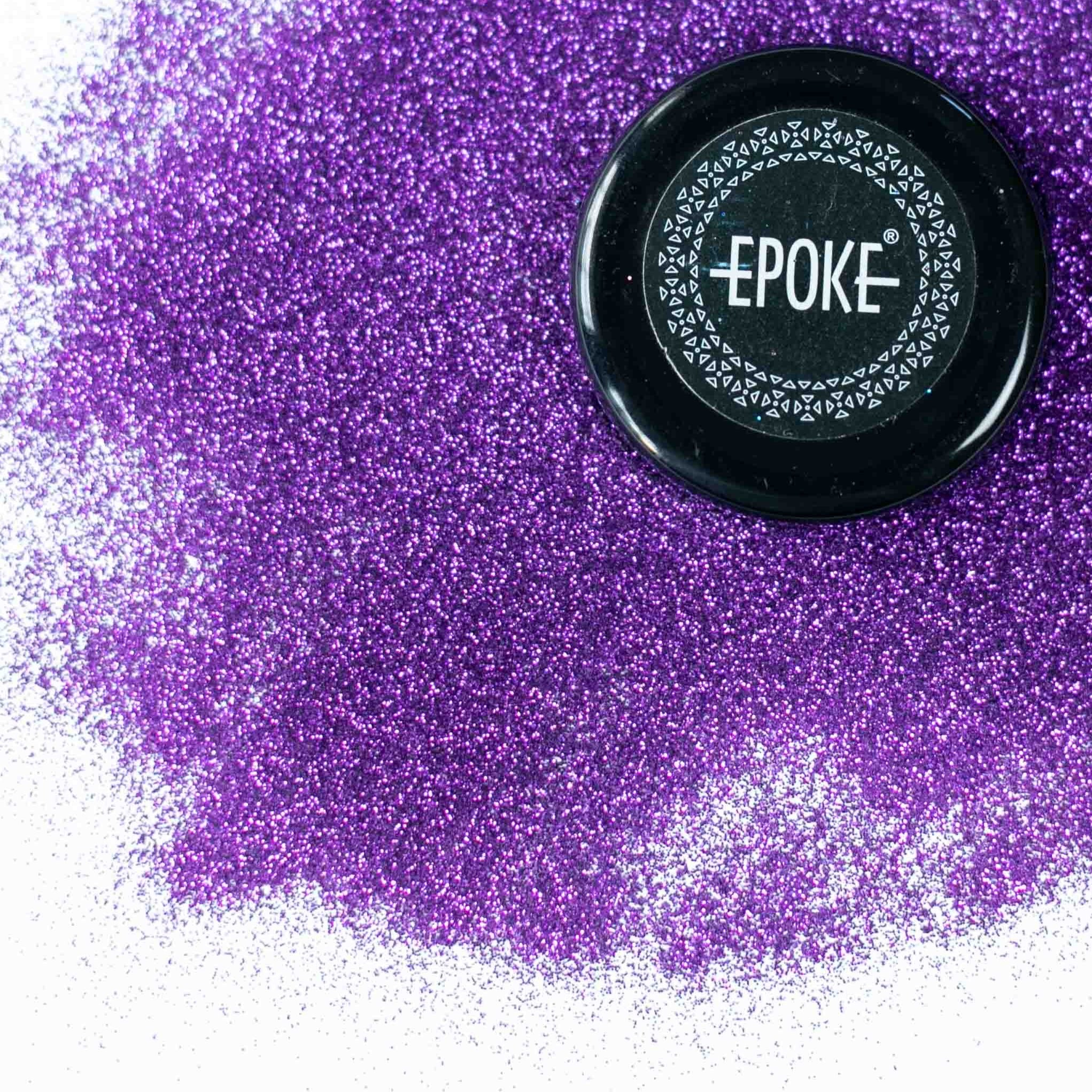
Metallic pigments add a reflective quality that neither opaque nor translucent pigments offer on their own. They catch light, shift shade depending on the angle, and add motion to an otherwise still surface.
When to Use Metallic Pigments
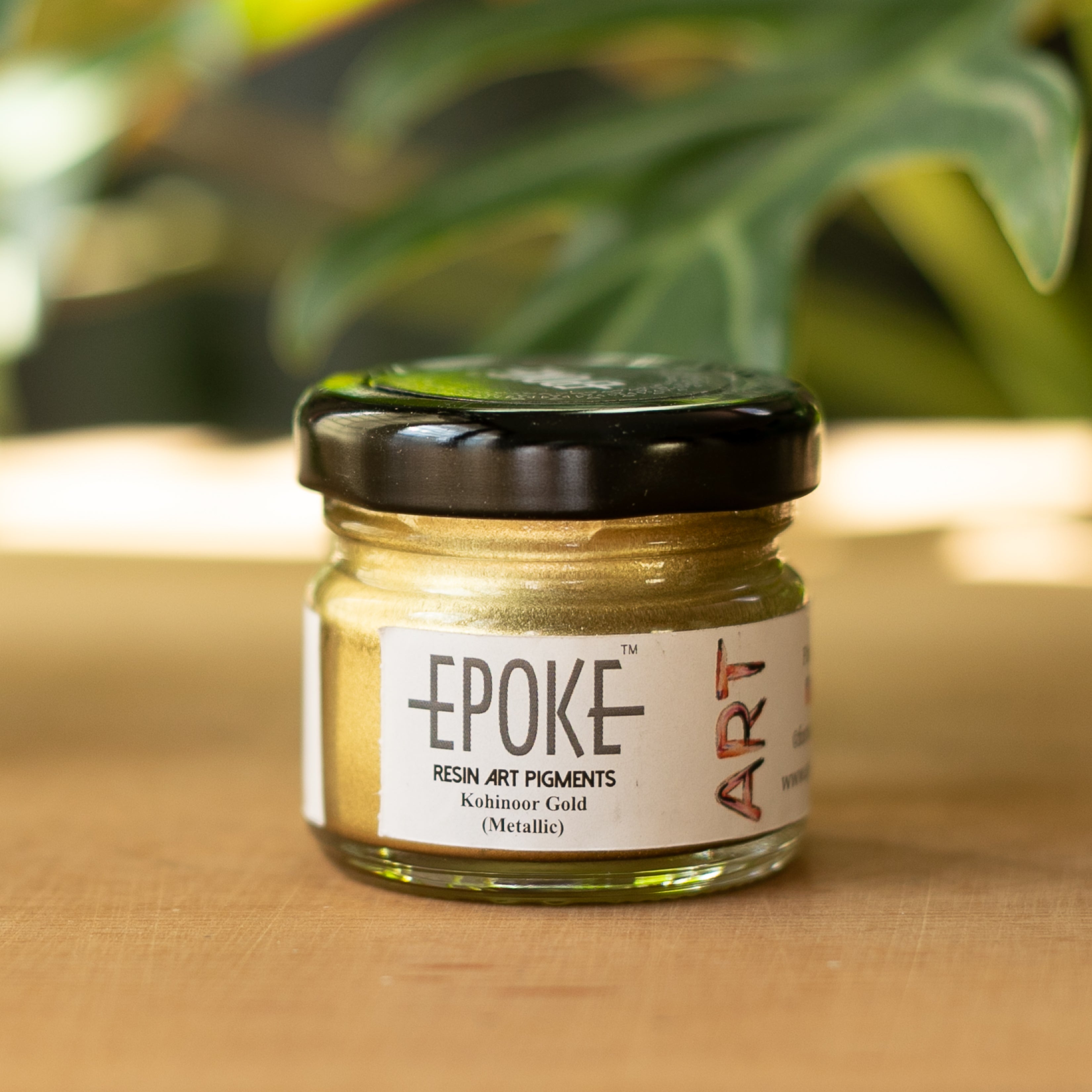
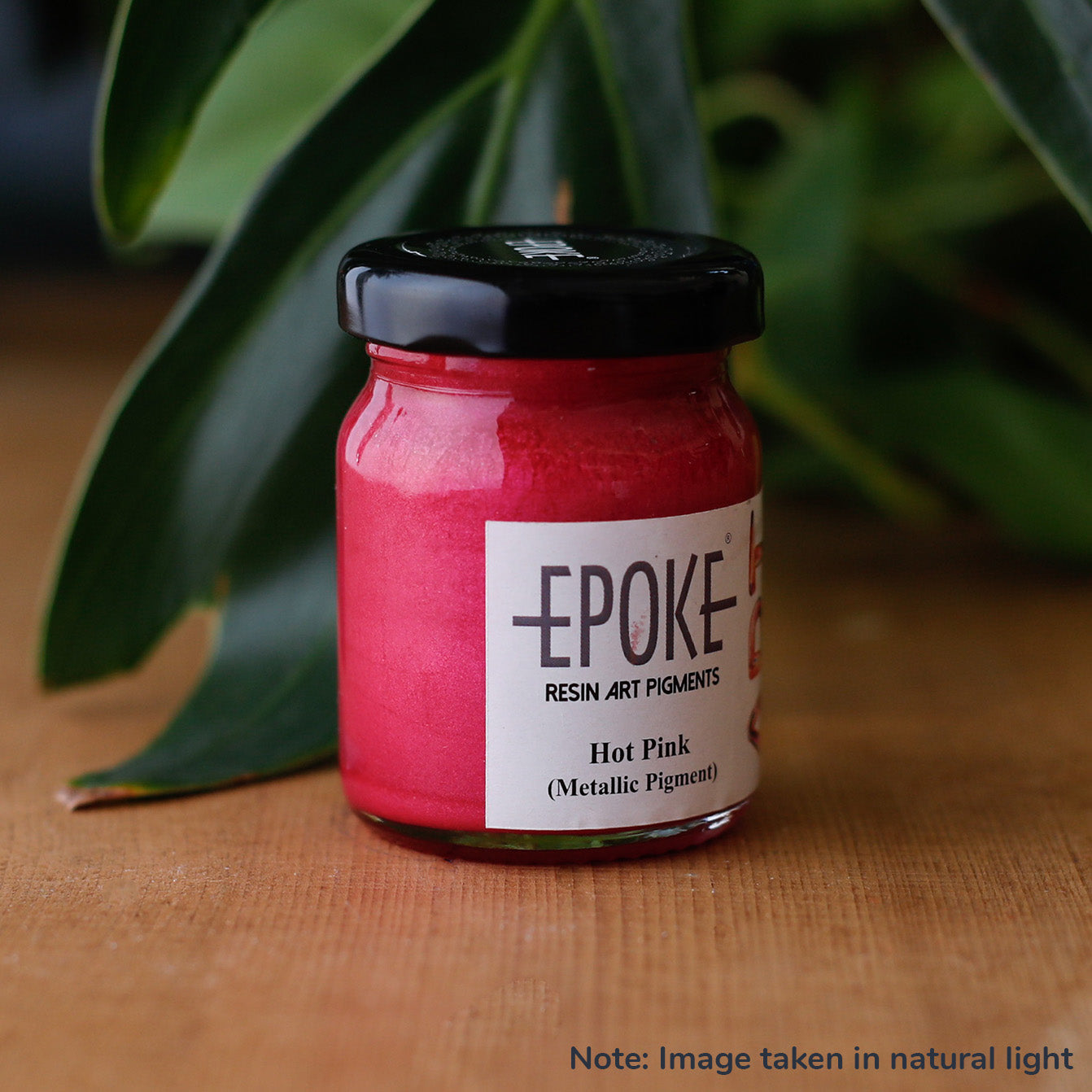
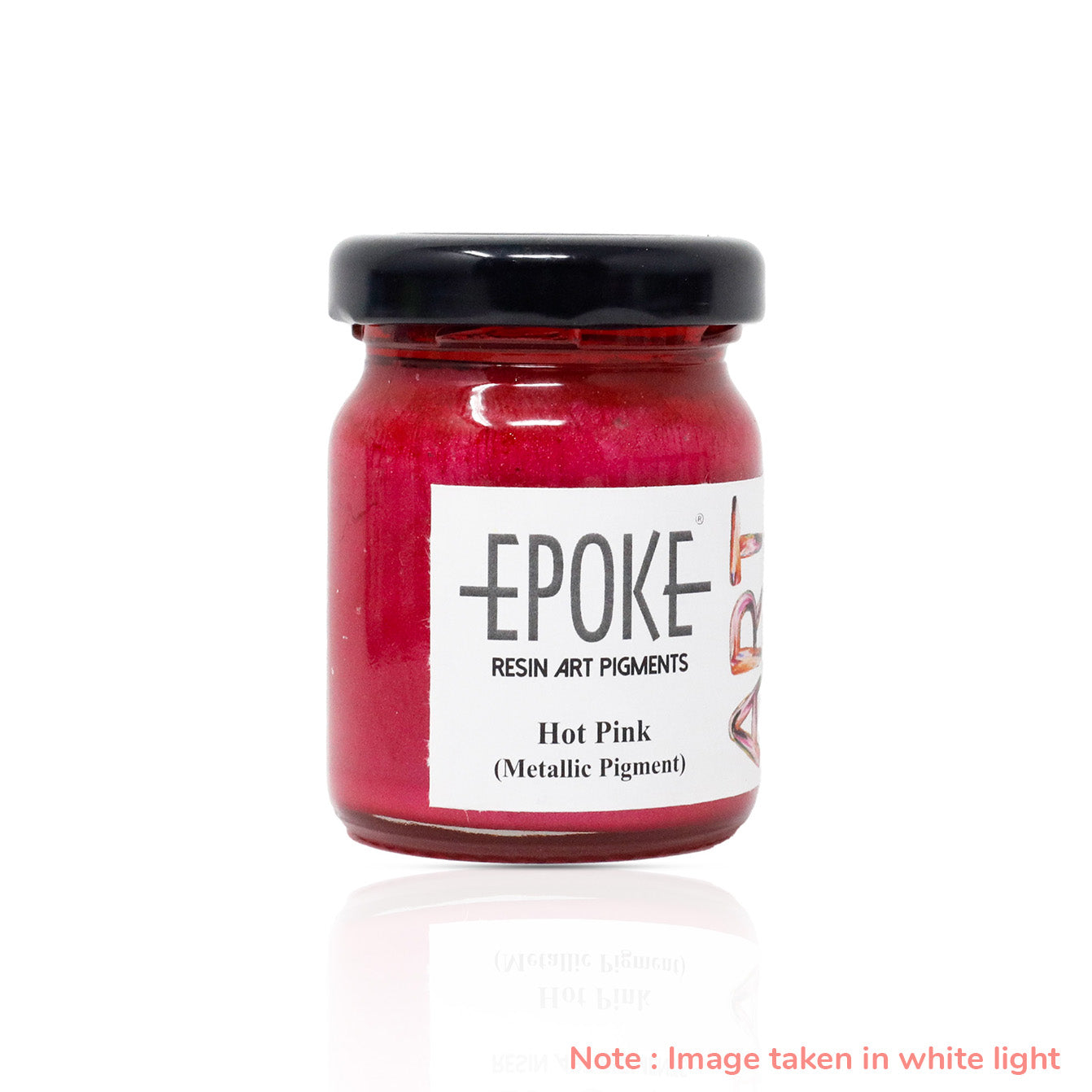
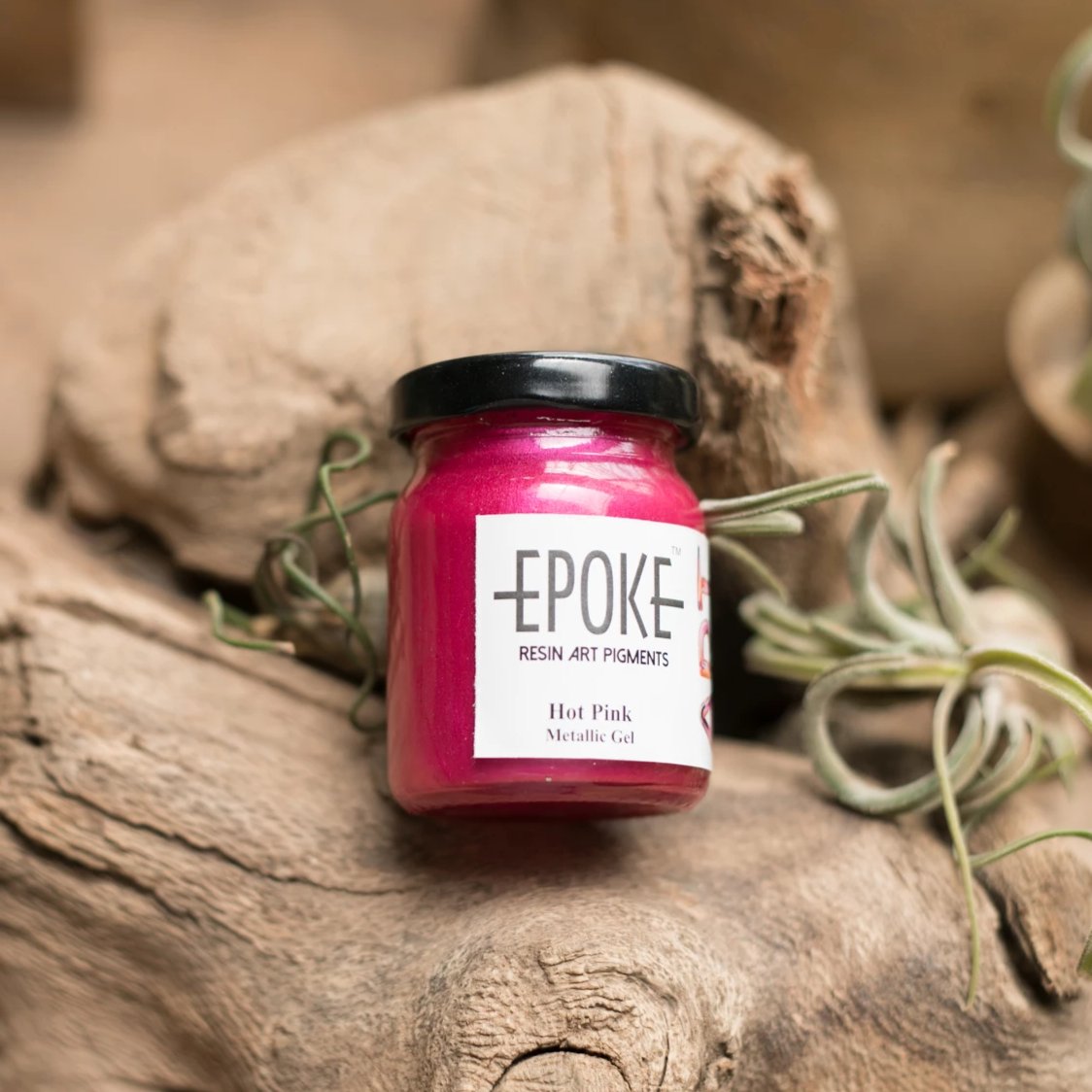
Reach for EPOKE metallic pigment when your project calls for:
-
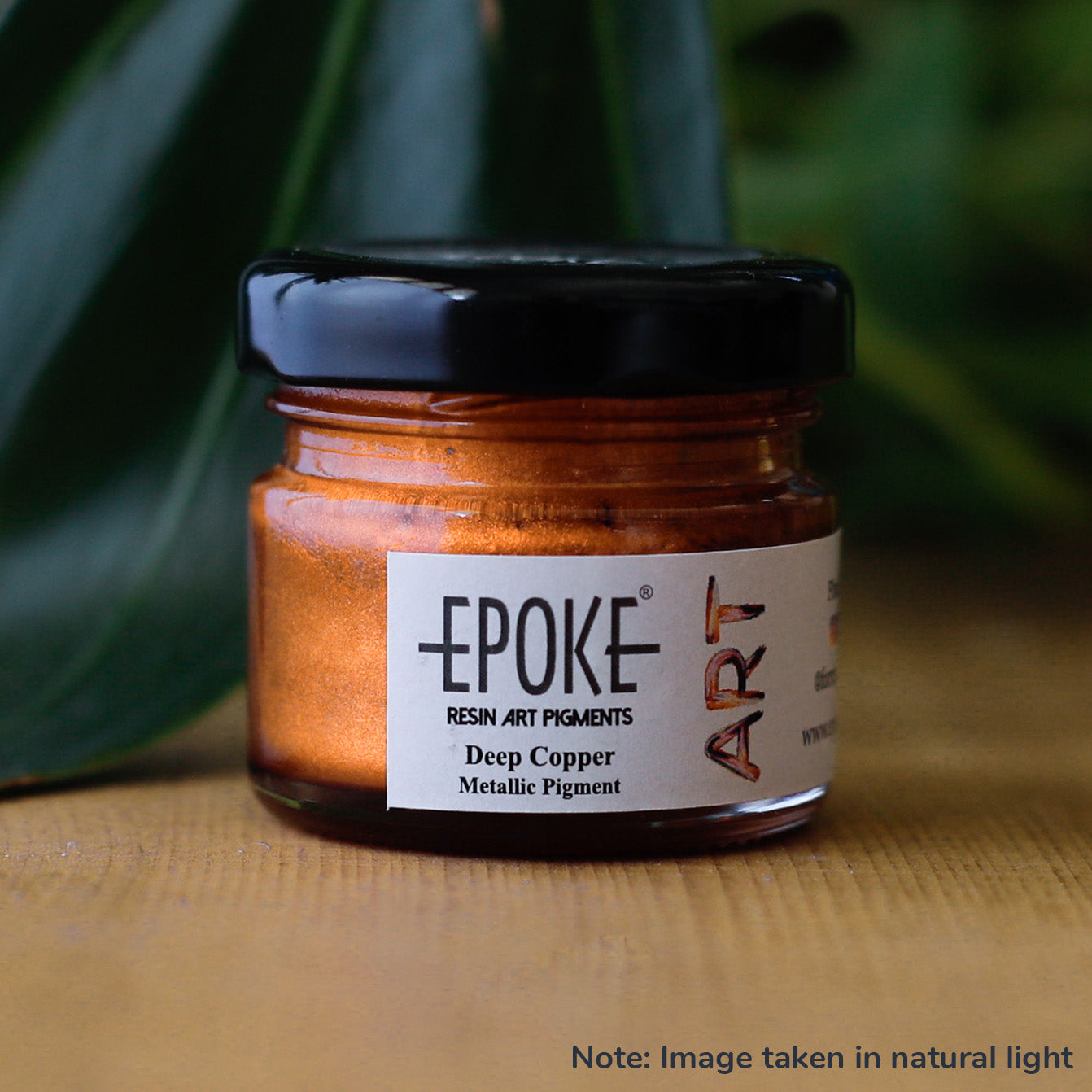
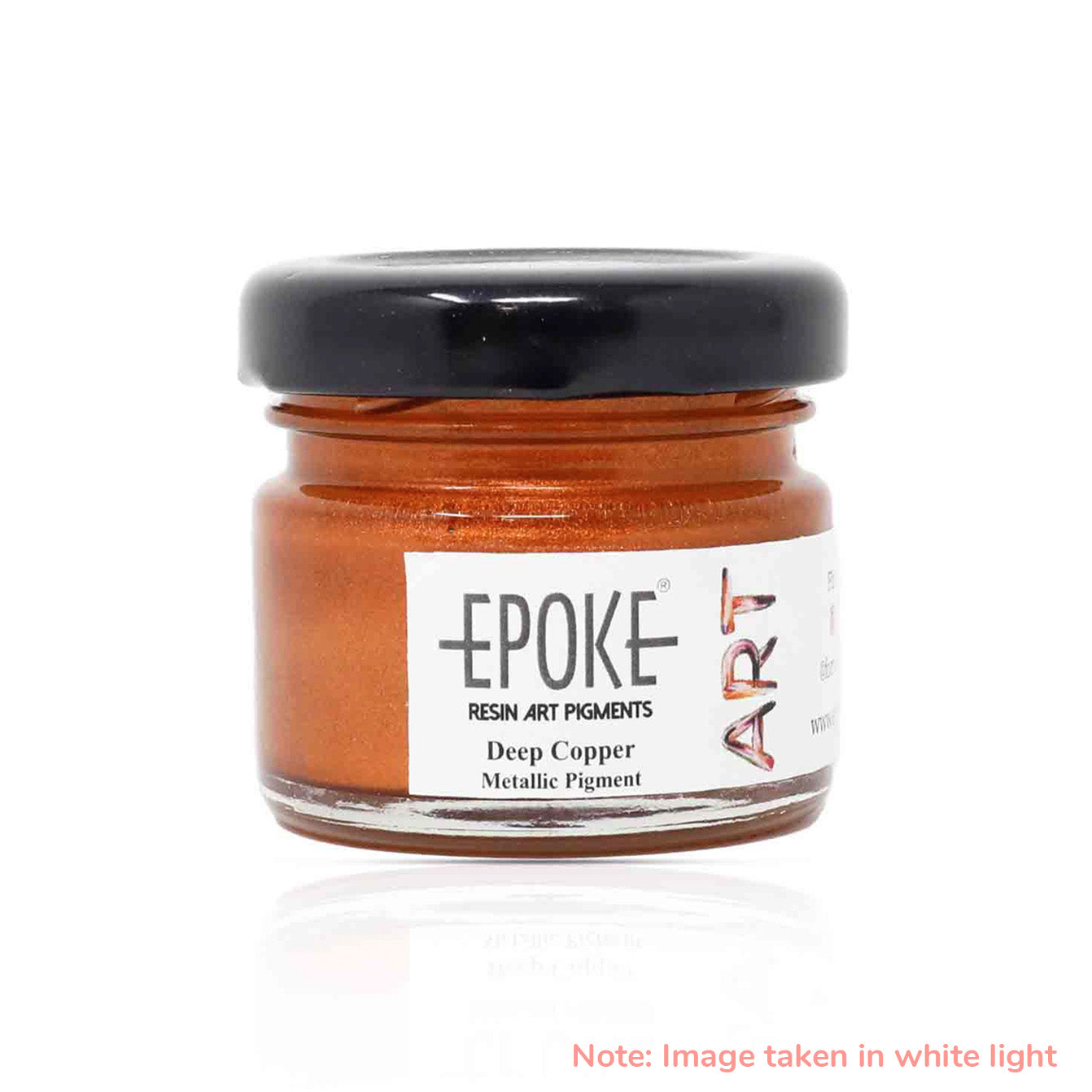
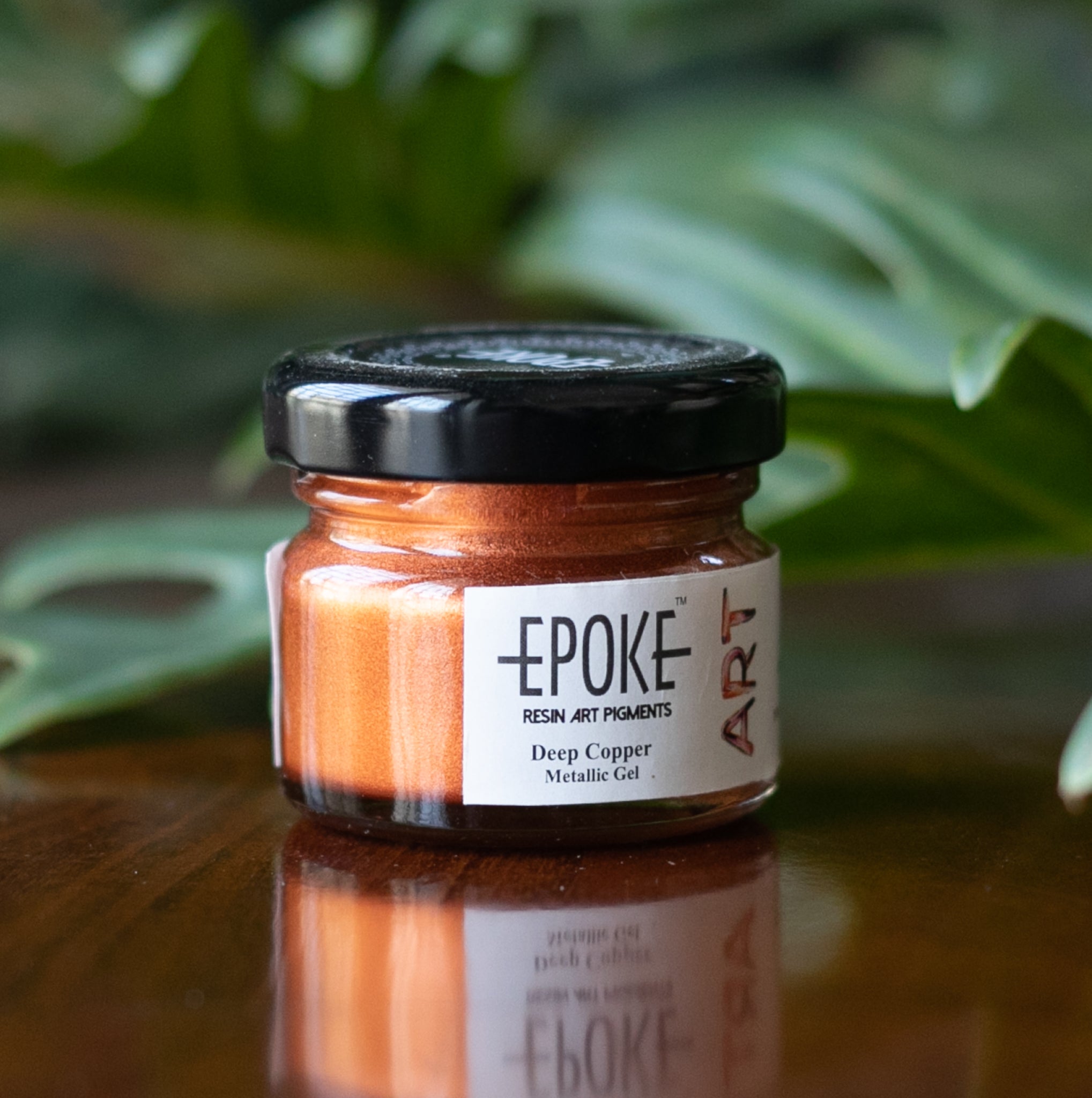
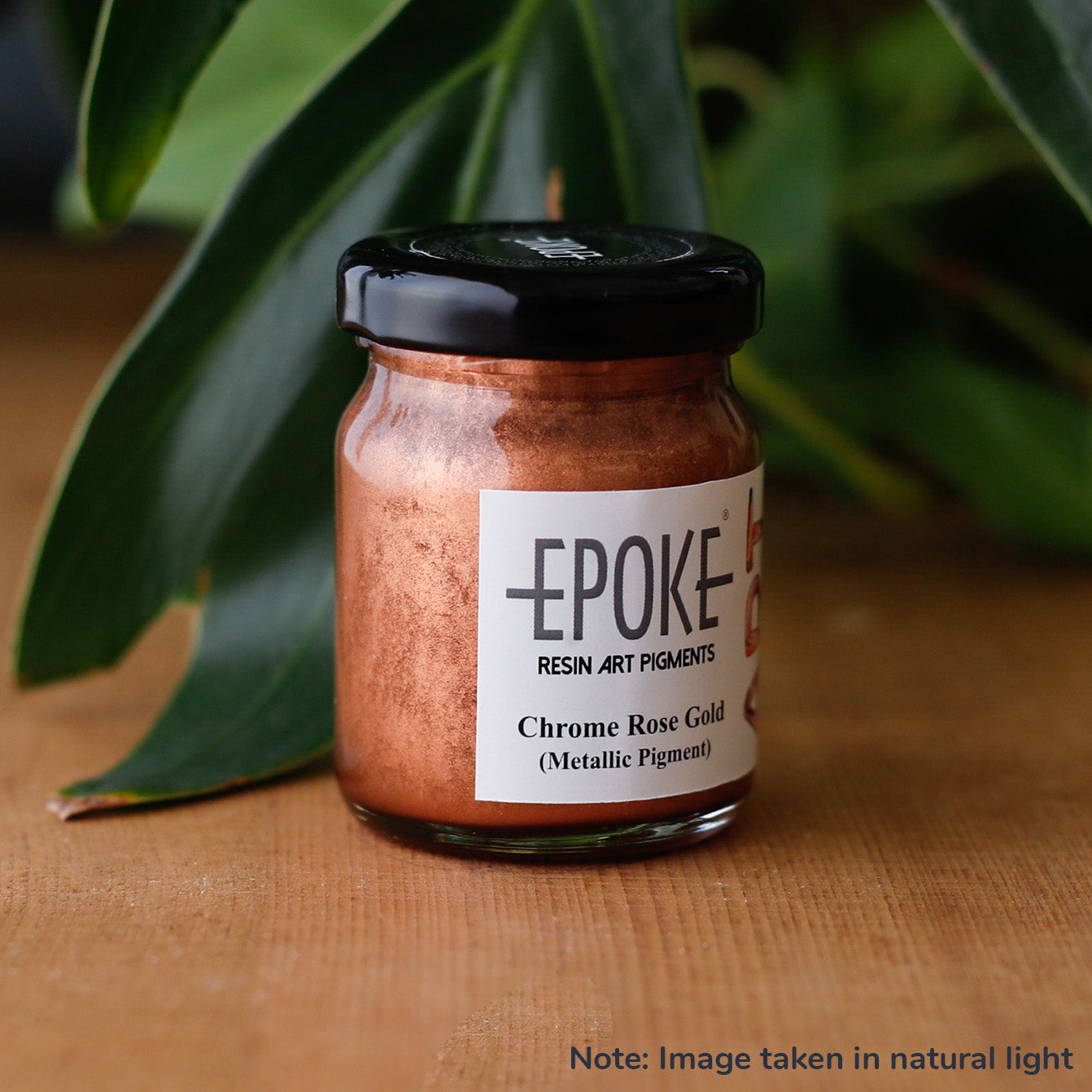
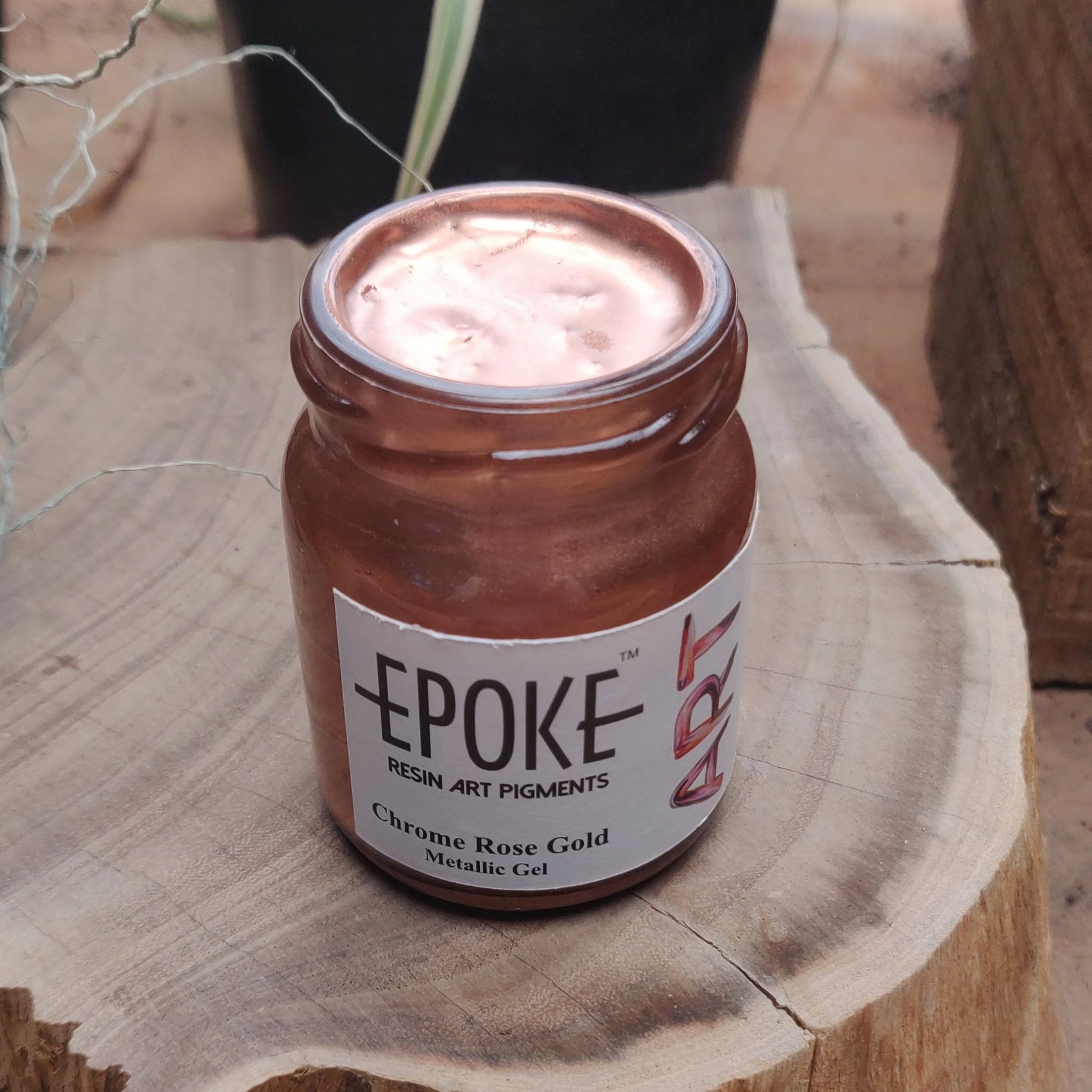
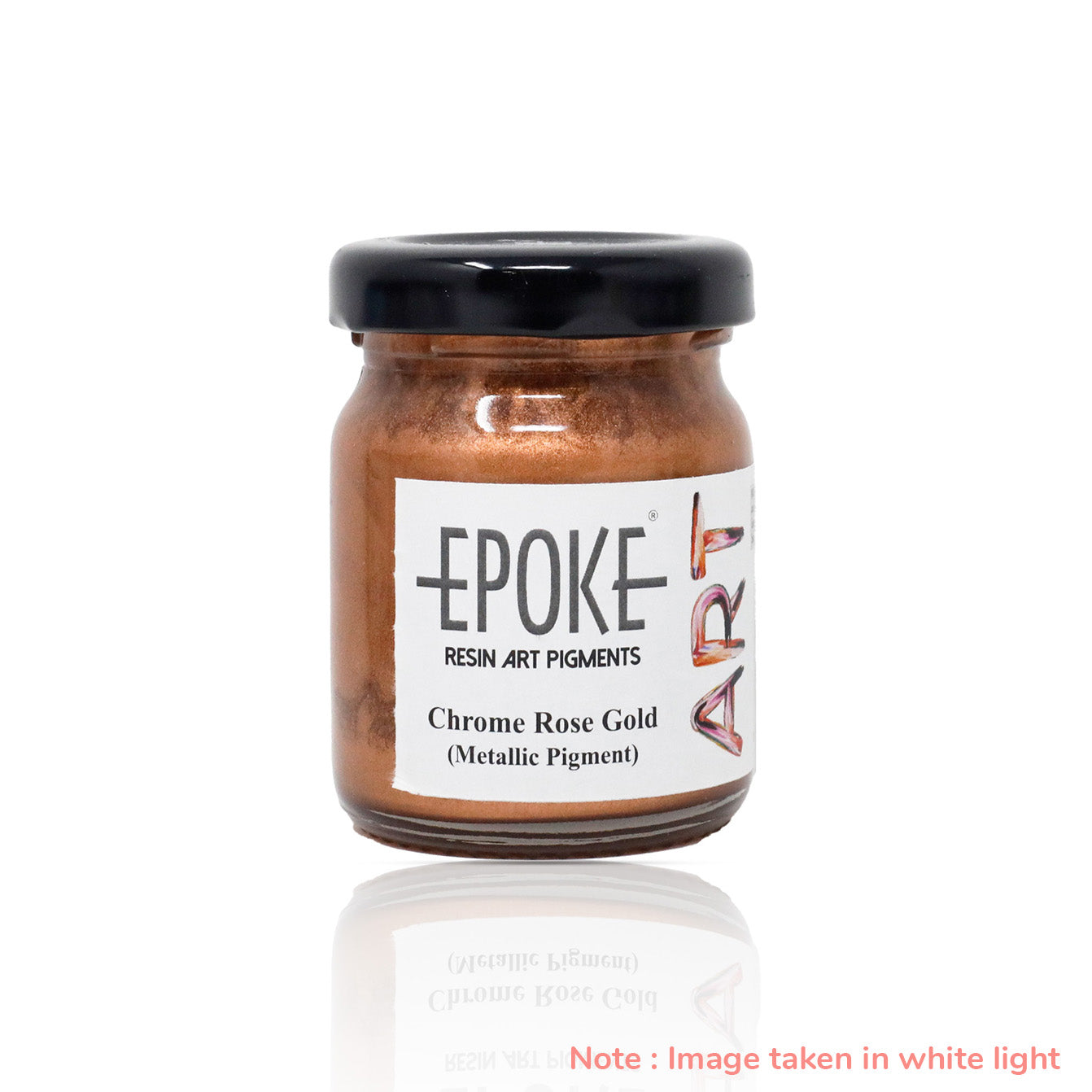
Gold, silver, copper, or bronze accents
-
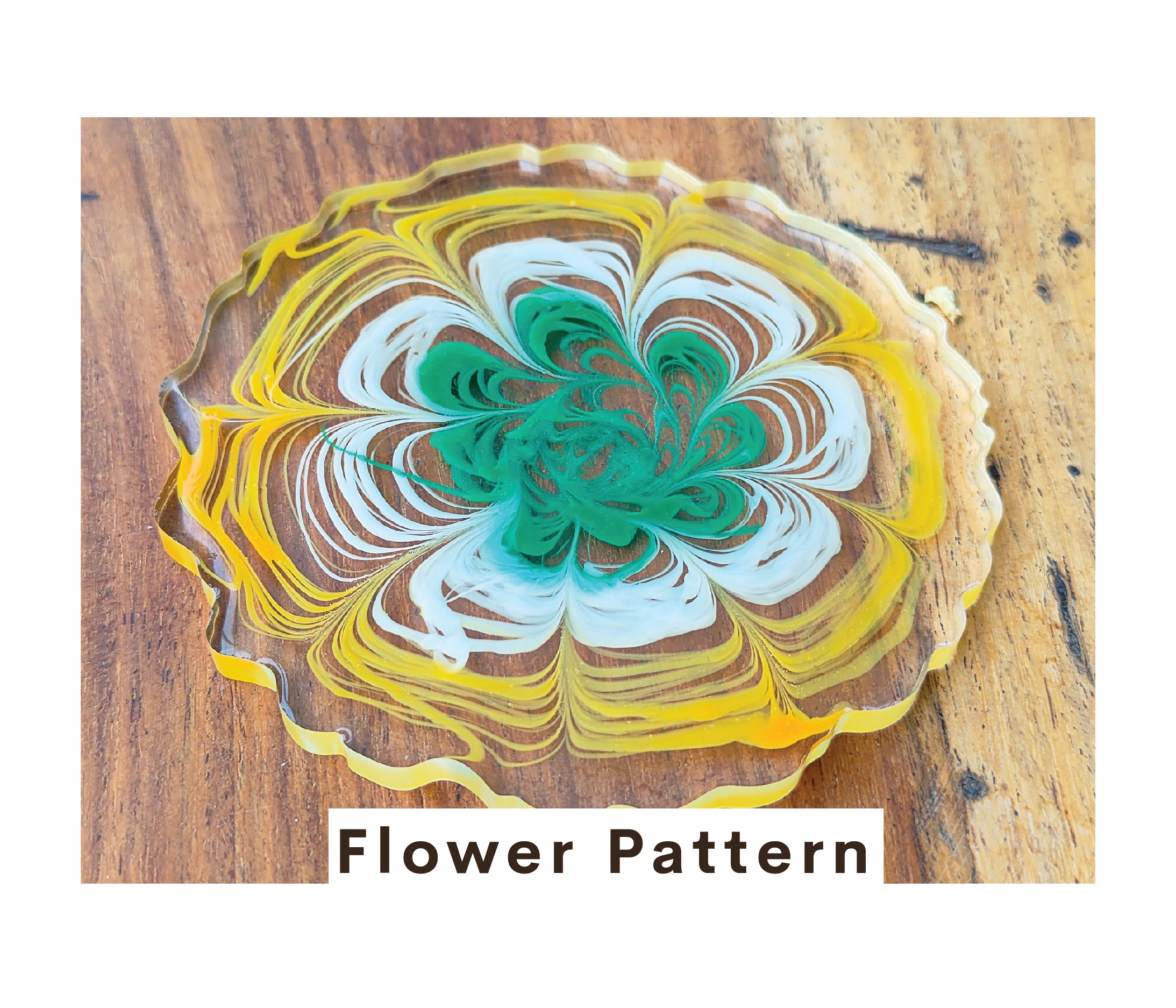
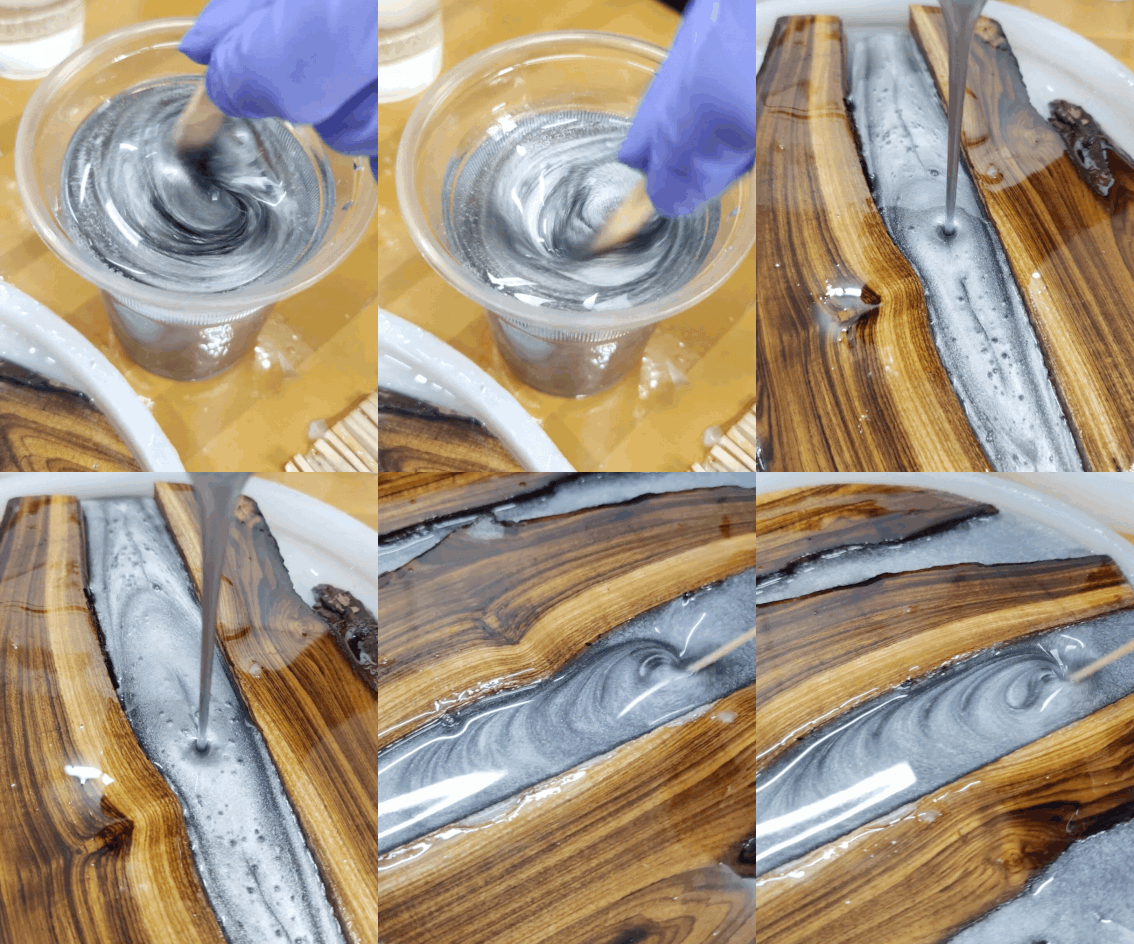
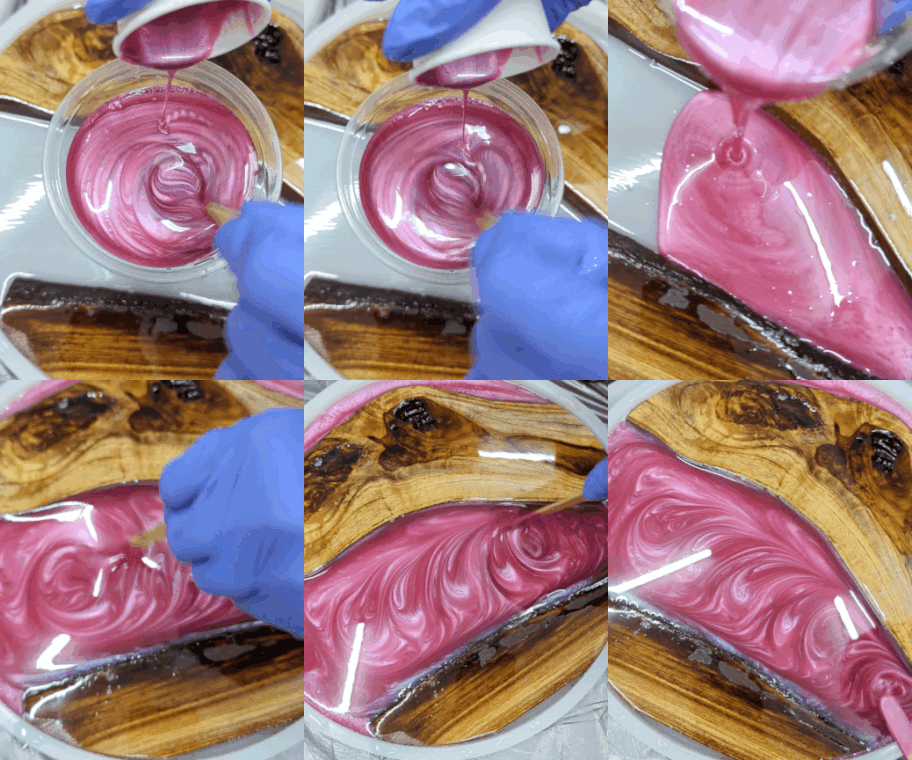
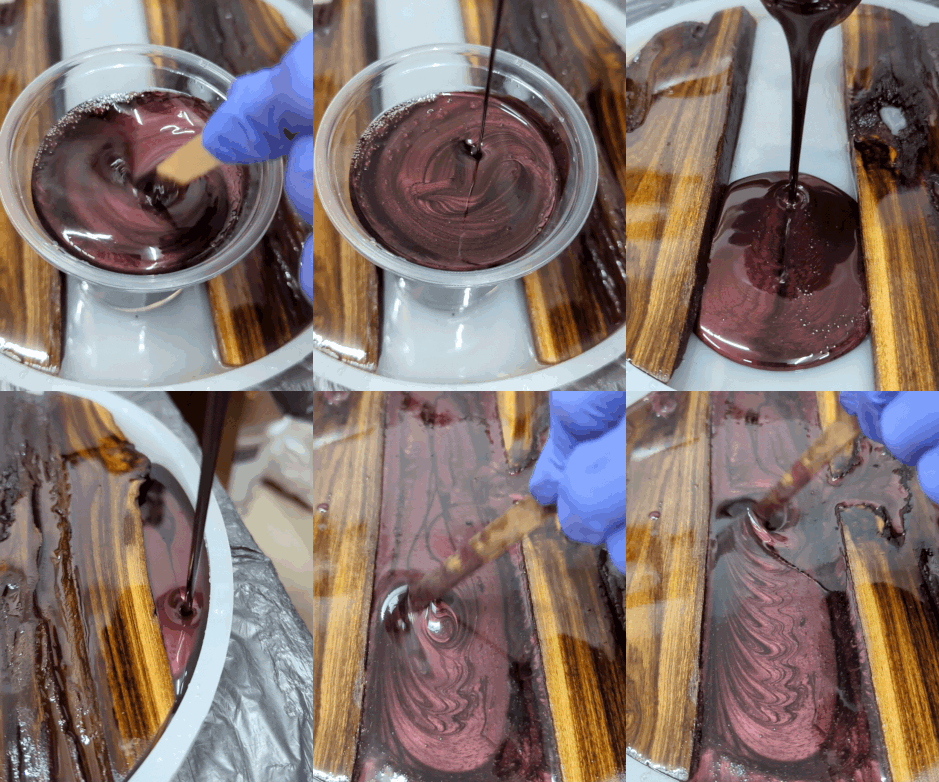
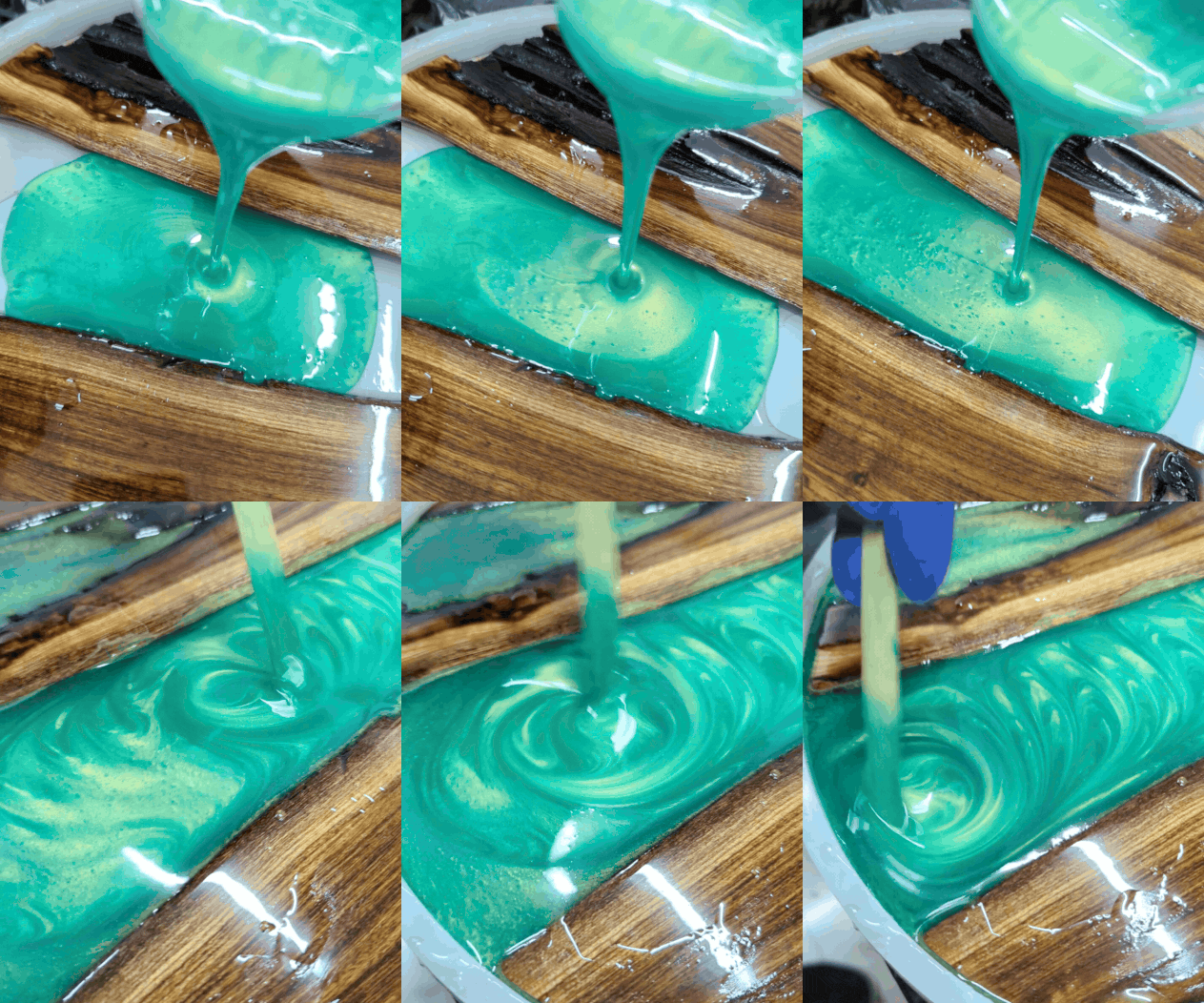
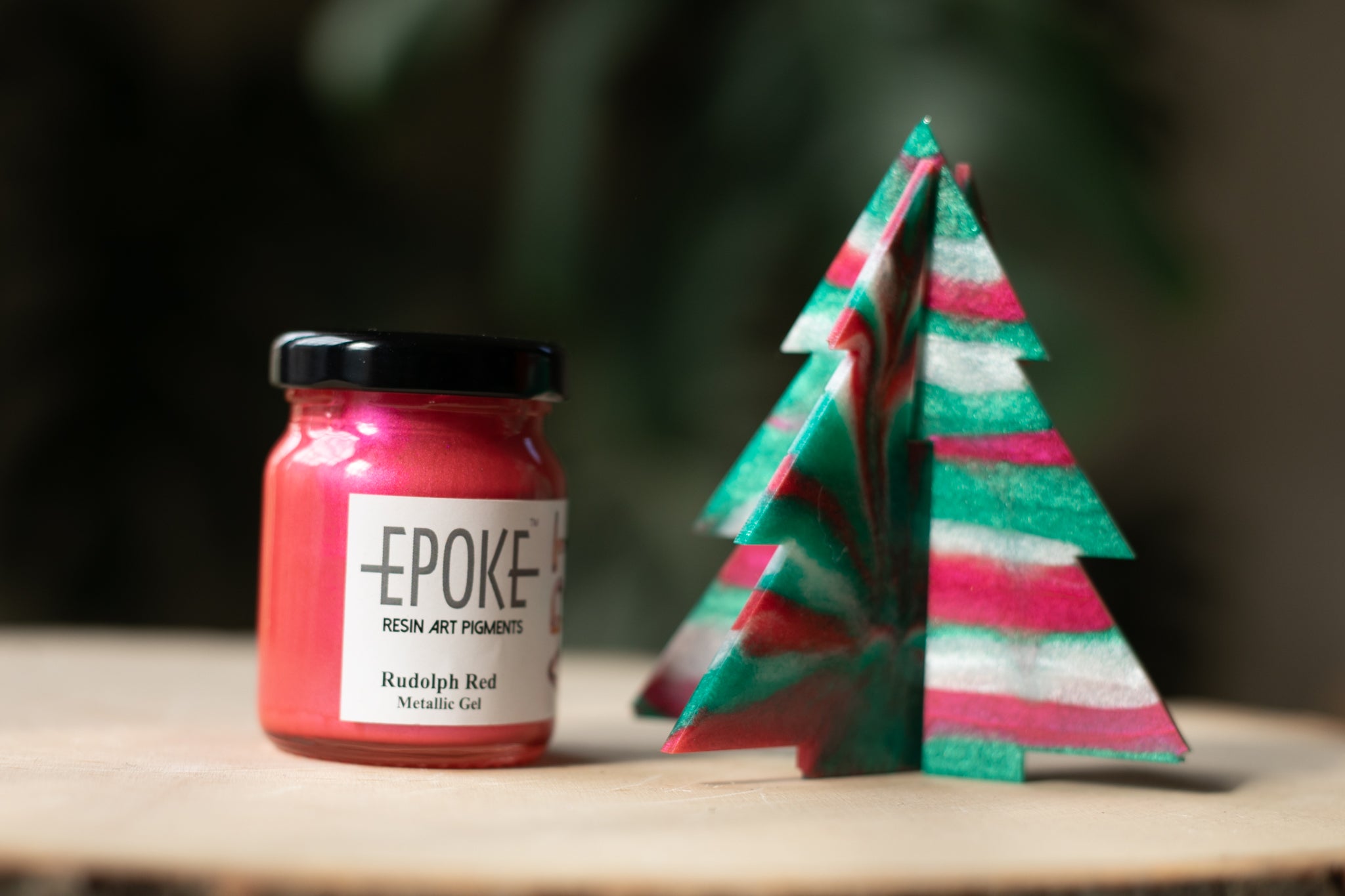
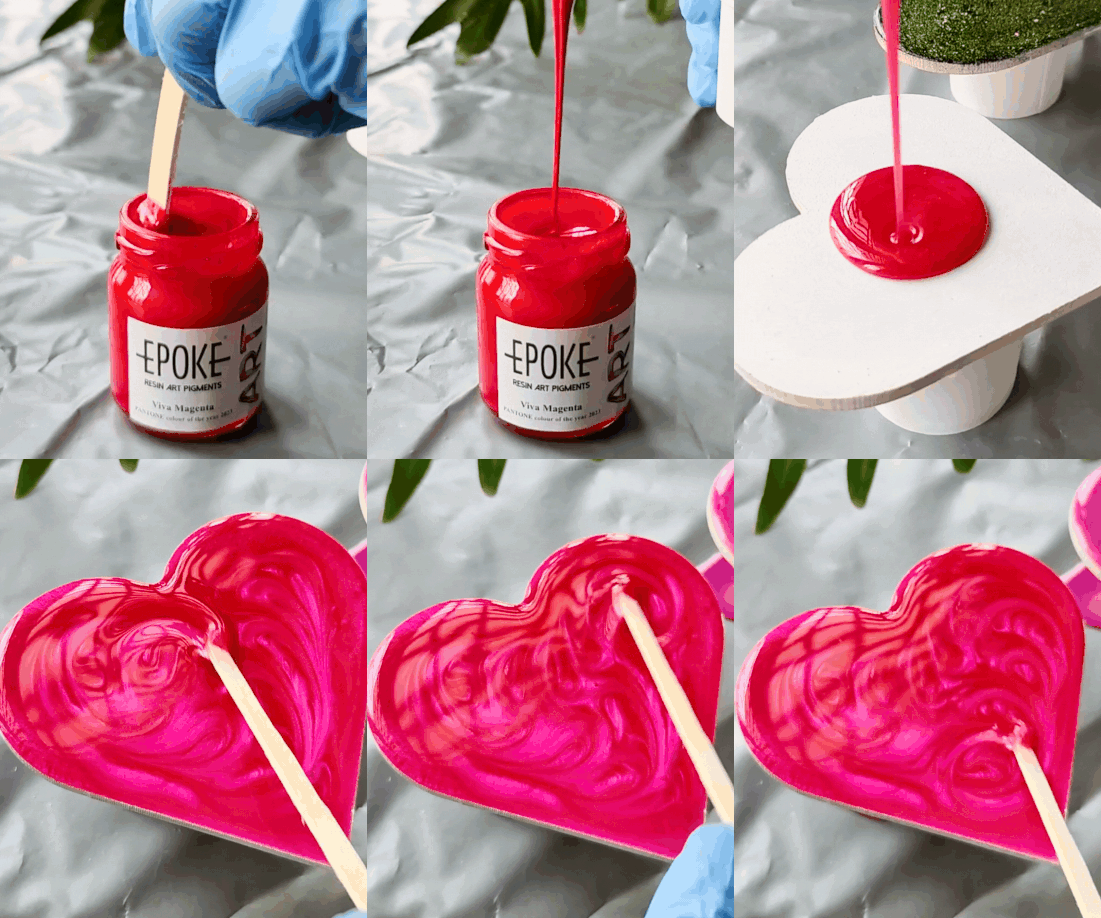
Swirl and marble effects with visible movement
-
A finishing layer over opaque or translucent base coats
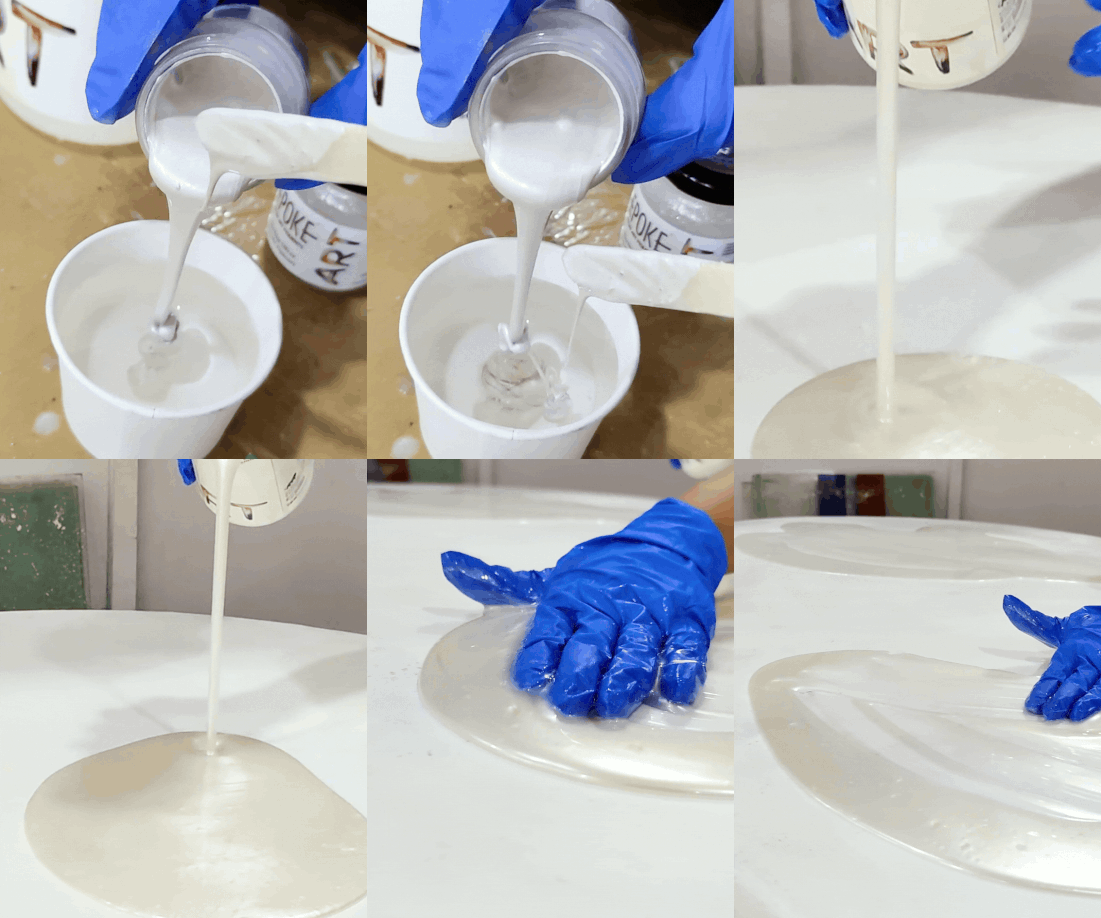
Metallic pigments settle at different rates depending on particle size, so stir your resin thoroughly and pour slowly to avoid clumping.
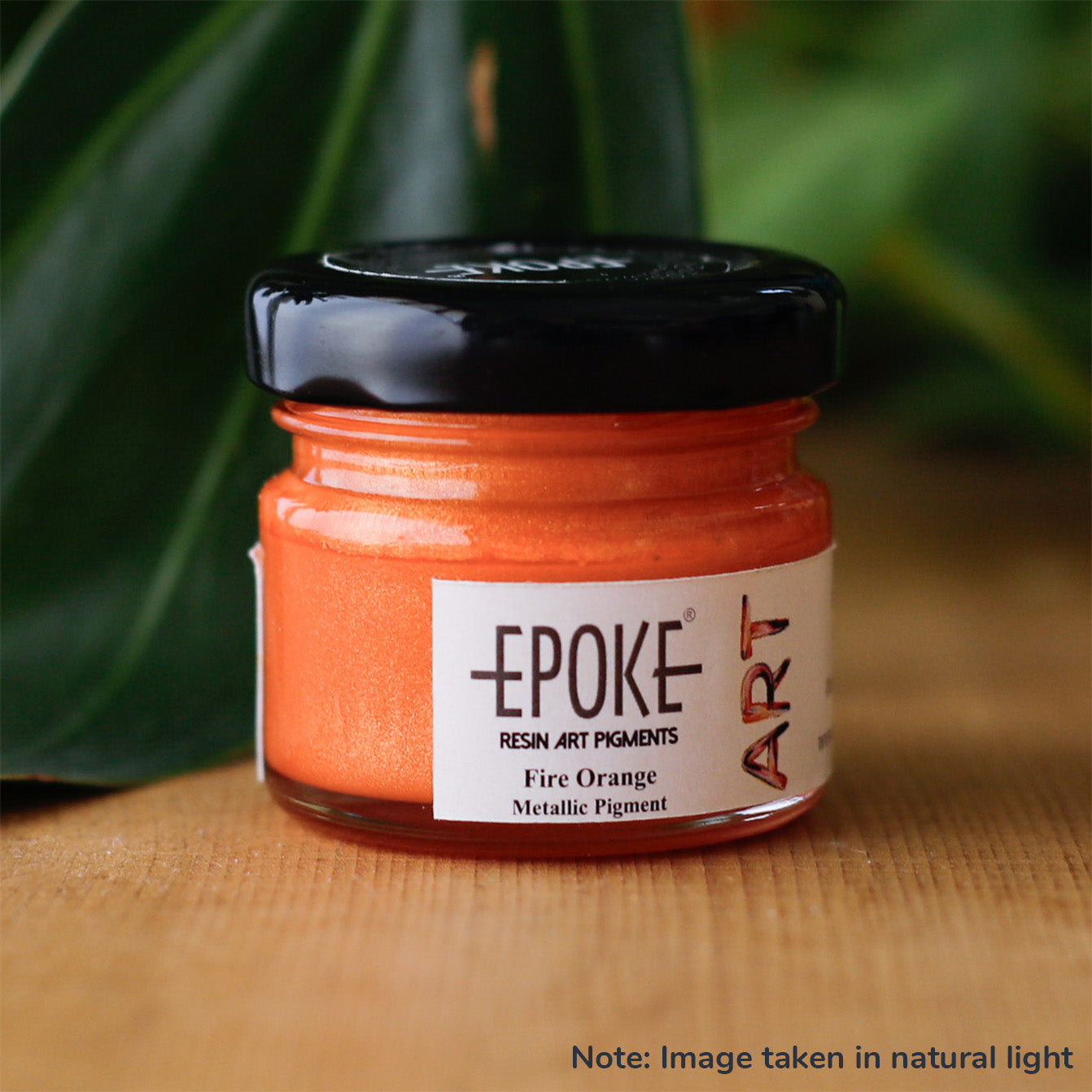
Find your shade in the metallic pigments collection, a top pick for anyone searching for metallic pigment in India.
Opaque vs Translucent Pigment: Key Differences
|
Factor |
Opaque Pigment |
Translucent Pigment |
|
Light transmission |
Blocks light |
Allows light through |
|
Best for |
Solid color pieces |
Layered, glowing pieces |
|
Coverage |
Full, even coverage |
Soft, gradient-style coverage |
|
Amount needed |
Small amount for full coverage |
Even smaller amount to avoid cloudiness |
The main opaque vs translucent pigment decision comes down to one question: do you want the resin to hide what's underneath, or show it?
Metallic vs Mica Pigment: Are They the Same?
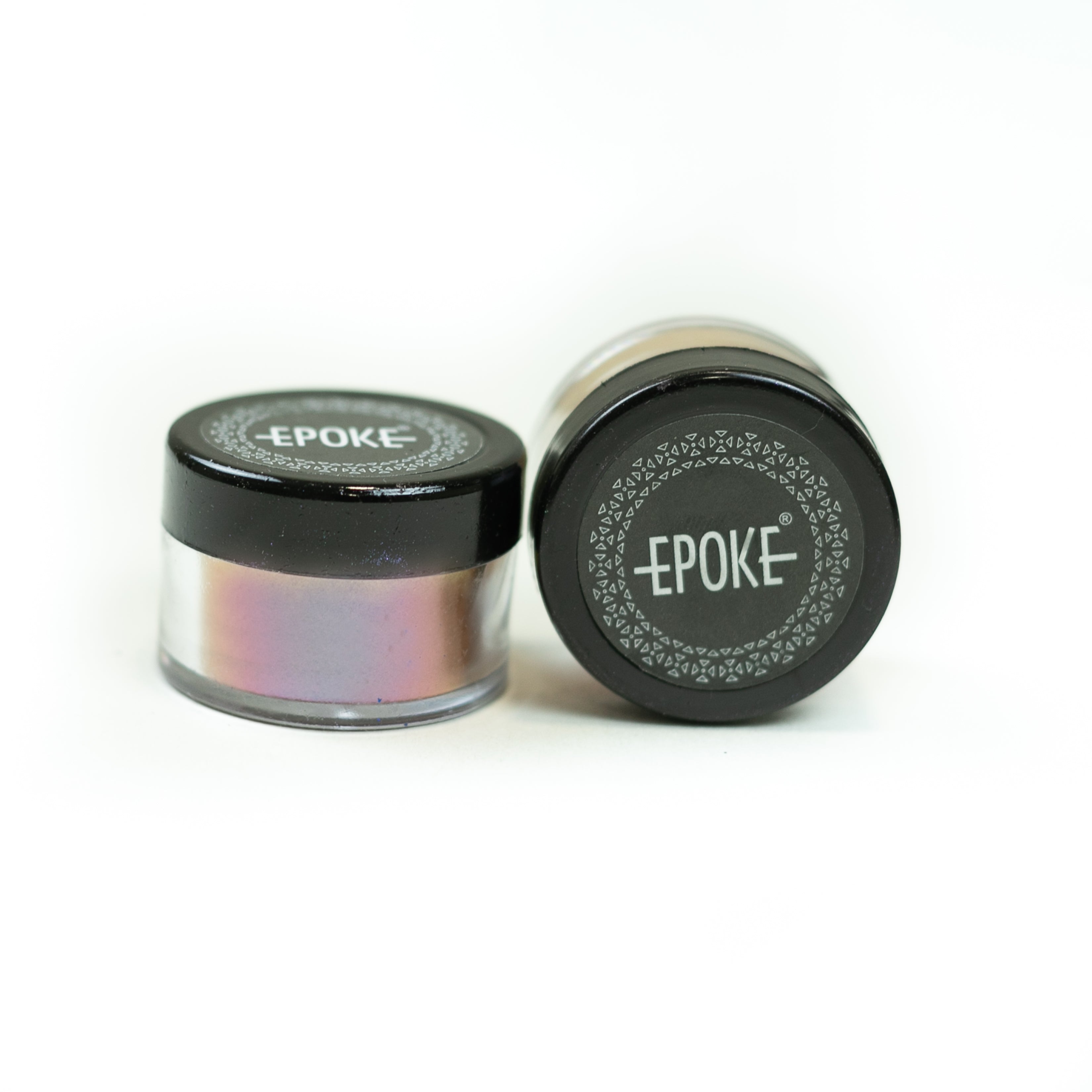
This question comes up often, so it deserves a direct answer. Metallic pigment and mica pigment are related but not identical. Mica pigment is a natural mineral ground into fine powder, coated to create shimmer. Metallic pigment can include mica along with other reflective particles designed for stronger shine and bolder movement in resin.
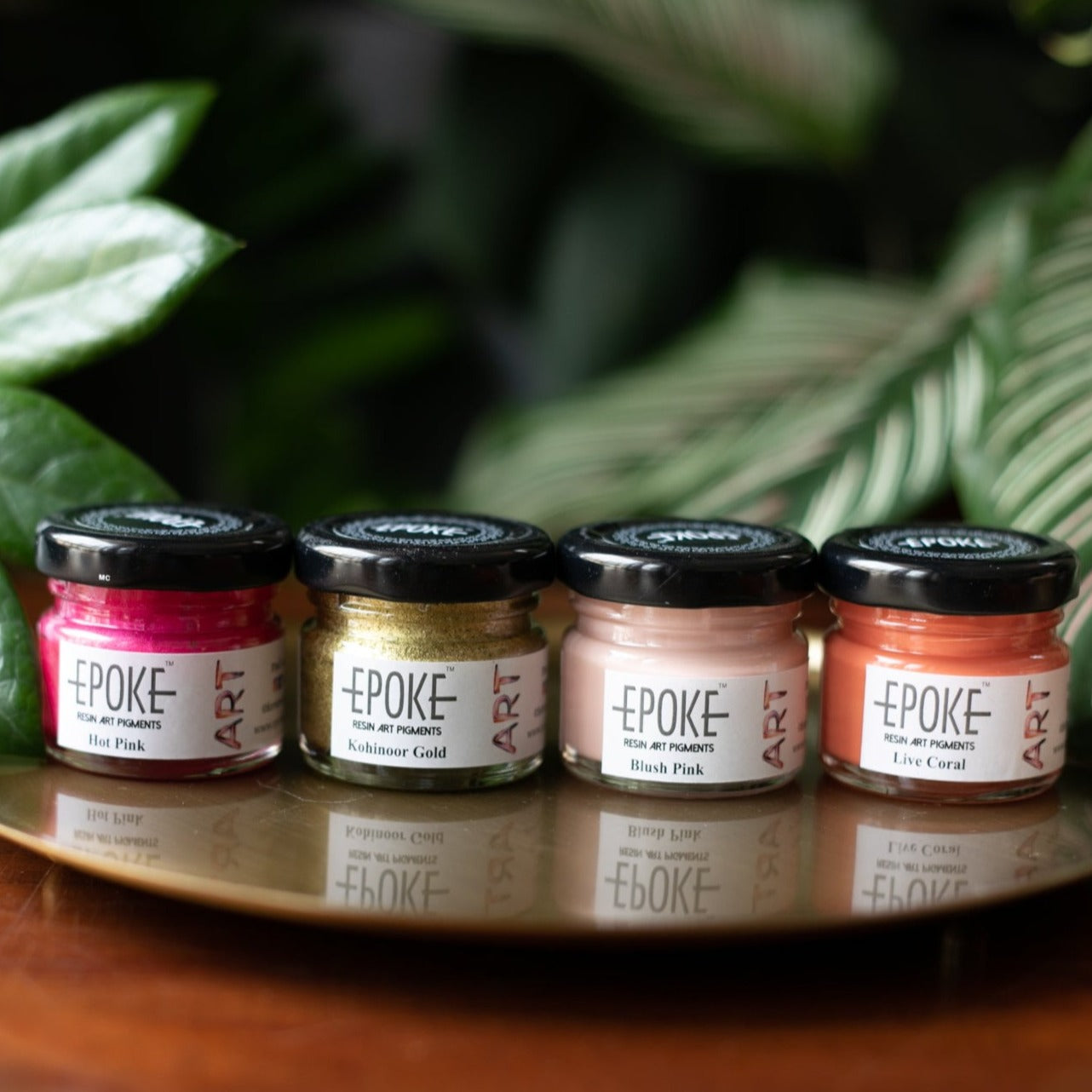
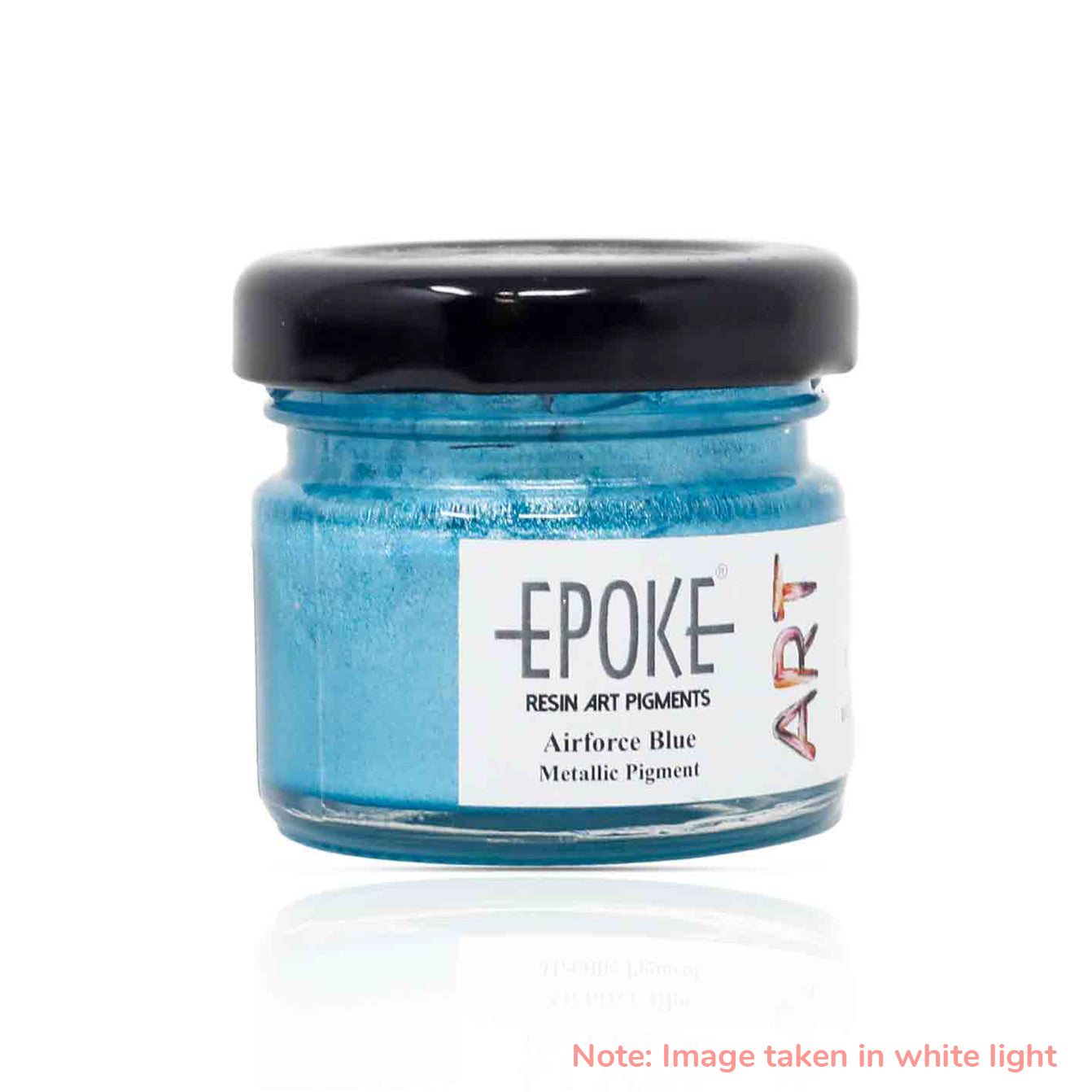
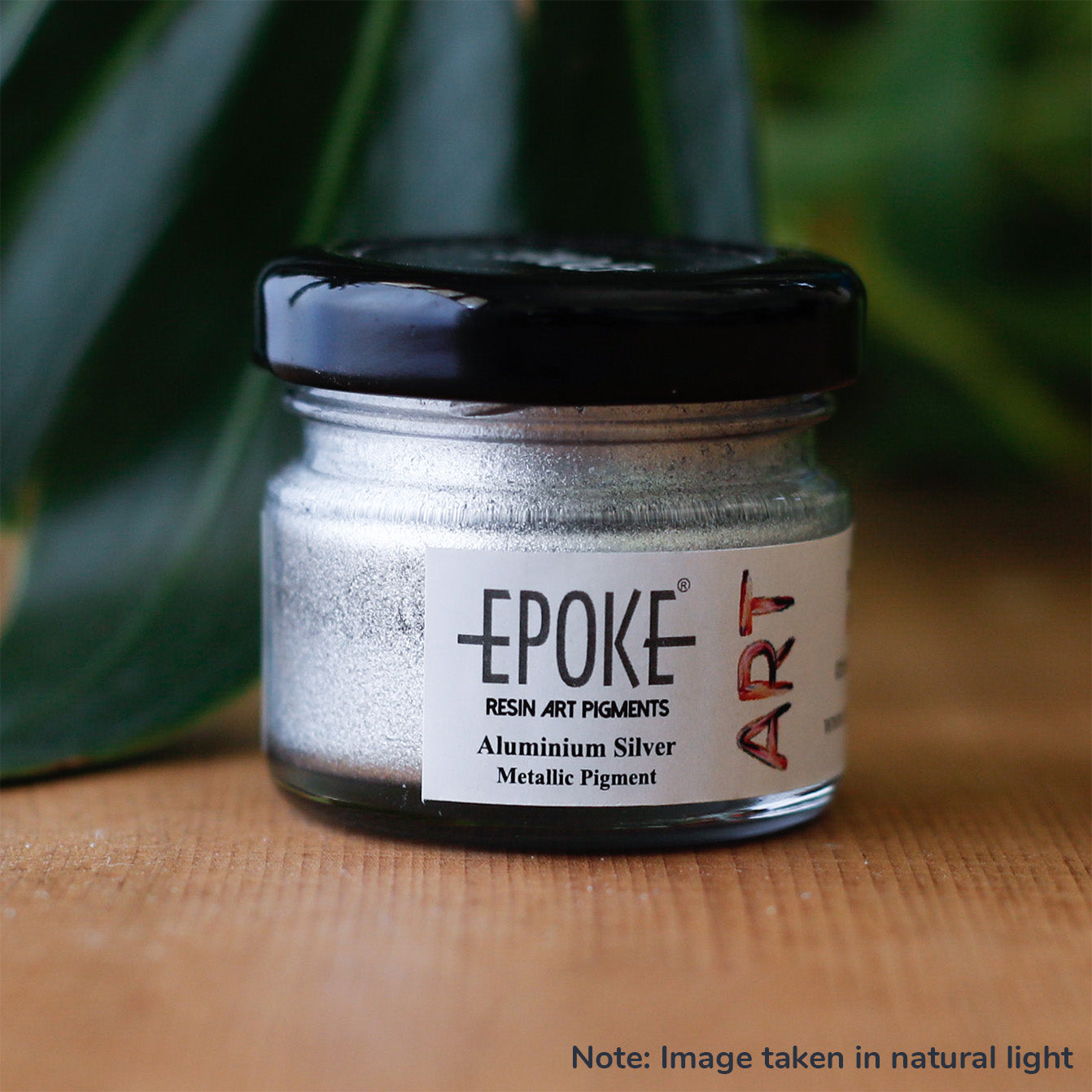
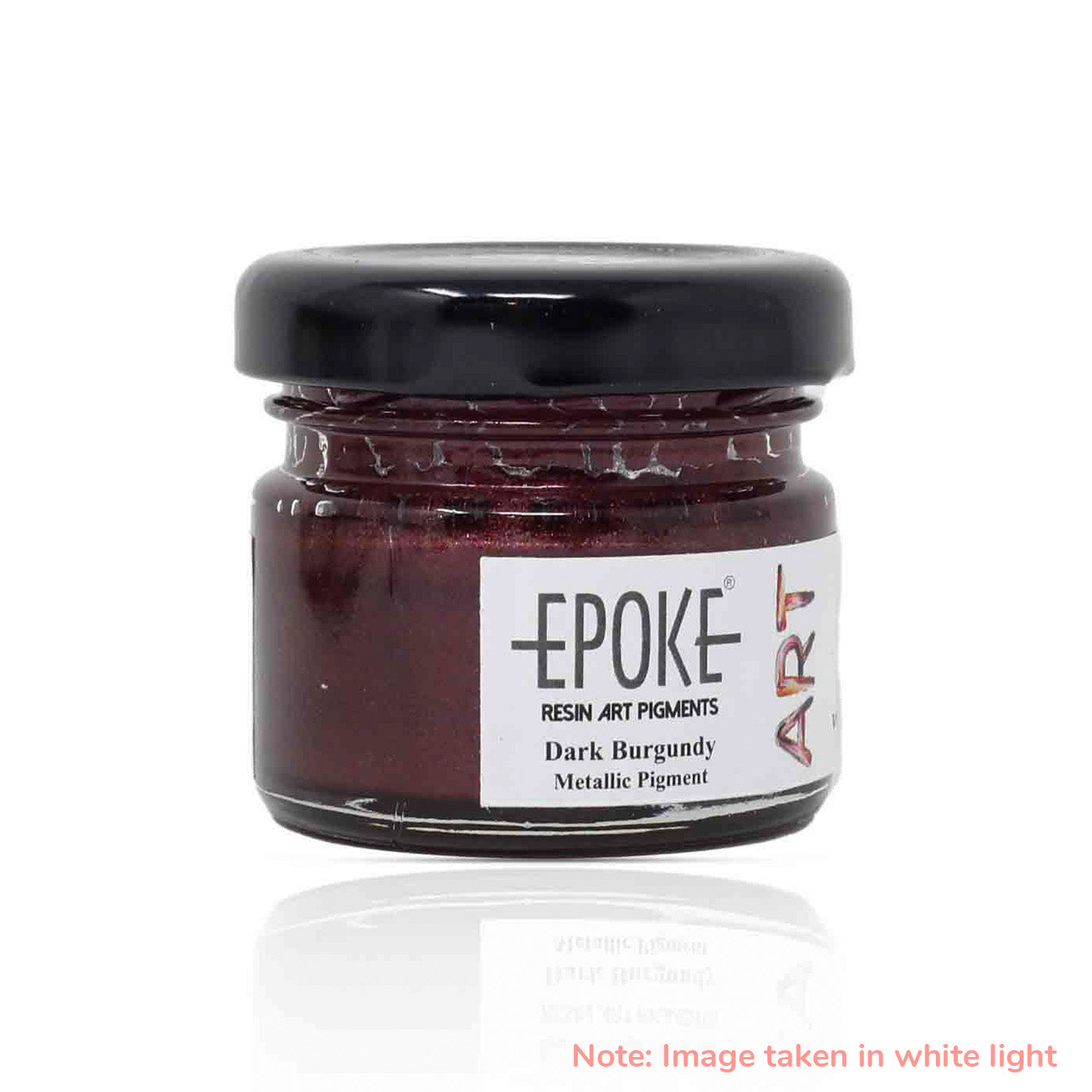
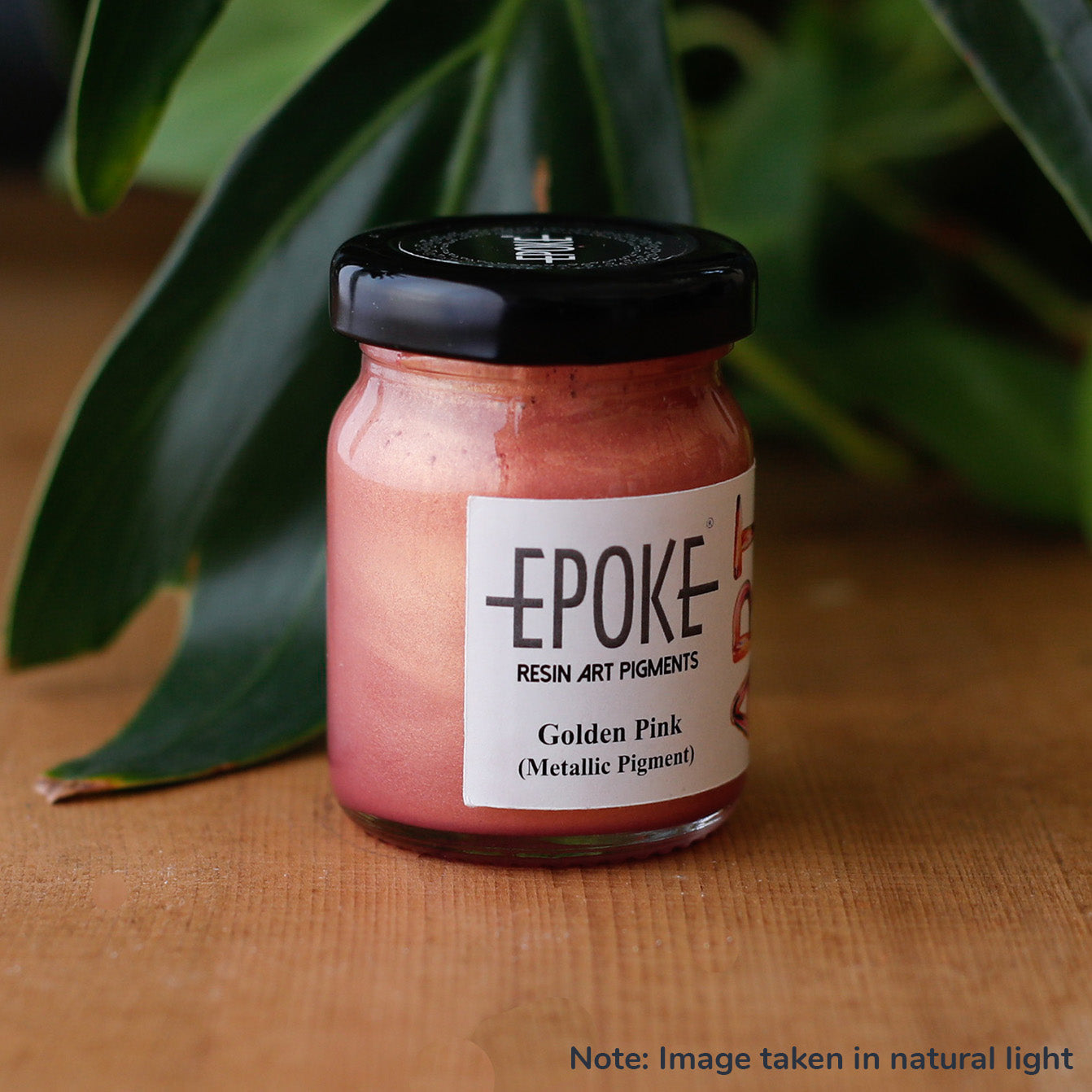
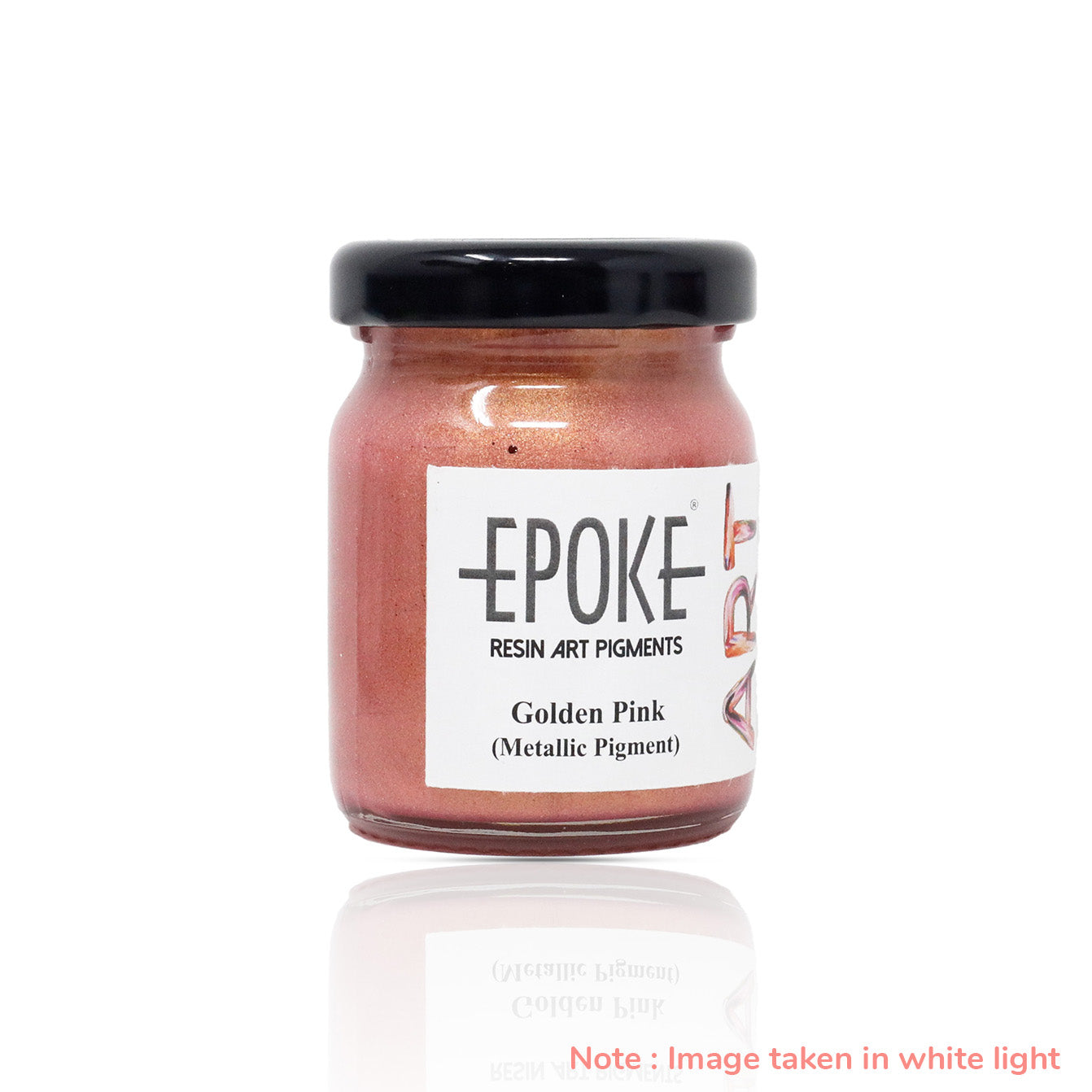
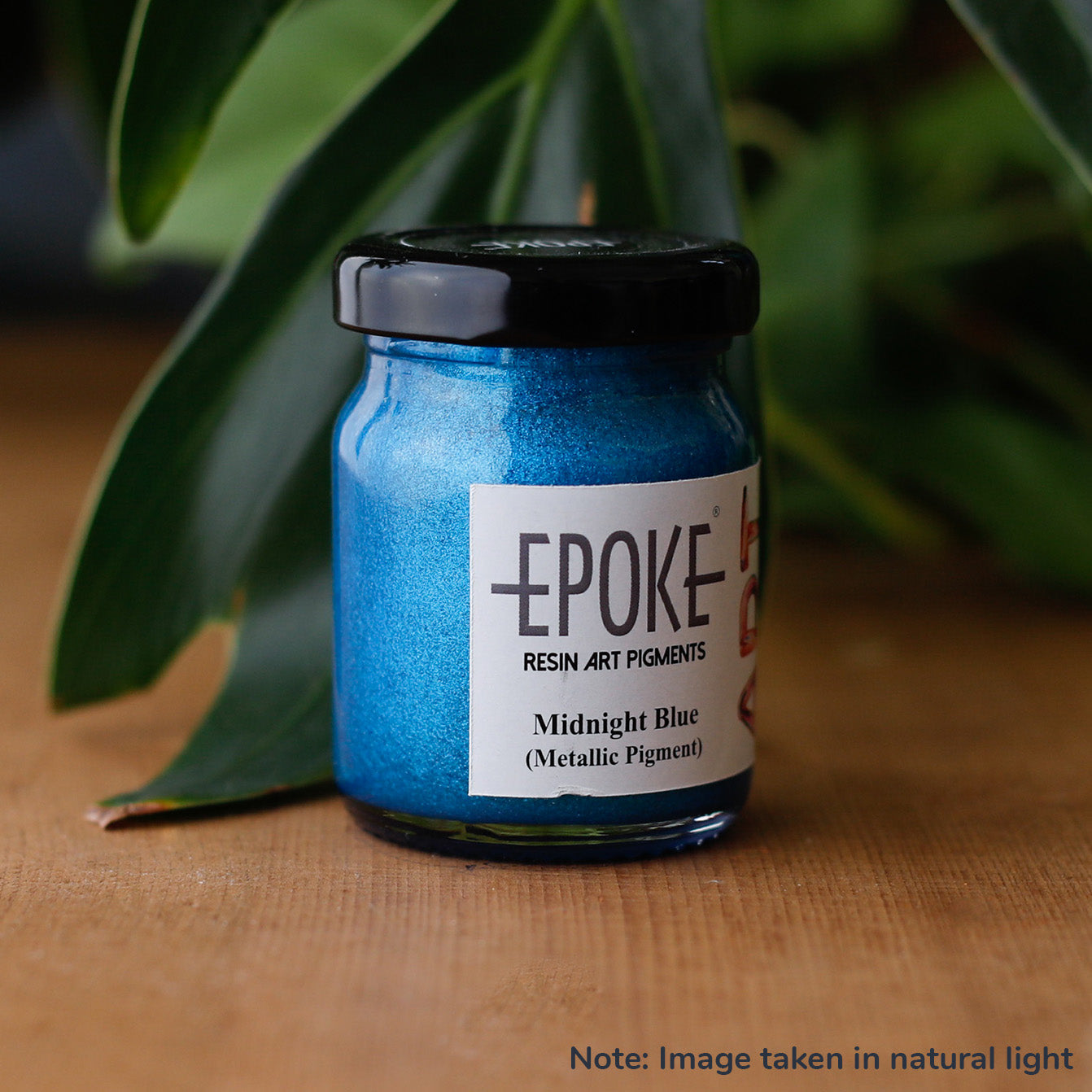
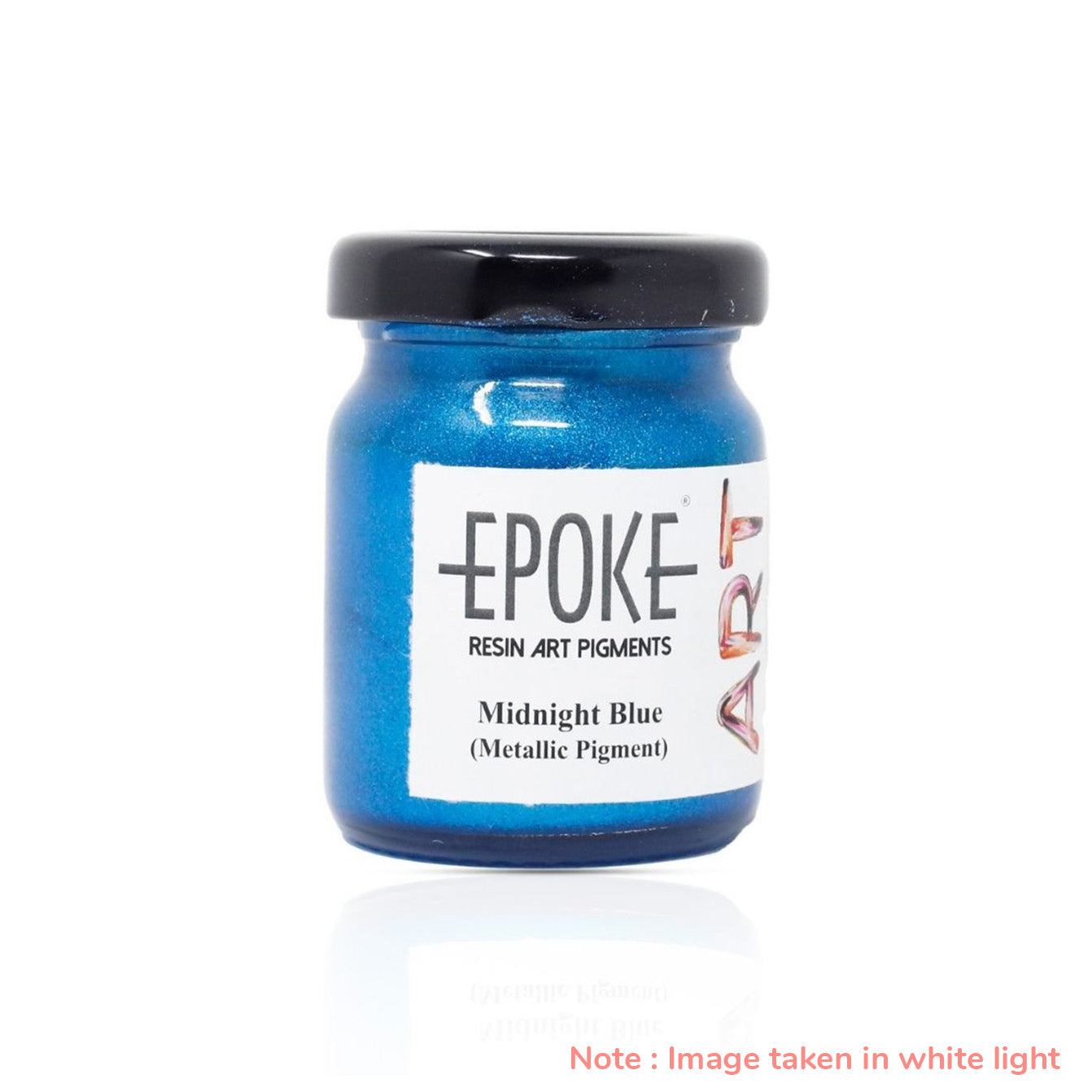
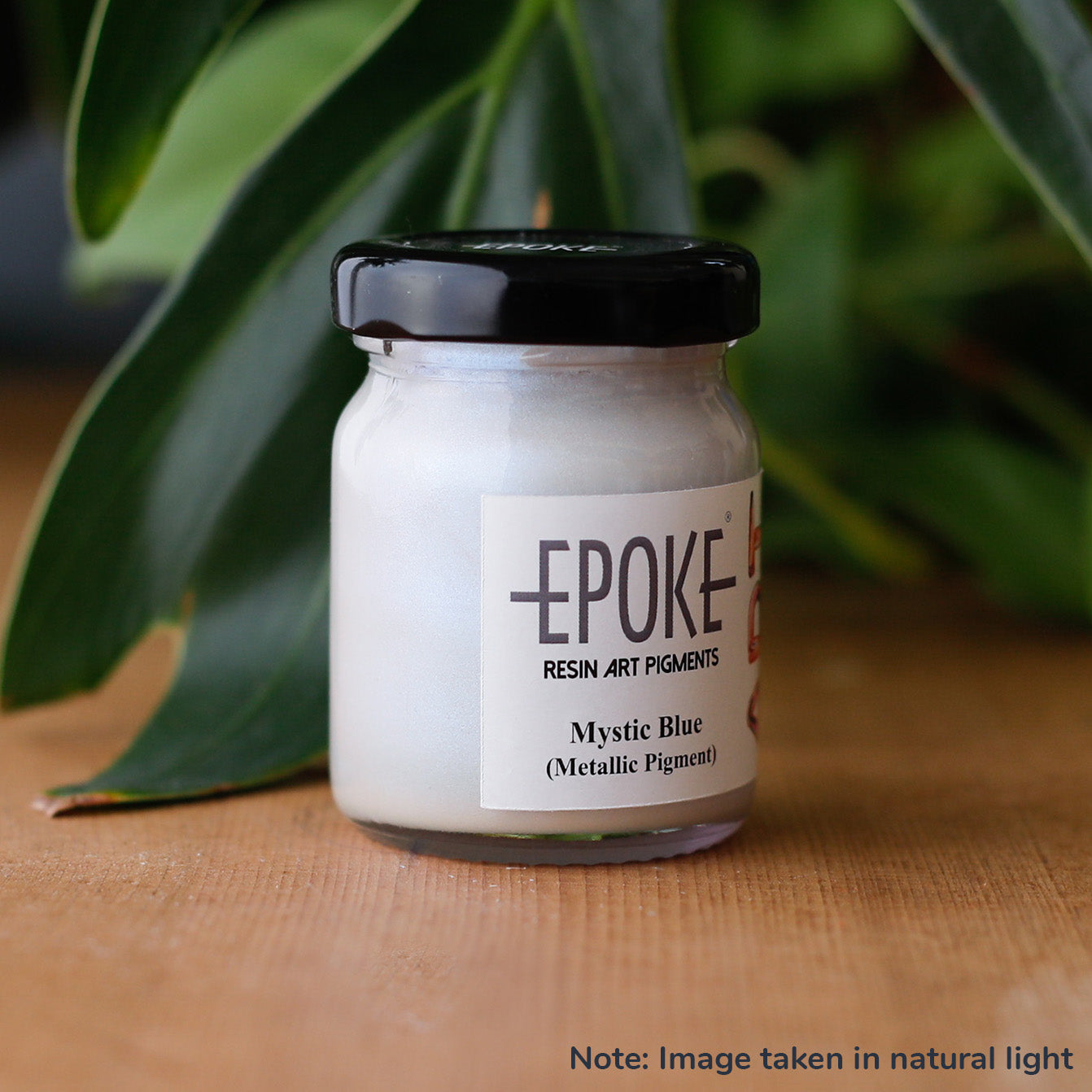
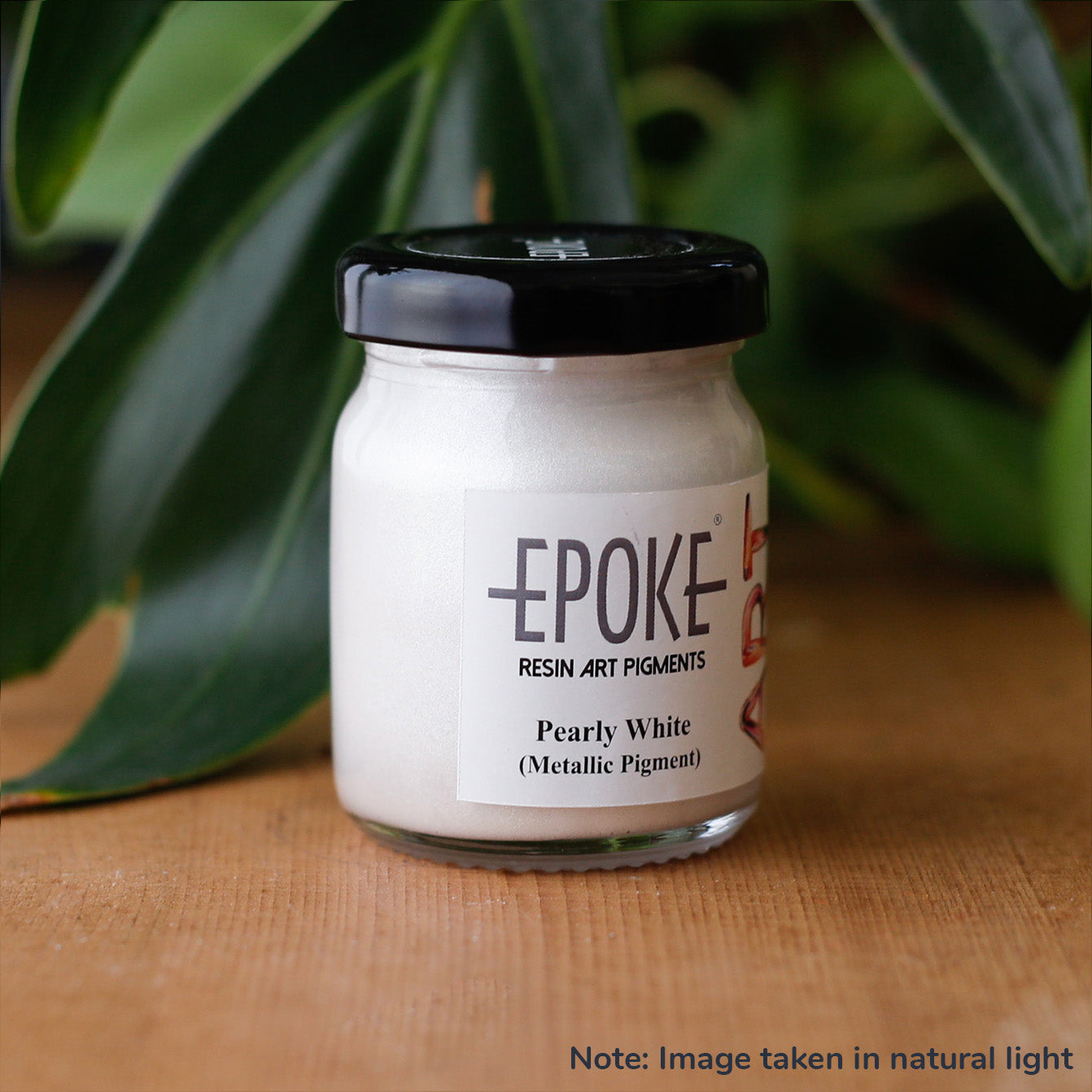
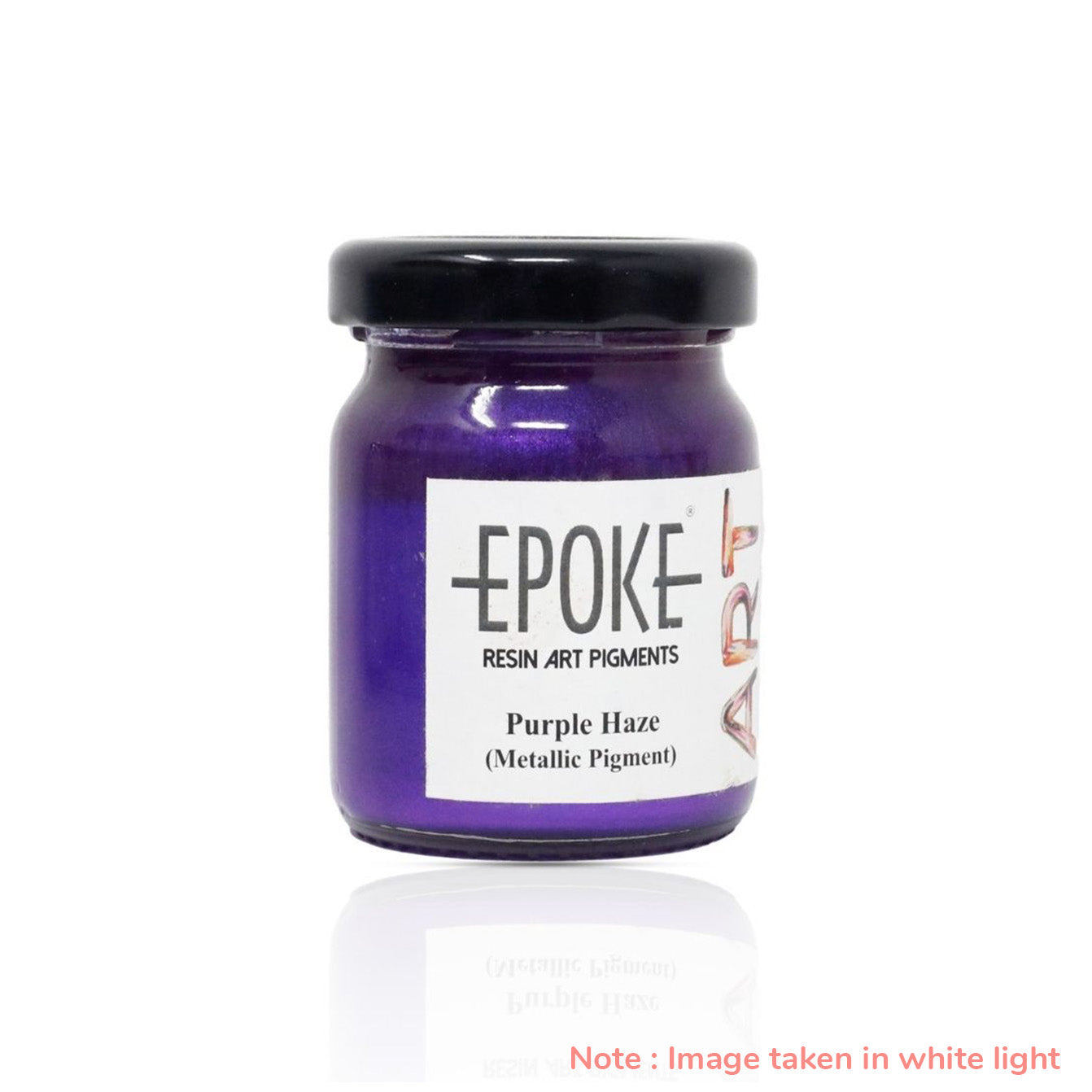
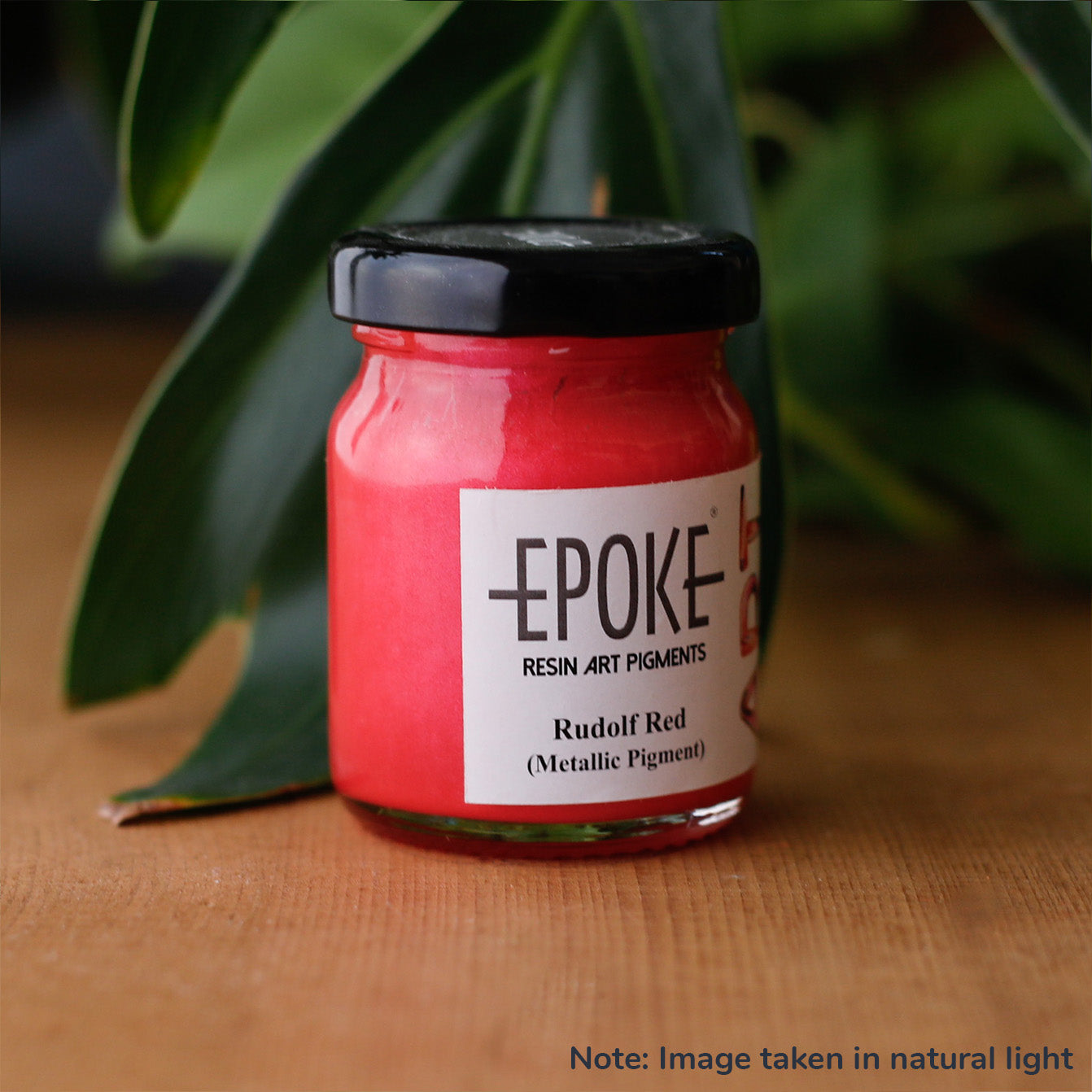
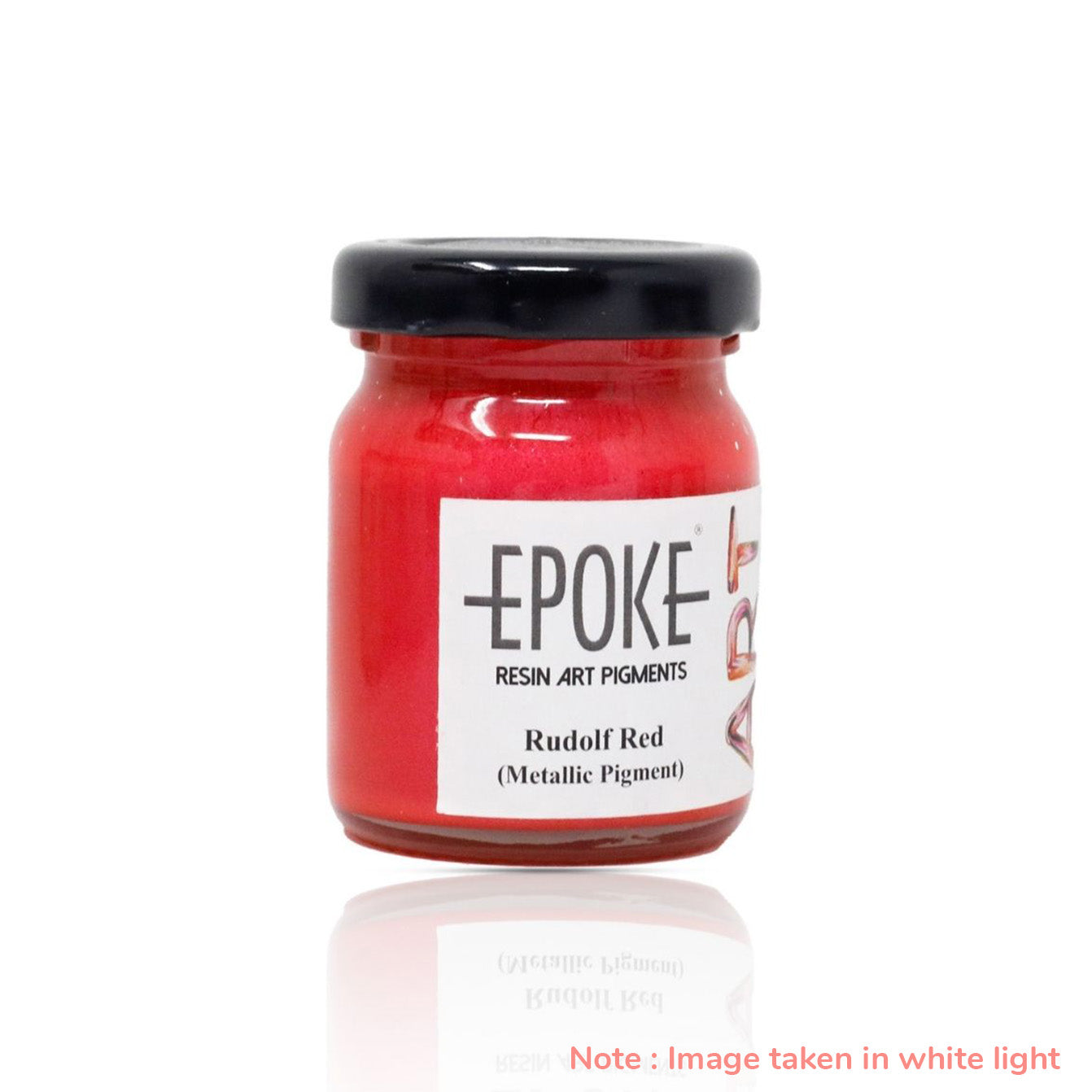
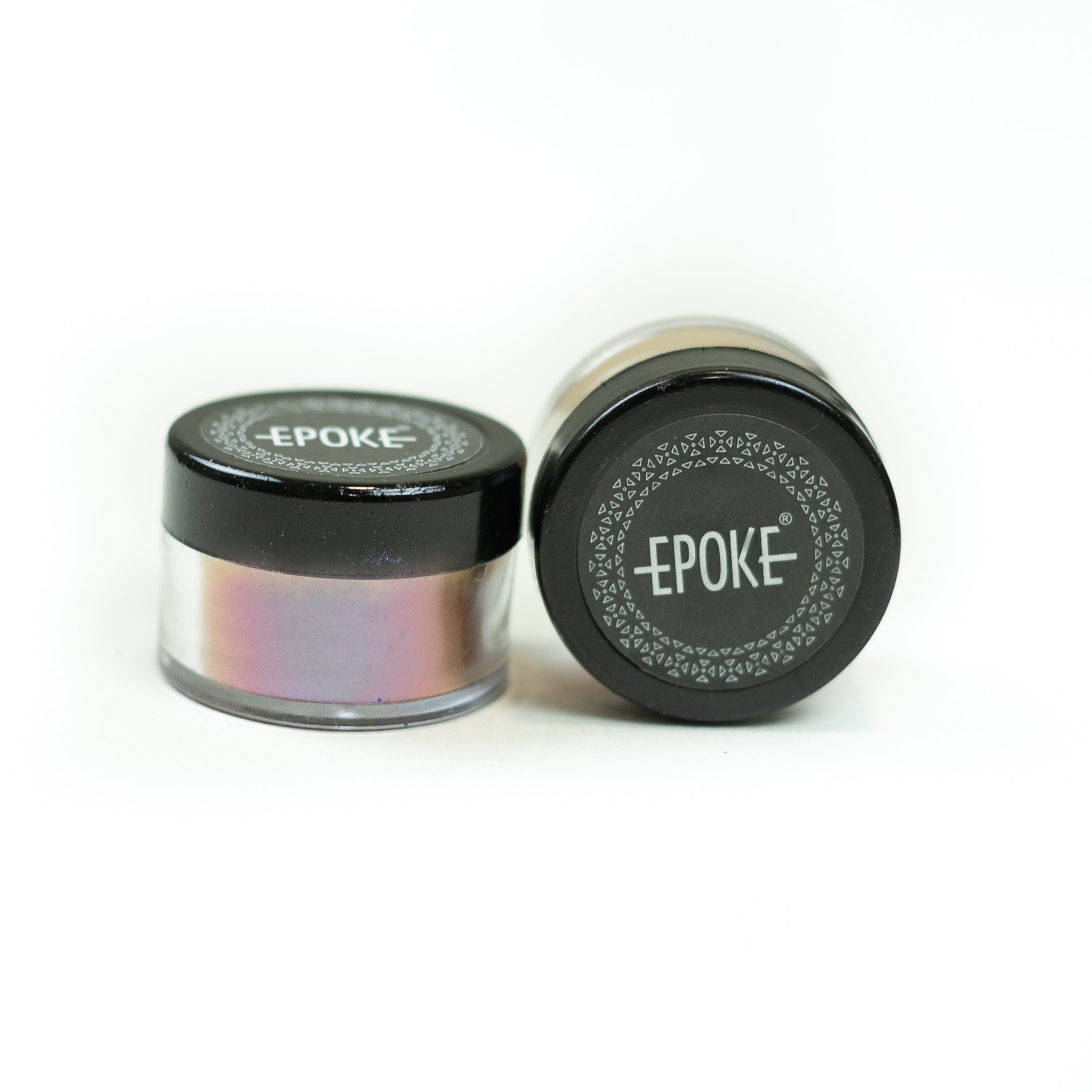
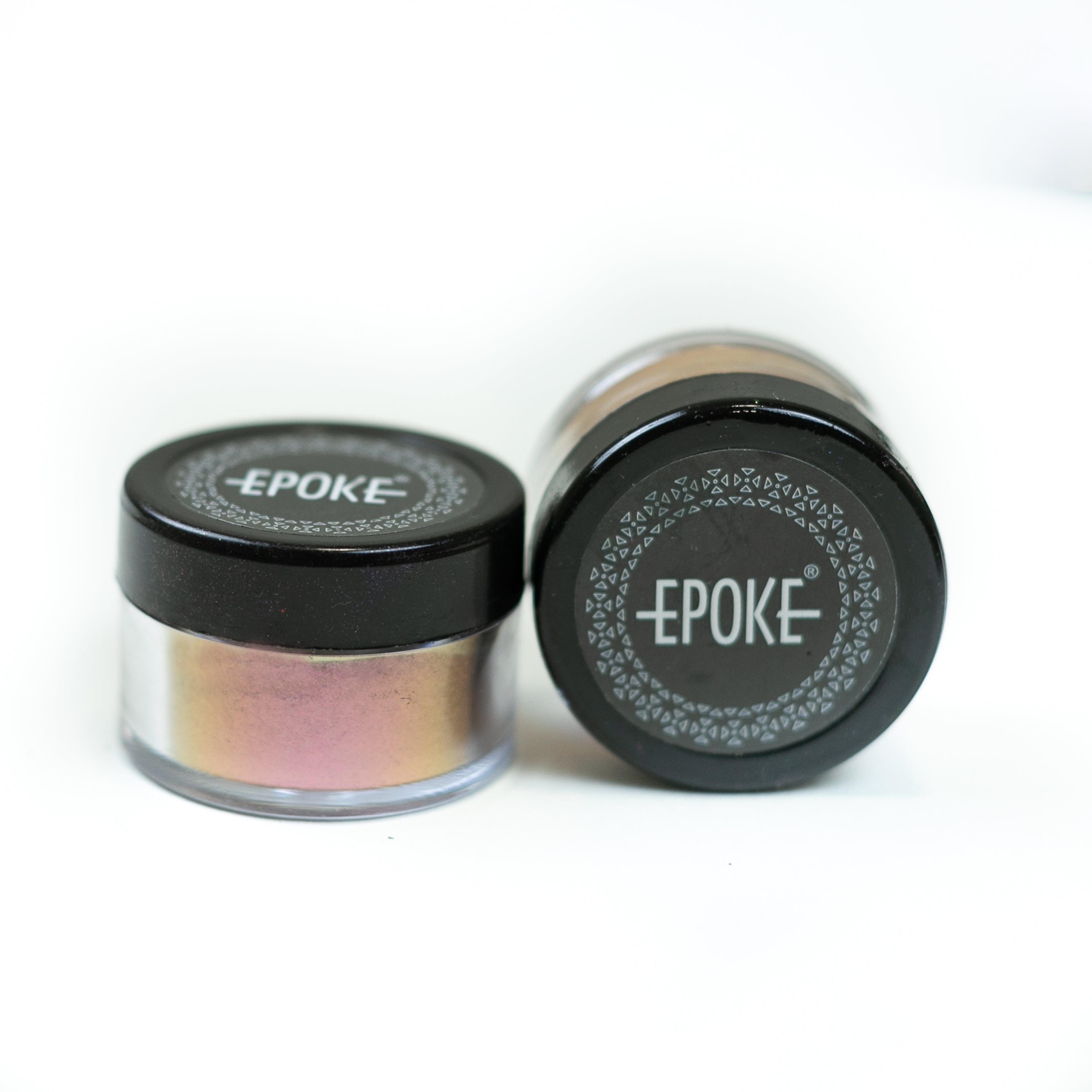
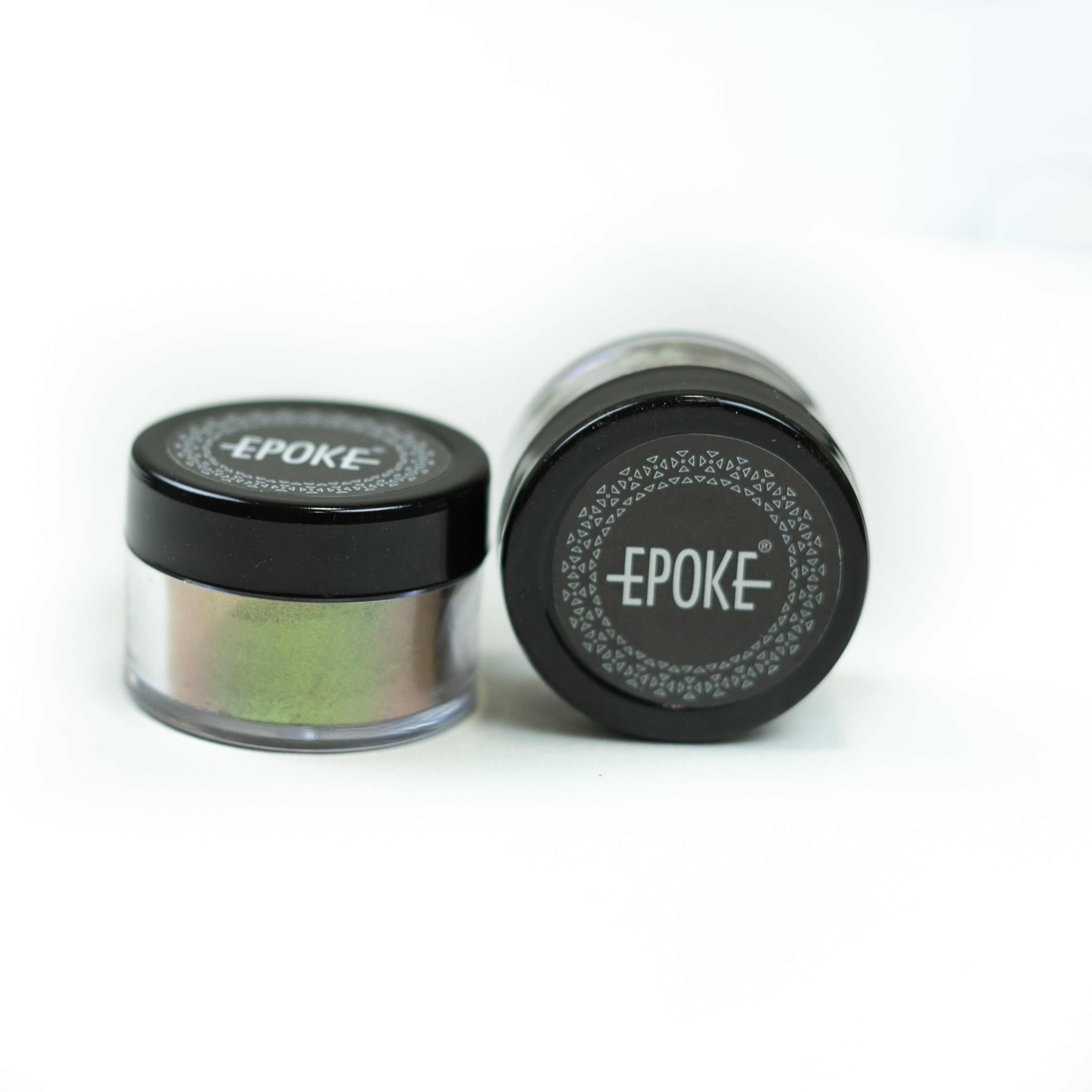
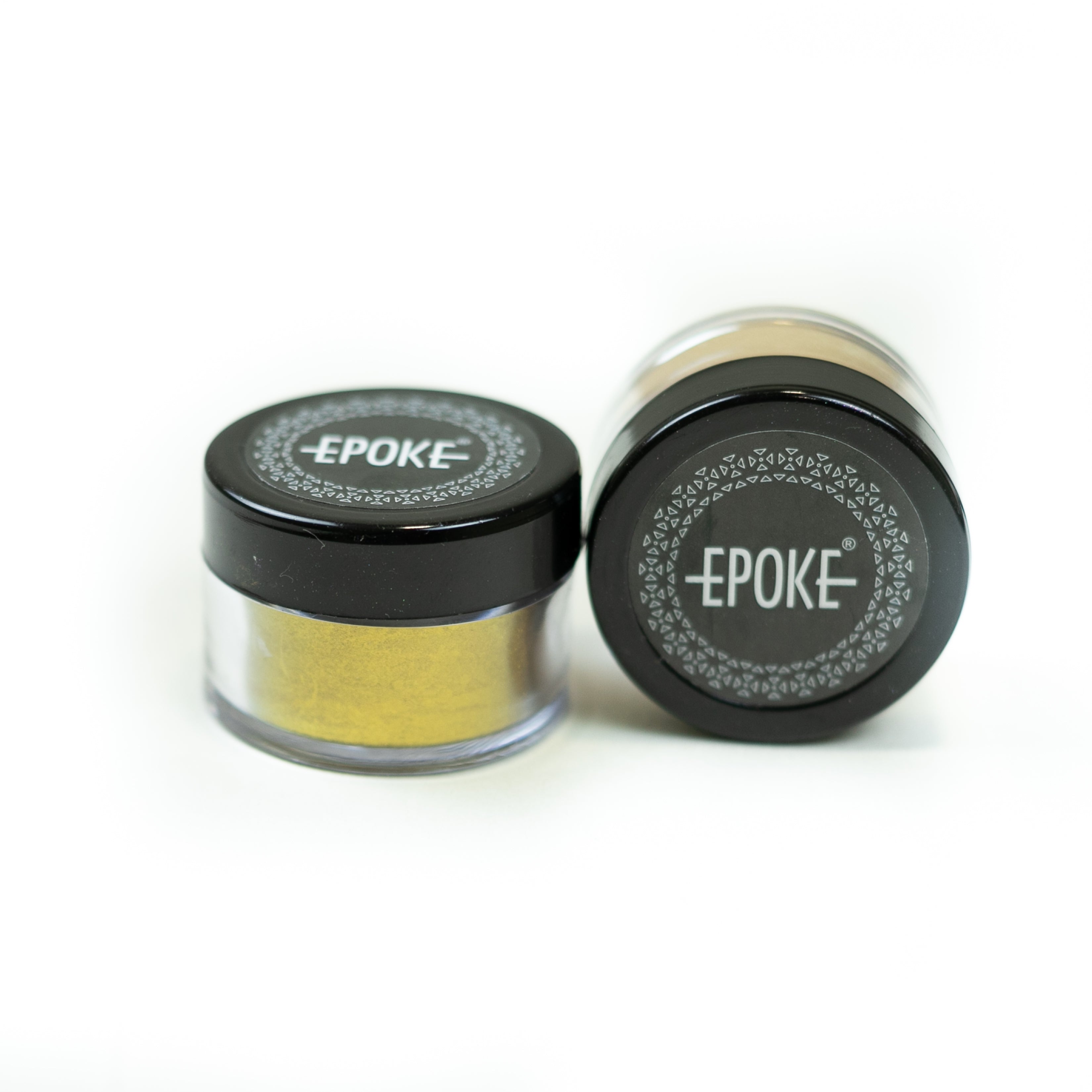
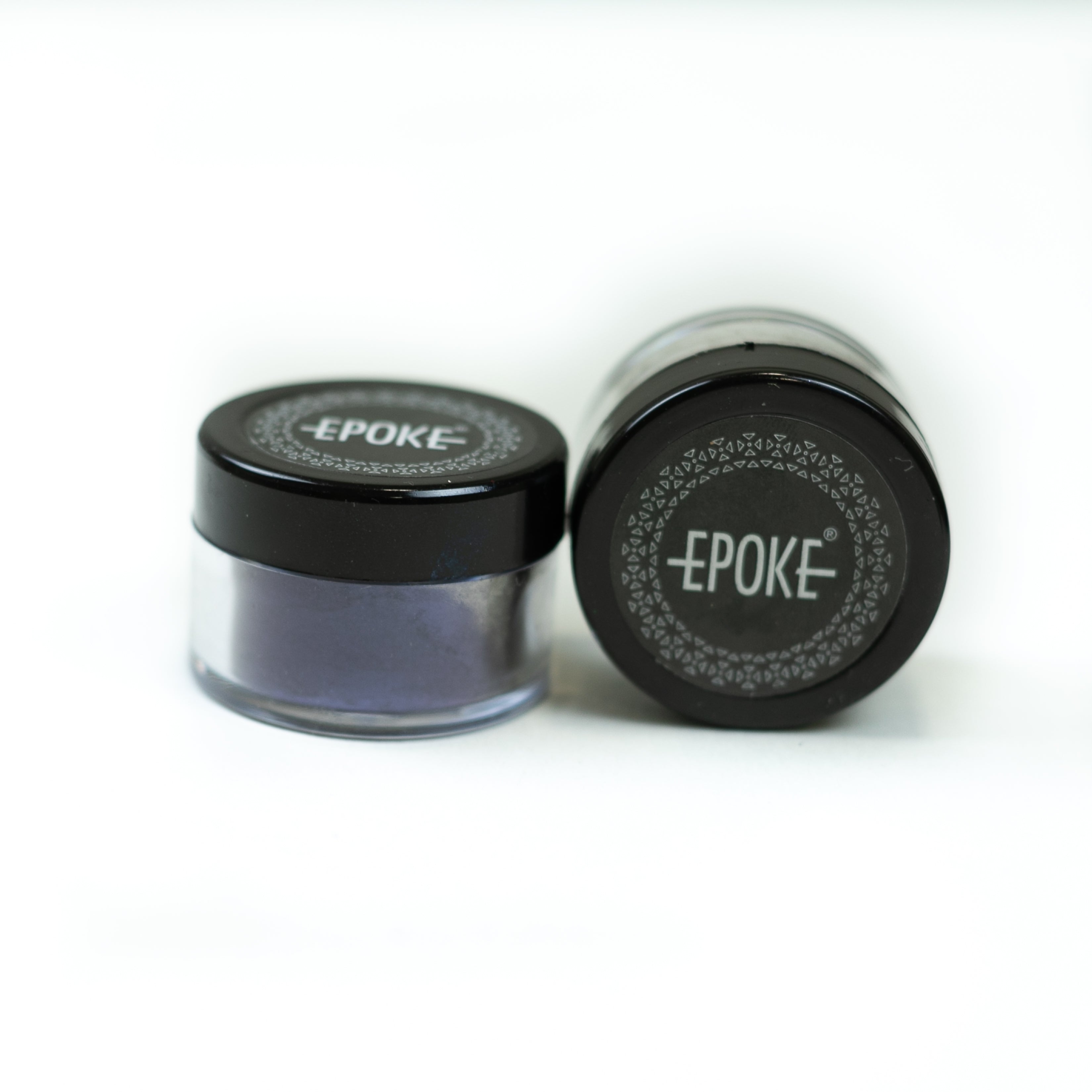
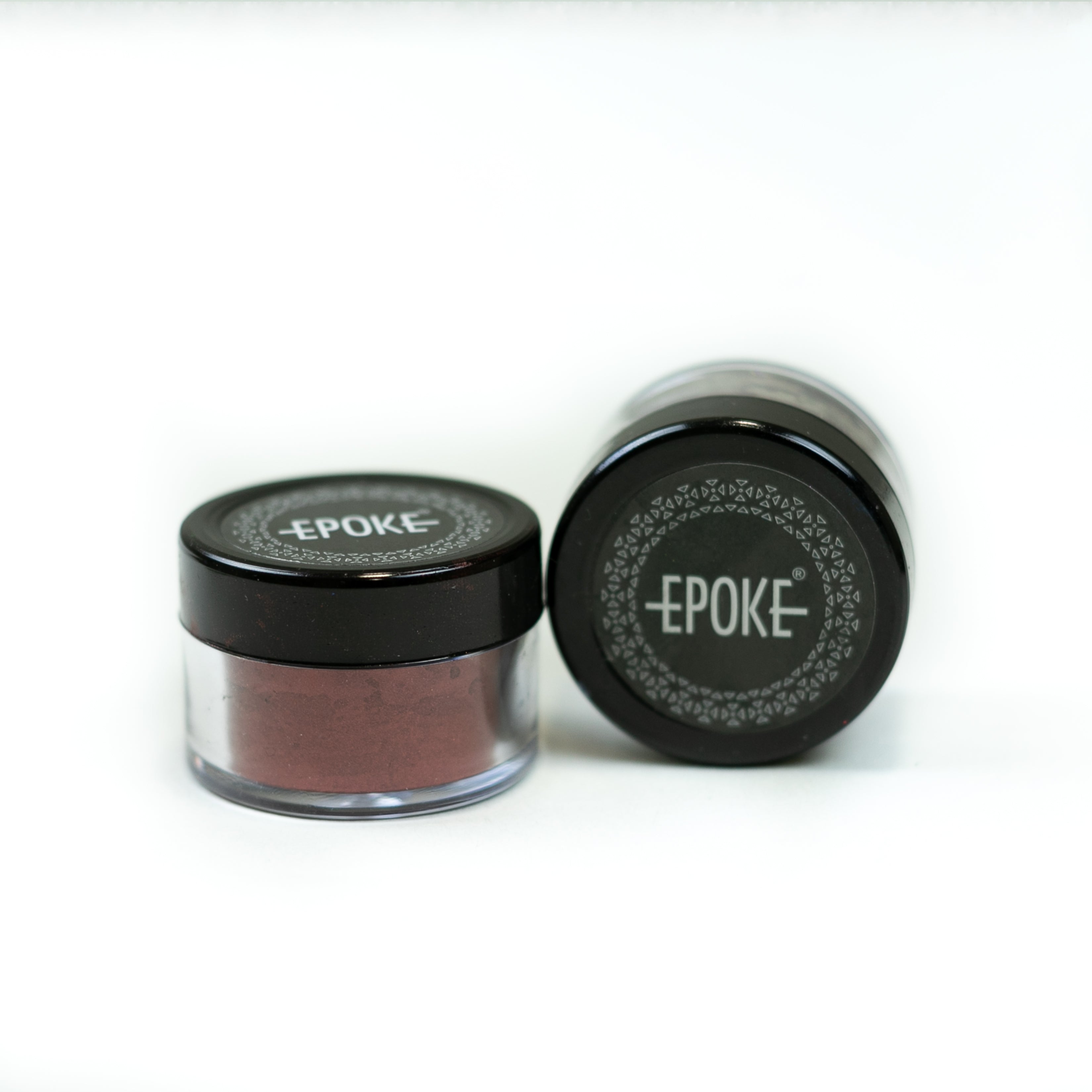
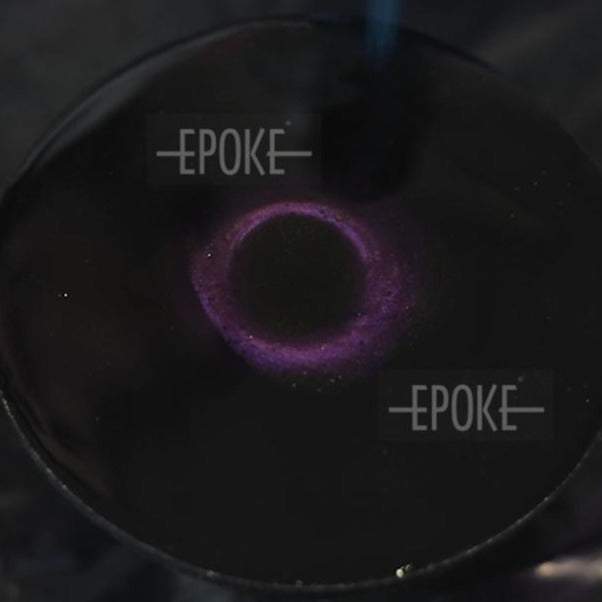
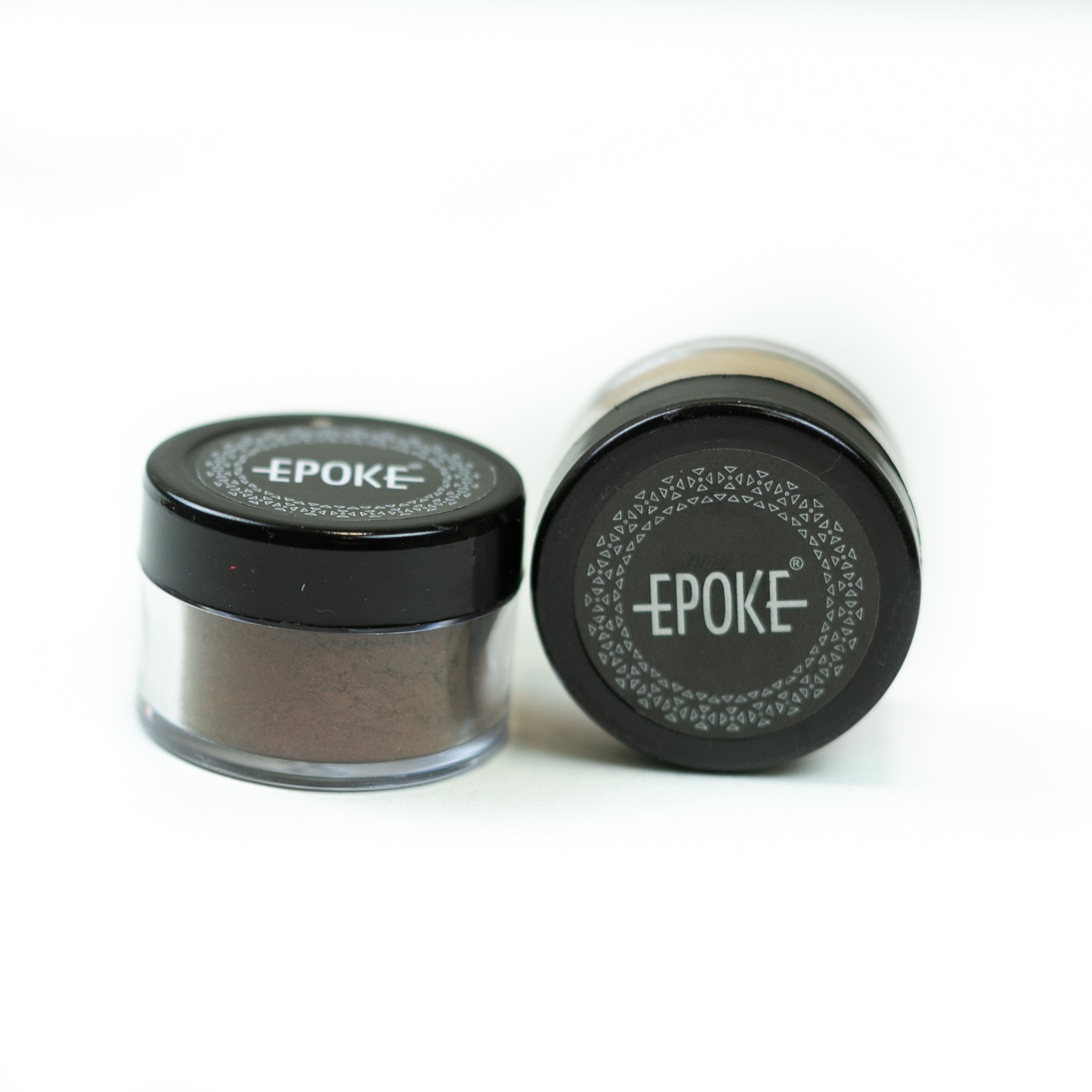
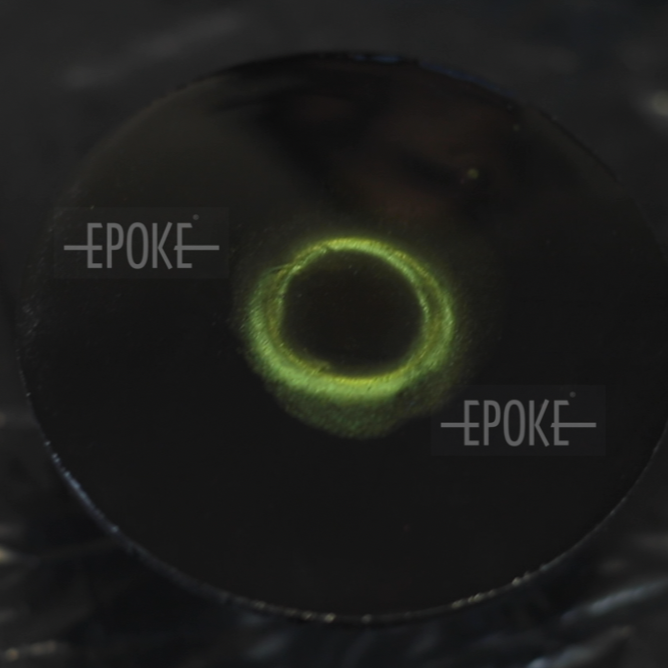
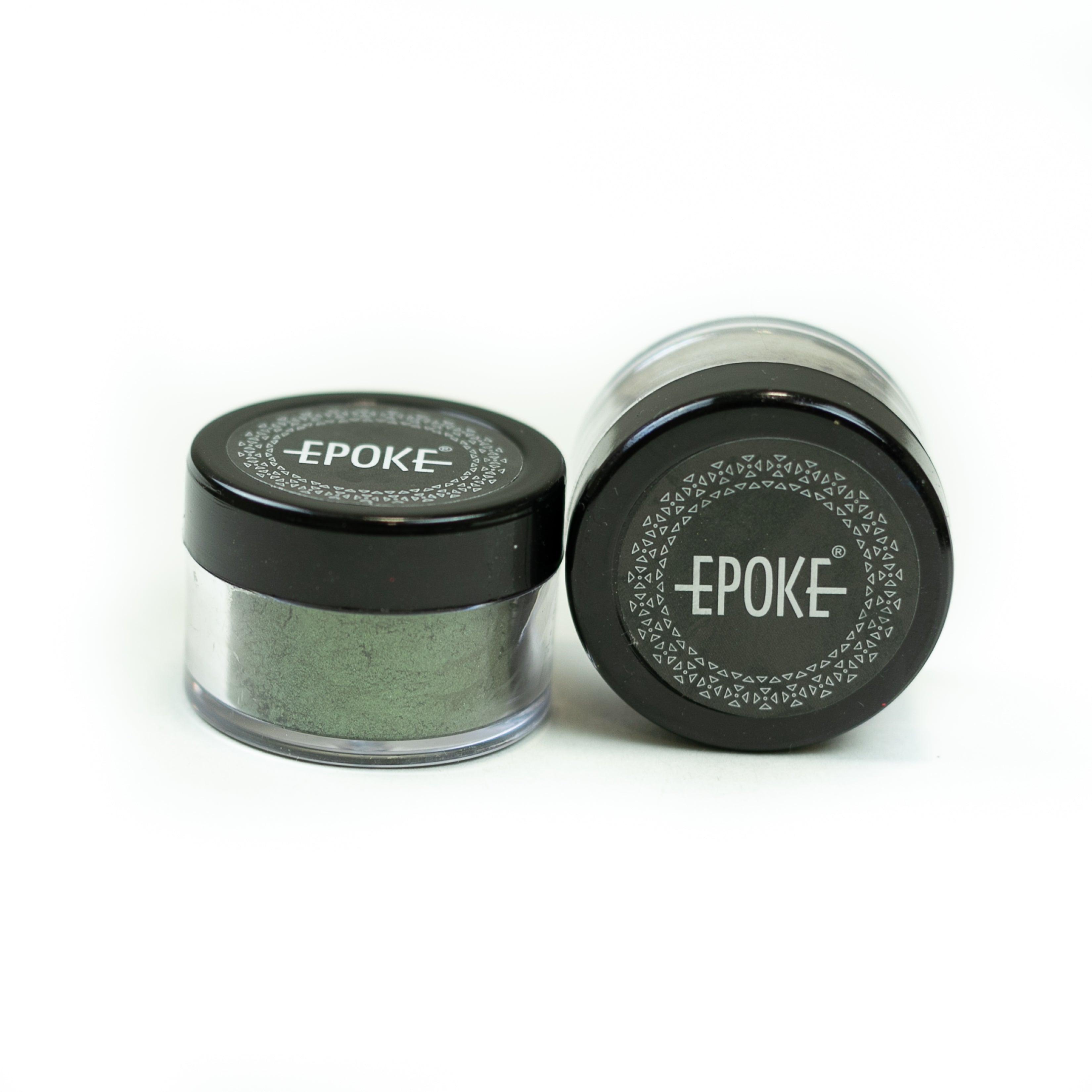
Both add shimmer, but metallic pigments generally give a more intense, reflective finish, while mica pigments lean toward a softer, pearlescent glow. If your project needs a strong shine that catches the eye from across the room, metallic pigment is the safer pick. With EPOKE Metallic Pigments what you see in the jar is the exact color you get when the pigment is mixed into resin unlike the Mica powders which change color once added into resin .
Best Pigment for Epoxy Resin: How to Decide
There is no single best pigment for epoxy resin. The right pick depends on your project goal.
-
Want a solid, flat finish? Choose EPOKE Opaque Pigments
-
Want depth and glow? Choose EPOKE Translucent Pigments
-
Want shine and movement? Choose EPOKE Metallic Pigments
-
Want all three? Layer them. Start with an opaque or translucent base, then add metallic accents on top.
Test your pigment ratio on a small batch before pouring your full project. Resin cure time and color intensity shift based on how much pigment you add, so small test pours save you from wasted resin later.
FAQs
1. What's the difference between EPOKE opaque and EPOKE translucent pigments in resin?
EPOKE Opaque pigments block light and give a flat, solid , rich color. EPOKE Translucent pigments allow light to pass through, which builds depth and a glass-like glow. Your project goal decides which one fits.
2. Is EPOKE metallic pigment the same as mica powder?
Not exactly. Mica powder is a natural mineral ground into fine particles for shimmer. Metallic pigment often includes mica along with other reflective particles for a stronger, bolder shine.With EPOKE Metallic Pigments what you see in the jar is the exact color you get when the pigment is mixed into resin unlike the Mica powders which change color once added into resin .
3. Which pigment is best for epoxy resin, opaque, translucent, or metallic?
It depends on the look you want. Opaque suits solid color pieces. Translucent suits layered, glowing designs. Metallic suits pieces that need shine and movement. Many artists layer all three. And all EPOKE Pigments are compatible with each other and can be mixed to create a third colour.
4. Can you mix EPOKE opaque and EPOKE translucent pigments in resin?
Yes. Mixing the two gives you controlled coverage in some areas and glowing depth in others. Test the ratio on a small sample first, since opaque pigment tends to overpower translucent pigment quickly.
5. Do metallic pigments affect how resin cures?
Metallic pigments added in normal amounts do not usually change cure time. Adding too much pigment of any type can affect how evenly your resin sets, so stick to recommended ratios.
Final Thoughts
Your project vision decides your pigment choice, not the other way around. Solid color calls for opaque. Glow and depth call for translucent. Shine and movement call for metallic. Once you know the effect you want, the pigment choice becomes simple.