
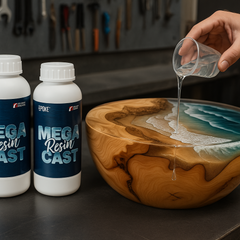
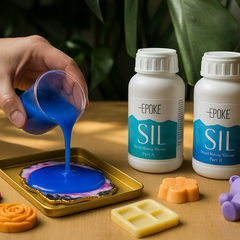
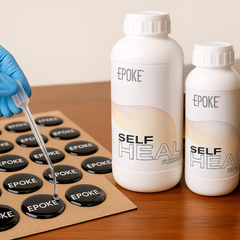




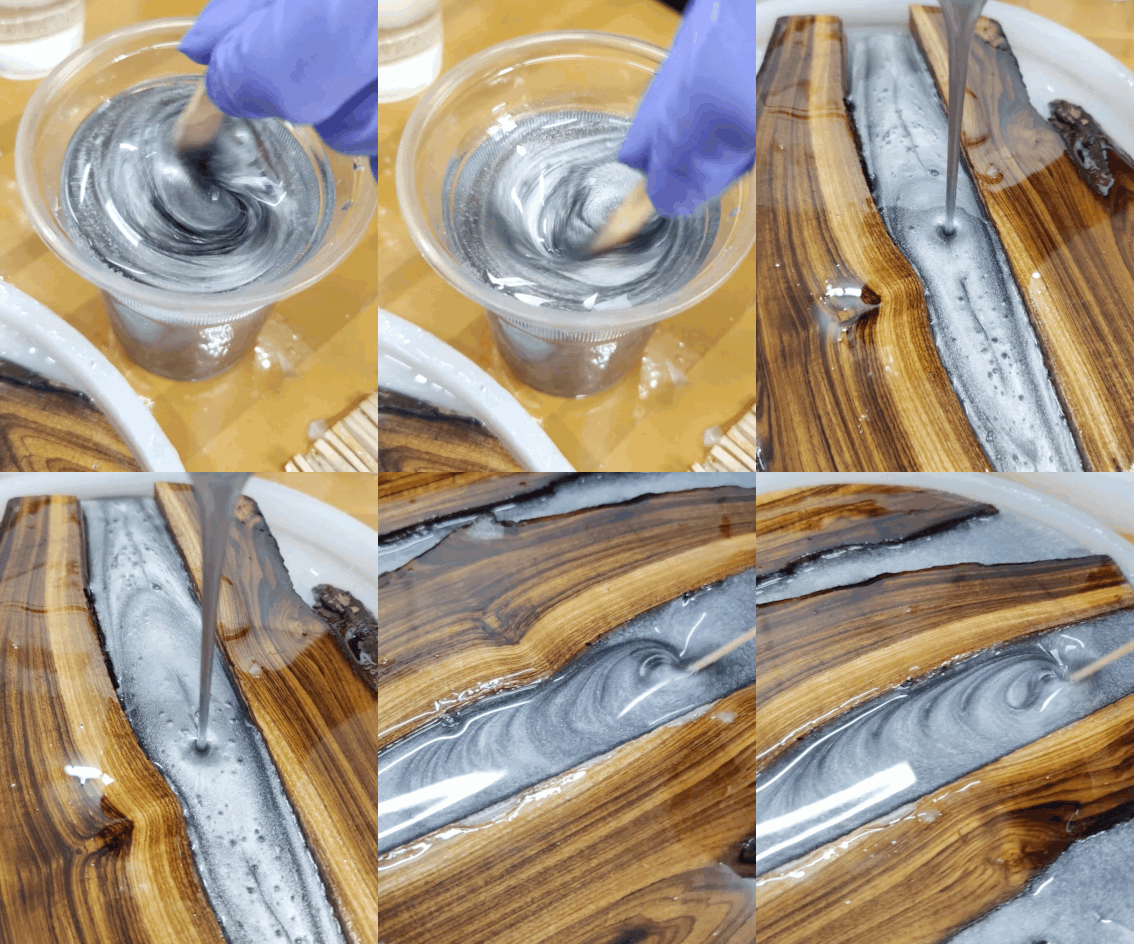















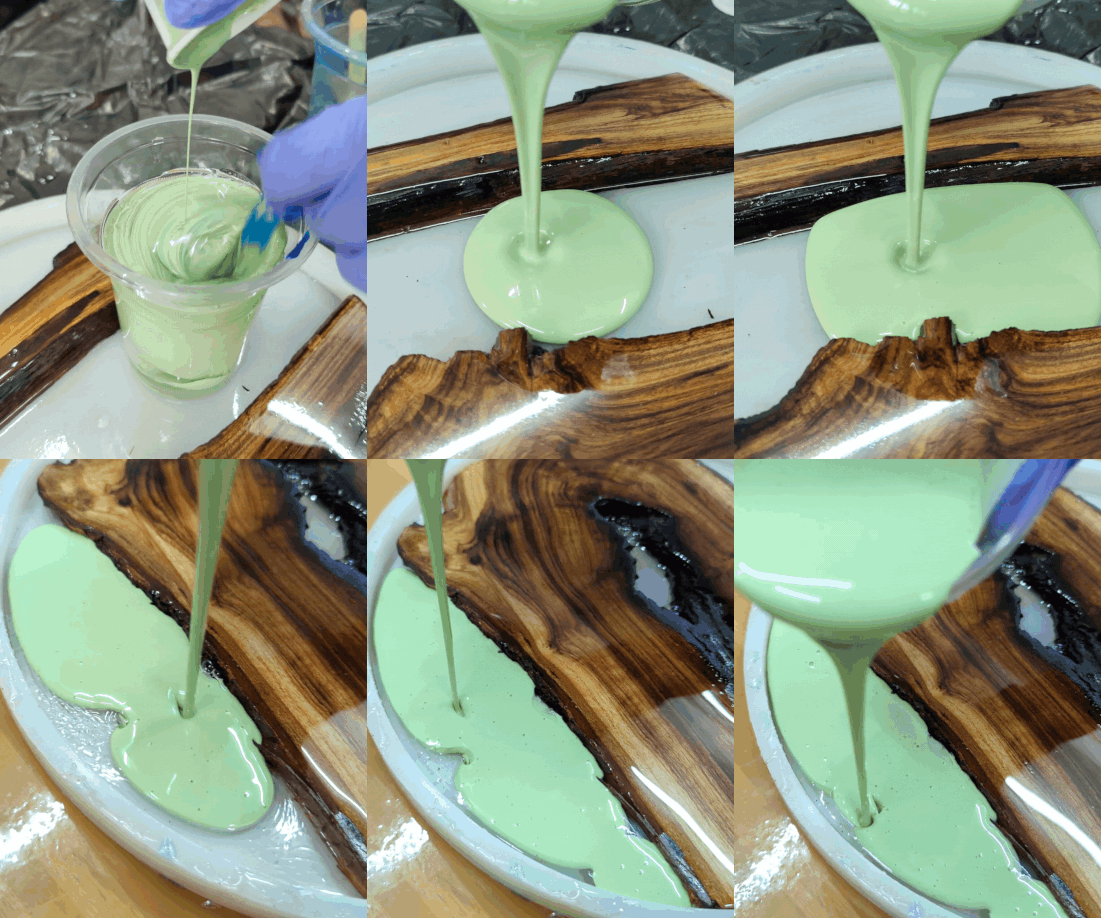








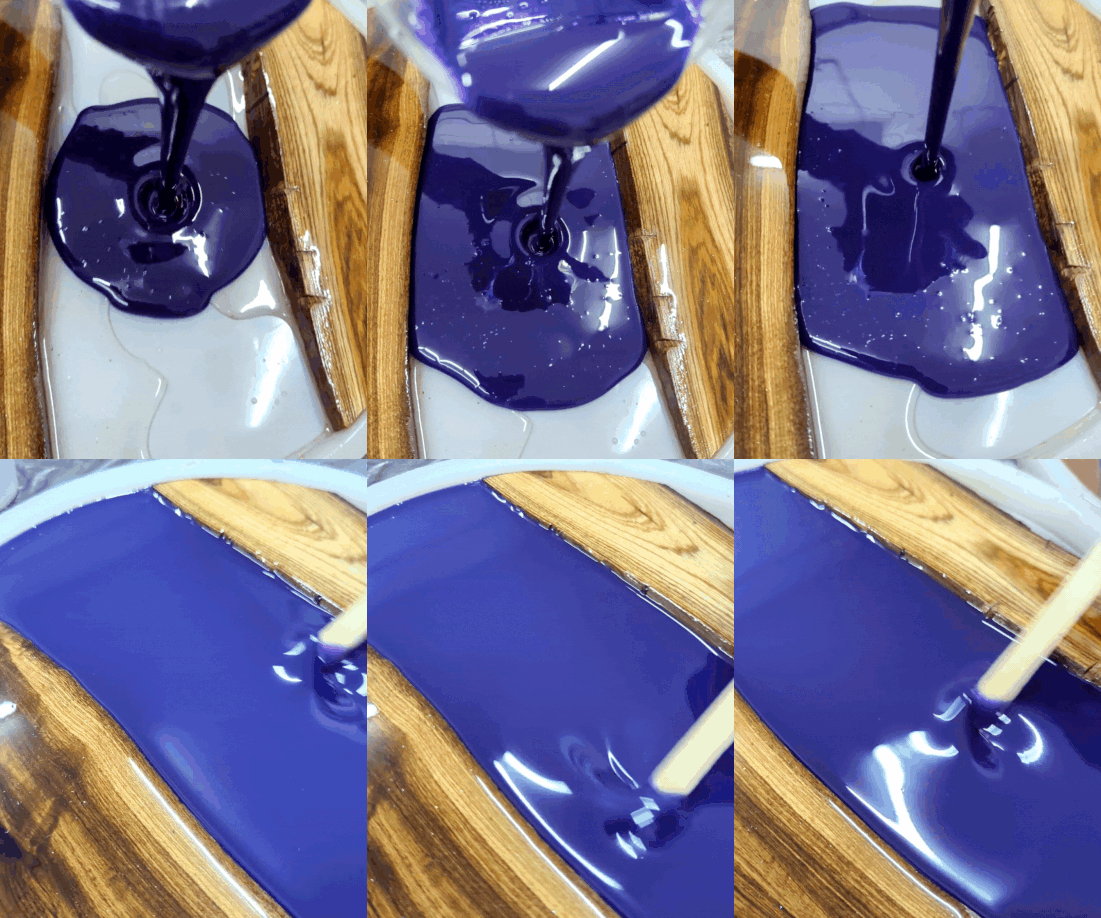




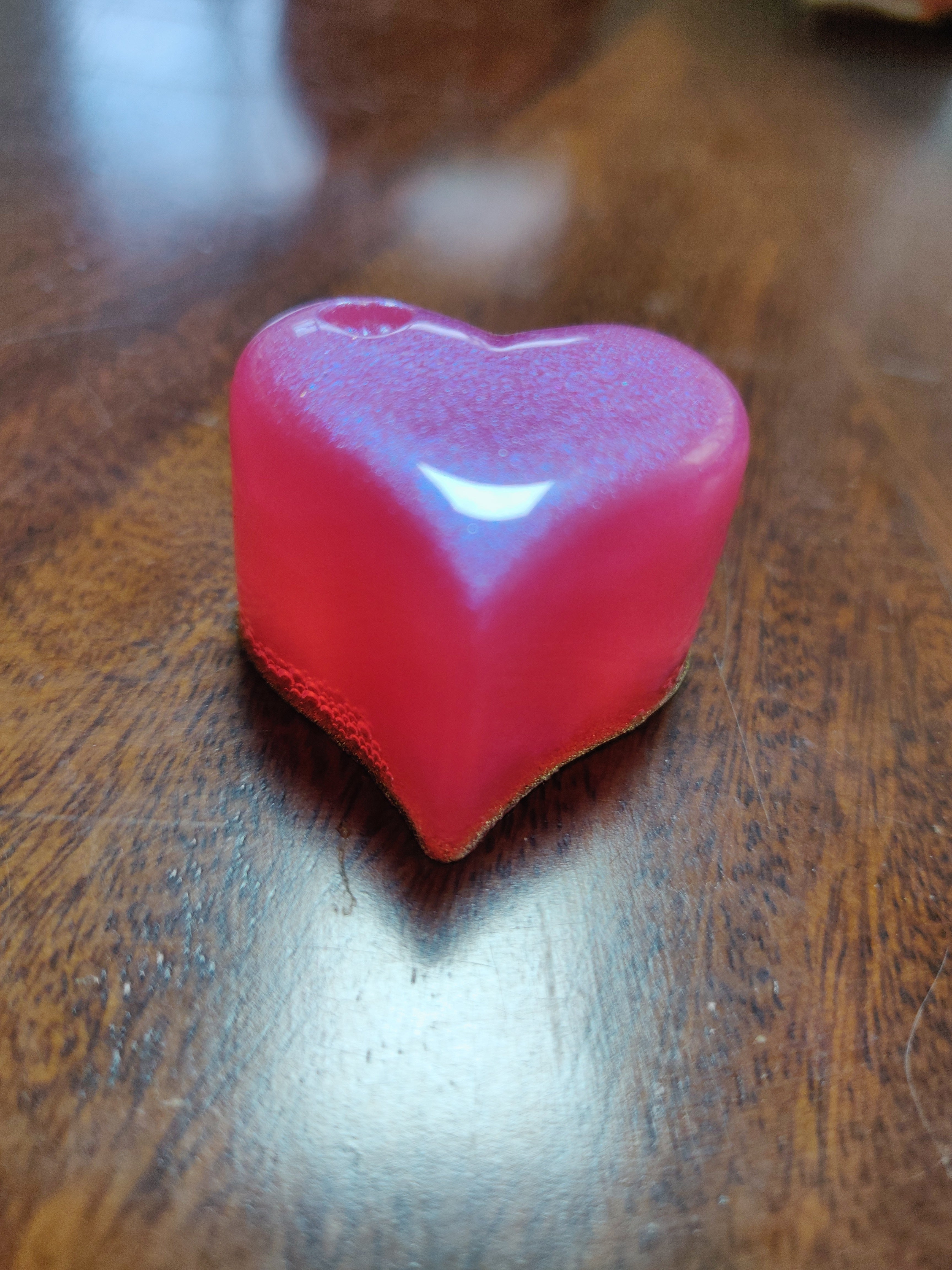


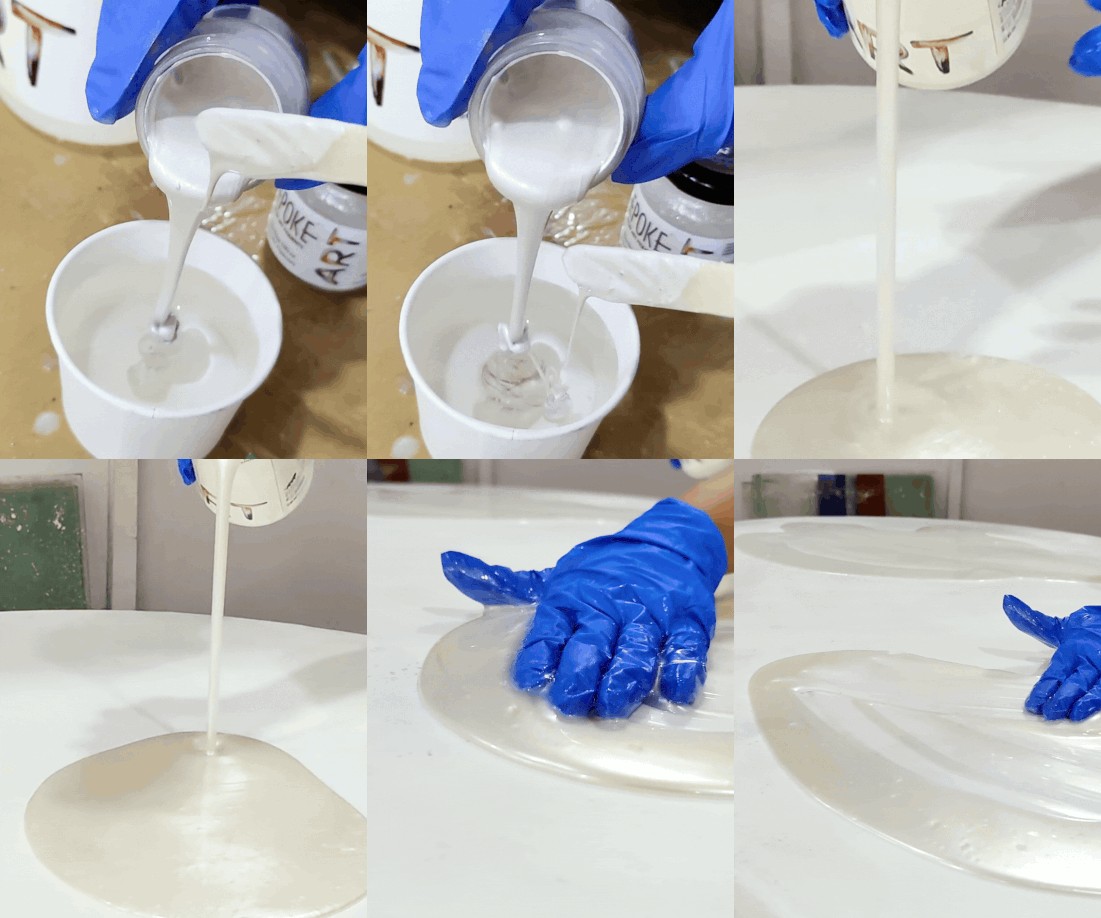










































































You mixed your resin. You poured it with care. You waited a full day. And your project is still sticky to the touch.
If your resin is still tacky after 24 hours, you are not doing anything wrong on purpose. Something in the process went off track. The good news: most tacky resin problems have a clear cause and a clear fix.
This guide walks you through why your resin is sticky, how to fix tacky epoxy, and what to check before you assume your batch is ruined.
Key Takeaways
-
Tacky resin almost always points to a ratio, mixing, temperature, or humidity issue.
-
Measure resin and hardener by weight or volume, never by eye.
-
Mix for the full recommended time and scrape the container edges.
-
Keep your workspace between 70°F and 75°F with low humidity.
-
Check your resin's full cure time before assuming your project failed.
-
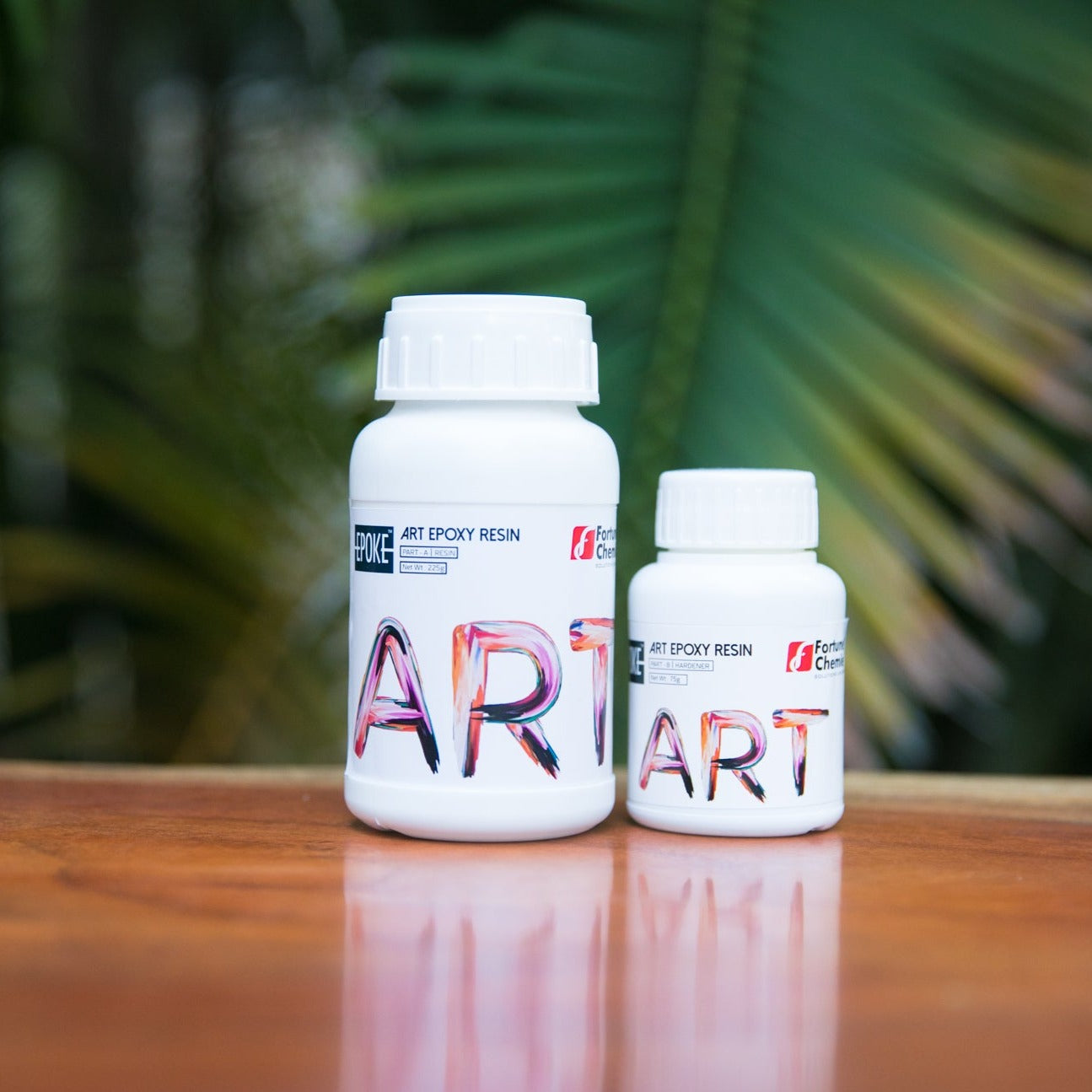
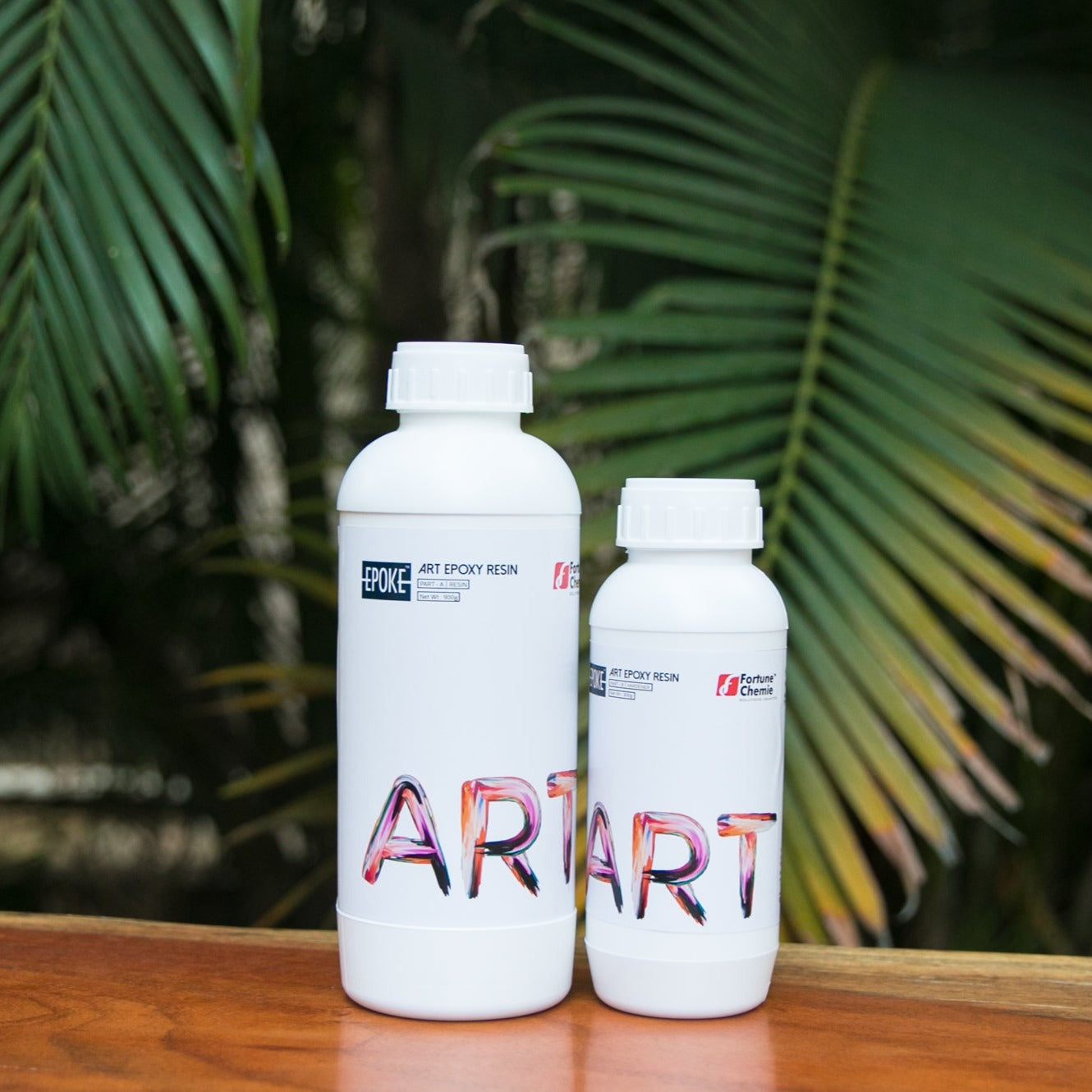
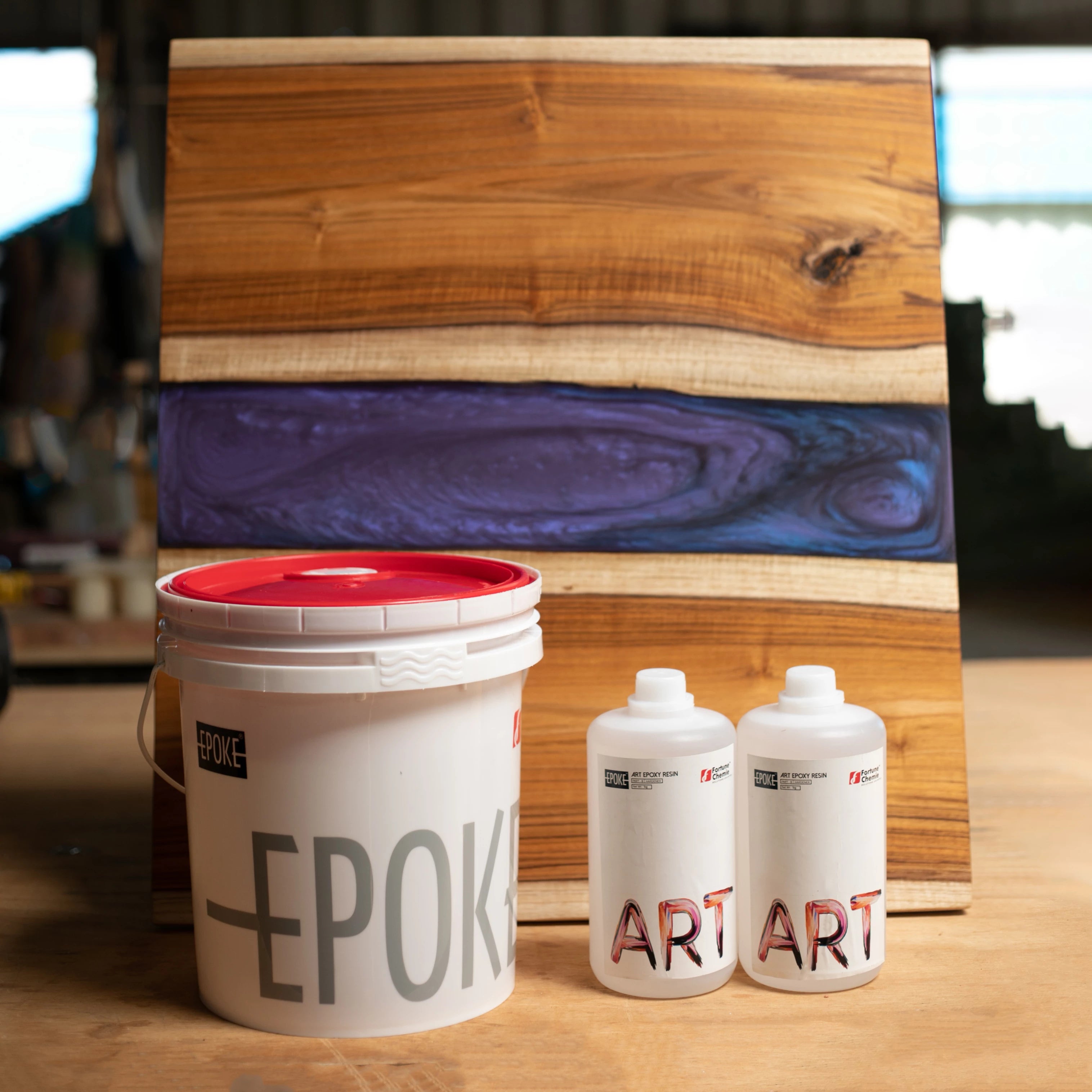
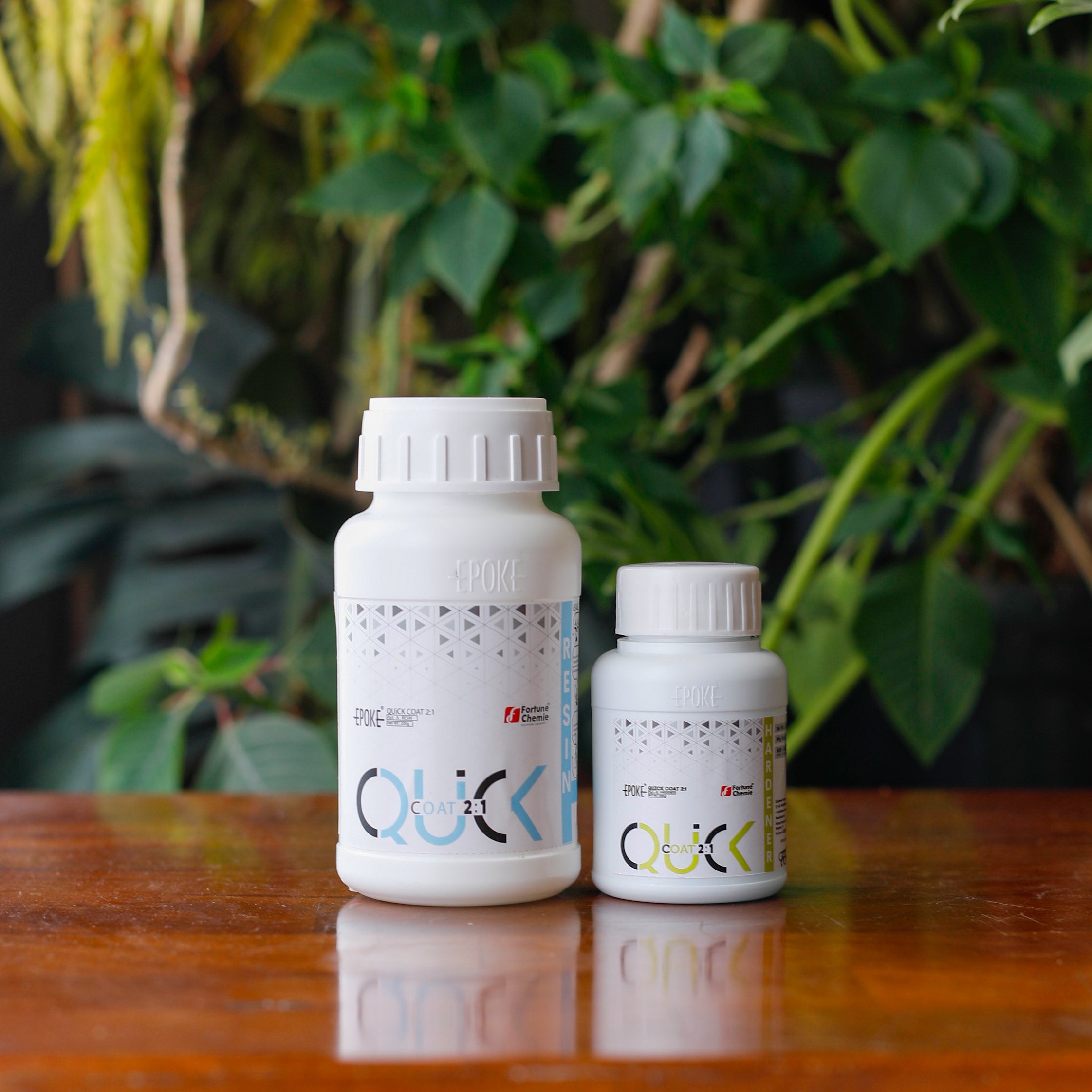
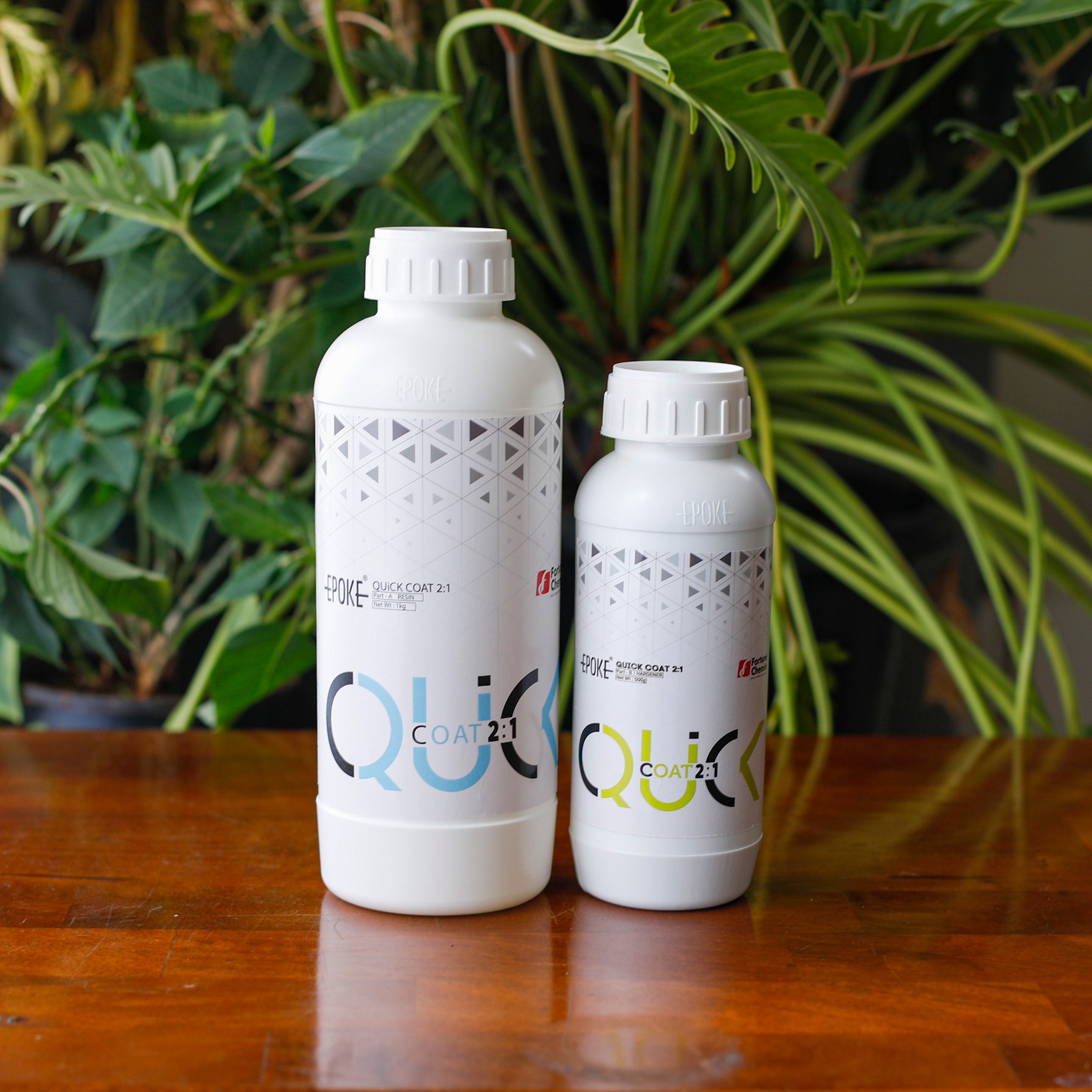
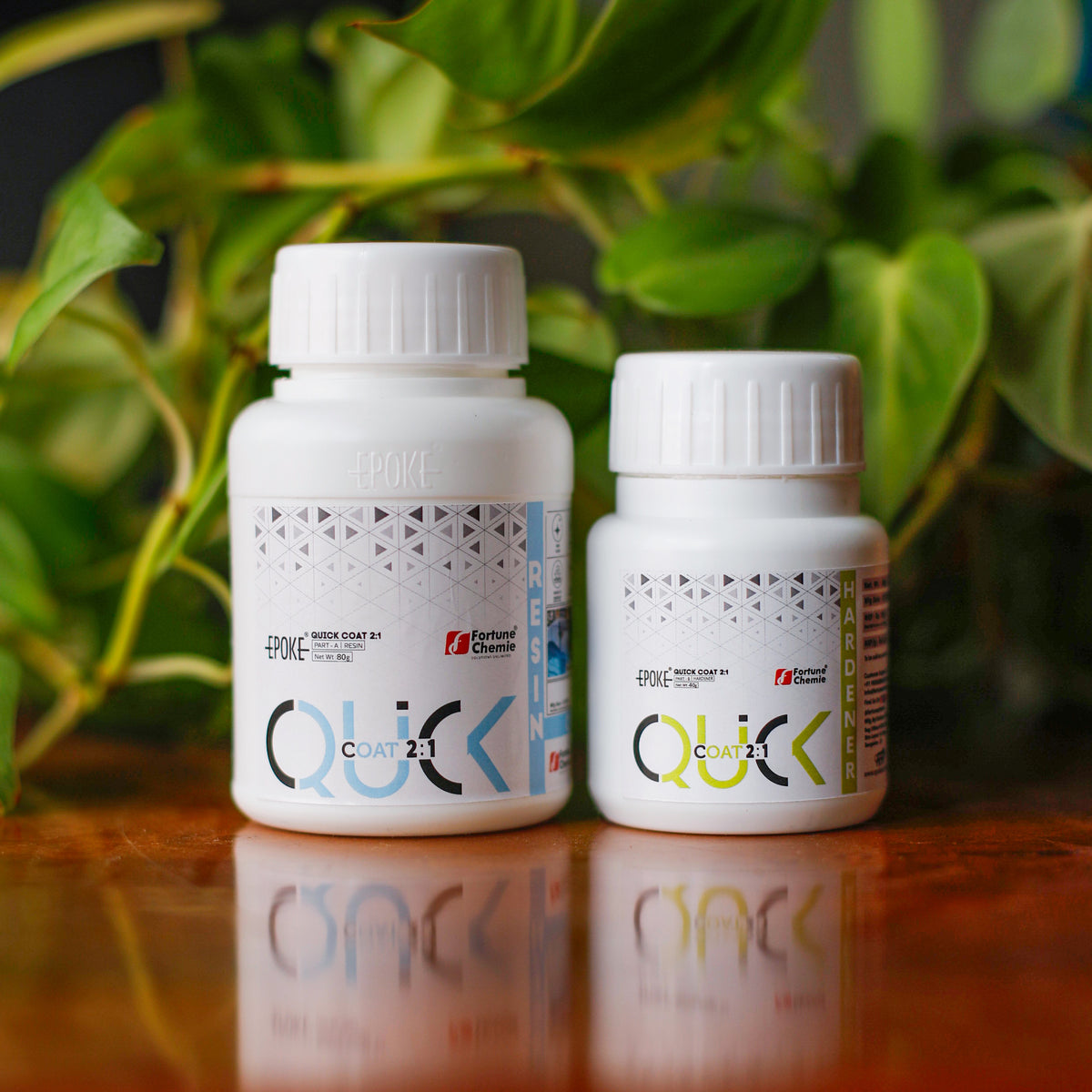
Choose the right resin type for your project from the start. Explore options at EPOKE Art's resin collection.
What Does It Mean When Resin Is Tacky?
Tacky resin feels soft, sticky, or slightly wet on the surface, even though it has had time to set. A properly cured piece should feel hard, smooth, and dry to the touch. When resin is tacky to the touch after the recommended cure window, it usually means the chemical reaction between the resin and hardener did not finish the way it should.
Epoxy resin cures through a chemical reaction, not through air drying like paint. That reaction needs the right ratio, the right temperature, and the right mixing method to complete. Skip one of these steps and you get a soft, sticky surface instead of a hard one.
7 Common Causes of Tacky Resin (And How to Fix Them)
1. Incorrect Mixing Ratio
This is the top reason resin does not cure. Every resin and hardener pair has a set ratio, often 1:1 or 2:1 by volume or weight. Pour too much hardener or too little, and the reaction stalls before it finishes.
Fix: Use a scale or measuring cups made for resin work. Measure each part on its own line, not by eye. If your batch is off, you cannot fix the ratio after pouring. You need to remove the layer and start again with a fresh, correctly measured batch.
2. Not Mixing Long Enough
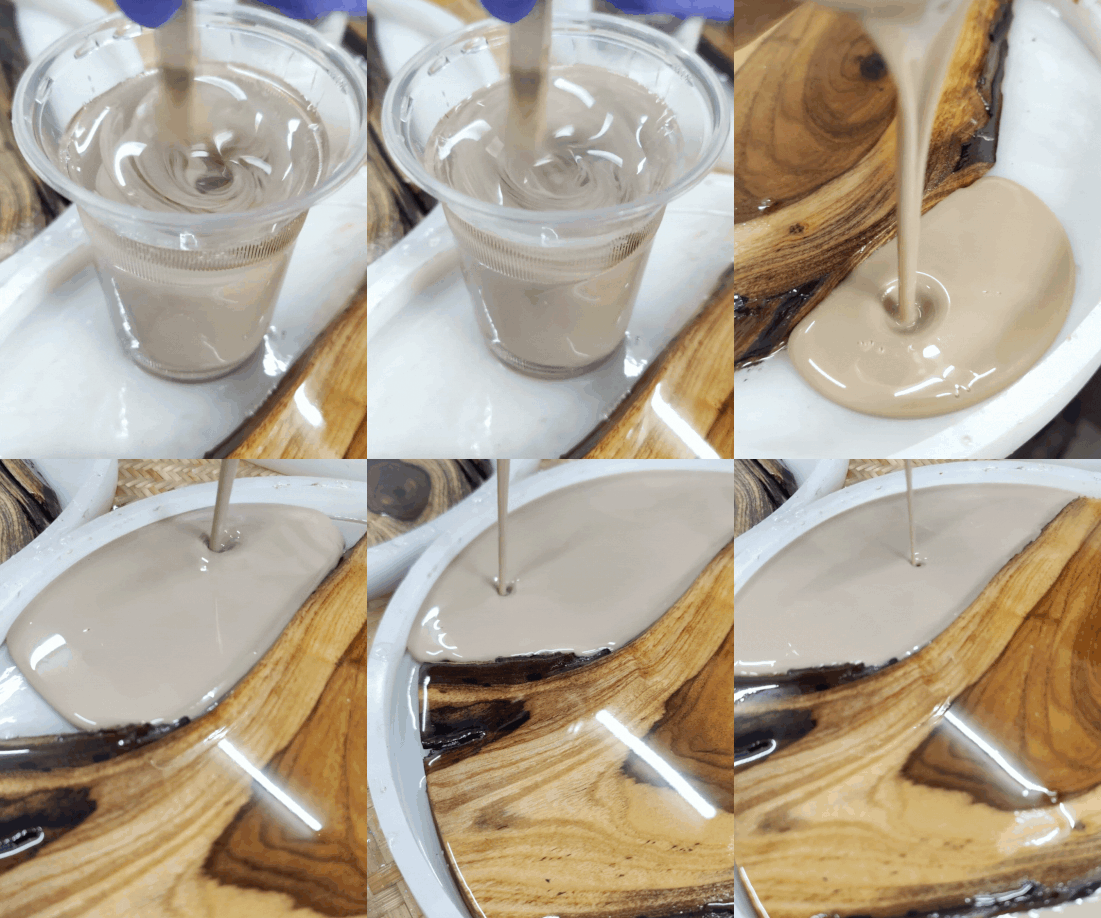
A short stir looks mixed on the surface, but the resin and hardener need to blend all the way through, including the sides and bottom of your container.
Fix: Mix for the full time your resin instructions state, usually 3 to 5 minutes. Scrape the sides and bottom of the cup several times while mixing. Pour into a second clean cup and mix again for another minute. This step, often called double mixing, catches unmixed resin hiding in the corners of your first cup.
3. Room Temperature Too Low
Resin needs warmth to cure. If your workspace sits below 65°F (18°C), the chemical reaction slows down or stops. This is one of the most common reasons for resin tacky to touch complaints during colder months.
Fix: Work in a room between 70°F and 75°F (21°C to 24°C). If your space runs cold, use a space heater nearby or place a heat lamp a safe distance above your piece. Warming your resin and hardener bottles slightly before mixing also helps the reaction start strong.
4. Humidity in the Air
High humidity brings moisture into contact with your curing resin. That moisture can react with the surface and leave a soft, hazy, or sticky film, even when the resin underneath has set properly.
Fix: Cure your resin in a dry room with low humidity. A dehumidifier helps if you live somewhere damp. Cover your piece loosely with a box or plastic dome to keep dust and moisture off while it sets.
5. Wrong Resin for the Job
Not every resin cures the same way. Some are made for thin coats and cure differently from resins made for deep pours or casting. Using the wrong type for your project can leave the surface soft, no matter how carefully you measured.
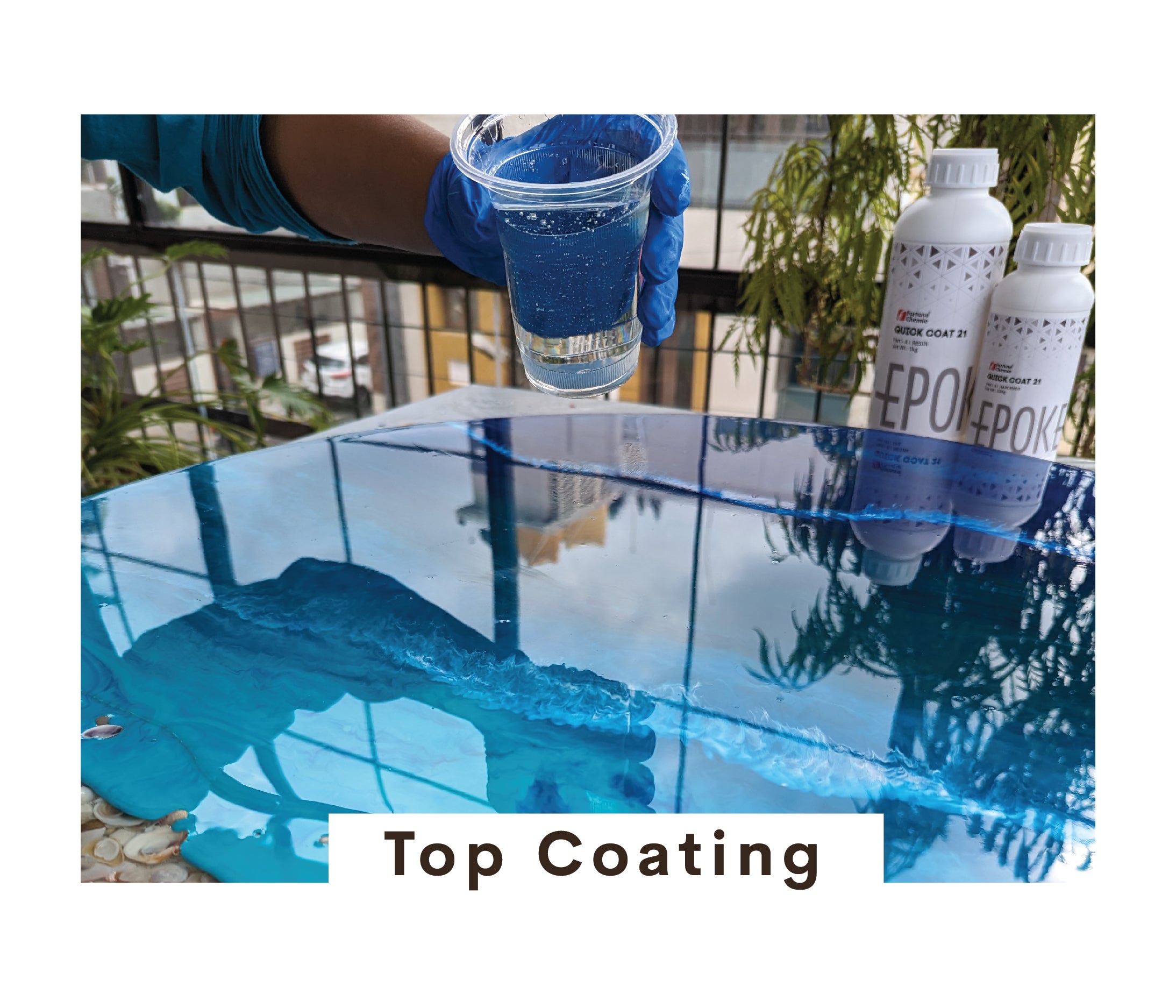
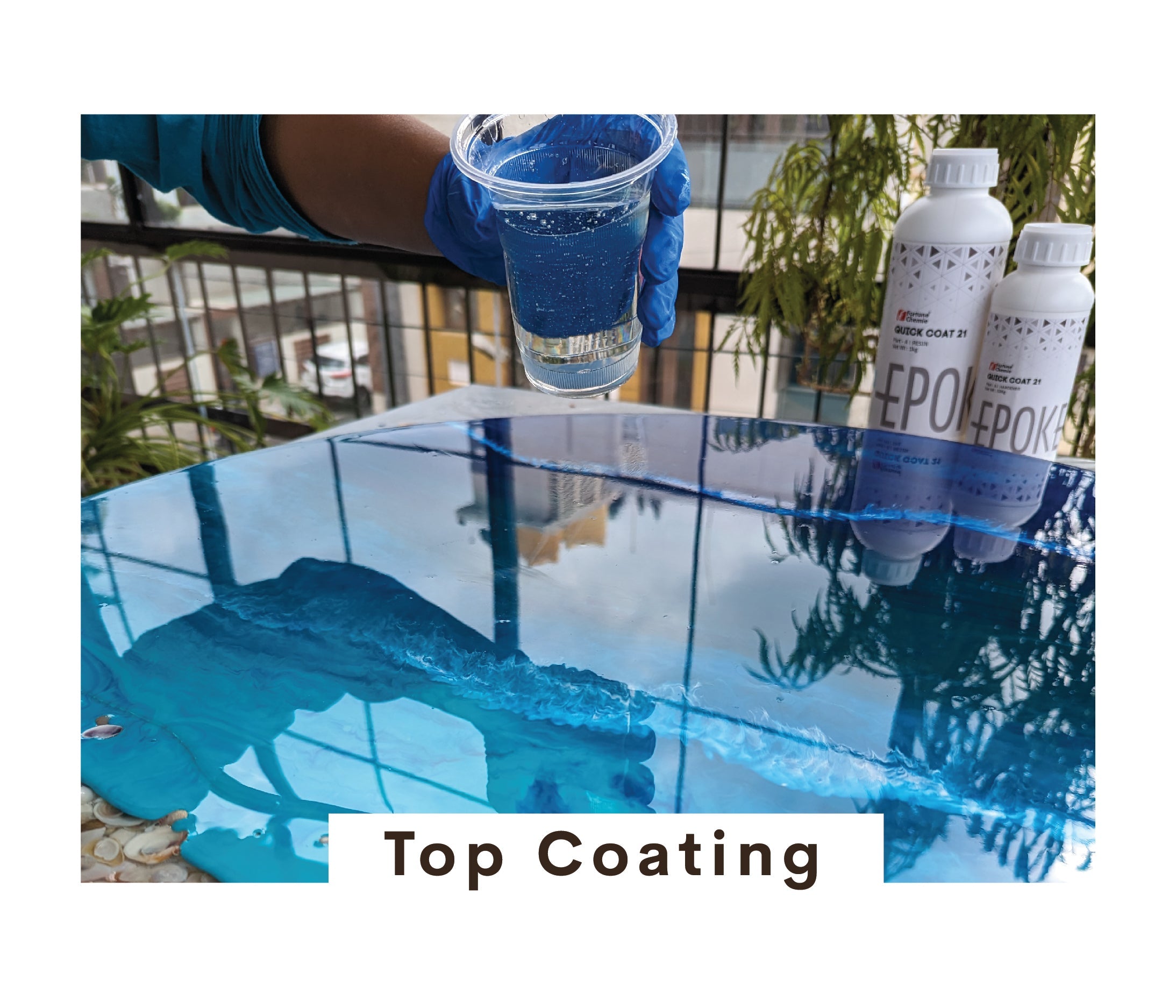
Fix: Match your resin to your project type before you start. Check the intended use, pour depth, and cure time listed for your resin. Browse a full range of resin options built for different projects at EPOKE Art's resin collection to find the right fit for your next piece.
6. Old or Expired Resin
Resin and hardener have a shelf life. Once opened, they can absorb moisture from the air over time, and the chemical reaction weakens. Old resin often results in a tacky surface even with a perfect mix.
Fix: Check the manufacture date on your bottles. Store resin and hardener sealed tightly in a cool, dark space. If your resin is more than a year old, or the hardener smells off, test a small batch before committing to a full project.
7. Not Enough Cure Time
Some resin still tacky after 24 hours simply needs more time. Many resins reach a touch-dry state within 24 hours but need 48 to 72 hours to reach a full hard cure. Full chemical cure can take up to a week or more depending on the product and conditions.
Fix: Check your resin's stated full cure time, not just the touch-dry time. Give your piece the full window before you decide something is wrong. Keep it in a warm, dry, dust-free space during this time.
How Long Should Resin Take to Cure?
Most resins move through three stages:
-
Tack-free stage: 12 to 24 hours, surface no longer sticks to fingers
-
Hard cure stage: 48 to 72 hours, surface can handle light handling
-
Full cure stage: 7 to 14 days, resin reaches maximum hardness and strength
If your piece is still soft well past the full cure stage listed for your resin, one of the causes above is likely at play.
FAQs
1. Why is my resin still tacky after 24 hours?
Your resin is likely tacky due to an incorrect mixing ratio, insufficient mixing time, low room temperature, or high humidity. Most resins also need longer than 24 hours to reach a full hard cure, so some tackiness at this stage is normal for certain products.
2. Is it normal for epoxy resin to still be soft after 24 hours?
Yes, in many cases. Most epoxy resins reach a tack-free surface within 24 hours but need 48 to 72 hours for a hard cure and up to two weeks for a full cure. Check your specific resin's cure schedule before assuming a problem.
3. How do I fix tacky resin without ruining my project?
If the tackiness is light and your resin is past its stated cure window, try warming the piece gently and giving it more time. If the resin remains soft or tacky after the manufacturer’s recommended cure time, first identify the cause. Depending on the issue, the uncured resin may need to be removed before the surface is properly prepared and recoated with a fresh, correctly measured batch.
4. Why is my resin sticky even though I measured it correctly?
Accurate measuring solves one problem, but resin can still stay sticky from under-mixing, cold room temperature, high humidity, or old hardener. Walk through each of these factors even if your ratio was correct.
5. How long should I wait before assuming my resin won't cure?
Give your resin its full stated cure time, often 48 to 72 hours for a hard cure and up to two weeks for a full cure. If it is still soft or sticky after that window, one of the causes covered above is the likely reason.
Top 5 Blogs
- Resin Pigments for Beginners: A Complete Guide 2026
- Art Resin vs Casting Resin vs Coating Resin: Which One Do You Actually Need?
- How to Use Glitter in Epoxy Resin Art: A Complete Beginner's Guide for India
Visit our Dubai Showroom:
Address: 3rd floor, 1988, 9th Main Rd, Banashankari 2nd Stage, Banashankari, Bengaluru, Karnataka 560070
Appointments: 090360 60600
Email: info@fortunechemie.com